Shrubs

How to Grow Hydrangeas in the UK: Care, Pruning and Best Varieties

Shrubs

How to Grow Hydrangeas in the UK: Care, Pruning and Best Varieties

by Arundel Arboretum on May 05, 2026
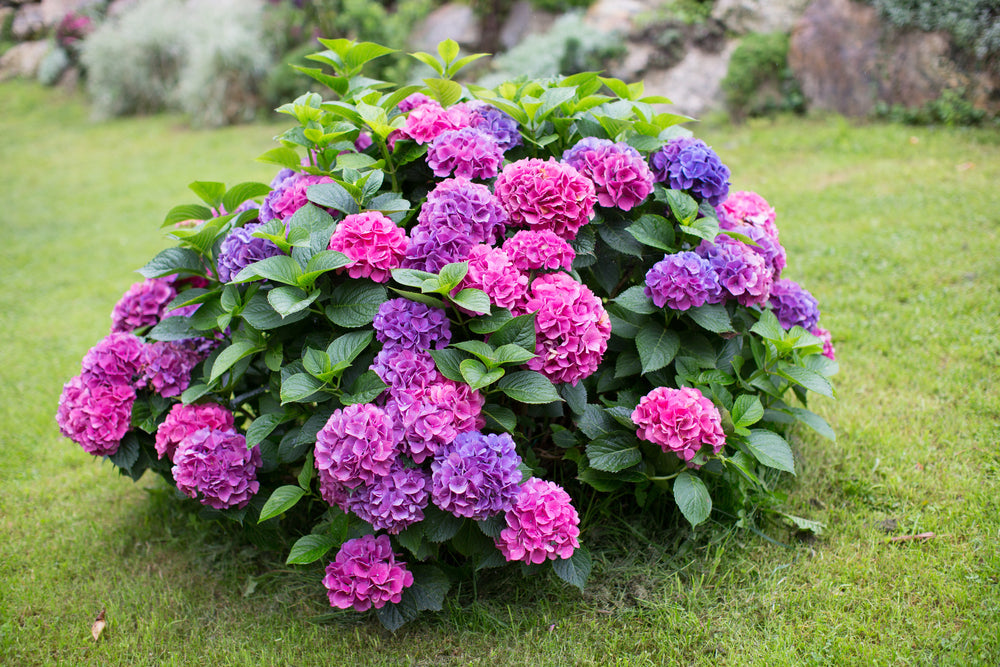
Hydrangeas are one of the most reliable and beautiful shrubs for UK gardens, offering colour and structure from early summer through to autumn. They have a remarkable way of turning overlooked corners into a full display of colour, and there’s a variety to suit almost every garden. This hydrangea care guide for UK gardens covers everything you need to know about growing hydrangeas, choosing the right varieties, pruning, watering, and solving common problems. Are Hydrangeas Suitable for the UK Climate? Hydrangeas do very well in the UK and will grow happily in most parts of the country. In the South and South West, mild winters and longer growing seasons help hydrangeas thrive, while many varieties are just as comfortable in the cooler conditions of the North and Scotland. In most parts of the UK, regular rainfall helps keep the soil moist, which suits hydrangeas well. But in colder areas, late frosts can affect new growth, and in drier or more exposed spots, they may need a bit of extra watering or some shelter to thrive Where to Plant Hydrangeas in the UK Best Position for Hydrangeas Most hydrangeas prefer partial shade, where they can enjoy morning sun but are protected from the stronger afternoon heat. This kind of position helps keep the soil from drying out too quickly and prevents the leaves from scorching. East-facing borders or lightly shaded areas are usually ideal. This tends to be the safest option in most UK gardens. Can Hydrangeas Grow in Full Sun? Some hydrangeas can handle full sun, especially tougher varieties like paniculata and in cooler parts of the UK. However, strong sun can dry them out quickly, so they’ll still need consistently moist soil. In warmer or drier areas, most will do better with a little shade during the afternoon. How to Protect Hydrangeas from Wind and Exposure? Hydrangeas are happiest in a sheltered spot because strong winds can damage their large leaves and heavy flower heads. Wind can also dry out the soil more quickly, which puts extra stress on the plant. Here’s how to protect them: Avoid very exposed or windy areasPlant near a wall, fence or hedgeUse nearby planting for natural protectionKeep the soil well-watered and mulched Can Hydrangeas Grow in Pots or Containers? Hydrangeas grow very well in pots or containers. They are a great choice for patios, courtyards and smaller gardens. In our experience, many varieties perform just as well in containers as they do in the ground, as long as they are properly watered and fed. How to Grow Hydrangeas in Containers Container-grown hydrangeas will need just a little more attention. It’s important to recreate the conditions they would have in the ground as much as possible. Here are a few tips for growing hydrangeas in pots and containers: Choose a large pot with good drainageUse a quality compost that holds moistureWater regularly, especially during warm periodsFeed during the growing season Repot every few years as the plant grows Nothing too complicated. Consistent care is what makes the biggest difference. Growing Hydrangeas in Pots vs. Ground If you can’t decide whether to grow hydrangeas in the ground or in containers, here are some key differences to have in mind. In the ground, hydrangeas: have more stable moisturetend to grow largerneed minimal maintenance once established In pots, they: are easier to move and position wellare ideal for smaller spacesbut need more frequent watering and feedingThere’s no single right answer. It usually comes down to your space and routine. Best Soil for Hydrangeas in the UK Hydrangeas grow best in moist, well-drained, slightly acidic to neutral soil rich in organic matter. Many UK gardens naturally provide good conditions, but improving the soil slightly before planting saves a lot of effort later on. How to Improve Clay Soil for Hydrangeas? This is a common problem in UK gardens. Clay soil holds moisture very well, but can be heavy and slow to drain. To improve clay soil: Avoid planting in waterlogged areas or low spotsBreak up compacted soil before plantingAdd compost or well-rotted organic matterMix in horticultural grit to help improve drainageApply mulch every year to improve structureIn very heavy clay, planting slightly raised can also help improve drainage. How to Improve Sandy or Light Soil for Hydrangeas? Sandy or light soils drain quickly, which means they dry out faster, especially in warm weather. As hydrangeas prefer consistently moist soil, this is where many people struggle during warmer periods. To improve sandy or light soils: Add compost or well-rotted organic matterMix in materials like leaf mould to improve structureApply a thick mulch each spring to reduce water lossWater deeply and regularly instead of little and oftenChoose a slightly more sheltered or partially shaded position Does Soil pH Affect Hydrangea Colour? This is one of the most common questions we’re asked at the nursery. Not all hydrangeas respond to soil pH in the same way. Soil pH affects the colour of Hydrangea macrophylla (mophead and lace-cap types). Flowers are blue in acidic soil (pH 5.5–6).Flowers are pink in neutral to alkaline soil (pH 7+). Acidic soil allows the plant to absorb aluminium, which then gives flowers the blue colour.Flowers of other hydrangeas, such as paniculata and quercifolia, are not affected by soil pH.  Hydrangea Varieties for UK Gardens: Choosing the Right Type Choosing the right type makes a big difference to how well it grows. Here are the hydrangeas we grow at our nursery, along with their key features to help you find the right fit for your garden: Hydrangea macrophylla (Mophead and Lacecap): Best for partial shade and sheltered spotsLarge, rounded or flat flower headsFlower colour can be pink or blue depending on soil pHFlowers on old woodIdeal for borders, containers, and traditional gardens Hydrangea paniculata Tolerates more sun and more open areasCone-shaped flowers that often change colour as they ageFlowers on new growth Very hardy and reliableGood for larger borders or as a focal point Hydrangea quercifolia (Oakleaf hydrangea) Prefers partial shade and sheltered positionsOak-shaped leavesExcellent autumn colourWhite flowers that age to pinkIdeal for woodland-style or informal gardens Hydrangea aspera Best in partial shade and sheltered areasLarge, velvety leavesMore unusual, delicate flowersNeeds space to growIdeal for more natural or less formal areas Hydrangea anomala subsp. petiolaris (Climbing hydrangea) Grows well in shade, even north-facing wallsSelf-clinging climber. It doesn’t need support.White flower heads in early summerSlow to start, but strong and easy to care for laterIdeal for covering walls and fences How to Plant Hydrangeas in Your UK Garden The best time to plant hydrangeas is spring or autumn, when the soil is naturally moist and temperatures are mild. Avoid planting during very hot, dry spells in summer or when the ground is frozen in winter. Step-by-Step Planting Guide You don’t need to overthink this. Follow these simple steps and give your hydrangea the best possible start:Dig a hole twice as wide as the root ball and about the same depthImprove the soil with compost or organic matter if neededWater the plant well in its pot before plantingPlace the plant so it’s level with the soil around it. Not too deep or too high.Fill the hole with soil and gently press it down around the plantWater thoroughly to help it settleAfter planting:Add a layer of mulch to help keep the soil moistKeep the plant well-watered, especially in the first growing season How to Water Hydrangeas UK Hydrangeas don’t really like drying out, so they need consistently moist soil. However, they also don’t tolerate waterlogged soil. Here’s how to water them properly:Water deeply so the moisture reaches the roots.Check the soil regularly. If the top few centimetres feel dry, it’s time to water.Water at the base of the plant, not over the leaves.Keeping the soil evenly moist will help your hydrangea stay healthy and flower well. How Often to Water Hydrangeas in the UK In the UK, rainfall helps a lot, but during dry spells, your hydrangeas will still need a bit of extra watering. In normal weather: water once or twice a week if neededIn warm or dry spells: water more often, especially newly planted hydrangeasIn the first year: water regularly to help the plant establishIt’s always better to water thoroughly and less often than little and often. Watering Hydrangeas in Pots vs. Ground Hydrangeas in pots dry out much faster than those in the ground, so they need more attention. Check daily in warm weatherWater whenever the compost starts to dry outMake sure excess water can drain awayIn the ground:Water during dry spellsOnce established, they are low maintenance How to Feed Hydrangeas (Best Fertiliser & Timing) Feeding hydrangeas will support healthy growth and reliable flowering but overdoing it can actually cause problems. Here is how to do it correctly: Best Fertiliser for Hydrangeas UK Hydrangeas don’t need anything too specialised. You can use a balanced, general-purpose fertiliser for healthy growth and good flowering.A general fertiliser works wellOrganic options like fish, blood and bone or garden compost are also a good choiceSlow-release fertilisers can be useful if you prefer something longer-lastingIt’s best to avoid feeds that are too high in nitrogen, as these can lead to lots of leafy growth but fewer flowers. When to Feed Hydrangeas The best time to feed hydrangeas is the early spring, just as the new growth starts. This gives them a good boost at the start of the season. Feed once in spring as growth beginsIf your soil is poor, you can give a light second feed in early summerHydrangeas in containers can also be given a liquid feed every couple of weeks during the growing season, from late spring through summer, especially while they are in flower. When and How to Prune Hydrangeas Pruning hydrangeas can feel a bit confusing at first, but it becomes much simpler once you understand how your plant flowers. Some bloom on older stems from the previous year, while others flower on new growth each season.If you’re ever unsure, it’s best to keep it simple. Just remove any dead or damaged stems and avoid cutting back too much. Hydrangeas That Flower on Old Wood Hydrangeas that flower on old wood are macrophylla and aspera. They form their flower buds on stems from the previous year, which is where many people accidentally remove next year’s flowers without realising. So with these hydrangeas, it’s best to:Prune lightly after floweringRemove any dead or weak stemsAvoid cutting back too hard, as this can remove next year’s flowers Hydrangeas That Flower on New Wood Hydrangeas that flower on the current season’s growth, like paniculata, are much easier to manage. Prune in late winter or early spring. Cut back more firmly to shape the plant.This helps encourage strong new growth and plenty of flowers Hydrangeas That Need Minimal Pruning Some hydrangeas are best left mostly alone and only need a little tidying now and then.Remove dead, damaged, or crossing stemsLightly shape if neededAvoid heavy pruningThis includes quercifolia and climbing hydrangeas, which usually keep a good natural shape on their own. Common Hydrangea Problems (UK Gardeners) Hydrangeas are generally easy to grow, but like any plant, they can run into a few common problems. Most issues are easy to fix once you know what to look for. Why Is My Hydrangea Not Flowering? In most cases, it’s not one big issue but a combination of small ones. If your hydrangea isn’t flowering, this might be the cause:You pruned at the wrong time (cut off flower buds)Too much shade or not enough lightLate frost damaging new growthToo much nitrogen-rich fertiliserMaking a few small adjustments is often enough to get it flowering again. Why Are My Hydrangea Leaves Wilting? Wilting is usually a sign that the plant is struggling with water.Soil is too dry (most common)Very hot weather or strong sunNewly planted hydrangeas settling inGive the plant a good, deep watering and check the soil regularly. Why Are Hydrangea Leaves Scorched? Scorched or brown leaves are often caused by too much sun or dry conditions.Strong afternoon sun, especially in summerNot enough moisture in the soilExposure to drying windsMoving the plant to a slightly shadier spot or improving watering can usually solve the problem. Why Does My Hydrangea Have Lots of Leaves but Few Flowers? If your hydrangea is full of leaves but not flowering much, it’s usually down to a few simple things:Too much fertiliser (especially high in nitrogen)Too much shadePruning at the wrong timeIn our experience, overfeeding is the most common cause. Reduce feeding, give it a little more light, and avoid heavy pruning. This is usually enough to encourage flowering again. Where to Buy Hydrangeas - Arundel Arboretum If you’re looking for the right hydrangea for your garden, we’d love to welcome you to our Arundel Arboretum nursery, located in the heart of West Sussex, in the historic town of Arundel. You can take your time to look around, compare varieties, and get friendly, practical advice. If you can’t visit us, you can also explore our online store, where you’ll find a wide selection of hydrangeas and other plants grown here at the nursery and available for delivery across the UK.We’re here to help you choose the right hydrangea with confidence and get the best results in your garden.                                      
Best Trees & Shrubs for Pollinators and Wildlife

Shrubs

Best Trees & Shrubs for Pollinators and Wildlife

by Arundel Arboretum on Sep 24, 2025
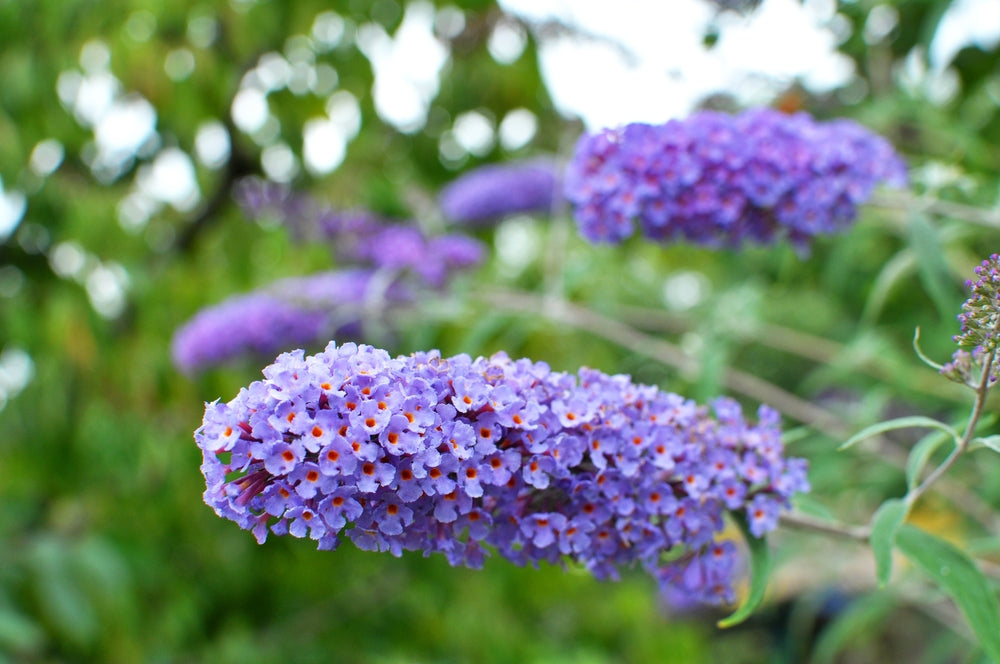
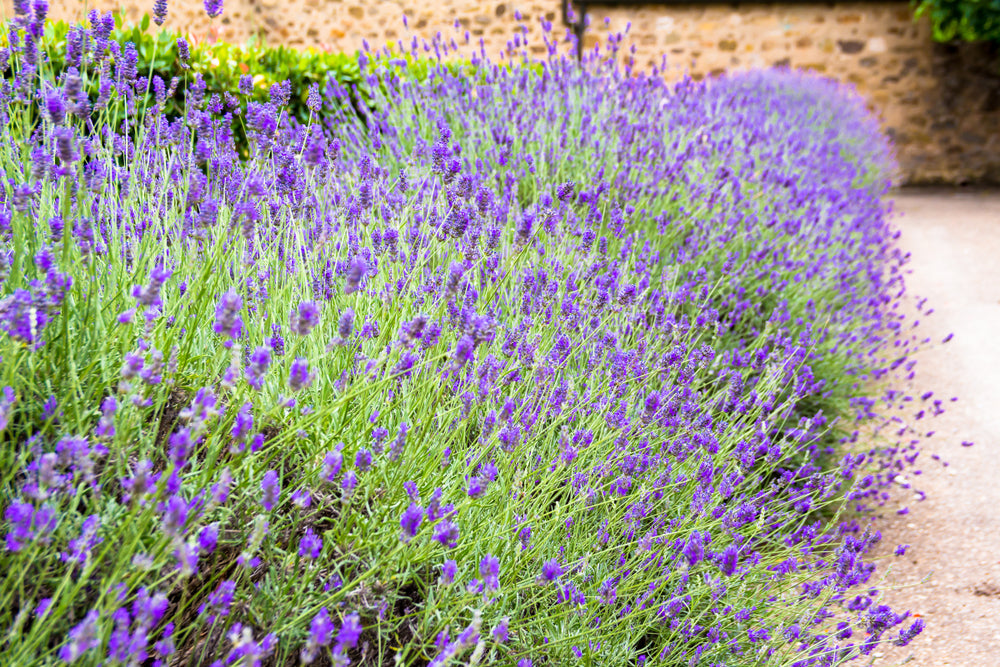
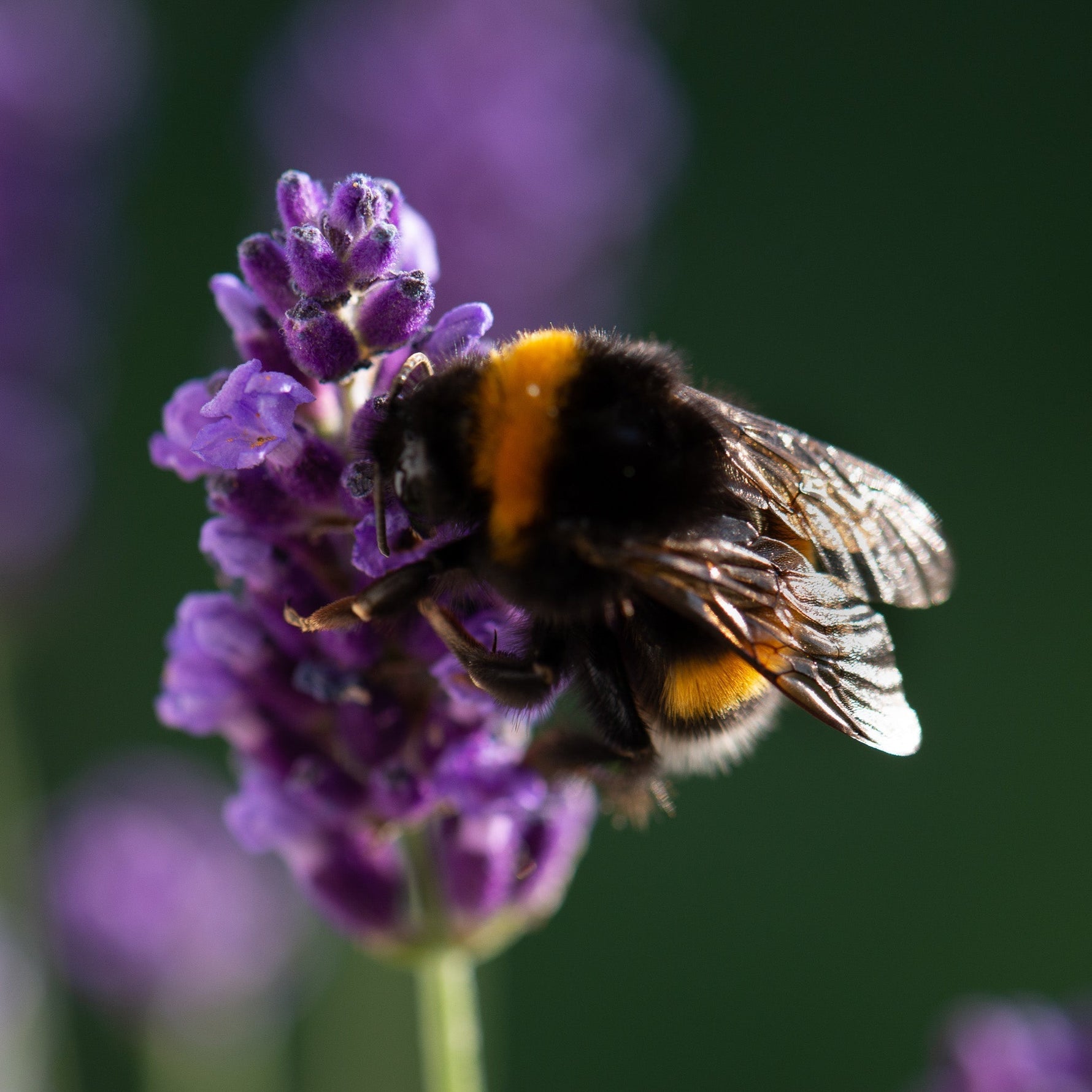
The best UK gardens aren’t the tidy ones. They’re those full of shrubs and trees that attract pollinators and shelter wildlife. UK gardeners love knowing their gardens aren’t just beautiful, but buzzing with life and helping nature. At Arundel Arboretum, we know just how important wildlife-friendly plants are for UK gardeners. That’s why we offer a wide range of trees and shrubs best for pollinators, from native species to other wildlife plants. If you are a beginner, we’ll be happy to help you choose the best wildlife shrubs and trees for your garden. What Really Matters in UK Wildlife-Friendly Gardens If you really want to create a garden that supports wildlife, it’s not enough to just plant a few bee-friendly trees and a couple of flowering shrubs. It’s worth taking a little time to think about how to create a good wildlife-friendly garden and how to choose the best plants for pollination.  So, before you buy any plants and start planting, here are a few things to consider. Native vs. Non-Native Plants for UK Wildlife Gardens Are you considering growing UK native trees and shrubs for wildlife and pollinators? Maybe you’re wondering why that matters. Well, native plants have been living with local insects, birds, and mammals for thousands of years. They know each other well and get along well. With native plants, everything is much easier. Here is why native plants for pollination are a great choice: Excellent food sources - Native plants match the feeding needs of UK bees, butterflies, and other pollinating insects. Perfect timing - They bloom just when pollinators wake up in spring or prepare for the winter.Special relationships - Some pollinators rely on very specific native plants and wouldn’t survive without them.Healthier ecosystem - When the insects are well fed, the birds and small mammals are also taken care of, and the whole garden ecosystem is healthy.Low maintenance - Native UK trees and shrubs are adapted to UK soil and climate. They are easier to grow.Resilience - UK native plants are more resilient to UK pests and diseases. They do not need any special care. When you know all this, it’s easy to understand why UK gardeners often prefer native trees and shrubs for their wildlife gardens. There’s also some sense of pride in nurturing the plants that truly belong here. Feels like celebrating our own natural heritage while giving something back to local wildlife. How to Support Pollinators Through Every Season Your wildlife garden needs to stay alive and active from January through December. Wildlife needs food and shelter throughout the year, so you have to find the right mix of plants to provide that. And no less important, seasonal interest will make your garden more enjoyable to you, too. Here is an example of how to cover all four seasons in your wildlife garden: Winter: Mahonia, Viburnum, or any other early-flowering shrub are perfect for early-emerging bees.Spring: Willow catkins, Crab Apple, and Ceanothus are great for bees, hoverflies, and butterflies. Summer: Lavender, Buddleja, and Hebe are essential to keep the insects buzzing since this is their peak.Autumn: Rowan berries and Cotoneaster feed garden birds and small mammals, such as mice and hedgehogs.  Best Low-Maintenance Trees and Shrubs for UK Gardens Practicality matters too. UK soils aren’t all the same. Gardens can have clay, chalky, or sandy soil. So, if you want low-maintenance pollinator plants for UK gardens, you need to pick plants that are suitable for your soil. With the right choices, you won’t have much work around them. Your plants will take care of themselves. Here are a few easy options that match different soils: Clay soils: Hawthorn and Crab Apple do well in clay soils.Chalky soils: Viburnum and Ceanothus do well in chalky soils.Sandy soils: Lavender and Rosemary like drier soils.All-rounders: Hebe and Buddleja are tough and can adapt to various types of soil. Best Wildlife Plants for Small UK Gardens You don’t need a huge garden to have a wildlife garden. Even small gardens or patios can be enough for plants that attract pollinators. A single Crab Apple or Rowan Tree, with compact shrubs like Hebe and Lavender, can fit beautifully into small spaces. And if you don’t have a garden at all, you can grow them in containers. So, even a balcony can become a haven for butterflies and bees. Wildlife-Friendly Trees and Shrubs for All UK Climates As we all know, the climate is not the same all around the UK. So, when picking your wildlife-friendly plants, make sure they can grow well in your climate. Here are a few ideas for different regions South & East (hotter, drier summers): LavenderRosemaryCeanothusThese Mediterranean-style plants thrive in drier soils and full sun. They are also resistant to drought, so they are perfect for hotter climates. North & West (wetter, windier weather): Hawthorn Goat WillowRowanNorthern and western regions have a bit rougher climate, so hardy native trees that can tolerate rain and winds are ideal. Coastal gardens (salty air, sandy soils): Escallonia HebeSea BuckthornThese plants are perfect for coastal gardens because they can tolerate salty winds and sandy soils. Sea buckthorn is a classic coastal shrub and is often planted in dunes. For more suggestions like these, visit us at Arundel Arboretum, and we can help you find the perfect combination for your area. Different Types of Pollinators in UK Gardens When thinking about pollinators, people usually picture honeybees. But it’s not only about bees. UK gardens support a wide range of pollinators. Here are just a few that you might welcome into your garden: Bumblebees – Large, furry bees that need a lot of nectar.Solitary bees – Small, hardworking bees that love plants with open flowers so they can access nectar easily..Hoverflies – Often mistaken for wasps, great pollinators, and their larvae are eating garden pests.Butterflies – Beautiful creatures feeding on nectar from shrubs like Buddleja and Lavender.Moths – Active at dusk or night, when other insects are asleep, pollinating flowers such as honeysuckle. The main thing to remember is to choose single-flowered plants. Double or heavily ruffled varieties may look stunning to us, but pollinators can struggle because the nectar and pollen are hidden deep inside or missing altogether Best Native UK Trees for Pollinators & Wildlife Now that we’ve covered what really matters when planting for wildlife, it’s time to get to know some of the best plants better so you can make your choice. Here are the top 5 UK native trees for pollination and wildlife gardens: Crab AppleCrab apple is a small, but powerful tree. In spring, its flowers are rich in nectar and pollen. Later, it bears fruit that feeds birds, and in autumn, fallen apples provide food for mammals like badgers and foxes. Ideal for smaller gardens that want to add value to wildlife. HawthornFew trees are as important for UK wildlife as the common hawthorn. It's a generous tree with spring blossom, perfect for pollinators. Its dense foliage and thorny branches create safe nesting spaces for small birds. In autumn, haws feed birds and small mammals. This tree is a part of traditional British landscapes. RowanAlso known as the mountain ash, rowan is highly valuable for wildlife. Its spring flowers attract various pollinating insects, while in autumn, its red berries are a feast for birds. Rowan thrives in many soil types and climates, making it a great choice for gardens of all kinds. Pussy WillowPussy willow is one of the earliest sources of nectar and pollen in the UK. It’s a crucial food source for bees and queen bumblebees after hibernation. Later in the year, its leaves support moth and butterfly caterpillars, which in turn provide food for hungry birds Silver BirchSilver birch (Betula pendula) is one of the best trees you can plant for wildlife in the UK. It supports more than 300 different insect species, including many moths and butterflies, more than any other tree. Compared to other birches, silver birch has one more advantage. It copes better with different types of soil. Best Shrubs for Pollinators & Wildlife Shrubs are some of the easiest ways to bring life into a garden. Here are top 10 wildlife -friendly shrubs perfect for UK gardens: Lavender Rich nectar source through summerLoved by bees, butterflies, and hoverfliesEvergreen, adds cover and structure for wildlifeThrives in dry soil, perfect for low-maintenance wildlife gardens RosemaryFlowers as early as late winterSource of nectar when little else is in bloomEvergreen, offering cover all year roundThrives in sunny, dry spots with minimal care BuddlejaKnown as the “butterfly bush”Attractive to butterflies, bees, and hoverfliesFlowers from July to early autumnNeeds pruning to control growth and boost blooms MahoniaFlowers in winter when nectar is scarceSupports early-emerging pollinatorsProduces berries for birds in springEvergreen, hardy, and low-maintenance CeanothusLots of nectar-rich flowers in springAttractive to bees, hoverflies, and other early pollinatorsEvergreen foliage gives cover and structure all year roundPerfect for sunny, sheltered spots ViburnumSpring flowers perfect for bees, hoverflies, and butterfliesSummer and autumn berries for garden birdsEvergreen species (V. tinus) give winter cover and flowersDeciduous species (V. opulus) add seasonal wildlife value BerberisIts spring flowers are rich in nectar Autumn berries provide food for birds and small mammalsDense growth offers safe nesting cover for birdsHardy and low-maintenance, useful for hedging HebeLong flowering season, often from summer into autumnLots of nectar for bees, butterflies, and hoverfliesEvergreen foliage provides cover for wildlife Ideal for smaller gardens and patios EscalloniaClusters of flowers from early summer into autumnProvides nectar during the warmer monthsDense, evergreen foliage offers shelter for birds year-roundIdeal for seaside gardens CotoneasterSmall flowers in late spring and summerBerries in autumn and winter to feed birdsDense branches offer nesting sites for small birdsHardy and easy to grow WisteriaCascades of fragrant flowers in late springNectar-rich blooms that attract bees in large numbersBest for walls, arches, and pergolas in larger gardensNeeds heavy pruning, but it’s very rewarding Create a Wildlife Garden with Arundel Arboretum If you’re now ready to turn your garden into a haven for bees, butterflies, and birds, we’d love to help you choose the perfect mix of trees and shrubs. At Arundel Arboretum in Chichester, West Sussex, you’ll find everything from much-loved native trees to colourful ornamentals that keep pollinators busy for longer. Come and visit us to see our wide range of wildlife-friendly trees and shrubs, or explore our online store to find the perfect plants for your garden.            
Transform Your Garden with the Best Ornamental Grasses

Shrubs

Transform Your Garden with the Best Ornamental Grasses

by Arundel Arboretum on Jul 10, 2025
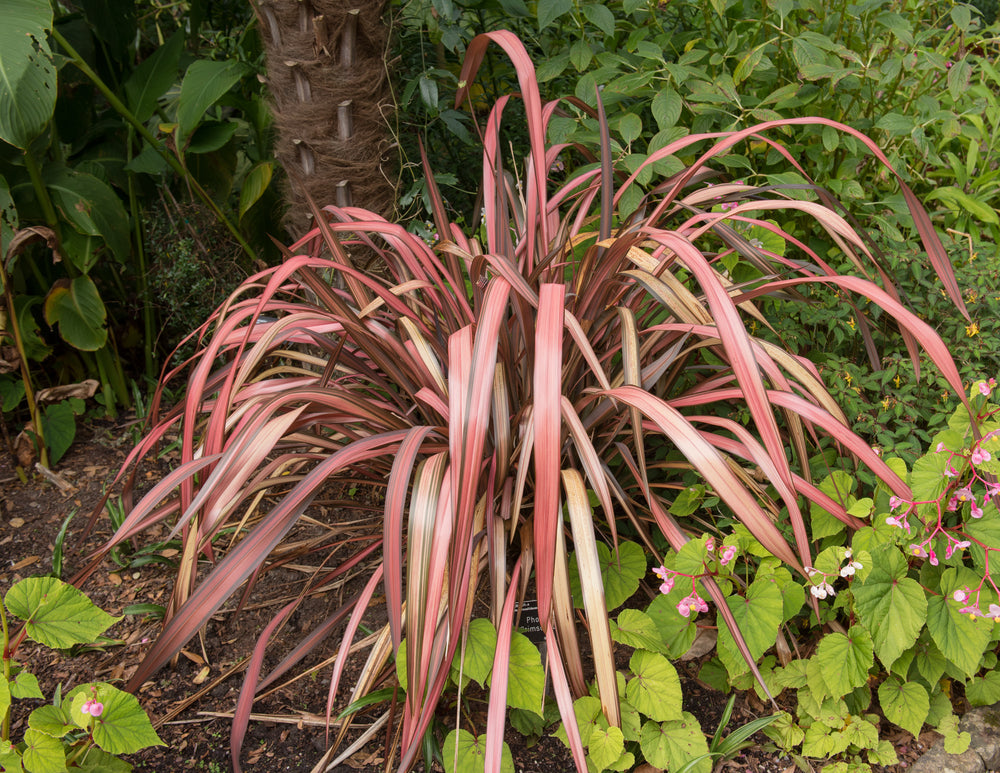
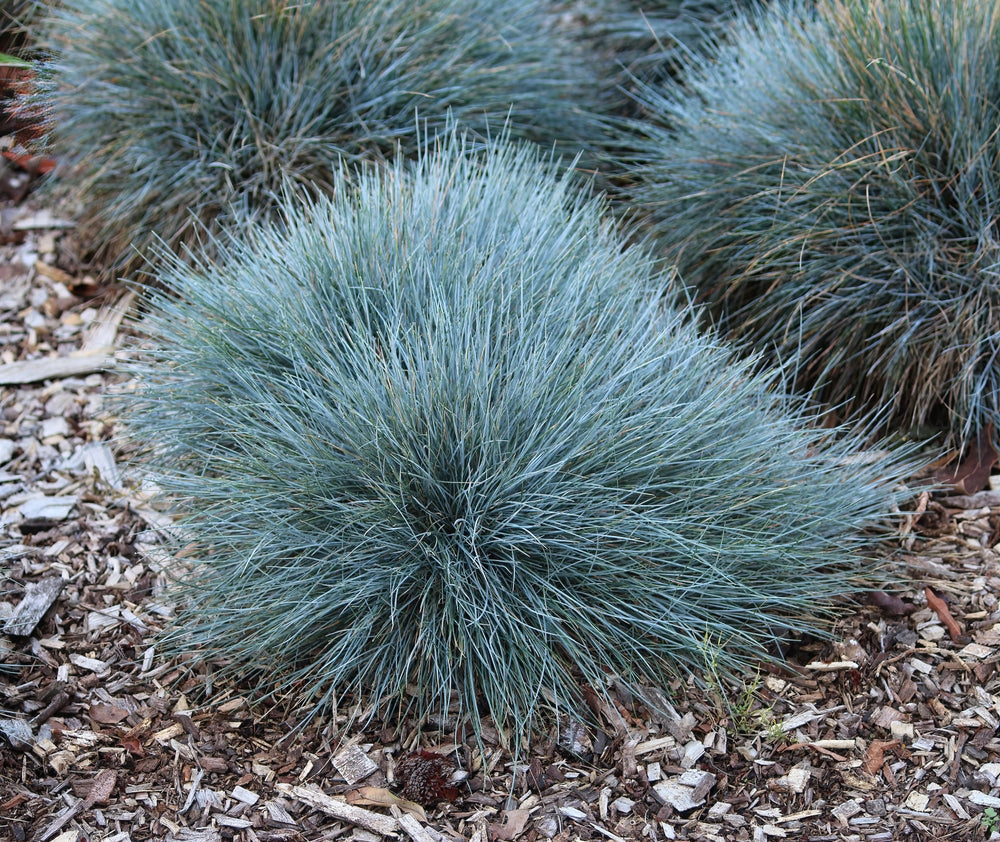
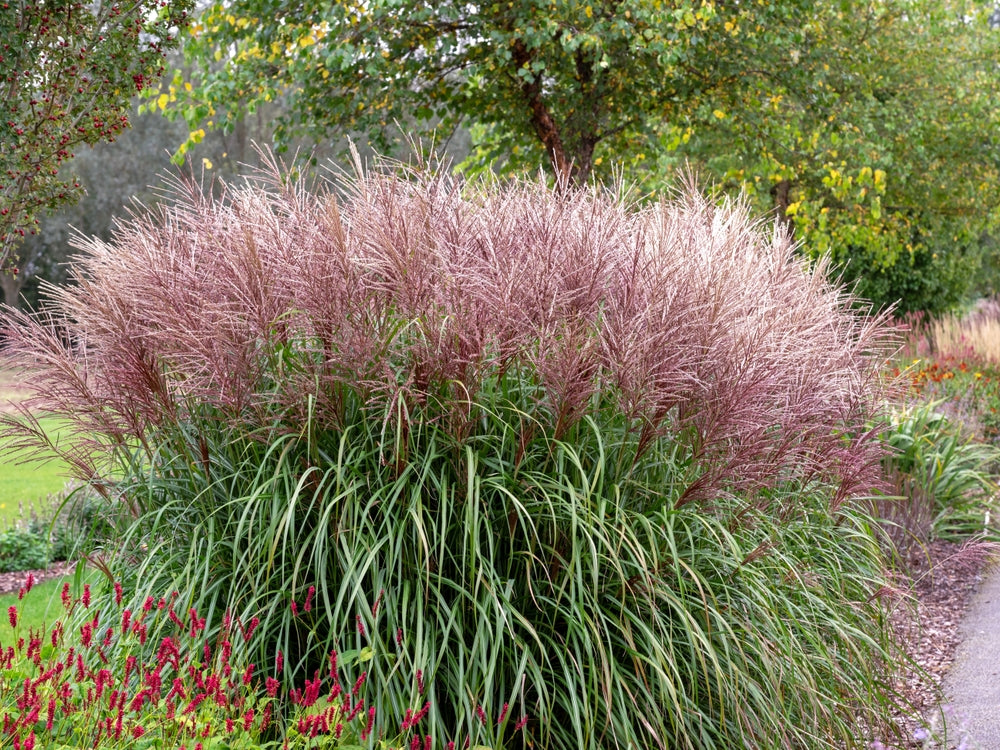
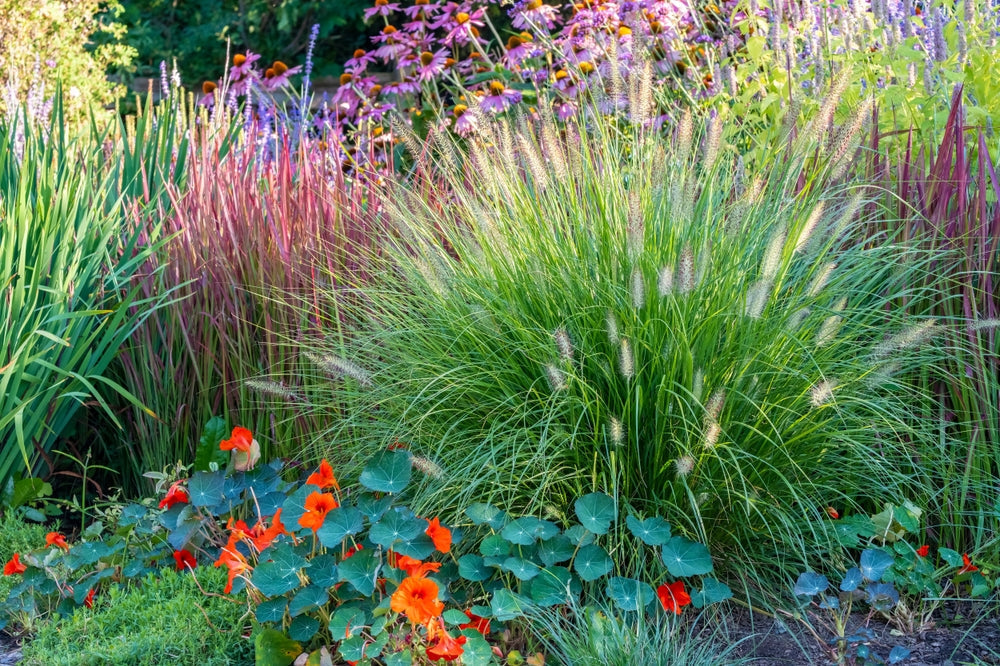
Grasses are often overlooked when planning a garden, but they might be the secret ingredient that brings it all together. Ornamental grasses are one of the easiest ways to add beauty and structure to your space with very little maintenance. Once you plant them, it quickly becomes hard to imagine your garden without them. At Arundel Arboretum, we have carefully curated a selection of ornamental grasses that thrive in UK conditions and offer something special for every type of garden. They are chosen for their beauty, resilience and low-maintenance. But before you explore different varieties, there are some things to consider before buying. What to Consider When Buying Ornamental Grasses Finding the perfect ornamental grass for your space may feel a bit overwhelming, as thereare so many options to choose from. Here are a few key things to consider before you choose your perfect grass: How much sun does your garden get? Most ornamental grasses thrive in full sun. But there are some varieties that are suitable for shadier areas, like Carex morrowii ‘Evergold’ or Hakonechloa macra ‘Aureola’. How much space do you have? Some grasses stay compact and are perfect for small gardens or containers, while others need more space to grow. Festuca glauca ‘Elijah Blue’ and Carex testacea are great for small borders or pots. Taller varieties like Stipa gigantea and Miscanthus sinensis ‘Strictus’ need more room to spread. What’s your goal when planting grasses? Do you need height and privacy, movement and texture, or colour and contrast? Identifying your garden’s needs will help you choose the right grasses. Do you want a tidy or wild look? Most grasses at Arundel Arboretum are clump-forming, which means they grow in tidy, non-invasive mounds. They won’t take over your garden and are easy to manage. Spreading types, like Arundo donax, are best for large, naturalistic areas. How much maintenance are you happy to do? Evergreen grasses like Carex need only light tidying. Deciduous types like Miscanthus and Stipa should be cut back once a year in late winter or early spring. Tips for Growing Ornamental Grasses in the UK Growing ornamental grasses in the UK comes with its own set of challenges. From coping with wet winters to choosing varieties that thrive in cooler climates, these quick tips will help you get the best results in your garden. Wet Winters Many parts of UK, especially in the south and west, experience damp, mild winters that can lead to root rot if the soil is poorly drained. Choose moisture-tolerant grasses like Carex or improve drainage before planting varieties like Miscanthus or Stipa, as they don’t like sitting in water. Coastal or Exposed Locations In windy areas, ornamental grasses that are too tall or delicate can get flattened. So choose strong, upright varieties like Miscanthus sinensis ‘Kleine Fontane’ or Stipa gigantea, that are more resistant to wind.For coastal gardens, consider salt-tolerant and drought-tolerant options like Festuca species. You can also consider Phormium tenax. Though not a true grass, it’s widely used for its grass-like form and exceptional tolerance to wind, salt, and dry conditions. Regional Hardiness Most ornamental grasses sold at Arundel Arboretum are hardy throughout the UK. However, in colder regions, especially in northern or upland areas, newly planted grasses may need some winter protection. So we recommend mulching the base in autumn to protect roots from frost. Compact Spaces and Urban Gardens With many gardens being small or paved, bear in mind low-growing ornamental grasses like Festuca glauca and Carex morrowii ‘Evergold’ are ideal for patios, containers, and front garden borders. Support for Wildlife Ornamental grasses such as Stipa tenuissima and Miscanthus offer shelter and seasonal cover, making them a great addition to wildlife-friendly or pollinator gardens. Top Ornamental Grasses – Available at Arundel Arboretum Here’s a simple, friendly guide to help you choose—whether you want height, colour, movement, or something low-maintenance. All these beautiful grasses are available at Arundel Arboretum and suited to UK gardens. 1. Best Tall Grasses for Borders & Screens If your garden needs some extra height or a bit of privacy, tall ornamental grasses are a great way to go. They add movement, drama, and structure to larger borders and they’re ideal for creating a natural screen without putting up a fence. Their height ranges from 1.5- 2.5 meters.•    Miscanthus sinensis ‘Strictus’ (Zebra Grass)•    Miscanthus sinensis ‘Kleine Fontane’•    Miscanthus sinensis ‘Malepartus’•    Stipa gigantea (Giant Feather Grass) Ideal for: large borders, naturalistic planting schemes, creating vertical rhythm and privacy. 2. Best Compact Grasses for Small Gardens & Patios Tight on space but you still want your garden to stand out? These compact ornamental grasses are perfect for pots, patios, and smaller UK gardens. They’re easy to care for and full of texture, ideal for adding a bit of life and movement.•    Festuca glauca ‘Elijah Blue’•    Carex morrowii ‘Evergold’•    Miscanthus sinensis ‘Little Zebra’•    Carex oshimensis ‘Ice Dance’ Ideal for: Patios, courtyard gardens, edging pathways, and modern container displays. 3. Best Colourful Grasses for Borders & Beds 3. Best Colourful Grasses for Borders & BedsNot all grasses are green and these vibrant varieties prove it. Some have bold stripes, golden tones, or fiery red tips, and can bring colour and contrast to your beds and borders, especially through the summer and autumn months.•    Imperata cylindrica ‘Red Baron’ (Japanese Blood Grass)•    Miscanthus sinensis ‘Strictus’•    Miscanthus sinensis ‘Morning Light’•    Carex morrowii ‘Evergold’•    Carex testacea (Orange New Zealand Sedge) Ideal for: Perennial beds or mixed borders, adding colour and contrast, especially in summer and autumn. 4. Best Soft Grasses for Movement and Texture 4. Best Soft Grasses for Movement and TextureThere’s something magical about plants that sway in the wind. These grasses are all about texture and flow, bringing a soft, natural look to your garden that changes with the seasons. They’re especially lovely in sunny, open spaces.•    Stipa gigantea•    Miscanthus sinensis ‘Kleine Fontane’•    Miscanthus sinensis ‘Malepartus’•    Miscanthus sinensis ‘Silberfeder’ Ideal for: Softening hard landscapes, adding movement, and seasonal drama in sunny, open spaces. 5. Best Low-Maintenance Ground Cover Grasses If you want to cover bare spots or edge paths without too much fuss, these ground-covering grasses are a great choice. Tough, tidy, and evergreen, they’ll fill out tricky areas and keep your garden looking fresh all year round.•    Carex morrowii ‘Evergold’•    Carex oshimensis ‘Ice Dance’•    Carex testacea•    Festuca glauca ‘Elijah Blue’ Ideal for: Underplanting, difficult dry areas, low borders, and year-round evergreen texture. How to Plant and Care for Ornamental Grasses UK Planting and caring for ornamental grasses is simple once you know the basics. Follow these easy tips to help your grasses thrive in the UK climate: Planting Tips: •    When to plant: In spring or early autumn, to establish the roots before extreme weather.•    Where to plant: Most grasses love sun but a few can tolerate partial shade.•    How to prepare soil:Make sure the soil is free-draining, as most ornamental grasses don’t like sitting in water. If your soil is heavy or clay-based, mix in horticultural grit or garden compost to improve structure and drainage.•    Spacing: Check the label to see how big the plant will get. Leave enough room so it can grow to its full size.•    Watering:Water thoroughly after planting and during the first growing season. Care Tips: •    Watering:Once established, most grasses are drought-tolerant. However, water during dry spells in summer or if you grow them in pots.•    Feeding:Grasses usually don’t need feeding. Apply general-purpose fertilizer in spring if you think the growth is too slow.•    Cutting back:Deciduous grasses should be cut back in late winter or early spring before the new growth. As for evergreen grasses, just remove dead or messy leaves.•    Dividing:Every few years, divide clump-forming grasses in spring to keep them healthy and stop them from becoming overcrowded.•    Mulching:In colder regions, mulch to protect the roots from frost. How to Use Ornamental Grasses in Garden Design Now that you know everything you need about planting and caring for ornamental grasses, here are a few tips on how to use them in your garden design:•    Plant in groups of 3 or 5 to get natural look•    Use tall grasses at the back of borders for height•    Use low grasses to edge paths or soften hard lines•    Mix them with perennials for texture and contrast•    Pair with gravel, rocks, or water features in modern designs•    Use them to connect different planting areas•    Mix grasses with varied textures and colours for more interest•    Let grasses spill over walls or containers for a soft, relaxed feelOrnamental grasses offer endless design possibilities and just a few well-placed plants can completely transform your garden. Conclusion There is no doubt -  ornamental grasses can elevate any garden with minimal effort. Whether you're aiming for a modern, wildlife-friendly, or cottage-style garden, grasses can tie your planting together.If you are thinking about buying ornamental grasses, visit us at Arundel Arboretum, Chichester, West Sussex, to explore a full range we offer. Or, order online from the comfort of your home. Our friendly team is always ready to help you make the perfect choice. Transform your garden, one beautiful grass at a time.                                  
Best Shade-Loving Plants & Trees for Shaded UK Gardens

Shrubs

Best Shade-Loving Plants & Trees for Shaded UK Gardens

by Arundel Arboretum on Jun 27, 2025
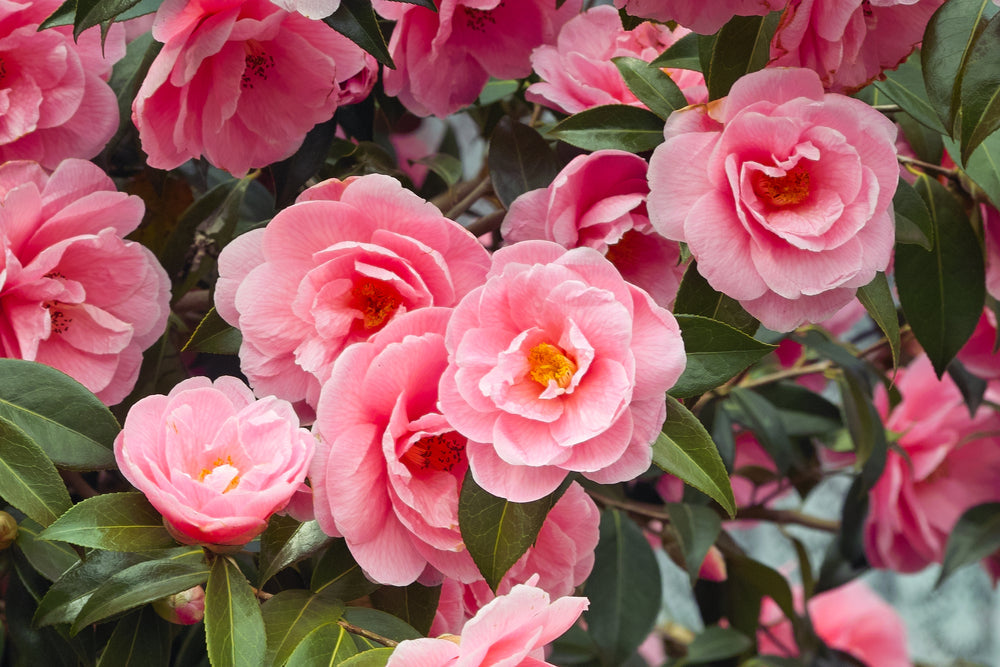
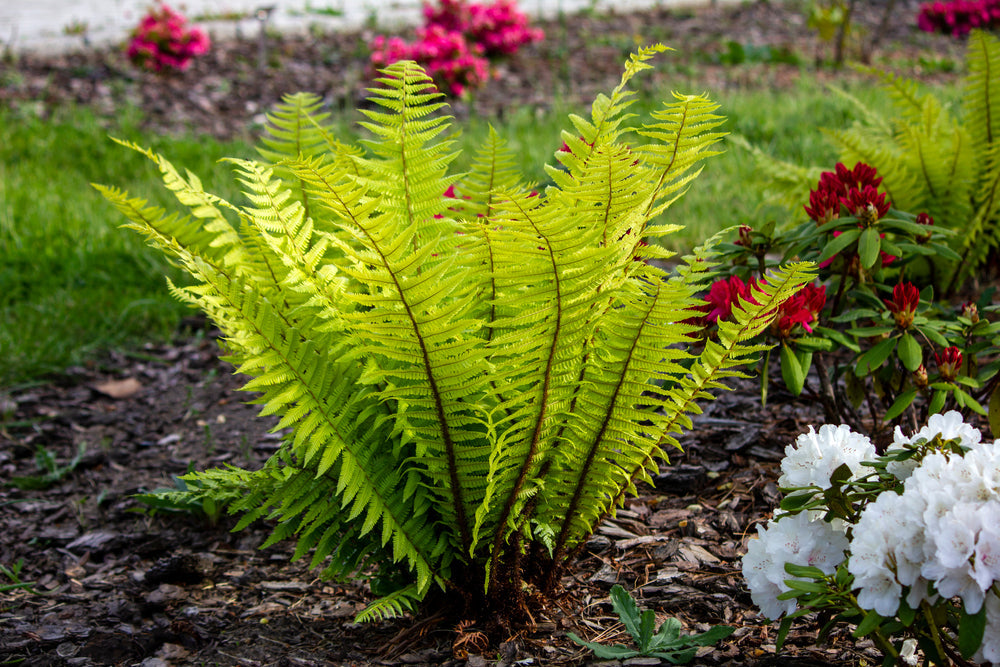
Not every corner of the garden gets sunlight, but that’s not the reason to leave them dull and lifeless. In fact, shaded areas can become some of the most interesting parts of your garden. Whether it’s a north-facing border, shaded courtyard, or area beneath the trees, you don’t have to settle for bare soil or struggling plants. You can still grow a wide variety of shade-loving plants and trees that thrive in low light. At Arundel Arboretum, we offer a carefully selected range of plants for shaded gardens UK. From low-maintenance shade plants like ferns and Hosta's to ornamental trees for shade, such as Japanese maples and flowering dogwoods, we can help you transform your shaded areas into beautiful, lush places. The Ultimate Guide to Plants and Trees for Shade - UK In this guide, we’ll recommend some of the best plants and trees for UK shade gardens. These shade-loving, low-light plants can brighten even the darkest garden corners and bring colour, texture, and structure. Best Shade-Loving Perennials UK: Add Lush Green to the Scene Perennials for shade are an excellent solution for garden spaces that receive little to no direct sunlight. Many shade-tolerant perennials are perfectly suited to the UK climate and low-light UK gardens. Some of the best options are: Hosta Hosta's have big, bold leaves in a wide range of colours – from buttery yellow to deep green and powdery blue. Many have beautiful variegated patterns that really stand out. Hosta's can add a lush, full look to shady spots and love the UK’s cool, damp weather. •    Shade Tolerance: Excellent. Hosta's grow well in deep shade and are among the best perennials for shade gardens.•    Preferred Light: Gentle morning sun. Afternoon sun can cause leaf scorch.•    Best for: Planting under trees, along shady borders, or around garden paths.•    Care Tips: Keep the soil consistently moist. Watch out for slugs and snails. Fern Ferns bring soft, feathery texture and a fresh splash of green. They’re perfectly at home in the UK’s mild, damp climate and are one of the easiest, most reliable shade-loving plants you can grow. No fuss, just quiet beauty. •    Shade Tolerance: Excellent. Ferns thrive in full to partial shade, especially in cool, moist, and sheltered areas.•    Preferred Light: Dappled or filtered light, such as beneath trees or in woodlands.•    Best for: Woodland borders, under the trees, or in shaded corners. Great for pots and containers.•    Care Tips: Keep soil consistently moist. Avoid windy and dry areas to prevent frond damage. Heucheras Heucheras have stunning foliage in various colours – from deep burgundy and purple to lime green, amber, and silver. Some types also produce delicate, bell-shaped flowers on tall stems in early summer. These are excellent perennials for shade UK gardeners love to grow for a pop of colour. •    Shade Tolerance: Very good. Heucheras thrive in partial shade but do very well in full shade as well.•    Preferred Light: Partial shade with morning or filtered light. Too much sun can fade the colour or scorch the leaves.•    Best for: Low-light borders, edging pathways, and shaded beds. Great for pots and containers.•    Care Tips: Keep soil moist but well-drained. Do not plant too deep, the crown should sit just above the soil level. Remove any tired leaves to keep it looking fresh. Fatsia japonica Fatsia japonica is an evergreen plant with large, glossy leaves that give gardens a bold, tropical feel. In autumn, it produces small creamy flowers followed by black berries. It’s a low-maintenance plant for shaded gardens, and it thrives in damp, sheltered spots. •    Shade Tolerance: Excellent. Fatsia japonica is an ideal plant for shaded corners.•    Preferred Light: Tolerates some morning or filtered sun.•    Best for: Borders, courtyards, or woodland gardens. Great for pots and containers.•    Care Tips: Protect from cold, drying winds. Grow in well-drained, fertile soil for best results. Common Ivy (Hedera helix) Common ivy is a hardy, evergreen climber with glossy green leaves, often variegated with touches of white, silver, or gold. It’s tough, reliable, and great for covering shaded surfaces. •    Shade Tolerance: Excellent. Tough and vigorous, ivy thrives where little else will.•    Preferred Light: Full shade to partial sun. Variegated varieties need a little bit of light to maintain their colour.•    Best for: Covering fences, climbing up walls, and trailing from containers. Great as groundcover plant for shaded gardens.•    Care Tips: Prune regularly to keep it tidy and control spread. Keep away from delicate plants and old masonry. Best Shade-Loving Flowering Shrubs UK: Turn Gloom into Bloom These shade-loving flowering shrubs are ideal for brightening up those dim corners of UK gardens. All of them thrive in low-light and can bring a burst of colour and texture even to the shadiest spots.  Hydrangea Hydrangeas have big, beautiful flower heads that come in shades of white, pink, blue, or lilac. They bloom from mid to late summer and can add a soft, romantic feel to gloomy parts of your garden. •    Shade Tolerance: Very good. Thrives in partial shade. Full shade may reduce flowering.•    Preferred Light: Morning sun or dappled light. Avoid strong, afternoon sun, especially in dry areas.•    Best for: Shaded borders, woodland gardens, and planting near north-facing walls and fences.•    Care Tips: Needs moist, well-drained soil. In some varieties, flower colour can be adjusted by soil pH Azalea Azaleas are compact shrubs that burst into vibrant flowers in late spring, which are followed by colourful autumn leaves. They’re one of the most reliable shade shrubs for small UK gardens and perfect for adding seasonal interest. •    Shade Tolerance: Very good. Prefers light to partial shade. Tolerates deeper shade but with fewer flowers.•    Preferred Light: Morning light and dappled or filtered shade. It doesn’t like direct afternoon sun.•    Best for: Woodland gardens, shaded borders, underplanting deciduous trees, and acid-loving garden beds. One of the best plants for smaller shaded spaces.•    Care Tips: Requires acidic, well-drained soil. Keep roots cool and moist. Avoid chalky soils. Rhododendrons Rhododendrons have glossy evergreen leaves and produce clusters of flowers in spring, in shades of purple, pink, red, or white. They’re one of the few evergreen shrubs for shaded spots that flower reliably, making them a favourite choice for UK gardens. •    Shade Tolerance: Very good. Prefers light to partial shade. Will grow in deeper shade, but with fewer blooms.•    Preferred Light: Morning or filtered light. Avoid afternoon sun.•    Best for: Shaded front gardens, woodland borders, underplanting trees, and foundation planting. Great for large shaded areas.•    Care Tips: Plant in acidic, moist, well-drained soil. Mulch and water during dry spells. Camellias Camellias are evergreen shrubs with glossy leaves and elegant, rose-like flowers that bloom from late winter to early spring. The blooms come in white, red, pink, or even bi-colour. They’re a favourite flowering shrub for partially shaded gardens UK-wide. •    Shade Tolerance: Very good. Prefers light to partial shade. Tolerates deeper shade but flowering may be reduced.•    Preferred Light: Morning or filtered light in a sheltered spot.•    Best for: Shaded front gardens, woodland borders, and containers near entrances. Excellent for north-facing patios.•    Care Tips: Plant in acidic, moist, well-drained soil. Avoid spots prone to frost. Water well in summer. Viburnum Viburnum is a versatile shrub – some are evergreen, others deciduous – with lovely flowers in spring or winter, colourful berries, and great autumn foliage. It’s a low-maintenance shade shrub and one of the most underrated UK flowering shrubs for shade.  •    Shade Tolerance: Excellent. Some varieties thrive even in deep and dry shade.•    Preferred Light: Morning sun with light afternoon shade.•    Best for: Hedging, low-maintenance screens, wildlife-friendly gardens, and filling tricky shaded spots in north-facing gardens.•    Care Tips: Tolerates a wide range of soils and conditions. Doesn’t need much care. Best Shade-Tolerant Trees UK: Add Height in Low-Light Trees are well known for bringing height, structure and seasonal beauty to every garden. Shaded gardens shouldn’t be an exception. Below are some of the ideal trees for shade gardens in the UK, each offering their unique benefits to low-light areas. Japanese Maple (Acer palmatum) Japanese maples are small ornamental trees known for their stunning seasonal colour. The leaves can turn shades of green, yellow, red, orange, or even purple. They’re perfect for adding texture and structure to shaded parts of the garden. •    Shade Tolerance: Good. Prefers partial shade. Struggles in full shade or strong sun.•    Preferred Light: Morning sun with afternoon shade or dappled light throughout the day is ideal.•    Best for: Small gardens, courtyard planting, Japanese-style gardens, and containers.•    Care Tips: Needs moist, but well-drained, slightly acidic soil. Protect from strong winds and intense sun which can scorch the leaves. Cornus (Flowering Dogwood) Cornus, or flowering dogwood, is a small tree or large shrub with showy bracts in spring and beautiful autumn foliage. Some types also have striking bark and colourful berries, adding year-round interest to part-shaded gardens. •    Shade Tolerance: Good. It can tolerate some shade but needs sun to flower well.•    Preferred Light: Morning sun and dappled shade. Avoid deep shade and full afternoon sun.•    Best for: Mixed shrub borders, woodland gardens, or ornamental focal points in part-shaded areas.•    Care Tips: Prefers rich, acidic to neutral, well-drained soil. Avoid exposed and dry locations Yew (Taxus baccata) Yew is a dense, evergreen conifer with rich dark green needles and bright red berries. It’s long-lived, easy to shape, and brings strong structure to shaded areas all year round. •    Shade Tolerance: Excellent. One of the few conifers that not only tolerates but thrives in full shade.•    Preferred Light: Full shade to full sun. Exceptionally adaptable. •    Best for: Hedges, topiary, shaded foundations, and structural planting.•    Care Tips: Tolerates a wide range of soil types, except waterlogged. Prune in late summer to shape. Holly (Ilex aquifolium) Holly is an evergreen shrub or small tree with glossy, spiny leaves and bright red berries on female plants. Native to the UK, it’s a classic choice that adds colour and structure to shaded gardens, especially in winter. •    Shade Tolerance: Very good. Grows well in partial and even full shade.•    Preferred Light: Performs best with morning or dappled light.•    Best for: Hedging and screening in shaded areas, woodland gardens, topiary, and adding structure and colour to winter gardens.•    Care Tips: Ideal under deciduous trees or on east/north-facing sites. Both male and female plant are needed for berries. Alder (Alnus glutinosa) Alder is a fast-growing, UK native tree that loves wet ground and even helps improve soil by fixing nitrogen. It’s a great choice for damp, shaded areas like riverbanks, pond edges, or woodland borders. •    Shade Tolerance: Good. Young trees tolerate partial shade, but as they mature, they need more light.•    Preferred Light: It likes direct light in the first half of the day, and tolerates light shade in the afternoon.•    Best for: Wet or poorly drained soils, wildlife ponds, riverbanks, and woodland edge planting. Excellent for damp UK sites.•    Care Tips: Once established, they need minimal care. Prune in winter to control size and shape. Final Thoughts Shaded areas really don’t have to be problematic. With the right plants and trees, they can become some of the most beautiful parts of your garden. There are plenty of options available and no reason to leave bare patches in your otherwise beautiful garden. Whether you're looking to add structure, colour, or a touch of woodland charm, there’s a shade-loving plant ready to do the job.                       

Wisteria for UK Gardens: How to Choose, Grow and Care for This Iconic Climber

Shrubs

Wisteria for UK Gardens: How to Choose, Grow and Care for This Iconic Climber

by Arundel Arboretum on Jun 12, 2025
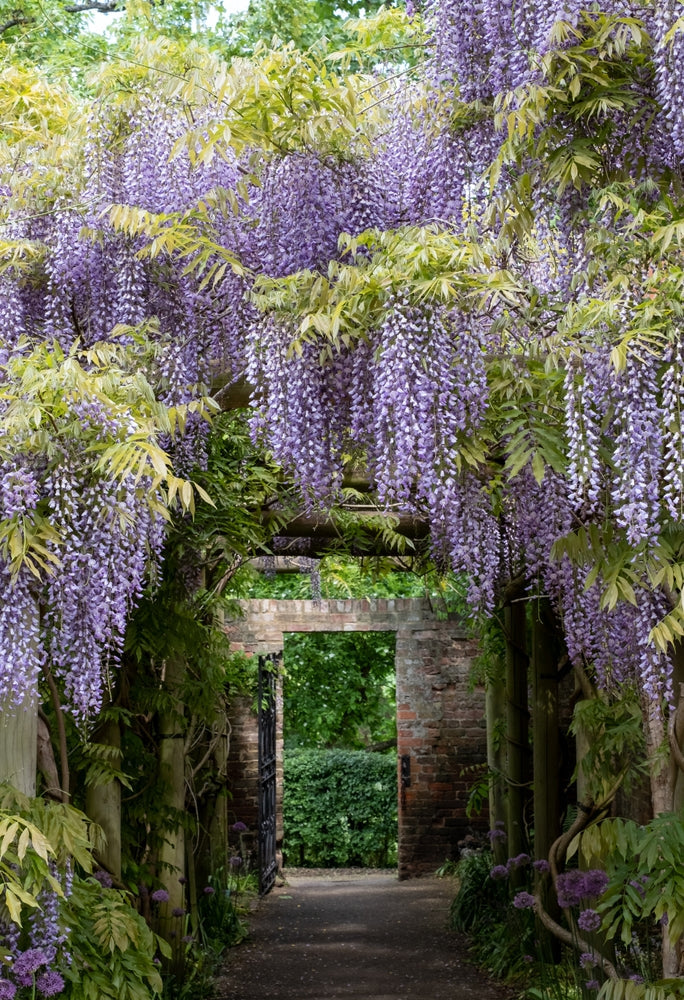
Wisteria is one of the most loved flowering climbers in UK gardens. In spring, there is nothing quite like its cascading, fragrant blooms spilling over pergolas, doorways, or stone walls. They bring a timeless sense of nostalgia and romance to old houses, historic estates, and traditional English cottages. Once established, Wisteria grows quickly and doesn’t need much care. It’s impressively long-lived, and will reward you with beautiful blooms year after year. No wonder wisteria is such a popular choice among our customers at Arundel Arboretum. We offer a wide selection of wisteria varieties, from classic purple blooms to softer shades of white and pink. If you’re thinking about buying wisteria and adding it to your garden, this guide will help you choose the right variety. You’ll also find plenty of helpful tips on how to grow and care for it successfully. Choosing the Best Wisteria for UK Gardens Which wisteria is right for you: •    The most fragrant wisteria? Try Brachybotrys•    Wisteria with longest cascades? Choose Macrobotrys.•    Fast-growing wisteria? Go with Sinensis•    Best wisteria for small gardens & patios? Wisteria clear stem or wisteria umbrella-trained form.•    Best wisteria for pergolas and walls? Sinensis or Floribunda trained on cane or arches. Choosing the right wisteria can feel a bit overwhelming. To help you decide, here are the best wisteria varieties we offer at Arundel Arboretum and what makes each of them special. Wisteria brachybotrys – Silky Wisteria - Fragrant, Compact and Beautiful. This wisteria has large velvety leaves, sweet scent, and slightly less vigorous growth compared to other varieties. It is perfect for smaller gardens and gardeners that are enchanted by its sweet fragrance. In our arboretum, we offer: Wisteria brachybotrys ‘Iko yama Fuji’ A compact, beautifully scented wisteria with plenty of soft lilac flowers that won’t overwhelm smaller spaces. Wisteria brachybotrys ‘Showa-beni’ A vigorous climber with pale pink blooms, yellow centres and strong, pleasant fragrance that fills the garden in late spring. Wisteria brachybotrys ‘Golden King’ Notable for its golden green foliage that turns bright yellow in autumn and pale violet to lavender-blue flowers with sweet and pleasant fragrance. Wisteria sinensis – Chinese Wisteria – Vigorous, Free-Flowering and Reliable Chinese wisteria is known for its anticlockwise-twining stems, early and abundant flowering, often before the leaves appear, and beautiful sweet fragrance. It is very vigorous and ideal for large pergolas, walls, and archways. We offer: Wisteria sinensis ‘Prolific' As the name suggests, this variety delivers masses of fragrant, purple-violet flowers. Ideal for everything from sunny walls to centrepiece containers. It flowers at a younger age compared to other varieties.   Wisteria sinensis ‘Alba’ Elegant variety with pure white, fragrant flowers that open before the leaves appear. A great choice if you’re after a softer, more classic look that blends beautifully with both cottage-style and more minimalistic gardens. Wisteria sinensis ‘Shiro Kapitan Fuji’ Known for masses of highly fragrant, snow-white flowers, golden yellow leaves in autumn, and vigorous growth. Perfect for gardeners who want a strong climber that offers year-round interest, not just spring blooms. Wisteria floribunda – Japanese Wisteria Japanese wisteria is famous for its breath-taking racemes, sometimes reaching up to a metre. Flowers open gradually from top to bottom, and create a stunning waterfall effect from late spring to early summer. The most popular is: Wisteria floribunda ‘Macrobotrys’ One of the longest-flowering wisterias, with violet-purple blooms and yellow centres on racemes that can exceed 1 metre in ideal conditions. Its graceful, trailing habit is perfect for large pergolas or feature walls. Wisteria Forms Available at Arundel Arboretum We offer our wisteria varieties in a range of beautifully trained shapes to suit all kinds of gardens. Whether you’ve got a spacious garden or a small patio, there’s a shape that will be perfect for you. •    Cane-trained climbers – Great for covering fences, walls, or pergolas. Easy to train and perfect for varieties like Prolific, Golden King, and Macrobotrys.•    Clear stem / Standard forms – Neat and upright, ideal for pots, patios, or adding structure to borders. Popular options include Showa-beni and Alba.•    Umbrella / Roof espalier – Trained for a dramatic, cascading effect. Perfect over seating areas or as a standout feature on the patio. Try Prolific or Shiro Kapitan Fuji.•    Arch or frame-trained – Ready-made focal points for entrances or walkways, ideal for instant impact. Look out for our Sinensis Arch Mix. Where to Plant Wisteria in the UK for Best Flowering Results Wisteria is a tough plant and can easily survive UK winters, making it suitable for all UK regions. It tolerates temperatures as low as -15°C to -20°C. However, young plants may need a bit of protection during their first winter, particularly in exposed gardens. While the plant itself is hardy, flower buds can be damaged by late spring frosts, especially in colder areas. Wisteria thrives in sunny places with at least six hours of direct sunlight each day. South or west-facing walls are ideal for abundant blooms. Try to avoid overly exposed and windy spots because they can damage young shoots.  It grows best in moist but well-drained soil that’s neutral to slightly acidic or alkaline. It doesn’t like waterlogged conditions. It prefers loamy and sandy soil rich with organic matter. Still, avoid soil that is too fertile as it can lead to lots of leafy growth but fewer flowers. How to Train Wisteria on a Pergola or a Wall With the right support and a bit of guidance, wisteria can become one of the most beautiful features in your garden. Here are some simple tips to help you train it properly, whether on pergola or a wall. Training Wisteria on a Wall 1.    Start by fixing strong horizontal wires to the wall. Make them 30 cm apart.2.    Use vine eyes to leave a bit of space between a wall and the wires. This is important for the air to circulate.3.    Plant wisteria about 30-45 cm away from the wall.4.    As it grows, choose a few strong shoots and tie them to the wires. Spread them to create a fan shape.5.    Prune to keep it tidy and encourage lots of flowers. Training Wisteria on a Pergola 1.    Make sure the pergola is strong enough as wisteria can get quite heavy over time.2.    Choose the right variety. Japanese wisteria is ideal for pergolas because of its long trailing flowers.3.    Plant it 30-45 cm from the base of the post.4.    Guide the main stems up the pergola posts and tie them in as they grow.5.    When they reach the top, train the side shoots along the crossbeams to create a canopy.6.    Trim down any extra shoots to give flowers space to hang. Twisting Direction and Why It Matters Different types of wisteria twist in different directions. The best practice is to let them follow their natural growth.•    Wisteria sinensis (Chinese wisteria) twines anticlockwise.•    Wisteria floribunda (Japanese) and Wisteria brachybotrys twine clockwise.If you try to force stems in the opposite direction, it can stress the plant and slow its growth. Knowing which way your wisteria naturally grows, makes training so much easier. When to Prune Wisteria in the UK Wisteria needs pruning twice a year to keep it the neat and tidy and make sure it gives a lot of flowers. Its reputation of being difficult to prune isn’t really deserved. Once you understand the basic routine, it becomes an easy job. The key is being consistent. The young wisteria should not be pruned until it covers the wall or pergola. In the UK, the first prune is best done in summer, in July or August. That’s when you cut back the long, whippy shoots to just above five or six leaves. The second prune should be in winter, in January or February, when you trim those same shoots even further, down to two or three buds. This winter prune will help wisteria produce a lot of flowers when spring arrives. How to Feed Wisteria Plants & General Care To keep your wisteria healthy and help it put on a spectacular display, feeding and watering properly is essential.•    Feeding: Proper feeding boosts flower production. The best fertiliser for wisteria is a balanced slow-release fertiliser with an NPK of around 10-20-10. Try fertilisers like Growmore or Fish, Blood and Bone. Apply it in spring at the recommended rate. If the soil is sandy, you can add a bit of sulphate of potash for extra support. For wisteria grown in containers, use liquid tomato fertiliser, Phostrogen, Miracle-Gro or a similar flowering plant food. Apply it every couple of weeks during the growing season. Avoid high-nitrogen fertilisers, which encourage the leaf growth instead of flowers.•    Watering: Water newly planted wisteria regularly to help it establish strong roots. Once established, wisteria is tolerant to drought, but it needs regular watering during hot weather. Do not overwater as it hates waterlogged conditions. If you are growing wisteria in containers, water when the top of the soil feels dry.•    Mulching: A layer of organic mulch around the base helps retain moisture and suppress weeds. Apply around 5 cm and keep it away from the stem to prevent the rot. Common Wisteria Issues and How to Fix Them Even though wisteria is generally easy to grow, a few common issues can pop up along the way, but most are simple to fix with the right approach. 1.    Not Enough FlowersThis is the most common problem with wisteria plants. It’s usually caused by too much nitrogen in soil, poor pruning, or planting an inadequate plant.How to Fix: Avoid fertilisers high in nitrogen, prune twice a year and make sure you bought a plant that is grafted or at the age of flowering. 2.    Overgrowth and TanglesWisteria is a vigorous grower and it can become a tangled mess if you let it.How to Fix: Be consistent with pruning routine – prune twice a year, in summer and winter. 3.    Leaves Turning YellowIt can be poor drainage and lack of nutrients.How to Fix: Make sure the soil is not soggy and drains well. Apply balanced fertiliser in spring. 4.    Parts of the Plant Dying BackIt might be root rot, honey fungus, damage from wind, or old age.How to Fix: Check for signs of fungal issues. Make sure the soil is not waterlogged. Cut back any dead wood or affected stems. 5.    Pests and DiseasesWisteria is generally resistant to pests, but sometimes aphids or scale insects can become a problem.How to Fix: Wash them off with water or spray with a mild insecticidal spray if needed. 6.    Collapsing or Poor SupportAs it gets older, wisteria can get quite heavy. If the structure is not strong enough, the plant may start to sag or collapse.How to Fix: Use strong, permanent supports. Regularly check and replace ties as the plant grows. Conclusion As you can see, Wisteria is a low-maintenance plant that brings beauty, fragrance, and a touch of romance to your garden. With so many varieties to choose from, there’s something to suit every space. If you’re ready to add one to your garden, visit us at Arundel Arboretum, in Chichester, West Sussex, or explore our online store to find the perfect wisteria variety. If you need any help, our friendly team is always ready to offer advice or assist you in finding your perfect wisteria.      

Viburnum tinus ‘Spirit’

Shrubs

Viburnum tinus ‘Spirit’

by Arundel Arboretum on Dec 13, 2022
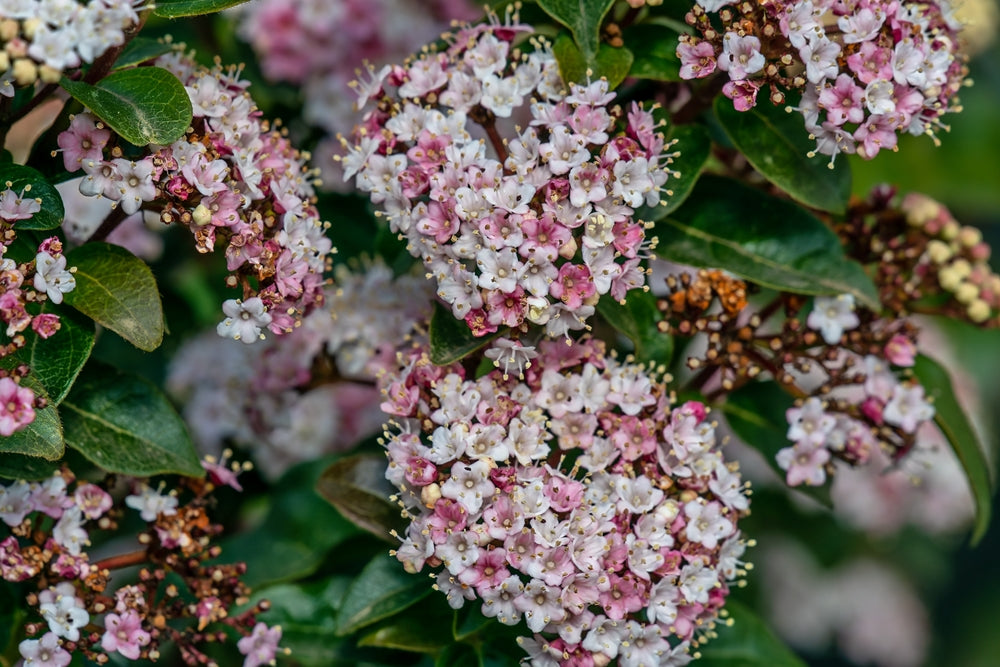
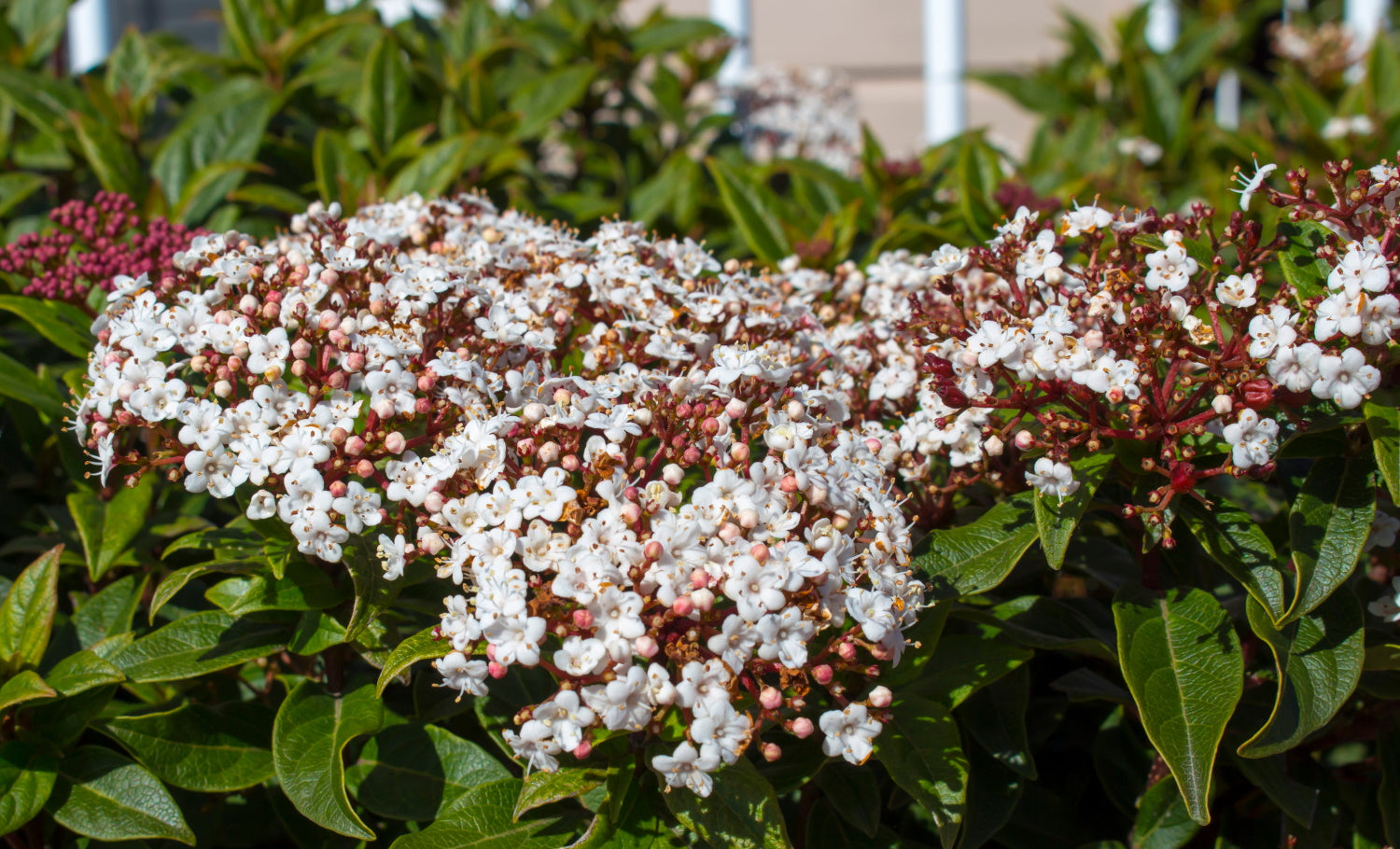
Viburnum tinus ‘Spirit’ is a bushy, rounded evergreen shrub. From approximately November-May, small clusters of pink buds open into small, slightly scented white flowers. These emerge into blue-black berries in the summer. Its green, glossy leaves look good all year round. Viburnum tinus ‘Spirit’ can be grown in full sun or partial shade, in a moist, well drained soil. It has an eventual height and spread of 2m.
Nandina domestica / Sacred Bamboo

Shrubs

Nandina domestica / Sacred Bamboo

by Arundel Arboretum on Dec 11, 2022
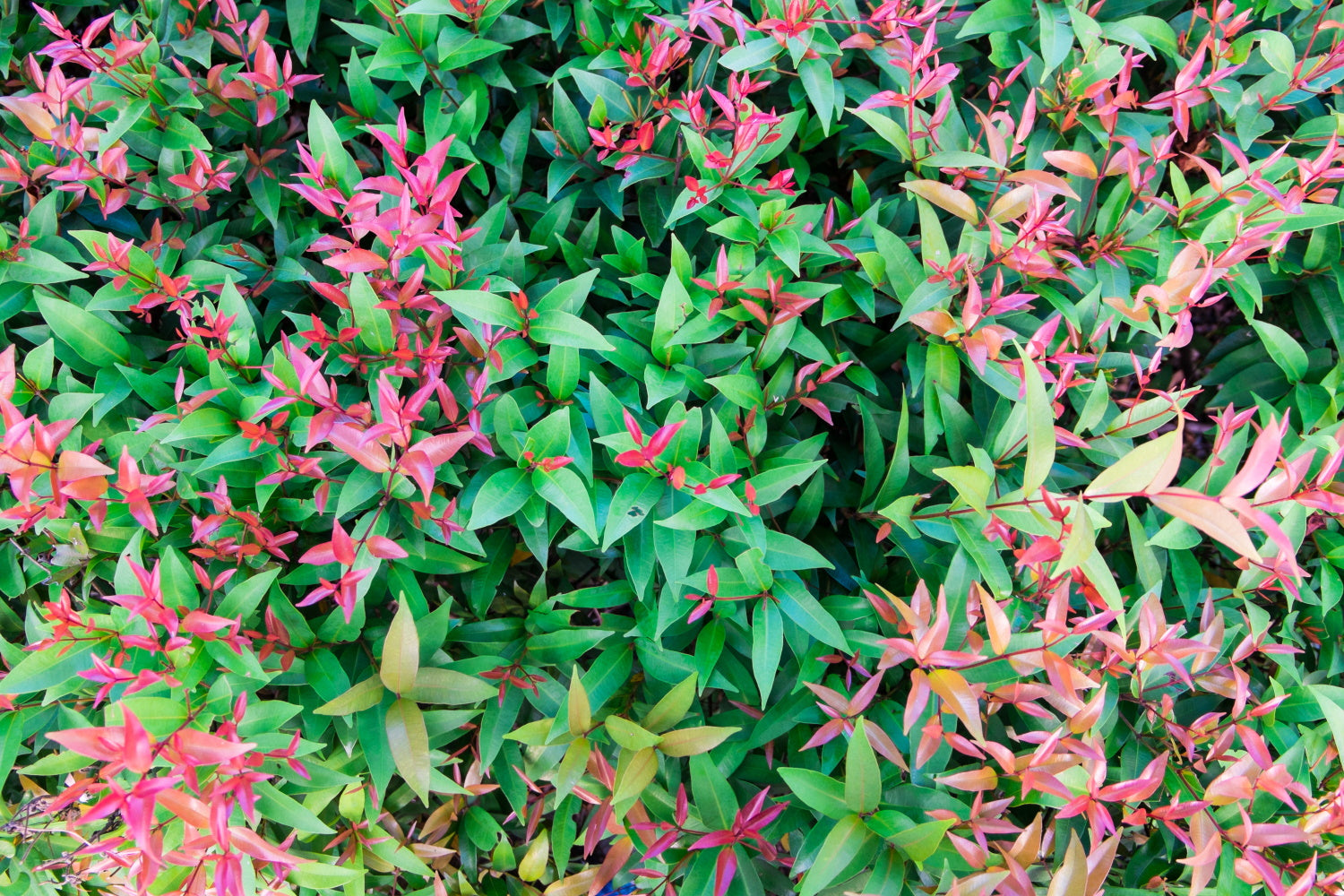
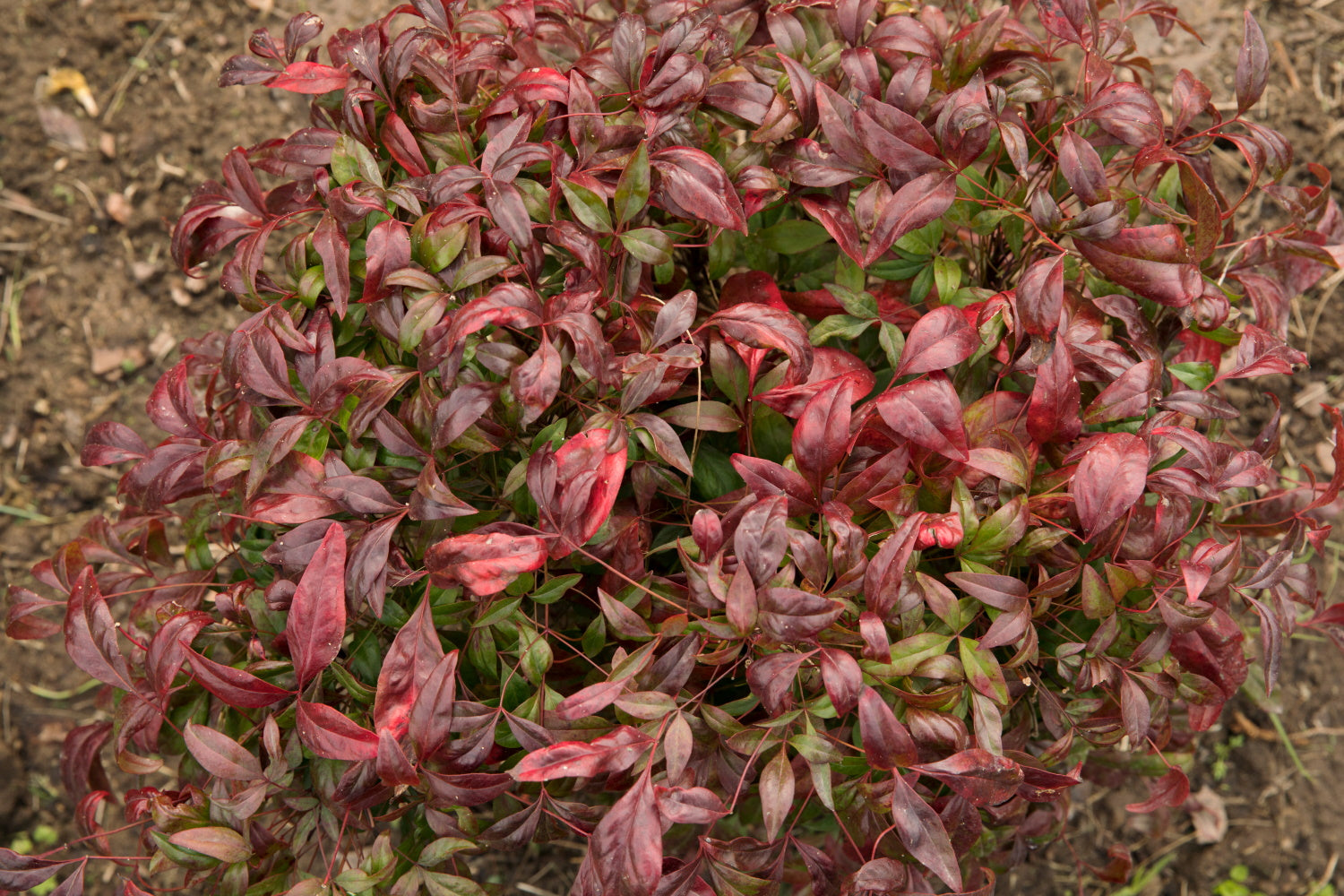
Nandina domestica is an elegant, small evergreen shrub. It has an upright, bamboo-like habit. The leaves are purplish-red in the spring, turning green before turning back to purplish-red in the autumn. Small clusters of white flowers are produced during the summer. These are followed by red berries during the winter. Nandina domestica can be planted in full sun in a sheltered position. With an eventual height and spread of 1-1.5m, it should be planted in a moist, well-drained soil.
Rhododendron ponticum ‘Variegatum’

Shrubs

Rhododendron ponticum ‘Variegatum’

by Arundel Arboretum on Dec 11, 2022
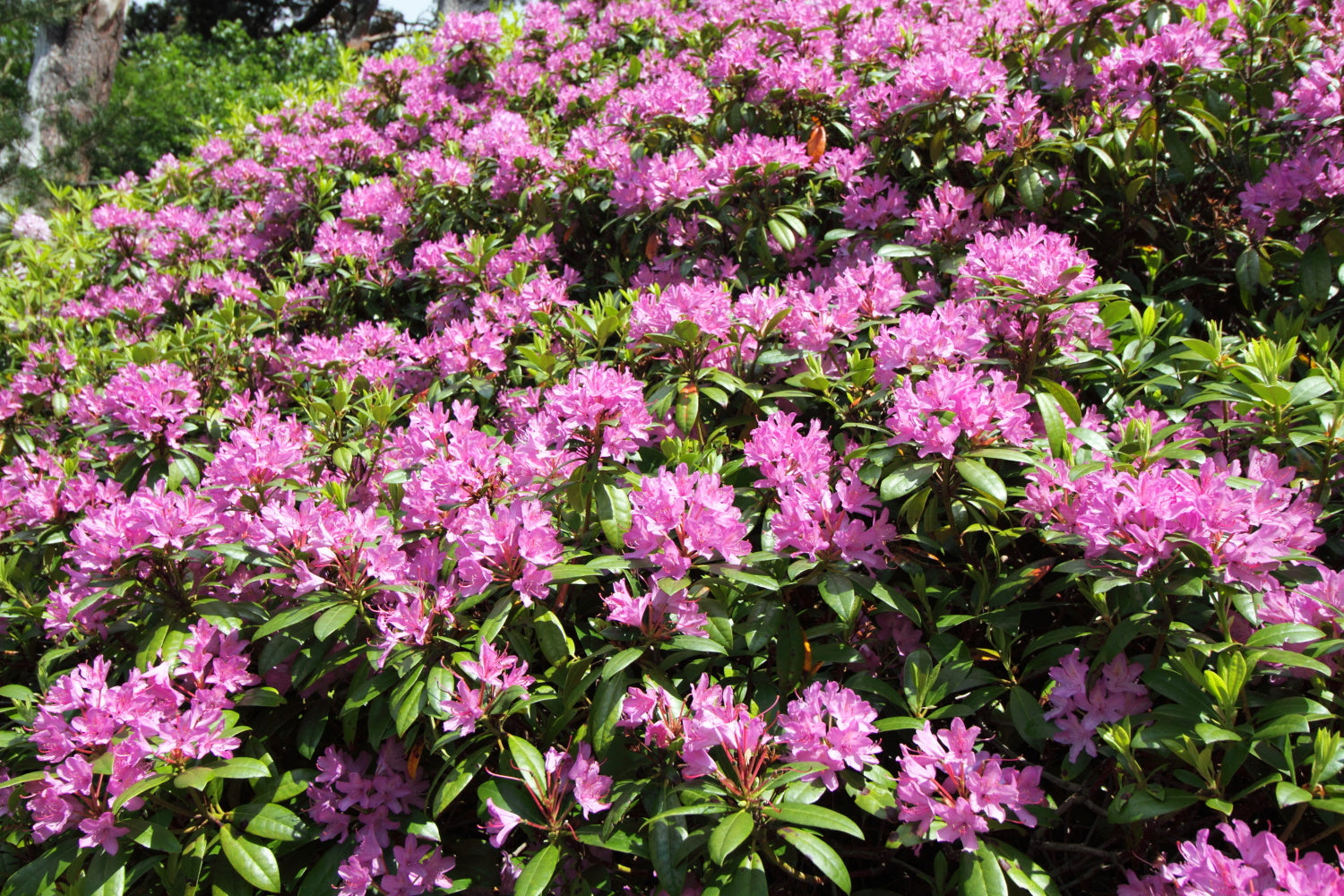
Rhododendron ponticum ‘Variegatum’ is a medium sized evergreen shrub. Its large, glossy green leaves are margined creamy-white. Large lilac-pink flowers cover this attractive shrub in spring. Like all rhododendrons, it needs an acidic soil. Rhododendron ponticum ‘Variegatum’ can be planted in full sun or partial shade. With an eventual height and spread of 1.5-2.5m, it should be planted in a moist, well-drained soil.
Pittosporum tenuifolium ‘Variegatum’

Shrubs

Pittosporum tenuifolium ‘Variegatum’

by Arundel Arboretum on Dec 11, 2022
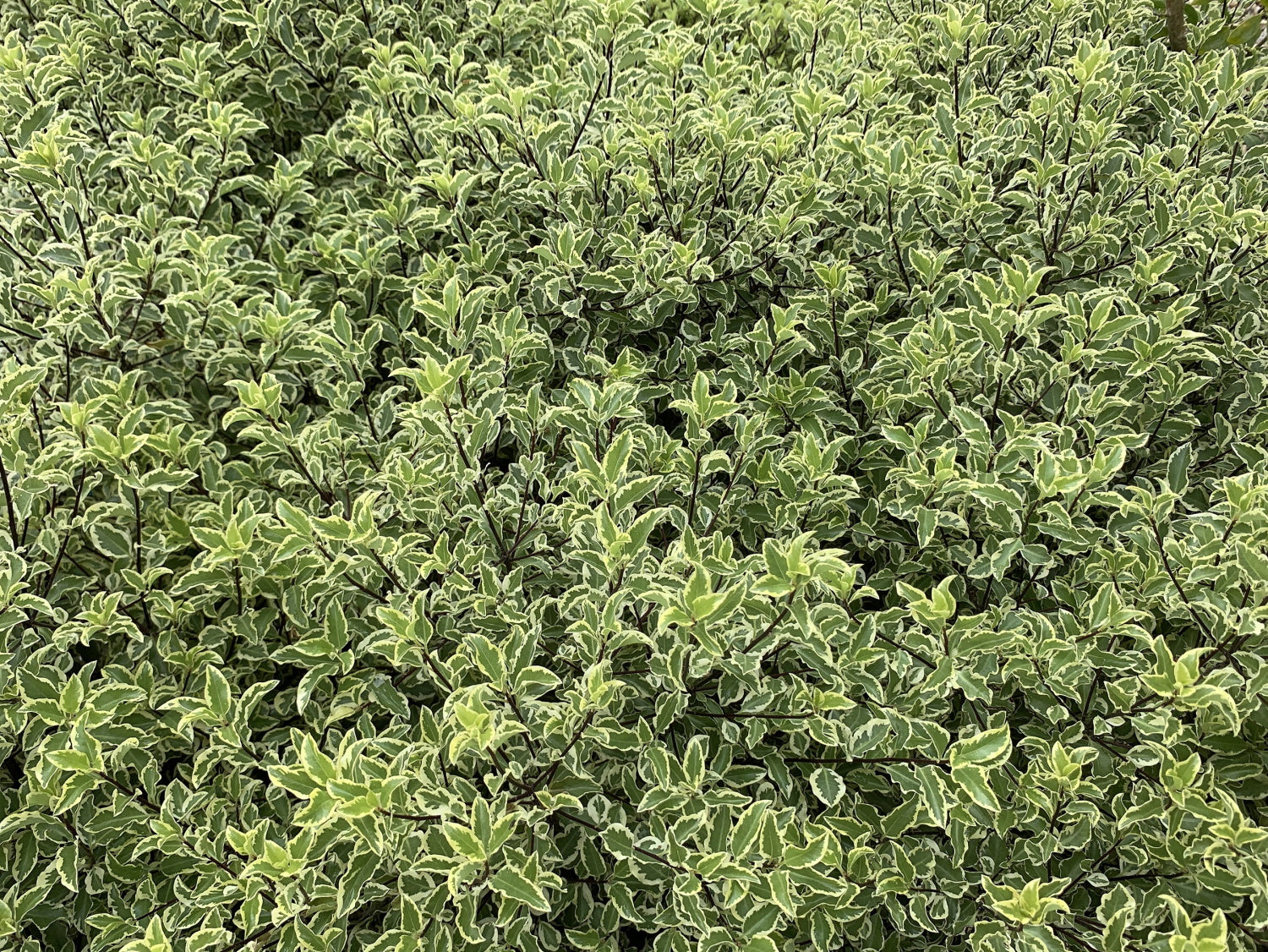
Pittosporum tenuifolium ‘Variegatum’ is an medium sized, evergreen shrub. Its small, wavy shaped glossy grey\green leaves are margined creamy-white and appear on black stems. As a young plant it is slow growing, but this speeds up with maturity. It is a decorative screening shrub. Pittosporum tenuifolium ‘Variegatum’ produces tiny scented purple flowers in spring. With an eventual height of 2.5-4m and a spread of 1.5-2.5m, it should be planted in a moist, well-drained soil
Pieris ‘Flaming Silver’

Shrubs

Pieris ‘Flaming Silver’

by Arundel Arboretum on Dec 11, 2022
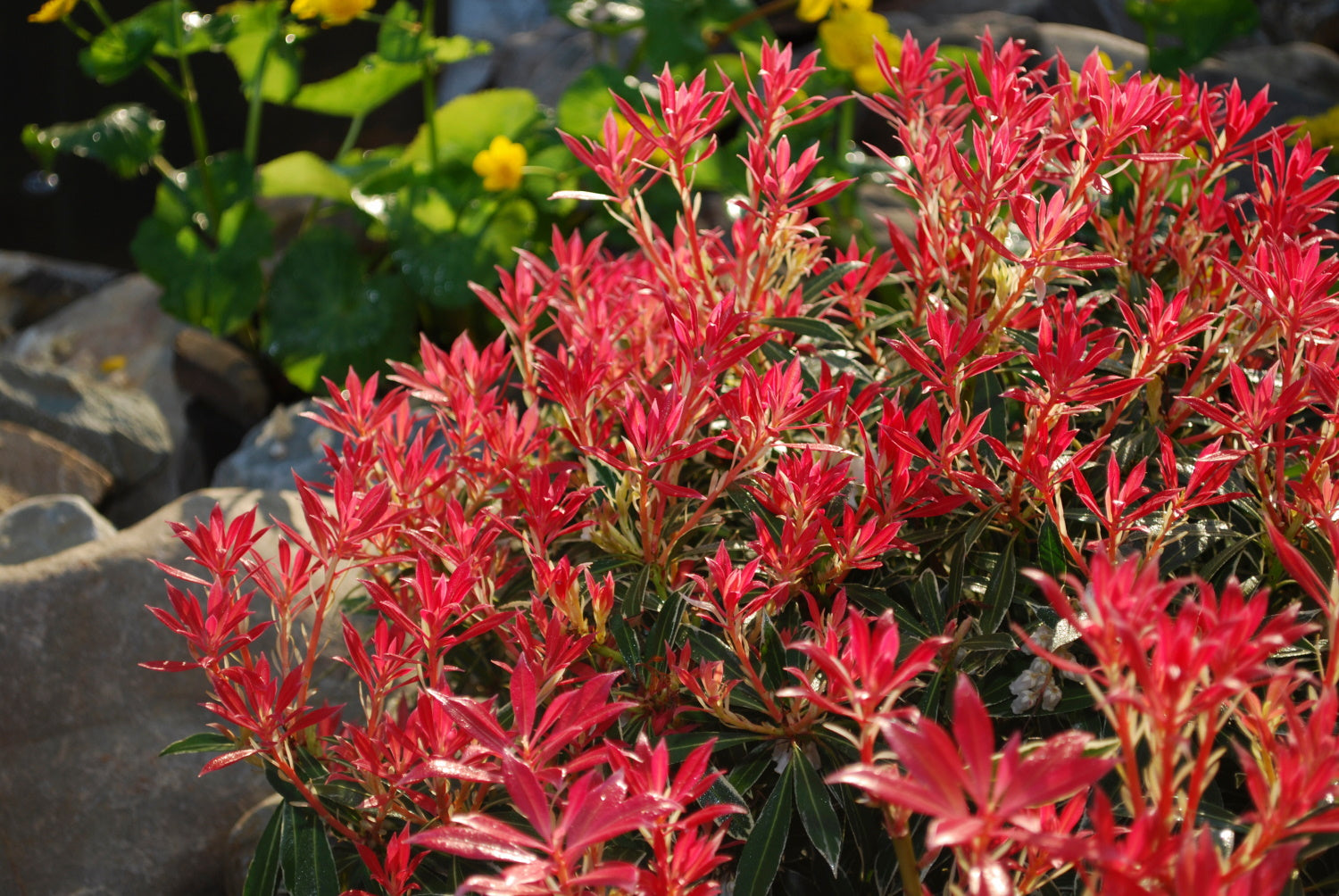
Pieris ‘Flaming Silver’ is a small, erect evergreen shrub. A striking silvery-white margined leaf, the young leaves at first show no signs of variegation, but have a pinkish tinge. Small, creamy-white bell-like flowers appear in clusters in the spring. Pieris ‘Flaming Silver’ can be planted in full sun or partial shade, in a sheltered position. With an eventual height of 1-1.5m and a spread of 0.5-1m, it should be planted in a moist, well-drained soil.
Euonymus ‘Emerald N’ Gold’

Shrubs

Euonymus ‘Emerald N’ Gold’

by Arundel Arboretum on Dec 11, 2022
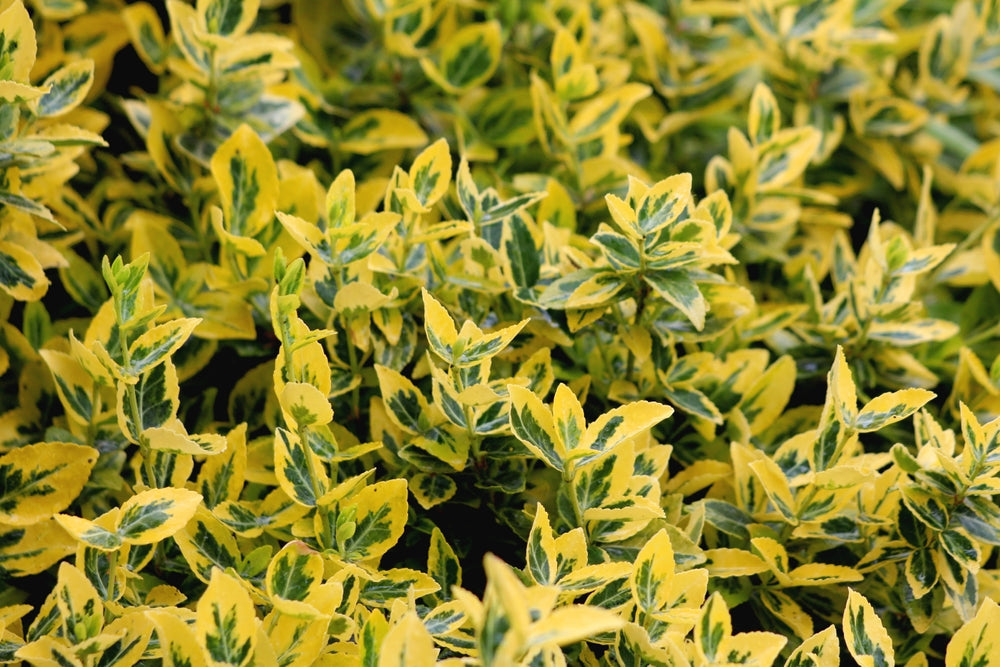
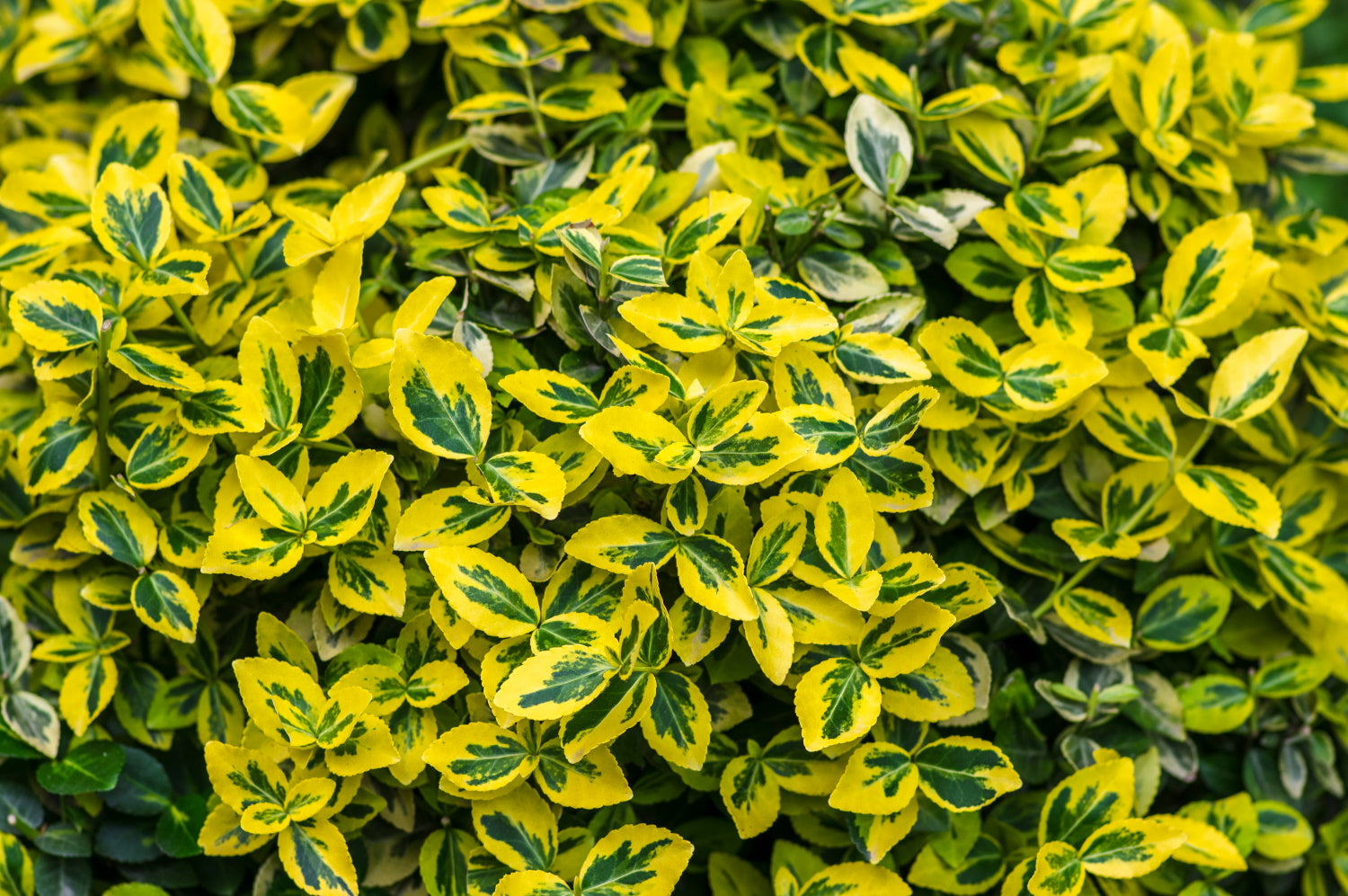
Euonymous ‘Emerald N’ Gold’ is a dense, compact evergreen shrub. It has a spreading habit which gives good ground coverage. The foliage is green with golden-yellow margins. These can be tinged pink during the winter. Euonymous ‘Emerald N’ Gold’  may also produce small green flowers. It can be planted in full sun and partial shade, in a sheltered or exposed position. With an eventual height of 0.5-1m and an spread of 1-1.5m, it should be planted in a moist, well-drained soil.
Drimys aromatica

Shrubs

Drimys aromatica

by Arundel Arboretum on Dec 11, 2022
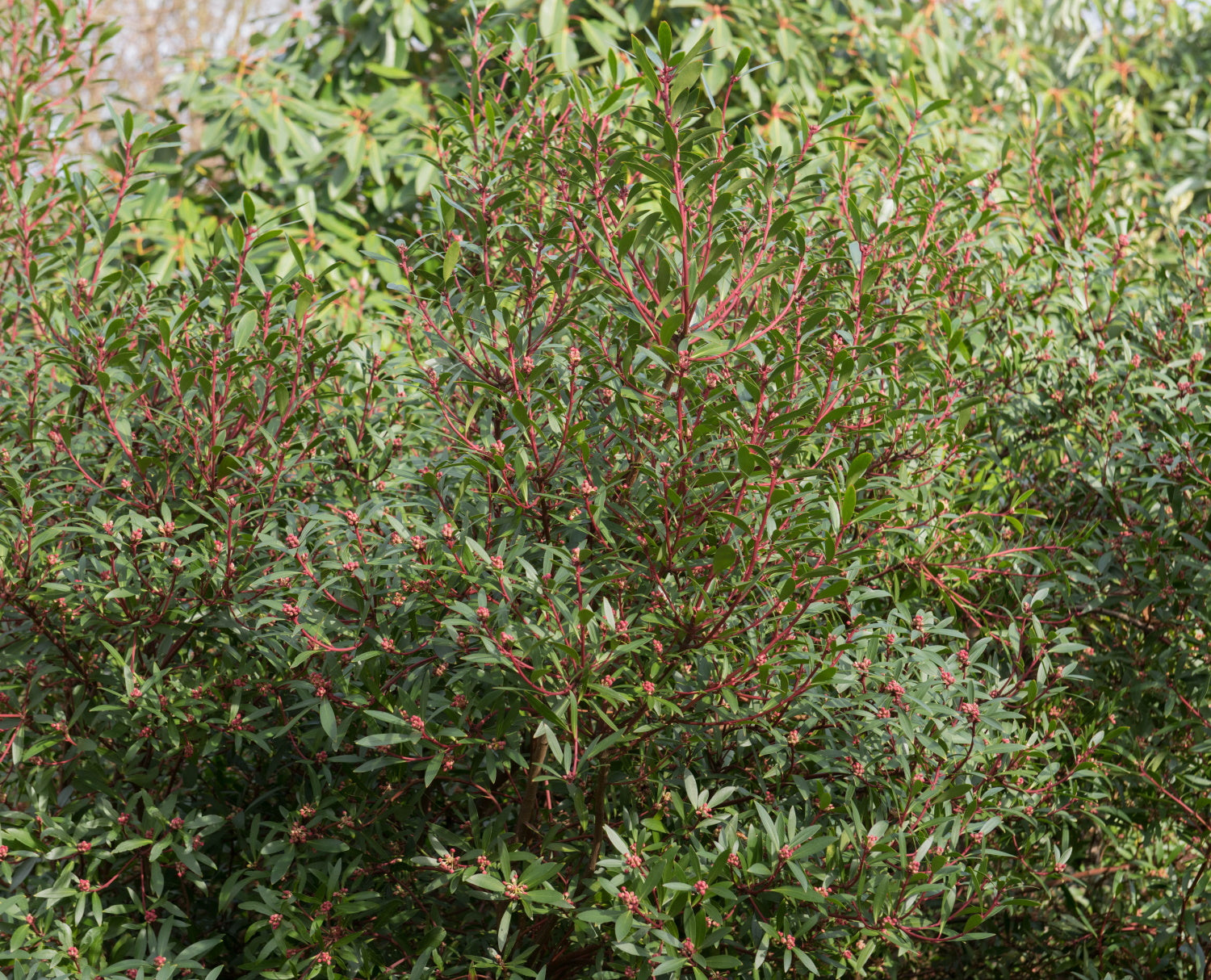
Drimys aromatica is a dwarf evergreen shrub. The young growth is copper-tinted turning a glossy dark green and green beneath. The striking purplish-red bark shows through the leaves. Drimys aromatica produces creamy-white flowers in the spring. It is a hardy shrub, which can be planted in full sun or partial shade. With an eventual height of 2-3m and spread of 1-2m, it should be planted in a moist, well-drained soil.
Choisya ternata ‘Brica’

Shrubs

Choisya ternata ‘Brica’

by Arundel Arboretum on Dec 11, 2022
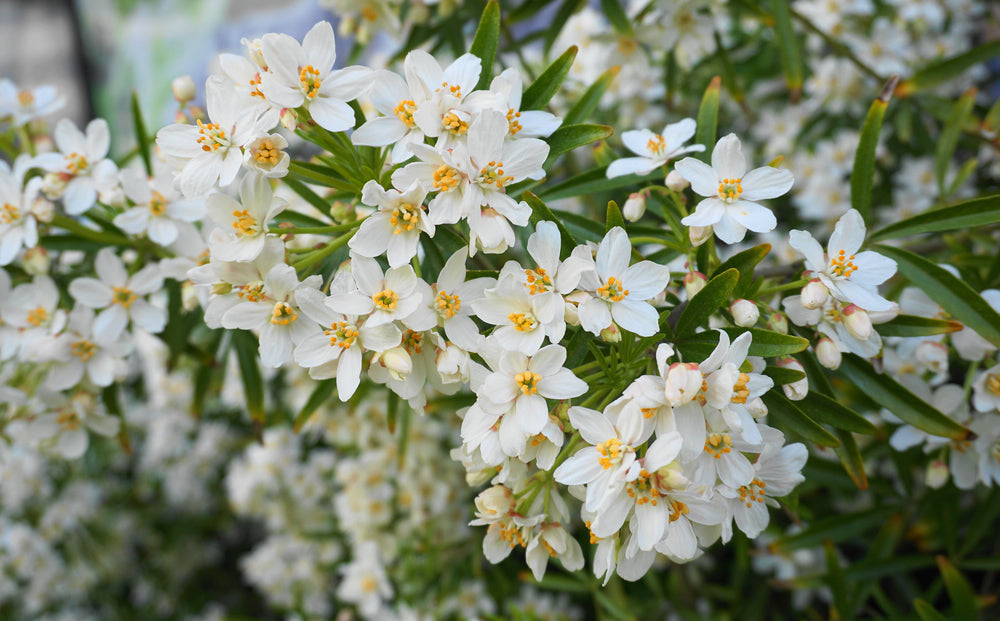
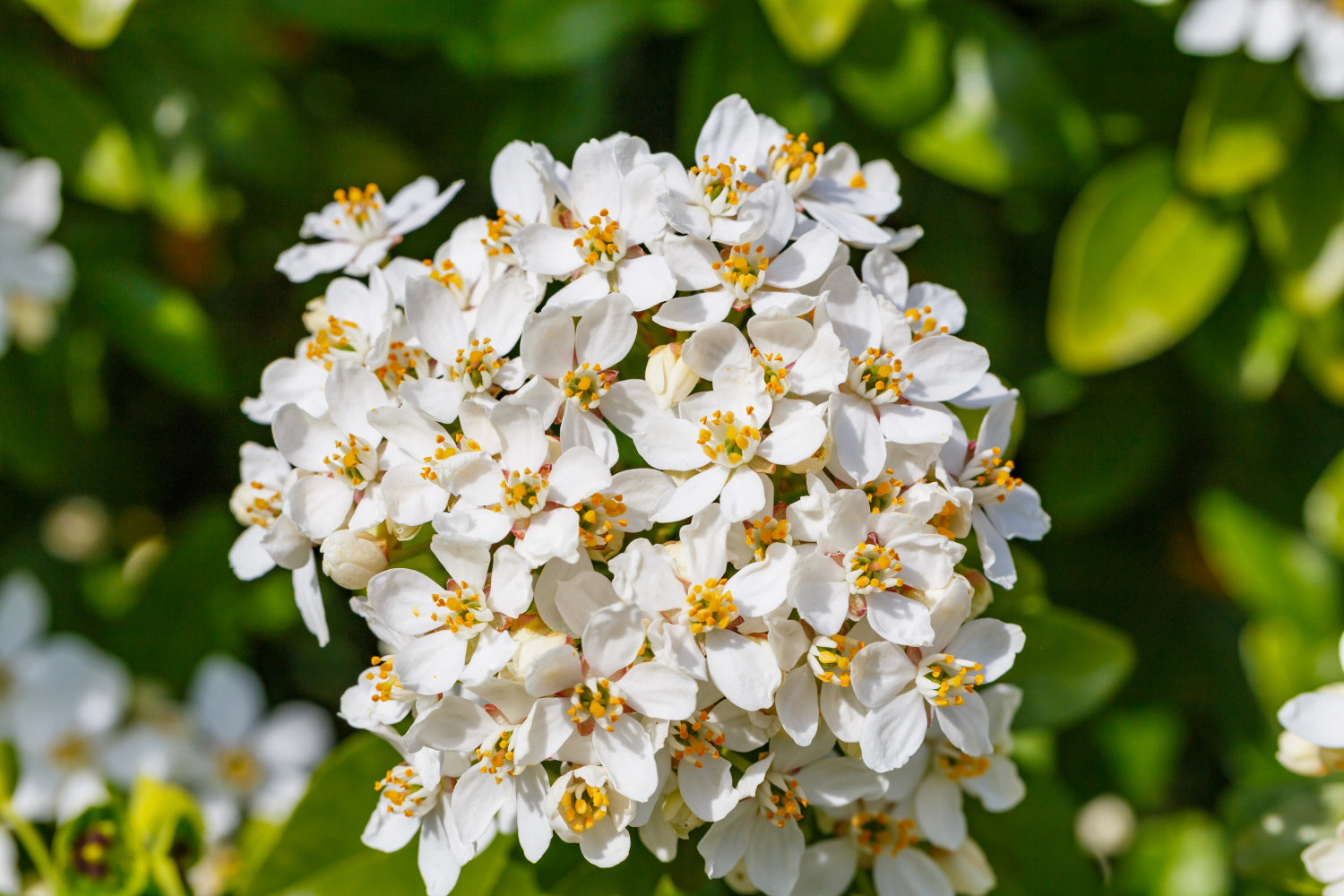
Choisya ternata ‘Brica’ is an ornamental, evergreen shrub. During May and June, it is covered with sweet-scented white, star-shaped flowers. If space is of a premium, it is an ideal choice for a small garden.
Choisya ternata / Mexican Orange Blossom

Shrubs

Choisya ternata / Mexican Orange Blossom

by Arundel Arboretum on Dec 11, 2022
Choisya ternata is a rounded, medium sized evergreen bushy shrub. The shiny dark green leaves are aromatic when they are crushed. The white flowers produce a heavenly fragrance in May when they cover the foliage. Choisya ternata can be planted in full sun in a sheltered position. It has an eventual height and width of 1.5-2.5m and should be planted in a moist, well-drained soil.
Ceanothus ‘Yankee Point’ / Californian Lilac

Shrubs

Ceanothus ‘Yankee Point’ / Californian Lilac

by Arundel Arboretum on Dec 11, 2022
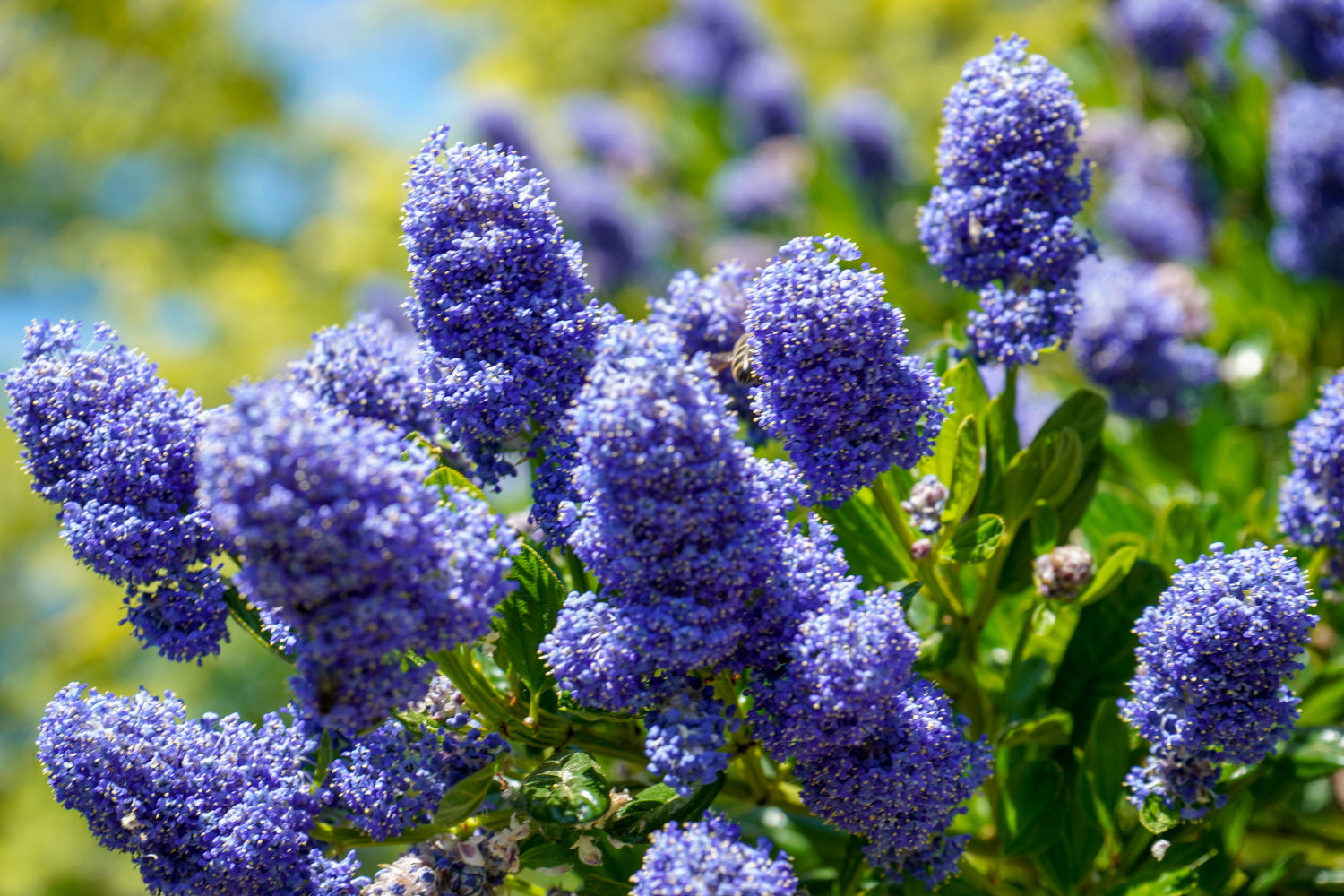
Ceanothus ‘Yankee Point’ is a vigorous evergreen shrub. It has a wide, spreading habit. The small, dark green leaves are glossy with an grey underside. It is also known as the Californian Lilac. It is very showy for its deep blue flowers which appear in late spring\early summer. Ceanothus ‘Yankee Point’ can be planted in full sun in a sheltered position. It has an eventual height of 0.5-1m and a spread of 2.5-4m, and should be planted in a moist, well-drained soil.
Azalea japonica ‘Stewartstonian’

Shrubs

Azalea japonica ‘Stewartstonian’

by Arundel Arboretum on Dec 11, 2022
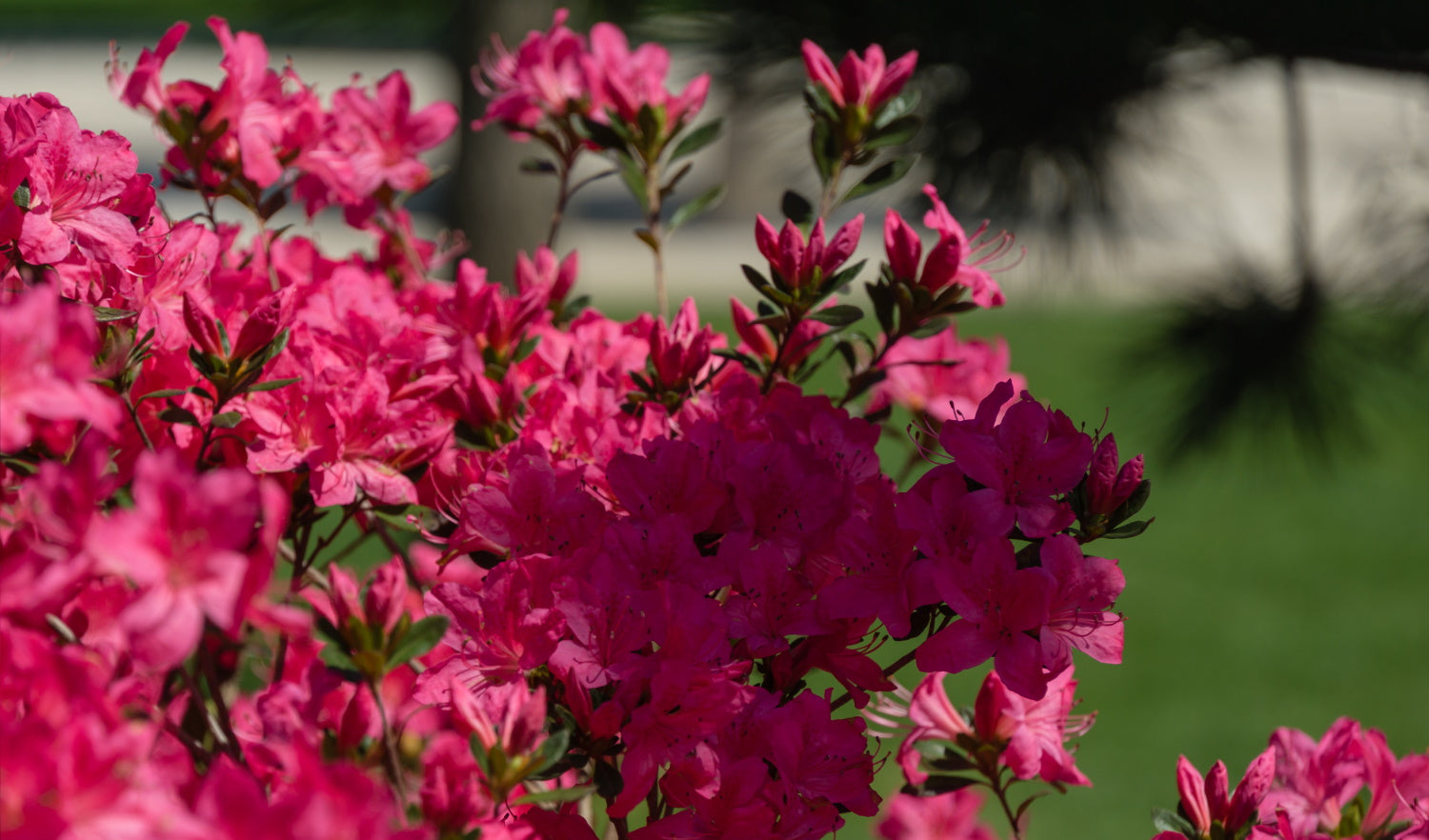
Azalea japonica ‘Stewartstonian’ is a slow growing evergreen azalea. It has small glossy green foliage turning a stunning colour of mainly red to dark red with orange and yellow in the winter. Produces a spectacular show of vivid red flowers during late spring which last for weeks. It has a natural dome shape, which should be lightly trimmed after flowering in order to maintain its shape. Azalea japonica ‘Stewartstonian’  should be planted in a moist, well-drained acidic soil.
Euonymus japonicus ‘Susan’

Shrubs

Euonymus japonicus ‘Susan’

by Arundel Arboretum on Dec 11, 2022
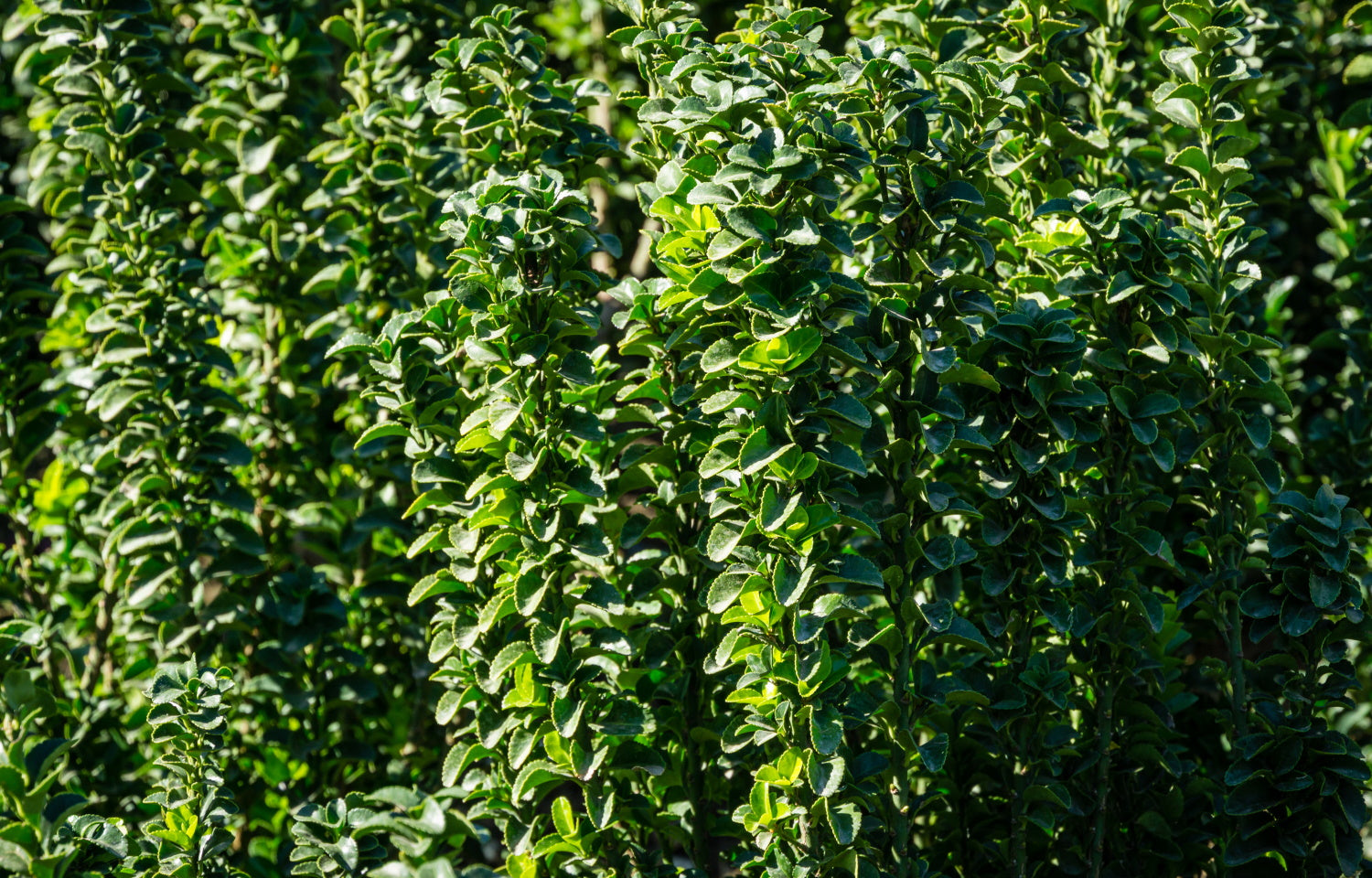
Euonymus japonicus ‘Susan’ is a variety of Japanese Spindle. It is a dwarf, evergreen shrub with a bushy, compact habit. It produces oval dark green leaves which are margined white. Small green flowers can appear in the summer and occasionally fruits will appear in the autumn. Plant in a moist, well drained soil. It will tolerate most soil types. Euonymus japonicus ‘Susan’ can be planted in full sun or partial shade in a sheltered or exposed position. This shrub can be trimmed well and can make a good small hedge.
Syringa vulgaris ‘Belle de Nancy’ / Lilac

Shrubs

Syringa vulgaris ‘Belle de Nancy’ / Lilac

by Arundel Arboretum on Dec 11, 2022
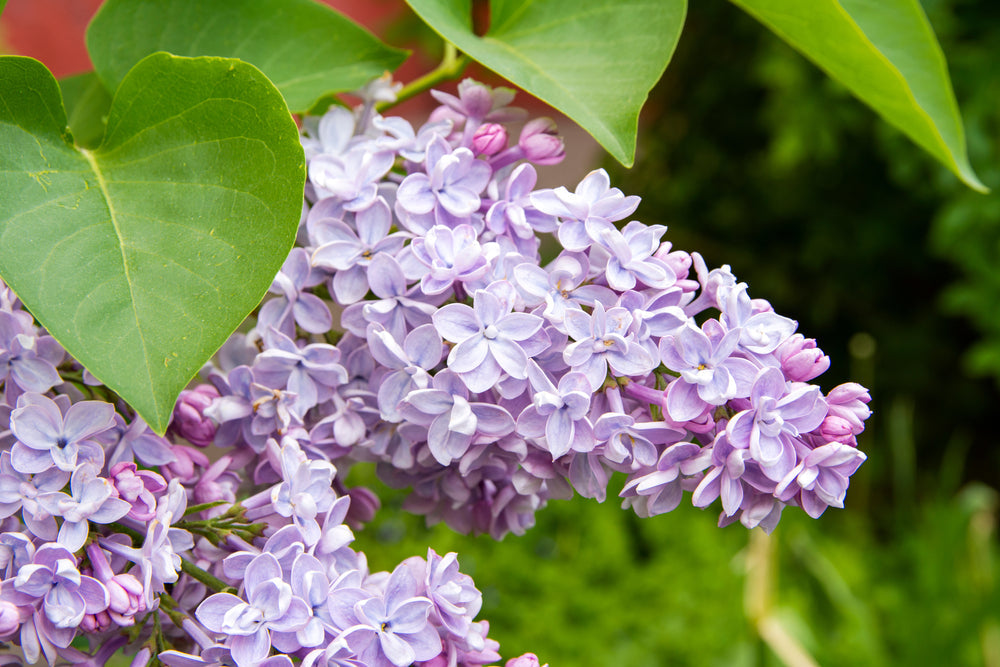
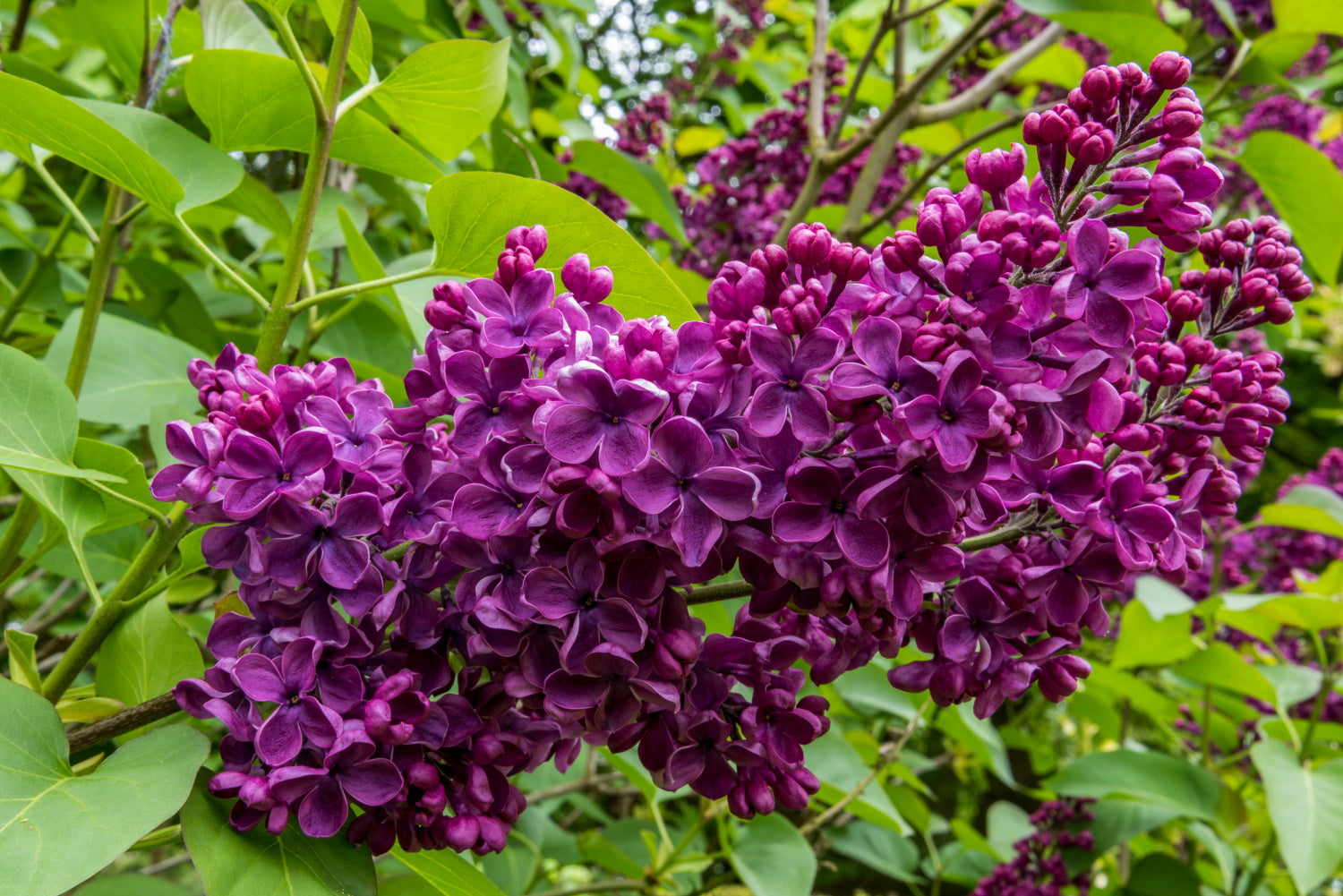
Syringa vulgaris ‘Belle de Nancy’ is a deciduous shrub with mid green foliage during the summer. It is a French lilac. It produces highly fragrant double flowers, which are upright panicles and pink-mauve when they first emerge. They gradually turn lilac-pink before taking on a blue hue during the summer months. This lilac is excellent for butterflies and bees. For the best flowering display, it is important to prune immediately after flowering. Plant in a moist, well drained soil in a sunny position. Syringa vulgaris ‘Belle de Nancy’ has an eventual height of 2.5m and a spread of 2m.
Pittosporum tobira ‘Nanum’ (dwarf Japanese Mock Orange)

Shrubs

Pittosporum tobira ‘Nanum’ (dwarf Japanese Mock Orange)

by Arundel Arboretum on Dec 11, 2022
Pittosporum tobira ‘Nanum’ is an evergreen shrub. It  has deep green, glossy leaves with small heads of creamy-white scented flowers which appear in the summer. Pittosporum tobira ‘Nanum’ is an excellent shrub for coastal conditions. It can be planted in full sun to partial shade and is tolerant of windy and coastal conditions. Pittosporum tobira ‘Nanum’ will grow on most soils except waterlogged or chalky conditions. It is slow growing and has a compact growth habit.
Nandina domestica ‘Firepower’ (dwarf Heavenly Bamboo)

Shrubs

Nandina domestica ‘Firepower’ (dwarf Heavenly Bamboo)

by Arundel Arboretum on Dec 11, 2022
Nandina domestica ‘Firepower’ is a compact, evergreen shrub. Its leaves are yellow-green during the summer, turning orange and red in the autumn and winter. Nandina domestica ‘Firepower’ produces small white flowers in the summer. Nandina domestica ‘Firepower’ thrives in well-drained, fertile soil and to get the best autumn colours, prefers full sun and being sheltered from the cold.