

-
Trees
Trees
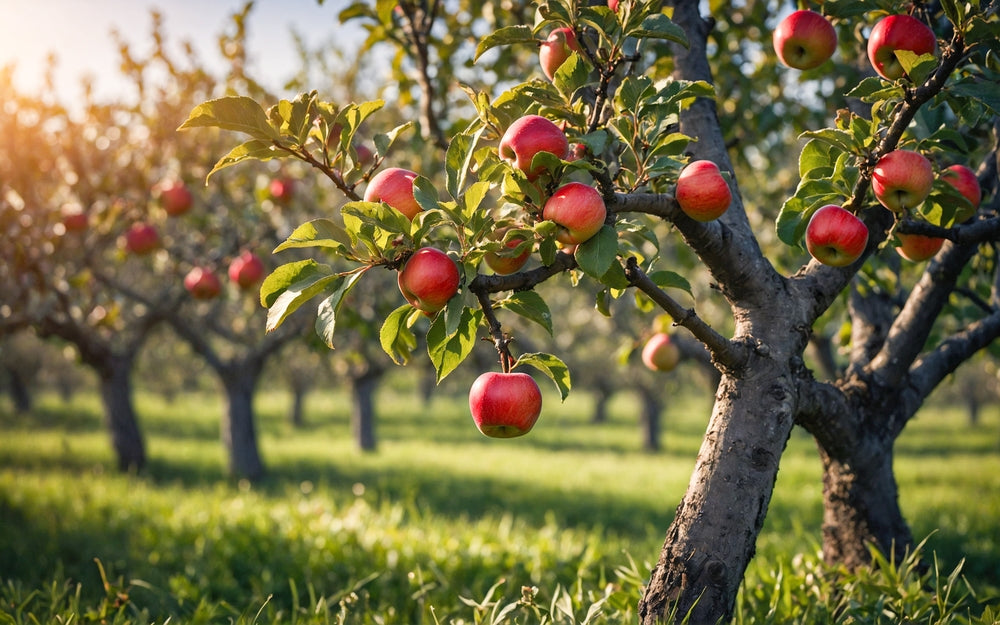 Fruit Trees
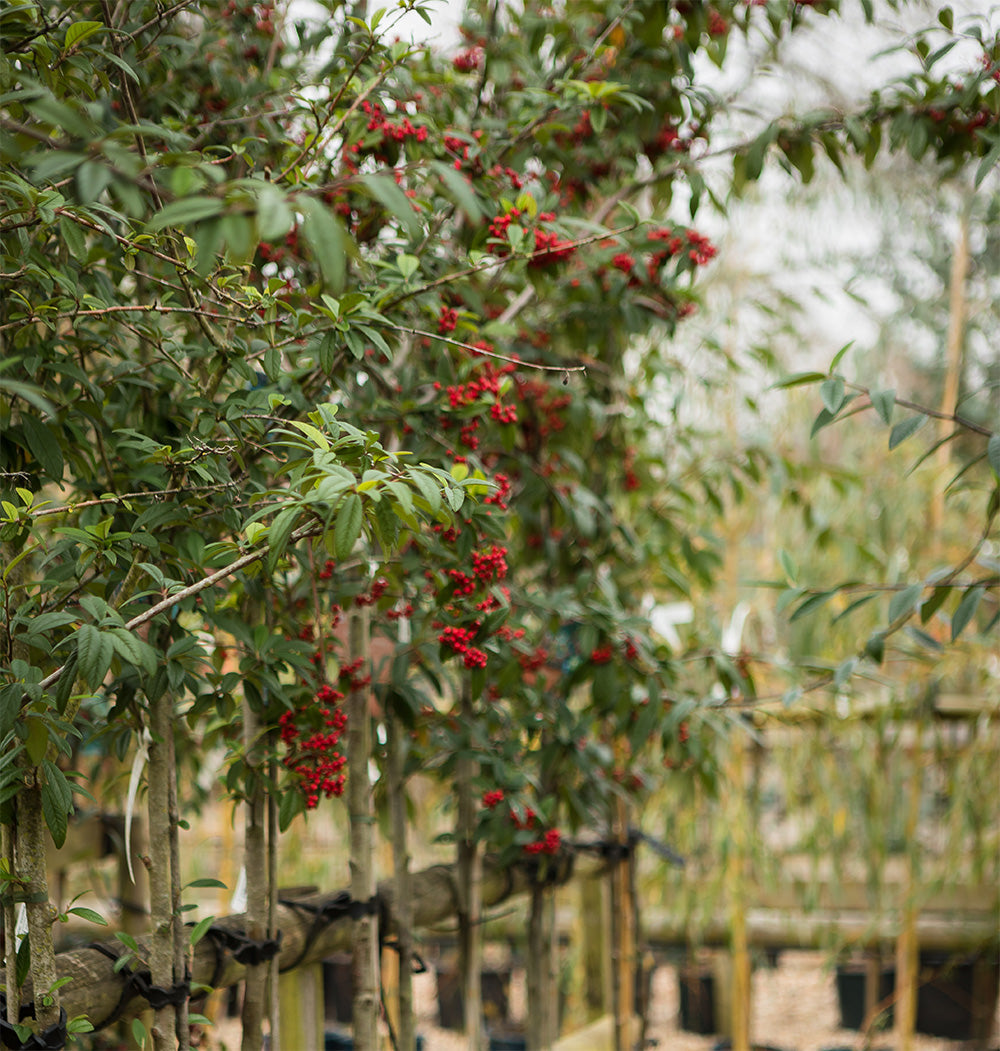 Ornamental
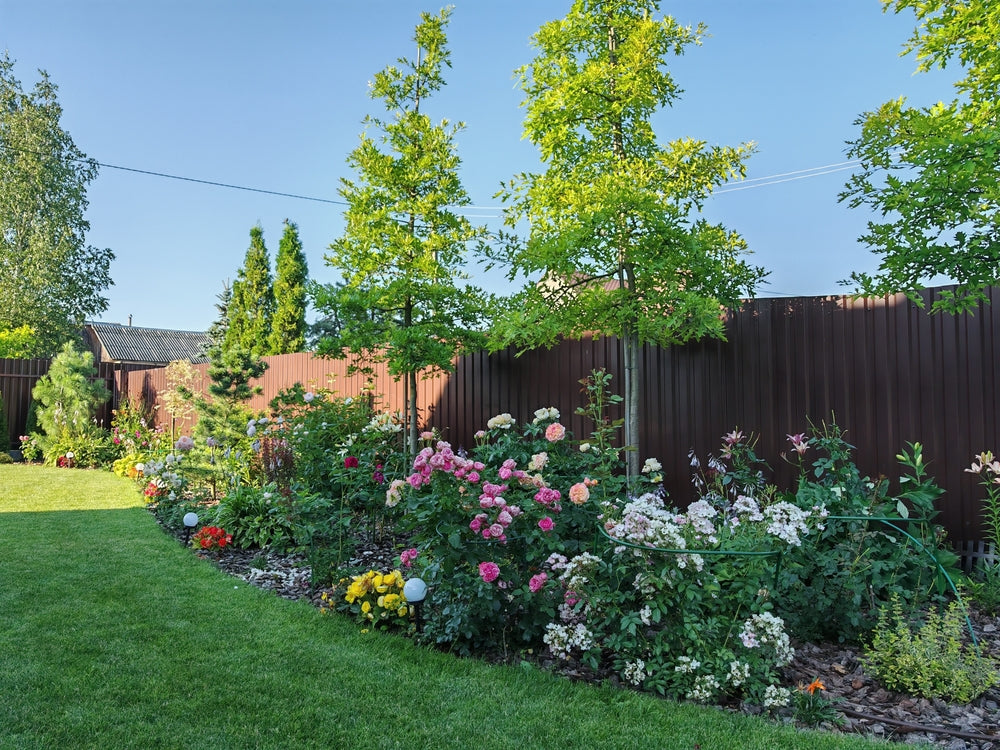 Screening
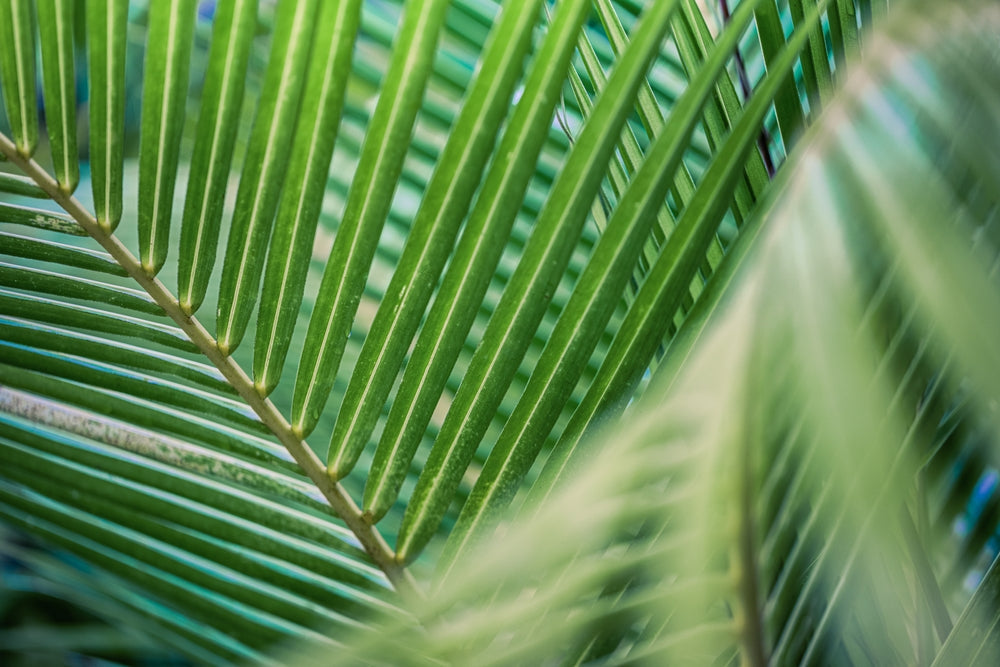 Palms
By FeaturesBy Shape
-
Shrubs
Shrubs
 Large shrubs
 Hedging
 Bamboo
 Climbers
 Flowering
 Grasses & Ferns
 Popular
-
Pines & Conifers
Pines & Conifers
 Pines
 Spruce & Fir
 Cypress
 Thuja
 Redwood | Sequoia
-
Specimen
FREE DELIVERY OVER £350
Search results
Search results


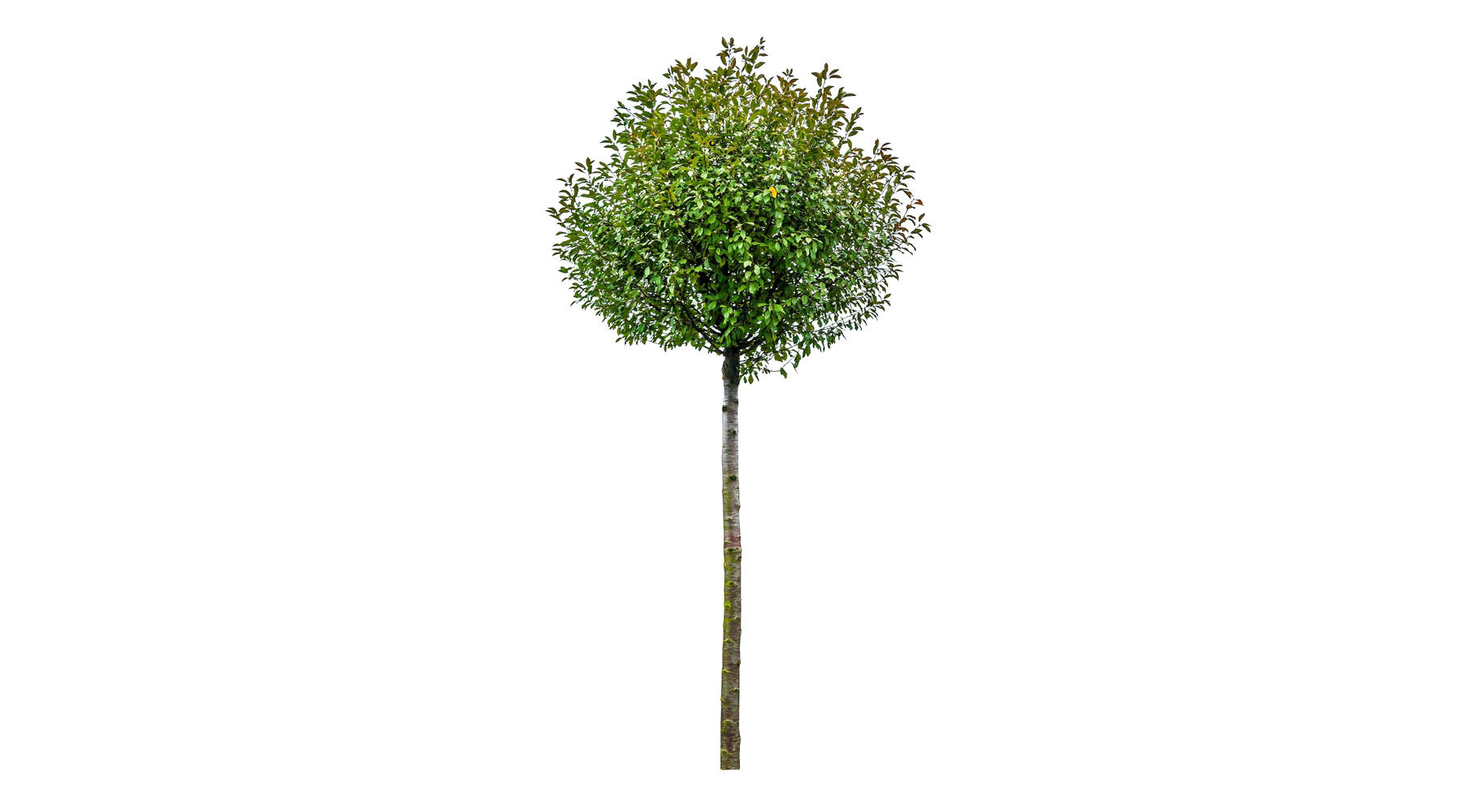
Robinia Pseudoacacia Umbraculifera 400cm - 20cm - Clear Stem - 150lt
£623.00
Unit price perRobinia Pseudoacacia Umbraculifera 400cm - 20cm - Clear Stem - 150lt
£623.00
Unit price per


Prunus serrulata 'Kiku-Shidare' - Height 280-300cm - Clear Stem 150cm - Girth 10-12cm - Weeping - 45lt
£415.00
Unit price perPrunus serrulata 'Kiku-Shidare' - Height 280-300cm - Clear Stem 150cm - Girth 10-12cm - Weeping - 45lt
£415.00
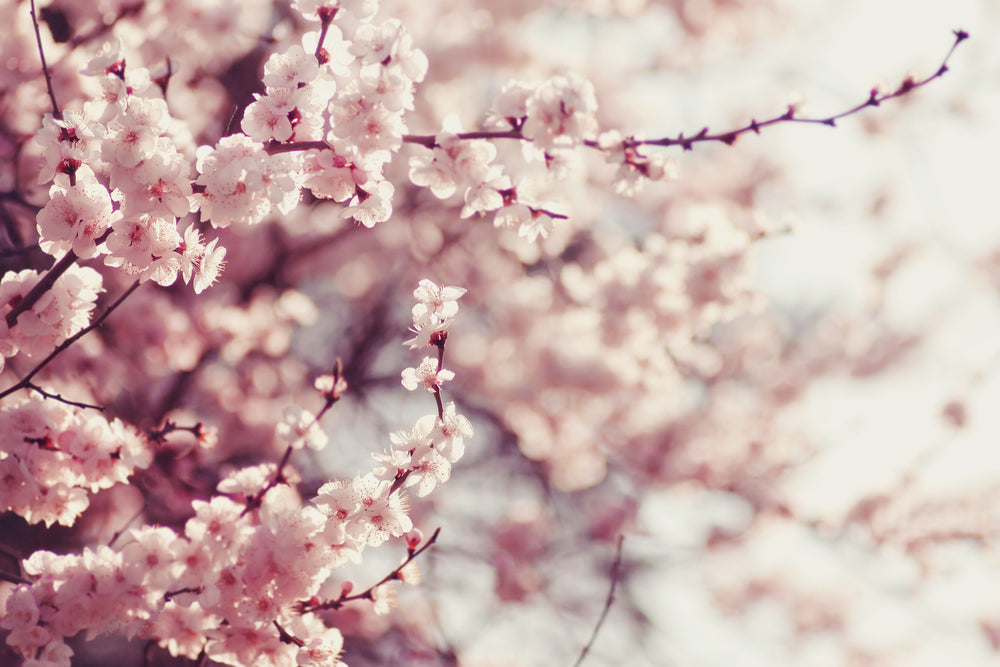
Unit price perPrunus serrulata ‘Kiku Shidare’, also known as the weeping cherry ‘Kiku Shidare Zakura’, is a stunning ornamental tree ideal for adding elegance and seasonal drama to gardens. Its compact size and graceful, pendulous branches make it particularly well-suited for small to medium gardens, courtyards, or as a specimen tree in prominent positions.
In early to mid-spring, it becomes a focal point, erupting in masses of fragrant, deep pink double blossoms that create a waterfall of color. The tree typically reaches a height of 8 to 12 feet (2.5 to 3.5 meters), making it manageable and easy to incorporate into landscape designs. For best results, it should be planted in full sun to partial shade, in well-drained, fertile soil.
A sheltered spot protects its early blossoms from harsh winds or frost. Its romantic weeping habit and vivid spring display make it perfect for creating a peaceful, picturesque garden setting.


Amelanchier lamarckii | Juneberry - Shrub - Height 90-100cm - 12lt
£72.00
Unit price perAmelanchier lamarckii | Juneberry - Shrub - Height 90-100cm - 12lt
£72.00
Unit price perAmelanchier lamarckii is a deciduous shrub or small tree of upright habit and horizontally spreading branches, and toothed, elliptic leaves, bronze when they emerge, dark green when mature, and orange-red in autumn. Fragrant, white, 5-petal flowers in loose, dropping clusters bloom in spring and are followed by edible, sweet and juicy, dark purple berries in summer.
Amelanchier lamarckii can adapt to a wide range of soil conditions, but thrives in fertile, lime-free, slightly acidic, moist, well-drained soils. It grows well in full sun and partial shade, but best fruit and autumn foliage are achieved in full sun. It is resistant to frost, de-icing slat, and wind. Tolerant of urban pollution. No serious pest or disease problems. Low maintenance plant. Snowy Mespilus is a lovely, elegant shrub, perfect for cottage, wildlife, and urban gardens. Excellent as a specimen, for shrub borders, wall-side borders, and informal hedges and screens. Suitable for growing in containers on patios and roof gardens.


Magnolia Zofia - Height 130-160cm - 12lt
£108.00
Unit price perMagnolia Zofia - Height 130-160cm - 12lt
£108.00
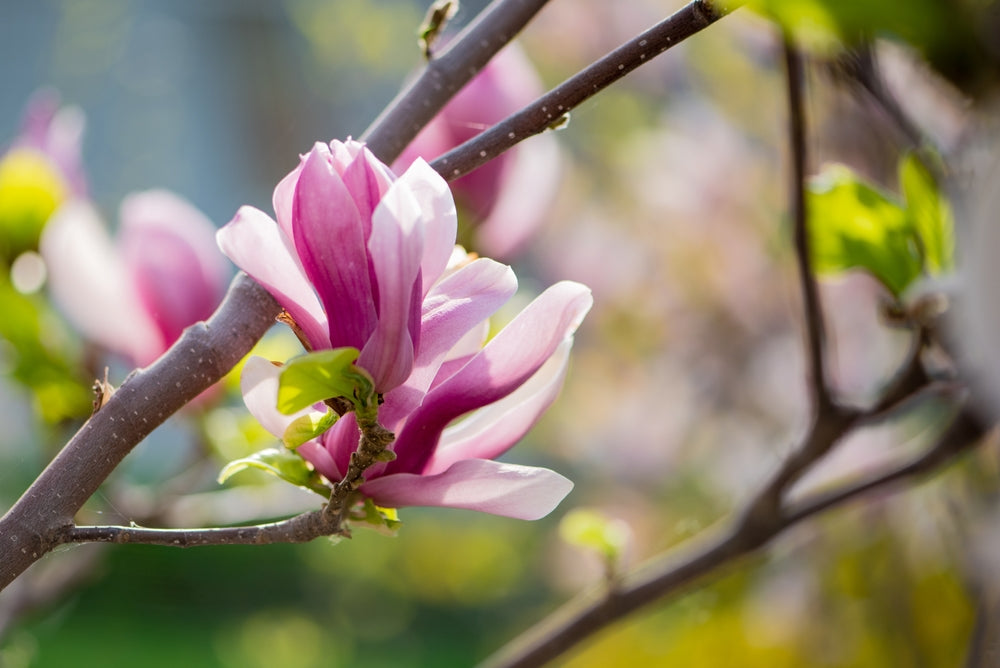
Unit price perThe Magnolia 'Zofia' is an exquisite ornamental tree, highly prized for its stunning floral display and elegant structure. Known for its striking, goblet-shaped flowers, the 'Zofia' blooms early in the spring, often before the leaves emerge. The blossoms are typically a tulip-shaped flower ice-white with distinctive pink stripes, creating a beautiful contrast against the bare branches. These large, fragrant flowers can measure up to 20 cm across, making them a show-stopping feature in any garden.
This deciduous tree, which can reach heights of up to 6-7 metres, has a relatively slow growth rate, making it ideal for smaller gardens or as a focal point in larger landscapes. The 'Zofia' has a rounded, spreading habit, with smooth, greyish bark that adds interest throughout the year. Its leaves, once they appear, are a rich green and elliptical in shape, providing a lush backdrop to the dramatic flowers.
Magnolia 'Zofia' thrives in well-drained, slightly acidic soil and prefers a sunny or partially shaded position. It is relatively hardy, capable of withstanding cold winters, but it benefits from being sheltered from strong winds and late frosts, which can damage the early blooms. Regular watering during dry periods is essential, particularly for young trees.
This magnolia is a superb choice for gardeners looking to add a touch of elegance and seasonal interest to their outdoor space. Its low-maintenance nature, combined with its stunning display of flowers, makes it a popular choice for a wide range of garden styles, from traditional to contemporary. Whether planted as a standalone specimen or within a mixed border, Magnolia 'Zofia' never fails to impress with its timeless beauty.
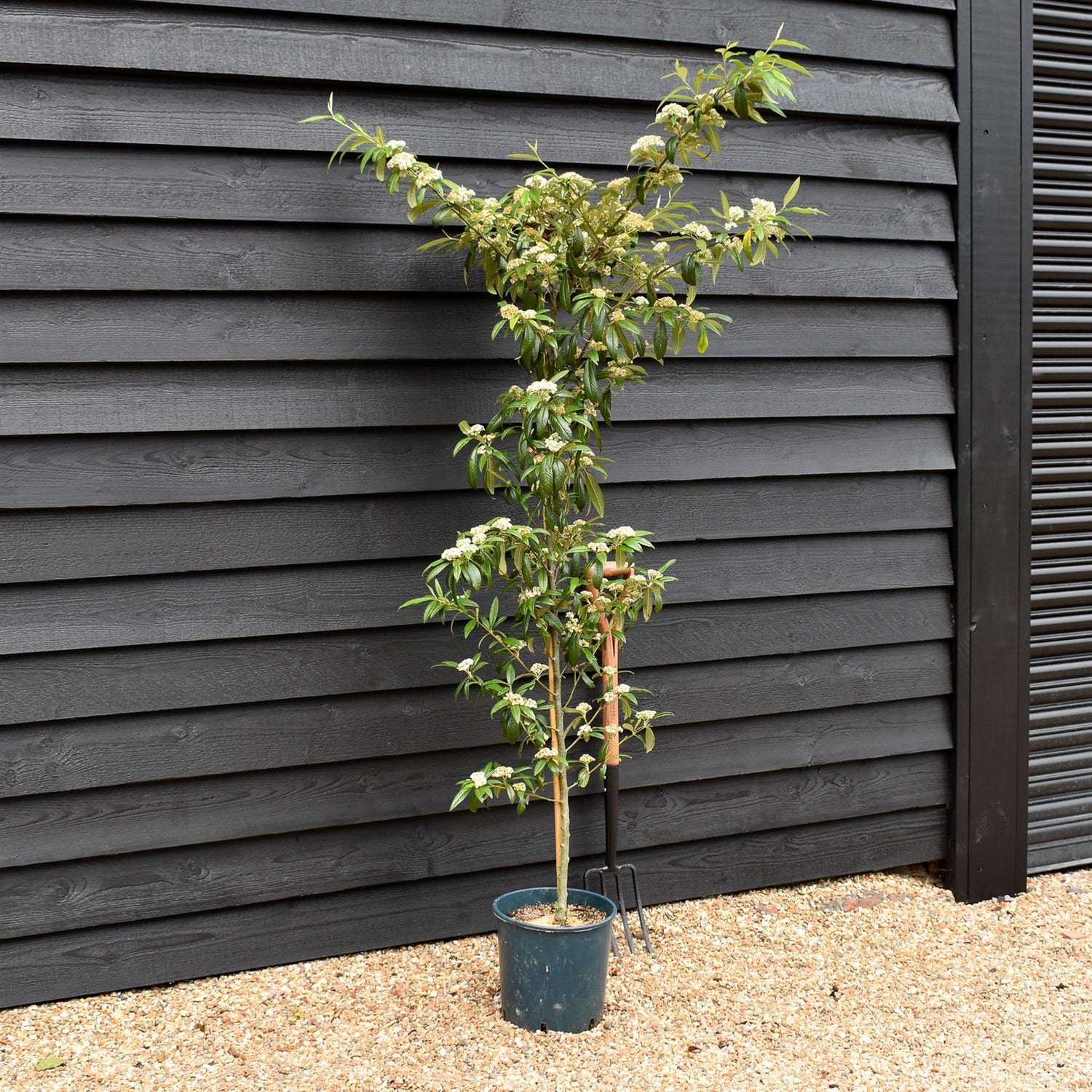


Cotoneaster 'Rothschildianus' | Willow-Leaved Cotoneaster - Height 160-180cm - 12lt
£82.00
Unit price perCotoneaster 'Rothschildianus' | Willow-Leaved Cotoneaster - Height 160-180cm - 12lt
£82.00
Unit price per


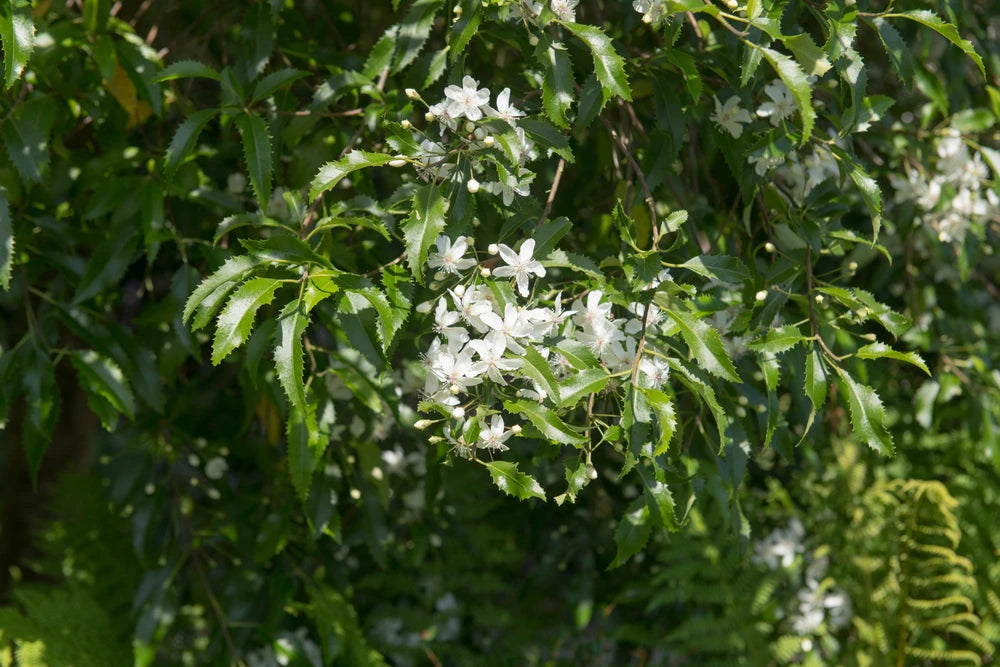
Hoheria sexstylosa Snow White | Ribbonwood - Bushy - Height 250-300cm - 30lt
£245.00
Unit price perHoheria sexstylosa Snow White | Ribbonwood - Bushy - Height 250-300cm - 30lt
£245.00
Unit price per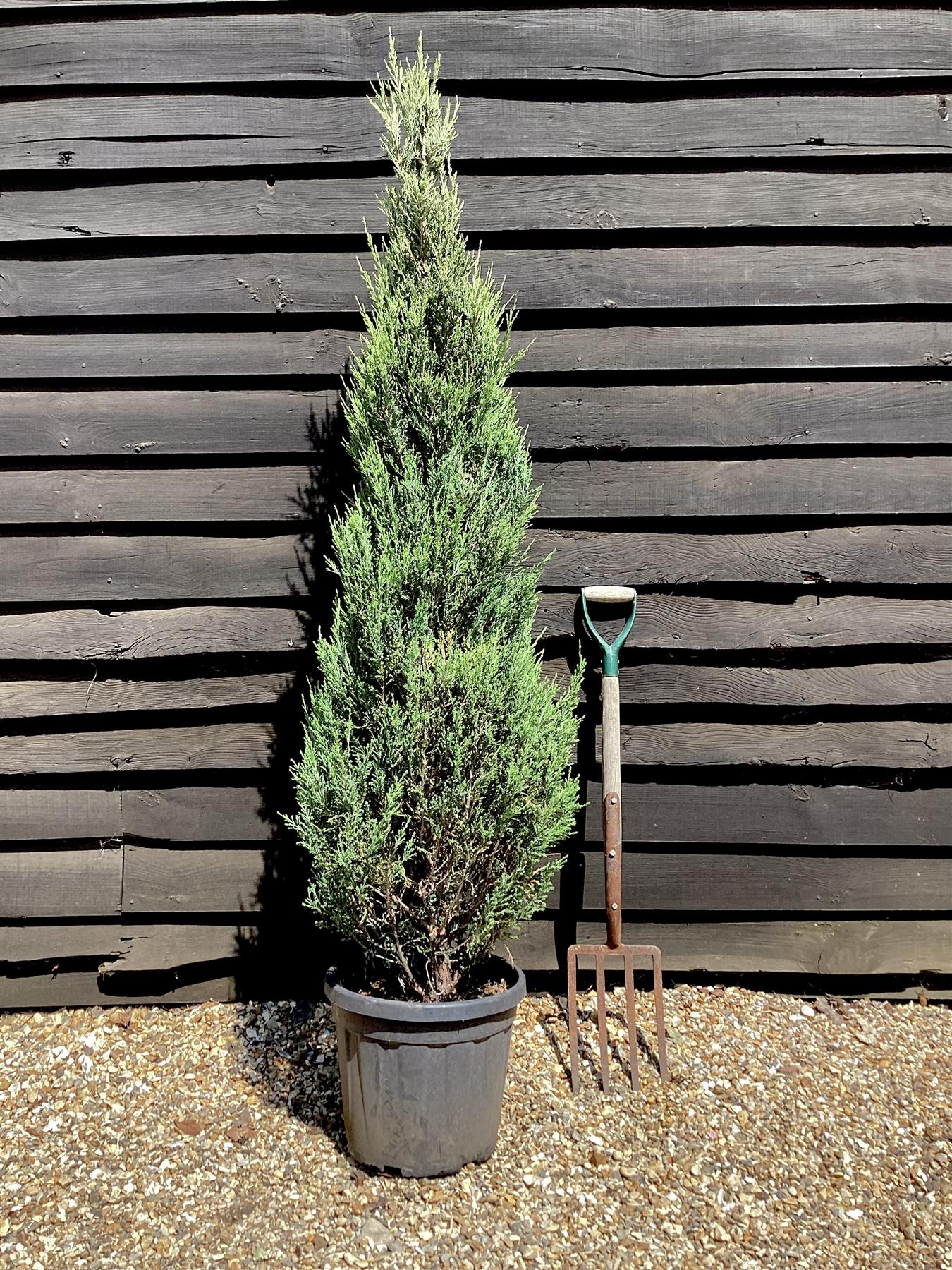

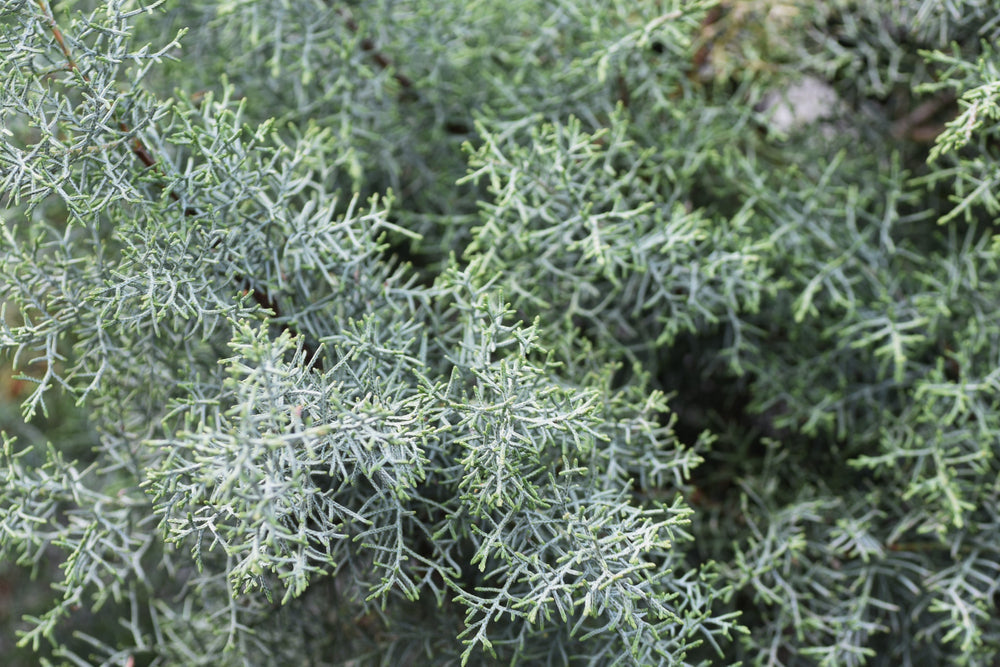
Cupressus arizonica var. glabra 'Glauca' | Arizona cypress 'Glauca' - 150-160cm, 25lt
£190.00
Unit price perCupressus arizonica var. glabra 'Glauca' | Arizona cypress 'Glauca' - 150-160cm, 25lt
£190.00
Unit price per


Cherry 'Stella' half-standard | Prunus avium - Height 170-180cm - 12lt
£86.00
Unit price perCherry 'Stella' half-standard | Prunus avium - Height 170-180cm - 12lt
£86.00
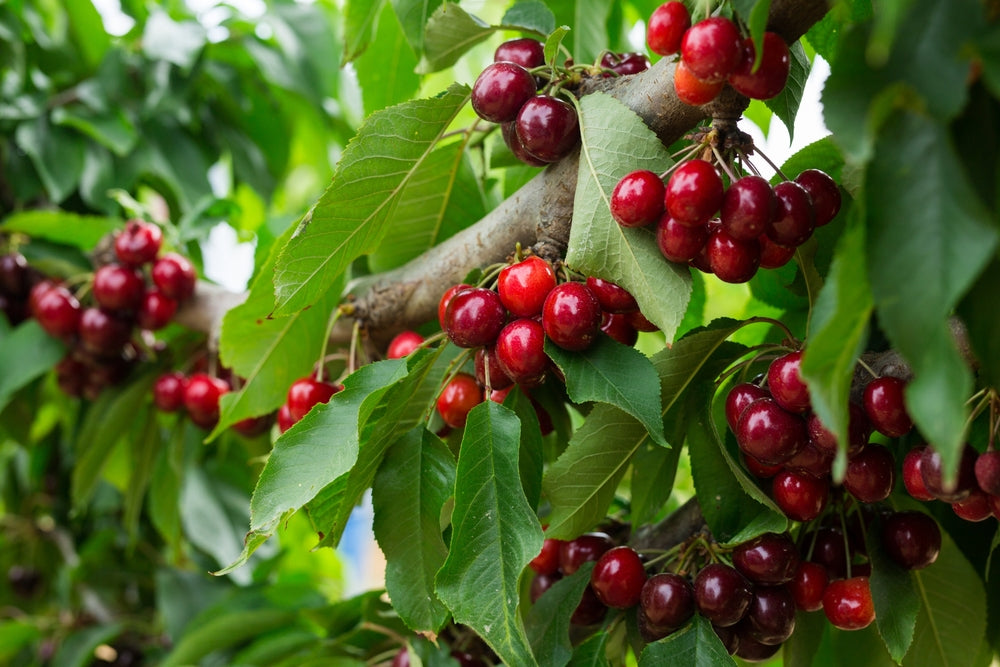
Unit price perThe 'Stella' cherry is a highly popular, self-fertile sweet cherry variety, renowned for its adaptability to various soil types and climates, making it a favorable choice for a range of environments. A half-standard 'Stella' denotes a specific tree form, with a clear stem/trunk beneath a bushy, well-branched crown, typically reaching heights of about 10-15 feet.
Originating from Canada, the 'Stella' cherry tree produces luscious, dark-red to almost black, heart-shaped fruits, known for their succulent, sweet, and rich flavor, making them excellent for fresh eating, baking, and preserves. The fruits generally mature around mid-summer, attracting gardeners keen on early harvests.
Apart from its culinary virtues, 'Stella' serves an ornamental purpose, exhibiting beautiful white blossoms in spring that are a feast to the eyes, contributing to the aesthetic value of gardens. This cherry variety is particularly suitable for smaller gardens or limited spaces due to its compact growth habit.
Being self-fertile means 'Stella' does not require another tree for pollination, which simplifies orchard management and enhances its appeal for home gardeners. However, planting it with other varieties can potentially improve fruit yield and quality. Care considerations include regular watering, pruning, and monitoring for pests and diseases.


Cotoneaster 'Cornubia' Clear Stem 120cm - Girth 10-12cm - H:250-300cm W:140-180cm - 50lt
£215.00
Unit price perCotoneaster 'Cornubia' Clear Stem 120cm - Girth 10-12cm - H:250-300cm W:140-180cm - 50lt
£215.00
Unit price per


Prunus lusitanica 'Myrtifolia,' commonly known as Portuguese Laurel or Myrtle-leaf Cherry, is a beautiful evergreen tree that belongs to the Rosaceae family. Native to Portugal, it has become a popular ornamental tree in gardens and landscapes around the world. This compact tree can reach a height of about 6-10 feet (2-3 meters) and a spread of 4-6 feet (1.2-1.8 meters), making it ideal for smaller spaces or as a hedging plant.
One of the most striking features of Prunus lusitanica 'Myrtifolia' is its glossy, dark green leaves, which have a unique myrtle-like shape. The leaves are lance-shaped, elliptical, and have finely serrated edges. They provide a year-round display of rich green foliage, adding an elegant touch to any setting.
In late spring and early summer, this tree produces small, fragrant, creamy-white flowers in dense, erect clusters. The blossoms are a valuable nectar source for pollinators like bees and butterflies. Once pollinated, the flowers give way to small, round, red to dark-purple berries, adding further visual interest and attracting birds to the garden.
The 'Myrtifolia' variety of Prunus lusitanica is prized for its compact growth habit, making it an excellent choice for hedges, borders, or screens. When planted closely together, the trees form a dense, evergreen barrier, providing privacy and a lush backdrop for other garden elements. Additionally, the tree's dense foliage also acts as a natural sound barrier, reducing noise pollution.
This tree is adaptable to a range of soil types, from sandy to clayey, and prefers well-drained soil. It thrives in full sun to partial shade and is relatively low-maintenance once established. Regular watering during its initial growth period helps establish a strong root system, after which it becomes moderately drought-tolerant.
While generally hardy, Prunus lusitanica 'Myrtifolia' may be susceptible to pests like aphids and diseases like leaf spot or powdery mildew. Regular inspections and appropriate measures can prevent these issues from becoming significant problems.
Overall, Prunus lusitanica 'Myrtifolia' is a charming and versatile tree that adds a touch of elegance to any garden or landscape, whether as a focal point, a hedge, or a beautiful backdrop for other plants. Its attractive foliage, fragrant flowers, and wildlife-friendly berries make it a favorite among gardeners seeking an evergreen tree with year-round interest.


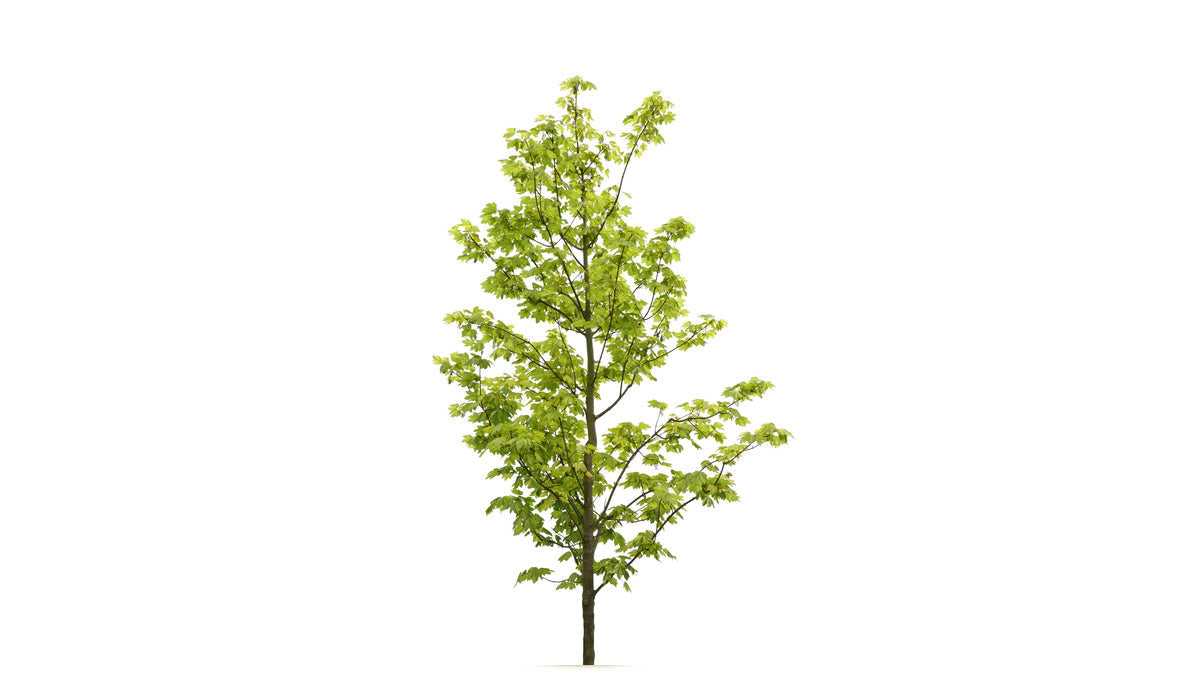
Acer pseudoplatanus Prinz Handjery - Height 200-220cm - 20lt
£105.00
Unit price perAcer pseudoplatanus Prinz Handjery - Height 200-220cm - 20lt
£105.00
Unit price perThe Acer pseudoplatanus 'Prinz Handjery' is a striking cultivar of the sycamore maple, prized for its unique and ornamental foliage. Originating from the broader Acer pseudoplatanus species, this particular variety stands out due to its distinctive purple and green leaves, making it a favourite among gardeners seeking an eye-catching addition to their landscapes.
This medium-sized deciduous tree typically grows to a height of 10 to 15 metres, with a spread of around 8 to 10 metres, making it a suitable choice for medium to large gardens. The tree's overall shape is broadly conical or rounded, and it features a dense canopy, providing ample shade beneath. The bark of the 'Prinz Handjery' is smooth when young, developing into a more rugged and fissured texture as it matures, with patches of grey and brown that add to its visual appeal, particularly in winter.
The standout feature of this cultivar is its foliage. The leaves emerge with a bronze or purple tint in spring before maturing to a dark green with striking purple undersides. This dual-tone effect creates a beautiful contrast, especially when the wind catches the leaves, revealing flashes of colour. In autumn, the foliage transitions to golden yellow, adding seasonal interest to the garden.
In addition to its ornamental value, the Acer pseudoplatanus 'Prinz Handjery' is a hardy tree, able to tolerate a wide range of soil conditions, including clay and chalk, and is resistant to pollution, making it well-suited to urban environments. It is relatively low maintenance, requiring minimal pruning and proving resilient to pests and diseases.


Japanese white pine | Pinus parviflora 'Ara kawa' - Height 70-90cm - Width 40-50cm - 12lt
£180.00
Unit price perJapanese white pine | Pinus parviflora 'Ara kawa' - Height 70-90cm - Width 40-50cm - 12lt
£180.00
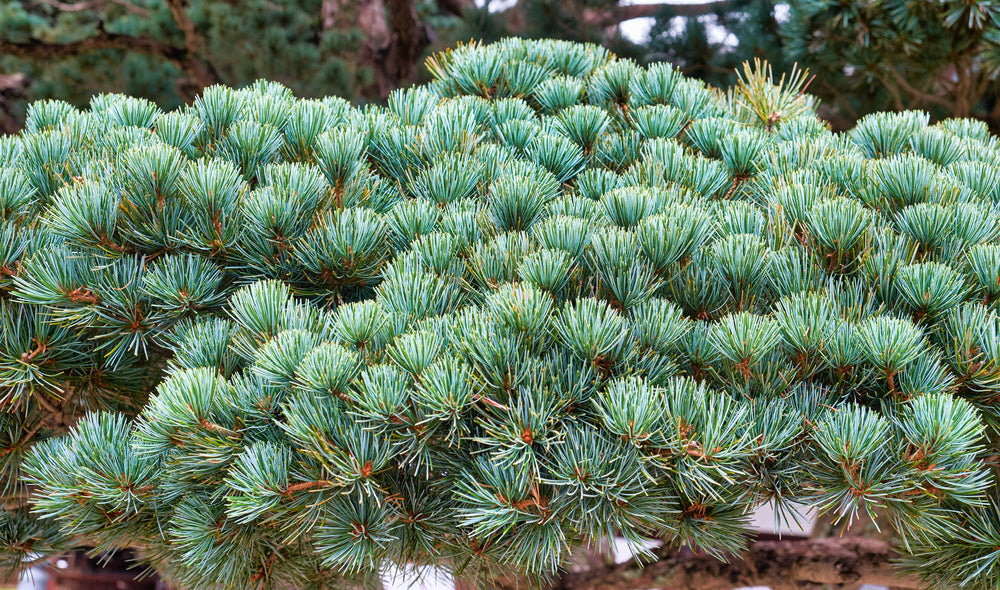
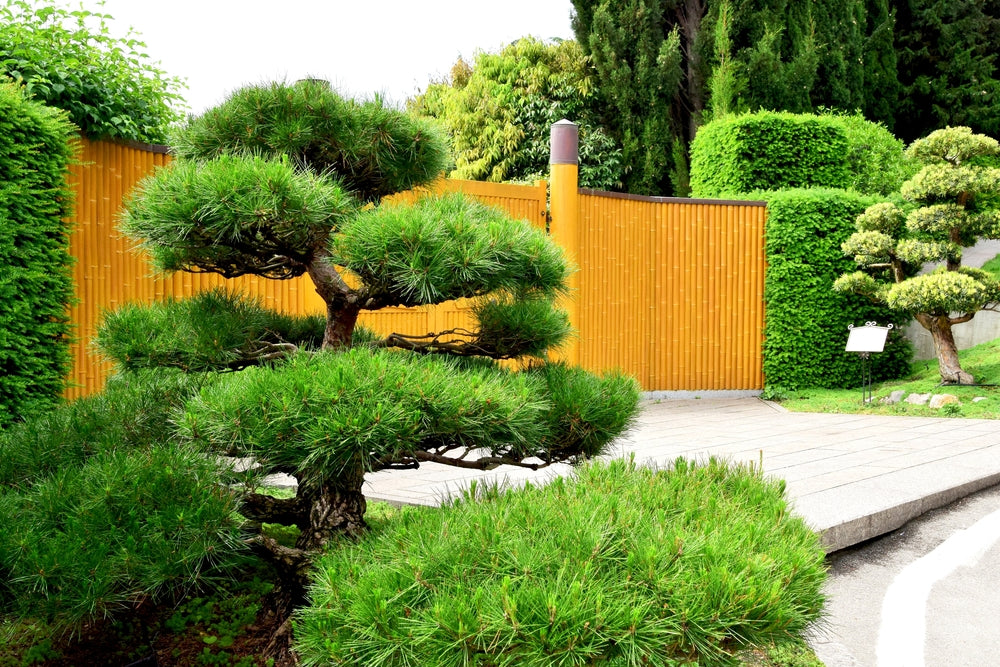
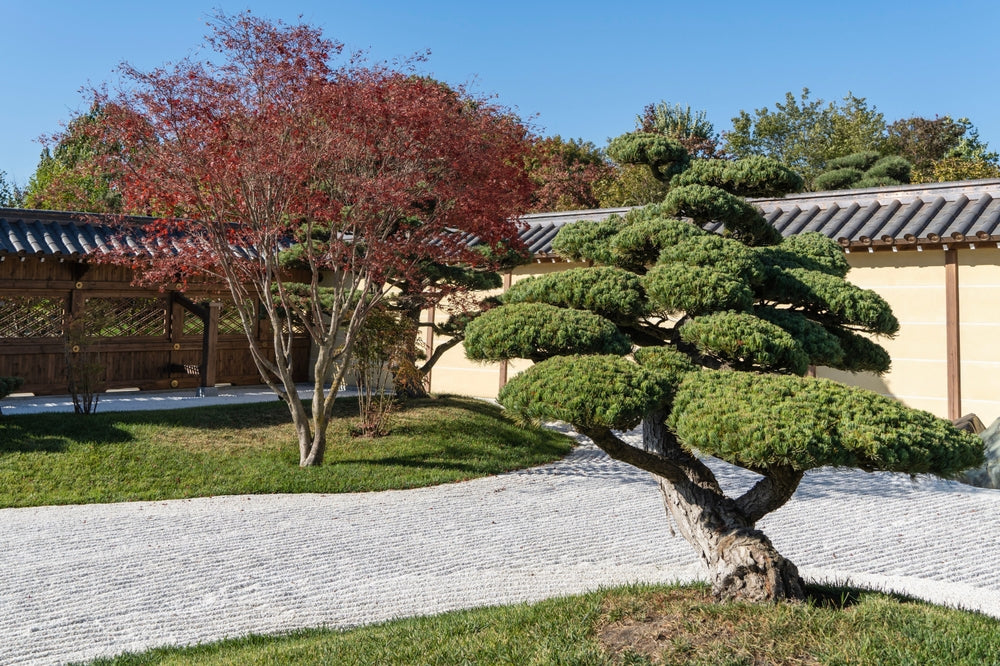
Unit price perPinus parviflora 'Ara Kawa' is a distinctive cultivar of the Japanese White Pine (Pinus parviflora), a species native to Japan and the Korean Peninsula. Valued for its ornamental features, 'Ara Kawa' is popular among gardeners, landscapers, and bonsai enthusiasts.
This cultivar is a slow-growing, compact tree or shrub that typically reaches a height of 6 to 10 feet (1.8 to 3 meters) and a spread of 3 to 6 feet (0.9 to 1.8 meters) after about 10 years. The growth rate of 'Ara Kawa' can be further controlled through pruning, making it suitable for various landscape designs and bonsai artistry.
'Ara Kawa' is easily recognized by its dense, irregular branching pattern and striking, contorted trunk. The bark is rough and dark brown with patches of light gray, creating a visually appealing contrast. The tree's overall form is sculptural and reminiscent of driftwood, which adds to its aesthetic value.
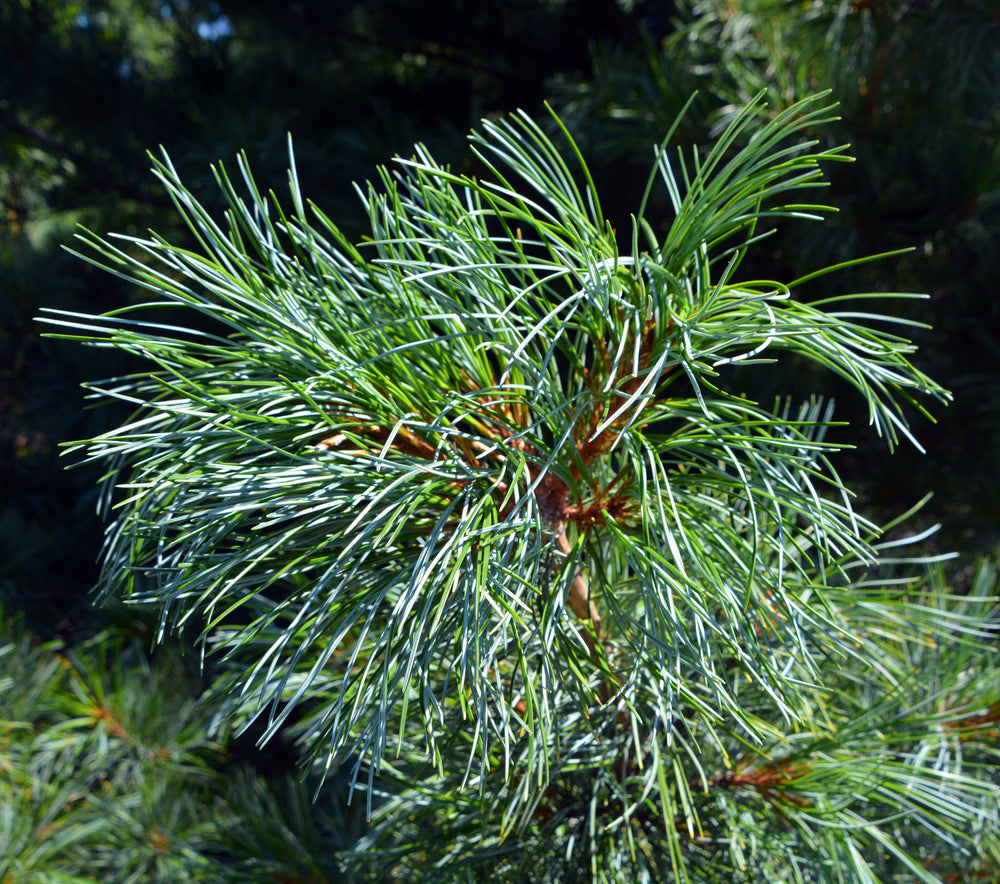
The needles of 'Ara Kawa' are arranged in bundles of five, a characteristic shared with other Pinus parviflora species. The needles are soft, slightly twisted, and measure between 2 to 3 inches (5 to 7.6 centimeters) in length. They are bluish-green, providing a pleasant color contrast against the darker trunk.
The tree produces small, attractive cones that are 1 to 2 inches (2.5 to 5 centimeters) long. They are initially green, maturing to a light brown color over time. The cones add to the visual interest of the tree, particularly during the winter months.
It prefers well-drained, slightly acidic soil and should be planted in full sun for optimal growth. Once established, the tree is relatively low-maintenance, requiring only minimal pruning to maintain its shape.
Due to its unique features and adaptability, Pinus parviflora 'Ara Kawa' is an excellent choice for gardens, rockeries, and specimen planting. Its slow growth rate, compact size, and intriguing form also make it a popular choice for bonsai art, where it can be trained and shaped to accentuate its natural beauty.


Japanese maple 'Orange Dream' | Acer palmatum -Three Quarter Standard - Clear Stem 160cm - Height 180-190cm - 30lt
£415.00
Unit price perJapanese maple 'Orange Dream' | Acer palmatum -Three Quarter Standard - Clear Stem 160cm - Height 180-190cm - 30lt
£415.00
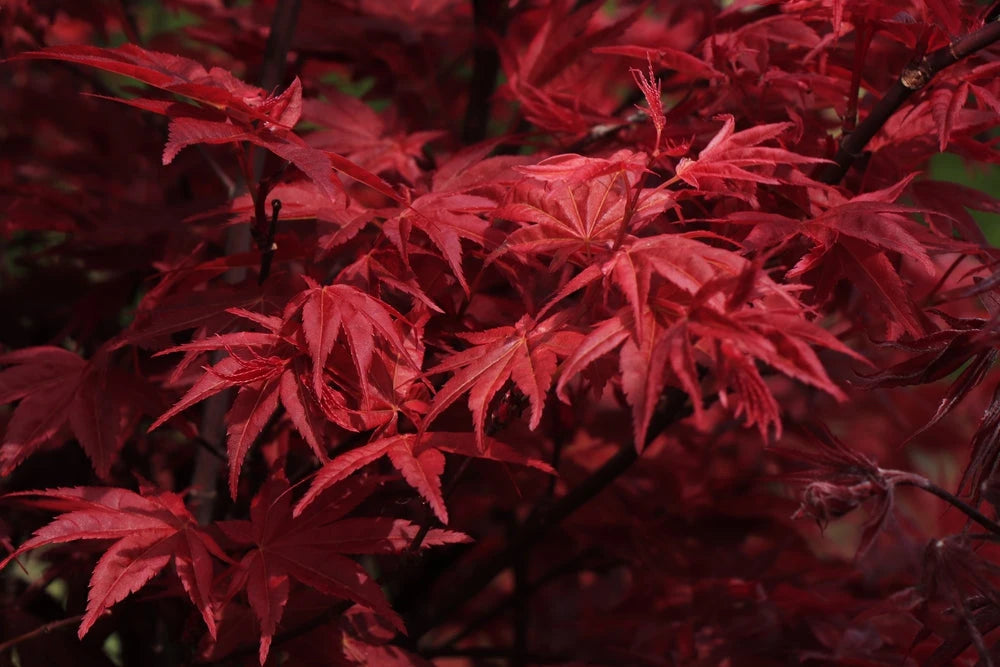
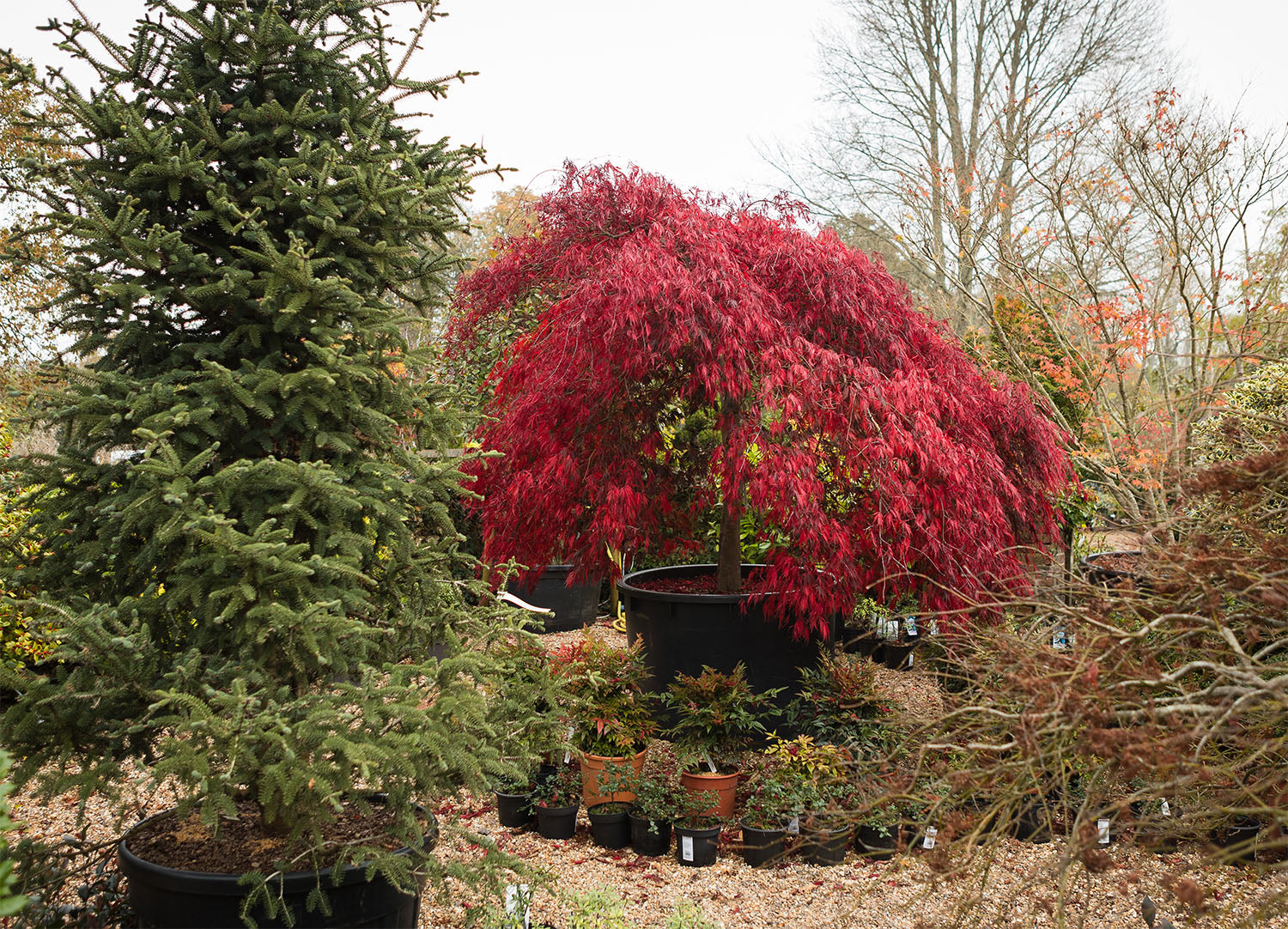
Unit price perAcer palmatum 'Orangeola' is an exceptional choice for gardens where elegant form, year-round interest, and vibrant seasonal colour are desired. This compact, weeping Japanese maple develops a graceful cascading habit, making it ideal for smaller gardens, courtyard spaces, woodland settings, and ornamental borders. Its finely dissected foliage emerges in shades of orange-red during spring, matures to rich red-green tones through summer, and culminates in a spectacular display of crimson, scarlet, and orange in autumn.
Thriving in fertile, moist but well-drained soil, 'Orangeola' performs best in a sheltered position protected from strong winds and harsh afternoon sun, particularly in warmer areas. In the UK climate, it is generally reliable and hardy, benefiting from partial shade where its delicate foliage can remain at its best throughout the growing season.
This striking tree is particularly effective as a specimen plant, beside ponds, within Japanese-inspired gardens, or grown in a large patio container where its cascading branches can be fully appreciated. Requiring little pruning beyond occasional shaping, it is relatively low-maintenance. Its manageable size and outstanding foliage colour make Acer palmatum 'Orangeola' a superb focal point that brings beauty, texture, and seasonal interest to gardens of all sizes.


Photinia x fraseri Red Robin - Clear Stem 80-100cm - Height 170-180cm - 25lt
£195.00
Unit price perPhotinia x fraseri Red Robin - Clear Stem 80-100cm - Height 170-180cm - 25lt
£195.00
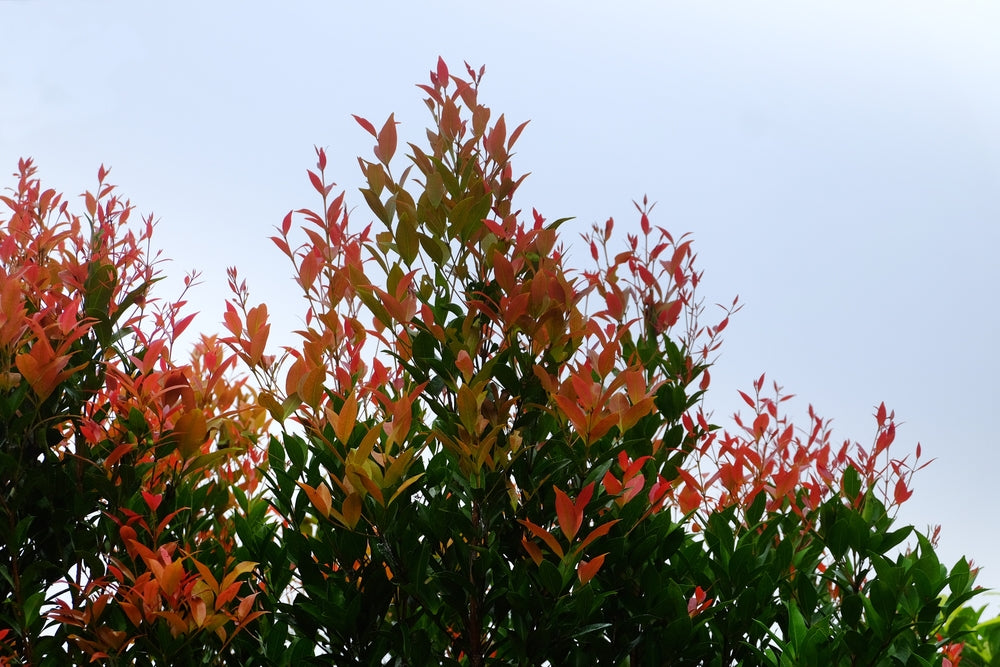
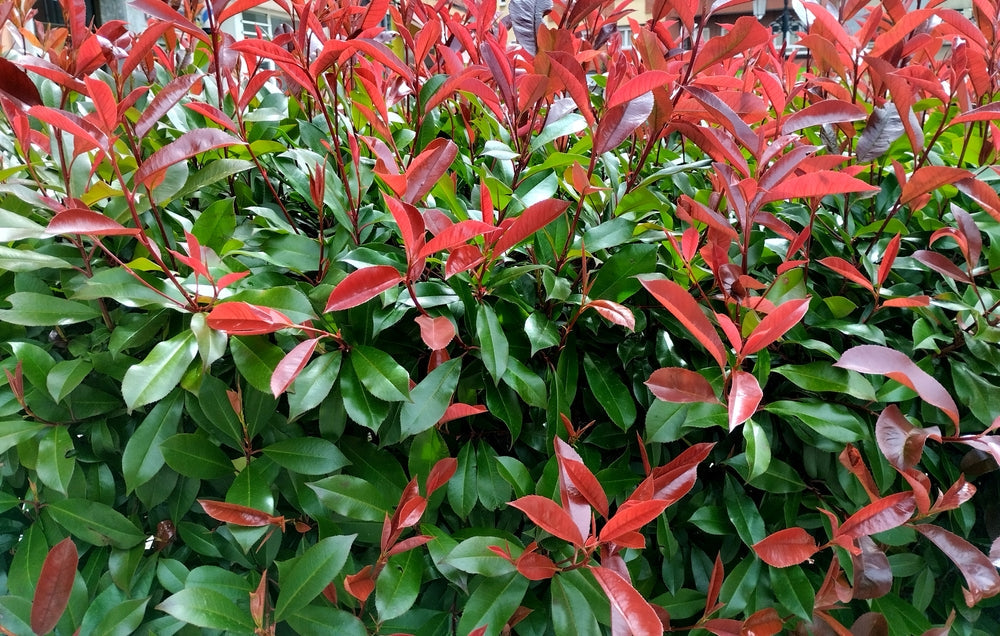
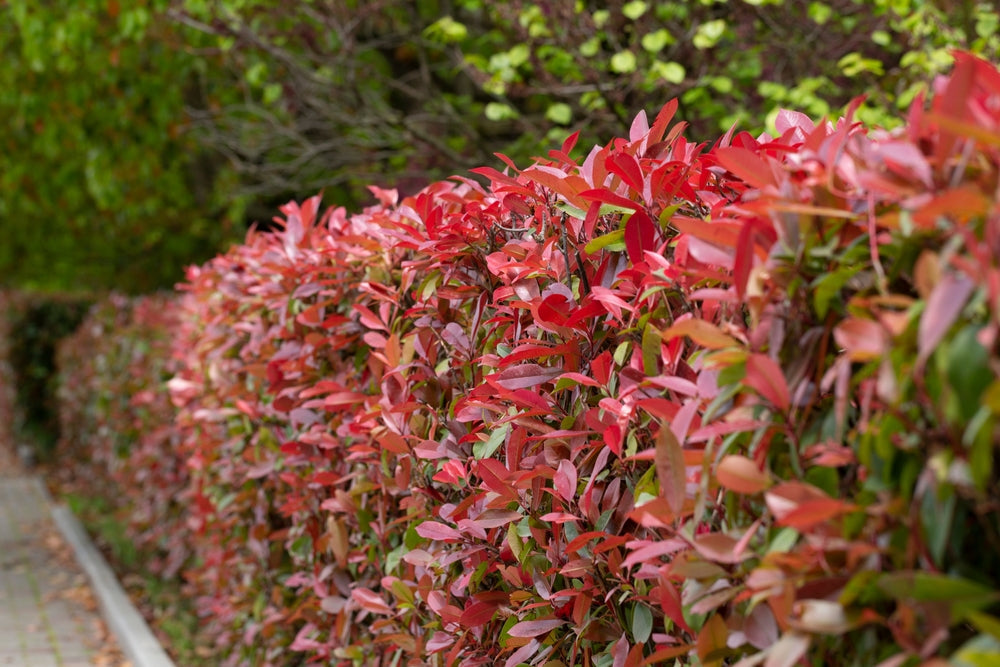
Unit price perhotinia x fraseri 'Red Robin' is a New Zealand selection of Fraser's Photinia. It’s a large, evergreen shrub or small tree with leathery, oval, glossy, brilliant, bright red leaves when they emerge, and dark green after several weeks. Small, 5-petal, white flowers bloom in spring and are rarely followed by red fruits which can persist throughout winter. Spring pruning eliminates flowers and stimulates new red growth. Photinia x fraseri 'Red Robin' grows best in average, fertile, slightly acidic, medium moisture, well-drained soils, but is adaptable to a wide range of soils, except waterlogged and compact. Once established, it is resistant of frost and drought. Young leaves may be damaged by late frosts, therefore it should be sheltered, especially from harsh winds. Low maintenance plant. Photinia x fraseri 'Red Robin' is a very popular evergreen shrub, great as a specimen or accent plant, but perfect for hedges and screens, useful for noise reduction, or wind protection.
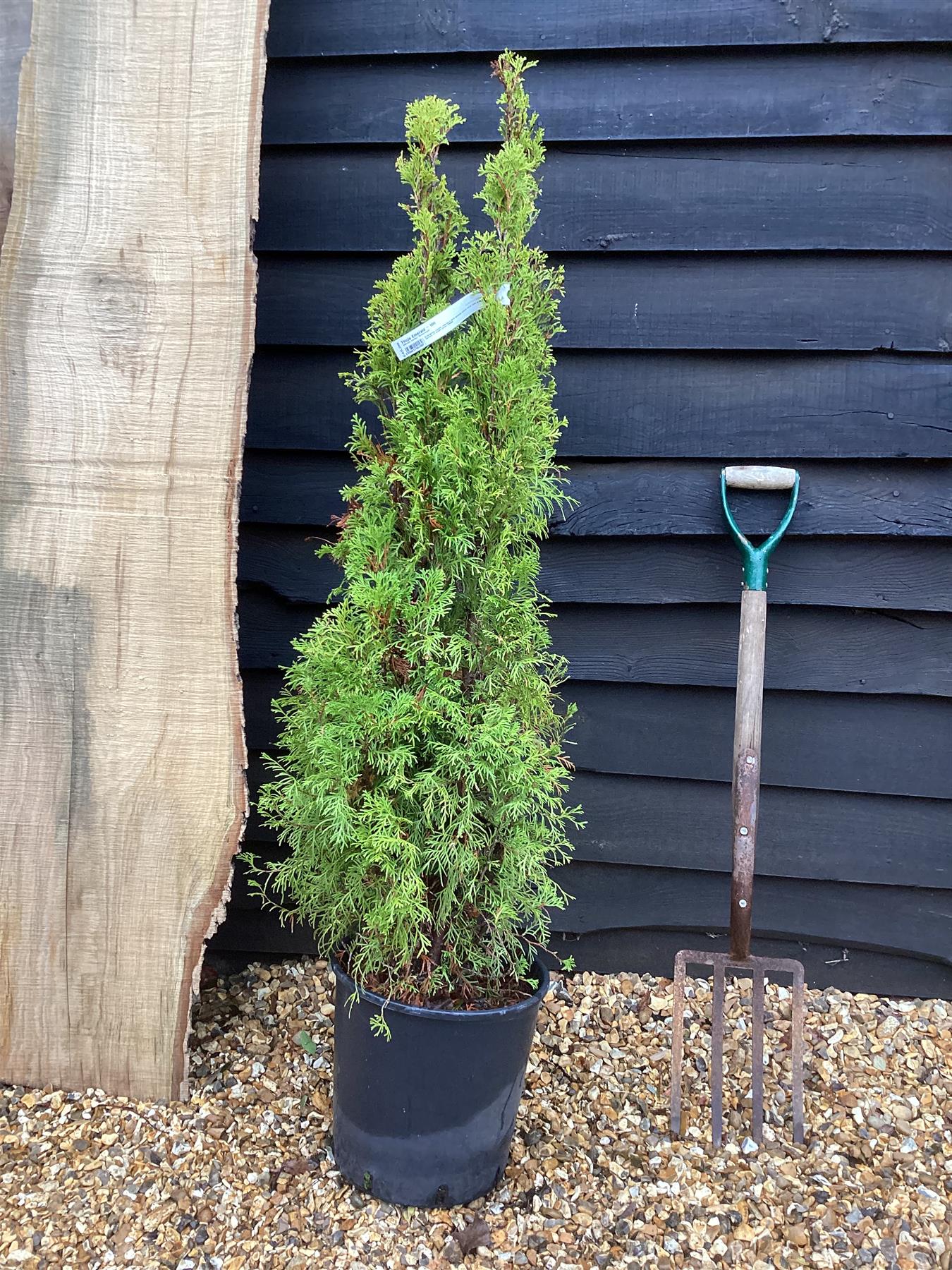

Thuja Emerald - 100-120cm, 10lt
£53.00
Unit price perThuja Emerald - 100-120cm, 10lt
£53.00
Unit price per


Himalayan Silver Birch |Betula utilis - Multi Stem - Height 310-350cm - 130lt
£765.00
Unit price perHimalayan Silver Birch |Betula utilis - Multi Stem - Height 310-350cm - 130lt
£765.00
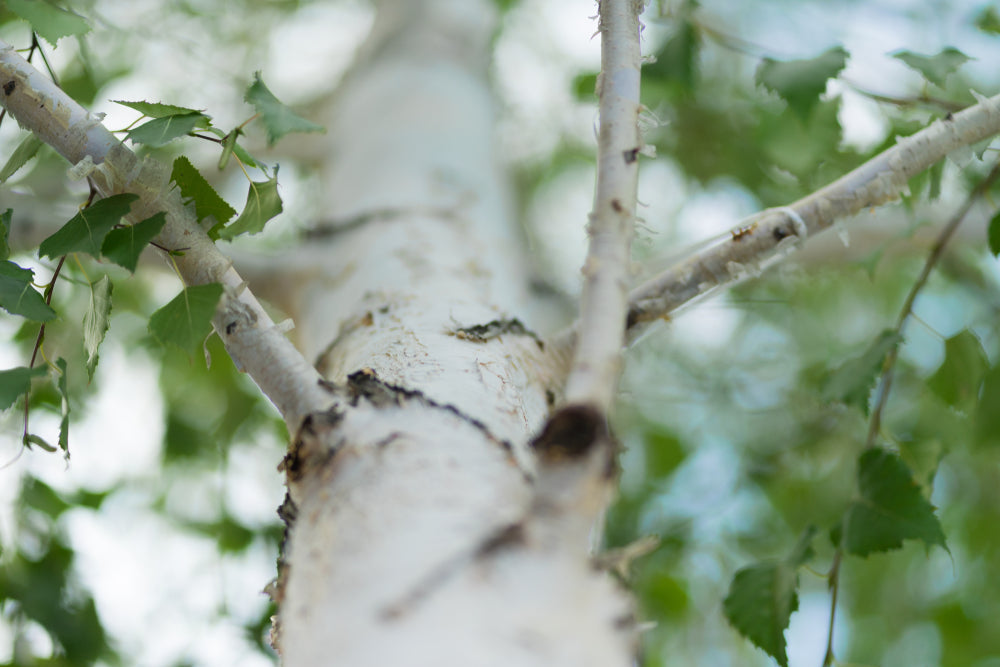
Unit price perBetula utilis var. jaquemontii, or West Himalayan Birch, is one of the most popular birch trees. It is a medium-sized, vigorous, deciduous tree with upright, pyramidal habit. It is famous for its beautiful snow-white peeling bark, the whitest that can be found among birch varieties. Its leaves are ovate, dark green and turn bright yellow in autumn. Male flowers are yellowish-brown and appear in dropping catkins, while female flowers are greenish and appear in upright catkins.
West Himalayan Birch can grow in any type of soil, even sand or clay, as long as it is moist and well-drained. It thrives in full sun or partial shade. It is extremely hardy and does best in cool northern climates. Does not tolerate heat and humidity. Betula utilis var. jaquemontii is a very attractive tree, perfect as a specimen plant or in beds and borders. Great for cottage and urban gardens, avenues and broad streets. Suitable for roof gardens and growing in containers.

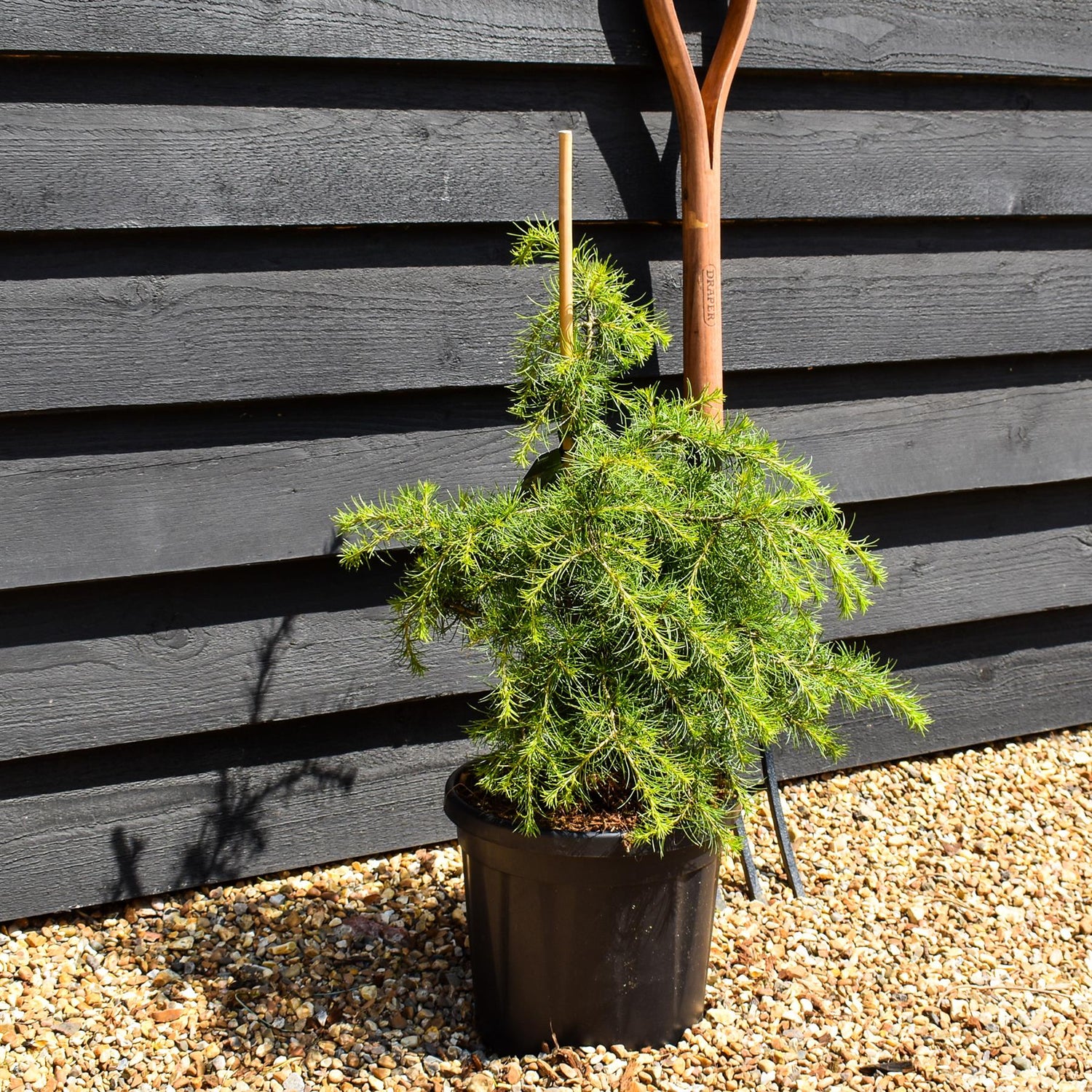
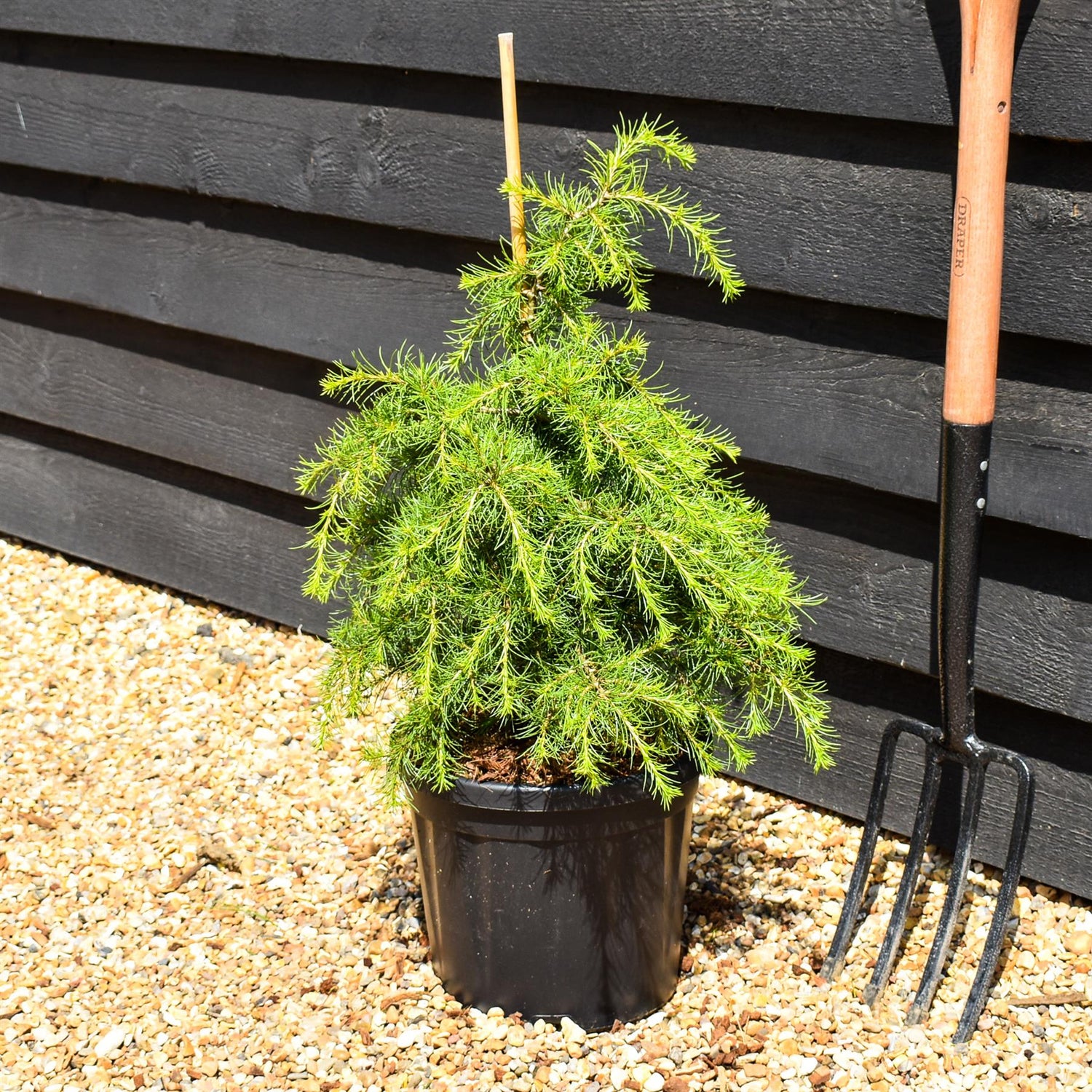
Cedrus libani 'Dino' | Cedar of Lebanon 'Dino' - Height 40-60cm - 6lt
£86.00
Unit price perCedrus libani 'Dino' | Cedar of Lebanon 'Dino' - Height 40-60cm - 6lt
£86.00
Unit price perThe Cedar of Lebanon 'Dino' is a majestic cultivar of the iconic Cedar of Lebanon, celebrated for its robust growth and stately presence. This particular variety reaches an impressive ultimate height of 40 to 60 feet, making it a striking focal point in any landscape. Its dense, dark green needles and pyramidal to conical form add a touch of elegance, while its strong structure provides year-round interest.
Commonly used in large gardens and park settings, Cedar of Lebanon 'Dino' serves well as a specimen tree, offering shade and architectural beauty. It thrives in full sun and prefers well-drained soils, although it is adaptable to a variety of soil types, from clay to loam. This cedar is hardy and resilient, tolerating drought once established, which makes it suitable for a range of climatic conditions. Ideal for expansive landscapes, it demands space to showcase its grandeur fully, embodying the regal nature of traditional Cedar of Lebanon trees.


Swamp White Oak | Quercus bicolor - Height 140-160cm - Pot Grown - 10lt
£135.00
Unit price perSwamp White Oak | Quercus bicolor - Height 140-160cm - Pot Grown - 10lt
£135.00
Unit price perThe swamp white oak is a stately, long-lived tree native to North America, prized for both beauty and resilience. Its distinctive two-toned leaves—deep green above, silvery white beneath—create a striking display that shifts to rich golden hues in fall. Naturally thriving in wetlands and floodplains, this oak adapts easily to a wide range of soils and conditions, offering shade and strength in urban landscapes, parks, or natural settings.
Beyond its ornamental charm, the swamp white oak provides essential habitat and food for wildlife, with acorns that nourish birds and mammals alike. As it matures, it develops a broad, rounded crown that delivers reliable shade and an impressive presence in any landscape. Hardy, versatile, and ecologically valuable, Quercus bicolor is more than just a tree—it’s an investment in beauty, biodiversity, and sustainability for generations to come.
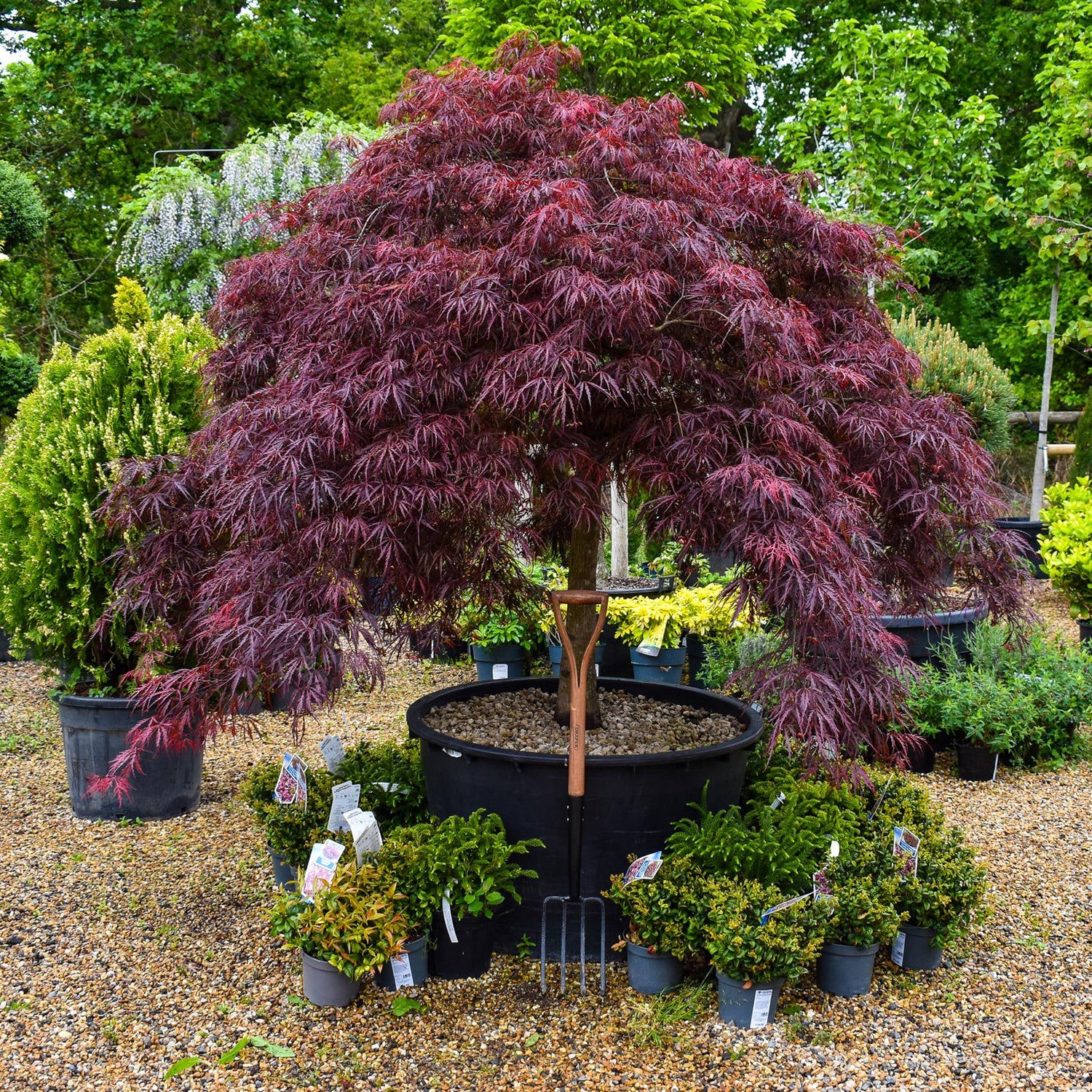


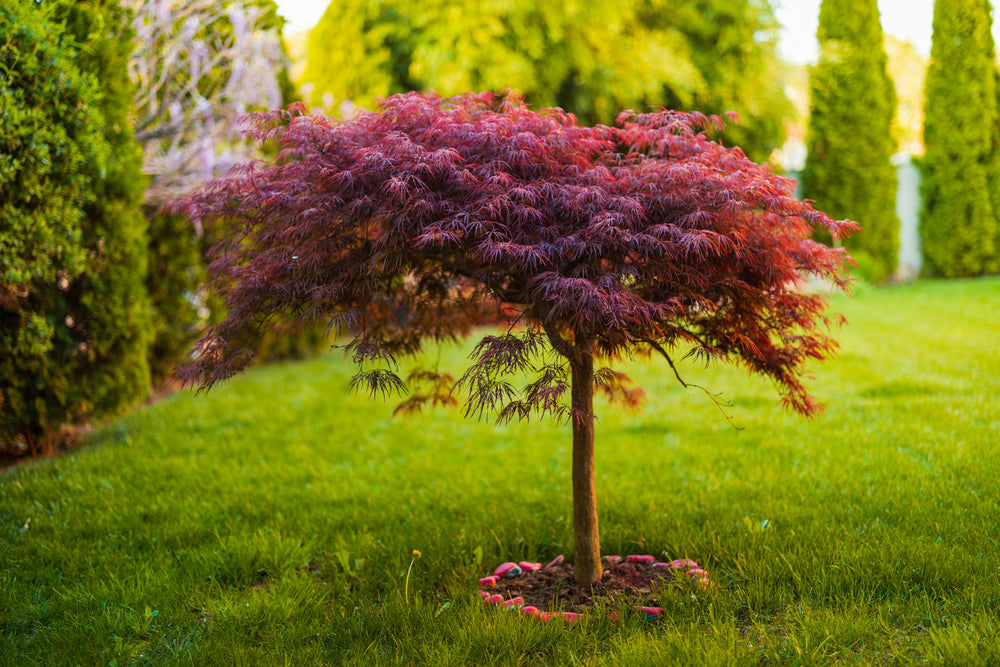
Acer palmatum dissectum 'Garent' | 'Garent' laceleaf Japanese maple - Clear Stem 60-70cm - Height 160-180cm - 235lt
£2,400.00
Unit price perAcer palmatum dissectum 'Garent' | 'Garent' laceleaf Japanese maple - Clear Stem 60-70cm - Height 160-180cm - 235lt
£2,400.00
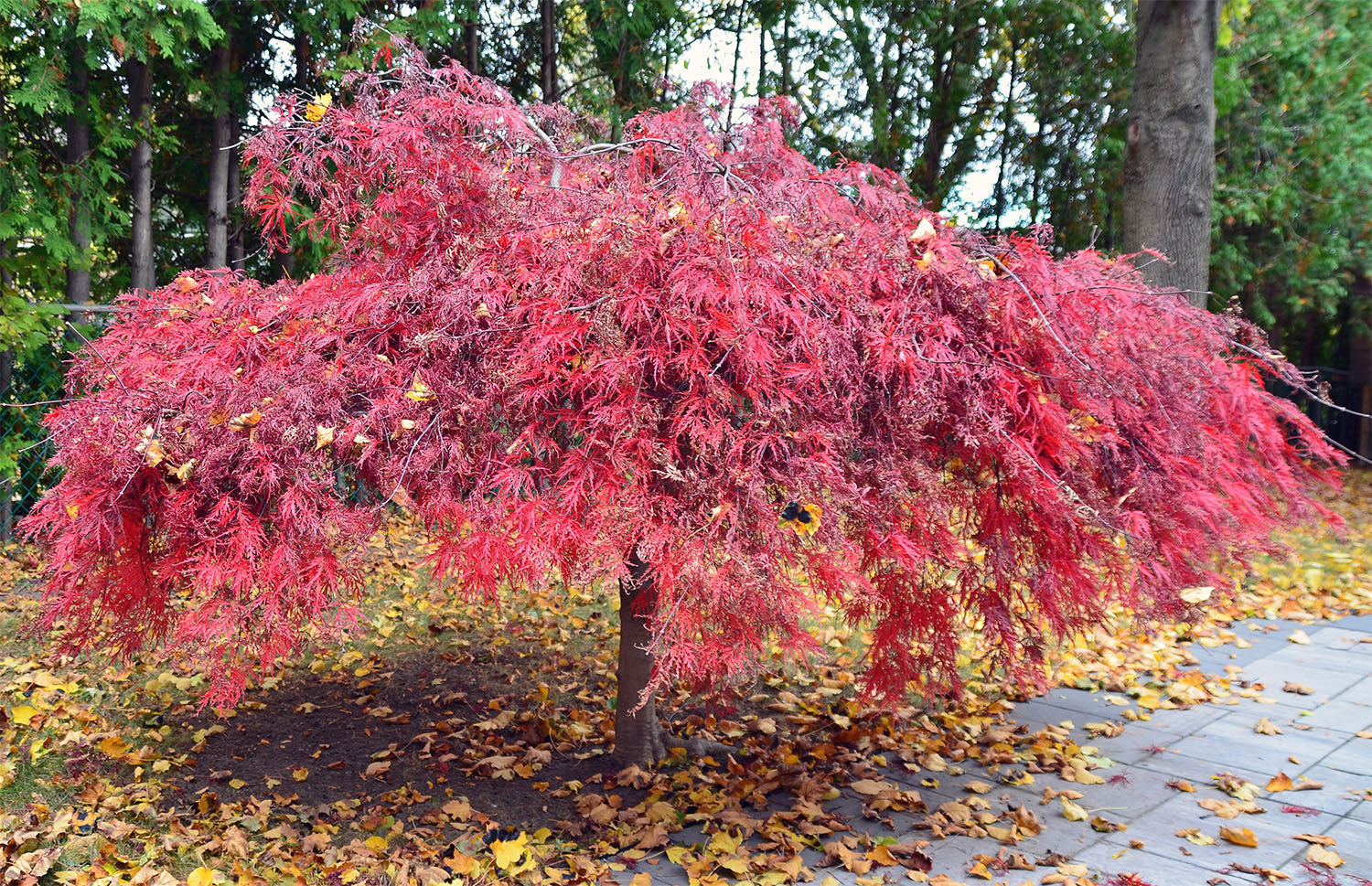
Unit price perAcer palmatum dissectum, commonly known as the laceleaf Japanese maple, is a popular ornamental tree renowned for its intricate, finely divided foliage. This deciduous shrub or small tree is part of the Aceraceae family and originates from Japan, Korea, and China. It typically grows to a height of 2 to 3 meters (6 to 10 feet) with a similar spread, making it a perfect choice for small gardens and container planting.
The leaves of Acer palmatum dissectum are deeply lobed and serrated, resembling delicate lace. Throughout the seasons, the foliage transitions from a vibrant green in spring and summer to spectacular shades of red, orange, and purple in autumn, providing year-round interest. The tree's cascading, weeping habit adds an elegant and graceful element to any landscape design.
Acer palmatum dissectum prefers a position in partial shade with well-drained, moist soil. It is relatively low-maintenance, requiring minimal pruning to maintain its shape. This tree is also known for its resilience to pests and diseases. Its compact size and striking appearance make it an excellent choice for adding structure and color to garden borders, patios, and rockeries in British gardens.


Arbutus unedo Tree | Strawberry Tree - Clear Stem 100-120cm - Girth 6-8cm - Height - 180-220cm - 20lt
£210.00
Unit price perArbutus unedo Tree | Strawberry Tree - Clear Stem 100-120cm - Girth 6-8cm - Height - 180-220cm - 20lt
£210.00
Unit price perThe Arbutus unedo clear stem tree, commonly known as the Strawberry Tree, is a beautiful evergreen specimen that brings year-round structure, colour and interest to any garden. Carefully grown at Arundel Arboretum, each tree has been trained into an elegant clear stem form, creating a neat canopy of glossy, dark green foliage that is both attractive and easy to incorporate into a wide range of planting schemes. During autumn, clusters of delicate white, urn-shaped flowers appear alongside the tree's distinctive strawberry-like fruits, which gradually ripen to vibrant shades of orange and red, providing exceptional seasonal appeal.
Our 20-litre Arbutus unedo trees are fully rooted into their containers, meaning they have established a strong, healthy root system rather than being freshly potted. This ensures the tree is ready to thrive once planted, with improved establishment and reliable growth. Exceptionally tolerant of coastal conditions, wind and periods of drought once established, the Strawberry Tree performs well in full sun or partial shade and prefers well-drained soil, including chalk and sandy soils.
Ideal as a feature tree for gardens, courtyards or Mediterranean-inspired landscapes, Arbutus unedo offers year-round evergreen beauty while providing valuable nectar for pollinators and autumn fruit for wildlife. Its attractive cinnamon-brown bark and naturally rounded habit make it a superb low-maintenance ornamental tree for gardens across the UK.