

-
Trees
Trees
 Fruit Trees
 Ornamental
 Screening
 Palms
By FeaturesBy Shape
Palms
By FeaturesBy Shape -
Shrubs
Shrubs
 Large shrubs
 Hedging
 Bamboo
 Climbers
 Flowering
 Grasses & Ferns
 Popular
-
Pines & Conifers
Pines & Conifers
 Pines
Pines
 Spruce & Fir
 Cypress
 Thuja
Thuja
 Redwood | Sequoia
-
Specimen


FREE DELIVERY OVER £350
Fig Fruit Trees
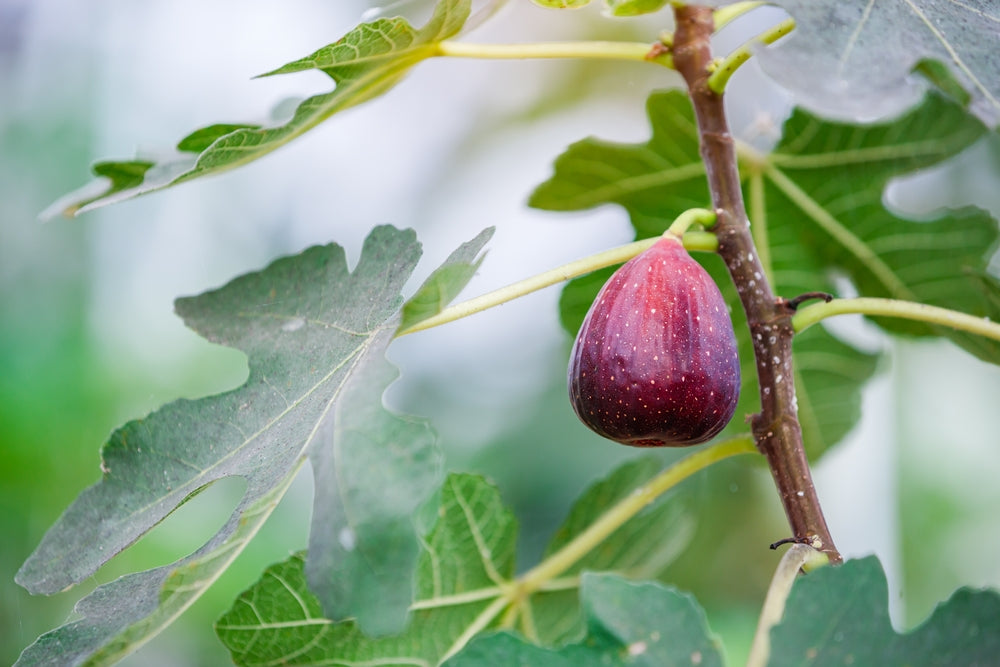
Fig, ficus, fruit trees combine beauty and utility, offering lush greenery and delicious, homegrown figs. These versatile trees thrive in gardens or containers, adding charm and flavor to any outdoor space.
4 products
4 products
Sort by:


Fig | Ficus carica 'Little Miss Figgy' - Shrub - 40-60cm - 5lt
£38.00
Unit price perFig | Ficus carica 'Little Miss Figgy' - Shrub - 40-60cm - 5lt
£38.00
Unit price perFicus carica 'Little Miss Figgy' is a beautiful deciduous tree that belongs to the mulberry family. It is a small, compact tree that grows up to 6-8 feet tall and 4-6 feet wide. This tree is well-suited for small gardens, patios, and balconies. The 'Little Miss Figgy' tree is known for its ornamental value as well as its delicious fruit.
The leaves of 'Little Miss Figgy' are dark green and lobed, giving the tree an attractive appearance. The fruit produced by this tree is a small to medium-sized fig with a reddish-brown skin and a sweet, juicy flesh inside. The fruit is ready for harvest in mid to late summer, and it can be eaten fresh or used in cooking and baking.
One of the advantages of the 'Little Miss Figgy' tree is that it is self-pollinating, which means that it does not require another tree for fertilization. This makes it a great choice for gardeners with limited space. Additionally, this tree is relatively easy to care for and can adapt to a range of soil types and environmental conditions.
In terms of growing conditions, the 'Little Miss Figgy' tree prefers full sun exposure and well-draining soil. It is also important to provide regular watering during the growing season, especially during hot and dry weather. Pruning is generally not necessary for this tree, although some gardeners may choose to shape it to their liking.
Overall, the Ficus carica 'Little Miss Figgy' tree is an excellent choice for anyone looking to grow a beautiful and fruitful tree in a small space. Its compact size, ornamental value, and delicious fruit make it a popular choice among gardeners and fruit enthusiasts alike.


Punica granatum - Pomegranate - Shrub - 90-130cm - 10lt
£75.00
Unit price perPunica granatum - Pomegranate - Shrub - 90-130cm - 10lt
£75.00
Unit price perPunica granatum, commonly known as pomegranate, is a small deciduous tree or shrub that belongs to the family Lythraceae. Native to the Mediterranean region and parts of Asia, the pomegranate is widely cultivated for its fruit, ornamental value, and medicinal properties. The tree grows up to 5-8 meters tall and has glossy, dark green leaves that turn yellow in autumn. It produces beautiful red-orange flowers that bloom in summer and are followed by the fruit in autumn.
The fruit of the pomegranate is a round or slightly hexagonal berry, about the size of an apple or grapefruit. The leathery skin of the fruit is thick and inedible, but it contains hundreds of edible arils or seeds, each surrounded by a juicy, ruby-red pulp. The seeds are packed with nutrients and antioxidants and are said to have numerous health benefits, including anti-inflammatory and anti-cancer properties. Pomegranate is commonly used in cooking, juices, smoothies, and salads, and it adds a sweet-tart flavor and vibrant color to any dish. Overall, Punica granatum is a versatile and attractive tree that would make a great addition to any garden or landscape, both for its ornamental value and its delicious fruit.


Punica granatum - Pomegranate - Girth 38-40cm - Height 200-220cm - 70lt
£370.00
Unit price perPunica granatum - Pomegranate - Girth 38-40cm - Height 200-220cm - 70lt
£370.00
Unit price perPunica granatum, commonly known as pomegranate, is a small deciduous tree or shrub that belongs to the family Lythraceae. Native to the Mediterranean region and parts of Asia, the pomegranate is widely cultivated for its fruit, ornamental value, and medicinal properties. The tree grows up to 5-8 meters tall and has glossy, dark green leaves that turn yellow in autumn. It produces beautiful red-orange flowers that bloom in summer.
The fruit of the pomegranate is a round or slightly hexagonal berry, about the size of an apple or grapefruit. The leathery skin of the fruit is thick and inedible, but it contains hundreds of edible arils or seeds, each surrounded by a juicy, ruby-red pulp. The seeds are packed with nutrients and antioxidants and are said to have numerous health benefits, including anti-inflammatory and anti-cancer properties. Pomegranate is commonly used in cooking, juices, smoothies, and salads, and it adds a sweet-tart flavour and vibrant colour to any dish. Overall, Punica granatum is a versatile and attractive tree that would make a great addition to any garden or landscape, both for its ornamental value and its delicious fruit.


Punica granatum - Pomegranate - Standard - Clear Stem Girth 18-20cm - Height 380-400 - 55lt
£435.00
Unit price perPunica granatum - Pomegranate - Standard - Clear Stem Girth 18-20cm - Height 380-400 - 55lt
£435.00
Unit price perPunica granatum, commonly known as pomegranate, is a small deciduous tree or shrub that belongs to the family Lythraceae. Native to the Mediterranean region and parts of Asia, the pomegranate is widely cultivated for its fruit, ornamental value, and medicinal properties. The tree grows up to 5-8 meters tall and has glossy, dark green leaves that turn yellow in autumn. It produces beautiful red-orange flowers that bloom in summer and are followed by the fruit in autumn.
The fruit of the pomegranate is a round or slightly hexagonal berry, about the size of an apple or grapefruit. The leathery skin of the fruit is thick and inedible, but it contains hundreds of edible arils or seeds, each surrounded by a juicy, ruby-red pulp. The seeds are packed with nutrients and antioxidants and are said to have numerous health benefits, including anti-inflammatory and anti-cancer properties. Pomegranate is commonly used in cooking, juices, smoothies, and salads, and it adds a sweet-tart flavor and vibrant color to any dish. Overall, Punica granatum is a versatile and attractive tree that would make a great addition to any garden or landscape, both for its ornamental value and its delicious fruit.
Related blog posts