trees

Best Trees & Shrubs for Stunning Winter Interest in UK Gardens

trees

Best Trees & Shrubs for Stunning Winter Interest in UK Gardens

by Arundel Arboretum on Nov 24, 2025
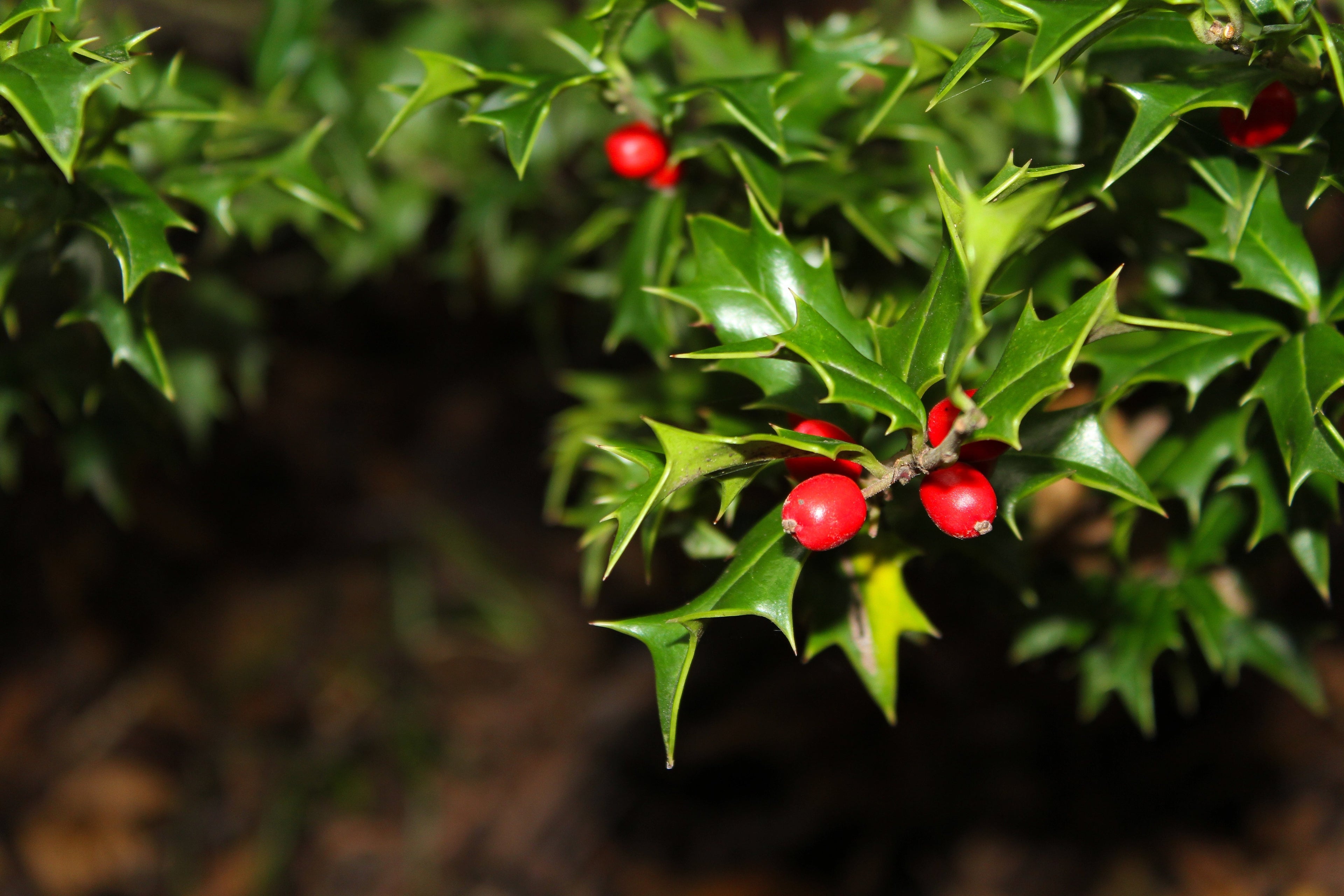
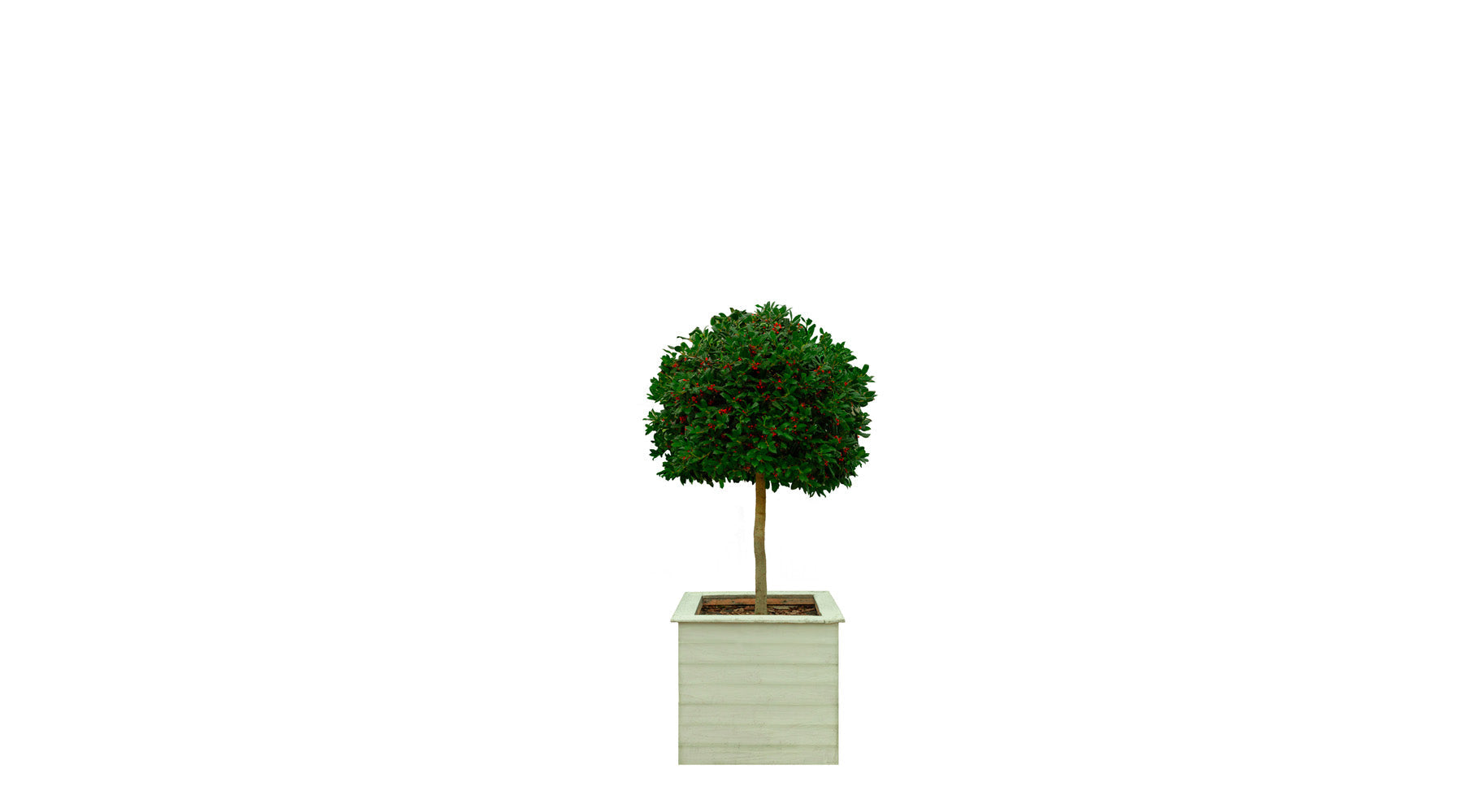
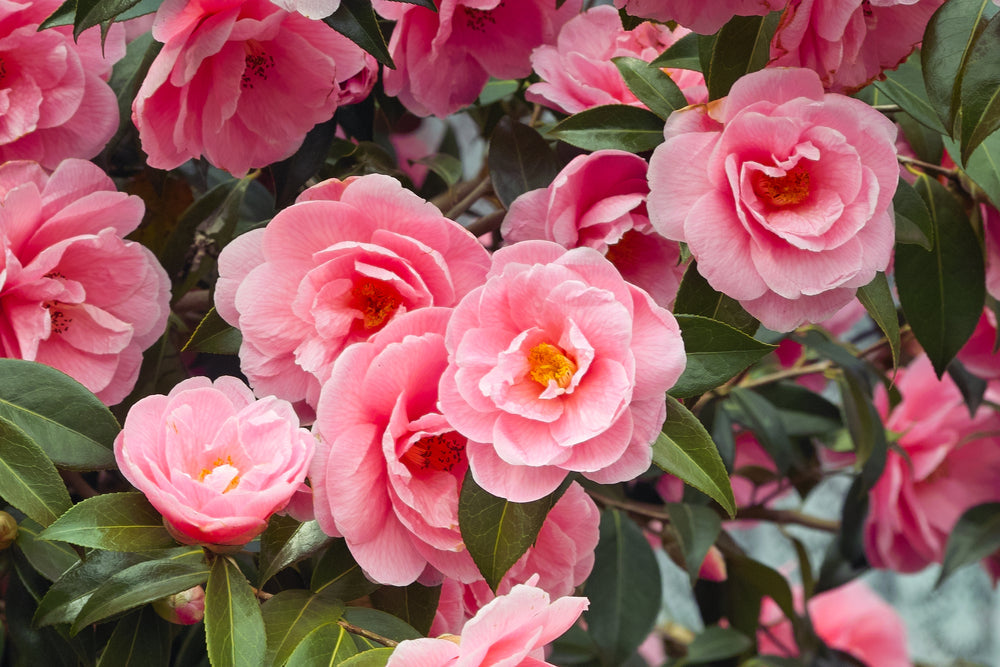
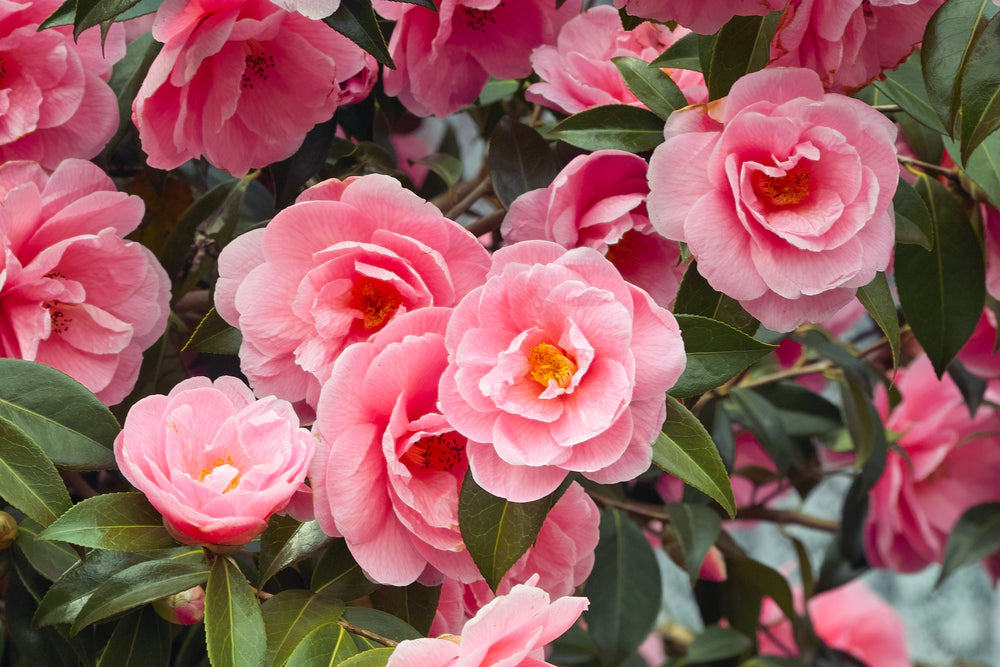
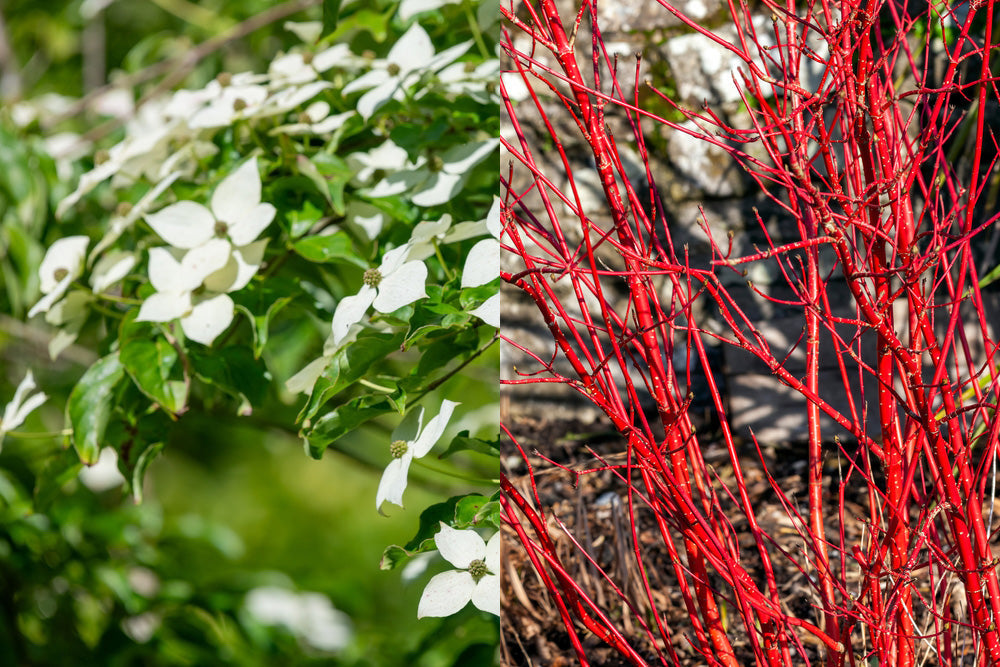
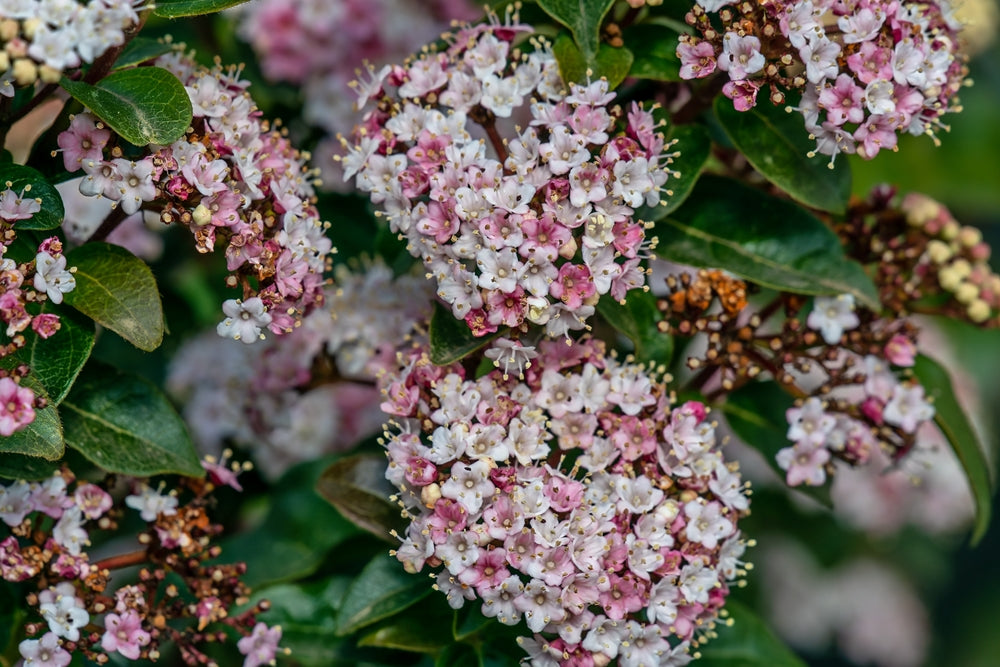
Your winter garden doesn’t have to be dull and lifeless. Even in the UK, where winters may be long, grey, and damp, the right winter trees and shrubs can make a garden look magical in the coldest months of the year.     Here at Arundel Arboretum, we offer a wide variety of winter garden plants for UK gardeners. With this simple guide, we want to help you find exactly what you need to make your garden vibrant and colourful when most of the plants are sleeping. We included winter-flowering trees and shrubs, winter plants that offer bright stems or dramatic bark, impressive evergreen structures, and plants with colourful berries. Winter Flowering Plants: Beauty & Fragrance Some plants surprise us with beautiful blooms and rich fragrance even in the middle of winter. If you are wondering which are the best hardy winter-flowering plants and shrubs for UK gardens, here is a simple list: Jasminum nudiflorum (Winter Jasmine) ●    Blooming Time: December to March●    Fragrance: No●    Colour: Yellow●    Care Tips: Prune after flowering. Winter Jasmine is one of the most reliable winter-flowering shrubs UK gardeners trust. Its yellow, star-shaped flowers usually appear from December to March, which is incredible as the flowering stretches throughout the whole winter. It even flowers in frost! The Winter Jasmine plant doesn’t have a problem with low-light winter conditions that many other plants struggle with in the UK. It tolerates frost and exposed sites, doesn’t mind north-facing positions, and can survive the severe frosts. It’s an exceptional winter-flowering shrub for the UK.   Its arching stems are ideal for walls, fences, and pergolas, creating beautiful cascades of yellow flowers. It looks great in both traditional British cottage gardens and modern city gardens. Viburnum × bodnantense (Dawn Viburnum) ●    Blooming Time: November to March●    Fragrance: Yes●    Colour: Pink●    Care Tips: Prune lightly after flowering. This is another exceptional winter-flowering shrub UK gardeners love. It has lovely clusters of pink, fragrant flowers that bloom from November to March. Its flowers look amazing and will bring you joy in the darkest winter months. Dawn Viburnum is a great plant for the UK’s cool and damp winters. It doesn’t mind low-light conditions or exposed locations. It is very resilient to frost and adaptable to moist soil conditions common in British gardens. It looks beautiful in mixed borders, near pathways, and doors because of its fragrance. One of the best fragrant winter shrubs in the UK. Camellia sasanqua (Autumn/Winter Camellia) ●    Blooming Time: October to January●    Fragrance: Yes●    Colour: White, pink, or deep rose●    Care Tips: Prefers acidic soil, shelter from morning sun. Winter Camellia will surprise you with lovely, elegant, fragrant flowers in late autumn and continue blooming into January. It comes in shades of white, pink, or deep rose. It’s an evergreen plant, so its glossy green leaves add another layer of interest. It performs exceptionally well in mild autumns and cool winters, typical of many UK regions. They are more reliable than other camellias and also more tolerant of wind. They are ideal for north-facing or east-facing gardens as they don't mind limited sunlight. Compared to other camellias, they are more tolerant of wind and fluctuating winter conditions. One of the loveliest evergreen flowering shrubs UK suitable for winter. Whether you put it in a shady corner or in front of your house, it will brighten your space and fill it with a subtle fragrance. Also great for woodland gardens, courtyard borders, and small urban gardens, as they grow very well in containers.  Sarcococca (Sweet Box / Christmas Box) ●    Blooming Time: December to March●    Fragrance: Yes●    Colour: Creamy-white●    Care Tips: Prefers moist, humus-rich soil, shelter from cold, drying winds One of the favourite winter interest shrubs in the UK because of its beautiful fragrance. Its creamy white flowers are modest, but their perfume is powerful. It can fill the whole garden. Even though Sarcococca is famous for its scent, it also has beautiful evergreen leaves and bears black or red berries, which add more colour once the flowering is over. Sweet Box thrives in cool, damp UK winters and is a very reliable shrub. One of the best for deep shade and north-facing gardens. Although it prefers milder UK regions, it can withstand cold, frost, and harsh winds in colder UK regions without any major issues. Perfect for front gardens, doorways, and pathways because of its amazing fragrance. Also, it grows extremely well in containers, so they are great for patios and small UK gardens. Hamamelis (Witch Hazel) ●    Blooming Time: January to March●    Fragrance: Yes●    Colour: Yellow, orange, and red●    Care Tips: Prefers acidic to neutral soils, prefers semi-sheltered spots Witch Hazel is one of the most interesting winter-flowering shrubs UK. It has unusual, ribbon-like flowers in various colours, mostly yellow, orange, and red, that bloom in the middle of winter. Even in snow and frost, it remains vibrant, spreading a nice, sweet fragrance around the garden. It prefers cool, moist winters, which are typical for most of the UK, but also grows well in colder inland areas because it is resistant to frost. It copes well with low light, which makes it ideal for UK winter garden conditions. However, for the best flowers it needs to be planted in full sun or partial shade.  Suits well in woodland gardens, winter borders, and mixed plantings, but because of its fragrance, it is great near paths or entrances.  Prunus × subhirtella ‘Autumnalis’ (Winter Flowering Cherry) ●    Blooming Time: November to March●    Fragrance: No●    Colour: Pale pink or white●    Care Tips: Avoid waterlogged sites Winter Flowering Cherry is one of the few winter-flowering trees UK that reliably bloom during the coldest months. Its delicate pale pink or white blossoms appear in flushes from November to March. It is an exceptional and elegant tree with subtle winter interest. This tree copes extremely well with frost and winter conditions. It’s fully hardy and repeatedly blooms throughout the winter in the UK, whenever the temperature is above freezing. For best flowers, it needs to be planted in full sun and moist, well-drained soil. Winter Flowering Cherry is excellent for small UK gardens because of its size and light canopy.  Great for borders or as a lawn specimen. Bright Winter Stems & Berries: Colour and Contrast Cornus (Dogwood) ●    Winter Value: Fiery winter colour stems from November to March●    Berries: Dark berries in late summer to autumn●    Colour: Red, orange, yellow, lime green, or black stems●    Care Tips: Annual pruning keeps stems vivid Cornus is one of the most fascinating shrubs for winter colour because the bare stems stand out dramatically against bare soil or snow. When the leaves fall off, wonderful shades of red, orange, yellow, lime green, and even black appear, bringing unexpected brightness to the dormant landscape. It’s fully hardy across all UK regions, and its stems are especially vibrant after frost, which makes them ideal for northern and central regions. Dogwood likes moist and fertile soils, but tolerates poor drainage better than many shrubs. For the best winter colour, it needs to grow in full sun. Cornus looks amazing in winter borders, near water features or in mass plantings. It is one of the most fascinating shrubs for winter colour when planted in groups. Callicarpa (Beauty Berry) ●    Winter Value: Striking berries from October to December/January ●    Colour: Vivid metallic purple●    Care Tips: Best looking when planted in groups One of the most eye-catching winter berry shrubs UK because of the clusters of metallic purple berries. They appear in autumn, mostly in October, and stay on branches till December in most UK regions. In the milder parts of the UK, purple berries decorate bare branches even in January. Beauty Berry is fully hardy in most UK regions and thrives even in colder inland areas with minimal protection. However, for the best berry production, it needs to be planted in full sun and moist, well-drained soil. This plant is great for cottage gardens, woodland edges, and modern winter borders. Since berries are attractive to birds, Callicarpa brings additional value by providing food to wildlife. One of the most attractive winter berry shrubs in the UK. Winter Ornamental Bark: Texture and Structure Betula utilis ‘Jacquemontii’ (Himalayan Birch) •    Winter Value: Beautiful peeling trunk that stands out in low winter light•    Colour: Pure white bark•    Care Tips: Avoid waterlogged sites for best growth Himalayan Birch offers a stunning winter ornamental bark UK gardeners adore. It has a beautiful, pure white trunk and branches. As the tree grows older, the bark starts to peel, revealing fresh layers of white that stand out strikingly against dark soil or low winter light. Himalayan Birch is beautiful all year round, but its white, glowing bark makes it especially captivating in winter. It is fully hardy across the UK and tolerates snow, frost, and exposed sites very well. Strong winds are not a problem, which makes it suitable for larger open landscapes. The bark develops best when the tree is planted in full sun and slightly acidic soil. Himalayan Birch is ideal for winter borders, woodland edges, and as a stand-alone specimen.  It looks amazing in multi-stem form, popular in modern UK gardens. Prunus serrula (Tibetan Cherry) ●    Winter Value: Glossy mahogany bark that glows in winter light●    Colour: Rich copper-red to mahogany bark●    Care Tips: Avoid deep shade to maintain colour intensity Tibetan Cherry is one of the best winter ornamental bark trees UK. Glossy mahogany red bark shines like polished wood in low winter light. As the bark naturally peels, it reveals lines of smooth, coppery wood. It glows majestically against bare soil and the winter surroundings. Tibetan Cherry is lovely all year round but its high gloss bark is especially attractive in winter. Therefore, it’s a great choice for winter gardens. It can handle snow, frost, and wind with ease so it grows well all around the UK, even in northern regions.  The best bark is developed when planted in full sun and fertile soil. However, Tibetan Cherry is not a demanding plant and can fit any garden style. Winter Evergreen Elegance: Year-Round Appeal Ilex (Holly) ●    Winter Value: Iconic Christmas plant.●    Key Features: Bright red berries and glossy green or variegated evergreen leaves●    Care Tips: Male and female plants are usually needed for berries, although some cultivars are self-fertile. Holly is one of the most iconic shrubs, and in winter, it really comes alive. It is especially popular at Christmas time, with its bright red berries and shiny evergreen leaves. Holly brings such a cheerful, festive feel to the winter garden that you can’t help but enjoy. Holly is exceptionally adapted to the UK climate. It thrives in cool, damp conditions and is suitable for all UK regions, including coastal, northern, and exposed areas. It tolerates shade, snow, winds, and exposed positions. It is resistant to pollution and harsh winds; therefore, excellent for urban gardens. In a word, it’s a perfect plant for a stunning UK winter garden, and gardeners just love it. Mahonia (‘Winter Sun’ and ‘Charity’) ●    Winter Value: Evergreen foliage and fragrant yellow flowers●    Blooming Time: From November to February●    Care Tips: Prune lightly after flowering Mahonia is a bold evergreen shrub that brings instant structure to winter gardens. But besides the lovely evergreen leaves, it brings so much more. As the cold sets in, it surprises us with tall, fragrant yellow flowers. It blooms from November to February, making it one of the best winter evergreen shrubs UK. It is fully hardy across the UK, as it can withstand rain, snow, frost, and winds. It also tolerates shade, so it’s ideal for north-facing UK gardens and darker corners. Mahonia is great for winter borders, underplanting, and shady areas. ‘Charity’ is tall and upright, while ‘Winter Sun’ stays more compact, so choose according to your needs.    Conclusion As you can see, a garden doesn’t have to look bare and lifeless in winter. With the right mix of colourful stems, winter flowers, and interesting winter barks, your outdoor space can stay vibrant and beautiful all year long. If you need help choosing the perfect combo of winter shrubs and trees for the best winter interest, visit us at Arundel Arboretum or browse our online store. You will find high-quality plants that will thrive in UK gardens. Our team is always happy to guide you and answer your questions. Let your garden shine this winter with beautiful, winter-interest plants from Arundel Arboretum.    

Bring Your Garden to Life with Flowering Trees for Every Season

trees

Bring Your Garden to Life with Flowering Trees for Every Season

by Arundel Arboretum on Oct 21, 2025
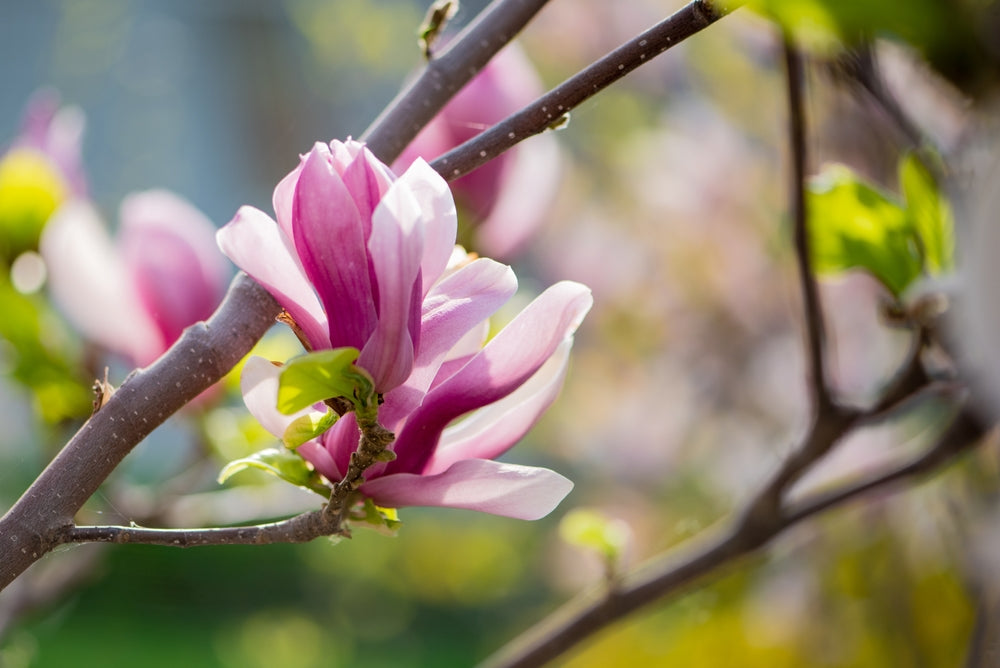
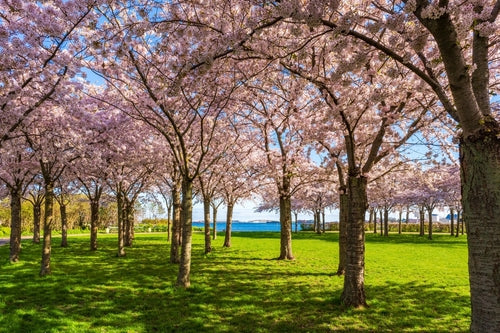
Gardens full of flowering trees are really magical places. However, most people tend to have gardens with trees that bloom only in spring. But garden doesn’t have to be dull the rest of the year. There can always be something in bloom, even in the middle of winter, just plant trees that flower in different seasons and your garden will be filled with colour all year round. Why Plant Trees That Flower in Different Seasons? The garden with a mix of trees that bloom at different times of the year will keep surprising you and you’ll always have something new to enjoy. To make it easier, we’ve prepared a simple guide to best flowering trees for every season. These trees are carefully chosen for UK gardens and UK growing conditions, and available at Arundel Arboretum for you to explore and enjoy. Best Spring Flowering Trees UK After a cold winter, nothing brightens a garden faster than spring flowering trees. Their bare branches transform into clouds of colour and spectacularly announce the beginning of the gardening year. There’s no doubt early blooming trees burst with energy and joy. If you’re still indecisive what to buy, here are some of the best spring blossom trees for UK gardens: Prunus Avium 'Cherry blossom' If there is a tree that perfectly captures the spirit of spring, it’s cherry blossom. It’s not only stunning, but also sends a strong message of new energy and renewal. Sadly, the flowers don’t last long, carrying another meaning – that life is short.•    When It Flowers - Usually from March to April, sometimes a bit earlier in milder parts of the UK.•    Blooming Time - Around 2 to 3 weeks, depending on variety and weather.•    What You'll See - Branches completely covered in white or pink blossoms, often double or semi-double, before a single leaf appears. Care & Maintenance - Many Cherry Blossom varieties are perfect for small UK gardens. They prefer sunny, sheltered places with well-drained soil. Light pruning after flowering will maintain its shape and encourage healthy growth. However, if you prefer a slightly later bloom, look for varieties like Prunus ‘Accolade’ or ‘Kanzan’. Magnolia Magnolias are stunning trees that bring a sense of luxury. Their large, fragrant flowers are of superb elegance and beauty. •    When It Flowers - Usually between March and May, depending on the variety.•    Blooming Time - Around 3 to 4 weeks, sometimes even longer if the weather is nice. •    What You'll See - Big, elegant blooms in shades of white, pink, purple, or yellow, appearing before the leaves. Amelanchier 'Juneberry' Amelanchier is a tree that you can really count on to bloom early. Beside lovely flowers, it also brings berries in early summer, and brilliant orange-red foliage in autumn. If you have a small garden, Amelanchier is the perfect choice. •    When It Flowers - Usually from late March into April.•    Blooming Time - Around 2 to 3 weeks, depending on the weather.•    What You'll See - Masses of star-shaped white blossoms bursting into life before the coppery new leaves start to unfold. Care & Maintenance - It loves sun or partial shade, and moist but well-drained soil. It doesn’t require much pruning, just remove any weak or crossing branches in late winter. One of the most reliable early bloomers in the UK.  Malus 'Crab Apple' Besides having amazing flowers in spring, Crab Apple is also vibrant in autumn. It’s friendly to wild life because pollinators love its flowers and its fruits are great source of food for birds during the winter.•    When It Flowers - Usually from April through May.•    Blooming Time - Around 3 to 4 weeks of steady colour.•    What You'll See - Clusters of white, pink, or red blossoms that cover the branches, later giving way to small ornamental fruits. Care & Maintenance - Crab Apples are hardy, very easy to grow, and adaptable to most soil types. The only thing they really prefer is full sun. A light trim in late winter is enough to keep its shape. Note that UK varieties like ‘Evereste’ and ‘John Downie’ bloom mid-spring. Cercis 'Judas Tree' The Cercis tree brings a touch of the Mediterranean to UK gardens as it’s common in Mediterranean landscapes. Its flowers are spectacular and profuse.•    When It Flowers - Usually from April to May.•    Blooming Time - Around 3 weeks, sometimes a bit longer in mild weather.•    What You'll See - Dark pink, pea-shaped flowers that pop straight from the bare branches and trunk before the leaves appear. Care & Maintenance - It likes warm, sheltered spots and well-drained soil. Once established, it can tolerate drought but you need to water it regularly during the first year. After flowering, make sure to remove dead and crossing branches. Best Summer Flowering Trees UK With days becoming longer and the air warmer, summer flowering trees step into the spotlight. They fill gardens with greenery and beautiful flowers all summer. They’re perfect for lazy afternoons in the shade or evening walks among the blossoms.  Catalpa If you’re looking for something bold, architectural, and full of personality, choose Catalpa. Its large leaves create generous shade, while the flowers add a touch of tropical flair.•    When It Flowers - Usually from July to August.•    Blooming Time - Around 3 to 4 weeks, sometimes a bit longer in a warm summer.•    What You'll See - Big, showy clusters of white, trumpet-shaped flowers with yellow and purple markings, standing proudly above large, heart-shaped leaves. Care & Maintenance - Catalpa handles UK summers well and looks especially striking as a specimen tree. It doesn’t need much care, just some light pruning in late winter. Albizia julibrissin 'Silk Tree' The Silk Tree brings an exotic touch to the garden. It’s best suited for mild UK areas, like southern England and coastal regions. It’s popularly called Persian Silk Tree or Tree of Happiness.•    When It Flowers - From June to August, even September.•    Blooming Time - Usually around 4 to 6 weeks, and in warm years it can keep blooming well into early autumn.•    What You'll See - Soft, fluffy pink tufts that look a bit like tiny silk brushes, gently scented and floating above fine, fern-like leaves. Care & Maintenance - It loves a warm, sheltered spots, well-drained soil, and needs very little attention. Some tiding up after flowering is usually enough. Robinia pseudoacacia 'Black Locust' Black Locust is tough, fast-growing, and buzzing with life when in bloom. Bees absolutely love it. It’s ideal for larger gardens, as it needs room to spread and can grow quite tall.•    When It Flowers - From late May through to July.•    Blooming Time - Around 2 to 3 weeks of gorgeous, fragrant blooms.•    What You'll See - Cascading clusters of white, wisteria-like flowers that hang gracefully against fresh green foliage. Care & Maintenance - It doesn’t require much care, but needs regular pruning to prevent it from overgrowing. It’s interesting that its flowers are edible. Koelreuteria paniculata 'Golden Rain Tree' The Golden Rain Tree is one of the most reliable summer flowering ornamental trees for UK gardens. It has a very interesting and elegant structure as its yellow falling panicles resemble the golden rain.•    When It Flowers - Usually from July into August.•    Blooming Time - Around 3 to 4 weeks, sometimes more.•    What You'll See - Loose clusters of golden-yellow, star-shaped flowers that light up the canopy, followed by rose-tinted, lantern-like seed pods that stay on branches well into autumn. Care & Maintenance - It’s best to plant it in a sunny spot with well-drained soil because it thrives in warm, sheltered locations. It needs very little pruning and is excellent for urban landscapes. Best Autumn Flowering Trees UK As summer fades, autumn flowering trees bring unexpected beauty. These late bloomers keep the garden full of life in cooler months. Beside their lovely flowers, they often bring even more colour with ornamental fruits. Here are some of the best autumn flowering trees for UK gardens: Lagerstroemia 'Crape Myrtle' Crape Myrtle brings a splash of late-season colour that feels almost tropical. However, it’snot suitable for all parts of the UK. In colder areas, it may fail to flower well.•    When It Flowers - From August to October.•    Blooming Time - Around 6 to 8 weeks in warm, sheltered spots.•    What You'll See - Big clusters of pink, purple, red, or white flowers that often last well into autumn, followed by beautiful orange-red foliage. Care & Maintenance - It loves full sun and warmth so it will grow best in southern England and coastal regions. Arbutus unedo 'Strawberry Tree'  The Strawberry Tree is one of the most charming trees for autumn interest because it’s flowering and fruiting at the same time.•    When It Flowers - From October to December.•    Blooming Time - Usually around 6 to 10 weeks.•    What You'll See - Clusters of small, white to pale pink bell-shaped blooms that appear alongside the red fruit from the previous year. Care & Maintenance - It prefers milder coastal or southern areas of the UK. In harsher inland or northern sites, it may struggle so it needs some winter protection. Viburnum bodnantense ‘Dawn’ It’s typically considered to be a shrub, but it can be trained into a small tree form. Also, its flower period often extends into winter. It’s one of those plants that surprise you with beauty and fragrance when you least expect it.•    When It Flowers - From November to March•    Blooming Time - It can flower for several months, especially when the weather stays gentle.•    What You'll See - Clusters of fragrant, pale to deep pink blooms that appear on bare branches, releasing a strong, sweet scent on sunny days. Care & Maintenance – Prefers sunny and warm spots, and well-drained, slightly acidic soil but it’s not very fussy about the soil type. It also doesn’t require much care, just prune it lightly after flowering. Winter Flowering Trees UK When most of the garden is quiet, a few remarkable flowering trees continue to bring us joy. They light up cold months with unexpected blooms and colour. Here are some of the best winter flowering trees for UK gardens to keep your outdoor space glowing when everything else lies asleep. Hamamelis 'Witch Hazel' Witch Hazel is one of the most striking winter flowering trees for UK gardens. Many varieties also have vibrant autumn foliage before flowering.•    When It Flowers - From December to February.•    Blooming Time - Around 6 to 8 weeks.•    What You'll See - Clusters of spidery, ribbon-like petals in shades of yellow, orange, or red that appear on bare branches, often releasing a delicate, spicy scent. Care & Maintenance - It thrives in sun or partial shade and likes moist, well-drained, slightly acidic soil. After flowering, prune it lightly to maintain shape. Chimonanthus 'Praecox Wintersweet' True to its name, Chimonathus fills the garden with powerful scent and delicate winter display. It’s more of a shrub that can grow up to 4m. The flowers appear on bare branches, catching the light beautifully on sunny days.•    When It Flowers - From December to February.•    Blooming Time - Around 6 to 8 weeks.•    What You'll See - Pale yellow, waxy flowers, with a sweet fragrance, appearing on bare branches. Care & Maintenance - Plant it in a sunny, sheltered spot with well-drained soil, ideally against a south-facing wall for some extra warmth. Prune it after flowering to encourage better blooms the following year. Camellia sasanqua 'Winter's Snowman' A beautiful evergreen winter-flowering tree. It’s the earliest camellia to flower, often brightening the garden before Christmas.•    When It Flowers - From October to January.•    Blooming Time - Usually 6 to 10 weeks, depending on the weather.•    What You'll See - Elegant, semi-double white blooms with golden centres, set against glossy evergreen leaves. Care & Maintenance - It prefers acidic, well-drained soil and partial shade. Ideally, keep it away from morning sun, which can scorch frost-covered buds. Make sure to water it well in dry spells. Prunus subhirtella ‘Autumnalis’ Winter-Flowering Cherry This beautiful cherry tree bridges the gap between autumn and spring. Its gentle blossoms glow against grey skies making it a stunning sight in winter. Still, the bloom level depends on mild outdoor conditions.•    When It Flowers - From late October right through to March, often peaking during mild autumn spells.•    Blooming Time - It flowers on and off for several months.•    What You'll See - Soft pink to white blossoms that open on bare branches. Care & Maintenance - It’s happiest in a sunny, sheltered spot and needs protection from cold winds and heavy frost, which can shorten its flowering time. Discover Flowering Trees for Every Season at Arundel Arboretum Are you ready to make your garden spectacular with seasonal flowering trees? At Arundel Arboretum, you’ll find a carefully curated selection of flowering trees for every season. We choose them for their beauty, resilience, and suitability to UK gardens. If you want to create a truly amazing year-round display of colour, our expert team can help you choose the right trees for your soil, space, and style. Visit us at our nursery in the historic town of Arundel, in the heart of West Sussex, or explore our online store if you prefer buying online. 

Trees for Containers: Great Solution for Small Gardens and Patios

trees

Trees for Containers: Great Solution for Small Gardens and Patios

by Arundel Arboretum on Aug 04, 2025
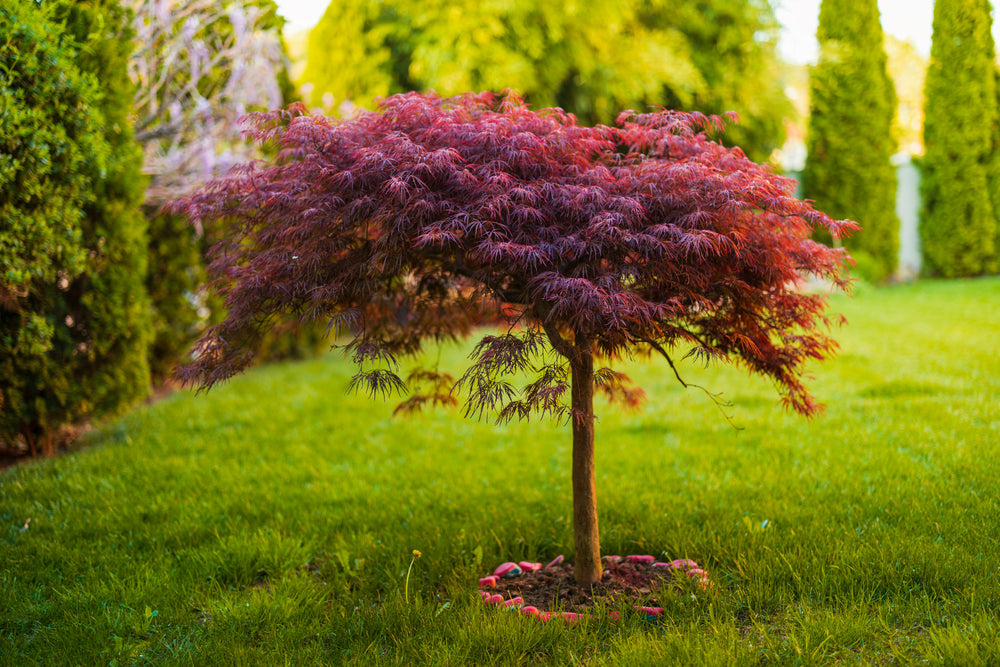
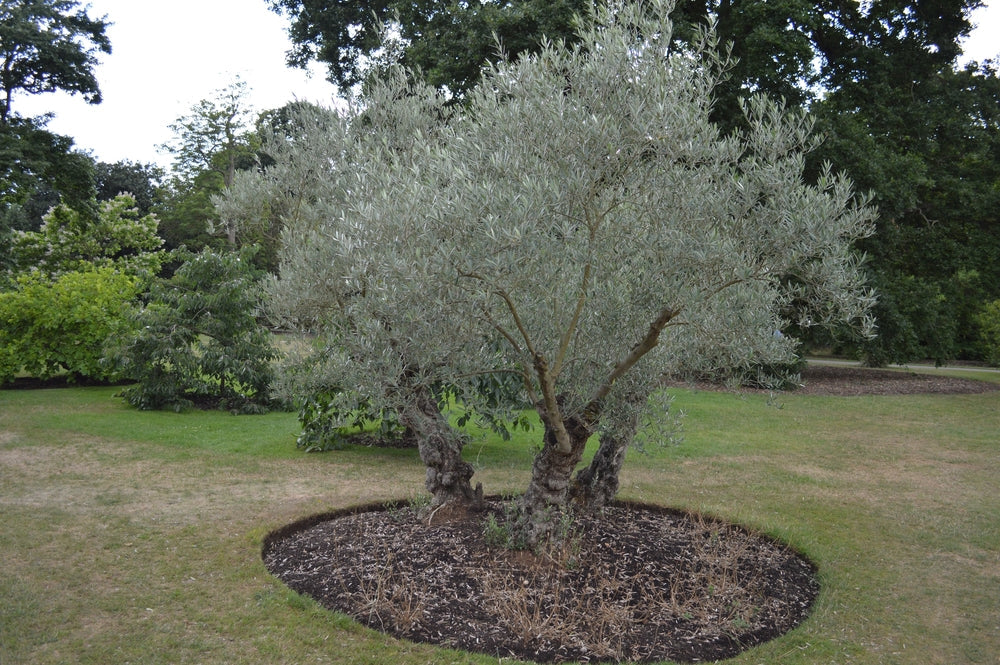
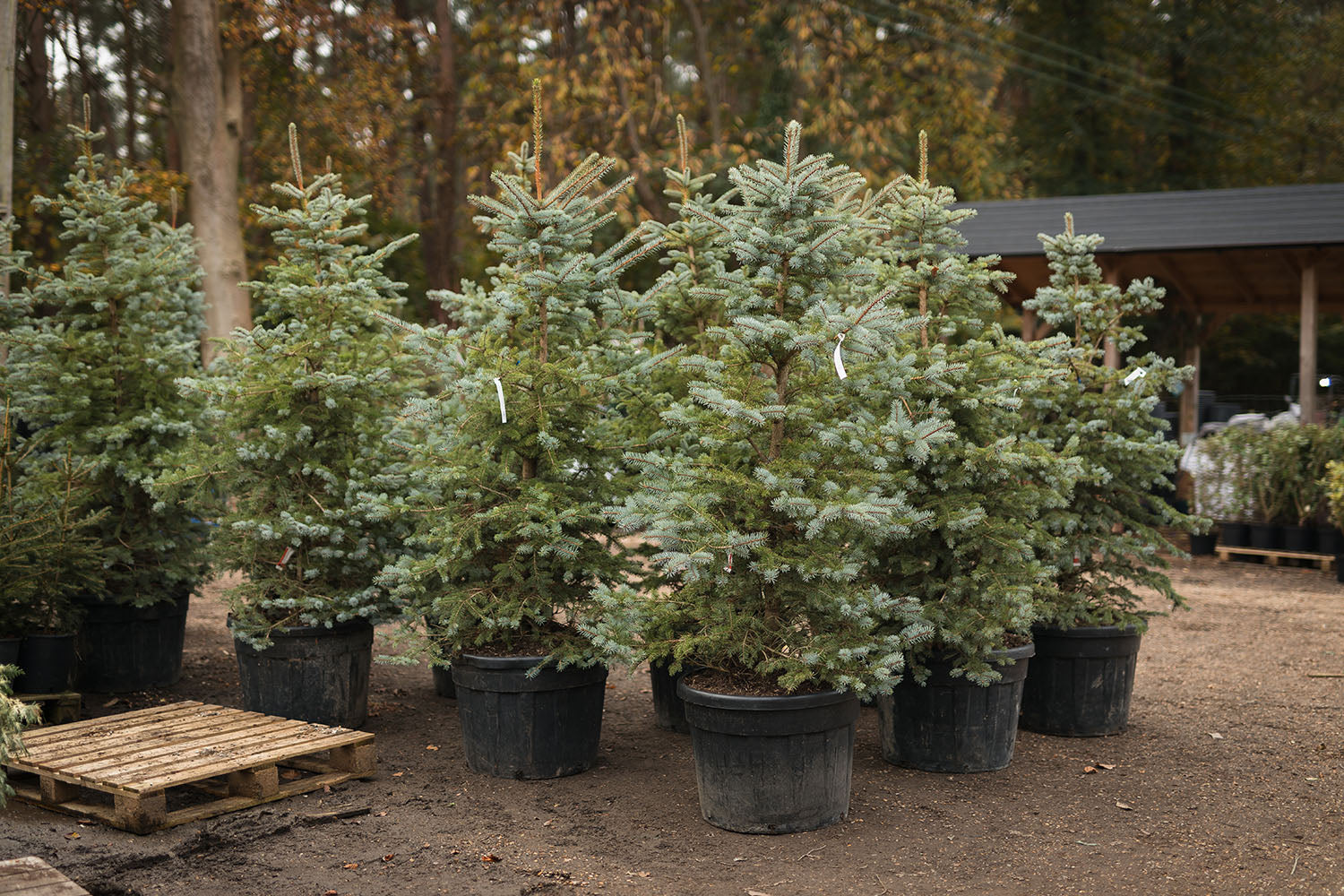
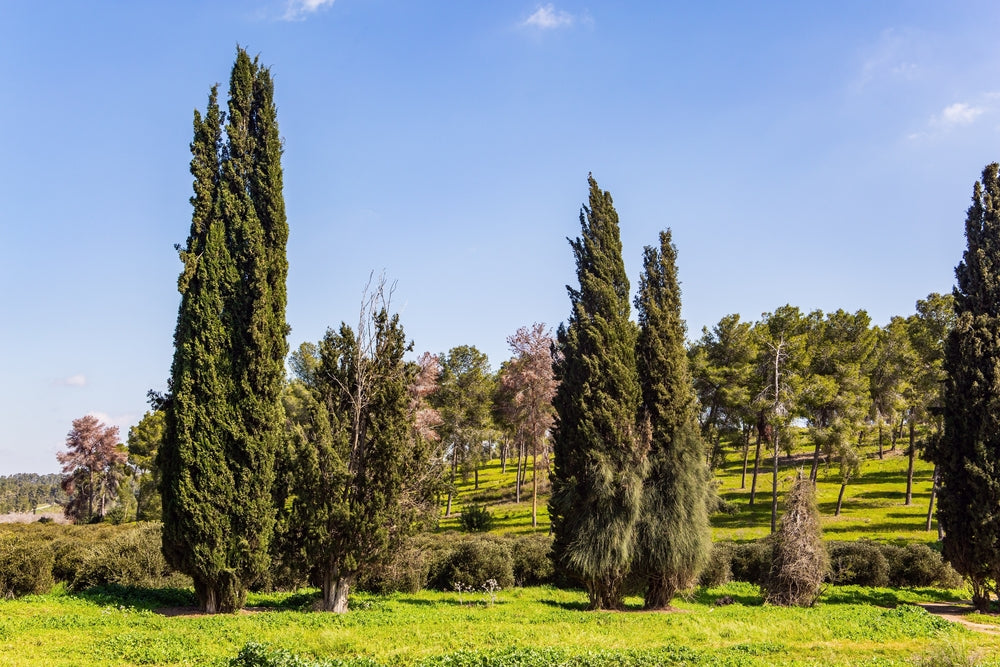
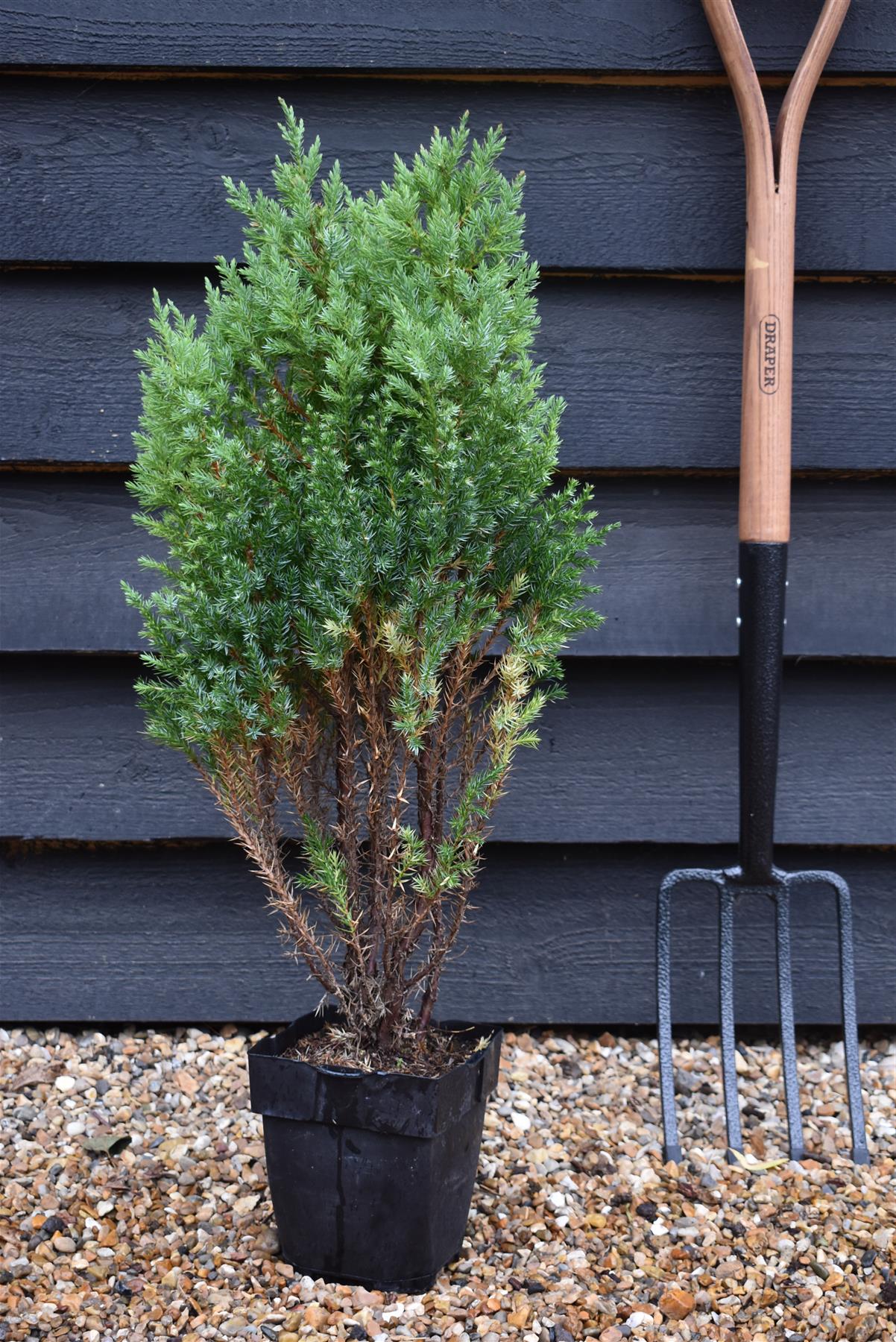
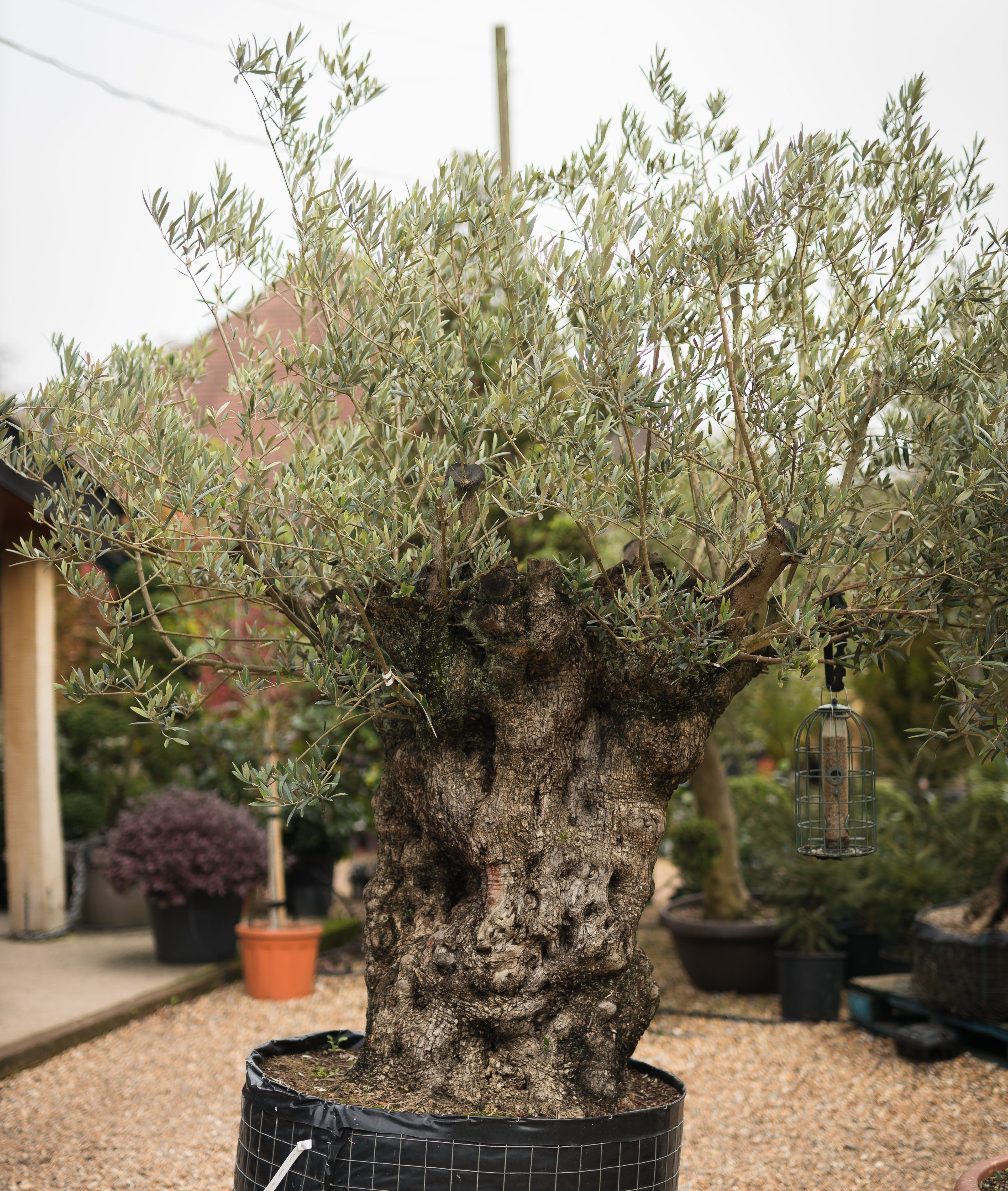
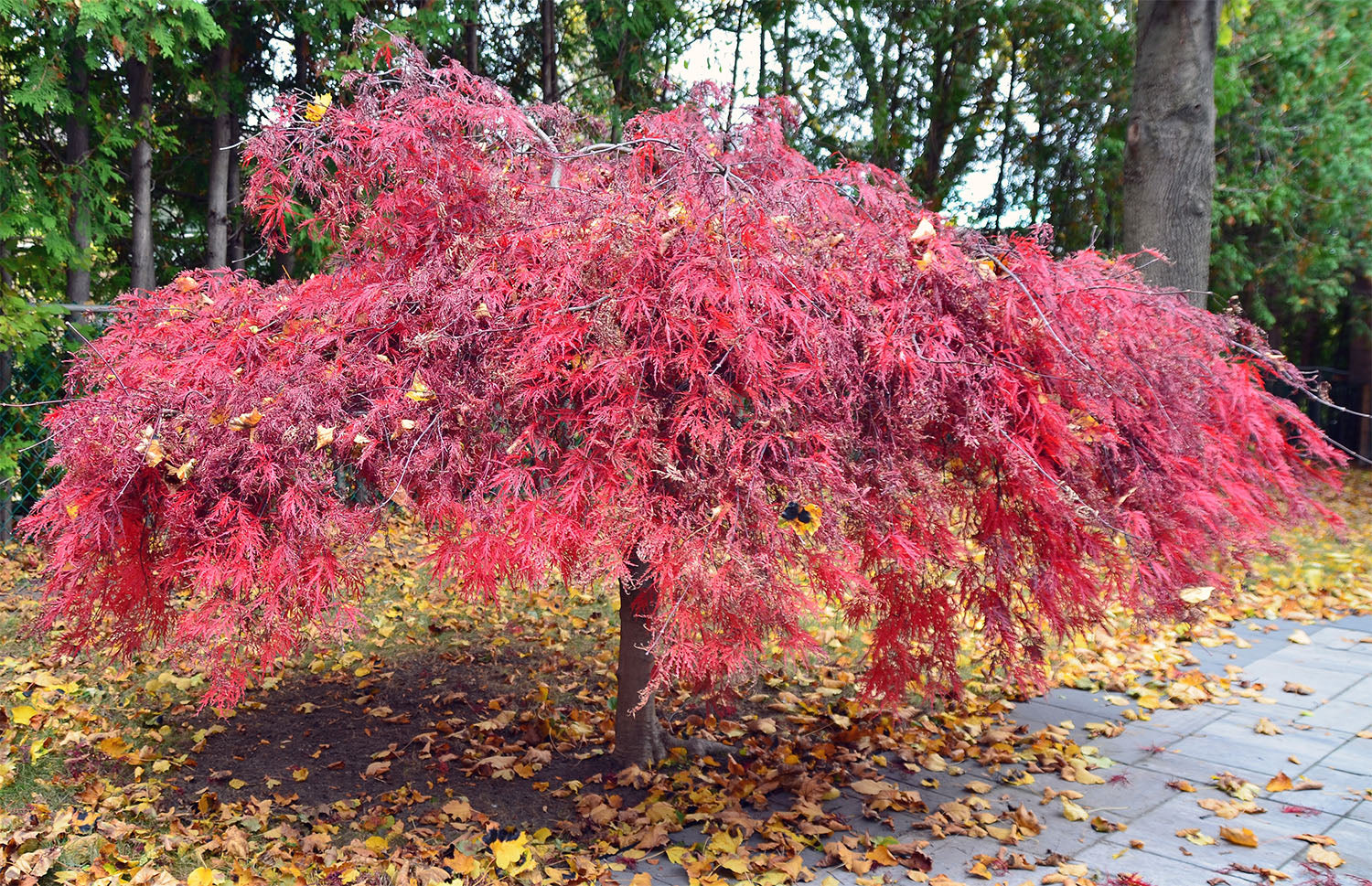
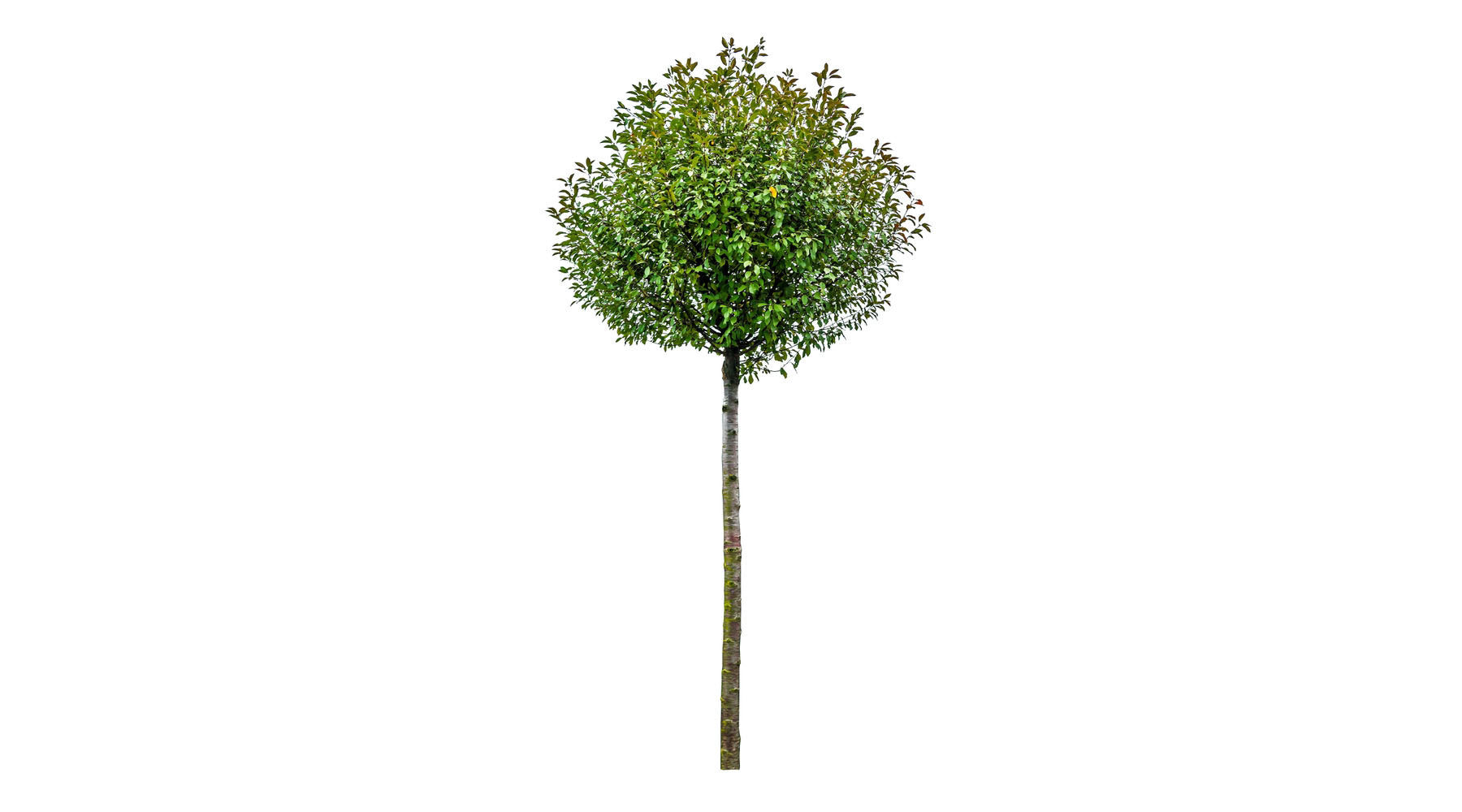
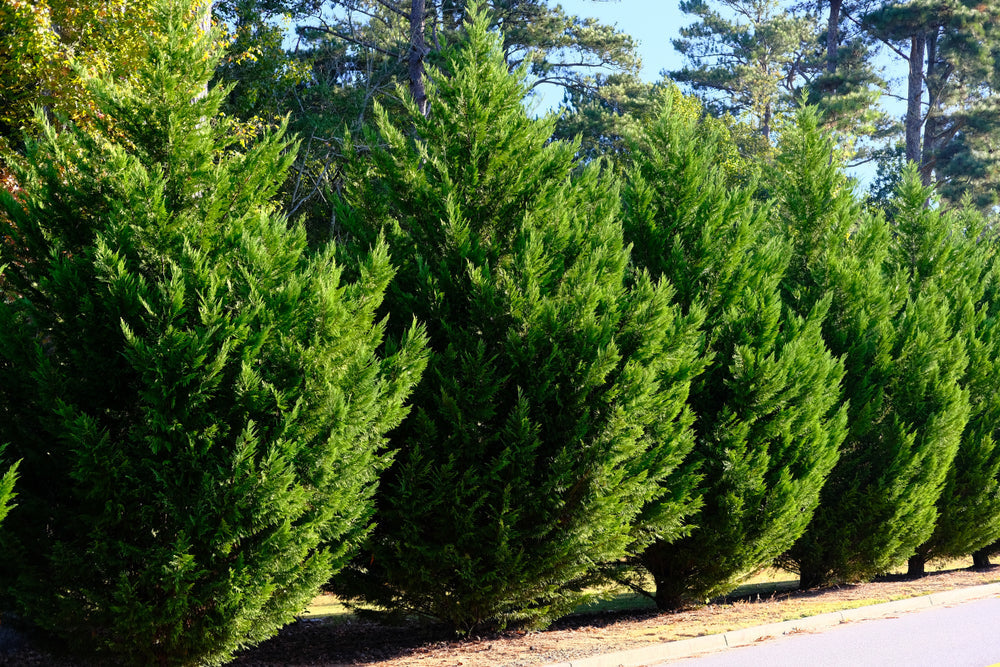
Who says trees are only for big gardens? With the right container and some knowledge, you can enjoy vibrant foliage, beautiful blossoms, and even delicious fruit in the smallest outdoor spaces. Whether it’s a balcony, patio, or small garden, potted trees are an ideal way to add elegance, colour and beauty.To help you get started, we have prepared this simple guide to help you choose the best trees for pots and containers and show you how to care for them with ease and confidence. And if you'd like to see what's possible, visit us at Arundel Arboretum in Chichester, West Sussex, or browse our online store. We offer a wide selection of container-friendly trees - from ornamental Japanese maples to fruitful apple and pear varieties. Our friendly team is always happy to offer expert advice, delivery, and planting support to help your garden thrive. Why Grow Trees in Containers? There are plenty of reasons why growing trees in pots is becoming increasingly popular. Here are some:•    Perfect for small spacesNo garden? No problem. Potted trees are perfect for balconies, patios, courtyards, and small outdoor areas.•    Ideal for rented homesNo permanent home? No problem. You can enjoy lush outdoor space without permanent planting and take all your trees with you when you leave.•    Easier to maintainTricky soil? No problem. Growing trees in containers gives you more control over soil quality, drainage, and pruning, making it easier to create perfect conditions for healthy growth. •    Simple to move aroundNo fixed layout? No problem. You can easily move them to sunnier spots, protect them from wind or frost, or rotate them to highlight seasonal colour, blossoms, or fruit. How to Choose the Right Container Tree? Not all trees thrive in pots so choosing the right one makes all the difference. Here’s what to keep in mind when picking the perfect tree for your patio, balcony, or small UK garden.•    PurposeDo you want a tree for structure, colour, or fruit? Choose a type that matches your goal and your lifestyle.•    Growth HabitSlow-growing, dwarf, or naturally compact trees are most suitable for growing in pots.Even though you can control size and shape of potted trees, some varieties simply don’t respond well to pruning and root trimming.•    Final Size & ShapeTake into consideration the tree’s mature height, spread, and root system. Make sure it won’t outgrow the space or become top-heavy in its container. The Best Trees to Grow in Containers in the UK Here are some of the best varieties to grow in containers across the UK, grouped by their main features: Architectural & Evergreen Container Trees These trees add height, shape, and elegance to your outdoor space all year round. They are perfect for framing doorways, screening off neighbours, or giving patios an elegant look with very little care.•    Italian CypressA tall, narrow, evergreen tree that can add a formal, Mediterranean feel to small UK gardens. It’s stunning, drought-tolerant and low-maintenance.•    Olive TreeWell-known for its sculptural form with twisted trunk and silvery-green leaves. It brings timeless Mediterranean charm to UK patios and courtyards. Tough and drought-tolerant, it thrives in sunny, sheltered spots in southern UK gardens.•    Dwarf Conifers & SpruceIdeal for pots and containers as they are naturally compact and slow-growing. A great choice for front doors and shaded corners Ornamental & Flowering Container Trees These trees bring colour, seasonal interest, and delicate beauty to small gardens, patios, and balconies. They can offer something special in every season and they are well-suited for growing in containers.•    Japanese Maple (Acer palmatum)A very popular choice because of its elegant form and brilliant autumn colours that range from yellow and orange to red and purple, depending on the variety. Compact and slow-growing, it is ideal for sheltered patios or courtyards.•    Juneberry (Amelanchier)A popular choice for UK gardens, thanks to its year-round appeal and low-maintenance nature. Starry white flowers bloom in spring and are followed by purple summer berries and vibrant orange-red autumn foliage.•    Cornus Florida / Kousa DogwoodElegant and lovely, this tree is perfect for containers. It produces large, petal-like bracts in shades of white and pink in spring, which are followed by attractive red berries in summer and vibrant leaves in autumn.•    Saucer Magnolia (Magnolia Soulangeana)One of the UK’s favourite flowering patio trees loved for its large, tulip-shaped, soft pink or creamy white flowers that bloom in early spring, before the leaves appear.•    Crape Myrtle (Lagerstroemia)Compact, ornamental tree known for its attractive bark and lovely summer flowers in shades of pink, red, or white. It requires a warm, sheltered spot to thrive in most UK regions.•    Witch Hazel (Hamamelis)A striking tree that offers fragrant flowers in late winter when little else blooms. Its rich autumn colours – golden yellow, copper, red, purple – are another excellent feature. Fruiting & Edible Container Trees Fruiting trees in containers don’t just look beautiful. They let you enjoy fresh home-grown fruit even in the smallest of spaces. Ideal for patios, courtyards, and compact UK gardens, especially in sheltered spots where they can truly thrive.•    Crab Apple (Malus)A compact, ornamental tree with masses of white, pink, or red blossoms in spring, and small, edible, brightly coloured fruits in autumn that persist way into winter. It is hardy and well-suited to most UK regions.•    Fig TreeOne of the best trees for growing in containers in the UK. Its leaves provide lush, tropical feel and its fruits are sweet and tasty. It naturally prefers root restriction, which makes it a perfect tree for growing in pots.•    Bay (Laurus nobilis)A beautiful evergreen tree with fragrant, aromatic leaves. It’s tough, low-maintenance, and perfect for pots. Excellent culinary tree for patios and courtyard gardens across the UK.•    Apple & Pear (patio/dwarf varieties)These dwarf varieties are grafted onto special rootstocks (M26 or M106) to keep their size manageable while still bearing full-sized apples and pears. Choose self-fertile or pair varieties for the best crop. Exotic & Unusual Container Trees •    Musaceae (Banana Tree)With its huge, tropical-style leaves, this tree brings exotic feel to UK patios and courtyards. It is fast-growing and eye-catching and makes a fantastic summer feature. It thrives best in warm, sheltered spots and requires regular watering to stay lush. How to Choose the Right Pot for Container Trees? The right container can make all the difference to your tree’s health and growth. Here’s what to consider when choosing the best pots for trees in UK gardens.•    Size & DrainagePick a container that’s large enough for root growth and has good drainage holes.•    MaterialTerracotta is breathable and looks great but can dry out quickly. Plastic pots retains moisture better, and are easier to move. Fibreglass and ceramic are durable and offer better insulation in cold weather.•    ColourLight-coloured pots stay cooler in full sun, while darker pots absorb heat which can stress the roots when it’s very hot.•    Mobility Consider using pot feet or a wheeled base to help with drainage and make heavy pots easier to move.  Container Tree Setup & Maintenance UK Proper setup is essential for keeping your container tree healthy for years to come.  Follow these simple steps to ensure your trees thrive in pots year-round. Choose the Right Soil •    Use the Right Potting MixUse a high-quality compost made for trees or shrubs. For potted trees in the UK, a loam-based compost like John Innes No. 3 works great. However, acid-loving trees such as Amelanchier need John Innes Ericaceous compost.•    Check DrainageYour container must have enough drainage holes prevent root rot, a common issue in UK’s damp climate.•    Repot or Refresh SoilOver time, soil loses nutrients and becomes compacted. So, refresh the top 5–10 cm of compost every year, and fully repot your tree every 2–3 years. Watering & Feeding •    WateringSoil in containers dry out faster, especially in warm and windy weather. Therefore, water regularly and deeply to ensure moisture reaches the entire root system.•    FeedingNutrients in the compost get used faster in containers so it is essential to regularly feed your potted tree. Use slow-release fertilizers in spring and liquid feed during the season. Prune for Health & Shape Pruning helps control the shape, canopy growth, root size, and overall potted tree health.•    How to prune the canopy?The best time to prune depends on the tree species. First remove dead, damaged, and diseased branches. Then, thin out crowded areas and trim to maintain shape and good airflow. •    How to prune the roots?Every 2-3 years, gently remove the tree from the pot and trim back up to one-third of the root ball. Then, replant with fresh compost. Winter Care for Potted Trees Potted trees are more vulnerable to cold weather than those planted in the ground. UK winters can damage roots or cause waterlogging, so take a few simple steps to protect your container trees.o    Protect roots from freezingWrap containers with bubble wrap, fleece, or hessian, or place them inside larger pots lined with insulating material. This is especially important in northern or exposed UK gardens.•    Move tender trees to shelterFor trees that aren’t fully hardy, like olive, fig, or citrus, move pots into a greenhouse, shed, or close to a house wall for extra warmth and protection. South-facing walls work best to shield from frost.•    Raise pots off the groundUse pot feet or bricks to lift containers slightly and prevent the pot sitting on frozen ground. Also to avoid waterlogging, which can lead to root rot. Positioning Where you place your container tree is equally important. Use this simple light guide to find the best spot for your potted tree in a UK garden.•    Full Sun Lovers:o    Olive, Fig, Banana (Musaceae), Italian Cypress, Lagerstroemiao    They need a warm, sunny spot, ideally south or west-facing in the UK.•    Part Shade Friendly:o    Maple, Cornus, Magnolia, Amelanchiero    Great for patios with morning or filtered afternoon sun.•    Shade Tolerant:o    Bay, Witch Hazel, Coniferso    Ideal for north-facing patios or shaded courtyards. Final Thoughts Container trees require a bit of extra attention compared to those planted in the ground, but the rewards are well worth it. They can completely transform small spaces and turn patios, balconies, and courtyards into beautiful, peaceful outdoor retreats. Ready to get started? Visit us at Arundel Arboretum in Chichester, West Sussex, or explore our online store to find the perfect tree for your container garden. We offer a wide variety of trees suitable for growing in pots and containers, from elegant ornamentals to hardy evergreens, all ideal for UK gardens and outdoor spaces.  When it comes to fruit trees, we stock a premium selection of dwarf and ultra-dwarf fruit trees, specially grafted for container growing. Discover how a single tree can transform your space and bring a little joy to your everyday!