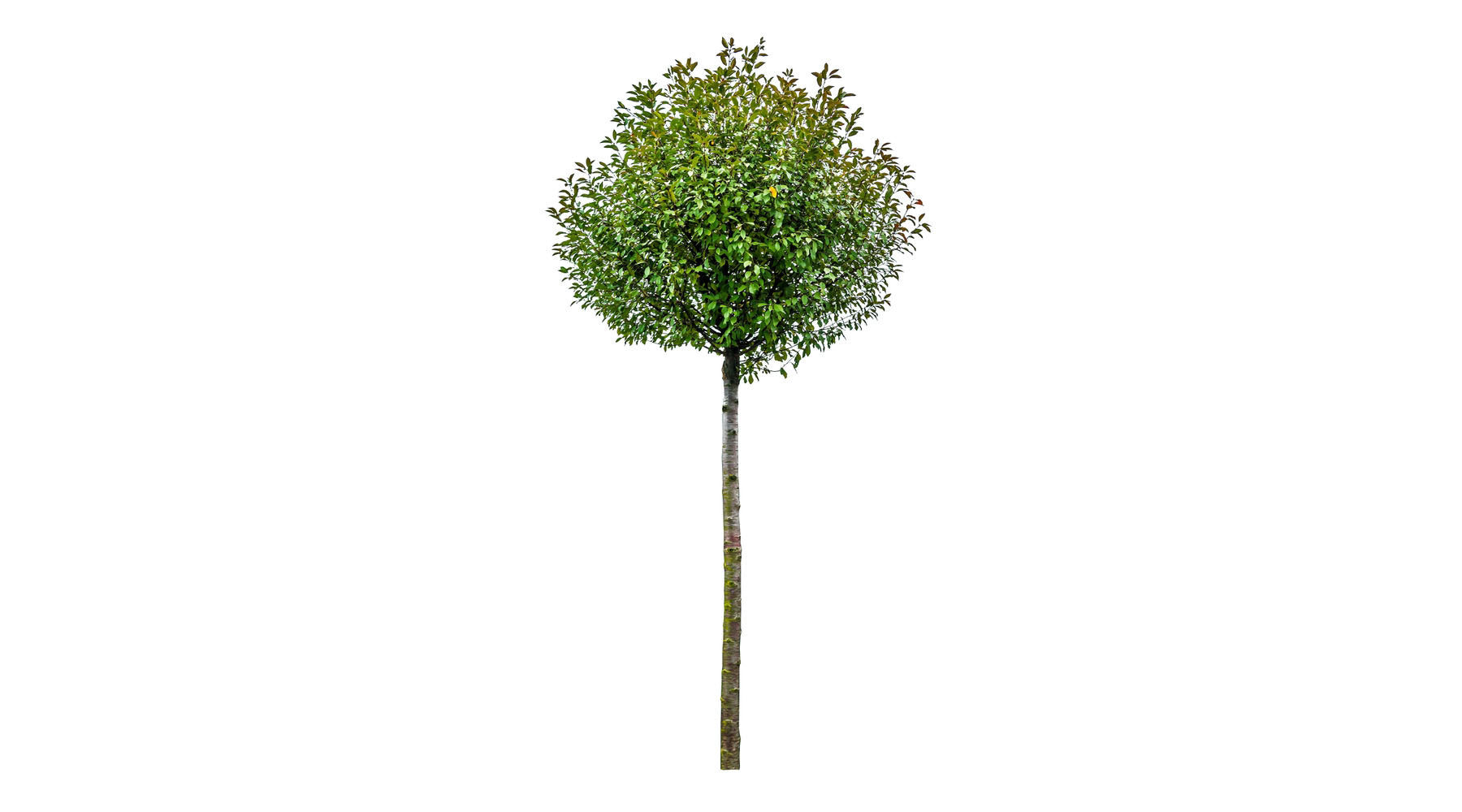
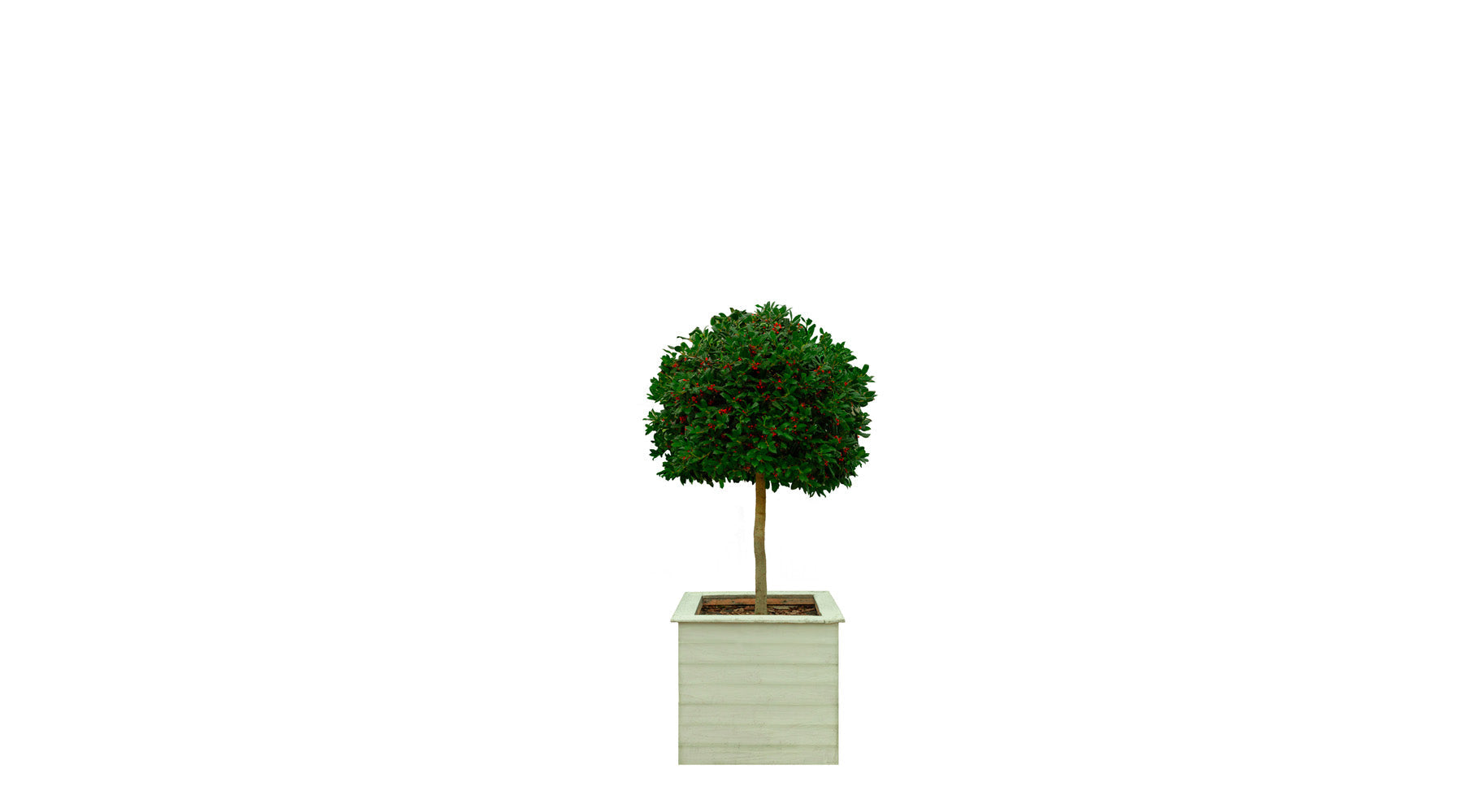
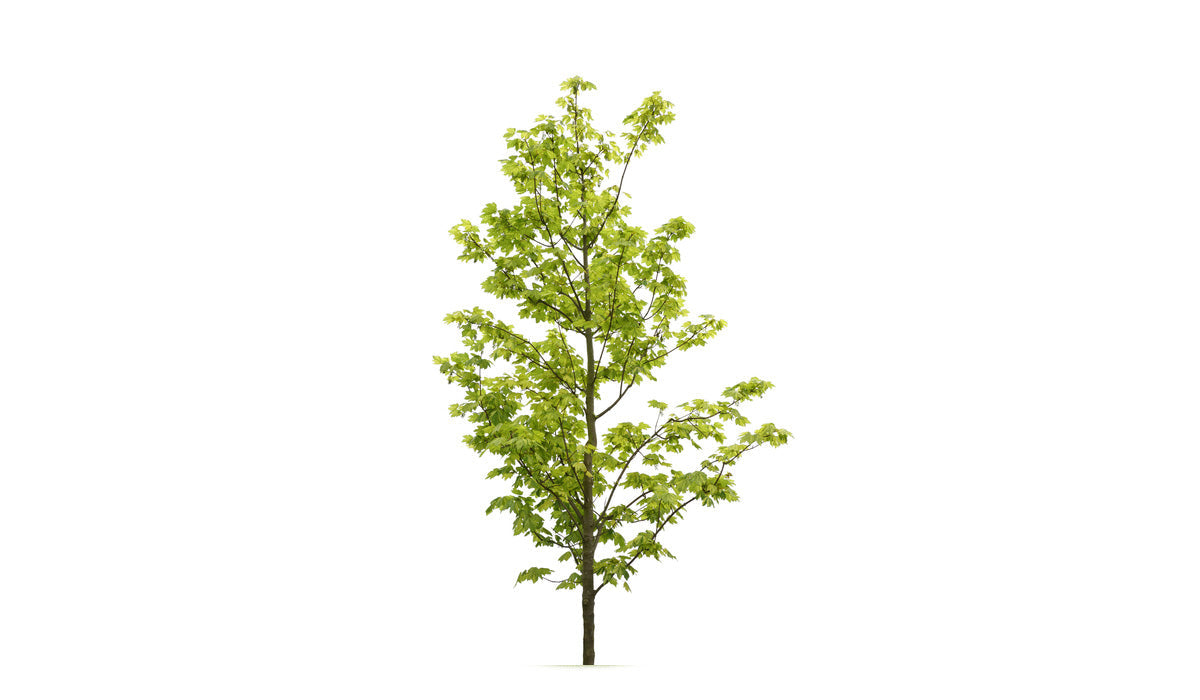
Who says trees are only for big gardens? With the right container and some knowledge, you can enjoy vibrant foliage, beautiful blossoms, and even delicious fruit in the smallest outdoor spaces. Whether it’s a balcony, patio, or small garden, potted trees are an ideal way to add elegance, colour and beauty.To help you get started, we have prepared this simple guide to help you choose the best trees for pots and containers and show you how to care for them with ease and confidence.
And if you'd like to see what's possible, visit us at Arundel Arboretum in Chichester, West Sussex, or browse our online store. We offer a wide selection of container-friendly trees - from ornamental Japanese maples to fruitful apple and pear varieties. Our friendly team is always happy to offer expert advice, delivery, and planting support to help your garden thrive.
Why Grow Trees in Containers?
There are plenty of reasons why growing trees in pots is becoming increasingly popular. Here are some:• Perfect for small spacesNo garden? No problem. Potted trees are perfect for balconies, patios, courtyards, and small outdoor areas.• Ideal for rented homesNo permanent home? No problem. You can enjoy lush outdoor space without permanent planting and take all your trees with you when you leave.• Easier to maintainTricky soil? No problem. Growing trees in containers gives you more control over soil quality, drainage, and pruning, making it easier to create perfect conditions for healthy growth. • Simple to move aroundNo fixed layout? No problem. You can easily move them to sunnier spots, protect them from wind or frost, or rotate them to highlight seasonal colour, blossoms, or fruit.
How to Choose the Right Container Tree?
Not all trees thrive in pots so choosing the right one makes all the difference. Here’s what to keep in mind when picking the perfect tree for your patio, balcony, or small UK garden.• PurposeDo you want a tree for structure, colour, or fruit? Choose a type that matches your goal and your lifestyle.• Growth HabitSlow-growing, dwarf, or naturally compact trees are most suitable for growing in pots.Even though you can control size and shape of potted trees, some varieties simply don’t respond well to pruning and root trimming.• Final Size & ShapeTake into consideration the tree’s mature height, spread, and root system. Make sure it won’t outgrow the space or become top-heavy in its container.
The Best Trees to Grow in Containers in the UK
Here are some of the best varieties to grow in containers across the UK, grouped by their main features:
Architectural & Evergreen Container Trees
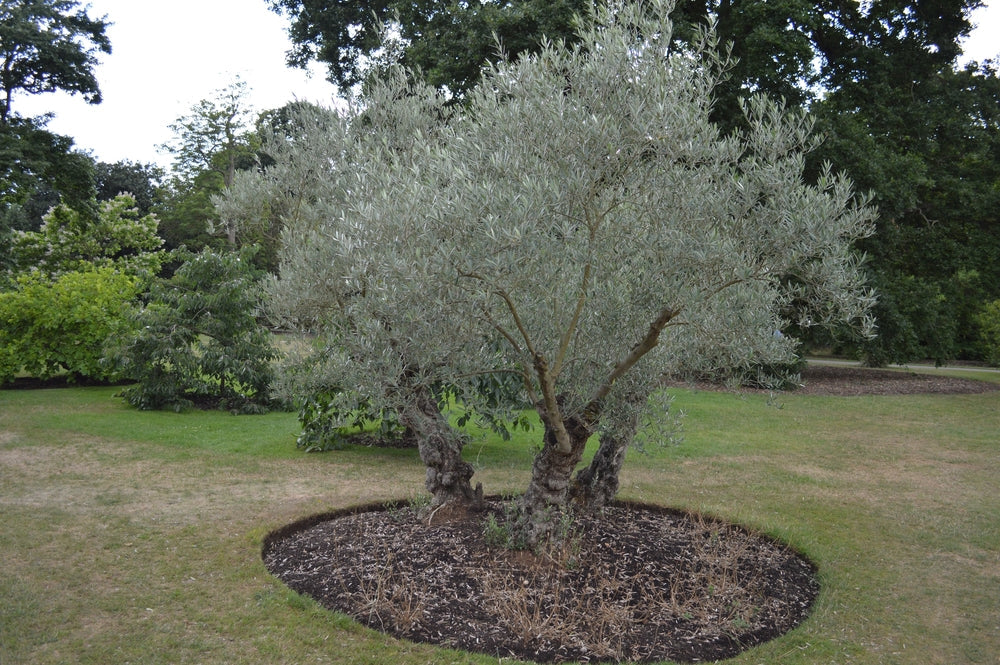
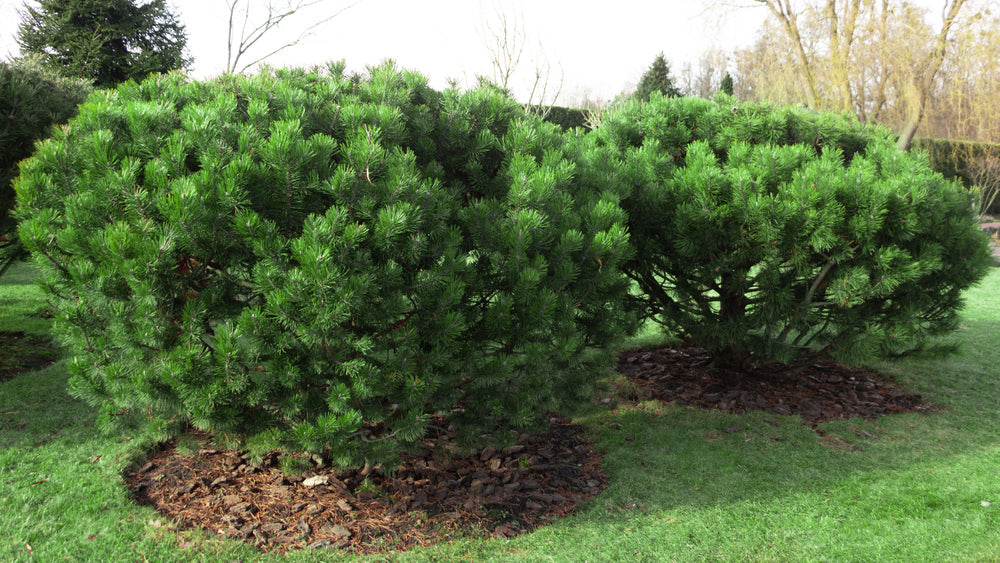
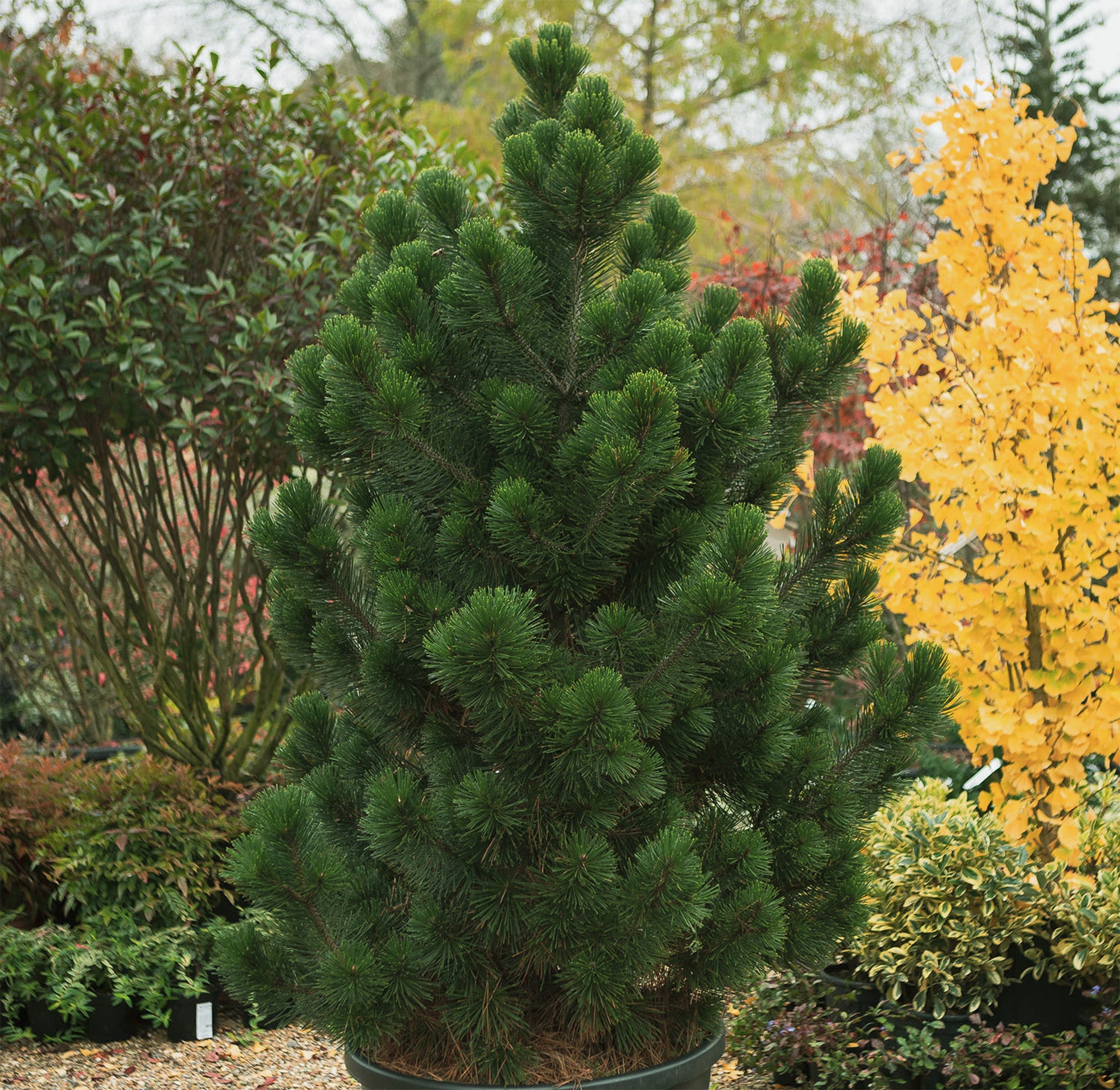
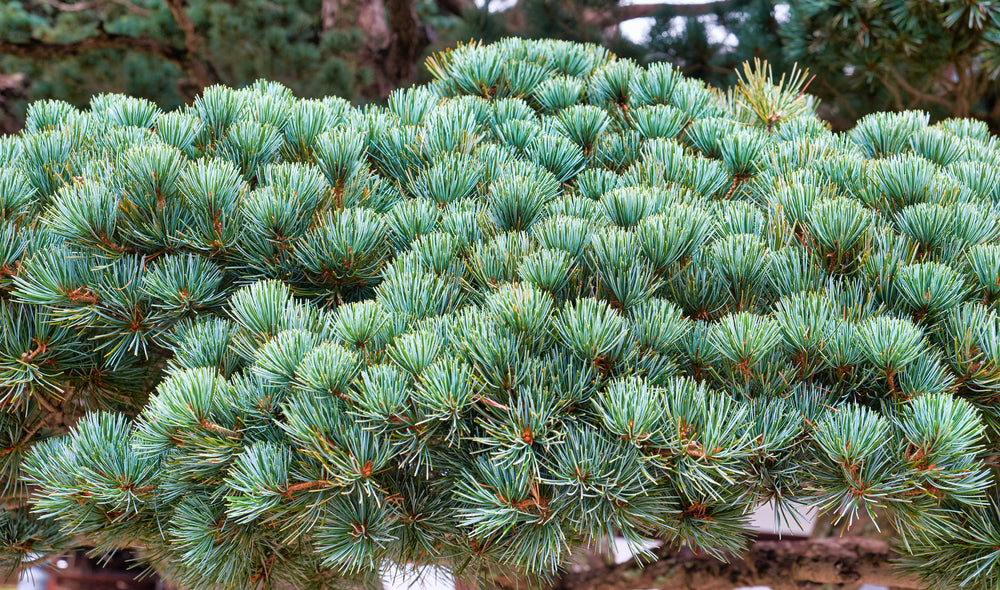
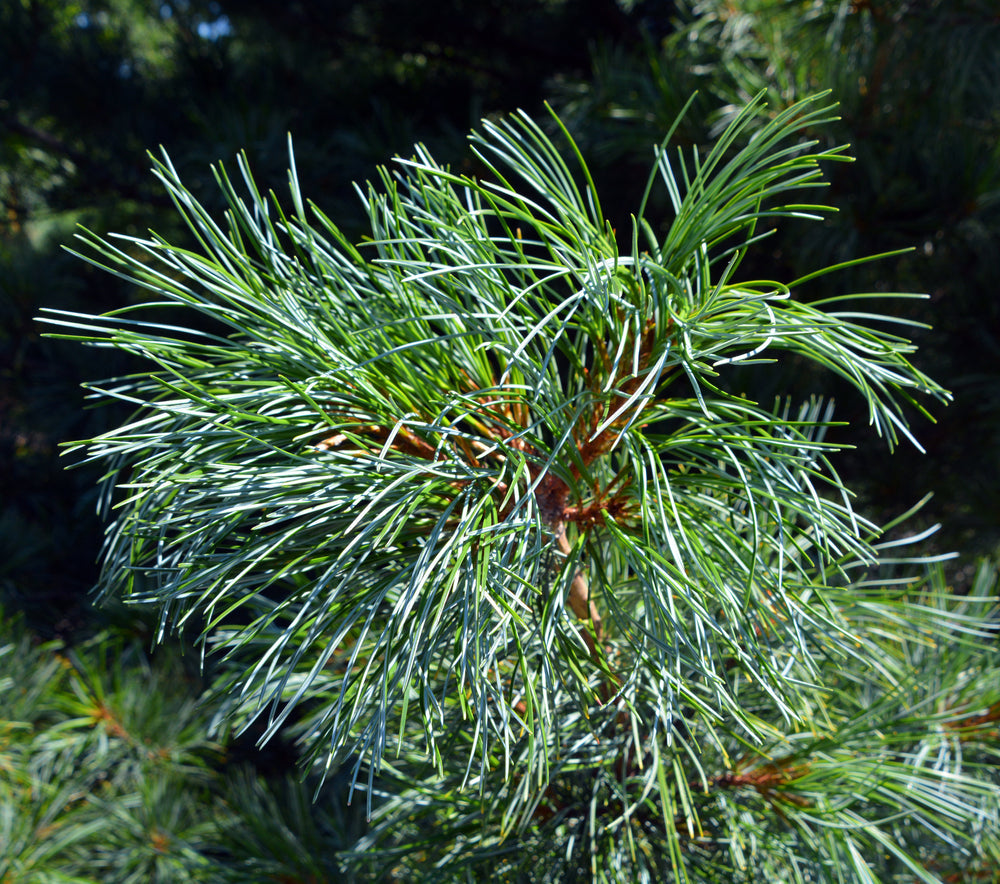
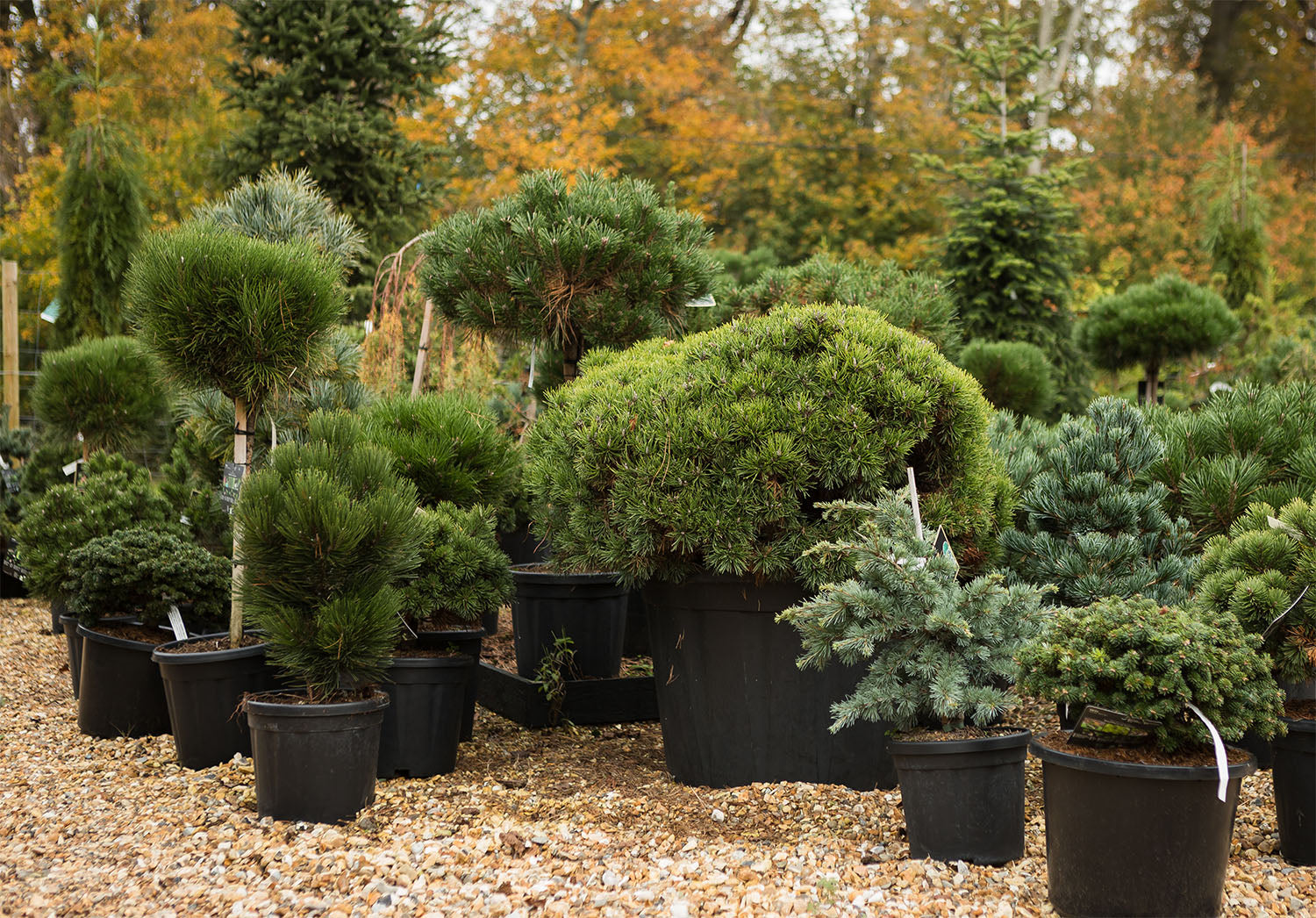
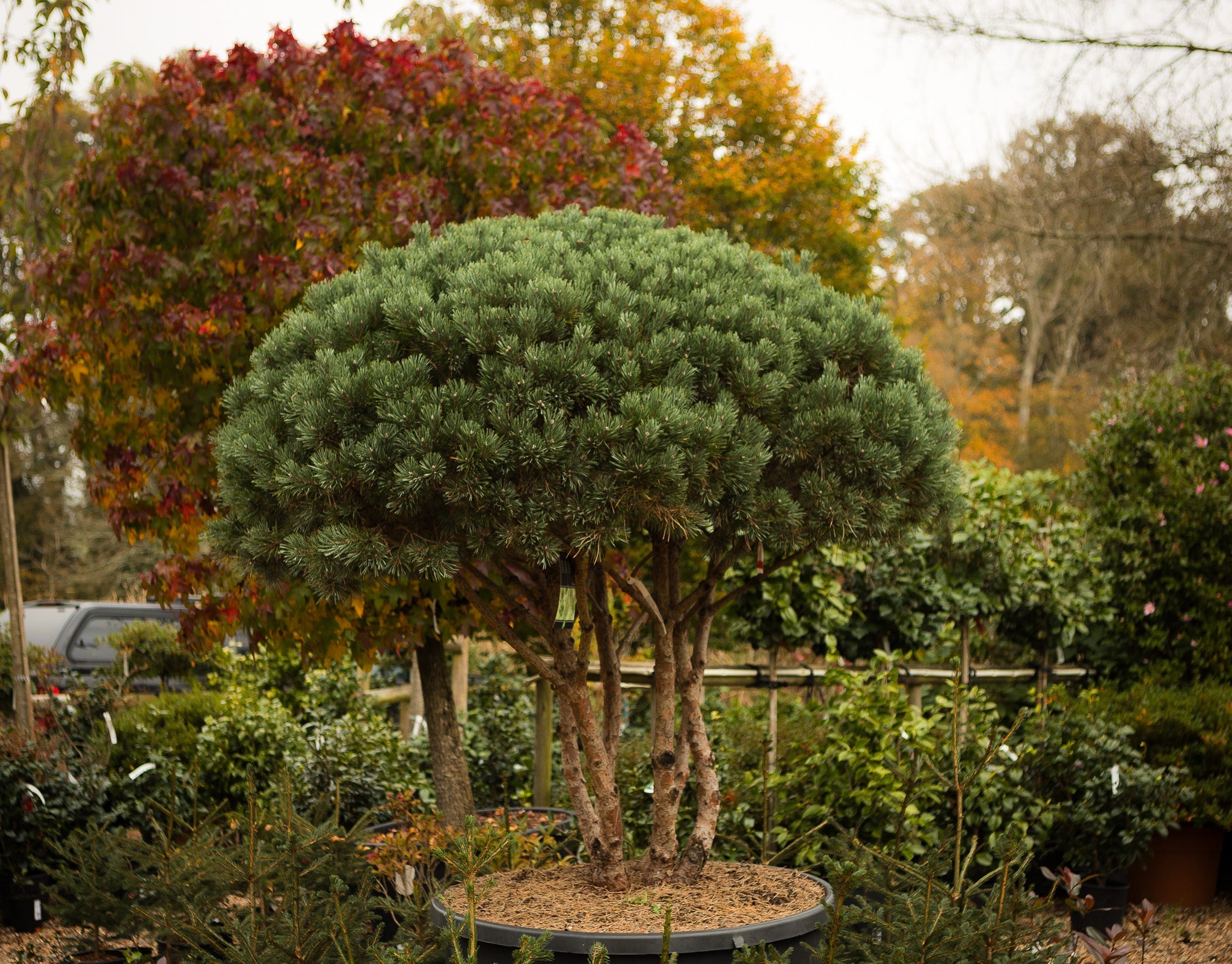
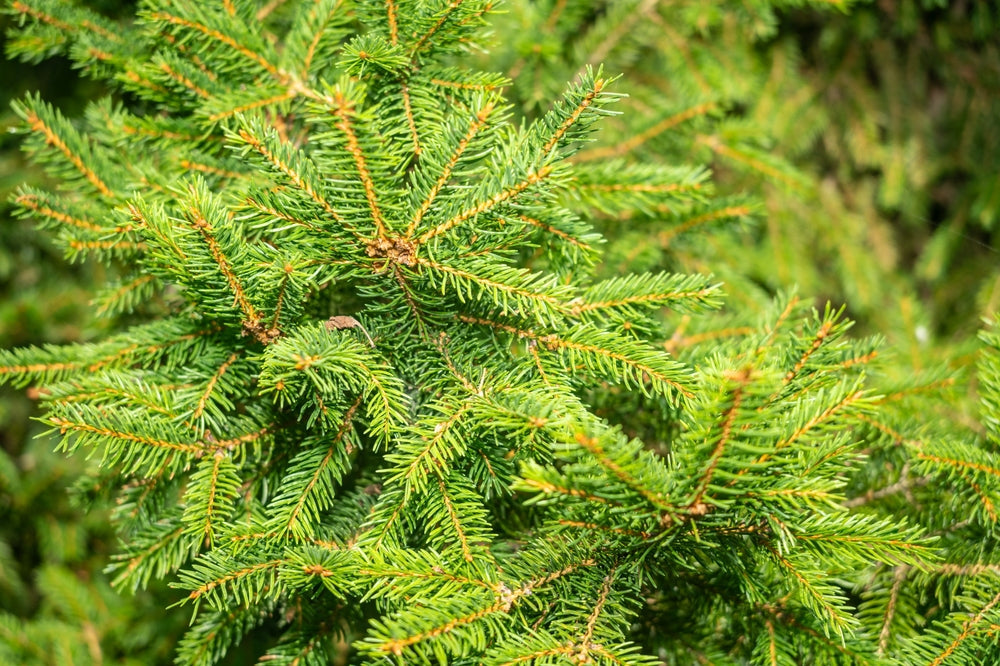
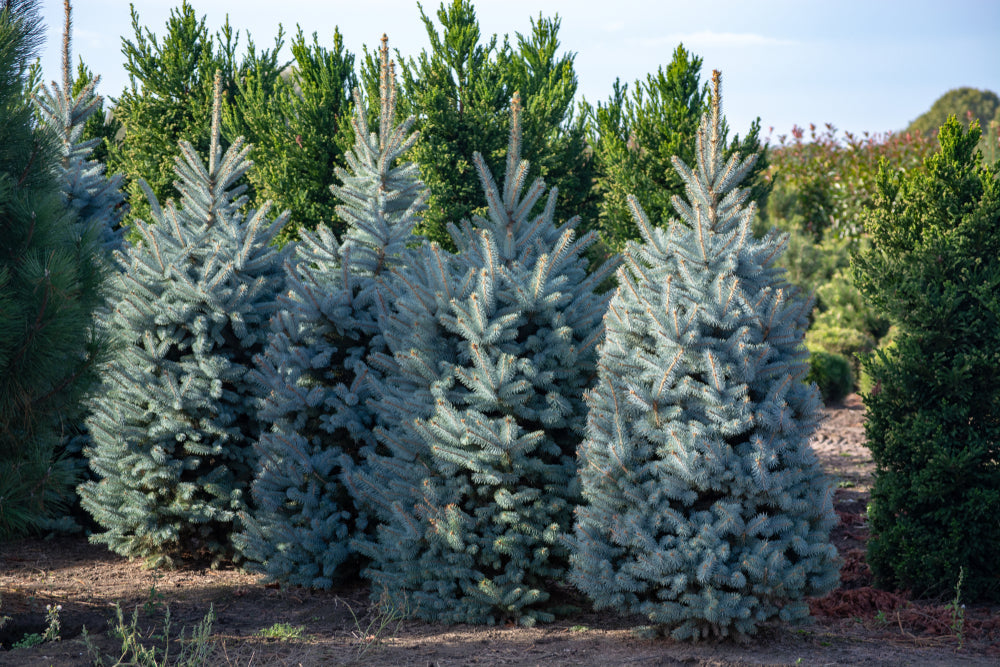
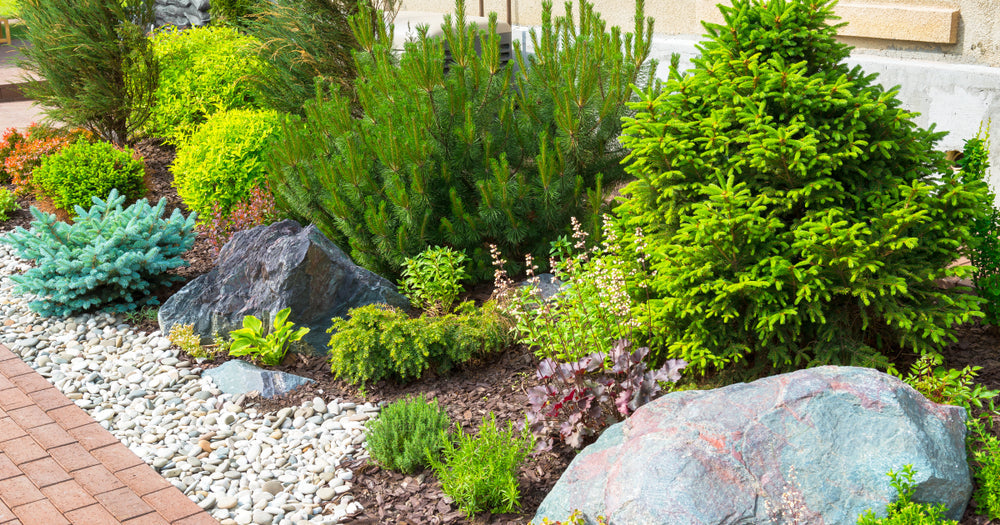
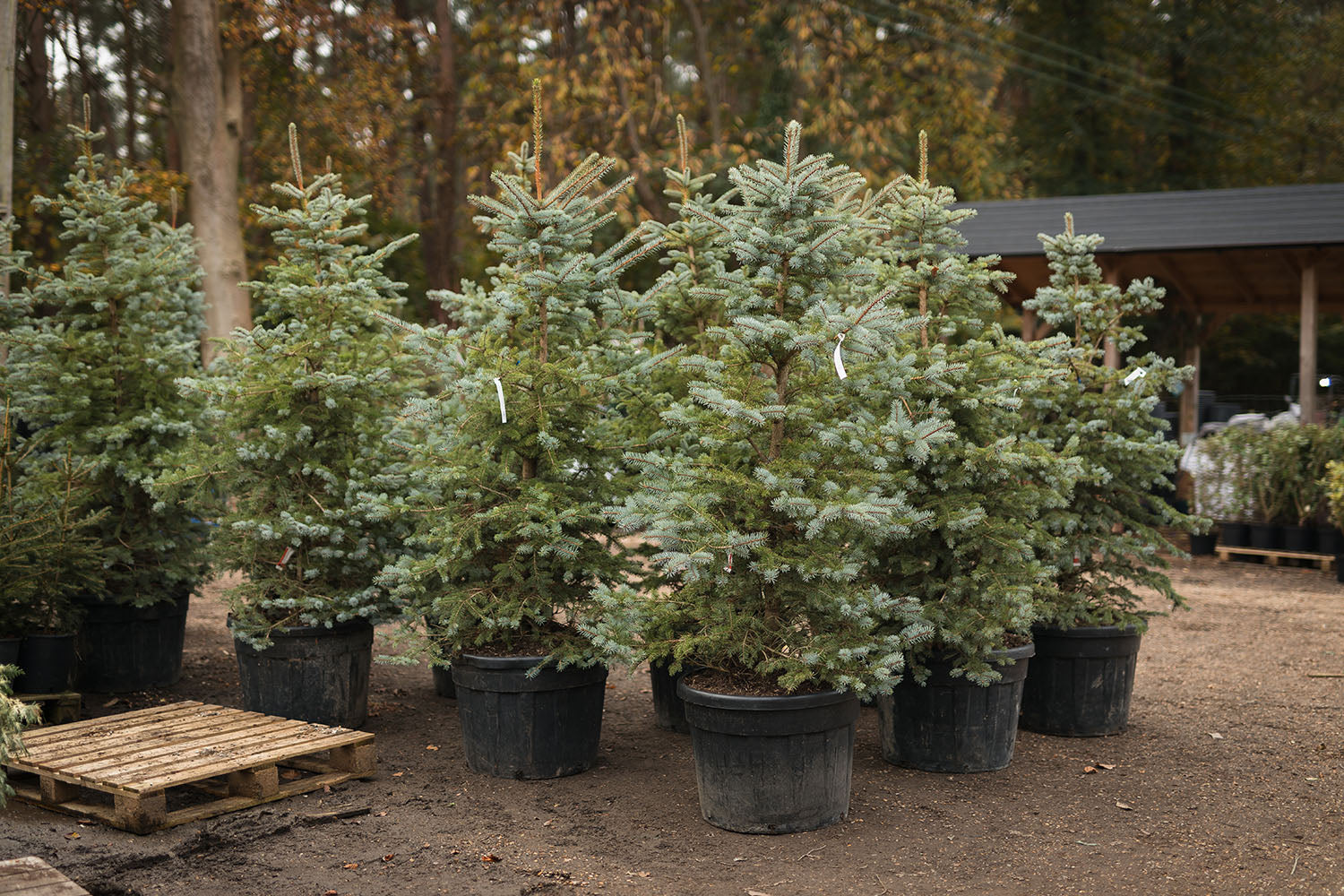
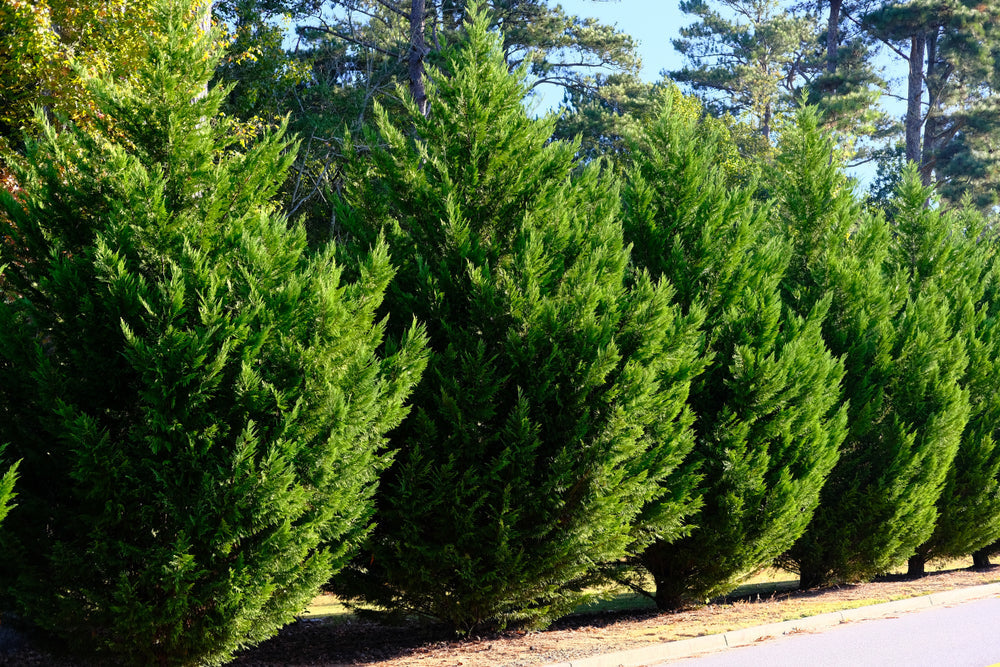
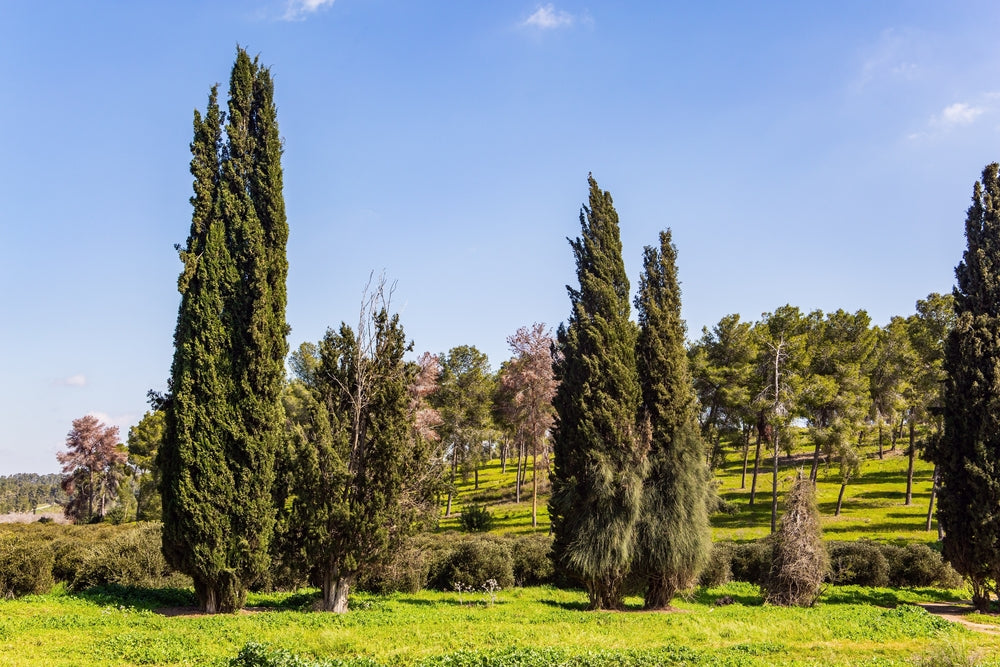
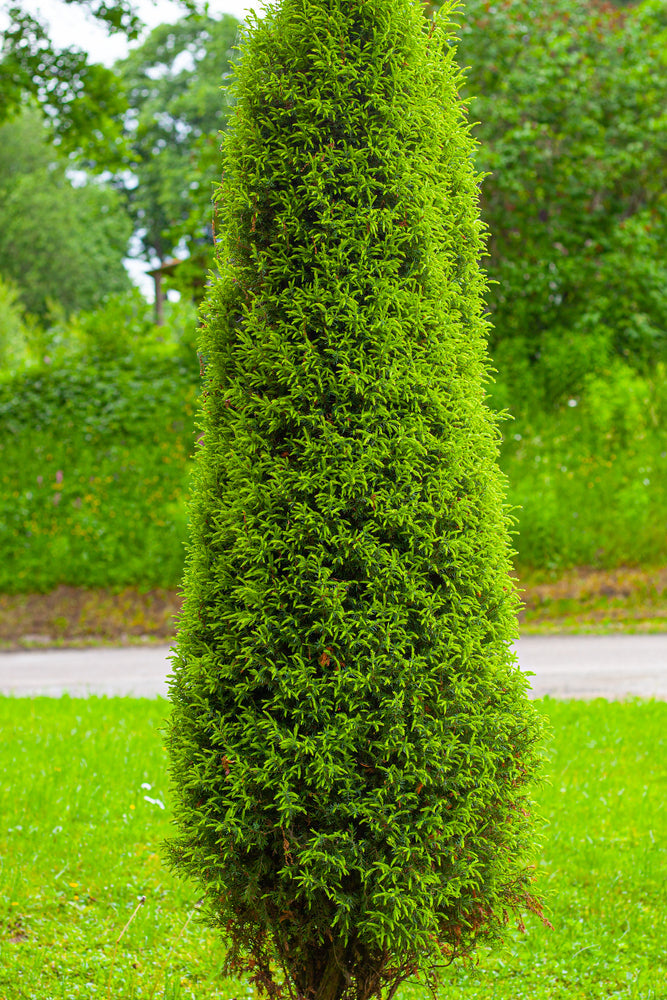
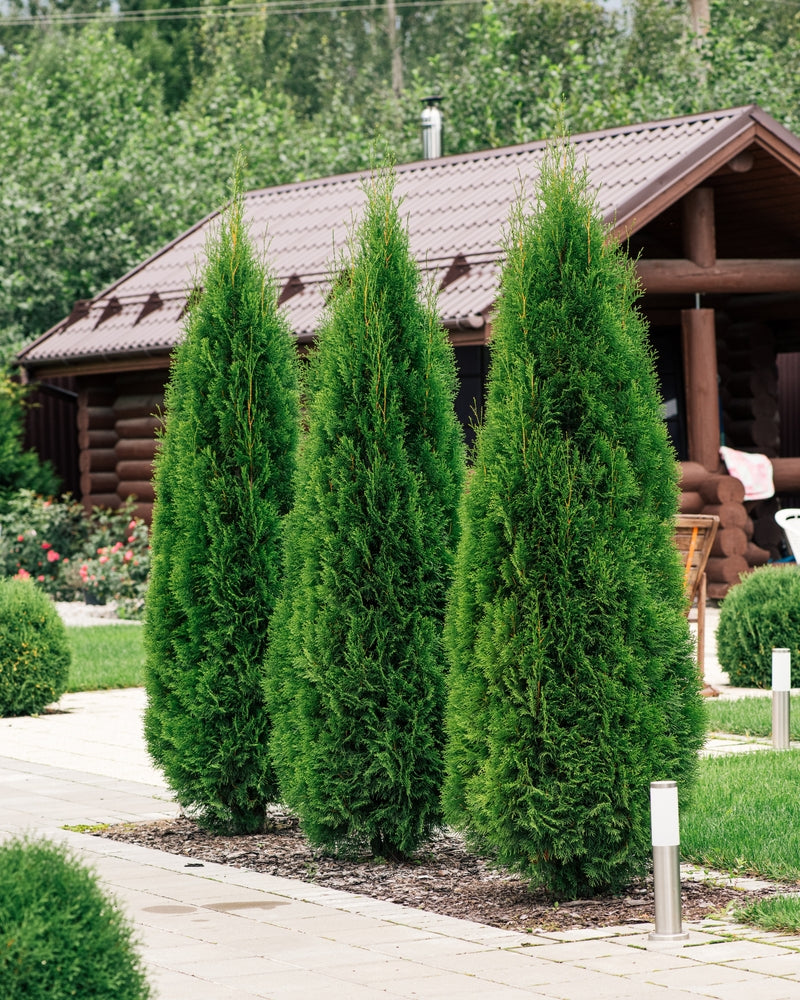
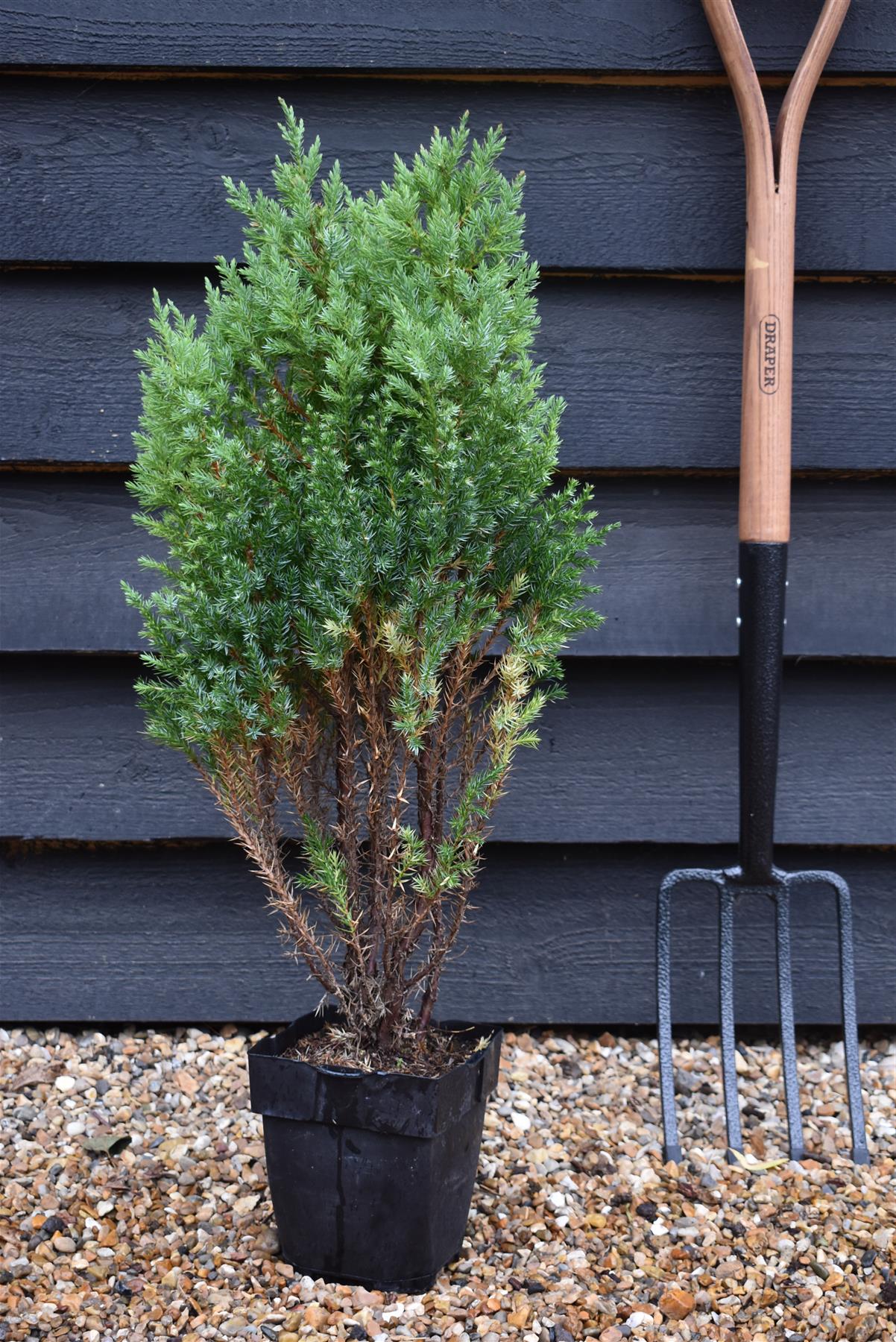
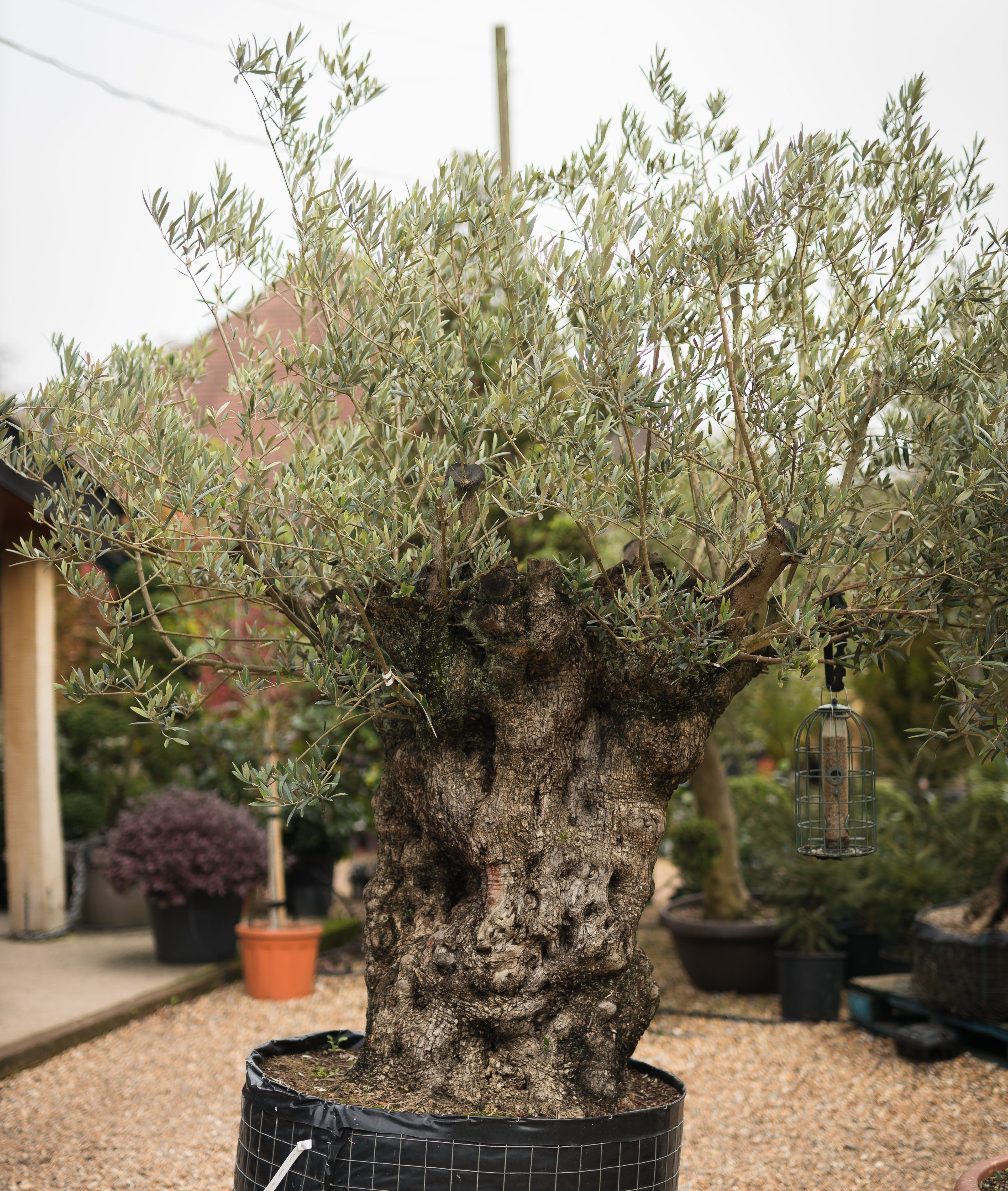
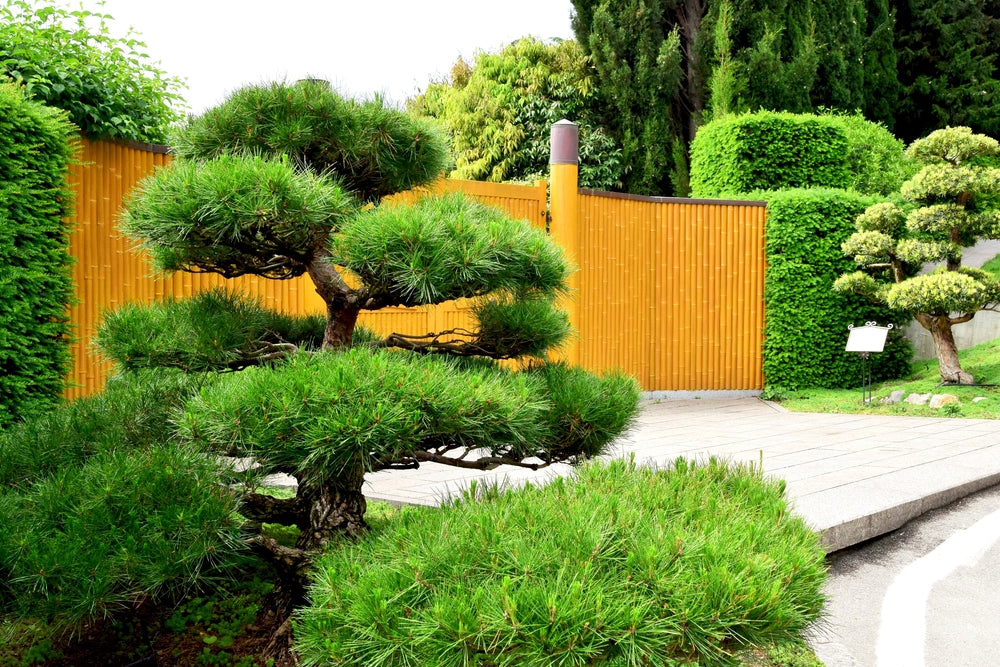
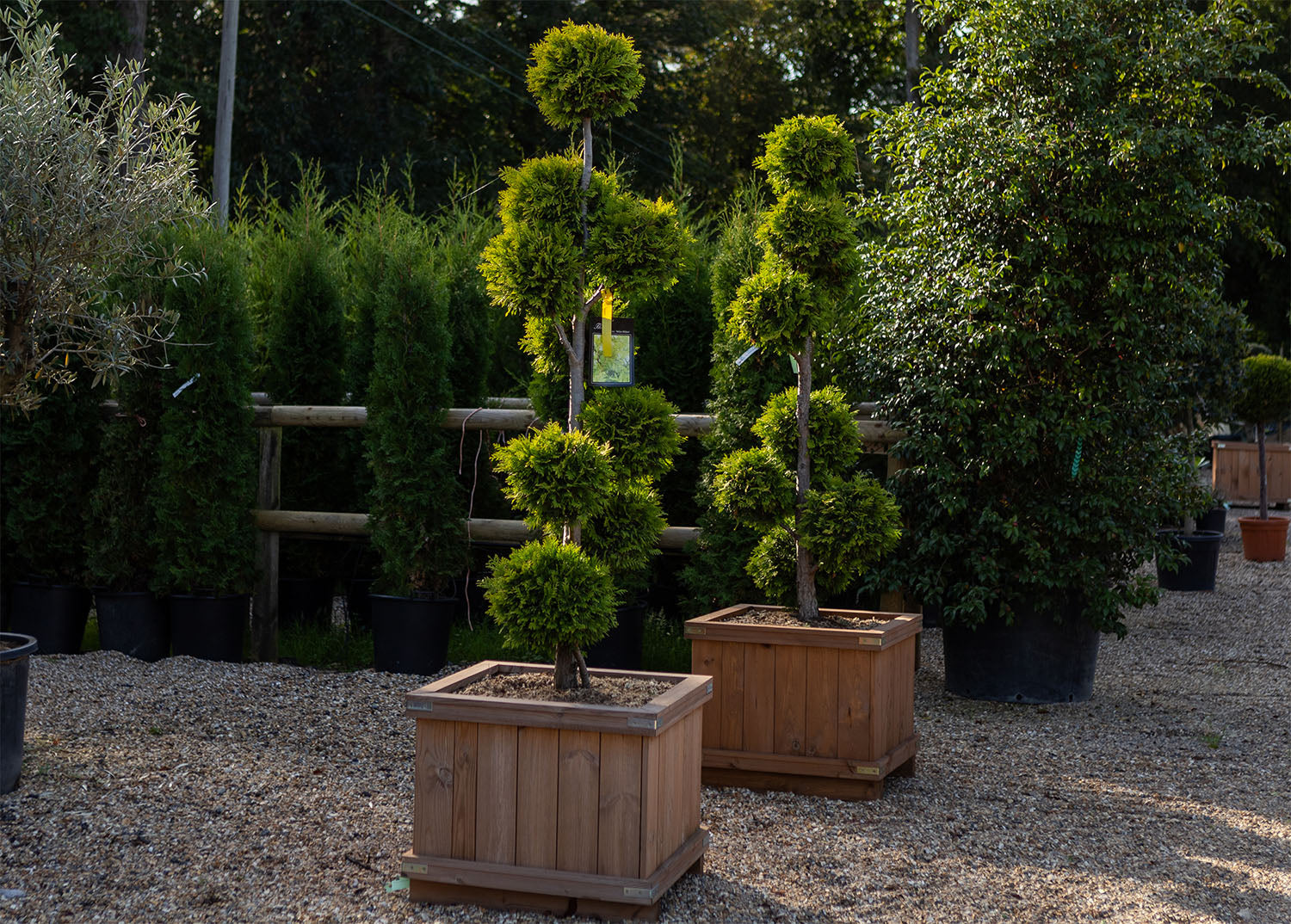
These trees add height, shape, and elegance to your outdoor space all year round. They are perfect for framing doorways, screening off neighbours, or giving patios an elegant look with very little care.• Italian CypressA tall, narrow, evergreen tree that can add a formal, Mediterranean feel to small UK gardens. It’s stunning, drought-tolerant and low-maintenance.• Olive TreeWell-known for its sculptural form with twisted trunk and silvery-green leaves. It brings timeless Mediterranean charm to UK patios and courtyards. Tough and drought-tolerant, it thrives in sunny, sheltered spots in southern UK gardens.• Dwarf Conifers & SpruceIdeal for pots and containers as they are naturally compact and slow-growing. A great choice for front doors and shaded corners
Ornamental & Flowering Container Trees
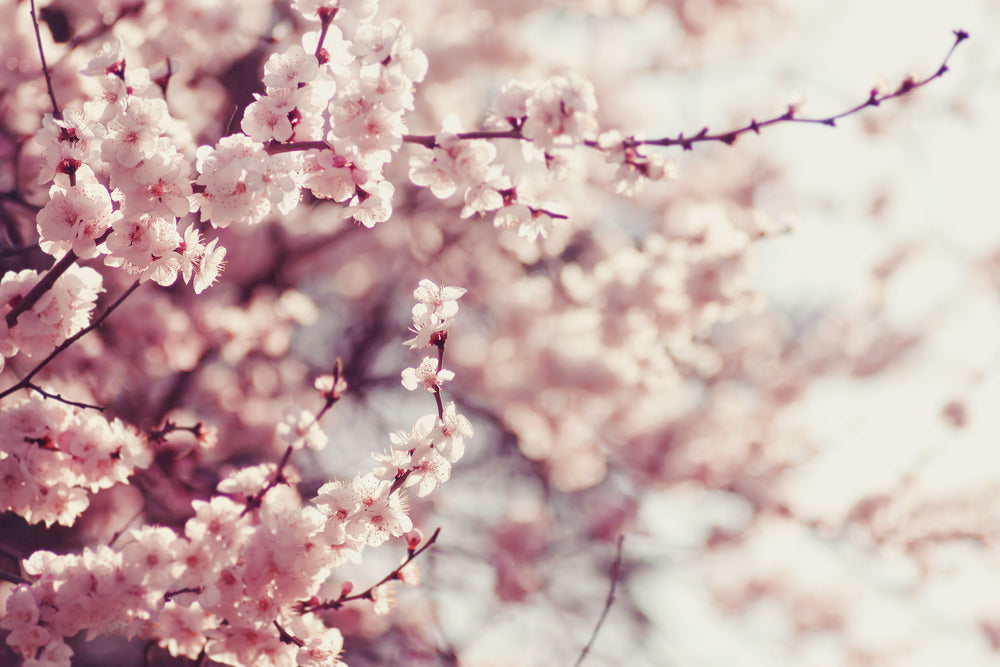
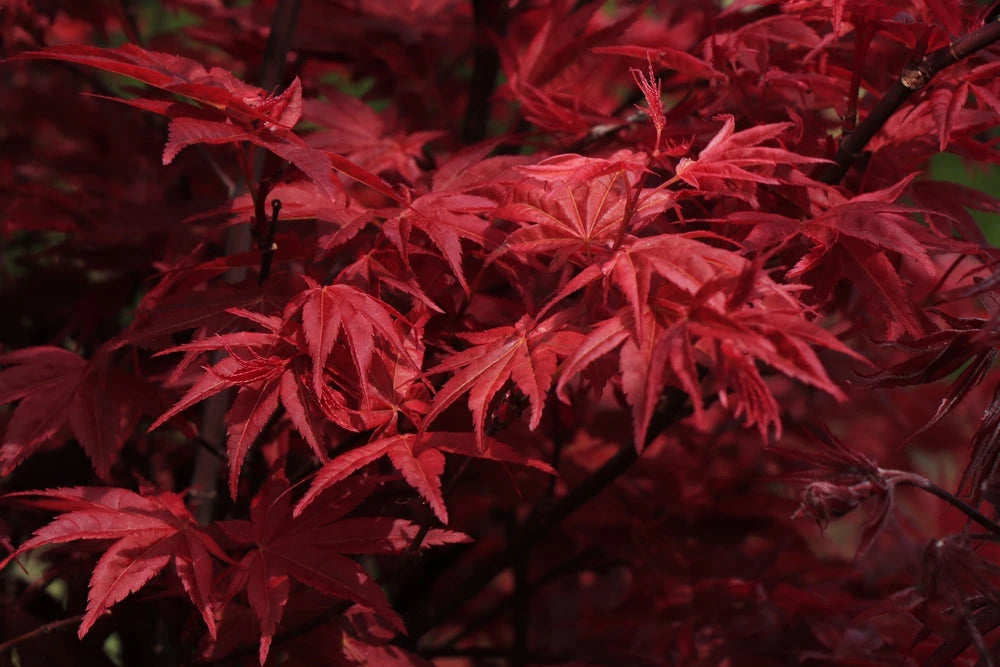
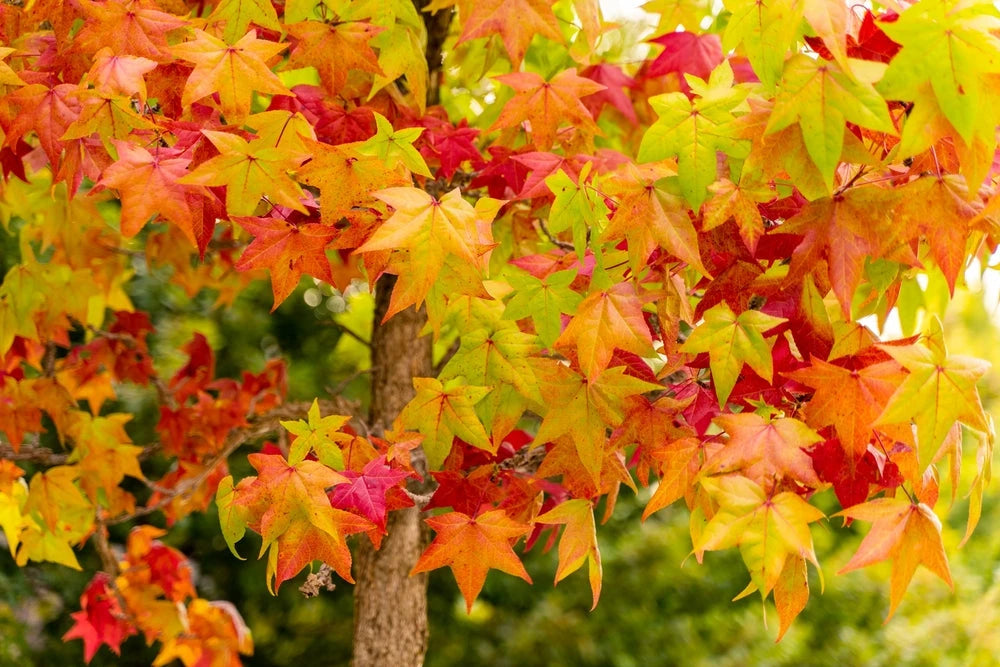
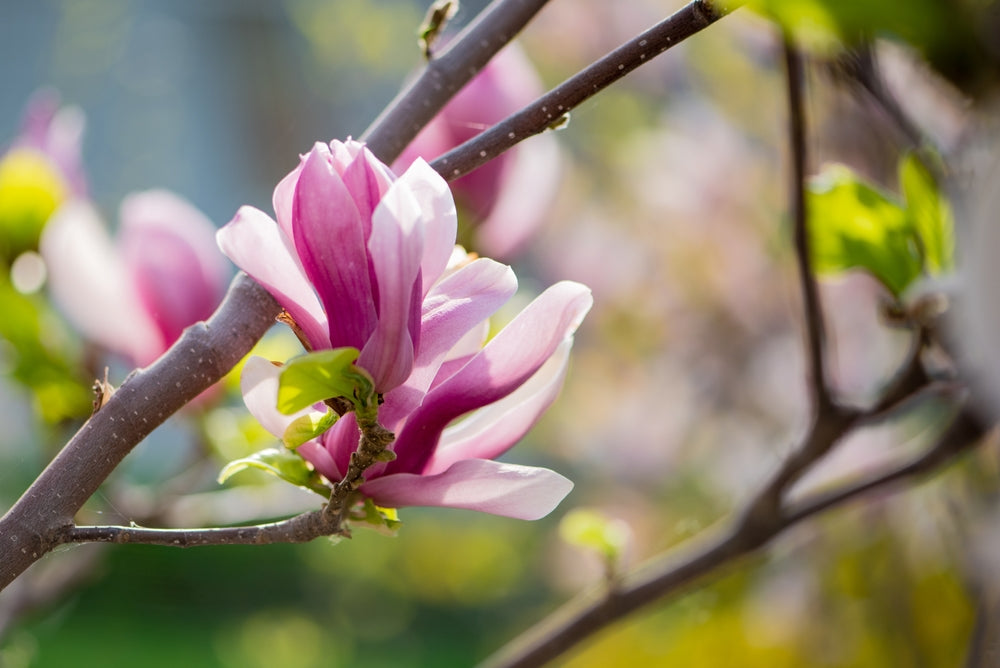
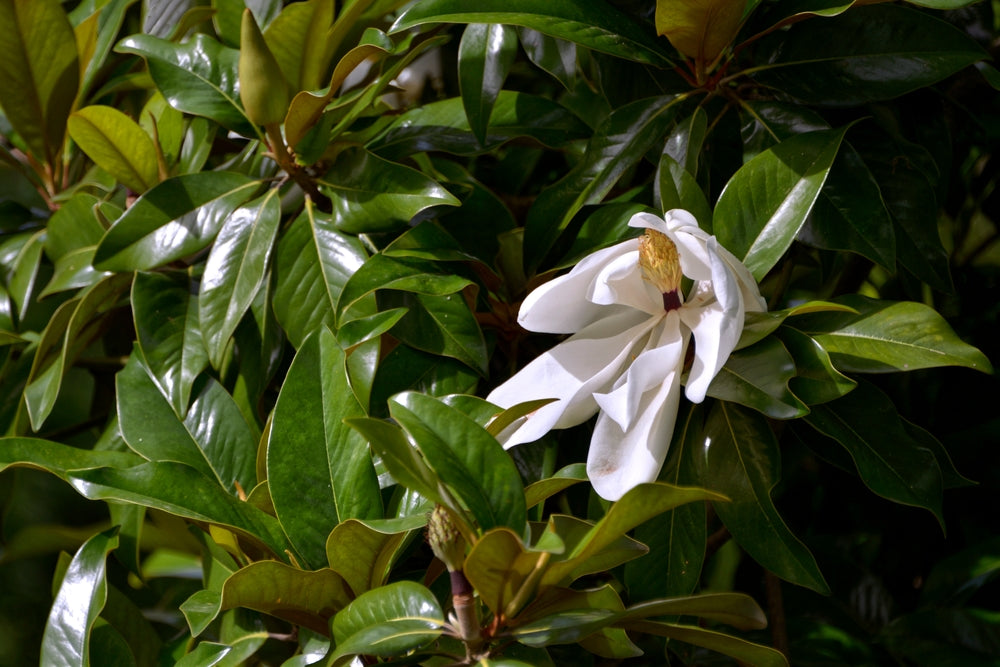
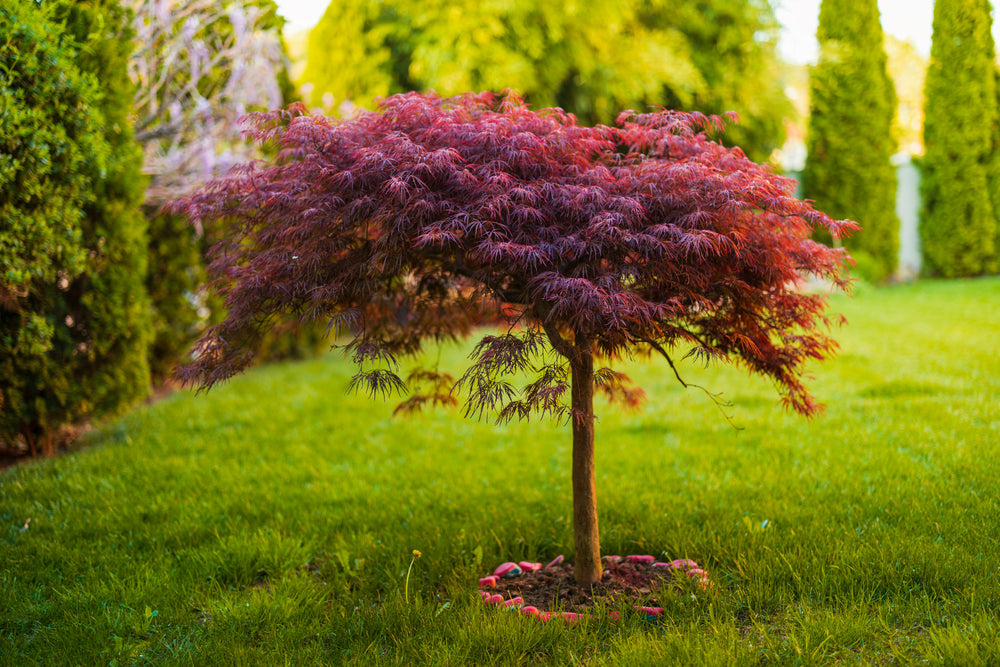
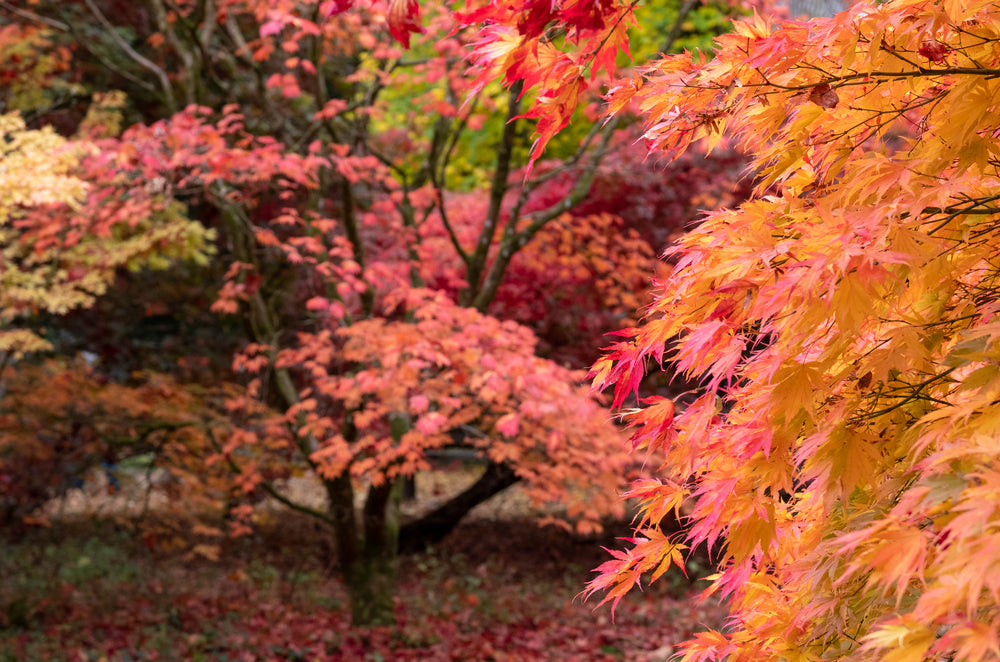
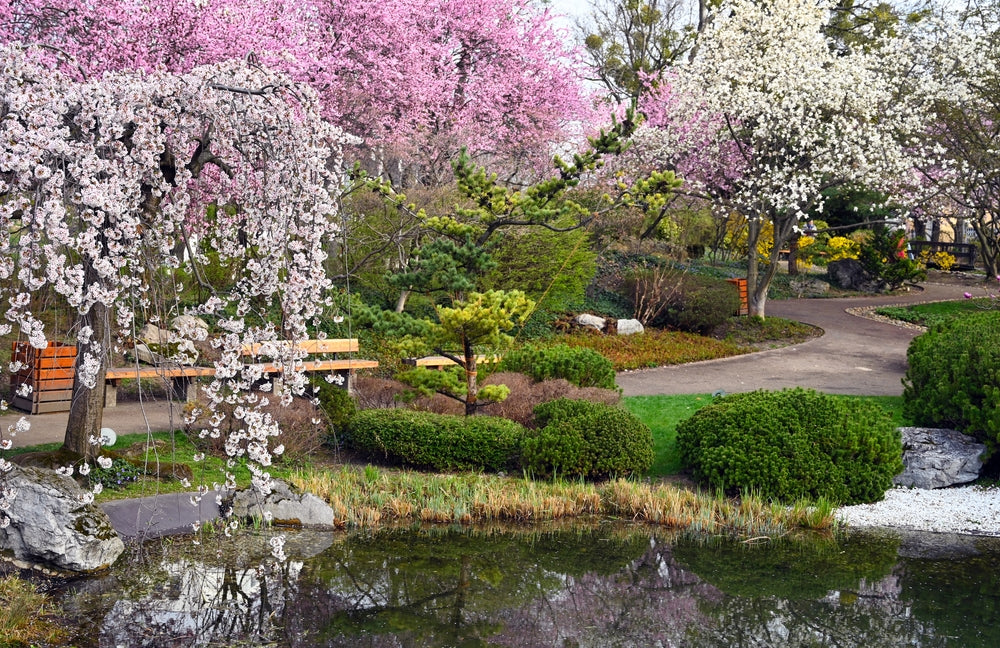
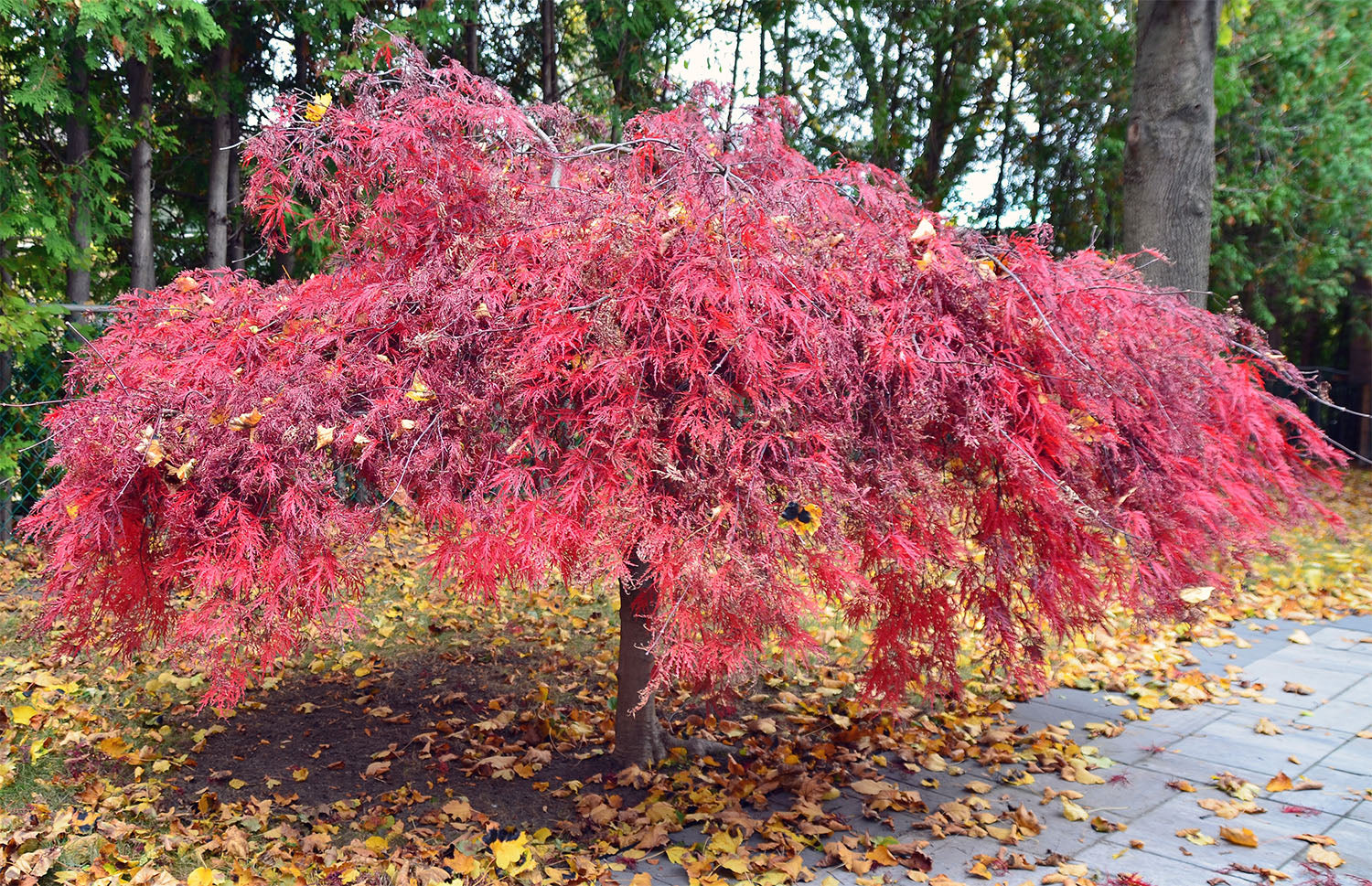
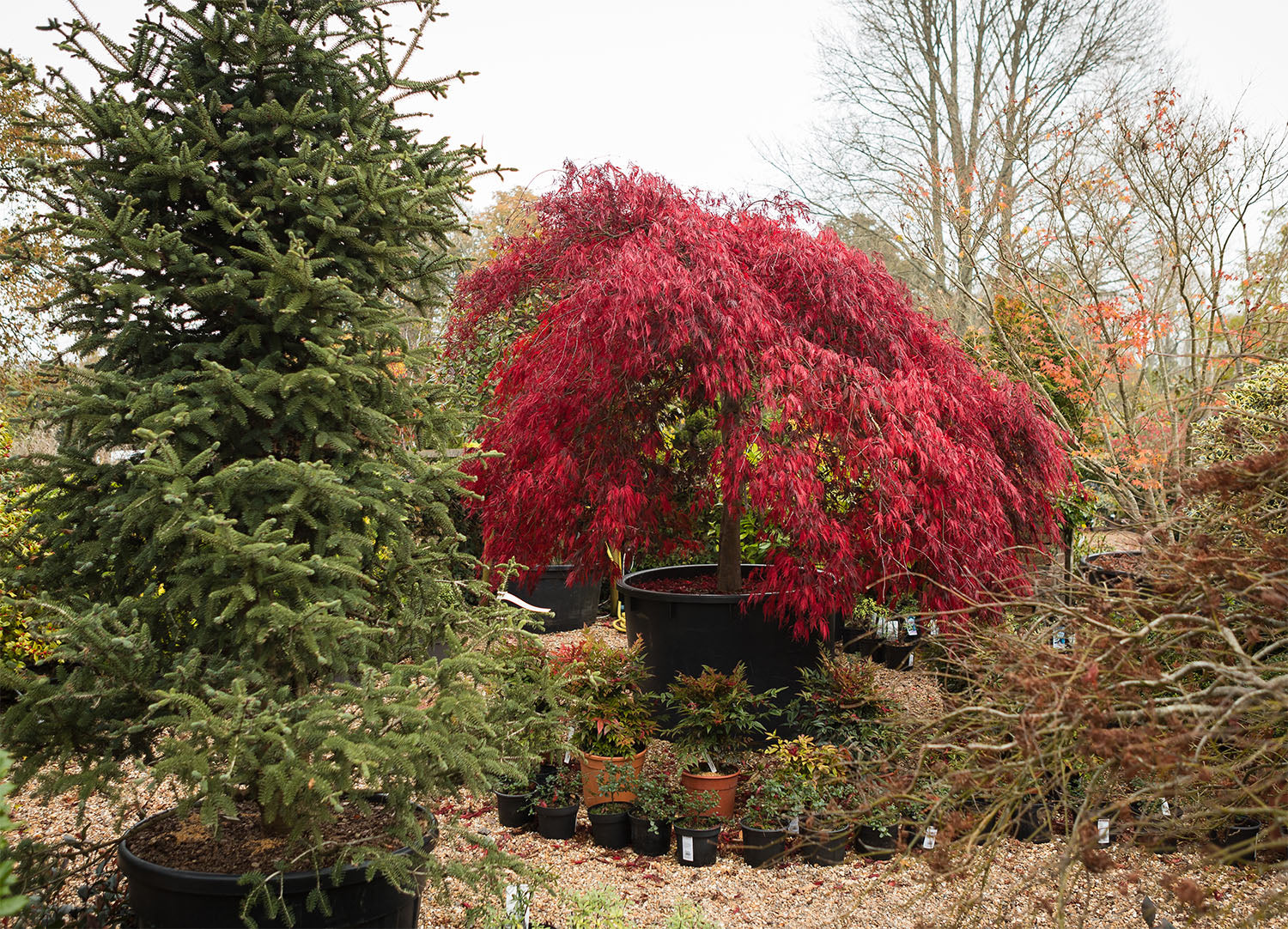
These trees bring colour, seasonal interest, and delicate beauty to small gardens, patios, and balconies. They can offer something special in every season and they are well-suited for growing in containers.• Japanese Maple (Acer palmatum)A very popular choice because of its elegant form and brilliant autumn colours that range from yellow and orange to red and purple, depending on the variety. Compact and slow-growing, it is ideal for sheltered patios or courtyards.• Juneberry (Amelanchier)A popular choice for UK gardens, thanks to its year-round appeal and low-maintenance nature. Starry white flowers bloom in spring and are followed by purple summer berries and vibrant orange-red autumn foliage.• Cornus Florida / Kousa DogwoodElegant and lovely, this tree is perfect for containers. It produces large, petal-like bracts in shades of white and pink in spring, which are followed by attractive red berries in summer and vibrant leaves in autumn.• Saucer Magnolia (Magnolia Soulangeana)One of the UK’s favourite flowering patio trees loved for its large, tulip-shaped, soft pink or creamy white flowers that bloom in early spring, before the leaves appear.• Crape Myrtle (Lagerstroemia)Compact, ornamental tree known for its attractive bark and lovely summer flowers in shades of pink, red, or white. It requires a warm, sheltered spot to thrive in most UK regions.• Witch Hazel (Hamamelis)A striking tree that offers fragrant flowers in late winter when little else blooms. Its rich autumn colours – golden yellow, copper, red, purple – are another excellent feature.
Fruiting & Edible Container Trees
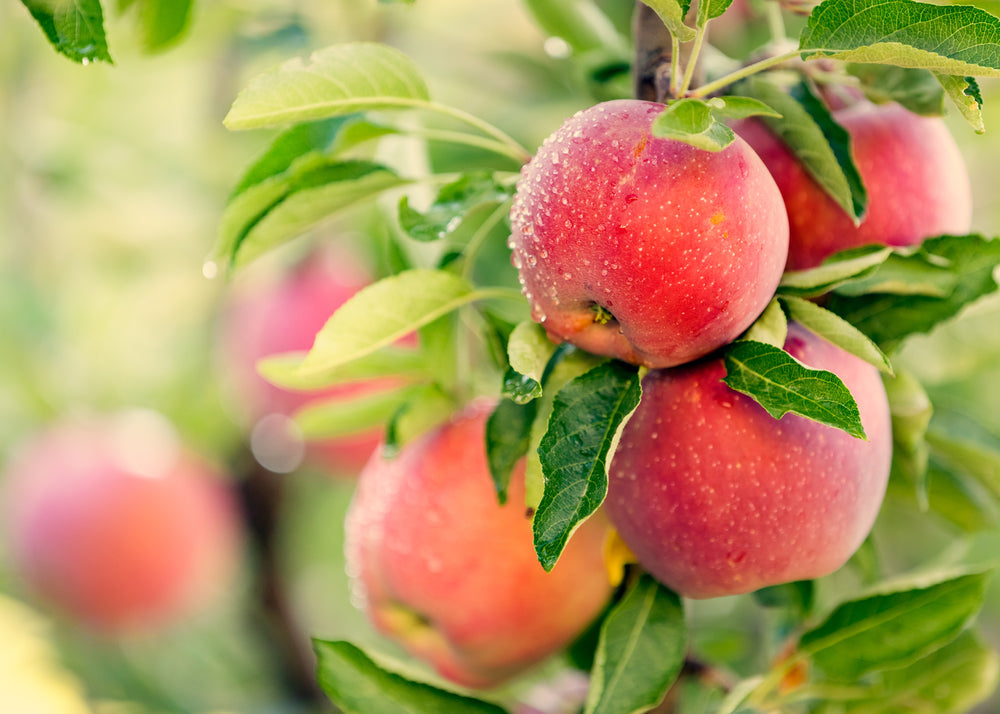
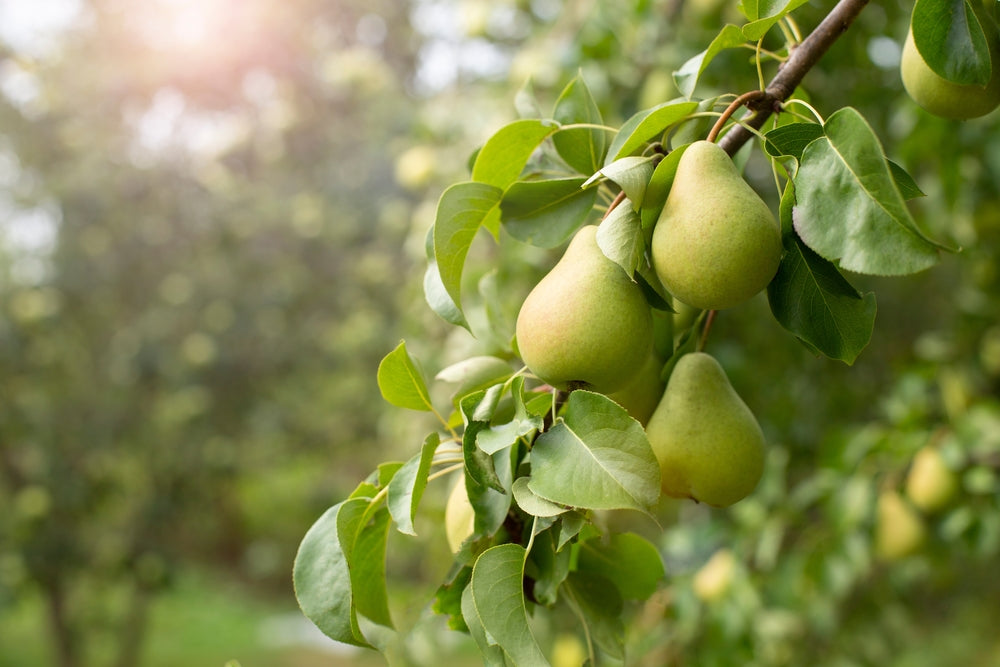
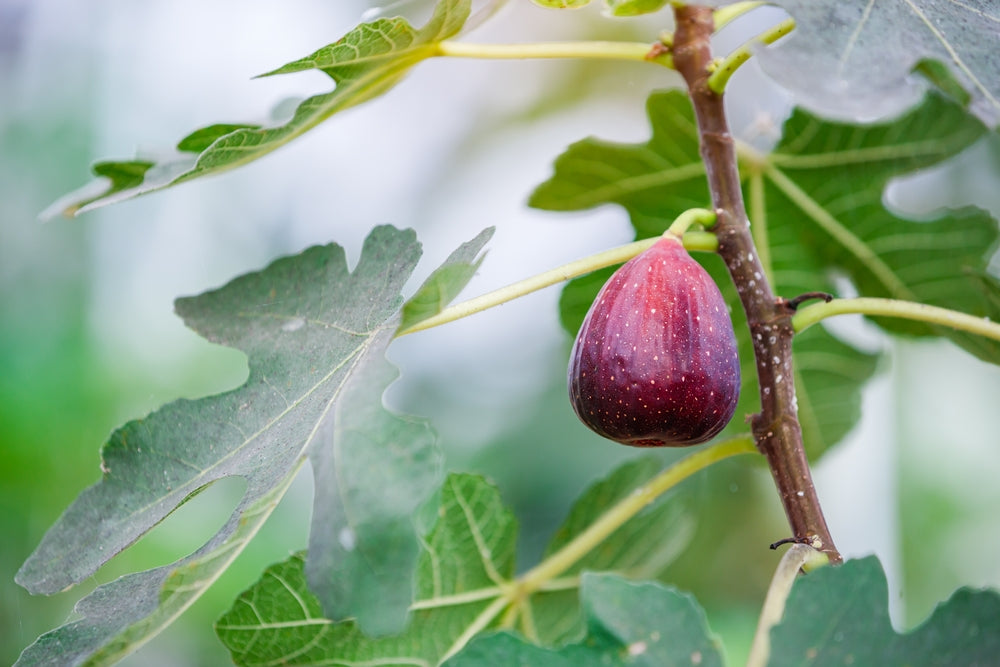
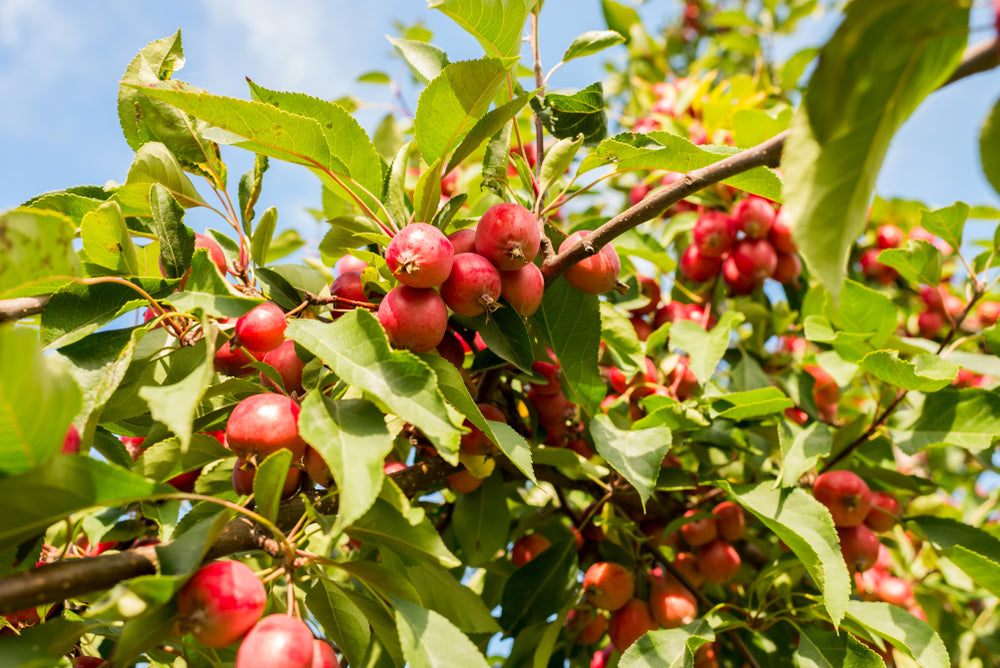
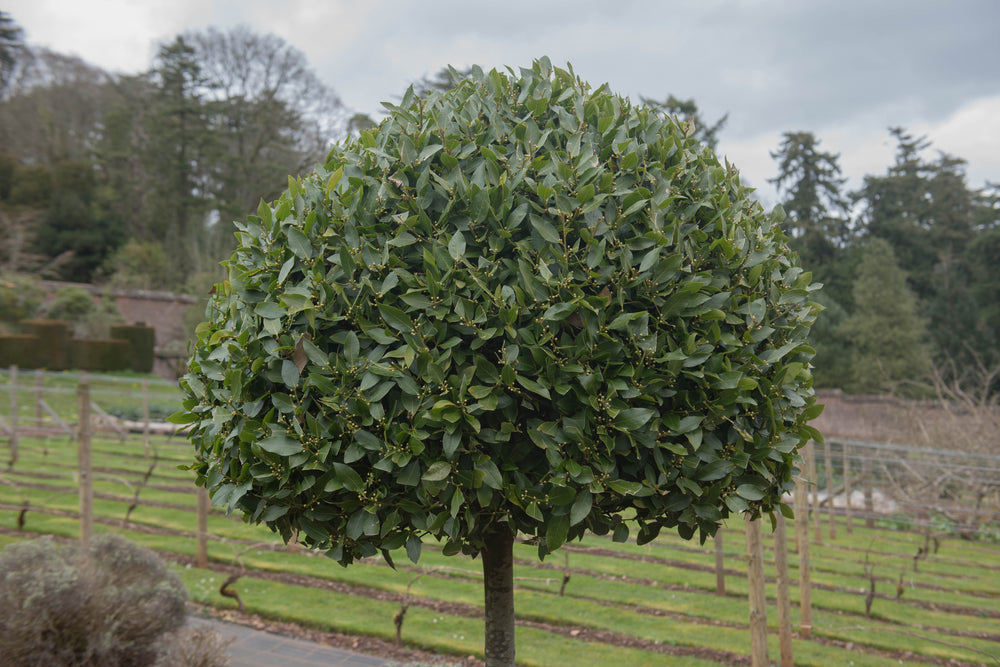
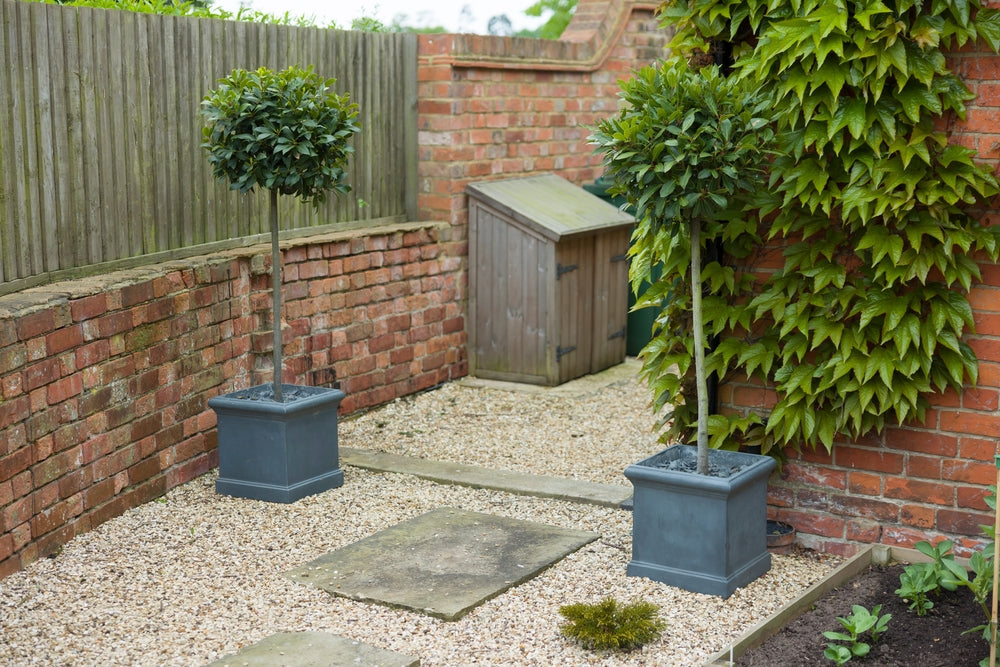
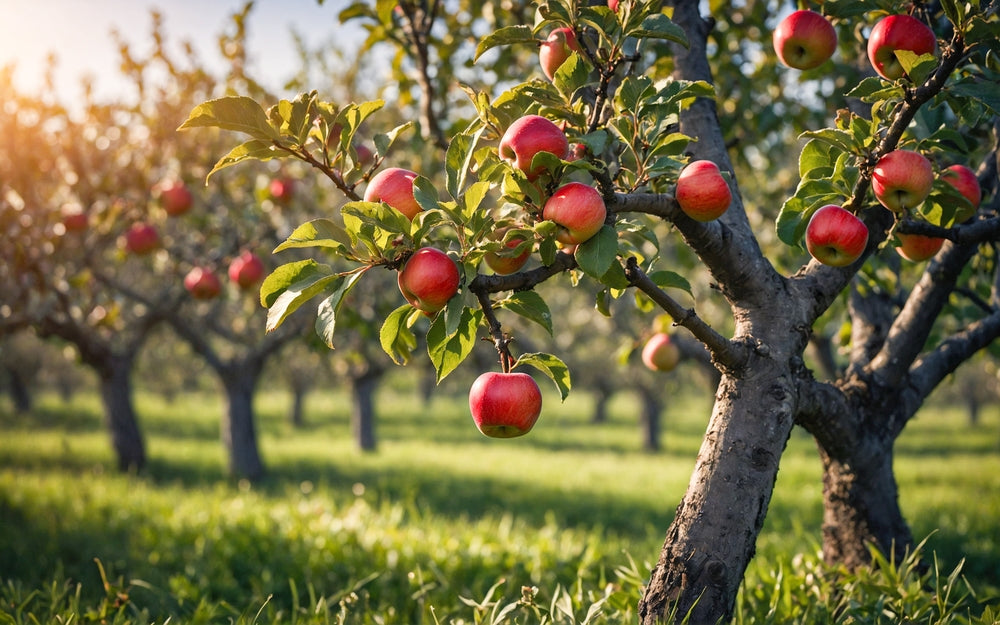
Fruiting trees in containers don’t just look beautiful. They let you enjoy fresh home-grown fruit even in the smallest of spaces. Ideal for patios, courtyards, and compact UK gardens, especially in sheltered spots where they can truly thrive.• Crab Apple (Malus)A compact, ornamental tree with masses of white, pink, or red blossoms in spring, and small, edible, brightly coloured fruits in autumn that persist way into winter. It is hardy and well-suited to most UK regions.• Fig TreeOne of the best trees for growing in containers in the UK. Its leaves provide lush, tropical feel and its fruits are sweet and tasty. It naturally prefers root restriction, which makes it a perfect tree for growing in pots.• Bay (Laurus nobilis)A beautiful evergreen tree with fragrant, aromatic leaves. It’s tough, low-maintenance, and perfect for pots. Excellent culinary tree for patios and courtyard gardens across the UK.• Apple & Pear (patio/dwarf varieties)These dwarf varieties are grafted onto special rootstocks (M26 or M106) to keep their size manageable while still bearing full-sized apples and pears. Choose self-fertile or pair varieties for the best crop.
Exotic & Unusual Container Trees
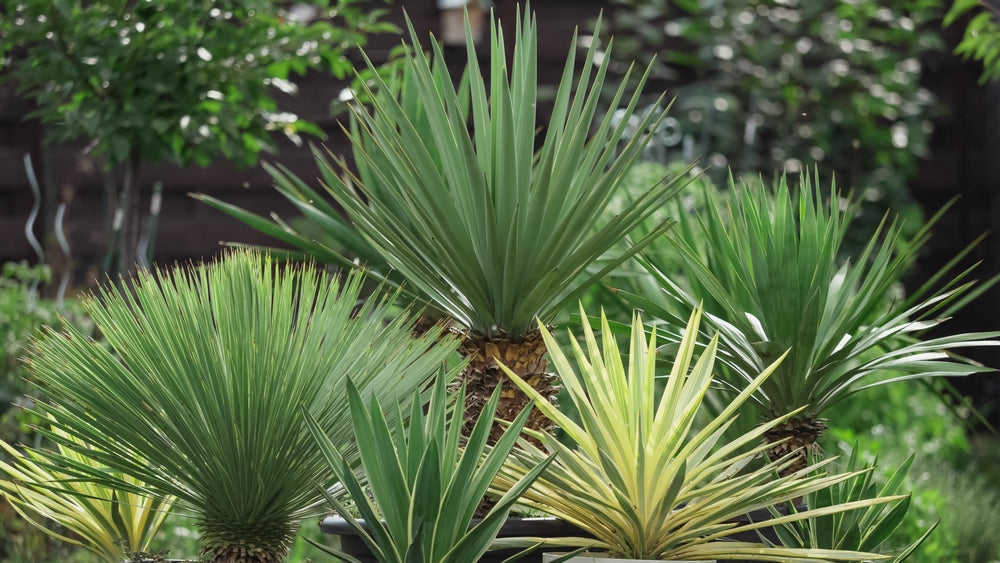
• Musaceae (Banana Tree)With its huge, tropical-style leaves, this tree brings exotic feel to UK patios and courtyards. It is fast-growing and eye-catching and makes a fantastic summer feature. It thrives best in warm, sheltered spots and requires regular watering to stay lush.
How to Choose the Right Pot for Container Trees?
The right container can make all the difference to your tree’s health and growth. Here’s what to consider when choosing the best pots for trees in UK gardens.• Size & DrainagePick a container that’s large enough for root growth and has good drainage holes.• MaterialTerracotta is breathable and looks great but can dry out quickly. Plastic pots retains moisture better, and are easier to move. Fibreglass and ceramic are durable and offer better insulation in cold weather.• ColourLight-coloured pots stay cooler in full sun, while darker pots absorb heat which can stress the roots when it’s very hot.• Mobility Consider using pot feet or a wheeled base to help with drainage and make heavy pots easier to move.
Container Tree Setup & Maintenance UK
Proper setup is essential for keeping your container tree healthy for years to come. Follow these simple steps to ensure your trees thrive in pots year-round.
Choose the Right Soil
• Use the Right Potting MixUse a high-quality compost made for trees or shrubs. For potted trees in the UK, a loam-based compost like John Innes No. 3 works great. However, acid-loving trees such as Amelanchier need John Innes Ericaceous compost.• Check DrainageYour container must have enough drainage holes prevent root rot, a common issue in UK’s damp climate.• Repot or Refresh SoilOver time, soil loses nutrients and becomes compacted. So, refresh the top 5–10 cm of compost every year, and fully repot your tree every 2–3 years.
Watering & Feeding
• WateringSoil in containers dry out faster, especially in warm and windy weather. Therefore, water regularly and deeply to ensure moisture reaches the entire root system.• FeedingNutrients in the compost get used faster in containers so it is essential to regularly feed your potted tree. Use slow-release fertilizers in spring and liquid feed during the season.
Prune for Health & Shape
Pruning helps control the shape, canopy growth, root size, and overall potted tree health.• How to prune the canopy?The best time to prune depends on the tree species. First remove dead, damaged, and diseased branches. Then, thin out crowded areas and trim to maintain shape and good airflow. • How to prune the roots?Every 2-3 years, gently remove the tree from the pot and trim back up to one-third of the root ball. Then, replant with fresh compost.
Winter Care for Potted Trees
Potted trees are more vulnerable to cold weather than those planted in the ground. UK winters can damage roots or cause waterlogging, so take a few simple steps to protect your container trees.o Protect roots from freezingWrap containers with bubble wrap, fleece, or hessian, or place them inside larger pots lined with insulating material. This is especially important in northern or exposed UK gardens.• Move tender trees to shelterFor trees that aren’t fully hardy, like olive, fig, or citrus, move pots into a greenhouse, shed, or close to a house wall for extra warmth and protection. South-facing walls work best to shield from frost.• Raise pots off the groundUse pot feet or bricks to lift containers slightly and prevent the pot sitting on frozen ground. Also to avoid waterlogging, which can lead to root rot.
Positioning
Where you place your container tree is equally important. Use this simple light guide to find the best spot for your potted tree in a UK garden.• Full Sun Lovers:o Olive, Fig, Banana (Musaceae), Italian Cypress, Lagerstroemiao They need a warm, sunny spot, ideally south or west-facing in the UK.• Part Shade Friendly:o Maple, Cornus, Magnolia, Amelanchiero Great for patios with morning or filtered afternoon sun.• Shade Tolerant:o Bay, Witch Hazel, Coniferso Ideal for north-facing patios or shaded courtyards.
Final Thoughts
Container trees require a bit of extra attention compared to those planted in the ground, but the rewards are well worth it. They can completely transform small spaces and turn patios, balconies, and courtyards into beautiful, peaceful outdoor retreats.
Ready to get started? Visit us at Arundel Arboretum in Chichester, West Sussex, or explore our online store to find the perfect tree for your container garden. We offer a wide variety of trees suitable for growing in pots and containers, from elegant ornamentals to hardy evergreens, all ideal for UK gardens and outdoor spaces.
When it comes to fruit trees, we stock a premium selection of dwarf and ultra-dwarf fruit trees, specially grafted for container growing. Discover how a single tree can transform your space and bring a little joy to your everyday!


 Fruit Trees
 Ornamental
 Screening
 Palms
By FeaturesBy Shape
Palms
By FeaturesBy Shape Large shrubs
 Hedging
 Bamboo
 Climbers
 Flowering
 Grasses & Ferns
 Popular
 Pines
Pines
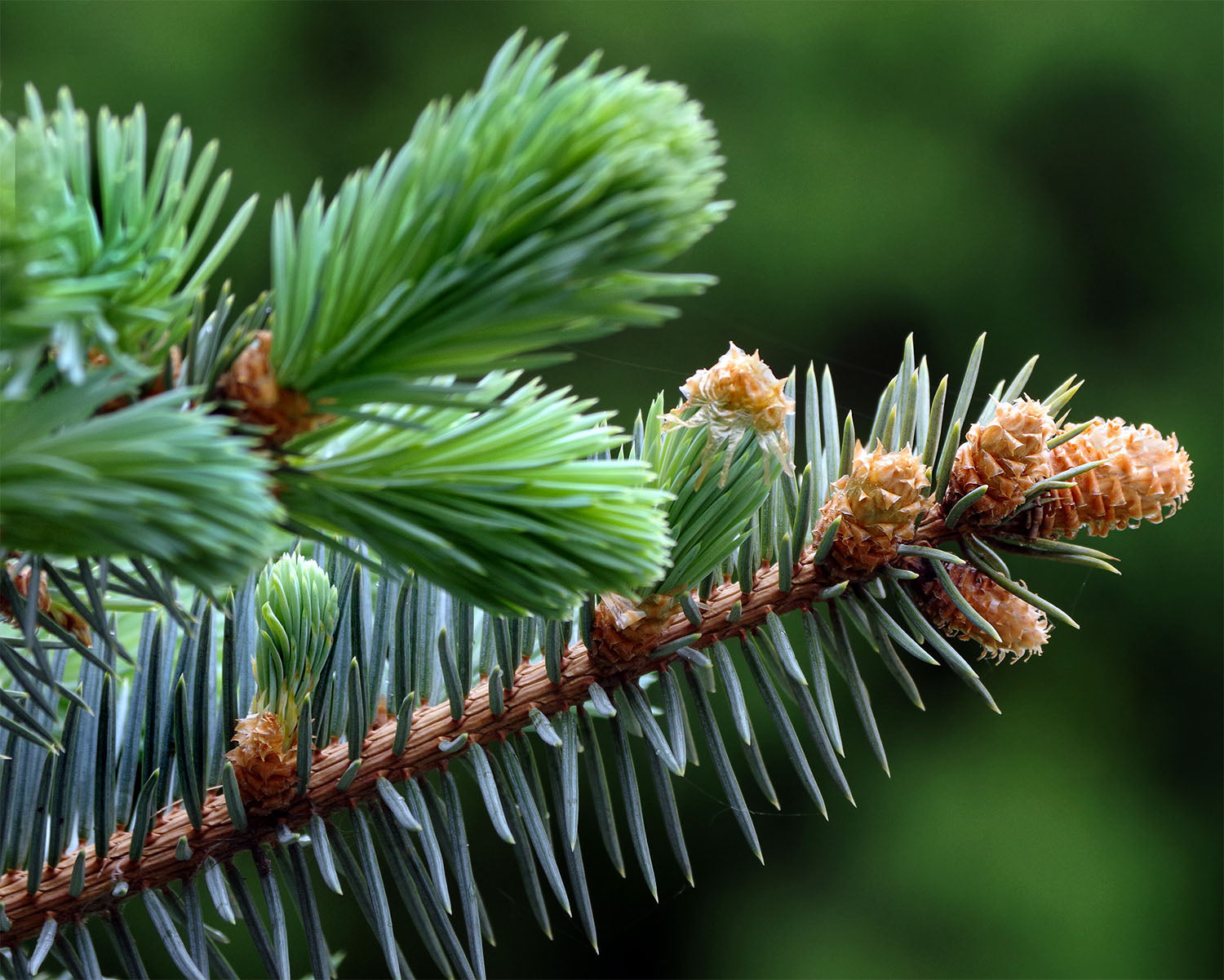 Spruce & Fir
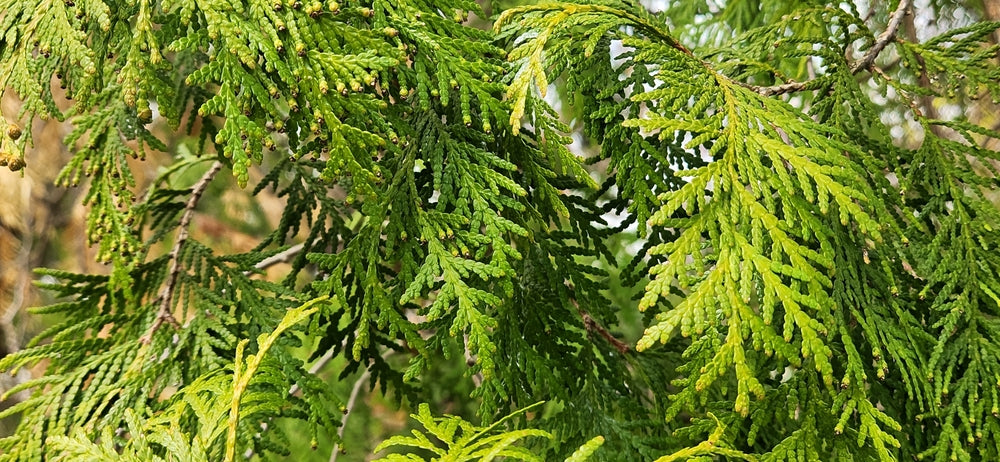 Cypress
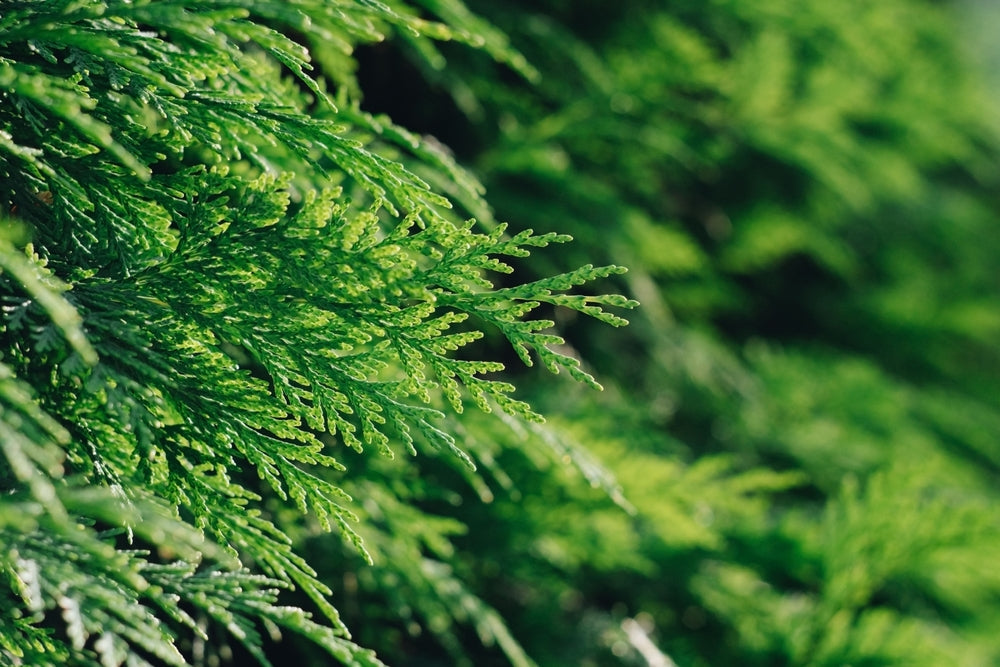 Thuja
Thuja
 Redwood | Sequoia