



How to Choose the Right Magnolia for Your Garden
Why Choose a Magnolia?
Few trees signal the arrival of spring quite like a magnolia. While most of the garden is still
waking up, magnolias are already covered in flowers. They bring colour, structure and, in many
varieties, a pleasant fragrance.
There's a magnolia tree for almost every garden. Some stay small enough to fit comfortably into
smaller spaces, while others grow into impressive specimen trees. Evergreen varieties add
another dimension. Their glossy leaves look attractive in every season, especially in winter.
Flower colours range from pure white and soft pink to rich purple and golden yellow. With so
many varieties available, the hardest part is choosing just one.
Magnolias are also easy to grow. Plant them in the right position, give them a little extra care in
the first year or two, and they will reward you with decades of flowers.
Evergreen or Deciduous: Which Magnolia Is Right for You?
At Arundel Arboretum, this is one of the first questions we help customers answer. Both are
excellent choices, but they suit slightly different gardens and growing conditions.
Choose an evergreen magnolia if you:
● Want a tree that is attractive all year-round.
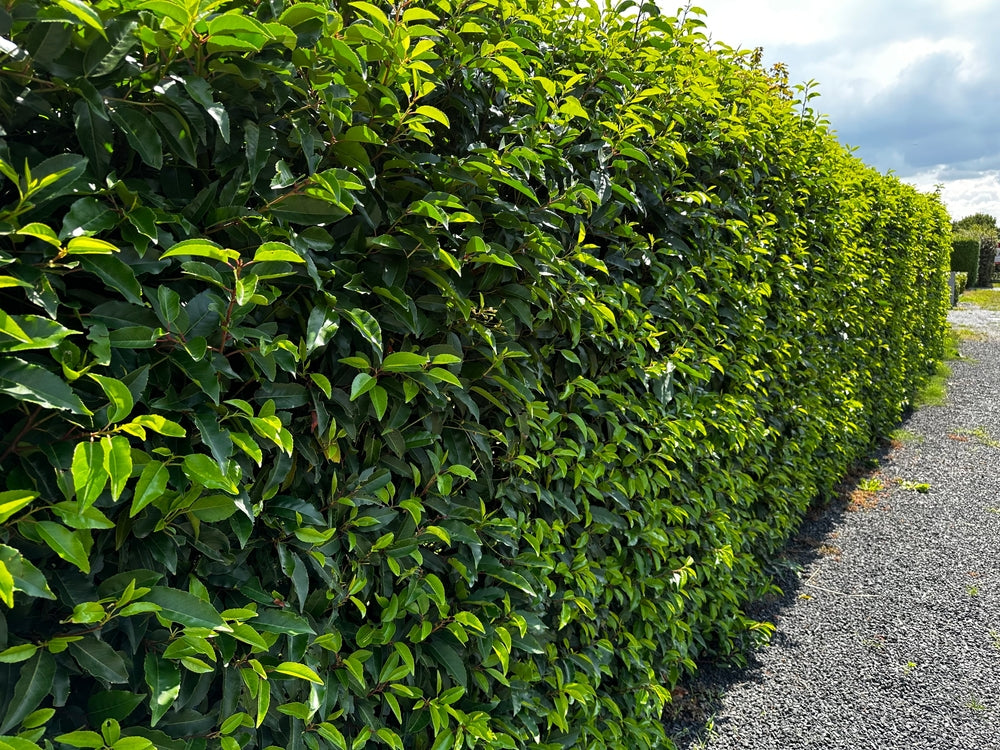
● Want to create a natural privacy screen.
● Have a sheltered garden protected from strong or cold winds.
● Live in a milder part of the UK, particularly in the south or coastal areas.
Remember that many evergreen magnolias become large trees over time. If space is limited, look for smaller varieties.
Choose a deciduous magnolia if you:
● Want a classic display of spring flowers.
● Have a small or medium-sized garden.
● Live in an area with colder winters.
● Don't mind bare branches for part of the year.
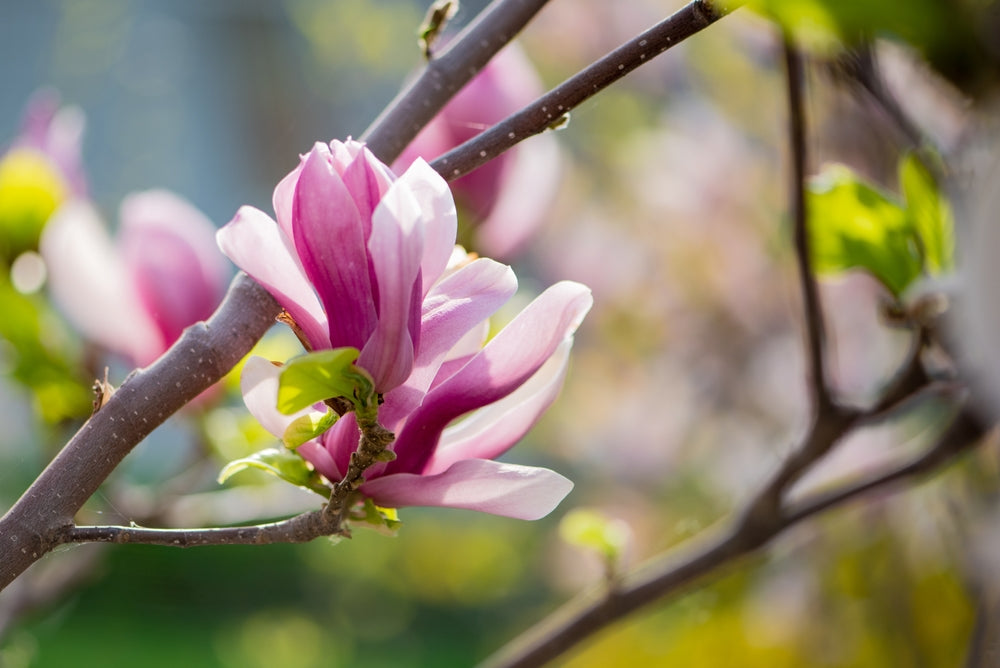
Many deciduous magnolias flower before the leaves appear, so for a short window the whole tree is just blossom. If spring colour is your priority, it's hard to beat that effect.
Find the Best Evergreen Magnolias for Your Garden
1. Magnolia grandiflora (Southern Magnolia)
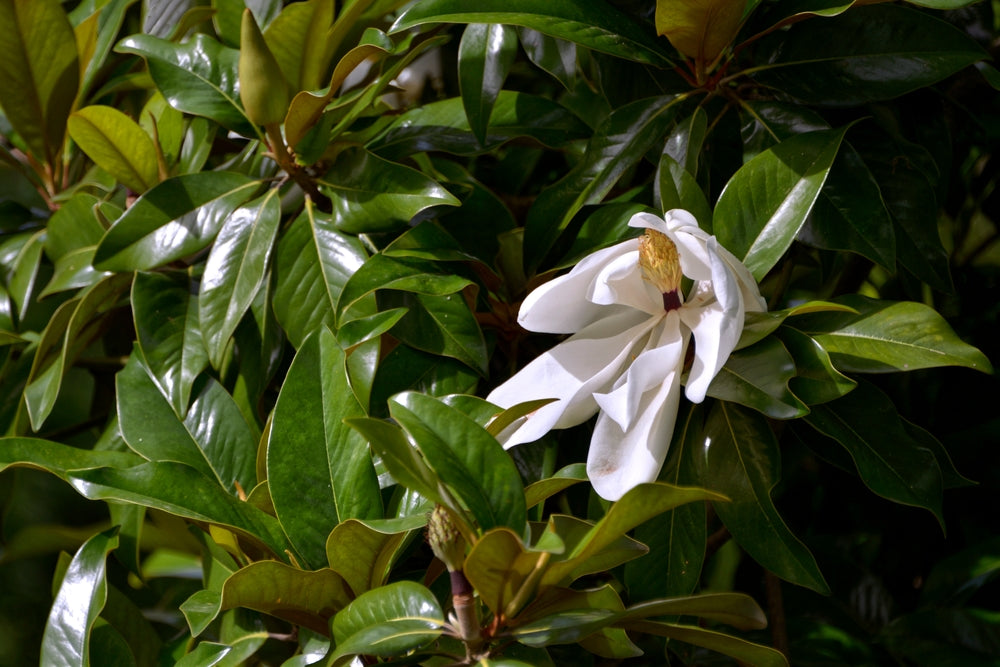
The largest of the evergreens, reaching 10–15 m. It has dark glossy leaves and large, fragrant, creamy flowers that open through summer. Best suited to large gardens where it has room to spread.
2. Magnolia grandiflora 'Alta'
Similar fragrant creamy summer flowers to the species, but with a narrower, upright shape.
Grows to 8–12 m and works well as a screen where space is tight.
3. Magnolia grandiflora 'Galissonniere'
A vigorous, broad, rounded tree reaching 10–15 m, with the classic fragrant, creamy white
blooms, followed by ornamental seed cones in autumn.
4. Magnolia grandiflora 'Francois Treyve'
Dense and upright, 8–12 m, with large, creamy and fragrant flowers. One of the best choices if you're looking for an upright specimen tree.
5. Magnolia grandiflora 'Little Gem'
This is the one to choose if you love the look of a grandiflora but don't have grandiflora-sized space. Essentially, it's a scaled-down Southern Magnolia that's perfect for patios and
courtyards. It has the same fragrant, creamy flowers, but slow-growing and compact at 4-6 m.
Find the Right Deciduous Magnolia for Your Garden
Most deciduous magnolias flower in spring, often before the leaves emerge. Some varieties
bloom slightly later than others, which may reduce the risk of frost damage. A few sometimes produce a lighter second flush of flowers in summer.
Best Magnolias for Small Gardens
If your space is limited, choose a compact variety that won't outgrow the garden. These
magnolias are a good fit for small gardens, patios and courtyards.
Variety, Flower colour, Flowering, Height
Magnolia 'Susan', Deep pink-purple, Mid to late spring, 3–4 m
Magnolia 'Genie', Deep burgundy-purple, Mid to late spring, 2.5–4 m
Magnolia stellata, Pure white, Early spring, 1.5–2.5 m
Magnolia stellata is notable among this group for the strength of its fragrance and its early
flowering period, which is among the earliest of the genus.
Best Magnolias for Large Gardens
If you have plenty of space, you can enjoy magnolias that grow into large, elegant trees. These varieties become more impressive with age.
Variety, Flower colour, Flowering, Height
Magnolia 'Galaxy', Deep pink to rosy-purple, Mid-spring, 8–12 m
Magnolia ×soulangeana, White, pink or purple, Mid to late spring, 4–8 m
Magnolia 'Star Wars', Rosy pink, Mid to late spring, 4–8 m
Magnolia denudata (Yulan Magnolia), Pure white, Early to mid-spring, 8–12 m
Magnolia × soulangeana is one of the most widely planted deciduous magnolias and the originof numerous garden hybrids. Magnolia denudata is valued particularly for its fragrance.
Best Magnolias for Rich Flower Colours
Flower colour is often the first thing gardeners consider when choosing a magnolia. The
varieties below are grouped by colour to help you compare your options and find one that best suits your garden.
Deep Pink and Purple Magnolias
Variety, Flower colour, Flowering, Height
Magnolia 'Genie', Deep burgundy-purple, Mid- to late spring, 2.5–4 m
Magnolia liliiflora 'Nigra',Deep purple outside, creamy white flushed purple inside, Mid- to late spring, 2.5–4 m
Magnolia 'Romuald', Rich rosy pink, Mid- to late spring, 4–6 m
Magnolia liliiflora 'Nigra' has a shrubbier, more multi-stemmed habit than the other cultivars in this group and is often grown as a large shrub rather than a single-stemmed tree.
Pink Magnolias
Variety, Flower colour, Flowering, Height
Magnolia 'Flamingo', Pure pink, Mid-spring, 4–8 m
Magnolia 'Zofia', Pink, Mid- to late spring, 4–6 m
Magnolia 'Susanna van Veen', Rose-pink darker outside, Early spring 8–12 m
Magnolia 'Susanna van Veen' flowers earlier than the other cultivars in this group and grows into a considerably larger tree, making it better suited to sites with more space.
White Magnolias
Variety, Flower colour, Flowering Height
Magnolia denudata (Yulan Magnolia), Pure white, Early to mid-spring, 8–12 m
Magnolia stellata, Pure white, Early spring, 1.5–2.5 m
Magnolia 'Sunrise' Creamy white with raspberry-pink at the base, Early spring, 2–2.5 m
Fragrance varies considerably among white-flowered cultivars. M. denudata is generally
regarded as the most strongly scented.
Yellow Magnolias
Variety, Flower colour, Flowering, Height
Magnolia 'Butterfly', Soft yellow, Early spring, 4–8 m
Magnolia 'Yellow Bird', Bright yellow, Late spring, 8–12 m
Magnolia 'Yellow River', Golden yellow, Mid-spring, 4–8 m
Magnolia 'Sunsation', Golden yellow with a pink flush, Mid-spring, 4–8 m
Most yellow-flowered magnolias come from breeding programmes using M. acuminata, the only magnolia species with naturally yellow tepals.
The Best Position for a Magnolia
If you want to grow a healthy magnolia, choosing the right location is one of the most important steps. These trees don’t like to be moved so you have to take a little time to find a place where they will be happy for years to come.
Most magnolias flower best in full sun, although light shade is usually fine. In warmer parts of the UK, some afternoon shade can be beneficial.
A sheltered position is also important. Strong winds may damage the flowers, while late spring frosts can affect varieties that flower early.
They thrive in moist, well-drained soil that is rich in organic matter. Most prefer slightly acidic to neutral soil. Avoid planting in heavy, waterlogged soil or areas that dry out quickly during summer.
Magnolia Care and Maintenance
Once established, magnolias are easy to care for. They don’t need much attention, but a few simple things will keep them happy and healthy.
Watering
For the first two years, magnolias need regular watering, especially in dry weather. Later on,
they need additional watering only during long periods of drought.
Mulching
Spread a layer of garden compost, leaf mould or well-rotted bark around the base of the tree each spring. That will keep the soil moist and reduce weeds. As it breaks down, it also improves soil.
Feeding
Magnolias don’t need much feeding if they grow in good soil. If growth is poor, apply a
slow-release fertiliser in spring.
Pruning
Magnolias need very little pruning. In most cases, simply remove any dead, damaged or
crossing branches. If pruning is necessary, do it in mid to late summer, after flowering.
Pests & Diseases
Magnolias are generally healthy trees and rarely suffer from serious pests and diseases.
Occasionally, you may notice scale insects, vine weevils or leaf spot, but these problems are
usually minor.
Where to Buy a Magnolia Tree
Every garden is different, and choosing the right magnolia depends on your space and growing conditions. If you'd like to compare different varieties in person, visit Arundel Arboretum in Arundel, West Sussex. Our team is always happy to help you choose the right tree for your garden. If you can't make it to the nursery, you can browse our online store from home.
FAQ
When is the best time to plant a magnolia?
Autumn and spring. The soil is usually moist and temperatures are mild, so roots get a chance to establish before summer heat or winter cold.
Do magnolias prefer sun or shade?
For magnolias, full sun is the best, but light shade is fine, too. Finding a sheltered spot is also important as strong winds can damage the flowers.
Can you grow a magnolia in a pot?
Yes, if you pick a smaller variety. Magnolia grandiflora 'Little Gem' and Magnolia stellata both work well in a large container.
When do magnolias start flowering?
It varies by type. Some flower in March, others wait until April or May. A young tree usually takes a year or two to settle before it flowers well.
Are magnolia roots invasive?
Magnolia roots aren't usually a problem. They're fairly shallow and spread wide rather than
digging deep. Still, avoid planting too close to drains, paths or foundations.
Can I plant a magnolia close to my house?
Depends on the size it'll eventually reach. Smaller ones are fine near a wall or path, but bigger ones need room to grow. Check the mature size before you decide where to plant. Can magnolias grow in clay soil?
Magnolias don't do well with roots sitting in water, so improve your clay soil with plenty of
organic matter before planting.
How long do magnolia flowers last?
Roughly, two to four weeks. Calm, cool weather makes them last longer. Wind, heavy rain or a late frost will shorten the display.
How fast do magnolias grow?
Once established, they grow around 20–40 cm a year. Some are slower by nature, and the
larger tree types can grow faster in good conditions.
How long do magnolia trees live?
With the right growing conditions, many live for 80 to 100 years or more.