

-
Trees
Trees
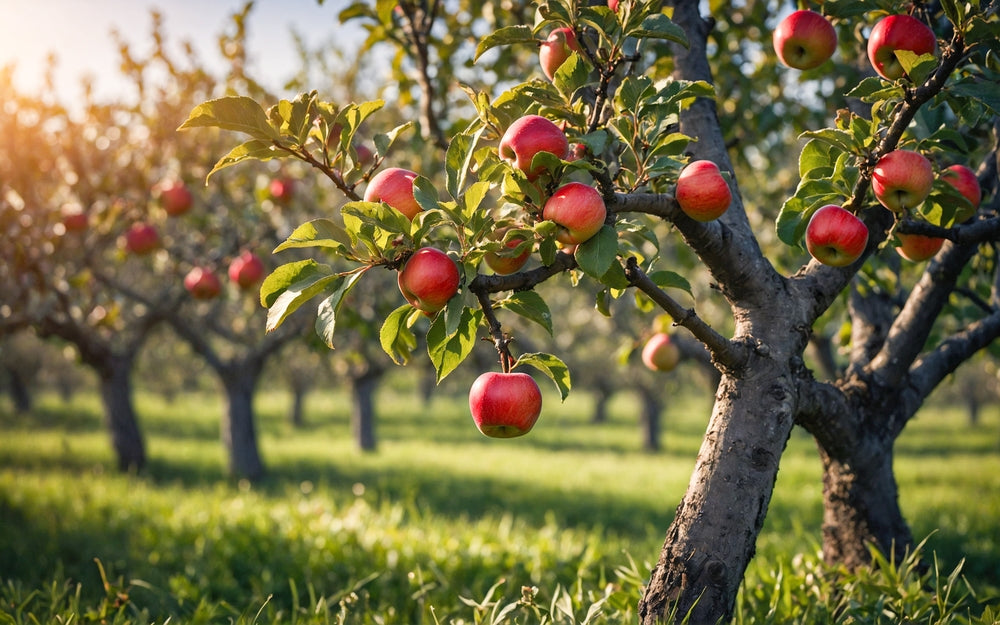 Fruit Trees
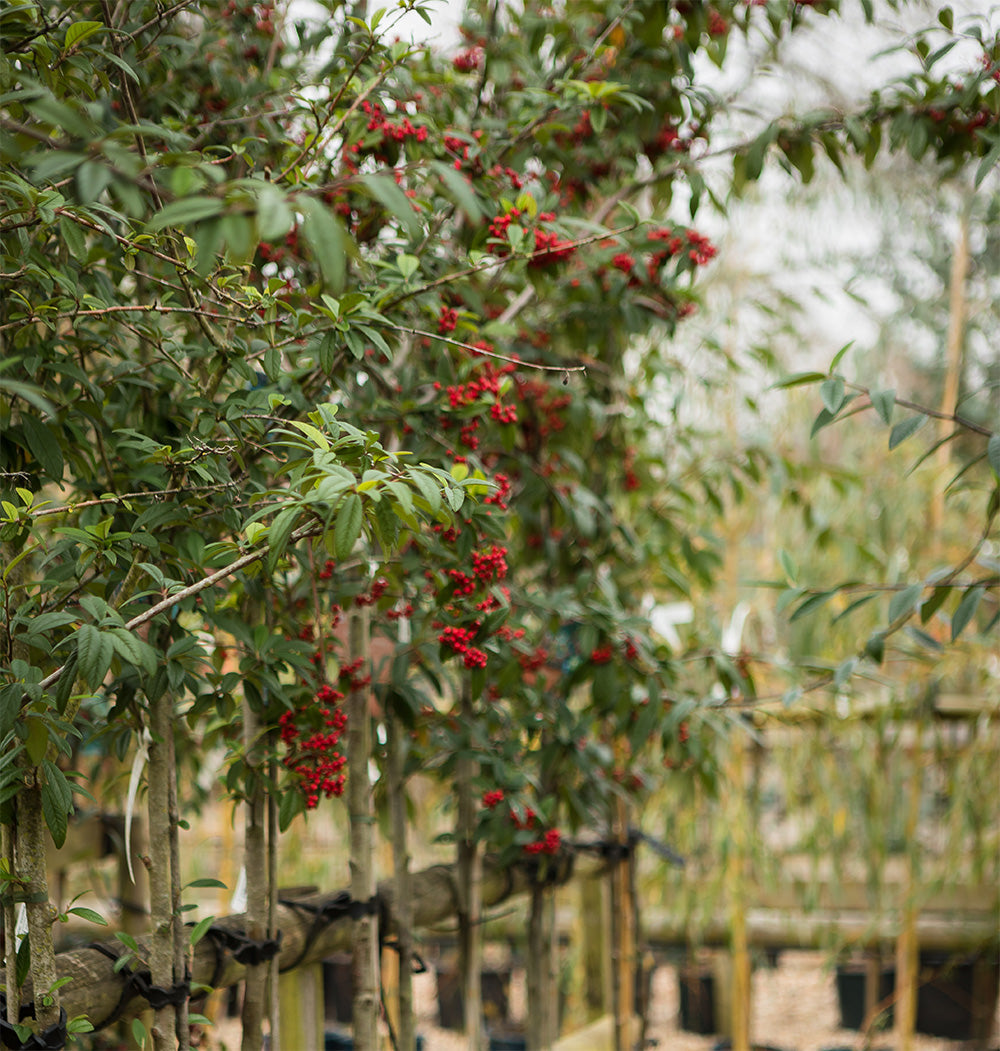 Ornamental
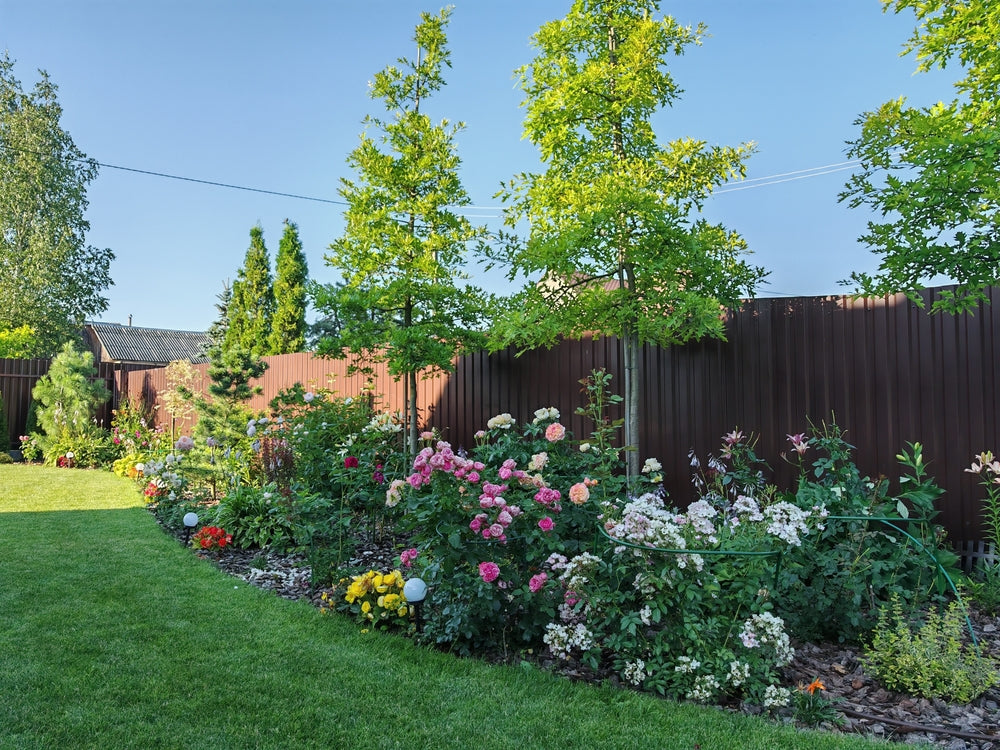 Screening
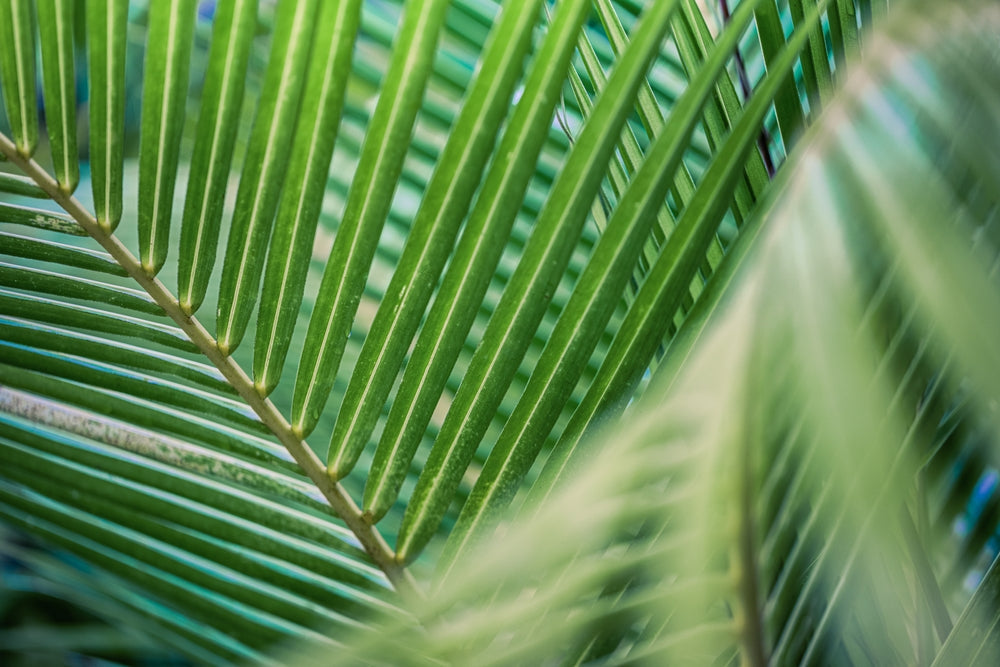 Palms
By FeaturesBy Shape
-
Shrubs
Shrubs
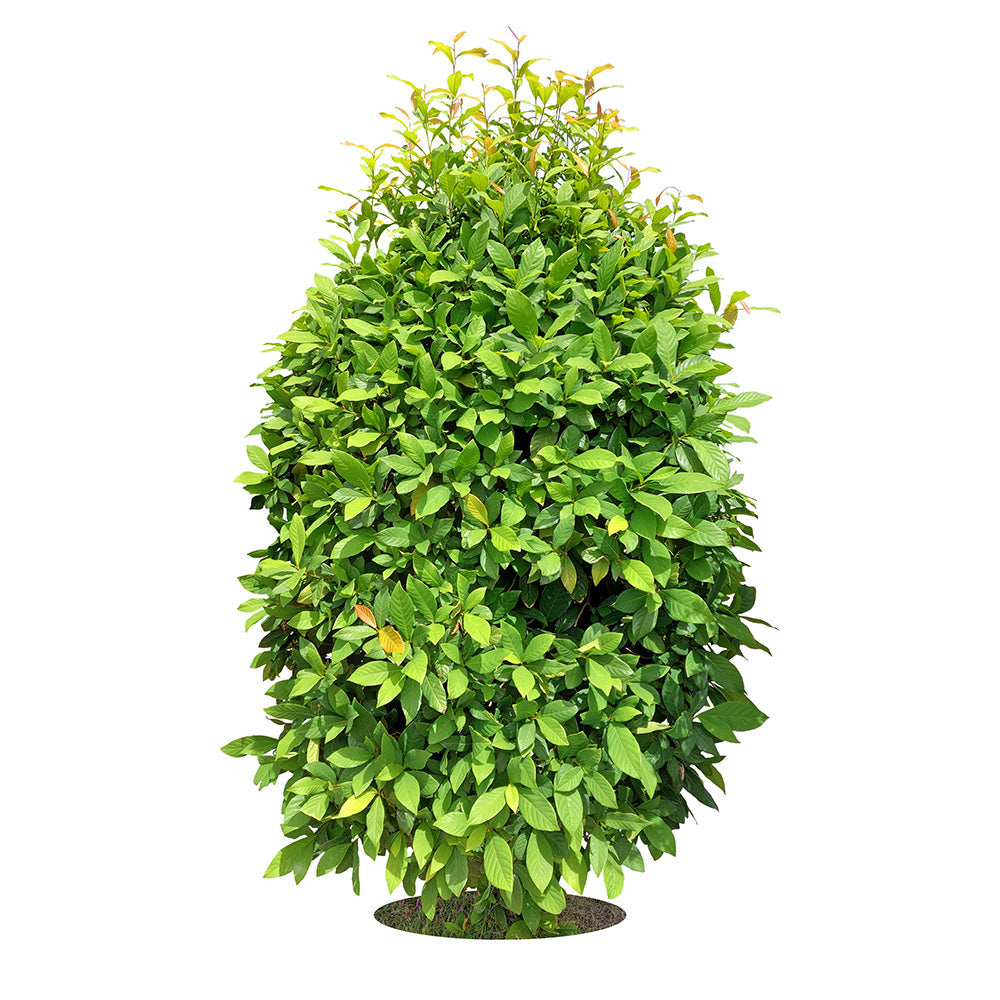 Large shrubs
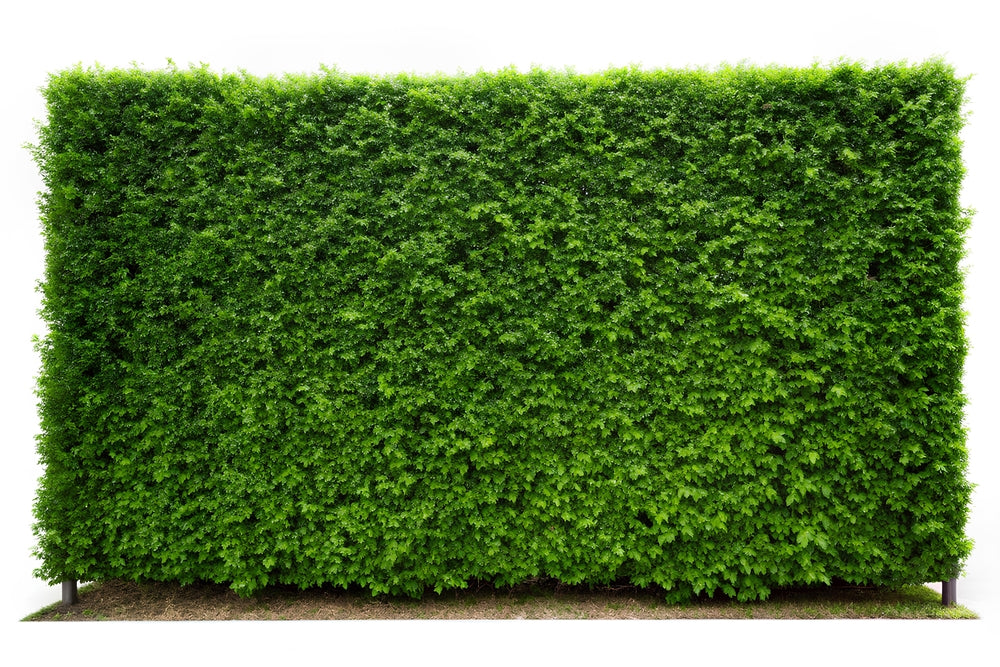 Hedging
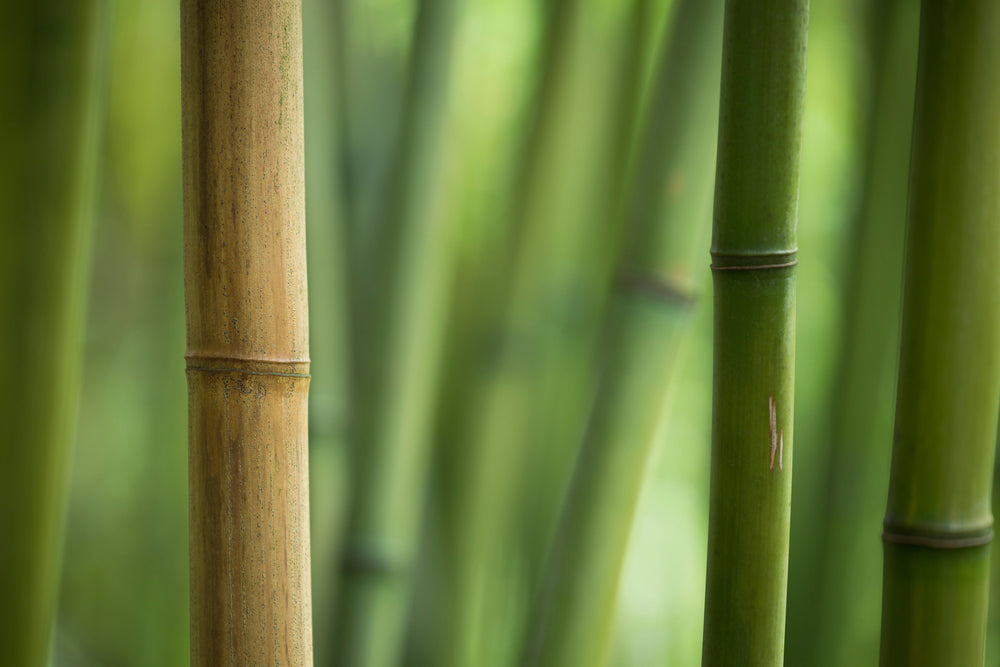 Bamboo
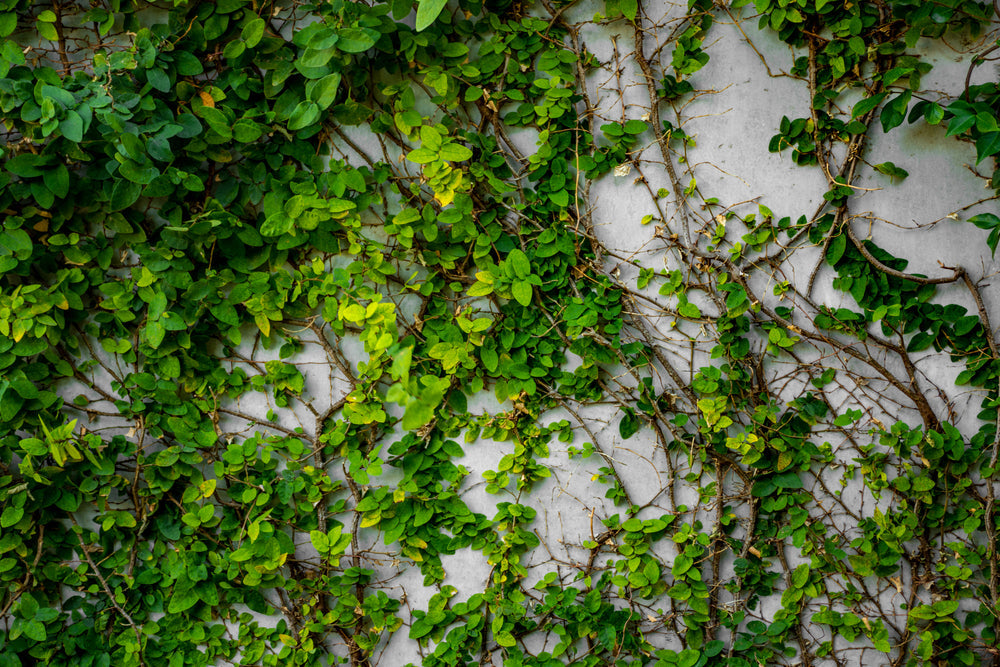 Climbers
 Flowering
 Grasses & Ferns
 Popular
-
Pines & Conifers
Pines & Conifers
 Pines
 Spruce & Fir
 Cypress
 Thuja
 Redwood | Sequoia
-
Specimen
FREE DELIVERY OVER £350
Search results
Search results


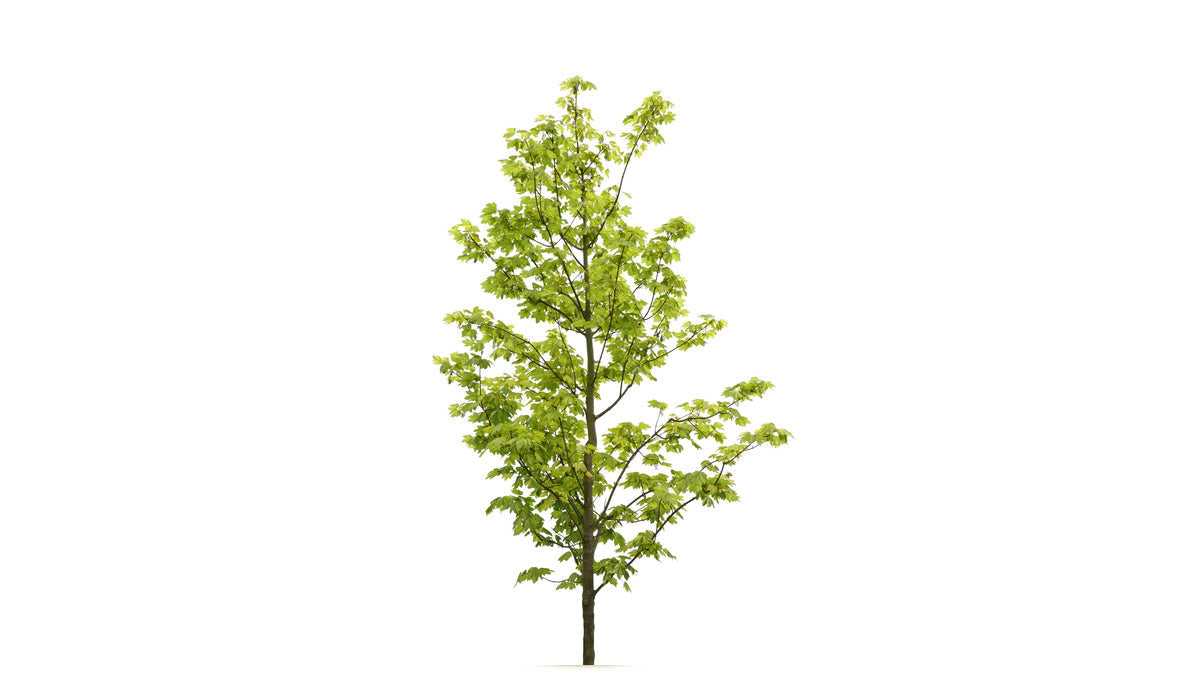
Field Maple | Acer campestre - Clear Stem - Height 300-350cm - Girth 8-10cm - 40lt
£250.00
Unit price perField Maple | Acer campestre - Clear Stem - Height 300-350cm - Girth 8-10cm - 40lt
£250.00
Unit price perAcer campestre 'Royal Ruby' is a deciduous tree known for its vibrant seasonal foliage. In spring, it showcases striking purple-red young leaves, which mature to a deep green in summer. Come autumn, the foliage transforms into a rich golden-yellow, providing a dynamic visual display throughout the year. The tree also produces red samaras (winged seeds) in late spring, adding to its ornamental appeal .
Ashridge Trees
This cultivar typically grows to a height of 8–10 meters with a rounded, spreading habit, making it suitable for various landscape applications, including hedging and ornamental planting .
'Royal Ruby' thrives in full sun to partial shade and is adaptable to a range of soil types, including clay, loam, sand, and chalk, provided they are moist but well-drained. It is hardy across the UK and northern Europe (RHS H6 rating) and is tolerant of urban conditions, making it a resilient choice for city gardens .


Mahonia Japonica - Height 30-50cm - 12lt
£35.00
Unit price perMahonia Japonica - Height 30-50cm - 12lt
£35.00
Unit price perMahonia japonica, commonly known as the Japanese mahonia, is a striking evergreen shrub appreciated for its ornamental value and adaptability. This robust plant, native to East Asia, is well-suited to the UK climate and can often be found gracing gardens and landscapes with its distinctive features.
Characterised by its bold, architectural form, Mahonia japonica typically reaches heights of 1.5 to 3 metres, with an upright, spreading habit. The shrub's foliage is a notable feature: its pinnate leaves are composed of up to 19 leaflets, each with a spiny, holly-like edge, lending the plant a somewhat dramatic appearance. These glossy, dark green leaves provide year-round interest, making it a valuable addition to any garden.
In late autumn to early winter, Mahonia japonica produces striking racemes of bright yellow flowers. These blooms, which can appear even in the coldest months, emit a sweet fragrance that can attract pollinators such as bees. The flower clusters are not only visually appealing but also provide a vital source of nectar during a time when few other plants are in bloom.
Following the flowering period, the shrub produces small, blue-black berries that resemble grapes. These berries are edible but are generally more popular with birds than with humans. They add a further layer of seasonal interest and can contribute to the biodiversity of a garden by attracting wildlife.
Mahonia japonica thrives in partial to full shade and prefers well-drained soil. It is relatively low-maintenance, requiring minimal pruning—typically just to remove any dead or damaged growth. Its ability to tolerate a range of conditions, from drought to deep shade, makes it an excellent choice for challenging garden spots.
Overall, Mahonia japonica is a versatile and attractive shrub that offers year-round interest and is particularly valuable for its winter blooms and hardy nature. Its combination of striking foliage, fragrant flowers, and attractive berries make it a standout plant in any landscape.


Pittosporum tenuifolium 'Purpureum' - Height 100-120cm -12lt
£96.00
Unit price perPittosporum tenuifolium 'Purpureum' - Height 100-120cm -12lt
£96.00
Unit price perThe Pittosporum tenuifolium 'Purpureum' is an elegant, evergreen shrub prized for its striking foliage and versatile garden use. This cultivar is particularly noted for its deep purple leaves, which add year-round interest and contrast to garden borders, hedges, or containers.
This variety of Pittosporum tenuifolium has a naturally upright and bushy habit. Its slender, wavy-edged leaves emerge green but quickly develop a rich purple hue, deepening in colour as the season progresses. This feature makes it especially appealing in mixed planting schemes, where it provides a striking backdrop to lighter-coloured plants.
The small, bell-shaped flowers of Pittosporum tenuifolium 'Purpureum' appear in late spring to early summer. These dark, almost blackish-purple blooms are relatively inconspicuous against the foliage but emit a pleasant honey-like fragrance, particularly in the evenings, attracting pollinators such as bees and moths.
Thriving in well-drained soil, this shrub prefers a sunny to partially shaded position. It is tolerant of coastal conditions and light frost but benefits from shelter in colder climates. It responds well to pruning, making it ideal for shaping into hedges, screens, or topiary forms.
Low-maintenance and drought-tolerant once established, Pittosporum tenuifolium 'Purpureum' is an excellent choice for modern and traditional gardens alike. Whether used as a focal point, an informal hedge, or a companion plant in mixed borders, its dramatic foliage and easy-care nature make it a valuable addition to any planting scheme.
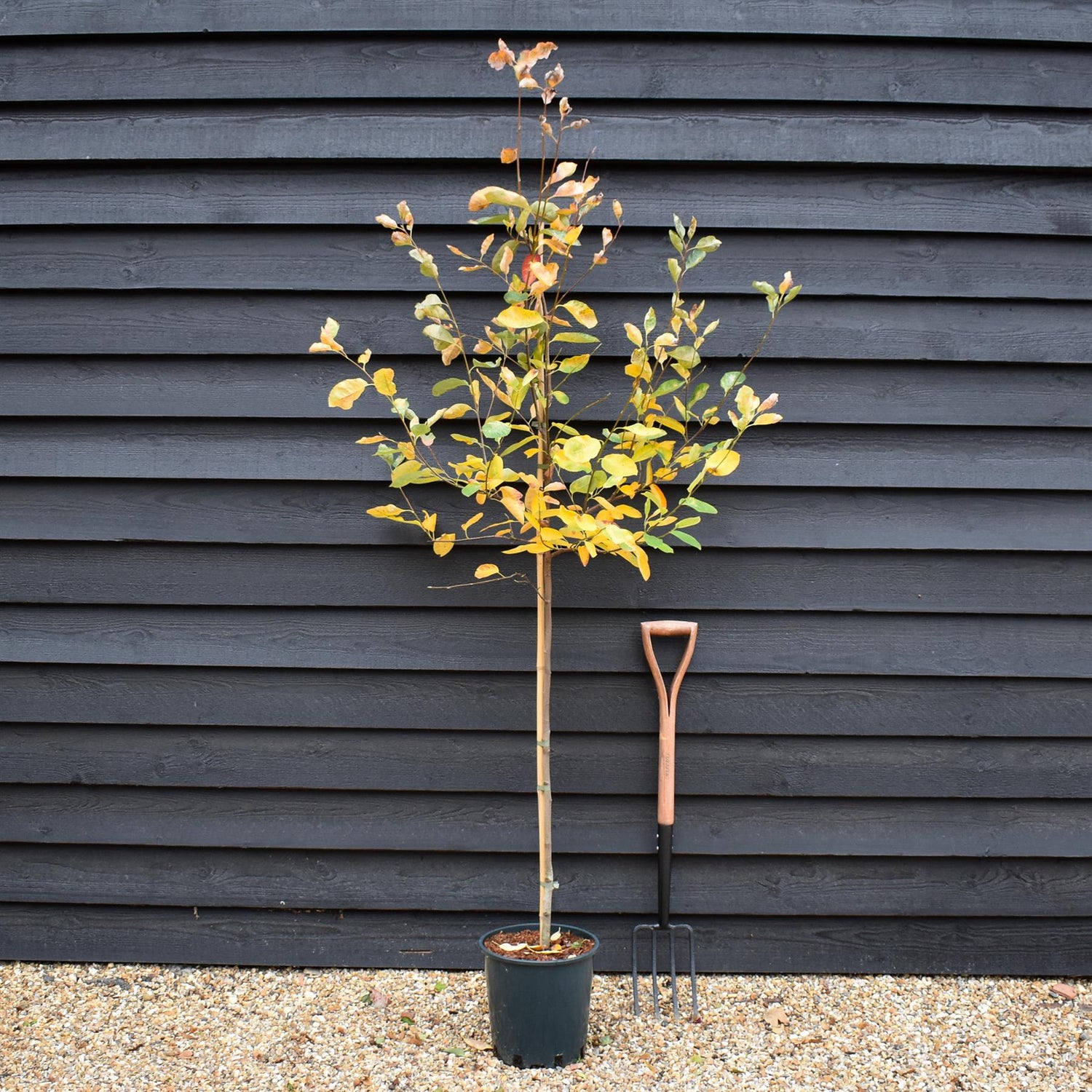
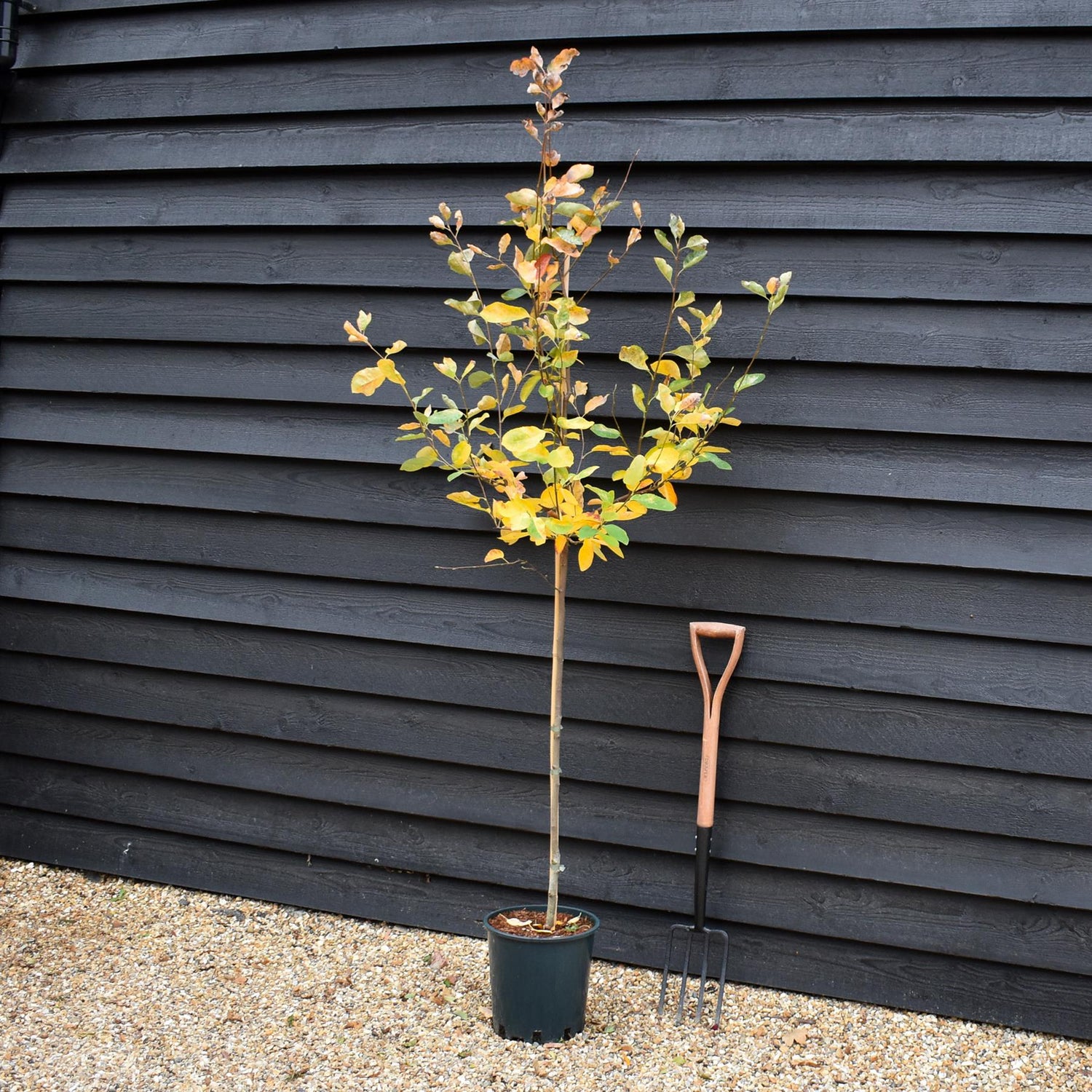
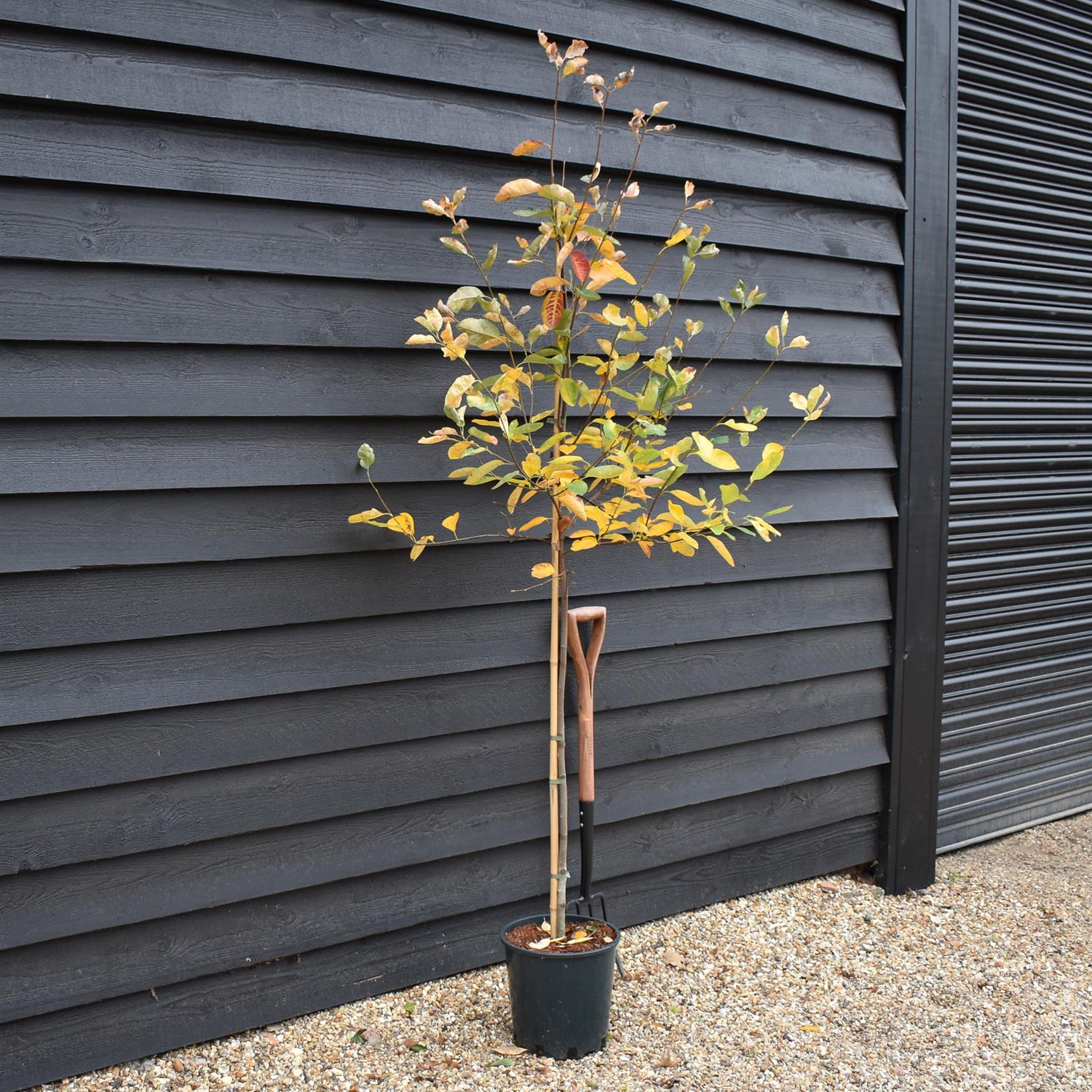
Amelanchier canadensis - Height 200-220cm - 12lt
£108.00
Unit price perAmelanchier canadensis - Height 200-220cm - 12lt
£108.00
Unit price per


Apple tree 'Cox Orange Pippin' | Malus domestica - MM106 - Semi-Dwarfing - 150-160cm - 10lt
£76.00
Unit price perApple tree 'Cox Orange Pippin' | Malus domestica - MM106 - Semi-Dwarfing - 150-160cm - 10lt
£76.00
Unit price perCox’s Orange Pippin apple is the classic English apple. It was discovered in England in 19th century as a chance seedling. It is famous for its rich and complex flavour and considered to be one of the finest dessert apples. The fruit is small to medium-sized. It has yellow skin with orange-red blush and crisp, firm, very juicy and aromatic flesh. The flavour has hints of mango and orange. Cox’s Orange Pippin apple plant is an upright tree with spreading growth habit. Its vigorous and bushy growth can become difficult to control. The plant is sensitive and demanding with regard to soil and climate. It needs exceptional soil and adequate weather conditions to grow well. It prefers rich neutral soil, moist but well drained, and sheltered position in full sun. It is susceptible to diseases and doesn’t tolerate frost. The best flavour is achieved in cool maritime climate.
Root stock MM106 is a semi-dwarfing rootstock commonly used for apple trees. It offers a moderate growth rate, producing trees 10-15 feet tall when mature. Suitable for medium-sized gardens, MM106 ensures good fruit yield and adaptability to various soils. It's resistant to woolly apple aphid and moderately resistant to crown rot. Ideal for bush, cordons, and espalier forms. Ensure proper staking in early years.


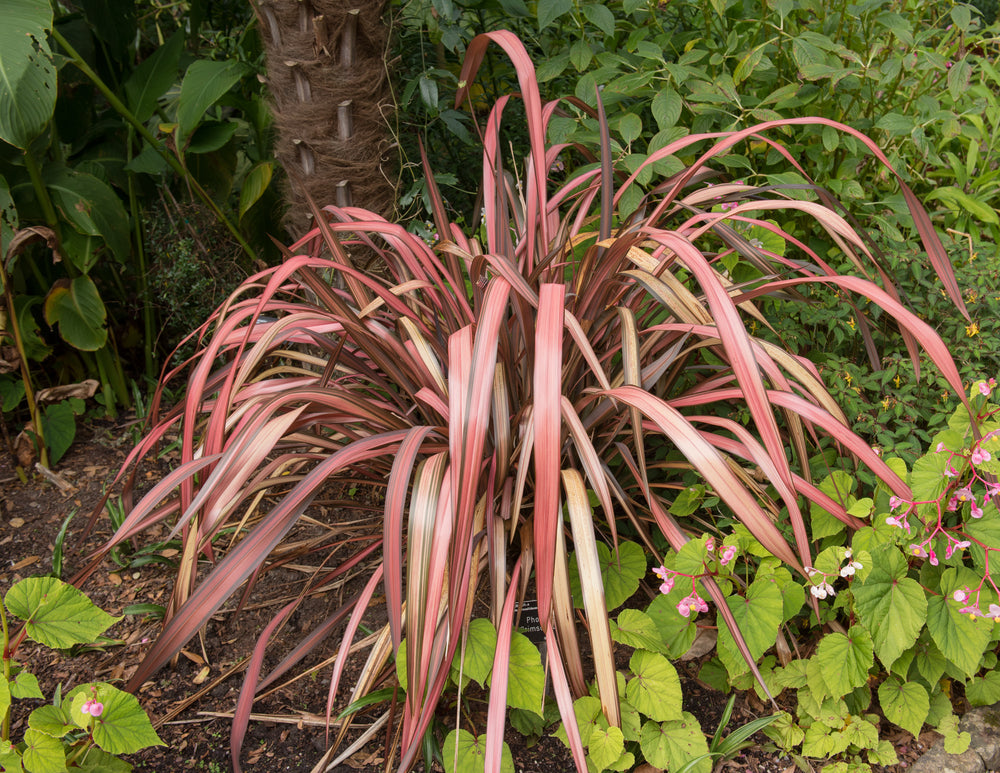
Phormium 'Rainbow Queen' - Height 60-80cm - 10lt
£60.00
Unit price perPhormium 'Rainbow Queen' - Height 60-80cm - 10lt
£60.00
Unit price perPhormium 'Rainbow Queen' is a vibrant, evergreen perennial that brings bold color and architectural elegance to gardens year-round. Its long, arching, sword-like leaves feature striking bands of bronze, pink, green, and red, making it a standout focal point in borders, gravel gardens, or containers. Reaching around 1.5 to 2 meters in height, it works well as a statement plant or as part of a mixed planting scheme.
This variety thrives in full sun to partial shade and prefers well-drained soil. It is drought-tolerant once established and handles coastal conditions well, including wind and salt spray. ‘Rainbow Queen’ adds a tropical flair to both contemporary and traditional garden designs, offering low-maintenance beauty with minimal pruning required.
In colder regions, some winter protection may be necessary. Overall, it’s an ideal choice for gardeners seeking color, texture, and year-round impact with little effort.


Wisteria x valderi 'Eranthema - Cane - Height 150-200cm - 3lt
£61.00
Unit price perWisteria x valderi 'Eranthema - Cane - Height 150-200cm - 3lt
£61.00
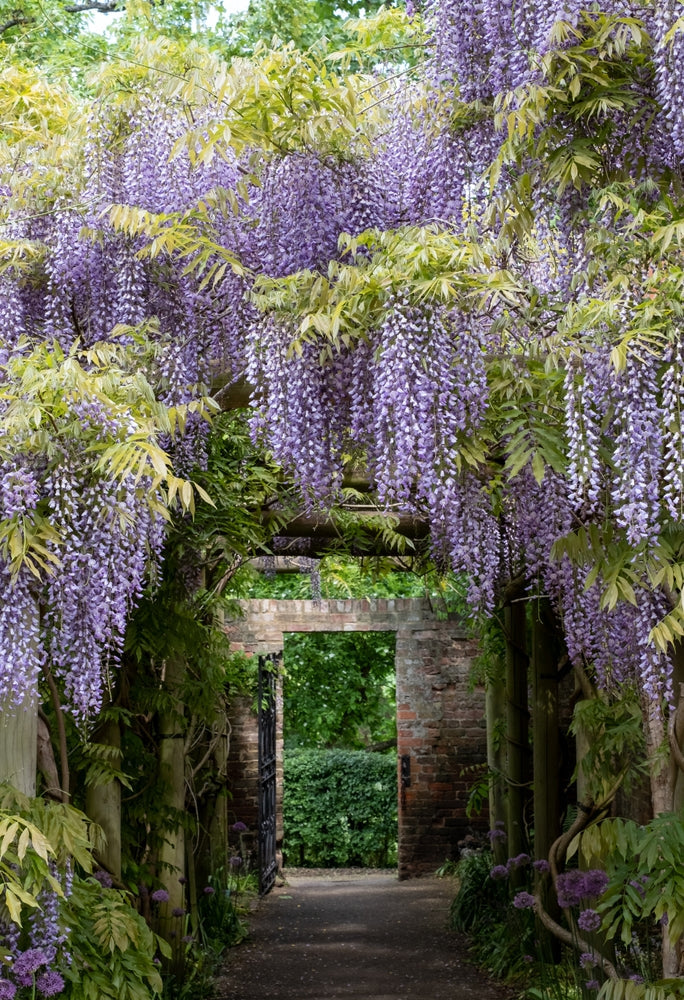
Unit price perWisteria × valderi ‘Eranthema’ is an elegant and distinctive deciduous climber, valued for its refined flowers, gentle fragrance, and manageable habit. A hybrid between Wisteria floribunda and Wisteria sinensis, it combines the best qualities of both parents, offering reliable flowering with a slightly less vigorous growth rate than many traditional wisterias.
In spring, soft green, pinnate leaves emerge, typically made up of 11–15 oval leaflets. The foliage unfurls alongside the flowers, creating a balanced and attractive display rather than leaving the blooms exposed on bare stems. As the season progresses, the leaves deepen in colour and form a dense canopy that provides shade and interest through the summer months.
Flowering usually takes place in late spring, most often in May in the UK. The flowers are borne in medium-length, pendulous racemes, generally around 20–30 cm long. Each pea-like bloom is a rich violet to blue-purple, often highlighted with a pale yellow or creamy marking at the centre. The flowers are sweetly scented, though more delicately perfumed than some other cultivars, making them particularly pleasant in sheltered garden settings.
‘Eranthema’ is a twining climber that can reach approximately 7–9 metres in height when mature. It twines clockwise and requires strong, permanent support such as a pergola, arbour, or substantial wall framework. Regular pruning in summer and winter helps to control its size and encourages the formation of flowering spurs.
This cultivar thrives in full sun, where flowering is most abundant, but it will tolerate light shade. It prefers fertile, well-drained soil and benefits from a sheltered position. Fully hardy across most of the UK, Wisteria × valderi ‘Eranthema’ is an excellent choice for gardeners seeking a classic wisteria with dependable performance, elegant flowers, and a slightly more restrained habit.
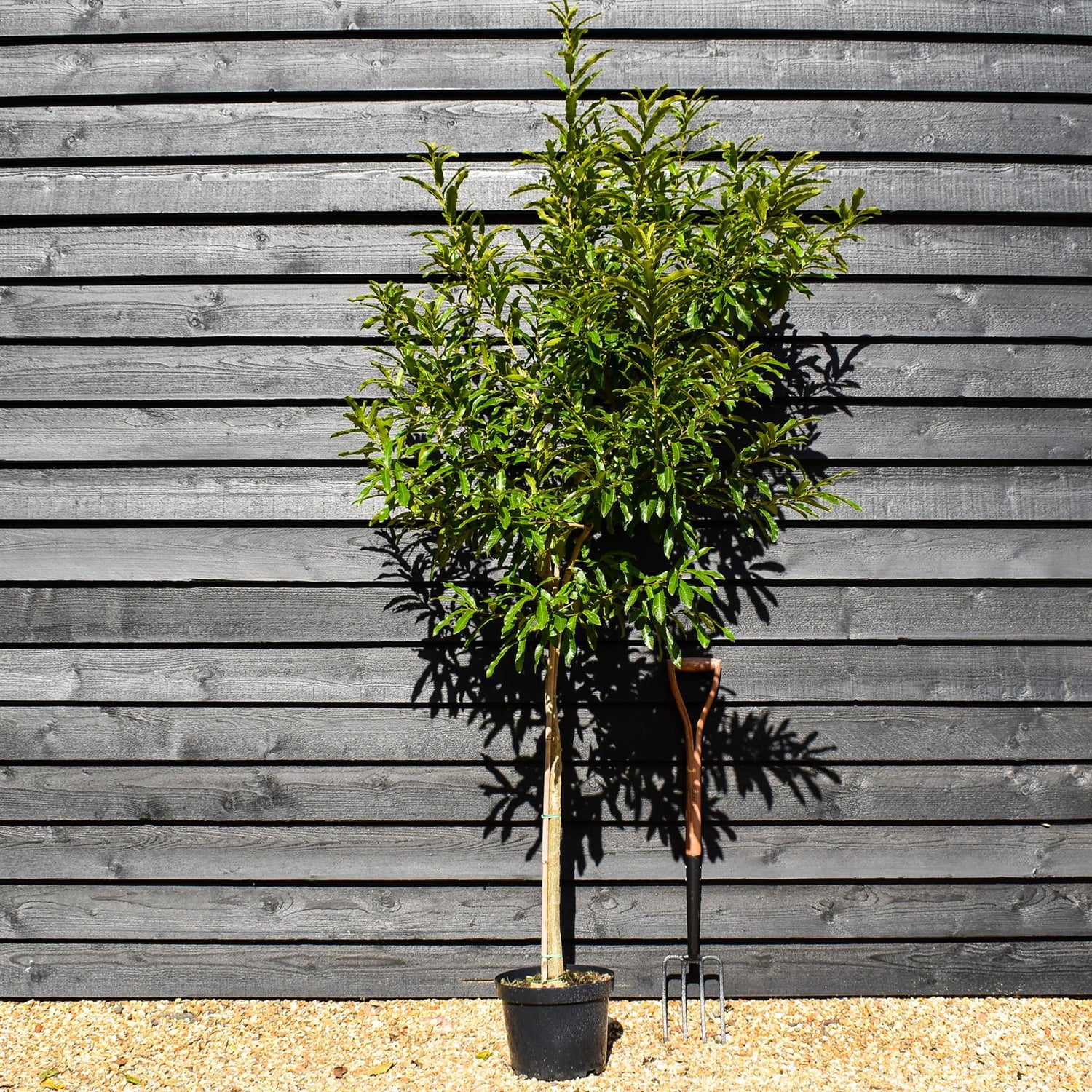


Sawtooth Oak | Quercus acutissima - Pot Grown - Height 160-180cm - 10lt
£155.00
Unit price perSawtooth Oak | Quercus acutissima - Pot Grown - Height 160-180cm - 10lt
£155.00
Unit price perQuercus acutissima, commonly called the sawtooth oak, is a striking deciduous tree native to East Asia and widely appreciated for its adaptability and elegance. Named for its distinctive long, narrow leaves with sharply serrated edges, it brings a bold texture to landscapes. In spring and summer, the tree displays rich green foliage, which turns golden-yellow in autumn, creating a brilliant seasonal highlight. Growing up to 25 meters tall, the sawtooth oak forms a broad, spreading crown that offers generous shade and a commanding presence. Hardy and fast-growing, it thrives in a wide range of soils and climates, making it a versatile choice for parks, gardens, and reforestation projects. Traditionally valued for its durable timber, Quercus acutissima also supports wildlife with its acorns and sheltering canopy. Symbolizing resilience, longevity, and natural harmony, the sawtooth oak embodies both practical utility and timeless beauty, making it ideal for sustainable landscapes and crafted products.


Liquidambar styraciflua 'Gum Ball' - Half standard - Clear Stem 100cm - Girth 6-8cm - Height 140-160cm - 20lt
£160.00
Unit price perLiquidambar styraciflua 'Gum Ball' - Half standard - Clear Stem 100cm - Girth 6-8cm - Height 140-160cm - 20lt
£160.00
Unit price per


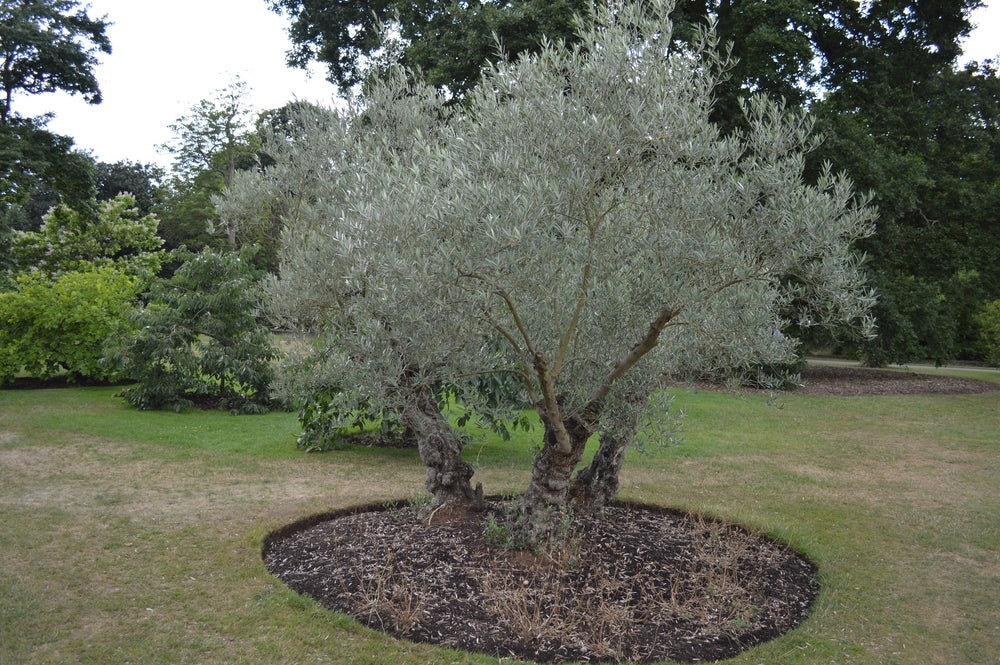
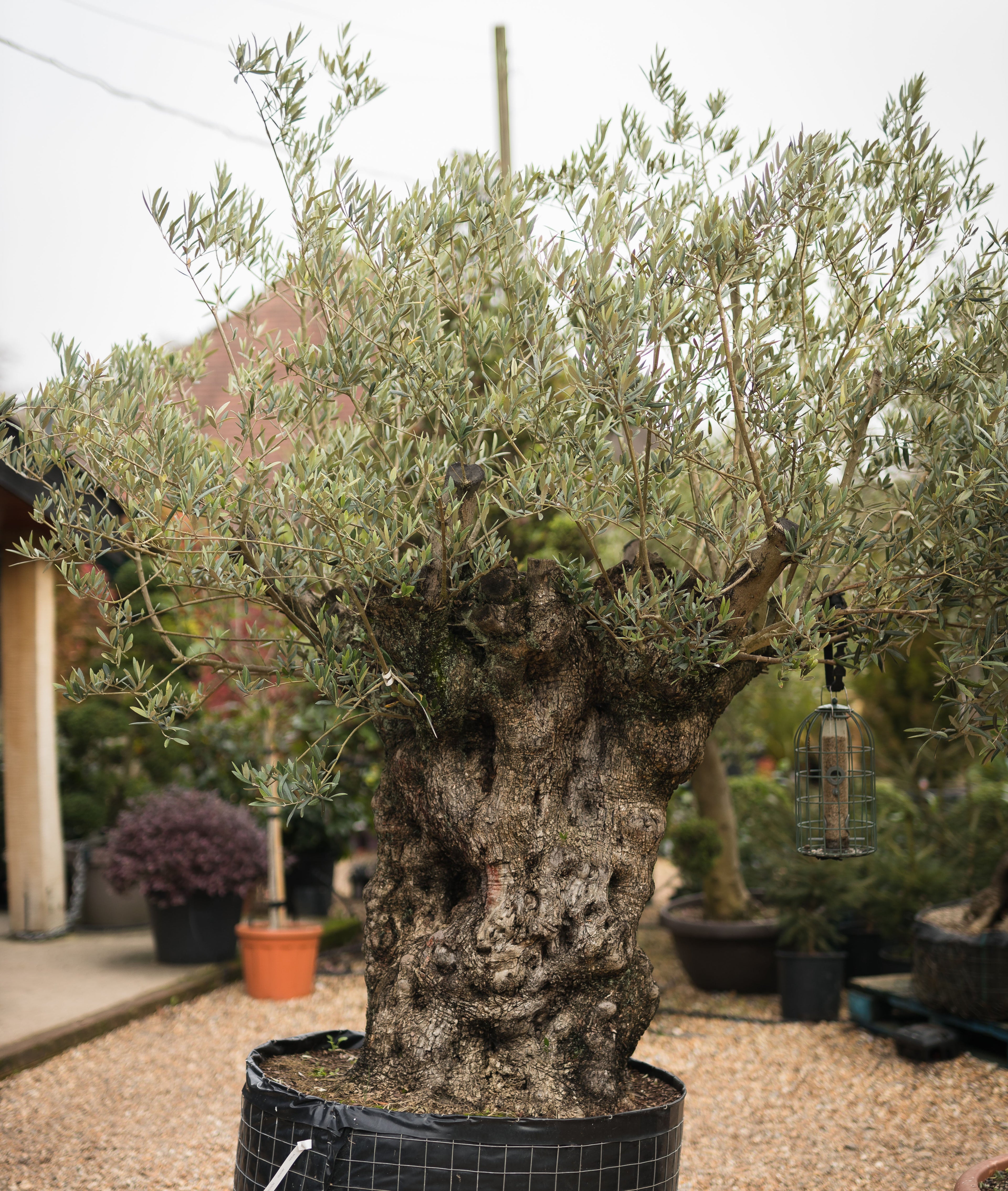
Olive Tree | Olea Europea - Mature - Gnarly Trunk - Girth 107cm Height 225-235cm - 240lt
£1,500.00
Unit price perOlive Tree | Olea Europea - Mature - Gnarly Trunk - Girth 107cm Height 225-235cm - 240lt
£1,500.00
Unit price per


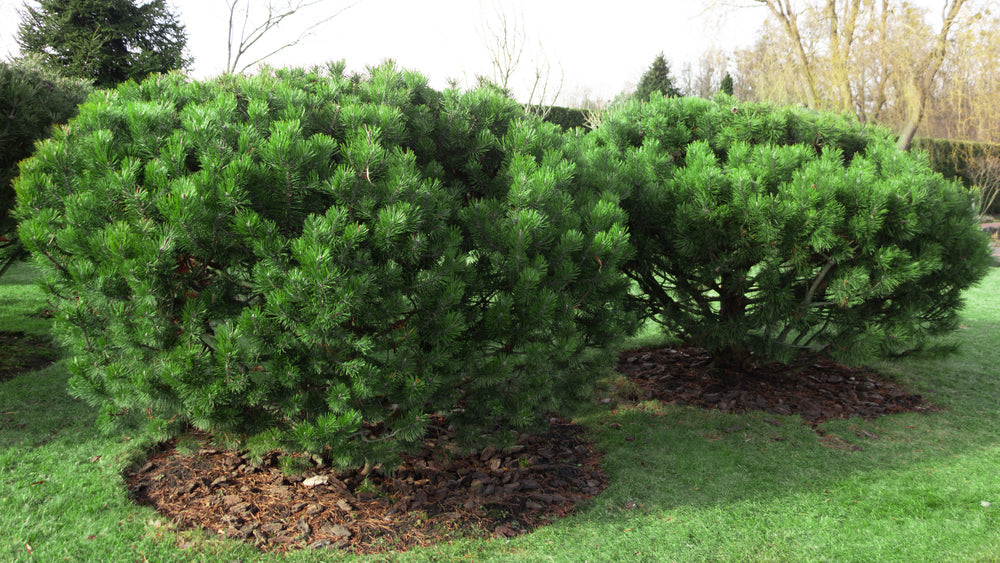
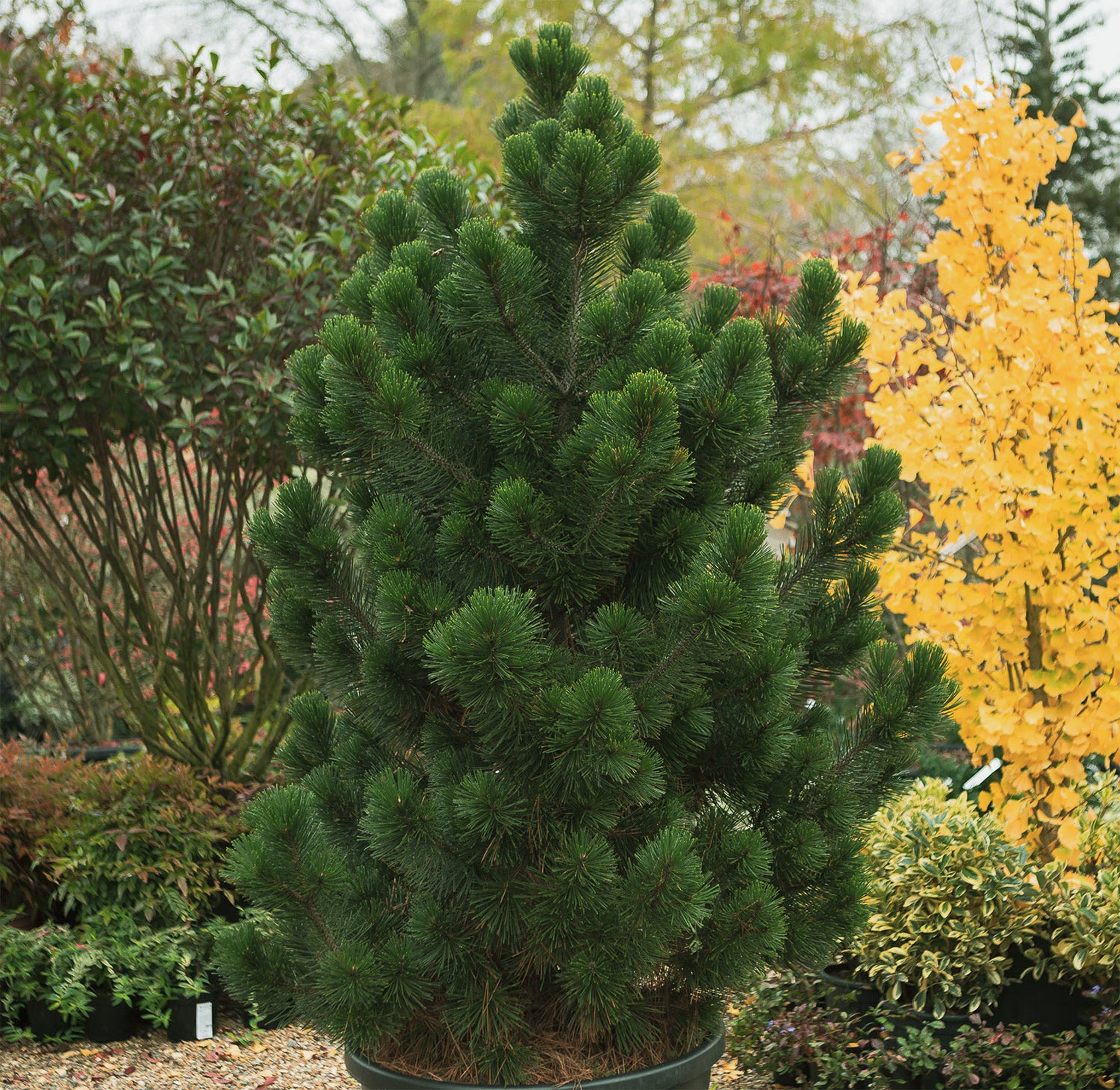
Pinus mugo 'Gnom' - Height 100cm - Width 90-100cm - 65lt
£7,150.00
Unit price perPinus mugo 'Gnom' - Height 100cm - Width 90-100cm - 65lt
£7,150.00
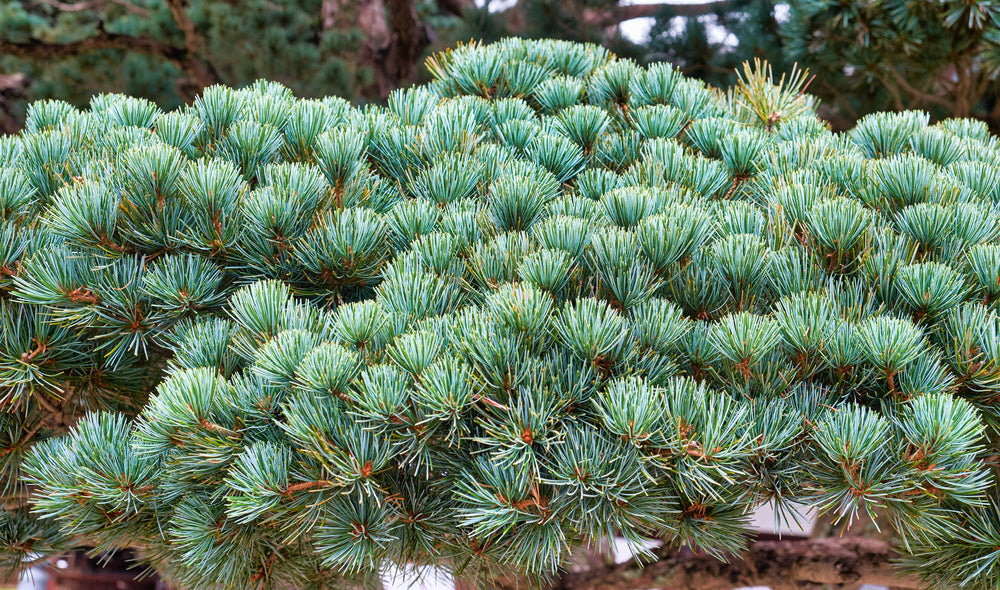
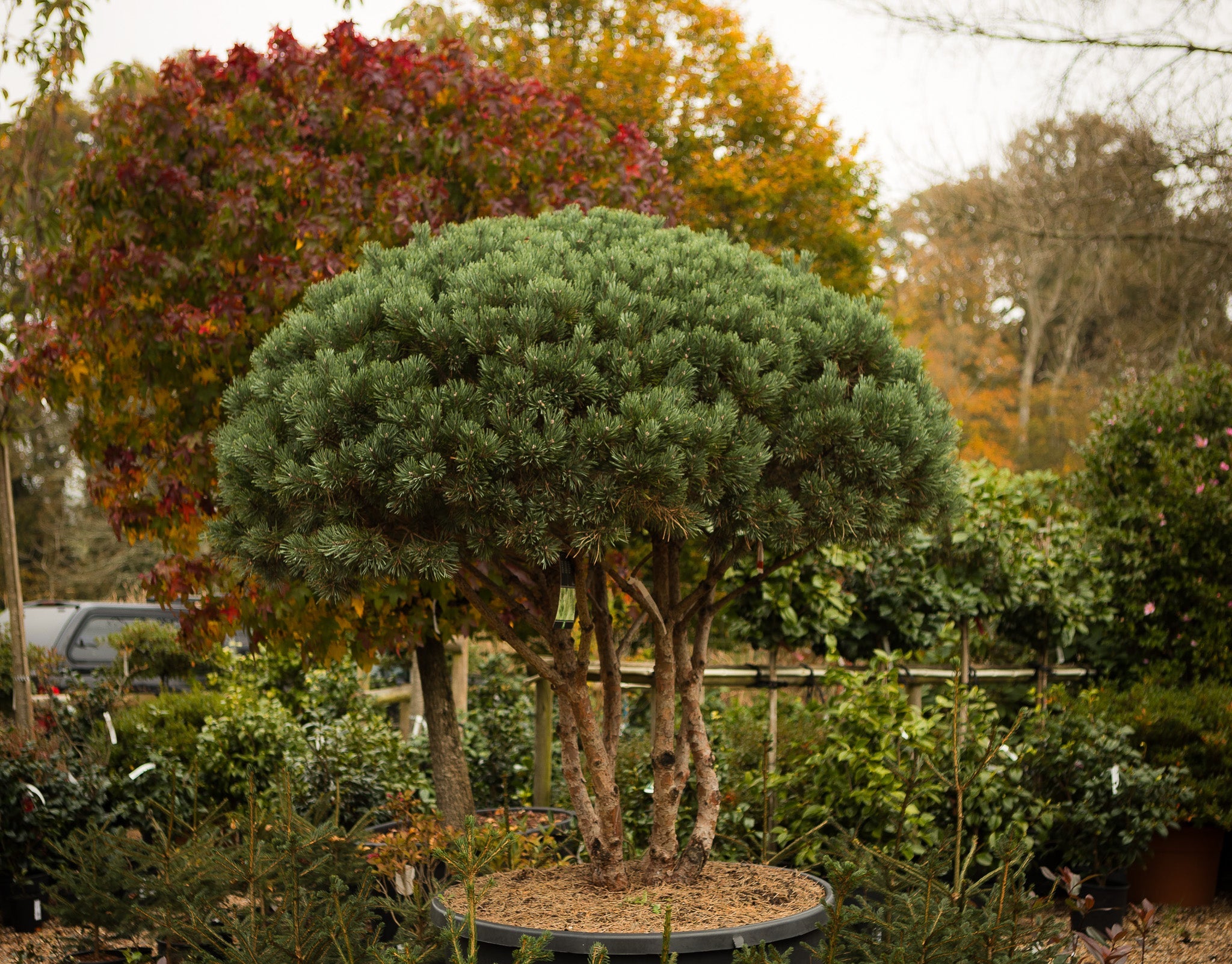
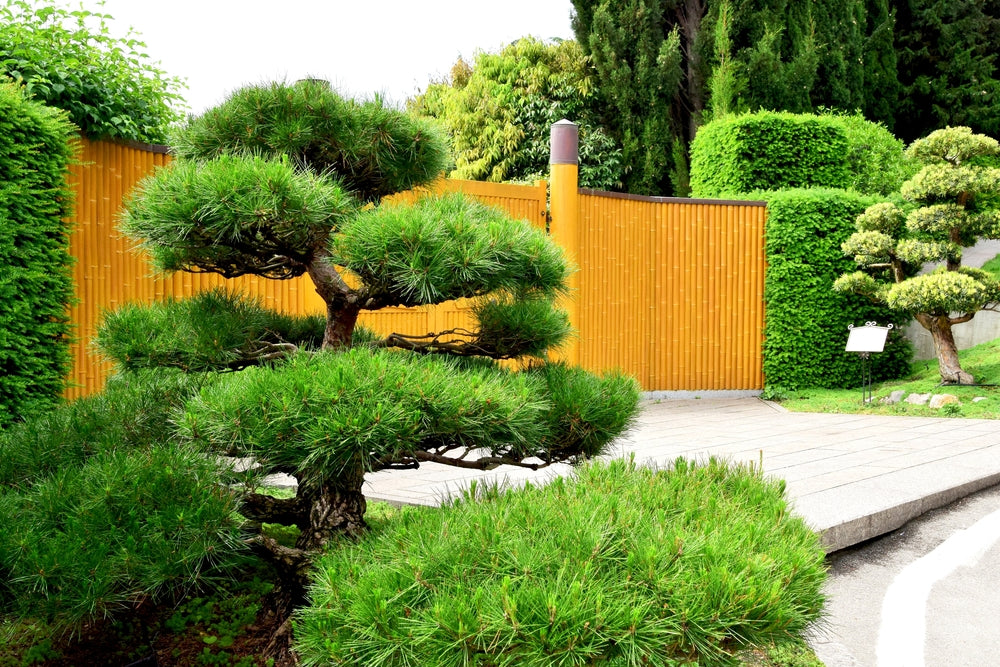
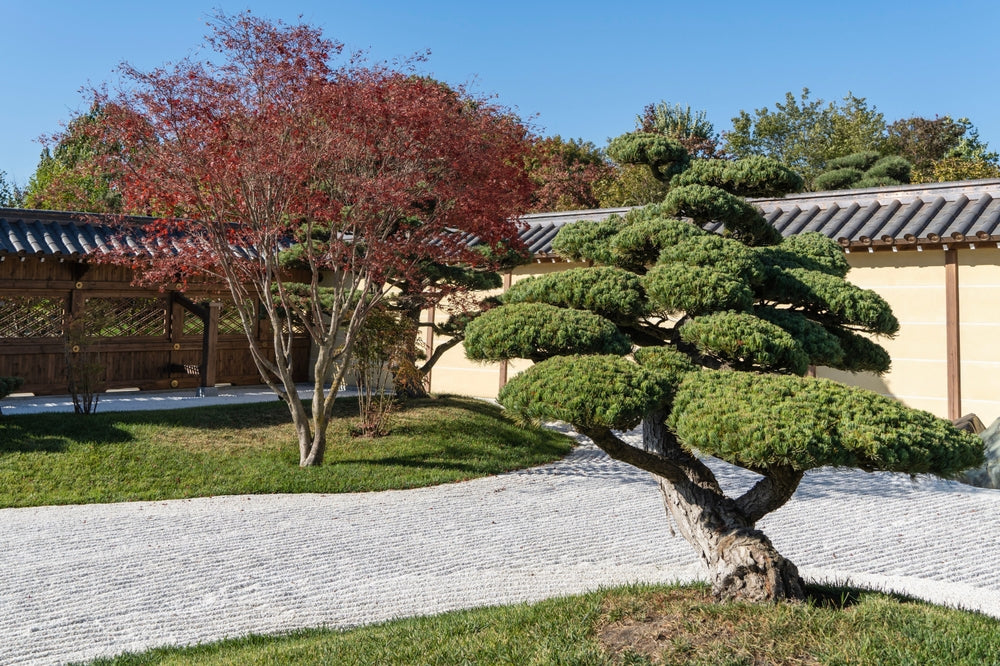
Unit price perPinus mugo ‘Gnom’ specimen bonsai tree is an excellent choice for adding year-round structure and character to a garden. This compact, slow-growing mountain pine naturally forms a dense, rounded habit, making it particularly well-suited to bonsai styling or as a statement specimen in containers and raised beds. Its short, dark green needles create a rich, textured appearance that contrasts beautifully with lighter foliage and flowering plants.
Highly adaptable, Pinus mugo ‘Gnom’ thrives in full sun and prefers well-drained soil, making it ideal for rock gardens, gravel landscapes, or alpine-themed planting schemes. Once established, it is notably hardy and tolerant of cold, wind, and exposed positions, performing reliably across the UK climate.
As a bonsai specimen, it offers strong architectural appeal, bringing a sense of maturity and tranquillity to outdoor spaces. It requires minimal maintenance beyond occasional pruning to maintain shape and encourage dense growth. Its resilience and compact size make it suitable for smaller gardens, patios, and terraces, where it can act as a focal point without overwhelming the space. Overall, it is a versatile, low-maintenance evergreen with enduring ornamental value.


Pittosporum 'Silver Queen' - Height 110-130cm -12lt
£96.00
Unit price perPittosporum 'Silver Queen' - Height 110-130cm -12lt
£96.00
Unit price per


Amelanchier lamarckii - Multi Stem - Height 170cm-200cm - Width 90cm-120cm - 70lt
£525.00
Unit price perAmelanchier lamarckii - Multi Stem - Height 170cm-200cm - Width 90cm-120cm - 70lt
£525.00
Unit price per


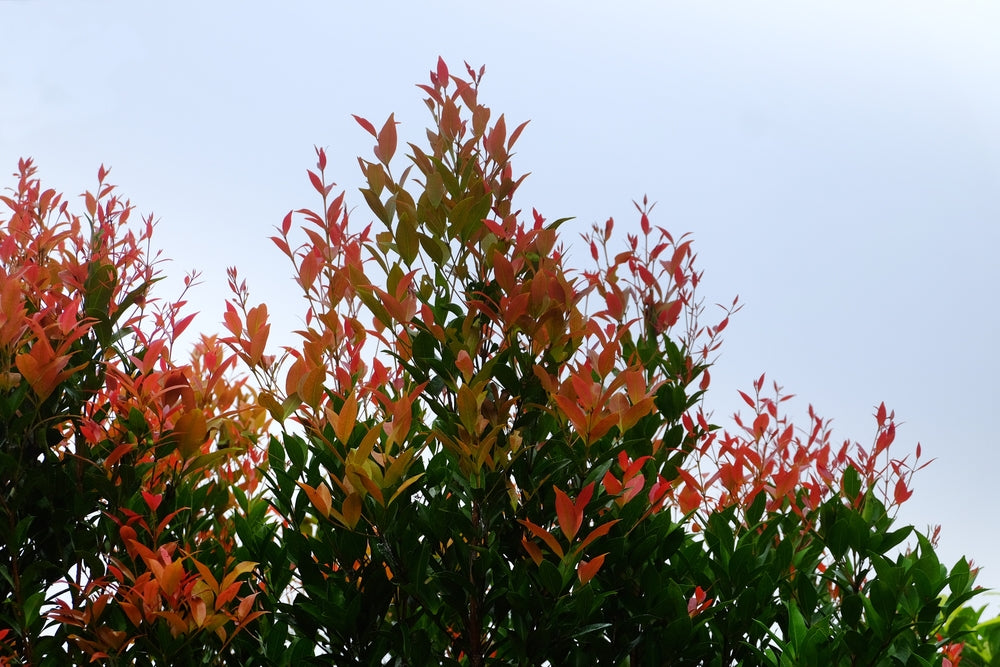
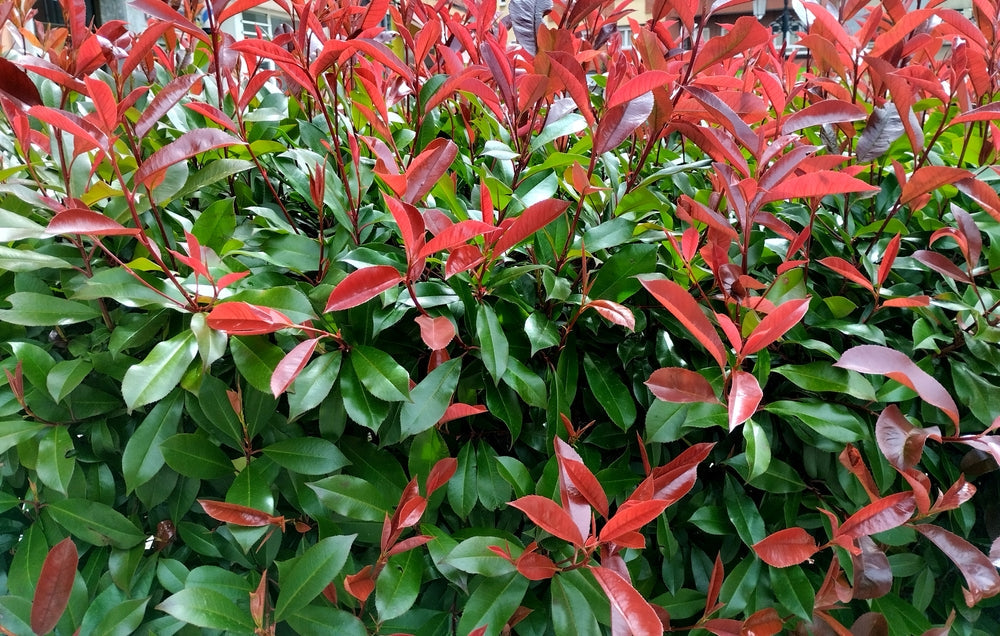
Photinia 'Atropurpurea Nana' | Japanese barberry 'Atropurpurea Nana' Half Standard - Height 120-130cm, - 30lt
£140.00
Unit price perPhotinia 'Atropurpurea Nana' | Japanese barberry 'Atropurpurea Nana' Half Standard - Height 120-130cm, - 30lt
£140.00
Unit price per


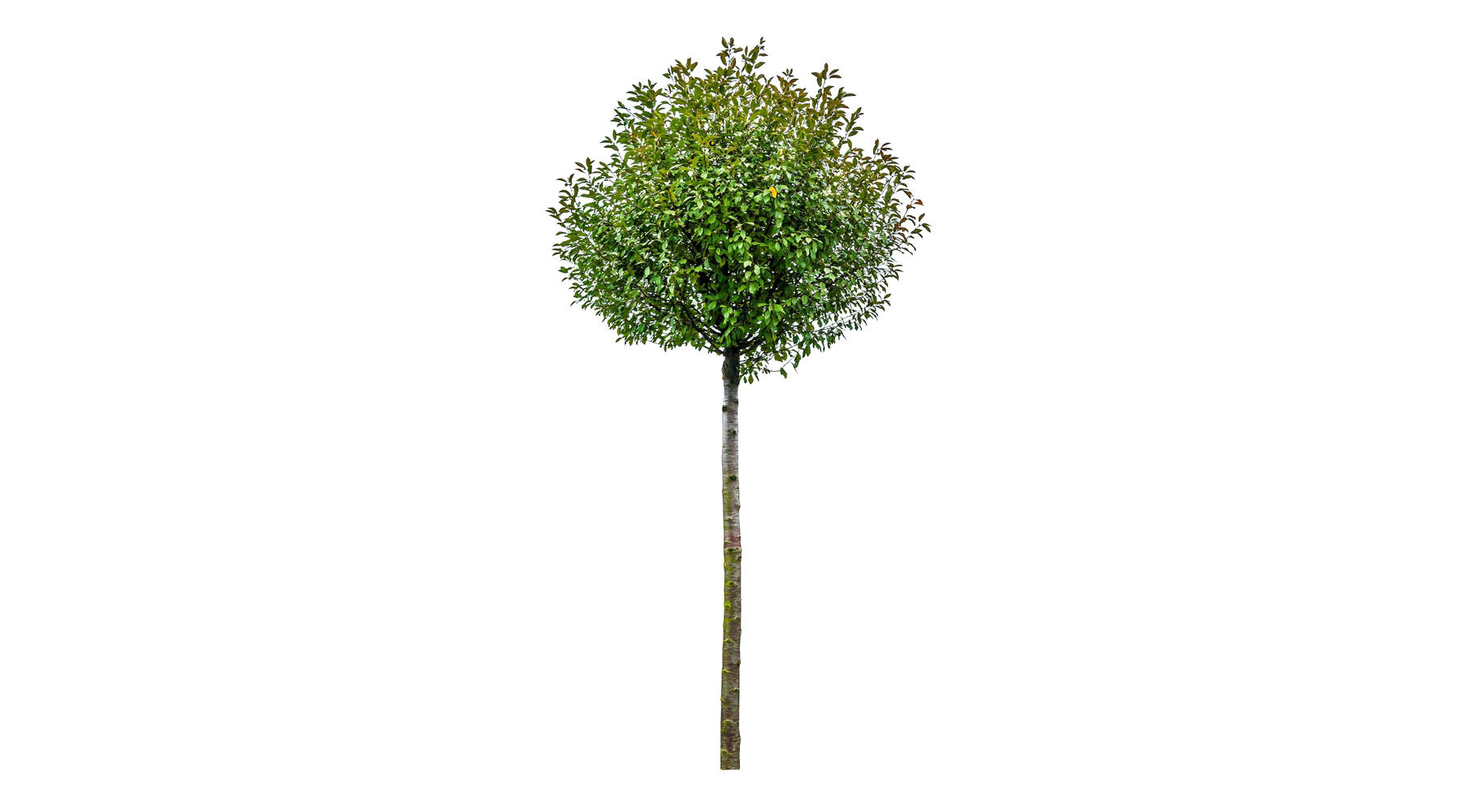
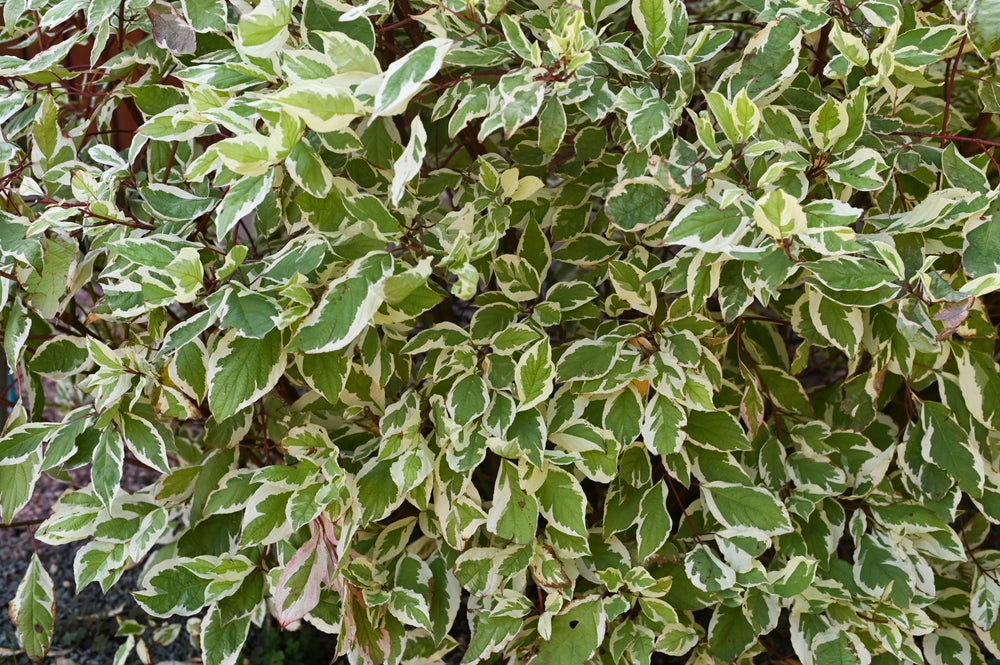
Ligustrum lucidum Variegatum - Bush - Height 190-200cm - 55lt
£250.00
Unit price perLigustrum lucidum Variegatum - Bush - Height 190-200cm - 55lt
£250.00
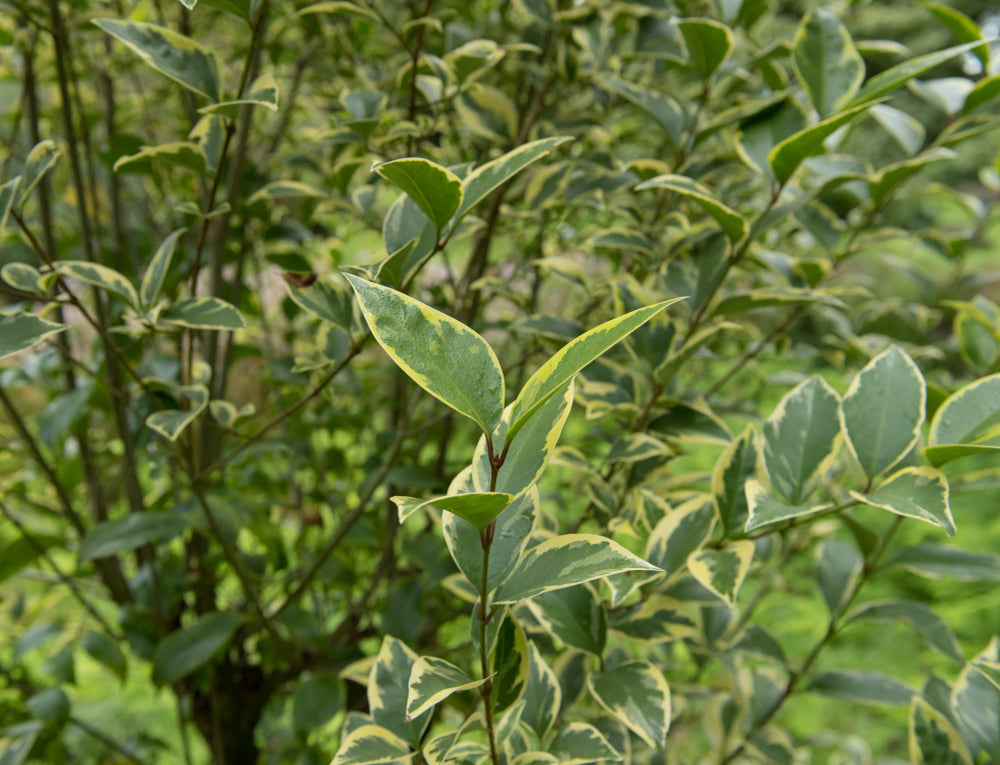
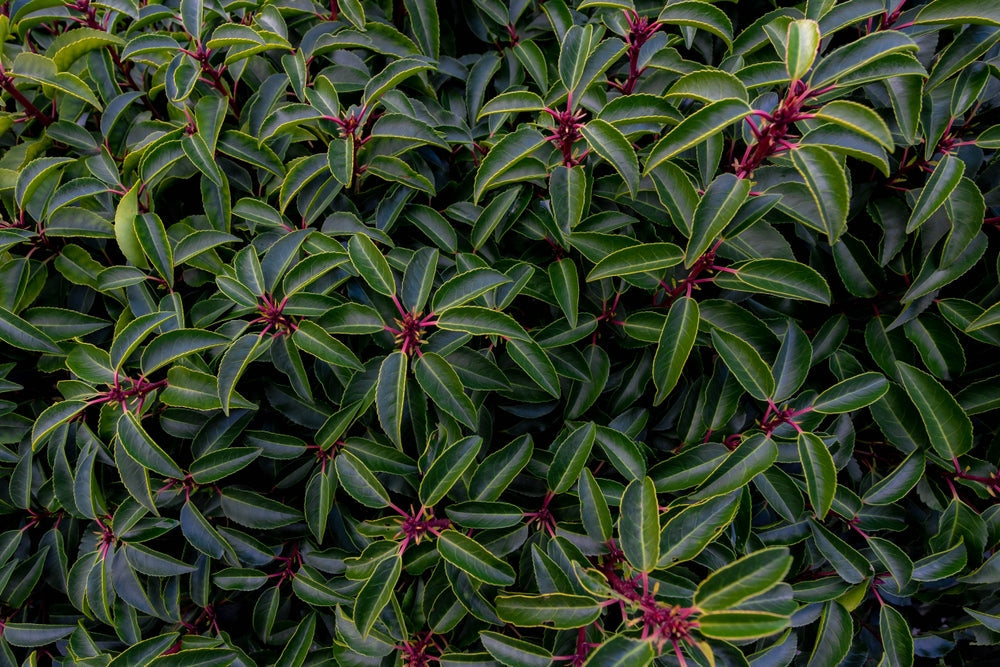
Unit price perLigustrum lucidum 'Variegatum' Standard, at approximately 300cm tall, is an ideal choice for gardens needing elegant structure and effective screening. This evergreen tree features a dense, rounded crown elevated on a clear stem, creating a formal, lollipop-shaped standard that brings height and architectural interest to the landscape. The variegated foliage—glossy green leaves edged in creamy white—adds year-round brightness and contrast, making it visually appealing in all seasons.
Well-suited to urban and suburban gardens, this Ligustrum tolerates pollution, pruning, and a variety of soil types, provided they are well-drained. It thrives in full sun to partial shade and is relatively low-maintenance once established. In summer, it produces small, fragrant white flowers that attract pollinators, followed by dark berries which add further seasonal interest.
Its dense canopy makes it excellent for privacy screening, windbreaks, or as a focal point in formal garden designs. Whether used in rows along boundaries or as standalone specimens in courtyards and patios, Ligustrum lucidum 'Variegatum' Standard trees provide reliable structure, year-round color, and an elegant solution for screening and ornamental planting.


Olive Tree | Olea Europea - Specimen - Leaning double branch gnarly - Trunk height 80cm - Height 170cm - Girth 125cm - 240lt
£1,250.00
Unit price perOlive Tree | Olea Europea - Specimen - Leaning double branch gnarly - Trunk height 80cm - Height 170cm - Girth 125cm - 240lt
£1,250.00
Unit price per


Alnus Incana - Grey Alder tree - Clear Stem - Standard - Girth 12-14cm - Height 450-480cm - 70lt
£390.00
Unit price perAlnus Incana - Grey Alder tree - Clear Stem - Standard - Girth 12-14cm - Height 450-480cm - 70lt
£390.00
Unit price perAlnus incana, commonly known as grey alder, is a deciduous tree belonging to the birch family, Betulaceae. Native to Europe, Asia, and North America, it is a resilient species often found in riparian zones, wetlands, and areas with moist soils. This medium-sized tree typically grows to heights of 15 to 25 metres, with a slender trunk and smooth, greyish-brown bark, which often develops fine fissures with age.
The leaves of Alnus incana are oval to elliptic in shape, measuring 5 to 10 centimetres in length. They are characterised by their serrated margins and a dark green upper surface, with a paler, slightly downy underside, giving them a distinct two-tone appearance. The leaves emerge in early spring and typically turn yellow before falling in autumn.
Grey alder is monoecious, meaning that both male and female reproductive structures are found on the same tree. The male catkins, which are long and pendulous, appear in early spring before the leaves, while the smaller, more upright female catkins develop into woody cones that persist on the tree through the winter. These cones release small winged seeds, which are dispersed by wind and water.
One of the notable features of Alnus incana is its ability to fix nitrogen through a symbiotic relationship with the bacterium *Frankia*. This allows it to thrive in nutrient-poor soils and contribute to soil fertility, making it a valuable species for land restoration and erosion control.
Grey alder is often planted in landscaping and reforestation projects, particularly in areas prone to flooding or soil degradation. Its rapid growth, hardiness, and ecological benefits make it an important species in maintaining the health of wetland ecosystems.
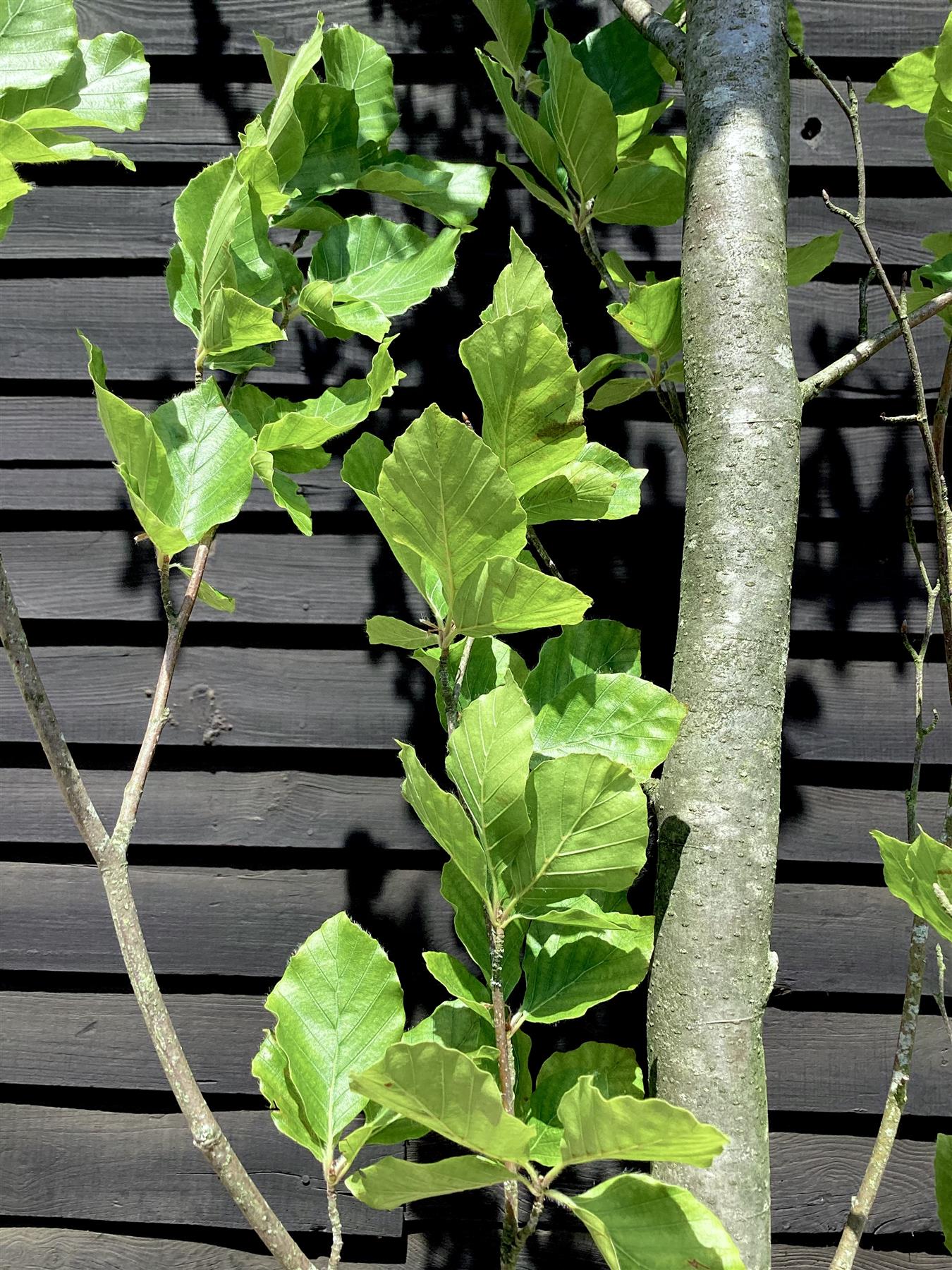


Fagus Sylvatica Dawkye | Dawyck Beech - 450-500cm, 50lt
£260.00
Unit price perFagus Sylvatica Dawkye | Dawyck Beech - 450-500cm, 50lt
£260.00
Unit price per


Elaeagnus angustifolia | Bohemian oleaster tree - Girth 36cm - Height 400-450cm - 230lt
£1,350.00
Unit price perElaeagnus angustifolia | Bohemian oleaster tree - Girth 36cm - Height 400-450cm - 230lt
£1,350.00
Unit price perElaeagnus angustifolia, commonly known as the Russian olive or silverberry tree, is a deciduous tree native to Eurasia that has been widely introduced to other parts of the world as an ornamental plant and for erosion control.
The tree can reach up to 30 feet (9 meters) in height and has a rounded, spreading canopy with silvery-gray branches and leaves that are dark green above and silvery-gray beneath. The leaves are lance-shaped and have a wavy margin, growing up to 4 inches (10 cm) long.
The tree produces fragrant, small, yellow flowers in the spring, which are followed by small, oval-shaped fruits that mature in the fall. The fruit is edible and has a sweet and tart flavor, often used for making jellies or jams.
Elaeagnus angustifolia is a hardy and adaptable tree that can tolerate a wide range of growing conditions, including drought, salt spray, and poor soil. It is often used for windbreaks, erosion control, and as an ornamental tree in parks and gardens. However, it can also be considered invasive in some regions, particularly in North America, where it has escaped cultivation and can outcompete native plants.