
Search results
Search results
{
Alpine.store('xUpdateVariantQuanity').updateQuantity('template--24215847600506__main', '/products/robinia-pseudoacacia-frisia-black-locust-girth-6-8cm-height-250-300cm-15lt?_pos=181&_sid=6929e94d4&_ss=r');
});">
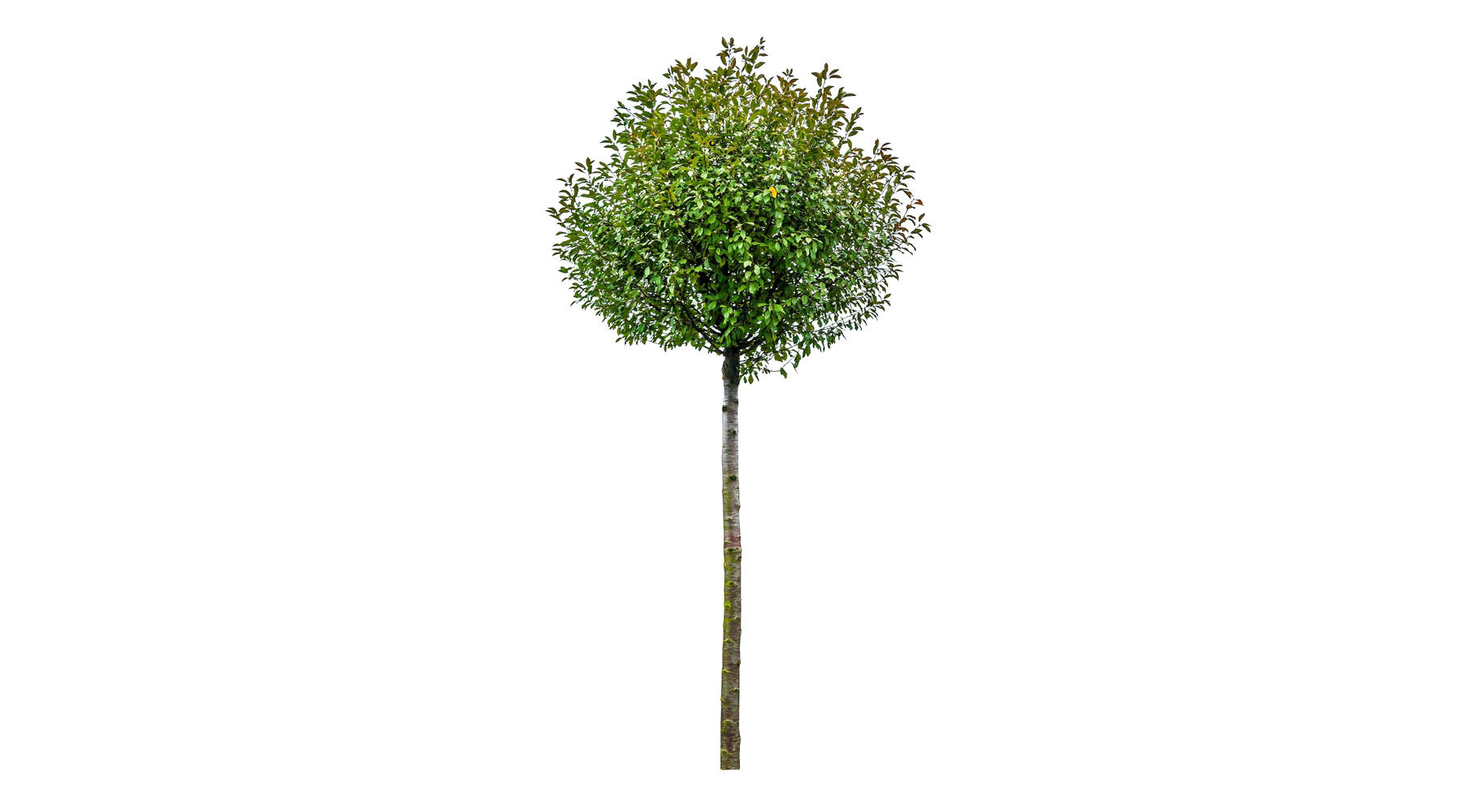
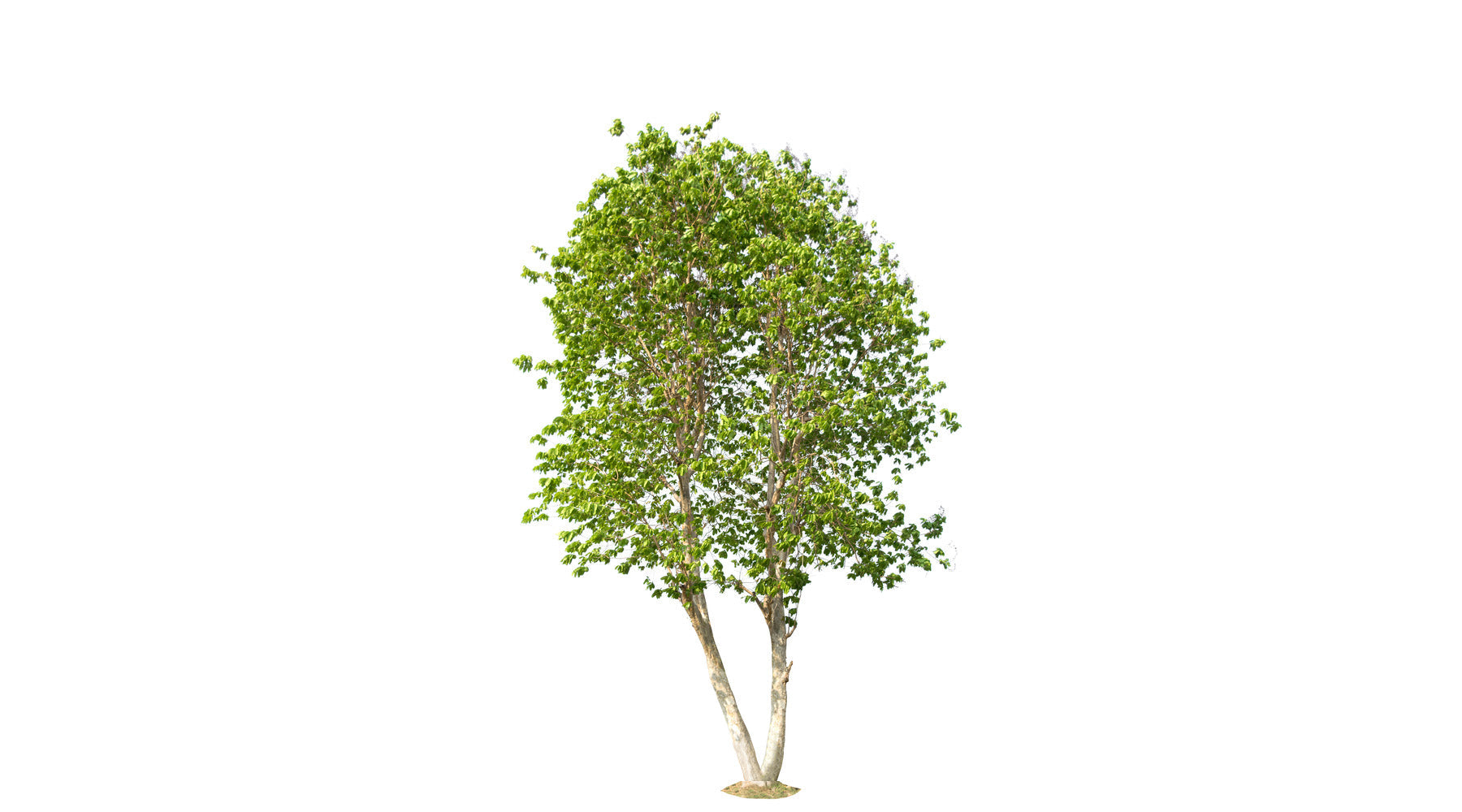
Robinia Frisia, commonly known as the Golden Robinia or Golden False Acacia, is a deciduous tree grown here as a half standard. Its most striking feature is the golden-yellow foliage, which emerges bright in spring and holds its colour well through summer before turning a deeper orange-yellow in autumn. Leaves are pinnate, made up of numerous small oval leaflets that give the canopy a light, feathery texture.
The tree has an open, airy habit with slightly arching branches, creating dappled shade rather than dense cover. Bark is deeply fissured and brown, adding winter interest once the leaves have fallen. Younger stems carry small spines, typical of the species.
In early summer, fragrant white pea-like flowers may appear in hanging clusters, though flowering is often sparse on this golden-leaved cultivar, with the foliage remaining the main seasonal attraction. The flowers, when present, are attractive to bees and other pollinating insects.
Robinia Frisia tolerates a wide range of soils, including poor and dry conditions, and is particularly useful in exposed or coastal gardens due to its resilience to wind. It also copes well with urban pollution, making it a versatile choice for both rural and town settings. As a half standard, it is well suited to smaller gardens or as a specimen tree where its colourful canopy can be appreciated at a slightly lower height.
Pin oak 'Green Pillar' | Quercus palustris Green Pillar - Feathered - Height 180-220cm Width 30-40cm - 10lt
17700
£177.00
Unit price perPin oak 'Green Pillar' | Quercus palustris Green Pillar - Feathered - Height 180-220cm Width 30-40cm - 10lt
17700
£177.00
Unit price per {
Alpine.store('xUpdateVariantQuanity').updateQuantity('template--24215847600506__main', '/products/upright-pin-oak-quercus-palustris-green-pillar-pringreen-height-200-220cm-pot-grown-10lt?_pos=182&_sid=6929e94d4&_ss=r');
});">
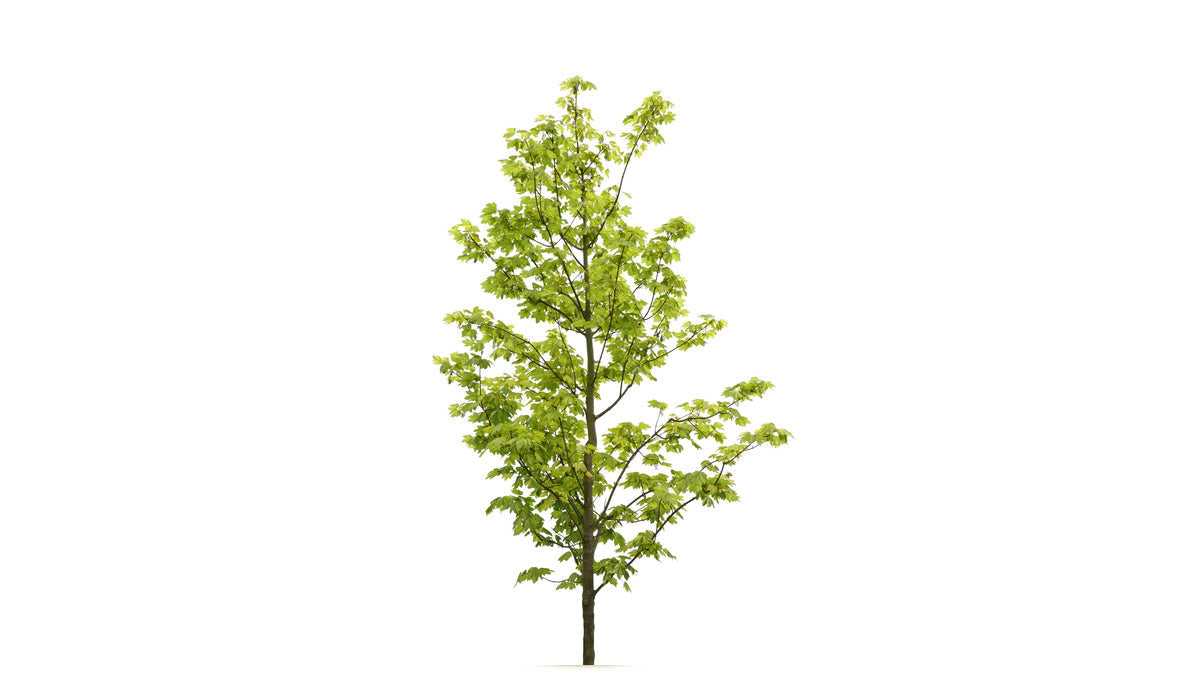
Green Pillar Pin Oak is a deciduous tree grown in a feathered form, retaining lateral branches down to ground level in its early years. It has a distinctly upright, narrow, columnar habit, making it well suited to smaller gardens or locations where space is limited. The glossy, deeply lobed green leaves provide good coverage through the growing season before turning shades of red and bronze in autumn, offering a notable seasonal display. Branches are slender and slightly pendulous, giving the canopy a layered, feathery texture. Small, inconspicuous flowers appear in spring, followed by small acorns in autumn, which provide a food source for birds and small mammals. The tree supports local biodiversity by offering shelter and nesting opportunities for birds within its dense branching structure. It tolerates a wide range of soil types but performs particularly well on moist, slightly acidic soils, including heavier clay ground where many other oaks may struggle. This variety is tolerant of wetter conditions and is a good choice for planting in areas prone to occasional waterlogging. Its narrow form makes it useful for avenue planting, screening, or as a specimen tree where a strong vertical accent is required without excessive spread.
Panicle hydrangea 'Limelight' | Hydrangea paniculata Limelight - Height 140-180cm Width 80-100cm - 15lt
15500
£155.00
Unit price perPanicle hydrangea 'Limelight' | Hydrangea paniculata Limelight - Height 140-180cm Width 80-100cm - 15lt
15500
£155.00
Unit price per {
Alpine.store('xUpdateVariantQuanity').updateQuantity('template--24215847600506__main', '/products/hydrangea-paniculata-limelight-stem-100cm-height-170-180cm-15lt?_pos=183&_sid=6929e94d4&_ss=r');
});">
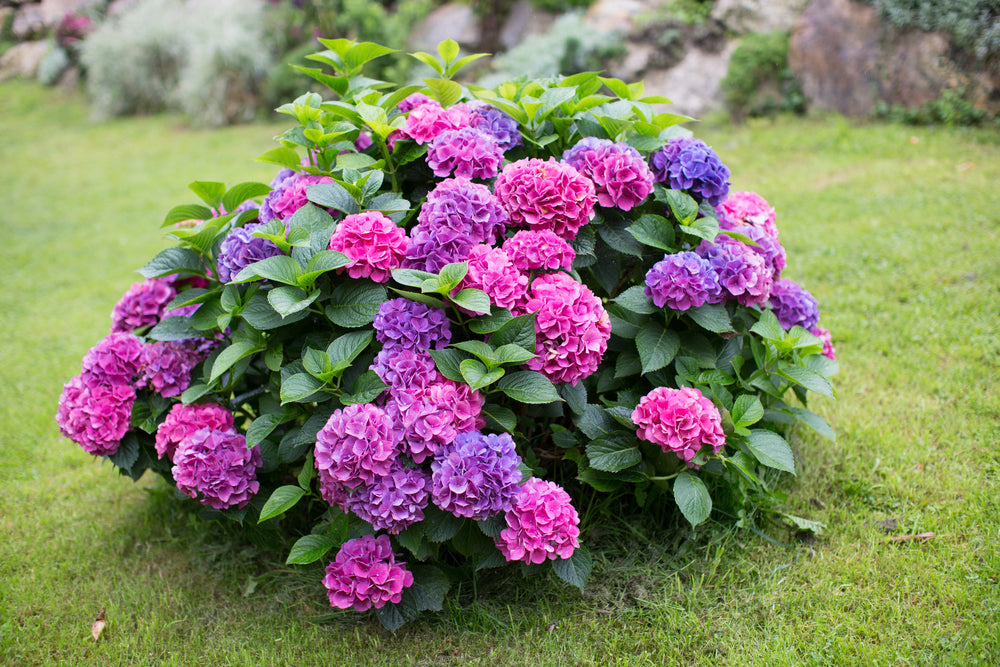
Limelight Hydrangea is a deciduous shrub with a rounded, bushy habit and sturdy, upright stems capable of supporting its large flower heads without flopping. The foliage consists of mid-green, oval leaves that taper to a point, providing a dense backdrop throughout the growing season before turning shades of yellow in autumn.
This shrub produces large, conical flower panicles from midsummer through to autumn, opening in a fresh lime-green shade that gradually matures to creamy white and finally takes on pink tones as temperatures cool. The flowers are held upright on strong stems and remain attractive for an extended period, making this a reliable choice for prolonged seasonal interest. Flowering is most prolific from July through September, with the colour change continuing into October.
The blooms attract bees and other pollinating insects, offering a useful nectar source during the summer months when many other plants have finished flowering. Dried flower heads can also provide shelter for small insects over winter if left uncut.
Limelight Hydrangea tolerates a range of soil types, including clay, and performs well in both sun and partial shade. It is well suited to borders, as a specimen shrub, or planted in groups to form an informal hedge, and copes reasonably well in exposed or windy positions once established.
Japanese maple 'Orangeola' | Acer Palmatum Orangeola - Bushy - Height 100-140cm Width 140-180cm - 55lt
49500
£495.00
Unit price perJapanese maple 'Orangeola' | Acer Palmatum Orangeola - Bushy - Height 100-140cm Width 140-180cm - 55lt
49500
£495.00
Unit price per {
Alpine.store('xUpdateVariantQuanity').updateQuantity('template--24215847600506__main', '/products/japanese-maple-orange-dream-acer-palmatum-bushy-height-135-155cm-55lt?_pos=184&_sid=6929e94d4&_ss=r');
});">
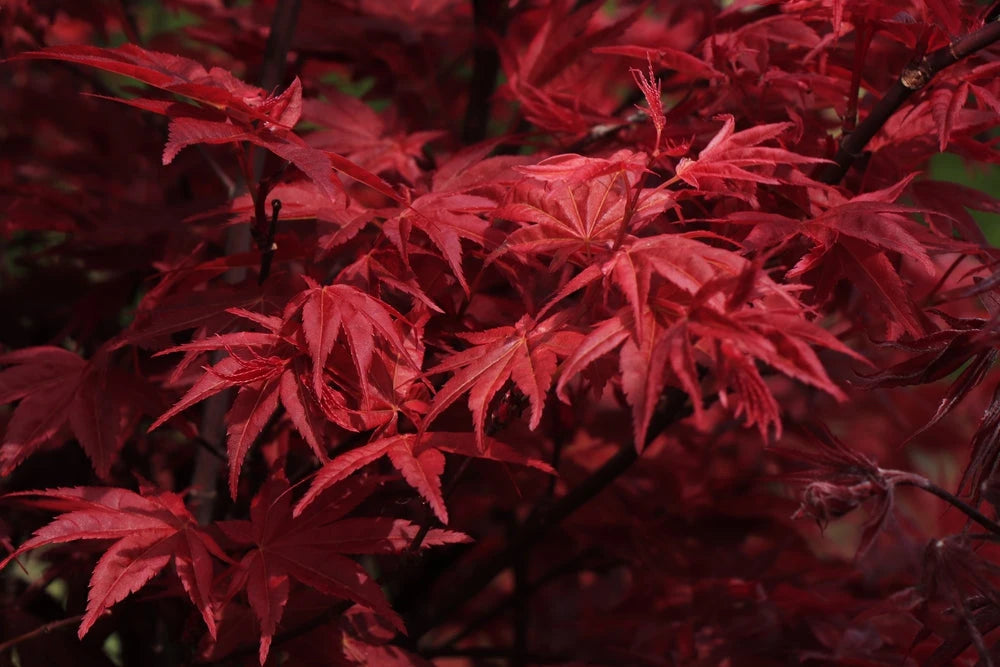
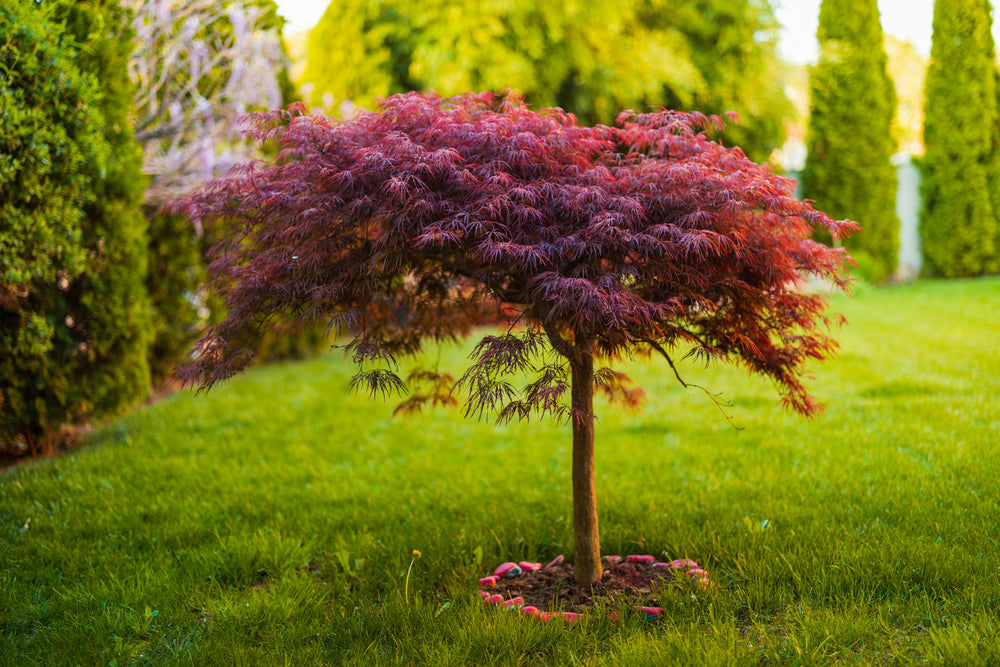
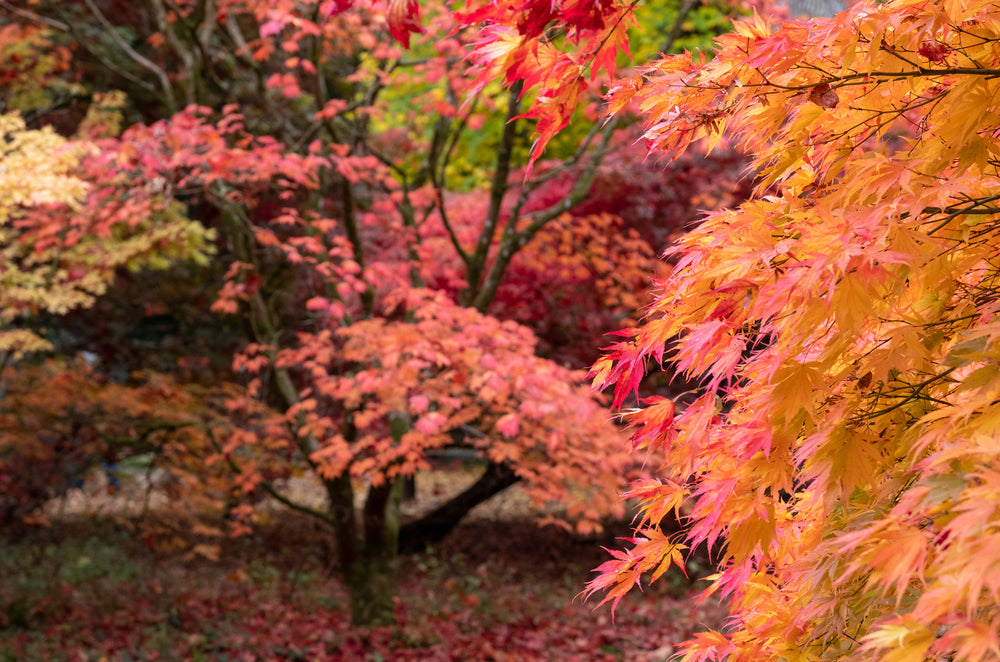
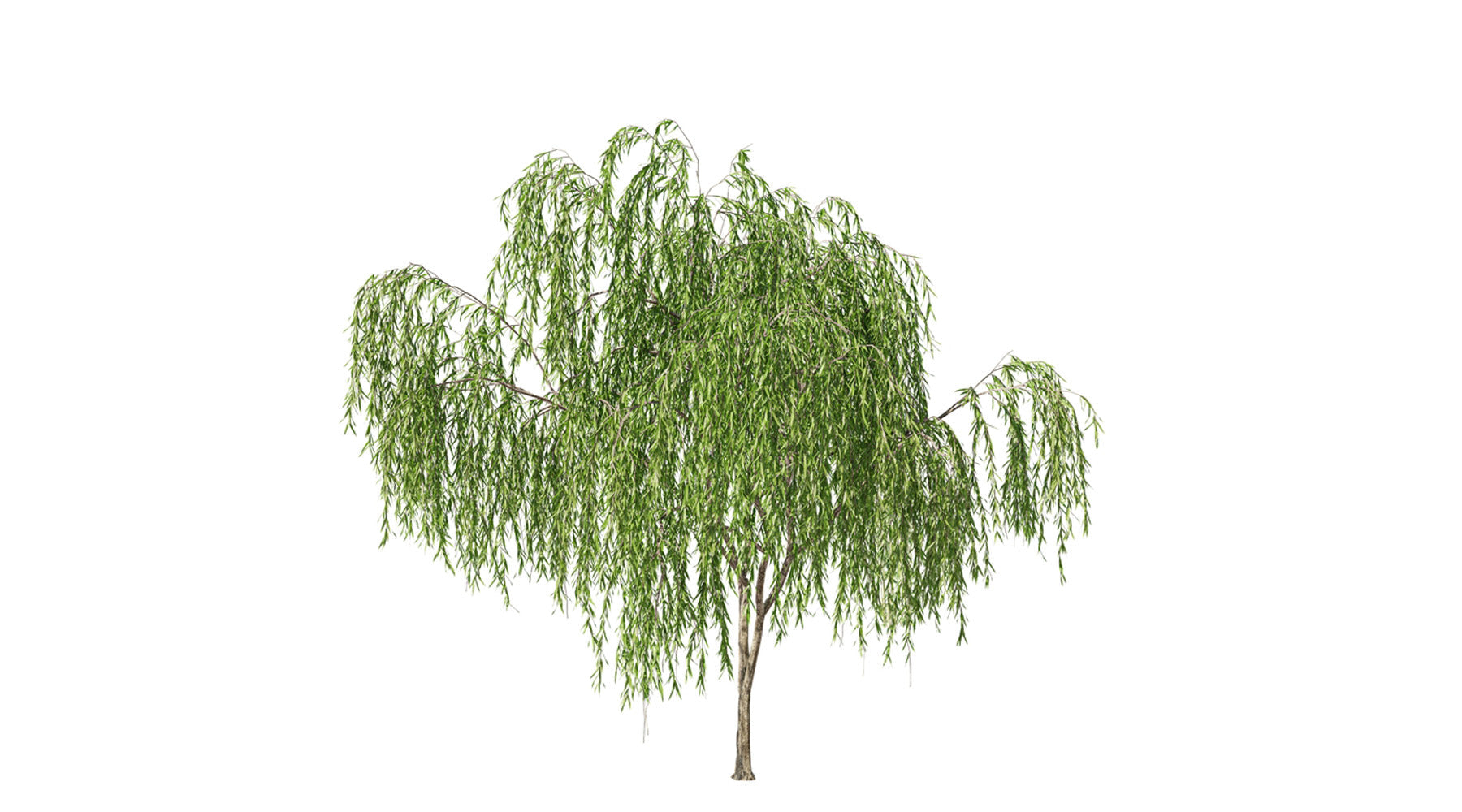
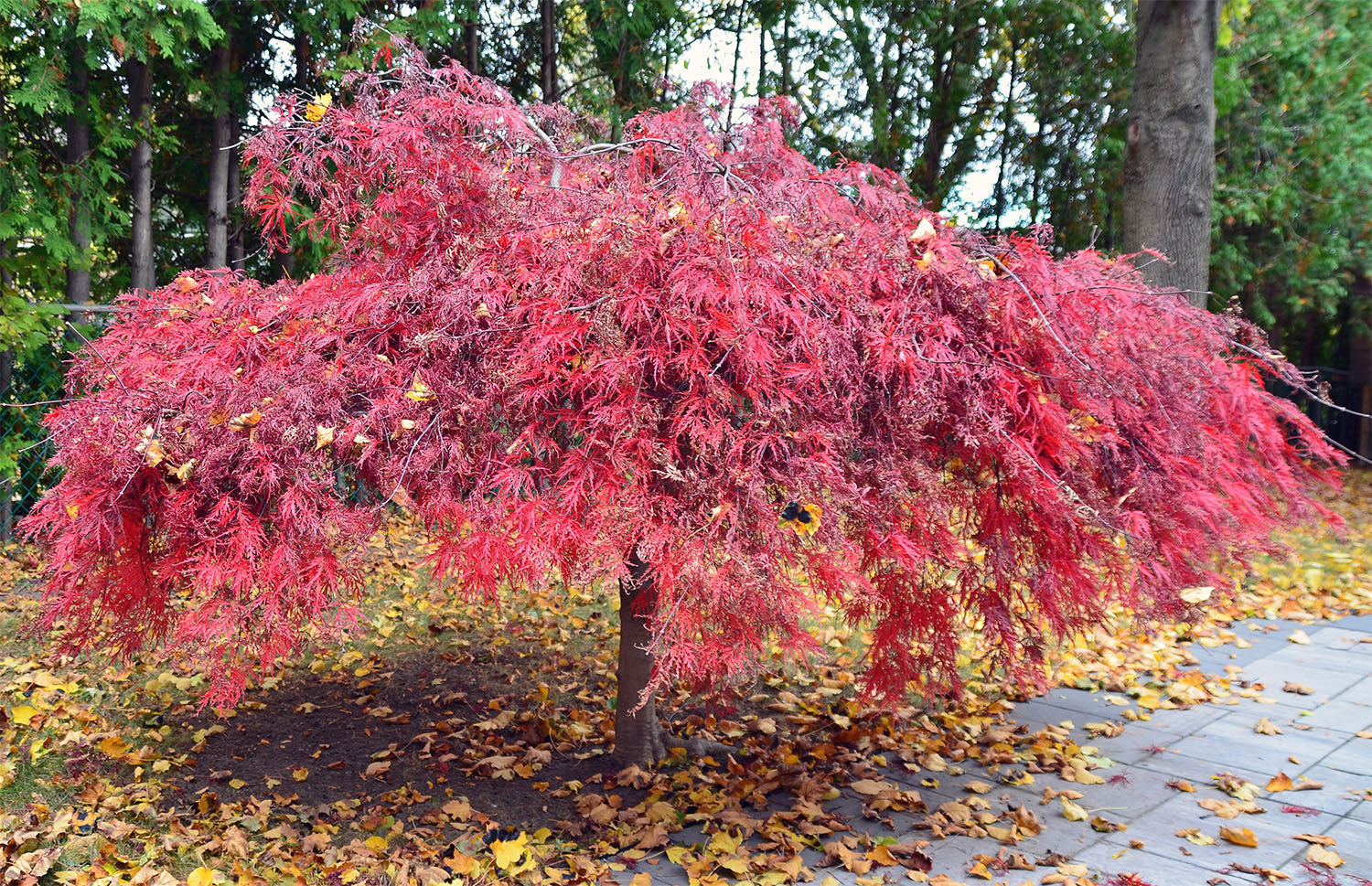
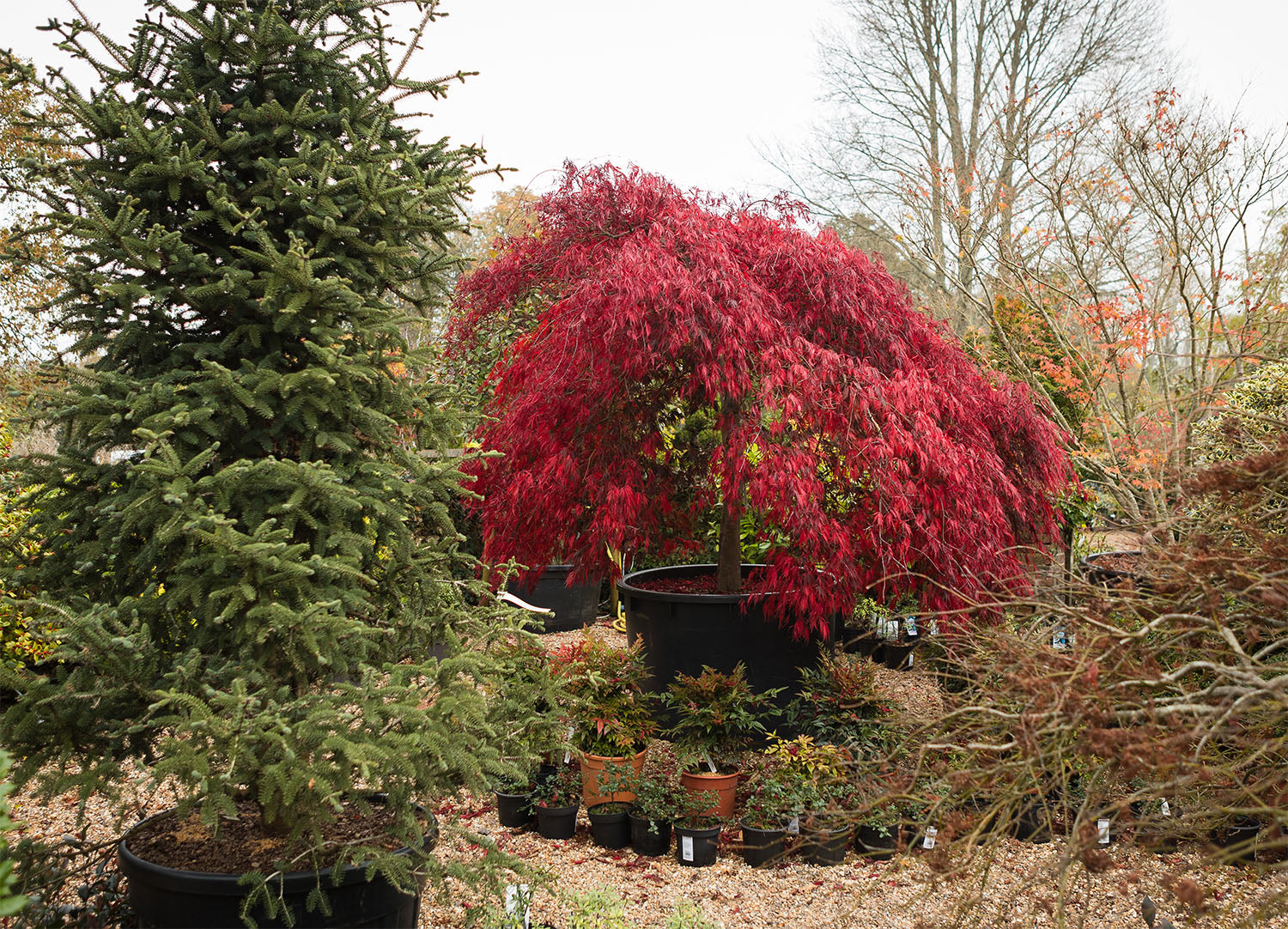
Acer palmatum 'Orangeola' is a deciduous Japanese maple with a bushy, weeping habit, forming a dense mound of cascading branches. The deeply dissected, lacy leaves emerge a vivid orange-red in spring, maturing to a bronze-green or reddish-purple through summer, before turning brilliant orange and red in autumn. This cultivar offers strong seasonal interest, with particularly striking colour in both spring and autumn, making it a feature plant for much of the year. Small reddish-purple flowers appear in spring, followed by the typical winged seed pods (samaras) of Japanese maples, though these are not a significant ornamental feature. The tree's slow growth and compact, cascading form make it well suited to smaller gardens, containers, or as a focal point near water features, where its weeping branches can be shown to best effect. It prefers a sheltered position away from strong winds and harsh afternoon sun, which can scorch the delicate foliage. It grows well in moist, well-drained, loamy soil and benefits from some shade, particularly in hotter climates. This maple is a good choice for adding structure and colour to shaded borders or woodland-style planting schemes.
Japanese maple 'Katsura' | Acer Palmatum Katsura - Bushy - Height 180-220cm Width 100-140cm - 55lt
49500
£495.00
Unit price perJapanese maple 'Katsura' | Acer Palmatum Katsura - Bushy - Height 180-220cm Width 100-140cm - 55lt
49500
£495.00
Unit price per {
Alpine.store('xUpdateVariantQuanity').updateQuantity('template--24215847600506__main', '/products/acer-palmatum-katsura-katsura-japanese-maple-bushy-height-180-200cm-55lt?_pos=185&_sid=6929e94d4&_ss=r');
});">
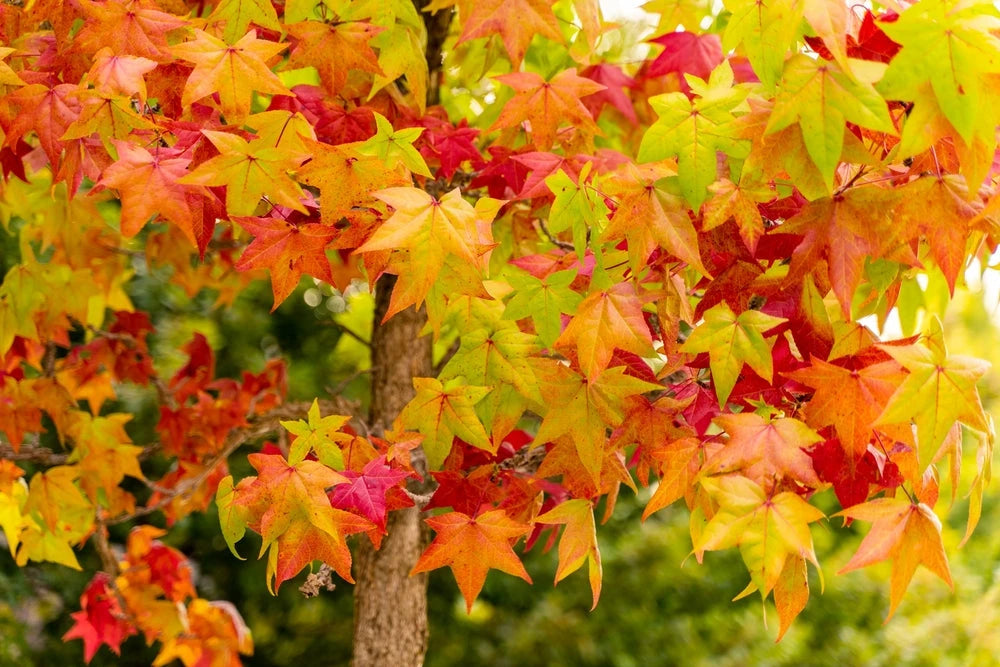
Acer palmatum 'Katsura' is a deciduous Japanese maple, grown here as a bushy tree with a dense, twiggy habit that forms a rounded, compact crown. In spring the emerging foliage is a striking combination of orange and yellow, giving the leaves a vivid, almost glowing appearance before settling to light green through summer. The small, deeply lobed leaves contribute to a fine-textured canopy. In autumn the foliage returns to shades of yellow, orange and gold, providing a second period of seasonal colour. Small reddish flowers appear in spring, though these are not a significant ornamental feature and are followed by the typical winged seed pairs (samaras) of the species. This cultivar is well suited to planting in a sheltered spot, protected from strong winds and harsh afternoon sun, which can scorch the delicate spring foliage. It performs well in moist, well-drained, slightly acidic to neutral soils and tolerates light shade, making it a good choice for woodland-edge planting schemes or as a specimen tree in a smaller garden setting. Its compact, bushy form makes it suitable for planting in borders or as a container specimen on patios.