

-
Trees
Trees
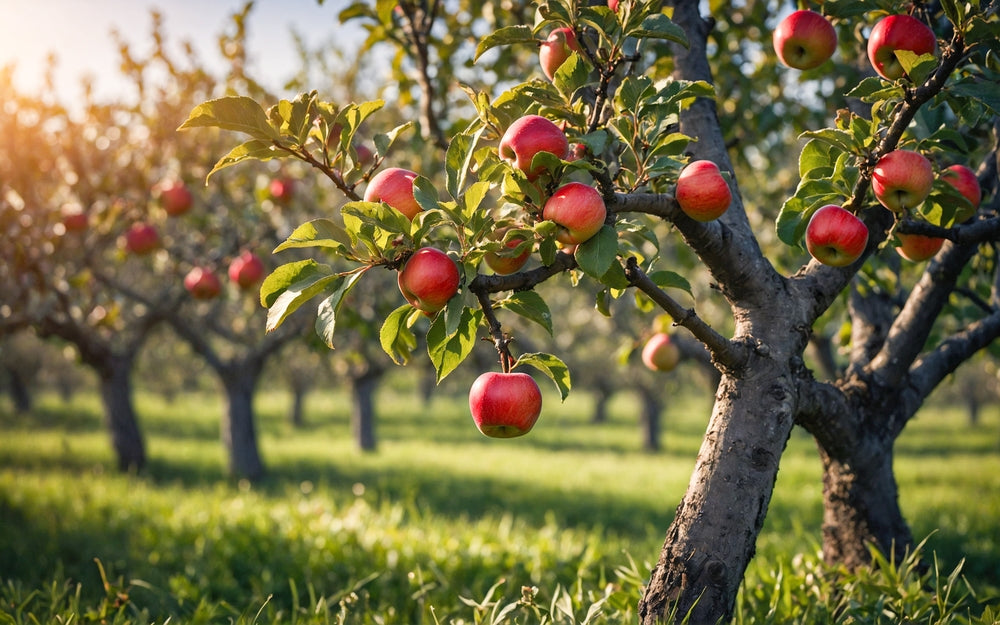 Fruit Trees
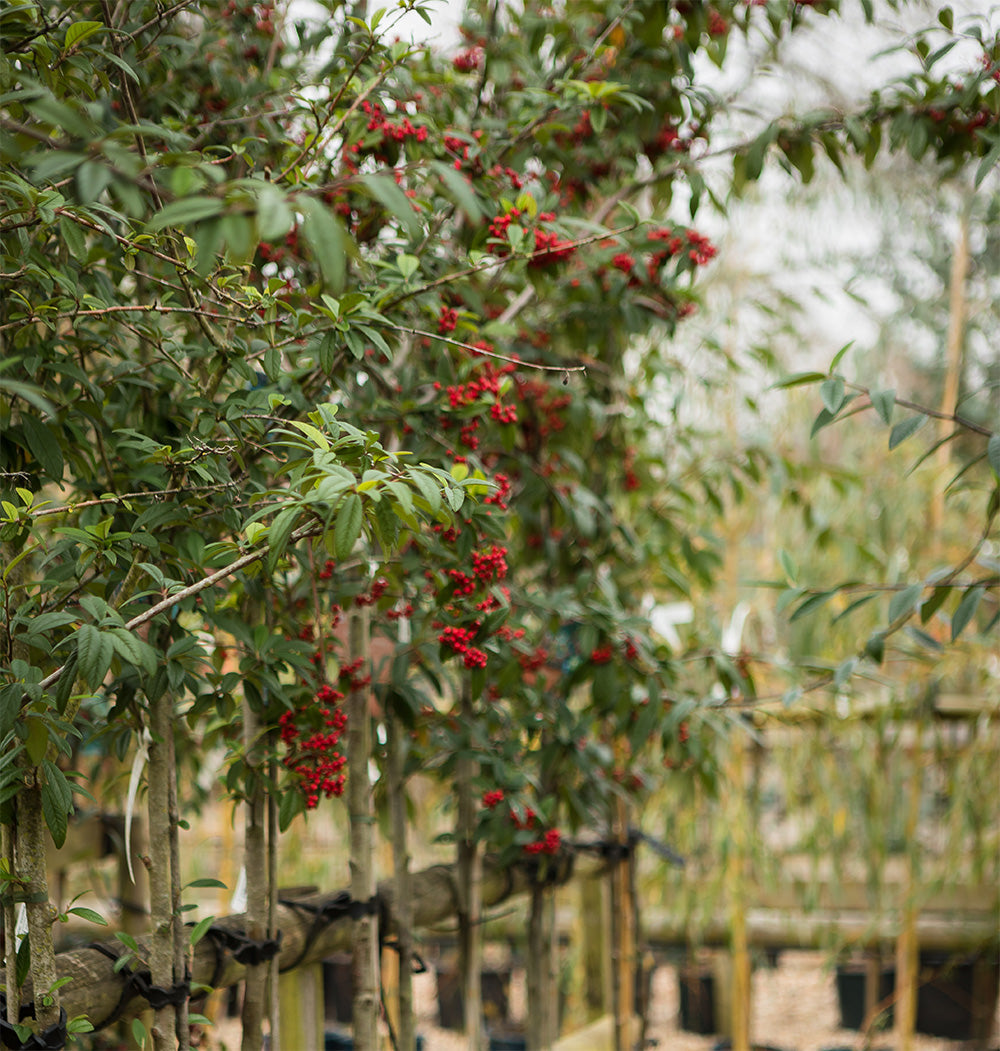 Ornamental
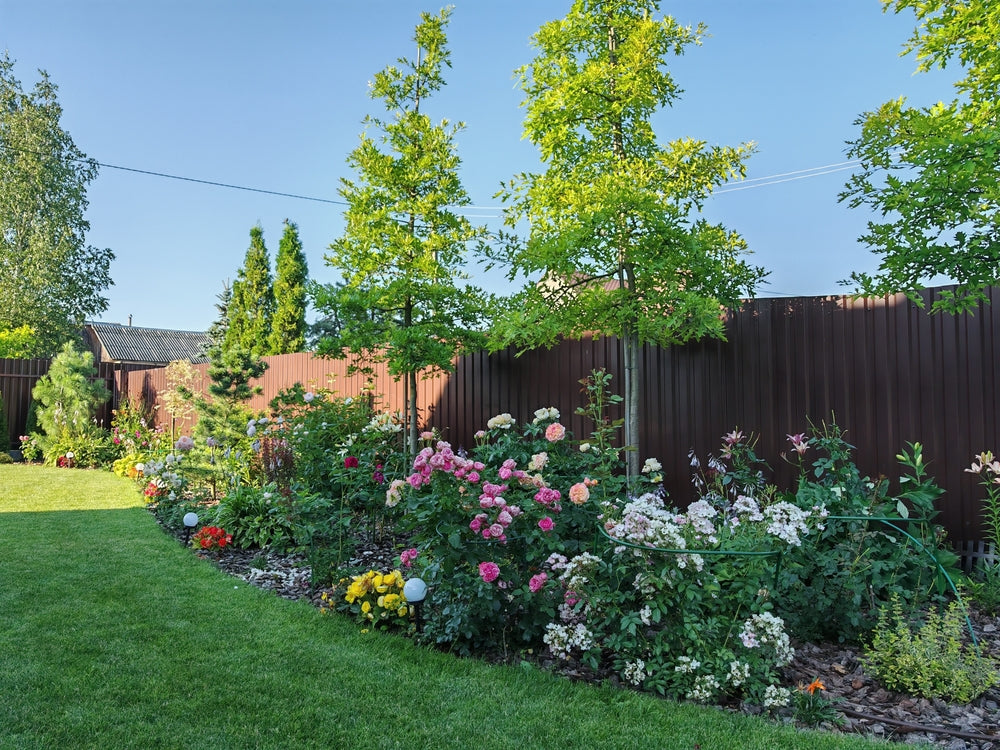 Screening
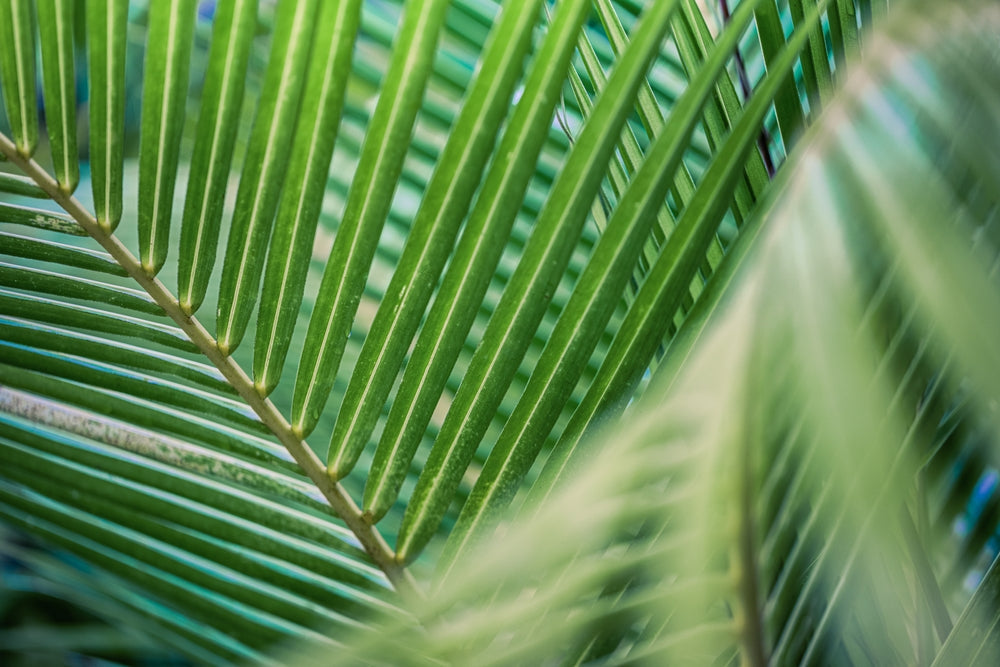 Palms
By FeaturesBy Shape
-
Shrubs
Shrubs
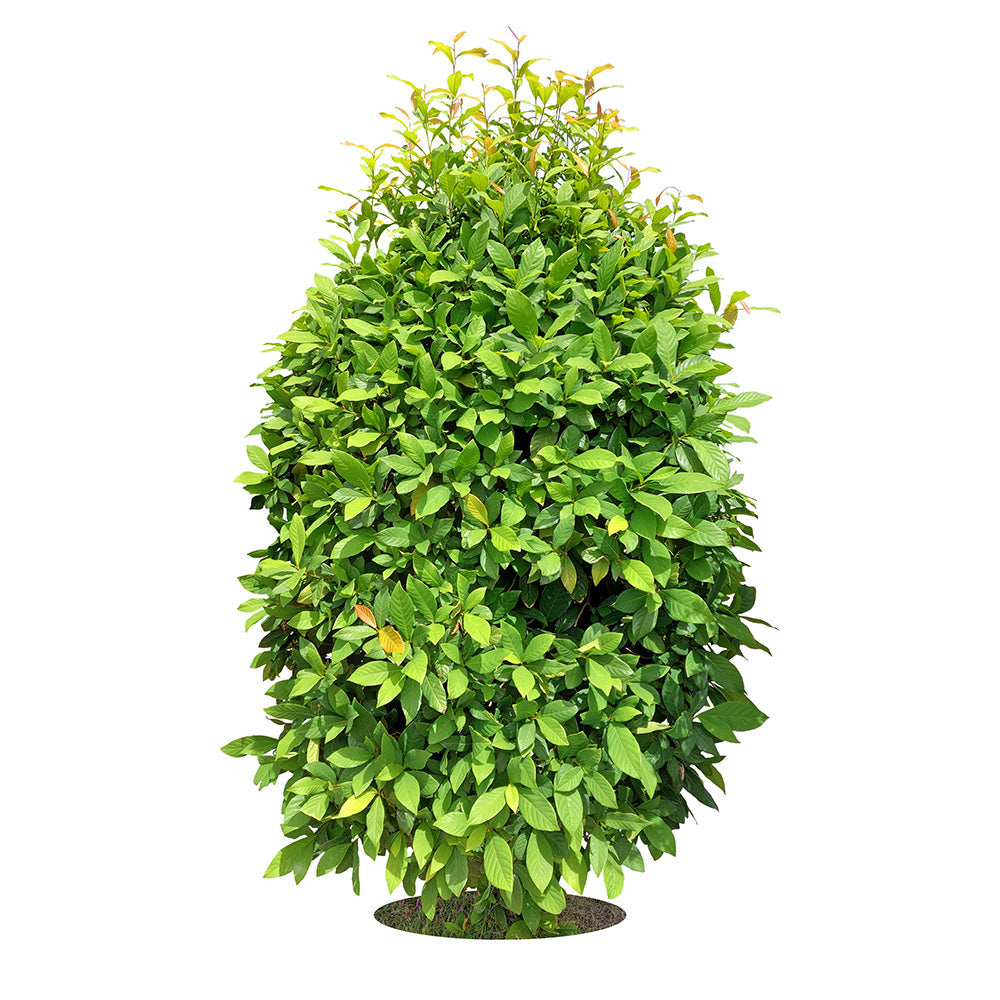 Large shrubs
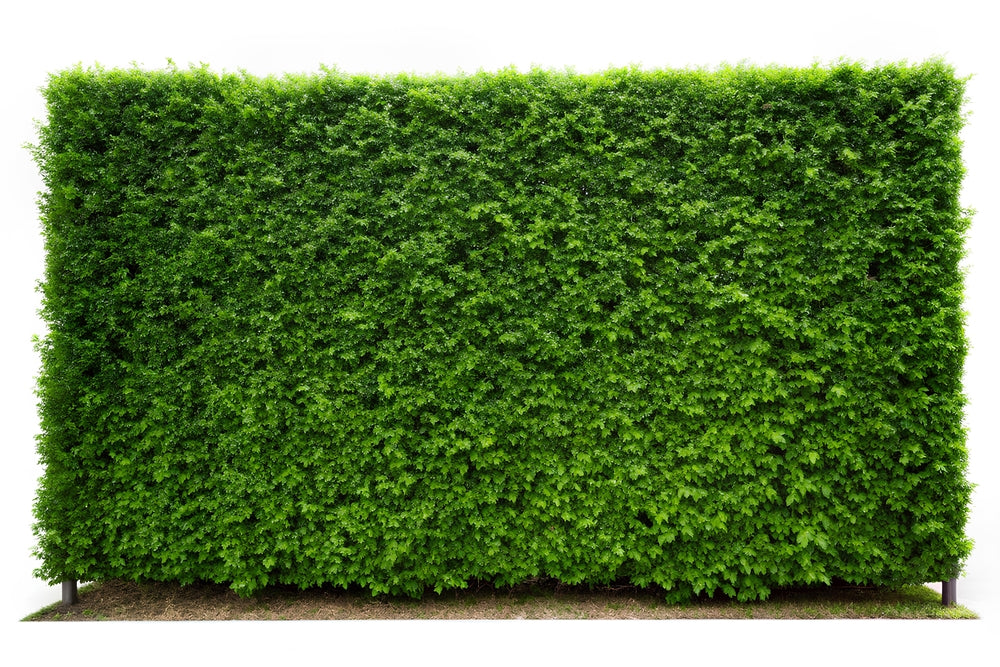 Hedging
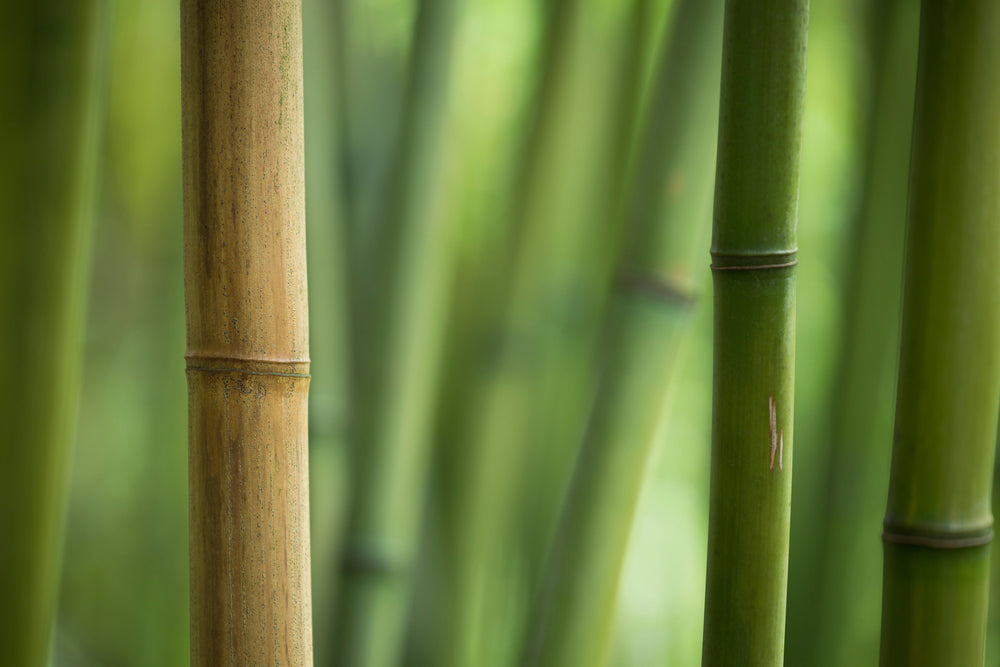 Bamboo
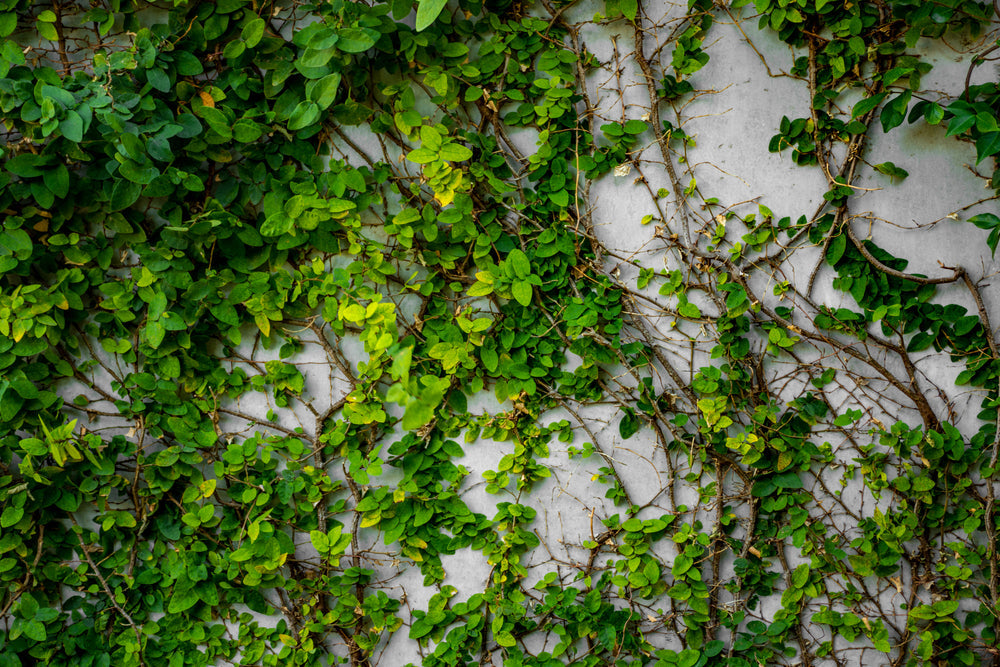 Climbers
 Flowering
 Grasses & Ferns
 Popular
-
Pines & Conifers
Pines & Conifers
 Pines
 Spruce & Fir
 Cypress
 Thuja
 Redwood | Sequoia
-
Specimen
FREE DELIVERY OVER £350
Search results
Search results


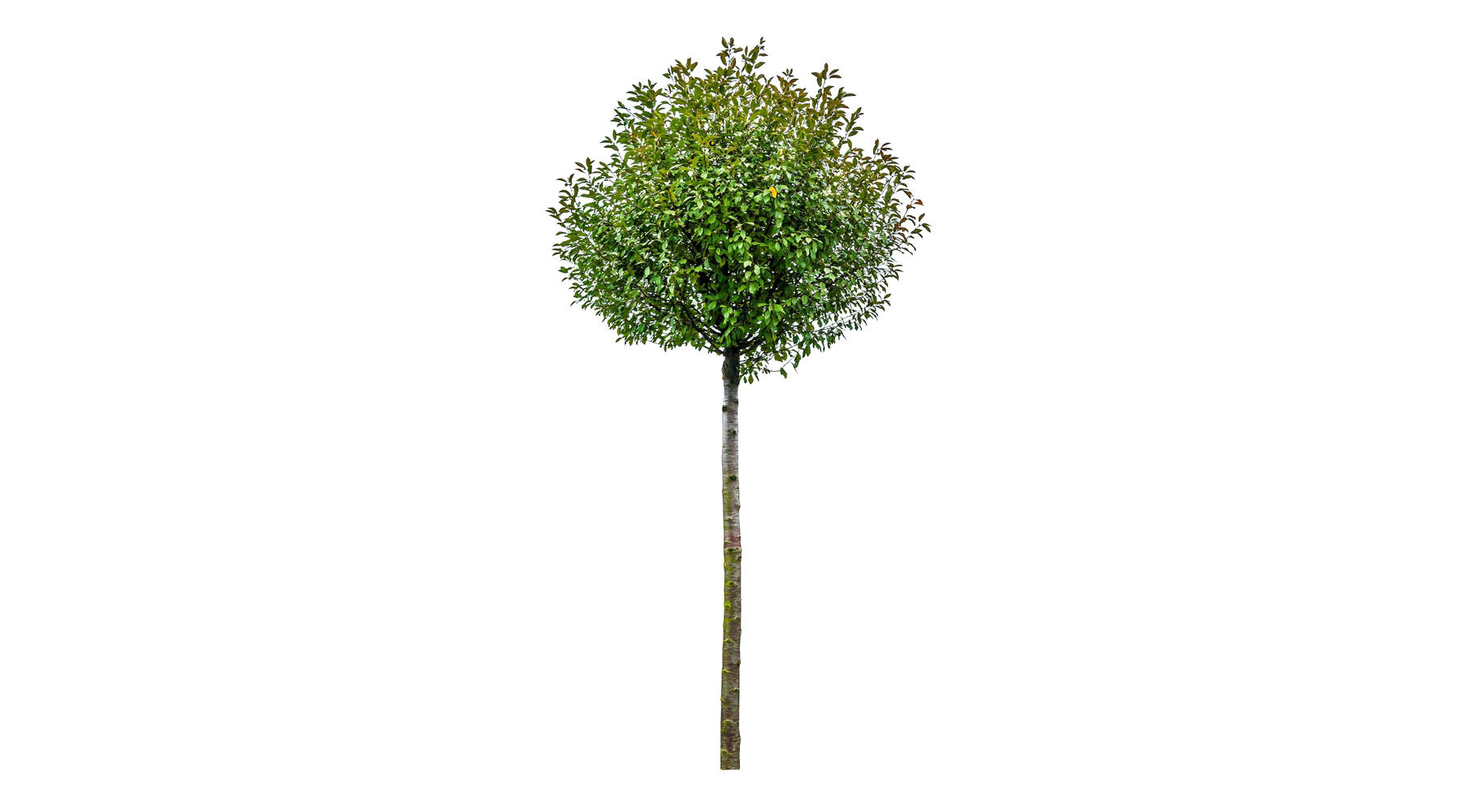
Catalpa Bignonioides (Ovata) Tree | Indian bean tree - Standard - Mature Tree - Height 350cm - 150lt
£725.00
Unit price perCatalpa Bignonioides (Ovata) Tree | Indian bean tree - Standard - Mature Tree - Height 350cm - 150lt
£725.00
Unit price per


Downy Oak | Italiak Oak | Quercus pubescens - Height 180-200cm - Girth 6-8cm - Pot Grown - 10lt
£132.00
Unit price perDowny Oak | Italiak Oak | Quercus pubescens - Height 180-200cm - Girth 6-8cm - Pot Grown - 10lt
£132.00
Unit price perQuercus pubescens, commonly known as the downy oak, is a majestic deciduous tree native to the warm, sunlit landscapes of southern Europe. It is instantly recognizable by its softly textured, velvety leaves when young, which later mature into a rich green canopy that shifts to golden tones in autumn. Its thick, rugged bark and deeply rooted strength make it a symbol of resilience, endurance, and natural harmony. The downy oak thrives in limestone-rich soils and sun-drenched environments, embodying adaptability and a close connection to the land. For centuries, it has been valued not only for its ecological importance but also for its cultural symbolism—representing longevity, stability, and balance. Quercus pubescens brings with it the essence of Mediterranean heritage and timeless nature, making it an inspiring element for sustainable, eco-conscious products that draw on tradition while embracing the future. A true emblem of strength and beauty.


Ligustrum lucidum 'Excelsum Superbum' Parachute | Chinese privet - Multistem Parachute - Height 190-210cm - 130lt
£875.00
Unit price perLigustrum lucidum 'Excelsum Superbum' Parachute | Chinese privet - Multistem Parachute - Height 190-210cm - 130lt
£875.00
Unit price perLigustrum excelsum Superbum - is a small, evergreen tree with a great, rounded crown that retains its rounded shape if grown in full sun. Long, ovate, pointed, glossy, light-green leaves have attractive, greenish-yellow to creamy-yellow margins. Numerous clusters of scented, creamy-yellow flowers almost cover the leaves in summer and autumn, and are followed by small, black berries that remain on branches for a long time. Chinese privet 'Excelsum Superbum' - can thrive in wide range of soil types, except waterlogged. It prefers deep, fertile, moist, well-drained soils, in full sun, but it can tolerate some shade. Once established, it is resistant to drought. Tolerant of urban pollution and salty air. Low maintenance plant. In harsh winters, it may lose its leaves. Ligustrum excelsum Superbum – is a tough tree, perfect for restricted spaces as it can be planted very close to buildings, therefore, suitable for a street tree. Great for informal hedges and screens, or as an accent plant.


Amelanchier lamarckii - Multistem - Height 230-240cm - 180lt
£965.00
Unit price perAmelanchier lamarckii - Multistem - Height 230-240cm - 180lt
£965.00
Unit price perAmelanchier lamarckii is a large, vase-shaped, deciduous shrub or small tree of upright habit and horizontally spreading branches, and toothed, elliptic leaves, bronze when they emerge, dark green when mature, and orange-red in autumn. Fragrant, white, 5-petal flowers in loose, dropping clusters bloom in spring and are followed by edible, sweet and juicy, dark purple berries in summer.
Amelanchier lamarckii can adapt to a wide range of soil conditions, but thrives in fertile, lime-free, slightly acidic, moist, well-drained soils. It grows well in full sun and partial shade, but best fruit and autumn foliage are achieved in full sun. It is resistant to frost, de-icing slat, and wind. Tolerant of urban pollution. No serious pest or disease problems. Low maintenance plant. Amelanchier is a lovely, elegant shrub, perfect for cottage, wildlife, and urban gardens. Excellent as a specimen, for shrub borders, wall-side borders, and informal hedges and screens. Suitable for growing in containers on patios and roof gardens.


Nyssa sylvatica | Black Gum Tree - Height 400-470cm, 110lt
£560.00
Unit price perNyssa sylvatica | Black Gum Tree - Height 400-470cm, 110lt
£560.00
Unit price per


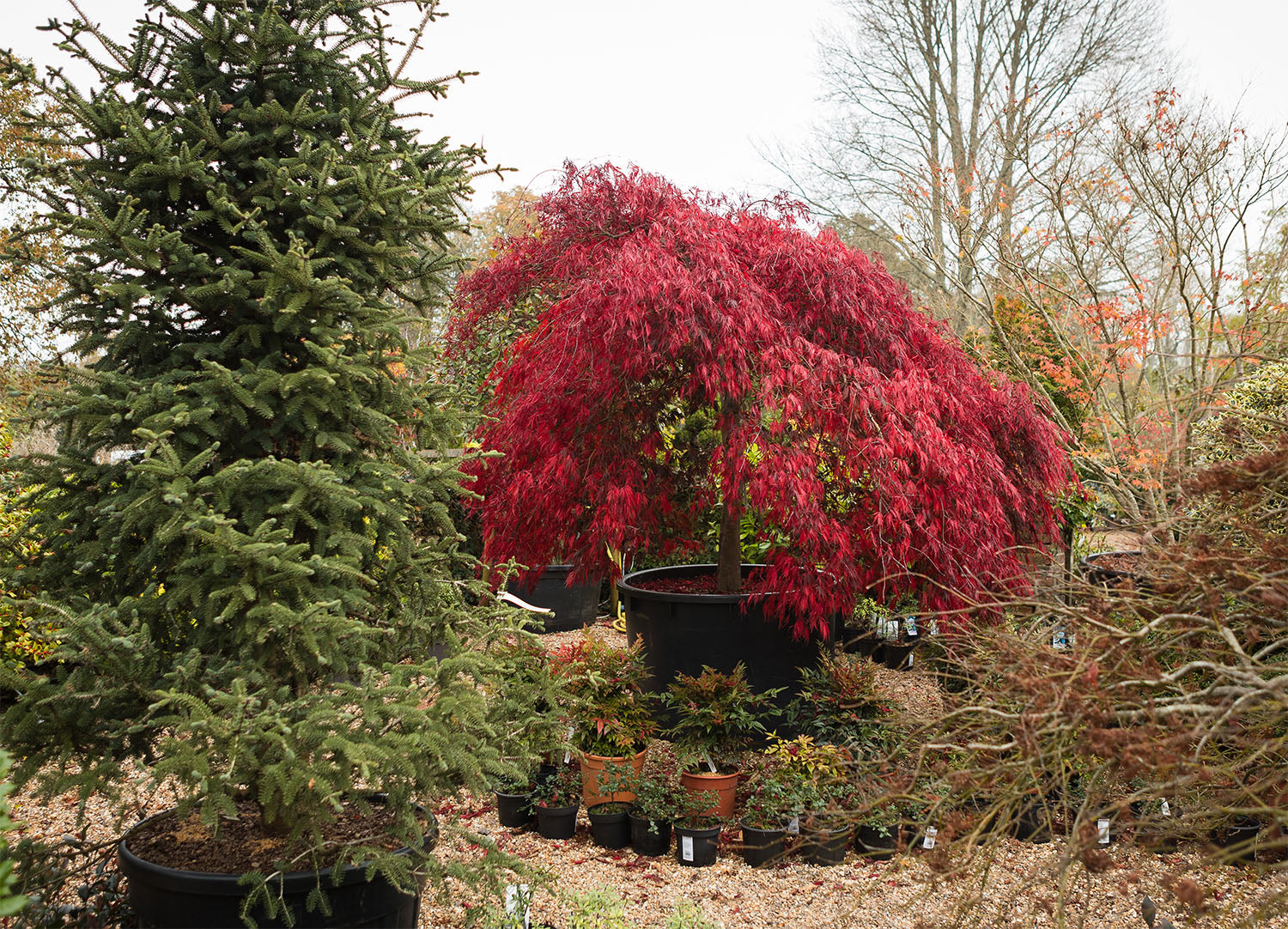
Acer palmatum 'Shishi-gashira' - Specimen Tree - Height 200-230cm - 375lt
£3,885.00
Unit price perAcer palmatum 'Shishi-gashira' - Specimen Tree - Height 200-230cm - 375lt
£3,885.00
Unit price per


Molinia caerulea 'Moorflamme' - Grass - Herbaceous Perennial - Height 20-30cm - 6.5lt
£38.50
Unit price perMolinia caerulea 'Moorflamme' - Grass - Herbaceous Perennial - Height 20-30cm - 6.5lt
£38.50
Unit price perMolinia caerulea 'Moorflamme' is a compact and elegant ornamental grass celebrated for its upright habit, fine texture, and striking seasonal color changes. Typically growing to around 90–120 cm in height, it forms neat clumps of slender green leaves that remain fresh and tidy throughout the growing season. In late summer, it sends up tall, airy flower spikes tinged with purple that sway gracefully in the breeze, adding height and movement without bulk.
One of its standout features is its vibrant autumn transformation. As the season shifts, the foliage turns brilliant shades of golden yellow, providing a warm, glowing presence in borders, prairie-style plantings, or naturalistic gardens. The seedheads persist into winter, offering structural interest and subtle beauty even in the colder months.
'Moorflamme' thrives in full sun to partial shade and prefers moist, well-drained soil, though it tolerates a range of conditions once established. It's low-maintenance and deer-resistant, making it a reliable and attractive choice for gardeners. Its moderate size and refined appearance allow it to blend beautifully with perennials, other grasses, and shrubs in both formal and informal designs.


Vitex agnus-castus 'Latifolia'| Chaste tree - Height 90-110cm - 10lt
£70.00
Unit price perVitex agnus-castus 'Latifolia'| Chaste tree - Height 90-110cm - 10lt
£70.00
Unit price perVitex agnus-castus, also known as the chasteberry tree, is a species of small deciduous tree belonging to the Verbenaceae family. It is native to the Mediterranean region and can be found in various countries, including Greece, Italy, and Turkey. The tree typically reaches a height of 3 to 6 meters (10 to 20 feet) and has a spreading, rounded crown.
The leaves of Vitex agnus-castus are palmate, meaning they are divided into multiple lobes that resemble a hand with outstretched fingers. The foliage is aromatic, with a pleasant herbal scent. The tree produces showy, fragrant flowers in dense clusters known as panicles. The flowers are typically lavender, violet, or pale blue in colour, and they bloom during the summer months.
Following the flowers, Vitex agnus-castus develops small, dark berries that are roughly the size of peppercorns. These berries are a prominent feature of the tree and can persist well into the winter months. They are edible but have a bitter taste and are not typically consumed directly.
In addition to its medicinal uses, the chasteberry tree is also valued for its ornamental qualities. It is often planted in gardens and parks for its attractive flowers and foliage. The tree prefers well-drained soil and full sun exposure, making it adaptable to various climatic conditions.
Overall, Vitex agnus-castus is a versatile tree that offers both aesthetic appeal and potential health benefits. Its delicate flowers, aromatic leaves, and unique berries make it a noteworthy addition to any landscape, while its historical use in traditional medicine continues to intrigue researchers and practitioners alike.


Crataegus laevigata 'Crimson Cloud' - Height 170cm-190cm - 12lt
£94.00
Unit price perCrataegus laevigata 'Crimson Cloud' - Height 170cm-190cm - 12lt
£94.00
Unit price per


Cordyline indivisa | Mountain Cabbage Tree - 120-180cm - 40lt
£160.00
Unit price perCordyline indivisa | Mountain Cabbage Tree - 120-180cm - 40lt
£160.00
Unit price per


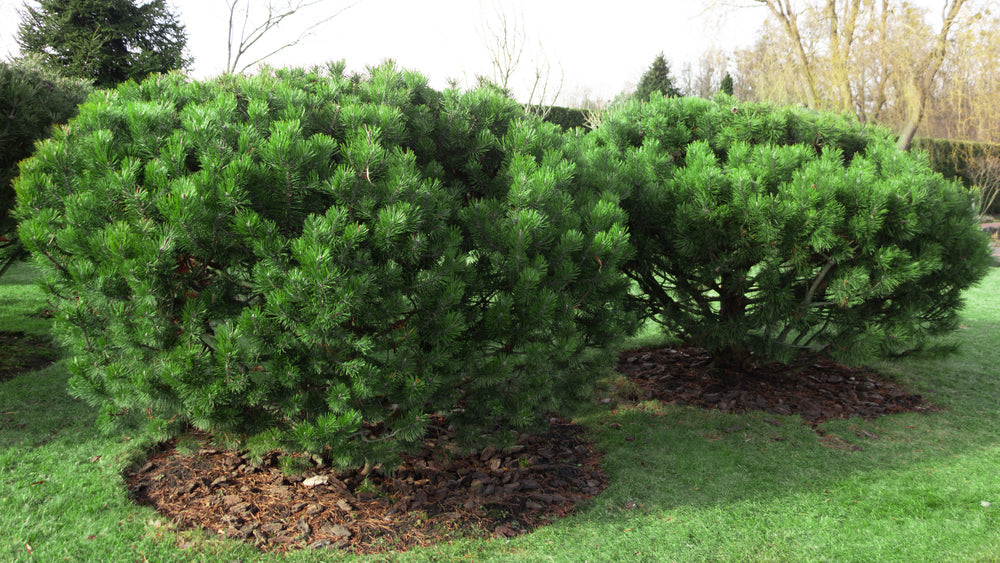
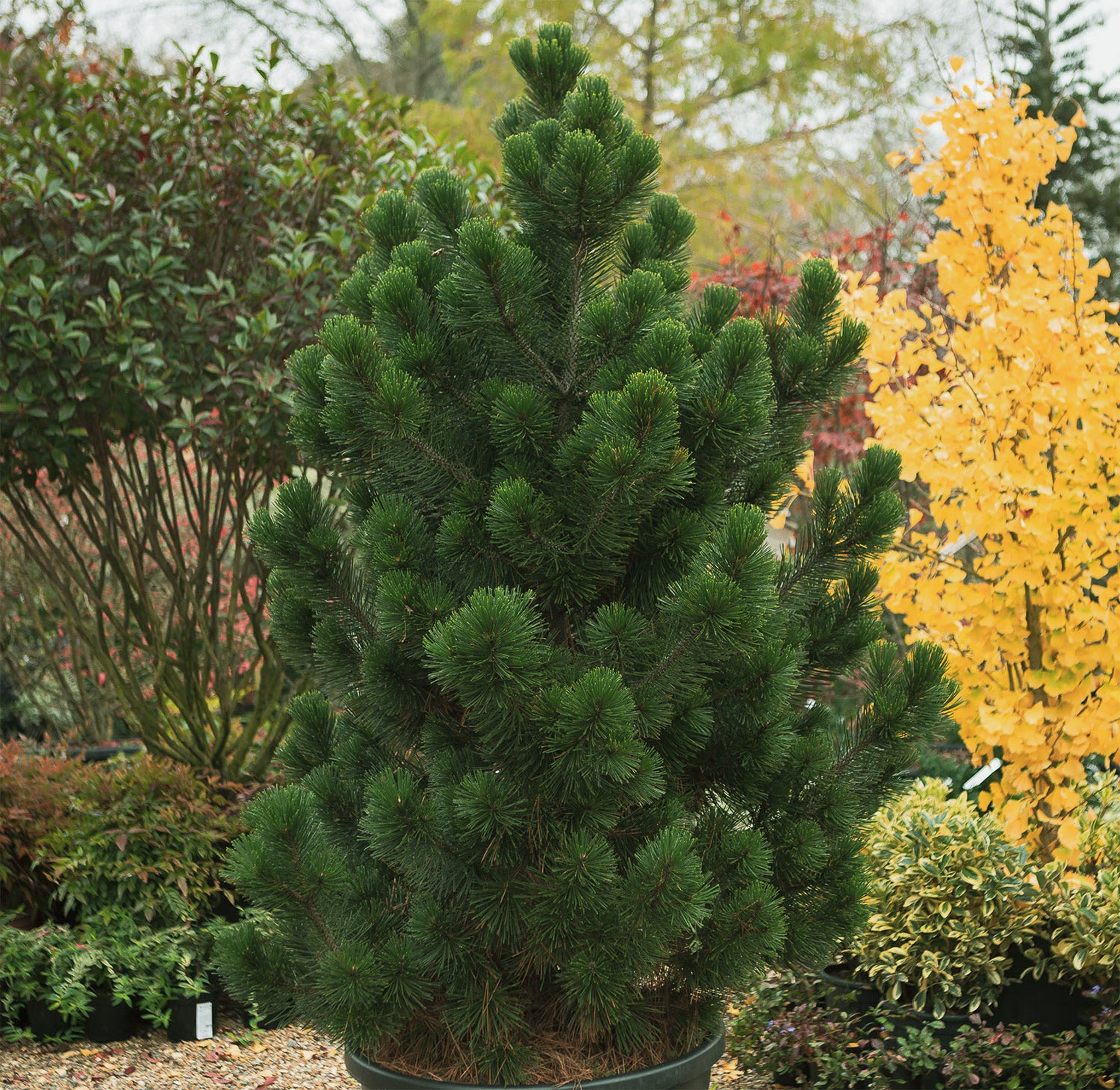
Pinus mugo Klostergrun | dwarf mountain pine 'Klosterkötter' - Height 45cm - Width 25-30cm - 8lt
£73.00
Unit price perPinus mugo Klostergrun | dwarf mountain pine 'Klosterkötter' - Height 45cm - Width 25-30cm - 8lt
£73.00
Unit price per


Malus 'Golden Hornet' | Flowering Crab Apple Tree, Height 240-260cm - 20lt
£105.00
Unit price perMalus 'Golden Hornet' | Flowering Crab Apple Tree, Height 240-260cm - 20lt
£105.00
Unit price per


Aesculus hippocastanum | Horse Chestnut - Girth 8-10cm - Height 230-250cm - 45lt
£410.00
Unit price perAesculus hippocastanum | Horse Chestnut - Girth 8-10cm - Height 230-250cm - 45lt
£410.00
Unit price perThe Aesculus hippocastanum, commonly known as the horse chestnut, is a deciduous tree native to the Balkan Peninsula in Southeast Europe. This majestic tree, widely cultivated throughout the UK, is celebrated for its striking appearance and historical significance.
Horse chestnuts can grow up to 30 meters tall, boasting a broad, rounded canopy that provides ample shade. The bark is greyish-brown, developing scaly plates with age. Its leaves are large and palmately compound, typically composed of five to seven leaflets radiating from a central point, resembling an open hand.
In spring, the horse chestnut produces magnificent conical flower clusters, known as inflorescences or 'candles'. These are composed of numerous small, white flowers with red or yellow blotches at the base of the petals. The flowers are hermaphroditic, containing both male and female reproductive organs, and are highly attractive to pollinators, particularly bees.
The tree's fruit, commonly referred to as conkers, develop within a spiky green husk. When mature, the husks split open to reveal the shiny brown seeds inside. Conkers are a familiar sight in autumn and are traditionally used in children's games.
The Aesculus hippocastanum is a remarkable tree, known for its impressive stature, distinctive leaves, and iconic conkers, making it a beloved feature in parks, gardens, and streetscapes across the UK.


Davidia involucrata - Handkerchief Tree - Height 200-250cm - 20lt
£260.00
Unit price perDavidia involucrata - Handkerchief Tree - Height 200-250cm - 20lt
£260.00
Unit price perDavidia involucrate is a medium-sized, deciduous tree with broad, pyramidal habit, exfoliating, cinnamon bark, and ovate, red-stalked, heart-shaped, bright green leaves. Small, reddish-purple flower heads have long, oval creamy-white bracts that flutter in the breeze and resemble white doves sitting on a branch or dangling white handkerchiefs. Hence the common name. It flowers in April and May and flowers are followed by greenish-brown fruits.
Davidia involucrate thrives in organically rich, moist, but well-drained soils, in full sun or partial shade. It is virtually, pest-free and disease-free. Very resilient and low maintenance. It doesn’t require routine pruning. Must be protected from hard winds. It may take ten years after planting for tree to flower. Davidia involucrate is a stunning specimen landscape tree and a great shade tree, perfect for cottage, informal, and city gardens. It looks great in shrub borders or on patios planted in containers.


Ginkgo biloba | Maidenhair Tree - Clear Stem 70cm - Height 125-140cm - 12lt
£83.00
Unit price perGinkgo biloba | Maidenhair Tree - Clear Stem 70cm - Height 125-140cm - 12lt
£83.00
Unit price perGinkgo biloba is known as a “living fossil”, one of the oldest tree species. It’s a large, long-lived, coniferous, deciduous tree with deeply grooved, grey-brown bark and thick, fan-shaped, bi-lobed, green leaves that turn yellow in autumn. Ginkgo has either male catkins or female single flowers on long stems. Female plants bear unpleasantly scented plum-like fruits, which are actually hard seeds with silvery yellow seed coats.
Ginkgo biloba grows in a wide variety of soils, except too wet and waterlogged, but prefers average, medium moisture, sandy, well-drained soils, in full sun. Once established, it is tolerant of heat, salt, and urban pollution. Generally, disease-free and pest-free. Ginkgo biloba is a perfect specimen plant for large gardens. Great as a shade tree, lawn tree, or planted in espaliers. Very good for streets and parks. Slower-growing varieties are suitable for growing in containers. While young, the crown can be trimmed and trained as desired.


Mahonia Japonica - Height 30-50cm - 12lt
£35.00
Unit price perMahonia Japonica - Height 30-50cm - 12lt
£35.00
Unit price perMahonia japonica, commonly known as the Japanese mahonia, is a striking evergreen shrub appreciated for its ornamental value and adaptability. This robust plant, native to East Asia, is well-suited to the UK climate and can often be found gracing gardens and landscapes with its distinctive features.
Characterised by its bold, architectural form, Mahonia japonica typically reaches heights of 1.5 to 3 metres, with an upright, spreading habit. The shrub's foliage is a notable feature: its pinnate leaves are composed of up to 19 leaflets, each with a spiny, holly-like edge, lending the plant a somewhat dramatic appearance. These glossy, dark green leaves provide year-round interest, making it a valuable addition to any garden.
In late autumn to early winter, Mahonia japonica produces striking racemes of bright yellow flowers. These blooms, which can appear even in the coldest months, emit a sweet fragrance that can attract pollinators such as bees. The flower clusters are not only visually appealing but also provide a vital source of nectar during a time when few other plants are in bloom.
Following the flowering period, the shrub produces small, blue-black berries that resemble grapes. These berries are edible but are generally more popular with birds than with humans. They add a further layer of seasonal interest and can contribute to the biodiversity of a garden by attracting wildlife.
Mahonia japonica thrives in partial to full shade and prefers well-drained soil. It is relatively low-maintenance, requiring minimal pruning—typically just to remove any dead or damaged growth. Its ability to tolerate a range of conditions, from drought to deep shade, makes it an excellent choice for challenging garden spots.
Overall, Mahonia japonica is a versatile and attractive shrub that offers year-round interest and is particularly valuable for its winter blooms and hardy nature. Its combination of striking foliage, fragrant flowers, and attractive berries make it a standout plant in any landscape.


Wisteria x valderi 'Eranthema - Cane - Height 150-200cm - 3lt
£61.00
Unit price perWisteria x valderi 'Eranthema - Cane - Height 150-200cm - 3lt
£61.00
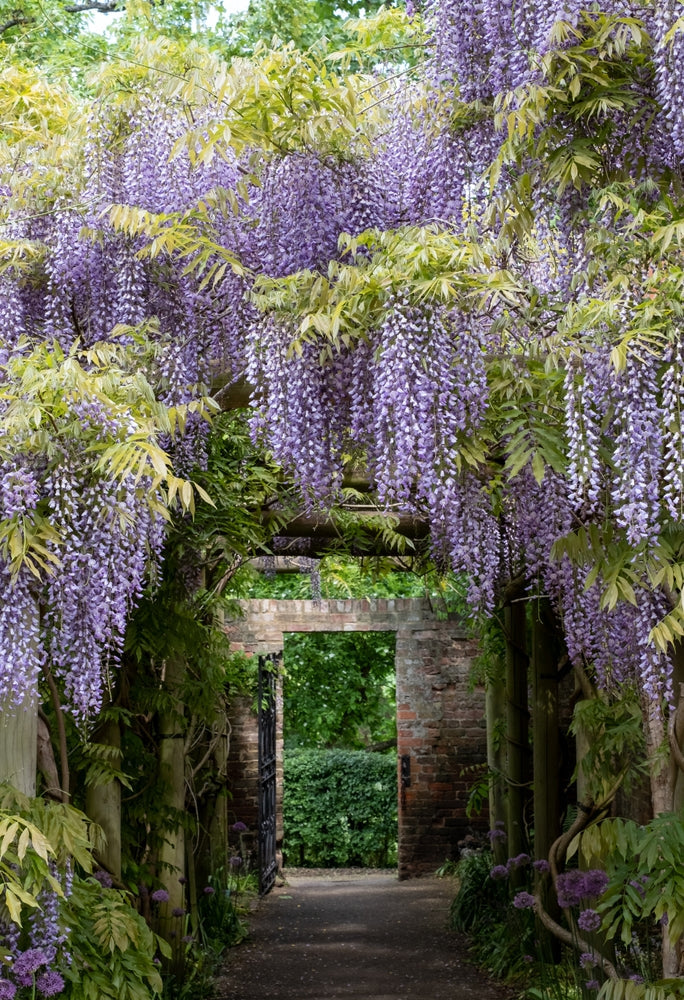
Unit price perWisteria × valderi ‘Eranthema’ is an elegant and distinctive deciduous climber, valued for its refined flowers, gentle fragrance, and manageable habit. A hybrid between Wisteria floribunda and Wisteria sinensis, it combines the best qualities of both parents, offering reliable flowering with a slightly less vigorous growth rate than many traditional wisterias.
In spring, soft green, pinnate leaves emerge, typically made up of 11–15 oval leaflets. The foliage unfurls alongside the flowers, creating a balanced and attractive display rather than leaving the blooms exposed on bare stems. As the season progresses, the leaves deepen in colour and form a dense canopy that provides shade and interest through the summer months.
Flowering usually takes place in late spring, most often in May in the UK. The flowers are borne in medium-length, pendulous racemes, generally around 20–30 cm long. Each pea-like bloom is a rich violet to blue-purple, often highlighted with a pale yellow or creamy marking at the centre. The flowers are sweetly scented, though more delicately perfumed than some other cultivars, making them particularly pleasant in sheltered garden settings.
‘Eranthema’ is a twining climber that can reach approximately 7–9 metres in height when mature. It twines clockwise and requires strong, permanent support such as a pergola, arbour, or substantial wall framework. Regular pruning in summer and winter helps to control its size and encourages the formation of flowering spurs.
This cultivar thrives in full sun, where flowering is most abundant, but it will tolerate light shade. It prefers fertile, well-drained soil and benefits from a sheltered position. Fully hardy across most of the UK, Wisteria × valderi ‘Eranthema’ is an excellent choice for gardeners seeking a classic wisteria with dependable performance, elegant flowers, and a slightly more restrained habit.


Apple tree 'Red Devil' | Malus domestica - MM106 - Semi-Dwarfing - 150-160cm - 20lt
£94.00
Unit price perApple tree 'Red Devil' | Malus domestica - MM106 - Semi-Dwarfing - 150-160cm - 20lt
£94.00
Unit price perRed Devil Apple plant is a deciduous, hardy, vigorous tree with a bushy, upright habit, attractive pink-white flowers, and stunning, deep red fruit. Its creamy flesh is white, but stained with red and produces beautiful pink juice. Red Devil apples ripen in mid-September and are harvested till mid-October. The fruit has juicy and moderately sweet and sharp taste with a hint of strawberry flavour. They store well and can be kept till January.
Red Devil Apple was bred by Hugh Ermen, in Faversham, Kent in 1975, and introduced in 1990 as an excellent, modern dessert apple. It is very resilient, generally disease-free, and adaptable to most weather conditions. It grows in almost any type of soil as long as it is moist and well-drained. It prefers full sun, but can tolerate partial shade. It is self-fertile and doesn’t need a pollination partner.
Root stock MM106 is a semi-dwarfing rootstock commonly used for apple trees. It offers a moderate growth rate, producing trees 10-15 feet tall when mature. Suitable for medium-sized gardens, MM106 ensures good fruit yield and adaptability to various soils. It's resistant to woolly apple aphid and moderately resistant to crown rot. Ideal for bush, cordons, and espalier forms. Ensure proper staking in early years.
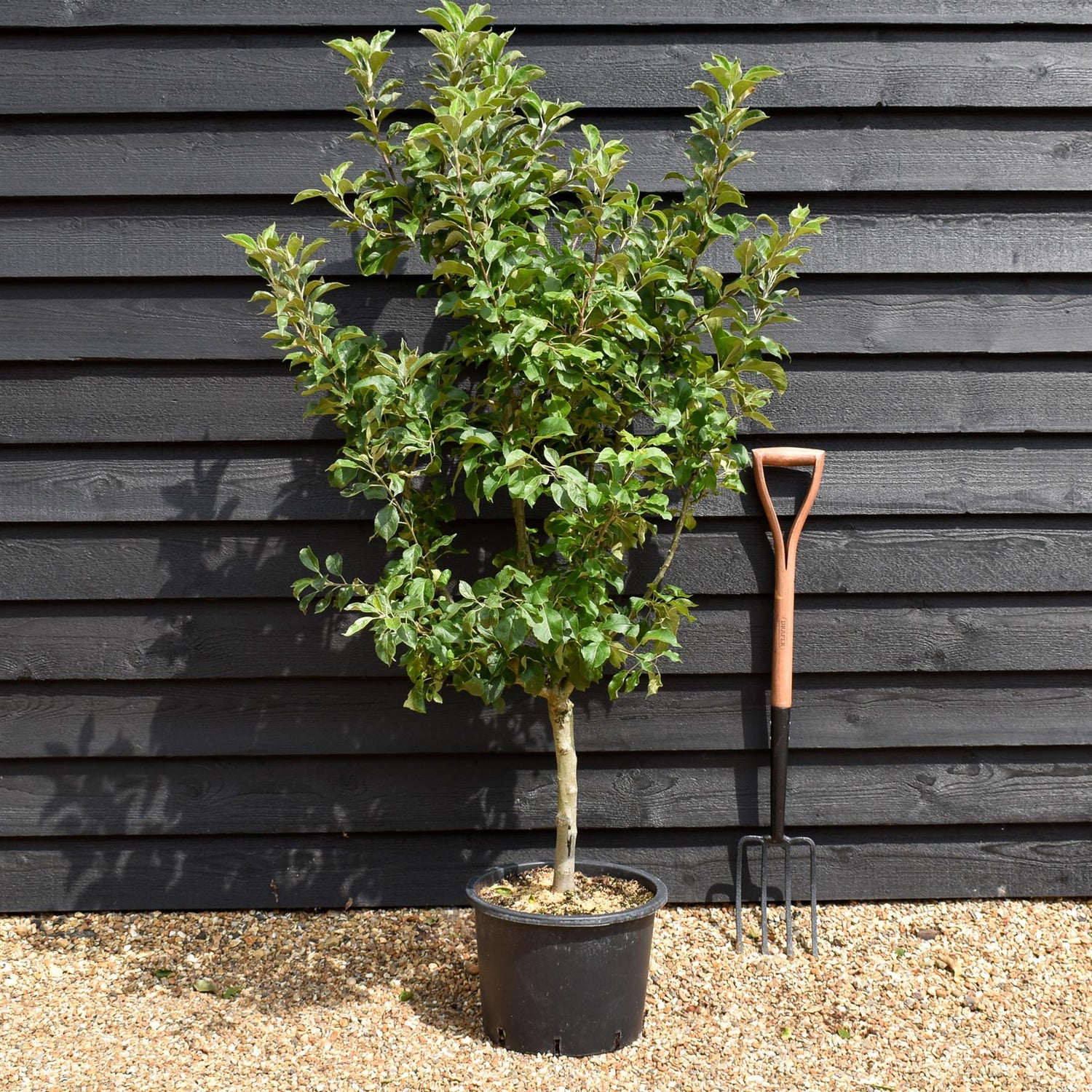


Apple tree 'Garden Sun Red' Nano | Semi Dwarfing - Height 100-11cm - 20lt
£94.00
Unit price perApple tree 'Garden Sun Red' Nano | Semi Dwarfing - Height 100-11cm - 20lt
£94.00
Unit price per


Paulownia elongata 'Futuro' - Height 40-70cm - 10lt
£70.00
Unit price perPaulownia elongata 'Futuro' - Height 40-70cm - 10lt
£70.00
Unit price perPaulownia elongata ‘Futuro’ is a remarkably fast-growing deciduous tree prized for its ecological and economic benefits. Known for its straight trunk and broad, heart-shaped leaves, this hybrid variety can reach heights of 10–15 meters within just a few years under optimal conditions. In spring, it produces striking clusters of pale violet, trumpet-shaped flowers that attract pollinators and add ornamental value. The leaves are exceptionally large and efficient at photosynthesis, enabling rapid biomass accumulation and high carbon sequestration—making it a valuable species for reforestation and climate mitigation projects.
‘Futuro’ is specifically bred for improved adaptability, disease resistance, and high-quality timber production. Its wood is light yet strong, with a fine grain and excellent dimensional stability, suitable for furniture, musical instruments, and eco-friendly construction. The tree thrives in well-drained soils with good sunlight and moderate water availability, recovering quickly after coppicing. Because of its regenerative ability and environmental resilience, Paulownia elongata ‘Futuro’ is increasingly recognized as a sustainable resource for green industries, combining rapid growth with ecological and aesthetic appeal.