

-
Trees
Trees
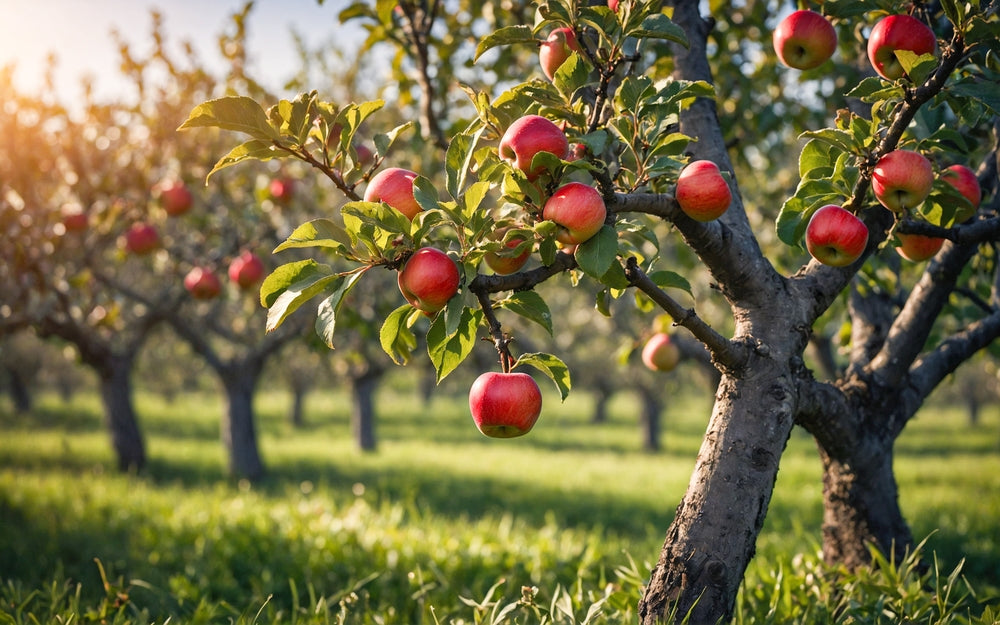 Fruit Trees
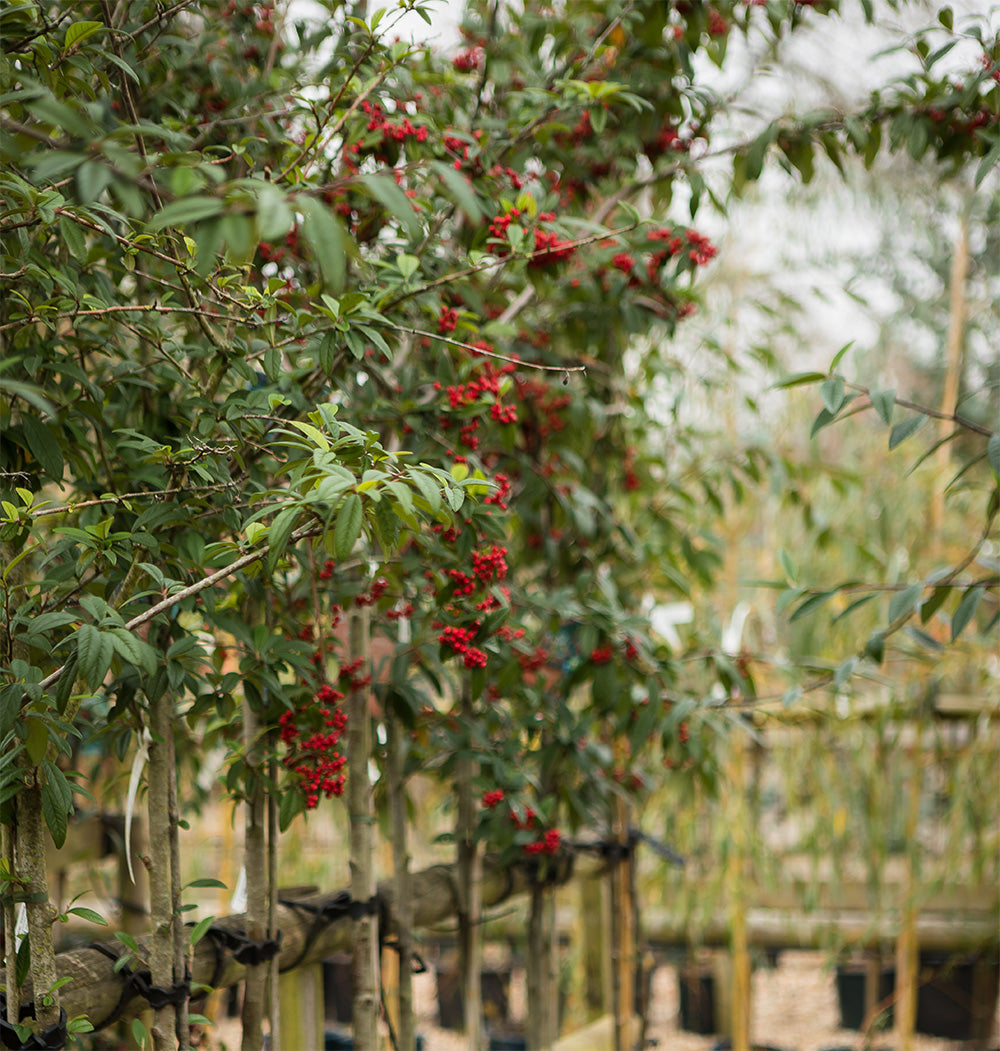 Ornamental
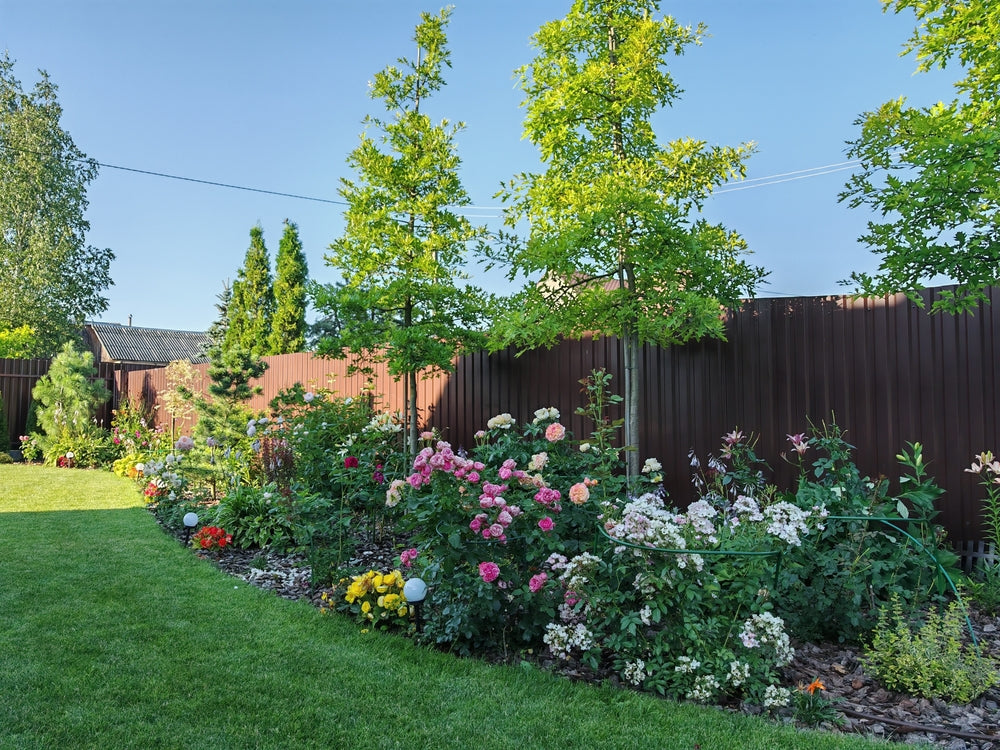 Screening
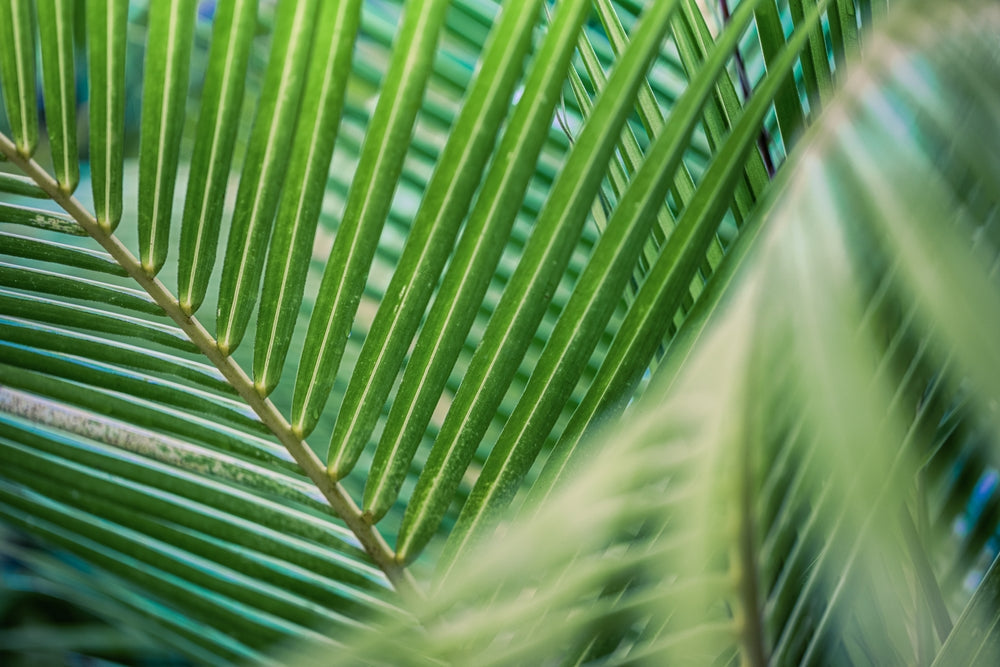 Palms
By FeaturesBy Shape
Palms
By FeaturesBy Shape -
Shrubs
Shrubs
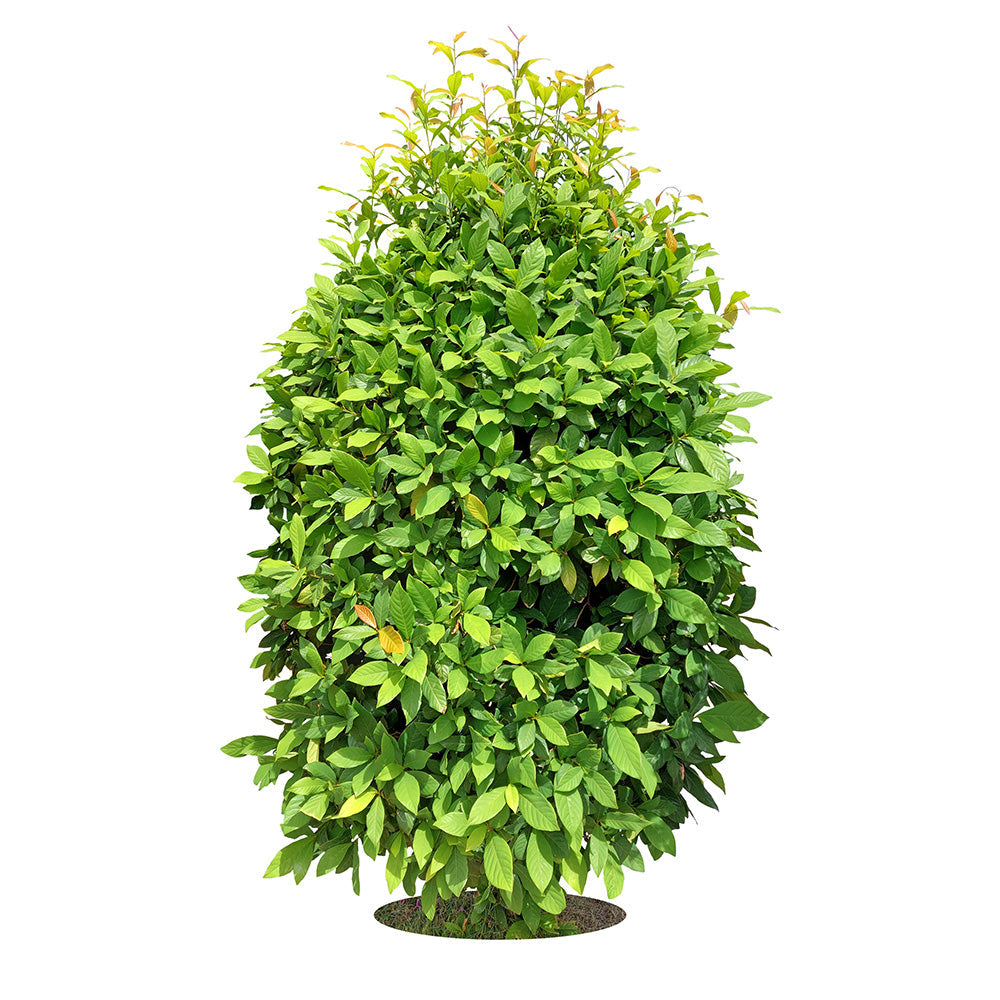 Large shrubs
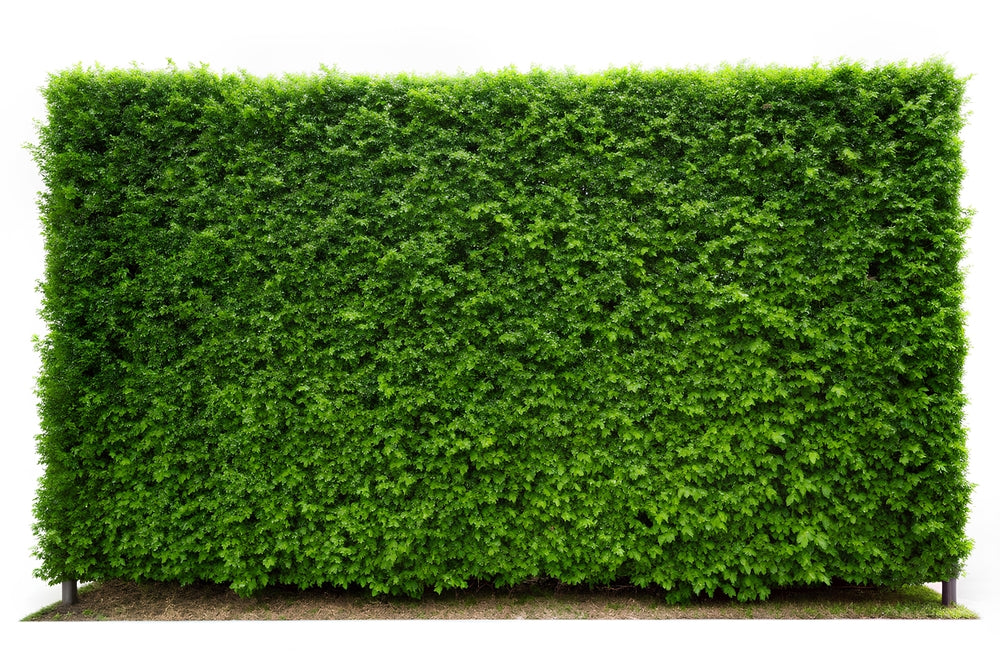 Hedging
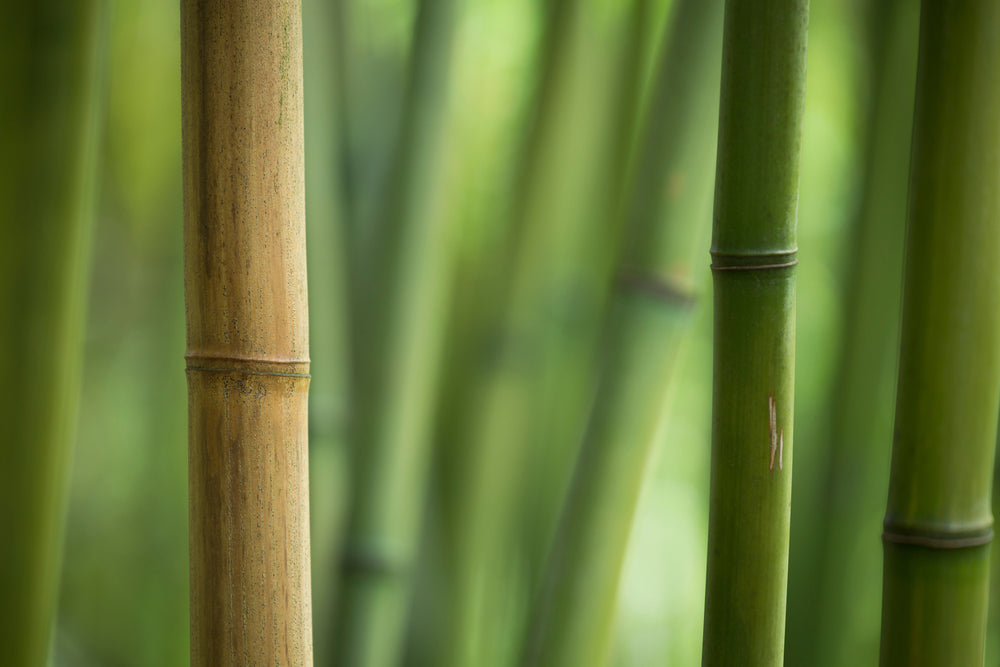 Bamboo
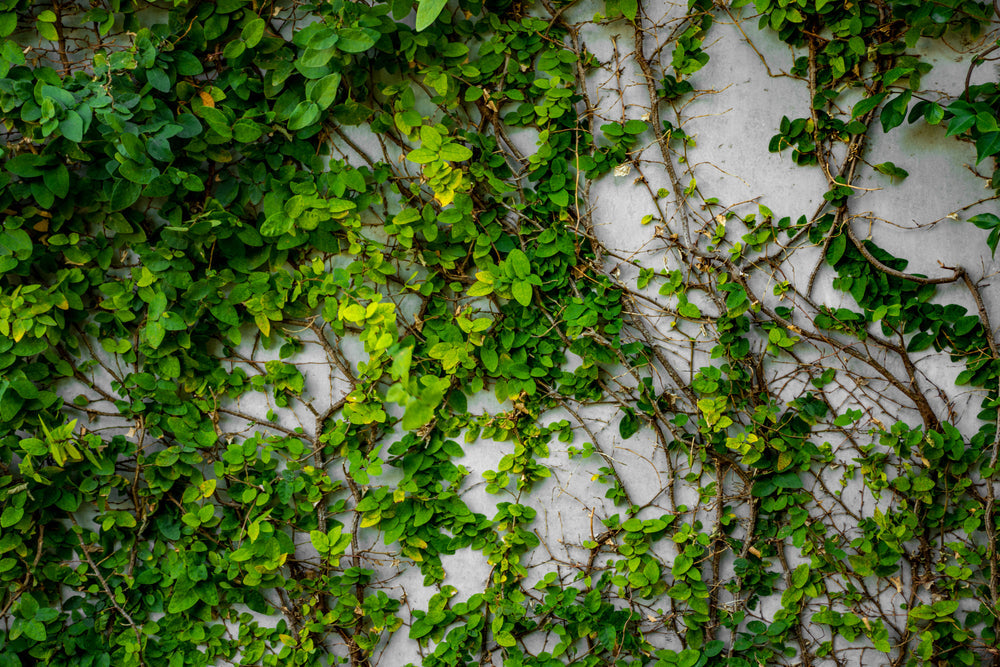 Climbers
 Flowering
 Grasses & Ferns
 Popular
-
Pines & Conifers
Pines & Conifers
 Pines
Pines
 Spruce & Fir
 Cypress
 Thuja
Thuja
 Redwood | Sequoia
-
Specimen
FREE DELIVERY OVER £350
Search results
Search results


Salix matsudana Tortuosa | Wiggerly Willow - Bushy Tree - Height 390-410cm - 70lt
£655.00
Unit price perSalix matsudana Tortuosa | Wiggerly Willow - Bushy Tree - Height 390-410cm - 70lt
£655.00
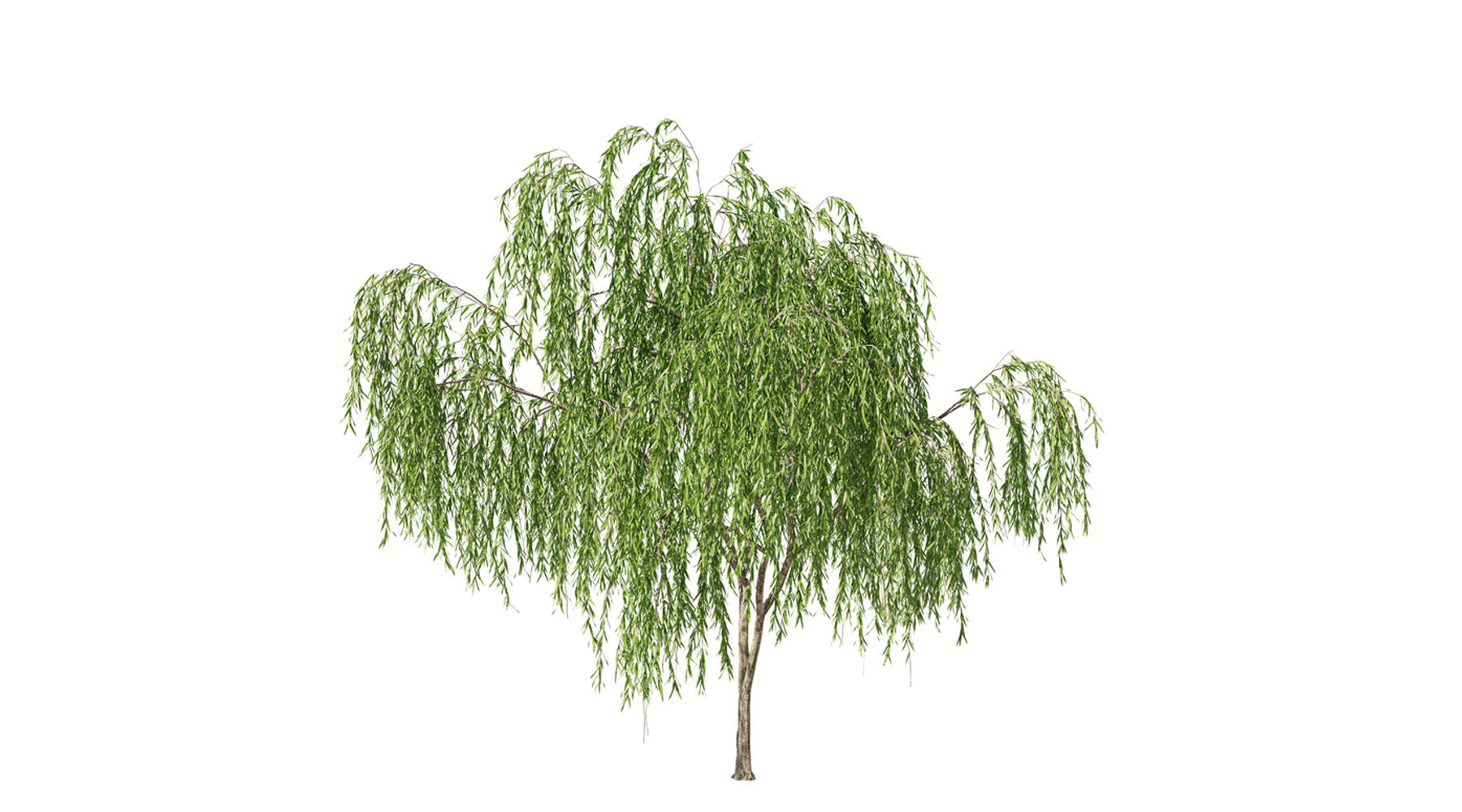
Unit price perSalix matsudana ‘Tortuosa’, commonly known as the Corkscrew Willow, is a distinctive, fast-growing tree valued for its dramatically twisted, contorted branches and lively, informal habit. In a bushy tree form, it develops a broad, airy crown that provides strong architectural interest throughout the year, particularly in winter when the bare, spiralling stems are fully revealed.
This willow is well suited to larger gardens where its vigorous growth and spreading shape can be appreciated. It thrives in full sun and prefers moist, well-drained soil, making it ideal for planting near ponds, streams, or in naturally damp ground, though it will also tolerate ordinary garden soils if not allowed to dry out completely. In spring and summer, the narrow, bright green leaves create a soft, shimmering canopy, bringing movement and lightness to the landscape.
Salix matsudana ‘Tortuosa’ is relatively low maintenance, responding well to pruning if size control is needed, and can even be coppiced to encourage fresh, colourful, twisted stems. Its sculptural form, rapid establishment, and year-round interest make it an excellent choice as a specimen tree or dramatic focal point in spacious, informal or wildlife-friendly gardens.


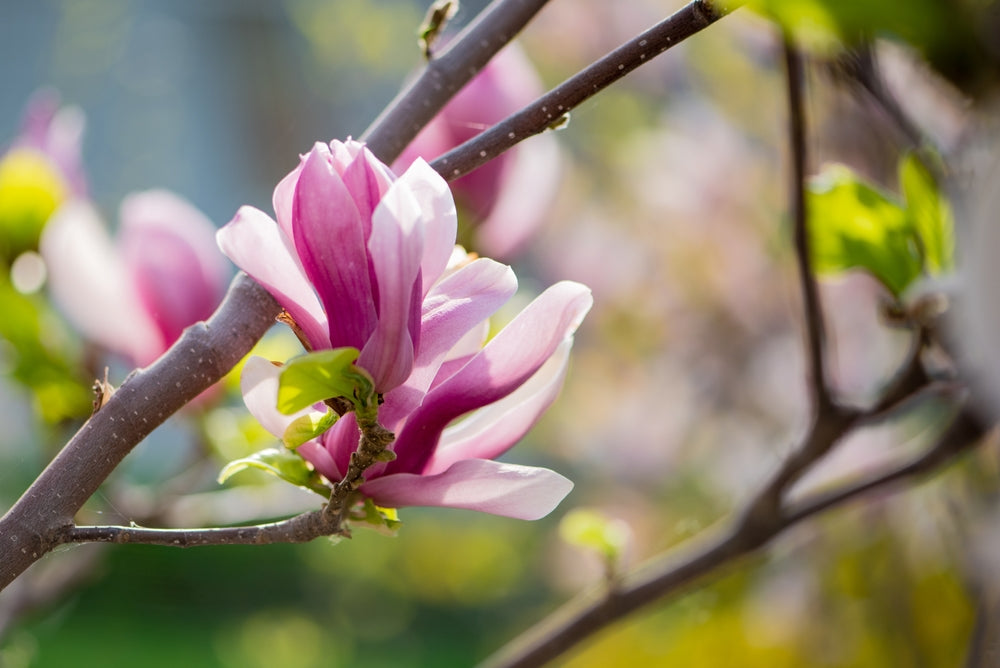
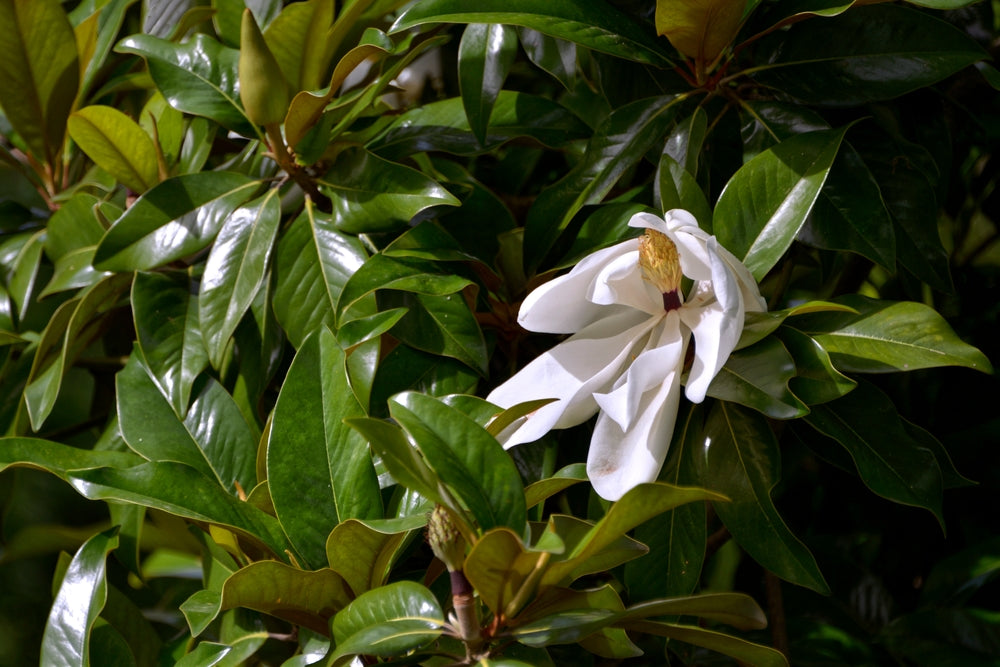
Magnolia grandiflora 'Galissonniere' is an exotic evergreen tree of conical to spreading pyramidal habit, with thick, leathery, glossy green leaves, velvety haired and rusty-brown beneath. Very large, saucer-shaped, creamy-white flowers with purple stamens bloom in summer and early autumn. Their fragrance is strong and pleasant.
Magnolia grandiflora 'Galissonniere' is easily grown in a wide range of soils, but prefers hummus-rich, slightly acidic, moist, and well-drained soils. Once established, it can withstand some drought. It thrives in full sun and partial shade. It has very good cold tolerance, but needs to be sheltered from harsh, dry winds. Low maintenance, it doesn’t require much pruning. Magnolia grandiflora 'Galissonniere' is a French variety of Southern Magnolia cultivated 150 years ago. It’s an excellent ornamental tree, often grown against the wall, rarely free-standing. Great for informal, cottage, woodland, and urban gardens. Excellent for beds and borders, informal hedges and screens, and for growing in containers.


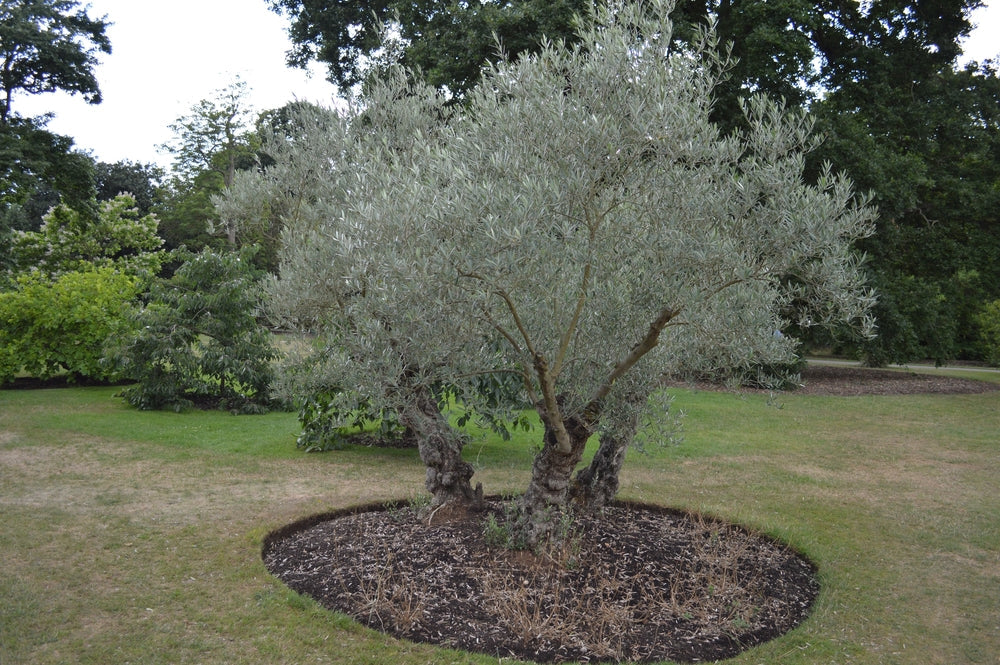
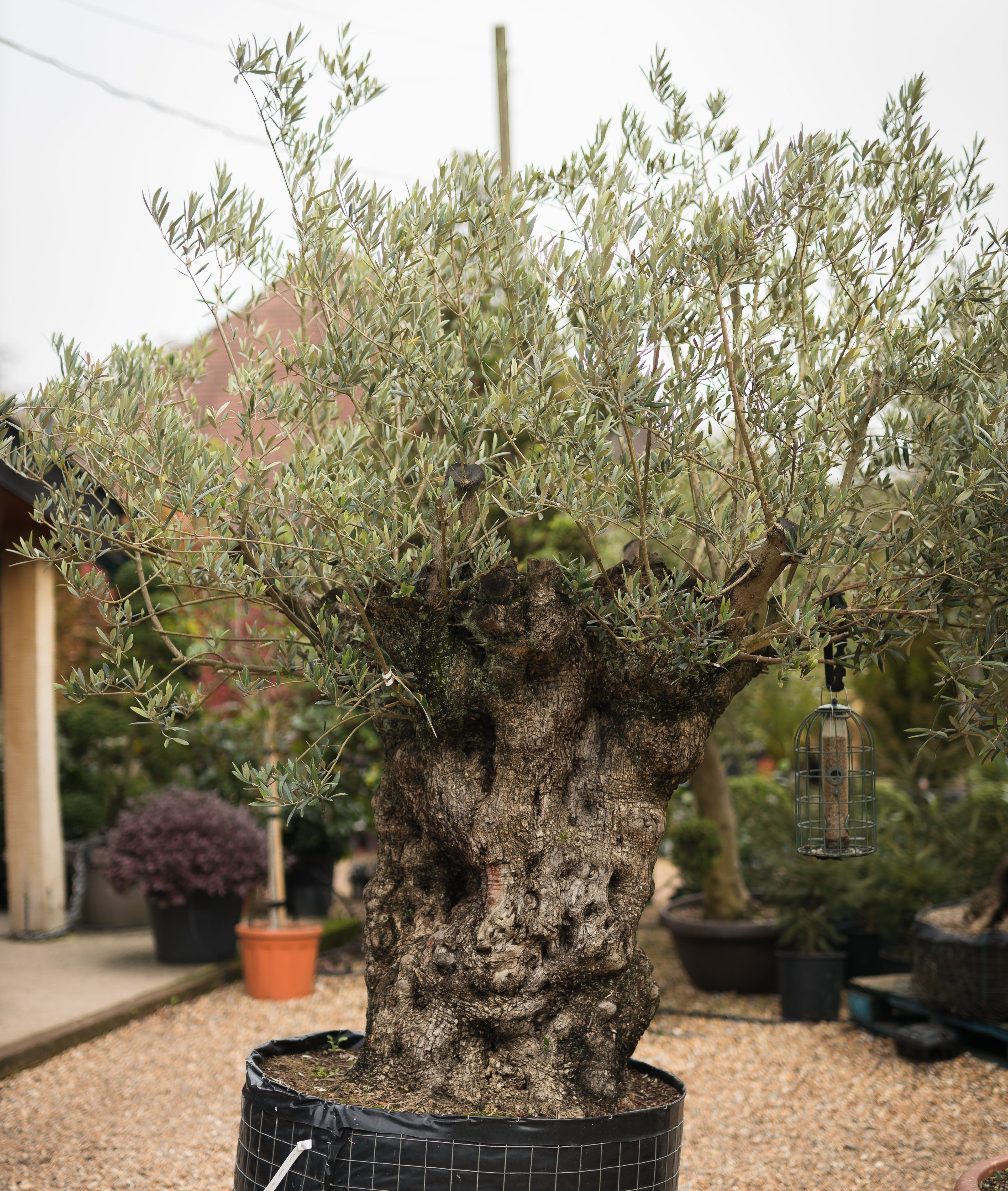
Olive Tree | Olea Europea 1/2 Std - 255-265cm, 400lt
£2,550.00
Unit price perOlive Tree | Olea Europea 1/2 Std - 255-265cm, 400lt
£2,550.00
Unit price per

Nyssa sylvatica | Black Gum Tree - Height 350-400cm, 110lt
£565.00
Unit price perNyssa sylvatica | Black Gum Tree - Height 350-400cm, 110lt
£565.00
Unit price per


Prunus cerasifera 'Spring Glow' - Height 180-220cm - 12lt
£98.00
Unit price perPrunus cerasifera 'Spring Glow' - Height 180-220cm - 12lt
£98.00
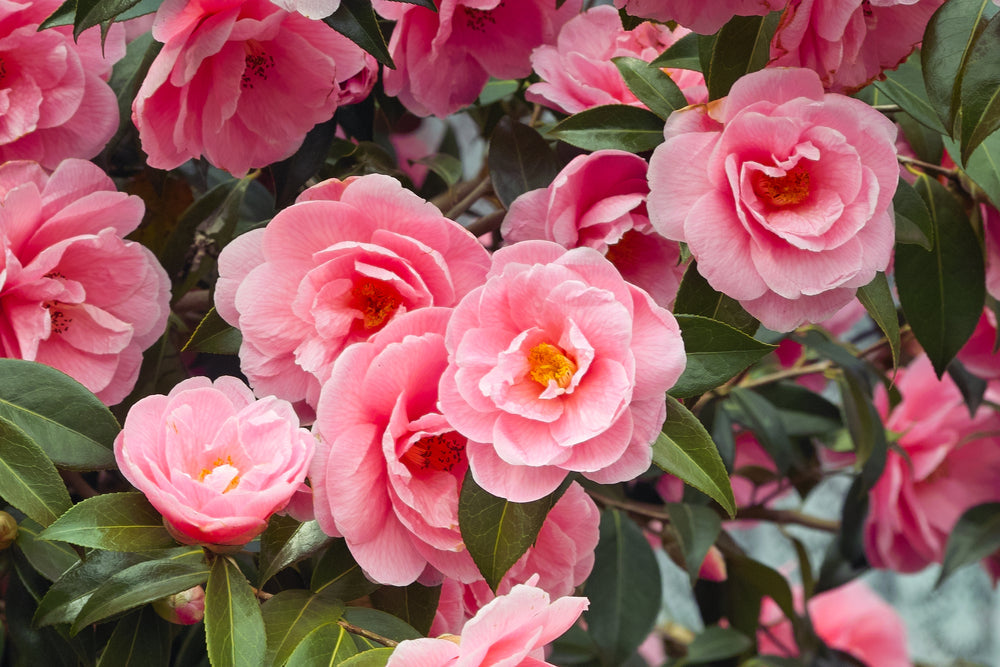
Unit price perPrunus cerasifera 'Spring Glow' is a distinct cultivar of Cherry Plum, celebrated for its stunning, early-spring blossoms. It's a deciduous tree that typically reaches a height of 15-25 feet, suitable for small to medium-sized gardens or landscapes.
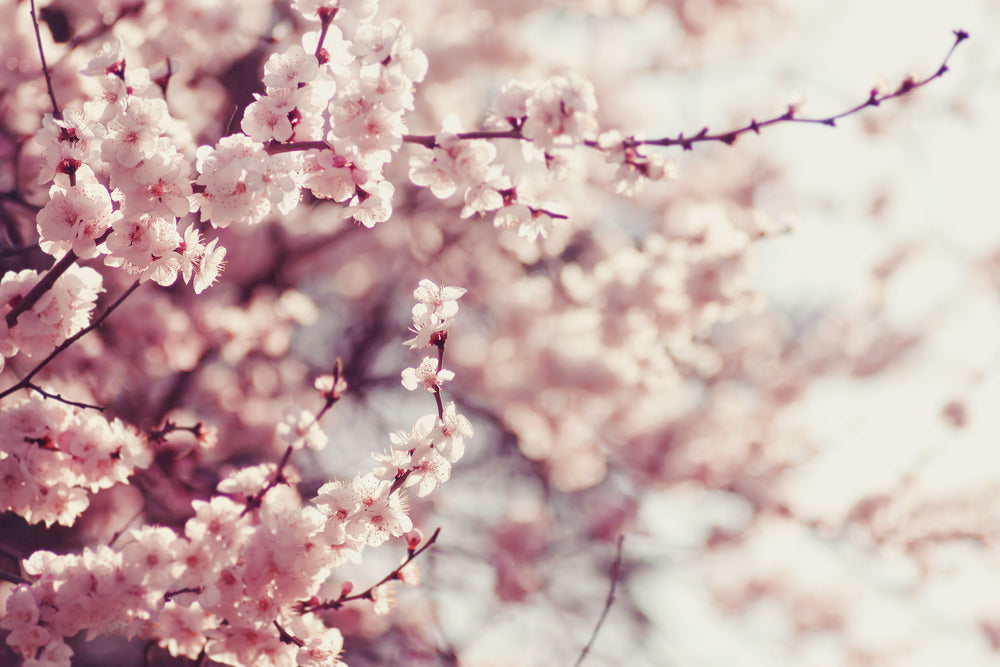
The ‘Spring Glow’ showcases vibrant pink blossoms, emerging before the leaves in early spring, creating a striking contrast with the bare branches. The simple, serrated leaves are green, adding a lush appearance in the summer.
This variety produces small, red, and edible fruits, appealing to wildlife, especially birds. While not the first choice for culinary use, these fruits can be used in jellies or jams. The tree is hardy and relatively low-maintenance, tolerating different soil types, including clay, loam, and sandy soils. It prefers well-drained conditions and can adapt to various pH levels.
‘Spring Glow’ is renowned for its drought tolerance and is relatively resistant to pests and diseases, making it a practical choice for gardeners seeking resilient ornamental trees. It is often utilized as a specimen tree due to its ornamental value or planted in rows to create an attractive boundary or screen. The aesthetic appeal and resilient nature of Prunus cerasifera 'Spring Glow' make it a favoured selection among many gardening enthusiasts.


Blue Atlas Cedar | Cedrus Libani 'Glauca' - Height 170-190cm - Feathered - 20lt
£238.00
Unit price perBlue Atlas Cedar | Cedrus Libani 'Glauca' - Height 170-190cm - Feathered - 20lt
£238.00
Unit price perCedrus libani ‘Glauca’, commonly known as the Blue Lebanon Cedar, is a majestic and ornamental evergreen tree highly suitable for spacious gardens and landscapes. It thrives best in full sun with well-drained soil and is particularly valued for its glaucous, silver-blue needles, which provide year-round color and visual interest. This cultivar is drought-tolerant once established and requires minimal maintenance, making it a good choice for low-intervention gardening in temperate climates.
Its growth habit starts with a strong, upright, pyramidal form in youth, gradually developing into a broad, flat-topped tree with distinctive horizontal branching as it matures. This architectural structure creates a dramatic silhouette, especially in winter when its bold framework is fully visible. Due to its size—reaching heights of 40 to 60 feet or more with a broad spread—it is best suited to large gardens, parkland settings, or as a standalone specimen in open lawns.
Cedrus libani ‘Glauca’ is not recommended for small gardens due to its eventual scale, but in the right setting, it provides a long-lived and impressive focal point with outstanding ornamental value.


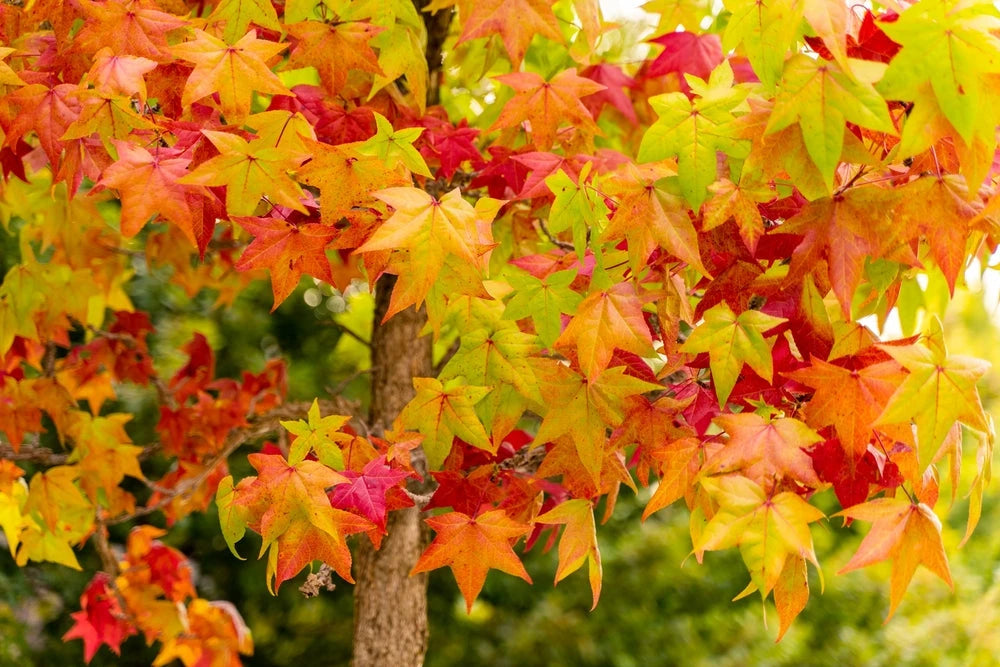
Liquidambar styraciflua 'Worplesdon' Std | Sweet Gum Worplesdon - Height 150-180cm - 10lt
£88.00
Unit price perLiquidambar styraciflua 'Worplesdon' Std | Sweet Gum Worplesdon - Height 150-180cm - 10lt
£88.00
Unit price per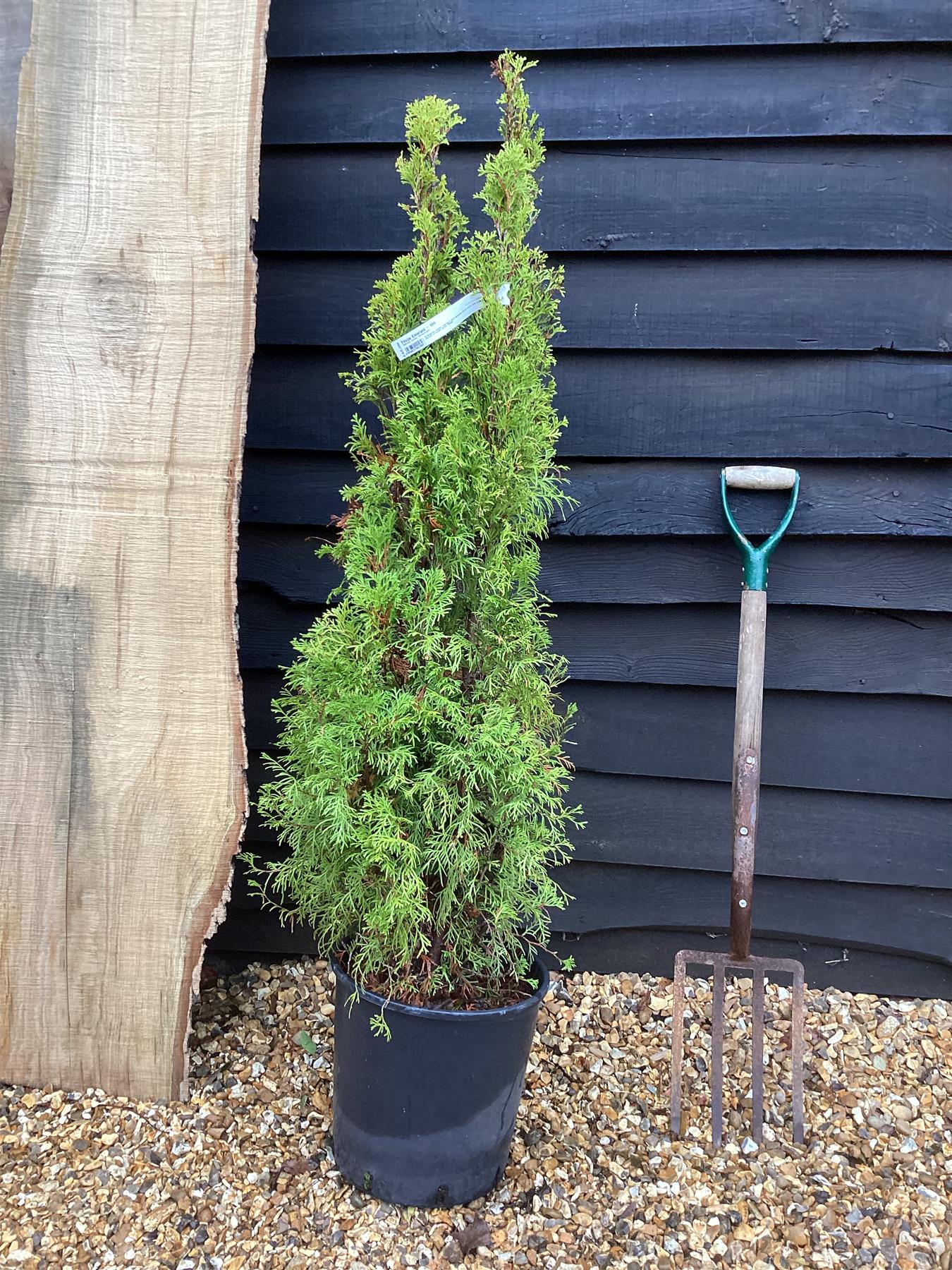

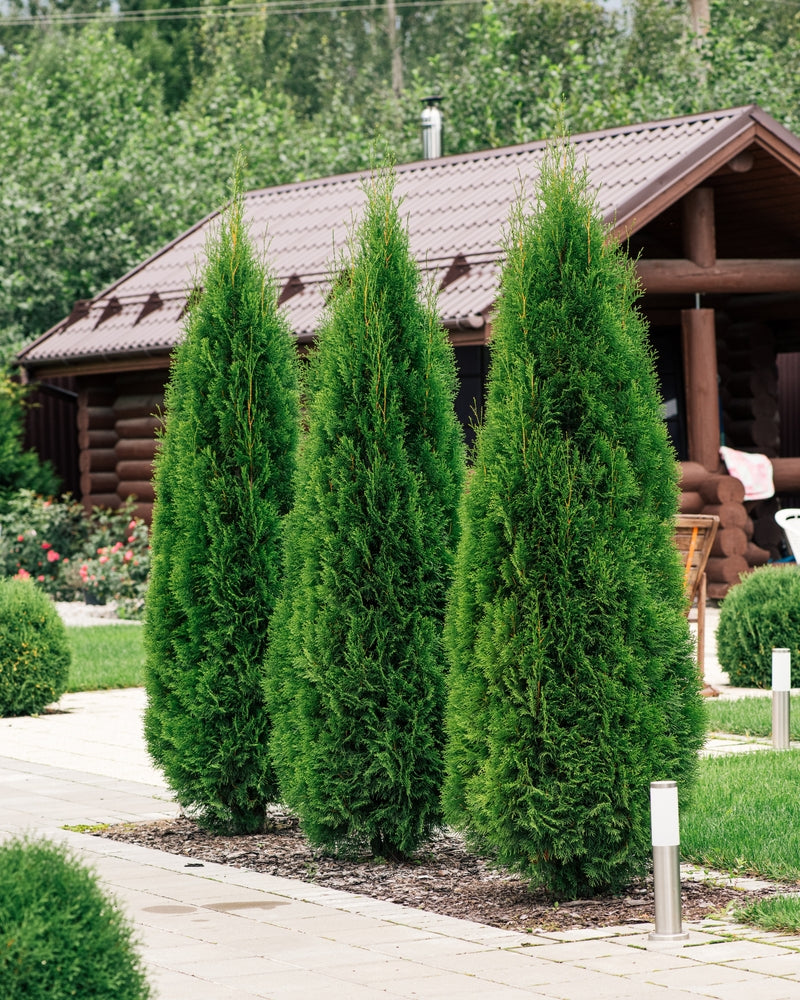
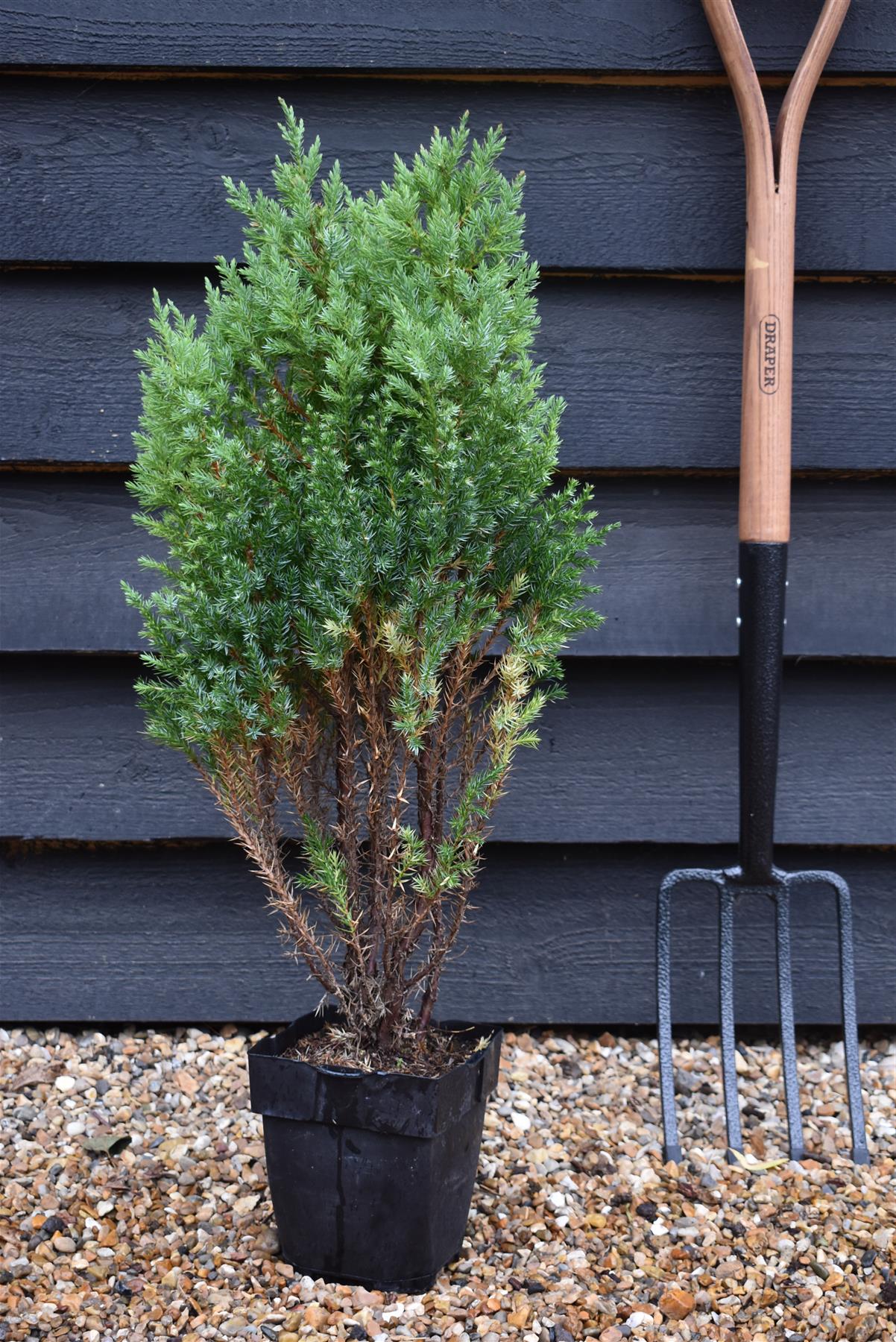
Thuja Emerald - 100-120cm, 10lt
£53.00
Unit price perThuja Emerald - 100-120cm, 10lt
£53.00
Unit price per


Paper Birch | Betula Papyrifera - Height 170-200cm - Girth 4cm - 10lt
£92.00
Unit price perPaper Birch | Betula Papyrifera - Height 170-200cm - Girth 4cm - 10lt
£92.00
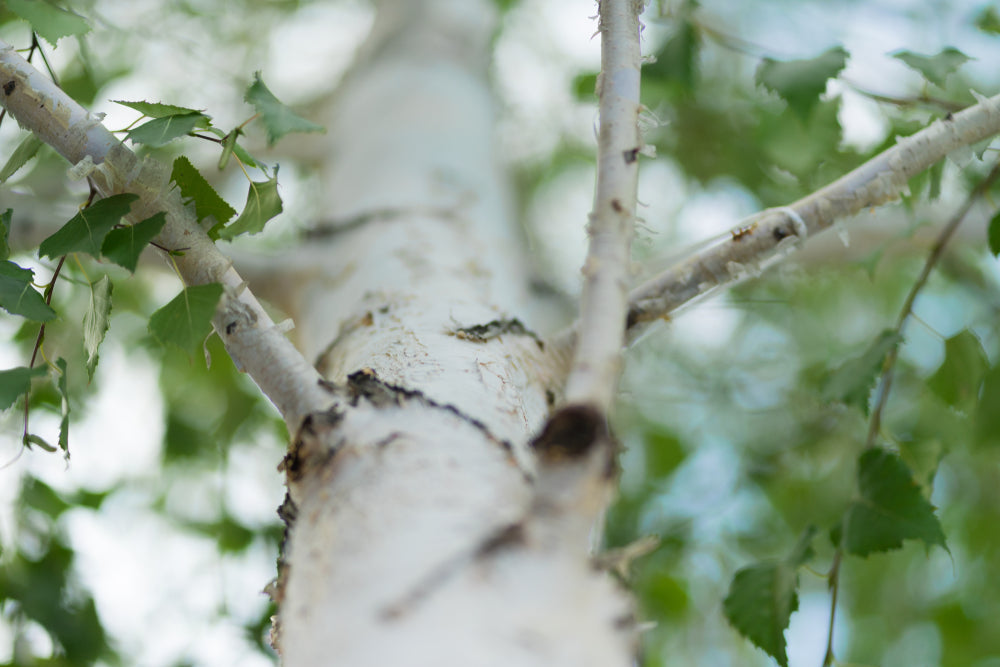
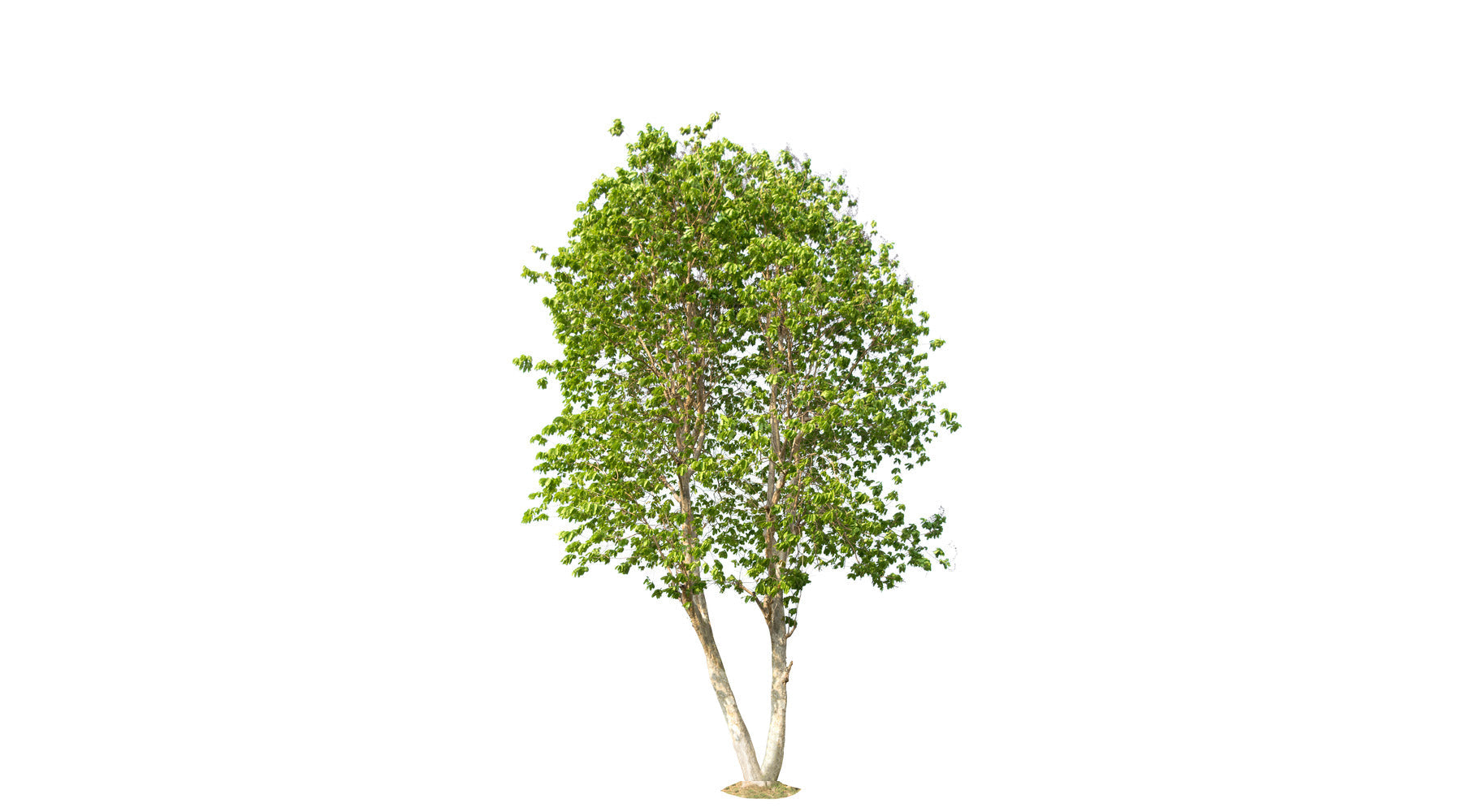
Unit price perBetula papyrifera, commonly known as the paper birch or white birch, is a striking deciduous tree native to North America. It is best known for its distinctive white bark that peels in thin, paper-like layers, giving it a unique ornamental appeal throughout the year. This species typically grows quickly and can reach heights of 50 to 70 feet, with an open, airy canopy. Its dark green, serrated leaves turn a brilliant golden yellow in the fall, creating a beautiful seasonal display. Paper birch thrives in cool climates and is commonly found in northern forests, along streams, and in open woodlands. It prefers moist, well-drained soil and full sun but can adapt to various conditions. In addition to its aesthetic value, Betula papyrifera provides important ecological benefits, offering food and habitat for wildlife. It is also historically significant, as Indigenous peoples used its bark for canoes, containers, and writing surfaces.
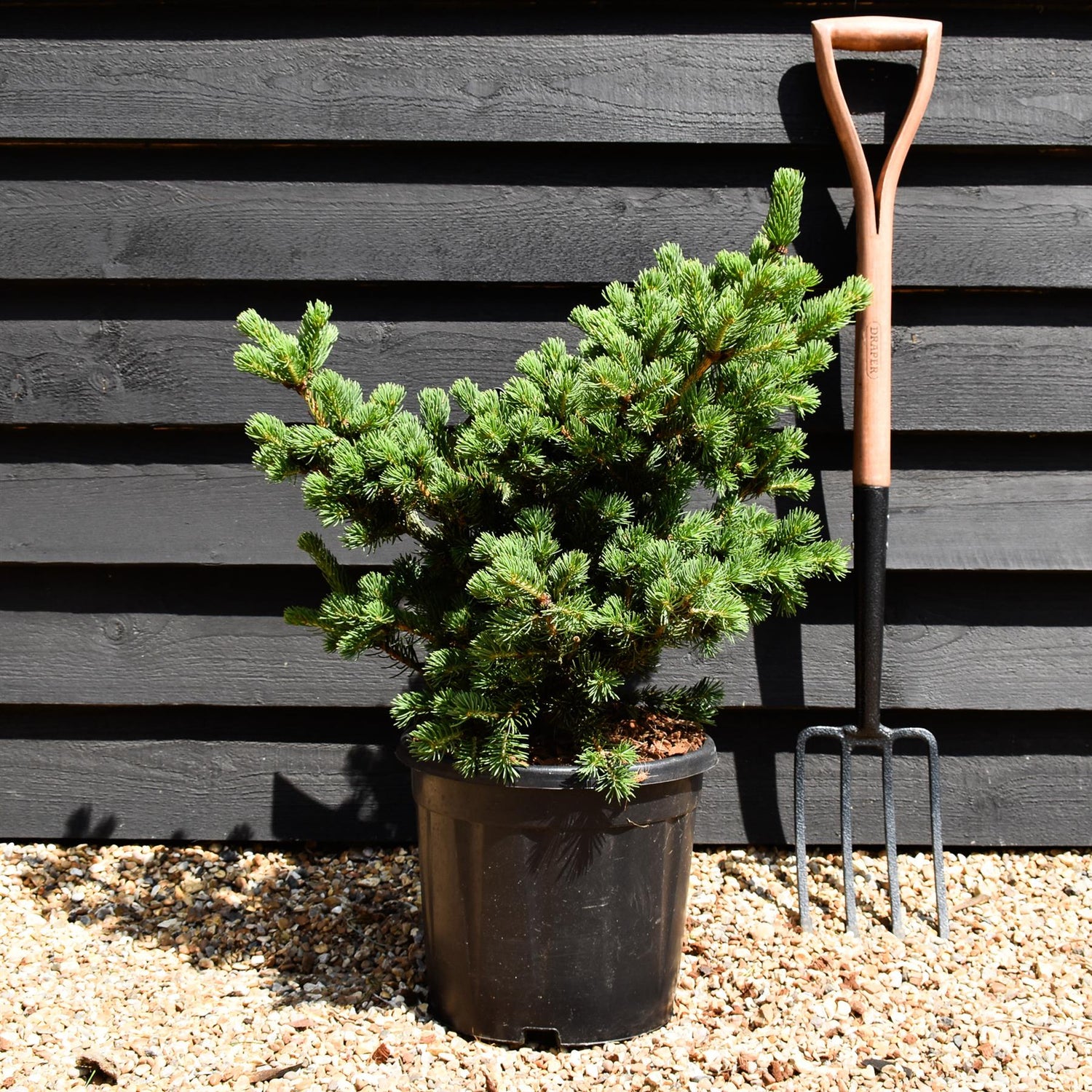
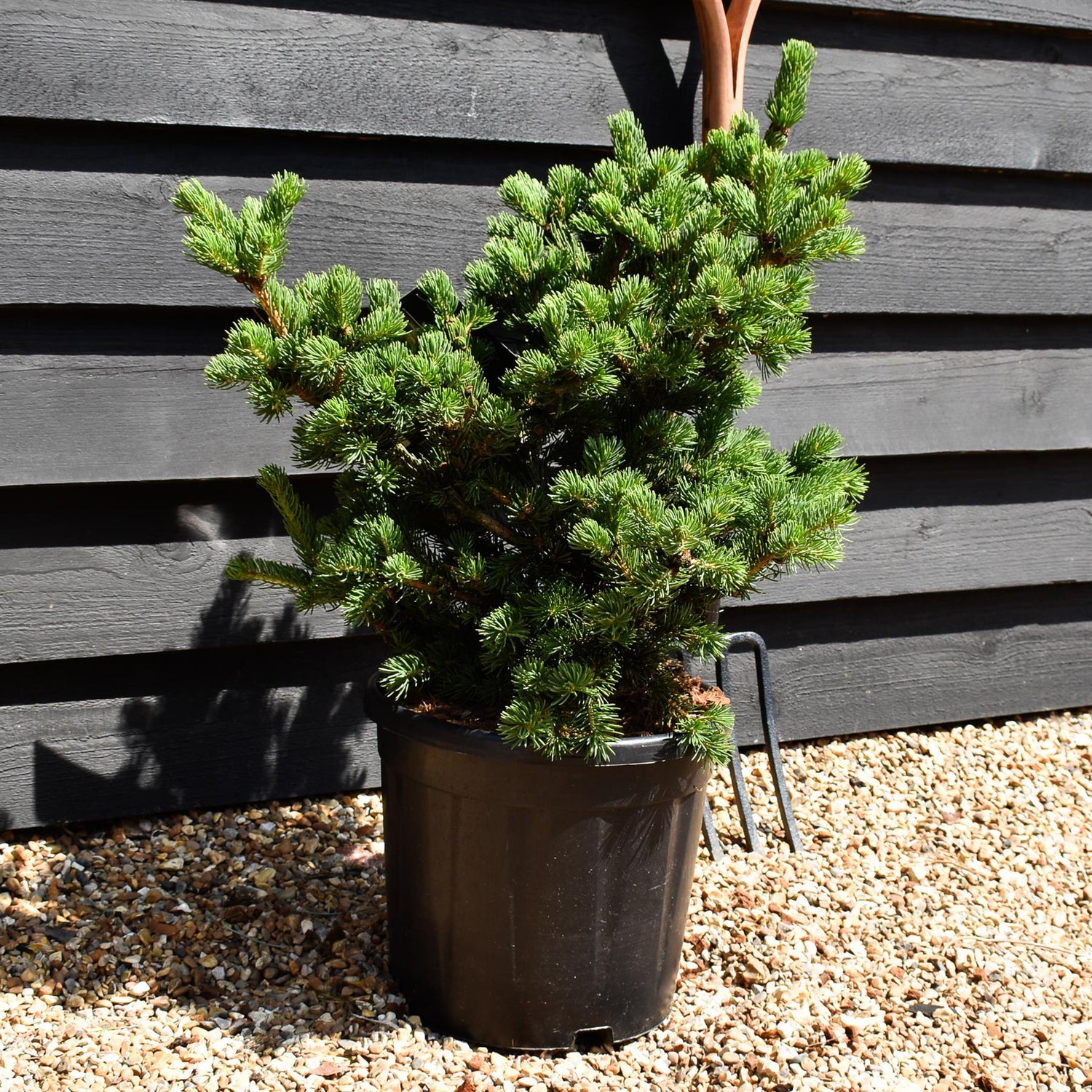
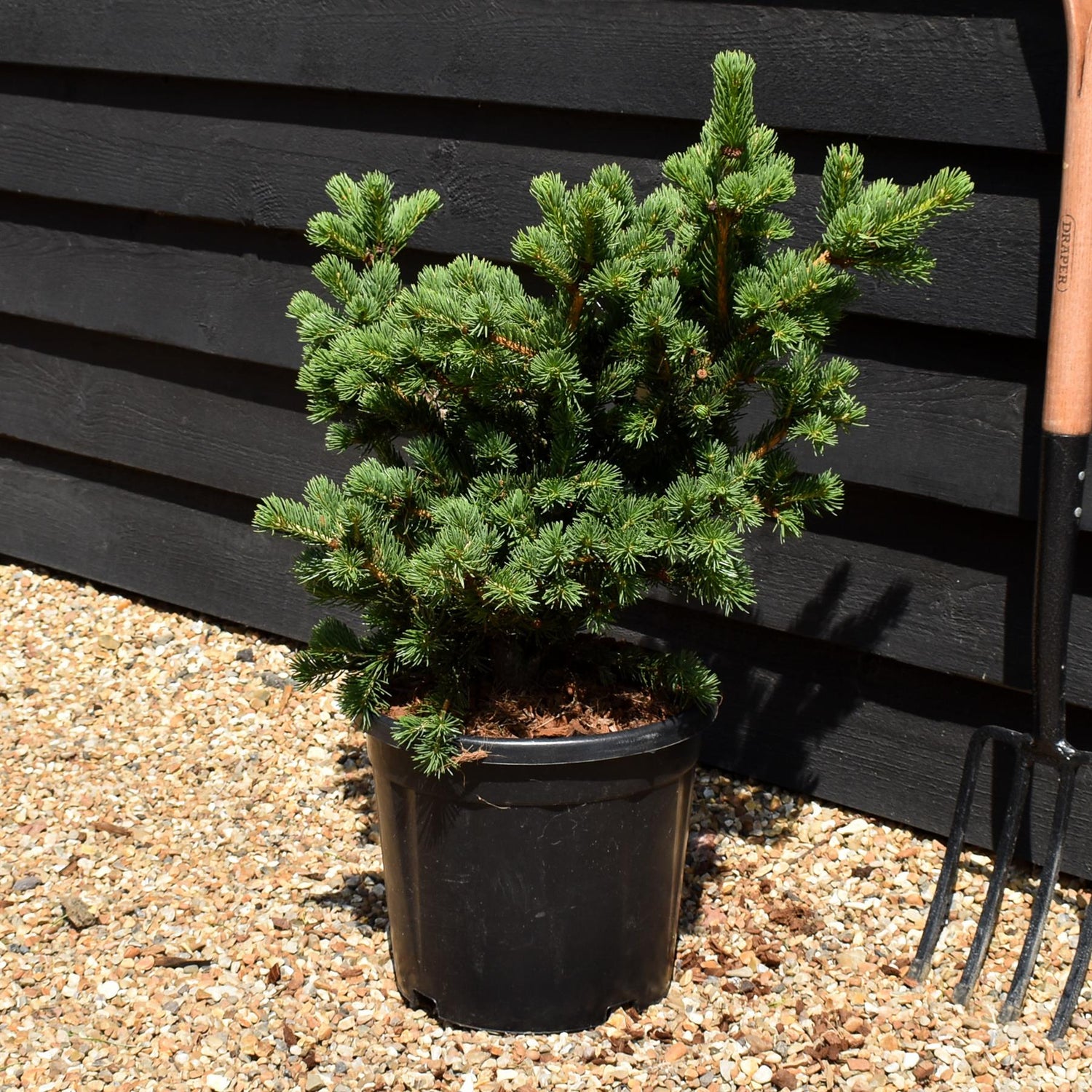
Picea pungens 'Lucky Strike' - Height 50-60cm - Width 50-60cm - 15lt
£105.00
Unit price perPicea pungens 'Lucky Strike' - Height 50-60cm - Width 50-60cm - 15lt
£105.00
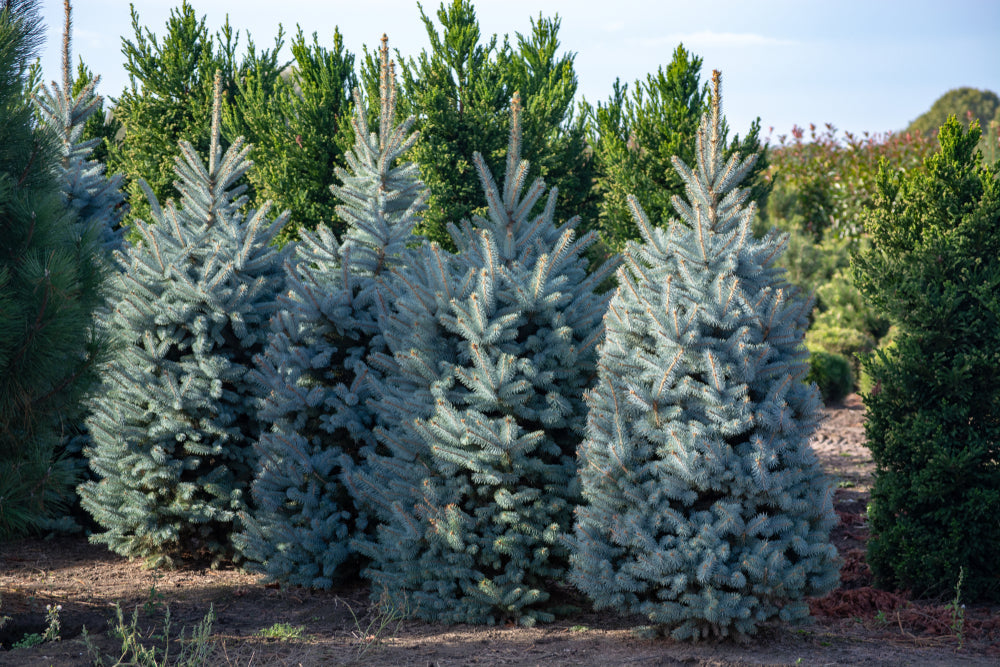
Unit price perPicea pungens 'Lucky Strike' is an excellent choice for garden landscapes, particularly in smaller or more formal settings. This compact cultivar of the Colorado blue spruce features dense, upright growth and a narrow, pyramidal form that provides architectural structure and year-round visual interest. Its vibrant, silvery-blue needles create a striking contrast against green foliage in the garden, making it a standout specimen or focal point.
This conifer is especially well-suited for rock gardens, foundation plantings, and mixed borders, where its slow growth habit—typically reaching 6 to 10 feet tall over many years—ensures it won’t outgrow its space quickly. 'Lucky Strike' is hardy and thrives in full sun with well-drained soil. It is drought-tolerant once established and generally low-maintenance, requiring little to no pruning to maintain its shape.
Due to its resilience and ornamental value, Picea pungens 'Lucky Strike' is a valuable addition to gardens seeking evergreen color and form. It pairs well with other conifers, ornamental grasses, or perennials, creating a dynamic and attractive garden design throughout the seasons.


Judas tree | Cercis siliquastrum - Girth 5-6cm - 290-300cm - 30lt
£225.00
Unit price perJudas tree | Cercis siliquastrum - Girth 5-6cm - 290-300cm - 30lt
£225.00
Unit price perCercis siliquastrum, commonly known as the Judas tree or love tree, is a deciduous tree native to the Mediterranean region, including parts of Southern Europe and Western Asia. It is a member of the bean family (Fabaceae) and is known for its vibrant, pink-purple flowers and heart-shaped leaves. The Judas tree can grow up to 10 meters tall and has a spreading, umbrella-shaped crown. Its bark is smooth and grey-brown, and its branches are often twisted and gnarled, adding to its aesthetic appeal. The tree typically blooms in early spring, before its leaves appear, producing an abundance of small, pink-purple flowers that grow in clusters on the branches and trunk. These flowers are a valuable source of nectar for bees and other pollinators. After flowering, the tree produces flattened, brown seed pods that hang from the branches throughout the summer. These pods can be several centimetres long and contain numerous small seeds. The Judas tree is a popular ornamental tree in gardens and parks, where it is valued for its attractive appearance and early spring flowering. It prefers full sun or partial shade and well-drained soil, and is generally hardy and easy to grow.


Alnus Incana - Grey Alder tree - Clear Stem - Standard - Girth 12-14cm - Height 450-480cm - 70lt
£390.00
Unit price perAlnus Incana - Grey Alder tree - Clear Stem - Standard - Girth 12-14cm - Height 450-480cm - 70lt
£390.00
Unit price perAlnus incana, commonly known as grey alder, is a deciduous tree belonging to the birch family, Betulaceae. Native to Europe, Asia, and North America, it is a resilient species often found in riparian zones, wetlands, and areas with moist soils. This medium-sized tree typically grows to heights of 15 to 25 metres, with a slender trunk and smooth, greyish-brown bark, which often develops fine fissures with age.
The leaves of Alnus incana are oval to elliptic in shape, measuring 5 to 10 centimetres in length. They are characterised by their serrated margins and a dark green upper surface, with a paler, slightly downy underside, giving them a distinct two-tone appearance. The leaves emerge in early spring and typically turn yellow before falling in autumn.
Grey alder is monoecious, meaning that both male and female reproductive structures are found on the same tree. The male catkins, which are long and pendulous, appear in early spring before the leaves, while the smaller, more upright female catkins develop into woody cones that persist on the tree through the winter. These cones release small winged seeds, which are dispersed by wind and water.
One of the notable features of Alnus incana is its ability to fix nitrogen through a symbiotic relationship with the bacterium *Frankia*. This allows it to thrive in nutrient-poor soils and contribute to soil fertility, making it a valuable species for land restoration and erosion control.
Grey alder is often planted in landscaping and reforestation projects, particularly in areas prone to flooding or soil degradation. Its rapid growth, hardiness, and ecological benefits make it an important species in maintaining the health of wetland ecosystems.


Alnus Cordata - Alder tree - Clear Stem - Standard - Girth 10-12cm - Height 480-530cm - 70lt
£390.00
Unit price perAlnus Cordata - Alder tree - Clear Stem - Standard - Girth 10-12cm - Height 480-530cm - 70lt
£390.00
Unit price perAlnus cordata, commonly known as the Italian alder, is a medium to large deciduous tree native to southern Italy and parts of Corsica. It belongs to the Betulaceae family and is highly valued for its ability to thrive in poor soils and challenging environmental conditions. This species is often planted for ornamental purposes, soil improvement, and as a windbreak due to its robust growth and adaptability.
The tree can reach heights of up to 25-30 metres (82-98 feet) with a trunk diameter of about 1 metre (3.3 feet). It has a relatively narrow, conical crown, which makes it an attractive choice for landscaping in urban and rural environments. The bark is smooth and greyish-brown when young, developing shallow fissures with age.
Alnus cordata is noted for its distinctive heart-shaped (cordate) leaves, which are bright green and glossy, measuring 7-12 cm in length. Unlike some other alders, the leaves of A. cordata remain on the tree until late autumn, giving it an extended season of greenery. In spring, it produces small, inconspicuous catkins, with male catkins being pendulous and yellowish, and female catkins more compact and upright. These develop into small, woody cones that persist on the tree through winter.
One of the key characteristics of Alnus cordata is its nitrogen-fixing ability. Like other alders, it forms a symbiotic relationship with the bacterium Frankia, which allows it to fix atmospheric nitrogen into the soil. This quality makes it an excellent species for improving soil fertility, particularly in degraded or nutrient-poor areas.
Overall, the Italian alder is a resilient and versatile tree, well-suited to a variety of landscapes, including wet or compacted soils, and is an important species for ecological restoration projects.


Alnus Cordata - Alder tree - Height 300-350cm - 30lt
£260.00
Unit price perAlnus Cordata - Alder tree - Height 300-350cm - 30lt
£260.00
Unit price perAlnus cordata, commonly known as the Italian alder, is a medium to large deciduous tree native to southern Italy and parts of Corsica. It belongs to the Betulaceae family and is highly valued for its ability to thrive in poor soils and challenging environmental conditions. This species is often planted for ornamental purposes, soil improvement, and as a windbreak due to its robust growth and adaptability.
The tree can reach heights of up to 25-30 metres (82-98 feet) with a trunk diameter of about 1 metre (3.3 feet). It has a relatively narrow, conical crown, which makes it an attractive choice for landscaping in urban and rural environments. The bark is smooth and greyish-brown when young, developing shallow fissures with age.
Alnus cordata is noted for its distinctive heart-shaped (cordate) leaves, which are bright green and glossy, measuring 7-12 cm in length. Unlike some other alders, the leaves of A. cordata remain on the tree until late autumn, giving it an extended season of greenery. In spring, it produces small, inconspicuous catkins, with male catkins being pendulous and yellowish, and female catkins more compact and upright. These develop into small, woody cones that persist on the tree through winter.
One of the key characteristics of Alnus cordata is its nitrogen-fixing ability. Like other alders, it forms a symbiotic relationship with the bacterium Frankia, which allows it to fix atmospheric nitrogen into the soil. This quality makes it an excellent species for improving soil fertility, particularly in degraded or nutrient-poor areas.
Overall, the Italian alder is a resilient and versatile tree, well-suited to a variety of landscapes, including wet or compacted soils, and is an important species for ecological restoration projects.
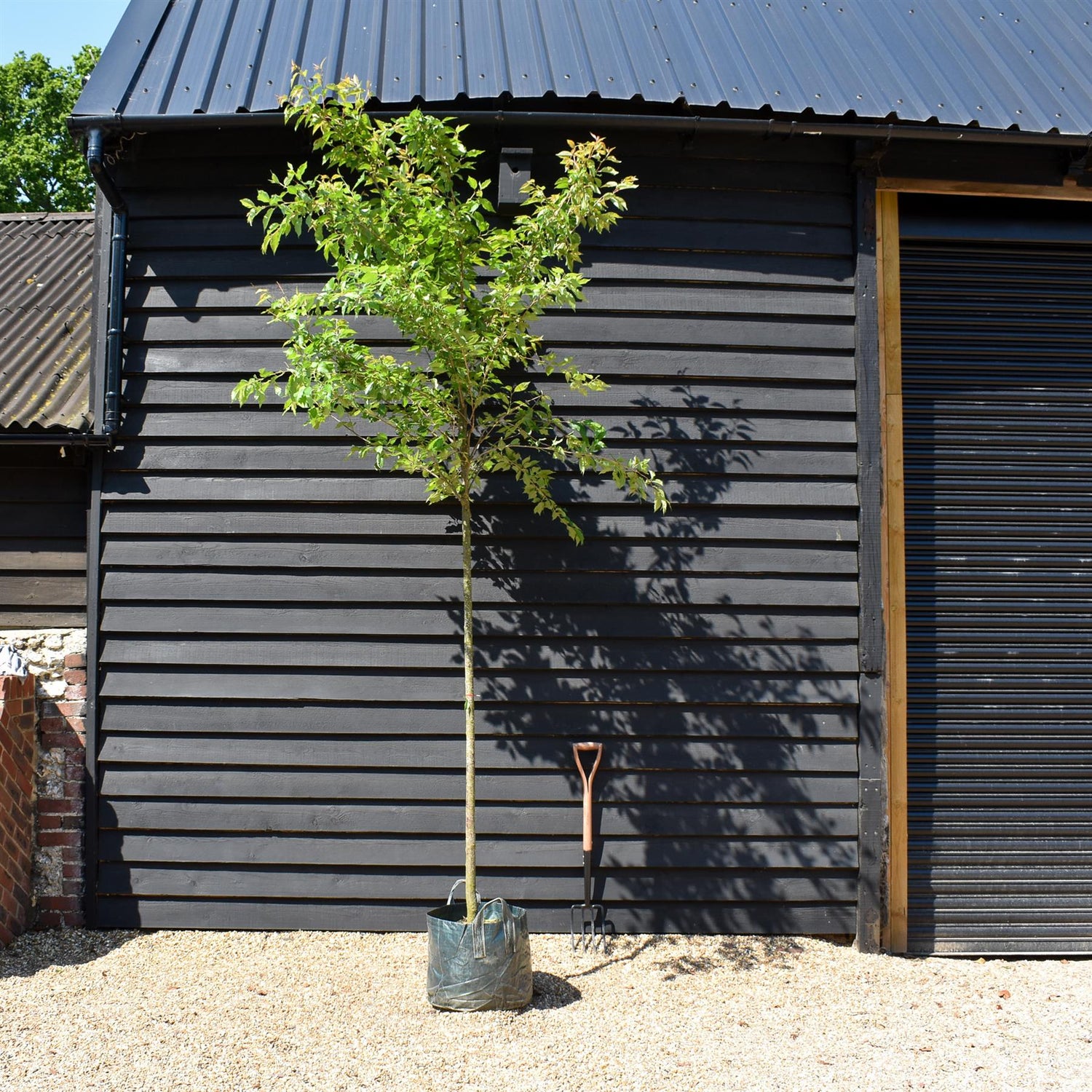


Sorbus arnoldiana 'White Wax' - Clear Stem 160cm - Girth 8-10cm - Height 300-350cm - 45lt
£379.00
Unit price perSorbus arnoldiana 'White Wax' - Clear Stem 160cm - Girth 8-10cm - Height 300-350cm - 45lt
£379.00
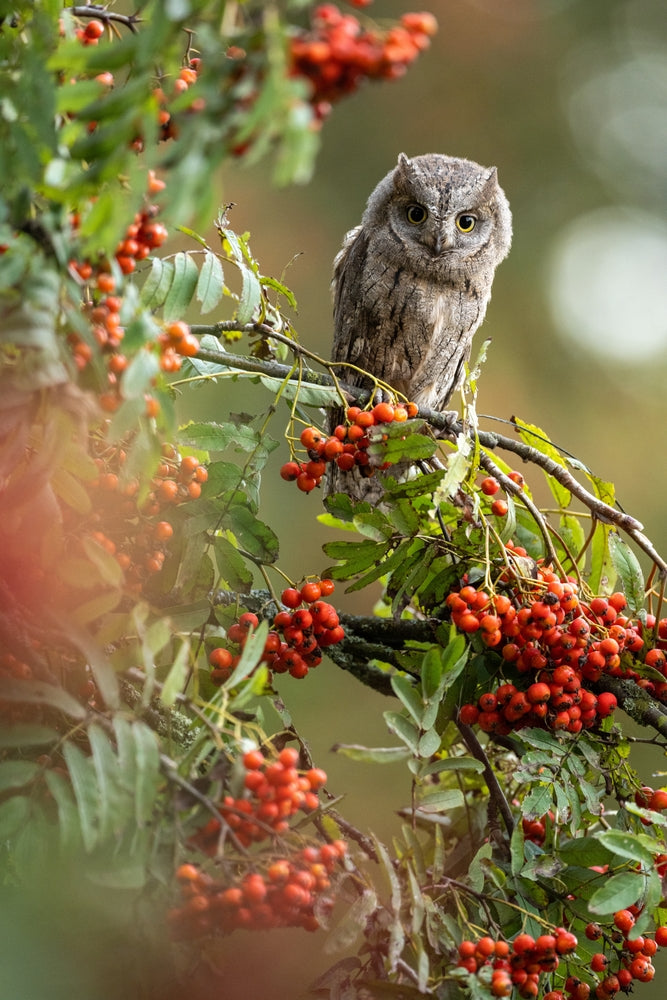
Unit price perSorbus arnoldiana 'White Wax' is a striking and ornamental tree, well-suited to medium or large gardens, particularly those seeking year-round interest and wildlife value. This cultivar is a hybrid rowan tree known for its graceful form and attractive seasonal features. It typically grows to a moderate height, with a well-balanced, upright crown that fits well into mixed borders, lawn focal points, or woodland-style gardens.
In spring, it produces clusters of creamy-white flowers that are highly attractive to pollinators such as bees. These are followed by distinctive white, waxy berries in late summer to autumn—hence the name 'White Wax'—which offer an unusual twist compared to the more common red-berried rowans. These fruits are a valuable food source for birds, particularly thrushes and blackbirds.
The foliage is another highlight, with dark green, pinnate leaves that turn vibrant shades of orange, red, or purple in autumn, creating a stunning seasonal display. The tree is hardy, low-maintenance, and tolerant of a range of soil types, making it a practical and decorative choice for gardeners looking to enhance biodiversity and visual appeal with minimal effort.


Corylus avellana 'Twister' | Corkscrew Hazel - Quarter Standard - Clear Stem - Height 150-160cm - 18lt
£150.00
Unit price perCorylus avellana 'Twister' | Corkscrew Hazel - Quarter Standard - Clear Stem - Height 150-160cm - 18lt
£150.00
Unit price perCorylus avellana ‘Twister’, grown or grafted with a clear stem, is a distinctive small tree valued for its strong architectural presence and year-round interest. The contorted, corkscrew branches are most striking in winter when the structure is fully revealed, creating a natural sculpture that works beautifully as a focal point in lawns, borders, or large containers. In late winter to early spring, pale yellow catkins appear, adding seasonal movement and softness to the dramatic framework.
This form is well suited to a wide range of garden styles, from contemporary designs to traditional cottage and woodland gardens. It is fully hardy in the UK and tolerant of most soils, including clay, provided drainage is reasonable. A sunny or lightly shaded position will give the best shape and catkin display.
The raised clear stem lifts the twisted crown to eye level, making it ideal for smaller gardens where space is limited but visual impact is desired. It is also useful for underplanting with bulbs or low shrubs, allowing light to reach the ground while creating a layered, ornamental planting scheme.


Cupressocyparis x leylandii - Height 160-180cm - 10lt
£72.00
Unit price perCupressocyparis x leylandii - Height 160-180cm - 10lt
£72.00
Unit price per


Corylus avellana 'Hazel' - MultiStem - Height 200-250cm - 30lt
£379.00
Unit price perCorylus avellana 'Hazel' - MultiStem - Height 200-250cm - 30lt
£379.00
Unit price perCorylus avellana ‘Hazel’ is a vigorous, spreading, deciduous shrub or small tree with a dense, round crown. Its has ovate, toothed, hairy leaves, bright green in summer, yellow in autumn. Yellow male catkins appear in late winter and hang loosely from the bare branches. Female flowers are tiny, red and inconspicuous and are followed by edible nuts, hazelnuts, in autumn. Hazelnuts are popular and healthy nuts, full of unsaturated fats and proteins.
Corylus avellana ‘Hazel’ can grow in any type of soil, as long as it is moist, airy and well-drained, but prefers moderately fertile, slightly alkaline soils. It likes full sun or partial shade. It is resistant to frost, wind, and air pollution. Flower buds can be damaged by early frost. Generally, pest-free and disease-free.
Corylus avellana ‘Hazel’ is widely grown for commercial nut production. It has many named varieties. It is perfect for informal, cottage, and woodland gardens. Great for hedges and screens. Suitable for urban and roof gardens.


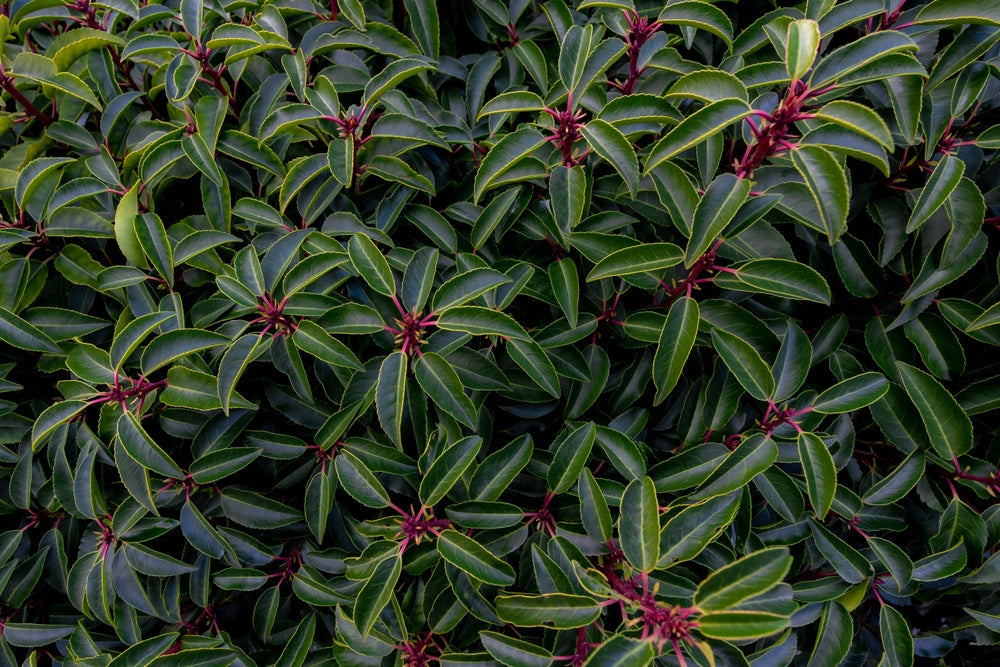
Photinia Red Robin | Christmas berry 'Red Robin' - Parachute - 350-370cm - 110lt
£575.00
Unit price perPhotinia Red Robin | Christmas berry 'Red Robin' - Parachute - 350-370cm - 110lt
£575.00
Unit price per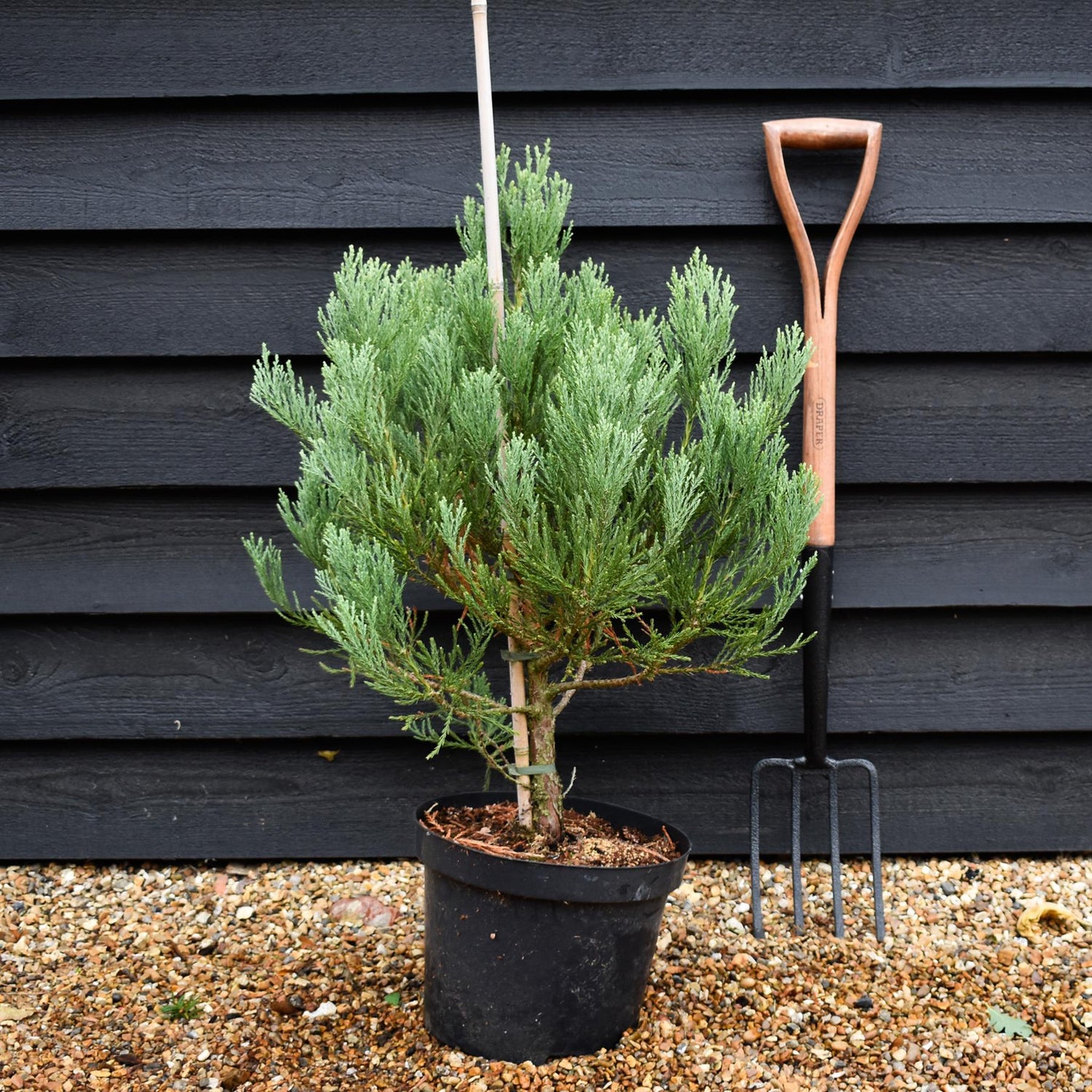
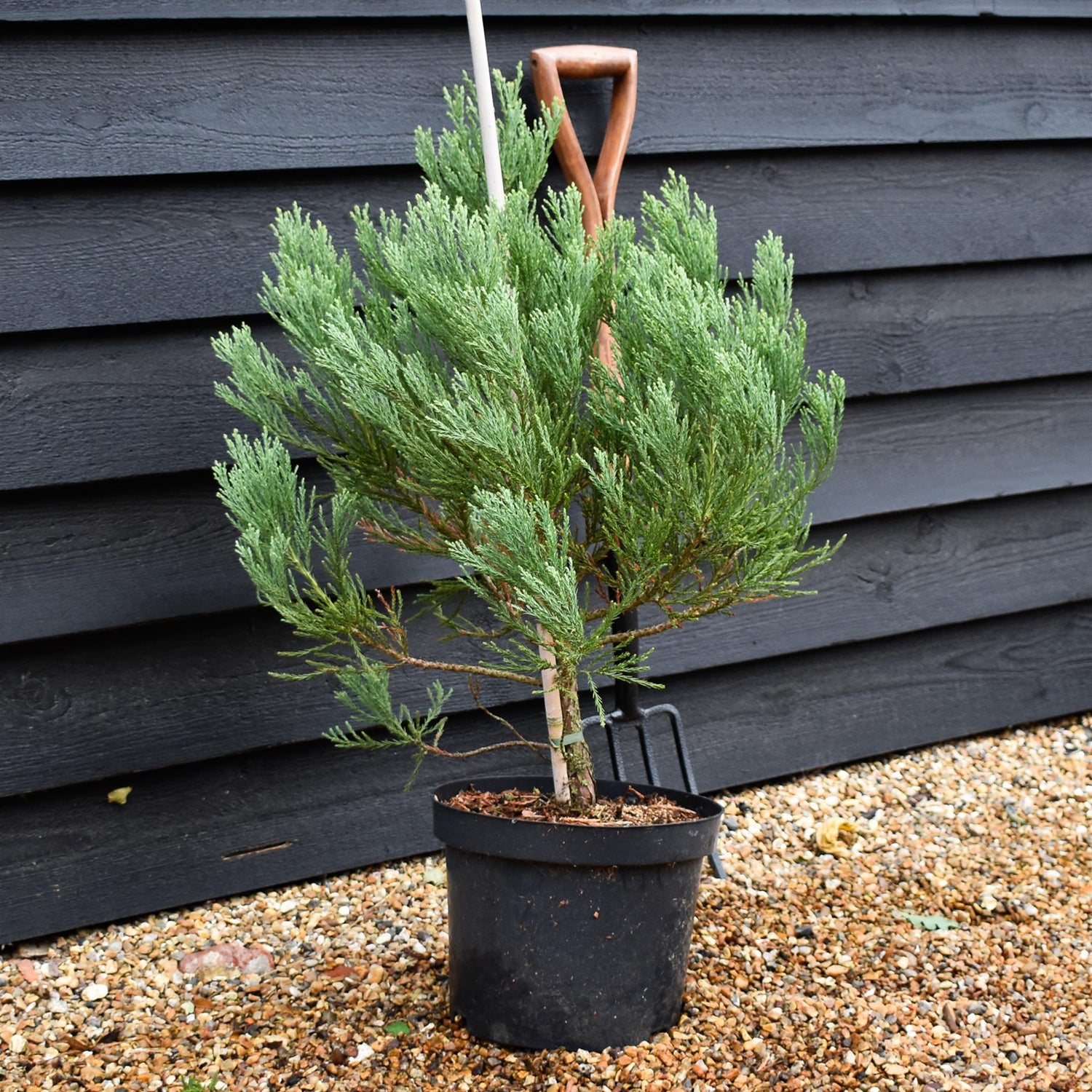
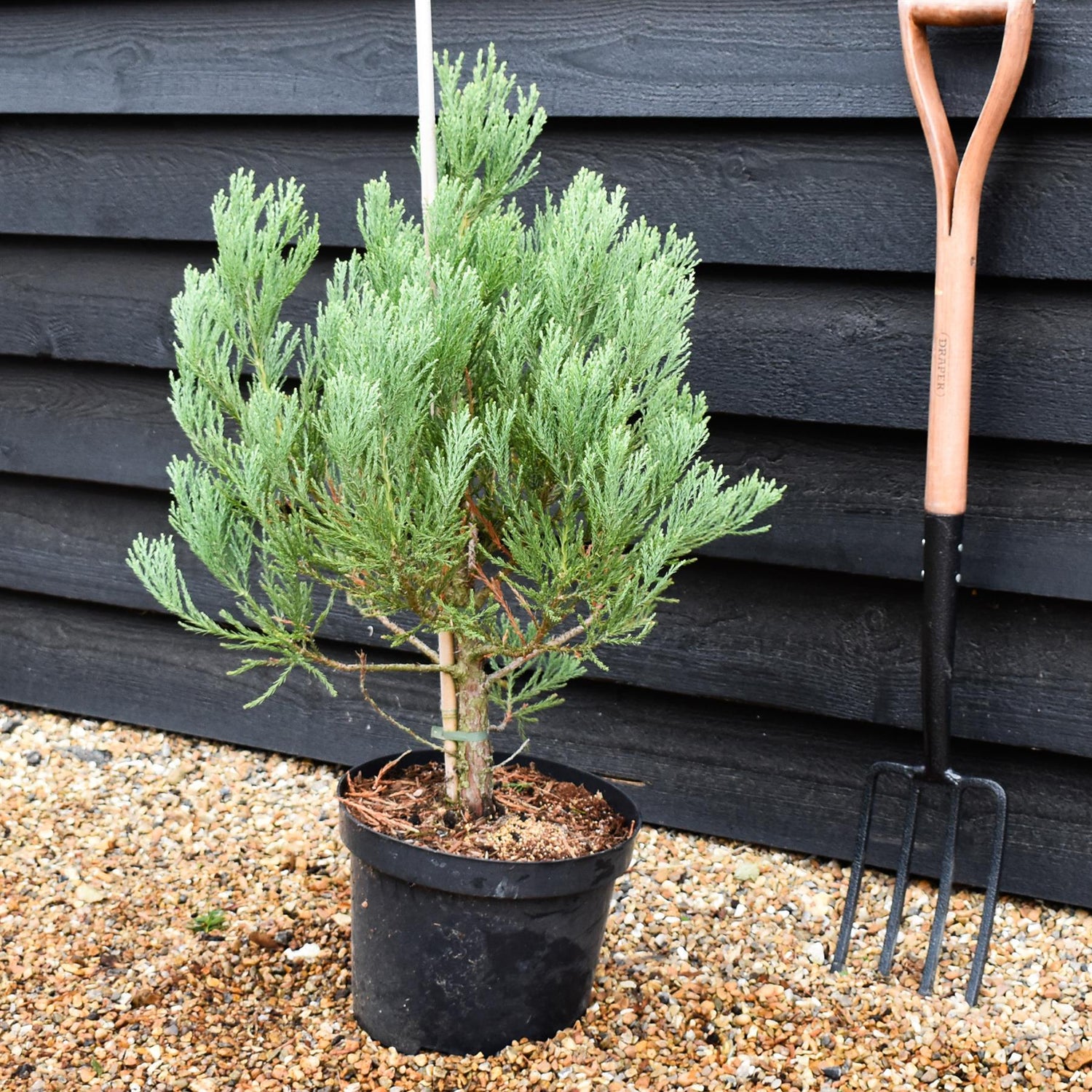
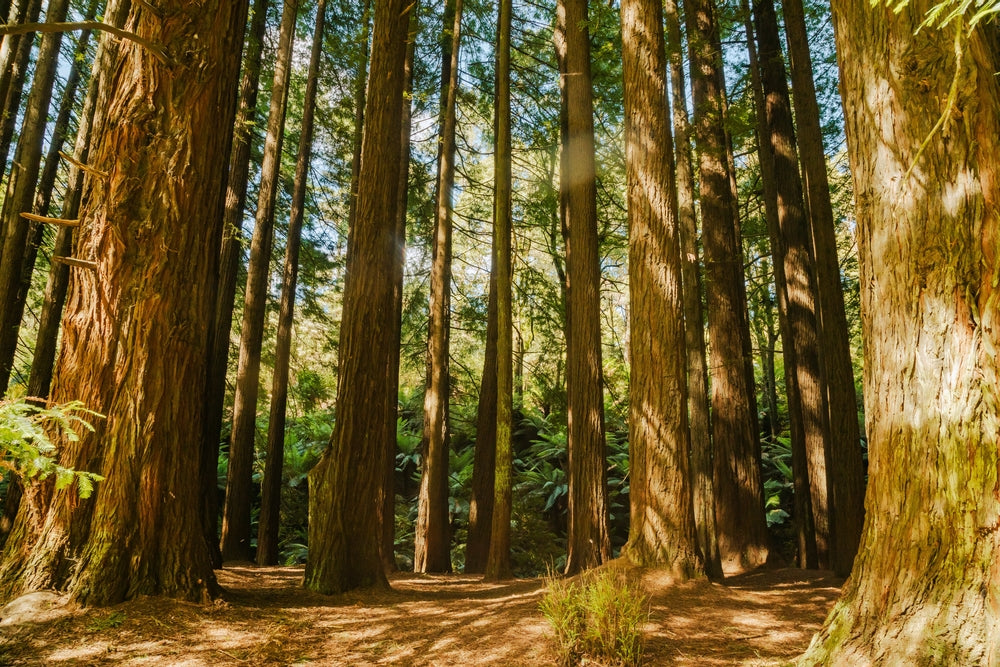
Sequoiadendron giganteum | Giant redwood - Height - 60-80cm - 10lt
£98.00
Unit price perSequoiadendron giganteum | Giant redwood - Height - 60-80cm - 10lt
£98.00
Unit price per