

-
Trees
Trees
 Fruit Trees
 Ornamental
 Screening
 Palms
By FeaturesBy Shape
Palms
By FeaturesBy Shape -
Shrubs
Shrubs
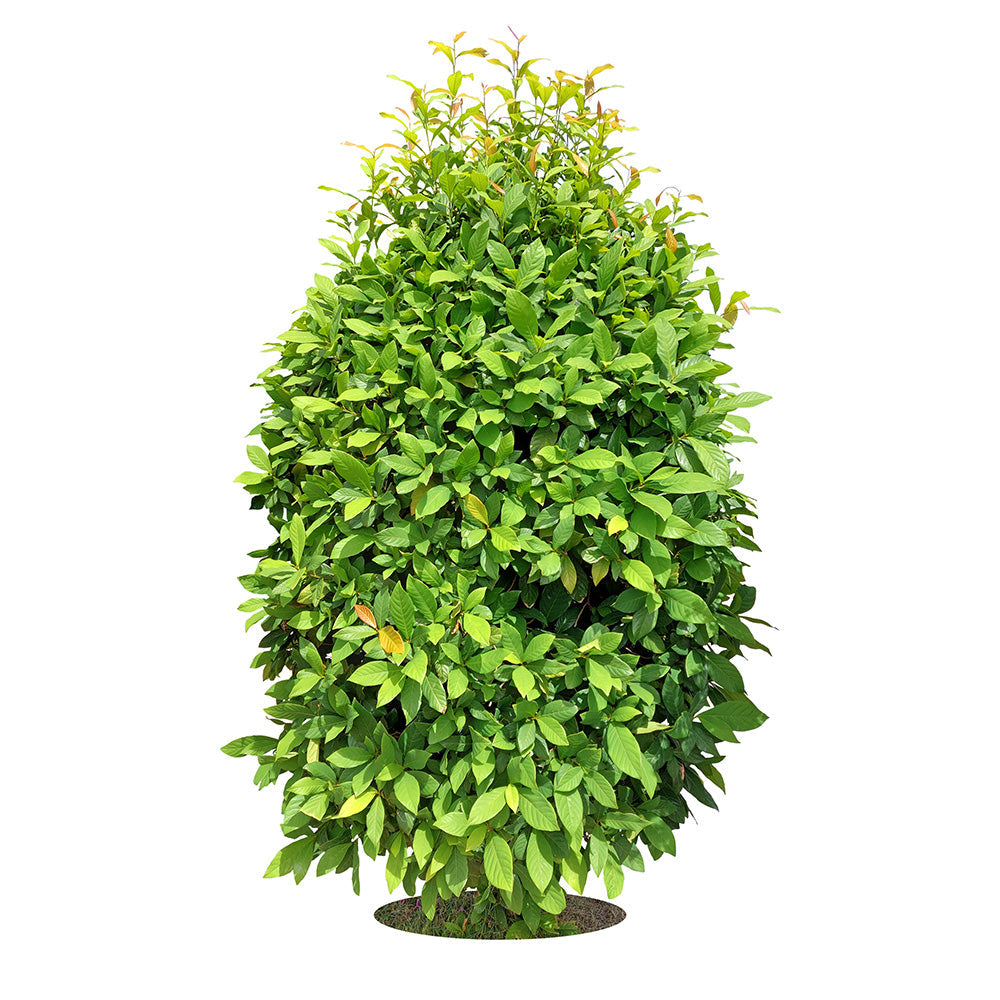 Large shrubs
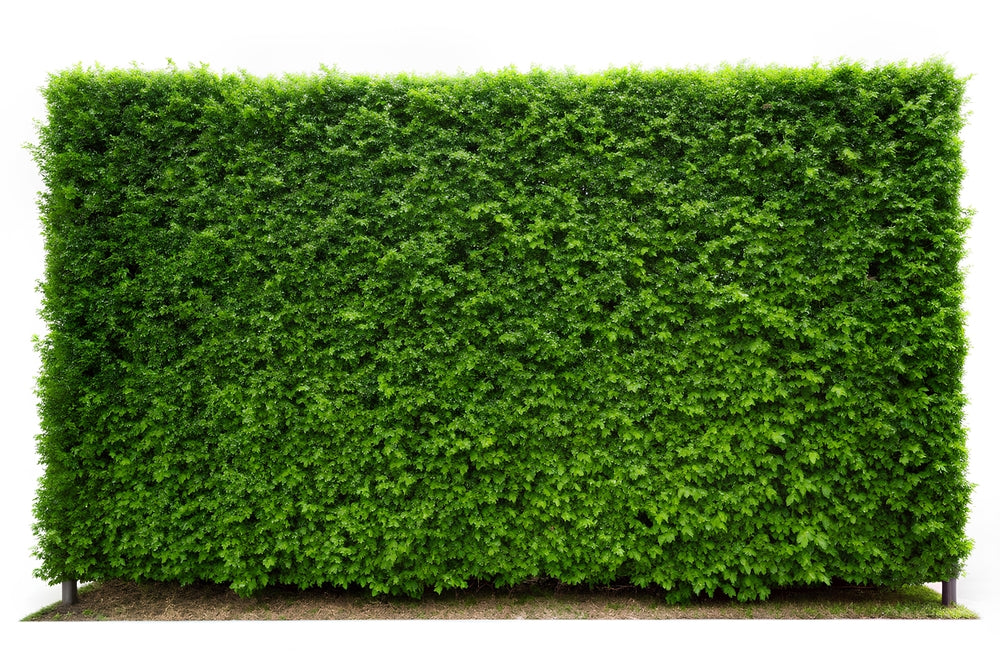 Hedging
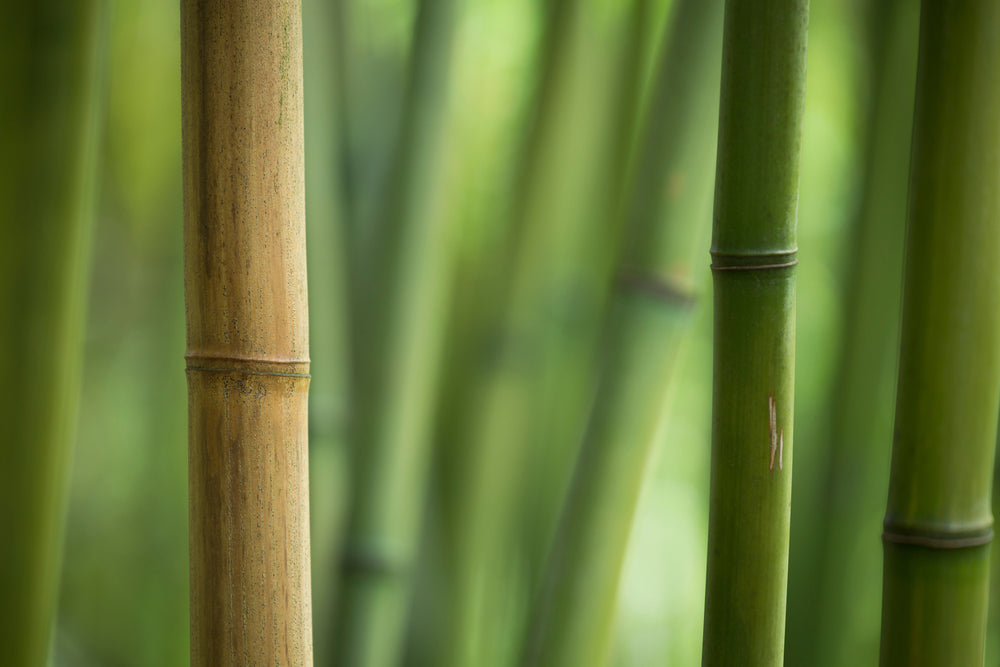 Bamboo
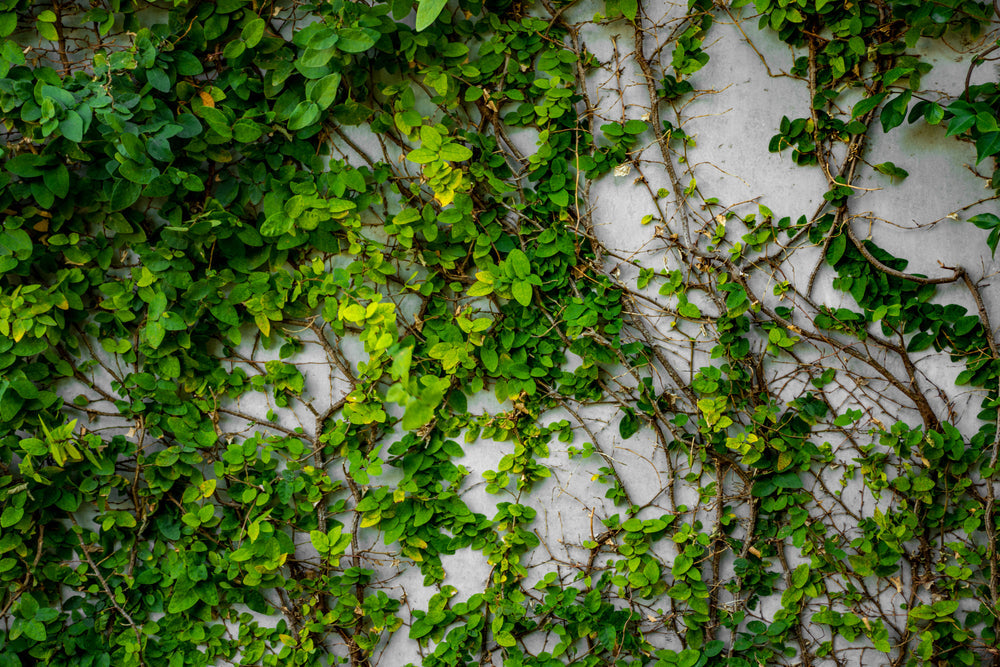 Climbers
 Flowering
 Grasses & Ferns
 Popular
-
Pines & Conifers
Pines & Conifers
 Pines
Pines
 Spruce & Fir
 Cypress
 Thuja
Thuja
 Redwood | Sequoia
-
Specimen
FREE DELIVERY OVER £350
Search results
Search results


Apple tree 'Fiesta' | Malus domestica - M26 - Semi-Dwarfing - Height 160-180cm - 12lt
£86.00
Unit price perApple tree 'Fiesta' | Malus domestica - M26 - Semi-Dwarfing - Height 160-180cm - 12lt
£86.00
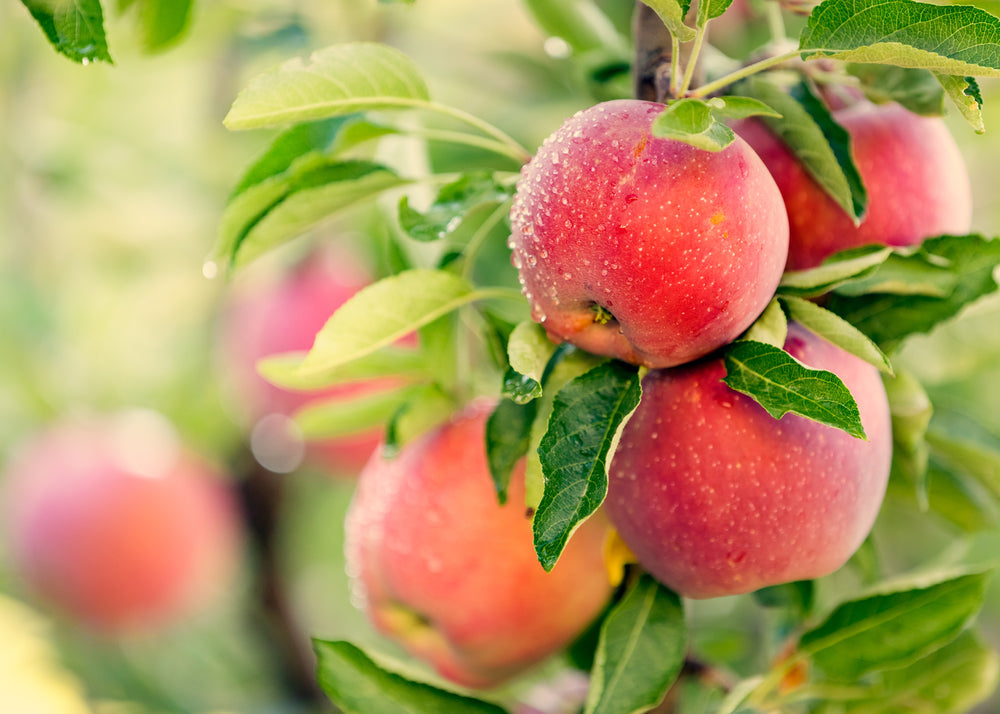
Unit price perMalus domestica 'Fiesta' is a medium-sized, upright to spreading, heavy-cropping, deciduous, dessert apple tree with ovate, toothed, grey-green leaves, yellow and orange in autumn. Pale pink flowers fade to white, bloom in spring, and are followed by heavy crops of red-flushed, yellow-orange apples ready for harvesting in September. The apples are rich in flavour, juicy, sweet and crisp. Malus domestica 'Fiesta' grows best in moderately fertile, neutral, moist, well-drained soils. It prefers full sun, but can tolerate some shade. It is resistant to frost, but late frosts may damage the flower buds. Partially self-fertile, it requires another pollinator planted near-by. It needs regular pruning and thinning. Apple 'Fiesta' is a popular dessert apple. The tree is ornamental and suitable for informal, cottage, and urban gardens. It’s a reliable and heavy cropper. The apples can be eaten fresh, but are also used for culinary purposes. Since very juicy, they are perfect for making apple juice.
M26 is a semi-dwarfing rootstock (smaller than MM106) used for apple trees, particularly in orchards and home gardens. It produces trees 10-12 feet in height, making them easier to manage and harvest. M26 ensures early fruit production, good anchorage, and medium vigor. However, it requires staking during early years and is moderately susceptible to fire blight.


Cedrus deodara | Himalayan Cedar - Height 160-180cm - 35lt
£350.00
Unit price perCedrus deodara | Himalayan Cedar - Height 160-180cm - 35lt
£350.00
Unit price per


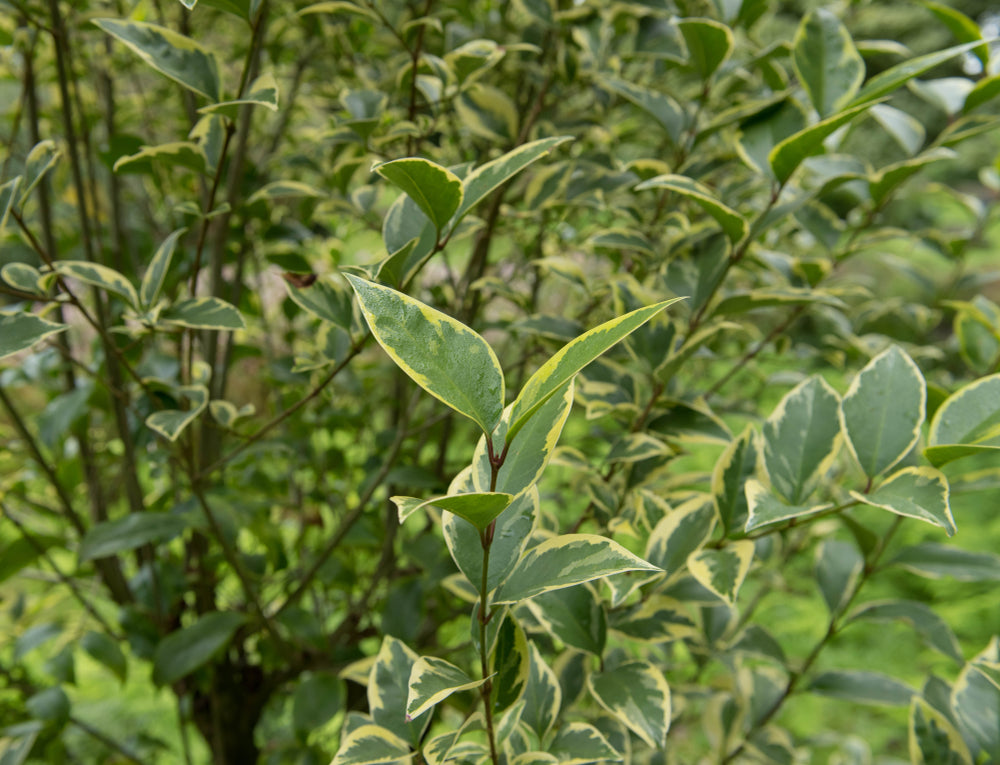
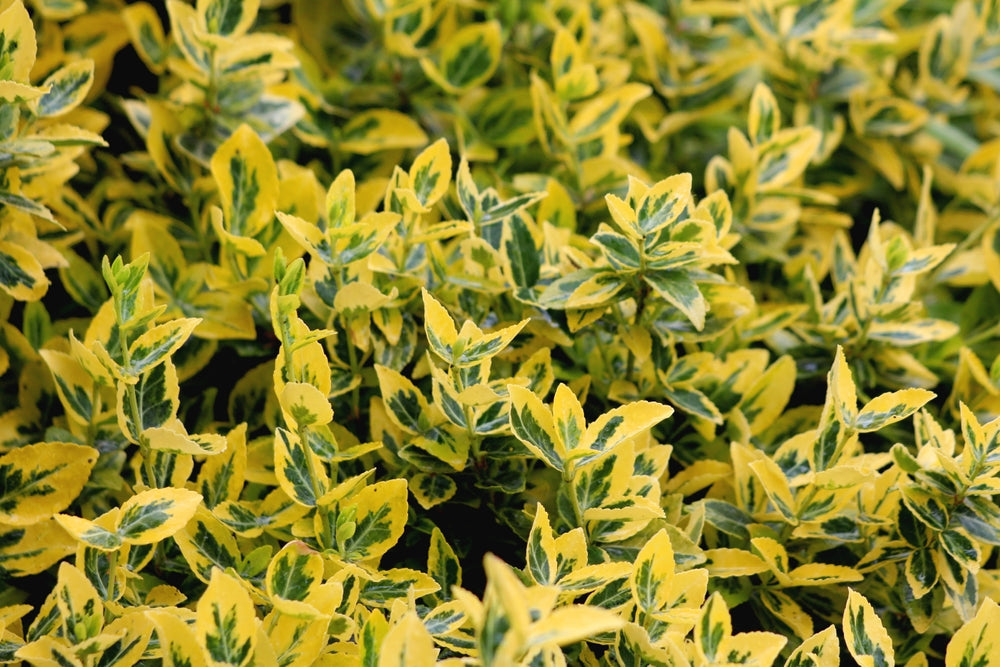
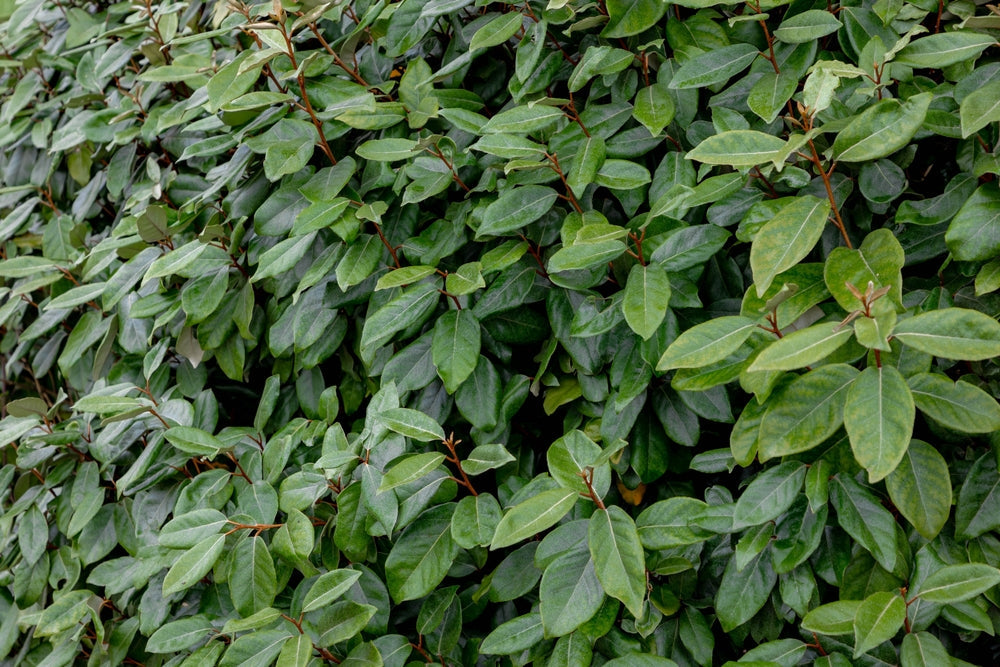
Elaeagnus x submacrophylla 'Viveleg' is a vigorous, dense, vase-shaped, upright, evergreen shrub with oval, leathery, variegated foliage - grayish dark-green leaves with silvery undersides and irregular golden-yellow margins. Small, fragrant, tubular, creamy-white flowers bloom in autumn and are followed by cherry-like, edible fruits.
Elaeagnus x submacrophylla 'Viveleg' can grow in almost any type of soil, but it prefers average, moist, and well-drained soils, in full sun to partial shade. It can withstand frost, but its shallow roots need to be protected with mulch. It doesn’t like wet conditions. It is tolerant of dry conditions and coastal winds. Fast growing and vigorous. Almost maintenance-free. May become chlorotic on shallow chalky soils.
Elaeagnus x submacrophylla 'Viveleg' is a nice, variegated variety of Silverberry. It is perfect as a background plant, for hedges and screens, in shrub borders, or for banks and slopes. Great for informal, cottage, coastal, and wildlife gardens.


Prunus cerasifera 'Spring Glow' - Height 180-220cm - 12lt
£98.00
Unit price perPrunus cerasifera 'Spring Glow' - Height 180-220cm - 12lt
£98.00
Unit price perPrunus cerasifera 'Spring Glow' is a distinct cultivar of Cherry Plum, celebrated for its stunning, early-spring blossoms. It's a deciduous tree that typically reaches a height of 15-25 feet, suitable for small to medium-sized gardens or landscapes.
The ‘Spring Glow’ showcases vibrant pink blossoms, emerging before the leaves in early spring, creating a striking contrast with the bare branches. The simple, serrated leaves are green, adding a lush appearance in the summer.
This variety produces small, red, and edible fruits, appealing to wildlife, especially birds. While not the first choice for culinary use, these fruits can be used in jellies or jams. The tree is hardy and relatively low-maintenance, tolerating different soil types, including clay, loam, and sandy soils. It prefers well-drained conditions and can adapt to various pH levels.
‘Spring Glow’ is renowned for its drought tolerance and is relatively resistant to pests and diseases, making it a practical choice for gardeners seeking resilient ornamental trees. It is often utilized as a specimen tree due to its ornamental value or planted in rows to create an attractive boundary or screen. The aesthetic appeal and resilient nature of Prunus cerasifera 'Spring Glow' make it a favoured selection among many gardening enthusiasts.


Blue Atlas Cedar | Cedrus Libani 'Glauca' - Height 170-190cm - Feathered - 20lt
£238.00
Unit price perBlue Atlas Cedar | Cedrus Libani 'Glauca' - Height 170-190cm - Feathered - 20lt
£238.00
Unit price perCedrus libani ‘Glauca’, commonly known as the Blue Lebanon Cedar, is a majestic and ornamental evergreen tree highly suitable for spacious gardens and landscapes. It thrives best in full sun with well-drained soil and is particularly valued for its glaucous, silver-blue needles, which provide year-round color and visual interest. This cultivar is drought-tolerant once established and requires minimal maintenance, making it a good choice for low-intervention gardening in temperate climates.
Its growth habit starts with a strong, upright, pyramidal form in youth, gradually developing into a broad, flat-topped tree with distinctive horizontal branching as it matures. This architectural structure creates a dramatic silhouette, especially in winter when its bold framework is fully visible. Due to its size—reaching heights of 40 to 60 feet or more with a broad spread—it is best suited to large gardens, parkland settings, or as a standalone specimen in open lawns.
Cedrus libani ‘Glauca’ is not recommended for small gardens due to its eventual scale, but in the right setting, it provides a long-lived and impressive focal point with outstanding ornamental value.


Davidia involucrata | Hankerchief Tree - Height 150-160cm - 12lt
£160.00
Unit price perDavidia involucrata | Hankerchief Tree - Height 150-160cm - 12lt
£160.00
Unit price per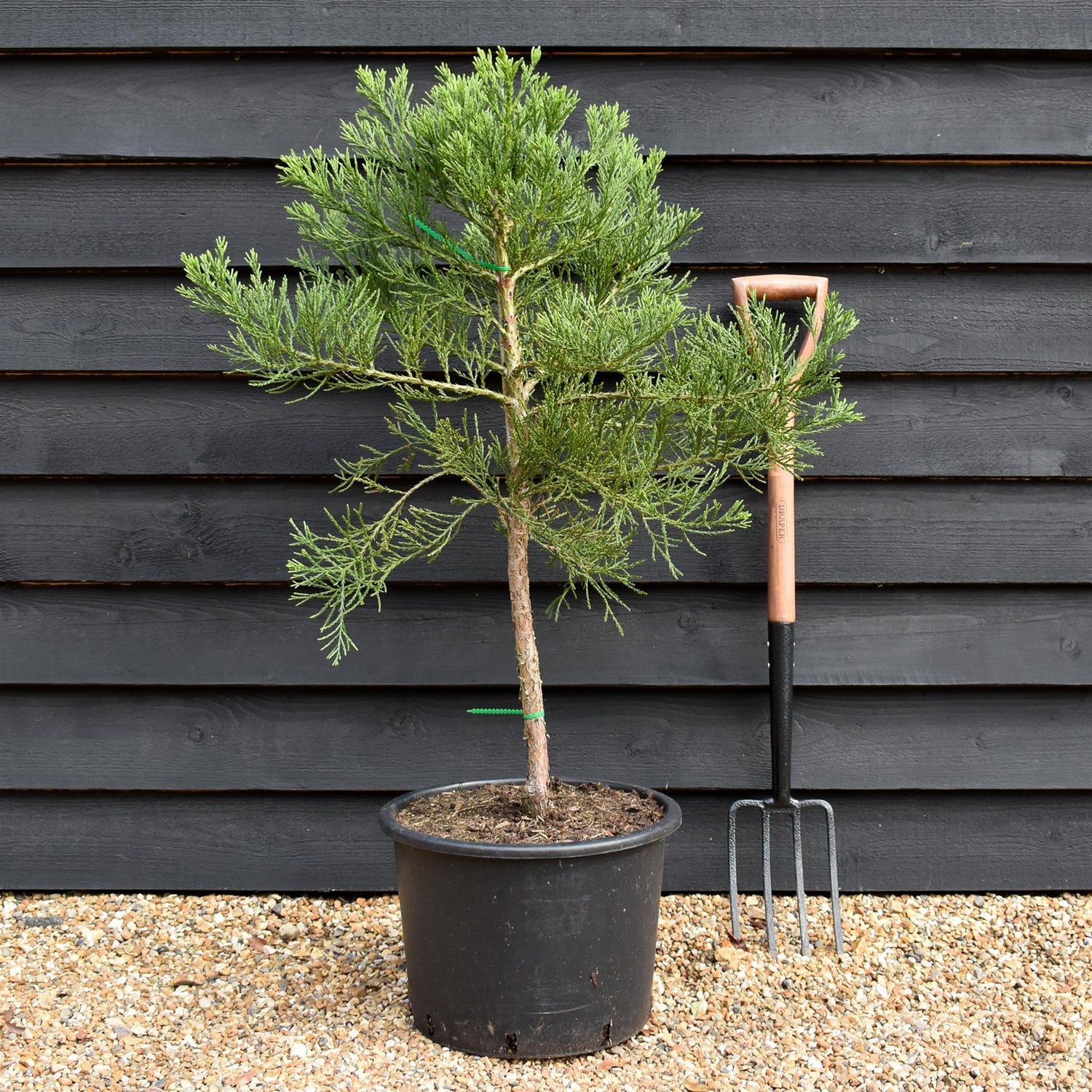
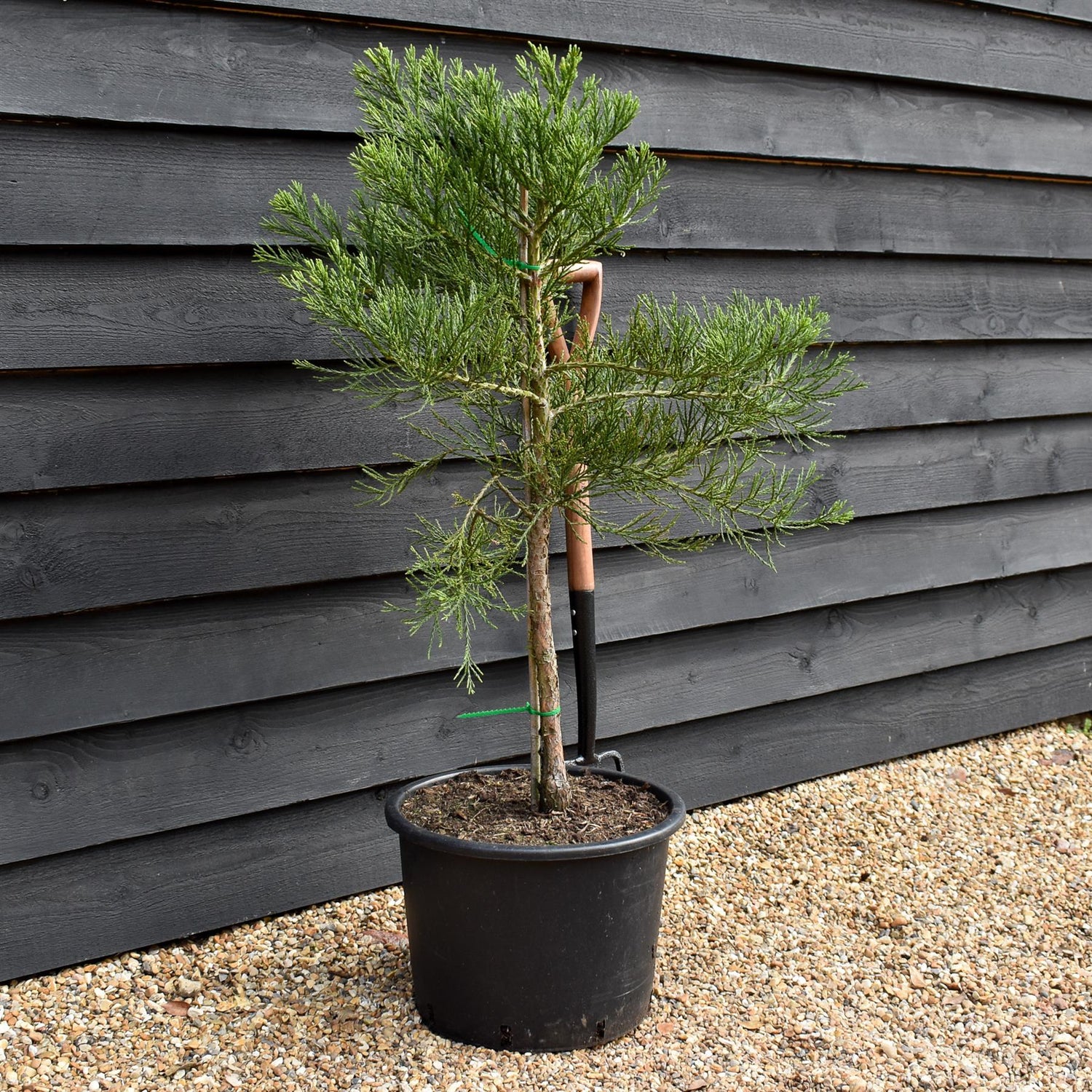
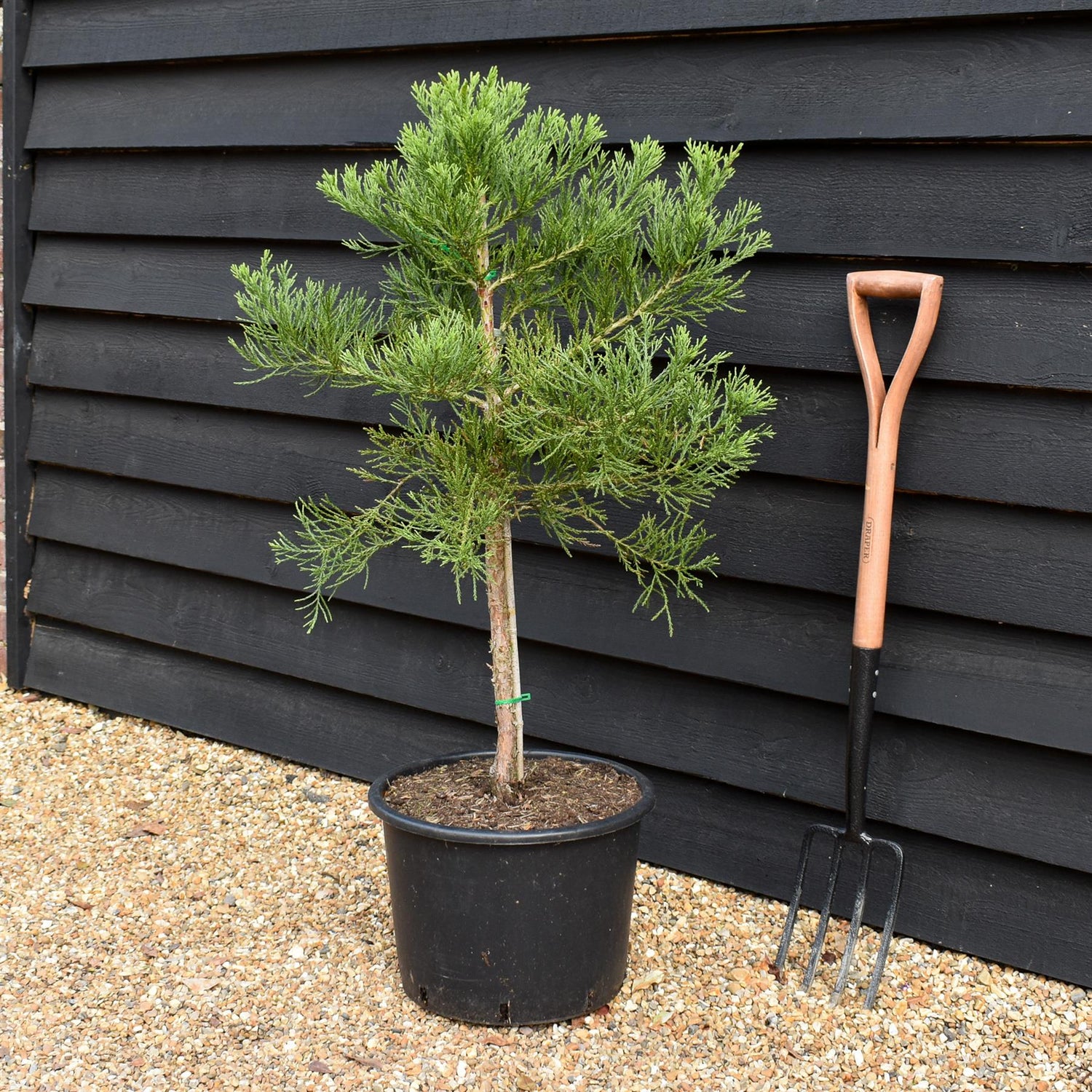
Sequoiadendron giganteum | giant redwood | Sequoia | - Height 90cm - Width 80-90cm - 12lt
£170.00
Unit price perSequoiadendron giganteum | giant redwood | Sequoia | - Height 90cm - Width 80-90cm - 12lt
£170.00
Unit price per


Apple tree 'Red Devil' | Malus domestica - MM106 - Semi-Dwarfing - 150-160cm - 20lt
£94.00
Unit price perApple tree 'Red Devil' | Malus domestica - MM106 - Semi-Dwarfing - 150-160cm - 20lt
£94.00
Unit price perRed Devil Apple plant is a deciduous, hardy, vigorous tree with a bushy, upright habit, attractive pink-white flowers, and stunning, deep red fruit. Its creamy flesh is white, but stained with red and produces beautiful pink juice. Red Devil apples ripen in mid-September and are harvested till mid-October. The fruit has juicy and moderately sweet and sharp taste with a hint of strawberry flavour. They store well and can be kept till January.
Red Devil Apple was bred by Hugh Ermen, in Faversham, Kent in 1975, and introduced in 1990 as an excellent, modern dessert apple. It is very resilient, generally disease-free, and adaptable to most weather conditions. It grows in almost any type of soil as long as it is moist and well-drained. It prefers full sun, but can tolerate partial shade. It is self-fertile and doesn’t need a pollination partner.
Root stock MM106 is a semi-dwarfing rootstock commonly used for apple trees. It offers a moderate growth rate, producing trees 10-15 feet tall when mature. Suitable for medium-sized gardens, MM106 ensures good fruit yield and adaptability to various soils. It's resistant to woolly apple aphid and moderately resistant to crown rot. Ideal for bush, cordons, and espalier forms. Ensure proper staking in early years.


Apple tree 'Red Devil' | Malus domestica - M26 - Semi-Dwarfing - Height 180-190cm - 12lt
£86.00
Unit price perApple tree 'Red Devil' | Malus domestica - M26 - Semi-Dwarfing - Height 180-190cm - 12lt
£86.00
Unit price perRed Devil Apple plant is a deciduous, hardy, vigorous tree with a bushy, upright habit, attractive pink-white flowers, and stunning, deep red fruit. Its creamy flesh is white, but stained with red and produces beautiful pink juice. Red Devil apples ripen in mid-September and are harvested till mid-October. The fruit has juicy and moderately sweet and sharp taste with a hint of strawberry flavour. They store well and can be kept till January.
Red Devil Apple was bred by Hugh Ermen, in Faversham, Kent in 1975, and introduced in 1990 as an excellent, modern dessert apple. It is very resilient, generally disease-free, and adaptable to most weather conditions. It grows in almost any type of soil as long as it is moist and well-drained. It prefers full sun, but can tolerate partial shade. It is self-fertile and doesn’t need a pollination partner.
M26 is a semi-dwarfing rootstock (smaller than MM106) used for apple trees, particularly in orchards and home gardens. It produces trees 10-12 feet in height, making them easier to manage and harvest. M26 ensures early fruit production, good anchorage, and medium vigor. However, it requires staking during early years and is moderately susceptible to fire blight.


Judas tree | Cercis siliquastrum - Girth 5-6cm - 290-300cm - 30lt
£225.00
Unit price perJudas tree | Cercis siliquastrum - Girth 5-6cm - 290-300cm - 30lt
£225.00
Unit price perCercis siliquastrum, commonly known as the Judas tree or love tree, is a deciduous tree native to the Mediterranean region, including parts of Southern Europe and Western Asia. It is a member of the bean family (Fabaceae) and is known for its vibrant, pink-purple flowers and heart-shaped leaves. The Judas tree can grow up to 10 meters tall and has a spreading, umbrella-shaped crown. Its bark is smooth and grey-brown, and its branches are often twisted and gnarled, adding to its aesthetic appeal. The tree typically blooms in early spring, before its leaves appear, producing an abundance of small, pink-purple flowers that grow in clusters on the branches and trunk. These flowers are a valuable source of nectar for bees and other pollinators. After flowering, the tree produces flattened, brown seed pods that hang from the branches throughout the summer. These pods can be several centimetres long and contain numerous small seeds. The Judas tree is a popular ornamental tree in gardens and parks, where it is valued for its attractive appearance and early spring flowering. It prefers full sun or partial shade and well-drained soil, and is generally hardy and easy to grow.


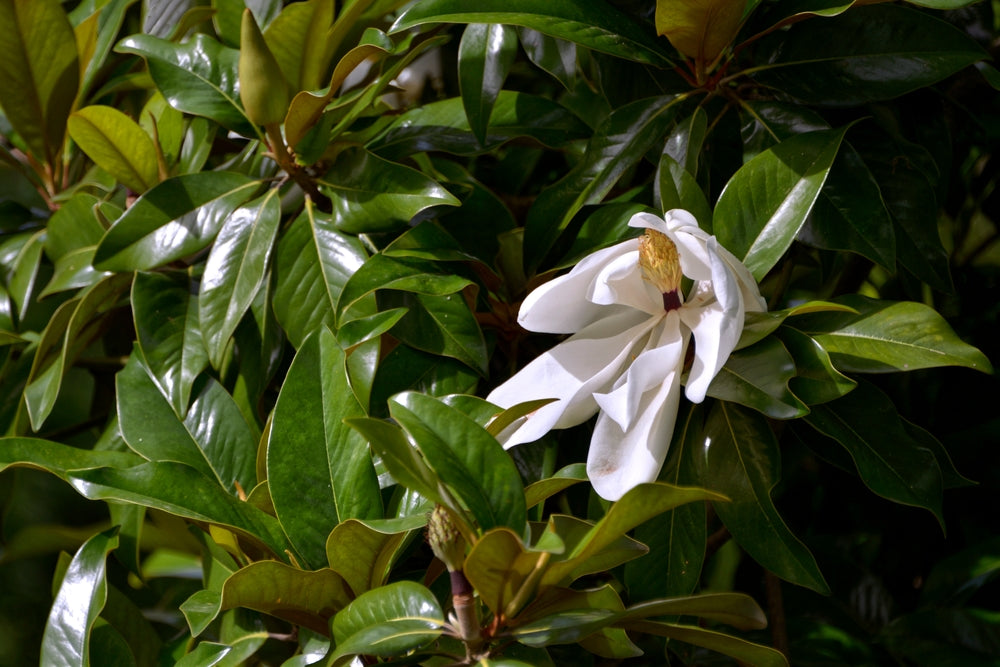
Magnolia Grandiflora Little Gem | Southern Magnolia ‘Little Gem’ - Height 90-110cm - 10lt
£82.00
Unit price perMagnolia Grandiflora Little Gem | Southern Magnolia ‘Little Gem’ - Height 90-110cm - 10lt
£82.00
Unit price per


Abies koreana | Korean fir - Height 60cm - Width 30-40cm - 18lt
£94.00
Unit price perAbies koreana | Korean fir - Height 60cm - Width 30-40cm - 18lt
£94.00
Unit price perAbies koreana, commonly known as Korean fir, is an evergreen coniferous tree that belongs to the Pinaceae family. Native to the high mountains of South Korea, this tree species is renowned for its beautiful foliage, attractive cone clusters, and graceful habit. It is a popular ornamental tree grown in gardens, parks, and landscapes around the world.
Korean fir can grow up to 15-20 meters in height with a narrow pyramidal or conical shape. The bark is grayish-brown and smooth when young, becoming rough and scaly as the tree ages. The needles are 1-3 cm long, glossy dark green on the upper surface, and have two white stripes on the undersides. They are arranged in a spiral pattern around the branches, giving the tree a graceful and delicate appearance.
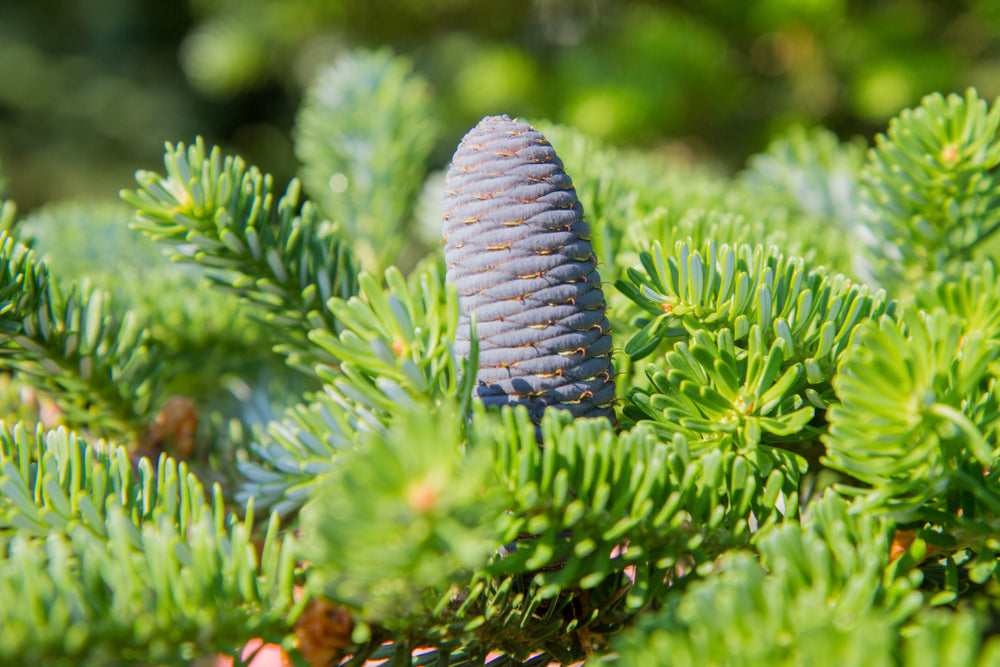
One of the most distinctive features of Korean fir is its stunning cones. They are upright and cylindrical, measuring 7-15 cm in length and 3-4 cm in width. The cones are green when young, but turn a beautiful purple or violet-blue as they mature. They also have unique, purplish bracts that protrude from the cone scales, adding to their aesthetic appeal. Korean fir is a hardy tree that prefers cool and moist conditions. It is best grown in full sun or partial shade in well-drained, acidic soils. It is relatively slow-growing, but can live for several decades with proper care. It is also resistant to most pests and diseases, making it a low-maintenance tree.


Crataegus laevigata 'Crimson Cloud' - Height 170cm-190cm - 12lt
£94.00
Unit price perCrataegus laevigata 'Crimson Cloud' - Height 170cm-190cm - 12lt
£94.00
Unit price per


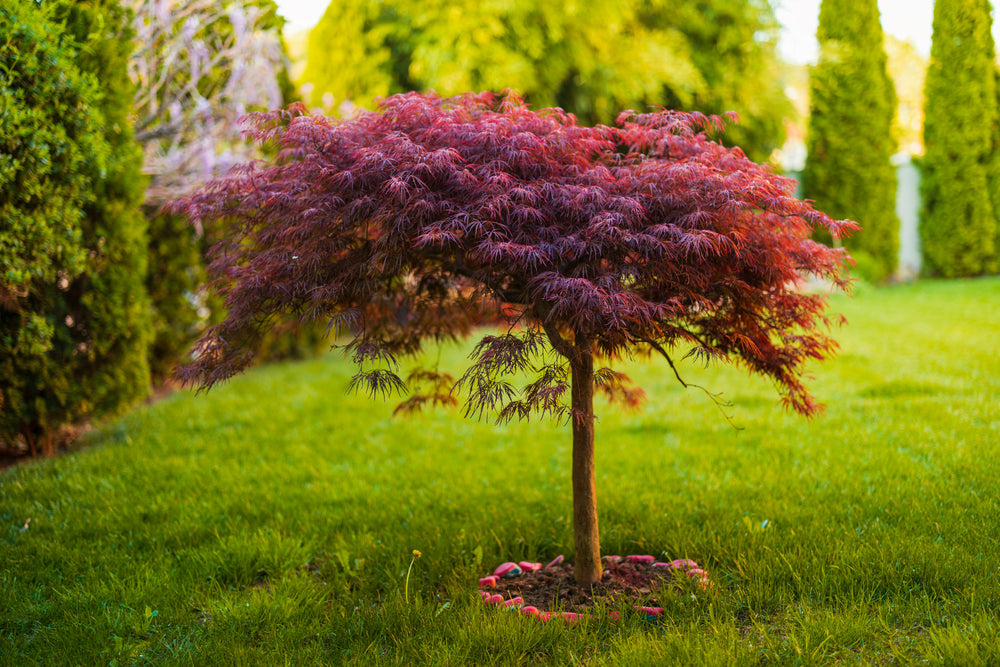
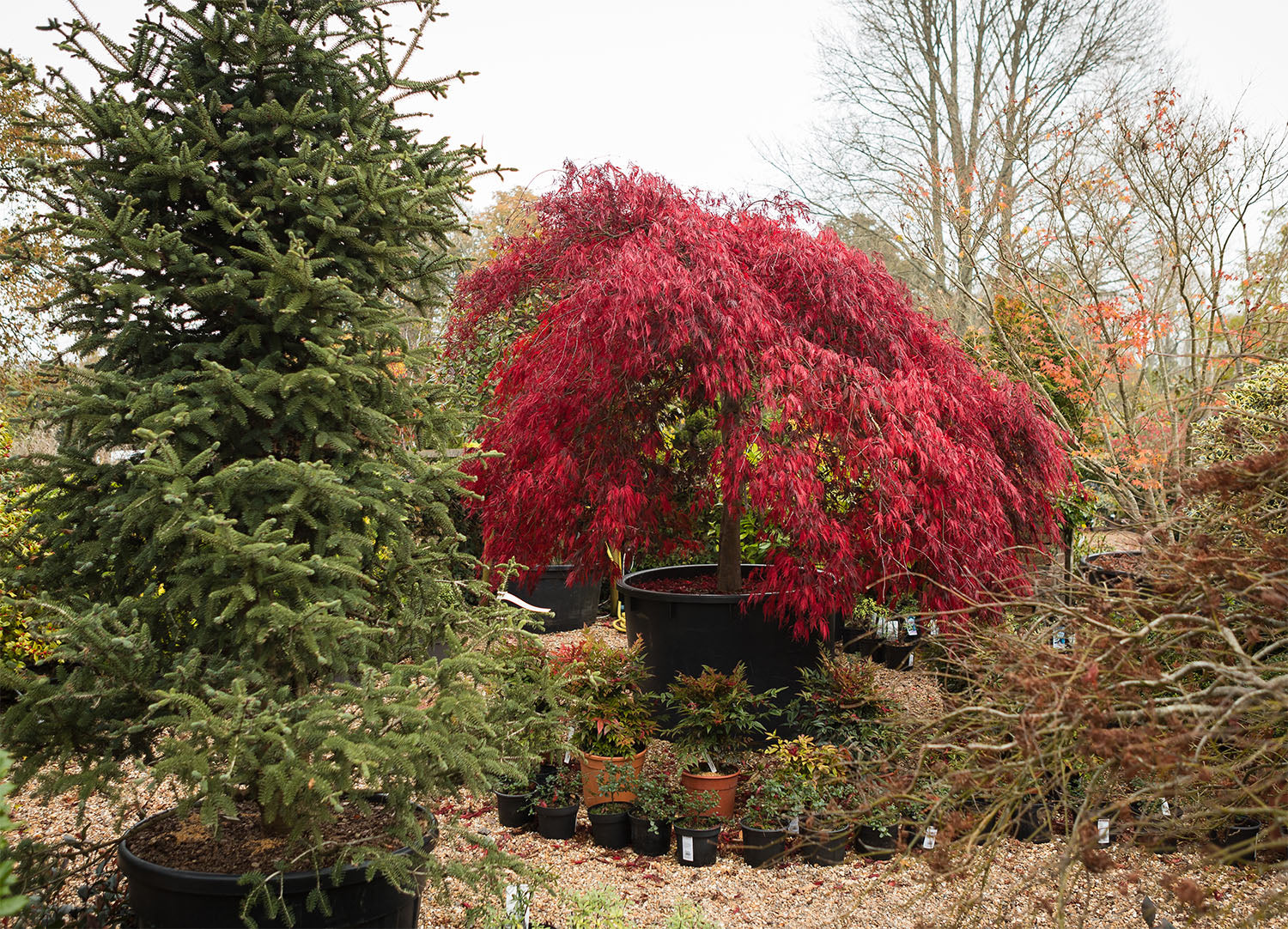
Acer palmatum 'Crispifolium' - Specimen Tree - Height 200-230cm - 375lt
£3,885.00
Unit price perAcer palmatum 'Crispifolium' - Specimen Tree - Height 200-230cm - 375lt
£3,885.00
Unit price per


Hornbeam Fastigata | Carpinus betulus 'Fastigiata' - Girth 10-12cm - Height 280-320cm - 70lt
£320.00
Unit price perHornbeam Fastigata | Carpinus betulus 'Fastigiata' - Girth 10-12cm - Height 280-320cm - 70lt
£320.00
Unit price per


Prunus Dulics | Flowering Almond Tree, Height 170-180cm , 12lt
£98.00
Unit price perPrunus Dulics | Flowering Almond Tree, Height 170-180cm , 12lt
£98.00
Unit price per


Rhaphiolepis indica | Indian hawthorn - 50-70cm, 10lt
£72.00
Unit price perRhaphiolepis indica | Indian hawthorn - 50-70cm, 10lt
£72.00
Unit price perRhaphiolepis indica, commonly known as Indian hawthorn, is a charming evergreen shrub that graces gardens with its elegant presence. Native to Southern Asia, particularly India and China, this resilient plant belongs to the Rosaceae family and thrives in a variety of climates, making it a popular choice among gardeners worldwide.
The beauty of Rhaphiolepis indica lies in its dense, compact growth habit, reaching heights of up to 2 meters (6.5 feet) and spreading almost as wide. Its glossy, leathery leaves are lance-shaped and typically dark green, providing a lush backdrop for the clusters of delicate flowers it produces. These blooms, which appear in spring, vary in color from white to shades of pink and possess a subtle fragrance that attracts pollinators such as bees and butterflies.
One of the most appealing features of Indian hawthorn is its adaptability to different growing conditions. It thrives in full sun to partial shade and can tolerate a range of soil types, though it prefers well-draining soil with a slightly acidic to neutral pH. Once established, it exhibits moderate drought tolerance, although regular watering during dry spells is beneficial for optimal growth and flowering.
Pruning is seldom necessary, except to remove dead or damaged branches and to maintain shape if desired. Additionally, the plant is relatively pest and disease resistant, further adding to its appeal as a hassle-free addition to garden landscapes.


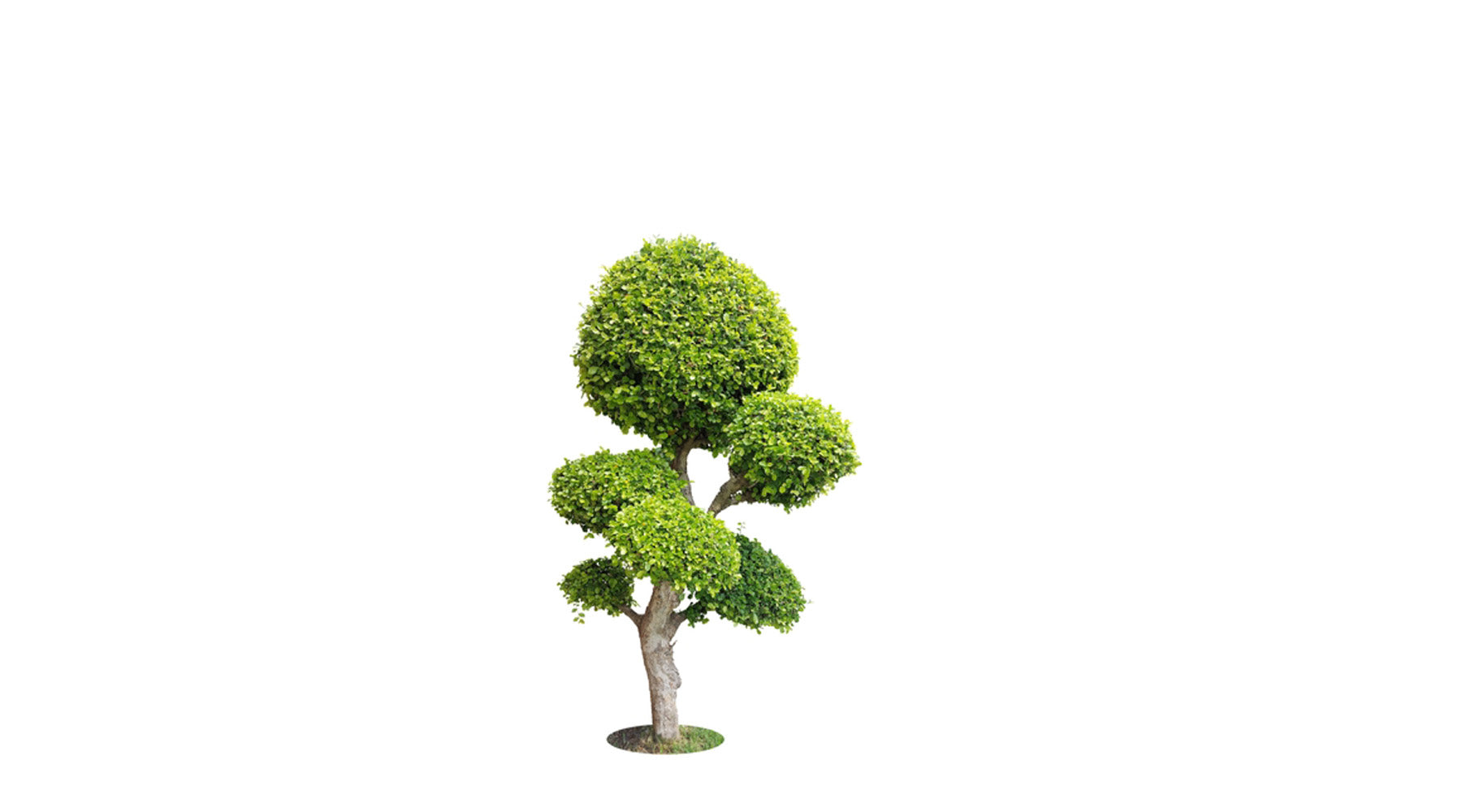
This plant is specifically shaped into a ball with very dense foliage. It is exceptionally large for this type of plant.
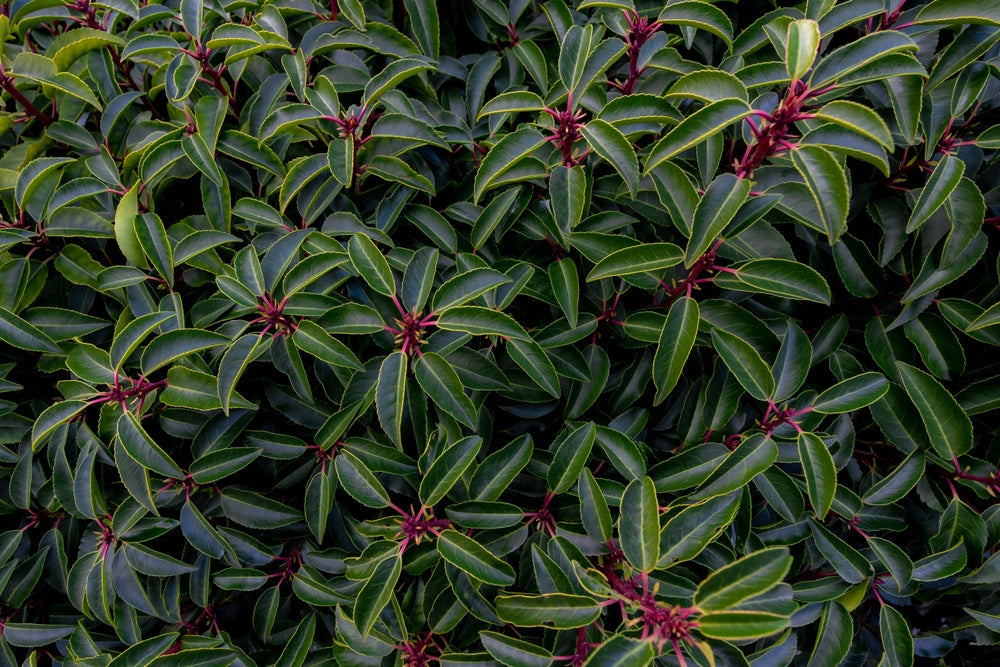
Prunus lusitanica 'Angustifolia' is a dense, neat and tidy, evergreen shrub or small tree of compact, rounded to conical habit, with narrow, long, glossy, dark green leaves. Young stems are vivid red. Small, fragrant, creamy-white flowers bloom in late spring or early summer and are followed by dark purple berries in autumn. Attractive to pollinators and birds. Prunus lusitanica 'Angustifolia' is adaptable to a wide range of soils and conditions. It thrives in fertile, moist, well-drained soil, and grows well in full sun or partial shade. It is resistant to frost, but doesn’t’ like very exposed sites, therefore, needs to be sheltered from strong winds. Low maintenance plant, tolerant of hard pruning. Portuguese Laurel 'Angustifolia', differs from the classic variety for its greater density and narrower leaves. It is, therefore, superb for formal hedges. It forms great windbreaks and privacy screens. It reduces noise and pollution. It can be grown as a topiary tree.
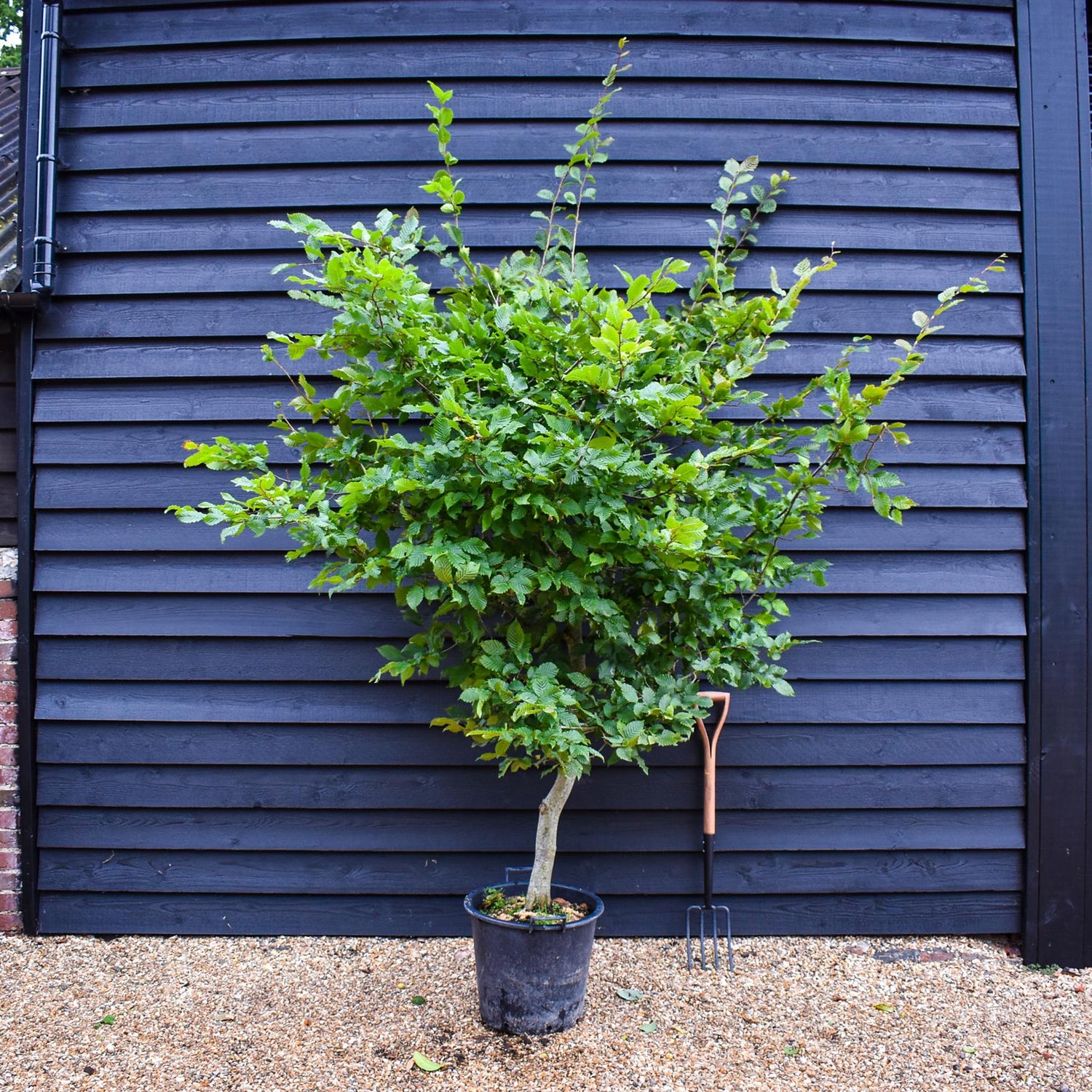


Carpinus betulus | European Hornbeam - 200-220cm, 30lt
£135.00
Unit price perCarpinus betulus | European Hornbeam - 200-220cm, 30lt
£135.00
Unit price per