

-
Trees
Trees
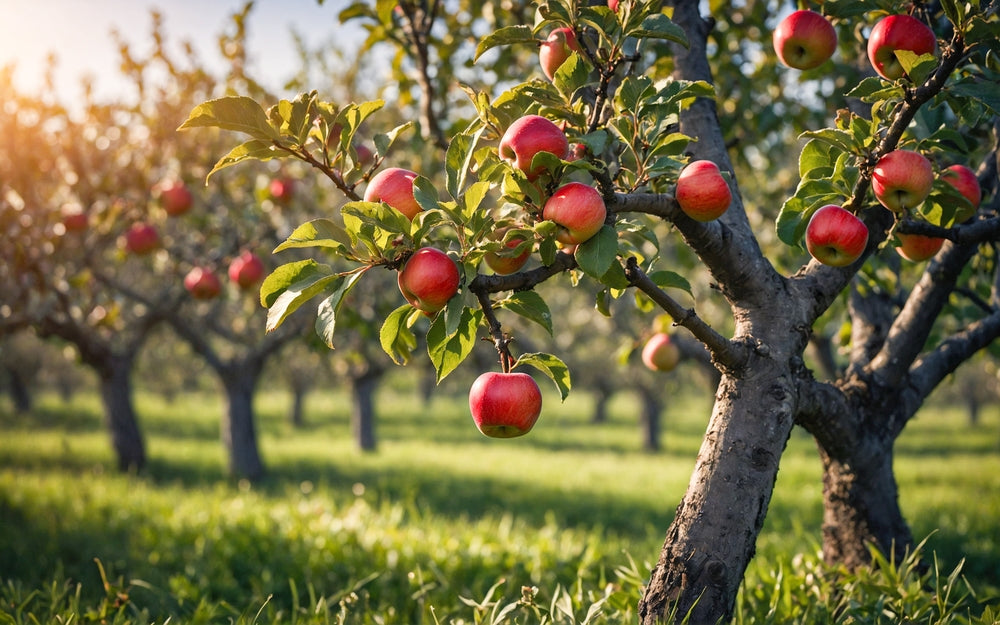 Fruit Trees
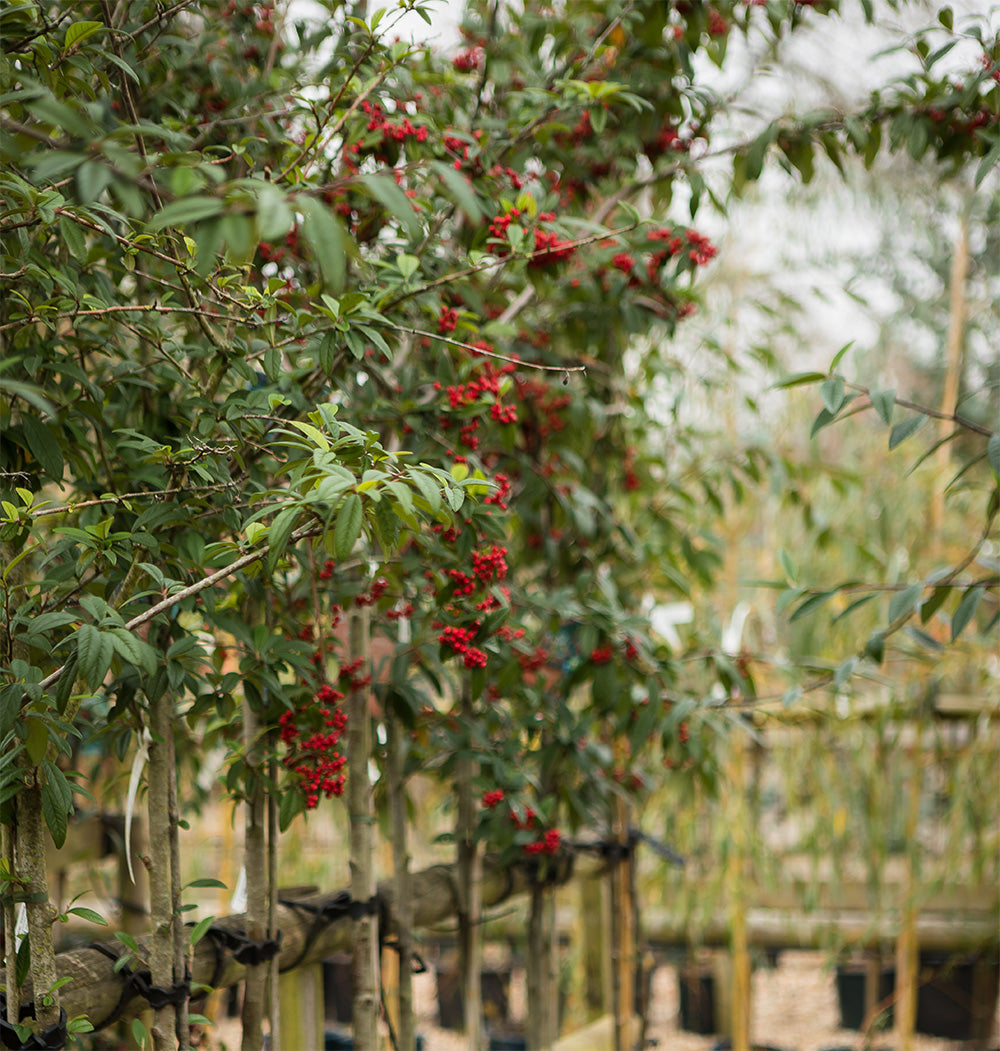 Ornamental
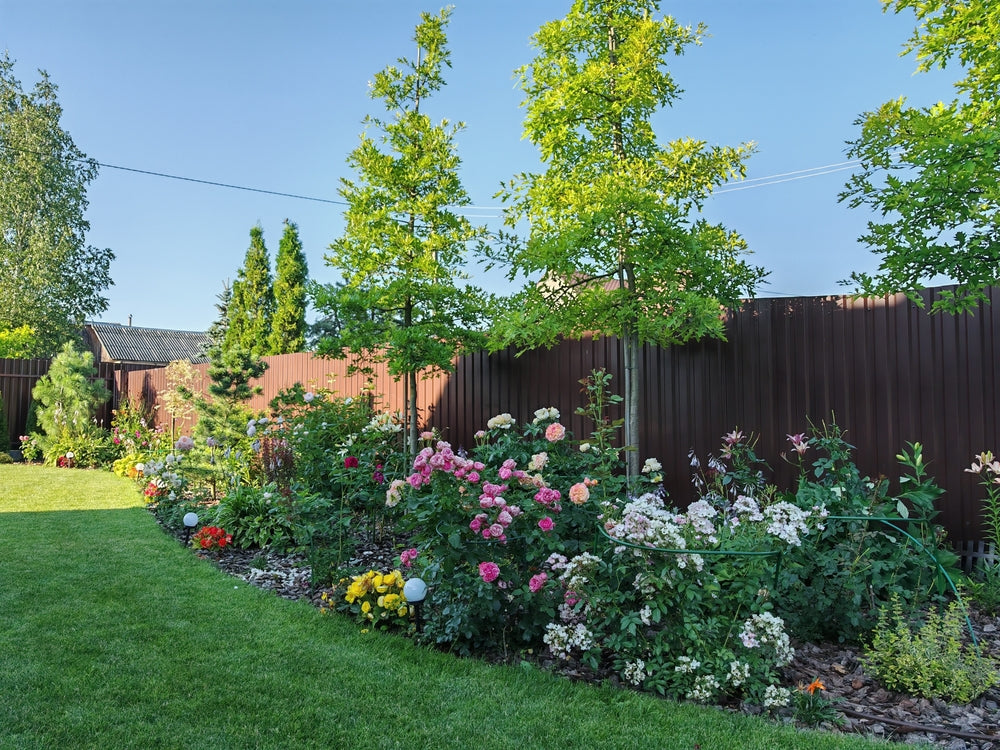 Screening
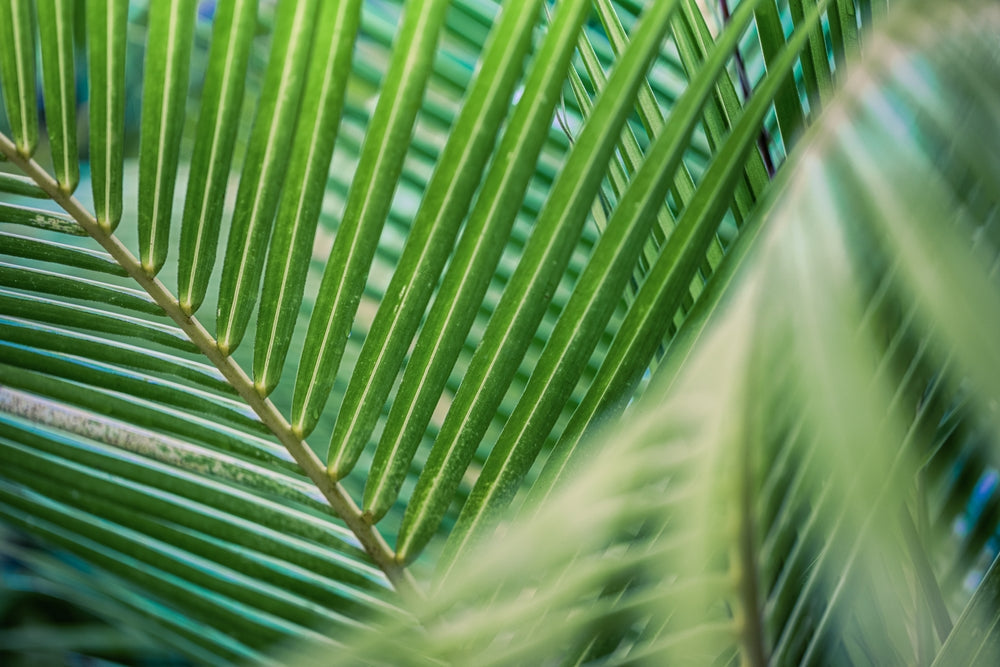 Palms
By FeaturesBy Shape
Palms
By FeaturesBy Shape -
Shrubs
Shrubs
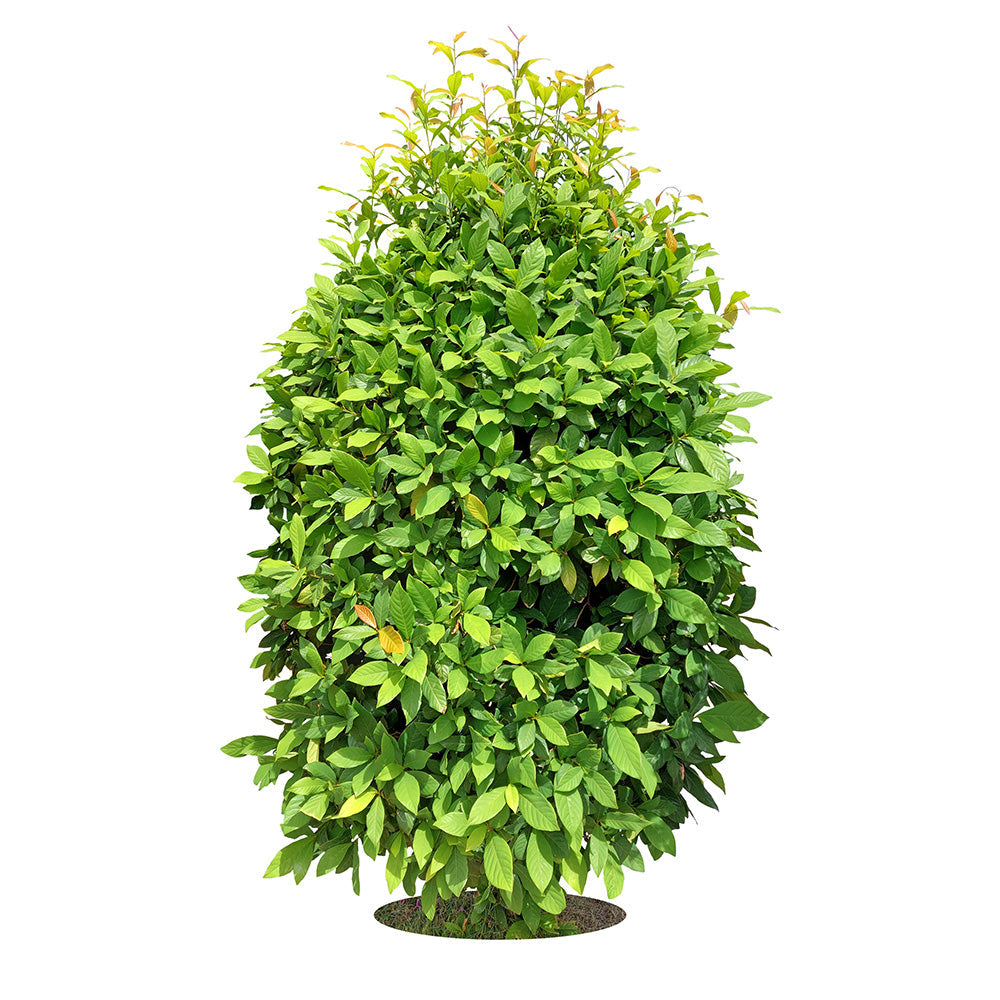 Large shrubs
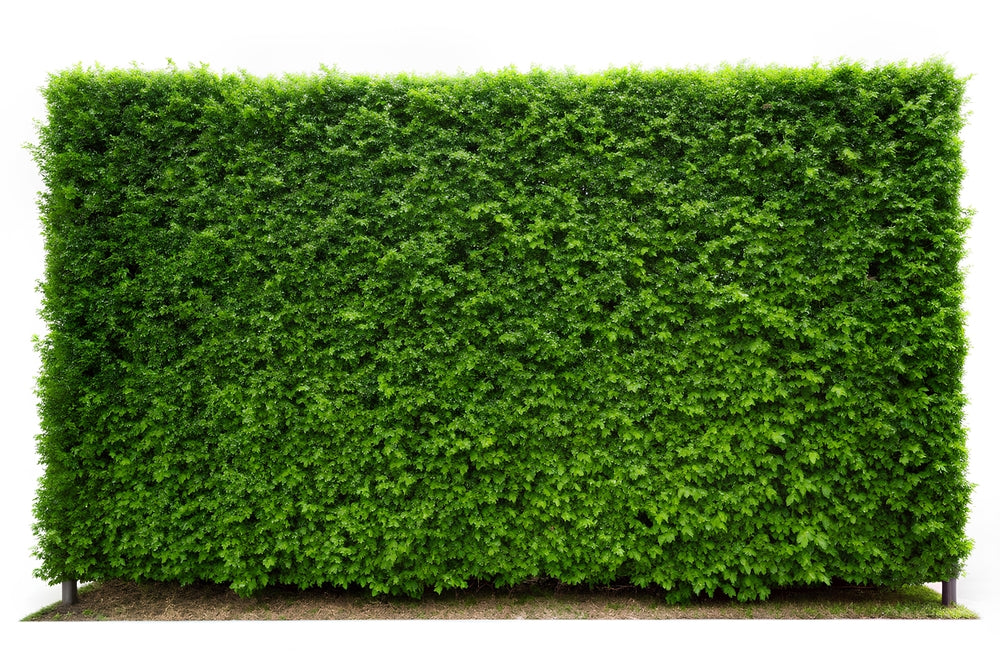 Hedging
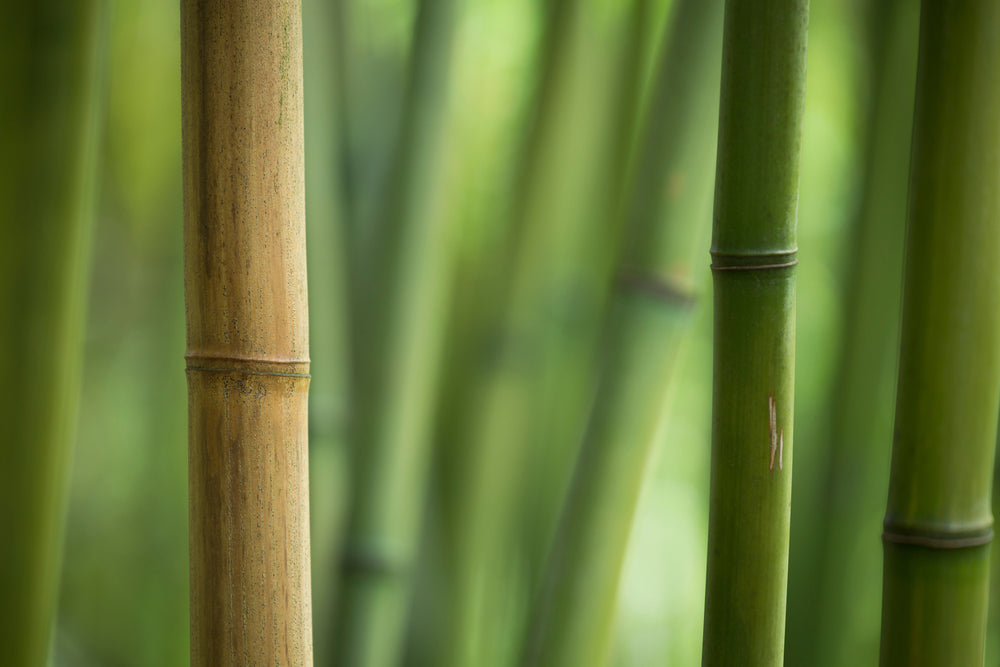 Bamboo
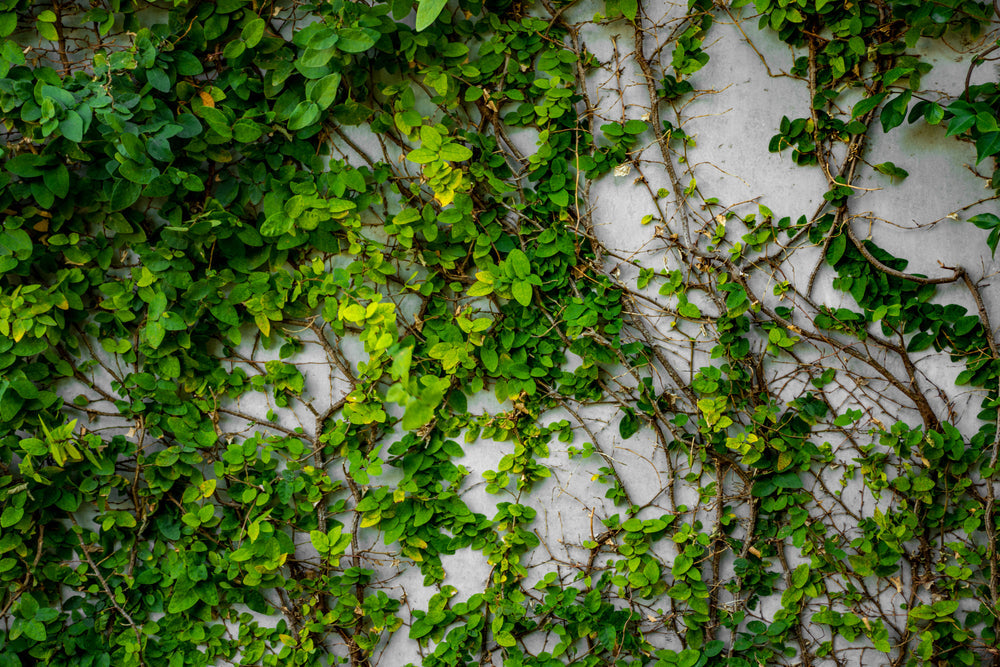 Climbers
 Flowering
 Grasses & Ferns
 Popular
-
Pines & Conifers
Pines & Conifers
 Pines
Pines
 Spruce & Fir
 Cypress
 Thuja
Thuja
 Redwood | Sequoia
-
Specimen
FREE DELIVERY OVER £350
Search results
Search results


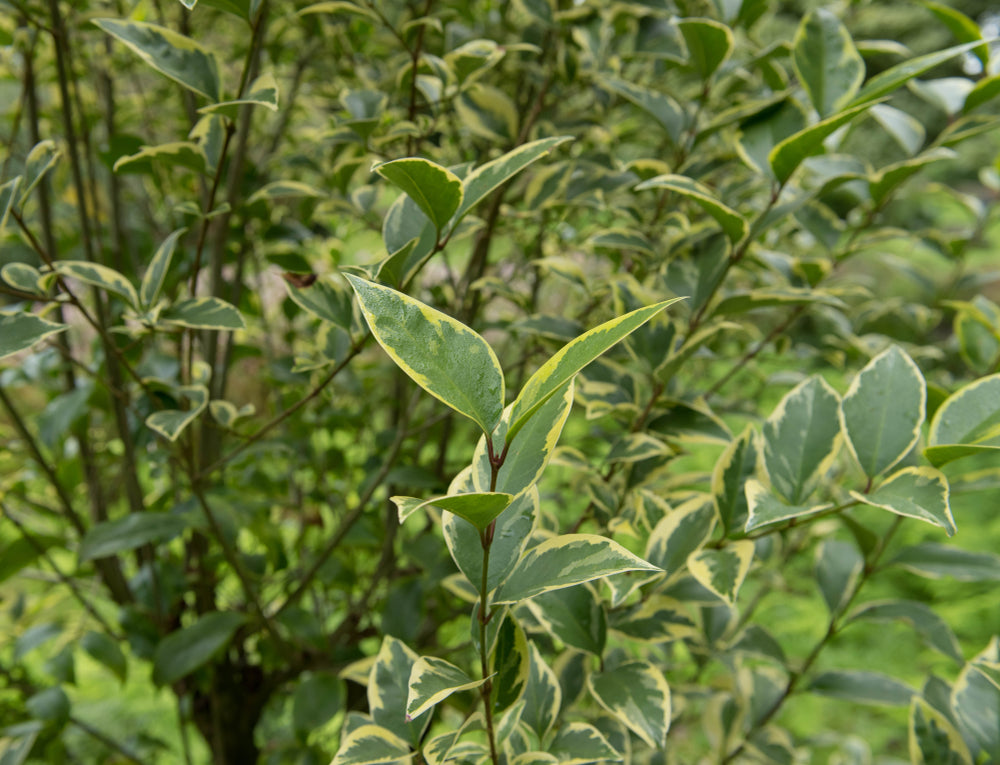
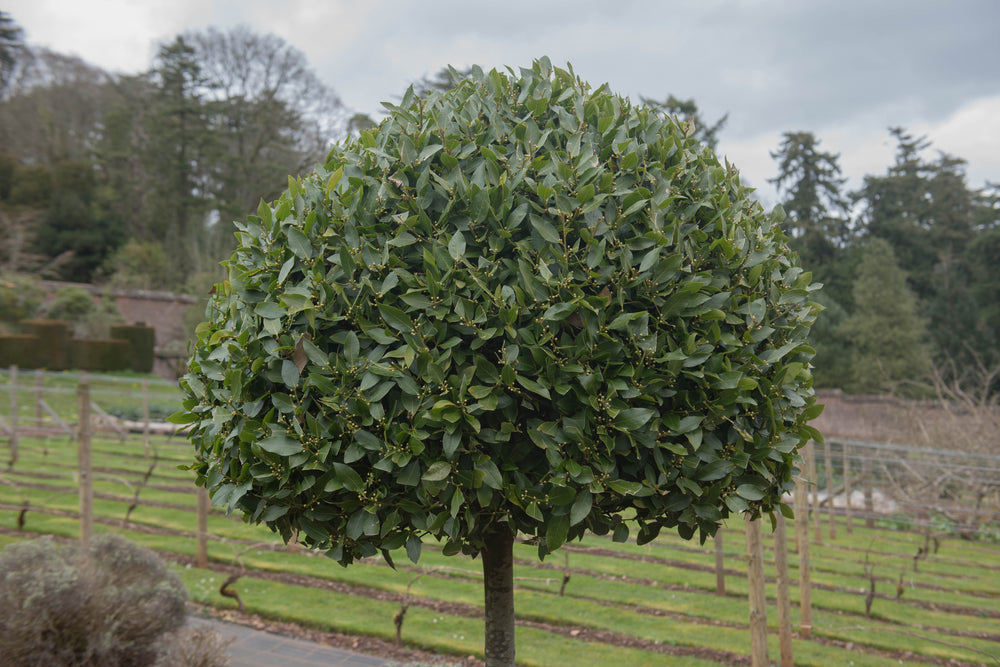
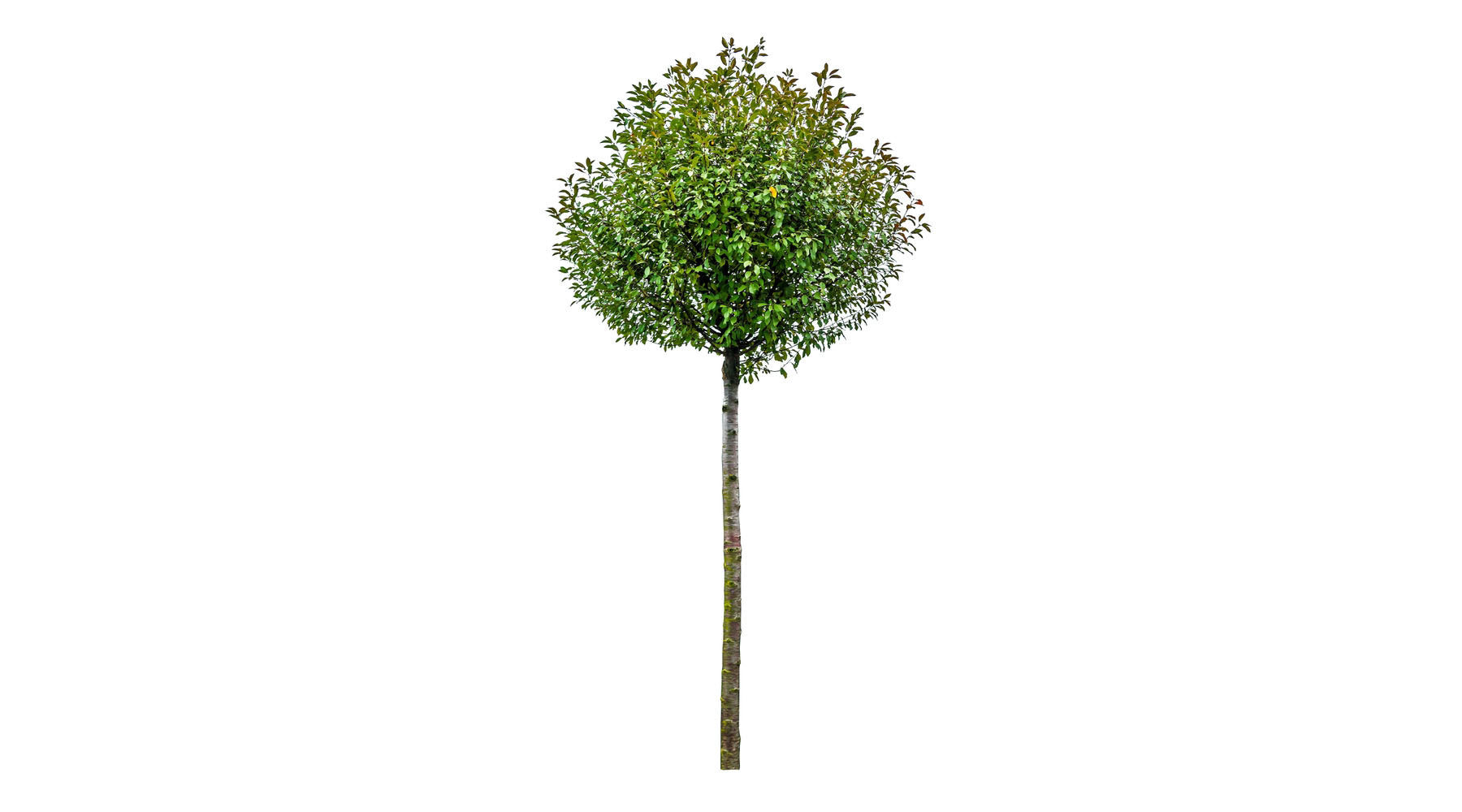
Viburnum tinus Eve Price | Laurustinus 'Eve Price' -Clear Stem 80cm - Girth 6-8cm - Height 130-150cm - 30lt
£270.00
Unit price perViburnum tinus Eve Price | Laurustinus 'Eve Price' -Clear Stem 80cm - Girth 6-8cm - Height 130-150cm - 30lt
£270.00
Unit price per


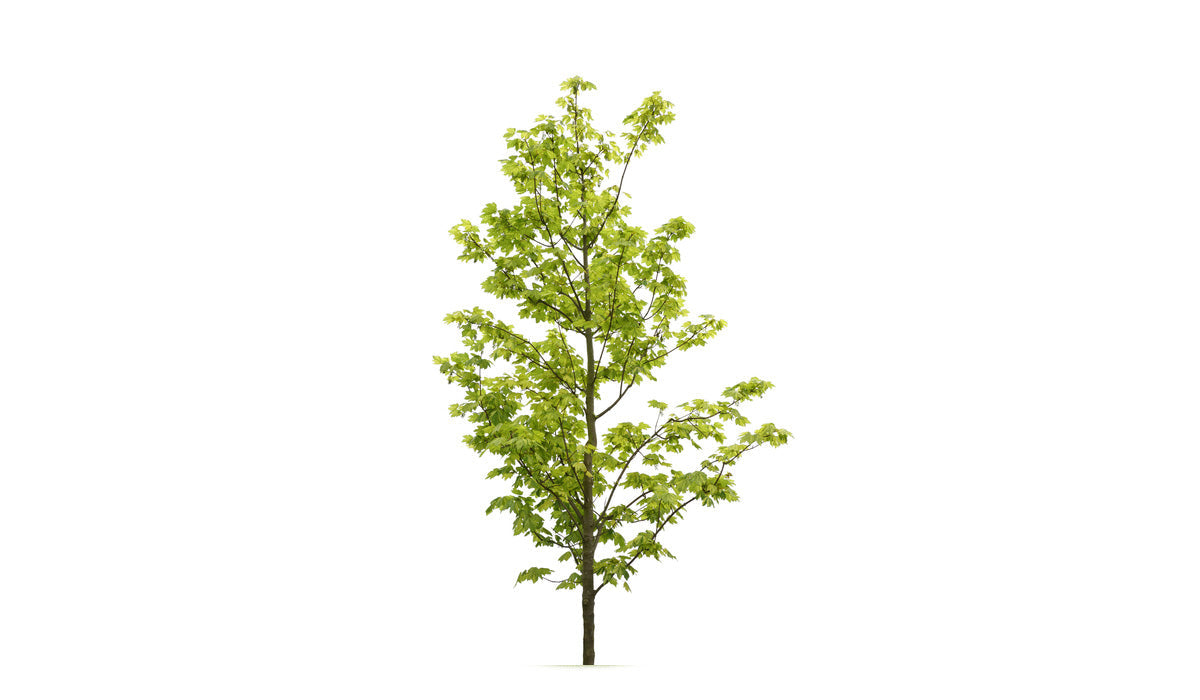
Aspen | Populus tremula - Height 200-220cm - 4-5 years old - Feathered - Very well rooted -Pot Grown - 12lt
£72.00
Unit price perAspen | Populus tremula - Height 200-220cm - 4-5 years old - Feathered - Very well rooted -Pot Grown - 12lt
£72.00
Unit price perPot grown from seed here at the Arundel Arboretum, very well rooted and hardened.
Populus tremula, commonly known as the trembling aspen or quaking aspen, is a deciduous tree native to various regions across the Northern Hemisphere, including the United Kingdom. It belongs to the genus Populus and is renowned for its distinctive quivering leaves, which flutter in even the slightest breeze, giving rise to its evocative common names.
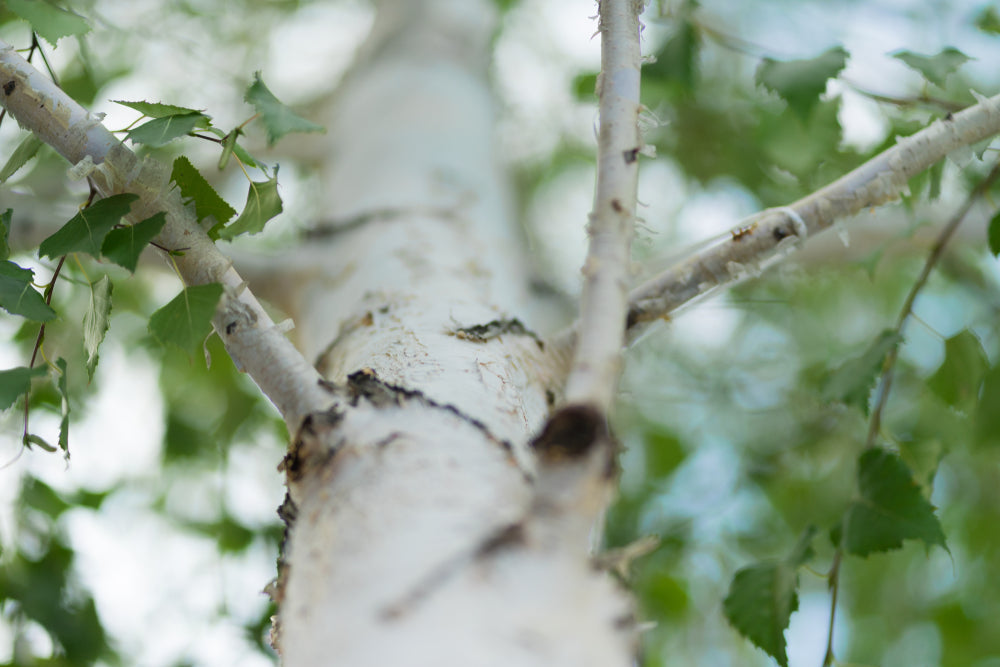
The trembling aspen typically reaches heights of 20 to 25 meters, although some specimens can grow taller under optimal conditions. Its slender trunk is often pale grey or white with black knots, and it tends to have a narrow crown with branches that ascend in a graceful, upward fashion.
One of the most striking features of the trembling aspen is its leaves. They are roughly triangular in shape with finely serrated edges, and they have a flat petiole that causes them to flutter and tremble in the wind. This unique characteristic helps to distinguish the tree from other species in its range.
In the spring, the trembling aspen produces catkins, which are long, drooping clusters of small flowers. These flowers are an important source of pollen for bees and other pollinators. Later in the season, the tree develops small, round fruits containing tiny seeds surrounded by cottony fluff, aiding in wind dispersal.
Trembling aspens typically thrive in moist, well-drained soils in locations such as riverbanks, wetlands, and mixed woodlands. They are relatively fast-growing and can colonize disturbed areas quickly, making them an important pioneer species in forest ecosystems.
In addition to their ecological significance, trembling aspens also hold cultural and historical importance. They feature prominently in folklore and mythology in various cultures, often symbolizing resilience, regeneration, and transformation.


Pinus Uncinata La Cabana - Height 50-60cm - Width 25cm-35cm - 20lt
£250.00
Unit price perPinus Uncinata La Cabana - Height 50-60cm - Width 25cm-35cm - 20lt
£250.00
Unit price per


Aspen | Populus tremula - Height 130-160cm - 2-3 years old - Pot Grown - 10lt
£48.00
Unit price perAspen | Populus tremula - Height 130-160cm - 2-3 years old - Pot Grown - 10lt
£48.00
Unit price perPopulus tremula, commonly known as the trembling aspen or quaking aspen, is a deciduous tree native to various regions across the Northern Hemisphere, including the United Kingdom. It belongs to the genus Populus and is renowned for its distinctive quivering leaves, which flutter in even the slightest breeze, giving rise to its evocative common names.
The trembling aspen typically reaches heights of 20 to 25 meters, although some specimens can grow taller under optimal conditions. Its slender trunk is often pale grey or white with black knots, and it tends to have a narrow crown with branches that ascend in a graceful, upward fashion.
One of the most striking features of the trembling aspen is its leaves. They are roughly triangular in shape with finely serrated edges, and they have a flat petiole that causes them to flutter and tremble in the wind. This unique characteristic helps to distinguish the tree from other species in its range.
In the spring, the trembling aspen produces catkins, which are long, drooping clusters of small flowers. These flowers are an important source of pollen for bees and other pollinators. Later in the season, the tree develops small, round fruits containing tiny seeds surrounded by cottony fluff, aiding in wind dispersal.
Trembling aspens typically thrive in moist, well-drained soils in locations such as riverbanks, wetlands, and mixed woodlands. They are relatively fast-growing and can colonize disturbed areas quickly, making them an important pioneer species in forest ecosystems.
In addition to their ecological significance, trembling aspens also hold cultural and historical importance. They feature prominently in folklore and mythology in various cultures, often symbolizing resilience, regeneration, and transformation.


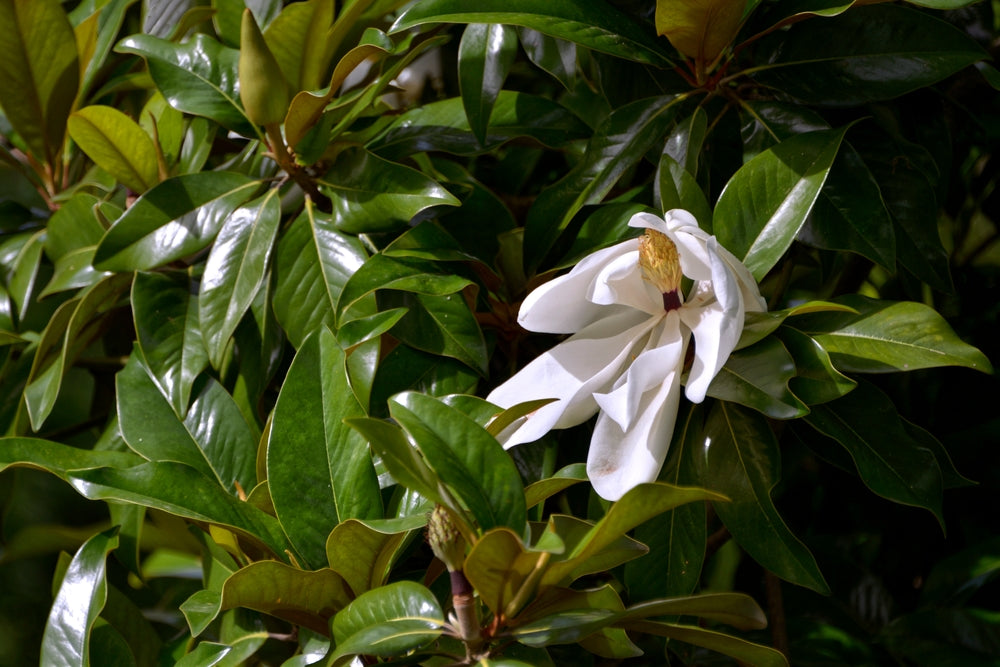
Magnolia grandiflora | Evergreen Southern Magnolia - Large Shrub - Height 380-400cm - 230lt
£1,650.00
Unit price perMagnolia grandiflora | Evergreen Southern Magnolia - Large Shrub - Height 380-400cm - 230lt
£1,650.00
Unit price perMagnolia grandiflora is an exotic-looking, fast-growing, long-lived, evergreen shrub or tree of pyramidal to rounded habit, with attractive, oblong, glossy, dark-green leaves, copper-brown underneath. Beautiful, fragrant, goblet-shaped, creamy-white flowers bloom from June to September and are followed by red, cone-like seedpods.
Magnolia grandiflora, or Sothern Magnolia, is easily grown in a wide range of soils, except too dry or too wet, but prefers fertile, rich, slightly acidic, moist, and well-drained soils. Once established, it can withstand some drought. It thrives in full sun and partial shade. It has very good cold tolerance, but needs to be sheltered from harsh, dry winds. Low maintenance, generally, pest-free and disease-free. Not very tolerant of urban pollution.
Magnolia grandiflora is an American variety of Magnolia. It’s an excellent ornamental tree, perfect as a specimen plant or a shade tree. Great for informal, cottage, and woodland gardens. Excellent for beds and borders, informal hedges and screens, and for growing in containers.


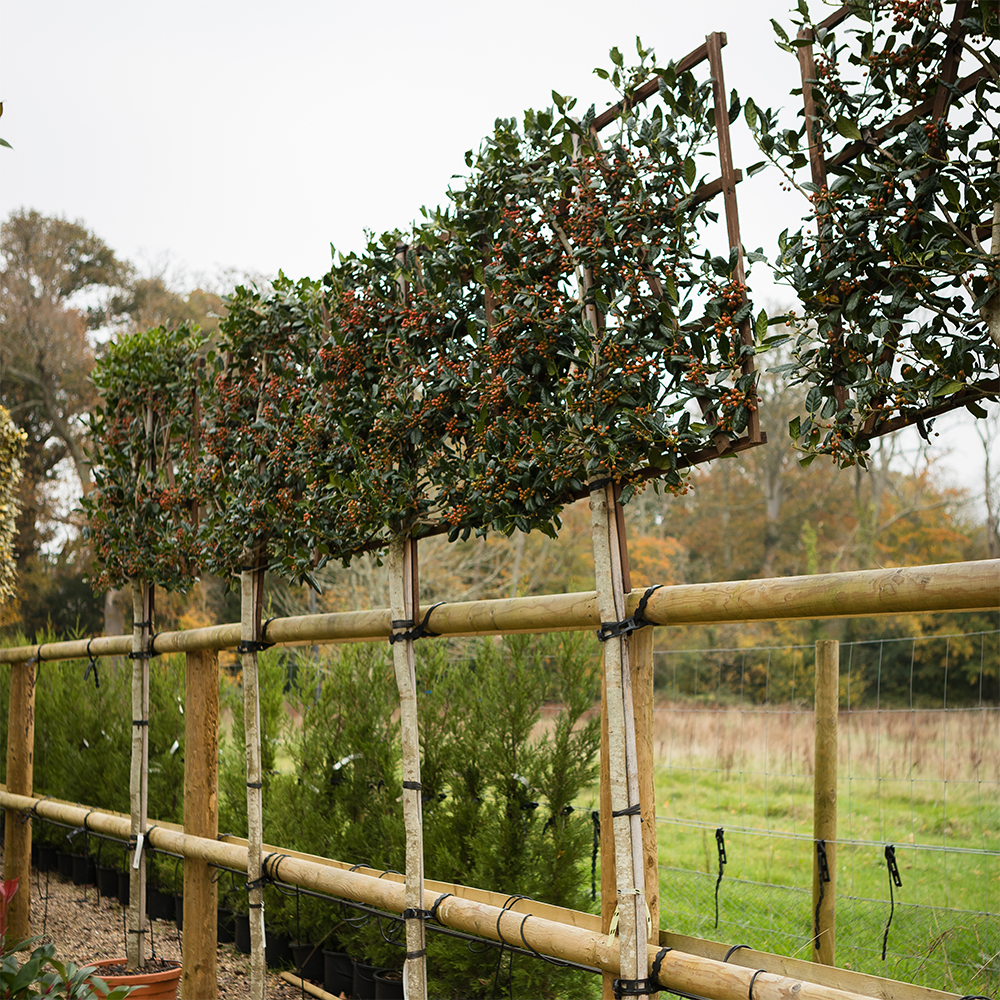
Malus Communis - Espalier - Apple Tree - 4 Branches - Height 280-290cm - Width 225-235cm - 230lt
£1,695.00
Unit price perMalus Communis - Espalier - Apple Tree - 4 Branches - Height 280-290cm - Width 225-235cm - 230lt
£1,695.00
Unit price perMalus communis trained as a mature four-branch espalier is an excellent choice for gardens where beauty, productivity, and space efficiency are equally important. Carefully shaped with four horizontal tiers of branches, it creates a formal architectural feature that looks striking against walls, fences, or boundary lines while producing delicious apples. This trained form is especially valuable in smaller gardens, courtyards, kitchen gardens, and narrow spaces where a traditional orchard tree would be too large.
In spring, the tree is covered with attractive blossom that brings seasonal colour and helps support pollinators. Through summer, the neatly arranged branches carry developing fruit, followed by a rewarding harvest in autumn. Even in winter, the structured framework provides strong visual interest and classic garden character.
Espalier-trained apples perform best in a sunny, open position with fertile, well-drained soil. A south or west-facing wall can improve ripening and protect blossom from late frosts. Regular pruning is needed to maintain the elegant tiered shape and encourage productive fruiting spurs, making it ideal for gardeners who enjoy hands-on care and training.
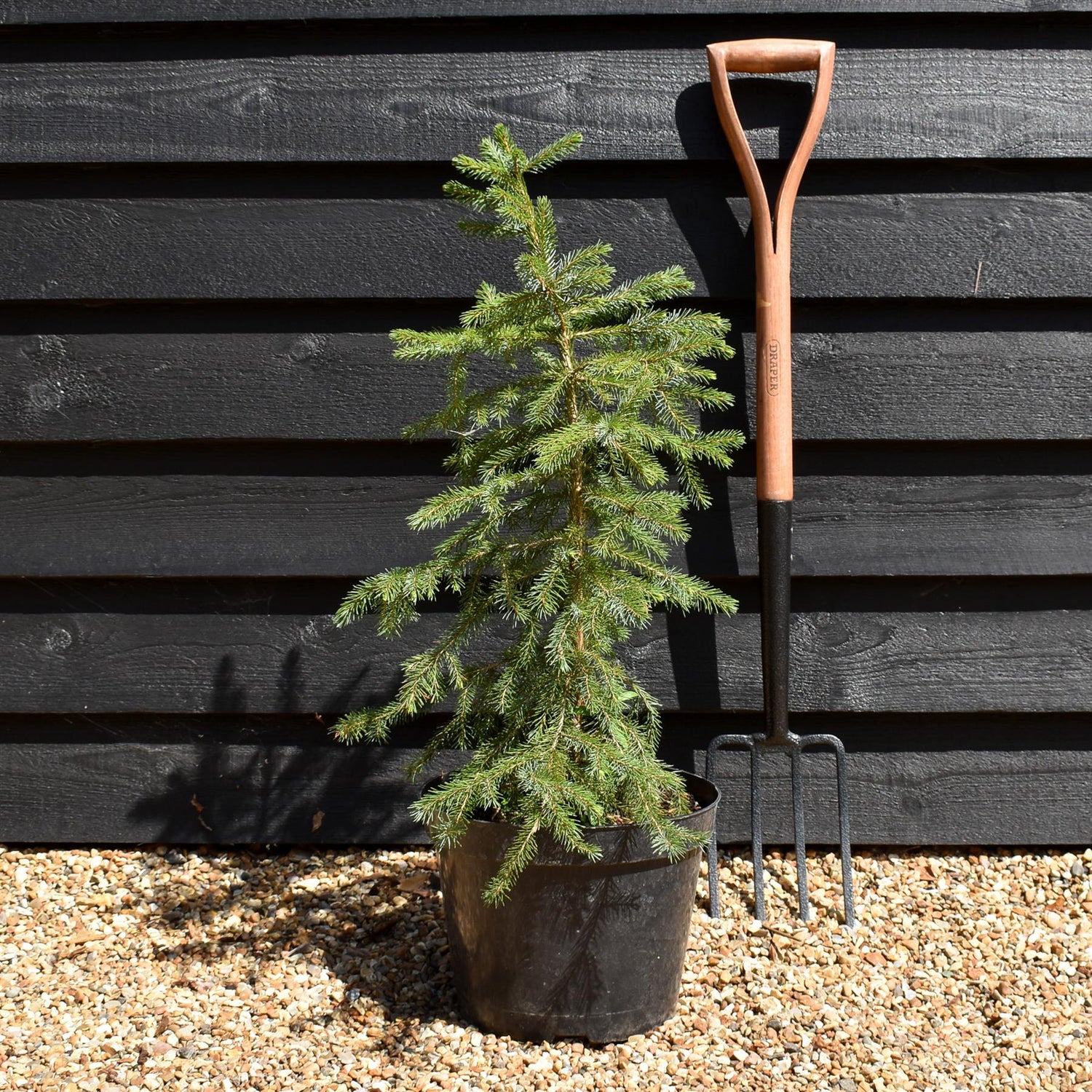


Picea Omorika | Serbian Spruce - Height 70-90cm - 10lt
£50.00
Unit price perPicea Omorika | Serbian Spruce - Height 70-90cm - 10lt
£50.00
Unit price per


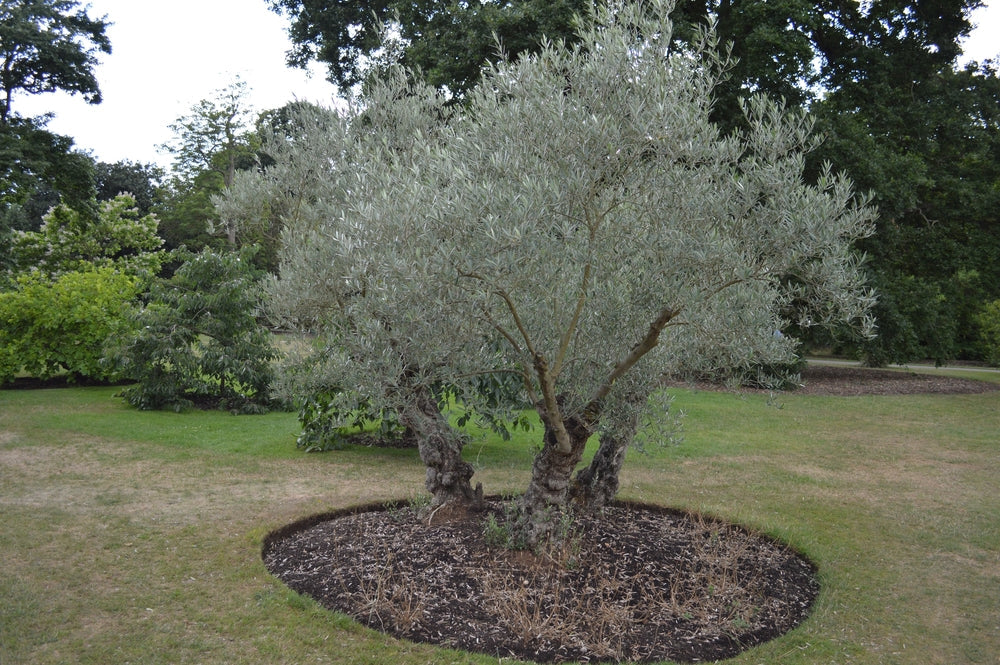
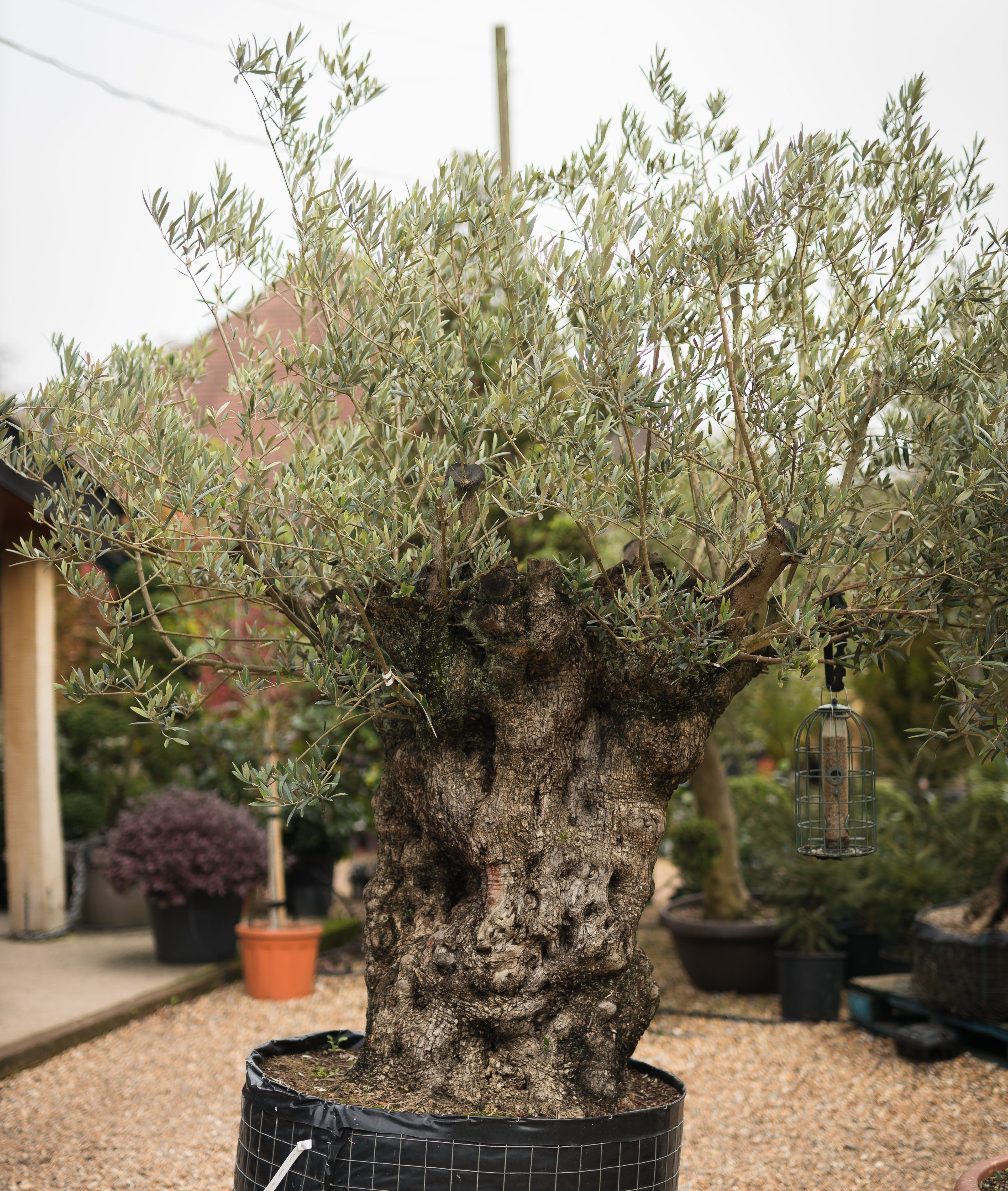
Olive Tree | Olea Europea - Specimen 18A - Gnarly Three Branched - Trunk height 90cm - Height 260-280cm - 230lt
£2,650.00
Unit price perOlive Tree | Olea Europea - Specimen 18A - Gnarly Three Branched - Trunk height 90cm - Height 260-280cm - 230lt
£2,650.00
Unit price per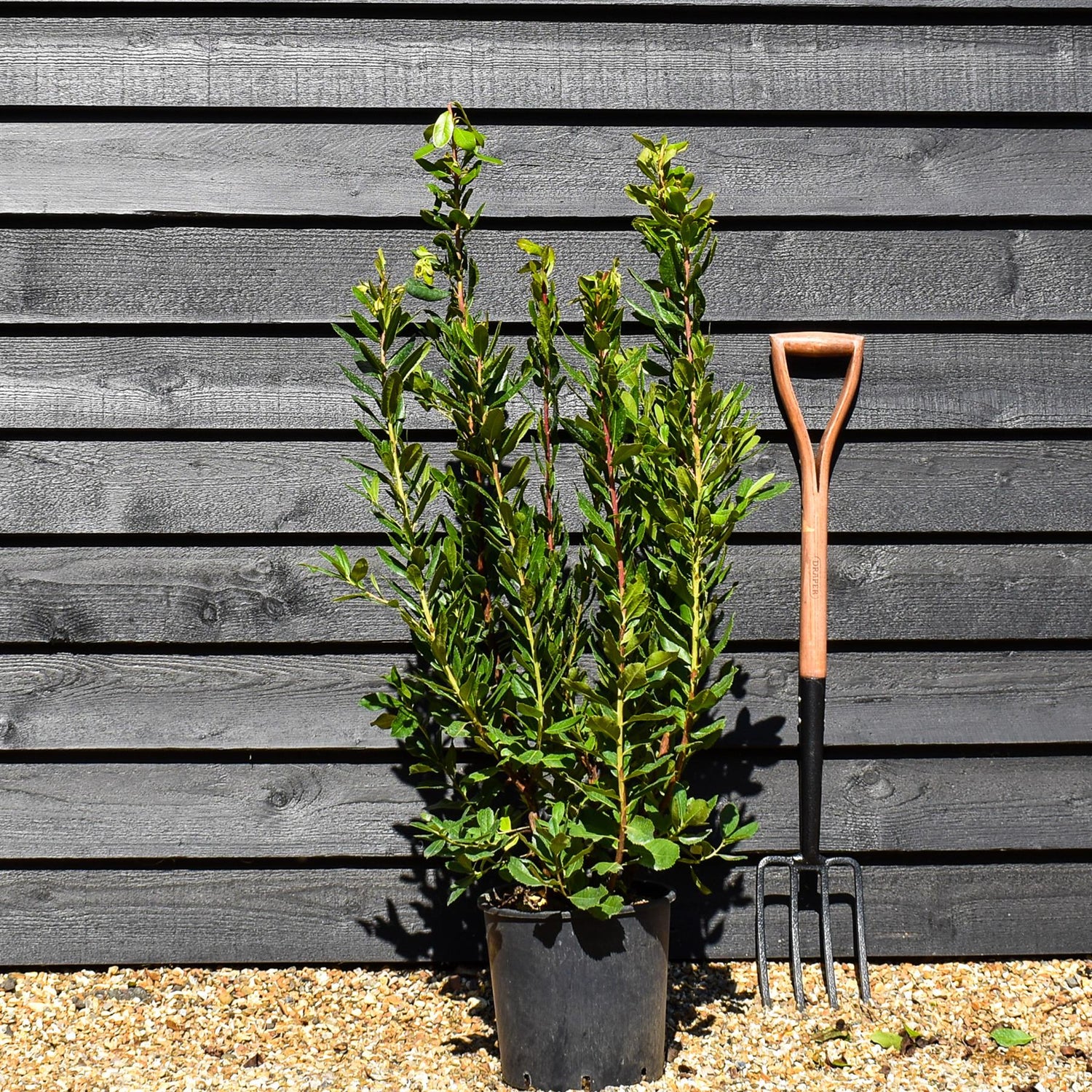
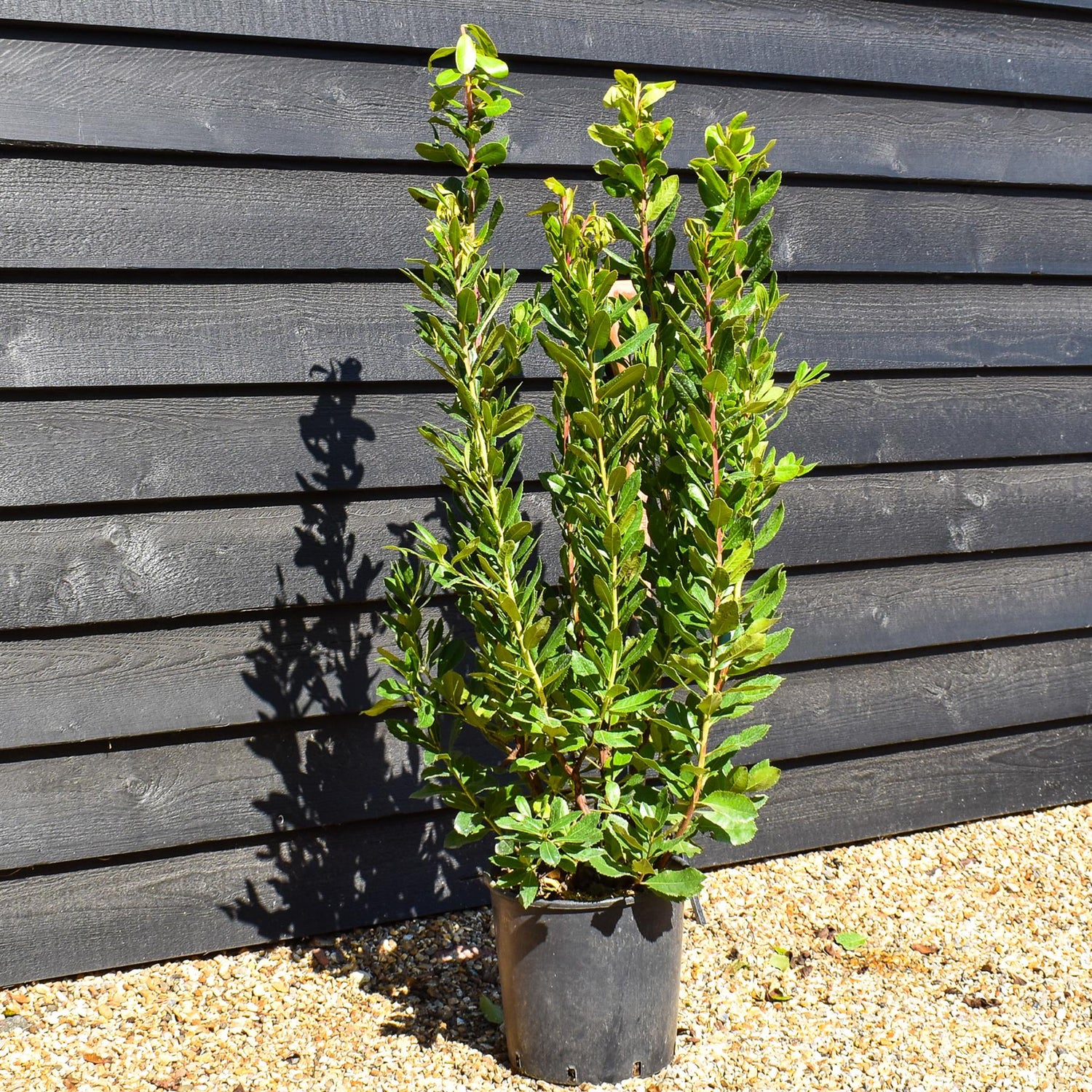
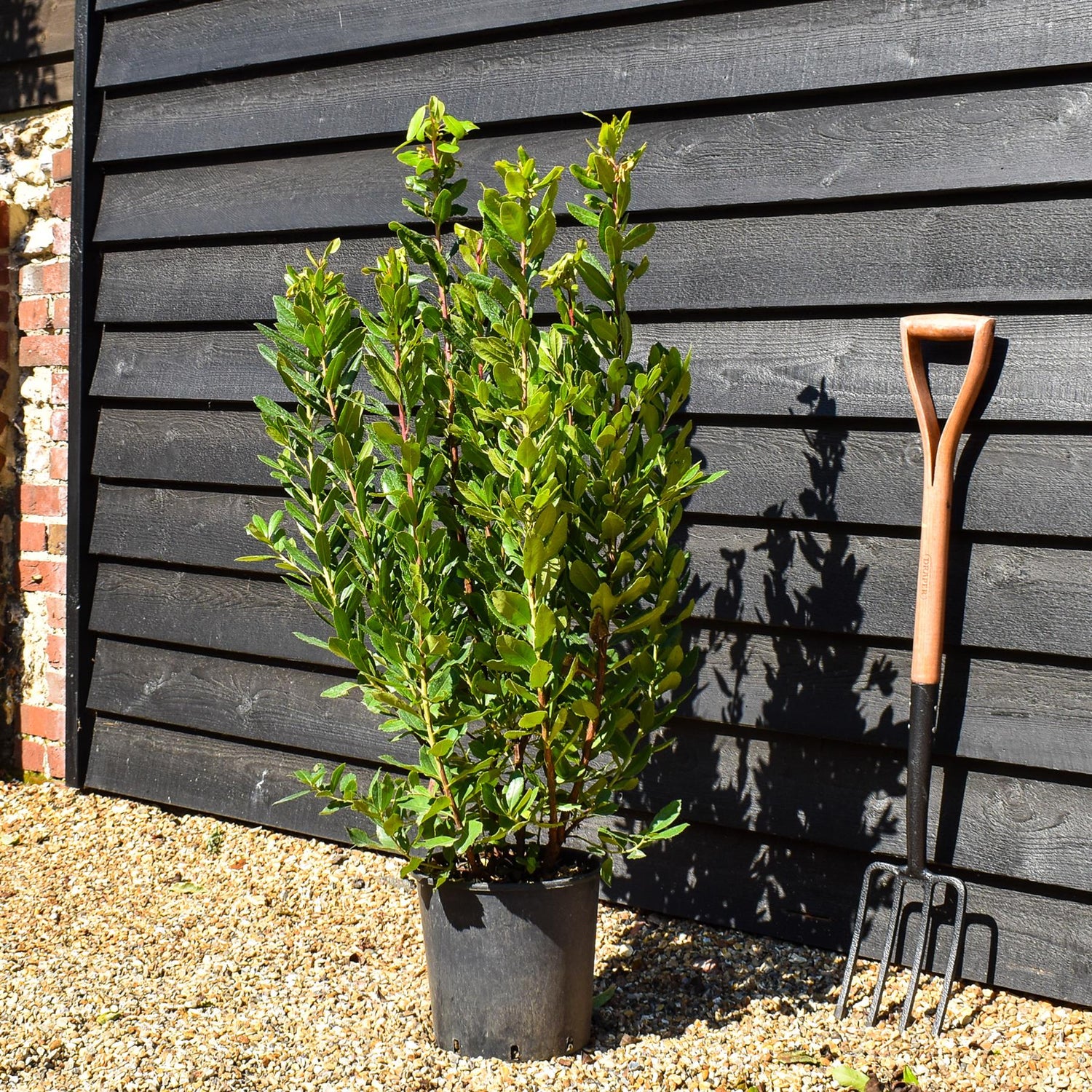
Strawberry Tree Shurb | Arbutus unedo - Bush - Height 120-150cm - 10lt
£48.00
Unit price perStrawberry Tree Shurb | Arbutus unedo - Bush - Height 120-150cm - 10lt
£48.00
Unit price per


Magnolia Yulan - Shrub - Height 180cm - 45lt
£470.00
Unit price perMagnolia Yulan - Shrub - Height 180cm - 45lt
£470.00
Unit price perMagnolia Yulan is a stunning flowering bush that belongs to the Magnoliaceae family. It is native to China, particularly the Yunnan Province, and is widely cultivated for its ornamental value. The bush is known for its large, fragrant, and showy white flowers that bloom in late spring to early summer.
One of the most striking features of the Magnolia Yulan bush is its flowers. The flowers are cup-shaped and can measure up to 8 inches in diameter. They are pure white, with a slight pinkish tint at the base, and emit a sweet, lemony fragrance. The flowers bloom in late spring to early summer, and their beauty attracts bees, butterflies, and other pollinators.
The Magnolia Yulan bush prefers full sun to partial shade and well-drained soil that is slightly acidic. It is a relatively low-maintenance bush and requires only occasional pruning to maintain its shape. It is also tolerant of drought and heat, making it an excellent choice for gardens in warmer regions.
In summary, the Magnolia Yulan bush is a beautiful and elegant tree that is prized for its large, fragrant, and showy white flowers. It is low-maintenance and can thrive in a range of growing conditions, making it a popular choice for gardens and landscapes.


Robinia Pseudoacacia Frisia | Black Locust - Girth 6-8cm - Height 250-300cm - 15lt
£330.00
Unit price perRobinia Pseudoacacia Frisia | Black Locust - Girth 6-8cm - Height 250-300cm - 15lt
£330.00
Unit price perRobinia pseudoacacia 'Frisia' is a captivating and resilient deciduous tree, often recognized by its striking golden-yellow foliage. This robust cultivar stands out for its adaptability and rapid growth, often thriving in diverse environmental conditions, including urban areas with substantial pollution. Originating from the black locust tree, 'Frisia' inherits a hardy and enduring nature, demonstrating significant resistance to harsh weather conditions, rendering it a prevalent choice among garden enthusiasts and landscape architects.
The tree is a magnificent spectacle during the spring season when it is adorned with pendulous clusters of sweetly fragrant, white, pea-like flowers, attracting a myriad of pollinators, notably bees, enhancing biodiversity within its vicinity. The blooms are followed by smooth, elongated seed pods, contributing to the tree's visual appeal. The vibrant foliage, which creates a pronounced contrast with the surroundings, transitions to a lighter shade of yellow in the autumn, offering an extended period of visual interest.
Despite its aesthetic appeal and resilience, 'Frisia' necessitates vigilant management due to its propensity for suckering and its invasive nature. Proper pruning is vital to maintain its structural integrity and curtail unrestrained growth. This tree is suitable for individuals seeking a low-maintenance yet visually arresting focal point in their landscapes.


Magnolia x soulangeana - Bush - Height 140-150cm - 20lt
£120.00
Unit price perMagnolia x soulangeana - Bush - Height 140-150cm - 20lt
£120.00
Unit price per


Magnolia Susan - Bushy - Height 110-150cm - 18lt
£120.00
Unit price perMagnolia Susan - Bushy - Height 110-150cm - 18lt
£120.00
Unit price per


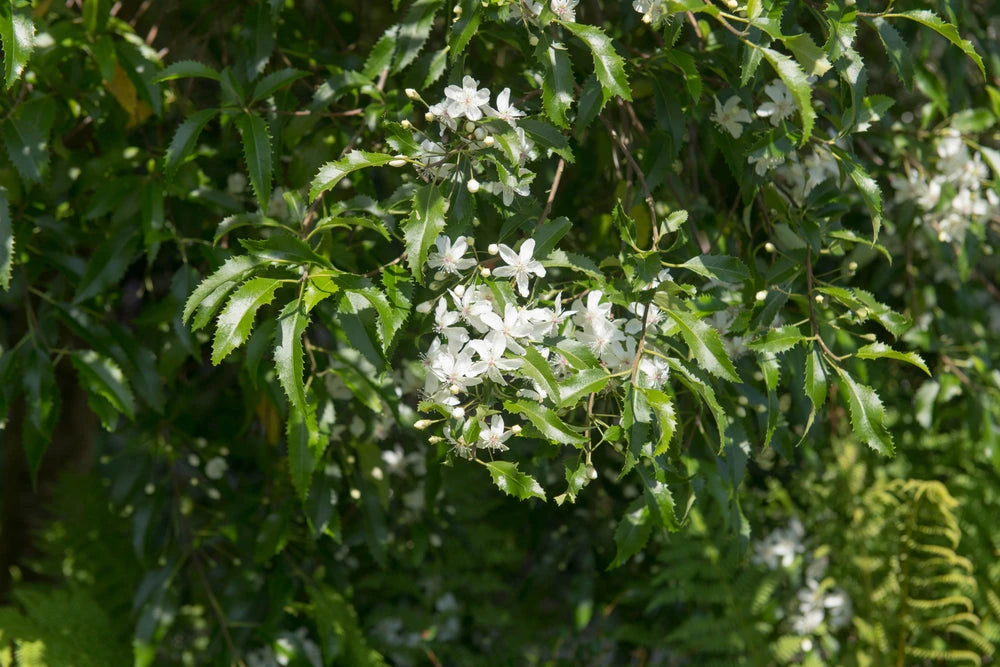
Viburnum davidii - 15-30cm - 2lt
£15.00
Unit price perViburnum davidii - 15-30cm - 2lt
£15.00
Unit price per


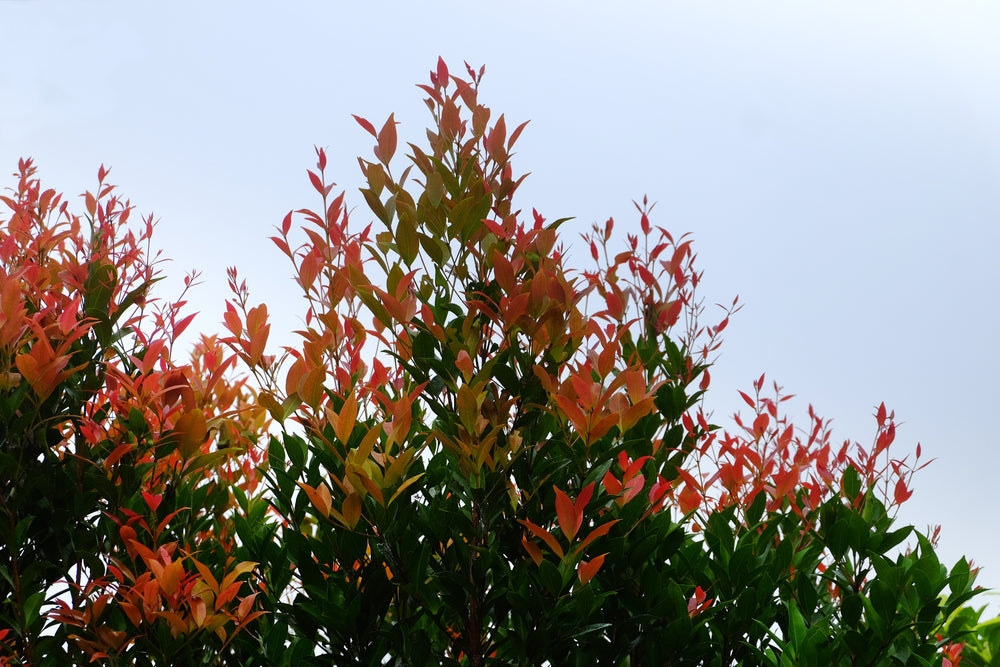
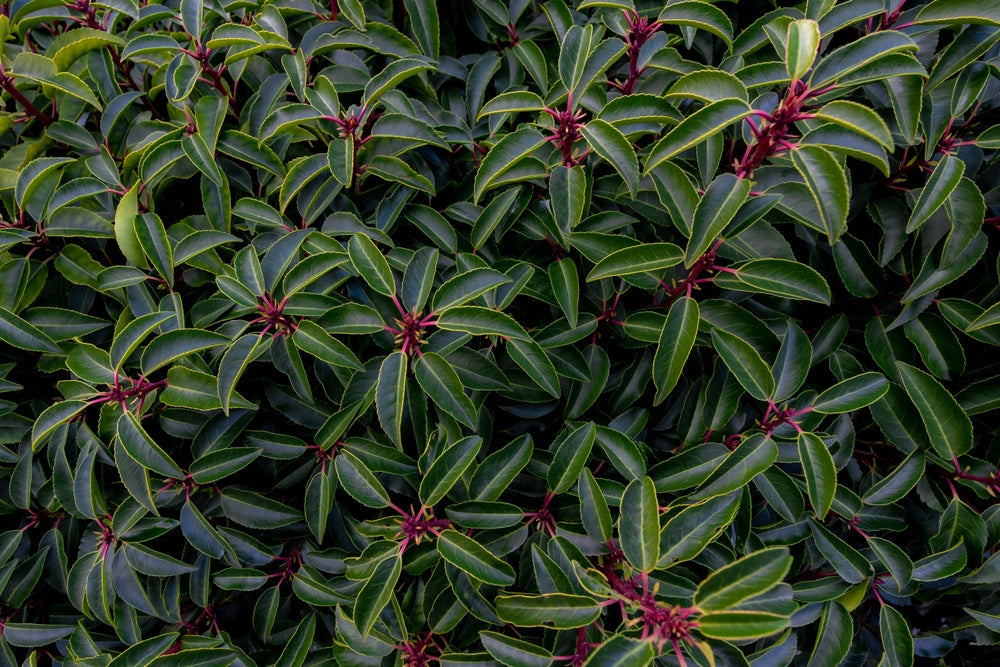
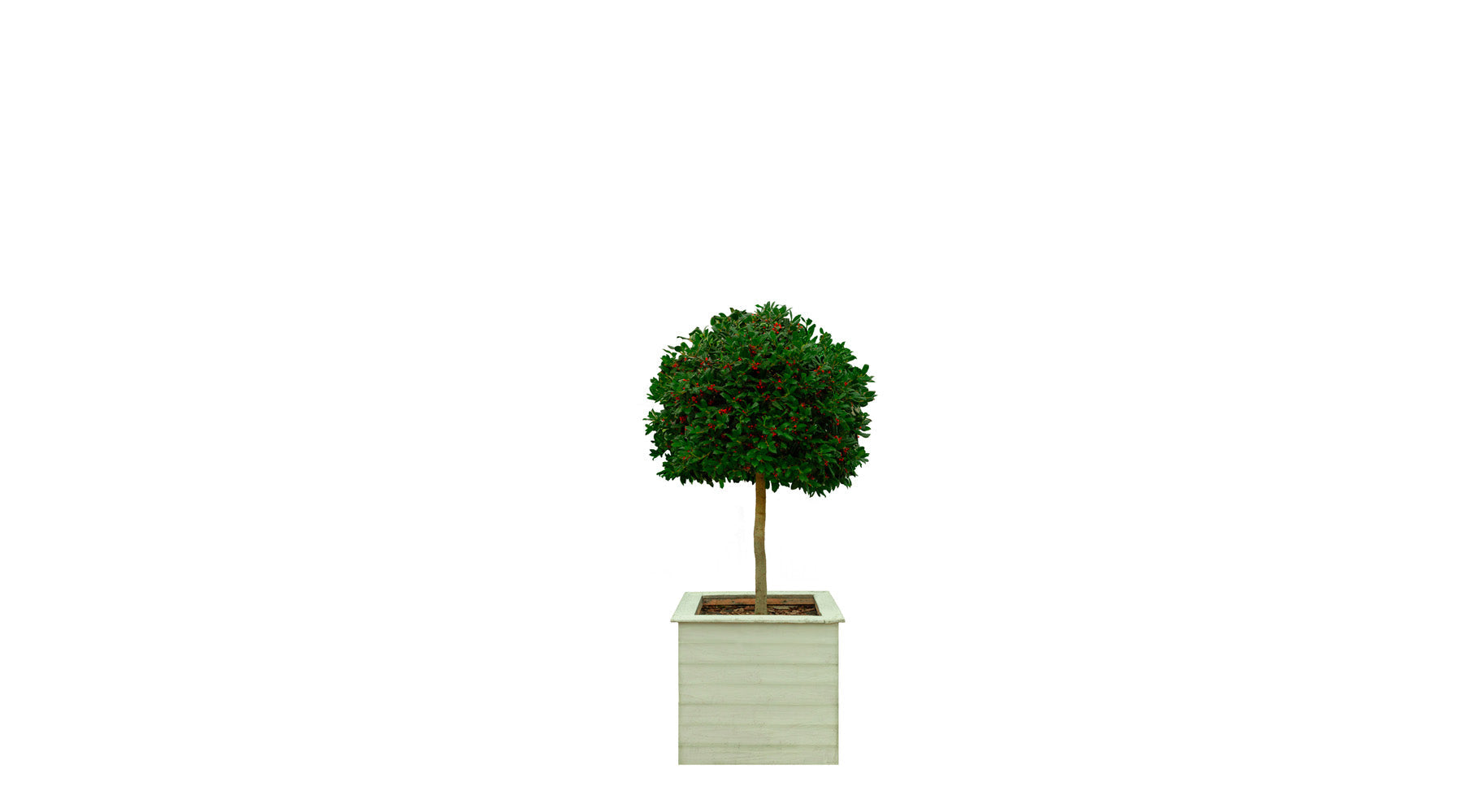
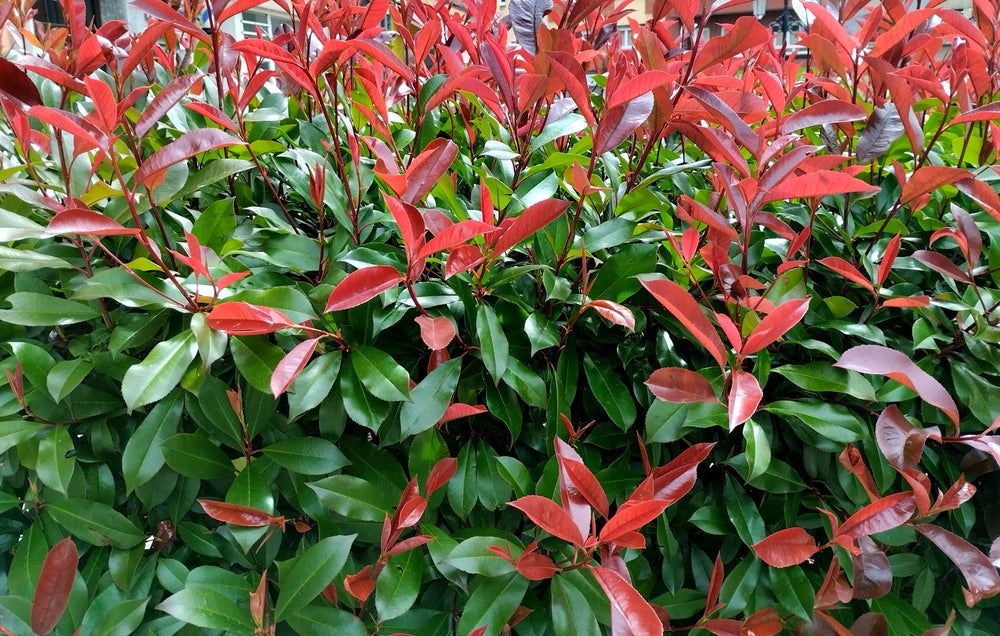
Photinia Magical Volcano | Christmas berry Magical Volcano - Bush - 180-200cm - 25lt
£225.00
Unit price perPhotinia Magical Volcano | Christmas berry Magical Volcano - Bush - 180-200cm - 25lt
£225.00
Unit price per


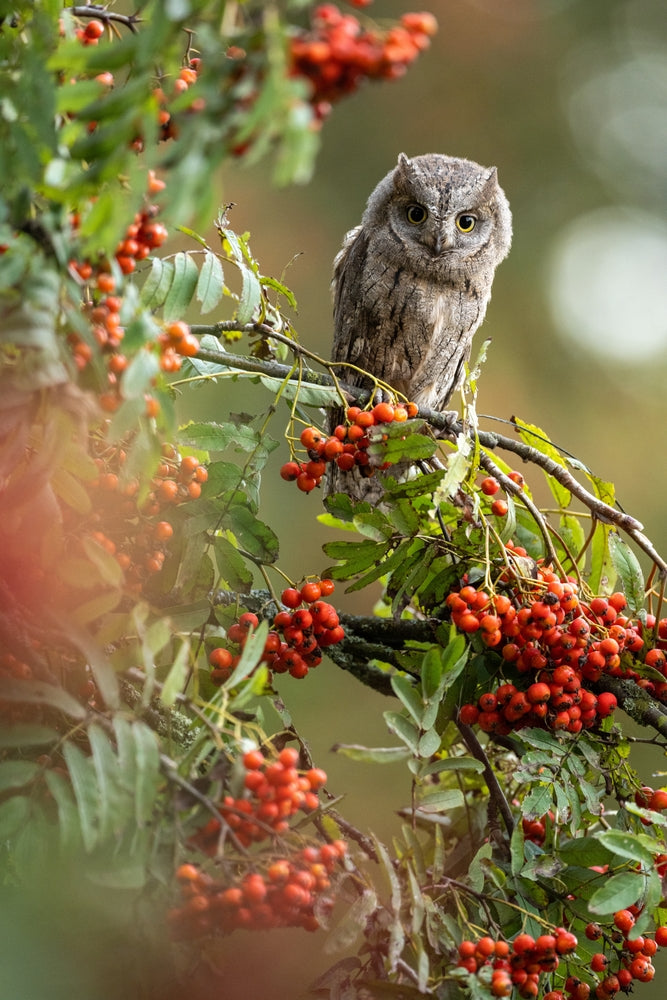
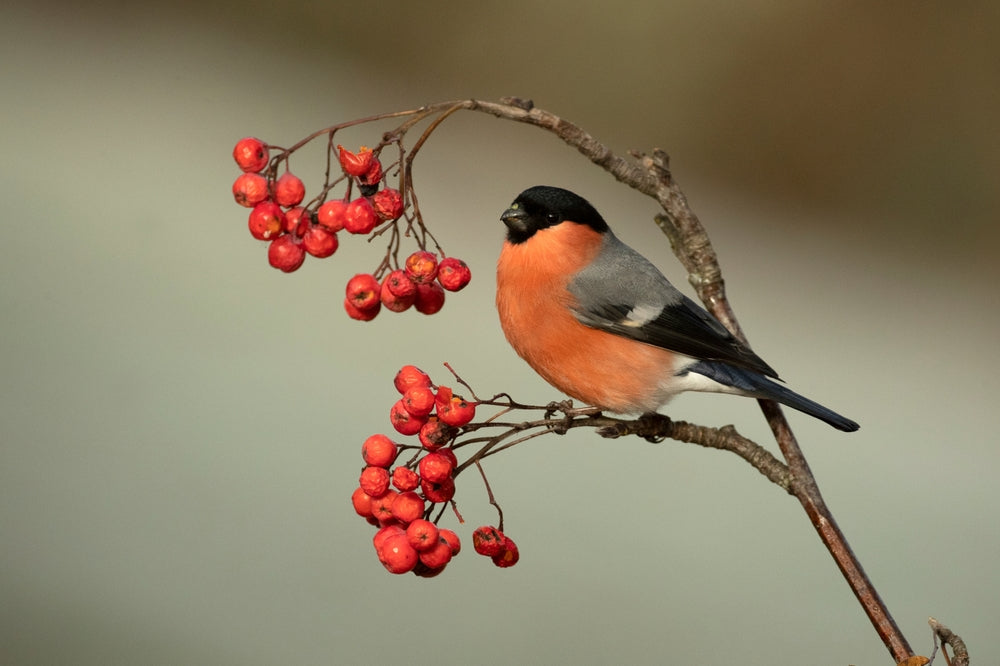
Rowan tree | Sorbus aucuparia | European Mountain Ash - Height 220-260cm - Girth 6-8cm - Pot Grown - 20lt
£85.00
Unit price perRowan tree | Sorbus aucuparia | European Mountain Ash - Height 220-260cm - Girth 6-8cm - Pot Grown - 20lt
£85.00
Unit price perRowan, Sorbus aucuparia, or European Mountain Ash, is a vigorous, deciduous tree with oval, upright habit when young, rounded when mature and pinnate, serrated, dark green leaves, yellow, red, and purple in autumn. Flat-topped clusters of small, white flowers bloom in late spring and are followed by a profusion of bright orange-red berries. Attractive to birds and bees. European Mountain Ash prefers moderately fertile, humus-rich, slightly acidic, moist, well-drained soils, but is adaptable to various soil conditions, even poor and dry. It thrives in full sun to partial shade. It is resistant to frost and can withstand wind and short floods. Doesn’t like hot and humid summers. Very easy to grow, tolerant of urban pollution and exposed areas. Low maintenance plant, doesn’t require pruning. Sorbus aucuparia is an attractive ornamental tree, perfect for cool northern climates. Great for cottage, wildlife, and urban gardens. Excellent as a street tree. Suitable for growing in containers on patios and roof gardens.
Pot-grown trees establish quickly with minimal transplant shock, offer greater flexibility for planting throughout the year, and typically show more consistent early growth due to their well-developed, protected root systems.


Grevillea 'Canberra Gem' - Shrub - Height 15-25cm -2lt
£18.00
Unit price perGrevillea 'Canberra Gem' - Shrub - Height 15-25cm -2lt
£18.00
Unit price perGrevillea 'Canberra Gem' is a striking evergreen shrub well suited to gardens seeking year-round interest and drought resilience. It forms a dense, spreading habit with finely divided, fern-like foliage that provides an attractive, soft texture even when not in flower. From late autumn through to spring, it produces vivid red, spider-like blooms that are highly attractive to pollinators, particularly bees.
This plant performs best in full sun and requires a well-drained soil, ideally slightly acidic to neutral. It is especially suitable for coastal and sheltered urban gardens, as it tolerates dry conditions and light frosts once established. However, it may struggle in heavy clay or waterlogged soils, so raised beds or soil improvement may be necessary in such conditions.
Grevillea species generally dislike root disturbance, so careful planting is advised. Once established, it is low maintenance, requiring minimal watering and only light pruning to maintain shape and encourage flowering. Its tolerance of dry conditions makes it an excellent choice for low-water or Mediterranean-style planting schemes, as well as wildlife-friendly gardens.


Pinus strobus 'Squiggles' - Bushy - Height 50cm - 20lt
£192.00
Unit price perPinus strobus 'Squiggles' - Bushy - Height 50cm - 20lt
£192.00
Unit price perPinus strobus, commonly known as Eastern white pine, produces distinctive "squiggles" that are most noticeable in the spring and early summer. These squiggles are the immature, pollen-bearing male cones (known as catkins), which hang in clusters from the branches. They start out as small, greenish-yellow structures, often curling or curving, giving them a squiggly appearance. As they mature, these catkins release copious amounts of fine, yellow pollen that can be seen dusting the ground, cars, and nearby surfaces during peak pollination.
The squiggles can vary in size, typically ranging from 1 to 2 centimetres in length. Their twisted, sometimes irregular shape makes them stand out against the linear, needle-like foliage of the tree. Once the pollen is released, the squiggles wither and eventually fall off the tree, often accumulating in significant quantities on the ground beneath.
Pinus strobus is a dominant tree in many North American forests, but it can also be found in parks, gardens, and managed landscapes in the UK. The squiggles are a seasonal feature that many people in the UK might notice, especially during windy days when the pollen is easily carried through the air.
In addition to their role in reproduction, these male cones are a subtle indicator of the health and maturity of the tree. A robust display of squiggles generally suggests a healthy tree that is capable of producing sufficient pollen for reproduction. Their unusual, curly shapes add an element of visual interest to the tree, although they are often overlooked in favour of the more recognisable long cones and soft, blue-green needles of the Eastern white pine.


Eucalyptus gunnii 'Azura' | Cider Gum Shrub - Bushy - Height 80-90cm - 10lt
£73.00
Unit price perEucalyptus gunnii 'Azura' | Cider Gum Shrub - Bushy - Height 80-90cm - 10lt
£73.00
Unit price perEucalyptus gunnii 'Azura' is a compact, evergreen tree prized for its stunning, aromatic blue-grey foliage and versatility in garden design. It typically reaches a height of 3 to 5 meters, making it an excellent choice for smaller gardens or container growing. The rounded juvenile leaves transition to elongated, sickle-shaped mature leaves, adding visual interest throughout the seasons. This variety is more cold-hardy than other Eucalyptus species, withstanding temperatures as low as -15°C. It thrives in full sun and well-drained soil, showcasing resilience to wind and drought once established. 'Azura' responds well to pruning, allowing it to be maintained as a shrub or a small tree, and its foliage is often used in floral arrangements for its unique color and fragrance.


Red Oak | Quercus rubra - Height 150-200cm - 12lt
£73.00
Unit price perRed Oak | Quercus rubra - Height 150-200cm - 12lt
£73.00
Unit price perQuercus rubra, commonly known as the Northern Red Oak, is a majestic deciduous tree native to North America, including parts of the United States and Canada. This oak species belongs to the Fagaceae family and is renowned for its striking appearance, impressive size, and ecological significance.
Mature Quercus Rubra trees can reach heights of up to 100 feet (30 meters) and possess a wide, rounded crown that provides ample shade during the summer months. Its leaves, which are alternately arranged along the branches, are deeply lobed with pointed tips and possess a vibrant green colour in the spring and summer. However, during the autumn season, they transform into a breathtaking spectacle of crimson and red hues, making it a popular choice for ornamental landscaping.
The bark of the Northern Red Oak is dark brown, often becoming rough and deeply furrowed with age, adding to its visual appeal. The tree produces acorns as its fruit, which are an essential food source for numerous wildlife species, including squirrels, deer, and birds. This contributes to its ecological significance by supporting local ecosystems.
Quercus rubra prefers well-drained soils and can adapt to a variety of soil types, making it a hardy and resilient tree species. It thrives in full sun to partial shade, making it versatile in different environmental conditions.
Quercus rubra stands as a symbol of strength, resilience, and natural beauty. Its presence in North American forests and landscapes enriches the environment and provides valuable resources for both wildlife and human use. This iconic tree embodies the timeless beauty of nature and its vital role in sustaining the ecosystems it inhabits.