

-
Trees
Trees
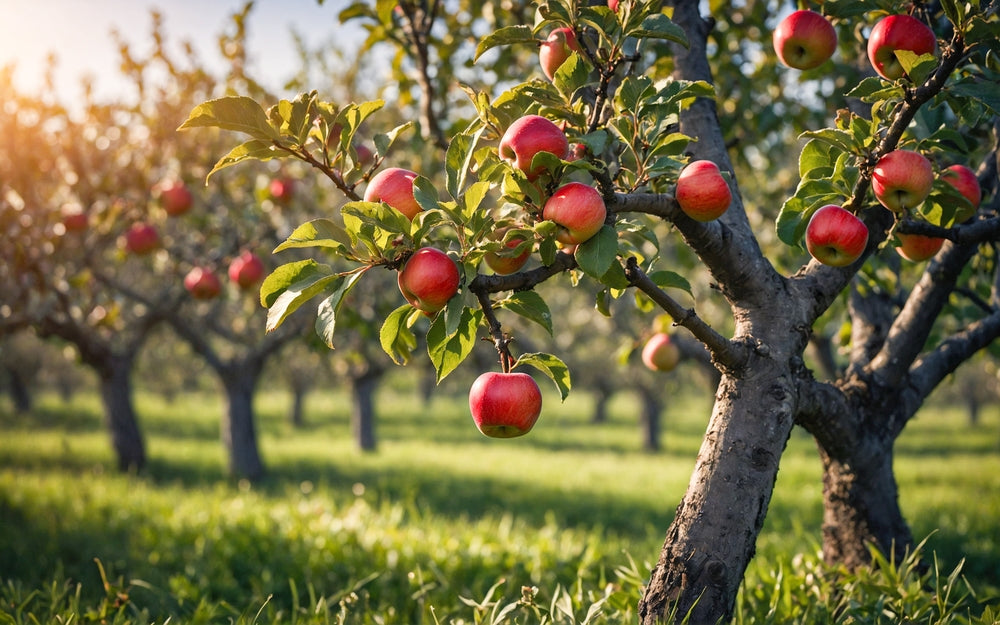 Fruit Trees
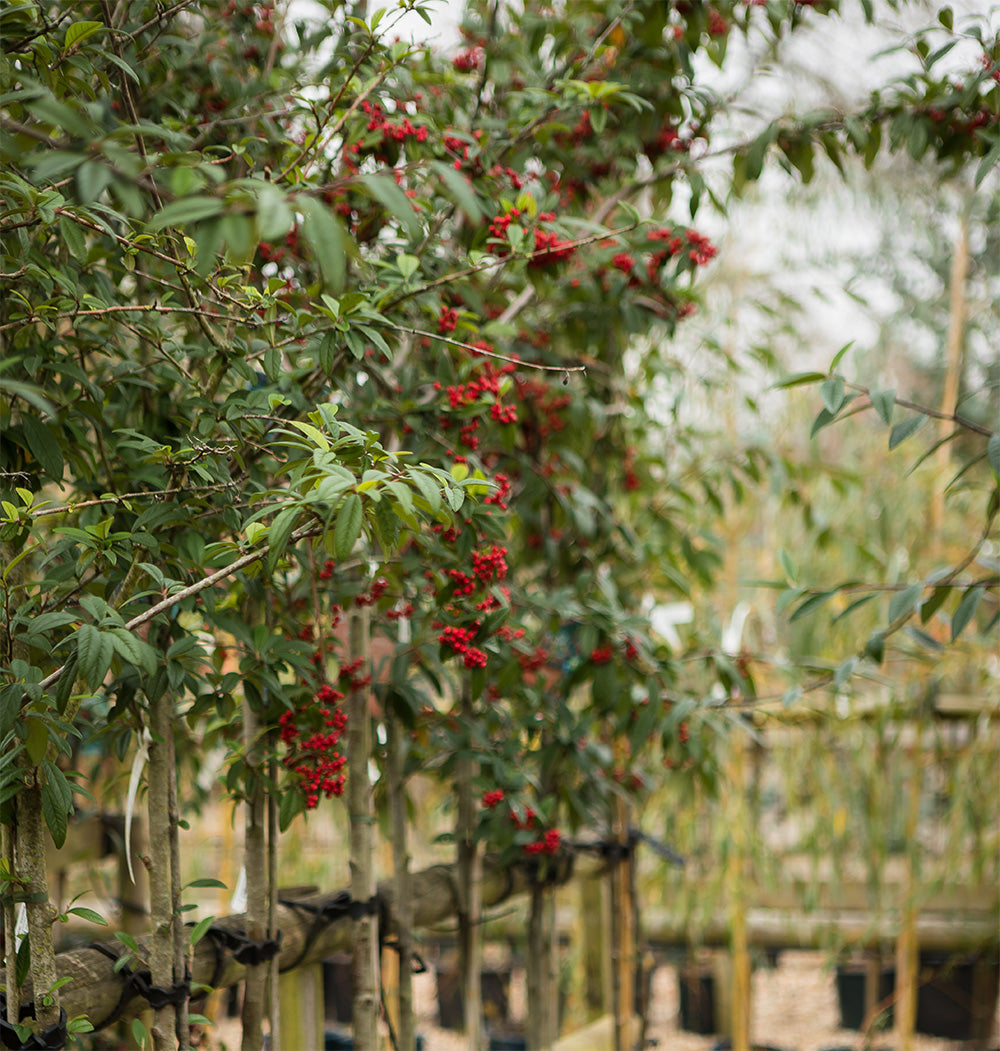 Ornamental
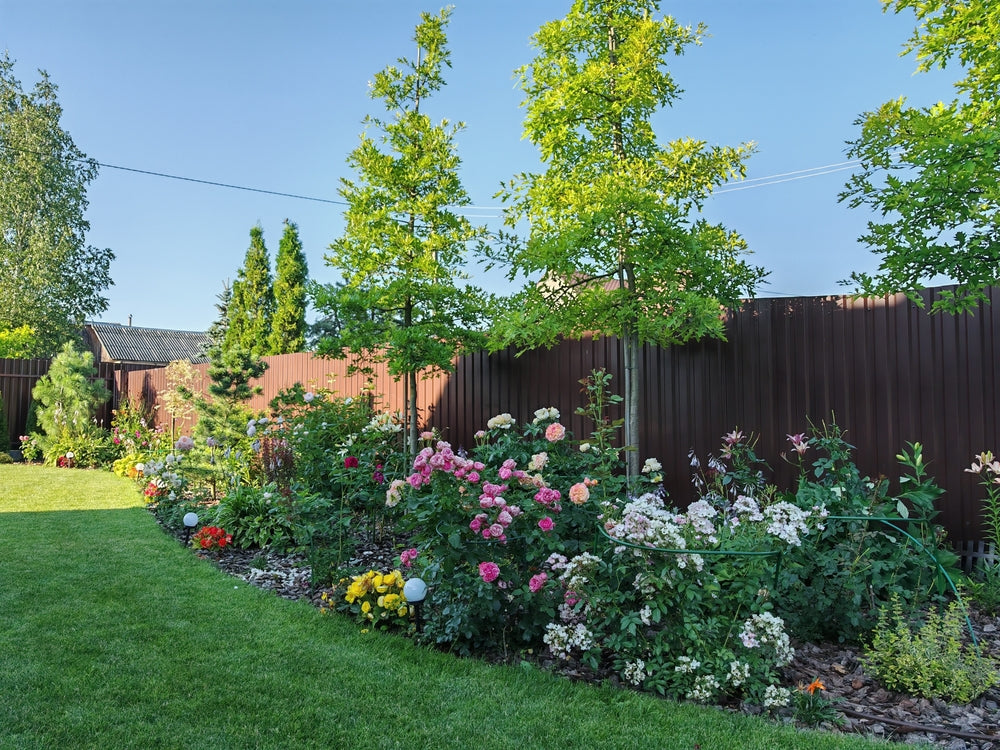 Screening
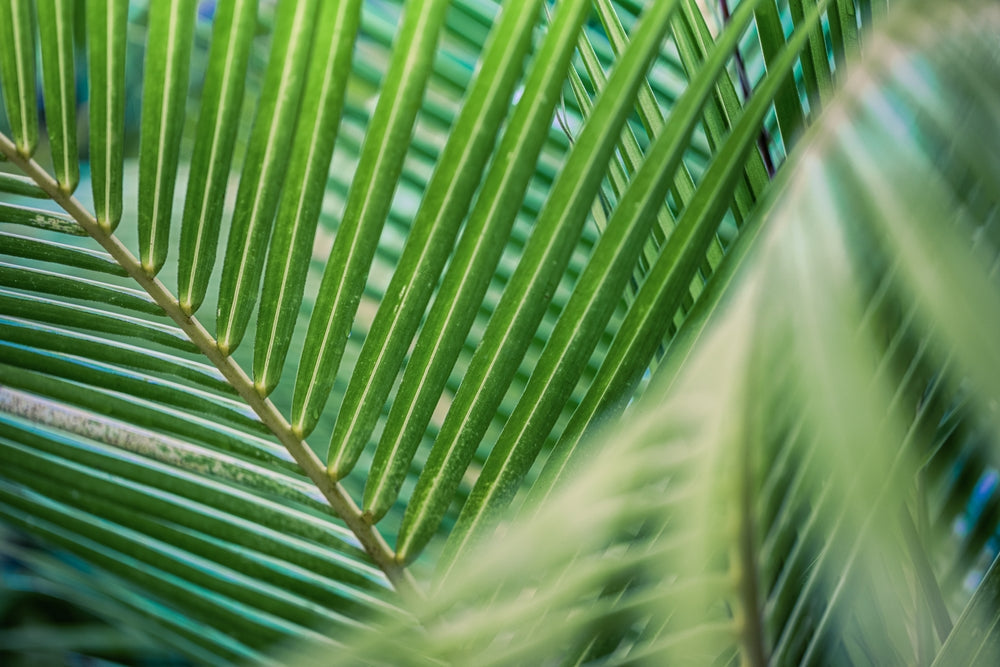 Palms
By FeaturesBy Shape
Palms
By FeaturesBy Shape -
Shrubs
Shrubs
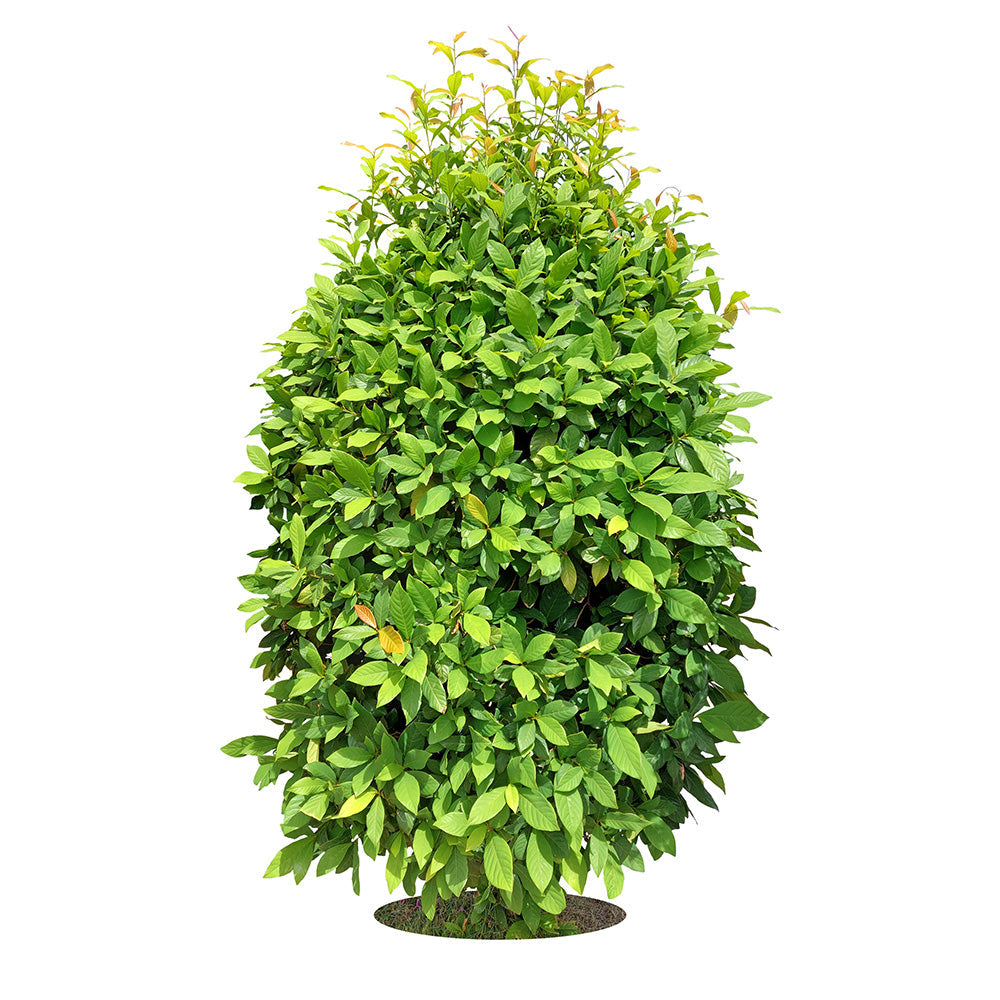 Large shrubs
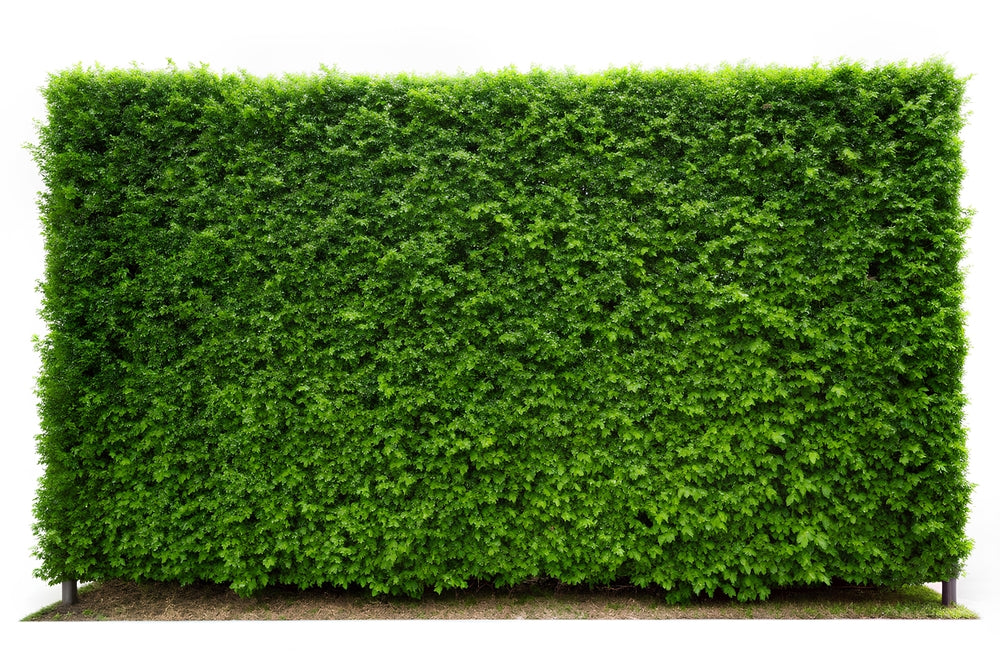 Hedging
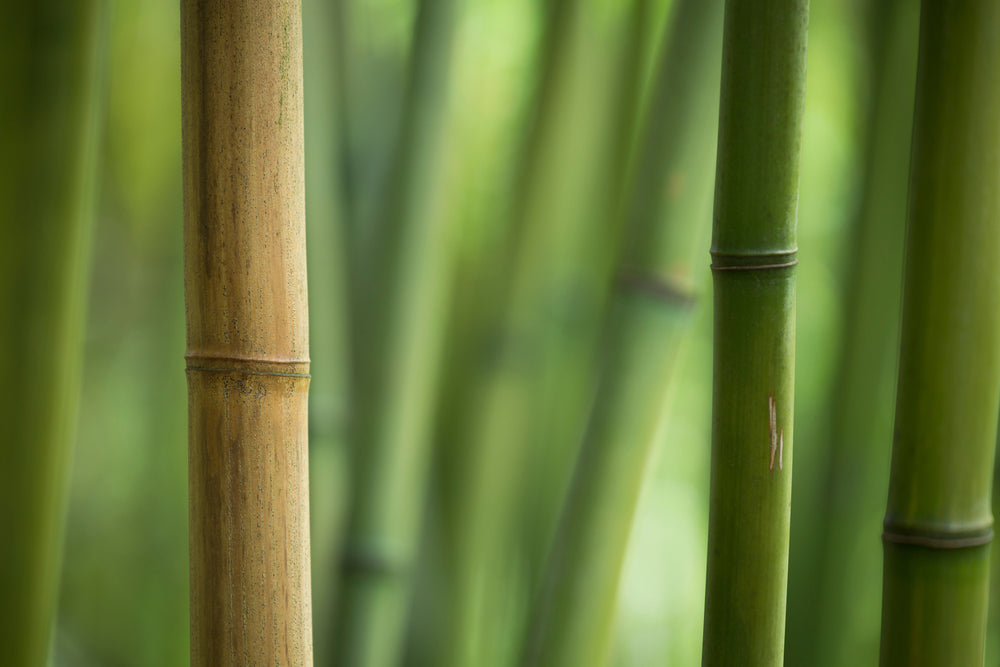 Bamboo
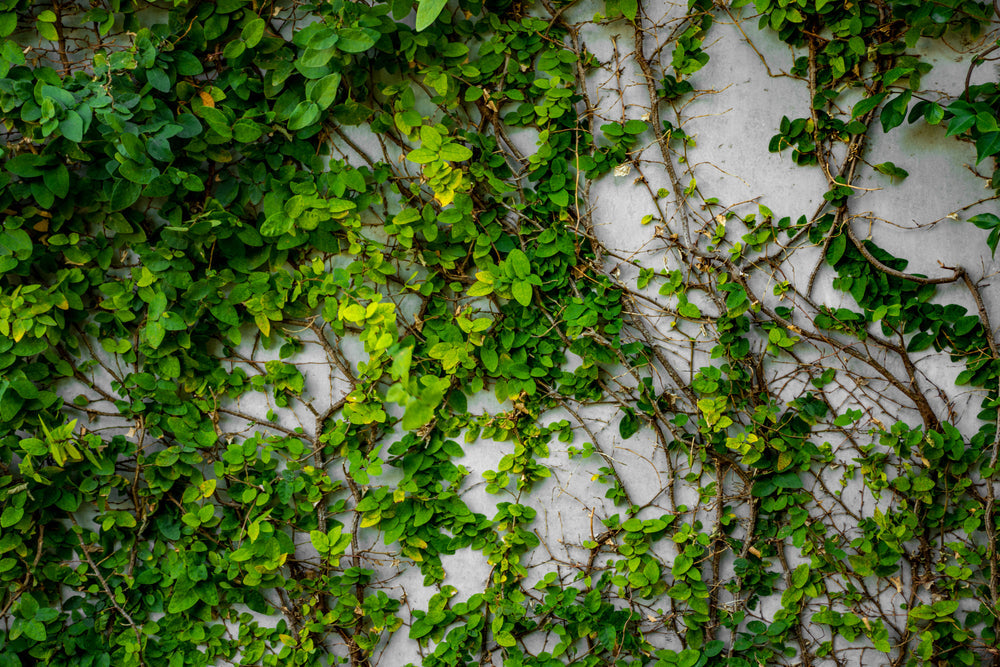 Climbers
 Flowering
 Grasses & Ferns
 Popular
-
Pines & Conifers
Pines & Conifers
 Pines
Pines
 Spruce & Fir
 Cypress
 Thuja
Thuja
 Redwood | Sequoia
-
Specimen
FREE DELIVERY OVER £350
Search results
Search results
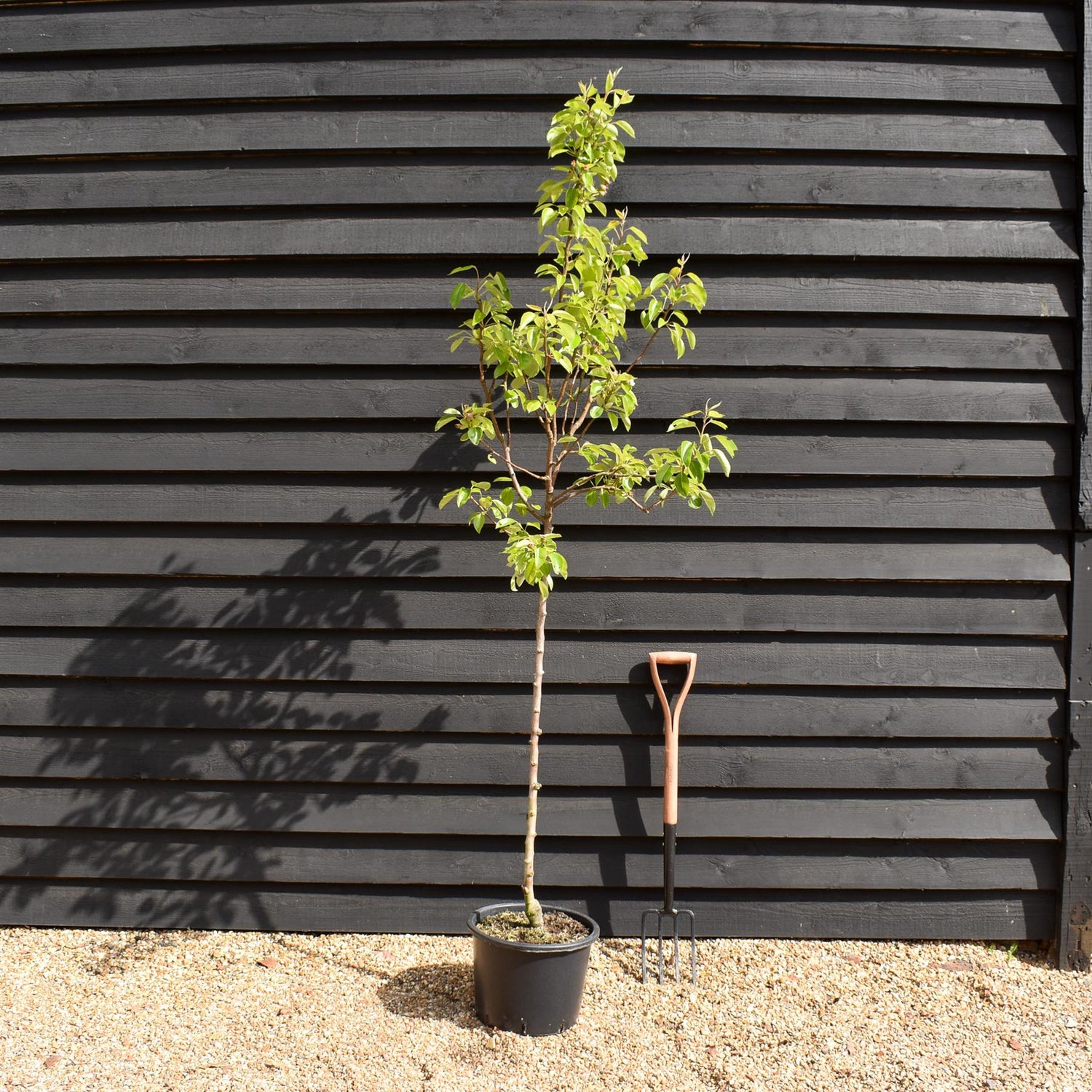


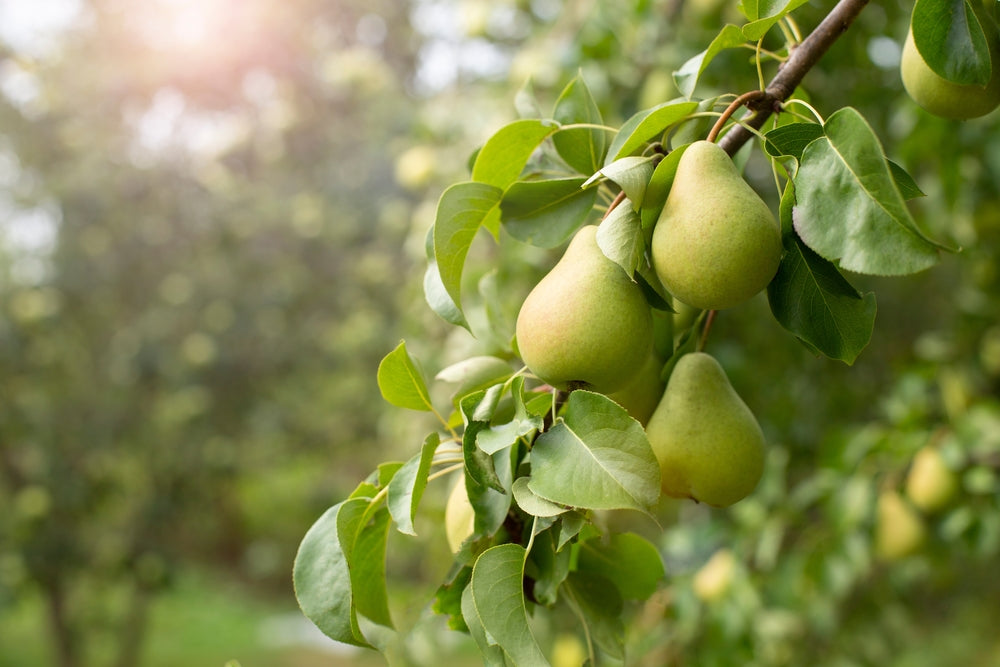
Pear tree 'Williams' Bon Chretien' | Pyrus communis - Semi Dwarfing - Height 160-180cm - 20lt
£94.00
Unit price perPear tree 'Williams' Bon Chretien' | Pyrus communis - Semi Dwarfing - Height 160-180cm - 20lt
£94.00
Unit price per


Parrotia Persica Multistem | Iron Tree - Height 240-250cm - 75lt
£700.00
Unit price perParrotia Persica Multistem | Iron Tree - Height 240-250cm - 75lt
£700.00
Unit price perParrotia persica is a slow-growing, wide-spreading, multi-stemmed deciduous shrub or small, single-trunk tree with exfoliating bark, and glossy, scallop-shaped leaves, reddish purple in spring, dark green in summer, and yellow, orange, red and purple in autumn. Small, red flowers open from black, velvety buds and bloom in clusters in late winter and early spring on bare branches. Fruit is a brown, 2-velved capsule. Parrotia persica prefers fertile, slightly acidic, medium moisture, well-drained soils, in full sun, but tolerates partial shade and various soil conditions. Resistant to cold, but late frost may damage flower buds. It is generally, pest-free and disease-free. Low maintenance plant, it doesn’t require much pruning. Persian Ironwood is most attractive for its autumn foliage and a peeling bark in shades of pink, grey-green and brown. It is excellent as a specimen or lawn tree, great for shrub borders, wall-side borders, and informal hedges and screens.


Euonymus alatus | Winged Spindle Tree - Height 150-160cm - Width 230-250cm - 130lt
£745.00
Unit price perEuonymus alatus | Winged Spindle Tree - Height 150-160cm - Width 230-250cm - 130lt
£745.00
Unit price per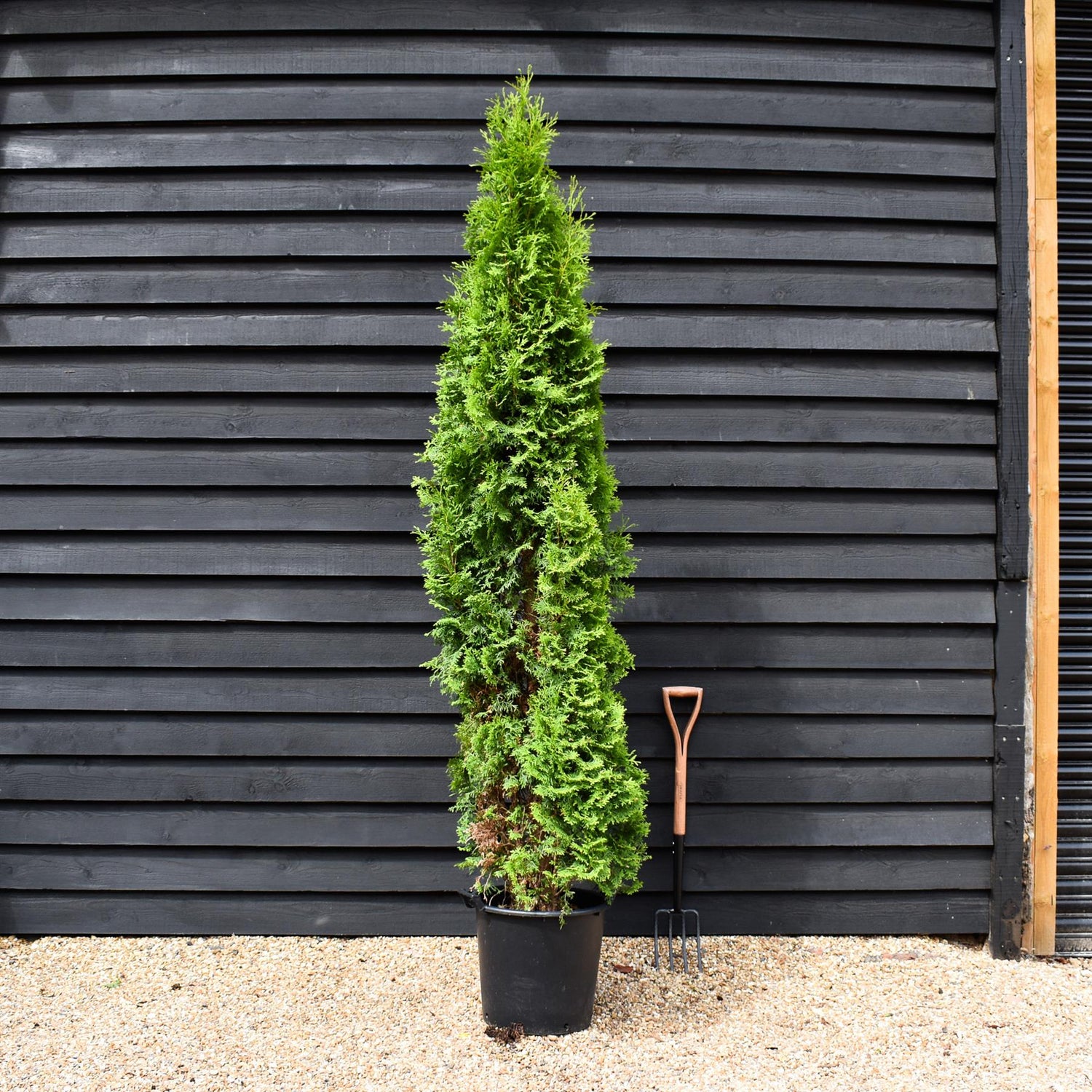
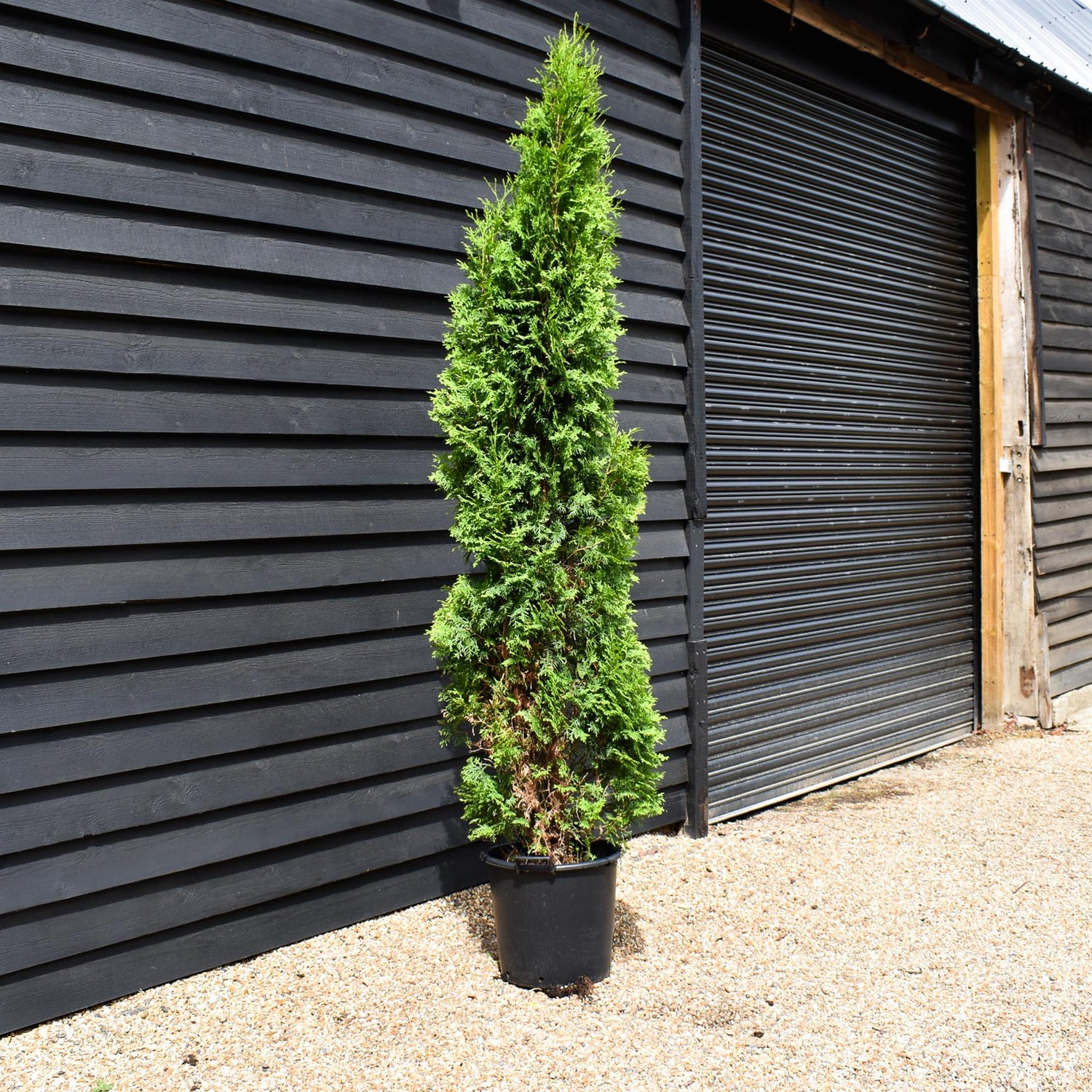
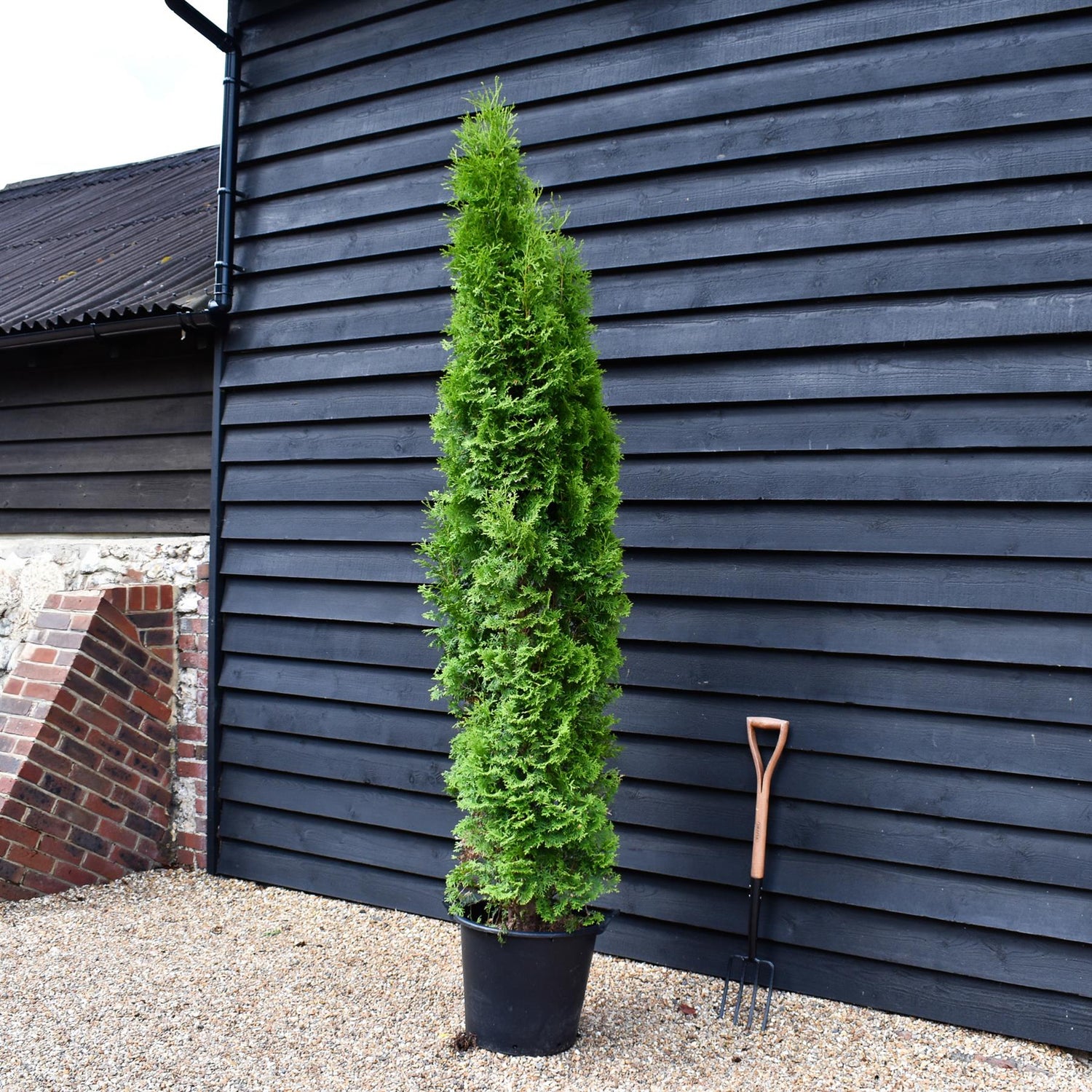
Thuja orientalis 'Pyramidalis' Compacta - 170-180cm - 35lt
£92.00
Unit price perThuja orientalis 'Pyramidalis' Compacta - 170-180cm - 35lt
£92.00
Unit price per


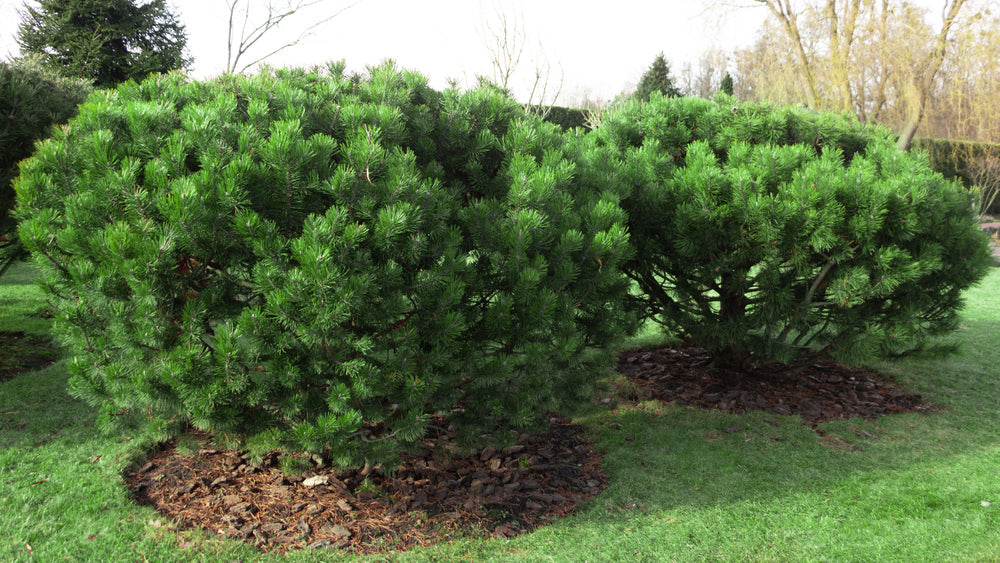
Pinus nigra 'Marie Bregeon' - Height 35-45cm - Width 35-45cm - 11lt
£130.00
Unit price perPinus nigra 'Marie Bregeon' - Height 35-45cm - Width 35-45cm - 11lt
£130.00
Unit price per


Lilac 'Madame Antoine Buchner' | Syringa vulgaris - Height 80-100cm - 10lt
£83.00
Unit price perLilac 'Madame Antoine Buchner' | Syringa vulgaris - Height 80-100cm - 10lt
£83.00
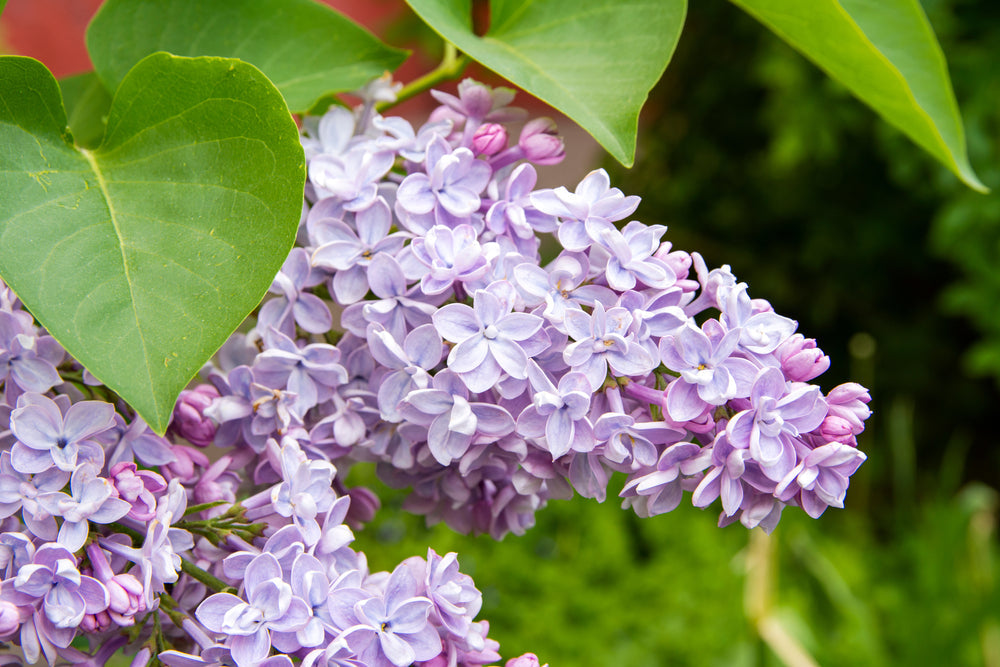
Unit price perSyringa vulgaris 'Madame Antoine Buchner' is a distinguished cultivar of the common lilac, Syringa vulgaris, cherished for its rich, violet-purple blooms and intensely fragrant flowers. Its combination of vivid colour, classic scent, and reliable spring performance makes it a standout choice for traditional and cottage-style gardens across the UK.
Flowering typically occurs in mid to late spring, around May, when the shrub produces large, upright panicles of flowers. Each panicle comprises numerous small, tubular blossoms with gently flared petals, collectively forming dense, conical clusters up to 20 centimetres long. The rich violet-purple colouring of the flowers is striking against the fresh green, heart-shaped leaves, creating a visually dramatic display. The flowers’ vibrant hue gradually deepens as the blooms mature, maintaining their intensity throughout the flowering period.
The cultivar is especially prized for its powerful, classic lilac fragrance, which fills the surrounding garden on warm spring days. This strong, sweet scent attracts pollinators such as bees and butterflies, adding ecological value alongside its ornamental appeal. The blooms are also excellent for cutting, offering fragrant indoor arrangements that bring the essence of spring indoors.
‘Madame Antoine Buchner’ forms a vigorous, upright deciduous shrub with a broad, rounded habit. When fully mature, it typically reaches three to four metres in height and a similar spread, making it suitable as a specimen plant, within mixed shrub borders, or as part of an informal flowering hedge. The dense, mid-green foliage provides an attractive backdrop for the vibrant flowers.
This lilac thrives in sunny, well-drained soil and prefers neutral to slightly alkaline conditions. Good air circulation helps prevent common lilac pests and diseases. Pruning is recommended immediately after flowering to remove spent blooms and maintain a compact, attractive shape while encouraging strong flowering the following year.
With its intense colour, classic fragrance, and dependable growth, Syringa vulgaris 'Madame Antoine Buchner' is a timeless choice for gardeners seeking a striking, scented spring-flowering shrub.
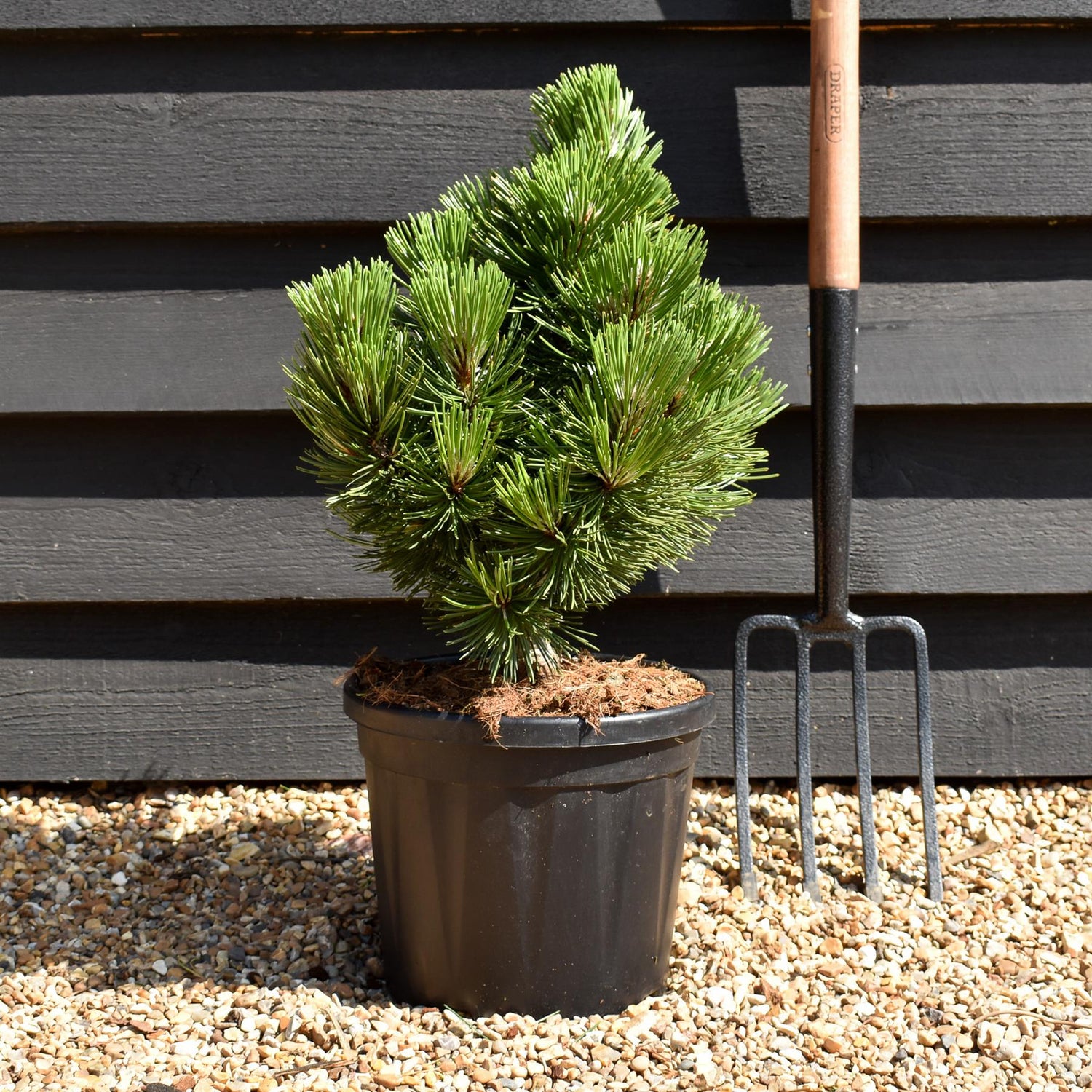
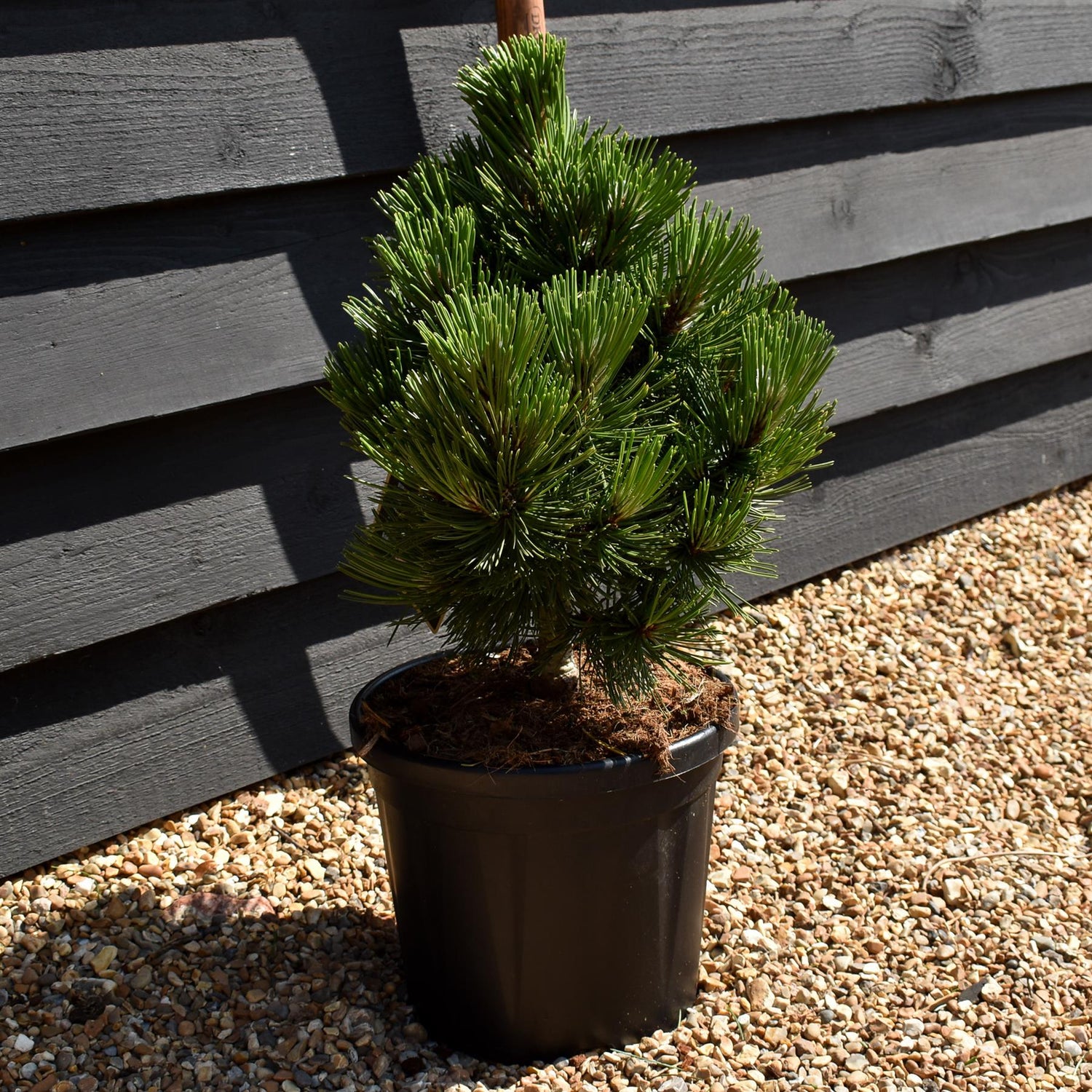
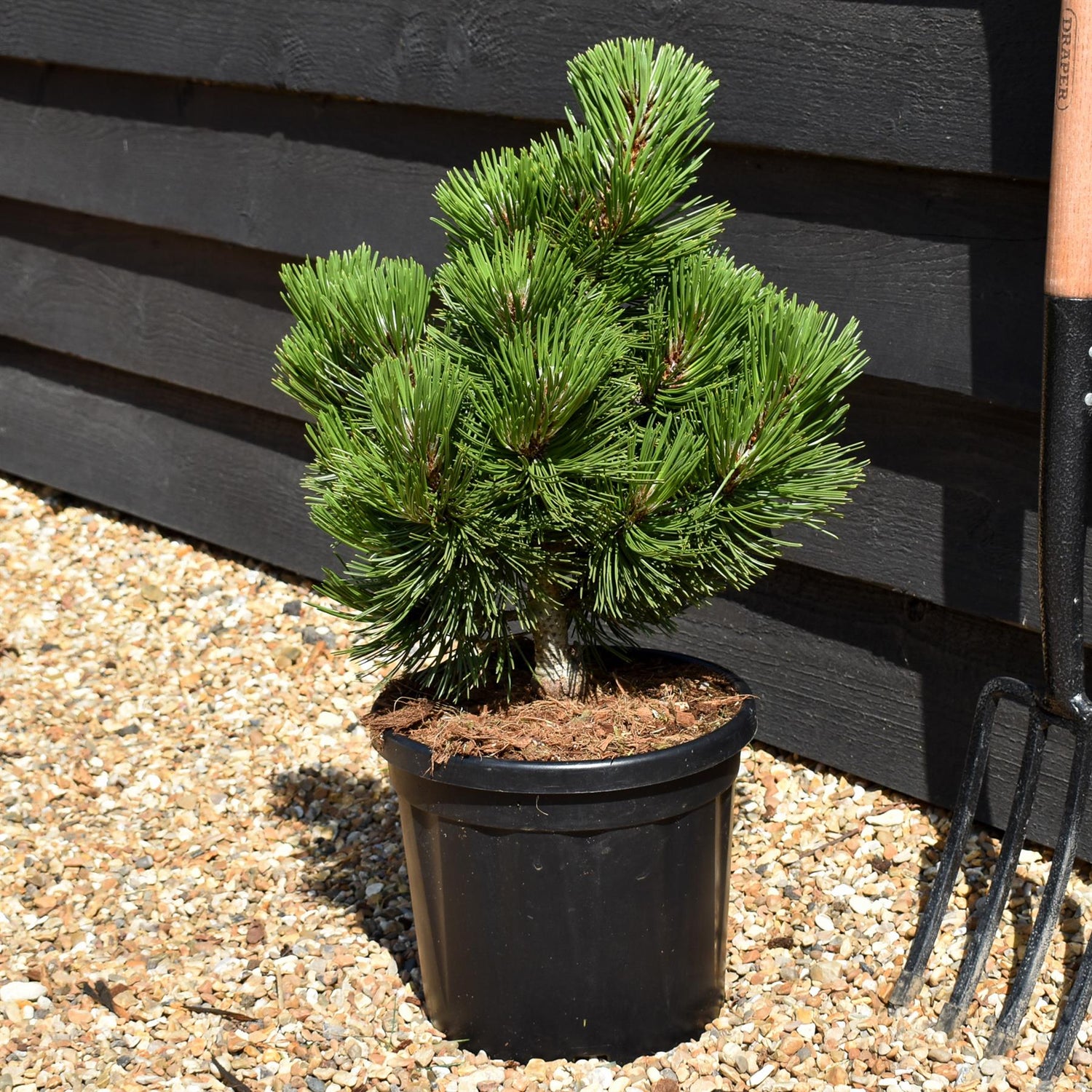
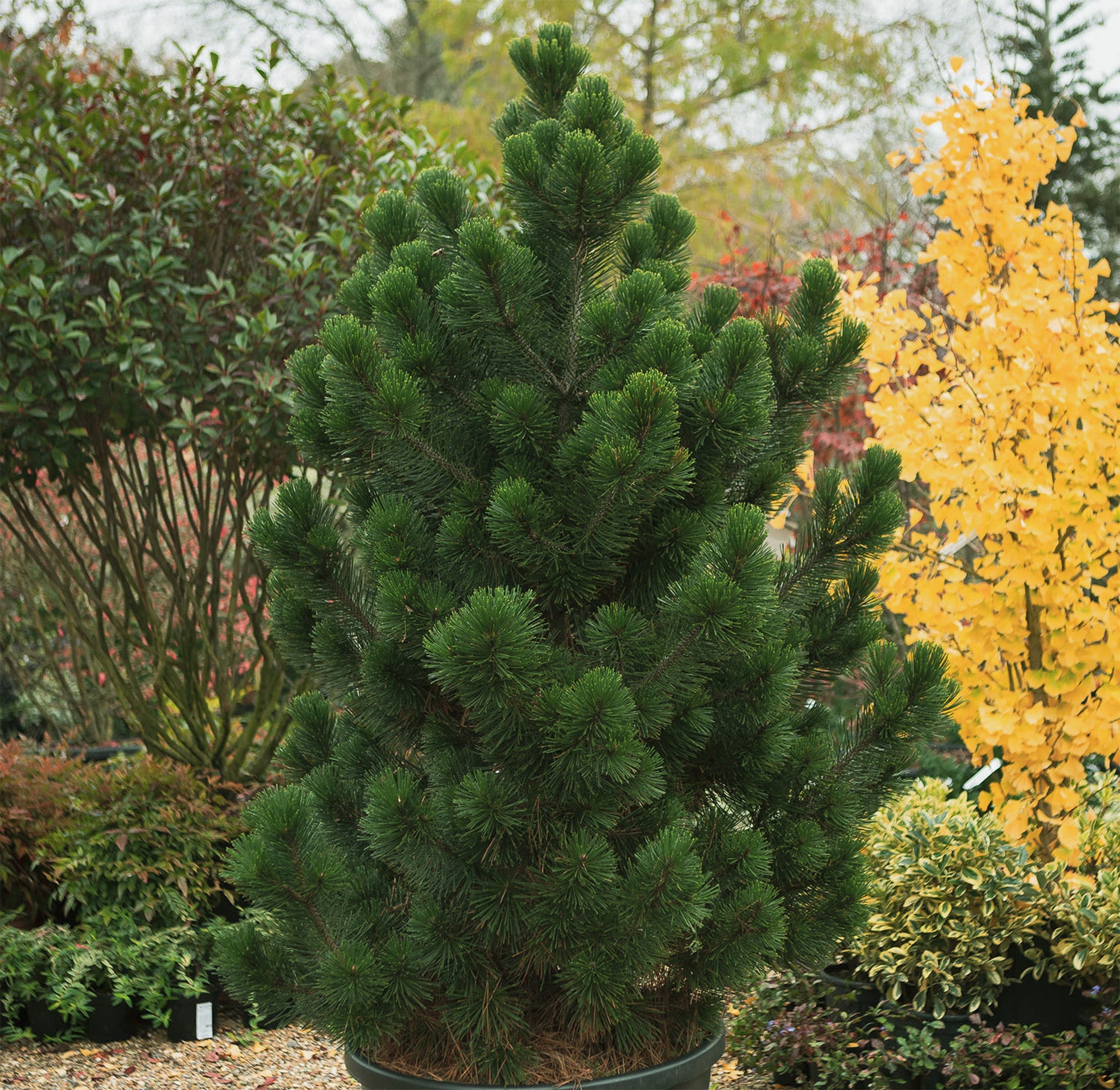
Pinus leucodermis 'Irish Bell' - Height 40-50cm - 8lt
£88.00
Unit price perPinus leucodermis 'Irish Bell' - Height 40-50cm - 8lt
£88.00
Unit price perPinus leucodermis 'Irish Bell', also known as dwarf Bosnian pine, is a superb choice for gardeners seeking a slow-growing, structured evergreen with year-round appeal. Its compact, upright, and broadly pyramidal form reaches about 3 to 4 feet in 10 years, making it ideal for small gardens, foundation plantings, or as a standout specimen in conifer collections. The plant features dense tufts of dark green needles with white fascicle sheaths that add a subtle sparkle and visual texture throughout the seasons.
This cultivar thrives in full sun and well-drained soil, and is hardy. It tolerates a wide range of soil conditions and is fairly drought-tolerant once established, making it a low-maintenance and versatile addition to a wide range of garden designs—from rock gardens to formal landscapes.
'Irish Bell' provides strong architectural form and year-round color, contrasting beautifully with flowering perennials, broadleaf evergreens, or deciduous shrubs. Its neat growth habit requires little to no pruning, and it resists most pests and diseases. With its manageable size, unique texture, and striking color, Pinus leu 'Irish Bell' enhances both traditional and modern garden spaces with elegance and resilience.


Cercis chinensis Shirobana- Height 200-220cm - 20lt
£128.00
Unit price perCercis chinensis Shirobana- Height 200-220cm - 20lt
£128.00
Unit price perCercis chinensis 'Shirobana,' commonly referred to as Chinese Redbud 'Shirobana,' is an exceptional and eye-catching ornamental tree that can grace British gardens and landscapes with its unique and captivating features. Originally hailing from China, this cultivar has garnered international acclaim for its remarkable characteristics.
One of the most remarkable attributes of 'Shirobana' is its blossoms. During the spring season, prior to the emergence of its leaves, this tree adorns itself with a profusion of delicate, butterfly-like flowers. What sets it apart is its ability to produce different-colored blossoms on the same tree simultaneously, creating a spectacular display of colour variation that is truly enchanting.
The name 'Shirobana' translates to "white flower," underscoring the tree's ability to produce these stunning pale blooms alongside the usual pink and lavender ones. This unique trait makes 'Shirobana' particularly desirable for garden enthusiasts seeking to introduce an element of whimsy and diversity to their outdoor spaces.
The foliage of 'Shirobana' typically takes on a heart-shaped form and exhibits a medium green hue, serving as a splendid backdrop to the lavish spring blossoms. As the leaves mature, they may acquire a glossy sheen, adding to the tree's visual appeal. This deciduous tree usually reaches a height of around 3 to 4 meters and forms an elegant, gracefully-rounded canopy.
Maintaining Cercis chinensis 'Shirobana' in the UK is relatively straightforward. It thrives in well-drained soil and prefers a location that receives ample sunlight or partial shade. Ensuring adequate watering during dry spells and regular mulching to conserve moisture are key to its overall health and vitality. Pruning requirements are typically minimal, primarily focused on shaping the tree or removing any dead or overcrowded branches.
One of the advantages of 'Shirobana' is its notable resistance to common pests and diseases, contributing to its low-maintenance nature. Additionally, it exhibits adaptability to various soil types, making it a versatile choice for a wide range of garden settings.
In conclusion, Cercis chinensis 'Shirobana' is an extraordinary ornamental tree that can bring a sense of wonder and diversity to British gardens. Its multi-coloured spring blossoms, heart-shaped leaves, and manageable size make it an enchanting addition to landscapes, providing an opportunity for gardeners to experience the ever-changing palette of nature. Whether used as a focal point or to infuse charm into garden borders, 'Shirobana' is certain to captivate the hearts of those who encounter its mesmerizing beauty.


Daphne transatlantica Eternal Fragrance - Established - Height 40cm - Width 40-50cm - 20lt
£260.00
Unit price perDaphne transatlantica Eternal Fragrance - Established - Height 40cm - Width 40-50cm - 20lt
£260.00
Unit price per


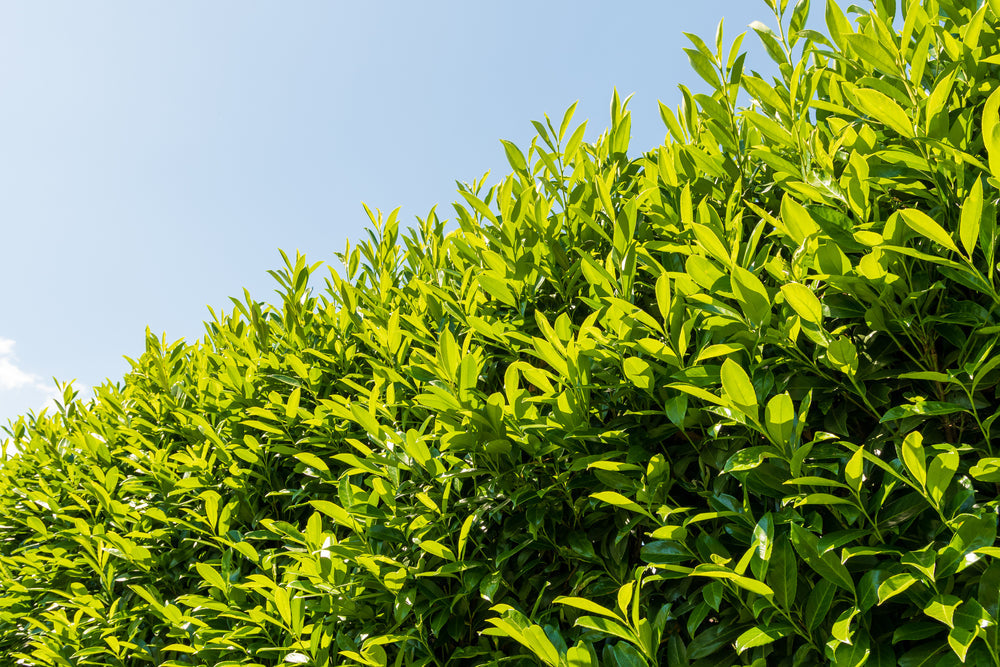
Cupressocyparis x leylandii - Height 160-180cm - 10lt
£72.00
Unit price perCupressocyparis x leylandii - Height 160-180cm - 10lt
£72.00
Unit price per


Parrotia persica | Persian Ironwood - Large Shrub - Height 370-400cm - 130lt
£1,485.00
Unit price perParrotia persica | Persian Ironwood - Large Shrub - Height 370-400cm - 130lt
£1,485.00
Unit price perParrotia persica is a slow-growing, wide-spreading, multi-stemmed deciduous shrub or small, single-trunk tree with exfoliating bark, and glossy, scallop-shaped leaves, reddish purple in spring, dark green in summer, and yellow, orange, red and purple in autumn. Small, red flowers open from black, velvety buds and bloom in clusters in late winter and early spring on bare branches. Fruit is a brown, 2-velved capsule.
Parrotia persica prefers fertile, slightly acidic, medium moisture, well-drained soils, in full sun, but tolerates partial shade and various soil conditions. Resistant to cold, but late frost may damage flower buds. It is generally, pest-free and disease-free. Low maintenance plant, it doesn’t require much pruning.
Persian Ironwood is most attractive for its autumn foliage and a peeling bark in shades of pink, grey-green and brown. It is excellent as a specimen or lawn tree, great for shrub borders, wall-side borders, and informal hedges and screens.


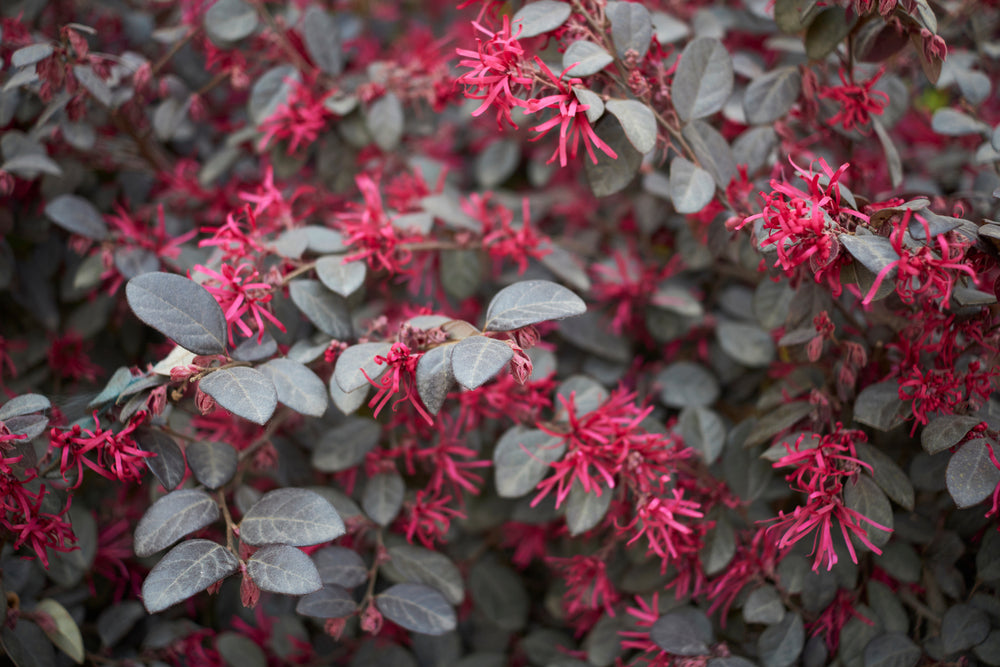
Loropetalum chinense Black Pearl | Chinese Fringe Flower - Height 80-100cm - 25lt
£165.00
Unit price perLoropetalum chinense Black Pearl | Chinese Fringe Flower - Height 80-100cm - 25lt
£165.00
Unit price per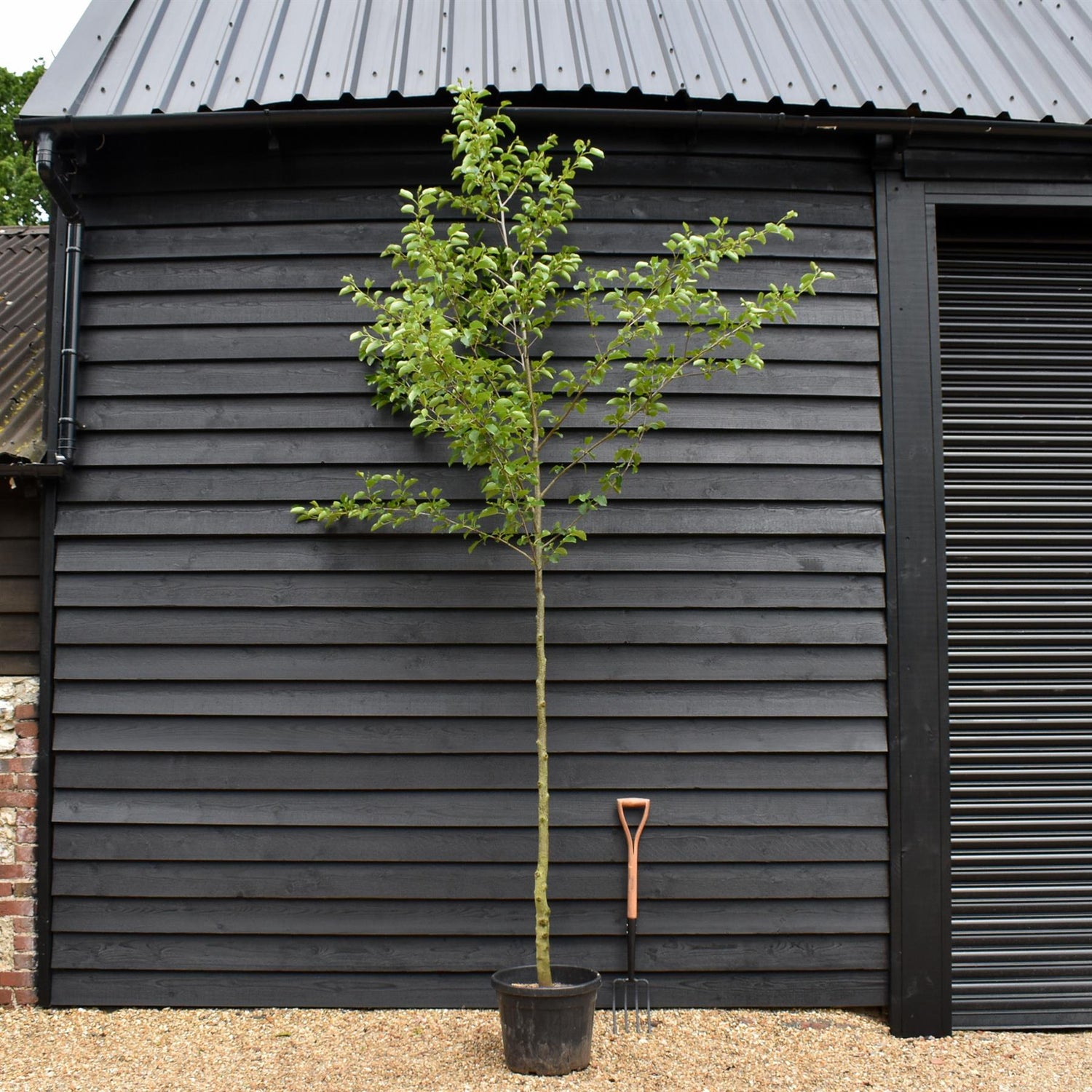


Alder tree | Alnus Cordata - Clear Stem - Height 300-350cm - Girth 8-10cm - 45lt
£255.00
Unit price perAlder tree | Alnus Cordata - Clear Stem - Height 300-350cm - Girth 8-10cm - 45lt
£255.00
Unit price perAlnus cordata, commonly known as the Italian alder, is a medium to large deciduous tree native to southern Italy and parts of Corsica. It belongs to the Betulaceae family and is highly valued for its ability to thrive in poor soils and challenging environmental conditions. This species is often planted for ornamental purposes, soil improvement, and as a windbreak due to its robust growth and adaptability.
The tree can reach heights of up to 25-30 metres (82-98 feet) with a trunk diameter of about 1 metre (3.3 feet). It has a relatively narrow, conical crown, which makes it an attractive choice for landscaping in urban and rural environments. The bark is smooth and greyish-brown when young, developing shallow fissures with age.
Alnus cordata is noted for its distinctive heart-shaped (cordate) leaves, which are bright green and glossy, measuring 7-12 cm in length. Unlike some other alders, the leaves of A. cordata remain on the tree until late autumn, giving it an extended season of greenery. In spring, it produces small, inconspicuous catkins, with male catkins being pendulous and yellowish, and female catkins more compact and upright. These develop into small, woody cones that persist on the tree through winter.
One of the key characteristics of Alnus cordata is its nitrogen-fixing ability. Like other alders, it forms a symbiotic relationship with the bacterium Frankia, which allows it to fix atmospheric nitrogen into the soil. This quality makes it an excellent species for improving soil fertility, particularly in degraded or nutrient-poor areas.
Overall, the Italian alder is a resilient and versatile tree, well-suited to a variety of landscapes, including wet or compacted soils, and is an important species for ecological restoration projects.
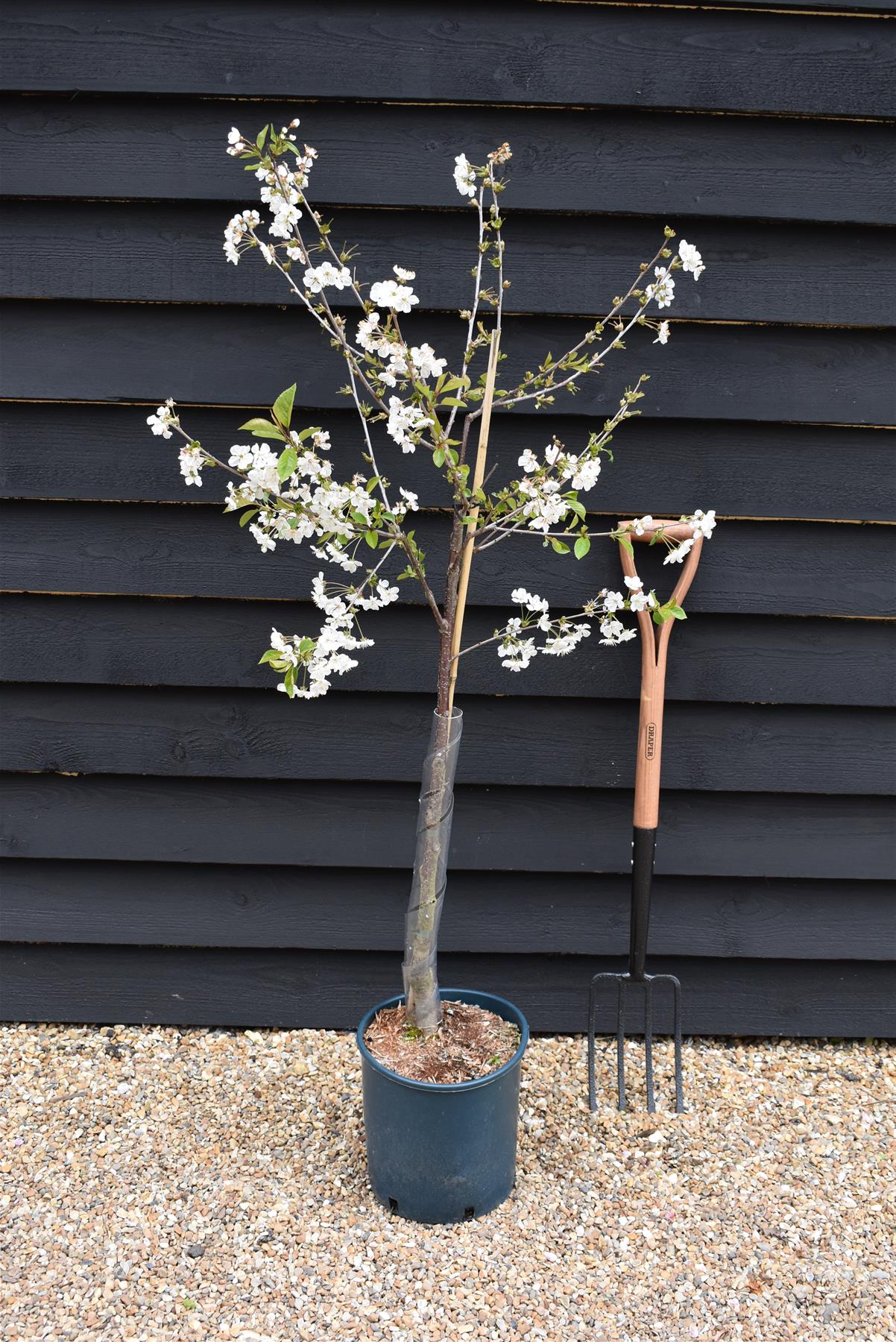


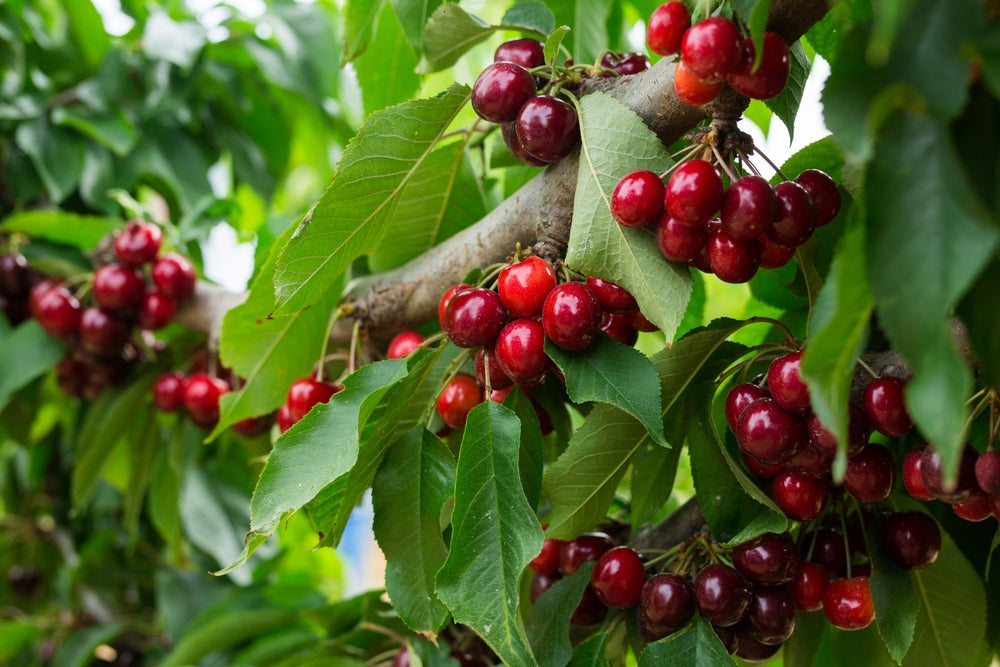
Sour Cherry 'Morello' on Colt - Semi-Dwarfing - 160-170cm - 12lt
£80.00
Unit price perSour Cherry 'Morello' on Colt - Semi-Dwarfing - 160-170cm - 12lt
£80.00
Unit price perThe Morello cherry tree, when grafted onto Colt rootstock, represents an exceptional combination that brings together the delectable taste of the Morello cherries with the strength and resilience of the Colt rootstock. Morello cherries are renowned for their distinctly sour taste, a deep, enticing red hue, and a rich, juicy texture. These attributes make them highly favored for a variety of culinary uses, including pies, jams, jellies, and other desserts.
The tree itself boasts white blossoms in spring, offering not only a bountiful harvest but also an ornamental display. The leaves are a bright green, providing a vivid backdrop for the cherries as they develop from green to their deep, mature red.
Colt rootstock plays an integral role in this pairing. It imparts semi-vigorous growth to the cherry tree, ensuring that it remains at a manageable size, perfect for medium to large garden spaces. Moreover, trees grafted onto Colt benefit from enhanced drought resistance, reliable anchorage, and a noteworthy resilience against various diseases that might plague cherry trees. This results in a tree that is both productive in fruit yield and relatively low-maintenance, making it a favored choice for both experienced gardeners and novices.
Colt rootstock is a popular choice for cherry trees, offering a semi-dwarfing size that reaches about 70-80% the height of standard cherry trees. It's well-suited for heavier soils, providing good anchorage and resistance to bacterial canker. Colt enhances the tree's longevity and supports robust fruit yields, making it ideal for various cherry cultivars.


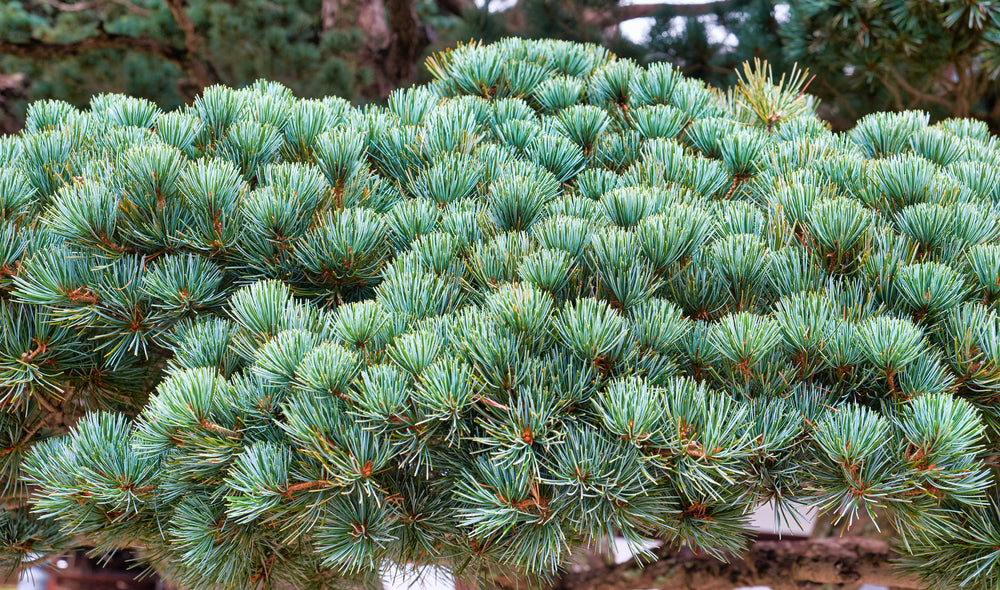
Japanese white pine | Pinus parviflora 'Ara kawa' - Height 70-90cm - Width 40-50cm - 12lt
£180.00
Unit price perJapanese white pine | Pinus parviflora 'Ara kawa' - Height 70-90cm - Width 40-50cm - 12lt
£180.00
Unit price perPinus parviflora 'Ara Kawa' is a distinctive cultivar of the Japanese White Pine (Pinus parviflora), a species native to Japan and the Korean Peninsula. Valued for its ornamental features, 'Ara Kawa' is popular among gardeners, landscapers, and bonsai enthusiasts.
This cultivar is a slow-growing, compact tree or shrub that typically reaches a height of 6 to 10 feet (1.8 to 3 meters) and a spread of 3 to 6 feet (0.9 to 1.8 meters) after about 10 years. The growth rate of 'Ara Kawa' can be further controlled through pruning, making it suitable for various landscape designs and bonsai artistry.
'Ara Kawa' is easily recognized by its dense, irregular branching pattern and striking, contorted trunk. The bark is rough and dark brown with patches of light gray, creating a visually appealing contrast. The tree's overall form is sculptural and reminiscent of driftwood, which adds to its aesthetic value.
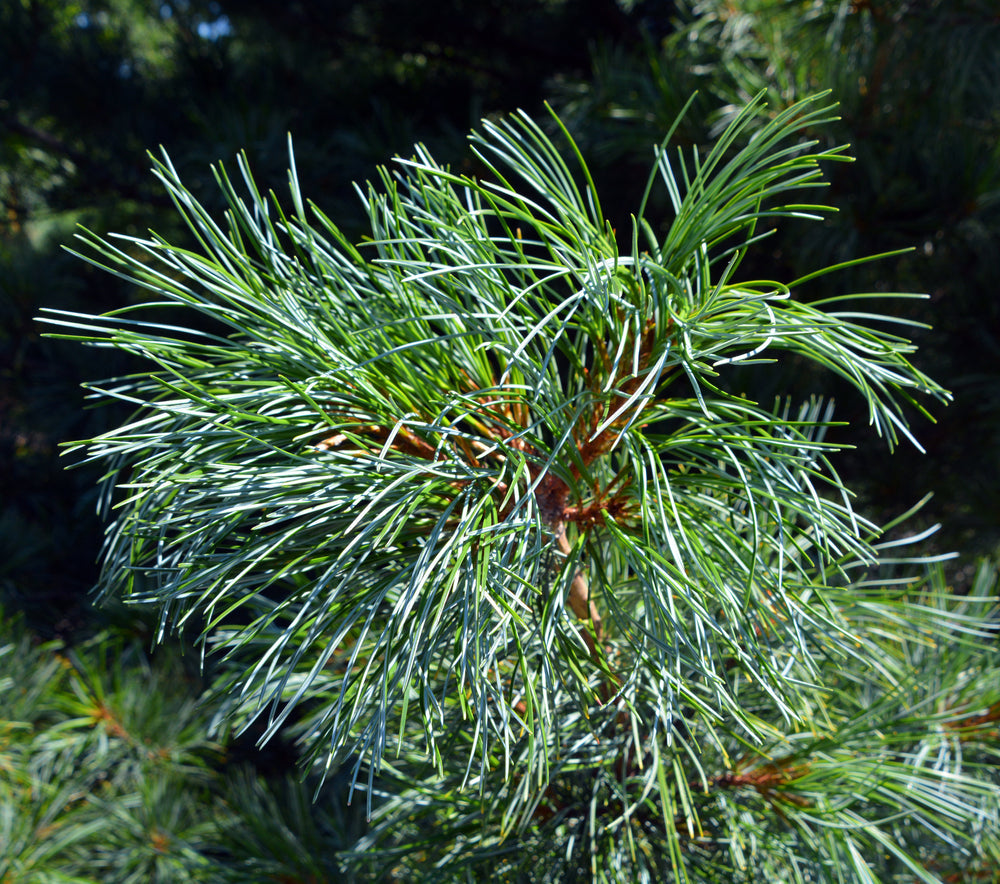
The needles of 'Ara Kawa' are arranged in bundles of five, a characteristic shared with other Pinus parviflora species. The needles are soft, slightly twisted, and measure between 2 to 3 inches (5 to 7.6 centimeters) in length. They are bluish-green, providing a pleasant color contrast against the darker trunk.
The tree produces small, attractive cones that are 1 to 2 inches (2.5 to 5 centimeters) long. They are initially green, maturing to a light brown color over time. The cones add to the visual interest of the tree, particularly during the winter months.
It prefers well-drained, slightly acidic soil and should be planted in full sun for optimal growth. Once established, the tree is relatively low-maintenance, requiring only minimal pruning to maintain its shape.
Due to its unique features and adaptability, Pinus parviflora 'Ara Kawa' is an excellent choice for gardens, rockeries, and specimen planting. Its slow growth rate, compact size, and intriguing form also make it a popular choice for bonsai art, where it can be trained and shaped to accentuate its natural beauty.


Pear 'Williams' Bon Chretien' | Pyrus communis - 150-160cm - 12lt
£72.00
Unit price perPear 'Williams' Bon Chretien' | Pyrus communis - 150-160cm - 12lt
£72.00
Unit price per


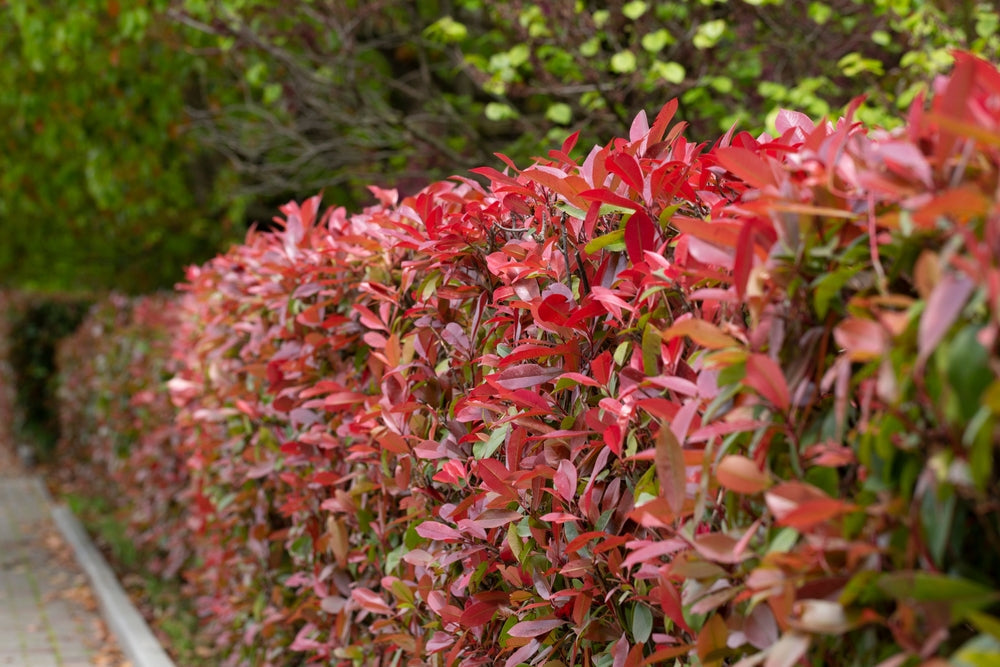
Photinia Red Robin - Standard screening tree -Clear Stem 180-190cm - Height 300-320cm - Girth 10-12cm - 90lt
£545.00
Unit price perPhotinia Red Robin - Standard screening tree -Clear Stem 180-190cm - Height 300-320cm - Girth 10-12cm - 90lt
£545.00
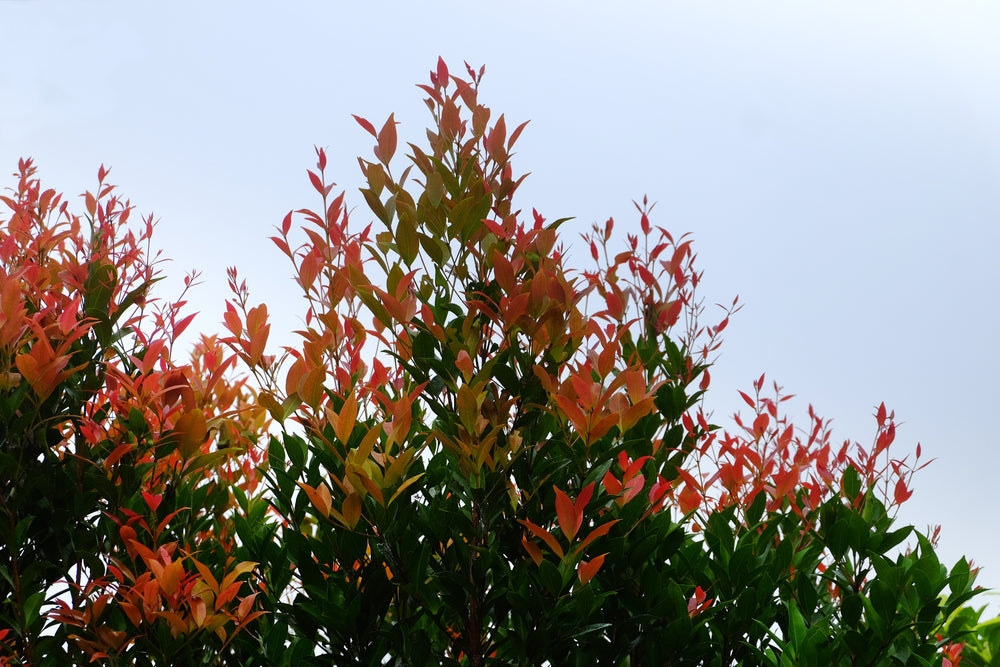
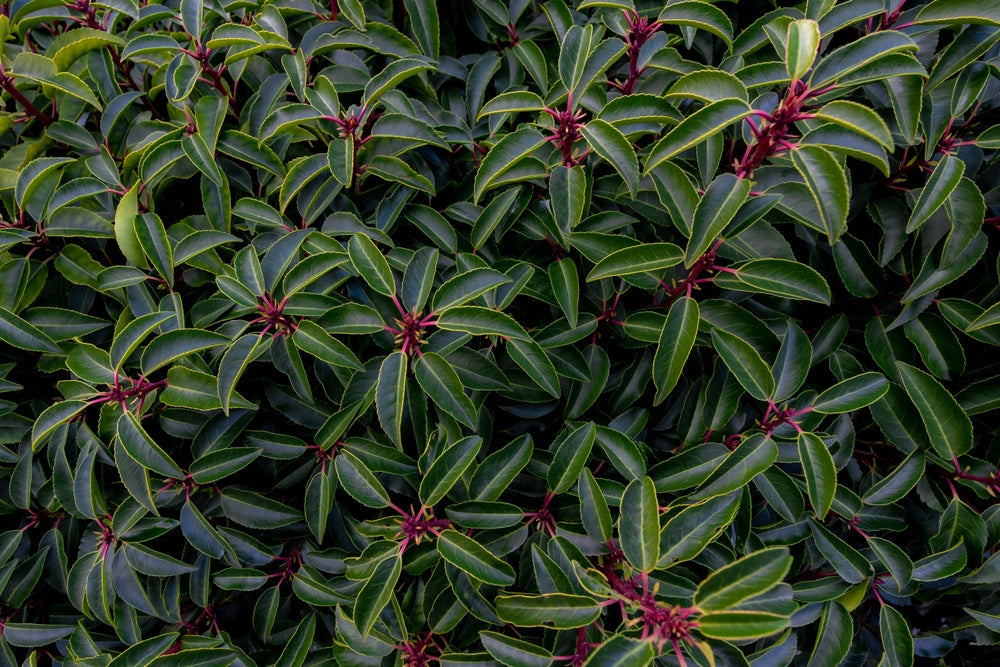
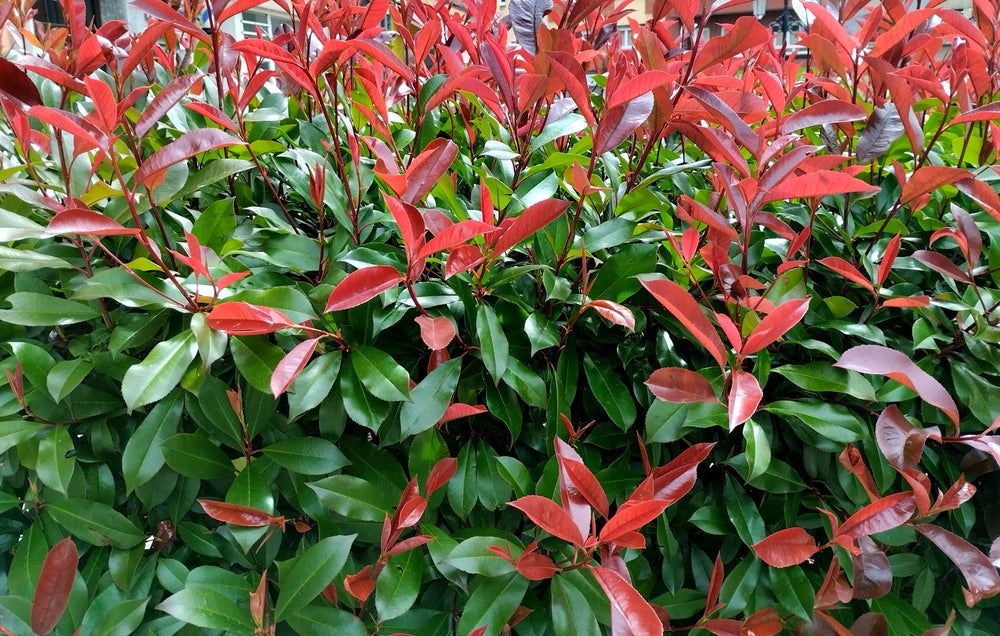
Unit price perPhotinia fraseri ‘Red Robin’ grown as a standard tree is an excellent choice for gardens seeking year-round structure, vibrant colour, and a smart formal appearance. Raised on a clear stem with a rounded head of evergreen foliage, it creates an elegant focal point for entrances, patios, driveways, terraces, and borders. Its most striking feature is the flush of brilliant red young leaves that appear in spring and again after trimming, gradually maturing to glossy dark green.
This attractive contrast of red and green provides long-lasting seasonal interest, while clusters of small creamy-white flowers may appear in late spring on established specimens. The neat tree form makes it especially useful where ground space is limited, allowing underplanting beneath the canopy or placement in pairs for symmetry.
Photinia ‘Red Robin’ thrives in full sun or partial shade and prefers fertile, well-drained soil. It is hardy and tolerant of urban conditions, coastal air, and routine pruning, making it highly adaptable for many garden settings. Light trimming after new growth helps maintain a dense crown and encourages further red foliage displays.
Ideal for contemporary, formal, or traditional gardens, this standard tree offers colour, privacy screening at height, and dependable evergreen presence. It is a stylish, low-maintenance option that adds instant maturity and strong visual impact.


Alnus Glutinosa Laciniata - Cut Leaved Black Alder - 240-260cm - 30lt
£245.00
Unit price perAlnus Glutinosa Laciniata - Cut Leaved Black Alder - 240-260cm - 30lt
£245.00
Unit price perAlnus glutinosa Laciniata, commonly known as Cut-leaved Alder, is a deciduous tree and a distinct cultivar of the Black Alder. Native to Europe, this ornamental tree is valued for its unique and finely dissected foliage, giving it a delicate and graceful appearance. The deeply lobed, fern-like leaves are dark green, offering a lacy texture that sets it apart from the standard Alnus glutinosa, which typically has more rounded leaves.
Mature trees can reach a height of 12 to 20 metres, with a spread of about 6 to 10 metres, making it a medium-sized tree suitable for gardens, parks, and water-side plantings. The tree has a conical to rounded shape when fully grown, and its branches create an attractive structure, especially in winter when the leaves have fallen.
Like other alders, ‘Laciniata’ is well adapted to wet soils and thrives in damp, poorly drained areas. It is often found near rivers, streams, and wetlands. The tree is also tolerant of urban pollution and can withstand occasional waterlogging, making it a versatile choice for various landscapes.
In spring, ‘Laciniata’ produces small, inconspicuous catkins, which eventually develop into small, woody cones containing seeds. These cones add an extra ornamental feature to the tree, especially in the autumn and winter months.
Alnus glutinosa ‘Laciniata’ is also beneficial to the environment. As a member of the birch family, it has the ability to fix nitrogen in the soil, improving fertility and promoting biodiversity. This makes it an excellent choice for ecological restoration projects.
Overall, Alnus glutinosa ‘Laciniata’ is an elegant and functional tree that brings beauty, wildlife support, and environmental benefits to the landscapes where it is planted.


Photinia x fraseri 'Carre Rouge' - Ball - 60-80cm - 15lt
£105.00
Unit price perPhotinia x fraseri 'Carre Rouge' - Ball - 60-80cm - 15lt
£105.00
Unit price perPhotinia fraseri 'Carre Rouge' is a popular evergreen shrub that is commonly grown for its vibrant red foliage. This cultivar is a hybrid of Photinia glabra and Photinia serratifolia, and it is known for its compact growth habit and stunning appearance.
The leaves of 'Carre Rouge' are a glossy dark green color when they first emerge, but as they mature, they turn to a bright red shade that is especially striking in the spring and summer. In the fall and winter, the leaves may take on a deeper burgundy color. The foliage of this cultivar is also slightly smaller and more rounded than the leaves of other Photinia varieties.
In addition to its attractive foliage, Photinia fraseri 'Carre Rouge' produces small white flowers in the spring, followed by red berries that add to its ornamental appeal. This shrub is relatively low maintenance and can be grown in a variety of settings, including as a hedge, specimen plant, or in a mixed border.
Overall, Photinia fraseri 'Carre Rouge' is a beautiful and versatile shrub that is sure to add color and interest to any garden or landscape.


Mandarin Tree|Citrus reticulata 'Mandarino' - Tree - Clear Stem 60-70cm - Height 120-130cm - 10lt
£105.00
Unit price perMandarin Tree|Citrus reticulata 'Mandarino' - Tree - Clear Stem 60-70cm - Height 120-130cm - 10lt
£105.00
Unit price perCitrus reticulata 'Mandarino' is a beautiful evergreen citrus tree admired for its glossy aromatic foliage, fragrant white flowers, and sweet juicy fruit. Producing traditional mandarins with easily peeled skin and rich flavour, this attractive tree combines ornamental appeal with reliable fruit production, making it an excellent choice for patios, conservatories, greenhouses, and sheltered gardens. Its compact habit and elegant rounded shape provide year-round structure and Mediterranean character in both formal and informal planting schemes.
During spring and summer, the tree is covered with highly scented white blossoms that attract pollinating insects and fill the surrounding area with citrus fragrance. These are followed by vibrant orange fruits that ripen in cooler months, creating striking colour contrast against the deep green foliage. Citrus reticulata 'Mandarino' thrives in full sun and fertile, well-drained soil, In the UK climate, it is commonly grown in containers so it can be moved into a greenhouse, conservatory, or frost-free area during winter. Its compact habit makes it particularly suitable for patios, terraces, courtyards, and smaller gardens.
Ideal for Mediterranean-style gardens and sunny terraces, this low-maintenance citrus tree offers decorative foliage, seasonal fragrance, and delicious home-grown fruit while bringing an exotic atmosphere to outdoor living spaces.