

-
Trees
Trees
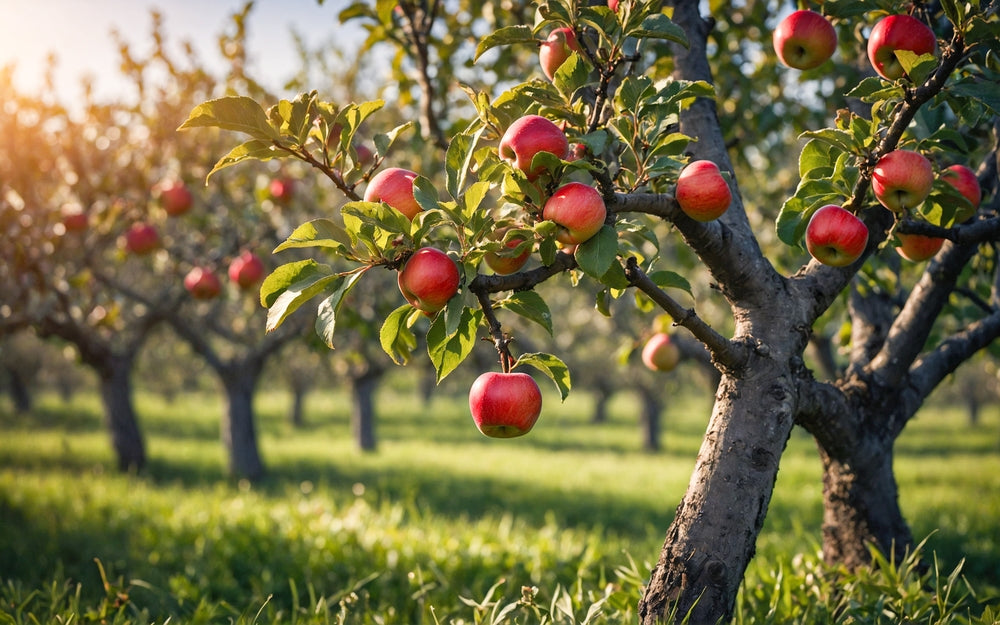 Fruit Trees
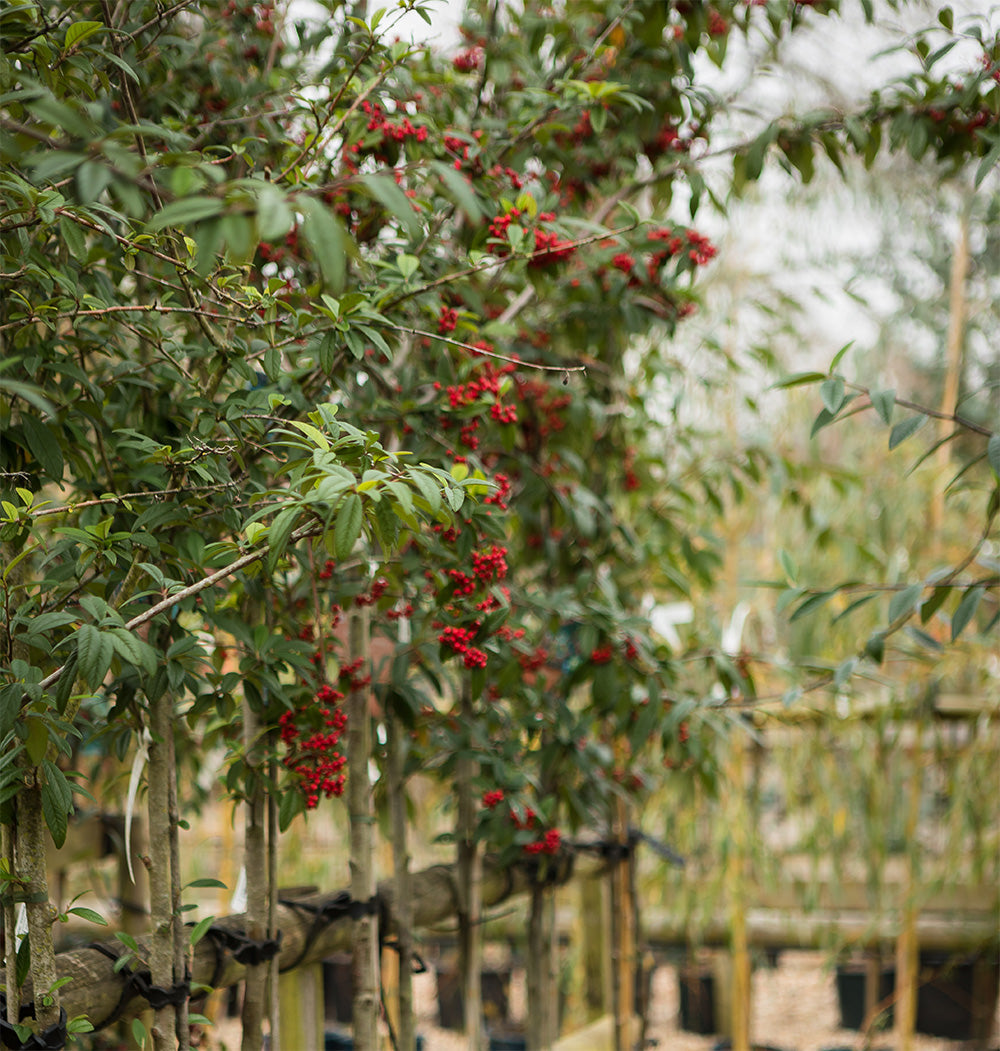 Ornamental
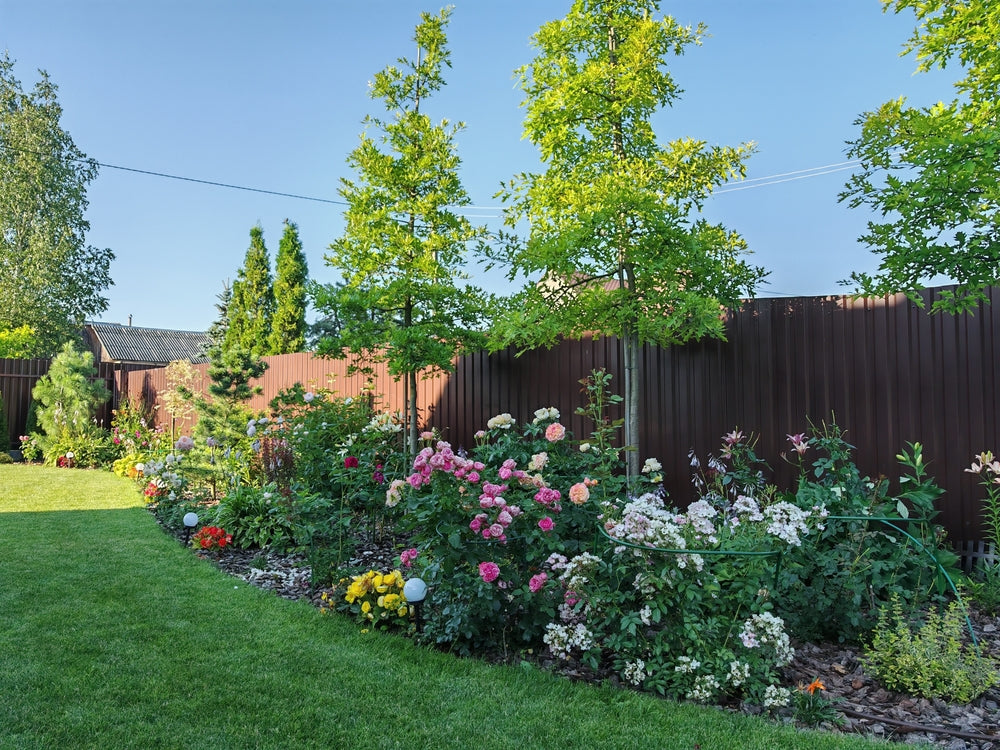 Screening
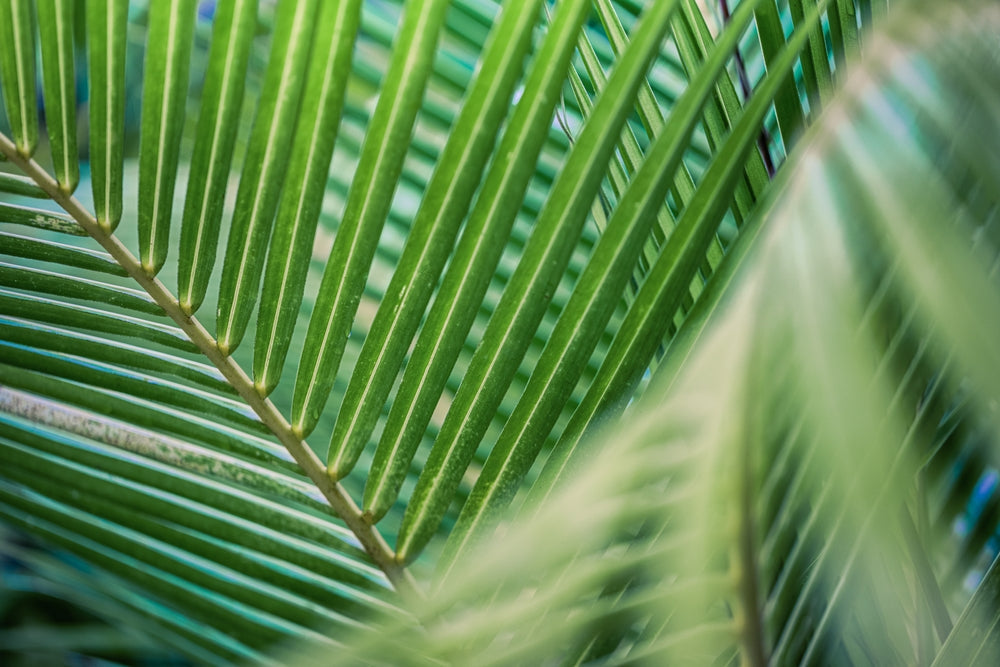 Palms
By FeaturesBy Shape
-
Shrubs
Shrubs
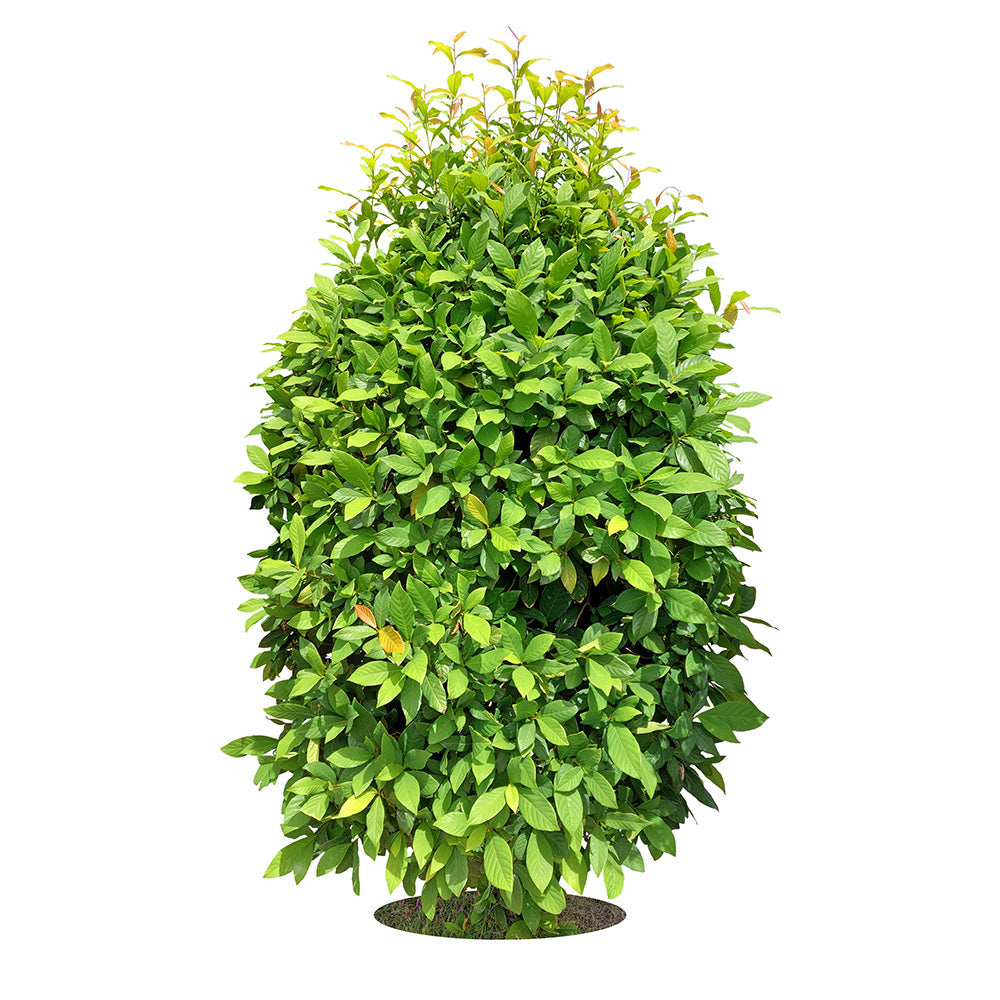 Large shrubs
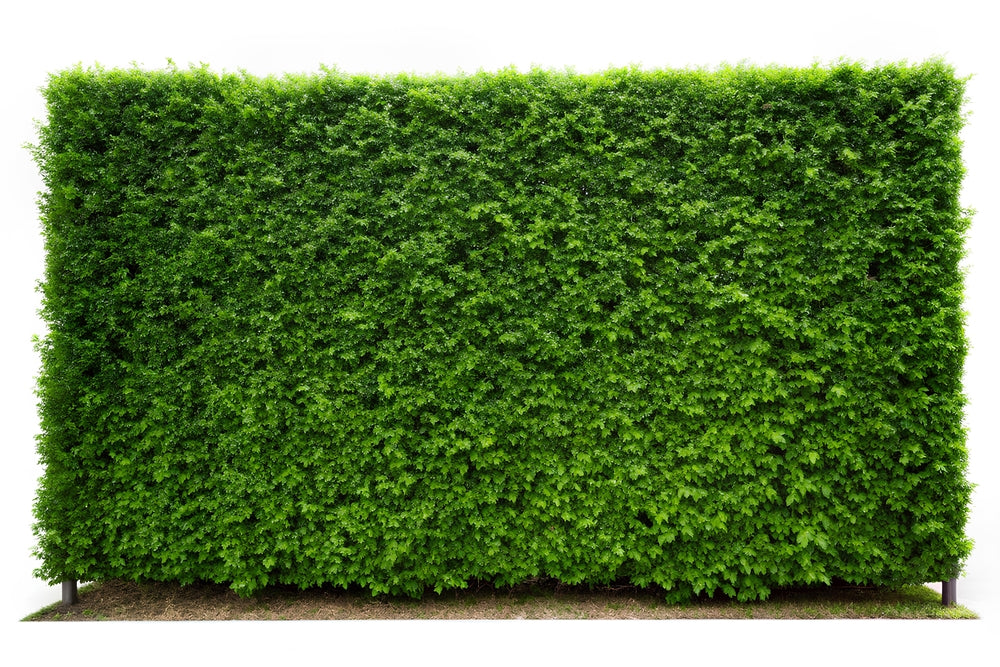 Hedging
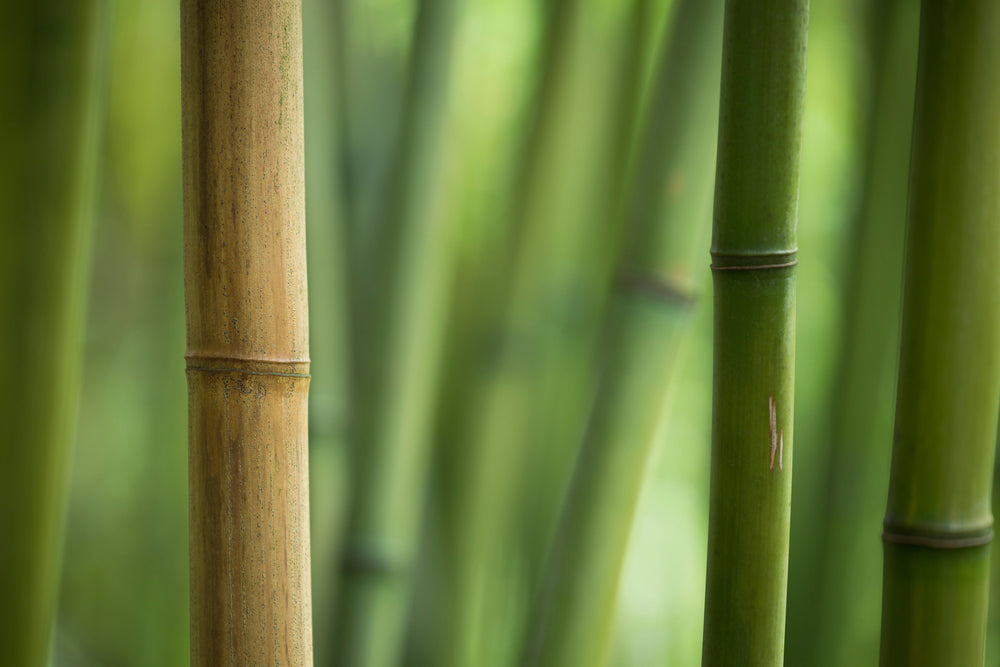 Bamboo
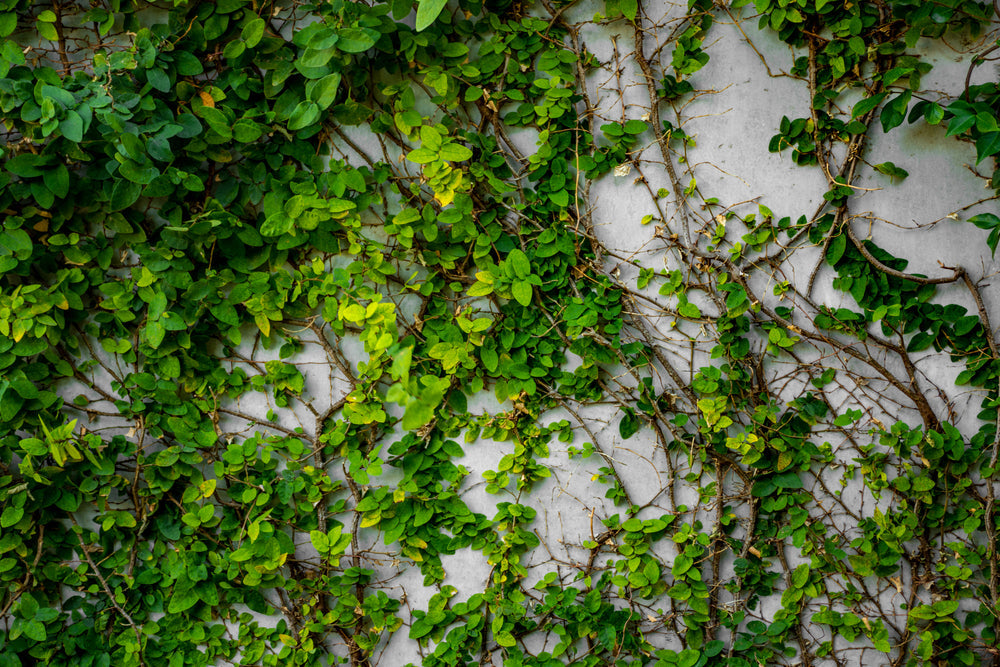 Climbers
 Flowering
 Grasses & Ferns
 Popular
-
Pines & Conifers
Pines & Conifers
 Pines
 Spruce & Fir
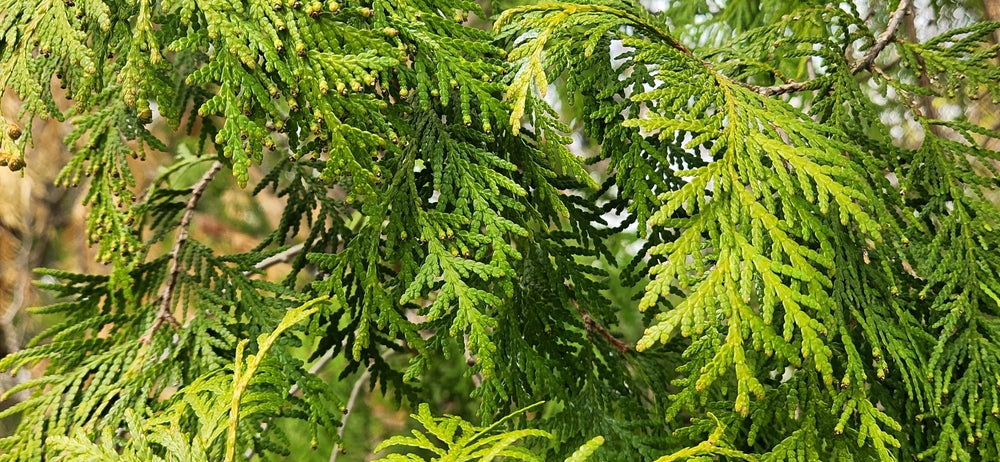 Cypress
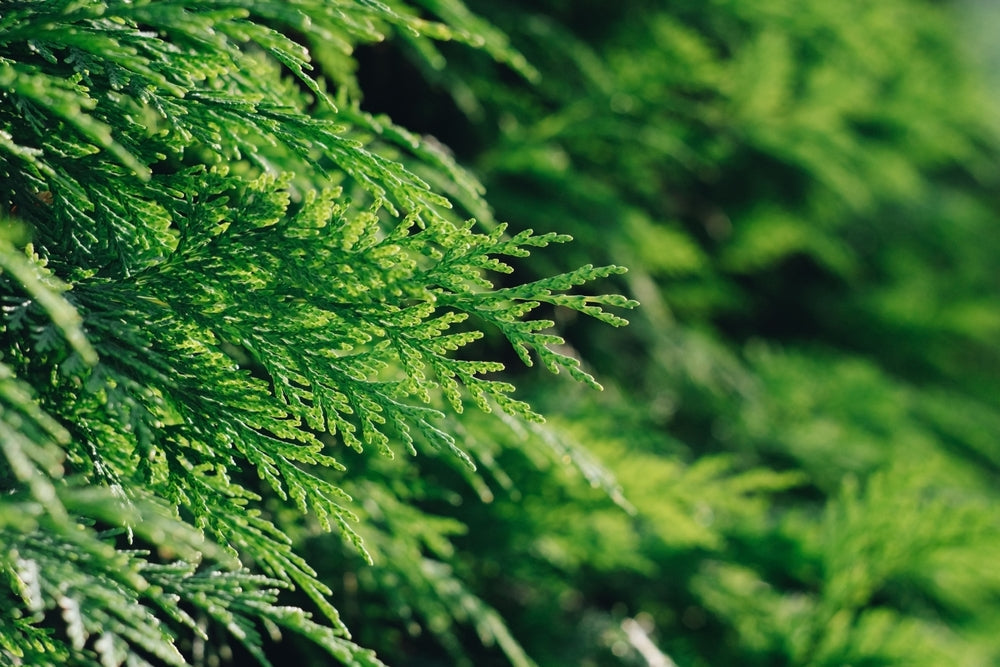 Thuja
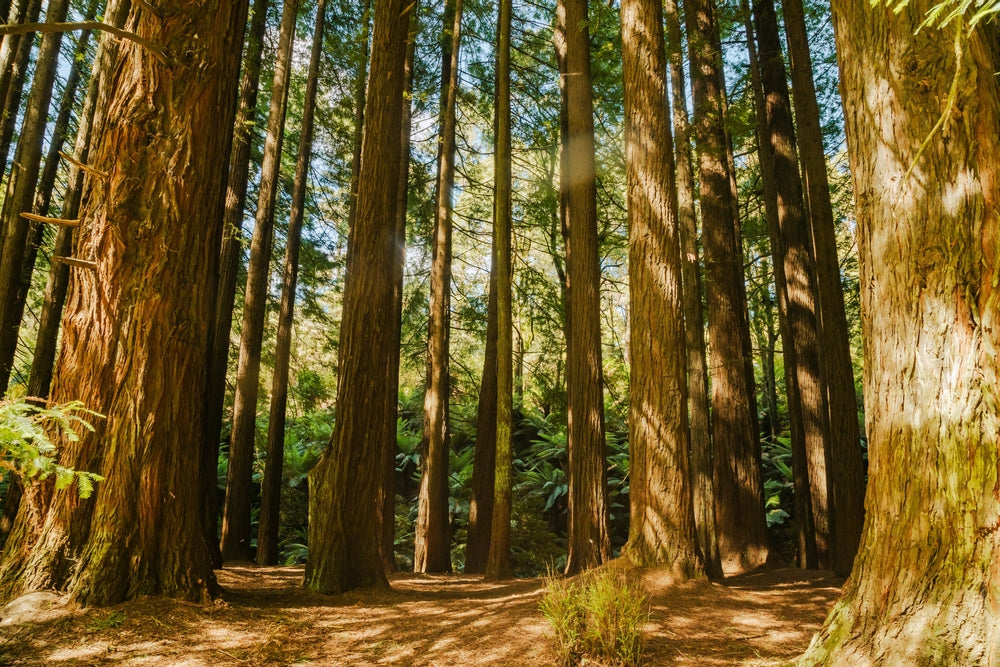 Redwood | Sequoia
-
Specimen
FREE DELIVERY OVER £350
Search results
Search results


Camellia japonica 'Nobilissima' - Shrub - 3lt
£18.00
Unit price perCamellia japonica 'Nobilissima' - Shrub - 3lt
£18.00
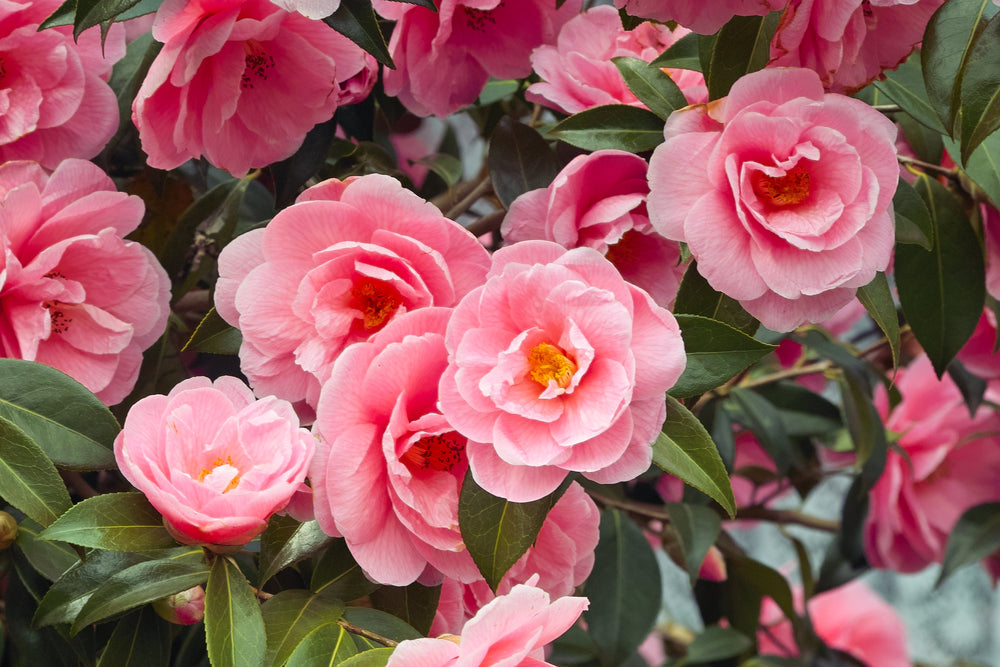
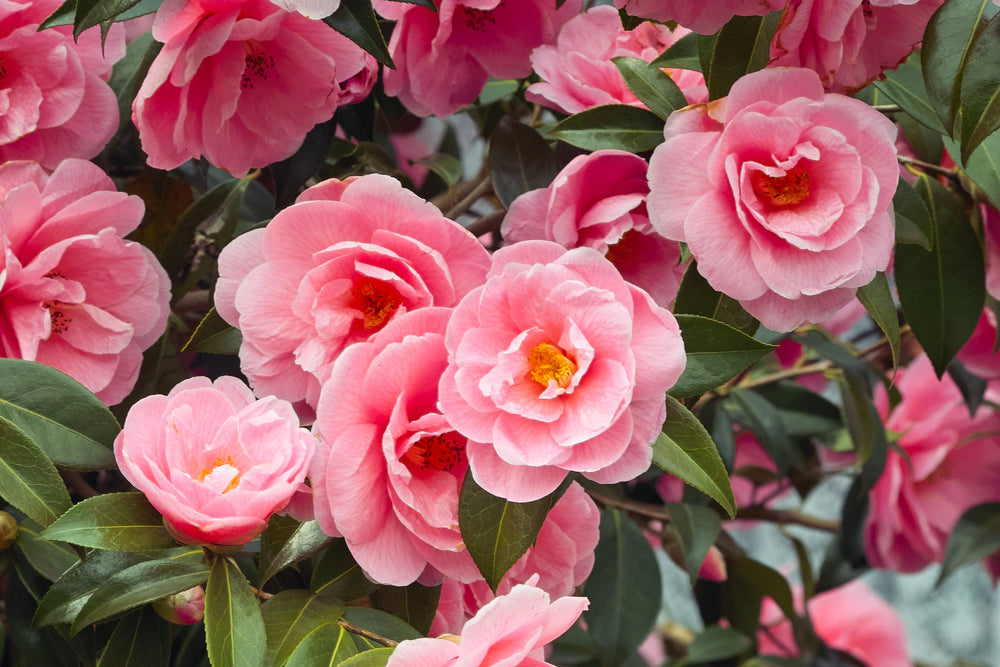
Unit price perThe Camellia japonica 'Nobilissima' is a striking variety of camellia known for its exquisite blooms and elegant appearance. 'Nobilissima' is distinguished by its large, pure white flowers, which are semi-double to peony-formed, showcasing a delicate yet captivating structure. The blooms typically appear in late winter to early spring, creating a stunning contrast against the dark green, glossy foliage that characterises this plant. Each flower can measure up to 10-12 cm in diameter, and the petals are often slightly ruffled, adding to their charm.
The foliage of the Camellia japonica 'Nobilissima' is equally attractive, consisting of leathery, deep green leaves that provide year-round interest. These leaves are elliptical and serrated, offering a lush backdrop to the plant's beautiful flowers. The overall growth habit of 'Nobilissima' is upright and dense, making it an excellent choice for hedges, screens, or as a standalone specimen.
In terms of cultivation, 'Nobilissima' prefers acidic, well-drained soil and benefits from a sheltered location with dappled shade. It is advisable to protect the plant from harsh, direct sunlight and strong winds, which can damage the delicate blooms and leaves. Regular watering and mulching help maintain optimal soil conditions and promote healthy growth.
This camellia variety is relatively low-maintenance but may require occasional pruning to shape and remove any dead or damaged branches. 'Nobilissima' is also known for its longevity, often thriving for decades with proper care.
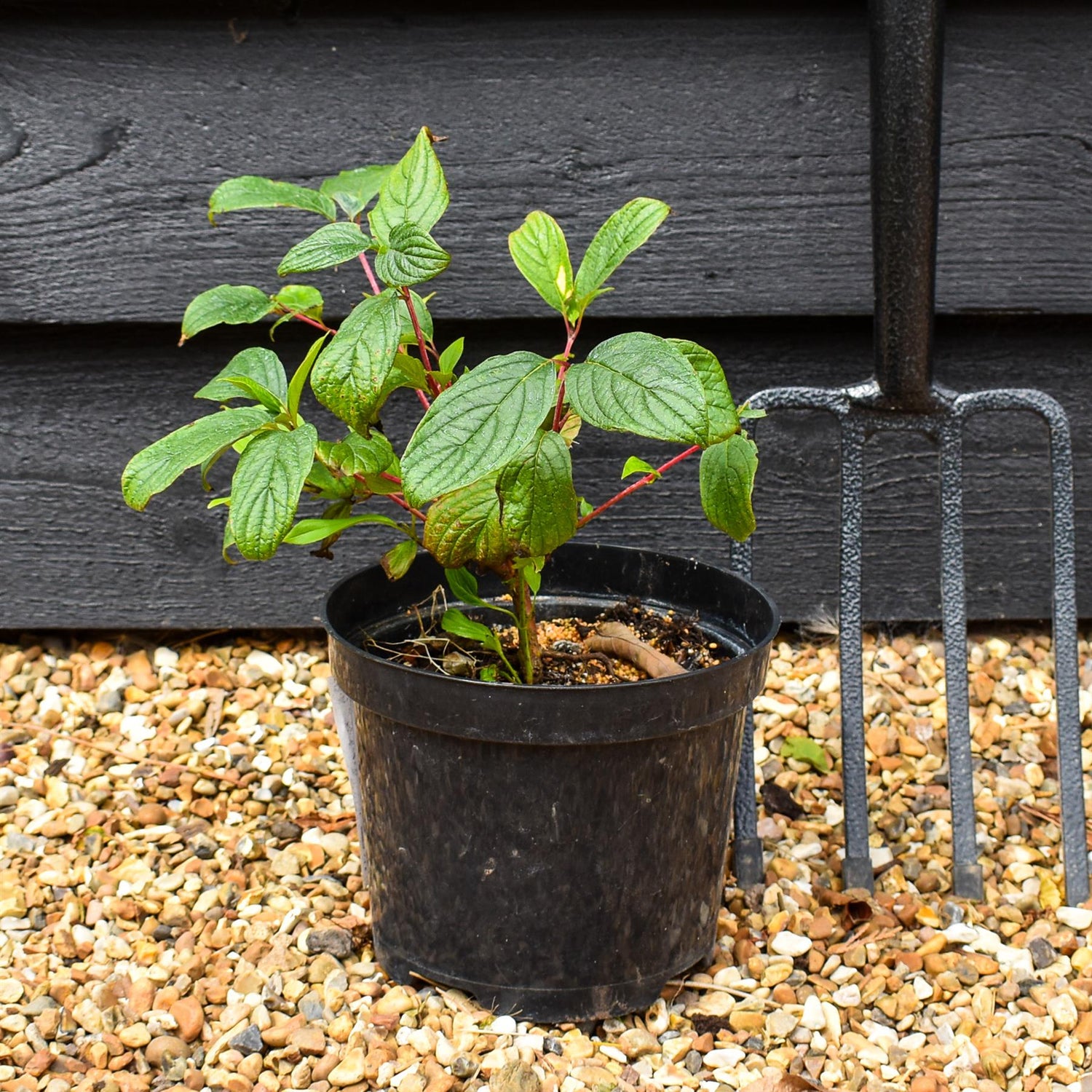


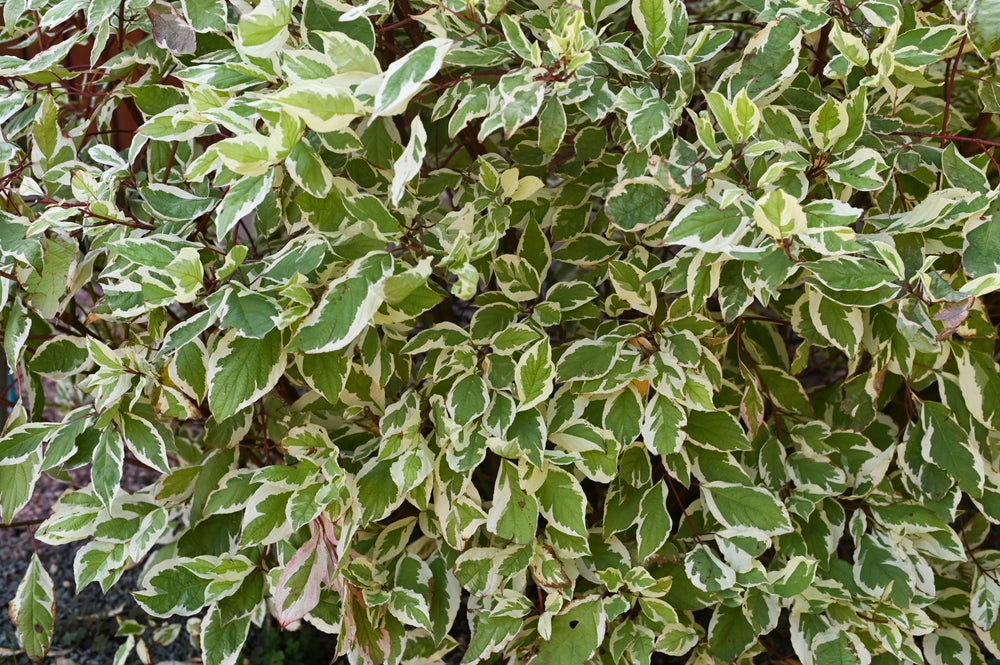
Cornus alba 'Sibirica' | Siberian Dogwood - 20-35CM - 3lt
£14.00
Unit price perCornus alba 'Sibirica' | Siberian Dogwood - 20-35CM - 3lt
£14.00
Unit price per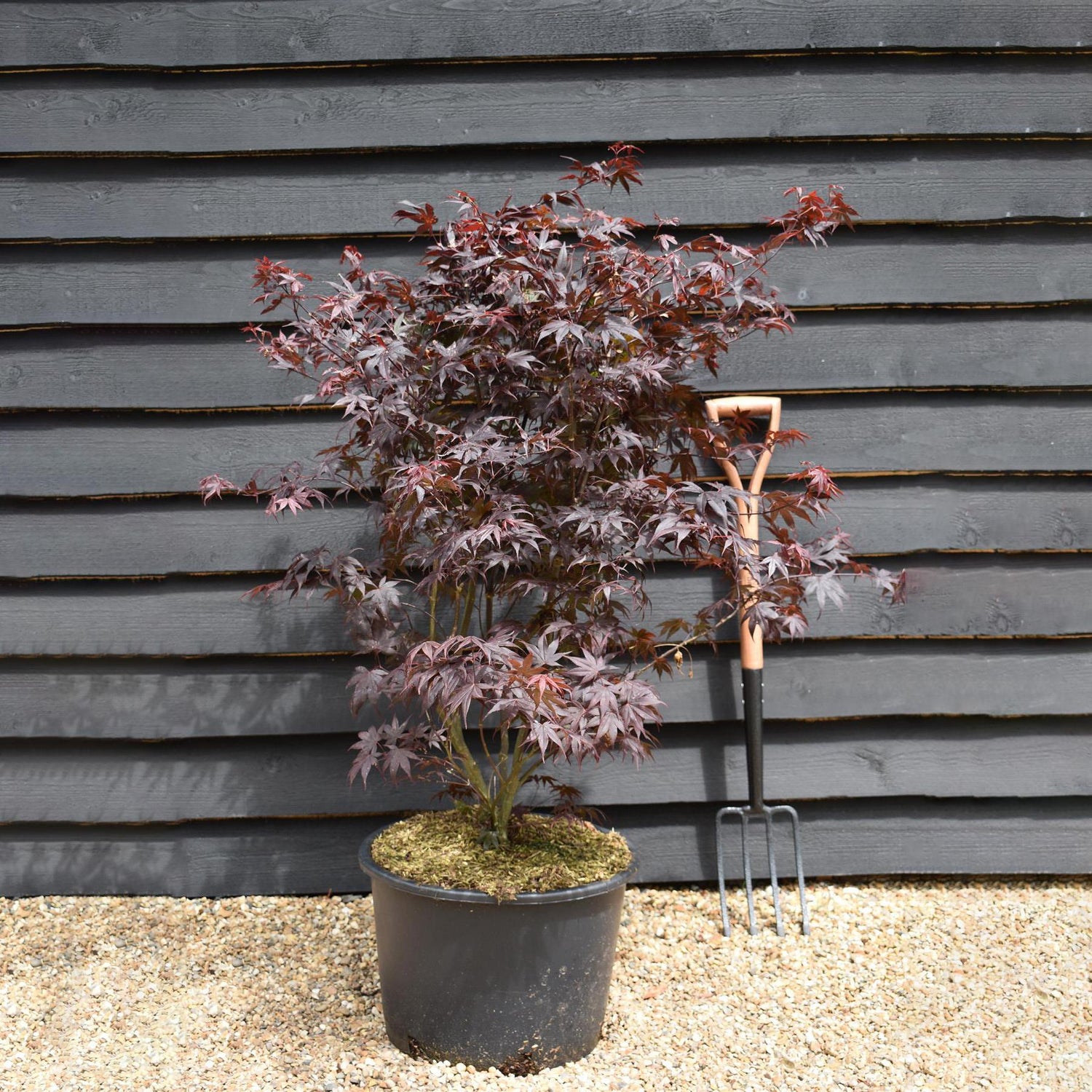
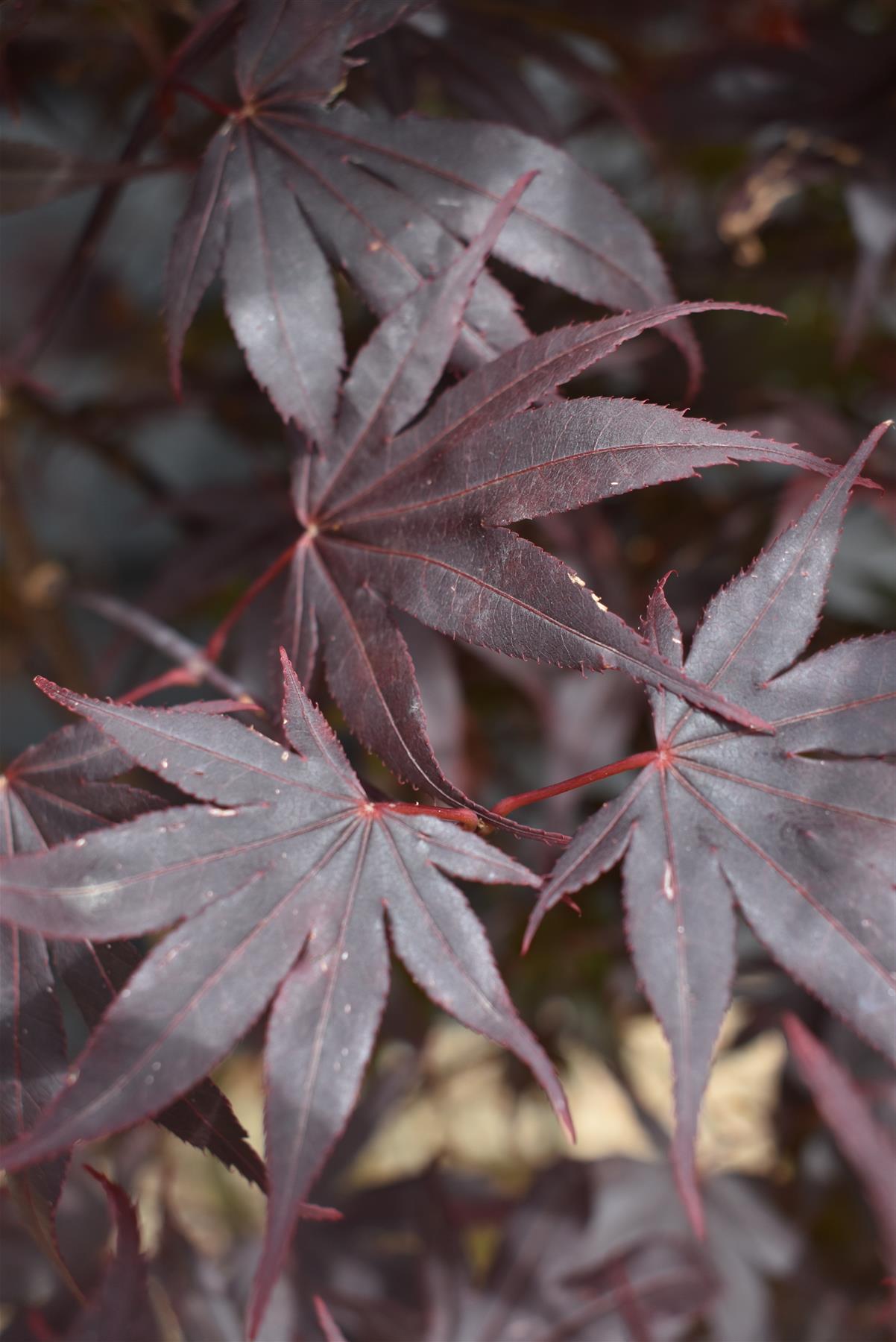
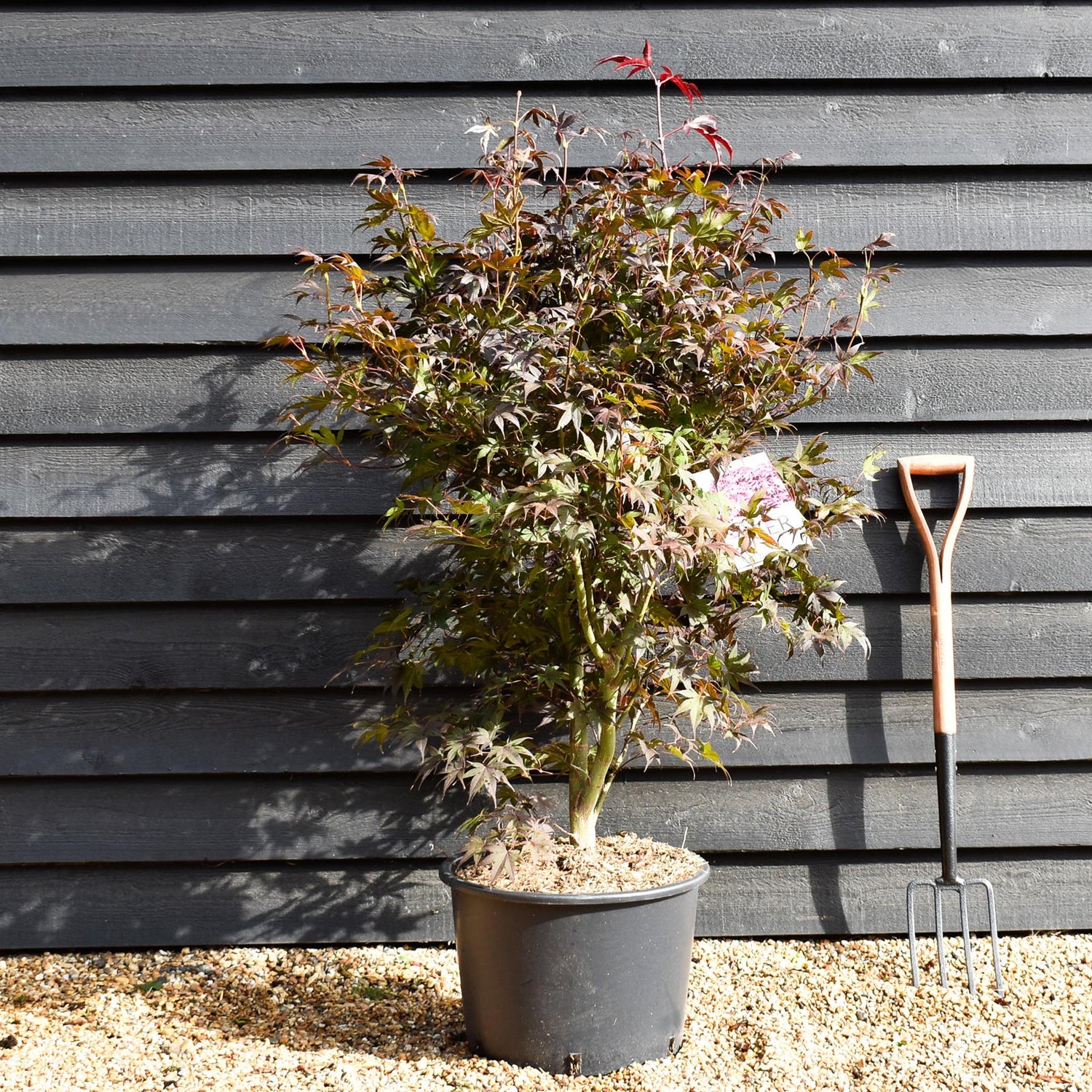
Acer palmatum 'Bloodgood' | Bloodgood Japanese Maple - Height 140-170cm - 30lt
£363.00
Unit price perAcer palmatum 'Bloodgood' | Bloodgood Japanese Maple - Height 140-170cm - 30lt
£363.00
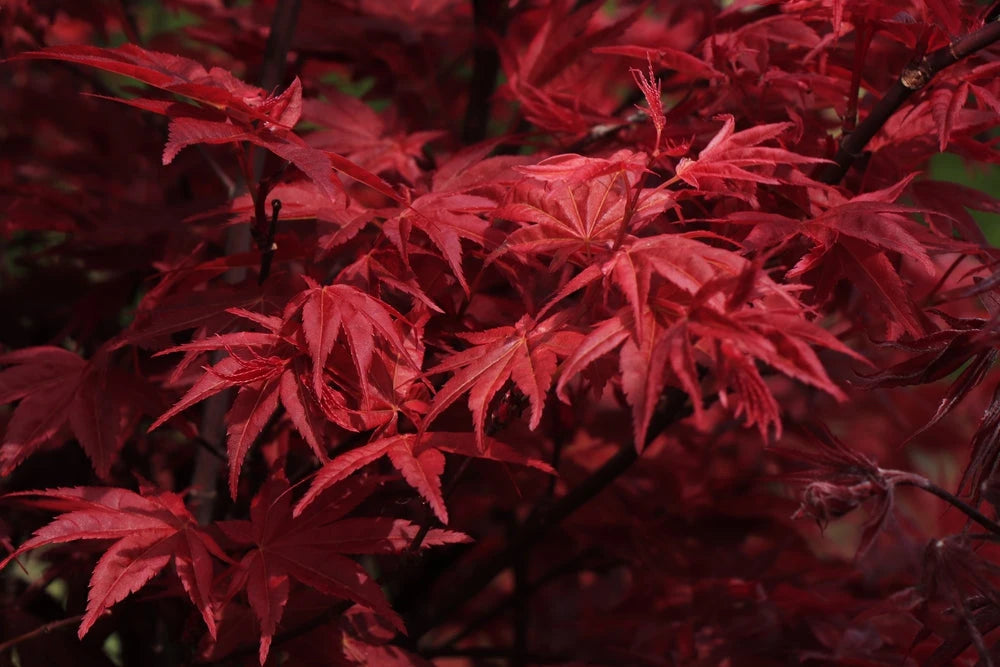
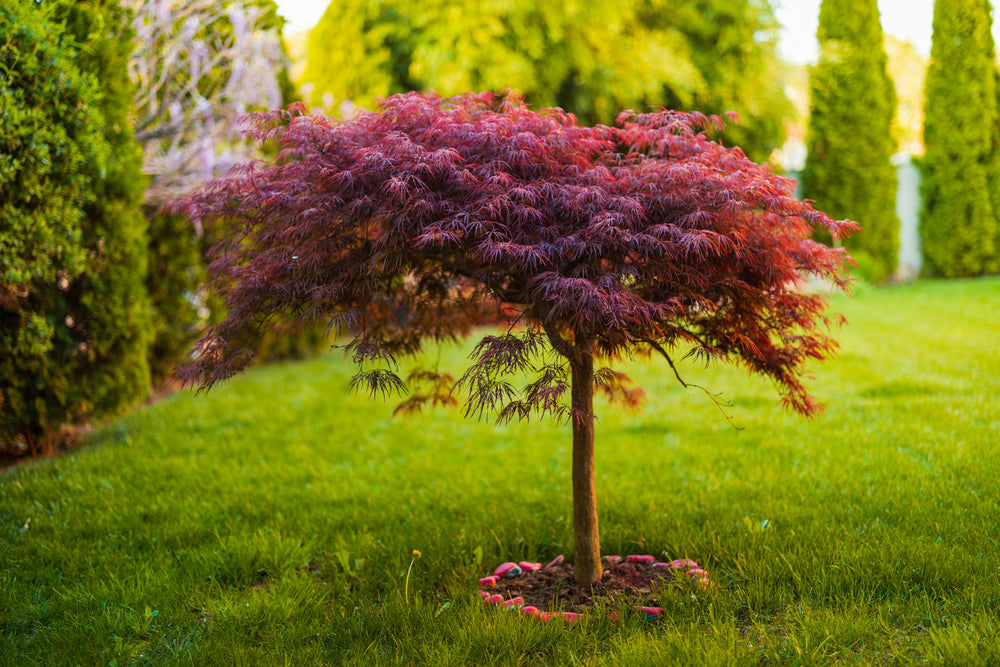
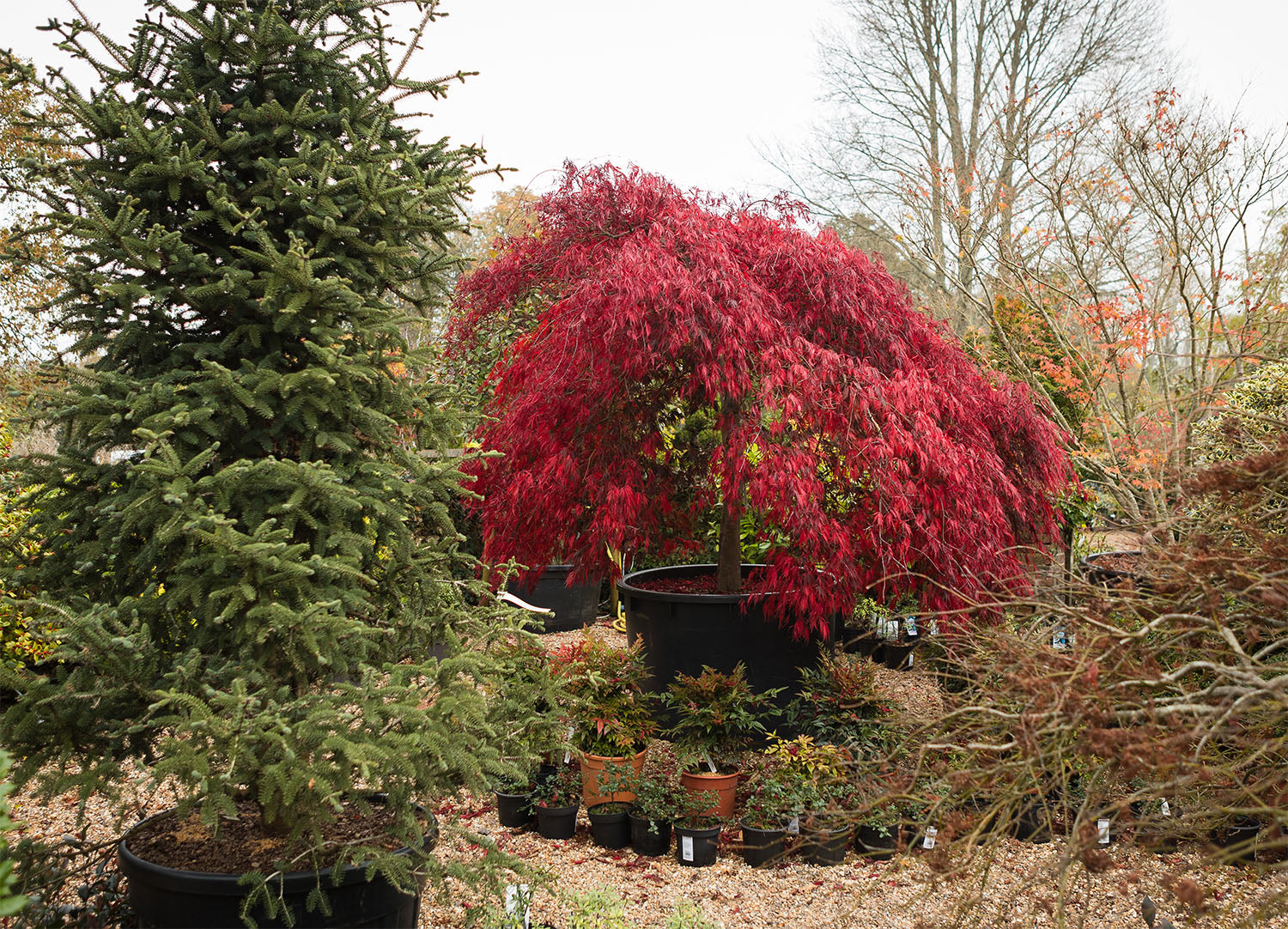
Unit price perThe Acer palmatum 'Bloodgood', commonly known as the Bloodgood Japanese Maple, is a stunning ornamental tree highly valued for its striking red foliage and elegant form. This deciduous tree typically reaches a height and spread of 4.5-6 metres, making it an excellent choice for small to medium-sized gardens. Its deep burgundy leaves emerge in spring, maintaining their vibrant colour throughout the summer before transitioning to a brilliant crimson in autumn. The Bloodgood is known for its hardiness and adaptability, thriving in RHS hardiness zones H5-H6. It prefers well-drained soil and partial to full sun exposure. This tree is not only aesthetically pleasing but also low-maintenance, requiring minimal pruning and care. Ideal for use as a focal point, in mixed borders, or as a specimen tree, the Bloodgood Japanese Maple adds year-round interest and elegance to any garden in the UK.


Diervilla sessilifolia 'Butterfly' | Bush Honeysuckle - 12lt
£30.00
Unit price perDiervilla sessilifolia 'Butterfly' | Bush Honeysuckle - 12lt
£30.00
Unit price per


Field Maple | Acer campestre - Height 300-350cm - Girth 8-10cm - 30-50lt
£365.00
Unit price perField Maple | Acer campestre - Height 300-350cm - Girth 8-10cm - 30-50lt
£365.00
Unit price per


Nandina domestica - Shrub - Height 100-110cm - 30lt
£138.00
Unit price perNandina domestica - Shrub - Height 100-110cm - 30lt
£138.00
Unit price perNandina domestica, or Heavenly Bamboo, is small, compact, dense, evergreen or semi-evergreen shrub with a wonderful, colourful, bamboo-like, lance-shaped, lacy foliage – in shades of red in spring, green in summer, and again red in autumn. The clusters of small, star-shaped, white flowers may bloom in summer and are sometimes followed by bright, red berries.
Nandina domestica is adaptable to a wide range of soils, but prefers fertile, hummus-rich, consistently moist, well-drained soils. It thrives in full sun with some afternoon shade. Once established, it is resistant to drought. It can tolerate frost, but may need some protection from harsh winds. In very cold climates, it may lose some leaves or die to the ground. Generally, pest-free and disease-free. Low maintenance plant. It is considered to be invasive. Heavenly Bamboo is stunning when planted in groups or masses. Perfect for shrub borders, foundations, informal hedges and screens, as a groundcover or edger. Suitable for growing in containers.
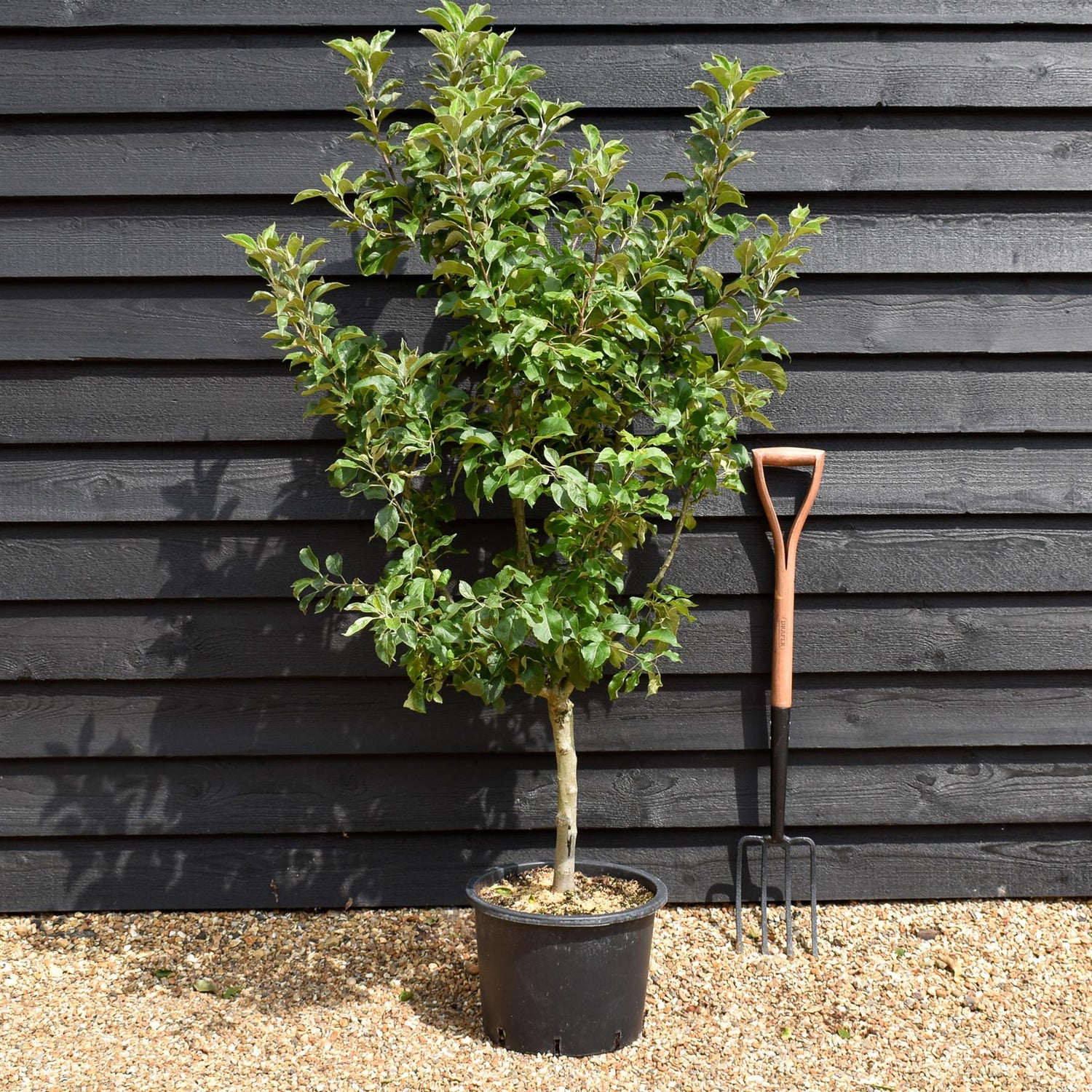


Apple tree 'Garden Sun Red' Nano | Semi Dwarfing - Height 100-11cm - 20lt
£94.00
Unit price perApple tree 'Garden Sun Red' Nano | Semi Dwarfing - Height 100-11cm - 20lt
£94.00
Unit price per


Apple tree 'Blenheim Orange' | Malus domestica - MM106 - Semi Vigorous - Height 150-160cm - 20lt
£94.00
Unit price perApple tree 'Blenheim Orange' | Malus domestica - MM106 - Semi Vigorous - Height 150-160cm - 20lt
£94.00
Unit price perMalus domestica Blenheim Orange is a very old English apple variety. It’s an attractive, vigorous apple tree with pale pink flowers blooming in April and May and large, golden, flushed red, crisp, nutty, dessert and cooking apples with crumbly texture. Ready for harvesting in September and October. Malus domestica Blenheim Orange prefers moderately fertile, moist, well-drained soil in full sun. It can tolerate partial shade, but the crop is best in full sun. It is suitable for northerly, cooler, rainier climates. Resistant to scab and mildew. It can withstand frost, but it needs to be sheltered from harsh winds. It’s a triploid, it needs two other varieties for pollination. Regular pruning is required. Apple ‘Blenheim Orange’ is a vigorous architectural tree perfect for informal, cottage, and urban gardens. Suitable for growing in containers. Fruits can be eaten fresh, cooked to purée or cooked to keep its shape. It is thought to be one of the best dual purpose apples.
Root Stock MM106 is a semi-dwarfing rootstock commonly used for apple trees. It offers a moderate growth rate, producing trees 10-15 feet tall when mature. Suitable for medium-sized gardens, MM106 ensures good fruit yield and adaptability to various soils. It's resistant to woolly apple aphid and moderately resistant to crown rot. Ideal for bush, cordons, and espalier forms. Ensure proper staking in early years.


Apple tree 'Sunset' | Malus domestica - M26 -Semi-Dwarfing - Height 150-160cm - 12lt
£86.00
Unit price perApple tree 'Sunset' | Malus domestica - M26 -Semi-Dwarfing - Height 150-160cm - 12lt
£86.00
Unit price perSunset apple is a heavy-cropping garden apple with upright, compact habit and attractive pale pink flowers that bloom in March. They are followed by small, round to ovate, golden-yellow and green fruit with red and orange striping. A white to ivory flesh is crisp, firm and fine-grained, sometimes tinged with green. It has sweet, sharp, aromatic flavour. Sunset Apple was bred in approximately 1918 by G. C. Addy at Ightham, Kent. One of the parent varieties is Cox’s Orange Pippin Apple. Sunset Apple was meant to be similar to it, but easier to grow. It is very resilient, generally disease-free, cold and frost resistant, therefore, suitable for growing even in northern parts of Europe. Doesn’t need a pollinating partner because it is self-fertile. It is not commercially grown because of its small size. Sunset apples are crispy and juicy, great for eating or cooking. When cooked, they retain their shape.
M26 is a semi-dwarfing rootstock (smaller than MM106) used for apple trees, particularly in orchards and home gardens. It produces trees 10-12 feet in height, making them easier to manage and harvest. M26 ensures early fruit production, good anchorage, and medium vigor. However, it requires staking during early years and is moderately susceptible to fire blight.


Olive Tree | Olea Europea -Clear Spiral Stem 70-80cm - Height - 110-120cm - 10lt
£170.00
Unit price perOlive Tree | Olea Europea -Clear Spiral Stem 70-80cm - Height - 110-120cm - 10lt
£170.00
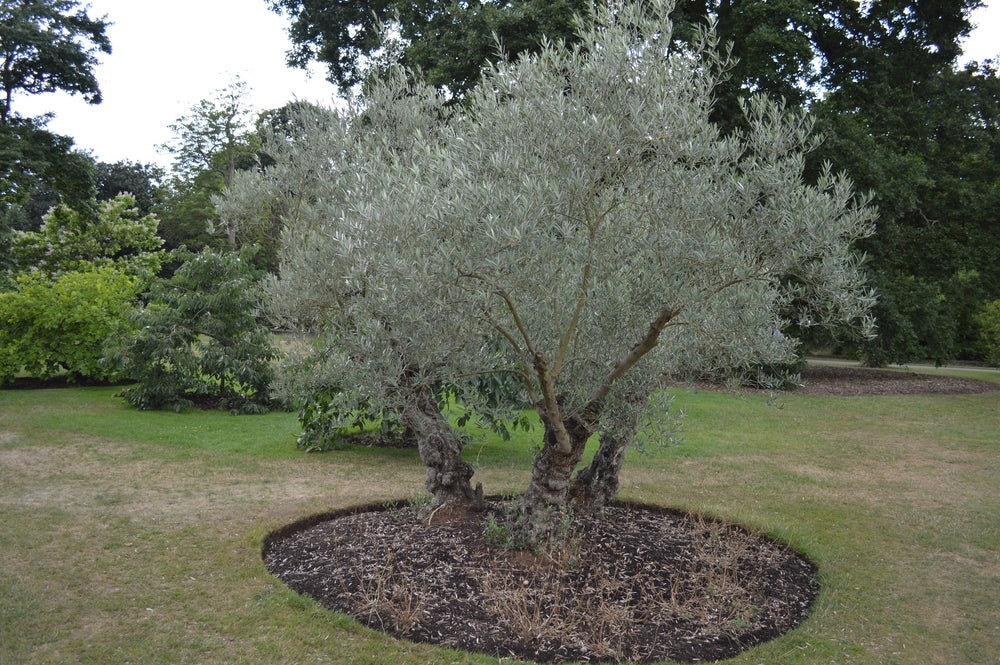
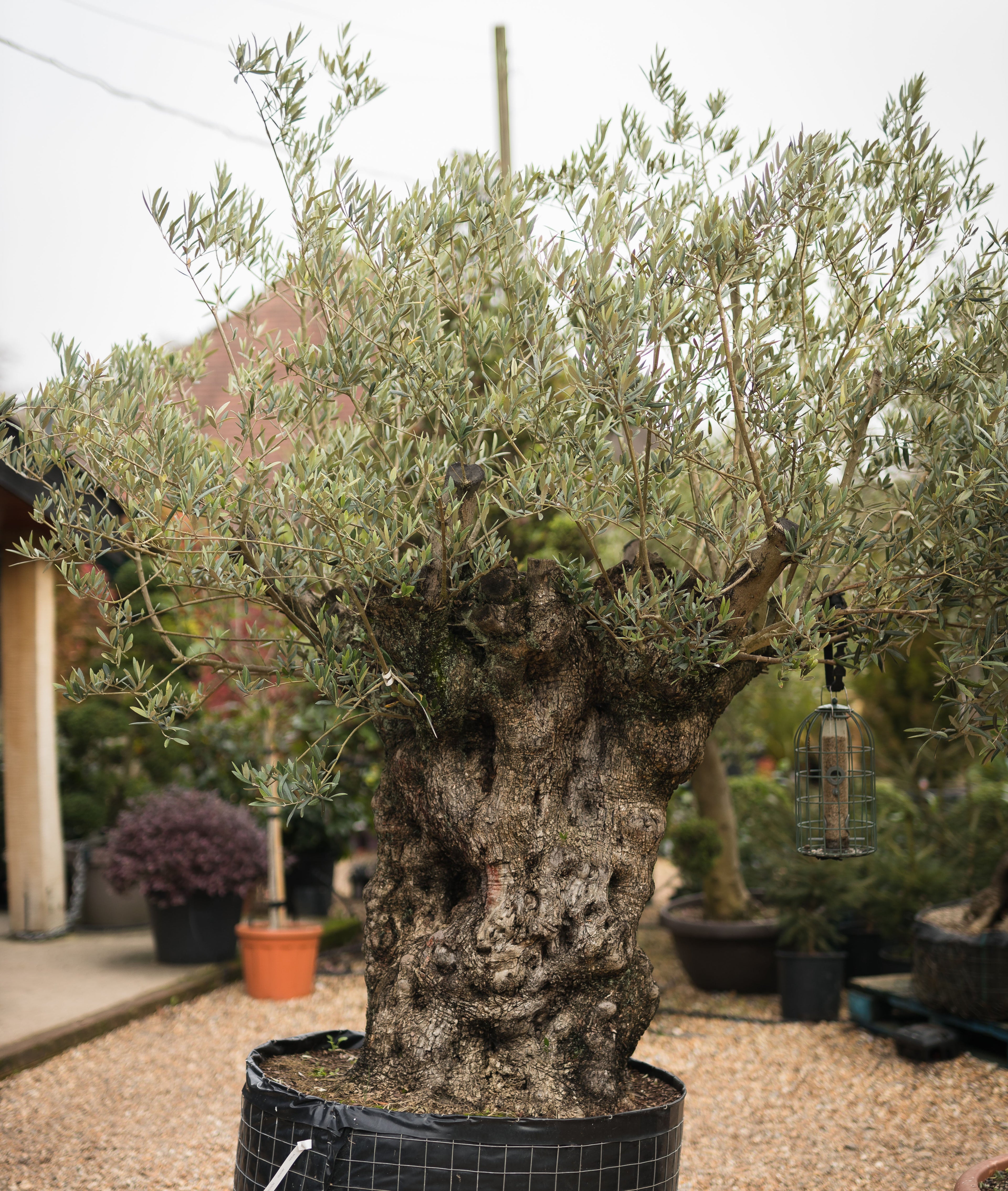
Unit price perOlea Europea is one of the world’s oldest cultivated plants with Mediterranean origin. It’s a wonderful, slow-growing, long-lived, evergreen tree of very attractive habit and spreading crown, with gnarled, twisted trunk and silvery foliage. The elliptic leaves are grey-green, silvery underneath. Tiny, fragrant, white flowers are followed by small, olive-rich, plum-like fruits, harvested when they are green or purple. Fruits are not edible directly from the tree, but after a special treatment.
Common Olive grows best in fertile, loamy, moist, well-drained soils, in full sun, but can tolerate partial shade. Once established, it is drought-tolerant. It thrives in warm climates. If grown in colder areas, it should be planted in containers and brought inside during the winter. Generally, disease-free. Olea Europea is mostly grown for its tasteful fruits, but it is also an attractive-looking addition to urban, coastal, Mediterranean, or rock and gravel gardens. It is suitable for growing in pots and containers.


Aucuba japonica Rozannie | Japanese laurel 'Rozannie' - 20-40cm, 3lt
£18.00
Unit price perAucuba japonica Rozannie | Japanese laurel 'Rozannie' - 20-40cm, 3lt
£18.00
Unit price per

Phyllostachys nigra | Black Bamboo - 350-400cm, 110lt
£365.00
Unit price perPhyllostachys nigra | Black Bamboo - 350-400cm, 110lt
£365.00
Unit price per


Acer pensylvanicum' | Moosewood Maple - 210-230cm - 20lt
£105.00
Unit price perAcer pensylvanicum' | Moosewood Maple - 210-230cm - 20lt
£105.00
Unit price perAcer pensylvanicum, commonly known as the striped maple, is a deciduous tree native to the forests of eastern North America. It is a small to medium-sized tree, typically growing between 5 to 10 metres tall, with a slender trunk and spreading branches that create a rounded crown. The bark of young trees is particularly striking, characterised by green and white vertical stripes, giving the tree its common name. As the tree matures, the bark darkens to a reddish-brown or grey, and the stripes become less pronounced.
The leaves of Acer pensylvanicum are large and broad, usually measuring 12 to 18 centimetres in length and width. They are three-lobed, with a slightly serrated edge, and have a soft, velvety texture. The leaves are bright green in spring and summer, turning vibrant shades of yellow in the autumn before falling. This autumnal display makes the tree an attractive feature in woodland settings.
In late spring, the striped maple produces clusters of small, yellow-green flowers that hang down in delicate racemes. These flowers are unisexual, with male and female flowers often found on the same tree. Pollinated by wind or insects, the flowers develop into distinctive winged seeds, called samaras, which mature in late summer and are dispersed by the wind.
Acer pensylvanicum thrives in cool, shaded environments, preferring moist, well-drained soils. It is commonly found in the understorey of mixed hardwood forests, where it grows slowly in the dappled light. The striped maple is also known for its ability to regenerate from stumps, making it resilient in disturbed forest areas.


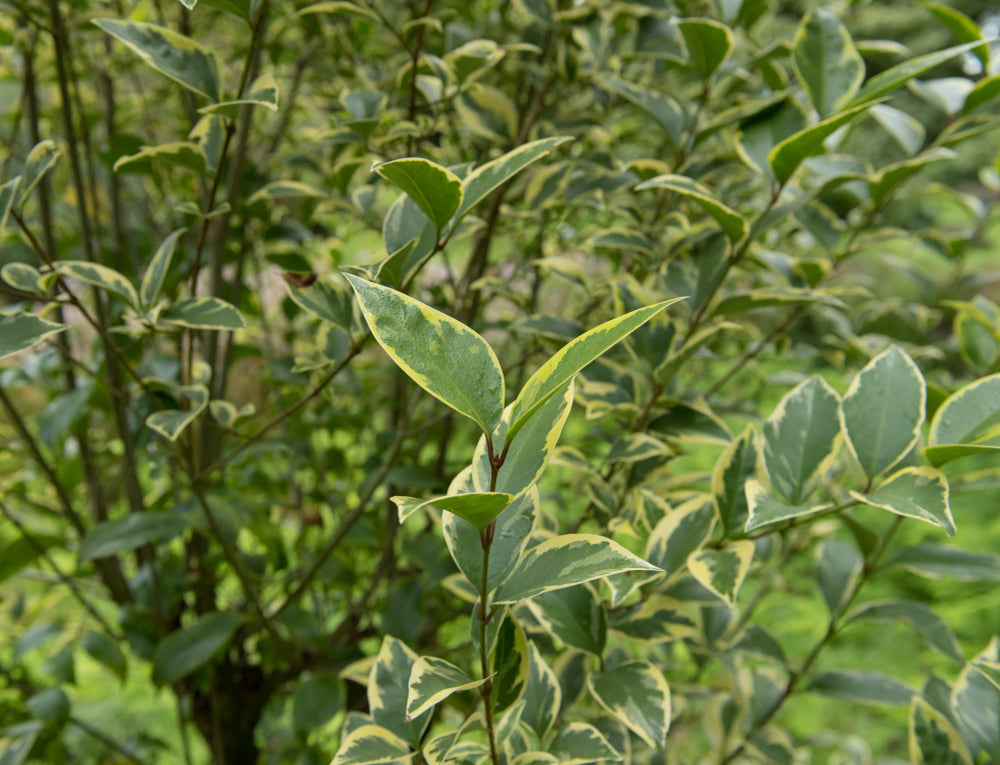
Ligustrum excelsum Superbum - is a small, evergreen tree with a great, rounded crown that retains its rounded shape if grown in full sun. Long, ovate, pointed, glossy, light-green leaves have attractive, greenish-yellow to creamy-yellow margins. Numerous clusters of scented, creamy-yellow flowers almost cover the leaves in summer and autumn, and are followed by small, black berries that remain on branches for a long time. Chinese privet 'Excelsum Superbum' - can thrive in wide range of soil types, except waterlogged. It prefers deep, fertile, moist, well-drained soils, in full sun, but it can tolerate some shade. Once established, it is resistant to drought. Tolerant of urban pollution and salty air. Low maintenance plant. In harsh winters, it may lose its leaves. Ligustrum excelsum Superbum – is a tough tree, perfect for restricted spaces as it can be planted very close to buildings, therefore, suitable for a street tree. Great for informal hedges and screens, or as an accent plant.


Alnus Incana - Grey Alder tree - Clear Stem - Standard - Girth 12-14cm - Height 450-480cm - 70lt
£390.00
Unit price perAlnus Incana - Grey Alder tree - Clear Stem - Standard - Girth 12-14cm - Height 450-480cm - 70lt
£390.00
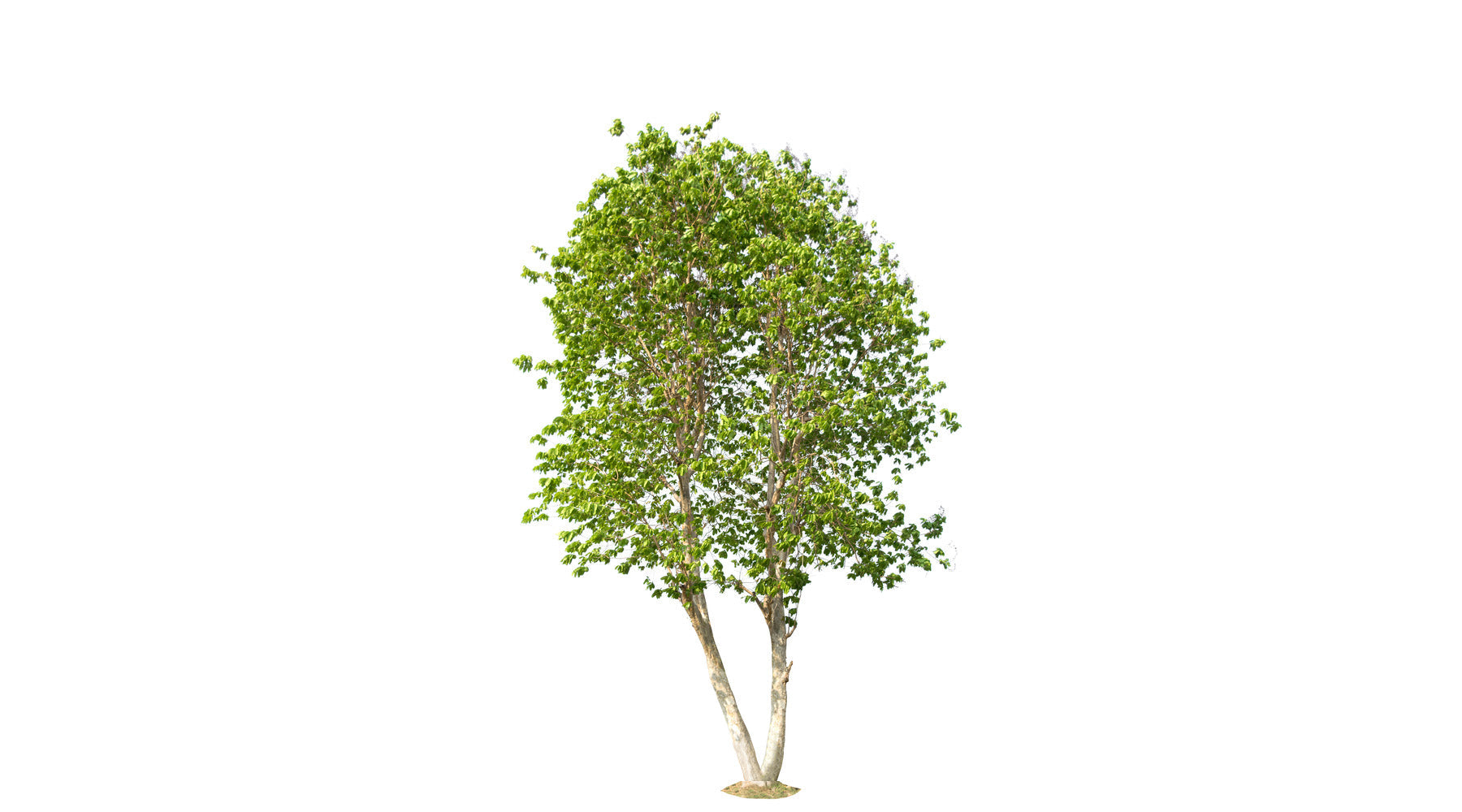
Unit price perAlnus incana, commonly known as grey alder, is a deciduous tree belonging to the birch family, Betulaceae. Native to Europe, Asia, and North America, it is a resilient species often found in riparian zones, wetlands, and areas with moist soils. This medium-sized tree typically grows to heights of 15 to 25 metres, with a slender trunk and smooth, greyish-brown bark, which often develops fine fissures with age.
The leaves of Alnus incana are oval to elliptic in shape, measuring 5 to 10 centimetres in length. They are characterised by their serrated margins and a dark green upper surface, with a paler, slightly downy underside, giving them a distinct two-tone appearance. The leaves emerge in early spring and typically turn yellow before falling in autumn.
Grey alder is monoecious, meaning that both male and female reproductive structures are found on the same tree. The male catkins, which are long and pendulous, appear in early spring before the leaves, while the smaller, more upright female catkins develop into woody cones that persist on the tree through the winter. These cones release small winged seeds, which are dispersed by wind and water.
One of the notable features of Alnus incana is its ability to fix nitrogen through a symbiotic relationship with the bacterium *Frankia*. This allows it to thrive in nutrient-poor soils and contribute to soil fertility, making it a valuable species for land restoration and erosion control.
Grey alder is often planted in landscaping and reforestation projects, particularly in areas prone to flooding or soil degradation. Its rapid growth, hardiness, and ecological benefits make it an important species in maintaining the health of wetland ecosystems.


Acer Platanoides 'Drummondii' | Norway Maple - Height 180-200cm - 12lt
£96.00
Unit price perAcer Platanoides 'Drummondii' | Norway Maple - Height 180-200cm - 12lt
£96.00
Unit price per


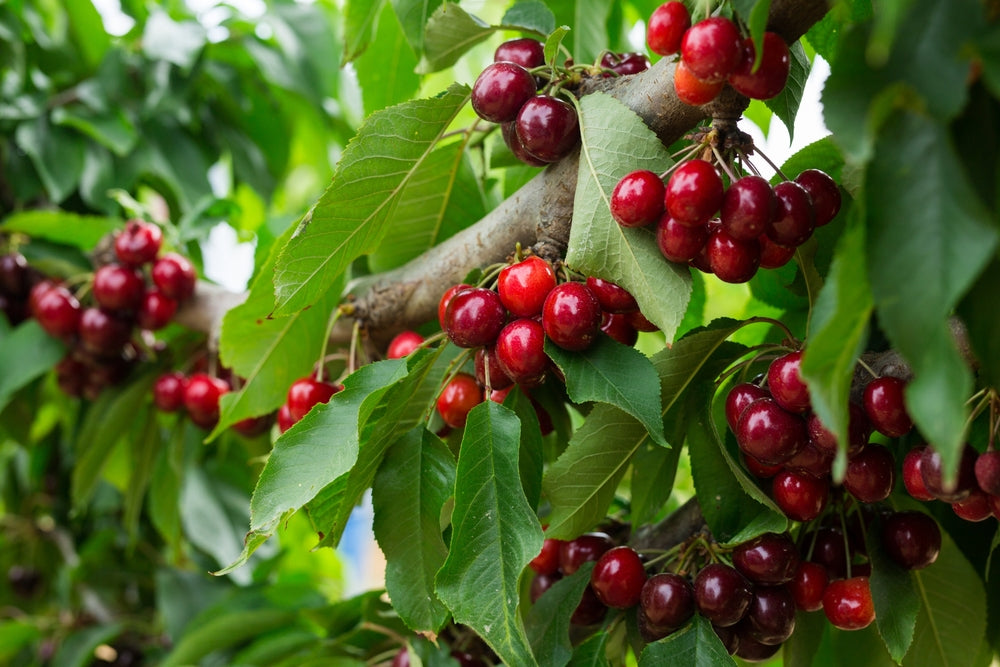
Cherry tree 'Burlat' | Prunus avium 'Bigarreau Burlat' - Height 150-160cm - 20lt
£94.00
Unit price perCherry tree 'Burlat' | Prunus avium 'Bigarreau Burlat' - Height 150-160cm - 20lt
£94.00
Unit price per


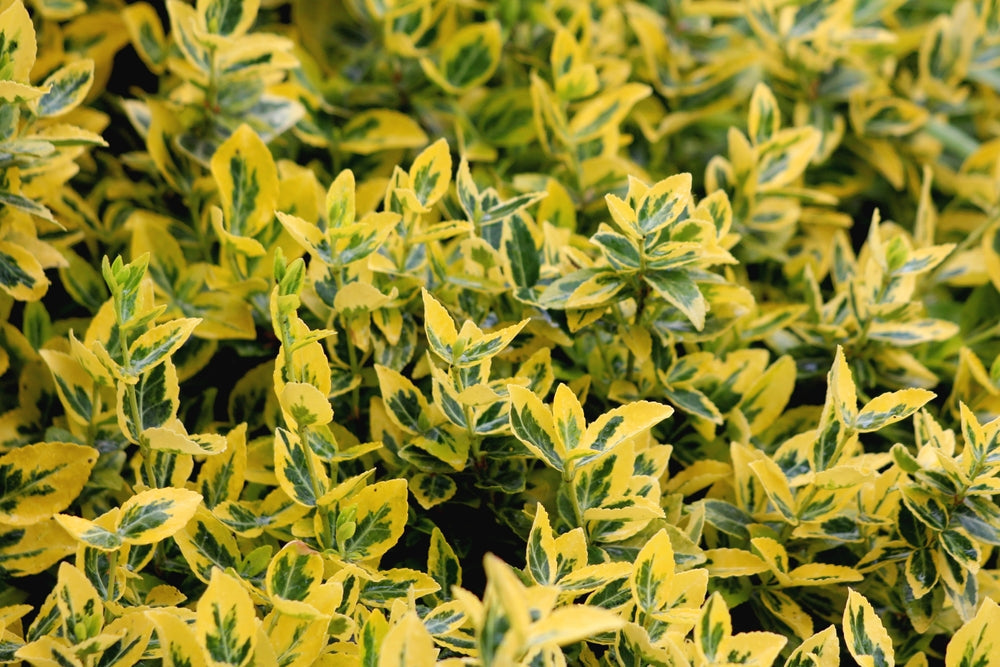
Euonymus Japonicus 'Aureomarginatus' - 100cm, 20lt
£84.00
Unit price perEuonymus Japonicus 'Aureomarginatus' - 100cm, 20lt
£84.00
Unit price per


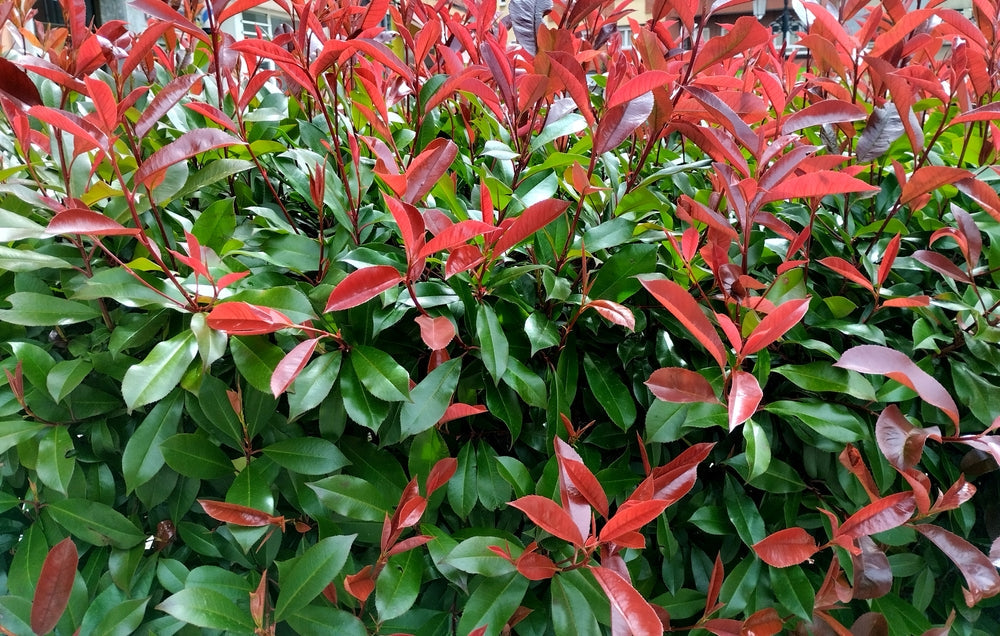
Pyracantha Coccinea Red Column | Red Firethorn - 40-80cm, 10lt
£33.00
Unit price perPyracantha Coccinea Red Column | Red Firethorn - 40-80cm, 10lt
£33.00
Unit price per


Alnus Cordata - Alder tree - Height 300-350cm - 30lt
£260.00
Unit price perAlnus Cordata - Alder tree - Height 300-350cm - 30lt
£260.00
Unit price perAlnus cordata, commonly known as the Italian alder, is a medium to large deciduous tree native to southern Italy and parts of Corsica. It belongs to the Betulaceae family and is highly valued for its ability to thrive in poor soils and challenging environmental conditions. This species is often planted for ornamental purposes, soil improvement, and as a windbreak due to its robust growth and adaptability.
The tree can reach heights of up to 25-30 metres (82-98 feet) with a trunk diameter of about 1 metre (3.3 feet). It has a relatively narrow, conical crown, which makes it an attractive choice for landscaping in urban and rural environments. The bark is smooth and greyish-brown when young, developing shallow fissures with age.
Alnus cordata is noted for its distinctive heart-shaped (cordate) leaves, which are bright green and glossy, measuring 7-12 cm in length. Unlike some other alders, the leaves of A. cordata remain on the tree until late autumn, giving it an extended season of greenery. In spring, it produces small, inconspicuous catkins, with male catkins being pendulous and yellowish, and female catkins more compact and upright. These develop into small, woody cones that persist on the tree through winter.
One of the key characteristics of Alnus cordata is its nitrogen-fixing ability. Like other alders, it forms a symbiotic relationship with the bacterium Frankia, which allows it to fix atmospheric nitrogen into the soil. This quality makes it an excellent species for improving soil fertility, particularly in degraded or nutrient-poor areas.
Overall, the Italian alder is a resilient and versatile tree, well-suited to a variety of landscapes, including wet or compacted soils, and is an important species for ecological restoration projects.