

-
Trees
Trees
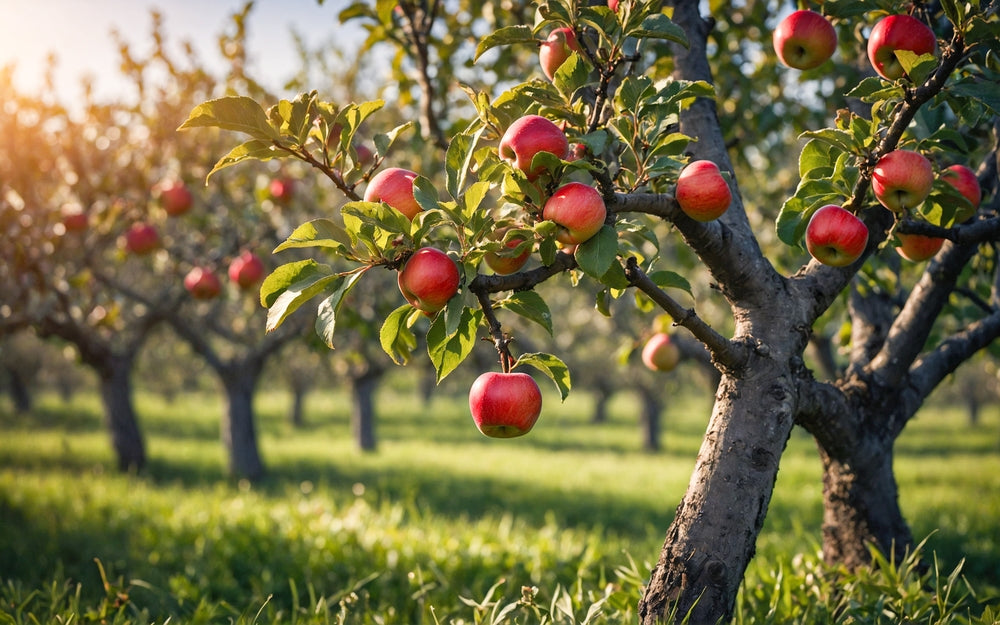 Fruit Trees
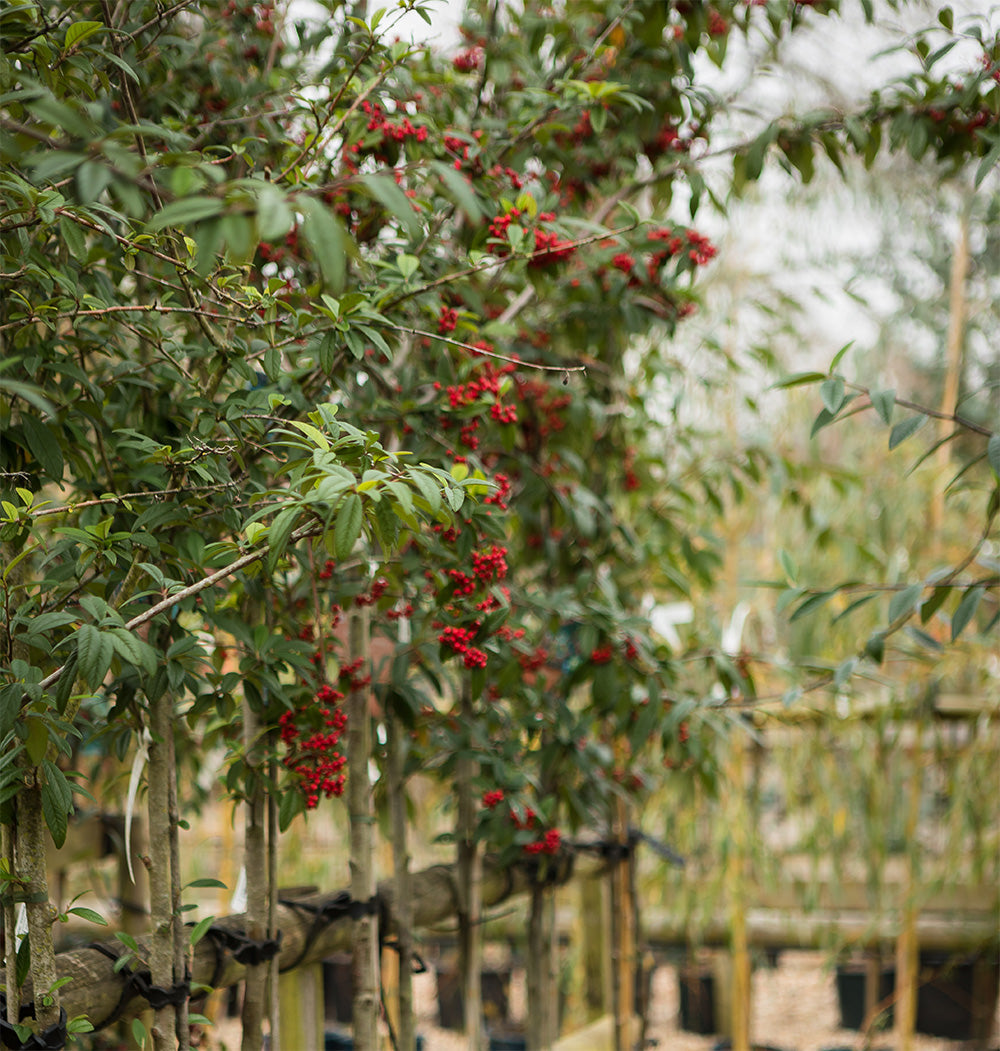 Ornamental
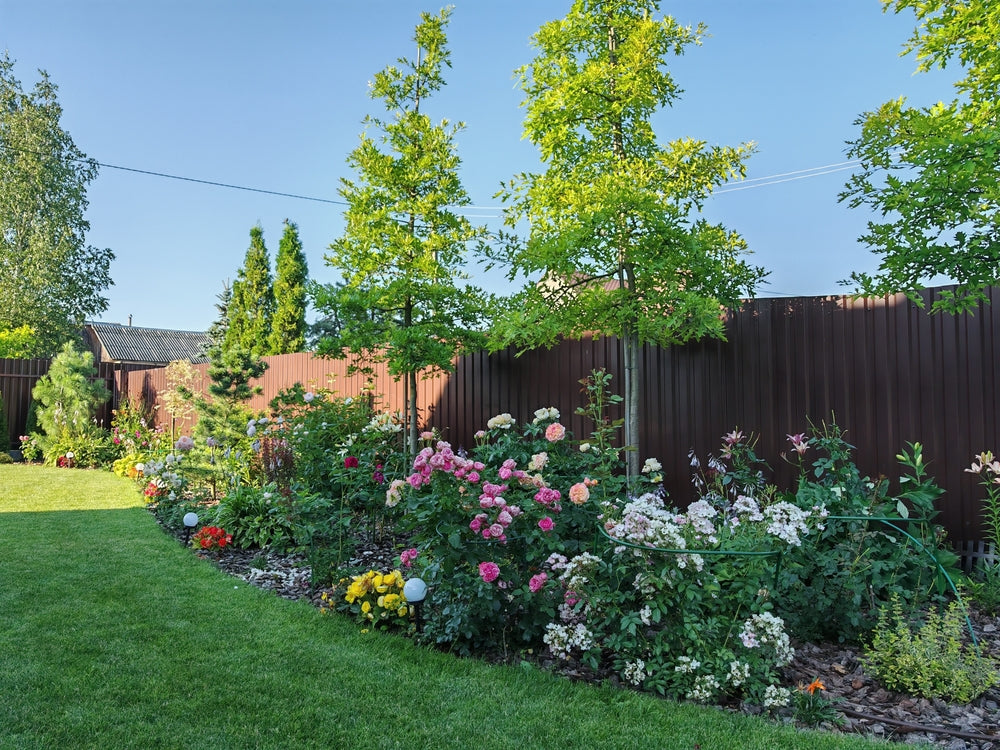 Screening
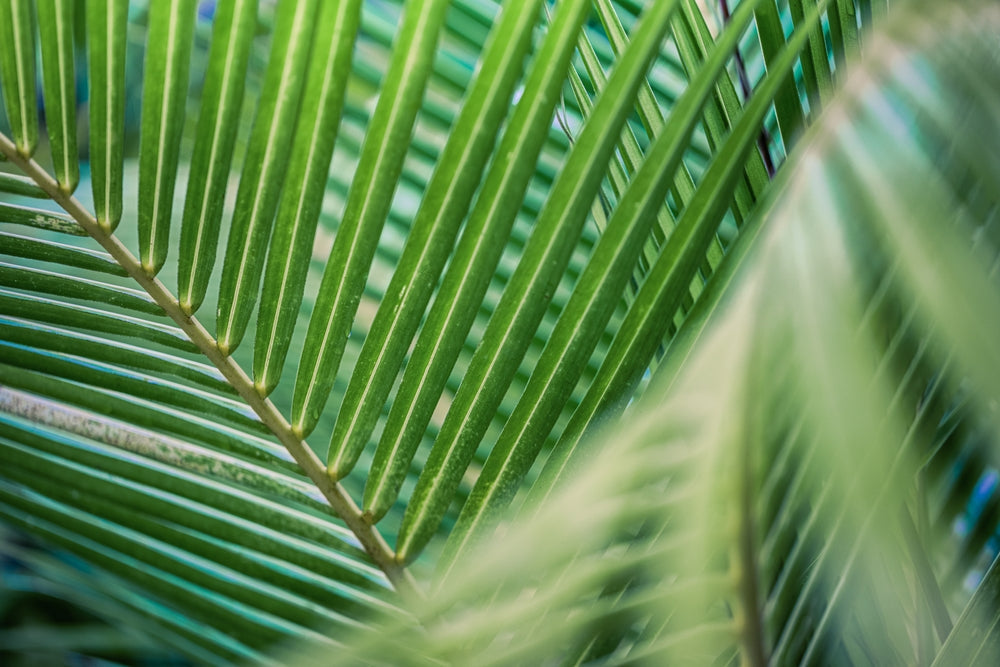 Palms
By FeaturesBy Shape
-
Shrubs
Shrubs
 Large shrubs
 Hedging
 Bamboo
 Climbers
 Flowering
 Grasses & Ferns
 Popular
-
Pines & Conifers
Pines & Conifers
 Pines
 Spruce & Fir
 Cypress
 Thuja
 Redwood | Sequoia
-
Specimen
FREE DELIVERY OVER £350
Search results
Search results


Pinus sylvestris | Scots pine - Height 300-320cm - Girth 16-18cm - 110lt
£875.00
Unit price perPinus sylvestris | Scots pine - Height 300-320cm - Girth 16-18cm - 110lt
£875.00
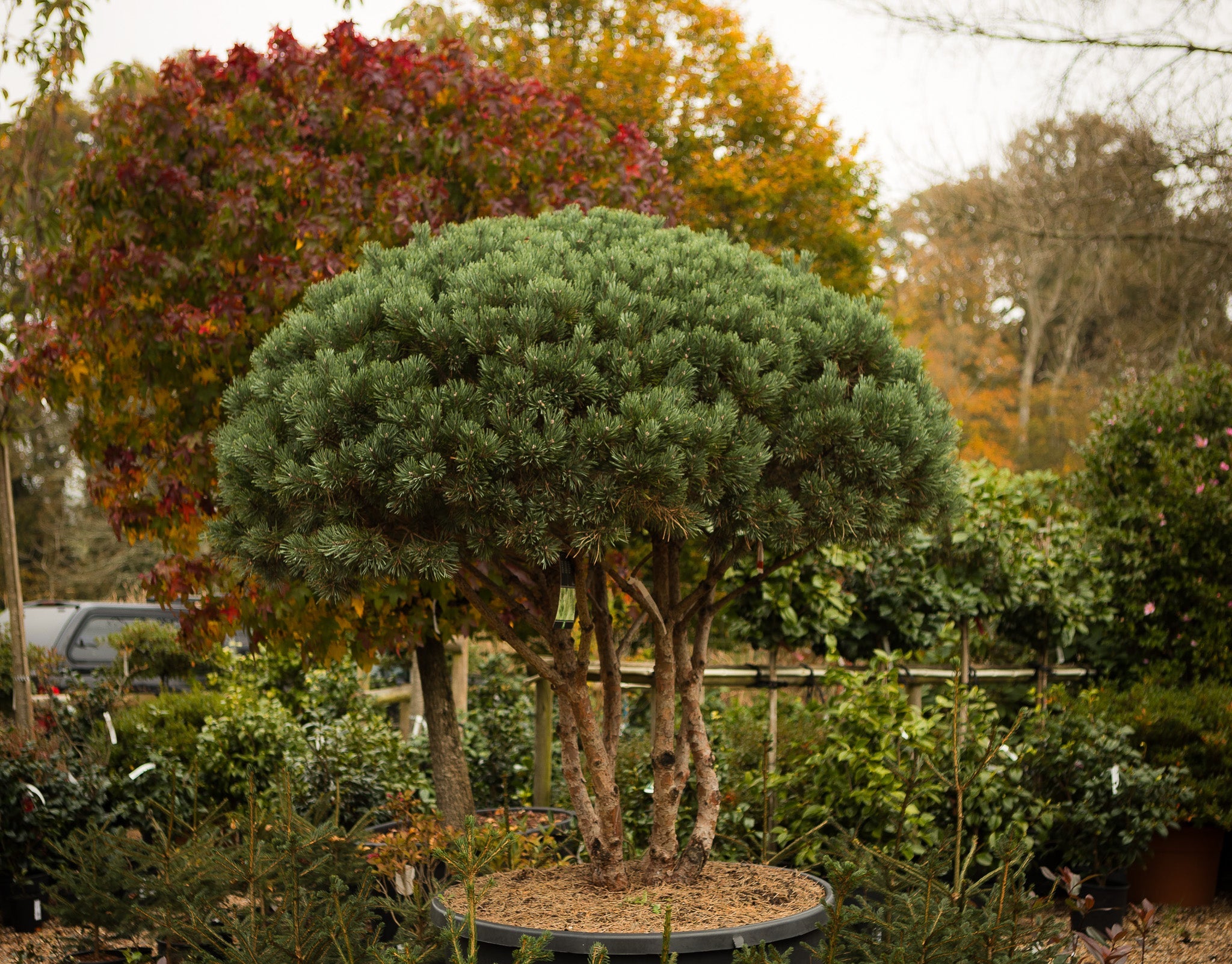
Unit price perPinus sylvestris, commonly known as Scots Pine, is a handsome evergreen tree that brings year-round structure, colour and character to the garden. Native to Britain, it is particularly valued for its attractive reddish-orange bark, blue-green needles and naturally open, irregular habit as it matures.
Scots Pine is a versatile choice for larger gardens and open landscapes, where it has sufficient room to develop its distinctive shape. It can eventually become a substantial tree, so it is best planted away from buildings, boundaries and smaller planting areas. Its airy canopy allows some light to reach the ground, making it easier to underplant than many dense evergreen trees.
Once established, Pinus sylvestris is generally hardy and tolerant of exposed conditions, making it suitable for many parts of the UK, including windy and coastal locations. It performs best in well-drained soil and is particularly well suited to lighter, sandy or acidic soils, although it can tolerate a range of soil types provided drainage is reasonable.
A relatively low-maintenance tree, it requires little routine pruning and develops its best form when allowed to grow naturally. It is an excellent choice where a strong, architectural evergreen specimen is required.


Euonymus alatus | Winged Spindle Tree - 125-150cm -70lt
£468.00
Unit price perEuonymus alatus | Winged Spindle Tree - 125-150cm -70lt
£468.00
Unit price per


Pinus cembra Glauca | Arolla pine - Height 45-55cm - 5lt
£60.00
Unit price perPinus cembra Glauca | Arolla pine - Height 45-55cm - 5lt
£60.00
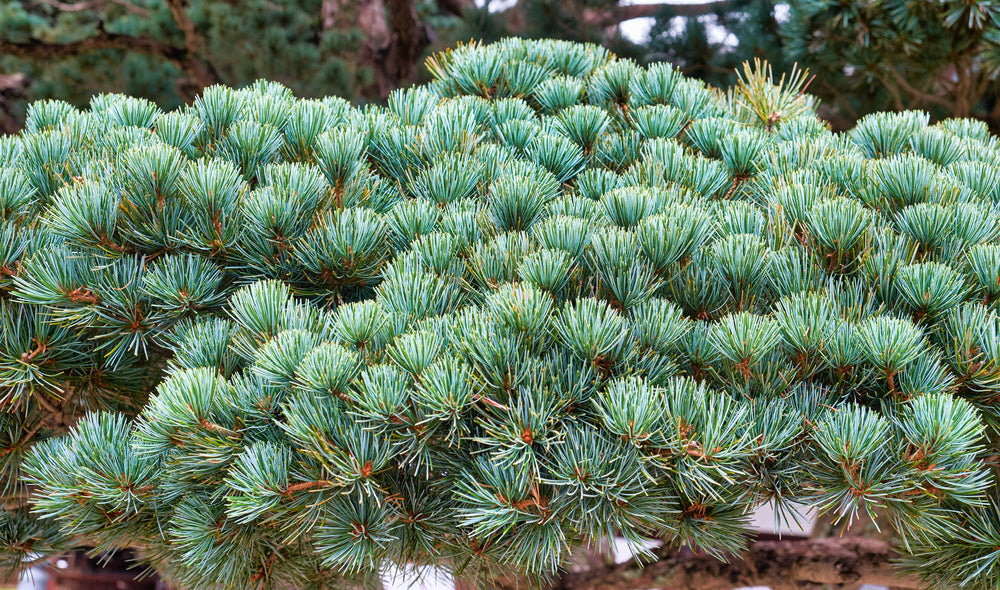
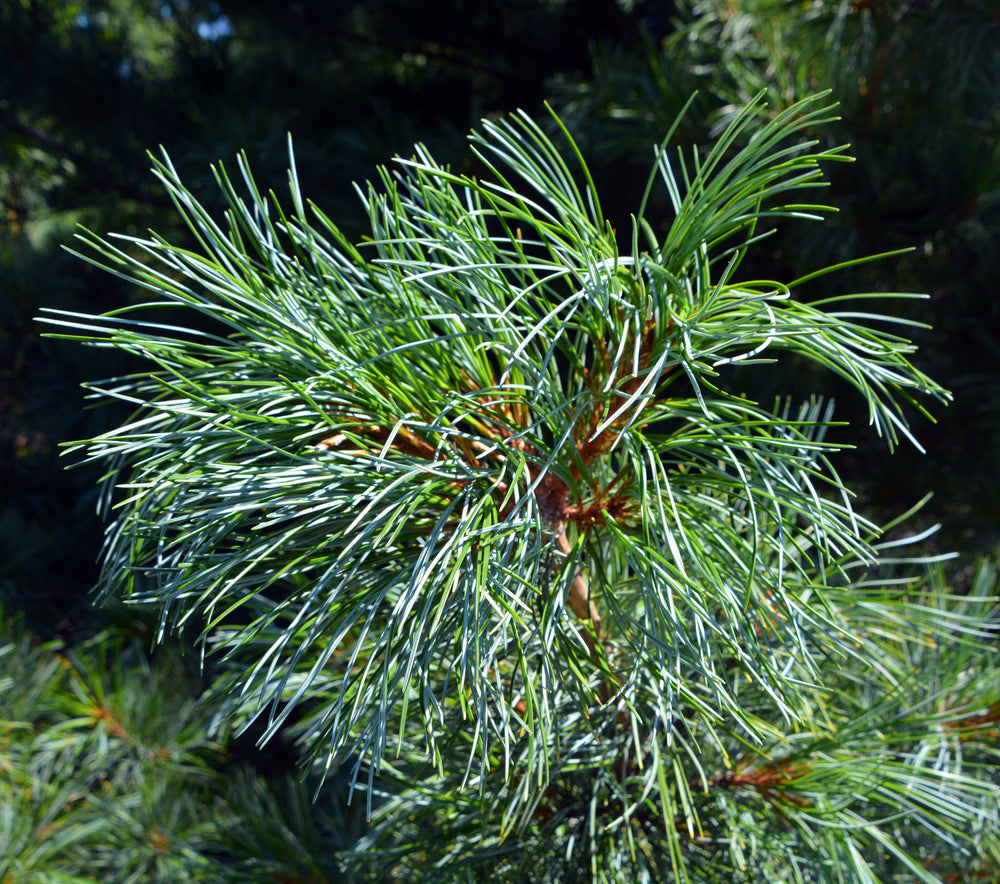
Unit price perPinus cembra ‘Glauca’ is a beautiful, hardy evergreen conifer prized for its striking blue-grey foliage and elegant, upright growth. A cultivated form of the Swiss stone pine, it provides year-round colour and structure, making it an excellent choice as a specimen tree in a wide range of gardens.
The long, slender needles are held in dense clusters and have an attractive silvery-blue appearance, giving the tree a distinctive presence, particularly when planted against a green backdrop. With age, it develops a graceful, naturally conical habit, becoming increasingly characterful as its branches mature.
‘Glauca’ is an excellent choice for adding height and winter interest to lawns, borders and larger planting schemes. It is exceptionally hardy and well suited to the British climate, tolerating cold temperatures and exposed conditions once established. It prefers a sunny position and reasonably well-drained soil, although it is generally adaptable.
A relatively slow-growing tree, Pinus cembra ‘Glauca’ is well suited to gardeners looking for a long-lived specimen with outstanding foliage colour and a refined, architectural form. It requires little pruning and will provide interest throughout the year.
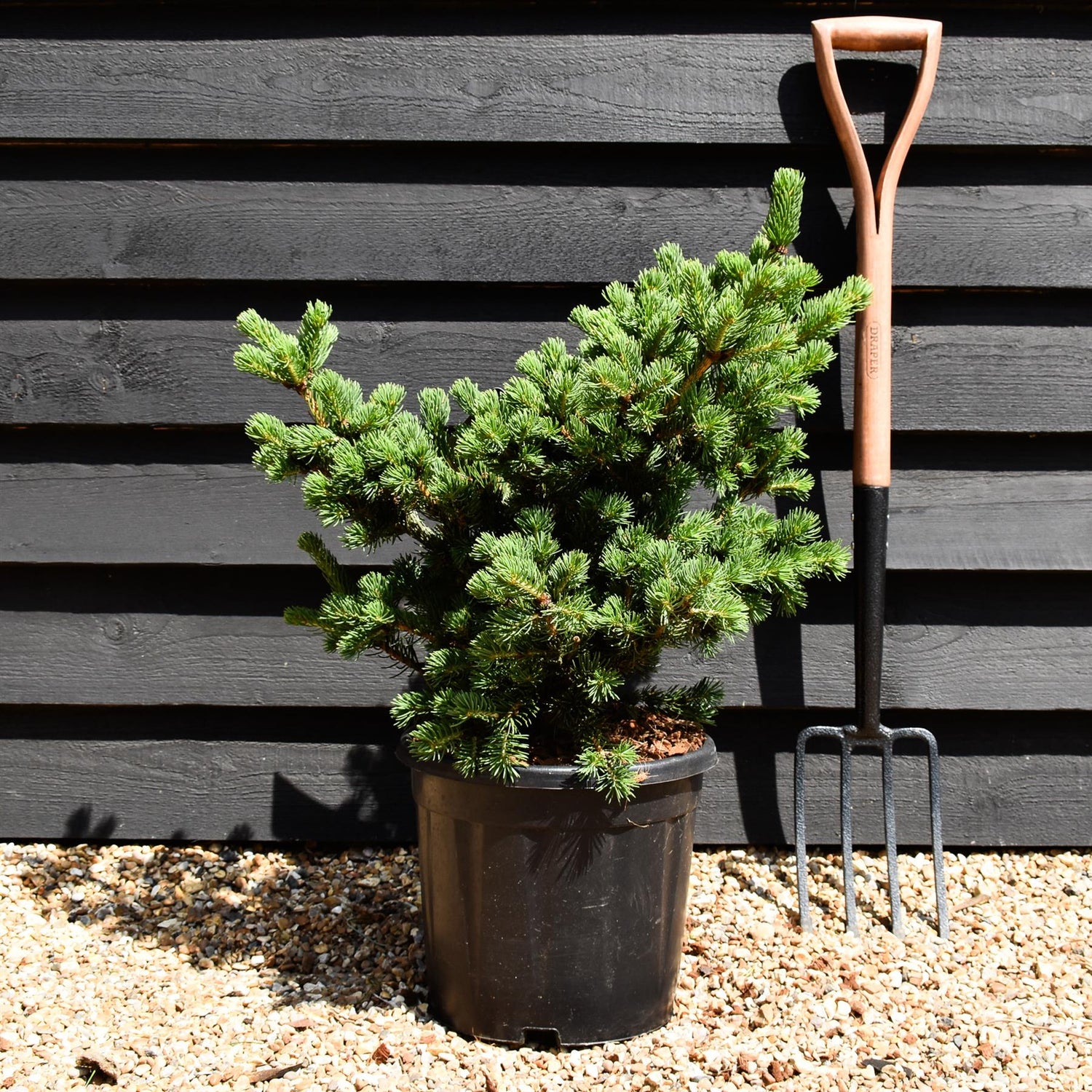
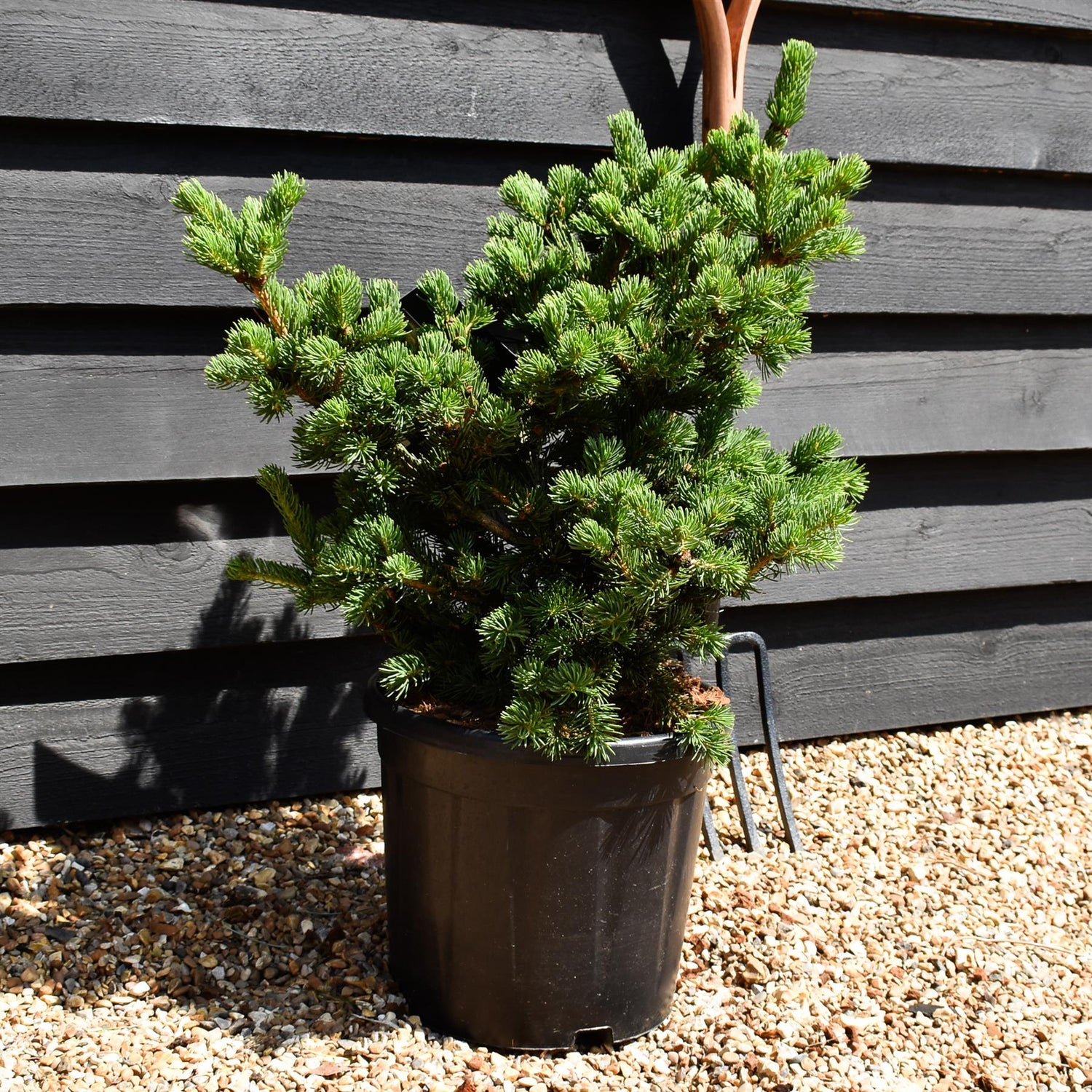
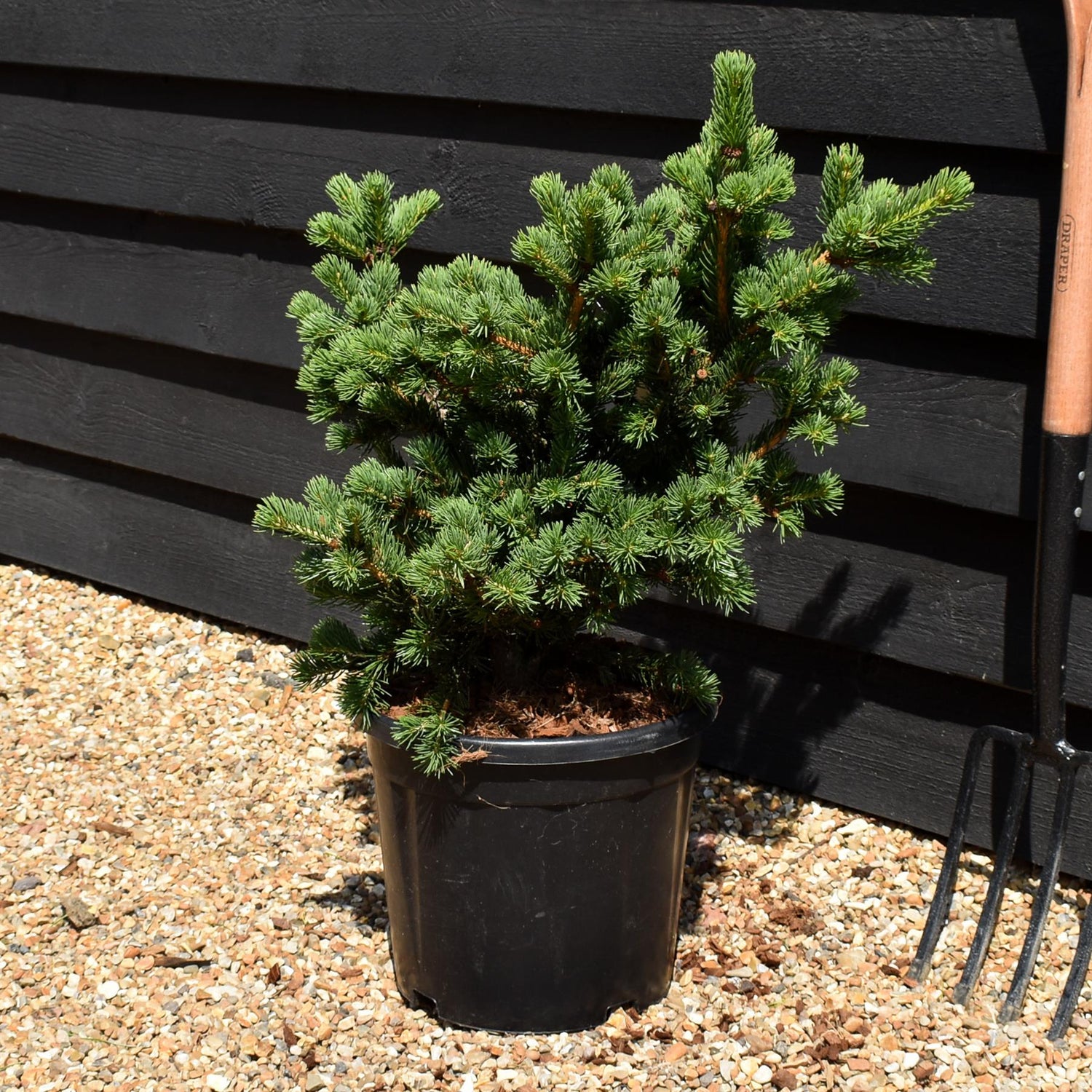
Picea pungens 'Lucky Strike' - Height 50-60cm - Width 50-60cm - 15lt
£105.00
Unit price perPicea pungens 'Lucky Strike' - Height 50-60cm - Width 50-60cm - 15lt
£105.00
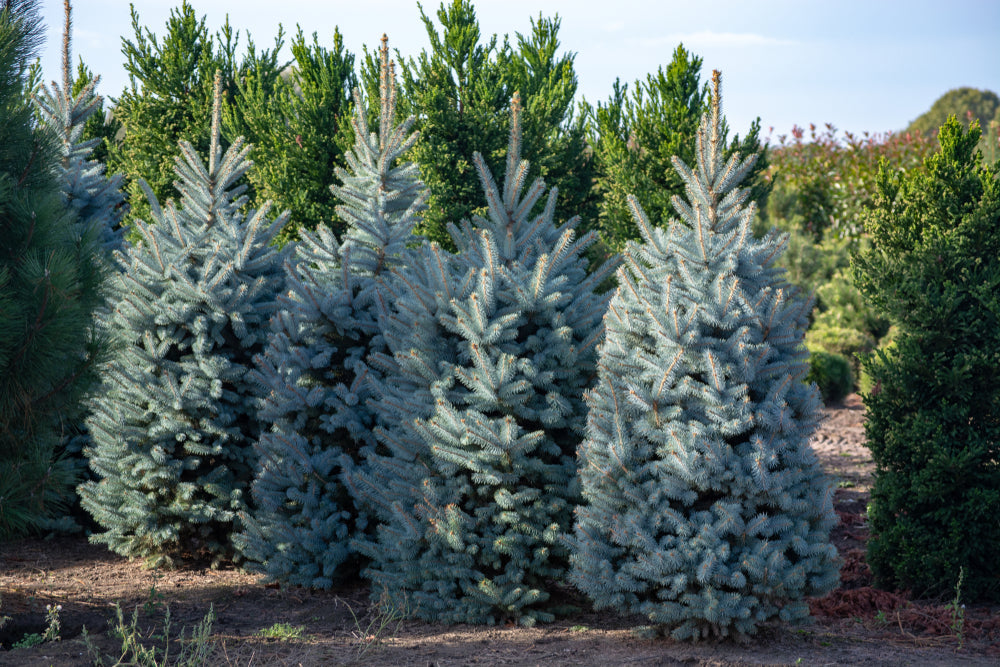
Unit price perPicea pungens 'Lucky Strike' is an excellent choice for garden landscapes, particularly in smaller or more formal settings. This compact cultivar of the Colorado blue spruce features dense, upright growth and a narrow, pyramidal form that provides architectural structure and year-round visual interest. Its vibrant, silvery-blue needles create a striking contrast against green foliage in the garden, making it a standout specimen or focal point.
This conifer is especially well-suited for rock gardens, foundation plantings, and mixed borders, where its slow growth habit—typically reaching 6 to 10 feet tall over many years—ensures it won’t outgrow its space quickly. 'Lucky Strike' is hardy and thrives in full sun with well-drained soil. It is drought-tolerant once established and generally low-maintenance, requiring little to no pruning to maintain its shape.
Due to its resilience and ornamental value, Picea pungens 'Lucky Strike' is a valuable addition to gardens seeking evergreen color and form. It pairs well with other conifers, ornamental grasses, or perennials, creating a dynamic and attractive garden design throughout the seasons.


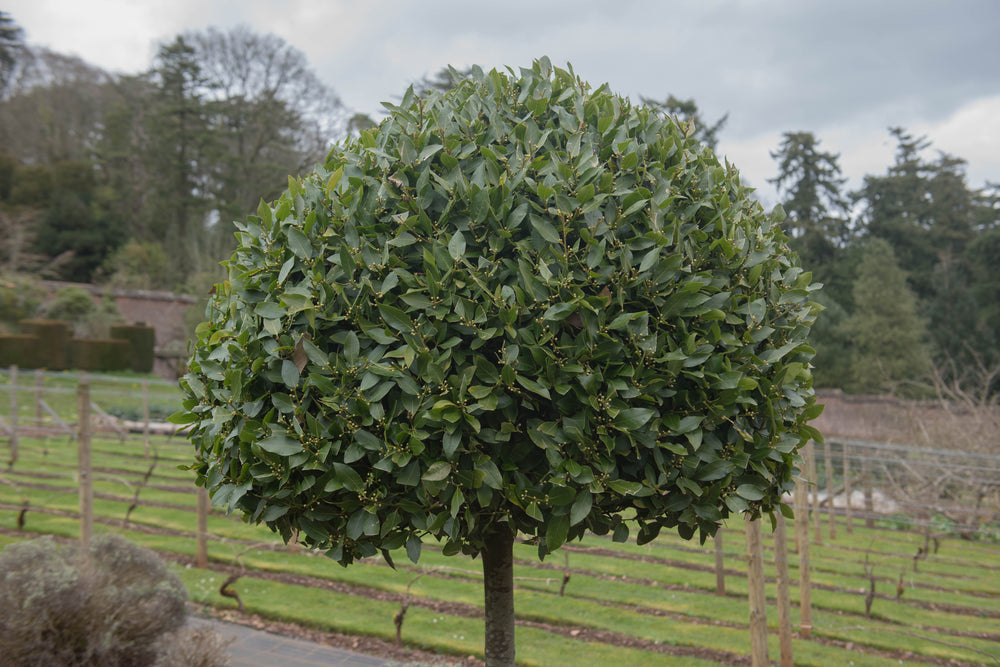
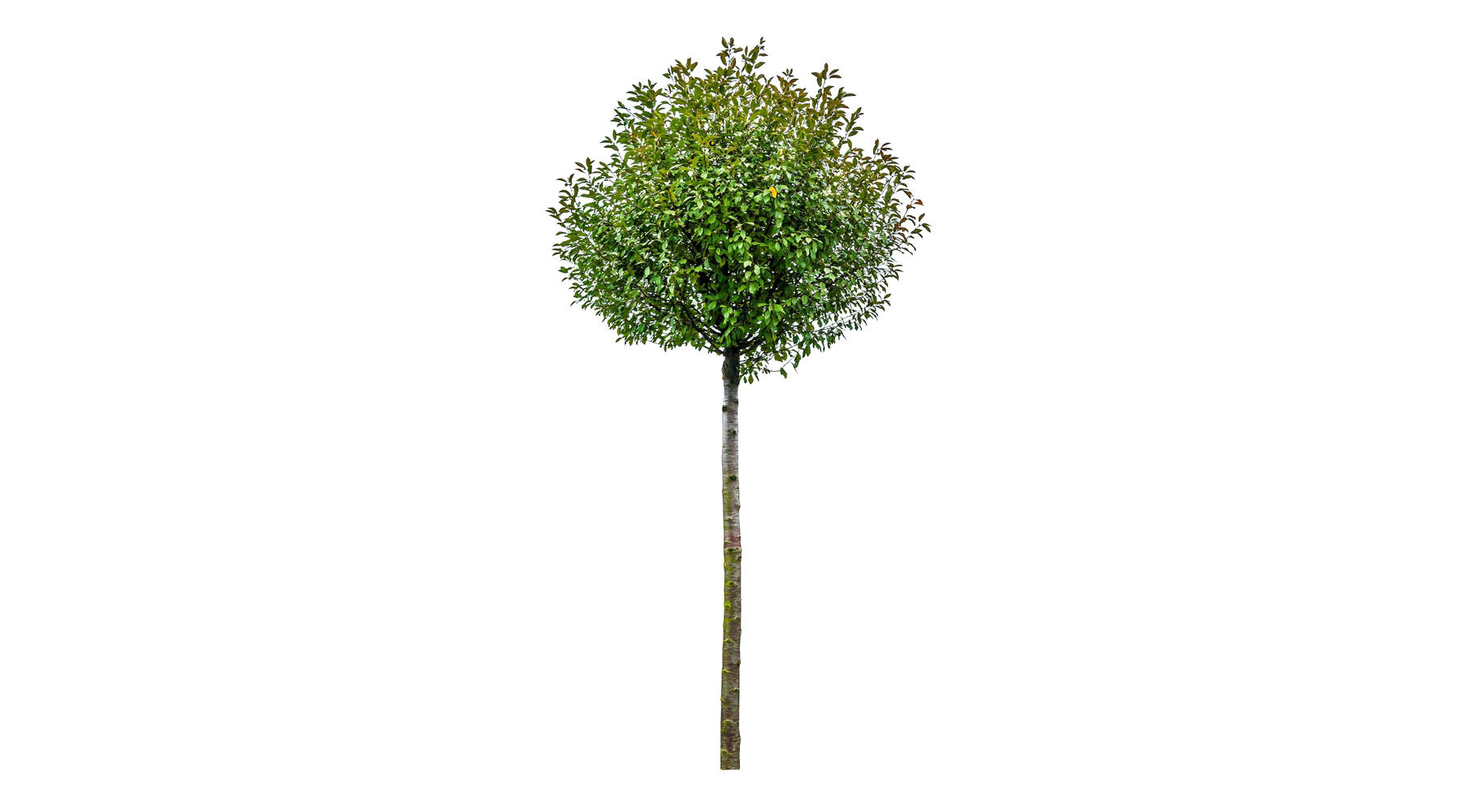
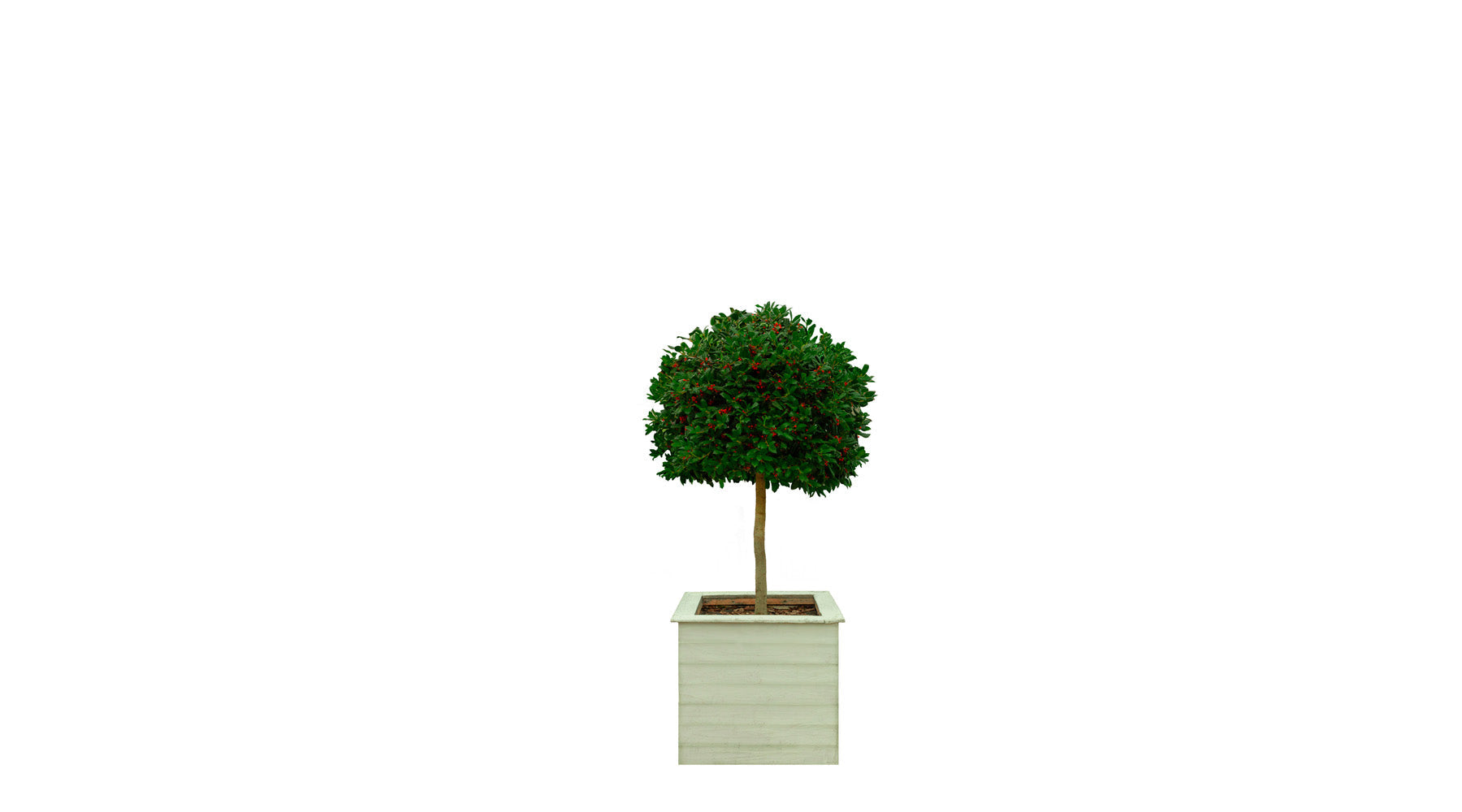
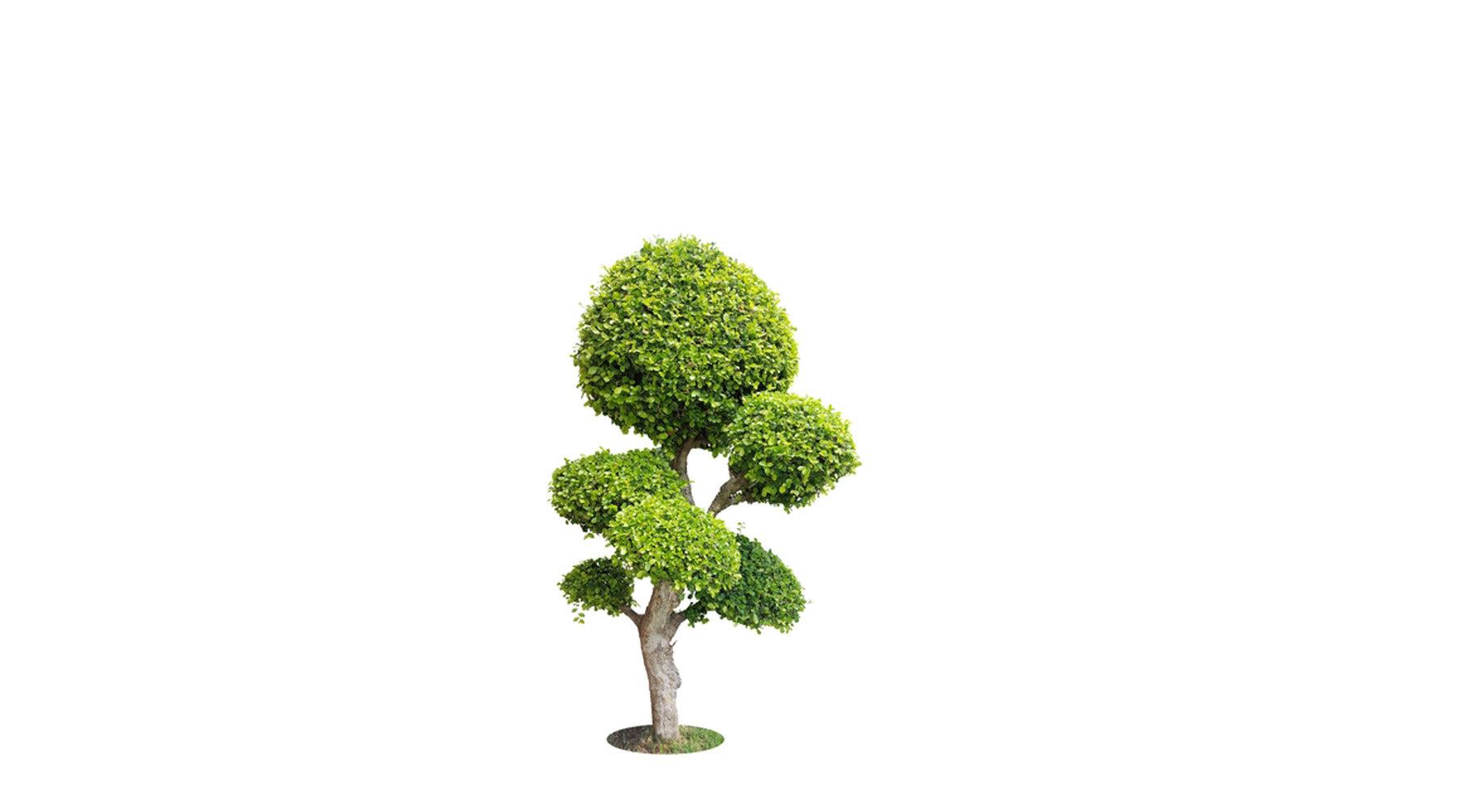
This plant is specifically shaped into a ball with very dense foliage. It is exceptionally large for this type of plant.
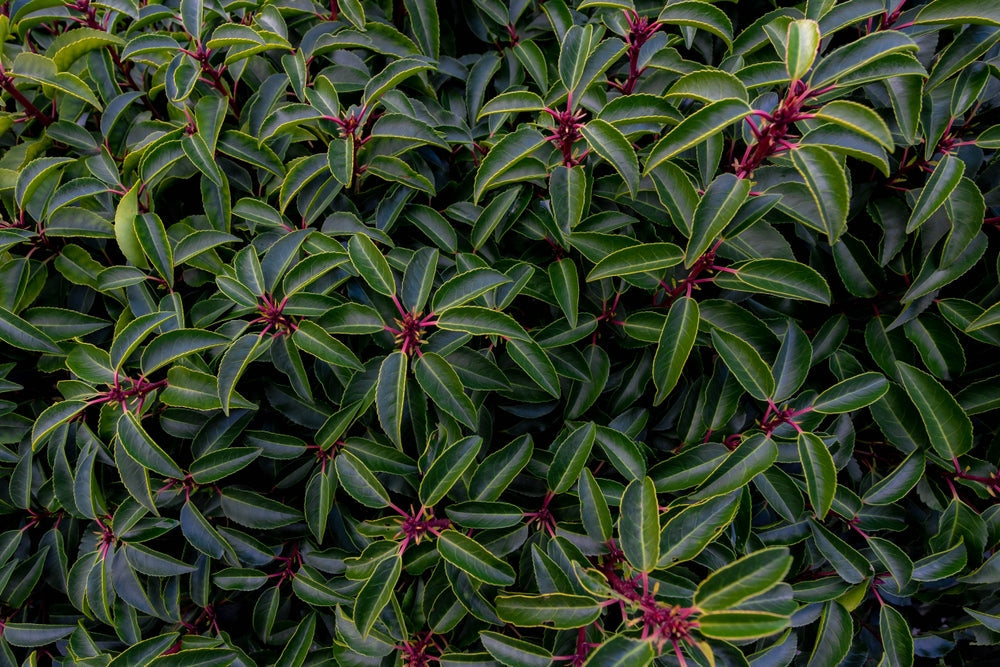
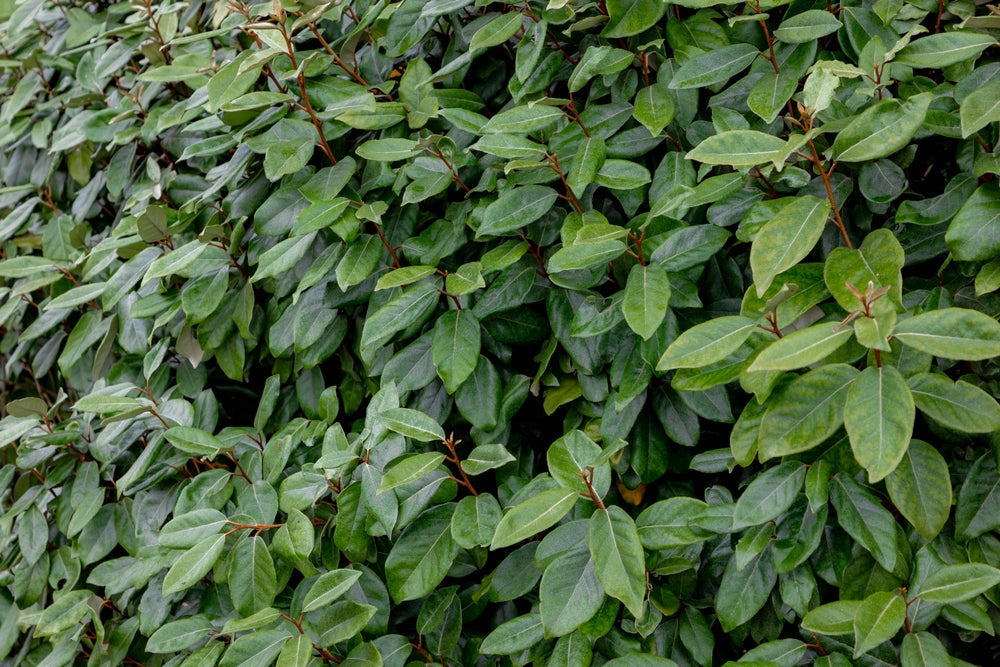
Prunus lusitanica 'Angustifolia' is a dense, neat and tidy, evergreen shrub or small tree of compact, rounded to conical habit, with narrow, long, glossy, dark green leaves. Young stems are vivid red. Small, fragrant, creamy-white flowers bloom in late spring or early summer and are followed by dark purple berries in autumn. Attractive to pollinators and birds. Prunus lusitanica 'Angustifolia' is adaptable to a wide range of soils and conditions. It thrives in fertile, moist, well-drained soil, and grows well in full sun or partial shade. It is resistant to frost, but doesn’t’ like very exposed sites, therefore, needs to be sheltered from strong winds. Low maintenance plant, tolerant of hard pruning. Portuguese Laurel 'Angustifolia', differs from the classic variety for its greater density and narrower leaves. It is, therefore, superb for formal hedges. It forms great windbreaks and privacy screens. It reduces noise and pollution. It can be grown as a topiary tree.
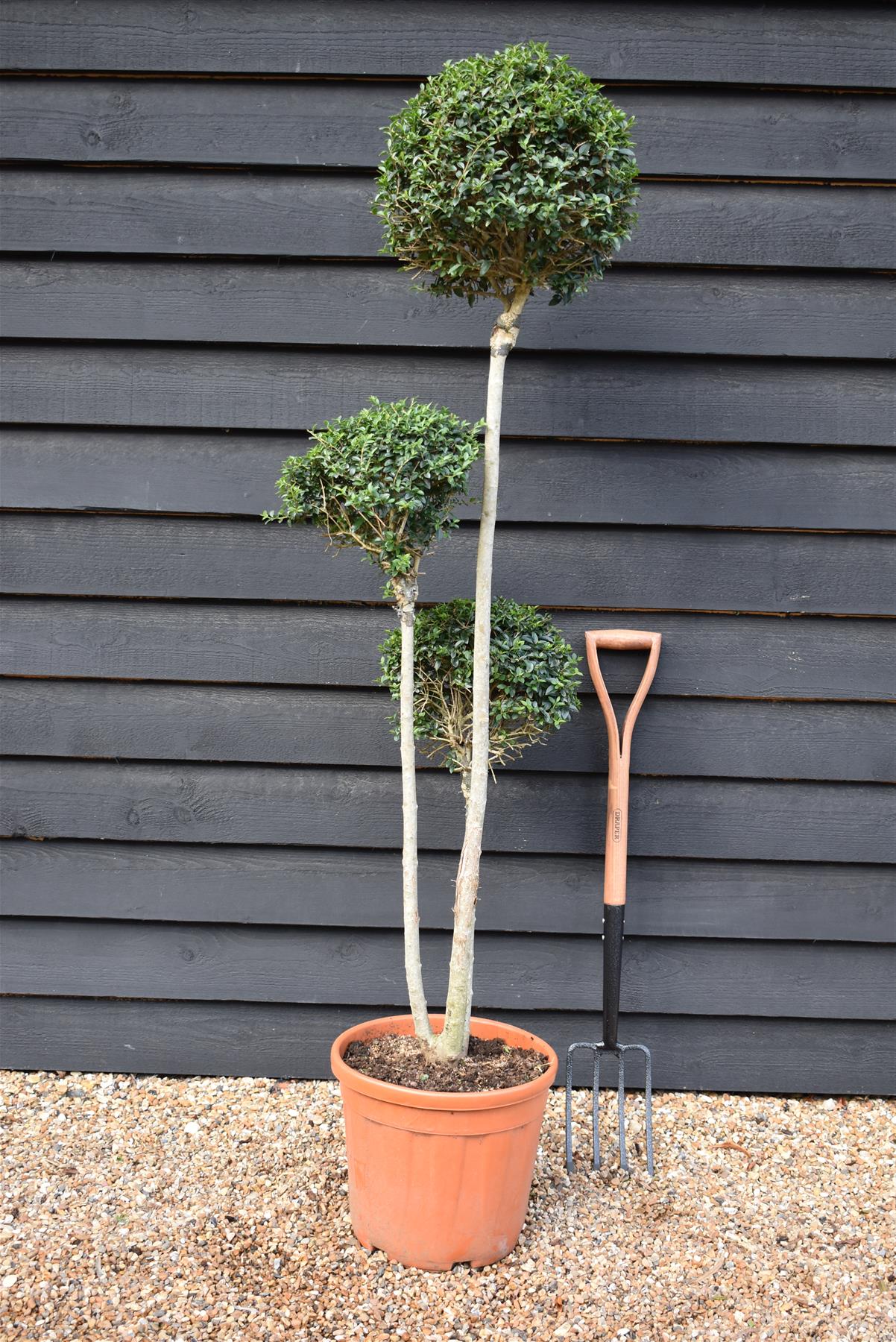


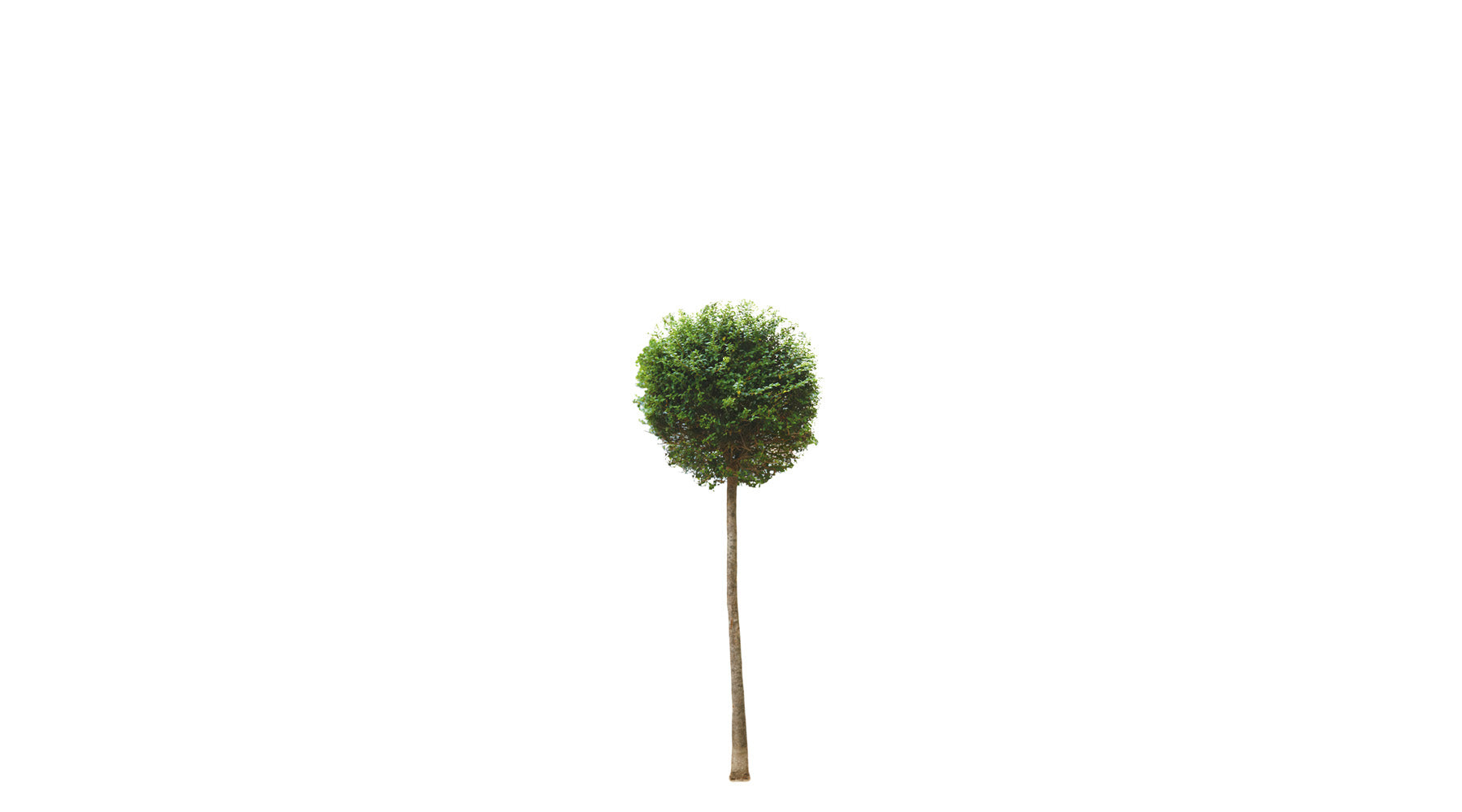
Ligustrum Jon Pom Pom 3 Ball | Privet Topiary - Height 150cm - 35lt
£260.00
Unit price perLigustrum Jon Pom Pom 3 Ball | Privet Topiary - Height 150cm - 35lt
£260.00
Unit price per


Syringa meyeri 'Palibin' - Shrub - Height 15-25cm - 3lt
£18.00
Unit price perSyringa meyeri 'Palibin' - Shrub - Height 15-25cm - 3lt
£18.00
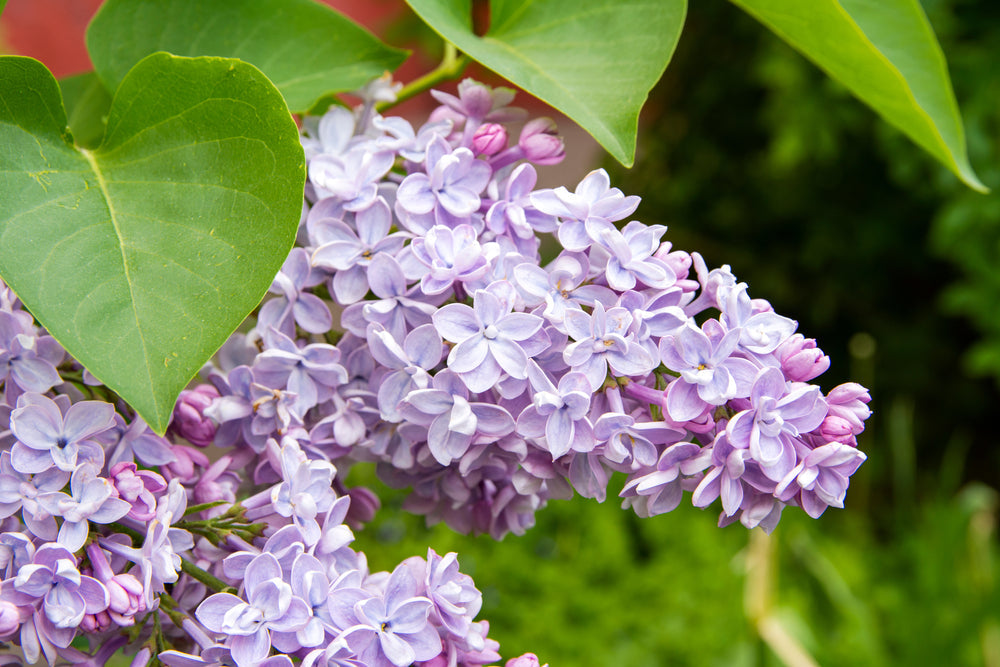
Unit price perSyringa meyeri 'Palibin,' commonly known as Meyer lilac or Korean lilac, is a delightful ornamental shrub that belongs to the Oleaceae family. This deciduous shrub is renowned for its compact size, making it an excellent choice for small gardens, courtyards, or even container planting.
The 'Palibin' cultivar typically reaches a height of 1.5 to 2 meters, with a similar spread. Its growth habit is rounded and densely branched, creating a charming and compact appearance. The shrub is adorned with an abundance of fragrant, small, single, lavender-pink flowers that bloom in late spring to early summer. These delicate blossoms attract pollinators such as butterflies and bees, enhancing the garden's biodiversity.
One of the key features of Syringa meyeri 'Palibin' is its dark green, ovate leaves, which provide an attractive backdrop to the profusion of blooms. As autumn approaches, the foliage takes on a beautiful burgundy hue, adding further visual interest to the landscape.
This lilac variety is relatively low-maintenance, requiring full sun to thrive and well-drained soil. Regular pruning, preferably immediately after flowering, helps maintain its compact shape and promotes healthy growth. 'Palibin' lilacs are generally hardy and can tolerate a range of soil conditions, making them versatile and adaptable plants.
Syringa meyeri 'Palibin' is a cherished addition to gardens across the United Kingdom, known for its alluring fragrance, compact size, and stunning visual appeal. Its lovely blossoms and graceful form make it a favourite among gardeners looking to introduce a touch of elegance and fragrance to their outdoor spaces, ensuring it remains a beloved choice in British gardens.


Cordyline australis | New Zealand Cabbage Palm - Multistem 20-30cm - Height 90-110cm - 50lt
£170.00
Unit price perCordyline australis | New Zealand Cabbage Palm - Multistem 20-30cm - Height 90-110cm - 50lt
£170.00
Unit price per


Pinus mugo 'Krauskopf' | Dwarf mountain pine - Height 30-40cm - Width 50cm - 18lt
£159.00
Unit price perPinus mugo 'Krauskopf' | Dwarf mountain pine - Height 30-40cm - Width 50cm - 18lt
£159.00
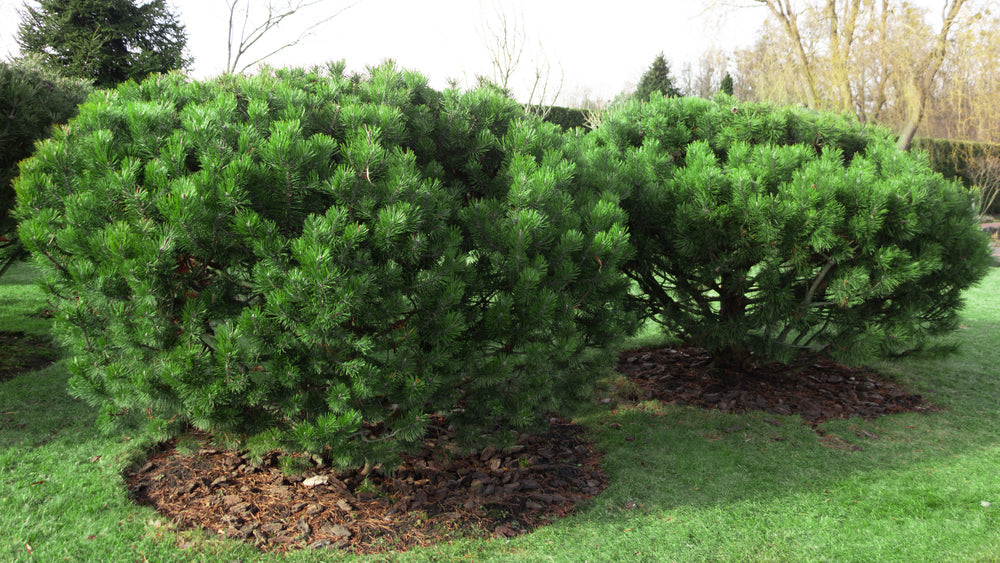
Unit price perPinus mugo 'Krauskopf' is a dwarf cultivar of the Pinus mugo species, also known as the mountain pine or mugo pine. This particular cultivar is prized for its unique appearance, slow growth, and compact size, which make it an excellent choice for small gardens, rockeries, or as a specimen plant.
The 'Krauskopf' cultivar is characterized by its dense, irregularly-shaped crown and twisted, contorted branches. The needles are dark green and slightly twisted, typically measuring around 1 to 2 inches long. The branches tend to grow in a somewhat horizontal fashion, creating a slightly rounded or mounded form.
The Pinus mugo 'Krauskopf' is a slow-growing cultivar, typically reaching heights of 2 to 4 feet and a similar spread when mature. This makes it a suitable choice for limited spaces or in combination with other dwarf or slow-growing plants. It is quite hardy and adaptable, capable of growing in a range of soil types and tolerating varying moisture levels, though it prefers well-draining soil and full sun.
Like other pines, Pinus mugo 'Krauskopf' has cones that develop on the branches. The cones are small, measuring around 1 to 2 inches in length, and have a reddish-brown color when mature. The tree is known to be relatively low maintenance, requiring minimal pruning and care once established.
In landscape design, Pinus mugo 'Krauskopf' can be used as a focal point in a garden, a border plant, or grouped with other dwarf conifers to create a unique and attractive display. Its compact size and slow growth make it an ideal choice for container gardening or bonsai culture as well.


Euonymus alatus | Winged Spindle Tree - Bush - Large Shrub - Height 180-200cm - 90lt
£468.00
Unit price perEuonymus alatus | Winged Spindle Tree - Bush - Large Shrub - Height 180-200cm - 90lt
£468.00
Unit price per


Hydrangea paniculata 'Phantom' 3lt
£16.00
Unit price perHydrangea paniculata 'Phantom' 3lt
£16.00
Unit price per


Apple tree 'James Grieve' | Malus domestica - M26 - Semi-Dwarfing - Height 150-160cm - 12lt
£86.00
Unit price perApple tree 'James Grieve' | Malus domestica - M26 - Semi-Dwarfing - Height 150-160cm - 12lt
£86.00
Unit price perJames Grieve Apple is a hardy, deciduous tree suitable for cold climate zones. It is best grown in northerly areas with cold winters, moderate summer temperatures, and medium to high humidity. It’s an old apple variety, raised in 1893. in Edinburgh, Scotland, by James Grieve from pollination of Cox’s Orange Pippin and most likely Pott’s Seedling apple. Generally, a resilient plant, it needs some protection from harsh winds. It’s a good polliniser for other apples. It cannot be found in supermarkets because it is sensitive to pressure and easily bruised and cannot sustain supermarket handling.
James Grieve apples are medium to large, yellow-green, speckled and striped orange-red, with creamy, refreshing and very juicy flesh. At the beginning of season, it is sharp and perfect for cooking, retaining its shape when cooked. After a few weeks, it becomes milder and sweeter, like a firm pear in texture.
M26 is a semi-dwarfing rootstock (smaller than MM106) used for apple trees, particularly in orchards and home gardens. It produces trees 10-12 feet in height, making them easier to manage and harvest. M26 ensures early fruit production, good anchorage, and medium vigor. However, it requires staking during early years and is moderately susceptible to fire blight.


Nandina domestica Firepower | Dwarf Heavenly Bamboo ''Firepower'- Height 30-40cm - 9lt
£30.00
Unit price perNandina domestica Firepower | Dwarf Heavenly Bamboo ''Firepower'- Height 30-40cm - 9lt
£30.00
Unit price perNandina domestica ‘Firepower’, commonly known as dwarf heavenly bamboo, is a popular ornamental shrub admired for its striking foliage and compact size. Despite its common name, it is not related to bamboo but is a member of the barberry family (Berberidaceae). Native to East Asia, this cultivar is renowned for its vibrant, ever-changing foliage colours that enhance garden aesthetics throughout the year.
‘Firepower’ is a compact, evergreen shrub that typically reaches a height and spread of about 60-90 cm. Its bushy, mounding growth habit makes it ideal for small gardens, containers, or as a border plant. The foliage is the star of the show, starting off with lime-green young leaves in spring, which gradually turn to darker green in summer. As temperatures drop in autumn and winter, the leaves transform into fiery shades of red, orange, and burgundy, providing a vivid splash of colour in colder months.
Nandina domestica ‘Firepower’ is relatively low-maintenance and thrives in full sun to partial shade. It prefers well-drained soil and can tolerate a range of soil types, including sandy or clay soils. Once established, it is drought-tolerant, though regular watering will encourage more vibrant foliage. Pruning is rarely necessary, as its natural shape is neat and compact, but it can be trimmed in late winter or early spring if required.
This versatile shrub works well in a variety of garden settings. It can be used as an accent plant, in mass plantings, or to provide year-round interest in borders and beds. Its ability to provide colour during the winter months makes it particularly valuable in temperate climates where winter gardens can often lack vibrancy.


Rose 'Bengala' - Clear Stem 80-90cm - Height 130-160cm - 18lt
£60.00
Unit price perRose 'Bengala' - Clear Stem 80-90cm - Height 130-160cm - 18lt
£60.00
Unit price perRose ‘Bengala’ grown as a standard (tree) rose is a bold and eye-catching feature, bringing vibrant colour and structure to any garden setting. With its elevated crown of bright orange-red, repeat-flowering blooms, it creates a striking focal point that stands out above surrounding planting.
This form is particularly effective in formal gardens, patios, and courtyard spaces, where height and symmetry are desired. It works well as a standalone specimen in a decorative container or planted in pairs to frame entrances, pathways, or seating areas. The vivid flower colour adds warmth and energy, contrasting beautifully with green foliage or softer-toned companion plants.
Best grown in a sunny, open position, ‘Bengala’ thrives with plenty of direct light, which encourages strong flowering and healthy growth. It prefers fertile, well-drained soil and benefits from good air circulation to maintain plant health and flowering performance throughout the season.
As a standard rose, it requires regular care, including feeding during the growing season, deadheading to promote repeat blooms, and annual pruning in late winter or early spring to maintain a balanced, rounded canopy.
Ideal for formal gardens, patios, or as a pair flanking an entrance, it provides long-lasting colour and elegance. Its elevated blooms also make them easier to appreciate up close, adding both charm and structure.


Pinus contorta - Lodgepole Pine - Height 150-200cm - 20lt
£215.00
Unit price perPinus contorta - Lodgepole Pine - Height 150-200cm - 20lt
£215.00
Unit price perPinus contorta, commonly known as the Lodgepole Pine, is a hardy and adaptable evergreen conifer valued for its resilience and natural woodland character. Native to North America, it forms a tall, upright tree with a narrow to irregular crown, making it suitable for larger gardens or naturalistic landscapes where a more rugged, informal appearance is desired.
This pine produces pairs of slender, slightly twisted dark green needles that give the tree a textured look throughout the year. Its bark becomes attractively rough and fissured with age, adding to its visual interest. Small woody cones often remain on the branches for many years, providing subtle decorative detail.
Lodgepole Pine is particularly well suited to exposed or coastal gardens, as it tolerates wind, poor soils, and challenging conditions better than many other trees. It grows best in full sun and prefers well-drained soil, though it is adaptable to a range of soil types.
Because it can grow quite tall over time, it works best as a specimen tree, in shelterbelts, or as part of a woodland-style planting scheme. Its toughness and minimal maintenance needs make it a reliable choice for gardeners seeking a strong, characterful conifer.


Pinus leucodermis 'Malinki' - Height - 60-70cm - 11lt
£138.00
Unit price perPinus leucodermis 'Malinki' - Height - 60-70cm - 11lt
£138.00
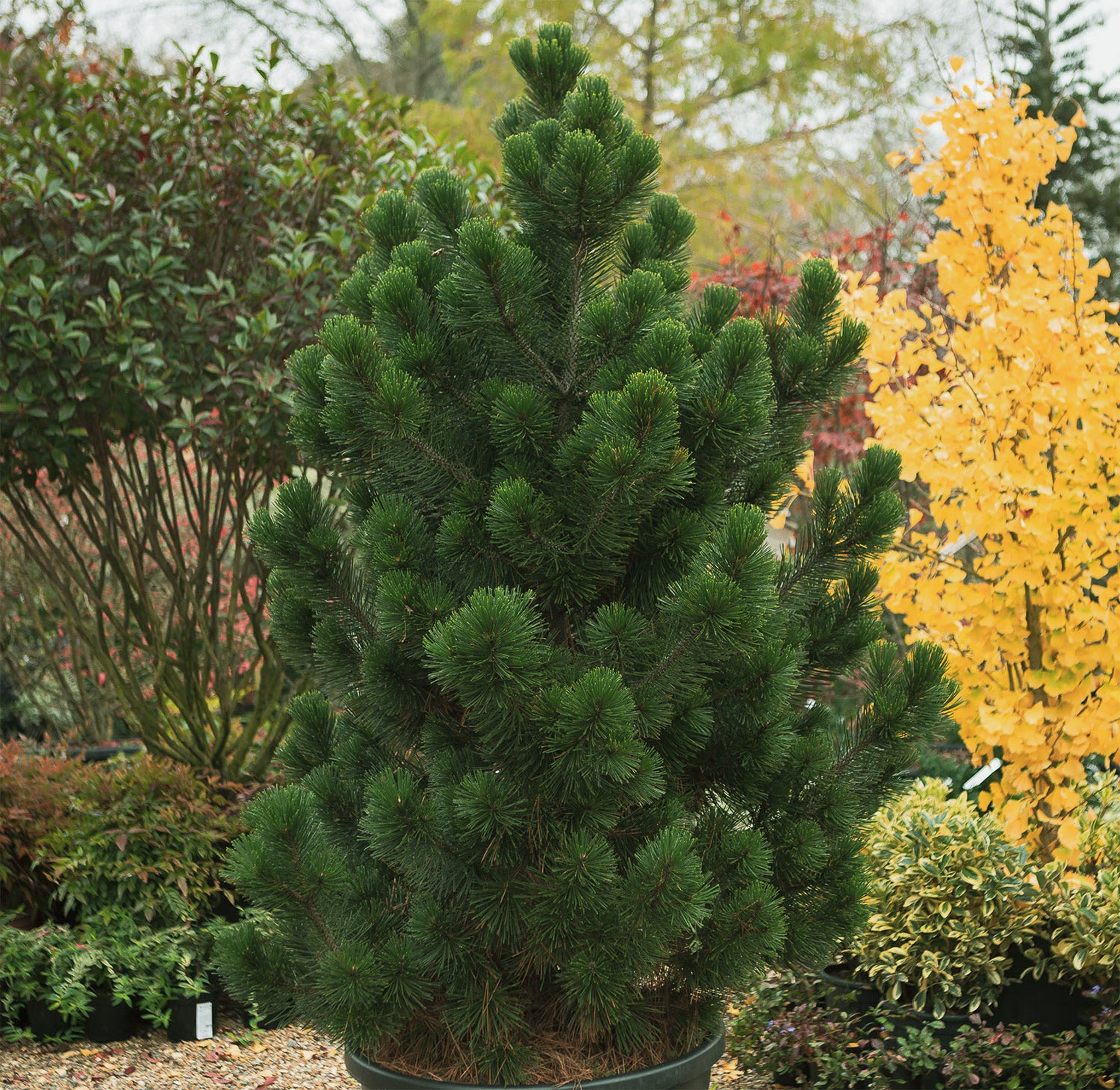
Unit price perPinus leucodermis 'Malinki' is a cultivar of the whitebark pine species, native to the mountains of the western United States and Canada. This slow-growing evergreen tree is prized for its attractive appearance and hardiness, making it an excellent choice for landscaping and ornamental purposes.
The 'Malinki' cultivar is particularly desirable for its unique blue-green needles and compact growth habit, making it ideal for smaller gardens or as a feature in a mixed border. The needles are twisted and grow in clusters of five, adding texture and interest to the tree's appearance. It typically reaches a mature height of around 15 to 20 feet, with a spread of 10 to 15 feet.
In addition to its aesthetic appeal,Pinus leucodermis 'Malinki' is also known for its resilience and ability to withstand harsh growing conditions. It is drought-tolerant and able to grow in a wide range of soil types, from sandy to heavy clay. It is also relatively disease-resistant, making it a low-maintenance option for gardeners.
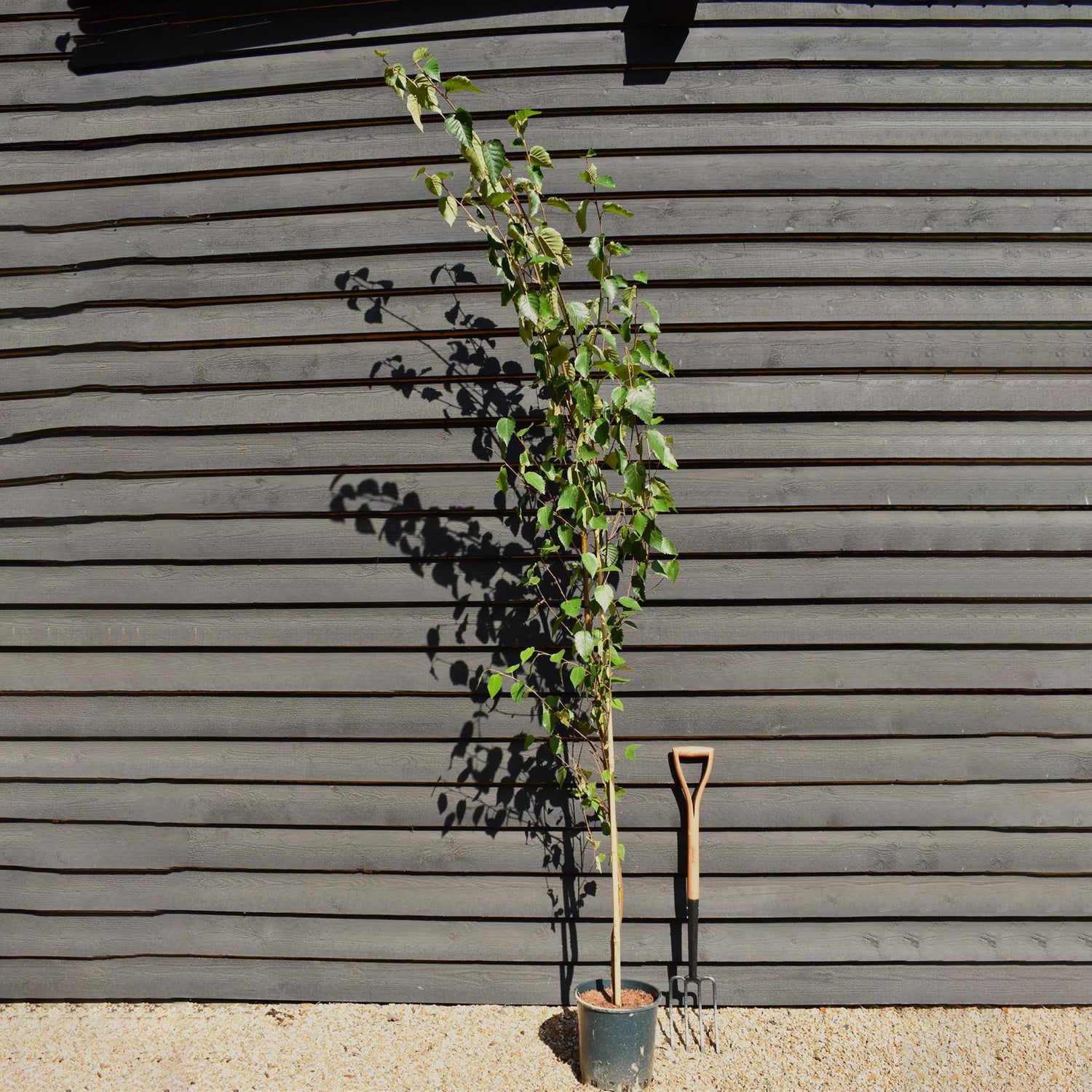


Chinese Red Birch | Betula albosinensis 'Fascination' - Height 160-200cm - 12lt
£96.00
Unit price perChinese Red Birch | Betula albosinensis 'Fascination' - Height 160-200cm - 12lt
£96.00
Unit price per


Pink Upright Crab Apple 'Red Obelisk' | Malus - Clear Stem - Height 250-300cm - Girth 6-8cm - 45lt
£255.00
Unit price perPink Upright Crab Apple 'Red Obelisk' | Malus - Clear Stem - Height 250-300cm - Girth 6-8cm - 45lt
£255.00
Unit price per


Cotoneaster 'Rothschildianus' | Willow-Leaved Cotoneaster - Height 160-180cm - 12lt
£105.00
Unit price perCotoneaster 'Rothschildianus' | Willow-Leaved Cotoneaster - Height 160-180cm - 12lt
£105.00
Unit price per


Alnus Cordata - Alder tree - Clear Stem - Standard - Girth 10-12cm - Height 480-530cm - 70lt
£390.00
Unit price perAlnus Cordata - Alder tree - Clear Stem - Standard - Girth 10-12cm - Height 480-530cm - 70lt
£390.00
Unit price perAlnus cordata, commonly known as the Italian alder, is a medium to large deciduous tree native to southern Italy and parts of Corsica. It belongs to the Betulaceae family and is highly valued for its ability to thrive in poor soils and challenging environmental conditions. This species is often planted for ornamental purposes, soil improvement, and as a windbreak due to its robust growth and adaptability.
The tree can reach heights of up to 25-30 metres (82-98 feet) with a trunk diameter of about 1 metre (3.3 feet). It has a relatively narrow, conical crown, which makes it an attractive choice for landscaping in urban and rural environments. The bark is smooth and greyish-brown when young, developing shallow fissures with age.
Alnus cordata is noted for its distinctive heart-shaped (cordate) leaves, which are bright green and glossy, measuring 7-12 cm in length. Unlike some other alders, the leaves of A. cordata remain on the tree until late autumn, giving it an extended season of greenery. In spring, it produces small, inconspicuous catkins, with male catkins being pendulous and yellowish, and female catkins more compact and upright. These develop into small, woody cones that persist on the tree through winter.
One of the key characteristics of Alnus cordata is its nitrogen-fixing ability. Like other alders, it forms a symbiotic relationship with the bacterium Frankia, which allows it to fix atmospheric nitrogen into the soil. This quality makes it an excellent species for improving soil fertility, particularly in degraded or nutrient-poor areas.
Overall, the Italian alder is a resilient and versatile tree, well-suited to a variety of landscapes, including wet or compacted soils, and is an important species for ecological restoration projects.