

-
Trees
Trees
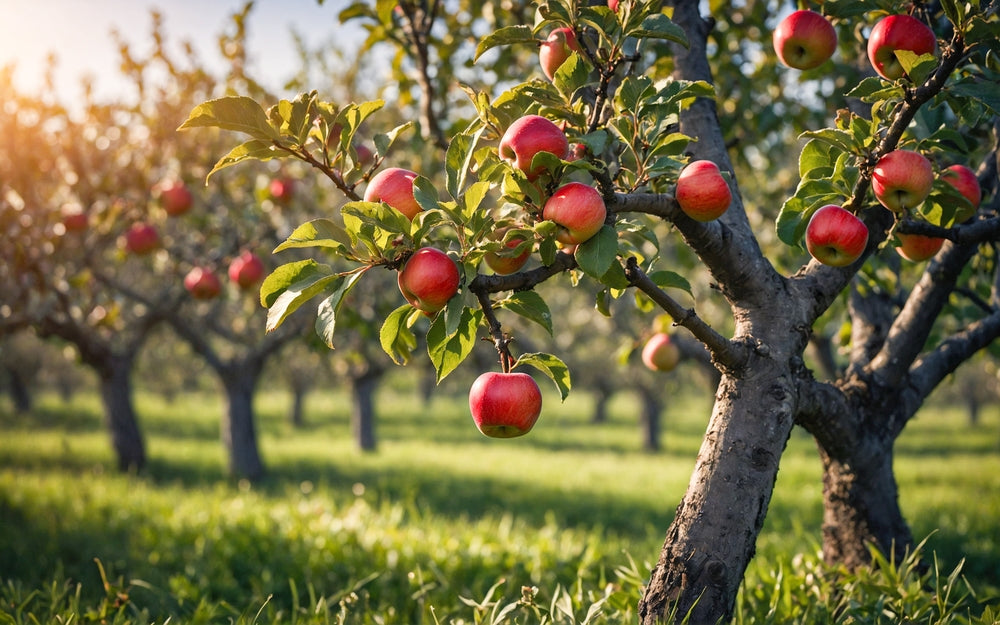 Fruit Trees
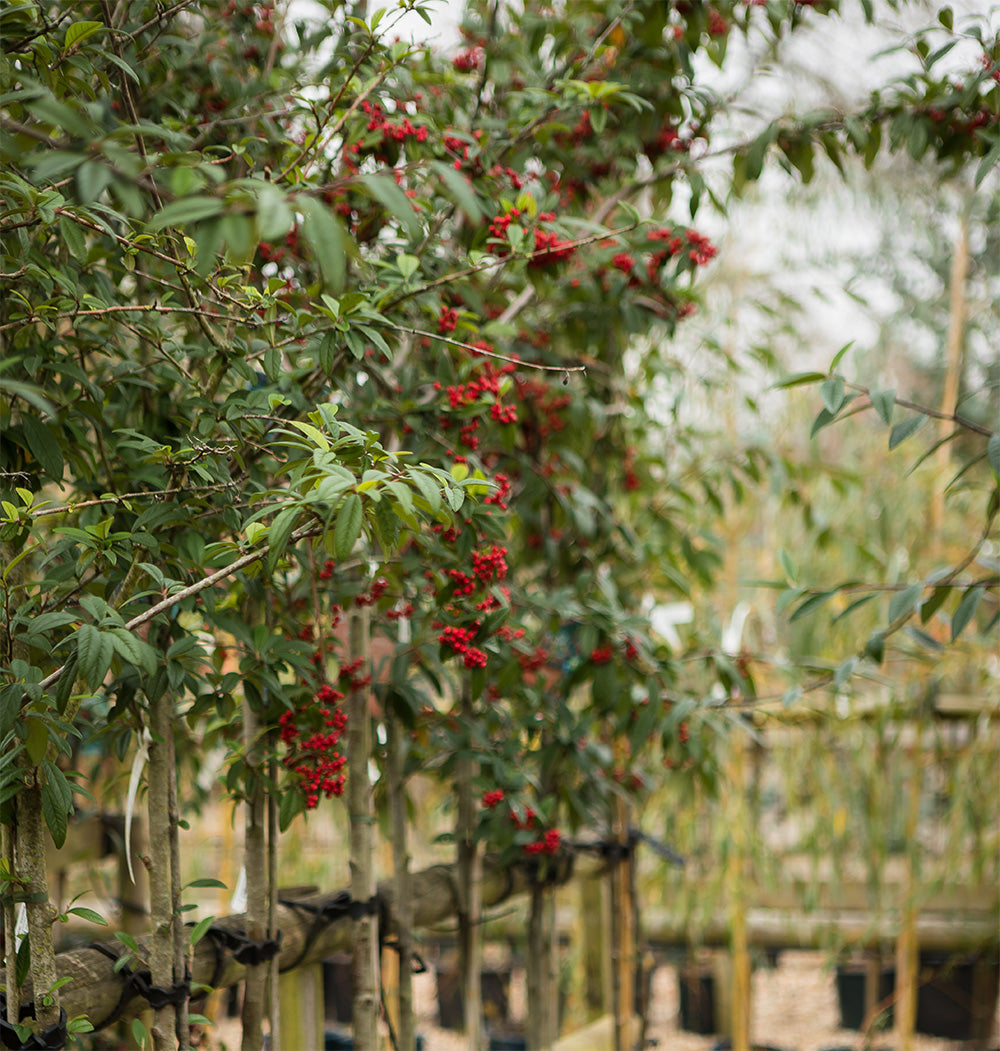 Ornamental
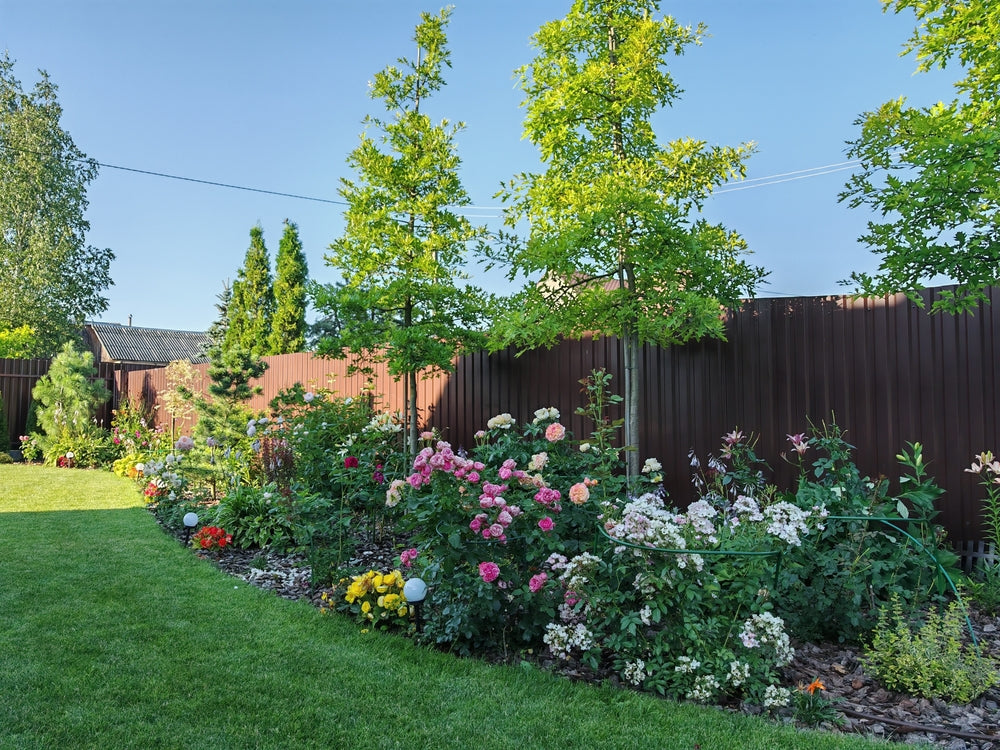 Screening
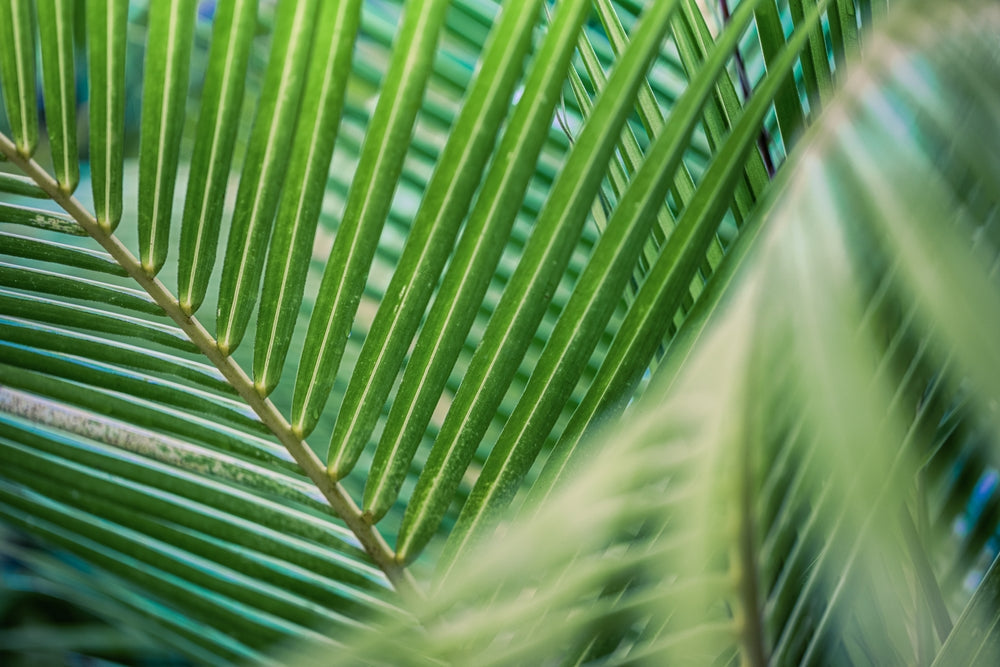 Palms
By FeaturesBy Shape
Palms
By FeaturesBy Shape -
Shrubs
Shrubs
 Large shrubs
 Hedging
 Bamboo
 Climbers
 Flowering
 Grasses & Ferns
 Popular
-
Pines & Conifers
Pines & Conifers
 Pines
Pines
 Spruce & Fir
 Cypress
 Thuja
Thuja
 Redwood | Sequoia
-
Specimen
FREE DELIVERY OVER £350
Search results
Search results
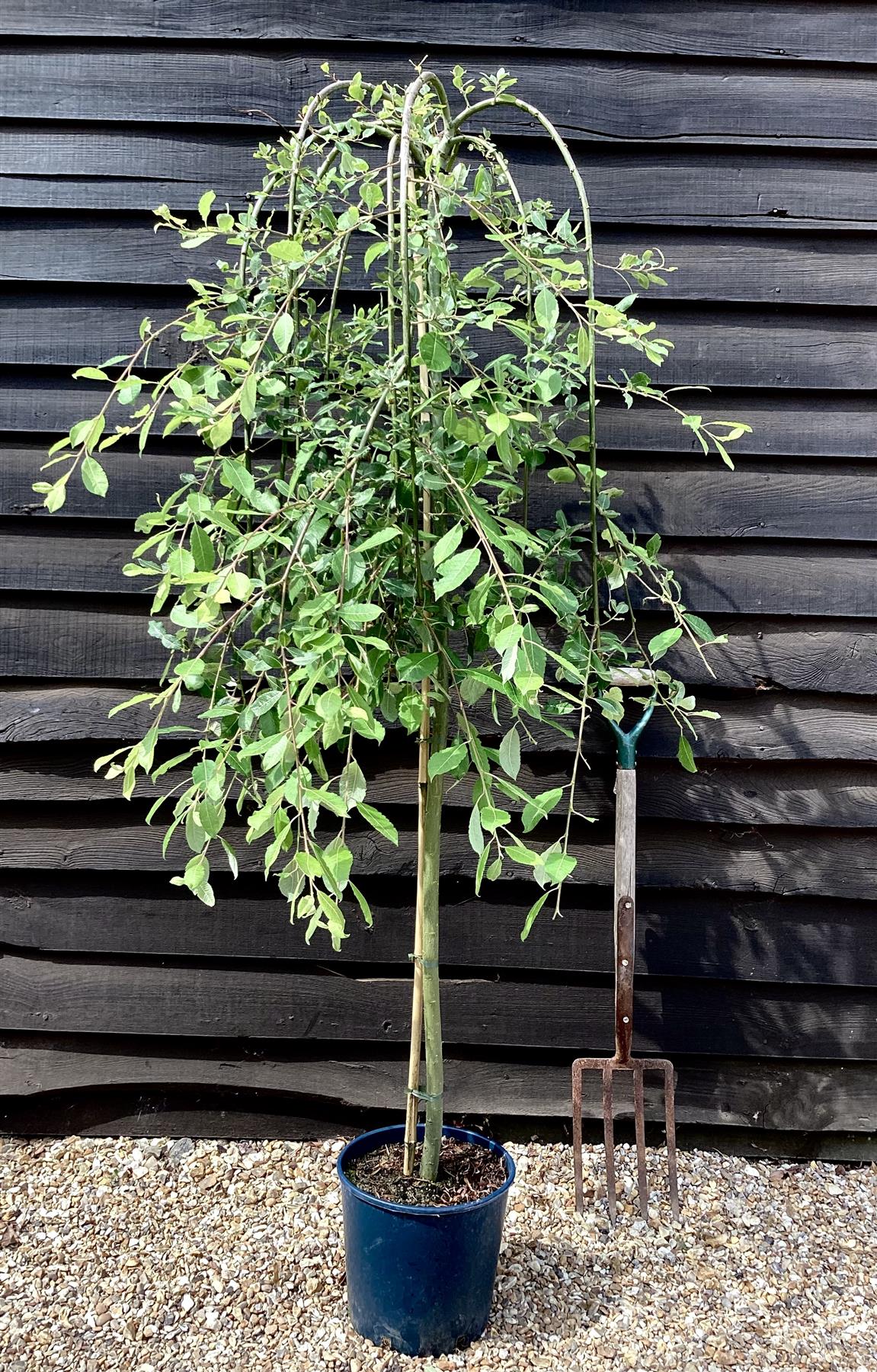


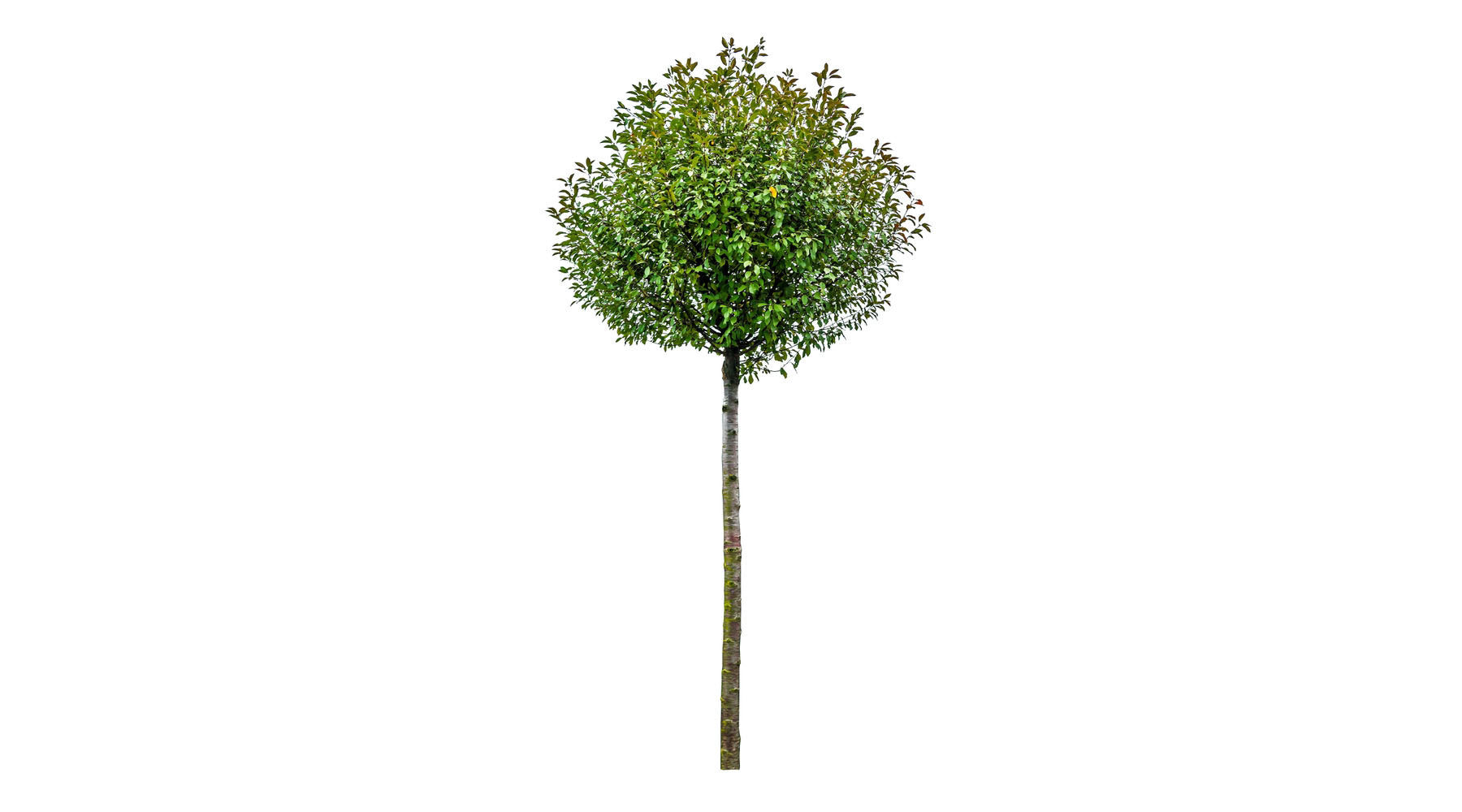
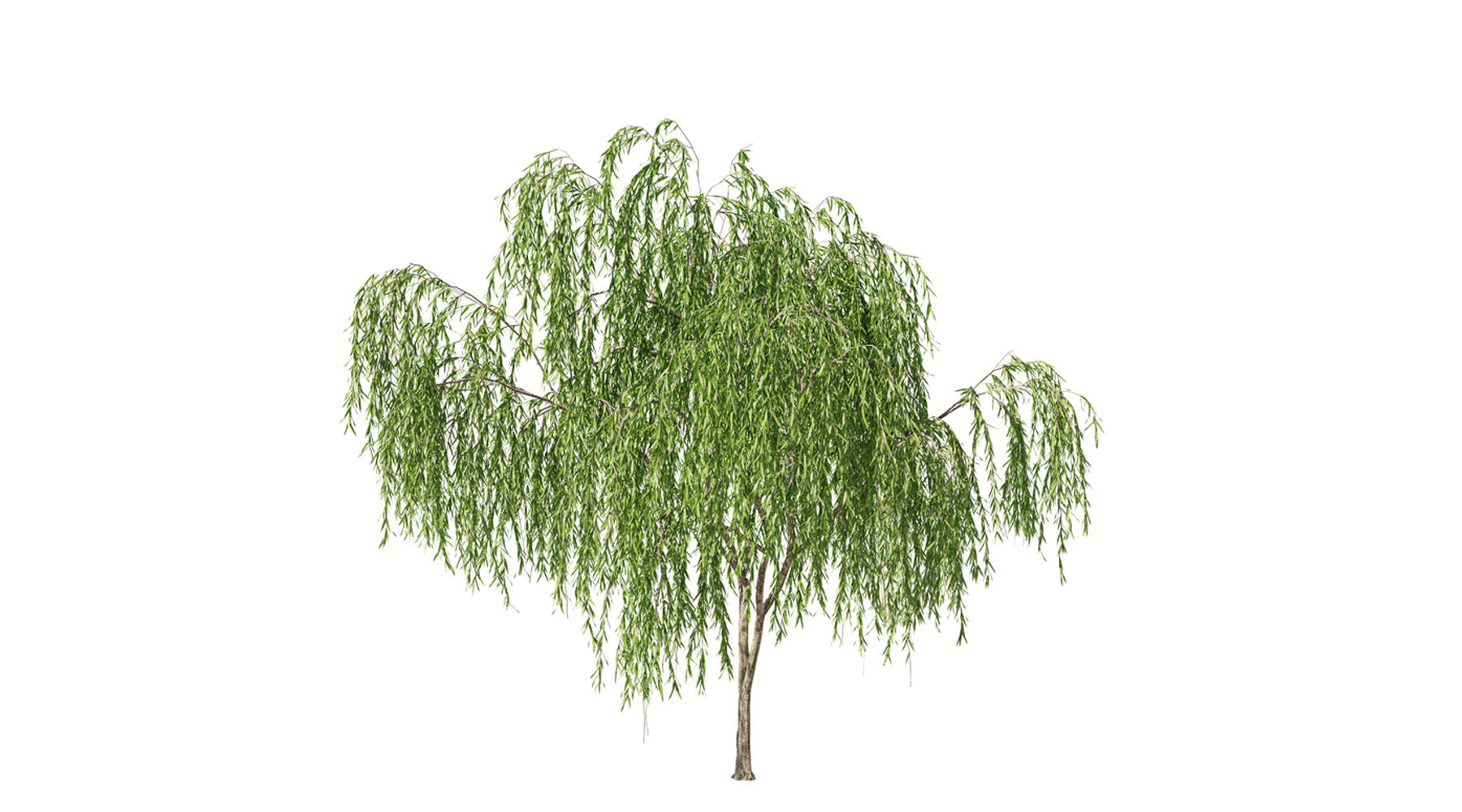
Salix caprea Pendula | Weeping Pussy Willow - 180-220cm - 12lt
£82.00
Unit price perSalix caprea Pendula | Weeping Pussy Willow - 180-220cm - 12lt
£82.00
Unit price per


Ilex Aquifolium 'Argentea Marginata' | Silver-Margined Holly - 140-180cm, 10lt
£76.00
Unit price perIlex Aquifolium 'Argentea Marginata' | Silver-Margined Holly - 140-180cm, 10lt
£76.00
Unit price per


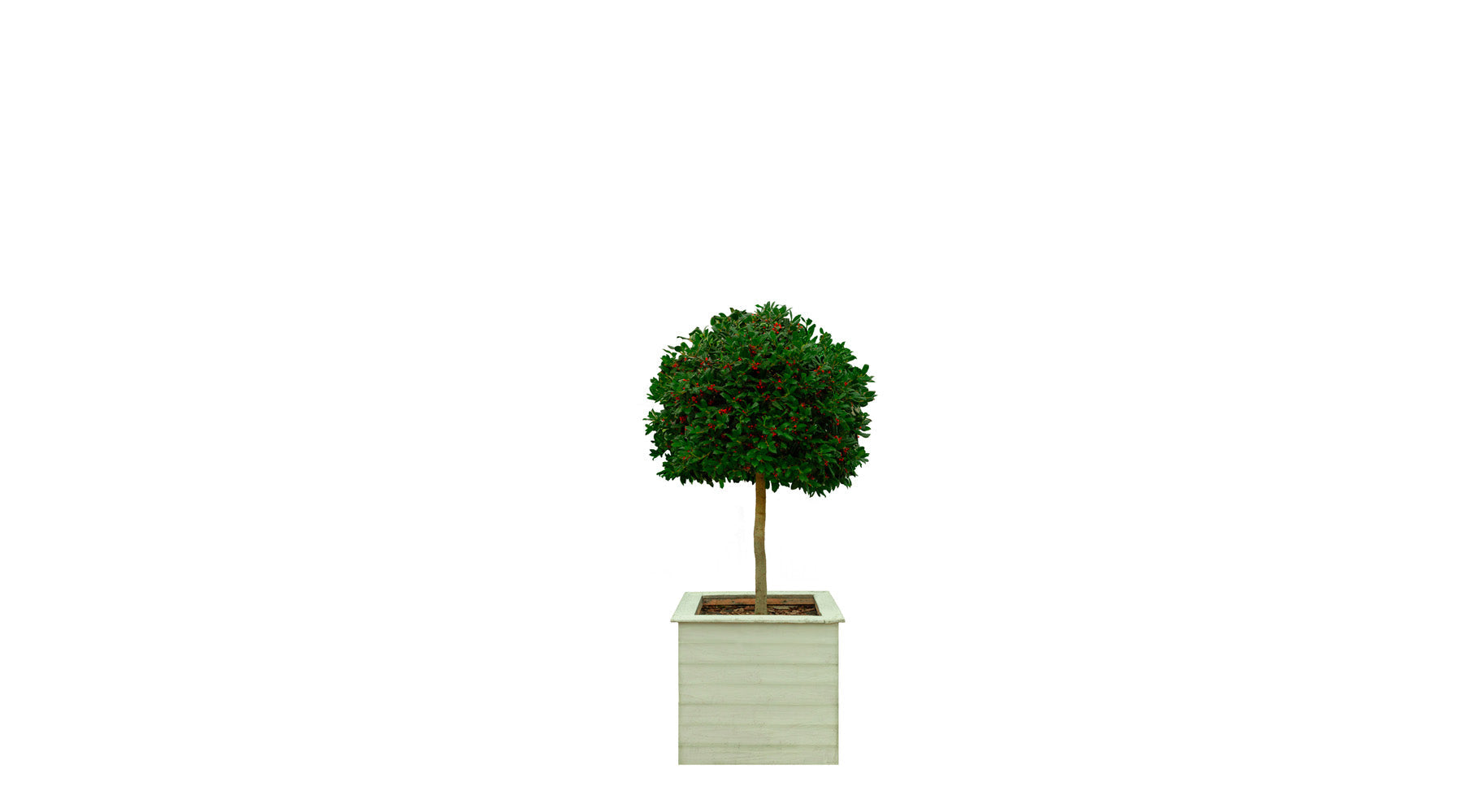
Holm Oak | Holly Oak | Quercus ilex | Holm Oak 3-4yr - Height 150-170cm - 12lt
£76.00
Unit price perHolm Oak | Holly Oak | Quercus ilex | Holm Oak 3-4yr - Height 150-170cm - 12lt
£76.00
Unit price per

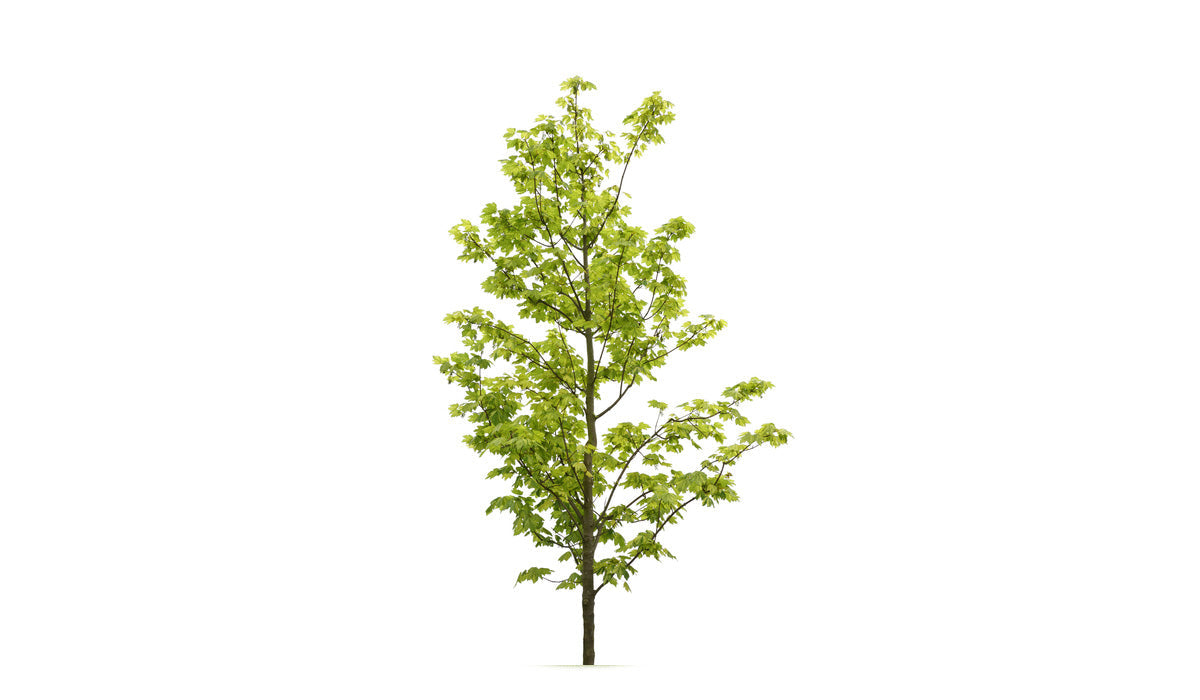
Acer pseudoplatanus 'Brilliantissimum' | Shrimp-Leaved Sycamore | Maple - Height 200-250cm - Girth 8-10cm - 20lt
£128.00
Unit price perAcer pseudoplatanus 'Brilliantissimum' | Shrimp-Leaved Sycamore | Maple - Height 200-250cm - Girth 8-10cm - 20lt
£128.00
Unit price per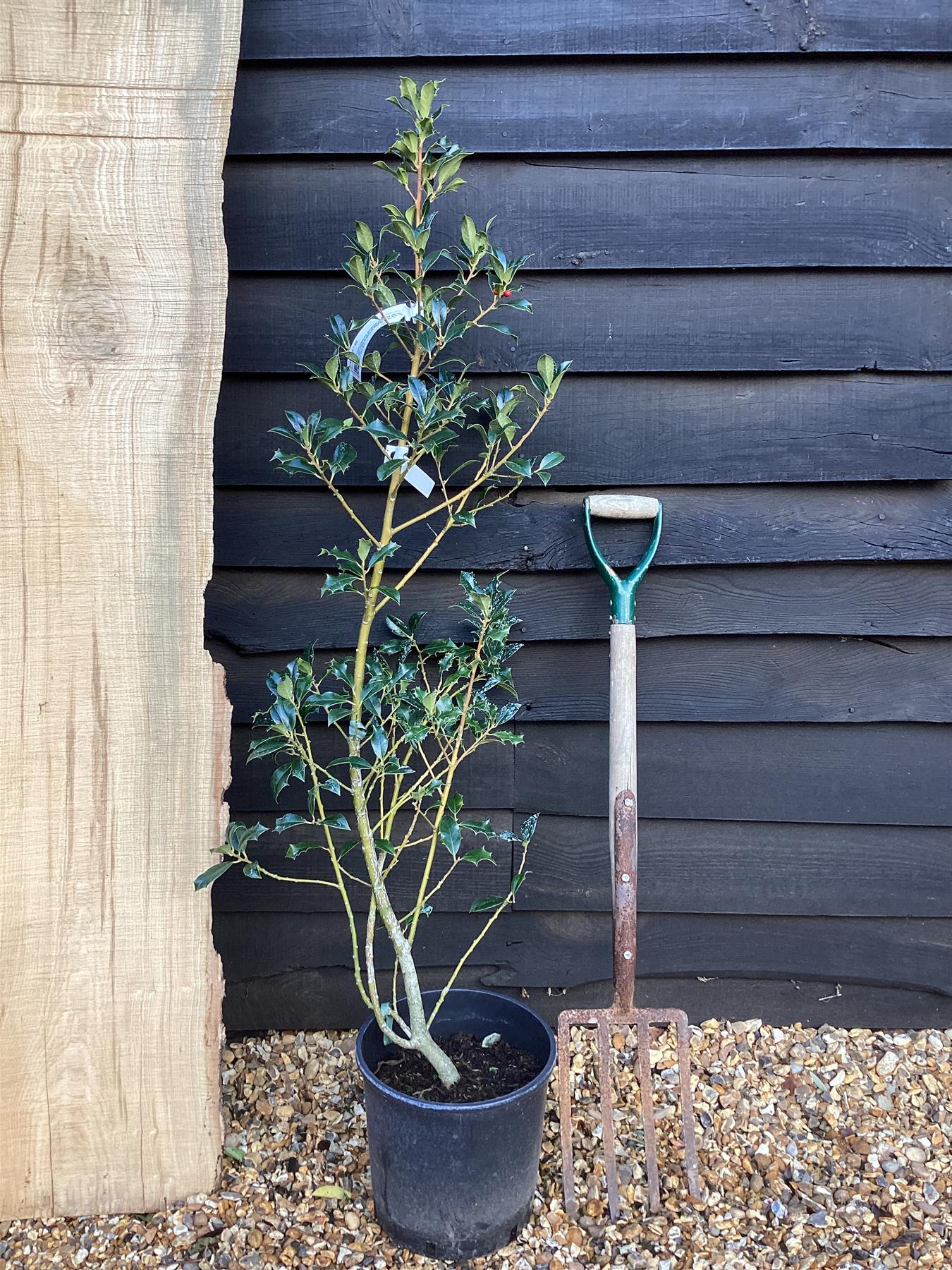
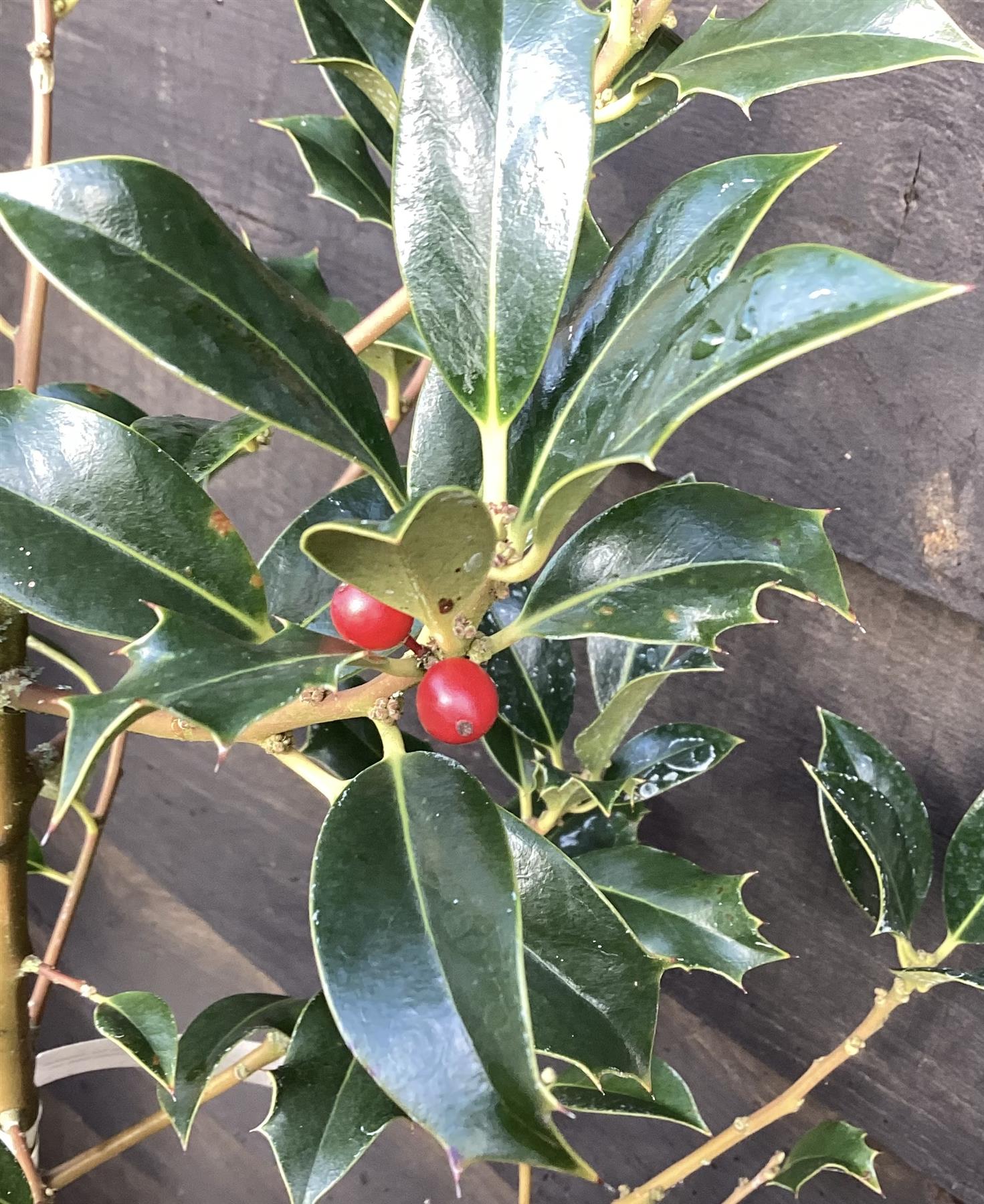
Ilex acquifolium | English Holly - 100-120cm, 10lt
£57.00
Unit price perIlex acquifolium | English Holly - 100-120cm, 10lt
£57.00
Unit price per


Cherrybark Red Oak | Quercus falcata 'Pagodifolia' - Height 180-200cm - Pot Grown - 10lt
£135.00
Unit price perCherrybark Red Oak | Quercus falcata 'Pagodifolia' - Height 180-200cm - Pot Grown - 10lt
£135.00
Unit price perQuercus falcata 'Pagodifolia', commonly known as the Pagoda Leaf Southern Red Oak, is a distinctive native tree admired for its unusual, deeply lobed leaves shaped like the tiers of a pagoda. This variety of Southern Red Oak grows into a stately, broad-canopied tree that provides excellent shade and long-lasting beauty in landscapes. Its foliage emerges a fresh green in spring, matures to a rich summer canopy, and transforms into shades of red, orange, and bronze in fall, adding striking seasonal interest. The tree is highly adaptable, thriving in a wide range of soils, including sandy or clay conditions, and is tolerant of heat and drought once established. Strong and resilient, it supports native wildlife by offering acorns as a valuable food source for birds and mammals. Perfect for large landscapes, parks, or restoration projects, Quercus falcata 'Pagodifolia' combines ornamental appeal with ecological benefit.
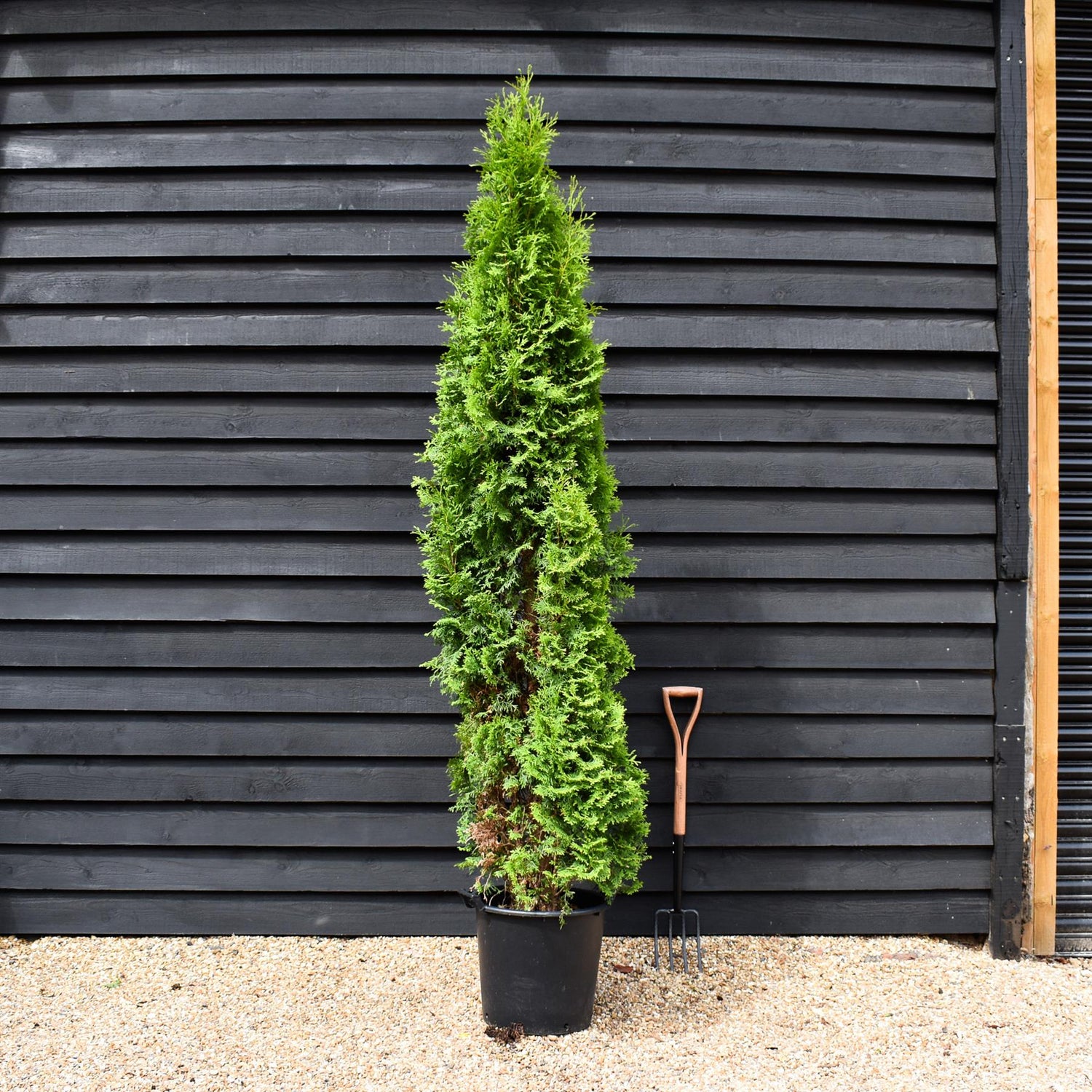
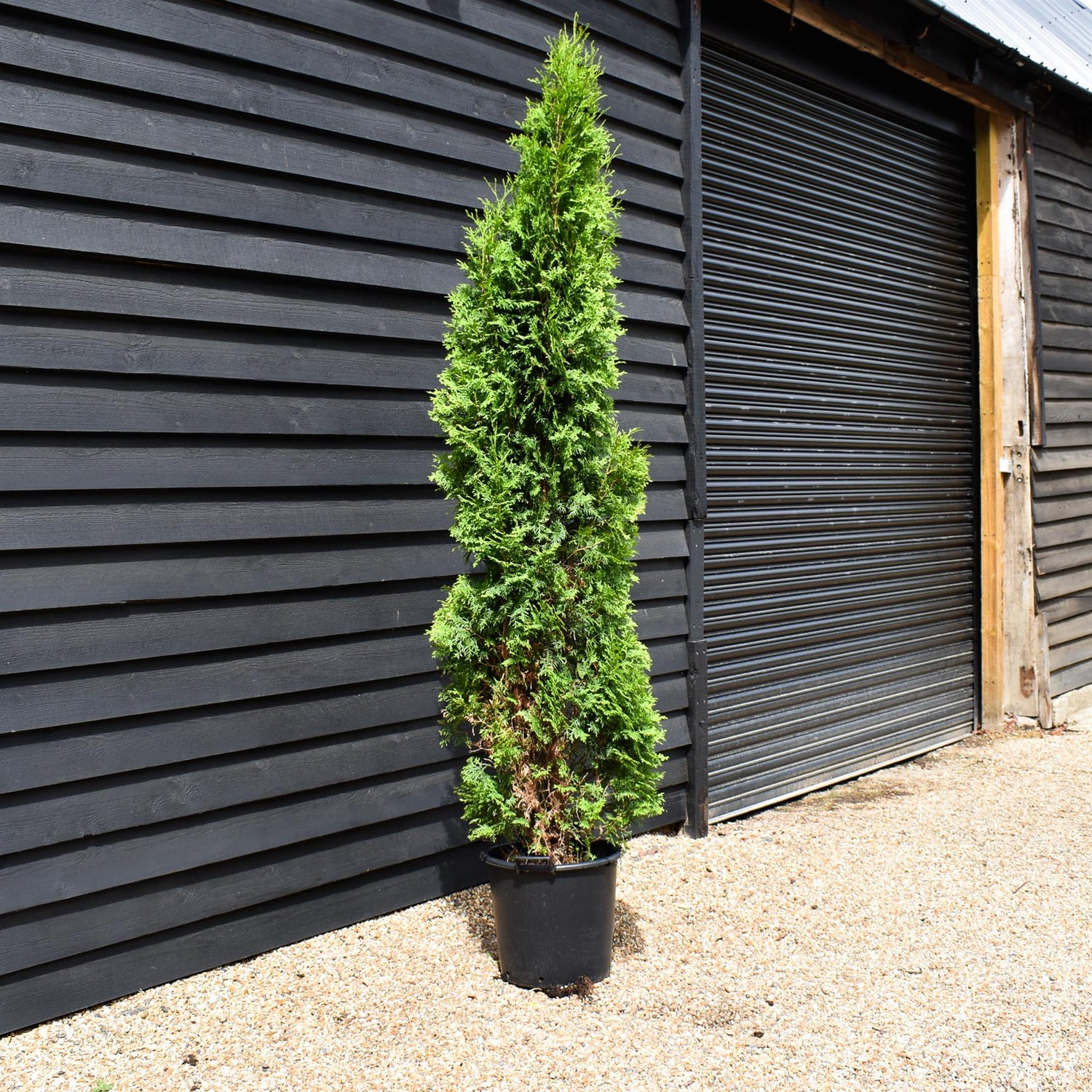
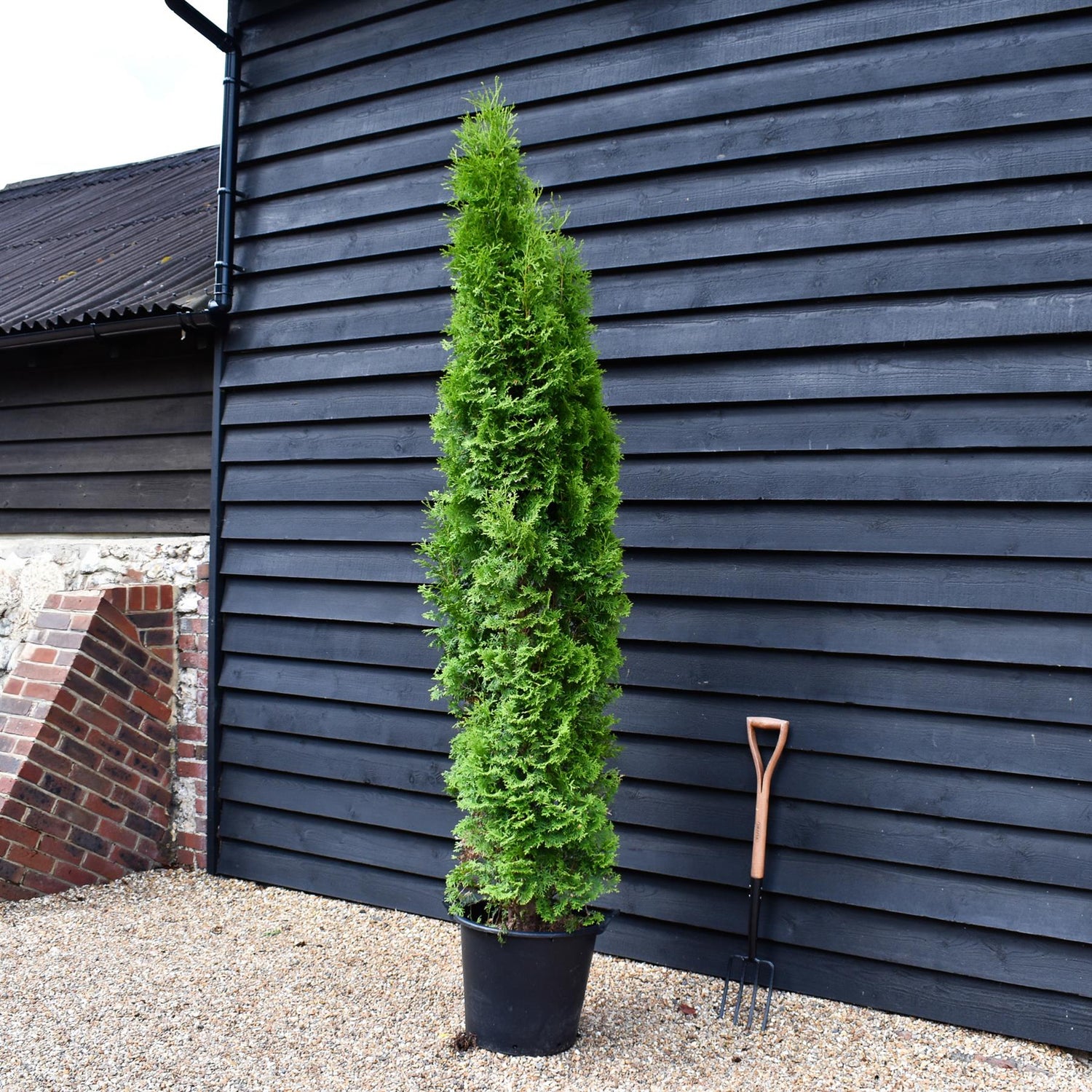
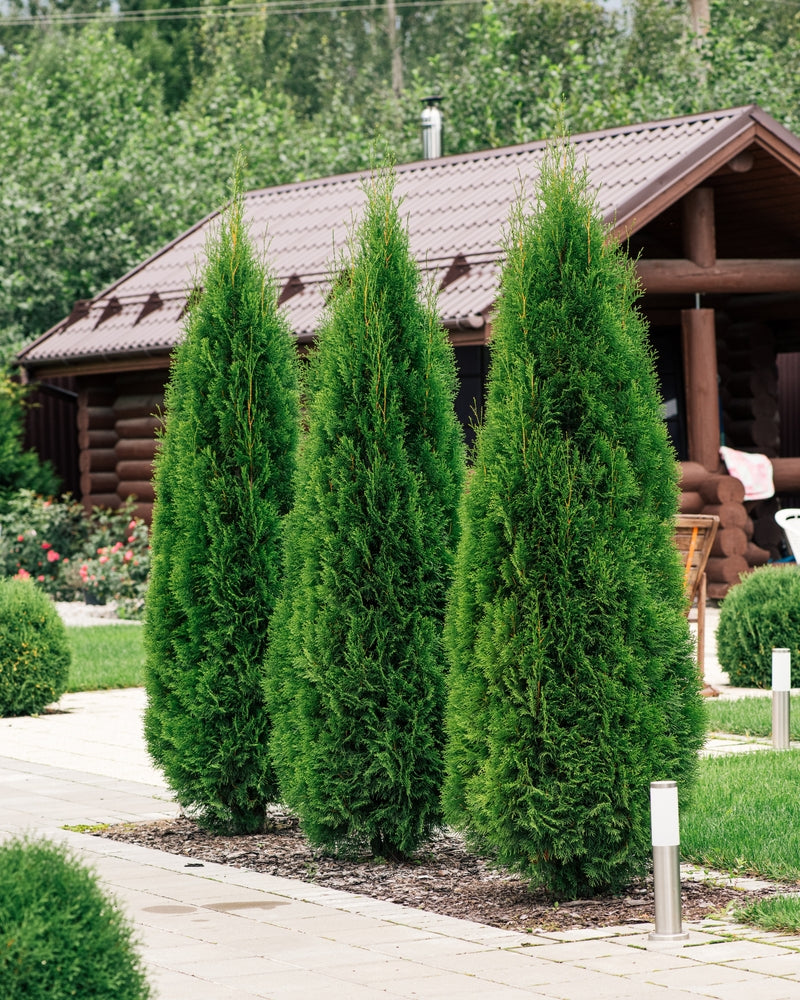
Thuja orientalis 'Pyramidalis' Compacta - 170-180cm - 35lt
£92.00
Unit price perThuja orientalis 'Pyramidalis' Compacta - 170-180cm - 35lt
£92.00
Unit price per


Taxus baccata | Yew tree - Cone - Height 60-70cm - 12lt
£99.00
Unit price perTaxus baccata | Yew tree - Cone - Height 60-70cm - 12lt
£99.00
Unit price per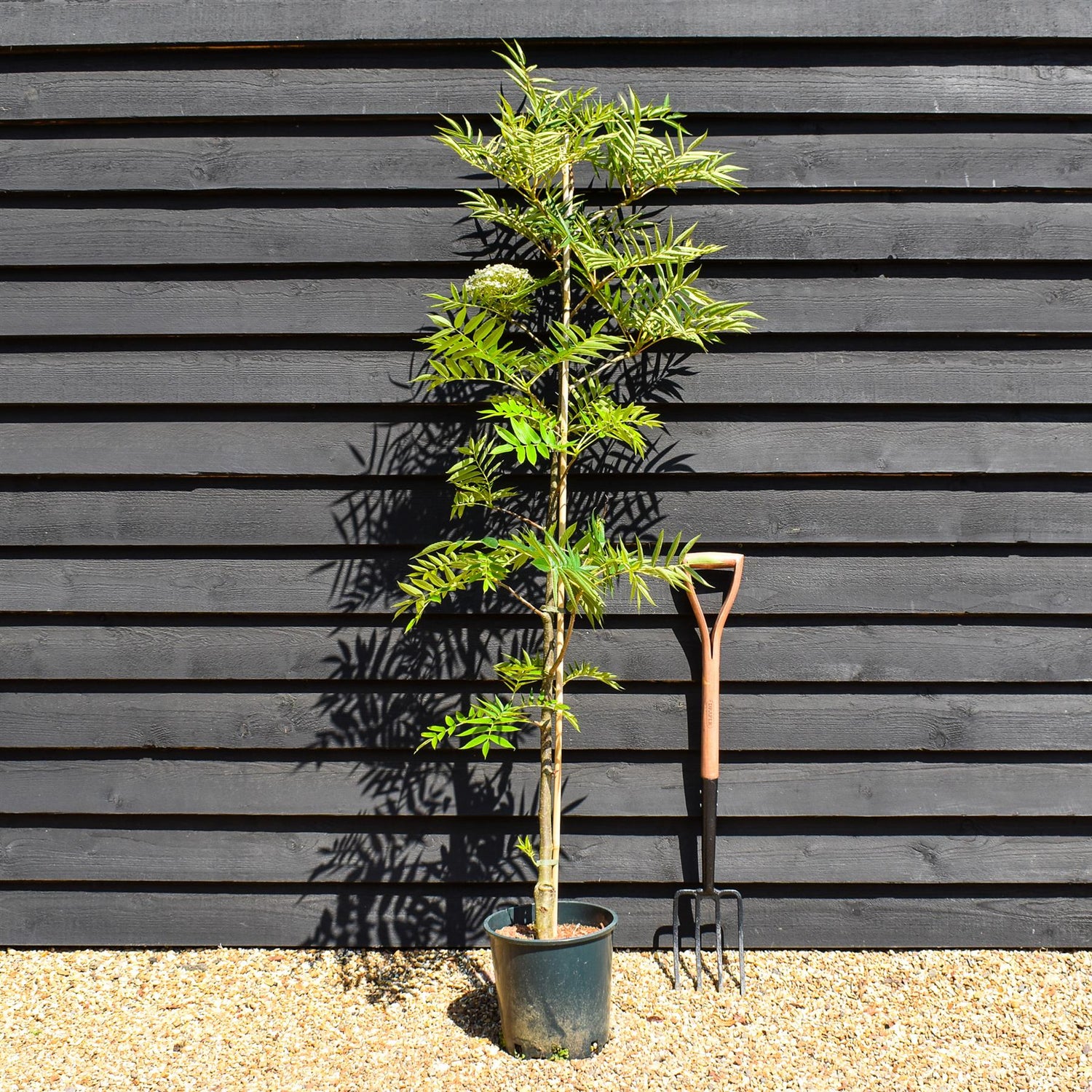
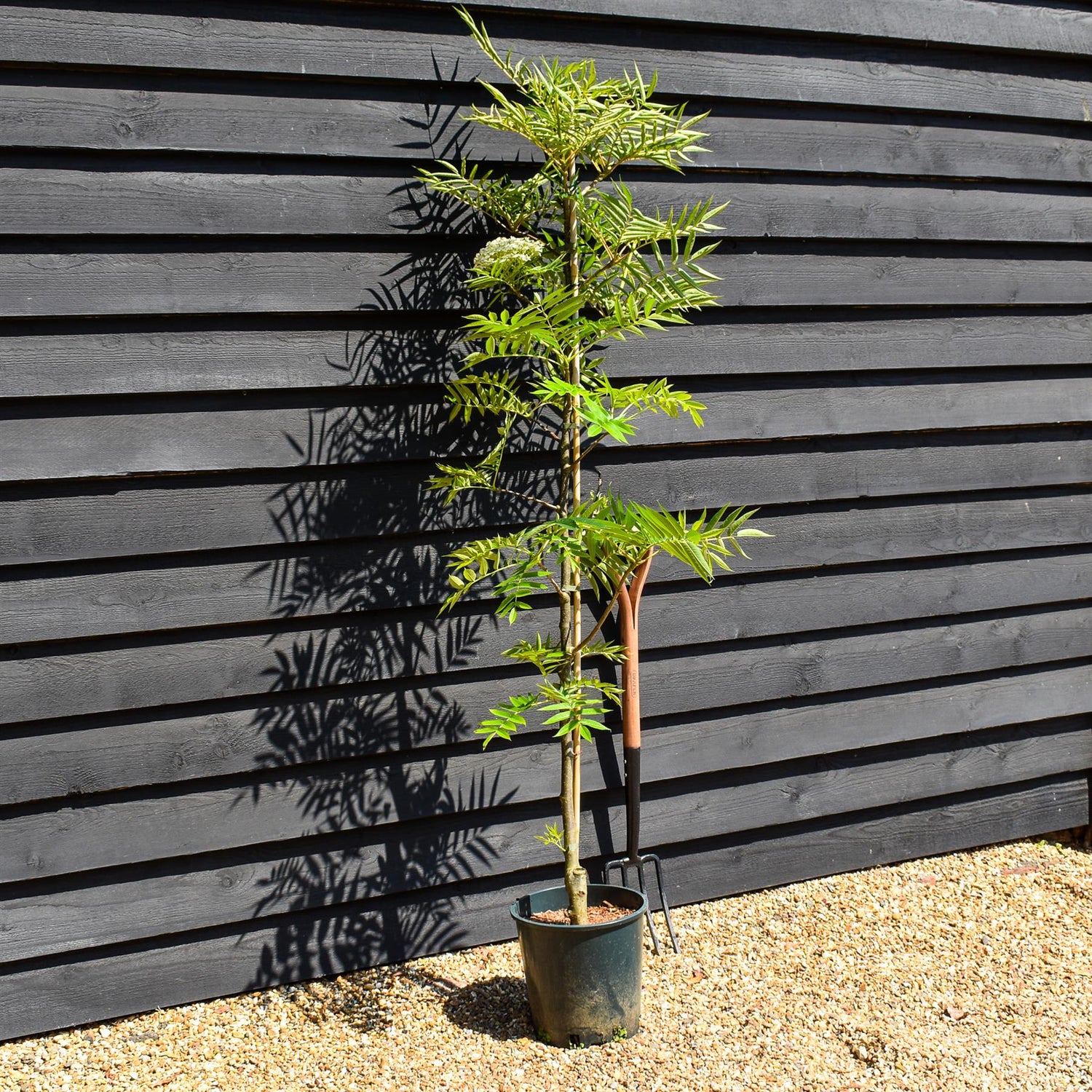
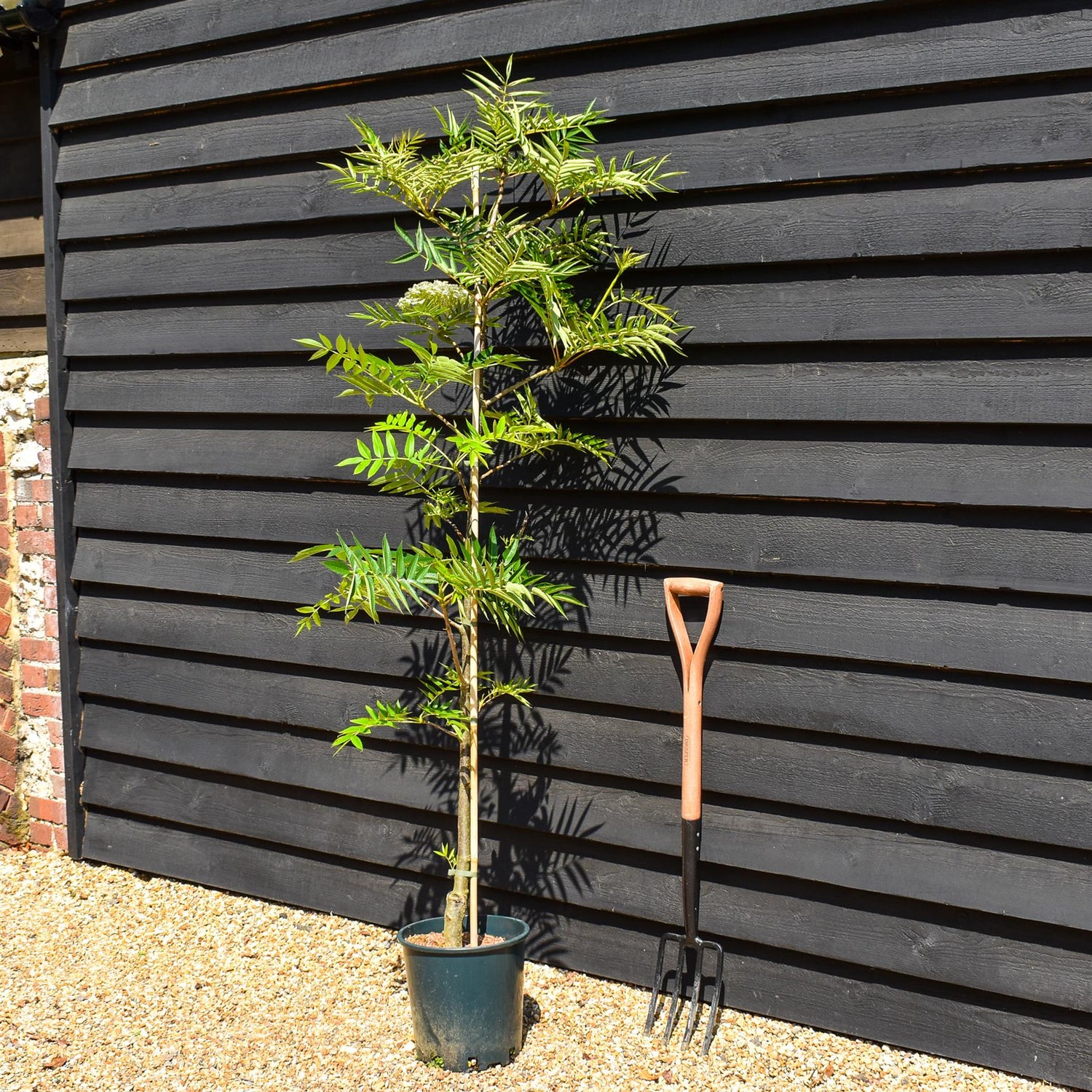
Sorbus commixta Olympic Flame | Scarlet Japanese Rowan - 200-250cm, 10lt
£86.00
Unit price perSorbus commixta Olympic Flame | Scarlet Japanese Rowan - 200-250cm, 10lt
£86.00
Unit price per


Ginkgo biloba | Maidenhair Tree -Height 180-220cm - 12lt
£103.00
Unit price perGinkgo biloba | Maidenhair Tree -Height 180-220cm - 12lt
£103.00
Unit price perGinkgo biloba is known as a “living fossil”, one of the oldest tree species. It’s a large, long-lived, coniferous, deciduous tree with deeply grooved, grey-brown bark and thick, fan-shaped, bi-lobed, green leaves that turn yellow in autumn. Ginkgo has either male catkins or female single flowers on long stems. Female plants bear unpleasantly scented plum-like fruits, which are actually hard seeds with silvery yellow seed coats.
Ginkgo biloba grows in a wide variety of soils, except too wet and waterlogged, but prefers average, medium moisture, sandy, well-drained soils, in full sun. Once established, it is tolerant of heat, salt, and urban pollution. Generally, disease-free and pest-free. Ginkgo biloba is a perfect specimen plant for large gardens. Great as a shade tree, lawn tree, or planted in espaliers. Very good for streets and parks. Slower-growing varieties are suitable for growing in containers. While young, the crown can be trimmed and trained as desired.
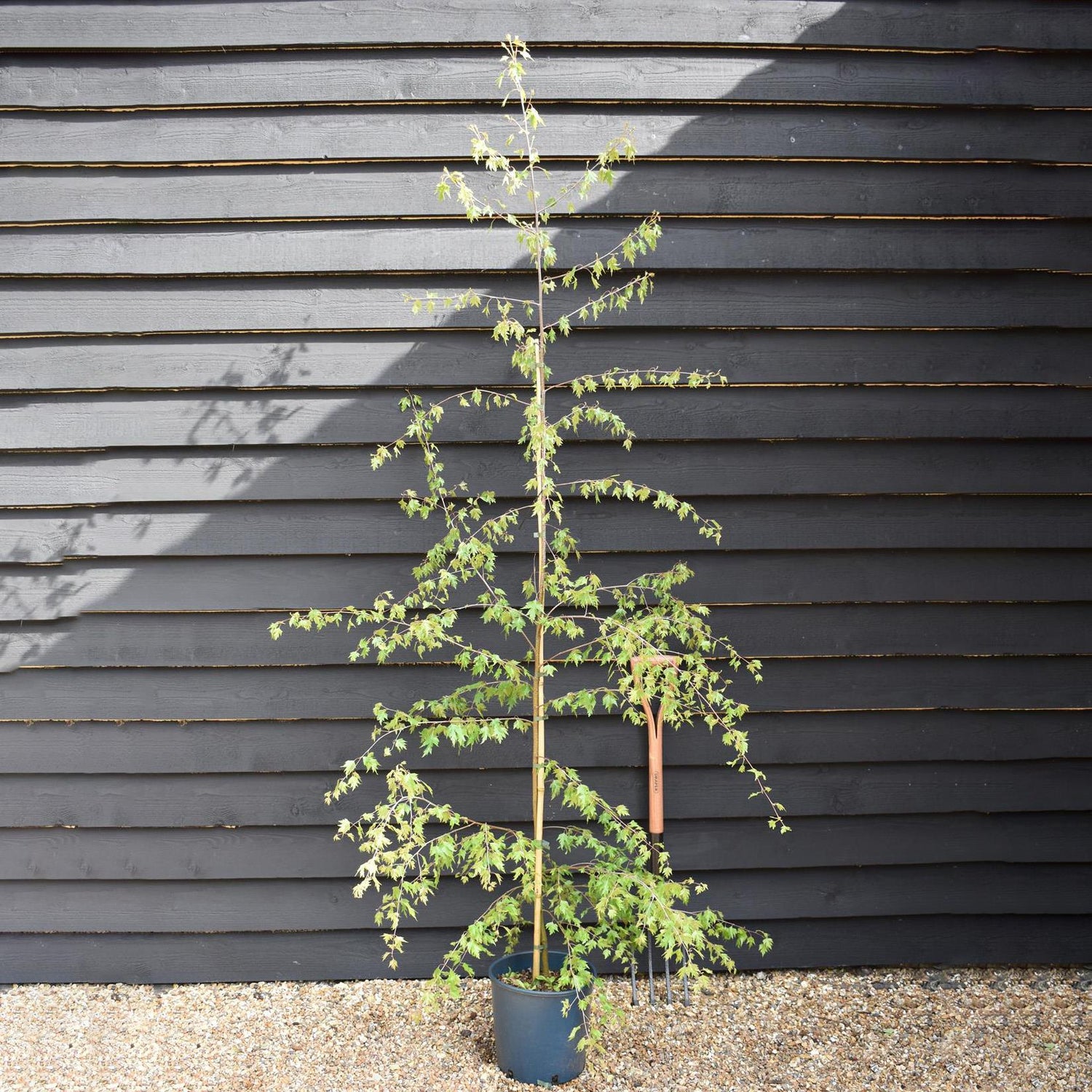
Silver Birch 'Dalecarlica' | Betula pendula - Height 220-250cm 10lt
£88.00
Unit price perSilver Birch 'Dalecarlica' | Betula pendula - Height 220-250cm 10lt
£88.00
Unit price perBetula pendula 'Dalecarlica,' commonly known as the Swedish Birch or Dalecarlian Birch, is a striking deciduous tree cultivar celebrated for its distinctive appearance and adaptability to a wide range of growing conditions. This cultivar is a popular choice among landscape designers and garden enthusiasts for its unique characteristics.
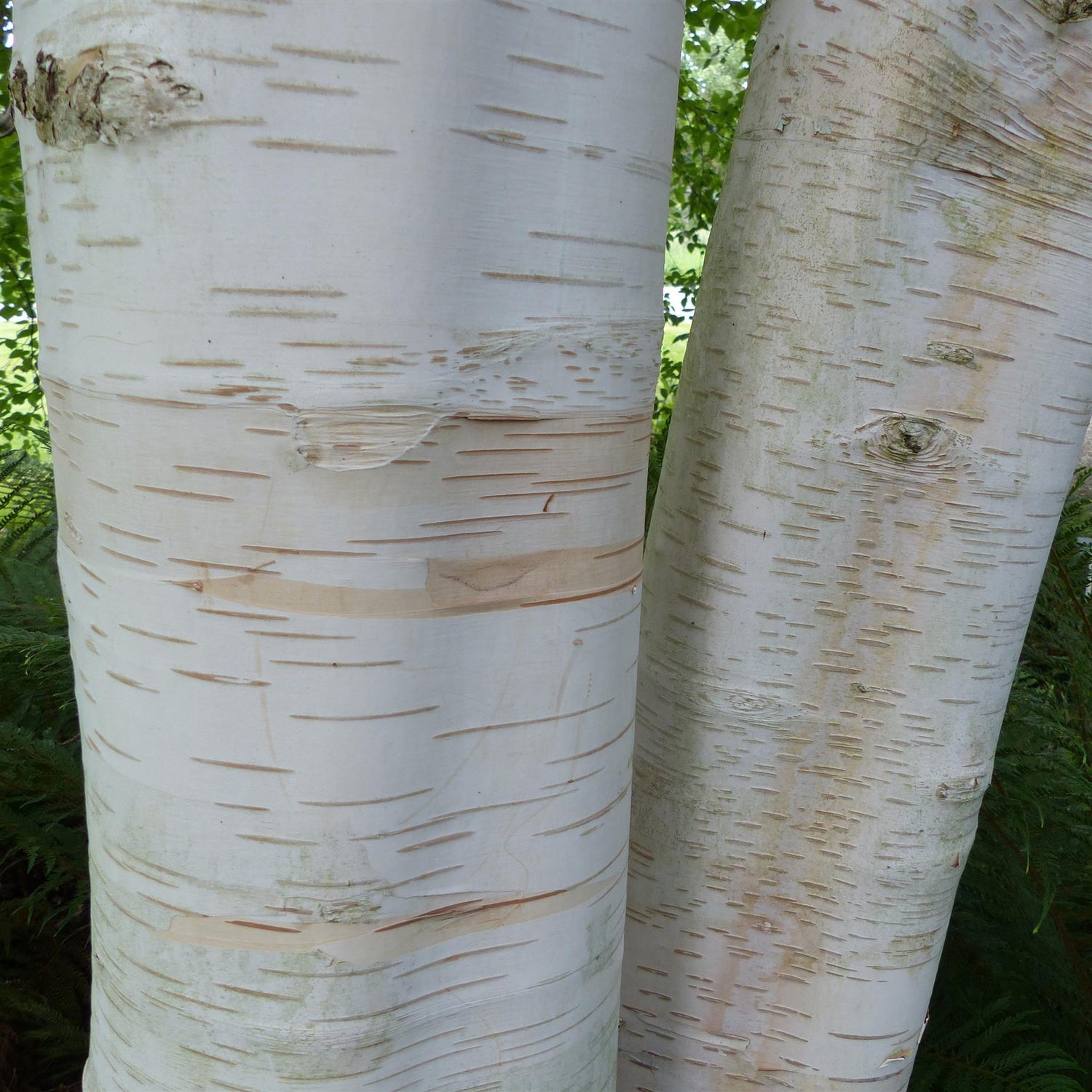
Dalecarlian Birch typically reaches a height of 40 to 50 feet (12 to 15 meters) with a graceful, upright, and slightly weeping form. Its slender branches elegantly arch downwards, creating a charming pendulous effect. The bark of this birch variety is a standout feature, characterized by its creamy-white colour with dark, diamond-shaped fissures that become more pronounced with age. This contrast between the bark's white background and dark patterns creates a visually striking tree year-round.
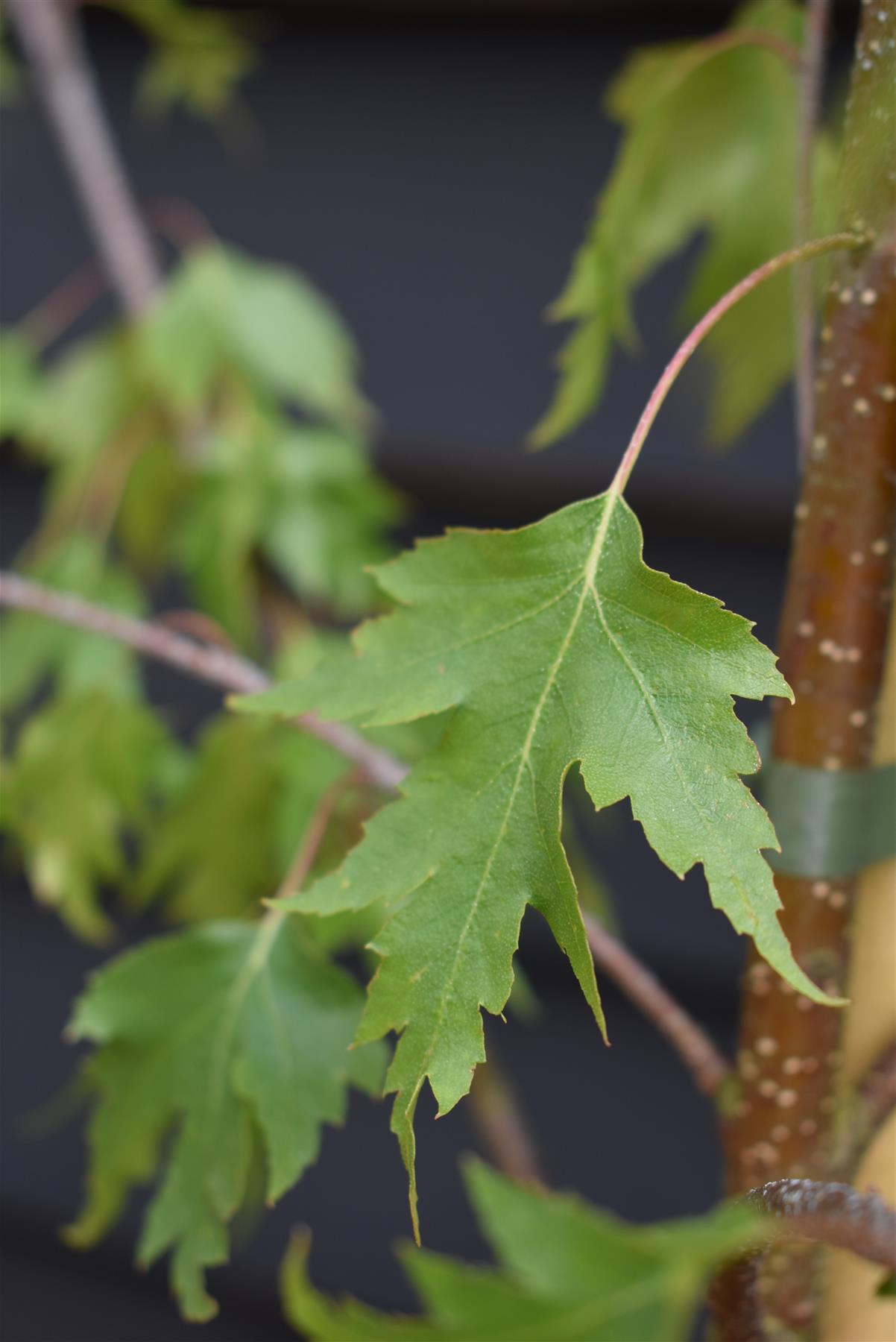
The foliage of Betula pendula 'Dalecarlica' consists of small, diamond-shaped leaves that are bright green in the spring and summer. In the fall, these leaves transition to a stunning golden-yellow colour, providing a spectacular display of autumnal beauty. The delicate leaves rustle gently in the breeze, adding to the tree's overall appeal.
One of the advantages of this cultivar is its adaptability to various soil types and moisture conditions. Swedish Birch thrives in full sun to partial shade and is tolerant of a wide range of soil pH levels. It can tolerate moist to well-drained soils, making it suitable for a variety of garden settings, including urban environments, parks, and residential landscapes.
Betula pendula 'Dalecarlica' is known for its low maintenance requirements. While it benefits from occasional pruning to maintain its shape and remove dead or diseased branches, it generally requires minimal care.
In summary, Betula pendula 'Dalecarlica,' or the Swedish Birch, is a visually captivating and adaptable tree cultivar known for its graceful pendulous form, distinctive bark, and golden autumn foliage. Its ability to thrive in diverse soil and light conditions makes it a versatile choice for a wide range of garden and landscape applications, while its unique aesthetic qualities make it a cherished addition to outdoor spaces.
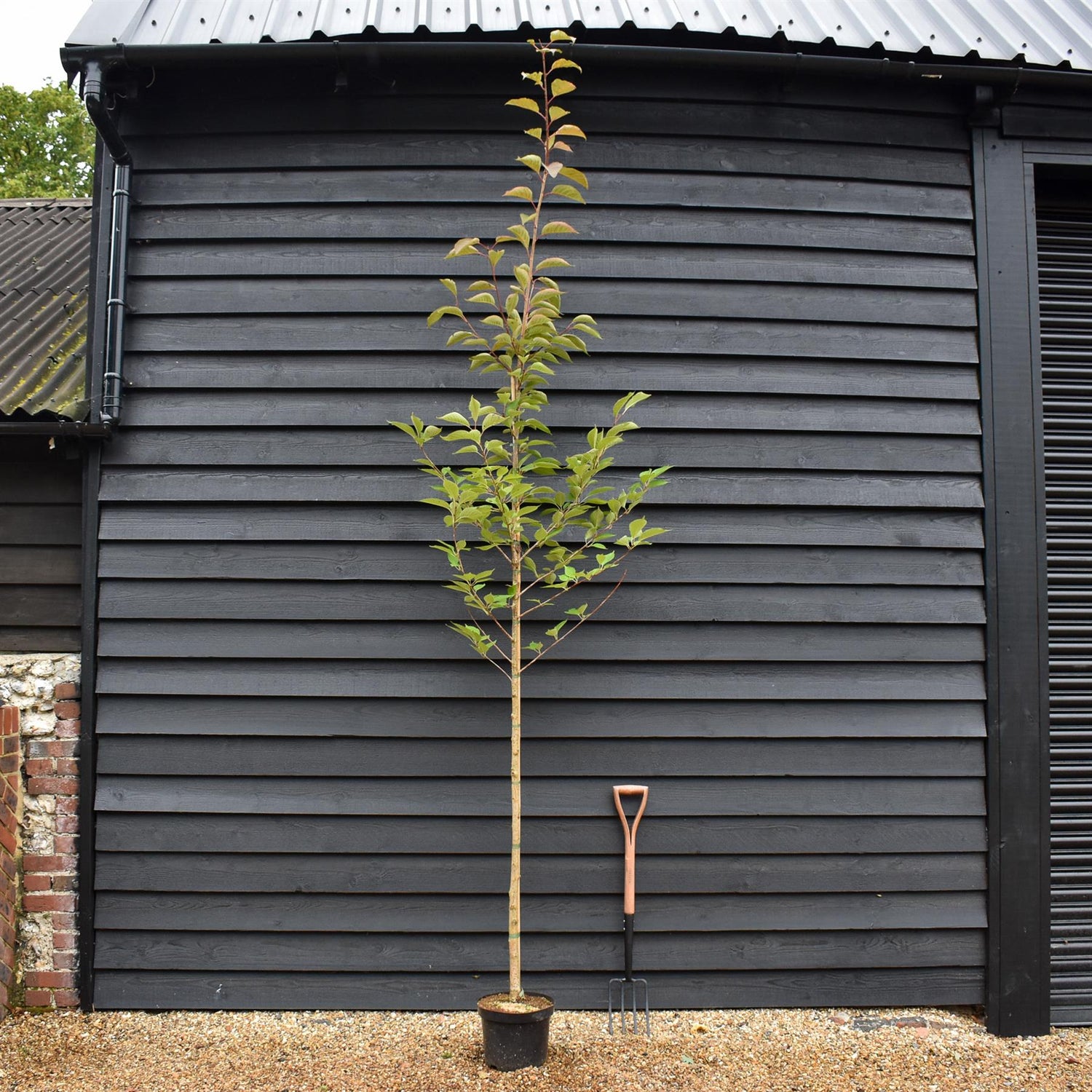
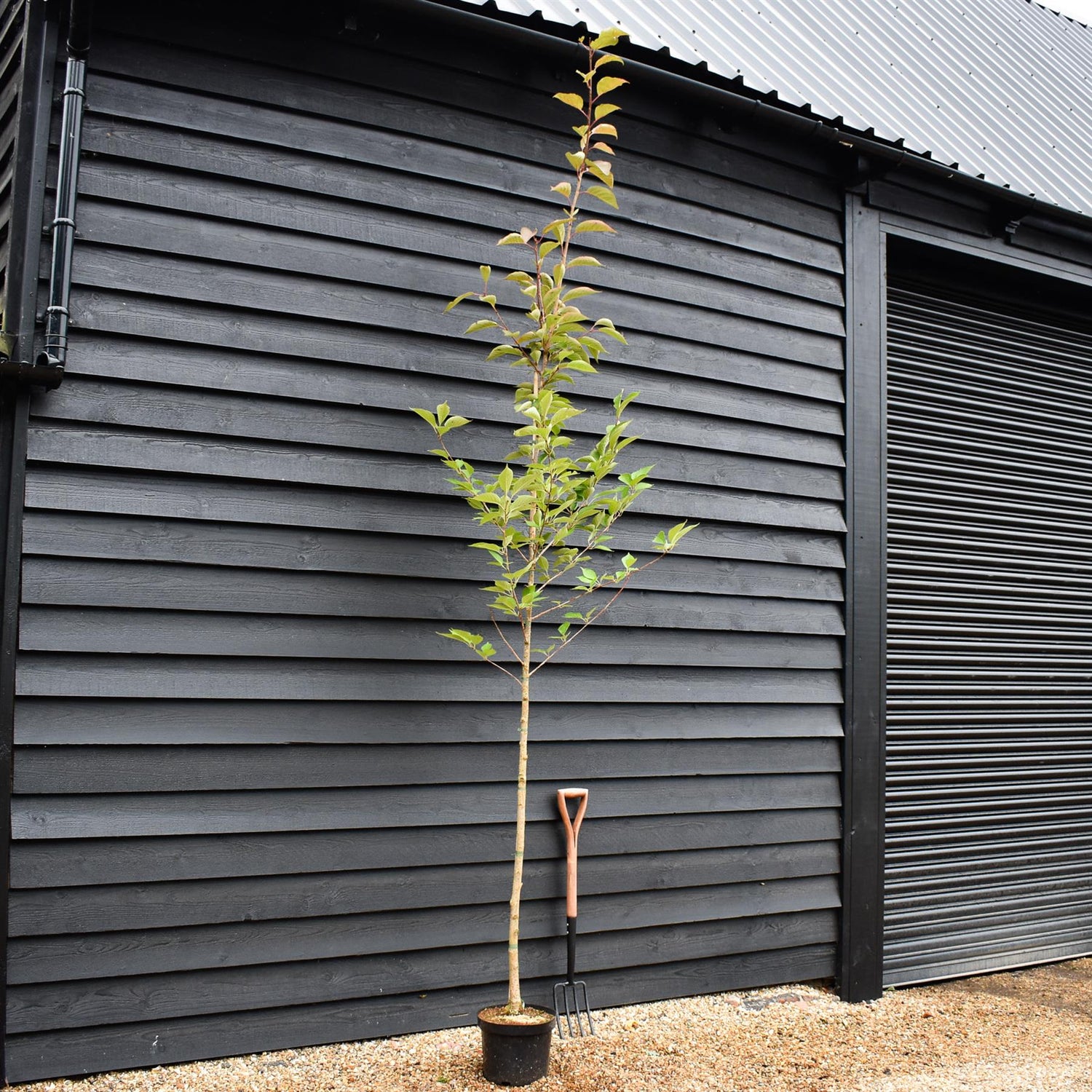
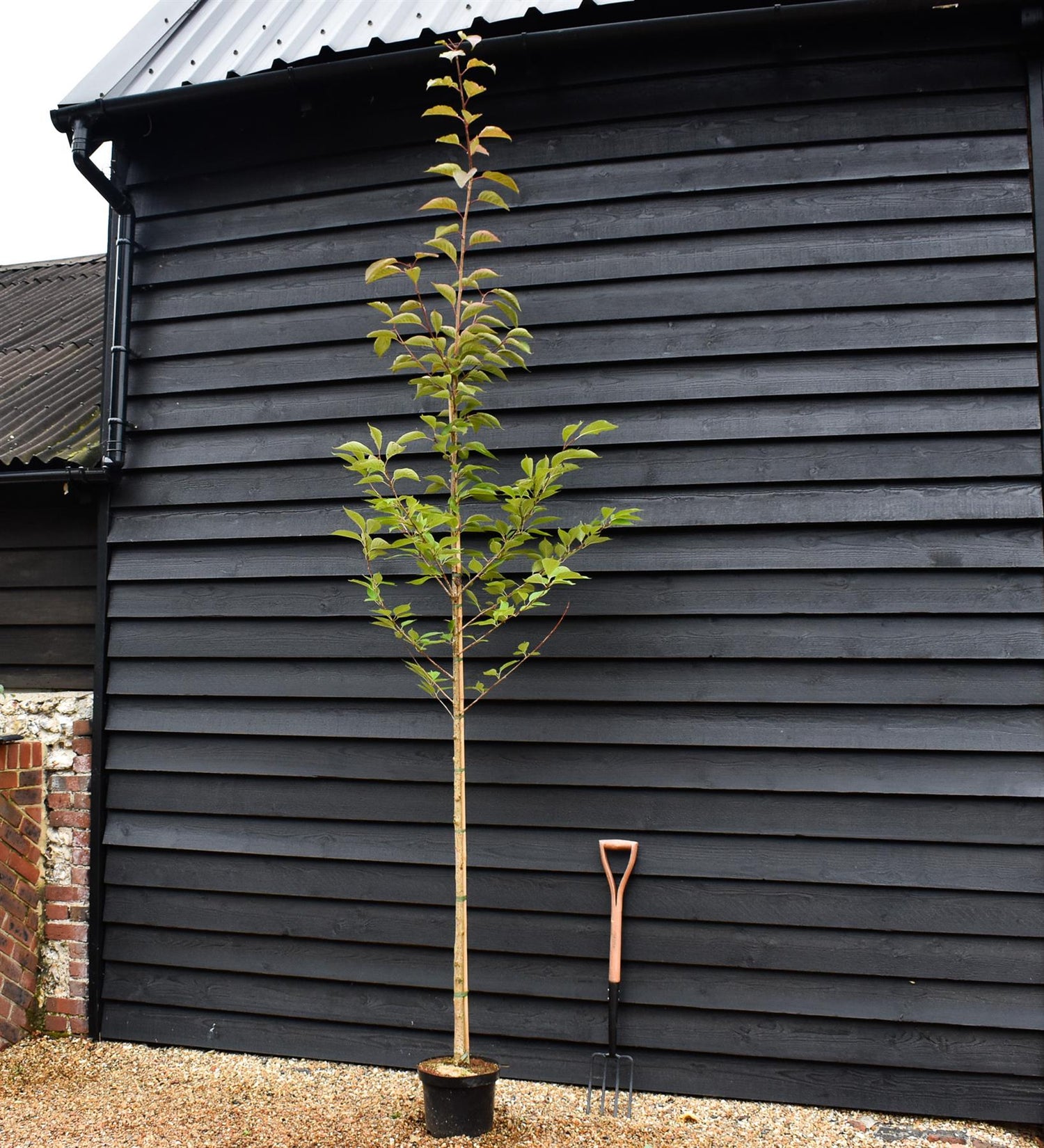
Prunus serrulata 'Beni-Yutaka' - Height 370-390cm - Clear Stem 115cm - Girth 8cm - 10lt
£86.00
Unit price perPrunus serrulata 'Beni-Yutaka' - Height 370-390cm - Clear Stem 115cm - Girth 8cm - 10lt
£86.00
Unit price perPrunus serrulata 'Beni-Yutaka' is a highly ornamental Japanese cherry cultivar admired for its striking spring display and graceful form. This deciduous tree develops a broad, spreading crown with elegant, arching branches, creating a soft, rounded silhouette that makes it ideal as a focal point in gardens and landscapes. In mid to late spring, it bursts into a profusion of large, semi-double flowers, a rich rosy-pink in color, which emerge in generous clusters, giving the tree an especially luxuriant and showy appearance. The blossoms often create a breathtaking canopy, attracting pollinators and delighting viewers with their vibrant yet delicate beauty.
The foliage provides additional seasonal interest. When young, the leaves emerge bronze-tinted, gradually maturing to a rich, glossy green throughout summer. As autumn approaches, they transform into glowing shades of orange, gold, and red, extending the tree’s ornamental value well beyond the flowering season. Typically reaching 5–8 meters in height and spread, 'Beni-Yutaka' is well-suited for medium-sized gardens, avenues, or parks. It thrives best in well-drained soil with full sun exposure, embodying elegance and seasonal charm in any landscape setting.


Paulownia elongata 'Futuro' - Height 40-70cm - 10lt
£70.00
Unit price perPaulownia elongata 'Futuro' - Height 40-70cm - 10lt
£70.00
Unit price perPaulownia elongata ‘Futuro’ is a remarkably fast-growing deciduous tree prized for its ecological and economic benefits. Known for its straight trunk and broad, heart-shaped leaves, this hybrid variety can reach heights of 10–15 meters within just a few years under optimal conditions. In spring, it produces striking clusters of pale violet, trumpet-shaped flowers that attract pollinators and add ornamental value. The leaves are exceptionally large and efficient at photosynthesis, enabling rapid biomass accumulation and high carbon sequestration—making it a valuable species for reforestation and climate mitigation projects.
‘Futuro’ is specifically bred for improved adaptability, disease resistance, and high-quality timber production. Its wood is light yet strong, with a fine grain and excellent dimensional stability, suitable for furniture, musical instruments, and eco-friendly construction. The tree thrives in well-drained soils with good sunlight and moderate water availability, recovering quickly after coppicing. Because of its regenerative ability and environmental resilience, Paulownia elongata ‘Futuro’ is increasingly recognized as a sustainable resource for green industries, combining rapid growth with ecological and aesthetic appeal.


Amelanchier Canadensis - Multistem - Height 200-250cm - 70lt
£545.00
Unit price perAmelanchier Canadensis - Multistem - Height 200-250cm - 70lt
£545.00
Unit price per


Prunus Pink Perfection | Flowering Cherry 'Pink Perfection' - 200-250cm, 10lt
£83.00
Unit price perPrunus Pink Perfection | Flowering Cherry 'Pink Perfection' - 200-250cm, 10lt
£83.00
Unit price per


Abelia Grandiflora | Glossy Abelia - 140-160cm, 10lt
£45.00
Unit price perAbelia Grandiflora | Glossy Abelia - 140-160cm, 10lt
£45.00
Unit price per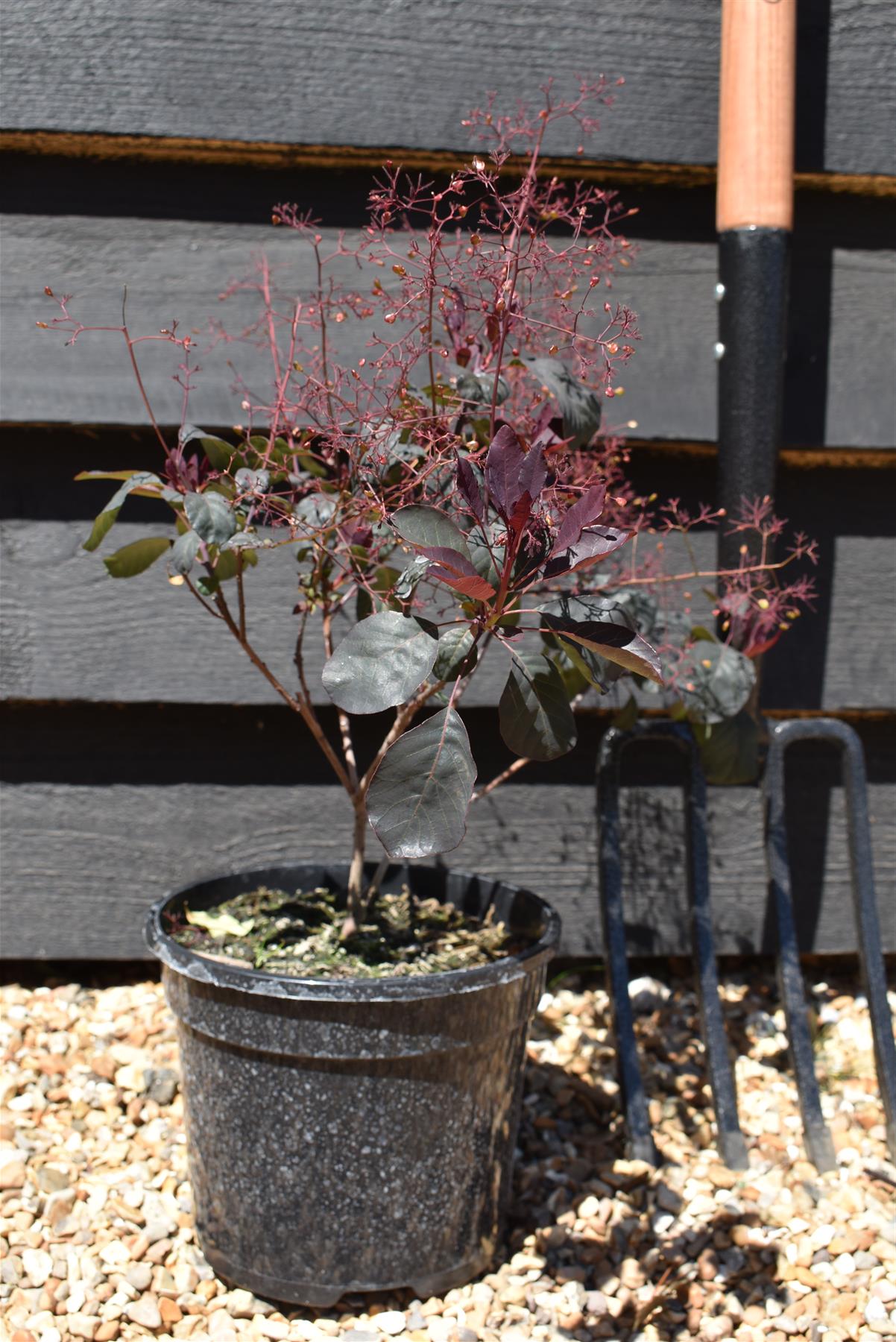


Cotinus coggy. Dusky Maiden - 15-25cm - 3lt
£16.00
Unit price perCotinus coggy. Dusky Maiden - 15-25cm - 3lt
£16.00
Unit price per


Hesperaloe parviflora | Redflower false yucca - Height 65-75cm - 35lt
£325.00
Unit price perHesperaloe parviflora | Redflower false yucca - Height 65-75cm - 35lt
£325.00
Unit price perHesperaloe parviflora, commonly known as red yucca, is an exceptionally adaptable and low-maintenance plant, making it highly suitable for a wide variety of garden settings. Despite its name, it is not a true yucca but a clumping succulent with narrow, arching, evergreen leaves that provide strong architectural interest year-round. Its tall flower spikes, typically bearing coral-red or yellow tubular blooms, appear from late spring through summer and attract hummingbirds, bees, and other pollinators, adding vibrant life to the garden.
This plant excels in hot, dry conditions and is highly drought tolerant once established, making it ideal for xeriscapes, gravel gardens, desert-style plantings, and water-wise landscapes. It thrives in full sun and well-drained soils, and it tolerates heat, wind, and poor soil remarkably well. Its compact, tidy growth habit also suits modern and minimalist garden designs.
Hesperaloe parviflora is hardy in many climates and can withstand surprisingly low temperatures, making it suitable even for regions with cold winters. It requires very little maintenance—no frequent watering or pruning—and is resistant to deer and most pests. Overall, its toughness, long-lasting blooms, and sculptural form make it a reliable and attractive addition to any garden focused on beauty with minimal effort.


Jasminum nudiflorum - Height 15-35cm - Climber - 2lt
£18.00
Unit price perJasminum nudiflorum - Height 15-35cm - Climber - 2lt
£18.00
Unit price perJasminium nudiflorum, often referred to as winter jasmine, is a deciduous shrub known for its bright yellow flowers that bloom in the late winter to early spring, a time when few other plants are in flower. Originating from China, this jasmine species has become popular in gardens worldwide due to its vibrant winter display.
Unlike many other jasmine species, the winter jasmine is not fragrant. Its slender, arching, green stems often give the appearance of being evergreen, but they shed their simple, trifoliate, dark green leaves during the colder months. When left unpruned, the plant can sprawl, making it an excellent choice for ground cover or for cascading down walls and banks. It is especially effective for erosion control on slopes.
Winter jasmine is highly adaptable. It thrives in full sun to partial shade and prefers well-draining soil, although it can tolerate a variety of soil conditions. This hardy shrub can withstand cold temperatures and is often one of the first plants to bloom after the winter chill, heralding the impending arrival of spring.
Regular pruning can keep the plant compact and promote more prolific flowering. Its resilience, paired with its striking winter display, makes Jasminium nudiflorum a cherished plant for gardens desiring year-round interest.