

-
Trees
Trees
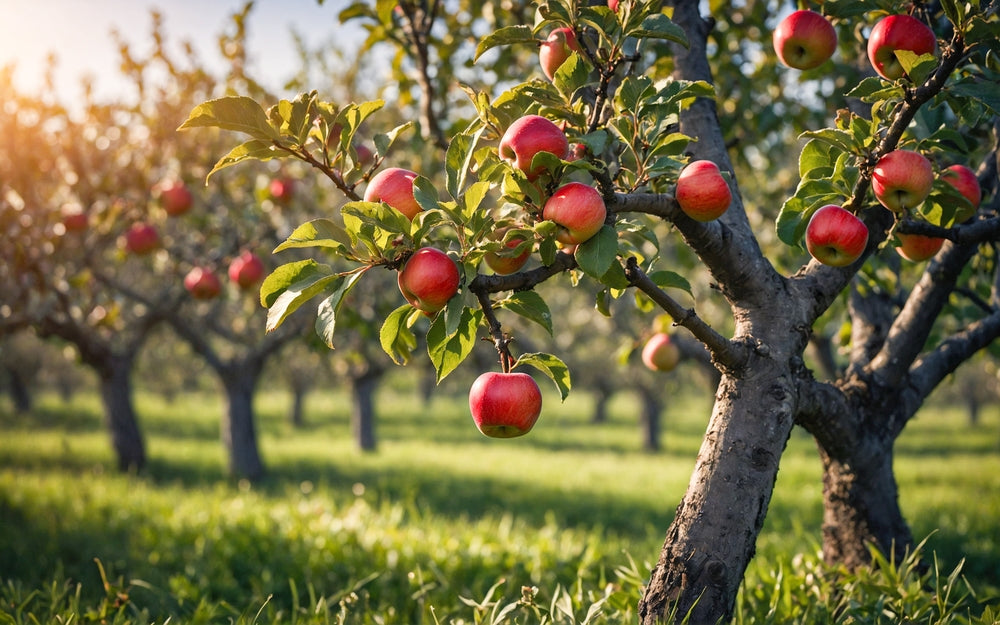 Fruit Trees
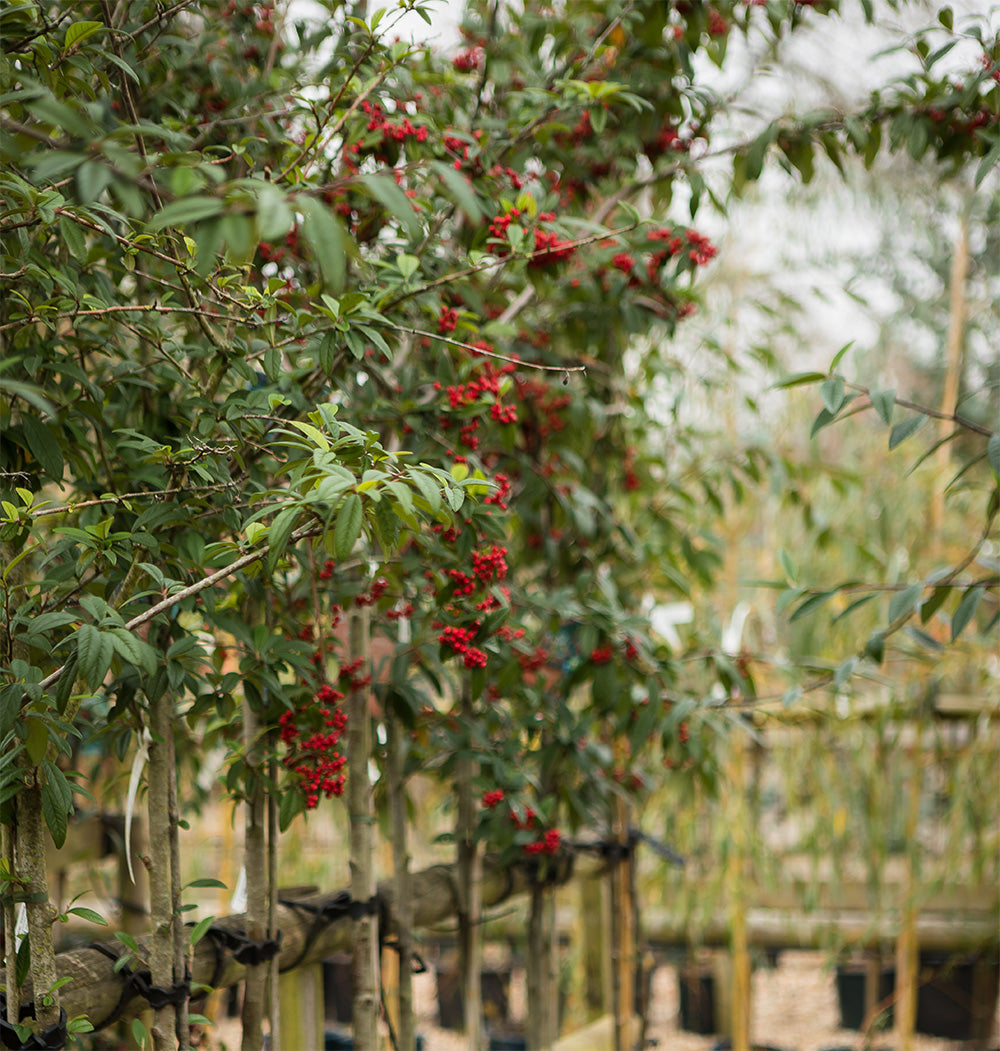 Ornamental
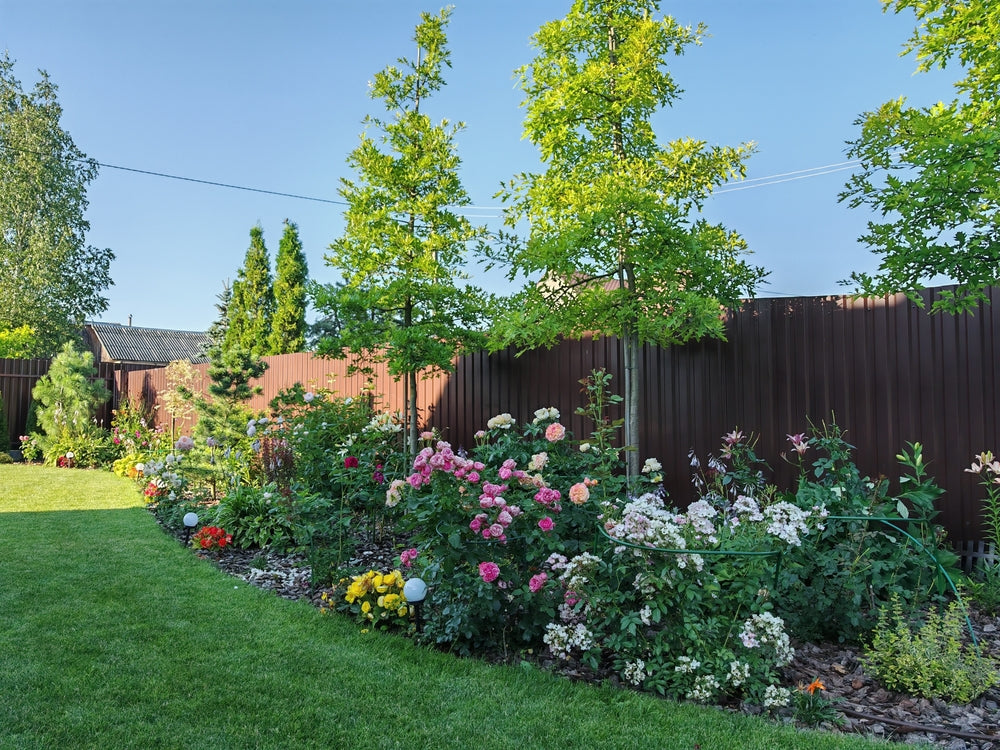 Screening
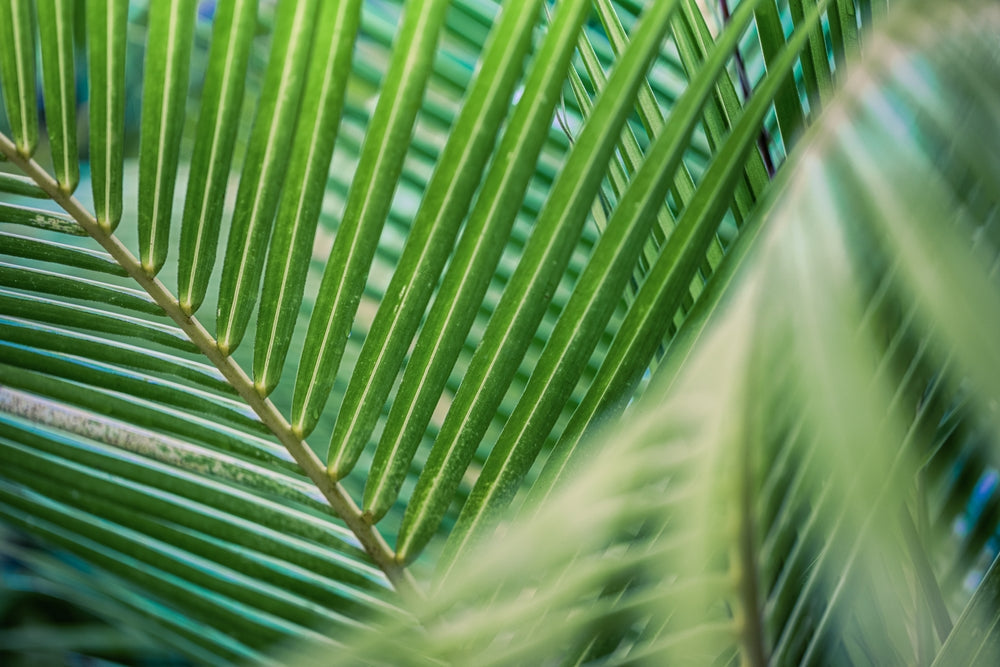 Palms
By FeaturesBy Shape
Palms
By FeaturesBy Shape -
Shrubs
Shrubs
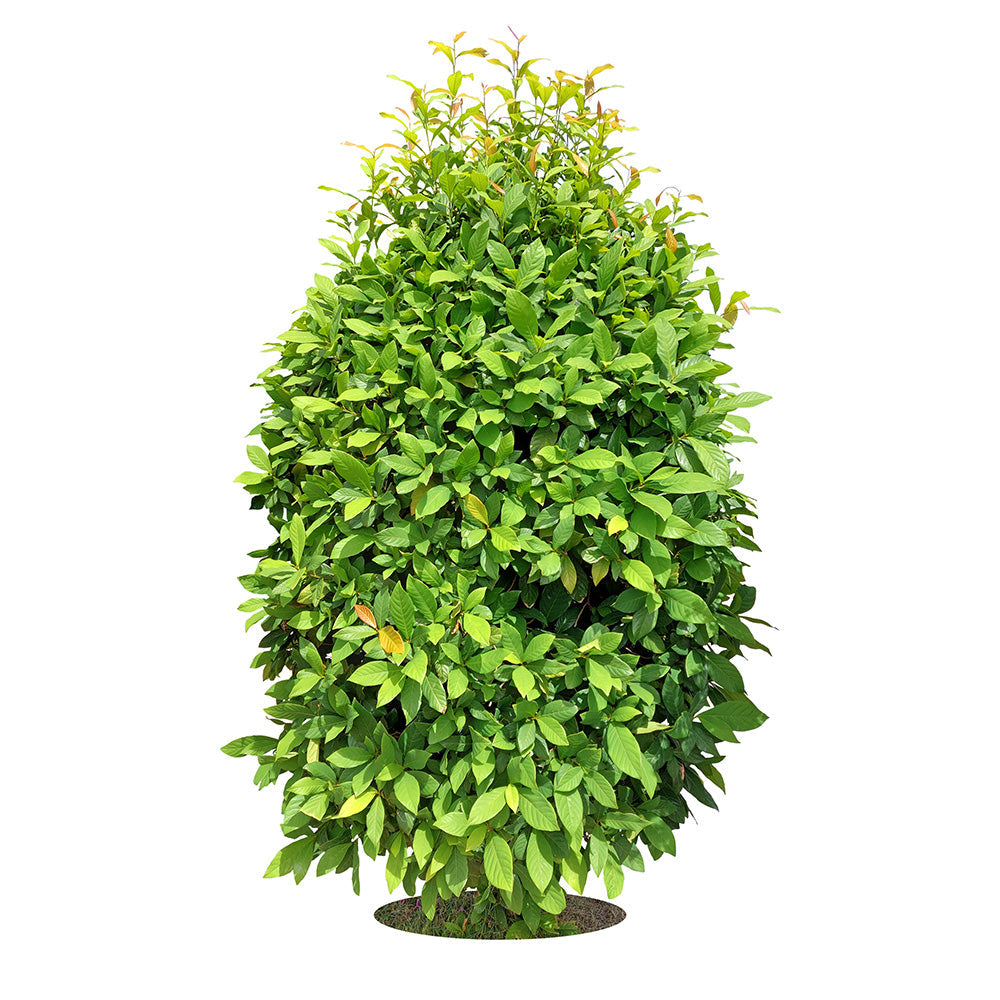 Large shrubs
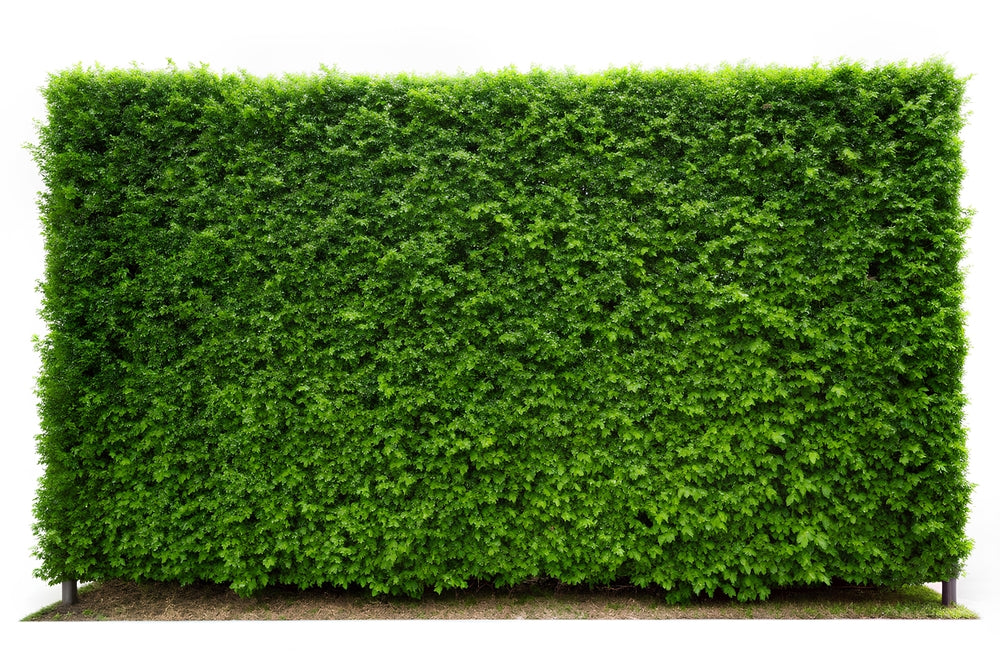 Hedging
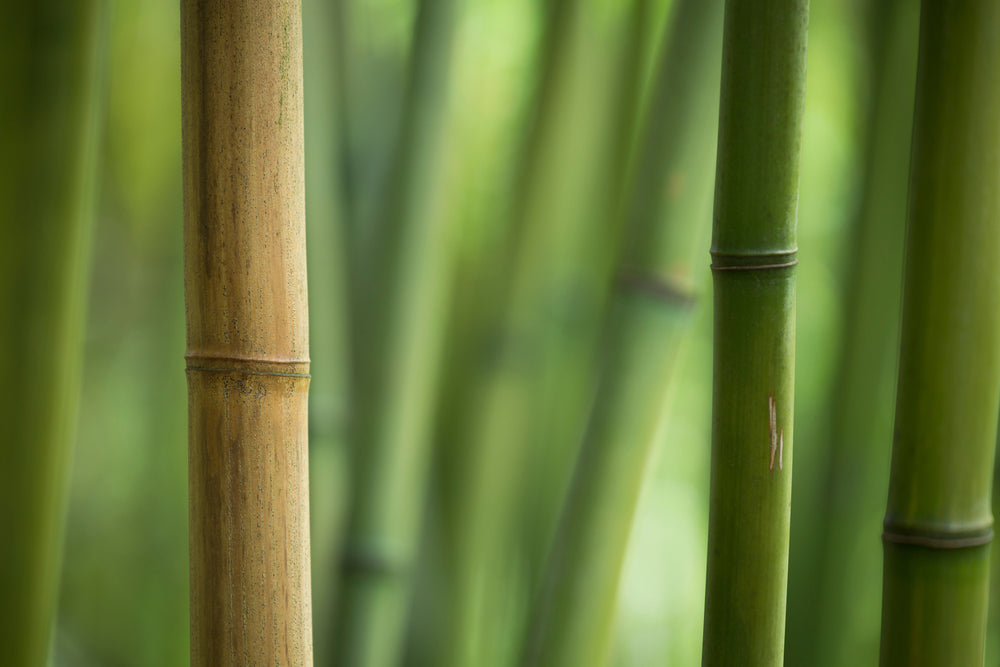 Bamboo
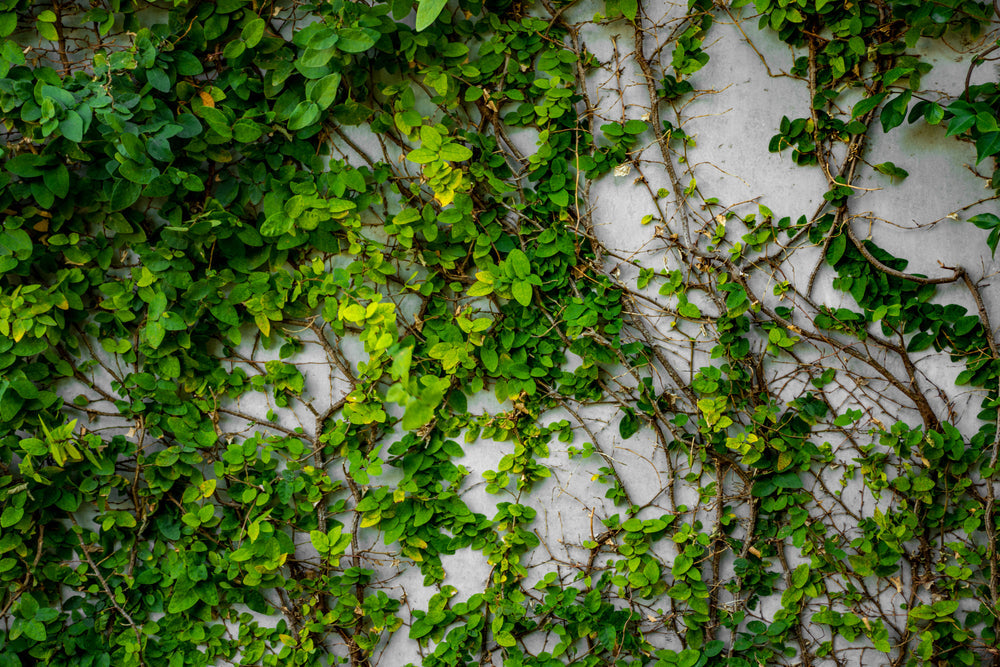 Climbers
 Flowering
 Grasses & Ferns
 Popular
-
Pines & Conifers
Pines & Conifers
 Pines
Pines
 Spruce & Fir
 Cypress
 Thuja
Thuja
 Redwood | Sequoia
-
Specimen
FREE DELIVERY OVER £350
Search results
Search results


Alnus Incana Aurea - Grey Alder - Feathered - Height 240-250cm - 10lt
£138.00
Unit price perAlnus Incana Aurea - Grey Alder - Feathered - Height 240-250cm - 10lt
£138.00
Unit price perAlnus incana 'Aurea', known as the Golden Alder, is a deciduous tree prized for its striking yellow foliage and adaptability to various growing conditions. This cultivar is a variation of the grey alder (Alnus incana), native to Europe, North America, and parts of Asia, and is widely cultivated for its ornamental appeal.
Reaching a height of 6 to 10 metres, with a spread of 4 to 6 metres, Alnus incana 'Aurea' is medium-sized, making it suitable for smaller gardens as well as larger landscapes. It is noted for its smooth, greyish bark, which contrasts beautifully with its bright golden-yellow leaves that emerge in early spring. As the season progresses, the foliage turns a lime green, maintaining a light and airy appearance. The leaves are ovate, serrated, and slightly sticky to the touch when young.
In winter, this tree adds visual interest with its small, cone-like fruits and hanging catkins that persist on the branches. The catkins are yellow-brown and appear before the leaves in early spring, contributing to the tree’s year-round appeal.
Alnus incana 'Aurea' is an extremely hardy tree, thriving in a variety of soil types, including wet and poorly drained soils. It is often planted in areas prone to flooding or along riverbanks, as it is highly tolerant of waterlogged conditions. The tree also fixes nitrogen in the soil through symbiotic relationships with root nodules, which improves soil fertility.
Though low-maintenance, the Golden Alder benefits from occasional pruning to maintain its shape and encourage healthy growth. This fast-growing tree is a great choice for those looking to introduce colour and texture to their garden while supporting local wildlife, as it provides shelter and food for birds and insects.


Alnus Glutinosa - Alder tree - Feathered - Height 280-300cm - Girth 6-8cm -30lt
£260.00
Unit price perAlnus Glutinosa - Alder tree - Feathered - Height 280-300cm - Girth 6-8cm -30lt
£260.00
Unit price perAlnus glutinosa, commonly known as the black alder, is a deciduous tree native to Europe, including the British Isles. It is a versatile and resilient species, often found thriving in wetland areas, riverbanks, and marshes, where its roots can help stabilise the soil and prevent erosion.
The black alder typically grows to a height of 20-30 metres, with a broad, conical crown that becomes more rounded with age. Its bark is dark brown and fissured, often developing a distinctive, almost black hue as the tree matures. One of its most notable features is its leaves, which are rounded with a slightly serrated edge and a glossy, dark green surface that turns yellow in the autumn.
In early spring, Alnus glutinosa produces catkins – the male catkins are long and yellowish, while the female ones are shorter and reddish. These mature into woody, cone-like fruits that persist on the tree throughout the winter, providing a valuable food source for wildlife. The black alder also forms symbiotic relationships with nitrogen-fixing bacteria in its root nodules, enriching the soil and benefiting neighbouring plants.
Due to its adaptability and ecological benefits, Alnus glutinosa is often used in reforestation and habitat restoration projects. It supports a wide range of wildlife, including insects, birds, and aquatic species, making it a vital component of the British natural landscape.


Corylus 'Colurna'| Turkish Hazel - Height 280-310cm -Girth 10-12cm - 45lt
£395.00
Unit price perCorylus 'Colurna'| Turkish Hazel - Height 280-310cm -Girth 10-12cm - 45lt
£395.00
Unit price perCorylus colurna, commonly known as the Turkish hazel, is a distinctive deciduous tree valued for its hardiness, ornamental qualities, and tolerance of challenging urban environments. Native to south-eastern Europe and western Asia, it is the largest species within the hazel genus, capable of reaching heights of 20–25 metres with a broad, pyramidal crown that gradually becomes more rounded with age.
One of its most striking features is its deeply furrowed, corky bark, which develops an attractive, rugged texture even on relatively young trees. This characteristic, combined with its strong, upright form, gives the tree a notable architectural presence in parks, avenues, and large gardens. The foliage consists of broad, heart-shaped leaves that are coarsely toothed and provide a dense canopy. They emerge a fresh green in spring, mature to a deeper shade in summer, and may turn soft yellow in autumn, though the seasonal display is generally modest.
In late winter to early spring, the tree produces long, pale-yellow catkins, which dangle decoratively before the leaves appear. These are the male flowers, while the female flowers are much smaller and less conspicuous, identifiable only by their tiny crimson stigmas. The resulting fruit is a small, hard-shelled nut partially enclosed in a frilly, deeply cut husk. Although edible, the nuts are typically smaller and less commercially significant than those of the common hazel.
Corylus colurna is especially appreciated for its resilience. It withstands pollution, compacted soils, drought, and cold, making it an excellent choice for urban planting or exposed sites. Its deep root system allows it to anchor securely and contributes to its tolerance of dry conditions once established. Overall, the Turkish hazel is a robust, handsome tree that combines ornamental beauty with exceptional practicality.
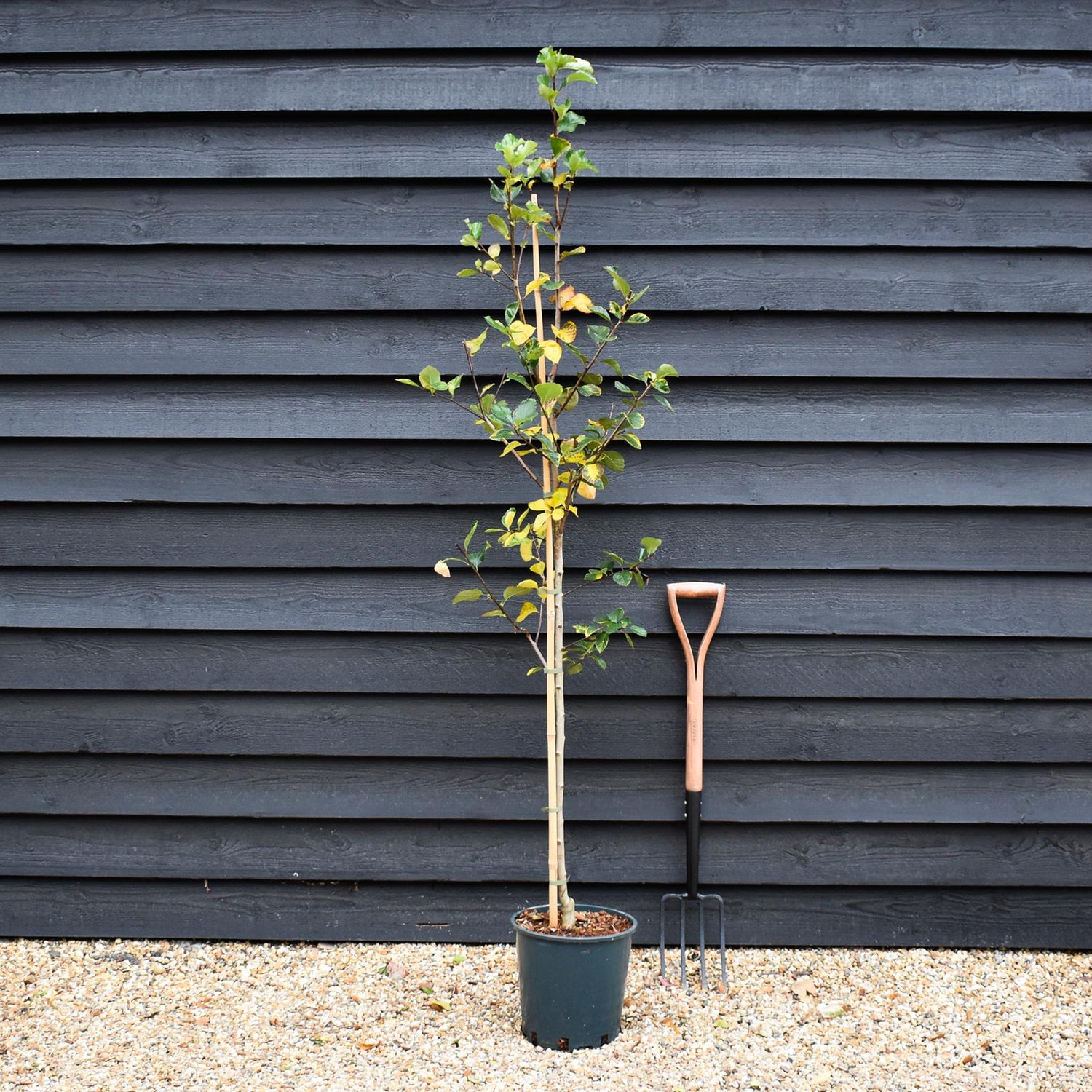
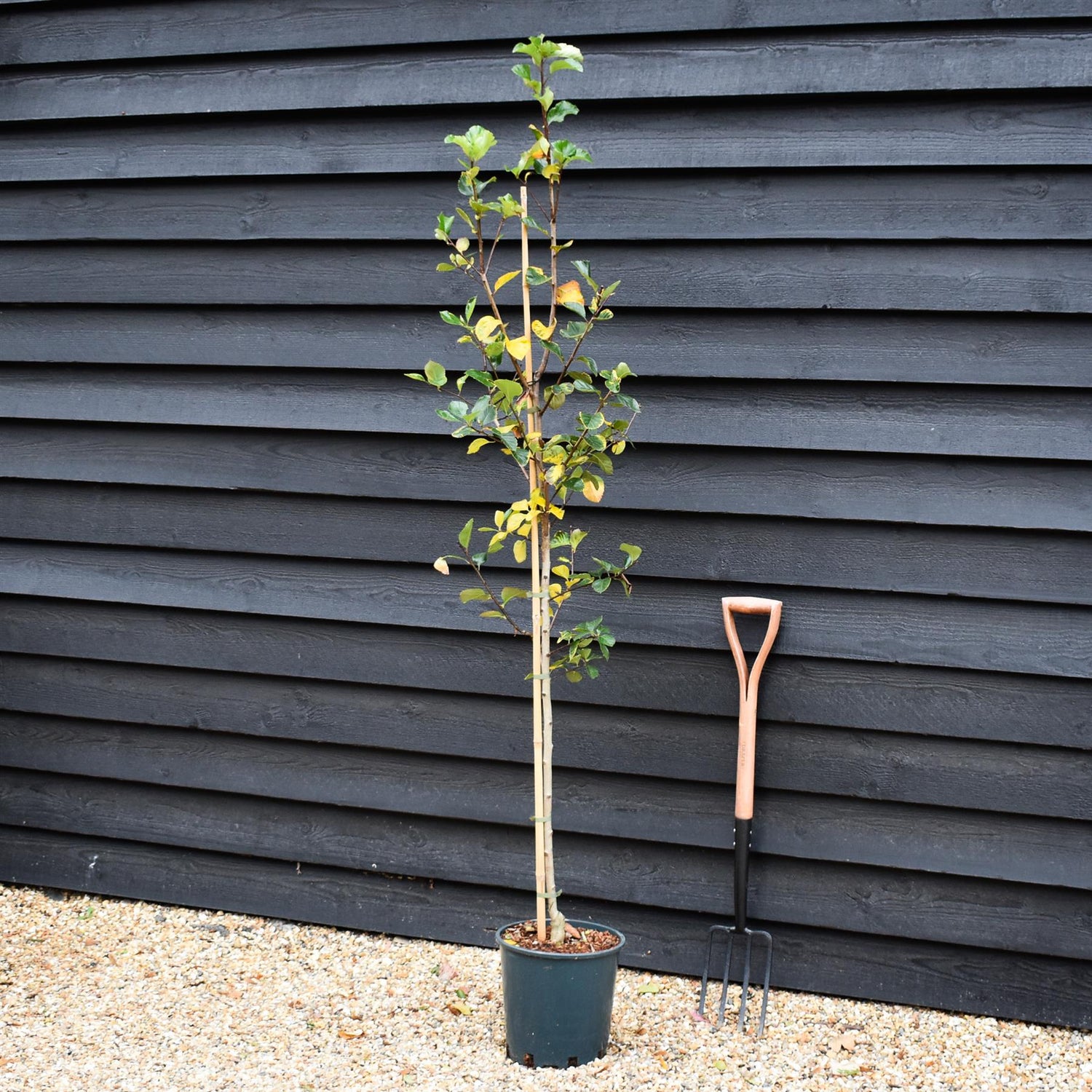
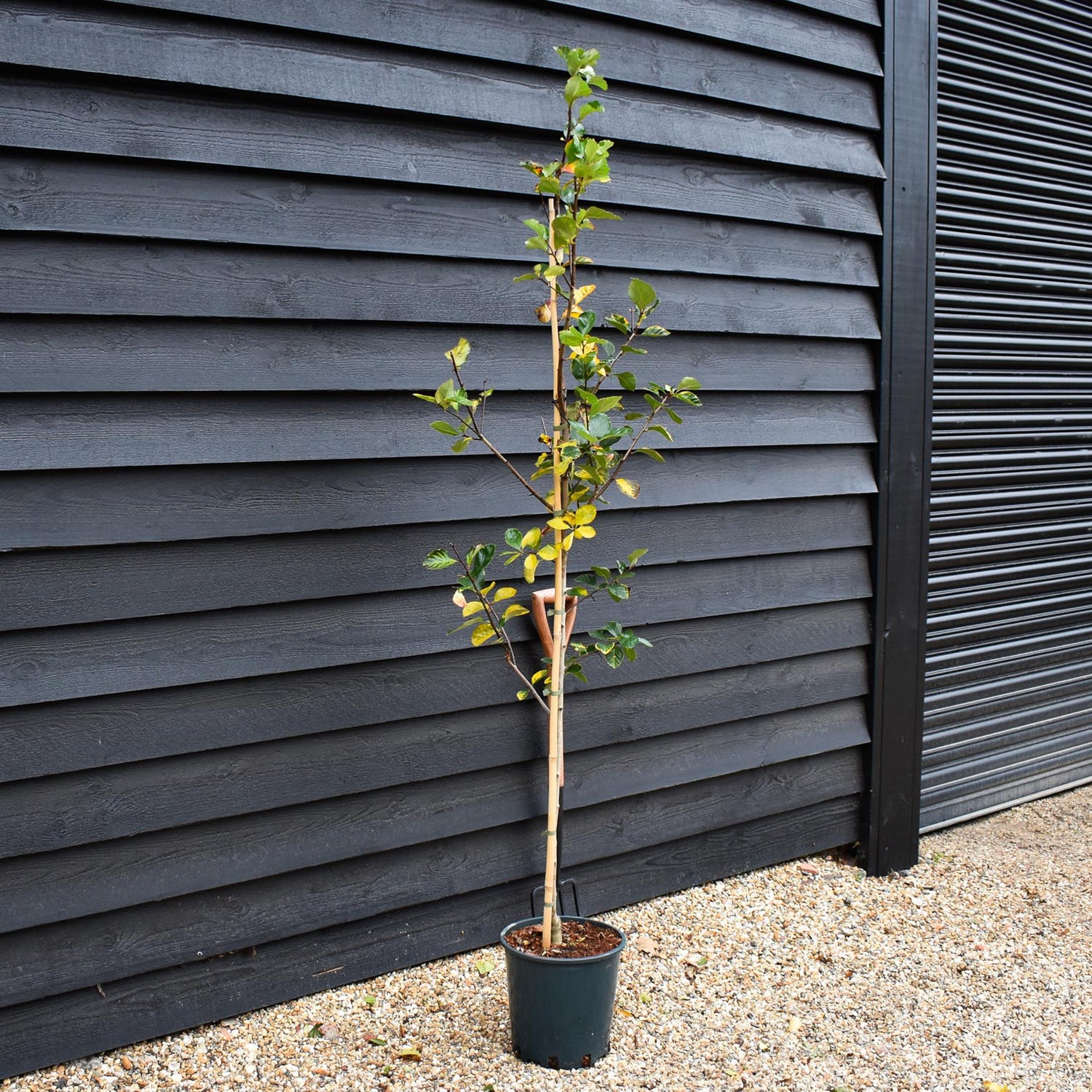
Crataegus Persimilis 'Prunifolia' | Broad-leaved Cockspur Thorn - Height 100-120cm - 12lt
£85.00
Unit price perCrataegus Persimilis 'Prunifolia' | Broad-leaved Cockspur Thorn - Height 100-120cm - 12lt
£85.00
Unit price perCrataegus persimilis 'Prunifolia' is a small, ornamental, deciduous tree with broad, compact, rounded crown, and thorny branches. Glossy, broad-oval, dark green leaves look spectacular in autumn when they turn scarlet, deep yellow and purple. Small, fragrant, white flowers cover the tree in late spring and are followed by attractive clusters of deep red berries that persist on thorny branches for a long time. Attractive to birds and bees.
Crataegus persimilis 'Prunifolia’ is very undemanding and adaptable. It grows well in any kind of soil, except waterlogged, but prefers medium moisture, well-drained soils, in full sun or partial shade. It is suitable for most difficult gardens. It tolerates full exposure to coastal winds and air pollution. Very resilient and low maintenance. Crataegus persimilis 'Prunifolia’ is a stunning ornamental tree, perfect as a specimen plant or for hedges and screens in cottage and informal gardens. Great for urban and coastal areas.


Alnus Glutinosa Imperialis - Alder Imperialis - Height 220-260cm - 12lt
£94.00
Unit price perAlnus Glutinosa Imperialis - Alder Imperialis - Height 220-260cm - 12lt
£94.00
Unit price perAlnus glutinosa 'Imperialis,' commonly known as the Imperial Alder, is a cultivar of the European alder (Alnus glutinosa) renowned for its striking ornamental qualities. This deciduous tree is a favoUrite among landscape enthusiasts and horticulturists for its impressive appearance and adaptability.
Imperial Alder typically reaches a height of 40 to 50 feet (12 to 15 meters) and forms a broadly pyramidal shape. Its dark green, glossy leaves are deeply cut and serrated, measuring about 4 to 6 inches (10 to 15 cm) in length. During the growing season, the foliage provides a lush and vibrant backdrop to garden landscapes.
One of the standout features of Alnus glutinosa 'Imperialis' is its stunning catkins. In late winter or early spring, long, pendulous catkins emerge, adding a unique and captivating element to the tree's appearance. These catkins sway gracefully in the wind, creating a charming visual effect. Additionally, this cultivar displays a lovely yellow fall coloUr, which adds to its overall aesthetic appeal.
Imperial Alder is highly adaptable to various soil types and moisture conditions, making it suitable for a wide range of environments. It thrives in full sun to partial shade, making it a versatile choice for gardens and parks. Its ability to tolerate wet soil and even occasional flooding makes it an excellent choice for riparian zones or areas prone to seasonal waterlogging.
Beyond its aesthetic value, Alnus glutinosa 'Imperialis' also contributes to the ecosystem by supporting various wildlife species. Its catkins provide a source of food for birds and insects, and its roots help stabilize soil along riverbanks and wetland areas.
In summary, Alnus glutinosa 'Imperialis' is a captivating cultivar of the European alder celebrated for its striking appearance, adaptability, and ecological contributions. Whether used as a focal point in a garden or to enhance riparian habitats, this tree adds a touch of elegance and functionality to its surroundings.


Alnus Glutinosa Laciniata - Cut Leaved Black Alder - 240-260cm - 30lt
£245.00
Unit price perAlnus Glutinosa Laciniata - Cut Leaved Black Alder - 240-260cm - 30lt
£245.00
Unit price perAlnus glutinosa Laciniata, commonly known as Cut-leaved Alder, is a deciduous tree and a distinct cultivar of the Black Alder. Native to Europe, this ornamental tree is valued for its unique and finely dissected foliage, giving it a delicate and graceful appearance. The deeply lobed, fern-like leaves are dark green, offering a lacy texture that sets it apart from the standard Alnus glutinosa, which typically has more rounded leaves.
Mature trees can reach a height of 12 to 20 metres, with a spread of about 6 to 10 metres, making it a medium-sized tree suitable for gardens, parks, and water-side plantings. The tree has a conical to rounded shape when fully grown, and its branches create an attractive structure, especially in winter when the leaves have fallen.
Like other alders, ‘Laciniata’ is well adapted to wet soils and thrives in damp, poorly drained areas. It is often found near rivers, streams, and wetlands. The tree is also tolerant of urban pollution and can withstand occasional waterlogging, making it a versatile choice for various landscapes.
In spring, ‘Laciniata’ produces small, inconspicuous catkins, which eventually develop into small, woody cones containing seeds. These cones add an extra ornamental feature to the tree, especially in the autumn and winter months.
Alnus glutinosa ‘Laciniata’ is also beneficial to the environment. As a member of the birch family, it has the ability to fix nitrogen in the soil, improving fertility and promoting biodiversity. This makes it an excellent choice for ecological restoration projects.
Overall, Alnus glutinosa ‘Laciniata’ is an elegant and functional tree that brings beauty, wildlife support, and environmental benefits to the landscapes where it is planted.


European Hornbeam | Carpinus Betulus - Feathered - Girth 8-10cm - Height 220-280cm - 30lt
£190.00
Unit price perEuropean Hornbeam | Carpinus Betulus - Feathered - Girth 8-10cm - Height 220-280cm - 30lt
£190.00
Unit price per


Acorus gramineus 'Golden Delight' - Grass - Perennial - 2lt
£18.00
Unit price perAcorus gramineus 'Golden Delight' - Grass - Perennial - 2lt
£18.00
Unit price perThe Acorus gramineus 'Hakuro Nishiki' is an attractive, low-growing ornamental plant valued in gardens for its striking variegated foliage and neat, grass-like appearance. Although often mistaken for a true grass, it is actually a member of the sweet flag family and is closely related to Acorus gramineus. This compact plant is particularly useful for adding colour and texture to damp garden areas, pond margins, or containers.
‘Hakuro Nishiki’ forms a small, clump-forming mound of slender, arching leaves that typically grows to around 20–30 cm in height, with a similar spread. The foliage is narrow and strap-like, creating a soft, fountain-shaped habit. What makes this variety especially appealing is its delicate cream, pale yellow, and green variegation, which gives the plant a light and fresh appearance. The variegated leaves can help brighten shaded corners of the garden and contrast beautifully with darker green plants.
This cultivar thrives in moist or damp soil and performs particularly well near water features, along pond edges, or in bog gardens. It can also be grown successfully in containers, provided the compost is kept consistently moist. While it prefers partial shade, it can tolerate full sun in cooler UK climates as long as the soil does not dry out. The plant is generally hardy across most parts of the UK, though some protection from harsh winter winds may help maintain its appearance.
Unlike many flowering garden plants, Acorus gramineus ‘Hakuro Nishiki’ is grown primarily for its foliage rather than its flowers. Any blooms that appear are small and rather inconspicuous.
Maintenance is minimal. Removing old or damaged leaves in spring helps keep the clump tidy and encourages fresh growth. Over time, the plant may also be divided to create new clumps. With its neat habit, elegant foliage, and tolerance of damp conditions, it is a versatile and attractive addition to many gardens.


Acorus gramineus 'Golden Delight' - Grass - Perennial - 2lt
£18.00
Unit price perAcorus gramineus 'Golden Delight' - Grass - Perennial - 2lt
£18.00
Unit price perThe Acorus gramineus 'Hakuro Nishiki' is an attractive, low-growing ornamental plant valued in gardens for its striking variegated foliage and neat, grass-like appearance. Although often mistaken for a true grass, it is actually a member of the sweet flag family and is closely related to Acorus gramineus. This compact plant is particularly useful for adding colour and texture to damp garden areas, pond margins, or containers.
‘Hakuro Nishiki’ forms a small, clump-forming mound of slender, arching leaves that typically grows to around 20–30 cm in height, with a similar spread. The foliage is narrow and strap-like, creating a soft, fountain-shaped habit. What makes this variety especially appealing is its delicate cream, pale yellow, and green variegation, which gives the plant a light and fresh appearance. The variegated leaves can help brighten shaded corners of the garden and contrast beautifully with darker green plants.
This cultivar thrives in moist or damp soil and performs particularly well near water features, along pond edges, or in bog gardens. It can also be grown successfully in containers, provided the compost is kept consistently moist. While it prefers partial shade, it can tolerate full sun in cooler UK climates as long as the soil does not dry out. The plant is generally hardy across most parts of the UK, though some protection from harsh winter winds may help maintain its appearance.
Unlike many flowering garden plants, Acorus gramineus ‘Hakuro Nishiki’ is grown primarily for its foliage rather than its flowers. Any blooms that appear are small and rather inconspicuous.
Maintenance is minimal. Removing old or damaged leaves in spring helps keep the clump tidy and encourages fresh growth. Over time, the plant may also be divided to create new clumps. With its neat habit, elegant foliage, and tolerance of damp conditions, it is a versatile and attractive addition to many gardens.


Abies koreana 'Tordis' | Korean fir 'Tordis' - Height - 80-90cm - 20lt
£270.00
Unit price perAbies koreana 'Tordis' | Korean fir 'Tordis' - Height - 80-90cm - 20lt
£270.00
Unit price perAbies koreana ‘Tordis’ is a beautiful, compact Korean Fir valued for its distinctive shape, attractive foliage and excellent year-round interest. This relatively slow-growing conifer forms a neat, upright plant with dense, rich green foliage, making it an excellent choice for smaller gardens, borders and specimen planting.
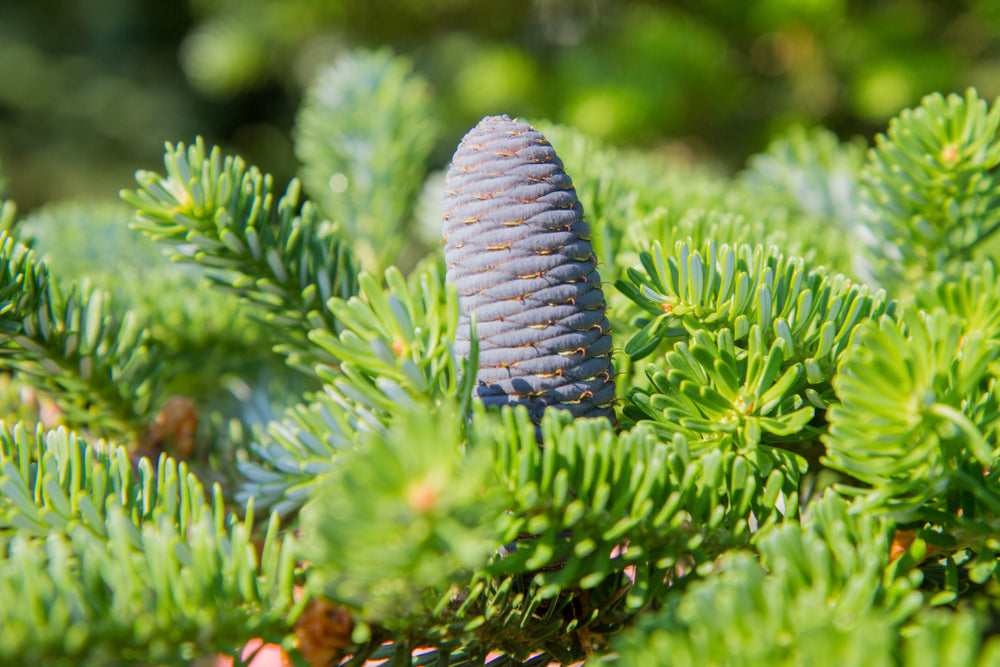
The short, soft needles are arranged densely along the branches, with their silvery-white undersides adding an attractive contrast when viewed from different angles. Like other Korean Firs, ‘Tordis’ can also produce attractive purple-blue cones on mature plants, which develop upright on the branches and provide an additional ornamental feature.
Its naturally tidy habit means it requires little or no pruning, making it a particularly low-maintenance choice for gardeners looking for structure without regular trimming. It is also an excellent plant for providing winter interest, retaining its foliage throughout the year.
‘Tordis’ is well suited to a sunny or partially shaded position and prefers a fertile, well-drained soil that does not become excessively dry or waterlogged. Once established, it is generally hardy throughout the UK and copes well with typical British winters. Providing good drainage is particularly important, especially on heavier soils.
Its compact growth makes it a useful alternative to larger firs where space is limited. It works particularly well as a standalone specimen, in a mixed border, or as part of a collection of ornamental conifers. Its elegant form and contrasting foliage also make it an attractive choice for contemporary and more traditional garden styles.
With its neat habit, attractive evergreen foliage and distinctive cones, Abies koreana ‘Tordis’ is a superb choice for adding year-round structure and interest to the garden without becoming overly dominant
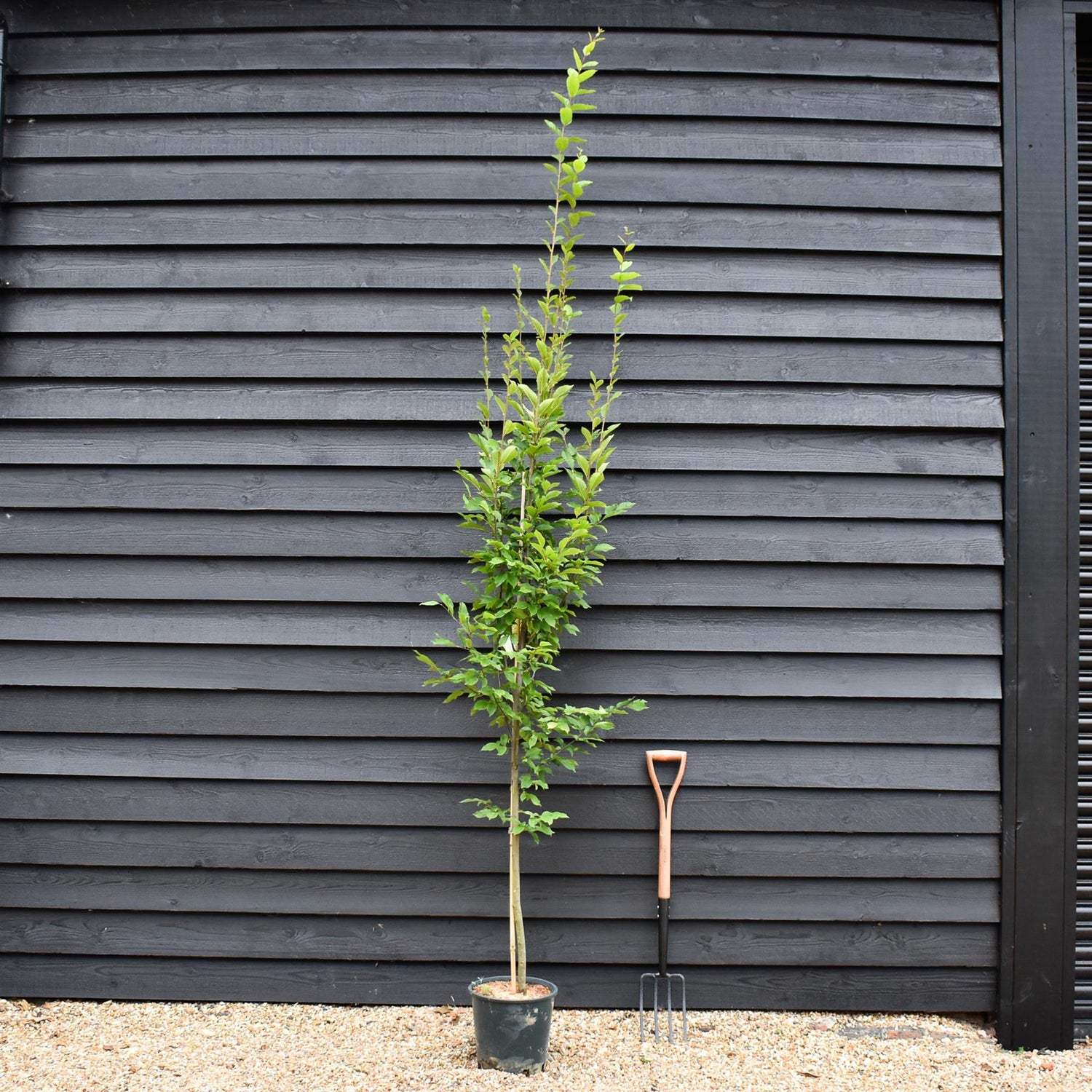


Carpinus betulus 'Fastigiata' | Hornebean Fastigata - Height 140-180cm - 10lt
£90.00
Unit price perCarpinus betulus 'Fastigiata' | Hornebean Fastigata - Height 140-180cm - 10lt
£90.00
Unit price per


Malus 'Golden Hornet' | Flowering Crab Apple Tree, Clear Stem - 180-220cm, 10lt
£90.00
Unit price perMalus 'Golden Hornet' | Flowering Crab Apple Tree, Clear Stem - 180-220cm, 10lt
£90.00
Unit price per