

-
Trees
Trees
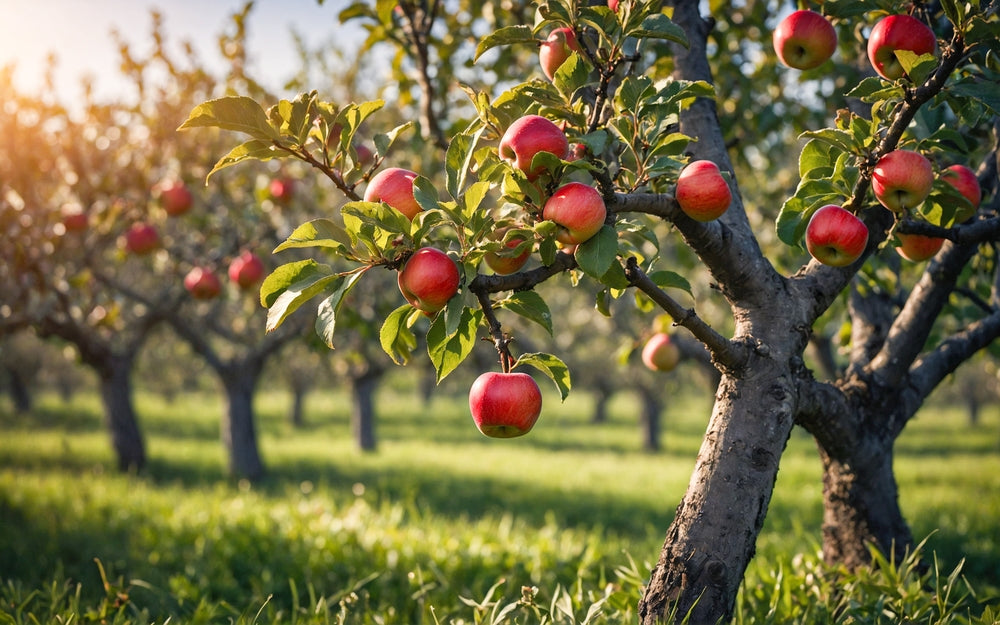 Fruit Trees
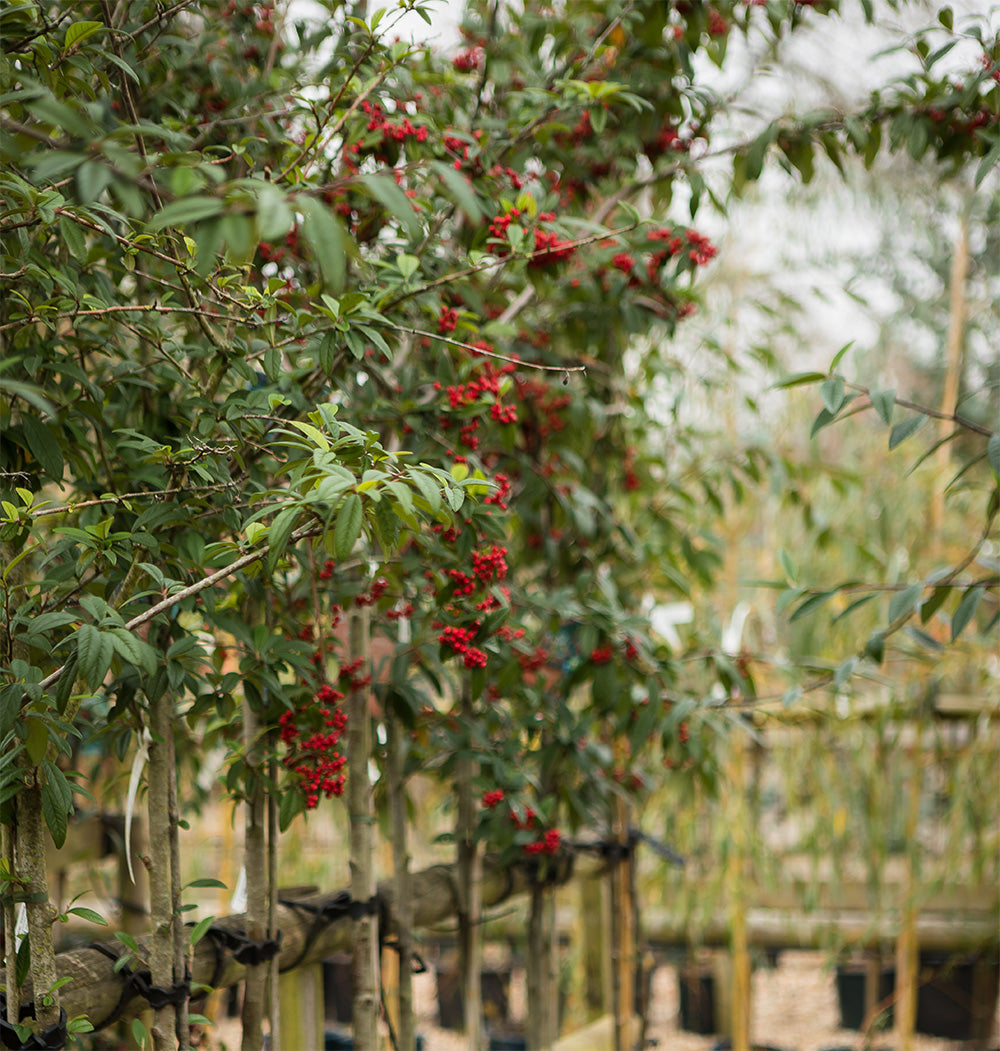 Ornamental
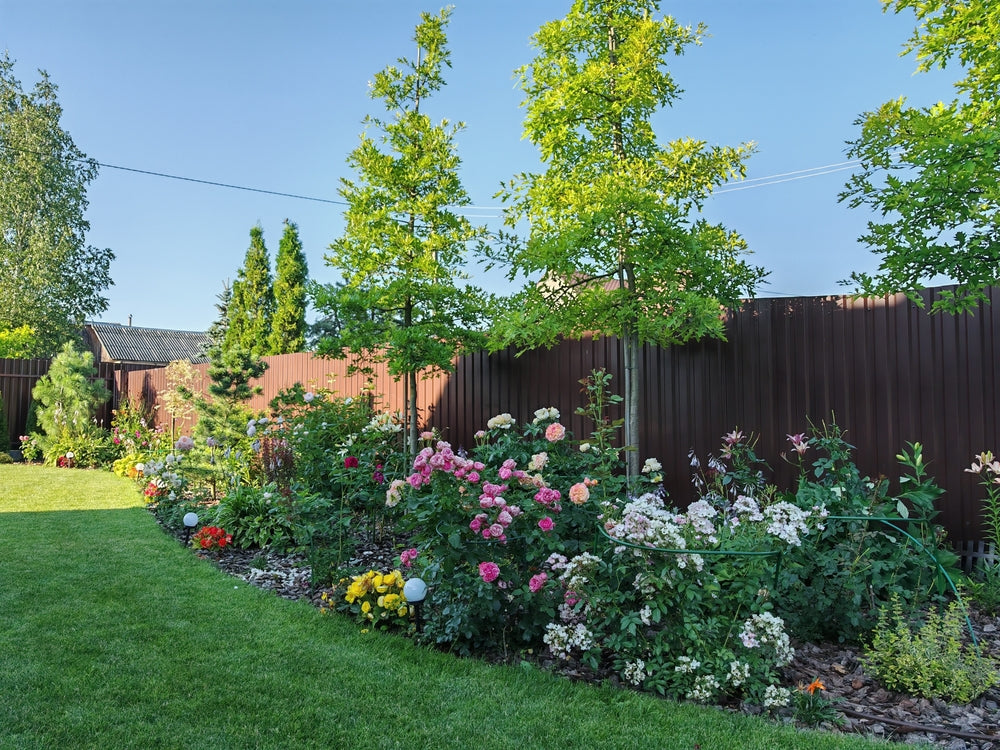 Screening
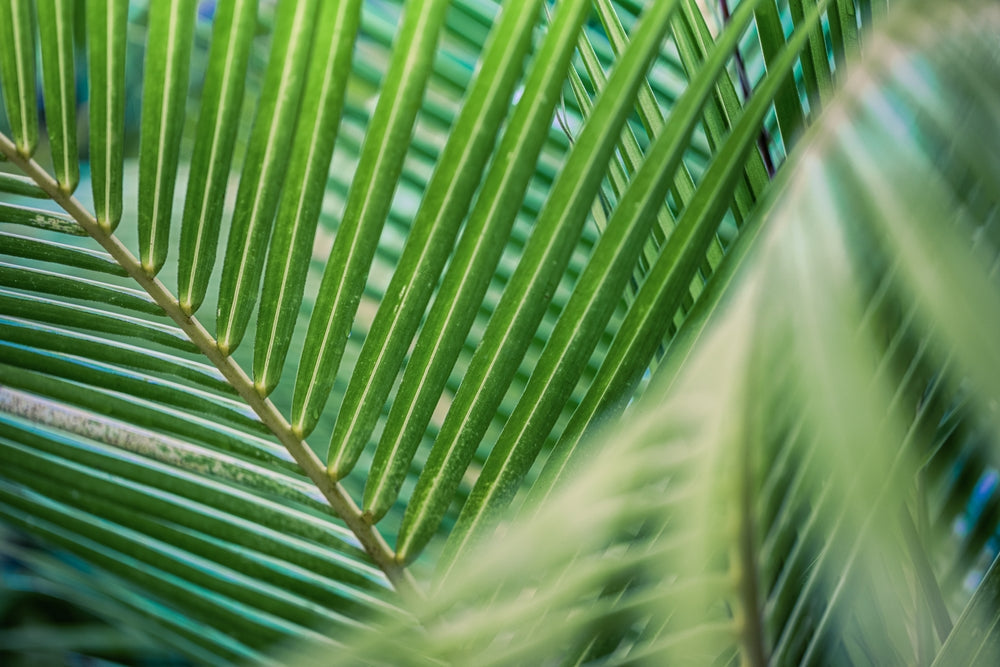 Palms
By FeaturesBy Shape
Palms
By FeaturesBy Shape -
Shrubs
Shrubs
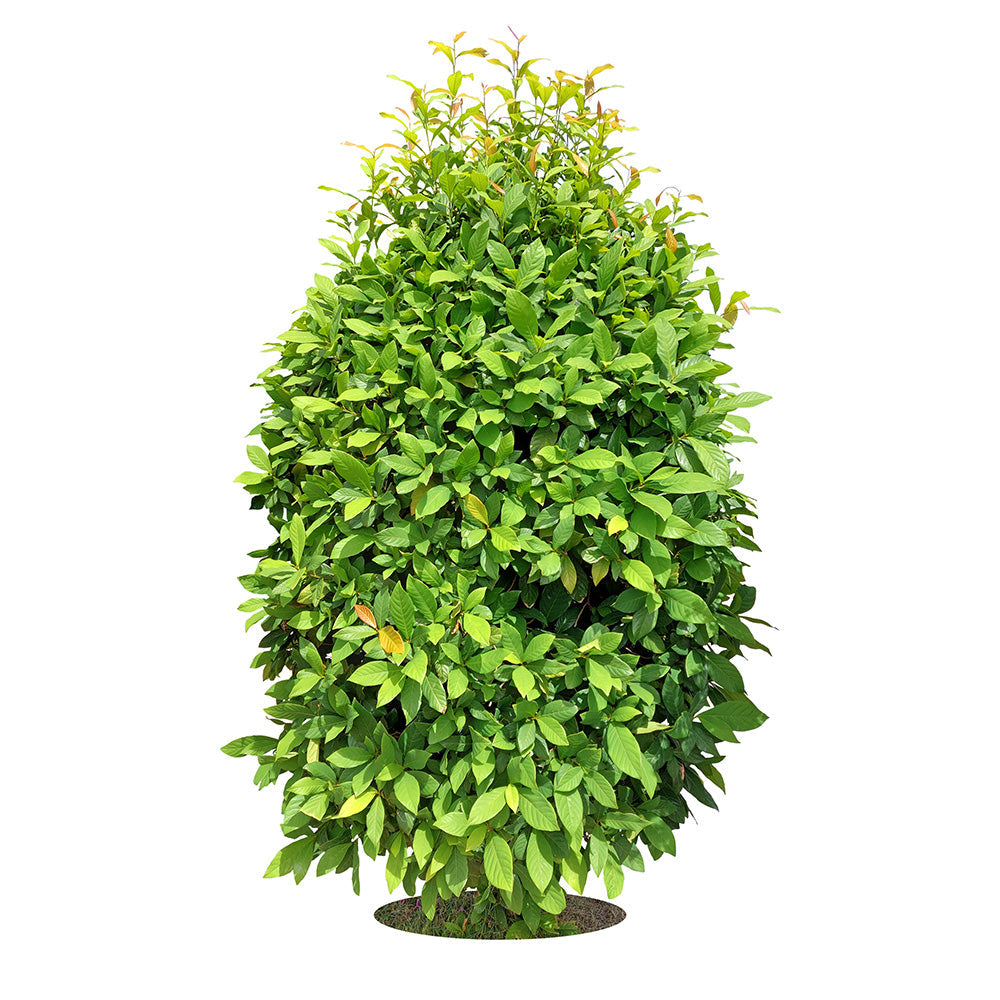 Large shrubs
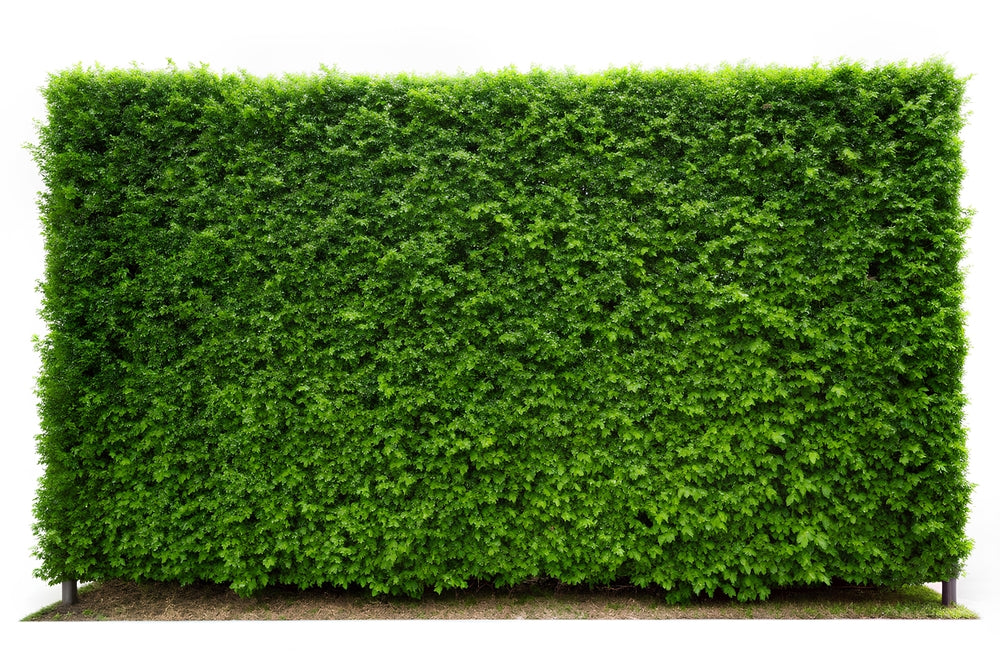 Hedging
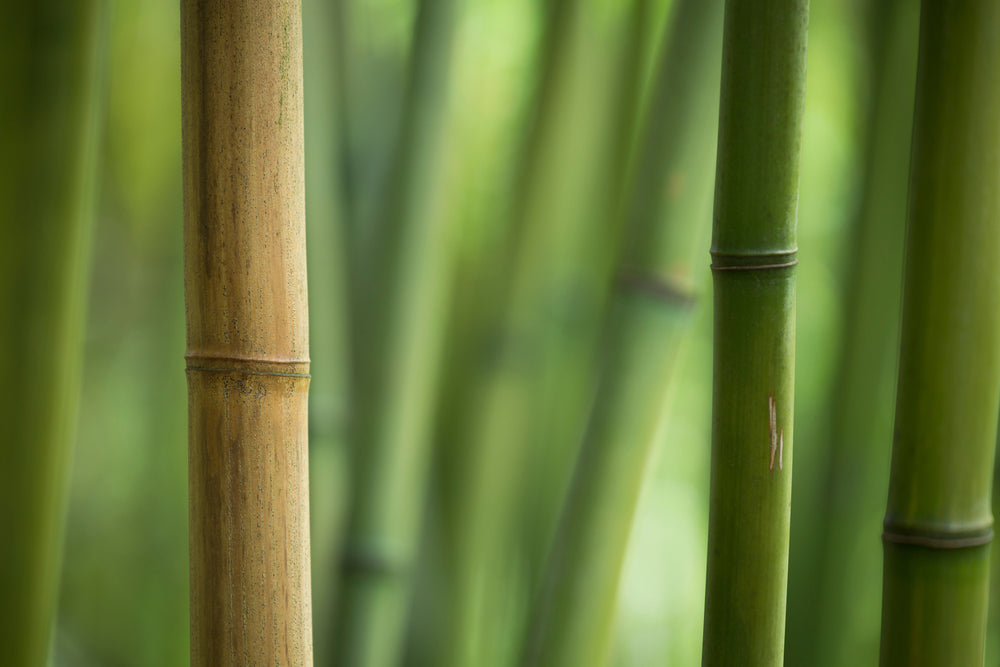 Bamboo
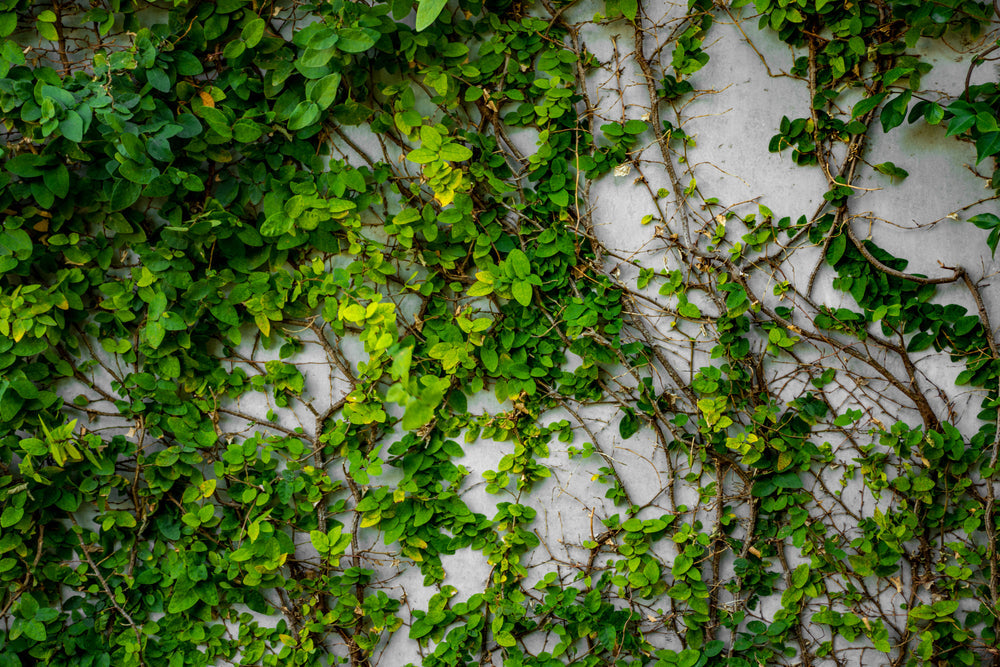 Climbers
 Flowering
 Grasses & Ferns
 Popular
-
Pines & Conifers
Pines & Conifers
 Pines
Pines
 Spruce & Fir
 Cypress
 Thuja
Thuja
 Redwood | Sequoia
-
Specimen
FREE DELIVERY OVER £350
Search results
Search results
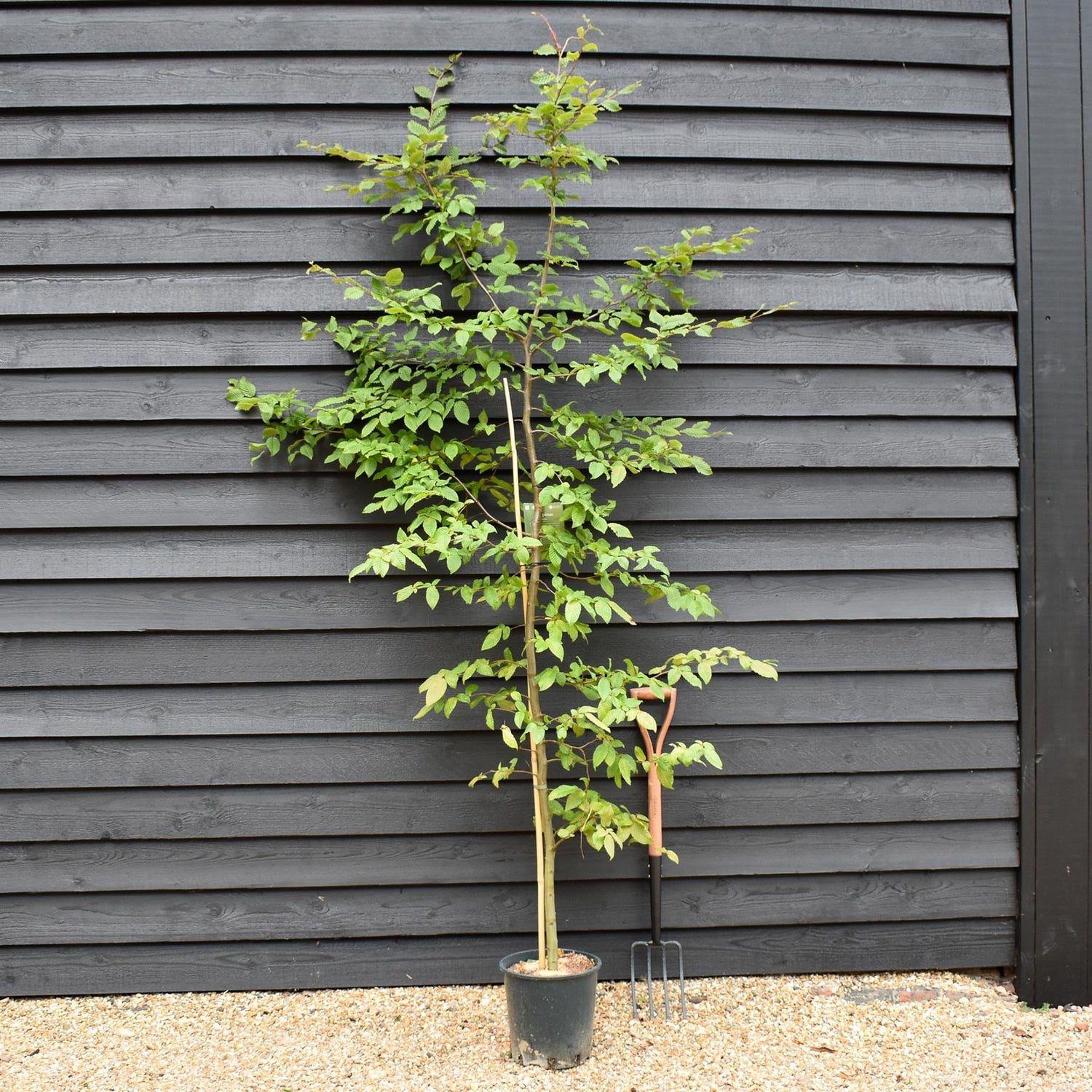


Carpinus betulus | European Hornbeam - 150-200cm, 10lt
£90.00
Unit price perCarpinus betulus | European Hornbeam - 150-200cm, 10lt
£90.00
Unit price per


Scarlet oak | Quercus coccinea - Height 140-160cm - Girth 4-6cm - Pot Grown - 10lt
£135.00
Unit price perScarlet oak | Quercus coccinea - Height 140-160cm - Girth 4-6cm - Pot Grown - 10lt
£135.00
Unit price perQuercus coccinea, known as the scarlet oak, is a stunning deciduous tree native to North America and admired for its brilliant seasonal display. In spring and summer, its deeply lobed green leaves form a graceful canopy, but it is in autumn that the tree reveals its true brilliance—transforming into fiery shades of scarlet, crimson, and deep red. This spectacular burst of color makes the scarlet oak a cherished symbol of vitality, transformation, and natural beauty. Its strong wood, hardy growth, and deep root system reflect resilience and endurance, qualities that have long connected this oak to strength and stability. Thriving in upland soils and sunlit environments, Quercus coccinea also plays an important ecological role, supporting wildlife and enriching landscapes with its vibrant presence. With its striking appearance and enduring symbolism, the scarlet oak embodies the essence of boldness, energy, and timeless connection to the natural world.


Ilex Cornuta Furcata - Chinese Horned Holly - Cone - 280-300cm - 130lt
£995.00
Unit price perIlex Cornuta Furcata - Chinese Horned Holly - Cone - 280-300cm - 130lt
£995.00
Unit price perIlex Cornuta 'Furcata', commonly known as Chinese Holly, is an evergreen shrub with a unique and eye-catching appearance. This particular variety has been meticulously shaped into a cone, standing at an impressive height of approximately 170 cm. Its distinctive feature lies in its leaves, which are a deep, glossy green and possess a singular beauty. Each leaf boasts a unique forked shape, with prominent spines that add an intriguing textural element to the plant.
This conical form of Ilex Cornuta 'Furcata' makes it a stunning focal point in any garden setting. It's perfectly suited for formal garden designs or as an elegant accent in a more casual landscape. The plant thrives in a range of soil types, provided they are well-drained. It prefers full sun to partial shade, making it versatile in terms of placement. Additionally, it's known for its resilience and low maintenance requirements, making it a popular choice for both experienced and novice gardeners.
The dense foliage provides excellent year-round interest, making it a valuable addition to any garden. In winter, the rich green leaves contrast beautifully with snowy landscapes, while in warmer seasons, they provide lush, vibrant greenery. The Ilex Cornuta 'Furcata' is also an excellent choice for those looking to create privacy screens or hedges, as its thick foliage offers substantial coverage.
Overall, this conical Chinese Holly is a hardy, versatile plant that brings structure, elegance, and a touch of the exotic to any garden.
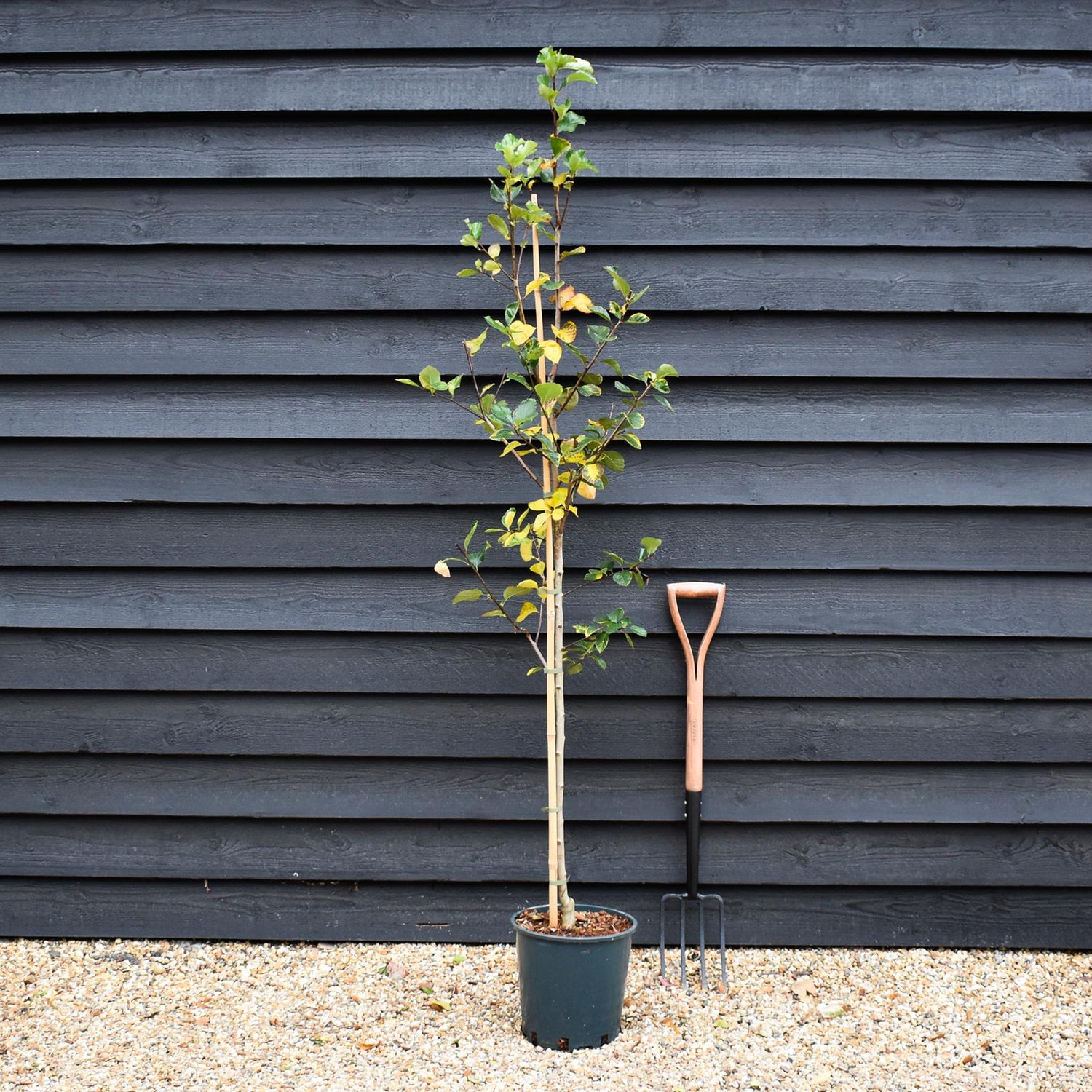
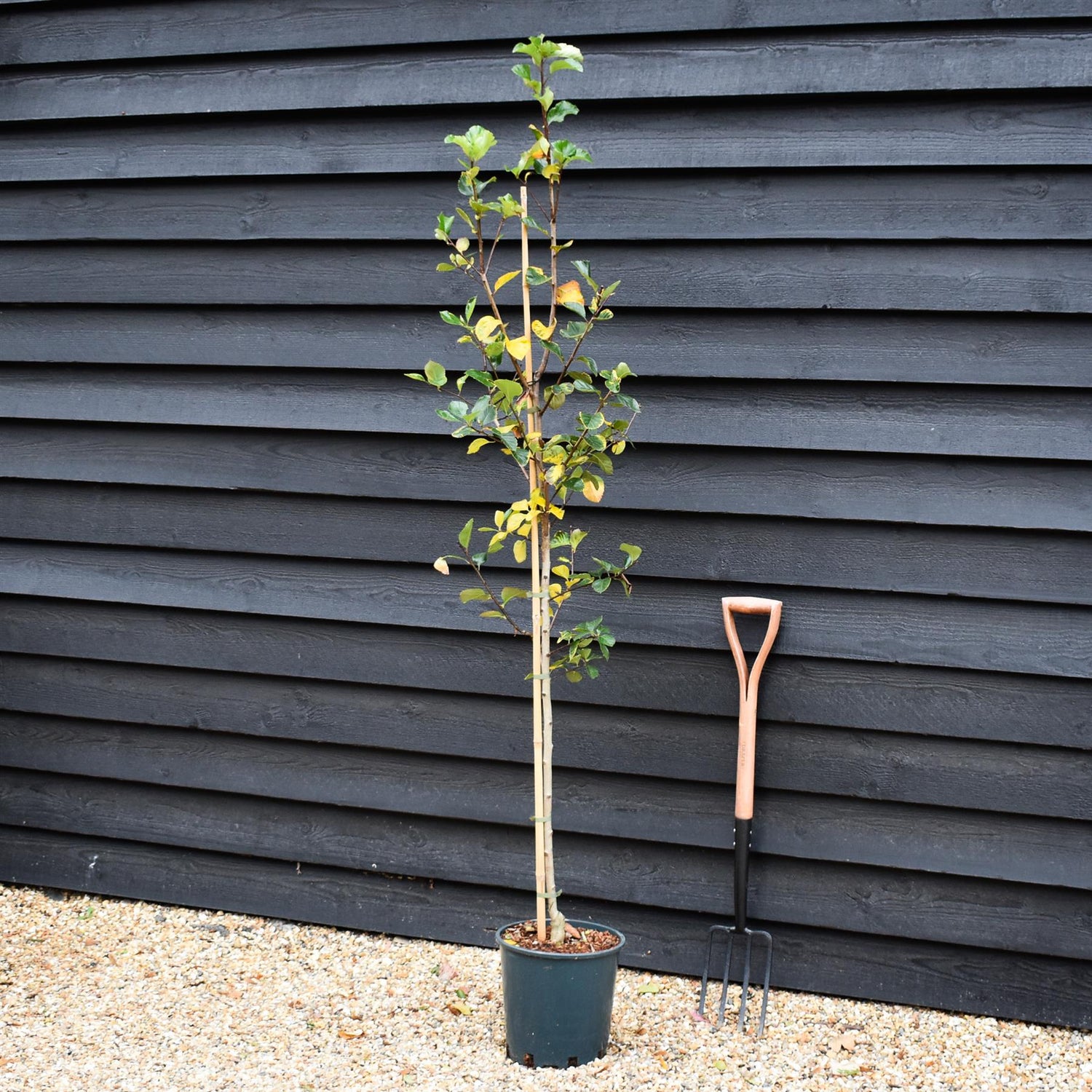
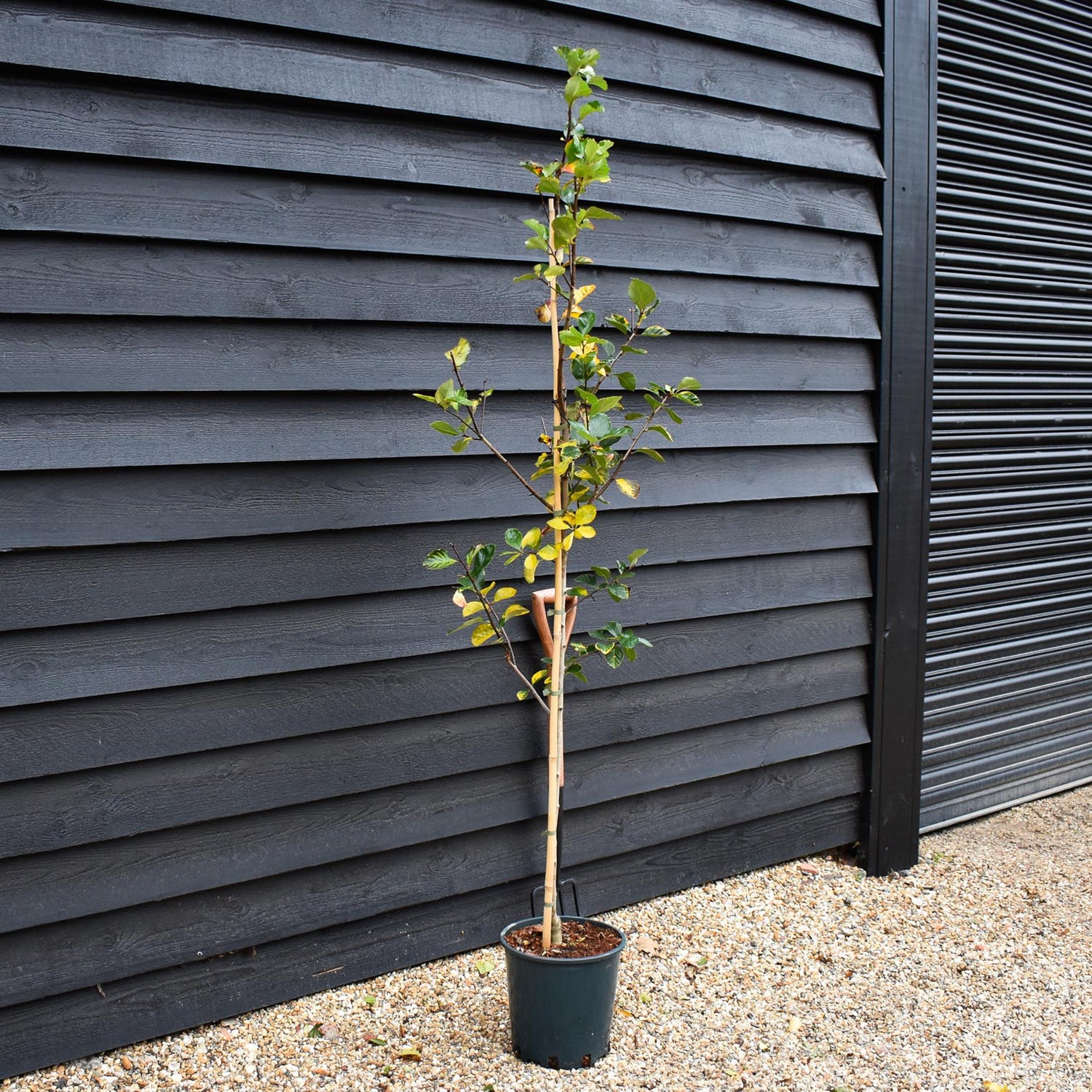
Crataegus Persimilis 'Prunifolia' | Broad-leaved Cockspur Thorn - Height 100-120cm - 12lt
£85.00
Unit price perCrataegus Persimilis 'Prunifolia' | Broad-leaved Cockspur Thorn - Height 100-120cm - 12lt
£85.00
Unit price perCrataegus persimilis 'Prunifolia' is a small, ornamental, deciduous tree with broad, compact, rounded crown, and thorny branches. Glossy, broad-oval, dark green leaves look spectacular in autumn when they turn scarlet, deep yellow and purple. Small, fragrant, white flowers cover the tree in late spring and are followed by attractive clusters of deep red berries that persist on thorny branches for a long time. Attractive to birds and bees.
Crataegus persimilis 'Prunifolia’ is very undemanding and adaptable. It grows well in any kind of soil, except waterlogged, but prefers medium moisture, well-drained soils, in full sun or partial shade. It is suitable for most difficult gardens. It tolerates full exposure to coastal winds and air pollution. Very resilient and low maintenance. Crataegus persimilis 'Prunifolia’ is a stunning ornamental tree, perfect as a specimen plant or for hedges and screens in cottage and informal gardens. Great for urban and coastal areas.


European Hornbeam | Carpinus Betulus - Feathered - Girth 8-10cm - Height 220-280cm - 30lt
£190.00
Unit price perEuropean Hornbeam | Carpinus Betulus - Feathered - Girth 8-10cm - Height 220-280cm - 30lt
£190.00
Unit price per


Hornbeam Fastigata | Carpinus betulus 'Fastigiata' - Girth 10-12cm - Height 280-320cm - 70lt
£320.00
Unit price perHornbeam Fastigata | Carpinus betulus 'Fastigiata' - Girth 10-12cm - Height 280-320cm - 70lt
£320.00
Unit price per


Abies koreana | Korean fir - Height 60cm - Width 30-40cm - 18lt
£94.00
Unit price perAbies koreana | Korean fir - Height 60cm - Width 30-40cm - 18lt
£94.00
Unit price perAbies koreana, commonly known as Korean fir, is an evergreen coniferous tree that belongs to the Pinaceae family. Native to the high mountains of South Korea, this tree species is renowned for its beautiful foliage, attractive cone clusters, and graceful habit. It is a popular ornamental tree grown in gardens, parks, and landscapes around the world.
Korean fir can grow up to 15-20 meters in height with a narrow pyramidal or conical shape. The bark is grayish-brown and smooth when young, becoming rough and scaly as the tree ages. The needles are 1-3 cm long, glossy dark green on the upper surface, and have two white stripes on the undersides. They are arranged in a spiral pattern around the branches, giving the tree a graceful and delicate appearance.
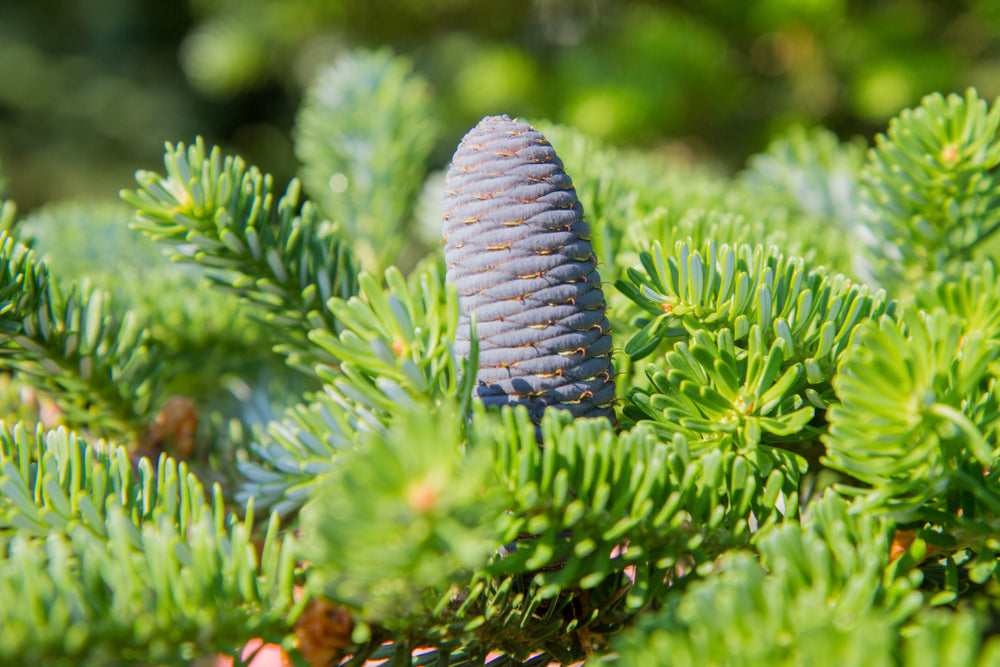
One of the most distinctive features of Korean fir is its stunning cones. They are upright and cylindrical, measuring 7-15 cm in length and 3-4 cm in width. The cones are green when young, but turn a beautiful purple or violet-blue as they mature. They also have unique, purplish bracts that protrude from the cone scales, adding to their aesthetic appeal. Korean fir is a hardy tree that prefers cool and moist conditions. It is best grown in full sun or partial shade in well-drained, acidic soils. It is relatively slow-growing, but can live for several decades with proper care. It is also resistant to most pests and diseases, making it a low-maintenance tree.


Corylus 'Colurna'| Turkish Hazel - Height 280-310cm - Girth 10-12cm - 45lt
£395.00
Unit price perCorylus 'Colurna'| Turkish Hazel - Height 280-310cm - Girth 10-12cm - 45lt
£395.00
Unit price perCorylus colurna, commonly known as the Turkish hazel, is a distinctive deciduous tree valued for its hardiness, ornamental qualities, and tolerance of challenging urban environments. Native to south-eastern Europe and western Asia, it is the largest species within the hazel genus, capable of reaching heights of 20–25 metres with a broad, pyramidal crown that gradually becomes more rounded with age.
One of its most striking features is its deeply furrowed, corky bark, which develops an attractive, rugged texture even on relatively young trees. This characteristic, combined with its strong, upright form, gives the tree a notable architectural presence in parks, avenues, and large gardens. The foliage consists of broad, heart-shaped leaves that are coarsely toothed and provide a dense canopy. They emerge a fresh green in spring, mature to a deeper shade in summer, and may turn soft yellow in autumn, though the seasonal display is generally modest.
In late winter to early spring, the tree produces long, pale-yellow catkins, which dangle decoratively before the leaves appear. These are the male flowers, while the female flowers are much smaller and less conspicuous, identifiable only by their tiny crimson stigmas. The resulting fruit is a small, hard-shelled nut partially enclosed in a frilly, deeply cut husk. Although edible, the nuts are typically smaller and less commercially significant than those of the common hazel.
Corylus colurna is especially appreciated for its resilience. It withstands pollution, compacted soils, drought, and cold, making it an excellent choice for urban planting or exposed sites. Its deep root system allows it to anchor securely and contributes to its tolerance of dry conditions once established. Overall, the Turkish hazel is a robust, handsome tree that combines ornamental beauty with exceptional practicality.
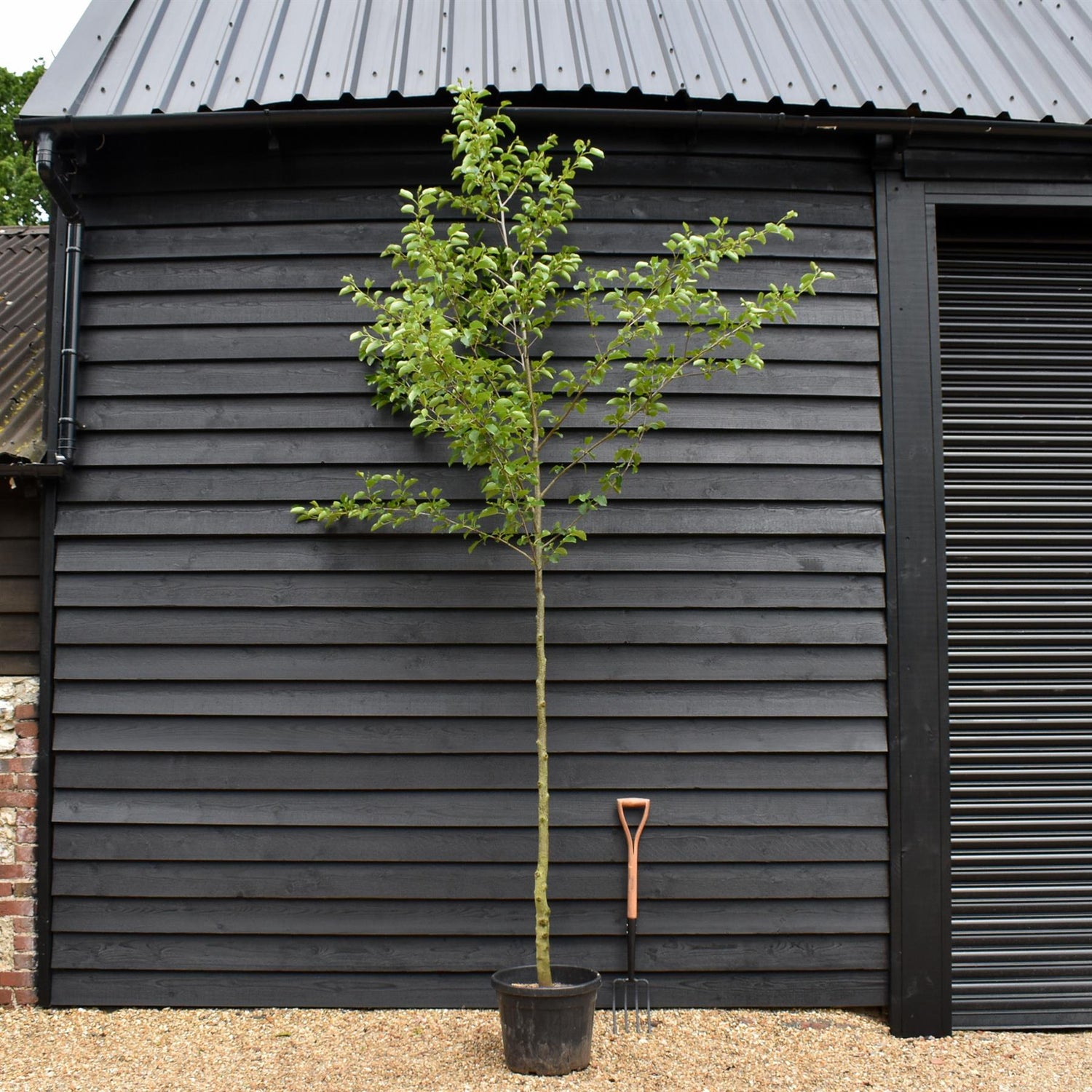


Alder tree | Alnus Cordata - Clear Stem - Height 300-350cm - Girth 8-10cm - 45lt
£255.00
Unit price perAlder tree | Alnus Cordata - Clear Stem - Height 300-350cm - Girth 8-10cm - 45lt
£255.00
Unit price perAlnus cordata, commonly known as the Italian alder, is a medium to large deciduous tree native to southern Italy and parts of Corsica. It belongs to the Betulaceae family and is highly valued for its ability to thrive in poor soils and challenging environmental conditions. This species is often planted for ornamental purposes, soil improvement, and as a windbreak due to its robust growth and adaptability.
The tree can reach heights of up to 25-30 metres (82-98 feet) with a trunk diameter of about 1 metre (3.3 feet). It has a relatively narrow, conical crown, which makes it an attractive choice for landscaping in urban and rural environments. The bark is smooth and greyish-brown when young, developing shallow fissures with age.
Alnus cordata is noted for its distinctive heart-shaped (cordate) leaves, which are bright green and glossy, measuring 7-12 cm in length. Unlike some other alders, the leaves of A. cordata remain on the tree until late autumn, giving it an extended season of greenery. In spring, it produces small, inconspicuous catkins, with male catkins being pendulous and yellowish, and female catkins more compact and upright. These develop into small, woody cones that persist on the tree through winter.
One of the key characteristics of Alnus cordata is its nitrogen-fixing ability. Like other alders, it forms a symbiotic relationship with the bacterium Frankia, which allows it to fix atmospheric nitrogen into the soil. This quality makes it an excellent species for improving soil fertility, particularly in degraded or nutrient-poor areas.
Overall, the Italian alder is a resilient and versatile tree, well-suited to a variety of landscapes, including wet or compacted soils, and is an important species for ecological restoration projects.


Quercus robur 'Fastigiata' - Feathered - Height 175-200cm - 10lt
£135.00
Unit price perQuercus robur 'Fastigiata' - Feathered - Height 175-200cm - 10lt
£135.00
Unit price perQuercus robur, or English Oak, is a large, long-lived, deciduous tree with a majestic, broad-spreading crown and smooth silvery brown bark, rough and fissured when mature. The lobed, blue-green leaves turn reddish brown in autumn.
The tree is monoecious. Inconspicuous, male, yellow-green flowers grow in long, hanging catkins while small, female, pink flowers are followed by brown acorns that grow in couples on long stalks and fall to the ground in autumn.
English Oak grows best in average, loamy, medium moist, well-drained soils, but can adapt to a wide range of soil conditions. It prefers full sun to dappled shade. Once established, it is resistant to drought and frost.
Low maintenance plant, doesn’t require pruning. English Oak is a stunning architectural tree, robust and sturdy, often found growing in woodland. It is perfect as a specimen tree in larger areas or grown as a hedge in smaller ones. It supports more wildlife than any other tree in the UK.
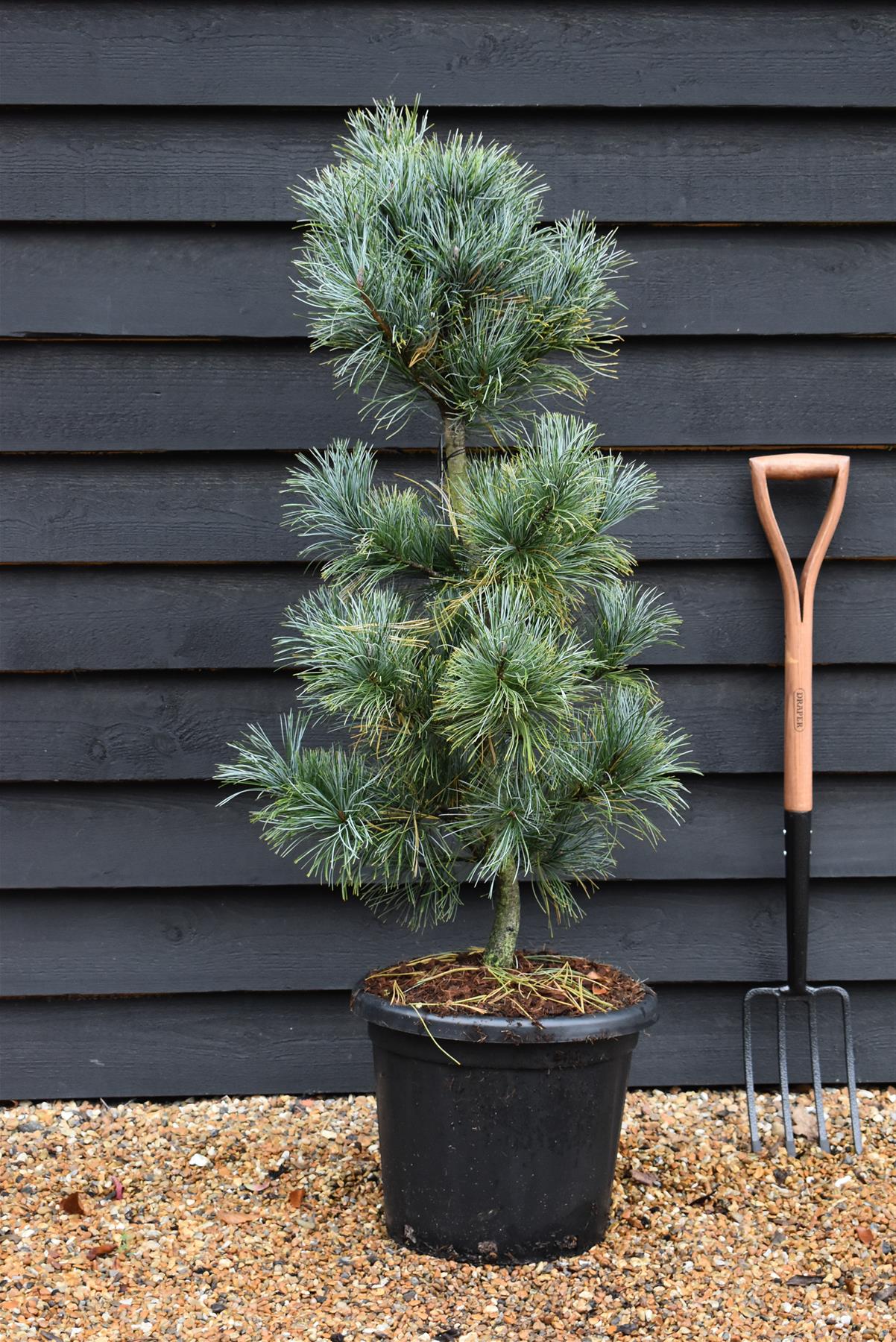
Pinus koraiensis 'Silveray' | Silveray Korean Pine - Height 100-120cm - 25lt
£250.00
Unit price perPinus koraiensis 'Silveray' | Silveray Korean Pine - Height 100-120cm - 25lt
£250.00
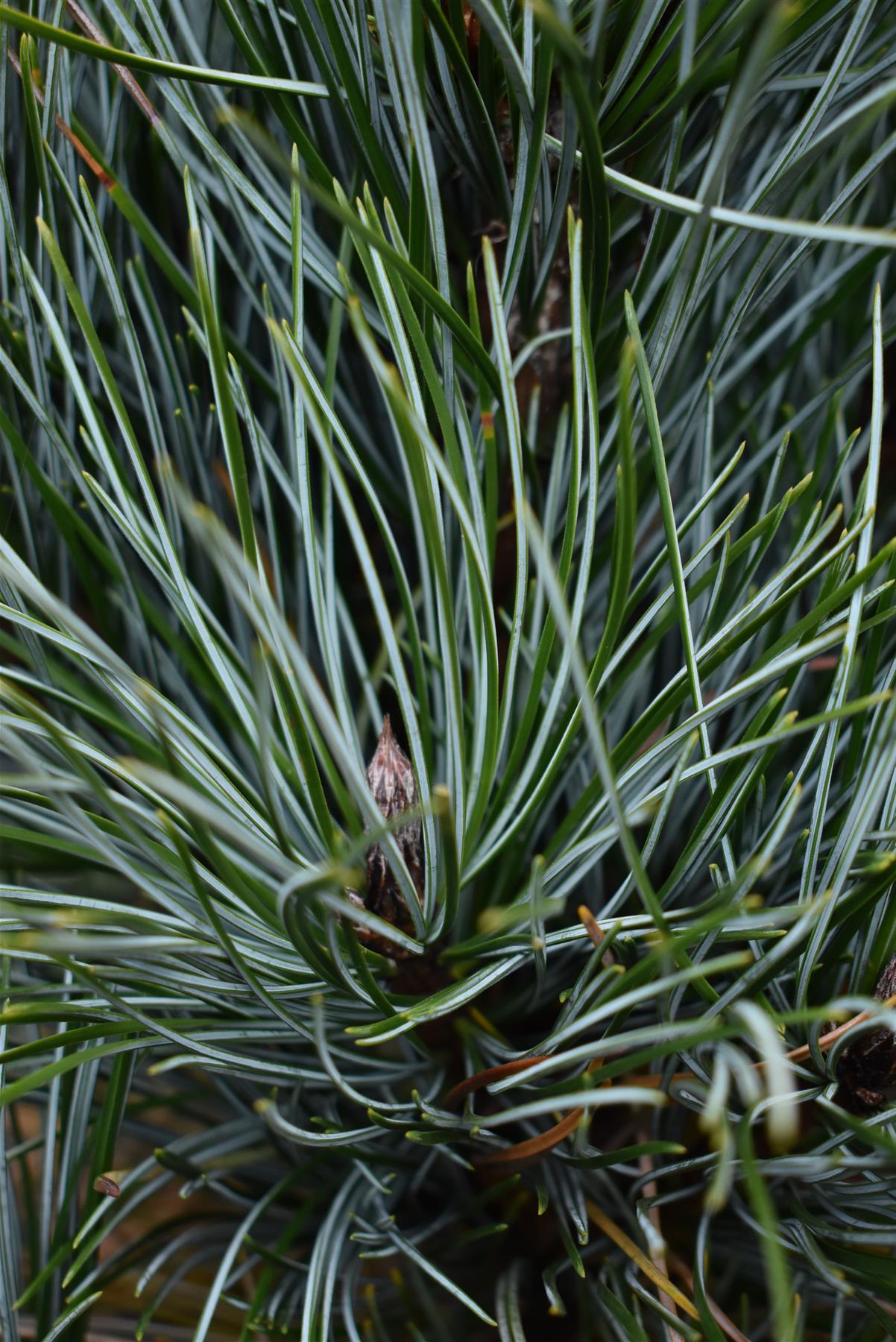
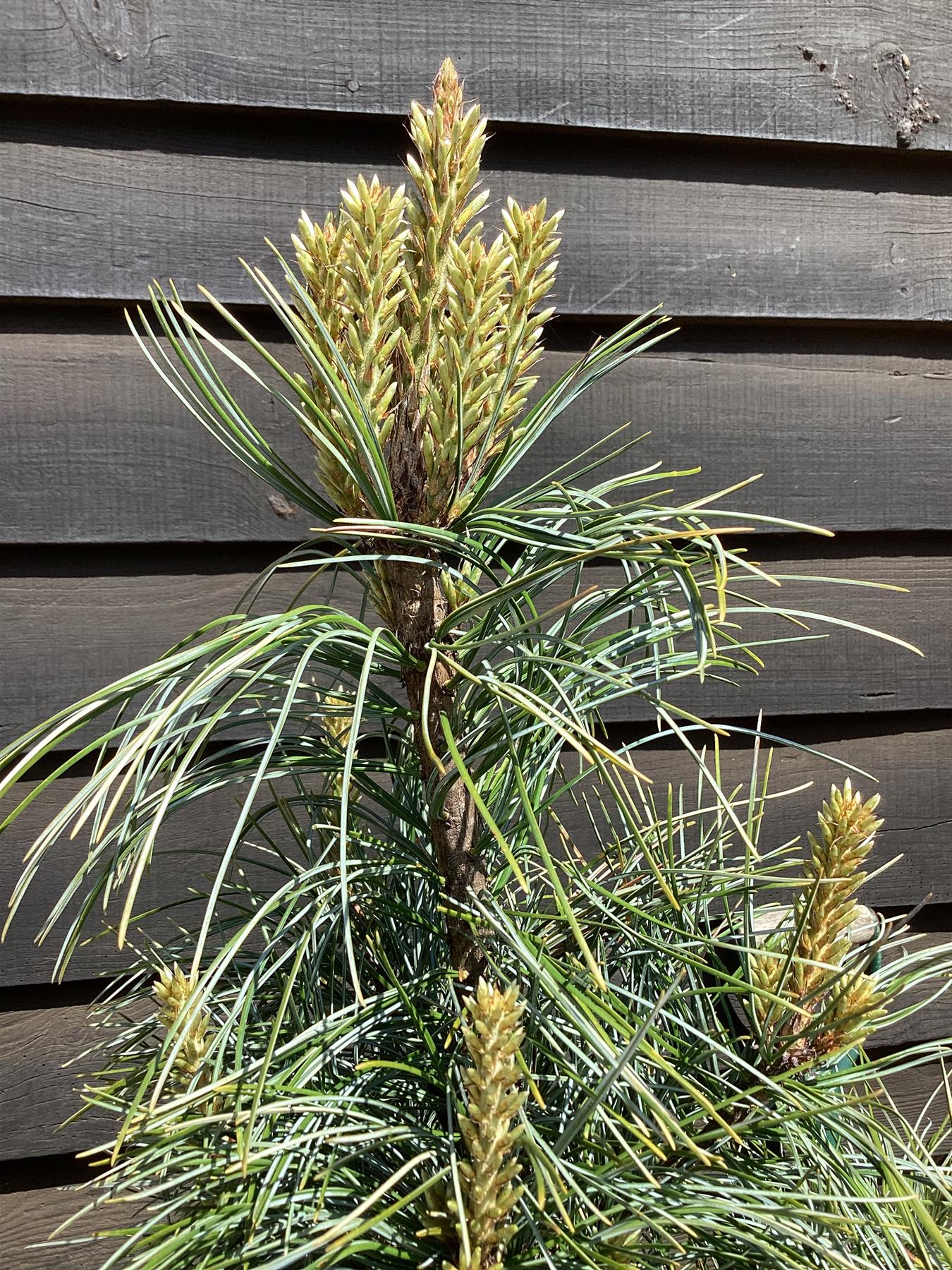
Unit price perPinus koraiensis 'Silveray' is a cultivar of the Korean pine (Pinus koraiensis), a coniferous tree native to northeastern Asia. This cultivar is prized for its striking blue-green needles and distinctive silvery-white bands on the undersides of the needles.
'Silveray' is a slow-growing tree that typically reaches a height of 30-40 feet (9-12 meters) with a spread of 15-20 feet (4.5-6 meters) over a period of 20-30 years. The tree has a conical shape when young, but as it matures, it becomes more irregular and picturesque.
This cultivar is a popular choice for landscaping and as an ornamental tree in gardens, parks, and other public spaces. It prefers full sun and well-drained soil, and is tolerant of cold temperatures and harsh growing conditions. 'Silveray' is also resistant to many common pests and diseases, making it a low-maintenance choice for gardeners and landscapers.
Overall, Pinus koraiensis 'Silveray' is a beautiful and hardy tree that is sure to add interest and value to any landscape or garden.


Pinus mugo 'Sherwood Compact' | Dwarf mountain pine - Height 20cm-30cm - Width 20cm-30cm - 10lt
£110.00
Unit price perPinus mugo 'Sherwood Compact' | Dwarf mountain pine - Height 20cm-30cm - Width 20cm-30cm - 10lt
£110.00
Unit price per