

-
Trees
Trees
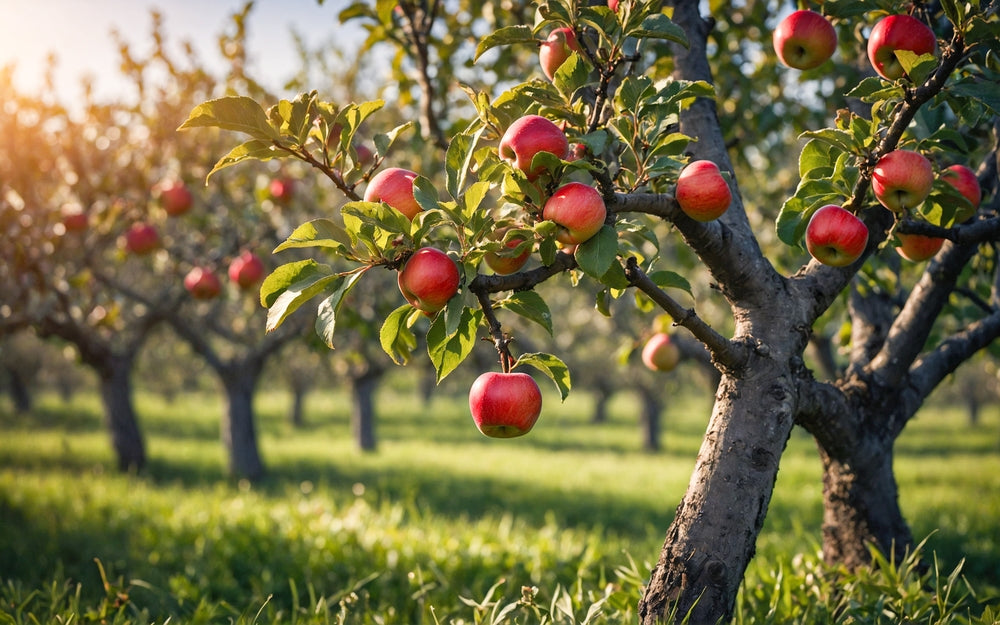 Fruit Trees
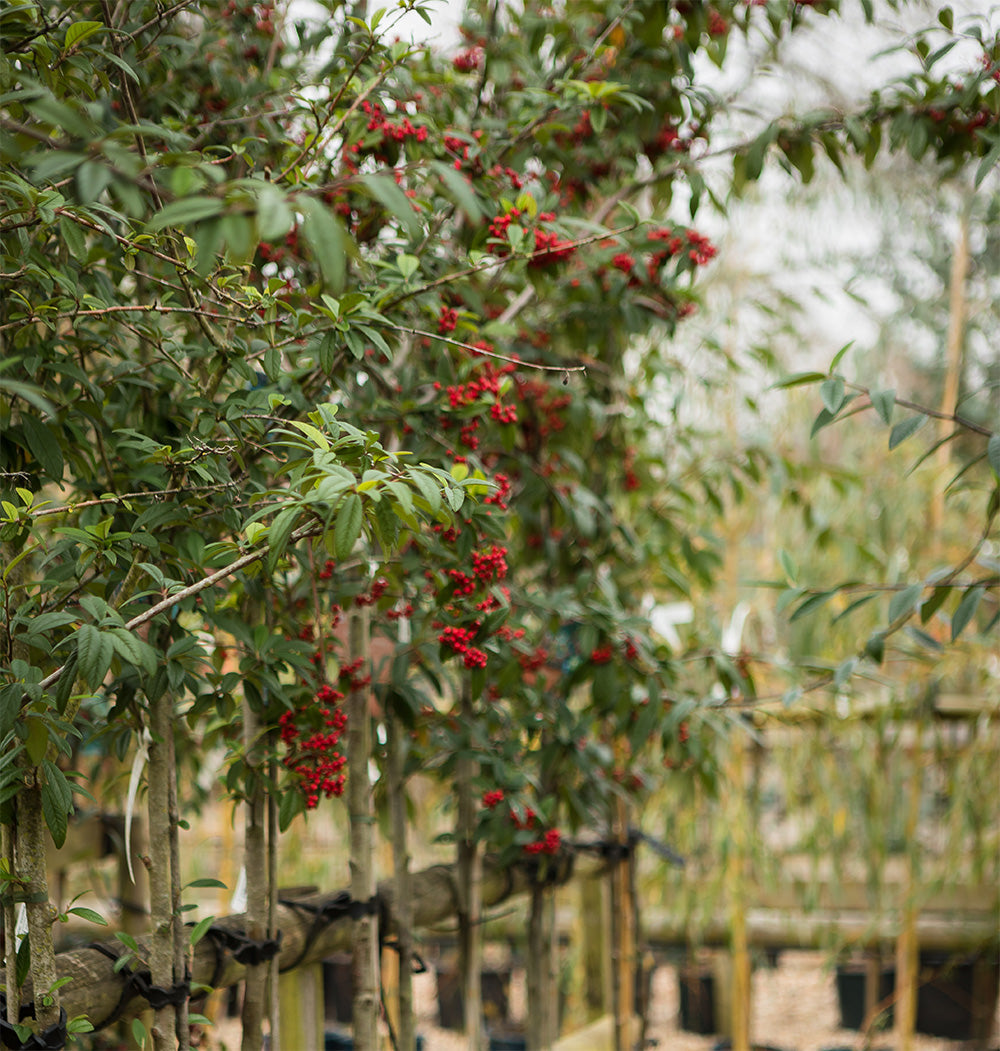 Ornamental
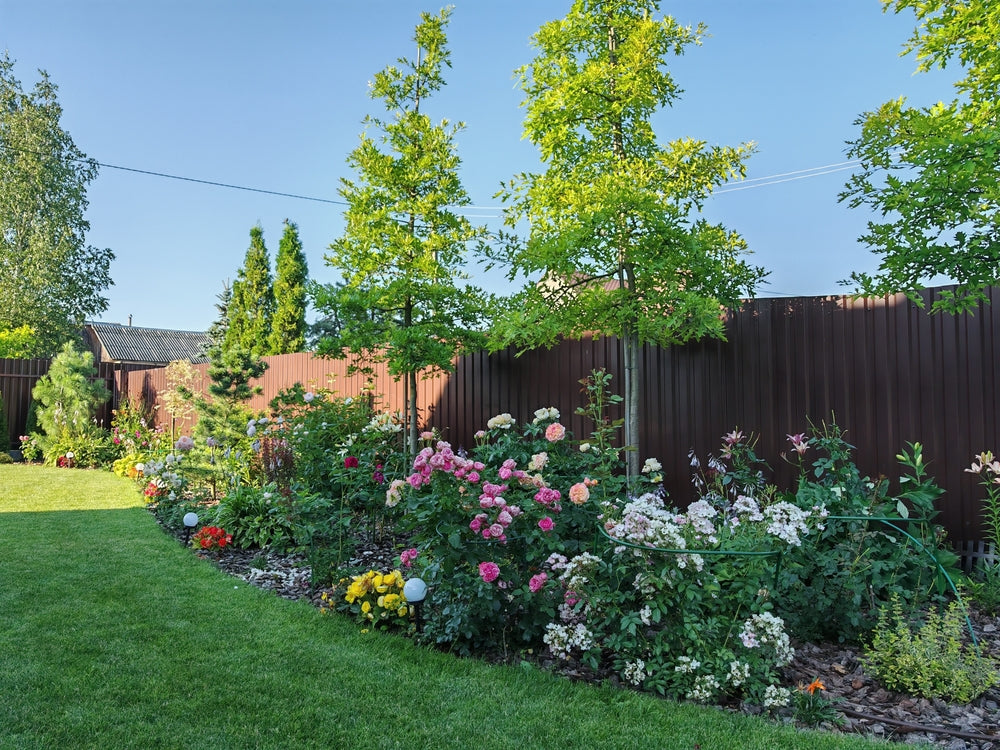 Screening
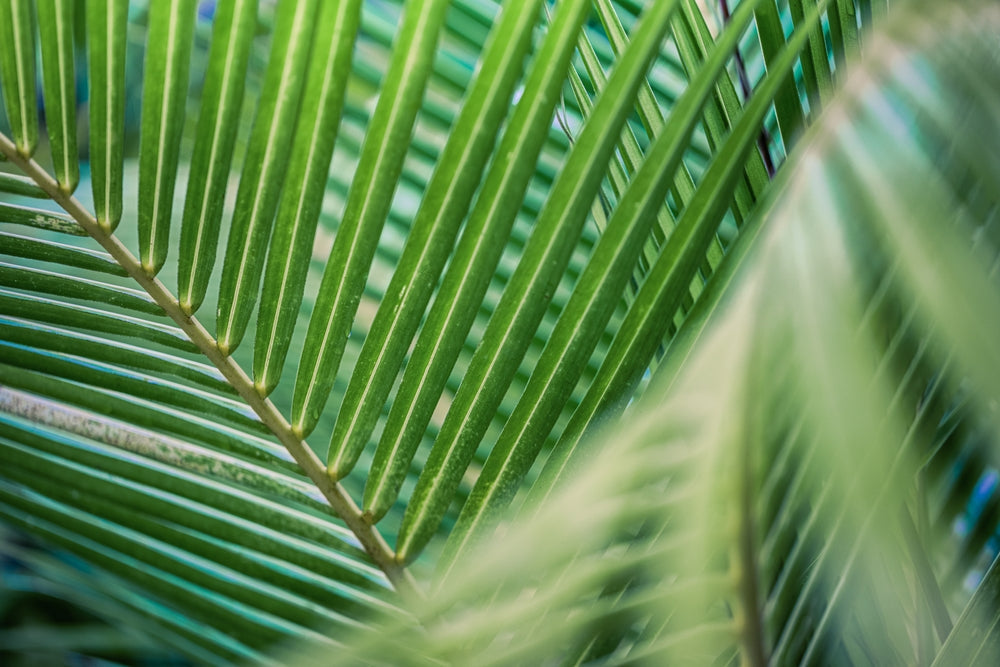 Palms
By FeaturesBy Shape
-
Shrubs
Shrubs
 Large shrubs
 Hedging
 Bamboo
 Climbers
 Flowering
 Grasses & Ferns
 Popular
-
Pines & Conifers
Pines & Conifers
 Pines
 Spruce & Fir
 Cypress
 Thuja
 Redwood | Sequoia
-
Specimen




FREE DELIVERY OVER £350
Search results
Search results
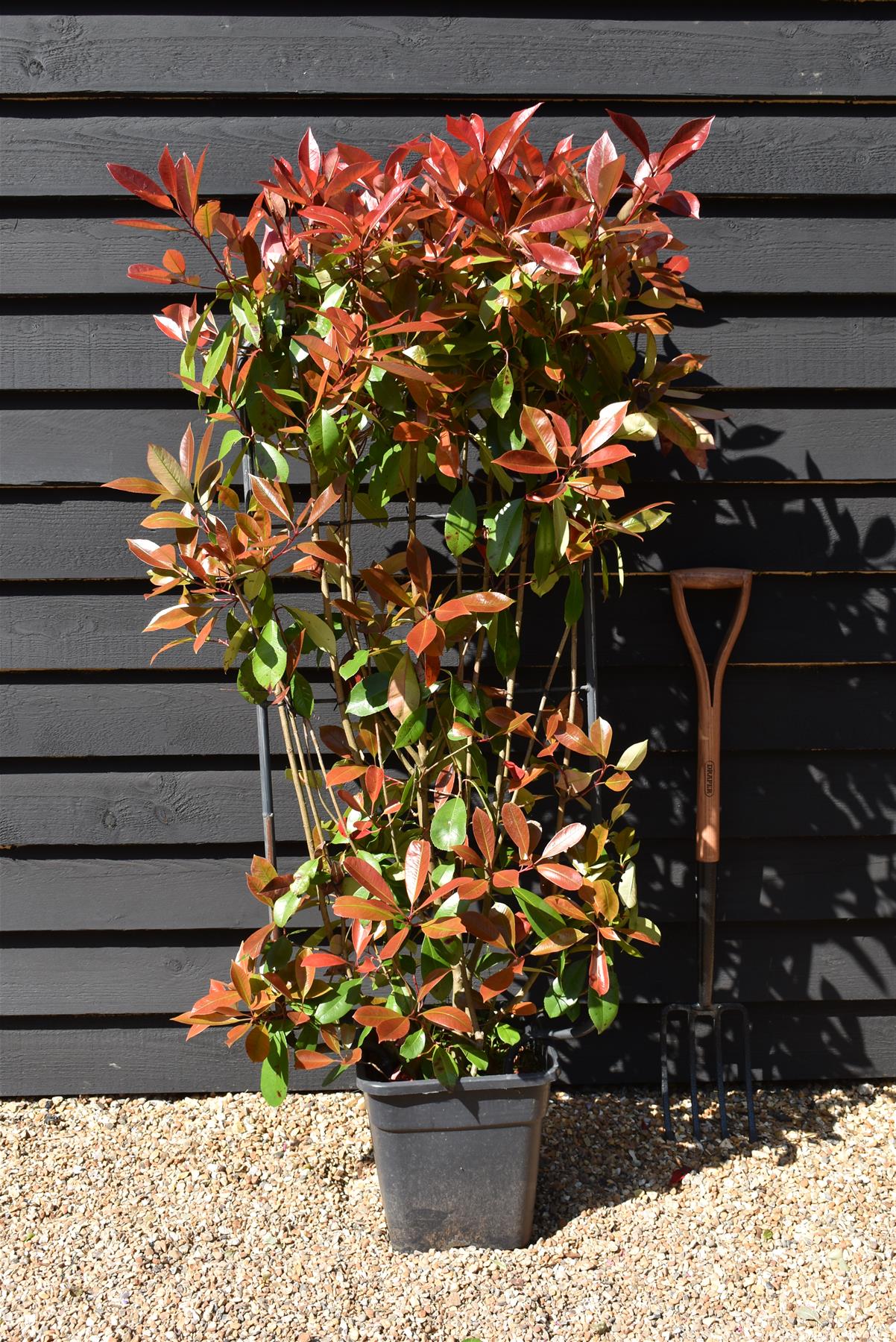
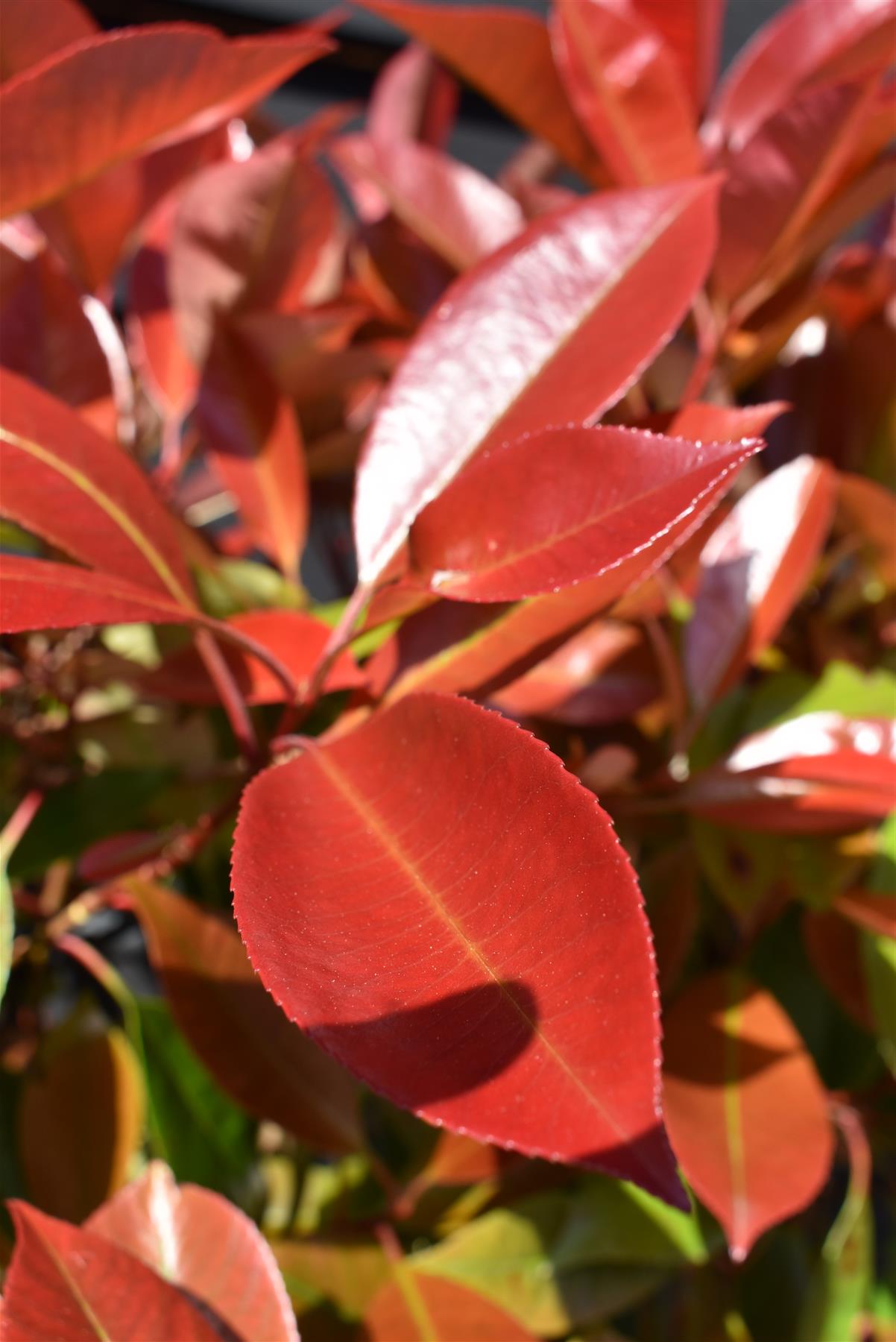
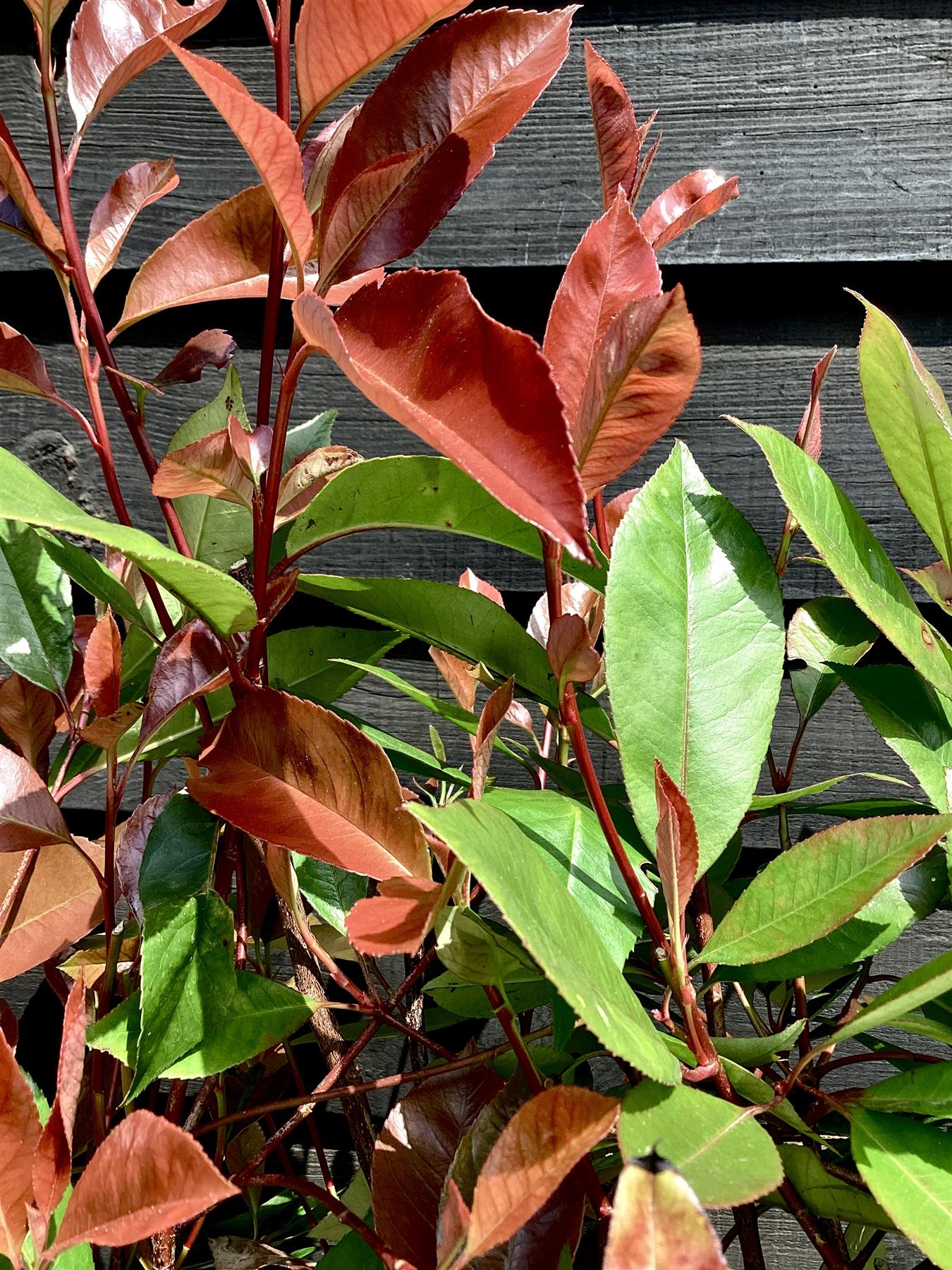
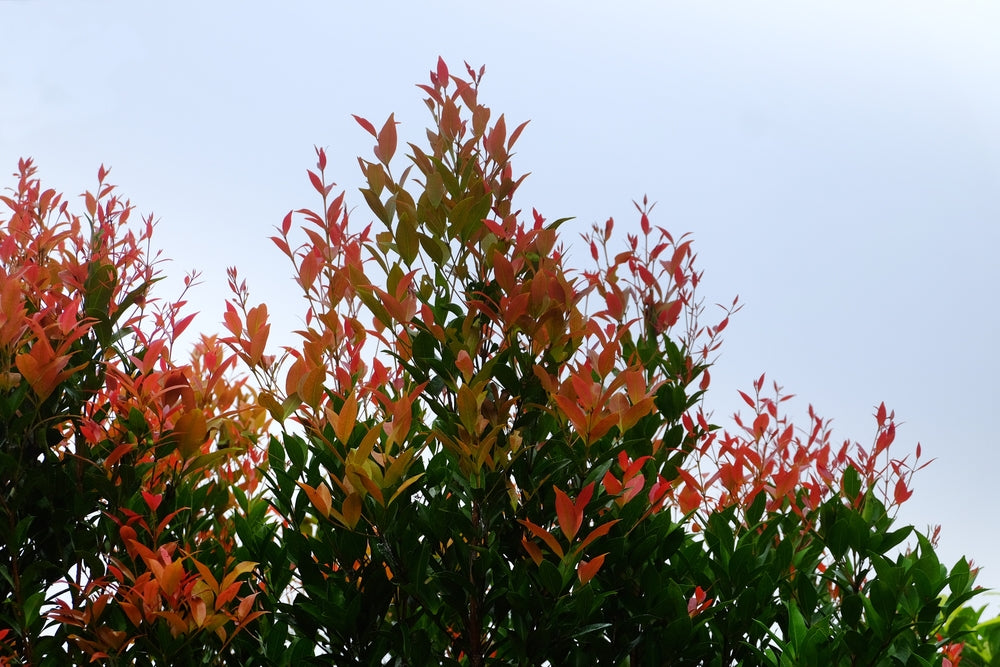
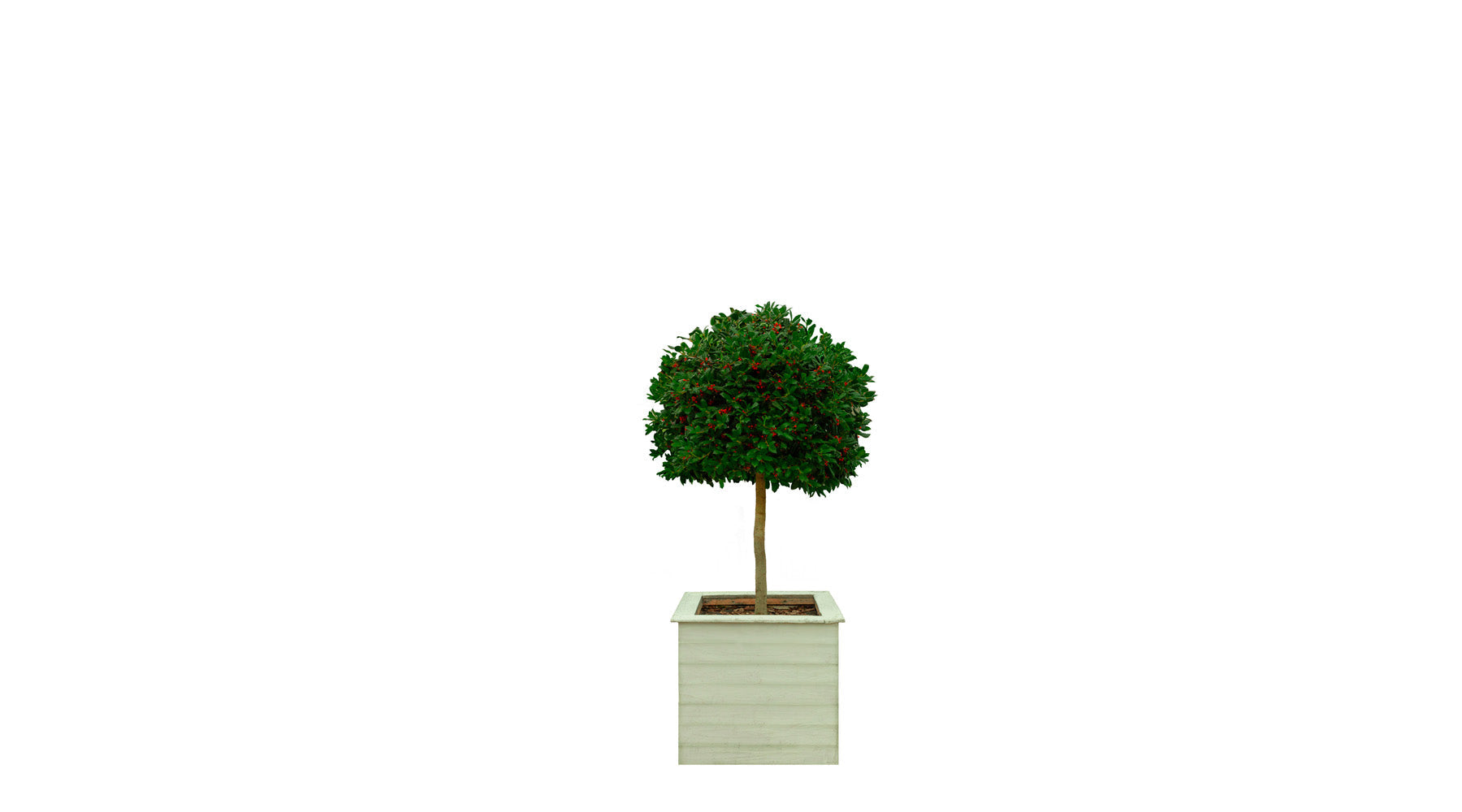
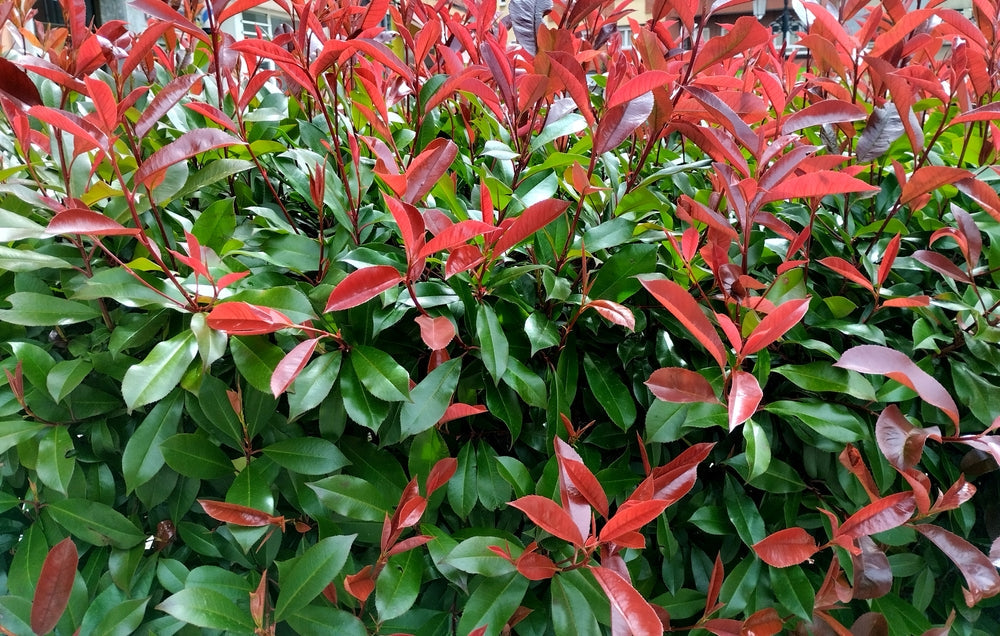
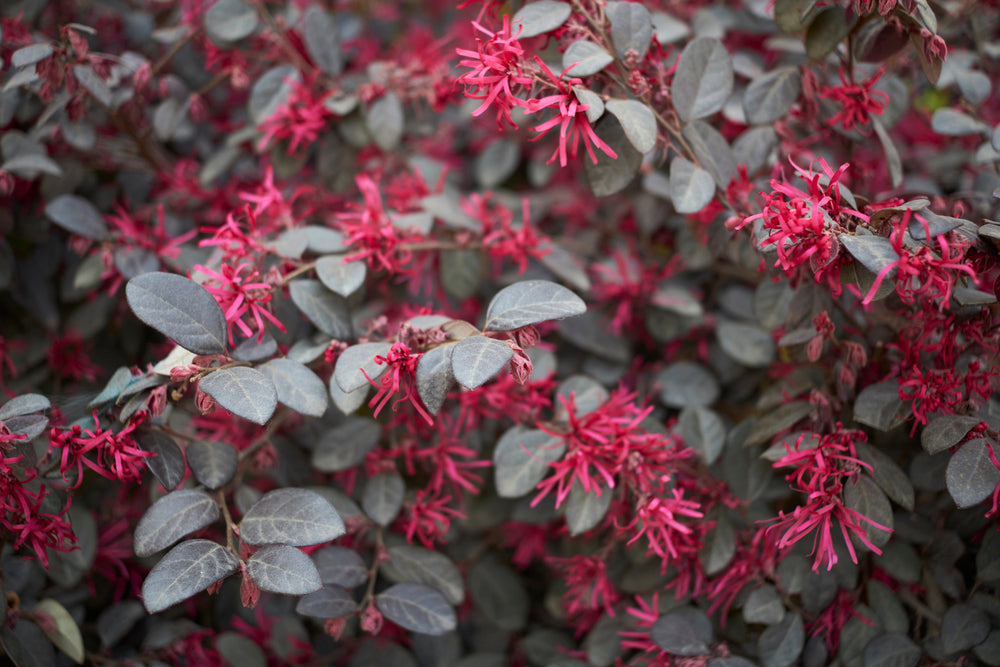
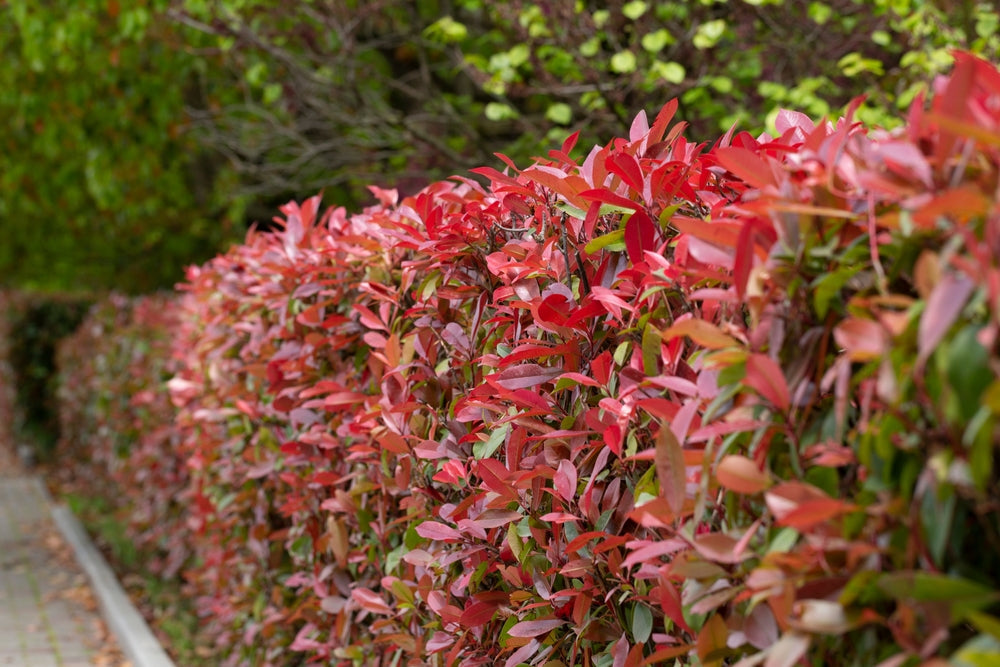
Photinia Red Robin | Christmas berry 'Little Red Robin' - Frame - 140-150cm, 18lt
£119.00
Unit price perPhotinia Red Robin | Christmas berry 'Little Red Robin' - Frame - 140-150cm, 18lt
£119.00
Unit price per


Tilia henryana | Henry's Lime - Bushy - Height 260-280cm - 130lt
£1,050.00
Unit price perTilia henryana | Henry's Lime - Bushy - Height 260-280cm - 130lt
£1,050.00
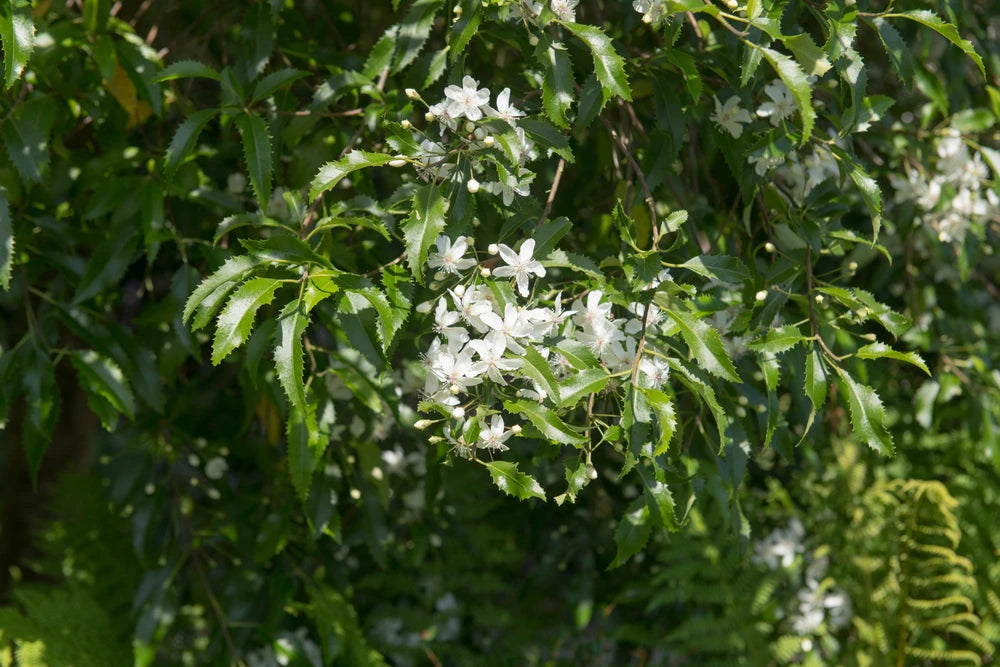
Unit price perTilia henryana, commonly known as Henry’s lime, is an elegant and distinctive deciduous tree valued for its refined form, ornamental foliage, and late-season flowers. Native to central China, it was introduced to Britain in the late nineteenth century and has since become a prized specimen in gardens, arboreta, and parkland where space allows.
The most striking feature of Tilia henryana is its leaves. They are heart-shaped and mid to dark green, with sharply serrated margins that are noticeably bristle-tipped, giving the foliage a finely textured and slightly spiky appearance. This characteristic sets it apart from other limes and adds visual interest throughout the growing season. In autumn, the leaves turn an attractive yellow, providing a soft seasonal display before leaf fall.
The tree typically develops a broadly conical to rounded crown and can reach heights of 10–15 metres in cultivation in the UK, often smaller than many other Tilia species. Its bark is smooth and grey when young, becoming lightly fissured with age. The overall habit is neat and balanced, making it suitable as a specimen tree rather than for formal avenues.
Flowering occurs in late summer, usually in August, later than most other limes. The small, creamy-white flowers are borne in loose clusters accompanied by pale green bracts. They are lightly fragrant and extremely attractive to bees and other pollinators, extending the nectar season well into the summer. Following flowering, small, rounded nutlets may form.
Tilia henryana prefers fertile, moist but well-drained soils and grows best in full sun or light shade. It is hardy in most parts of the UK and relatively free from serious pests or diseases. Its combination of unusual foliage, manageable size, and late flowering makes it an excellent choice for ornamental planting and biodiversity-friendly landscapes.


Photinia 'Magical Volcano' | Photinia x fraseri Magical Volcano - Height 180-220cm Width 100-140cm - 25lt
£225.00
Unit price perPhotinia 'Magical Volcano' | Photinia x fraseri Magical Volcano - Height 180-220cm Width 100-140cm - 25lt
£225.00
Unit price per


Photinia 'Red Robin' | Photinia x fraseri Red Robin - Height 180-220cm Width 100-140cm - 55lt
£365.00
Unit price perPhotinia 'Red Robin' | Photinia x fraseri Red Robin - Height 180-220cm Width 100-140cm - 55lt
£365.00
Unit price per


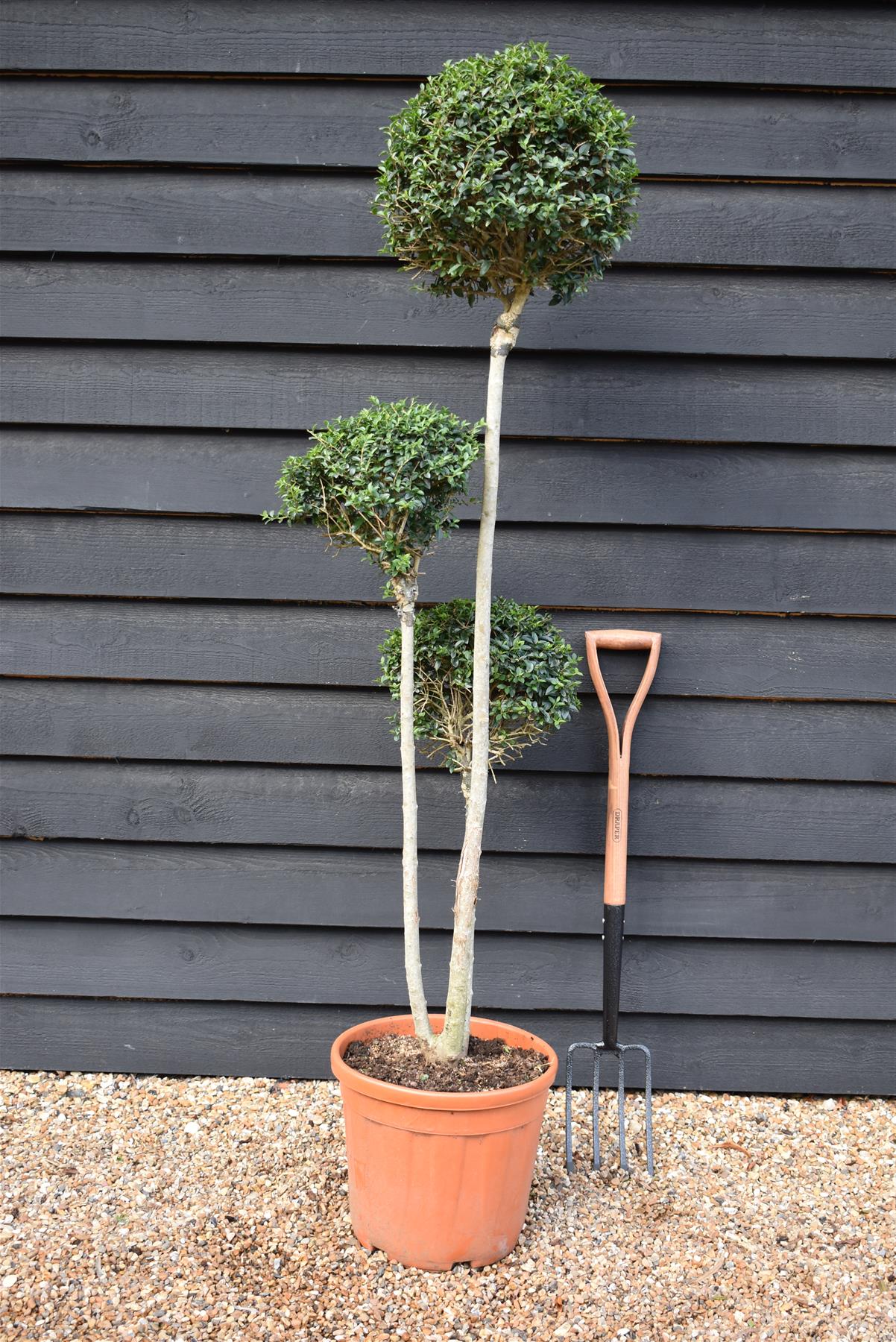


Ligustrum Jon Pom Pom 3 Ball | Privet Topiary - Height 150cm - 35lt
£260.00
Unit price perLigustrum Jon Pom Pom 3 Ball | Privet Topiary - Height 150cm - 35lt
£260.00
Unit price per


Wisteria brachybotrys 'Showa-beni' Clear Stem 140cm - Girth 10-12cm - Height 200-220cm - 55lt
£438.00
Unit price perWisteria brachybotrys 'Showa-beni' Clear Stem 140cm - Girth 10-12cm - Height 200-220cm - 55lt
£438.00
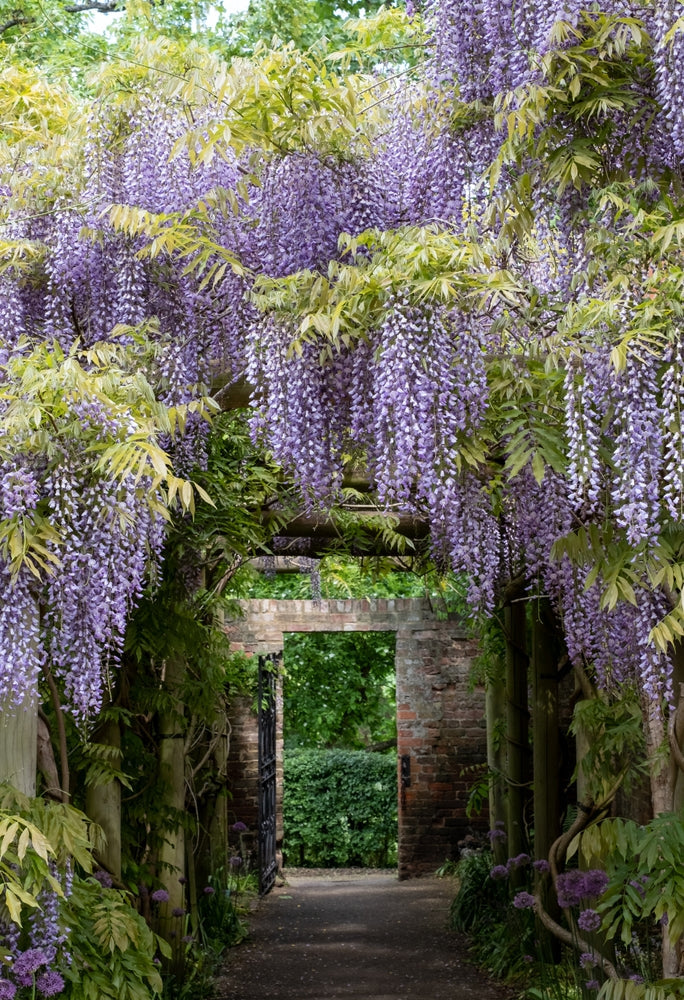
Unit price perWisteria brachybotrys 'Showa-beni' is wonderful, vigorous, deciduous climber that climbs by anti-clockwise twining. It has soft, silky, pinnate, fresh green leaves, and fragrant, lilac-pink flowers abundantly growing in hanging sprays and blooming in late spring to early summer. Flowers are followed by velvety, bean-like seed pods, ripening in late summer and persisting on branches throughout the winter. Attractive to bees and butterflies.
Wisteria brachybotrys 'Showa-beni' grows best in moderately fertile, slightly acidic, medium moisture, well-drained soils, but can adapt to a wide range of soils. It likes full sun, but tolerates partial shade. Best flowering is achieved in full sun. It can withstand frost and drought. Needs regular pruning to maintain its shape and size and to encourage flowering.
Wisteria brachybotrys 'Showa-beni' is an exotic-looking and fast-growing climber perfect for growing against a house wall, on pergolas, trellises, arbours, and fences. Great for cottage and urban gardens. It can also grow as a tree on a strong support.