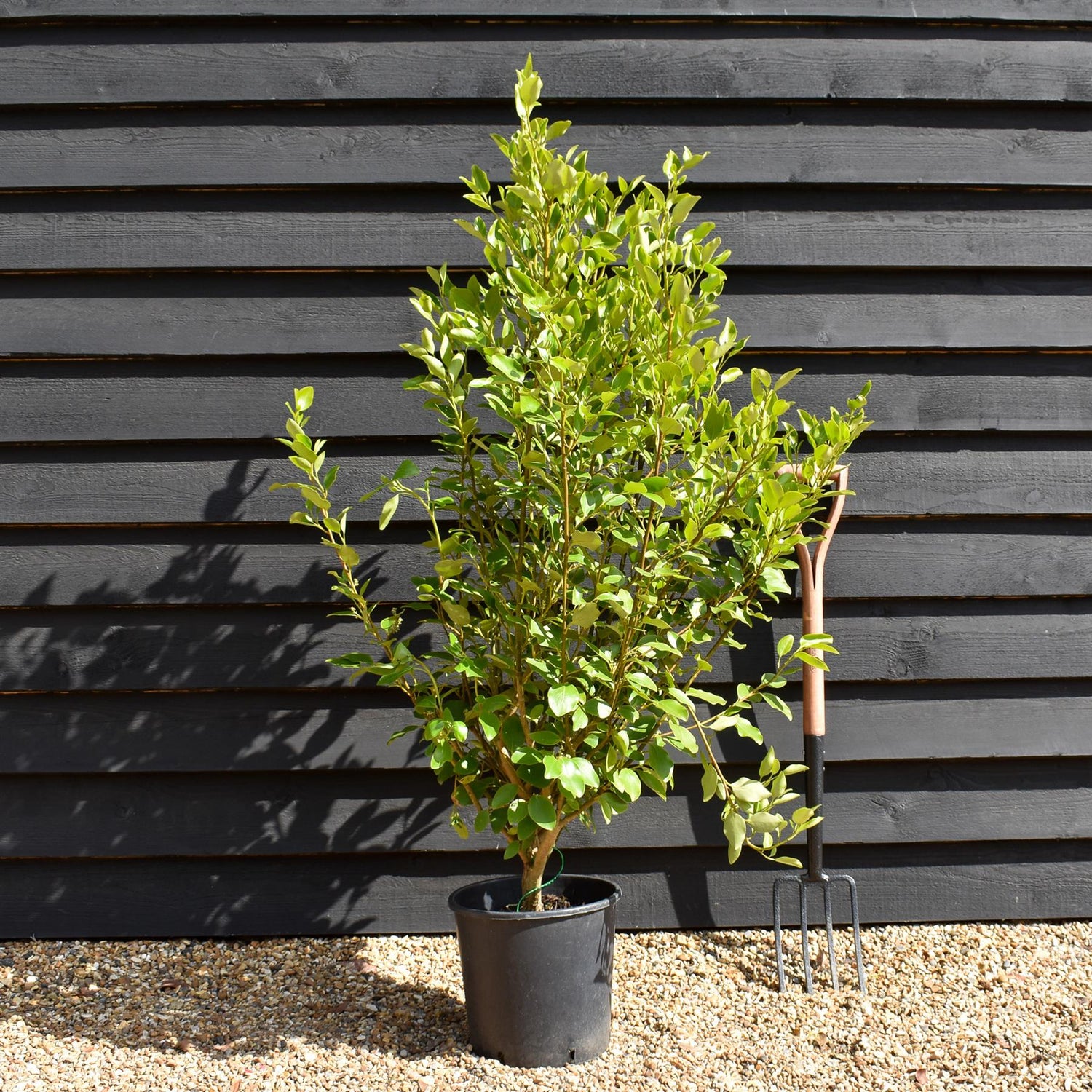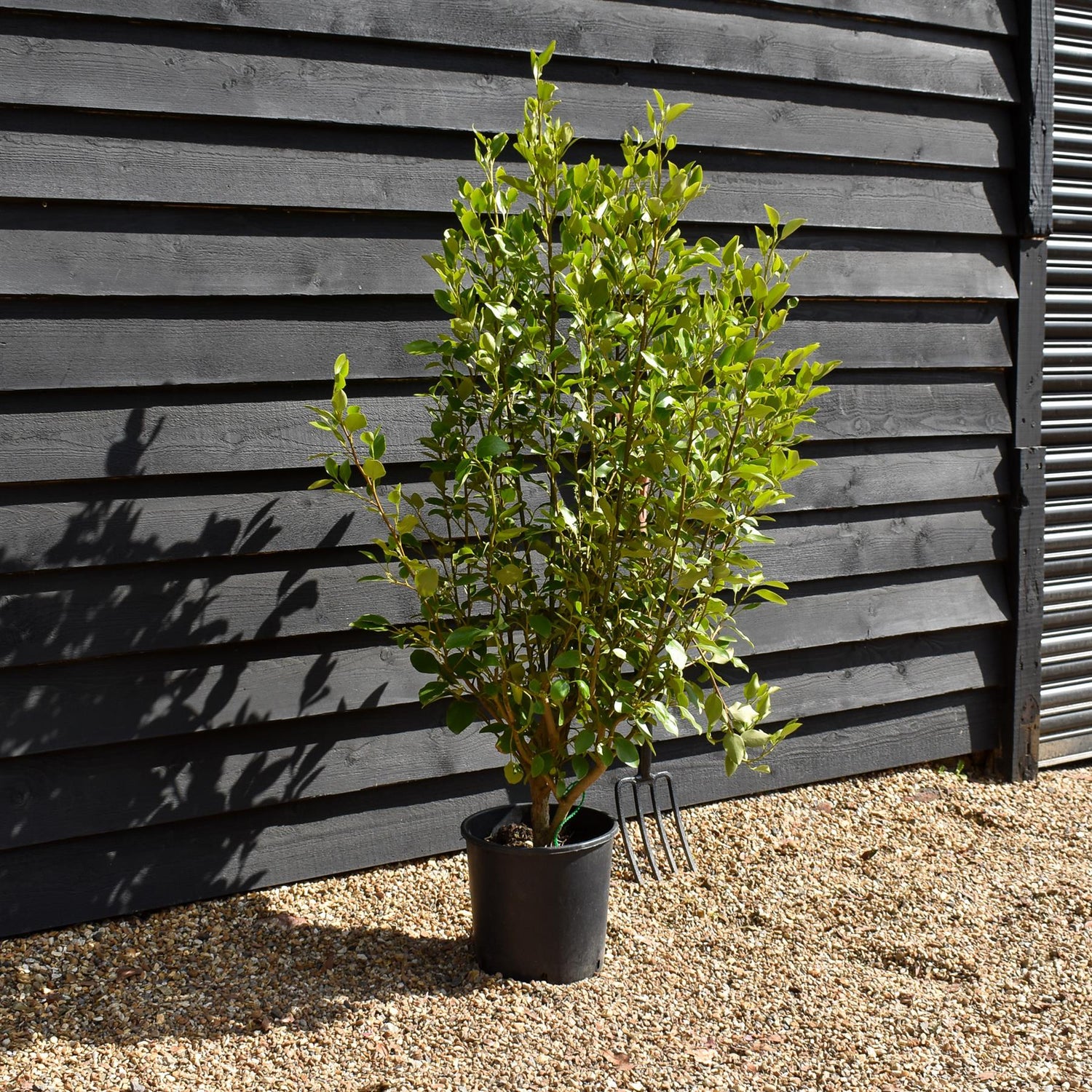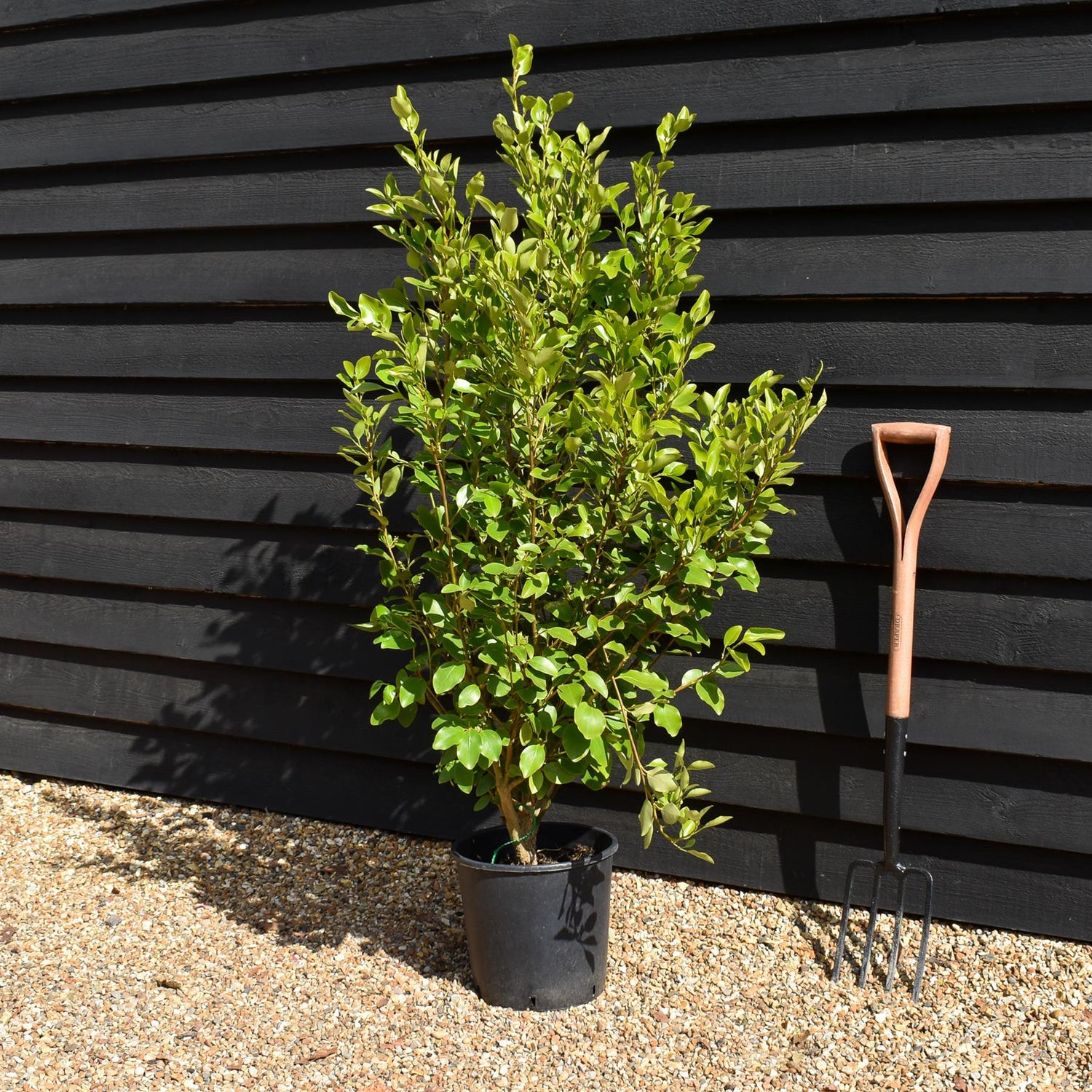












Sarcococca hookeriana ‘Purple Stem’ is an attractive evergreen shrub valued in gardens for its elegant foliage, coloured stems, and intensely fragrant winter flowers. A member of the Buxaceae family, it originates from woodland regions of the Himalayas and western China, where it grows naturally in shaded forest environments. In cultivation across the United Kingdom it is appreciated for its ability to thrive in shade and provide seasonal interest during the colder months.
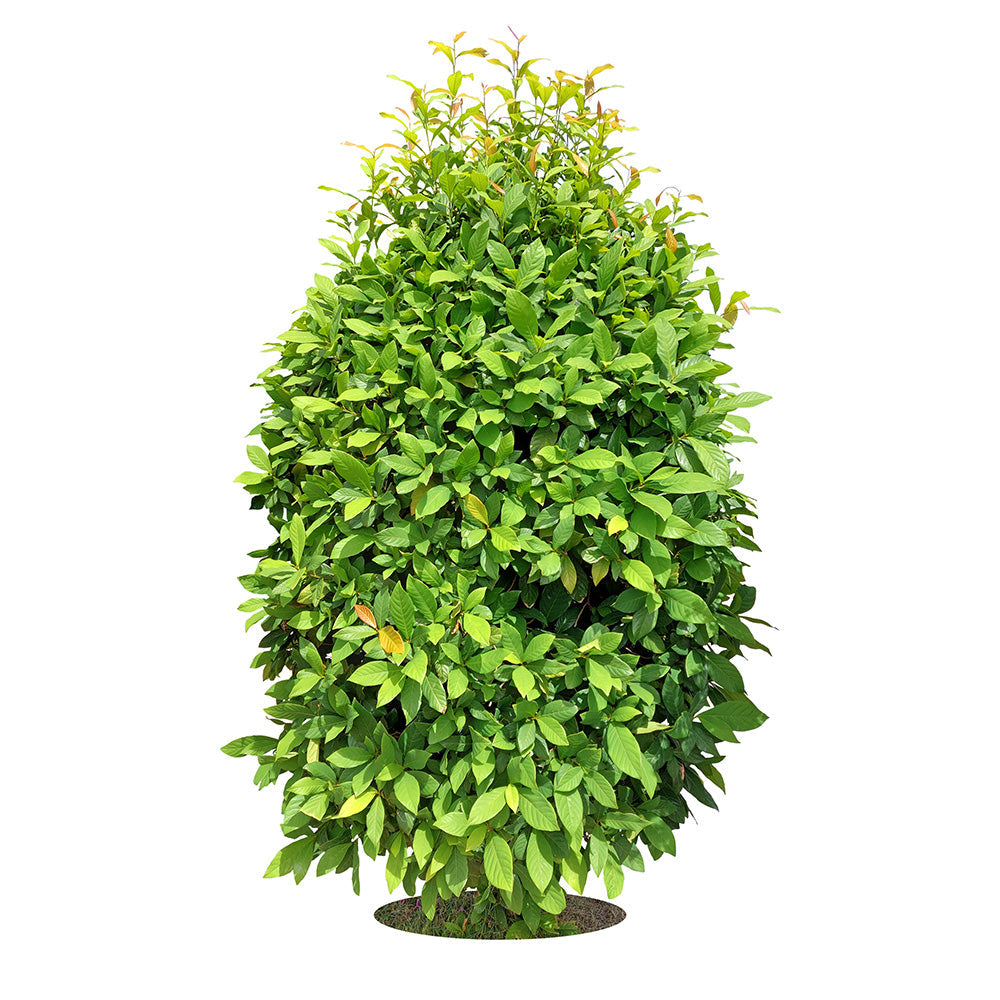
This cultivar forms a low, spreading shrub that typically grows to around 60–100 centimetres in height, gradually extending outward to form a loose colony through underground stems. Its most distinctive feature is its slender, arching stems, which develop a noticeable purplish or reddish tint, particularly during cooler weather. These coloured stems contrast attractively with the plant’s glossy foliage.
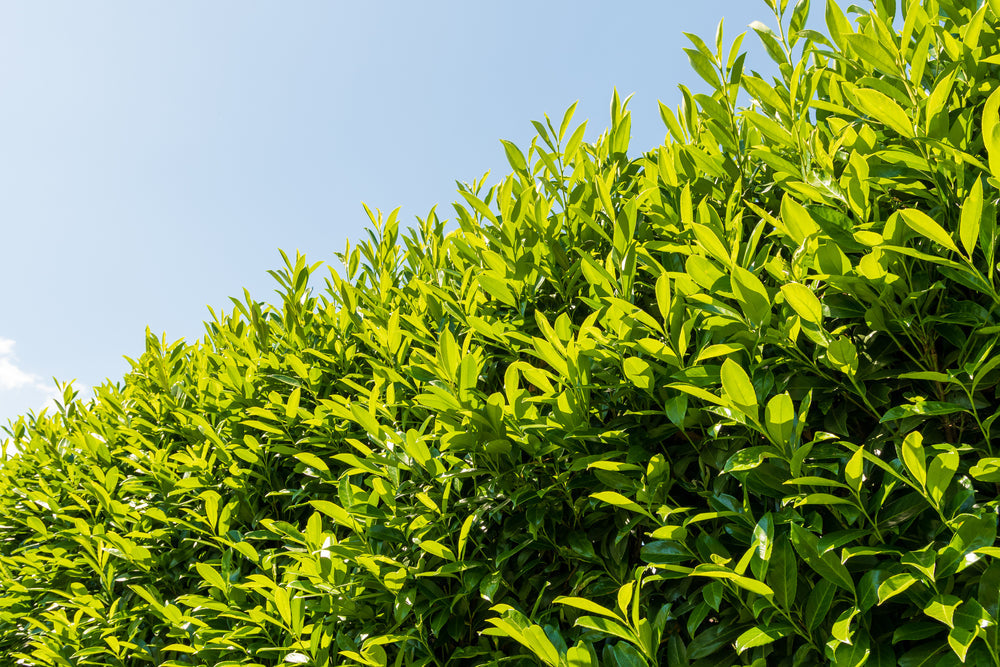
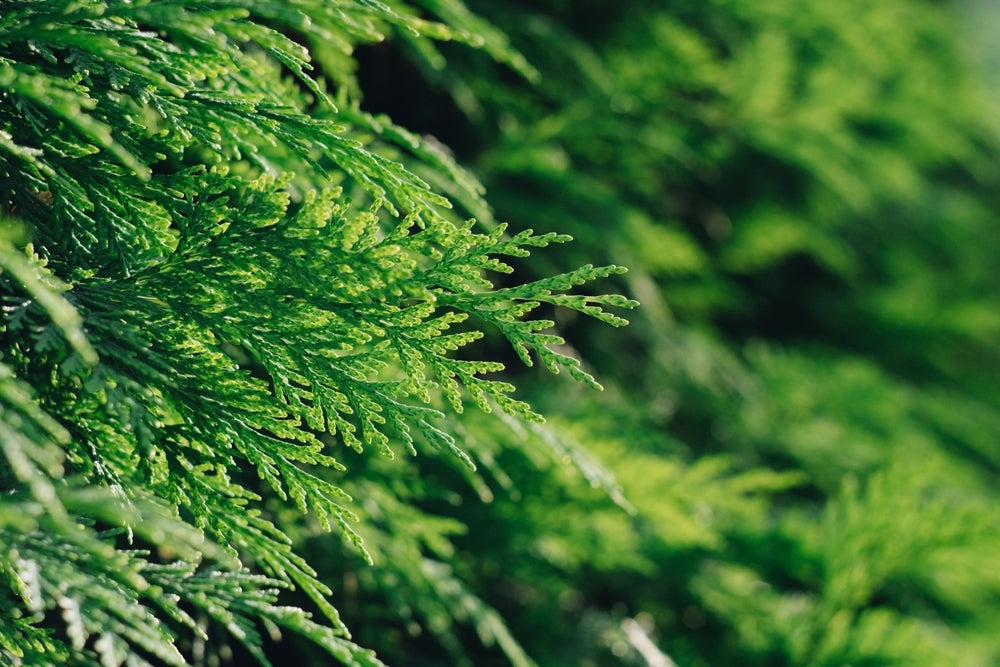
The leaves are narrow, lance-shaped, and deep green, usually measuring between 5 and 12 centimetres long. They have a smooth, leathery texture and remain evergreen throughout the year, providing reliable structure in shaded borders. The foliage is often arranged alternately along the stems, contributing to the plant’s graceful and slightly arching appearance.
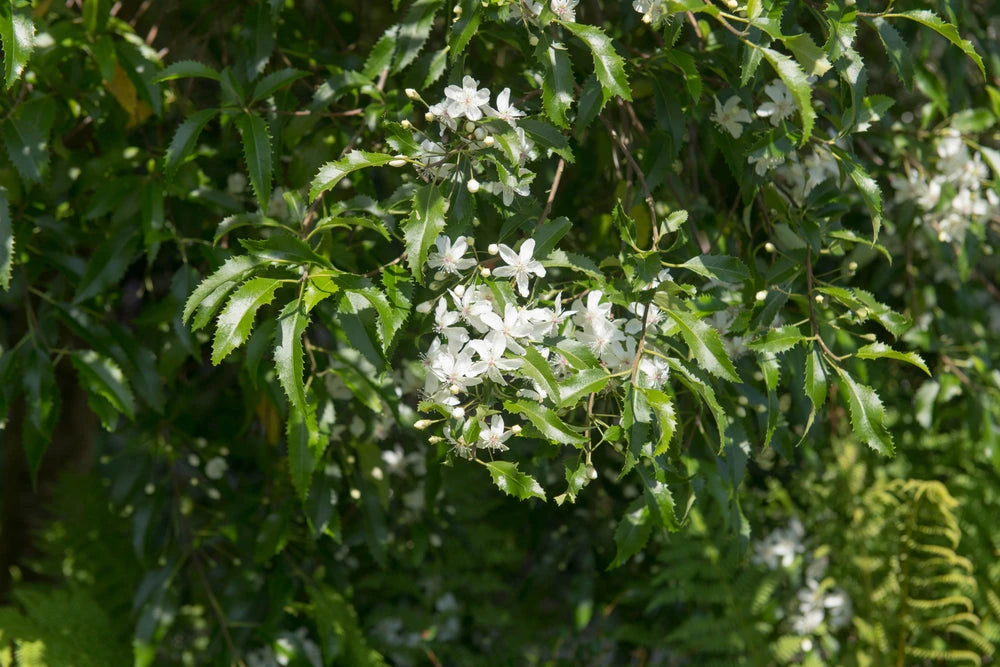
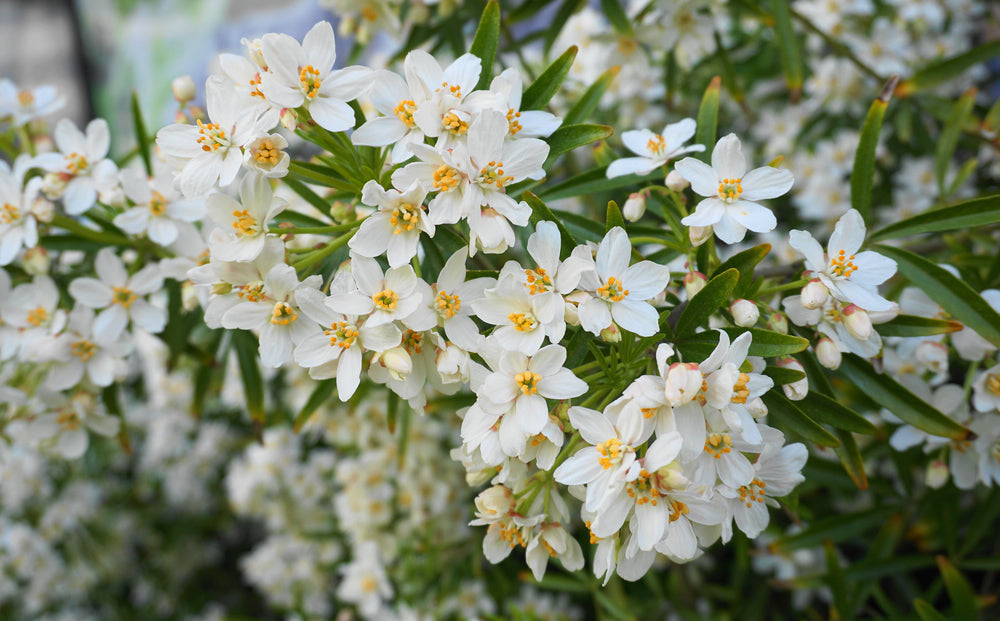
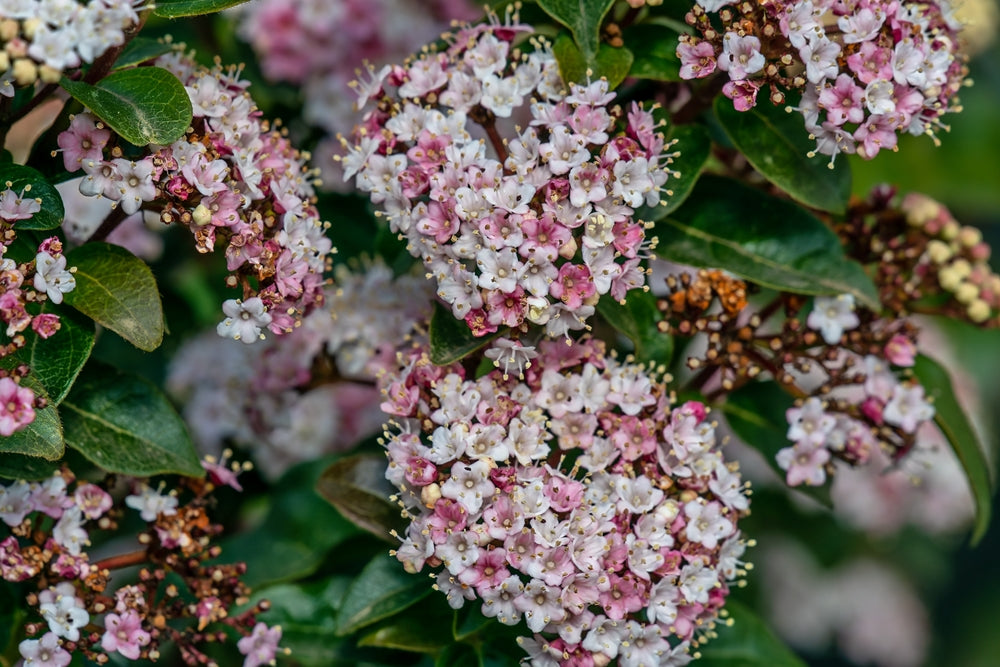
From mid to late winter, small clusters of creamy white flowers appear close to the stems beneath the leaves. Although the flowers are tiny and not especially showy, they release a remarkably strong, sweet fragrance that can travel a considerable distance in still air. The scent is widely regarded as one of the most appealing winter fragrances in the garden, often noticeable before the plant itself is seen.
After flowering, the shrub may produce small berries that mature to a glossy black. These fruits add subtle ornamental value and can remain on the plant for some time.
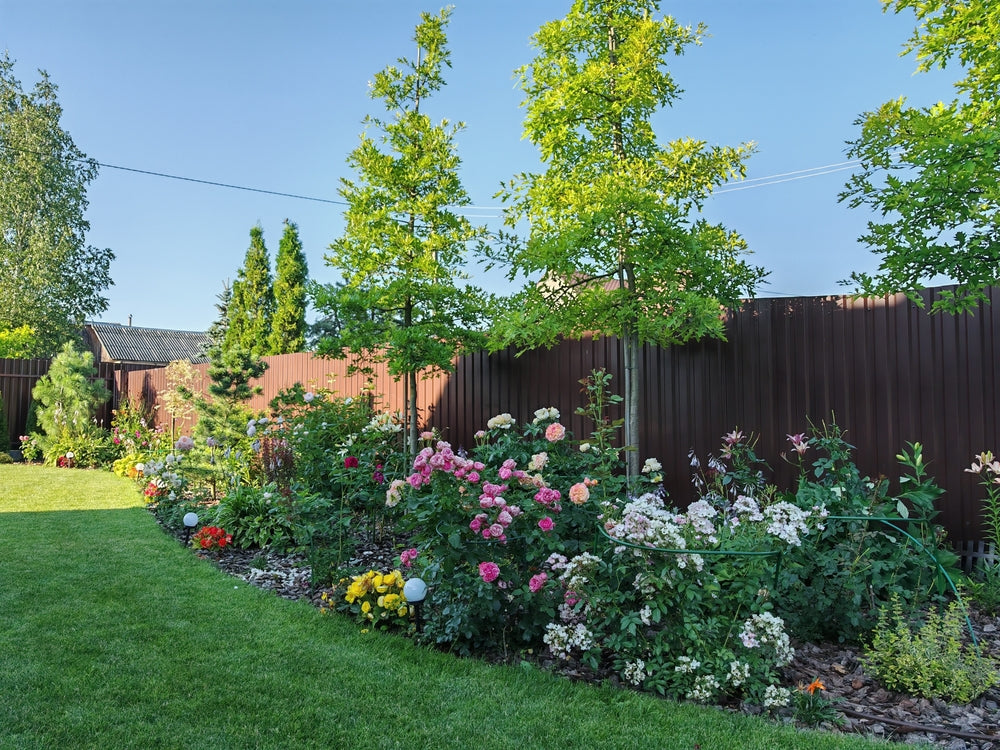
Sarcococca hookeriana ‘Purple Stem’ grows best in moist, well-drained soil and prefers partial to full shade. It is well suited to woodland gardens, shaded borders, and areas beneath trees. Hardy and low maintenance, it requires minimal pruning and is often planted near paths or entrances where its winter fragrance can be enjoyed.