

-
Trees
Trees
 Fruit Trees
 Ornamental
 Screening
 Palms
By FeaturesBy Shape
-
Shrubs
Shrubs
 Large shrubs
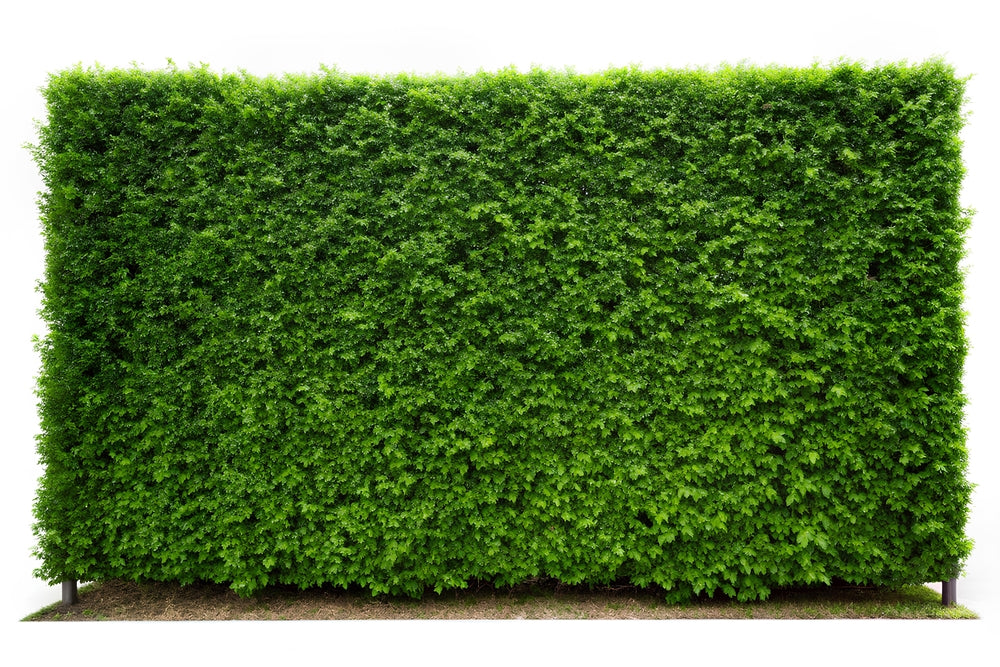 Hedging
 Bamboo
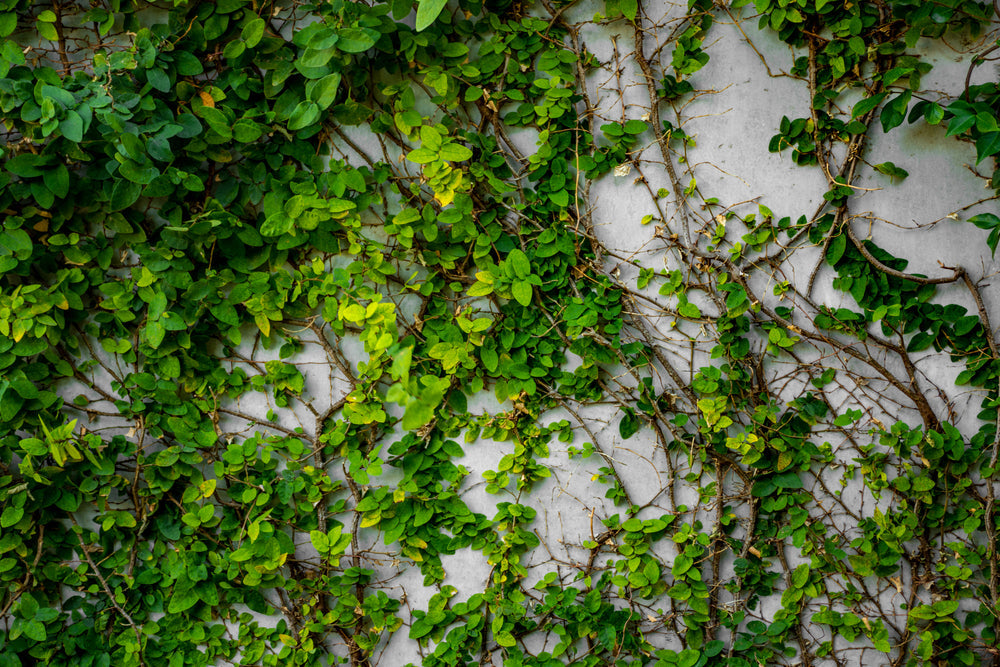 Climbers
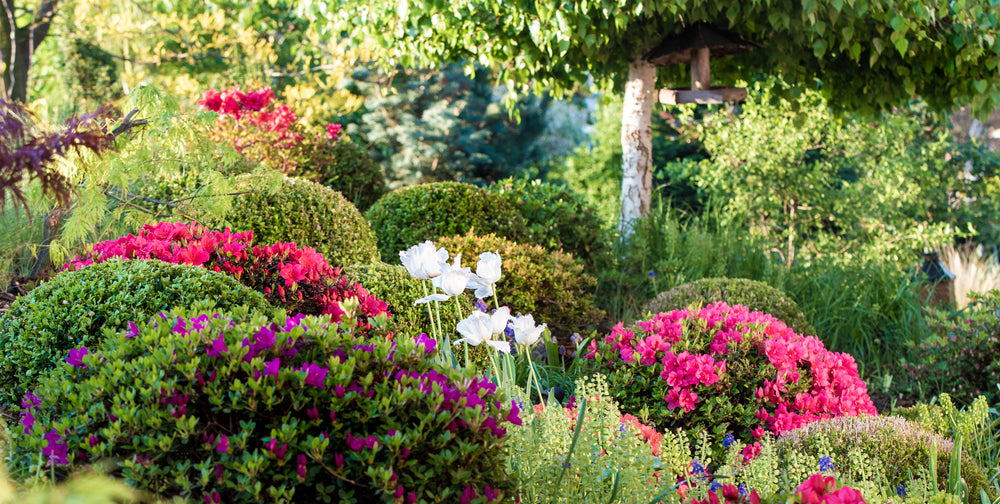 Flowering
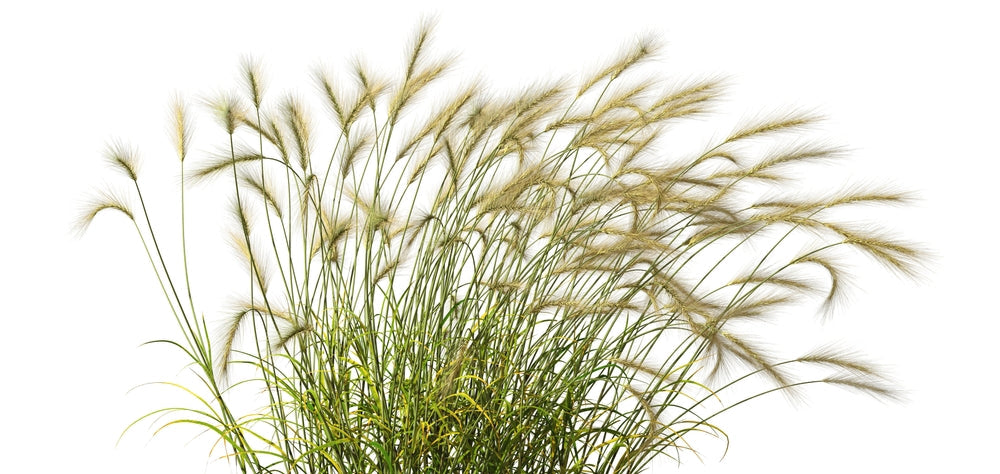 Grasses & Ferns
 Popular
-
Pines & Conifers
Pines & Conifers
 Pines
 Spruce & Fir
 Cypress
 Thuja
 Redwood | Sequoia
-
Specimen

FREE DELIVERY OVER £350
Search results
Search results


Sorbus vilmorinii | Vilmorin's Rowan - Height 170-200cm, 10lt
£83.00
Unit price perSorbus vilmorinii | Vilmorin's Rowan - Height 170-200cm, 10lt
£83.00
Unit price per
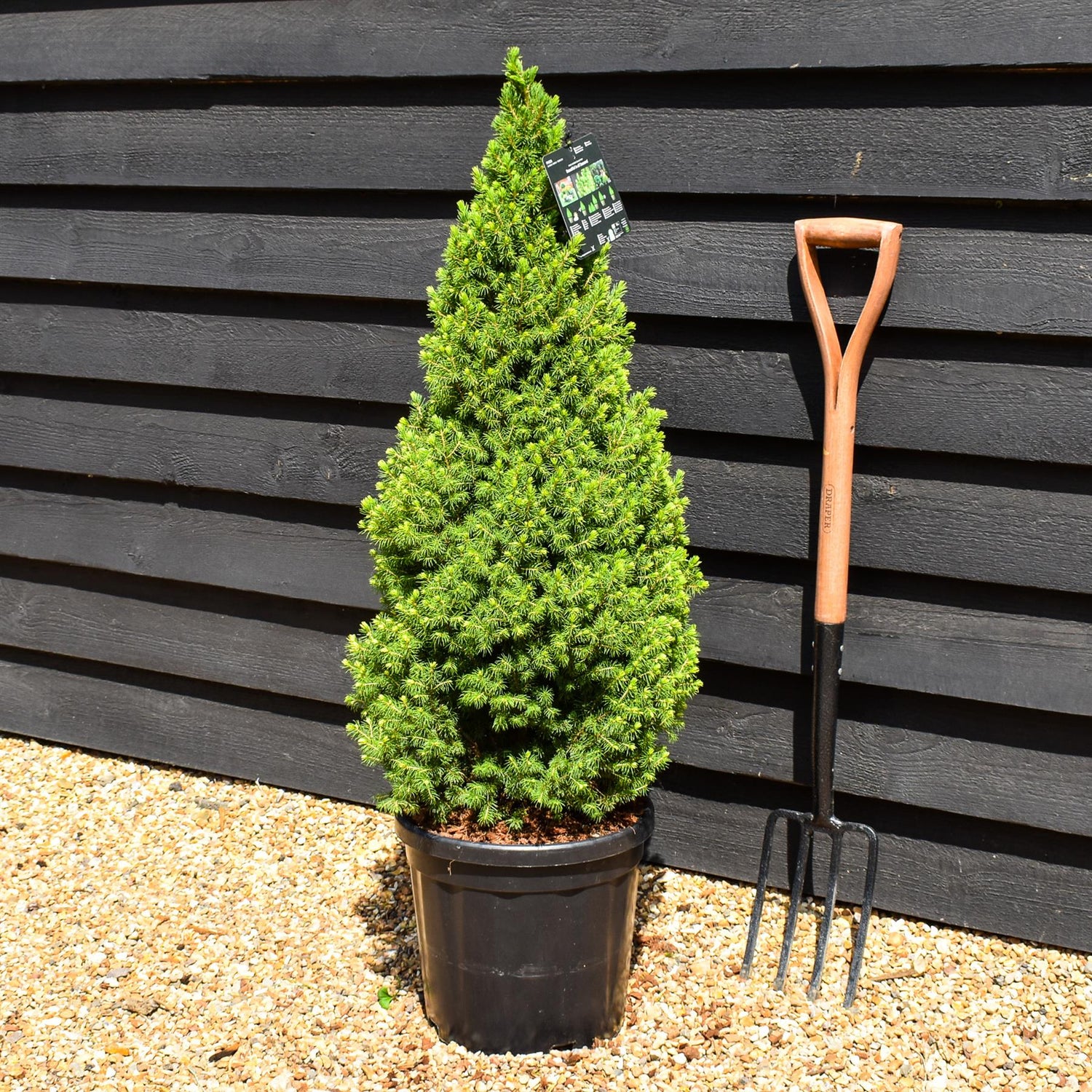
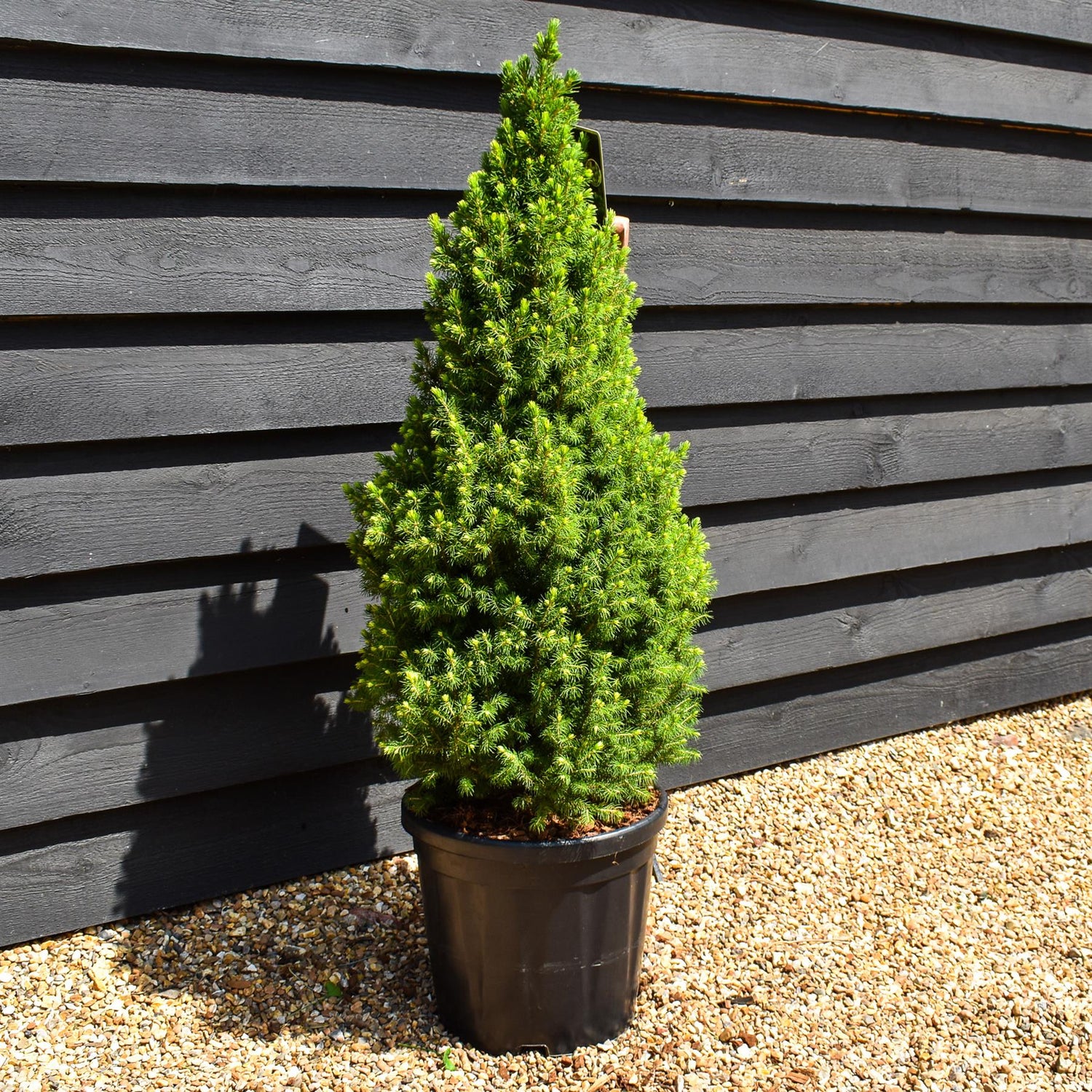
Picea glauca Perfecta' | White spruce 'Perfecta' - Height 90-100cm - 18lt
£165.00
Unit price perPicea glauca Perfecta' | White spruce 'Perfecta' - Height 90-100cm - 18lt
£165.00
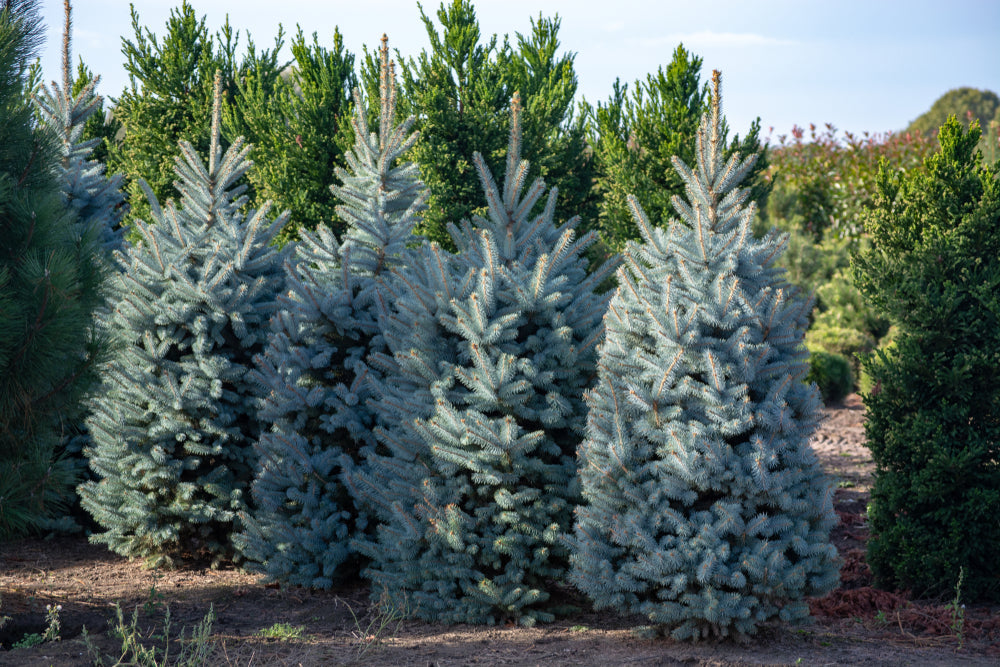
Unit price perThe Picea glauca ‘Perfecta’, commonly known as the dwarf white spruce, is a compact, slow-growing conifer prized for its neat, conical shape and silvery-green needles. A cultivar of the white spruce (Picea glauca), this tree is ideal for smaller gardens or as a feature in rockeries, borders, or containers due to its modest size. Typically growing to a height of 1.5 to 2 metres over many years, it maintains a tidy, dense form that requires little maintenance.
The needles of the Picea glauca ‘Perfecta’ are soft to the touch, bluish-green in colour, and create a shimmering effect in sunlight, adding a striking element to the garden landscape. Its branches are short and evenly spaced, enhancing the tree's symmetrical, pyramid-like appearance.
This tree is hardy and well-suited to the UK climate, tolerating cold winters and thriving in a range of soil types, provided the soil is well-drained. It prefers full sun but can tolerate partial shade. Picea glauca ‘Perfecta’ is relatively low-maintenance, requiring minimal pruning, and it is also resistant to pests and diseases. Once established, it has moderate drought tolerance but benefits from regular watering during dry spells, especially when young.
One of its most appealing features is its year-round interest. As an evergreen, it provides structure and colour in the garden throughout all seasons, making it a popular choice for those seeking a focal point that doesn’t lose its charm in winter. Whether used as a standalone specimen or as part of a mixed border, the Picea glauca ‘Perfecta’ is an excellent choice for adding texture, form, and seasonal interest to small or medium-sized gardens in the UK.


Purple-red Norway Maple | Acer platanoides 'Royal Red' - Height 320-360cm - Clear Stem - Girth 8-10cm - 45lt
£360.00
Unit price perPurple-red Norway Maple | Acer platanoides 'Royal Red' - Height 320-360cm - Clear Stem - Girth 8-10cm - 45lt
£360.00
Unit price perAcer platanoides 'Royal Red' is a bold and elegant cultivar of the Norway maple, prized for its deep, rich purple foliage that remains vibrant throughout the growing season. This slow-growing, deciduous tree typically reaches a height of 12 to 15 meters with a spread of 10 to 12 meters, forming a broad, rounded crown. Its glossy, lobed leaves provide dramatic color contrast in gardens, parks, and streetscapes. In spring, small yellow-green flowers appear before the leaves, adding subtle seasonal interest. 'Royal Red' is highly adaptable, thriving in a range of soil types and urban conditions, including pollution and drought once established. It is an excellent choice for creating a striking focal point or providing bold, long-lasting color in the landscape.


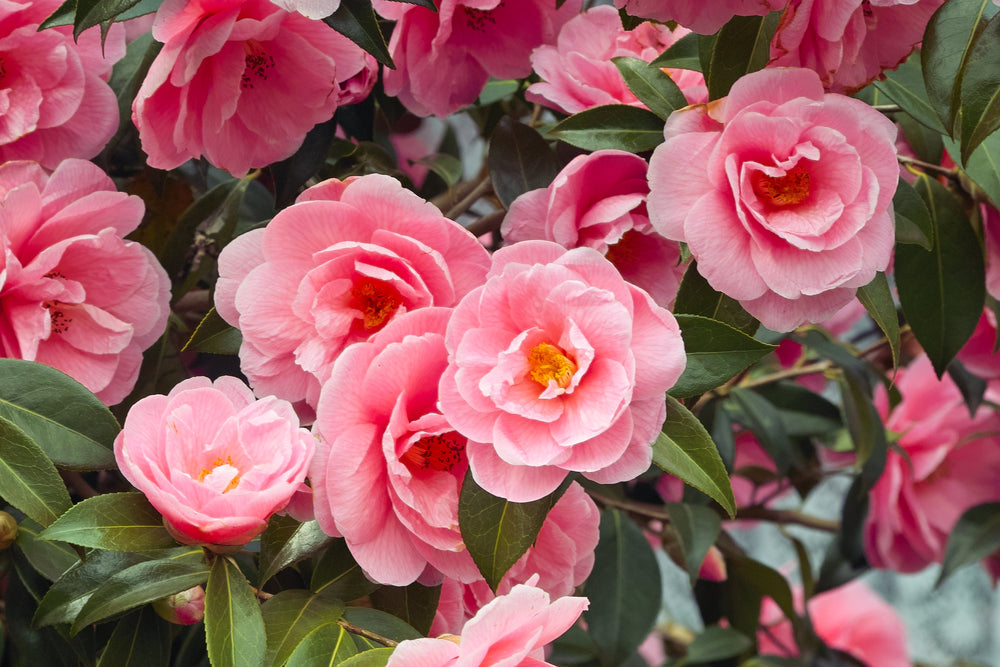
Camellia sasanqua 'Winter's Snowman' - 60-70cm - 12lt
£98.00
Unit price perCamellia sasanqua 'Winter's Snowman' - 60-70cm - 12lt
£98.00
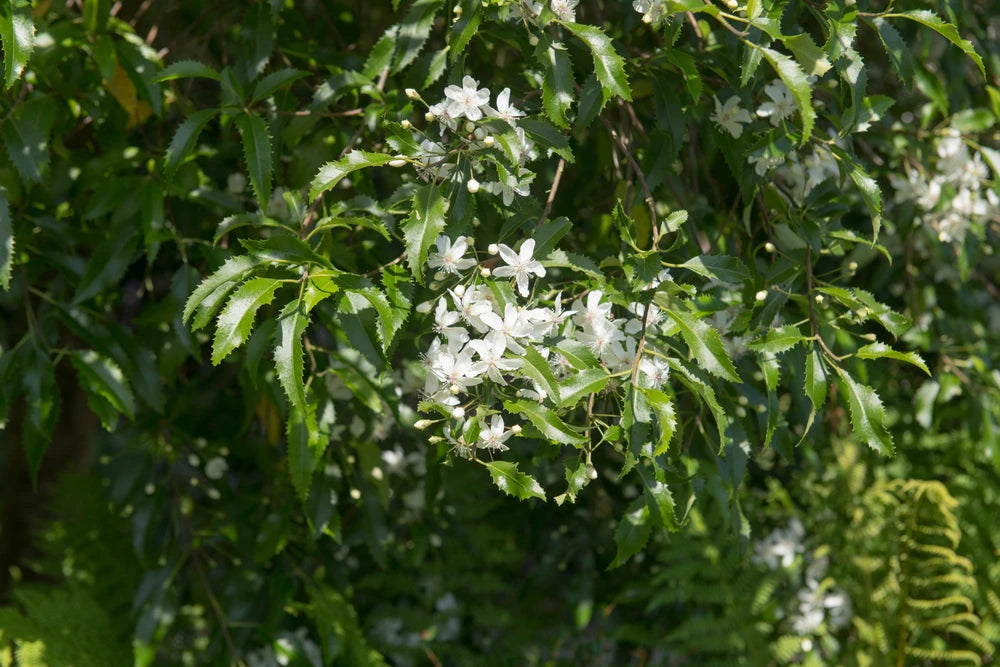
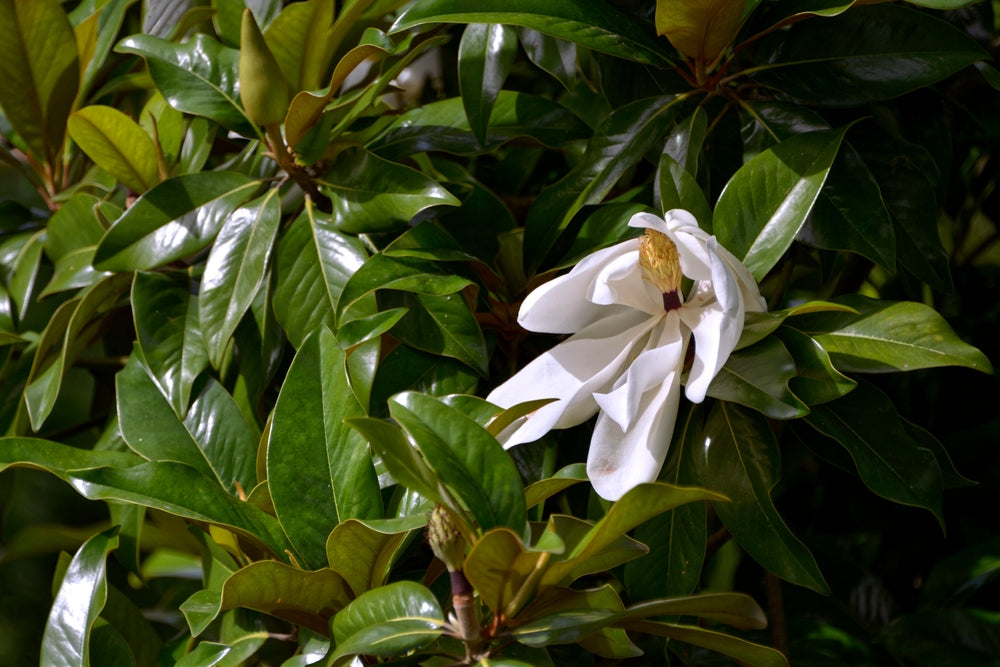
Unit price perCamellia 'Winter's Snowman' is a charming and distinctive evergreen shrub prized for its exquisite, pure white blossoms that bloom profusely in the late winter to early spring, providing a delightful contrast against its glossy, dark green foliage. The flowers, resembling delicate snowflakes, boast a pristine beauty that evokes a sense of tranquility and serenity, making 'Winter's Snowman' a picturesque sight in any landscape.
One of the notable features of Camellia 'Winter's Snowman' is its compact and upright growth habit, typically reaching a height of around 6 to 8 feet with a similar spread. This moderate size makes it an excellent choice for various garden settings, including borders, hedges, or as a standalone specimen. Its dense foliage not only adds aesthetic appeal but also provides year-round structure and interest to the garden landscape.
It thrives in well-drained, acidic soil with partial shade, this camellia variety is relatively low-maintenance once established, requiring minimal pruning and regular watering to maintain optimal health and vigor. With proper care, it can withstand cold temperatures.


Acer pseudoplatanus 'Brilliantissimum' | Shrimp-Leaved Sycamore - 120-180cm, 10lt
£98.00
Unit price perAcer pseudoplatanus 'Brilliantissimum' | Shrimp-Leaved Sycamore - 120-180cm, 10lt
£98.00
Unit price per


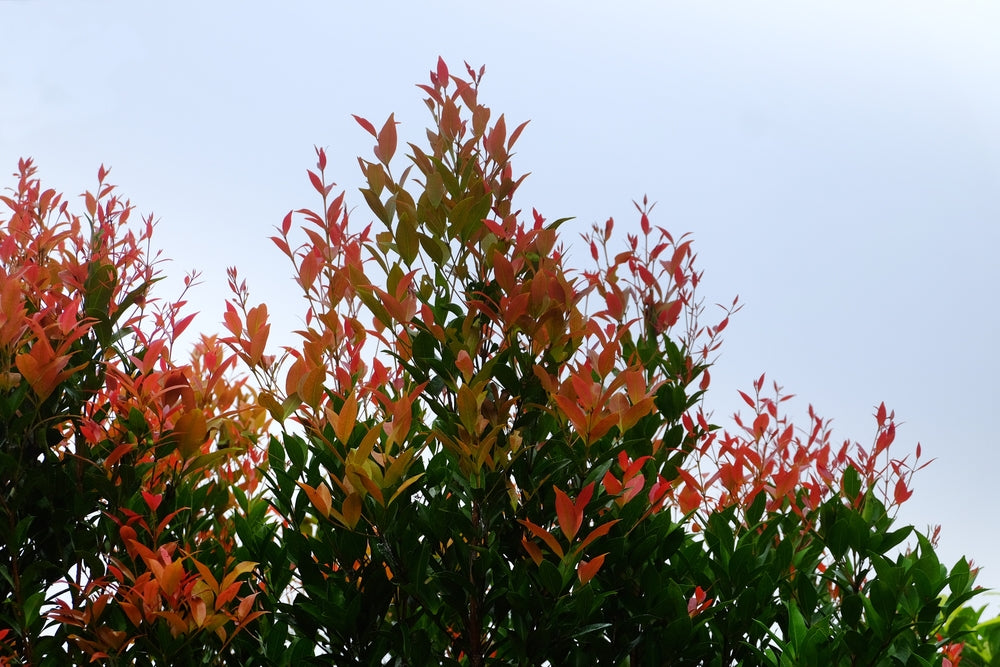
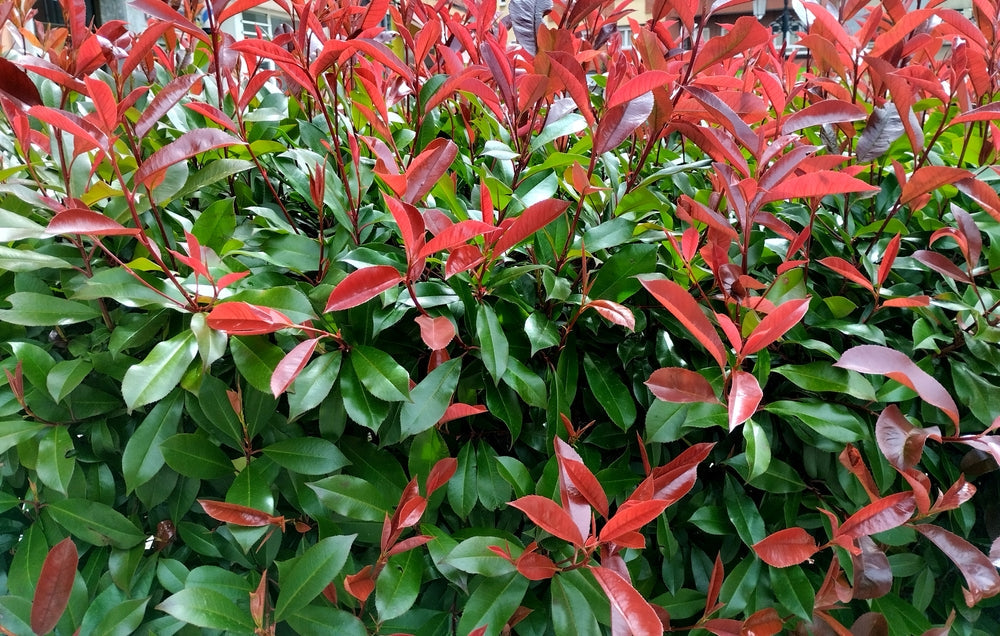
Photinia Red Robin | Christmas berry 'Red Robin' - 300-350cm - 8-10cm - 25lt
Photinia Red Robin | Christmas berry 'Red Robin' - 300-350cm - 8-10cm - 25lt


Ligustrum japonicum Texanum - Bushy - Height - 140-160cm - 25lt
£160.00
Unit price perLigustrum japonicum Texanum - Bushy - Height - 140-160cm - 25lt
£160.00
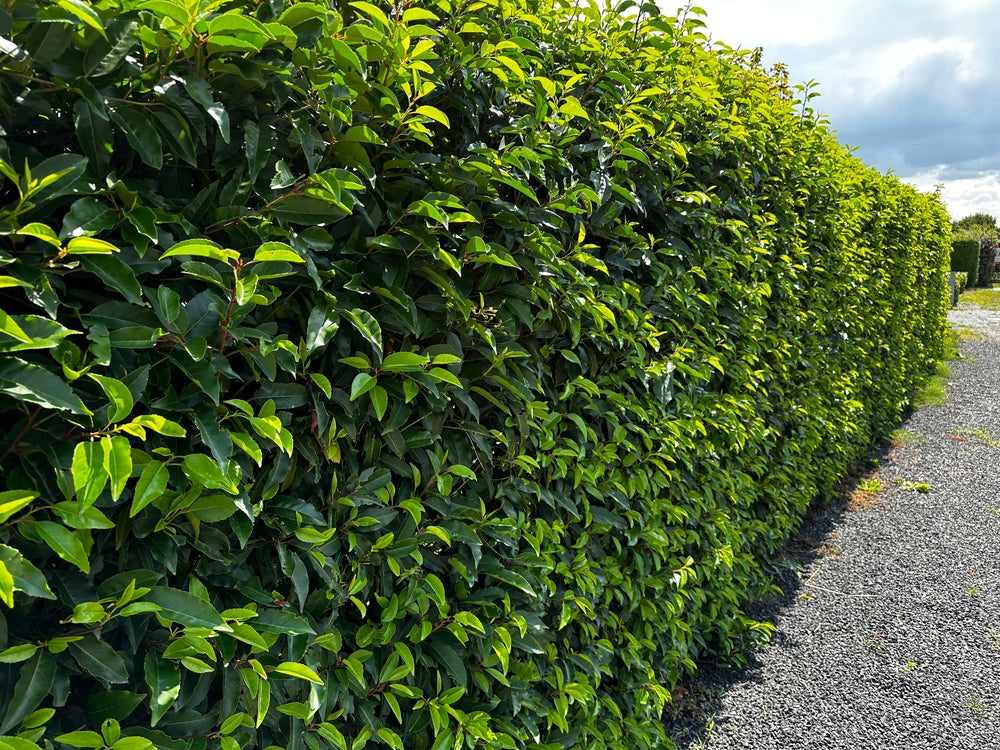
Unit price perLigustrum japonicum ‘Texanum’, commonly known as Texanum Japanese privet, is a robust, evergreen shrub widely valued in UK gardens for its dense foliage, versatility, and tolerance of varied conditions. Originating as a cultivar of Japanese privet, it forms a compact, rounded habit, typically reaching heights of 2 to 3 metres if left unpruned, though it responds exceptionally well to clipping and shaping.
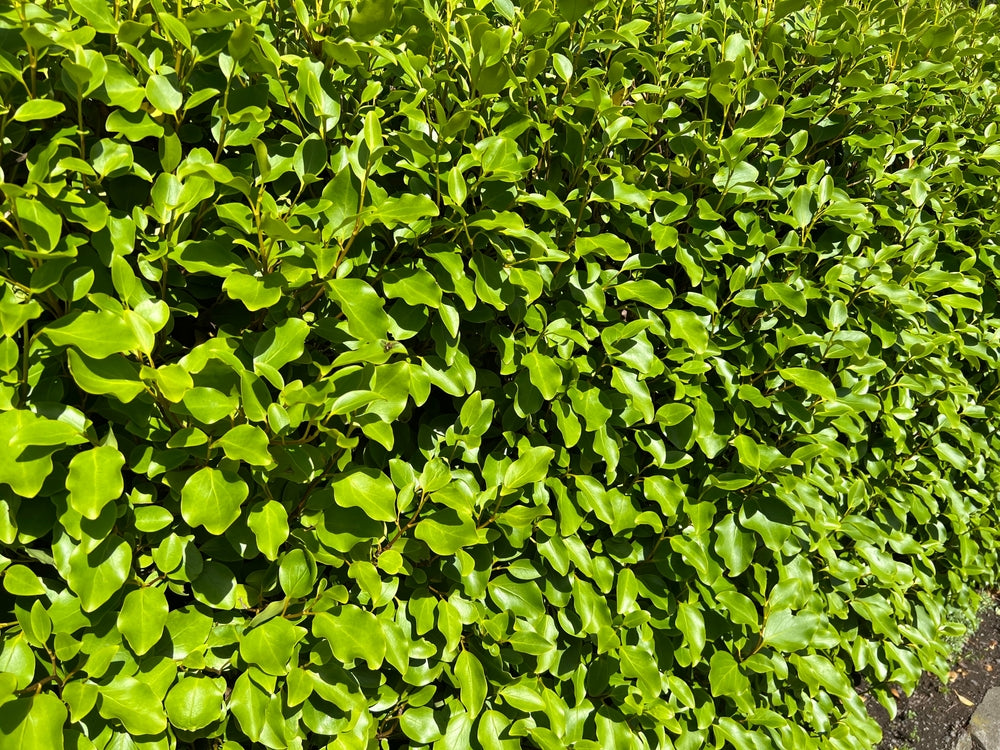
The leaves are one of its most attractive features: thick, leathery, and glossy dark green, with a slightly oval shape and smooth margins. This lustrous foliage provides year-round interest and makes the shrub particularly suitable for hedging, screening, or formal topiary. In summer, small, creamy-white flowers may appear in terminal clusters. While individually modest, they can be pleasantly fragrant and attract pollinators such as bees. These are sometimes followed by small, dark berries, although flowering and fruiting are often reduced when the plant is regularly trimmed.
‘Texanum’ is especially appreciated for its resilience. It tolerates a wide range of soil types, including chalky and clay soils, provided they are reasonably well-drained. It thrives in full sun to partial shade and is notably tolerant of coastal conditions, pollution, and urban environments, making it ideal for city gardens across the UK.
Regular pruning helps maintain a neat shape and encourages dense growth, particularly when used as a hedge. It is also relatively drought-tolerant once established, though young plants benefit from consistent watering.
Overall, Ligustrum japonicum ‘Texanum’ is a dependable, low-maintenance shrub that combines structure, evergreen presence, and adaptability, making it a staple choice for both formal and informal planting schemes.


Pinus mugo 'Jakobsen' - Height 30-40cm - Width 30cm-40cm - 8lt
£110.00
Unit price perPinus mugo 'Jakobsen' - Height 30-40cm - Width 30cm-40cm - 8lt
£110.00
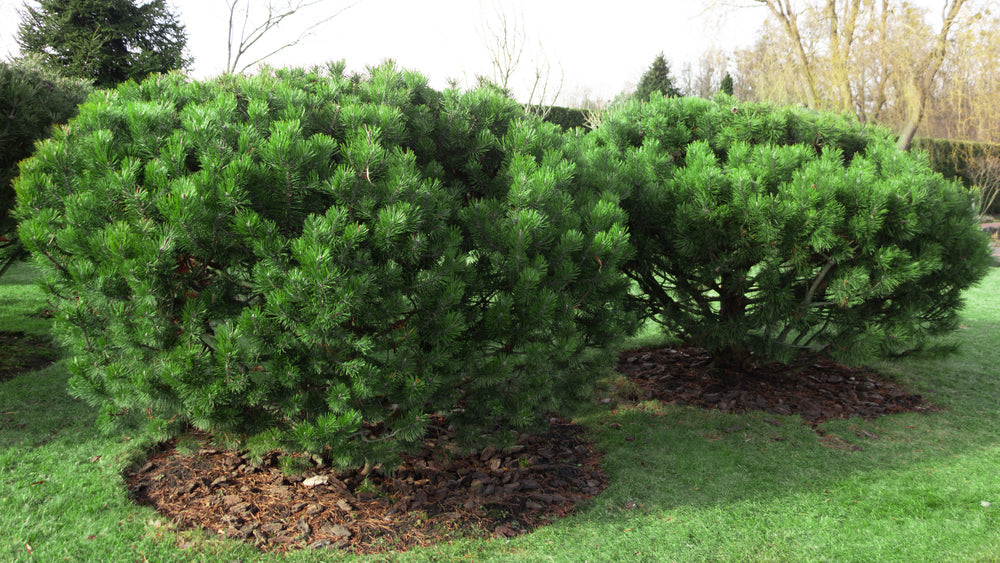
Unit price perPinus mugo 'Jacobsen', also known as Jacobsen Dwarf Pine, is a compact, slow-growing evergreen conifer that belongs to the Pinaceae family. This cultivar was first discovered by the Danish nurseryman, Mogens H. Jacobsen in the 1960s.
The Jacobsen Dwarf Pine is a small shrub or tree that typically reaches a height of 2-3 feet and a width of 3-5 feet when fully mature. It has a dense and bushy habit, with short and twisted needles that are arranged in pairs on the stems. The needles are dark green in color and measure about 1 inch in length.
This cultivar is known for its interesting bark, which is reddish-brown and develops shallow grooves as it ages. It also produces small, oval-shaped cones that are about 1 inch long and have a light brown color.
Jacobsen Dwarf Pine is a hardy plant that can tolerate a wide range of soil conditions, including poor, sandy, and acidic soils. It prefers full sun to partial shade and is generally drought-tolerant once established.
Because of its small size and slow growth rate, Jacobsen Dwarf Pine is an excellent choice for small gardens, rock gardens, and container plantings. It can also be used as a low-maintenance groundcover or as an accent plant in a mixed border.
In summary, Pinus mugo 'Jacobsen' is a compact and attractive evergreen conifer with twisted needles, interesting bark, and small cones. It is a hardy and versatile plant that can be used in a variety of garden settings and is particularly well-suited for small gardens and containers.
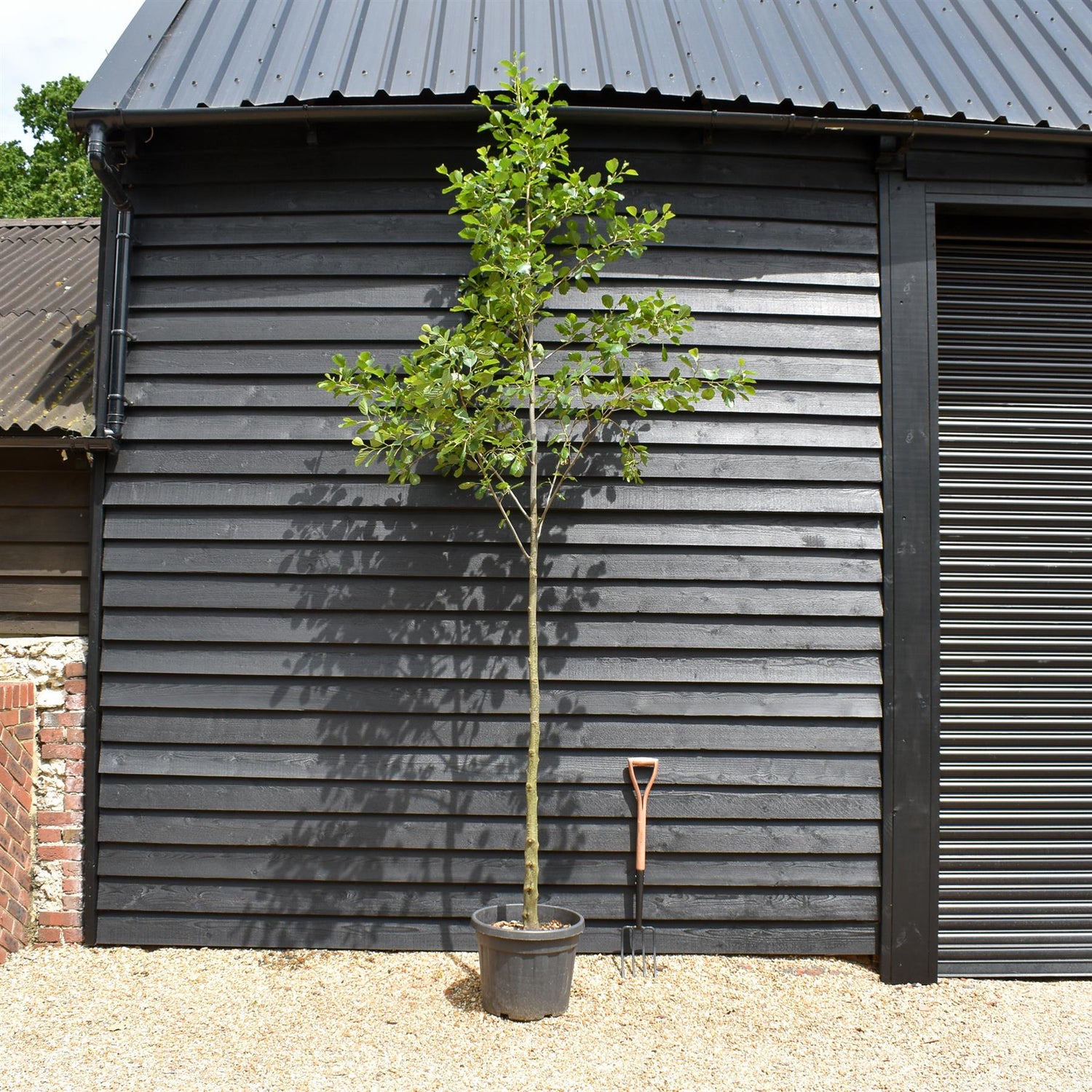


Alder tree | Alnus Glutinosa - Height 300-400cm - Girth 14-16 - 30-50lt
£365.00
Unit price perAlder tree | Alnus Glutinosa - Height 300-400cm - Girth 14-16 - 30-50lt
£365.00
Unit price perAlnus glutinosa, commonly known as the black alder, is a deciduous tree native to Europe, including the British Isles. It is a versatile and resilient species, often found thriving in wetland areas, riverbanks, and marshes, where its roots can help stabilise the soil and prevent erosion.
The black alder typically grows to a height of 20-30 metres, with a broad, conical crown that becomes more rounded with age. Its bark is dark brown and fissured, often developing a distinctive, almost black hue as the tree matures. One of its most notable features is its leaves, which are rounded with a slightly serrated edge and a glossy, dark green surface that turns yellow in the autumn.
In early spring, Alnus glutinosa produces catkins – the male catkins are long and yellowish, while the female ones are shorter and reddish. These mature into woody, cone-like fruits that persist on the tree throughout the winter, providing a valuable food source for wildlife. The black alder also forms symbiotic relationships with nitrogen-fixing bacteria in its root nodules, enriching the soil and benefiting neighbouring plants.
Due to its adaptability and ecological benefits, Alnus glutinosa is often used in reforestation and habitat restoration projects. It supports a wide range of wildlife, including insects, birds, and aquatic species, making it a vital component of the British natural landscape.
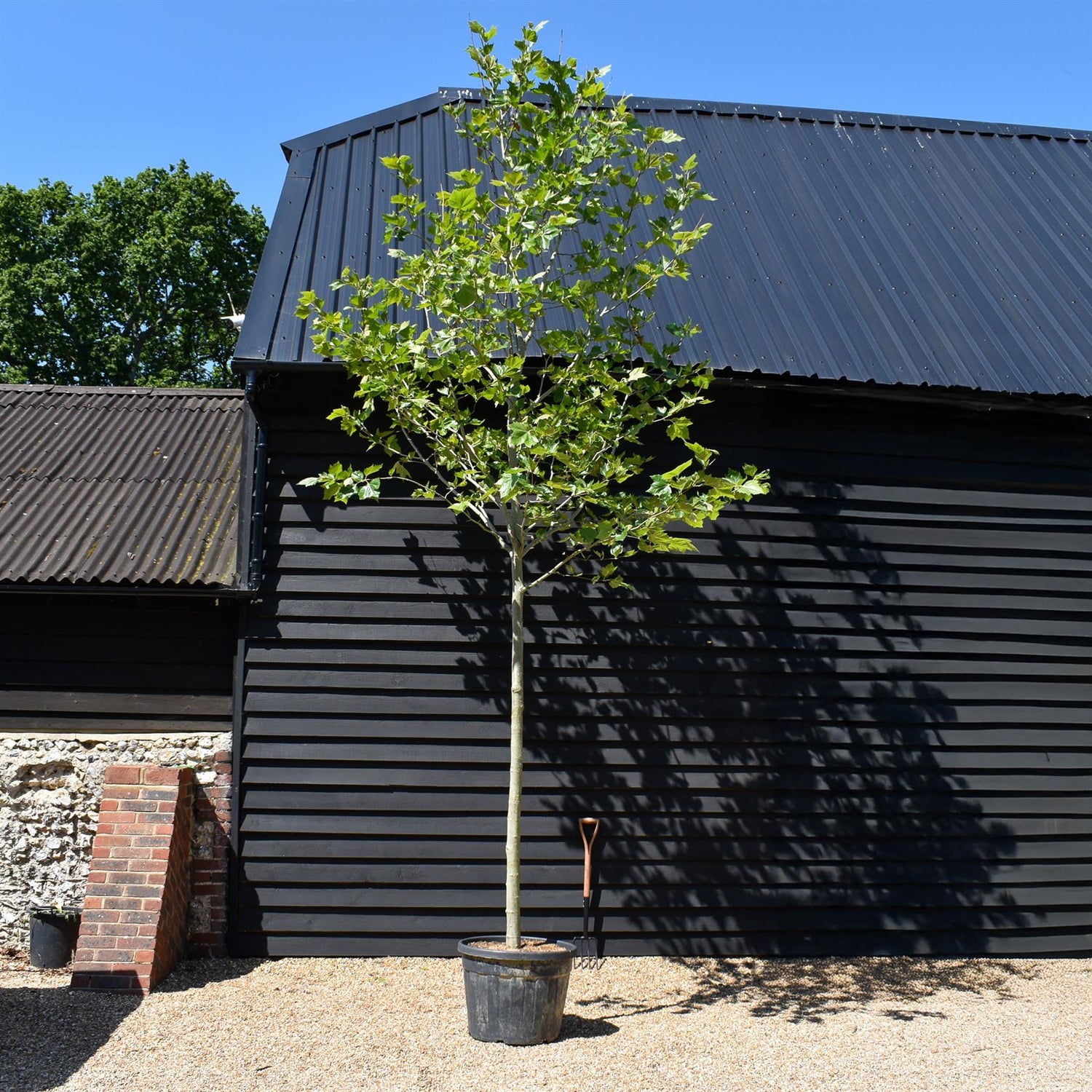


Platanus Acerifolia | London plane - 400cm-420cm - 14cm - 90lt
£425.00
Unit price perPlatanus Acerifolia | London plane - 400cm-420cm - 14cm - 90lt
£425.00
Unit price perPlatanus Acerifolia is a large, vigorous, single-trunk, deciduous tree with rounded habit, horizontal branching and attractive peeling, grey and cream, bark. Large, palmate, 3-5 lobed leaves are medium to dark green, yellow-brown in autumn. Inconspicuous, small flowers, yellowish male and reddish female, bloom in April. Female flowers are followed by long-stalked fruiting balls packed with seed-like fruits in autumn, persisting on branches throughout the winter.
Platanus Acerifolia is a hybrid cross between American sycamore (P. occidentalis) and Oriental planetree (P. orientalis). It prefers average, hummus-rich, consistently moist, well-drained soils. It thrives full sun, but grows well in light shade. Tolerant of urban pollution and coastal conditions. Resistant to frost and wind. Low maintenance plant, doesn’t require pruning.
Platanus Acerifolia is a good urban tree and very popular for growing in large streets and avenues, as well as parks and large public areas. It’s an excellent shade tree. Because of its vigorous root system, it shouldn’t be planted near buildings.


Cherry 'Sunburst' on Gisela | Prunus Avium - Dwarfing - Height 140-160cm -12lt
£86.00
Unit price perCherry 'Sunburst' on Gisela | Prunus Avium - Dwarfing - Height 140-160cm -12lt
£86.00
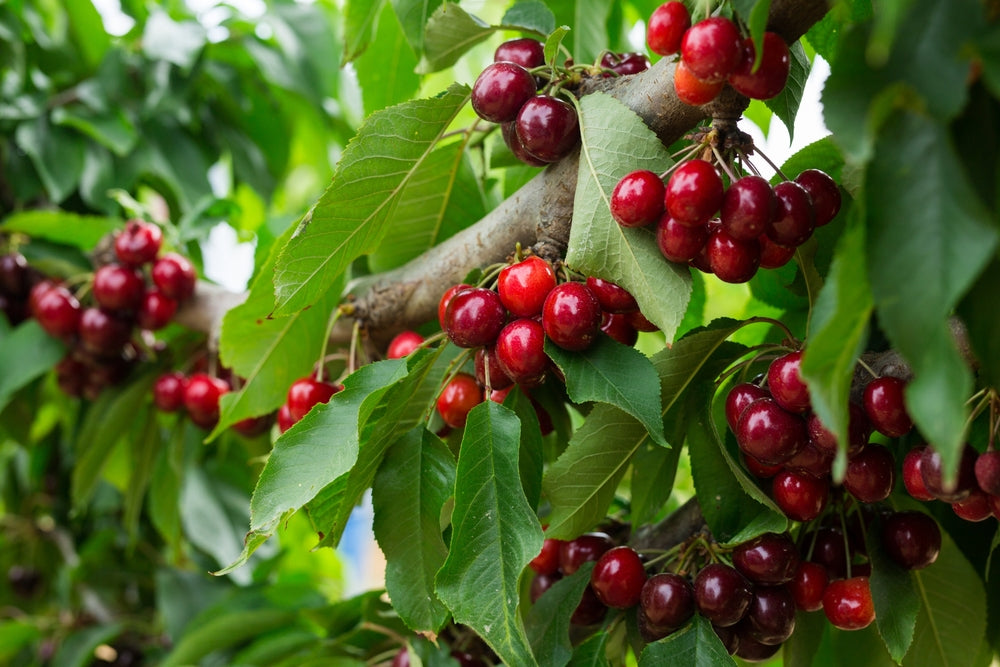
Unit price perThe Cherry 'Sunburst' on Gisela rootstock is a high-quality cultivar renowned for its bountiful production of sweet, flavorful, dark cherries. Gisela rootstock imparts dwarfing characteristics, making it an excellent choice for limited spaces and small gardens. This rootstock promotes early fruiting, often within two to three years of planting, enabling gardeners to enjoy the fruits of their labor relatively quickly.
Sunburst cherries are notable for their large size, sweet taste, and deep, burgundy color. They're typically harvested in late spring to early summer, depending on the climate and growing conditions. The Sunburst variety is self-fertile, eliminating the need for a second pollinator tree, and it has a robust resistance to diseases, further simplifying its care.
The Gisela rootstock enhances the overall hardiness of the tree, allowing it to withstand colder winter temperatures and potentially extending its range to regions with more severe winters. It also offers some resistance to common cherry diseases, reducing the likelihood of loss due to infections.
The union of Sunburst and Gisela combines flavor, hardiness, and manageable size, making it an attractive option for both novice and experienced gardeners. This duo ensures consistent, high-quality yields, making the cultivation of fresh cherries accessible to a broader range of enthusiasts.
Gisela rootstock is renowned for cherry trees due to its dwarfing ability, promoting smaller, more manageable tree sizes. It encourages early fruit production, higher yields, and enhanced fruit quality. Suited to diverse soil types, Gisela is resistance-prone, reducing susceptibility to certain diseases, making it favorable for optimizing cherry cultivation.


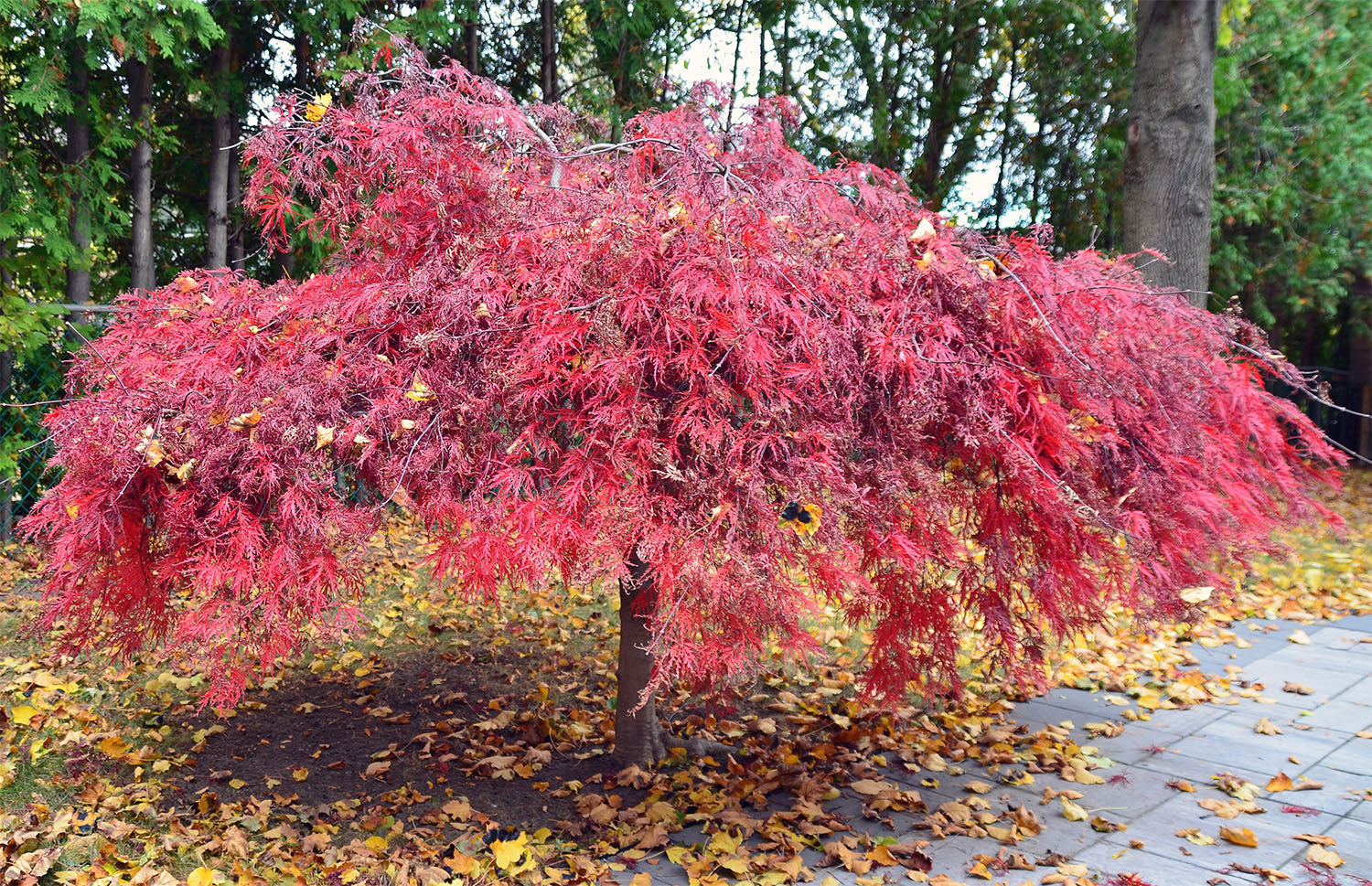
Japanese Maple | Acer palmatum 'Fire Cracker' - Bushy - Height 150-170cm - 55lt
£495.00
Unit price perJapanese Maple | Acer palmatum 'Fire Cracker' - Bushy - Height 150-170cm - 55lt
£495.00
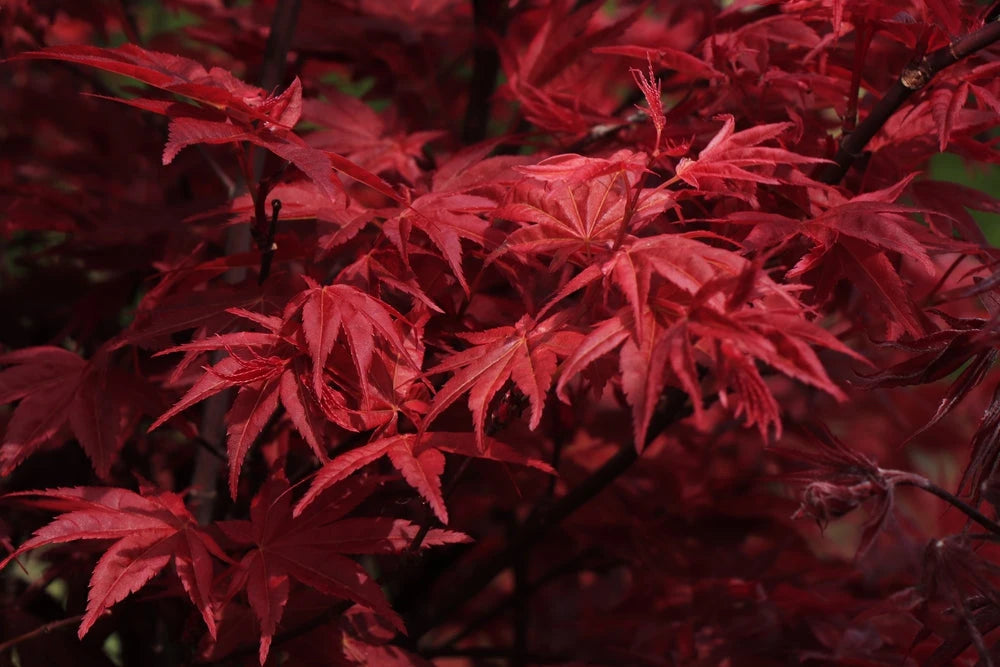
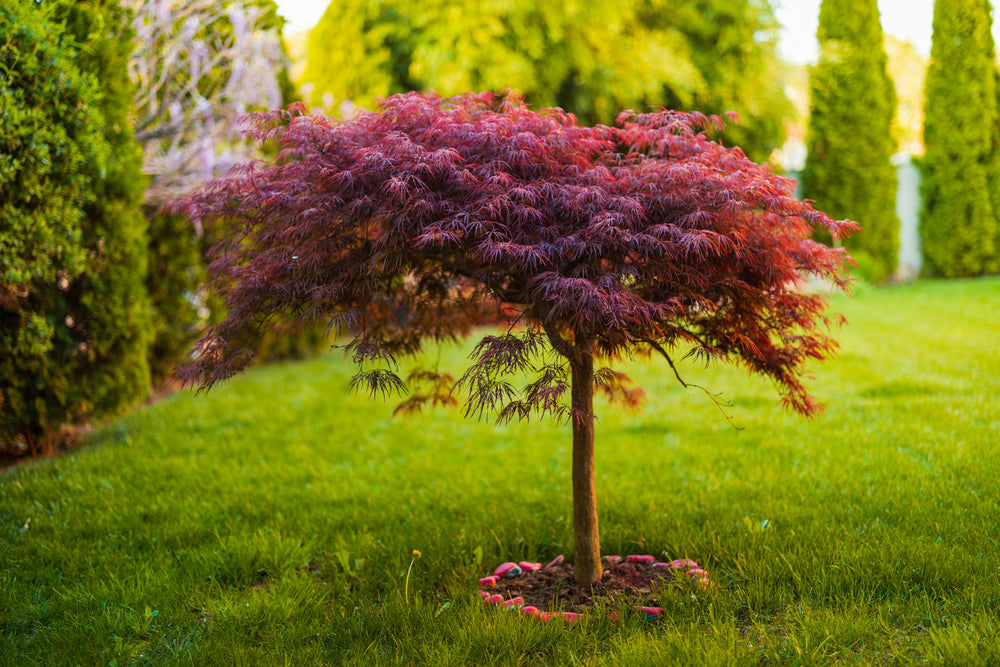
Unit price perAcer palmatum 'Fire Cracker' is a graceful and eye-catching Japanese maple admired for its finely dissected foliage and elegant cascading form. This deciduous ornamental tree produces delicate lace-like leaves that emerge rich crimson-red in spring, maintaining their vibrant colouring throughout the summer months. As autumn arrives, the foliage intensifies into brilliant scarlet and fiery red tones, creating a dramatic seasonal display.
Its naturally arching habit gives the plant a soft, flowing appearance, making it an excellent focal point in small gardens, Japanese-inspired landscapes, courtyard settings, or large decorative containers. The finely textured leaves contrast beautifully with evergreen shrubs, gravel gardens, and woodland planting schemes.
‘Fire Cracker’ thrives in moist, fertile, well-drained soil and prefers a sheltered position in partial shade, where the foliage is protected from scorching sun and drying winds. Slow growing and relatively compact, it is easy to maintain and suitable for gardens where space is limited. The attractive branching structure also provides winter interest, ensuring year-round ornamental value and refined architectural beauty.


Corylus 'Colurna'| Turkish Hazel - Height 280-310cm - Girth 10-12cm - 45lt
£395.00
Unit price perCorylus 'Colurna'| Turkish Hazel - Height 280-310cm - Girth 10-12cm - 45lt
£395.00
Unit price perCorylus colurna, commonly known as the Turkish hazel, is a distinctive deciduous tree valued for its hardiness, ornamental qualities, and tolerance of challenging urban environments. Native to south-eastern Europe and western Asia, it is the largest species within the hazel genus, capable of reaching heights of 20–25 metres with a broad, pyramidal crown that gradually becomes more rounded with age.
One of its most striking features is its deeply furrowed, corky bark, which develops an attractive, rugged texture even on relatively young trees. This characteristic, combined with its strong, upright form, gives the tree a notable architectural presence in parks, avenues, and large gardens. The foliage consists of broad, heart-shaped leaves that are coarsely toothed and provide a dense canopy. They emerge a fresh green in spring, mature to a deeper shade in summer, and may turn soft yellow in autumn, though the seasonal display is generally modest.
In late winter to early spring, the tree produces long, pale-yellow catkins, which dangle decoratively before the leaves appear. These are the male flowers, while the female flowers are much smaller and less conspicuous, identifiable only by their tiny crimson stigmas. The resulting fruit is a small, hard-shelled nut partially enclosed in a frilly, deeply cut husk. Although edible, the nuts are typically smaller and less commercially significant than those of the common hazel.
Corylus colurna is especially appreciated for its resilience. It withstands pollution, compacted soils, drought, and cold, making it an excellent choice for urban planting or exposed sites. Its deep root system allows it to anchor securely and contributes to its tolerance of dry conditions once established. Overall, the Turkish hazel is a robust, handsome tree that combines ornamental beauty with exceptional practicality.


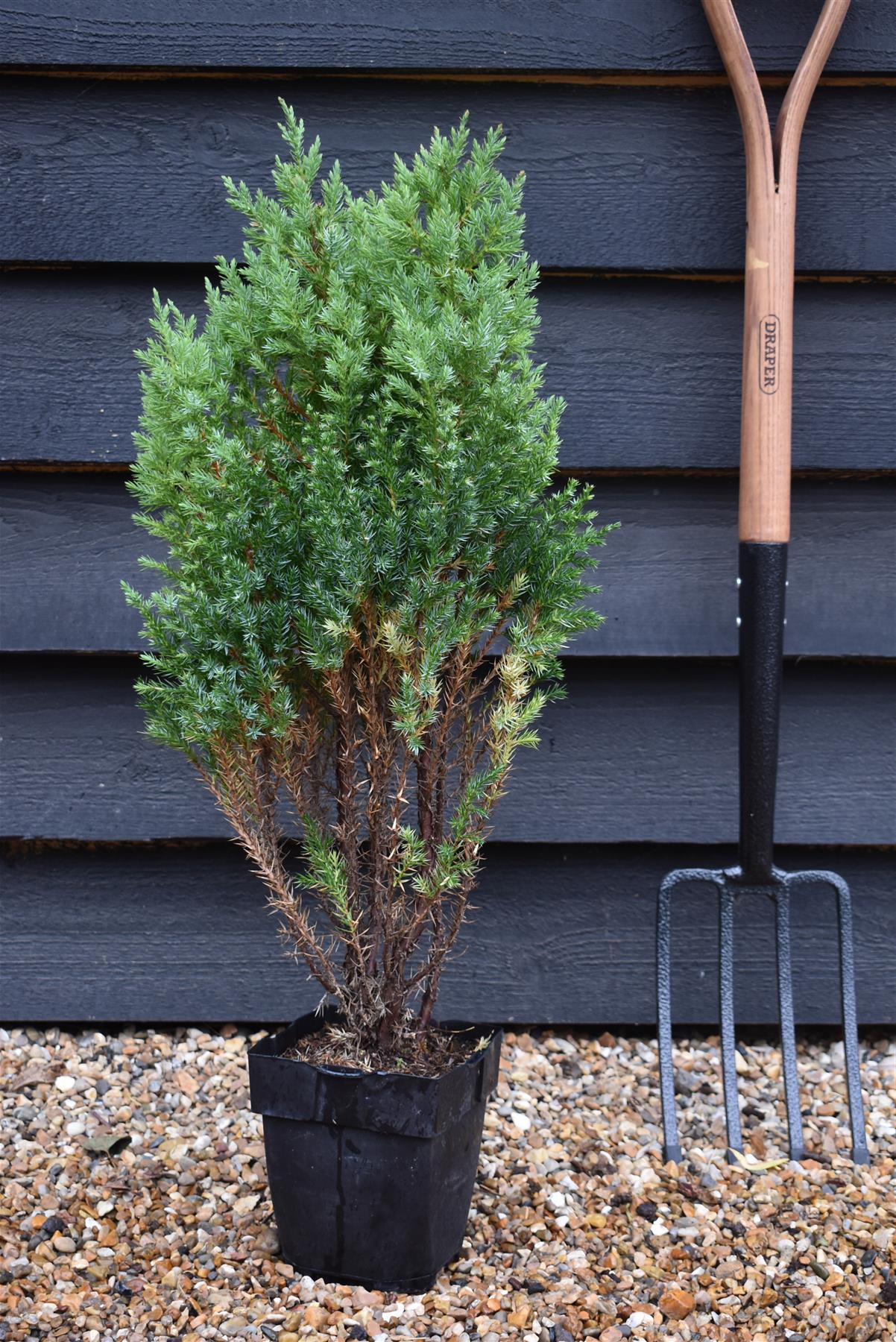
Juniperus 'Grey Owl' -Height 30-40cm - 10lt
£50.00
Unit price perJuniperus 'Grey Owl' -Height 30-40cm - 10lt
£50.00
Unit price per


Acer Campestre Common Maple | Field Maple - Height 170-200cm, 10lt
£88.00
Unit price perAcer Campestre Common Maple | Field Maple - Height 170-200cm, 10lt
£88.00
Unit price per


Malus 'Evereste' - Clear Stem - Standard - Girth 8-10cm - Height 320-340cm - 70lt
£655.00
Unit price perMalus 'Evereste' - Clear Stem - Standard - Girth 8-10cm - Height 320-340cm - 70lt
£655.00
Unit price per


Kolkwitzia amabillis 'Pink Cloud' Height 80-100cm - Bushy - 45lt
£94.00
Unit price perKolkwitzia amabillis 'Pink Cloud' Height 80-100cm - Bushy - 45lt
£94.00
Unit price perKolkwitzia amabillis Pink Cloud is a beautiful, medium-sized, vigorous, suckering, deciduous shrub with a vase-shaped habit, exfoliating bark when mature, arching stems, and ovate, dark green foliage, yellow in autumn. Clusters of lovely, bell-shaped, pale pink to clear pink flowers with yellow markings on the inner throat, blooming in spring and summer. Flowers are followed by capsule-like fruits.
'Pink Cloud' prefers average, medium moisture, well-drained soils, but is adaptable to various types of soils as long as they are well-drained. Its foliage is best in partial shade but it tolerates full sun. Generally, pest-free and disease-free. It may need occasional hard pruning if it becomes too dense or overgrown.
Kolkwitzia amabillis Pink Cloud, with its outstanding pink flowers, is great as a specimen plant, perfect for foundations and shrub borders. Ideal for informal, cottage gardens. It can be used as a screen or hedge in large gardens.


Photinia Red Robin | Christmas berry - Half Standard - Clear Stem 75-85cm - Height 160-170cm - 30lt
£160.00
Unit price perPhotinia Red Robin | Christmas berry - Half Standard - Clear Stem 75-85cm - Height 160-170cm - 30lt
£160.00
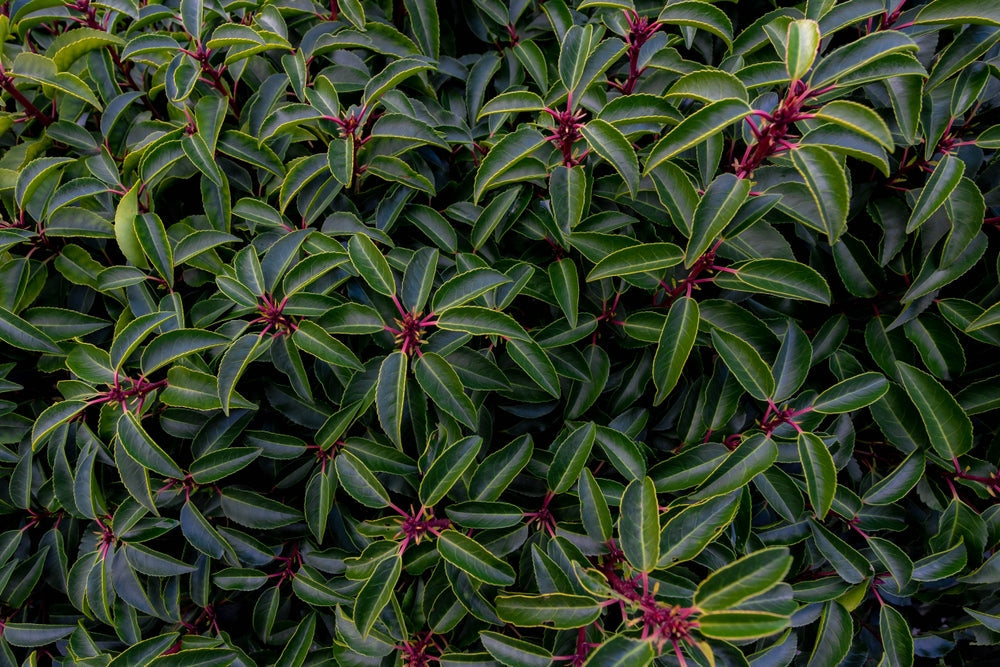
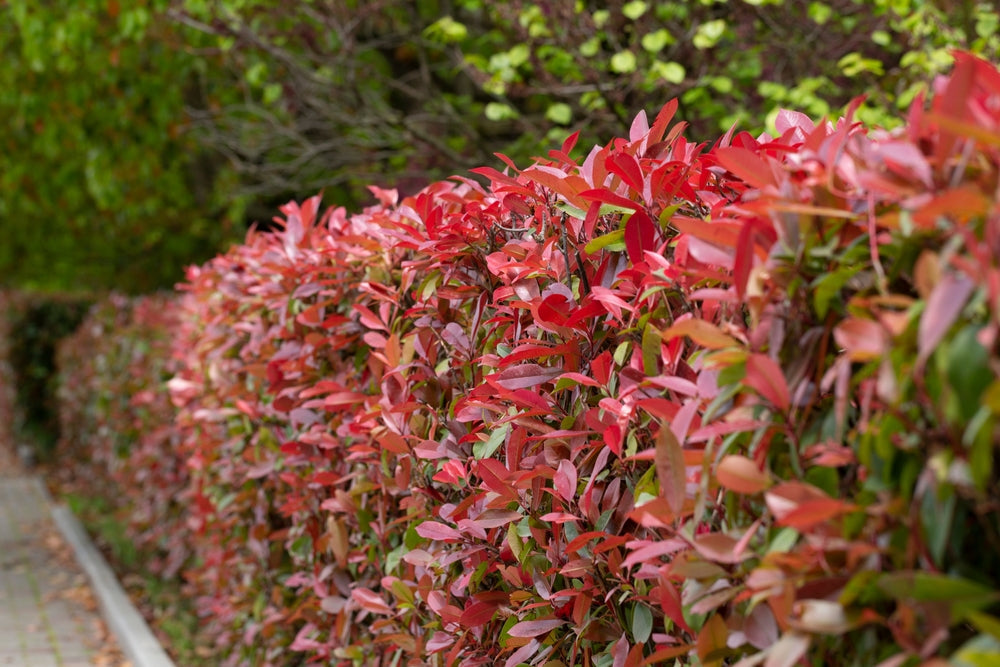
Unit price perPhotinia × fraseri ‘Red Robin Compacta’ grown as a multi-stem shrub is an excellent choice for adding dense, evergreen structure and vibrant seasonal colour to a garden. This more compact form retains all the ornamental qualities of the classic ‘Red Robin’, but with a tighter, bushier habit, making it ideal for smaller spaces or more controlled planting schemes.
Its standout feature is the brilliant red young foliage, which emerges in flushes throughout the growing season before maturing to a glossy dark green. This continual contrast brings long-lasting visual interest and works beautifully in mixed borders, courtyard gardens, or as a low screen.
Thriving in full sun or partial shade, it prefers fertile, well-drained soil and benefits from a sheltered position to protect new growth from cold or drying winds. As a multi-stem specimen, it offers a softer, more natural shape, adding depth and layering to planting designs.
Typically reaching around 2–3 metres in height, it remains manageable and responds well to pruning, which encourages fresh red growth. Hardy and low maintenance, it is a versatile option for adding year-round colour, structure, and privacy to both modern and traditional gardens.


Pyrus calleryana 'Chanticleer' - Clear Stem - Standard - Height 290-310cm - 70lt
£375.00
Unit price perPyrus calleryana 'Chanticleer' - Clear Stem - Standard - Height 290-310cm - 70lt
£375.00
Unit price per


Vitex agnus-castus | Chaste tree - Height 180-200cm - 150lt
£750.00
Unit price perVitex agnus-castus | Chaste tree - Height 180-200cm - 150lt
£750.00
Unit price perVitex agnus-castus, also known as the chasteberry tree, is a species of small deciduous tree belonging to the Verbenaceae family. It is native to the Mediterranean region and can be found in various countries, including Greece, Italy, and Turkey. The tree typically reaches a height of 3 to 6 meters (10 to 20 feet) and has a spreading, rounded crown.
The leaves of Vitex agnus-castus are palmate, meaning they are divided into multiple lobes that resemble a hand with outstretched fingers. The foliage is aromatic, with a pleasant herbal scent. The tree produces showy, fragrant flowers in dense clusters known as panicles. The flowers are typically lavender, violet, or pale blue in color, and they bloom during the summer months.
Following the flowers, Vitex agnus-castus develops small, dark berries that are roughly the size of peppercorns. These berries are a prominent feature of the tree and can persist well into the winter months. They are edible but have a bitter taste and are not typically consumed directly.
In addition to its medicinal uses, the chasteberry tree is also valued for its ornamental qualities. It is often planted in gardens and parks for its attractive flowers and foliage. The tree prefers well-drained soil and full sun exposure, making it adaptable to various climatic conditions.
Overall, Vitex agnus-castus is a versatile tree that offers both aesthetic appeal and potential health benefits. Its delicate flowers, aromatic leaves, and unique berries make it a noteworthy addition to any landscape, while its historical use in traditional medicine continues to intrigue researchers and practitioners alike.