
Search results
Search results
{
Alpine.store('xUpdateVariantQuanity').updateQuantity('template--24215847600506__main', '/products/prunus-subhirtella-pendula-rosea-1-2-standard-single-pink-weeping-cherry-clear-stem-height-120-140cm-18lt?_pos=401&_sid=3471ddafa&_ss=r');
});">
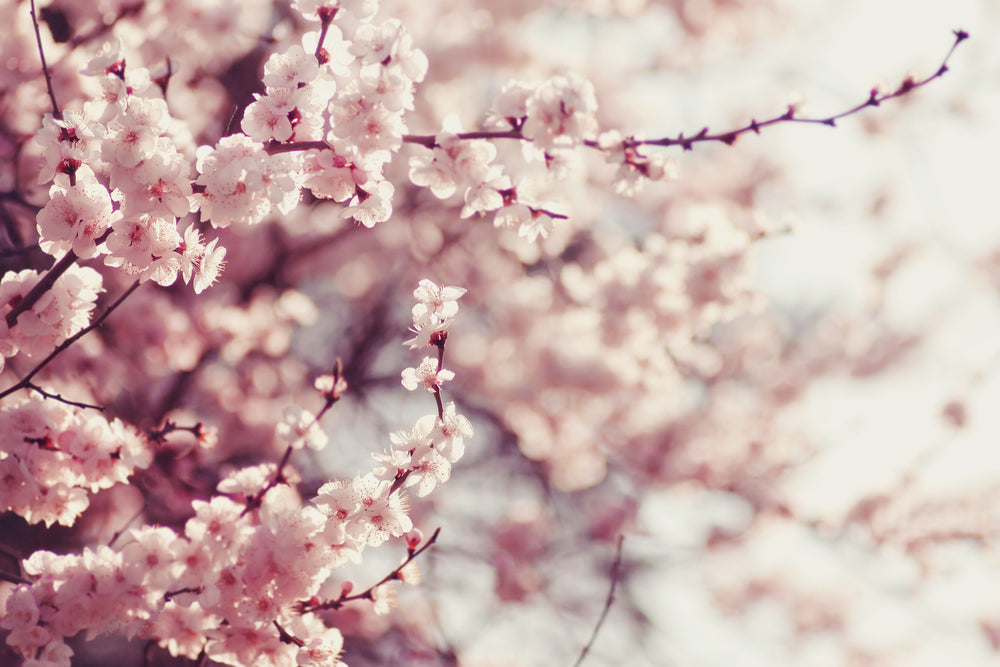
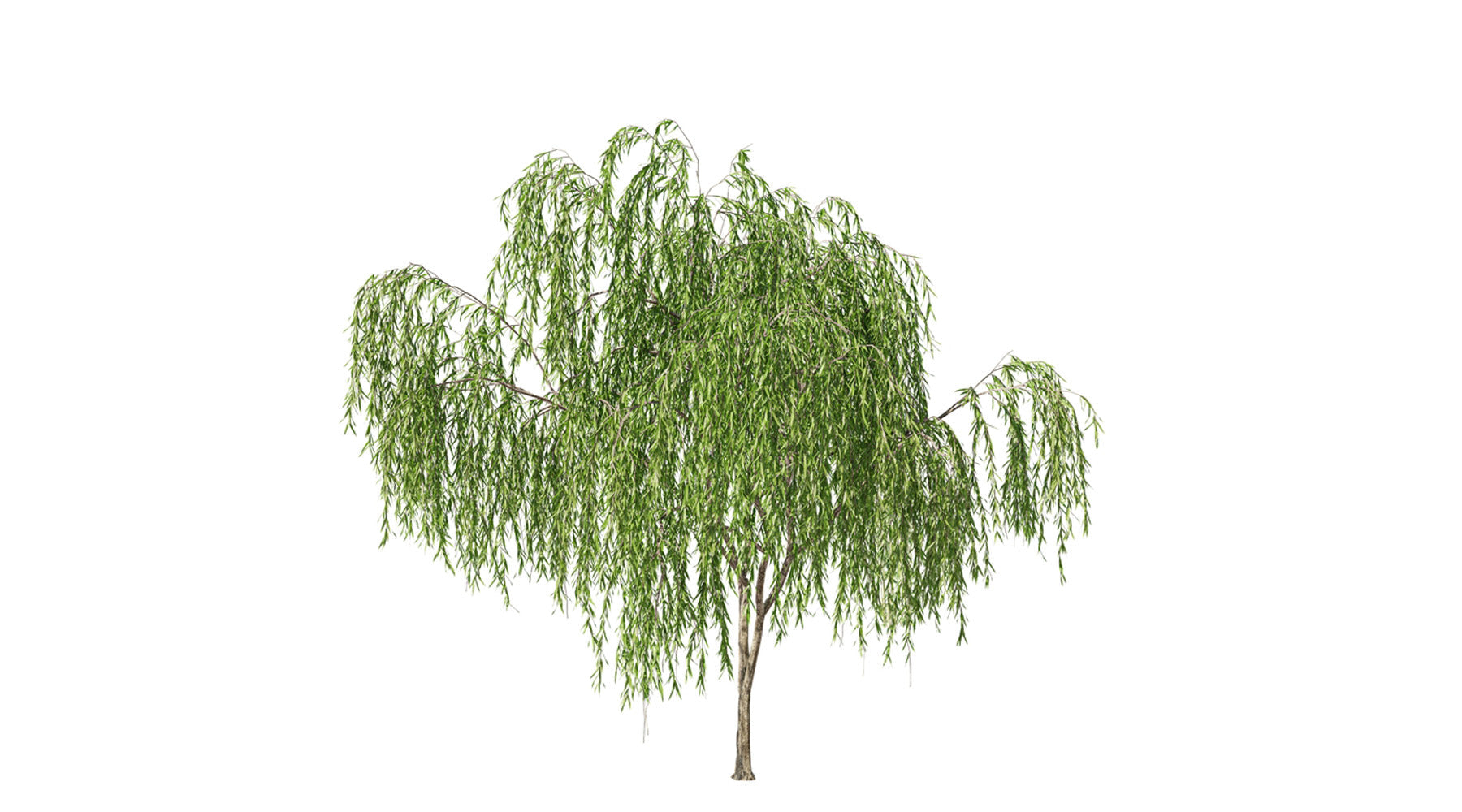
Prunus subhirtella 'Pendula Rosea', commonly known as the weeping spring cherry, is a deciduous tree grown here as a half standard. Its gracefully weeping branches form a cascading, umbrella-like canopy, creating an elegant structure that provides year-round garden interest even without foliage.
In early spring, before the leaves emerge, the bare branches become covered in a profusion of soft pink blossom, borne in small clusters along the full length of each weeping stem. This floral display is the tree's most striking feature, giving the impression of a pink fountain within the garden. The flowers are followed by the emergence of fresh green leaves, which turn shades of yellow before falling in autumn.
The blossom provides an early source of nectar and pollen for bees and other pollinating insects at a time of year when few other food sources are available, making it a valuable addition for supporting early-season pollinators.
This tree is well suited to smaller gardens where its compact, weeping habit allows it to act as an elegant focal point without overwhelming the space. It performs well in most well-drained soils and is tolerant of a range of garden conditions.
Monkey puzzle | Araucaria araucana - Bushy - Height 40-50cm Width 40-50cm - 5lt
8500
£85.00
Unit price perMonkey puzzle | Araucaria araucana - Bushy - Height 40-50cm Width 40-50cm - 5lt
8500
£85.00
Unit price per {
Alpine.store('xUpdateVariantQuanity').updateQuantity('template--24215847600506__main', '/products/araucaria-araucana-monkey-puzzle-40-60cm-5lt?_pos=402&_sid=3471ddafa&_ss=r');
});">
Araucaria araucana, commonly known as the Monkey Puzzle tree, is an evergreen conifer with a distinctive bushy habit. Its foliage consists of thick, sharply pointed, scale-like leaves that spiral densely around the branches, giving the tree a striking, reptilian appearance year-round. The branches themselves grow in a symmetrical, whorled pattern, creating a bold architectural structure that becomes more pronounced as the tree matures. In its younger, bushy form, the tree presents a dense, pyramidal shape with foliage reaching down close to ground level.
This tree is dioecious, meaning separate male and female trees produce different cones. Male cones are cylindrical and release pollen, while female cones are large, rounded and take around two to three years to mature before breaking apart to release edible seeds. Flowering and cone production typically occurs in late spring to summer, though cones are more commonly the feature of interest rather than any true flowers.
The Monkey Puzzle tree is highly tolerant of coastal conditions, withstanding salt-laden winds well, making it a suitable choice for exposed coastal gardens. It also adapts to a range of soil types, including clay, provided drainage is reasonable. Its unusual form makes it a long-lived specimen tree valued for year-round structural interest.
Field maple | Acer campestre - Feathered - Height 140-180cm Width 40-50cm - 10lt
8800
£88.00
Unit price perField maple | Acer campestre - Feathered - Height 140-180cm Width 40-50cm - 10lt
8800
£88.00
Unit price per {
Alpine.store('xUpdateVariantQuanity').updateQuantity('template--24215847600506__main', '/products/acer-campestre-common-maple-120-150cm-10lt?_pos=403&_sid=3471ddafa&_ss=r');
});">
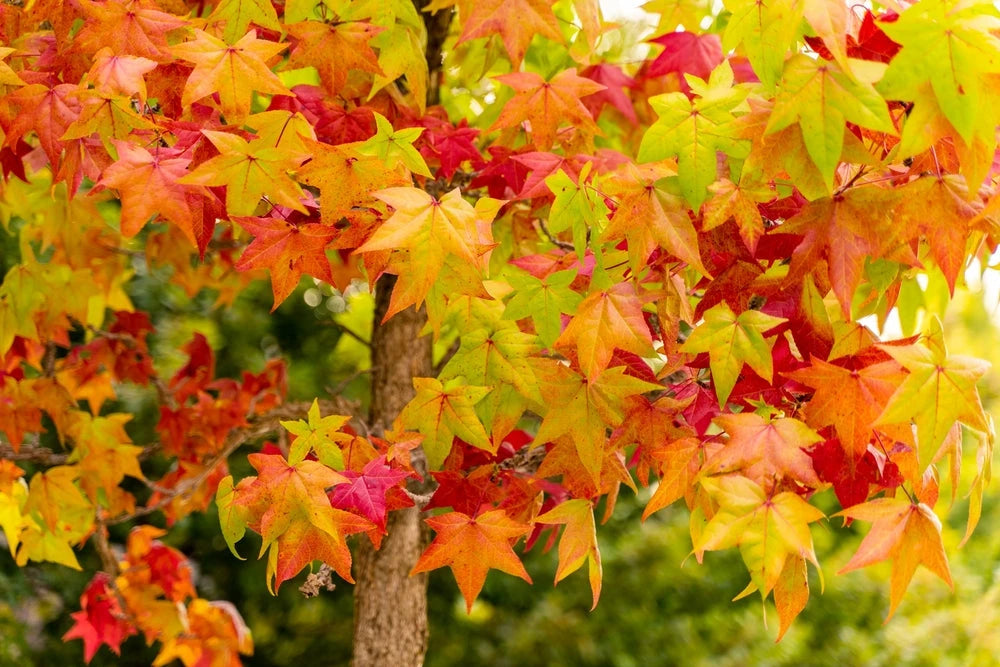
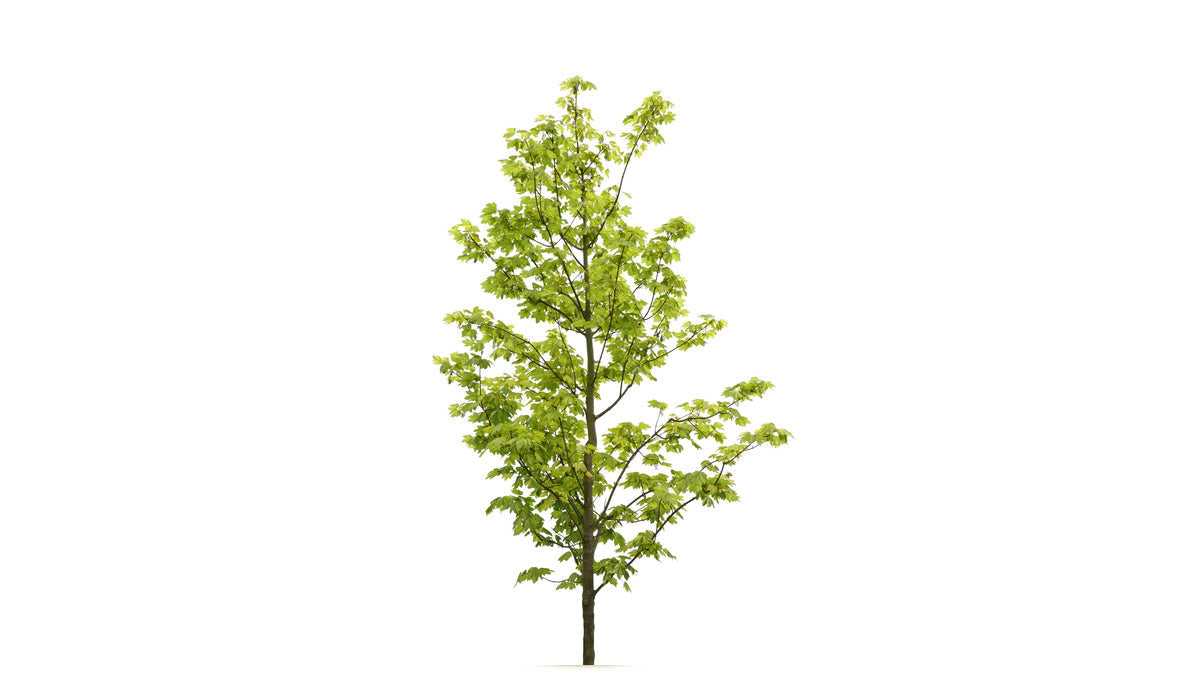
Field Maple is a deciduous tree with a feathered form, retaining its lower branches down to ground level for a full, softly layered silhouette. The lobed, five-pointed leaves emerge fresh green in spring, matures to a deeper green through summer, and turn a rich golden-yellow in autumn, providing good seasonal colour.
Small, yellow-green flowers appear in spring, followed by distinctive winged seeds (samaras) that ripen in autumn, often taking on a reddish tinge before turning brown.
This tree supports a range of wildlife, with its flowers providing an early source of nectar and pollen for bees and other pollinating insects. The foliage serves as a food source for the caterpillars of several moth species, while the seeds are taken by birds and small mammals. As a native species, it contributes positively to local biodiversity and integrates well into mixed hedgerows and woodland planting schemes.
Field Maple is adaptable and tolerant of a wide range of conditions, including chalky, clay and loamy soils. It copes well with exposed and coastal sites, and its tolerance of pollution makes it a reliable choice for urban gardens. Its dense, feathered habit also makes it useful as a screening tree or for naturalistic boundary planting.
Portuguese laurel 'Myrtifolia' | Prunus Lusitanica Myrtifolia - Height 100-140cm Width 60-80cm - 17lt
2800
£28.00
Unit price perPortuguese laurel 'Myrtifolia' | Prunus Lusitanica Myrtifolia - Height 100-140cm Width 60-80cm - 17lt
2800
£28.00
Unit price per {
Alpine.store('xUpdateVariantQuanity').updateQuantity('template--24215847600506__main', '/products/portuguese-laurel-myrtifolia-prunus-lusitanica-myrtifolia-height-100-140cm-width-60-80cm-17lt?_pos=404&_sid=3471ddafa&_ss=r');
});">
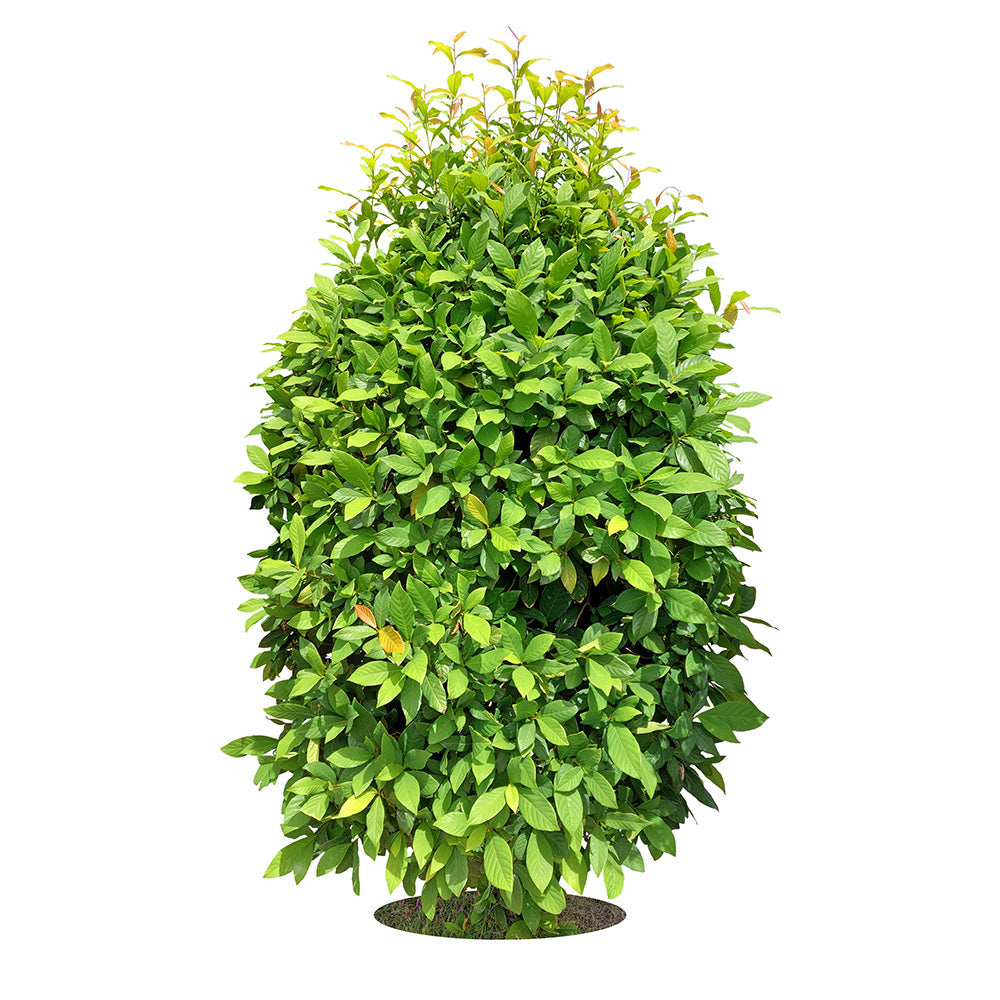
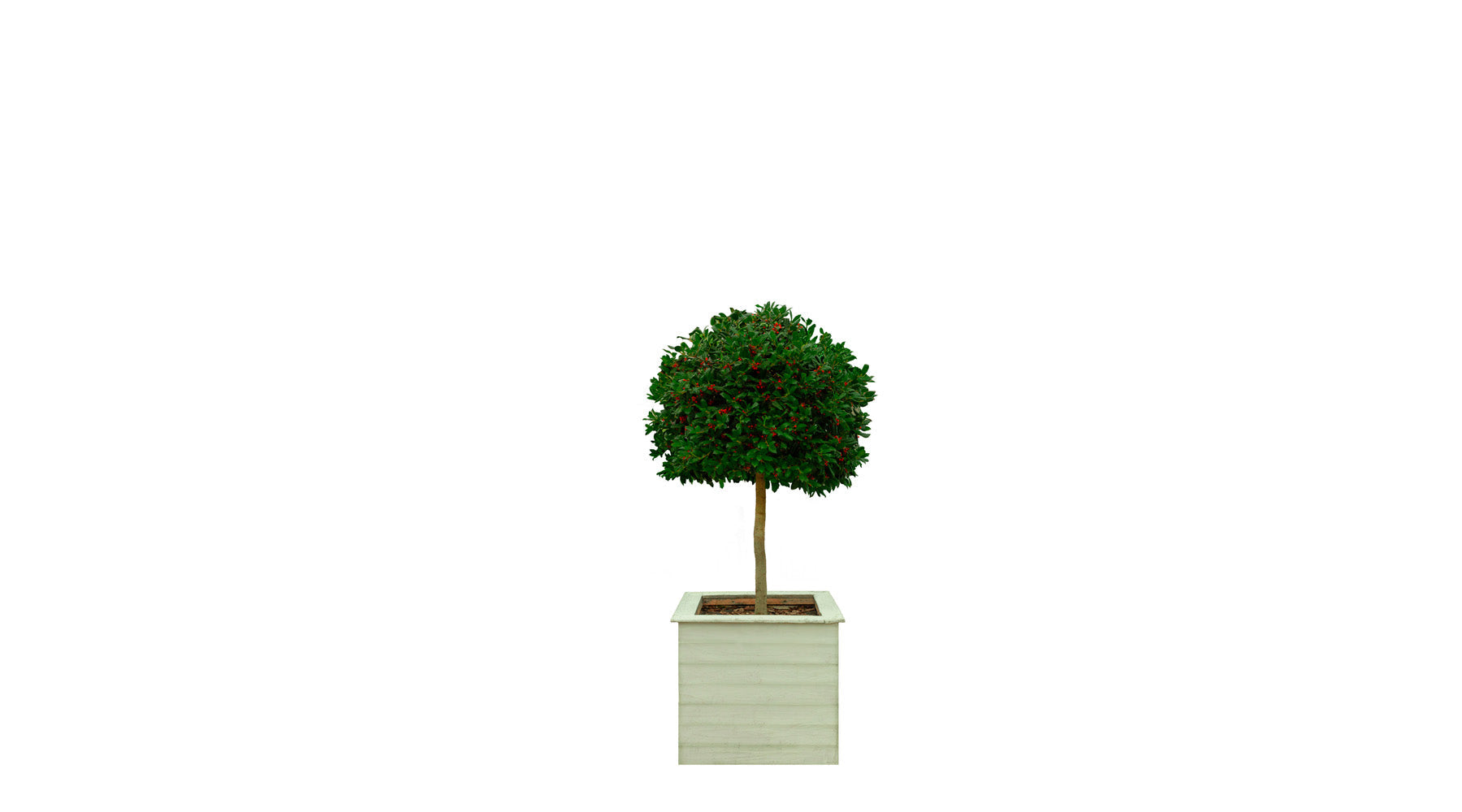
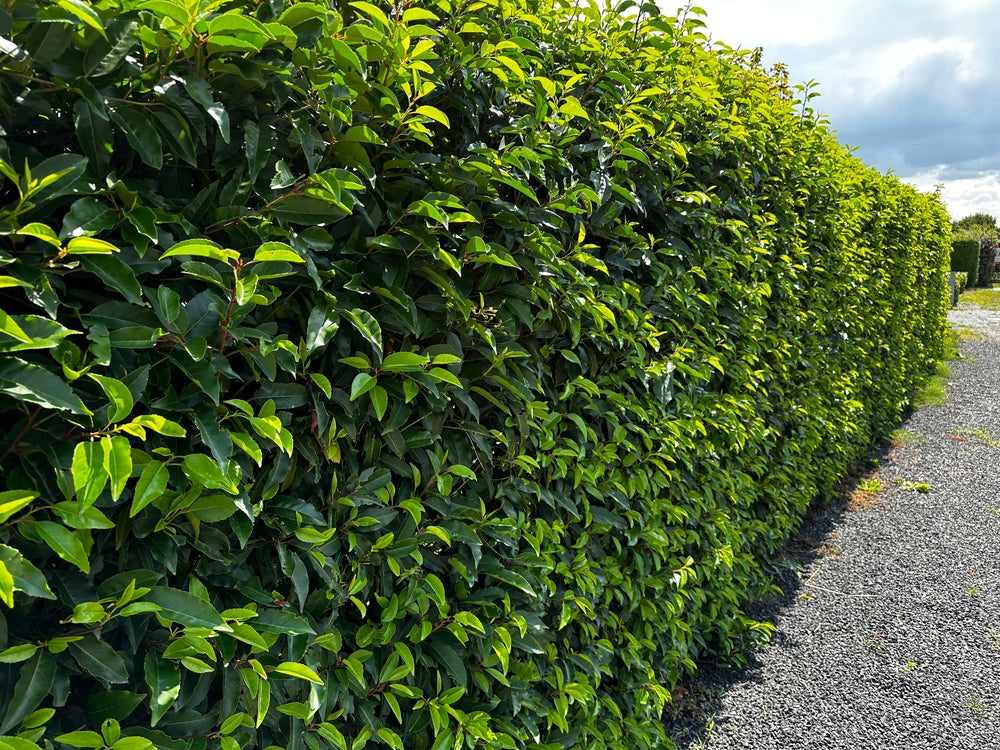
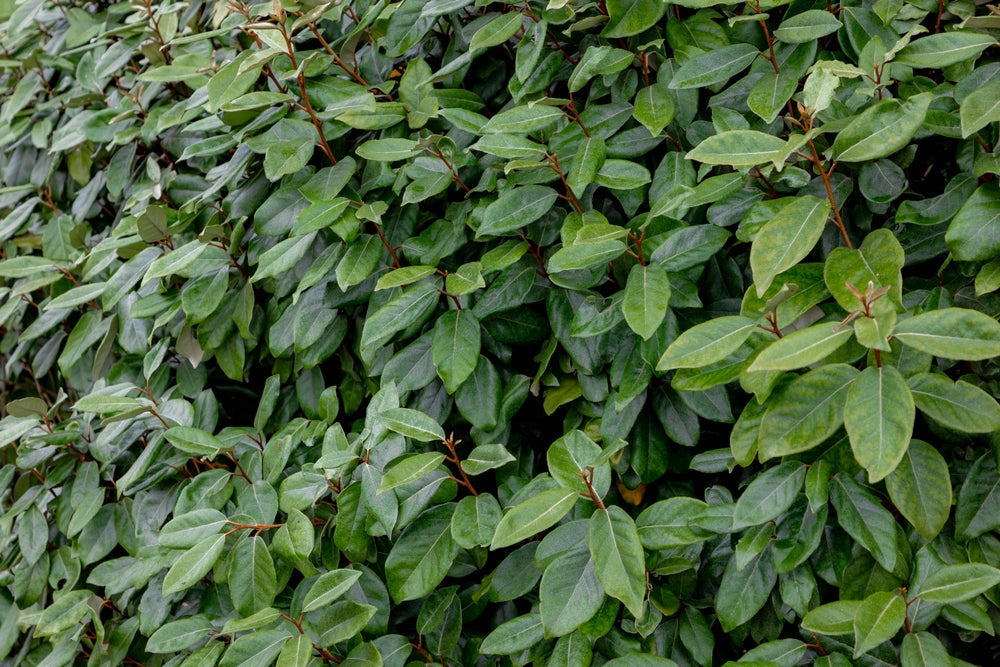
Portuguese Laurel 'Myrtifolia' is an evergreen tree with small, dark green, glossy leaves that are more compact than the species type, giving the foliage a neat, refined texture. It forms a dense, rounded crown and is well suited to formal shaping, making it a popular choice for topiary, standards and hedging as well as a specimen tree.
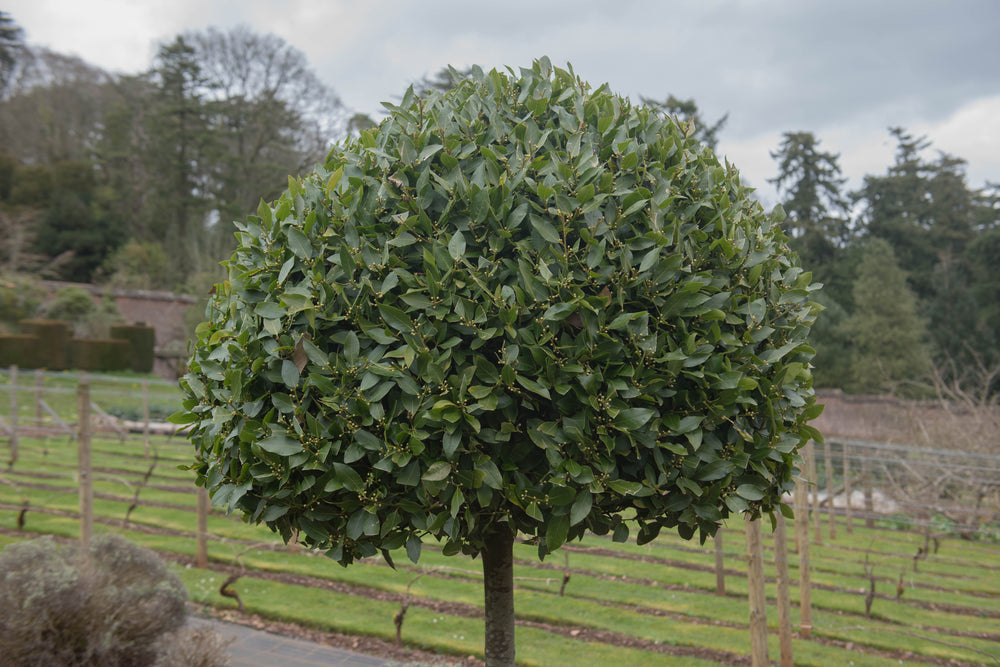
In late spring to early summer, small white flowers appear in slender, upright racemes, contrasting attractively against the dark foliage. These are followed in autumn by small, dark reddish-purple to black berries, adding further seasonal interest.
The flowers are attractive to pollinating insects, while the berries provide a food source for birds later in the year, offering some wildlife value throughout the growing seasons.
This tree tolerates a wide range of soil types, including clay and loamy soils, and copes well with both sun and partial shade. It is also tolerant of exposed and coastal conditions, making it a versatile choice for a variety of garden settings, from sheltered borders to more challenging coastal positions.
Cider gum 'Azura' | Eucalyptus Azura - Feathered - Height 140-180cm Width 60-80cm - 20lt
16000
£160.00
Unit price perCider gum 'Azura' | Eucalyptus Azura - Feathered - Height 140-180cm Width 60-80cm - 20lt
16000
£160.00
Unit price per {
Alpine.store('xUpdateVariantQuanity').updateQuantity('template--24215847600506__main', '/products/eucalyptus-gunnii-azura-180-220cm-20lt?_pos=405&_sid=3471ddafa&_ss=r');
});">
Eucalyptus 'Azura', commonly known as the Azura gum, is an evergreen tree grown as a feathered specimen, retaining its lower branches down to ground level to form a naturally full, conical shape. The foliage is a key feature, consisting of narrow, silvery-blue juvenile leaves that mature to a soft grey-green, providing aromatic, eucalyptus-scented foliage throughout the year. The feathered form gives the tree a dense, bushy structure, making it particularly useful as a windbreak or informal screen. During summer, small clusters of creamy-white flowers may appear, providing a nectar source for bees and other pollinating insects. The tree maintains year-round interest thanks to its striking foliage colour and texture, which remains attractive through all seasons rather than being tied to a single period of display. Eucalyptus 'Azura' is well suited to coastal gardens, tolerating salt-laden winds and exposed positions with ease. It also performs well in a range of soil types, including loamy and well-drained clay soils, provided the site is not prone to waterlogging. Fast-growing and hardy, it works well as a specimen tree or as part of a mixed planting scheme where structural, aromatic foliage is desired.
{
Alpine.store('xUpdateVariantQuanity').updateQuantity('template--24215847600506__main', '/products/amelanchier-canadensis-october-flame-height-130-150cm-12lt?_pos=406&_sid=3471ddafa&_ss=r');
});">
Canadian Serviceberry 'October Flame' is a deciduous feathered tree, grown with branches down to ground level giving it a full, well-furnished structure from an early stage. In spring, clusters of white star-shaped flowers appear before the foliage emerges, creating a brief but striking display. The young leaves unfold with a bronze tint before turning mid-green through summer. Following flowering, small dark purple-black berries develop, attracting birds to the garden and providing a valuable food source for wildlife. The foliage is particularly notable in autumn, when it turns vivid shades of orange and red, giving the cultivar its name and providing strong seasonal interest. The tree has a naturally graceful, upright habit with a moderately dense canopy, making it suitable as a specimen tree in smaller gardens or mixed borders. It tolerates a range of soil types, including loamy and clay soils, and performs well in both sun and partial shade. Its berries and blossom also support pollinators and garden birds, adding biodiversity value to planting schemes. This variety is well suited to gardens where year-round interest is desired, from spring blossom through to autumn colour.
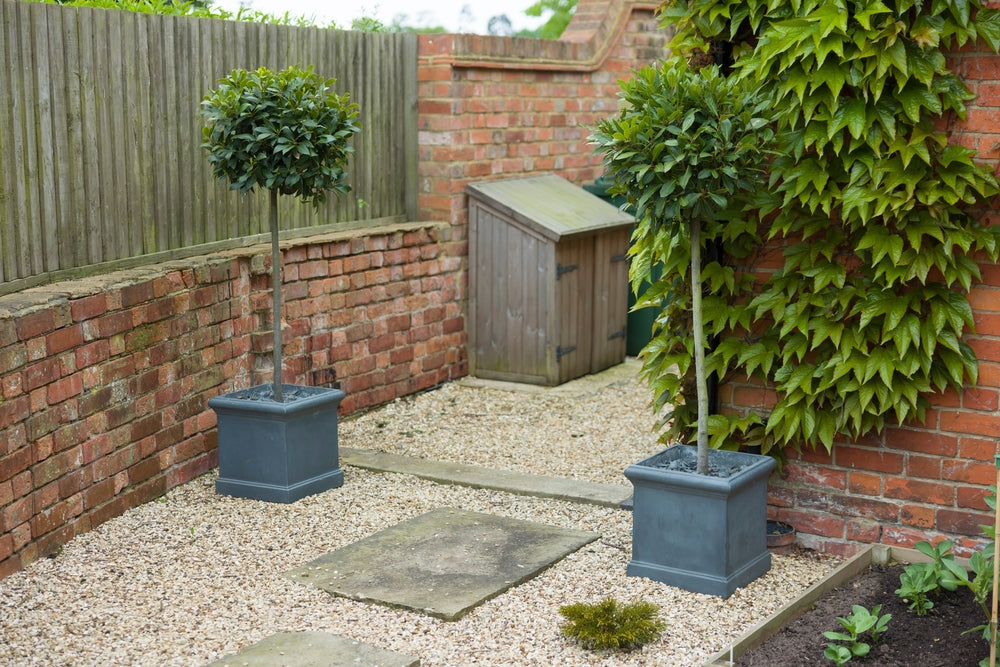
Chinese redbud 'Shirobana' | Cercis chinensis Shirobana - Feathered - Height 180-220cm Width 40-50cm - 10lt
18500
£185.00
Unit price perChinese redbud 'Shirobana' | Cercis chinensis Shirobana - Feathered - Height 180-220cm Width 40-50cm - 10lt
18500
£185.00
Unit price per {
Alpine.store('xUpdateVariantQuanity').updateQuantity('template--24215847600506__main', '/products/cercis-chinensis-shirobana-200-220cm-bushy-10lt?_pos=407&_sid=3471ddafa&_ss=r');
});">
Cercis chinensis 'Shirobana', commonly known as the white Chinese redbud, is a deciduous tree trained as a feathered specimen, with branches extending from the trunk close to ground level, giving a naturally full, pyramidal form. The heart-shaped foliage emerges fresh green in spring, maturing to a deeper green through summer before turning soft yellow in autumn, providing seasonal interest throughout the growing year.
In early spring, before the leaves unfurl, the bare branches become studded with clusters of pure white pea-like flowers, borne directly on the stems and older wood in a display known as cauliflory. This creates a striking contrast against the dark bark and makes the tree a particular feature at this time of year.
The flowers are attractive to early-emerging pollinators, including bees, offering a valuable nectar source when few other plants are in bloom. This makes the white Chinese redbud a useful addition to gardens aiming to support early-season biodiversity.
Compact and slow-growing, this tree suits smaller gardens or as a specimen planting where its distinctive flowering habit and well-proportioned, feathered form can be appreciated at close range throughout the seasons.
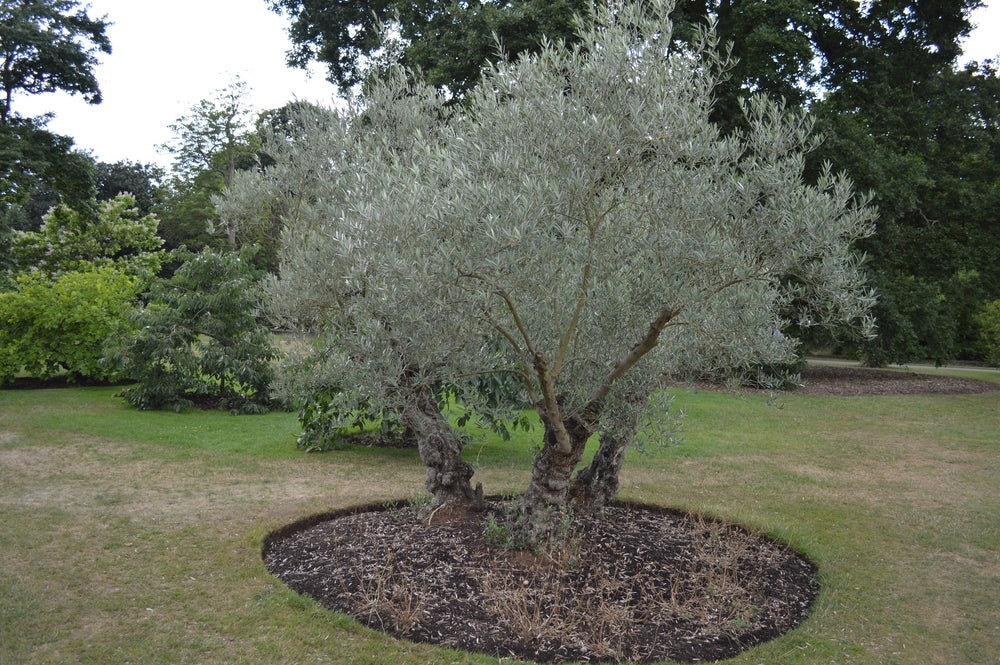
Photinia 'Red Robin' | Photinia x fraseri Red Robin - Height 300-350cm Width 100-140cm - 45lt
48000
£480.00
Unit price perPhotinia 'Red Robin' | Photinia x fraseri Red Robin - Height 300-350cm Width 100-140cm - 45lt
48000
£480.00
Unit price per {
Alpine.store('xUpdateVariantQuanity').updateQuantity('template--24215847600506__main', '/products/photinia-x-fraseri-red-robin-pleached-espalier-120cm-120cm-clear-stem-230cm-height-350cm-girth-10-12cm-45lt?_pos=408&_sid=3471ddafa&_ss=r');
});">
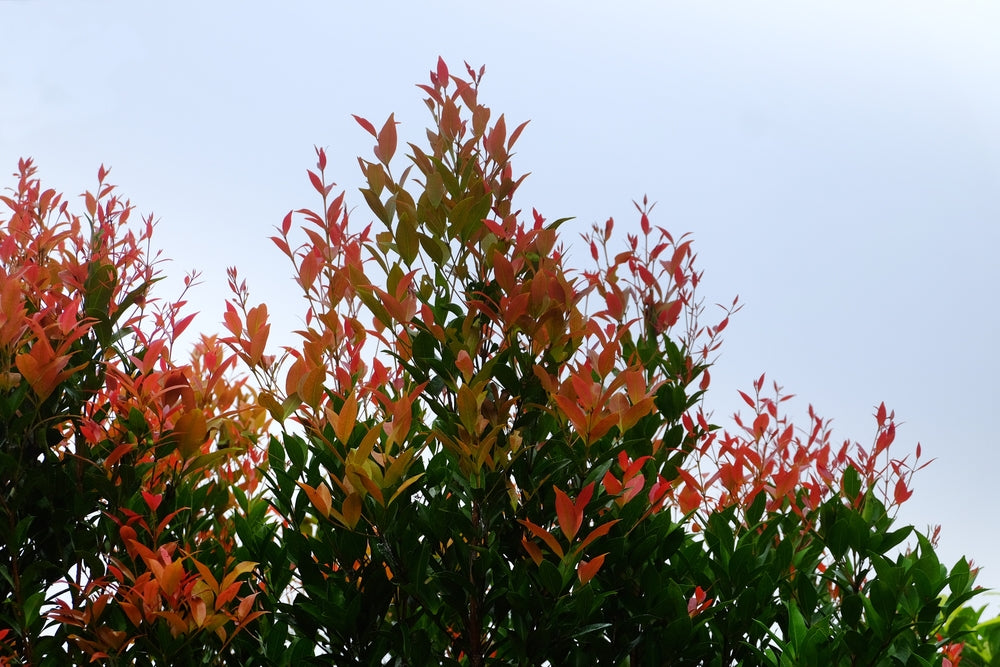
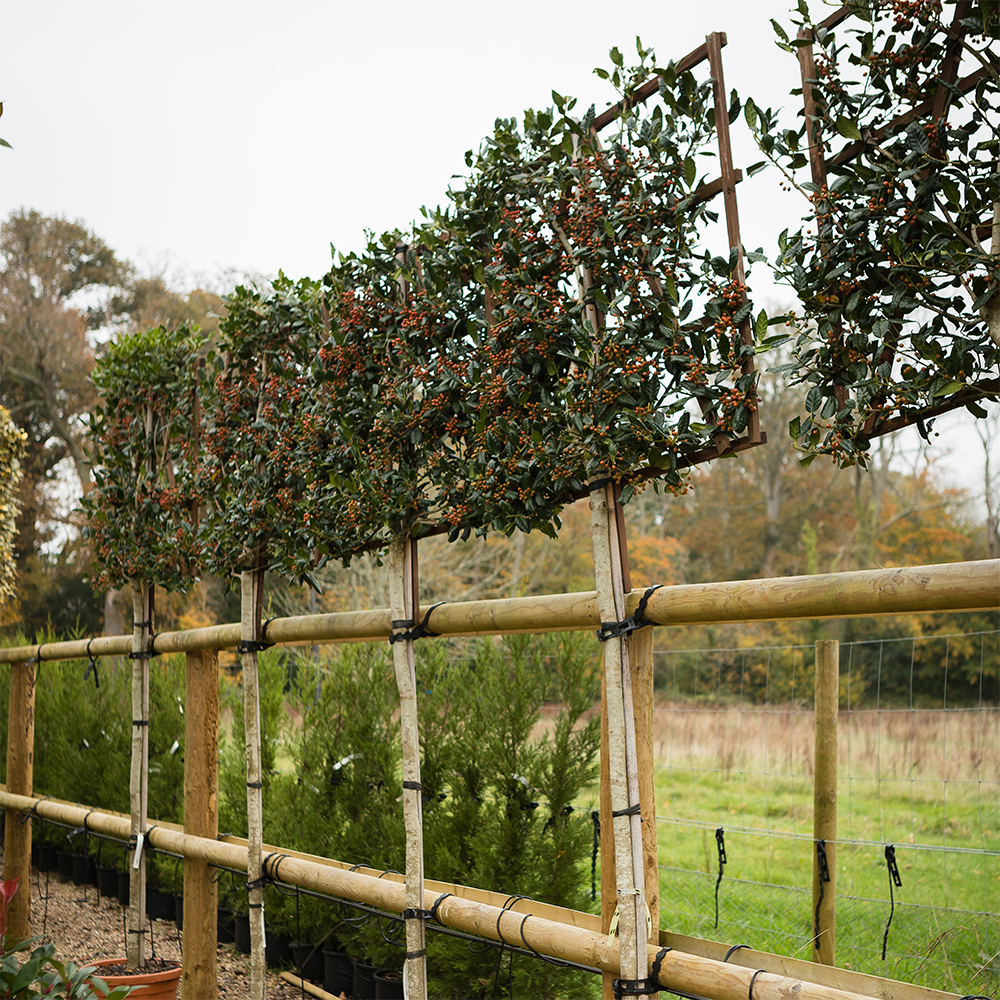
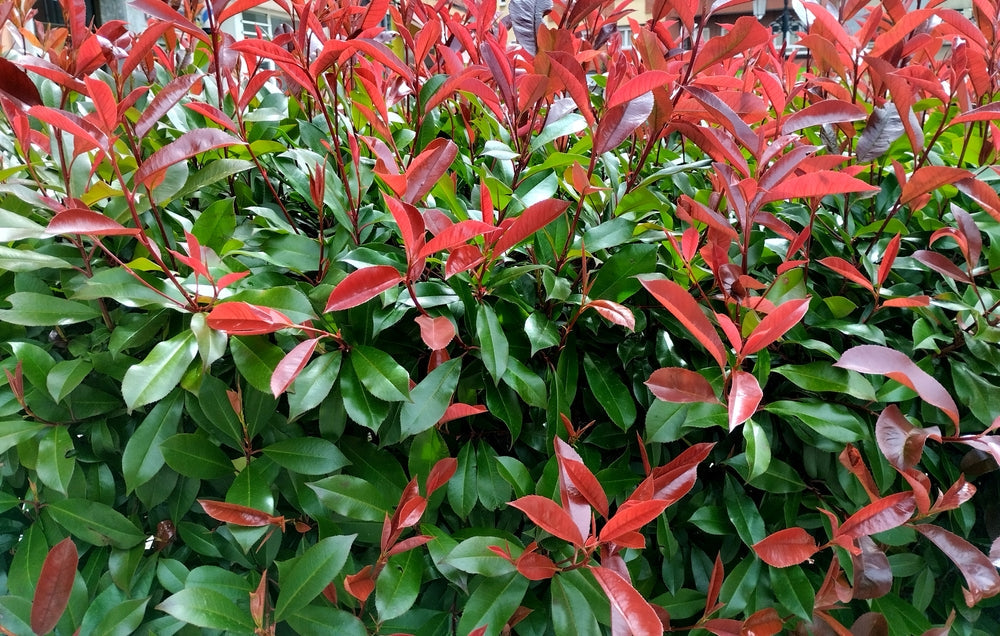
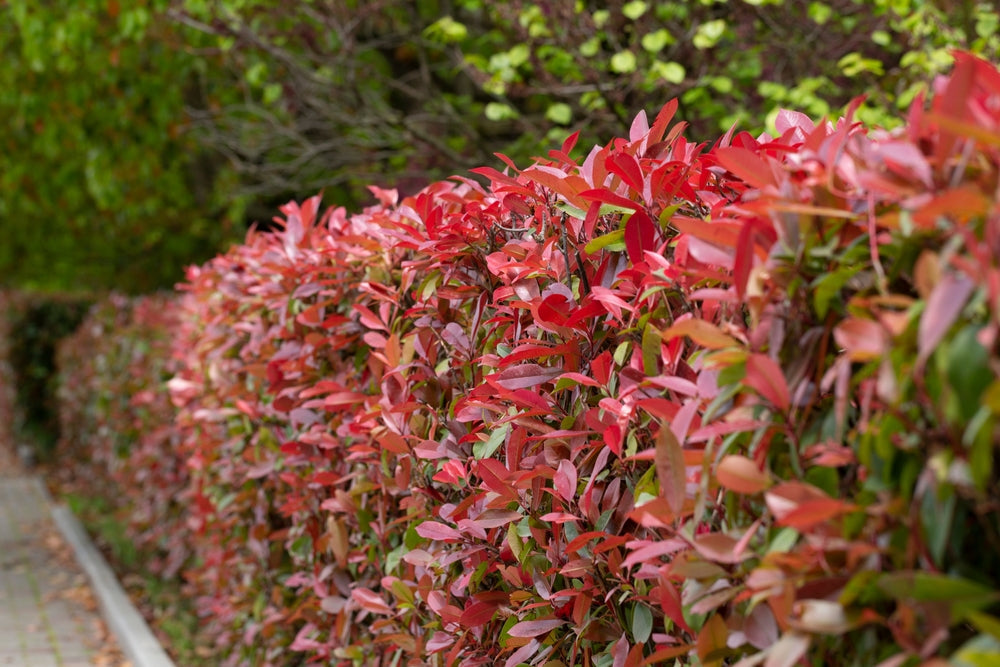
Photinia Red Robin is an evergreen tree, trained here in pleached form to create instant screening and height on a clear stem. The foliage is the standout feature, with vivid red new growth throughout the growing season that matures to a glossy dark green, providing year-round colour contrast. Pleached trees are trained with their branches woven and trained flat on a framework, creating a raised, rectangular block of foliage that offers privacy and screening while keeping the base of the stem clear. This structure makes it particularly useful for defining boundaries or adding height to a garden without taking up excessive ground space.
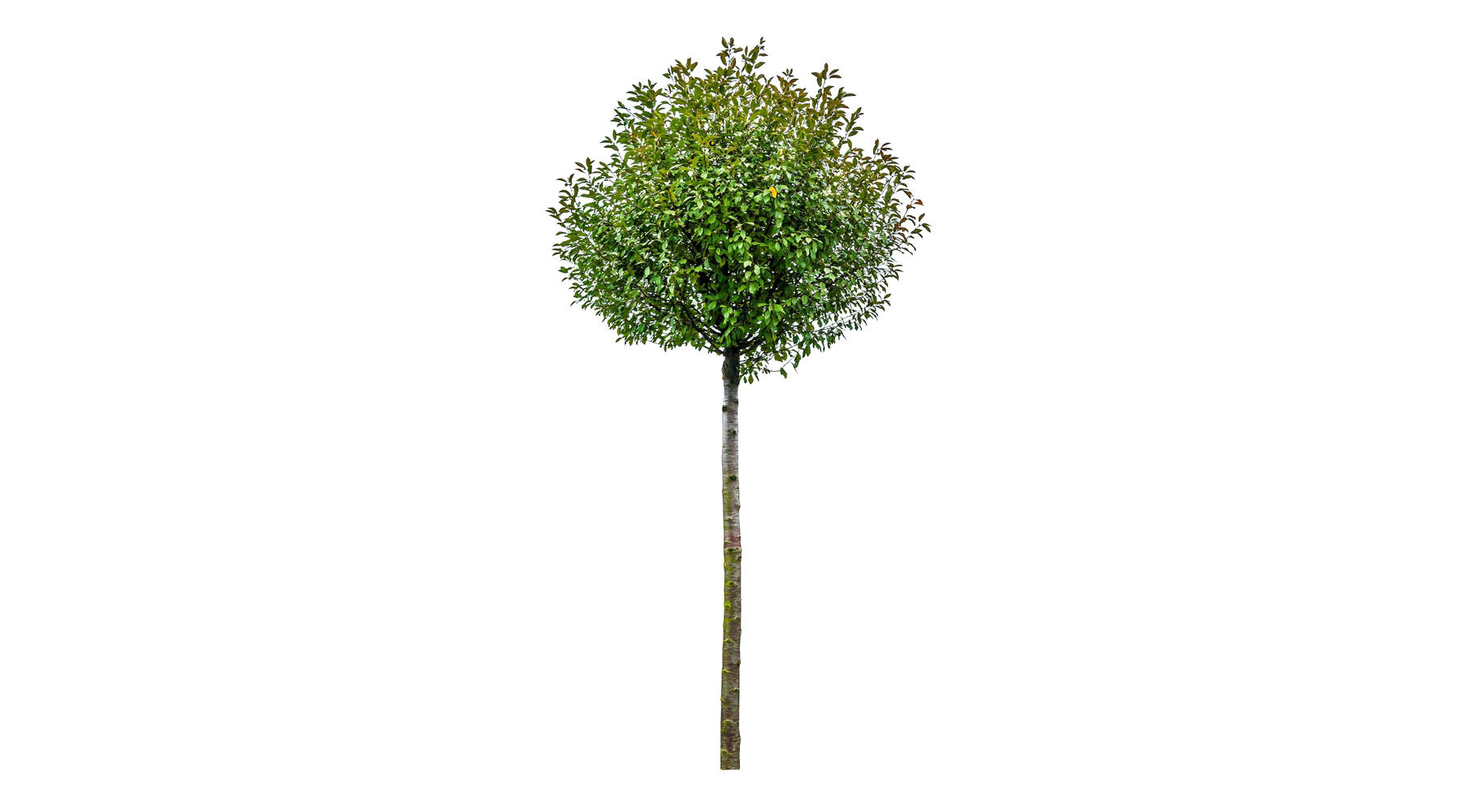
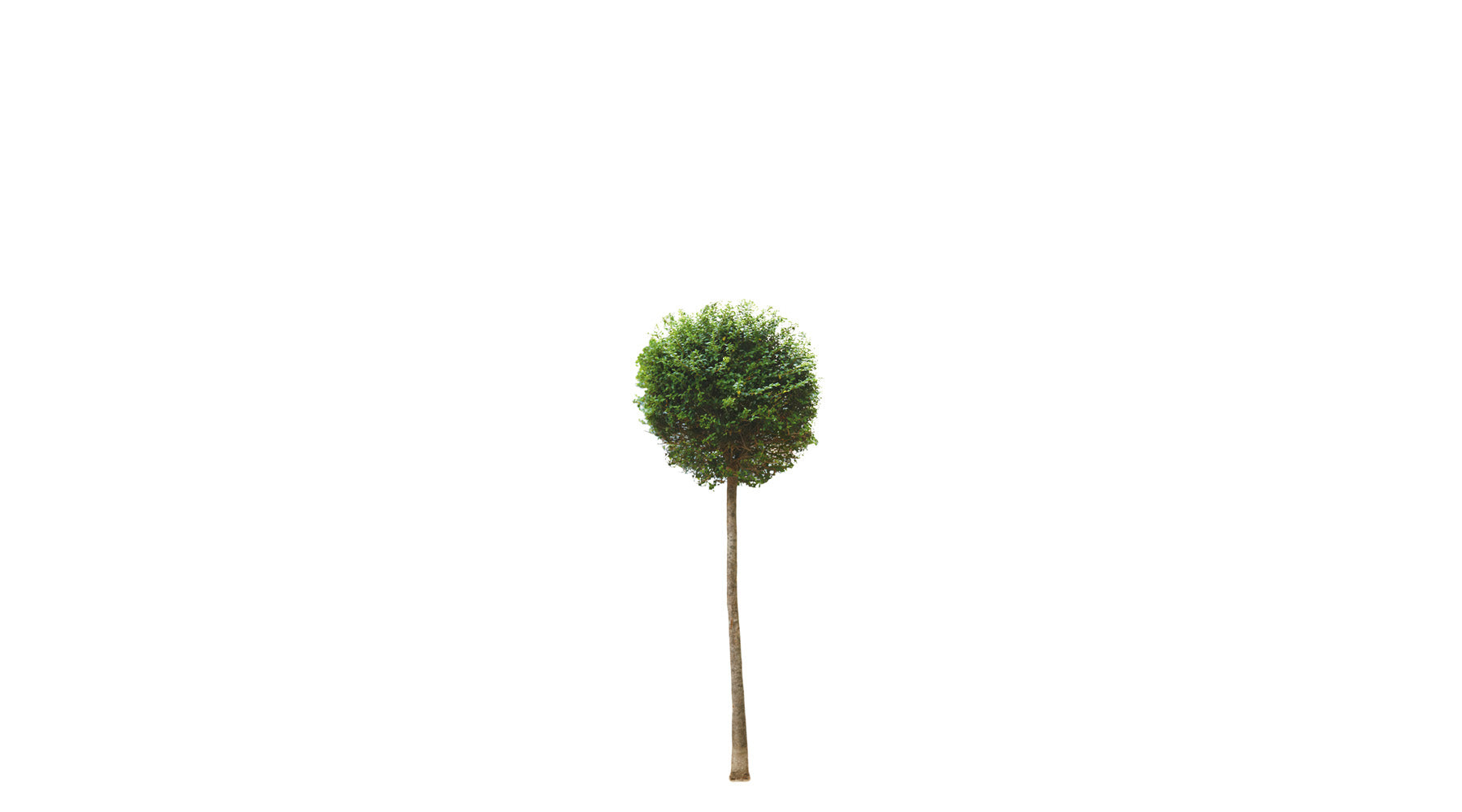
The tree is most striking in spring, when flushes of bright red young leaves appear, and again whenever new growth is produced, as pruning encourages further flushes of colour. Small white flowers may appear in late spring, though these are not the primary ornamental feature of this plant. Clusters of small red berries can follow the flowers, offering some interest into autumn.
Photinia Red Robin tolerates a wide range of soil types, including clay, and copes well in both sun and partial shade. It is also reasonably wind-tolerant, making it suitable for most garden situations, including more exposed or urban settings.
{
Alpine.store('xUpdateVariantQuanity').updateQuantity('template--24215847600506__main', '/products/amelanchier-canadensis-juneberry-clear-stem-height-220-250cm-girth-6-8cm-40lt?_pos=409&_sid=3471ddafa&_ss=r');
});">
Amelanchier canadensis, commonly known as the Shadblow Serviceberry, is a deciduous tree, here trained as a full standard with a neat, rounded crown on a clear stem. In spring, the tree produces an abundance of star-shaped white flowers, emerging in clusters before the leaves fully unfurl. The foliage opens with a bronze tint before maturing to a mid-green, before transforming again in autumn into shades of orange, red and gold, giving the tree strong seasonal interest at both ends of the growing season. Following the spring blossom, small red-purple berries develop, ripening to a dark purple-black over the summer months. These berries are attractive to birds, making this tree a useful addition for encouraging wildlife into the garden, while the early flowers provide a valuable source of nectar and pollen for bees and other pollinating insects. As a full standard, it works well as a specimen tree, bringing height and structure to a border or lawn area without excessive density, allowing light to filter through its branches. It is tolerant of a range of soil types and copes well in both sun and partial shade, making it a versatile and adaptable choice for most garden settings.
{
Alpine.store('xUpdateVariantQuanity').updateQuantity('template--24215847600506__main', '/products/cotoneaster-x-watereri-clear-stem-height-270-320cm-30lt?_pos=410&_sid=3471ddafa&_ss=r');
});">
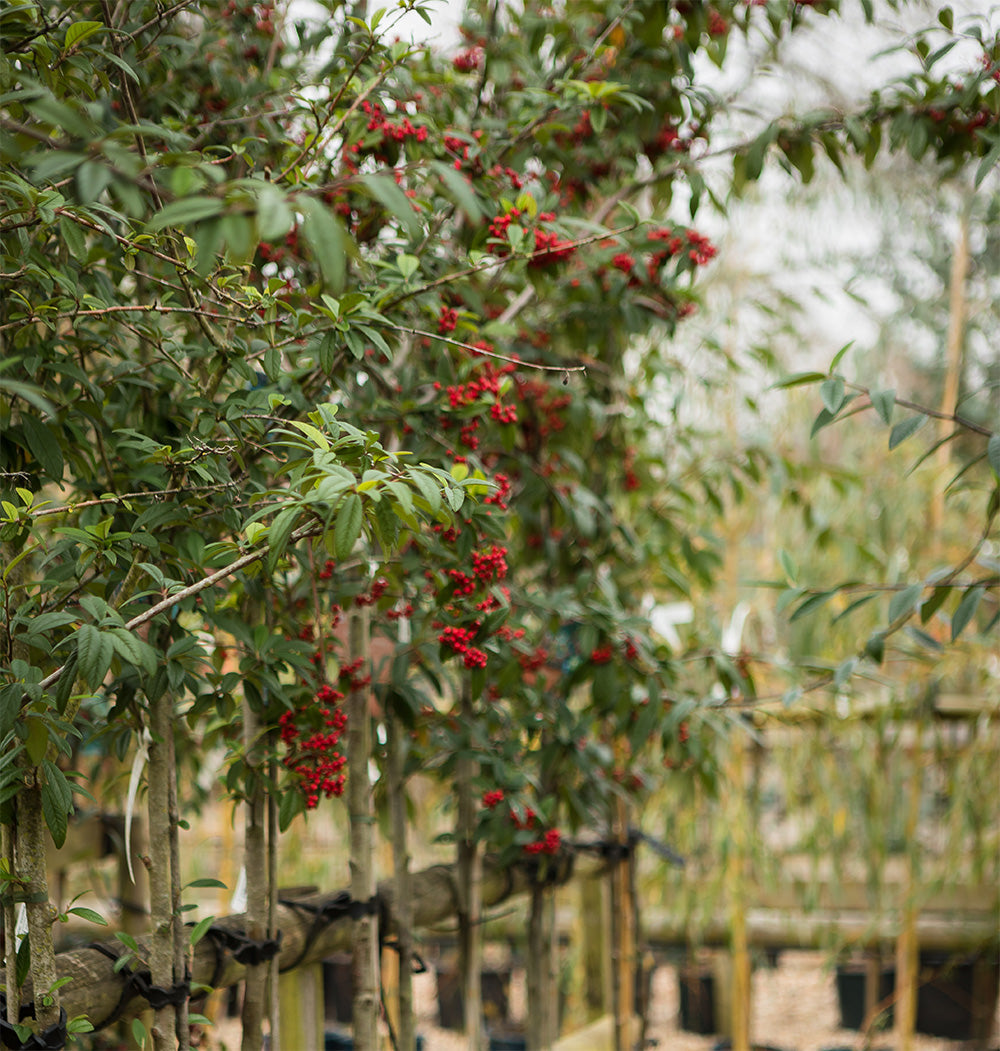
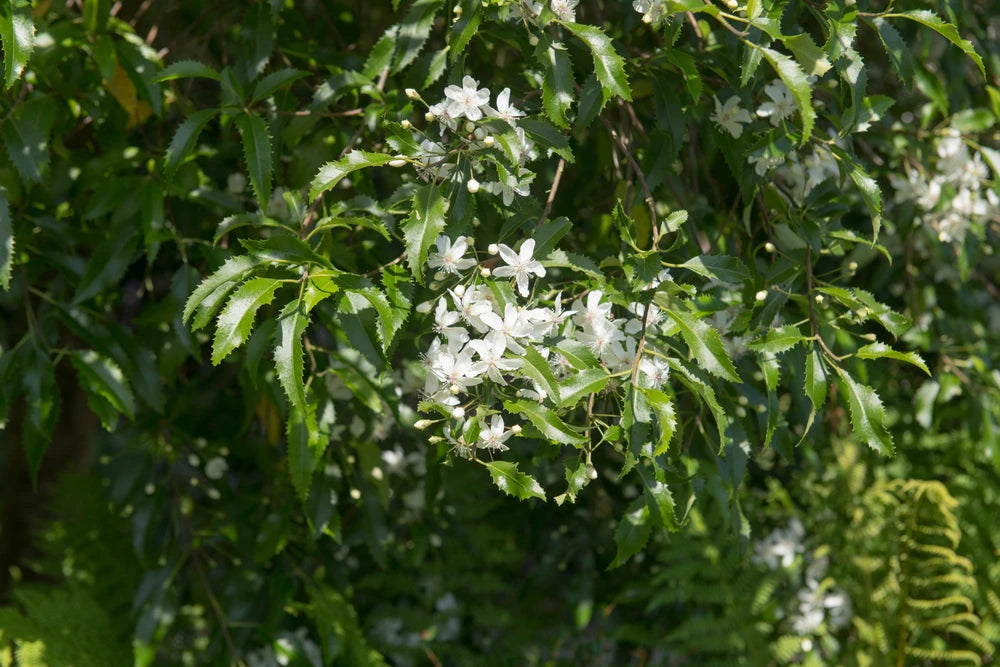
Cotoneaster x watereri, trained as a half standard tree, is a semi-evergreen to evergreen plant depending on the severity of winter, retaining much of its glossy, dark green foliage through the colder months. It has a graceful, arching habit with a moderately dense canopy, forming a neat rounded head above a clear stem.
In early summer, clusters of small white flowers appear, providing an attractive though understated display. These are followed in autumn by an abundance of bright red berries, which persist well into winter and provide strong seasonal interest, contrasting nicely against the dark foliage.
The berries are a valuable food source for birds during the autumn and winter months, making this tree a useful addition for gardens aiming to support local wildlife. The flowers are also attractive to bees and other pollinating insects during the summer flowering period.
This tree is tolerant of a wide range of soil types, including clay, and adapts well to both sunny and partially shaded positions. It is also suited to exposed or coastal locations, making it a versatile choice for planting schemes where hardiness and reliability are required alongside seasonal ornamental value.
Japanese maple 'Orangeola' | Acer Palmatum Orangeola - Bushy - Height 80-100cm Width 60-80cm - 15lt
18200
£182.00
Unit price perJapanese maple 'Orangeola' | Acer Palmatum Orangeola - Bushy - Height 80-100cm Width 60-80cm - 15lt
18200
£182.00
Unit price per {
Alpine.store('xUpdateVariantQuanity').updateQuantity('template--24215847600506__main', '/products/japanese-maple-orange-dream-acer-palmatum-clear-stem-50cm-height-80-100cm-15lt?_pos=411&_sid=3471ddafa&_ss=r');
});">
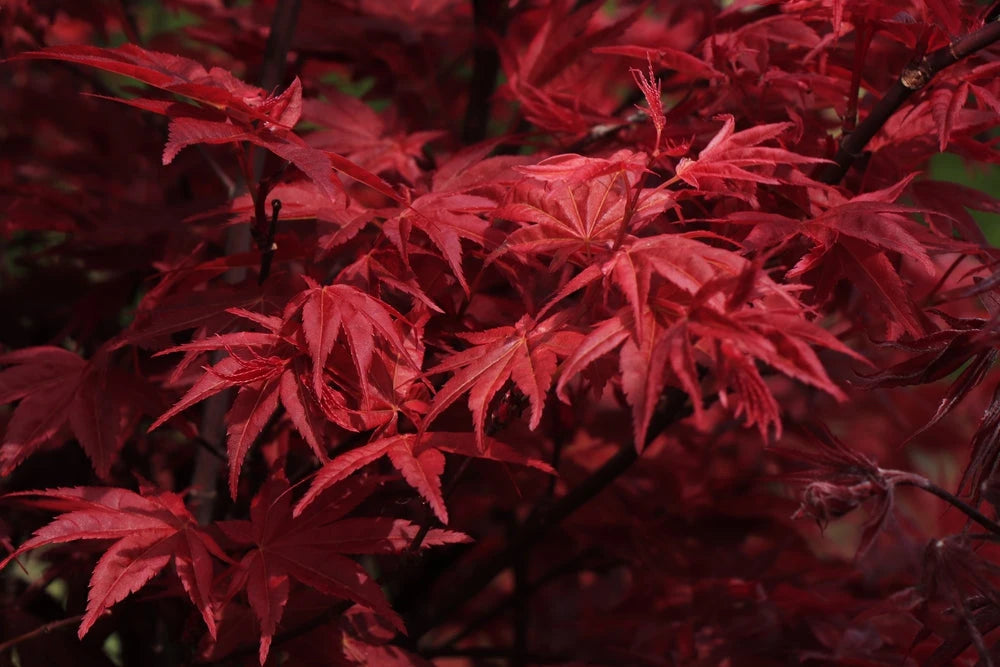
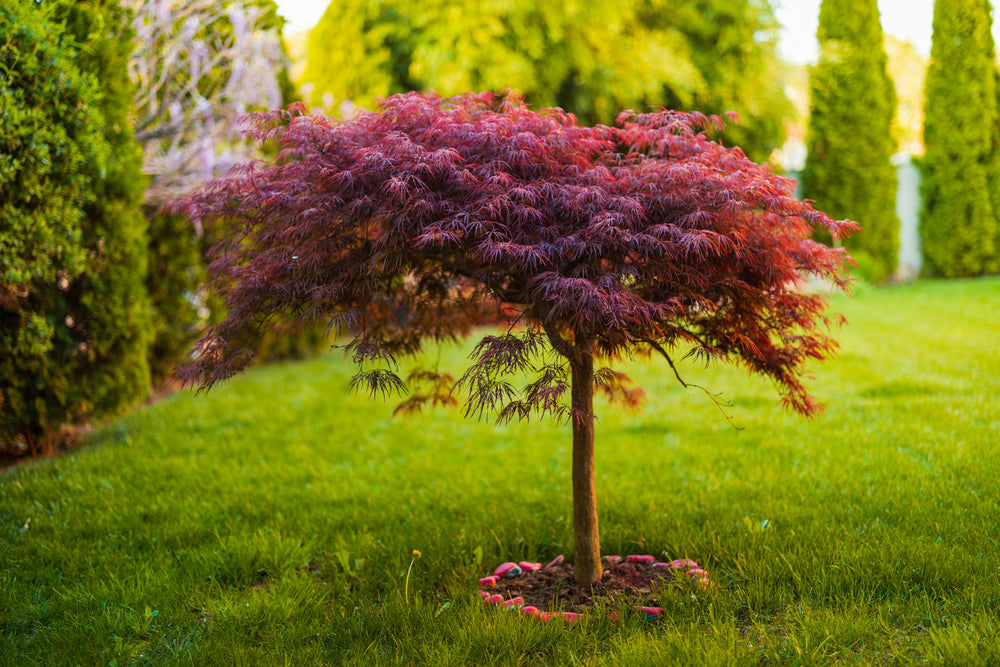
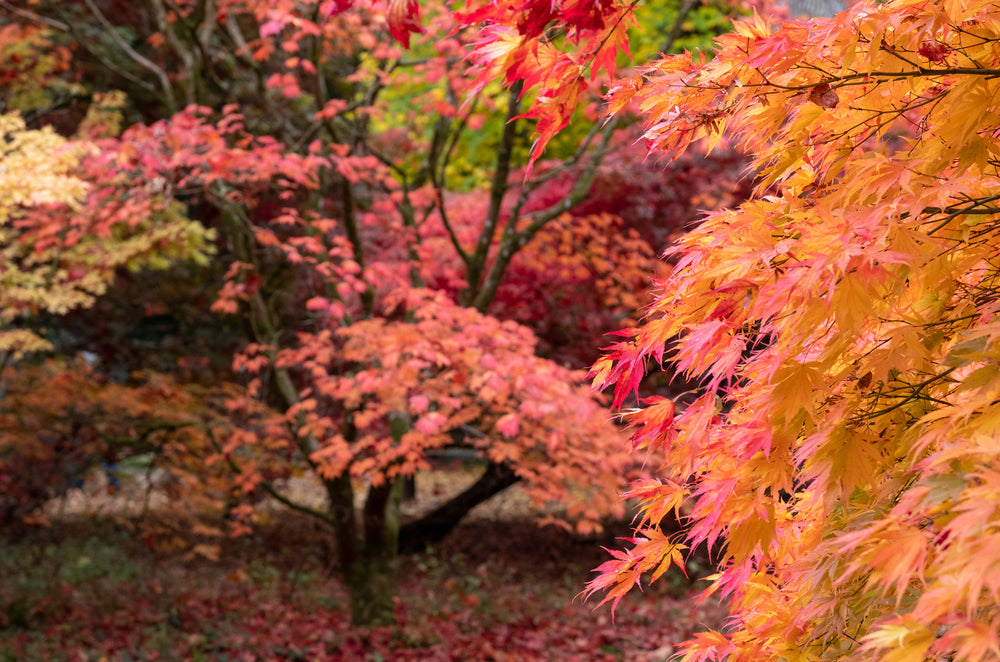
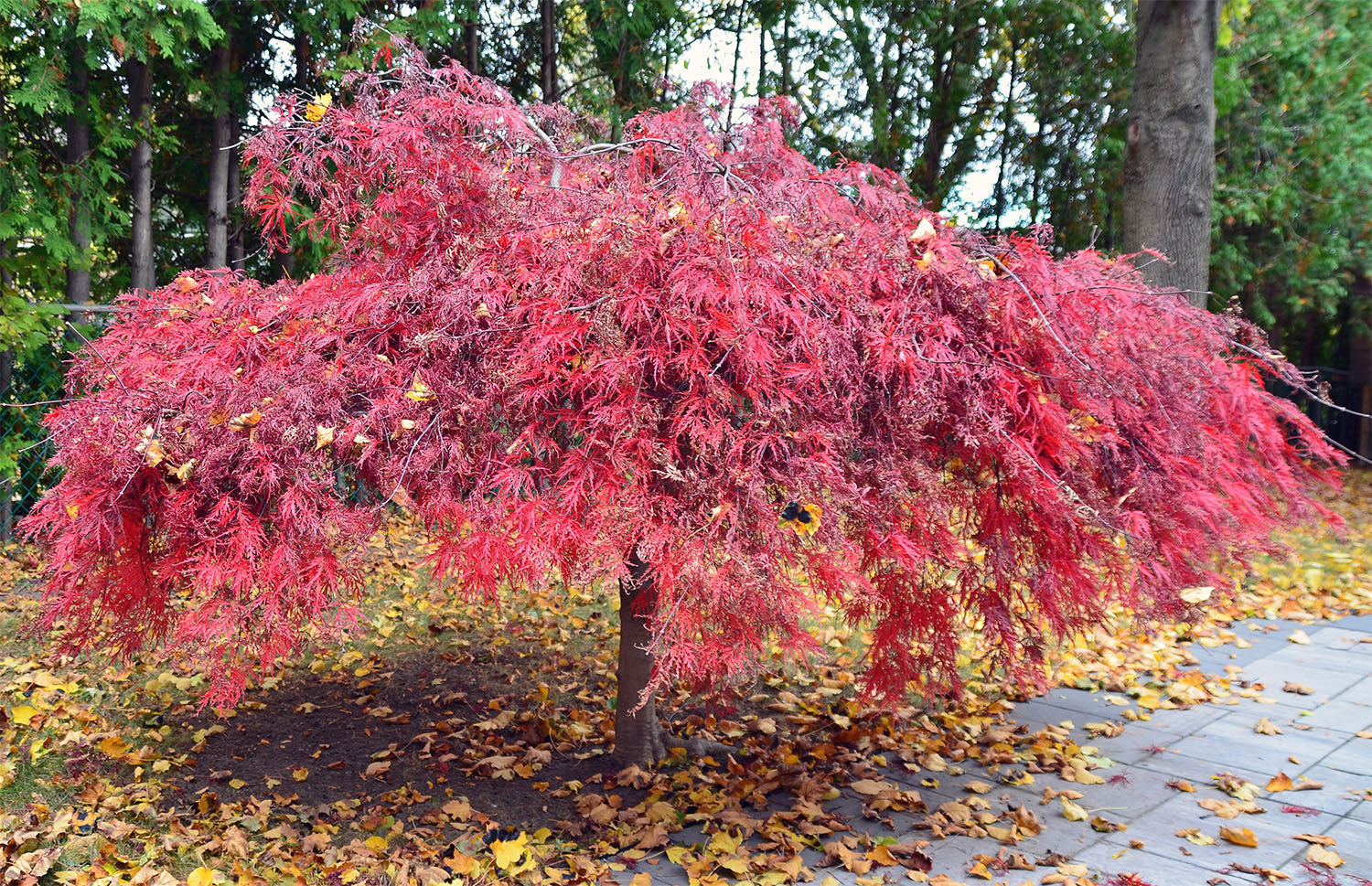
Acer Palmatum 'Orangeola' is a deciduous Japanese maple with a bushy, weeping habit, forming a dense, mounded tree of cascading branches. The finely dissected, lace-like leaves emerge a vivid orange-red in spring, maturing to a deep bronze-green through summer before transforming again into brilliant orange and red tones in autumn, providing extended seasonal interest across three seasons. The weeping, layered branch structure adds architectural form to the garden even once leaves have fallen, with slender stems creating a graceful, cascading silhouette.
Small reddish-purple flowers appear in spring, followed by the characteristic winged seeds (samaras) typical of maples, though these are not a significant ornamental feature.
This variety is well suited to planting in a sheltered position, protected from strong winds and harsh afternoon sun, which can scorch the delicate foliage. It performs best in moist, well-drained, loamy soil and tolerates partial shade, making it an excellent choice for woodland-style planting, courtyard gardens or as a specimen tree in a prominent border position. Its compact, slow-growing nature also makes it suitable for large containers on patios.
Maidenhair tree 'Troll' | Ginkgo biloba Troll - Bushy - Height 30-40cm Width 40-50cm - 8lt
7700
£77.00
Unit price perMaidenhair tree 'Troll' | Ginkgo biloba Troll - Bushy - Height 30-40cm Width 40-50cm - 8lt
7700
£77.00
Unit price per {
Alpine.store('xUpdateVariantQuanity').updateQuantity('template--24215847600506__main', '/products/ginkgo-biloba-troll-maidenhair-tree-bushy-height-30-40cm-7-5lt?_pos=412&_sid=3471ddafa&_ss=r');
});">
Ginkgo Troll is a deciduous tree with a distinctive bushy, dwarf habit, making it a compact and unusual form of maidenhair tree. Its fan-shaped leaves are bright green through spring and summer, turning a striking golden-yellow in autumn before falling. The dense, mounded growth creates an irregular, twisted structure of branches, giving the tree interesting year-round form even once leaves have dropped. Autumn is when this tree is at its most attractive, with the foliage colour change providing a strong seasonal display. Ginkgo biloba is a highly resilient species, tolerant of pollution and a wide range of soil conditions, making it adaptable to various garden settings including urban areas. It is generally slow-growing, suiting smaller gardens or spaces where a full-sized tree would be impractical. As an ancient species with no close living relatives, it holds particular botanical interest and can be a useful talking point in a garden. This cultivar does not produce significant flowers, and being a male clone, it does not bear the fruit associated with female Ginkgo trees, avoiding the unpleasant odour sometimes associated with the species. It is a hardy, low-maintenance choice suited to most well-drained soils.
Bull bay 'Galissonniere' | Magnolia grandiflora Galissonniere - Bushy - Height 60-80cm Width 30-40cm - 10lt
6000
£60.00
Unit price perBull bay 'Galissonniere' | Magnolia grandiflora Galissonniere - Bushy - Height 60-80cm Width 30-40cm - 10lt
6000
£60.00
Unit price per {
Alpine.store('xUpdateVariantQuanity').updateQuantity('template--24215847600506__main', '/products/magnolia-grandiflora-galissonniere-bush-height-70-80cm-10lt?_pos=413&_sid=3471ddafa&_ss=r');
});">
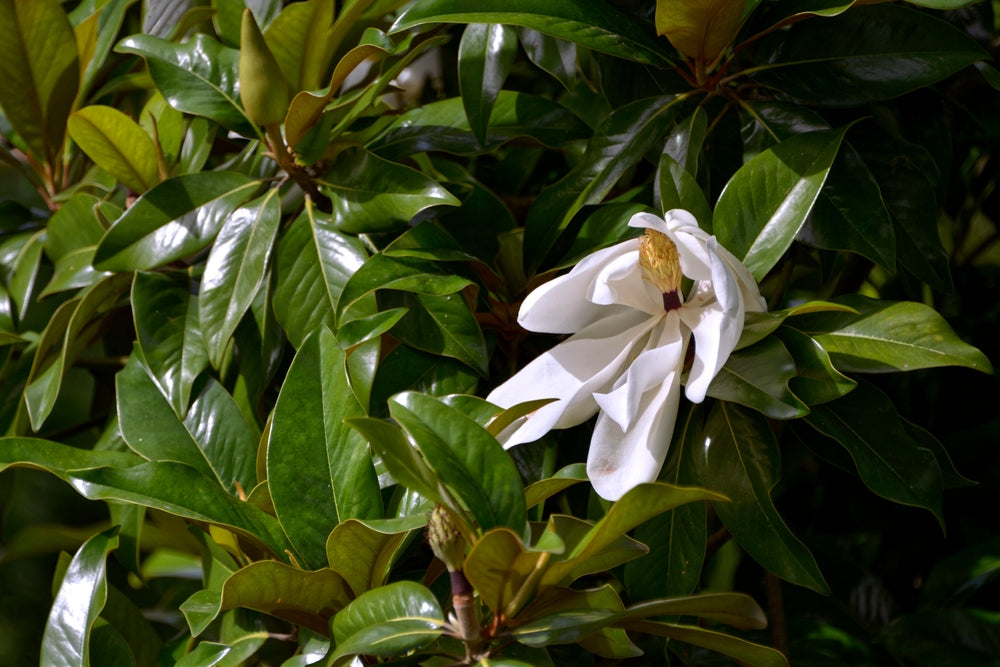
Magnolia grandiflora 'Galissonnière' is an evergreen tree with a compact, bushy habit, making it a good choice where a denser form is preferred over the more open growth of the species. The leaves are broad, glossy and dark green on the upper surface, with a rusty brown felted underside, providing year-round interest and texture.
Large, creamy-white flowers appear from midsummer into autumn, each with a strong lemon fragrance. The blooms are cup-shaped and can reach up to 20cm across, opening gradually over several weeks. This extended flowering period means the tree offers interest well beyond the summer months, with blooms often continuing into early autumn.
The dense evergreen foliage provides shelter for birds and other garden wildlife throughout the year, while the flowers are attractive to pollinating insects during the flowering season.
This cultivar is well suited to sheltered, sunny positions and benefits from protection against cold winds, particularly when young. It tolerates a range of soil types, including clay, provided drainage is reasonable, and can be grown as a free-standing tree or trained against a wall, where its bushy habit lends itself well to more restricted spaces.
{
Alpine.store('xUpdateVariantQuanity').updateQuantity('template--24215847600506__main', '/products/ligustrum-lucidum-excelsum-superbum-standard-girth-18cm-350cm-55lt?_pos=414&_sid=3471ddafa&_ss=r');
});">
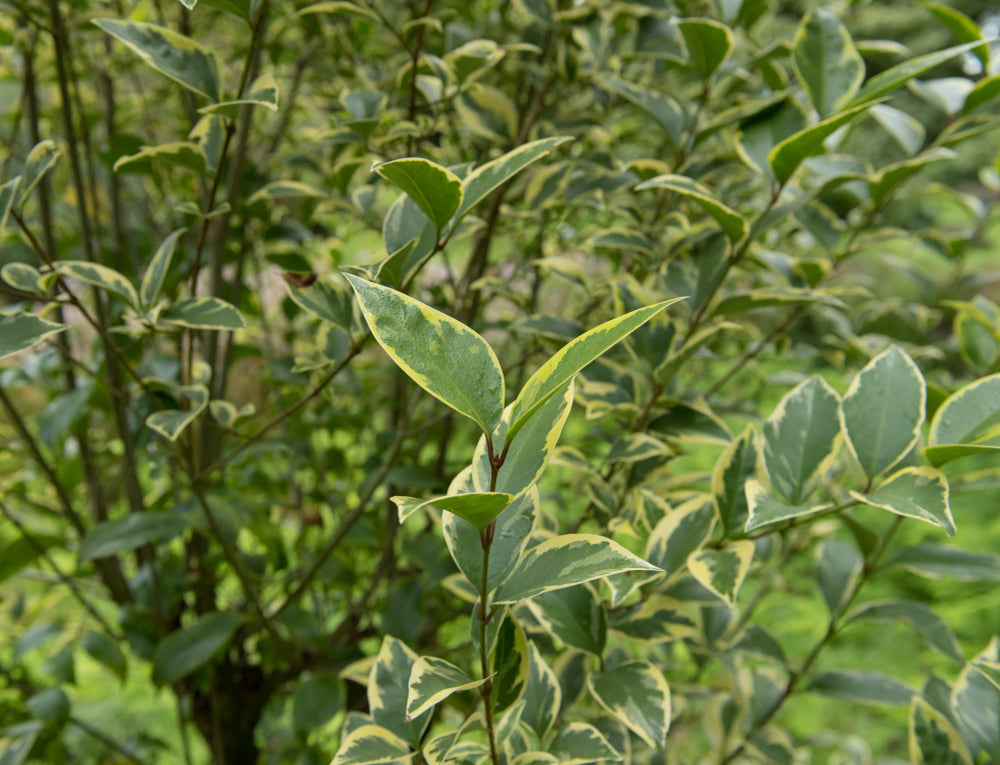
Chinese Privet 'Excelsum Superbum' is an evergreen tree, trained here as a full standard with a clear stem and a rounded, well-furnished crown. The foliage is glossy and dark green, broadly edged with creamy-yellow and white variegation, giving the leaves a striking marbled appearance that provides year-round interest. Growth is dense and bushy, forming a solid, well-balanced head of foliage on top of a single trunk.
During mid to late summer, the tree produces large, upright panicles of small, creamy-white flowers, which stand out well against the variegated leaves. These are followed later in the year by small blue-black berries, adding further seasonal interest once the flowers have faded.
The flowers are attractive to pollinating insects, while the berries provide a source of food for birds through the autumn and winter months. The dense evergreen canopy also offers shelter for small birds throughout the year.
This tree is tolerant of a wide range of soil types, including clay, and copes well with coastal conditions, making it a versatile choice for exposed or urban gardens. It also tolerates some shade, although variegation is most pronounced in a position with good light.
Flowering cherry 'The Bride' | Prunus The Bride - Feathered - Height 180-220cm Width 60-80cm - 12lt
9800
£98.00
Unit price perFlowering cherry 'The Bride' | Prunus The Bride - Feathered - Height 180-220cm Width 60-80cm - 12lt
9800
£98.00
Unit price per {
Alpine.store('xUpdateVariantQuanity').updateQuantity('template--24215847600506__main', '/products/prunus-the-bride-200-250cm-10lt?_pos=415&_sid=3471ddafa&_ss=r');
});">
Prunus 'The Bride' is a deciduous flowering cherry tree, trained here as a feathered specimen with lateral branches growing down the main stem to give a naturally full, well-proportioned shape from an early age. In spring, the bare branches are covered in an abundance of pure white, single blossoms, each with a cluster of dark red-brown stamens at the centre, creating a striking contrast. This floral display makes the tree a strong focal point in the garden during the spring months. The flowers appear before the foliage emerges, allowing the blossom to be fully appreciated without being obscured by leaves. Once flowering has finished, mid-green, ovate leaves develop, providing a fresh backdrop through the summer before taking on yellow tones in autumn. The blossom is attractive to early pollinating insects such as bees, offering a valuable source of nectar at a time of year when other food sources may be scarce. This tree is well suited to smaller gardens, where its compact, feathered form allows it to be used as a specimen tree without requiring extensive space. It performs best in a sunny, sheltered position and prefers moist but well-drained soil.
Rowan 'Autumn Spire' | Sorbus aucuparia Autumn Spire - Feathered - Height 140-180cm Width 60-80cm - 12lt
9900
£99.00
Unit price perRowan 'Autumn Spire' | Sorbus aucuparia Autumn Spire - Feathered - Height 140-180cm Width 60-80cm - 12lt
9900
£99.00
Unit price per {
Alpine.store('xUpdateVariantQuanity').updateQuantity('template--24215847600506__main', '/products/sorbus-aucuparia-autumn-spire-200-250cm-10lt?_pos=416&_sid=3471ddafa&_ss=r');
});">
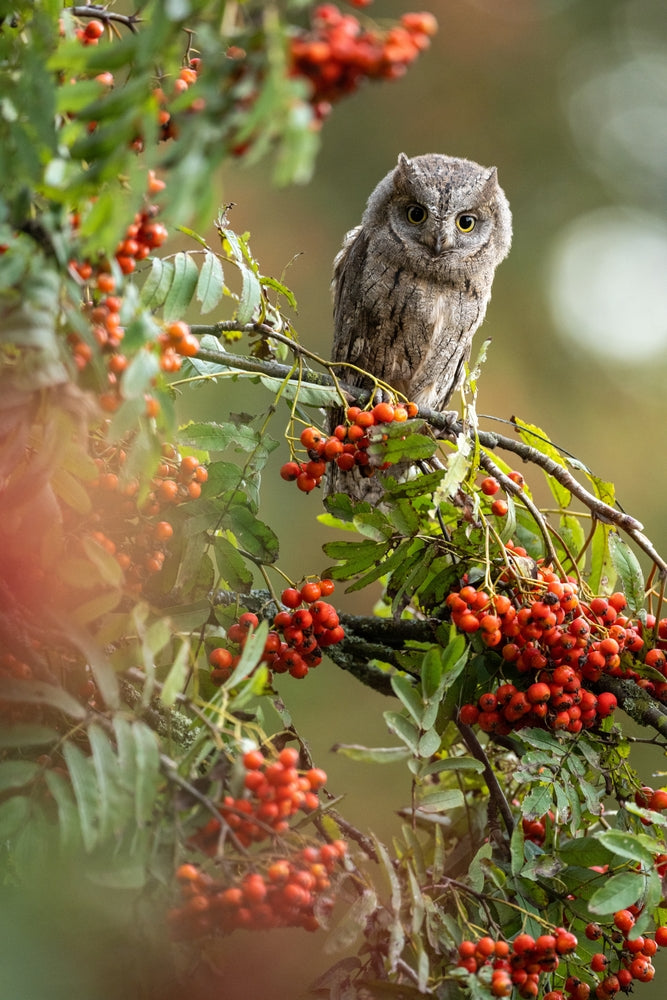
Rowan 'Autumn Spire' is a deciduous tree with a distinctly upright, narrow habit and a feathered form, retaining its lateral branches from ground level to create a dense, uniform outline. The foliage consists of slender, pinnate leaves divided into narrow leaflets with a fine, fern-like texture, emerging fresh green in spring before turning rich shades of red, orange and purple in autumn. Clusters of creamy-white flowers appear in late spring, providing an attractive display against the foliage, followed by bunches of orange-red berries that persist into autumn and winter. The berries are a valuable food source for birds, particularly thrushes and waxwings, while the flowers attract pollinating insects, making this tree a useful addition for wildlife-friendly gardens. Its compact, columnar growth habit makes it particularly suitable for smaller gardens, narrow borders or avenue planting where space is limited but vertical interest is desired. This rowan is tolerant of a range of soil types, including clay and loamy soils, and performs well in exposed or coastal locations due to its resilience to wind. It is also suited to urban planting schemes, tolerating pollution and a variety of challenging growing conditions.
{
Alpine.store('xUpdateVariantQuanity').updateQuantity('template--24215847600506__main', '/products/prunus-lusitanica-angustifolia-portugeuse-laurel-clear-stem-180cm-height-220-240cm-girth-10-12cm-25lt?_pos=417&_sid=3471ddafa&_ss=r');
});">
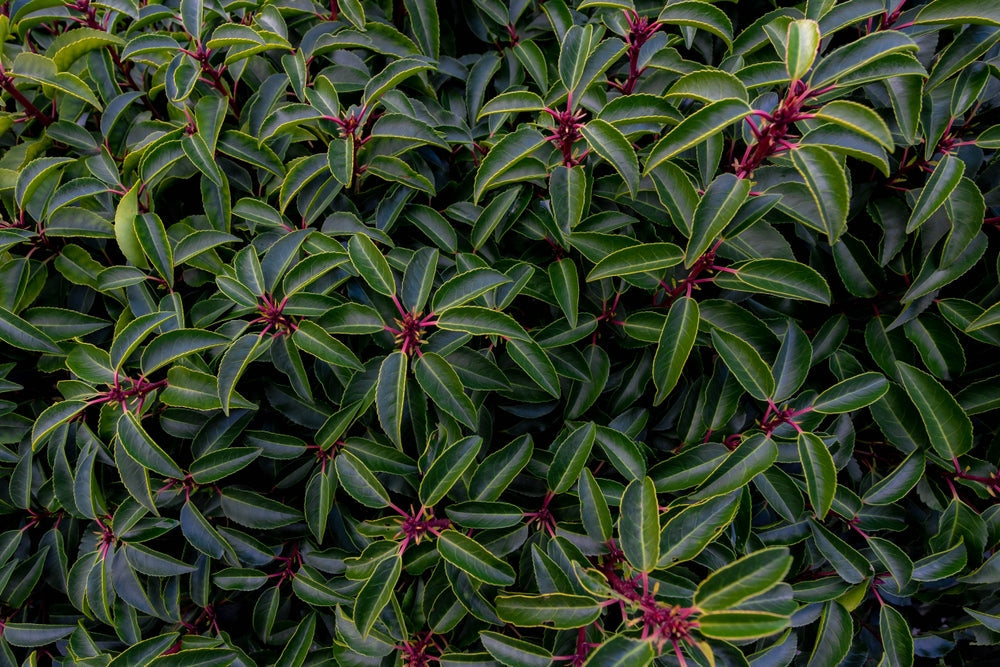
Portuguese Laurel Angustifolia is an evergreen tree with narrow, dark green leaves that have a distinctive reddish tinge on the stems and leaf margins, giving it a more refined appearance than the species type. Trained as a full standard, it develops a neat, rounded head of dense foliage on a clear stem, making it well suited to formal planting schemes, avenues or as a specimen tree. The foliage remains attractive throughout the year, providing consistent structure and colour in the garden during all seasons.
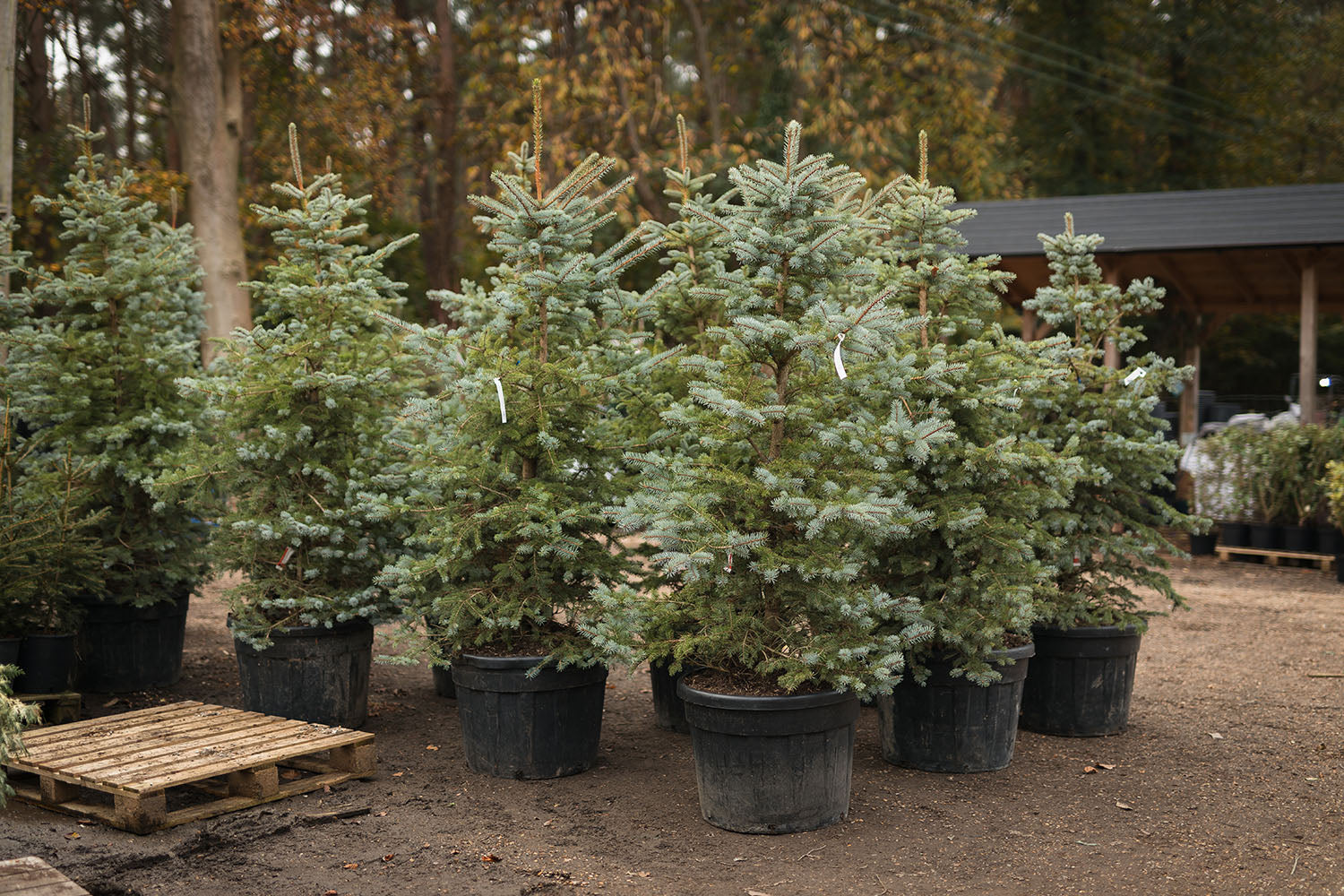
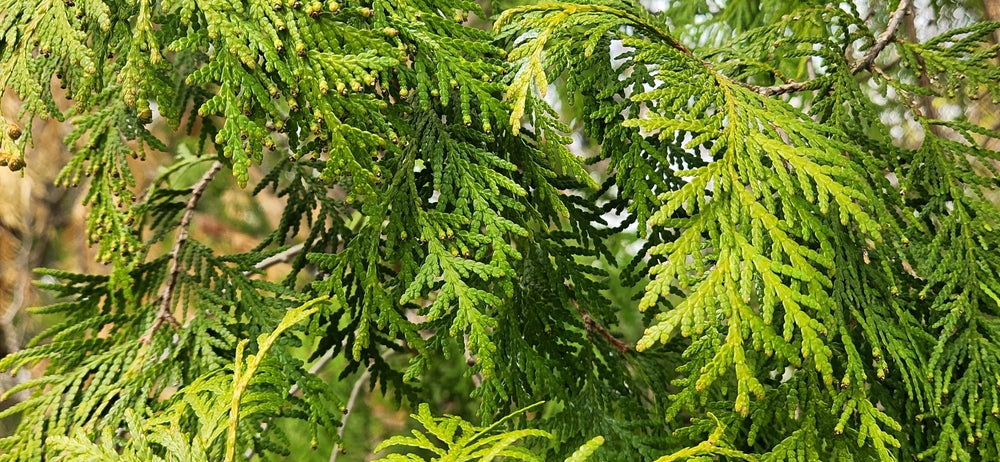
In late spring and early summer, the tree produces slender, upright racemes of small, creamy-white, fragrant flowers that stand out against the dark foliage. These are followed by small dark purple to black berries in autumn. The flowers attract pollinating insects such as bees, while the berries provide a food source for birds later in the year, offering some wildlife value.
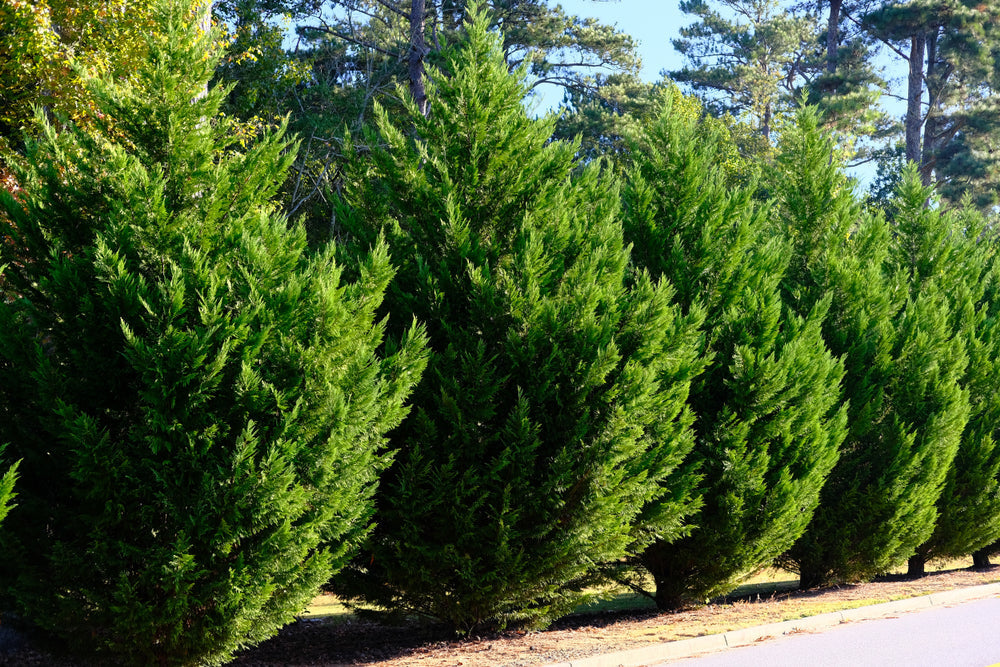
This variety is tolerant of a range of soil types, including clay, and copes well with exposure to wind, making it a suitable choice for coastal gardens. It also tolerates partial shade, adding to its versatility as a specimen tree for a variety of garden settings.
{
Alpine.store('xUpdateVariantQuanity').updateQuantity('template--24215847600506__main', '/products/carpinus-betulus-fastigiata-ball-common-hornbeam-450cm-130lt?_pos=418&_sid=3471ddafa&_ss=r');
});">
Carpinus betulus 'Fastigiata', commonly known as the Upright Hornbeam, is a deciduous tree grown here as a full standard. It produces mid-green, ovate leaves with a distinctive ribbed texture and serrated edges throughout spring and summer, turning yellow to orange in autumn. Many leaves remain on the branches through winter, providing a degree of structural interest even after the display of autumn colour has faded.
This cultivar is particularly valued for its dense, upright, and narrowly conical growth habit, forming a neat, uniform shape that makes it a popular choice where a formal, architectural form is required. The compact branching structure gives it a tidy appearance all year round.
In spring, small, inconspicuous catkins appear, followed by clusters of papery, winged fruits known as nutlets, which develop through summer and into autumn. These seeds provide a food source for birds, while the dense branching offers shelter and nesting opportunities for various bird species. The tree also supports a range of insect life, contributing to local biodiversity.
The Upright Hornbeam is tolerant of a wide range of soil types, including clay and chalky soils, and copes well with both sun and partial shade. It is also resistant to pollution, making it a suitable choice for urban gardens and exposed sites.
Oleaster | Elaeagnus x ebbingei - Height 140-180cm Width 100-140cm - 45lt
40000
£400.00
Unit price perOleaster | Elaeagnus x ebbingei - Height 140-180cm Width 100-140cm - 45lt
40000
£400.00
Unit price per {
Alpine.store('xUpdateVariantQuanity').updateQuantity('template--24215847600506__main', '/products/elaeagnus-ebbingei-ebbings-silverberry-metal-frame-90-100cm-45lt?_pos=419&_sid=3471ddafa&_ss=r');
});">
Elaeagnus x ebbingei, commonly known as oleaster, is an evergreen tree, here trained into a pleached form to create instant screening or height on clear stems. The foliage is a notable feature, with oval leaves that are glossy dark green on top and silvery underneath, giving a distinctive two-tone shimmer as they move in the breeze. The dense, bushy growth habit makes it particularly effective for pleaching, forming a clean block of foliage on a lollipop-style stem that provides privacy without taking up excessive ground space.
In autumn, small, inconspicuous but highly fragrant creamy-white flowers appear, hidden among the leaves. Though easily overlooked visually, their sweet scent carries well and can perfume an entire garden area during this period. These are followed in spring by small oval fruits that ripen to an orange-red colour.
This pleached oleaster is a good choice for coastal gardens, being tolerant of salt-laden winds, and it also copes well with exposed or windy sites. It adapts to a wide range of soil types, including clay, and tolerates both sun and partial shade, making it a versatile option for structured screening or boundary planting in a formal or contemporary garden setting.
Chinese redbud 'Avondale' | Cercis chinensis Avondale - Feathered - Height 140-180cm Width 40-50cm - 12lt
18200
£182.00
Unit price perChinese redbud 'Avondale' | Cercis chinensis Avondale - Feathered - Height 140-180cm Width 40-50cm - 12lt
18200
£182.00
Unit price per {
Alpine.store('xUpdateVariantQuanity').updateQuantity('template--24215847600506__main', '/products/cercis-chinensis-avondale-1-2-std-150-200cm-10lt?_pos=420&_sid=3471ddafa&_ss=r');
});">
Cercis chinensis 'Avondale', commonly known as Chinese Redbud, is a deciduous feathered tree valued for its compact, bushy structure and dense habit. In spring, before the leaves emerge, the bare branches become smothered in clusters of small, pea-like, deep rosy-purple flowers that cover the entire length of the stems, creating a striking and vivid display. This flowering typically occurs in April and May.
Once flowering finishes, heart-shaped, glossy green leaves unfurl, providing a lush, rounded canopy through the summer months. In autumn, the foliage often turns to shades of yellow before falling, adding a further point of seasonal interest.
The flowers are attractive to bees and other pollinating insects in spring, offering an early source of nectar when little else may be in bloom, making it a useful addition for gardens aiming to support local wildlife and pollinator populations.
This tree is well suited to a sheltered, sunny position and performs best in moist, well-drained, fertile soil. Its compact size and dense branching make it ideal for smaller gardens, as a specimen tree, or planted where its spring flowering display can be fully appreciated at close proximity, such as near a patio, pathway or seating area.