

-
Trees
Trees
 Fruit Trees
 Ornamental
 Screening
 Palms
By FeaturesBy Shape
Palms
By FeaturesBy Shape -
Shrubs
Shrubs
 Large shrubs
 Hedging
 Bamboo
 Climbers
 Flowering
 Grasses & Ferns
 Popular
-
Pines & Conifers
Pines & Conifers
 Pines
Pines
 Spruce & Fir
 Cypress
 Thuja
Thuja
 Redwood | Sequoia
-
Specimen
FREE DELIVERY OVER £350
Search results
Search results


Ginkgo biloba | Maidenhair Tree - Bushy - Height 110-125cm - 12lt
£83.00
Unit price perGinkgo biloba | Maidenhair Tree - Bushy - Height 110-125cm - 12lt
£83.00
Unit price perGinkgo biloba is known as a “living fossil”, one of the oldest tree species. It’s a large, long-lived, coniferous, deciduous tree with deeply grooved, grey-brown bark and thick, fan-shaped, bi-lobed, green leaves that turn yellow in autumn. Ginkgo has either male catkins or female single flowers on long stems. Female plants bear unpleasantly scented plum-like fruits, which are actually hard seeds with silvery yellow seed coats.
Ginkgo biloba grows in a wide variety of soils, except too wet and waterlogged, but prefers average, medium moisture, sandy, well-drained soils, in full sun. Once established, it is tolerant of heat, salt, and urban pollution. Generally, disease-free and pest-free. Ginkgo biloba is a perfect specimen plant for large gardens. Great as a shade tree, lawn tree, or planted in espaliers. Very good for streets and parks. Slower-growing varieties are suitable for growing in containers. While young, the crown can be trimmed and trained as desired.


Matteuccia struthiopteris | Shuttlecock or Ostrich Fern - 15-25cm - 3lt
£17.00
Unit price perMatteuccia struthiopteris | Shuttlecock or Ostrich Fern - 15-25cm - 3lt
£17.00
Unit price perMatteuccia struthiopteris, commonly known as the ostrich or shuttlecock fern, is a striking perennial fern native to temperate regions across the Northern Hemisphere. This plant is renowned for its large, graceful fronds that bear a resemblance to the elegant feathers of an ostrich or shuttlecock, hence the name.
This fern typically grows in moist, well-drained soils and thrives in partial to full shade, making it an ideal plant for woodland gardens or shaded borders. It can reach a height of up to 1.5 metres (5 feet) and spreads through underground rhizomes, forming dense colonies over time. The plant's fronds are of two types: the sterile fronds, which are the showy, arching fronds that give the fern its name, and the fertile fronds, which are shorter, erect, and appear in the centre of the plant.
In spring, the young fronds, known as fiddleheads, emerge as tightly coiled spirals. These fiddleheads are not only a visual delight but are also edible. In some cultures, they are harvested and consumed as a delicacy, often compared to asparagus in flavour. However, care should be taken to properly identify and prepare them, as not all fern species are safe to eat.
Matteuccia struthiopteris is relatively low-maintenance once established. It is hardy and can withstand temperatures down to -20°C, making it suitable for various climates across the UK. Regular watering, especially during dry periods, and mulching to retain soil moisture are recommended to keep the plant thriving. Pruning is generally not necessary, though old fronds can be removed to maintain a tidy appearance.
Overall, this fern is a versatile and attractive plant that adds a lush, tropical feel to gardens. Its majestic fronds and adaptability make it a popular choice among gardeners and landscapers alike.


Ilex Aquifolium 'Argentea Marginata' | Silver-Margined Holly - 140-180cm, 10lt
£76.00
Unit price perIlex Aquifolium 'Argentea Marginata' | Silver-Margined Holly - 140-180cm, 10lt
£76.00
Unit price per


Prunus Subhirtella Autumnalis - Shrub Height 220-250cm - 60lt
£600.00
Unit price perPrunus Subhirtella Autumnalis - Shrub Height 220-250cm - 60lt
£600.00
Unit price perPrunus subhirtella ‘Autumnalis’ is an elegant ornamental flowering cherry highly valued for extending seasonal interest in the garden. This small deciduous tree or large shrub produces delicate semi-double pale pink to white blossoms intermittently from late autumn through mild winter periods and into early spring, bringing welcome colour when little else is flowering. Its graceful branching structure and light green foliage, which turns warm yellow and bronze in autumn, add further ornamental appeal.
Ideal for medium and larger gardens, it suits lawns, cottage gardens, wildlife-friendly planting schemes, and Japanese-inspired landscapes. Its relatively compact habit makes it suitable for urban gardens where space is limited compared with larger cherry varieties. Best planted in fertile, moist but well-drained soil, it thrives in full sun or light partial shade and benefits from a sheltered position protected from harsh winds.
Prunus subhirtella ‘Autumnalis’ also attracts early pollinators during mild winter spells, making it valuable for biodiversity. Its graceful form and unusual flowering season create a striking focal point throughout the colder months.


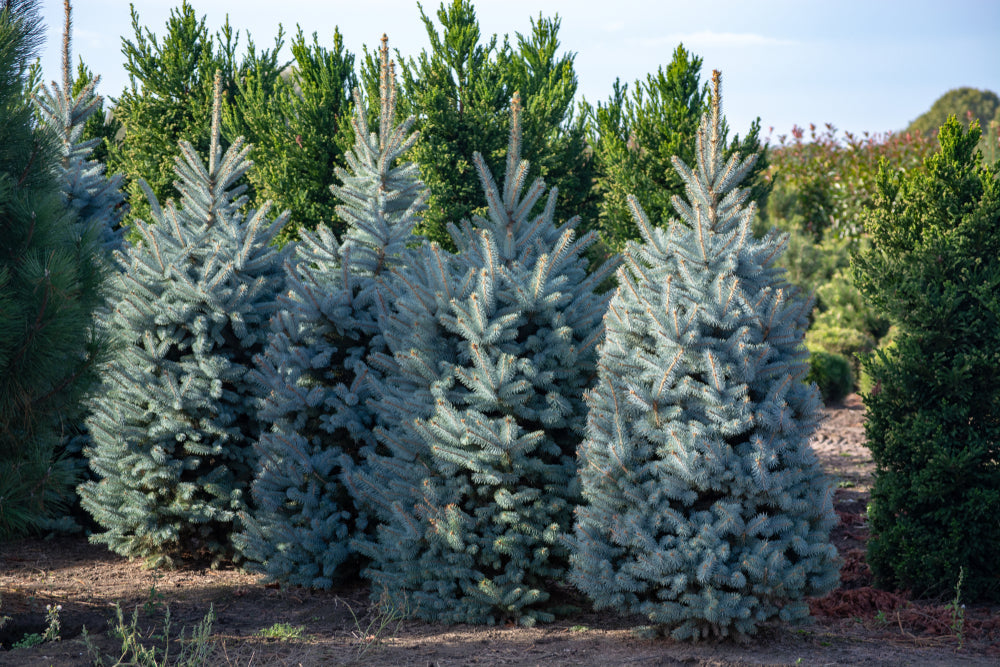
Picea pungens | Colorado Blue Spruce - Height 180-220cm - 110lt
£480.00
Unit price perPicea pungens | Colorado Blue Spruce - Height 180-220cm - 110lt
£480.00
Unit price per


Acer Platanoides 'Drummondii' | Norway Maple 1/2 std Clear Stem - 150-180cm, 10lt
£358.00
Unit price perAcer Platanoides 'Drummondii' | Norway Maple 1/2 std Clear Stem - 150-180cm, 10lt
£358.00
Unit price per


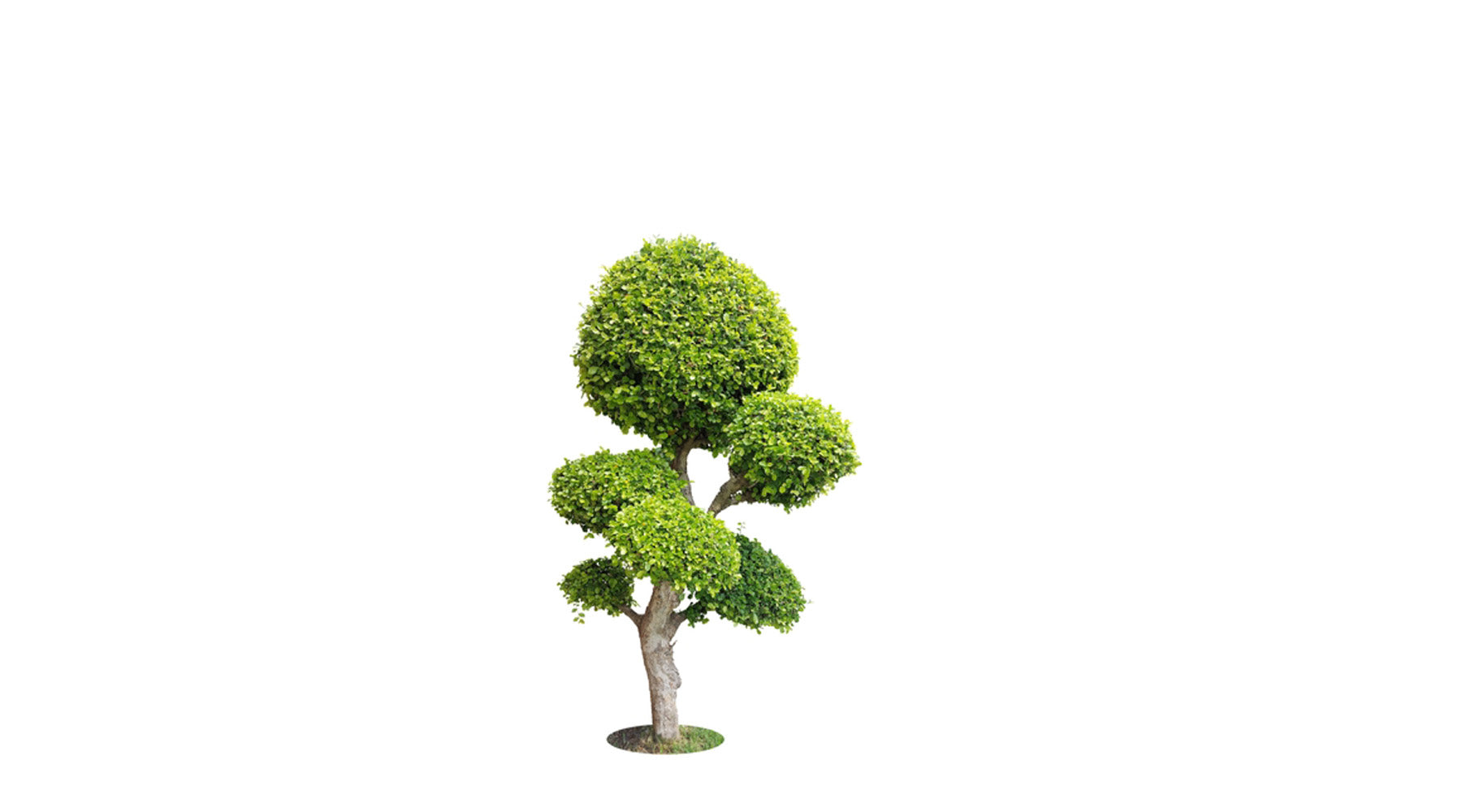
Ilex crenata Green Glory| Japanese Holly - Bonsai - Height 200-210cm - 70lt
£1,375.00
Unit price perIlex crenata Green Glory| Japanese Holly - Bonsai - Height 200-210cm - 70lt
£1,375.00
Unit price per


Cotoneaster x watereri - Clear Stem - Height 270-320cm - 30lt
£193.00
Unit price perCotoneaster x watereri - Clear Stem - Height 270-320cm - 30lt
£193.00
Unit price perCotoneaster x watereri, often referred to as Waterer's Cotoneaster, is a popular semi evergreen versatile shrub that has become a cherished addition to many gardens and landscapes in the United Kingdom. This deciduous hybrid shrub is renowned for its attractive appearance, hardiness, and adaptability.
One of the standout features of Cotoneaster x watereri is its elegant form and foliage. It typically grows to a height of 2 to 3 meters, forming a dense and arching habit. The leaves are small, oval-shaped, and glossy green, providing a lush backdrop to its other ornamental features.
One of the most captivating aspects of this shrub is its profusion of flowers and berries. In late spring and early summer, Cotoneaster x watereri bursts into a display of delicate white or pale pink blossoms. These small, star-shaped flowers attract pollinators such as bees and butterflies, contributing to local biodiversity.
As summer progresses into autumn, the shrub transitions into another phase of beauty. It produces an abundance of small, round, and brightly colored berries, typically red or orange. These berries not only add visual interest but also serve as a valuable food source for birds during the colder months, enhancing its ecological significance.
Cotoneaster x watereri is known for its adaptability to various growing conditions. It thrives in well-drained soil and can tolerate both full sun and partial shade, making it a versatile choice for different garden settings. It is also remarkably hardy and resistant to many common pests and diseases, reducing the need for intensive maintenance.
Maintenance for this shrub is generally straightforward. Pruning can be done to shape the plant or remove dead or diseased branches, but it is often not required. Regular watering during dry spells, especially during its establishment phase, helps ensure its healthy growth.
In conclusion, Cotoneaster x watereri, or Waterer's Cotoneaster, is a cherished shrub in the UK that offers year-round appeal. Its graceful form, glossy foliage, profuse blossoms, and colourful berries make it a versatile and visually pleasing addition to gardens and landscapes. Whether used as a specimen plant, a hedge, or ground cover, this adaptable shrub adds beauty and ecological value to outdoor spaces in the United Kingdom.


Laburnum x watereri 'Vossii' | Golden Chain Tree -Shrub - Height 90-120cm - 20lt
£105.00
Unit price perLaburnum x watereri 'Vossii' | Golden Chain Tree -Shrub - Height 90-120cm - 20lt
£105.00
Unit price perLaburnum x watereri 'Vossii' is a cultivar of Laburnum x watereri and the best known Laburnum. It’s an attractive, large, deciduous shrub or small tree of bushy, spreading, capricious growing habit, vase-shaped crown, and glossy, deep-green leaves. Spectacular, long, dropping clusters of slightly scented, pea-like, golden yellow flowers bloom in spring, and are followed by attractive bean-like pods.
Laburnum x watereri 'Vossii' thrives in rich, fertile, medium moisture, well-drained soils. It likes full sun, but in hot areas, it appreciates some afternoon shade. It doesn’t like heat and humidity, but is tolerant of frost, winds, urban conditions, and de-icing salt. Its roots can sometimes be badly anchored. A very tough and hardy plant. All parts of the palnt are toxic to humans and animals. This stunning shrub with its rich, dense, golden yellow flower clusters resembling golden chains, is great as a specimen plant, but can also be trained for arbours and pergolas.


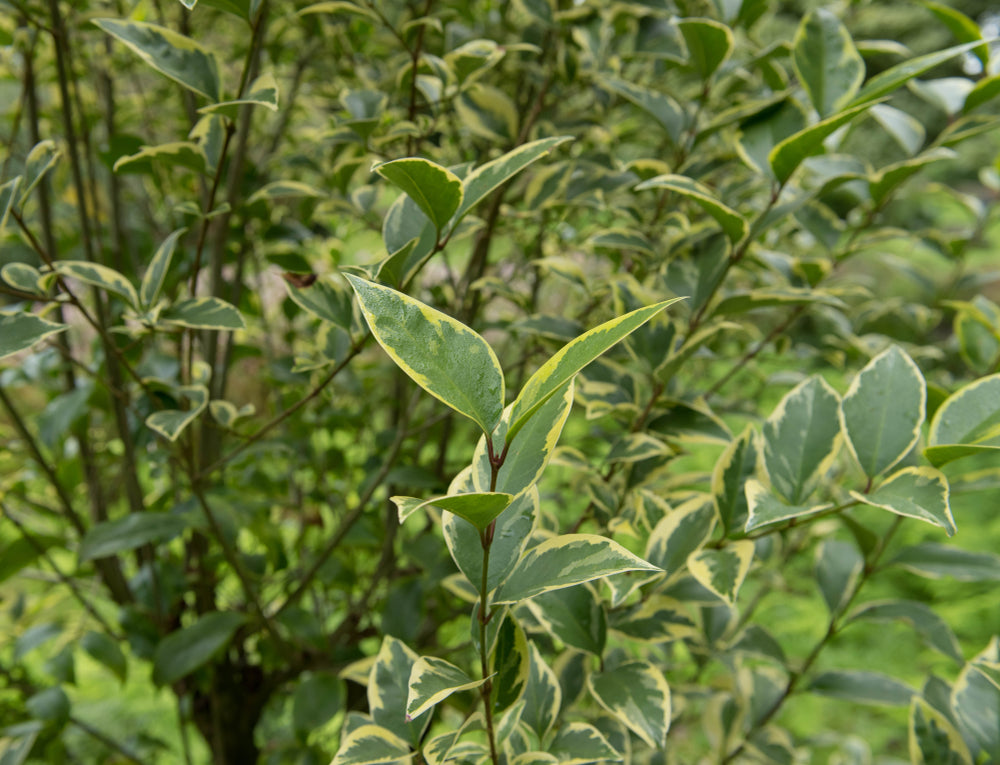
Ligustrum japonicum ‘Aureum’, commonly known as Golden Privet, is a striking evergreen shrub valued for its vibrant, year-round display. Its glossy green leaves are beautifully edged with golden-yellow, creating a luminous contrast that instantly brightens borders, hedges, and mixed planting schemes. Dense and bushy in habit, it offers both ornamental appeal and practical use as a screening or boundary plant.
This versatile shrub is easy to grow and maintain, thriving in most well-drained soils and tolerating both full sun and partial shade. Its resilience makes it suitable for urban gardens as well as more traditional landscapes. In summer, clusters of small white flowers may appear, attracting pollinators and adding seasonal interest.
Whether planted as a neat clipped hedge or left to develop naturally, Ligustrum japonicum ‘Aureum’ delivers long-lasting structure, color, and texture. A reliable choice for gardeners seeking low-maintenance beauty with year-round impact.
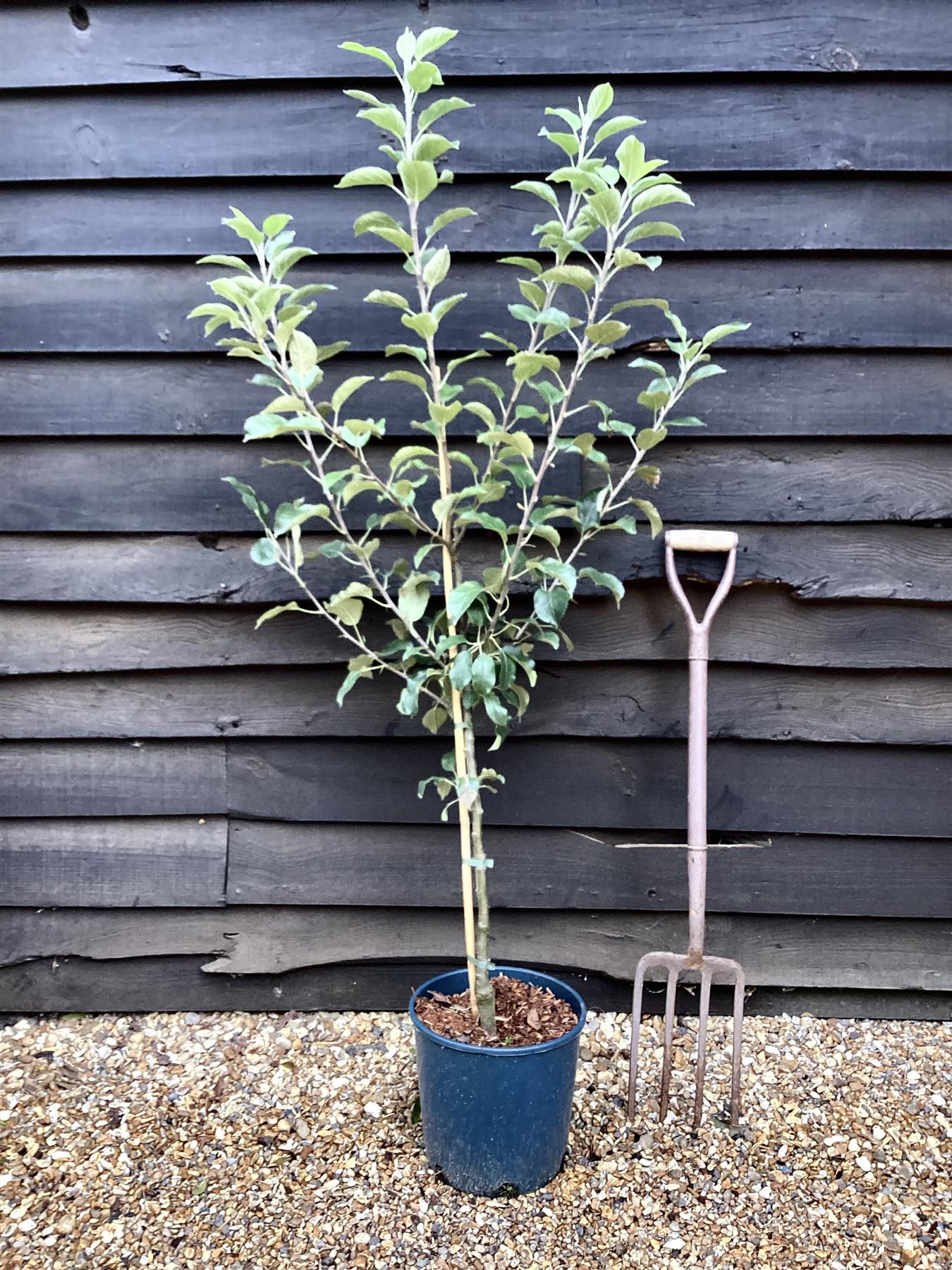

Apple tree 'Egremont Russet' | Malus domestica - M26 - Semi-Dwarfing - 120-140cm - 12lt
£86.00
Unit price perApple tree 'Egremont Russet' | Malus domestica - M26 - Semi-Dwarfing - 120-140cm - 12lt
£86.00
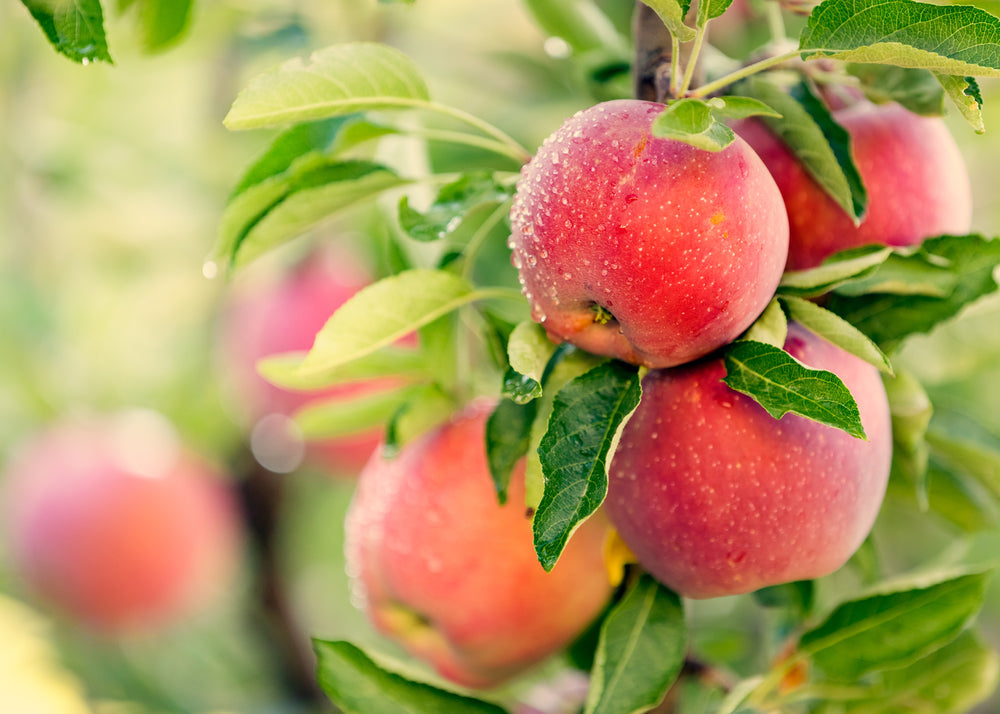
Unit price perMalus domestica 'Egremont Russet' is a deciduous, apple tree with ovate, green leaves, and fragrant, pale pink flowers blooming in late spring and summer. Rough-skinned, dull yellow, flushed red, apples with crisp, firm flesh and sweet, nutty flavour are ready for harvesting in October and can be stored until December. Malus domestica 'Egremont Russet' grows best in neutral, moderately fertile, consistently moist, but well-drained soils. It thrives in full sun and best crop is achieved in full sun, but it is tolerant of partial shade. It grows best in areas with cold winter and moderate summer temperatures, and medium to high humidity. Needs to be sheltered form harsh winter winds. Requires regular pruning and may need fruit thinning. Pollination group 2. 'Egremont Russet' Apple is a nice addition to any informal, cottage, and urban garden. It is mostly grown for its delicious fruit with characteristic nutty flavour. It produces good, regular crops. Suitable for growing in containers.
M26 is a semi-dwarfing rootstock (smaller than MM106) used for apple trees, particularly in orchards and home gardens. It produces trees 10-12 feet in height, making them easier to manage and harvest. M26 ensures early fruit production, good anchorage, and medium vigor. However, it requires staking during early years and is moderately susceptible to fire blight.


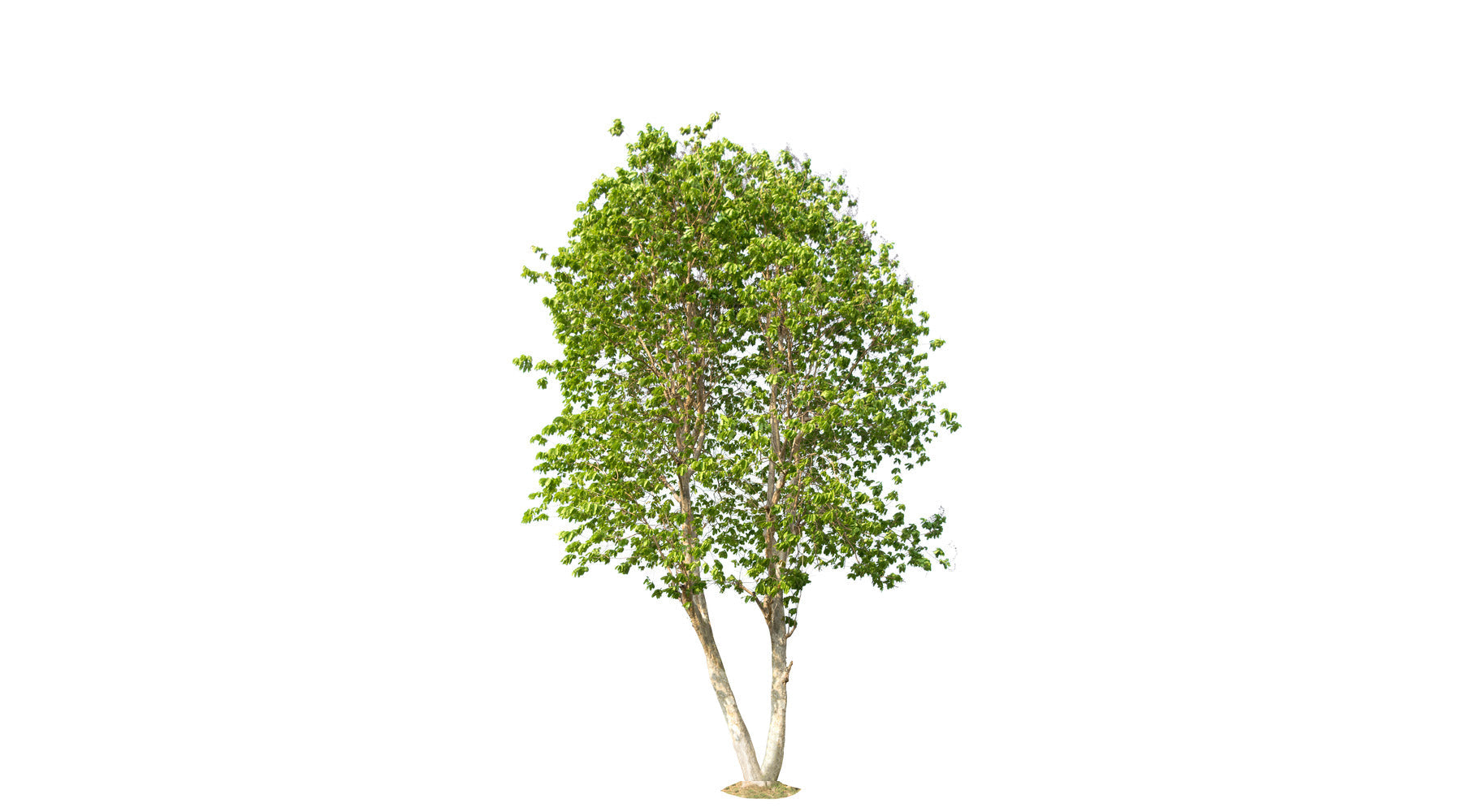
Betula Pendula | European White Birch - Height 180-280cm - 12lt
£96.00
Unit price perBetula Pendula | European White Birch - Height 180-280cm - 12lt
£96.00
Unit price per


Cotoneaster 'horizontalis' - Height 10-20cm Width - 15-50cm - 3lt
£16.00
Unit price perCotoneaster 'horizontalis' - Height 10-20cm Width - 15-50cm - 3lt
£16.00
Unit price perCotoneaster horizontalis, commonly known as rock cotoneaster or wall spray, is a species of flowering plant in the Rosaceae family. Native to parts of western China, it has become a popular choice in gardens and landscapes due to its hardiness and distinctive appearance.
This deciduous shrub grows in a herringbone pattern, with branches that spread horizontally, forming a low, dense, and attractive ground cover. Typically reaching heights of 0.5-1 metre and spreading up to 2 metres, Cotoneaster horizontalis is well-suited for rockeries, slopes, and as a ground cover for larger garden areas.
Note: Due to vigorous growth of the plant in the first year, its size may vary from 15 cm to 50 cm in width, depending on the season (it generally reaches around 50 cm towards autumn).
The small, glossy, oval-shaped leaves of Cotoneaster horizontalis turn a striking red or purple in the autumn, adding vibrant colour to the garden. In late spring to early summer, the plant produces tiny pinkish-white flowers. Though not particularly showy, these flowers are a valuable source of nectar for pollinators such as bees. By late summer to autumn, the flowers give way to small, bright red berries that persist into winter. These berries are not only visually appealing but also provide food for birds, contributing to local biodiversity.
Cotoneaster horizontalis is known for its adaptability and resilience. It can thrive in various soil types, including poor, dry, and alkaline soils. It prefers full sun but can tolerate partial shade. Additionally, it is relatively low-maintenance, requiring minimal pruning. However, it is advisable to trim back any excessively long or untidy branches to maintain its shape and encourage denser growth.
One concern with Cotoneaster horizontalis is its potential invasiveness. In some regions, it can spread beyond garden boundaries, particularly in areas with mild climates. As a result, gardeners should monitor its growth and manage its spread to prevent it from becoming a nuisance.
Overall, Cotoneaster horizontalis is a versatile and attractive plant, offering year-round interest with its foliage, flowers, and berries. It is an excellent choice for gardeners looking to add texture and colour to their landscapes.


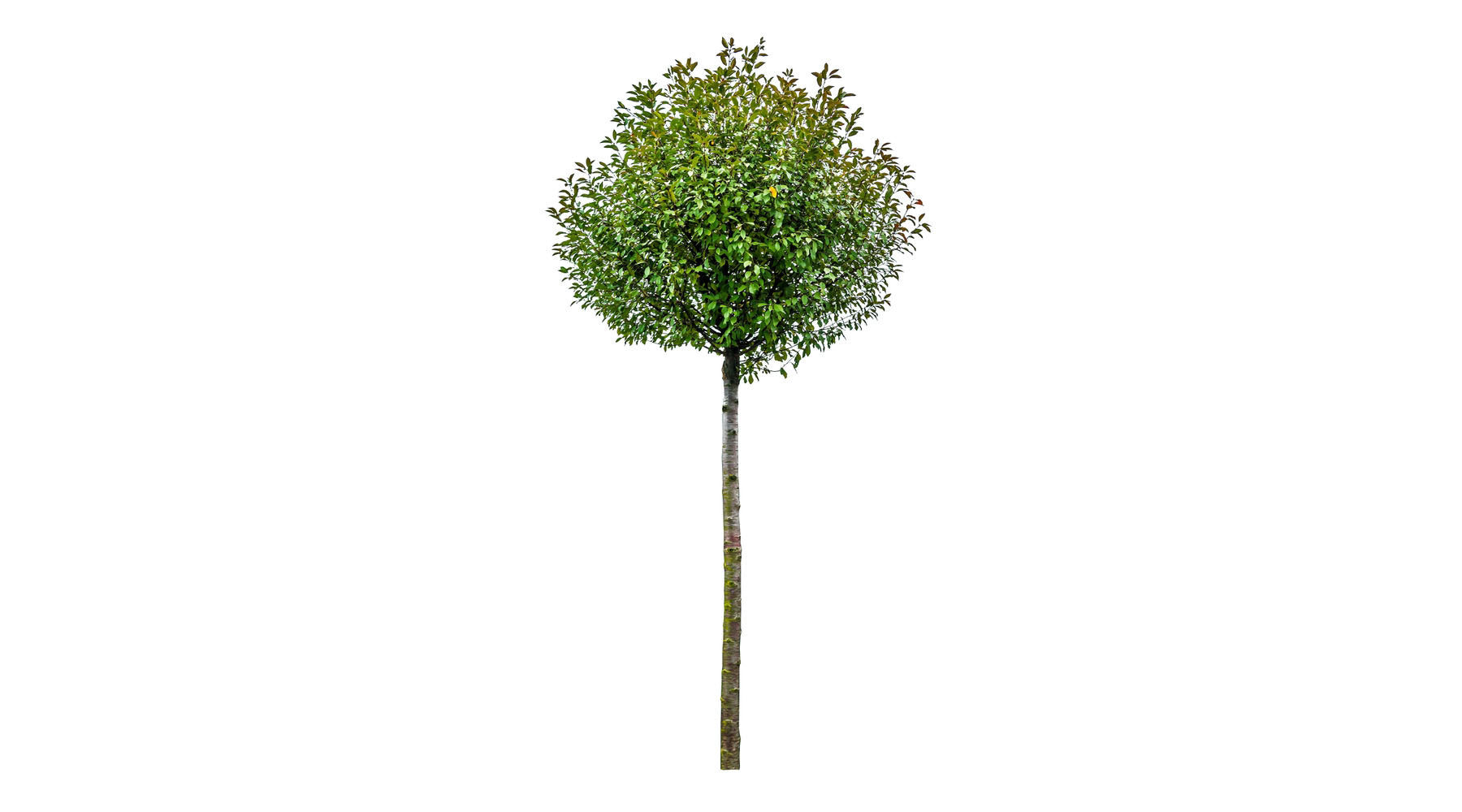
Photinia Red Robin - Standard screening tree -Clear Stem 180-190cm - Height 300-320cm - Girth 10-12cm - 90lt
£545.00
Unit price perPhotinia Red Robin - Standard screening tree -Clear Stem 180-190cm - Height 300-320cm - Girth 10-12cm - 90lt
£545.00
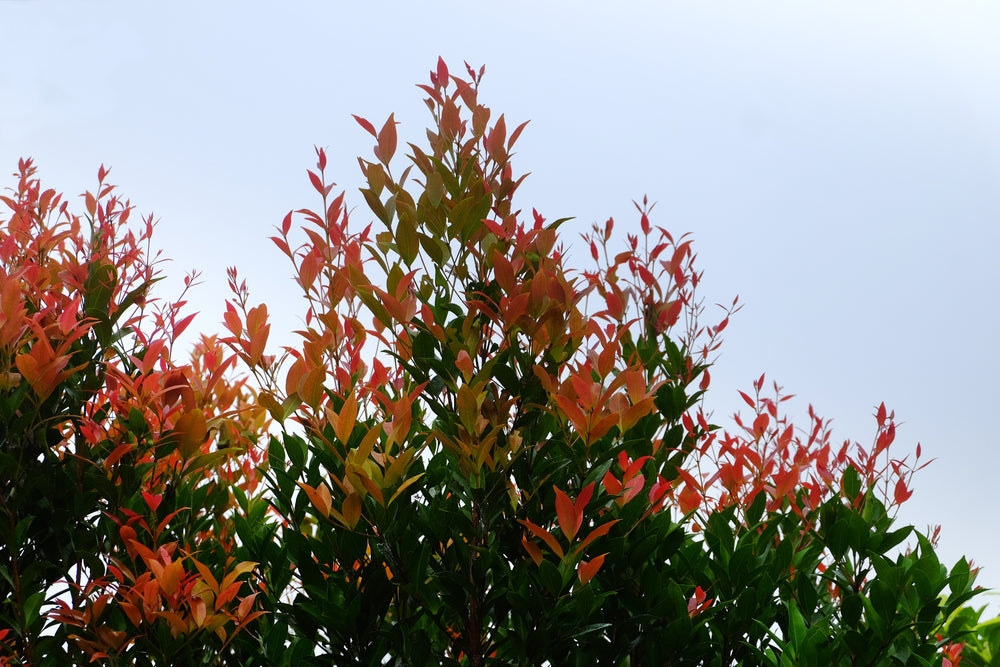
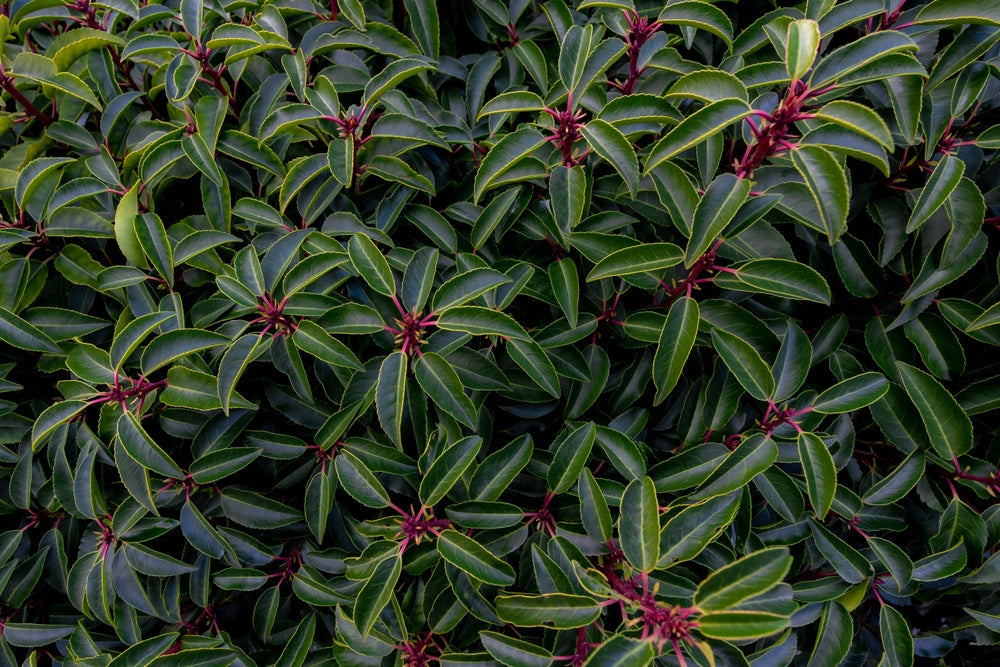
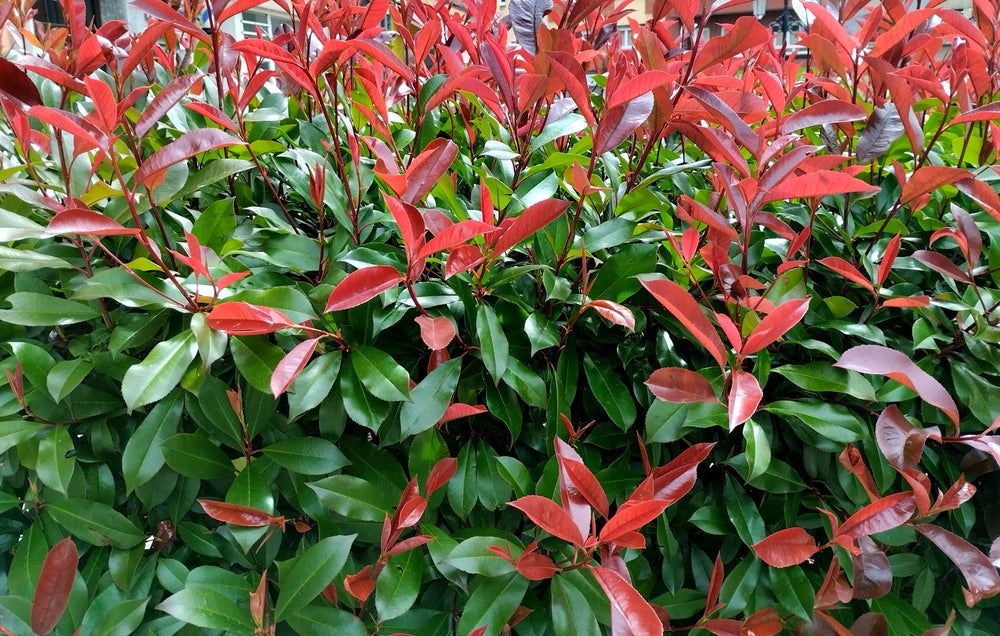
Unit price perPhotinia fraseri ‘Red Robin’ grown as a standard tree is an excellent choice for gardens seeking year-round structure, vibrant colour, and a smart formal appearance. Raised on a clear stem with a rounded head of evergreen foliage, it creates an elegant focal point for entrances, patios, driveways, terraces, and borders. Its most striking feature is the flush of brilliant red young leaves that appear in spring and again after trimming, gradually maturing to glossy dark green.
This attractive contrast of red and green provides long-lasting seasonal interest, while clusters of small creamy-white flowers may appear in late spring on established specimens. The neat tree form makes it especially useful where ground space is limited, allowing underplanting beneath the canopy or placement in pairs for symmetry.
Photinia ‘Red Robin’ thrives in full sun or partial shade and prefers fertile, well-drained soil. It is hardy and tolerant of urban conditions, coastal air, and routine pruning, making it highly adaptable for many garden settings. Light trimming after new growth helps maintain a dense crown and encourages further red foliage displays.
Ideal for contemporary, formal, or traditional gardens, this standard tree offers colour, privacy screening at height, and dependable evergreen presence. It is a stylish, low-maintenance option that adds instant maturity and strong visual impact.


Malus 'Evereste' | Crab Apple Tree, Clear Stem - Height 160-200cm - 10lt
£88.00
Unit price perMalus 'Evereste' | Crab Apple Tree, Clear Stem - Height 160-200cm - 10lt
£88.00
Unit price per


Olive Tree |Olea Europea - Clear Stem 55cm - Height 120-140cm - Bowl - 40lt
£270.00
Unit price perOlive Tree |Olea Europea - Clear Stem 55cm - Height 120-140cm - Bowl - 40lt
£270.00
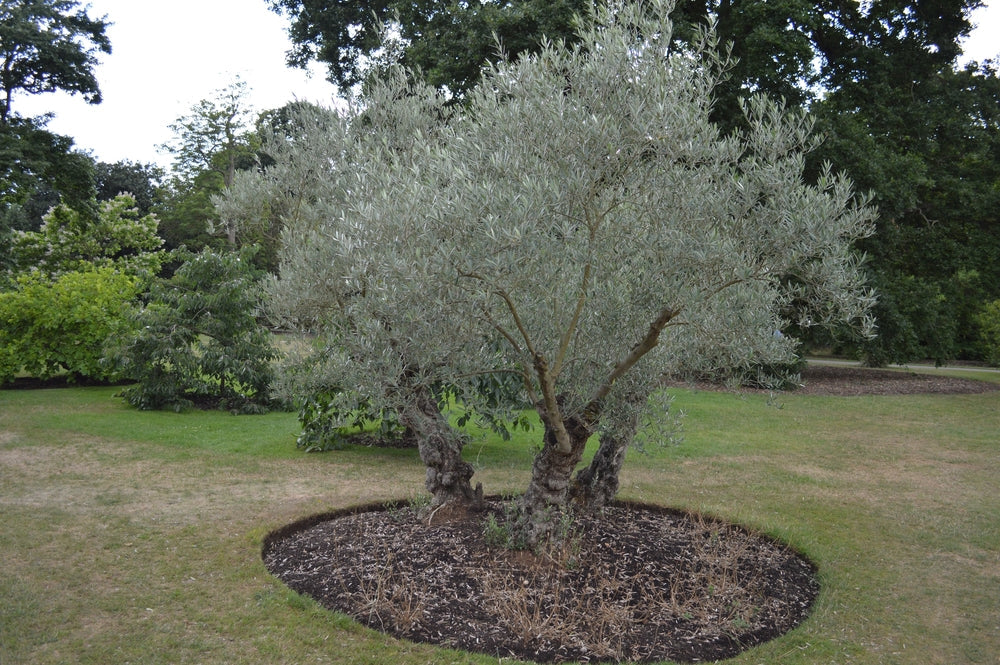
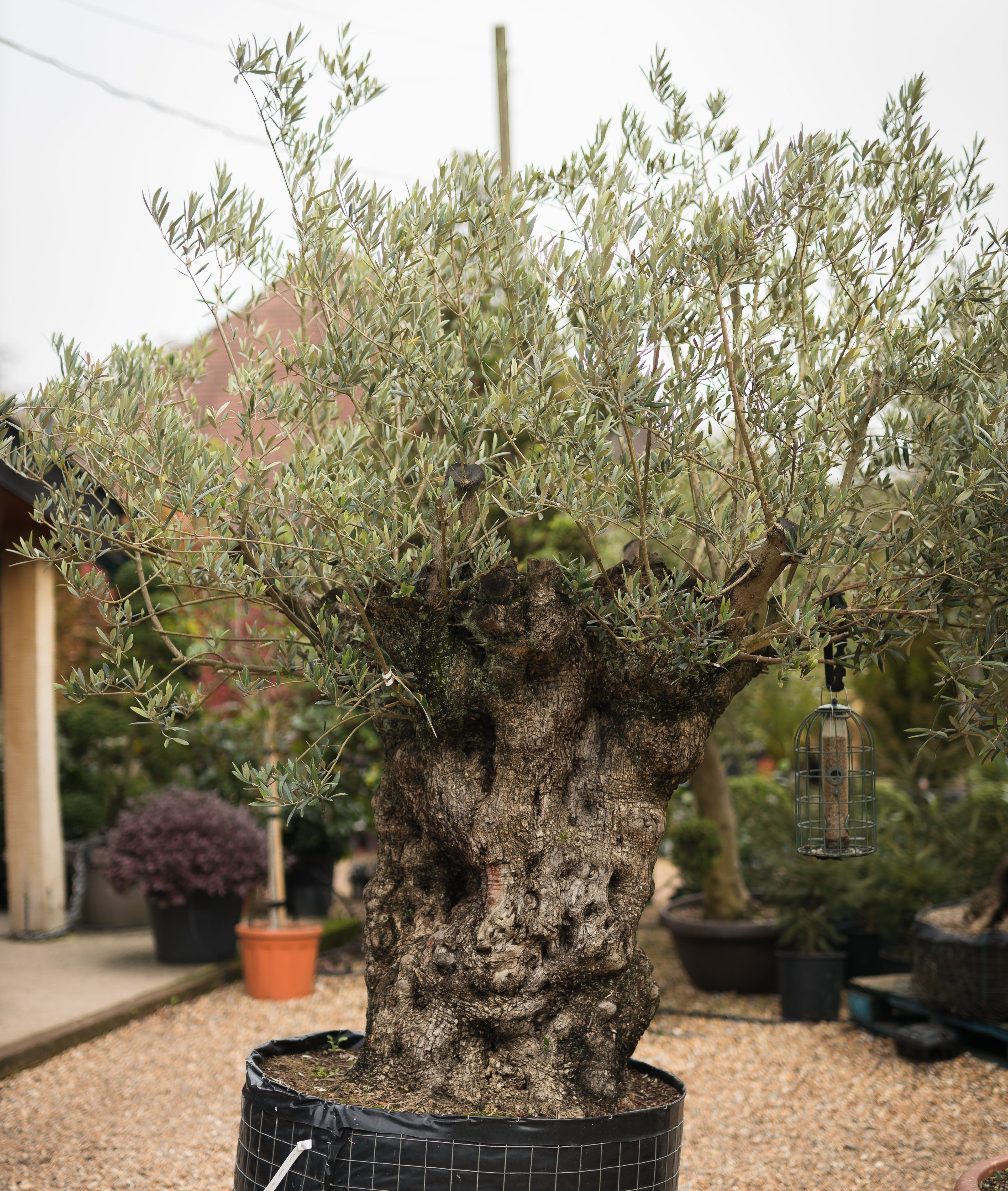
Unit price perOur standard olive trees with a straight stem, reaching approximately 3.5 meters in height, offers a striking focal point for any garden. With a clear stem of 165 cm, it provides an elegant, structured appearance, making it ideal for formal and contemporary landscapes. Its silvery-green, evergreen foliage adds year-round interest, while the dense canopy provides light shade. This variety thrives in well-drained soil and full sun, making it perfect for Mediterranean-style gardens, patios, or as a specimen tree. Drought-tolerant once established, it requires minimal maintenance and occasional pruning to maintain shape. Suitable for pots or open ground, it brings timeless beauty and structure, enhancing any outdoor space with character.


Aesculus hippocastanum | Horse Chestnut - Girth 8-10cm - Height 230-250cm - 45lt
£410.00
Unit price perAesculus hippocastanum | Horse Chestnut - Girth 8-10cm - Height 230-250cm - 45lt
£410.00
Unit price perThe Aesculus hippocastanum, commonly known as the horse chestnut, is a deciduous tree native to the Balkan Peninsula in Southeast Europe. This majestic tree, widely cultivated throughout the UK, is celebrated for its striking appearance and historical significance.
Horse chestnuts can grow up to 30 meters tall, boasting a broad, rounded canopy that provides ample shade. The bark is greyish-brown, developing scaly plates with age. Its leaves are large and palmately compound, typically composed of five to seven leaflets radiating from a central point, resembling an open hand.
In spring, the horse chestnut produces magnificent conical flower clusters, known as inflorescences or 'candles'. These are composed of numerous small, white flowers with red or yellow blotches at the base of the petals. The flowers are hermaphroditic, containing both male and female reproductive organs, and are highly attractive to pollinators, particularly bees.
The tree's fruit, commonly referred to as conkers, develop within a spiky green husk. When mature, the husks split open to reveal the shiny brown seeds inside. Conkers are a familiar sight in autumn and are traditionally used in children's games.
The Aesculus hippocastanum is a remarkable tree, known for its impressive stature, distinctive leaves, and iconic conkers, making it a beloved feature in parks, gardens, and streetscapes across the UK.


Pittosporum Tom Thumb - Shrub - Height 40-60cm - 10lt
£73.00
Unit price perPittosporum Tom Thumb - Shrub - Height 40-60cm - 10lt
£73.00
Unit price perPittosporum ‘Tom Thumb’ is a small, dense, slow-growing, evergreen shrub of dense, rounded habit, with grey to black stems, and small, leathery, wavy-margined, glossy, variegated, dark purple leaves, light green when young. Sometimes, small, inconspicuous, fragrant, white flowers bloom in late spring and early summer.
Pittosporum ‘Tom Thumb’ is easily grown in fertile, moist, well-drained soils, in full sun, but can tolerate partial shade. It can adapt to various types of soil, as long as they are well-drained. It thrives in mild climates, in sunny, sheltered positions, and is perfect for coastal areas. In colder climates, it should be grown in containers and brought inside during the winter. Low maintenance plant. Generally, pest-free.
Pittosporum ‘Tom Thumb’ is an interesting plant, ideal to be planted against a warm, south-facing wall or in shrub or mixed borders. Excellent as an accent plant in rock and gravel gardens. Great for growing in containers.


Taxus baccata Fastigiata Aurea - 80-90CM - 40lt
£66.00
Unit price perTaxus baccata Fastigiata Aurea - 80-90CM - 40lt
£66.00
Unit price per

Apple tree 'Fiesta' | Malus domestica - M26 - Semi-Dwarfing - Height 160-180cm - 12lt
£86.00
Unit price perApple tree 'Fiesta' | Malus domestica - M26 - Semi-Dwarfing - Height 160-180cm - 12lt
£86.00
Unit price perMalus domestica 'Fiesta' is a medium-sized, upright to spreading, heavy-cropping, deciduous, dessert apple tree with ovate, toothed, grey-green leaves, yellow and orange in autumn. Pale pink flowers fade to white, bloom in spring, and are followed by heavy crops of red-flushed, yellow-orange apples ready for harvesting in September. The apples are rich in flavour, juicy, sweet and crisp. Malus domestica 'Fiesta' grows best in moderately fertile, neutral, moist, well-drained soils. It prefers full sun, but can tolerate some shade. It is resistant to frost, but late frosts may damage the flower buds. Partially self-fertile, it requires another pollinator planted near-by. It needs regular pruning and thinning. Apple 'Fiesta' is a popular dessert apple. The tree is ornamental and suitable for informal, cottage, and urban gardens. It’s a reliable and heavy cropper. The apples can be eaten fresh, but are also used for culinary purposes. Since very juicy, they are perfect for making apple juice.
M26 is a semi-dwarfing rootstock (smaller than MM106) used for apple trees, particularly in orchards and home gardens. It produces trees 10-12 feet in height, making them easier to manage and harvest. M26 ensures early fruit production, good anchorage, and medium vigor. However, it requires staking during early years and is moderately susceptible to fire blight.