

-
Trees
Trees
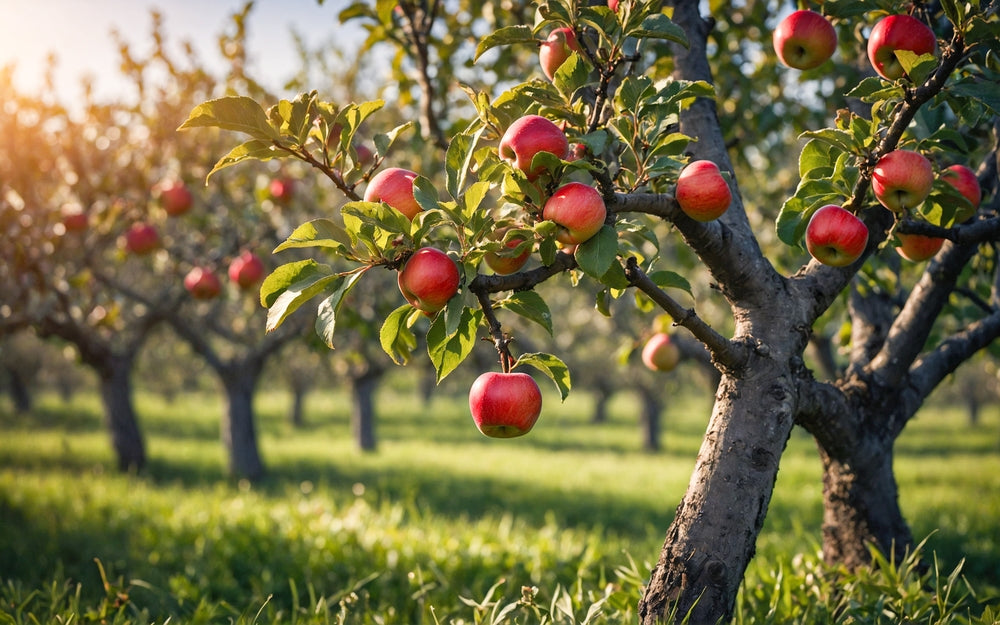 Fruit Trees
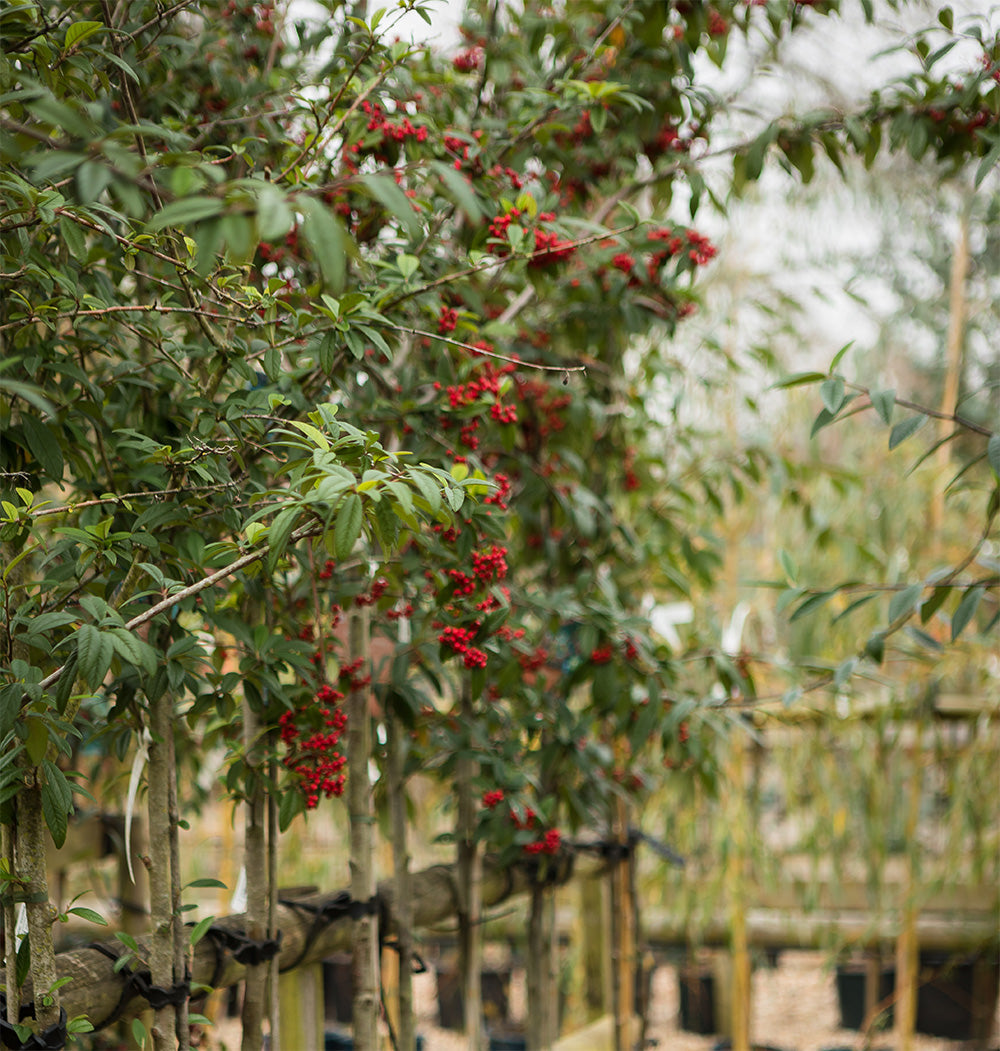 Ornamental
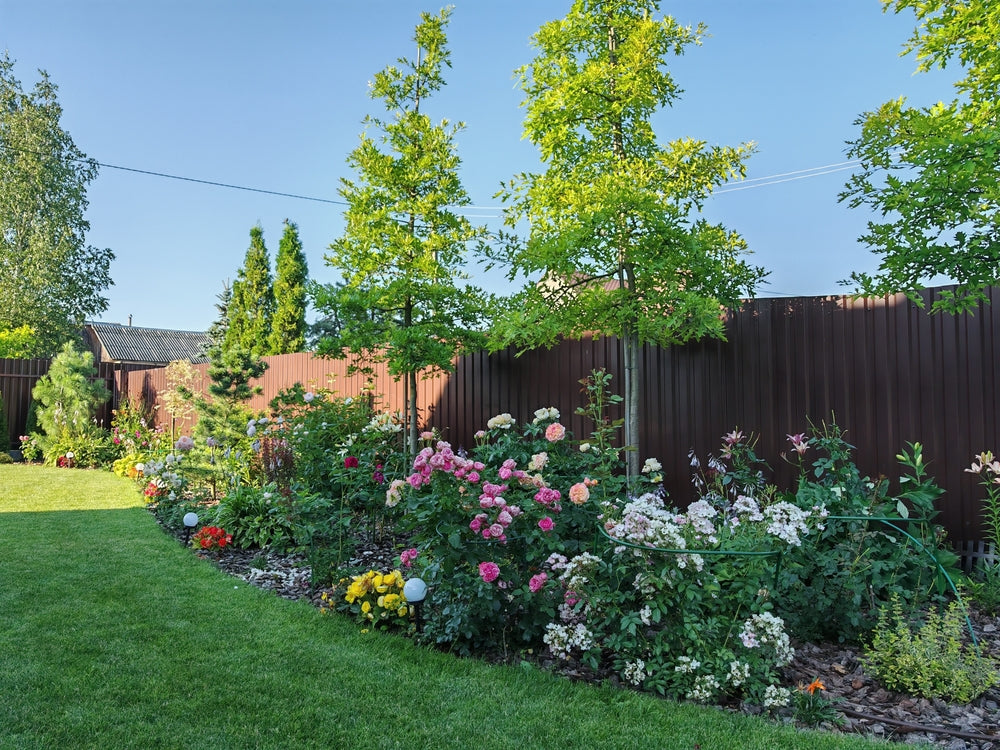 Screening
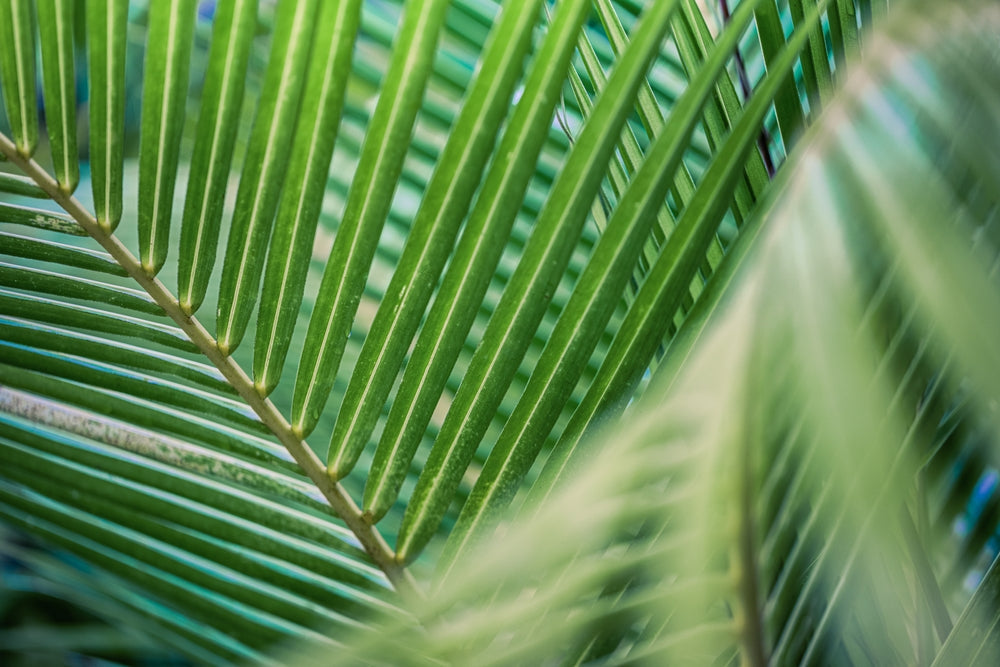 Palms
By FeaturesBy Shape
-
Shrubs
Shrubs
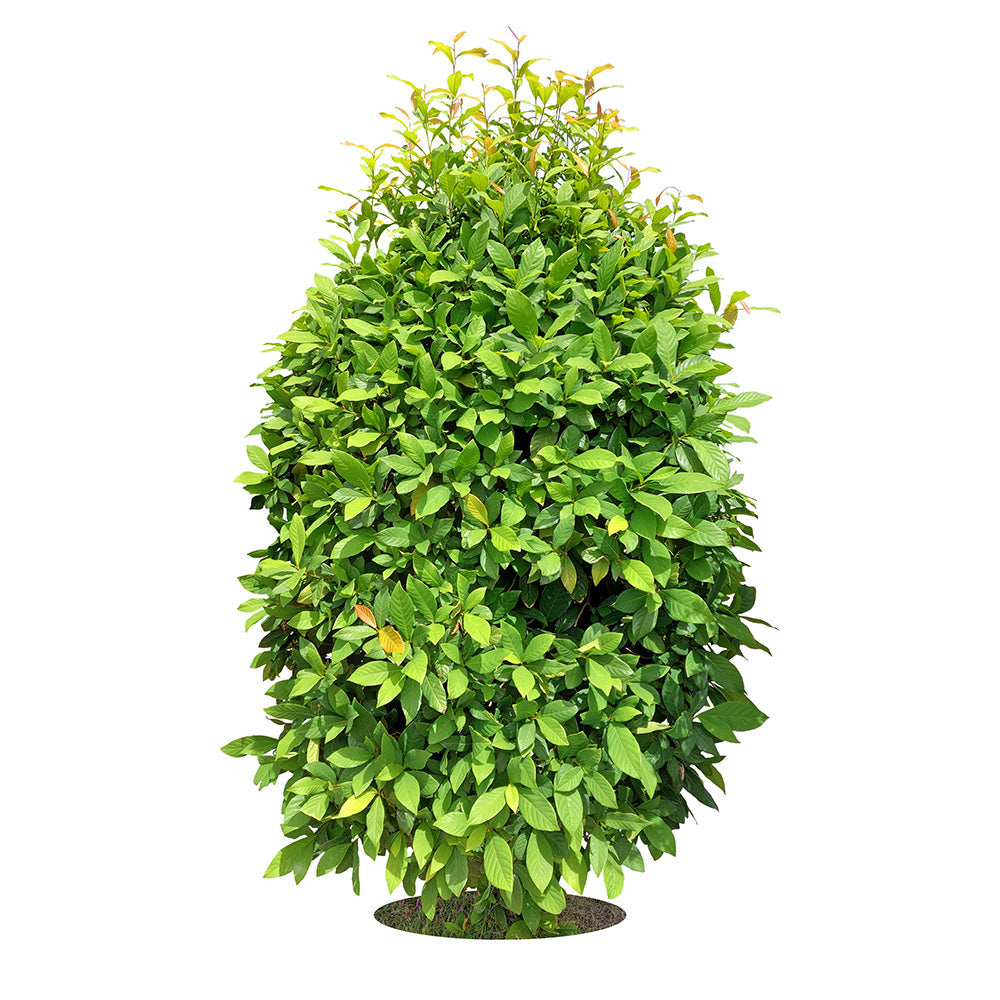 Large shrubs
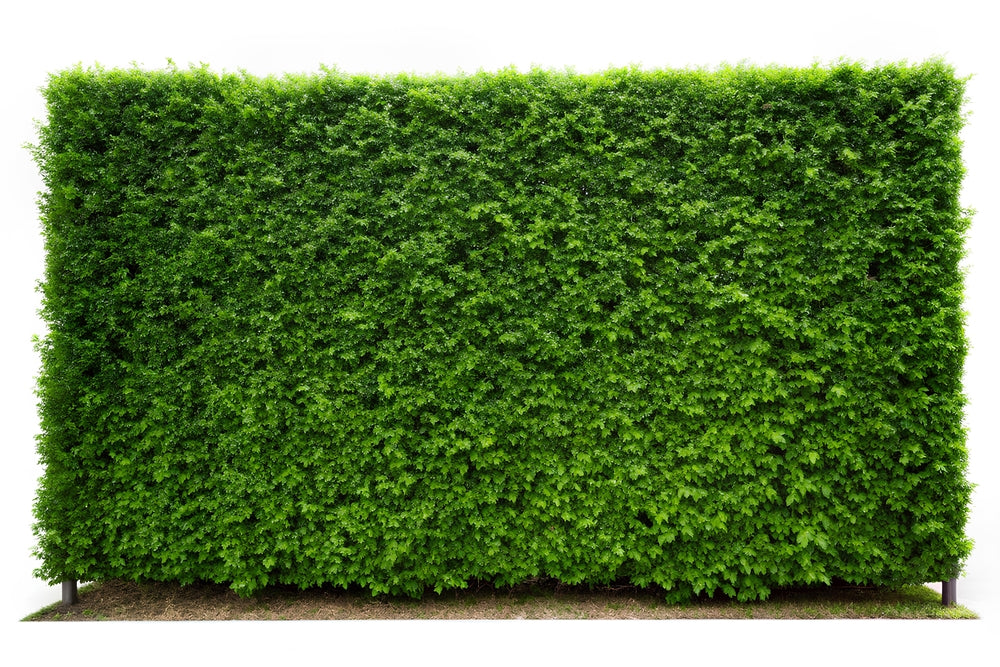 Hedging
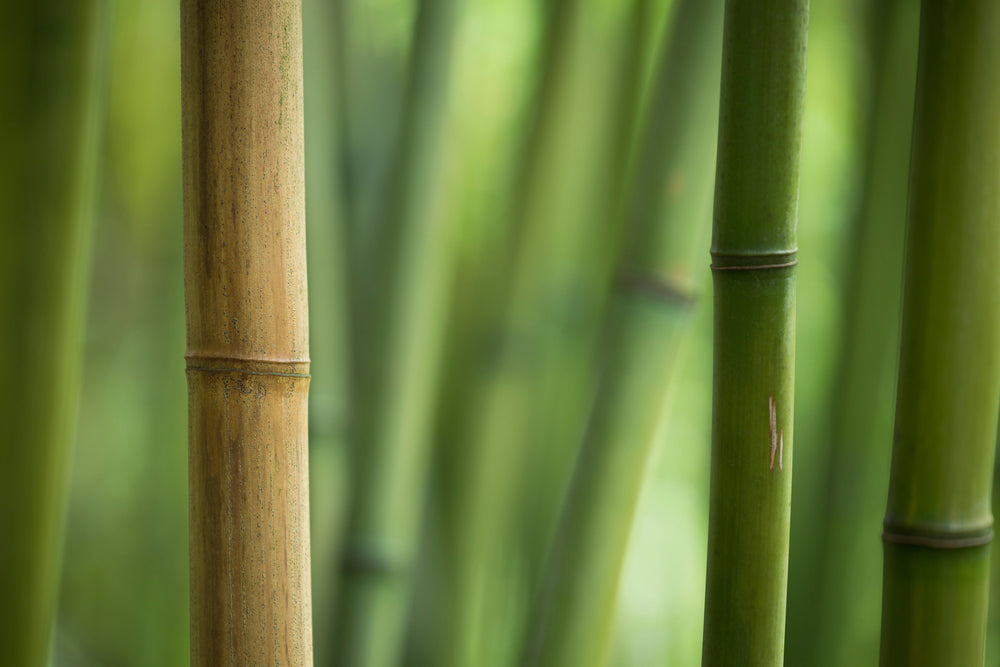 Bamboo
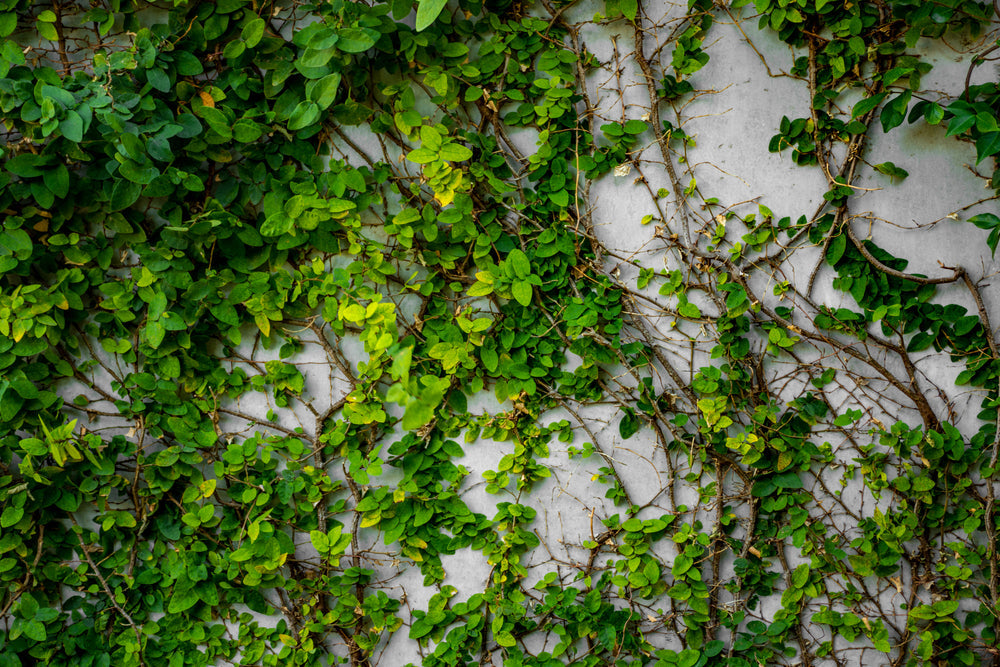 Climbers
 Flowering
 Grasses & Ferns
 Popular
-
Pines & Conifers
Pines & Conifers
 Pines
 Spruce & Fir
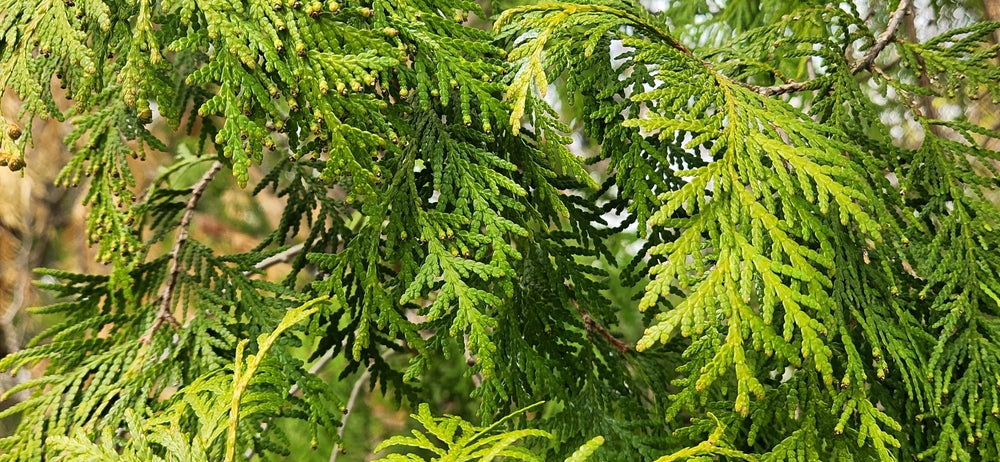 Cypress
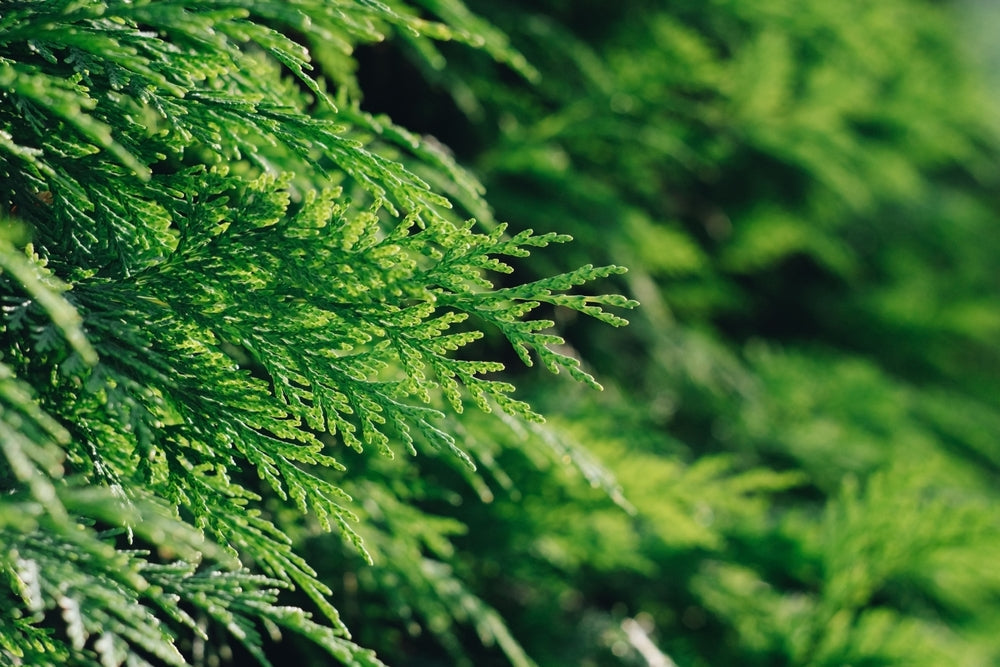 Thuja
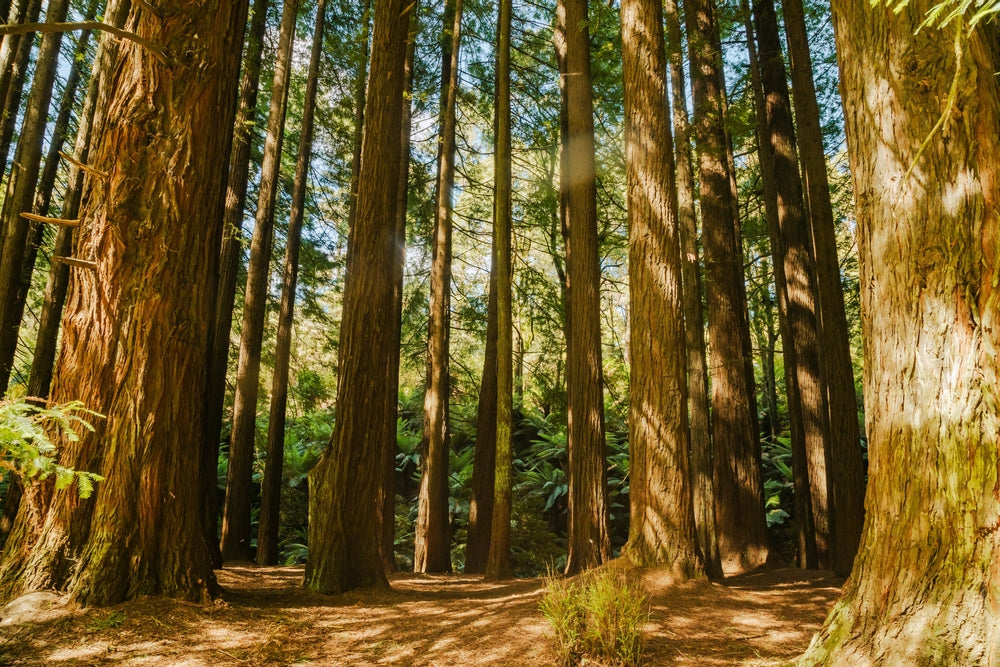 Redwood | Sequoia
-
Specimen
FREE DELIVERY OVER £350
Search results
Search results


Acer palmatum 'Kogane Nishiki' | Japanese maple Golden Brocade - Specimen Tree - Height 220-230cm - 110lt
£1,210.00
Unit price perAcer palmatum 'Kogane Nishiki' | Japanese maple Golden Brocade - Specimen Tree - Height 220-230cm - 110lt
£1,210.00
Unit price perAcer ‘Kogane Nishiki’ is a striking and rare cultivar of the Acer palmatum (Japanese maple), celebrated for its unique golden-yellow foliage and elegant structure. The name ‘Kogane Nishiki’ translates from Japanese as ‘Golden Brocade’ or ‘Golden Embroidery’, reflecting its luminous, textured leaves.
This deciduous tree features deeply lobed leaves that emerge in spring with a bright yellow-green hue, often with hints of soft orange or pink at the edges. As the seasons progress, the foliage transitions to a richer golden tone before taking on warm amber and orange hues in autumn. This continuous colour evolution makes it a highly sought-after ornamental tree for gardens, particularly in Japanese-style landscapes and small garden spaces.
‘Kogane Nishiki’ typically reaches a compact height of around 2–4 metres, making it ideal for container planting, patios, and sheltered spots. Its graceful branching structure adds year-round interest, even when bare in winter. The bark is smooth and provides an elegant contrast to the vibrant leaves.
Like most Japanese maples, it prefers a partially shaded location with protection from intense afternoon sun, which can scorch its delicate foliage. Well-drained, slightly acidic soil is best, and regular watering is essential, particularly during hot, dry spells.
This cultivar is favoured for its delicate beauty, striking seasonal colour shifts, and suitability for small gardens. Its radiant golden leaves add contrast to darker green plants, making it a standout feature in any planting scheme. Whether as a specimen tree or part of a larger design, Acer ‘Kogane Nishiki’ offers a stunning visual display throughout the year.


Sciadopitys Verticillata | Japanese umbrella tree - Height 50-70cm - 11lt
£115.00
Unit price perSciadopitys Verticillata | Japanese umbrella tree - Height 50-70cm - 11lt
£115.00
Unit price perSciadopitys verticillata, commonly referred to as the Japanese umbrella pine, is a distinct and architecturally striking evergreen conifer. Native to Japan, this tree is prized for its unique appearance, featuring glossy, dark green needles that radiate around its branches resembling the spokes of an umbrella. The needles are thick and leathery, arranged in whorls that contribute to the plant’s dense, sculptural form.
Growing slowly, the Japanese umbrella pine eventually reaches an ultimate height of about 15-20 meters in the UK, making it a magnificent specimen tree in larger gardens. It thrives in moist, well-drained, slightly acidic soil and prefers a sheltered position to protect it from harsh winds. Partial shade to full sun is ideal for its growth.
In British gardens, Sciadopitys verticillata is often used as a focal point due to its rare and exotic appearance. Its resilience and year-round beauty also make it a popular choice for ornamental planting.


Aucuba japonica 'Mr Goldstrike' - 10-30cm - 2lt
£9.50
Unit price perAucuba japonica 'Mr Goldstrike' - 10-30cm - 2lt
£9.50
Unit price per


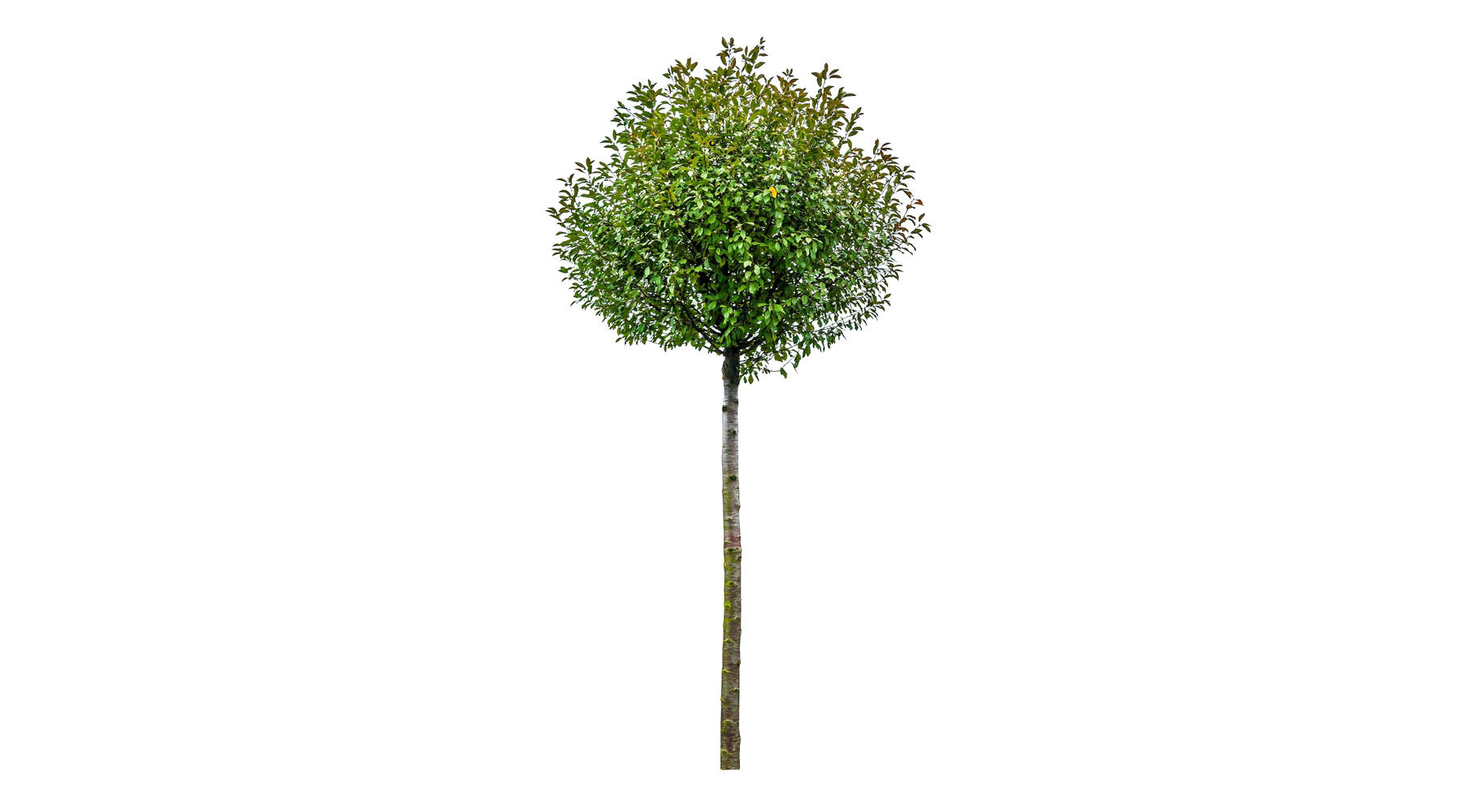
Celtis Australis | European hackberry - Girth 16cm - 470-480cm - 130lt
£920.00
Unit price perCeltis Australis | European hackberry - Girth 16cm - 470-480cm - 130lt
£920.00
Unit price perCeltis australis, commonly known as the European nettle tree, is a deciduous tree native to southern Europe, western Asia, and northern Africa. It belongs to the family Cannabaceae, and it is closely related to the hackberry tree.
The Celtis australis tree can grow up to 25 meters tall and has a dense, rounded crown with a spreading habit. The bark is smooth and gray-brown when young, becoming rough and fissured with age. The leaves are alternate, simple, and oval-shaped with serrated edges. They are dark green on the upper side and paler on the underside, turning yellow in autumn before falling.
The tree produces small, inconspicuous flowers in late spring or early summer, followed by small, round, edible fruit that resembles a cherry in size and shape. The fruit is initially green, turning yellow or brown when ripe, and is sweet and juicy, with a taste similar to a fig.
The Celtis australis tree is adaptable to a wide range of soils and can tolerate drought, air pollution, and salt spray. It is often used as an ornamental tree in gardens, parks, and urban landscapes due to its attractive foliage and distinctive bark. It also provides food and shelter for wildlife, including birds and small mammals. Additionally, the tree has cultural significance and has been used for centuries in traditional medicine for various ailments.


Osmanthus Fragrans- Shrub - Height 110-130cm -10lt
£66.00
Unit price perOsmanthus Fragrans- Shrub - Height 110-130cm -10lt
£66.00
Unit price perOsmanthus is a genus of flowering plants in the family Oleaceae, commonly known as sweet olive or tea olive. It consists of about 30 species of evergreen shrubs and small trees, native to Asia and the Americas. The plant is well-known for its fragrant, small flowers that bloom in clusters, usually in the fall or early winter. The flowers come in various colors including white, yellow, orange, and reddish-orange, and are often used in perfumes, teas, and desserts due to their sweet scent.
Osmanthus plants are very popular in landscaping and gardening because of their versatile uses. They can be grown as hedges, screens, or as accent plants in mixed borders. They are also suitable for container gardening, bonsai, and indoor cultivation.
Osmanthus plants prefer well-drained soils and partial shade to full sun exposure. In traditional Chinese medicine, osmanthus has been used to treat various health issues such as coughing, sore throat, and digestive problems. The plant contains various active compounds including essential oils, flavonoids, and phenolics that have antioxidant and anti-inflammatory properties.


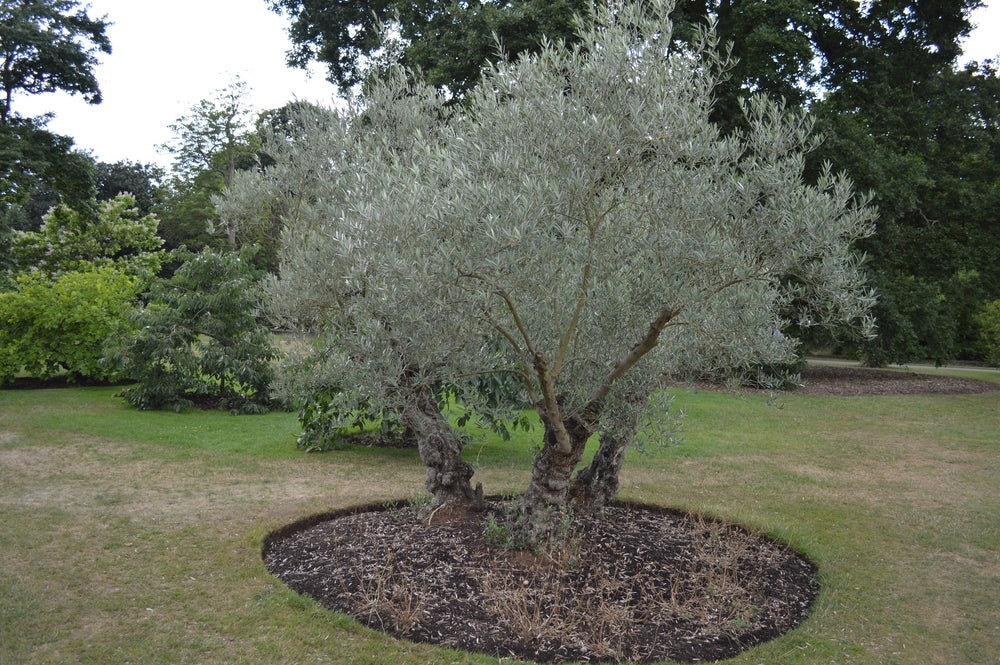
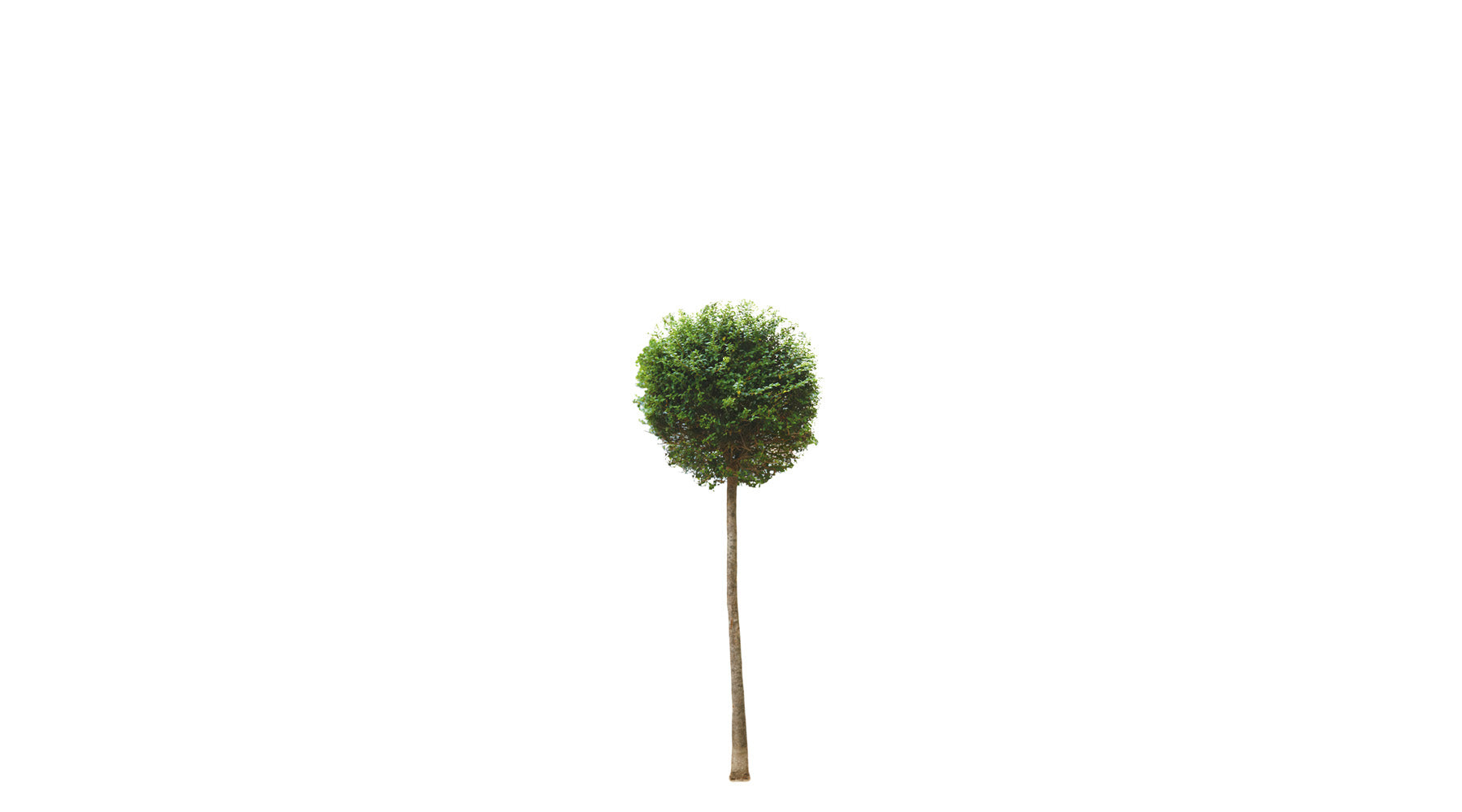
Olive Tree | Olea Europea - Specimen 22A - Bowl - Trunk Height 125cm - Height 310-330cm - 90lt
£1,050.00
Unit price perOlive Tree | Olea Europea - Specimen 22A - Bowl - Trunk Height 125cm - Height 310-330cm - 90lt
£1,050.00
Unit price per


Acer palmatum 'Mikawa yatsubusa' | Japanese Maple - Height 60-80cm - 15lt
£193.00
Unit price perAcer palmatum 'Mikawa yatsubusa' | Japanese Maple - Height 60-80cm - 15lt
£193.00
Unit price perAcer palmatum 'Mikawa yatsubusa' is a distinctive cultivar of Japanese maple that is well-known for its compact and layered growth habit. It stands out due to its small, palmate leaves that are densely packed and overlap, giving it a striking, sculptural, and somewhat tiered appearance. The leaves typically exhibit a rich green color throughout the growing season and undergo a stunning transformation to shades of red, orange, and yellow in the fall, offering spectacular autumn interest.
This maple cultivar reaches a moderate height, usually growing to about 4-6 feet, making it a perfect choice for small gardens, containers, or limited spaces. It prefers a location with partial to full sun and well-drained soil but appreciates some shade in hotter climates to avoid leaf scorch. Regular watering is essential, especially in dry conditions, but it's crucial to avoid waterlogged soils to prevent root rot.
'Mikawa yatsubusa' is not just revered for its aesthetic appeal but also for its resilient nature. While it’s slower-growing compared to other maples, it's hardy and adaptable, tolerating a variety of environmental conditions, and it requires minimal maintenance, making it an attractive option for both novice and experienced gardeners. The unique structure and vibrant color display of 'Mikawa yatsubusa' make it a focal point in any landscape, adding texture, color, and architectural interest.


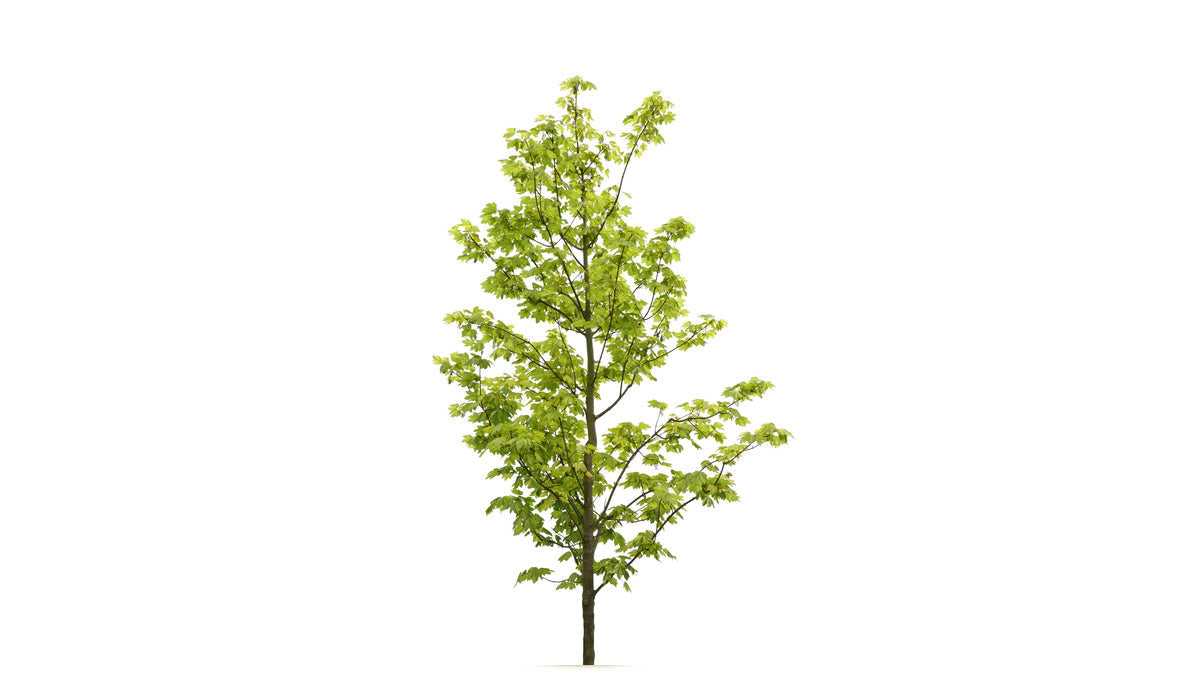
Tilia cordata | Small-Leaved Lime - Height 160-200cm - 20lt
£98.00
Unit price perTilia cordata | Small-Leaved Lime - Height 160-200cm - 20lt
£98.00
Unit price per


Wisteria brachybotrys 'Showa-beni' Clear Stem 140cm - Girth 10-12cm - Height 200-220cm - 55lt
£438.00
Unit price perWisteria brachybotrys 'Showa-beni' Clear Stem 140cm - Girth 10-12cm - Height 200-220cm - 55lt
£438.00
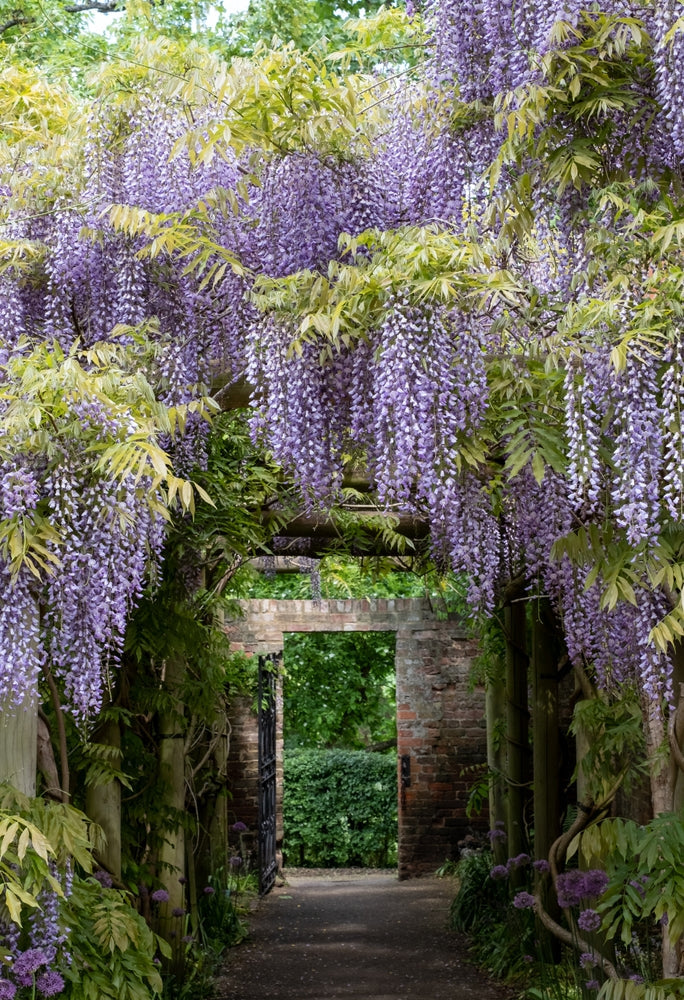
Unit price perWisteria brachybotrys 'Showa-beni' is wonderful, vigorous, deciduous climber that climbs by anti-clockwise twining. It has soft, silky, pinnate, fresh green leaves, and fragrant, lilac-pink flowers abundantly growing in hanging sprays and blooming in late spring to early summer. Flowers are followed by velvety, bean-like seed pods, ripening in late summer and persisting on branches throughout the winter. Attractive to bees and butterflies.
Wisteria brachybotrys 'Showa-beni' grows best in moderately fertile, slightly acidic, medium moisture, well-drained soils, but can adapt to a wide range of soils. It likes full sun, but tolerates partial shade. Best flowering is achieved in full sun. It can withstand frost and drought. Needs regular pruning to maintain its shape and size and to encourage flowering.
Wisteria brachybotrys 'Showa-beni' is an exotic-looking and fast-growing climber perfect for growing against a house wall, on pergolas, trellises, arbours, and fences. Great for cottage and urban gardens. It can also grow as a tree on a strong support.
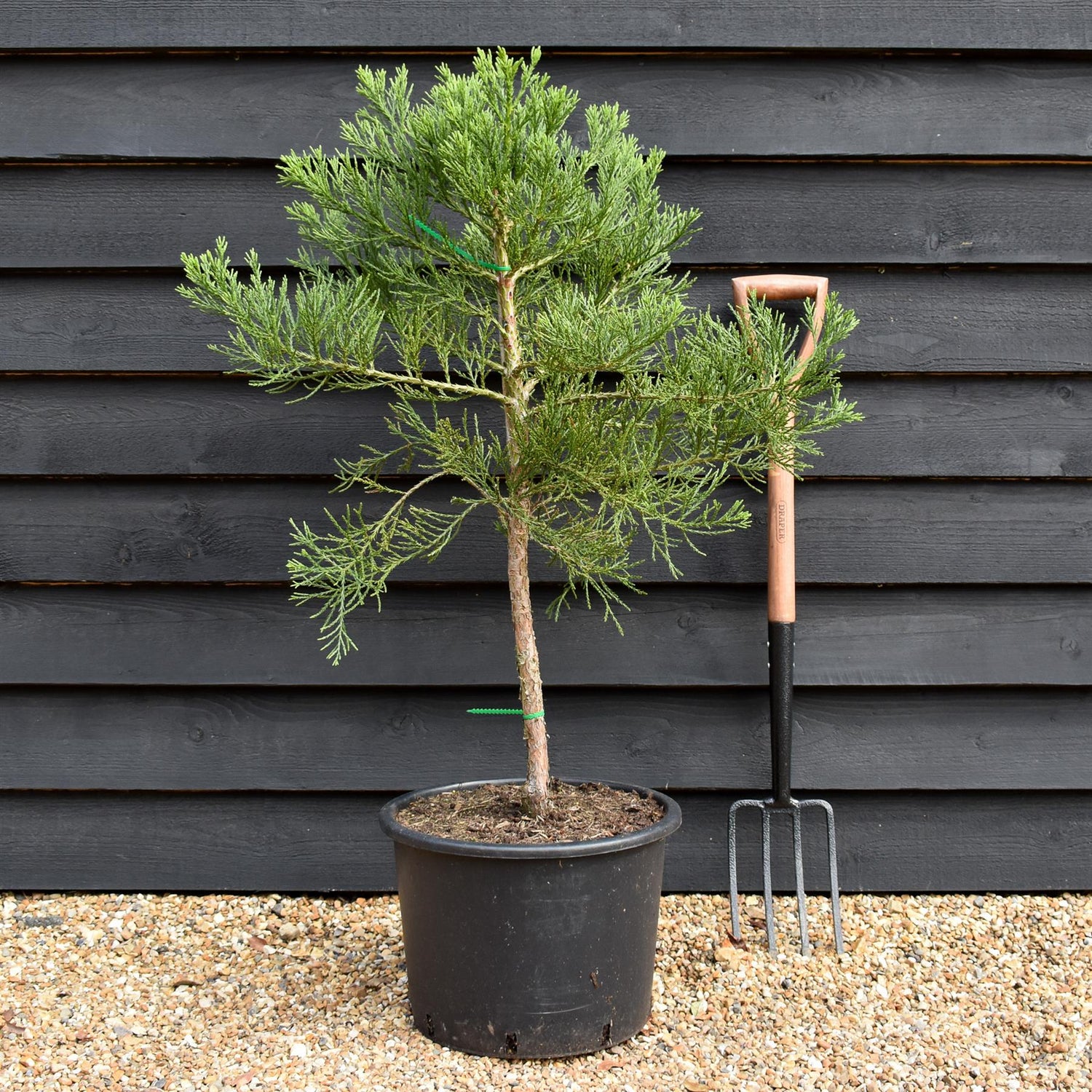
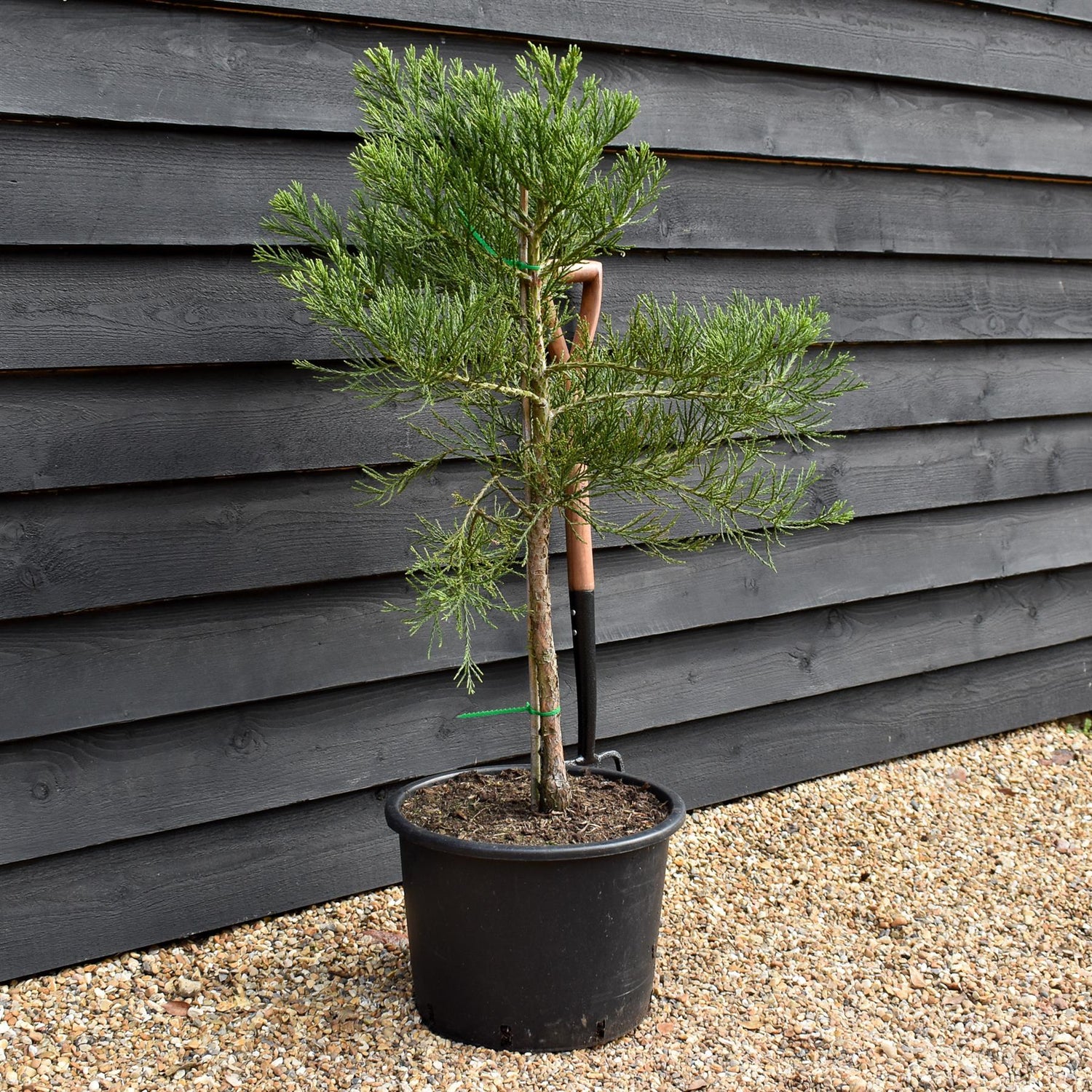
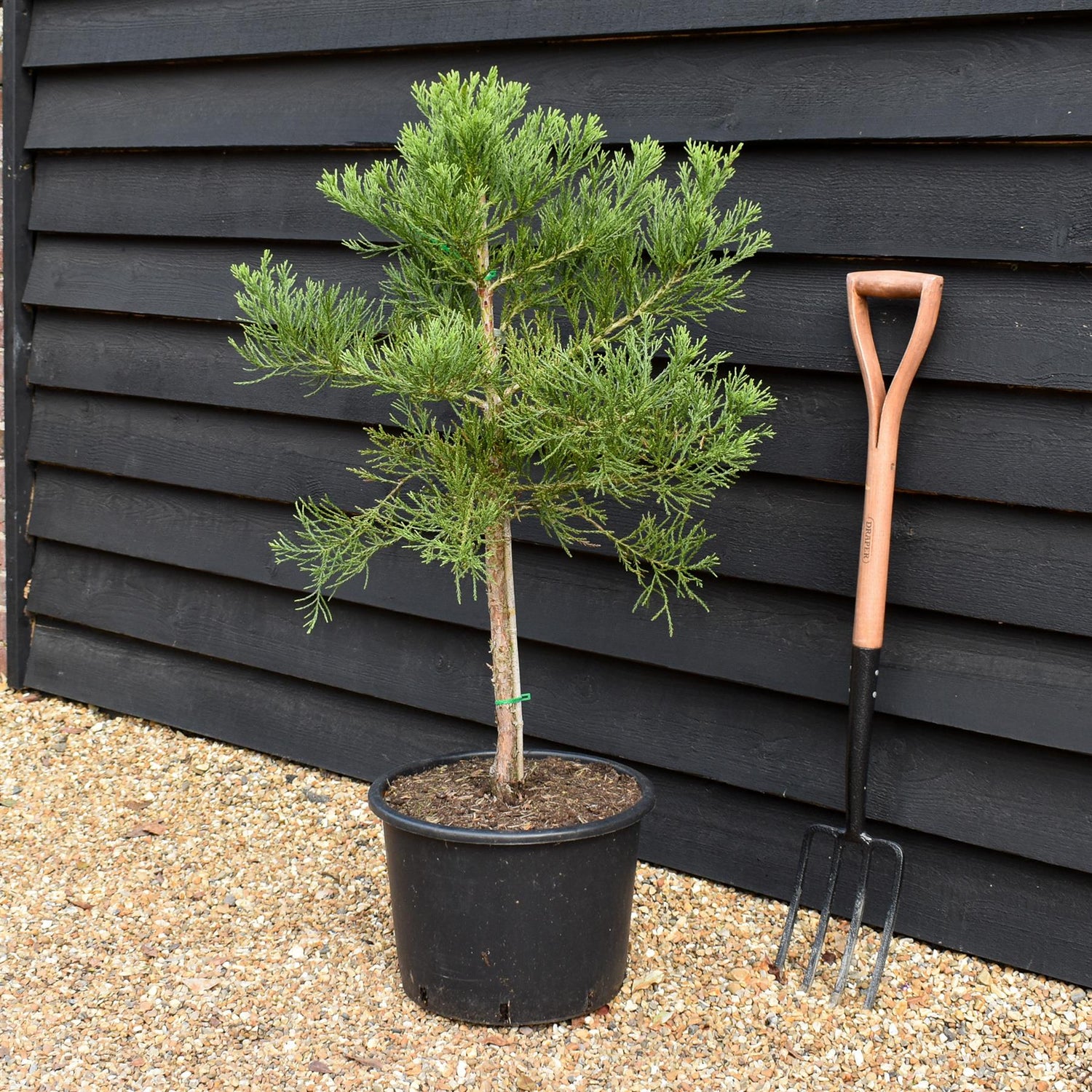
Sequoiadendron giganteum | giant redwood | Sequoia | - Height 90cm - Width 80-90cm - 12lt
£170.00
Unit price perSequoiadendron giganteum | giant redwood | Sequoia | - Height 90cm - Width 80-90cm - 12lt
£170.00
Unit price per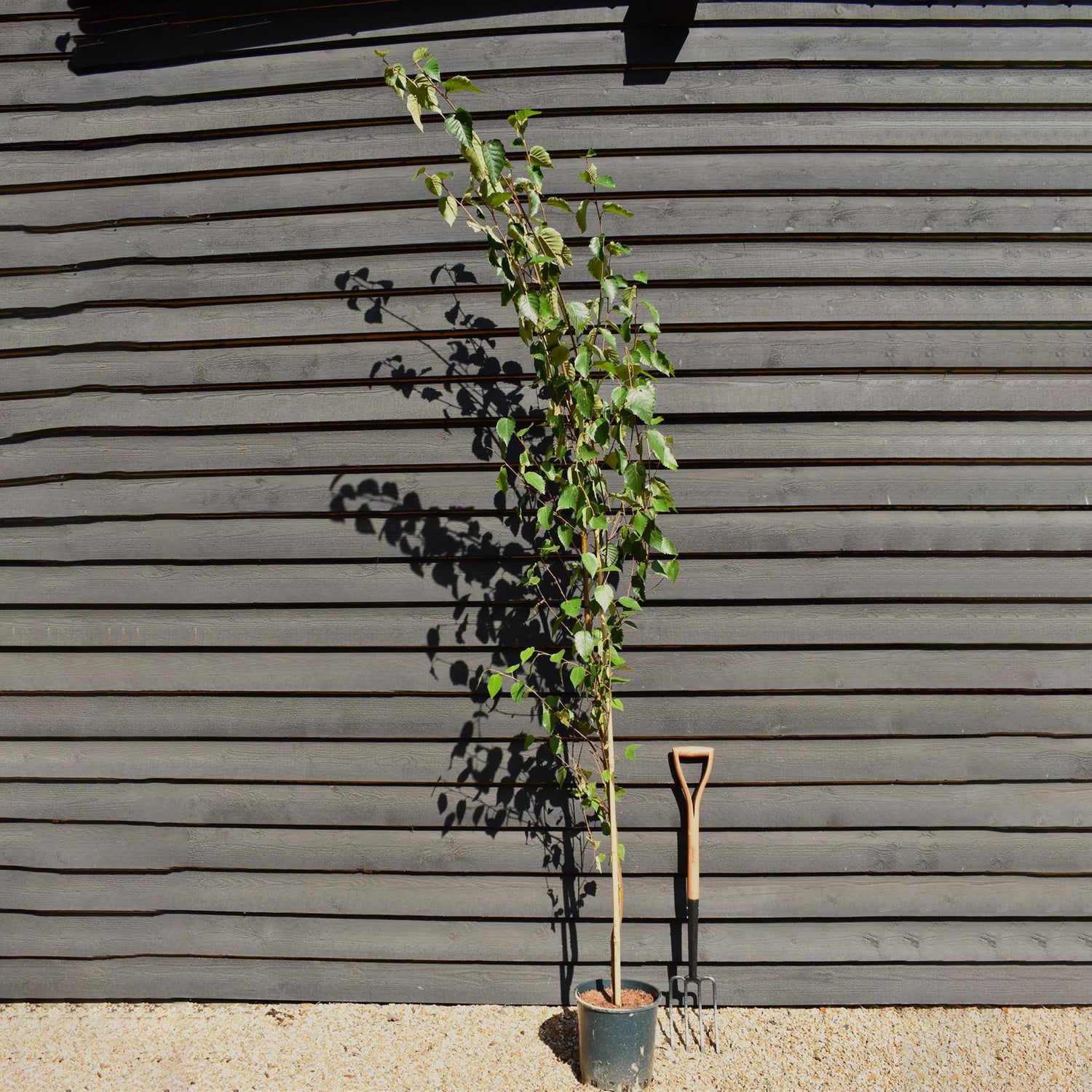


Chinese Red Birch | Betula albosinensis 'Fascination' - Height 160-200cm - 12lt
£96.00
Unit price perChinese Red Birch | Betula albosinensis 'Fascination' - Height 160-200cm - 12lt
£96.00
Unit price per

Rhaphiolepis umbellata (pink) | Yeddo - 90cm, 10lt
£72.00
Unit price perRhaphiolepis umbellata (pink) | Yeddo - 90cm, 10lt
£72.00
Unit price per


Rhododendron 'Germania' - Shrub - Height 50-60cm - 20lt
£83.00
Unit price perRhododendron 'Germania' - Shrub - Height 50-60cm - 20lt
£83.00
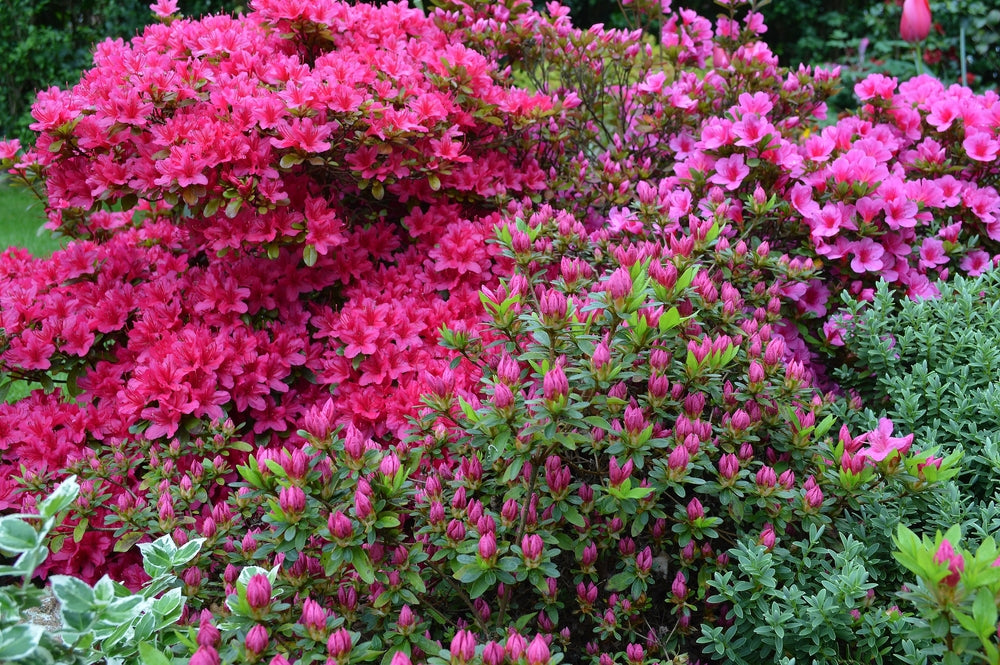
Unit price perRhododendron 'Germania' is a striking and vibrant evergreen shrub known for its spectacular blooms and compact growth habit. It typically reaches a height of around 1.2 to 1.5 metres (4 to 5 feet), making it an ideal choice for smaller gardens or as part of a mixed shrub border. This cultivar is particularly popular in the UK due to its hardiness and ability to thrive in a variety of conditions.
The most notable feature of Rhododendron 'Germania' is its profusion of large, funnel-shaped flowers that appear in mid to late spring. These flowers are a rich, deep pink to red, with a slightly lighter centre, creating a striking contrast against the dark green, leathery foliage. The blooms are produced in clusters, covering the plant in a blanket of colour that lasts for several weeks, attracting pollinators such as bees and butterflies.
The glossy, dark green leaves of 'Germania' provide an attractive backdrop to the vivid flowers, maintaining their beauty throughout the year. The shrub prefers acidic, well-drained soil and a sheltered position, though it can tolerate partial shade. It is important to ensure the soil remains moist, especially during dry spells, to keep the plant healthy and promote vigorous flowering.
Rhododendron 'Germania' is relatively low-maintenance, requiring only occasional pruning to remove dead or damaged growth and to maintain its shape. It is also resistant to many pests and diseases, making it a robust choice for gardeners looking for a reliable and eye-catching plant.
In conclusion, Rhododendron 'Germania' is an elegant and hardy addition to any garden, with its bold flowers and attractive evergreen foliage ensuring year-round appeal. Its ability to thrive in a variety of conditions makes it a versatile and popular choice for UK gardeners.


Caucasian wingnut | Pterocarya fraxinifolia -Height 320-350cm - Width 250cm -110lt
£385.00
Unit price perCaucasian wingnut | Pterocarya fraxinifolia -Height 320-350cm - Width 250cm -110lt
£385.00
Unit price perPterocarya fraxinifolia, commonly known as the Caucasian wingnut, is a large, fast-growing deciduous tree prized for its bold structure and lush, tropical-looking foliage. Native to the Caucasus and northern Iran, it typically grows 20 to 30 meters tall with a wide, spreading canopy reaching 15 to 20 meters. Its elegant, pinnate leaves create a soft, feathery effect, providing dense summer shade. In late spring and summer, the tree produces striking, long, hanging catkins that develop into chains of winged seeds, adding ornamental interest. Pterocarya fraxinifolia thrives in moist, fertile soils and is ideal for parklands, large gardens, and riverside plantings. Its impressive size and distinctive appearance make it a standout feature in any expansive landscape.


Aspen | Populus tremula - Height 130-160cm - 2-3 years old - Pot Grown - 10lt
£48.00
Unit price perAspen | Populus tremula - Height 130-160cm - 2-3 years old - Pot Grown - 10lt
£48.00
Unit price perPopulus tremula, commonly known as the trembling aspen or quaking aspen, is a deciduous tree native to various regions across the Northern Hemisphere, including the United Kingdom. It belongs to the genus Populus and is renowned for its distinctive quivering leaves, which flutter in even the slightest breeze, giving rise to its evocative common names.
The trembling aspen typically reaches heights of 20 to 25 meters, although some specimens can grow taller under optimal conditions. Its slender trunk is often pale grey or white with black knots, and it tends to have a narrow crown with branches that ascend in a graceful, upward fashion.
One of the most striking features of the trembling aspen is its leaves. They are roughly triangular in shape with finely serrated edges, and they have a flat petiole that causes them to flutter and tremble in the wind. This unique characteristic helps to distinguish the tree from other species in its range.
In the spring, the trembling aspen produces catkins, which are long, drooping clusters of small flowers. These flowers are an important source of pollen for bees and other pollinators. Later in the season, the tree develops small, round fruits containing tiny seeds surrounded by cottony fluff, aiding in wind dispersal.
Trembling aspens typically thrive in moist, well-drained soils in locations such as riverbanks, wetlands, and mixed woodlands. They are relatively fast-growing and can colonize disturbed areas quickly, making them an important pioneer species in forest ecosystems.
In addition to their ecological significance, trembling aspens also hold cultural and historical importance. They feature prominently in folklore and mythology in various cultures, often symbolizing resilience, regeneration, and transformation.


Sciadopitys Verticillata | Japanese umbrella tree - Specimen Tree - Height 350-380cm - 500lt
£7,100.00
Unit price perSciadopitys Verticillata | Japanese umbrella tree - Specimen Tree - Height 350-380cm - 500lt
£7,100.00
Unit price perSciadopitys verticillata, commonly referred to as the Japanese umbrella pine, is a distinct and architecturally striking evergreen conifer. Native to Japan, this tree is prized for its unique appearance, featuring glossy, dark green needles that radiate around its branches resembling the spokes of an umbrella. The needles are thick and leathery, arranged in whorls that contribute to the plant’s dense, sculptural form.
Growing slowly, the Japanese umbrella pine eventually reaches an ultimate height of about 15-20 meters in the UK, making it a magnificent specimen tree in larger gardens. It thrives in moist, well-drained, slightly acidic soil and prefers a sheltered position to protect it from harsh winds. Partial shade to full sun is ideal for its growth.
In British gardens, Sciadopitys verticillata is often used as a focal point due to its rare and exotic appearance. Its resilience and year-round beauty also make it a popular choice for ornamental planting.


Agapanthus 'Midnight Moon' - Height 50-70cm -5lt
£49.00
Unit price perAgapanthus 'Midnight Moon' - Height 50-70cm -5lt
£49.00
Unit price perAgapanthus 'Midnight Moon' is a dramatic perennial prized for its unusual colour contrast and elegant architectural form. It produces strong, upright stems rising above clumps of strap-shaped, mid-green foliage. From mid to late summer, rounded buds emerge in a deep, near-black violet tone, creating a bold visual effect even before flowering begins. As the buds open, they reveal paler, soft violet-blue to silvery blooms, producing a striking two-tone display that adds depth and interest to sunny planting schemes.
The rounded flower heads are held well above the foliage, giving a clean, structured appearance that works beautifully in contemporary gardens, Mediterranean-style borders, and gravel plantings. Its long flowering period provides weeks of colour, while spent flower heads often continue to offer ornamental interest if left standing.
Agapanthus ‘Midnight Moon’ thrives in full sun and well-drained soil, performing particularly well in sheltered, warm locations. Once established, it is relatively drought tolerant and low maintenance, requiring only a simple cutback of spent stems and old foliage in early spring. It also performs well in containers, where its striking flowers can be appreciated up close.


Hesperaloe parviflora | Redflower false yucca - Height 65-75cm - 35lt
£325.00
Unit price perHesperaloe parviflora | Redflower false yucca - Height 65-75cm - 35lt
£325.00
Unit price perHesperaloe parviflora, commonly known as red yucca, is an exceptionally adaptable and low-maintenance plant, making it highly suitable for a wide variety of garden settings. Despite its name, it is not a true yucca but a clumping succulent with narrow, arching, evergreen leaves that provide strong architectural interest year-round. Its tall flower spikes, typically bearing coral-red or yellow tubular blooms, appear from late spring through summer and attract hummingbirds, bees, and other pollinators, adding vibrant life to the garden.
This plant excels in hot, dry conditions and is highly drought tolerant once established, making it ideal for xeriscapes, gravel gardens, desert-style plantings, and water-wise landscapes. It thrives in full sun and well-drained soils, and it tolerates heat, wind, and poor soil remarkably well. Its compact, tidy growth habit also suits modern and minimalist garden designs.
Hesperaloe parviflora is hardy in many climates and can withstand surprisingly low temperatures, making it suitable even for regions with cold winters. It requires very little maintenance—no frequent watering or pruning—and is resistant to deer and most pests. Overall, its toughness, long-lasting blooms, and sculptural form make it a reliable and attractive addition to any garden focused on beauty with minimal effort.


Cupressocyparis leylandii 'Castlewellan Gold' - Clear Stem - Height 250-300cm - 30lt
£99.00
Unit price perCupressocyparis leylandii 'Castlewellan Gold' - Clear Stem - Height 250-300cm - 30lt
£99.00
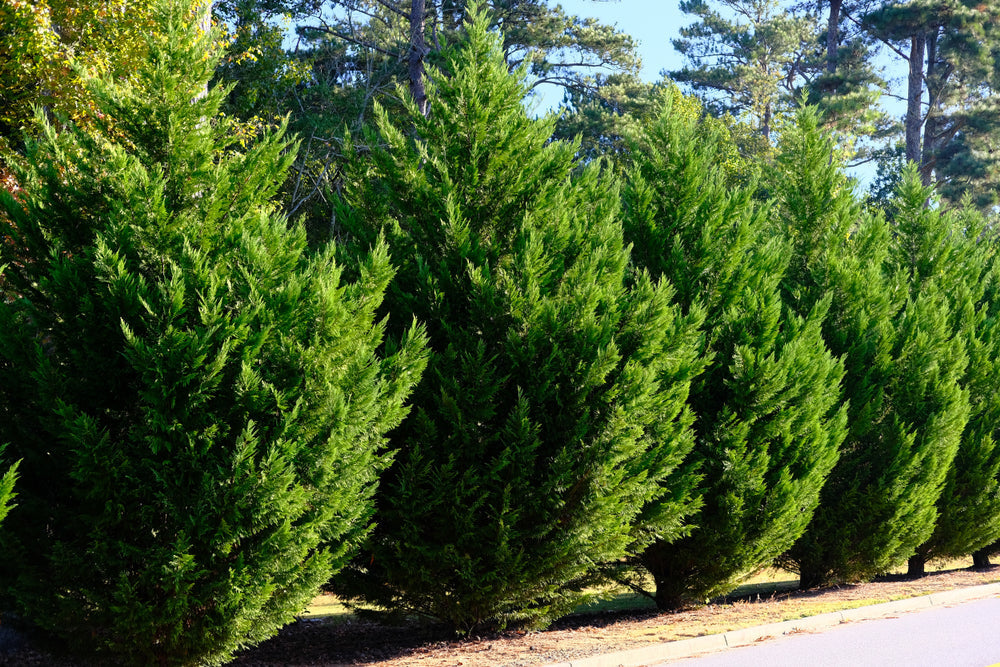
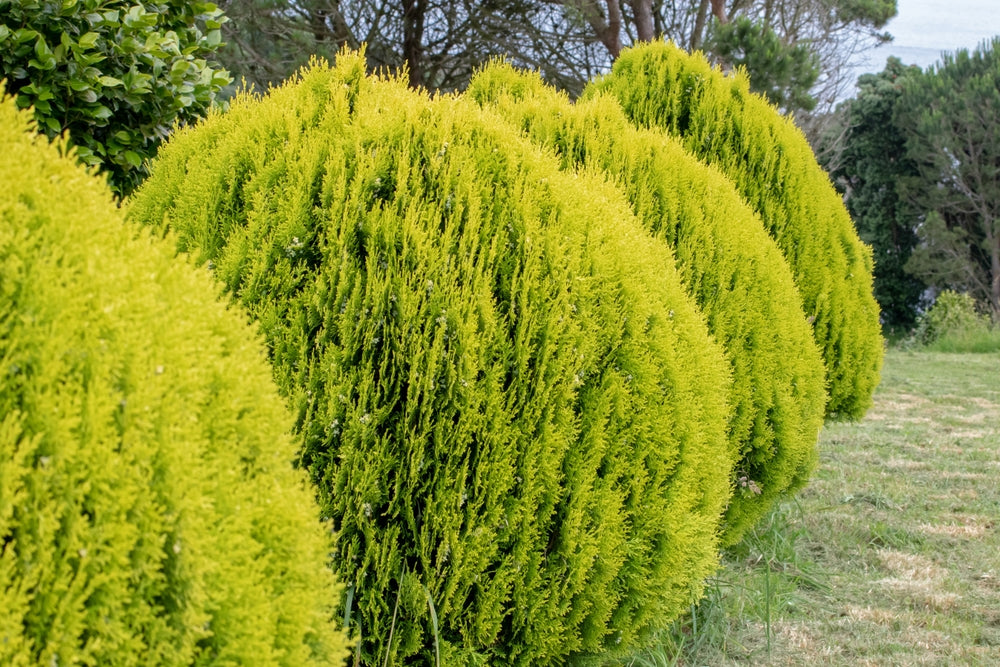
Unit price perCupressocyparis leylandii 'Castlewellan Gold' is a large, vigorous, fast-growing, coniferous, evergreen tree with upright, columnar habit with dense branching from the ground. As the plant matures, the habit becomes more broad. Flattened sprays of scale-like leaves are green with golden-yellow tips and bronze tone in winter. The colours do not fade, but stay bright and nice all year round.
Cupressocyparis leylandii 'Castlewellan Gold' thrives on a variety of soils, but prefers fertile, moist, well-drained soils, in full sun. It is resilient to frost, urban pollution and spray salt, therefore, suitable for growing in cities and in coastal areas. Generally, pest-free and disease-free. Cupressocyparis leylandii 'Castlewellan Gold' is popular for its golden foliage and fast growth. It looks very attractive as a specimen plant, but is mostly used for informal and formal hedges and privacy screens. Leylandii hedges are not only attractive but also ideal for noise reduction and wind protection.


Robinia Pseudoacacia Frisia | Black Locust - Girth 6-8cm - Height 250-300cm - 15lt
£330.00
Unit price perRobinia Pseudoacacia Frisia | Black Locust - Girth 6-8cm - Height 250-300cm - 15lt
£330.00
Unit price perRobinia pseudoacacia 'Frisia' is a captivating and resilient deciduous tree, often recognized by its striking golden-yellow foliage. This robust cultivar stands out for its adaptability and rapid growth, often thriving in diverse environmental conditions, including urban areas with substantial pollution. Originating from the black locust tree, 'Frisia' inherits a hardy and enduring nature, demonstrating significant resistance to harsh weather conditions, rendering it a prevalent choice among garden enthusiasts and landscape architects.
The tree is a magnificent spectacle during the spring season when it is adorned with pendulous clusters of sweetly fragrant, white, pea-like flowers, attracting a myriad of pollinators, notably bees, enhancing biodiversity within its vicinity. The blooms are followed by smooth, elongated seed pods, contributing to the tree's visual appeal. The vibrant foliage, which creates a pronounced contrast with the surroundings, transitions to a lighter shade of yellow in the autumn, offering an extended period of visual interest.
Despite its aesthetic appeal and resilience, 'Frisia' necessitates vigilant management due to its propensity for suckering and its invasive nature. Proper pruning is vital to maintain its structural integrity and curtail unrestrained growth. This tree is suitable for individuals seeking a low-maintenance yet visually arresting focal point in their landscapes.