

-
Trees
Trees
 Fruit Trees
 Ornamental
 Screening
 Palms
By FeaturesBy Shape
-
Shrubs
Shrubs
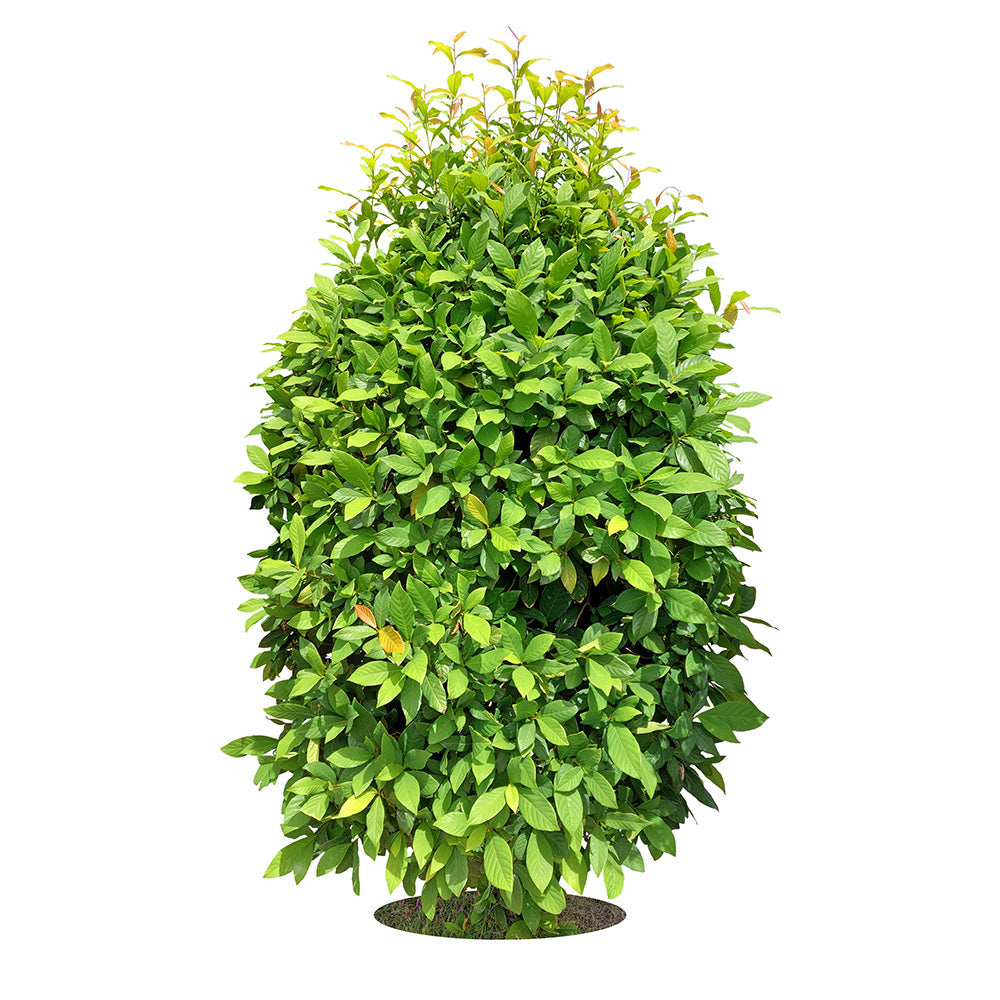 Large shrubs
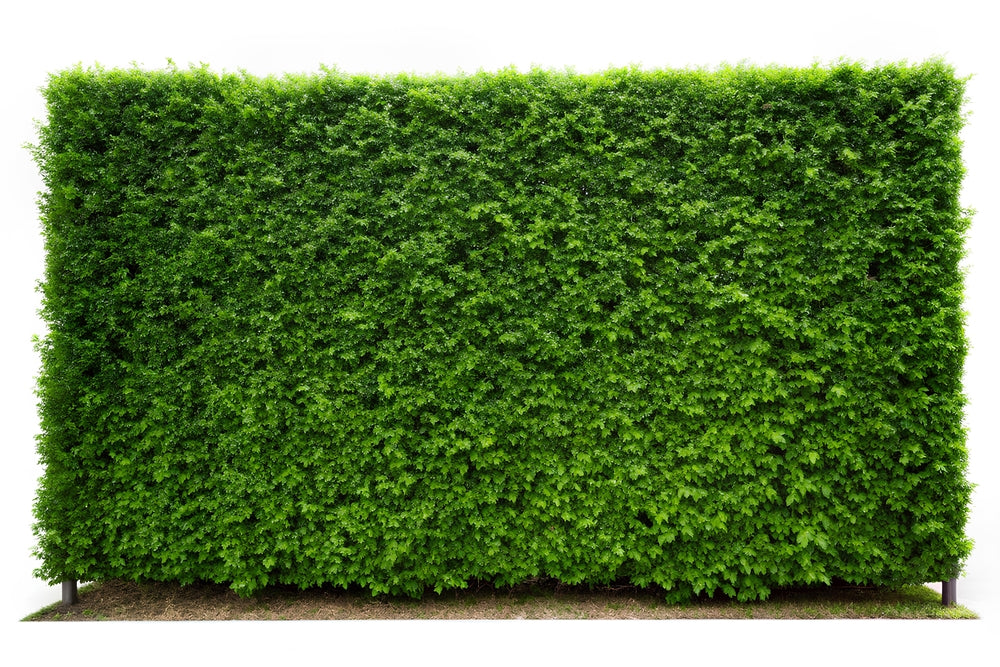 Hedging
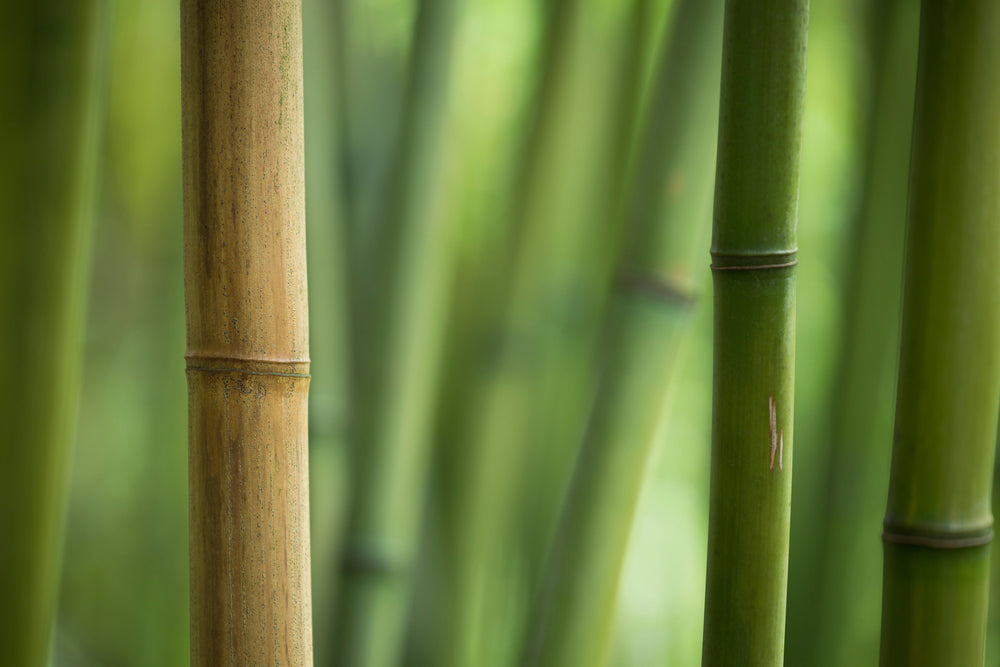 Bamboo
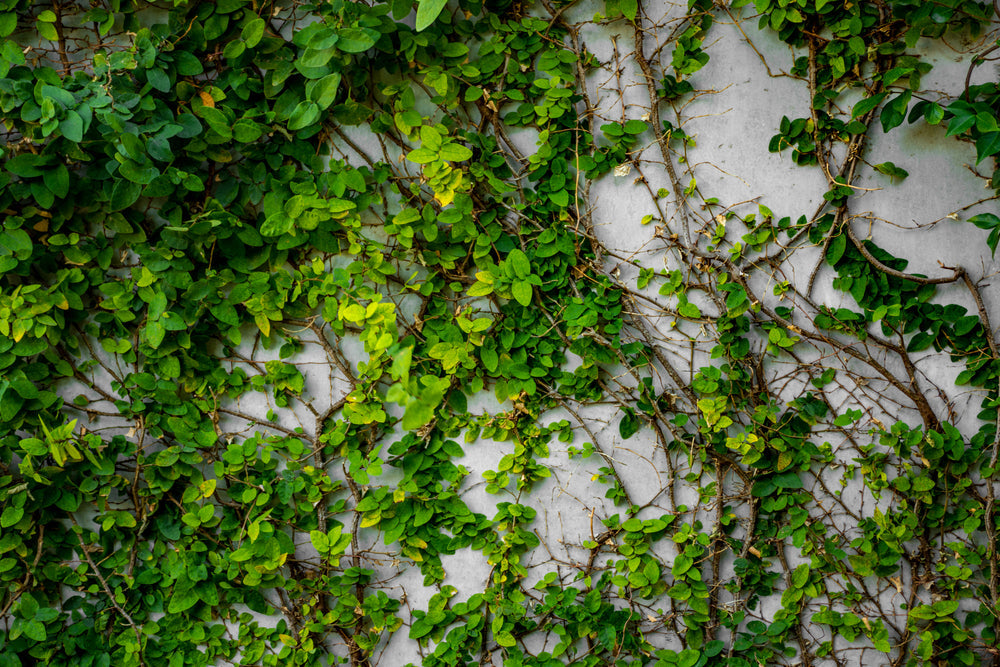 Climbers
 Flowering
 Grasses & Ferns
 Popular
-
Pines & Conifers
Pines & Conifers
 Pines
 Spruce & Fir
 Cypress
 Thuja
 Redwood | Sequoia
-
Specimen
FREE DELIVERY OVER £350
Search results
Search results


Picea glauca 'Sander's Blue' | Alberta spruce - Height 70-80cm - 11lt
£92.00
Unit price perPicea glauca 'Sander's Blue' | Alberta spruce - Height 70-80cm - 11lt
£92.00
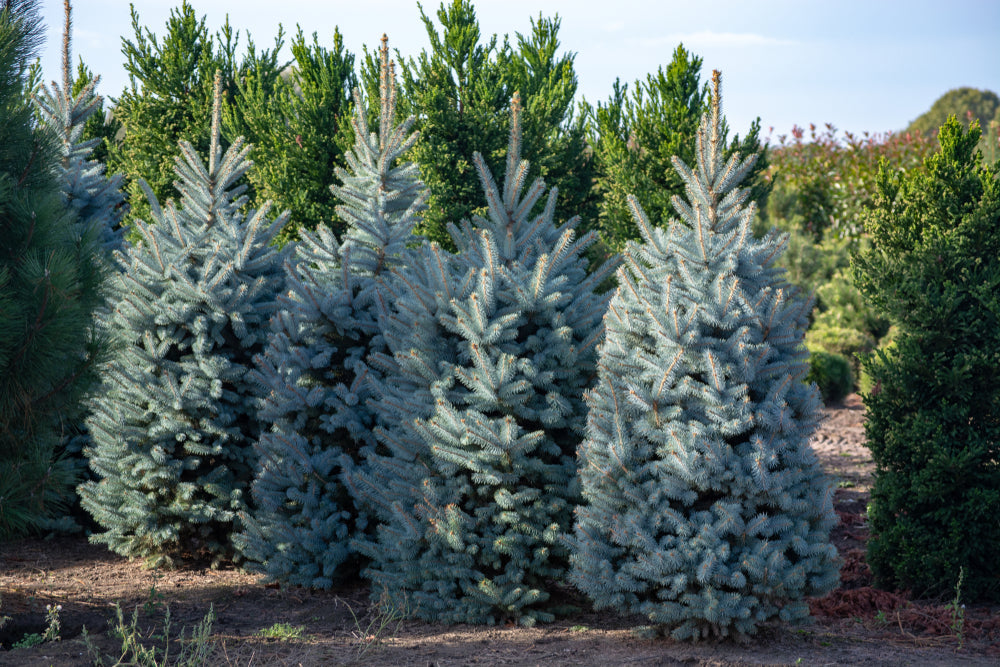
Unit price perPicea glauca 'Sander's Blue', commonly known as 'Sander's Blue' White Spruce, is a stunning dwarf conifer prized for its vibrant blue-green needles that add a colorful accent to any garden space. This cultivar exhibits a compact, pyramidal form, making it an excellent choice for smaller landscapes or as a focal point in a larger garden arrangement.
Typically reaching an ultimate height of 10 to 12 feet, with a spread of 4 to 5 feet, 'Sander's Blue' White Spruce grows slowly, which makes it manageable and suitable for residential gardens without the worry of overwhelming the space. It thrives in full sun to partial shade and prefers well-drained, moist soil. Hardy and adaptable, this spruce tolerates cold climates well, making it a versatile choice for various garden zones.
Gardeners often use 'Sander's Blue' as a specimen plant due to its distinctive color and structured form. It also fits beautifully into rock gardens, urban gardens, and even as part of a conifer collection, where its unique hue can be fully appreciated against contrasting greenery.


Pinus sylvestris 'Watereri' | Scots pine - Height 30cm-40cm - Width 40cm-50cm - 15lt
£135.00
Unit price perPinus sylvestris 'Watereri' | Scots pine - Height 30cm-40cm - Width 40cm-50cm - 15lt
£135.00
Unit price per


Pinus parviflora 'Linda' - Height20-30cn - Width 35-45cm - 8lt
£86.00
Unit price perPinus parviflora 'Linda' - Height20-30cn - Width 35-45cm - 8lt
£86.00
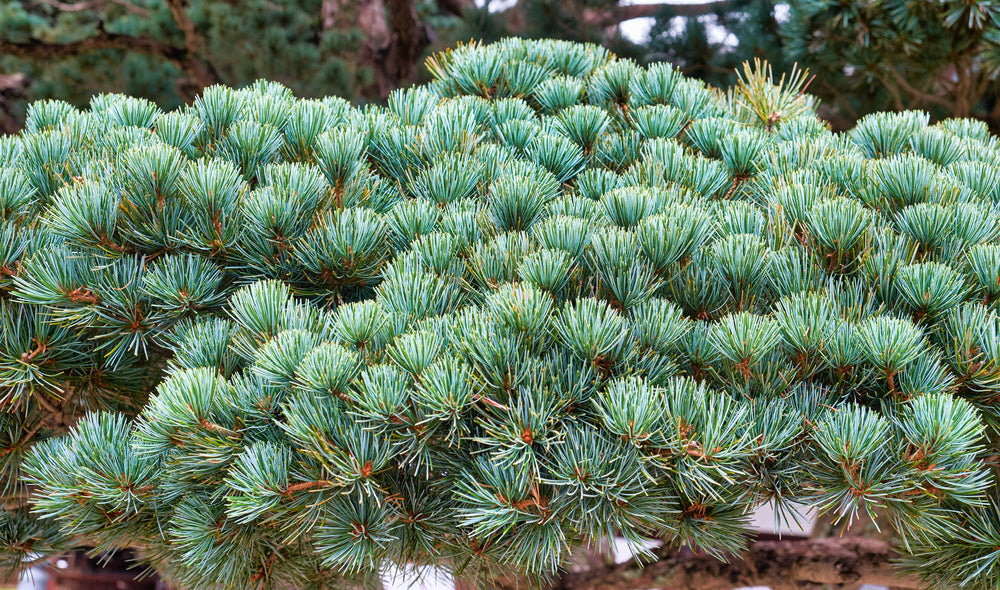
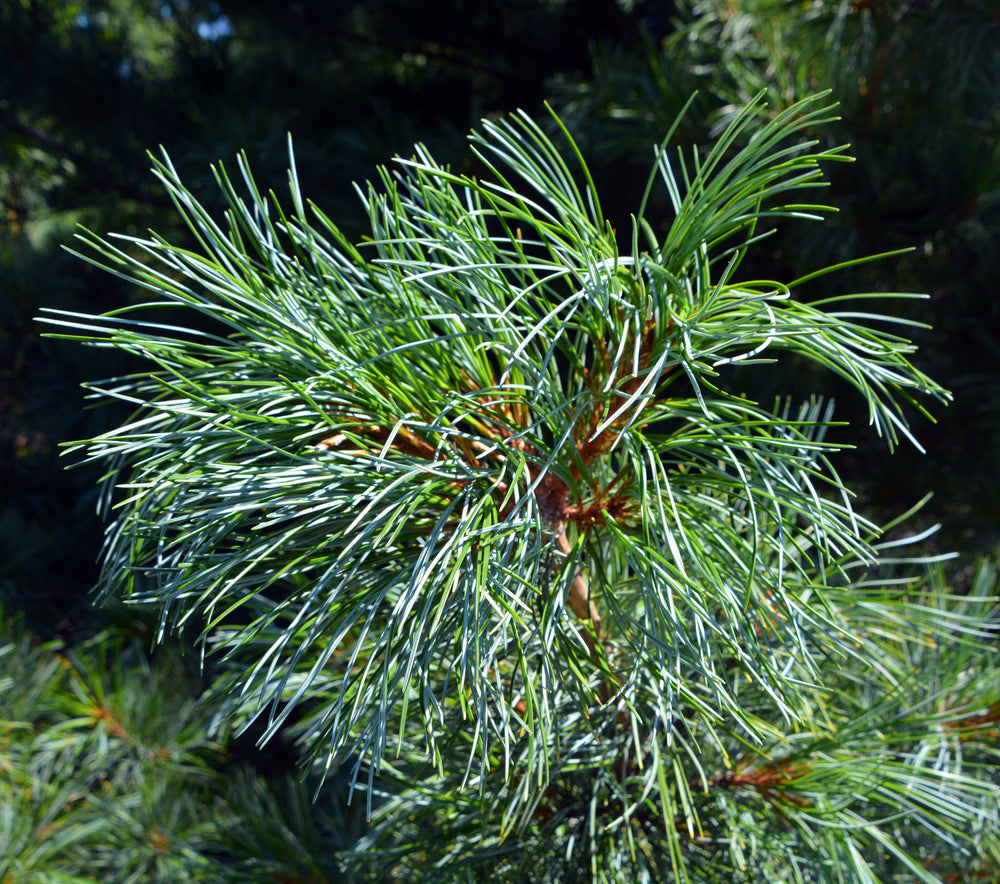
Unit price perPinus parviflora ‘Linda’ is a highly ornamental, slow-growing dwarf Japanese white pine, ideal for adding year-round structure, texture, and subtle color to garden landscapes. Its compact, rounded form reaches about 3 to 5 feet tall and wide over many years, making it particularly well-suited to small gardens, rock gardens, container plantings, and bonsai displays. The shrub’s soft, blue-green needles grow in short tufts, creating a dense, finely-textured appearance that contrasts beautifully with broadleaf plants and flowering perennials.
‘Linda’ thrives in full sun and well-drained, slightly acidic soil. It is hardy and has good tolerance to cold, wind, and light drought once established. Minimal maintenance is needed, with only occasional shaping to preserve its form. Its slow growth makes it a long-lasting structural plant that won’t outgrow its space quickly, reducing the need for frequent pruning.
This cultivar is particularly attractive in Japanese-style or minimalist gardens, where its refined appearance and compact stature are highly valued. Pinus parviflora ‘Linda’ adds elegance, visual interest, and dependable evergreen presence, making it a valuable choice for discerning gardeners.


Portuguese Laurel | Prunus lusitanica 'Angustifolia' - Bushy - Height 160-170cm - Width 110-120cm - 130lt
£655.00
Unit price perPortuguese Laurel | Prunus lusitanica 'Angustifolia' - Bushy - Height 160-170cm - Width 110-120cm - 130lt
£655.00
Unit price perPrunus lusitanica 'Angustifolia' is a dense, neat and tidy, evergreen shrub or small tree of compact, rounded to conical habit, with narrow, long, glossy, dark green leaves. Young stems are vivid red. Small, fragrant, creamy-white flowers bloom in late spring or early summer and are followed by dark purple berries in autumn. Attractive to pollinators and birds.
Prunus lusitanica 'Angustifolia' is adaptable to a wide range of soils and conditions. It thrives in fertile, moist, well-drained soil, and grows well in full sun or partial shade. It is resistant to frost, but doesn’t’ like very exposed sites, therefore, needs to be sheltered from strong winds. Low maintenance plant, tolerant of hard pruning. Portuguese Laurel 'Angustifolia', differs from the classic variety for its greater density and narrower leaves. It is, therefore, superb for formal hedges. It forms great windbreaks and privacy screens. It reduces noise and pollution. It can be grown as a topiary tree.


Syringa Vulgaris | Lilac Flowers - Shrub -Half Standard - Clear Stem 90cm - Height 300-310cm - 45lt
£385.00
Unit price perSyringa Vulgaris | Lilac Flowers - Shrub -Half Standard - Clear Stem 90cm - Height 300-310cm - 45lt
£385.00
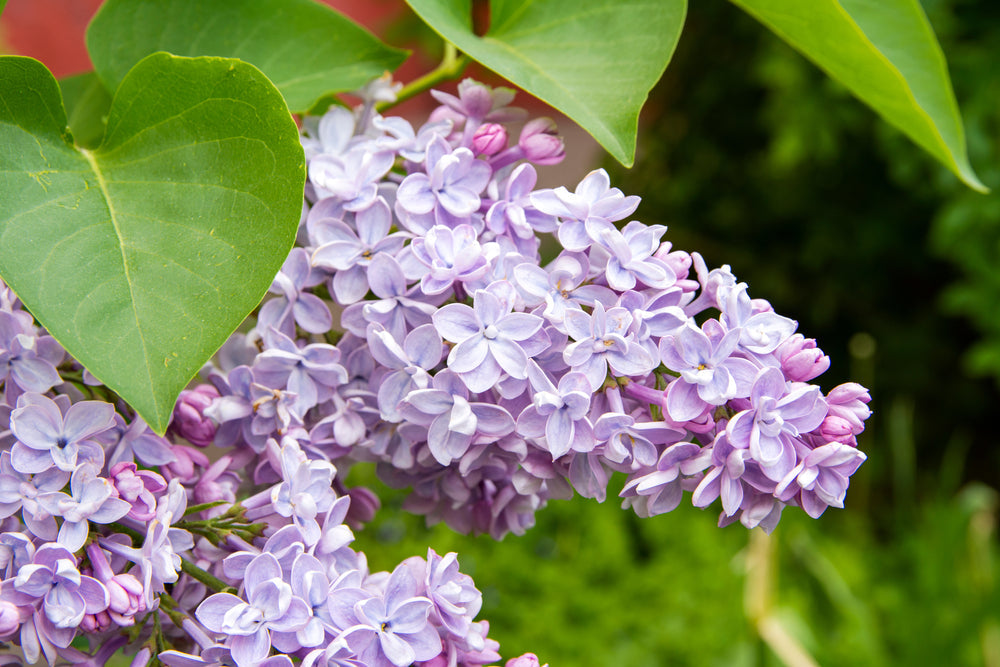
Unit price perThe Syringa vulgaris, commonly known as the common lilac, is a deciduous shrub belonging to the Oleaceae (olive) family. Native to the Balkan Peninsula, it has been widely cultivated across Europe and North America for its fragrant, showy blossoms and ornamental appeal.
Growing to an average height of 4–6 metres (13–20 feet), Syringa vulgaris forms a dense, multi-stemmed thicket with an upright, spreading habit. Its dark green, ovate leaves are simple and arranged oppositely along the stems, providing lush foliage that remains attractive throughout the growing season.
The plant is best known for its spectacular blooms, which appear in mid to late spring. The conical panicles, measuring 10–20 cm (4–8 inches) long, consist of small, tubular flowers. The flowers are highly fragrant, making them a favourite for gardens and floral arrangements.
Thriving in temperate climates, Syringa vulgaris prefers well-drained, neutral to slightly alkaline soil and full sun for optimal blooming. It is cold-hardy and can withstand harsh winters, making it a popular choice for northern regions.
Historically, lilacs have symbolised love, renewal, and nostalgia, and they are often planted in cottage gardens, hedgerows, and public parks. They attract pollinators, such as butterflies and bees, while being relatively pest-resistant.
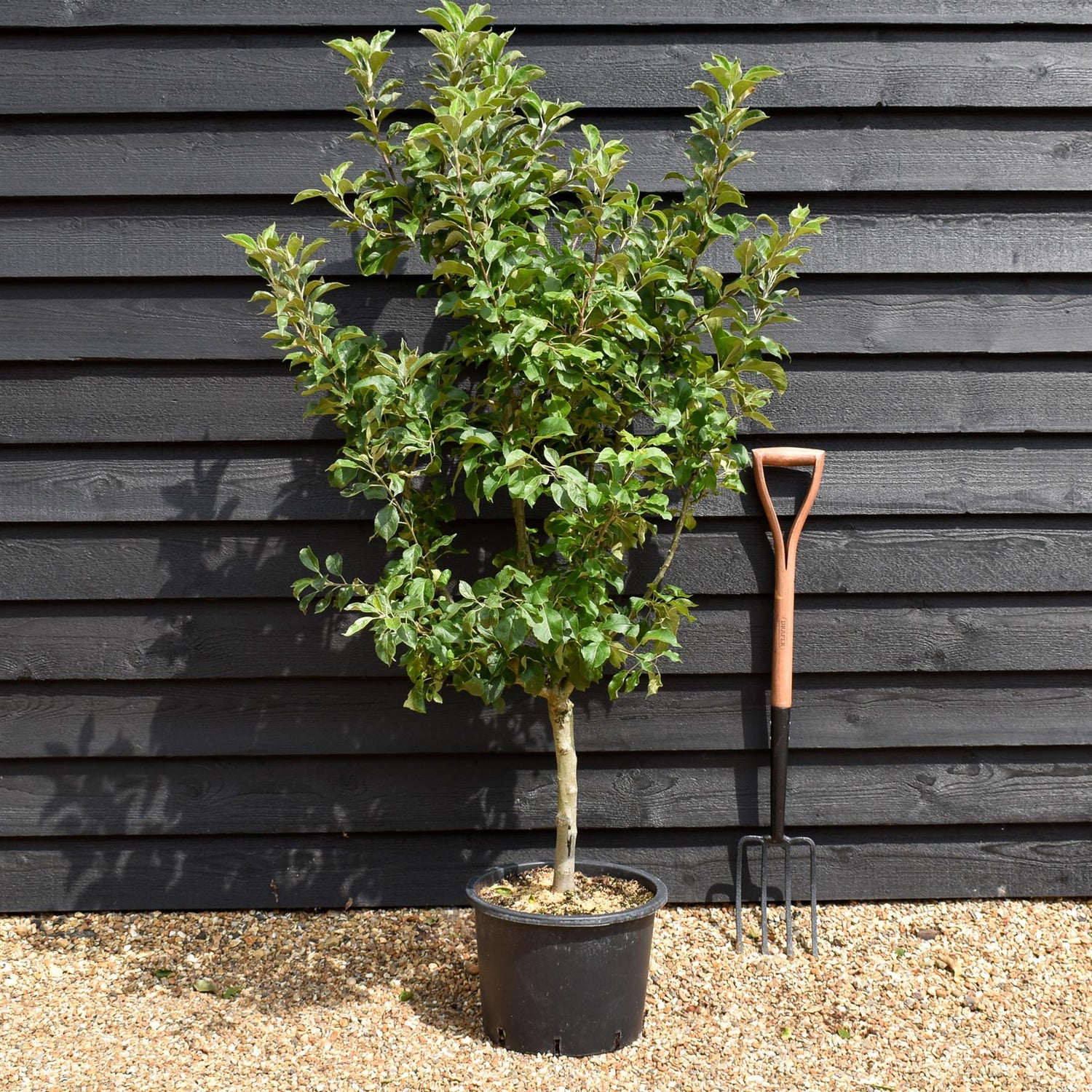


Apple tree 'Garden Sun Red' Nano | Semi Dwarfing - Height 100-11cm - 20lt
£94.00
Unit price perApple tree 'Garden Sun Red' Nano | Semi Dwarfing - Height 100-11cm - 20lt
£94.00
Unit price per


Betula jacquemontii | Himalayan Birch - Height 280-300cm - 20lt
£96.00
Unit price perBetula jacquemontii | Himalayan Birch - Height 280-300cm - 20lt
£96.00
Unit price per


Apple tree 'James Grieve' | Malus domestica - M26 - Semi-Dwarfing - Height 150-160cm - 12lt
£86.00
Unit price perApple tree 'James Grieve' | Malus domestica - M26 - Semi-Dwarfing - Height 150-160cm - 12lt
£86.00
Unit price perJames Grieve Apple is a hardy, deciduous tree suitable for cold climate zones. It is best grown in northerly areas with cold winters, moderate summer temperatures, and medium to high humidity. It’s an old apple variety, raised in 1893. in Edinburgh, Scotland, by James Grieve from pollination of Cox’s Orange Pippin and most likely Pott’s Seedling apple. Generally, a resilient plant, it needs some protection from harsh winds. It’s a good polliniser for other apples. It cannot be found in supermarkets because it is sensitive to pressure and easily bruised and cannot sustain supermarket handling.
James Grieve apples are medium to large, yellow-green, speckled and striped orange-red, with creamy, refreshing and very juicy flesh. At the beginning of season, it is sharp and perfect for cooking, retaining its shape when cooked. After a few weeks, it becomes milder and sweeter, like a firm pear in texture.
M26 is a semi-dwarfing rootstock (smaller than MM106) used for apple trees, particularly in orchards and home gardens. It produces trees 10-12 feet in height, making them easier to manage and harvest. M26 ensures early fruit production, good anchorage, and medium vigor. However, it requires staking during early years and is moderately susceptible to fire blight.


Pinus mugo 'Ophir' - Height 15-20cm - Width 20-30cm - 5lt
£60.00
Unit price perPinus mugo 'Ophir' - Height 15-20cm - Width 20-30cm - 5lt
£60.00
Unit price perPinus mugo 'Ophir' is a dwarf cultivar of the mountain pine, Pinus mugo. It is a slow-growing, coniferous evergreen shrub that typically reaches a height of 2-3 feet and a spread of 4-5 feet at maturity. Its compact and rounded form, with bright golden-yellow foliage, makes it an excellent choice for rock gardens, container plantings, and low borders.
The needles of Pinus mugo 'Ophir' are short and twisted, measuring about 1-2 inches long. They emerge in spring as a vibrant golden-yellow colour, which gradually fades to a soft green in summer. The bark of the plant is a dark brown color with a slightly rough texture, adding to its ornamental value. This cultivar is very hardy and can withstand harsh winter conditions, making it an ideal choice for cold climates. It prefers full sun to partial shade and well-drained soils that are slightly acidic. Once established, it is drought tolerant and requires minimal maintenance.


Pinus Mugo 'March' | Dwarf Mountain Pine - Height 40-50cm - Width 30cm - 11lt
£135.00
Unit price perPinus Mugo 'March' | Dwarf Mountain Pine - Height 40-50cm - Width 30cm - 11lt
£135.00
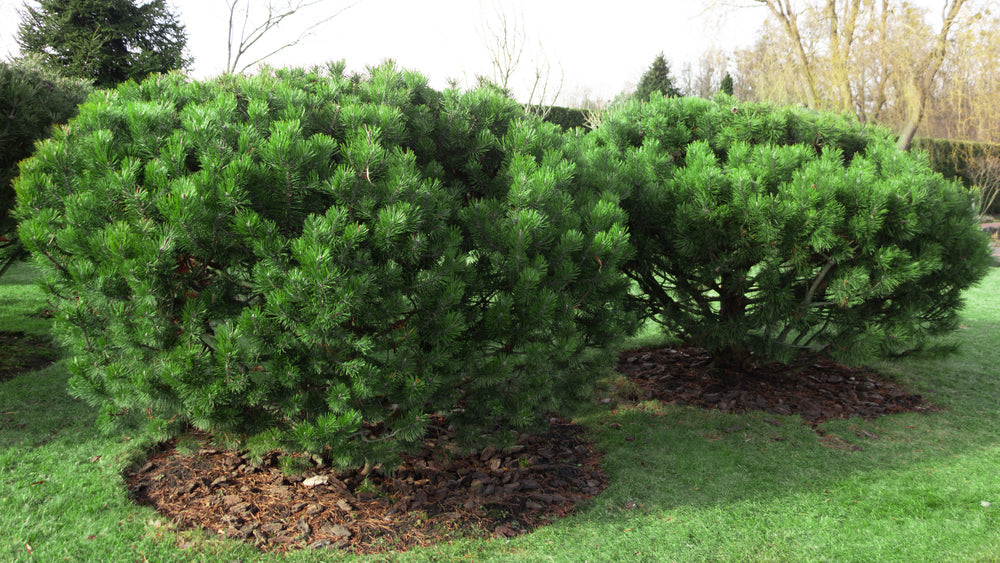
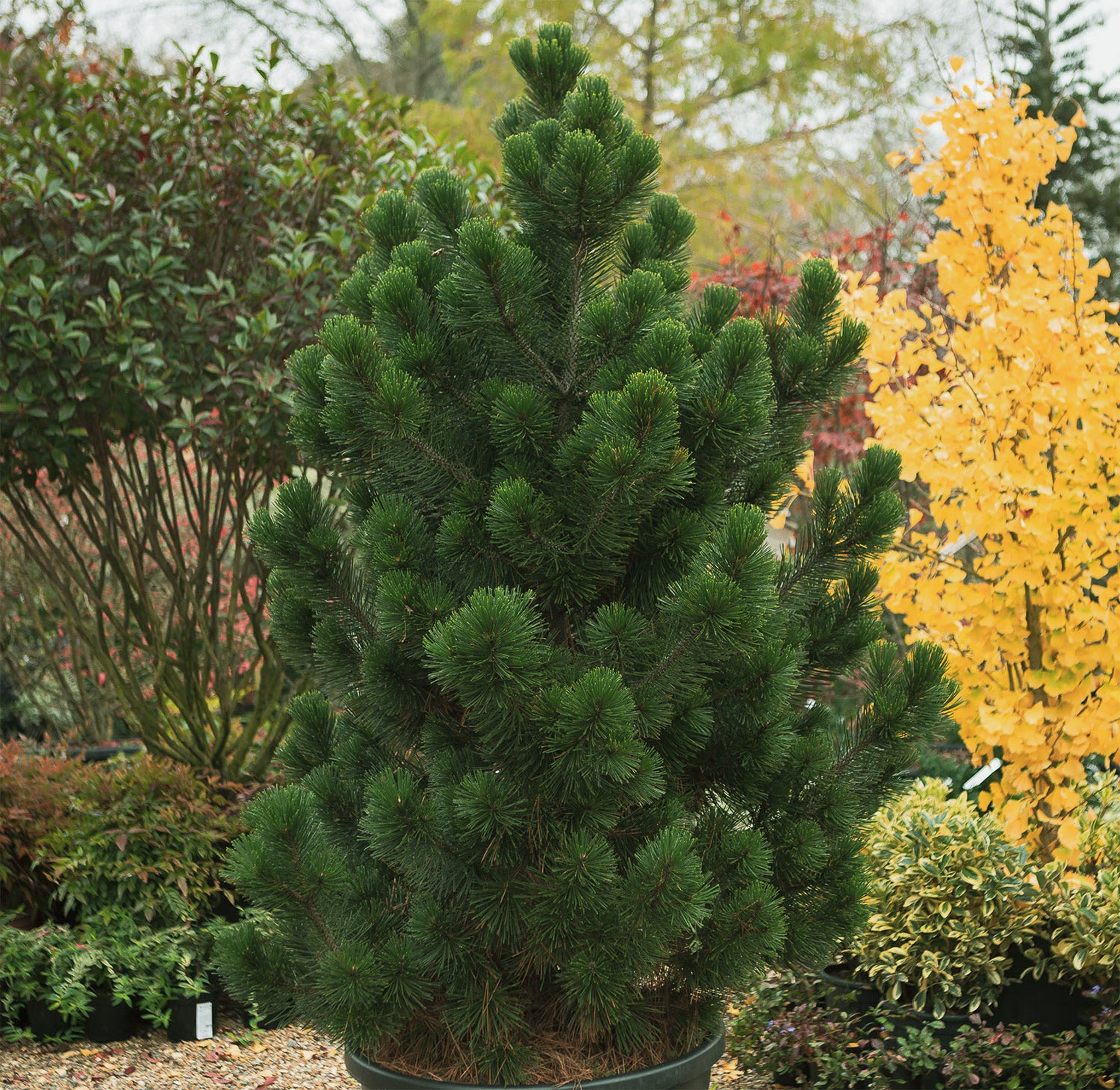
Unit price perPinus mugo 'March', commonly known as dwarf mountain pine, is a particularly hardy conifer, prized for its dense, lush needle-like foliage and compact, mounding growth habit. This variety of mountain pine achieves an ultimate height of approximately 1-1.2 metres, making it perfectly suited for smaller garden spaces and rockeries. Its vibrant green needles maintain their appeal throughout the year, offering a burst of colour even during the winter months.
Adaptable to a wide range of climates, Pinus mugo 'March' is suited to UK conditions and thrives in RHS Hardiness Ratings of H7, indicating it can withstand harsh winter temperatures. It favours well-drained soil and is drought-tolerant once established, making it an excellent choice for water-wise gardening. Its robust nature and low maintenance needs also make it ideal for urban gardens.
Frequently utilised in landscape designs as a foundational plant, border shrub, or part of a conifer collection, its sturdy form and evergreen characteristics provide ongoing interest and structure to any garden.


Parrotia persica | Persian Ironwood - Large Shrub - Height 370-400cm - 130lt
£1,485.00
Unit price perParrotia persica | Persian Ironwood - Large Shrub - Height 370-400cm - 130lt
£1,485.00
Unit price perParrotia persica is a slow-growing, wide-spreading, multi-stemmed deciduous shrub or small, single-trunk tree with exfoliating bark, and glossy, scallop-shaped leaves, reddish purple in spring, dark green in summer, and yellow, orange, red and purple in autumn. Small, red flowers open from black, velvety buds and bloom in clusters in late winter and early spring on bare branches. Fruit is a brown, 2-velved capsule.
Parrotia persica prefers fertile, slightly acidic, medium moisture, well-drained soils, in full sun, but tolerates partial shade and various soil conditions. Resistant to cold, but late frost may damage flower buds. It is generally, pest-free and disease-free. Low maintenance plant, it doesn’t require much pruning.
Persian Ironwood is most attractive for its autumn foliage and a peeling bark in shades of pink, grey-green and brown. It is excellent as a specimen or lawn tree, great for shrub borders, wall-side borders, and informal hedges and screens.


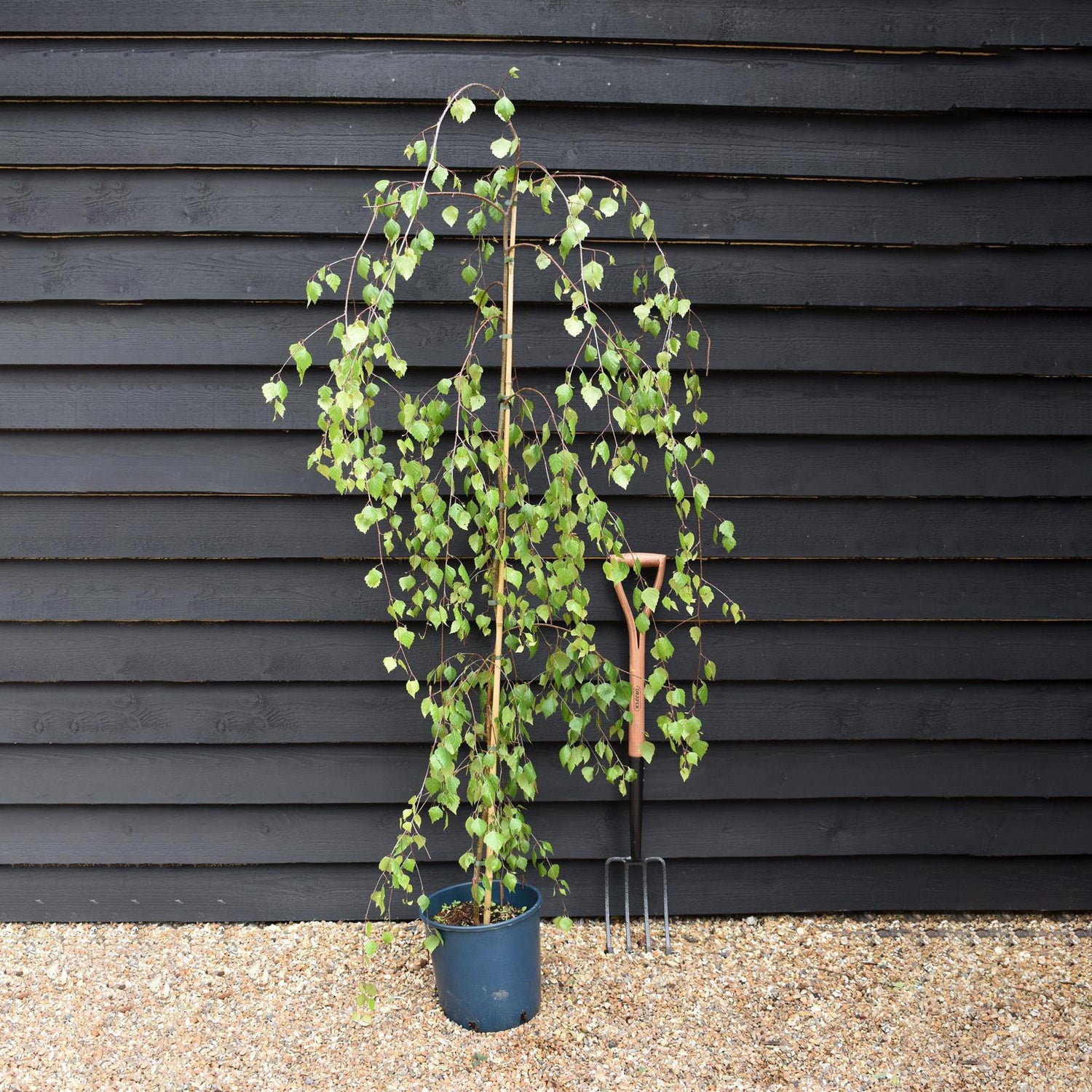


Young’s Weeping Silver Birch | Betula pendula Youngii - Height 120-150cm - 10lt
£94.00
Unit price perYoung’s Weeping Silver Birch | Betula pendula Youngii - Height 120-150cm - 10lt
£94.00
Unit price per

Matteuccia struthiopteris | Shuttlecock or Ostrich Fern - 15-25cm - 3lt
£17.00
Unit price perMatteuccia struthiopteris | Shuttlecock or Ostrich Fern - 15-25cm - 3lt
£17.00
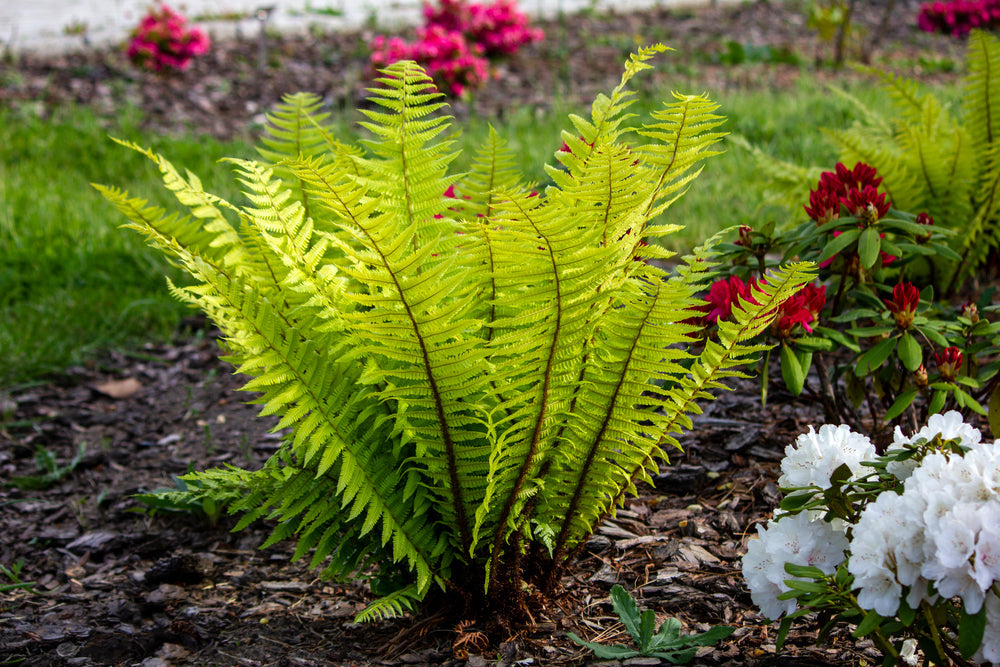
Unit price perMatteuccia struthiopteris, commonly known as the ostrich or shuttlecock fern, is a striking perennial fern native to temperate regions across the Northern Hemisphere. This plant is renowned for its large, graceful fronds that bear a resemblance to the elegant feathers of an ostrich or shuttlecock, hence the name.
This fern typically grows in moist, well-drained soils and thrives in partial to full shade, making it an ideal plant for woodland gardens or shaded borders. It can reach a height of up to 1.5 metres (5 feet) and spreads through underground rhizomes, forming dense colonies over time. The plant's fronds are of two types: the sterile fronds, which are the showy, arching fronds that give the fern its name, and the fertile fronds, which are shorter, erect, and appear in the centre of the plant.
In spring, the young fronds, known as fiddleheads, emerge as tightly coiled spirals. These fiddleheads are not only a visual delight but are also edible. In some cultures, they are harvested and consumed as a delicacy, often compared to asparagus in flavour. However, care should be taken to properly identify and prepare them, as not all fern species are safe to eat.
Matteuccia struthiopteris is relatively low-maintenance once established. It is hardy and can withstand temperatures down to -20°C, making it suitable for various climates across the UK. Regular watering, especially during dry periods, and mulching to retain soil moisture are recommended to keep the plant thriving. Pruning is generally not necessary, though old fronds can be removed to maintain a tidy appearance.
Overall, this fern is a versatile and attractive plant that adds a lush, tropical feel to gardens. Its majestic fronds and adaptability make it a popular choice among gardeners and landscapers alike.


Juneberry | Amelanchier lamarckii - Multistem - Height 200-230cm - 30lt
£545.00
Unit price perJuneberry | Amelanchier lamarckii - Multistem - Height 200-230cm - 30lt
£545.00
Unit price per


Pear - Pyrus calleryana 'Chanticleer' - 300-310cm, 35lt
£350.00
Unit price perPear - Pyrus calleryana 'Chanticleer' - 300-310cm, 35lt
£350.00
Unit price per


Pyrus calleryana 'Chanticleer' | Callery Pear | Ornamental Pear Tree - Height 200-250cm - Girth 6-8cm - 30lt
£155.00
Unit price perPyrus calleryana 'Chanticleer' | Callery Pear | Ornamental Pear Tree - Height 200-250cm - Girth 6-8cm - 30lt
£155.00
Unit price per


Pyrus calleryana 'Chanticleer' | Callery Pear - Height 180-220cm - 12lt
£95.00
Unit price perPyrus calleryana 'Chanticleer' | Callery Pear - Height 180-220cm - 12lt
£95.00
Unit price per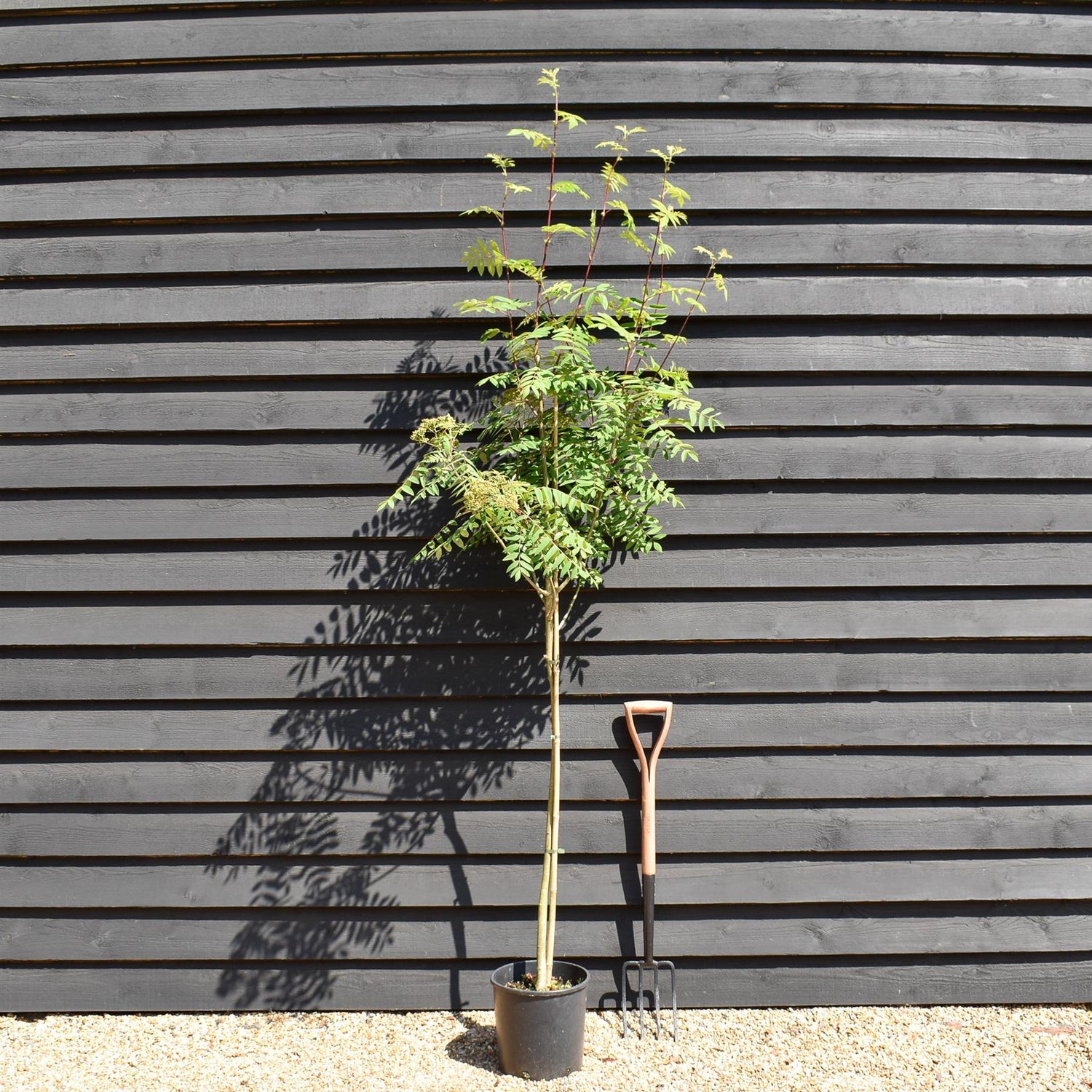
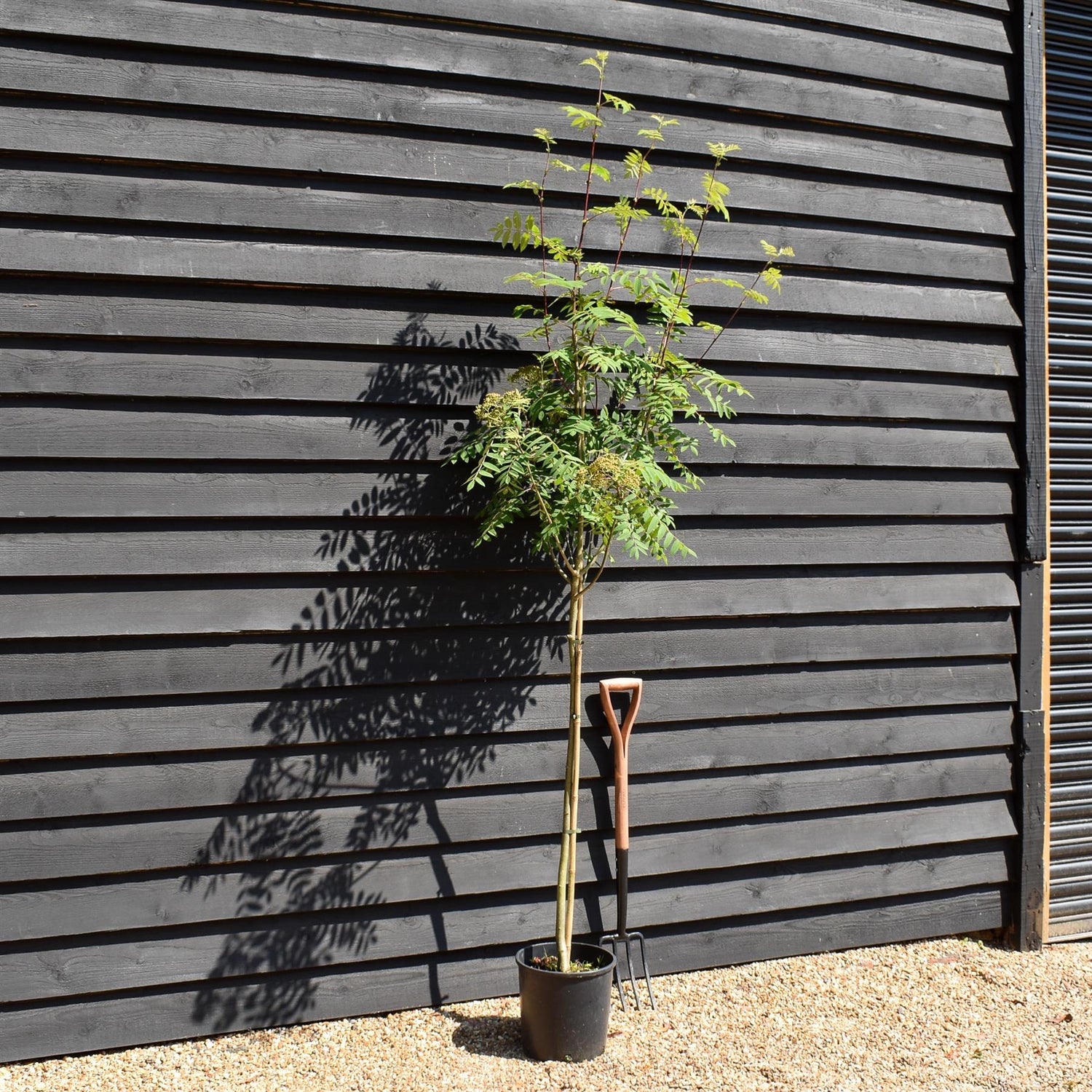
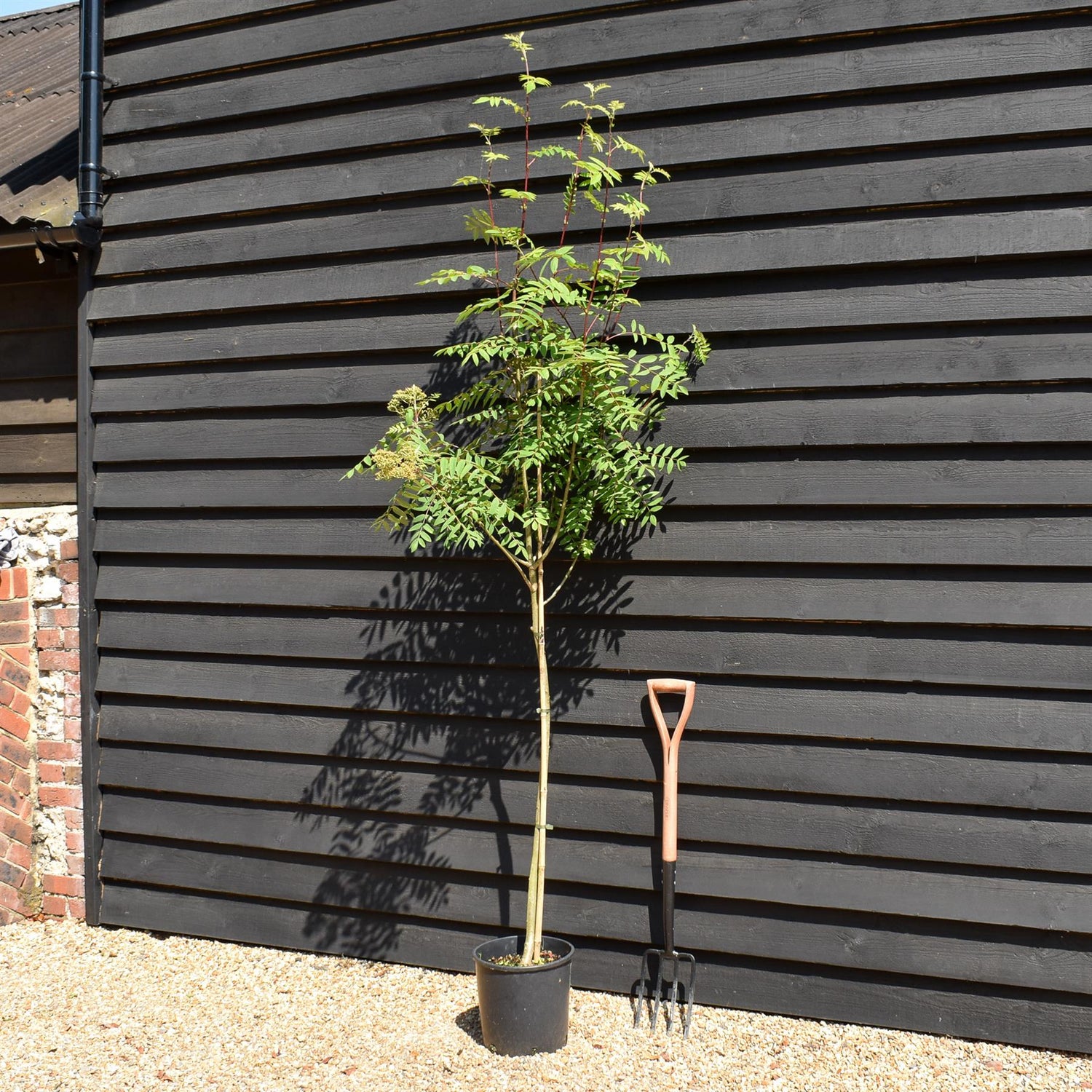
Sorbus aucuparia | European Mountain Ash - Height 160-220cm - Girth 4-8cm - Pot Grown - 12lt
£68.00
Unit price perSorbus aucuparia | European Mountain Ash - Height 160-220cm - Girth 4-8cm - Pot Grown - 12lt
£68.00
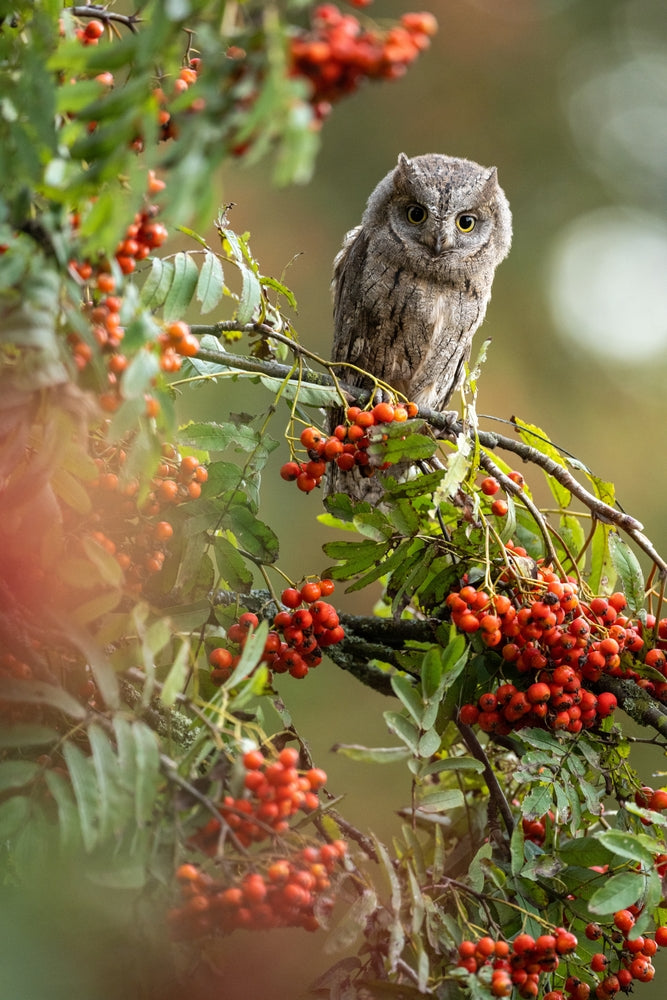
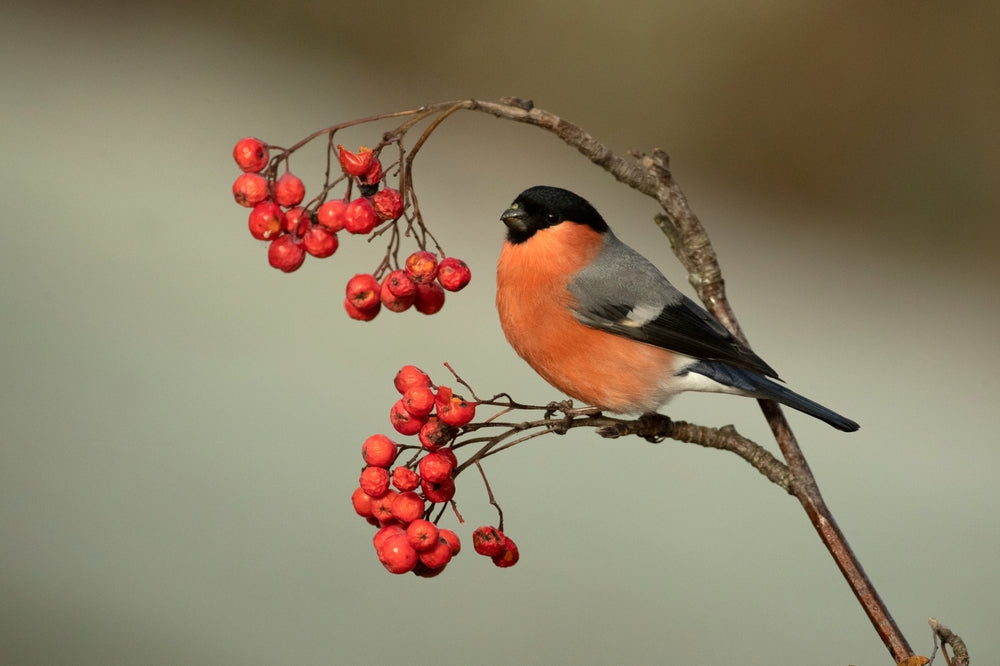
Unit price perRowan, Sorbus aucuparia, or European Mountain Ash, is a vigorous, deciduous tree with oval, upright habit when young, rounded when mature and pinnate, serrated, dark green leaves, yellow, red, and purple in autumn. Flat-topped clusters of small, white flowers bloom in late spring and are followed by a profusion of bright orange-red berries. Attractive to birds and bees. European Mountain Ash prefers moderately fertile, humus-rich, slightly acidic, moist, well-drained soils, but is adaptable to various soil conditions, even poor and dry. It thrives in full sun to partial shade. It is resistant to frost and can withstand wind and short floods. Doesn’t like hot and humid summers. Very easy to grow, tolerant of urban pollution and exposed areas. Low maintenance plant, doesn’t require pruning. Sorbus aucuparia is an attractive ornamental tree, perfect for cool northern climates. Great for cottage, wildlife, and urban gardens. Excellent as a street tree. Suitable for growing in containers on patios and roof gardens.
Pot-grown trees establish quickly with minimal transplant shock, offer greater flexibility for planting throughout the year, and typically show more consistent early growth due to their well-developed, protected root systems.

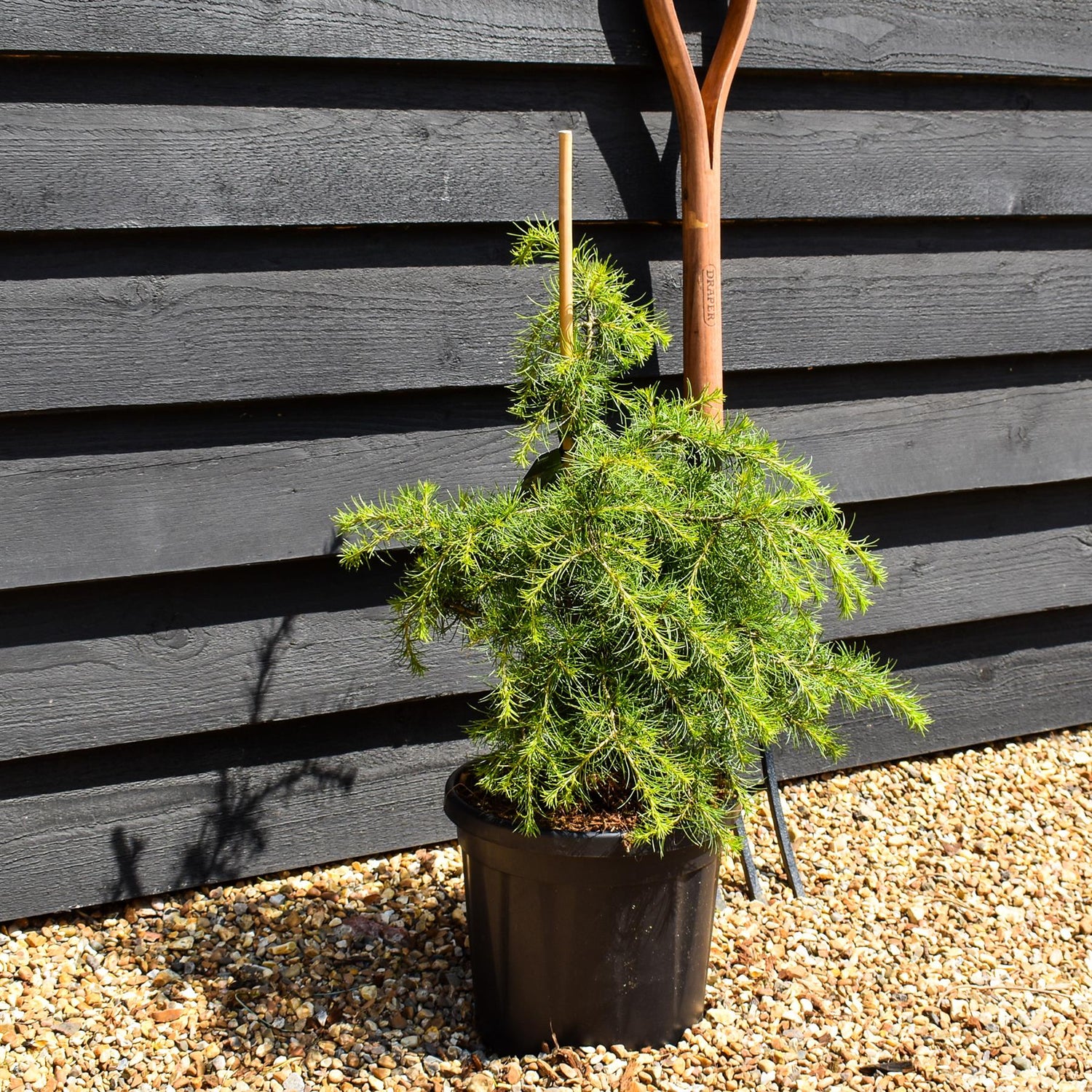
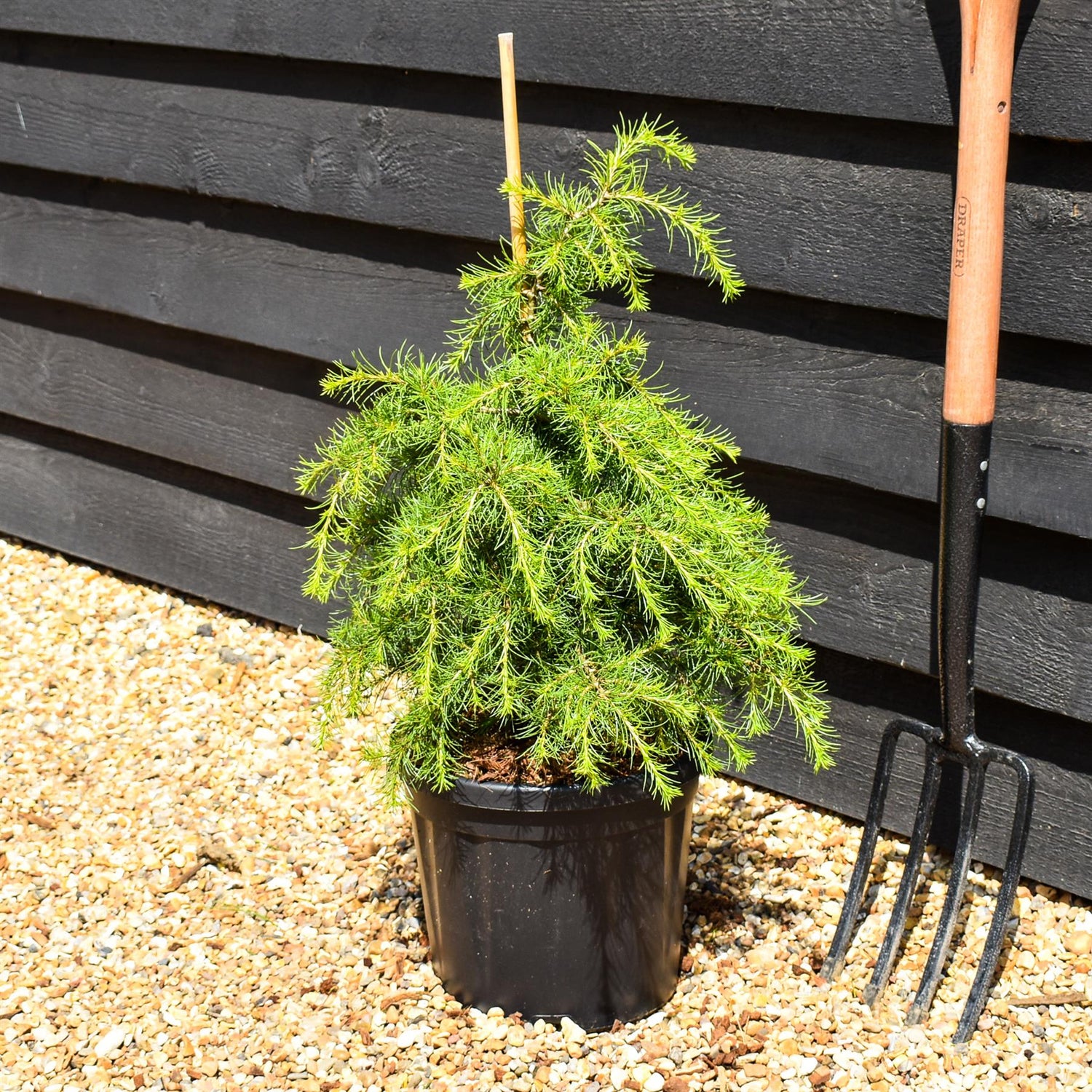
Cedrus libani 'Dino' | Cedar of Lebanon 'Dino' - Height 40-60cm - 6lt
£86.00
Unit price perCedrus libani 'Dino' | Cedar of Lebanon 'Dino' - Height 40-60cm - 6lt
£86.00
Unit price perThe Cedar of Lebanon 'Dino' is a majestic cultivar of the iconic Cedar of Lebanon, celebrated for its robust growth and stately presence. This particular variety reaches an impressive ultimate height of 40 to 60 feet, making it a striking focal point in any landscape. Its dense, dark green needles and pyramidal to conical form add a touch of elegance, while its strong structure provides year-round interest.
Commonly used in large gardens and park settings, Cedar of Lebanon 'Dino' serves well as a specimen tree, offering shade and architectural beauty. It thrives in full sun and prefers well-drained soils, although it is adaptable to a variety of soil types, from clay to loam. This cedar is hardy and resilient, tolerating drought once established, which makes it suitable for a range of climatic conditions. Ideal for expansive landscapes, it demands space to showcase its grandeur fully, embodying the regal nature of traditional Cedar of Lebanon trees.