

-
Trees
Trees
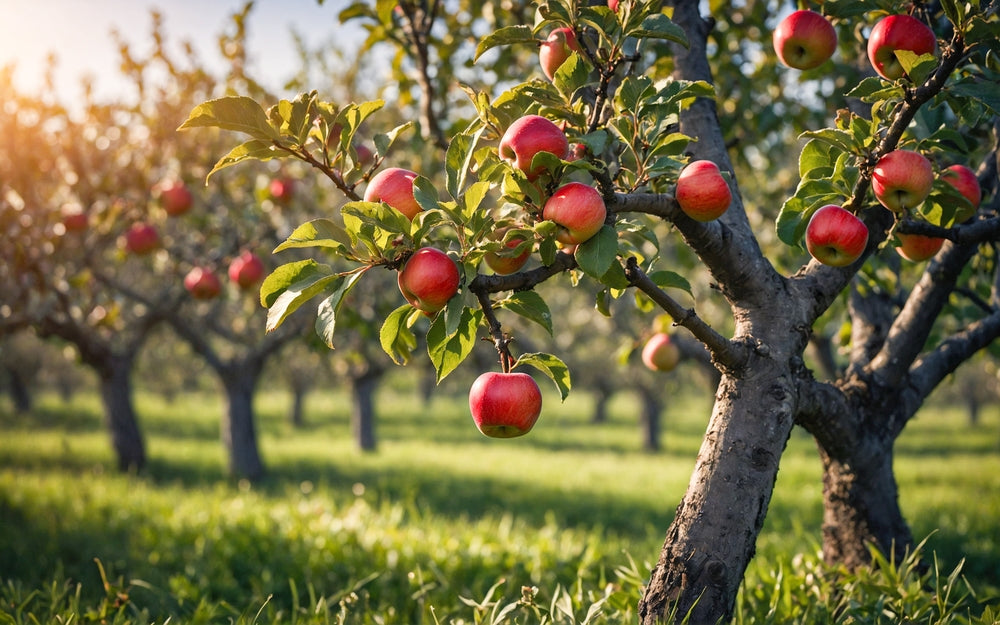 Fruit Trees
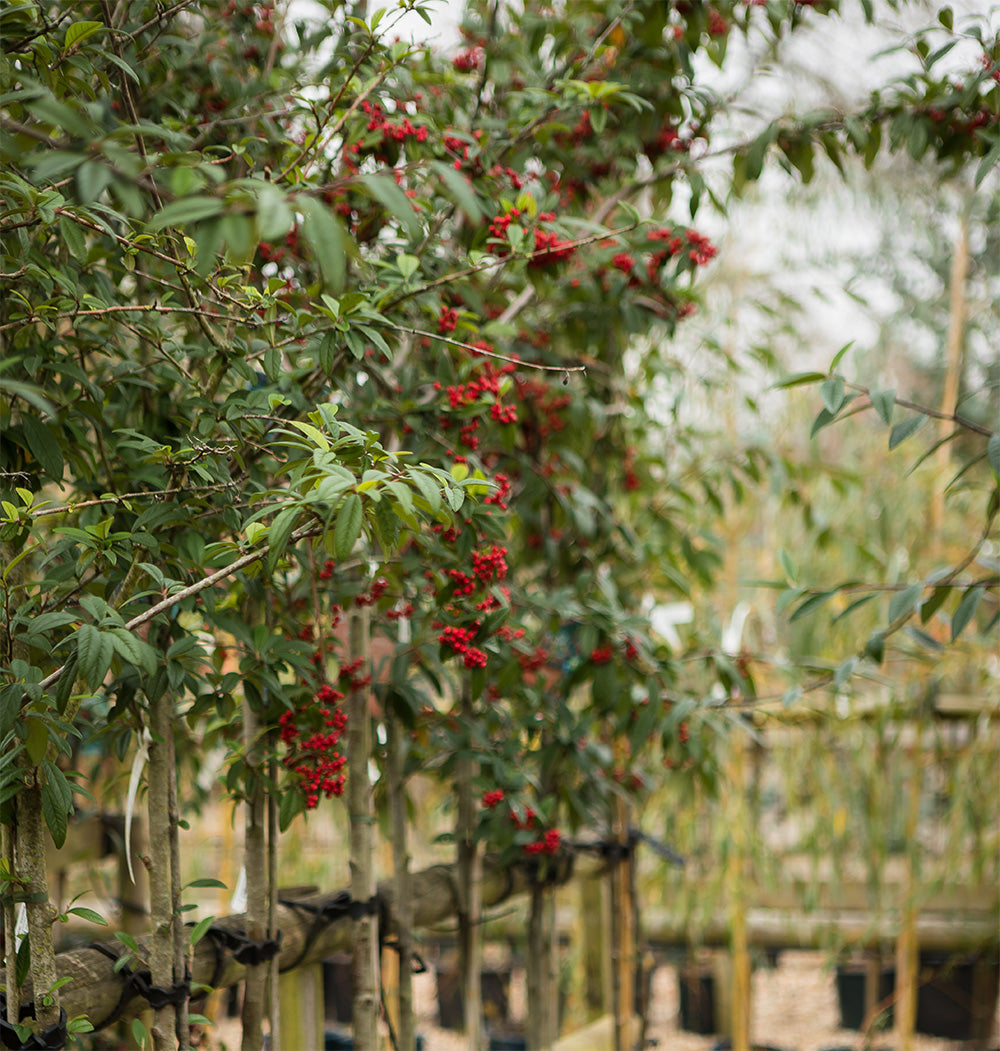 Ornamental
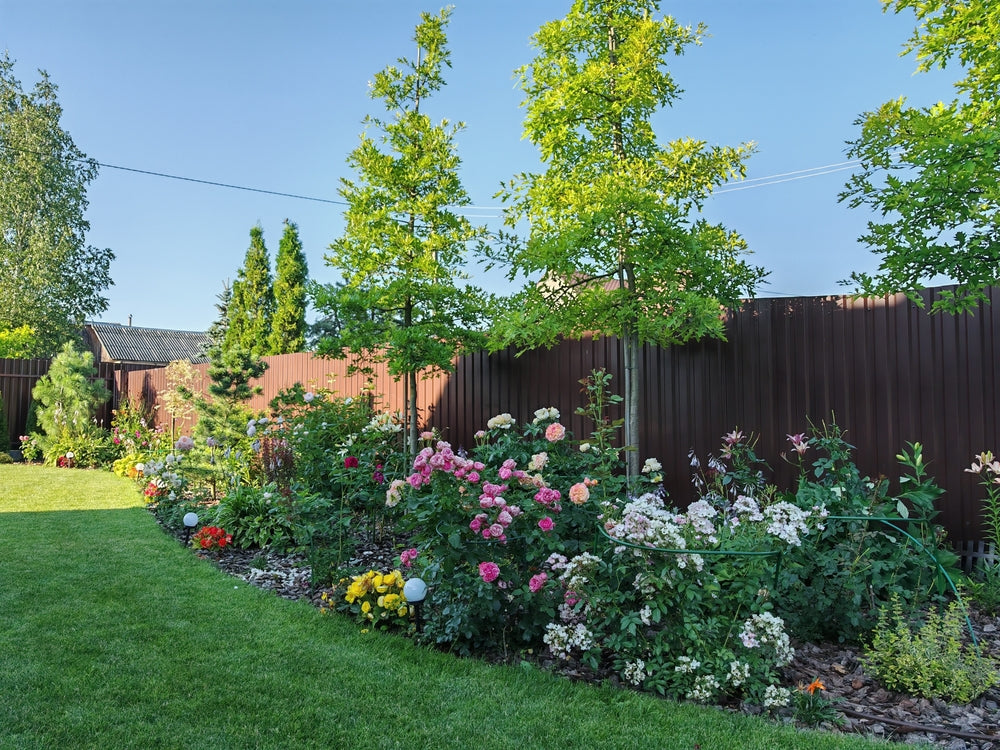 Screening
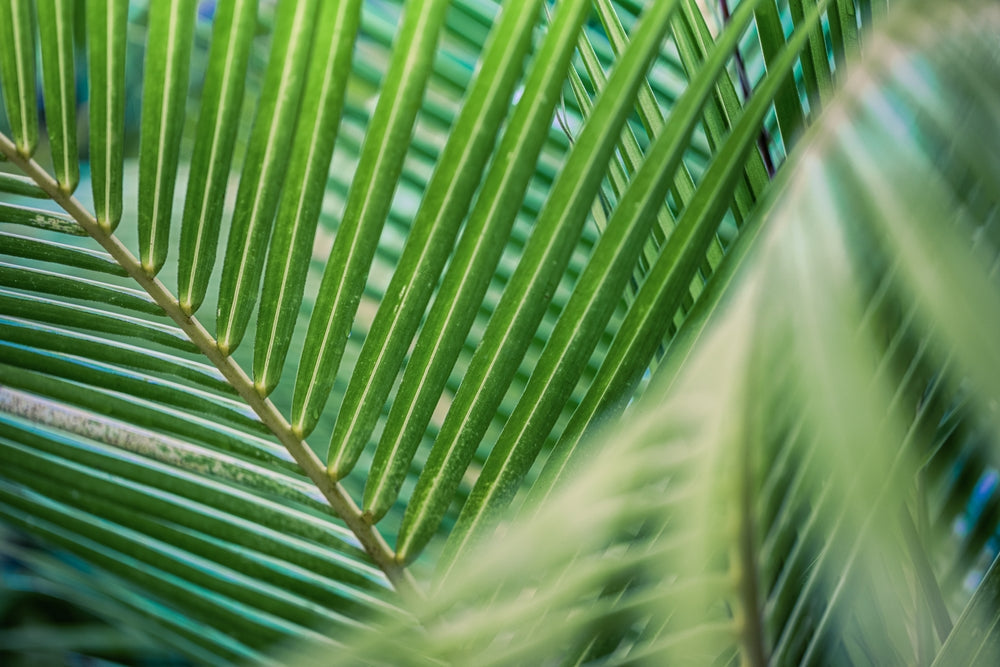 Palms
By FeaturesBy Shape
Palms
By FeaturesBy Shape -
Shrubs
Shrubs
 Large shrubs
 Hedging
 Bamboo
 Climbers
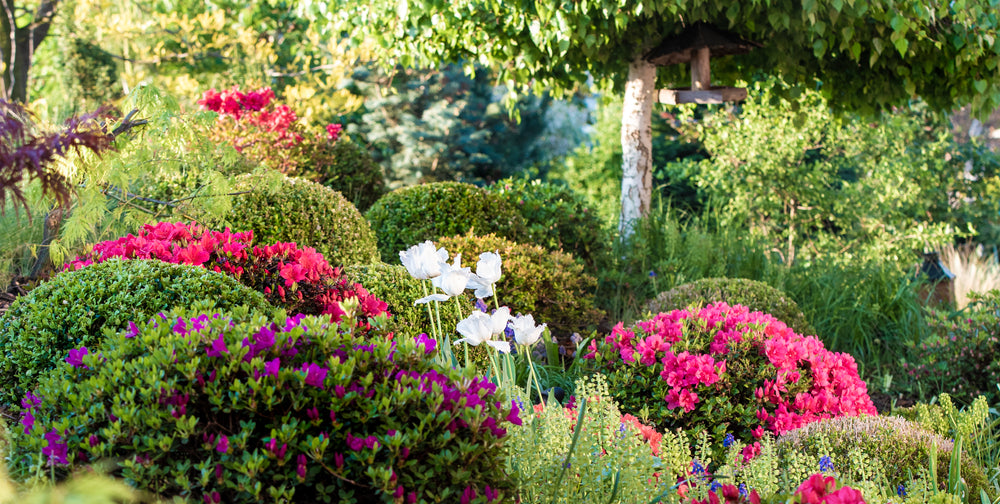 Flowering
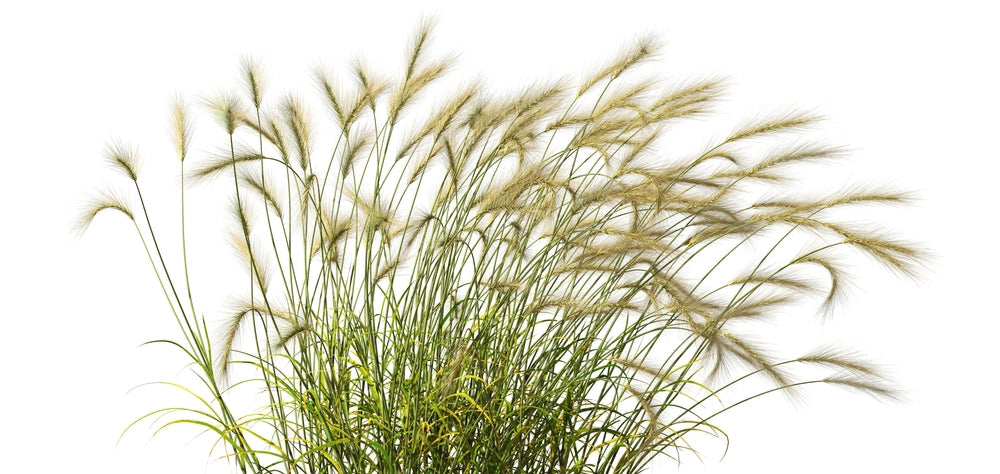 Grasses & Ferns
 Popular
-
Pines & Conifers
Pines & Conifers
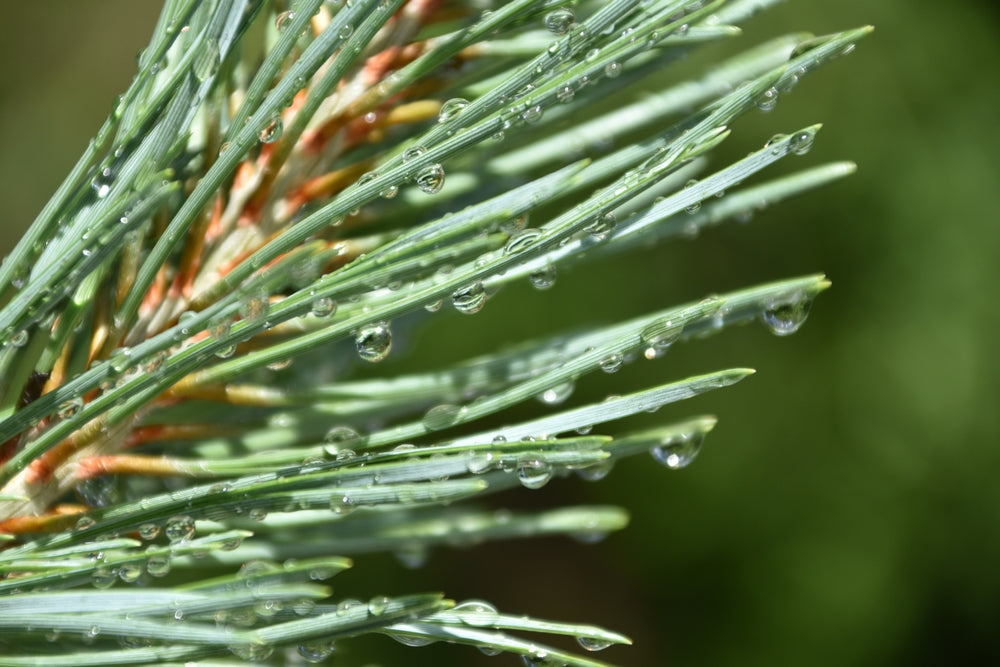 Pines
Pines
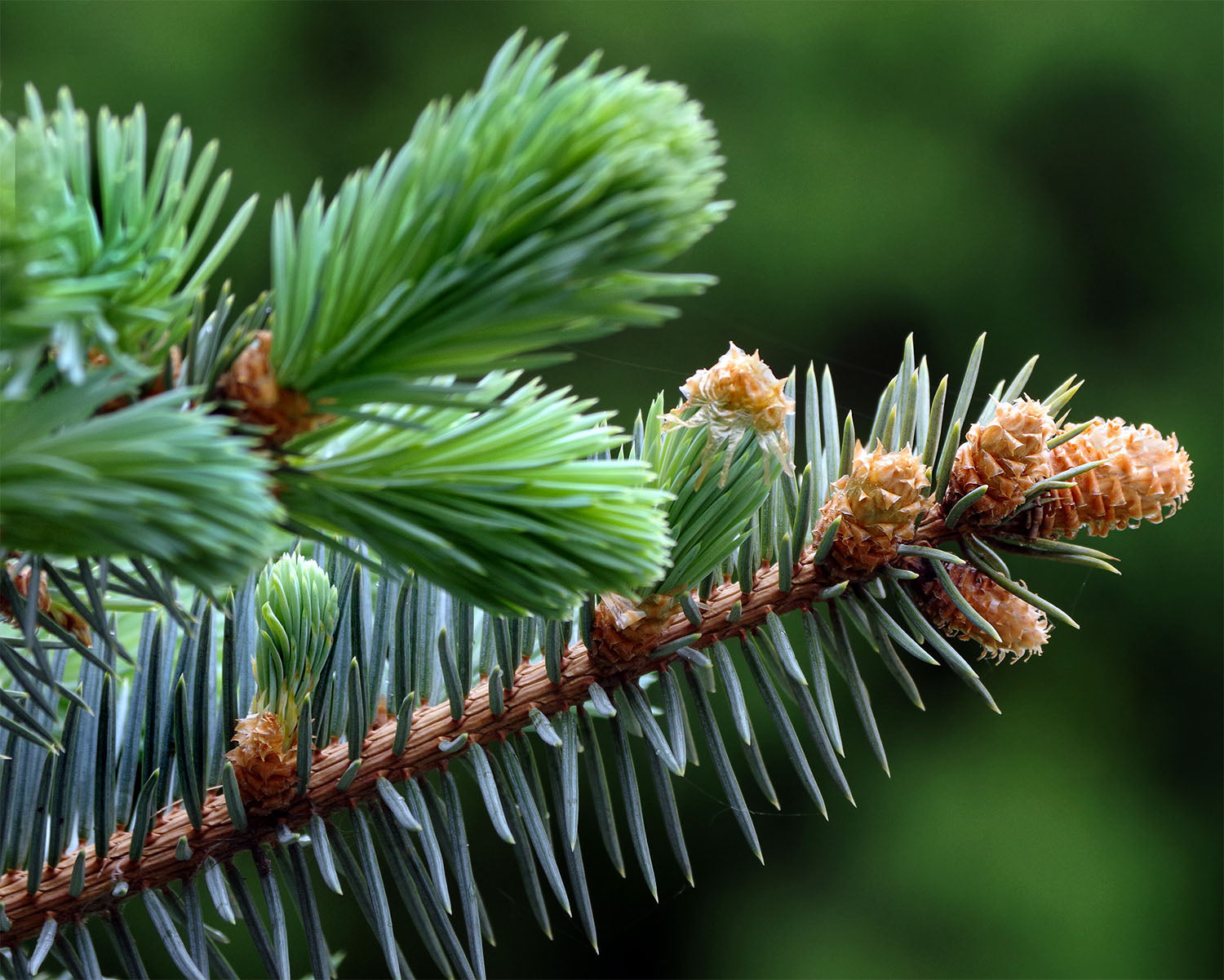 Spruce & Fir
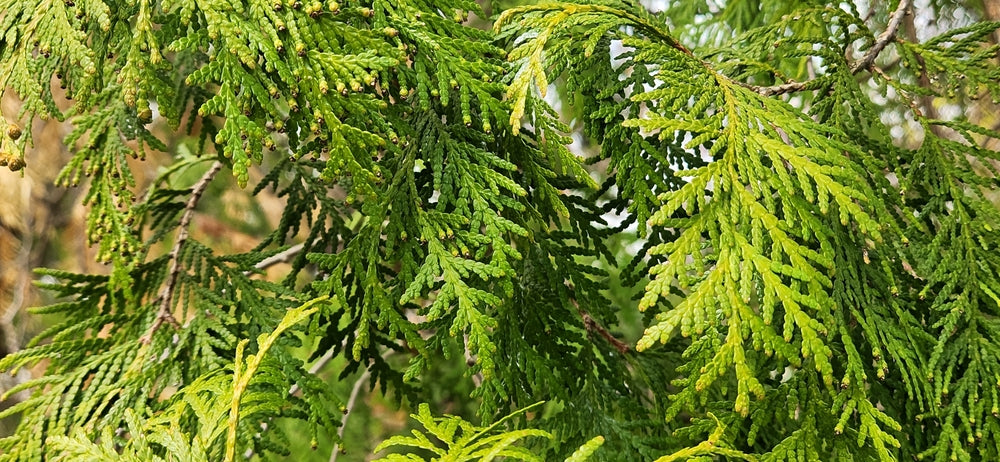 Cypress
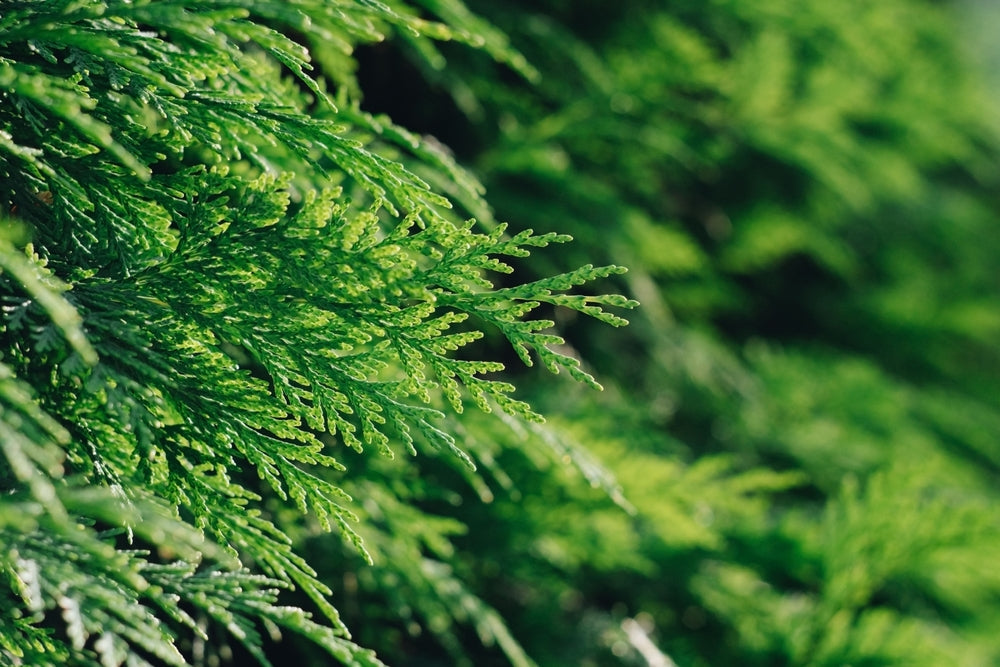 Thuja
Thuja
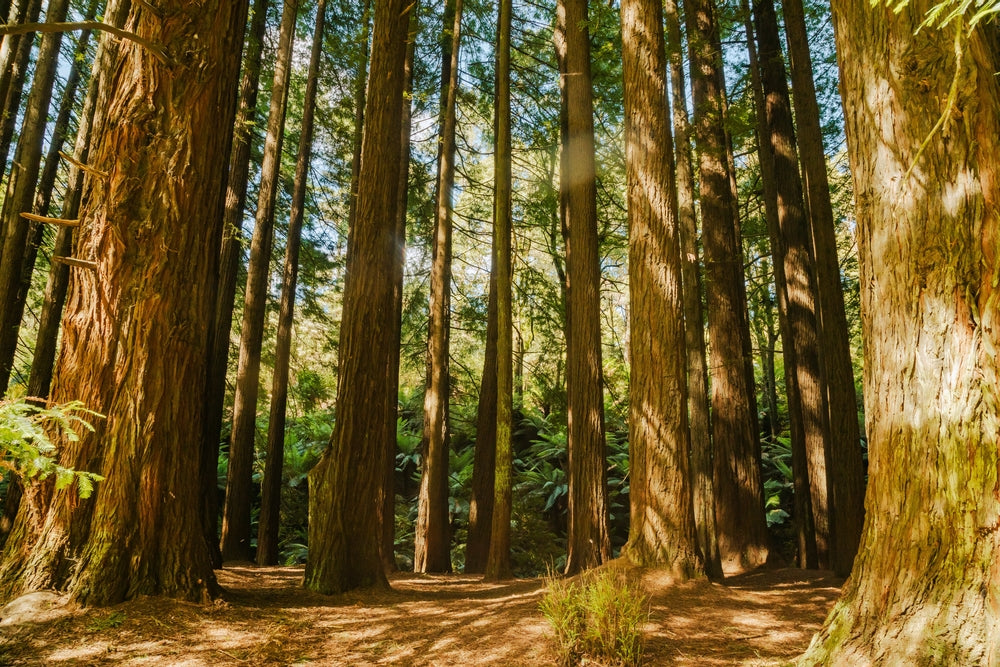 Redwood | Sequoia
-
Specimen
FREE DELIVERY OVER £350
Search results
Search results
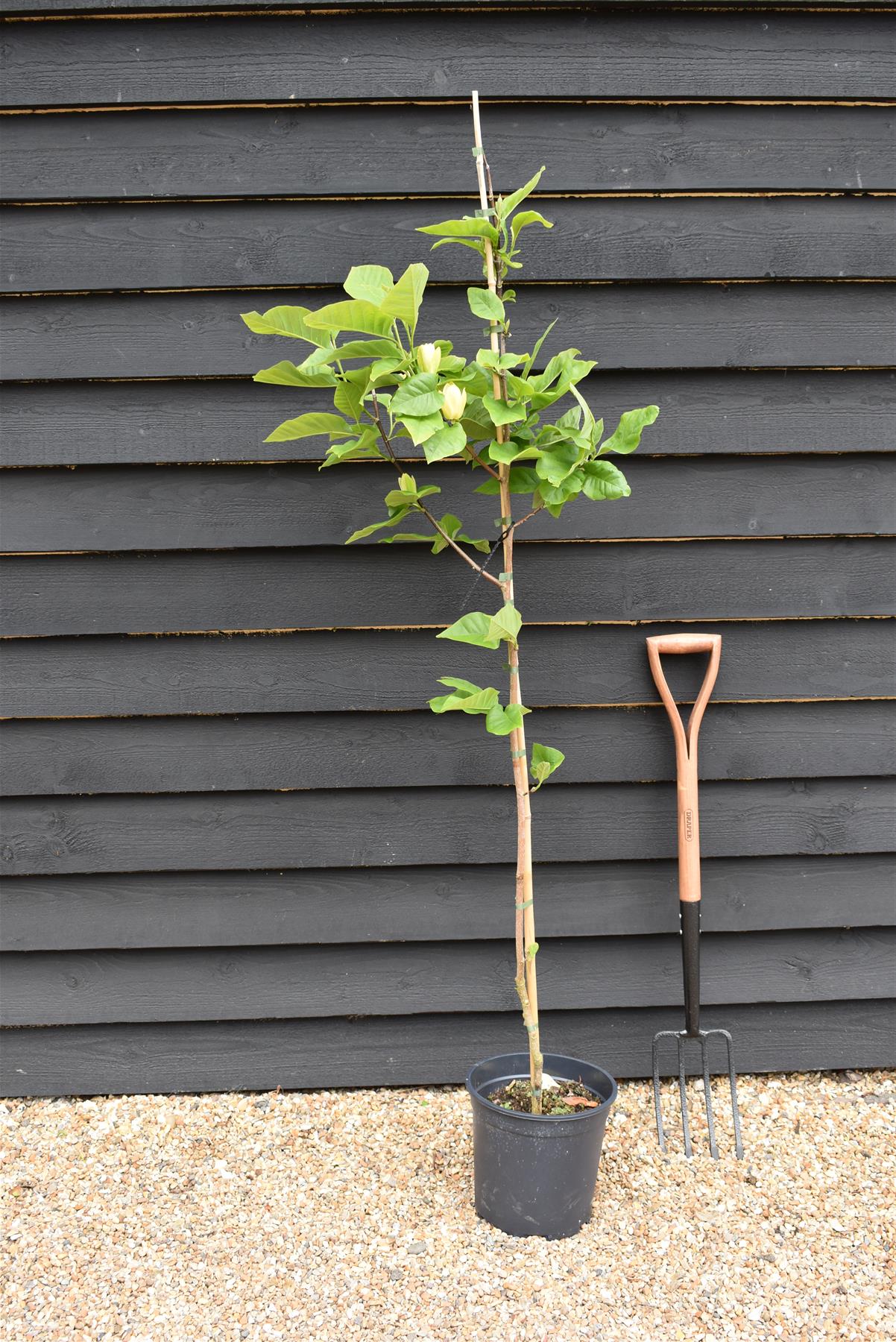


Magnolia Yellow Bird - Height 130-150cm - 10lt
£105.00
Unit price perMagnolia Yellow Bird - Height 130-150cm - 10lt
£105.00
Unit price per


Magnolia x soulangeana - Bush - Height 140-150cm - 20lt
£120.00
Unit price perMagnolia x soulangeana - Bush - Height 140-150cm - 20lt
£120.00
Unit price per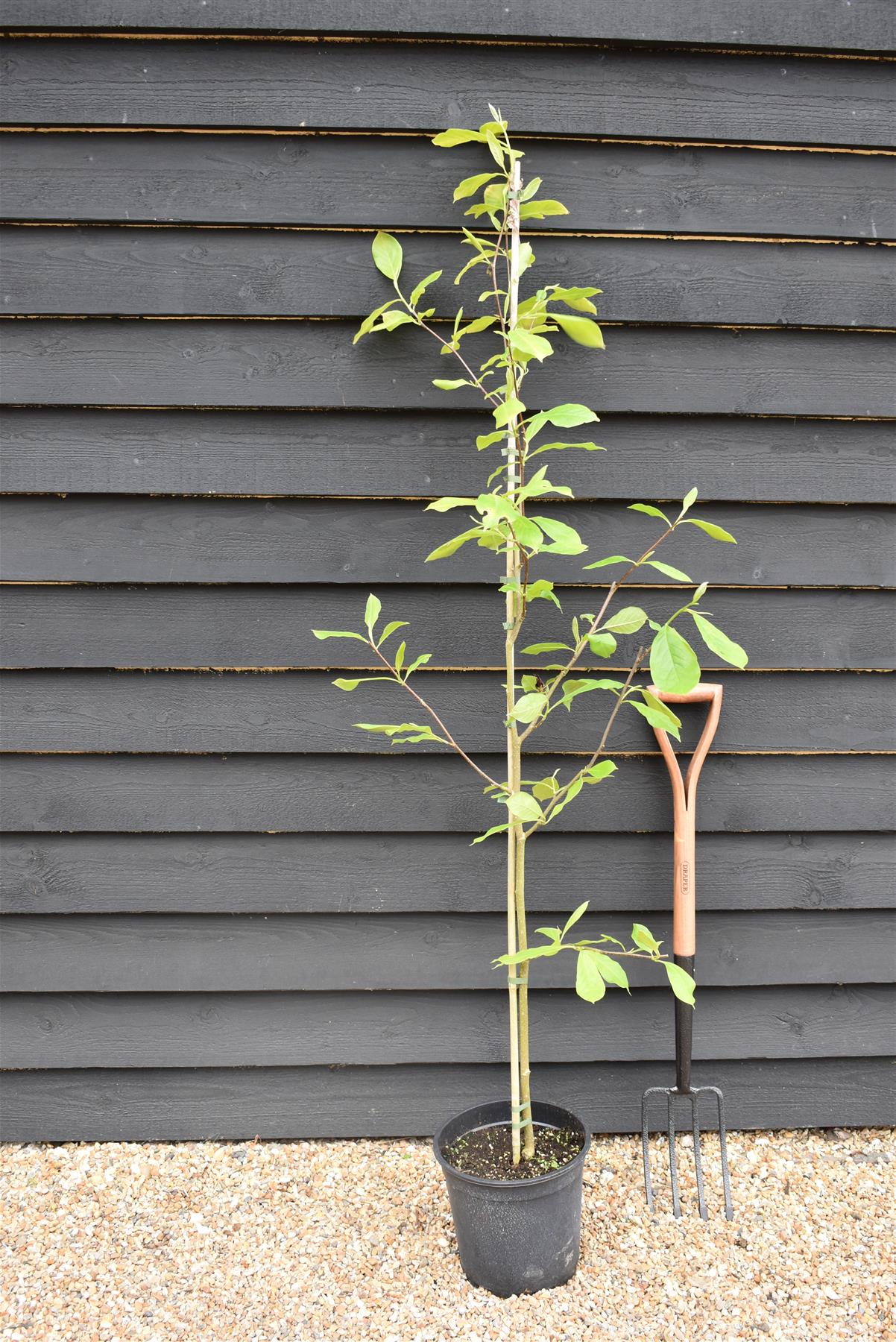


Magnolia x soulangeana | Saucer magnolia - Height 160-200cm - 10lt
£105.00
Unit price perMagnolia x soulangeana | Saucer magnolia - Height 160-200cm - 10lt
£105.00
Unit price per


Amelanchier x grandiflora 'Robin Hill' | Serviceberry - Height 280-320cm - Girth 6-8cm - 20-35lt
£335.00
Unit price perAmelanchier x grandiflora 'Robin Hill' | Serviceberry - Height 280-320cm - Girth 6-8cm - 20-35lt
£335.00
Unit price per


Alnus Cordata - Alder tree - Clear Stem - Standard - Girth 10-12cm - Height 480-530cm - 70lt
£390.00
Unit price perAlnus Cordata - Alder tree - Clear Stem - Standard - Girth 10-12cm - Height 480-530cm - 70lt
£390.00
Unit price perAlnus cordata, commonly known as the Italian alder, is a medium to large deciduous tree native to southern Italy and parts of Corsica. It belongs to the Betulaceae family and is highly valued for its ability to thrive in poor soils and challenging environmental conditions. This species is often planted for ornamental purposes, soil improvement, and as a windbreak due to its robust growth and adaptability.
The tree can reach heights of up to 25-30 metres (82-98 feet) with a trunk diameter of about 1 metre (3.3 feet). It has a relatively narrow, conical crown, which makes it an attractive choice for landscaping in urban and rural environments. The bark is smooth and greyish-brown when young, developing shallow fissures with age.
Alnus cordata is noted for its distinctive heart-shaped (cordate) leaves, which are bright green and glossy, measuring 7-12 cm in length. Unlike some other alders, the leaves of A. cordata remain on the tree until late autumn, giving it an extended season of greenery. In spring, it produces small, inconspicuous catkins, with male catkins being pendulous and yellowish, and female catkins more compact and upright. These develop into small, woody cones that persist on the tree through winter.
One of the key characteristics of Alnus cordata is its nitrogen-fixing ability. Like other alders, it forms a symbiotic relationship with the bacterium Frankia, which allows it to fix atmospheric nitrogen into the soil. This quality makes it an excellent species for improving soil fertility, particularly in degraded or nutrient-poor areas.
Overall, the Italian alder is a resilient and versatile tree, well-suited to a variety of landscapes, including wet or compacted soils, and is an important species for ecological restoration projects.
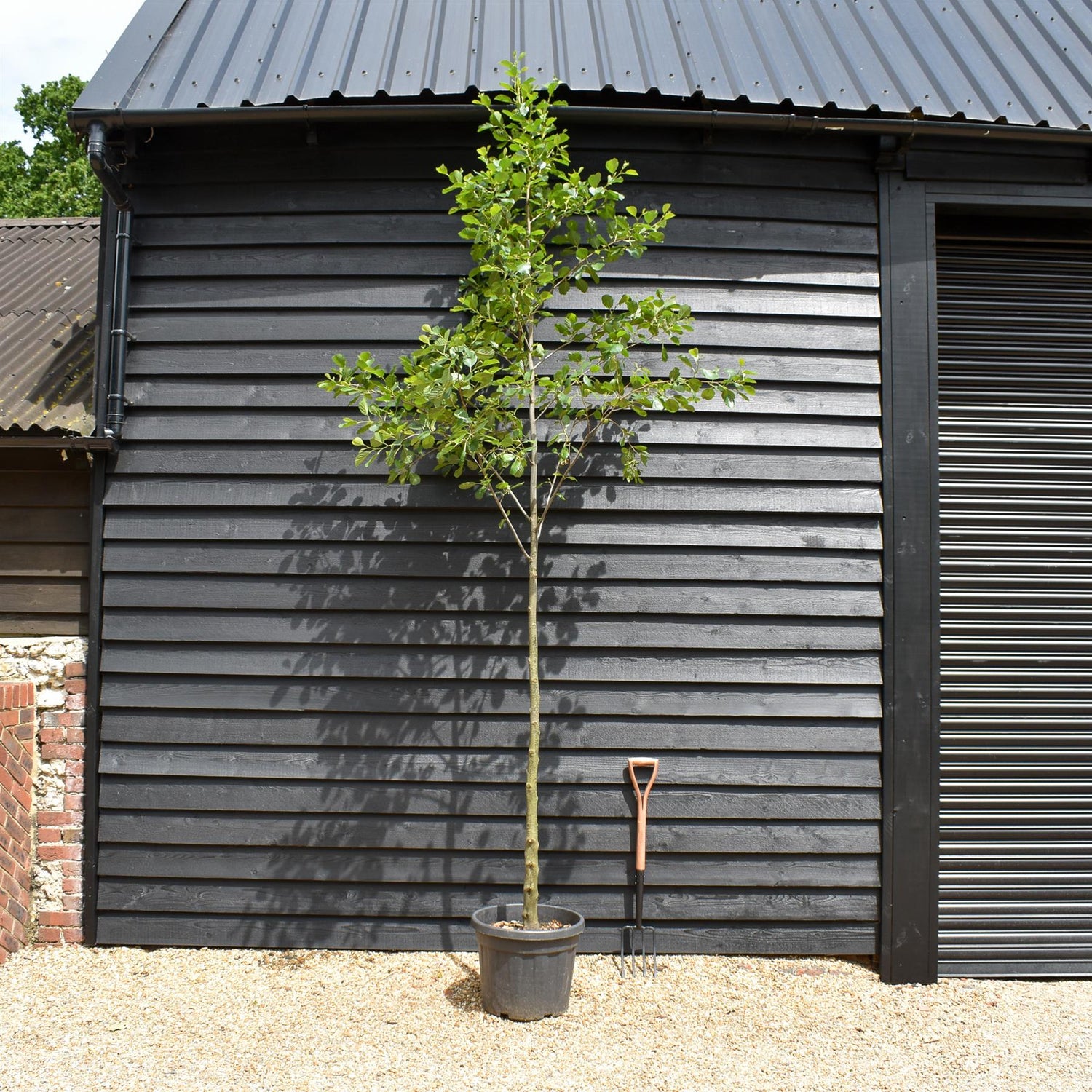


Alder tree | Alnus Glutinosa - Height 300-400cm - Girth 14-16 - 30-50lt
£365.00
Unit price perAlder tree | Alnus Glutinosa - Height 300-400cm - Girth 14-16 - 30-50lt
£365.00
Unit price perAlnus glutinosa, commonly known as the black alder, is a deciduous tree native to Europe, including the British Isles. It is a versatile and resilient species, often found thriving in wetland areas, riverbanks, and marshes, where its roots can help stabilise the soil and prevent erosion.
The black alder typically grows to a height of 20-30 metres, with a broad, conical crown that becomes more rounded with age. Its bark is dark brown and fissured, often developing a distinctive, almost black hue as the tree matures. One of its most notable features is its leaves, which are rounded with a slightly serrated edge and a glossy, dark green surface that turns yellow in the autumn.
In early spring, Alnus glutinosa produces catkins – the male catkins are long and yellowish, while the female ones are shorter and reddish. These mature into woody, cone-like fruits that persist on the tree throughout the winter, providing a valuable food source for wildlife. The black alder also forms symbiotic relationships with nitrogen-fixing bacteria in its root nodules, enriching the soil and benefiting neighbouring plants.
Due to its adaptability and ecological benefits, Alnus glutinosa is often used in reforestation and habitat restoration projects. It supports a wide range of wildlife, including insects, birds, and aquatic species, making it a vital component of the British natural landscape.
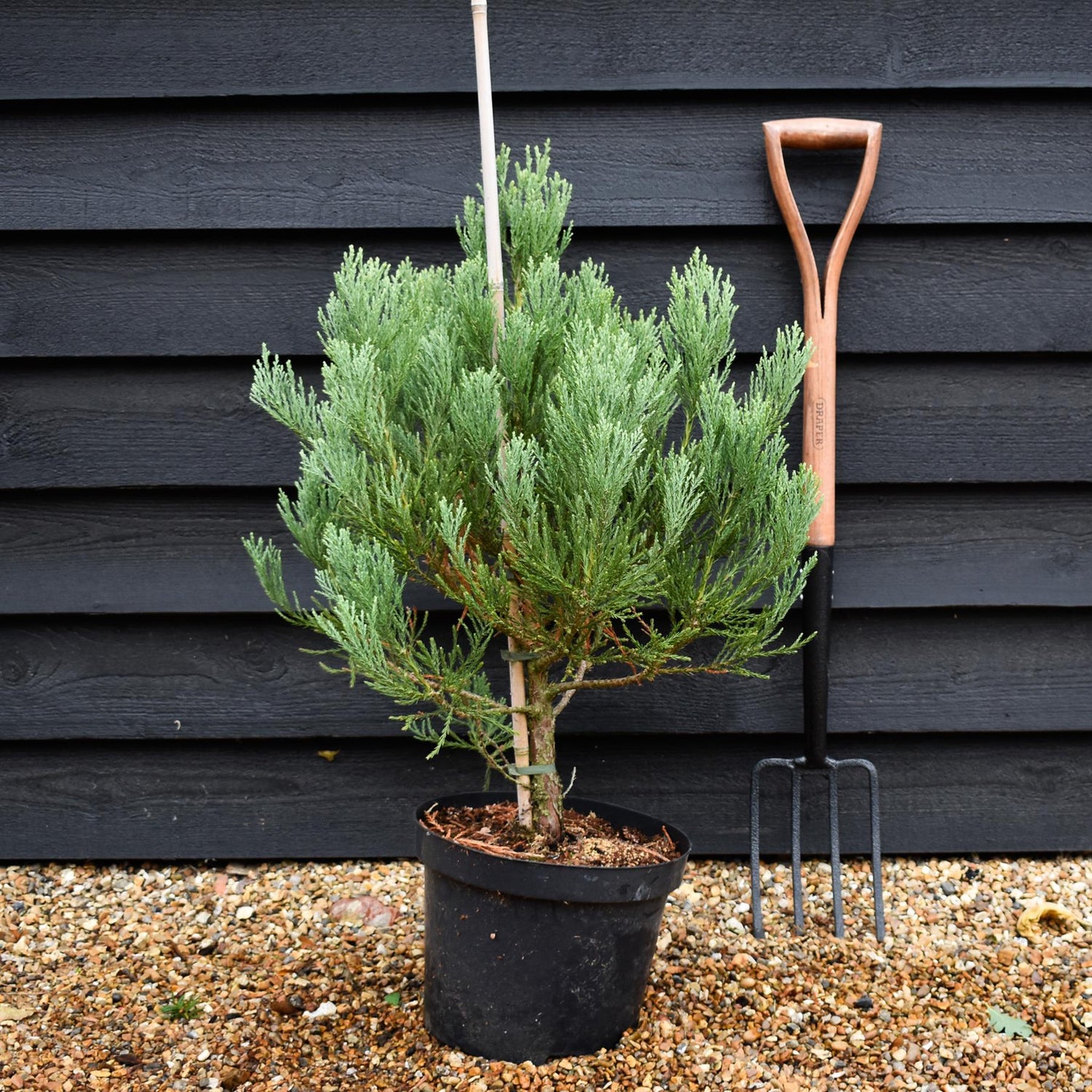
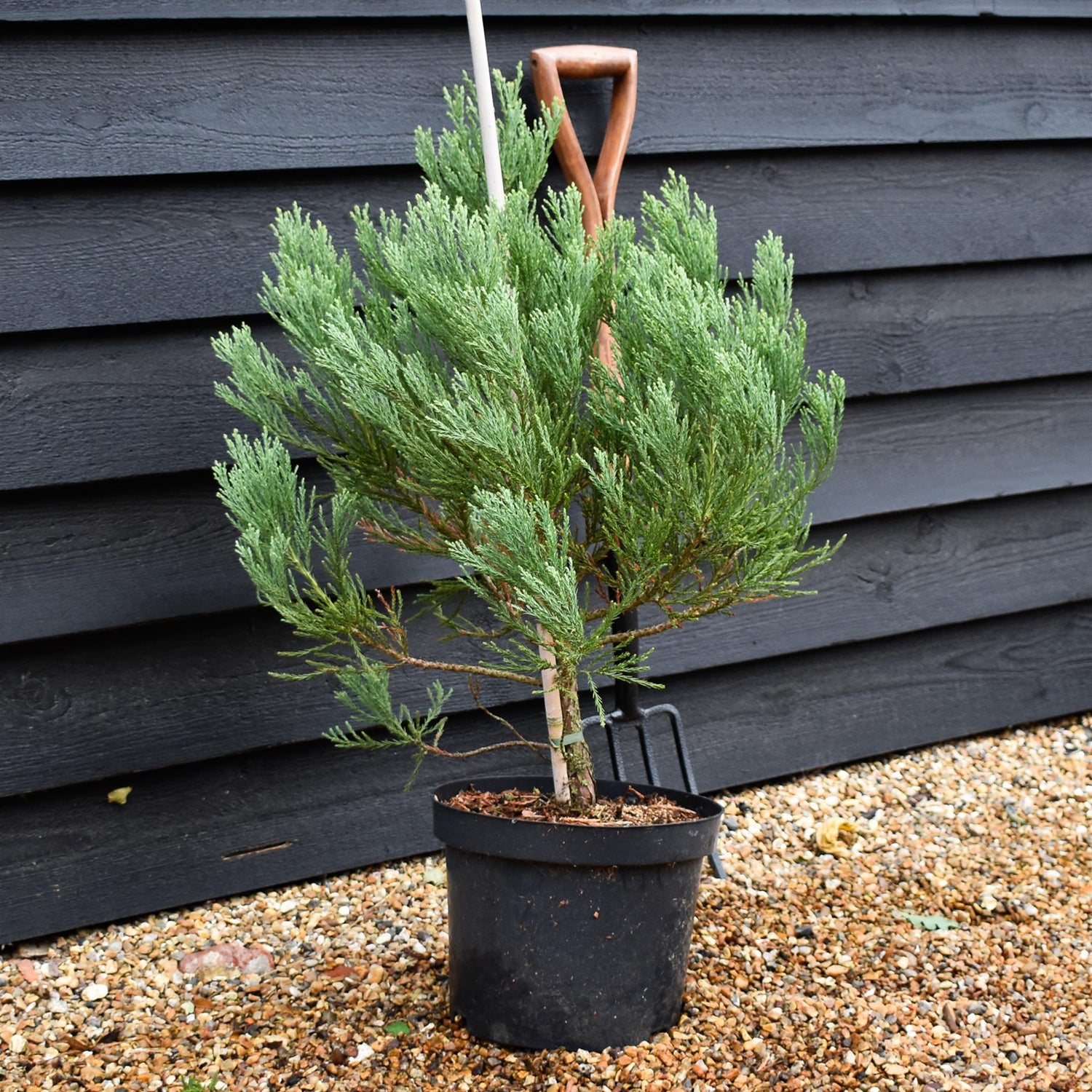
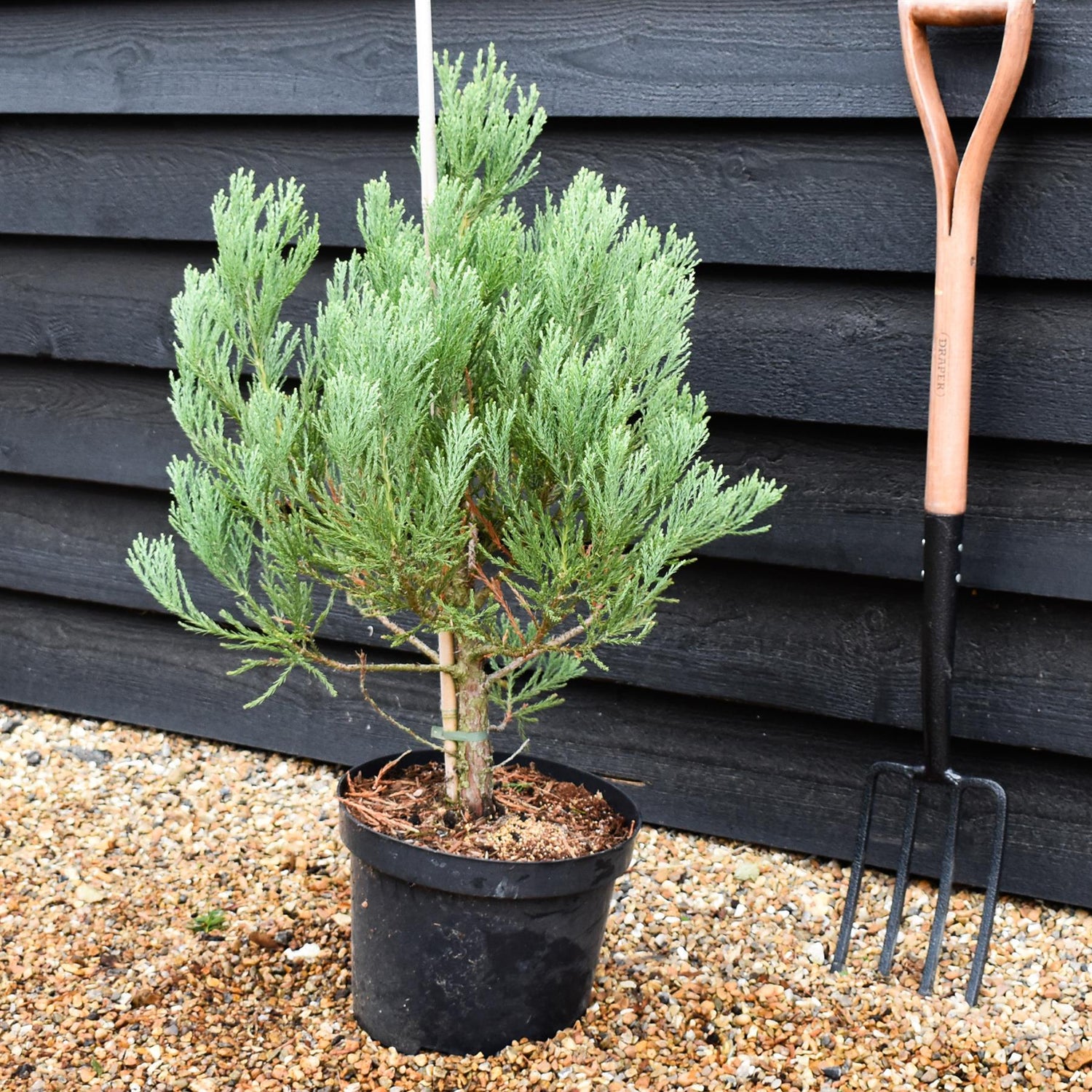
Sequoiadendron giganteum | Giant redwood - Height - 60-80cm - 10lt
£98.00
Unit price perSequoiadendron giganteum | Giant redwood - Height - 60-80cm - 10lt
£98.00
Unit price per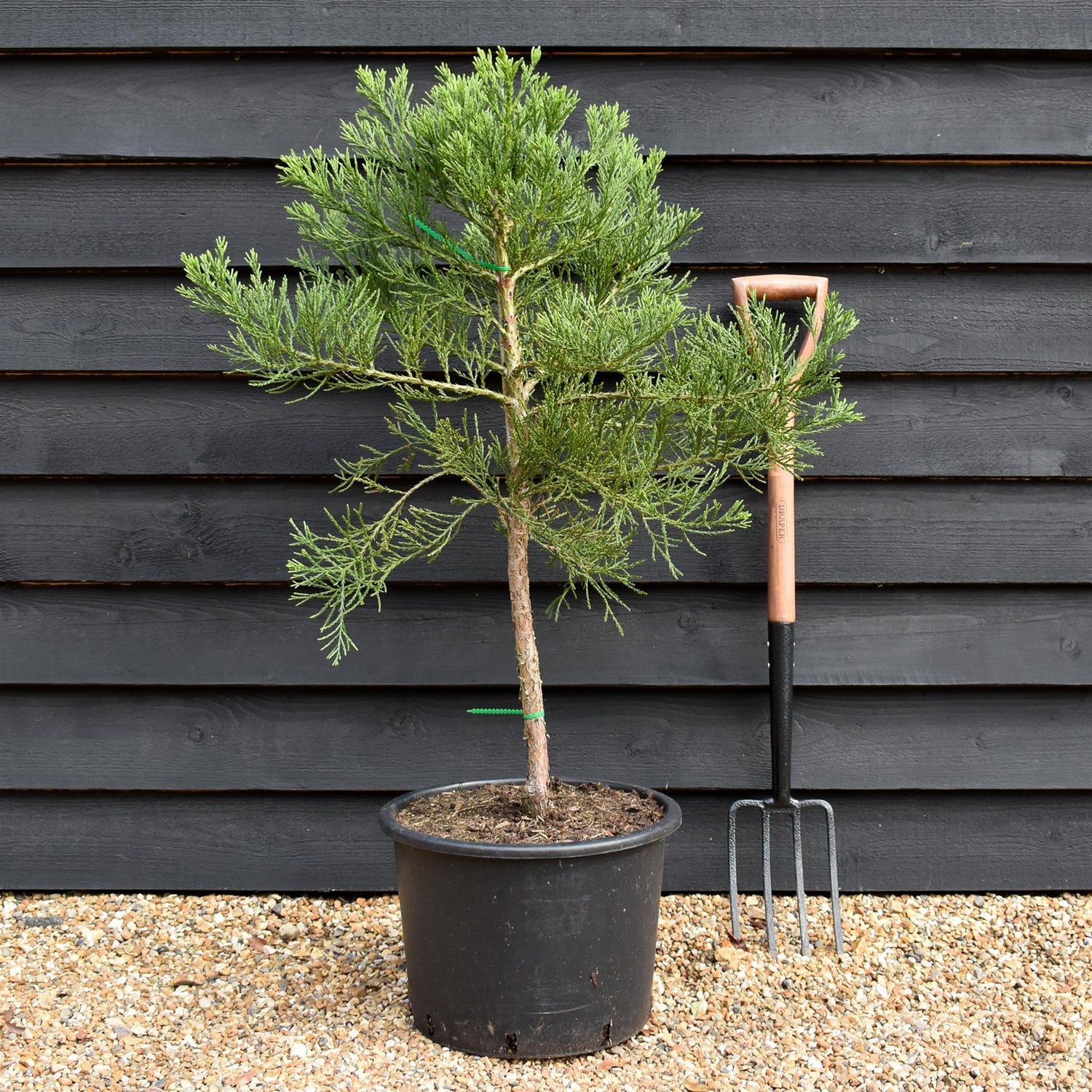
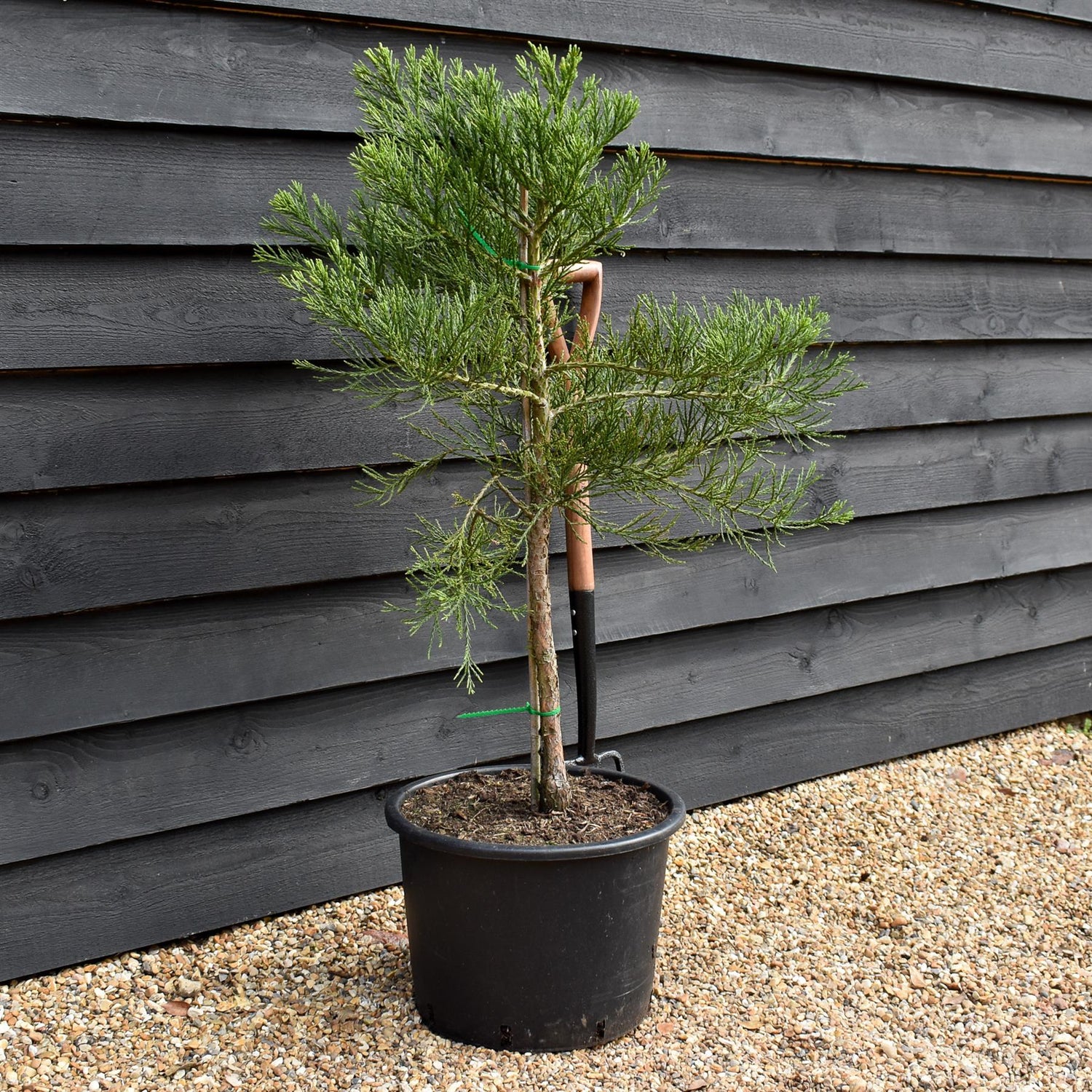
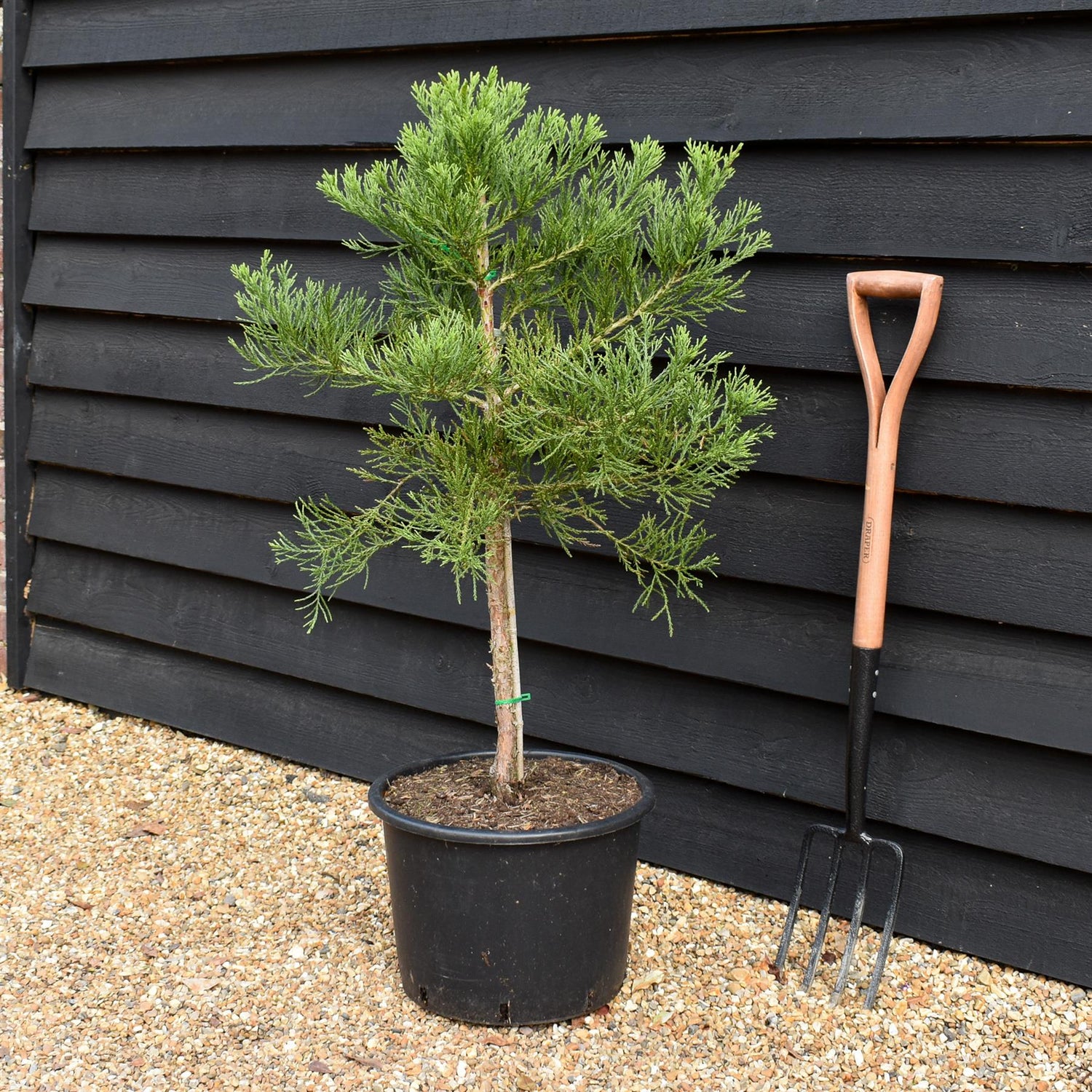
Sequoiadendron giganteum | giant redwood | Sequoia | - Height 90cm - Width 80-90cm - 12lt
£170.00
Unit price perSequoiadendron giganteum | giant redwood | Sequoia | - Height 90cm - Width 80-90cm - 12lt
£170.00
Unit price per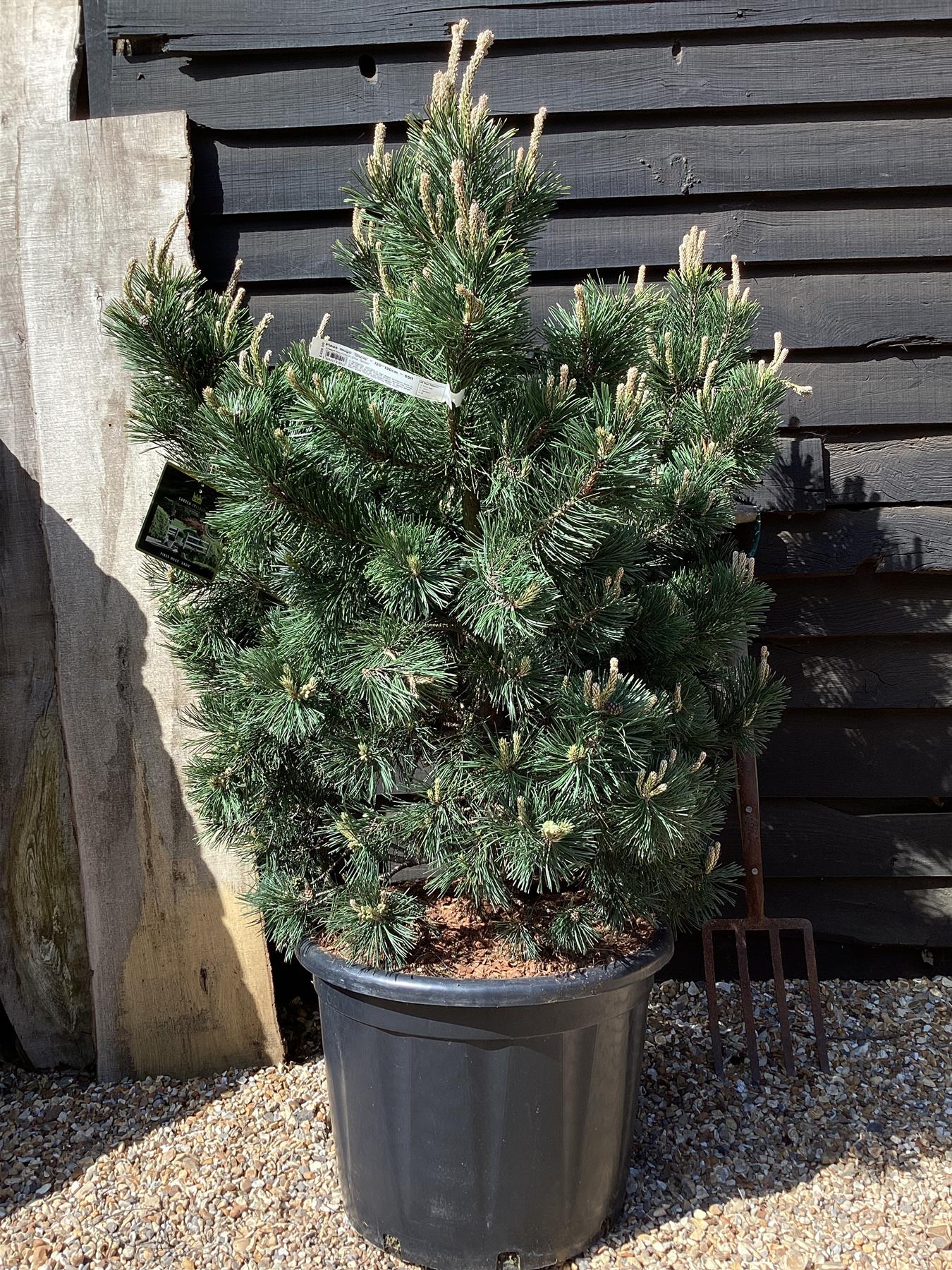
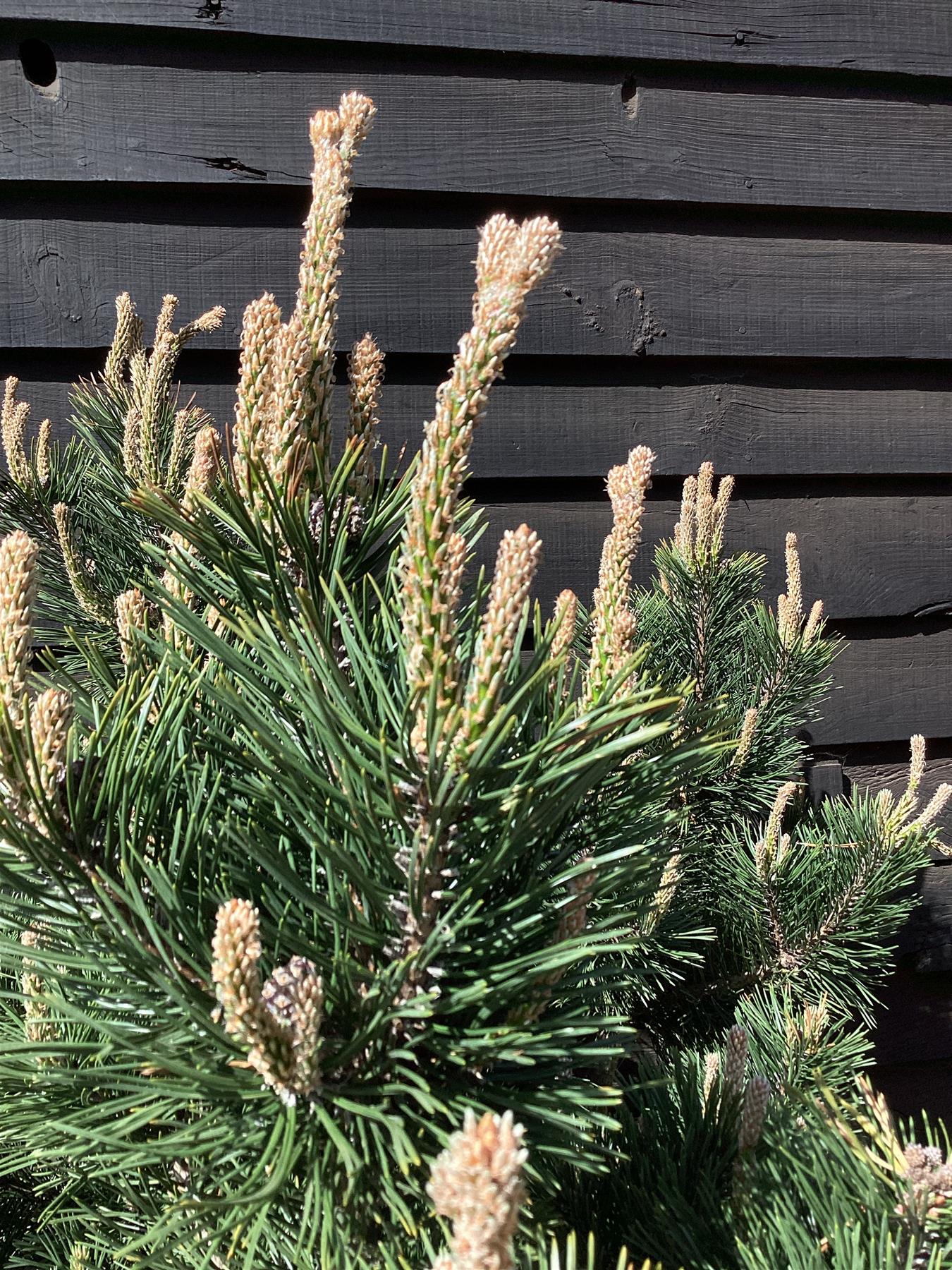
Pinus mugo 'Gnom' | Dwarf mountain pine - 110-120cm - 65lt
£440.00
Unit price perPinus mugo 'Gnom' | Dwarf mountain pine - 110-120cm - 65lt
£440.00
Unit price per


Hydrangea paniculata 'Grandiflora' - Shrub - Height 130cm - 45lt
£325.00
Unit price perHydrangea paniculata 'Grandiflora' - Shrub - Height 130cm - 45lt
£325.00
Unit price perHydrangea paniculata ‘Grandiflora’, often known as the Pee Gee Hydrangea, is a classic and highly suitable shrub for many garden styles. It is valued for its large, cone-shaped flower heads that appear in mid to late summer, opening creamy white and gradually ageing to soft pink and light green tones. These long-lasting blooms provide strong visual impact and can be enjoyed well into autumn, both on the plant and as dried flowers.
This hydrangea forms a robust, upright shrub or small tree with a rounded, well-branched habit, making it ideal as a specimen plant, in mixed borders, or as a flowering hedge. It thrives in full sun to partial shade and prefers fertile, moist but well-drained soil. Unlike some hydrangeas, it flowers reliably on new wood, making it easy to prune and very dependable. Hardy and adaptable, Hydrangea paniculata ‘Grandiflora’ suits formal, cottage, and contemporary gardens, offering structure, seasonal colour, and long-lasting ornamental value.
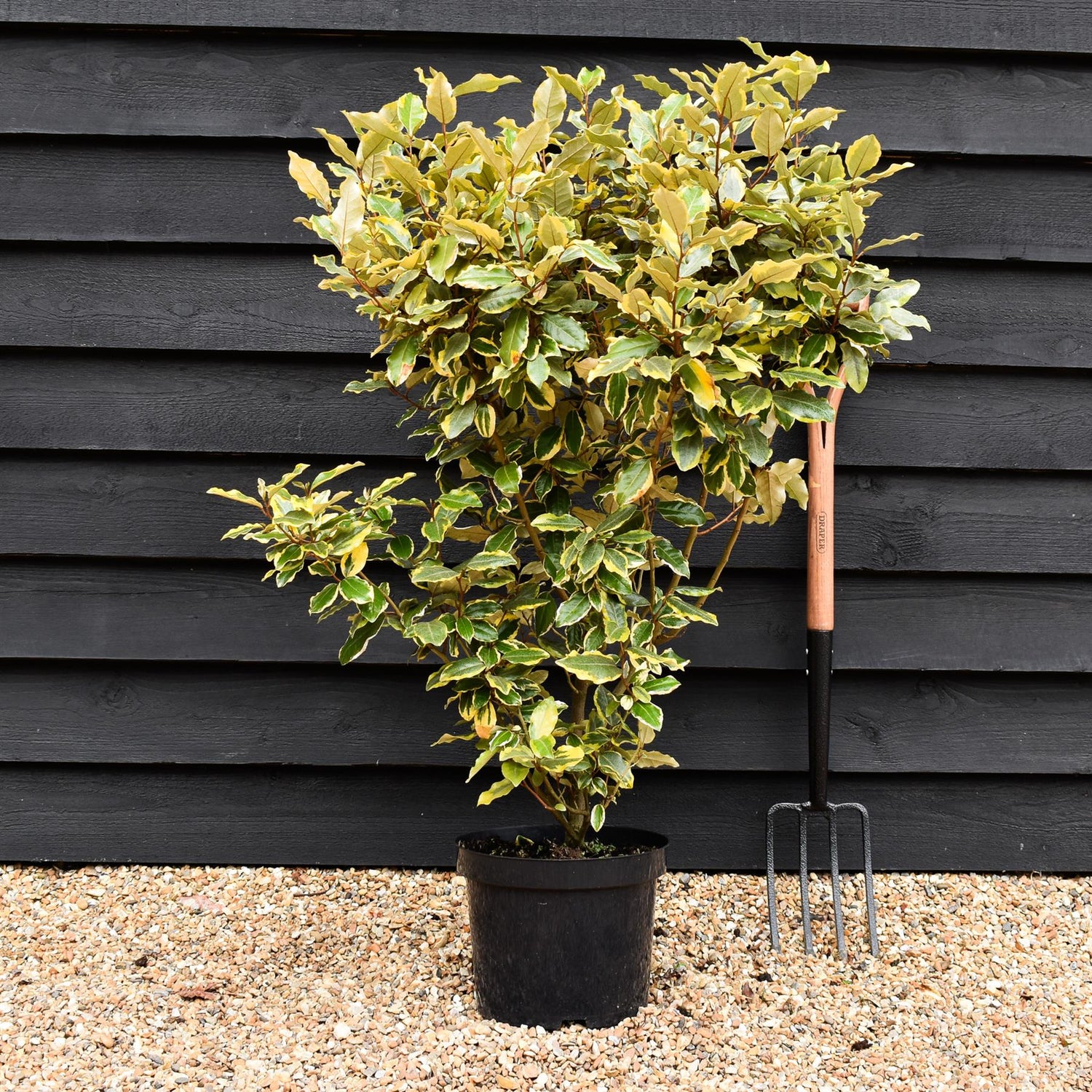


Elaeagnus x submacrophylla 'Viveleg' | Oleaster 'Viveleg' - 10lt
£60.00
Unit price perElaeagnus x submacrophylla 'Viveleg' | Oleaster 'Viveleg' - 10lt
£60.00
Unit price per


Alnus Cordata - Alder tree - Height 280-300cm - 30lt
£260.00
Unit price perAlnus Cordata - Alder tree - Height 280-300cm - 30lt
£260.00
Unit price perAlnus cordata, commonly known as the Italian alder, is a medium to large deciduous tree native to southern Italy and parts of Corsica. It belongs to the Betulaceae family and is highly valued for its ability to thrive in poor soils and challenging environmental conditions. This species is often planted for ornamental purposes, soil improvement, and as a windbreak due to its robust growth and adaptability.
The tree can reach heights of up to 25-30 metres (82-98 feet) with a trunk diameter of about 1 metre (3.3 feet). It has a relatively narrow, conical crown, which makes it an attractive choice for landscaping in urban and rural environments. The bark is smooth and greyish-brown when young, developing shallow fissures with age.
Alnus cordata is noted for its distinctive heart-shaped (cordate) leaves, which are bright green and glossy, measuring 7-12 cm in length. Unlike some other alders, the leaves of A. cordata remain on the tree until late autumn, giving it an extended season of greenery. In spring, it produces small, inconspicuous catkins, with male catkins being pendulous and yellowish, and female catkins more compact and upright. These develop into small, woody cones that persist on the tree through winter.
One of the key characteristics of Alnus cordata is its nitrogen-fixing ability. Like other alders, it forms a symbiotic relationship with the bacterium Frankia, which allows it to fix atmospheric nitrogen into the soil. This quality makes it an excellent species for improving soil fertility, particularly in degraded or nutrient-poor areas.
Overall, the Italian alder is a resilient and versatile tree, well-suited to a variety of landscapes, including wet or compacted soils, and is an important species for ecological restoration projects.
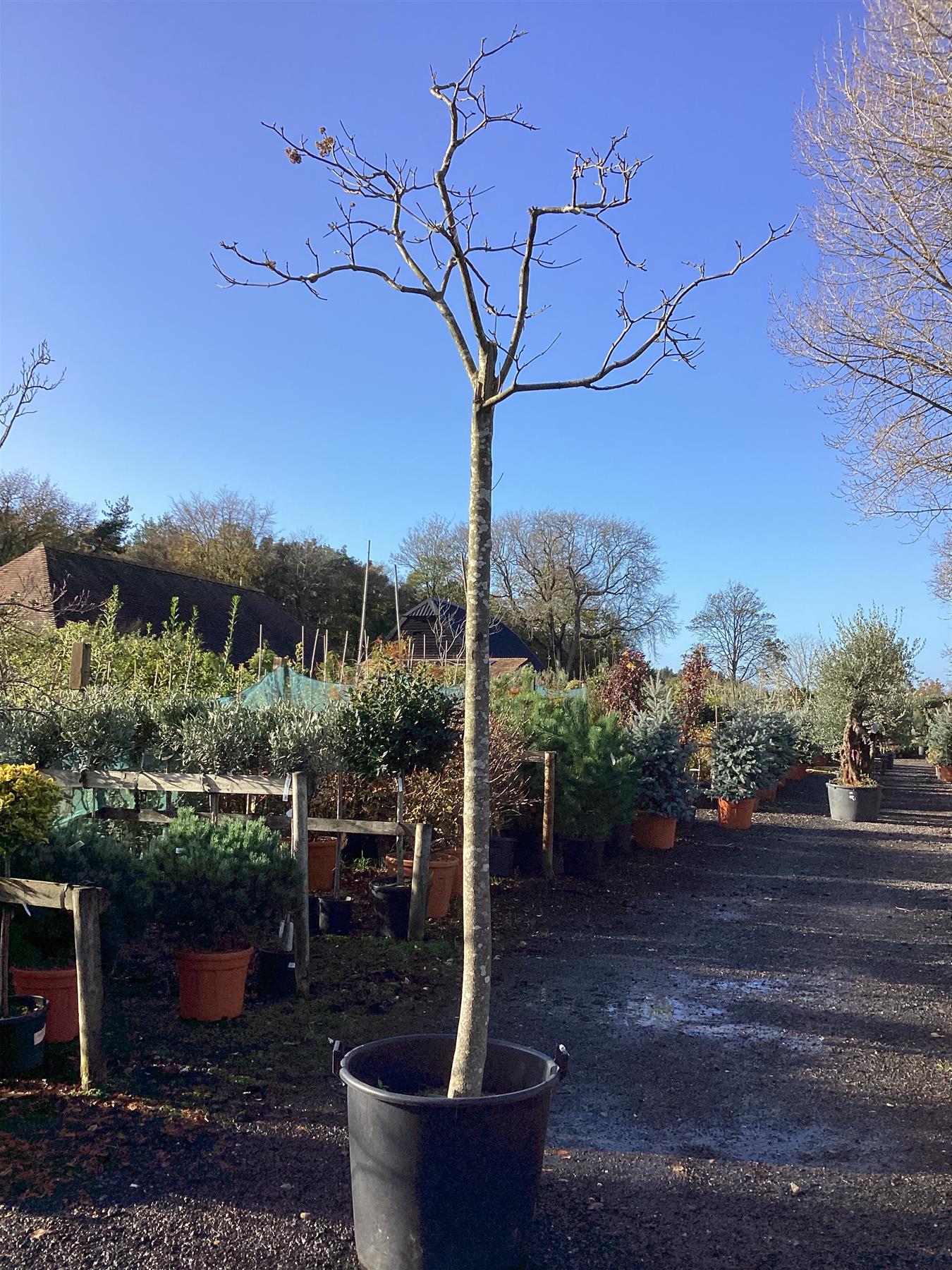
Halesia | Carolina silverbell - 300-350cm, 90lt
£365.00
Unit price perHalesia | Carolina silverbell - 300-350cm, 90lt
£365.00
Unit price perHalesia, or Silverbell, is a small genus of five species (H. carolina, H. diptera, H. macgregorii, H. tetraptera, and H. monticola) of large, deciduous shrubs or small trees with grey bark, and simple, ovate, green leaves, that turn yellow in autumn and fall off early. Attractive, hanging, bell-shaped, white to pale pink flowers grow in clusters and bloom in spring. Flowers are followed by four-winged (or two-winged), nut-like fruits in autumn and often remain on branches long into winter. Attractive to bees and squirrels. Halesia grows best in average, organically rich, slightly acidic, lime-free, moist but well-drained soils. It prefers partial shade, but tolerates full sun. Doesn’t have any serious pest or disease problems. Low maintenance plant, no routine pruning necessary. Halesia is a wonderful shrub or small tree perfect as an understory plant, for shrub borders, stream banks, or woodland gardens. Great as a specimen plant for the lawn.


Pinus Mugo 'March' | Dwarf Mountain Pine - Height 40-50cm - Width 30cm - 11lt
£135.00
Unit price perPinus Mugo 'March' | Dwarf Mountain Pine - Height 40-50cm - Width 30cm - 11lt
£135.00
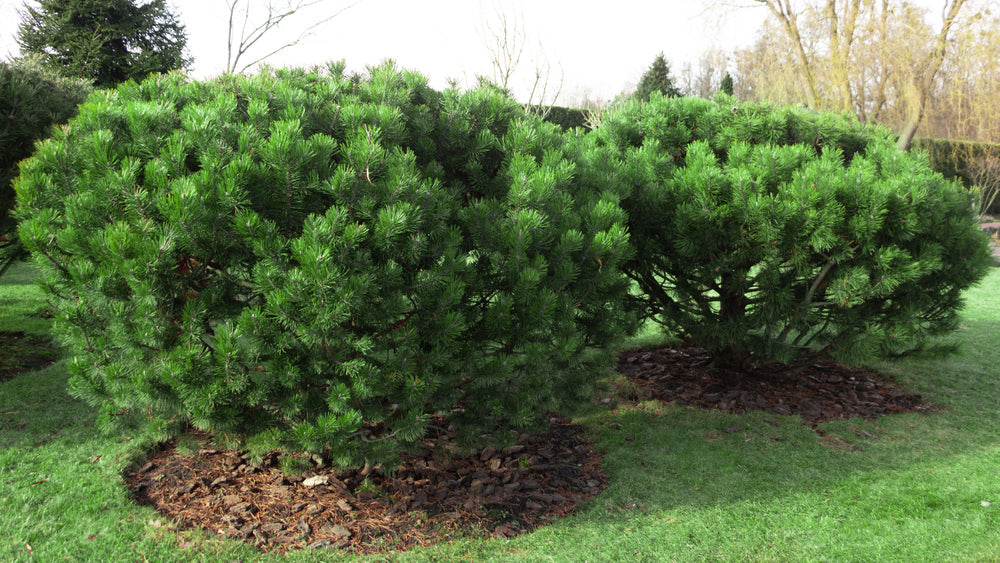
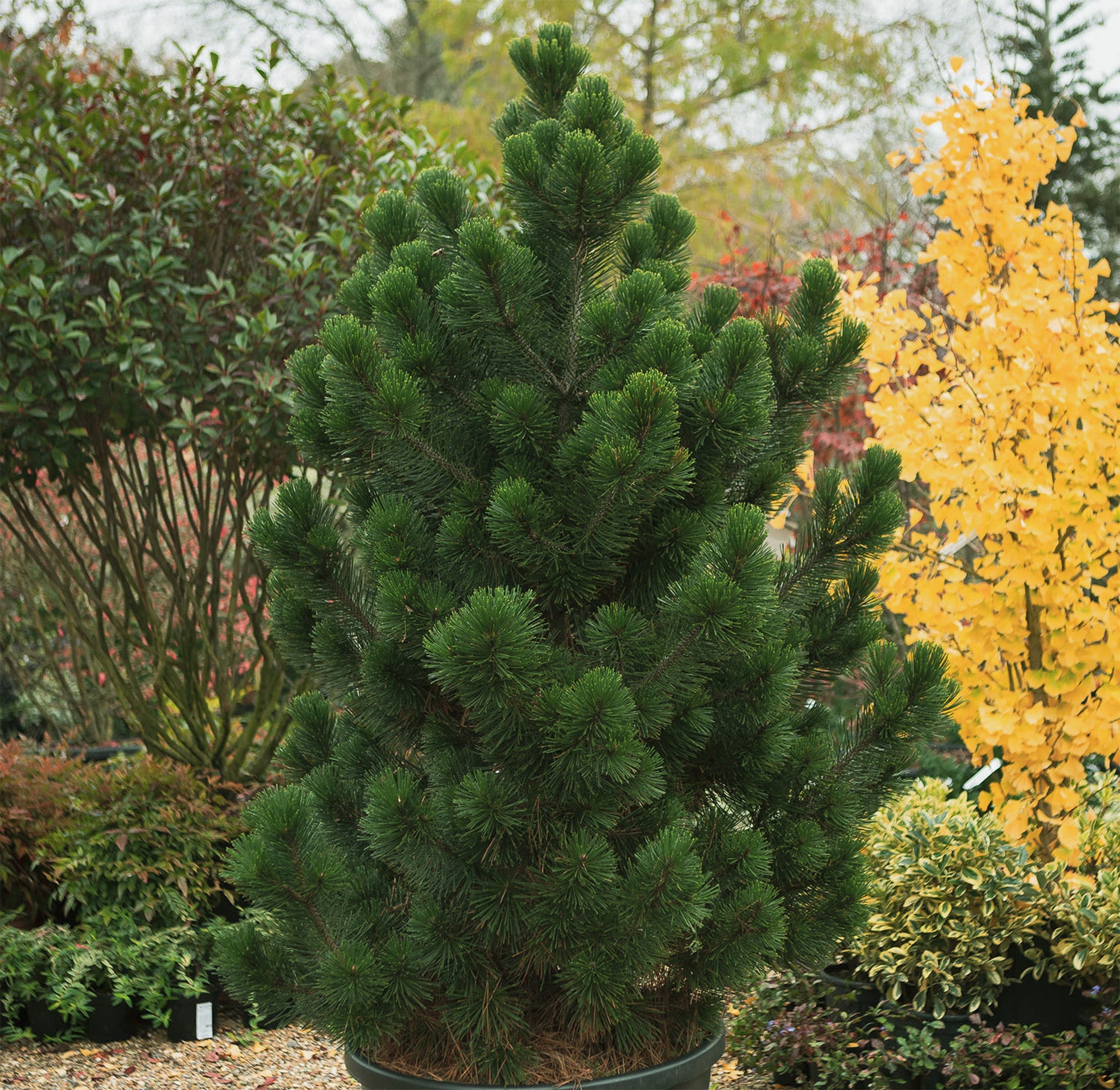
Unit price perPinus mugo 'March', commonly known as dwarf mountain pine, is a particularly hardy conifer, prized for its dense, lush needle-like foliage and compact, mounding growth habit. This variety of mountain pine achieves an ultimate height of approximately 1-1.2 metres, making it perfectly suited for smaller garden spaces and rockeries. Its vibrant green needles maintain their appeal throughout the year, offering a burst of colour even during the winter months.
Adaptable to a wide range of climates, Pinus mugo 'March' is suited to UK conditions and thrives in RHS Hardiness Ratings of H7, indicating it can withstand harsh winter temperatures. It favours well-drained soil and is drought-tolerant once established, making it an excellent choice for water-wise gardening. Its robust nature and low maintenance needs also make it ideal for urban gardens.
Frequently utilised in landscape designs as a foundational plant, border shrub, or part of a conifer collection, its sturdy form and evergreen characteristics provide ongoing interest and structure to any garden.


Fagus Sylvatica| Fagus sylvatica purpurea - Feathered - Height - 270-290cm -45lt
£380.00
Unit price perFagus Sylvatica| Fagus sylvatica purpurea - Feathered - Height - 270-290cm -45lt
£380.00
Unit price per


Alnus Incana Aurea - Grey Alder - Height 220-250cm - 30lt
£195.00
Unit price perAlnus Incana Aurea - Grey Alder - Height 220-250cm - 30lt
£195.00
Unit price perAlnus incana 'Aurea', known as the Golden Alder, is a deciduous tree prized for its striking yellow foliage and adaptability to various growing conditions. This cultivar is a variation of the grey alder (Alnus incana), native to Europe, North America, and parts of Asia, and is widely cultivated for its ornamental appeal.
Reaching a height of 6 to 10 metres, with a spread of 4 to 6 metres, Alnus incana 'Aurea' is medium-sized, making it suitable for smaller gardens as well as larger landscapes. It is noted for its smooth, greyish bark, which contrasts beautifully with its bright golden-yellow leaves that emerge in early spring. As the season progresses, the foliage turns a lime green, maintaining a light and airy appearance. The leaves are ovate, serrated, and slightly sticky to the touch when young.
In winter, this tree adds visual interest with its small, cone-like fruits and hanging catkins that persist on the branches. The catkins are yellow-brown and appear before the leaves in early spring, contributing to the tree’s year-round appeal.
Alnus incana 'Aurea' is an extremely hardy tree, thriving in a variety of soil types, including wet and poorly drained soils. It is often planted in areas prone to flooding or along riverbanks, as it is highly tolerant of waterlogged conditions. The tree also fixes nitrogen in the soil through symbiotic relationships with root nodules, which improves soil fertility.
Though low-maintenance, the Golden Alder benefits from occasional pruning to maintain its shape and encourage healthy growth. This fast-growing tree is a great choice for those looking to introduce colour and texture to their garden while supporting local wildlife, as it provides shelter and food for birds and insects.


Pinus mugo 'Gnom Findling' | Dwarf mountain pine - Height 25-35cm - 7.5lt
£105.00
Unit price perPinus mugo 'Gnom Findling' | Dwarf mountain pine - Height 25-35cm - 7.5lt
£105.00
Unit price perPinus mugo ‘Gnom Findling’ is a compact, slow-growing dwarf mountain pine, valued for its neat, rounded habit and excellent year-round structure. A naturally dense and bushy conifer, it produces numerous short shoots that create a full, almost cushion-like appearance, making it an excellent choice for smaller gardens, rockeries and containers.
The foliage consists of attractive, deep green needles carried in pairs, which remain on the plant throughout the year. Its evergreen character provides reliable winter interest, while the dense growth habit makes it particularly useful for adding structure to borders and planting schemes where space is limited.
‘Gnom Findling’ develops into a low, rounded mound rather than a traditional upright pine. It is a particularly slow-growing variety, making it easy to accommodate in smaller gardens and requiring very little pruning to maintain its naturally attractive shape. With time, it can form a broad, substantial specimen, although its compact growth rate means this happens gradually.
Like other mountain pines, it is exceptionally hardy and tolerant of exposed conditions. It performs best in a sunny position with well-drained soil and is adaptable to a wide range of soil types, including relatively poor soils once established. It is also well suited to coastal gardens and can tolerate cold, wind and periods of dry weather.
Its compact size makes ‘Gnom Findling’ especially versatile. It works beautifully in gravel gardens, alpine and rock gardens, raised beds and mixed borders, and is equally effective as a feature plant in a large container. It can also be planted alongside ornamental grasses and low-growing perennials to provide contrasting evergreen structure.
A reliable, low-maintenance conifer with a distinctive rounded form, Pinus mugo ‘Gnom Findling’ is an excellent choice for gardeners looking for a hardy evergreen that provides year-round interest without outgrowing its space too quickly.
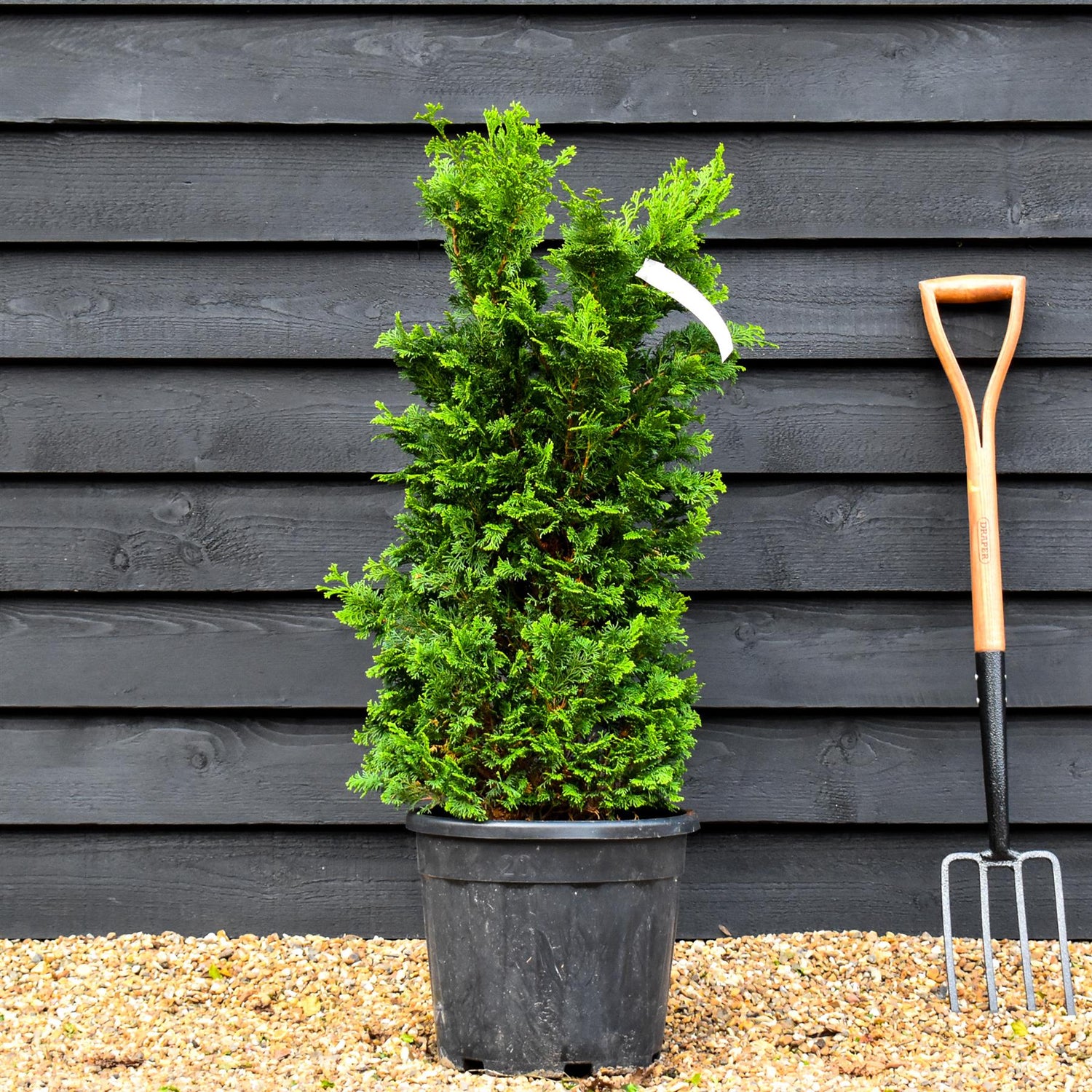
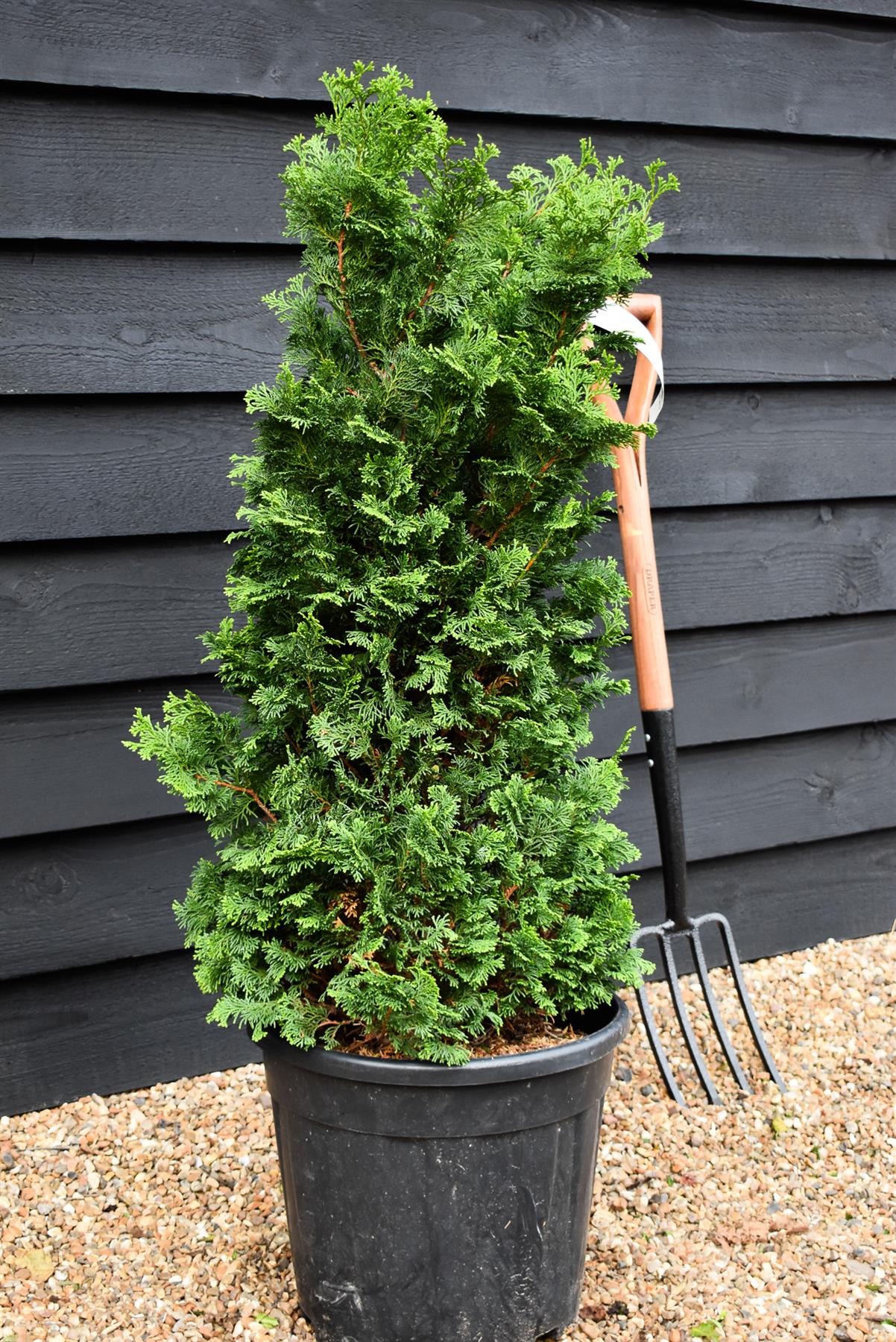
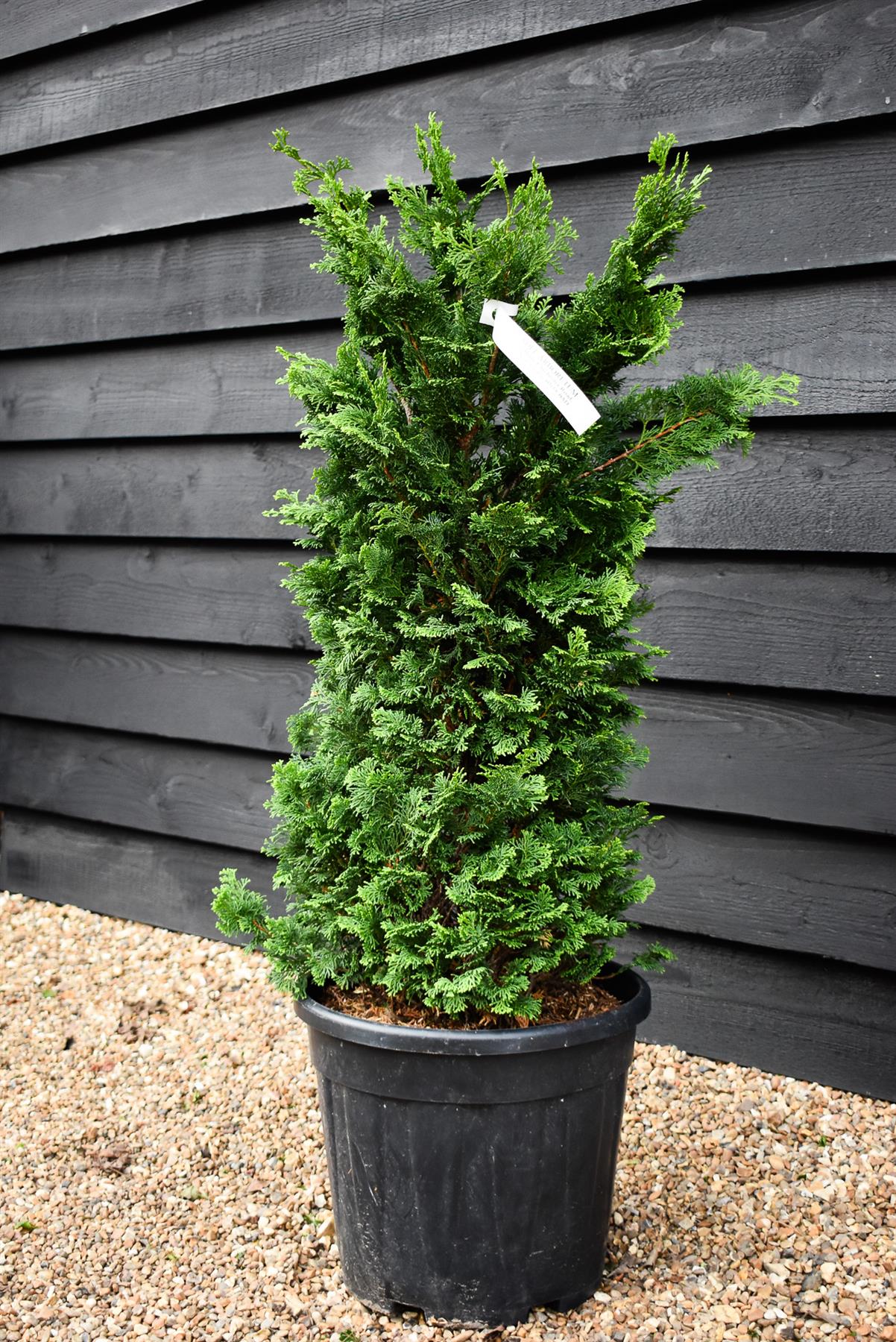
Dwarf Hinoki Cypress | Chamaecyparis obtusa 'Nana Gracilis' - Height 80-100cm -18lt
£190.00
Unit price perDwarf Hinoki Cypress | Chamaecyparis obtusa 'Nana Gracilis' - Height 80-100cm -18lt
£190.00
Unit price per


Wisteria floribunda 'Longissima Alba' (White) - Arch (H) 250cm - (W) 150cm - 55lt
£825.00
Unit price perWisteria floribunda 'Longissima Alba' (White) - Arch (H) 250cm - (W) 150cm - 55lt
£825.00
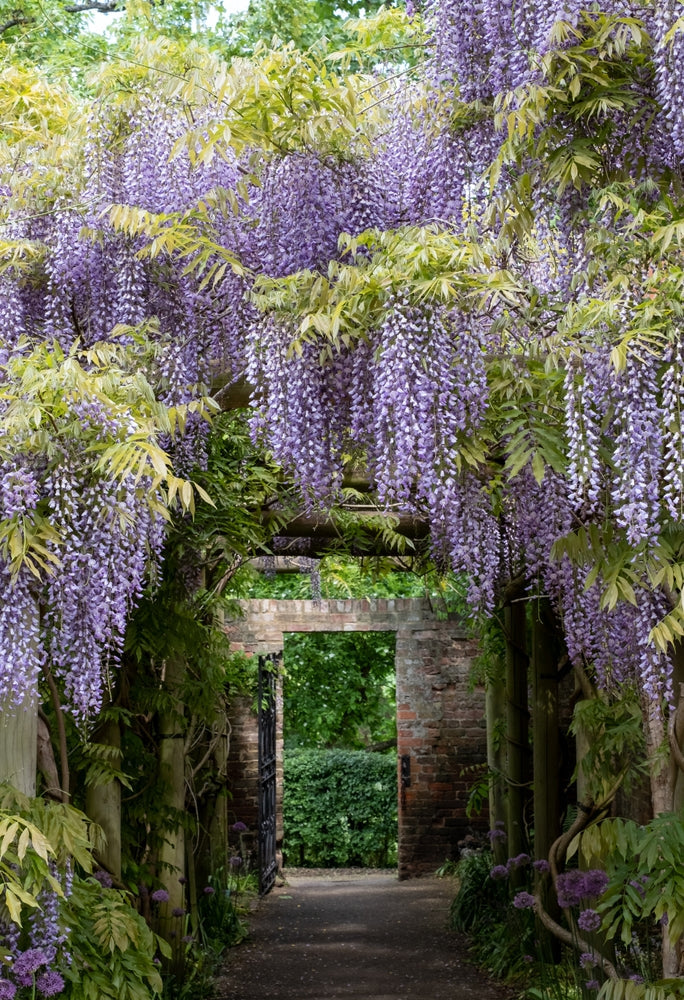
Unit price perWisteria floribunda 'Longissima Alba' is a stunning climbing shrub that belongs to the family Fabaceae. Also known as the Japanese wisteria, this plant is highly prized for its gorgeous, cascading clusters of fragrant, white flowers that bloom in spring and early summer.
The 'Longissima Alba' variety is particularly noted for its long, pendulous flower clusters, which can reach up to 3 feet in length. The flowers are delicately scented and attract a variety of pollinators, including butterflies and bees.
The foliage of this plant is also attractive, with long, narrow leaves that emerge in a bronze hue before maturing to a bright green color. In fall, the leaves turn a lovely shade of yellow before dropping for the winter.
As a climbing shrub, Wisteria floribunda 'Longissima Alba' is ideal for training onto trellises, walls, or pergolas, where its cascading flowers can be fully appreciated. It is a vigorous grower and can reach heights of up to 30 feet if left unpruned.
Overall, this beautiful and fragrant climbing shrub is an excellent addition to any garden or landscape, providing a stunning display of flowers and foliage throughout the growing season.


Alnus Incana Aurea - Grey Alder - Feathered - Height 240-250cm - 10lt
£138.00
Unit price perAlnus Incana Aurea - Grey Alder - Feathered - Height 240-250cm - 10lt
£138.00
Unit price perAlnus incana 'Aurea', known as the Golden Alder, is a deciduous tree prized for its striking yellow foliage and adaptability to various growing conditions. This cultivar is a variation of the grey alder (Alnus incana), native to Europe, North America, and parts of Asia, and is widely cultivated for its ornamental appeal.
Reaching a height of 6 to 10 metres, with a spread of 4 to 6 metres, Alnus incana 'Aurea' is medium-sized, making it suitable for smaller gardens as well as larger landscapes. It is noted for its smooth, greyish bark, which contrasts beautifully with its bright golden-yellow leaves that emerge in early spring. As the season progresses, the foliage turns a lime green, maintaining a light and airy appearance. The leaves are ovate, serrated, and slightly sticky to the touch when young.
In winter, this tree adds visual interest with its small, cone-like fruits and hanging catkins that persist on the branches. The catkins are yellow-brown and appear before the leaves in early spring, contributing to the tree’s year-round appeal.
Alnus incana 'Aurea' is an extremely hardy tree, thriving in a variety of soil types, including wet and poorly drained soils. It is often planted in areas prone to flooding or along riverbanks, as it is highly tolerant of waterlogged conditions. The tree also fixes nitrogen in the soil through symbiotic relationships with root nodules, which improves soil fertility.
Though low-maintenance, the Golden Alder benefits from occasional pruning to maintain its shape and encourage healthy growth. This fast-growing tree is a great choice for those looking to introduce colour and texture to their garden while supporting local wildlife, as it provides shelter and food for birds and insects.