

-
Trees
Trees
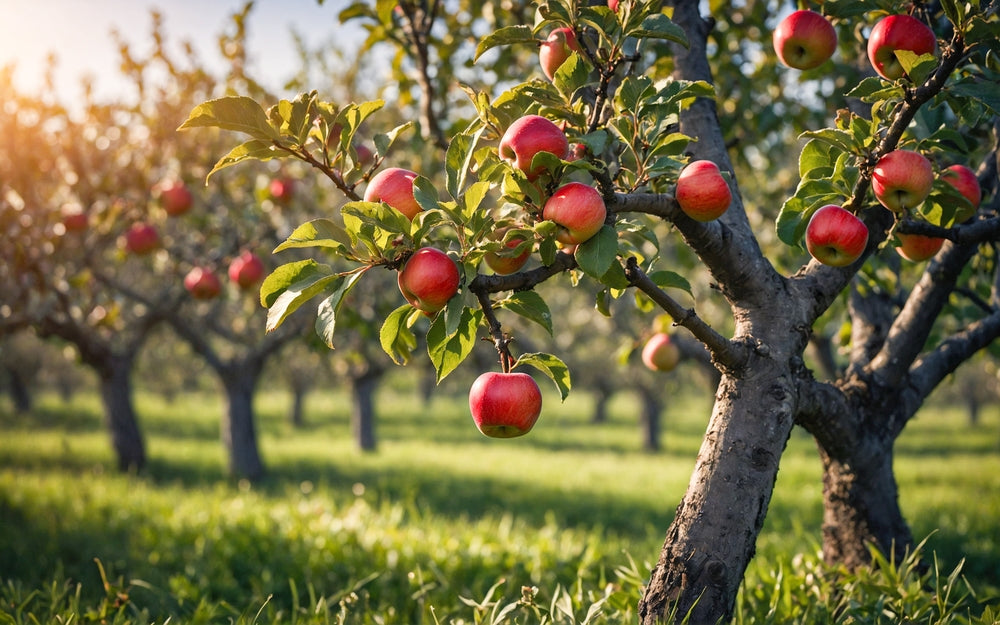 Fruit Trees
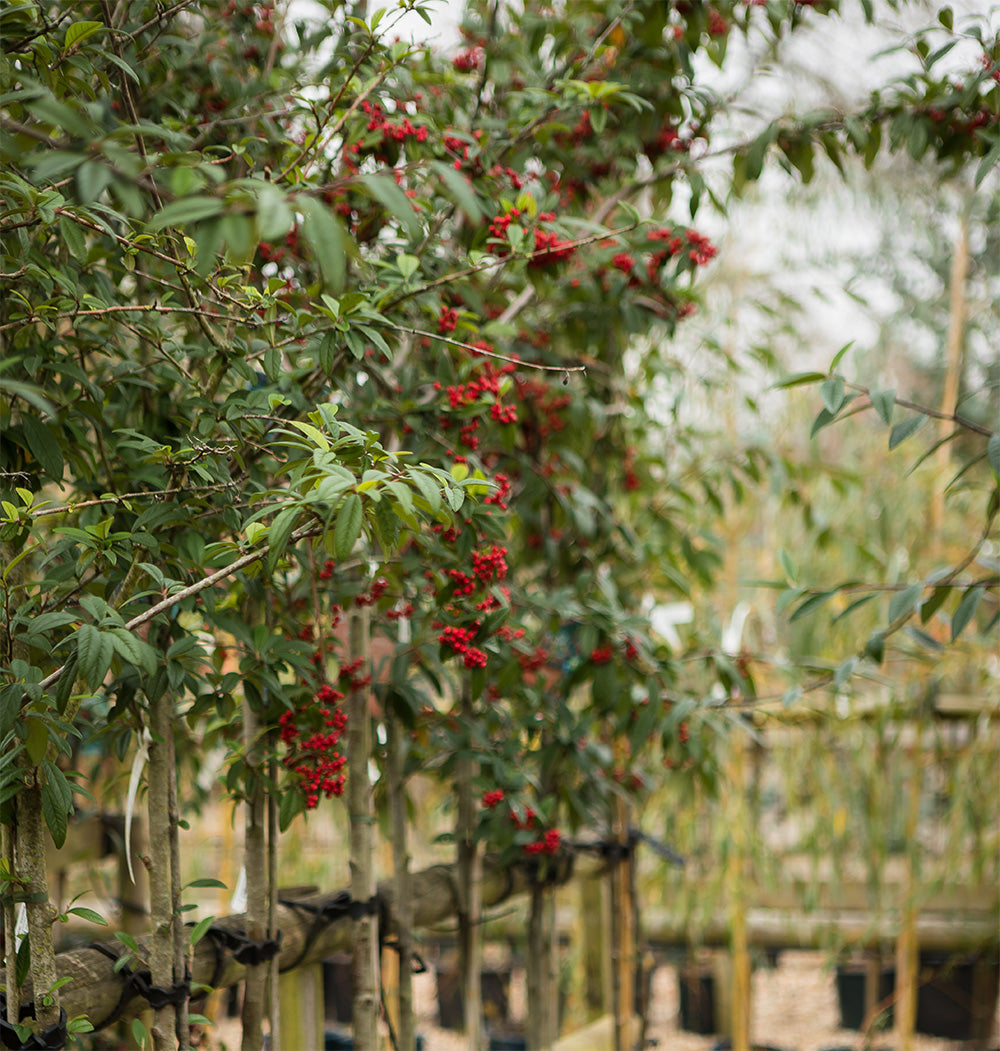 Ornamental
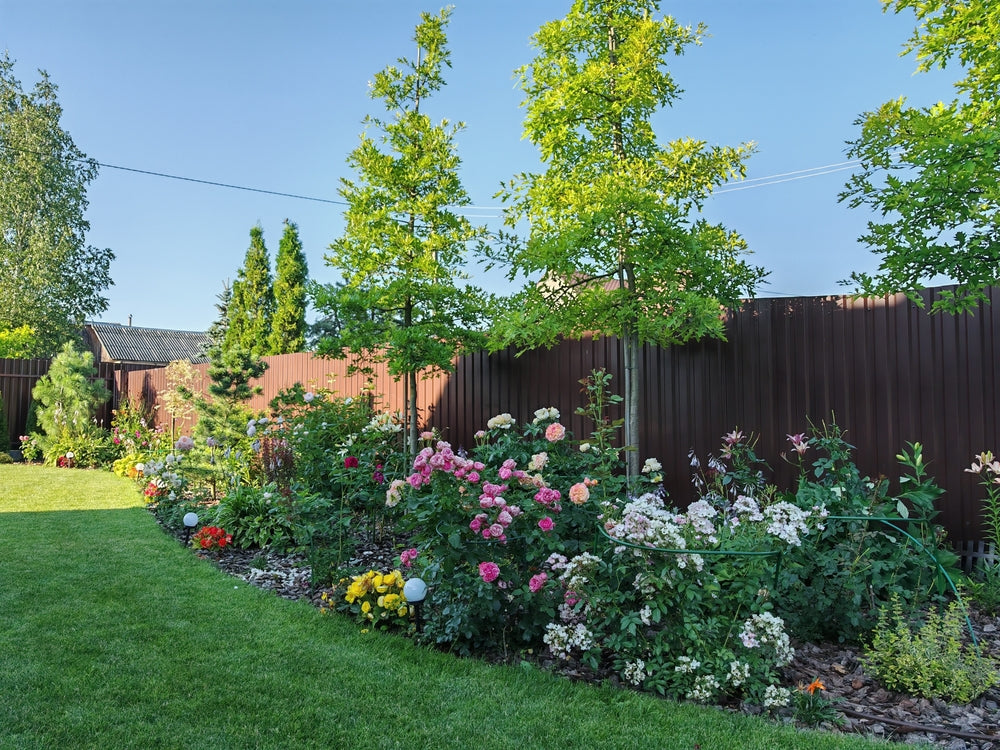 Screening
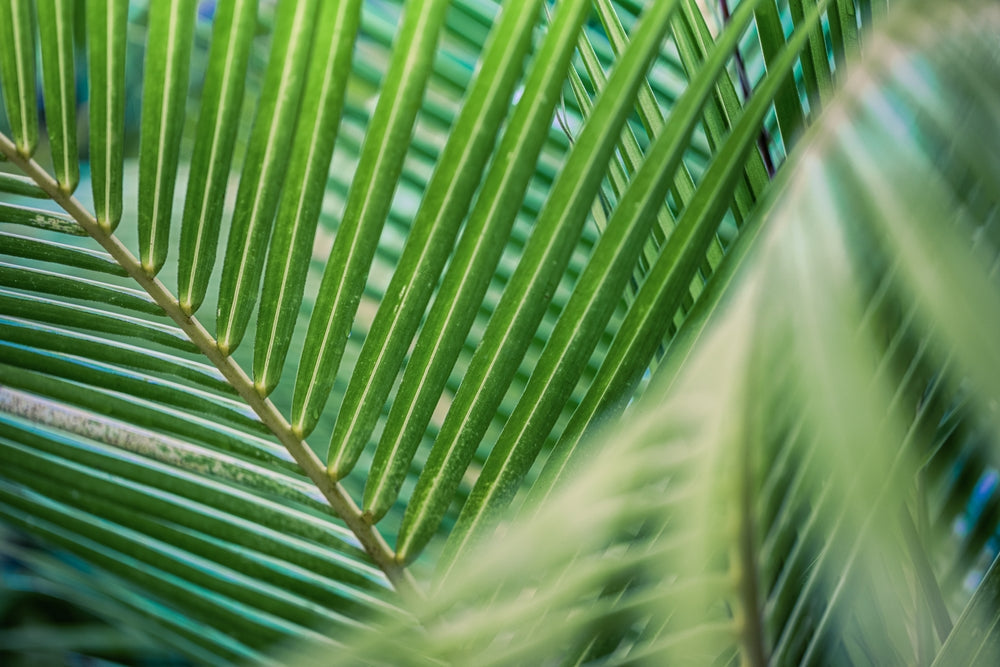 Palms
By FeaturesBy Shape
Palms
By FeaturesBy Shape -
Shrubs
Shrubs
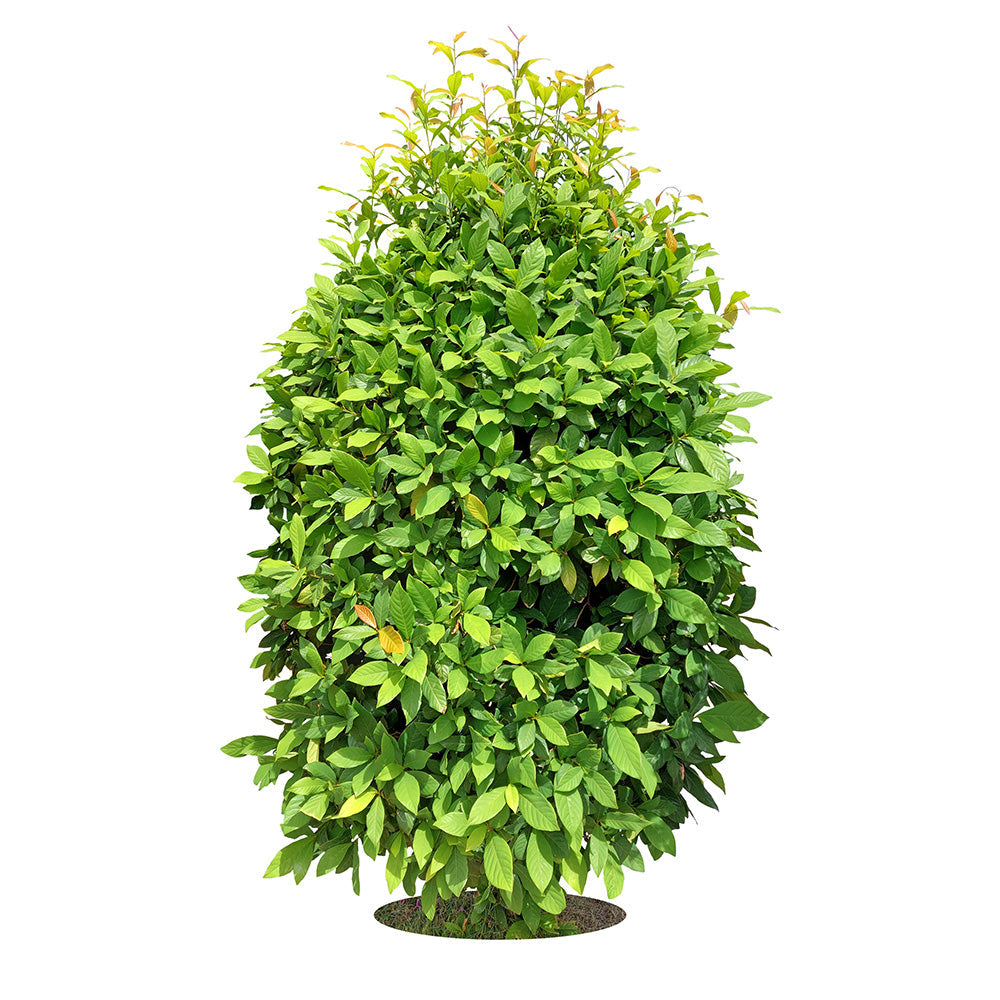 Large shrubs
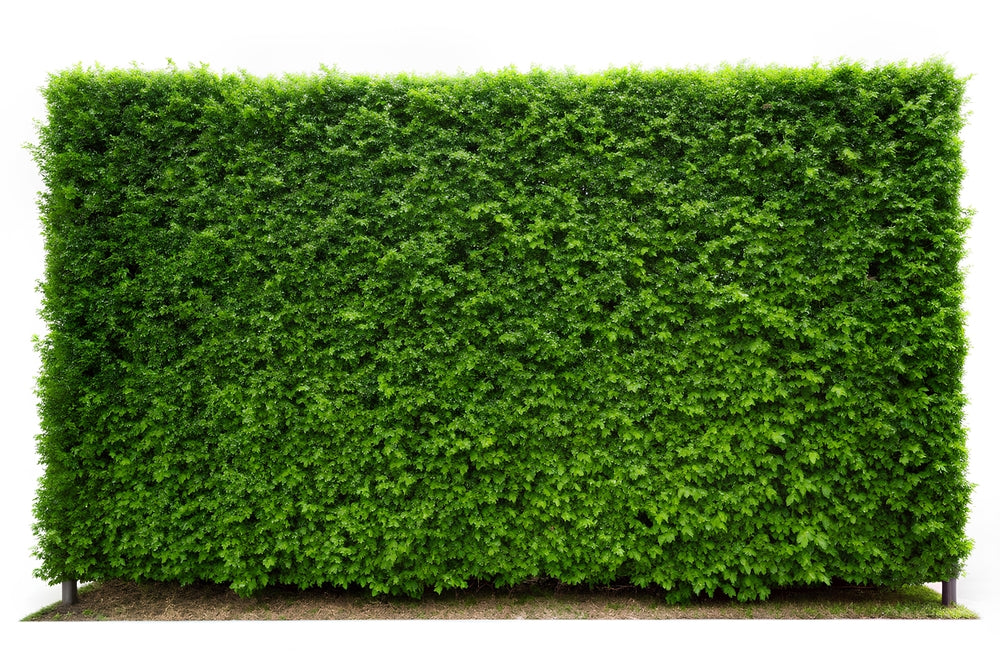 Hedging
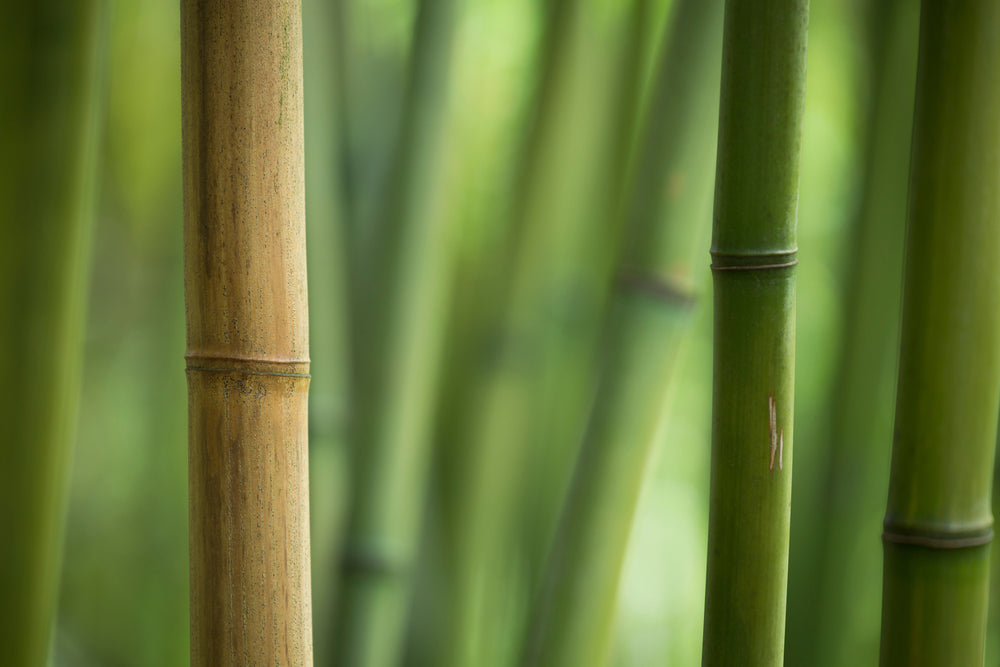 Bamboo
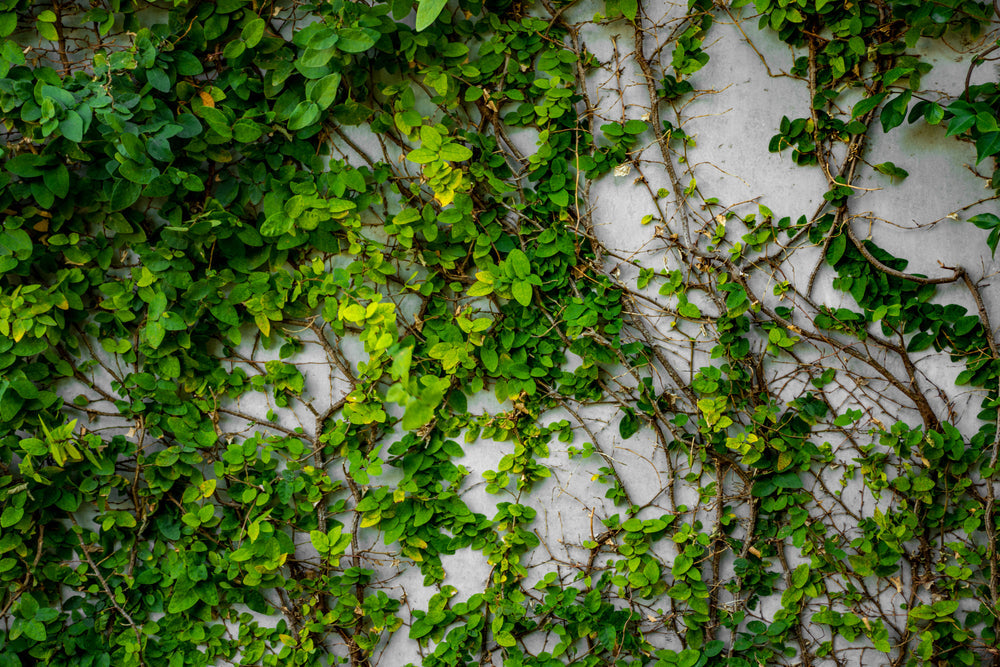 Climbers
 Flowering
 Grasses & Ferns
 Popular
-
Pines & Conifers
Pines & Conifers
 Pines
Pines
 Spruce & Fir
 Cypress
 Thuja
Thuja
 Redwood | Sequoia
-
Specimen
FREE DELIVERY OVER £350
Search results
Search results


Apple tree 'Red Falstaff' | Malus domestica - M26 - Semi-Dwarfing - Height 130-140cm - 12lt
£86.00
Unit price perApple tree 'Red Falstaff' | Malus domestica - M26 - Semi-Dwarfing - Height 130-140cm - 12lt
£86.00
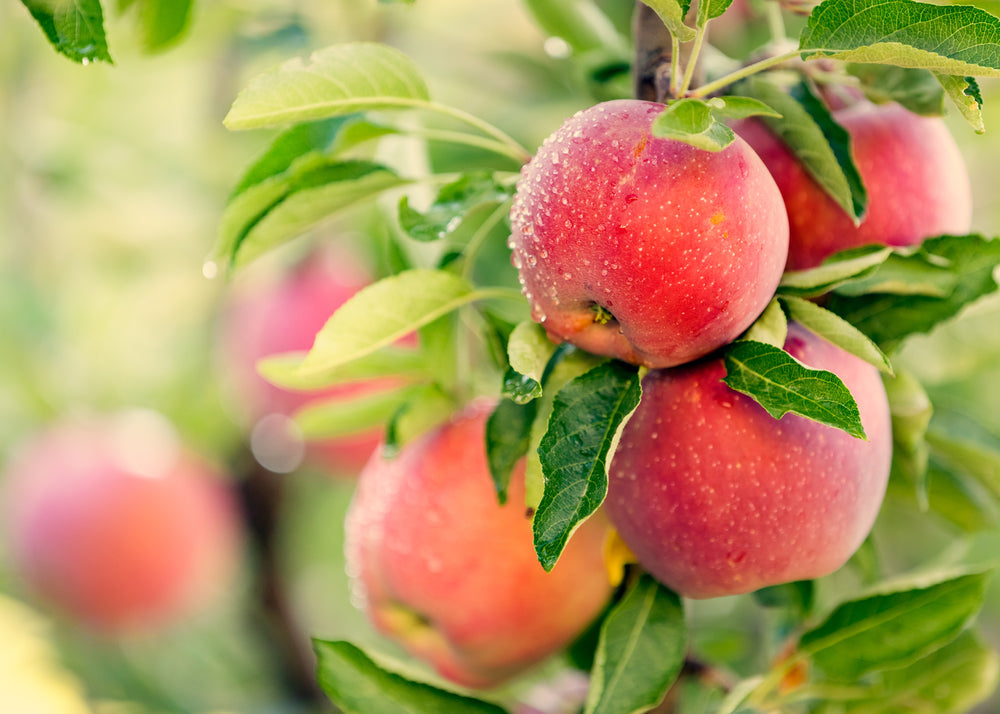
Unit price perMalus domestica ‘Red Falstaff’ is a late-season, heavy-cropping dessert apple with lovely, pinkish white flowers blooming in April and May, and abundance of delicious, very balanced, crisp and juicy, orange-red apples, ready for harvesting in October. Apples can be stored throughout the winter. Malus domestica ‘Red Falstaff’ likes deep, fertile, moist, well-drained soils. Very acidic and chalk soils should be avoided. It thrives in full sun. It is very resistant to frost and tolerant of wind, but needs to be sheltered form harsh winter winds. Suitable for colder climates. It is self-fertile and an excellent pollinator for other varieties. It has a good disease resistance. Some pruning and fruit thinning may be required. Apple 'Red Falstaff' is an excellent dessert apple, a reliable and heavy cropper, perfect for informal, cottage, and urban gardens. Suitable for growing in containers. Very tasty when eaten fresh, but also great when used for culinary purposes.
M26 is a semi-dwarfing rootstock (smaller than MM106) used for apple trees, particularly in orchards and home gardens. It produces trees 10-12 feet in height, making them easier to manage and harvest. M26 ensures early fruit production, good anchorage, and medium vigor. However, it requires staking during early years and is moderately susceptible to fire blight.


Apple tree 'Discovery' | Malus domestica - MM106 - Semi-Dwarfing - Height 140-150cm - 20lt
£96.00
Unit price perApple tree 'Discovery' | Malus domestica - MM106 - Semi-Dwarfing - Height 140-150cm - 20lt
£96.00
Unit price perMalus domestica 'Discovery' is an excellent early-producing apple tree with an upright, compact growth habit. Attractive white flowers emerge in spring, and delicious bright red apples, with hints of green and yellow, are ready for harvesting in late August and September. The apples are hard and crisp, sweet and slightly acidic, with delicate light flavour that has a touch of strawberry. As every early-producing variety, it can be stored only for a short period of time. Discovery Apple tree is very easy to care for. It is resilient and undemanding. It prefers neutral, well-drained soil, and full sun in a sheltered position. It is generally disease-resistant and pest-resistant and tolerates frost very well. It is not self-pollinating. It needs to cross-pollinate with other apple trees. As a partial tip-barer, it can be grown in cordons and espaliers. Suitable for containers and large pots.
Root stock MM106 is a semi-dwarfing rootstock commonly used for apple trees. It offers a moderate growth rate, producing trees 10-15 feet tall when mature. Suitable for medium-sized gardens, MM106 ensures good fruit yield and adaptability to various soils. It's resistant to woolly apple aphid and moderately resistant to crown rot. Ideal for bush, cordons, and espalier forms. Ensure proper staking in early years.


Apple tree 'Red Devil' | Malus domestica - MM106 - Semi-Dwarfing - 150-160cm - 20lt
£94.00
Unit price perApple tree 'Red Devil' | Malus domestica - MM106 - Semi-Dwarfing - 150-160cm - 20lt
£94.00
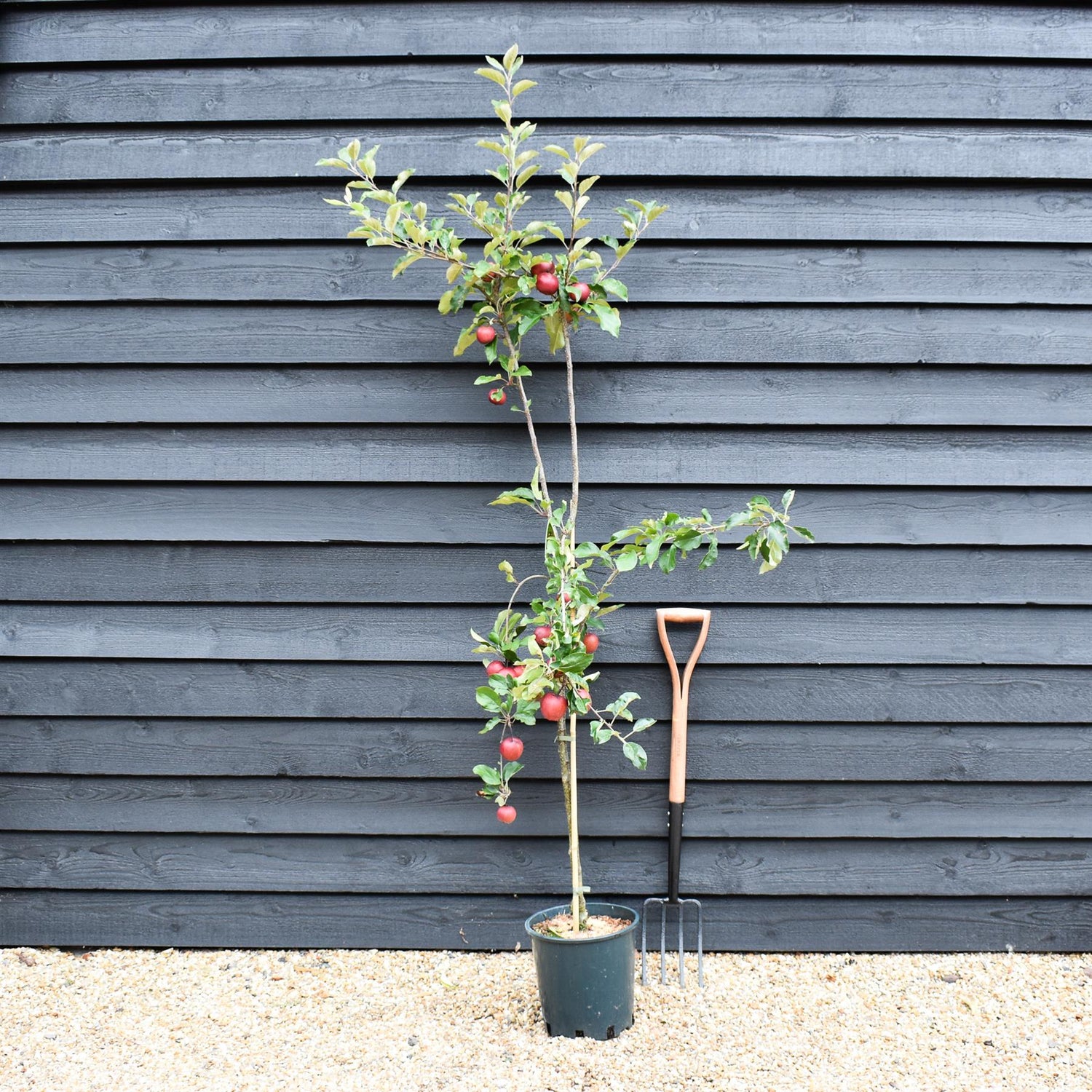
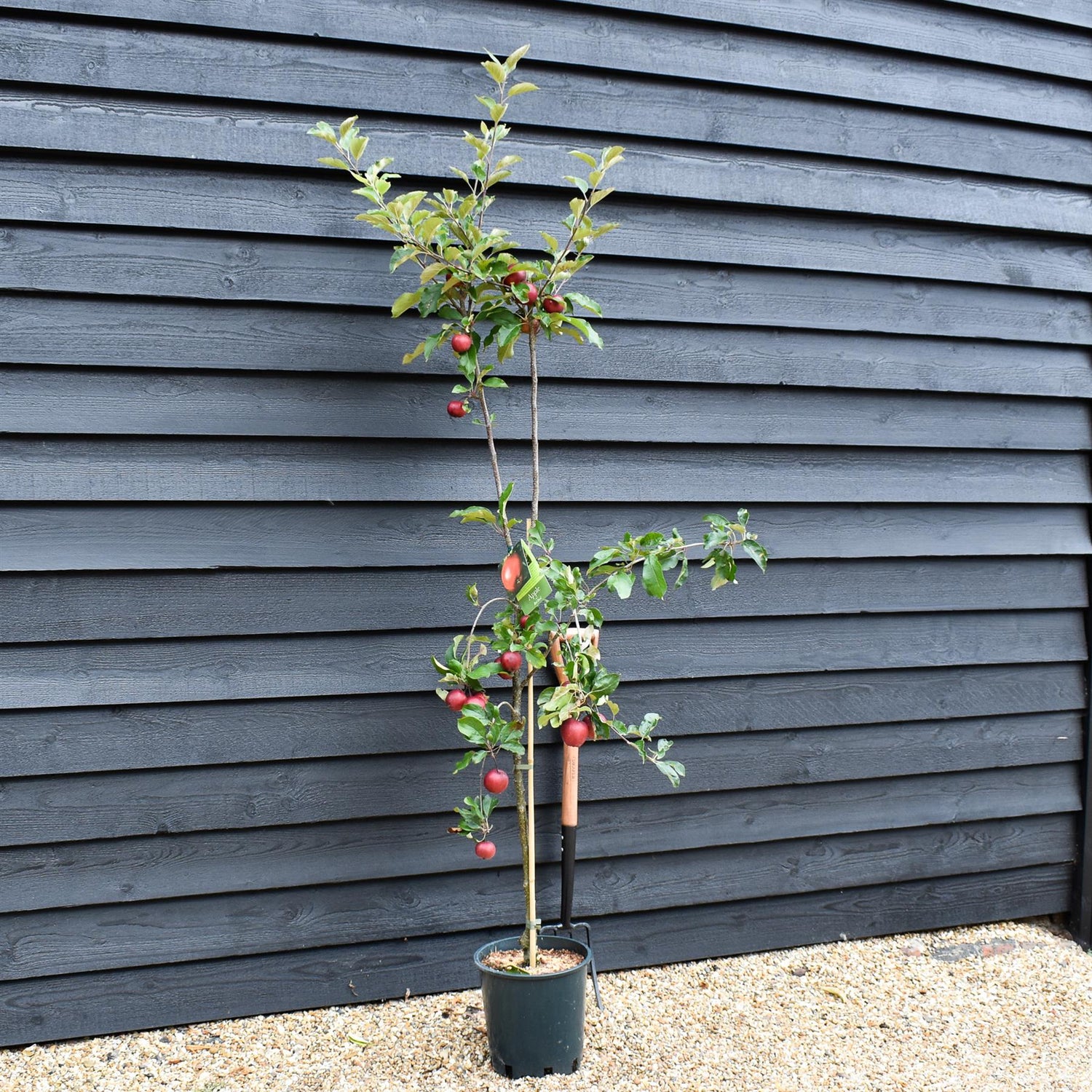
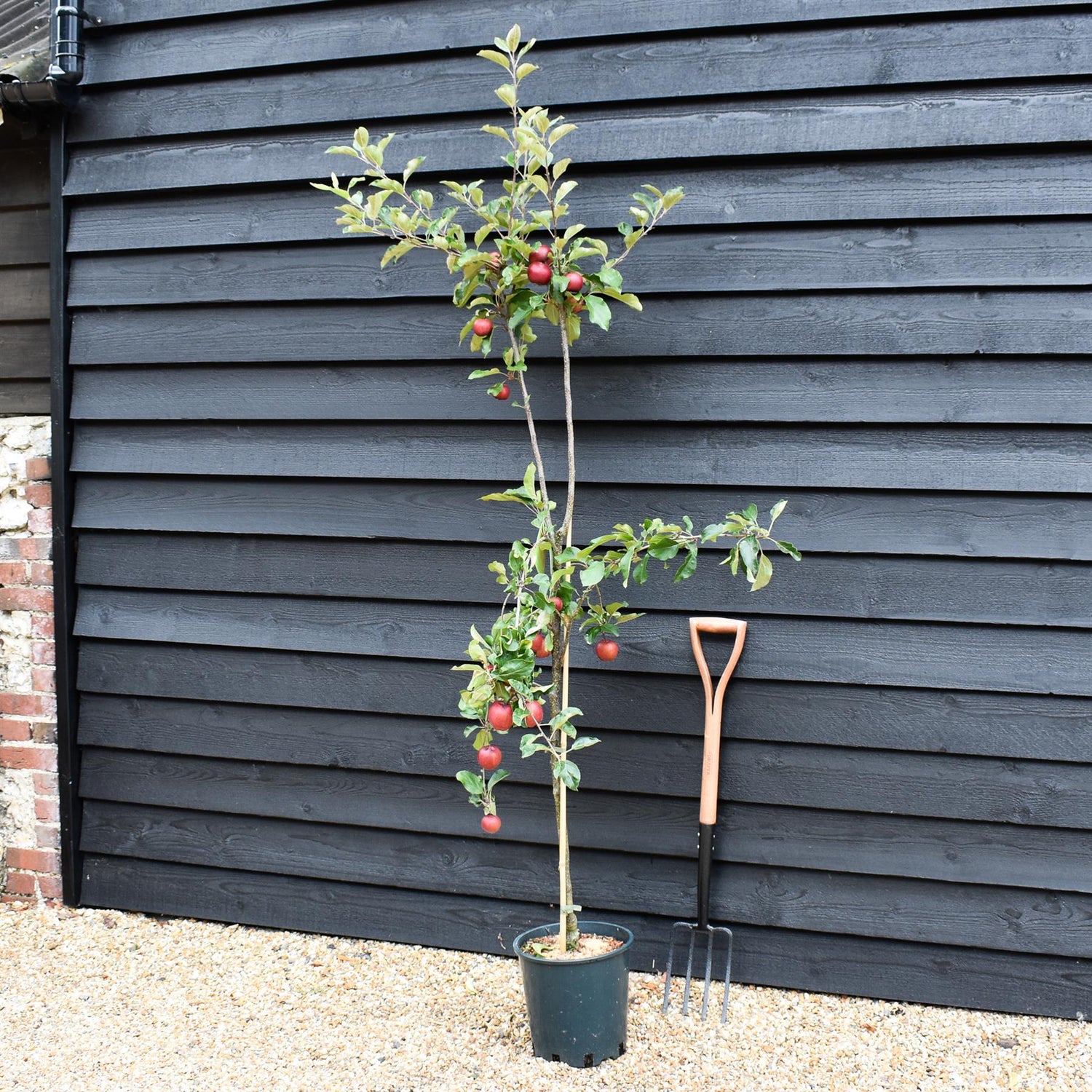
Unit price perRed Devil Apple plant is a deciduous, hardy, vigorous tree with a bushy, upright habit, attractive pink-white flowers, and stunning, deep red fruit. Its creamy flesh is white, but stained with red and produces beautiful pink juice. Red Devil apples ripen in mid-September and are harvested till mid-October. The fruit has juicy and moderately sweet and sharp taste with a hint of strawberry flavour. They store well and can be kept till January.
Red Devil Apple was bred by Hugh Ermen, in Faversham, Kent in 1975, and introduced in 1990 as an excellent, modern dessert apple. It is very resilient, generally disease-free, and adaptable to most weather conditions. It grows in almost any type of soil as long as it is moist and well-drained. It prefers full sun, but can tolerate partial shade. It is self-fertile and doesn’t need a pollination partner.
Root stock MM106 is a semi-dwarfing rootstock commonly used for apple trees. It offers a moderate growth rate, producing trees 10-15 feet tall when mature. Suitable for medium-sized gardens, MM106 ensures good fruit yield and adaptability to various soils. It's resistant to woolly apple aphid and moderately resistant to crown rot. Ideal for bush, cordons, and espalier forms. Ensure proper staking in early years.
Apple tree 'Red Devil' | Malus domestica - MM106 - Semi-Dwarfing - 150-160cm - 10lt
£70.00
Unit price perApple tree 'Red Devil' | Malus domestica - MM106 - Semi-Dwarfing - 150-160cm - 10lt
£70.00
Unit price perRed Devil Apple plant is a deciduous, hardy, vigorous tree with a bushy, upright habit, attractive pink-white flowers, and stunning, deep red fruit. Its creamy flesh is white, but stained with red and produces beautiful pink juice. Red Devil apples ripen in mid-September and are harvested till mid-October. The fruit has juicy and moderately sweet and sharp taste with a hint of strawberry flavour. They store well and can be kept till January.
Red Devil Apple was bred by Hugh Ermen, in Faversham, Kent in 1975, and introduced in 1990 as an excellent, modern dessert apple. It is very resilient, generally disease-free, and adaptable to most weather conditions. It grows in almost any type of soil as long as it is moist and well-drained. It prefers full sun, but can tolerate partial shade. It is self-fertile and doesn’t need a pollination partner.
Root stock MM106 is a semi-dwarfing rootstock commonly used for apple trees. It offers a moderate growth rate, producing trees 10-15 feet tall when mature. Suitable for medium-sized gardens, MM106 ensures good fruit yield and adaptability to various soils. It's resistant to woolly apple aphid and moderately resistant to crown rot. Ideal for bush, cordons, and espalier forms. Ensure proper staking in early years.
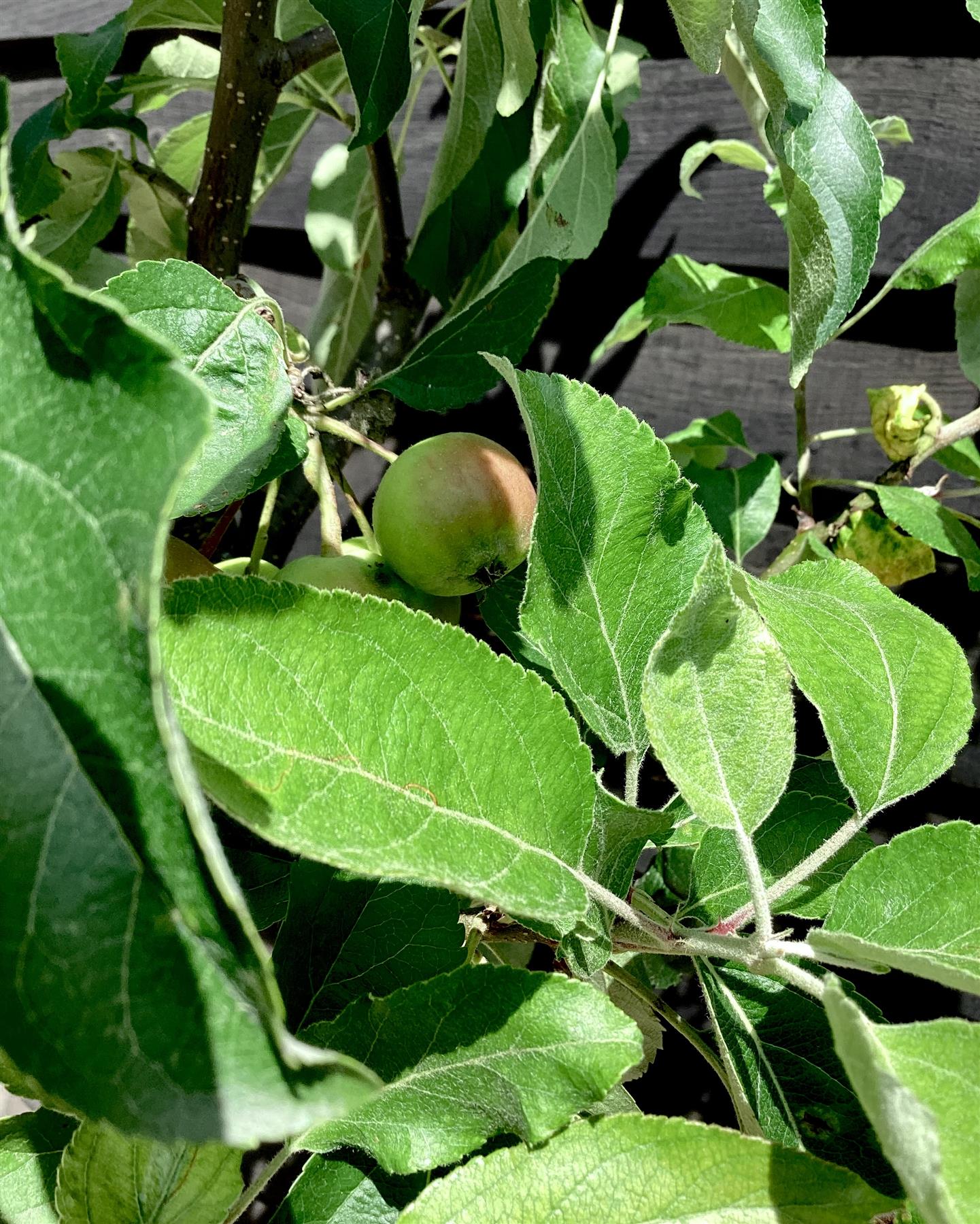
Apple tree 'Idared' | Malus domestica - 150-160cm - 10lt
£72.00
Unit price perApple tree 'Idared' | Malus domestica - 150-160cm - 10lt
£72.00
Unit price per


Apple tree 'Cox Orange Pippin' | Malus domestica - Patio Rootstock - Height 80-100cm - 7lt
£38.00
Unit price perApple tree 'Cox Orange Pippin' | Malus domestica - Patio Rootstock - Height 80-100cm - 7lt
£38.00
Unit price perCox’s Orange Pippin apple is the classic English apple. It was discovered in England in 19th century as a chance seedling. It is famous for its rich and complex flavour and considered to be one of the finest dessert apples. The fruit is small to medium-sized. It has yellow skin with orange-red blush and crisp, firm, very juicy and aromatic flesh. The flavour has hints of mango and orange. Cox’s Orange Pippin apple plant is an upright tree with spreading growth habit. Its vigorous and bushy growth can become difficult to control. The plant is sensitive and demanding with regard to soil and climate. It needs exceptional soil and adequate weather conditions to grow well. It prefers rich neutral soil, moist but well drained, and sheltered position in full sun. It is susceptible to diseases and doesn’t tolerate frost. The best flavour is achieved in cool maritime climate.
Root stock MM106 is a semi-dwarfing rootstock commonly used for apple trees. It offers a moderate growth rate, producing trees 10-15 feet tall when mature. Suitable for medium-sized gardens, MM106 ensures good fruit yield and adaptability to various soils. It's resistant to woolly apple aphid and moderately resistant to crown rot. Ideal for bush, cordons, and espalier forms. Ensure proper staking in early years.


Malus domestica 'Belle de Boskoop' is a cultivar of apple tree that is believed to have originated in the Netherlands in the late 19th century. It is also known as 'Beauty of Boskoop' or simply 'Boskoop'.
The fruit produced by this apple tree is large and somewhat flattened, with a green-yellow skin that is often russeted or brownish. The flesh is firm, juicy, and slightly tart, with a distinct aroma and flavor that is highly regarded by apple enthusiasts.
'Belle de Boskoop' is a late-ripening variety, typically harvested in October and November in the northern hemisphere. It is known for its excellent storage qualities and can be kept for several months in a cool, dry place.
This apple cultivar is considered to be a triploid, meaning it requires two other compatible apple trees for cross-pollination in order to produce fruit. It is a popular variety for commercial and home orchards alike, and is grown in many parts of the world, including Europe and North America.


Malus Communis - 'Fuji' - Apple Tree - Espalier - Height 140-150cm - 15lt
£215.00
Unit price perMalus Communis - 'Fuji' - Apple Tree - Espalier - Height 140-150cm - 15lt
£215.00
Unit price perMalus communis 'Fuji' trained as an espalier is an elegant and highly productive apple tree, ideal for gardens where space is limited but fruit and ornamental value are desired. Carefully trained onto a frame it creates a striking architectural feature against walls, fences, or support wires while allowing excellent sunlight exposure and airflow. In spring, the branches are covered with attractive white to pale pink blossom, bringing seasonal beauty and attracting pollinators to the garden.
By autumn, the tree produces large, crisp apples with a sweet, juicy flavour and excellent texture. ‘Fuji’ is widely prized for its refreshing taste, making the fruit ideal for eating fresh, juicing, or storing for later use. The espalier form keeps the plant compact and manageable, making pruning, harvesting, and general maintenance far easier than with a full-sized tree.
Best grown in a sunny, sheltered position with fertile, well-drained soil, this variety performs reliably in many UK gardens. Its trained habit makes it especially useful for patios, kitchen gardens, courtyards, and narrow borders. Malus communis ‘Fuji’ espalier combines decorative blossom, practical structure, and delicious homegrown fruit in one beautiful and space-efficient tree.


Apple tree 'Fuji' | Malus Domestica - Clear Stem 100cm - Height 200-250cm - Girth 12-14cm - 30lt
£230.00
Unit price perApple tree 'Fuji' | Malus Domestica - Clear Stem 100cm - Height 200-250cm - Girth 12-14cm - 30lt
£230.00
Unit price per


Malus Communis - Espalier - Apple Tree - 4 Branches - Height 280-290cm - Width 225-235cm - 230lt
£1,695.00
Unit price perMalus Communis - Espalier - Apple Tree - 4 Branches - Height 280-290cm - Width 225-235cm - 230lt
£1,695.00
Unit price perMalus communis trained as a mature four-branch espalier is an excellent choice for gardens where beauty, productivity, and space efficiency are equally important. Carefully shaped with four horizontal tiers of branches, it creates a formal architectural feature that looks striking against walls, fences, or boundary lines while producing delicious apples. This trained form is especially valuable in smaller gardens, courtyards, kitchen gardens, and narrow spaces where a traditional orchard tree would be too large.
In spring, the tree is covered with attractive blossom that brings seasonal colour and helps support pollinators. Through summer, the neatly arranged branches carry developing fruit, followed by a rewarding harvest in autumn. Even in winter, the structured framework provides strong visual interest and classic garden character.
Espalier-trained apples perform best in a sunny, open position with fertile, well-drained soil. A south or west-facing wall can improve ripening and protect blossom from late frosts. Regular pruning is needed to maintain the elegant tiered shape and encourage productive fruiting spurs, making it ideal for gardeners who enjoy hands-on care and training.


Malus Communis - 'Regina delle Renette' - Apple Tree - Espalier - Height 140-150cm - 15lt
£215.00
Unit price perMalus Communis - 'Regina delle Renette' - Apple Tree - Espalier - Height 140-150cm - 15lt
£215.00
Unit price perMalus communis 'Regina delle Renette' grown on a frame is a refined and productive apple tree, valued for its classic flavour, decorative appeal, and space-saving form. Carefully trained against a support frame, it develops a neat structured shape that makes an attractive feature for walls, fences, kitchen gardens, or patios. In spring, the branches are covered with masses of delicate white to soft pink blossom, bringing welcome seasonal colour and attracting bees and other pollinators.
By autumn, the tree bears handsome fruits with a rich aromatic flavour, balancing sweetness with a gentle sharpness. Highly regarded for fresh eating, cooking, and traditional recipes, the apples are versatile and rewarding to harvest. The trained frame shape allows sunlight to reach the fruit evenly, helping ripening and improving colour, while also keeping the plant compact and easy to manage.
This variety thrives best in a sunny, sheltered position with fertile, well-drained soil. Regular pruning helps maintain its elegant framework and encourages strong cropping year after year. Ideal for smaller gardens or where decorative productivity is required, Malus communis 'Regina delle Renette' offers spring blossom, handsome fruit, and practical structure, making it a beautiful and useful addition to any garden space.


Malus Communis - 'Fuji' - Apple Tree - Espalier - Height 140-150cm - 30lt
£270.00
Unit price perMalus Communis - 'Fuji' - Apple Tree - Espalier - Height 140-150cm - 30lt
£270.00
Unit price perMalus communis 'Fuji' trained as an espalier is an elegant and highly productive apple tree, ideal for gardens where space is limited but fruit and ornamental value are desired. Carefully trained onto a frame it creates a striking architectural feature against walls, fences, or support wires while allowing excellent sunlight exposure and airflow. In spring, the branches are covered with attractive white to pale pink blossom, bringing seasonal beauty and attracting pollinators to the garden.
By autumn, the tree produces large, crisp apples with a sweet, juicy flavour and excellent texture. ‘Fuji’ is widely prized for its refreshing taste, making the fruit ideal for eating fresh, juicing, or storing for later use. The espalier form keeps the plant compact and manageable, making pruning, harvesting, and general maintenance far easier than with a full-sized tree.
Best grown in a sunny, sheltered position with fertile, well-drained soil, this variety performs reliably in many UK gardens. Its trained habit makes it especially useful for patios, kitchen gardens, courtyards, and narrow borders. Malus communis ‘Fuji’ espalier combines decorative blossom, practical structure, and delicious homegrown fruit in one beautiful and space-efficient tree.


Feijoa (acca) sellowiana | Pineapple Guava Tree - Clear Stem 70-80cm - Height 110-130cm - Girth 6cm - 15lt
£170.00
Unit price perFeijoa (acca) sellowiana | Pineapple Guava Tree - Clear Stem 70-80cm - Height 110-130cm - Girth 6cm - 15lt
£170.00
Unit price per


Feijoa (acca) sellowiana | Pineapple Guava - Shrub - Height 120-140cm - 18lt
£72.00
Unit price perFeijoa (acca) sellowiana | Pineapple Guava - Shrub - Height 120-140cm - 18lt
£72.00
Unit price per


Feijoa (acca) sellowiana | Pineapple Guava - Ball Shape - Height 80cm - Width 70cm - 45lt
£325.00
Unit price perFeijoa (acca) sellowiana | Pineapple Guava - Ball Shape - Height 80cm - Width 70cm - 45lt
£325.00
Unit price perA Feijoa (Acca sellowiana), commonly known as Pineapple Guava, trimmed into a neat ball shape makes an excellent and attractive feature for a garden. This evergreen shrub or small tree has dense, glossy, oval leaves with silvery undersides, creating a rich green, textured sphere when formally pruned.
In a ball form, it works beautifully as a specimen plant, low hedge element, or in symmetrical plantings along paths and driveways. It is well suited to Mediterranean, coastal, and temperate gardens, being tolerant of wind, drought once established, and light frost.
Beyond its sculptural shape, the plant offers seasonal interest with striking red and white edible flowers in spring, followed by fragrant, oval green fruits in autumn. The compact, rounded form provides year-round structure while still allowing for fruit production, making it both ornamental and productive.
Overall, a ball-shaped Pineapple Guava is a hardy, low-maintenance, and visually refined choice that suits formal and contemporary gardens as well as relaxed, edible landscapes.


Feijoa (acca) sellowiana | Pineapple guava - Umbrella - Height 140cm - 50lt
£435.00
Unit price perFeijoa (acca) sellowiana | Pineapple guava - Umbrella - Height 140cm - 50lt
£435.00
Unit price perA Feijoa (Acca sellowiana) trained into an umbrella shape is an elegant and highly suitable feature for a garden, combining structure, shade, and ornamental interest. In this form, the plant is pruned with a clear single or multi-stem trunk and a broad, spreading canopy that creates a graceful, rounded “parasol” effect. The dense evergreen foliage, dark green above and silvery beneath, provides year-round texture and light dappled shade beneath the canopy, making it ideal for seating areas, pathways, or as a focal point in courtyards.
The umbrella shape highlights the plant’s natural branching habit while allowing good air circulation and light penetration, which encourages healthy growth and fruit production. In spring, striking red and white flowers appear across the canopy, followed by fragrant, oval fruits in autumn. Feijoa is tolerant of wind, coastal conditions, drought once established, and moderate frost, making it adaptable to many climates. This trained form suits both formal and contemporary garden designs, offering a refined architectural presence with the added benefit of edible harvests.


Rhaphiolepis umbellata (pink) | Yeddo - 90cm, 10lt
£72.00
Unit price perRhaphiolepis umbellata (pink) | Yeddo - 90cm, 10lt
£72.00
Unit price per


Salix integra 'Hakuro-nishiki' | Dappled Willow - Height 190-210cm - 12lt
£105.00
Unit price perSalix integra 'Hakuro-nishiki' | Dappled Willow - Height 190-210cm - 12lt
£105.00
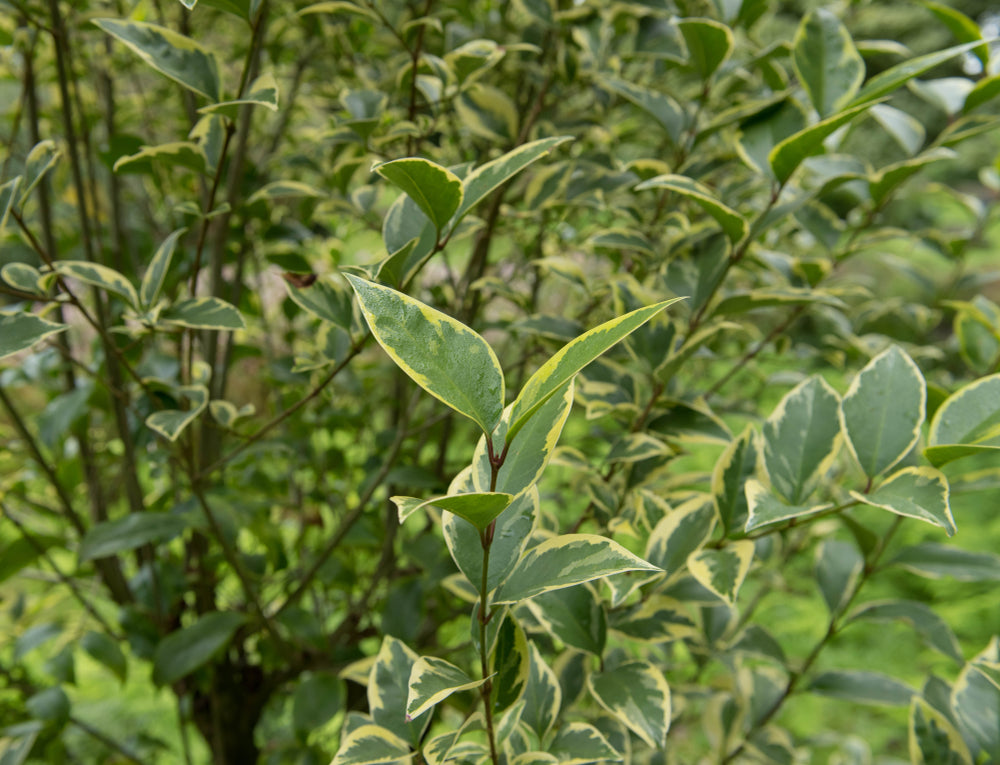
Unit price perSalix integra 'Hakuro-nishiki', commonly known as Dappled Willow or Flamingo Willow, is a distinctive deciduous shrub prized for its striking variegated foliage. The leaves emerge pink in spring, maturing to a mosaic of cream, pink, and green, providing a spectacular display, particularly effective in contrasting planting schemes. It typically grows 4-6 feet tall and wide but can be pruned to maintain a smaller size, making it a versatile option for many garden spaces.
Originating from Japan, 'Hakuro-nishiki' thrives in moist, well-drained soils and prefers a full sun to partial shade environment. While it is highly adaptable to different soil types, it performs best in acidic to neutral soils. Regular watering is essential, particularly in dry conditions, to maintain its lush appearance.
This Salix variety exhibits fast growth and requires regular pruning to encourage bushiness and to manage its size, making it an excellent choice for hedges or screens. The branches are flexible and are often used in basket weaving. Additionally, catkins appear before the leaves in early spring, adding to its ornamental value. It’s especially attractive to those desiring a unique, colorful, and easily manageable addition to their landscapes.


Salix integra 'Hakuro-nishiki', commonly known as Dappled Willow or Flamingo Willow, is a distinctive deciduous shrub prized for its striking variegated foliage. The leaves emerge pink in spring, maturing to a mosaic of cream, pink, and green, providing a spectacular display, particularly effective in contrasting planting schemes. It typically grows 4-6 feet tall and wide but can be pruned to maintain a smaller size, making it a versatile option for many garden spaces.
Originating from Japan, 'Hakuro-nishiki' thrives in moist, well-drained soils and prefers a full sun to partial shade environment. While it is highly adaptable to different soil types, it performs best in acidic to neutral soils. Regular watering is essential, particularly in dry conditions, to maintain its lush appearance.
This Salix variety exhibits fast growth and requires regular pruning to encourage bushiness and to manage its size, making it an excellent choice for hedges or screens. The branches are flexible and are often used in basket weaving. Additionally, catkins appear before the leaves in early spring, adding to its ornamental value. It’s especially attractive to those desiring a unique, colorful, and easily manageable addition to their landscapes.