

-
Trees
Trees
 Fruit Trees
 Ornamental
 Screening
 Palms
By FeaturesBy Shape
Palms
By FeaturesBy Shape -
Shrubs
Shrubs
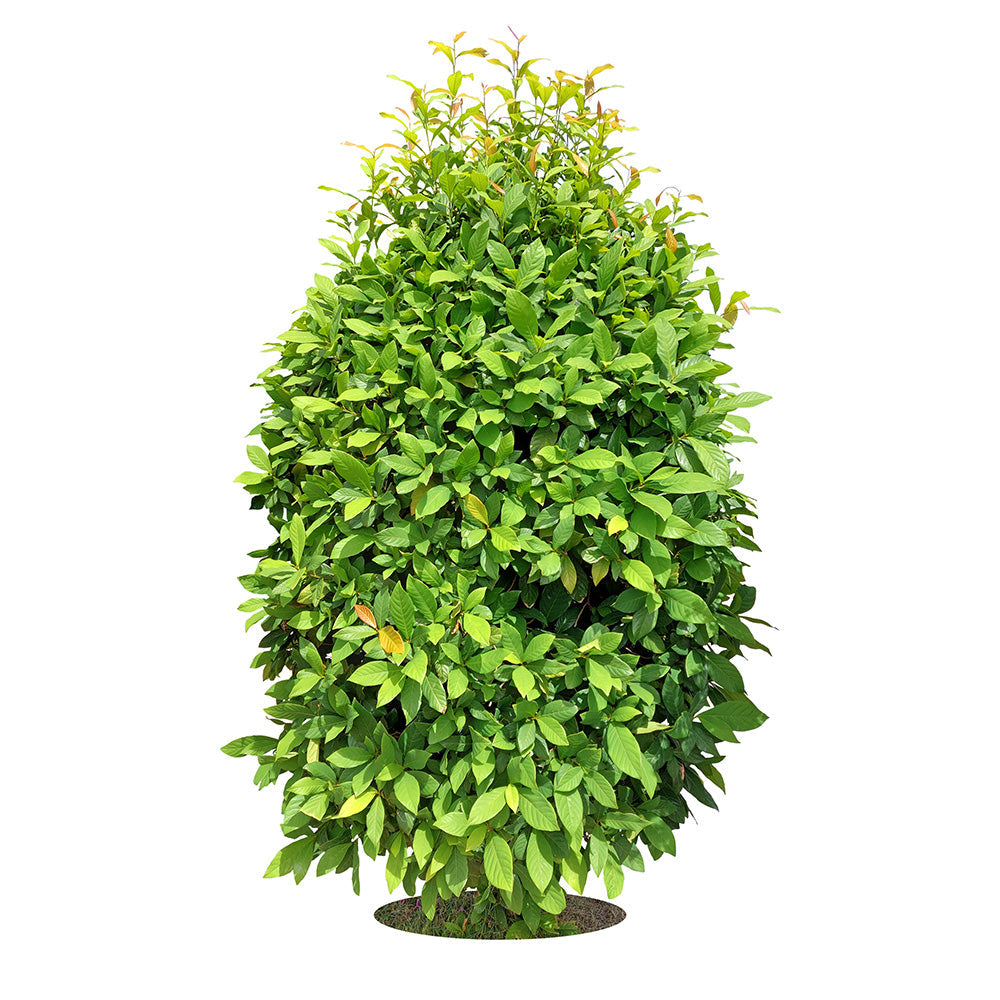 Large shrubs
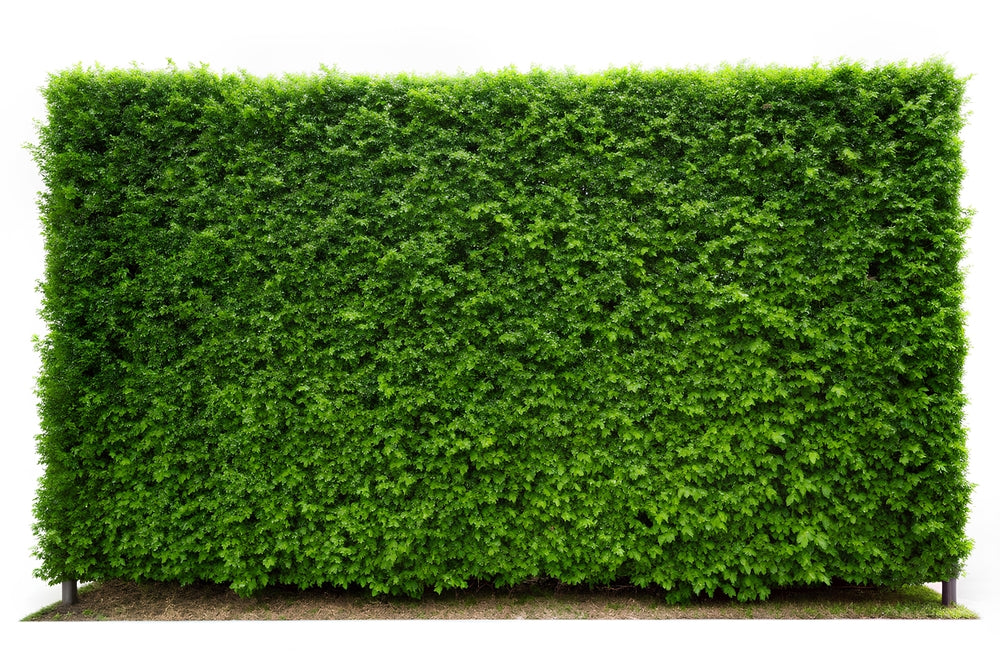 Hedging
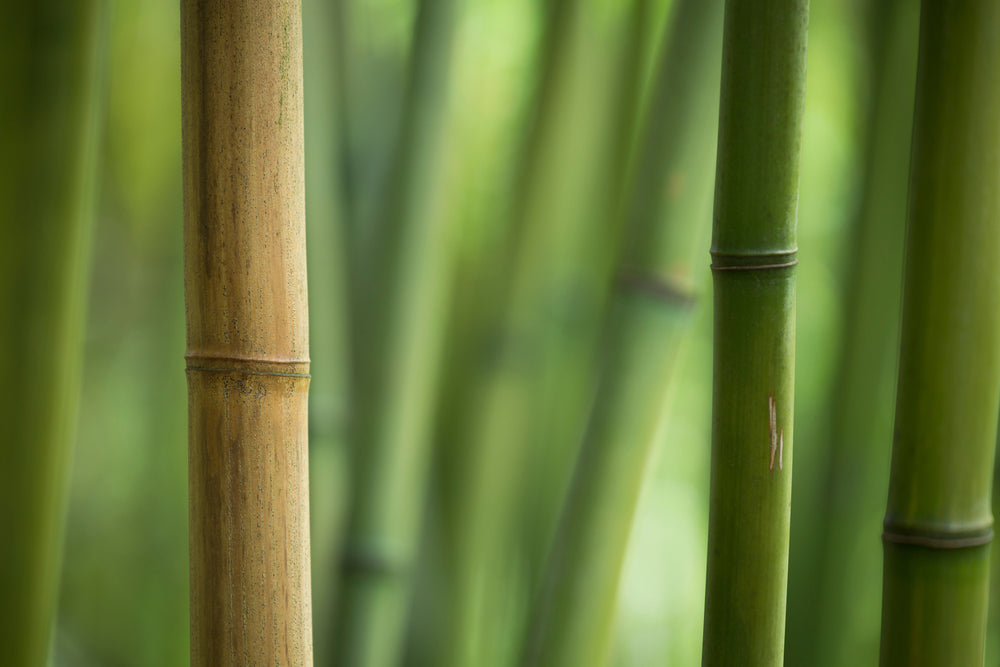 Bamboo
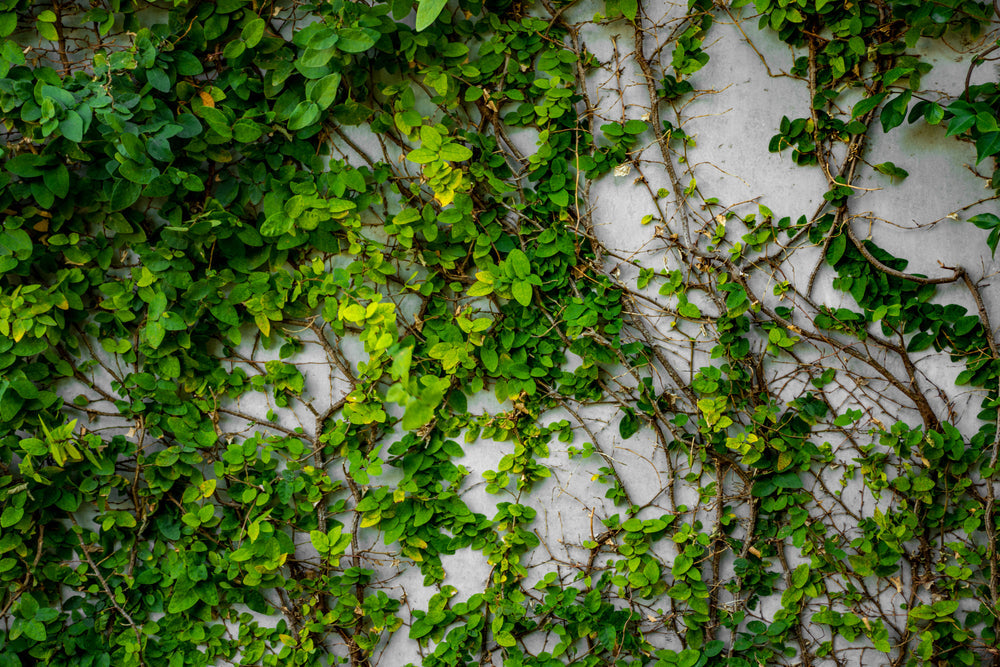 Climbers
 Flowering
 Grasses & Ferns
 Popular
-
Pines & Conifers
Pines & Conifers
 Pines
Pines
 Spruce & Fir
 Cypress
 Thuja
Thuja
 Redwood | Sequoia
-
Specimen
FREE DELIVERY OVER £350
Search results
Search results


Euonymus alatus | Winged Spindle Tree - 125-150cm -70lt
£468.00
Unit price perEuonymus alatus | Winged Spindle Tree - 125-150cm -70lt
£468.00
Unit price per


Alnus Cordata - Alder tree - Clear Stem - Standard - Girth 10-12cm - Height 480-530cm - 70lt
£390.00
Unit price perAlnus Cordata - Alder tree - Clear Stem - Standard - Girth 10-12cm - Height 480-530cm - 70lt
£390.00
Unit price perAlnus cordata, commonly known as the Italian alder, is a medium to large deciduous tree native to southern Italy and parts of Corsica. It belongs to the Betulaceae family and is highly valued for its ability to thrive in poor soils and challenging environmental conditions. This species is often planted for ornamental purposes, soil improvement, and as a windbreak due to its robust growth and adaptability.
The tree can reach heights of up to 25-30 metres (82-98 feet) with a trunk diameter of about 1 metre (3.3 feet). It has a relatively narrow, conical crown, which makes it an attractive choice for landscaping in urban and rural environments. The bark is smooth and greyish-brown when young, developing shallow fissures with age.
Alnus cordata is noted for its distinctive heart-shaped (cordate) leaves, which are bright green and glossy, measuring 7-12 cm in length. Unlike some other alders, the leaves of A. cordata remain on the tree until late autumn, giving it an extended season of greenery. In spring, it produces small, inconspicuous catkins, with male catkins being pendulous and yellowish, and female catkins more compact and upright. These develop into small, woody cones that persist on the tree through winter.
One of the key characteristics of Alnus cordata is its nitrogen-fixing ability. Like other alders, it forms a symbiotic relationship with the bacterium Frankia, which allows it to fix atmospheric nitrogen into the soil. This quality makes it an excellent species for improving soil fertility, particularly in degraded or nutrient-poor areas.
Overall, the Italian alder is a resilient and versatile tree, well-suited to a variety of landscapes, including wet or compacted soils, and is an important species for ecological restoration projects.


Osmanthus Fragans |Sweet olive - Shrub - Height 180-200cm -150lt
£715.00
Unit price perOsmanthus Fragans |Sweet olive - Shrub - Height 180-200cm -150lt
£715.00
Unit price perOsmanthus is a genus of flowering plants in the family Oleaceae, commonly known as sweet olive or tea olive. It consists of about 30 species of evergreen shrubs and small trees, native to Asia and the Americas. The plant is well-known for its fragrant, small flowers that bloom in clusters, usually in the fall or early winter. The flowers come in various colors including white, yellow, orange, and reddish-orange, and are often used in perfumes, teas, and desserts due to their sweet scent.
Osmanthus plants are very popular in landscaping and gardening because of their versatile uses. They can be grown as hedges, screens, or as accent plants in mixed borders. They are also suitable for container gardening, bonsai, and indoor cultivation.
Osmanthus plants prefer well-drained soils and partial shade to full sun exposure. In traditional Chinese medicine, osmanthus has been used to treat various health issues such as coughing, sore throat, and digestive problems. The plant contains various active compounds including essential oils, flavonoids, and phenolics that have antioxidant and anti-inflammatory properties.
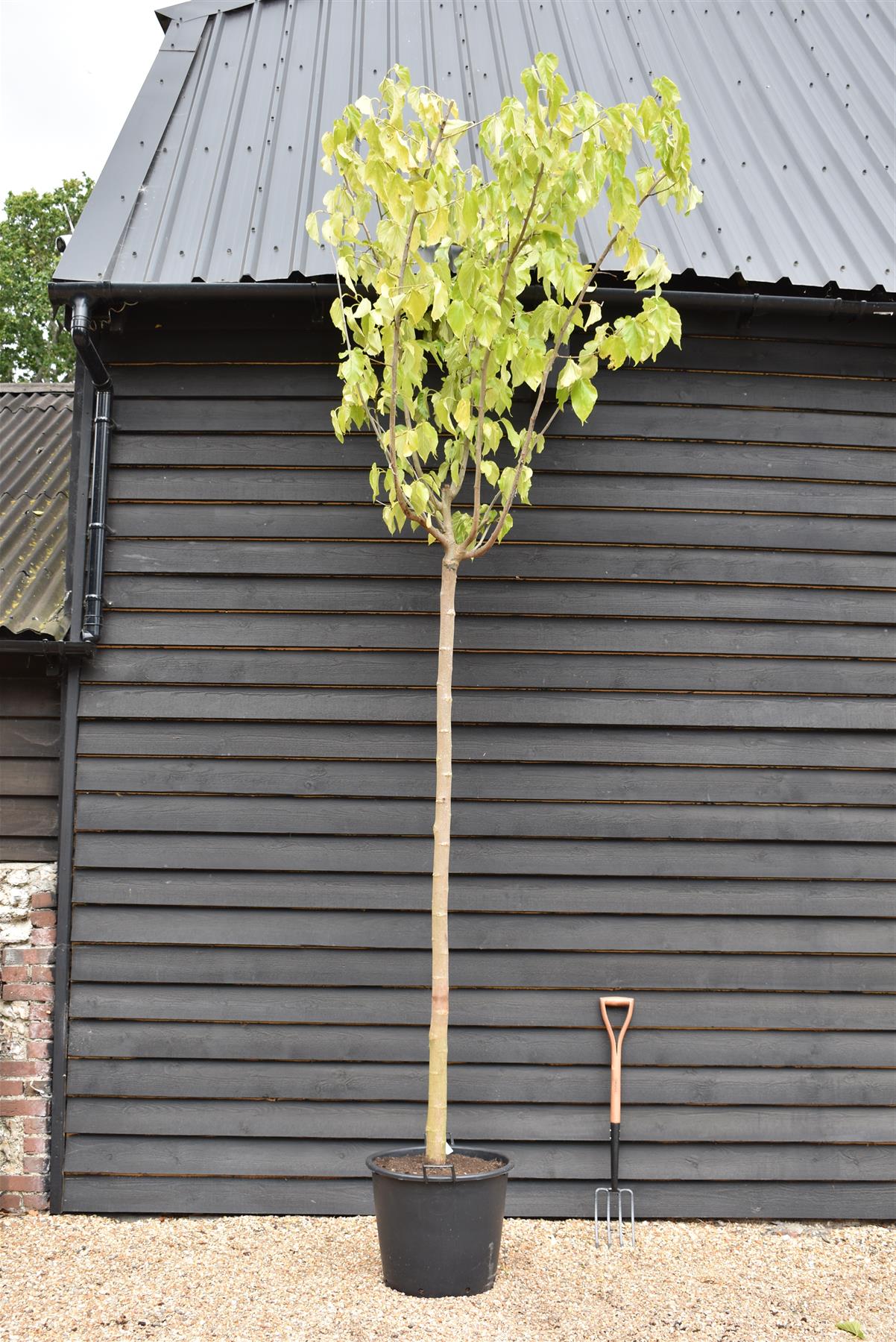


Morus Alba | White Mulberry - Clear Stem - Girth 14-16cm - 300-320cm - 70lt
£375.00
Unit price perMorus Alba | White Mulberry - Clear Stem - Girth 14-16cm - 300-320cm - 70lt
£375.00
Unit price per


Syringa Vulgaris | Lilac - Shrub -Half Standard - Clear Stem 90cm - Height 220-240cm - 45lt
£385.00
Unit price perSyringa Vulgaris | Lilac - Shrub -Half Standard - Clear Stem 90cm - Height 220-240cm - 45lt
£385.00
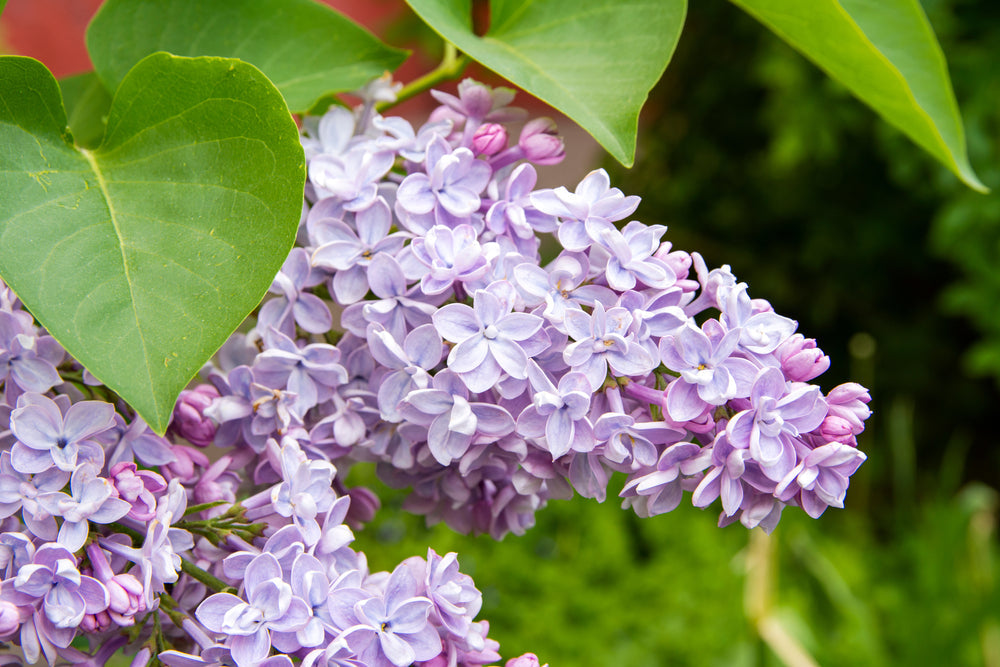
Unit price perThe Syringa vulgaris, commonly known as the common lilac, is a deciduous shrub belonging to the Oleaceae (olive) family. Native to the Balkan Peninsula, it has been widely cultivated across Europe and North America for its fragrant, showy blossoms and ornamental appeal.
Growing to an average height of 4–6 metres (13–20 feet), Syringa vulgaris forms a dense, multi-stemmed thicket with an upright, spreading habit. Its dark green, ovate leaves are simple and arranged oppositely along the stems, providing lush foliage that remains attractive throughout the growing season.
The plant is best known for its spectacular blooms, which appear in mid to late spring. The conical panicles, measuring 10–20 cm (4–8 inches) long, consist of small, tubular flowers. The flowers are highly fragrant, making them a favourite for gardens and floral arrangements.
Thriving in temperate climates, Syringa vulgaris prefers well-drained, neutral to slightly alkaline soil and full sun for optimal blooming. It is cold-hardy and can withstand harsh winters, making it a popular choice for northern regions.
Historically, lilacs have symbolised love, renewal, and nostalgia, and they are often planted in cottage gardens, hedgerows, and public parks. They attract pollinators, such as butterflies and bees, while being relatively pest-resistant.


Syringa Vulgaris | Lilac Flowers - Shrub -Half Standard - Clear Stem 90cm - Height 300-310cm - 45lt
£385.00
Unit price perSyringa Vulgaris | Lilac Flowers - Shrub -Half Standard - Clear Stem 90cm - Height 300-310cm - 45lt
£385.00
Unit price perThe Syringa vulgaris, commonly known as the common lilac, is a deciduous shrub belonging to the Oleaceae (olive) family. Native to the Balkan Peninsula, it has been widely cultivated across Europe and North America for its fragrant, showy blossoms and ornamental appeal.
Growing to an average height of 4–6 metres (13–20 feet), Syringa vulgaris forms a dense, multi-stemmed thicket with an upright, spreading habit. Its dark green, ovate leaves are simple and arranged oppositely along the stems, providing lush foliage that remains attractive throughout the growing season.
The plant is best known for its spectacular blooms, which appear in mid to late spring. The conical panicles, measuring 10–20 cm (4–8 inches) long, consist of small, tubular flowers. The flowers are highly fragrant, making them a favourite for gardens and floral arrangements.
Thriving in temperate climates, Syringa vulgaris prefers well-drained, neutral to slightly alkaline soil and full sun for optimal blooming. It is cold-hardy and can withstand harsh winters, making it a popular choice for northern regions.
Historically, lilacs have symbolised love, renewal, and nostalgia, and they are often planted in cottage gardens, hedgerows, and public parks. They attract pollinators, such as butterflies and bees, while being relatively pest-resistant.


Magnolia Liliiflora Nigra - Clear Stem 45cm - Height 90-100cm - 7lt
£78.00
Unit price perMagnolia Liliiflora Nigra - Clear Stem 45cm - Height 90-100cm - 7lt
£78.00
Unit price per


Hornbeam Fastigata | Carpinus betulus 'Fastigiata' - Girth 10-12cm - Height 280-320cm - 70lt
£320.00
Unit price perHornbeam Fastigata | Carpinus betulus 'Fastigiata' - Girth 10-12cm - Height 280-320cm - 70lt
£320.00
Unit price per


Sorbus latifolia 'Henk Vink' - Clear Stem 170cm - Girth 6-8cm - Height 340-350cm - 45lt
£379.00
Unit price perSorbus latifolia 'Henk Vink' - Clear Stem 170cm - Girth 6-8cm - Height 340-350cm - 45lt
£379.00
Unit price perSorbus latifolia 'Henk Vink' is a highly ornamental and resilient tree, making it a great addition to medium or large gardens. This cultivar, a broad-leaved whitebeam, is known for its elegant, upright form and dense, rounded crown, which offers strong architectural structure throughout the year. It typically grows to around 8–12 metres in height, making it suitable as a focal point or boundary tree in a landscape setting.
One of its standout features is its broad, leathery, dark green leaves with a silvery underside, giving the tree a shimmering appearance when caught by the wind. In spring, it produces clusters of creamy-white flowers that attract bees and other pollinators. These are followed in autumn by orange-red berries that persist into winter and are a valuable food source for birds.
The foliage turns soft shades of yellow and bronze in autumn, adding seasonal colour to the garden. 'Henk Vink' is tolerant of urban conditions, pollution, and various soil types, including dry or clay soils. With minimal maintenance needs, strong disease resistance, and excellent wildlife value, this cultivar is perfect for gardeners seeking both beauty and resilience in their planting scheme.


Alnus Incana Aurea - Grey Alder - Feathered - Height 240-250cm - 10lt
£138.00
Unit price perAlnus Incana Aurea - Grey Alder - Feathered - Height 240-250cm - 10lt
£138.00
Unit price perAlnus incana 'Aurea', known as the Golden Alder, is a deciduous tree prized for its striking yellow foliage and adaptability to various growing conditions. This cultivar is a variation of the grey alder (Alnus incana), native to Europe, North America, and parts of Asia, and is widely cultivated for its ornamental appeal.
Reaching a height of 6 to 10 metres, with a spread of 4 to 6 metres, Alnus incana 'Aurea' is medium-sized, making it suitable for smaller gardens as well as larger landscapes. It is noted for its smooth, greyish bark, which contrasts beautifully with its bright golden-yellow leaves that emerge in early spring. As the season progresses, the foliage turns a lime green, maintaining a light and airy appearance. The leaves are ovate, serrated, and slightly sticky to the touch when young.
In winter, this tree adds visual interest with its small, cone-like fruits and hanging catkins that persist on the branches. The catkins are yellow-brown and appear before the leaves in early spring, contributing to the tree’s year-round appeal.
Alnus incana 'Aurea' is an extremely hardy tree, thriving in a variety of soil types, including wet and poorly drained soils. It is often planted in areas prone to flooding or along riverbanks, as it is highly tolerant of waterlogged conditions. The tree also fixes nitrogen in the soil through symbiotic relationships with root nodules, which improves soil fertility.
Though low-maintenance, the Golden Alder benefits from occasional pruning to maintain its shape and encourage healthy growth. This fast-growing tree is a great choice for those looking to introduce colour and texture to their garden while supporting local wildlife, as it provides shelter and food for birds and insects.
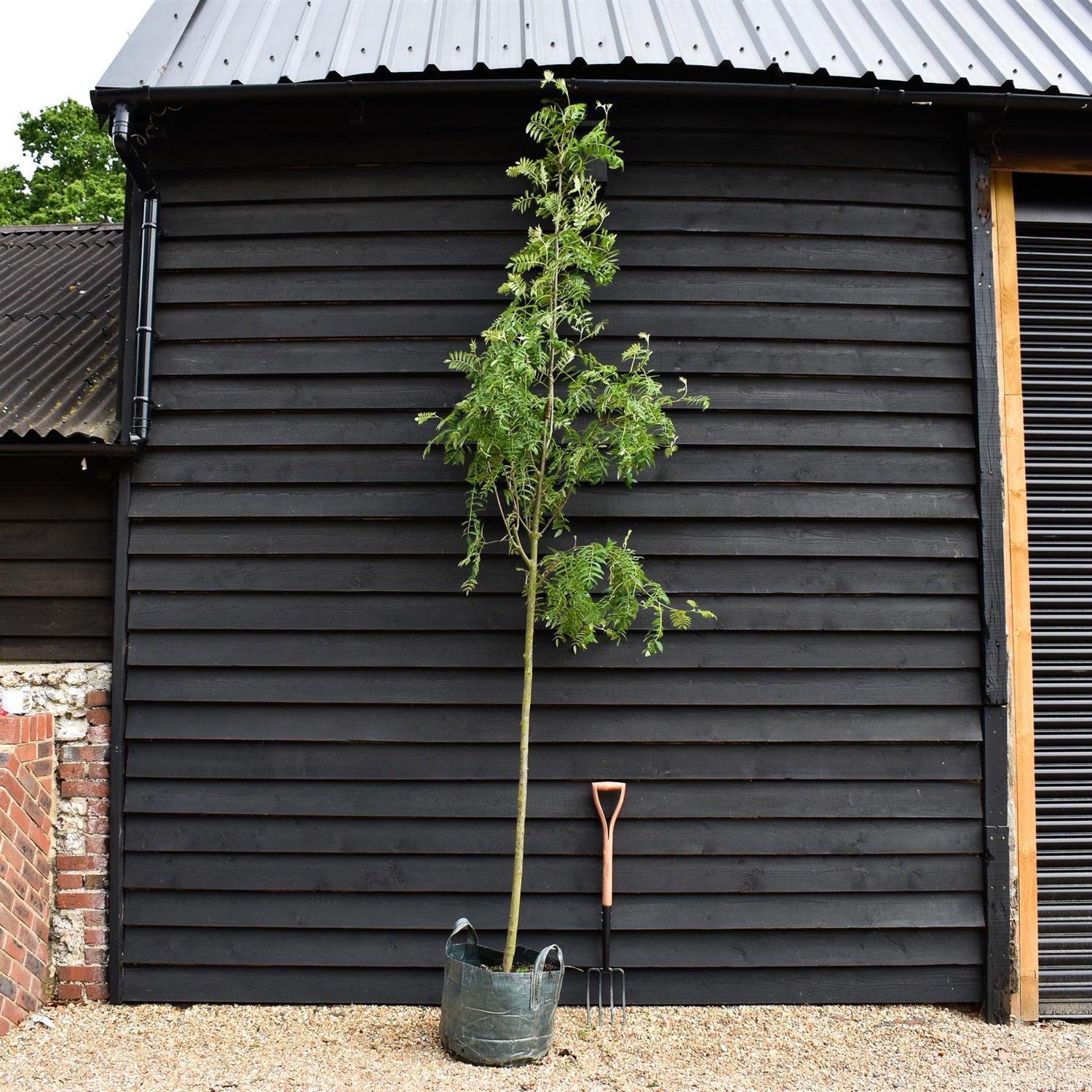


Sorbus aucuparia Asplenifolia - Clear Stem 140cm - Girth 10-12cm - Height 280-300cm - 45lt
£435.00
Unit price perSorbus aucuparia Asplenifolia - Clear Stem 140cm - Girth 10-12cm - Height 280-300cm - 45lt
£435.00
Unit price per


Magnolia Susan - Large Bushy - Multistem - Height 200-240cm - 70lt
£450.00
Unit price perMagnolia Susan - Large Bushy - Multistem - Height 200-240cm - 70lt
£450.00
Unit price perA large multi-stem Magolia ‘Susan’ creates a striking architectural presence in the garden, combining elegance with manageable proportions. Magnolia 'Susan' is one of the celebrated “Little Girl” hybrids, prized for its rich, goblet-shaped flowers in deep reddish-purple with paler interiors. Flowering in mid to late spring, it opens slightly later than many magnolias, helping the blooms avoid frost damage — a valuable trait in UK gardens.
As a mature multi-stem specimen, it develops a broad, vase-shaped framework with smooth grey bark and a naturally graceful silhouette. The multiple stems give it added character and year-round structure, making it ideal as a focal point in lawns, gravel gardens, or large borders. In flower, the bare branches are smothered in upright blooms before fresh green foliage emerges, creating a dramatic seasonal display.
Reaching approximately 3–4 metres in height and spread over time, it suits medium to large gardens and thrives in fertile, well-drained, slightly acidic to neutral soils. Sheltered from strong winds, a large multi-stem Magnolia ‘Susan’ offers dependable spring impact and timeless beauty.


Quercus robur 'Fastigiata' - Feathered - Height 175-200cm - 10lt
£135.00
Unit price perQuercus robur 'Fastigiata' - Feathered - Height 175-200cm - 10lt
£135.00
Unit price perQuercus robur, or English Oak, is a large, long-lived, deciduous tree with a majestic, broad-spreading crown and smooth silvery brown bark, rough and fissured when mature. The lobed, blue-green leaves turn reddish brown in autumn.
The tree is monoecious. Inconspicuous, male, yellow-green flowers grow in long, hanging catkins while small, female, pink flowers are followed by brown acorns that grow in couples on long stalks and fall to the ground in autumn.
English Oak grows best in average, loamy, medium moist, well-drained soils, but can adapt to a wide range of soil conditions. It prefers full sun to dappled shade. Once established, it is resistant to drought and frost.
Low maintenance plant, doesn’t require pruning. English Oak is a stunning architectural tree, robust and sturdy, often found growing in woodland. It is perfect as a specimen tree in larger areas or grown as a hedge in smaller ones. It supports more wildlife than any other tree in the UK.


Magnolia Yulan - Shrub - Height 180cm - 45lt
£470.00
Unit price perMagnolia Yulan - Shrub - Height 180cm - 45lt
£470.00
Unit price perMagnolia Yulan is a stunning flowering bush that belongs to the Magnoliaceae family. It is native to China, particularly the Yunnan Province, and is widely cultivated for its ornamental value. The bush is known for its large, fragrant, and showy white flowers that bloom in late spring to early summer.
One of the most striking features of the Magnolia Yulan bush is its flowers. The flowers are cup-shaped and can measure up to 8 inches in diameter. They are pure white, with a slight pinkish tint at the base, and emit a sweet, lemony fragrance. The flowers bloom in late spring to early summer, and their beauty attracts bees, butterflies, and other pollinators.
The Magnolia Yulan bush prefers full sun to partial shade and well-drained soil that is slightly acidic. It is a relatively low-maintenance bush and requires only occasional pruning to maintain its shape. It is also tolerant of drought and heat, making it an excellent choice for gardens in warmer regions.
In summary, the Magnolia Yulan bush is a beautiful and elegant tree that is prized for its large, fragrant, and showy white flowers. It is low-maintenance and can thrive in a range of growing conditions, making it a popular choice for gardens and landscapes.


Euonymus alatus | Winged Spindle Tree - Shrub - Height 40-60cm - 10lt
£83.00
Unit price perEuonymus alatus | Winged Spindle Tree - Shrub - Height 40-60cm - 10lt
£83.00
Unit price per


Alnus Incana Aurea - Grey Alder - Height 220-250cm - 30lt
£195.00
Unit price perAlnus Incana Aurea - Grey Alder - Height 220-250cm - 30lt
£195.00
Unit price perAlnus incana 'Aurea', known as the Golden Alder, is a deciduous tree prized for its striking yellow foliage and adaptability to various growing conditions. This cultivar is a variation of the grey alder (Alnus incana), native to Europe, North America, and parts of Asia, and is widely cultivated for its ornamental appeal.
Reaching a height of 6 to 10 metres, with a spread of 4 to 6 metres, Alnus incana 'Aurea' is medium-sized, making it suitable for smaller gardens as well as larger landscapes. It is noted for its smooth, greyish bark, which contrasts beautifully with its bright golden-yellow leaves that emerge in early spring. As the season progresses, the foliage turns a lime green, maintaining a light and airy appearance. The leaves are ovate, serrated, and slightly sticky to the touch when young.
In winter, this tree adds visual interest with its small, cone-like fruits and hanging catkins that persist on the branches. The catkins are yellow-brown and appear before the leaves in early spring, contributing to the tree’s year-round appeal.
Alnus incana 'Aurea' is an extremely hardy tree, thriving in a variety of soil types, including wet and poorly drained soils. It is often planted in areas prone to flooding or along riverbanks, as it is highly tolerant of waterlogged conditions. The tree also fixes nitrogen in the soil through symbiotic relationships with root nodules, which improves soil fertility.
Though low-maintenance, the Golden Alder benefits from occasional pruning to maintain its shape and encourage healthy growth. This fast-growing tree is a great choice for those looking to introduce colour and texture to their garden while supporting local wildlife, as it provides shelter and food for birds and insects.


Tsuga canadensis 'Pendula' - Height 100-110cm - 35lt
£495.00
Unit price perTsuga canadensis 'Pendula' - Height 100-110cm - 35lt
£495.00
Unit price perTsuga canadensis ‘Pendula’, commonly known as weeping Canadian hemlock, is a highly ornamental, evergreen conifer prized for its graceful, cascading form and soft, dark green needles. Its distinctive weeping branches create a flowing, layered appearance that adds elegance and movement to the garden. Ideal as a specimen plant, it brings structure and year-round interest to shady borders, woodland gardens, or sloped landscapes where its draping habit can be showcased.
This cultivar is slow-growing and can be trained or staked to achieve various shapes, including upright with drooping branches or a spreading, ground-hugging form. It typically grows 5 to 15 feet tall and wide, depending on training and space. 'Pendula' thrives in partial to full shade and prefers moist, well-drained, acidic soils. It is hardy and benefits from shelter against harsh wind or strong sun, which can scorch its foliage.
Low-maintenance and deer-resistant, it requires little pruning beyond shaping and responds well to thoughtful training. Tsuga canadensis ‘Pendula’ is an elegant, versatile choice for gardeners seeking a dramatic yet refined evergreen focal point in shaded or naturalistic garden settings.


Taxodium distichum | Bald Cypress - Standard - Clear Stem 180-190cm - Girth 12-14cm - Height 380-400cm - 70lt
£545.00
Unit price perTaxodium distichum | Bald Cypress - Standard - Clear Stem 180-190cm - Girth 12-14cm - Height 380-400cm - 70lt
£545.00
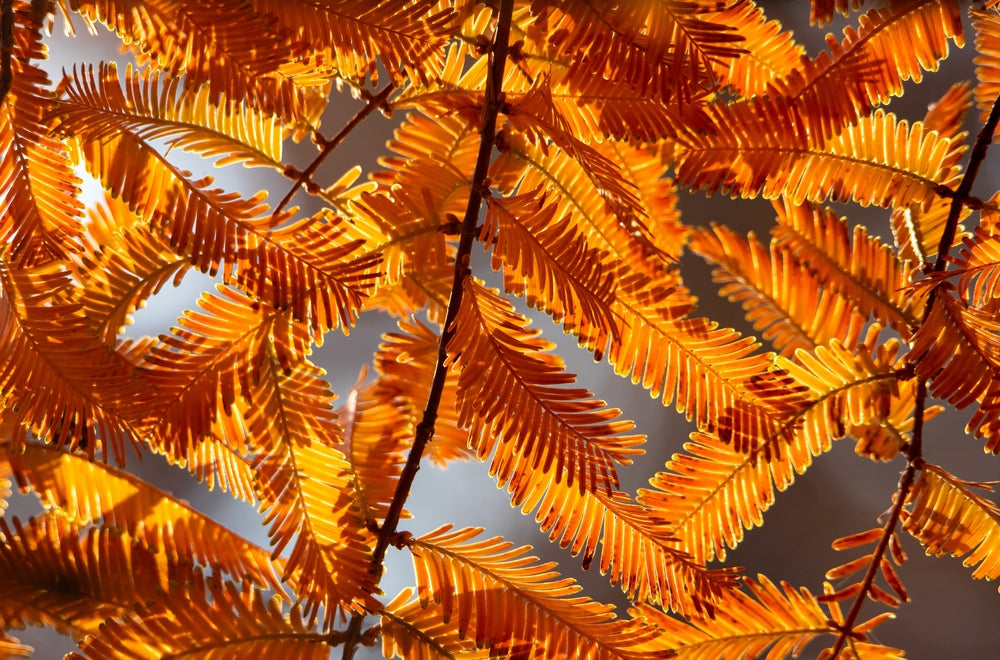
Unit price perTaxodium distichum, the Swamp Cypress, grown as a standard tree is a magnificent, long-lived specimen that brings grandeur and seasonal interest to larger gardens and parkland settings. With its straight trunk and gracefully conical crown, it develops soft, feathery, bright green foliage in spring and summer, which turns rich copper-orange in autumn before falling to reveal an attractive winter silhouette.
This tree is particularly suited to moist or water-retentive soils, thriving where many other trees struggle, including beside ponds, streams, and in low-lying ground. It will also adapt to ordinary garden soils provided they do not become completely dry. In very wet conditions it may produce characteristic “knees,” adding unique sculptural interest.
Taxodium distichum prefers full sun for best growth and colour, and once established it is hardy, wind-tolerant, and surprisingly resilient. As a standard tree, it makes an outstanding focal point in spacious gardens, creating light, dappled shade rather than a heavy canopy, allowing underplanting beneath.
With its elegant form, autumn colour, and tolerance of challenging damp conditions, Swamp Cypress is an excellent choice for gardeners seeking a stately, distinctive tree with strong year-round presence.


Osmanthus Fragrans- Shrub - Height 110-130cm -10lt
£66.00
Unit price perOsmanthus Fragrans- Shrub - Height 110-130cm -10lt
£66.00
Unit price perOsmanthus is a genus of flowering plants in the family Oleaceae, commonly known as sweet olive or tea olive. It consists of about 30 species of evergreen shrubs and small trees, native to Asia and the Americas. The plant is well-known for its fragrant, small flowers that bloom in clusters, usually in the fall or early winter. The flowers come in various colors including white, yellow, orange, and reddish-orange, and are often used in perfumes, teas, and desserts due to their sweet scent.
Osmanthus plants are very popular in landscaping and gardening because of their versatile uses. They can be grown as hedges, screens, or as accent plants in mixed borders. They are also suitable for container gardening, bonsai, and indoor cultivation.
Osmanthus plants prefer well-drained soils and partial shade to full sun exposure. In traditional Chinese medicine, osmanthus has been used to treat various health issues such as coughing, sore throat, and digestive problems. The plant contains various active compounds including essential oils, flavonoids, and phenolics that have antioxidant and anti-inflammatory properties.
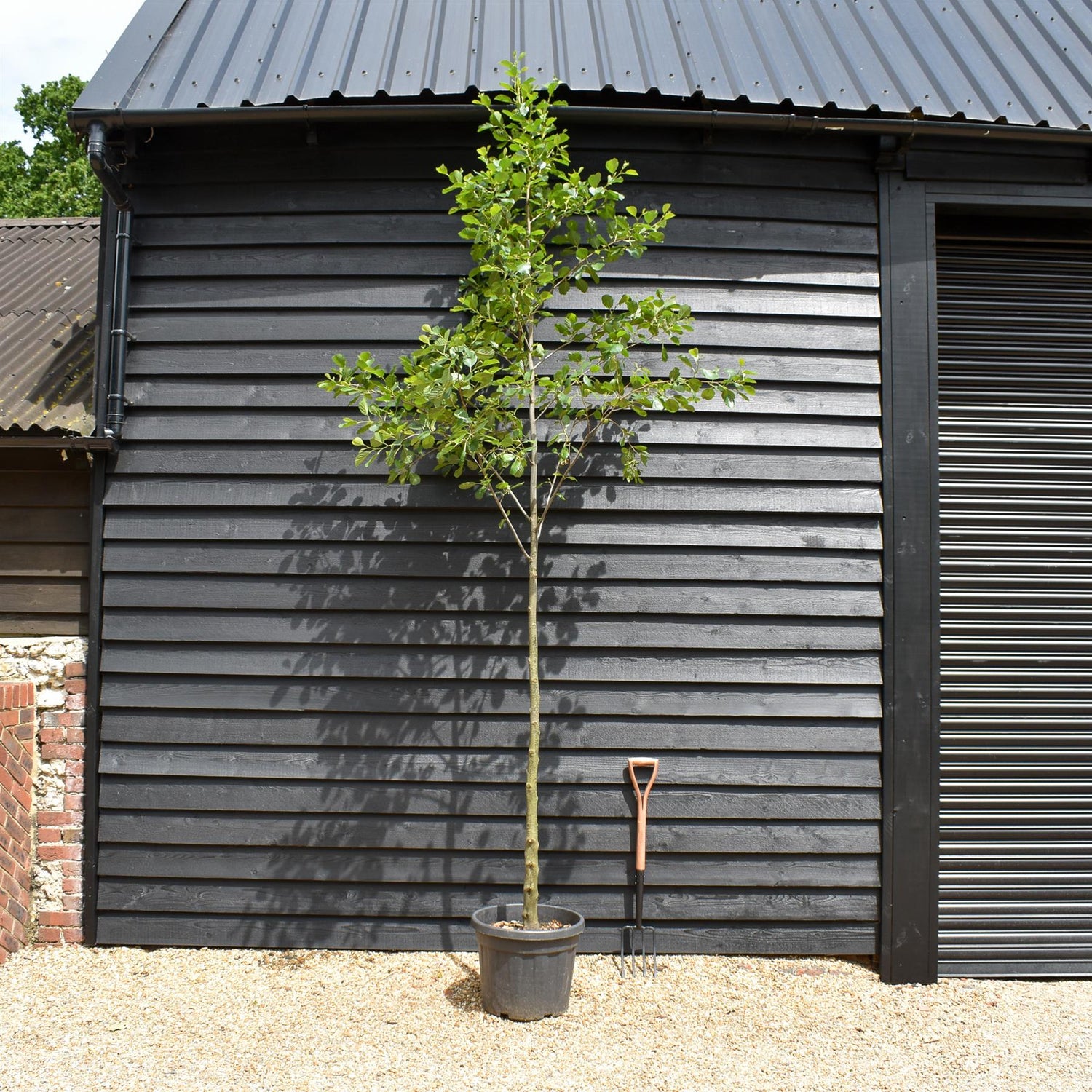


Alder tree | Alnus Glutinosa - Height 300-400cm - Girth 14-16 - 30-50lt
£365.00
Unit price perAlder tree | Alnus Glutinosa - Height 300-400cm - Girth 14-16 - 30-50lt
£365.00
Unit price perAlnus glutinosa, commonly known as the black alder, is a deciduous tree native to Europe, including the British Isles. It is a versatile and resilient species, often found thriving in wetland areas, riverbanks, and marshes, where its roots can help stabilise the soil and prevent erosion.
The black alder typically grows to a height of 20-30 metres, with a broad, conical crown that becomes more rounded with age. Its bark is dark brown and fissured, often developing a distinctive, almost black hue as the tree matures. One of its most notable features is its leaves, which are rounded with a slightly serrated edge and a glossy, dark green surface that turns yellow in the autumn.
In early spring, Alnus glutinosa produces catkins – the male catkins are long and yellowish, while the female ones are shorter and reddish. These mature into woody, cone-like fruits that persist on the tree throughout the winter, providing a valuable food source for wildlife. The black alder also forms symbiotic relationships with nitrogen-fixing bacteria in its root nodules, enriching the soil and benefiting neighbouring plants.
Due to its adaptability and ecological benefits, Alnus glutinosa is often used in reforestation and habitat restoration projects. It supports a wide range of wildlife, including insects, birds, and aquatic species, making it a vital component of the British natural landscape.