

-
Trees
Trees
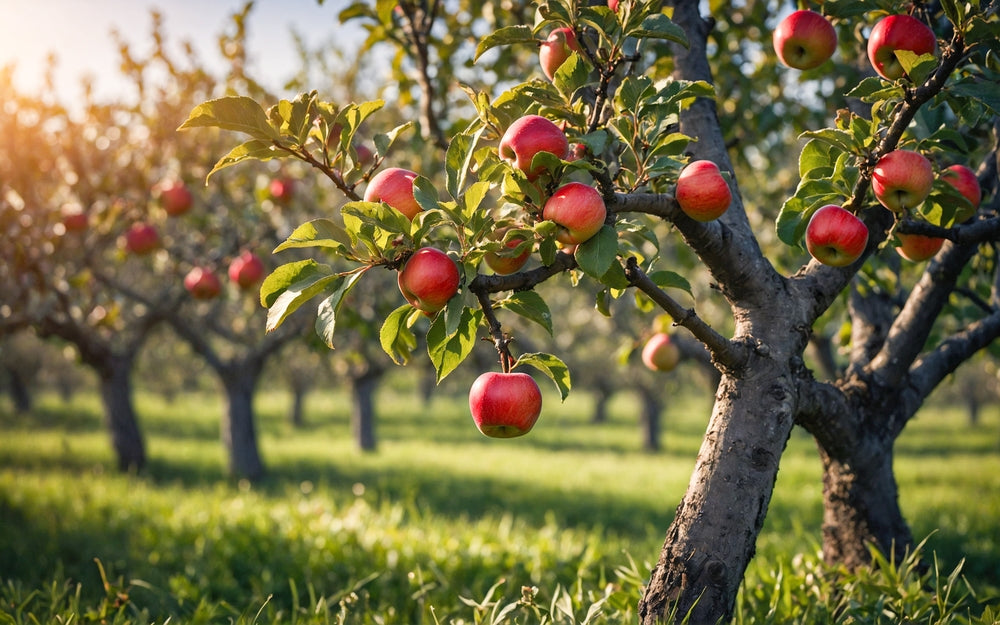 Fruit Trees
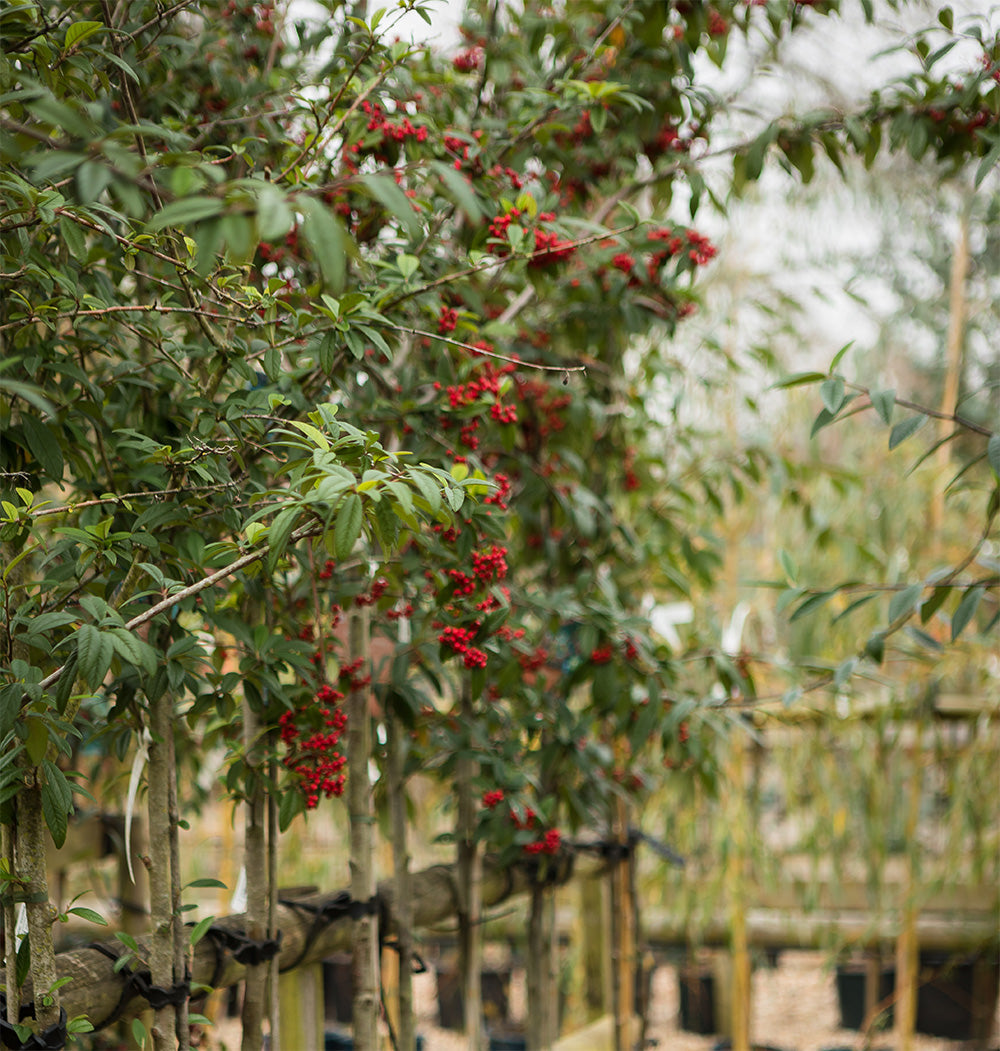 Ornamental
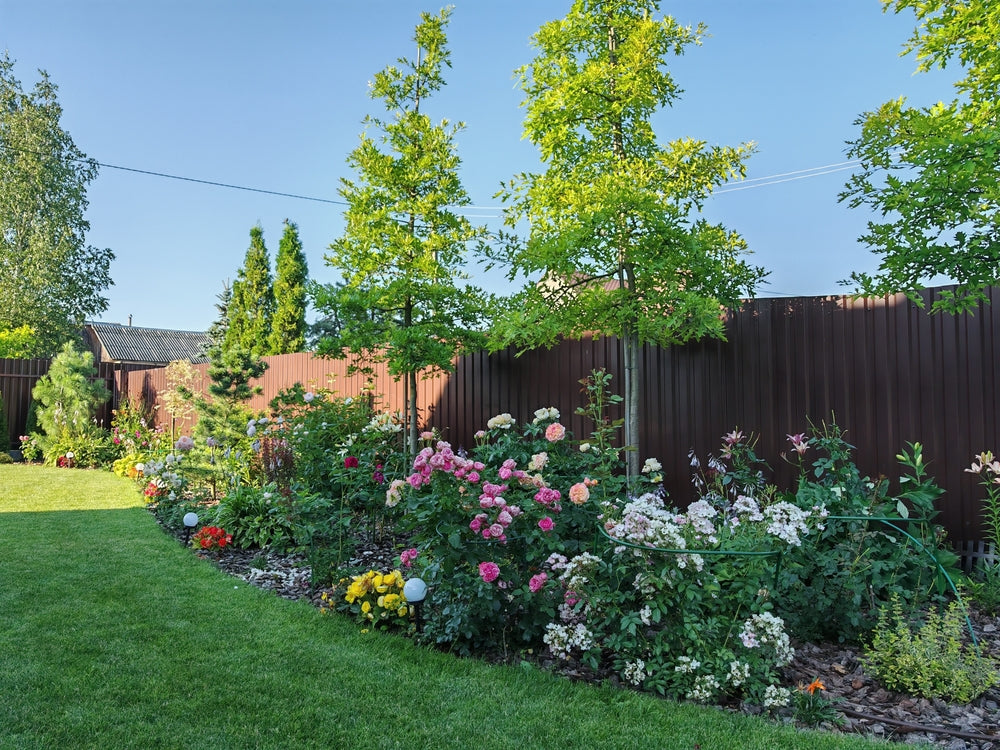 Screening
 Palms
By FeaturesBy Shape
-
Shrubs
Shrubs
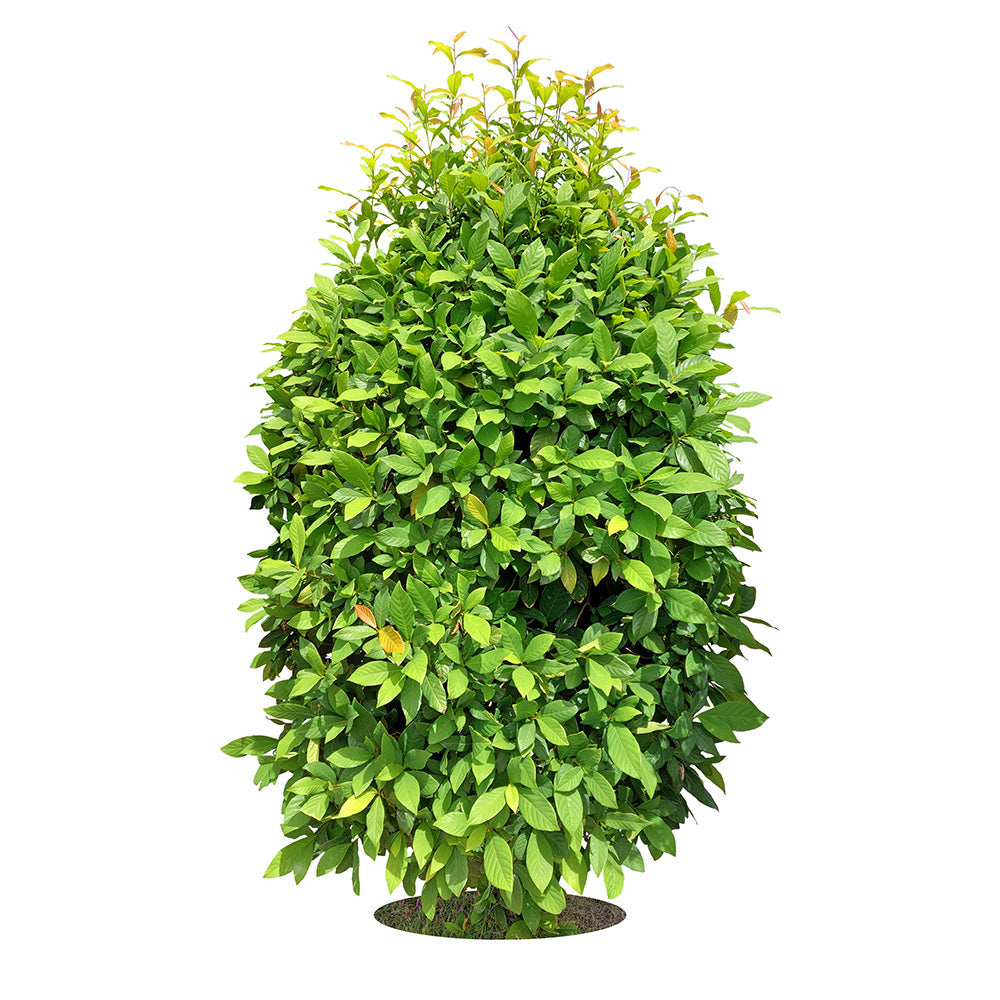 Large shrubs
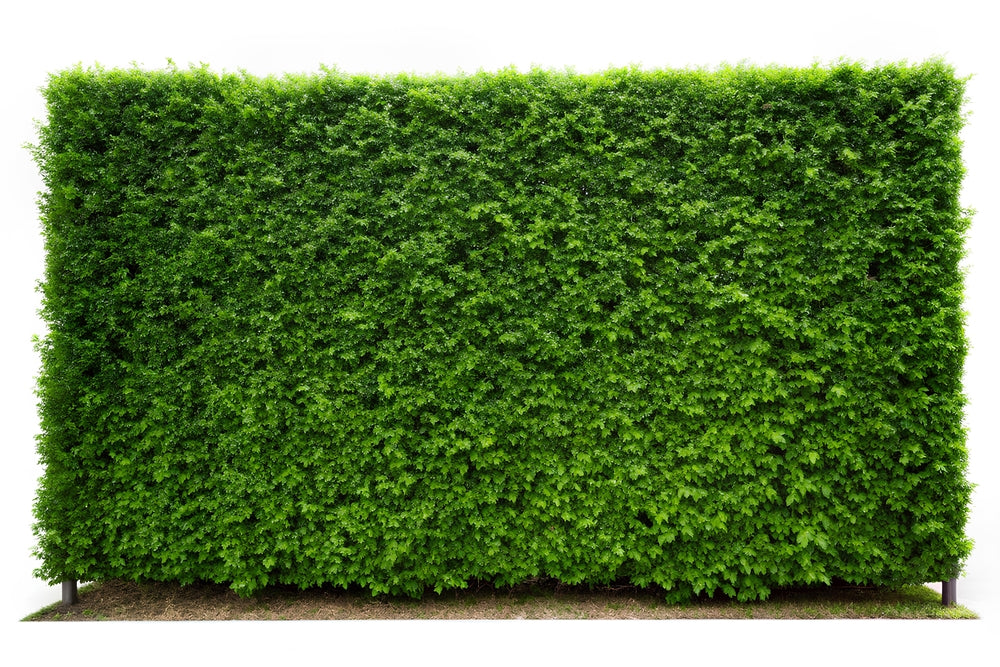 Hedging
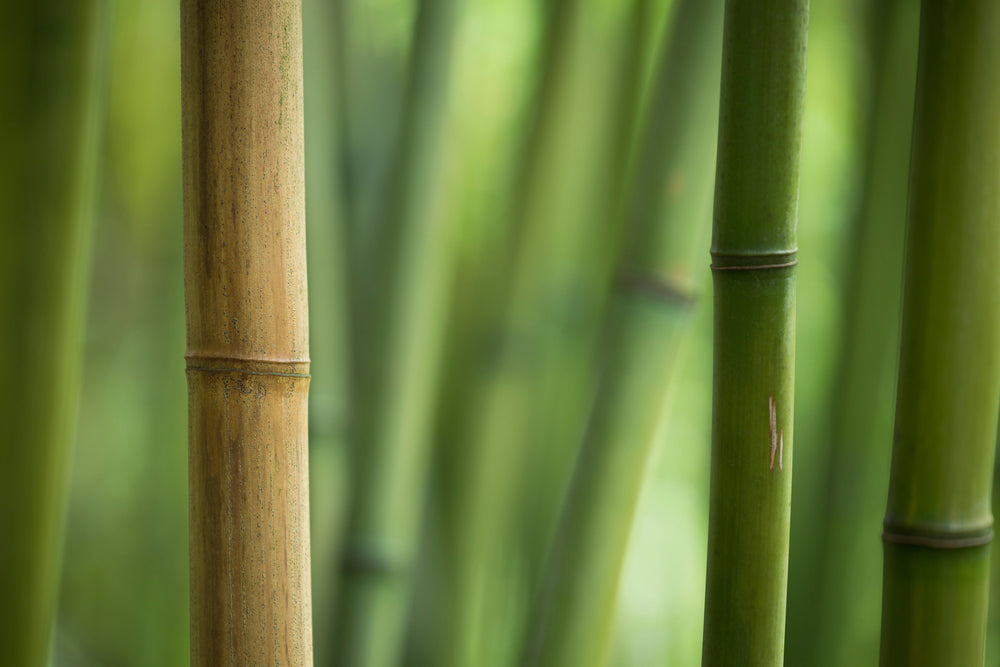 Bamboo
 Climbers
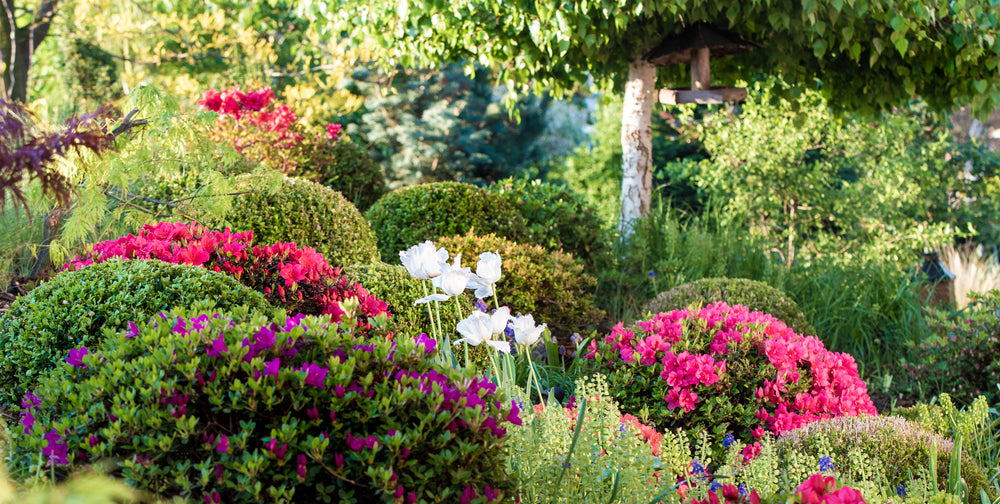 Flowering
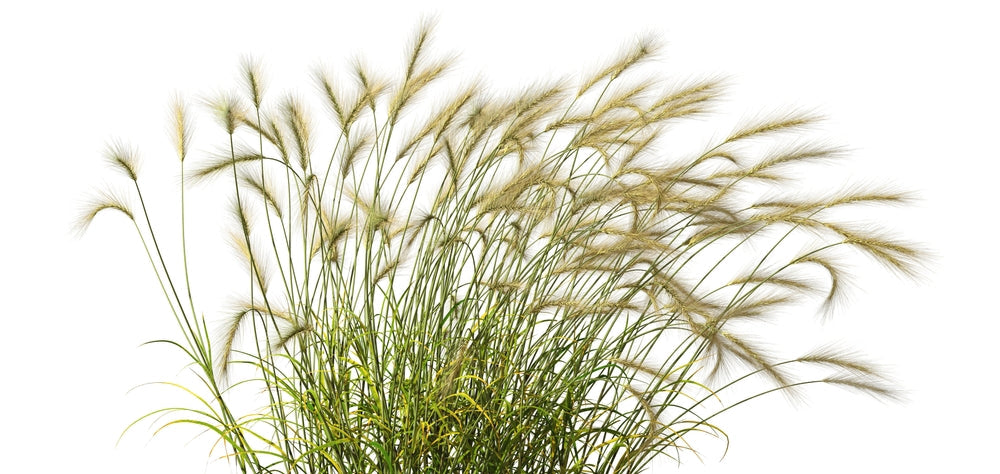 Grasses & Ferns
 Popular
-
Pines & Conifers
Pines & Conifers
 Pines
 Spruce & Fir
 Cypress
 Thuja
 Redwood | Sequoia
-
Specimen



FREE DELIVERY OVER £350
Search results
Search results


Hydrangea Original Mophead - Blue | Blue Hydrangea Height 40-50cm Width 50cm - 40lt
£220.00
Unit price perHydrangea Original Mophead - Blue | Blue Hydrangea Height 40-50cm Width 50cm - 40lt
£220.00
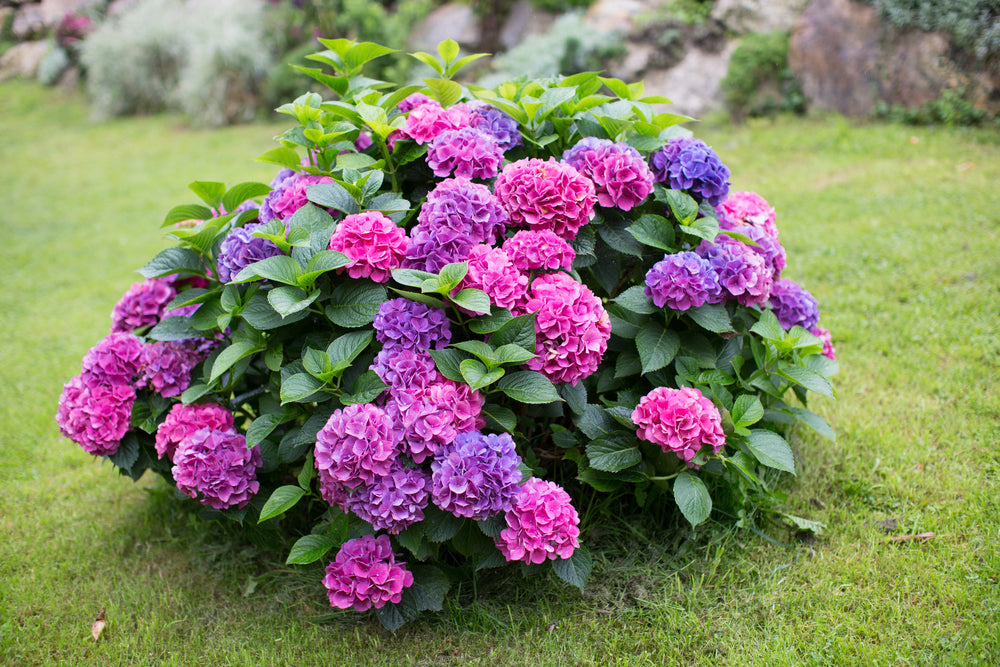
Unit price perThe Hydrangea Original Mophead - Blue showcases a large, rounded bloom that is made up of smaller florets, which creates a striking visual effect. The blooms emerge as a gorgeous pastel blue color, and as they mature, they deepen to a more saturated blue shade. Its foliage is also quite striking, boasting large, dark green lobed leaves with serrated edges that give the plant an overall full and lush appearance.
This hydrangea prefers a location in the garden that receives partial shade, ideally with morning sun and afternoon shade. It thrives in well-draining soil that is rich in organic matter. Proper drainage is crucial as this hydrangea dislikes overly moist soil. It is recommended that you fertilize your Hydrangea Original Mophead - Blue once per year with a balanced fertilizer.
Pruning is also an important aspect of maintaining the health and appearance of your Hydrangea Original Mophead - Blue. The best time to prune is in the late winter or early spring before new growth begins. This will help to promote optimal growth and ensure that the plant is not overcrowded.
Overall, the Hydrangea Original Mophead - Blue is a beautiful and easy-to-grow garden plant that is perfect for adding a pop of color to your outdoor space. Whether you are a seasoned gardener or just starting out, this hydrangea is sure to impress with its stunning appearance and easy-care nature. Don't hesitate to add this plant to your garden today!


Prunus Amanogawa Japanese | Flagpole Cherry - Feathered - Height 160-200cm - 12lt
£98.00
Unit price perPrunus Amanogawa Japanese | Flagpole Cherry - Feathered - Height 160-200cm - 12lt
£98.00
Unit price per


Euonymus alatus | Winged Spindle Tree - Height 150-160cm - Width 230-250cm - 130lt
£745.00
Unit price perEuonymus alatus | Winged Spindle Tree - Height 150-160cm - Width 230-250cm - 130lt
£745.00
Unit price per


Sorbus cashmiriana | Kashmir Rowan - Height 110-130cm, 10lt
£85.00
Unit price perSorbus cashmiriana | Kashmir Rowan - Height 110-130cm, 10lt
£85.00
Unit price per


Sorbus aucuparia Sheerwater Seedling | Rowan | Mountain Ash - Height 160-180cm - 12lt
£85.00
Unit price perSorbus aucuparia Sheerwater Seedling | Rowan | Mountain Ash - Height 160-180cm - 12lt
£85.00
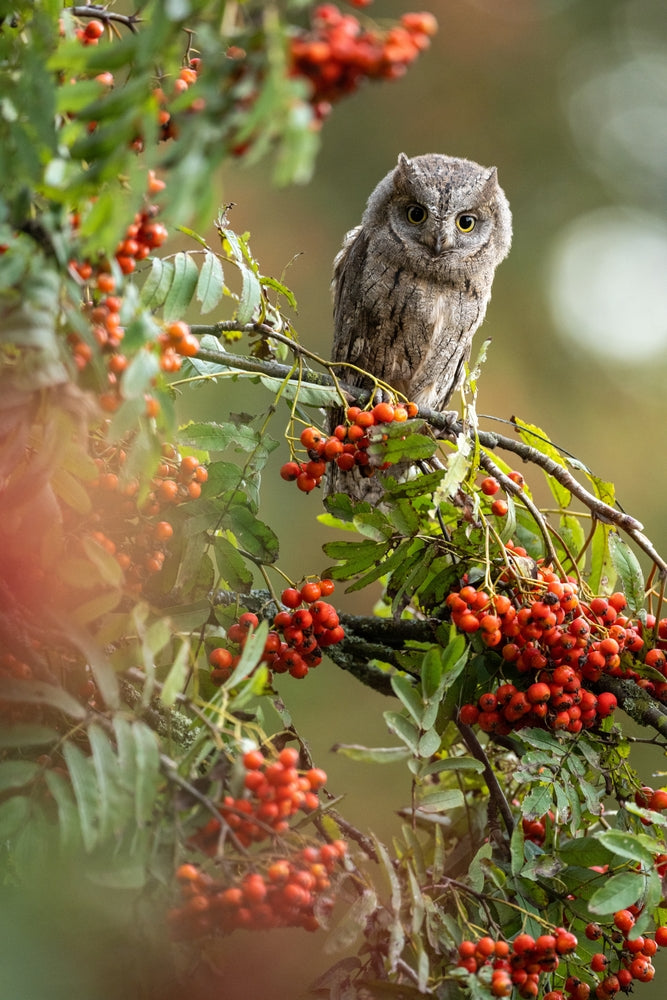
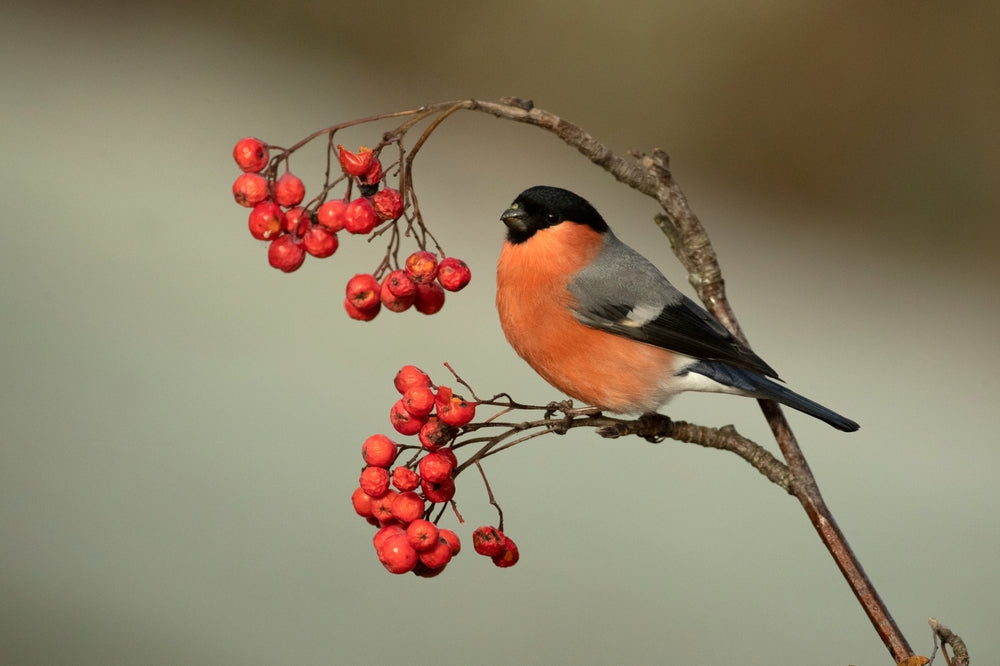
Unit price perSorbus aucuparia 'Sheerwater Seedling' is a decorative and hardy variety of rowan, or mountain ash tree, particularly noted for its profuse clusters of bright red berries and lush, pinnate, green leaves. Originating in Europe, this cultivar is recognized for its more compact and upright growth habit, making it suitable for smaller gardens or landscapes. It typically reaches heights of around 15 meters.
The 'Sheerwater Seedling' unfolds its beauty in every season. In spring, it brings forth dense clusters of creamy-white flowers, attracting a myriad of pollinators. As summer progresses, these flowers give way to vibrant, red berries, which become a primary food source for birds, especially in winter months. By autumn, the foliage turns into a fiery spectacle of oranges, reds, and yellows, creating a striking contrast with the bold berries.
Besides its aesthetic attributes, the 'Sheerwater Seedling' is valued for its adaptability and resilience. It thrives in a range of soil types, and its robust nature allows it to withstand urban pollution and harsh weather conditions. The resilience and prolific berry production make it a valuable addition to wildlife gardens, providing shelter and sustenance to various bird species and other fauna. Its attractive features and hardiness make it a popular choice for both ornamental and ecological plantings.


Cordyline australis | New Zealand Cabbage Palm - Stem 10-20cm - Height 90-110cm - 30lt
£125.00
Unit price perCordyline australis | New Zealand Cabbage Palm - Stem 10-20cm - Height 90-110cm - 30lt
£125.00
Unit price per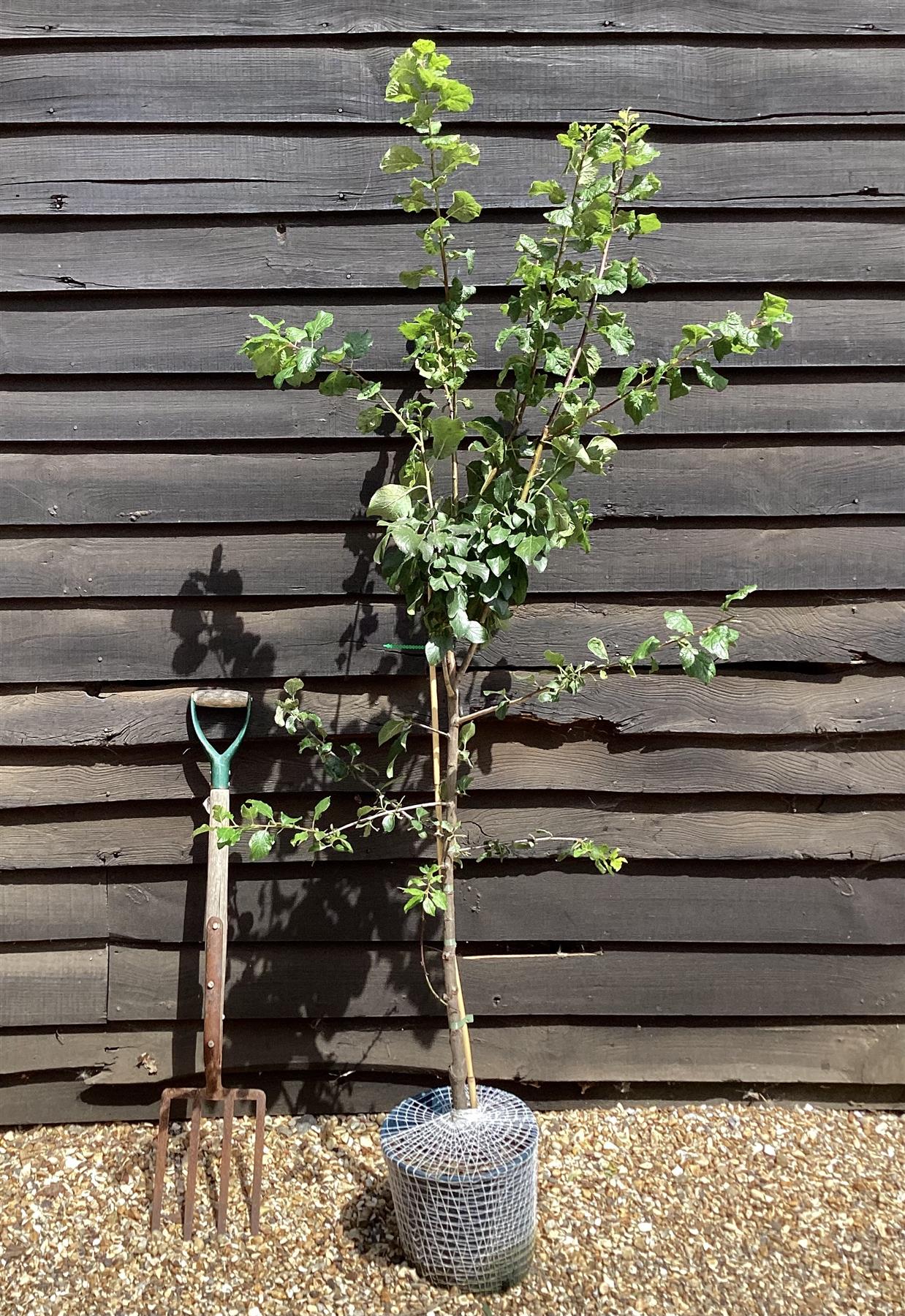
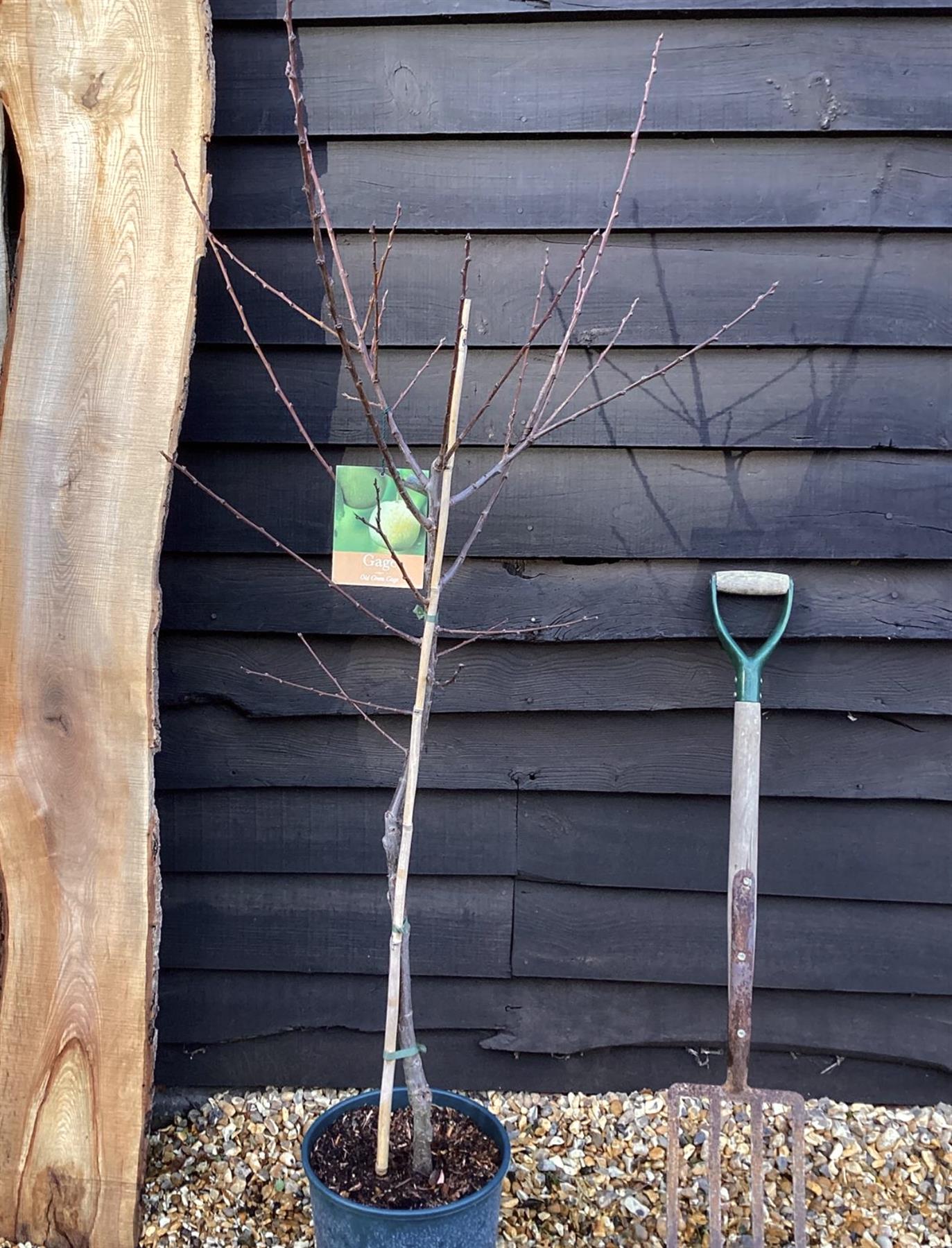
Gage 'Old Greengage' on Myrobalan | Prunus domestica - Semi-Vigorous - 130-140cm - 12lt
£79.00
Unit price perGage 'Old Greengage' on Myrobalan | Prunus domestica - Semi-Vigorous - 130-140cm - 12lt
£79.00
Unit price perThe Gage Old Greengage on Myrobalan rootstock is a distinguished fruit tree revered for its production of exquisite, sweet, and flavourful plums. This tree, when paired with Myrobalan rootstock, exhibits admirable hardiness and disease resistance, making it an enduring favorite amongst gardeners and orchard owners. Myrobalan rootstock is notably conducive to moderate growth, rendering the tree suitable for gardens with limited space.
Old Greengage is prized for its delicious greenish-yellow fruits that have been a staple in gardens for centuries. The fruits are known for their rich, honeyed flavor and smooth texture, making them a preferred variety for fresh consumption and culinary uses, like jams, jellies, and baked goods. The tree blooms with delicate, white flowers in spring, setting the stage for a bountiful harvest in late summer.
The symbiotic relation between the Old Greengage and the Myrobalan rootstock not only ensures a reliable yield but also increases the tree’s adaptability to different soil types, improving its chances to thrive in various environments. This combination of delectable fruits and robust growth makes the Gage Old Greengage on Myrobalan rootstock a cherished option for those seeking to cultivate quality plums with less hassle.
Despite its myriad of advantages, the cultivation of Old Greengage requires meticulous attention to watering, pruning, and pest control to maintain optimal health and achieve abundant, high-quality fruit production. This union of storied fruit variety and sturdy rootstock remains a symbol of horticultural excellence and tradition in fruit cultivation.
St. Julian rootstock is a semi-vigorous rootstock for gage trees, providing medium-sized trees, making it suitable for small gardens. It's widely used for its compatibility and adaptability, promoting good productivity and longevity. It's partially self-fertile and moderately resistant to diseases and pests. Ideal for plum and gage.


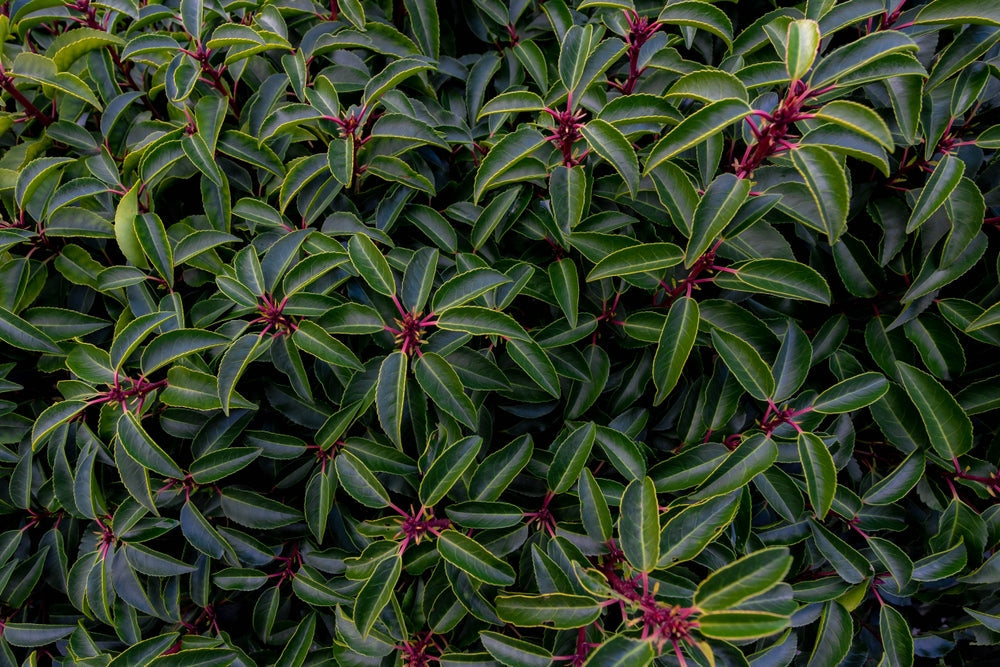
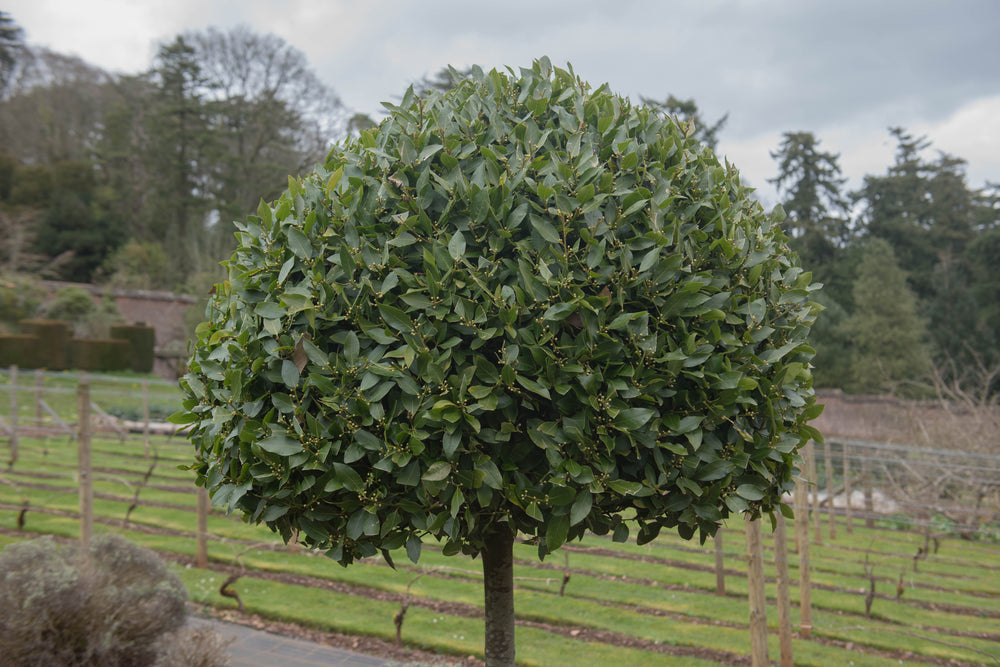
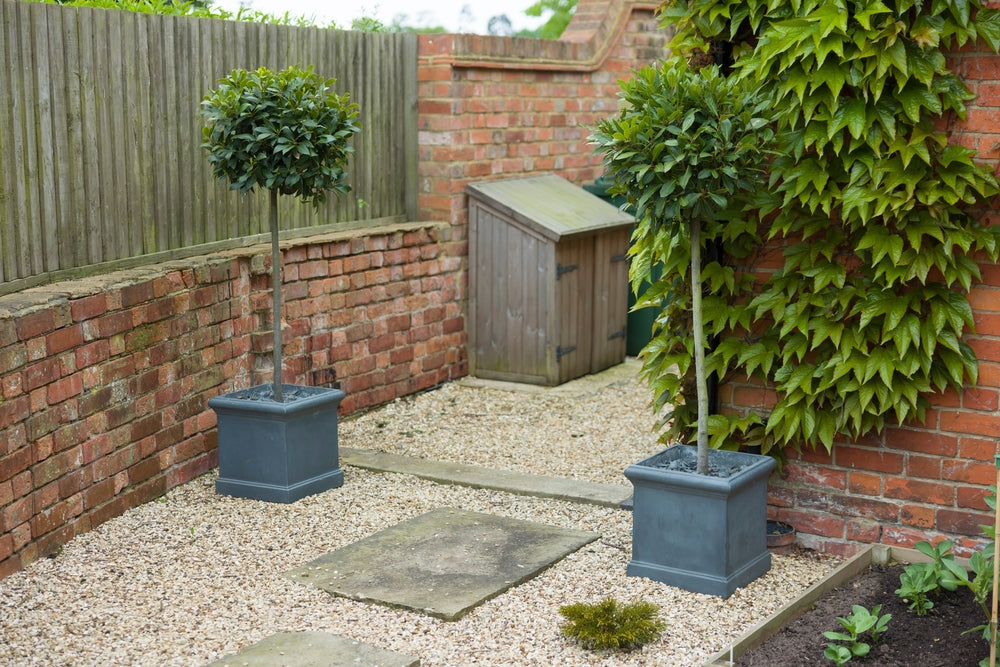
Prunus lusitanica 'Myrtifolia,' commonly known as Portuguese Laurel or Myrtle-leaf Cherry, is a beautiful evergreen tree that belongs to the Rosaceae family. Native to Portugal, it has become a popular ornamental tree in gardens and landscapes around the world. This compact tree can reach a height of about 6-10 feet (2-3 meters) and a spread of 4-6 feet (1.2-1.8 meters), making it ideal for smaller spaces or as a hedging plant.
One of the most striking features of Prunus lusitanica 'Myrtifolia' is its glossy, dark green leaves, which have a unique myrtle-like shape. The leaves are lance-shaped, elliptical, and have finely serrated edges. They provide a year-round display of rich green foliage, adding an elegant touch to any setting.
In late spring and early summer, this tree produces small, fragrant, creamy-white flowers in dense, erect clusters. The blossoms are a valuable nectar source for pollinators like bees and butterflies. Once pollinated, the flowers give way to small, round, red to dark-purple berries, adding further visual interest and attracting birds to the garden.
The 'Myrtifolia' variety of Prunus lusitanica is prized for its compact growth habit, making it an excellent choice for hedges, borders, or screens. When planted closely together, the trees form a dense, evergreen barrier, providing privacy and a lush backdrop for other garden elements. Additionally, the tree's dense foliage also acts as a natural sound barrier, reducing noise pollution.
This tree is adaptable to a range of soil types, from sandy to clayey, and prefers well-drained soil. It thrives in full sun to partial shade and is relatively low-maintenance once established. Regular watering during its initial growth period helps establish a strong root system, after which it becomes moderately drought-tolerant.
While generally hardy, Prunus lusitanica 'Myrtifolia' may be susceptible to pests like aphids and diseases like leaf spot or powdery mildew. Regular inspections and appropriate measures can prevent these issues from becoming significant problems.
Overall, Prunus lusitanica 'Myrtifolia' is a charming and versatile tree that adds a touch of elegance to any garden or landscape, whether as a focal point, a hedge, or a beautiful backdrop for other plants. Its attractive foliage, fragrant flowers, and wildlife-friendly berries make it a favorite among gardeners seeking an evergreen tree with year-round interest.


Japanese maple 'Chitose-Yama'| Acer palmatum - Bushy - Height 100-120cm- 35lt
£362.00
Unit price perJapanese maple 'Chitose-Yama'| Acer palmatum - Bushy - Height 100-120cm- 35lt
£362.00
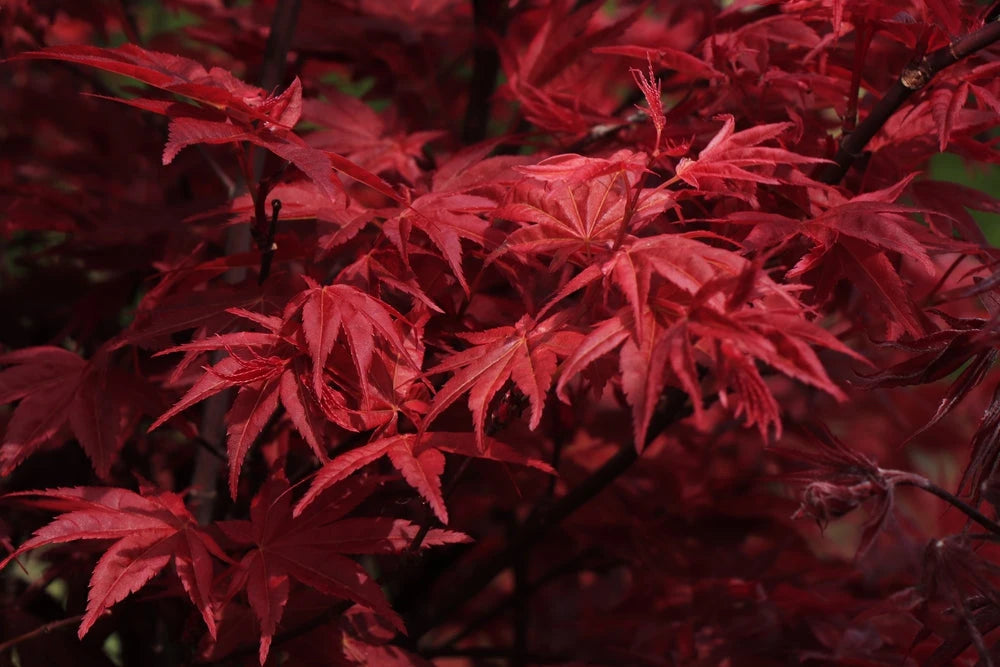
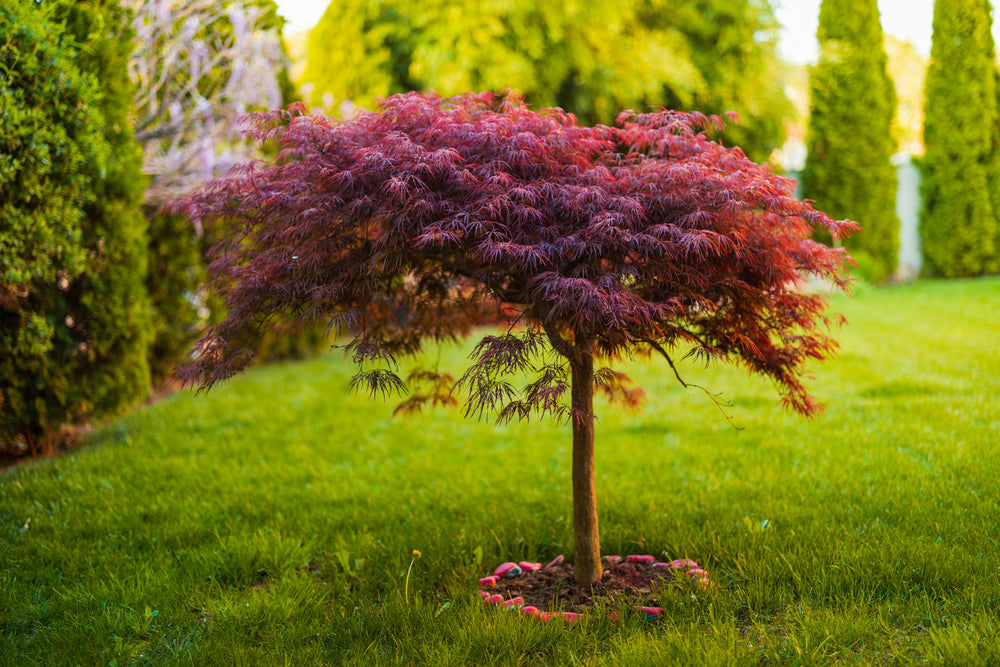
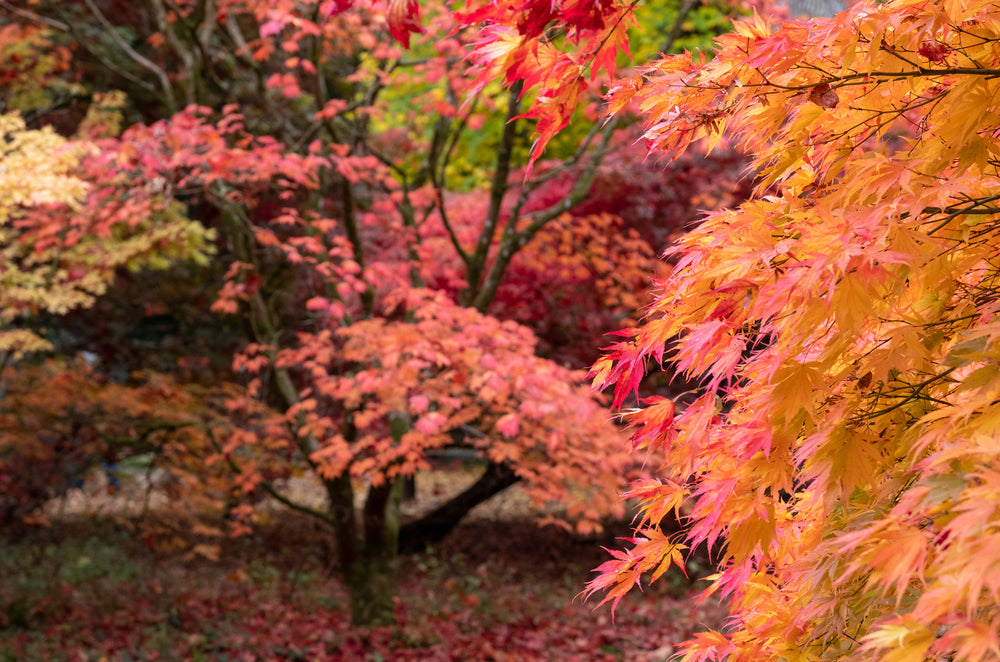
Unit price perAcer palmatum ‘Chitose-Yama’ is a striking and reliable Japanese maple valued for its seasonal colour shifts and strong garden presence. Its deeply lobed foliage emerges in spring as bright red-purple tones, gradually maturing to bronze-green through summer while retaining attractive reddish highlights. In autumn, the tree produces a vivid display of fiery crimson, orange, and gold, making it a standout feature in the late-season garden.
This cultivar has a more vigorous, upright habit than many Japanese maples, making it well suited to medium and larger gardens where it can develop its natural shape. It works particularly well as a specimen tree in lawns, mixed borders, or woodland-style plantings, where its changing foliage can contrast beautifully with evergreen shrubs and softer underplanting.
‘Chitose-Yama’ prefers moist, well-drained, slightly acidic soil and benefits from a sheltered position away from strong winds. Partial shade is ideal, although it can tolerate sunnier sites if soil moisture is consistent. Once established, it is relatively low maintenance, requiring only light pruning to maintain structure.
With its robust growth, reliable colouring, and seasonal transformation, Acer palmatum ‘Chitose-Yama’ brings structure, movement, and exceptional year-round interest to the garden.


Chaenomeles x Suberba 'Pink Lady' - 15-25cm - 3lt
£14.00
Unit price perChaenomeles x Suberba 'Pink Lady' - 15-25cm - 3lt
£14.00
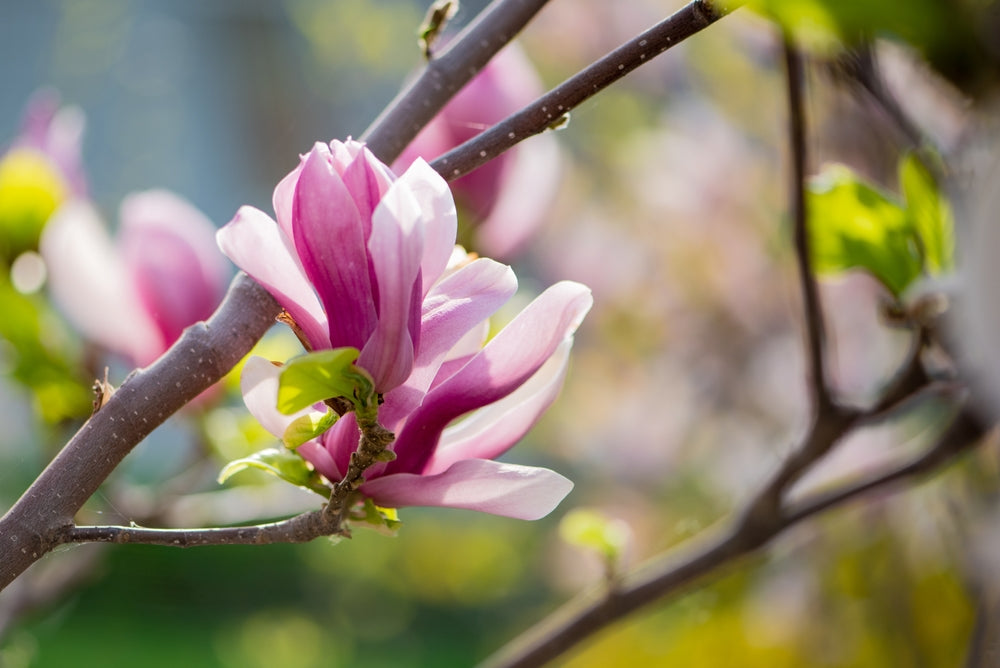
Unit price perChaenomeles x superba 'Pink Lady', commonly known as the flowering quince, is a striking deciduous shrub renowned for its vibrant spring display. It is a hybrid variety belonging to the Rosaceae family and is appreciated for both its ornamental value and hardy nature.
The 'Pink Lady' typically grows to a height and spread of about 1.5 metres, making it suitable for a variety of garden settings, from hedges and borders to standalone specimen plants. Its growth habit is dense and thorny, which can provide added security as well as beauty.
One of the standout features of 'Pink Lady' is its profusion of stunning, bright pink flowers. These blooms, which appear from late winter to early spring, are cup-shaped with a delicate yet vivid hue that can lift the spirits during the duller months. The flowers often emerge before the leaves, creating a striking contrast against the bare branches. Each blossom comprises five petals, which are subtly ruffled, adding to the plant's charm.
Following the flowering period, 'Pink Lady' produces small, yellow-green fruits resembling tiny apples. These fruits are hard and bitter when raw but can be cooked to make jellies and preserves, adding another layer of utility to this attractive shrub.
The foliage of 'Pink Lady' is equally appealing, with glossy, dark green leaves that provide a lush backdrop for the vibrant flowers. The leaves are oval-shaped with finely serrated edges, turning a rich yellow in the autumn before falling.
Chaenomeles x superba 'Pink Lady' is robust and easy to grow, thriving in a range of soil types provided they are well-drained. It prefers a sunny or partially shaded position and is tolerant of urban pollution and coastal conditions. Regular pruning after flowering can help maintain its shape and encourage more prolific blooming in the following season. This makes 'Pink Lady' a versatile and low-maintenance choice for gardeners seeking year-round interest.


Plantain Lily | Hosta Sun Mouse - 10-15cm - 3lt
£16.50
Unit price perPlantain Lily | Hosta Sun Mouse - 10-15cm - 3lt
£16.50
Unit price perThe Hosta Sun Mouse is a charming and compact perennial plant, ideal for adding a touch of elegance to shaded gardens. Belonging to the Asparagaceae family, this miniature hosta variety is known for its delightful foliage and easy maintenance, making it a favourite among gardeners.
Sun Mouse is characterised by its small, heart-shaped leaves that measure about 2-3 inches in length. The foliage boasts a vibrant, lime-green hue, often with a slight yellow tinge, particularly when exposed to a bit more sunlight. This distinctive colour adds a splash of brightness to darker garden corners.
In terms of growth habit, the Hosta Sun Mouse forms a dense, low-growing mound, typically reaching only 6-8 inches in height and spreading about 12-16 inches wide. Its compact size makes it perfect for border edges, rock gardens, or as a delightful ground cover. Despite its diminutive stature, Sun Mouse is quite resilient.
During the summer months, this hosta variety produces small, lavender-coloured flowers on slender stems that rise above the foliage. While not as showy as the leaves, these blooms add a subtle touch of beauty and attract pollinators, such as bees and butterflies.
The Hosta Sun Mouse prefers partial to full shade and thrives in well-drained, fertile soil with consistent moisture. It is relatively low-maintenance, requiring minimal care once established. Gardeners should watch for common pests like slugs and snails, which can occasionally mar the leaves.
Overall, the Hosta Sun Mouse is a delightful addition to any garden, offering vibrant foliage, a neat growth habit, and ease of care. Its compact size and striking colour make it a versatile choice for both novice and experienced gardeners.


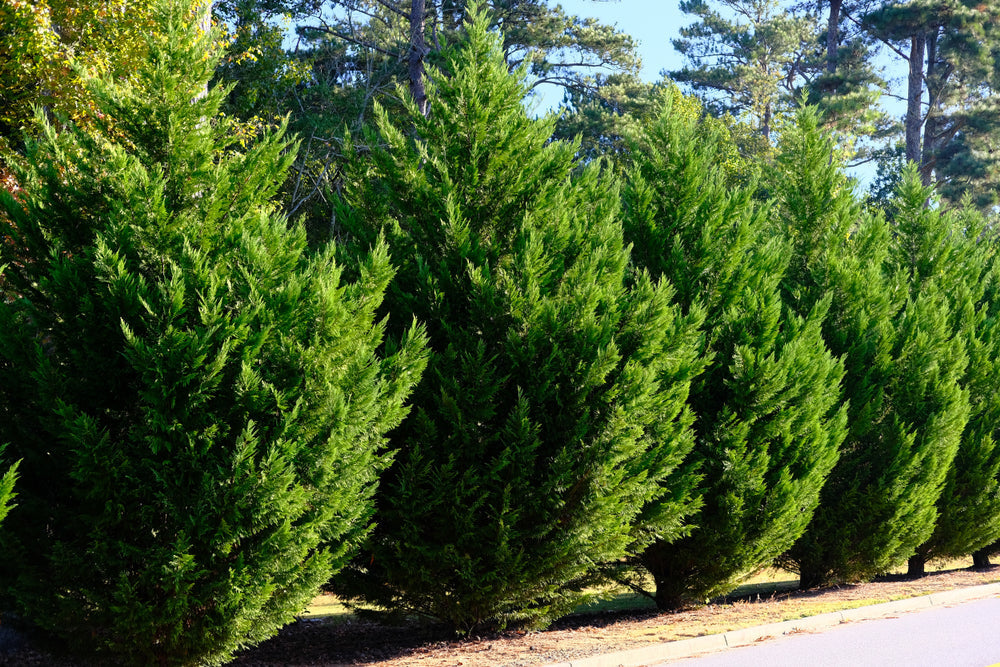
Cupressocyparis x leylandii - Height 160-180cm - 10lt
£72.00
Unit price perCupressocyparis x leylandii - Height 160-180cm - 10lt
£72.00
Unit price per

Hazel Nut Tree | Corylus avellana - Height 90-100cm - 2lt
£22.00
Unit price perHazel Nut Tree | Corylus avellana - Height 90-100cm - 2lt
£22.00
Unit price perCorylus avellana is a vigorous, spreading, deciduous shrub or small tree with a dense, round crown. Its has ovate, toothed, hairy leaves, bright green in summer, yellow in autumn. Yellow male catkins appear in late winter and hang loosely from the bare branches. Female flowers are tiny, red and inconspicuous and are followed by edible nuts, hazelnuts, in autumn. Hazelnuts are popular and healthy nuts, full of unsaturated fats and proteins.
Corylus avellana can grow in any type of soil, as long as it is moist, airy and well-drained, but prefers moderately fertile, slightly alkaline soils. It likes full sun or partial shade. It is resistant to frost, wind, and air pollution. Flower buds can be damaged by early frost. Generally, pest-free and disease-free.
Corylus avellana is widely grown for commercial nut production. It has many named varieties. It is perfect for informal, cottage, and woodland gardens. Great for hedges and screens. Suitable for urban and roof gardens.


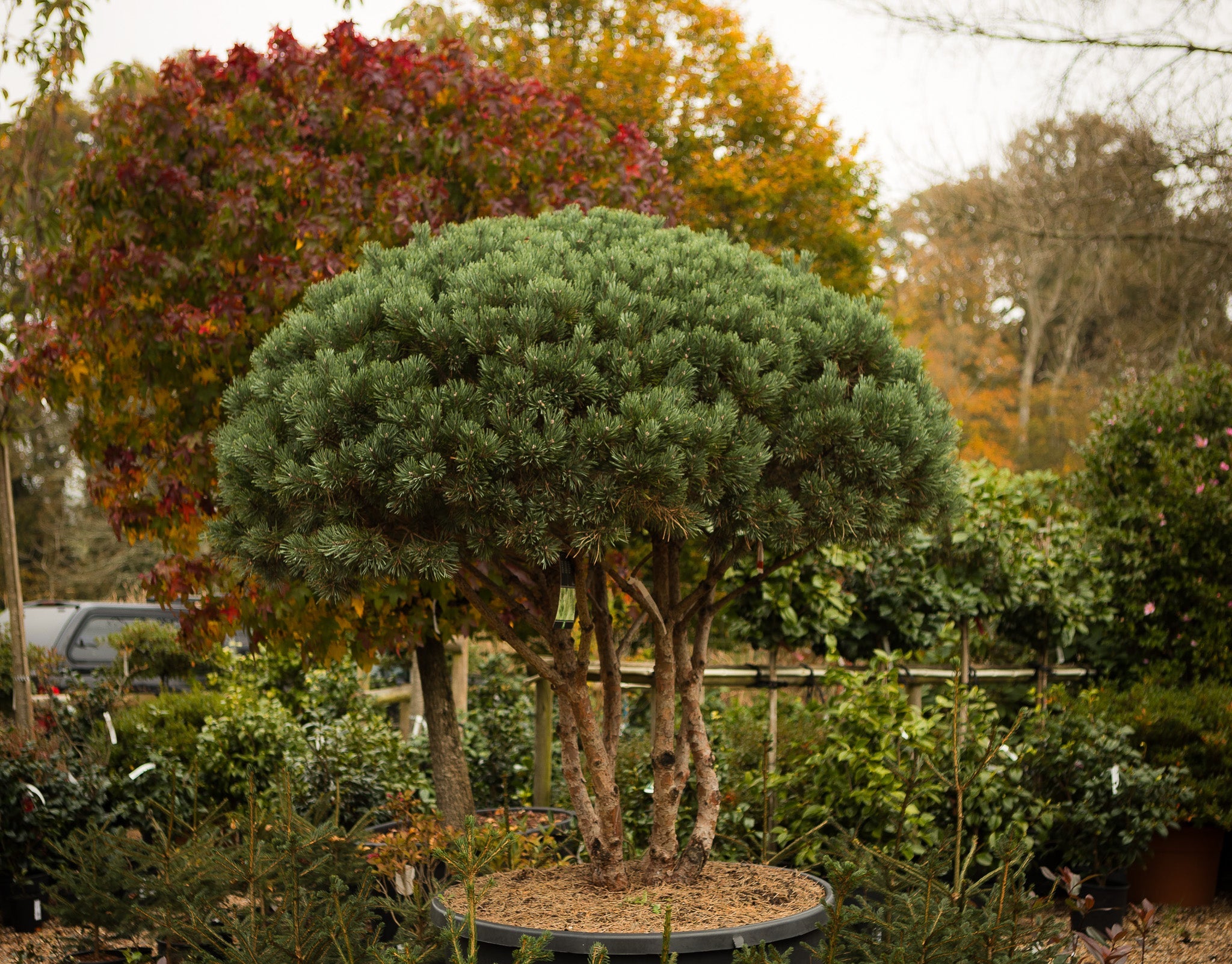
Pinus sylvestris 'Watereri' | Scots pine - Height 30cm-40cm - Width 40cm-50cm - 15lt
£135.00
Unit price perPinus sylvestris 'Watereri' | Scots pine - Height 30cm-40cm - Width 40cm-50cm - 15lt
£135.00
Unit price per


Prunus 'Accolade' | Cherry 'Accolade' - Height 180-220cm -12lt
£98.00
Unit price perPrunus 'Accolade' | Cherry 'Accolade' - Height 180-220cm -12lt
£98.00
Unit price per


Viburnum Opulus | Snowball Bush - Height 80-100cm - 10lt
£50.00
Unit price perViburnum Opulus | Snowball Bush - Height 80-100cm - 10lt
£50.00
Unit price perViburnum Opulus, also known as Snowball Bush or Guelder Rose. This deciduous shrub is celebrated for its stunning appearance and graceful clusters of snowy white flowers. Let us explore the features, cultivation tips, and overall allure of Viburnum Opulus.
Viburnum Opulus is renowned for its breathtaking flower clusters that resemble fluffy snowballs. These showy inflorescences, up to 4-5 inches in diameter, create a captivating visual spectacle. Starting as vibrant lime-green buds, they gradually transform into pure white blossoms, adding a touch of elegance to any garden.
In addition to its enchanting flowers, this Viburnum species boasts attractive foliage. The leaves are prominently veined, vibrant green, and deeply lobed, lending a textured and ornamental appeal to the shrub. During fall, the foliage undergoes a vibrant color transformation, turning shades of reddish-purple and burgundy, adding another layer of visual interest to the landscape.
Following the flowering period, Viburnum Opulus produces abundant clusters of glossy, translucent red berries. These berries are not only visually striking but also serve as a valuable food source for various bird species. If you enjoy attracting wildlife to your garden, this shrub will be a delightful addition.
Viburnum Opulus thrives in well-drained soil and prefers a spot with partial shade to full sun exposure. It can adapt to a range of soil types but prefers moist, fertile soil. Regular watering, especially during dry spells, is crucial for establishing young plants. Once mature, Viburnum Opulus is relatively drought-tolerant. Applying a layer of mulch around the base of the shrub will help retain soil moisture and control weeds. Pruning is generally unnecessary but can be done after flowering to maintain shape.
This species is known for its hardiness, capable of withstanding colder climates, including frost. It is relatively disease-resistant and requires minimal care once established, making it an ideal choice for both experienced and novice gardeners.
Viburnum Opulus, with its show-stopping flower clusters, lush foliage, and vibrant berries, is a captivating addition to any garden. Its resilience, coupled with its aesthetic appeal, makes it a highly sought-after shrub for both ornamental and wildlife-friendly landscapes. Whether you're looking to enhance your garden's beauty or attract feathered visitors, Viburnum Opulus Roseum is a delightful choice that will undoubtedly charm you and your visitors alike.


Albizia julibrissin Omberella | Silk Tree - Height 30-50cm - Shrub - 12lt
£50.00
Unit price perAlbizia julibrissin Omberella | Silk Tree - Height 30-50cm - Shrub - 12lt
£50.00
Unit price perThe Albizia julibrissin Ombrella, commonly known as the Persian silk tree or mimosa, is an attractive deciduous tree known for its delicate, fern-like leaves and striking, silky, pink flowers. Originating from Asia, this tree brings an exotic feel to gardens and landscapes, particularly appreciated for its light, airy appearance and graceful form. The 'Ombrella' variety is a popular choice, prized for its compact, umbrella-shaped canopy, which makes it an ideal focal point in smaller gardens or urban settings.
Reaching a mature height of around 5–6 metres, the Albizia julibrissin Ombrella offers a relatively modest growth habit compared to other trees, yet it spreads out widely, creating a dappled shade beneath its crown. Its leaves are bipinnate, folding in the evening or during cloudy weather, which adds an element of movement and interest to its appearance. In summer, the tree is adorned with fluffy, pom-pom-like flowers in shades of pink and white, which are highly attractive to bees and other pollinators. These blossoms create a lovely contrast against the soft, green foliage.
In autumn, the leaves turn yellow before falling, allowing the tree to reveal its architectural form during the winter months. This variety is reasonably hardy, able to tolerate temperatures down to around -10°C, making it suitable for much of the UK climate. It thrives best in full sun and well-drained soils, showing some drought tolerance once established.
The Albizia julibrissin Ombrella is often used as a specimen tree, valued for its beauty, elegant shape, and pollinator-friendly attributes. It is a low-maintenance plant, requiring minimal pruning and care, making it a perfect choice for those seeking an ornamental tree that adds a touch of exoticism and charm to their outdoor spaces.


Liquidambar styraciflua 'Gum Ball' | Sweet gum 'Gum Ball' - 280-300cm, 30lt
£275.00
Unit price perLiquidambar styraciflua 'Gum Ball' | Sweet gum 'Gum Ball' - 280-300cm, 30lt
£275.00
Unit price per


Acacia dealbata - Clear Stem 190-200 - Girth 12-14cm - Height 380-420cm - 70lt
£715.00
Unit price perAcacia dealbata - Clear Stem 190-200 - Girth 12-14cm - Height 380-420cm - 70lt
£715.00
Unit price perAcacia dealbata is a striking choice for gardens seeking early colour and light, airy structure. Its greatest appeal lies in its profusion of bright, fragrant yellow flowers in late winter to early spring, bringing life and scent to the garden when little else is in bloom. The finely divided, silvery-blue foliage adds softness and contrast, pairing beautifully with darker evergreens and architectural plants.
In the UK, it is best suited to mild, sheltered gardens, particularly in coastal or southern areas. Protection from cold winds and hard frost is essential, as temperatures below -5°C can damage or kill the plant. A sunny position with free-draining soil is crucial, as it dislikes waterlogged conditions.
Due to its fast growth, it can quickly become a small tree, making it ideal as a specimen plant or focal point. However, it may require pruning to manage size and shape. With the right conditions, it brings a touch of Mediterranean character and valuable winter interest to the garden.


Matteuccia struthiopteris | Shuttlecock or Ostrich Fern - 15-25cm - 3lt
£17.00
Unit price perMatteuccia struthiopteris | Shuttlecock or Ostrich Fern - 15-25cm - 3lt
£17.00
Unit price perMatteuccia struthiopteris, commonly known as the ostrich or shuttlecock fern, is a striking perennial fern native to temperate regions across the Northern Hemisphere. This plant is renowned for its large, graceful fronds that bear a resemblance to the elegant feathers of an ostrich or shuttlecock, hence the name.
This fern typically grows in moist, well-drained soils and thrives in partial to full shade, making it an ideal plant for woodland gardens or shaded borders. It can reach a height of up to 1.5 metres (5 feet) and spreads through underground rhizomes, forming dense colonies over time. The plant's fronds are of two types: the sterile fronds, which are the showy, arching fronds that give the fern its name, and the fertile fronds, which are shorter, erect, and appear in the centre of the plant.
In spring, the young fronds, known as fiddleheads, emerge as tightly coiled spirals. These fiddleheads are not only a visual delight but are also edible. In some cultures, they are harvested and consumed as a delicacy, often compared to asparagus in flavour. However, care should be taken to properly identify and prepare them, as not all fern species are safe to eat.
Matteuccia struthiopteris is relatively low-maintenance once established. It is hardy and can withstand temperatures down to -20°C, making it suitable for various climates across the UK. Regular watering, especially during dry periods, and mulching to retain soil moisture are recommended to keep the plant thriving. Pruning is generally not necessary, though old fronds can be removed to maintain a tidy appearance.
Overall, this fern is a versatile and attractive plant that adds a lush, tropical feel to gardens. Its majestic fronds and adaptability make it a popular choice among gardeners and landscapers alike.