

-
Trees
Trees
 Fruit Trees
 Ornamental
 Screening
 Palms
By FeaturesBy Shape
-
Shrubs
Shrubs
 Large shrubs
 Hedging
 Bamboo
 Climbers
 Flowering
 Grasses & Ferns
 Popular
-
Pines & Conifers
Pines & Conifers
 Pines
 Spruce & Fir
 Cypress
 Thuja
 Redwood | Sequoia
-
Specimen
FREE DELIVERY OVER £350
Search results
Search results


Pinus strobus 'Squiggles' - Bushy - Height 50cm - 20lt
£192.00
Unit price perPinus strobus 'Squiggles' - Bushy - Height 50cm - 20lt
£192.00
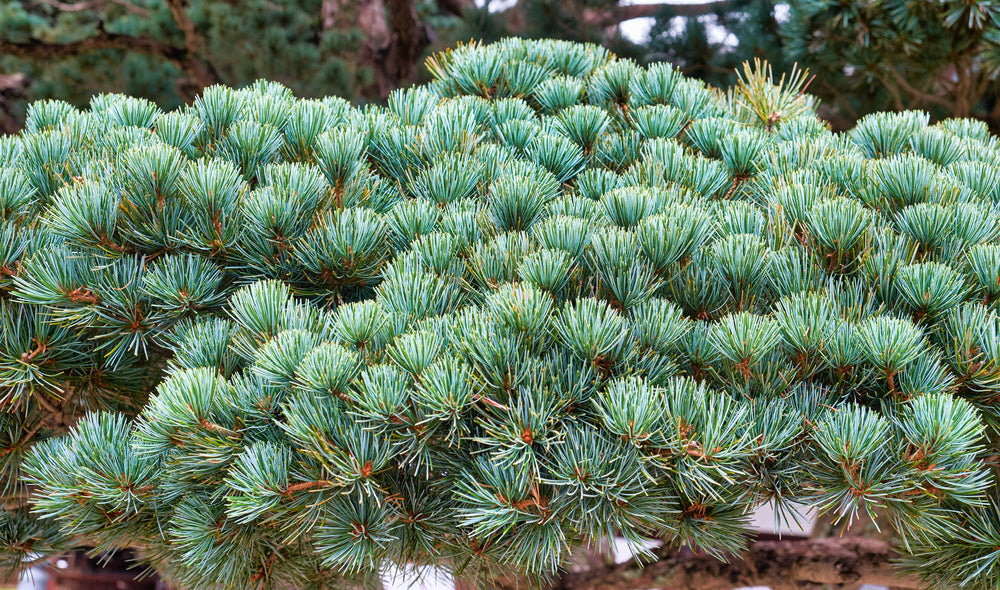
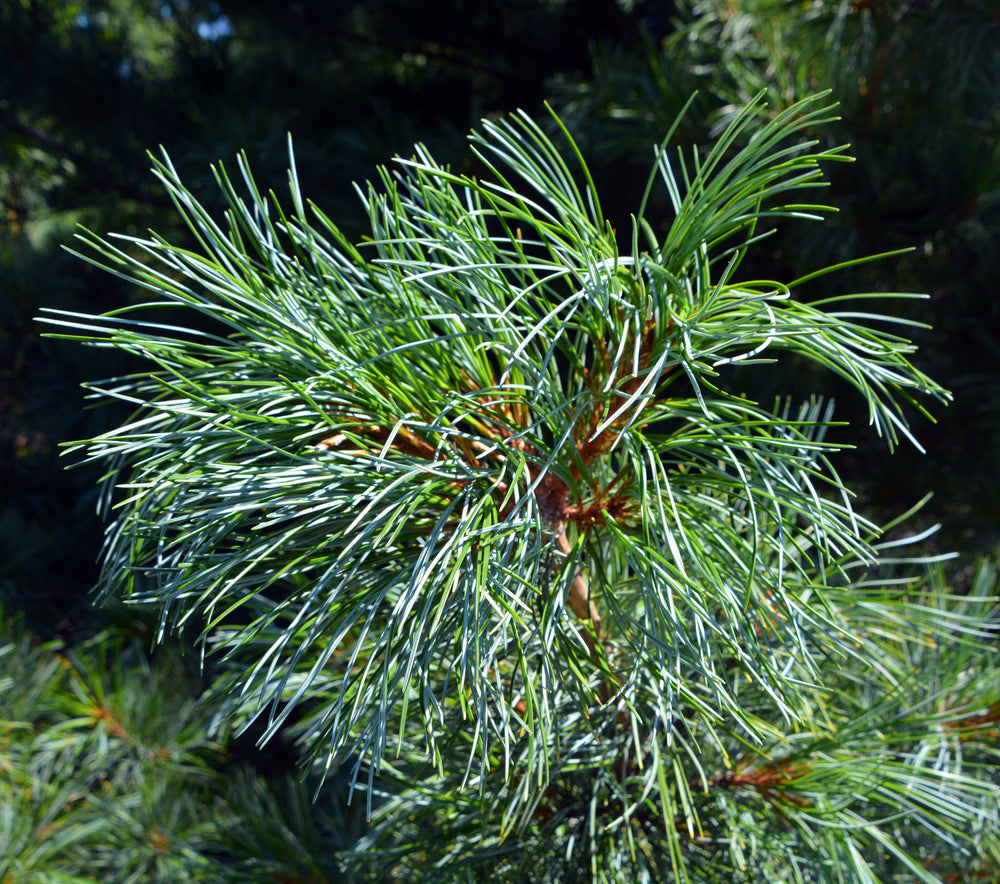
Unit price perPinus strobus, commonly known as Eastern white pine, produces distinctive "squiggles" that are most noticeable in the spring and early summer. These squiggles are the immature, pollen-bearing male cones (known as catkins), which hang in clusters from the branches. They start out as small, greenish-yellow structures, often curling or curving, giving them a squiggly appearance. As they mature, these catkins release copious amounts of fine, yellow pollen that can be seen dusting the ground, cars, and nearby surfaces during peak pollination.
The squiggles can vary in size, typically ranging from 1 to 2 centimetres in length. Their twisted, sometimes irregular shape makes them stand out against the linear, needle-like foliage of the tree. Once the pollen is released, the squiggles wither and eventually fall off the tree, often accumulating in significant quantities on the ground beneath.
Pinus strobus is a dominant tree in many North American forests, but it can also be found in parks, gardens, and managed landscapes in the UK. The squiggles are a seasonal feature that many people in the UK might notice, especially during windy days when the pollen is easily carried through the air.
In addition to their role in reproduction, these male cones are a subtle indicator of the health and maturity of the tree. A robust display of squiggles generally suggests a healthy tree that is capable of producing sufficient pollen for reproduction. Their unusual, curly shapes add an element of visual interest to the tree, although they are often overlooked in favour of the more recognisable long cones and soft, blue-green needles of the Eastern white pine.


Pinus nigra 'Marie Bregeon' - Clear Stem 20cm - Girth 6-8cm - Height 40-50cm - Width 30- 40cm - 15lt
£155.00
Unit price perPinus nigra 'Marie Bregeon' - Clear Stem 20cm - Girth 6-8cm - Height 40-50cm - Width 30- 40cm - 15lt
£155.00
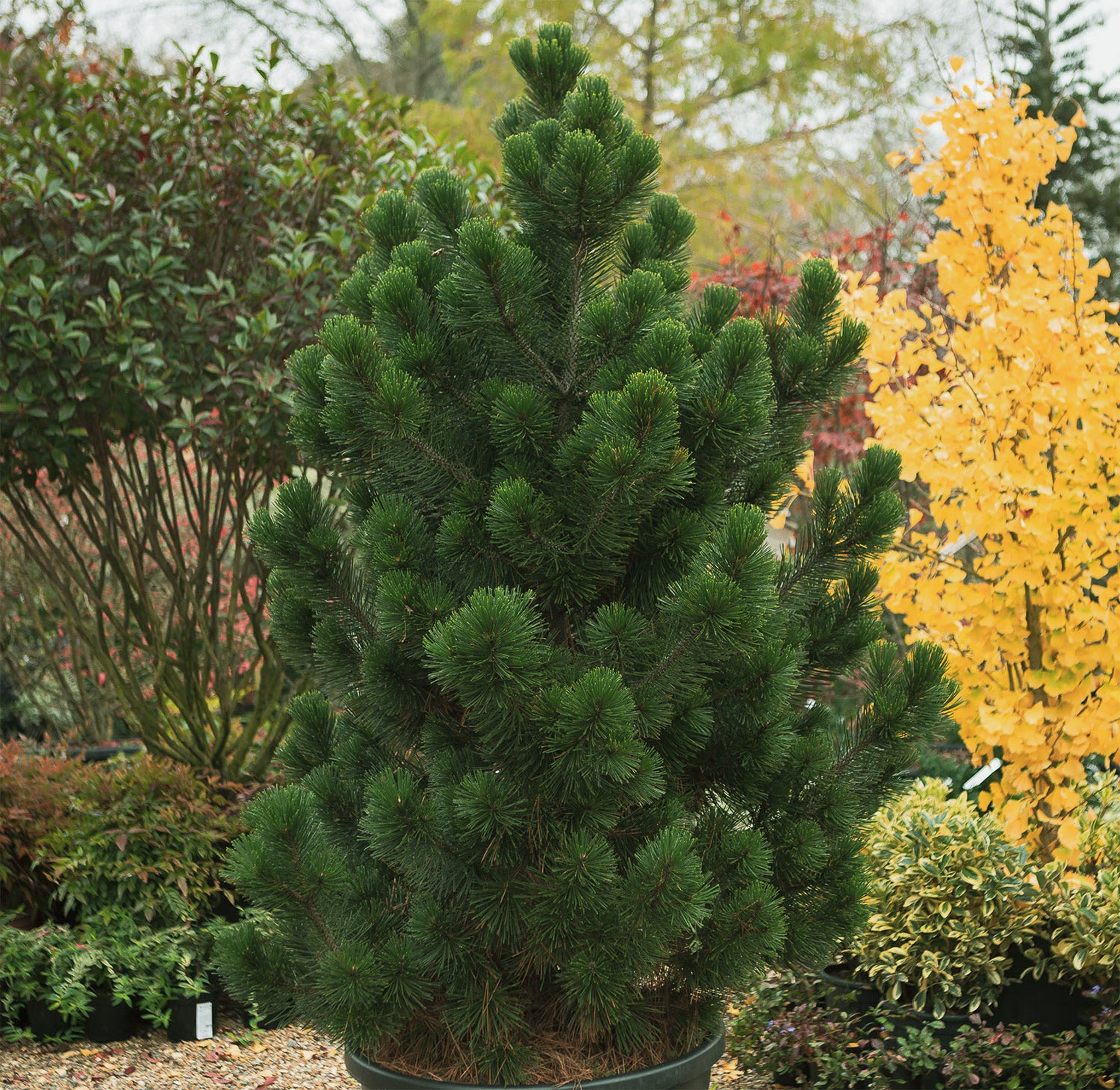
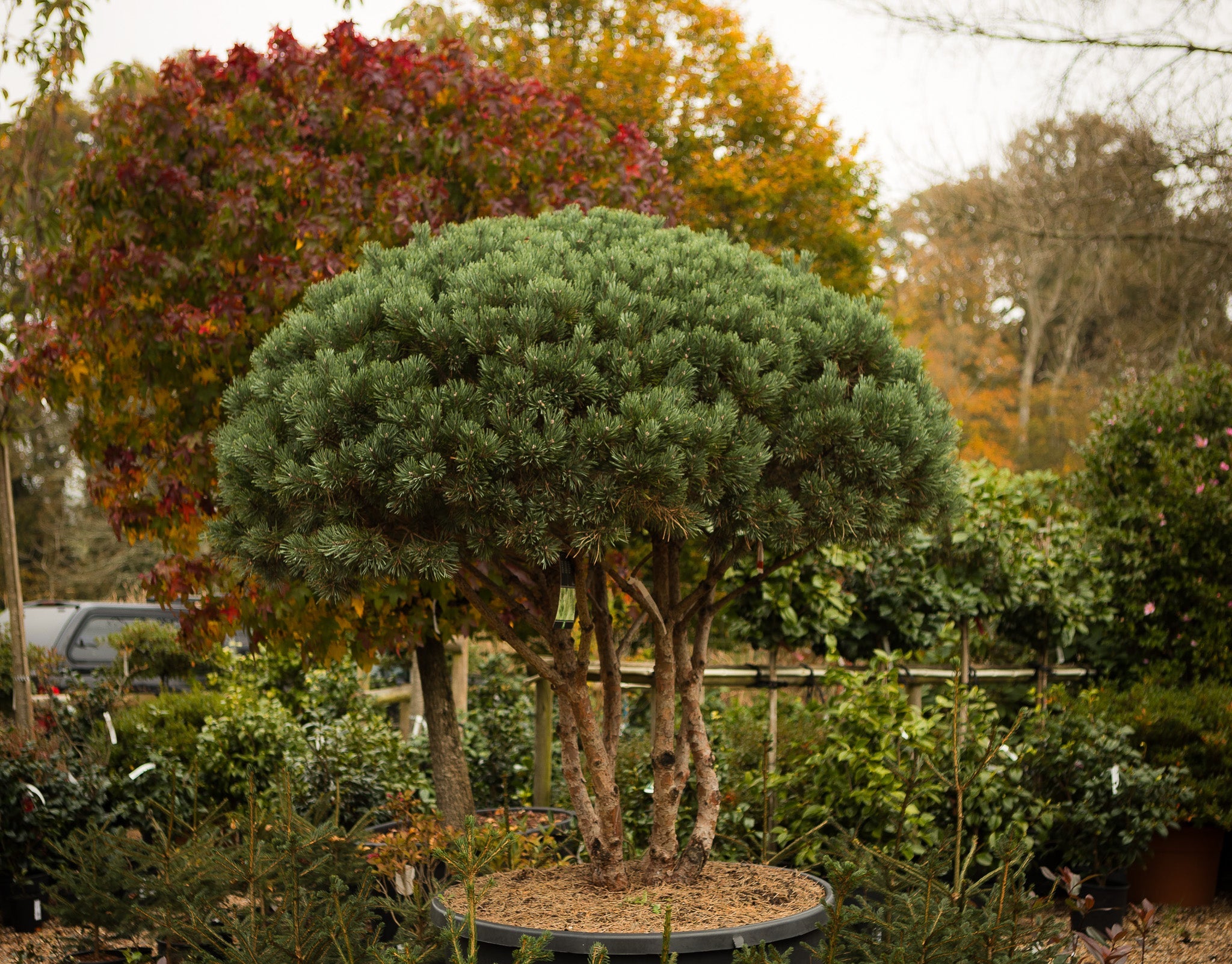
Unit price perAn elegant, dwarf, compact, coniferous, evergreen shrub of rounded habit, with long, soft green needles, and small, ovoid, green to brown cones in autumn. A result of a controlled crossbreeding of Pinus nigra and Pinus densiflora. Pinus 'Marie Bregeon' can tolerate a wide range of soils, but prefers fertile, neutral to acidic, loamy or sandy, well-drained soils in full sun. Once established, it is resistant to drought. It can withstand coastal conditions and is suitable for coastal areas. Extremely resistant to frost, tolerant of exposed positions and urban pollution. Low maintenance plant, doesn’t require pruning.
Dwarf Pinus 'Marie Bregeon' is an exceptional, little shrub that naturally forms a neat, rounded shape, without any pruning. It is ideal for coastal and rock gardens, surrounded by stones or pebbles, but also suitable for informal, cottage, and urban gardens. Great as a focal point or accent plant in small gardens. Excellent for growing in containers.


Cordyline australis | New Zealand Cabbage Palm - Multistem 20-30cm - Height 90-110cm - 50lt
£325.00
Unit price perCordyline australis | New Zealand Cabbage Palm - Multistem 20-30cm - Height 90-110cm - 50lt
£325.00
Unit price per


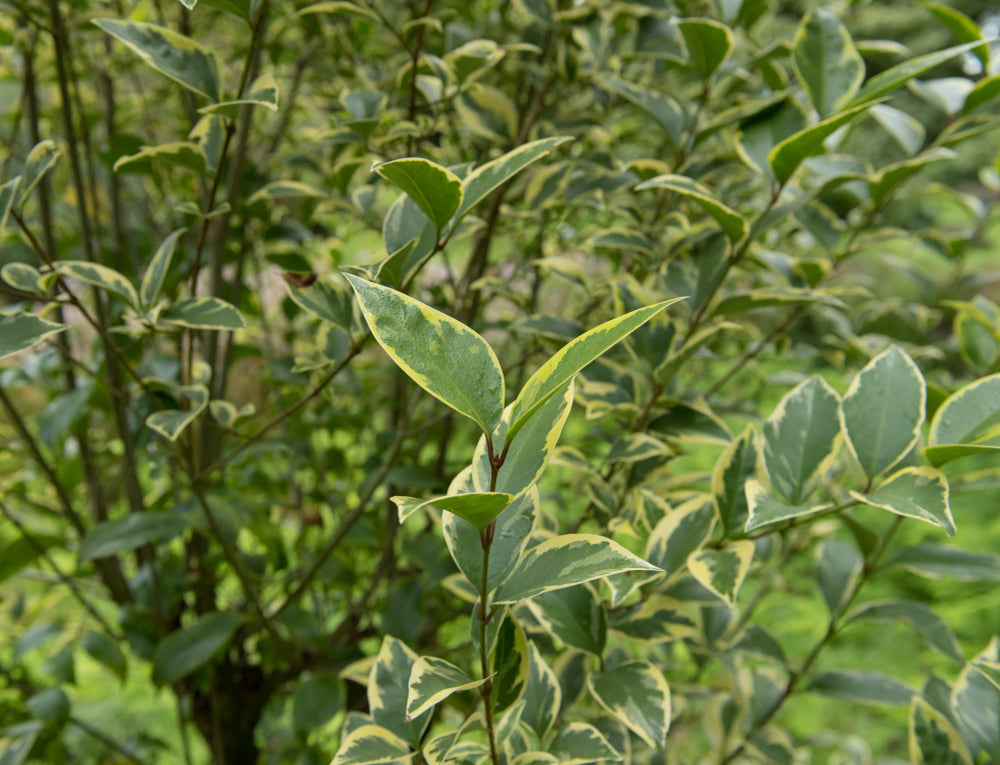
Griselinia littoralis Variegata - Pot Grown - Shrub - Height 70cm - Shrub - 12lt
£86.00
Unit price perGriselinia littoralis Variegata - Pot Grown - Shrub - Height 70cm - Shrub - 12lt
£86.00
Unit price perGriselinia littoralis is a large, dense, fast-growing, upright, evergreen shrub with soft, glossy, broadly oval, light green leaves. Inconspicuous, small, yellow-green flowers bloom in spring and are followed by small, purple-black fruits if both male and female plants are grown together. Griselinia littoralis can grow in various types of soils, but prefers moist, well-drained soils in full sun. It likes sheltered areas. Once established, it is tolerant of frost, harsh winds, and salt spray, therefore, very suitable for coastal conditions. Generally, pest-free and disease-free but may be affected by leaf spot. Low maintenance plant that can withstand heavy pruning. Griselinia littoralis has an attractive foliage and is a perfect plant for formal or informal hedges and screens. It quickly establishes a mature hedge and is easy to trim. One of the most suitable species for coastal areas. Great for wall-side borders in sunny positions.
Note: Because of nature of the plant, it can be 80-90cm height and very bushy or 110-120cm height less bushy at the bottom. It all depends on the season and when they were last pruned. If you need exact measurements send us an email before or after placing an order, we can then email you the exact measurments and fresh images of the plants


Star Jasmine | Trachelospermum jasminoides - Column Metal Frame- Height 140cm - 30lt
£180.00
Unit price perStar Jasmine | Trachelospermum jasminoides - Column Metal Frame- Height 140cm - 30lt
£180.00
Unit price per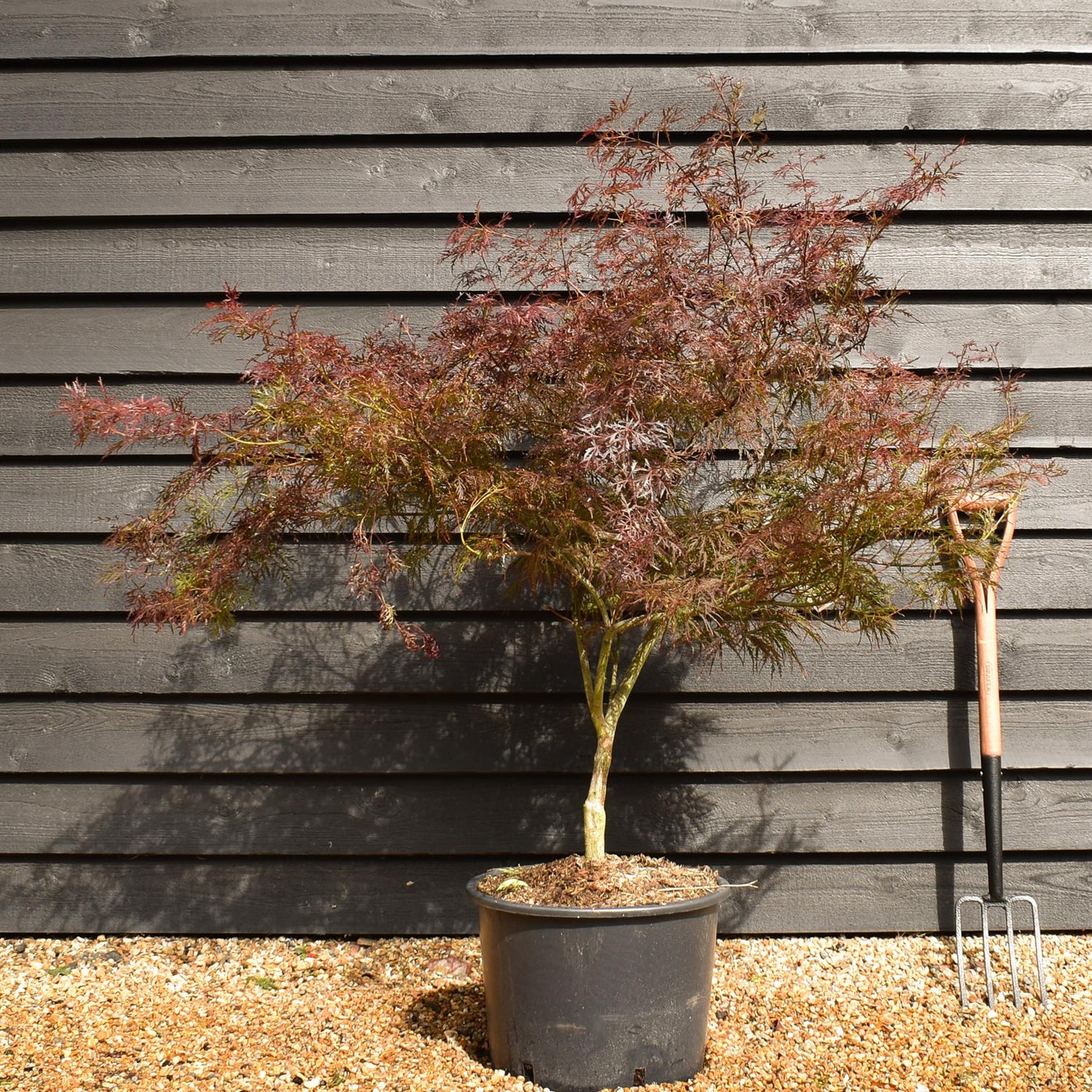
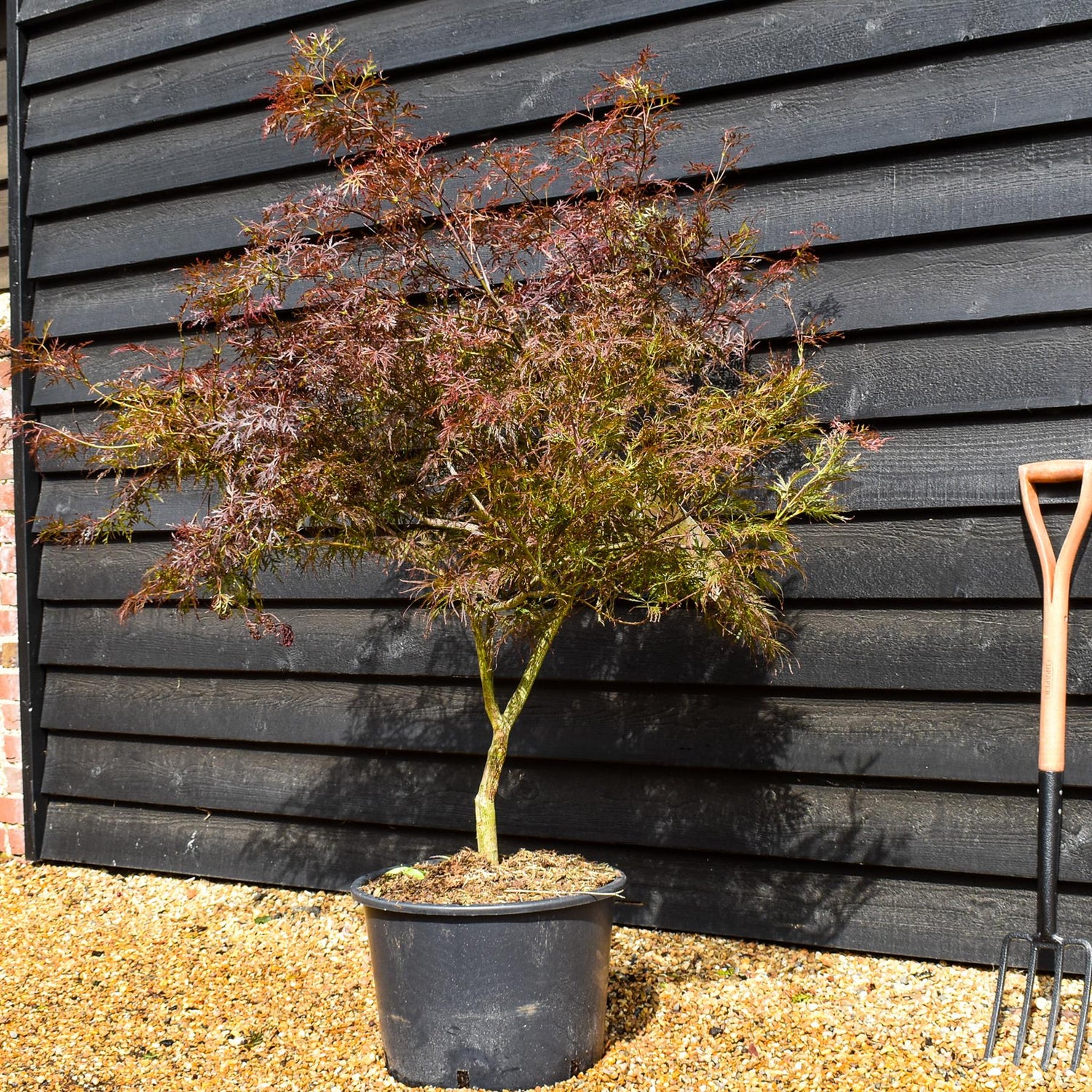
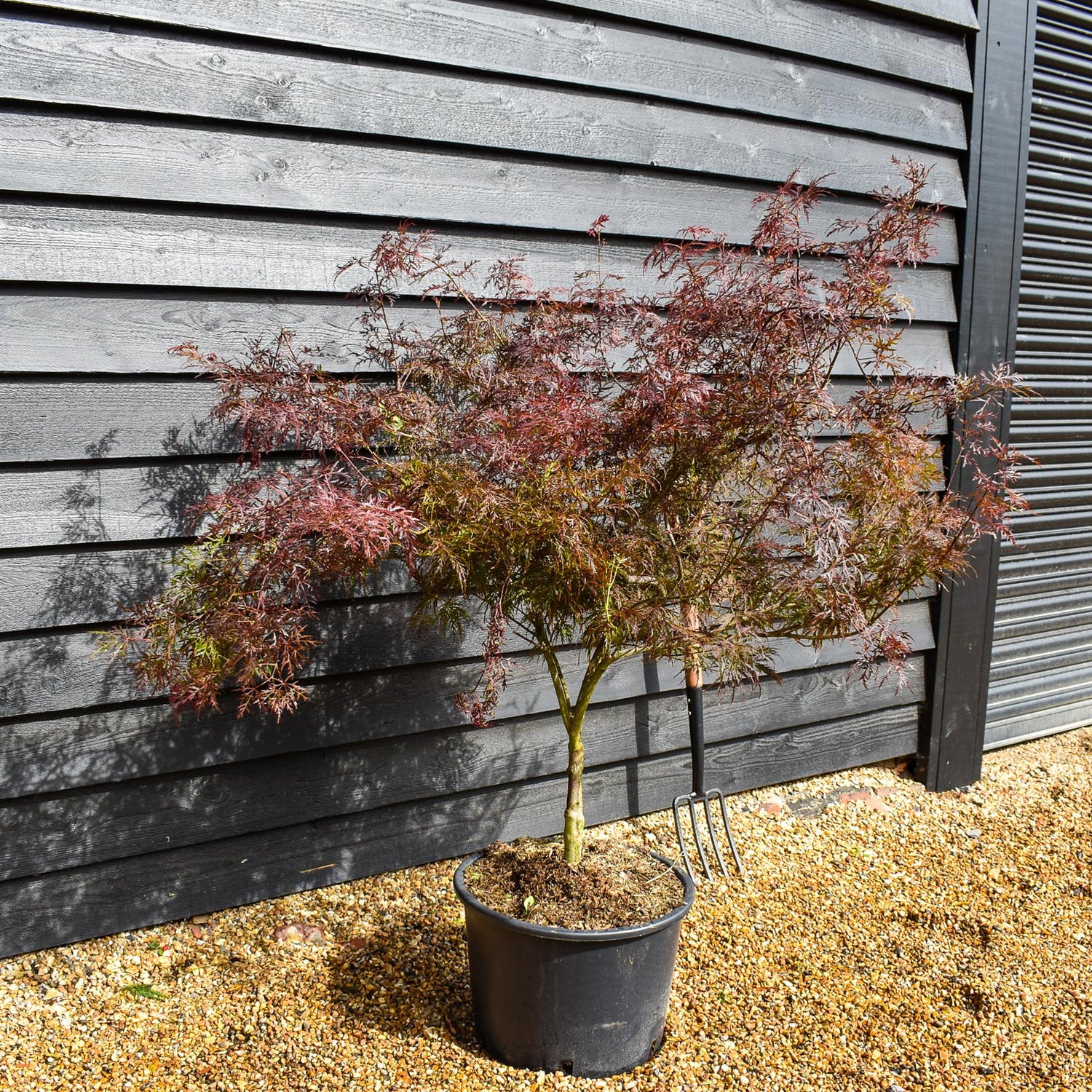
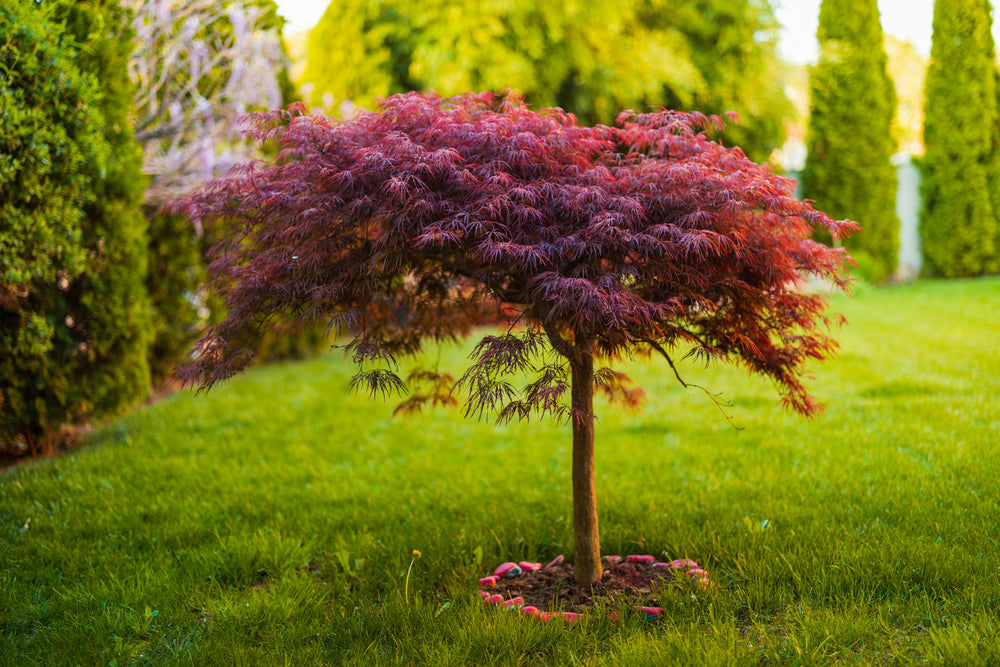
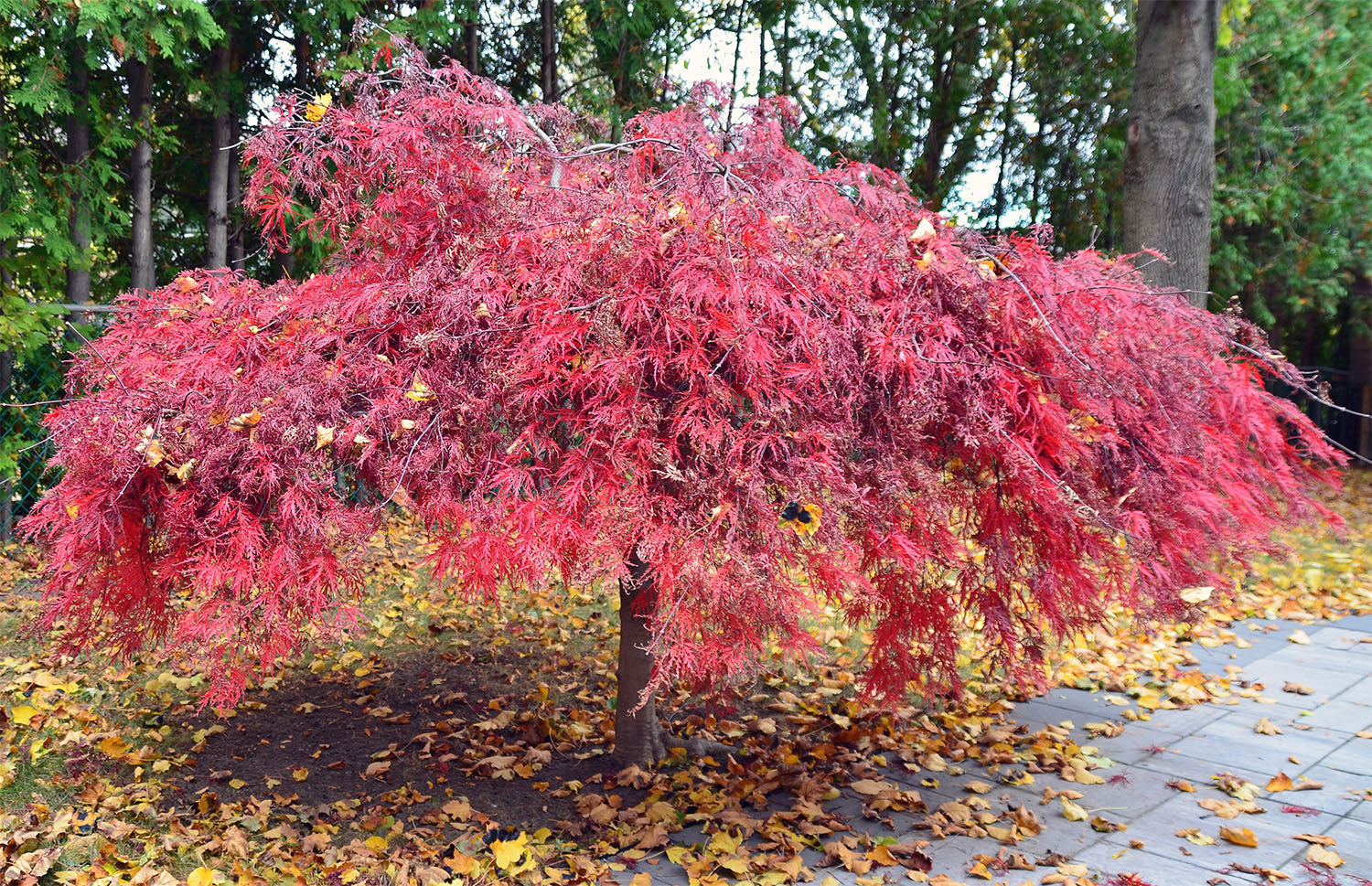
Garnet Japanese Maple | Acer palmatum 'Garnet' Weeping - Clear Stem 30-50cm - Height 120-130cm - 35lt
£355.00
Unit price perGarnet Japanese Maple | Acer palmatum 'Garnet' Weeping - Clear Stem 30-50cm - Height 120-130cm - 35lt
£355.00
Unit price per


Pinus mugo 'Ophir' - Height 20-30cm Width 30-40cm - 12lt
£105.00
Unit price perPinus mugo 'Ophir' - Height 20-30cm Width 30-40cm - 12lt
£105.00
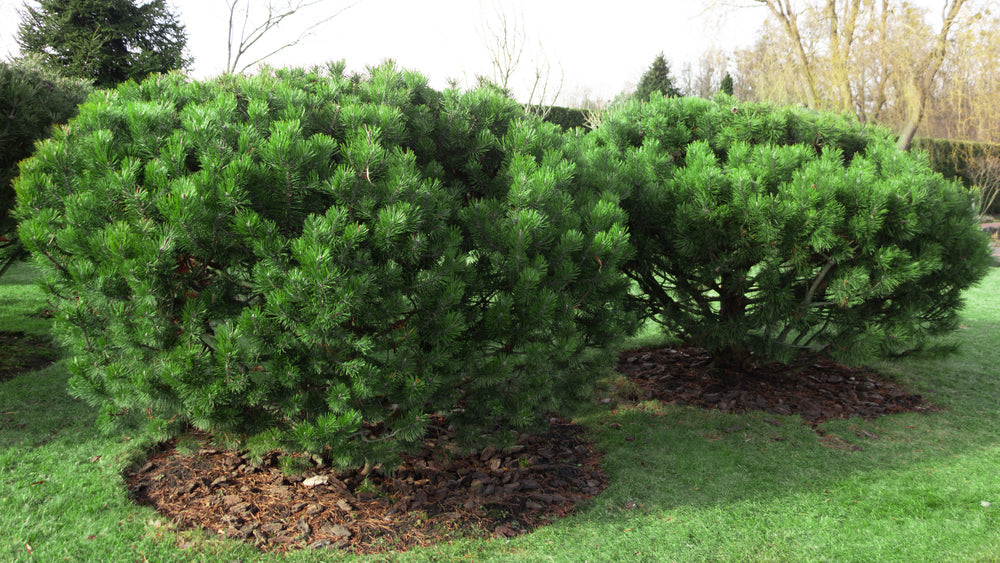
Unit price perPinus mugo 'Ophir' is a dwarf cultivar of the mountain pine, Pinus mugo. It is a slow-growing, coniferous evergreen shrub that typically reaches a height of 2-3 feet and a spread of 4-5 feet at maturity. Its compact and rounded form, with bright golden-yellow foliage, makes it an excellent choice for rock gardens, container plantings, and low borders. The needles of Pinus mugo 'Ophir' are short and twisted, measuring about 1-2 inches long. They emerge in spring as a vibrant golden-yellow colour, which gradually fades to a soft green in summer. The bark of the plant is a dark brown color with a slightly rough texture, adding to its ornamental value. This cultivar is very hardy and can withstand harsh winter conditions, making it an ideal choice for cold climates. It prefers full sun to partial shade and well-drained soils that are slightly acidic. Once established, it is drought tolerant and requires minimal maintenance.


Pittosporum Golden King (Gold King) - Height 20-30cm - 2lt
£18.00
Unit price perPittosporum Golden King (Gold King) - Height 20-30cm - 2lt
£18.00
Unit price per


Pittosporum tenuifolium 'Elizabeth' - Height 25-35cm - 2lt
£18.00
Unit price perPittosporum tenuifolium 'Elizabeth' - Height 25-35cm - 2lt
£18.00
Unit price per


Japanese Maple | Acer palmatum - Very Bushy - Height 100-130cm - 35lt
£470.00
Unit price perJapanese Maple | Acer palmatum - Very Bushy - Height 100-130cm - 35lt
£470.00
Unit price per


Japanese Maple | Acer palmatum 'Bloodgood' - Bushy - Height 160-180cm - 55lt
£495.00
Unit price perJapanese Maple | Acer palmatum 'Bloodgood' - Bushy - Height 160-180cm - 55lt
£495.00
Unit price per


Salix Babylonica Aurea | Golden Weeping Willow - Clear Stem 200cm - Girth 8-10cm - Height 350-400cm - 70lt
£435.00
Unit price perSalix Babylonica Aurea | Golden Weeping Willow - Clear Stem 200cm - Girth 8-10cm - Height 350-400cm - 70lt
£435.00
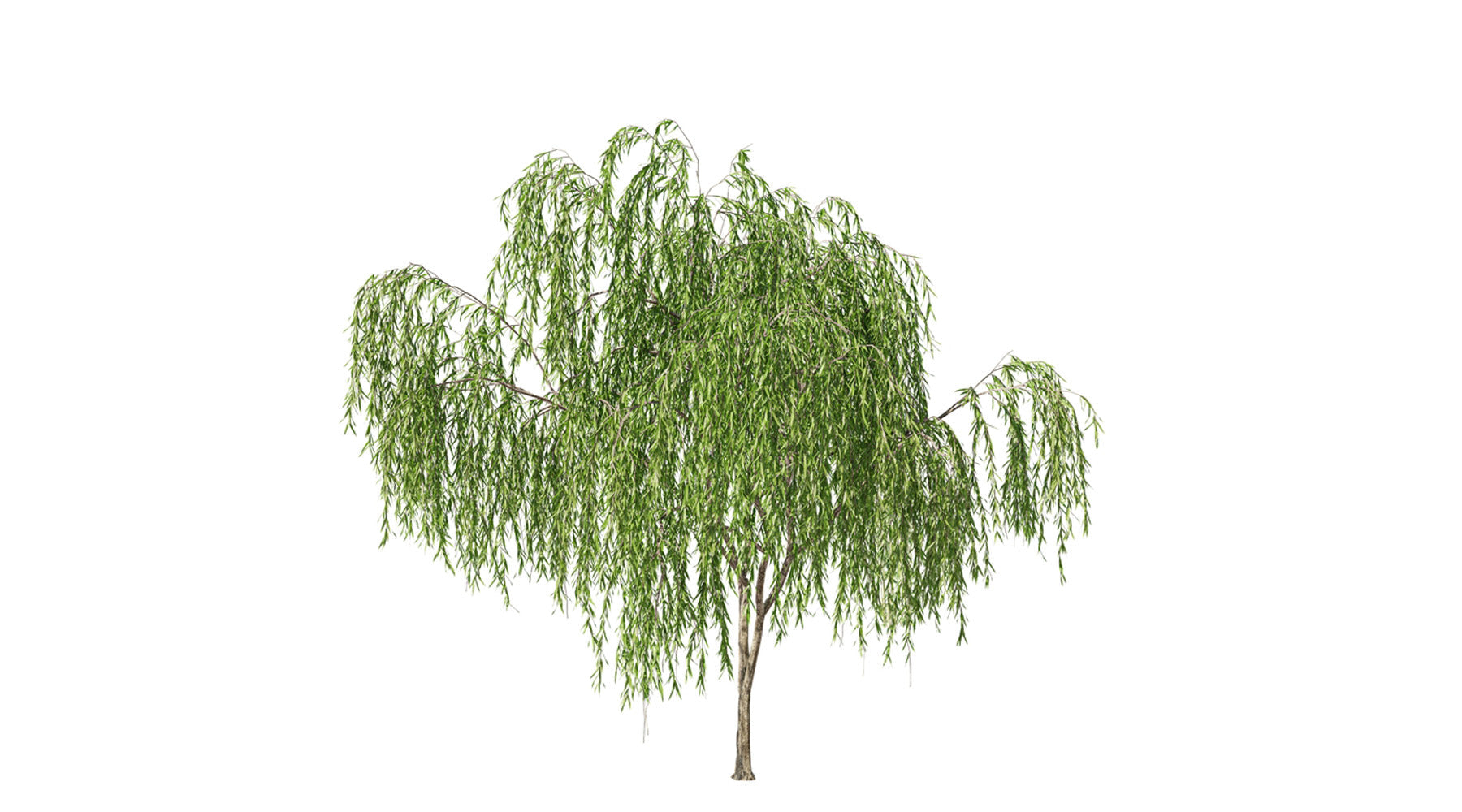
Unit price perSalix babylonica, commonly known as the weeping willow, is a majestic deciduous tree that belongs to the family Salicaceae. With its graceful and distinctive appearance, the Salix babylonica is widely recognized and admired around the world. Native to China, this tree has been cultivated for centuries and has found its way into various landscapes due to its ornamental value and environmental benefits.
The weeping willow is known for its unique weeping form, with its long, slender branches that droop gracefully towards the ground. It can reach impressive heights, often growing between 30 to 50 feet tall, with some exceptional specimens exceeding 100 feet. The branches are covered in narrow, lance-shaped leaves that are a vibrant green color, turning yellow in the fall before shedding for winter.
One of the most captivating features of the weeping willow is its pendulous branches, which sway and dance in the breeze, creating a mesmerizing display. These branches are adorned with slender, yellow-green catkins in the spring, adding a touch of beauty to the tree's overall appearance.
Salix babylonica thrives in moist environments and is commonly found near bodies of water such as rivers, streams, and lakes. It has an extensive root system that helps stabilize the soil, making it an excellent choice for erosion control along riverbanks and shorelines. Additionally, its dense foliage provides shade and helps regulate water temperature, benefiting aquatic ecosystems.
In addition to its aesthetic and environmental appeal, the weeping willow holds cultural and symbolic significance in various societies. It has been associated with mourning and grief in some cultures, while in others, it represents resilience, flexibility, and adaptability.
When it comes to cultivation, the weeping willow prefers full sun exposure and moist, well-drained soil. It is a fast-growing tree that requires regular pruning to maintain its elegant shape and prevent the branches from touching the ground. Care should be taken when planting near structures or underground utilities due to its invasive root system.
In conclusion, Salix babylonica, or the weeping willow, is a remarkable tree renowned for its graceful weeping form, pendulous branches, and vibrant foliage. It serves both practical and aesthetic purposes, making it a beloved choice for landscapes and water conservation efforts. Its cultural significance and captivating beauty have made it a cherished tree for centuries, captivating the hearts of those who encounter it.


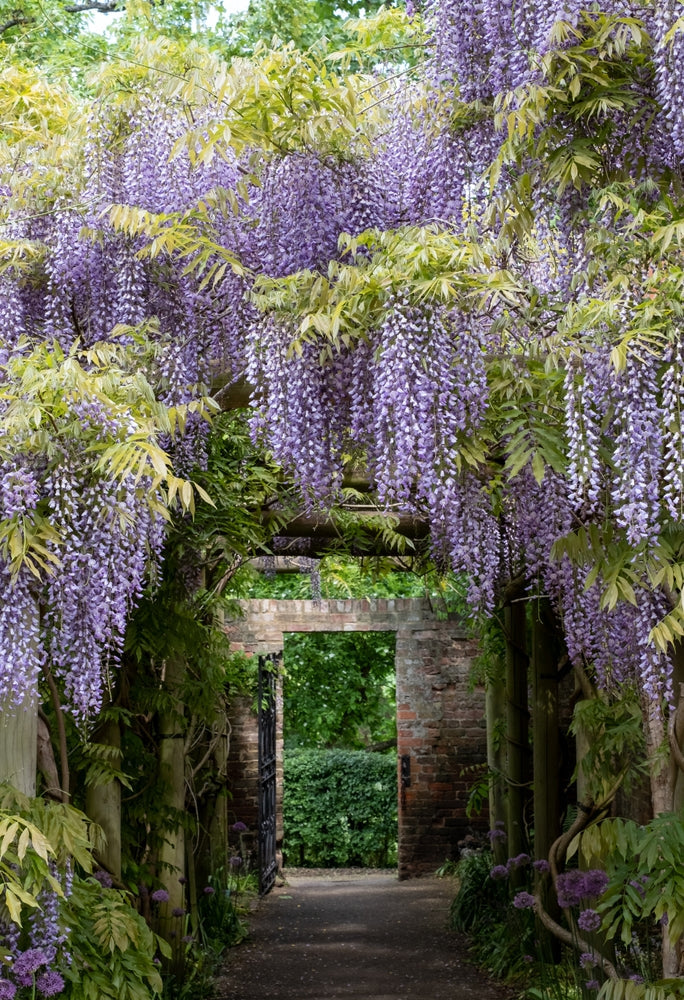
Wisteria brachybotrys 'Golden Dragon' | Japanses Wisteria - Cane - Height 200-250cm - 7lt
£98.00
Unit price perWisteria brachybotrys 'Golden Dragon' | Japanses Wisteria - Cane - Height 200-250cm - 7lt
£98.00
Unit price perWisteria brachybotrys ‘Golden Dragon’ is a striking and highly ornamental deciduous climber, prized for its luminous foliage and elegant floral display. A cultivated form of the Japanese silky wisteria, it combines the classic charm of wisteria with the added interest of golden-yellow leaves, making it an exceptional choice for decorative garden structures.
In spring, ‘Golden Dragon’ emerges with fresh foliage in vivid shades of yellow, often flushed with light green. This bright colouring persists into early summer, particularly in full sun, before gradually softening to a more lime-green tone as the season progresses. The leaves are pinnate, typically composed of 9–13 smooth, oval leaflets, creating a graceful, cascading effect when trained over pergolas, arches, or walls.
Flowering occurs in late spring to early summer, usually in May or June. Short, compact racemes of pea-like flowers are produced, typically 10–15 cm long. The blooms are a delicate violet-blue to lilac, often with a pale yellow or white marking, and are richly fragrant. Although the flower clusters are shorter than those of Chinese wisteria, they are produced in abundance and stand out beautifully against the golden foliage.
‘Golden Dragon’ is a twining climber with a moderate growth rate, generally reaching 6–8 metres when mature. It requires sturdy support and benefits from regular pruning to encourage flowering and maintain shape. Like other wisterias, it flowers best when grown in full sun and in fertile, well-drained soil.
Hardy throughout most of the UK, Wisteria brachybotrys ‘Golden Dragon’ is well suited to gardens seeking strong visual impact. Its combination of scented flowers, unusual foliage colour, and elegant habit makes it a distinctive and rewarding plant for both traditional and contemporary settings.


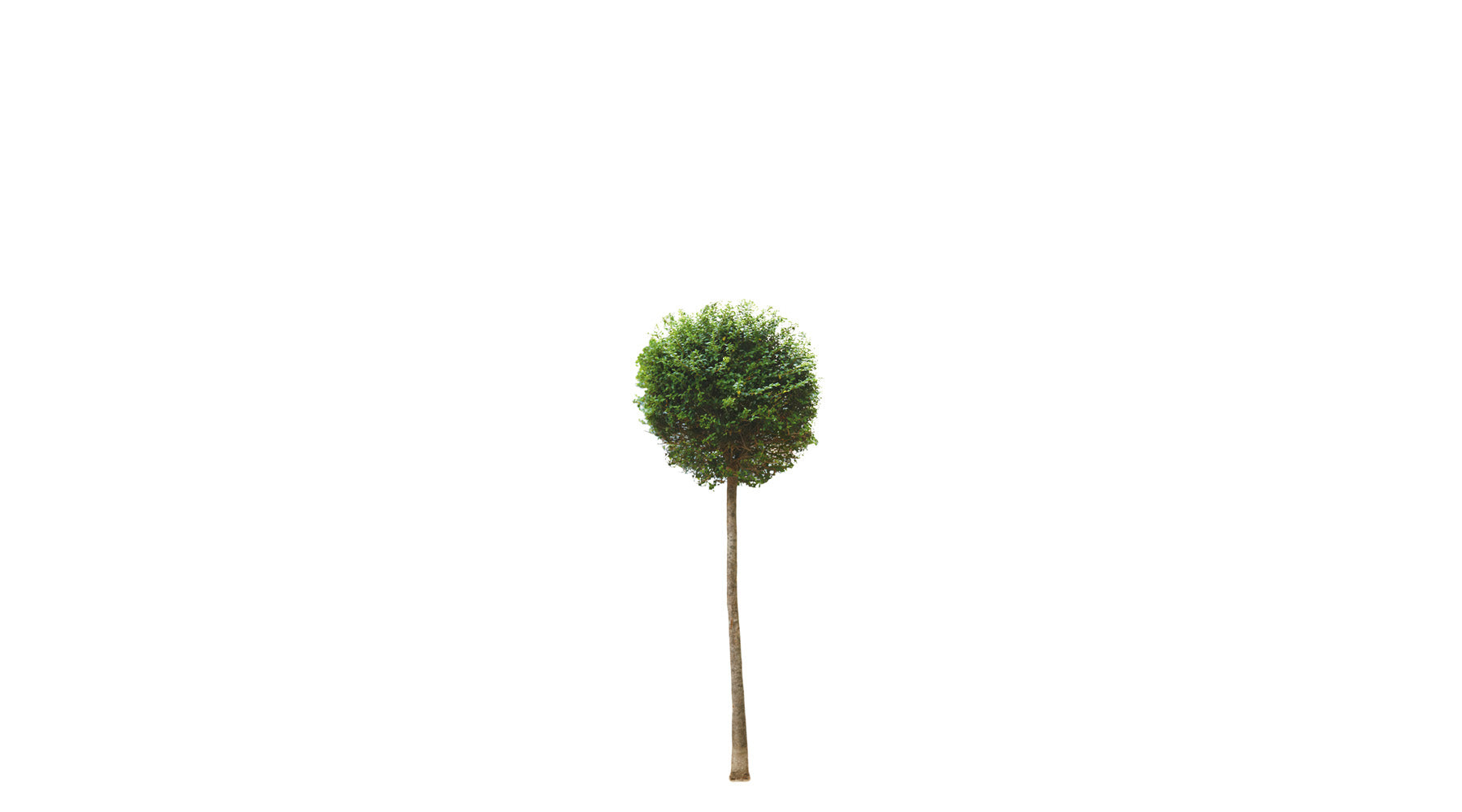
Pinus 'Marie Bregeon' - Clear Stem 20cm - Height 45-55cm - Width 25cm - 8lt
£96.00
Unit price perPinus 'Marie Bregeon' - Clear Stem 20cm - Height 45-55cm - Width 25cm - 8lt
£96.00
Unit price perPinus 'Marie Bregeon' on a clear stem is an elegant, dwarf variety of pine that is highly prized for its compact growth and vibrant appearance. This cultivar stands out with its bright, emerald green needles and a unique, clean stem that elevates its dense foliage, creating an eye-catching spherical bush at the top. It typically reaches an ultimate height of about 1-1.5 meters, making it a perfect choice for small gardens, rockeries, or as a focal point in mixed borders.
This slow-growing pine thrives in full sun and prefers well-drained soil, making it suitable for a variety of garden settings. It is particularly tolerant of dry conditions once established, requiring minimal maintenance. Gardeners often use Pinus 'Marie Bregeon' to add structure and year-round color to the landscape. Its distinctive form and manageable size also make it ideal for container planting, allowing it to be featured on patios or balconies.


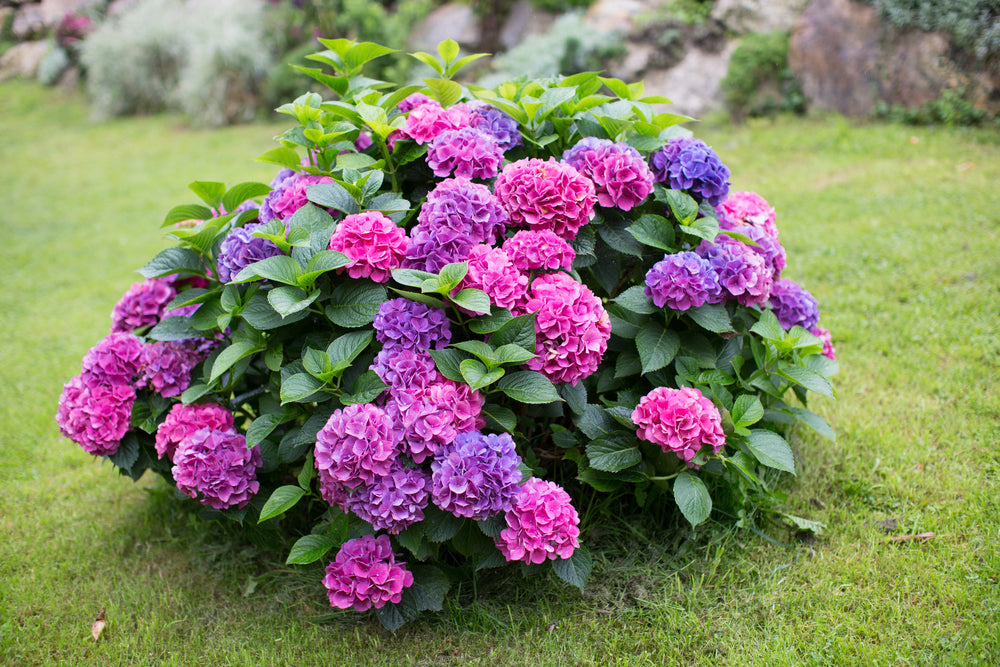
Hydrangea paniculata 'Phantom' - Height 25-35cm - 5lt
£38.00
Unit price perHydrangea paniculata 'Phantom' - Height 25-35cm - 5lt
£38.00
Unit price per


Prunus 'Umineko'| Japanese Flowering Cherry - Clear Stem 170cm - Girth 10-12cm - Height 300-320cm - 45lt
£430.00
Unit price perPrunus 'Umineko'| Japanese Flowering Cherry - Clear Stem 170cm - Girth 10-12cm - Height 300-320cm - 45lt
£430.00
Unit price perThe Prunus 'Umineko', a stunning addition to any garden landscape, renowned for its captivating beauty and delicate elegance. Originating from Japan, this ornamental cherry tree, also known as 'Sea Breeze', is cherished for its abundant clusters of pure white blossoms that herald the arrival of spring in a spectacular fashion.
The Prunus 'Umineko' belongs to the esteemed family of flowering cherries, prized for their graceful form and enchanting floral displays. It typically grows to a modest height of around 4-6 meters, making it suitable for gardens of varying sizes. Its compact size makes it an ideal choice for both urban gardens and larger landscapes, where it can serve as a focal point or be planted in clusters for a breathtaking visual impact.
In early spring, before the tree's leaves unfurl, delicate buds burst into a profusion of fragrant, snow-white flowers. These blossoms, borne in clusters along the branches, create a mesmerizing spectacle that attracts pollinators and admirers alike. The Prunus 'Umineko' is a beacon of hope and renewal, symbolizing the rejuvenation of nature after the long winter months.
Following the floral extravaganza, the tree's glossy green foliage emerges, providing a lush backdrop for the remainder of the growing season. In autumn, the leaves transition to vibrant hues of yellow and orange, casting a warm glow across the landscape before gracefully descending.
Beyond its aesthetic appeal, the Prunus 'Umineko' offers a low-maintenance addition to the garden, requiring little more than regular watering and occasional pruning to maintain its shape. It thrives in well-drained soil and prefers a sunny to partially shaded position, although it can tolerate some shade.
Whether planted as a solitary specimen, in a mixed border, or as part of a Japanese-inspired garden, the Prunus 'Umineko' never fails to captivate with its timeless beauty and serene presence. Bring the enchantment of spring to your garden with this exquisite flowering cherry tree, and enjoy its ethereal charm for years to come.


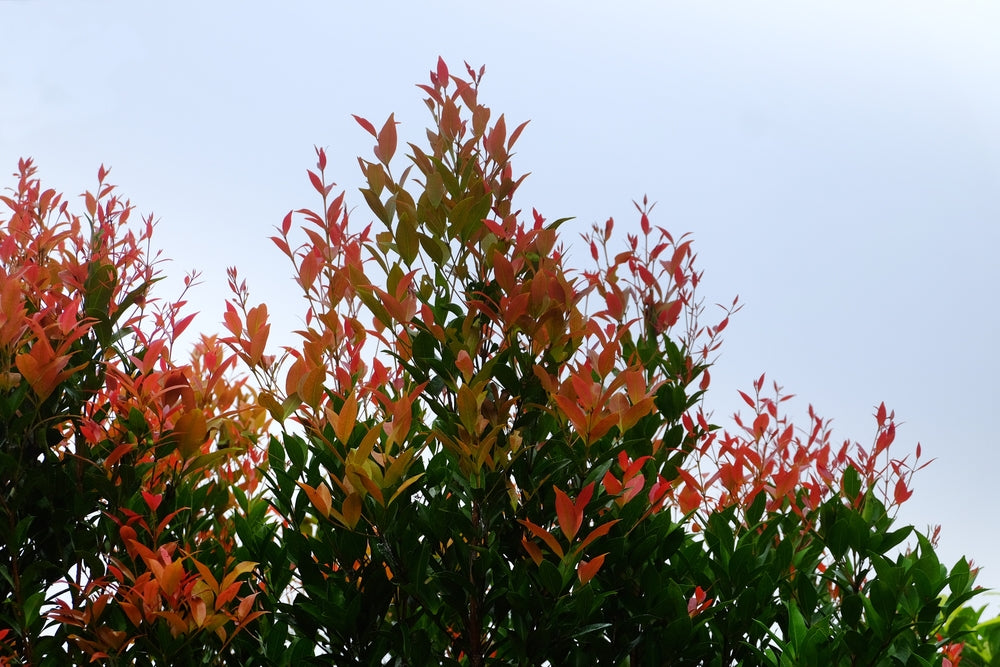
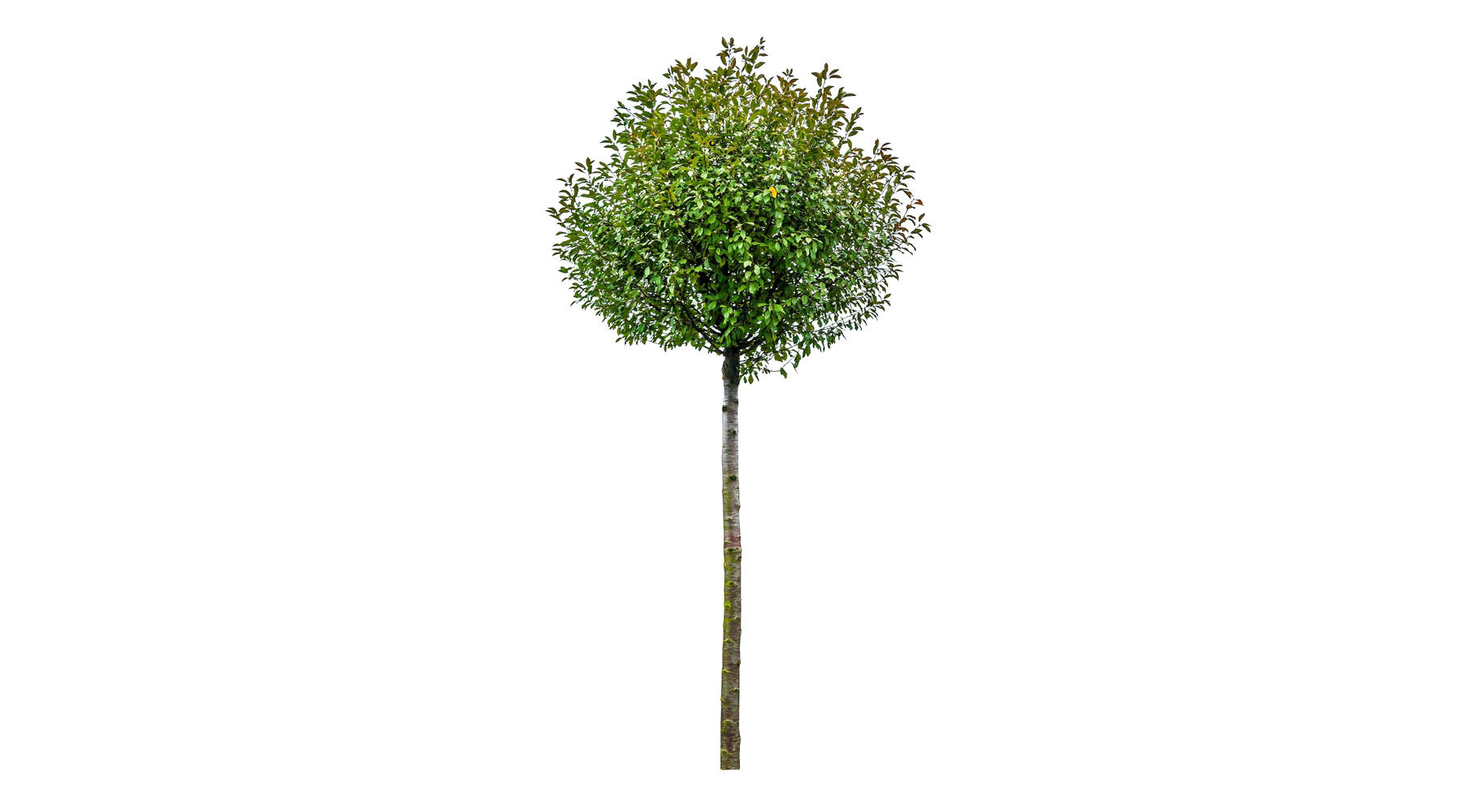
Photinia Red Robin | Christmas berry 'Red Robin' - Half Standard - Clear Stem 70-80cm - Height 130-150cm - 15lt
£105.00
Unit price perPhotinia Red Robin | Christmas berry 'Red Robin' - Half Standard - Clear Stem 70-80cm - Height 130-150cm - 15lt
£105.00
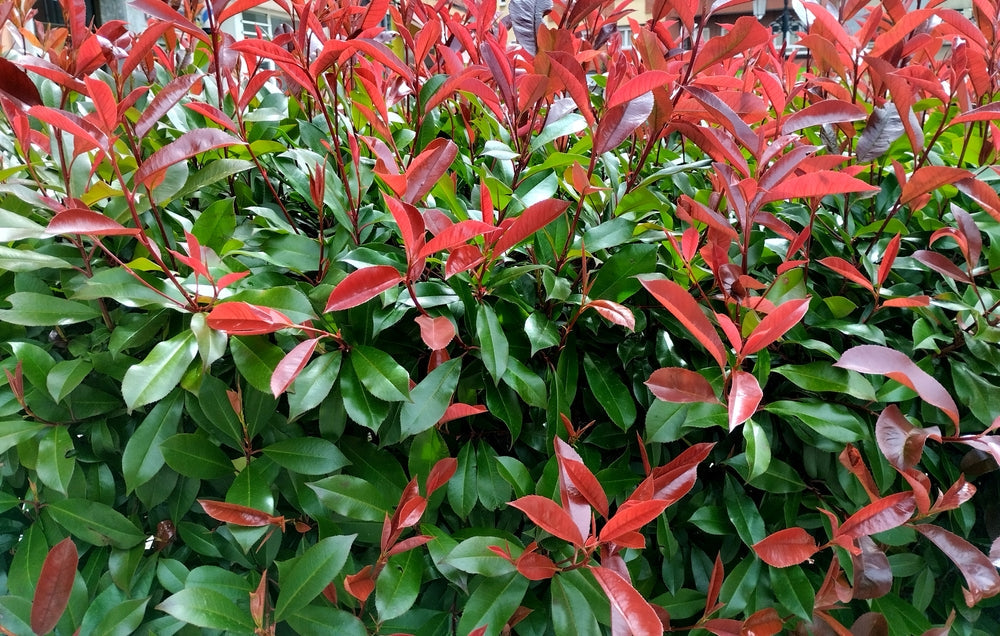
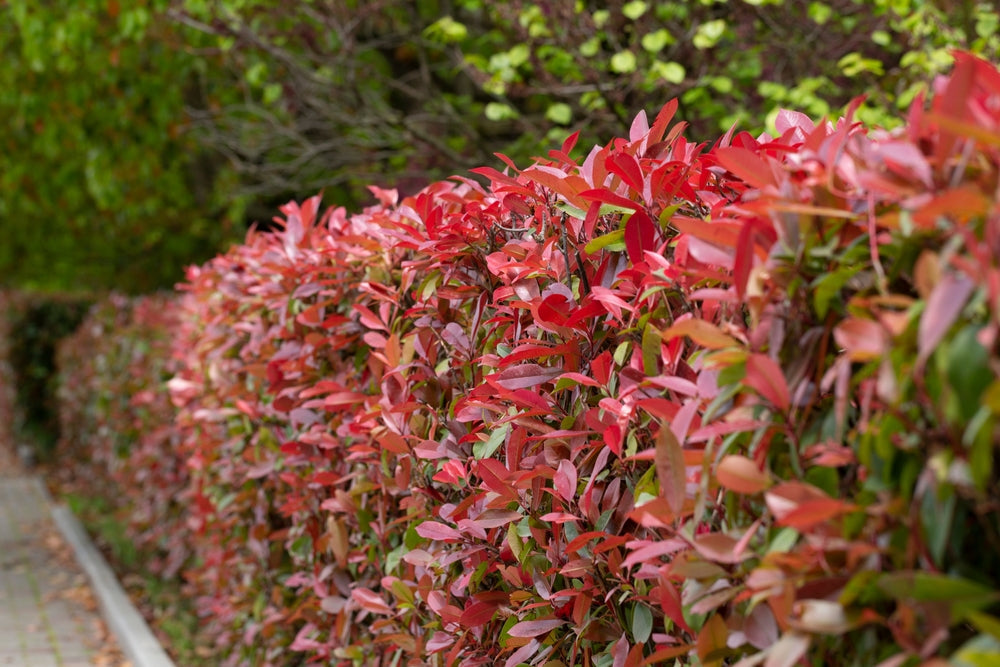
Unit price perPhotinia x fraseri 'Red Robin' 1/2 std is a New Zealand selection of Fraser's Photinia. It’s a large, evergreen shrub or small tree with leathery, oval, glossy, brilliant, bright red leaves when they emerge, and dark green after several weeks. Small, 5-petal, white flowers bloom in spring and are rarely followed by red fruits which can persist throughout winter. Spring pruning eliminates flowers and stimulates new red growth.
Photinia x fraseri 'Red Robin' 1/2 std grows best in average, fertile, slightly acidic, medium moisture, well-drained soils, but is adaptable to a wide range of soils, except waterlogged and compact. Once established, it is resistant of frost and drought. Young leaves may be damaged by late frosts, therefore it should be sheltered, especially from harsh winds. Low maintenance plant.
Photinia x fraseri 'Red Robin' 1/2 std is a very popular evergreen shrub, great as a specimen or accent plant, but perfect for hedges and screens, useful for noise reduction, or wind protection.


Malus Red Sentinel | Crab apple 'Red Sentinel' - 170-190cm, 10lt
£90.00
Unit price perMalus Red Sentinel | Crab apple 'Red Sentinel' - 170-190cm, 10lt
£90.00
Unit price per


Salix Chrysocoma | Golden Weeping Willow - Height 175-200cm, 10lt
£84.00
Unit price perSalix Chrysocoma | Golden Weeping Willow - Height 175-200cm, 10lt
£84.00
Unit price per


Apple tree 'Bramley's Seedling' | Malus domestica - M26 - Dwarfing - 150-160cm - 10lt
£89.00
Unit price perApple tree 'Bramley's Seedling' | Malus domestica - M26 - Dwarfing - 150-160cm - 10lt
£89.00
Unit price perBramley's Seedling Apple is an English cooking apple and one of the best culinary apples in the world. It was discovered in 1809. in Nottinghamshire in England. Bramley apples are large, mostly green, slightly reddish, juicy, sharply acidic, and with excellent, strong flavour. They are used mostly for cooking and baking as they can be cooked down to a smooth puree. Bramley's Seedling Apple tree is very large and vigorous, with oval green leaves and beautiful crimson flowers. For smaller gardens, it needs to be grown on dwarfing rootstock. It is very easy to grow and also known for its longevity. The original tree is alive to this day and still producing apples. It prefers sunny, sheltered locations and neutral, moist and well-drained soil. The only problem could be pollination since Bramley's Seedling Apple needs two different pollinating apple trees nearby to be successfully pollinated.
M26 is a semi-dwarfing rootstock (smaller than MM106) used for apple trees, particularly in orchards and home gardens. It produces trees 10-12 feet in height, making them easier to manage and harvest. M26 ensures early fruit production, good anchorage, and medium vigor. However, it requires staking during early years and is moderately susceptible to fire blight.