

-
Trees
Trees
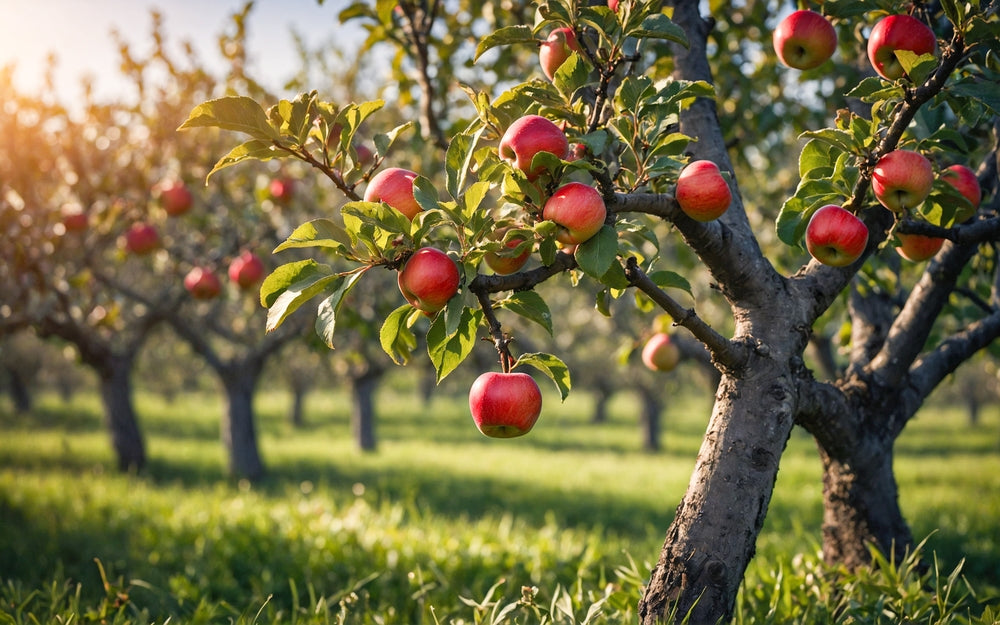 Fruit Trees
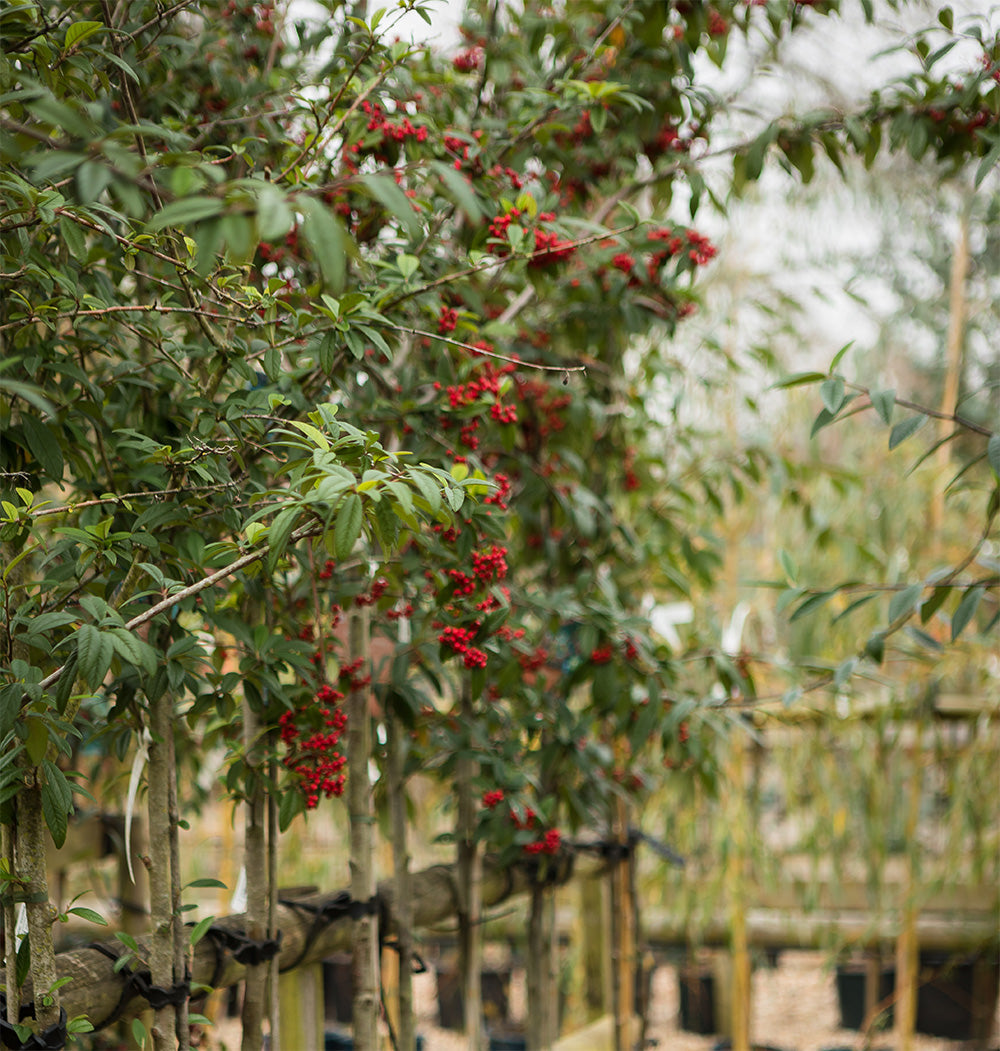 Ornamental
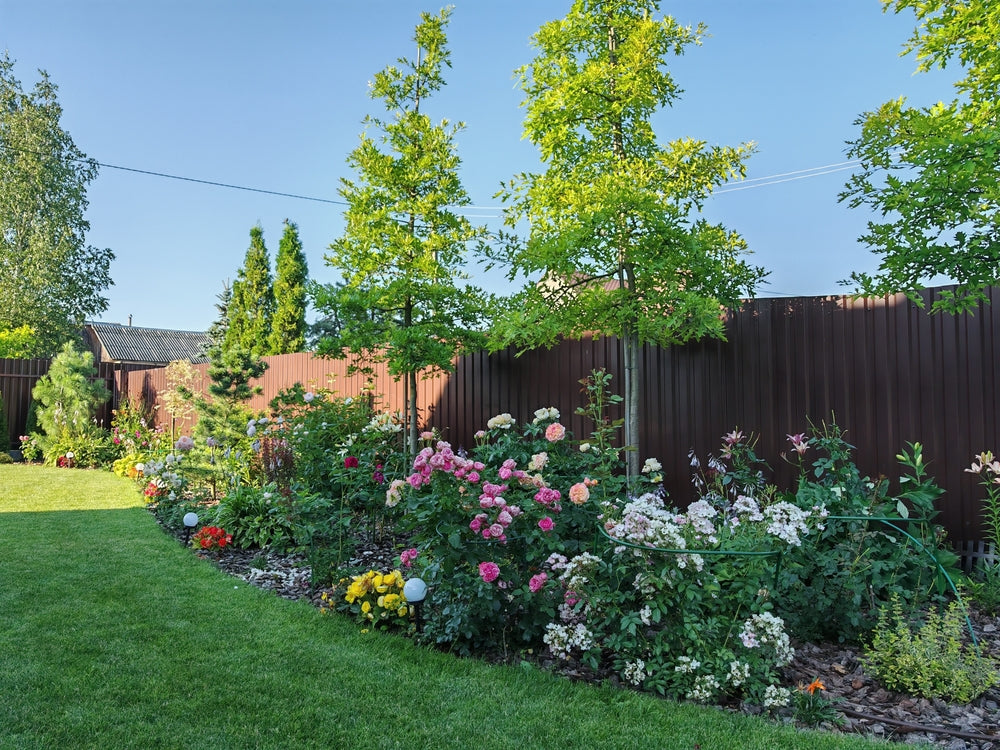 Screening
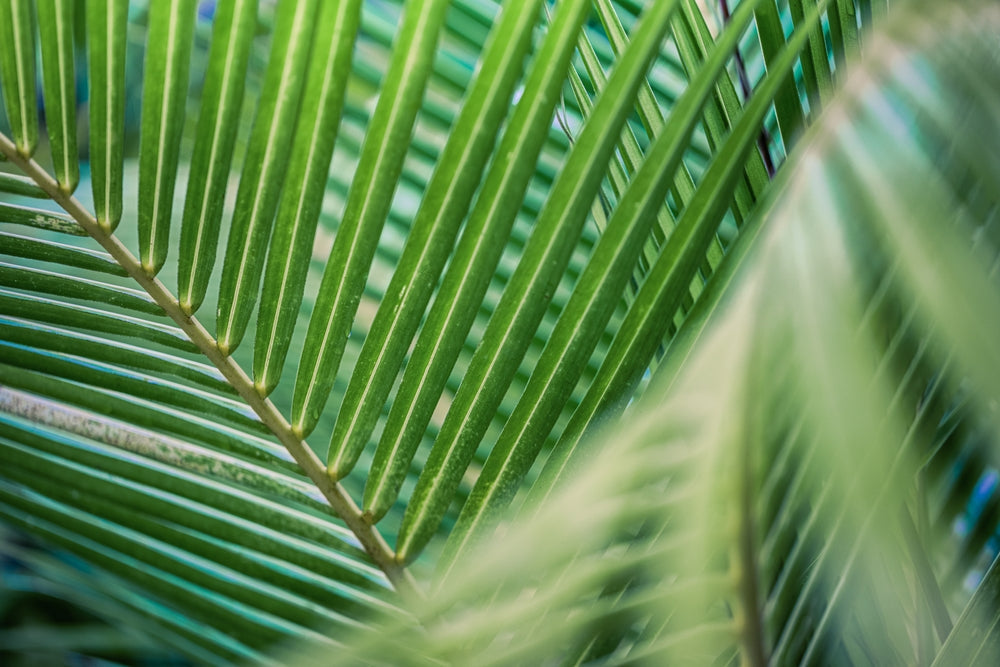 Palms
By FeaturesBy Shape
-
Shrubs
Shrubs
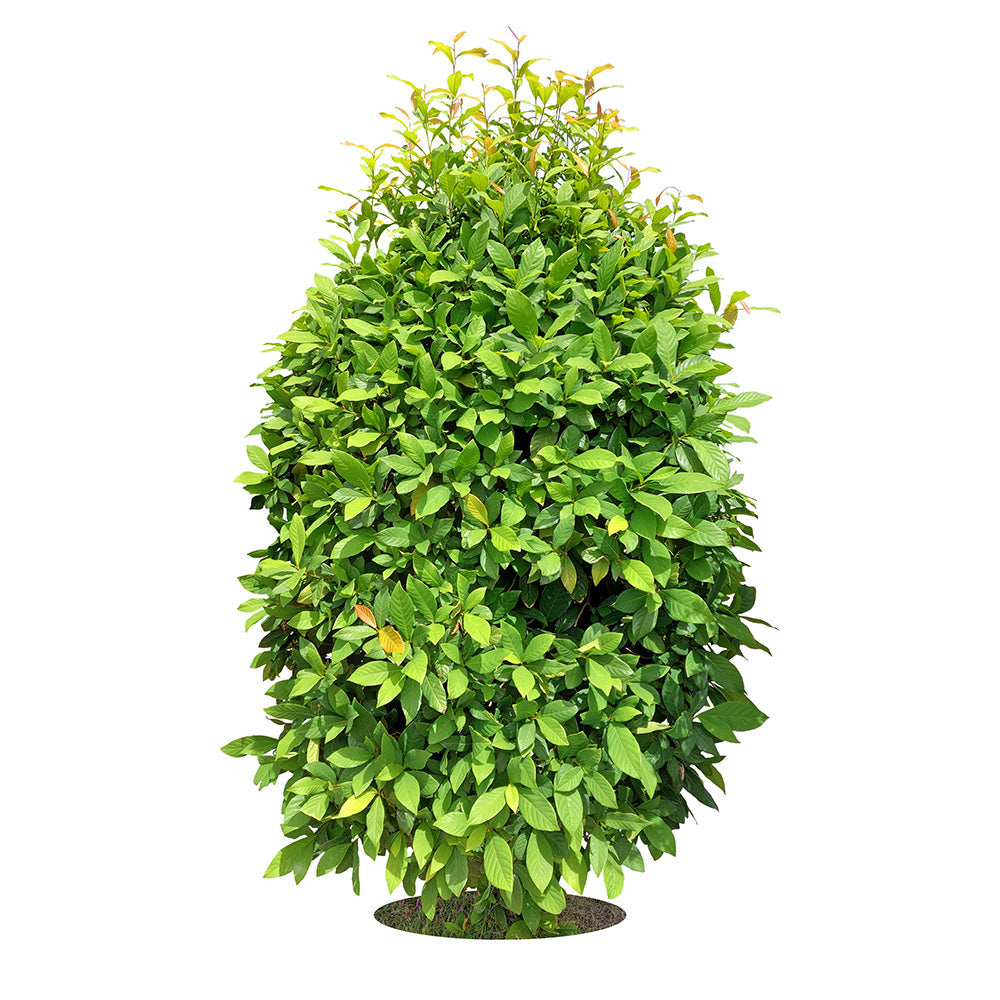 Large shrubs
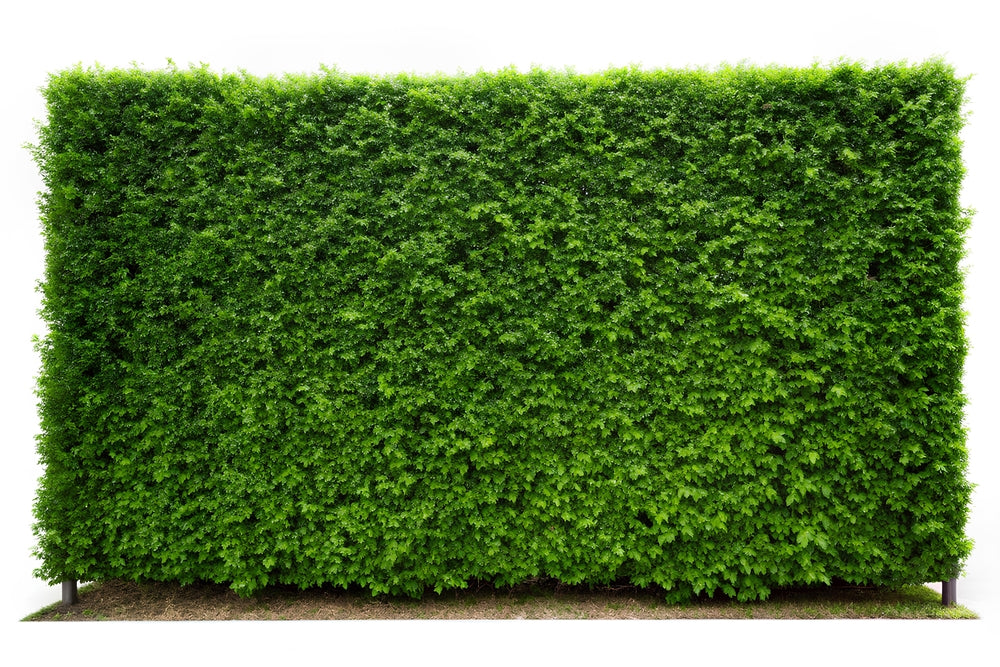 Hedging
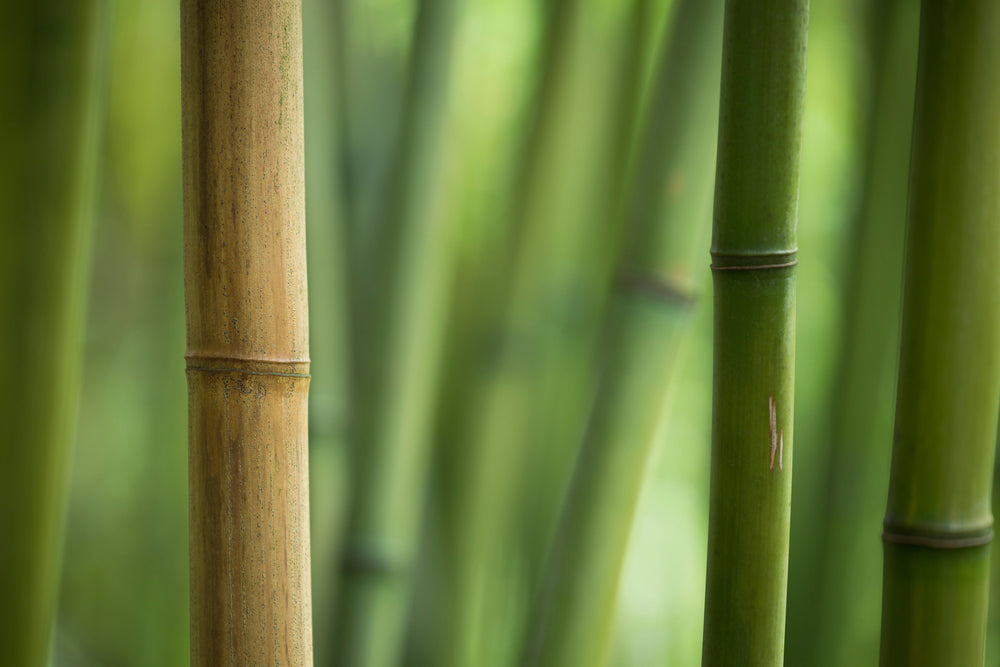 Bamboo
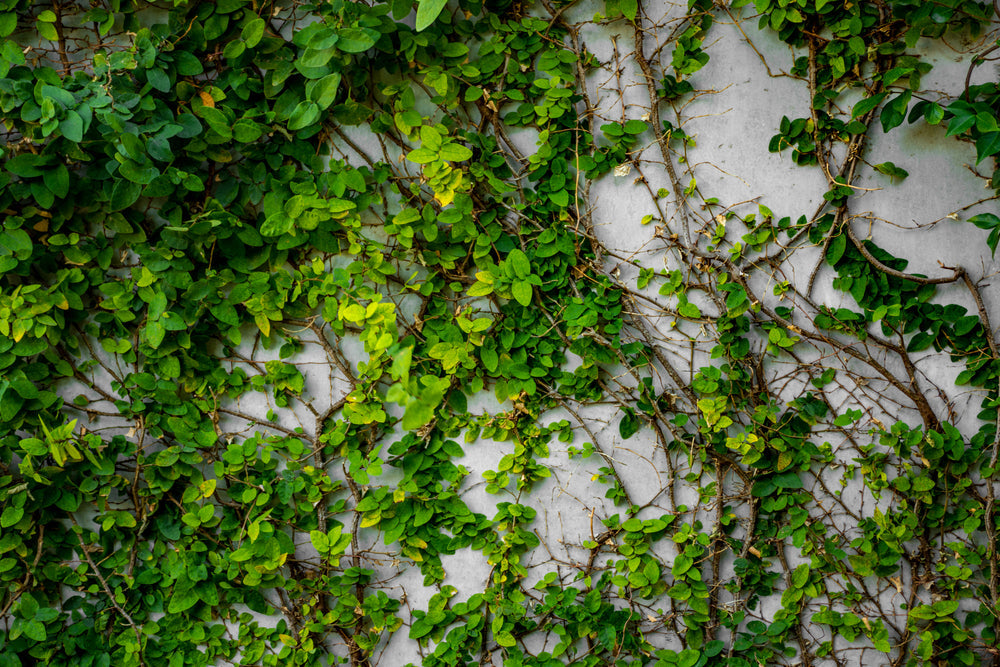 Climbers
 Flowering
 Grasses & Ferns
 Popular
-
Pines & Conifers
Pines & Conifers
 Pines
 Spruce & Fir
 Cypress
 Thuja
 Redwood | Sequoia
-
Specimen
FREE DELIVERY OVER £350
Search results
Search results


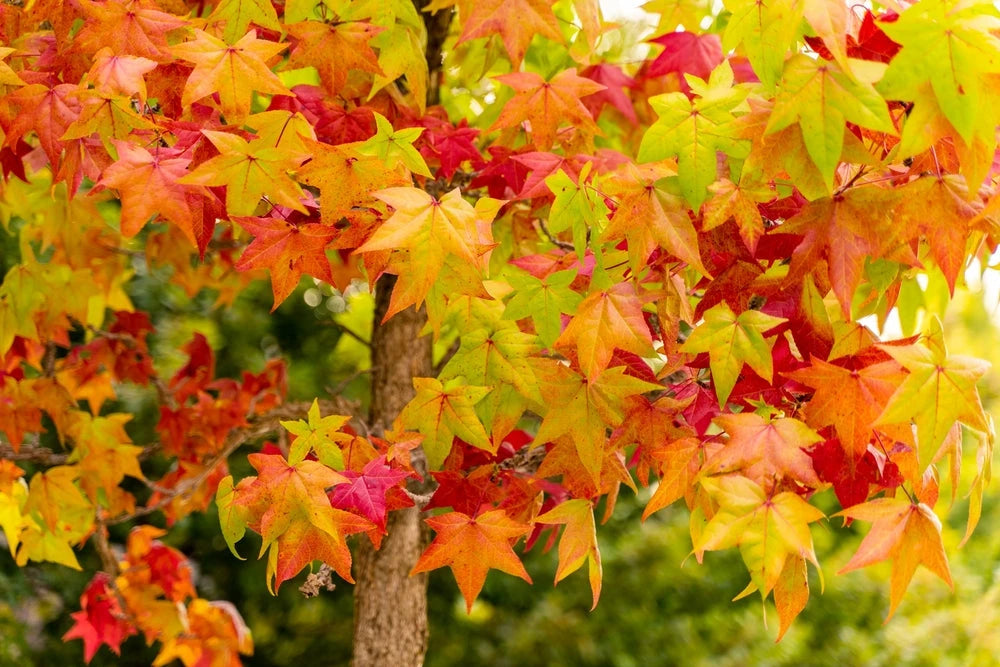
Liquidambar styraciflua 'Worplesdon' Std | Sweet Gum Worplesdon - Height 150-180cm - 10lt
£88.00
Unit price perLiquidambar styraciflua 'Worplesdon' Std | Sweet Gum Worplesdon - Height 150-180cm - 10lt
£88.00
Unit price per


Camellia sasanqua 'Winter's Snowman' - 60-70cm - 12lt
£98.00
Unit price perCamellia sasanqua 'Winter's Snowman' - 60-70cm - 12lt
£98.00
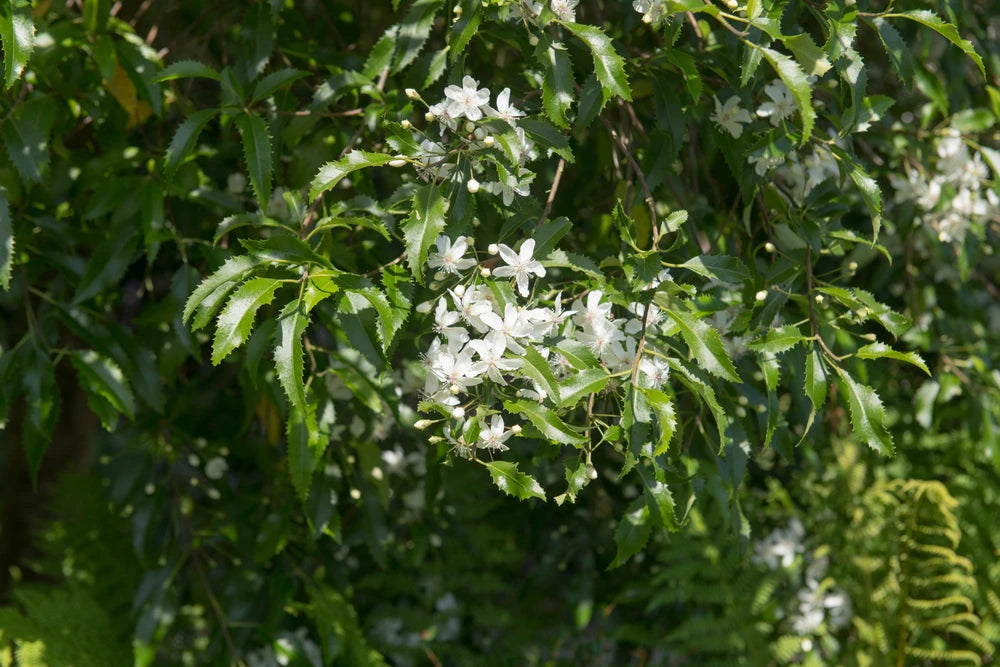
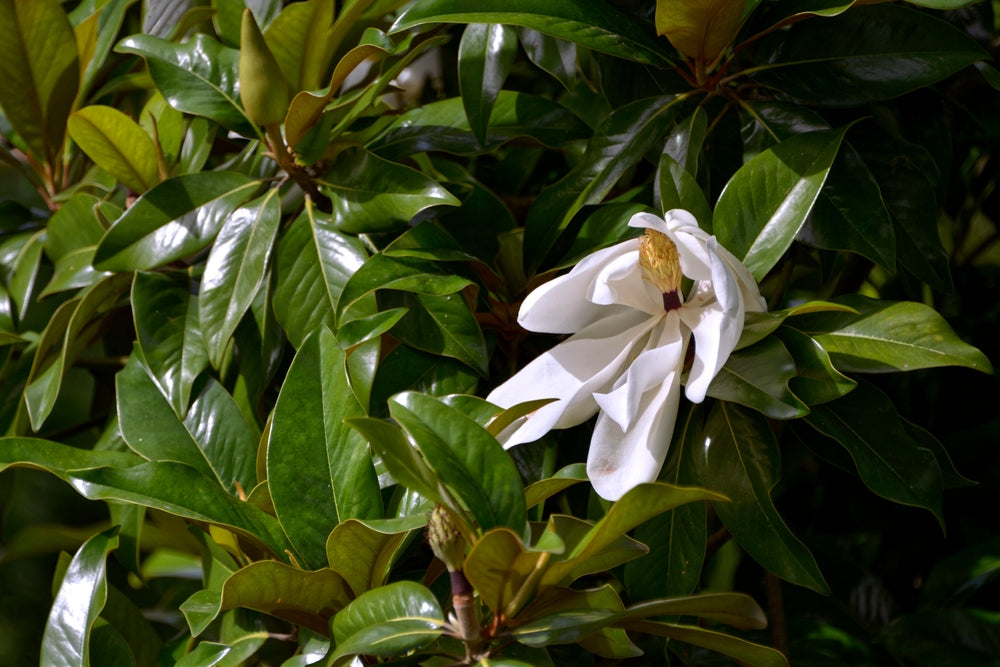
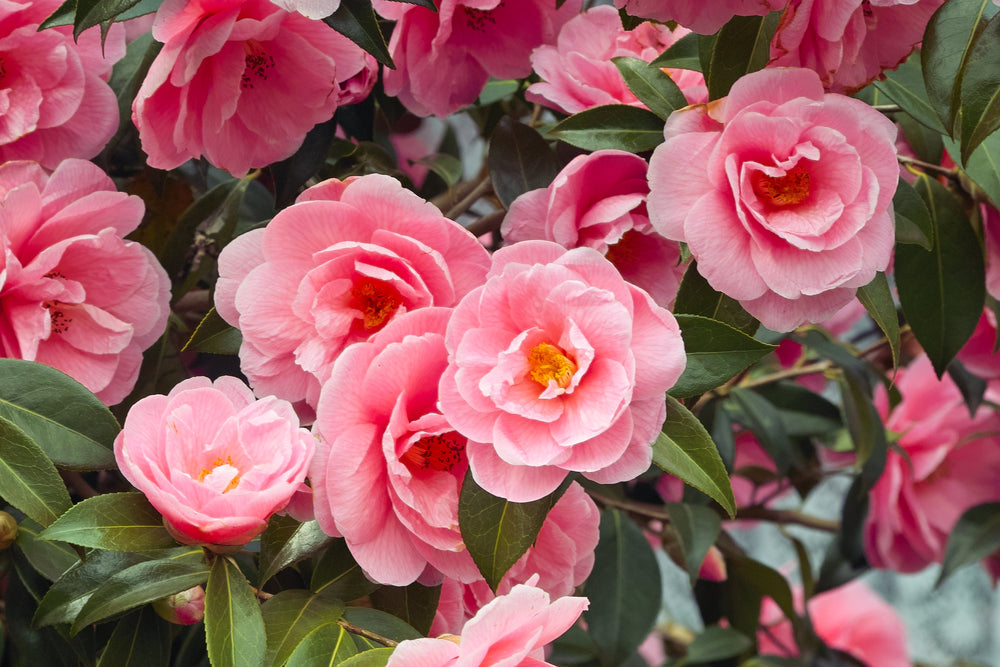
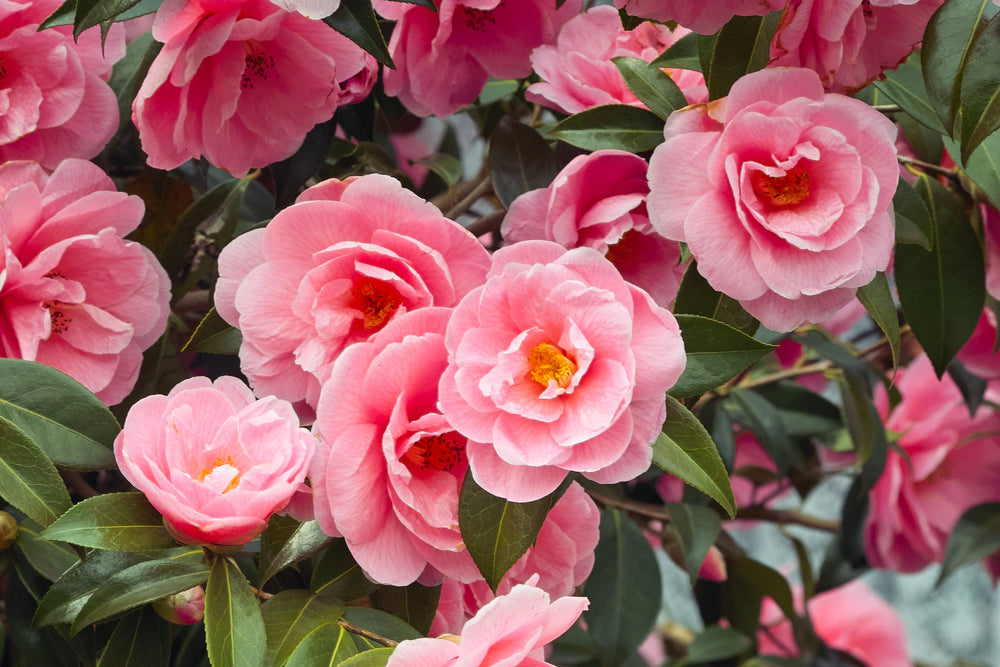
Unit price perCamellia 'Winter's Snowman' is a charming and distinctive evergreen shrub prized for its exquisite, pure white blossoms that bloom profusely in the late winter to early spring, providing a delightful contrast against its glossy, dark green foliage. The flowers, resembling delicate snowflakes, boast a pristine beauty that evokes a sense of tranquility and serenity, making 'Winter's Snowman' a picturesque sight in any landscape.
One of the notable features of Camellia 'Winter's Snowman' is its compact and upright growth habit, typically reaching a height of around 6 to 8 feet with a similar spread. This moderate size makes it an excellent choice for various garden settings, including borders, hedges, or as a standalone specimen. Its dense foliage not only adds aesthetic appeal but also provides year-round structure and interest to the garden landscape.
It thrives in well-drained, acidic soil with partial shade, this camellia variety is relatively low-maintenance once established, requiring minimal pruning and regular watering to maintain optimal health and vigor. With proper care, it can withstand cold temperatures.


Thuja occidentalis Danica | White Cedar 'Danica' - Bowl - Height 50cm Width 80cm - 50lt
£295.00
Unit price perThuja occidentalis Danica | White Cedar 'Danica' - Bowl - Height 50cm Width 80cm - 50lt
£295.00
Unit price per


Rose 'Bengala' - Clear Stem 80-90cm - Height 130-160cm - 18lt
£60.00
Unit price perRose 'Bengala' - Clear Stem 80-90cm - Height 130-160cm - 18lt
£60.00
Unit price perRose ‘Bengala’ grown as a standard (tree) rose is a bold and eye-catching feature, bringing vibrant colour and structure to any garden setting. With its elevated crown of bright orange-red, repeat-flowering blooms, it creates a striking focal point that stands out above surrounding planting.
This form is particularly effective in formal gardens, patios, and courtyard spaces, where height and symmetry are desired. It works well as a standalone specimen in a decorative container or planted in pairs to frame entrances, pathways, or seating areas. The vivid flower colour adds warmth and energy, contrasting beautifully with green foliage or softer-toned companion plants.
Best grown in a sunny, open position, ‘Bengala’ thrives with plenty of direct light, which encourages strong flowering and healthy growth. It prefers fertile, well-drained soil and benefits from good air circulation to maintain plant health and flowering performance throughout the season.
As a standard rose, it requires regular care, including feeding during the growing season, deadheading to promote repeat blooms, and annual pruning in late winter or early spring to maintain a balanced, rounded canopy.
Ideal for formal gardens, patios, or as a pair flanking an entrance, it provides long-lasting colour and elegance. Its elevated blooms also make them easier to appreciate up close, adding both charm and structure.


Red Oak | Quercus rubra - Height 150-200cm - 12lt
£73.00
Unit price perRed Oak | Quercus rubra - Height 150-200cm - 12lt
£73.00
Unit price perQuercus rubra, commonly known as the Northern Red Oak, is a majestic deciduous tree native to North America, including parts of the United States and Canada. This oak species belongs to the Fagaceae family and is renowned for its striking appearance, impressive size, and ecological significance.
Mature Quercus Rubra trees can reach heights of up to 100 feet (30 meters) and possess a wide, rounded crown that provides ample shade during the summer months. Its leaves, which are alternately arranged along the branches, are deeply lobed with pointed tips and possess a vibrant green colour in the spring and summer. However, during the autumn season, they transform into a breathtaking spectacle of crimson and red hues, making it a popular choice for ornamental landscaping.
The bark of the Northern Red Oak is dark brown, often becoming rough and deeply furrowed with age, adding to its visual appeal. The tree produces acorns as its fruit, which are an essential food source for numerous wildlife species, including squirrels, deer, and birds. This contributes to its ecological significance by supporting local ecosystems.
Quercus rubra prefers well-drained soils and can adapt to a variety of soil types, making it a hardy and resilient tree species. It thrives in full sun to partial shade, making it versatile in different environmental conditions.
Quercus rubra stands as a symbol of strength, resilience, and natural beauty. Its presence in North American forests and landscapes enriches the environment and provides valuable resources for both wildlife and human use. This iconic tree embodies the timeless beauty of nature and its vital role in sustaining the ecosystems it inhabits.


Cordyline indivisa | Mountain Cabbage Tree - 120-180cm - 40lt
£160.00
Unit price perCordyline indivisa | Mountain Cabbage Tree - 120-180cm - 40lt
£160.00
Unit price per


Daphne transatlantica Eternal Fragrance - Height 20-35cm - 2lt
£28.00
Unit price perDaphne transatlantica Eternal Fragrance - Height 20-35cm - 2lt
£28.00
Unit price per


Alnus Cordata - Alder tree - Clear Stem - Standard - Girth 10-12cm - Height 480-530cm - 70lt
£390.00
Unit price perAlnus Cordata - Alder tree - Clear Stem - Standard - Girth 10-12cm - Height 480-530cm - 70lt
£390.00
Unit price perAlnus cordata, commonly known as the Italian alder, is a medium to large deciduous tree native to southern Italy and parts of Corsica. It belongs to the Betulaceae family and is highly valued for its ability to thrive in poor soils and challenging environmental conditions. This species is often planted for ornamental purposes, soil improvement, and as a windbreak due to its robust growth and adaptability.
The tree can reach heights of up to 25-30 metres (82-98 feet) with a trunk diameter of about 1 metre (3.3 feet). It has a relatively narrow, conical crown, which makes it an attractive choice for landscaping in urban and rural environments. The bark is smooth and greyish-brown when young, developing shallow fissures with age.
Alnus cordata is noted for its distinctive heart-shaped (cordate) leaves, which are bright green and glossy, measuring 7-12 cm in length. Unlike some other alders, the leaves of A. cordata remain on the tree until late autumn, giving it an extended season of greenery. In spring, it produces small, inconspicuous catkins, with male catkins being pendulous and yellowish, and female catkins more compact and upright. These develop into small, woody cones that persist on the tree through winter.
One of the key characteristics of Alnus cordata is its nitrogen-fixing ability. Like other alders, it forms a symbiotic relationship with the bacterium Frankia, which allows it to fix atmospheric nitrogen into the soil. This quality makes it an excellent species for improving soil fertility, particularly in degraded or nutrient-poor areas.
Overall, the Italian alder is a resilient and versatile tree, well-suited to a variety of landscapes, including wet or compacted soils, and is an important species for ecological restoration projects.


Japanese maple 'Orange Dream' | Acer palmatum -Three Quarter Standard - Clear Stem 160cm - Height 180-190cm - 30lt
£415.00
Unit price perJapanese maple 'Orange Dream' | Acer palmatum -Three Quarter Standard - Clear Stem 160cm - Height 180-190cm - 30lt
£415.00
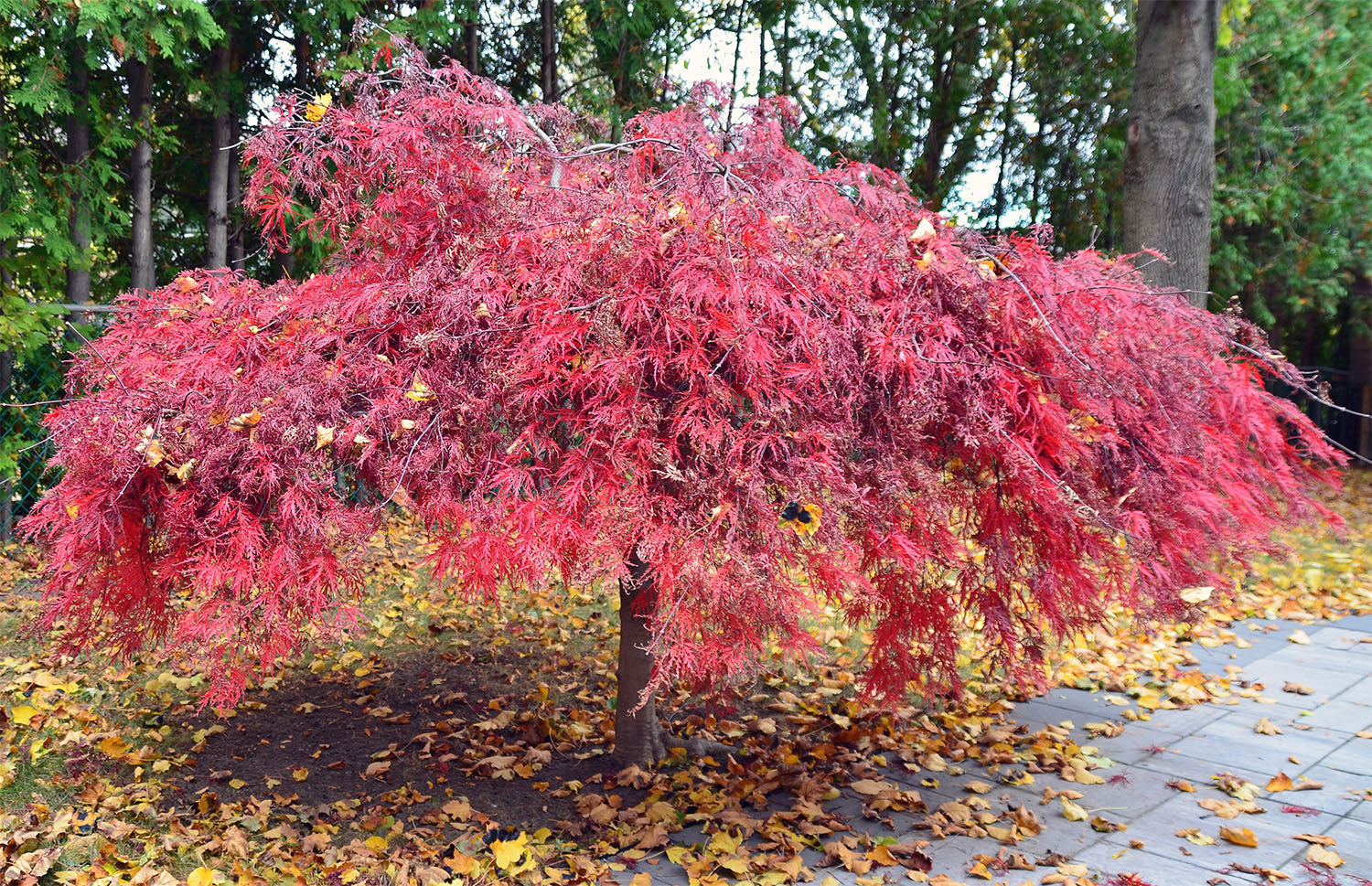
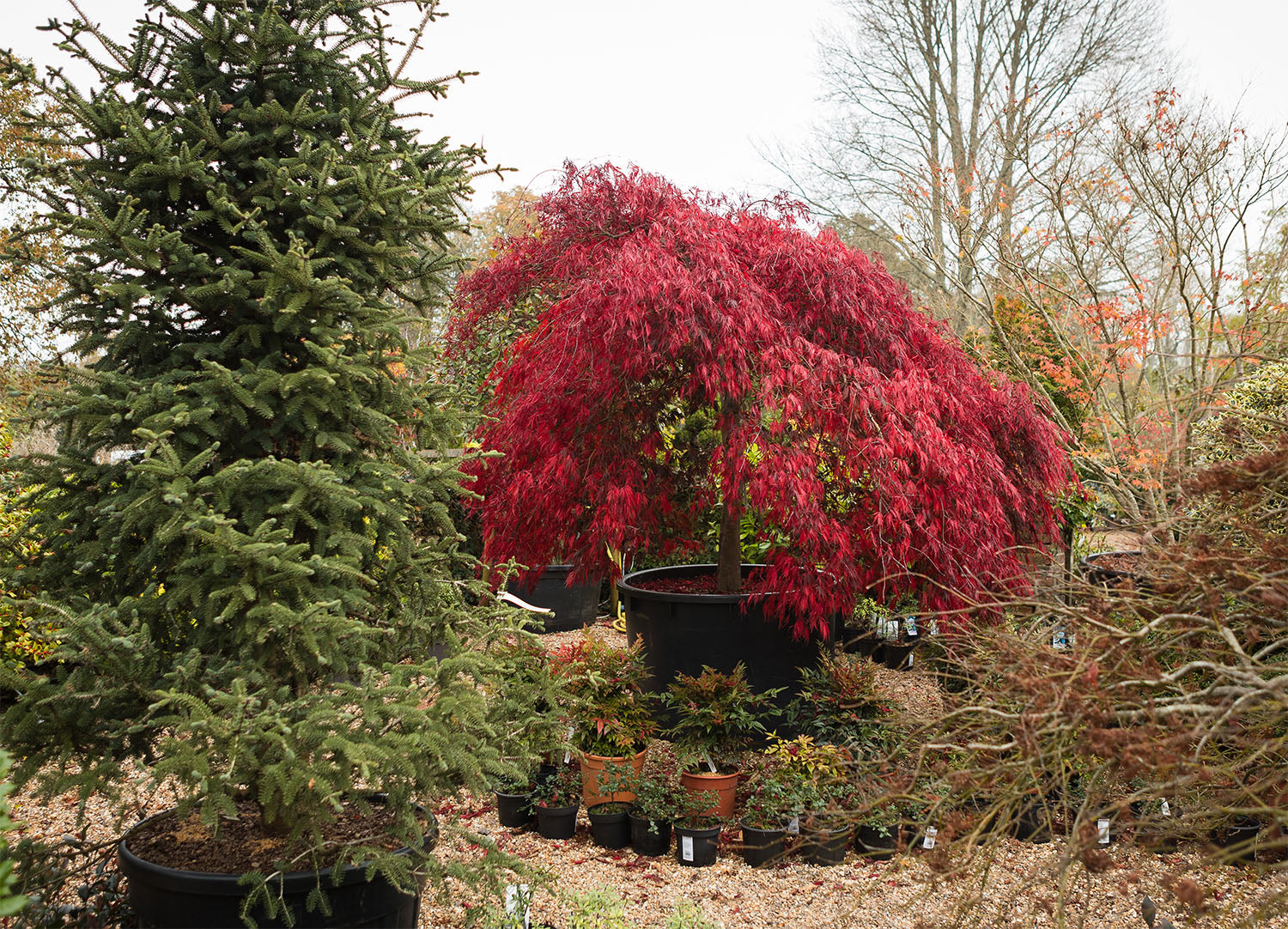
Unit price perAcer palmatum 'Orangeola' is an exceptional choice for gardens where elegant form, year-round interest, and vibrant seasonal colour are desired. This compact, weeping Japanese maple develops a graceful cascading habit, making it ideal for smaller gardens, courtyard spaces, woodland settings, and ornamental borders. Its finely dissected foliage emerges in shades of orange-red during spring, matures to rich red-green tones through summer, and culminates in a spectacular display of crimson, scarlet, and orange in autumn.
Thriving in fertile, moist but well-drained soil, 'Orangeola' performs best in a sheltered position protected from strong winds and harsh afternoon sun, particularly in warmer areas. In the UK climate, it is generally reliable and hardy, benefiting from partial shade where its delicate foliage can remain at its best throughout the growing season.
This striking tree is particularly effective as a specimen plant, beside ponds, within Japanese-inspired gardens, or grown in a large patio container where its cascading branches can be fully appreciated. Requiring little pruning beyond occasional shaping, it is relatively low-maintenance. Its manageable size and outstanding foliage colour make Acer palmatum 'Orangeola' a superb focal point that brings beauty, texture, and seasonal interest to gardens of all sizes.


Star Jasmine | Trachelospermum jasminoides - Column Arch - Height 300cm - 130lt
£2,050.00
Unit price perStar Jasmine | Trachelospermum jasminoides - Column Arch - Height 300cm - 130lt
£2,050.00
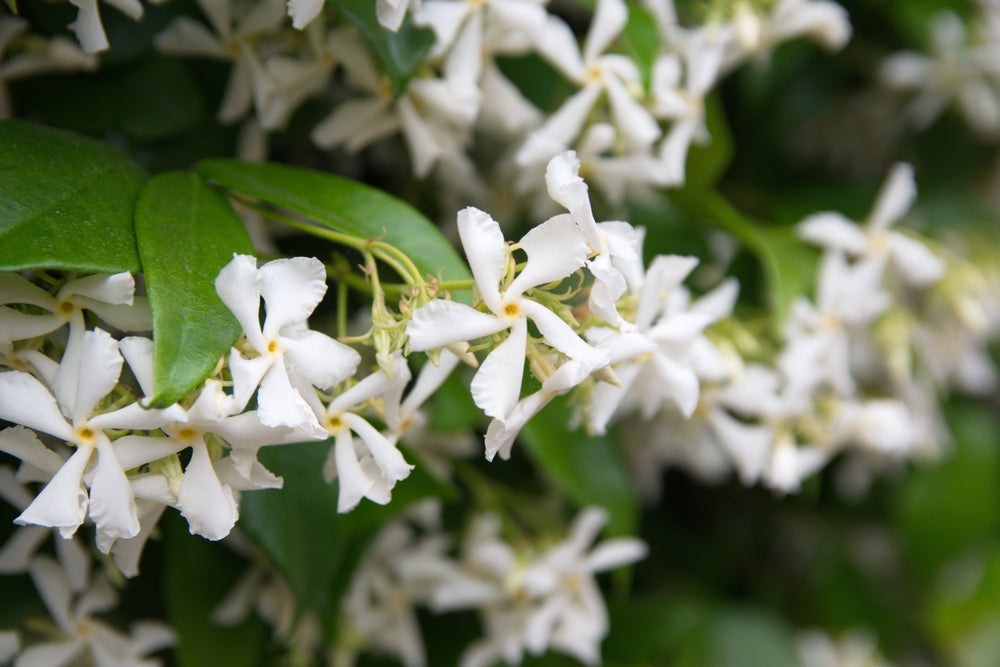
Unit price perTrachelospermum Jasminoides is a vigorous, evergreen climber, with twining stems, oval, glossy, dark green leaves, bronze purple when they emerge, bronze-red in winter. Clusters of lovely, very fragrant, star-shaped, white to creamy flowers bloom in summer. Star jasmine grows best in fertile, well-drained soils in full sun, but it can tolerate partial shade and most soils and conditions.
It thrives in a south-facing positions and once established it's tolerant of drought and will need to be protected from cold, drying winds. It should be provided a strong support and pruned to promote bushy growth, generally, disease-free and pest-free it is very easy to grow and maintain, ideal for beginners.
Trachelospermum Jasminoides, with is highly fragrant flowers and attractive evergreen foliage, is a beautiful vine suitable for informal, cottage, coastal, and urban gardens. It is perfect as a ground cover or low clipped hedge, excellent for covering walls, fences, pergolas, arbours, trellises and also great for planting in pots.


Agapanthus 'Midnight Moon' - Height 50-70cm -5lt
£49.00
Unit price perAgapanthus 'Midnight Moon' - Height 50-70cm -5lt
£49.00
Unit price perAgapanthus 'Midnight Moon' is a dramatic perennial prized for its unusual colour contrast and elegant architectural form. It produces strong, upright stems rising above clumps of strap-shaped, mid-green foliage. From mid to late summer, rounded buds emerge in a deep, near-black violet tone, creating a bold visual effect even before flowering begins. As the buds open, they reveal paler, soft violet-blue to silvery blooms, producing a striking two-tone display that adds depth and interest to sunny planting schemes.
The rounded flower heads are held well above the foliage, giving a clean, structured appearance that works beautifully in contemporary gardens, Mediterranean-style borders, and gravel plantings. Its long flowering period provides weeks of colour, while spent flower heads often continue to offer ornamental interest if left standing.
Agapanthus ‘Midnight Moon’ thrives in full sun and well-drained soil, performing particularly well in sheltered, warm locations. Once established, it is relatively drought tolerant and low maintenance, requiring only a simple cutback of spent stems and old foliage in early spring. It also performs well in containers, where its striking flowers can be appreciated up close.


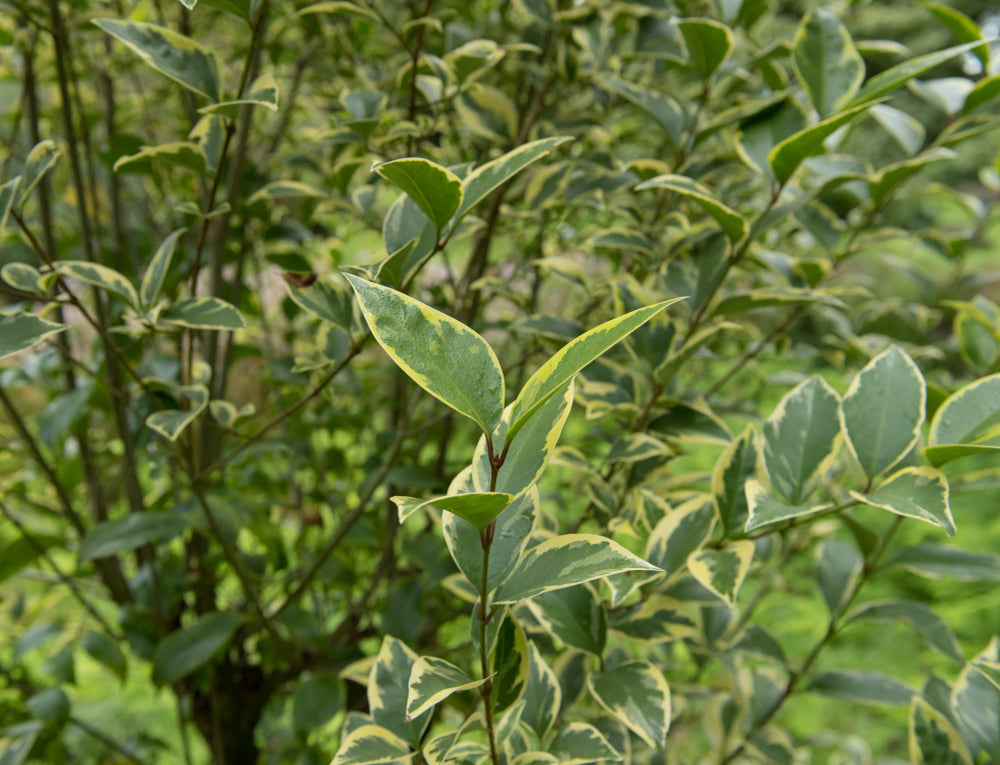
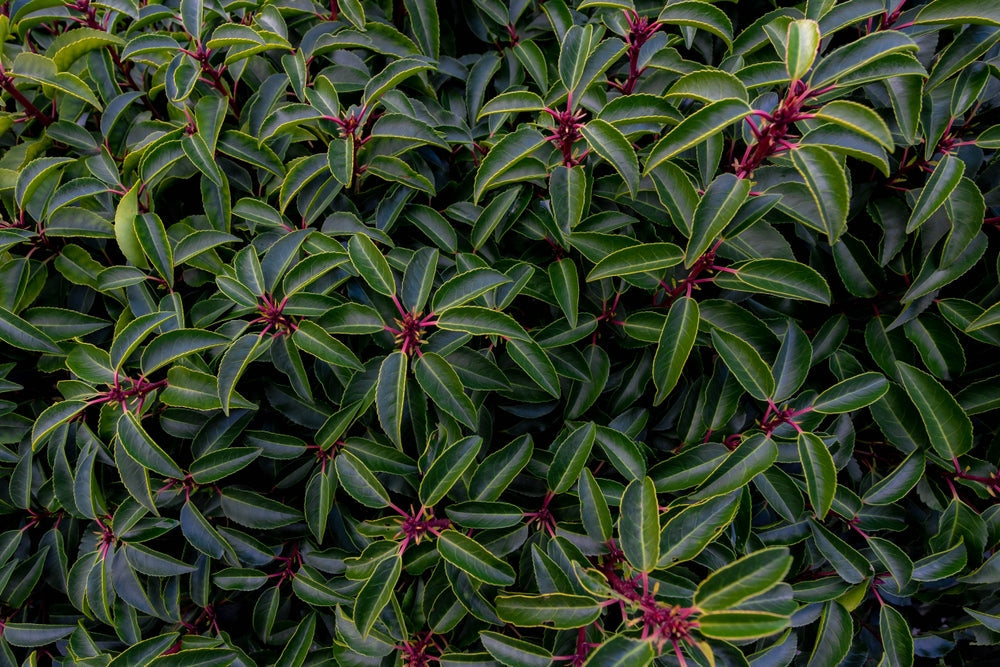
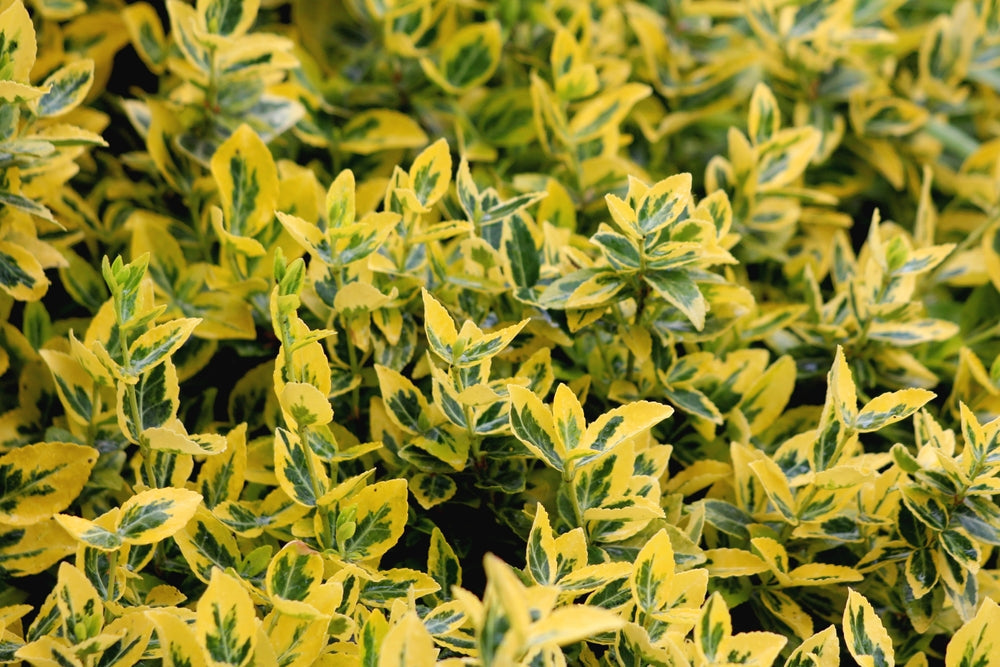
Ligustrum japonicum ‘Aureum’, commonly known as Golden Privet, is a striking evergreen shrub valued for its vibrant, year-round display. Its glossy green leaves are beautifully edged with golden-yellow, creating a luminous contrast that instantly brightens borders, hedges, and mixed planting schemes. Dense and bushy in habit, it offers both ornamental appeal and practical use as a screening or boundary plant.
This versatile shrub is easy to grow and maintain, thriving in most well-drained soils and tolerating both full sun and partial shade. Its resilience makes it suitable for urban gardens as well as more traditional landscapes. In summer, clusters of small white flowers may appear, attracting pollinators and adding seasonal interest.
Whether planted as a neat clipped hedge or left to develop naturally, Ligustrum japonicum ‘Aureum’ delivers long-lasting structure, color, and texture. A reliable choice for gardeners seeking low-maintenance beauty with year-round impact.


Picea Omorika | Serbian Spruce - Height 80cm - Width 50-60cm - 25lt
£136.00
Unit price perPicea Omorika | Serbian Spruce - Height 80cm - Width 50-60cm - 25lt
£136.00
Unit price per


Acer palmatum 'Shishi-gashira' - Specimen Tree - Height 200-230cm - 375lt
£3,885.00
Unit price perAcer palmatum 'Shishi-gashira' - Specimen Tree - Height 200-230cm - 375lt
£3,885.00
Unit price per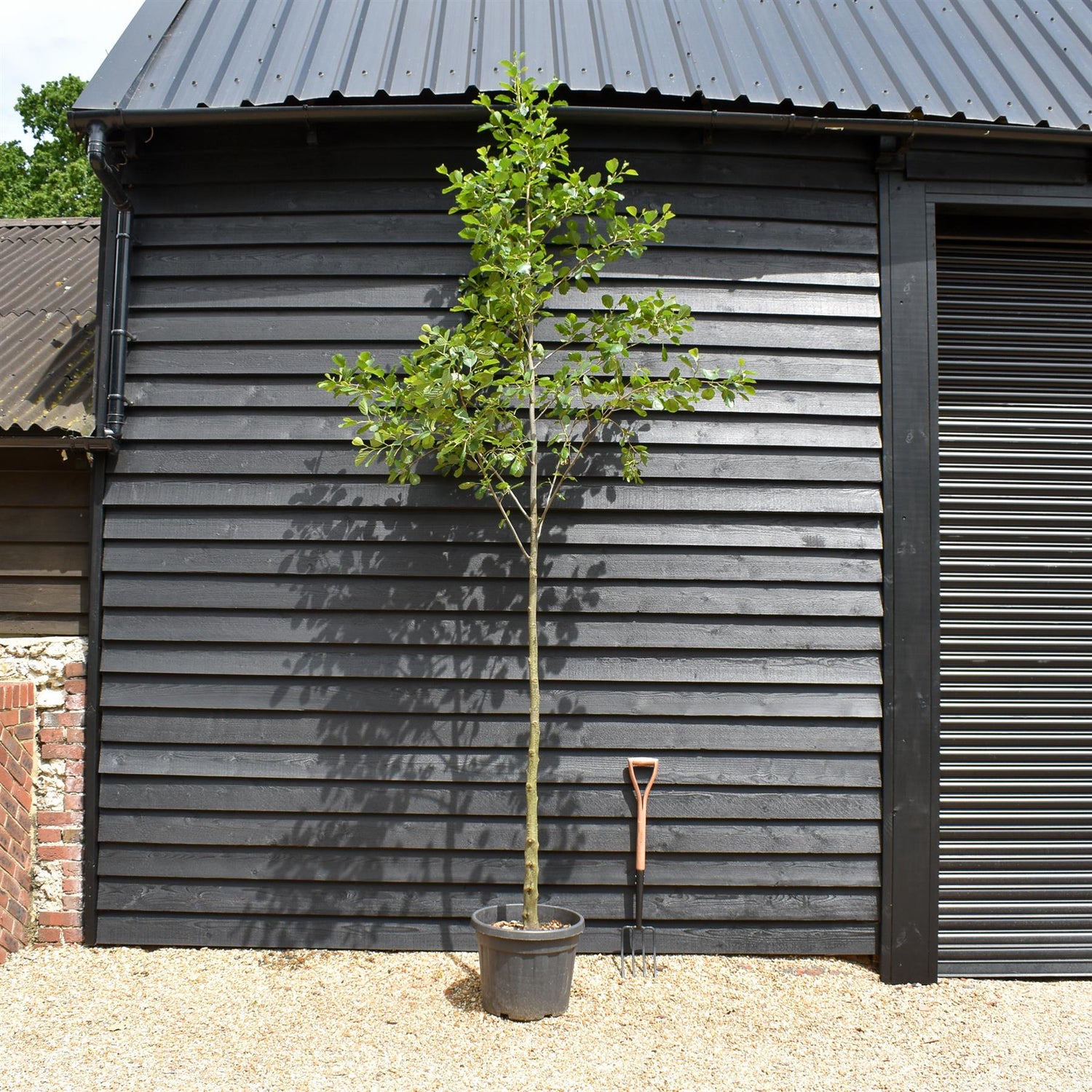


Alder tree | Alnus Glutinosa - Height 300-400cm - Girth 14-16 - 30-50lt
£365.00
Unit price perAlder tree | Alnus Glutinosa - Height 300-400cm - Girth 14-16 - 30-50lt
£365.00
Unit price perAlnus glutinosa, commonly known as the black alder, is a deciduous tree native to Europe, including the British Isles. It is a versatile and resilient species, often found thriving in wetland areas, riverbanks, and marshes, where its roots can help stabilise the soil and prevent erosion.
The black alder typically grows to a height of 20-30 metres, with a broad, conical crown that becomes more rounded with age. Its bark is dark brown and fissured, often developing a distinctive, almost black hue as the tree matures. One of its most notable features is its leaves, which are rounded with a slightly serrated edge and a glossy, dark green surface that turns yellow in the autumn.
In early spring, Alnus glutinosa produces catkins – the male catkins are long and yellowish, while the female ones are shorter and reddish. These mature into woody, cone-like fruits that persist on the tree throughout the winter, providing a valuable food source for wildlife. The black alder also forms symbiotic relationships with nitrogen-fixing bacteria in its root nodules, enriching the soil and benefiting neighbouring plants.
Due to its adaptability and ecological benefits, Alnus glutinosa is often used in reforestation and habitat restoration projects. It supports a wide range of wildlife, including insects, birds, and aquatic species, making it a vital component of the British natural landscape.


Daphne transatlantica Pink Fragrance - 15-25cm - 2lt
£28.00
Unit price perDaphne transatlantica Pink Fragrance - 15-25cm - 2lt
£28.00
Unit price per


Alnus Incana - Grey Alder tree - Clear Stem - Standard - Girth 12-14cm - Height 450-480cm - 70lt
£390.00
Unit price perAlnus Incana - Grey Alder tree - Clear Stem - Standard - Girth 12-14cm - Height 450-480cm - 70lt
£390.00
Unit price perAlnus incana, commonly known as grey alder, is a deciduous tree belonging to the birch family, Betulaceae. Native to Europe, Asia, and North America, it is a resilient species often found in riparian zones, wetlands, and areas with moist soils. This medium-sized tree typically grows to heights of 15 to 25 metres, with a slender trunk and smooth, greyish-brown bark, which often develops fine fissures with age.
The leaves of Alnus incana are oval to elliptic in shape, measuring 5 to 10 centimetres in length. They are characterised by their serrated margins and a dark green upper surface, with a paler, slightly downy underside, giving them a distinct two-tone appearance. The leaves emerge in early spring and typically turn yellow before falling in autumn.
Grey alder is monoecious, meaning that both male and female reproductive structures are found on the same tree. The male catkins, which are long and pendulous, appear in early spring before the leaves, while the smaller, more upright female catkins develop into woody cones that persist on the tree through the winter. These cones release small winged seeds, which are dispersed by wind and water.
One of the notable features of Alnus incana is its ability to fix nitrogen through a symbiotic relationship with the bacterium *Frankia*. This allows it to thrive in nutrient-poor soils and contribute to soil fertility, making it a valuable species for land restoration and erosion control.
Grey alder is often planted in landscaping and reforestation projects, particularly in areas prone to flooding or soil degradation. Its rapid growth, hardiness, and ecological benefits make it an important species in maintaining the health of wetland ecosystems.


Pinus mugo 'Gnom' | Dwarf mountain pine - Height 40-50cm - 10.5lt
£132.00
Unit price perPinus mugo 'Gnom' | Dwarf mountain pine - Height 40-50cm - 10.5lt
£132.00
Unit price per


Corylus 'Colurna'| Turkish Hazel - Height 280-310cm - Girth 10-12cm - 45lt
£395.00
Unit price perCorylus 'Colurna'| Turkish Hazel - Height 280-310cm - Girth 10-12cm - 45lt
£395.00
Unit price perCorylus colurna, commonly known as the Turkish hazel, is a distinctive deciduous tree valued for its hardiness, ornamental qualities, and tolerance of challenging urban environments. Native to south-eastern Europe and western Asia, it is the largest species within the hazel genus, capable of reaching heights of 20–25 metres with a broad, pyramidal crown that gradually becomes more rounded with age.
One of its most striking features is its deeply furrowed, corky bark, which develops an attractive, rugged texture even on relatively young trees. This characteristic, combined with its strong, upright form, gives the tree a notable architectural presence in parks, avenues, and large gardens. The foliage consists of broad, heart-shaped leaves that are coarsely toothed and provide a dense canopy. They emerge a fresh green in spring, mature to a deeper shade in summer, and may turn soft yellow in autumn, though the seasonal display is generally modest.
In late winter to early spring, the tree produces long, pale-yellow catkins, which dangle decoratively before the leaves appear. These are the male flowers, while the female flowers are much smaller and less conspicuous, identifiable only by their tiny crimson stigmas. The resulting fruit is a small, hard-shelled nut partially enclosed in a frilly, deeply cut husk. Although edible, the nuts are typically smaller and less commercially significant than those of the common hazel.
Corylus colurna is especially appreciated for its resilience. It withstands pollution, compacted soils, drought, and cold, making it an excellent choice for urban planting or exposed sites. Its deep root system allows it to anchor securely and contributes to its tolerance of dry conditions once established. Overall, the Turkish hazel is a robust, handsome tree that combines ornamental beauty with exceptional practicality.


Sophora microphylla 'Sun King' - Height 190-210 - 12lt
£193.00
Unit price perSophora microphylla 'Sun King' - Height 190-210 - 12lt
£193.00
Unit price perSophora microphylla ‘Sun King’ is an elegant evergreen tree prized for its distinctive golden-green foliage and graceful, naturally attractive form. Its small, glossy leaves create a fine-textured appearance, giving the tree a light and airy presence within the garden.
The foliage develops in shades of fresh green and golden yellow, providing year-round colour and interest. In spring, mature plants can produce small, attractive yellow flowers, adding an extra seasonal feature. Over time, ‘Sun King’ develops into a handsome specimen tree with an interesting branching structure, making it particularly well suited to planting where its form and foliage can be appreciated.
It is ideal as a feature tree in lawns, borders, courtyards or larger gardens, where its evergreen character provides structure throughout the year. Choose a sunny or partially shaded position with well-drained soil and shelter from particularly cold or exposed conditions, especially when young.
Sophora microphylla ‘Sun King’ is a versatile choice for customers looking for an unusual evergreen tree that combines architectural shape, attractive foliage and year-round garden interest.