

-
Trees
Trees
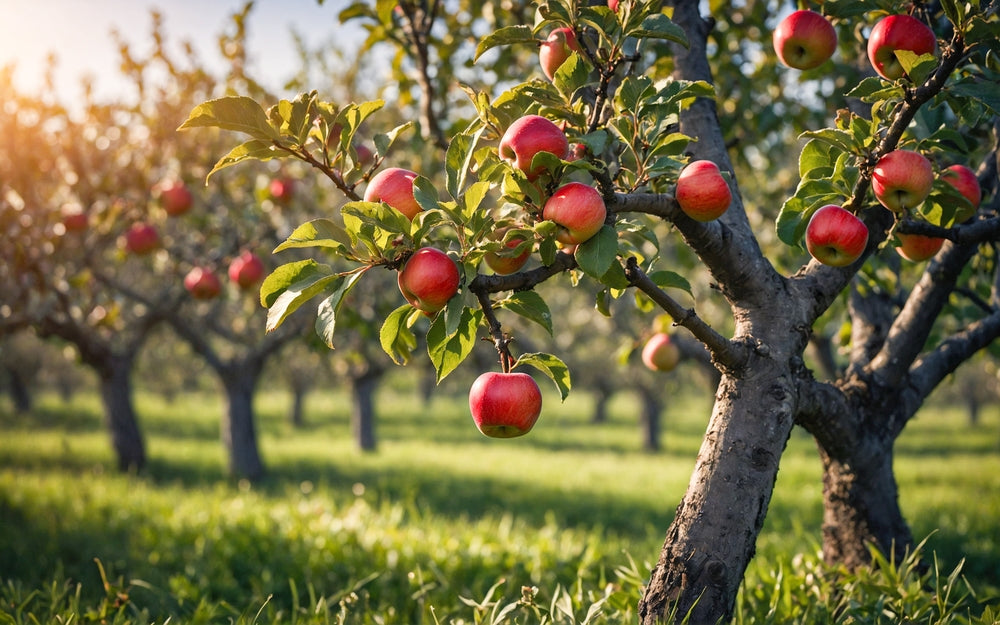 Fruit Trees
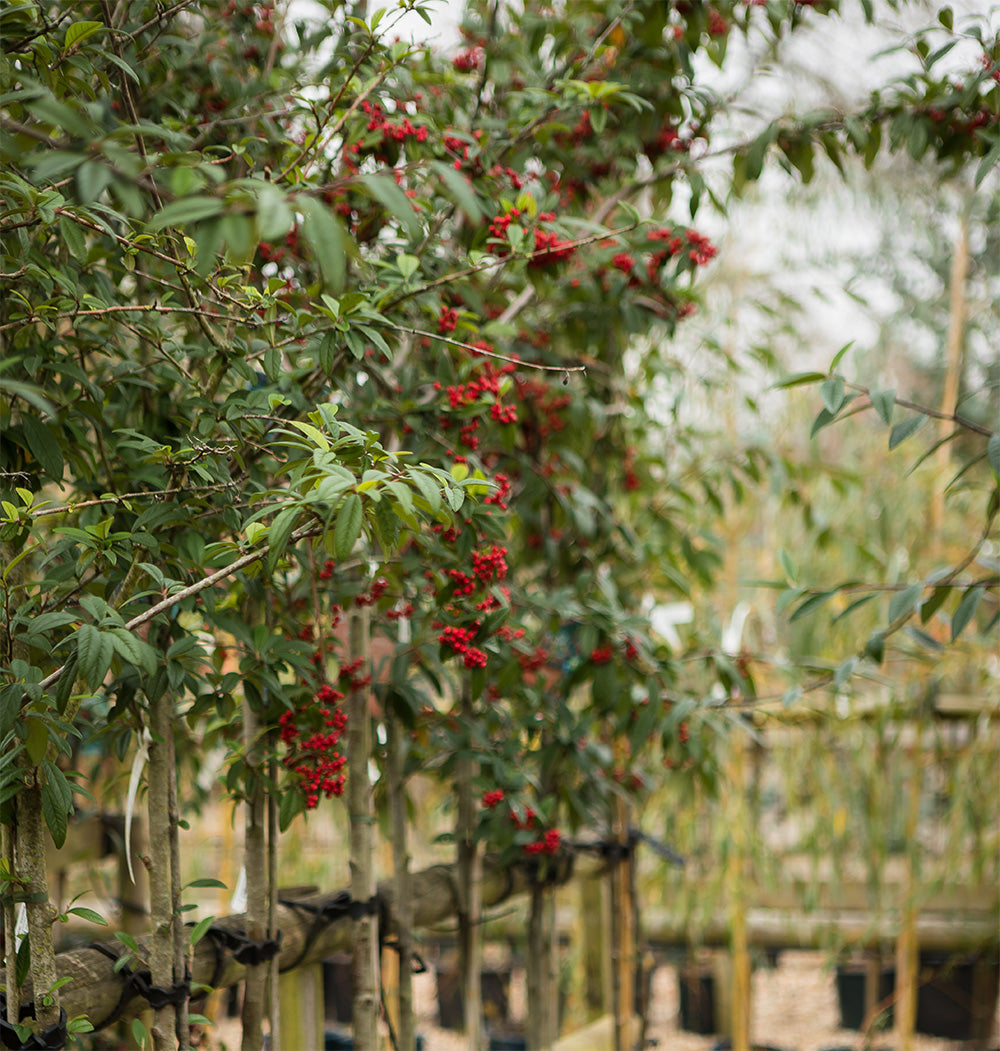 Ornamental
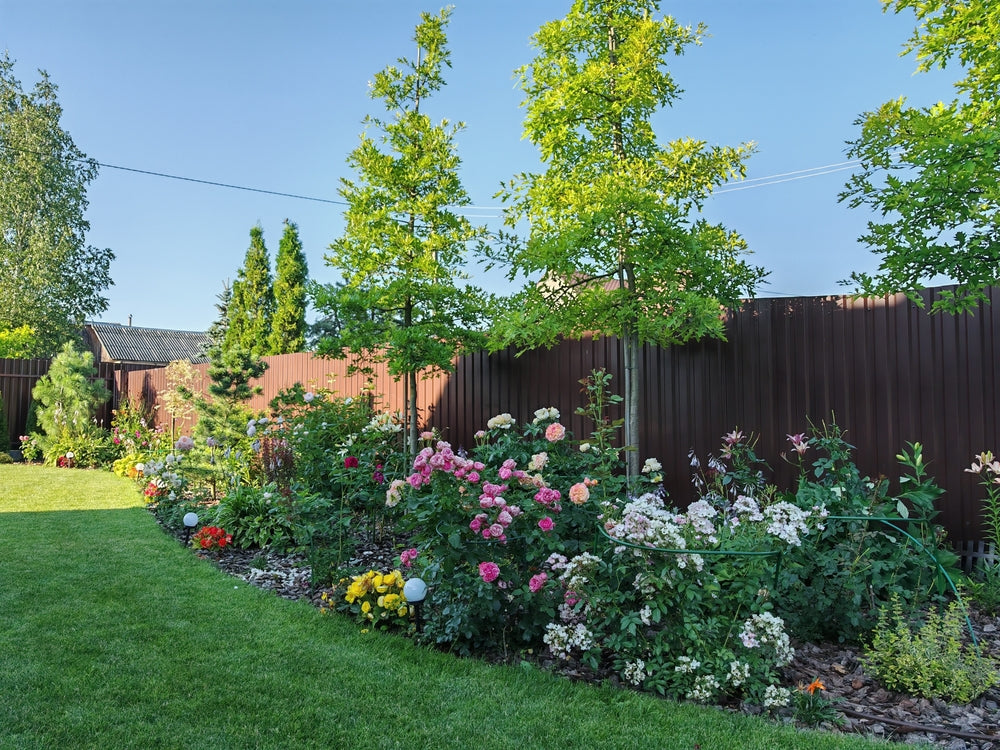 Screening
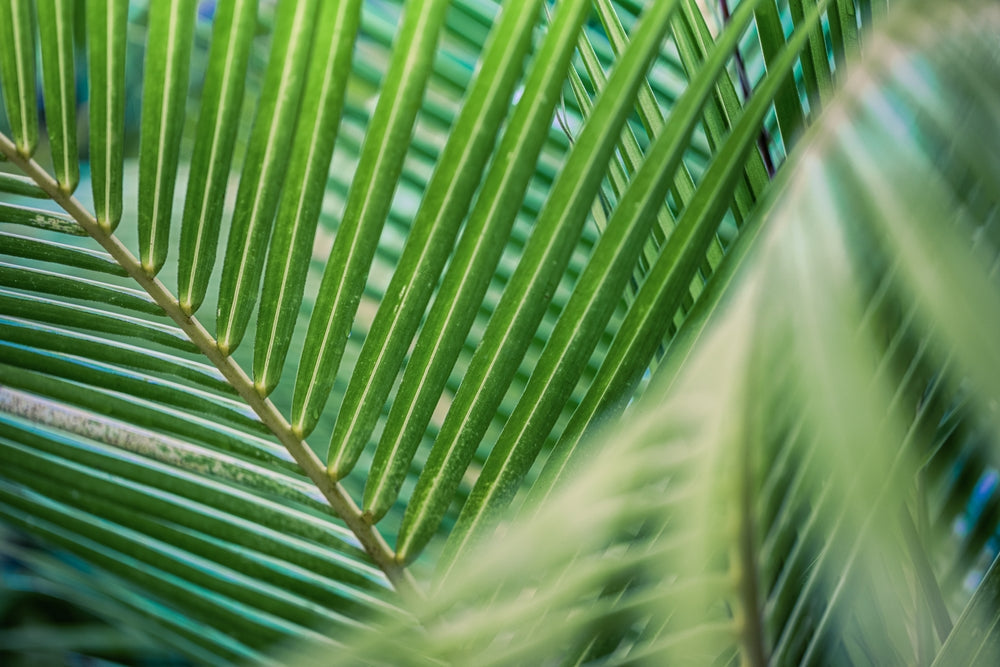 Palms
By FeaturesBy Shape
Palms
By FeaturesBy Shape -
Shrubs
Shrubs
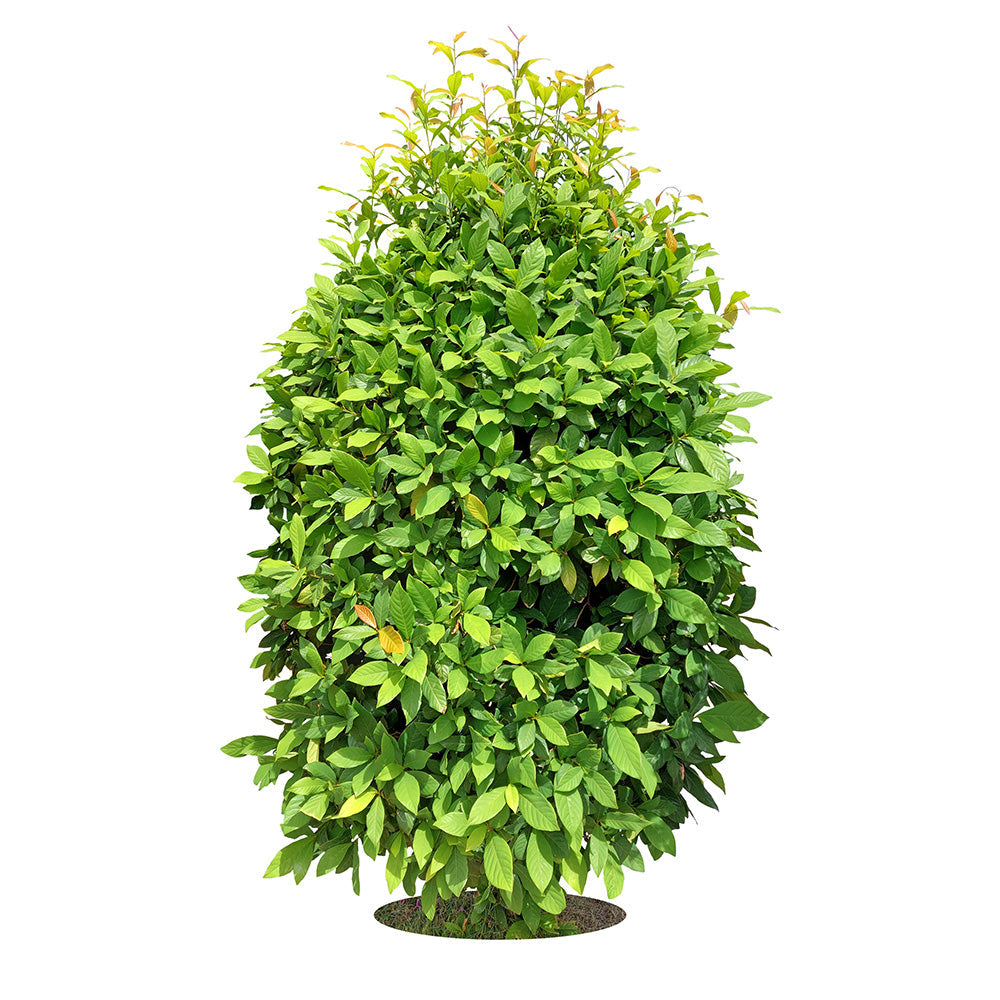 Large shrubs
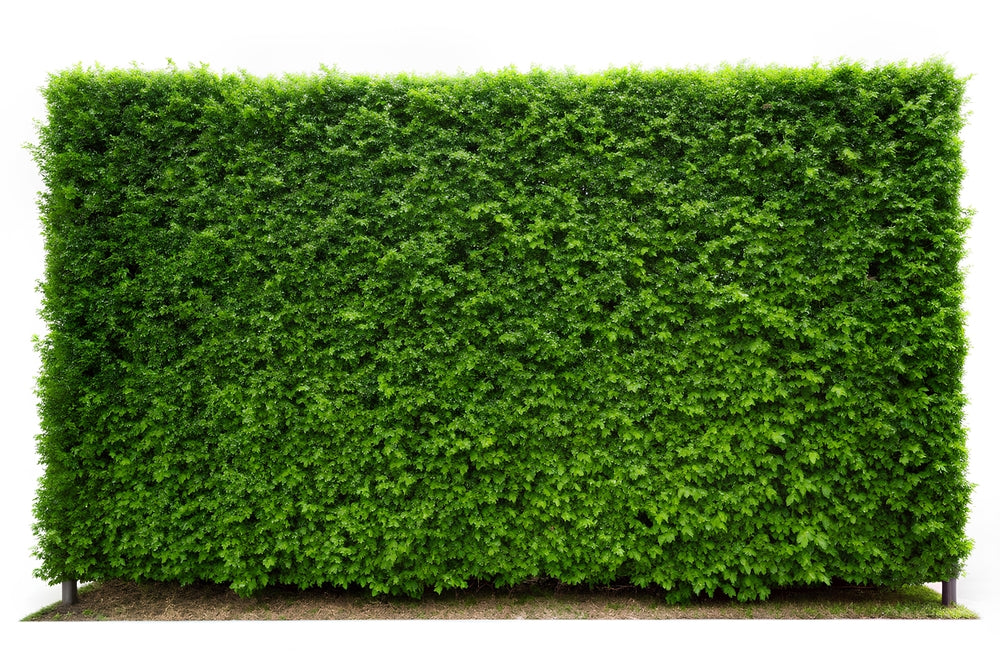 Hedging
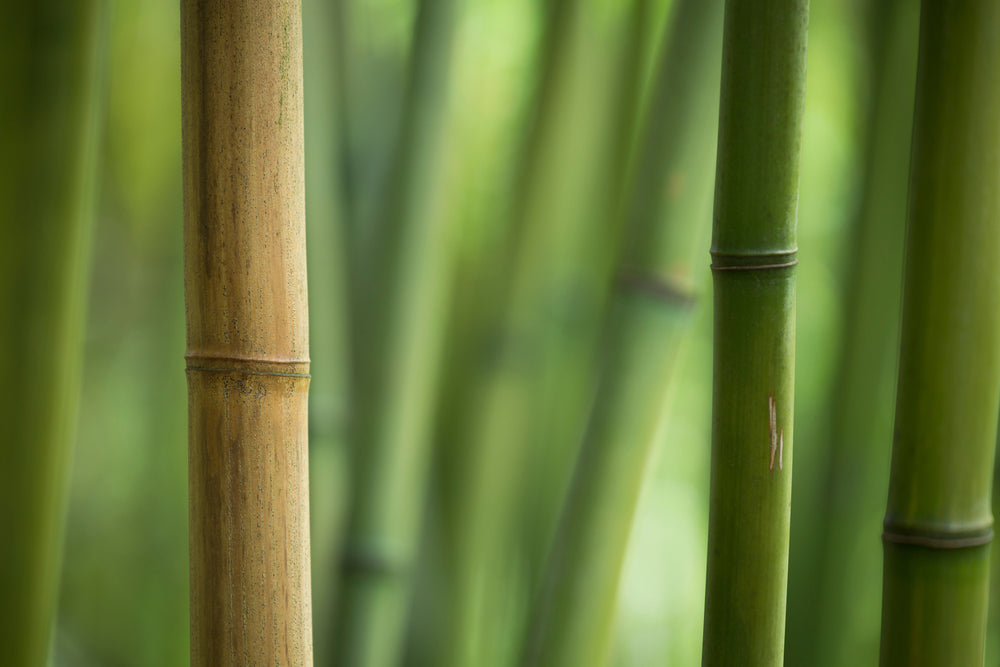 Bamboo
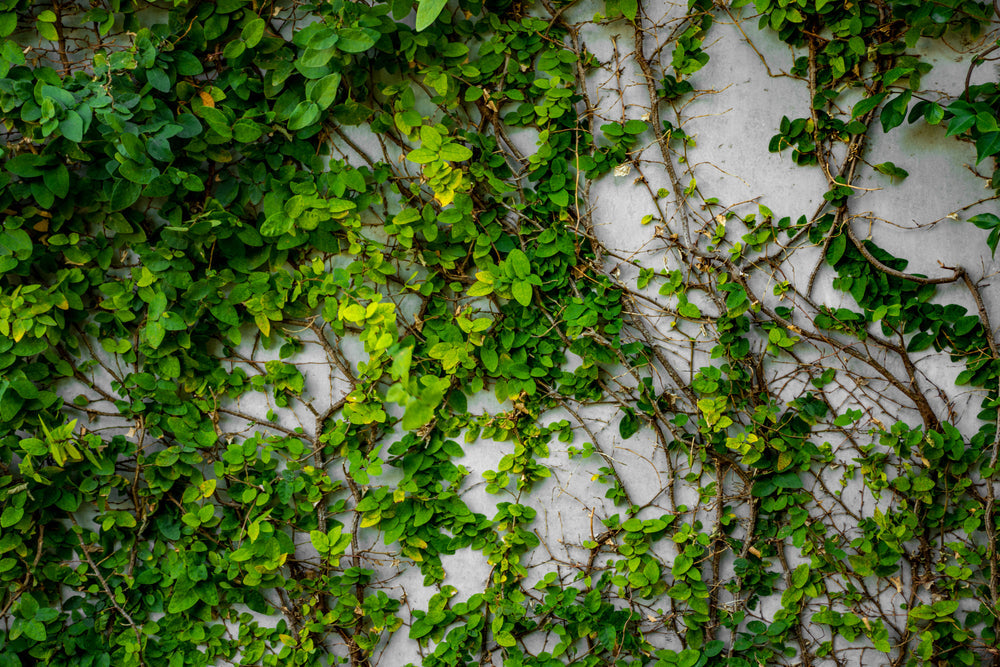 Climbers
 Flowering
 Grasses & Ferns
 Popular
-
Pines & Conifers
Pines & Conifers
 Pines
Pines
 Spruce & Fir
 Cypress
 Thuja
Thuja
 Redwood | Sequoia
-
Specimen
FREE DELIVERY OVER £350
Search results
Search results


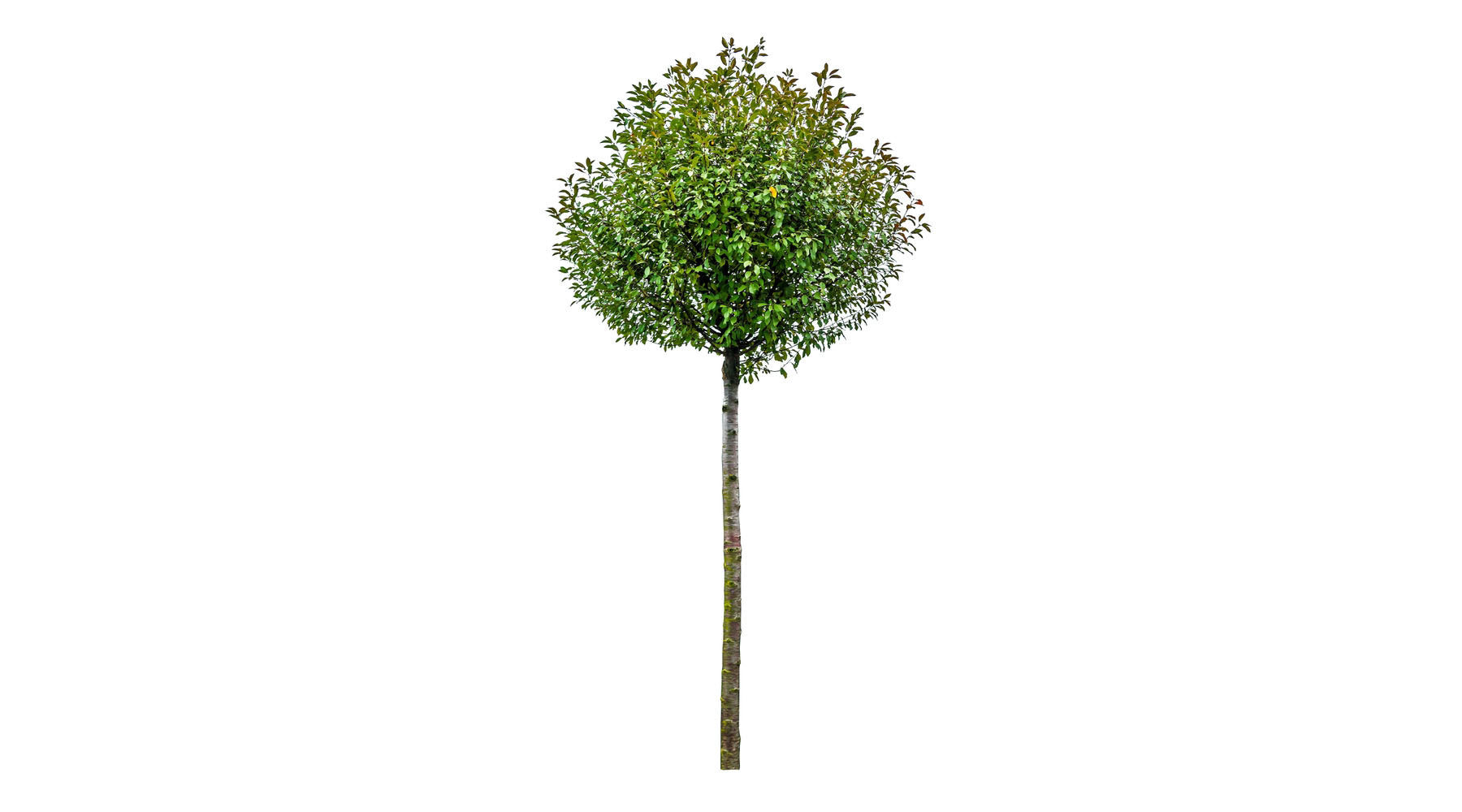
Cotoneaster x watereri - Half standard - H:260-300cm W:220-260cm G:10-12cm S:140-180cm - 30lt
£193.00
Unit price perCotoneaster x watereri - Half standard - H:260-300cm W:220-260cm G:10-12cm S:140-180cm - 30lt
£193.00
Unit price perCotoneaster x watereri, often referred to as Waterer's Cotoneaster, is a popular semi evergreen versatile shrub that has become a cherished addition to many gardens and landscapes in the United Kingdom. This deciduous hybrid shrub is renowned for its attractive appearance, hardiness, and adaptability.
One of the standout features of Cotoneaster x watereri is its elegant form and foliage. It typically grows to a height of 2 to 3 meters, forming a dense and arching habit. The leaves are small, oval-shaped, and glossy green, providing a lush backdrop to its other ornamental features.
One of the most captivating aspects of this shrub is its profusion of flowers and berries. In late spring and early summer, Cotoneaster x watereri bursts into a display of delicate white or pale pink blossoms. These small, star-shaped flowers attract pollinators such as bees and butterflies, contributing to local biodiversity.
As summer progresses into autumn, the shrub transitions into another phase of beauty. It produces an abundance of small, round, and brightly colored berries, typically red or orange. These berries not only add visual interest but also serve as a valuable food source for birds during the colder months, enhancing its ecological significance.
Cotoneaster x watereri is known for its adaptability to various growing conditions. It thrives in well-drained soil and can tolerate both full sun and partial shade, making it a versatile choice for different garden settings. It is also remarkably hardy and resistant to many common pests and diseases, reducing the need for intensive maintenance.
Maintenance for this shrub is generally straightforward. Pruning can be done to shape the plant or remove dead or diseased branches, but it is often not required. Regular watering during dry spells, especially during its establishment phase, helps ensure its healthy growth.
In conclusion, Cotoneaster x watereri, or Waterer's Cotoneaster, is a cherished shrub in the UK that offers year-round appeal. Its graceful form, glossy foliage, profuse blossoms, and colourful berries make it a versatile and visually pleasing addition to gardens and landscapes. Whether used as a specimen plant, a hedge, or ground cover, this adaptable shrub adds beauty and ecological value to outdoor spaces in the United Kingdom.


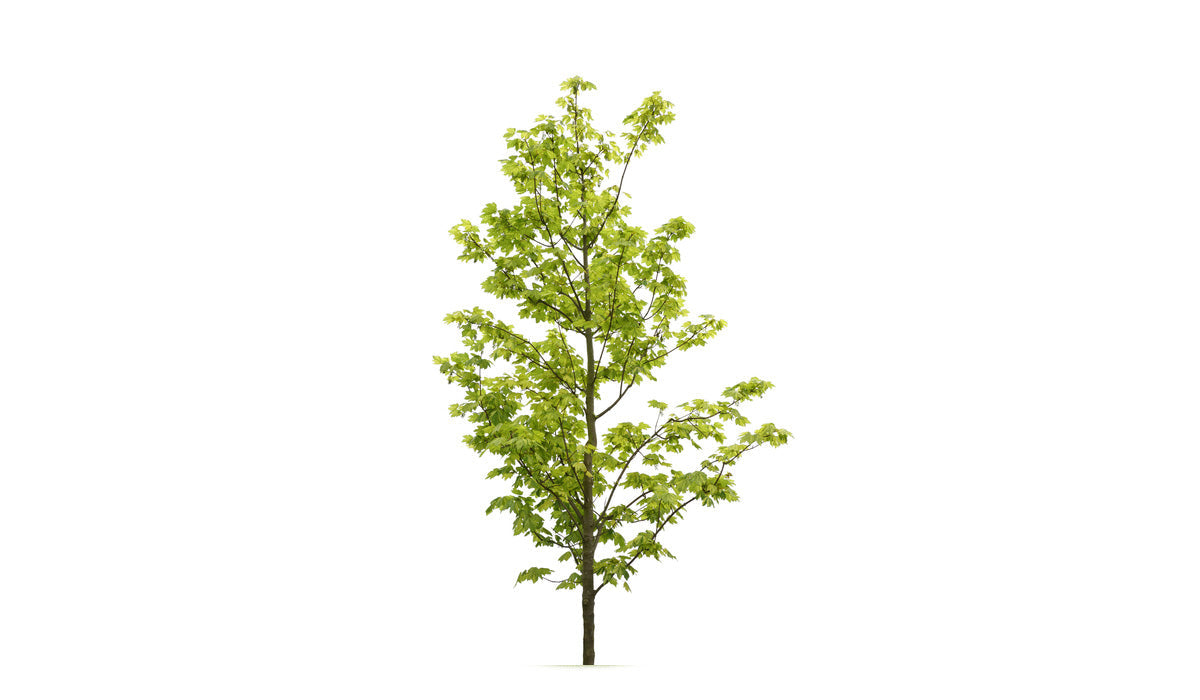
Acer palmatum 'Kogane Nishiki' | Japanese maple Golden Brocade - Specimen Tree - Height 220-230cm - 110lt
£1,210.00
Unit price perAcer palmatum 'Kogane Nishiki' | Japanese maple Golden Brocade - Specimen Tree - Height 220-230cm - 110lt
£1,210.00
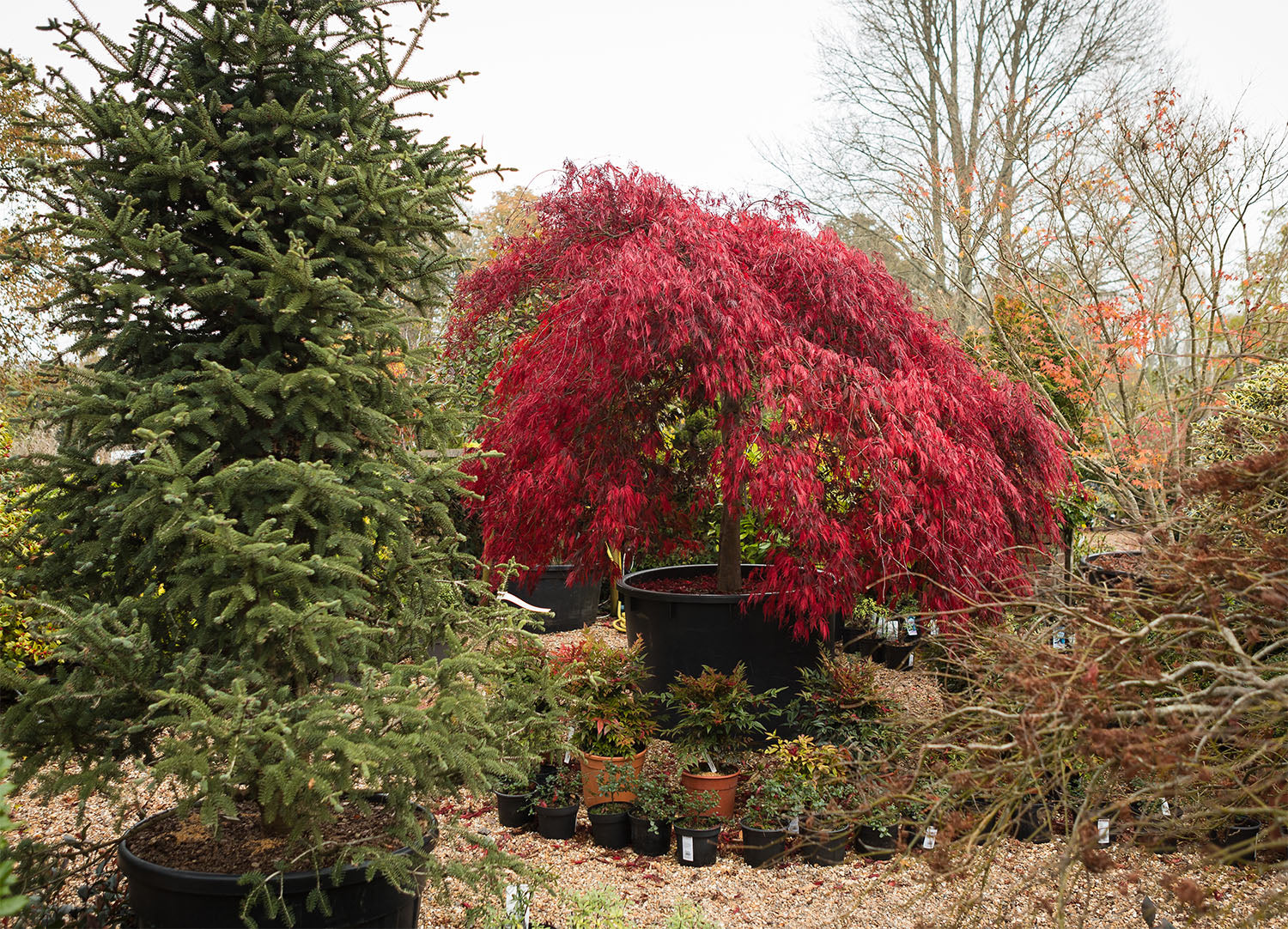
Unit price perAcer ‘Kogane Nishiki’ is a striking and rare cultivar of the Acer palmatum (Japanese maple), celebrated for its unique golden-yellow foliage and elegant structure. The name ‘Kogane Nishiki’ translates from Japanese as ‘Golden Brocade’ or ‘Golden Embroidery’, reflecting its luminous, textured leaves.
This deciduous tree features deeply lobed leaves that emerge in spring with a bright yellow-green hue, often with hints of soft orange or pink at the edges. As the seasons progress, the foliage transitions to a richer golden tone before taking on warm amber and orange hues in autumn. This continuous colour evolution makes it a highly sought-after ornamental tree for gardens, particularly in Japanese-style landscapes and small garden spaces.
‘Kogane Nishiki’ typically reaches a compact height of around 2–4 metres, making it ideal for container planting, patios, and sheltered spots. Its graceful branching structure adds year-round interest, even when bare in winter. The bark is smooth and provides an elegant contrast to the vibrant leaves.
Like most Japanese maples, it prefers a partially shaded location with protection from intense afternoon sun, which can scorch its delicate foliage. Well-drained, slightly acidic soil is best, and regular watering is essential, particularly during hot, dry spells.
This cultivar is favoured for its delicate beauty, striking seasonal colour shifts, and suitability for small gardens. Its radiant golden leaves add contrast to darker green plants, making it a standout feature in any planting scheme. Whether as a specimen tree or part of a larger design, Acer ‘Kogane Nishiki’ offers a stunning visual display throughout the year.


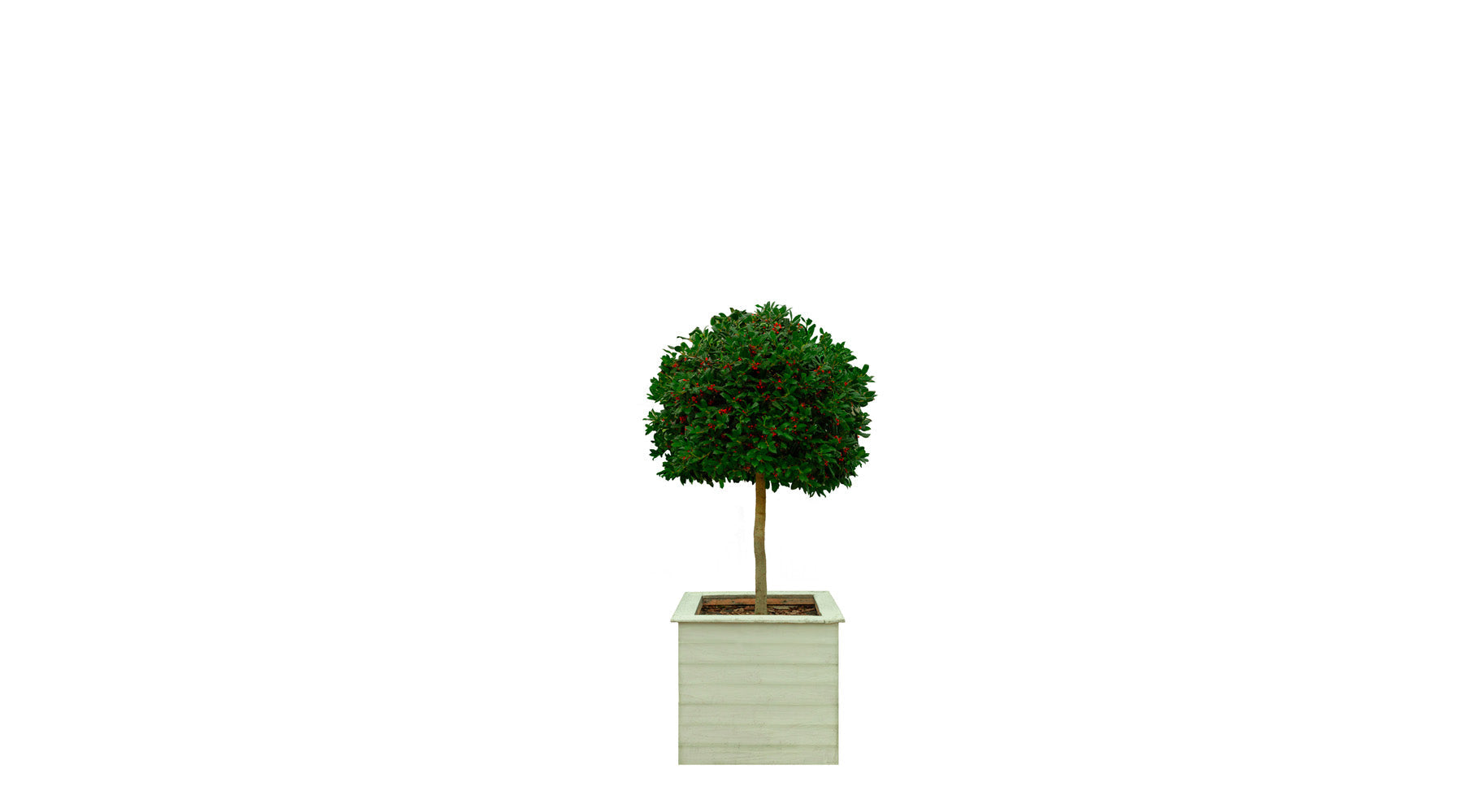
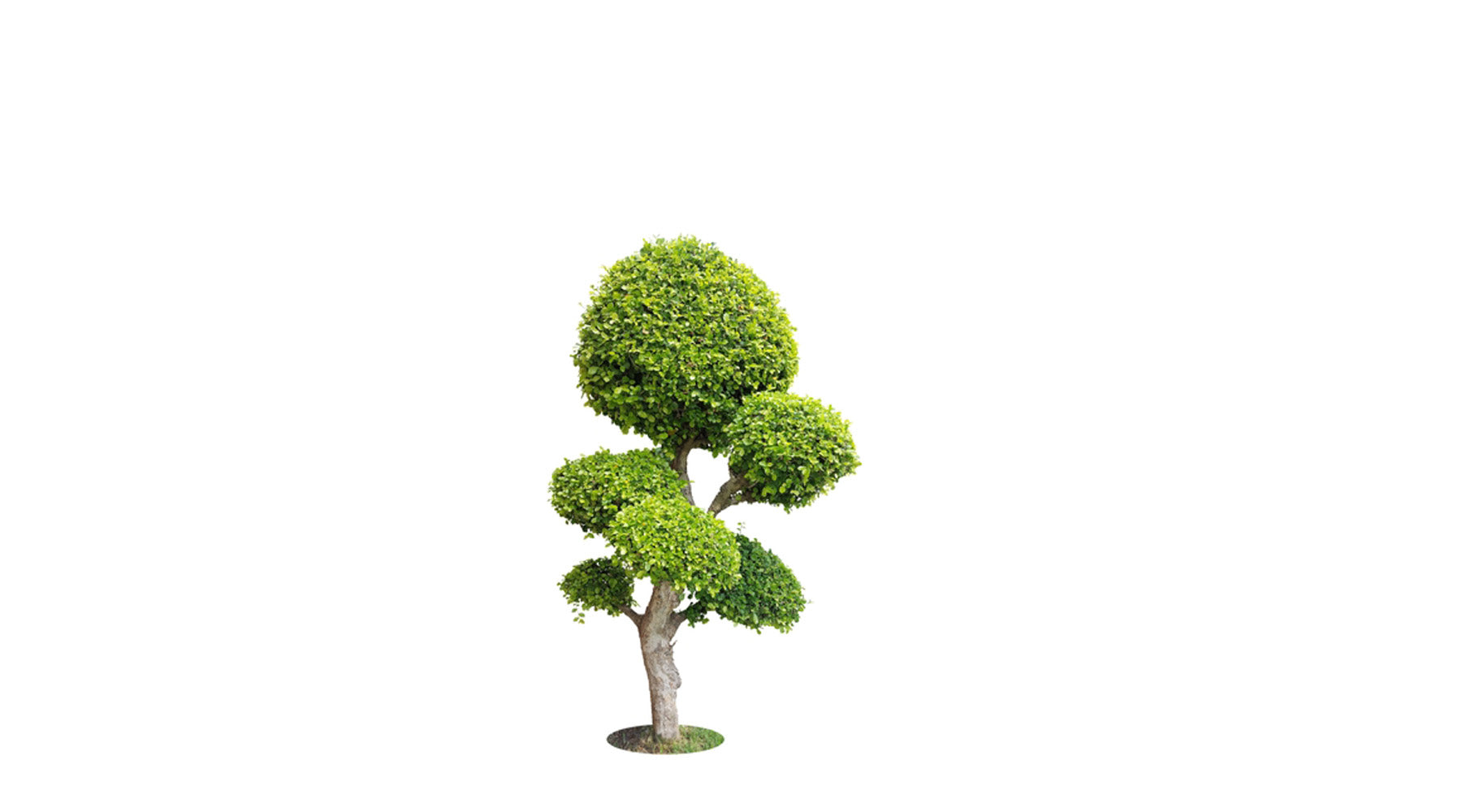
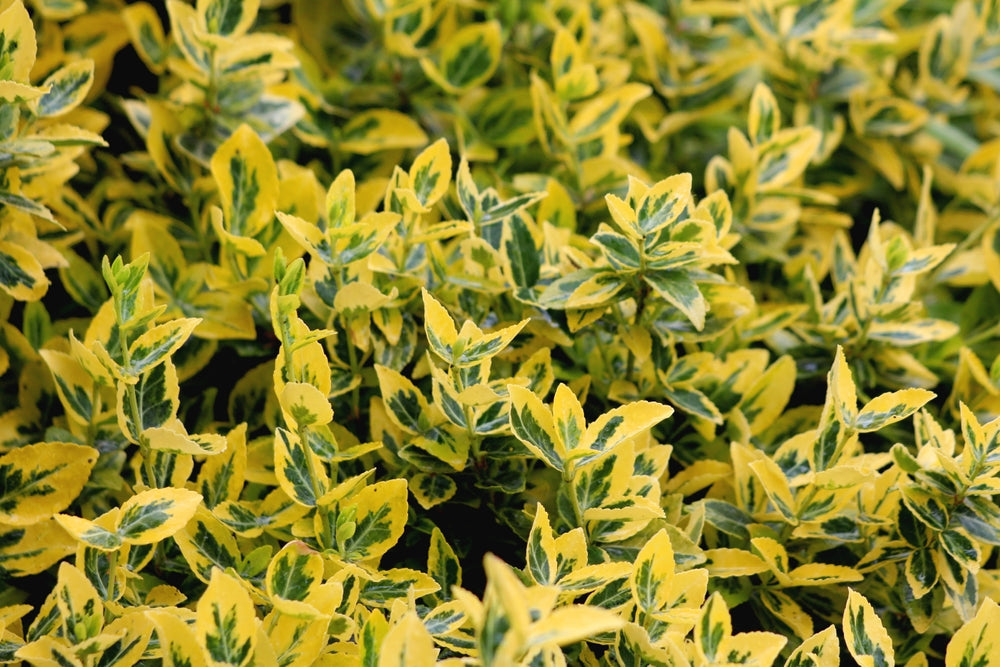
Euonymus 'Green Spire' Shrub - Ball - 70-80cm - 30lt
£160.00
Unit price perEuonymus 'Green Spire' Shrub - Ball - 70-80cm - 30lt
£160.00
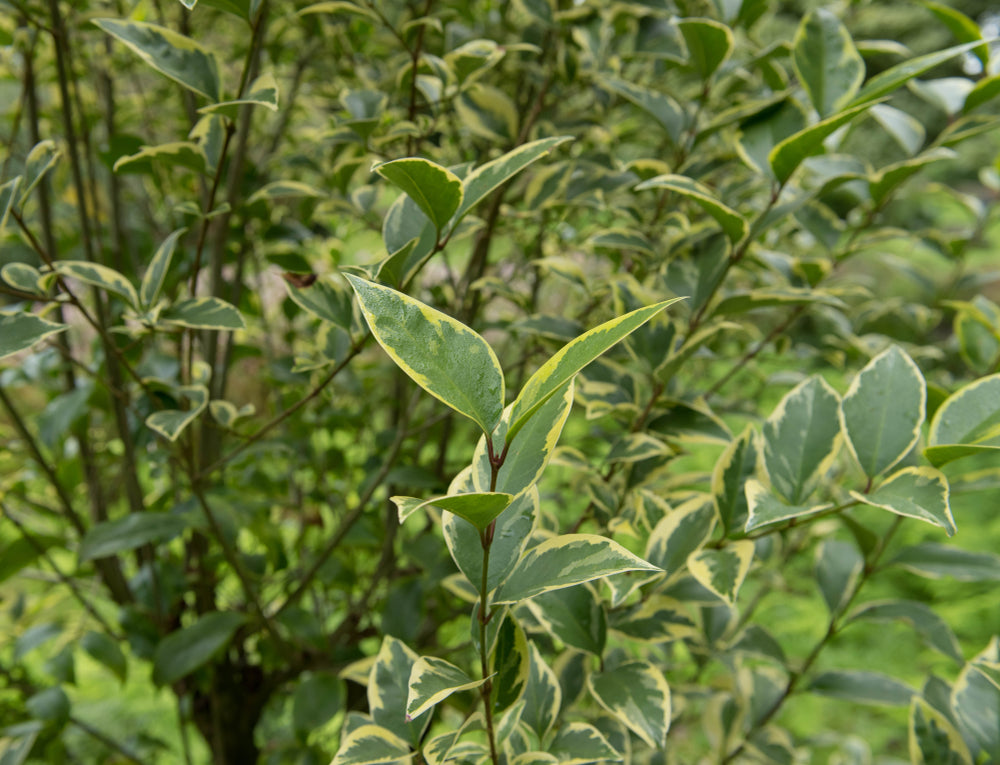
Unit price perEuonymus japonicus 'Green Spire' is a small, bushy, narrow evergreen shrub with upright branches densely covered with tough, leathery, ovate, glossy, dark green leaves and inconspicuous, greenish-white flowers blooming in spring, followed by pink fruits in autumn. Euonymus japonicus 'Green Spire' is tolerant of a wide range of soils and soil conditions, but prefers slightly acidic, moist, well-drained soils. It can grow in any location, from full sun to deep shade. Once established, drought-tolerant. Very resistant to frost, but still needs to be protected from harsh, winter winds. Not suitable for outdoor pots in colder areas. Relatively, pest-free and disease-free. Low maintenance plant, doesn’t require pruning. Spindle tree 'Green Spire' is a tough, dense shrub that requires minimal care and is perfect for shaping into hedges and screens for cottage, coastal, and urban gardens. Great as a ground cover, for beds and borders, and wall-side borders. Excellent for banks and slopes and growing in containers.


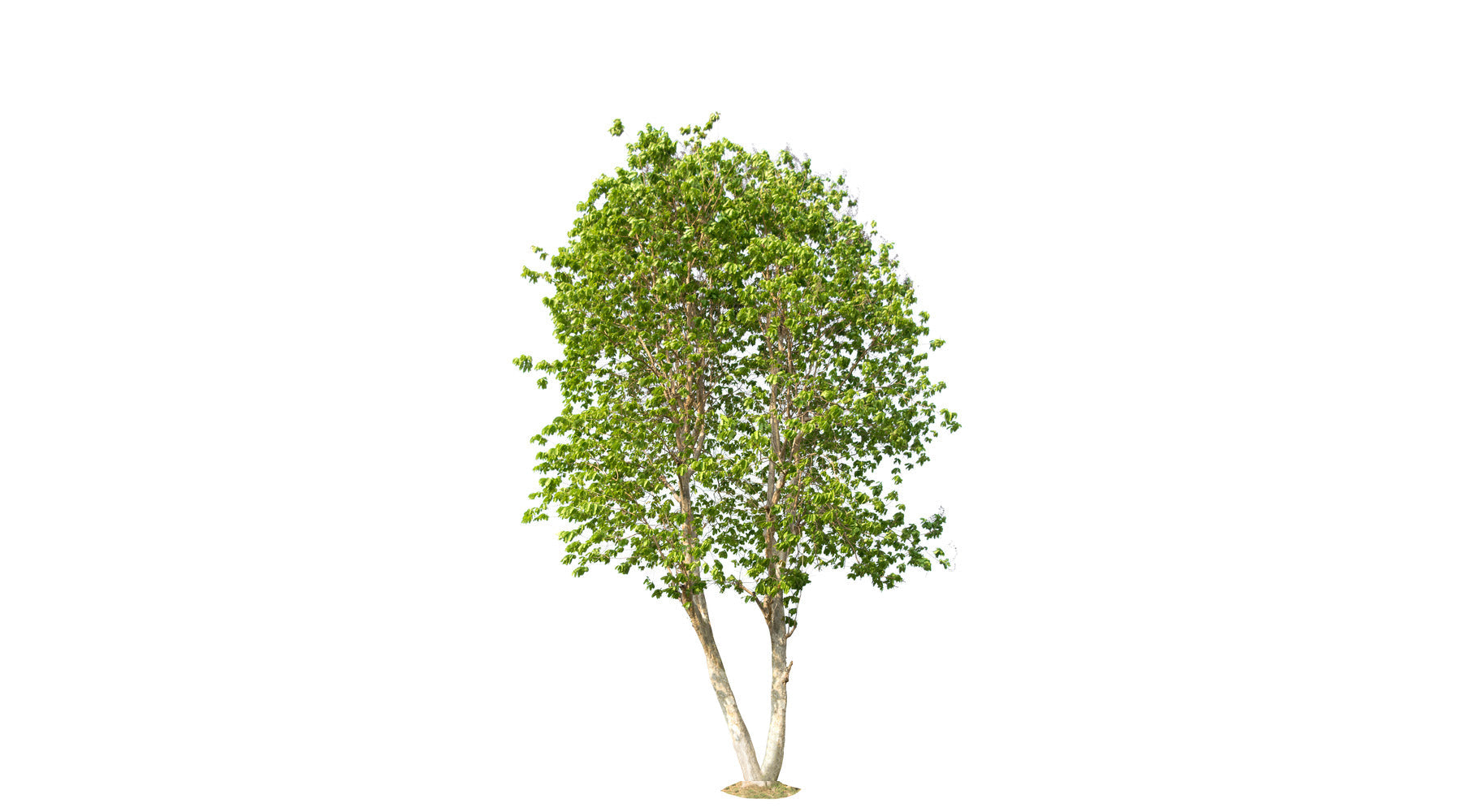
Himalayan Silver Birch |Betula utilis - Multi Stem - Height 310-350cm - 130lt
£765.00
Unit price perHimalayan Silver Birch |Betula utilis - Multi Stem - Height 310-350cm - 130lt
£765.00
Unit price perBetula utilis var. jaquemontii, or West Himalayan Birch, is one of the most popular birch trees. It is a medium-sized, vigorous, deciduous tree with upright, pyramidal habit. It is famous for its beautiful snow-white peeling bark, the whitest that can be found among birch varieties. Its leaves are ovate, dark green and turn bright yellow in autumn. Male flowers are yellowish-brown and appear in dropping catkins, while female flowers are greenish and appear in upright catkins.
West Himalayan Birch can grow in any type of soil, even sand or clay, as long as it is moist and well-drained. It thrives in full sun or partial shade. It is extremely hardy and does best in cool northern climates. Does not tolerate heat and humidity. Betula utilis var. jaquemontii is a very attractive tree, perfect as a specimen plant or in beds and borders. Great for cottage and urban gardens, avenues and broad streets. Suitable for roof gardens and growing in containers.


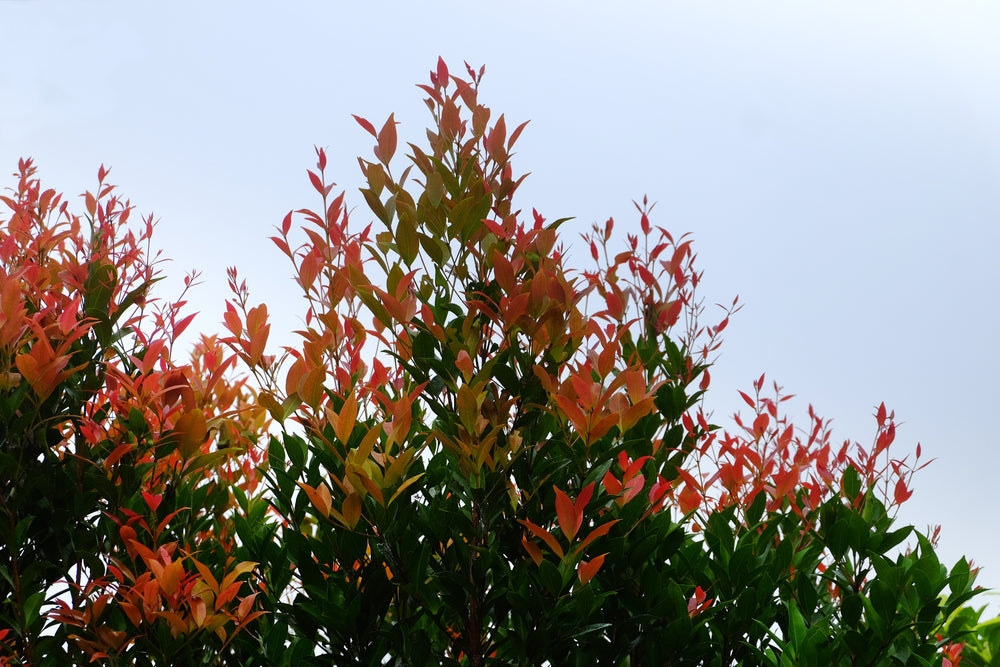
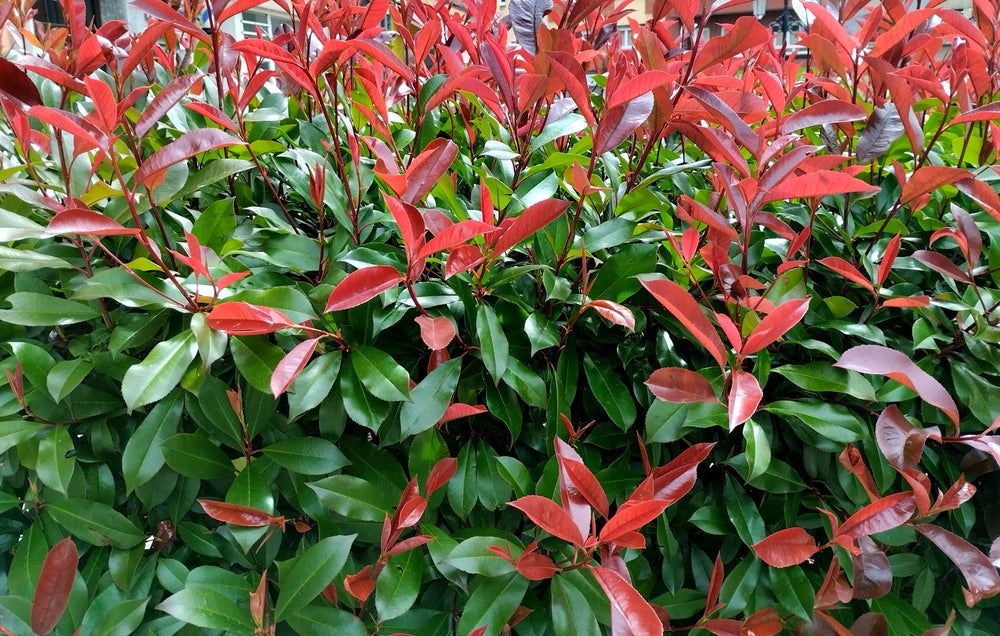
Photinia x fraseri Red Robin - Bush - Height 230-270cm - 35lt
£160.00
Unit price perPhotinia x fraseri Red Robin - Bush - Height 230-270cm - 35lt
£160.00
Unit price per


Pinus contorta - Lodgepole Pine - Height 150-200cm - 20lt
£215.00
Unit price perPinus contorta - Lodgepole Pine - Height 150-200cm - 20lt
£215.00
Unit price perPinus contorta, commonly known as the Lodgepole Pine, is a hardy and adaptable evergreen conifer valued for its resilience and natural woodland character. Native to North America, it forms a tall, upright tree with a narrow to irregular crown, making it suitable for larger gardens or naturalistic landscapes where a more rugged, informal appearance is desired.
This pine produces pairs of slender, slightly twisted dark green needles that give the tree a textured look throughout the year. Its bark becomes attractively rough and fissured with age, adding to its visual interest. Small woody cones often remain on the branches for many years, providing subtle decorative detail.
Lodgepole Pine is particularly well suited to exposed or coastal gardens, as it tolerates wind, poor soils, and challenging conditions better than many other trees. It grows best in full sun and prefers well-drained soil, though it is adaptable to a range of soil types.
Because it can grow quite tall over time, it works best as a specimen tree, in shelterbelts, or as part of a woodland-style planting scheme. Its toughness and minimal maintenance needs make it a reliable choice for gardeners seeking a strong, characterful conifer.
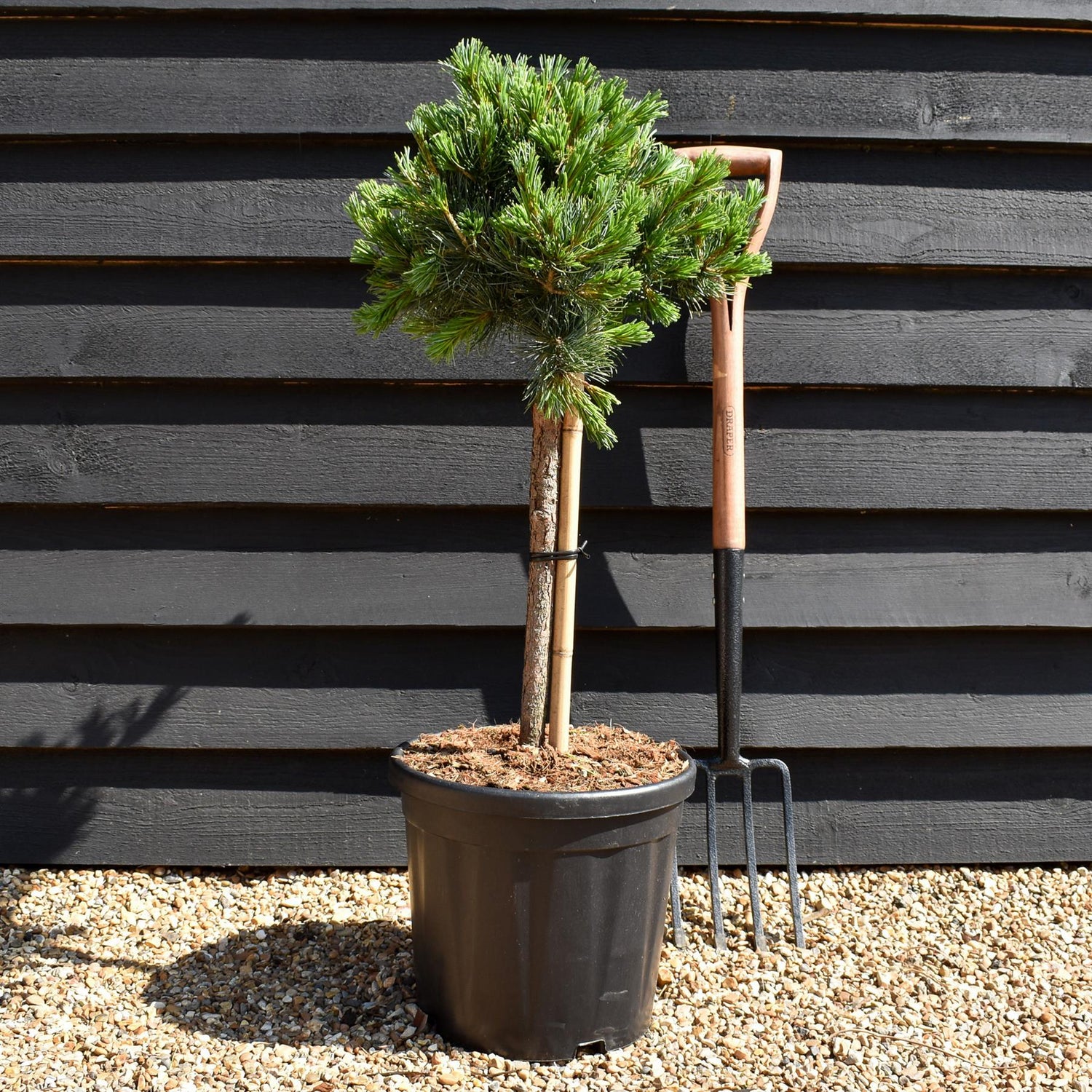
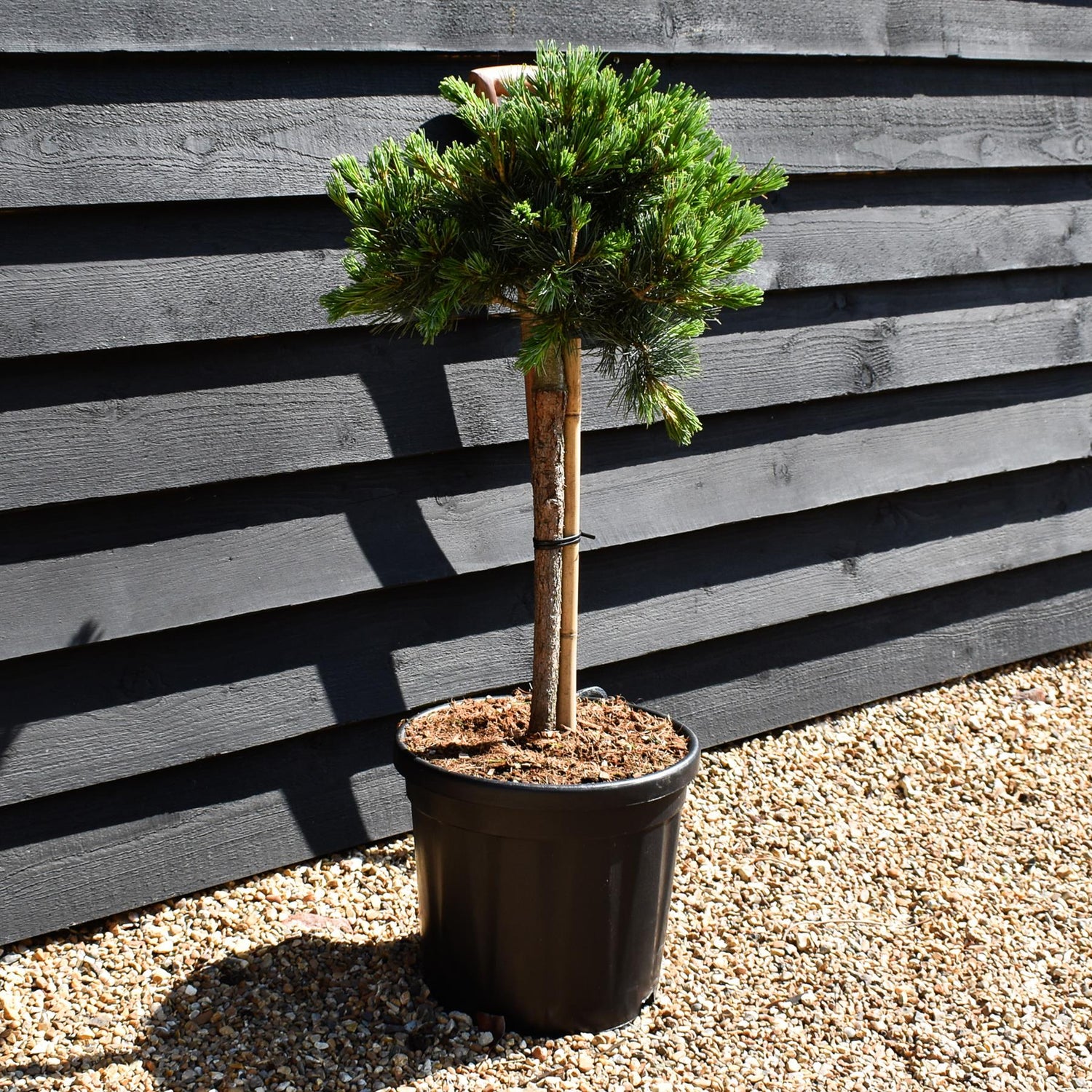
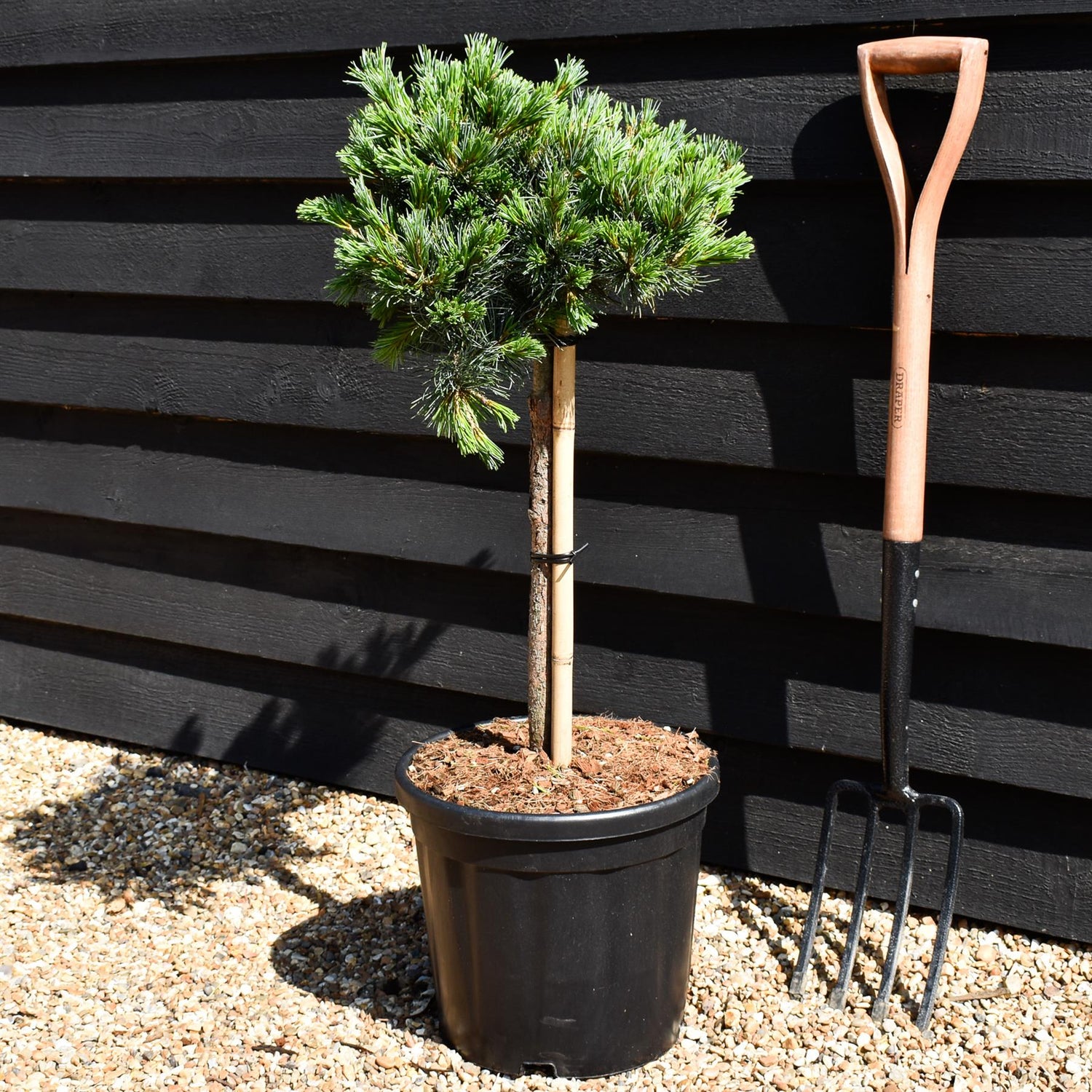
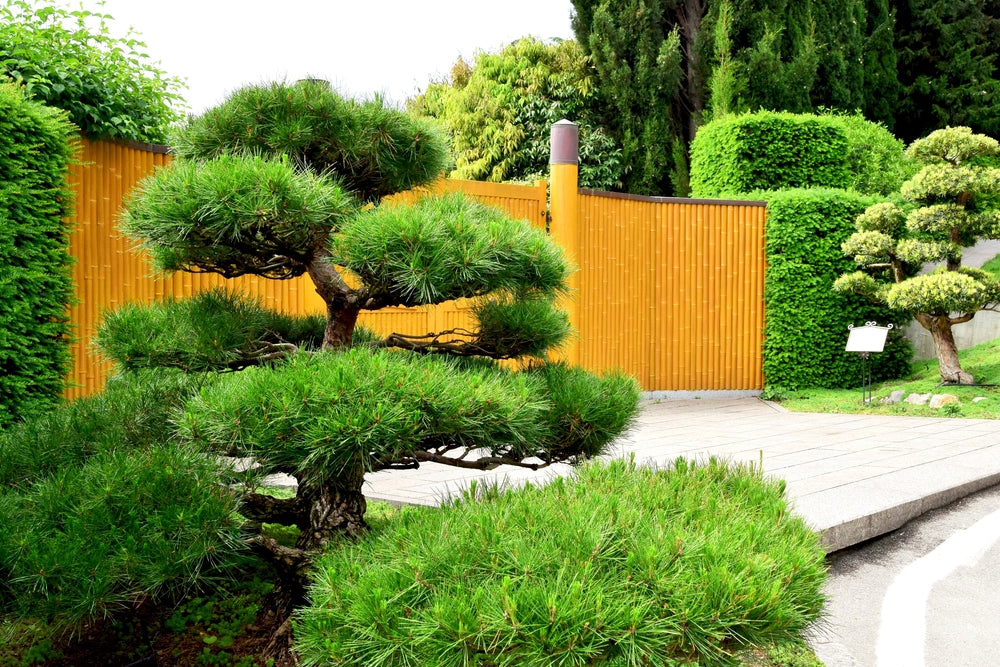
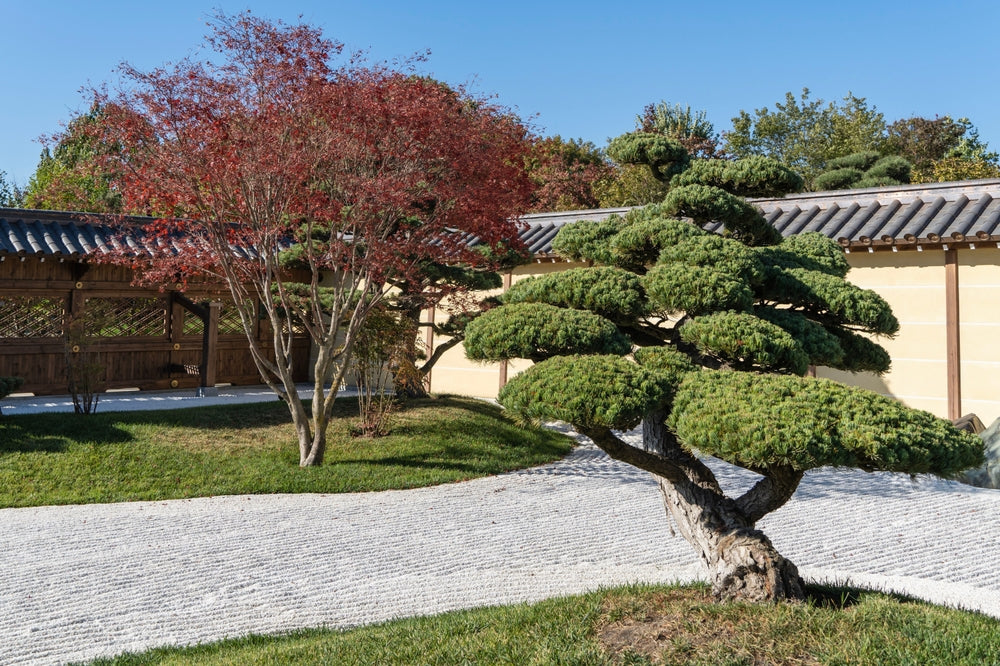
Pinus parviflora ‘Negishi’ on a clear stem is a striking and elegant addition to any garden, particularly suited for modern, Japanese, or architectural landscapes. Grafted onto a clear stem, this form elevates the tree’s sculptural canopy, allowing the beautiful, layered branching and soft, silvery-blue needles to stand out as a focal point. It creates a visually light yet impactful presence, perfect for framing entrances, accenting patios, or adding height and structure to planting schemes.
‘Negishi’ is a slow-growing Japanese white pine that typically develops a broad, open canopy with graceful form and refined texture. The silvery foliage maintains year-round interest and pairs well with rocks, gravel, ornamental grasses, and minimalist planting designs. Negishi is hardy and prefers full sun and well-drained, slightly acidic soil.
Its clear-stemmed structure also allows underplanting with low-growing shrubs, groundcovers, or seasonal flowers, enhancing garden layering and visual depth. Low-maintenance and long-lived, this pine requires minimal pruning to maintain shape. Pinus parviflora ‘Negishi’ on a clear stem is ideal for gardeners seeking a refined, architectural tree with year-round beauty and character.


Pinus tabuliformis - Chinese Red Pine - Height 100-125cm - 12lt
£160.00
Unit price perPinus tabuliformis - Chinese Red Pine - Height 100-125cm - 12lt
£160.00
Unit price perPinus tabuliformis, commonly known as the Chinese Red Pine, is a striking evergreen conifer well suited to larger gardens, parklands, and naturalistic landscapes where its distinctive form can be appreciated. Native to northern China, this species is admired for its architectural branching, dense green needles, and rich reddish-brown bark, which adds year-round visual interest and character.
Chinese Red Pine thrives in full sun and prefers well-drained soil but is remarkably adaptable, tolerating a variety of soil types, including sandy or moderately poor ground. It is hardy and resilient, able to withstand exposed positions, wind, and varying climatic conditions, making it a reliable choice for gardens in temperate regions.
This pine develops a broad, irregular crown with mature trees often exhibiting an elegant, layered structure. Its dense foliage provides shelter for wildlife while still allowing dappled light to filter through, creating a sense of openness beneath the canopy.
Because of its eventual size and spread, Chinese Red Pine is best planted as a specimen tree or within woodland-style settings where it can grow naturally. Its combination of architectural form, hardiness, and year-round interest makes it a highly attractive and enduring addition to spacious garden landscapes.


Cordyline australis | New Zealand Cabbage Palm - Multistem 20-30cm - Height 90-110cm - 50lt
£325.00
Unit price perCordyline australis | New Zealand Cabbage Palm - Multistem 20-30cm - Height 90-110cm - 50lt
£325.00
Unit price per


Cupressocyparis x leylandii - Height 160-180cm - 10lt
£72.00
Unit price perCupressocyparis x leylandii - Height 160-180cm - 10lt
£72.00
Unit price per


Populus nigra 'Italica' | Lombardy Poplar Tree - Standard - Height 430-450cm - 55lt
£325.00
Unit price perPopulus nigra 'Italica' | Lombardy Poplar Tree - Standard - Height 430-450cm - 55lt
£325.00
Unit price per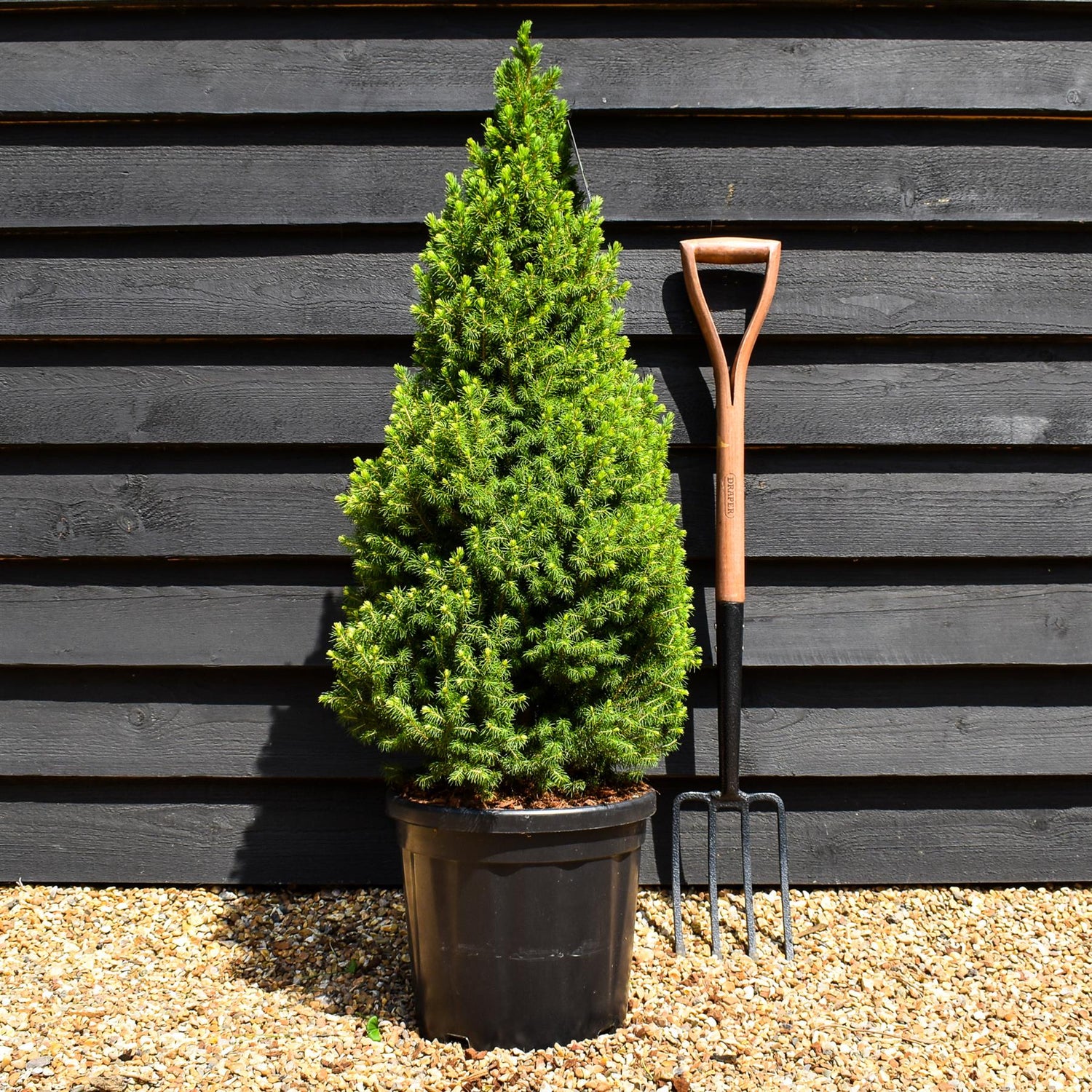
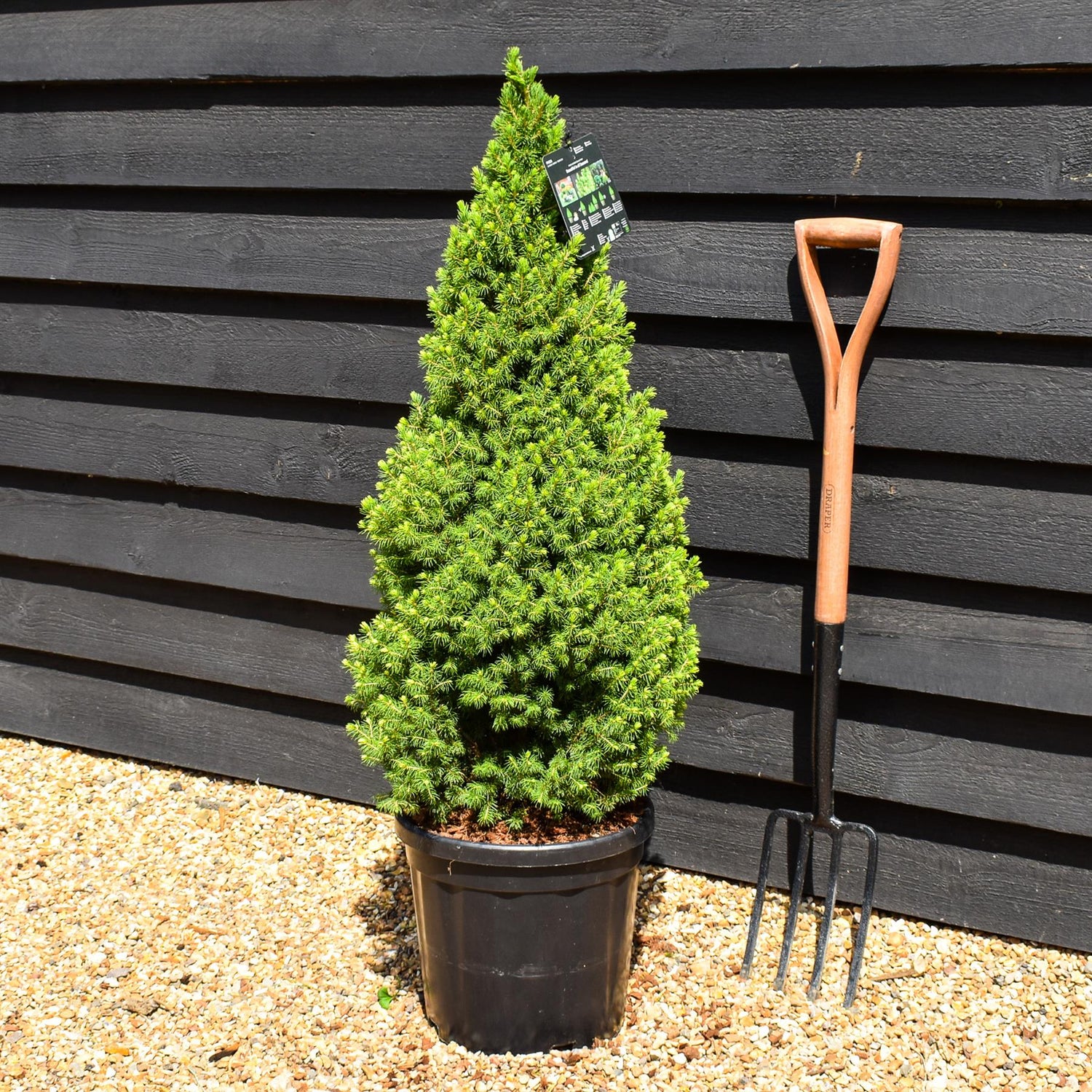
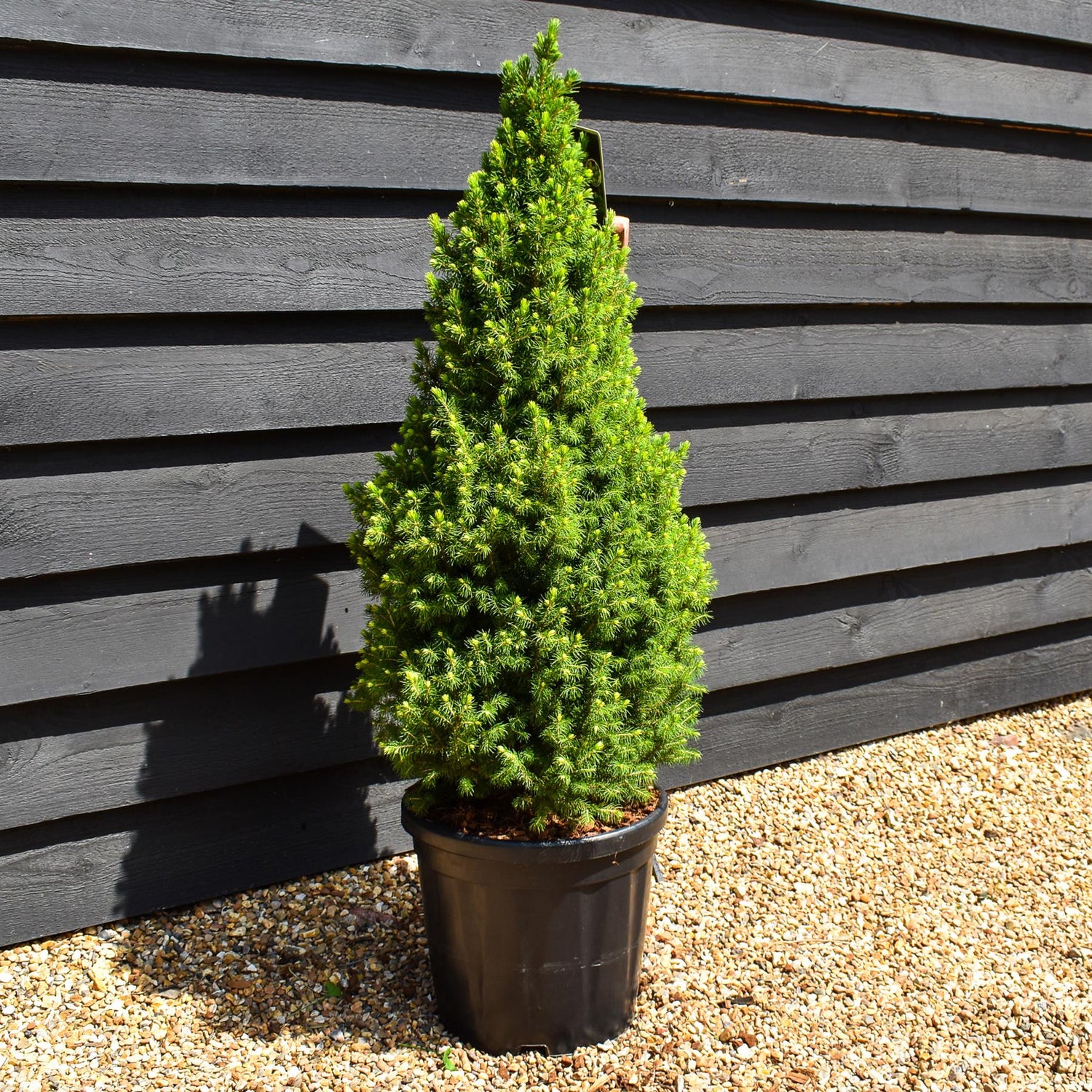
Picea glauca Perfecta' | White spruce 'Perfecta' - Height 90-100cm - 18lt
£165.00
Unit price perPicea glauca Perfecta' | White spruce 'Perfecta' - Height 90-100cm - 18lt
£165.00
Unit price perThe Picea glauca ‘Perfecta’, commonly known as the dwarf white spruce, is a compact, slow-growing conifer prized for its neat, conical shape and silvery-green needles. A cultivar of the white spruce (Picea glauca), this tree is ideal for smaller gardens or as a feature in rockeries, borders, or containers due to its modest size. Typically growing to a height of 1.5 to 2 metres over many years, it maintains a tidy, dense form that requires little maintenance.
The needles of the Picea glauca ‘Perfecta’ are soft to the touch, bluish-green in colour, and create a shimmering effect in sunlight, adding a striking element to the garden landscape. Its branches are short and evenly spaced, enhancing the tree's symmetrical, pyramid-like appearance.
This tree is hardy and well-suited to the UK climate, tolerating cold winters and thriving in a range of soil types, provided the soil is well-drained. It prefers full sun but can tolerate partial shade. Picea glauca ‘Perfecta’ is relatively low-maintenance, requiring minimal pruning, and it is also resistant to pests and diseases. Once established, it has moderate drought tolerance but benefits from regular watering during dry spells, especially when young.
One of its most appealing features is its year-round interest. As an evergreen, it provides structure and colour in the garden throughout all seasons, making it a popular choice for those seeking a focal point that doesn’t lose its charm in winter. Whether used as a standalone specimen or as part of a mixed border, the Picea glauca ‘Perfecta’ is an excellent choice for adding texture, form, and seasonal interest to small or medium-sized gardens in the UK.


Pinus strobus 'Radiata' - Monterey Pine - Height 30-50cm - 12lt
£160.00
Unit price perPinus strobus 'Radiata' - Monterey Pine - Height 30-50cm - 12lt
£160.00
Unit price perPinus strobus 'Radiata', commonly known as the Monterey Pine ‘Radiata’, is a fast-growing evergreen conifer valued for its graceful, open form and soft, blue-green needles. This variety is particularly suited to gardens that can accommodate its eventual size, making it ideal as a specimen tree, in parkland-style landscapes, or as part of a naturalistic planting scheme.
Monterey Pine ‘Radiata’ thrives in full sun and prefers well-drained soil, tolerating a wide range of conditions, including coastal exposure and sandy or poorer soils. Its growth habit is upright but relaxed, with spreading branches that create a light, airy canopy, allowing dappled light beneath and giving it a less dense, elegant appearance compared to many other conifers.
Its rapid growth and relatively low maintenance requirements make it a practical choice for gardeners seeking a quick-impact tree. Over time, its rugged bark and long, soft needles provide year-round visual interest, while its broad canopy offers shelter and habitat for wildlife.
Because of its potential height and spread, Monterey Pine ‘Radiata’ is best planted where it has space to mature fully, creating a striking focal point that combines natural beauty, structural presence, and resilience in a variety of garden settings


Nordmann Fir |Abies Nordmanniana - Height 220-250cm - 110-150lt
£750.00
Unit price perNordmann Fir |Abies Nordmanniana - Height 220-250cm - 110-150lt
£750.00
Unit price per

Thuja plicata 'Atrovirens' | Western Red Cedar 'Atrovirens' - 170-180cm - 30lt
£103.00
Unit price perThuja plicata 'Atrovirens' | Western Red Cedar 'Atrovirens' - 170-180cm - 30lt
£103.00
Unit price per


Sciadopitys Verticillata | Japanese umbrella tree - Specimen Tree - Height 350-380cm - 500lt
£7,100.00
Unit price perSciadopitys Verticillata | Japanese umbrella tree - Specimen Tree - Height 350-380cm - 500lt
£7,100.00
Unit price perSciadopitys verticillata, commonly referred to as the Japanese umbrella pine, is a distinct and architecturally striking evergreen conifer. Native to Japan, this tree is prized for its unique appearance, featuring glossy, dark green needles that radiate around its branches resembling the spokes of an umbrella. The needles are thick and leathery, arranged in whorls that contribute to the plant’s dense, sculptural form.
Growing slowly, the Japanese umbrella pine eventually reaches an ultimate height of about 15-20 meters in the UK, making it a magnificent specimen tree in larger gardens. It thrives in moist, well-drained, slightly acidic soil and prefers a sheltered position to protect it from harsh winds. Partial shade to full sun is ideal for its growth.
In British gardens, Sciadopitys verticillata is often used as a focal point due to its rare and exotic appearance. Its resilience and year-round beauty also make it a popular choice for ornamental planting.

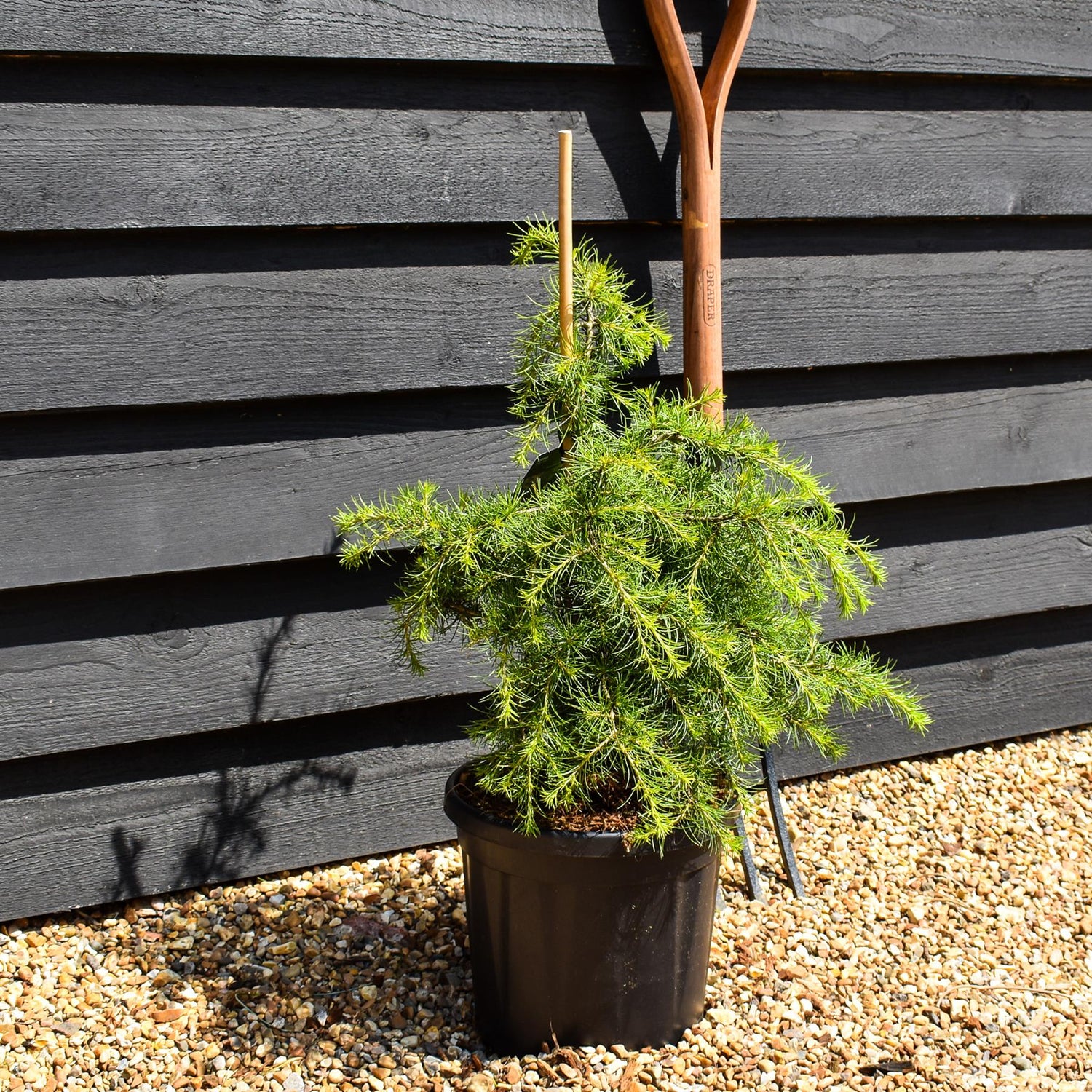
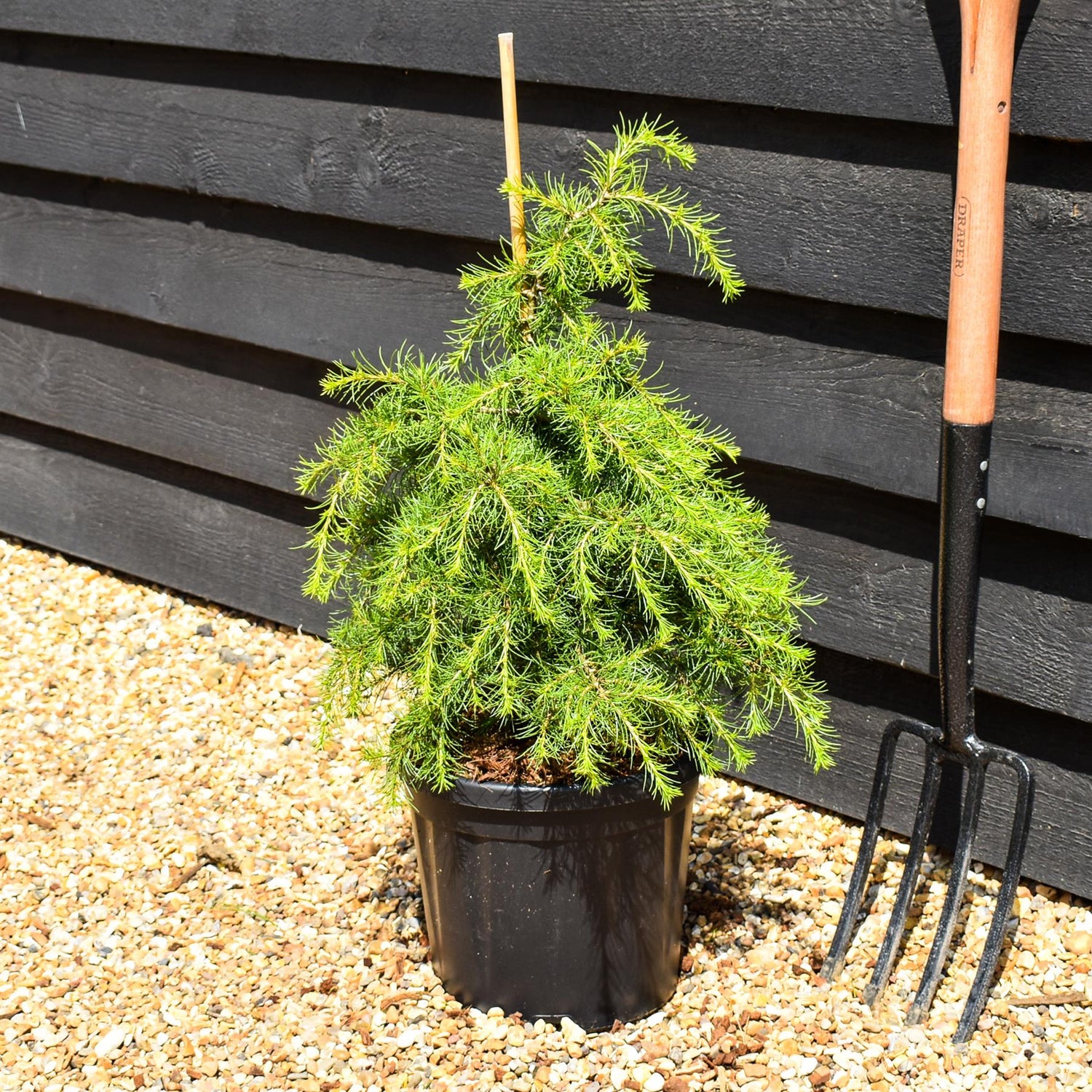
Cedrus libani 'Dino' | Cedar of Lebanon 'Dino' - Height 40-60cm - 6lt
£86.00
Unit price perCedrus libani 'Dino' | Cedar of Lebanon 'Dino' - Height 40-60cm - 6lt
£86.00
Unit price perThe Cedar of Lebanon 'Dino' is a majestic cultivar of the iconic Cedar of Lebanon, celebrated for its robust growth and stately presence. This particular variety reaches an impressive ultimate height of 40 to 60 feet, making it a striking focal point in any landscape. Its dense, dark green needles and pyramidal to conical form add a touch of elegance, while its strong structure provides year-round interest.
Commonly used in large gardens and park settings, Cedar of Lebanon 'Dino' serves well as a specimen tree, offering shade and architectural beauty. It thrives in full sun and prefers well-drained soils, although it is adaptable to a variety of soil types, from clay to loam. This cedar is hardy and resilient, tolerating drought once established, which makes it suitable for a range of climatic conditions. Ideal for expansive landscapes, it demands space to showcase its grandeur fully, embodying the regal nature of traditional Cedar of Lebanon trees.


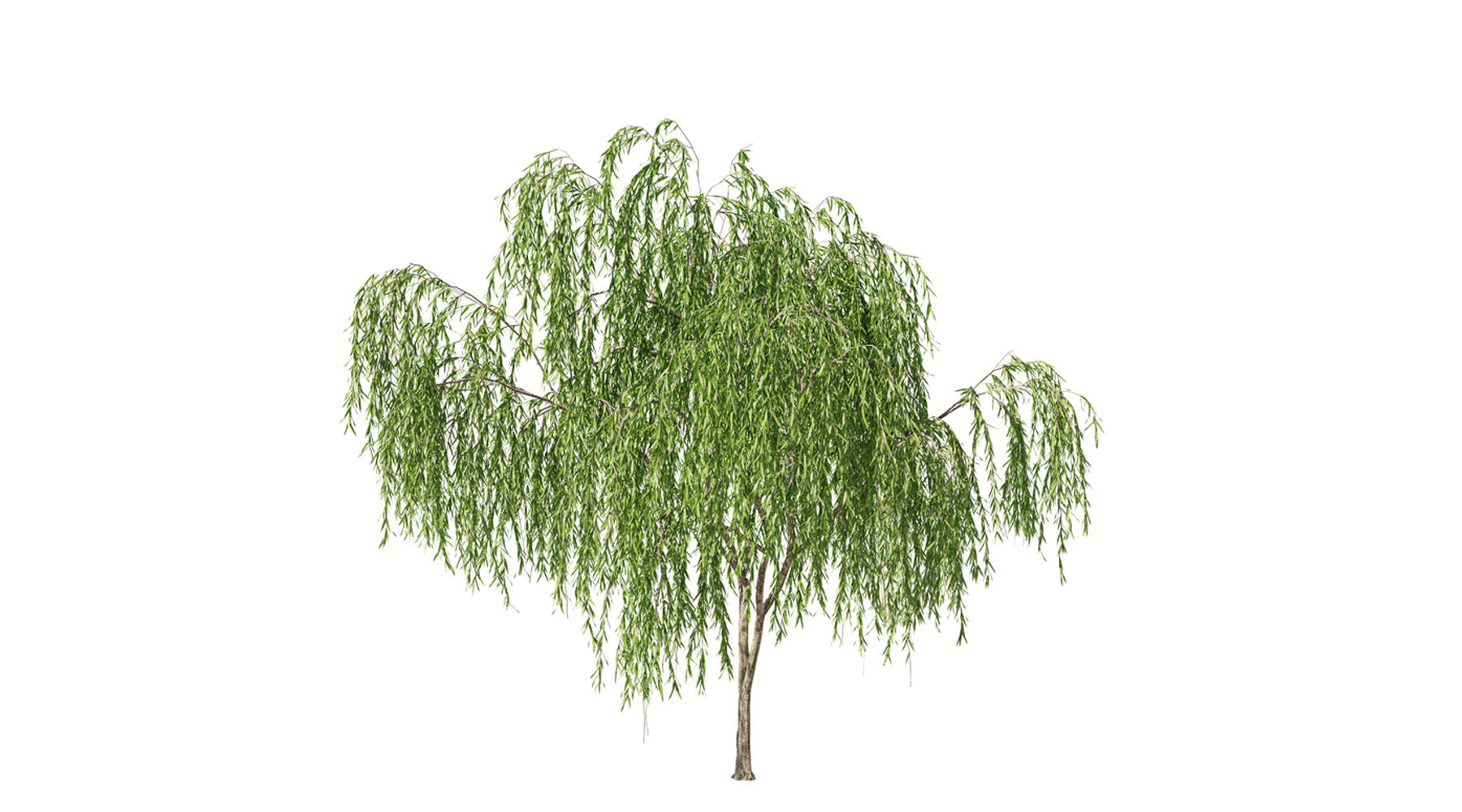
Salix x sepulcralis 'Erythroflexuosa' | Twisted Willow - Tree - Height 150-200cm - 20lt
£120.00
Unit price perSalix x sepulcralis 'Erythroflexuosa' | Twisted Willow - Tree - Height 150-200cm - 20lt
£120.00
Unit price per


Ginkgo biloba 'Troll' | Maidenhair Tree - Bushy - Height 30-40cm - 7.5lt
£77.00
Unit price perGinkgo biloba 'Troll' | Maidenhair Tree - Bushy - Height 30-40cm - 7.5lt
£77.00
Unit price perGinkgo biloba ‘Troll’ is a charming, compact dwarf selection, ideal for gardens where space is limited but strong seasonal interest is desired. Its naturally rounded, dense habit makes it perfect for small gardens, rockeries, courtyard borders, and container planting. The distinctive fan-shaped leaves emerge fresh green in spring and summer, then turn a spectacular clear golden yellow in autumn, creating a bright focal point late in the season.
Exceptionally hardy and long-lived, ‘Troll’ is tolerant of cold, wind, air pollution, and a wide range of soil types, provided drainage is reasonable. It performs best in full sun, which enhances autumn colour and maintains a tidy, compact shape, but it will also tolerate light shade.
This slow-growing cultivar requires little pruning and is virtually pest and disease free, making it an excellent low-maintenance choice. Its small stature and architectural form suit contemporary, Japanese-inspired, and traditional gardens alike, where it can be used as a specimen plant or combined with grasses and perennials for contrast and year-round structure.


Pinus strobus 'Squiggles' - Bushy - Height 50cm - 20lt
£192.00
Unit price perPinus strobus 'Squiggles' - Bushy - Height 50cm - 20lt
£192.00
Unit price perPinus strobus, commonly known as Eastern white pine, produces distinctive "squiggles" that are most noticeable in the spring and early summer. These squiggles are the immature, pollen-bearing male cones (known as catkins), which hang in clusters from the branches. They start out as small, greenish-yellow structures, often curling or curving, giving them a squiggly appearance. As they mature, these catkins release copious amounts of fine, yellow pollen that can be seen dusting the ground, cars, and nearby surfaces during peak pollination.
The squiggles can vary in size, typically ranging from 1 to 2 centimetres in length. Their twisted, sometimes irregular shape makes them stand out against the linear, needle-like foliage of the tree. Once the pollen is released, the squiggles wither and eventually fall off the tree, often accumulating in significant quantities on the ground beneath.
Pinus strobus is a dominant tree in many North American forests, but it can also be found in parks, gardens, and managed landscapes in the UK. The squiggles are a seasonal feature that many people in the UK might notice, especially during windy days when the pollen is easily carried through the air.
In addition to their role in reproduction, these male cones are a subtle indicator of the health and maturity of the tree. A robust display of squiggles generally suggests a healthy tree that is capable of producing sufficient pollen for reproduction. Their unusual, curly shapes add an element of visual interest to the tree, although they are often overlooked in favour of the more recognisable long cones and soft, blue-green needles of the Eastern white pine.