

-
Trees
Trees
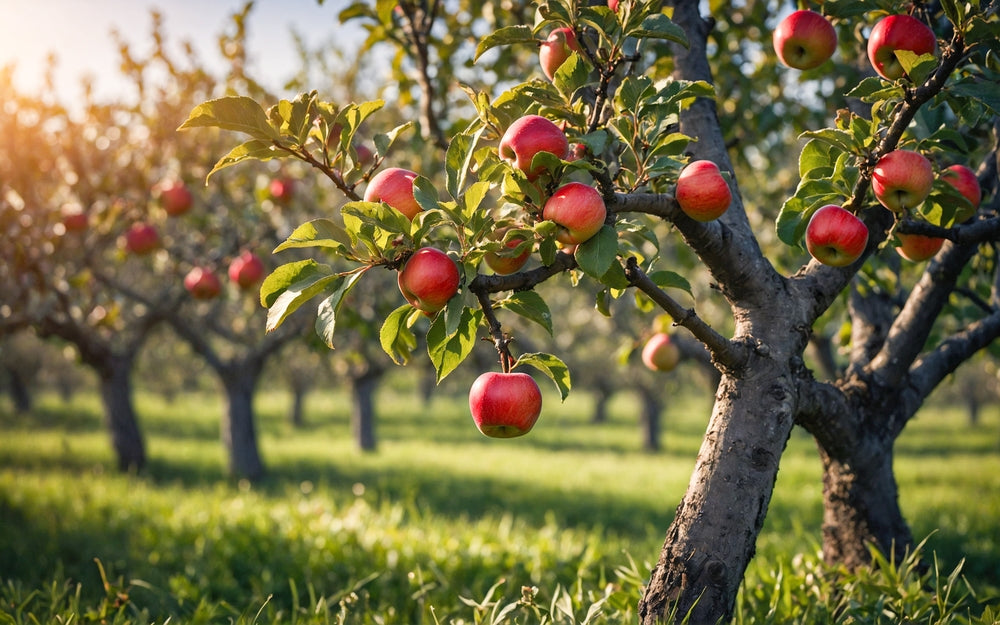 Fruit Trees
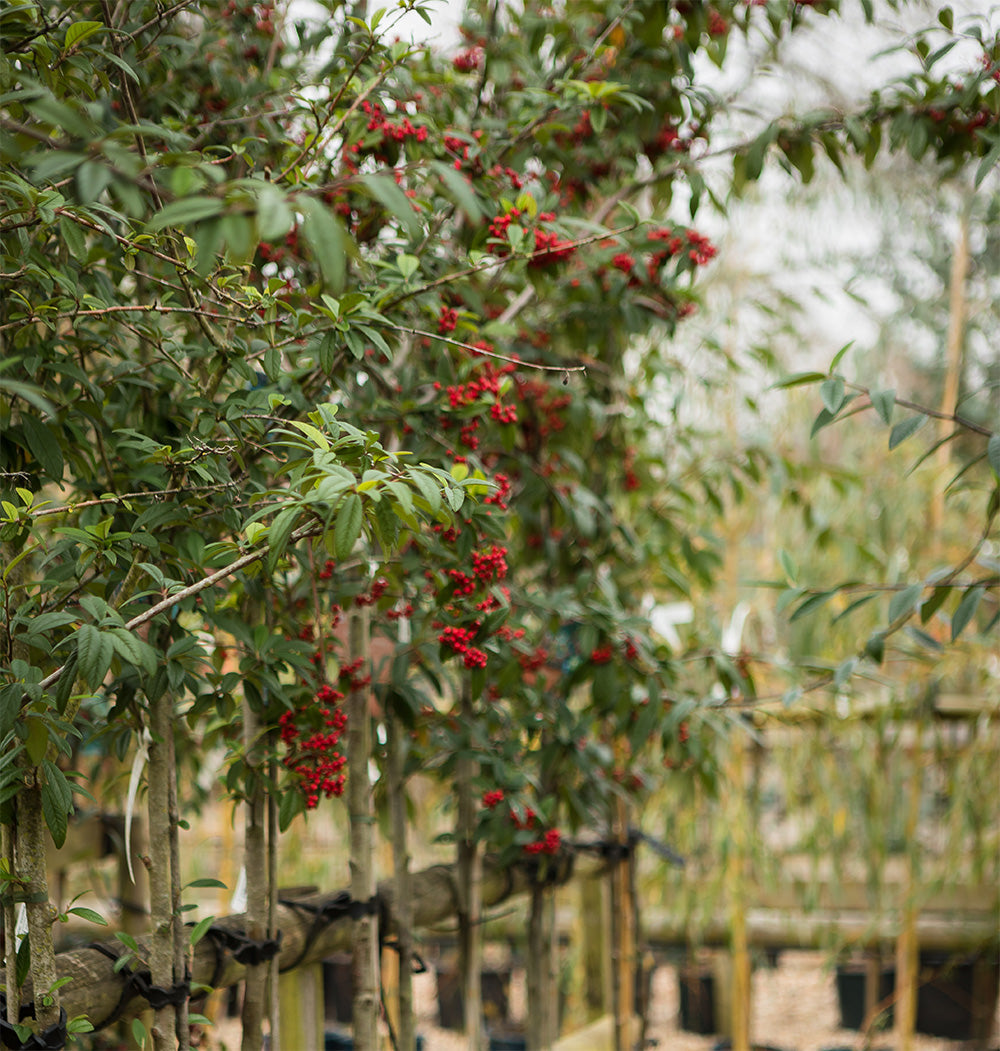 Ornamental
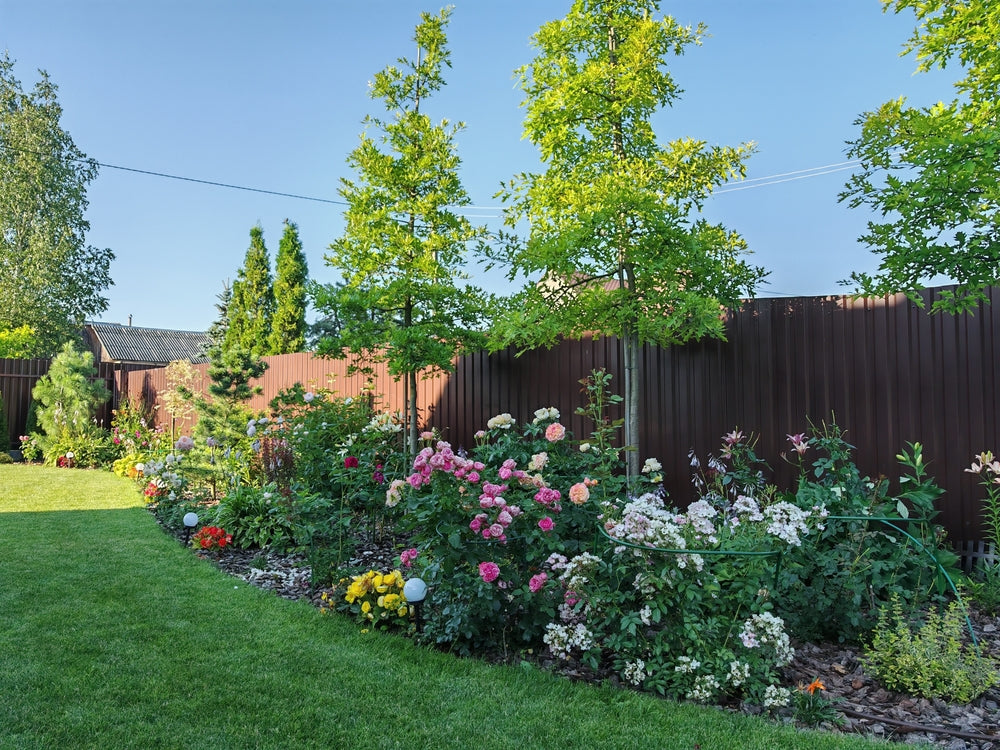 Screening
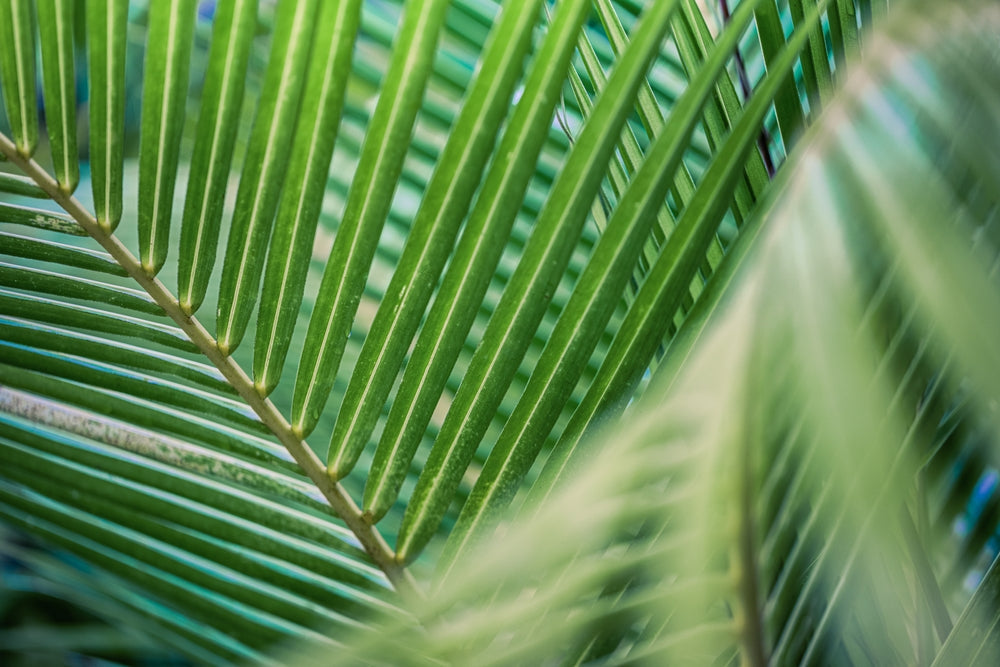 Palms
By FeaturesBy Shape
-
Shrubs
Shrubs
 Large shrubs
 Hedging
 Bamboo
 Climbers
 Flowering
 Grasses & Ferns
 Popular
-
Pines & Conifers
Pines & Conifers
 Pines
 Spruce & Fir
 Cypress
 Thuja
 Redwood | Sequoia
-
Specimen
FREE DELIVERY OVER £350
Search results
Search results


Hosta Francee | Plantain Lily 'Francee' - Deciduous Perennial - Height 30cm - 2lt
£16.50
Unit price perHosta Francee | Plantain Lily 'Francee' - Deciduous Perennial - Height 30cm - 2lt
£16.50
Unit price perHosta Francee is an attractive, fast-growing, clump-forming, deciduous perennial of dense, arching, mounding habit and broad, heart-shaped, strongly-veined, dark green leaves with white margins. The funnel-shaped, white to pale lavender flowers emerge on long flower scapes above the foliage in mid-summer. Hosta Francee grows best in organically rich, moist, well-drained soils in partial to full shade. It likes some morning sun and consistent moisture.
Once established, it can withstand dry shade. It needs to be sheltered from cold, dry winds. Low maintenance plant. Slugs and snails may damage the foliage. Toxic to dogs, cats, and horses. Hosta Francee is a beautiful, ornamental, low maintenance plant, perfect for shade gardens, especially good-looking in groups or massed. Great as a background plant, a groundcover, for mixed beds and borders, under the shrubs and roses, or for growing in containers. Suitable for informal, cottage, woodland, and urban gardens.


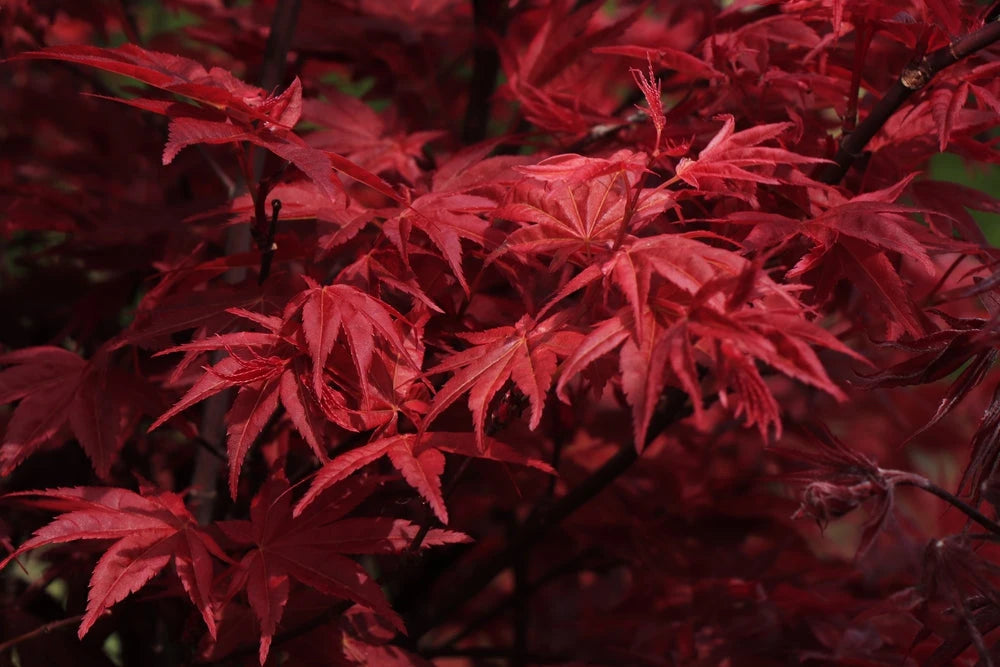
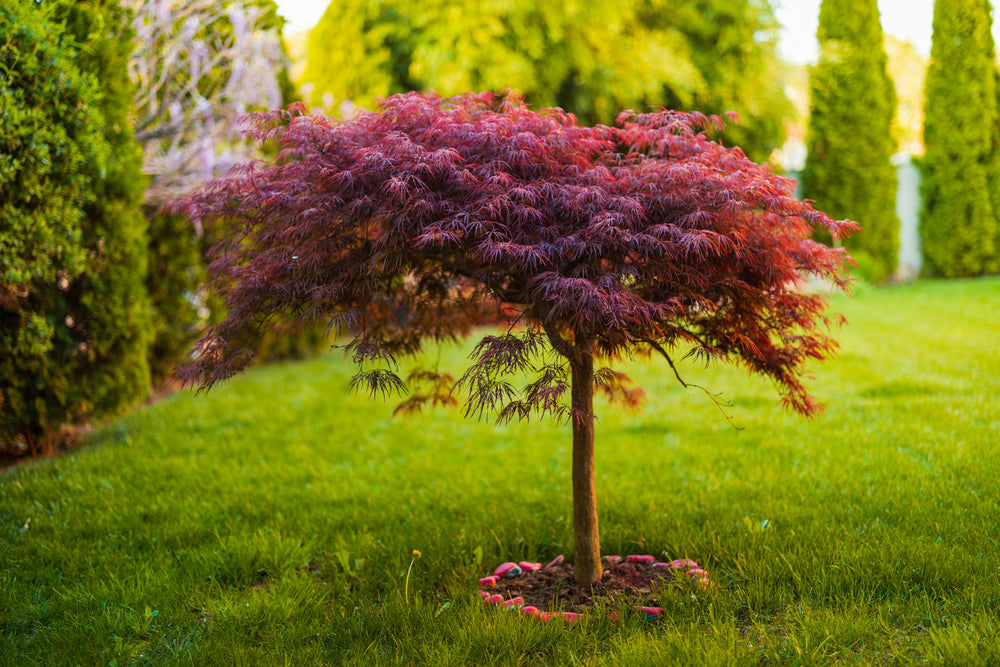
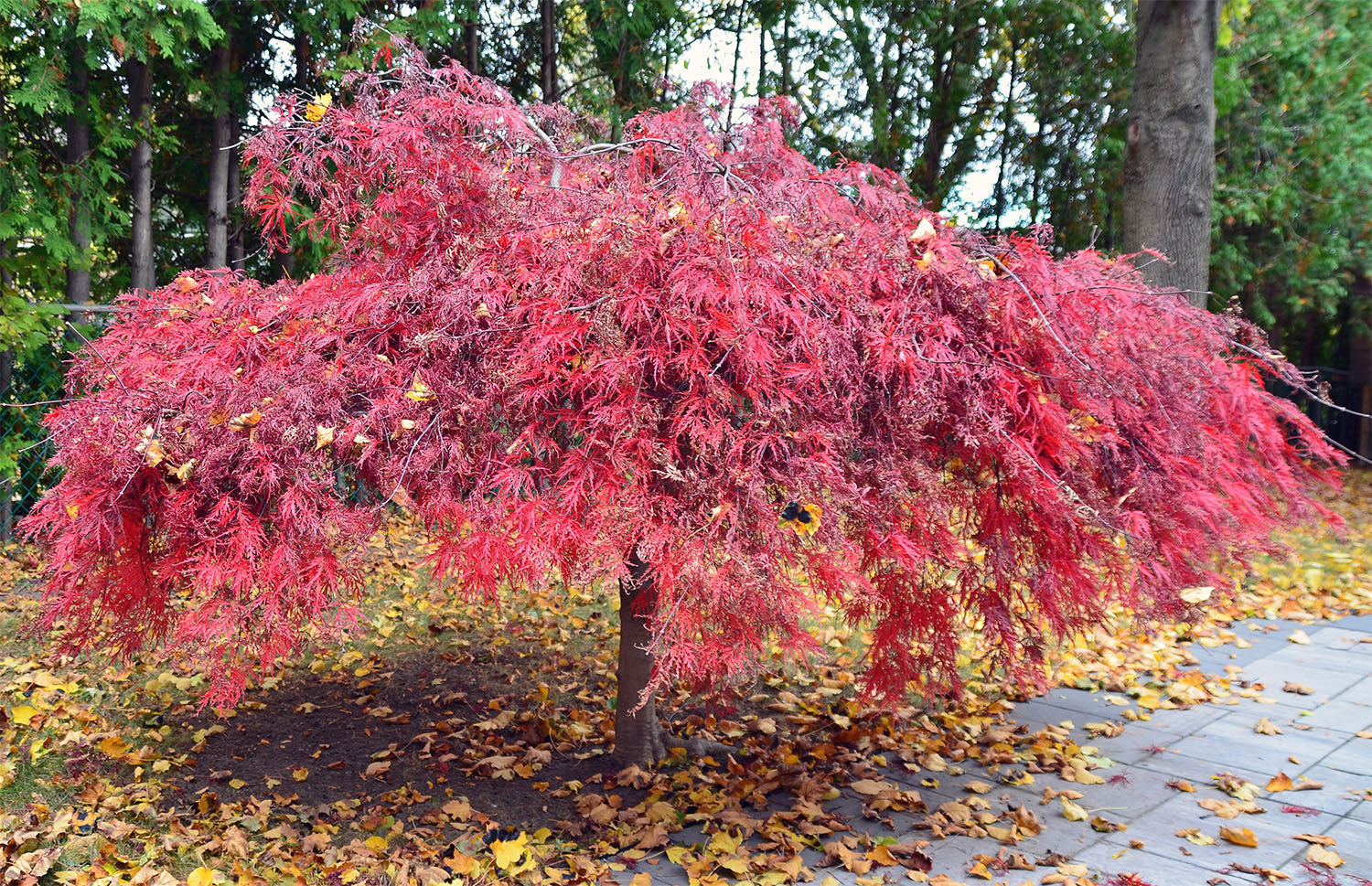
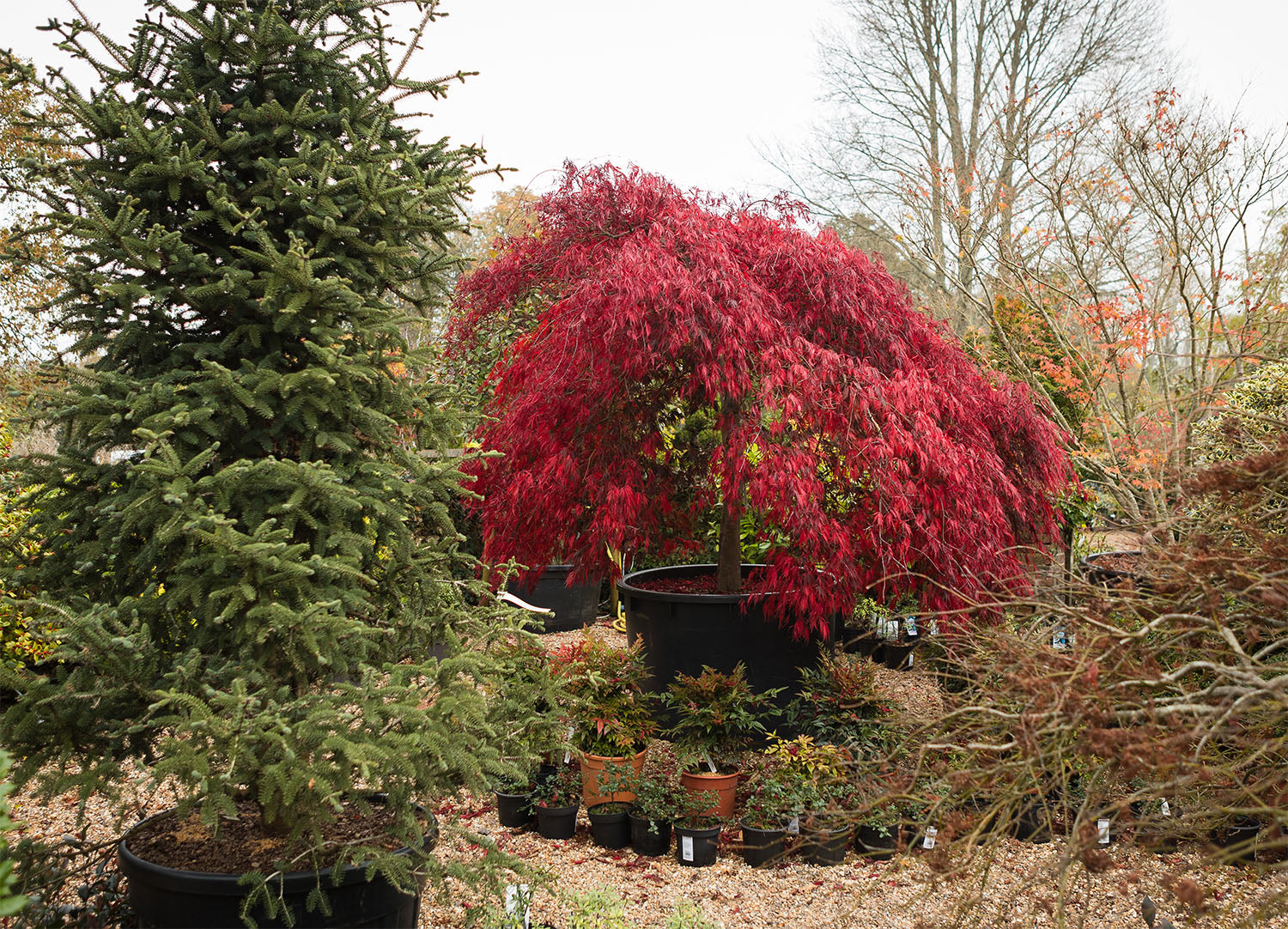
Acer palmatum 'Crimson Queen' is a superb ornamental tree that brings elegance, texture, and long-lasting colour to a wide range of garden styles. Its graceful, cascading habit and finely dissected foliage make it an excellent focal point for small gardens, courtyard spaces, woodland borders, and Japanese-inspired landscapes. The deep crimson leaves emerge in spring and retain their rich colour throughout the growing season, before transforming into brilliant shades of scarlet and red during autumn.
This compact Japanese maple thrives in fertile, moist but well-drained soil and prefers a sheltered position away from strong winds. It performs best in partial shade, although it can tolerate more sun if the soil remains consistently moist. Its relatively slow growth and manageable size make it particularly suitable for gardens where space is limited.
'Crimson Queen' is equally effective when planted as a specimen tree, beside water features, among contrasting green foliage, or in a large decorative container on a patio or terrace. Requiring minimal maintenance beyond occasional removal of dead or damaged branches, it is an easy tree to care for once established. With its distinctive form, exceptional foliage, and outstanding seasonal colour, Acer palmatum 'Crimson Queen' provides year-round beauty and a refined architectural presence in the garden.


Rowan tree | Sorbus aucuparia | European Mountain Ash - Height 220-260cm - Girth 6-8cm - Pot Grown - 20lt
£85.00
Unit price perRowan tree | Sorbus aucuparia | European Mountain Ash - Height 220-260cm - Girth 6-8cm - Pot Grown - 20lt
£85.00
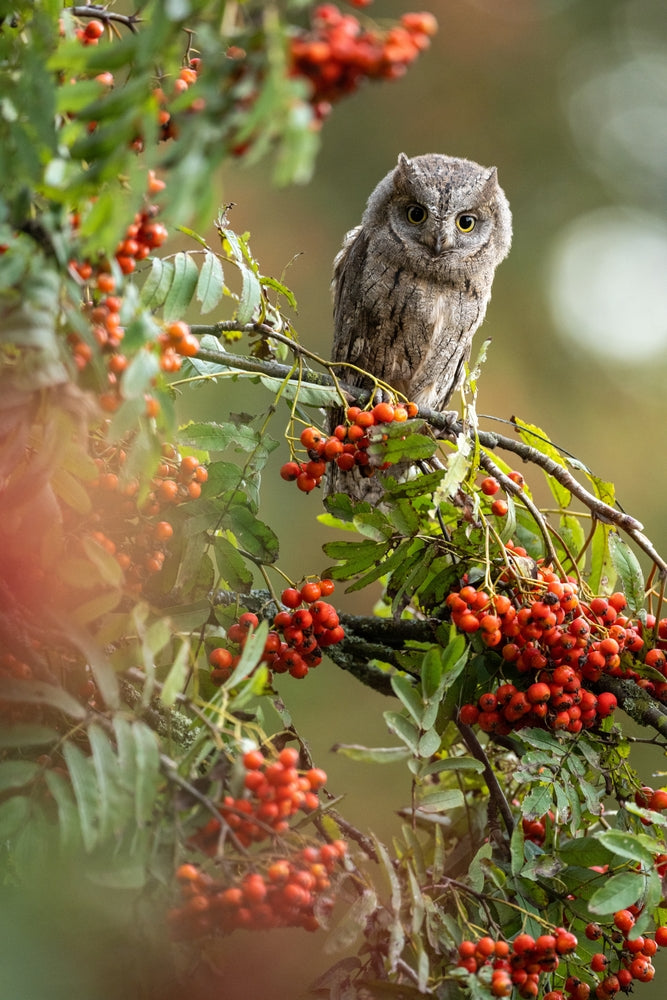
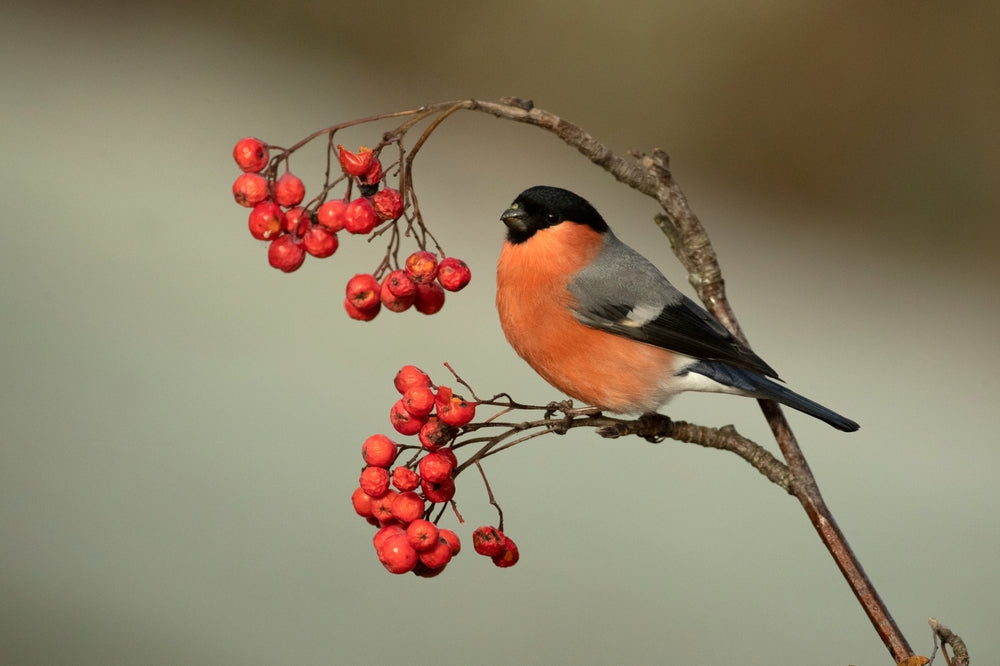
Unit price perRowan, Sorbus aucuparia, or European Mountain Ash, is a vigorous, deciduous tree with oval, upright habit when young, rounded when mature and pinnate, serrated, dark green leaves, yellow, red, and purple in autumn. Flat-topped clusters of small, white flowers bloom in late spring and are followed by a profusion of bright orange-red berries. Attractive to birds and bees. European Mountain Ash prefers moderately fertile, humus-rich, slightly acidic, moist, well-drained soils, but is adaptable to various soil conditions, even poor and dry. It thrives in full sun to partial shade. It is resistant to frost and can withstand wind and short floods. Doesn’t like hot and humid summers. Very easy to grow, tolerant of urban pollution and exposed areas. Low maintenance plant, doesn’t require pruning. Sorbus aucuparia is an attractive ornamental tree, perfect for cool northern climates. Great for cottage, wildlife, and urban gardens. Excellent as a street tree. Suitable for growing in containers on patios and roof gardens.
Pot-grown trees establish quickly with minimal transplant shock, offer greater flexibility for planting throughout the year, and typically show more consistent early growth due to their well-developed, protected root systems.
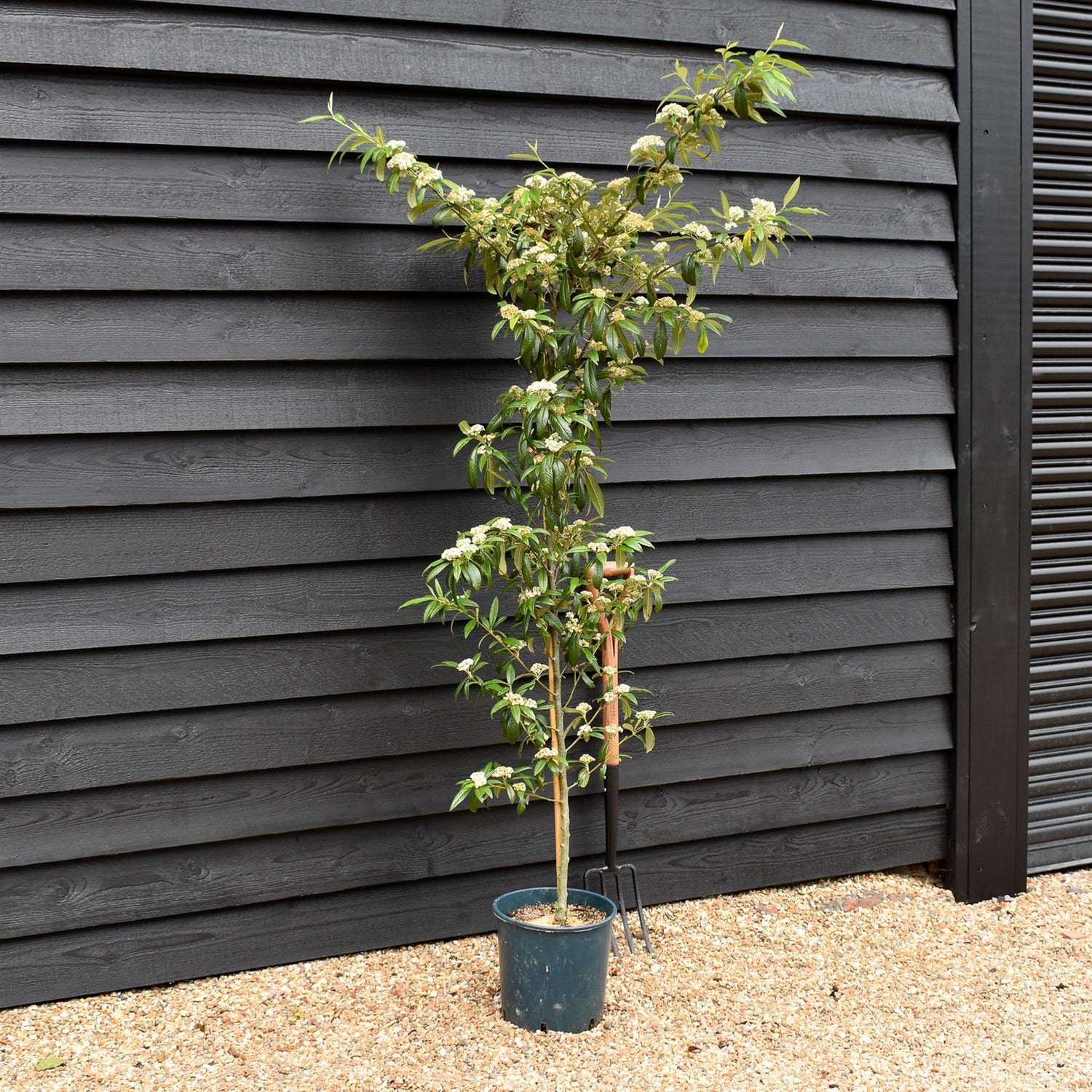


Cotoneaster 'Rothschildianus' | Willow-Leaved Cotoneaster - Height 160-180cm - 12lt
£82.00
Unit price perCotoneaster 'Rothschildianus' | Willow-Leaved Cotoneaster - Height 160-180cm - 12lt
£82.00
Unit price per

Chimonanthus Praecox | Wintersweet - Large Shrub - Height 220-240cm Width 120-130cm - 70lt
£265.00
Unit price perChimonanthus Praecox | Wintersweet - Large Shrub - Height 220-240cm Width 120-130cm - 70lt
£265.00
Unit price perChimonanthus praecox, commonly known as wintersweet, is a deciduous shrub renowned for its fragrant, pale yellow flowers that bloom in the depths of winter. Native to China, this hardy plant belongs to the Calycanthaceae family and thrives in well-drained soil with plenty of sunlight. It can reach heights of 2 to 4 metres, forming an open, spreading habit with slender, arching branches.
One of the most striking features of Chimonanthus praecox is its flowers, which appear from December to February, often before the leaves emerge. These small, cup-shaped blooms have a translucent quality, with waxy, pale yellow petals and a deep maroon or purple centre. Their strong, sweet fragrance is highly prized, particularly in winter gardens, where they provide a much-needed burst of scent and colour. The leaves, which appear in spring, are lance-shaped, glossy green, and turn golden yellow in autumn before falling.
Wintersweet is relatively low-maintenance and can tolerate a range of soil conditions, though it prefers fertile, well-drained soil. It is best grown in a sheltered spot, such as against a south-facing wall, to maximise flower production. This shrub is often cultivated for ornamental purposes, and its highly fragrant flowers are sometimes used in perfumery and potpourri.
Propagation is typically achieved through seeds or semi-ripe cuttings in late summer. However, seedlings take several years to mature and produce flowers. Once established, Chimonanthus praecox is drought-tolerant and generally pest-resistant.
This winter-flowering shrub is an excellent choice for adding seasonal interest to gardens, attracting pollinators, and providing cut flowers for indoor arrangements. Its delicate yet resilient nature makes it a cherished addition to temperate landscapes.


Cydonia oblonga | Common Quince Half Standard - Clear Stem 100cm - Girth 10-12cm - Height 320-350cm - 90lt
£325.00
Unit price perCydonia oblonga | Common Quince Half Standard - Clear Stem 100cm - Girth 10-12cm - Height 320-350cm - 90lt
£325.00
Unit price perCydonia oblonga (Quince) 1/2 std is a large, deciduous shrub or small tree with broadly oval, mid-green leaves with grey undersides. Large, solitary, five-petal, pale pink to white flowers bloom in late spring, and edible, aromatic, round or pear shaped, bright yellow fruits ripen in autumn. Fruits can be eaten fresh, but when cooked the taste is better and sweeter. Perfect for jams, jellies, or pies.
Cydonia oblonga (Quince) 1/2 std can grow in almost any kind of soil, as long as it is moist, and well-drained, but it prefers fertile, deep, slightly acidic, well-drained soil in full sun. Once established, it tolerates dry soils. Cydonia oblonga (Quince) 1/2 std trees are great as specimen plants or informal hedges and screens. They are mostly grown for their fruit. Commercial production has decreased significantly in US and Europe, but it is still a popular fruit in Turkey and some parts of Asia.


Japanese Crab Apple Tree | Malus Floribunda - Height 180-240cm, 10lt
£90.00
Unit price perJapanese Crab Apple Tree | Malus Floribunda - Height 180-240cm, 10lt
£90.00
Unit price per


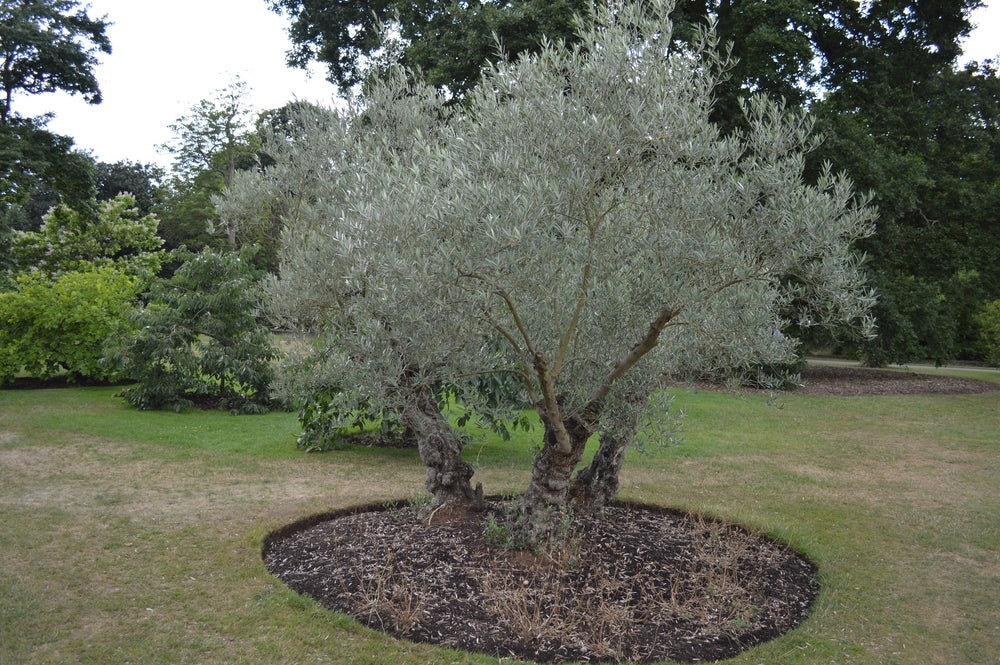
Olive Tree | Olea Europea - Specimen 24A - Gnarly Girth 135cm - Trunk height 110cm - Height 250-270cm - 285lt
£1,875.00
Unit price perOlive Tree | Olea Europea - Specimen 24A - Gnarly Girth 135cm - Trunk height 110cm - Height 250-270cm - 285lt
£1,875.00
Unit price per

Cordyline australis | New Zealand Cabbage Palm - Multistem 20-30cm - Height 90-110cm - 50lt
£170.00
Unit price perCordyline australis | New Zealand Cabbage Palm - Multistem 20-30cm - Height 90-110cm - 50lt
£170.00
Unit price per


Paulownia elongata 'Futuro' - Height 40-70cm - 10lt
£70.00
Unit price perPaulownia elongata 'Futuro' - Height 40-70cm - 10lt
£70.00
Unit price perPaulownia elongata ‘Futuro’ is a remarkably fast-growing deciduous tree prized for its ecological and economic benefits. Known for its straight trunk and broad, heart-shaped leaves, this hybrid variety can reach heights of 10–15 meters within just a few years under optimal conditions. In spring, it produces striking clusters of pale violet, trumpet-shaped flowers that attract pollinators and add ornamental value. The leaves are exceptionally large and efficient at photosynthesis, enabling rapid biomass accumulation and high carbon sequestration—making it a valuable species for reforestation and climate mitigation projects.
‘Futuro’ is specifically bred for improved adaptability, disease resistance, and high-quality timber production. Its wood is light yet strong, with a fine grain and excellent dimensional stability, suitable for furniture, musical instruments, and eco-friendly construction. The tree thrives in well-drained soils with good sunlight and moderate water availability, recovering quickly after coppicing. Because of its regenerative ability and environmental resilience, Paulownia elongata ‘Futuro’ is increasingly recognized as a sustainable resource for green industries, combining rapid growth with ecological and aesthetic appeal.


8 x Griselinia littoralis | New Zealand Broadleaf - Height 180-200cm, 25lt
£990.00
Unit price per8 x Griselinia littoralis | New Zealand Broadleaf - Height 180-200cm, 25lt
£990.00
Unit price per


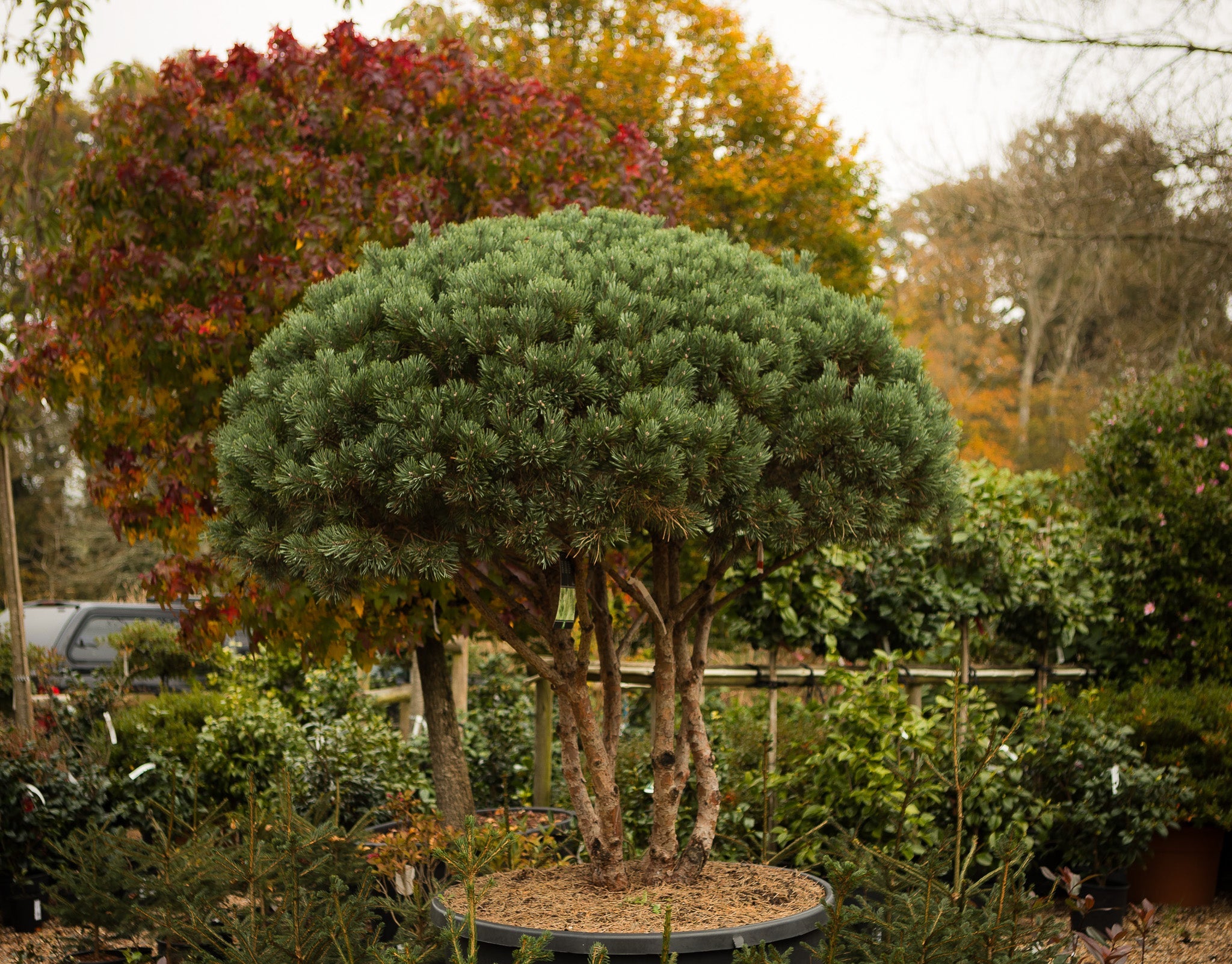
Pinus sylvestris | Scots pine - Height 300-320cm - Girth 16-18cm - 110lt
£875.00
Unit price perPinus sylvestris | Scots pine - Height 300-320cm - Girth 16-18cm - 110lt
£875.00
Unit price perPinus sylvestris, commonly known as Scots Pine, is a handsome evergreen tree that brings year-round structure, colour and character to the garden. Native to Britain, it is particularly valued for its attractive reddish-orange bark, blue-green needles and naturally open, irregular habit as it matures.
Scots Pine is a versatile choice for larger gardens and open landscapes, where it has sufficient room to develop its distinctive shape. It can eventually become a substantial tree, so it is best planted away from buildings, boundaries and smaller planting areas. Its airy canopy allows some light to reach the ground, making it easier to underplant than many dense evergreen trees.
Once established, Pinus sylvestris is generally hardy and tolerant of exposed conditions, making it suitable for many parts of the UK, including windy and coastal locations. It performs best in well-drained soil and is particularly well suited to lighter, sandy or acidic soils, although it can tolerate a range of soil types provided drainage is reasonable.
A relatively low-maintenance tree, it requires little routine pruning and develops its best form when allowed to grow naturally. It is an excellent choice where a strong, architectural evergreen specimen is required.


Tilia henryana | Henry's Lime - Bushy - Height 260-280cm - 130lt
£1,050.00
Unit price perTilia henryana | Henry's Lime - Bushy - Height 260-280cm - 130lt
£1,050.00
Unit price perTilia henryana, commonly known as Henry’s lime, is an elegant and distinctive deciduous tree valued for its refined form, ornamental foliage, and late-season flowers. Native to central China, it was introduced to Britain in the late nineteenth century and has since become a prized specimen in gardens, arboreta, and parkland where space allows.
The most striking feature of Tilia henryana is its leaves. They are heart-shaped and mid to dark green, with sharply serrated margins that are noticeably bristle-tipped, giving the foliage a finely textured and slightly spiky appearance. This characteristic sets it apart from other limes and adds visual interest throughout the growing season. In autumn, the leaves turn an attractive yellow, providing a soft seasonal display before leaf fall.
The tree typically develops a broadly conical to rounded crown and can reach heights of 10–15 metres in cultivation in the UK, often smaller than many other Tilia species. Its bark is smooth and grey when young, becoming lightly fissured with age. The overall habit is neat and balanced, making it suitable as a specimen tree rather than for formal avenues.
Flowering occurs in late summer, usually in August, later than most other limes. The small, creamy-white flowers are borne in loose clusters accompanied by pale green bracts. They are lightly fragrant and extremely attractive to bees and other pollinators, extending the nectar season well into the summer. Following flowering, small, rounded nutlets may form.
Tilia henryana prefers fertile, moist but well-drained soils and grows best in full sun or light shade. It is hardy in most parts of the UK and relatively free from serious pests or diseases. Its combination of unusual foliage, manageable size, and late flowering makes it an excellent choice for ornamental planting and biodiversity-friendly landscapes.


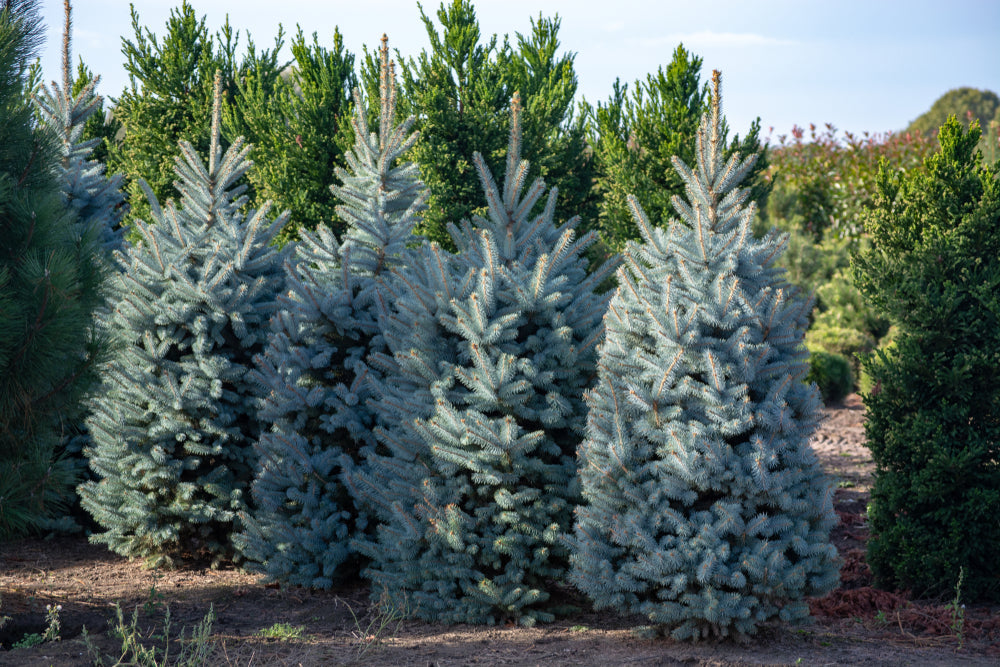
Blue Atlas Cedar | Cedrus Libani 'Glauca' - Height 170-190cm - Feathered - 20lt
£238.00
Unit price perBlue Atlas Cedar | Cedrus Libani 'Glauca' - Height 170-190cm - Feathered - 20lt
£238.00
Unit price perCedrus libani ‘Glauca’, commonly known as the Blue Lebanon Cedar, is a majestic and ornamental evergreen tree highly suitable for spacious gardens and landscapes. It thrives best in full sun with well-drained soil and is particularly valued for its glaucous, silver-blue needles, which provide year-round color and visual interest. This cultivar is drought-tolerant once established and requires minimal maintenance, making it a good choice for low-intervention gardening in temperate climates.
Its growth habit starts with a strong, upright, pyramidal form in youth, gradually developing into a broad, flat-topped tree with distinctive horizontal branching as it matures. This architectural structure creates a dramatic silhouette, especially in winter when its bold framework is fully visible. Due to its size—reaching heights of 40 to 60 feet or more with a broad spread—it is best suited to large gardens, parkland settings, or as a standalone specimen in open lawns.
Cedrus libani ‘Glauca’ is not recommended for small gardens due to its eventual scale, but in the right setting, it provides a long-lived and impressive focal point with outstanding ornamental value.


Taxus baccata Fastigiata Aurea - 80-90CM - 40lt
£66.00
Unit price perTaxus baccata Fastigiata Aurea - 80-90CM - 40lt
£66.00
Unit price per


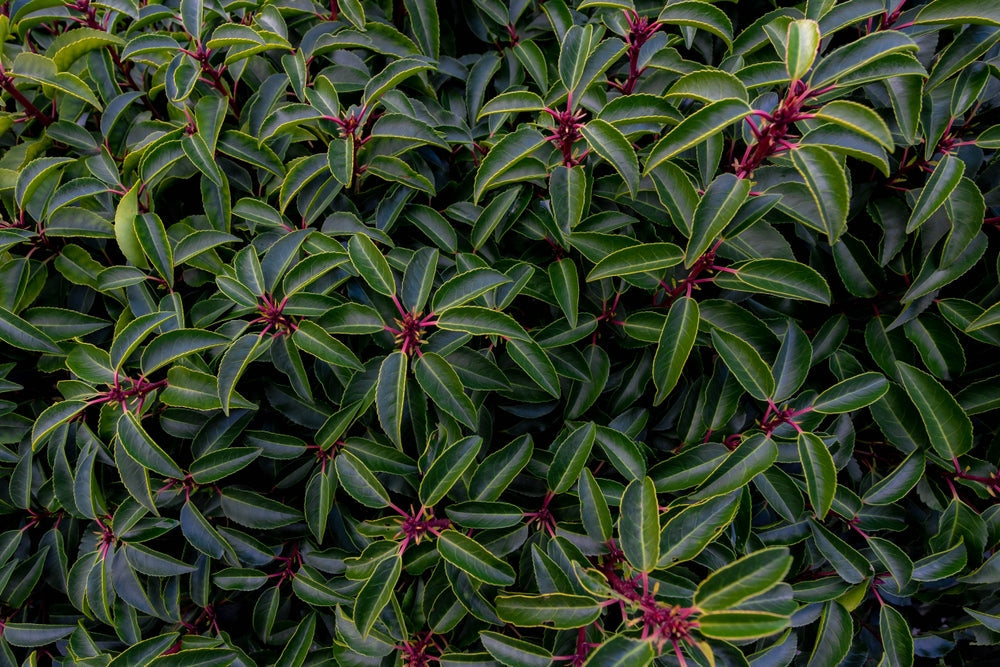
Prunus lusitanica 'Myrtifolia,' commonly known as Portuguese Laurel or Myrtle-leaf Cherry, is a beautiful evergreen tree that belongs to the Rosaceae family. Native to Portugal, it has become a popular ornamental tree in gardens and landscapes around the world. This compact tree can reach a height of about 6-10 feet (2-3 meters) and a spread of 4-6 feet (1.2-1.8 meters), making it ideal for smaller spaces or as a hedging plant.
One of the most striking features of Prunus lusitanica 'Myrtifolia' is its glossy, dark green leaves, which have a unique myrtle-like shape. The leaves are lance-shaped, elliptical, and have finely serrated edges. They provide a year-round display of rich green foliage, adding an elegant touch to any setting.
In late spring and early summer, this tree produces small, fragrant, creamy-white flowers in dense, erect clusters. The blossoms are a valuable nectar source for pollinators like bees and butterflies. Once pollinated, the flowers give way to small, round, red to dark-purple berries, adding further visual interest and attracting birds to the garden.
The 'Myrtifolia' variety of Prunus lusitanica is prized for its compact growth habit, making it an excellent choice for hedges, borders, or screens. When planted closely together, the trees form a dense, evergreen barrier, providing privacy and a lush backdrop for other garden elements. Additionally, the tree's dense foliage also acts as a natural sound barrier, reducing noise pollution.
This tree is adaptable to a range of soil types, from sandy to clayey, and prefers well-drained soil. It thrives in full sun to partial shade and is relatively low-maintenance once established. Regular watering during its initial growth period helps establish a strong root system, after which it becomes moderately drought-tolerant.
While generally hardy, Prunus lusitanica 'Myrtifolia' may be susceptible to pests like aphids and diseases like leaf spot or powdery mildew. Regular inspections and appropriate measures can prevent these issues from becoming significant problems.
Overall, Prunus lusitanica 'Myrtifolia' is a charming and versatile tree that adds a touch of elegance to any garden or landscape, whether as a focal point, a hedge, or a beautiful backdrop for other plants. Its attractive foliage, fragrant flowers, and wildlife-friendly berries make it a favorite among gardeners seeking an evergreen tree with year-round interest.


Crab Apple tree 'John Downie' | Malus domestica - 160-180cm - 10lt
£90.00
Unit price perCrab Apple tree 'John Downie' | Malus domestica - 160-180cm - 10lt
£90.00
Unit price per


Alnus Incana Aurea - Grey Alder - Feathered - Height 240-250cm - 10lt
£138.00
Unit price perAlnus Incana Aurea - Grey Alder - Feathered - Height 240-250cm - 10lt
£138.00
Unit price perAlnus incana 'Aurea', known as the Golden Alder, is a deciduous tree prized for its striking yellow foliage and adaptability to various growing conditions. This cultivar is a variation of the grey alder (Alnus incana), native to Europe, North America, and parts of Asia, and is widely cultivated for its ornamental appeal.
Reaching a height of 6 to 10 metres, with a spread of 4 to 6 metres, Alnus incana 'Aurea' is medium-sized, making it suitable for smaller gardens as well as larger landscapes. It is noted for its smooth, greyish bark, which contrasts beautifully with its bright golden-yellow leaves that emerge in early spring. As the season progresses, the foliage turns a lime green, maintaining a light and airy appearance. The leaves are ovate, serrated, and slightly sticky to the touch when young.
In winter, this tree adds visual interest with its small, cone-like fruits and hanging catkins that persist on the branches. The catkins are yellow-brown and appear before the leaves in early spring, contributing to the tree’s year-round appeal.
Alnus incana 'Aurea' is an extremely hardy tree, thriving in a variety of soil types, including wet and poorly drained soils. It is often planted in areas prone to flooding or along riverbanks, as it is highly tolerant of waterlogged conditions. The tree also fixes nitrogen in the soil through symbiotic relationships with root nodules, which improves soil fertility.
Though low-maintenance, the Golden Alder benefits from occasional pruning to maintain its shape and encourage healthy growth. This fast-growing tree is a great choice for those looking to introduce colour and texture to their garden while supporting local wildlife, as it provides shelter and food for birds and insects.


Pinus parviflora Schoons Bonsai | Japanese white pine - Bushy - Height 60-70cm - 10lt
£143.00
Unit price perPinus parviflora Schoons Bonsai | Japanese white pine - Bushy - Height 60-70cm - 10lt
£143.00
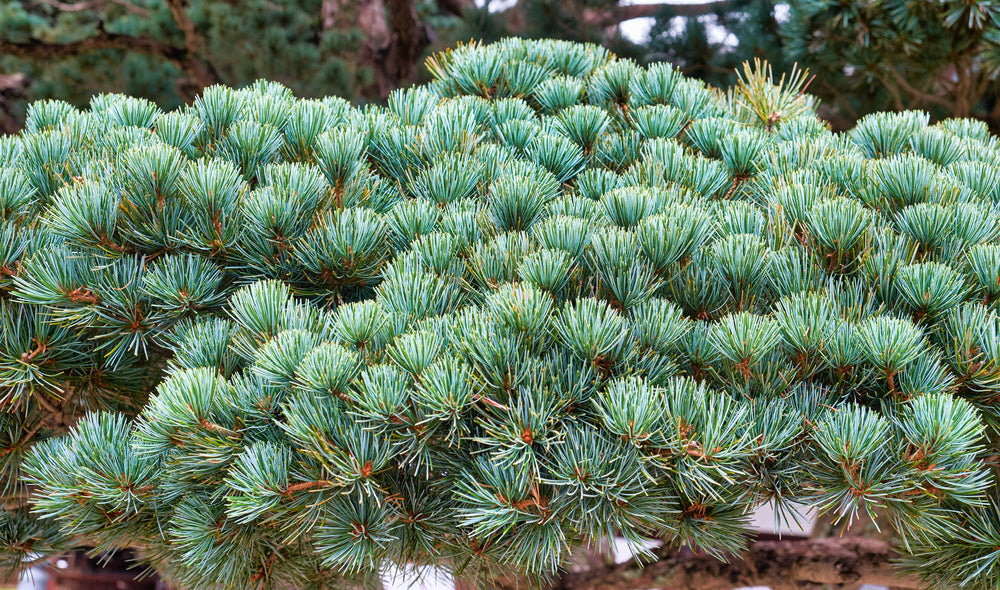
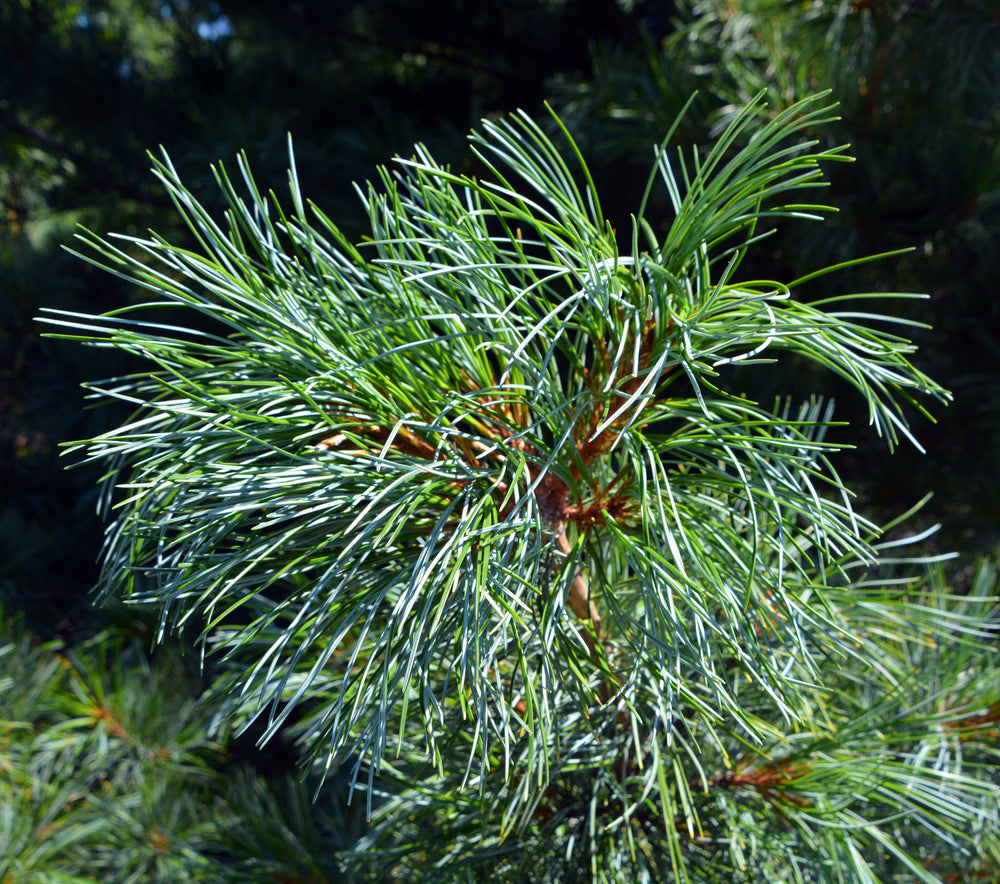
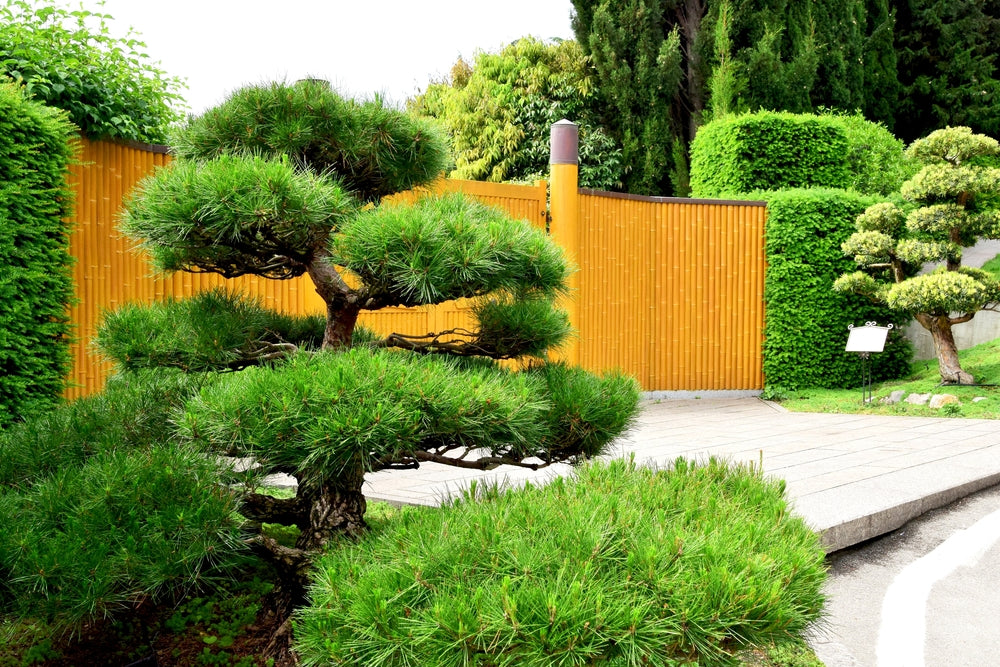
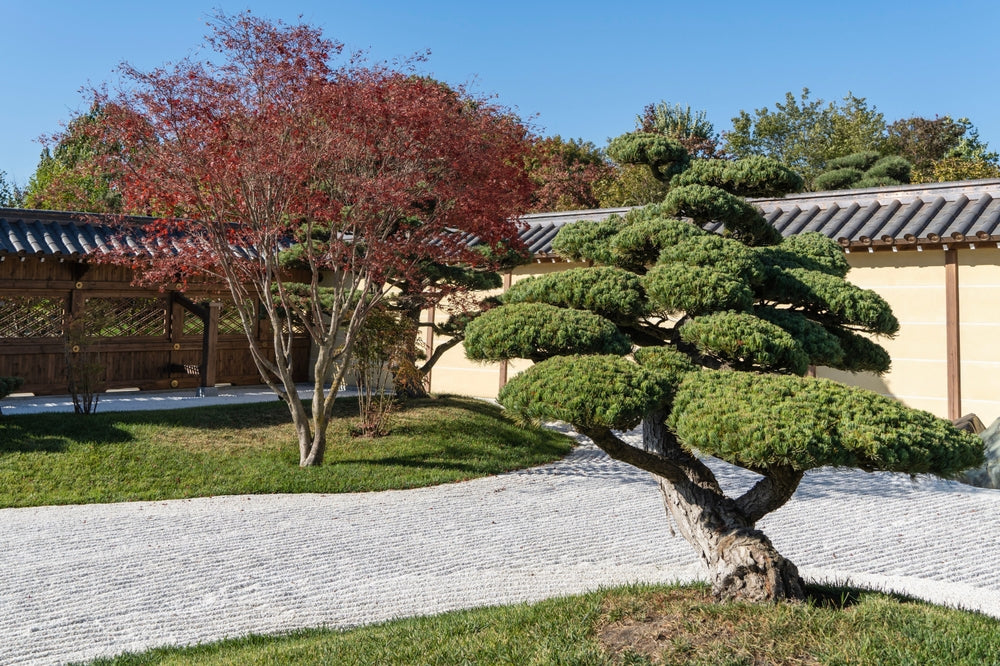
Unit price perPinus parviflora ‘Schoon’s’ is a beautiful and highly sought-after variety of Japanese White Pine, prized for its elegant form, attractive foliage and suitability for both traditional and contemporary gardens. Originating from Japan, this refined evergreen pine develops a naturally graceful habit, with twisting branches and soft, blue-green needles that are held in delicate clusters of five. The fine-textured foliage gives the tree a light, airy appearance, making it an excellent choice where year-round structure and visual interest are required.
In the UK, ‘Schoon’s’ is particularly valued by enthusiasts of Japanese-style gardens and those looking to create a specimen tree with character. It responds exceptionally well to pruning and training, making it ideal for bonsai, niwaki (cloud-pruned garden trees), or simply as an architectural feature in a border, courtyard or gravel garden. With age, the bark develops an attractive rugged texture, adding further winter interest and a sense of maturity.
This slow-growing evergreen prefers a sunny, open position with free-draining soil. It is tolerant of a range of soil types, including slightly acidic to neutral soils, but dislikes heavy, waterlogged conditions. Once established, it is relatively drought tolerant, although young trees benefit from regular watering during dry spells, particularly when grown in containers. A sheltered position is beneficial in exposed areas, especially where cold winds may cause damage to the fine needles.
‘Schoon’s’ remains compact compared with many other pines, making it suitable for smaller gardens where a specimen tree is desired without excessive growth. Over many years it can develop into a highly sculptural tree, with a characterful silhouette that improves with age.
An excellent choice for collectors, Japanese-inspired planting schemes, rock gardens and formal landscapes, Pinus parviflora ‘Schoon’s’ offers year-round beauty, low maintenance and a timeless elegance that makes it a standout evergreen feature in the UK garden.


Apple tree 'Greenfinch' (Starline) | Malus domestica - Height 190-210cm - 12lt
£86.00
Unit price perApple tree 'Greenfinch' (Starline) | Malus domestica - Height 190-210cm - 12lt
£86.00
Unit price perThe Starline Green Finch apple tree is a modern, compact variety well suited to gardens across the UK, particularly where space is limited. Bred for reliability and ease of care, it is an excellent choice for both beginner and experienced gardeners seeking a productive and attractive fruit tree.
This variety produces medium-sized apples with a fresh green skin, sometimes developing a slight golden hue as they ripen. The flesh is crisp, juicy, and pleasantly firm, offering a well-balanced flavour that combines gentle sweetness with a refreshing sharpness. This makes the fruit ideal for eating fresh, while also being suitable for cooking, juicing, or adding to salads.
The tree itself has a neat, manageable growth habit, often remaining relatively compact without requiring excessive pruning. It is therefore particularly appropriate for smaller gardens, patios, or even container growing when grafted onto a suitable rootstock. In spring, it produces a profusion of delicate white blossoms, which not only enhance its ornamental appeal but also attract pollinators such as bees.
One of the key advantages of the Starline Green Finch is its good disease resistance, helping to reduce the need for chemical treatments and making it a more environmentally friendly option. It is also known for producing consistent and reliable crops year after year, even in typical British weather conditions.
Overall, the Starline Green Finch apple tree offers a combination of practicality, flavour, and visual appeal, making it a rewarding addition to a wide range of UK gardens.