

-
Trees
Trees
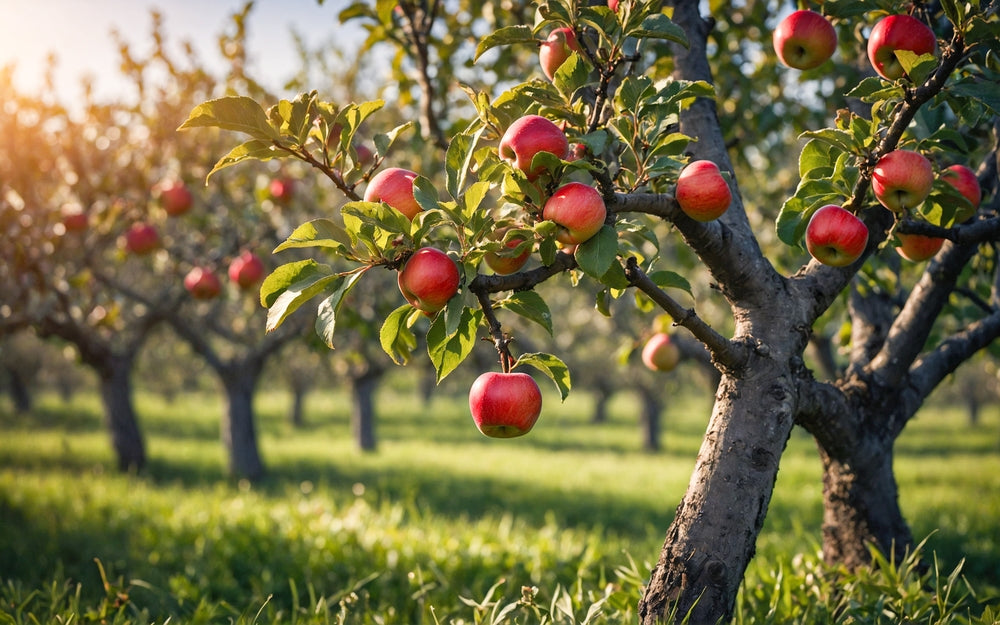 Fruit Trees
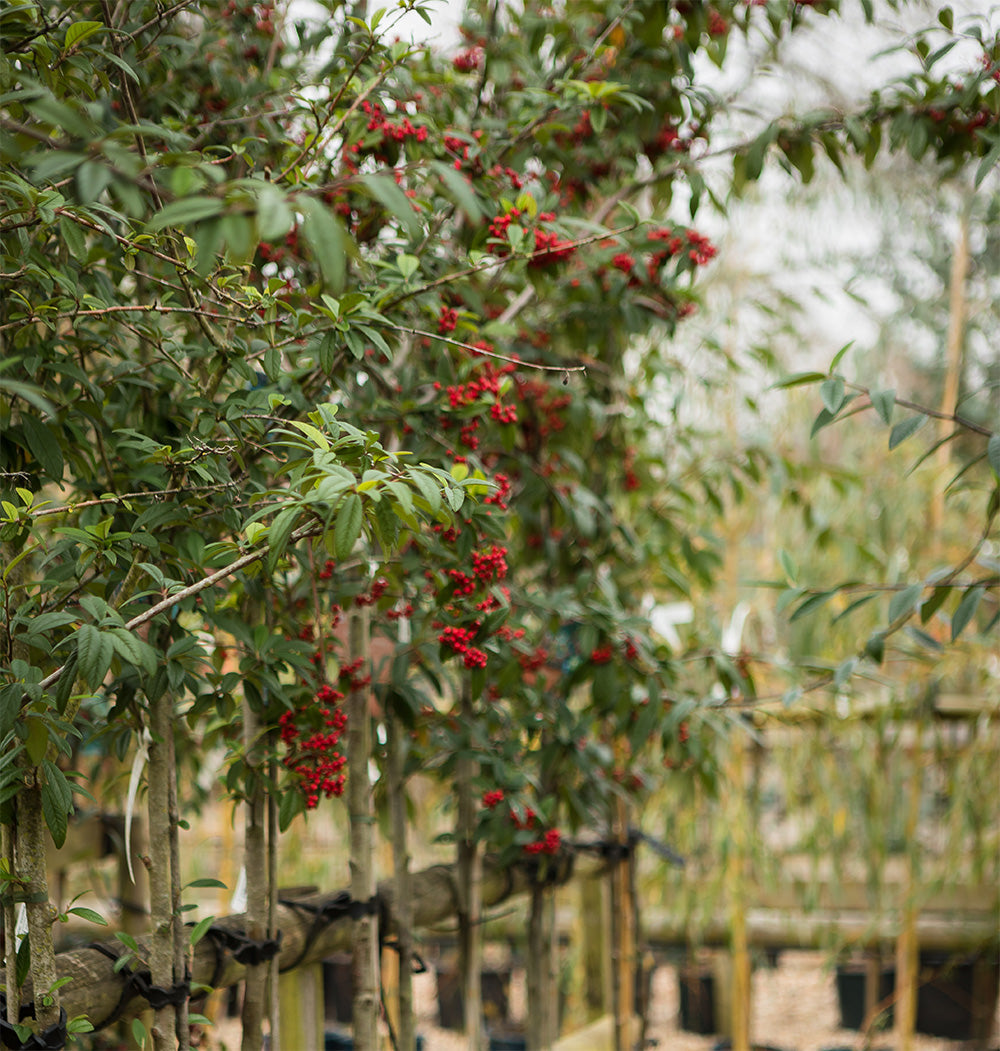 Ornamental
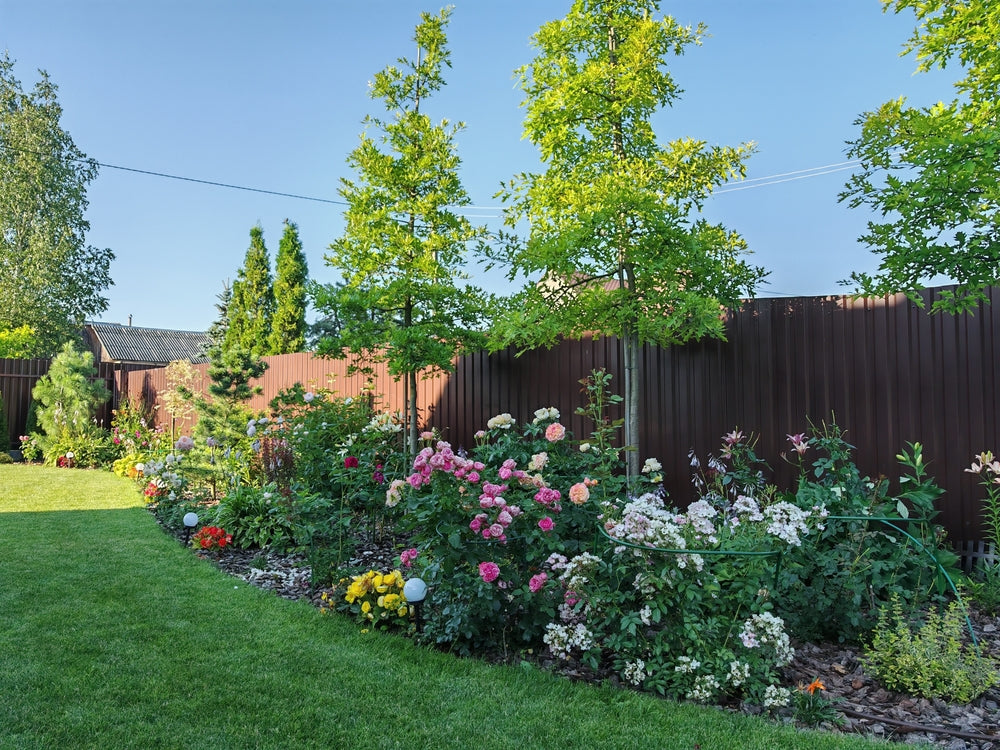 Screening
 Palms
By FeaturesBy Shape
-
Shrubs
Shrubs
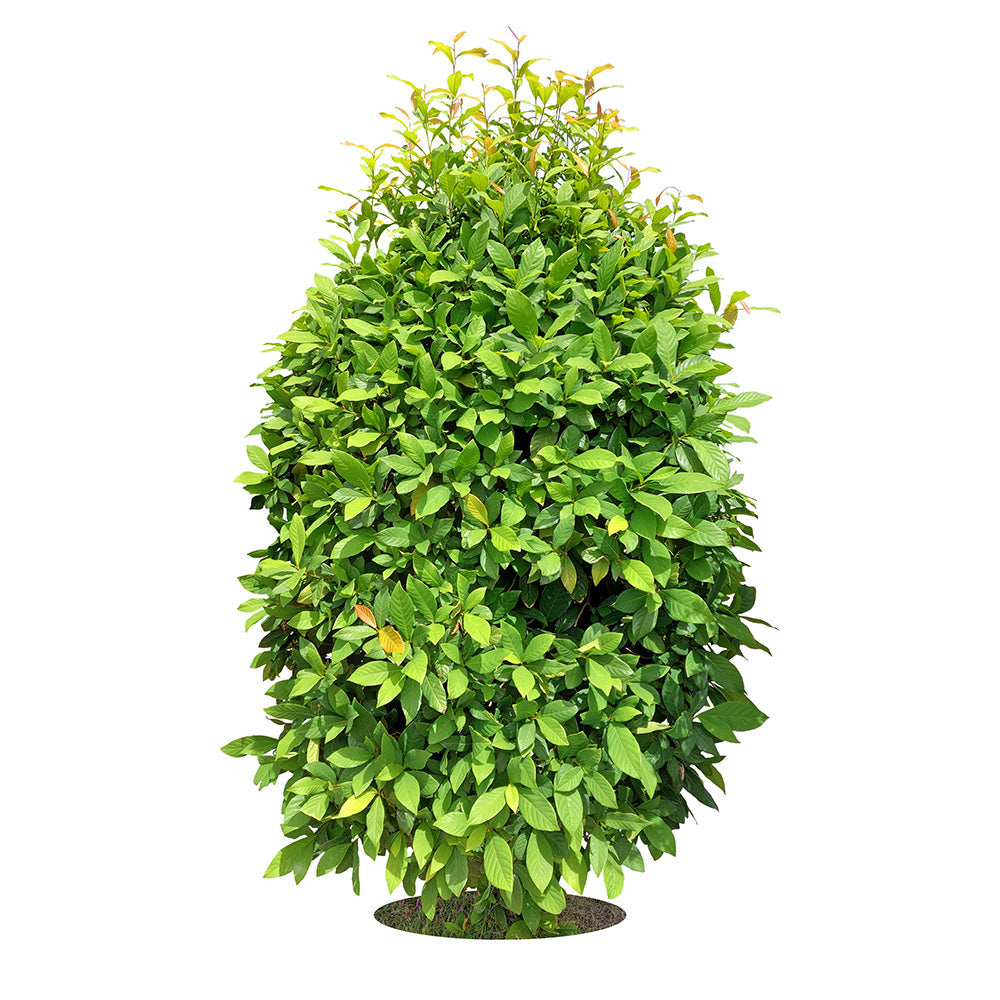 Large shrubs
 Hedging
 Bamboo
 Climbers
 Flowering
 Grasses & Ferns
 Popular
-
Pines & Conifers
Pines & Conifers
 Pines
 Spruce & Fir
 Cypress
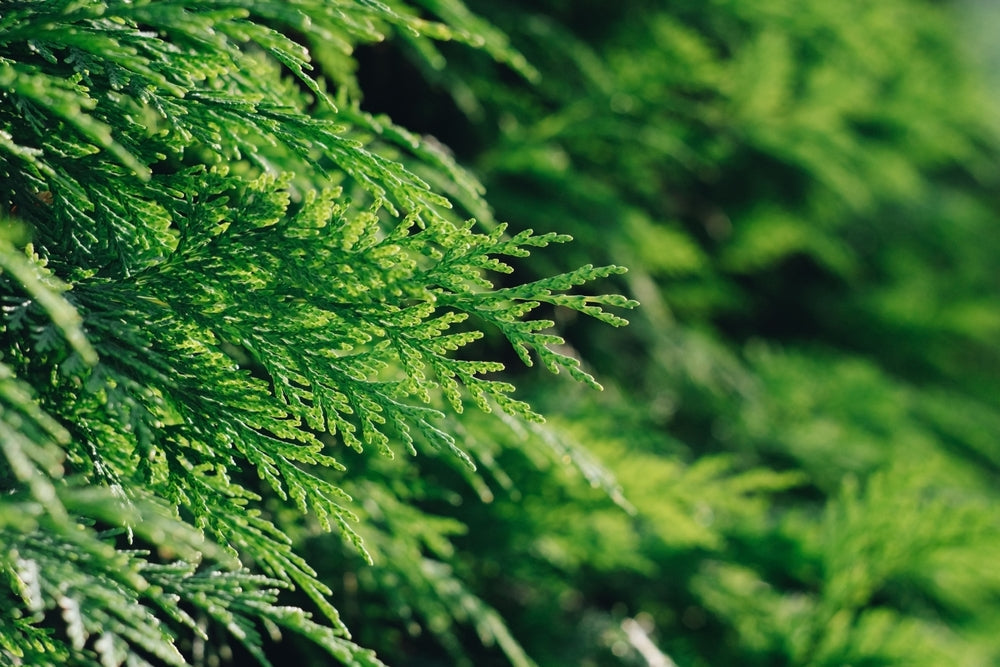 Thuja
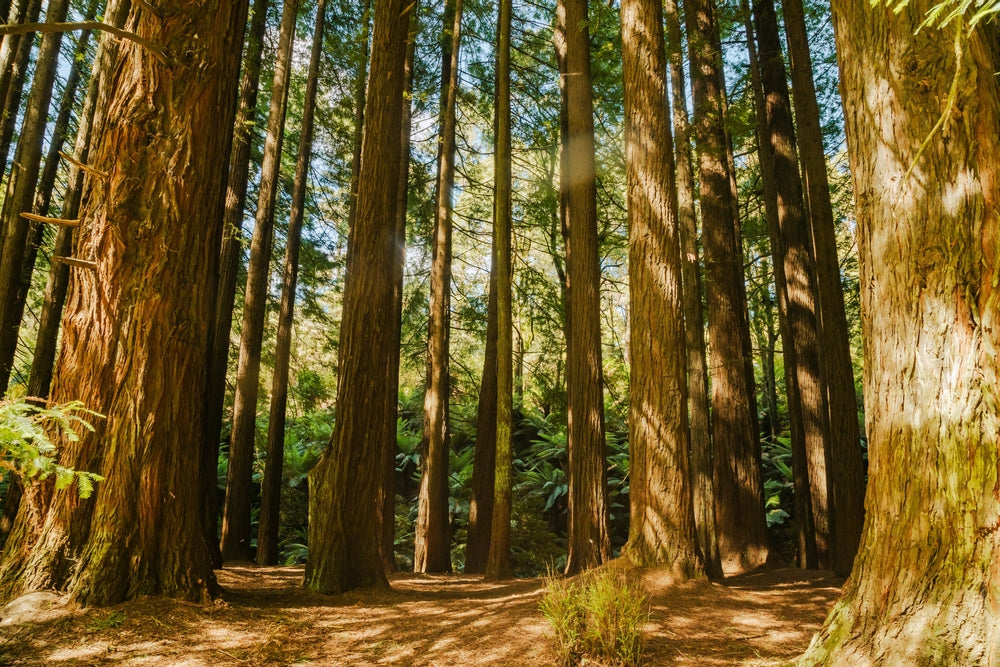 Redwood | Sequoia
-
Specimen
FREE DELIVERY OVER £350
Search results
Search results
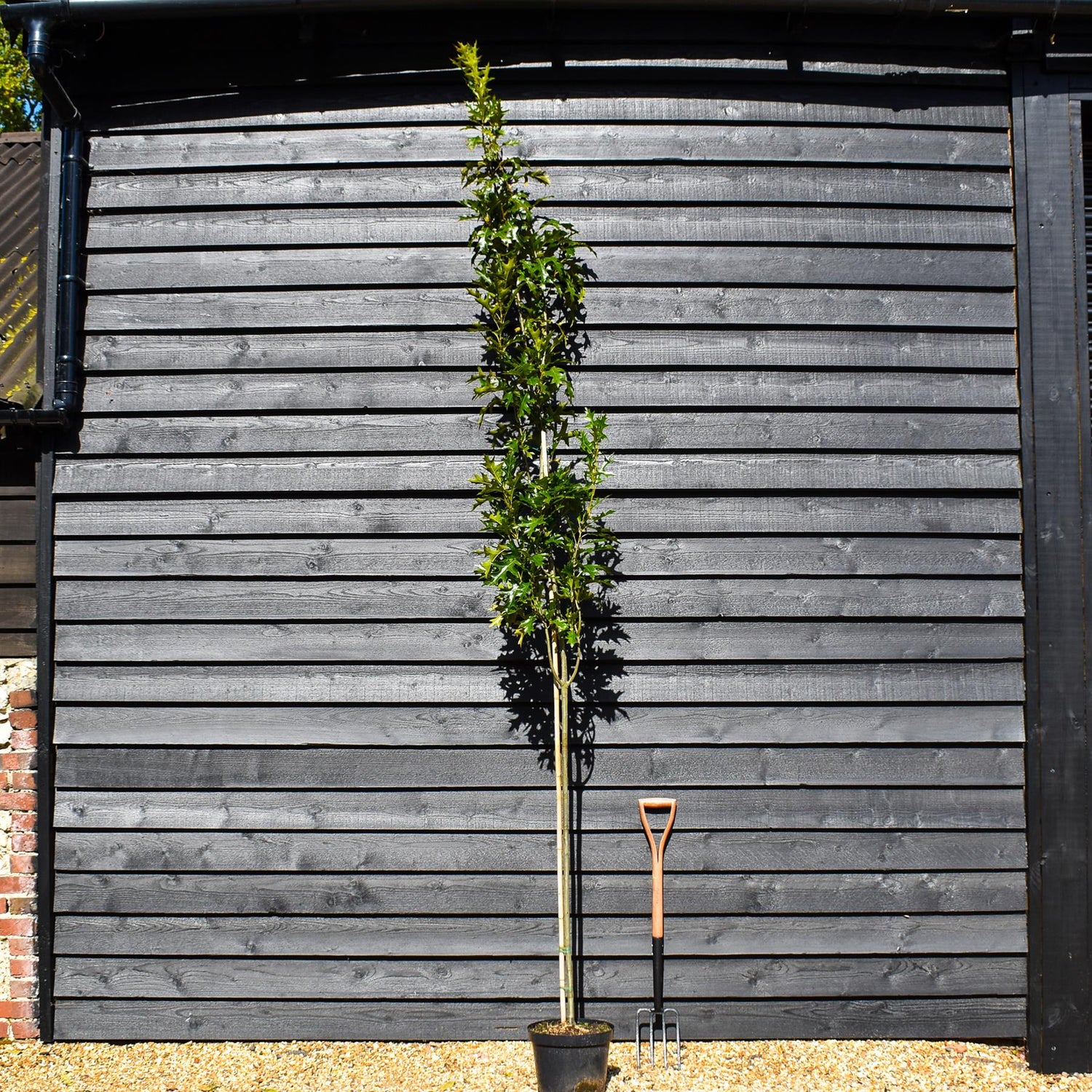


Upright Pin Oak | Quercus palustris 'Green Pillar' (Pringreen) - Height 200-220cm - Pot Grown - 10lt
£177.00
Unit price perUpright Pin Oak | Quercus palustris 'Green Pillar' (Pringreen) - Height 200-220cm - Pot Grown - 10lt
£177.00
Unit price perQuercus palustris 'Green Pillar' is a distinctive cultivar of the pin oak, celebrated for its elegant, narrow, columnar form. Unlike the broader habit of traditional pin oaks, this variety grows upright with dense, vertical branches, making it an excellent choice for limited spaces, urban gardens, or as a striking architectural feature in larger landscapes. Its glossy, deep green leaves bring a lush texture throughout spring and summer, transforming into vivid shades of crimson and scarlet in autumn, creating a dramatic seasonal display. Hardy and adaptable, 'Green Pillar' thrives in a variety of soils, including wetter conditions, and is resistant to many common pests and diseases. At maturity, it reaches around 10–15 meters in height while maintaining its slim profile, ideal for lining avenues or adding vertical interest to gardens. Combining strength, beauty, and year-round appeal, Quercus palustris 'Green Pillar' embodies both elegance and resilience in modern landscapes.


Camellia japonica 'R.L. Wheeler ' - Height 25-30cm - Bushy - 3lt
£19.00
Unit price perCamellia japonica 'R.L. Wheeler ' - Height 25-30cm - Bushy - 3lt
£19.00
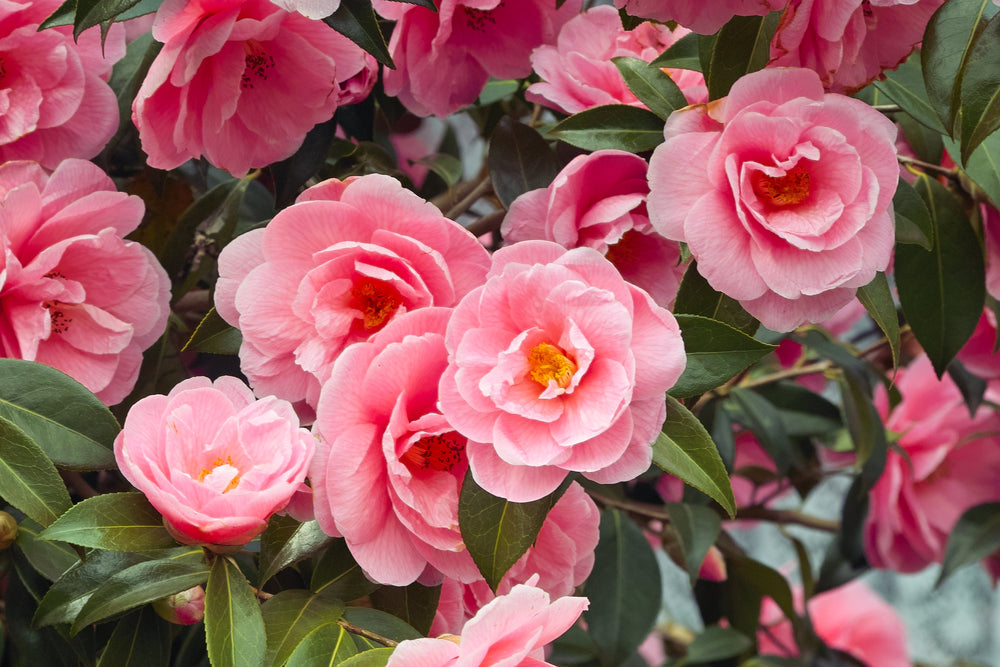
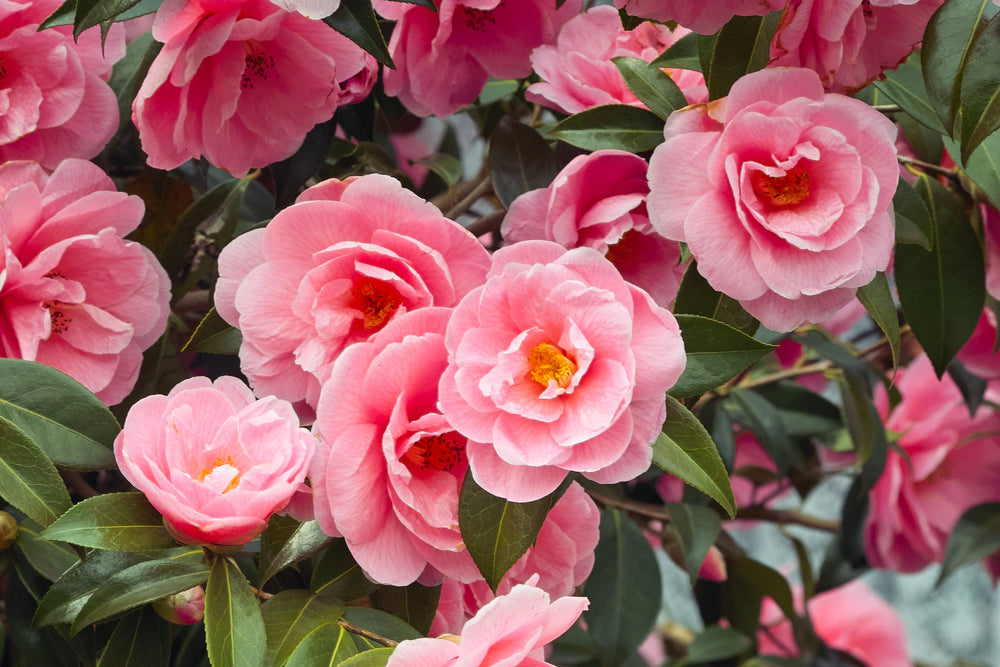
Unit price perCamellia R.L. Wheeler is a bold and beautiful evergreen shrub prized for its large, vibrant rose-red blooms that appear in mid to late season. The flowers are often peony or semi-double in form, with ruffled petals that create a full, lush appearance. Its deep green, glossy foliage provides year-round structure and contrast, enhancing the dramatic effect of the blooms.
This camellia grows into a medium to large-sized shrub with a strong, upright habit, making it an excellent choice for feature planting, screens, or woodland-style gardens. It prefers a sheltered position with dappled or morning sun and protection from harsh afternoon rays and strong winds.
Like all camellias, R.L. Wheeler thrives in slightly acidic, well-drained soil rich in organic matter. Mulching and regular watering help maintain optimal conditions. With proper care, it brings vibrant color and elegance to the garden during the cooler months.


Rowan tree | Sorbus aucuparia | European Mountain Ash - Height 220-260cm - Girth 6-8cm - Pot Grown - 20lt
£85.00
Unit price perRowan tree | Sorbus aucuparia | European Mountain Ash - Height 220-260cm - Girth 6-8cm - Pot Grown - 20lt
£85.00
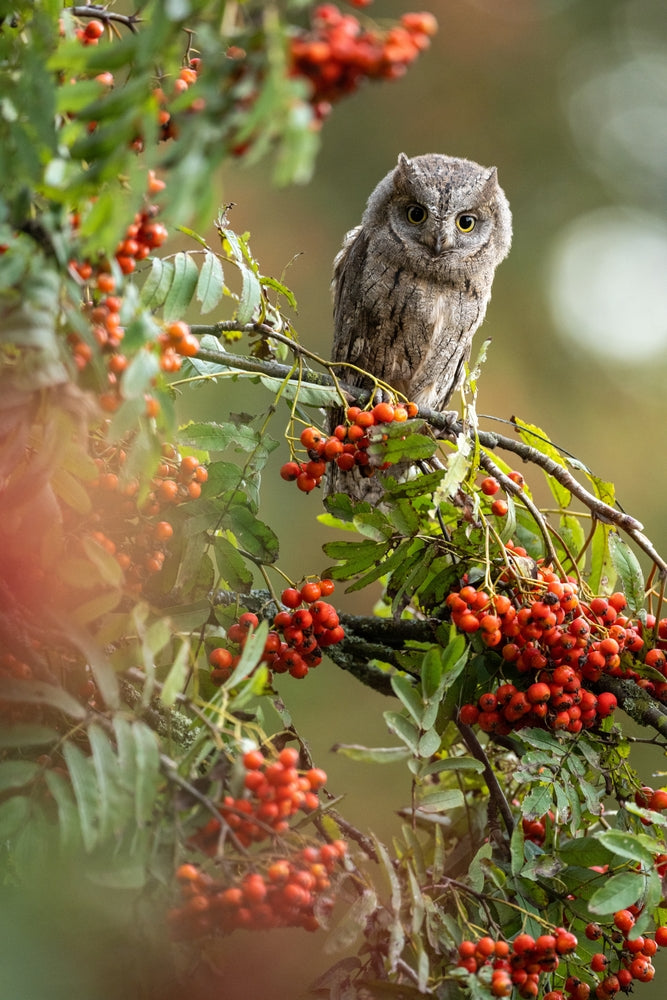
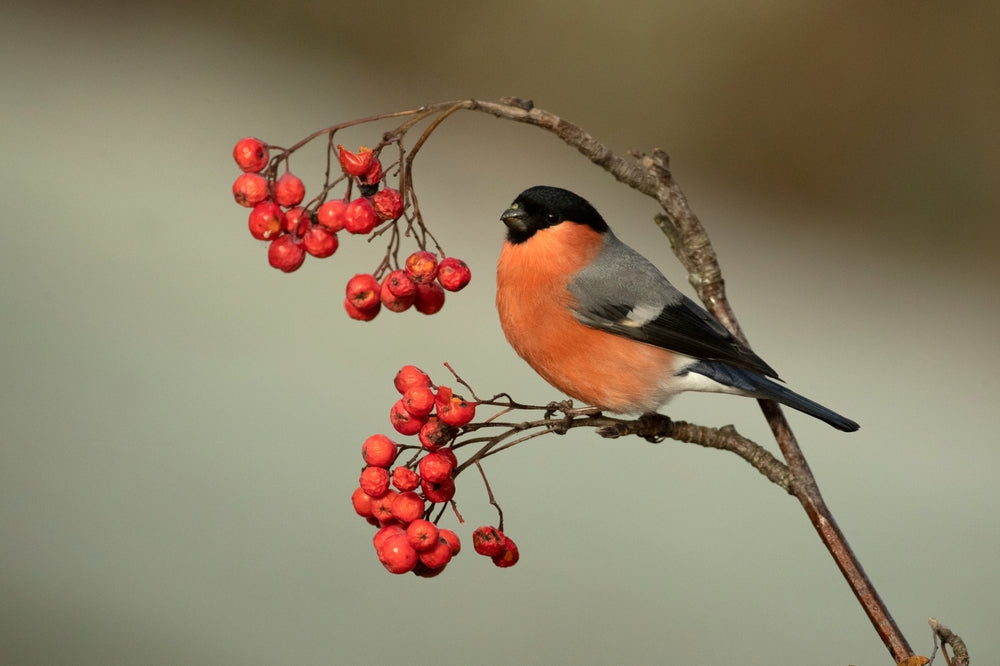
Unit price perRowan, Sorbus aucuparia, or European Mountain Ash, is a vigorous, deciduous tree with oval, upright habit when young, rounded when mature and pinnate, serrated, dark green leaves, yellow, red, and purple in autumn. Flat-topped clusters of small, white flowers bloom in late spring and are followed by a profusion of bright orange-red berries. Attractive to birds and bees. European Mountain Ash prefers moderately fertile, humus-rich, slightly acidic, moist, well-drained soils, but is adaptable to various soil conditions, even poor and dry. It thrives in full sun to partial shade. It is resistant to frost and can withstand wind and short floods. Doesn’t like hot and humid summers. Very easy to grow, tolerant of urban pollution and exposed areas. Low maintenance plant, doesn’t require pruning. Sorbus aucuparia is an attractive ornamental tree, perfect for cool northern climates. Great for cottage, wildlife, and urban gardens. Excellent as a street tree. Suitable for growing in containers on patios and roof gardens.
Pot-grown trees establish quickly with minimal transplant shock, offer greater flexibility for planting throughout the year, and typically show more consistent early growth due to their well-developed, protected root systems.


Syringa Vulgaris | Lilac - Shrub -Half Standard - Clear Stem 90cm - Height 220-240cm - 45lt
£385.00
Unit price perSyringa Vulgaris | Lilac - Shrub -Half Standard - Clear Stem 90cm - Height 220-240cm - 45lt
£385.00
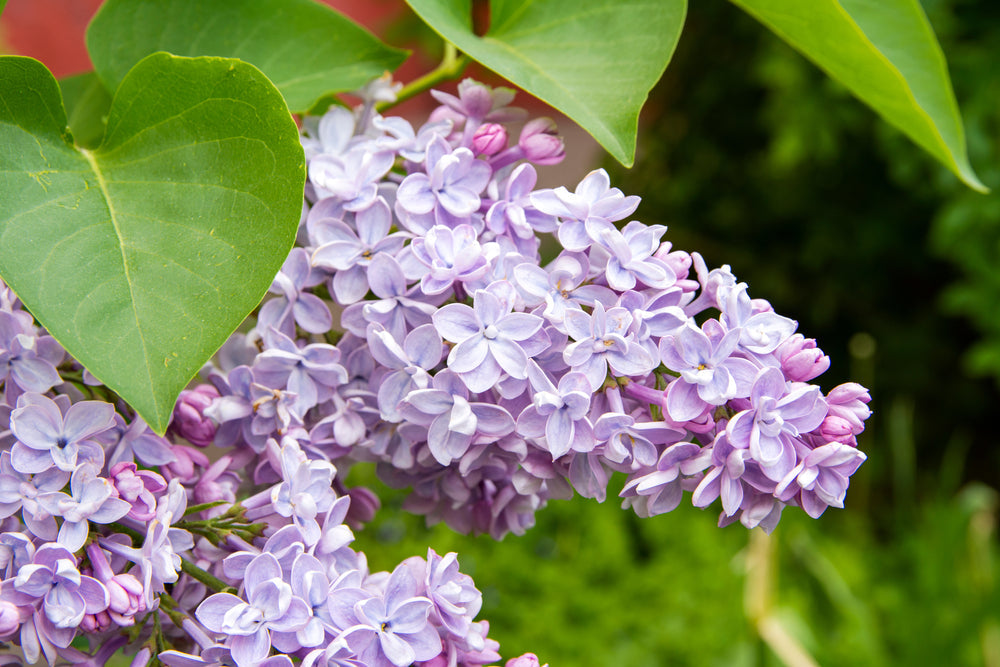
Unit price perThe Syringa vulgaris, commonly known as the common lilac, is a deciduous shrub belonging to the Oleaceae (olive) family. Native to the Balkan Peninsula, it has been widely cultivated across Europe and North America for its fragrant, showy blossoms and ornamental appeal.
Growing to an average height of 4–6 metres (13–20 feet), Syringa vulgaris forms a dense, multi-stemmed thicket with an upright, spreading habit. Its dark green, ovate leaves are simple and arranged oppositely along the stems, providing lush foliage that remains attractive throughout the growing season.
The plant is best known for its spectacular blooms, which appear in mid to late spring. The conical panicles, measuring 10–20 cm (4–8 inches) long, consist of small, tubular flowers. The flowers are highly fragrant, making them a favourite for gardens and floral arrangements.
Thriving in temperate climates, Syringa vulgaris prefers well-drained, neutral to slightly alkaline soil and full sun for optimal blooming. It is cold-hardy and can withstand harsh winters, making it a popular choice for northern regions.
Historically, lilacs have symbolised love, renewal, and nostalgia, and they are often planted in cottage gardens, hedgerows, and public parks. They attract pollinators, such as butterflies and bees, while being relatively pest-resistant.


Euonymus 'Green Spire' Shrub - Ball - 70-80cm - 30lt
£160.00
Unit price perEuonymus 'Green Spire' Shrub - Ball - 70-80cm - 30lt
£160.00
Unit price perEuonymus japonicus 'Green Spire' is a small, bushy, narrow evergreen shrub with upright branches densely covered with tough, leathery, ovate, glossy, dark green leaves and inconspicuous, greenish-white flowers blooming in spring, followed by pink fruits in autumn. Euonymus japonicus 'Green Spire' is tolerant of a wide range of soils and soil conditions, but prefers slightly acidic, moist, well-drained soils. It can grow in any location, from full sun to deep shade. Once established, drought-tolerant. Very resistant to frost, but still needs to be protected from harsh, winter winds. Not suitable for outdoor pots in colder areas. Relatively, pest-free and disease-free. Low maintenance plant, doesn’t require pruning. Spindle tree 'Green Spire' is a tough, dense shrub that requires minimal care and is perfect for shaping into hedges and screens for cottage, coastal, and urban gardens. Great as a ground cover, for beds and borders, and wall-side borders. Excellent for banks and slopes and growing in containers.


Pinus mugo 'Ophir' - Height 30-40cm - 7.5lt
£230.00
Unit price perPinus mugo 'Ophir' - Height 30-40cm - 7.5lt
£230.00
Unit price perPinus mugo 'Ophir' is a dwarf cultivar of the mountain pine, Pinus mugo. It is a slow-growing, coniferous evergreen shrub that typically reaches a height of 2-3 feet and a spread of 4-5 feet at maturity. Its compact and rounded form, with bright golden-yellow foliage, makes it an excellent choice for rock gardens, container plantings, and low borders. The needles of Pinus mugo 'Ophir' are short and twisted, measuring about 1-2 inches long. They emerge in spring as a vibrant golden-yellow colour, which gradually fades to a soft green in summer. The bark of the plant is a dark brown color with a slightly rough texture, adding to its ornamental value. This cultivar is very hardy and can withstand harsh winter conditions, making it an ideal choice for cold climates. It prefers full sun to partial shade and well-drained soils that are slightly acidic. Once established, it is drought tolerant and requires minimal maintenance.


Tilia henryana | Henry's Lime - Bushy - Height 260-280cm - 130lt
£1,050.00
Unit price perTilia henryana | Henry's Lime - Bushy - Height 260-280cm - 130lt
£1,050.00
Unit price perTilia henryana, commonly known as Henry’s lime, is an elegant and distinctive deciduous tree valued for its refined form, ornamental foliage, and late-season flowers. Native to central China, it was introduced to Britain in the late nineteenth century and has since become a prized specimen in gardens, arboreta, and parkland where space allows.
The most striking feature of Tilia henryana is its leaves. They are heart-shaped and mid to dark green, with sharply serrated margins that are noticeably bristle-tipped, giving the foliage a finely textured and slightly spiky appearance. This characteristic sets it apart from other limes and adds visual interest throughout the growing season. In autumn, the leaves turn an attractive yellow, providing a soft seasonal display before leaf fall.
The tree typically develops a broadly conical to rounded crown and can reach heights of 10–15 metres in cultivation in the UK, often smaller than many other Tilia species. Its bark is smooth and grey when young, becoming lightly fissured with age. The overall habit is neat and balanced, making it suitable as a specimen tree rather than for formal avenues.
Flowering occurs in late summer, usually in August, later than most other limes. The small, creamy-white flowers are borne in loose clusters accompanied by pale green bracts. They are lightly fragrant and extremely attractive to bees and other pollinators, extending the nectar season well into the summer. Following flowering, small, rounded nutlets may form.
Tilia henryana prefers fertile, moist but well-drained soils and grows best in full sun or light shade. It is hardy in most parts of the UK and relatively free from serious pests or diseases. Its combination of unusual foliage, manageable size, and late flowering makes it an excellent choice for ornamental planting and biodiversity-friendly landscapes.


Butia capitata | Jelly palm - Height 230-240cm- 130lt
£1,050.00
Unit price perButia capitata | Jelly palm - Height 230-240cm- 130lt
£1,050.00
Unit price perThe most striking feature of the Butia capitata is its blue-gray or silver-green trunk. Unlike many other palm trees, the trunk is covered in old leaf bases that give it a rough, textured appearance. As the palm matures, the base of the trunk gradually changes from a gray to a brown color, adding to its unique character.
Butia capitata is also known for its lush foliage. The leaves are feather-like, pinnate, and can grow up to 8 feet long. They grow in a V-shape around the trunk, giving the palm a stunning, symmetrical look. In spring, small, yellowish flowers bloom from the palm's crown. The flowers give way to edible fruit, which are known as "jelly palms," as they are sweet and commonly used to make jellies and jams.
This palm tree is highly adaptable and can thrive in a variety of soil types, including sandy, loamy, and clay soils. It prefers full sun but can handle some shade and is tolerant of drought and heat.
In addition to its stunning visual appeal, Butia capitata is also considered to be a "clean" palm tree. Unlike some other palm species, it is not prone to diseases or pests and requires little maintenance to keep it healthy.
In summary, Butia capitata is an excellent choice for adding texture, color, and character to any outdoor garden. It's a low-maintenance plant that offers an appealing aesthetic and is adaptable to a range of growing conditions, making it a great choice for gardeners of all skill levels.


Nyssa sylvatica | Black Gum Tree - Height 150-180cm - 10lt
£88.00
Unit price perNyssa sylvatica | Black Gum Tree - Height 150-180cm - 10lt
£88.00
Unit price per


Liquidambar styraciflua 'Worplesdon' Std | Sweet Gum Worplesdon - Height 150-180cm - 10lt
£88.00
Unit price perLiquidambar styraciflua 'Worplesdon' Std | Sweet Gum Worplesdon - Height 150-180cm - 10lt
£88.00
Unit price per


Sorbus aucuparia Sheerwater Seedling | Rowan | Mountain Ash - Height 160-180cm - 12lt
£85.00
Unit price perSorbus aucuparia Sheerwater Seedling | Rowan | Mountain Ash - Height 160-180cm - 12lt
£85.00
Unit price perSorbus aucuparia 'Sheerwater Seedling' is a decorative and hardy variety of rowan, or mountain ash tree, particularly noted for its profuse clusters of bright red berries and lush, pinnate, green leaves. Originating in Europe, this cultivar is recognized for its more compact and upright growth habit, making it suitable for smaller gardens or landscapes. It typically reaches heights of around 15 meters.
The 'Sheerwater Seedling' unfolds its beauty in every season. In spring, it brings forth dense clusters of creamy-white flowers, attracting a myriad of pollinators. As summer progresses, these flowers give way to vibrant, red berries, which become a primary food source for birds, especially in winter months. By autumn, the foliage turns into a fiery spectacle of oranges, reds, and yellows, creating a striking contrast with the bold berries.
Besides its aesthetic attributes, the 'Sheerwater Seedling' is valued for its adaptability and resilience. It thrives in a range of soil types, and its robust nature allows it to withstand urban pollution and harsh weather conditions. The resilience and prolific berry production make it a valuable addition to wildlife gardens, providing shelter and sustenance to various bird species and other fauna. Its attractive features and hardiness make it a popular choice for both ornamental and ecological plantings.


Acer japonicum 'Aconitifolium' | Downy Japanese maple - Height 160-170cm - 55lt
£833.00
Unit price perAcer japonicum 'Aconitifolium' | Downy Japanese maple - Height 160-170cm - 55lt
£833.00
Unit price perAcer japonicum 'Aconitifolium', commonly known as the Fernleaf Full Moon Maple, is a stunning deciduous tree cherished for its striking foliage and remarkable autumn display. Native to Japan, this variety is celebrated for its deeply lobed, fern-like leaves which provide a delicate, lacy texture that adds a unique aesthetic to any garden.
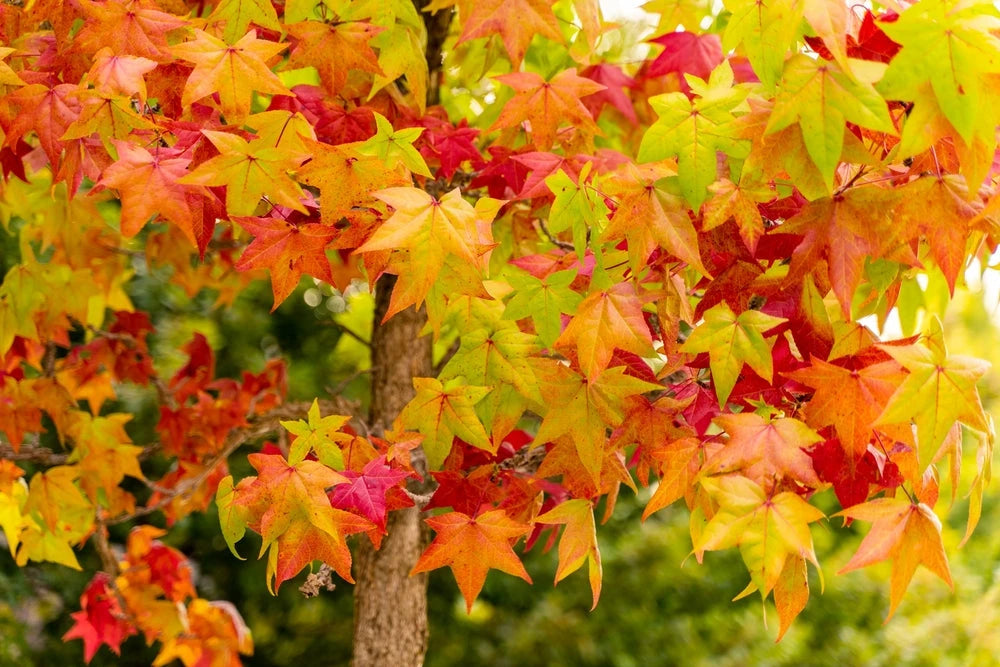
In spring and summer, the leaves emerge with a soft green hue, creating a serene and refreshing presence. As the seasons transition to autumn, 'Aconitifolium' truly shines. Its foliage transforms into a spectacular array of vibrant reds, oranges, and yellows, making it one of the most brilliant autumnal displays among maples. This transformation adds a dynamic and fiery focal point to gardens, capturing the essence of the changing seasons.
'Aconitifolium' typically reaches a height and spread of 3 to 4 meters, making it suitable for smaller gardens as well as larger landscapes. It thrives in well-drained, moist soil and prefers partial shade, although it can tolerate full sun if provided with adequate moisture. Its compact size and slow growth rate make it an excellent choice for urban gardens, patios, and container planting.
This maple is not only admired for its foliage but also for its elegant, spreading habit and attractive branching structure, which provide year-round interest. Whether as a specimen tree or part of a mixed border, Acer japonicum 'Aconitifolium' brings a touch of elegance and seasonal drama to any garden setting in the UK.


Acer griseum | Paperback Maple - 210-230cm - 50lt
£795.00
Unit price perAcer griseum | Paperback Maple - 210-230cm - 50lt
£795.00
Unit price per


Pinus wallichiana - Bhutan Pine - Height 50-75cm - 12lt
£160.00
Unit price perPinus wallichiana - Bhutan Pine - Height 50-75cm - 12lt
£160.00
Unit price perPinus wallichiana, commonly known as the Bhutan Pine, is a majestic and elegant evergreen conifer well suited to large gardens, parklands, and naturalistic landscapes. Native to the Himalayas, it is admired for its graceful, conical form, long soft blue-green needles, and layered, slightly pendulous branches, which give it a serene and ornamental presence throughout the year.
Bhutan Pine thrives in full sun and prefers well-drained soil, although it is adaptable to a variety of soil types, including sandy or moderately poor ground. It is hardy once established, tolerating cold winters and exposed positions, making it a reliable choice for temperate climates. Its growth habit is upright but relaxed, and mature trees develop a broad, elegant crown that adds structure and vertical interest to the garden.
This pine works particularly well as a specimen tree where it can be fully appreciated, or as part of a woodland-style planting scheme. Its soft, cascading foliage allows dappled light beneath, creating a tranquil, airy atmosphere. With minimal maintenance, strong architectural form, and year-round ornamental appeal, Bhutan Pine provides a striking focal point and a sense of timeless serenity in spacious garden landscapes.


Acer griseum | Paperback Maple - Height 135-145cm - 20lt
£200.00
Unit price perAcer griseum | Paperback Maple - Height 135-145cm - 20lt
£200.00
Unit price per

Cherry 'Stella' on Gisela | Prunus avium - Dwarfing - Height 130-160cm - 12lt
£86.00
Unit price perCherry 'Stella' on Gisela | Prunus avium - Dwarfing - Height 130-160cm - 12lt
£86.00
Unit price perPrunus avium 'Stella' is a medium-sized, pyramidal cherry tree with oval, serrated, dark green leaves, and abundance of fragrant, white flowers blooming in spring. A large crop of tasty, heart-shaped, dark red cherries, is ready for harvesting in summer. Self-fertile tree that can be a good pollinator for other cherry varieties. The cherries have sweet and rich flavour. Cherry ‘Stella’ grows best in average, moderately fertile, slightly acidic, medium moisture, well-drained soil and thrives in full sun. Doesn’t tolerate too wet or waterlogged soils. It is resistant to frost but needs to be sheltered from harsh winds. Late frosts may damage the flower buds. A self-pollinating variety that can be a good pollinator for other cherry varieties. Prunus avium 'Stella' is primarily grown for the fruit crop, not for ornamental value, but is a beautiful, small tree, perfect for any small garden. Great for beds and borders and wall-side borders. Needs occasional spraying with fungicides and pesticides.
Gisela rootstock is renowned for cherry trees due to its dwarfing ability, promoting smaller, more manageable tree sizes. It encourages early fruit production, higher yields, and enhanced fruit quality. Suited to diverse soil types, Gisela is resistance-prone, reducing susceptibility to certain diseases, making it favorable for optimizing cherry cultivation.


Rhododendron 'Virginia Richards' - Shrub - Height 30-40cm - 20lt
£83.00
Unit price perRhododendron 'Virginia Richards' - Shrub - Height 30-40cm - 20lt
£83.00
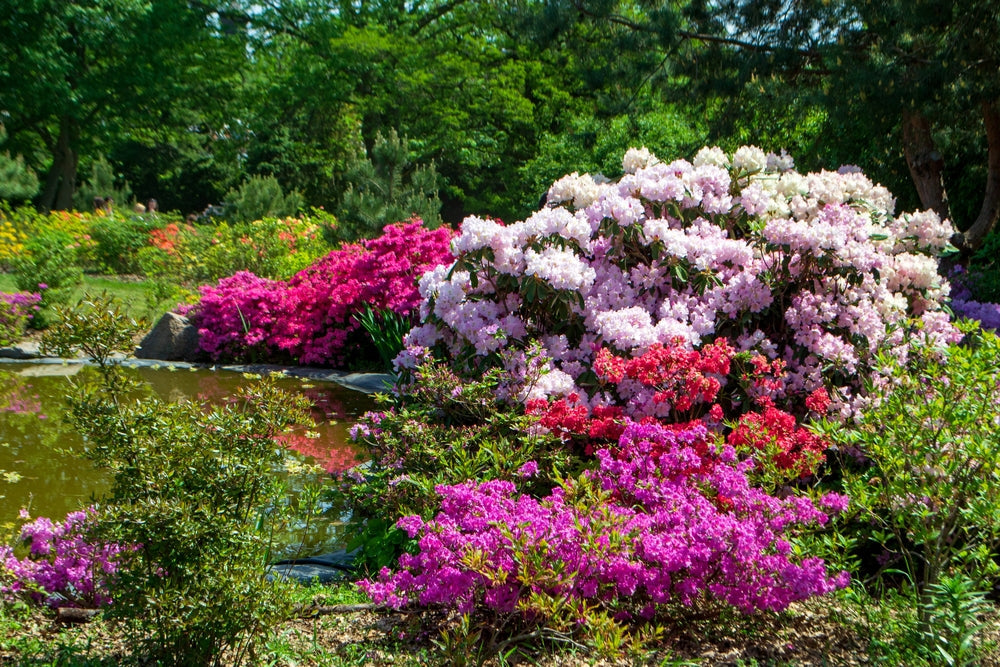
Unit price perThe Rhododendron ‘Virginia Richards’ is an elegant and highly sought-after cultivar, cherished for its striking blooms and attractive foliage. A hybrid variety, it typically grows as a compact, evergreen shrub, reaching heights of approximately 1.5 to 2 metres (5 to 6.5 feet) with a similar spread, making it a perfect choice for small gardens or borders.
The flowers of Virginia Richards are its most notable feature. Blooming in mid to late spring, they form in generous trusses, creating an impressive display. The blossoms initially emerge a soft apricot-pink with a golden-yellow throat, giving them a warm and luminous appearance. As they mature, they fade to a pale cream or ivory tone, retaining delicate traces of pink along the edges. This gradual colour transformation adds depth and interest to its display. The blooms contrast beautifully with its glossy, dark green leaves, which remain vibrant throughout the year.
Virginia Richards thrives in well-drained, acidic soils rich in organic matter and benefits from a partially shaded position. It is relatively hardy, tolerating temperatures as low as -15°C (5°F), though it may require some protection from harsh winter winds and late frosts that could damage its flowers.
This rhododendron is particularly suited to woodland gardens or mixed shrub borders, where its enchanting flowers can shine. Regular deadheading of spent blooms helps promote healthy growth and ensures a better flowering season the following year. Like most rhododendrons, it appreciates consistent moisture but should not be waterlogged.
The Rhododendron ‘Virginia Richards’ is a wonderful choice for gardeners seeking a low-maintenance yet visually stunning plant. Its ever-changing flowers and robust form make it a captivating focal point in any landscape, from traditional to more contemporary designs.


Sweet Chestnut | Castanea sativa - Multistem - Height 150-200cm - 12lt
£72.00
Unit price perSweet Chestnut | Castanea sativa - Multistem - Height 150-200cm - 12lt
£72.00
Unit price perCastanea sativa, commonly known as the sweet chestnut tree, is a majestic and long-lived species native to Europe and parts of Asia Minor. Belonging to the Fagaceae family, it stands as a symbol of strength and resilience in many cultures, with its towering stature and deeply furrowed bark.
The leaves of Castanea sativa are distinctively long and lance-shaped, with serrated edges that give them a rough texture. During the spring and summer, the canopy is adorned with clusters of creamy-white flowers, which give way to spiky green husks containing the prized sweet chestnuts in autumn.
Sweet chestnuts, often referred to simply as "chestnuts," have been a staple food source for centuries, cherished for their rich, nutty flavor and versatile culinary applications. Whether roasted over an open fire, boiled and mashed into a creamy puree, or incorporated into hearty stews and stuffing recipes, chestnuts are celebrated in both sweet and savory dishes throughout the UK.
Beyond their culinary significance, sweet chestnut trees play a vital ecological role, providing habitat and sustenance for a diverse array of wildlife. Birds, such as blue tits and nuthatches, feast on the tree's seeds, while small mammals like squirrels rely on them as a seasonal food source.
Despite their resilience, sweet chestnut trees face threats from various pests and diseases, including chestnut blight and ink disease, which have impacted populations in some regions. Conservation efforts aim to preserve these iconic trees and their valuable genetic diversity for future generations to enjoy.


Punica granatum - Pomegranate - Shrub - 90-130cm - 10lt
£75.00
Unit price perPunica granatum - Pomegranate - Shrub - 90-130cm - 10lt
£75.00
Unit price perPunica granatum, commonly known as pomegranate, is a small deciduous tree or shrub that belongs to the family Lythraceae. Native to the Mediterranean region and parts of Asia, the pomegranate is widely cultivated for its fruit, ornamental value, and medicinal properties. The tree grows up to 5-8 meters tall and has glossy, dark green leaves that turn yellow in autumn. It produces beautiful red-orange flowers that bloom in summer and are followed by the fruit in autumn.
The fruit of the pomegranate is a round or slightly hexagonal berry, about the size of an apple or grapefruit. The leathery skin of the fruit is thick and inedible, but it contains hundreds of edible arils or seeds, each surrounded by a juicy, ruby-red pulp. The seeds are packed with nutrients and antioxidants and are said to have numerous health benefits, including anti-inflammatory and anti-cancer properties. Pomegranate is commonly used in cooking, juices, smoothies, and salads, and it adds a sweet-tart flavor and vibrant color to any dish. Overall, Punica granatum is a versatile and attractive tree that would make a great addition to any garden or landscape, both for its ornamental value and its delicious fruit.


Pittosporum tenuifolium 'Midget' - Height 40-50cm - Width 40-50cm - 10lt
£72.00
Unit price perPittosporum tenuifolium 'Midget' - Height 40-50cm - Width 40-50cm - 10lt
£72.00
Unit price perPittosporum tenuifolium 'Midget' is a compact, evergreen shrub valued in UK gardens for its neat form and year-round structure. A dwarf selection of Pittosporum, it naturally grows into a dense, rounded mound, typically reaching around 60–90 cm in height and spread, making it ideal for smaller gardens, low hedging, edging, or container planting.
Its foliage is particularly attractive. The small, oval leaves are a rich, dark green with gently wavy margins, creating a slightly textured appearance. The leaves are held closely along slender, dark stems, which can appear almost black, adding subtle contrast and depth. The overall effect is refined and architectural without appearing formal or rigid.
In late spring to early summer, inconspicuous but pleasantly honey-scented, deep purple flowers may appear, although the plant is primarily grown for its foliage rather than its blooms. The flowers are usually nestled within the foliage and may go unnoticed unless admired up close.
Well suited to the UK climate, Pittosporum ‘Midget’ thrives in a sheltered position in full sun or partial shade. It prefers well-drained soil and benefits from protection against cold, drying winds, particularly in colder regions where hard frosts can damage young growth. In milder areas, it performs reliably and requires minimal maintenance.
Pruning is rarely necessary beyond light trimming to maintain its compact shape. Its tidy habit makes it an excellent alternative to box for low borders, especially in contemporary or Mediterranean-style planting schemes. Overall, it is a versatile, low-maintenance shrub that provides dependable evergreen interest throughout the year.