

-
Trees
Trees
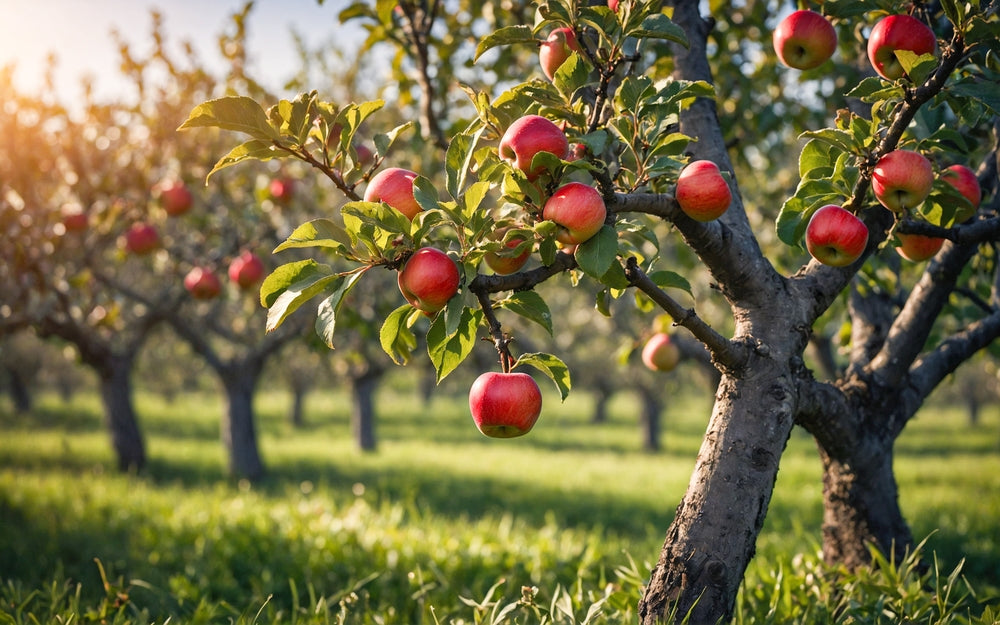 Fruit Trees
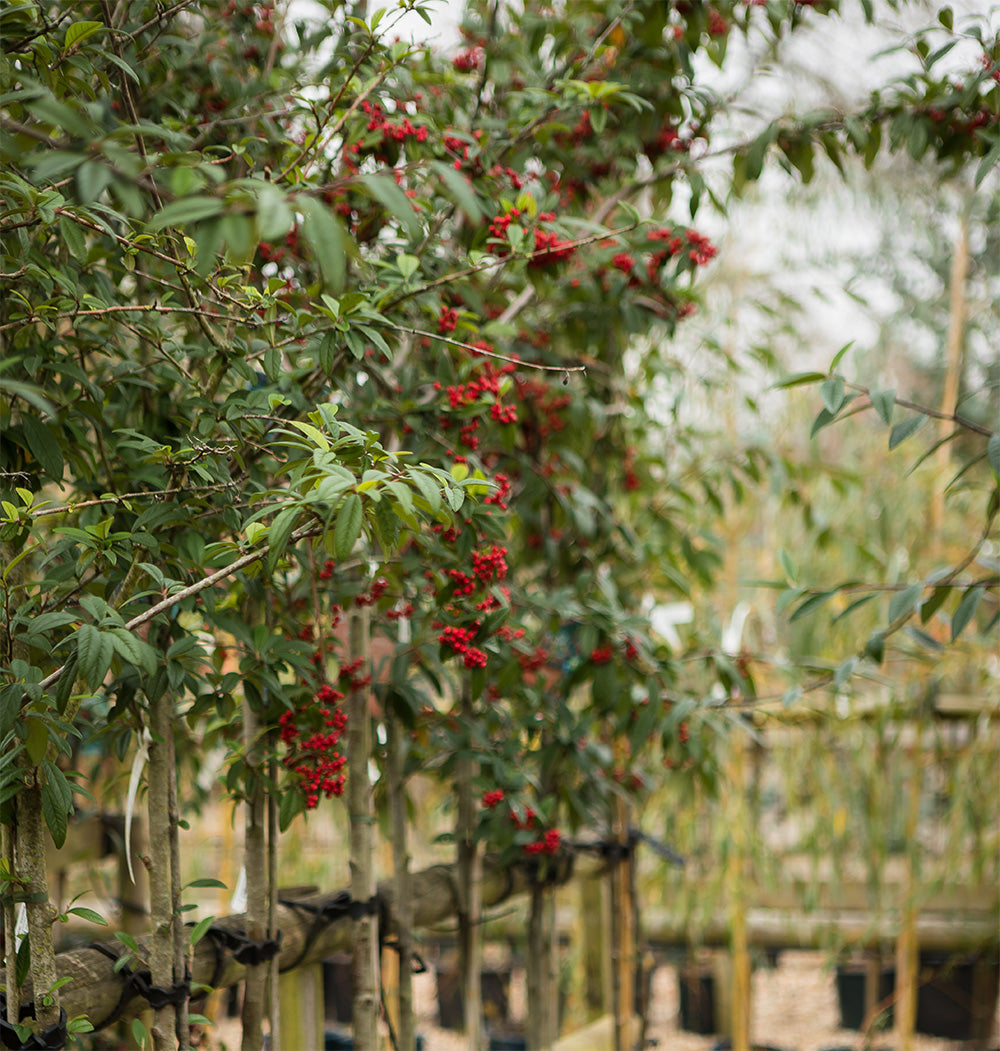 Ornamental
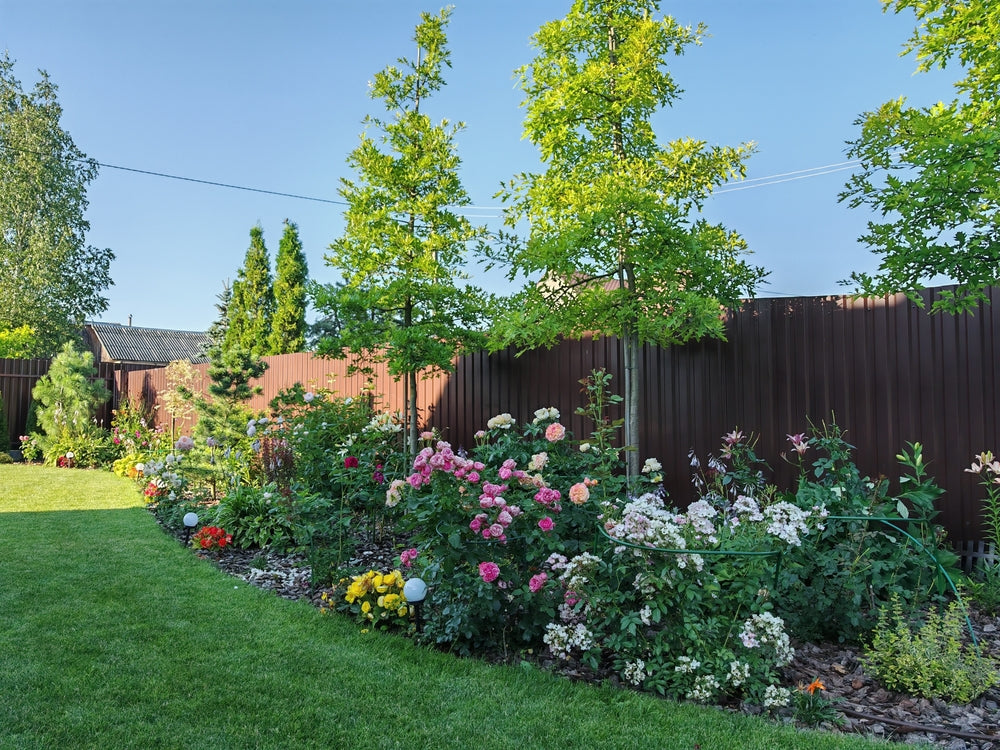 Screening
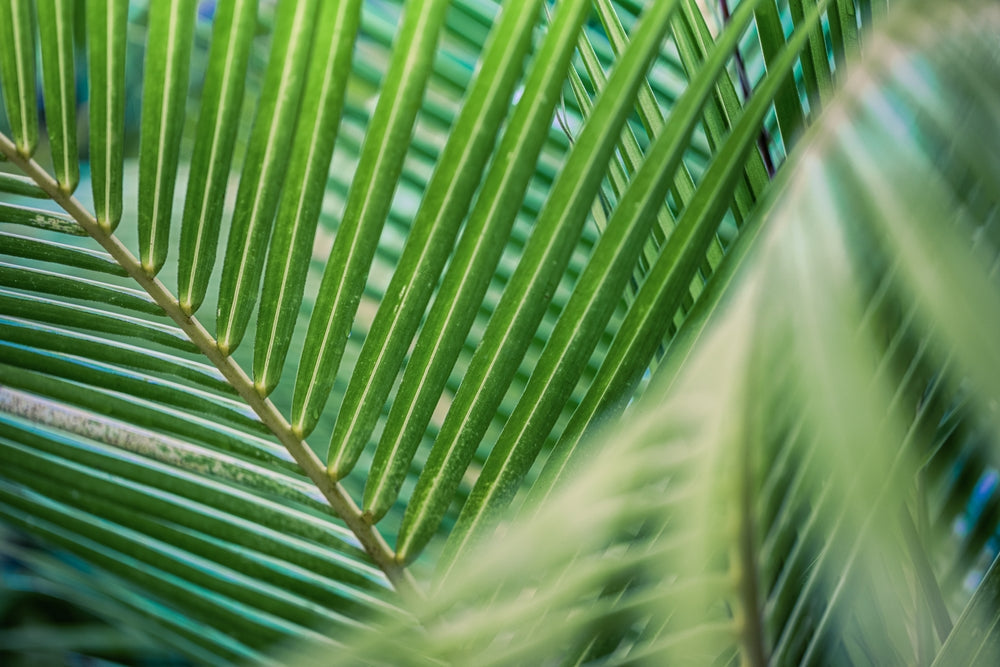 Palms
By FeaturesBy Shape
Palms
By FeaturesBy Shape -
Shrubs
Shrubs
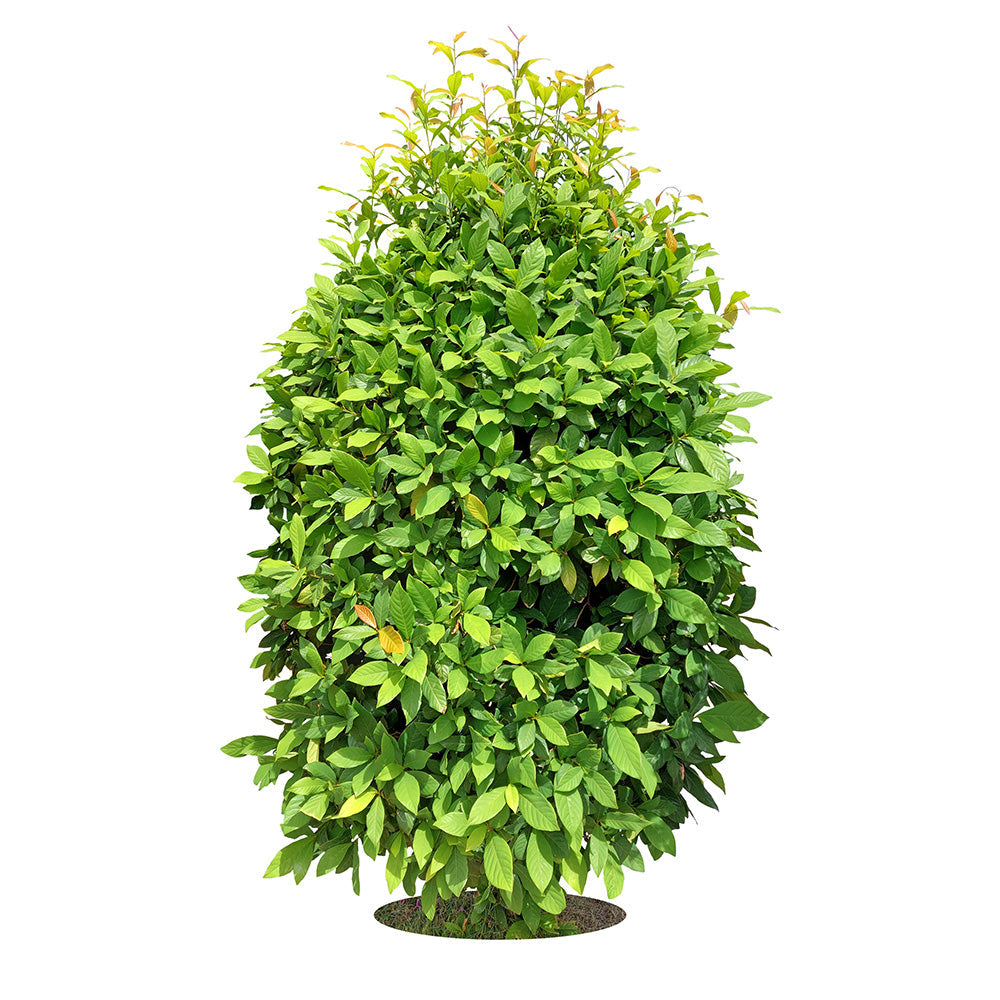 Large shrubs
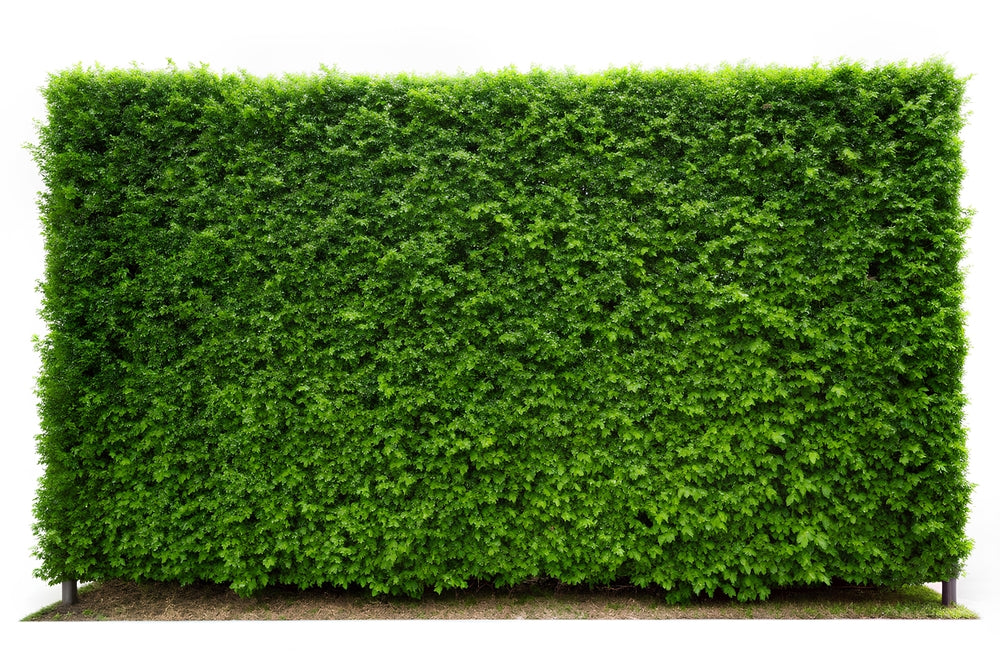 Hedging
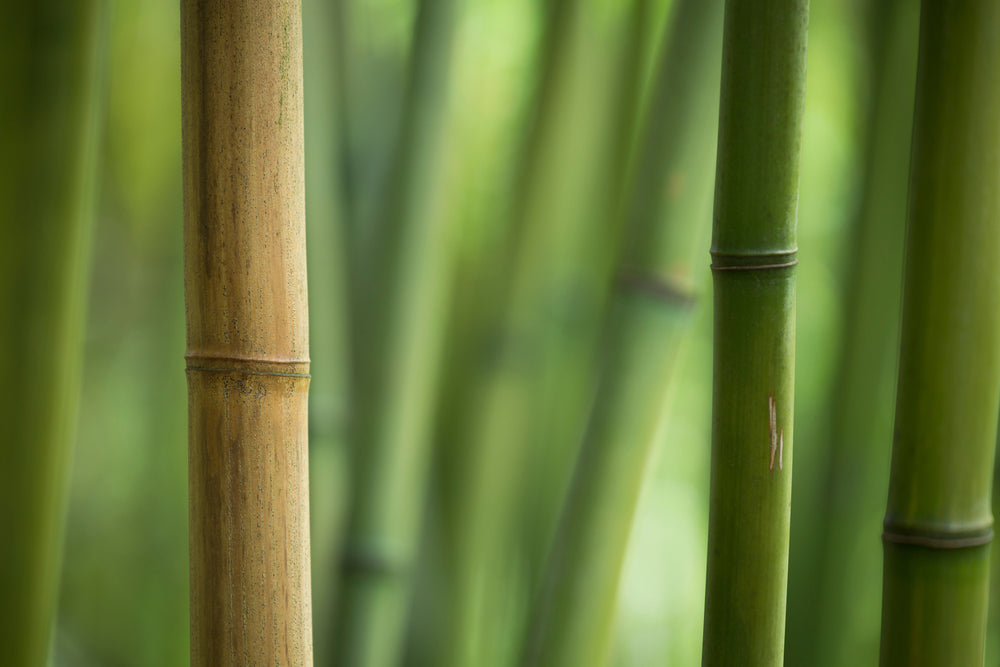 Bamboo
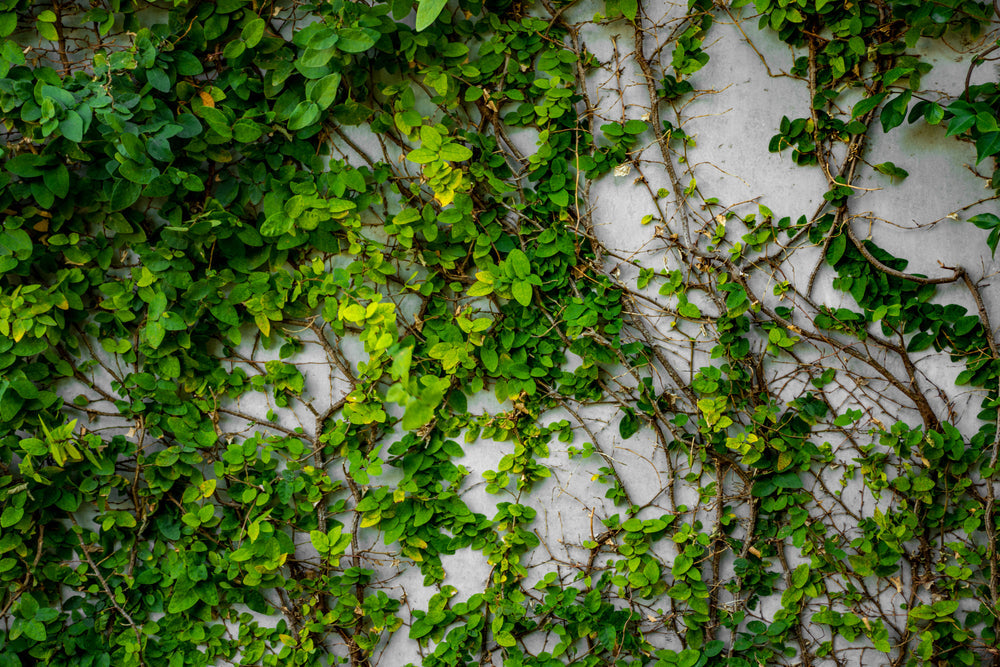 Climbers
 Flowering
 Grasses & Ferns
 Popular
-
Pines & Conifers
Pines & Conifers
 Pines
Pines
 Spruce & Fir
 Cypress
 Thuja
Thuja
 Redwood | Sequoia
-
Specimen
FREE DELIVERY OVER £350
Search results
Search results


Malus Crimson Cascade | Purple Weeping Crab Apple Tree - 200-250cm, 10lt
£90.00
Unit price perMalus Crimson Cascade | Purple Weeping Crab Apple Tree - 200-250cm, 10lt
£90.00
Unit price per


Malus Neville Copeman | Purple Crab Apple Tree, Clear Stem - 200-250cm, 10lt
£90.00
Unit price perMalus Neville Copeman | Purple Crab Apple Tree, Clear Stem - 200-250cm, 10lt
£90.00
Unit price per


Crab apple | Malus Gorgeous - 160-180cm - 12lt
£90.00
Unit price perCrab apple | Malus Gorgeous - 160-180cm - 12lt
£90.00
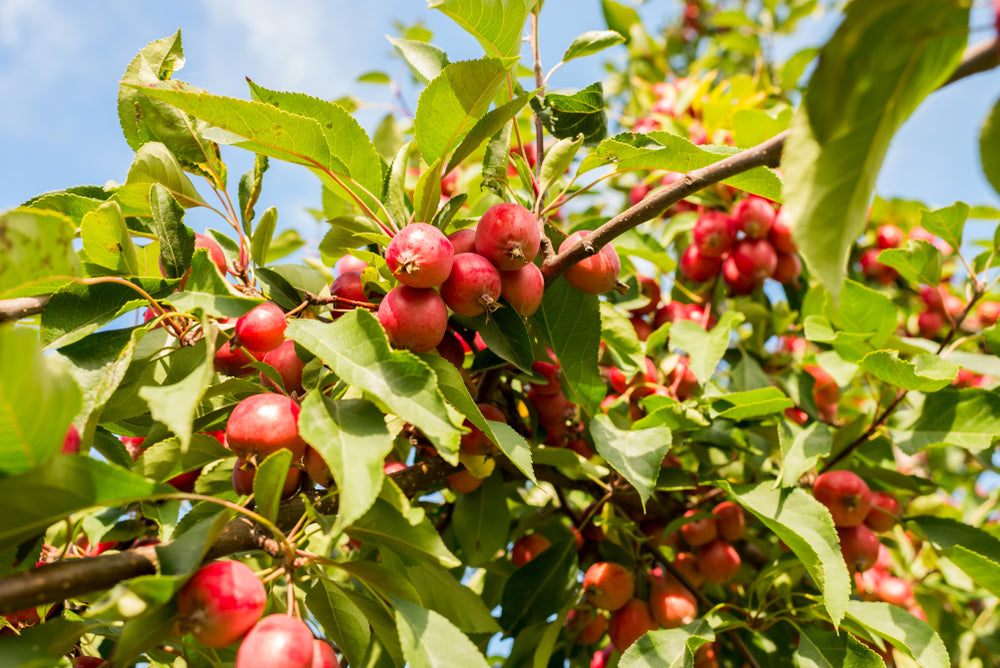
Unit price perMalus 'Gorgeous' is a well-loved decorative crabapple tree cherished for its abundant and vibrant pink blossoms that appear in spring. This deciduous tree's stunning springtime display is a spectacle, as the blooms densely populate the branches, offering a breathtaking view and attracting various pollinators, enhancing local biodiversity. The lavish blossoms eventually give way to glossy, small, red fruit, which persist well into winter, providing a continuous supply of food for birds and wildlife, thus contributing to the ecological balance of the garden landscape.
This variety of crabapple stands out for its overall robustness and resilience, often proving to be disease-resistant, making it a favorable choice among garden enthusiasts and landscape designers. The lush green foliage that accompanies the flowers and fruit adds a contrasting backdrop, enriching the visual appeal of the tree throughout the various seasons.
Malus 'Gorgeous' generally achieves a moderate height and spread, making it suitable for gardens of various sizes, including smaller urban gardens. Its ability to adapt to different soil types and conditions contributes to its popularity. The striking aesthetic value and ecological benefits of Malus 'Gorgeous' make it a quintessential element for creating a lively and colorful landscape, particularly in regions that experience a prominent change in seasons.


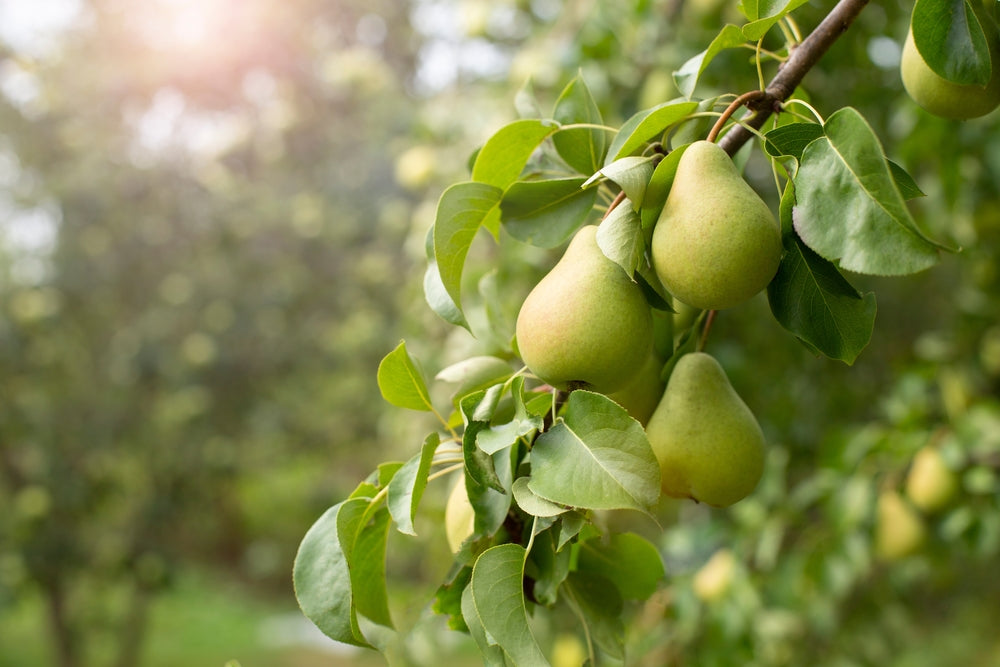
Pear 'Conference' | Pyrus communis - Height 160-180cm - 20lt
£94.00
Unit price perPear 'Conference' | Pyrus communis - Height 160-180cm - 20lt
£94.00
Unit price per
Pittosporum Irene Paterson - Height 40-60cm - 12lt
£97.00
Unit price perPittosporum Irene Paterson - Height 40-60cm - 12lt
£97.00
Unit price per


Robinia Pseudoacacia Frisia - Clear Stem 210cm - Girth 14-16cm - Height 380-400cm - 70lt
£715.00
Unit price perRobinia Pseudoacacia Frisia - Clear Stem 210cm - Girth 14-16cm - Height 380-400cm - 70lt
£715.00
Unit price perRobinia pseudoacacia 'Frisia' is a captivating and resilient deciduous tree, often recognized by its striking golden-yellow foliage. This robust cultivar stands out for its adaptability and rapid growth, often thriving in diverse environmental conditions, including urban areas with substantial pollution. Originating from the black locust tree, 'Frisia' inherits a hardy and enduring nature, demonstrating significant resistance to harsh weather conditions, rendering it a prevalent choice among garden enthusiasts and landscape architects.
The tree is a magnificent spectacle during the spring season when it is adorned with pendulous clusters of sweetly fragrant, white, pea-like flowers, attracting a myriad of pollinators, notably bees, enhancing biodiversity within its vicinity. The blooms are followed by smooth, elongated seed pods, contributing to the tree's visual appeal. The vibrant foliage, which creates a pronounced contrast with the surroundings, transitions to a lighter shade of yellow in the autumn, offering an extended period of visual interest.
Despite its aesthetic appeal and resilience, 'Frisia' necessitates vigilant management due to its propensity for suckering and its invasive nature. Proper pruning is vital to maintain its structural integrity and curtail unrestrained growth. This tree is suitable for individuals seeking a low-maintenance yet visually arresting focal point in their landscapes.


Windmill palm | Trachycarpus fortunei - Stem 130-140cm - Height 180-220cm - 70lt
£650.00
Unit price perWindmill palm | Trachycarpus fortunei - Stem 130-140cm - Height 180-220cm - 70lt
£650.00
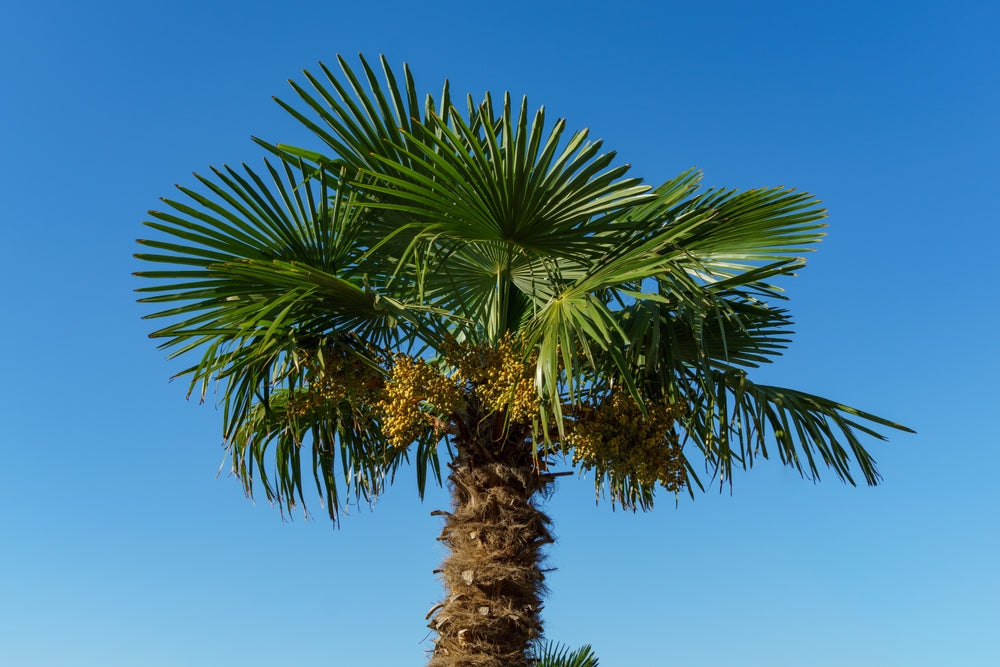
Unit price perTrachycarpus fortunei, commonly known as the Chusan palm or windmill palm, is a highly versatile and hardy choice for UK gardens. Its tall, slender trunk is covered in fibrous bark, topped with a crown of large, fan-shaped evergreen leaves that create an instant tropical effect. Despite its exotic appearance, it is one of the most cold-tolerant palms available, making it well suited to British climates.
Ideal for sheltered positions in full sun or partial shade, Trachycarpus fortunei thrives in well-drained soil and benefits from protection against strong, drying winds, particularly when young. Once established, it is relatively low maintenance and can tolerate urban pollution, coastal conditions, and occasional frost.
This palm works well as a focal point in borders, gravel gardens, or contemporary planting schemes, and pairs beautifully with other architectural plants. Its upright growth habit makes it suitable for smaller gardens, as it occupies minimal ground space while adding height and structure. With proper care, it is a long-lived and rewarding addition, bringing year-round interest and an exotic character to any outdoor space.


Chinese Date | Ziziphus Jujuba - Specimen/Mature tree - Height - 300-350cm - 150lt
£980.00
Unit price perChinese Date | Ziziphus Jujuba - Specimen/Mature tree - Height - 300-350cm - 150lt
£980.00
Unit price perThis is unique, gnarly, mature specimen tree. Very rare and uncommon.
Ziziphus Jujuba, commonly known as jujube or Chinese date, is a species of small deciduous tree native to China, where it has been cultivated for thousands of years for its fruit and various medicinal properties. Belonging to the buckthorn family (Rhamnaceae), this tree is revered not only for its delicious and nutritious fruit but also for its adaptability to diverse climates and soils.
The jujube tree typically grows up to 5 to 12 meters in height, with shiny green leaves and small, fragrant, yellow flowers that bloom in late spring. The fruit, resembling a small date, ripens in late summer to early autumn, transitioning from green to reddish-brown or mahogany when fully matured. Jujubes are sweet and tangy in taste, with a chewy texture similar to that of dates.
Throughout history, jujubes have held cultural significance in various regions. In traditional Chinese medicine, the fruit and other parts of the tree are believed to possess medicinal properties, including anti-inflammatory, sedative, and immune-boosting effects. Jujubes are often used to alleviate stress, improve digestion, and promote overall well-being.
Jujubes are a popular ingredient in culinary dishes and beverages. They can be eaten fresh, dried, candied, or cooked into jams, syrups, and desserts.
Moreover, the jujube tree plays a role in agroforestry systems, as it is drought-tolerant and can thrive in poor soil conditions. Its deep roots help prevent soil erosion.


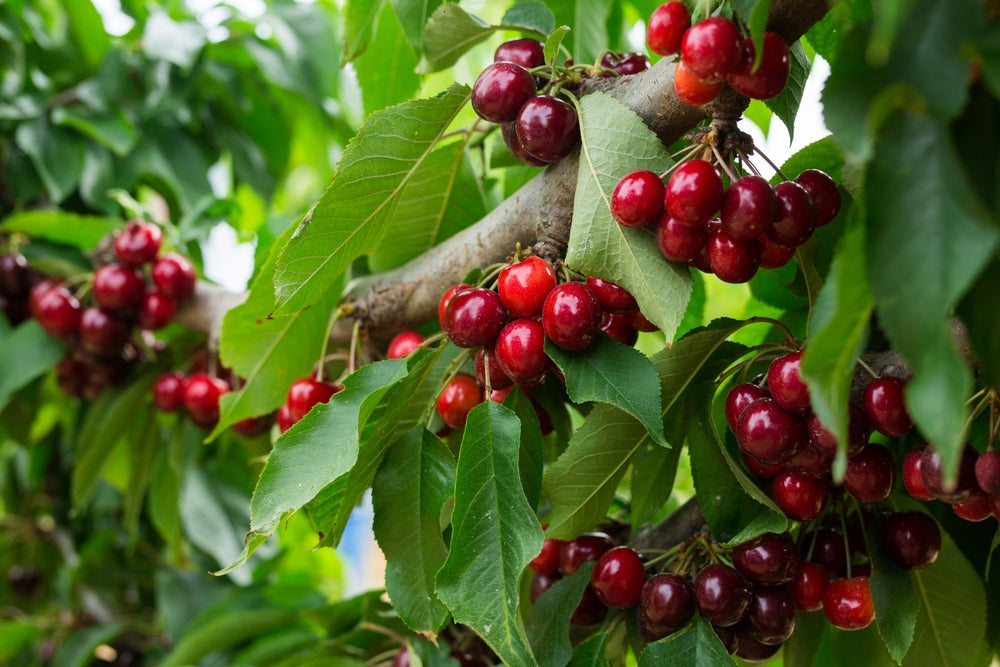
Prunus avium 'Kordia' | Sweet Cherry 'Kordia' - Patio Rootstock - Height 80-100cm, 7lt
£38.00
Unit price perPrunus avium 'Kordia' | Sweet Cherry 'Kordia' - Patio Rootstock - Height 80-100cm, 7lt
£38.00
Unit price per


Mahonia media Winter Sun| Oregon grape 'Winter Sun' - Height 20-30cm - 3lt
£18.00
Unit price perMahonia media Winter Sun| Oregon grape 'Winter Sun' - Height 20-30cm - 3lt
£18.00
Unit price perThe Mahonia ‘Winter Sun’ is an evergreen shrub prized in UK gardens for its bold architectural form, striking foliage, and vibrant winter flowers. Unlike many plants that fade in the colder months, this mahonia truly shines from late autumn into early spring, offering a burst of colour when most other garden plants are dormant.
Its leaves are deeply pinnate, glossy, and dark green, often with spiny, holly-like edges. These leaves give the shrub a sculptural, almost exotic appearance, making it stand out in mixed borders or woodland-style plantings. During winter, the plant produces clusters of bright yellow, fragrant flowers that rise above the foliage on tall stems. The scent is subtle but pleasantly reminiscent of honey, attracting bees and other pollinators even in chillier months. Following flowering, small, dark blue or purple berries often appear, providing visual interest and a valuable food source for birds.
‘Winter Sun’ is a relatively compact variety, usually reaching around 2.5-4 metres in height, making it suitable for smaller gardens, patios, or as a low hedge. It thrives in partial shade but tolerates full sun if the soil is consistently moist and well-drained. The shrub is hardy across most of the UK, enduring cold winters and sheltered from the harshest frosts. Its low-maintenance nature makes it ideal for gardeners seeking year-round structure with minimal effort.
Beyond its ornamental value, Mahonia ‘Winter Sun’ is versatile in the landscape. It can be grown under trees, along boundaries, or as a specimen plant, and it pairs beautifully with spring bulbs or shade-loving perennials. Its evergreen habit ensures a constant backdrop of texture and colour, while its winter flowering adds cheer during the grey months. Overall, Mahonia ‘Winter Sun’ is a reliable, attractive, and practical choice for UK gardens, bringing both colour and wildlife interest when it is most needed.


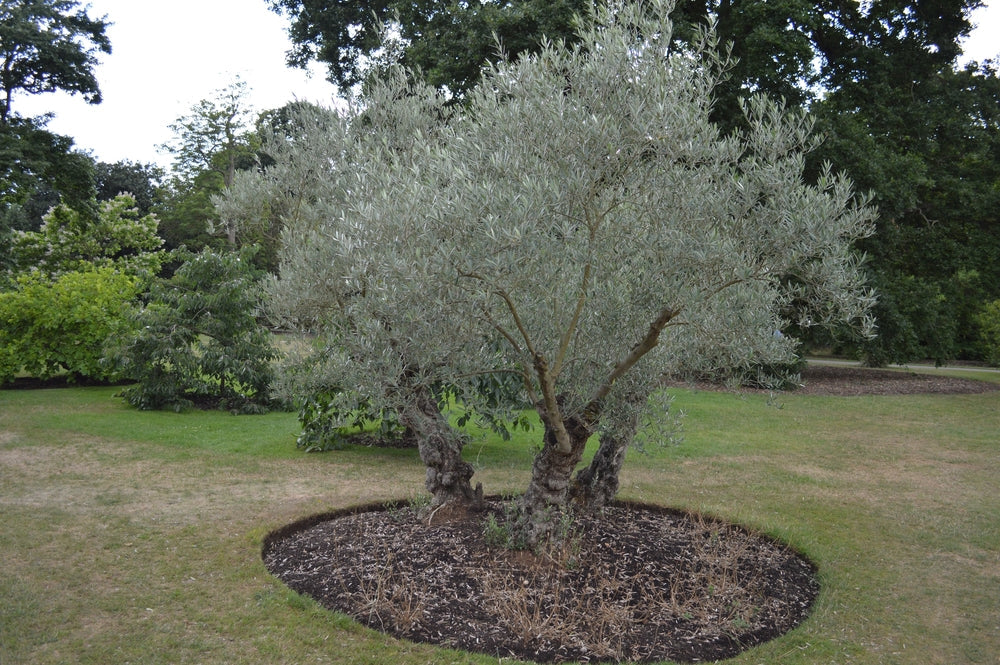
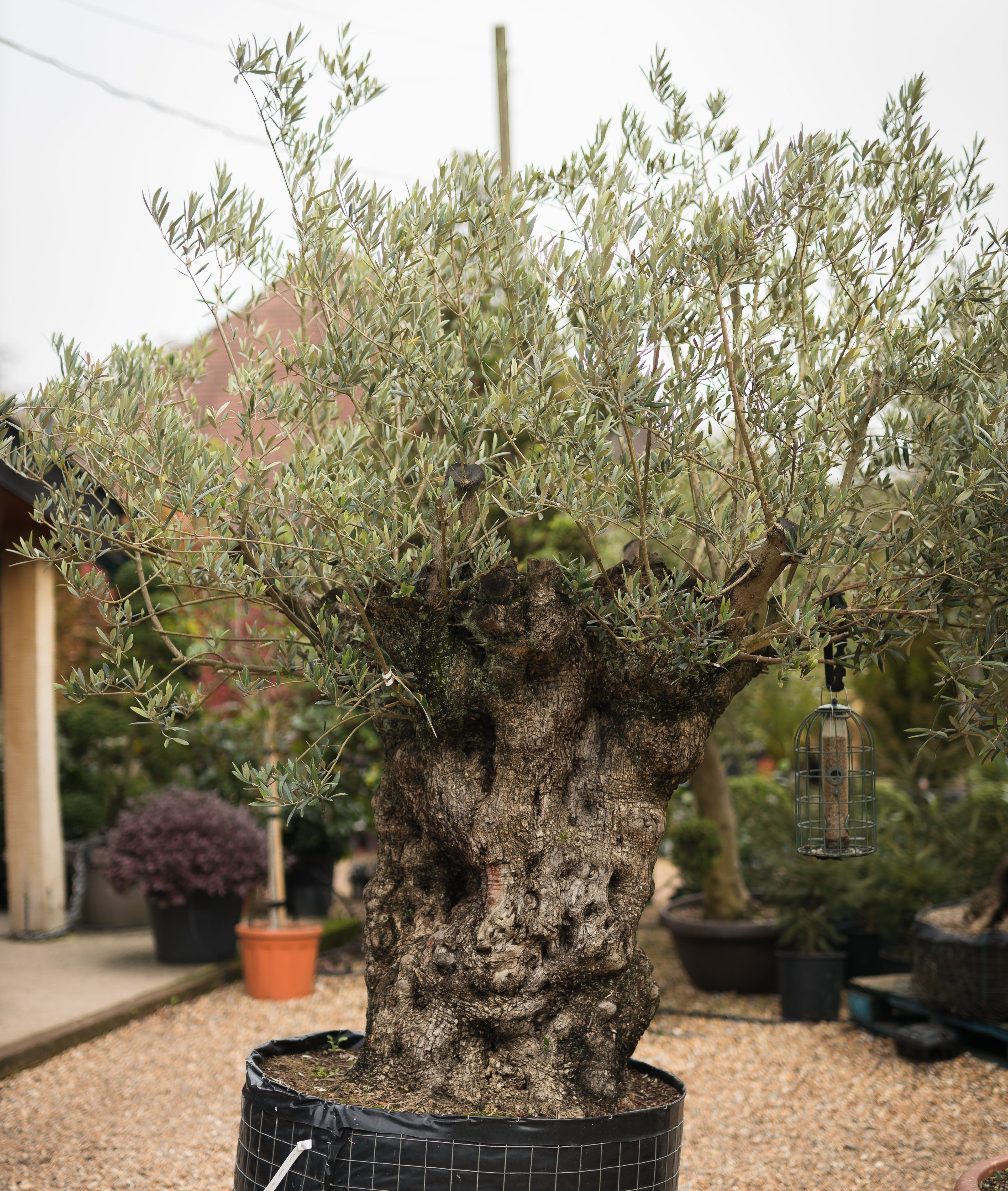
Olive Tree | Olea Europea - Specimen - Leaning gnarly - Trunk height 110cm - Height 200-220cm - Girth 70cm -160lt
£890.00
Unit price perOlive Tree | Olea Europea - Specimen - Leaning gnarly - Trunk height 110cm - Height 200-220cm - Girth 70cm -160lt
£890.00
Unit price per


Portuguese Laurel | Prunus lusitanica 'Angustifolia' - Bushy - Height 160-170cm - Width 110-120cm - 130lt
£655.00
Unit price perPortuguese Laurel | Prunus lusitanica 'Angustifolia' - Bushy - Height 160-170cm - Width 110-120cm - 130lt
£655.00
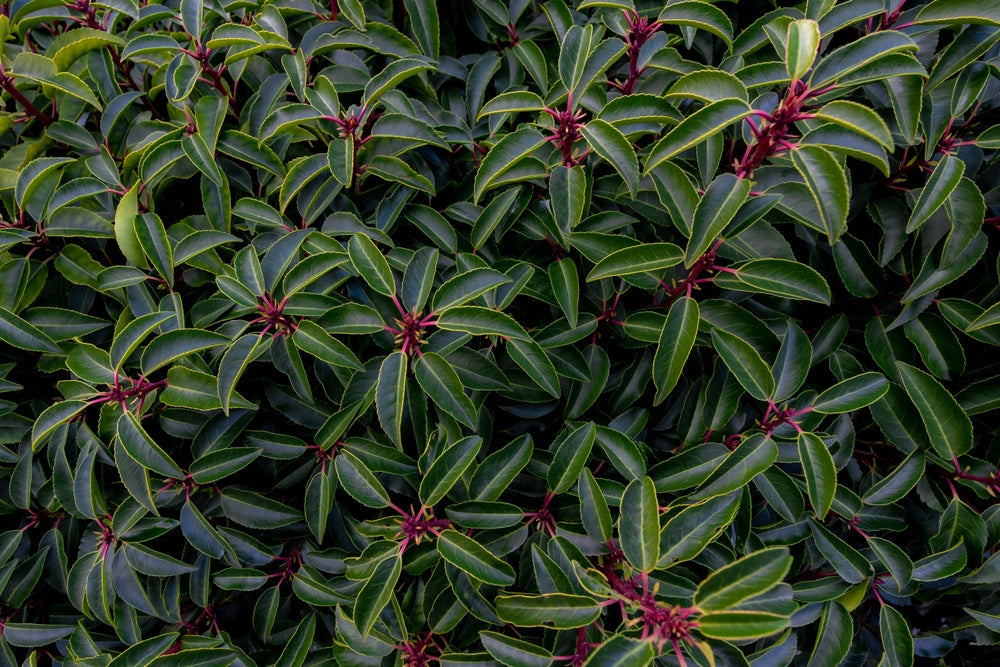
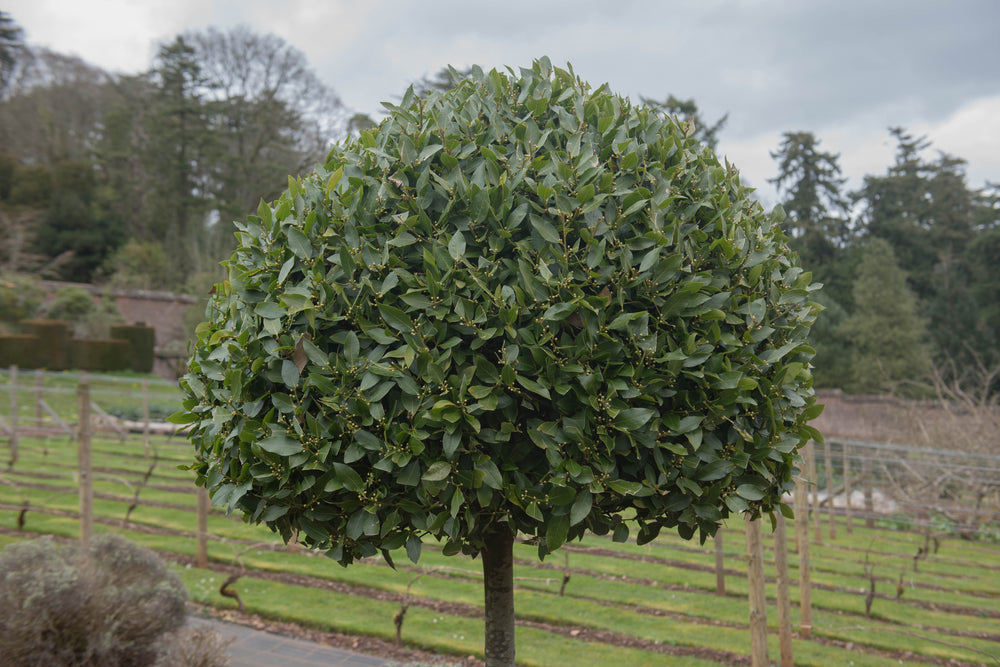
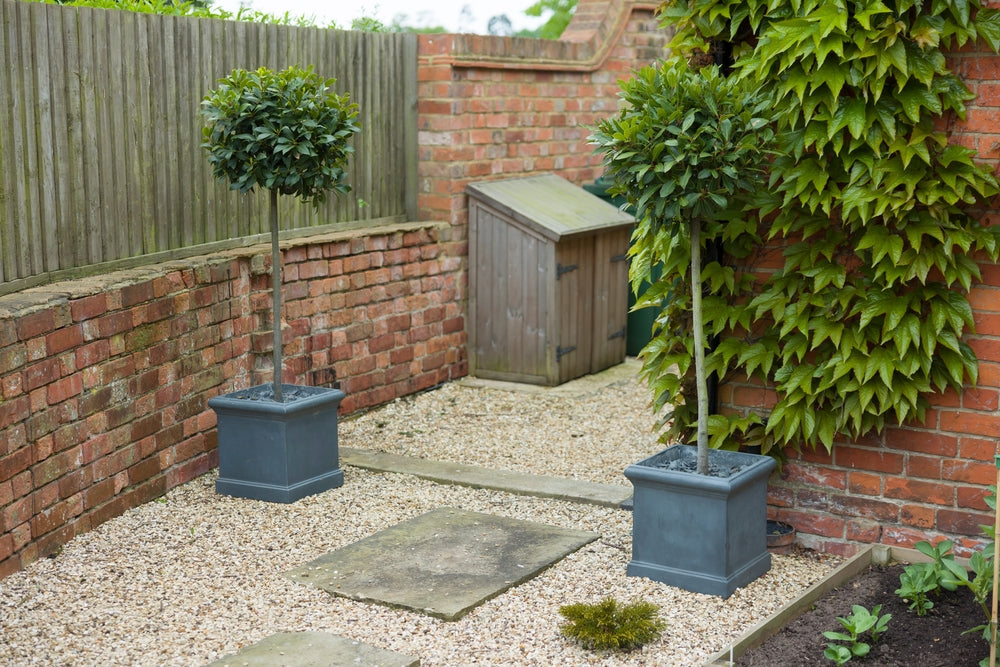
Unit price perPrunus lusitanica 'Angustifolia' is a dense, neat and tidy, evergreen shrub or small tree of compact, rounded to conical habit, with narrow, long, glossy, dark green leaves. Young stems are vivid red. Small, fragrant, creamy-white flowers bloom in late spring or early summer and are followed by dark purple berries in autumn. Attractive to pollinators and birds.
Prunus lusitanica 'Angustifolia' is adaptable to a wide range of soils and conditions. It thrives in fertile, moist, well-drained soil, and grows well in full sun or partial shade. It is resistant to frost, but doesn’t’ like very exposed sites, therefore, needs to be sheltered from strong winds. Low maintenance plant, tolerant of hard pruning. Portuguese Laurel 'Angustifolia', differs from the classic variety for its greater density and narrower leaves. It is, therefore, superb for formal hedges. It forms great windbreaks and privacy screens. It reduces noise and pollution. It can be grown as a topiary tree.


Chinese Date | Ziziphus Jujuba - Specimen/Mature tree - Height - Height 350-400cm - 230lt
£1,320.00
Unit price perChinese Date | Ziziphus Jujuba - Specimen/Mature tree - Height - Height 350-400cm - 230lt
£1,320.00
Unit price perThis is unique, gnarly, mature specimen tree. Very rare and uncommon.
Ziziphus Jujuba, commonly known as jujube or Chinese date, is a species of small deciduous tree native to China, where it has been cultivated for thousands of years for its fruit and various medicinal properties. Belonging to the buckthorn family (Rhamnaceae), this tree is revered not only for its delicious and nutritious fruit but also for its adaptability to diverse climates and soils.
The jujube tree typically grows up to 5 to 12 meters in height, with shiny green leaves and small, fragrant, yellow flowers that bloom in late spring. The fruit, resembling a small date, ripens in late summer to early autumn, transitioning from green to reddish-brown or mahogany when fully matured. Jujubes are sweet and tangy in taste, with a chewy texture similar to that of dates.
Throughout history, jujubes have held cultural significance in various regions. In traditional Chinese medicine, the fruit and other parts of the tree are believed to possess medicinal properties, including anti-inflammatory, sedative, and immune-boosting effects. Jujubes are often used to alleviate stress, improve digestion, and promote overall well-being.
Jujubes are a popular ingredient in culinary dishes and beverages. They can be eaten fresh, dried, candied, or cooked into jams, syrups, and desserts.
Moreover, the jujube tree plays a role in agroforestry systems, as it is drought-tolerant and can thrive in poor soil conditions. Its deep roots help prevent soil erosion.


Eriobotrya japonica Tree | Loquat - Clear Stem 80-90cm - Girth 6-8cm - Height 170-180cm - 25lt
£248.00
Unit price perEriobotrya japonica Tree | Loquat - Clear Stem 80-90cm - Girth 6-8cm - Height 170-180cm - 25lt
£248.00
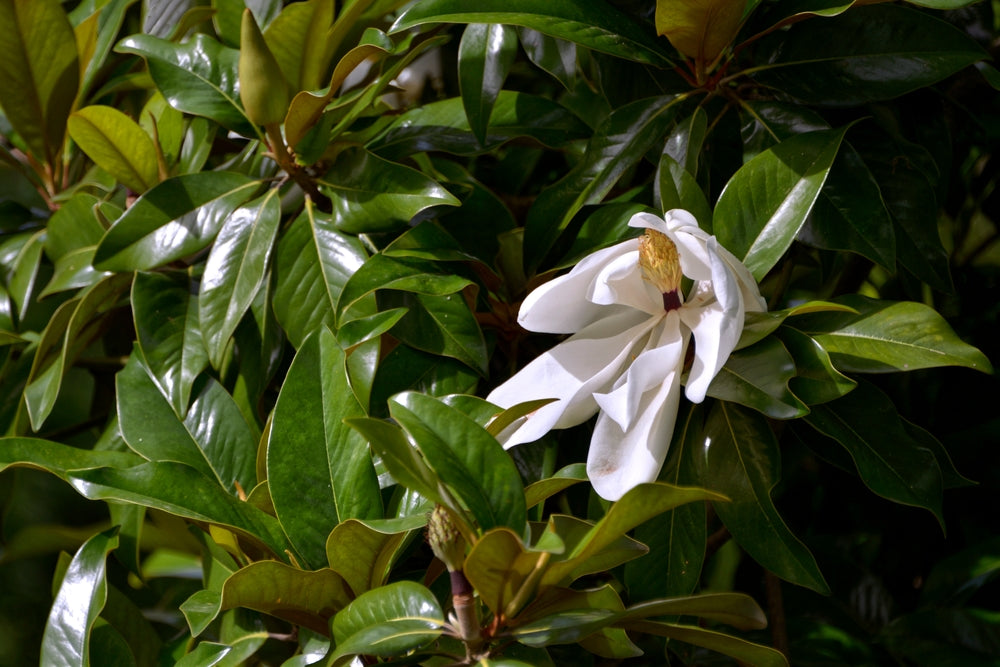
Unit price perEriobotrya japonica, also known as the loquat tree or bush, is a small evergreen tree that is native to southeastern China. It is a popular ornamental plant in gardens and landscapes due to its attractive foliage and bushy, fruiting habit.
The loquat tree grows to a height of 10 to 20 feet and has a spread of 10 to 15 feet. The leaves are large, glossy, and dark green, with a distinctive shape that is reminiscent of holly leaves. The tree produces fragrant, white or yellow flowers in late autumn or early winter, which are followed by small, yellow or orange, pear-shaped fruits in the spring.
The loquat fruit is sweet and tangy, with a flavor that is similar to a mix of peach, citrus, and mango. It is high in vitamin A, potassium, and fiber, and is commonly used in desserts, jams, and juices. The tree is also highly valued for its ornamental qualities, as its attractive foliage and fruit make it a popular choice for landscaping.
The loquat tree is easy to grow and requires little maintenance. It prefers full sun to partial shade and well-drained soil. It is relatively cold-hardy and can withstand temperatures as low as 10 degrees Fahrenheit. The tree can be pruned to maintain a compact shape, and is also adaptable to growing in containers.
Overall, Eriobotrya japonica is a versatile and attractive plant that is prized for both its ornamental and edible qualities. Its bushy, fruiting habit makes it a great addition to any garden or landscape.


Pittosporum tenuifolium 'Elizabeth' - Height 25-35cm - 2lt
£18.00
Unit price perPittosporum tenuifolium 'Elizabeth' - Height 25-35cm - 2lt
£18.00
Unit price per


Eriobotrya japonica Tree | Loquat -Standard - Clear Stem 190-200cm - Girth 12-14cm - Height 290-300cm - 70lt
£555.00
Unit price perEriobotrya japonica Tree | Loquat -Standard - Clear Stem 190-200cm - Girth 12-14cm - Height 290-300cm - 70lt
£555.00
Unit price perEriobotrya japonica, also known as the loquat tree or bush, is a small evergreen tree that is native to southeastern China. It is a popular ornamental plant in gardens and landscapes due to its attractive foliage and bushy, fruiting habit.
The loquat tree grows to a height of 10 to 20 feet and has a spread of 10 to 15 feet. The leaves are large, glossy, and dark green, with a distinctive shape that is reminiscent of holly leaves. The tree produces fragrant, white or yellow flowers in late autumn or early winter, which are followed by small, yellow or orange, pear-shaped fruits in the spring.
The loquat fruit is sweet and tangy, with a flavor that is similar to a mix of peach, citrus, and mango. It is high in vitamin A, potassium, and fiber, and is commonly used in desserts, jams, and juices. The tree is also highly valued for its ornamental qualities, as its attractive foliage and fruit make it a popular choice for landscaping.
The loquat tree is easy to grow and requires little maintenance. It prefers full sun to partial shade and well-drained soil. It is relatively cold-hardy and can withstand temperatures as low as 10 degrees Fahrenheit. The tree can be pruned to maintain a compact shape, and is also adaptable to growing in containers.
Overall, Eriobotrya japonica is a versatile and attractive plant that is prized for both its ornamental and edible qualities. Its bushy, fruiting habit makes it a great addition to any garden or landscape.


Nolina hibernica - Beargrass Tree - Height 130cm - Width 190cm - 55lt
£545.00
Unit price perNolina hibernica - Beargrass Tree - Height 130cm - Width 190cm - 55lt
£545.00
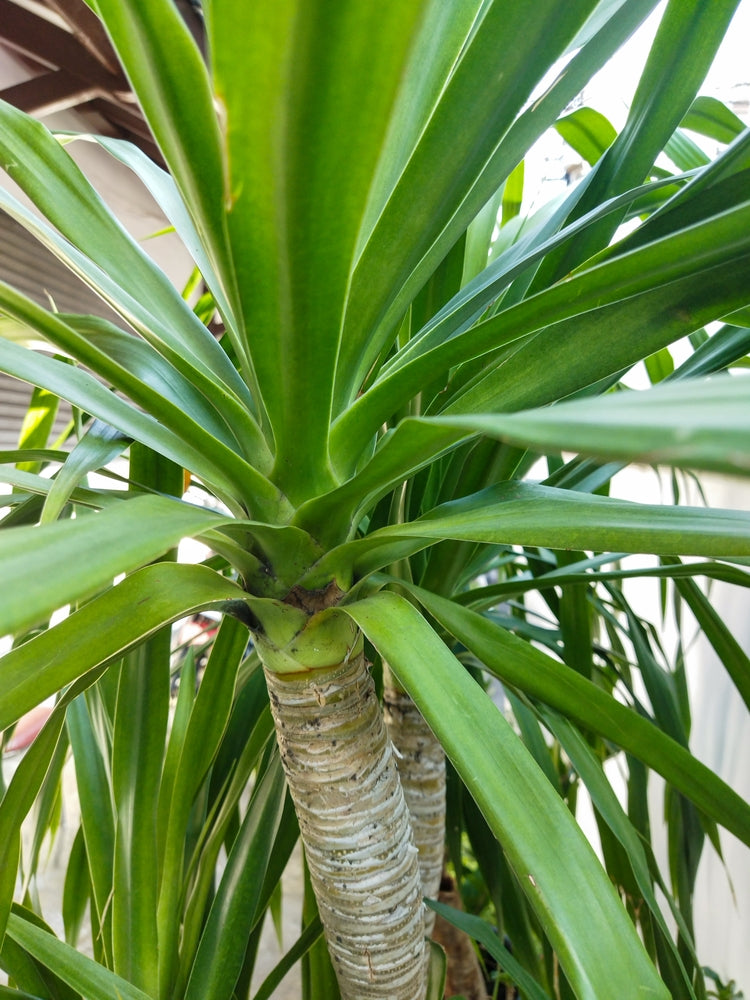
Unit price perNolina hibernica, commonly known as beargrass, is an excellent addition to a wide variety of garden styles thanks to its striking form, toughness, and low-maintenance nature. Its long, narrow, arching leaves create a graceful fountain-like shape that adds movement and texture to planting schemes, making it ideal for modern, Mediterranean, gravel, and xeriscape gardens. This plant excels as a standalone focal point or when grouped with other drought-tolerant species to create bold, sculptural displays.
One of its greatest strengths is its resilience. Nolina hibernica thrives in full sun and well-drained soil, showing impressive tolerance to drought, heat, and poor soil conditions once established. This makes it particularly suitable for gardens where water conservation is important or where conditions are too harsh for more delicate plants. Its evergreen foliage ensures year-round interest, helping maintain structure through winter when other plants may fade back.
In addition to its environmental tolerance, beargrass requires minimal upkeep. It rarely needs pruning and remains naturally tidy, making it perfect for gardeners seeking impactful yet easy-care plants. Whether used in borders, rock gardens, coastal settings, or contemporary landscapes, Nolina hibernica brings architectural beauty, longevity, and practical reliability to any outdoor space.


Arbutus unedo Tree | Strawberry Tree - Clear Stem 30-40cm - Height 70-80cm - 7.5lt
£75.00
Unit price perArbutus unedo Tree | Strawberry Tree - Clear Stem 30-40cm - Height 70-80cm - 7.5lt
£75.00
Unit price perArbutus unedo is an evergreen, ornamental, multi-stem, capriciously growing shrub or small tree with glossy, leathery, mid-green foliage. It is very unusual and stunning all year round. Clusters of fragrant, bell-shaped, white flowers bloom from autumn to mid-winter. Round, yellow fruits appear in winter and slowly become ripe in the next 12 months, gradually turning red. They are still on the tree when new flowers show up in autumn. A grey-brown bark peels, revealing cinnamon-coloured inner bark. It can grow in all kinds of soils and climate conditions, but prefers acidic, moist and well-drained soil, in full sun or partial shade. It is tolerant to drought, disease-free and pest-free. Very resilient. This unusual, colourful and very attractive plant is perfect as a specimen plant, great for shrub borders, hedges, coastal gardens, and for growing in containers.


Arbutus unedo Tree | Strawberry Tree - Standard - Clear Stem 180-200cm - Girth 6-8cm - Height - 260-340cm - 40lt
£410.00
Unit price perArbutus unedo Tree | Strawberry Tree - Standard - Clear Stem 180-200cm - Girth 6-8cm - Height - 260-340cm - 40lt
£410.00
Unit price per


Olive Tree | Olea Europea - Specimen 14A - Double Branch - Trunk Height 110cm - Height 230cm - 250cm - 160lt
£745.00
Unit price perOlive Tree | Olea Europea - Specimen 14A - Double Branch - Trunk Height 110cm - Height 230cm - 250cm - 160lt
£745.00
Unit price per