

-
Trees
Trees
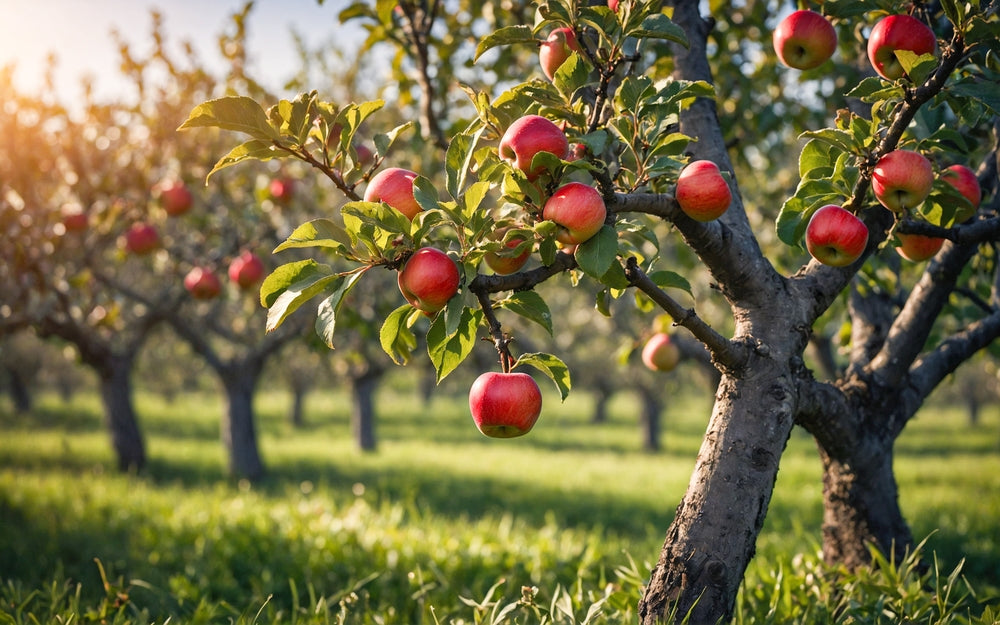 Fruit Trees
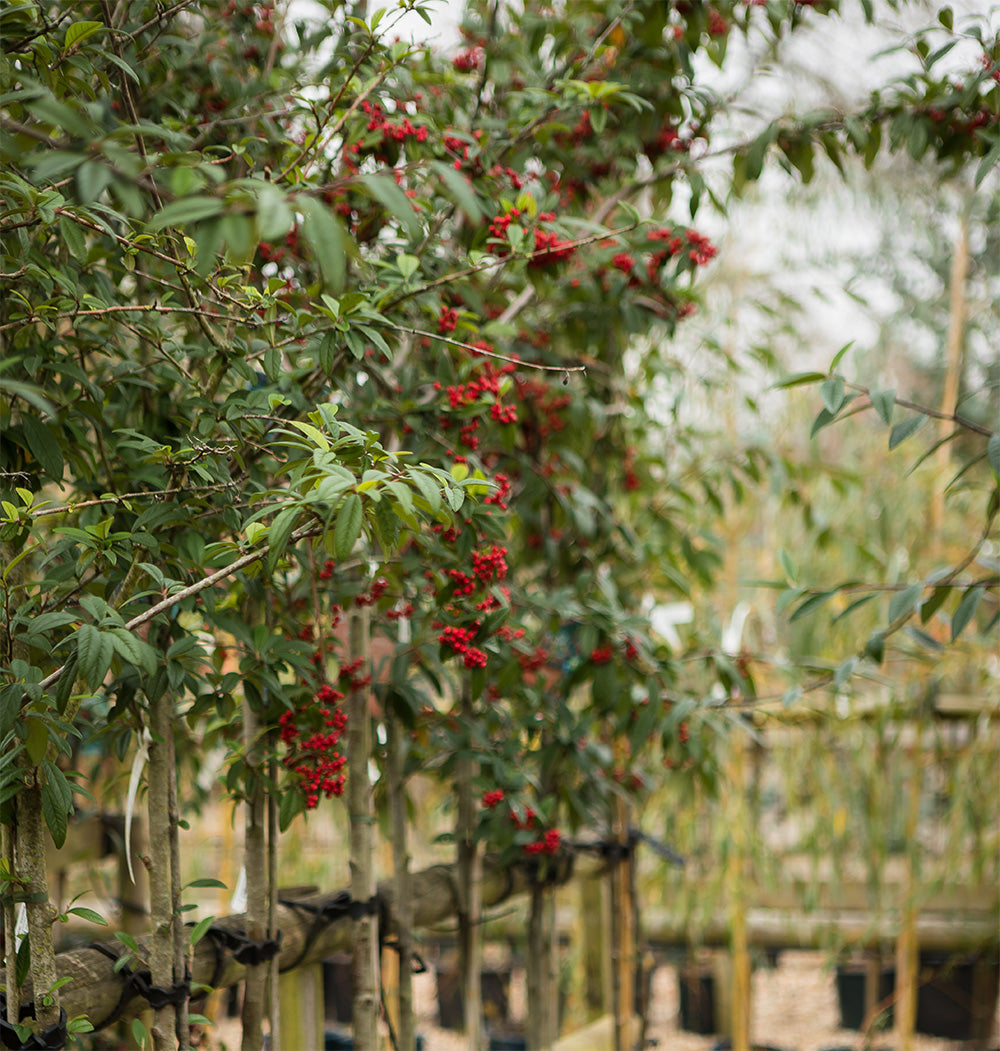 Ornamental
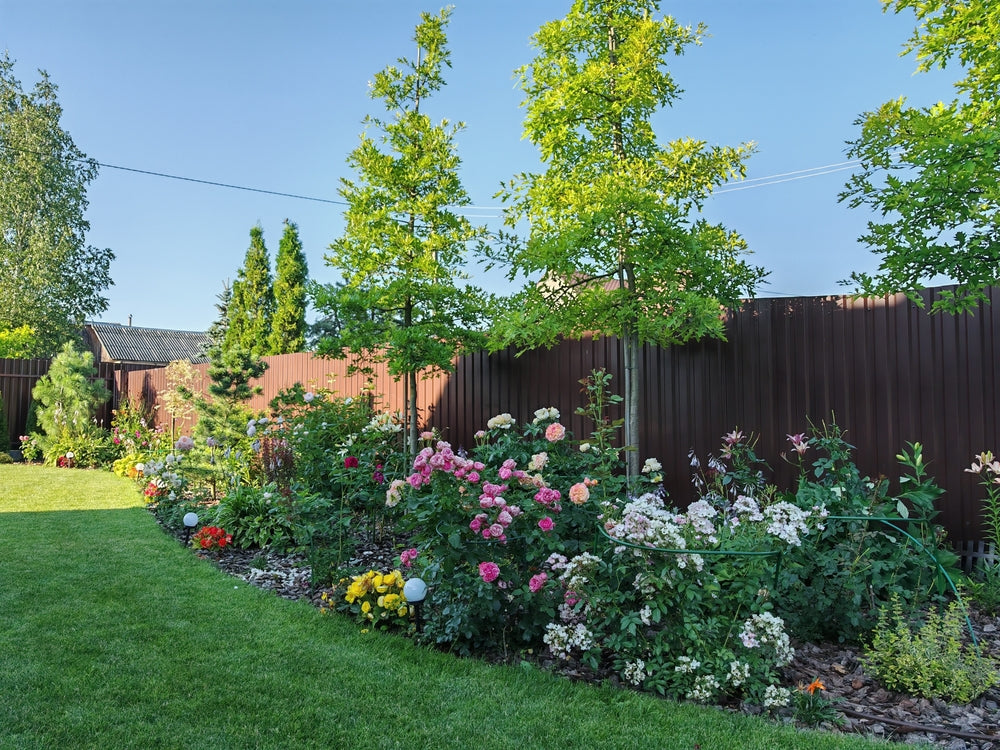 Screening
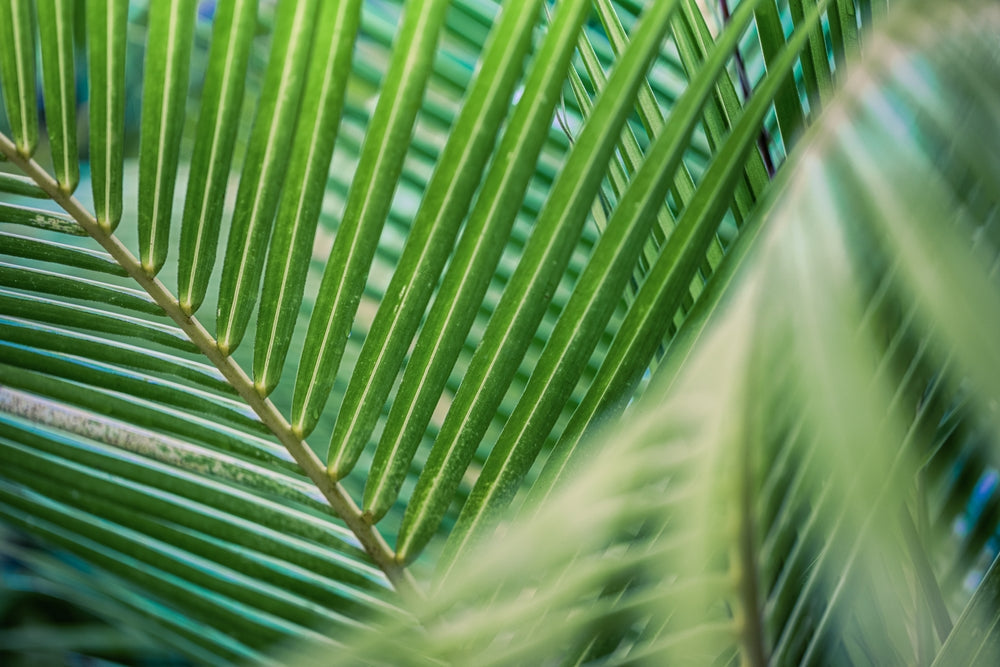 Palms
By FeaturesBy Shape
Palms
By FeaturesBy Shape -
Shrubs
Shrubs
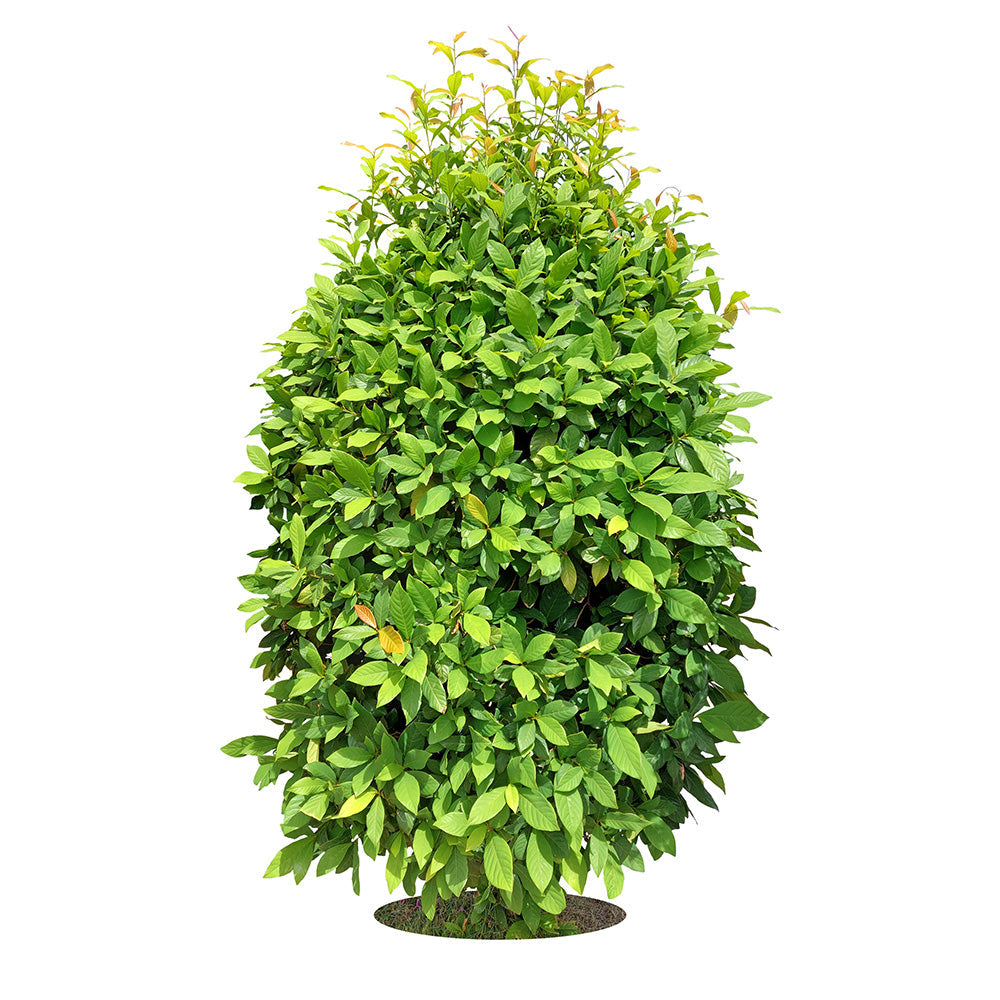 Large shrubs
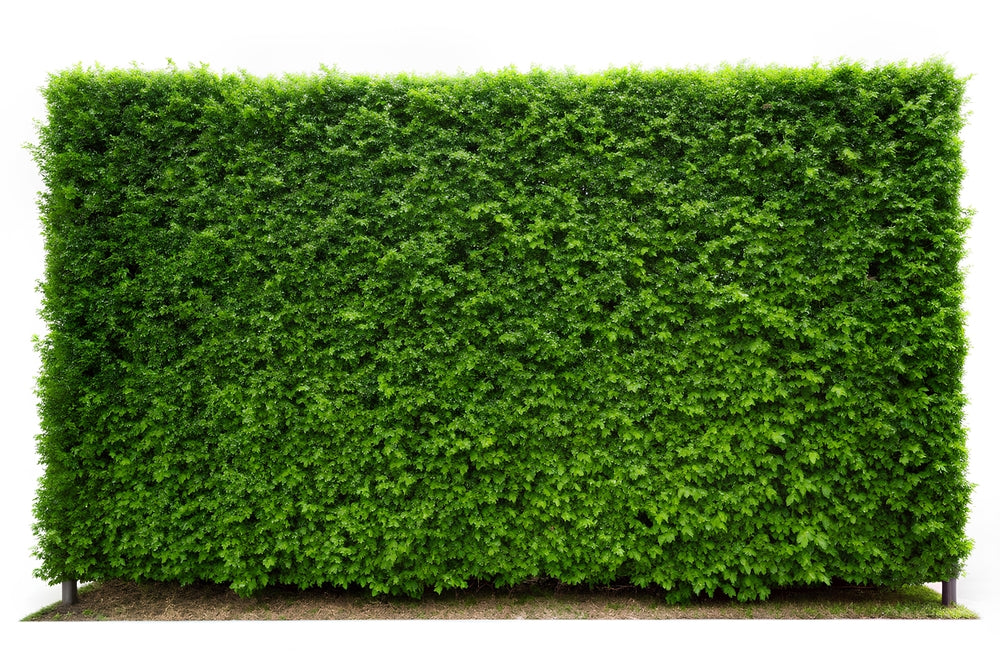 Hedging
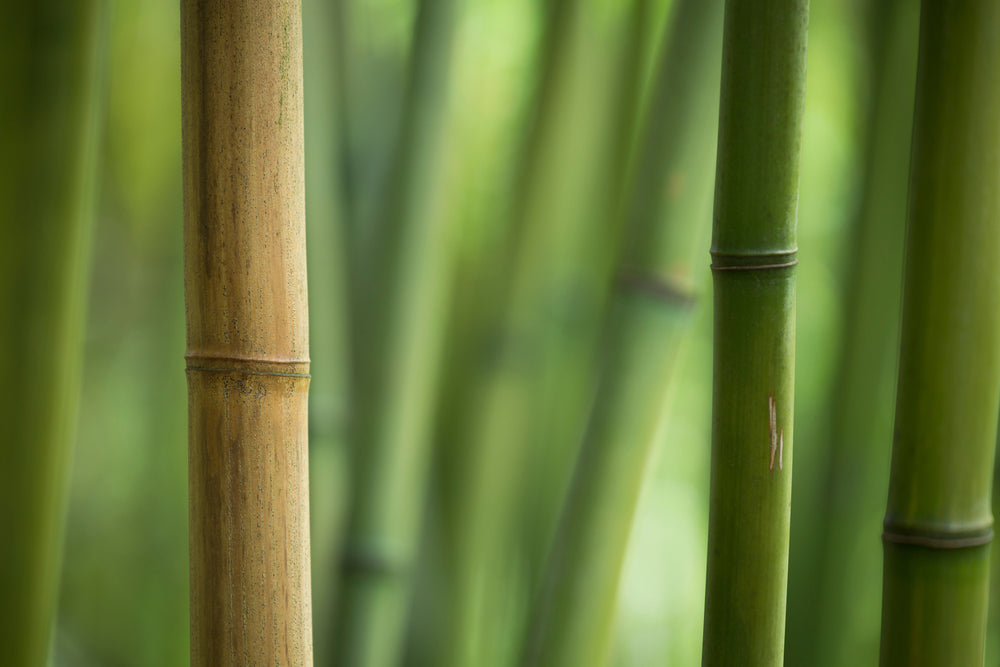 Bamboo
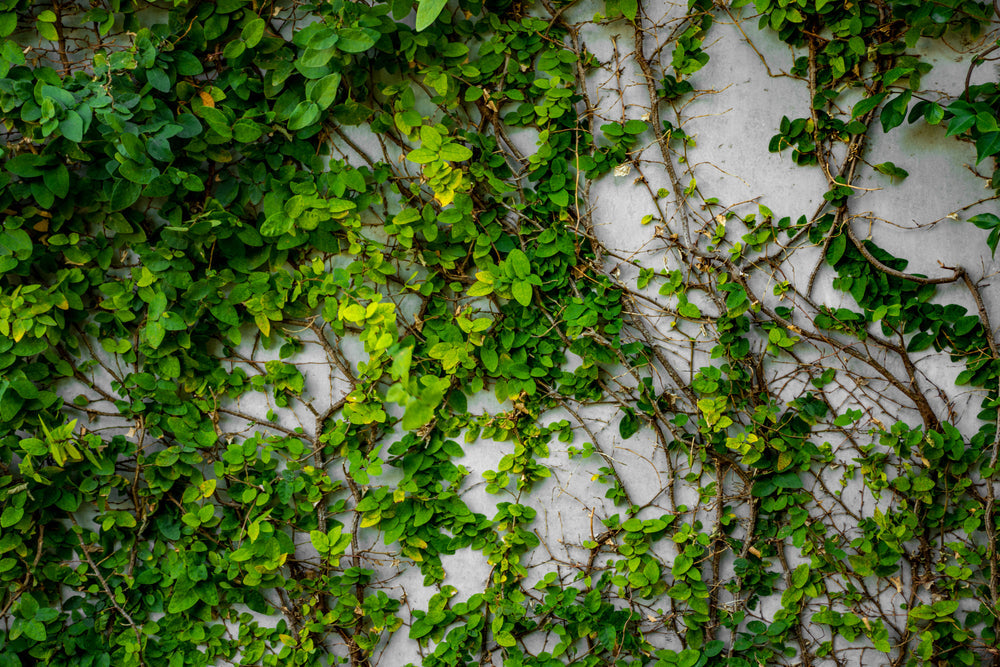 Climbers
 Flowering
 Grasses & Ferns
 Popular
-
Pines & Conifers
Pines & Conifers
 Pines
Pines
 Spruce & Fir
 Cypress
 Thuja
Thuja
 Redwood | Sequoia
-
Specimen
FREE DELIVERY OVER £350
Search results
Search results


Cydonia oblonga | Common Quince Half Standard - Clear Stem 100cm - Girth 10-12cm - Height 320-350cm - 90lt
£325.00
Unit price perCydonia oblonga | Common Quince Half Standard - Clear Stem 100cm - Girth 10-12cm - Height 320-350cm - 90lt
£325.00
Unit price perCydonia oblonga (Quince) 1/2 std is a large, deciduous shrub or small tree with broadly oval, mid-green leaves with grey undersides. Large, solitary, five-petal, pale pink to white flowers bloom in late spring, and edible, aromatic, round or pear shaped, bright yellow fruits ripen in autumn. Fruits can be eaten fresh, but when cooked the taste is better and sweeter. Perfect for jams, jellies, or pies.
Cydonia oblonga (Quince) 1/2 std can grow in almost any kind of soil, as long as it is moist, and well-drained, but it prefers fertile, deep, slightly acidic, well-drained soil in full sun. Once established, it tolerates dry soils. Cydonia oblonga (Quince) 1/2 std trees are great as specimen plants or informal hedges and screens. They are mostly grown for their fruit. Commercial production has decreased significantly in US and Europe, but it is still a popular fruit in Turkey and some parts of Asia.


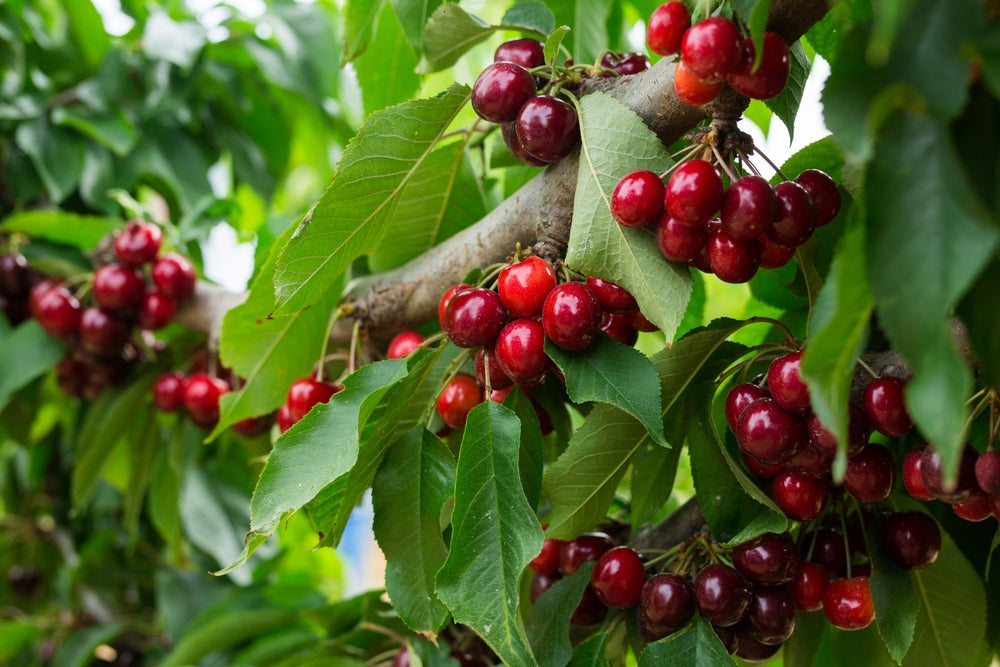
Prunus avium 'Regina' | Sweet Cherry 'Regina' - Patio Rootstock - Height 80-100cm, 7lt
£38.00
Unit price perPrunus avium 'Regina' | Sweet Cherry 'Regina' - Patio Rootstock - Height 80-100cm, 7lt
£38.00
Unit price per


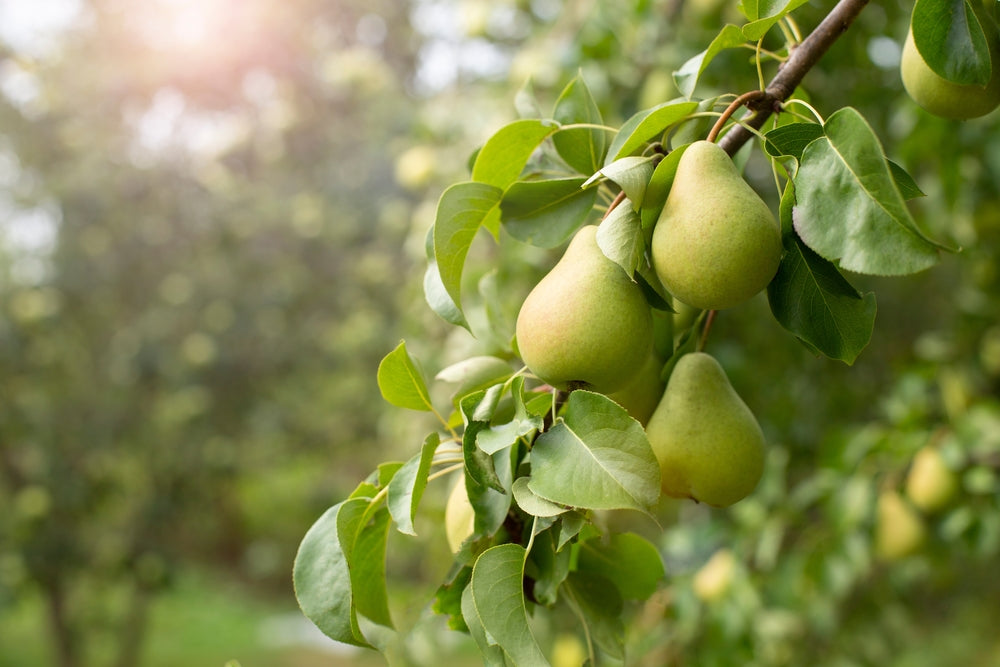
Pear 'Doyenne du Comice' | Pyrus communis - Semi Dwarfing - Height 160-180cm - 20lt
£94.00
Unit price perPear 'Doyenne du Comice' | Pyrus communis - Semi Dwarfing - Height 160-180cm - 20lt
£94.00
Unit price per


Apple tree 'James Grieve' | Malus domestica - MM106 - Semi-Dwarfing - Height 150-160cm - 20lt
£94.00
Unit price perApple tree 'James Grieve' | Malus domestica - MM106 - Semi-Dwarfing - Height 150-160cm - 20lt
£94.00
Unit price perJames Grieve Apple is a hardy, deciduous tree suitable for cold climate zones. It is best grown in northerly areas with cold winters, moderate summer temperatures, and medium to high humidity. It’s an old apple variety, raised in 1893. in Edinburgh, Scotland, by James Grieve from pollination of Cox’s Orange Pippin and most likely Pott’s Seedling apple. Generally, a resilient plant, it needs some protection from harsh winds. It’s a good polliniser for other apples. It cannot be found in supermarkets because it is sensitive to pressure and easily bruised and cannot sustain supermarket handling.
James Grieve apples are medium to large, yellow-green, speckled and striped orange-red, with creamy, refreshing and very juicy flesh. At the beginning of season, it is sharp and perfect for cooking, retaining its shape when cooked. After a few weeks, it becomes milder and sweeter, like a firm pear in texture.
Root stock MM106 is a semi-dwarfing rootstock commonly used for apple trees. It offers a moderate growth rate, producing trees 10-15 feet tall when mature. Suitable for medium-sized gardens, MM106 ensures good fruit yield and adaptability to various soils. It's resistant to woolly apple aphid and moderately resistant to crown rot. Ideal for bush, cordons, and espalier forms. Ensure proper staking in early years.


Pomegranate | Punica granatum - Mature Specimen 12A - 3 Branches - Height 230-240cm - 230lt
£1,450.00
Unit price perPomegranate | Punica granatum - Mature Specimen 12A - 3 Branches - Height 230-240cm - 230lt
£1,450.00
Unit price perPunica granatum, commonly known as pomegranate, is a small deciduous tree or shrub that belongs to the family Lythraceae. Native to the Mediterranean region and parts of Asia, the pomegranate is widely cultivated for its fruit, ornamental value, and medicinal properties. The tree grows up to 5-8 meters tall and has glossy, dark green leaves that turn yellow in autumn. It produces beautiful red-orange flowers that bloom in summer and are followed by the fruit in autumn.
The fruit of the pomegranate is a round or slightly hexagonal berry, about the size of an apple or grapefruit. The leathery skin of the fruit is thick and inedible, but it contains hundreds of edible arils or seeds, each surrounded by a juicy, ruby-red pulp. The seeds are packed with nutrients and antioxidants and are said to have numerous health benefits, including anti-inflammatory and anti-cancer properties. Pomegranate is commonly used in cooking, juices, smoothies, and salads, and it adds a sweet-tart flavour and vibrant colour to any dish. Overall, Punica granatum is a versatile and attractive tree that would make a great addition to any garden or landscape, both for its ornamental value and its delicious fruit.


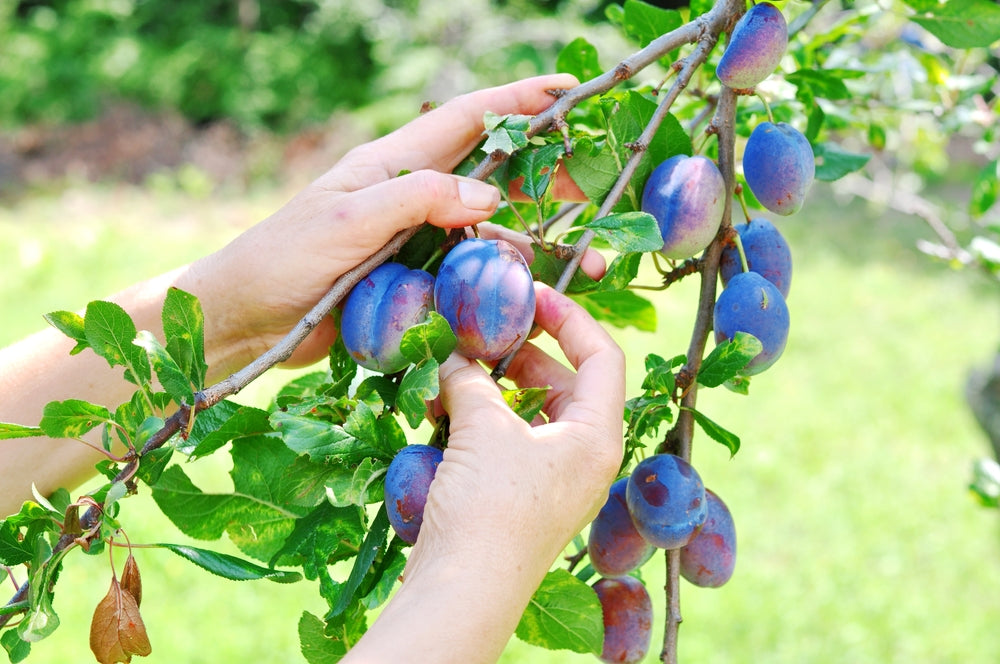
Prunus 'Mirabelle de Nancy' | Cherry plum 'Mirabelle de Nancy' - Patio Rootstock - Height 80-100cm, 7lt
£38.00
Unit price perPrunus 'Mirabelle de Nancy' | Cherry plum 'Mirabelle de Nancy' - Patio Rootstock - Height 80-100cm, 7lt
£38.00
Unit price per


Pomegranate | Punica granatum - Mature Specimen 10A - 3 Branches - Height 240-250cm - 230lt
£1,045.00
Unit price perPomegranate | Punica granatum - Mature Specimen 10A - 3 Branches - Height 240-250cm - 230lt
£1,045.00
Unit price perPunica granatum, commonly known as pomegranate, is a small deciduous tree or shrub that belongs to the family Lythraceae. Native to the Mediterranean region and parts of Asia, the pomegranate is widely cultivated for its fruit, ornamental value, and medicinal properties. The tree grows up to 5-8 meters tall and has glossy, dark green leaves that turn yellow in autumn. It produces beautiful red-orange flowers that bloom in summer and are followed by the fruit in autumn.
The fruit of the pomegranate is a round or slightly hexagonal berry, about the size of an apple or grapefruit. The leathery skin of the fruit is thick and inedible, but it contains hundreds of edible arils or seeds, each surrounded by a juicy, ruby-red pulp. The seeds are packed with nutrients and antioxidants and are said to have numerous health benefits, including anti-inflammatory and anti-cancer properties. Pomegranate is commonly used in cooking, juices, smoothies, and salads, and it adds a sweet-tart flavour and vibrant colour to any dish. Overall, Punica granatum is a versatile and attractive tree that would make a great addition to any garden or landscape, both for its ornamental value and its delicious fruit.


Japanese Crab Apple Tree | Malus Floribunda - Height 180-240cm, 10lt
£90.00
Unit price perJapanese Crab Apple Tree | Malus Floribunda - Height 180-240cm, 10lt
£90.00
Unit price per


Apple tree 'Cox Orange Pippin' | Malus domestica - Patio Rootstock - Height 80-100cm - 7lt
£38.00
Unit price perApple tree 'Cox Orange Pippin' | Malus domestica - Patio Rootstock - Height 80-100cm - 7lt
£38.00
Unit price perCox’s Orange Pippin apple is the classic English apple. It was discovered in England in 19th century as a chance seedling. It is famous for its rich and complex flavour and considered to be one of the finest dessert apples. The fruit is small to medium-sized. It has yellow skin with orange-red blush and crisp, firm, very juicy and aromatic flesh. The flavour has hints of mango and orange. Cox’s Orange Pippin apple plant is an upright tree with spreading growth habit. Its vigorous and bushy growth can become difficult to control. The plant is sensitive and demanding with regard to soil and climate. It needs exceptional soil and adequate weather conditions to grow well. It prefers rich neutral soil, moist but well drained, and sheltered position in full sun. It is susceptible to diseases and doesn’t tolerate frost. The best flavour is achieved in cool maritime climate.
Root stock MM106 is a semi-dwarfing rootstock commonly used for apple trees. It offers a moderate growth rate, producing trees 10-15 feet tall when mature. Suitable for medium-sized gardens, MM106 ensures good fruit yield and adaptability to various soils. It's resistant to woolly apple aphid and moderately resistant to crown rot. Ideal for bush, cordons, and espalier forms. Ensure proper staking in early years.


Apple tree 'Cox Orange Pippin' | Malus domestica - MM106 - Semi-Dwarfing - 150-160cm - 10lt
£76.00
Unit price perApple tree 'Cox Orange Pippin' | Malus domestica - MM106 - Semi-Dwarfing - 150-160cm - 10lt
£76.00
Unit price perCox’s Orange Pippin apple is the classic English apple. It was discovered in England in 19th century as a chance seedling. It is famous for its rich and complex flavour and considered to be one of the finest dessert apples. The fruit is small to medium-sized. It has yellow skin with orange-red blush and crisp, firm, very juicy and aromatic flesh. The flavour has hints of mango and orange. Cox’s Orange Pippin apple plant is an upright tree with spreading growth habit. Its vigorous and bushy growth can become difficult to control. The plant is sensitive and demanding with regard to soil and climate. It needs exceptional soil and adequate weather conditions to grow well. It prefers rich neutral soil, moist but well drained, and sheltered position in full sun. It is susceptible to diseases and doesn’t tolerate frost. The best flavour is achieved in cool maritime climate.
Root stock MM106 is a semi-dwarfing rootstock commonly used for apple trees. It offers a moderate growth rate, producing trees 10-15 feet tall when mature. Suitable for medium-sized gardens, MM106 ensures good fruit yield and adaptability to various soils. It's resistant to woolly apple aphid and moderately resistant to crown rot. Ideal for bush, cordons, and espalier forms. Ensure proper staking in early years.


Prunus Dulics | Flowering Almond Tree, Height 170-180cm , 12lt
£98.00
Unit price perPrunus Dulics | Flowering Almond Tree, Height 170-180cm , 12lt
£98.00
Unit price per


Prunus avium 'Stella' - Patio Rootstock - Height 80-100cm, 7lt
£38.00
Unit price perPrunus avium 'Stella' - Patio Rootstock - Height 80-100cm, 7lt
£38.00
Unit price per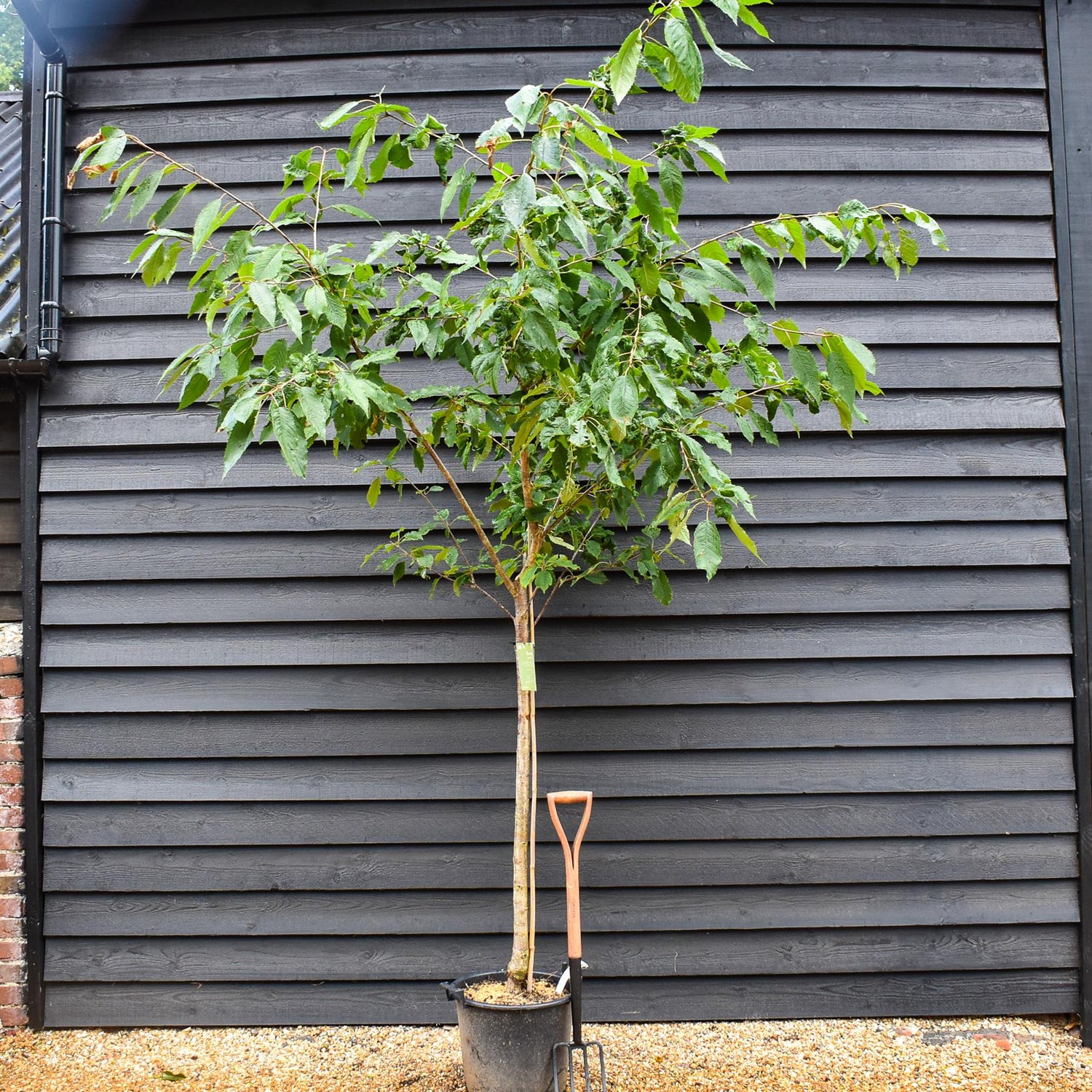


Double flowered Wild Cherry | Prunus Avium Plena - Height 220-250cm - Girth 10-12cm - 40lt
£155.00
Unit price perDouble flowered Wild Cherry | Prunus Avium Plena - Height 220-250cm - Girth 10-12cm - 40lt
£155.00
Unit price per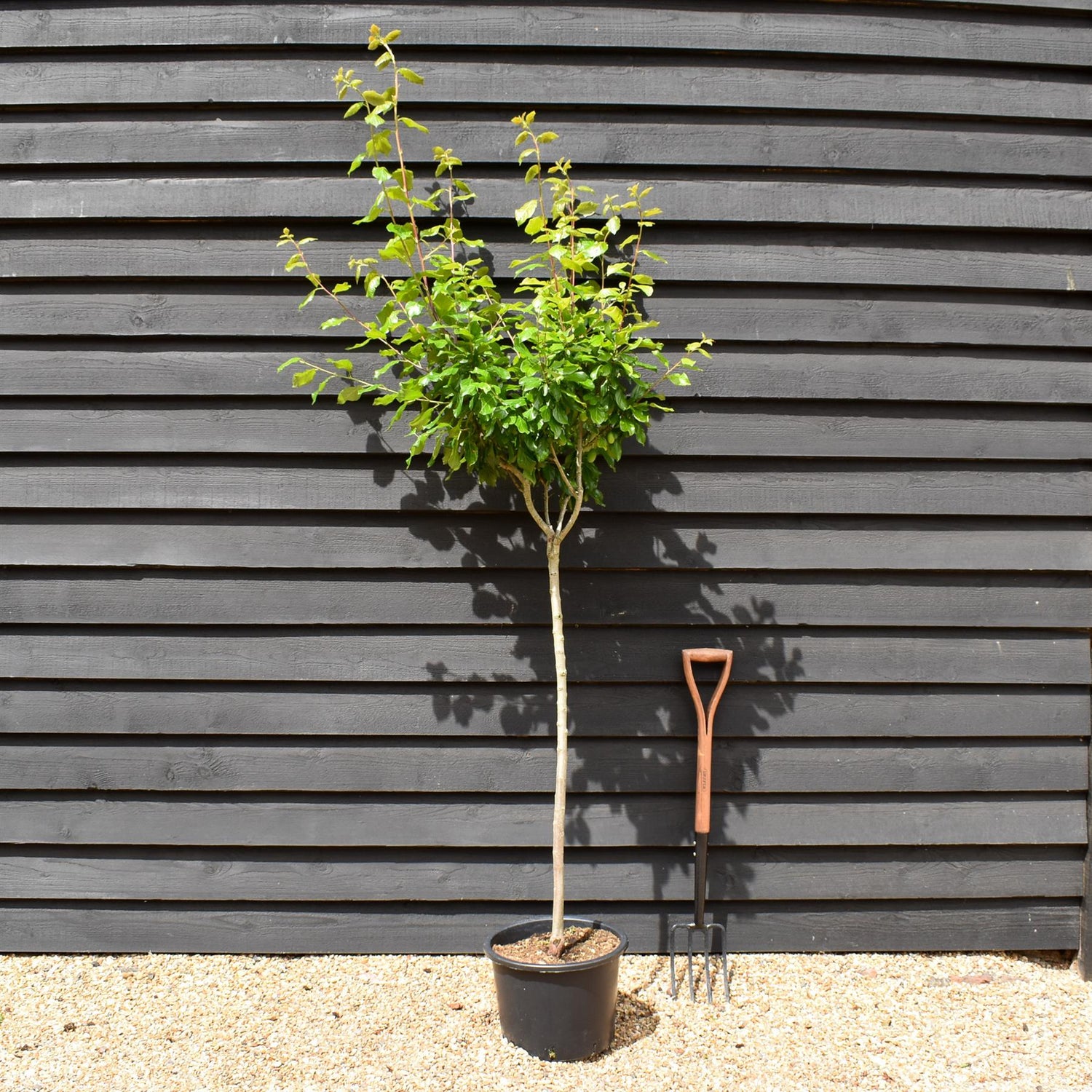
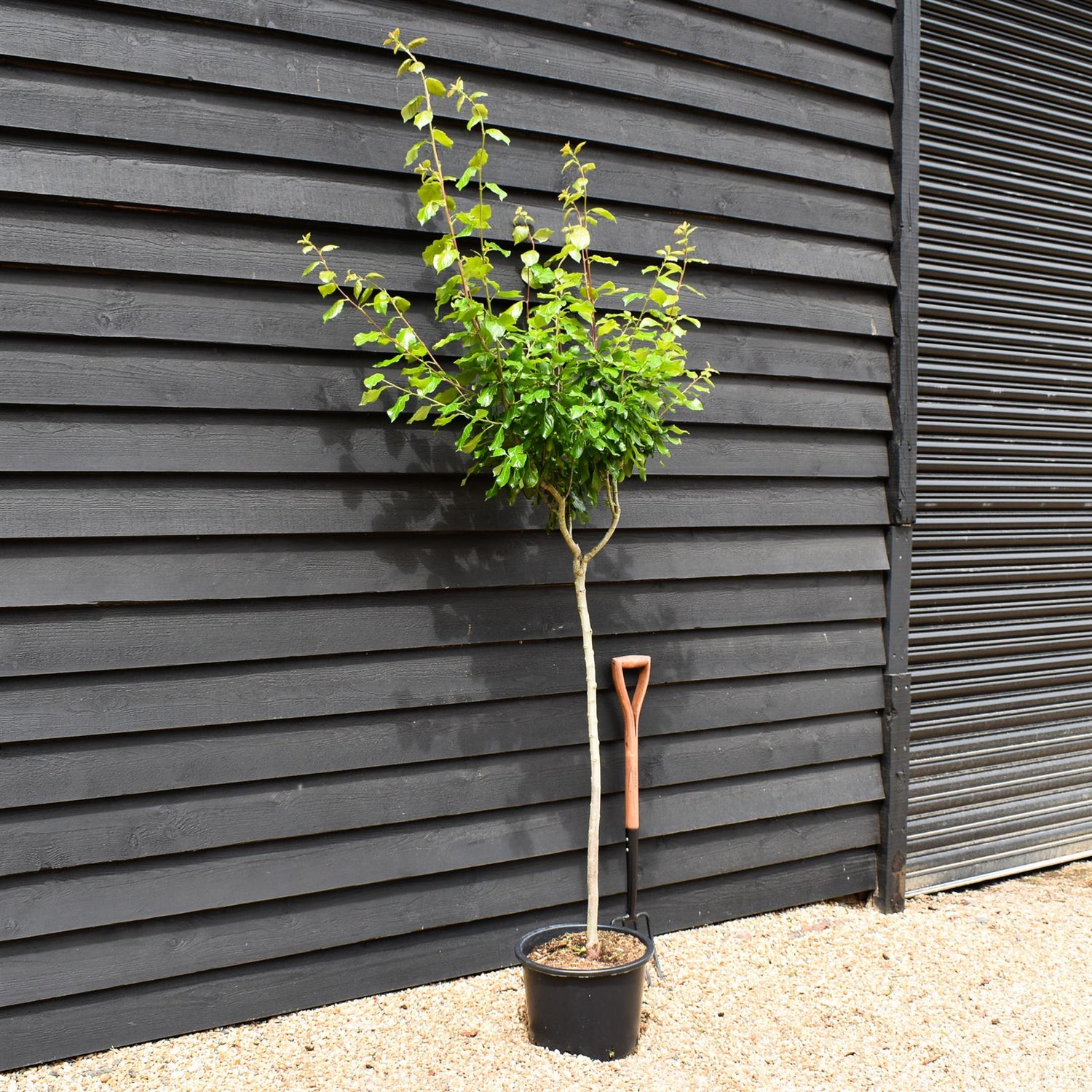
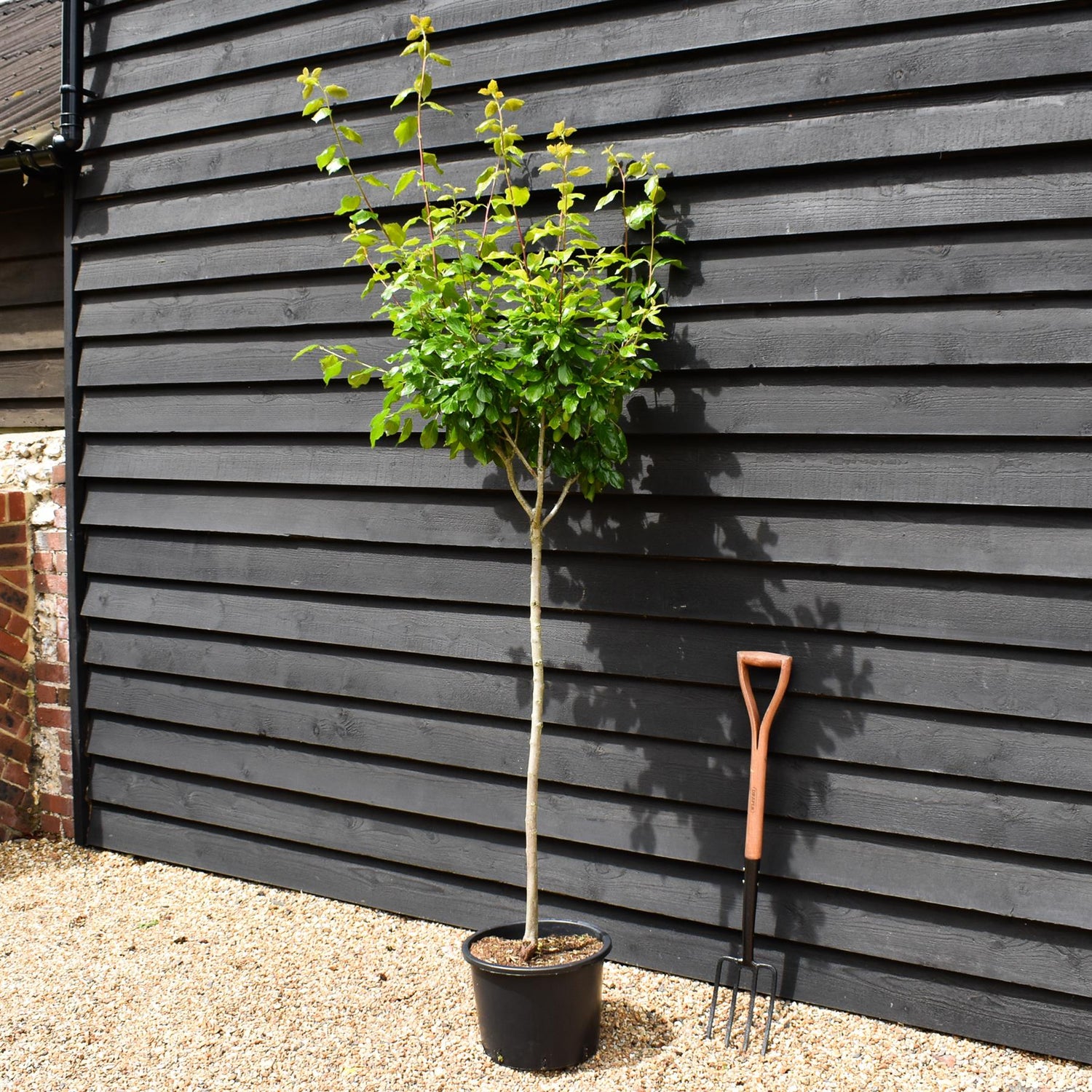
Plum tree 'President' | Prunus domestica - Height 100-120cm - 20lt
£94.00
Unit price perPlum tree 'President' | Prunus domestica - Height 100-120cm - 20lt
£94.00
Unit price per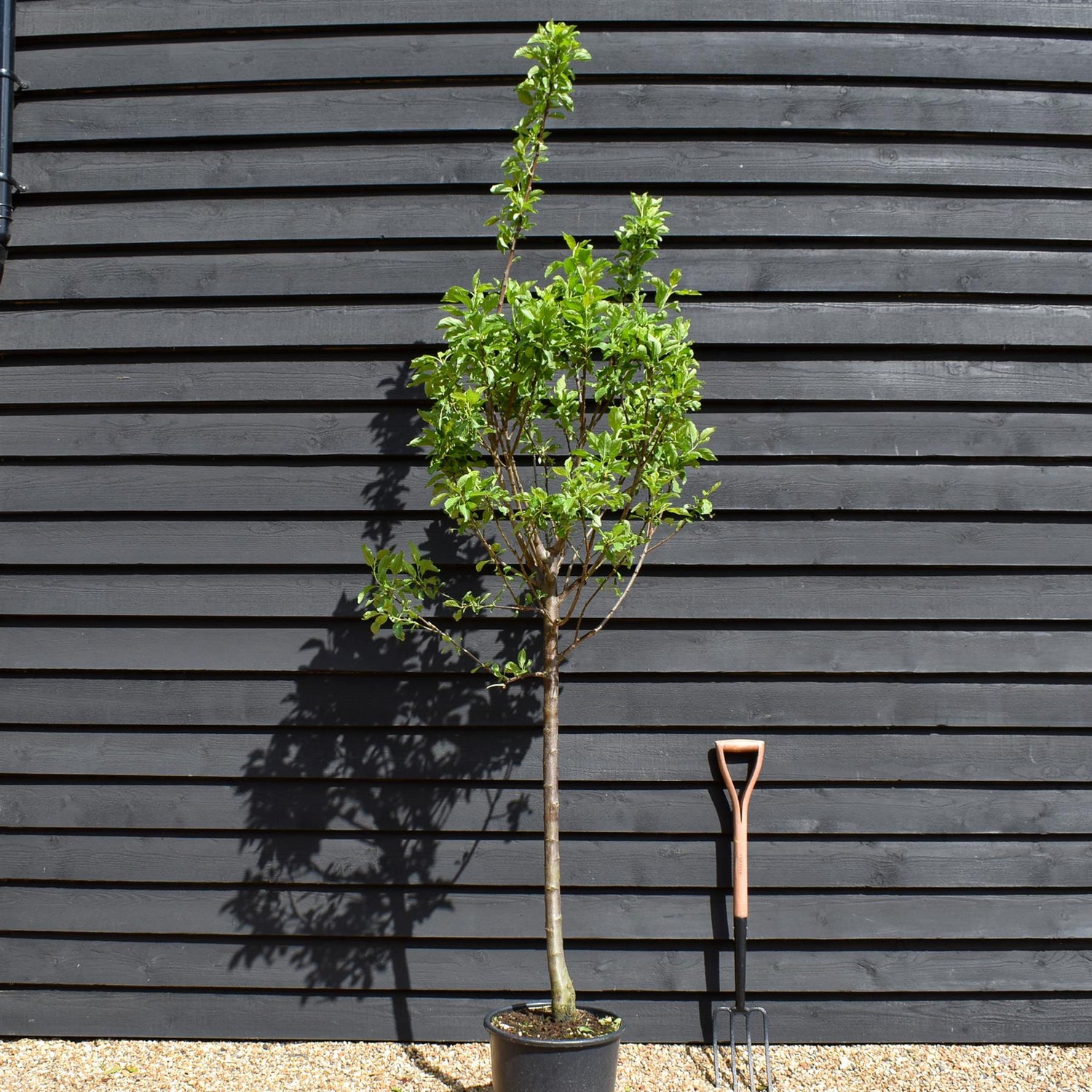
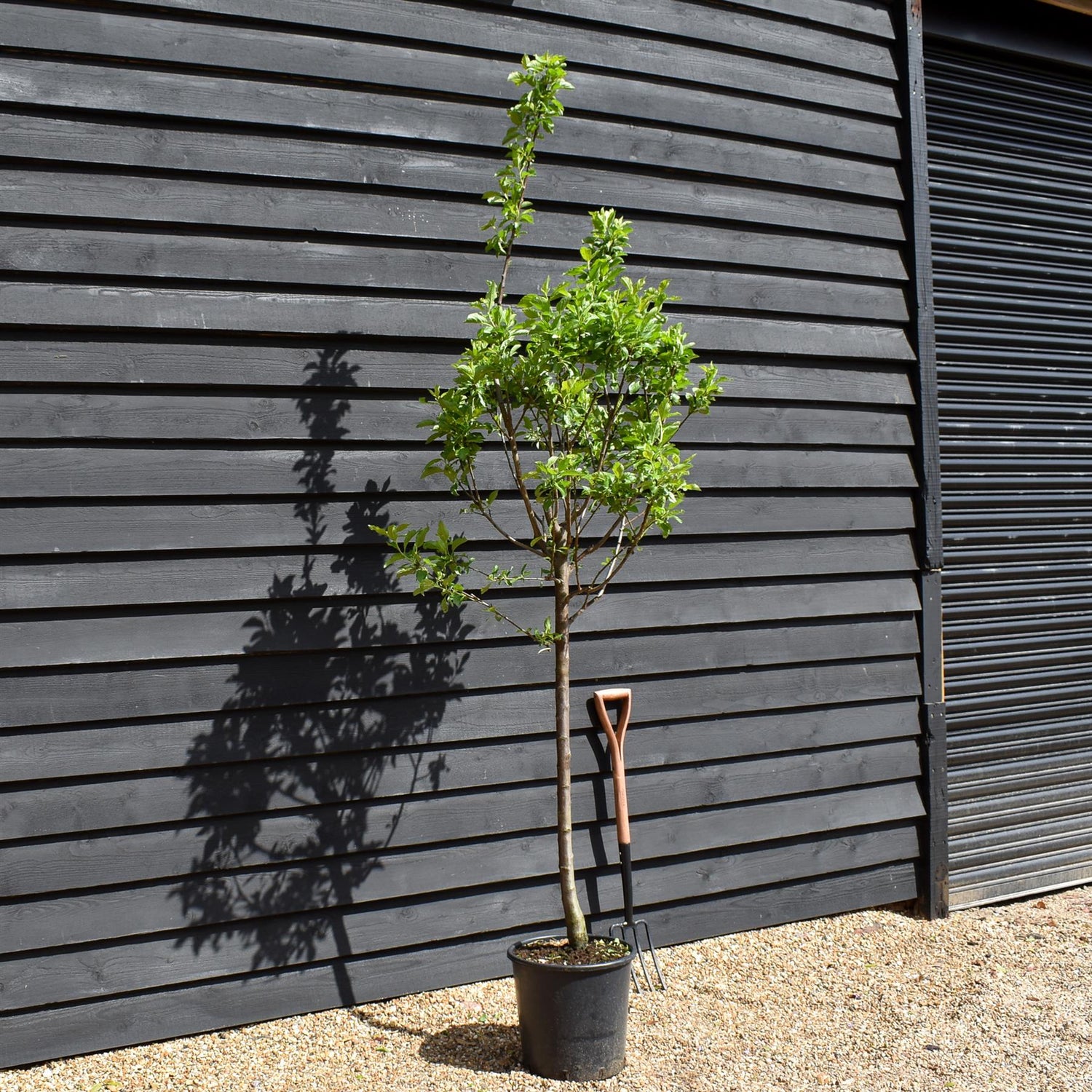
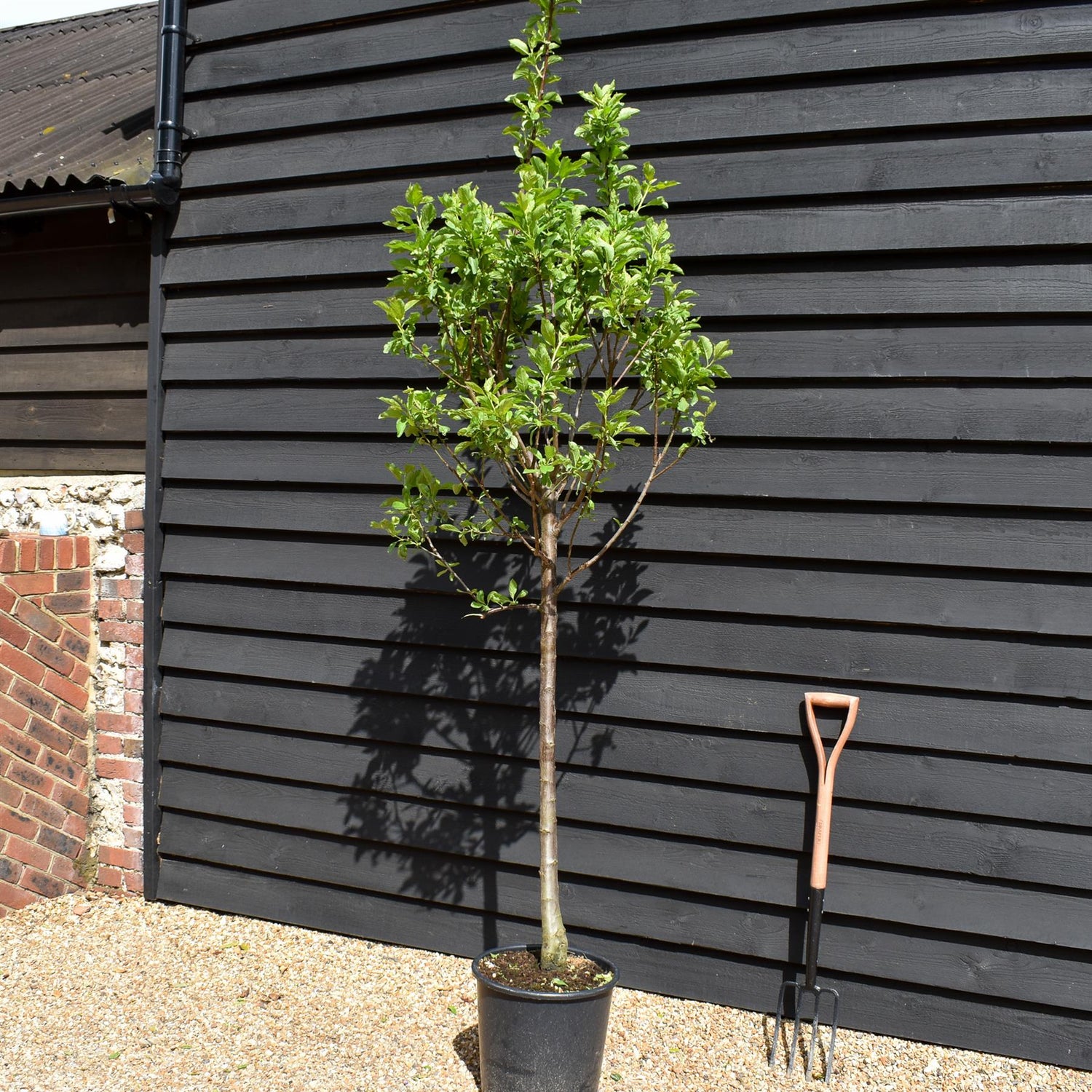
Prunus domestica 'Regina Claudia Gialla' is a prized variety of greengage plum, celebrated for its deliciously sweet, aromatic flavor and rich golden-yellow skin. This heritage cultivar produces medium-sized, round fruits with juicy, firm flesh that is perfect for fresh eating, desserts, preserves, and baking. Flowering in early spring, it bears heavy crops by late summer. The tree itself is hardy, vigorous, and resistant to many common diseases, thriving best in full sun with well-drained soil. 'Regina Claudia Gialla' requires another compatible plum variety nearby for optimal pollination and fruit set. Its outstanding flavor and dependable yield make it a favorite among home gardeners and orchardists looking for authentic, old-world fruit quality. An excellent choice for traditional or gourmet gardens.


Malus domestica 'Belle de Boskoop' is a cultivar of apple tree that is believed to have originated in the Netherlands in the late 19th century. It is also known as 'Beauty of Boskoop' or simply 'Boskoop'.
The fruit produced by this apple tree is large and somewhat flattened, with a green-yellow skin that is often russeted or brownish. The flesh is firm, juicy, and slightly tart, with a distinct aroma and flavor that is highly regarded by apple enthusiasts.
'Belle de Boskoop' is a late-ripening variety, typically harvested in October and November in the northern hemisphere. It is known for its excellent storage qualities and can be kept for several months in a cool, dry place.
This apple cultivar is considered to be a triploid, meaning it requires two other compatible apple trees for cross-pollination in order to produce fruit. It is a popular variety for commercial and home orchards alike, and is grown in many parts of the world, including Europe and North America.


Apple tree 'James Grieve' | Malus domestica - Patio Rootstock - Height 80-100cm - 7lt
£38.00
Unit price perApple tree 'James Grieve' | Malus domestica - Patio Rootstock - Height 80-100cm - 7lt
£38.00
Unit price perJames Grieve Apple is a hardy, deciduous tree suitable for cold climate zones. It is best grown in northerly areas with cold winters, moderate summer temperatures, and medium to high humidity. It’s an old apple variety, raised in 1893. in Edinburgh, Scotland, by James Grieve from pollination of Cox’s Orange Pippin and most likely Pott’s Seedling apple. Generally, a resilient plant, it needs some protection from harsh winds. It’s a good polliniser for other apples. It cannot be found in supermarkets because it is sensitive to pressure and easily bruised and cannot sustain supermarket handling.
James Grieve apples are medium to large, yellow-green, speckled and striped orange-red, with creamy, refreshing and very juicy flesh. At the beginning of season, it is sharp and perfect for cooking, retaining its shape when cooked. After a few weeks, it becomes milder and sweeter, like a firm pear in texture.


Apple tree 'Bramley's Seedling' | Malus domestica - M26 - Dwarfing - 150-160cm - 10lt
£89.00
Unit price perApple tree 'Bramley's Seedling' | Malus domestica - M26 - Dwarfing - 150-160cm - 10lt
£89.00
Unit price perBramley's Seedling Apple is an English cooking apple and one of the best culinary apples in the world. It was discovered in 1809. in Nottinghamshire in England. Bramley apples are large, mostly green, slightly reddish, juicy, sharply acidic, and with excellent, strong flavour. They are used mostly for cooking and baking as they can be cooked down to a smooth puree. Bramley's Seedling Apple tree is very large and vigorous, with oval green leaves and beautiful crimson flowers. For smaller gardens, it needs to be grown on dwarfing rootstock. It is very easy to grow and also known for its longevity. The original tree is alive to this day and still producing apples. It prefers sunny, sheltered locations and neutral, moist and well-drained soil. The only problem could be pollination since Bramley's Seedling Apple needs two different pollinating apple trees nearby to be successfully pollinated.
M26 is a semi-dwarfing rootstock (smaller than MM106) used for apple trees, particularly in orchards and home gardens. It produces trees 10-12 feet in height, making them easier to manage and harvest. M26 ensures early fruit production, good anchorage, and medium vigor. However, it requires staking during early years and is moderately susceptible to fire blight.


Malus Fruitilicious | Culinary Crab Apple Tree - Clear Stem - Height 150-180cm -20lt
£105.00
Unit price perMalus Fruitilicious | Culinary Crab Apple Tree - Clear Stem - Height 150-180cm -20lt
£105.00
Unit price per


Mandarin Tree|Citrus reticulata 'Mandarino' - Tree - Clear Stem 50cm - Height 130-140cm - 25lt
£215.00
Unit price perMandarin Tree|Citrus reticulata 'Mandarino' - Tree - Clear Stem 50cm - Height 130-140cm - 25lt
£215.00
Unit price perCitrus reticulata 'Mandarino' is a beautiful evergreen citrus tree admired for its glossy aromatic foliage, fragrant white flowers, and sweet juicy fruit. Producing traditional mandarins with easily peeled skin and rich flavour, this attractive tree combines ornamental appeal with reliable fruit production, making it an excellent choice for patios, conservatories, greenhouses, and sheltered gardens. Its compact habit and elegant rounded shape provide year-round structure and Mediterranean character in both formal and informal planting schemes.
During spring and summer, the tree is covered with highly scented white blossoms that attract pollinating insects and fill the surrounding area with citrus fragrance. These are followed by vibrant orange fruits that ripen in cooler months, creating striking colour contrast against the deep green foliage. Citrus reticulata 'Mandarino' thrives in full sun and fertile, well-drained soil, performing particularly well in containers where it can be moved to sheltered conditions during severe winter weather
Ideal for Mediterranen-style gardens and sunny terraces, this low-maintenance citrus tree offers decorative foliage, seasonal fragrance, and delicious home-grown fruit while bringing an exotic atmosphere to outdoor living spaces.