

-
Trees
Trees
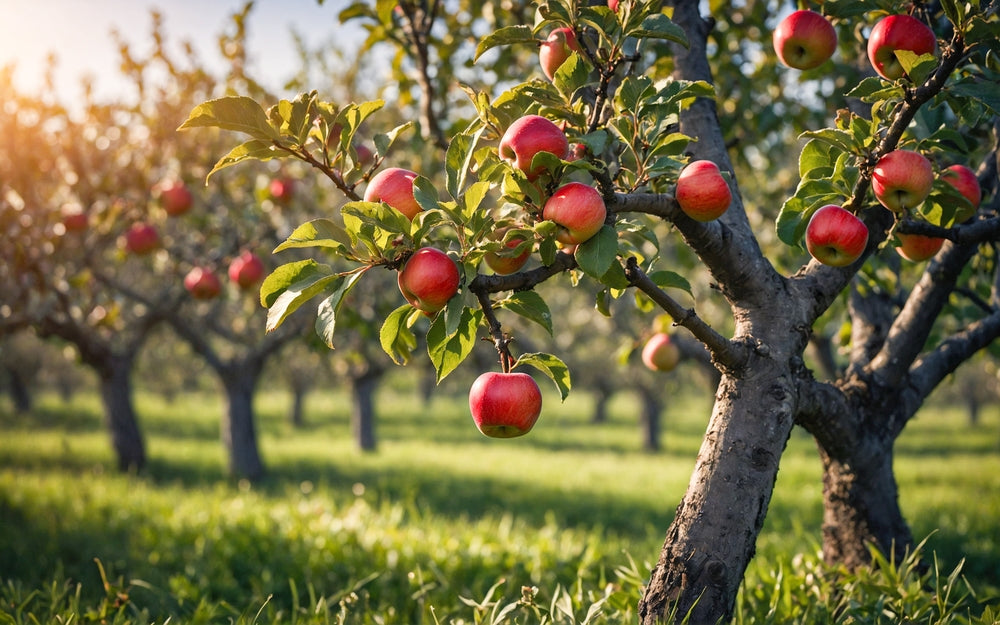 Fruit Trees
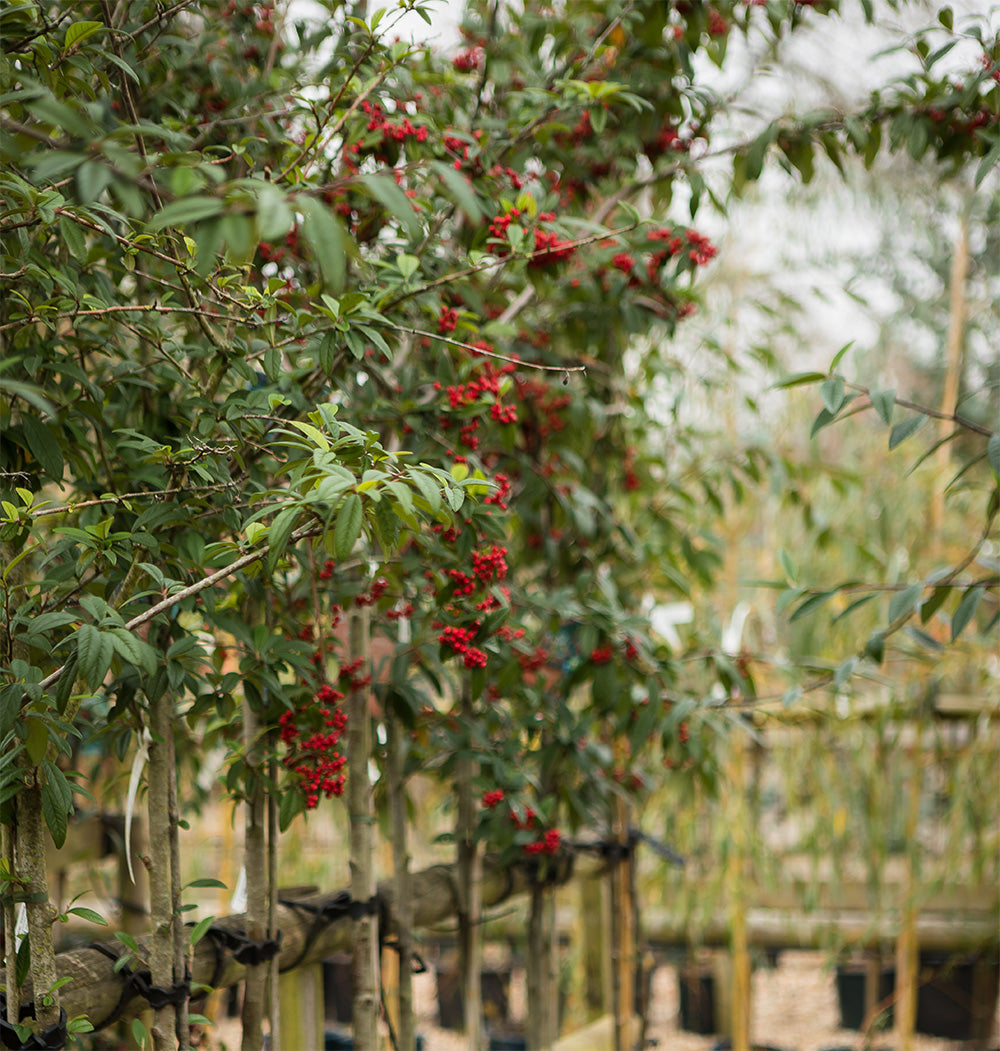 Ornamental
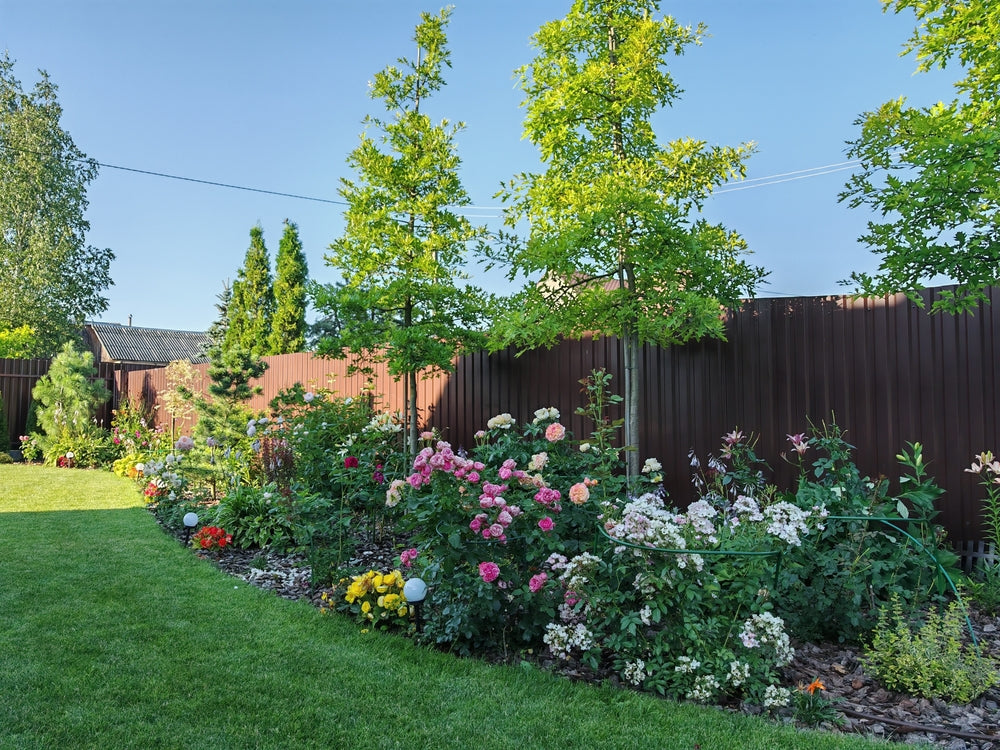 Screening
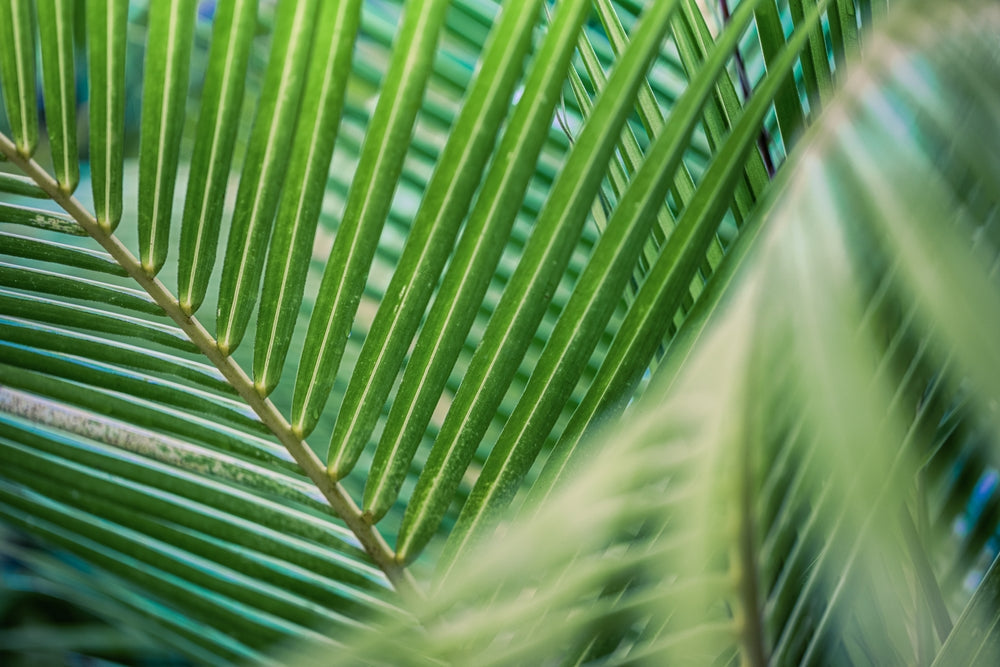 Palms
By FeaturesBy Shape
Palms
By FeaturesBy Shape -
Shrubs
Shrubs
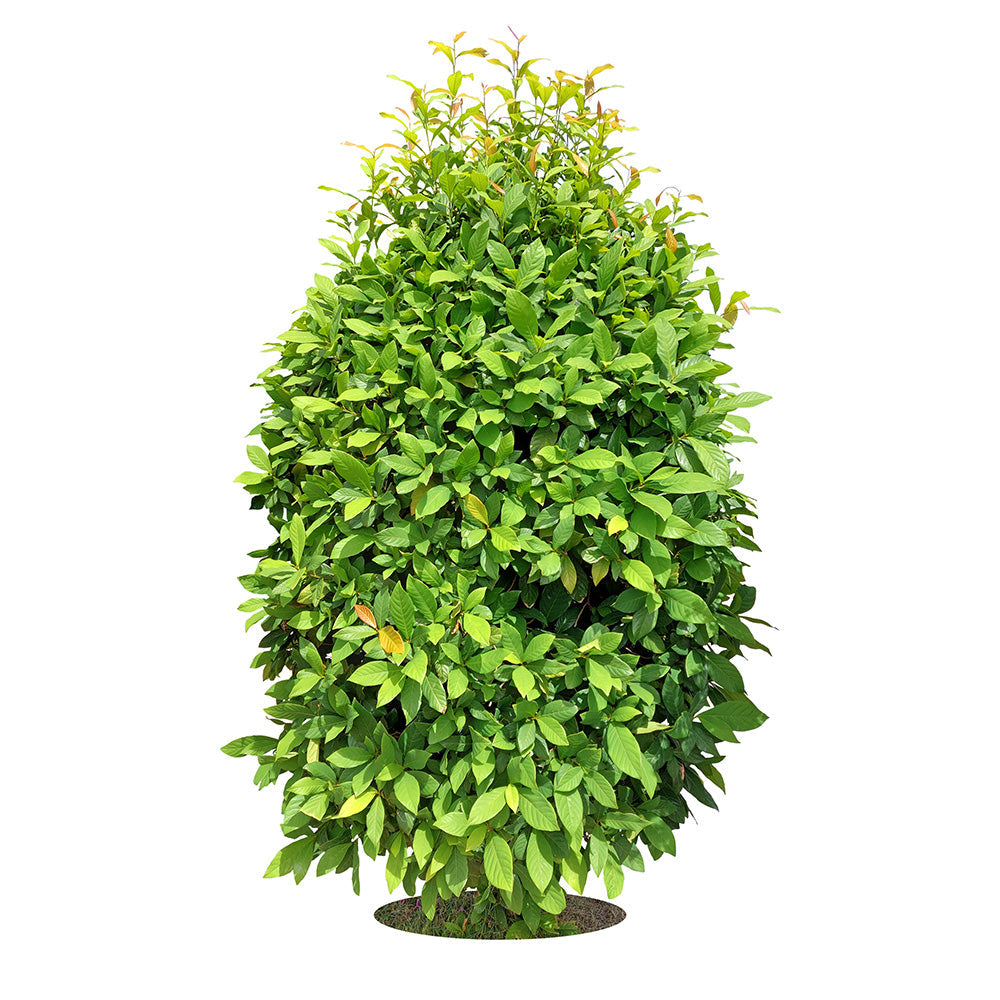 Large shrubs
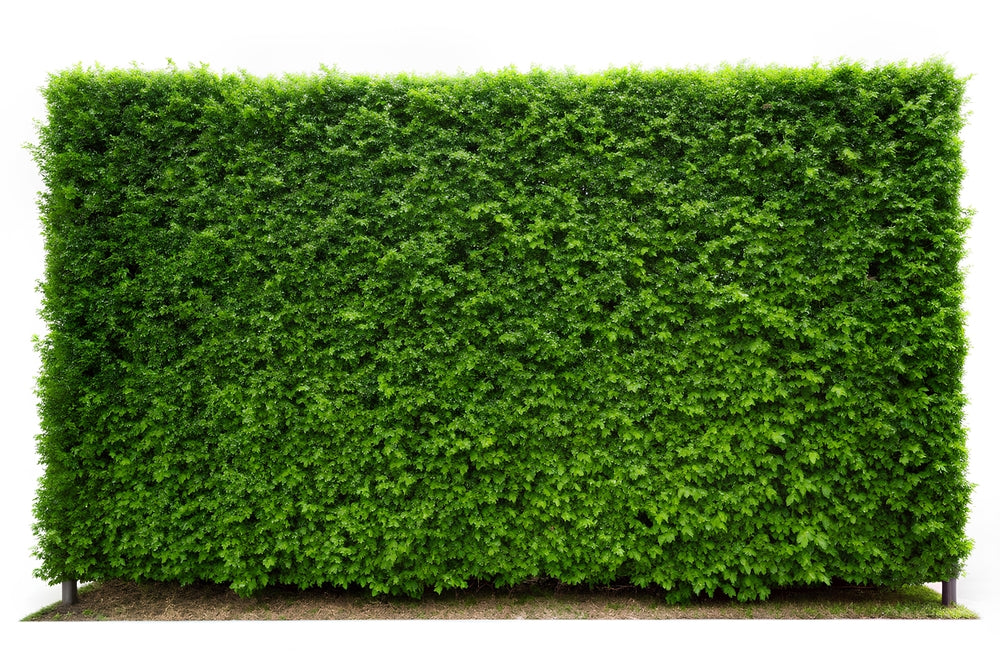 Hedging
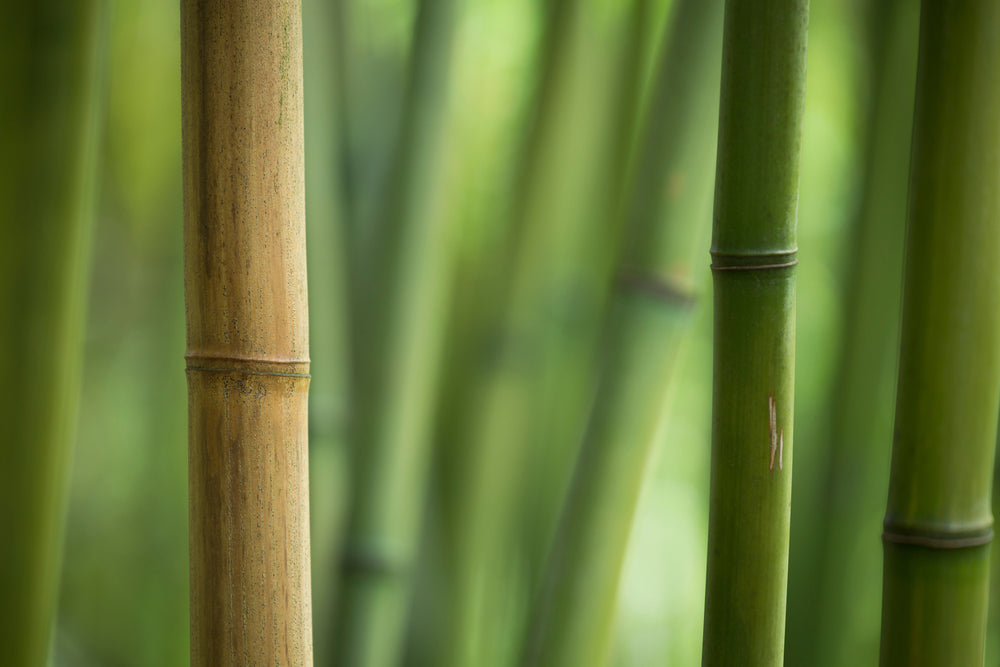 Bamboo
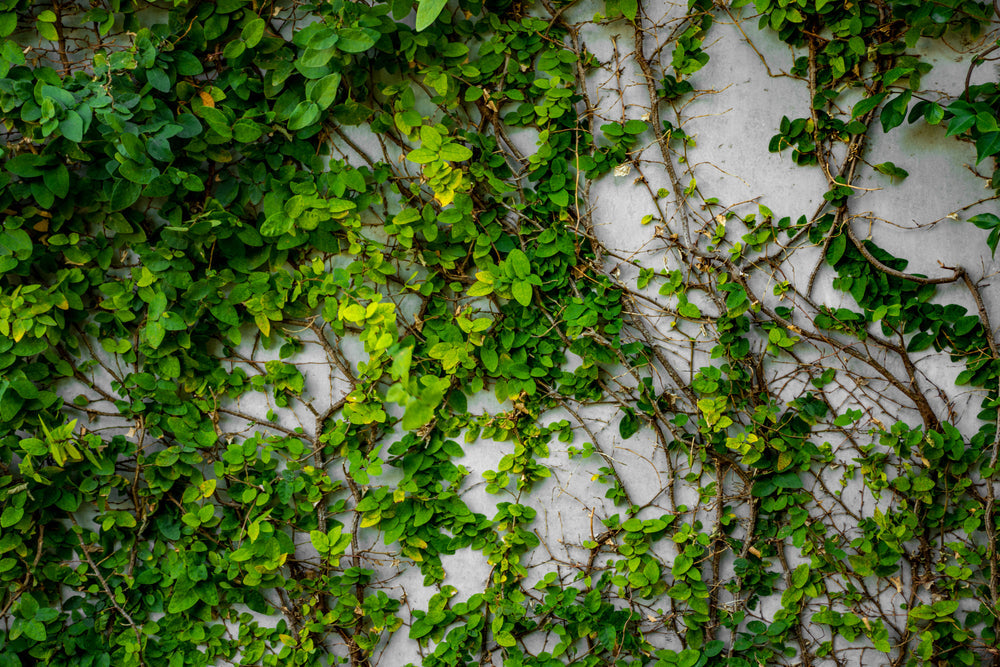 Climbers
 Flowering
 Grasses & Ferns
 Popular
-
Pines & Conifers
Pines & Conifers
 Pines
Pines
 Spruce & Fir
 Cypress
 Thuja
Thuja
 Redwood | Sequoia
-
Specimen
FREE DELIVERY OVER £350
Search results
Search results
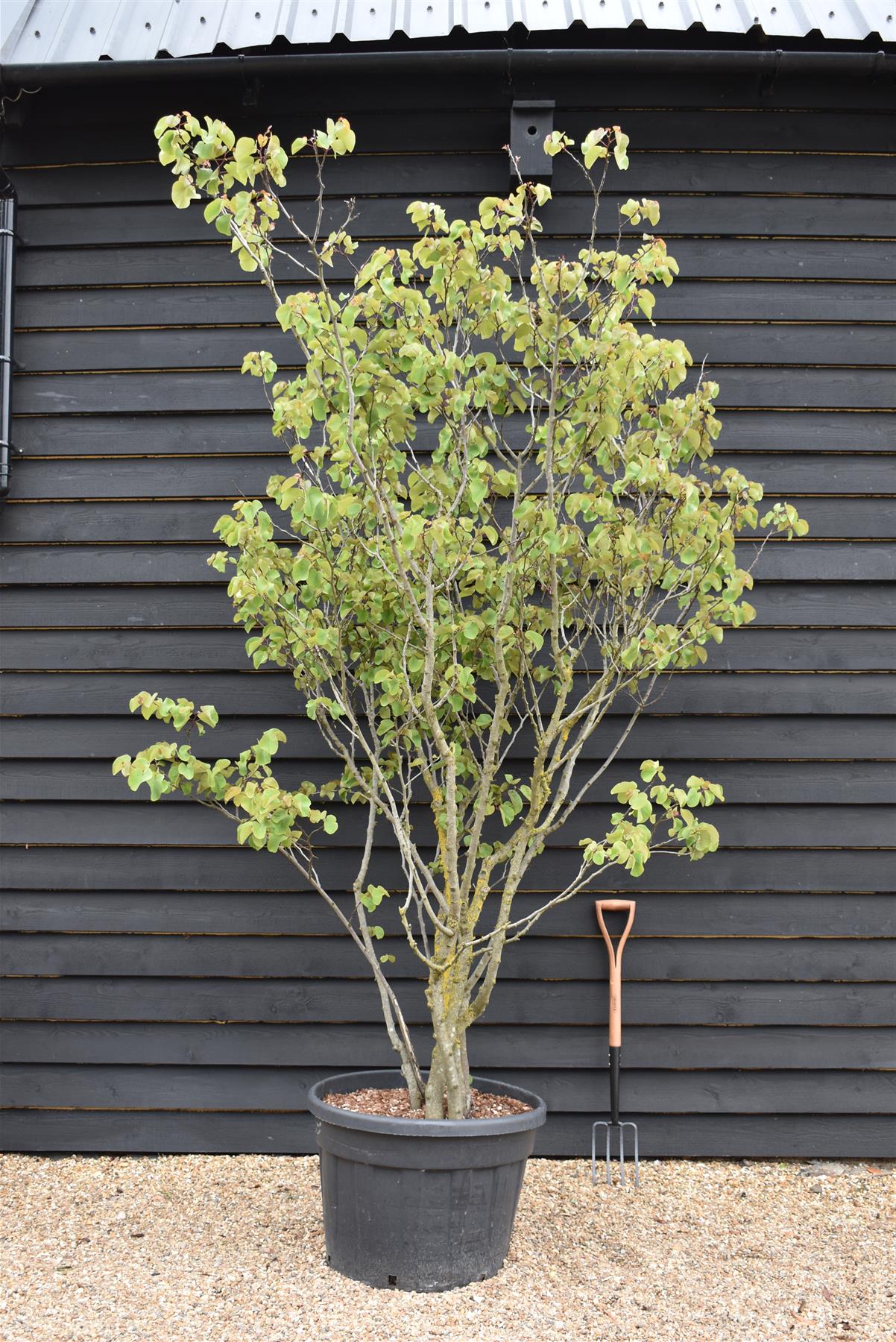


Cercis siliquastrum | Judas tree - 220-230cm, 130lt
£495.00
Unit price perCercis siliquastrum | Judas tree - 220-230cm, 130lt
£495.00
Unit price per


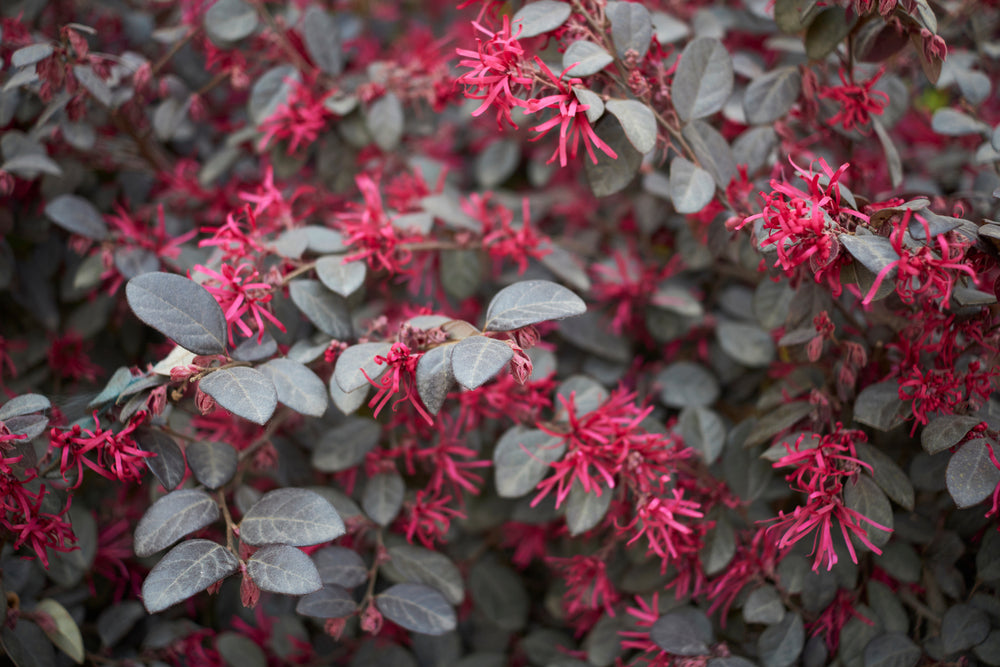
Loropetalum chinense Black Pearl | Chinese Fringe Flower - Cone - Height 140-180cm - 35lt
£220.00
Unit price perLoropetalum chinense Black Pearl | Chinese Fringe Flower - Cone - Height 140-180cm - 35lt
£220.00
Unit price per


Punica granatum - Pomegranate - Shrub - Height 90-130cm - 90lt
£545.00
Unit price perPunica granatum - Pomegranate - Shrub - Height 90-130cm - 90lt
£545.00
Unit price perPunica granatum, commonly known as the pomegranate, is an attractive deciduous shrub or small tree that brings ornamental beauty and edible interest to the garden. It is especially suited to warm, sunny, sheltered positions where it can enjoy plenty of light and heat. In the UK, it performs best against a south-facing wall, in a courtyard, or in a conservatory-style setting where extra warmth encourages flowering and fruiting.
The plant produces glossy green leaves, vibrant orange-red flowers in summer, and distinctive round fruits in favourable seasons. Even when fruit does not fully ripen, the flowers alone make it highly worthwhile as a decorative feature. Its naturally elegant branching habit also adds winter structure after leaf fall.
Punica granatum is drought tolerant once established, making it a good choice for low-maintenance or Mediterranean-style gardens. It prefers fertile, well-drained soil and benefits from protection from harsh winter winds and severe frost, especially when young. It can also be grown successfully in large patio containers, allowing it to be moved to shelter in colder weather.
Ideal for feature planting, patios, walled gardens, or exotic planting schemes, pomegranate offers beauty, resilience, and the added reward of unusual homegrown fruit.


Punica granatum - Pomegranate - Standard - Clear Stem Girth 18-20cm - Height 380-400 - 55lt
£435.00
Unit price perPunica granatum - Pomegranate - Standard - Clear Stem Girth 18-20cm - Height 380-400 - 55lt
£435.00
Unit price perPunica granatum, commonly known as pomegranate, is a small deciduous tree or shrub that belongs to the family Lythraceae. Native to the Mediterranean region and parts of Asia, the pomegranate is widely cultivated for its fruit, ornamental value, and medicinal properties. The tree grows up to 5-8 meters tall and has glossy, dark green leaves that turn yellow in autumn. It produces beautiful red-orange flowers that bloom in summer and are followed by the fruit in autumn.
The fruit of the pomegranate is a round or slightly hexagonal berry, about the size of an apple or grapefruit. The leathery skin of the fruit is thick and inedible, but it contains hundreds of edible arils or seeds, each surrounded by a juicy, ruby-red pulp. The seeds are packed with nutrients and antioxidants and are said to have numerous health benefits, including anti-inflammatory and anti-cancer properties. Pomegranate is commonly used in cooking, juices, smoothies, and salads, and it adds a sweet-tart flavor and vibrant color to any dish. Overall, Punica granatum is a versatile and attractive tree that would make a great addition to any garden or landscape, both for its ornamental value and its delicious fruit.


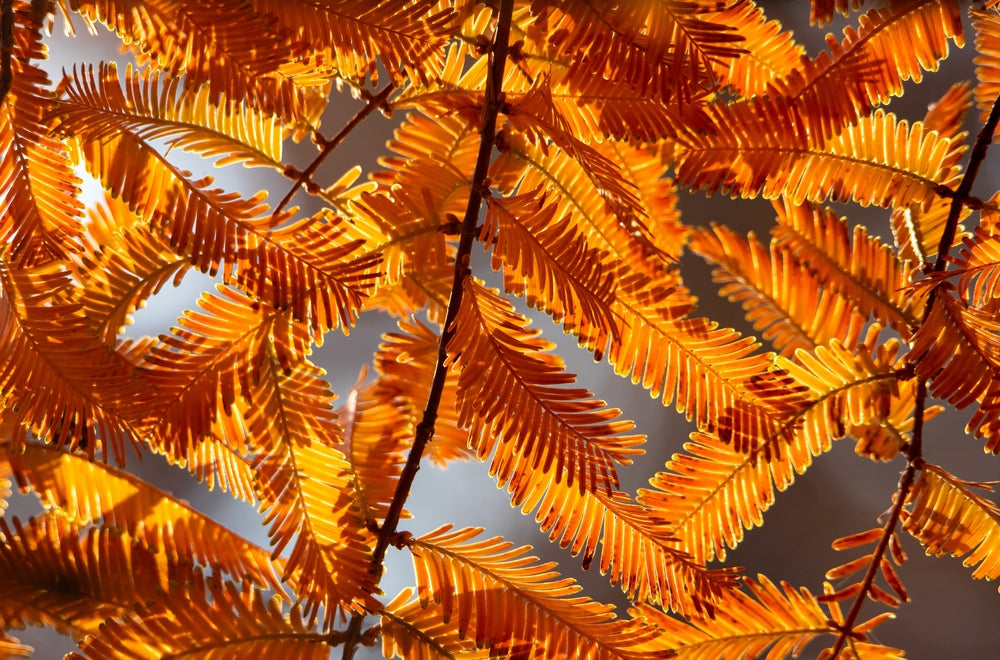
Larix decidua 'Little Bogle' | European larch - Height 50-60cm - Width 70cm - 18lt
£143.00
Unit price perLarix decidua 'Little Bogle' | European larch - Height 50-60cm - Width 70cm - 18lt
£143.00
Unit price perLarix decidua 'Little Bogle' is a compact, deciduous conifer tree that is well-suited for small gardens and landscapes. It belongs to the Pinaceae family and is commonly known as the European larch. The 'Little Bogle' cultivar is a dwarf version of the species, reaching a mature height of only 2-3 meters with a spread of 1-1.5 meters. It has a slow to moderate growth rate, making it an excellent choice for gardeners who want a low-maintenance, small tree.
The 'Little Bogle' has a distinctive conical shape with a narrow, upright growth habit. The branches are densely covered with short, bluish-green needles that turn golden-yellow in the fall before dropping. The tree produces small, brown cones that are approximately 2-3cm long and have a papery texture. The cones persist on the tree into the winter months, adding an element of interest to the landscape.
This tree prefers full sun to partial shade and moist, well-drained soil. It is tolerant of a wide range of soil types, including sandy, loamy, and clay soils. However, it does not tolerate waterlogged or poorly drained soil. The 'Little Bogle' is hardy, which makes it suitable for a wide range of climates.
This cultivar is a low-maintenance tree that requires minimal pruning or shaping. It is also resistant to many common diseases and pests, making it a reliable addition to any garden. The tree can be used as a specimen plant or as part of a mixed border. Its compact size makes it an excellent choice for small gardens or urban landscapes, where space is at a premium.
In conclusion, Larix decidua 'Little Bogle' is a beautiful and versatile tree that is well-suited for small gardens and landscapes. Its distinctive conical shape, bluish-green needles, and golden-yellow fall color make it a standout in any garden. It is easy to care for, hardy, and resistant to pests and diseases, making it an excellent choice for both novice and experienced gardeners alike.


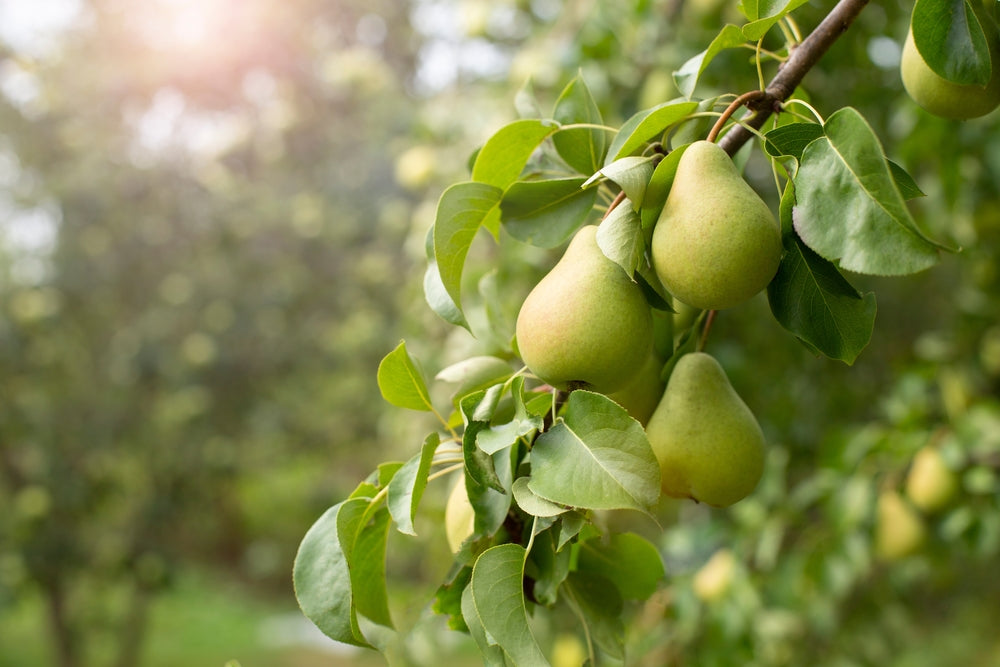
Pear 'Beurre Hardy' | Pyrus communis - Semi Dwarfing - Height - 160-180cm - 20lt
£94.00
Unit price perPear 'Beurre Hardy' | Pyrus communis - Semi Dwarfing - Height - 160-180cm - 20lt
£94.00
Unit price per


Judas tree | Cercis siliquastrum - Girth 5-6cm - 290-300cm - 30lt
£225.00
Unit price perJudas tree | Cercis siliquastrum - Girth 5-6cm - 290-300cm - 30lt
£225.00
Unit price perCercis siliquastrum, commonly known as the Judas tree or love tree, is a deciduous tree native to the Mediterranean region, including parts of Southern Europe and Western Asia. It is a member of the bean family (Fabaceae) and is known for its vibrant, pink-purple flowers and heart-shaped leaves. The Judas tree can grow up to 10 meters tall and has a spreading, umbrella-shaped crown. Its bark is smooth and grey-brown, and its branches are often twisted and gnarled, adding to its aesthetic appeal. The tree typically blooms in early spring, before its leaves appear, producing an abundance of small, pink-purple flowers that grow in clusters on the branches and trunk. These flowers are a valuable source of nectar for bees and other pollinators. After flowering, the tree produces flattened, brown seed pods that hang from the branches throughout the summer. These pods can be several centimetres long and contain numerous small seeds. The Judas tree is a popular ornamental tree in gardens and parks, where it is valued for its attractive appearance and early spring flowering. It prefers full sun or partial shade and well-drained soil, and is generally hardy and easy to grow.
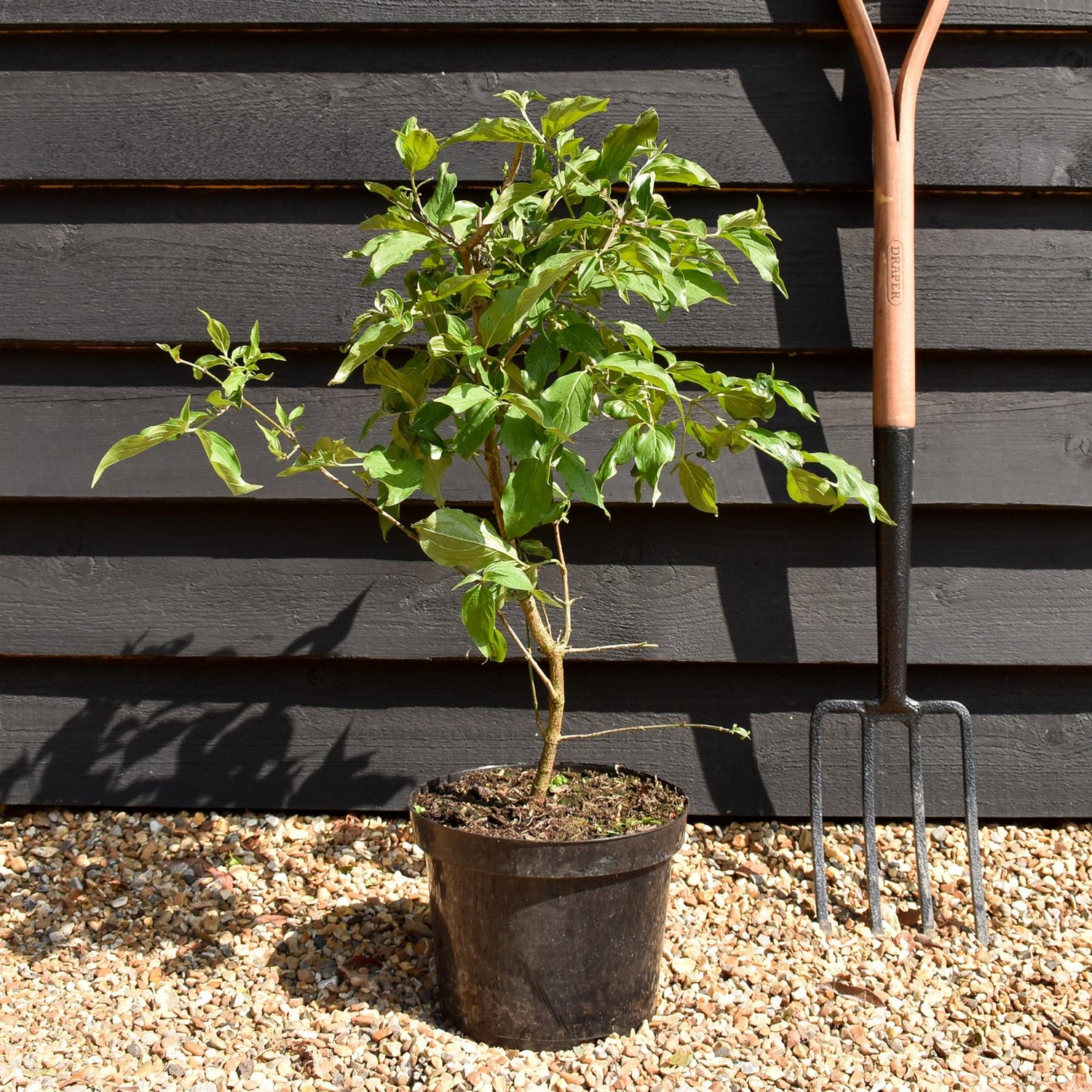


Cornus Mas - Height 50-60cm - Bushy - 5lt
£27.00
Unit price perCornus Mas - Height 50-60cm - Bushy - 5lt
£27.00
Unit price per


Loropetalum chinense Black Pearl | Chinese Fringe Flower - Height 80-100cm - 25lt
£165.00
Unit price perLoropetalum chinense Black Pearl | Chinese Fringe Flower - Height 80-100cm - 25lt
£165.00
Unit price per


Punica granatum - Pomegranate - Ministem - 130-140cm - 18lt
£95.00
Unit price perPunica granatum - Pomegranate - Ministem - 130-140cm - 18lt
£95.00
Unit price perPunica granatum, commonly known as pomegranate, is a small deciduous tree or shrub that belongs to the family Lythraceae. Native to the Mediterranean region and parts of Asia, the pomegranate is widely cultivated for its fruit, ornamental value, and medicinal properties. The tree grows up to 5-8 meters tall and has glossy, dark green leaves that turn yellow in autumn. It produces beautiful red-orange flowers that bloom in summer and are followed by the fruit in autumn.
The fruit of the pomegranate is a round or slightly hexagonal berry, about the size of an apple or grapefruit. The leathery skin of the fruit is thick and inedible, but it contains hundreds of edible arils or seeds, each surrounded by a juicy, ruby-red pulp. The seeds are packed with nutrients and antioxidants and are said to have numerous health benefits, including anti-inflammatory and anti-cancer properties. Pomegranate is commonly used in cooking, juices, smoothies, and salads, and it adds a sweet-tart flavor and vibrant color to any dish. Overall, Punica granatum is a versatile and attractive tree that would make a great addition to any garden or landscape, both for its ornamental value and its delicious fruit.
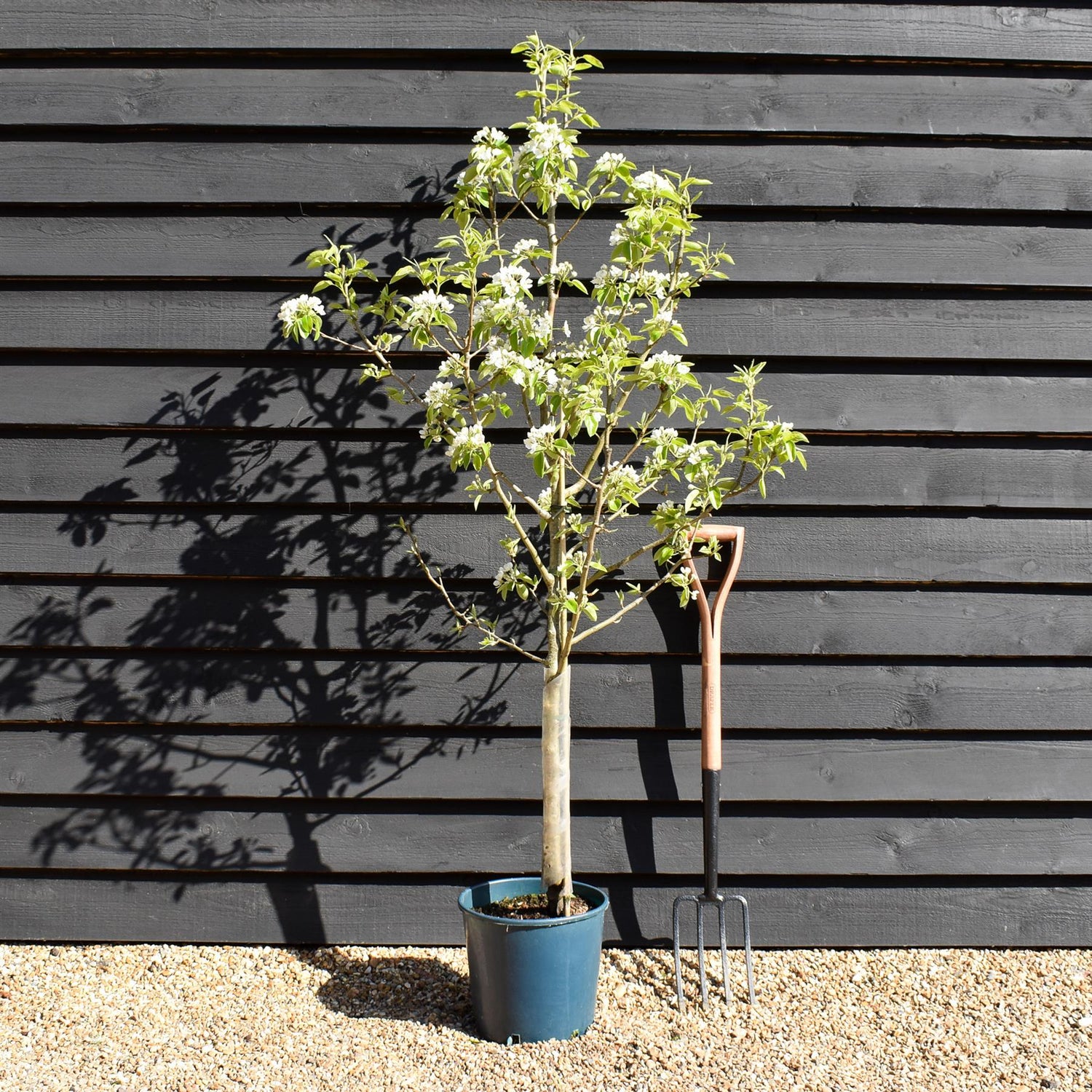
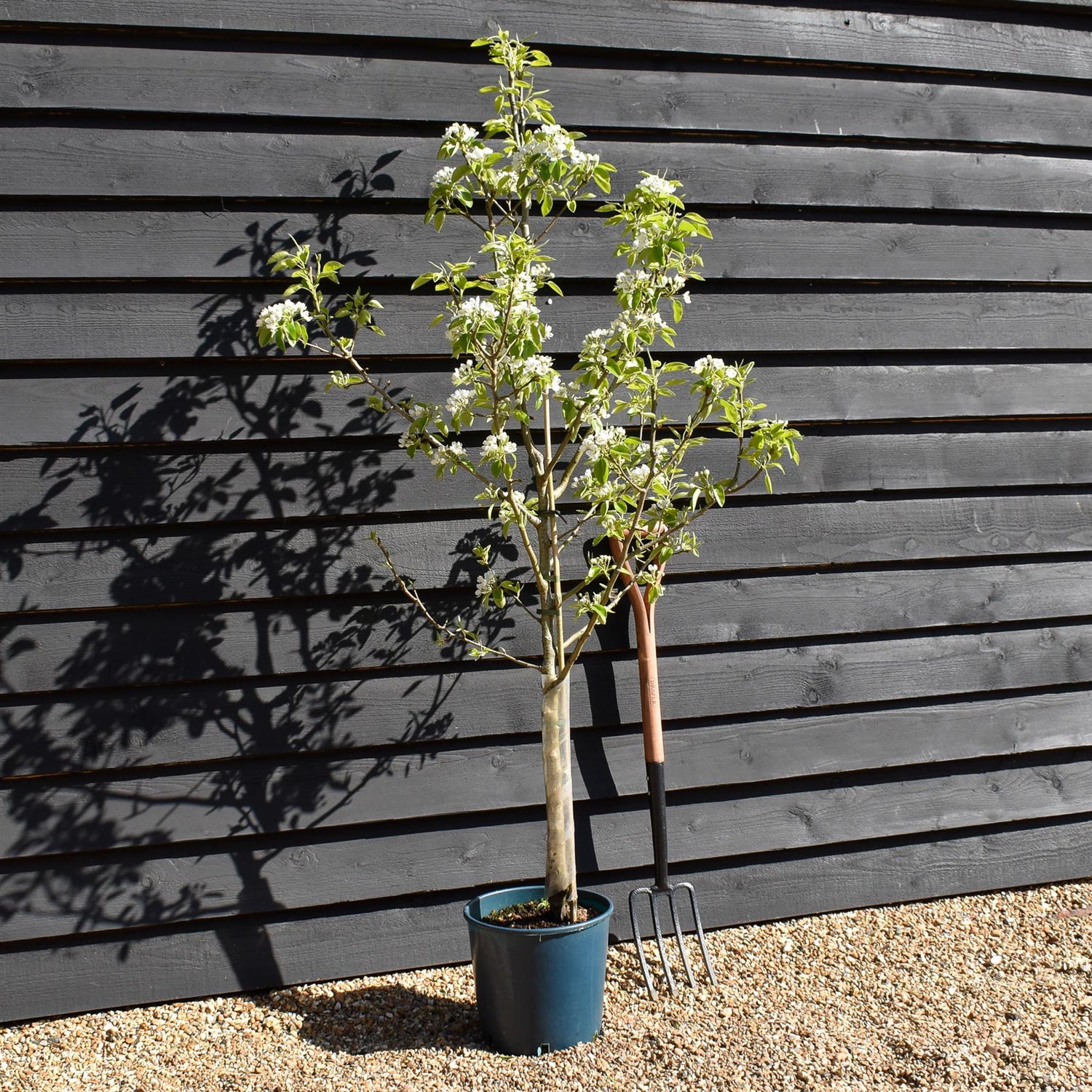
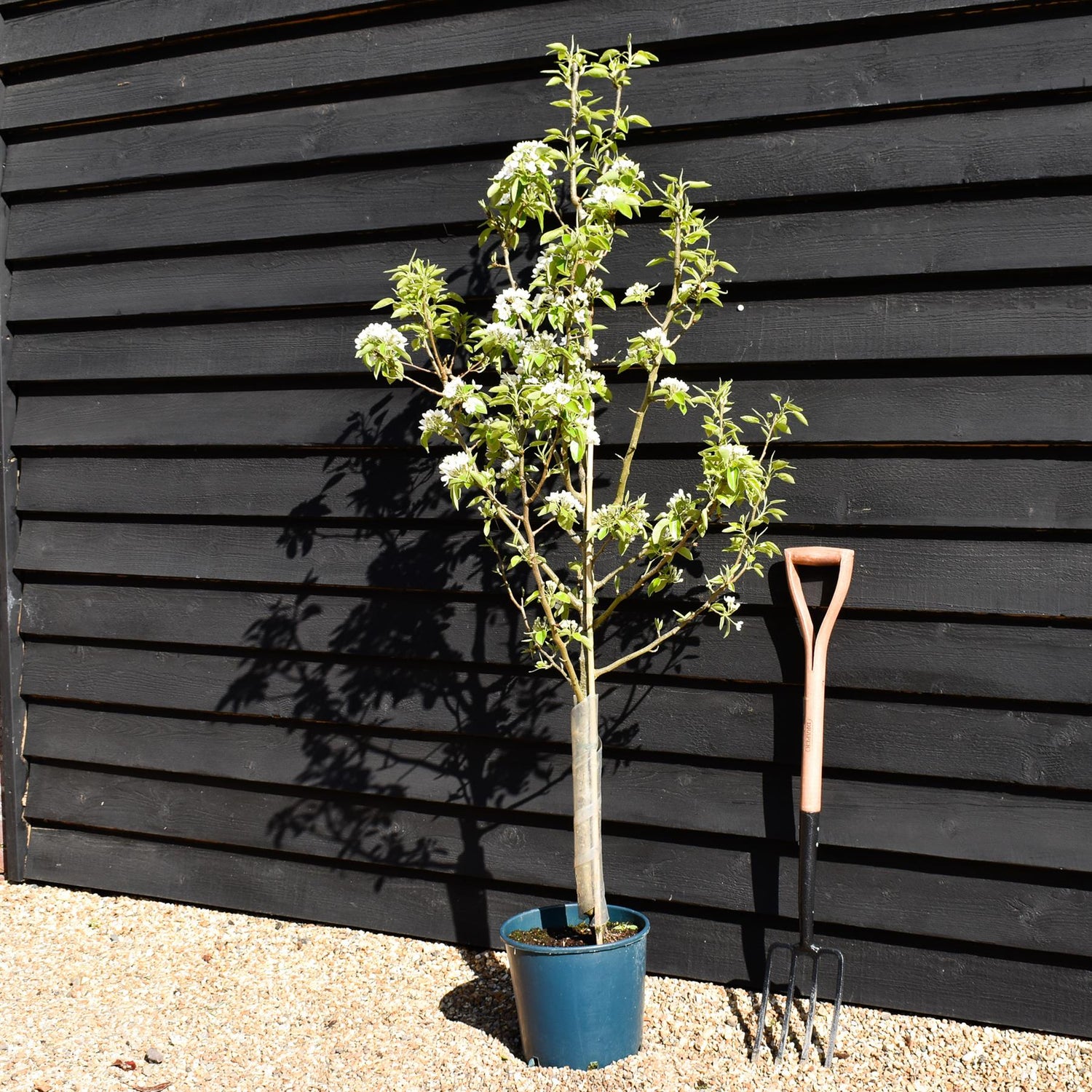
Pear 'Doyenne du Comice' | Pyrus communis - 150-180cm - 12lt
£72.00
Unit price perPear 'Doyenne du Comice' | Pyrus communis - 150-180cm - 12lt
£72.00
Unit price per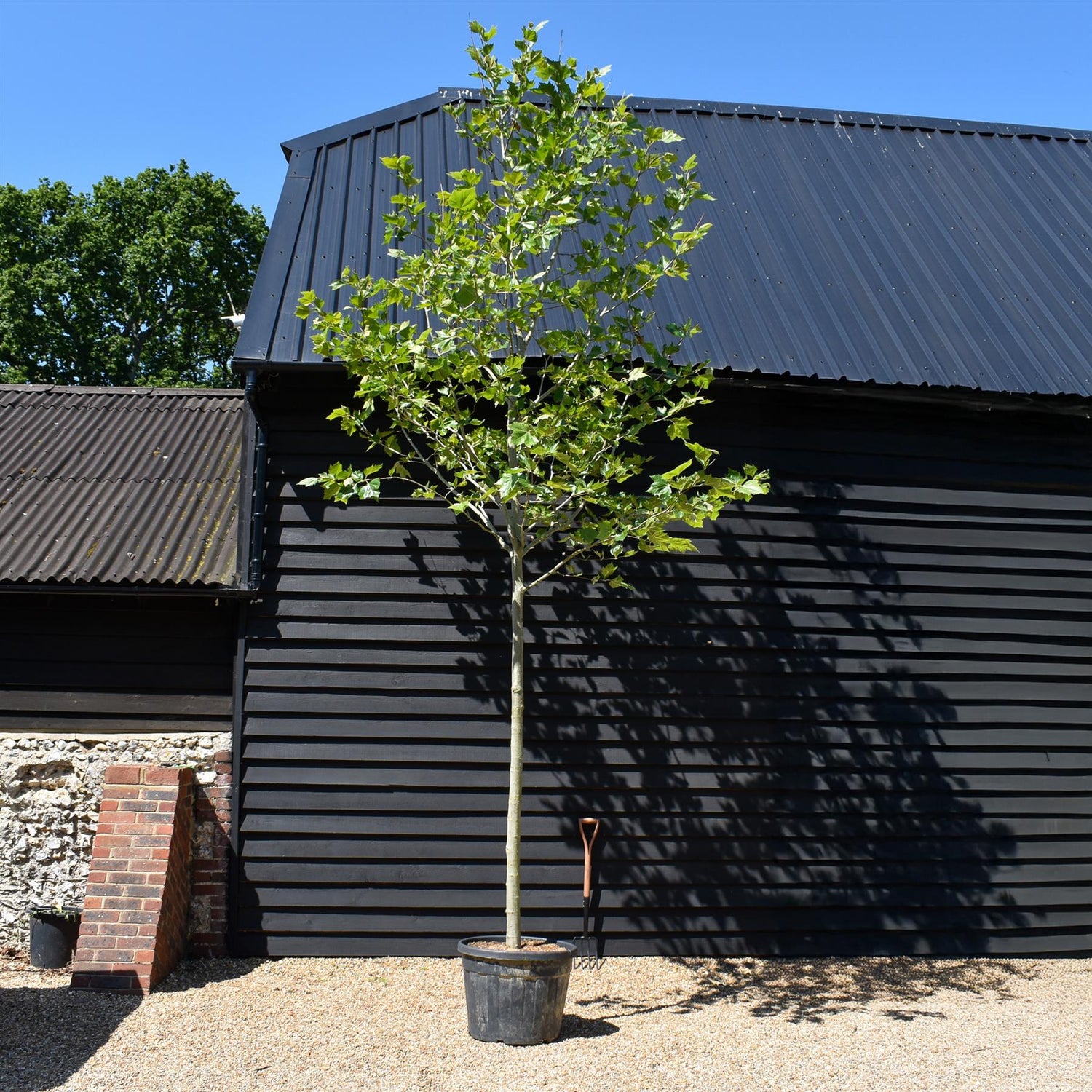


Platanus Acerifolia | London plane - 400cm-420cm - 14cm - 90lt
£425.00
Unit price perPlatanus Acerifolia | London plane - 400cm-420cm - 14cm - 90lt
£425.00
Unit price perPlatanus Acerifolia is a large, vigorous, single-trunk, deciduous tree with rounded habit, horizontal branching and attractive peeling, grey and cream, bark. Large, palmate, 3-5 lobed leaves are medium to dark green, yellow-brown in autumn. Inconspicuous, small flowers, yellowish male and reddish female, bloom in April. Female flowers are followed by long-stalked fruiting balls packed with seed-like fruits in autumn, persisting on branches throughout the winter.
Platanus Acerifolia is a hybrid cross between American sycamore (P. occidentalis) and Oriental planetree (P. orientalis). It prefers average, hummus-rich, consistently moist, well-drained soils. It thrives full sun, but grows well in light shade. Tolerant of urban pollution and coastal conditions. Resistant to frost and wind. Low maintenance plant, doesn’t require pruning.
Platanus Acerifolia is a good urban tree and very popular for growing in large streets and avenues, as well as parks and large public areas. It’s an excellent shade tree. Because of its vigorous root system, it shouldn’t be planted near buildings.


Prunus Marie Mallet | Weeping Marie Mallet - 110-130cm, 20lt
£96.00
Unit price perPrunus Marie Mallet | Weeping Marie Mallet - 110-130cm, 20lt
£96.00
Unit price per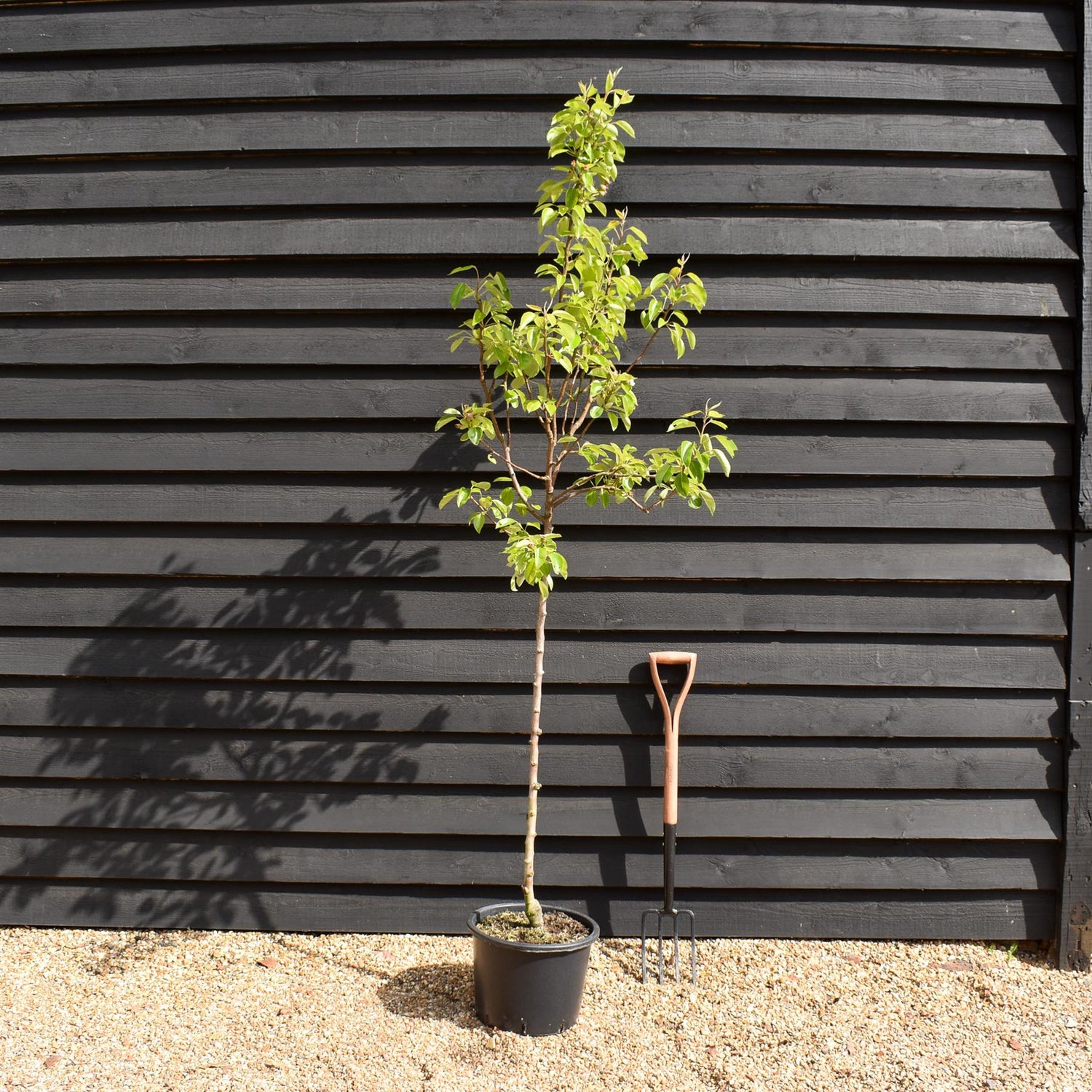


Pear tree 'Williams' Bon Chretien' | Pyrus communis - Semi Dwarfing - Height 160-180cm - 20lt
£94.00
Unit price perPear tree 'Williams' Bon Chretien' | Pyrus communis - Semi Dwarfing - Height 160-180cm - 20lt
£94.00
Unit price per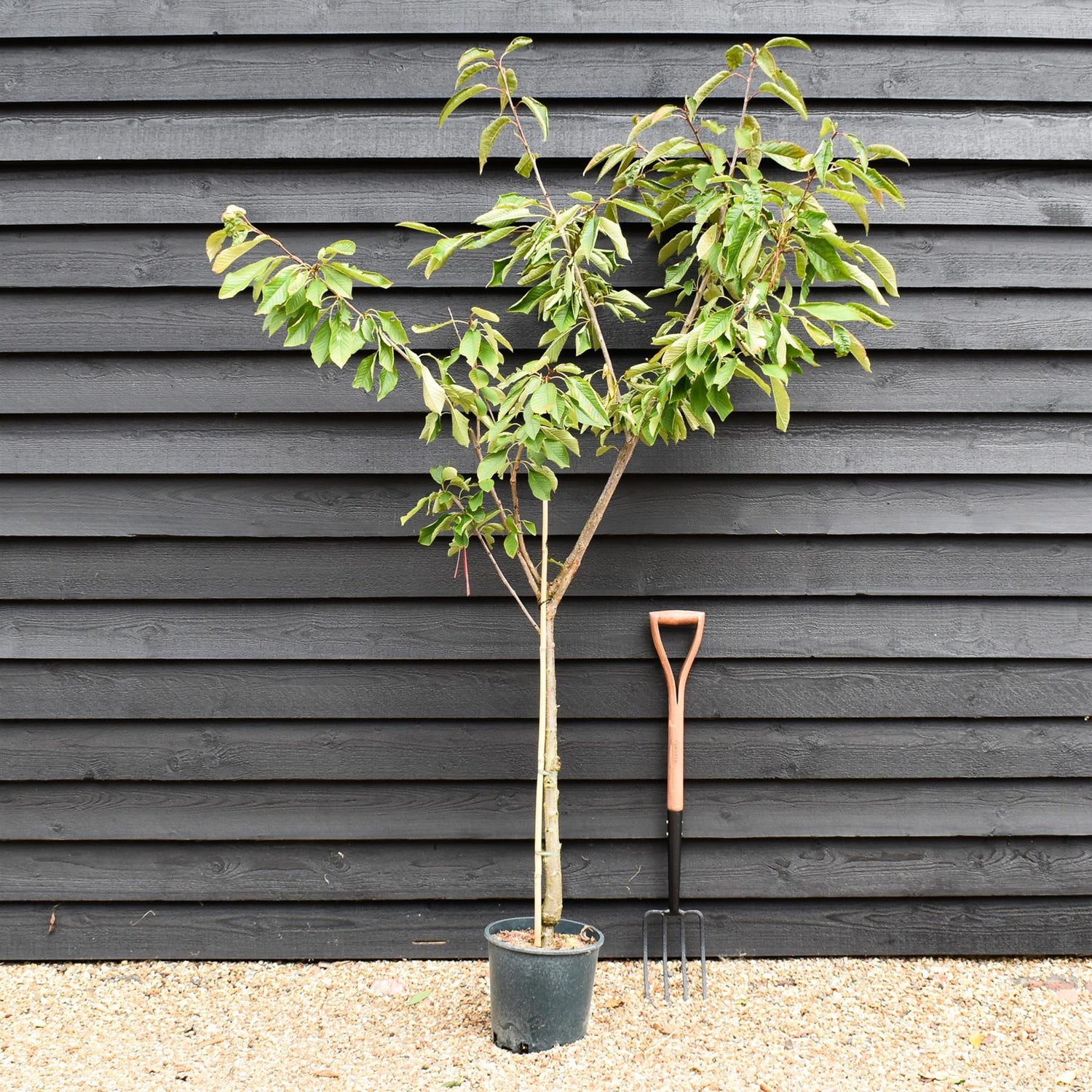


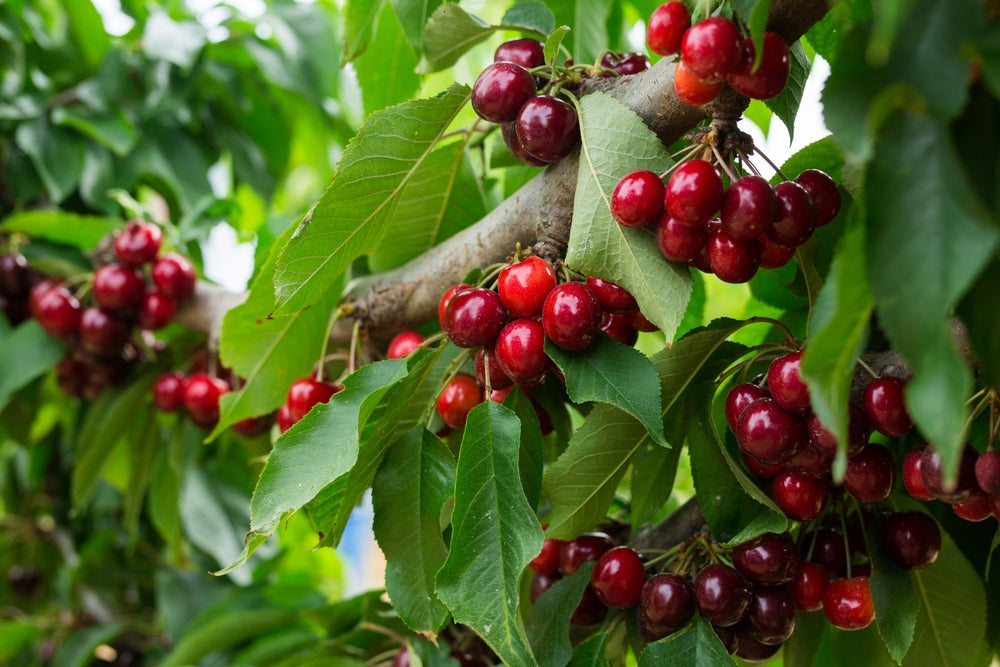
Cherry 'Summer Sun' on Colt | Prunus avium - Semi-Dwarfing - 160-170cm - 12lt
£80.00
Unit price perCherry 'Summer Sun' on Colt | Prunus avium - Semi-Dwarfing - 160-170cm - 12lt
£80.00
Unit price perPrunus avium ‘Summer Sun’ is a compact, medium-sized, moderately vigorous, deciduous cherry tree of upright, spreading habit, dark green leaves, abundance of fragrant, white flowers in spring, and a great crop of tasty, dark red cherries in summer. The cherries are large, not too firm, not too soft, with excellent taste. Sweet Cherry 'Summer Sun' grows best in average, moderately fertile, loamy, sandy, medium moisture, well-drained soils and thrives in full sun. Doesn’t tolerate too wet or waterlogged soils. It is resistant to frost but needs to be sheltered from harsh winds. Late frosts may damage the flower buds. A partially self-pollinating variety, but it requires a pollinator. Low maintenance plant. Prunus avium ‘Summer Sun’ is primarily grown for its sweet cherries. It is a reliable producer of a good amount of fruit, but it also looks lovely in small, informal and cottage gardens. Great as a specimen plant, in beds and borders and wall-side borders.
Colt rootstock is a popular choice for cherry trees, offering a semi-dwarfing size that reaches about 70-80% the height of standard cherry trees. It's well-suited for heavier soils, providing good anchorage and resistance to bacterial canker. Colt enhances the tree's longevity and supports robust fruit yields, making it ideal for various cherry cultivars.
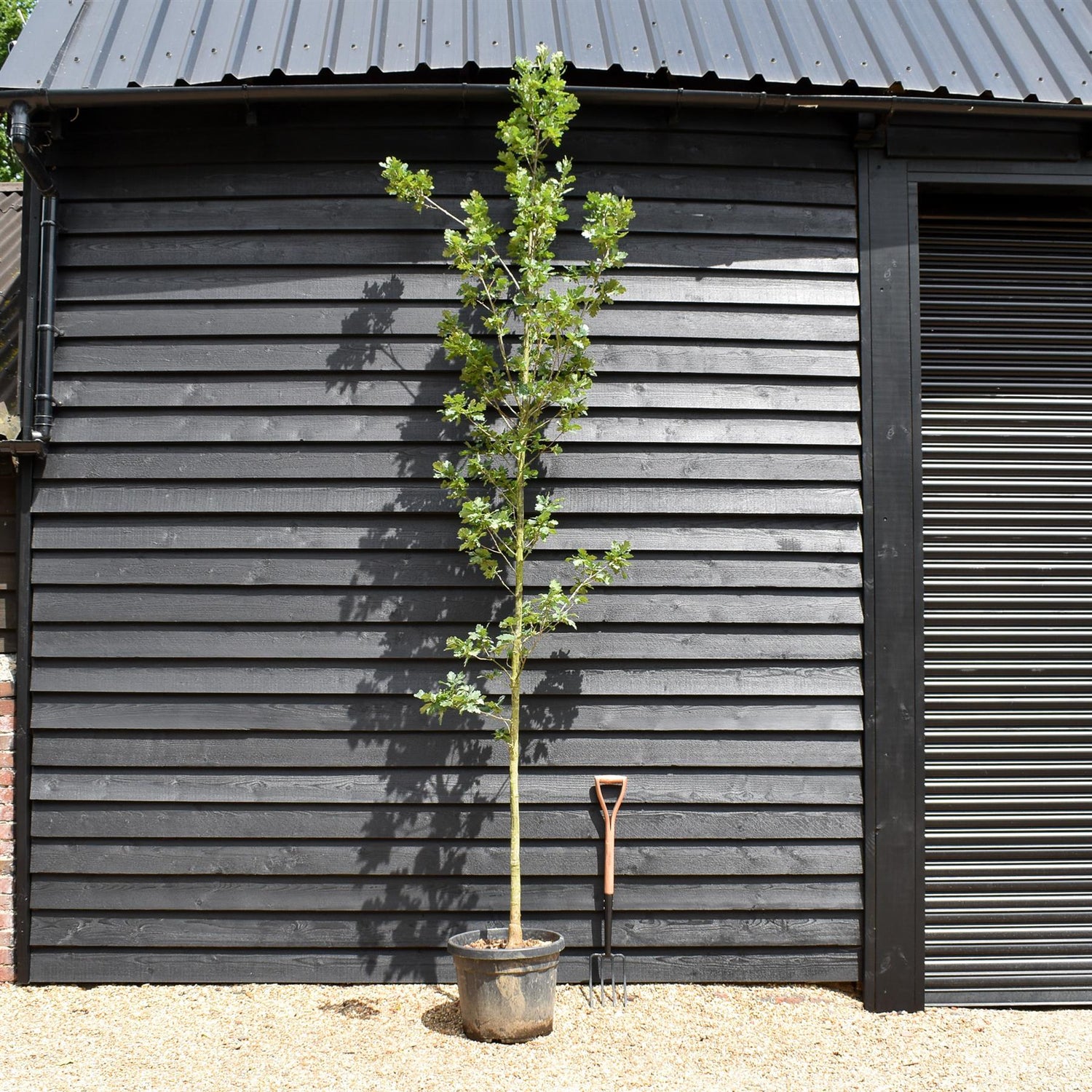


Turkey oak | Quercus cerris - Height 300-350cm - Girth 10-12cm - 45lt
£345.00
Unit price perTurkey oak | Quercus cerris - Height 300-350cm - Girth 10-12cm - 45lt
£345.00
Unit price perQuercus cerris, commonly known as the Turkey oak, is a robust and fast-growing deciduous tree native to southeastern Europe and Asia Minor. It is widely cultivated across Europe for its adaptability and ornamental value. The tree features deeply lobed, glossy green leaves that often persist into winter, and rough, deeply fissured bark that adds texture and character. One of its most distinctive features is its acorns, which are enclosed in a spiky, moss-like cup, giving the tree a unique appearance in autumn. Turkey oak can reach heights of 65 to 100 feet, making it suitable for large landscapes, parks, and avenues. It grows well in a variety of soils, including poor or dry conditions, and tolerates urban environments and pollution. While not native to the UK, it has been widely planted there since the 18th century. Quercus cerris also provides valuable habitat and food for wildlife, supporting biodiversity.


Punica granatum - Pomegranate - Girth 38-40cm - Height 200-220cm - 70lt
£370.00
Unit price perPunica granatum - Pomegranate - Girth 38-40cm - Height 200-220cm - 70lt
£370.00
Unit price perPunica granatum, commonly known as pomegranate, is a small deciduous tree or shrub that belongs to the family Lythraceae. Native to the Mediterranean region and parts of Asia, the pomegranate is widely cultivated for its fruit, ornamental value, and medicinal properties. The tree grows up to 5-8 meters tall and has glossy, dark green leaves that turn yellow in autumn. It produces beautiful red-orange flowers that bloom in summer.
The fruit of the pomegranate is a round or slightly hexagonal berry, about the size of an apple or grapefruit. The leathery skin of the fruit is thick and inedible, but it contains hundreds of edible arils or seeds, each surrounded by a juicy, ruby-red pulp. The seeds are packed with nutrients and antioxidants and are said to have numerous health benefits, including anti-inflammatory and anti-cancer properties. Pomegranate is commonly used in cooking, juices, smoothies, and salads, and it adds a sweet-tart flavour and vibrant colour to any dish. Overall, Punica granatum is a versatile and attractive tree that would make a great addition to any garden or landscape, both for its ornamental value and its delicious fruit.


Laburnum x watereri 'Vossii' | Golden Chain Tree - Clear Stem - Girth 8-10cm - Height 380-400cm - 45lt
£425.00
Unit price perLaburnum x watereri 'Vossii' | Golden Chain Tree - Clear Stem - Girth 8-10cm - Height 380-400cm - 45lt
£425.00
Unit price perLaburnum x watereri 'Vossii' is a cultivar of Laburnum x watereri and the best known Laburnum. It’s an attractive, large, deciduous shrub or small tree of bushy, spreading, capricious growing habit, vase-shaped crown, and glossy, deep-green leaves. Spectacular, long, dropping clusters of slightly scented, pea-like, golden yellow flowers bloom in spring, and are followed by attractive bean-like pods.
Laburnum x watereri 'Vossii' thrives in rich, fertile, medium moisture, well-drained soils. It likes full sun, but in hot areas, it appreciates some afternoon shade. It doesn’t like heat and humidity, but is tolerant of frost, winds, urban conditions, and de-icing salt. Its roots can sometimes be badly anchored. A very tough and hardy plant. All parts of the palnt are toxic to humans and animals. This stunning shrub with its rich, dense, golden yellow flower clusters resembling golden chains, is great as a specimen plant, but can also be trained for arbours and pergolas.


Red Oak | Quercus rubra - Height 150-200cm - 12lt
£73.00
Unit price perRed Oak | Quercus rubra - Height 150-200cm - 12lt
£73.00
Unit price perQuercus rubra, commonly known as the Northern Red Oak, is a majestic deciduous tree native to North America, including parts of the United States and Canada. This oak species belongs to the Fagaceae family and is renowned for its striking appearance, impressive size, and ecological significance.
Mature Quercus Rubra trees can reach heights of up to 100 feet (30 meters) and possess a wide, rounded crown that provides ample shade during the summer months. Its leaves, which are alternately arranged along the branches, are deeply lobed with pointed tips and possess a vibrant green colour in the spring and summer. However, during the autumn season, they transform into a breathtaking spectacle of crimson and red hues, making it a popular choice for ornamental landscaping.
The bark of the Northern Red Oak is dark brown, often becoming rough and deeply furrowed with age, adding to its visual appeal. The tree produces acorns as its fruit, which are an essential food source for numerous wildlife species, including squirrels, deer, and birds. This contributes to its ecological significance by supporting local ecosystems.
Quercus rubra prefers well-drained soils and can adapt to a variety of soil types, making it a hardy and resilient tree species. It thrives in full sun to partial shade, making it versatile in different environmental conditions.
Quercus rubra stands as a symbol of strength, resilience, and natural beauty. Its presence in North American forests and landscapes enriches the environment and provides valuable resources for both wildlife and human use. This iconic tree embodies the timeless beauty of nature and its vital role in sustaining the ecosystems it inhabits.


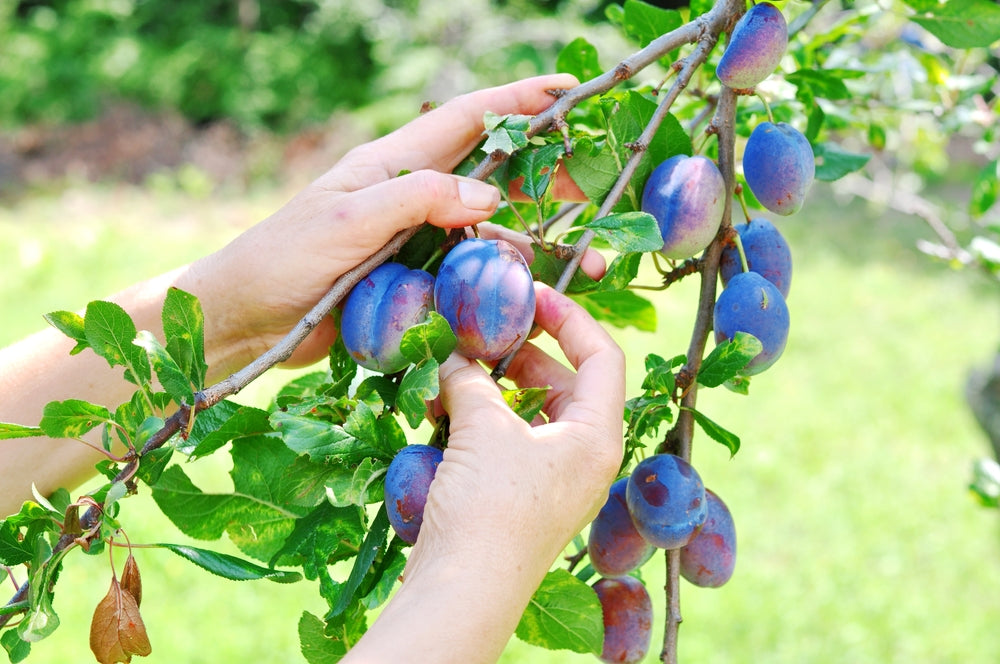
Plum | Prunus domestica 'Violet Regina Claudia' - Girth 10-12cm - Height 200-250cm - 30lt
£230.00
Unit price perPlum | Prunus domestica 'Violet Regina Claudia' - Girth 10-12cm - Height 200-250cm - 30lt
£230.00
Unit price perPrunus domestica 'Violet Reine Claude' (often spelled Regina Claudia) is a traditional European plum cultivar celebrated for its rich flavour, attractive appearance, and versatility in the kitchen. Belonging to the Reine Claude group of greengages, this variety is distinguished by its deep violet to dusky purple skin and sweet, golden-green flesh. The fruits are medium-sized, round, and slightly flattened, with a firm yet juicy texture, making them ideal for fresh eating, cooking, and preserving.
This cultivar thrives best in temperate climates, requiring a sunny, sheltered spot with well-drained soil to produce its best crop. It flowers in early to mid-spring, offering delicate white blossoms that are not only ornamental but also attractive to pollinators such as bees. As it is partially self-fertile, it can bear fruit on its own but benefits from cross-pollination with another plum variety to increase yield.
'Violet Reine Claude' plums typically ripen in late summer, usually around August in the UK. The tree is moderately vigorous and tends to form a rounded crown with age, making it suitable for both larger gardens and smaller orchards. Pruning in late winter helps maintain shape and encourages healthy fruit production.
This variety is valued for its balanced sweetness and fine aroma, which make it particularly prized in desserts, jams, and tarts. When fully ripe, the fruit offers a melt-in-the-mouth quality and is often considered among the finest-flavoured of European plums.
Resilient to most common plum diseases when properly cared for, Prunus domestica 'Violet Reine Claude' remains a cherished choice for those seeking heritage flavour and ornamental charm in one elegant tree.