

-
Trees
Trees
 Fruit Trees
 Ornamental
 Screening
 Palms
By FeaturesBy Shape
-
Shrubs
Shrubs
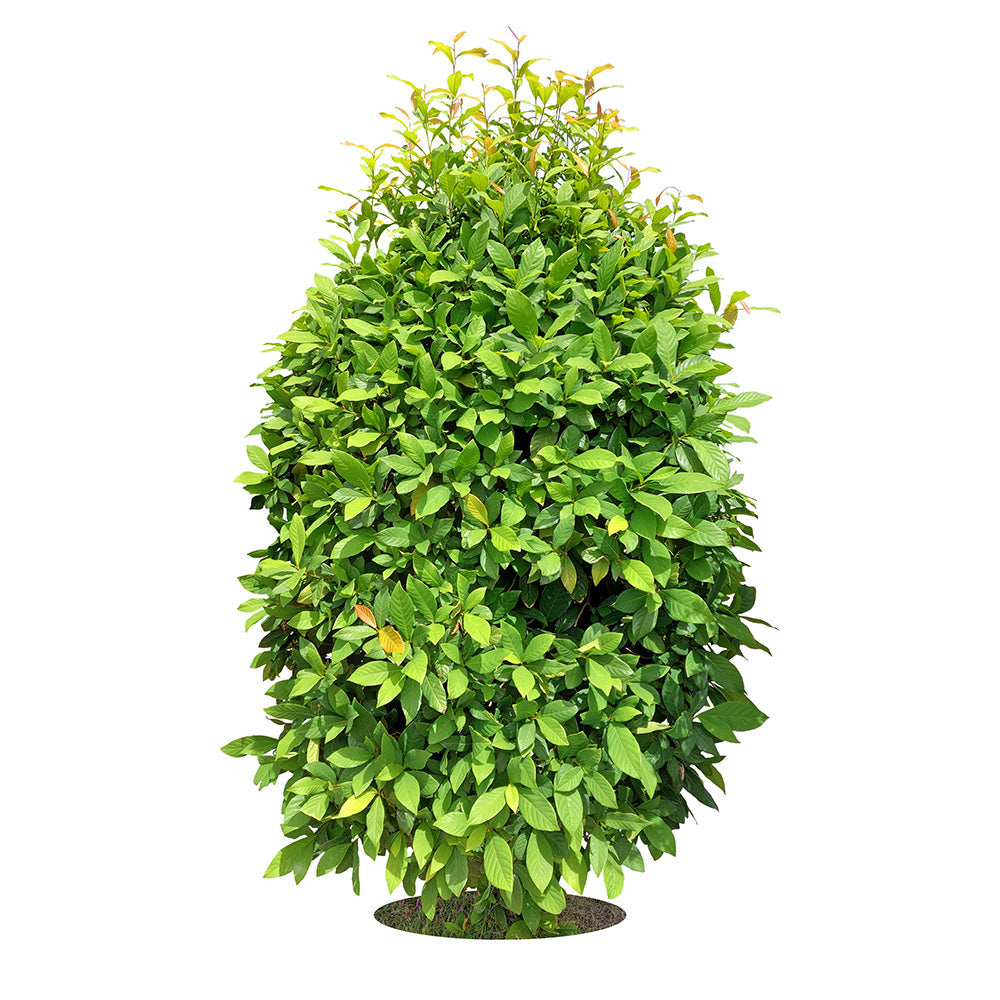 Large shrubs
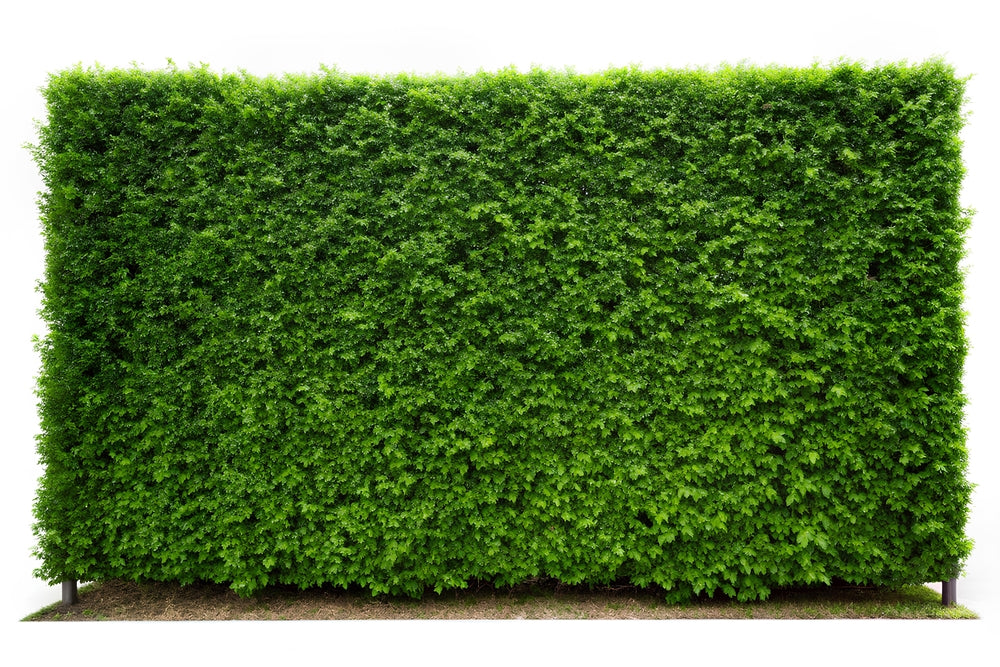 Hedging
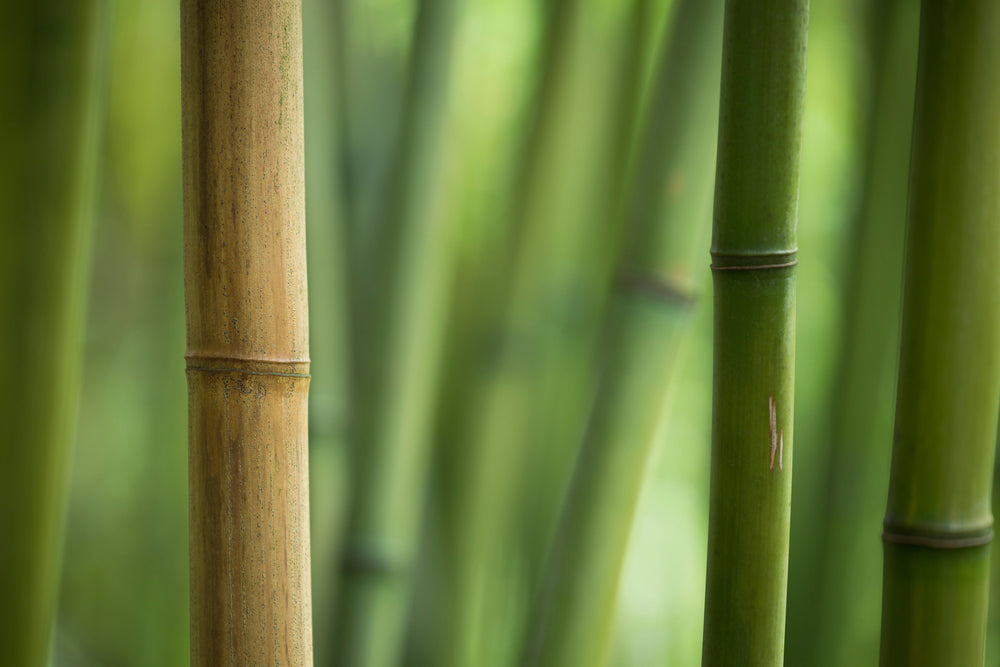 Bamboo
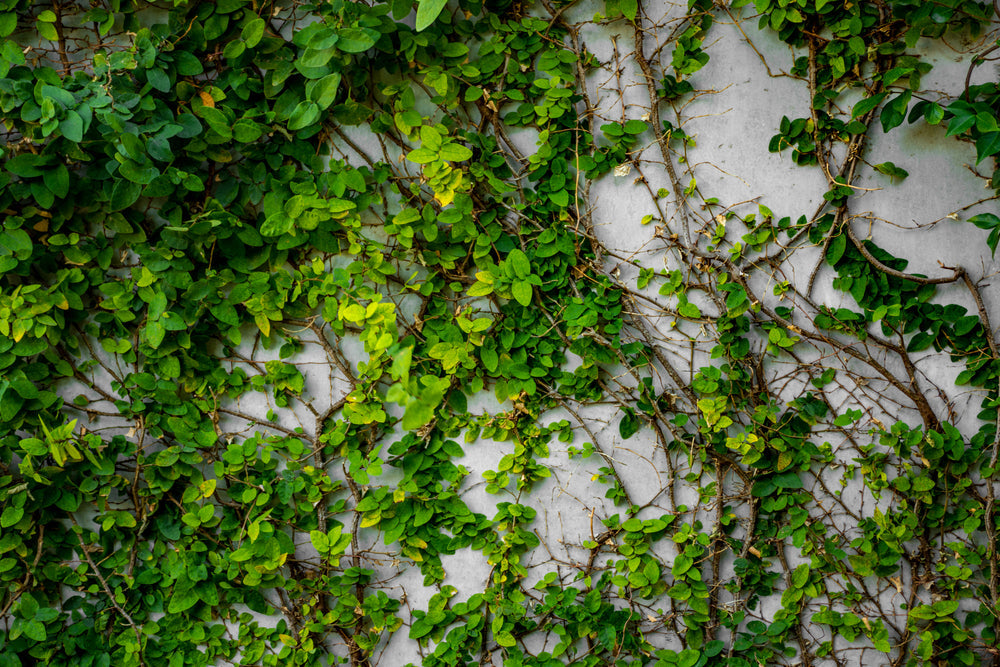 Climbers
 Flowering
 Grasses & Ferns
 Popular
-
Pines & Conifers
Pines & Conifers
 Pines
 Spruce & Fir
 Cypress
 Thuja
 Redwood | Sequoia
-
Specimen

FREE DELIVERY OVER £350
Search results
Search results


Malus tschnoskii | Chonosuki Crab Apple, Clear Stem - 200-250cm, 30lt
£155.00
Unit price perMalus tschnoskii | Chonosuki Crab Apple, Clear Stem - 200-250cm, 30lt
£155.00
Unit price per


Aspen | Populus tremula - Feathered - Height 100-140cm Width 40-50cm - 10lt
£48.00
Unit price perAspen | Populus tremula - Feathered - Height 100-140cm Width 40-50cm - 10lt
£48.00
Unit price per


Apple tree 'Golden Delicious' | Malus Domestica - Clear Stem 100cm - Height 200-230cm - Girth 14-16cm - 30lt
£250.00
Unit price perApple tree 'Golden Delicious' | Malus Domestica - Clear Stem 100cm - Height 200-230cm - Girth 14-16cm - 30lt
£250.00
Unit price perMalus Domestica 'Golden Delicious’ is a heavily-producing, deciduous apple tree, with oval, dark green leaves and lovely, fragrant, white flowers blooming in April. Attractive to bees, butterflies, and hummingbirds. Flowers are followed by heavy and regular crops of greenish-yellow to golden-yellow, delicious, sweet, crispy, juicy, and aromatic apples. Malus Domestica 'Golden Delicious’ grows best in moderately fertile, neutral, deep, loamy, moist, well-drained soils. It thrives in full sun, but can adapt to partial shade. It requires cold winters for good fruit production, but it has to be sheltered from harsh winter winds. It is self-fertile but needs a pollinator of anther variety blooming at the same time for better crops. Regular pruning and fruit thinning are required to improve fruit size and quality. 'Golden Delicious' Apple is a wonderful, ornamental tree, a nice addition to any garden. It is primarily grown for its delicious fruit, perfect for eating fresh and great for cooking. One of the best apple varieties.


Apple tree 'James Grieve' | Malus domestica - MM106 - Semi-Dwarfing - Height 150-160cm - 20lt
£94.00
Unit price perApple tree 'James Grieve' | Malus domestica - MM106 - Semi-Dwarfing - Height 150-160cm - 20lt
£94.00
Unit price perJames Grieve Apple is a hardy, deciduous tree suitable for cold climate zones. It is best grown in northerly areas with cold winters, moderate summer temperatures, and medium to high humidity. It’s an old apple variety, raised in 1893. in Edinburgh, Scotland, by James Grieve from pollination of Cox’s Orange Pippin and most likely Pott’s Seedling apple. Generally, a resilient plant, it needs some protection from harsh winds. It’s a good polliniser for other apples. It cannot be found in supermarkets because it is sensitive to pressure and easily bruised and cannot sustain supermarket handling.
James Grieve apples are medium to large, yellow-green, speckled and striped orange-red, with creamy, refreshing and very juicy flesh. At the beginning of season, it is sharp and perfect for cooking, retaining its shape when cooked. After a few weeks, it becomes milder and sweeter, like a firm pear in texture.
Root stock MM106 is a semi-dwarfing rootstock commonly used for apple trees. It offers a moderate growth rate, producing trees 10-15 feet tall when mature. Suitable for medium-sized gardens, MM106 ensures good fruit yield and adaptability to various soils. It's resistant to woolly apple aphid and moderately resistant to crown rot. Ideal for bush, cordons, and espalier forms. Ensure proper staking in early years.


Aesculus hippocastanum | Horse Chestnut - Girth 8-10cm - Height 230-250cm - 45lt
£410.00
Unit price perAesculus hippocastanum | Horse Chestnut - Girth 8-10cm - Height 230-250cm - 45lt
£410.00
Unit price perThe Aesculus hippocastanum, commonly known as the horse chestnut, is a deciduous tree native to the Balkan Peninsula in Southeast Europe. This majestic tree, widely cultivated throughout the UK, is celebrated for its striking appearance and historical significance.
Horse chestnuts can grow up to 30 meters tall, boasting a broad, rounded canopy that provides ample shade. The bark is greyish-brown, developing scaly plates with age. Its leaves are large and palmately compound, typically composed of five to seven leaflets radiating from a central point, resembling an open hand.
In spring, the horse chestnut produces magnificent conical flower clusters, known as inflorescences or 'candles'. These are composed of numerous small, white flowers with red or yellow blotches at the base of the petals. The flowers are hermaphroditic, containing both male and female reproductive organs, and are highly attractive to pollinators, particularly bees.
The tree's fruit, commonly referred to as conkers, develop within a spiky green husk. When mature, the husks split open to reveal the shiny brown seeds inside. Conkers are a familiar sight in autumn and are traditionally used in children's games.
The Aesculus hippocastanum is a remarkable tree, known for its impressive stature, distinctive leaves, and iconic conkers, making it a beloved feature in parks, gardens, and streetscapes across the UK.


Apple tree 'Cox Orange Pippin' | Malus domestica - M26 - Semi- Dwarfing - 150-160cm - 10lt
£86.00
Unit price perApple tree 'Cox Orange Pippin' | Malus domestica - M26 - Semi- Dwarfing - 150-160cm - 10lt
£86.00
Unit price perCox’s Orange Pippin apple is the classic English apple. It was discovered in England in 19th century as a chance seedling. It is famous for its rich and complex flavour and considered to be one of the finest dessert apples. The fruit is small to medium-sized. It has yellow skin with orange-red blush and crisp, firm, very juicy and aromatic flesh. The flavour has hints of mango and orange. Cox’s Orange Pippin apple plant is an upright tree with spreading growth habit. Its vigorous and bushy growth can become difficult to control. The plant is sensitive and demanding with regard to soil and climate. It needs exceptional soil and adequate weather conditions to grow well. It prefers rich neutral soil, moist but well drained, and sheltered position in full sun. It is susceptible to diseases and doesn’t tolerate frost. The best flavour is achieved in cool maritime climate.
M26 is a semi-dwarfing rootstock (smaller than MM106) used for apple trees, particularly in orchards and home gardens. It produces trees 10-12 feet in height, making them easier to manage and harvest. M26 ensures early fruit production, good anchorage, and medium vigor. However, it requires staking during early years and is moderately susceptible to fire blight.


Apple tree 'Cox Orange Pippin' | Malus domestica - MM106 - Semi-Dwarfing - 150-160cm - 10lt
£76.00
Unit price perApple tree 'Cox Orange Pippin' | Malus domestica - MM106 - Semi-Dwarfing - 150-160cm - 10lt
£76.00
Unit price perCox’s Orange Pippin apple is the classic English apple. It was discovered in England in 19th century as a chance seedling. It is famous for its rich and complex flavour and considered to be one of the finest dessert apples. The fruit is small to medium-sized. It has yellow skin with orange-red blush and crisp, firm, very juicy and aromatic flesh. The flavour has hints of mango and orange. Cox’s Orange Pippin apple plant is an upright tree with spreading growth habit. Its vigorous and bushy growth can become difficult to control. The plant is sensitive and demanding with regard to soil and climate. It needs exceptional soil and adequate weather conditions to grow well. It prefers rich neutral soil, moist but well drained, and sheltered position in full sun. It is susceptible to diseases and doesn’t tolerate frost. The best flavour is achieved in cool maritime climate.
Root stock MM106 is a semi-dwarfing rootstock commonly used for apple trees. It offers a moderate growth rate, producing trees 10-15 feet tall when mature. Suitable for medium-sized gardens, MM106 ensures good fruit yield and adaptability to various soils. It's resistant to woolly apple aphid and moderately resistant to crown rot. Ideal for bush, cordons, and espalier forms. Ensure proper staking in early years.


Apple tree 'Red Devil' | Malus domestica - M26 - Semi-Dwarfing - Height 180-190cm - 12lt
£86.00
Unit price perApple tree 'Red Devil' | Malus domestica - M26 - Semi-Dwarfing - Height 180-190cm - 12lt
£86.00
Unit price perRed Devil Apple plant is a deciduous, hardy, vigorous tree with a bushy, upright habit, attractive pink-white flowers, and stunning, deep red fruit. Its creamy flesh is white, but stained with red and produces beautiful pink juice. Red Devil apples ripen in mid-September and are harvested till mid-October. The fruit has juicy and moderately sweet and sharp taste with a hint of strawberry flavour. They store well and can be kept till January.
Red Devil Apple was bred by Hugh Ermen, in Faversham, Kent in 1975, and introduced in 1990 as an excellent, modern dessert apple. It is very resilient, generally disease-free, and adaptable to most weather conditions. It grows in almost any type of soil as long as it is moist and well-drained. It prefers full sun, but can tolerate partial shade. It is self-fertile and doesn’t need a pollination partner.
M26 is a semi-dwarfing rootstock (smaller than MM106) used for apple trees, particularly in orchards and home gardens. It produces trees 10-12 feet in height, making them easier to manage and harvest. M26 ensures early fruit production, good anchorage, and medium vigor. However, it requires staking during early years and is moderately susceptible to fire blight.


Malus Neville Copeman | Purple Crab Apple Tree, Clear Stem - Standard - Girth 10-12cm - Height 360-380cm - 70lt
£430.00
Unit price perMalus Neville Copeman | Purple Crab Apple Tree, Clear Stem - Standard - Girth 10-12cm - Height 360-380cm - 70lt
£430.00
Unit price per


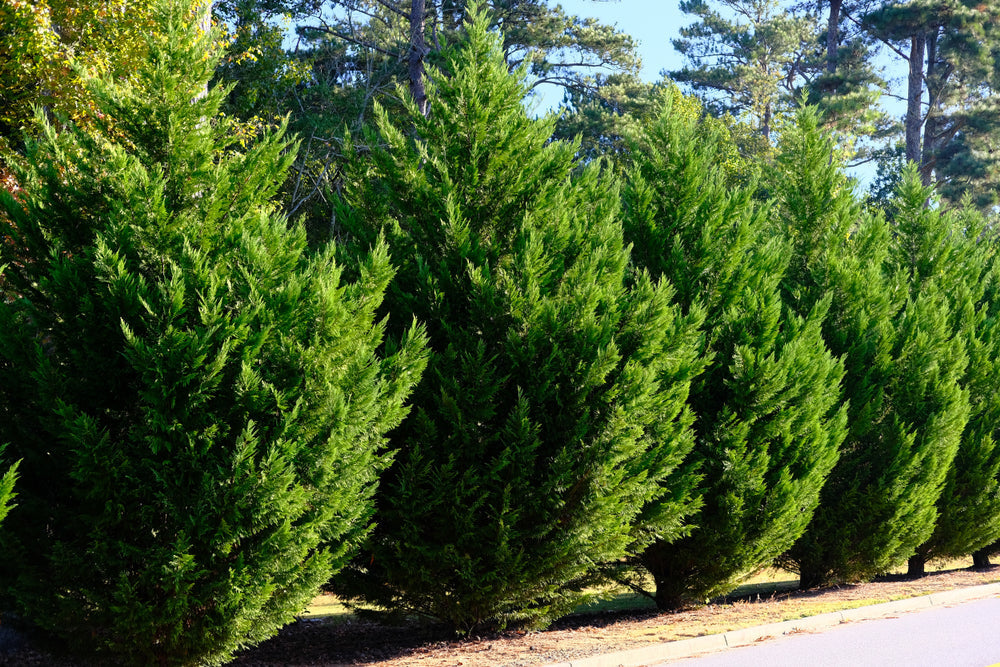
Leyland cypress | x Cuprocyparis leylandii - Height 140-180cm Width 60-80cm - 10lt
£72.00
Unit price perLeyland cypress | x Cuprocyparis leylandii - Height 140-180cm Width 60-80cm - 10lt
£72.00
Unit price per


Celtis Australis | European hackberry - Girth 16cm - 470-480cm - 130lt
£920.00
Unit price perCeltis Australis | European hackberry - Girth 16cm - 470-480cm - 130lt
£920.00
Unit price perCeltis australis, commonly known as the European nettle tree, is a deciduous tree native to southern Europe, western Asia, and northern Africa. It belongs to the family Cannabaceae, and it is closely related to the hackberry tree.
The Celtis australis tree can grow up to 25 meters tall and has a dense, rounded crown with a spreading habit. The bark is smooth and gray-brown when young, becoming rough and fissured with age. The leaves are alternate, simple, and oval-shaped with serrated edges. They are dark green on the upper side and paler on the underside, turning yellow in autumn before falling.
The tree produces small, inconspicuous flowers in late spring or early summer, followed by small, round, edible fruit that resembles a cherry in size and shape. The fruit is initially green, turning yellow or brown when ripe, and is sweet and juicy, with a taste similar to a fig.
The Celtis australis tree is adaptable to a wide range of soils and can tolerate drought, air pollution, and salt spray. It is often used as an ornamental tree in gardens, parks, and urban landscapes due to its attractive foliage and distinctive bark. It also provides food and shelter for wildlife, including birds and small mammals. Additionally, the tree has cultural significance and has been used for centuries in traditional medicine for various ailments.


Cercis canadensis 'Pink PomPom' - Height 160-180cm - Bushy - 12lt
£182.00
Unit price perCercis canadensis 'Pink PomPom' - Height 160-180cm - Bushy - 12lt
£182.00
Unit price perCercis canadensis ‘Pink PomPom’ is a beautiful deciduous tree prized for its abundant, double pink flowers, attractive heart-shaped foliage and elegant branching structure. A distinctive cultivar of the Eastern Redbud, it makes an excellent specimen tree for adding colour and seasonal interest to the garden.
In spring, the bare branches become covered with clusters of fluffy, double pink flowers, creating a spectacular display before the leaves emerge. Unlike many flowering trees, the blooms appear directly along the branches and older wood, giving the tree an unusual and eye-catching appearance. The flowers provide an early source of interest for pollinating insects.
Following flowering, attractive heart-shaped green leaves emerge, forming a soft and rounded canopy. The foliage provides a fresh appearance throughout summer before developing attractive yellow tones in autumn. Once the leaves have fallen, the tree's naturally branching framework remains an attractive feature through the winter months.
Cercis canadensis ‘Pink PomPom’ is best planted in a sunny or partially shaded position with fertile, well-drained soil. A sheltered site is preferable, particularly for younger trees, helping to protect the spring flowers and emerging foliage from strong winds and late frosts. Once established, it is relatively easy to maintain and generally requires only occasional pruning to remove unwanted or crossing branches.
Its attractive form and manageable size make it suitable for a range of garden settings, including lawns, borders, courtyards and larger planting schemes. It works particularly well as a specimen, where its spectacular spring flowering can be fully appreciated.
For customers looking for a flowering tree with plenty of character, Cercis canadensis ‘Pink PomPom’ is an excellent choice. Its unusual double pink flowers, heart-shaped summer foliage and attractive autumn colour provide interest across several seasons, making it a memorable addition to the garden.


English oak | Quercus robur - Feathered - Height 140-180cm Width 60-80cm - 12lt
£73.00
Unit price perEnglish oak | Quercus robur - Feathered - Height 140-180cm Width 60-80cm - 12lt
£73.00
Unit price per


Cotoneaster 'Cornubia' | Cotoneaster Cornubia - Feathered - Height 300-350cm Width 140-180cm - 50lt
£165.00
Unit price perCotoneaster 'Cornubia' | Cotoneaster Cornubia - Feathered - Height 300-350cm Width 140-180cm - 50lt
£165.00
Unit price per


Cercis canadensis 'Forest Pansy' - Bushy - Height 220-320cm - 20lt
£182.00
Unit price perCercis canadensis 'Forest Pansy' - Bushy - Height 220-320cm - 20lt
£182.00
Unit price per


Sawtooth oak | Quercus acutissima - Feathered - Height 180-220cm Width 60-80cm - 10lt
£155.00
Unit price perSawtooth oak | Quercus acutissima - Feathered - Height 180-220cm Width 60-80cm - 10lt
£155.00
Unit price per


Malus Neville Copeman | Purple Crab Apple Tree, Clear Stem - 200-250cm, 10lt
£90.00
Unit price perMalus Neville Copeman | Purple Crab Apple Tree, Clear Stem - 200-250cm, 10lt
£90.00
Unit price per


Cedrus libani atlantica 'Saphire Nymph' | Atlas Cedar - Height 70-80cm - Width 30-40cm - 11lt
£129.00
Unit price perCedrus libani atlantica 'Saphire Nymph' | Atlas Cedar - Height 70-80cm - Width 30-40cm - 11lt
£129.00
Unit price perCedrus libani atlantica 'Saphire Nymph' is an exquisite dwarf cultivar of the Atlas cedar, cherished for its unique, compact, weeping form and vibrant blue-green needles. This cultivar is specifically bred for its slow growth and small stature, reaching an ultimate height of approximately 4-5 feet after many years, making it an ideal choice for smaller garden spaces and rockeries. Its dense, cascading branches create a striking visual impact, adding texture and color contrast when planted alongside broader-leaved plants or brighter flowers.
'Saphire Nymph' thrives in full sun to partial shade, preferring well-drained soil conditions. It is relatively drought-tolerant once established, making it suitable for xeriscaping and gardens with less frequent watering schedules. Gardeners often use this plant as a focal point in thematic gardens, such as rock or alpine gardens, where its unique form and coloration can be fully appreciated. This cedar's hardy nature ensures it can adapt to a variety of temperate climates, making it a versatile and attractive addition to diverse landscapes