

-
Trees
Trees
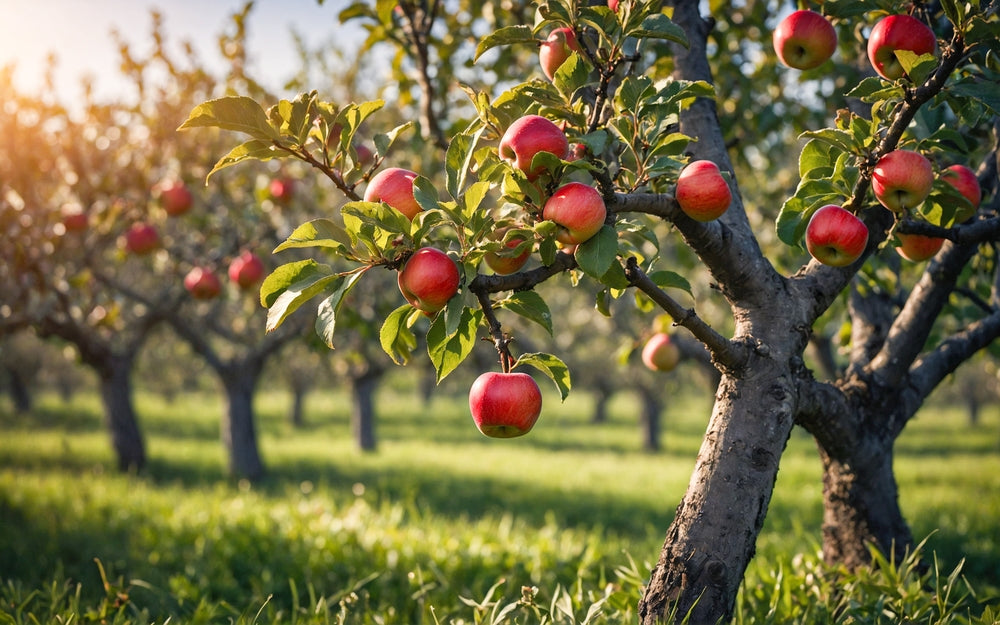 Fruit Trees
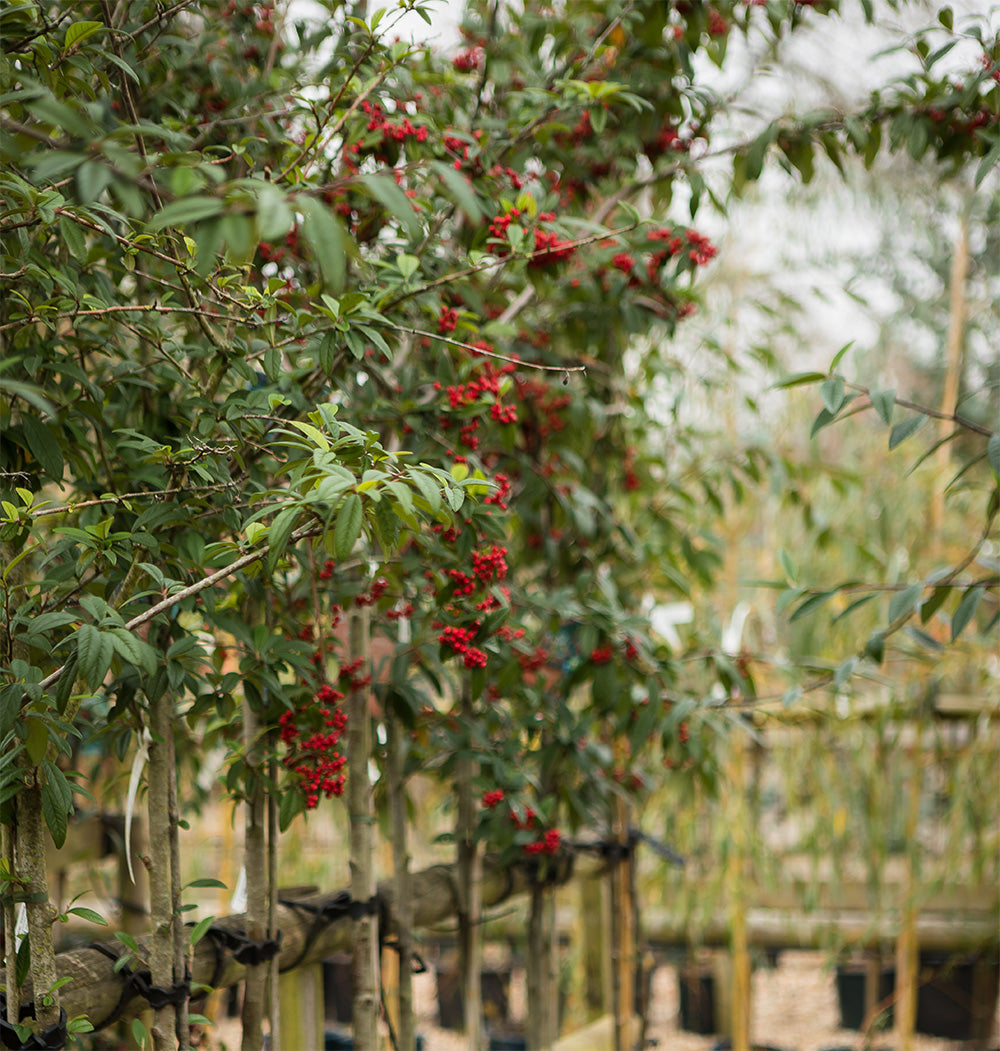 Ornamental
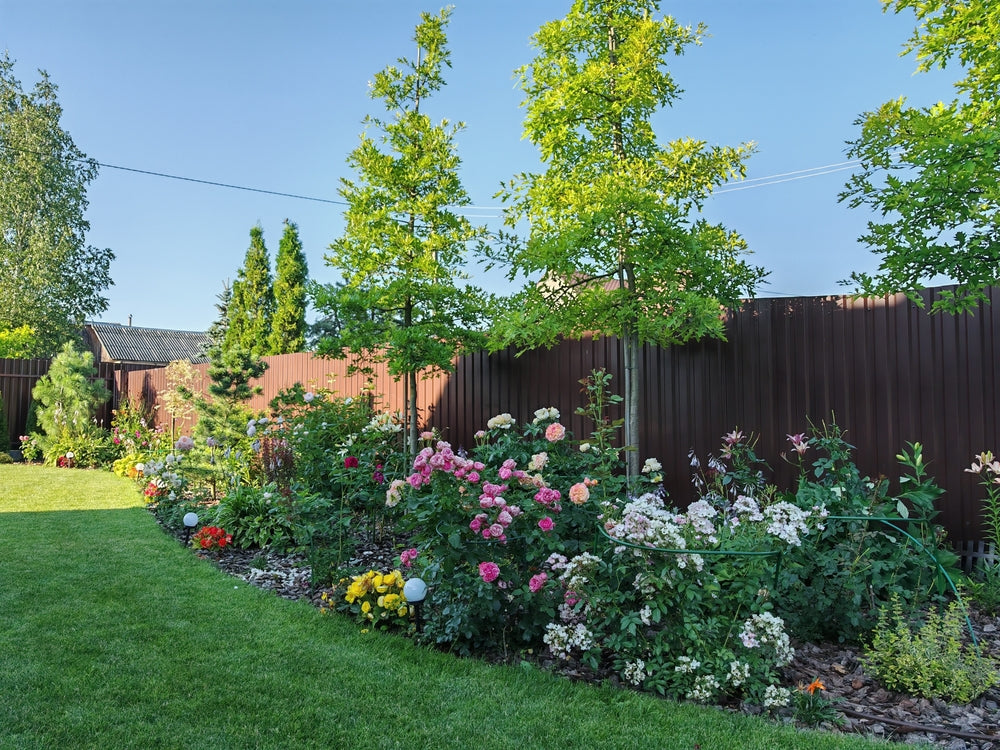 Screening
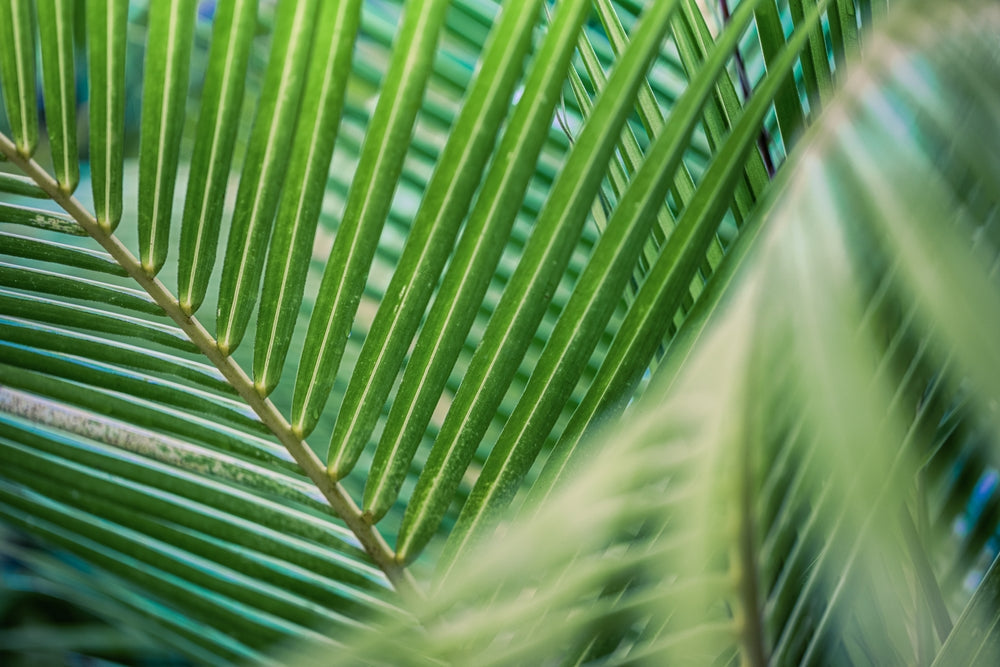 Palms
By FeaturesBy Shape
Palms
By FeaturesBy Shape -
Shrubs
Shrubs
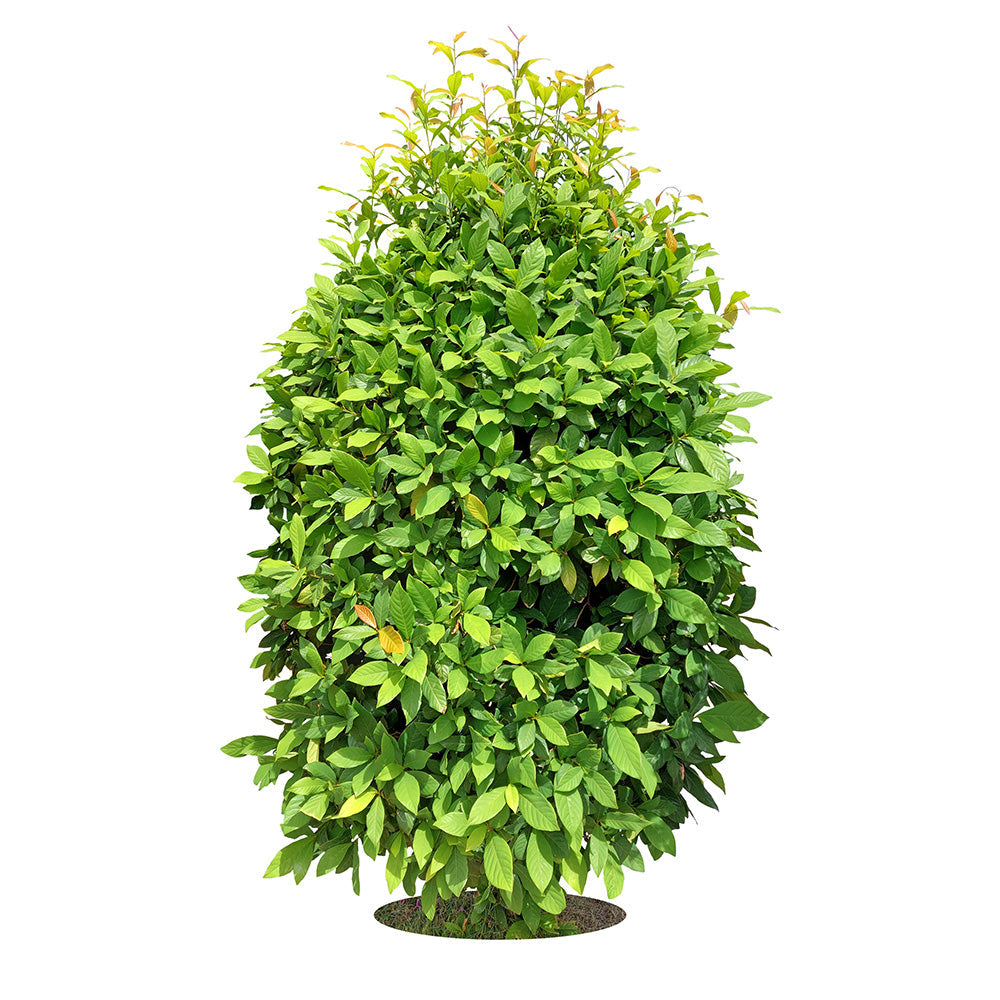 Large shrubs
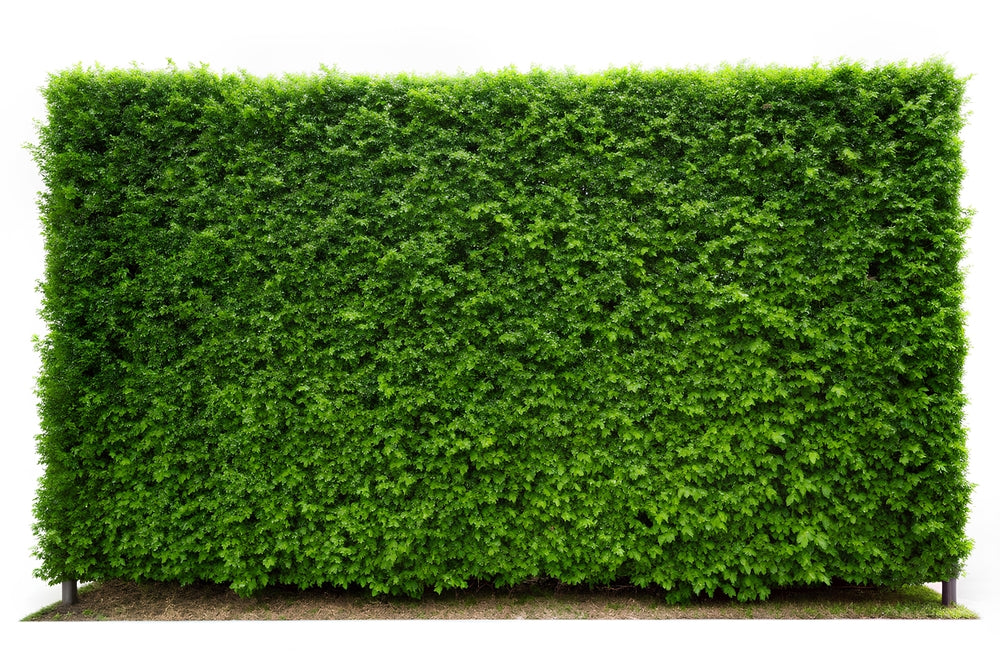 Hedging
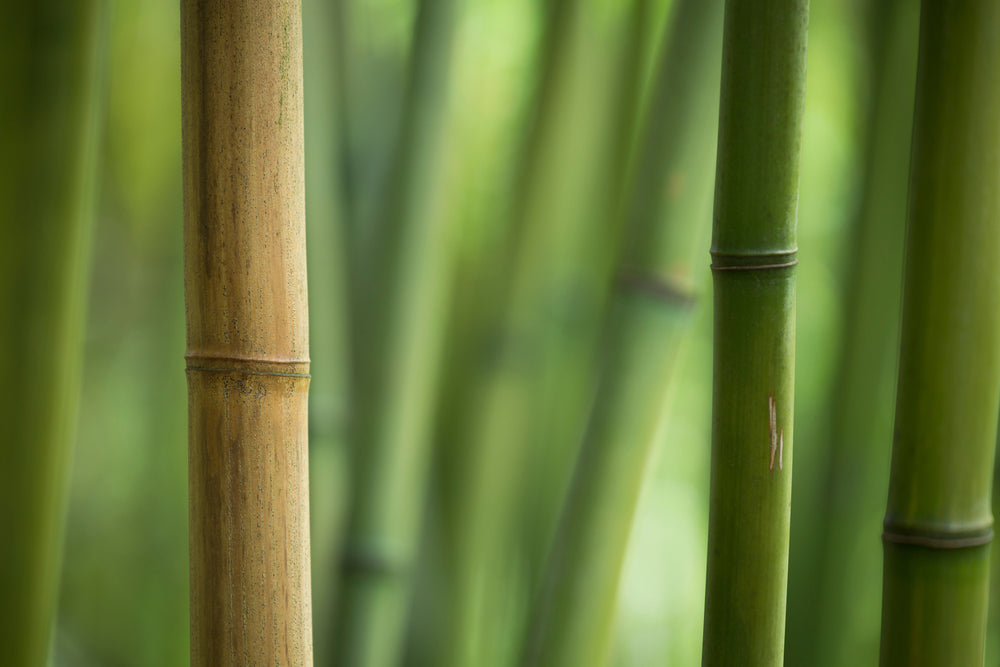 Bamboo
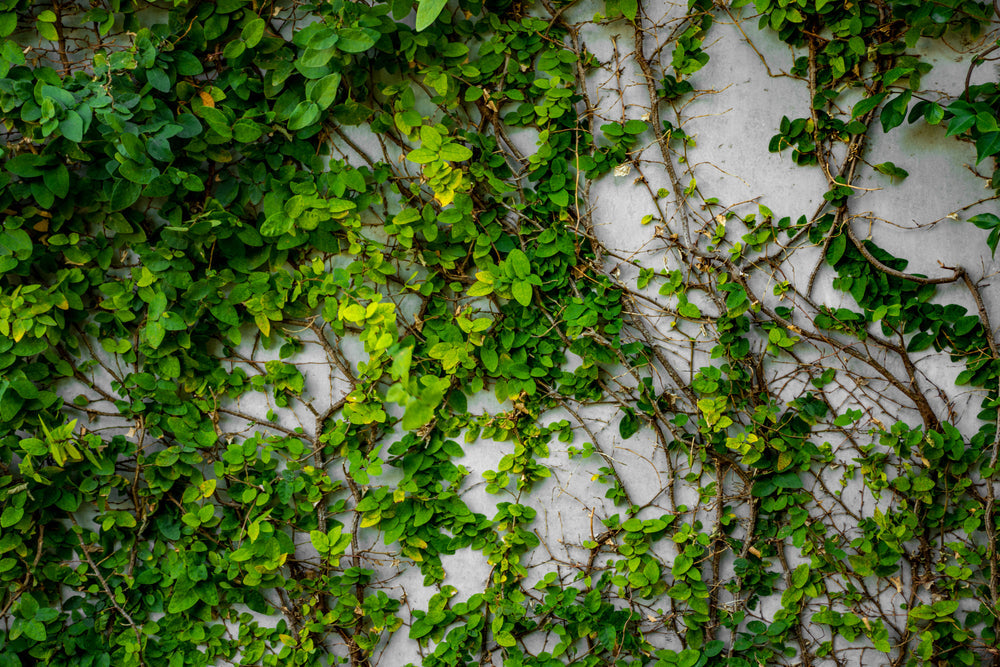 Climbers
 Flowering
 Grasses & Ferns
 Popular
-
Pines & Conifers
Pines & Conifers
 Pines
Pines
 Spruce & Fir
 Cypress
 Thuja
Thuja
 Redwood | Sequoia
-
Specimen
FREE DELIVERY OVER £350
Search results
199 results
199 results
Sort by:
Search results


Pyrus calleryana 'Chanticleer' - Clear Stem - Standard - Height 290-310cm - 70lt
£350.00
Unit price perPyrus calleryana 'Chanticleer' - Clear Stem - Standard - Height 290-310cm - 70lt
£350.00
Unit price per


Diospyros kaki 'Rojo Brillante' | Spanish Persimmon - Quarter Standard - Clear Stem - Height 130-140cm - 18lt
£105.00
Unit price perDiospyros kaki 'Rojo Brillante' | Spanish Persimmon - Quarter Standard - Clear Stem - Height 130-140cm - 18lt
£105.00
Unit price perDiospyros kaki ‘Rojo Brillante’, grown with a clear stem, forms an elegant small tree that combines ornamental beauty with the added attraction of edible fruit. Its broad, glossy green leaves create a lush summer canopy, turning rich shades of orange and red in autumn before falling to reveal bright, lantern-like fruits that often hang decoratively on the bare branches. This makes it a superb feature tree, providing interest from spring through to winter.
Well suited to sheltered gardens in the UK, it prefers a warm, sunny position where the fruits can fully ripen and colour. It thrives in fertile, well-drained soil and is tolerant of light chalk if organic matter is added. Once established, it is reasonably drought tolerant and low maintenance.
The clear stem raises the rounded crown, giving the tree a refined, architectural form that works well in lawns, borders, and larger containers on patios. Its moderate size makes it suitable for small to medium gardens, where it can be enjoyed both as a striking ornamental specimen and as a productive, unusual fruit tree.


Magnolia Susan - Large Bushy - Multistem - Height 200-240cm - 70lt
£450.00
Unit price perMagnolia Susan - Large Bushy - Multistem - Height 200-240cm - 70lt
£450.00
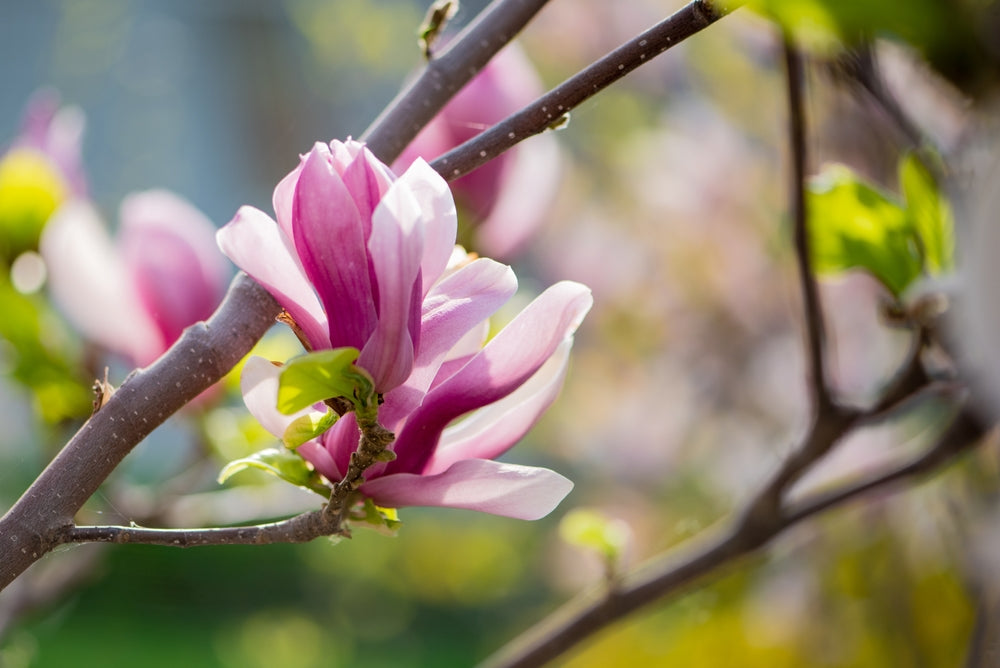
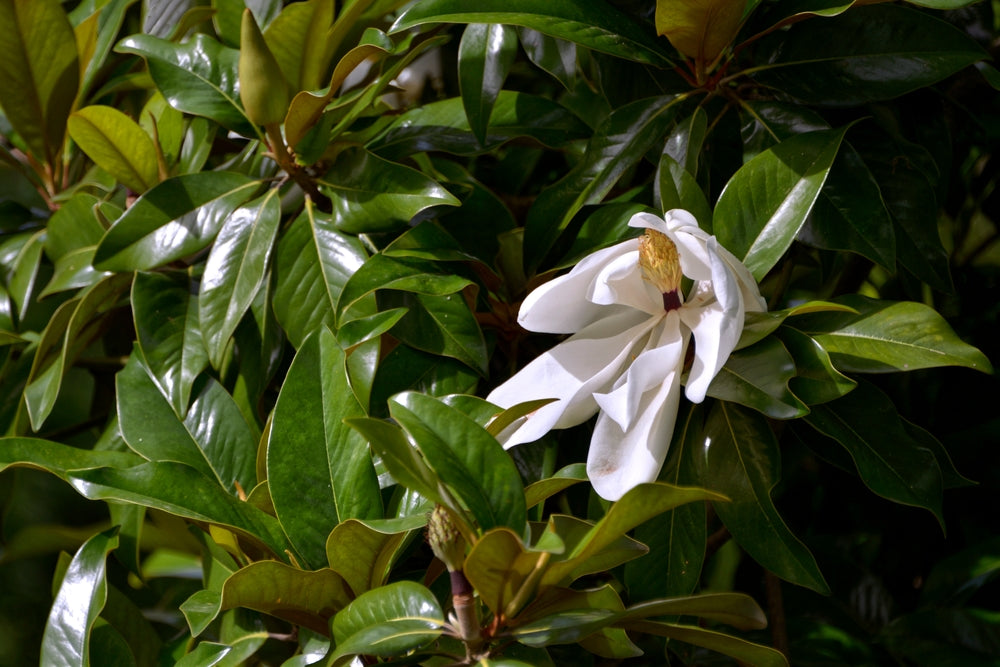
Unit price perA large multi-stem Magolia ‘Susan’ creates a striking architectural presence in the garden, combining elegance with manageable proportions. Magnolia 'Susan' is one of the celebrated “Little Girl” hybrids, prized for its rich, goblet-shaped flowers in deep reddish-purple with paler interiors. Flowering in mid to late spring, it opens slightly later than many magnolias, helping the blooms avoid frost damage — a valuable trait in UK gardens.
As a mature multi-stem specimen, it develops a broad, vase-shaped framework with smooth grey bark and a naturally graceful silhouette. The multiple stems give it added character and year-round structure, making it ideal as a focal point in lawns, gravel gardens, or large borders. In flower, the bare branches are smothered in upright blooms before fresh green foliage emerges, creating a dramatic seasonal display.
Reaching approximately 3–4 metres in height and spread over time, it suits medium to large gardens and thrives in fertile, well-drained, slightly acidic to neutral soils. Sheltered from strong winds, a large multi-stem Magnolia ‘Susan’ offers dependable spring impact and timeless beauty.


Eriobotrya japonica Tree | Loquat - Clear Stem 80-90cm - Girth 6-8cm - Height 170-180cm - 25lt
£248.00
Unit price perEriobotrya japonica Tree | Loquat - Clear Stem 80-90cm - Girth 6-8cm - Height 170-180cm - 25lt
£248.00
Unit price perEriobotrya japonica, also known as the loquat tree or bush, is a small evergreen tree that is native to southeastern China. It is a popular ornamental plant in gardens and landscapes due to its attractive foliage and bushy, fruiting habit.
The loquat tree grows to a height of 10 to 20 feet and has a spread of 10 to 15 feet. The leaves are large, glossy, and dark green, with a distinctive shape that is reminiscent of holly leaves. The tree produces fragrant, white or yellow flowers in late autumn or early winter, which are followed by small, yellow or orange, pear-shaped fruits in the spring.
The loquat fruit is sweet and tangy, with a flavor that is similar to a mix of peach, citrus, and mango. It is high in vitamin A, potassium, and fiber, and is commonly used in desserts, jams, and juices. The tree is also highly valued for its ornamental qualities, as its attractive foliage and fruit make it a popular choice for landscaping.
The loquat tree is easy to grow and requires little maintenance. It prefers full sun to partial shade and well-drained soil. It is relatively cold-hardy and can withstand temperatures as low as 10 degrees Fahrenheit. The tree can be pruned to maintain a compact shape, and is also adaptable to growing in containers.
Overall, Eriobotrya japonica is a versatile and attractive plant that is prized for both its ornamental and edible qualities. Its bushy, fruiting habit makes it a great addition to any garden or landscape.


Amelanchier canadensis | Juneberry - Clear Stem - Height 220-250cm - Girth 6-8cm - 40lt
£295.00
Unit price perAmelanchier canadensis | Juneberry - Clear Stem - Height 220-250cm - Girth 6-8cm - 40lt
£295.00
Unit price per


Morus Alba | White Mulberry - Girth 18cm - 375cm Clear Stem - 130lt
£545.00
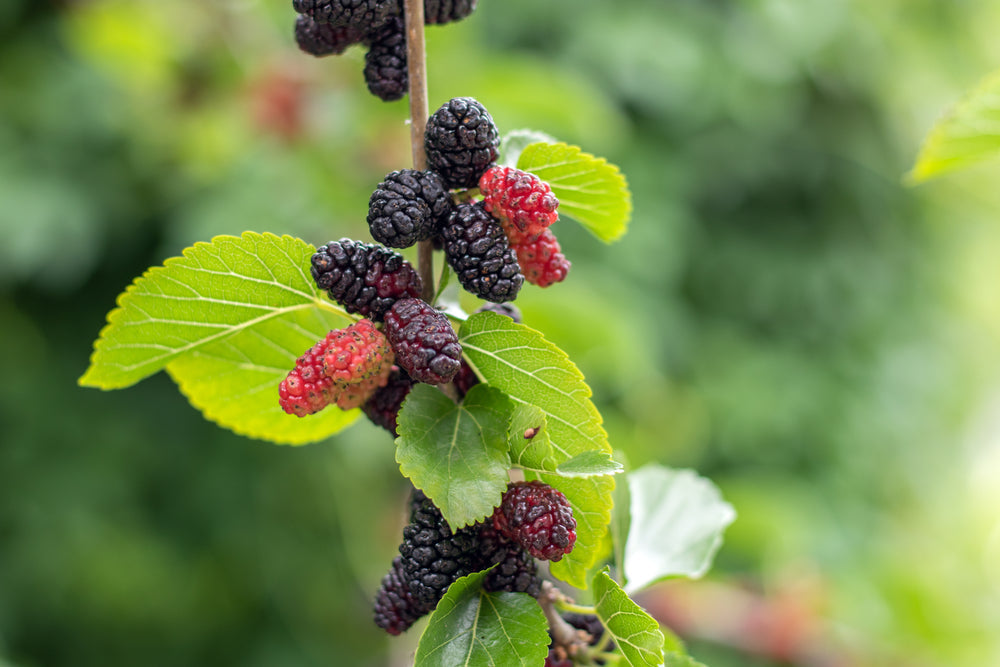
Unit price perMorus Alba | White Mulberry - Girth 18cm - 375cm Clear Stem - 130lt
£545.00
Unit price per


Acer palmatum dissectum 'Virdis' | laceleaf Japanese maple - Clear Stem 75-85cm - Height 100-120cm - 25lt
£435.00
Unit price perAcer palmatum dissectum 'Virdis' | laceleaf Japanese maple - Clear Stem 75-85cm - Height 100-120cm - 25lt
£435.00
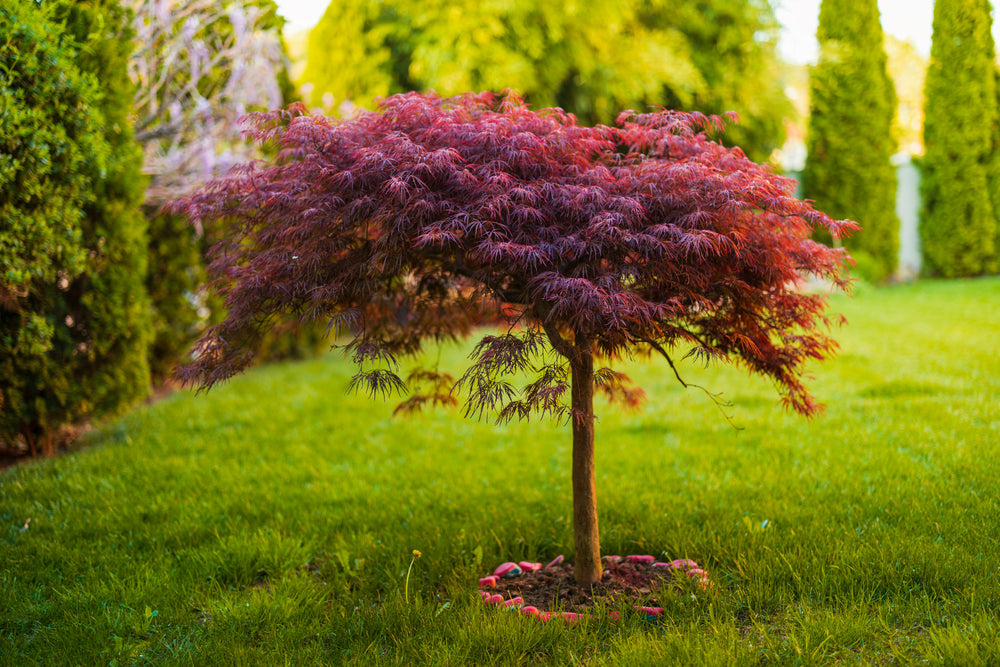
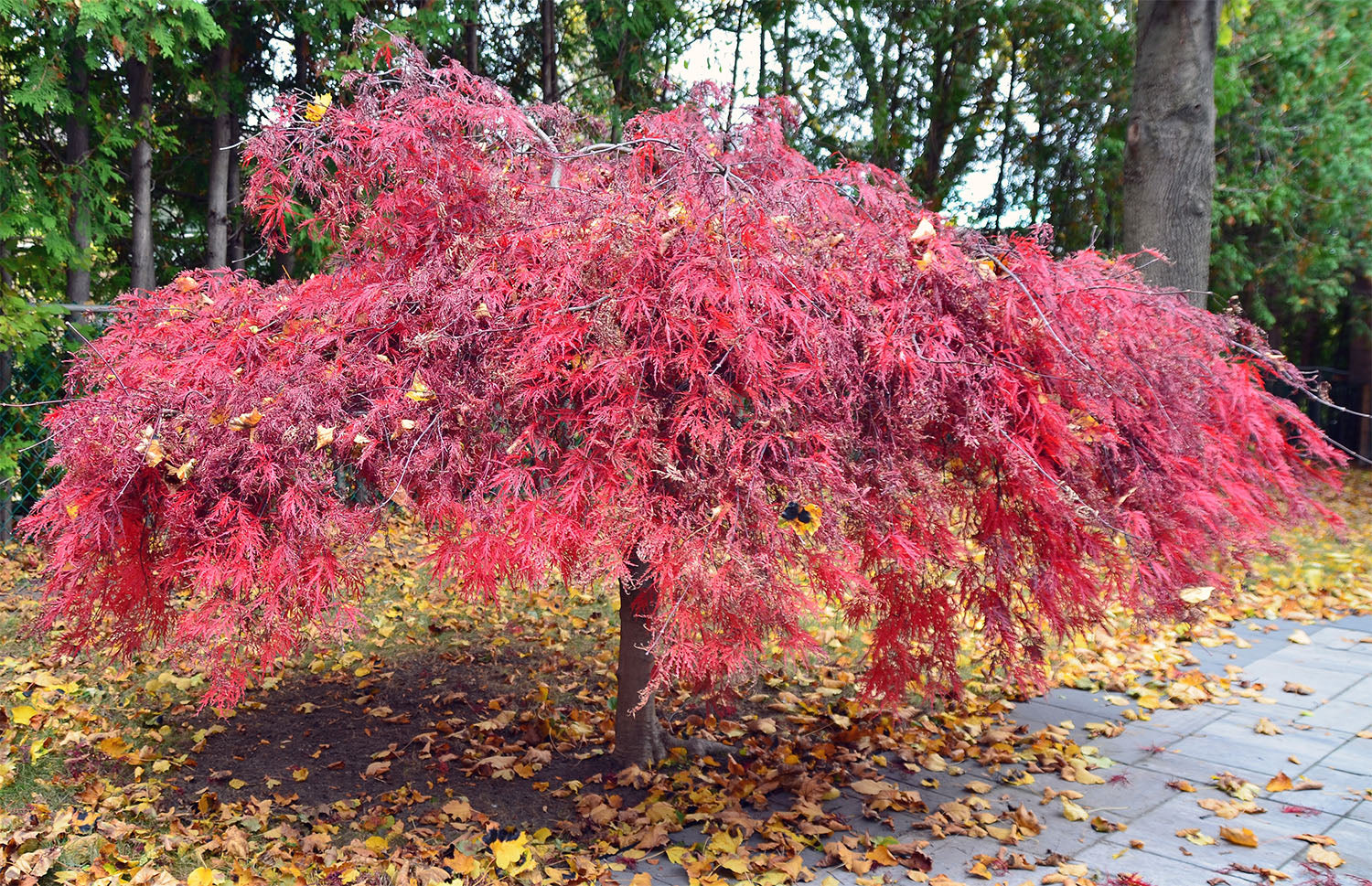
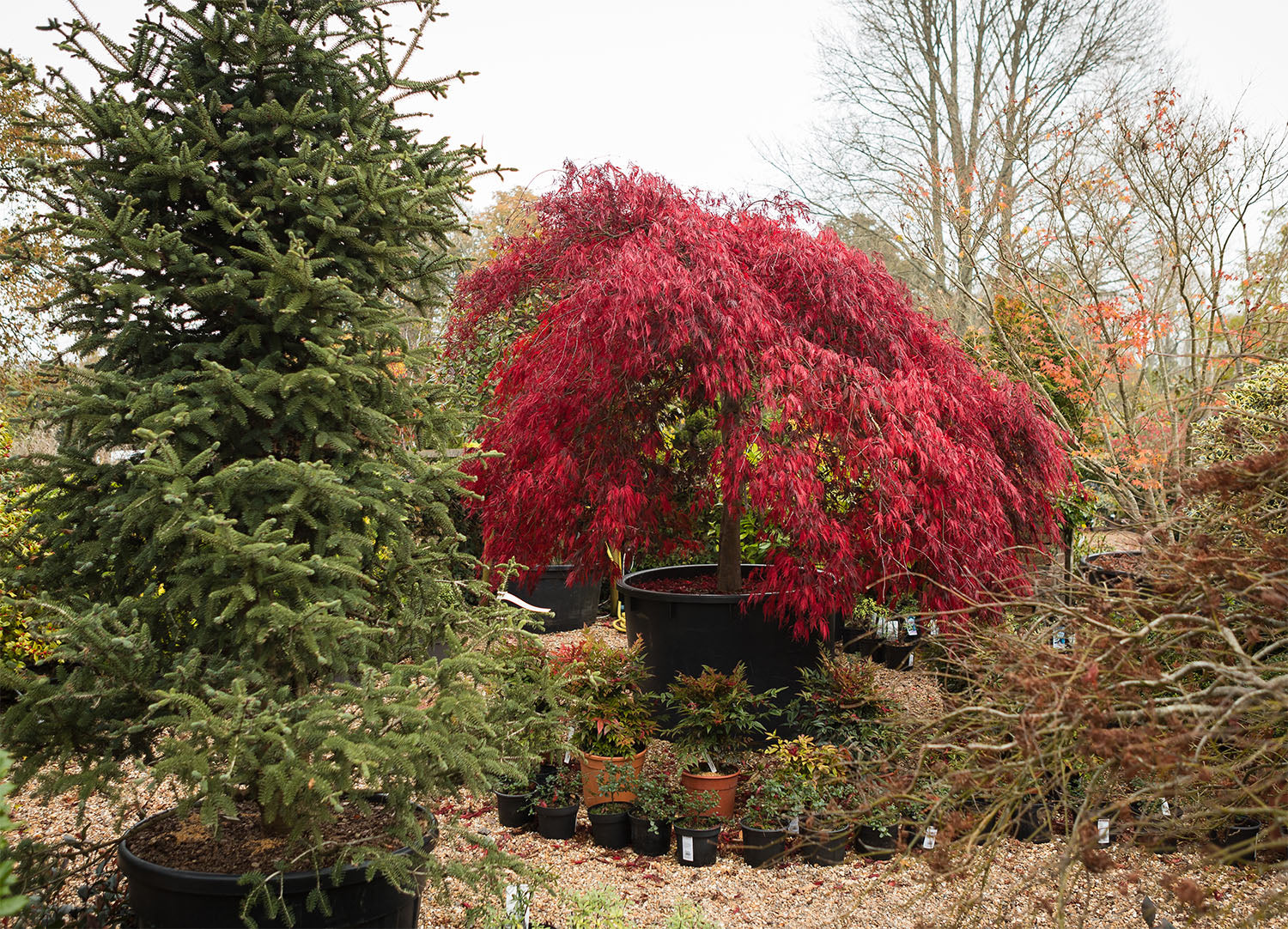
Unit price perAcer palmatum dissectum, commonly known as the laceleaf Japanese maple, is a popular ornamental tree renowned for its intricate, finely divided foliage. This deciduous shrub or small tree is part of the Aceraceae family and originates from Japan, Korea, and China. It typically grows to a height of 2 to 3 meters (6 to 10 feet) with a similar spread, making it a perfect choice for small gardens and container planting.
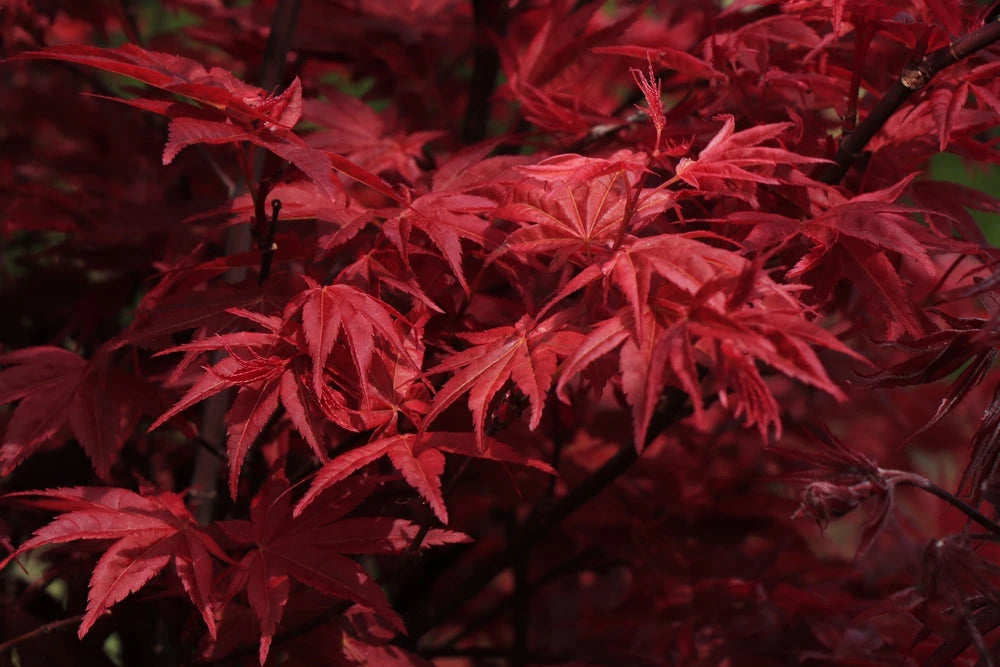
The leaves of Acer palmatum dissectum are deeply lobed and serrated, resembling delicate lace. Throughout the seasons, the foliage transitions from a vibrant green in spring and summer to spectacular shades of red, orange, and purple in autumn, providing year-round interest. The tree's cascading, weeping habit adds an elegant and graceful element to any landscape design.
Acer palmatum dissectum prefers a position in partial shade with well-drained, moist soil. It is relatively low-maintenance, requiring minimal pruning to maintain its shape. This tree is also known for its resilience to pests and diseases. Its compact size and striking appearance make it an excellent choice for adding structure and color to garden borders, patios, and rockeries in British gardens.


Laurus Nobilis - Clear Stem (65cm)| Bay laurel tree - Height 130-135cm - 18lt
£105.00
Unit price perLaurus Nobilis - Clear Stem (65cm)| Bay laurel tree - Height 130-135cm - 18lt
£105.00
Unit price per


Euonymus alatus Shrub | Winged Spindle Small Tree - - Clear Stem 100cm - Height 140-150cm - 15lt
£44.00
Unit price perEuonymus alatus Shrub | Winged Spindle Small Tree - - Clear Stem 100cm - Height 140-150cm - 15lt
£44.00
Unit price per


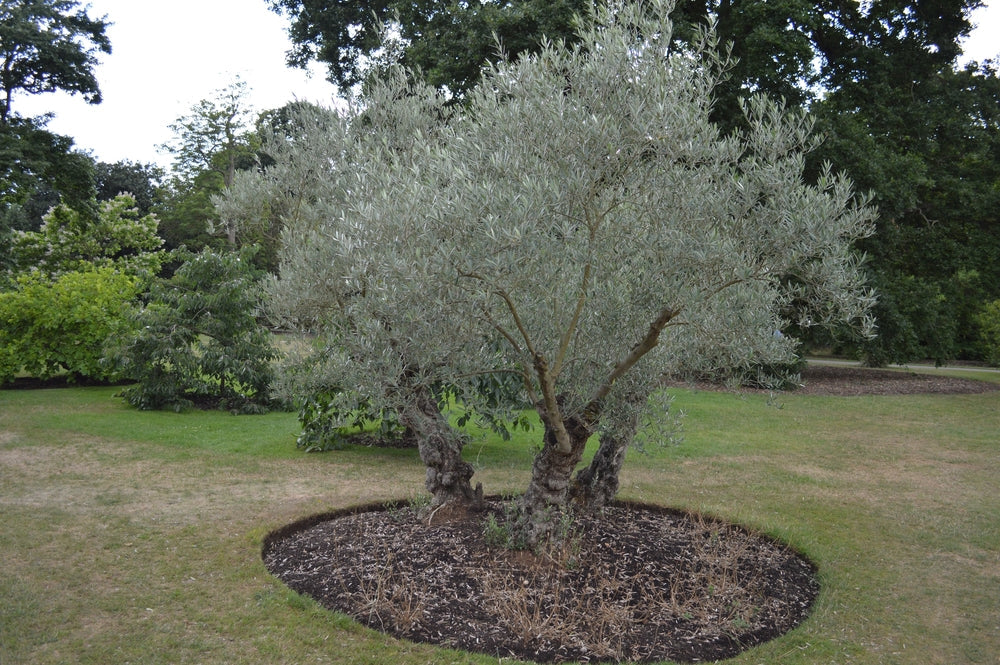
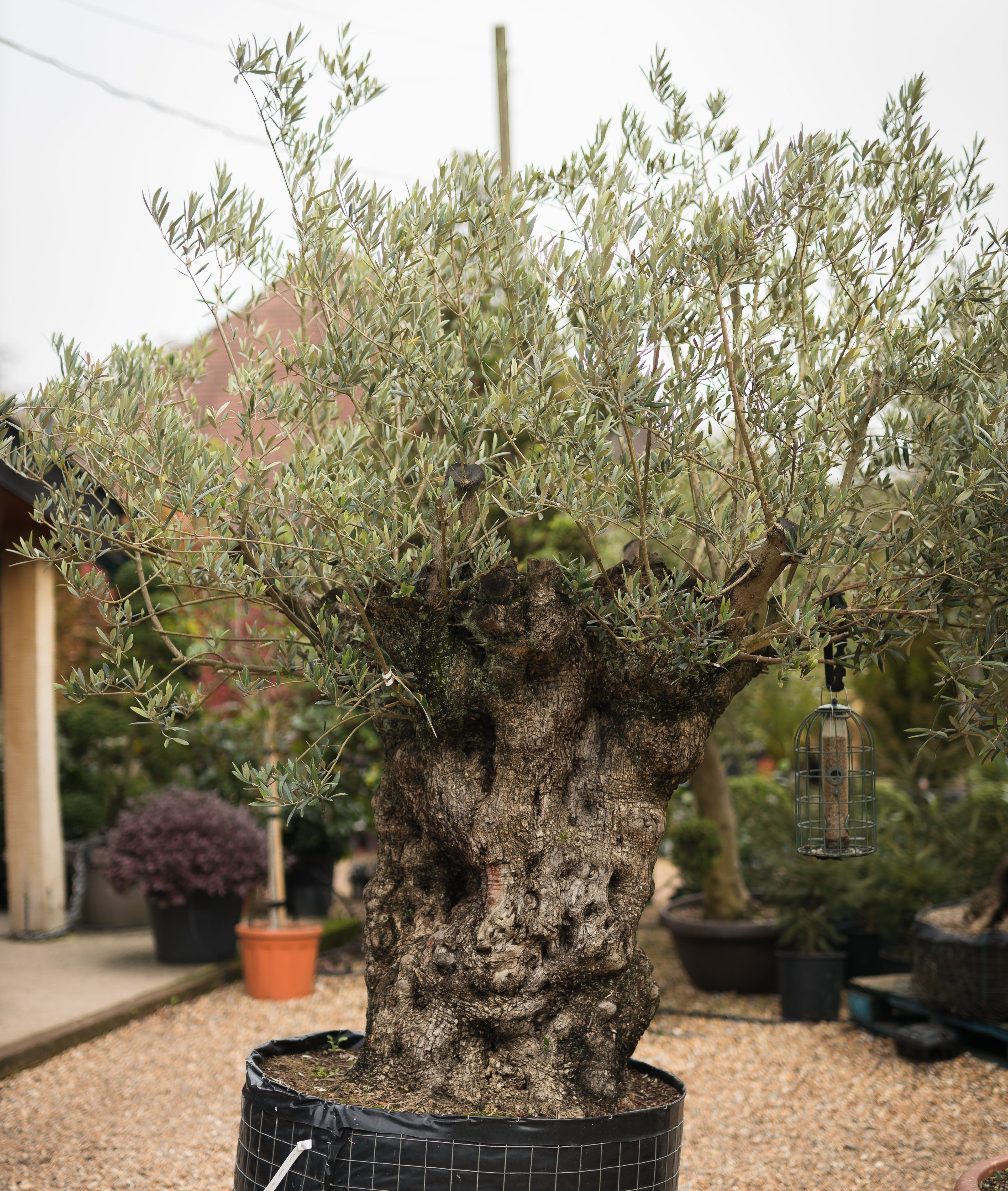
Olive Tree |Olea Europea - Standard - Girth 6-8cm - Clear Stem 180cm - Height 350-380cm - 40lt
£295.00
Unit price perOlive Tree |Olea Europea - Standard - Girth 6-8cm - Clear Stem 180cm - Height 350-380cm - 40lt
£295.00
Unit price perOur standard olive trees with a straight stem, reaching approximately 3.5 meters in height, offers a striking focal point for any garden. With a clear stem of 165 cm, it provides an elegant, structured appearance, making it ideal for formal and contemporary landscapes. Its silvery-green, evergreen foliage adds year-round interest, while the dense canopy provides light shade. This variety thrives in well-drained soil and full sun, making it perfect for Mediterranean-style gardens, patios, or as a specimen tree. Drought-tolerant once established, it requires minimal maintenance and occasional pruning to maintain shape. Suitable for pots or open ground, it brings timeless beauty and structure, enhancing any outdoor space with character.
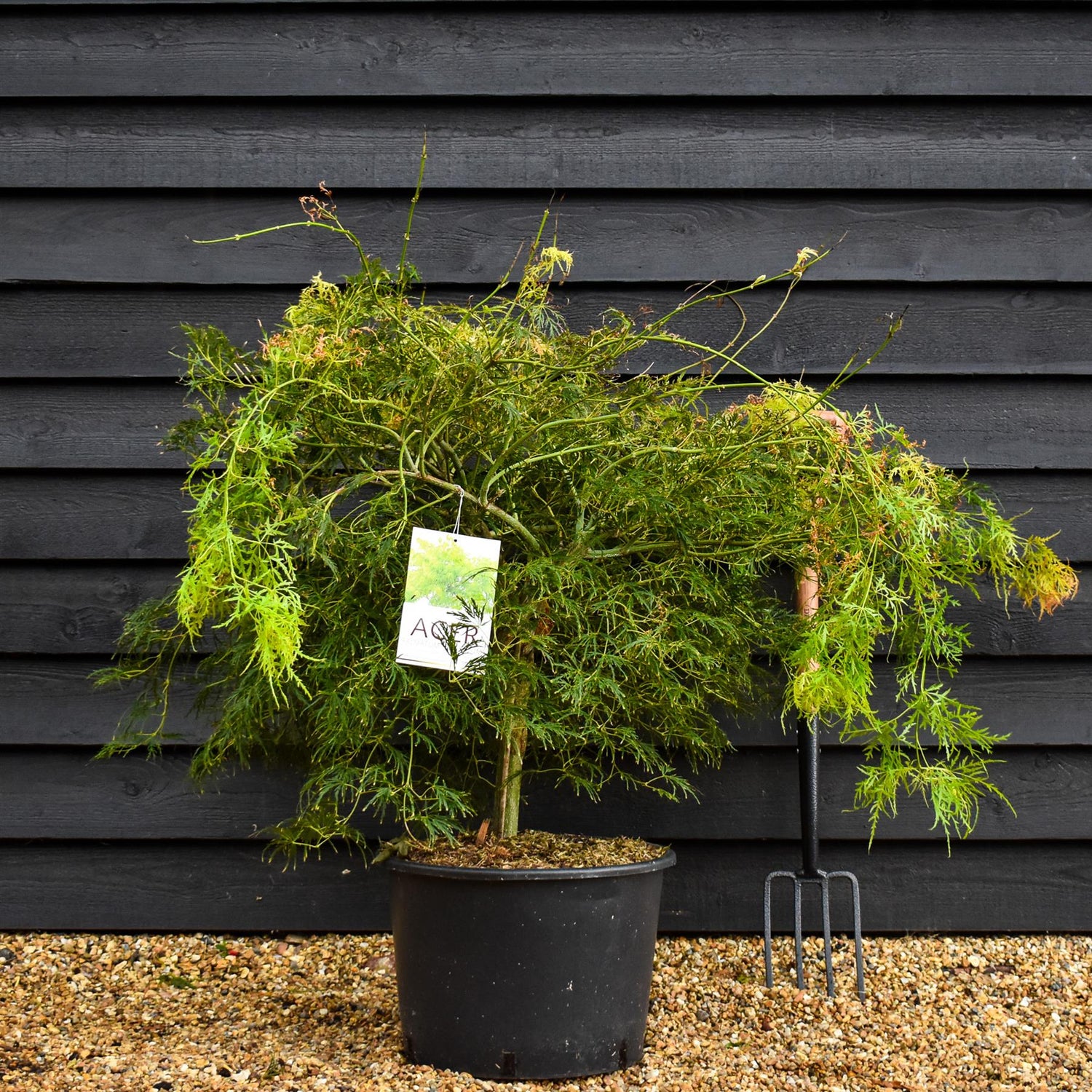
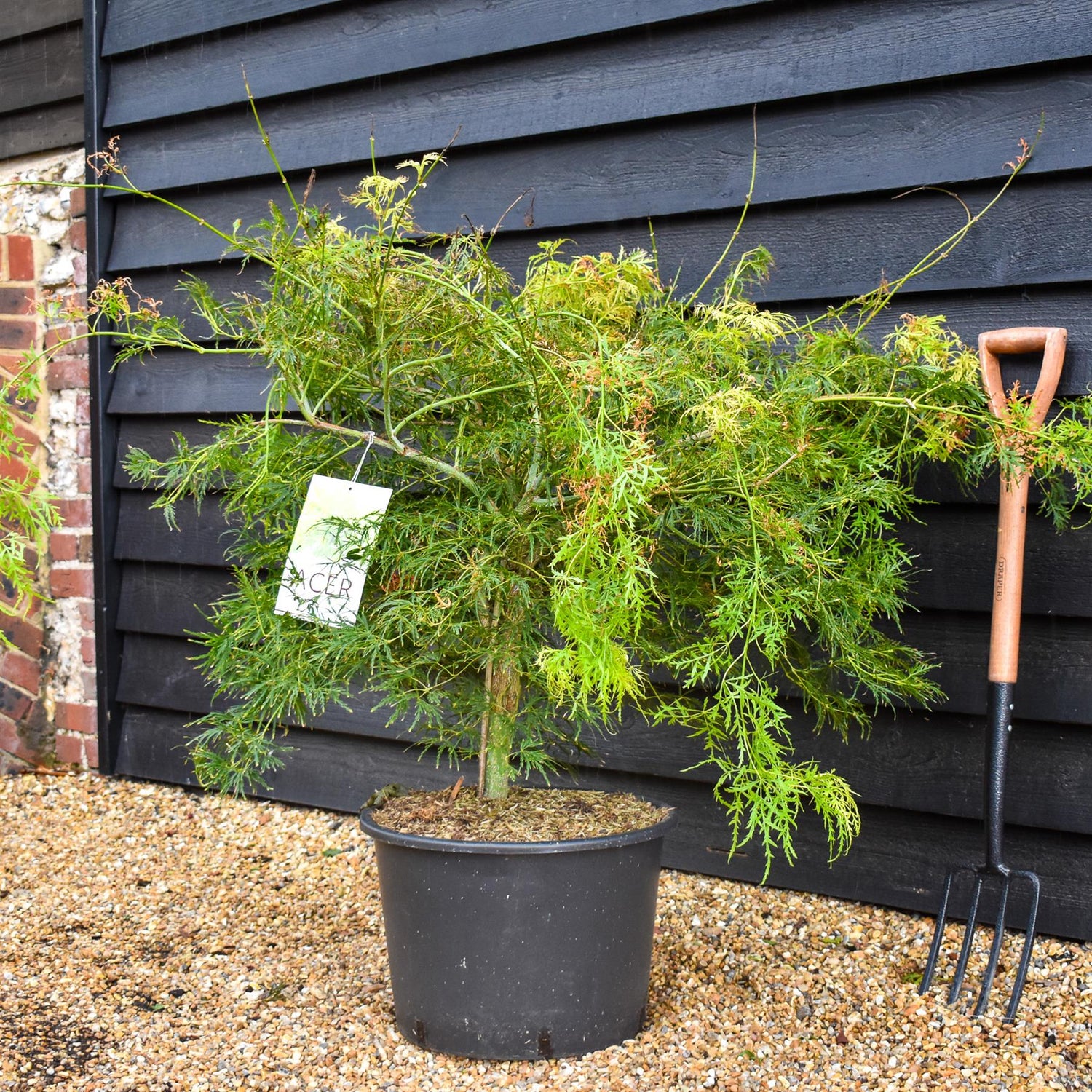
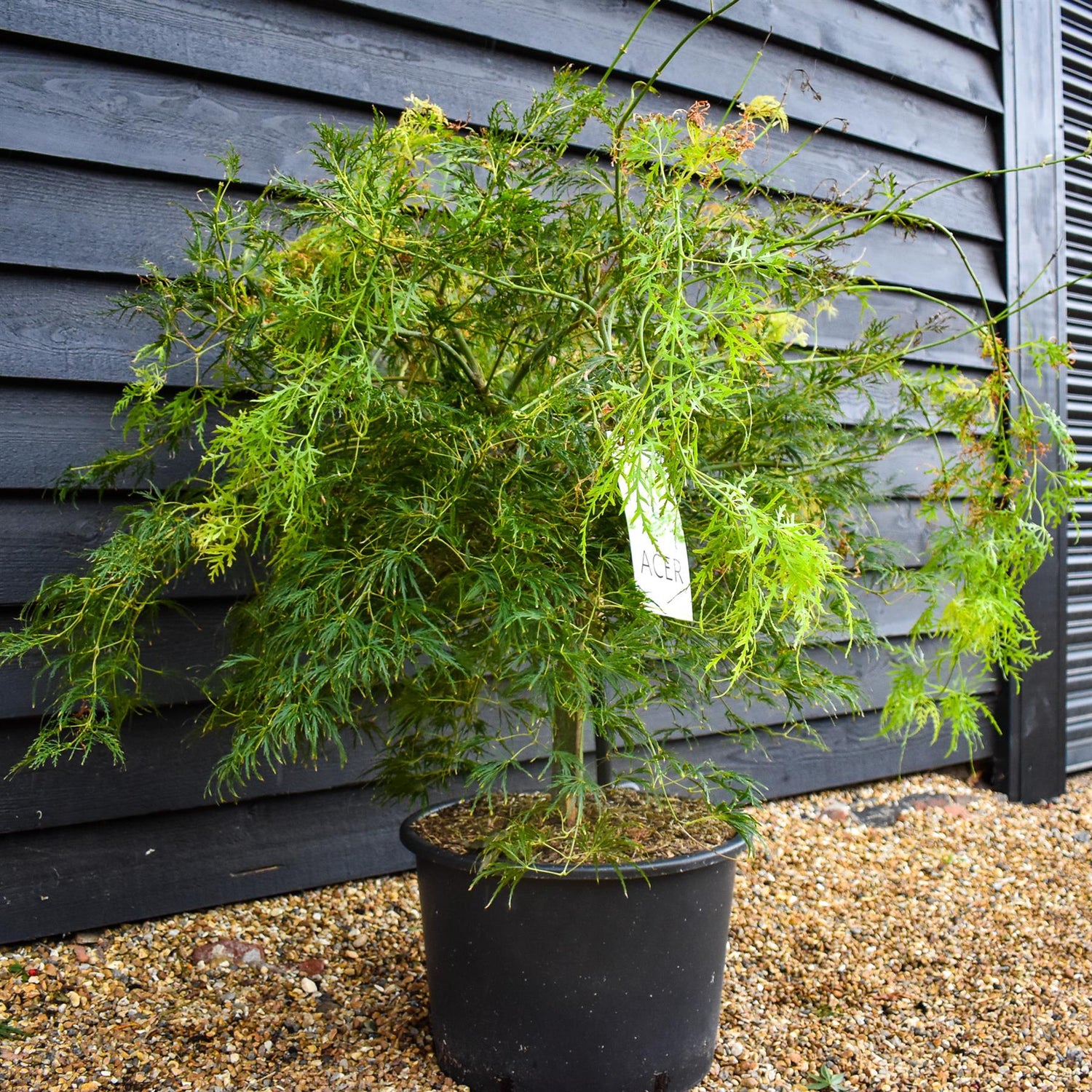
Acer palmatum Dissectum | laceleaf Japanese maple - Weeping - Clear Stem 40cm - Height 100-120cm - 35lt
£420.00
Unit price perAcer palmatum Dissectum | laceleaf Japanese maple - Weeping - Clear Stem 40cm - Height 100-120cm - 35lt
£420.00
Unit price perAcer palmatum dissectum, commonly known as the laceleaf Japanese maple, is a popular ornamental tree renowned for its intricate, finely divided foliage. This deciduous shrub or small tree is part of the Aceraceae family and originates from Japan, Korea, and China. It typically grows to a height of 2 to 3 meters (6 to 10 feet) with a similar spread, making it a perfect choice for small gardens and container planting.
The leaves of Acer palmatum dissectum are deeply lobed and serrated, resembling delicate lace. Throughout the seasons, the foliage transitions from a vibrant green in spring and summer to spectacular shades of red, orange, and purple in autumn, providing year-round interest. The tree's cascading, weeping habit adds an elegant and graceful element to any landscape design.
Acer palmatum dissectum prefers a position in partial shade with well-drained, moist soil. It is relatively low-maintenance, requiring minimal pruning to maintain its shape. This tree is also known for its resilience to pests and diseases. Its compact size and striking appearance make it an excellent choice for adding structure and color to garden borders, patios, and rockeries in British gardens.


Sorbus vilmorinii | Vilmorin's Rowan 1/2 std, Clear Stem - 150-180cm, 20lt
£94.50
Unit price perSorbus vilmorinii | Vilmorin's Rowan 1/2 std, Clear Stem - 150-180cm, 20lt
£94.50
Unit price per


Ceratostigma willmottianum Sapphire Ring - Height 15-20cm - 2lt
£18.00
Unit price perCeratostigma willmottianum Sapphire Ring - Height 15-20cm - 2lt
£18.00
Unit price perCeratostigma willmottianum 'Sapphire Ring' is a deciduous shrub valued for its striking late-season flowers and colourful autumn foliage. It is a selected cultivar of Ceratostigma willmottianum, a plant native to western China that is widely cultivated in ornamental gardens. This cultivar is particularly appreciated for its intense flower colour and its ability to extend interest in the garden well into autumn.
‘Sapphire Ring’ forms a compact, bushy shrub that typically grows to about 80–100 cm in height with a similar spread. It produces slender, upright stems that gradually create a rounded, slightly spreading habit. The leaves are oval to elliptic in shape with a smooth surface and a fresh mid-green colour during the growing season. As autumn approaches, the foliage develops rich shades of red, bronze and purple, providing an attractive seasonal display that complements the plant’s flowers.
The most notable feature of this cultivar is its brilliant blue flowers. From late summer through to early autumn, clusters of vivid sapphire-blue blooms appear at the tips of the stems. Each flower has five rounded petals arranged in a star-like shape, creating a bold splash of colour against the foliage. The flowers are often surrounded by reddish sepals that remain visible even after the petals fall, adding further decorative interest.
This shrub grows best in a sunny position, although it will tolerate light partial shade. It prefers well-drained soil and performs well in a variety of garden conditions once established. ‘Sapphire Ring’ is suitable for mixed herbaceous borders, gravel gardens, and informal planting schemes where its late flowering period can provide valuable colour when many other plants are finishing.
Pruning is usually carried out in early spring, as the plant flowers on new growth. Cutting the stems back encourages fresh shoots and helps maintain a neat, compact form. With its vibrant flowers, colourful foliage and reliable growth, Ceratostigma willmottianum ‘Sapphire Ring’ is a highly decorative addition to sunny garden borders.
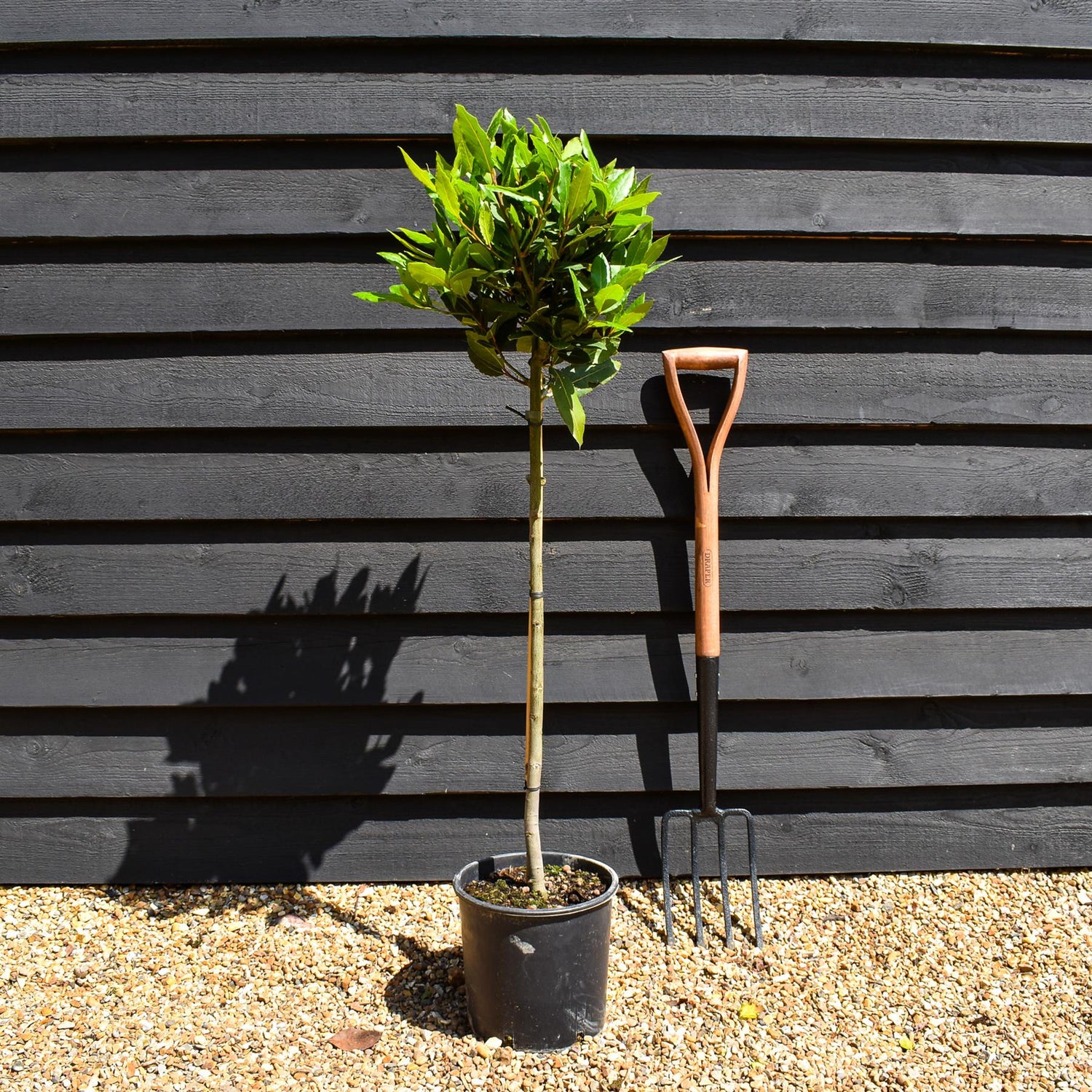
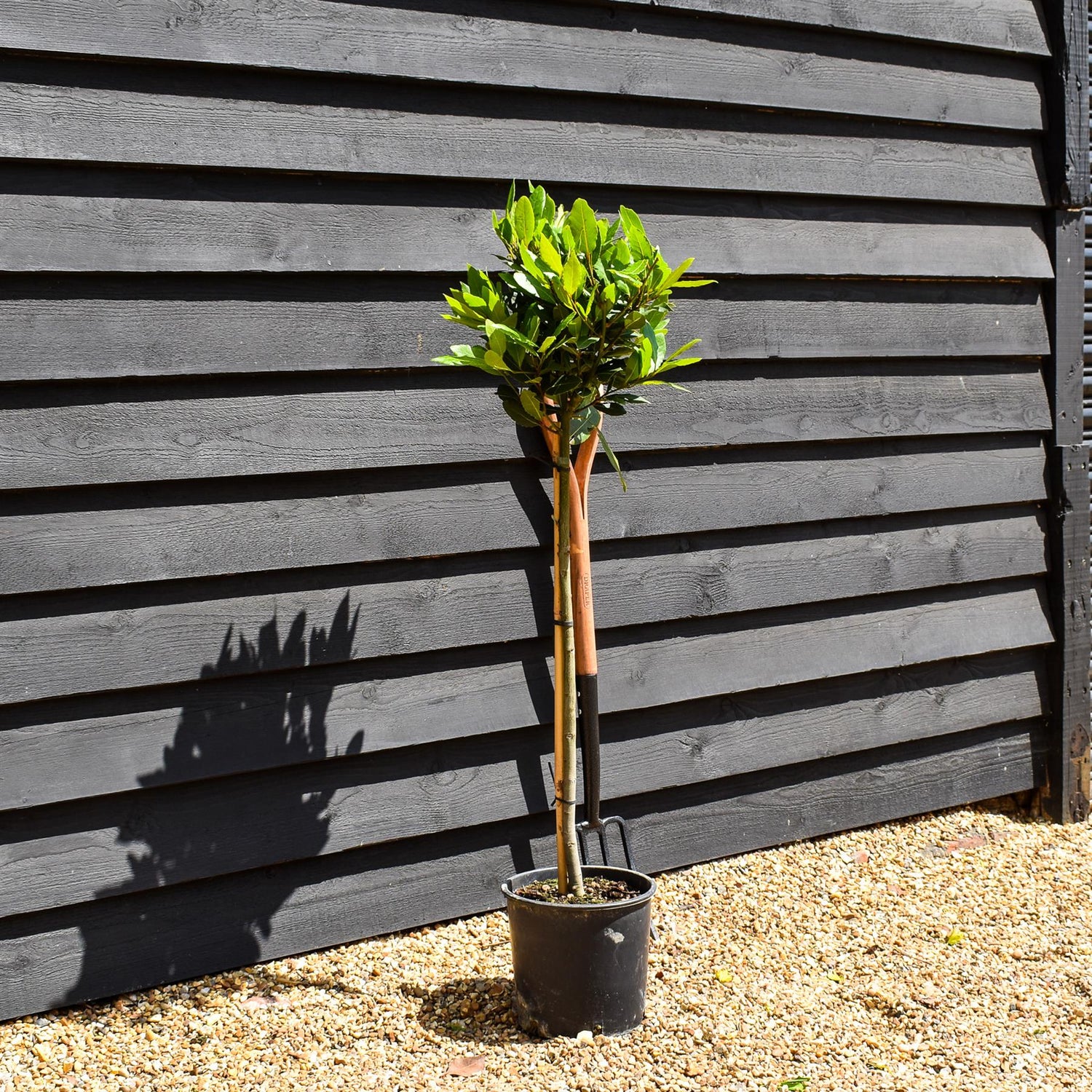
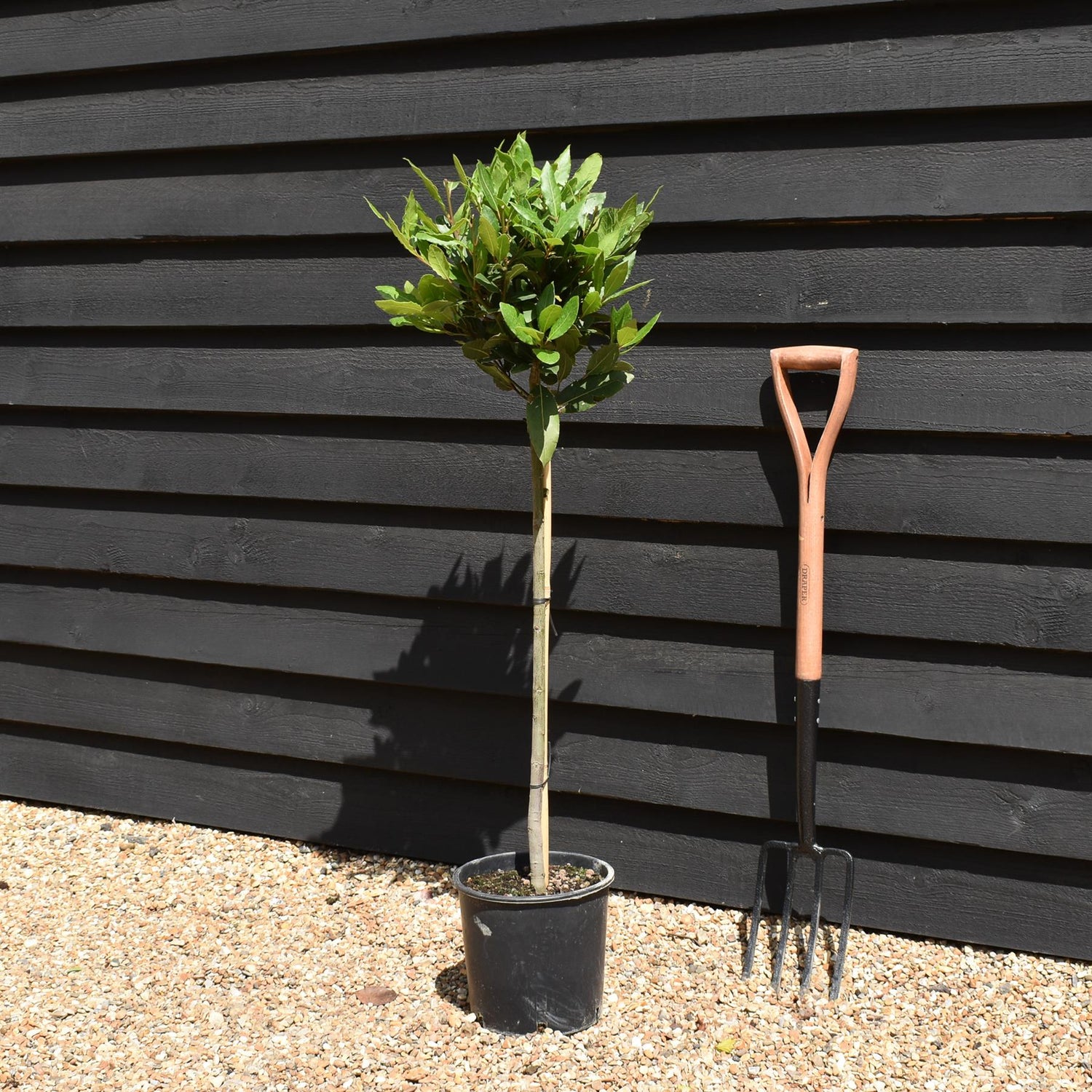
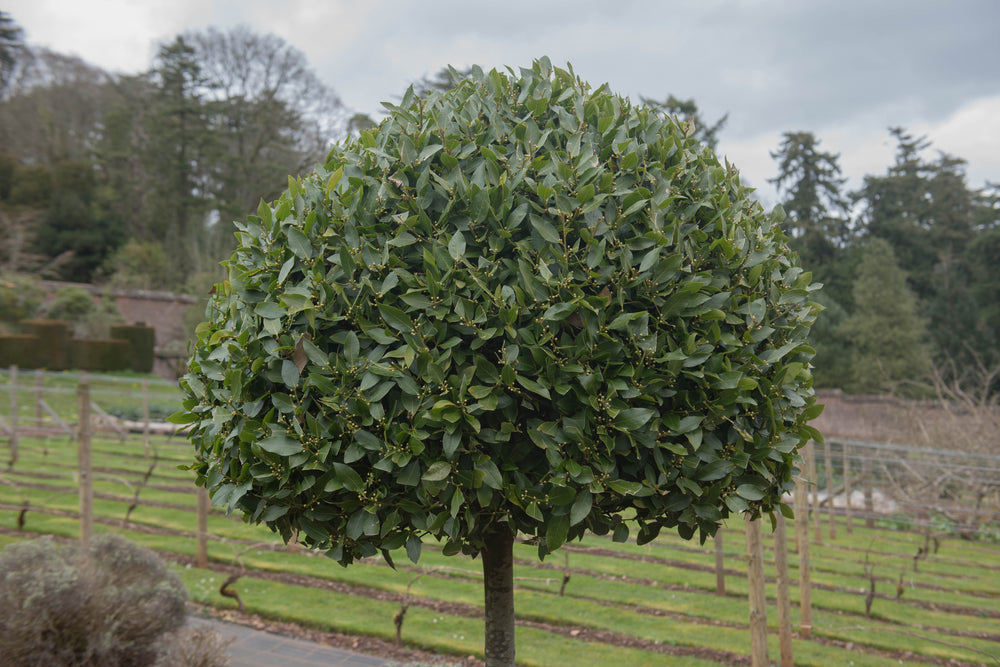
Bay Tree | Laurus nobilis - Clear Stem 70cm - Height 100-110cm - 7lt
£83.00
Unit price perBay Tree | Laurus nobilis - Clear Stem 70cm - Height 100-110cm - 7lt
£83.00
Unit price perLaurus nobilis or Bay Laurel, is a dense, compact, slow-growing, evergreen shrub or small tree of pyramidal habit, dark grey bark, and aromatic, narrowly ovate, leathery, dark green leaves used in cooking, especially in French and Mediterranean cuisine. Clusters of small, yellowish flowers bloom in spring and are followed by glossy, dark purple, berry-like drupes.
Bay Laurel can grow in a wide range of soils, as long as they are well-drained, but thrives in fertile, moist, and well-drained soils. It prefers full sun, but doesn’t mind partial shade. It is tolerant of salt, therefore, suitable for coastal areas. Generally, pest-free and disease-free. In colder climates, it needs to be grown in containers and brought inside during the winter.
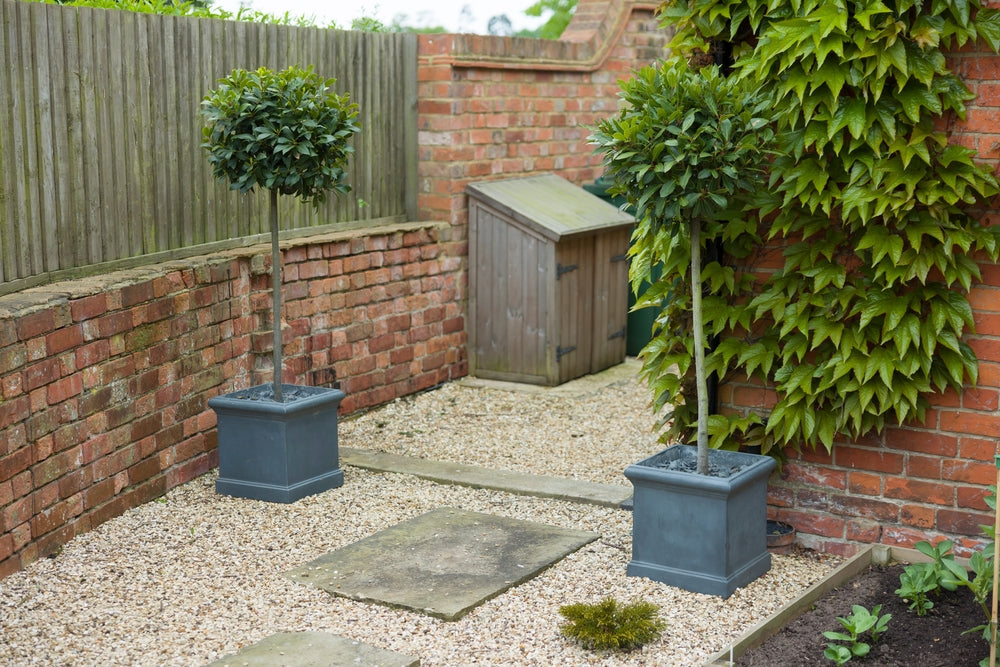
Laurus nobilis is a wonderful, long-lived shrub, perfect as a specimen plant or planted in groups. Suitable for growing in containers, great as a topiary, and excellent for hedges and screens. Essential for herb garden.


Great White Cherry | Prunus serrulata 'Taihaku' - Clear Stem - Height 200-250cm - Girth 6-8cm - 45lt
£155.00
Unit price perGreat White Cherry | Prunus serrulata 'Taihaku' - Clear Stem - Height 200-250cm - Girth 6-8cm - 45lt
£155.00
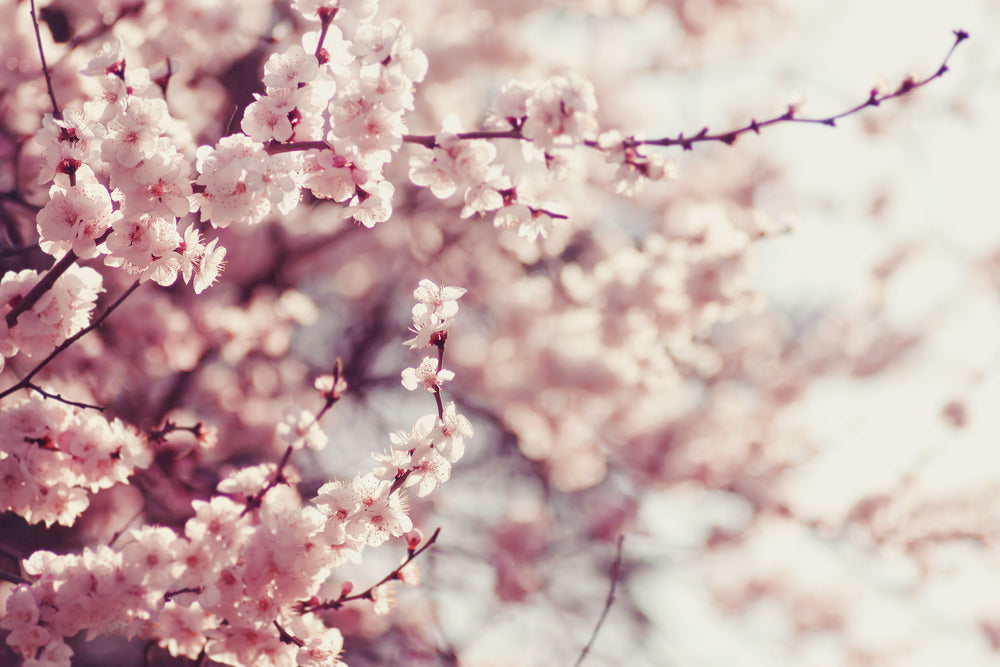
Unit price perPrunus serrulata ‘Taihaku’, commonly known as the Great White Cherry, is a superb ornamental tree well-suited to spacious gardens where its striking beauty can be fully appreciated. Renowned for its large, snow-white blossoms in early to mid-spring, it creates a dramatic and uplifting focal point in the landscape. Its broad, spreading canopy—paired with bronzed young leaves that mature to green—offers both seasonal interest and dappled shade throughout the growing season.
Reaching a mature height of around 20 to 25 feet (6 to 8 meters), with a similar spread, ‘Taihaku’ is ideal for open lawns, feature planting, or lining avenues. It thrives best in full sun and moist, well-drained soil. While it is hardy and tolerant of urban pollution, it also performs well in coastal gardens, provided it is given some shelter from strong, salt-laden winds. With proper positioning, it will reward gardeners with a magnificent spring display and graceful presence all year round.
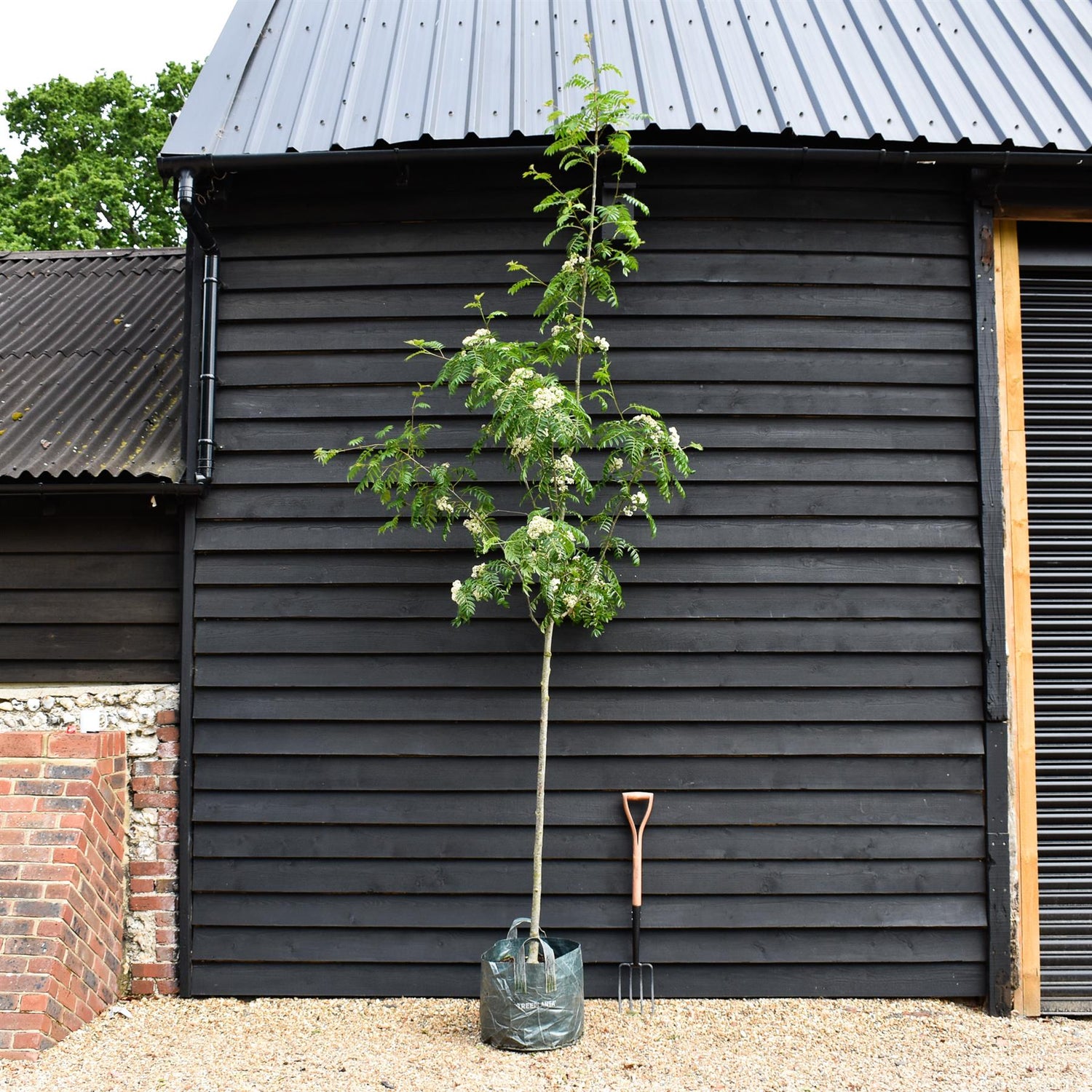


Sorbus 'Sunshine' - Clear Stem 140cm - Girth 8-10cm - Height 300-350cm - 45lt
£379.00
Unit price perSorbus 'Sunshine' - Clear Stem 140cm - Girth 8-10cm - Height 300-350cm - 45lt
£379.00
Unit price perSorbus 'Sunshine' is an attractive and compact ornamental tree, making it especially well-suited to small and medium-sized gardens. This cultivar is a type of rowan, known for its upright, tidy growth habit and vibrant seasonal colour. It typically reaches a height of around 4–6 metres, which means it fits comfortably into smaller spaces without dominating the landscape.
Its pinnate leaves emerge fresh green in spring and turn striking shades of yellow, orange, and red in autumn, adding strong seasonal interest. In late spring, the tree produces flat clusters of creamy-white flowers that attract bees and other pollinators. These are followed by bright yellow berries in late summer to early autumn, which give the tree its name and provide an excellent food source for birds.
Sorbus 'Sunshine' is hardy, low-maintenance, and tolerant of a range of soil types, including clay and loam, as long as drainage is adequate. It also performs well in urban environments and exposed locations. With its modest size, colourful foliage, and wildlife benefits, Sorbus 'Sunshine' is a fantastic choice for gardeners seeking a tree that offers beauty, biodiversity, and year-round appeal without taking up too much space.


Salix Babylonica Aurea | Golden Weeping Willow - Clear Stem 200cm - Girth 8-10cm - Height 350-400cm - 70lt
£435.00
Unit price perSalix Babylonica Aurea | Golden Weeping Willow - Clear Stem 200cm - Girth 8-10cm - Height 350-400cm - 70lt
£435.00
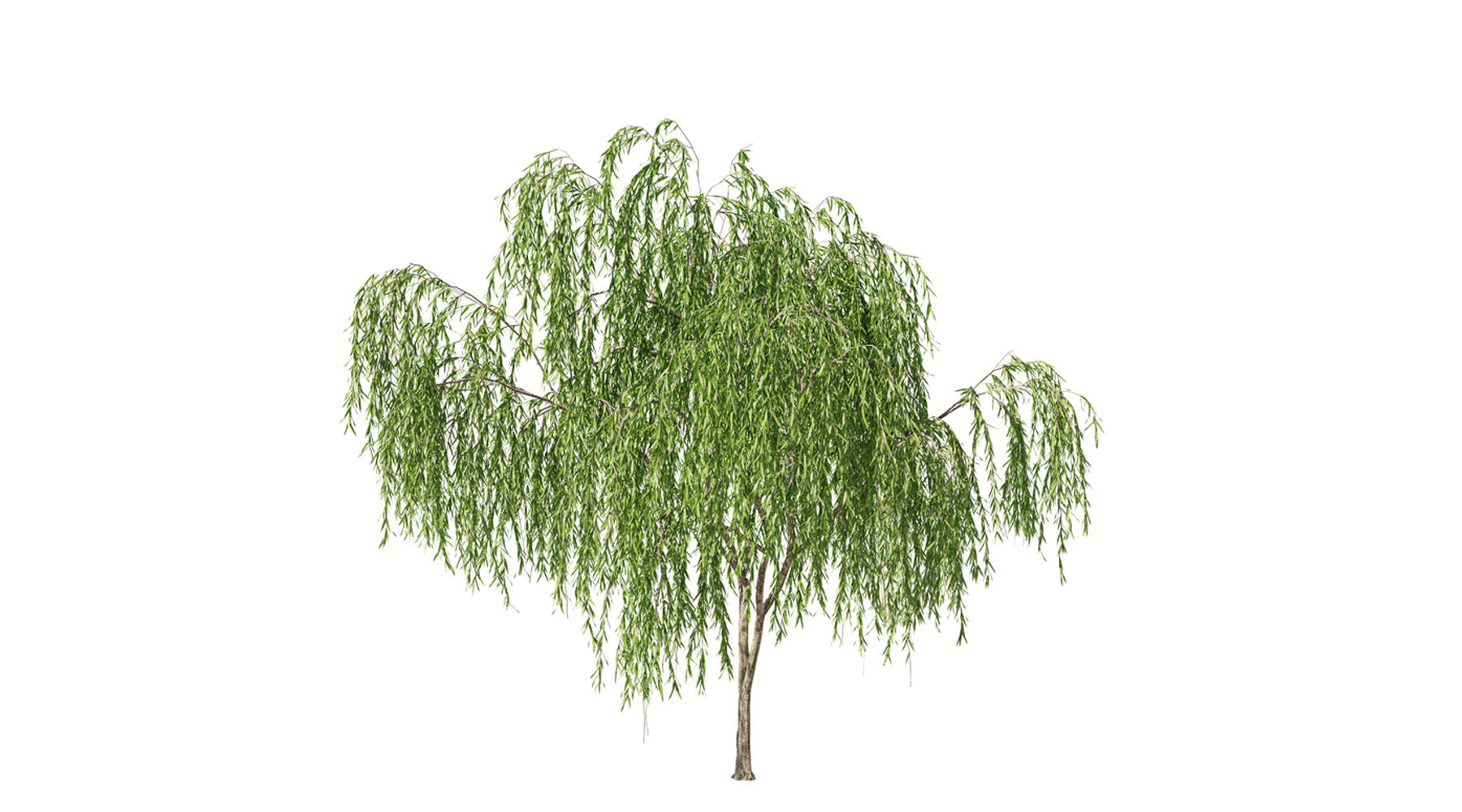
Unit price perSalix babylonica, commonly known as the weeping willow, is a majestic deciduous tree that belongs to the family Salicaceae. With its graceful and distinctive appearance, the Salix babylonica is widely recognized and admired around the world. Native to China, this tree has been cultivated for centuries and has found its way into various landscapes due to its ornamental value and environmental benefits.
The weeping willow is known for its unique weeping form, with its long, slender branches that droop gracefully towards the ground. It can reach impressive heights, often growing between 30 to 50 feet tall, with some exceptional specimens exceeding 100 feet. The branches are covered in narrow, lance-shaped leaves that are a vibrant green color, turning yellow in the fall before shedding for winter.
One of the most captivating features of the weeping willow is its pendulous branches, which sway and dance in the breeze, creating a mesmerizing display. These branches are adorned with slender, yellow-green catkins in the spring, adding a touch of beauty to the tree's overall appearance.
Salix babylonica thrives in moist environments and is commonly found near bodies of water such as rivers, streams, and lakes. It has an extensive root system that helps stabilize the soil, making it an excellent choice for erosion control along riverbanks and shorelines. Additionally, its dense foliage provides shade and helps regulate water temperature, benefiting aquatic ecosystems.
In addition to its aesthetic and environmental appeal, the weeping willow holds cultural and symbolic significance in various societies. It has been associated with mourning and grief in some cultures, while in others, it represents resilience, flexibility, and adaptability.
When it comes to cultivation, the weeping willow prefers full sun exposure and moist, well-drained soil. It is a fast-growing tree that requires regular pruning to maintain its elegant shape and prevent the branches from touching the ground. Care should be taken when planting near structures or underground utilities due to its invasive root system.
In conclusion, Salix babylonica, or the weeping willow, is a remarkable tree renowned for its graceful weeping form, pendulous branches, and vibrant foliage. It serves both practical and aesthetic purposes, making it a beloved choice for landscapes and water conservation efforts. Its cultural significance and captivating beauty have made it a cherished tree for centuries, captivating the hearts of those who encounter it.


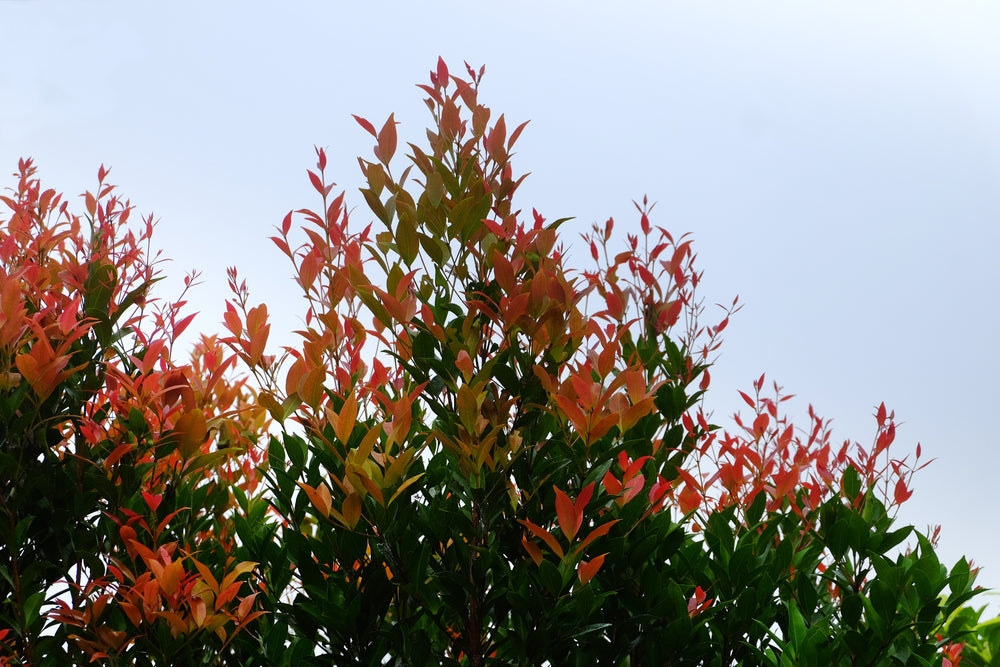
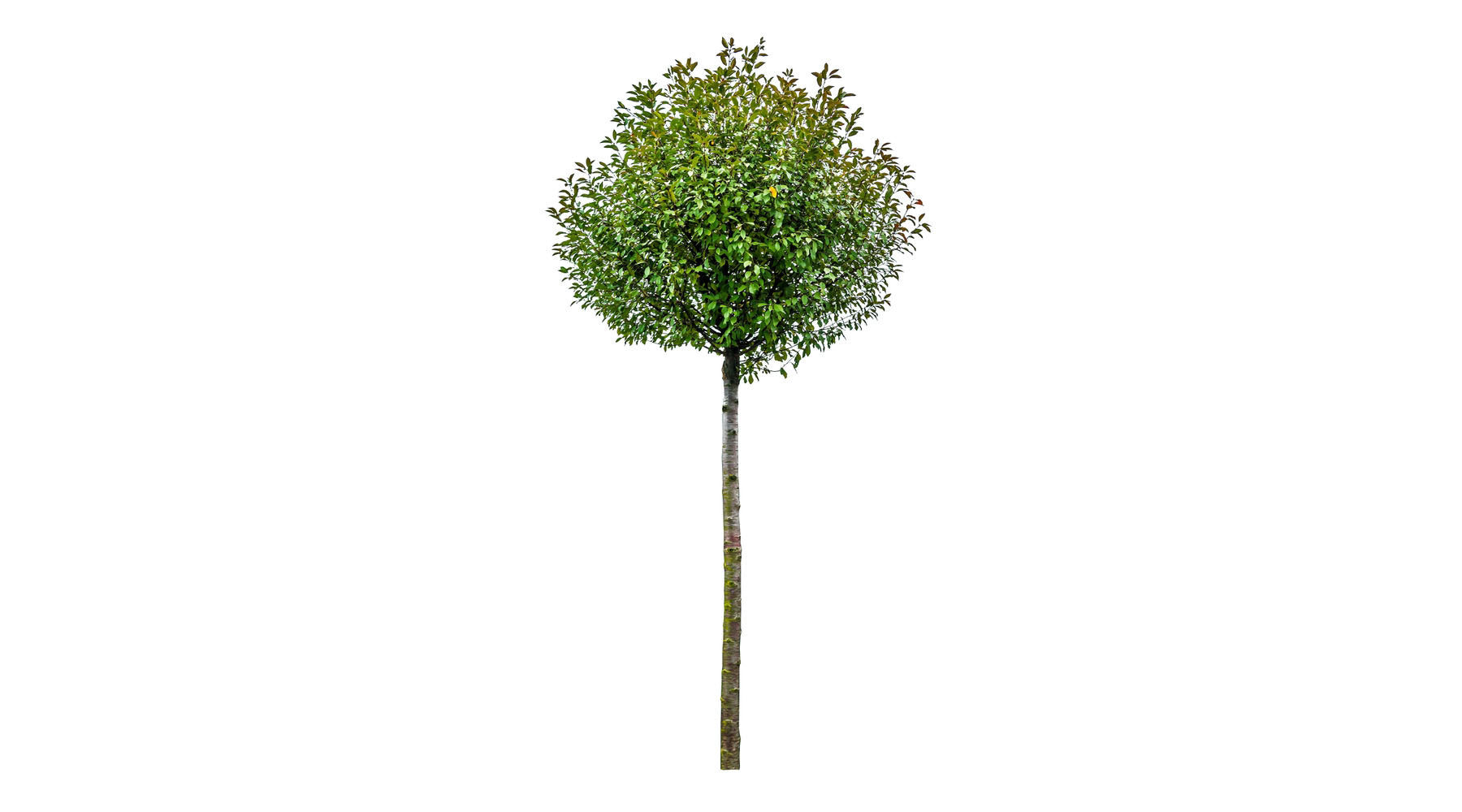
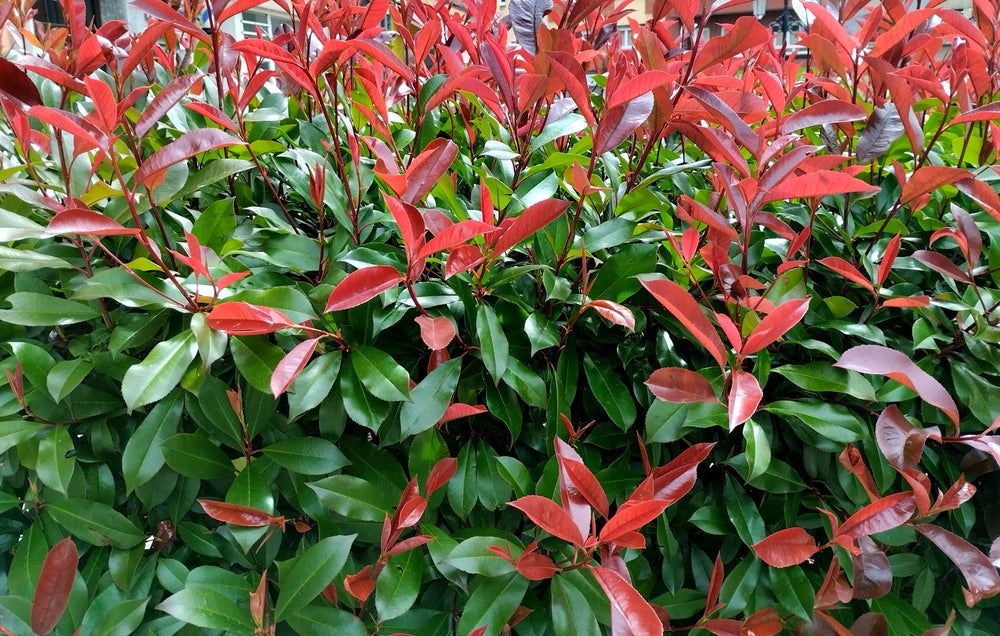
Photinia Red Robin - Standard screening tree -Clear Stem 180-190cm - Height 300-320cm - Girth 10-12cm - 90lt
£545.00
Unit price perPhotinia Red Robin - Standard screening tree -Clear Stem 180-190cm - Height 300-320cm - Girth 10-12cm - 90lt
£545.00
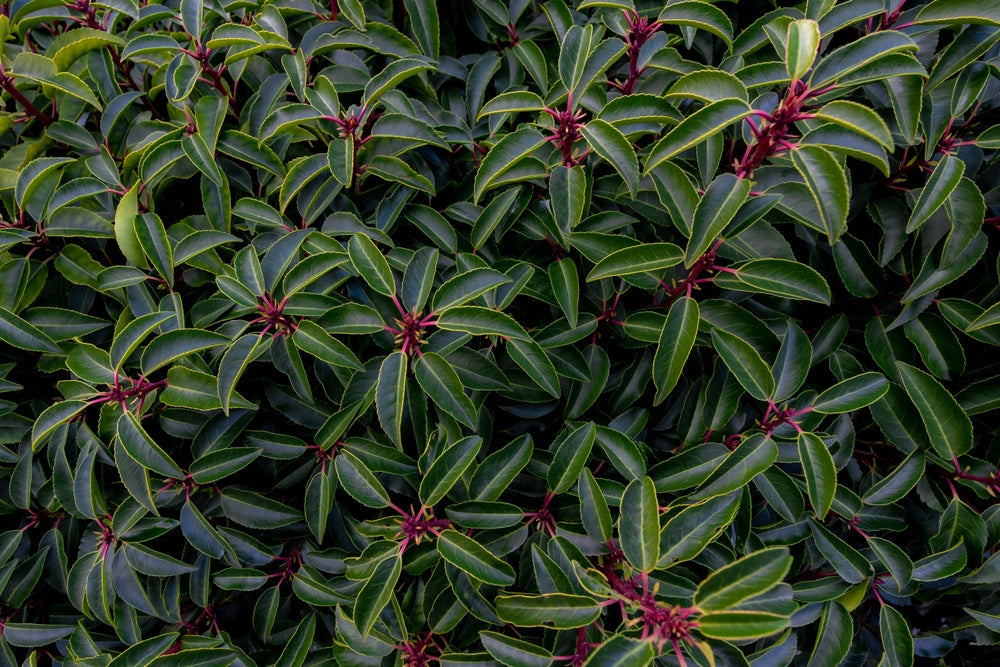
Unit price perPhotinia fraseri ‘Red Robin’ grown as a standard tree is an excellent choice for gardens seeking year-round structure, vibrant colour, and a smart formal appearance. Raised on a clear stem with a rounded head of evergreen foliage, it creates an elegant focal point for entrances, patios, driveways, terraces, and borders. Its most striking feature is the flush of brilliant red young leaves that appear in spring and again after trimming, gradually maturing to glossy dark green.
This attractive contrast of red and green provides long-lasting seasonal interest, while clusters of small creamy-white flowers may appear in late spring on established specimens. The neat tree form makes it especially useful where ground space is limited, allowing underplanting beneath the canopy or placement in pairs for symmetry.
Photinia ‘Red Robin’ thrives in full sun or partial shade and prefers fertile, well-drained soil. It is hardy and tolerant of urban conditions, coastal air, and routine pruning, making it highly adaptable for many garden settings. Light trimming after new growth helps maintain a dense crown and encourages further red foliage displays.
Ideal for contemporary, formal, or traditional gardens, this standard tree offers colour, privacy screening at height, and dependable evergreen presence. It is a stylish, low-maintenance option that adds instant maturity and strong visual impact.


Rose 'Giallo Sfumato' - Clear Stem 80-90cm - Height 130-160cm - 18lt
£60.00
Unit price perRose 'Giallo Sfumato' - Clear Stem 80-90cm - Height 130-160cm - 18lt
£60.00
Unit price perRose ‘Giallo Sfumato’ grown as a standard (tree) rose is a refined and eye-catching feature, offering softly blended yellow blooms with subtle tonal variations held above a clear stem. This elevated form creates a graceful focal point, adding height, structure, and seasonal colour to any garden setting.
It is particularly well suited to formal gardens, courtyard spaces, and patios where its elegant flower colour can be appreciated at eye level. When planted in pairs, it creates a balanced and decorative framing effect for entrances, pathways, or seating areas, while a single specimen works beautifully as a standalone feature in a container or central border position.
Best grown in a sunny, open site, it thrives with plenty of light, which enhances flowering and brings out the delicate colour transitions in the petals. It prefers fertile, well-drained soil and benefits from good air circulation to maintain healthy growth and reliable repeat blooming.
As a standard rose, ‘Giallo Sfumato’ requires regular care, including feeding during the growing season, deadheading spent blooms, and annual pruning in late winter or early spring to maintain a balanced, rounded crown and encourage strong new growth.


Cydonia oblonga | Common Quince Half Standard - Clear Stem 100cm - Girth 10-12cm - Height 320-350cm - 90lt
£325.00
Unit price perCydonia oblonga | Common Quince Half Standard - Clear Stem 100cm - Girth 10-12cm - Height 320-350cm - 90lt
£325.00
Unit price perCydonia oblonga (Quince) 1/2 std is a large, deciduous shrub or small tree with broadly oval, mid-green leaves with grey undersides. Large, solitary, five-petal, pale pink to white flowers bloom in late spring, and edible, aromatic, round or pear shaped, bright yellow fruits ripen in autumn. Fruits can be eaten fresh, but when cooked the taste is better and sweeter. Perfect for jams, jellies, or pies.
Cydonia oblonga (Quince) 1/2 std can grow in almost any kind of soil, as long as it is moist, and well-drained, but it prefers fertile, deep, slightly acidic, well-drained soil in full sun. Once established, it tolerates dry soils. Cydonia oblonga (Quince) 1/2 std trees are great as specimen plants or informal hedges and screens. They are mostly grown for their fruit. Commercial production has decreased significantly in US and Europe, but it is still a popular fruit in Turkey and some parts of Asia.