

-
Trees
Trees
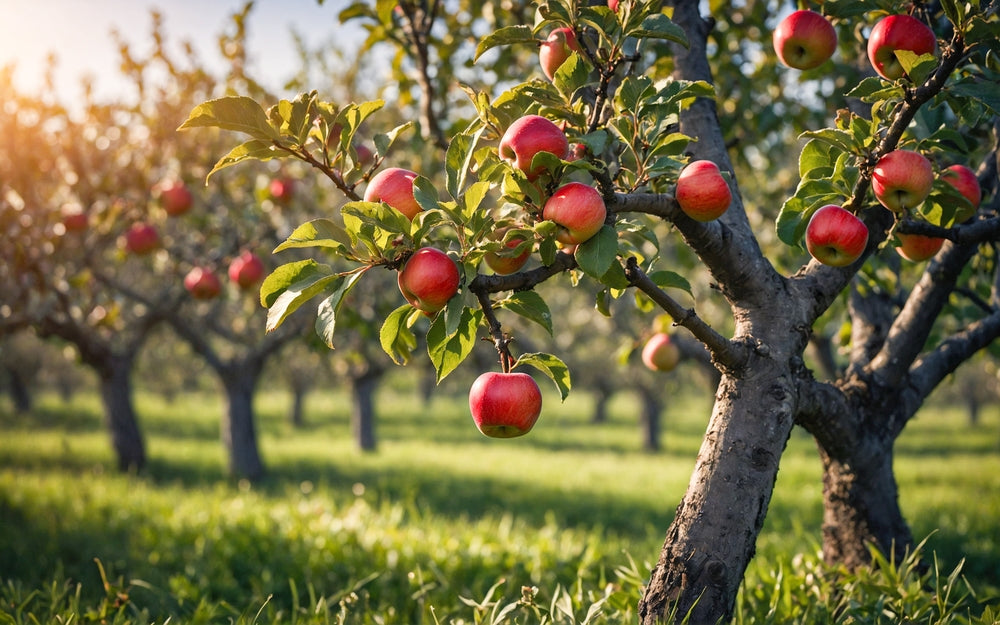 Fruit Trees
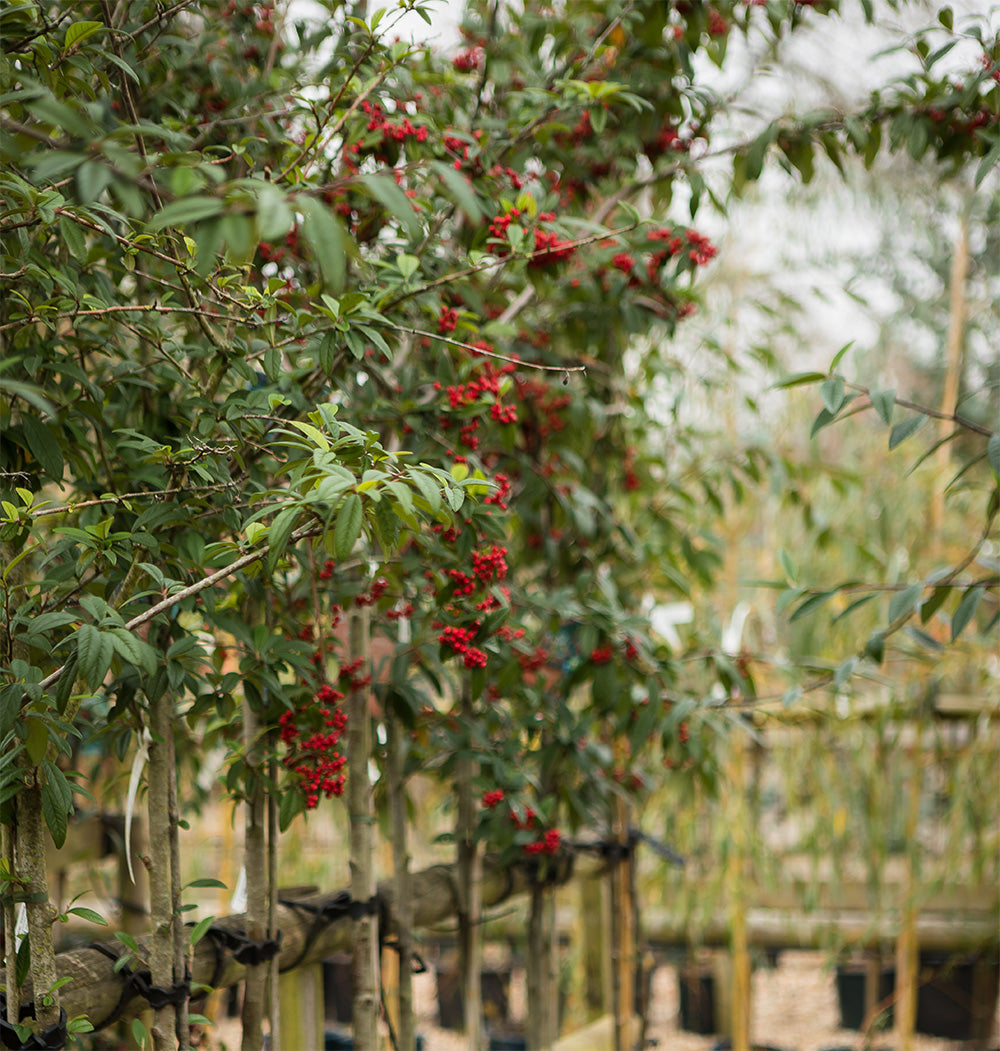 Ornamental
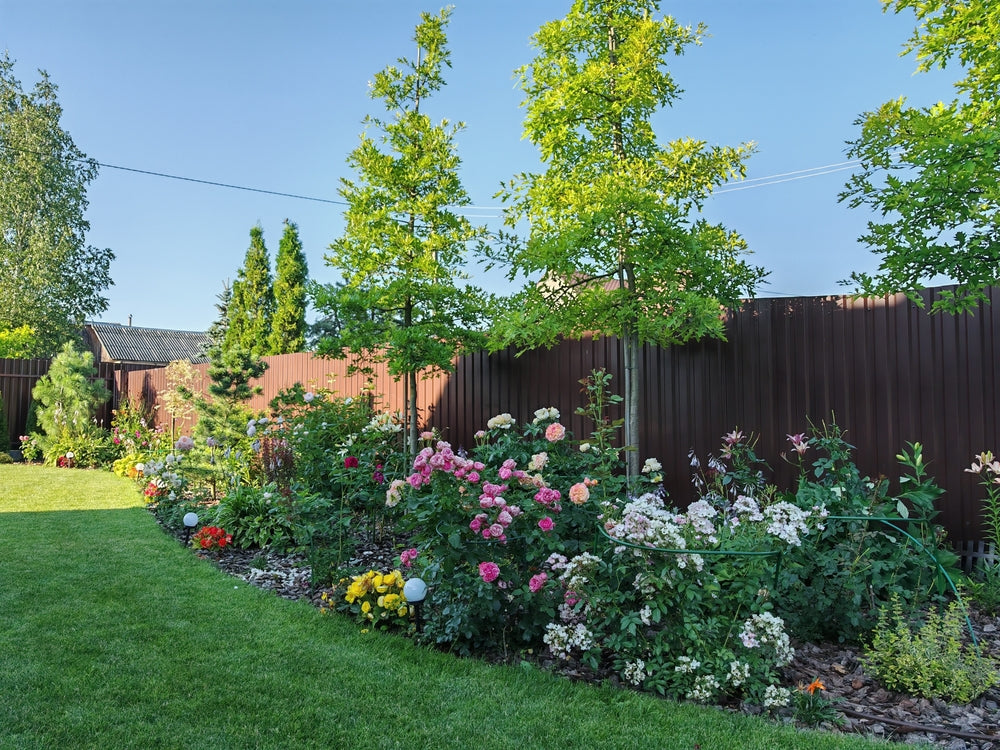 Screening
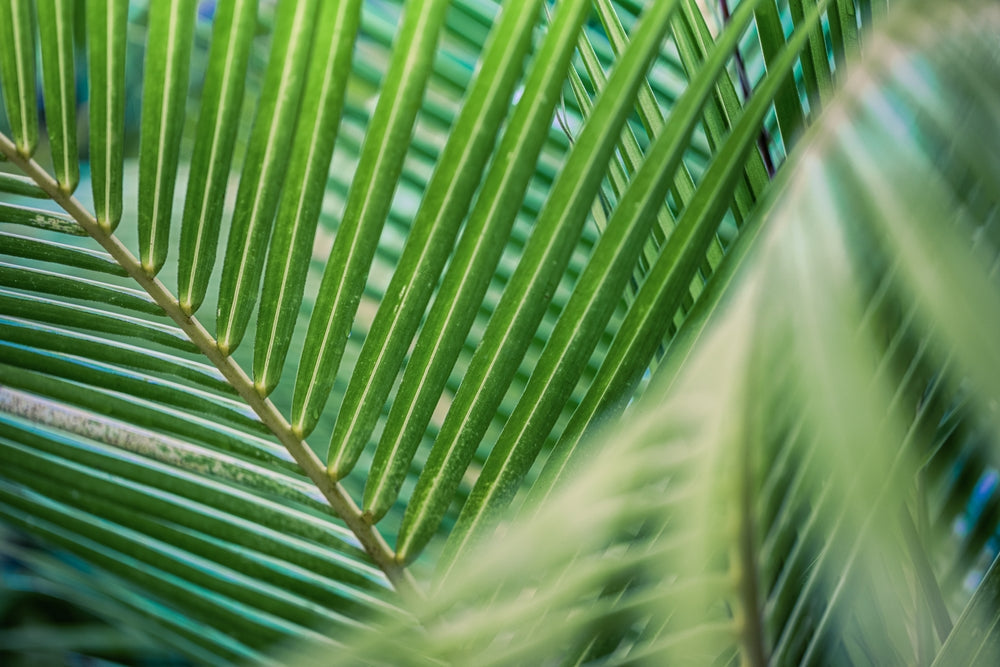 Palms
By FeaturesBy Shape
Palms
By FeaturesBy Shape -
Shrubs
Shrubs
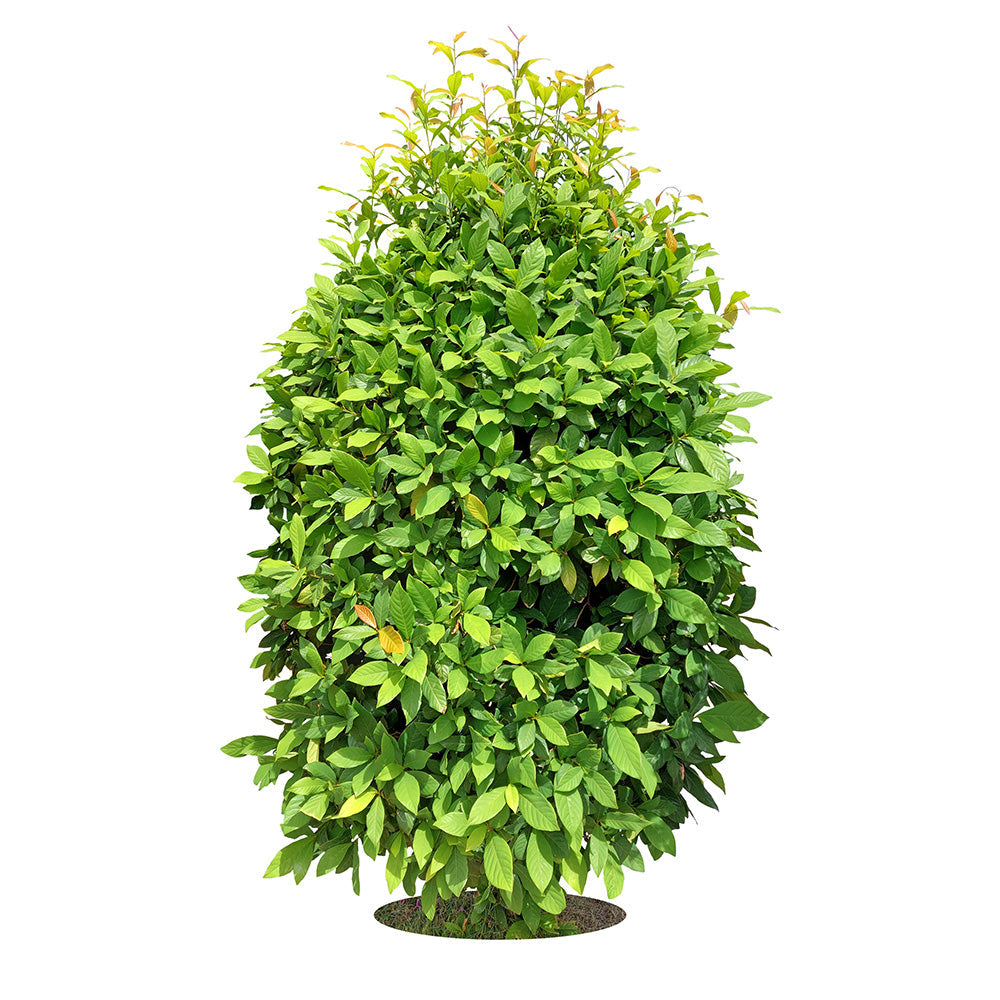 Large shrubs
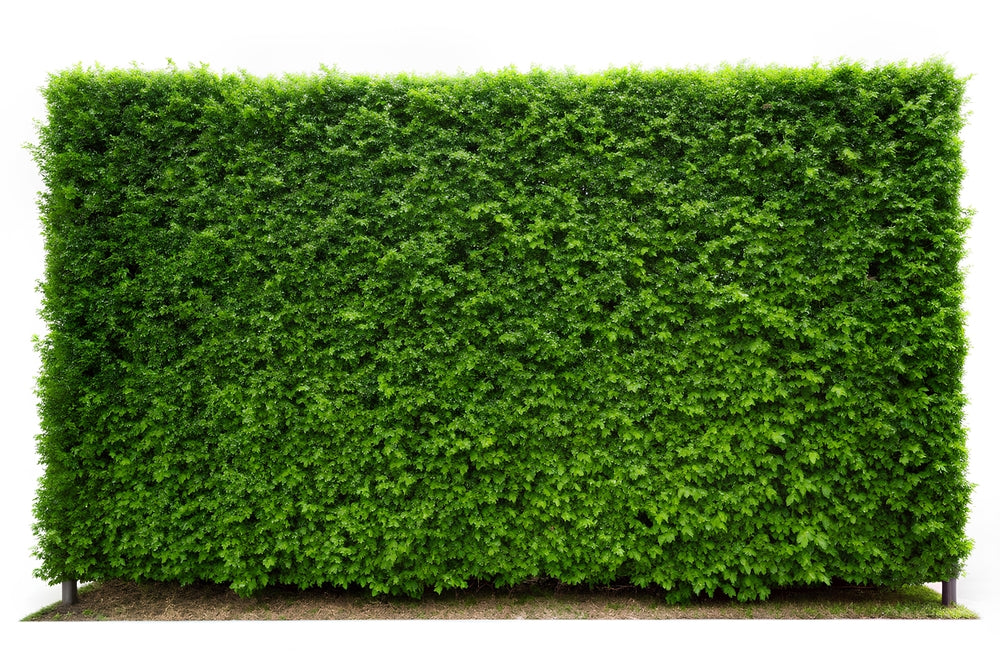 Hedging
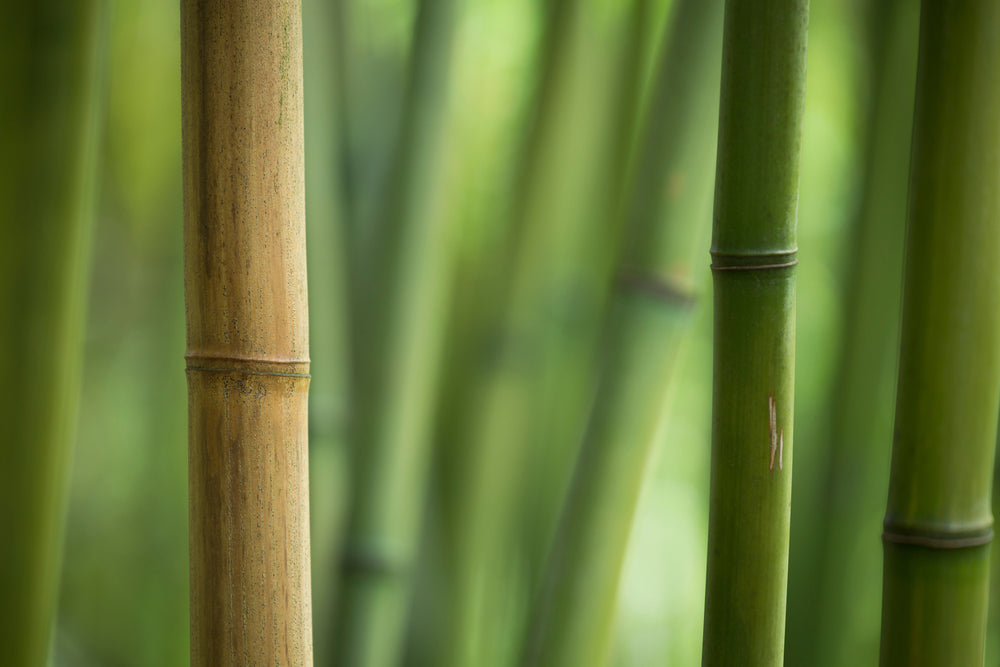 Bamboo
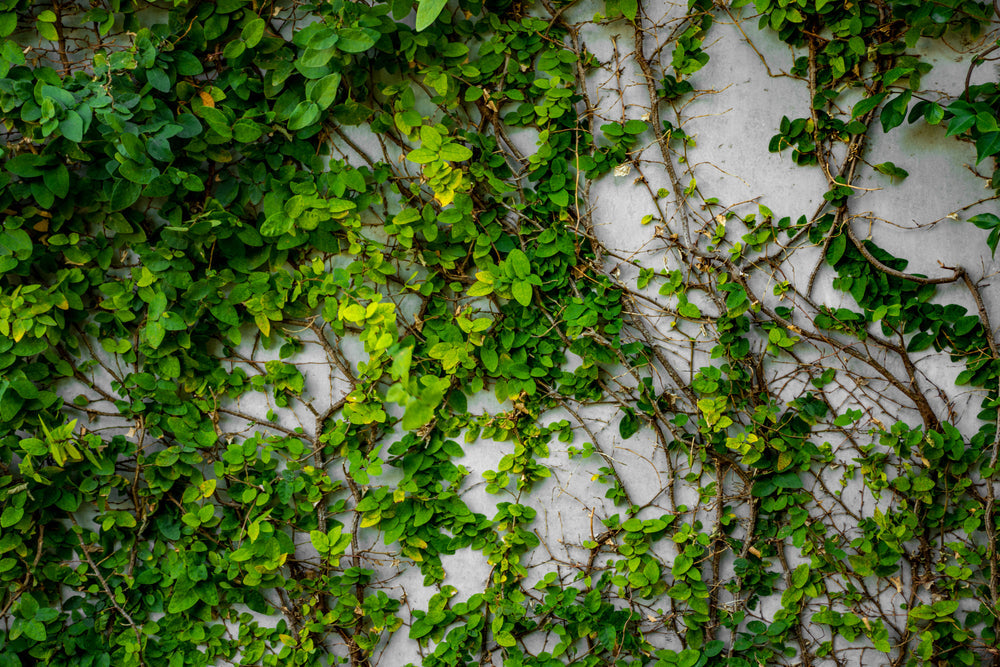 Climbers
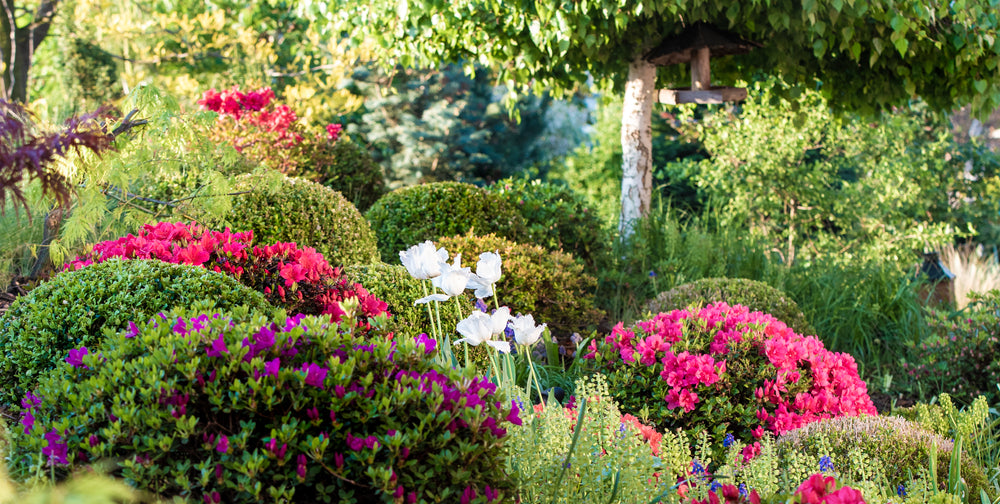 Flowering
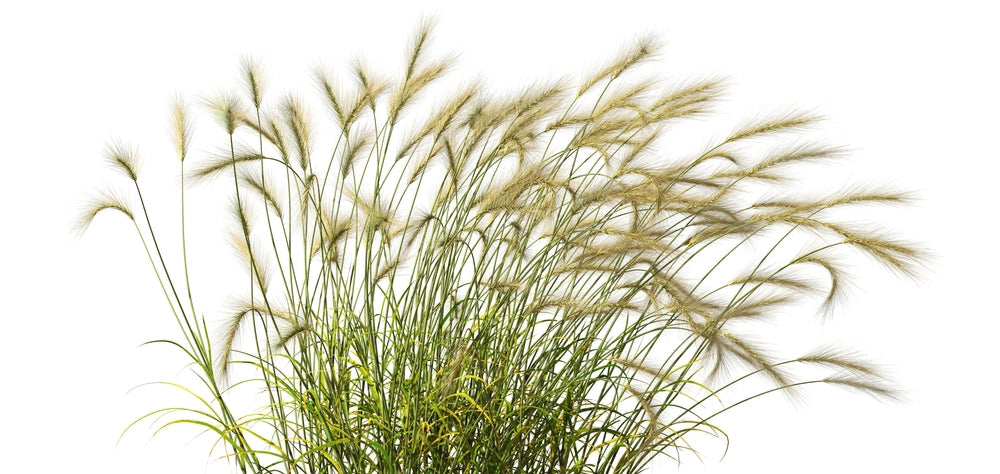 Grasses & Ferns
 Popular
-
Pines & Conifers
Pines & Conifers
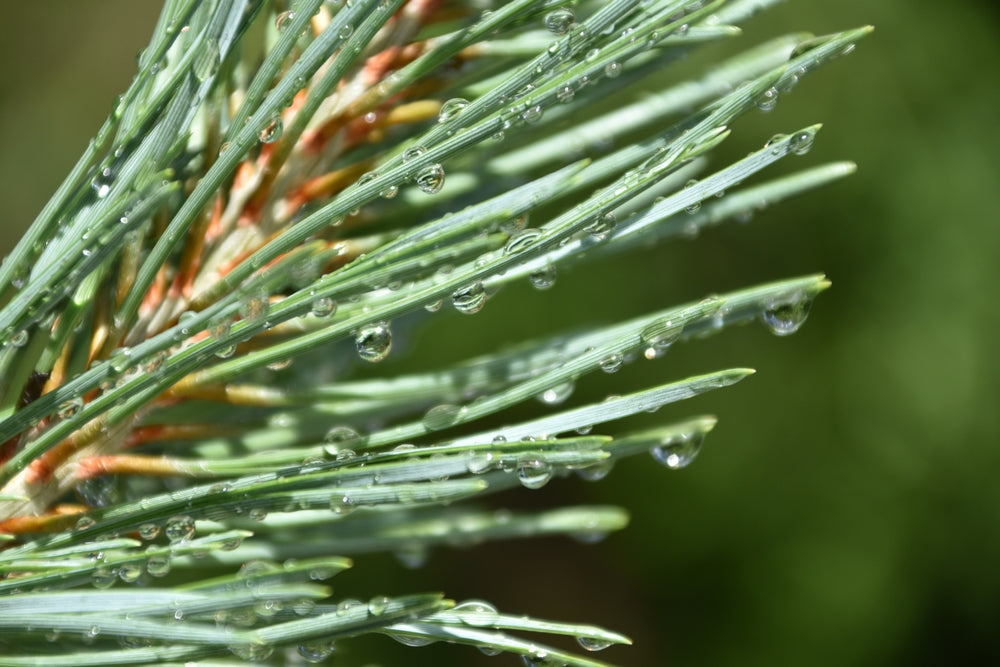 Pines
Pines
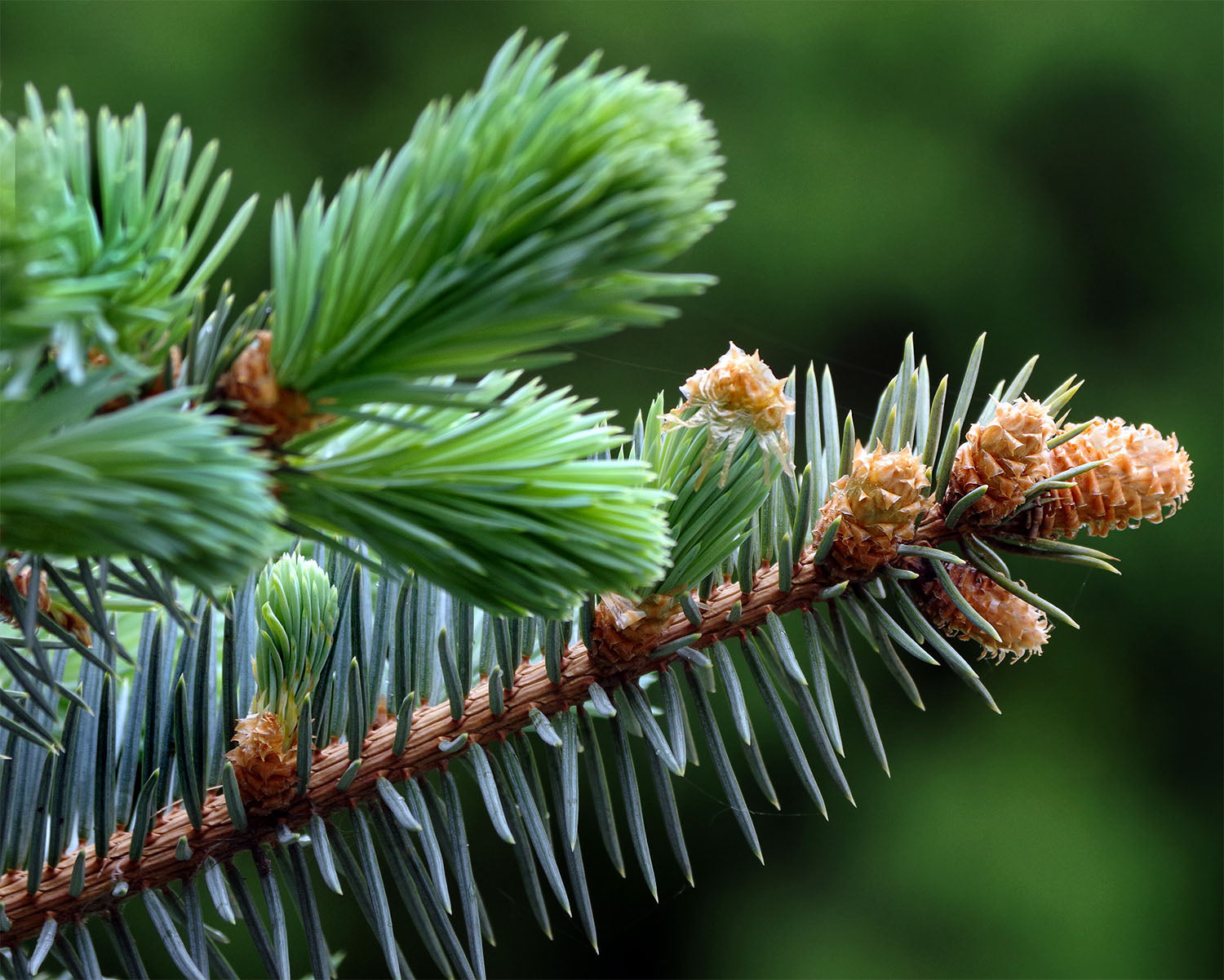 Spruce & Fir
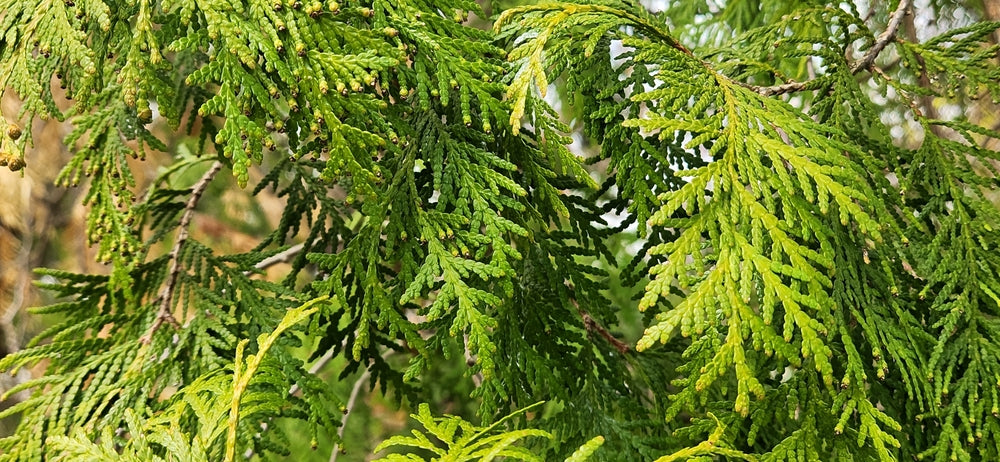 Cypress
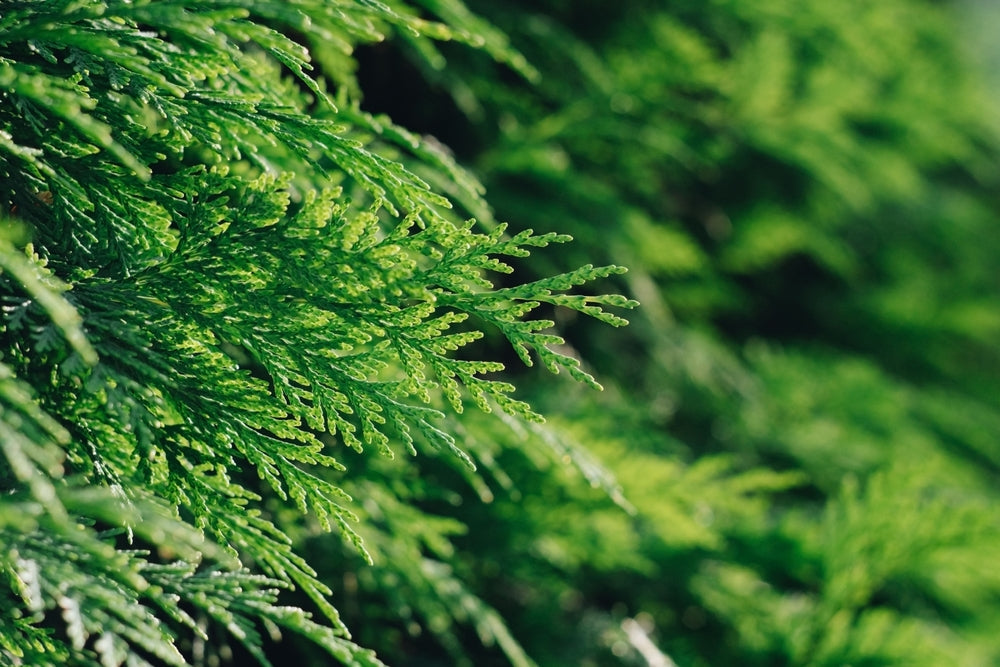 Thuja
Thuja
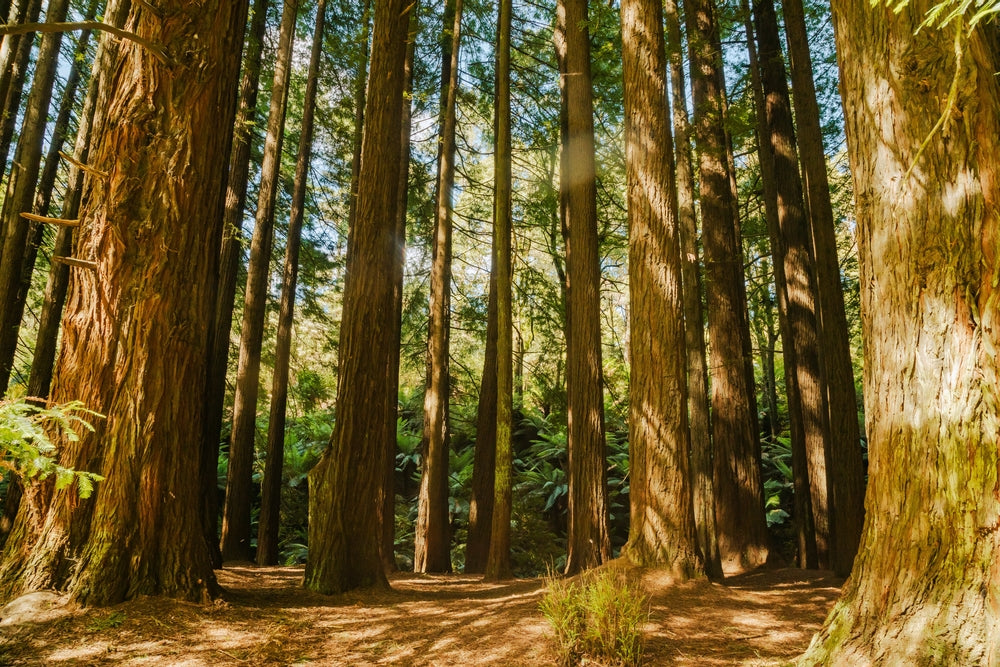 Redwood | Sequoia
-
Specimen
FREE DELIVERY OVER £350
Search results
Search results


Downy Oak | Italiak Oak | Quercus pubescens - Height 180-200cm - Girth 6-8cm - Pot Grown - 10lt
£132.00
Unit price perDowny Oak | Italiak Oak | Quercus pubescens - Height 180-200cm - Girth 6-8cm - Pot Grown - 10lt
£132.00
Unit price perQuercus pubescens, commonly known as the downy oak, is a majestic deciduous tree native to the warm, sunlit landscapes of southern Europe. It is instantly recognizable by its softly textured, velvety leaves when young, which later mature into a rich green canopy that shifts to golden tones in autumn. Its thick, rugged bark and deeply rooted strength make it a symbol of resilience, endurance, and natural harmony. The downy oak thrives in limestone-rich soils and sun-drenched environments, embodying adaptability and a close connection to the land. For centuries, it has been valued not only for its ecological importance but also for its cultural symbolism—representing longevity, stability, and balance. Quercus pubescens brings with it the essence of Mediterranean heritage and timeless nature, making it an inspiring element for sustainable, eco-conscious products that draw on tradition while embracing the future. A true emblem of strength and beauty.


Himalayan Silver Birch |Betula utilis - Multi Stem - Height 310-350cm - 130lt
£765.00
Unit price perHimalayan Silver Birch |Betula utilis - Multi Stem - Height 310-350cm - 130lt
£765.00
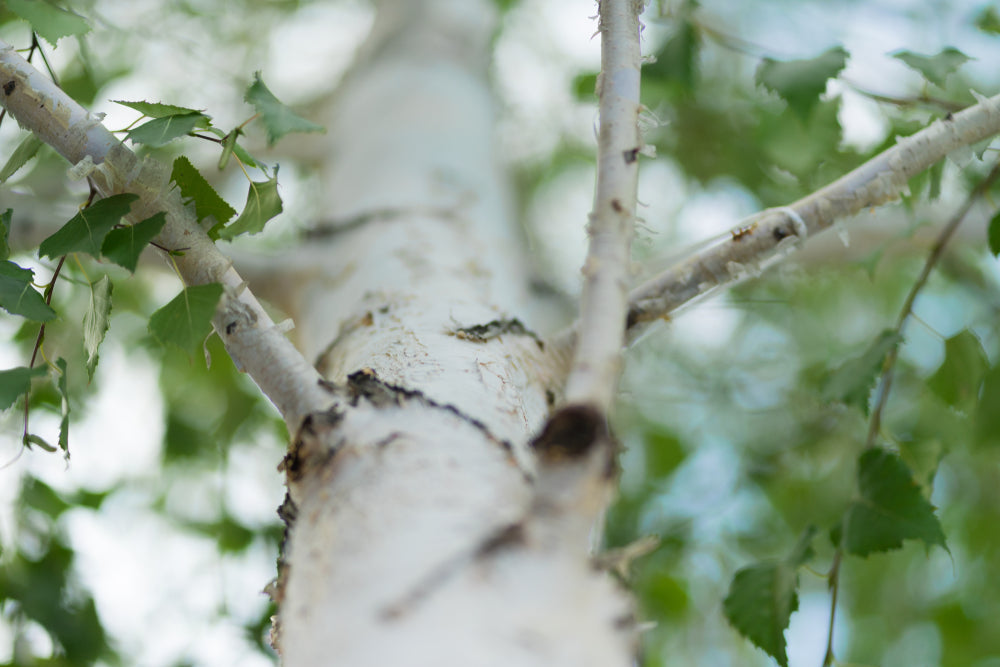
Unit price perBetula utilis var. jaquemontii, or West Himalayan Birch, is one of the most popular birch trees. It is a medium-sized, vigorous, deciduous tree with upright, pyramidal habit. It is famous for its beautiful snow-white peeling bark, the whitest that can be found among birch varieties. Its leaves are ovate, dark green and turn bright yellow in autumn. Male flowers are yellowish-brown and appear in dropping catkins, while female flowers are greenish and appear in upright catkins.
West Himalayan Birch can grow in any type of soil, even sand or clay, as long as it is moist and well-drained. It thrives in full sun or partial shade. It is extremely hardy and does best in cool northern climates. Does not tolerate heat and humidity. Betula utilis var. jaquemontii is a very attractive tree, perfect as a specimen plant or in beds and borders. Great for cottage and urban gardens, avenues and broad streets. Suitable for roof gardens and growing in containers.


Alnus Incana - Grey Alder tree - Clear Stem - Standard - Girth 12-14cm - Height 450-480cm - 70lt
£390.00
Unit price perAlnus Incana - Grey Alder tree - Clear Stem - Standard - Girth 12-14cm - Height 450-480cm - 70lt
£390.00
Unit price perAlnus incana, commonly known as grey alder, is a deciduous tree belonging to the birch family, Betulaceae. Native to Europe, Asia, and North America, it is a resilient species often found in riparian zones, wetlands, and areas with moist soils. This medium-sized tree typically grows to heights of 15 to 25 metres, with a slender trunk and smooth, greyish-brown bark, which often develops fine fissures with age.
The leaves of Alnus incana are oval to elliptic in shape, measuring 5 to 10 centimetres in length. They are characterised by their serrated margins and a dark green upper surface, with a paler, slightly downy underside, giving them a distinct two-tone appearance. The leaves emerge in early spring and typically turn yellow before falling in autumn.
Grey alder is monoecious, meaning that both male and female reproductive structures are found on the same tree. The male catkins, which are long and pendulous, appear in early spring before the leaves, while the smaller, more upright female catkins develop into woody cones that persist on the tree through the winter. These cones release small winged seeds, which are dispersed by wind and water.
One of the notable features of Alnus incana is its ability to fix nitrogen through a symbiotic relationship with the bacterium *Frankia*. This allows it to thrive in nutrient-poor soils and contribute to soil fertility, making it a valuable species for land restoration and erosion control.
Grey alder is often planted in landscaping and reforestation projects, particularly in areas prone to flooding or soil degradation. Its rapid growth, hardiness, and ecological benefits make it an important species in maintaining the health of wetland ecosystems.
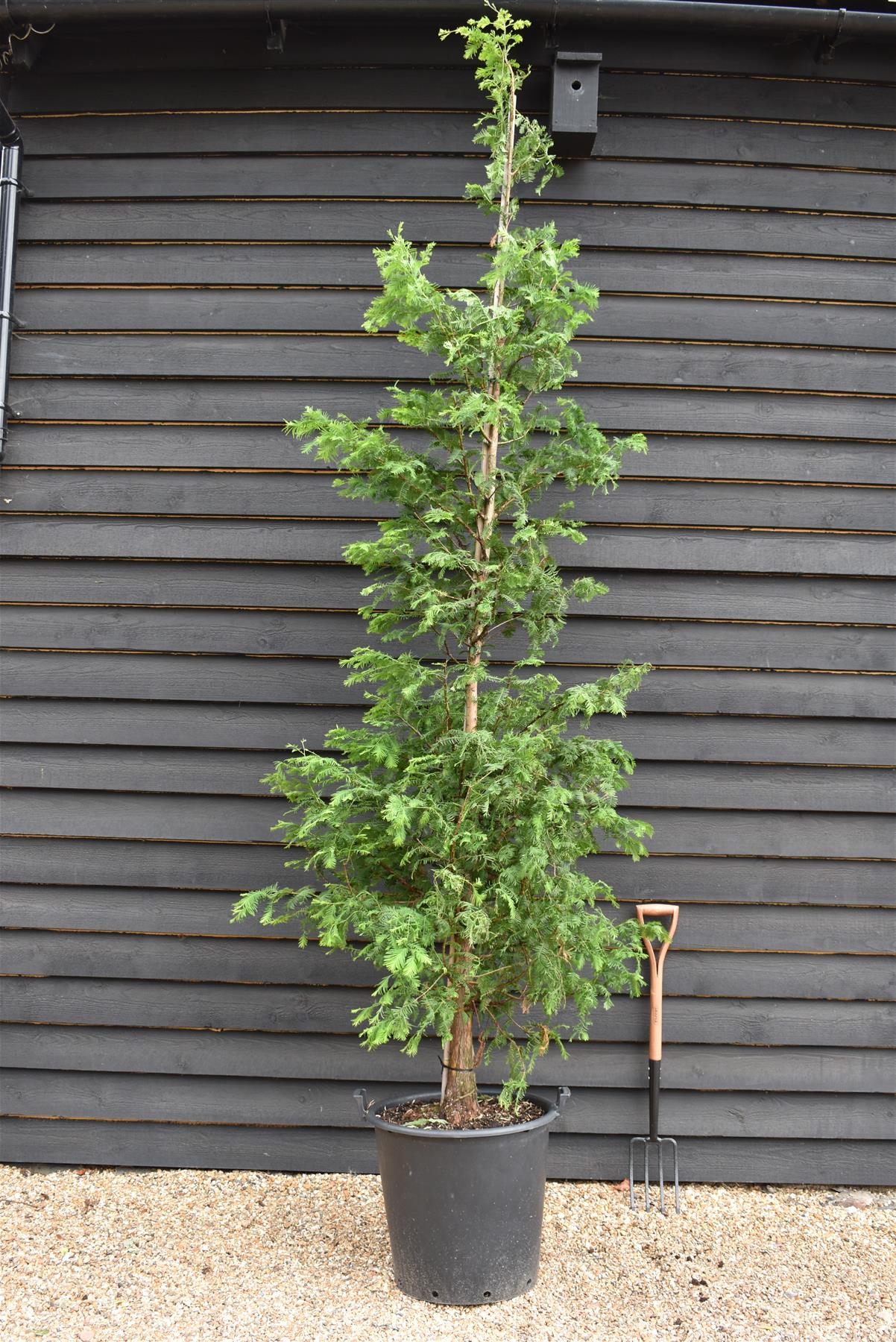

Metasequoia glyptostroboides | Dawn Redwood - Girth 10-12cm - Height 320-340cm - 70lt
£490.00
Unit price perMetasequoia glyptostroboides | Dawn Redwood - Girth 10-12cm - Height 320-340cm - 70lt
£490.00
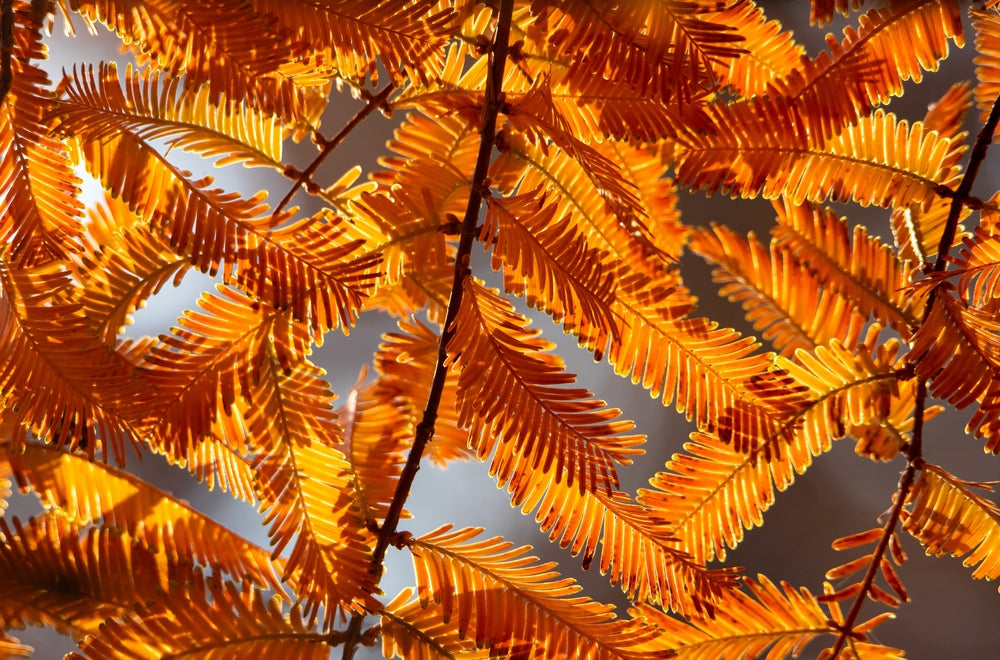
Unit price perThe Metasequoia glyptostroboides, commonly known as the dawn redwood, is a deciduous conifer belonging to the family Cupressaceae. It is one of only three species of redwood trees and is renowned for its prehistoric origins, often referred to as a "living fossil."
This remarkable tree can grow to impressive heights of up to 40 metres (130 feet) with a conical shape. The bark is reddish-brown, fibrous, and peels off in long strips, giving it a distinctive appearance. The leaves are needle-like, arranged oppositely on the branches, and turn a rich bronze or golden-brown before falling in the autumn. This seasonal shedding of leaves distinguishes the dawn redwood from its evergreen relatives.
Metasequoia glyptostroboides thrives in temperate climates and prefers moist, well-drained soils, often found near rivers and wetlands. Its growth rate is rapid, making it a popular choice for ornamental planting in parks and gardens worldwide. Despite its prehistoric lineage, the dawn redwood has adapted well to cultivation and can withstand urban conditions, including pollution and compacted soils.
The tree's history is fascinating, as it was once thought to be extinct and only known through fossil records until its rediscovery in the 1940s. Since then, efforts have been made to propagate and preserve this species, ensuring its survival and increasing its presence in both natural and managed landscapes.


Cryptomeria japonica 'Globosa Nana' |Japanese cedar - Height 40-50cm 10lt
£95.00
Unit price perCryptomeria japonica 'Globosa Nana' |Japanese cedar - Height 40-50cm 10lt
£95.00
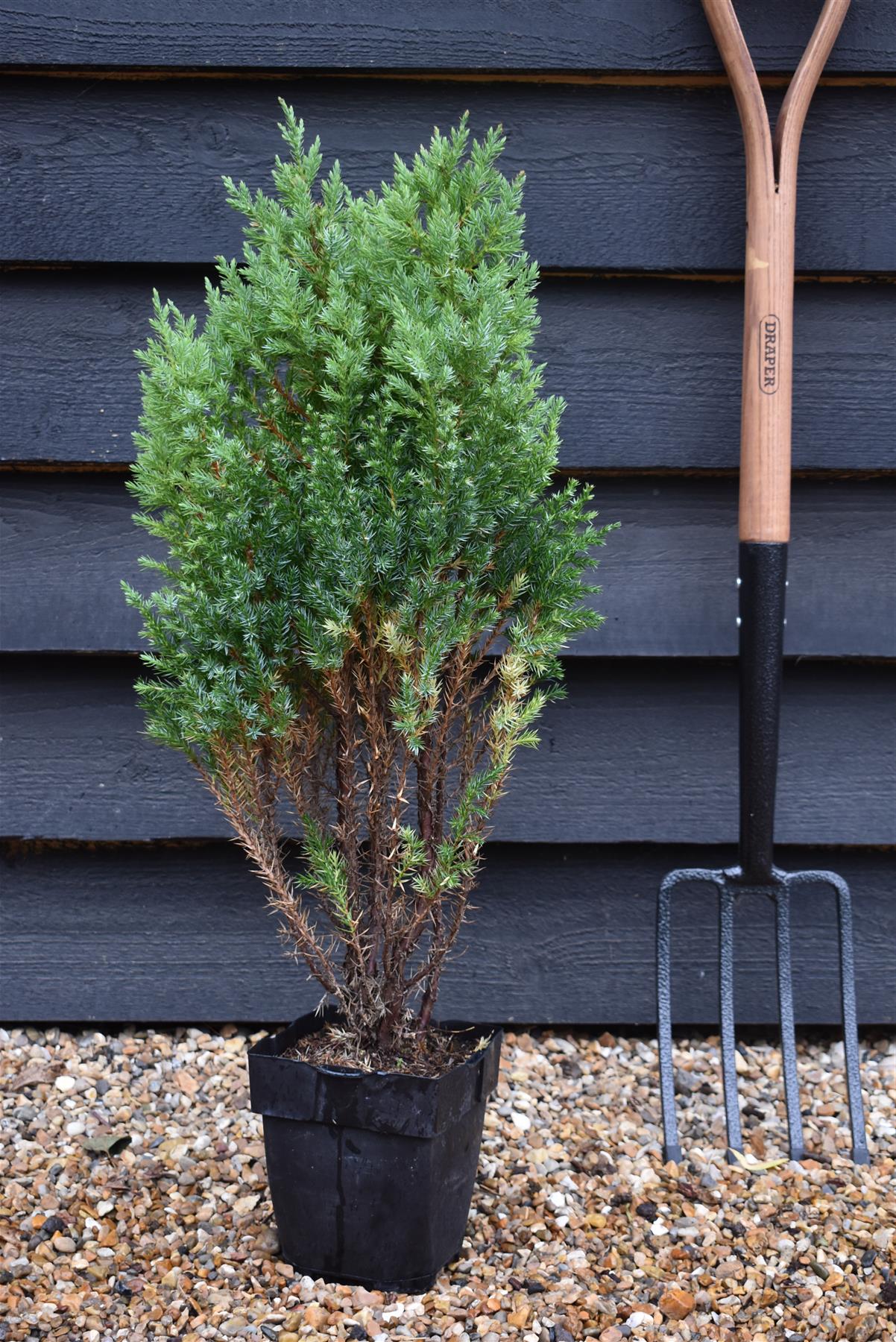
Unit price perCryptomeria japonica 'Globosa Nana' is a lovely, dwarf, slow-growing, coniferous, evergreen shrub with a dense, dome-shaped habit and blue-green, needle-like leaves that curve inwards, yellowish-green in summer, bronze in winter. Spherical cones appear in autumn.
Cryptomeria japonica 'Globosa Nana' can grow in any type of soil, but prefers moist and well-drained soils. It preforms best in full sun to partial shade. It is resistant to frost, but needs to be sheltered from harsh and drying winds. Generally, pest-free and disease-free. Low maintenance plant. It keeps its neat, rounded shape without any maintenance. Very easy to grow and a good alternative to boxwood.
Japanese cedar 'Globosa Nana' is a lovely, little, soft and fluffy shrub with great shape and beautiful foliage. It is perfect for informal, cottage, and rock and gravel gardens. Excellent for beds and borders, low hedges, or for growing in pots and containers. Suitable for making topiaries.


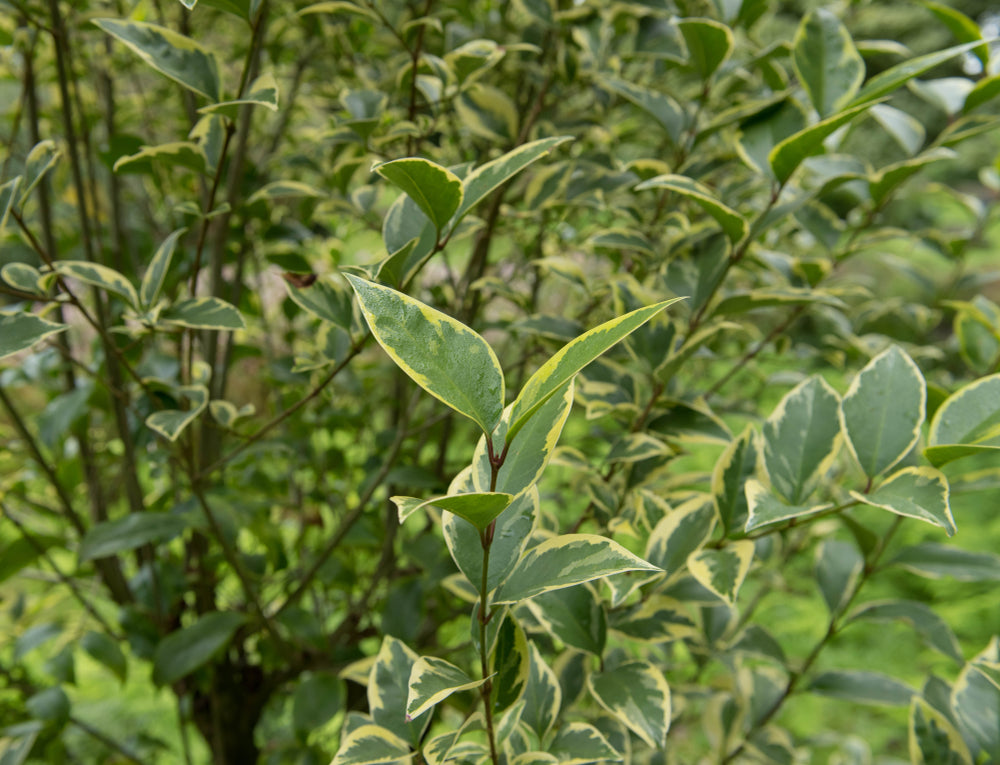
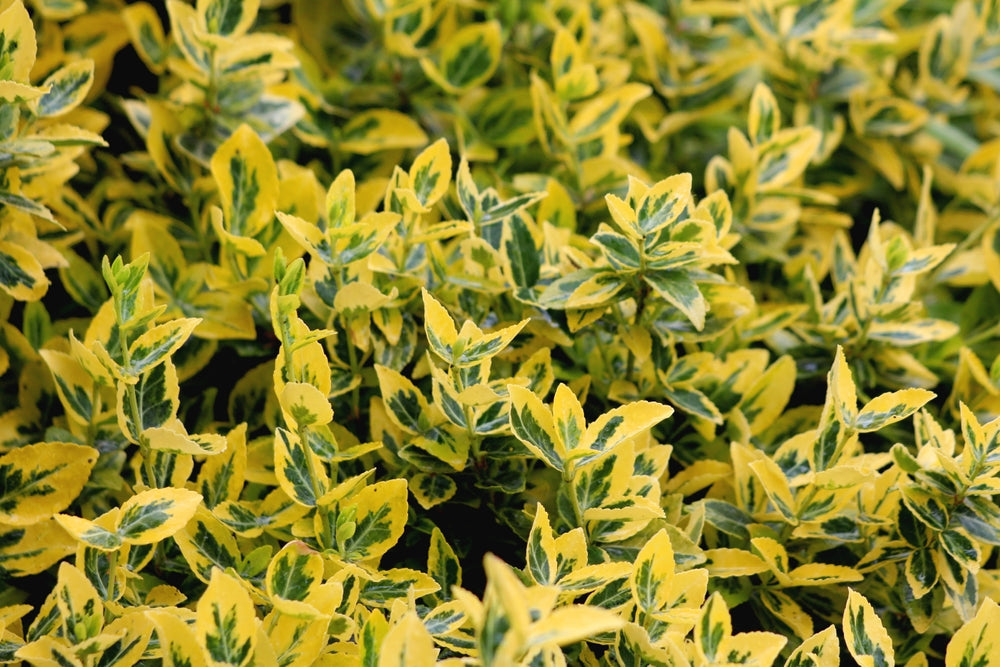
Euonymous Japonica Gold Queen - Height 60-70cm - 20lt
£63.00
Unit price perEuonymous Japonica Gold Queen - Height 60-70cm - 20lt
£63.00
Unit price per


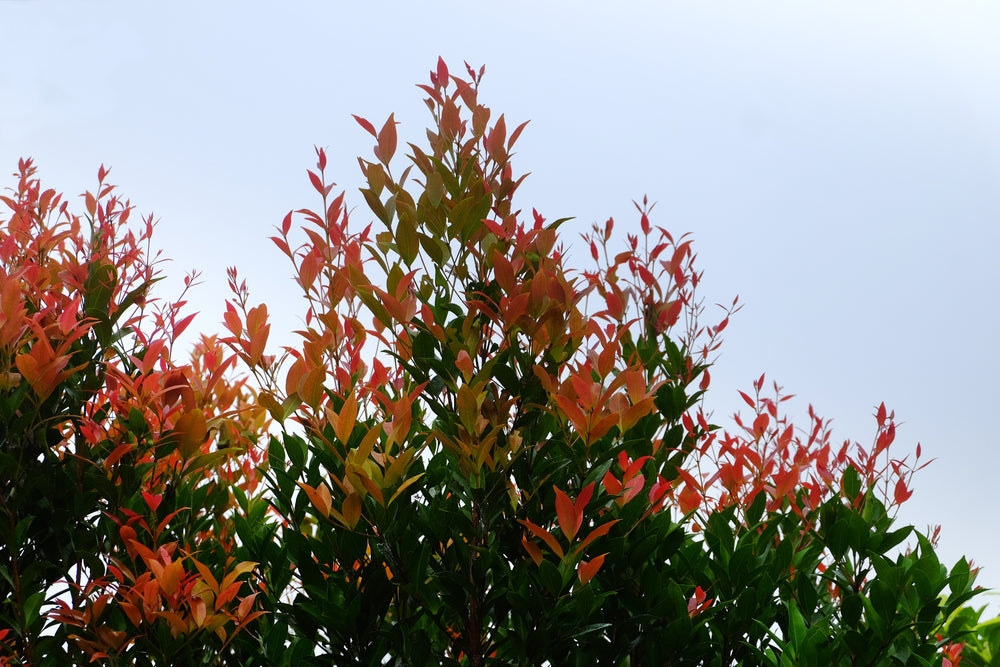
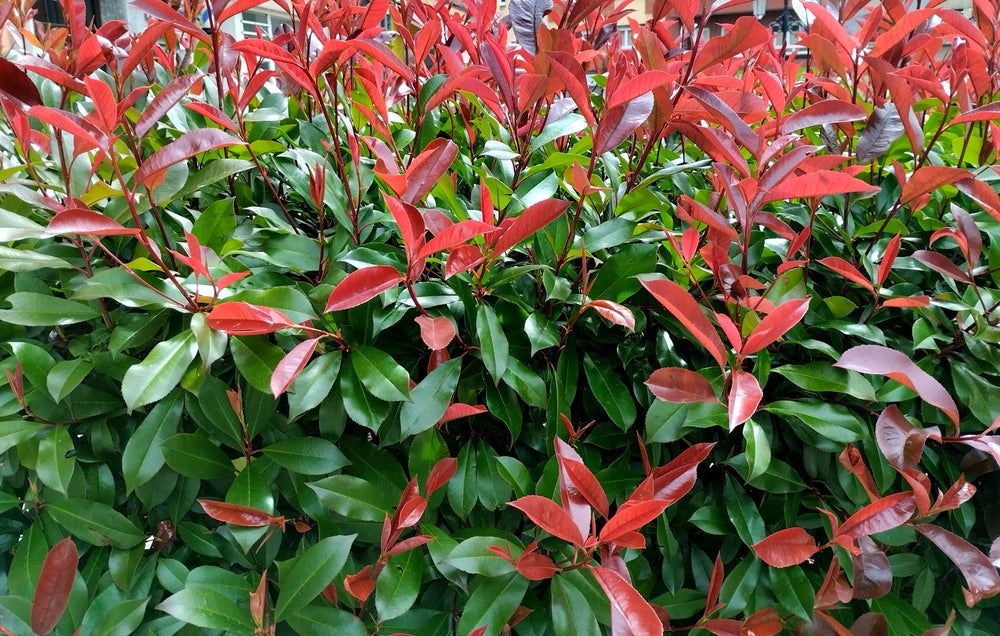
Photinia 'Atropurpurea Nana' | Japanese barberry 'Atropurpurea Nana' Half Standard - Height 120-130cm, - 30lt
£140.00
Unit price perPhotinia 'Atropurpurea Nana' | Japanese barberry 'Atropurpurea Nana' Half Standard - Height 120-130cm, - 30lt
£140.00
Unit price per


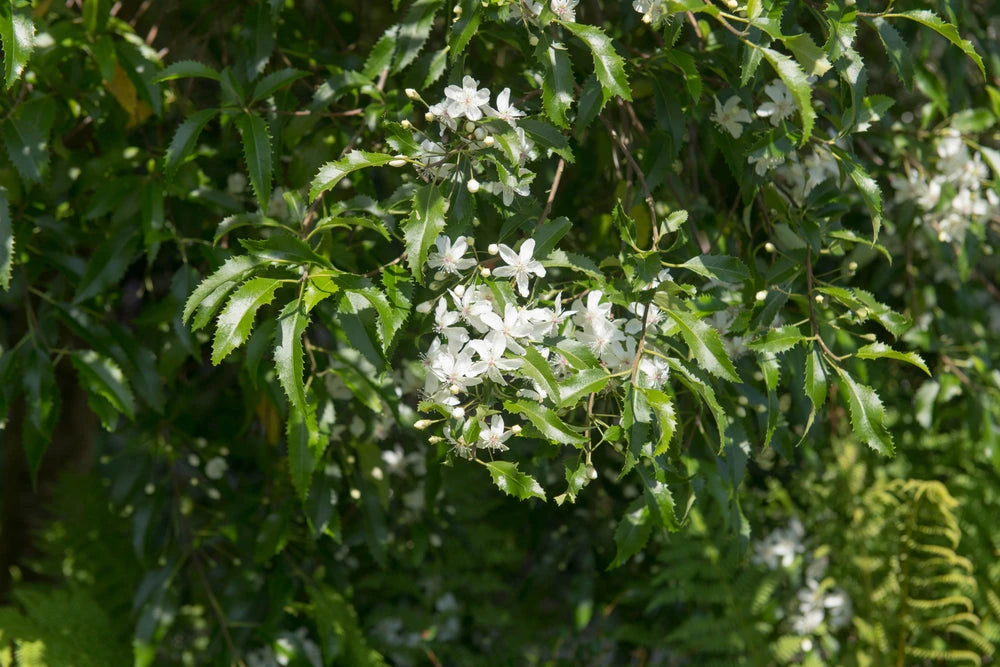
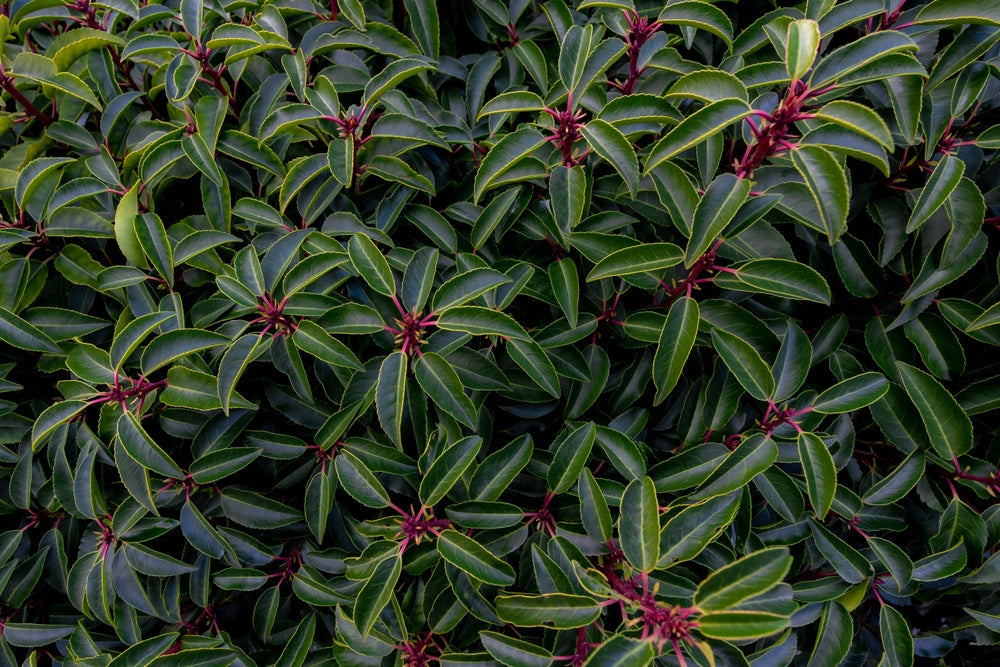
Prunus lusitanica 'Myrtifolia,' commonly known as Portuguese Laurel or Myrtle-leaf Cherry, is a beautiful evergreen tree that belongs to the Rosaceae family. Native to Portugal, it has become a popular ornamental tree in gardens and landscapes around the world. This compact tree can reach a height of about 6-10 feet (2-3 meters) and a spread of 4-6 feet (1.2-1.8 meters), making it ideal for smaller spaces or as a hedging plant.
One of the most striking features of Prunus lusitanica 'Myrtifolia' is its glossy, dark green leaves, which have a unique myrtle-like shape. The leaves are lance-shaped, elliptical, and have finely serrated edges. They provide a year-round display of rich green foliage, adding an elegant touch to any setting.
In late spring and early summer, this tree produces small, fragrant, creamy-white flowers in dense, erect clusters. The blossoms are a valuable nectar source for pollinators like bees and butterflies. Once pollinated, the flowers give way to small, round, red to dark-purple berries, adding further visual interest and attracting birds to the garden.
The 'Myrtifolia' variety of Prunus lusitanica is prized for its compact growth habit, making it an excellent choice for hedges, borders, or screens. When planted closely together, the trees form a dense, evergreen barrier, providing privacy and a lush backdrop for other garden elements. Additionally, the tree's dense foliage also acts as a natural sound barrier, reducing noise pollution.
This tree is adaptable to a range of soil types, from sandy to clayey, and prefers well-drained soil. It thrives in full sun to partial shade and is relatively low-maintenance once established. Regular watering during its initial growth period helps establish a strong root system, after which it becomes moderately drought-tolerant.
While generally hardy, Prunus lusitanica 'Myrtifolia' may be susceptible to pests like aphids and diseases like leaf spot or powdery mildew. Regular inspections and appropriate measures can prevent these issues from becoming significant problems.
Overall, Prunus lusitanica 'Myrtifolia' is a charming and versatile tree that adds a touch of elegance to any garden or landscape, whether as a focal point, a hedge, or a beautiful backdrop for other plants. Its attractive foliage, fragrant flowers, and wildlife-friendly berries make it a favorite among gardeners seeking an evergreen tree with year-round interest.


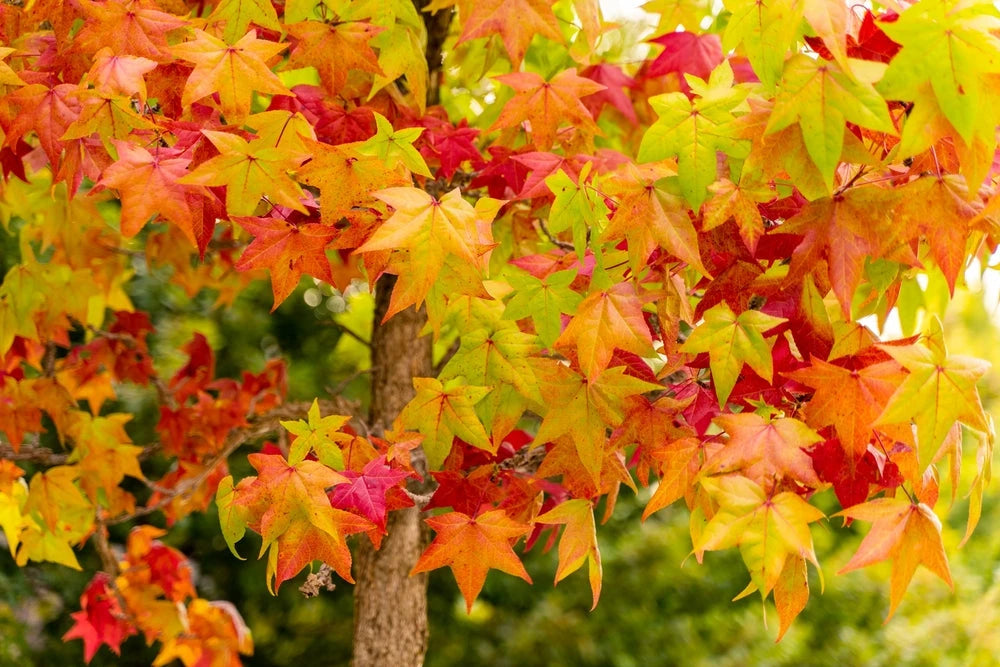
Liquidambar styraciflua 'Gum Ball' - Clear Stem 50 cm - Girth 6-8cm - Height 140-160cm - 15lt
£128.00
Unit price perLiquidambar styraciflua 'Gum Ball' - Clear Stem 50 cm - Girth 6-8cm - Height 140-160cm - 15lt
£128.00
Unit price per


Japanese Maple | Acer palmatum 'Fire Cracker' - Tree - Height 60-70cm - 5lt
£50.00
Unit price perJapanese Maple | Acer palmatum 'Fire Cracker' - Tree - Height 60-70cm - 5lt
£50.00
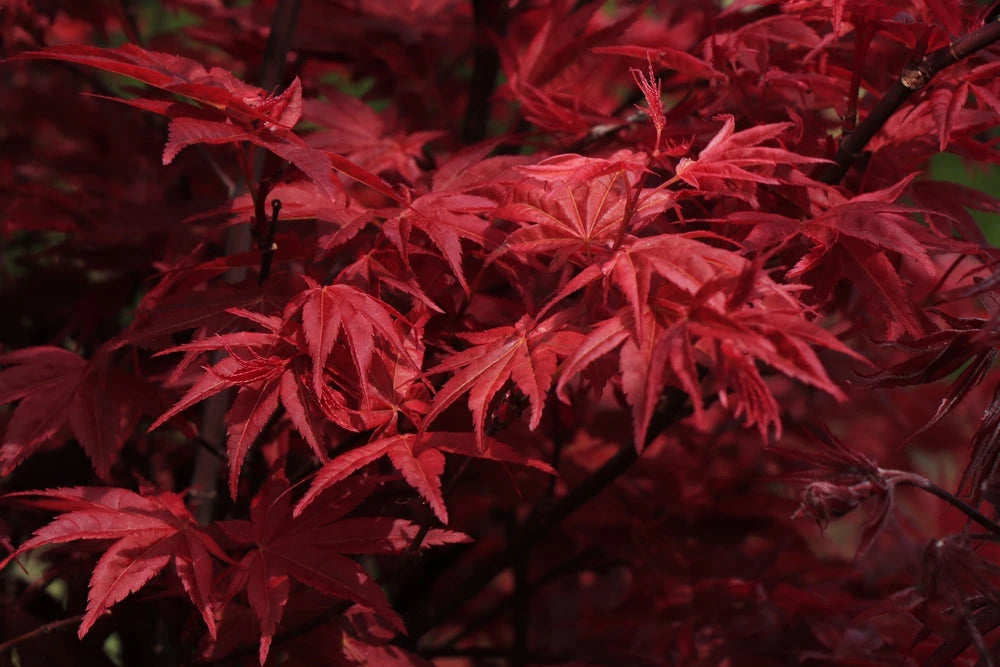
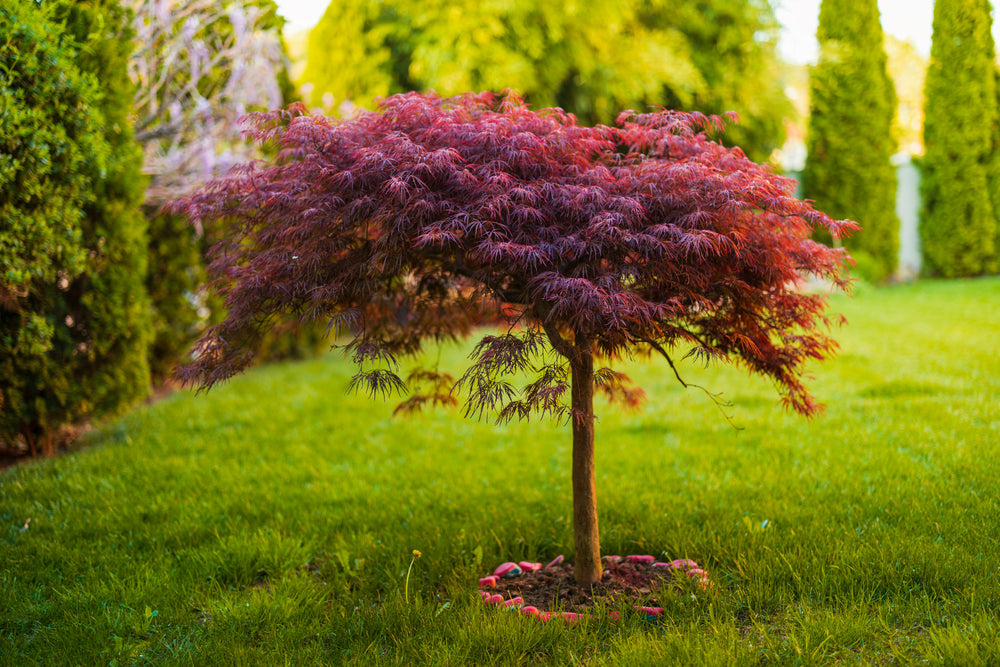
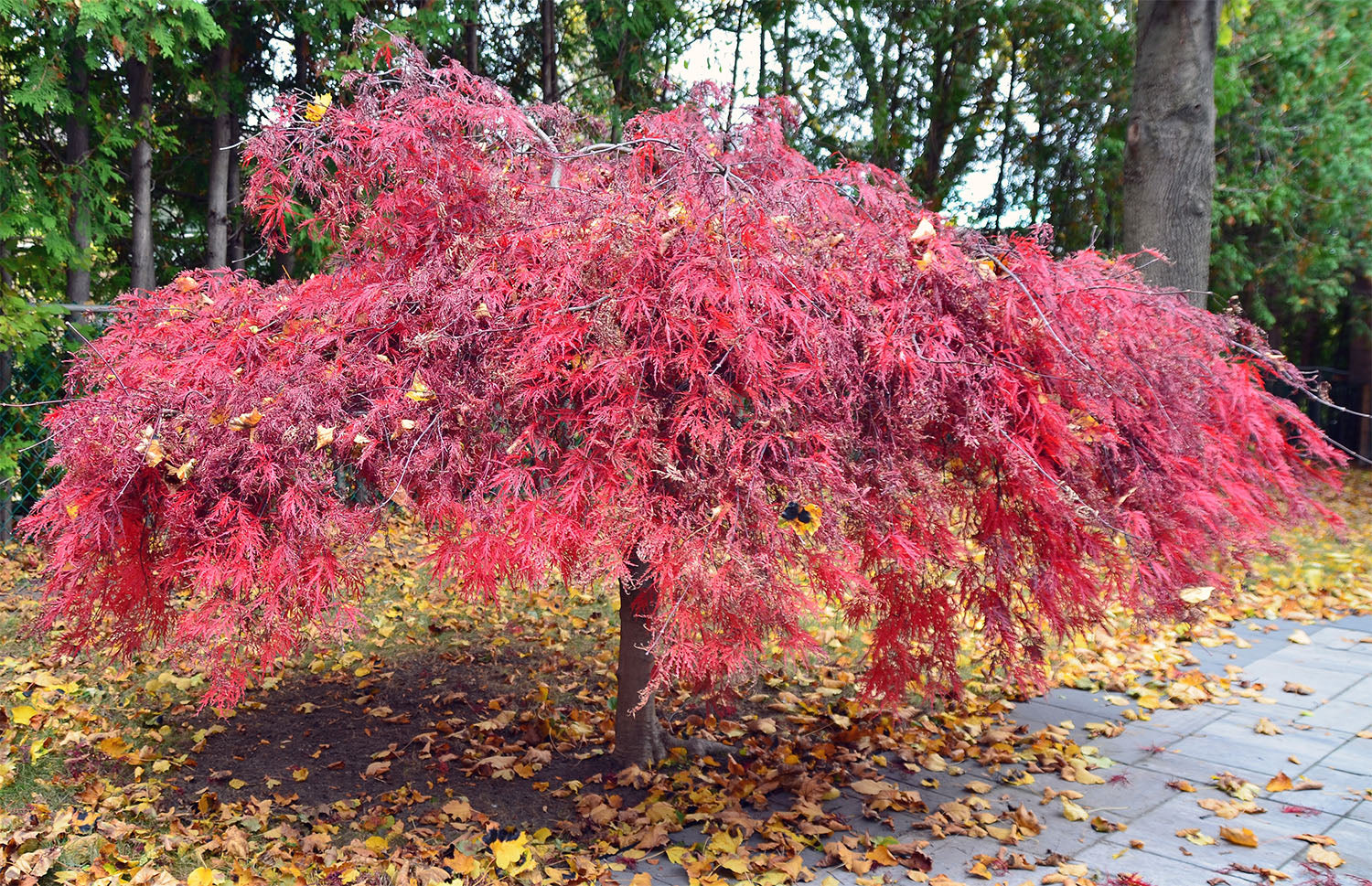
Unit price perAcer palmatum 'Fire Cracker' is a graceful and eye-catching Japanese maple admired for its finely dissected foliage and elegant cascading form. This deciduous ornamental tree produces delicate lace-like leaves that emerge rich crimson-red in spring, maintaining their vibrant colouring throughout the summer months. As autumn arrives, the foliage intensifies into brilliant scarlet and fiery red tones, creating a dramatic seasonal display.
Its naturally arching habit gives the plant a soft, flowing appearance, making it an excellent focal point in small gardens, Japanese-inspired landscapes, courtyard settings, or large decorative containers. The finely textured leaves contrast beautifully with evergreen shrubs, gravel gardens, and woodland planting schemes.
‘Fire Cracker’ thrives in moist, fertile, well-drained soil and prefers a sheltered position in partial shade, where the foliage is protected from scorching sun and drying winds. Slow growing and relatively compact, it is easy to maintain and suitable for gardens where space is limited. The attractive branching structure also provides winter interest, ensuring year-round ornamental value and refined architectural beauty.


Cryptomeria japonica 'Dinger' | Japanese Cedar - Height 30cm - 8lt
£99.00
Unit price perCryptomeria japonica 'Dinger' | Japanese Cedar - Height 30cm - 8lt
£99.00
Unit price perCryptomeria japonica 'Dinger', commonly known as Japanese cedar, is a compact, dwarf cultivar prized for its dense, lush green foliage and globular growth habit. This cultivar reaches an ultimate height of approximately 3 to 4 feet, making it an ideal choice for small garden spaces, rock gardens, or as a striking container specimen. The 'Dinger' variety thrives best in full sun to partial shade and prefers moist, well-drained soil. It is hardy and adaptable, but like most Cryptomeria, it benefits from protection against harsh, drying winds.
In the landscape, Cryptomeria japonica 'Dinger' is often used to add structure and year-round color, thanks to its evergreen nature. It can serve as a focal point in mixed beds, borders, or as formal or informal groupings in larger gardens. Its slow growth rate and manageable size reduce the need for frequent pruning, making it a low-maintenance option for both novice and experienced gardeners.
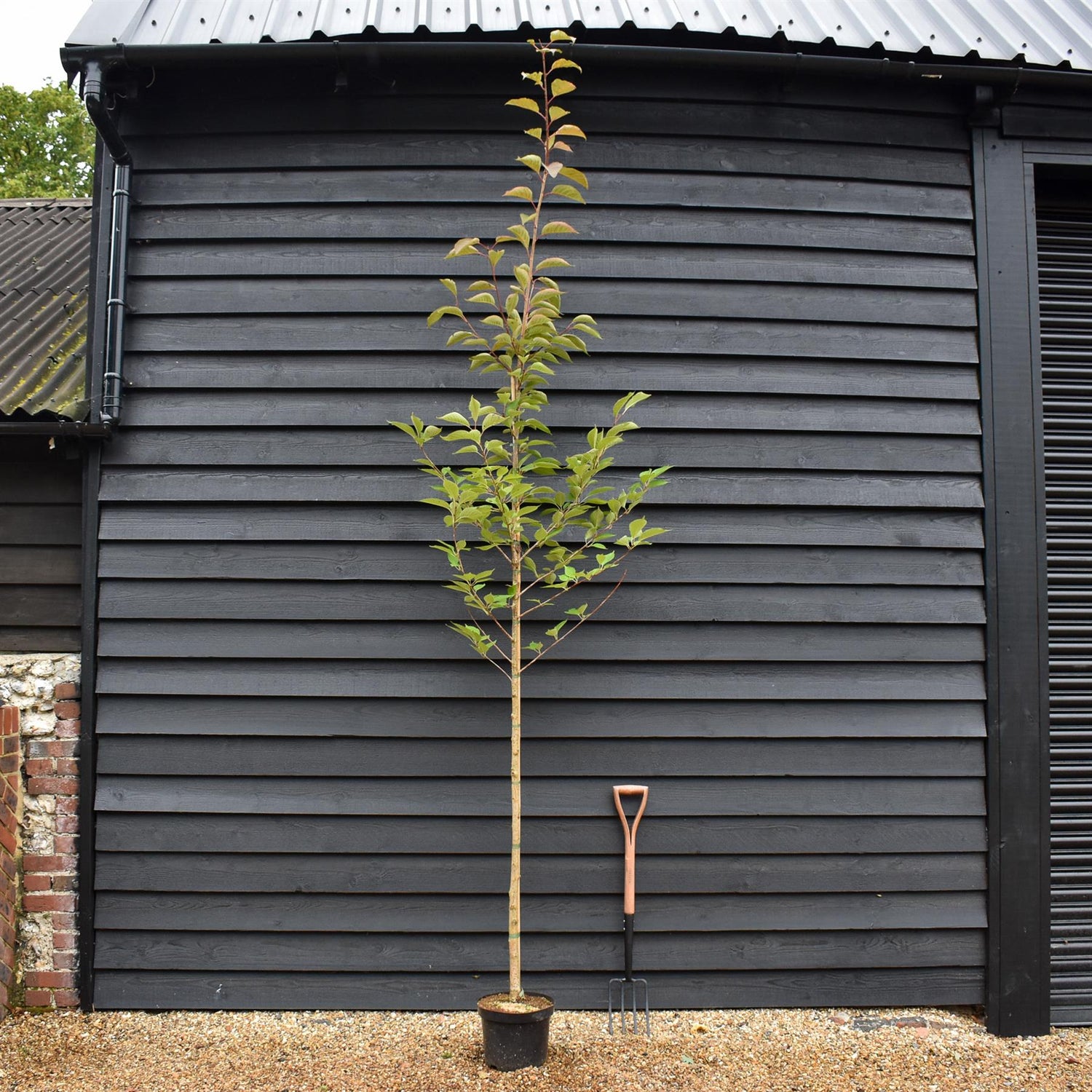
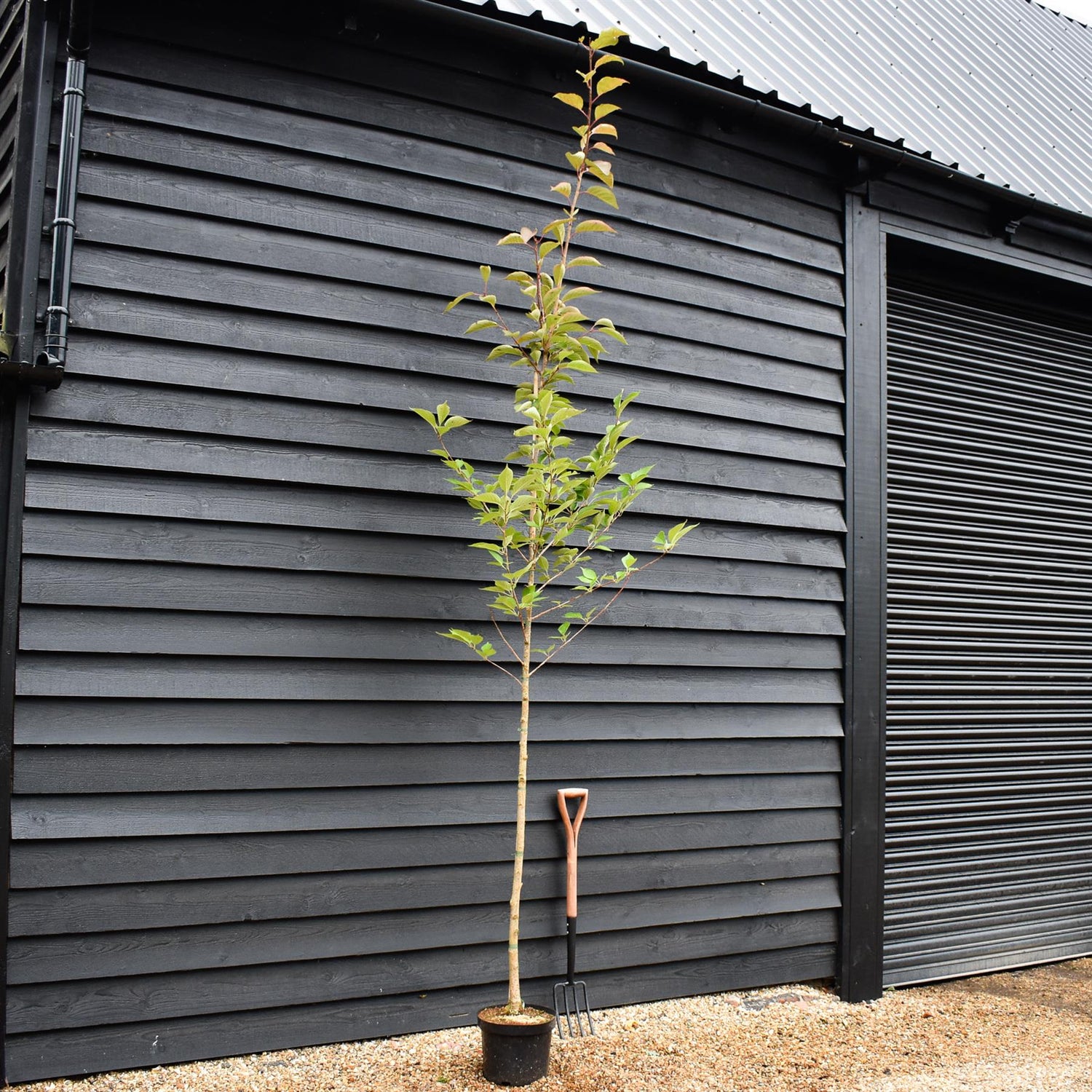
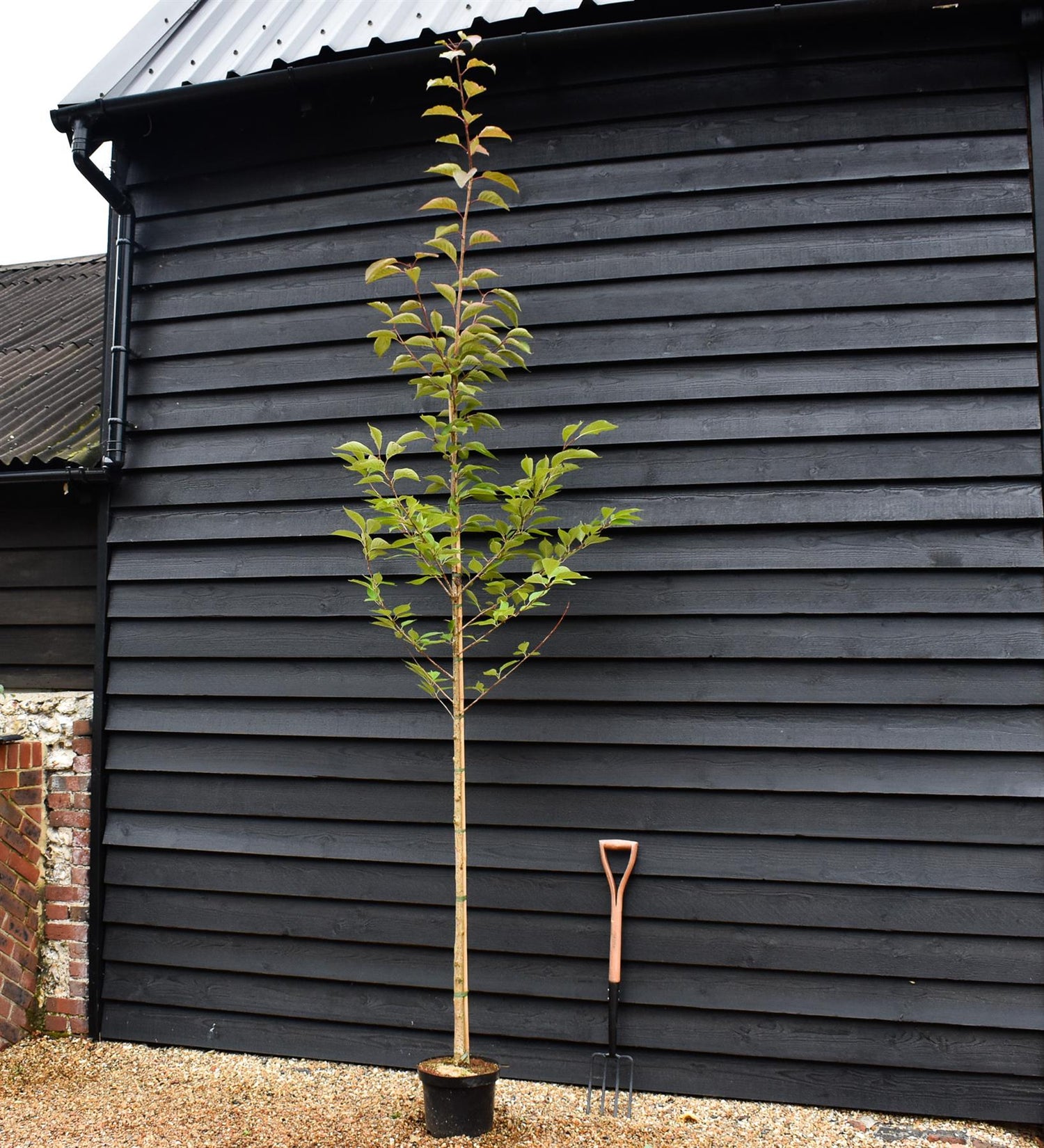
Prunus serrulata 'Beni-Yutaka' - Height 370-390cm - Clear Stem 115cm - Girth 8cm - 10lt
£86.00
Unit price perPrunus serrulata 'Beni-Yutaka' - Height 370-390cm - Clear Stem 115cm - Girth 8cm - 10lt
£86.00
Unit price perPrunus serrulata 'Beni-Yutaka' is a highly ornamental Japanese cherry cultivar admired for its striking spring display and graceful form. This deciduous tree develops a broad, spreading crown with elegant, arching branches, creating a soft, rounded silhouette that makes it ideal as a focal point in gardens and landscapes. In mid to late spring, it bursts into a profusion of large, semi-double flowers, a rich rosy-pink in color, which emerge in generous clusters, giving the tree an especially luxuriant and showy appearance. The blossoms often create a breathtaking canopy, attracting pollinators and delighting viewers with their vibrant yet delicate beauty.
The foliage provides additional seasonal interest. When young, the leaves emerge bronze-tinted, gradually maturing to a rich, glossy green throughout summer. As autumn approaches, they transform into glowing shades of orange, gold, and red, extending the tree’s ornamental value well beyond the flowering season. Typically reaching 5–8 meters in height and spread, 'Beni-Yutaka' is well-suited for medium-sized gardens, avenues, or parks. It thrives best in well-drained soil with full sun exposure, embodying elegance and seasonal charm in any landscape setting.


Cuprocyparis leylandii - Height 190-210cm - 20lt
£72.00
Unit price perCuprocyparis leylandii - Height 190-210cm - 20lt
£72.00
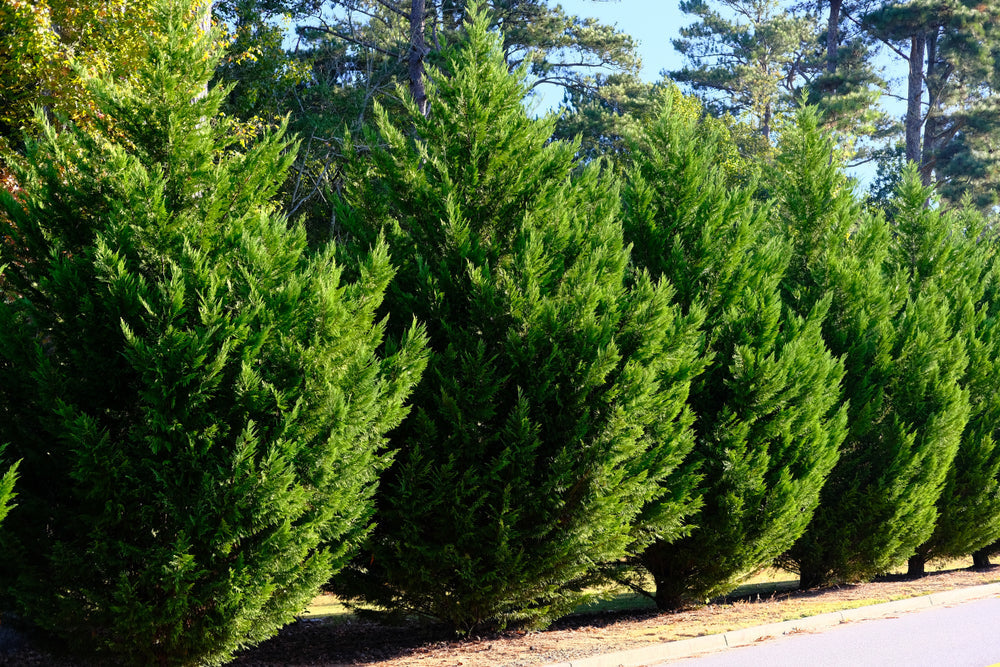
Unit price perCuprocyparis leylandii is a hybrid of Monterey cypress (Cupressus macrocarpa) and Nootka cypress (Cupressus nootkatensis). It’s a large, fast-growing, dense, evergreen conifer tree with upright, columnar to pyramidal, habit and spays of grey-green, citrus-scented foliage. The branches are slightly flattened and covered with sprays of green scale-like leaves. Dark brown cones bear sterile seeds.
Cuprocyparis leylandii thrives on a variety of soils, but prefers fertile, moist, well-drained soils, in full sun. It is resilient to frost, urban pollution and spray salt, therefore, suitable for growing in cities and in coastal areas. Generally, pest-free and disease-free.
Cuprocyparis leylandii is mostly used for formal garden hedges. It is very popular among gardeners because of its dense and fast-growing habit. Leylandii hedges are ideal for noise reduction, wind protection and for creating beautiful privacy screens. It can also be a nice specimen plant, but it must be regularly trimmed not to outgrow its space in small landscapes.


Robinia Pseudoacacia Umbraculifera 400cm - 20cm - Clear Stem - 150lt
£623.00
Unit price perRobinia Pseudoacacia Umbraculifera 400cm - 20cm - Clear Stem - 150lt
£623.00
Unit price per


Picea glauca 'Sander's Blue' | Alberta spruce - Height 70-80cm - 11lt
£92.00
Unit price perPicea glauca 'Sander's Blue' | Alberta spruce - Height 70-80cm - 11lt
£92.00
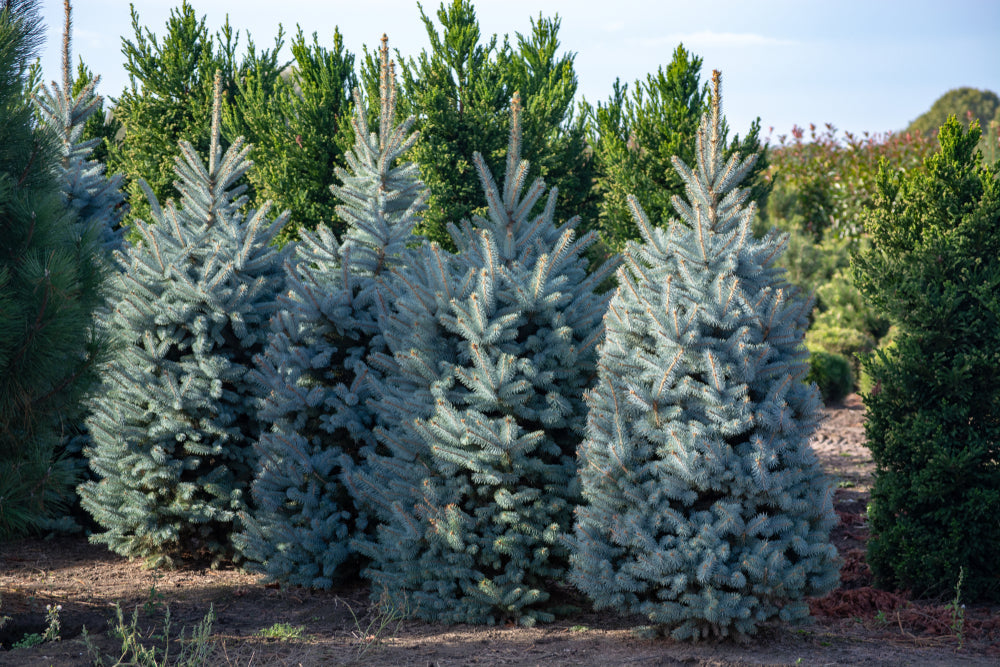
Unit price perPicea glauca 'Sander's Blue', commonly known as 'Sander's Blue' White Spruce, is a stunning dwarf conifer prized for its vibrant blue-green needles that add a colorful accent to any garden space. This cultivar exhibits a compact, pyramidal form, making it an excellent choice for smaller landscapes or as a focal point in a larger garden arrangement.
Typically reaching an ultimate height of 10 to 12 feet, with a spread of 4 to 5 feet, 'Sander's Blue' White Spruce grows slowly, which makes it manageable and suitable for residential gardens without the worry of overwhelming the space. It thrives in full sun to partial shade and prefers well-drained, moist soil. Hardy and adaptable, this spruce tolerates cold climates well, making it a versatile choice for various garden zones.
Gardeners often use 'Sander's Blue' as a specimen plant due to its distinctive color and structured form. It also fits beautifully into rock gardens, urban gardens, and even as part of a conifer collection, where its unique hue can be fully appreciated against contrasting greenery.
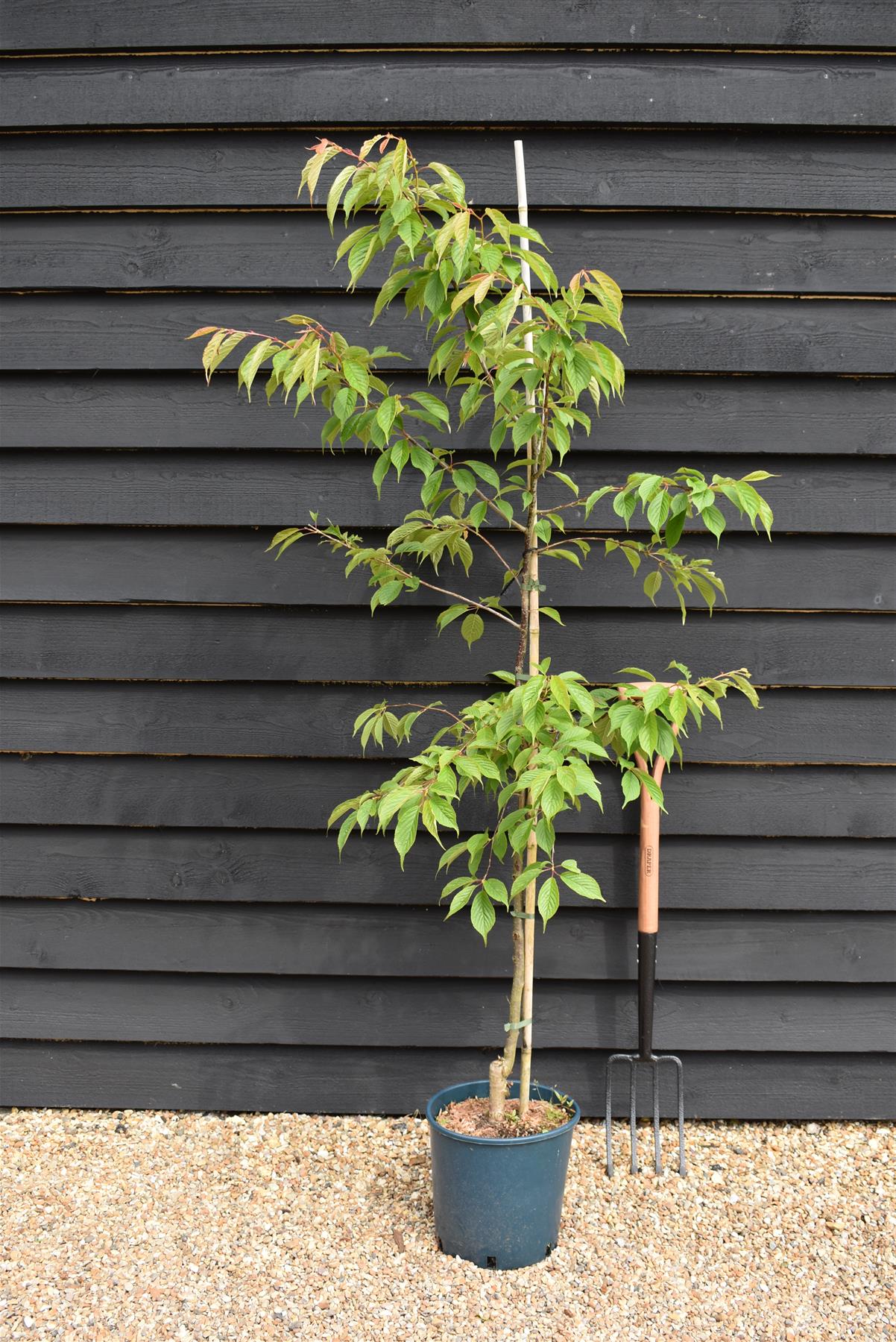
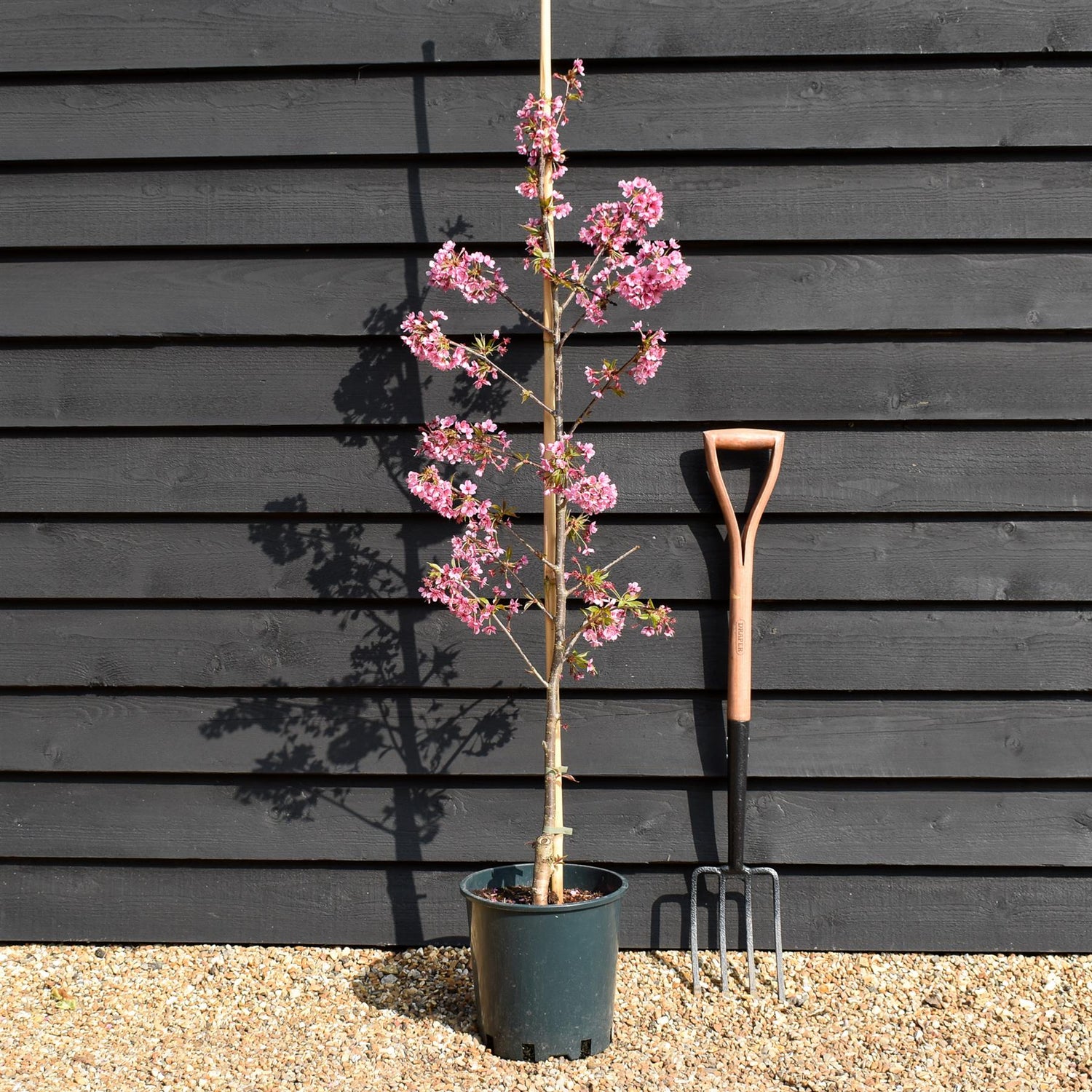
Cherry Blossom | Prunus Kursar - Height 130-180cm - 12lt
£83.00
Unit price perCherry Blossom | Prunus Kursar - Height 130-180cm - 12lt
£83.00
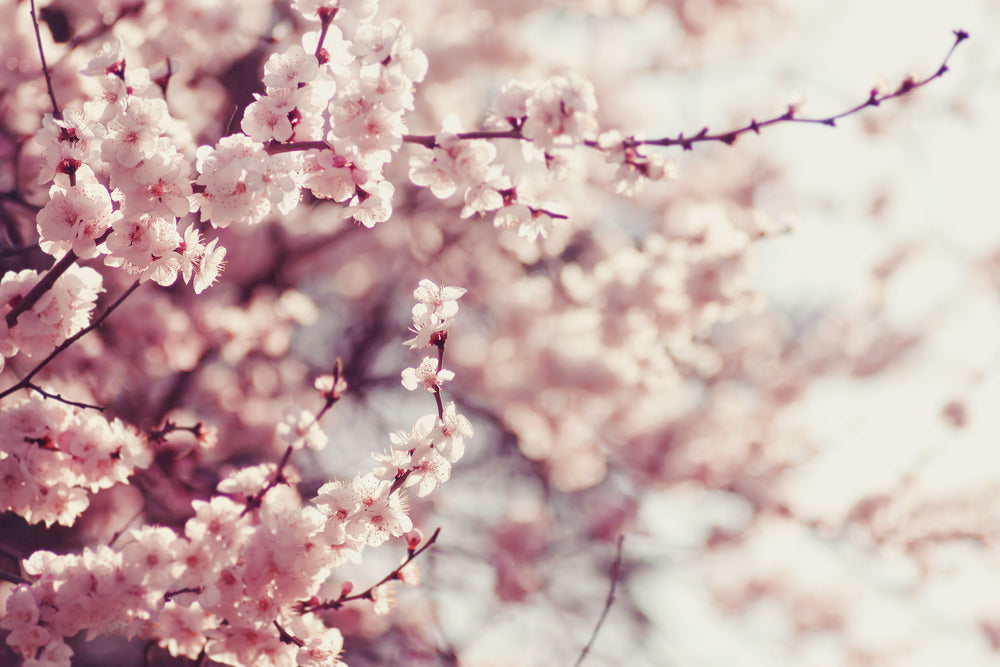
Unit price perPrunus 'Kursar' is a distinguished variety of ornamental cherry tree, appreciated for its abundant, deep pink blossoms that grace its branches in spring, creating a breathtaking display. This small, deciduous tree exhibits a compact growth habit, typically reaching around 8 meters in height when fully mature, making it a suitable choice for smaller gardens or landscapes.
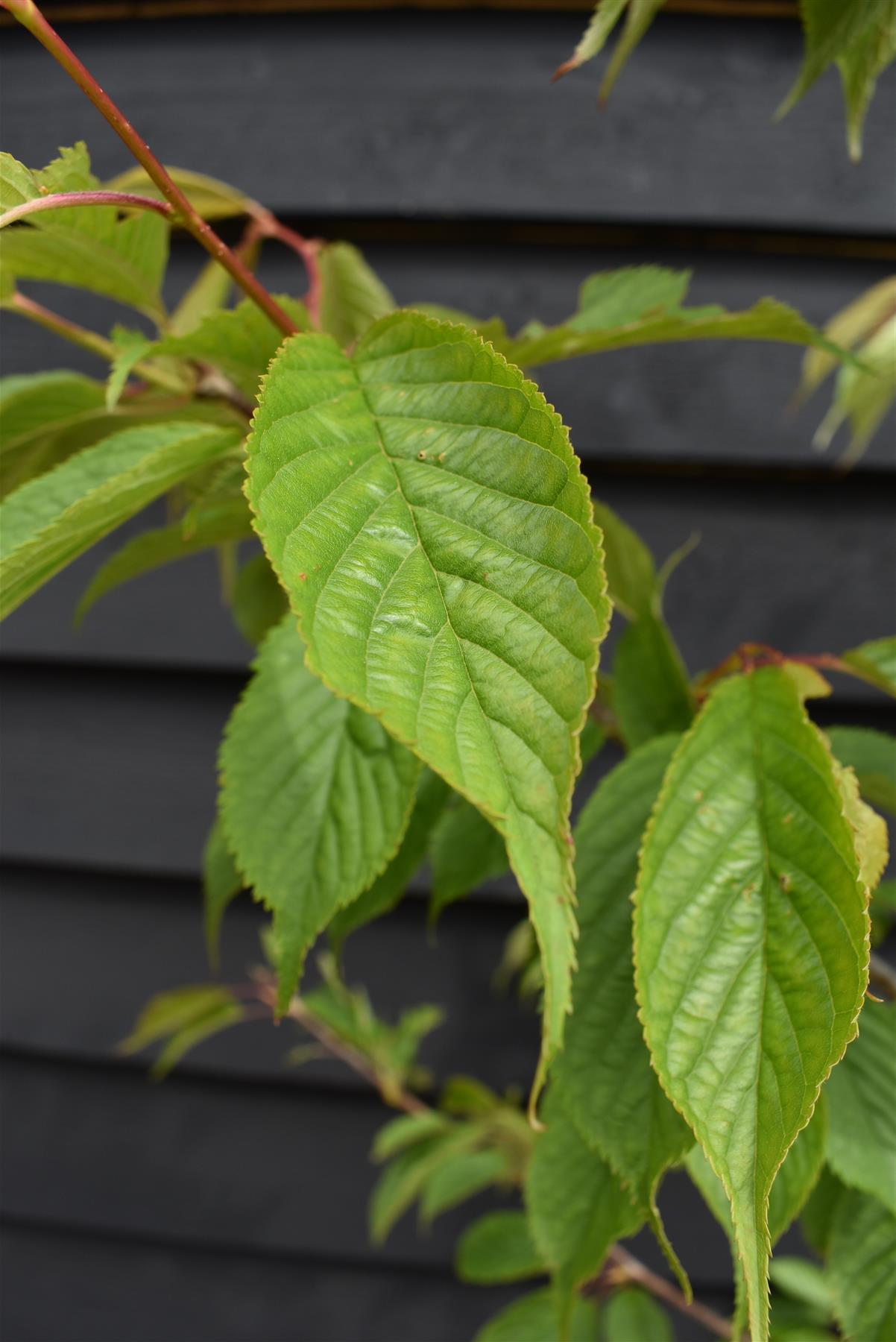
The leaves of Prunus 'Kursar' emerge with a bronze hue, transitioning to green as they mature, and finally adopting vibrant shades of orange and red in the autumn, adding a secondary layer of aesthetic appeal to the plant. The blossoms are not only a visual delight but also attract various pollinators, benefiting local ecosystems. While it does not bear commercially valuable fruit, its ornamental charm compensates abundantly.
Originating from a hybridization program, Prunus 'Kursar' is celebrated for its resilience and adaptability, thriving in well-drained soils and sunny locations. It is often utilized as a specimen tree in residential and public gardens for its impressive floral display and the scenic ambiance it provides. Regular pruning and care ensure its optimal growth and longevity, allowing it to be a timeless addition to any garden setting, invoking the ethereal beauty of spring year after year.
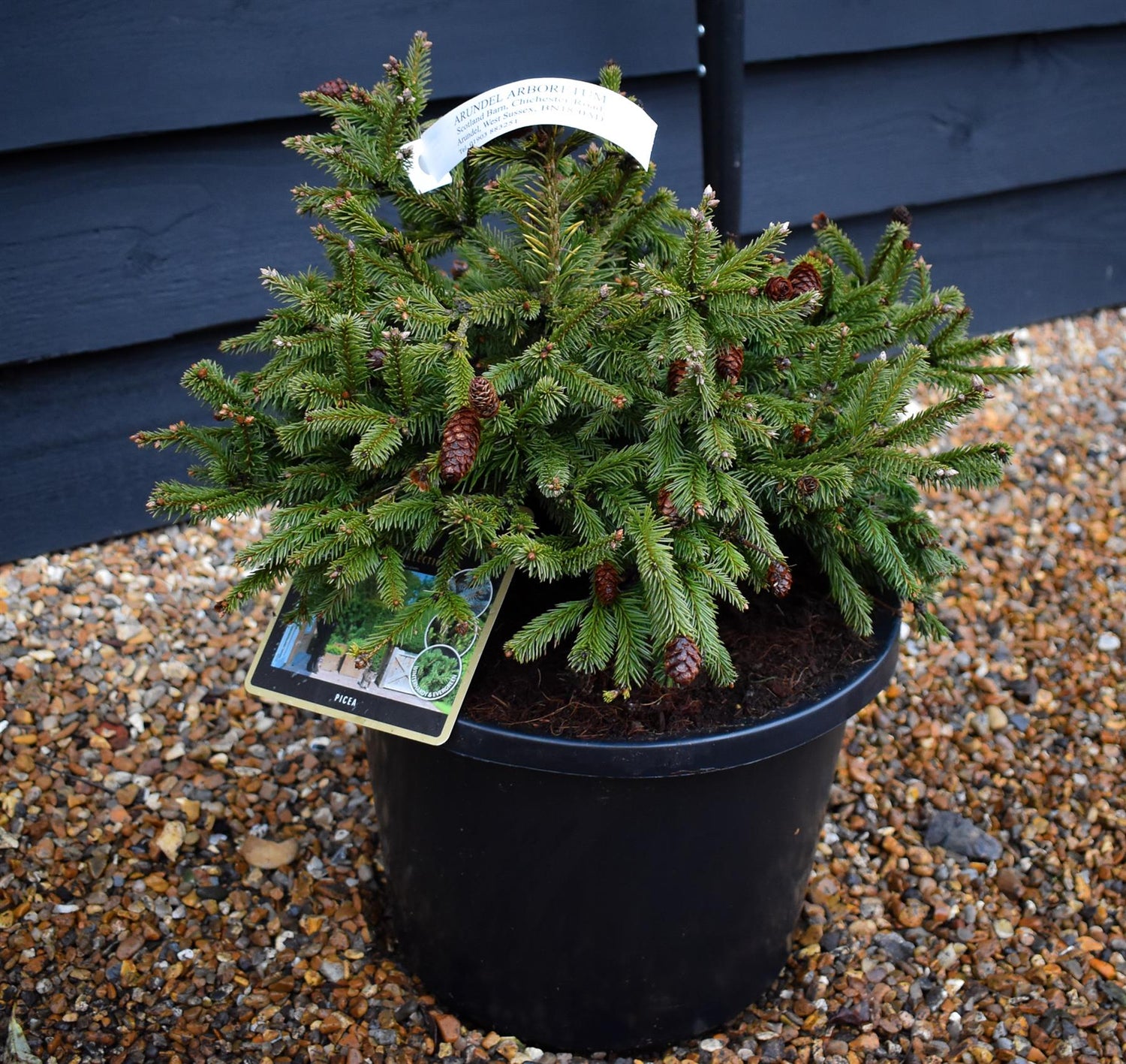


Picea abies Pusch | Norway spruce 'Pusch' - Height 10-20cm - Width 40-50cm - 12lt
£160.00
Unit price perPicea abies Pusch | Norway spruce 'Pusch' - Height 10-20cm - Width 40-50cm - 12lt
£160.00
Unit price perPicea abies 'Pusch' is a dwarf cultivar of the Norway spruce, known for its compact size, unique cone production, and suitability for small gardens and rockeries. Originating from the traditional Picea abies species, this slow-growing variety is cherished for its ornamental value and attractive, miniature form.
This conifer typically grows to a height of 60 to 90 cm (2 to 3 feet) over the course of 10 years, forming a compact, rounded shape. Its dense branches are covered in short, dark green needles that provide a striking year-round display. What makes Picea abies 'Pusch' truly special, however, is its prolific production of bright red, small cones in spring. These cones first appear as vibrant, ruby-red structures, creating a colourful contrast against the green foliage, before maturing into a more subdued brown hue later in the season.
Due to its modest size and slow growth rate, Picea abies 'Pusch' is ideal for smaller spaces, container gardening, and rock gardens. It thrives in full sun but can tolerate partial shade, preferring well-drained, slightly acidic soil. While it is hardy in cold climates, it benefits from being sheltered from strong winds and extremes in weather, especially during its early growth stages.
This cultivar requires minimal maintenance and is relatively resistant to pests and diseases, making it a low-care option for gardeners seeking year-round visual interest. Pruning is rarely necessary, though it can be done lightly to maintain its shape. Overall, Picea abies 'Pusch' is a striking and versatile choice for anyone looking to add a splash of colour and texture to their garden or landscape design.


Arbutus Unedo | Strawberry Tree - Multistem - Height 310-320 - 180lt
£1,885.00
Unit price perArbutus Unedo | Strawberry Tree - Multistem - Height 310-320 - 180lt
£1,885.00
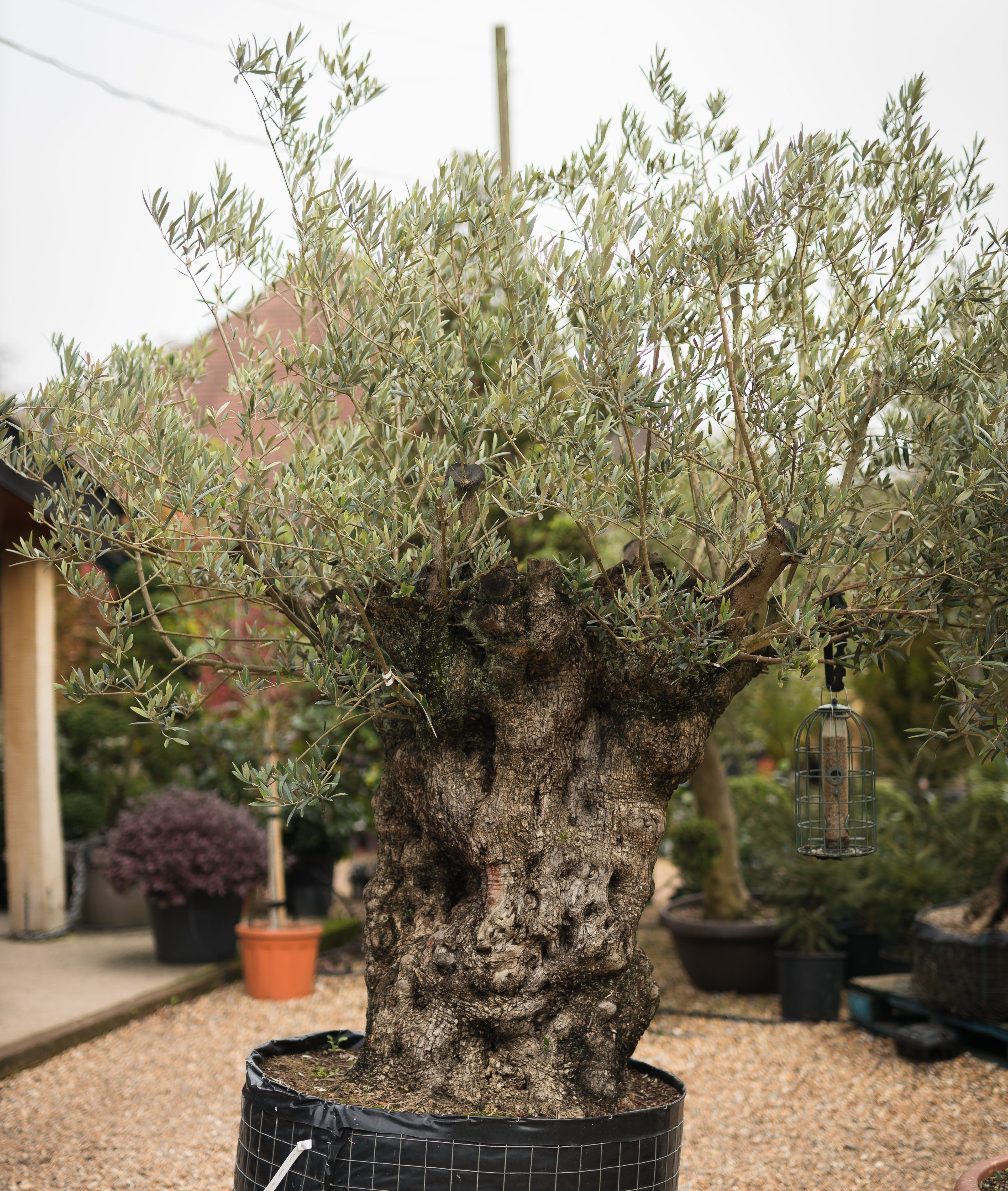
Unit price perArbutus unedo, commonly known as the strawberry tree, can make an excellent large multistem specimen for a garden, provided the conditions suit its needs. This evergreen tree naturally forms multiple stems, creating a sculptural, architectural presence that adds year-round interest. Its attractive cinnamon-peeling bark, glossy dark green leaves, and the unusual combination of flowers and fruit appearing at the same time make it a standout ornamental choice.
A multistem Arbutus unedo thrives best in well-drained soil and a sunny to lightly shaded position. It tolerates poor or slightly alkaline soils, coastal exposure, and urban pollution, making it versatile in many settings. Once established, it is drought-tolerant and generally low-maintenance, requiring only occasional shaping to maintain its form. Its moderate growth rate allows it to develop into a sizeable focal point without overwhelming smaller spaces.
Wildlife benefits are significant: the nectar-rich flowers attract bees and other pollinators, while the fruit provides food for birds. Although edible, the fruit is usually considered more ornamental than culinary. Overall, a large multistem strawberry tree offers beauty, resilience, and ecological value, making it a highly suitable choice for many gardens.


Arbutus Unedo | Strawberry Tree - Multistem - Height 310-320 - 180lt
£1,885.00
Unit price perArbutus Unedo | Strawberry Tree - Multistem - Height 310-320 - 180lt
£1,885.00
Unit price perArbutus unedo, commonly known as the strawberry tree, can make an excellent large multistem specimen for a garden, provided the conditions suit its needs. This evergreen tree naturally forms multiple stems, creating a sculptural, architectural presence that adds year-round interest. Its attractive cinnamon-peeling bark, glossy dark green leaves, and the unusual combination of flowers and fruit appearing at the same time make it a standout ornamental choice.
A multistem Arbutus unedo thrives best in well-drained soil and a sunny to lightly shaded position. It tolerates poor or slightly alkaline soils, coastal exposure, and urban pollution, making it versatile in many settings. Once established, it is drought-tolerant and generally low-maintenance, requiring only occasional shaping to maintain its form. Its moderate growth rate allows it to develop into a sizeable focal point without overwhelming smaller spaces.
Wildlife benefits are significant: the nectar-rich flowers attract bees and other pollinators, while the fruit provides food for birds. Although edible, the fruit is usually considered more ornamental than culinary. Overall, a large multistem strawberry tree offers beauty, resilience, and ecological value, making it a highly suitable choice for many gardens.


Abies koreana 'Ice Breaker' - Height 15cm - Width 20-25cm - 8lt
£126.00
Unit price perAbies koreana 'Ice Breaker' - Height 15cm - Width 20-25cm - 8lt
£126.00
Unit price per