

-
Trees
Trees
 Fruit Trees
 Ornamental
 Screening
 Palms
By FeaturesBy Shape
Palms
By FeaturesBy Shape -
Shrubs
Shrubs
 Large shrubs
 Hedging
 Bamboo
 Climbers
 Flowering
 Grasses & Ferns
 Popular
-
Pines & Conifers
Pines & Conifers
 Pines
Pines
 Spruce & Fir
 Cypress
 Thuja
Thuja
 Redwood | Sequoia
-
Specimen

FREE DELIVERY OVER £350
Search results
Search results
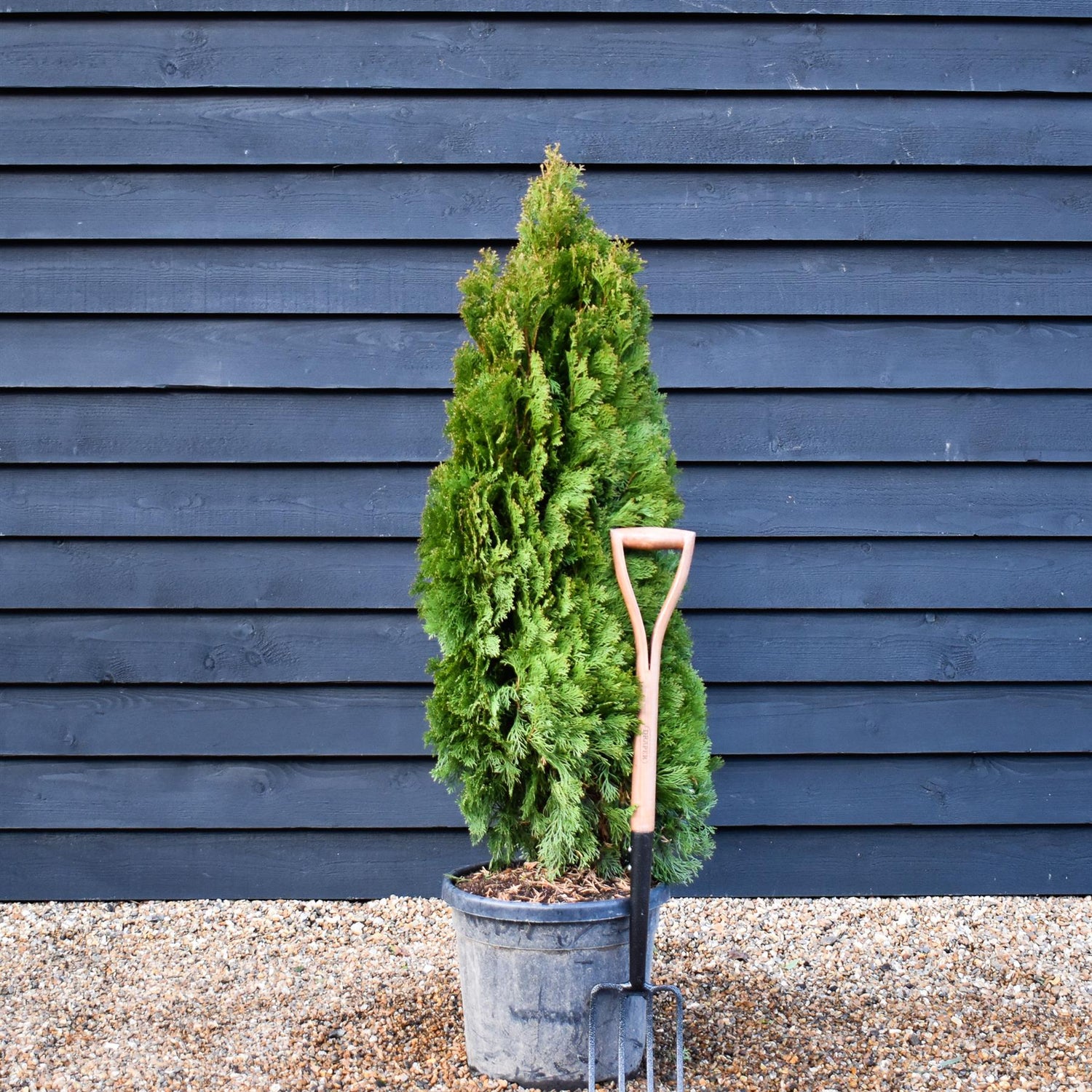
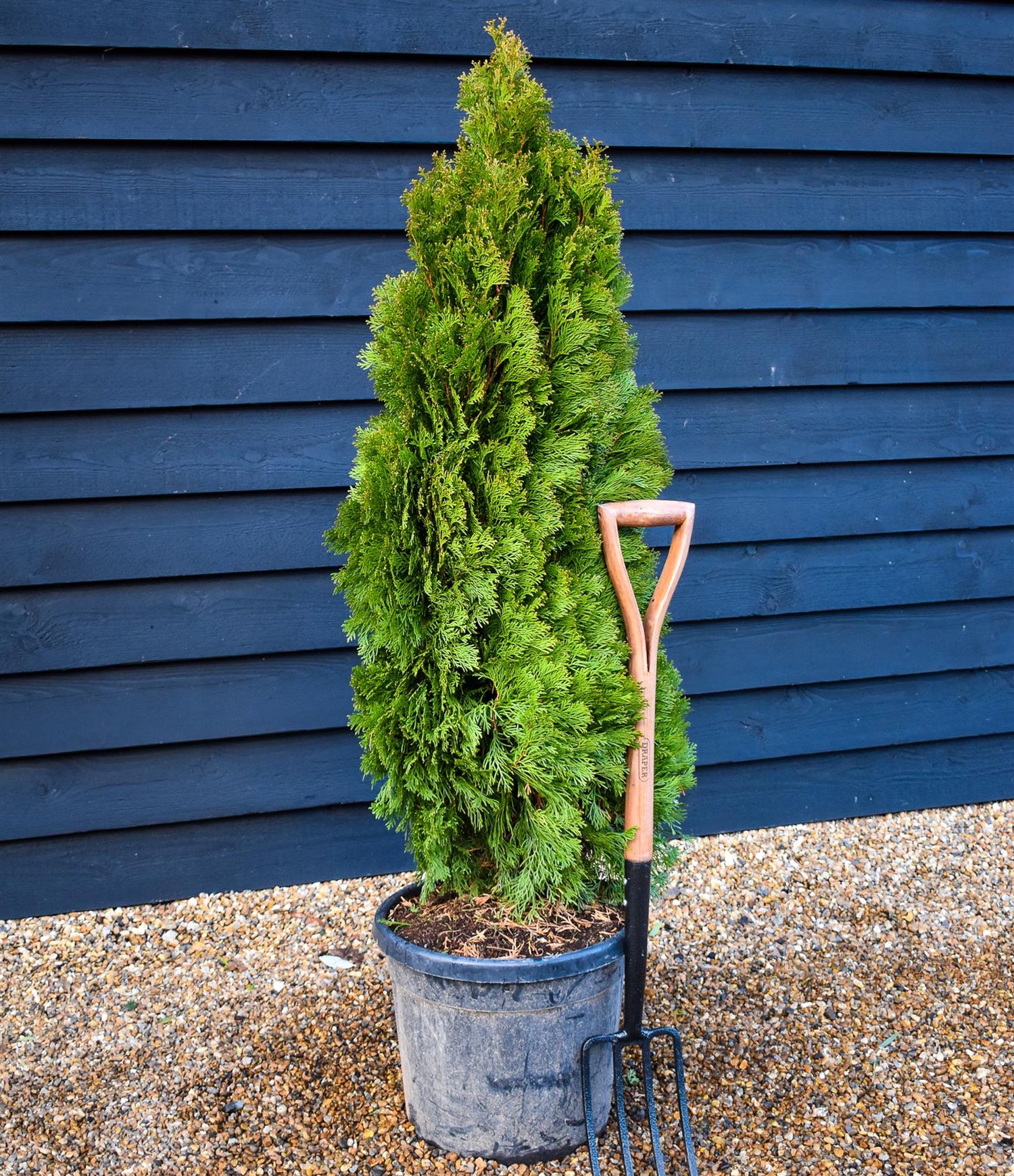
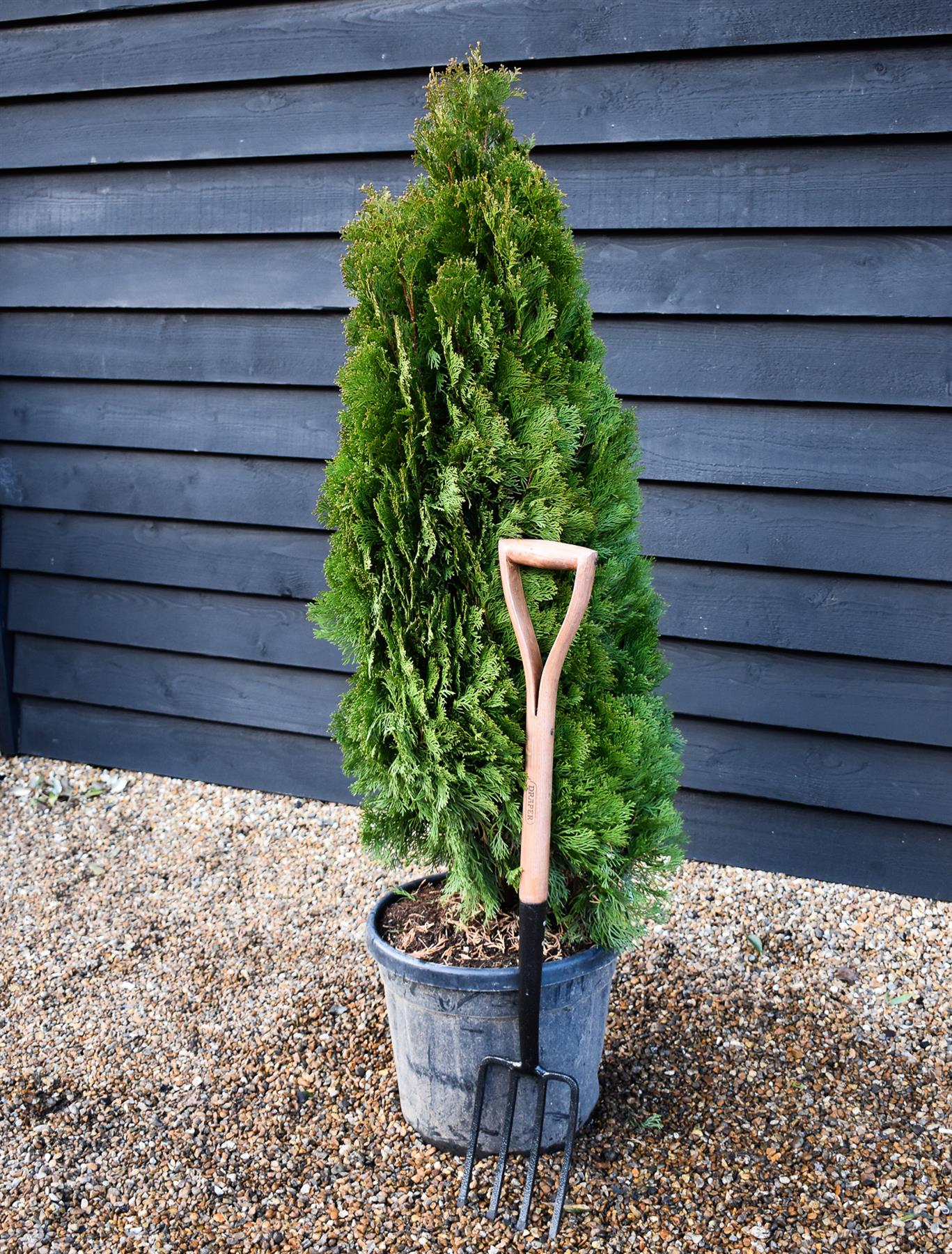
Thuja occidentalis 'Smaragd' - Bushy - Height 140-150cm - 20-30lt
£86.00
Unit price perThuja occidentalis 'Smaragd' - Bushy - Height 140-150cm - 20-30lt
£86.00
Unit price per


Picea abies 'Inversa' / Pendula| Norway spruce - Height 110-120cm - 35lt
£390.00
Unit price perPicea abies 'Inversa' / Pendula| Norway spruce - Height 110-120cm - 35lt
£390.00
Unit price perPicea abies ‘Inversa’ is a striking, architectural evergreen that brings drama and elegance to a garden throughout the year. Unlike typical upright conifers, this distinctive weeping Norway spruce produces cascading branches that fall vertically, creating a sculptural, almost waterfall-like effect. Its ultimate height depends on training; when staked, it can reach 4–6 metres over time, while remaining relatively narrow, making it ideal for smaller gardens where vertical interest is desired without excessive spread.
Hardy and reliable in UK conditions, ‘Inversa’ thrives in full sun or light shade and prefers moist, well-drained soil. It performs particularly well in larger borders, gravel gardens, or as a focal point in lawn settings. The deep green needles provide year-round structure and contrast beautifully with ornamental grasses, maples, or winter-stem shrubs.
This cultivar is also suitable for contemporary landscapes where strong form and texture are key. Low maintenance once established, it requires minimal pruning beyond shaping and training. For gardens seeking character, movement, and evergreen presence in all seasons, ‘Inversa’ offers a truly distinctive and dependable choice.


Cryptomeria japonica 'Tomahawk' | Japanese Cedar - Height 35-45cm - 5lt
£99.00
Unit price perCryptomeria japonica 'Tomahawk' | Japanese Cedar - Height 35-45cm - 5lt
£99.00
Unit price perCryptomeria japonica ‘Tomahawk’ is an attractive evergreen conifer prized for its dense, bushy habit and distinctive, soft-textured foliage. It forms a naturally neat, upright plant, making it an excellent choice for adding year-round structure, screening and interest to the garden.
The foliage consists of short, slightly twisted needles arranged closely along the branches, creating a full and textured appearance. New growth emerges in fresh green shades, developing into a rich green as it matures. During colder weather, the foliage can take on attractive bronze or reddish tones, adding seasonal interest while remaining evergreen.
‘Tomahawk’ is particularly useful where a strong architectural evergreen is required without the stark appearance of some traditional conifers. It works well as a specimen plant, in mixed borders, woodland-style planting schemes or as part of an evergreen screen. Its dense growth also provides useful shelter for birds and other garden wildlife.
It is generally hardy throughout the UK and performs best in a sunny or partially shaded position with fertile, well-drained soil. Once established, it is relatively low maintenance and requires little pruning to retain its naturally attractive shape. It appreciates consistent moisture during its establishment period, particularly during prolonged dry spells.
With its compact, upright growth and attractive evergreen foliage, Cryptomeria japonica ‘Tomahawk’ is an excellent choice for gardeners looking for a reliable, year-round specimen with a softer appearance than many conventional conifers.


Juniperus 'Grey Owl' - Height 12-15cm - 3lt
£18.00
Unit price perJuniperus 'Grey Owl' - Height 12-15cm - 3lt
£18.00
Unit price per


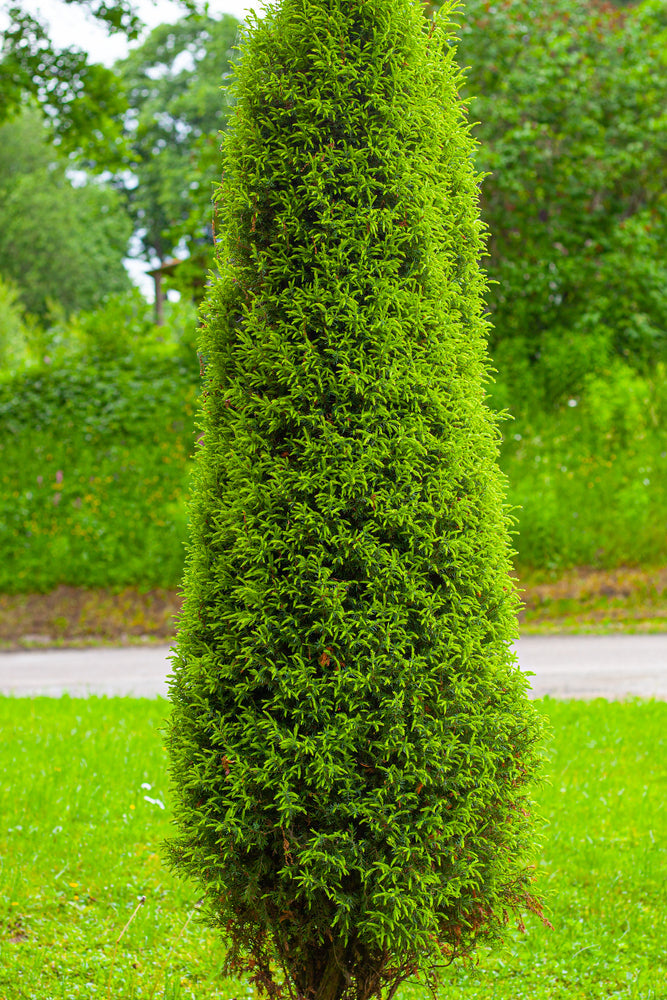
Taxus baccata | Common Yew - Cone - 280-300cm, 350lt
£1,450.00
Unit price perTaxus baccata | Common Yew - Cone - 280-300cm, 350lt
£1,450.00
Unit price per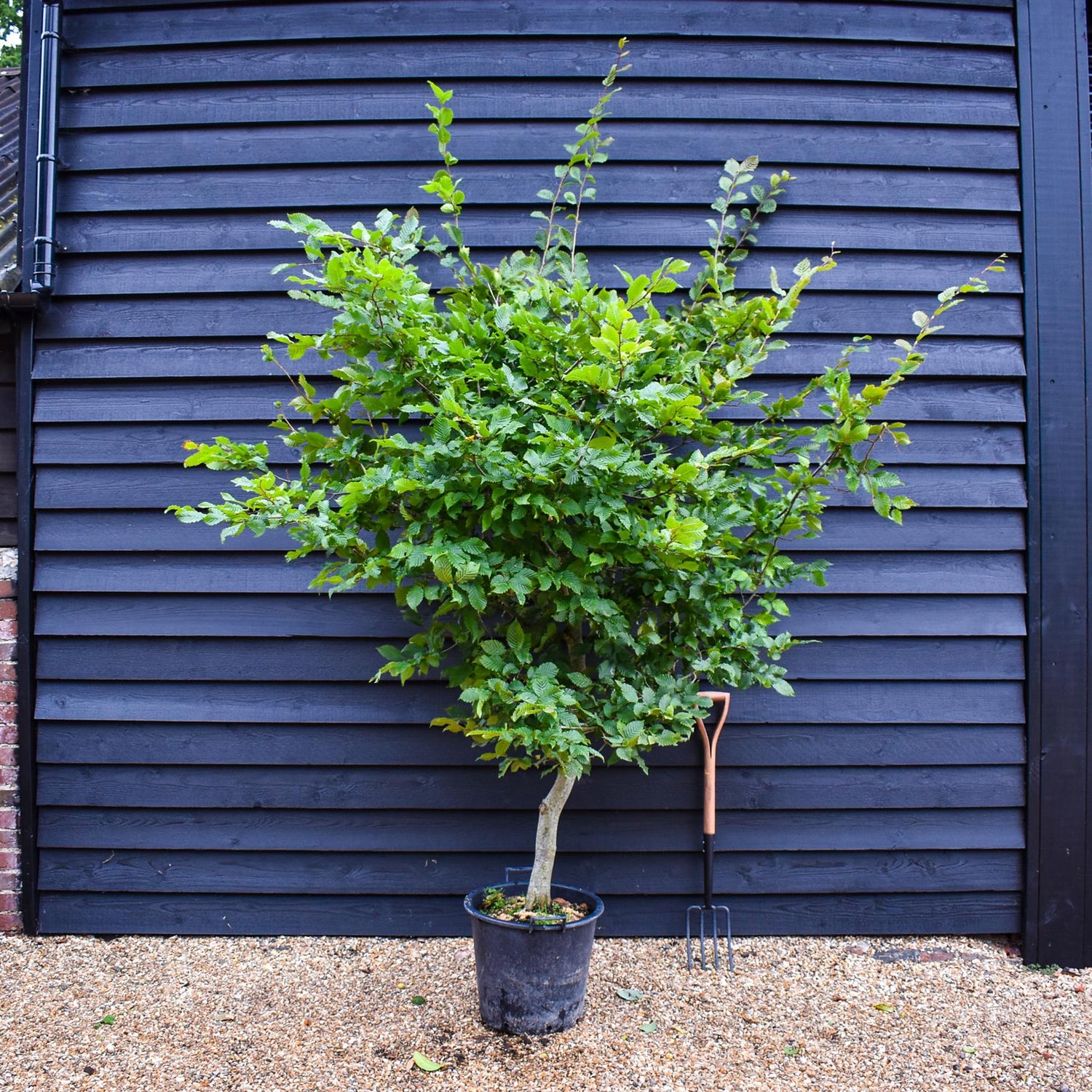


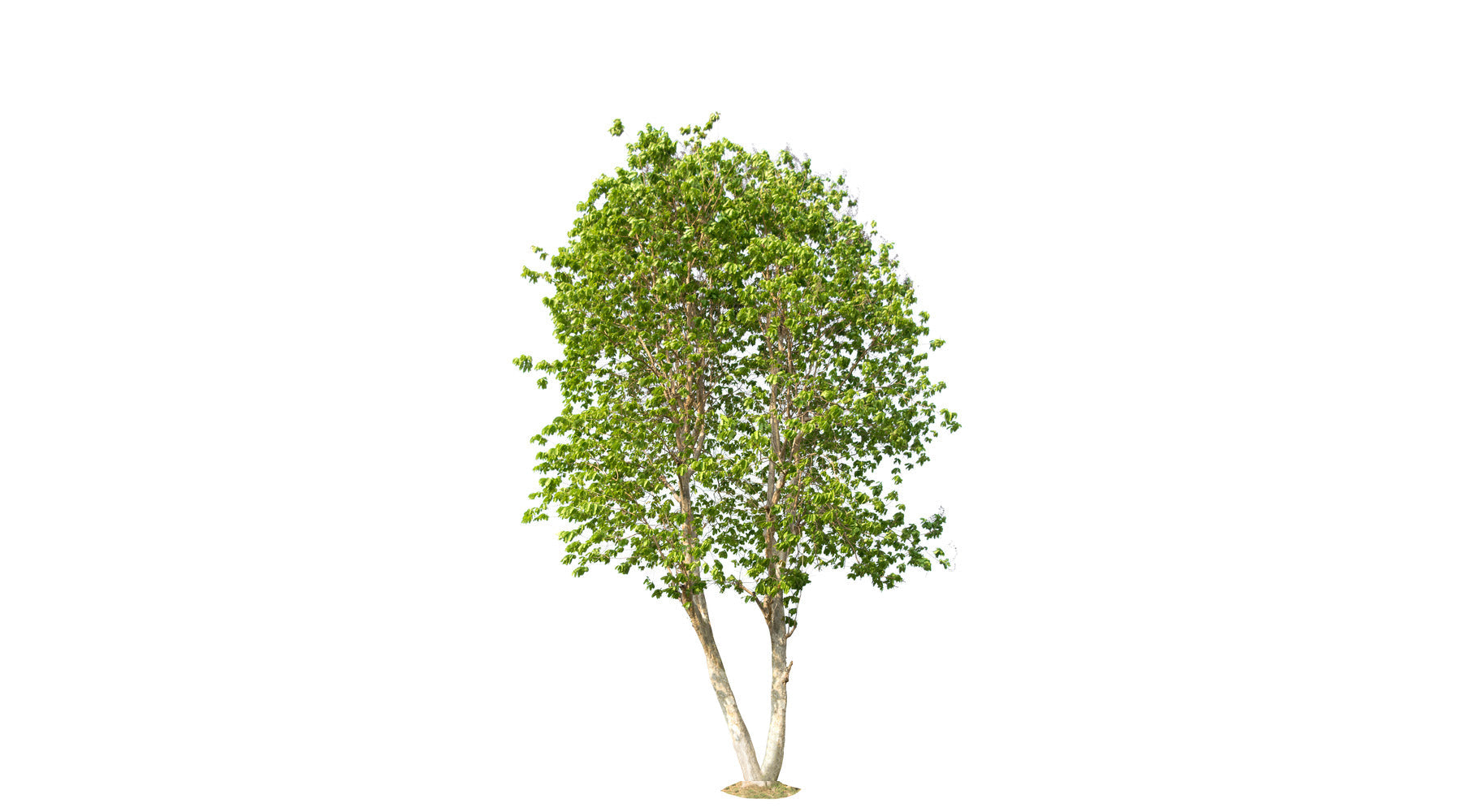
Carpinus betulus | European Hornbeam - 200-220cm, 30lt
£135.00
Unit price perCarpinus betulus | European Hornbeam - 200-220cm, 30lt
£135.00
Unit price per


Carpinus betulus Fastigiata Ball | Common Hornbeam - 450cm, 130lt
£695.00
Unit price perCarpinus betulus Fastigiata Ball | Common Hornbeam - 450cm, 130lt
£695.00
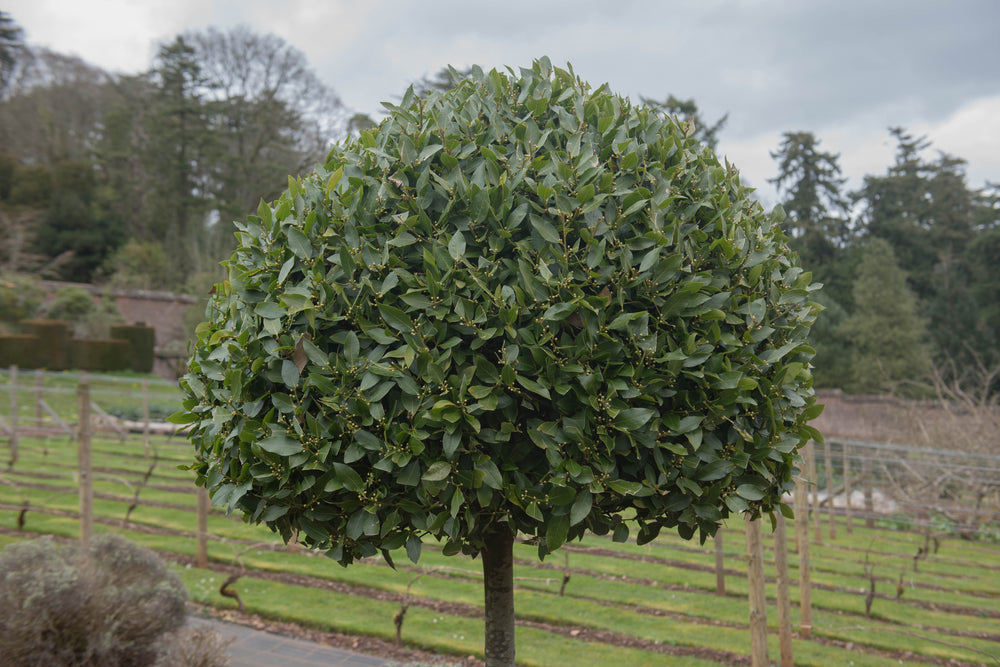
Unit price perCarpinus betulus 'Fastigiata', trained as a standard ball, is an elegant and versatile ornamental tree that brings structure and year-round interest to gardens of all sizes. Grown into a clear stem and clipped into a neat, rounded crown, it creates a formal appearance that works beautifully in contemporary, traditional, and cottage-style landscapes.
This hardy hornbeam thrives in a wide range of soil types, including clay, loam, and chalk, provided the ground is reasonably well drained. It is well suited to the UK climate and tolerates exposed positions, urban pollution, and seasonal weather fluctuations. The dense foliage emerges fresh green in spring, deepens through summer, and turns rich shades of golden yellow before falling in autumn. In some sheltered locations, dried leaves may remain on the branches through winter, adding seasonal texture.
The compact canopy makes it ideal for lining driveways, framing entrances, creating symmetry in formal gardens, or adding height without occupying excessive ground space. Minimal pruning is required to maintain its rounded shape, making it a relatively low-maintenance choice.
Combining durability, architectural form, and attractive seasonal colour, a standard ball hornbeam is an excellent feature tree that provides lasting beauty and structure throughout the year.


Acer pensylvanicum' | Moosewood Maple - 210-230cm - 20lt
£105.00
Unit price perAcer pensylvanicum' | Moosewood Maple - 210-230cm - 20lt
£105.00
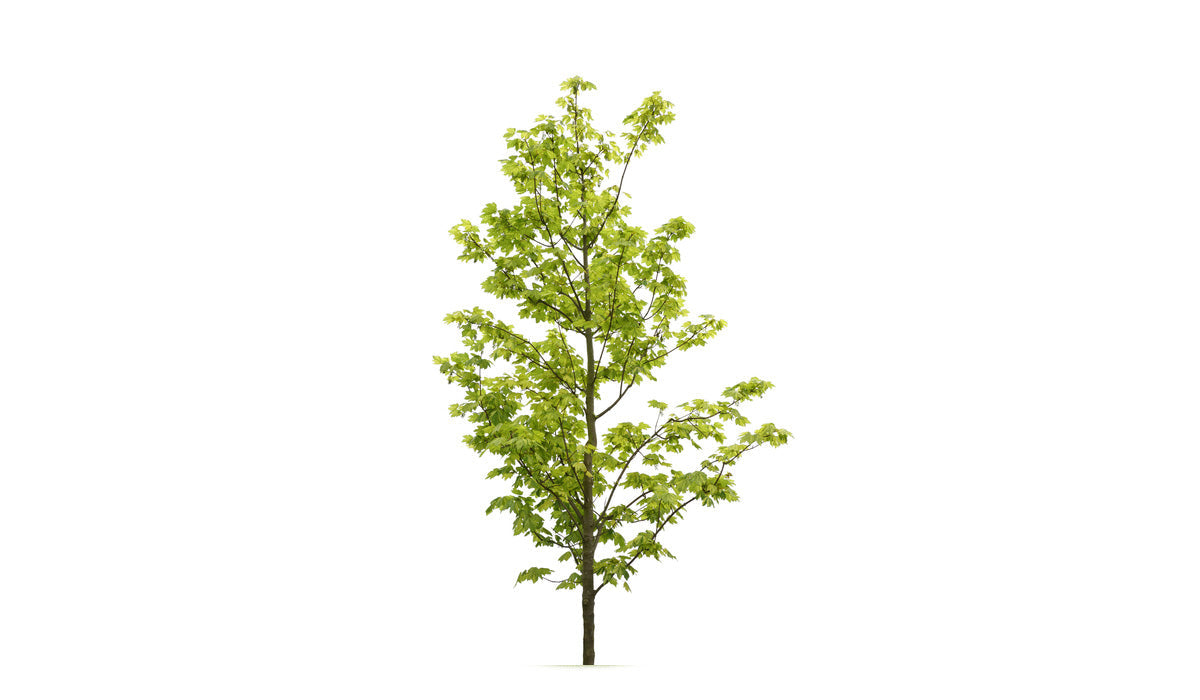
Unit price perAcer pensylvanicum, commonly known as the striped maple, is a deciduous tree native to the forests of eastern North America. It is a small to medium-sized tree, typically growing between 5 to 10 metres tall, with a slender trunk and spreading branches that create a rounded crown. The bark of young trees is particularly striking, characterised by green and white vertical stripes, giving the tree its common name. As the tree matures, the bark darkens to a reddish-brown or grey, and the stripes become less pronounced.
The leaves of Acer pensylvanicum are large and broad, usually measuring 12 to 18 centimetres in length and width. They are three-lobed, with a slightly serrated edge, and have a soft, velvety texture. The leaves are bright green in spring and summer, turning vibrant shades of yellow in the autumn before falling. This autumnal display makes the tree an attractive feature in woodland settings.
In late spring, the striped maple produces clusters of small, yellow-green flowers that hang down in delicate racemes. These flowers are unisexual, with male and female flowers often found on the same tree. Pollinated by wind or insects, the flowers develop into distinctive winged seeds, called samaras, which mature in late summer and are dispersed by the wind.
Acer pensylvanicum thrives in cool, shaded environments, preferring moist, well-drained soils. It is commonly found in the understorey of mixed hardwood forests, where it grows slowly in the dappled light. The striped maple is also known for its ability to regenerate from stumps, making it resilient in disturbed forest areas.

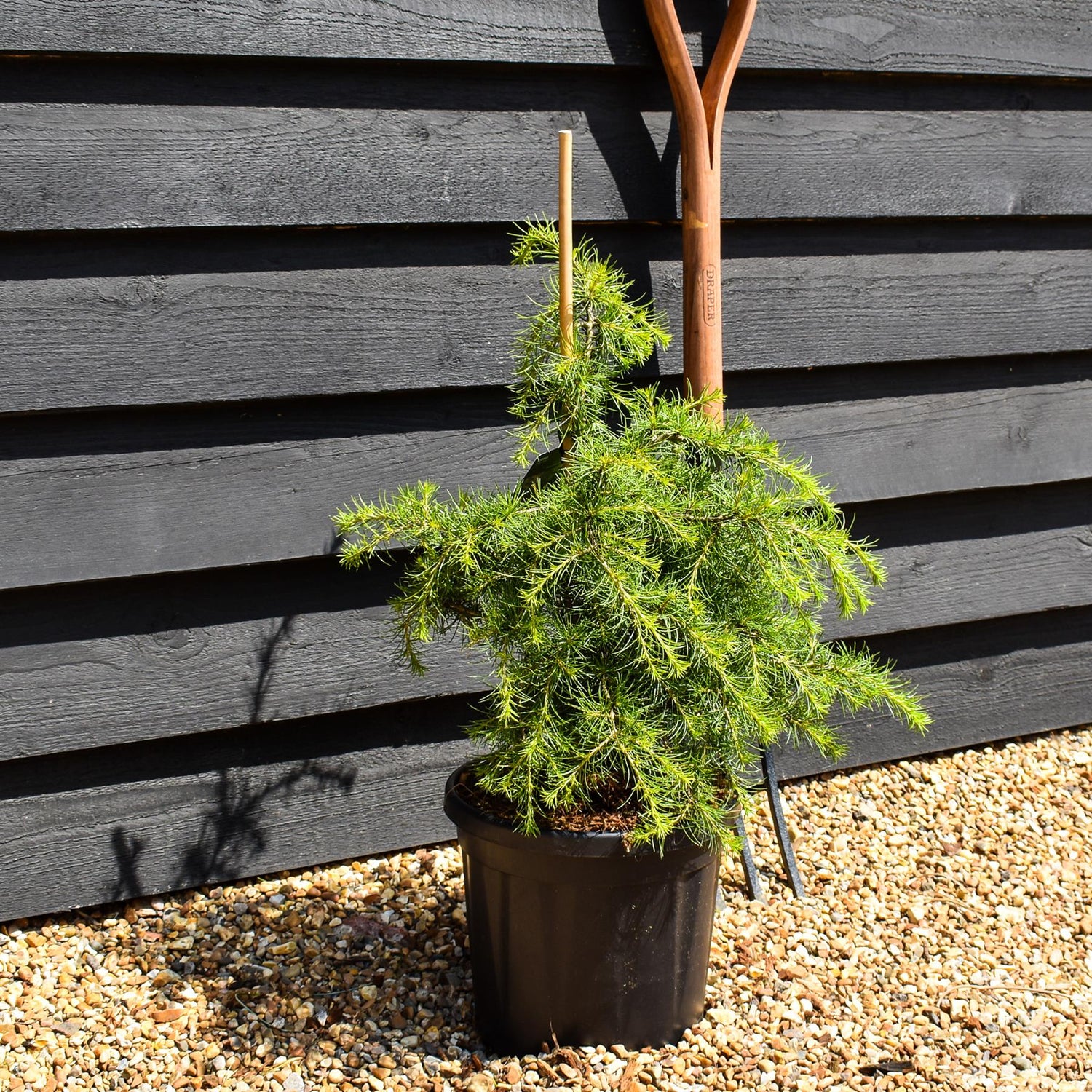
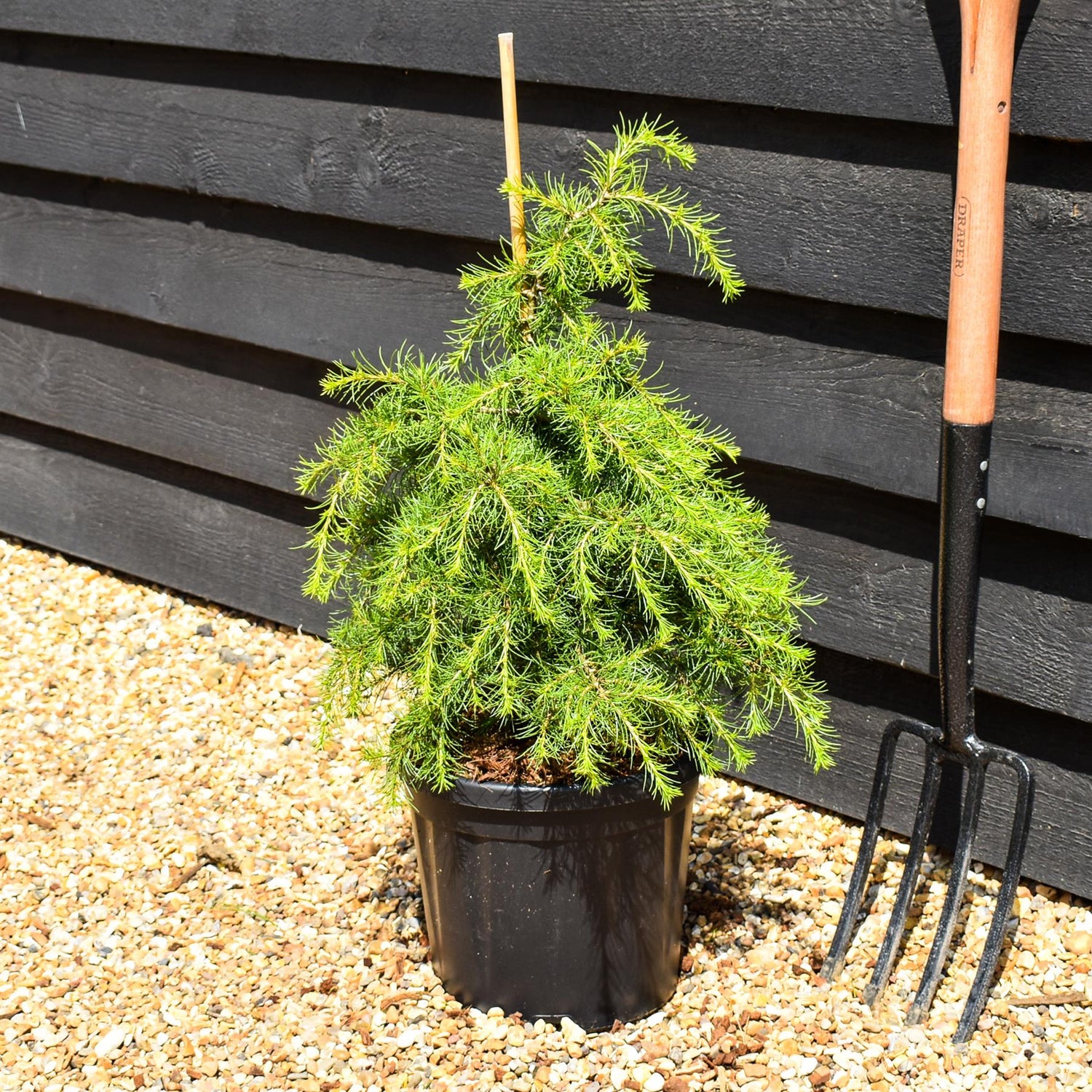
Cedrus libani 'Dino' | Cedar of Lebanon 'Dino' - Height 40-60cm - 6lt
£86.00
Unit price perCedrus libani 'Dino' | Cedar of Lebanon 'Dino' - Height 40-60cm - 6lt
£86.00
Unit price perThe Cedar of Lebanon 'Dino' is a majestic cultivar of the iconic Cedar of Lebanon, celebrated for its robust growth and stately presence. This particular variety reaches an impressive ultimate height of 40 to 60 feet, making it a striking focal point in any landscape. Its dense, dark green needles and pyramidal to conical form add a touch of elegance, while its strong structure provides year-round interest.
Commonly used in large gardens and park settings, Cedar of Lebanon 'Dino' serves well as a specimen tree, offering shade and architectural beauty. It thrives in full sun and prefers well-drained soils, although it is adaptable to a variety of soil types, from clay to loam. This cedar is hardy and resilient, tolerating drought once established, which makes it suitable for a range of climatic conditions. Ideal for expansive landscapes, it demands space to showcase its grandeur fully, embodying the regal nature of traditional Cedar of Lebanon trees.


European Hornbeam | Carpinus Betulus - Feathered - Girth 8-10cm - Height 220-280cm - 30lt
£190.00
Unit price perEuropean Hornbeam | Carpinus Betulus - Feathered - Girth 8-10cm - Height 220-280cm - 30lt
£190.00
Unit price per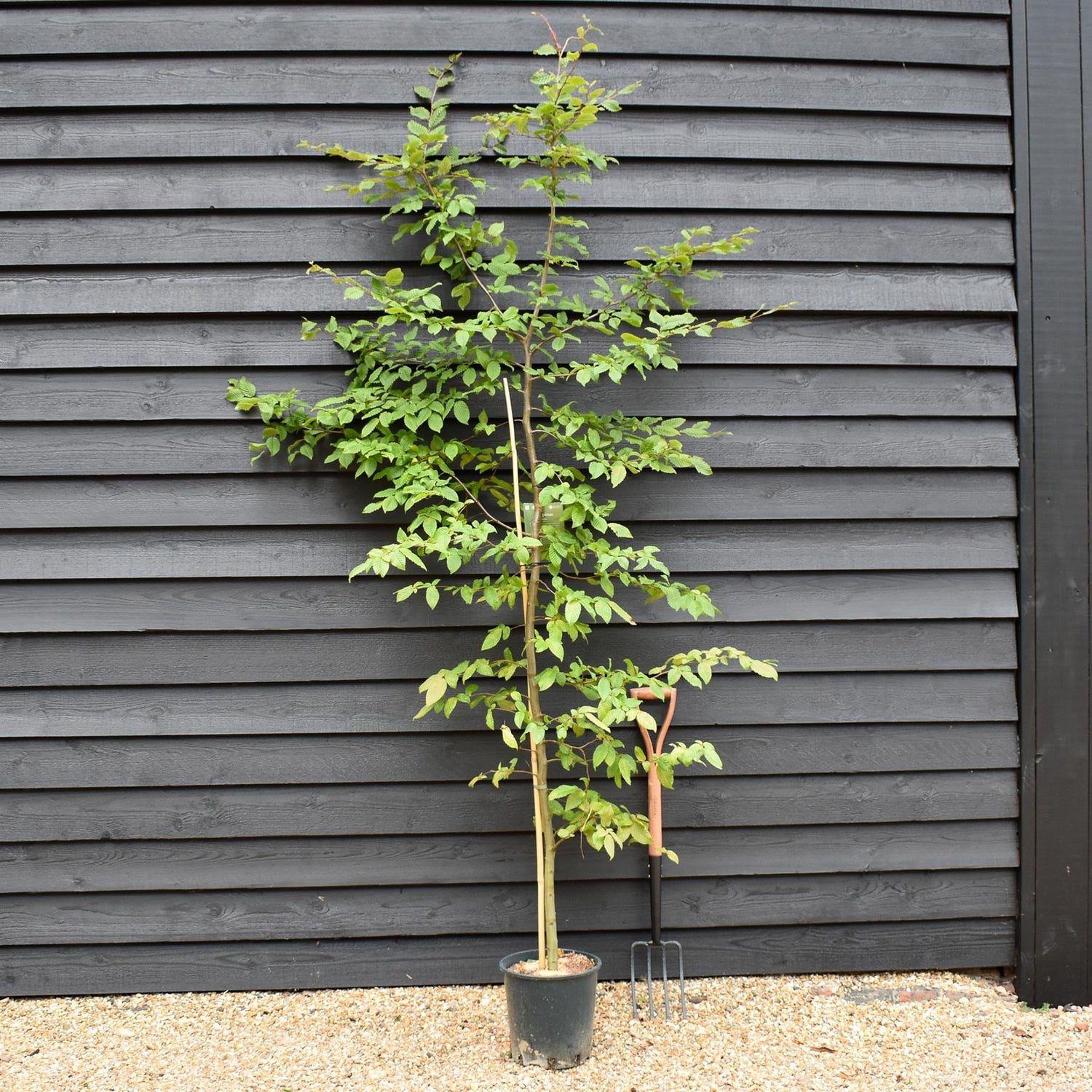


Carpinus betulus | European Hornbeam - 150-200cm, 10lt
£90.00
Unit price perCarpinus betulus | European Hornbeam - 150-200cm, 10lt
£90.00
Unit price per


Chamaecyparis lawsoniana 'Columnaris' | False Cypress - Height 220-260cm - 30lt
£102.00
Unit price perChamaecyparis lawsoniana 'Columnaris' | False Cypress - Height 220-260cm - 30lt
£102.00
Unit price per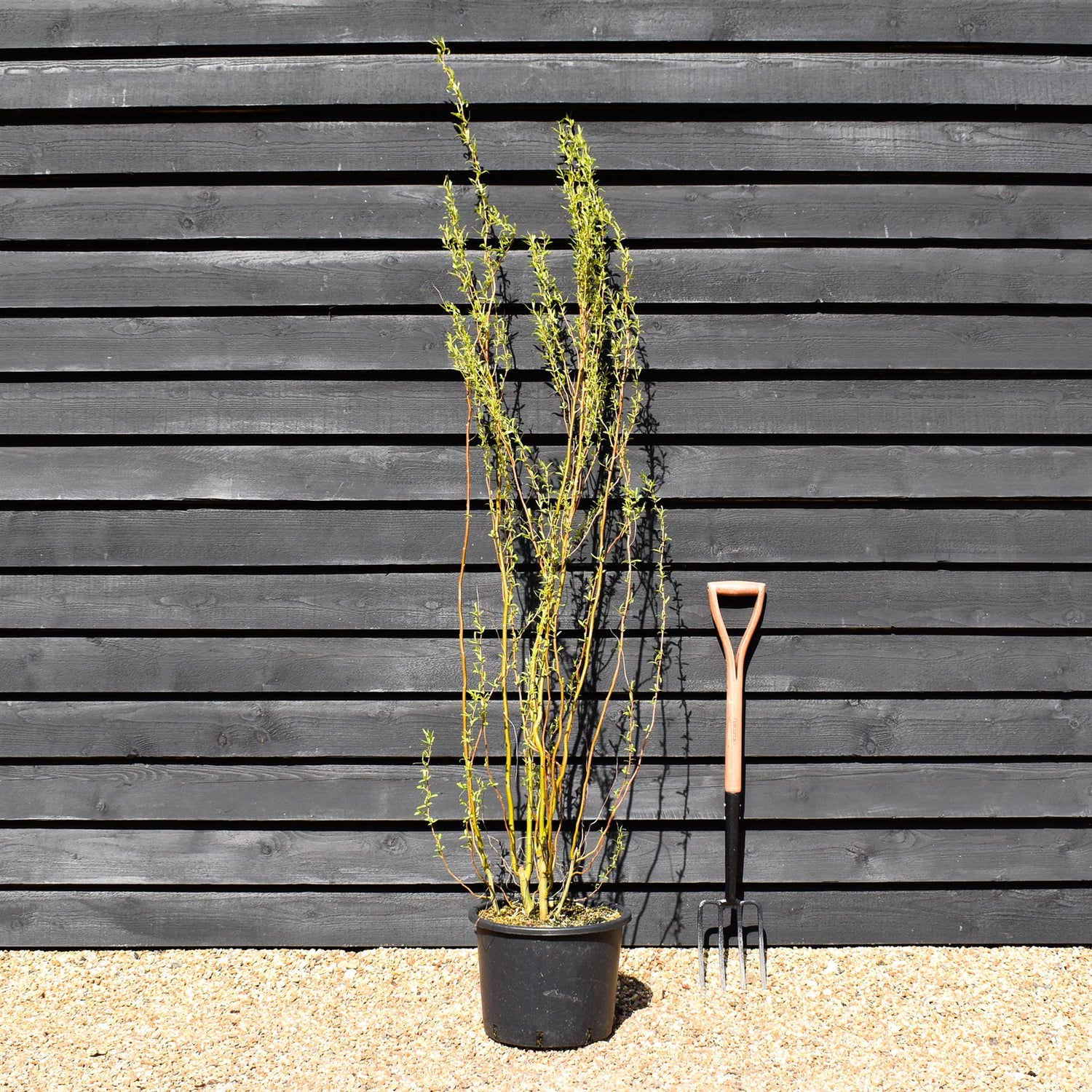


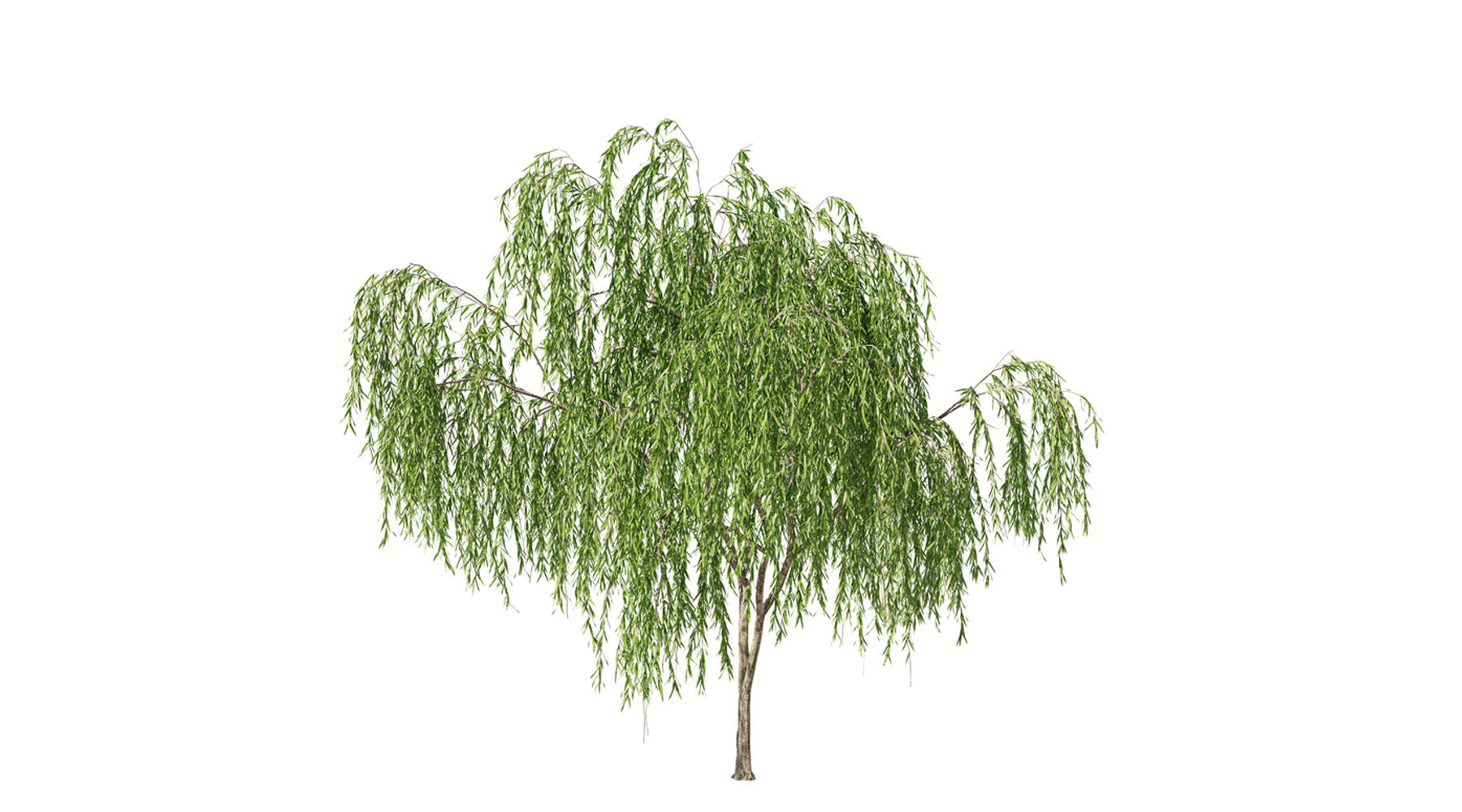
Salix babylonica var. pekinensis 'Tortuosa' | Corkscrew Willow - Height 175-195cm - 20lt
£160.00
Unit price perSalix babylonica var. pekinensis 'Tortuosa' | Corkscrew Willow - Height 175-195cm - 20lt
£160.00
Unit price per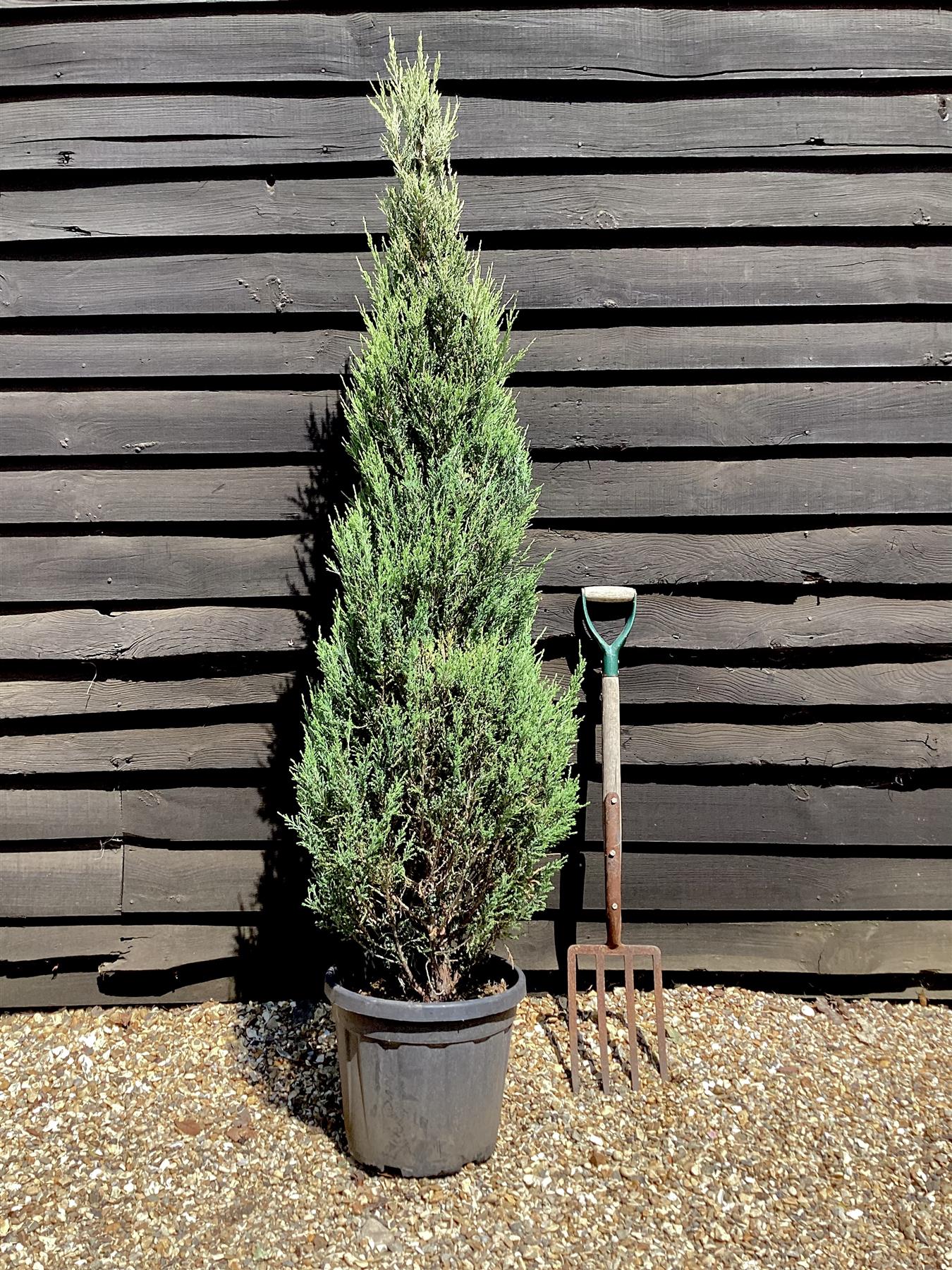

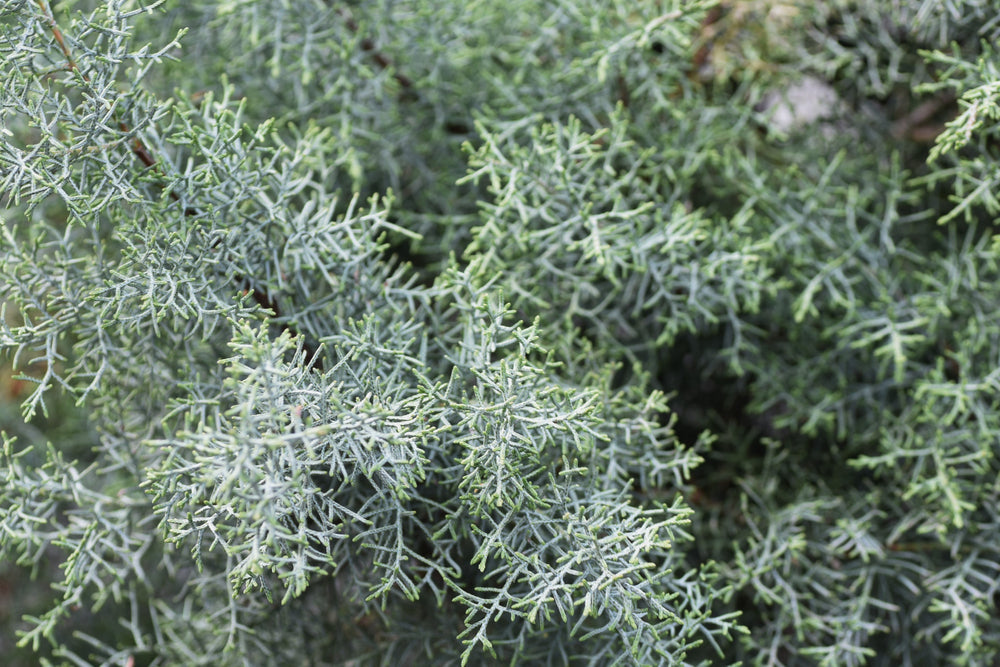
Cupressus arizonica var. glabra 'Glauca' | Arizona cypress 'Glauca' - 150-160cm, 25lt
£190.00
Unit price perCupressus arizonica var. glabra 'Glauca' | Arizona cypress 'Glauca' - 150-160cm, 25lt
£190.00
Unit price per


Larix decidua - European Larch - Height 90-120cm - 12lt
£160.00
Unit price perLarix decidua - European Larch - Height 90-120cm - 12lt
£160.00
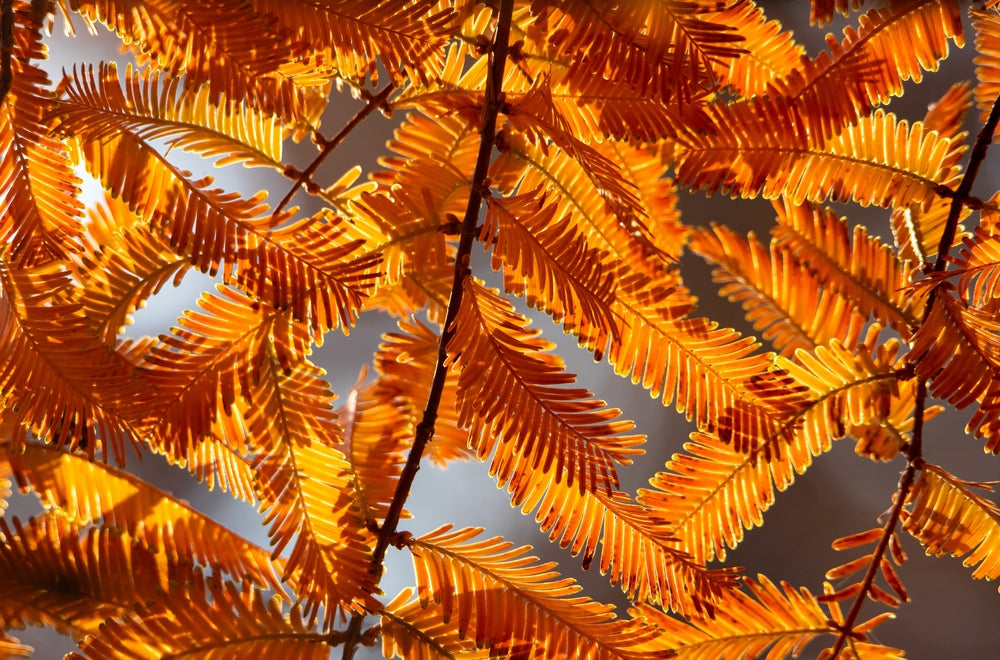
Unit price perThe Larix decidua, commonly known as the European Larch, is a distinctive deciduous conifer that brings year-round interest and strong architectural character to a garden. Unlike most conifers, it sheds its soft needles in autumn, creating a beautiful seasonal display as the foliage turns warm golden yellow before falling.
European Larch is best suited to medium to large gardens where it has space to develop into an elegant tree. It forms a tall, upright shape with gently spreading branches that allow light to filter through, making it less heavy in appearance than many evergreen conifers. In spring, clusters of fresh bright green needles emerge along the branches, often accompanied by small decorative cones that add further visual interest.
This species thrives in full sun and prefers moist but well-drained soil. It performs particularly well in cooler climates and is very hardy, making it reliable in most UK gardens. Once established, it is relatively low maintenance and tolerant of exposed positions.
Because of its graceful structure and seasonal colour changes, European Larch works beautifully as a specimen tree in lawns, parkland-style gardens, or large landscapes where its natural form can be fully appreciated.
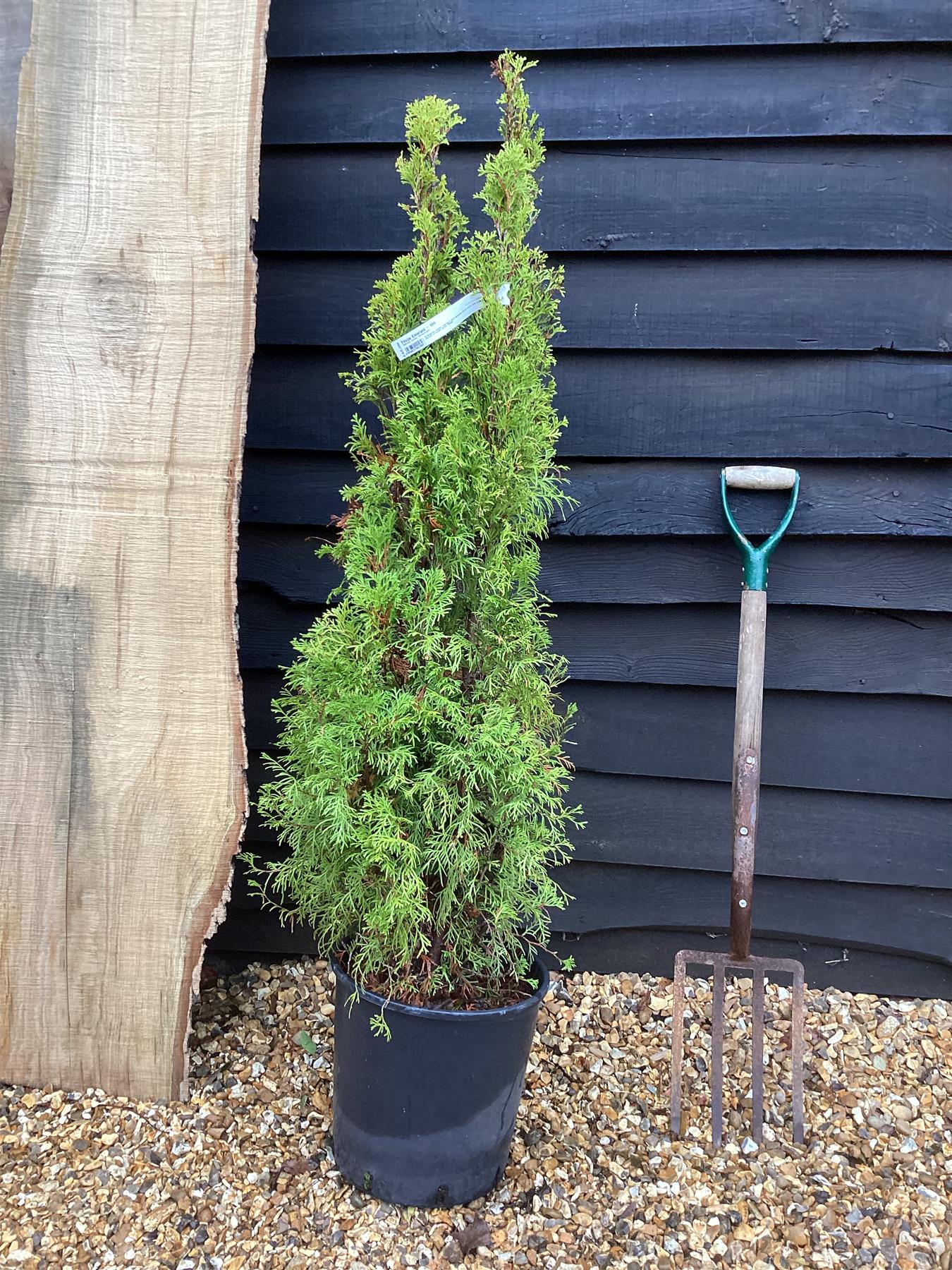

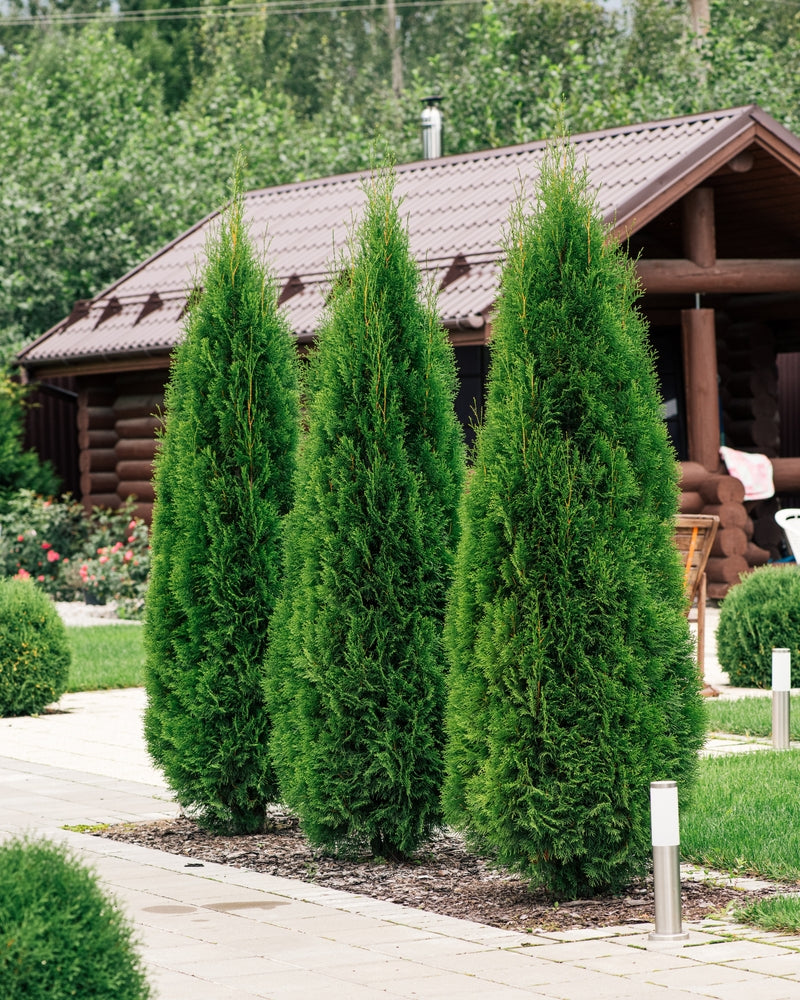
Thuja Emerald - 100-120cm, 10lt
£53.00
Unit price perThuja Emerald - 100-120cm, 10lt
£53.00
Unit price per


Cupressocyparis x leylandii - Height 160-180cm - 10lt
£72.00
Unit price perCupressocyparis x leylandii - Height 160-180cm - 10lt
£72.00
Unit price per


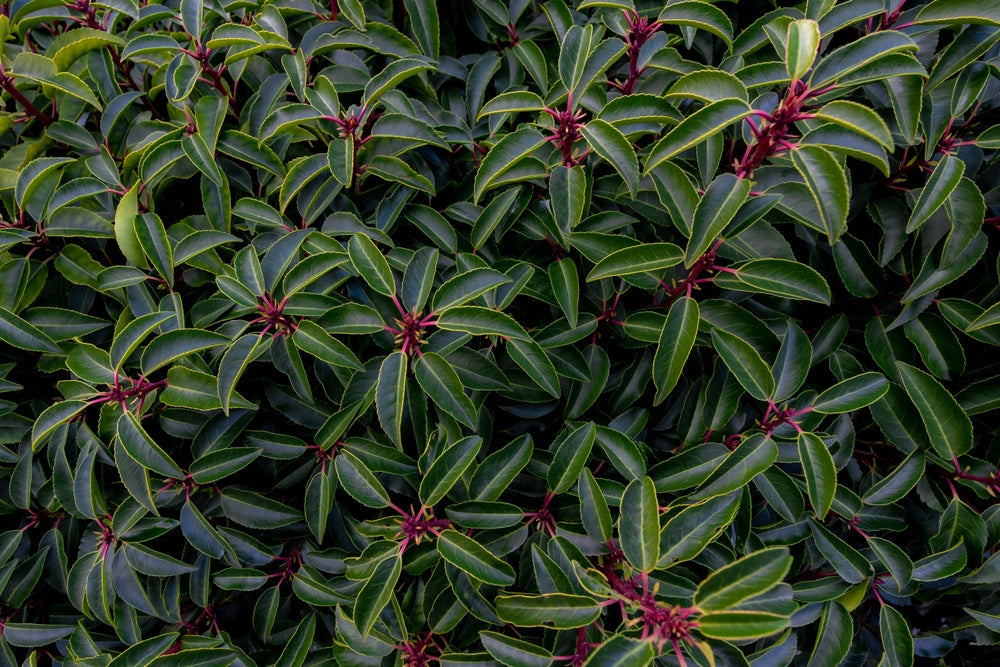
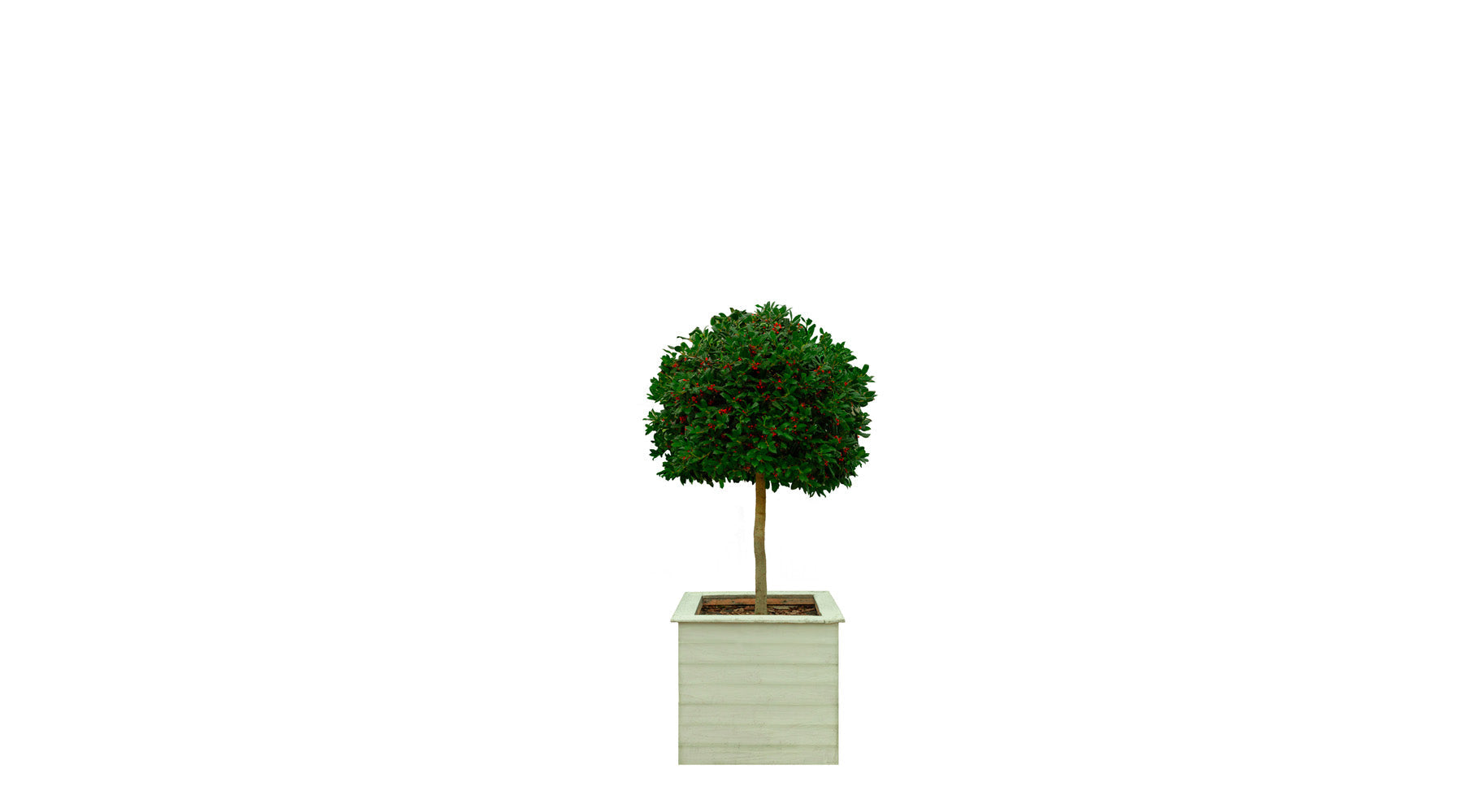
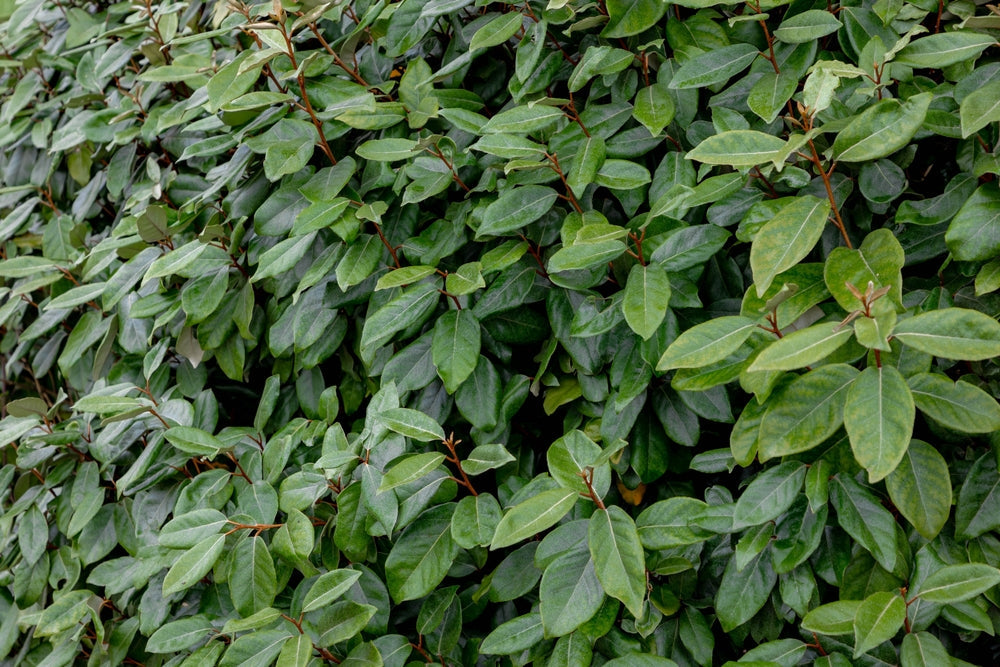
Prunus lusitanica 'Myrtifolia,' commonly known as Portuguese Laurel or Myrtle-leaf Cherry, is a beautiful evergreen tree that belongs to the Rosaceae family. Native to Portugal, it has become a popular ornamental tree in gardens and landscapes around the world. This compact tree can reach a height of about 6-10 feet (2-3 meters) and a spread of 4-6 feet (1.2-1.8 meters), making it ideal for smaller spaces or as a hedging plant.
One of the most striking features of Prunus lusitanica 'Myrtifolia' is its glossy, dark green leaves, which have a unique myrtle-like shape. The leaves are lance-shaped, elliptical, and have finely serrated edges. They provide a year-round display of rich green foliage, adding an elegant touch to any setting.
In late spring and early summer, this tree produces small, fragrant, creamy-white flowers in dense, erect clusters. The blossoms are a valuable nectar source for pollinators like bees and butterflies. Once pollinated, the flowers give way to small, round, red to dark-purple berries, adding further visual interest and attracting birds to the garden.
The 'Myrtifolia' variety of Prunus lusitanica is prized for its compact growth habit, making it an excellent choice for hedges, borders, or screens. When planted closely together, the trees form a dense, evergreen barrier, providing privacy and a lush backdrop for other garden elements. Additionally, the tree's dense foliage also acts as a natural sound barrier, reducing noise pollution.
This tree is adaptable to a range of soil types, from sandy to clayey, and prefers well-drained soil. It thrives in full sun to partial shade and is relatively low-maintenance once established. Regular watering during its initial growth period helps establish a strong root system, after which it becomes moderately drought-tolerant.
While generally hardy, Prunus lusitanica 'Myrtifolia' may be susceptible to pests like aphids and diseases like leaf spot or powdery mildew. Regular inspections and appropriate measures can prevent these issues from becoming significant problems.
Overall, Prunus lusitanica 'Myrtifolia' is a charming and versatile tree that adds a touch of elegance to any garden or landscape, whether as a focal point, a hedge, or a beautiful backdrop for other plants. Its attractive foliage, fragrant flowers, and wildlife-friendly berries make it a favorite among gardeners seeking an evergreen tree with year-round interest.
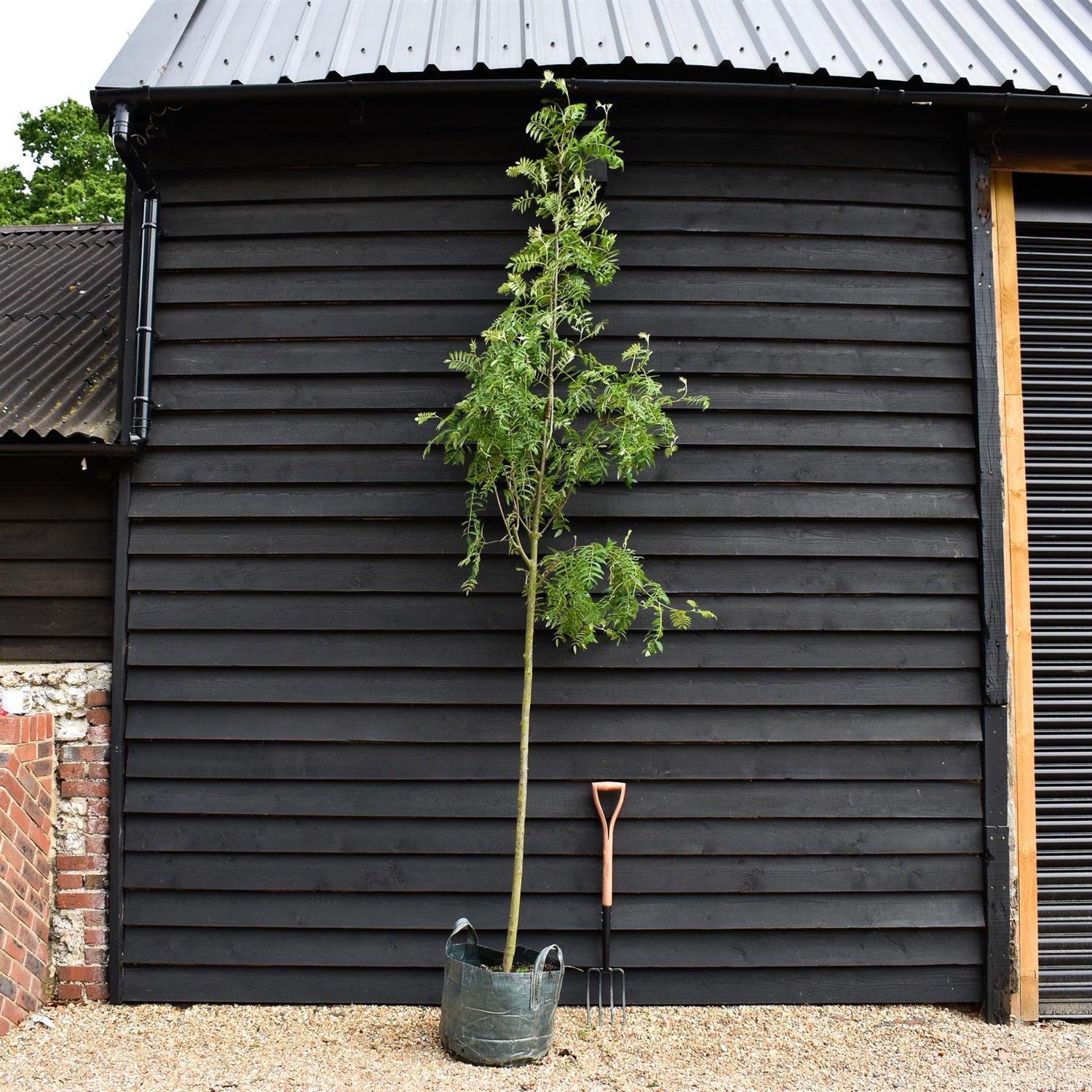


Sorbus aucuparia Asplenifolia - Clear Stem 140cm - Girth 10-12cm - Height 280-300cm - 45lt
£435.00
Unit price perSorbus aucuparia Asplenifolia - Clear Stem 140cm - Girth 10-12cm - Height 280-300cm - 45lt
£435.00
Unit price per


Judas tree | Cercis siliquastrum - Girth 5-6cm - 290-300cm - 30lt
£225.00
Unit price perJudas tree | Cercis siliquastrum - Girth 5-6cm - 290-300cm - 30lt
£225.00
Unit price perCercis siliquastrum, commonly known as the Judas tree or love tree, is a deciduous tree native to the Mediterranean region, including parts of Southern Europe and Western Asia. It is a member of the bean family (Fabaceae) and is known for its vibrant, pink-purple flowers and heart-shaped leaves. The Judas tree can grow up to 10 meters tall and has a spreading, umbrella-shaped crown. Its bark is smooth and grey-brown, and its branches are often twisted and gnarled, adding to its aesthetic appeal. The tree typically blooms in early spring, before its leaves appear, producing an abundance of small, pink-purple flowers that grow in clusters on the branches and trunk. These flowers are a valuable source of nectar for bees and other pollinators. After flowering, the tree produces flattened, brown seed pods that hang from the branches throughout the summer. These pods can be several centimetres long and contain numerous small seeds. The Judas tree is a popular ornamental tree in gardens and parks, where it is valued for its attractive appearance and early spring flowering. It prefers full sun or partial shade and well-drained soil, and is generally hardy and easy to grow.