

-
Trees
Trees
 Fruit Trees
 Ornamental
 Screening
 Palms
By FeaturesBy Shape
Palms
By FeaturesBy Shape -
Shrubs
Shrubs
 Large shrubs
 Hedging
 Bamboo
 Climbers
 Flowering
 Grasses & Ferns
 Popular
-
Pines & Conifers
Pines & Conifers
 Pines
Pines
 Spruce & Fir
 Cypress
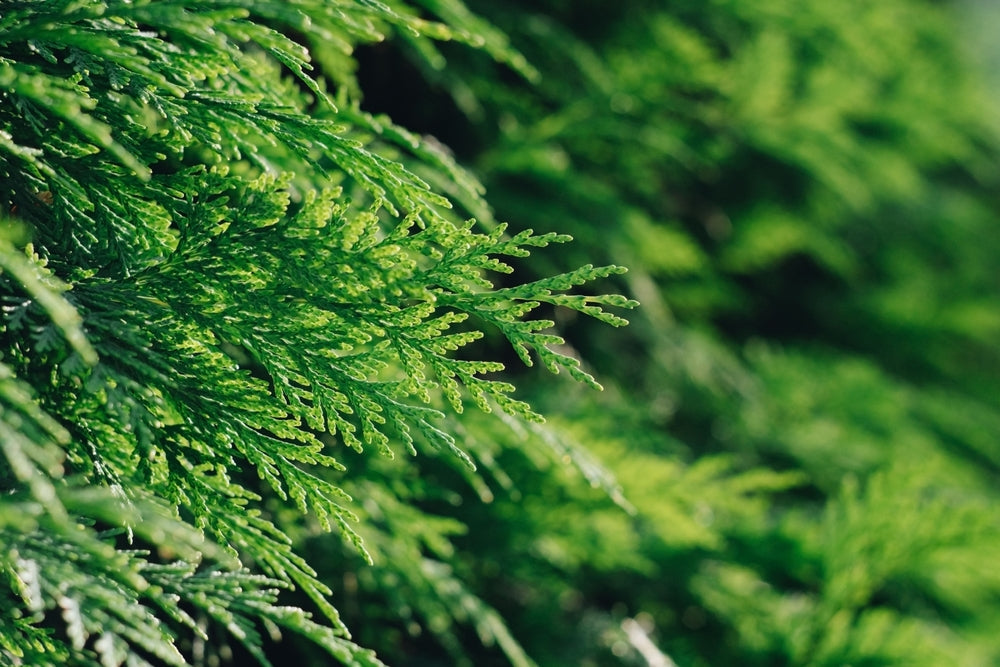 Thuja
Thuja
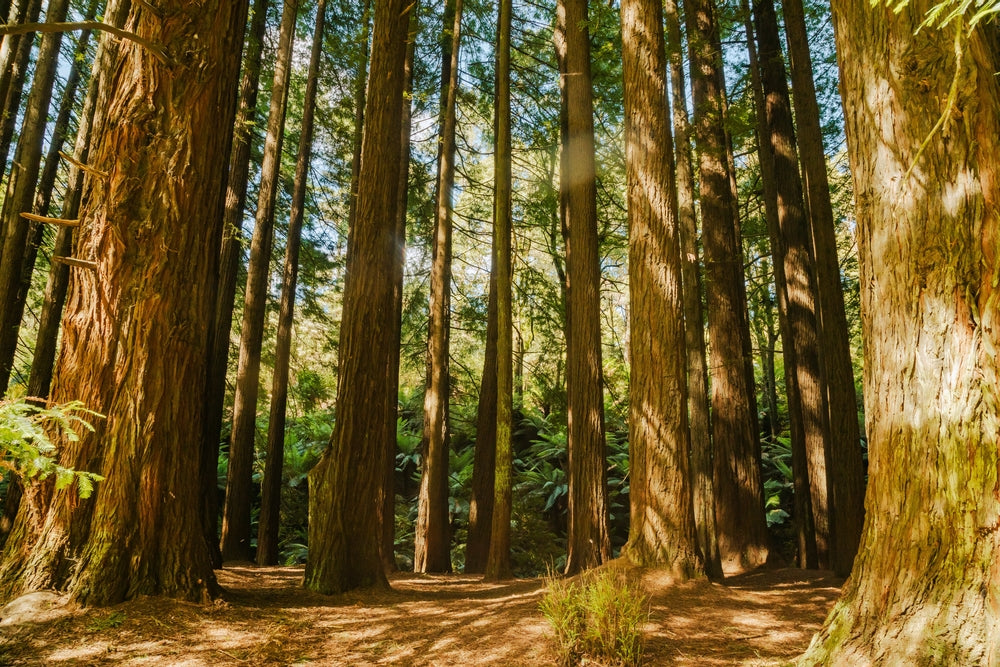 Redwood | Sequoia
-
Specimen

FREE DELIVERY OVER £350
Search results
21 results
21 results
Sort by:
Search results


Ceanothus 'Victoria' - Bush - Height - 120-150cm - 30lt
£193.00
Unit price perCeanothus 'Victoria' - Bush - Height - 120-150cm - 30lt
£193.00
Unit price perThe Ceanothus 'Victoria' is a highly suitable shrub for gardens, especially in temperate or coastal regions. Known for its vibrant, deep blue flowers that bloom profusely in late spring to early summer, this evergreen offers year-round interest with its glossy, dark green foliage. It thrives in well-drained soil and full sun, and once established, is drought-tolerant, making it a low-maintenance choice for sustainable gardening. Its compact, bushy form—typically reaching up to 1.5 to 2.5 meters in height and spread—makes it ideal as a feature plant, informal hedge, or for adding structure to borders. Ceanothus 'Victoria' also supports local biodiversity by attracting bees and butterflies. While it dislikes heavy pruning or wet, poorly drained conditions, proper care ensures its longevity and striking visual impact. Overall, it's a beautiful and practical choice for gardeners seeking color, texture, and wildlife value in their outdoor spaces.


Ceanothus 'Trewithen Blue' - Height 50-60cm - Bushy - 5lt
£33.00
Unit price perCeanothus 'Trewithen Blue' - Height 50-60cm - Bushy - 5lt
£33.00
Unit price perCeanothus ‘Trewithen Blue’, or California Lilac ‘Trewithen Blue’, is a large, vigorous, spreading, evergreen shrub with elegant, arching branches and oval, glossy, dark green leaves. A profusion of fragrant, rich blue flower panicles bloom from April to June, covering the whole shrub and creating a wonderful display. Attractive to bees, butterflies, and hummingbirds.
Ceanothus ‘Trewithen Blue’ can tolerate a wide range of soils, but prefers moderately fertile, slightly acidic, moist, well-drained soils. It thrives in full sun, but can tolerate light shade. In hot summer areas, it appreciates some afternoon shade. Once established, tolerant of drought. It can withstand frost, but needs to be sheltered from harsh, winter winds. May require pruning after flowering. Very difficult to transplant. Californian lilac 'Trewithen Blue' is a wonderful, abundantly flowering shrub, great as a specimen plant in cottage, urban, and rock gardens. Excellent for beds and borders and informal hedges and screens.
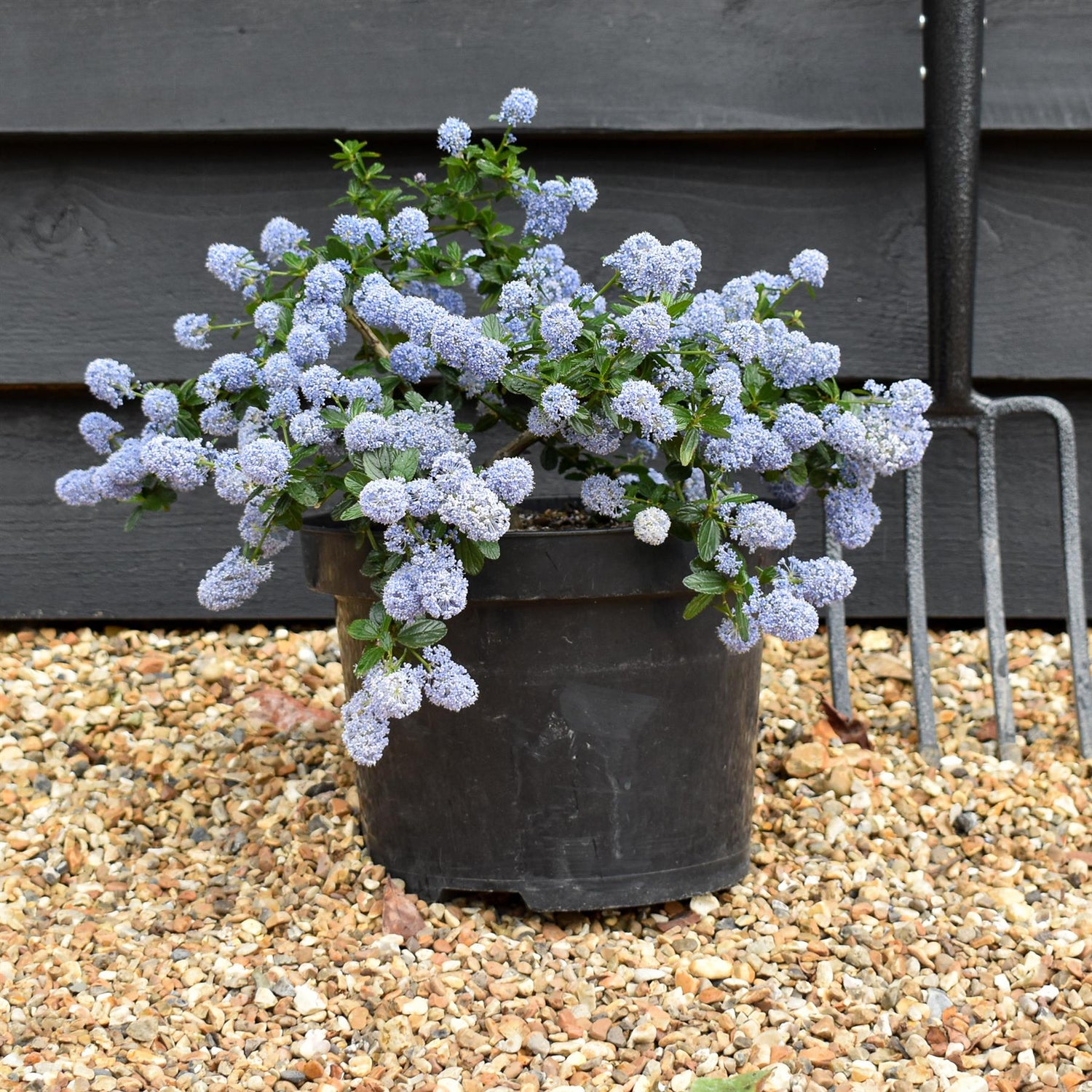
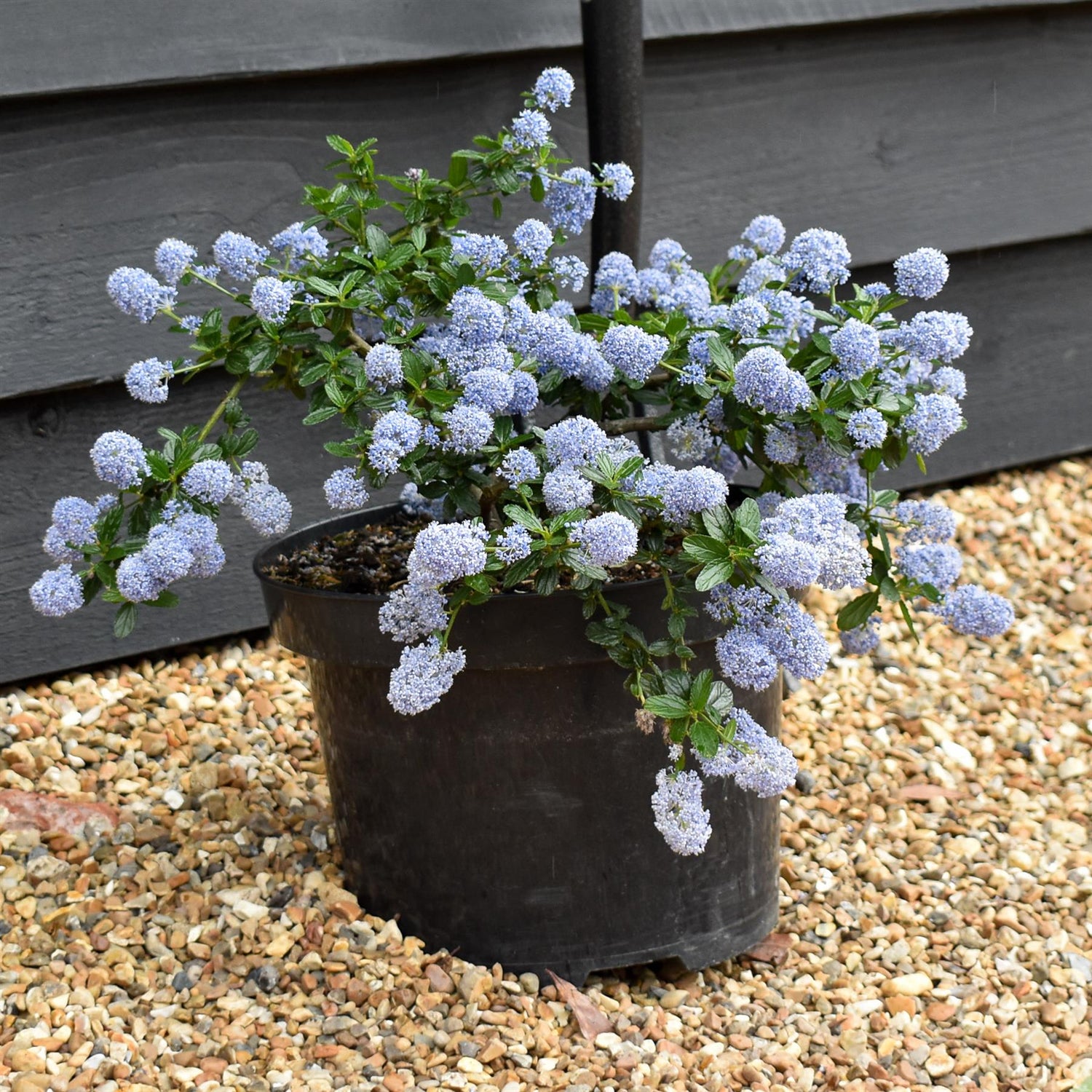
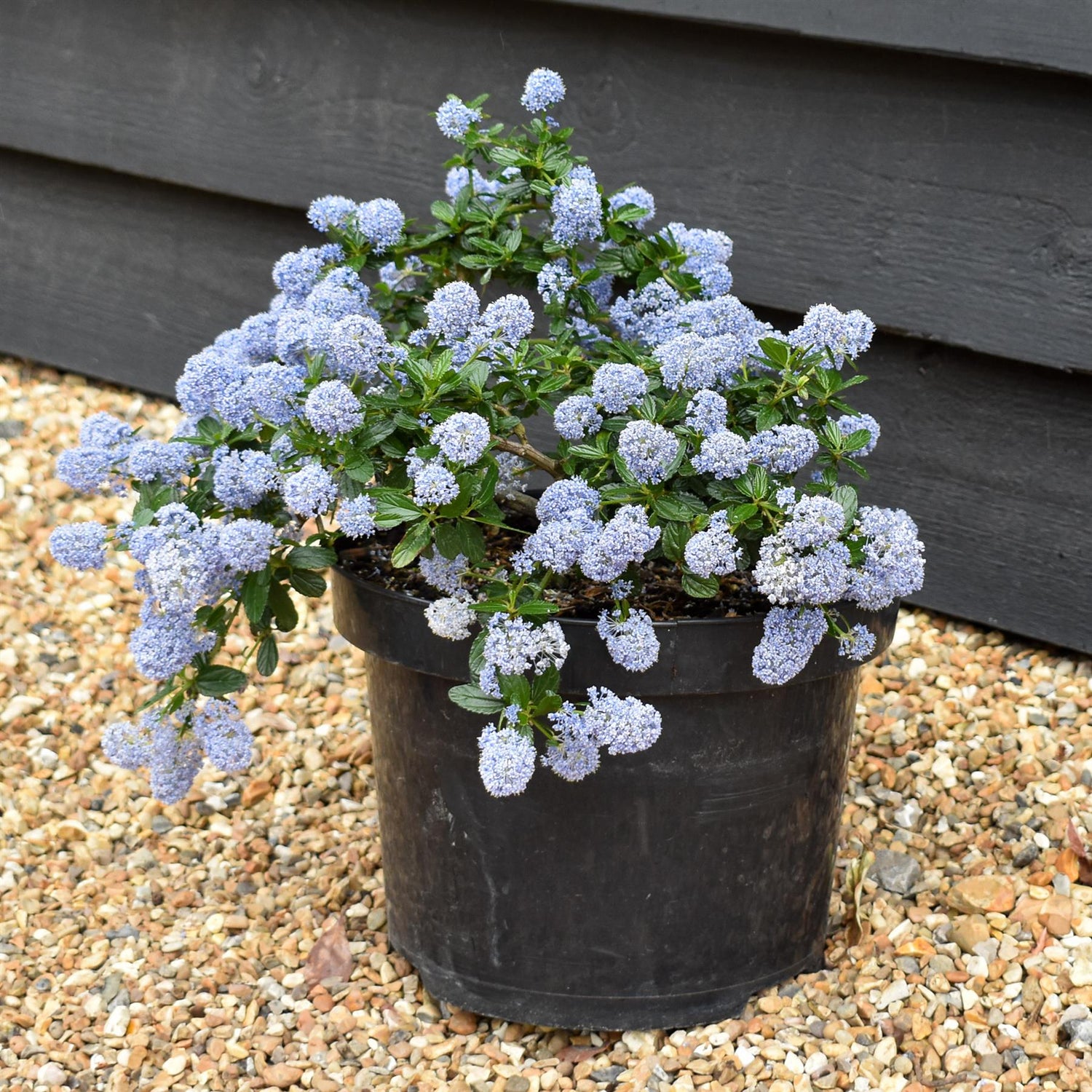
Ceanothus thrysifloris repens - 20-30cm, 5lt
£33.00
Unit price perCeanothus thrysifloris repens - 20-30cm, 5lt
£33.00
Unit price per


Ceanothus thrysifloris repens - Shrub - Height 20-30cm - 5lt
£16.00
Unit price perCeanothus thrysifloris repens - Shrub - Height 20-30cm - 5lt
£16.00
Unit price per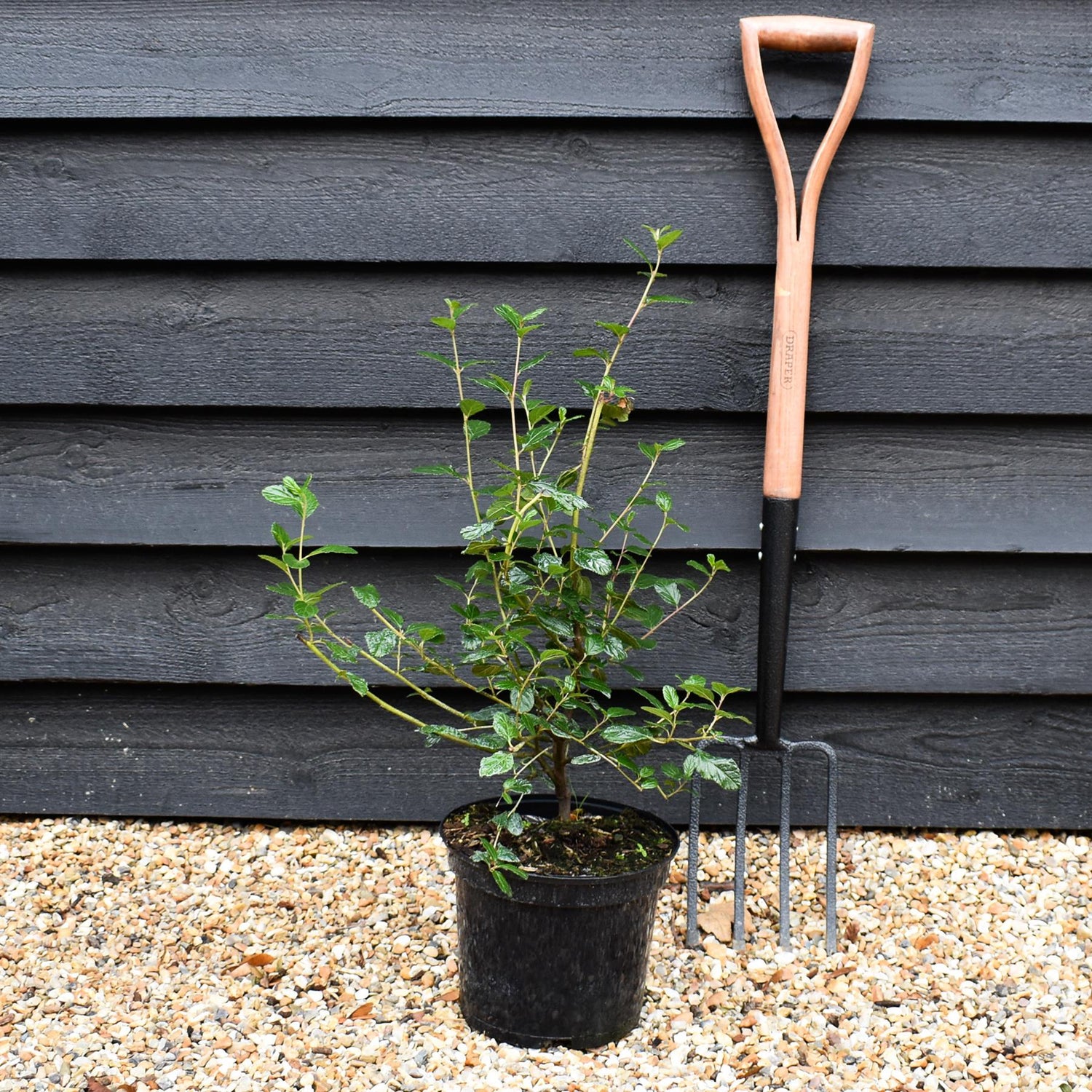
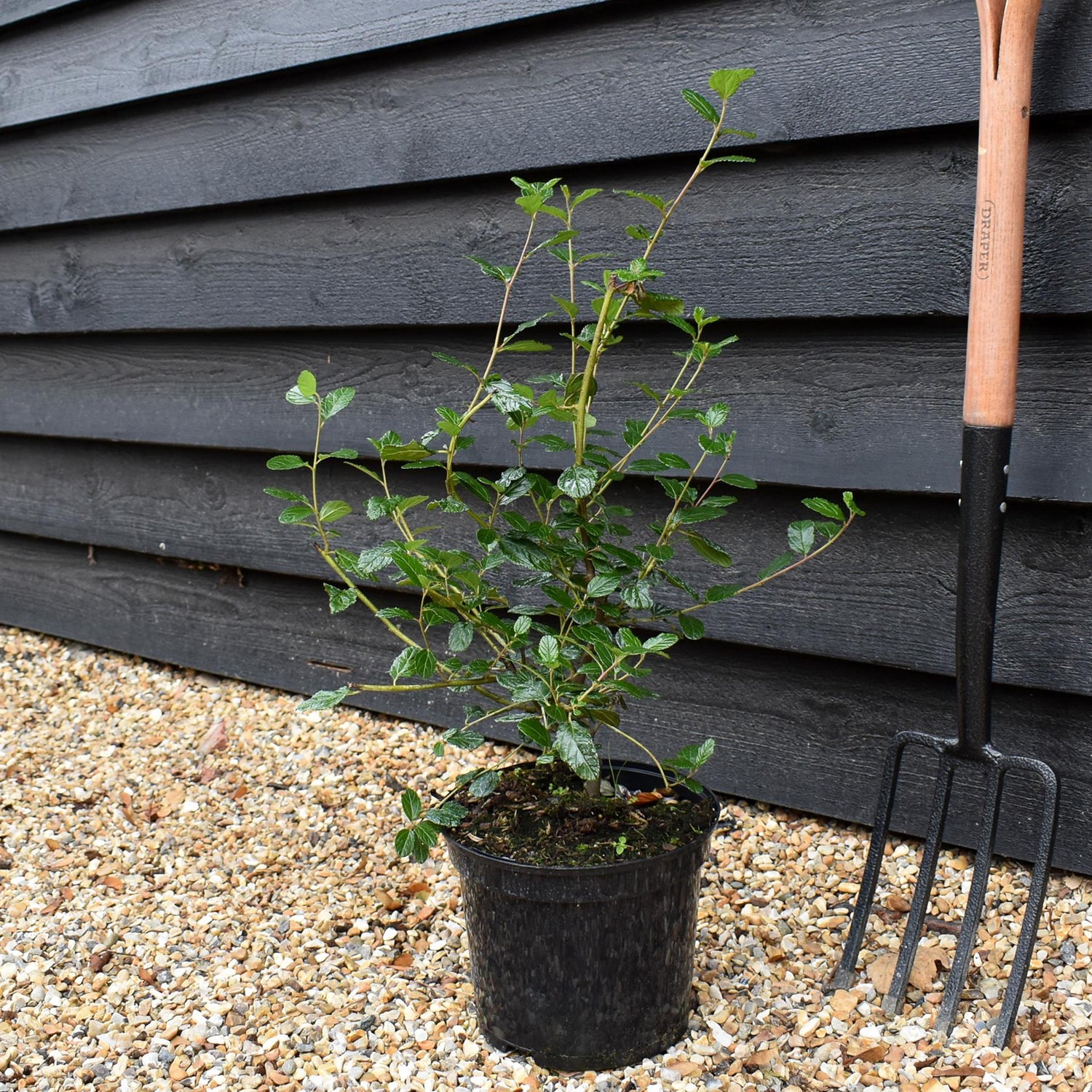
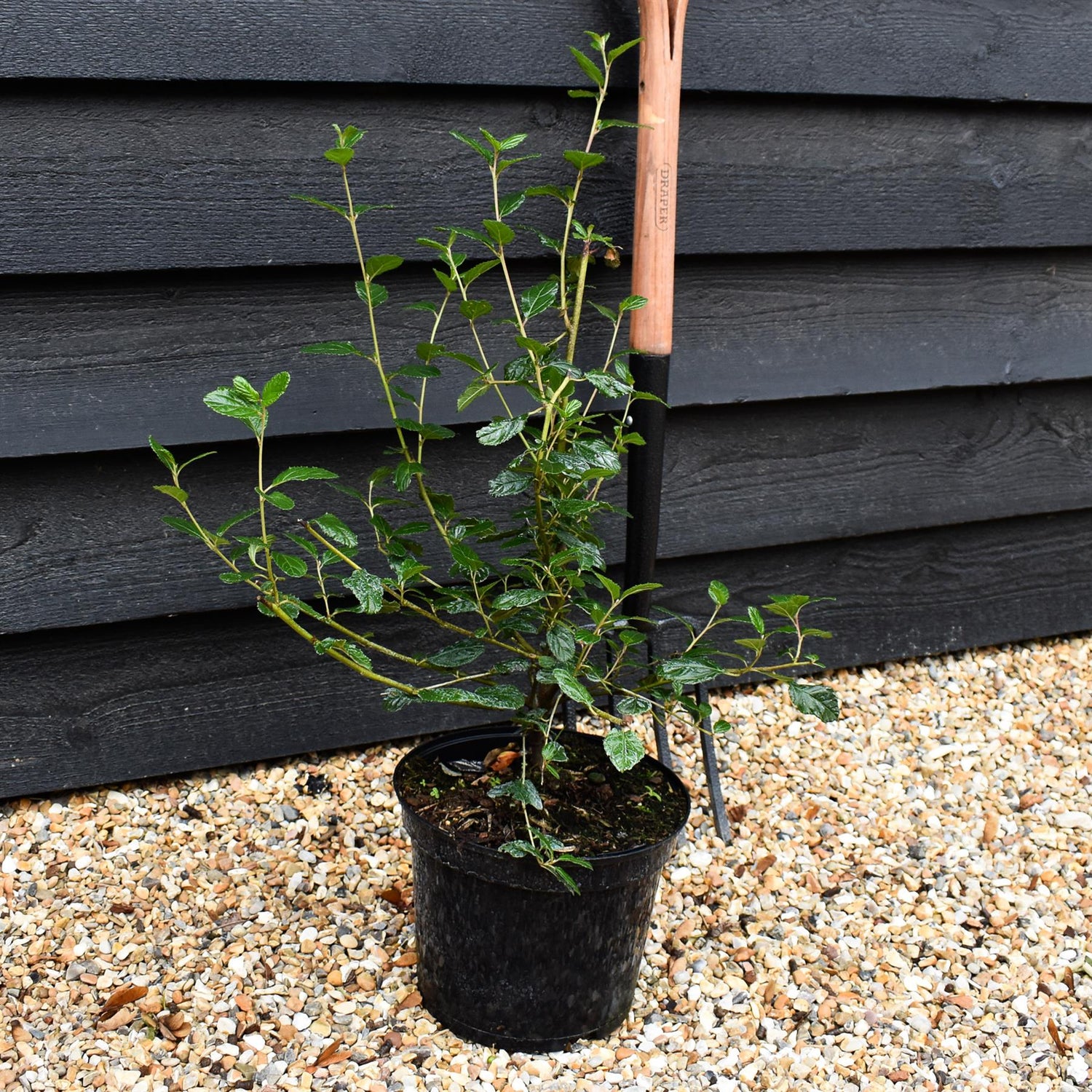
Ceanothus Autumnal Blue | Californian lilac ‘Autumnal Blue' - Height 50-60cm, 5lt
£28.00
Unit price perCeanothus Autumnal Blue | Californian lilac ‘Autumnal Blue' - Height 50-60cm, 5lt
£28.00
Unit price perCeanothus ‘Autumnal Blue’ is a striking evergreen shrub that adds vibrancy to gardens, particularly in autumn. A member of the Rhamnaceae family, it is often referred to as a Californian Lilac, though it bears no relation to true lilacs. This variety is prized for its compact, bushy growth and its attractive blue flowers, which bloom later in the season compared to many other ceanothus varieties, typically appearing from late summer through to early autumn.
The shrub grows to a medium height, often reaching between 2.5 to 4 metres in both height and spread, making it suitable for smaller gardens or as part of a mixed border. Its dark green, glossy leaves form a dense canopy, providing interest year-round, even when not in bloom. However, the real show begins when the clusters of bright blue flowers emerge, attracting pollinators such as bees and butterflies.
Ceanothus ‘Autumnal Blue’ prefers a sheltered spot with full sun, ideally planted against a south or west-facing wall where it will thrive in well-drained soil. It is relatively low-maintenance, requiring only occasional pruning to shape after flowering, and it is drought-tolerant once established, making it ideal for UK gardens, especially in coastal areas where conditions can be dry and windy.
In addition to its beauty, this shrub offers ecological benefits, providing a late-season source of nectar for pollinators. Its compact size and autumnal bloom time make it a perfect choice for gardeners looking to extend the season of interest in their borders, while its evergreen foliage ensures year-round structure. Ceanothus ‘Autumnal Blue’ is a stunning and resilient addition to any garden, offering both aesthetic and ecological rewards.
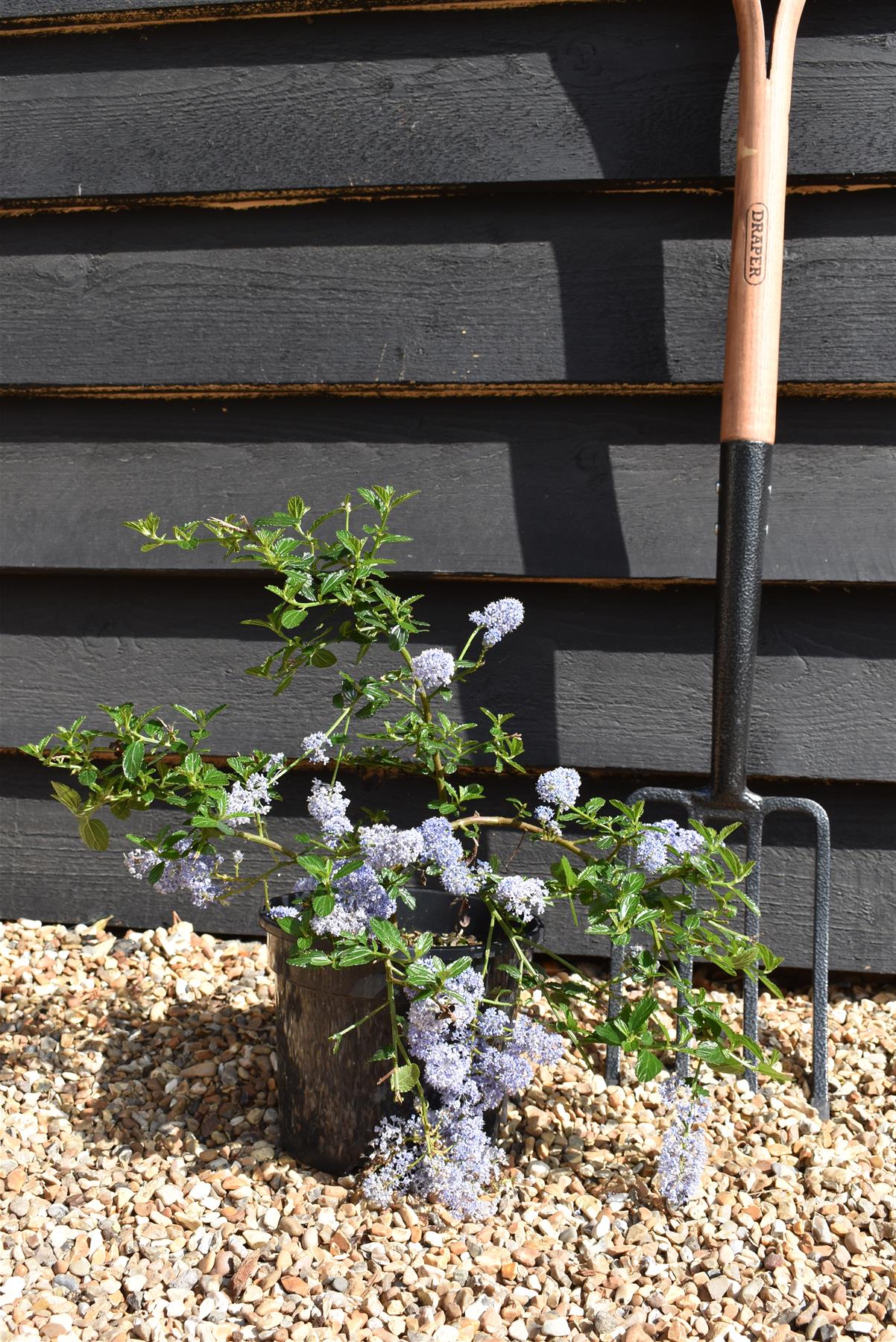
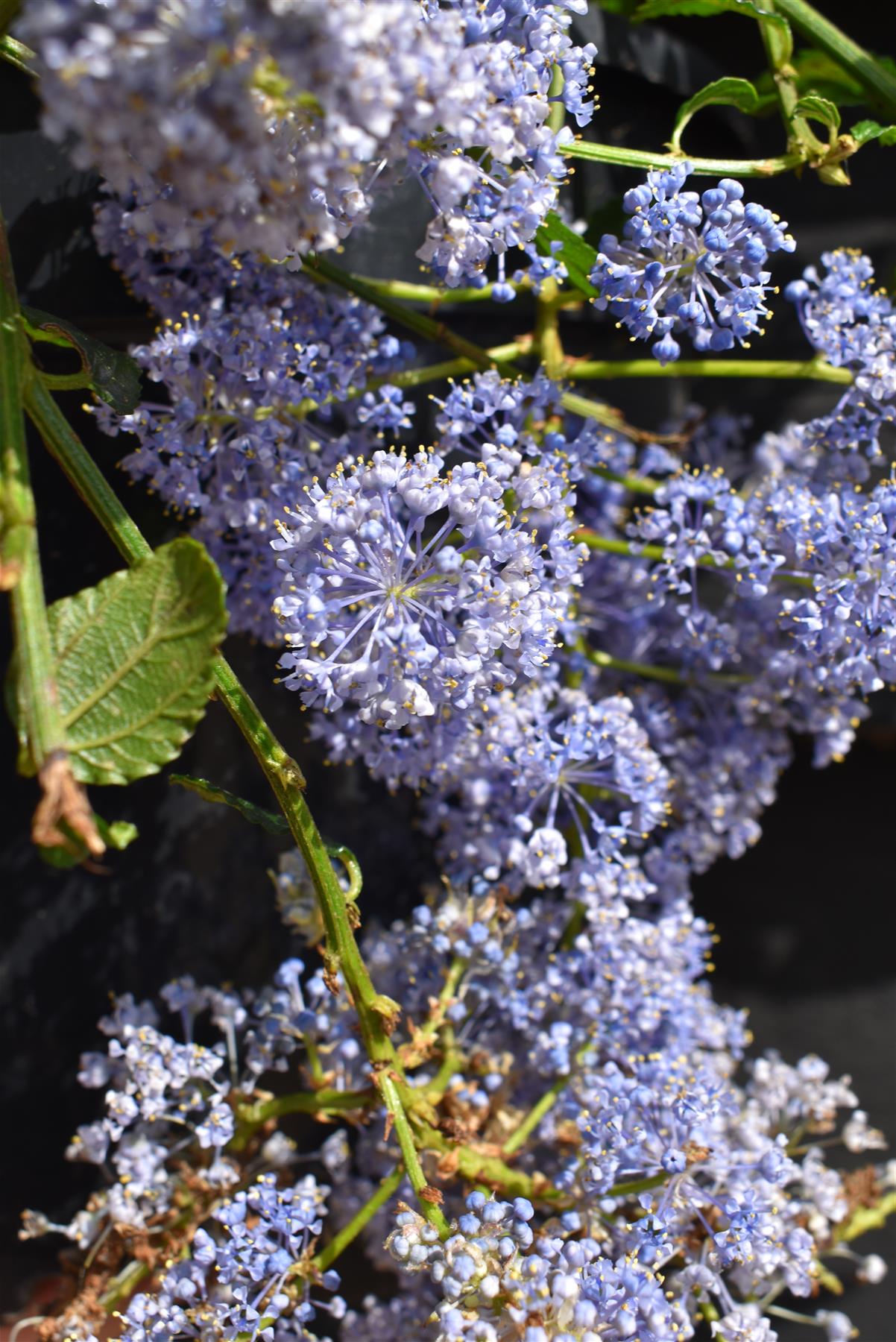
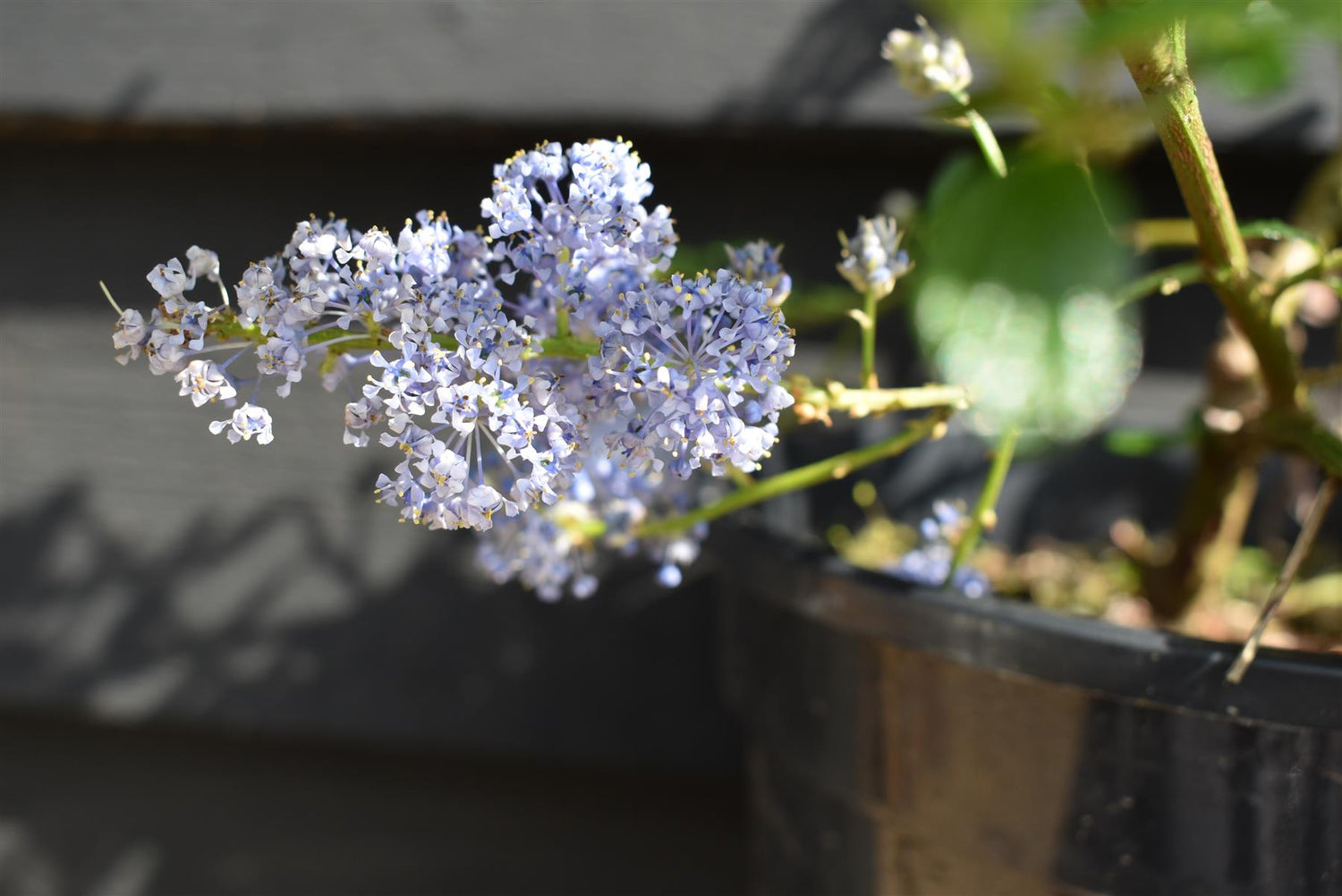
Ceanothus thrysifloris repens - 20-25cm, 3lt
£16.00
Unit price perCeanothus thrysifloris repens - 20-25cm, 3lt
£16.00
Unit price per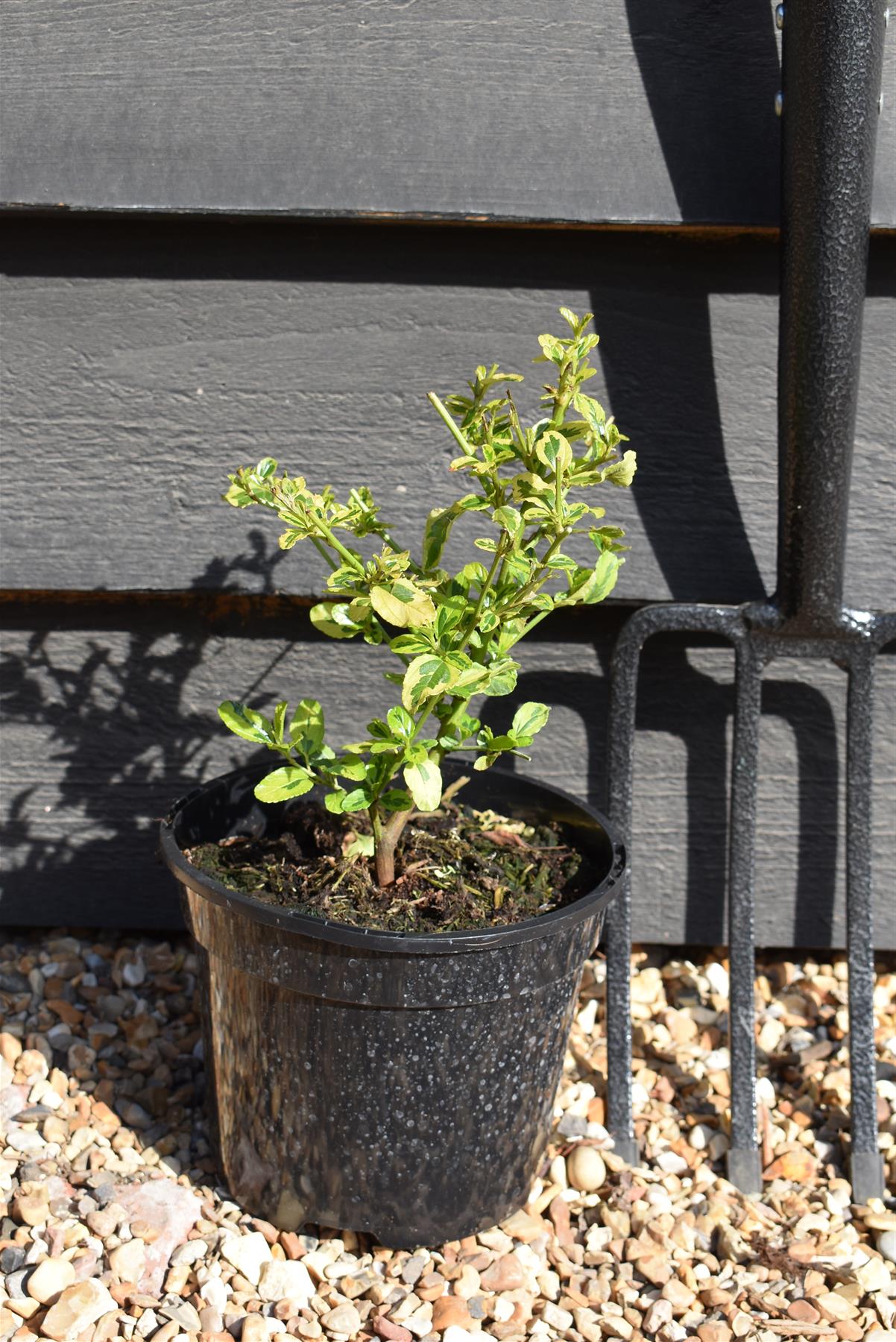
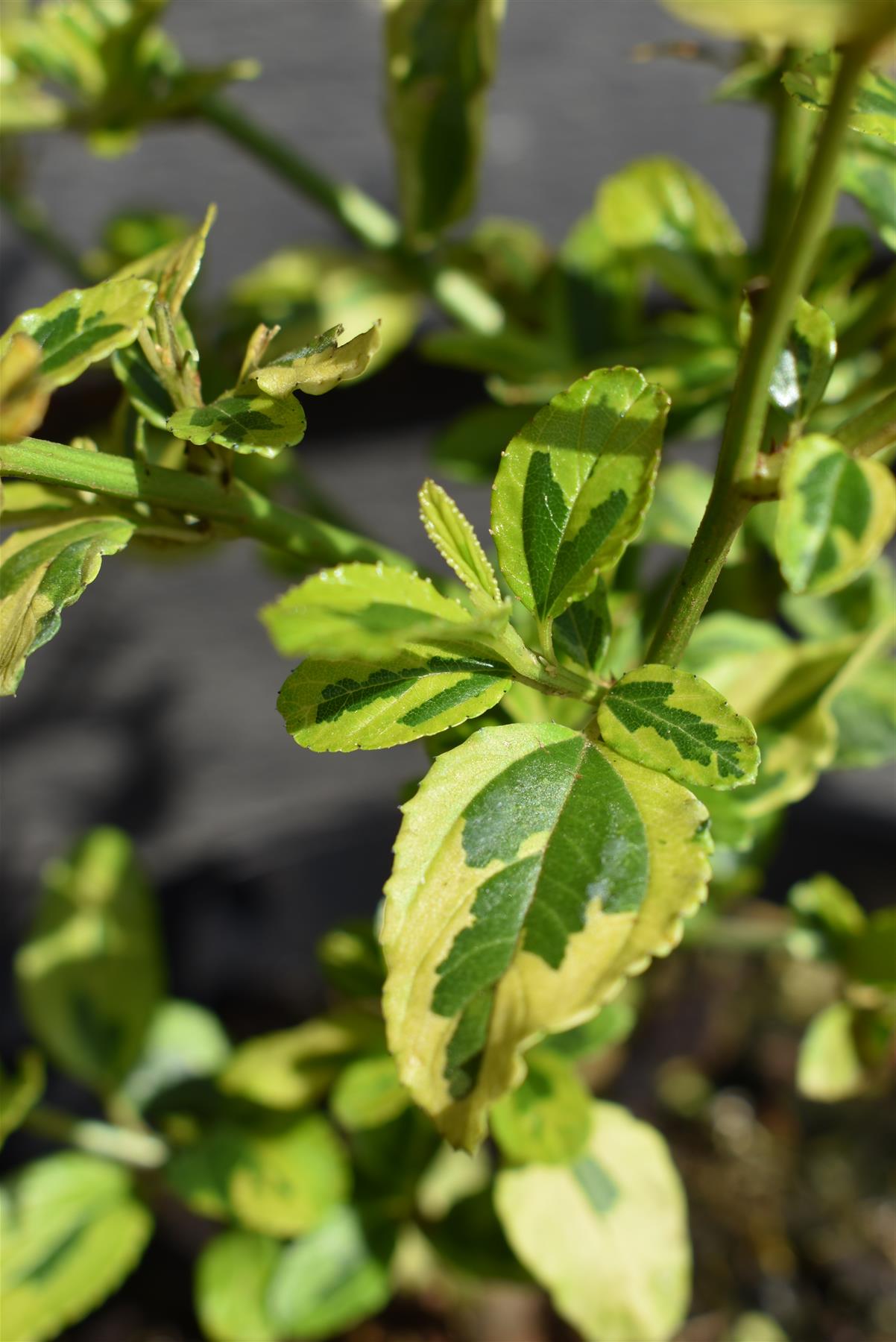
Ceanothus El Dorado | Californian lilac ‘El Dorado' - 15-35cm, 2lt
£16.00
Unit price perCeanothus El Dorado | Californian lilac ‘El Dorado' - 15-35cm, 2lt
£16.00
Unit price perCeanothus 'El Dorado' is a striking, evergreen shrub prized for its attractive foliage and vibrant flowers. Known for its compact form, this plant typically reaches around 1 to 1.5 metres in height and spread, making it an excellent choice for small gardens, borders, or as a feature plant in containers.
The foliage of Ceanothus 'El Dorado' is its standout feature. Its leaves are dark green with a distinct yellow margin, creating a striking contrast. The yellow-edged leaves add a bright, cheerful element to the garden throughout the year, even when the plant is not in bloom.
In late spring and early summer, Ceanothus 'El Dorado' produces clusters of small, vivid blue flowers that attract bees and other pollinators. The combination of blue blossoms against the golden-edged foliage creates a stunning display. The flowers are densely packed into panicles, giving the shrub a luxuriant appearance.
This cultivar thrives in full sun and prefers well-drained soil. It is relatively low-maintenance, though it benefits from some shelter from harsh winds and frost. While it is drought-tolerant once established, it will perform best with regular watering during dry spells.
Ceanothus 'El Dorado' is also an excellent choice for coastal gardens, as it is tolerant of salt winds. Its evergreen nature ensures it provides structure and colour to the garden year-round.
Whether used as a feature plant or as part of a mixed border, Ceanothus 'El Dorado' adds a bright splash of colour and texture to any garden. Its combination of vibrant foliage and eye-catching flowers make it a popular choice among gardeners seeking an easy-to-grow yet visually striking plant.
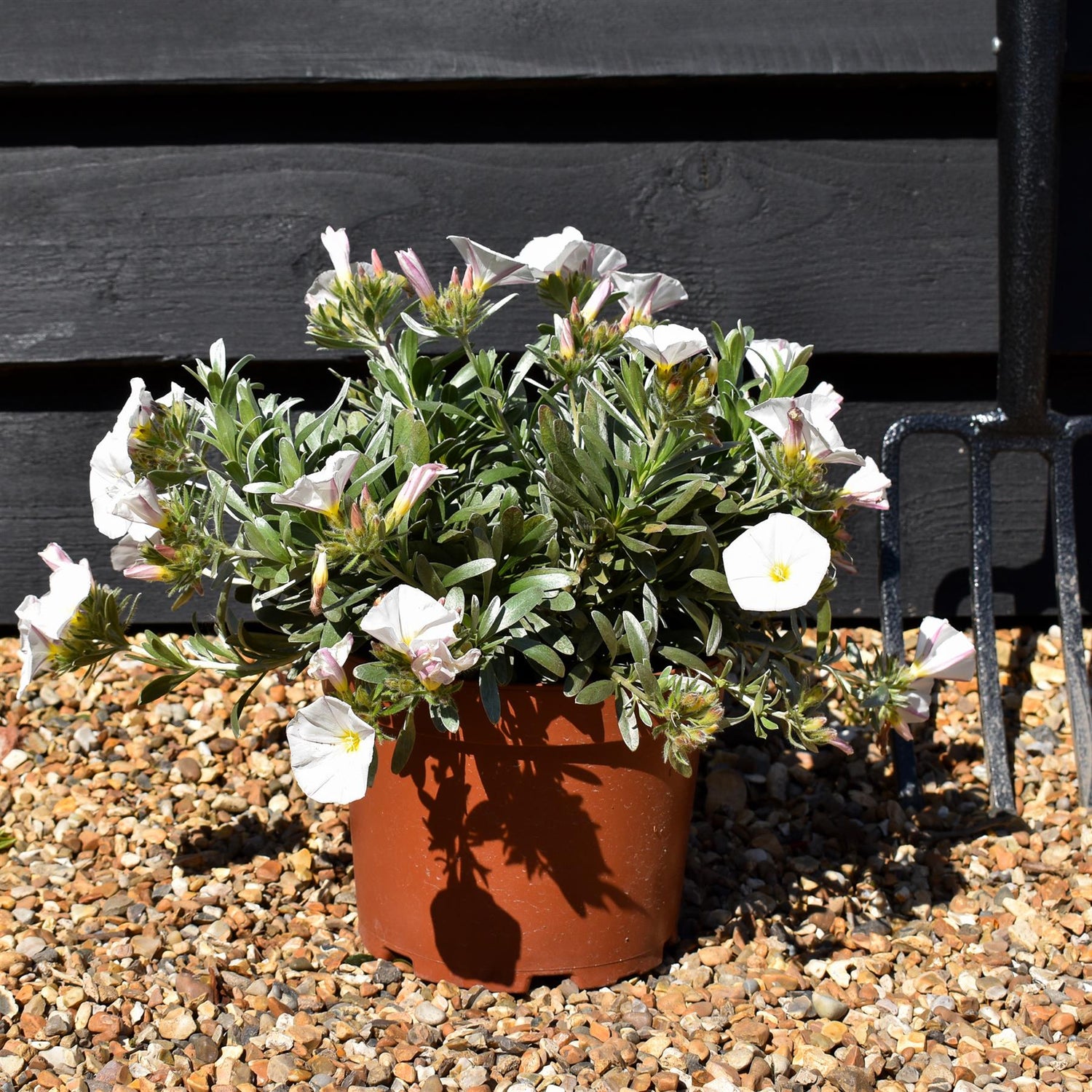


Convolvulus cneorum | Silver Bush - Height 15-35cm - 3lt
£28.00
Unit price perConvolvulus cneorum | Silver Bush - Height 15-35cm - 3lt
£28.00
Unit price perConvolvulus cneorum, commonly known as Silver Bush, is a stunning evergreen shrub that can make a beautiful addition to any garden or landscape. Native to the Mediterranean region, this plant is a popular choice for its attractive silvery-green foliage and delicate white flowers that bloom from late spring to early summer.
Silver Bush typically grows to a height of 60-80cm and a spread of 90-120cm, making it an excellent choice for small gardens or as a low-maintenance ground cover. It has a compact and dense growth habit, and its small leaves are covered in fine, silvery hairs, which give the plant its distinctive appearance.
In addition to its ornamental value, Convolvulus cneorum is also a relatively easy plant to care for. It prefers a sunny location with well-drained soil, and it is drought tolerant once established. Pruning is generally not necessary, but the plant can be lightly trimmed after flowering to maintain its shape and encourage bushy growth.
Overall, Convolvulus cneorum is a versatile and attractive plant that is well-suited for a variety of landscaping applications. Whether used as a focal point in a garden or as a low-maintenance ground cover, this plant is sure to add beauty and interest to any landscape.
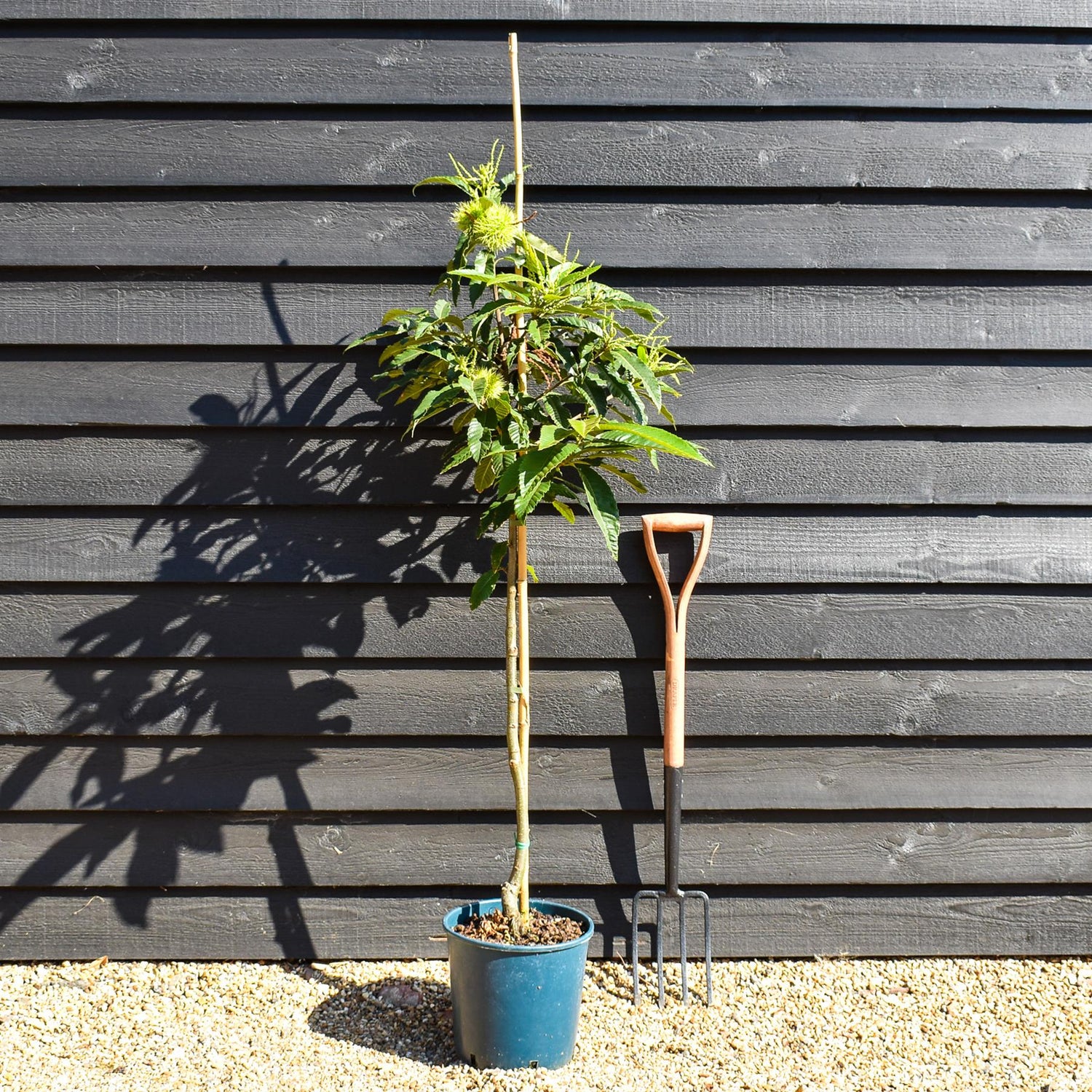
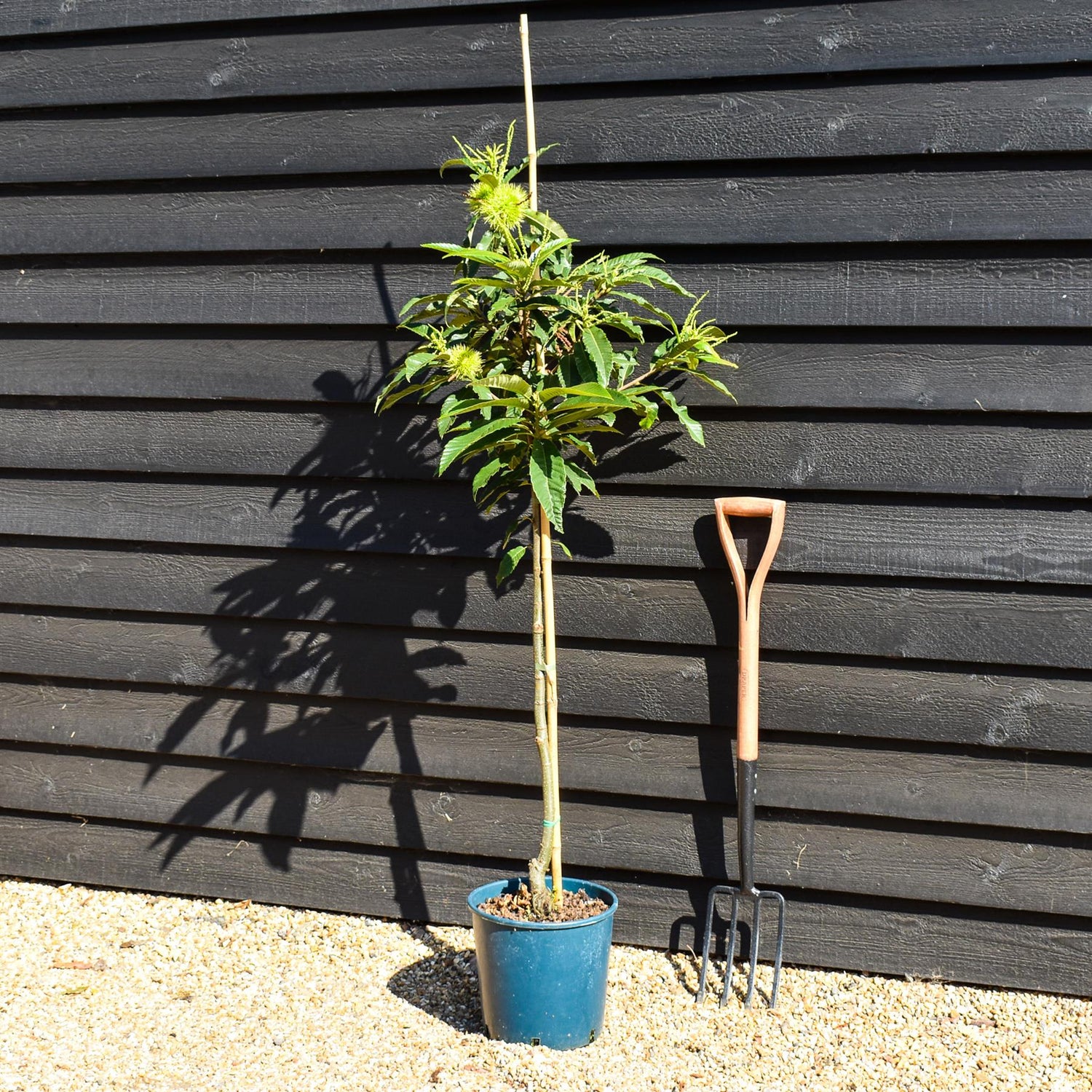
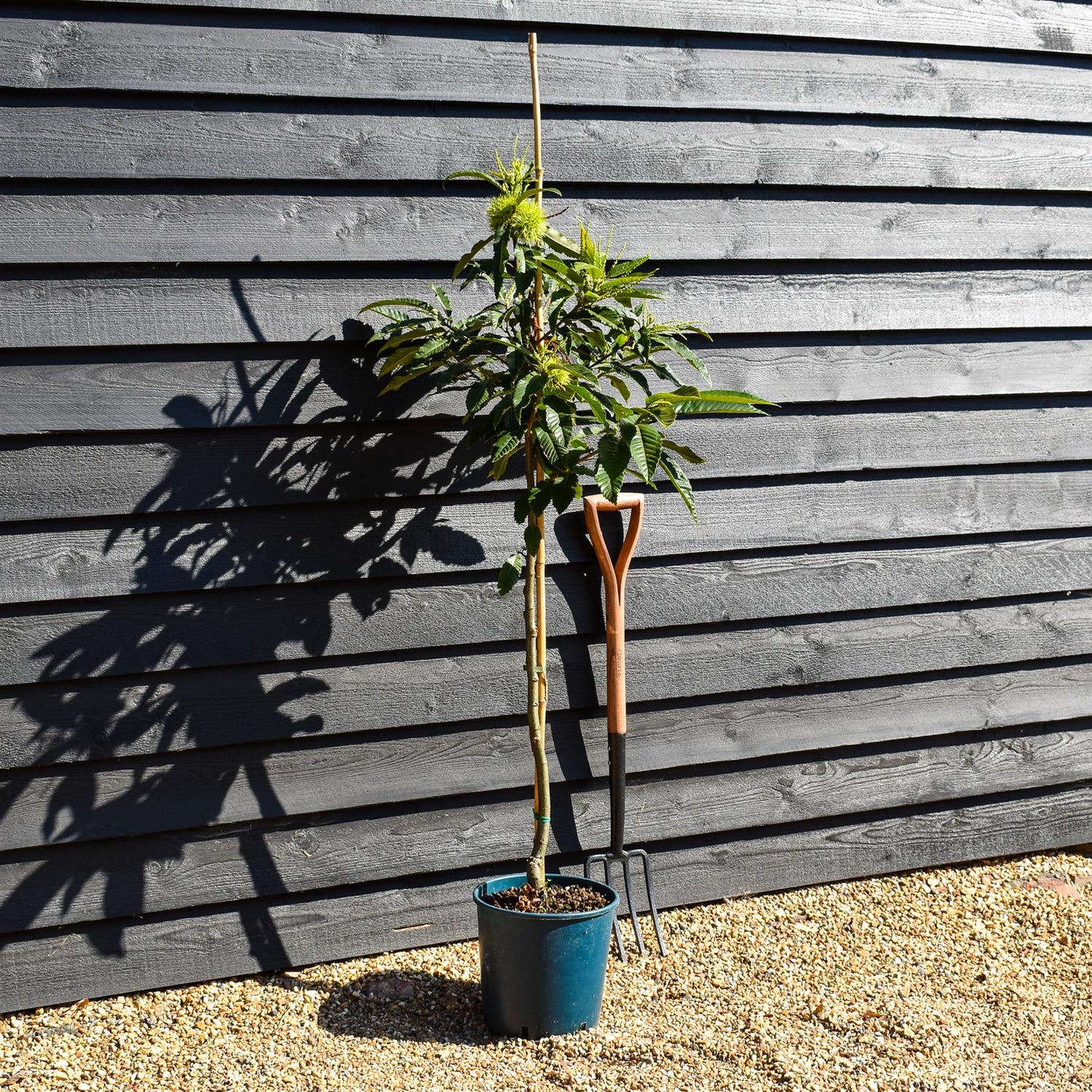
Sweet Chestnut | Castanea sativa - 100-120cm - 12lt
£72.00
Unit price perSweet Chestnut | Castanea sativa - 100-120cm - 12lt
£72.00
Unit price perCastanea sativa, commonly known as the sweet chestnut tree, is a majestic and long-lived species native to Europe and parts of Asia Minor. Belonging to the Fagaceae family, it stands as a symbol of strength and resilience in many cultures, with its towering stature and deeply furrowed bark.
The leaves of Castanea sativa are distinctively long and lance-shaped, with serrated edges that give them a rough texture. During the spring and summer, the canopy is adorned with clusters of creamy-white flowers, which give way to spiky green husks containing the prized sweet chestnuts in autumn.
Sweet chestnuts, often referred to simply as "chestnuts," have been a staple food source for centuries, cherished for their rich, nutty flavor and versatile culinary applications. Whether roasted over an open fire, boiled and mashed into a creamy puree, or incorporated into hearty stews and stuffing recipes, chestnuts are celebrated in both sweet and savory dishes throughout the UK.
Beyond their culinary significance, sweet chestnut trees play a vital ecological role, providing habitat and sustenance for a diverse array of wildlife. Birds, such as blue tits and nuthatches, feast on the tree's seeds, while small mammals like squirrels rely on them as a seasonal food source.
Despite their resilience, sweet chestnut trees face threats from various pests and diseases, including chestnut blight and ink disease, which have impacted populations in some regions. Conservation efforts aim to preserve these iconic trees and their valuable genetic diversity for future generations to enjoy.
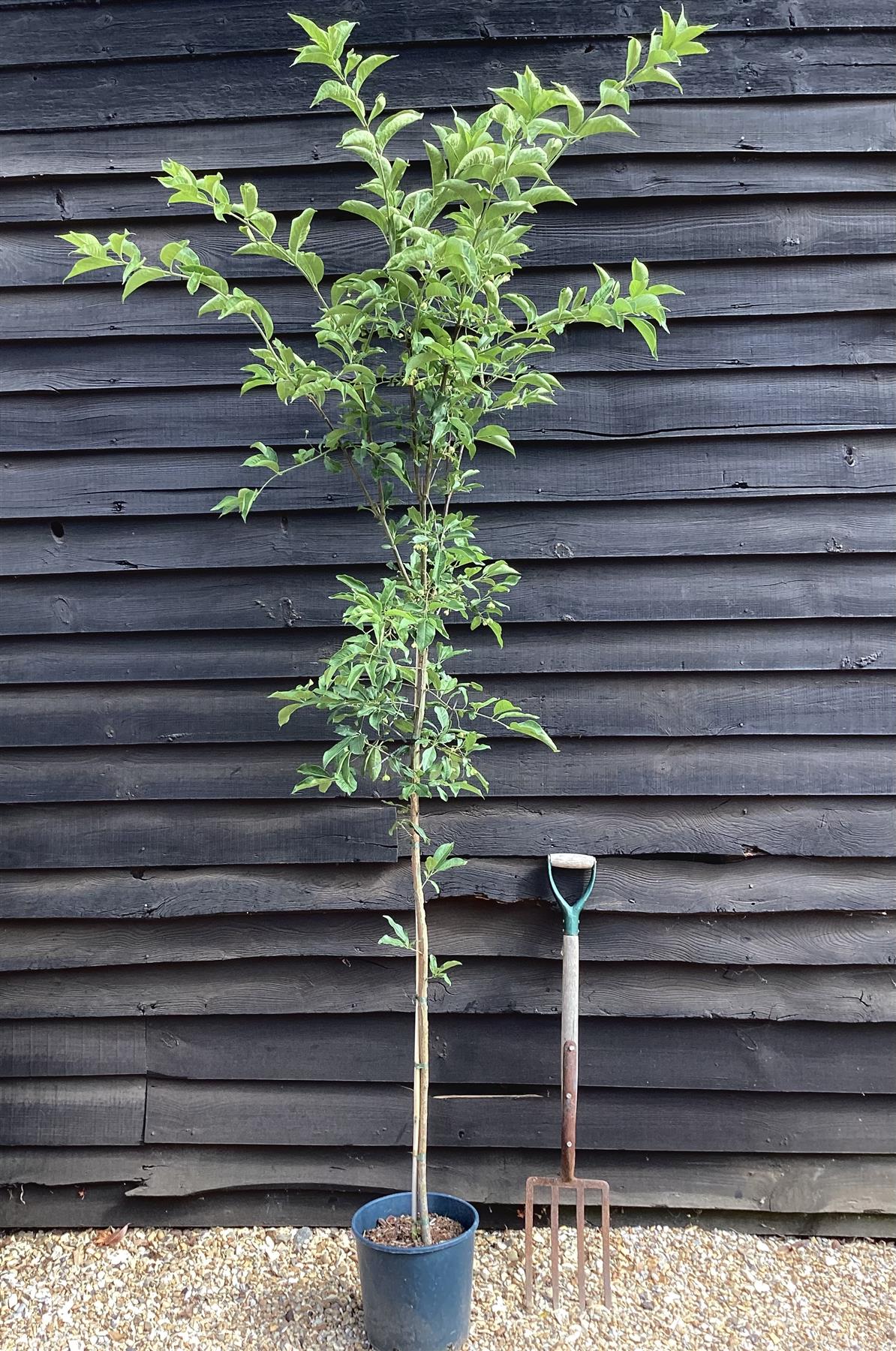
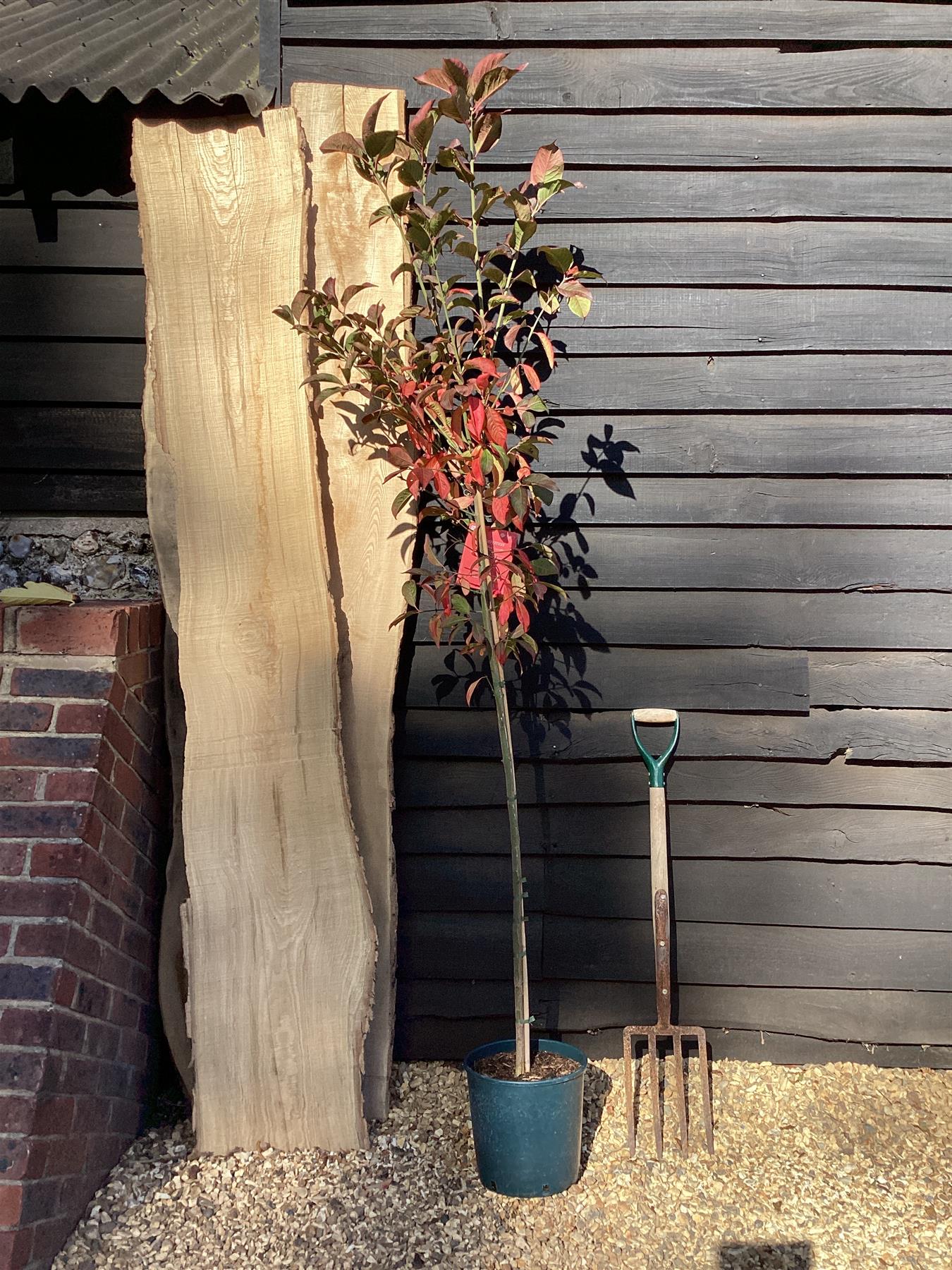
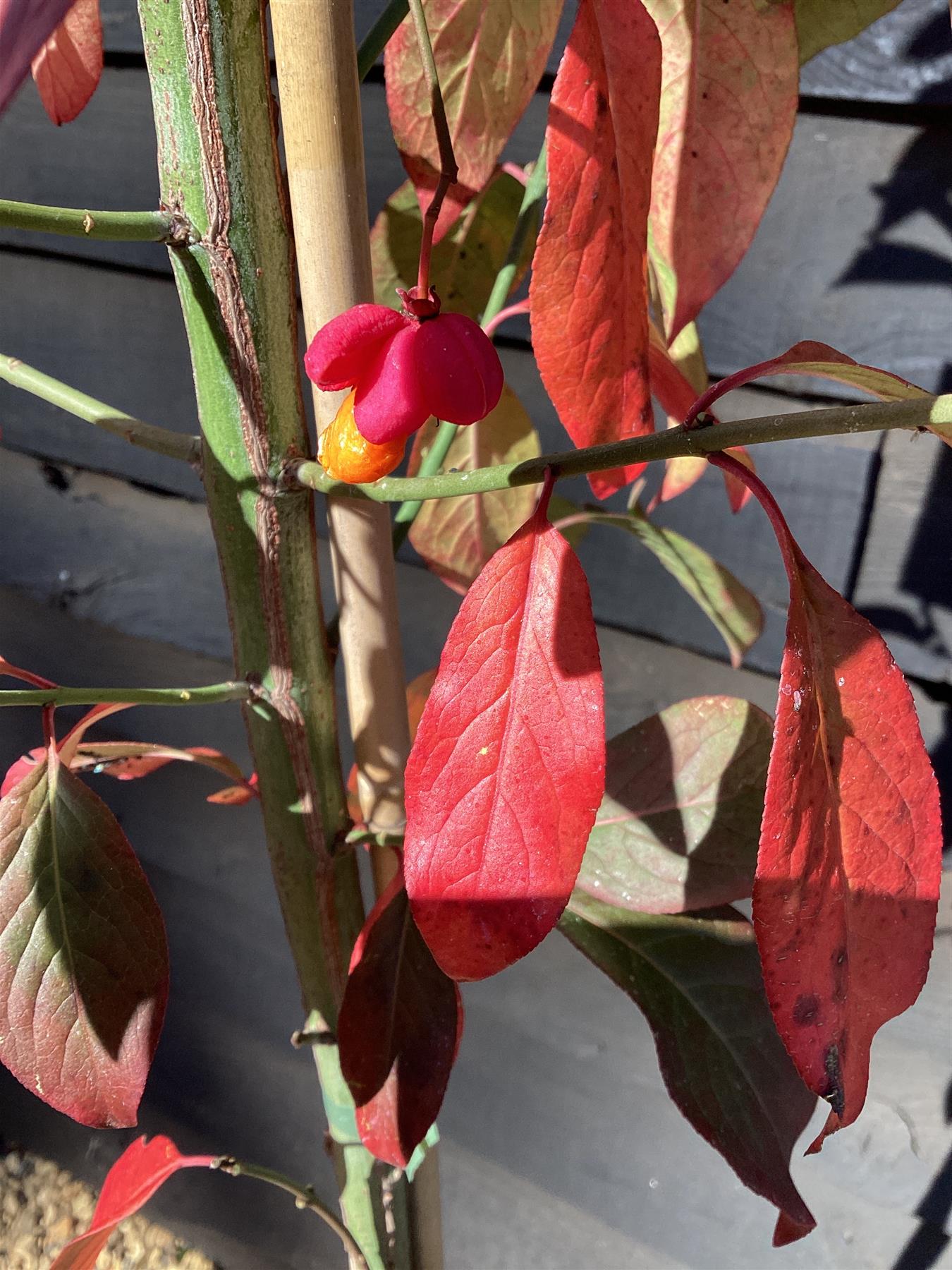
Euonymus Europaeus 'Red Cascade' | Spindle 'Red Cascade' - 140-180cm, 10lt
£88.00
Unit price perEuonymus Europaeus 'Red Cascade' | Spindle 'Red Cascade' - 140-180cm, 10lt
£88.00
Unit price per
Miscanthus sinensis 'Malepartus' - Grass - Deciduous Perennial - 5lt
£28.00
Unit price perMiscanthus sinensis 'Malepartus' - Grass - Deciduous Perennial - 5lt
£28.00
Unit price perMiscanthus sinensis 'Malepartus' is a striking deciduous ornamental grass valued for its impressive height, graceful form, and dramatic seasonal colour. Forming dense clumps of arching green foliage with a distinct white midrib, it creates movement and texture within garden borders throughout the growing season. In late summer, tall stems rise above the foliage carrying rich reddish-purple flower plumes that gradually soften to silvery tones as autumn progresses, providing long-lasting interest well into winter.
As temperatures cool, the foliage develops beautiful shades of bronze, orange, and gold, making this grass especially attractive in autumn planting schemes. Its upright yet flowing habit makes it ideal for adding structure to mixed borders, prairie-style gardens, and contemporary landscapes. The plumes also catch low sunlight beautifully, bringing warmth and atmosphere to outdoor spaces.
Thriving in full sun and well-drained soil, Miscanthus ‘Malepartus’ is hardy, reliable, and easy to maintain. Once established, it tolerates periods of drought and requires only an annual cutback in late winter or early spring before fresh growth appears, ensuring a tidy and healthy display each year.


Chimonanthus Praecox | Wintersweet - Large Shrub - Height 220-240cm Width 120-130cm - 70lt
£265.00
Unit price perChimonanthus Praecox | Wintersweet - Large Shrub - Height 220-240cm Width 120-130cm - 70lt
£265.00
Unit price perChimonanthus praecox, commonly known as wintersweet, is a deciduous shrub renowned for its fragrant, pale yellow flowers that bloom in the depths of winter. Native to China, this hardy plant belongs to the Calycanthaceae family and thrives in well-drained soil with plenty of sunlight. It can reach heights of 2 to 4 metres, forming an open, spreading habit with slender, arching branches.
One of the most striking features of Chimonanthus praecox is its flowers, which appear from December to February, often before the leaves emerge. These small, cup-shaped blooms have a translucent quality, with waxy, pale yellow petals and a deep maroon or purple centre. Their strong, sweet fragrance is highly prized, particularly in winter gardens, where they provide a much-needed burst of scent and colour. The leaves, which appear in spring, are lance-shaped, glossy green, and turn golden yellow in autumn before falling.
Wintersweet is relatively low-maintenance and can tolerate a range of soil conditions, though it prefers fertile, well-drained soil. It is best grown in a sheltered spot, such as against a south-facing wall, to maximise flower production. This shrub is often cultivated for ornamental purposes, and its highly fragrant flowers are sometimes used in perfumery and potpourri.
Propagation is typically achieved through seeds or semi-ripe cuttings in late summer. However, seedlings take several years to mature and produce flowers. Once established, Chimonanthus praecox is drought-tolerant and generally pest-resistant.
This winter-flowering shrub is an excellent choice for adding seasonal interest to gardens, attracting pollinators, and providing cut flowers for indoor arrangements. Its delicate yet resilient nature makes it a cherished addition to temperate landscapes.


Cytisus battandieri | Moroccan Broom - Height 190-200cm - 12lt
£105.00
Unit price perCytisus battandieri | Moroccan Broom - Height 190-200cm - 12lt
£105.00
Unit price perCytisus battandieri, or the Moroccan Broom, is a medium-sized, rounded, deciduous shrub with, long, upright, whip-like stems and trifoliate silvery green leaves which can hold all year round in mild winters. Very attractive, bright golden yellow flowers, held in dense cones or plumes, bloom in June and July and give off wonderful pineapple scent. Attractive to bees and butterflies.
Cytisus battandieri is very adaptable, can grow in any type of soil, as long as it is well-drained, but prefers average, lean, gritty, well-drained soil, in full sun. It is generally pest-free and low maintenance. It requires almost no pruning. It naturally has a good shape. Cytisus battandieri is an attractive shrub perfect as a specimen plant in small informal, cottage, or urban gardens. Suitable for coastal areas, especially with Mediterranean climate. Great for beds and borders, wall-side borders, for growing in pots and containers on balconies and patios.
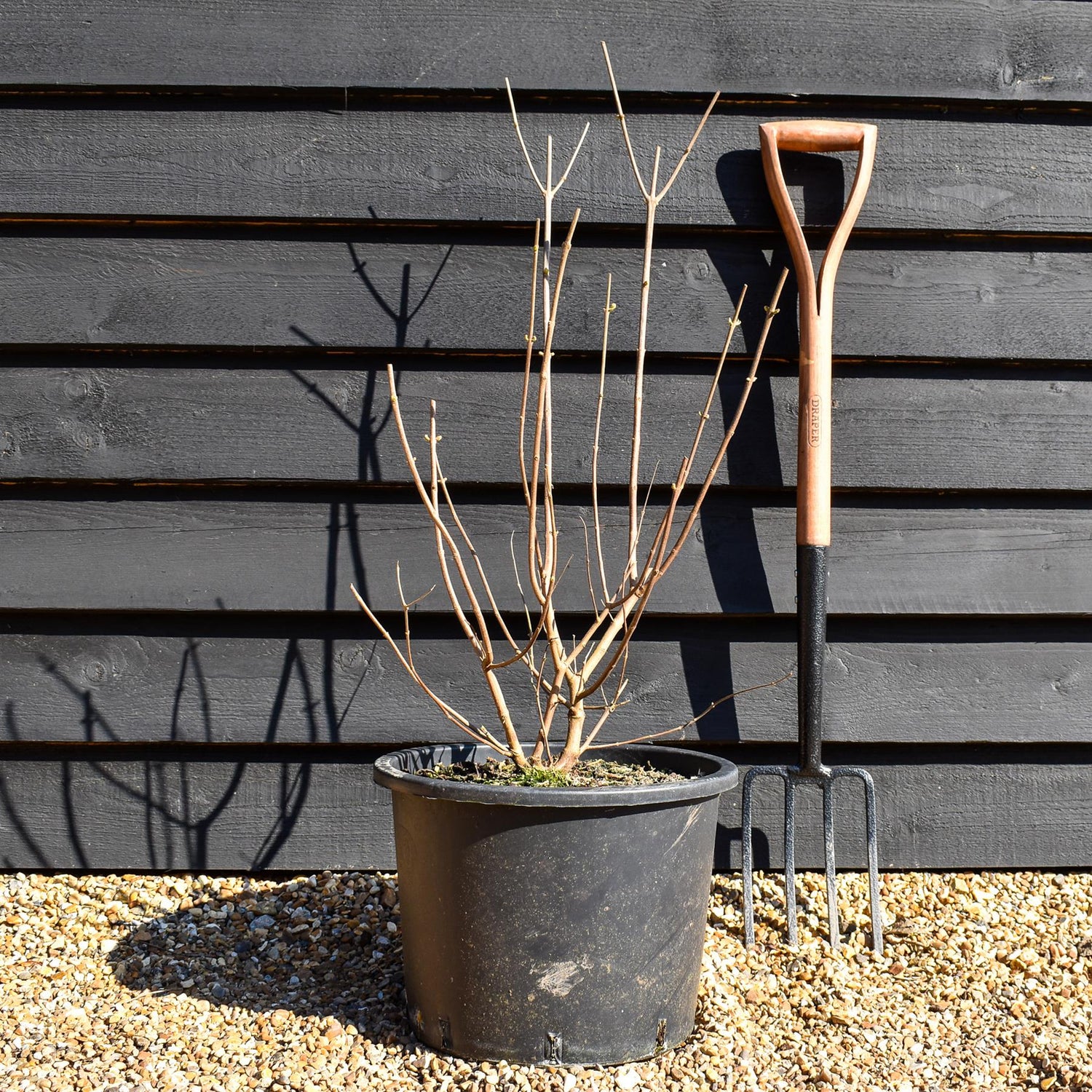
Vitex agnus-castus| Chaste tree - Height 60cm-70cm - 20lt
£82.00
Unit price perVitex agnus-castus| Chaste tree - Height 60cm-70cm - 20lt
£82.00
Unit price perVitex agnus-castus, also known as the chasteberry tree, is a species of small deciduous tree belonging to the Verbenaceae family. It is native to the Mediterranean region and can be found in various countries, including Greece, Italy, and Turkey. The tree typically reaches a height of 3 to 6 meters (10 to 20 feet) and has a spreading, rounded crown.
The leaves of Vitex agnus-castus are palmate, meaning they are divided into multiple lobes that resemble a hand with outstretched fingers. The foliage is aromatic, with a pleasant herbal scent. The tree produces showy, fragrant flowers in dense clusters known as panicles. The flowers are typically lavender, violet, or pale blue in colour, and they bloom during the summer months.
Following the flowers, Vitex agnus-castus develops small, dark berries that are roughly the size of peppercorns. These berries are a prominent feature of the tree and can persist well into the winter months. They are edible but have a bitter taste and are not typically consumed directly.
In addition to its medicinal uses, the chasteberry tree is also valued for its ornamental qualities. It is often planted in gardens and parks for its attractive flowers and foliage. The tree prefers well-drained soil and full sun exposure, making it adaptable to various climatic conditions.
Overall, Vitex agnus-castus is a versatile tree that offers both aesthetic appeal and potential health benefits. Its delicate flowers, aromatic leaves, and unique berries make it a noteworthy addition to any landscape, while its historical use in traditional medicine continues to intrigue researchers and practitioners alike.
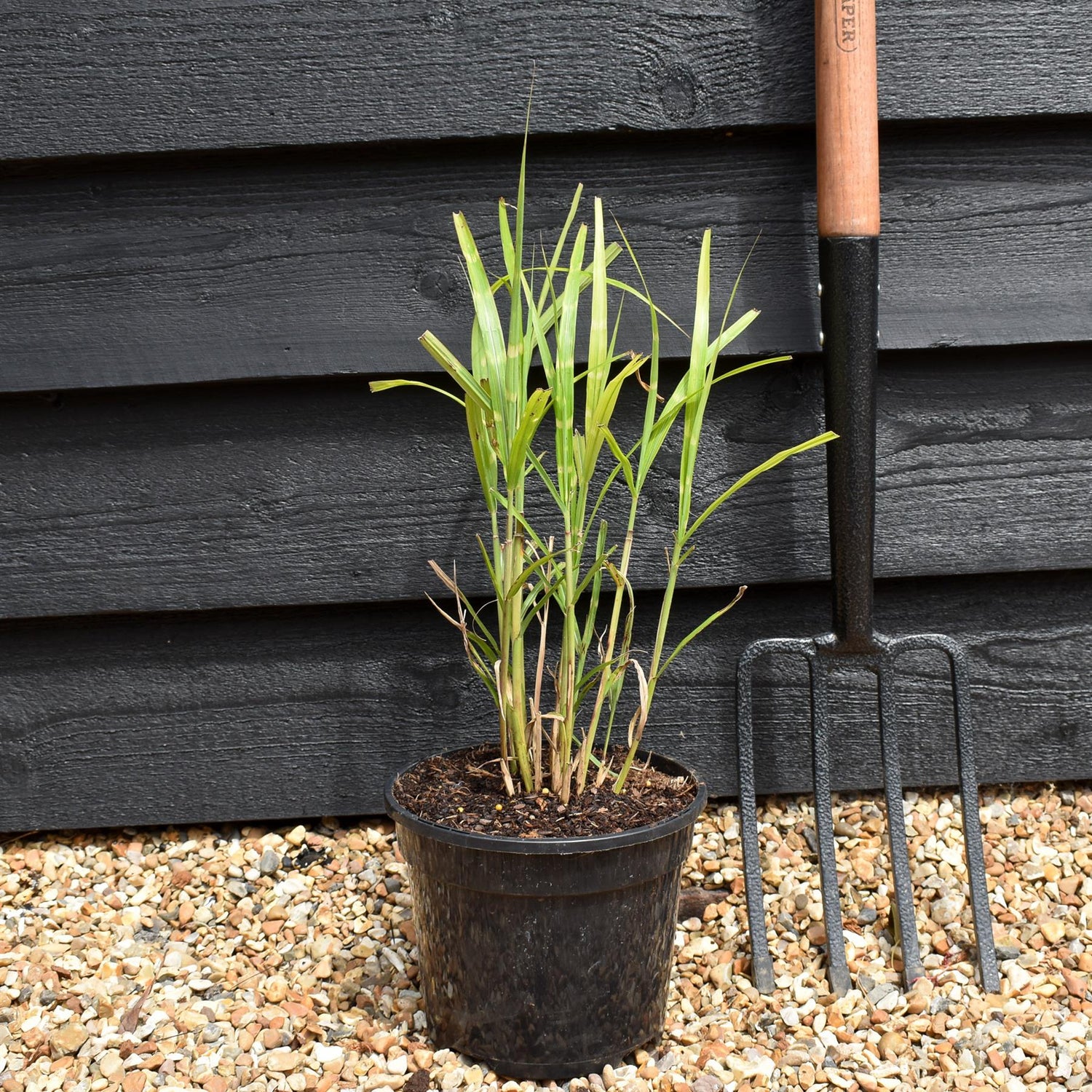
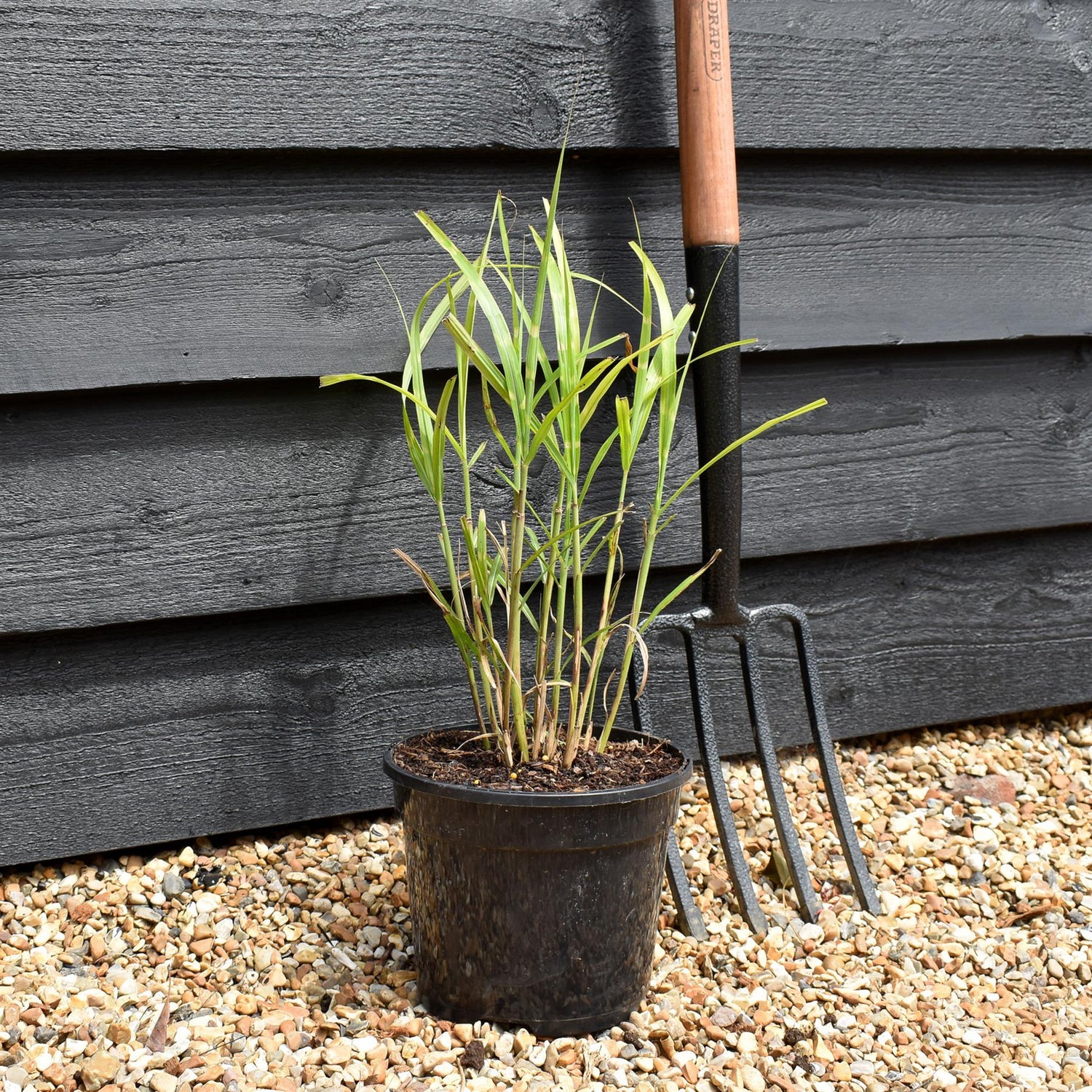
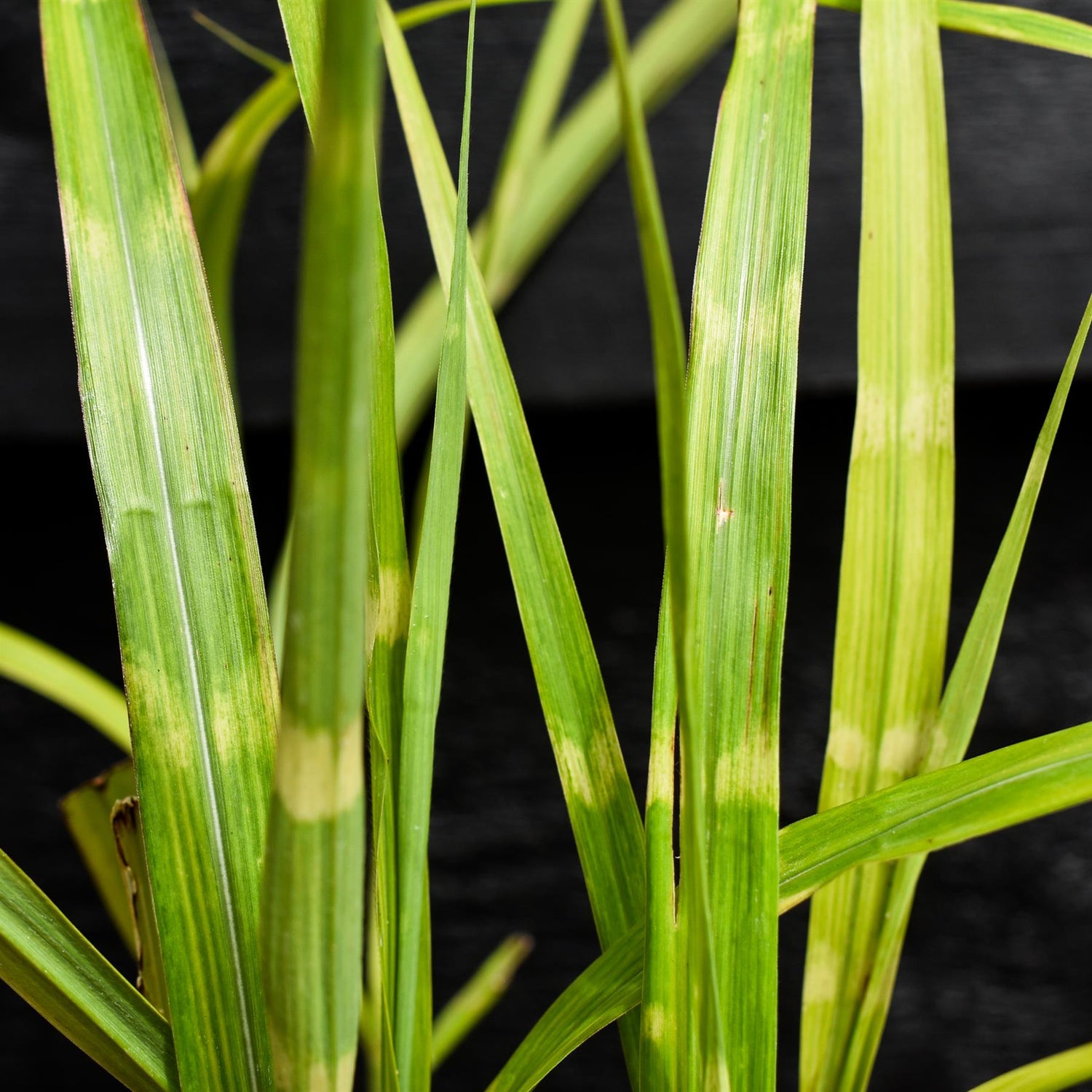
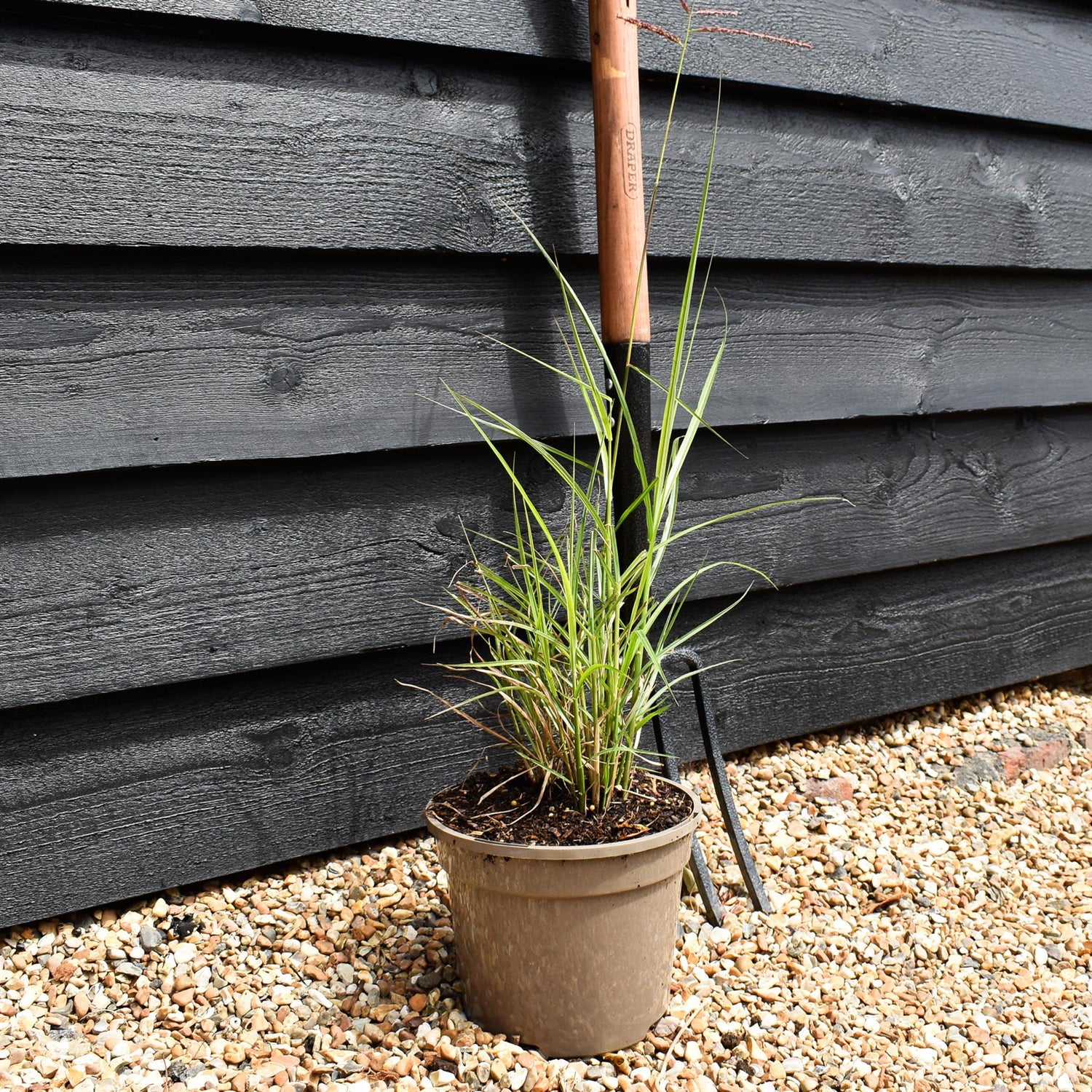
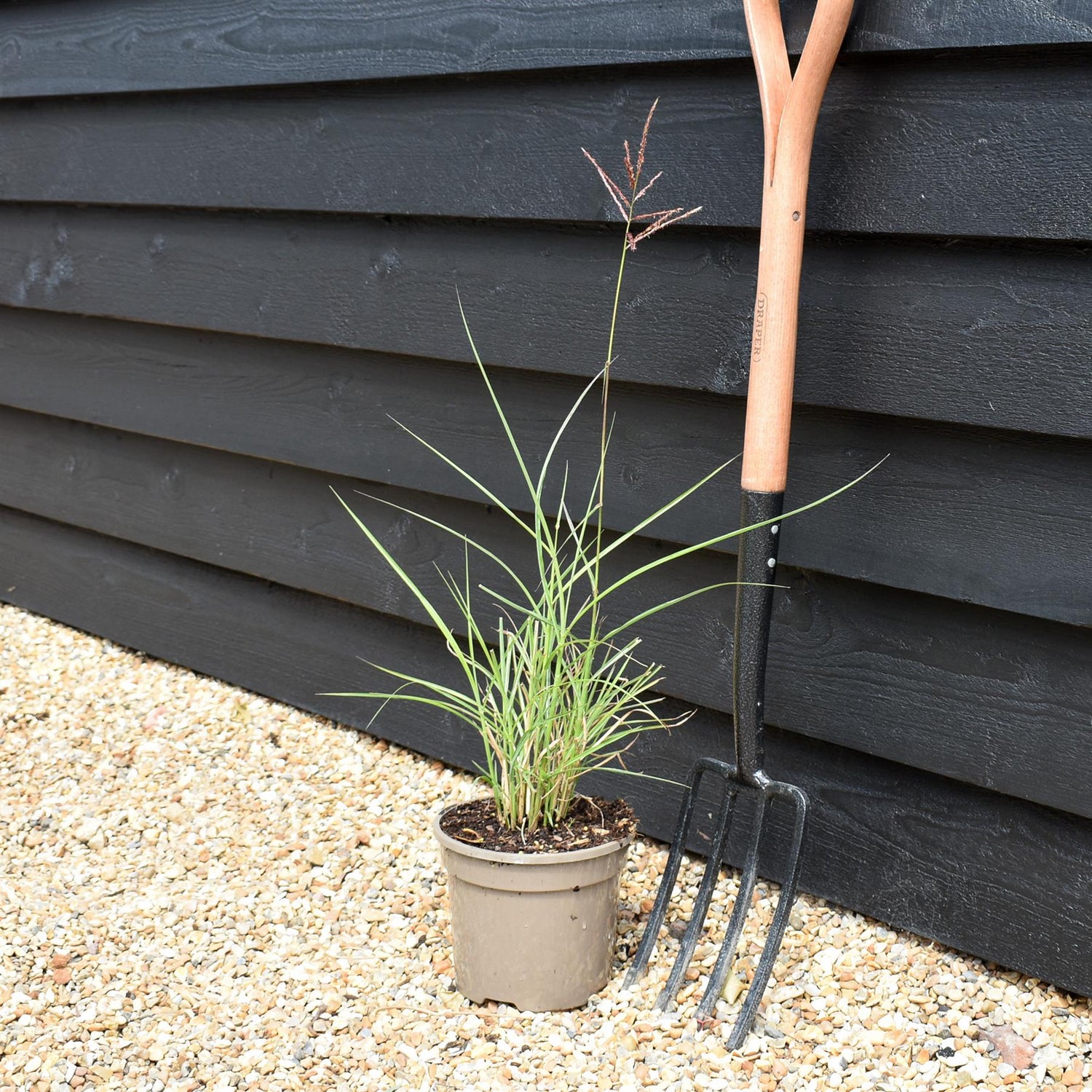
Miscanthus sinensis 'Strictus' | Eulalia 'Strictus' - Grass - Perennial - 3lt
£16.50
Unit price perMiscanthus sinensis 'Strictus' | Eulalia 'Strictus' - Grass - Perennial - 3lt
£16.50
Unit price per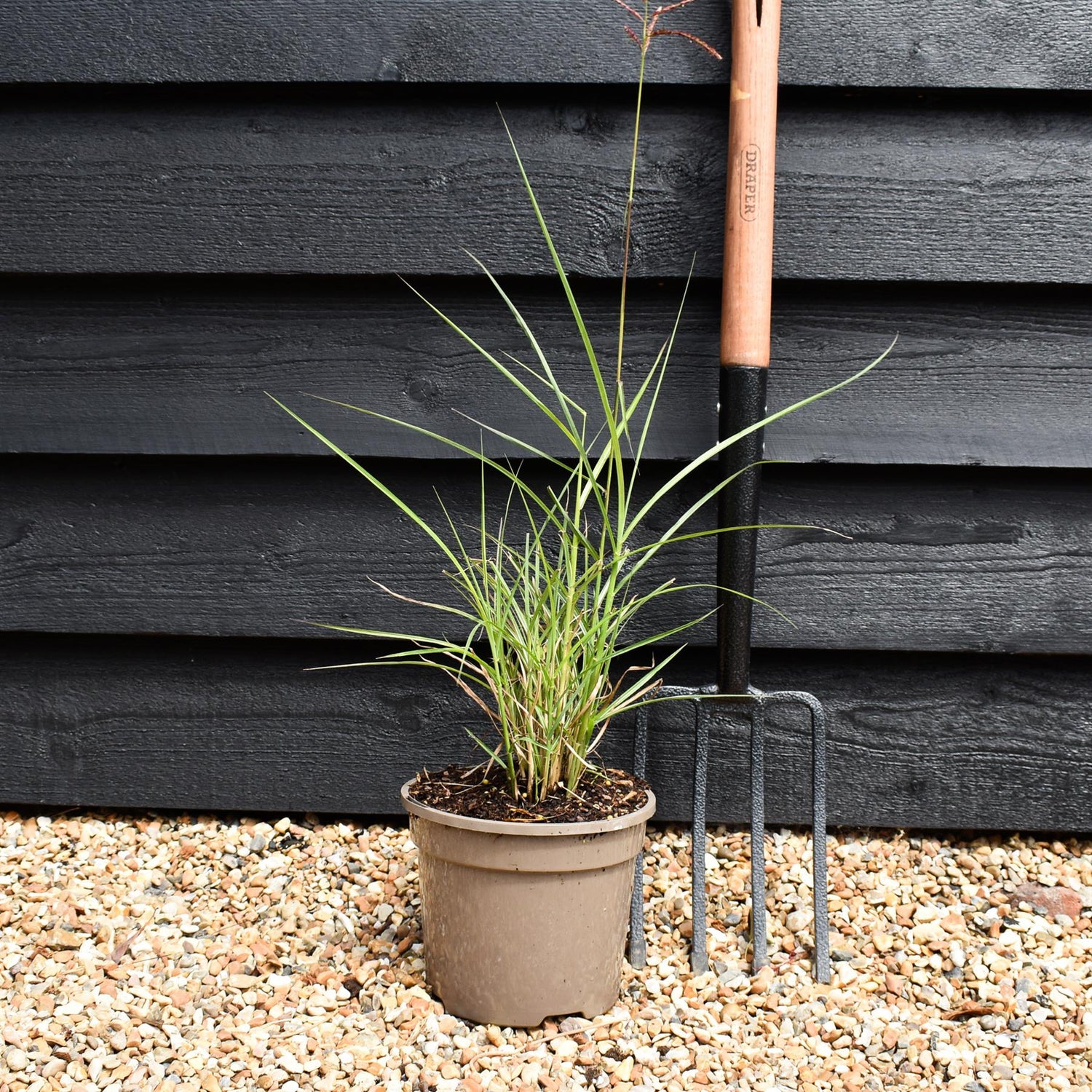
Miscanthus sinensis 'Ferner Osten' - Grass - 3lt
£16.50
Unit price perMiscanthus sinensis 'Ferner Osten' - Grass - 3lt
£16.50
Unit price per
Vitex agnus-castus 'Latifolia'| Chaste tree - Height 90-110cm - 10lt
£70.00
Unit price perVitex agnus-castus 'Latifolia'| Chaste tree - Height 90-110cm - 10lt
£70.00
Unit price perVitex agnus-castus, also known as the chasteberry tree, is a species of small deciduous tree belonging to the Verbenaceae family. It is native to the Mediterranean region and can be found in various countries, including Greece, Italy, and Turkey. The tree typically reaches a height of 3 to 6 meters (10 to 20 feet) and has a spreading, rounded crown.
The leaves of Vitex agnus-castus are palmate, meaning they are divided into multiple lobes that resemble a hand with outstretched fingers. The foliage is aromatic, with a pleasant herbal scent. The tree produces showy, fragrant flowers in dense clusters known as panicles. The flowers are typically lavender, violet, or pale blue in colour, and they bloom during the summer months.
Following the flowers, Vitex agnus-castus develops small, dark berries that are roughly the size of peppercorns. These berries are a prominent feature of the tree and can persist well into the winter months. They are edible but have a bitter taste and are not typically consumed directly.
In addition to its medicinal uses, the chasteberry tree is also valued for its ornamental qualities. It is often planted in gardens and parks for its attractive flowers and foliage. The tree prefers well-drained soil and full sun exposure, making it adaptable to various climatic conditions.
Overall, Vitex agnus-castus is a versatile tree that offers both aesthetic appeal and potential health benefits. Its delicate flowers, aromatic leaves, and unique berries make it a noteworthy addition to any landscape, while its historical use in traditional medicine continues to intrigue researchers and practitioners alike.


Sweet Chestnut | Castanea sativa - Height 250-300cm - Girth 10-12cm - 45lt
£255.00
Unit price perSweet Chestnut | Castanea sativa - Height 250-300cm - Girth 10-12cm - 45lt
£255.00
Unit price perCastanea sativa, commonly known as the Sweet Chestnut tree, is a majestic and long-lived species native to Europe and parts of Asia Minor. Belonging to the Fagaceae family, it stands as a symbol of strength and resilience in many cultures, with its towering stature and deeply furrowed bark.
The leaves of Castanea sativa are distinctively long and lance-shaped, with serrated edges that give them a rough texture. During the spring and summer, the canopy is adorned with clusters of creamy-white flowers, which give way to spiky green husks containing the prized sweet chestnuts in autumn.
Sweet chestnuts, often referred to simply as "chestnuts," have been a staple food source for centuries, cherished for their rich, nutty flavor and versatile culinary applications. Whether roasted over an open fire, boiled and mashed into a creamy puree, or incorporated into hearty stews and stuffing recipes, chestnuts are celebrated in both sweet and savory dishes throughout the UK.
Beyond their culinary significance, sweet chestnut trees play a vital ecological role, providing habitat and sustenance for a diverse array of wildlife. Birds, such as blue tits and nuthatches, feast on the tree's seeds, while small mammals like squirrels rely on them as a seasonal food source.
Despite their resilience, sweet chestnut trees face threats from various pests and diseases, including chestnut blight and ink disease, which have impacted populations in some regions. Conservation efforts aim to preserve these iconic trees and their valuable genetic diversity for future generations to enjoy.


Vitex agnus-castus | Chaste tree - Height 180-200cm - 150lt
£750.00
Unit price perVitex agnus-castus | Chaste tree - Height 180-200cm - 150lt
£750.00
Unit price perVitex agnus-castus, also known as the chasteberry tree, is a species of small deciduous tree belonging to the Verbenaceae family. It is native to the Mediterranean region and can be found in various countries, including Greece, Italy, and Turkey. The tree typically reaches a height of 3 to 6 meters (10 to 20 feet) and has a spreading, rounded crown.
The leaves of Vitex agnus-castus are palmate, meaning they are divided into multiple lobes that resemble a hand with outstretched fingers. The foliage is aromatic, with a pleasant herbal scent. The tree produces showy, fragrant flowers in dense clusters known as panicles. The flowers are typically lavender, violet, or pale blue in color, and they bloom during the summer months.
Following the flowers, Vitex agnus-castus develops small, dark berries that are roughly the size of peppercorns. These berries are a prominent feature of the tree and can persist well into the winter months. They are edible but have a bitter taste and are not typically consumed directly.
In addition to its medicinal uses, the chasteberry tree is also valued for its ornamental qualities. It is often planted in gardens and parks for its attractive flowers and foliage. The tree prefers well-drained soil and full sun exposure, making it adaptable to various climatic conditions.
Overall, Vitex agnus-castus is a versatile tree that offers both aesthetic appeal and potential health benefits. Its delicate flowers, aromatic leaves, and unique berries make it a noteworthy addition to any landscape, while its historical use in traditional medicine continues to intrigue researchers and practitioners alike.