

-
Trees
Trees
 Fruit Trees
 Ornamental
 Screening
 Palms
By FeaturesBy Shape
Palms
By FeaturesBy Shape -
Shrubs
Shrubs
 Large shrubs
 Hedging
 Bamboo
 Climbers
 Flowering
 Grasses & Ferns
 Popular
-
Pines & Conifers
Pines & Conifers
 Pines
Pines
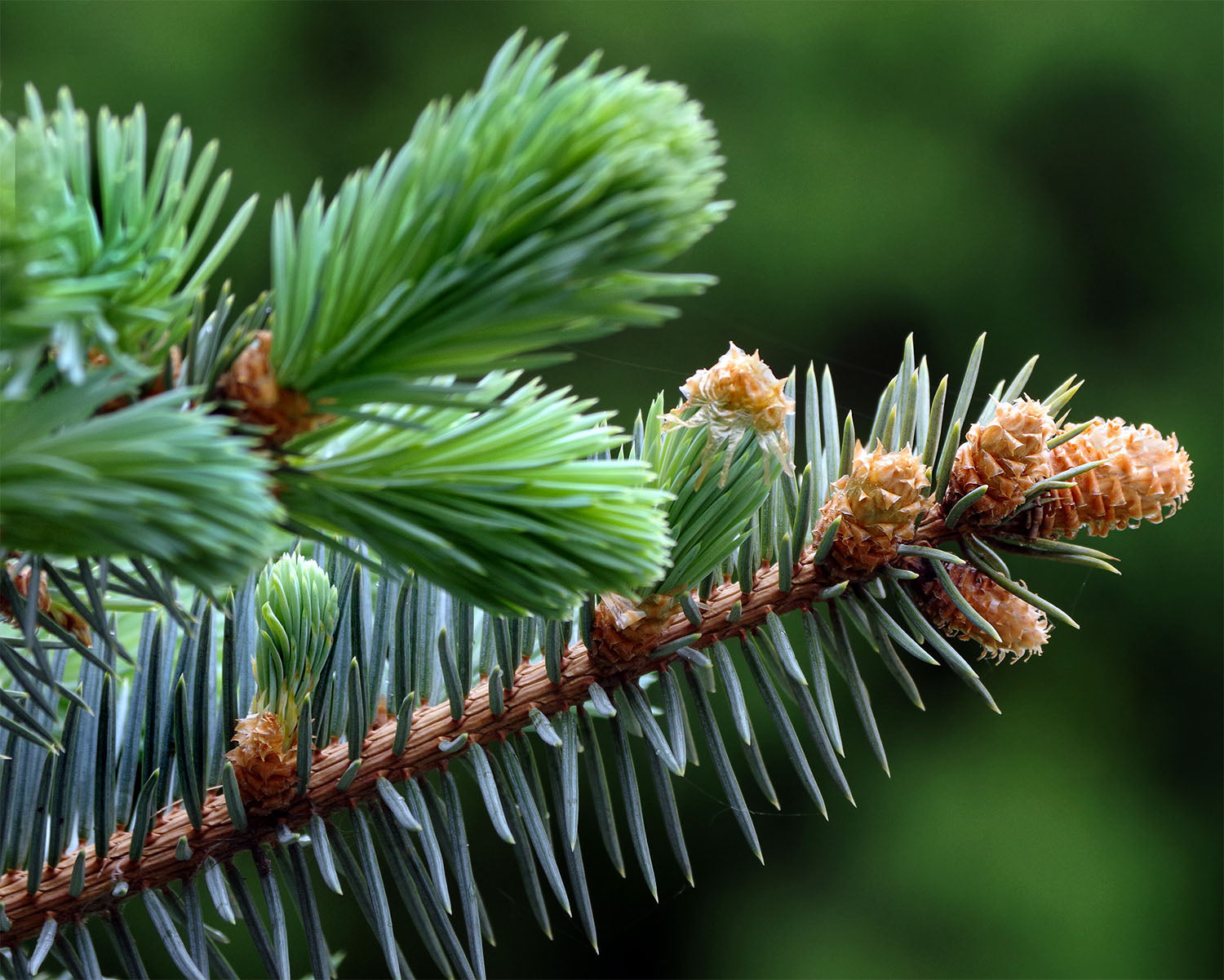 Spruce & Fir
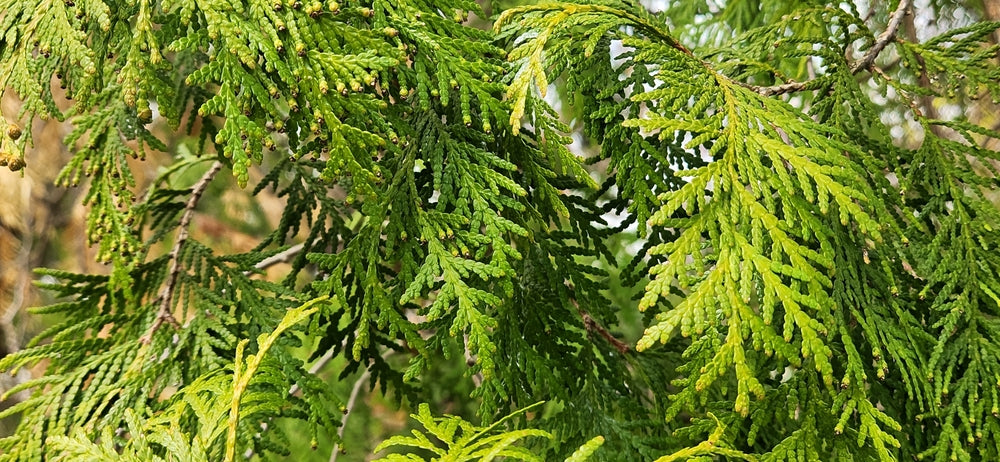 Cypress
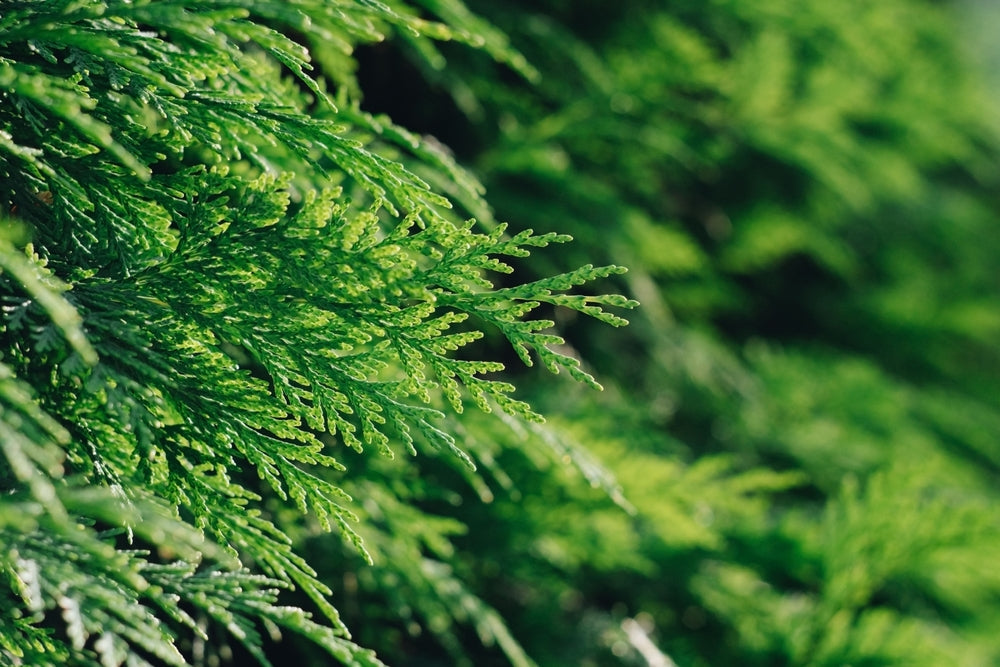 Thuja
Thuja
 Redwood | Sequoia
-
Specimen



FREE DELIVERY OVER £350
Search results
5 results
5 results
Sort by:
Search results


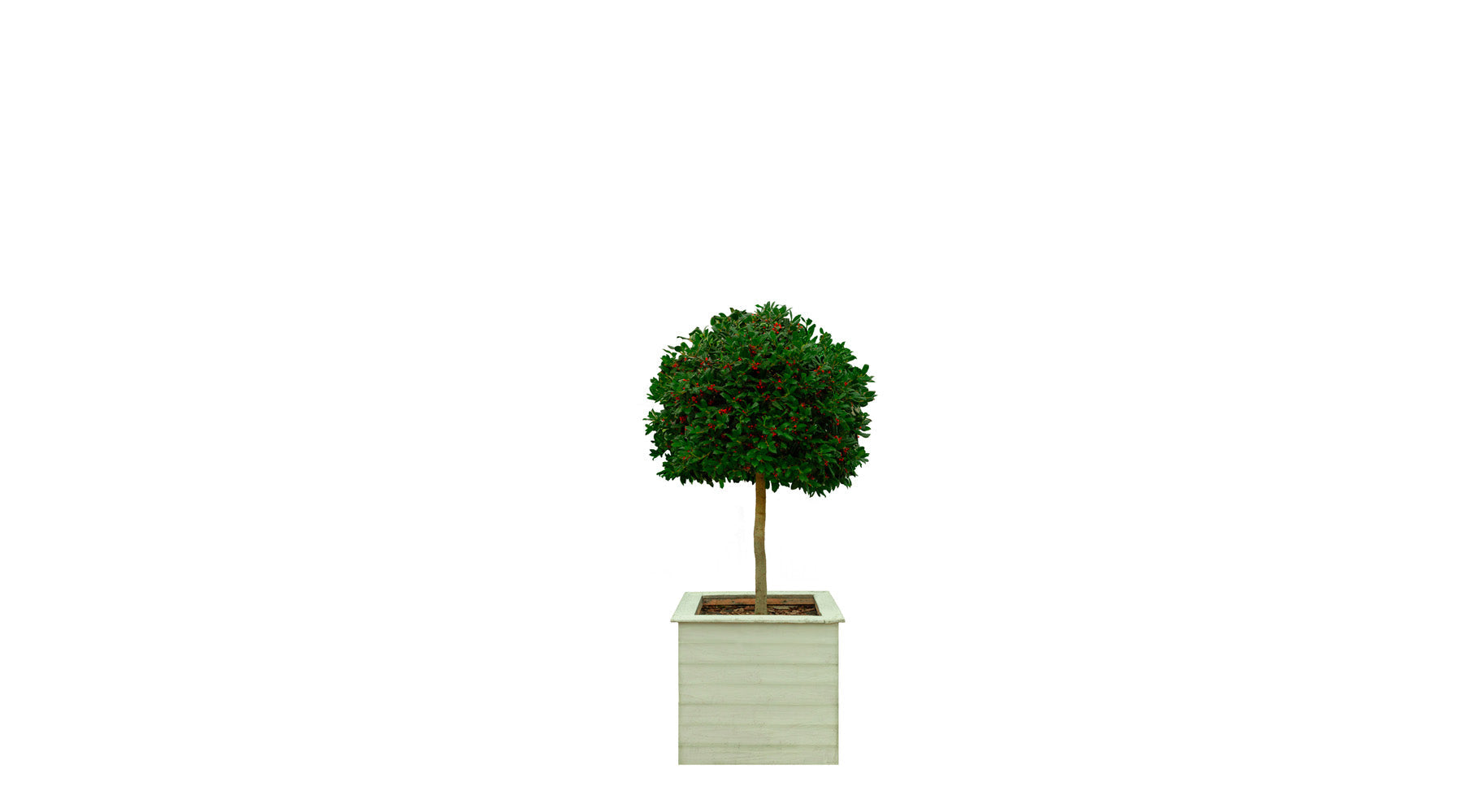
Cotoneaster 'Cornubia' 3/4 std Clear Stem - 300-350cm, 50lt
£165.00
Unit price perCotoneaster 'Cornubia' 3/4 std Clear Stem - 300-350cm, 50lt
£165.00
Unit price per


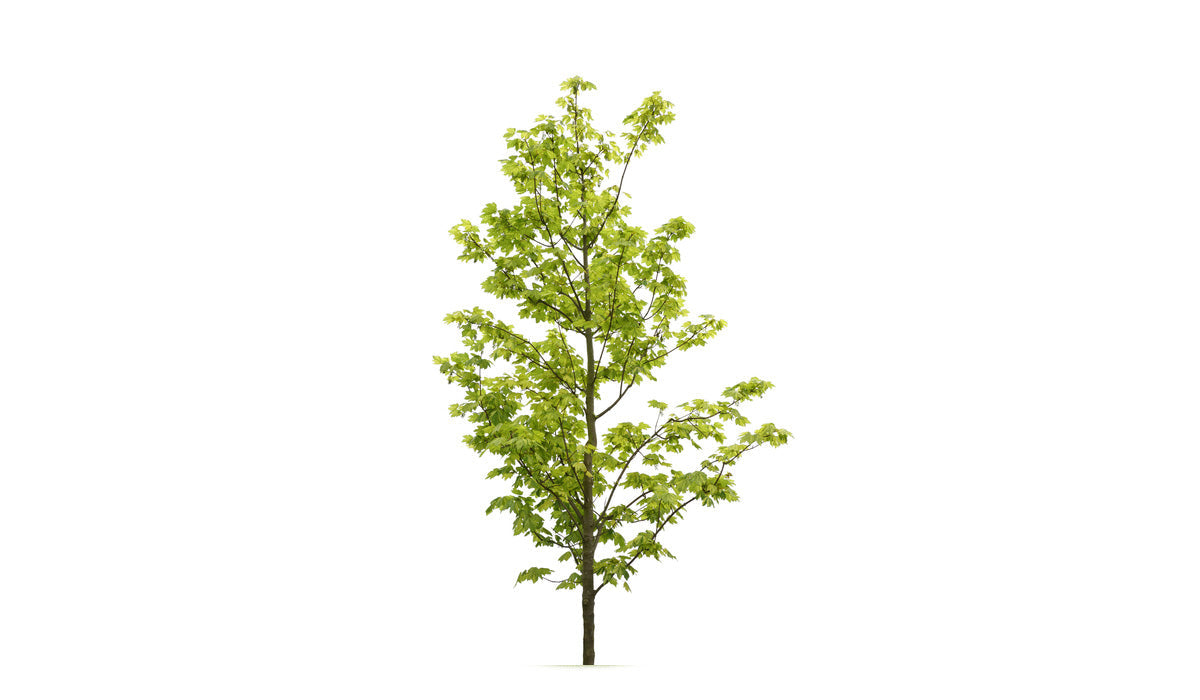
Cotoneaster 'Rothschildianus' | Willow-Leaved Cotoneaster - Height 160-180cm - 12lt
£105.00
Unit price perCotoneaster 'Rothschildianus' | Willow-Leaved Cotoneaster - Height 160-180cm - 12lt
£105.00
Unit price per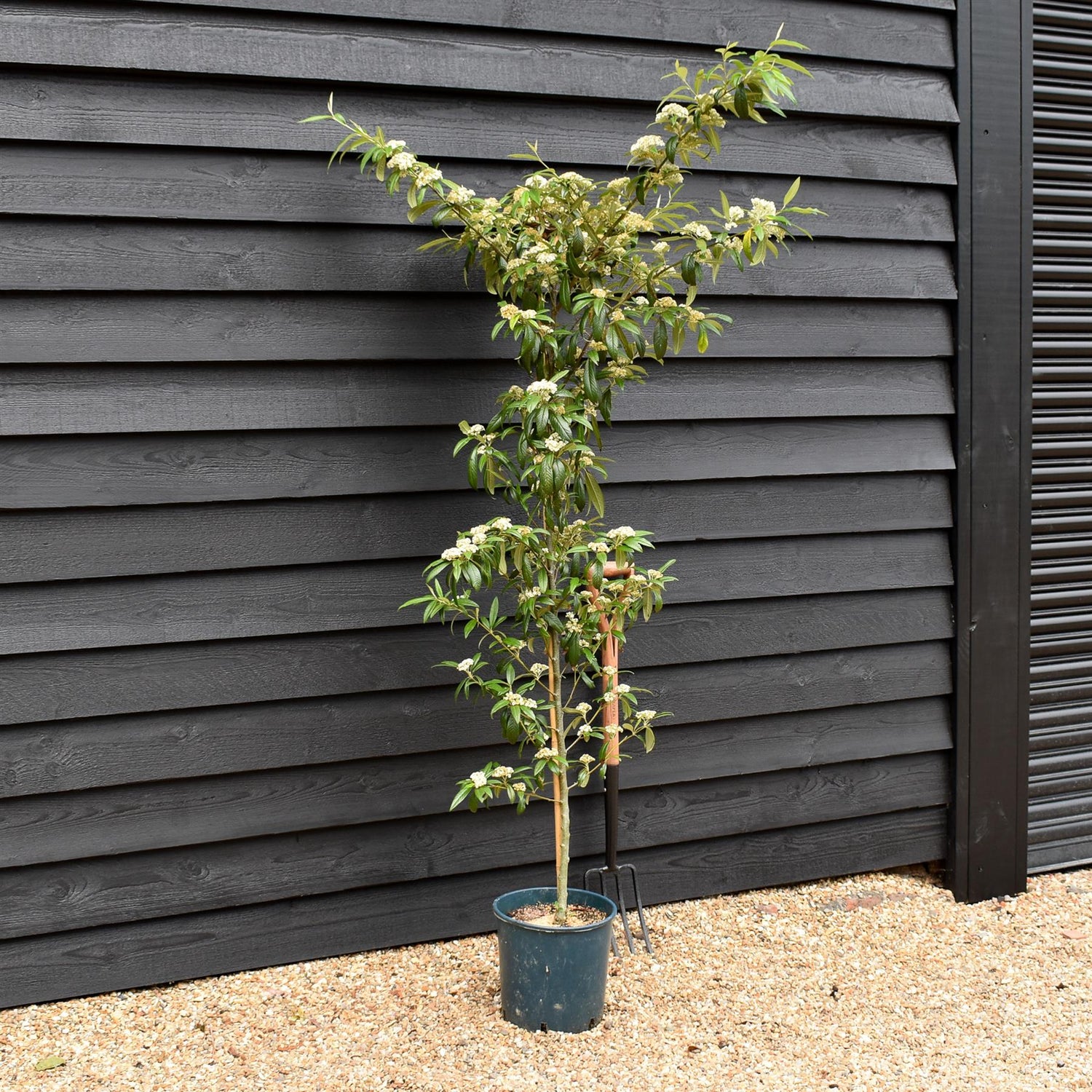


Cotoneaster 'Rothschildianus' | Willow-Leaved Cotoneaster - Height 160-180cm - 12lt
£82.00
Unit price perCotoneaster 'Rothschildianus' | Willow-Leaved Cotoneaster - Height 160-180cm - 12lt
£82.00
Unit price per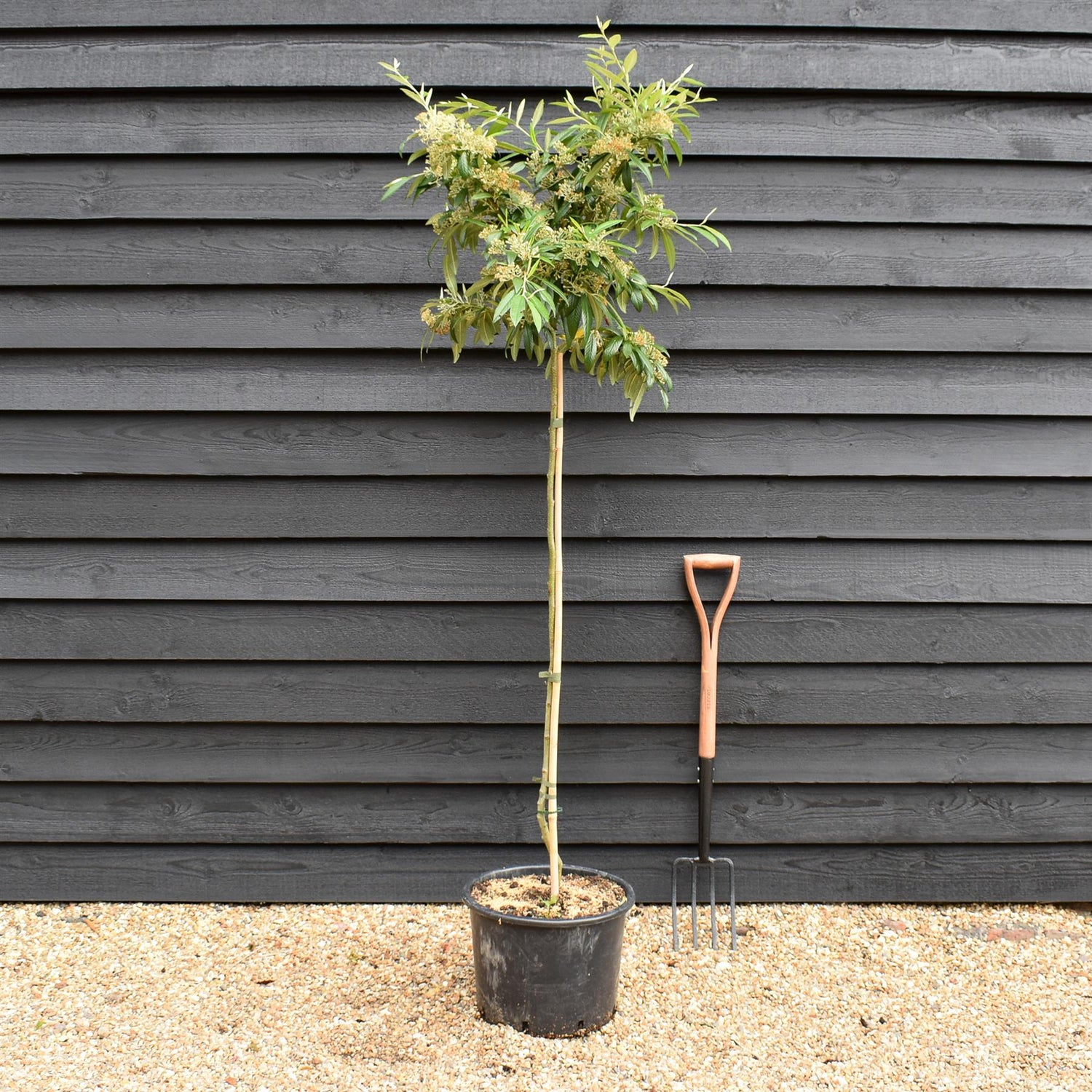


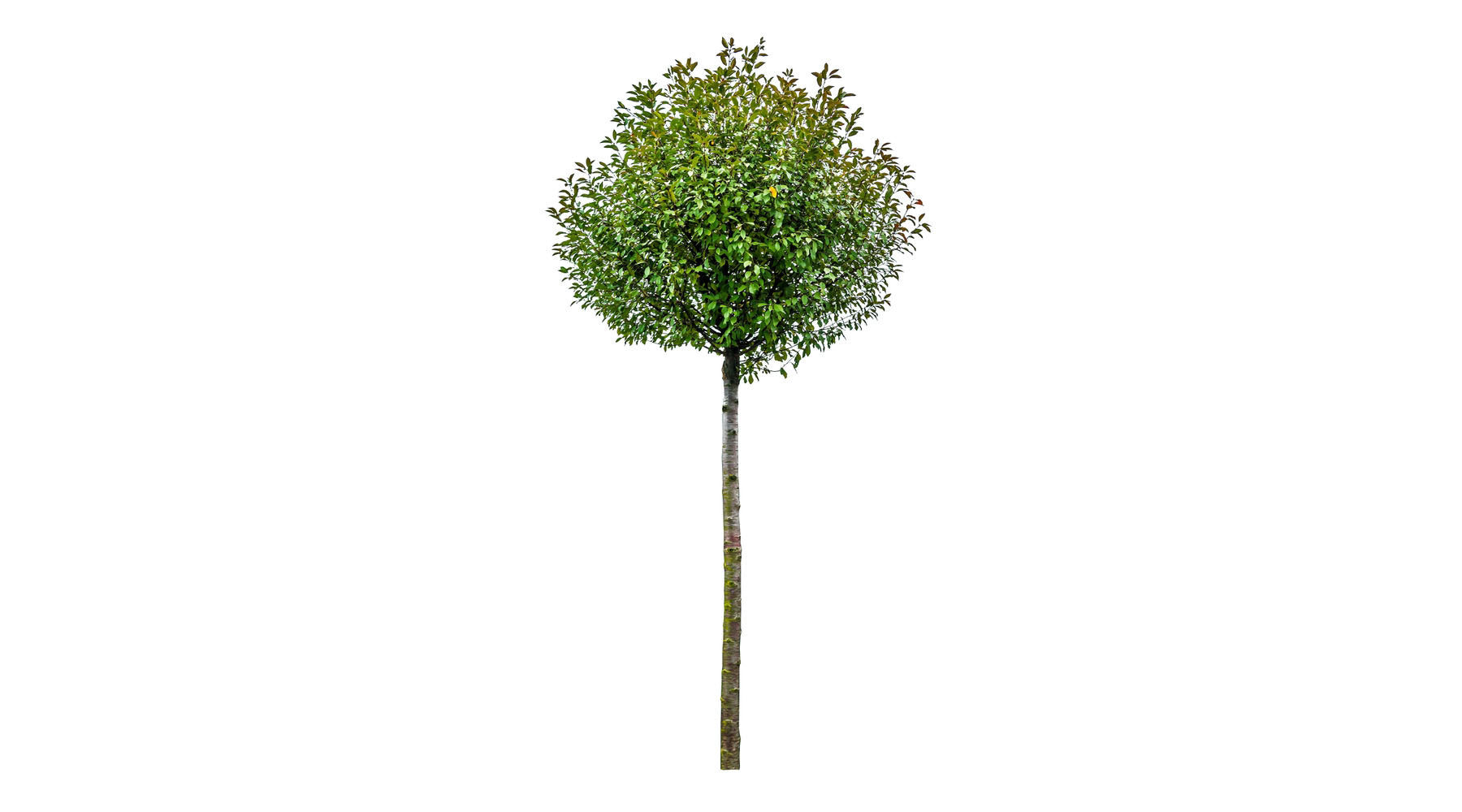
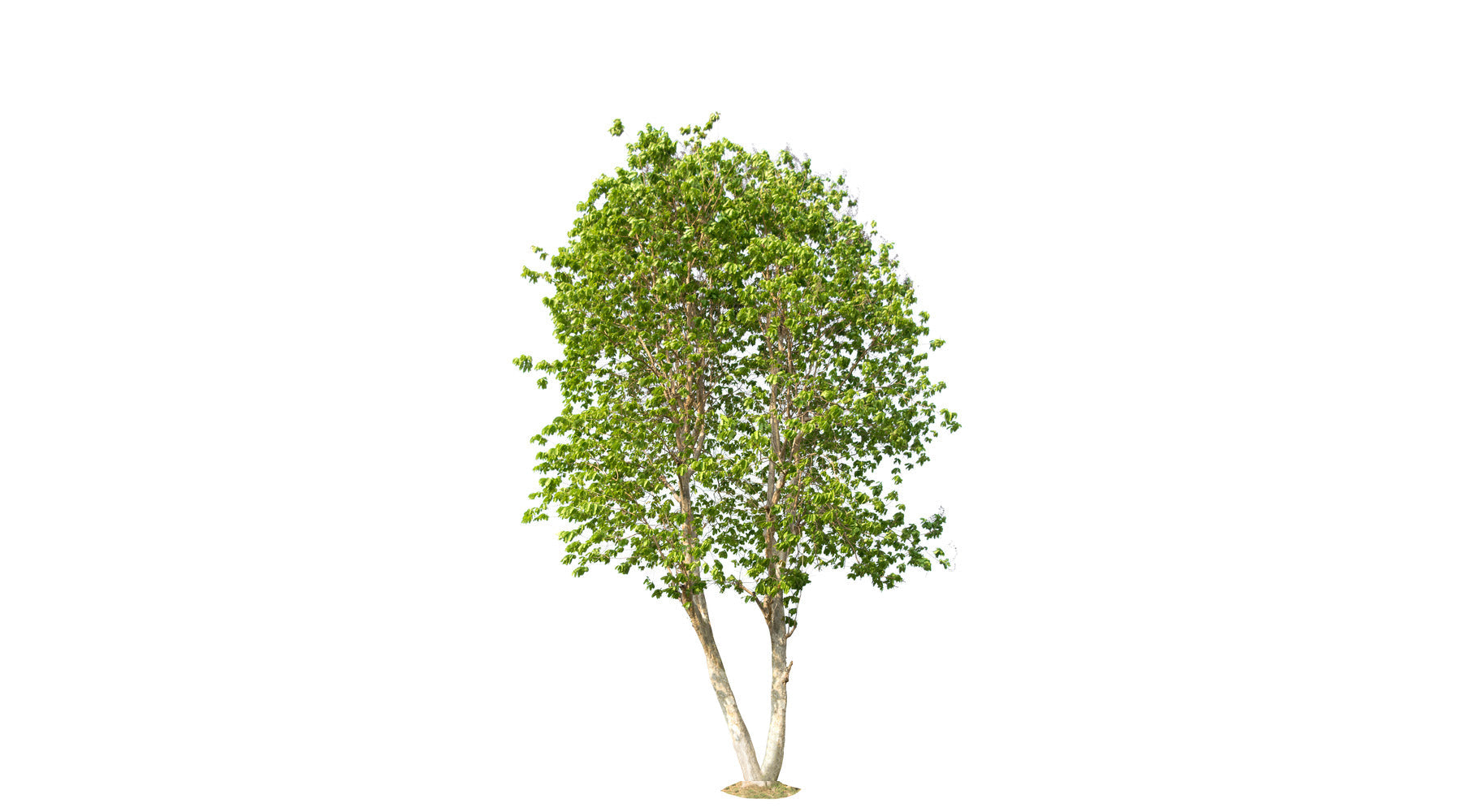
Cotoneaster x watereri - Clear Stem - Height 200-220cm - 20lt
£138.00
Unit price perCotoneaster x watereri - Clear Stem - Height 200-220cm - 20lt
£138.00
Unit price perCotoneaster x watereri, often referred to as Waterer's Cotoneaster, is a popular and versatile shrub that has become a cherished addition to many gardens and landscapes in the United Kingdom. This deciduous hybrid shrub is renowned for its attractive appearance, hardiness, and adaptability.
One of the standout features of Cotoneaster x watereri is its elegant form and foliage. It typically grows to a height of 2 to 3 meters, forming a dense and arching habit. The leaves are small, oval-shaped, and glossy green, providing a lush backdrop to its other ornamental features.
One of the most captivating aspects of this shrub is its profusion of flowers and berries. In late spring and early summer, Cotoneaster x watereri bursts into a display of delicate white or pale pink blossoms. These small, star-shaped flowers attract pollinators such as bees and butterflies, contributing to local biodiversity.
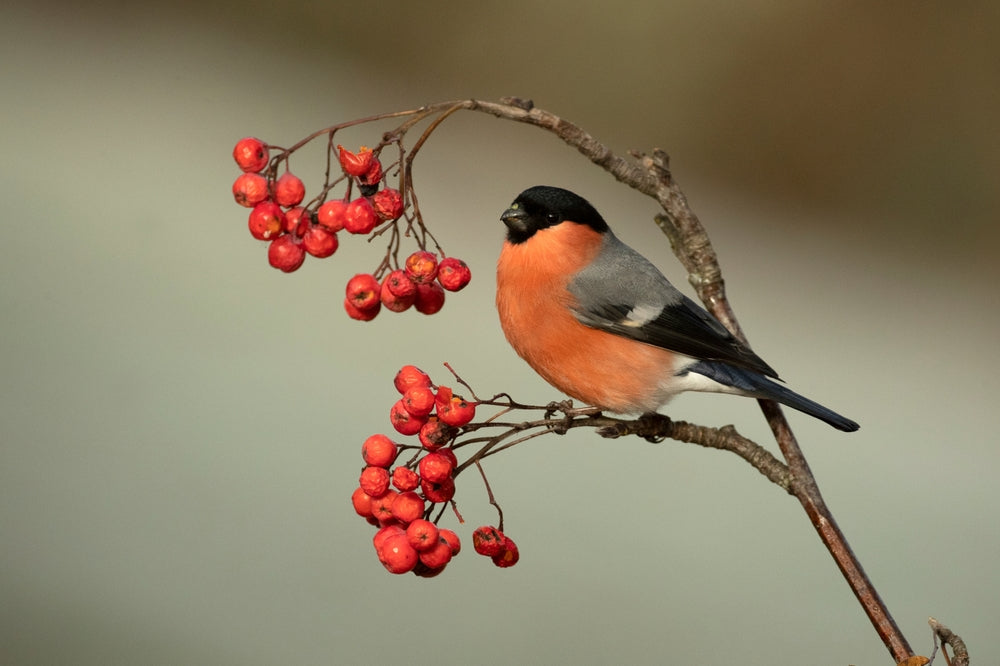
As summer progresses into autumn, the shrub transitions into another phase of beauty. It produces an abundance of small, round, and brightly colored berries, typically red or orange. These berries not only add visual interest but also serve as a valuable food source for birds during the colder months, enhancing its ecological significance.
Cotoneaster x watereri is known for its adaptability to various growing conditions. It thrives in well-drained soil and can tolerate both full sun and partial shade, making it a versatile choice for different garden settings. It is also remarkably hardy and resistant to many common pests and diseases, reducing the need for intensive maintenance.
Maintenance for this shrub is generally straightforward. Pruning can be done to shape the plant or remove dead or diseased branches, but it is often not required. Regular watering during dry spells, especially during its establishment phase, helps ensure its healthy growth.
In conclusion, Cotoneaster x watereri, or Waterer's Cotoneaster, is a cherished shrub in the UK that offers year-round appeal. Its graceful form, glossy foliage, profuse blossoms, and colourful berries make it a versatile and visually pleasing addition to gardens and landscapes. Whether used as a specimen plant, a hedge, or ground cover, this adaptable shrub adds beauty and ecological value to outdoor spaces in the United Kingdom.


Cotoneaster 'horizontalis' - Height 10-20cm Width - 15-50cm - 3lt
£16.00
Unit price perCotoneaster 'horizontalis' - Height 10-20cm Width - 15-50cm - 3lt
£16.00
Unit price perCotoneaster horizontalis, commonly known as rock cotoneaster or wall spray, is a species of flowering plant in the Rosaceae family. Native to parts of western China, it has become a popular choice in gardens and landscapes due to its hardiness and distinctive appearance.
This deciduous shrub grows in a herringbone pattern, with branches that spread horizontally, forming a low, dense, and attractive ground cover. Typically reaching heights of 0.5-1 metre and spreading up to 2 metres, Cotoneaster horizontalis is well-suited for rockeries, slopes, and as a ground cover for larger garden areas.
Note: Due to vigorous growth of the plant in the first year, its size may vary from 15 cm to 50 cm in width, depending on the season (it generally reaches around 50 cm towards autumn).
The small, glossy, oval-shaped leaves of Cotoneaster horizontalis turn a striking red or purple in the autumn, adding vibrant colour to the garden. In late spring to early summer, the plant produces tiny pinkish-white flowers. Though not particularly showy, these flowers are a valuable source of nectar for pollinators such as bees. By late summer to autumn, the flowers give way to small, bright red berries that persist into winter. These berries are not only visually appealing but also provide food for birds, contributing to local biodiversity.
Cotoneaster horizontalis is known for its adaptability and resilience. It can thrive in various soil types, including poor, dry, and alkaline soils. It prefers full sun but can tolerate partial shade. Additionally, it is relatively low-maintenance, requiring minimal pruning. However, it is advisable to trim back any excessively long or untidy branches to maintain its shape and encourage denser growth.
One concern with Cotoneaster horizontalis is its potential invasiveness. In some regions, it can spread beyond garden boundaries, particularly in areas with mild climates. As a result, gardeners should monitor its growth and manage its spread to prevent it from becoming a nuisance.
Overall, Cotoneaster horizontalis is a versatile and attractive plant, offering year-round interest with its foliage, flowers, and berries. It is an excellent choice for gardeners looking to add texture and colour to their landscapes.