

-
Trees
Trees
 Fruit Trees
 Ornamental
 Screening
 Palms
By FeaturesBy Shape
-
Shrubs
Shrubs
 Large shrubs
 Hedging
 Bamboo
 Climbers
 Flowering
 Grasses & Ferns
 Popular
-
Pines & Conifers
Pines & Conifers
 Pines
 Spruce & Fir
 Cypress
 Thuja
 Redwood | Sequoia
-
Specimen
FREE DELIVERY OVER £350
Search results
Search results


Apple tree 'Cox Orange Pippin' | Malus domestica - MM106 - Semi-Dwarfing - 150-160cm - 10lt
£76.00
Unit price perApple tree 'Cox Orange Pippin' | Malus domestica - MM106 - Semi-Dwarfing - 150-160cm - 10lt
£76.00
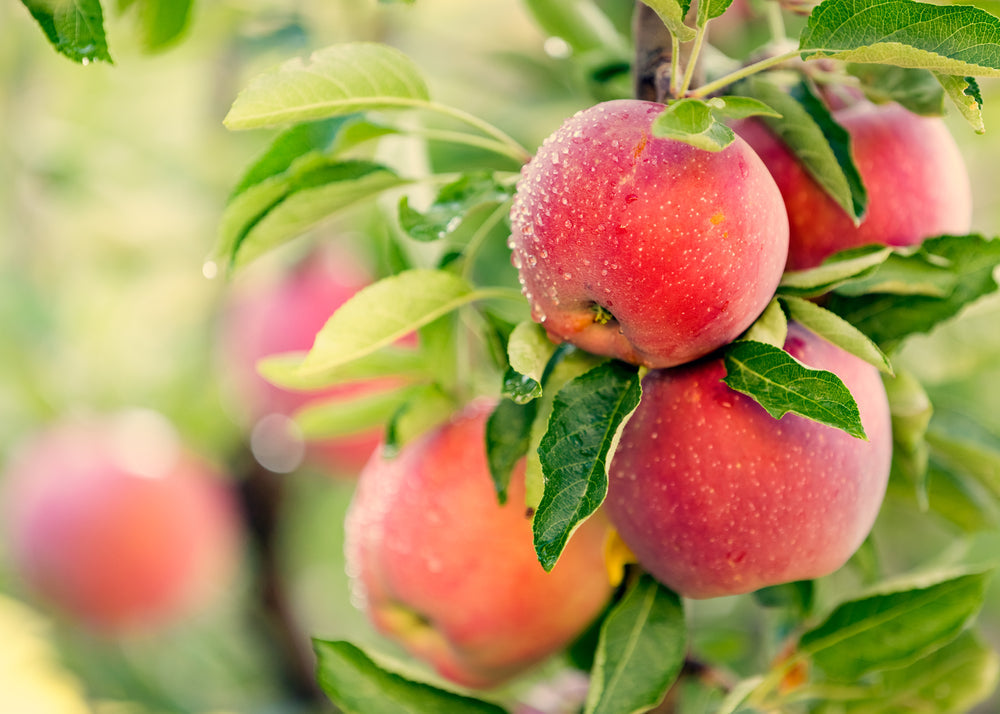
Unit price perCox’s Orange Pippin apple is the classic English apple. It was discovered in England in 19th century as a chance seedling. It is famous for its rich and complex flavour and considered to be one of the finest dessert apples. The fruit is small to medium-sized. It has yellow skin with orange-red blush and crisp, firm, very juicy and aromatic flesh. The flavour has hints of mango and orange. Cox’s Orange Pippin apple plant is an upright tree with spreading growth habit. Its vigorous and bushy growth can become difficult to control. The plant is sensitive and demanding with regard to soil and climate. It needs exceptional soil and adequate weather conditions to grow well. It prefers rich neutral soil, moist but well drained, and sheltered position in full sun. It is susceptible to diseases and doesn’t tolerate frost. The best flavour is achieved in cool maritime climate.
Root stock MM106 is a semi-dwarfing rootstock commonly used for apple trees. It offers a moderate growth rate, producing trees 10-15 feet tall when mature. Suitable for medium-sized gardens, MM106 ensures good fruit yield and adaptability to various soils. It's resistant to woolly apple aphid and moderately resistant to crown rot. Ideal for bush, cordons, and espalier forms. Ensure proper staking in early years.


Apple tree 'Cox Orange Pippin' | Malus domestica - M26 - Semi- Dwarfing - 150-160cm - 10lt
£86.00
Unit price perApple tree 'Cox Orange Pippin' | Malus domestica - M26 - Semi- Dwarfing - 150-160cm - 10lt
£86.00
Unit price perCox’s Orange Pippin apple is the classic English apple. It was discovered in England in 19th century as a chance seedling. It is famous for its rich and complex flavour and considered to be one of the finest dessert apples. The fruit is small to medium-sized. It has yellow skin with orange-red blush and crisp, firm, very juicy and aromatic flesh. The flavour has hints of mango and orange. Cox’s Orange Pippin apple plant is an upright tree with spreading growth habit. Its vigorous and bushy growth can become difficult to control. The plant is sensitive and demanding with regard to soil and climate. It needs exceptional soil and adequate weather conditions to grow well. It prefers rich neutral soil, moist but well drained, and sheltered position in full sun. It is susceptible to diseases and doesn’t tolerate frost. The best flavour is achieved in cool maritime climate.
M26 is a semi-dwarfing rootstock (smaller than MM106) used for apple trees, particularly in orchards and home gardens. It produces trees 10-12 feet in height, making them easier to manage and harvest. M26 ensures early fruit production, good anchorage, and medium vigor. However, it requires staking during early years and is moderately susceptible to fire blight.


Apple tree 'Sunset' | Malus domestica - MM106 - Semi Dwarfing - Height 150-160cm - 20lt
£94.00
Unit price perApple tree 'Sunset' | Malus domestica - MM106 - Semi Dwarfing - Height 150-160cm - 20lt
£94.00
Unit price per


Apple tree 'Sunset' | Malus domestica - M26 -Semi-Dwarfing - Height 150-160cm - 12lt
£86.00
Unit price perApple tree 'Sunset' | Malus domestica - M26 -Semi-Dwarfing - Height 150-160cm - 12lt
£86.00
Unit price perSunset apple is a heavy-cropping garden apple with upright, compact habit and attractive pale pink flowers that bloom in March. They are followed by small, round to ovate, golden-yellow and green fruit with red and orange striping. A white to ivory flesh is crisp, firm and fine-grained, sometimes tinged with green. It has sweet, sharp, aromatic flavour. Sunset Apple was bred in approximately 1918 by G. C. Addy at Ightham, Kent. One of the parent varieties is Cox’s Orange Pippin Apple. Sunset Apple was meant to be similar to it, but easier to grow. It is very resilient, generally disease-free, cold and frost resistant, therefore, suitable for growing even in northern parts of Europe. Doesn’t need a pollinating partner because it is self-fertile. It is not commercially grown because of its small size. Sunset apples are crispy and juicy, great for eating or cooking. When cooked, they retain their shape.
M26 is a semi-dwarfing rootstock (smaller than MM106) used for apple trees, particularly in orchards and home gardens. It produces trees 10-12 feet in height, making them easier to manage and harvest. M26 ensures early fruit production, good anchorage, and medium vigor. However, it requires staking during early years and is moderately susceptible to fire blight.


Apple tree 'James Grieve' | Malus domestica - M26 - Semi-Dwarfing - Height 150-160cm - 12lt
£86.00
Unit price perApple tree 'James Grieve' | Malus domestica - M26 - Semi-Dwarfing - Height 150-160cm - 12lt
£86.00
Unit price perJames Grieve Apple is a hardy, deciduous tree suitable for cold climate zones. It is best grown in northerly areas with cold winters, moderate summer temperatures, and medium to high humidity. It’s an old apple variety, raised in 1893. in Edinburgh, Scotland, by James Grieve from pollination of Cox’s Orange Pippin and most likely Pott’s Seedling apple. Generally, a resilient plant, it needs some protection from harsh winds. It’s a good polliniser for other apples. It cannot be found in supermarkets because it is sensitive to pressure and easily bruised and cannot sustain supermarket handling.
James Grieve apples are medium to large, yellow-green, speckled and striped orange-red, with creamy, refreshing and very juicy flesh. At the beginning of season, it is sharp and perfect for cooking, retaining its shape when cooked. After a few weeks, it becomes milder and sweeter, like a firm pear in texture.
M26 is a semi-dwarfing rootstock (smaller than MM106) used for apple trees, particularly in orchards and home gardens. It produces trees 10-12 feet in height, making them easier to manage and harvest. M26 ensures early fruit production, good anchorage, and medium vigor. However, it requires staking during early years and is moderately susceptible to fire blight.


Apple tree 'James Grieve' | Malus domestica - MM106 - Semi-Dwarfing - Height 150-160cm - 20lt
£94.00
Unit price perApple tree 'James Grieve' | Malus domestica - MM106 - Semi-Dwarfing - Height 150-160cm - 20lt
£94.00
Unit price perJames Grieve Apple is a hardy, deciduous tree suitable for cold climate zones. It is best grown in northerly areas with cold winters, moderate summer temperatures, and medium to high humidity. It’s an old apple variety, raised in 1893. in Edinburgh, Scotland, by James Grieve from pollination of Cox’s Orange Pippin and most likely Pott’s Seedling apple. Generally, a resilient plant, it needs some protection from harsh winds. It’s a good polliniser for other apples. It cannot be found in supermarkets because it is sensitive to pressure and easily bruised and cannot sustain supermarket handling.
James Grieve apples are medium to large, yellow-green, speckled and striped orange-red, with creamy, refreshing and very juicy flesh. At the beginning of season, it is sharp and perfect for cooking, retaining its shape when cooked. After a few weeks, it becomes milder and sweeter, like a firm pear in texture.
Root stock MM106 is a semi-dwarfing rootstock commonly used for apple trees. It offers a moderate growth rate, producing trees 10-15 feet tall when mature. Suitable for medium-sized gardens, MM106 ensures good fruit yield and adaptability to various soils. It's resistant to woolly apple aphid and moderately resistant to crown rot. Ideal for bush, cordons, and espalier forms. Ensure proper staking in early years.


Apple tree 'James Grieve' | Malus domestica - Patio Rootstock - Height 80-100cm - 7lt
£38.00
Unit price perApple tree 'James Grieve' | Malus domestica - Patio Rootstock - Height 80-100cm - 7lt
£38.00
Unit price perJames Grieve Apple is a hardy, deciduous tree suitable for cold climate zones. It is best grown in northerly areas with cold winters, moderate summer temperatures, and medium to high humidity. It’s an old apple variety, raised in 1893. in Edinburgh, Scotland, by James Grieve from pollination of Cox’s Orange Pippin and most likely Pott’s Seedling apple. Generally, a resilient plant, it needs some protection from harsh winds. It’s a good polliniser for other apples. It cannot be found in supermarkets because it is sensitive to pressure and easily bruised and cannot sustain supermarket handling.
James Grieve apples are medium to large, yellow-green, speckled and striped orange-red, with creamy, refreshing and very juicy flesh. At the beginning of season, it is sharp and perfect for cooking, retaining its shape when cooked. After a few weeks, it becomes milder and sweeter, like a firm pear in texture.


Apple tree 'Laxton's Superb' | Malus domestica - TM26 - Dwarfing - 140-150cm - 10lt
£86.00
Unit price perApple tree 'Laxton's Superb' | Malus domestica - TM26 - Dwarfing - 140-150cm - 10lt
£86.00
Unit price perLaxton's Superb Apple is an old-fashioned, traditional, sweet, aromatic dessert apple. It was bred by Laxton Brothers in Bedford, UK in 1897. This apple plant is great for cold or exposed locations. It is fast-growing, but has a tendency to biennial bearing. It brings better crop when planted with another variety. It prefers full sun and fertile, well-drained soil. Doesn’t like very acidic soils, shallow chalk soils, and shade more than half of the day. Its flowers are pretty and fragrant, white with some pink, self-pollinating and long-lasting.
The fruit is green-yellow with orange-red blush and crisp firm flesh. It is similar to Cox’s Orange Pippin, which is one of its parents, but it is a bit superior with larger fruits, slightly richer flavour and better keeping qualities. Ready for harvesting in October, it can be stored till January. Late-season and heavy cropping.
M26 is a semi-dwarfing rootstock (smaller than MM106) used for apple trees, particularly in orchards and home gardens. It produces trees 10-12 feet in height, making them easier to manage and harvest. M26 ensures early fruit production, good anchorage, and medium vigor. However, it requires staking during early years and is moderately susceptible to fire blight.


Salix Chrysocoma | Golden Weeping Willow - Clear Stem - Standard - Girth 10-12cm - Height 350-390cm - 45lt
£425.00
Unit price perSalix Chrysocoma | Golden Weeping Willow - Clear Stem - Standard - Girth 10-12cm - Height 350-390cm - 45lt
£425.00
Unit price per


Pyracantha 'Orange Glow' | Orange Firethorn 30-90cm - 10lt
£33.00
Unit price perPyracantha 'Orange Glow' | Orange Firethorn 30-90cm - 10lt
£33.00
Unit price perPyracantha 'Orange Glow' is medium-sized, reaching 6-8 feet in height and 5-6 feet in width, with a bushy and dense growth habit. The bush can be planted in any sunny or partially shaded spot in the garden, where it can enjoy moist, well-drained soil. It is quite adaptable to different soil types and can tolerate windy and dry conditions once established.
Apart from its attractive berries, Pyracantha 'Orange Glow' also features clusters of small white flowers with a subtly pleasant fragrance that appear in spring and early summer. These flowers not only contribute to the shrub's charm, but they also attract bees, butterflies, and other pollinators to the garden.
This variety of Pyracantha is a low-maintenance plant that requires minimal upkeep to stay healthy and looking its best. Pruning should be done in late winter or early spring to maintain a compact shape and promote new growth. A yearly fertilizer application is advisable to feed the plant and encourage optimal growth.
However, gardeners should handle Pyracantha 'Orange Glow' with caution, as it has sharp thorns that can cause skin irritation or injury if not handled carefully. This feature also makes it popular for use as a security plant or hedge.
In conclusion, Pyracantha 'Orange Glow' is an excellent garden plant that offers not only visual appeal but also pollinator benefits and security. With its easy-care nature and attractive features, it has become a staple of many landscapes.


Acer palmatum 'Orange Dream' - Height 200-220cm - 55lt
£495.00
Unit price perAcer palmatum 'Orange Dream' - Height 200-220cm - 55lt
£495.00
Unit price perAcer palmatum 'Orange Dream' is a captivating variety of Japanese Maple renowned for its eye-catching color transitions through the seasons. It typically exhibits vibrant orange-yellow foliage in spring, subtly transforming to a soft, light green as summer approaches. This stunning foliage coloration is accentuated with a contrasting network of delicate, dark red veins running through the leaves, contributing to its ornamental value.
In autumn, ‘Orange Dream’ puts on a spectacular display as the leaves transmute to a brilliant gold, sometimes with shades of red, providing a lasting impression before they fall. It's a compact, bushy, deciduous tree, making it an ideal choice for smaller gardens or for growing in containers. Additionally, it’s relatively slow-growing, reaching a height of approximately 3-4 meters over a 10-year period, ensuring manageability.
This variety prefers a sheltered location, avoiding the harshest midday sun, and appreciates well-draining, acidic to neutral soil. Providing adequate protection from strong winds and extreme temperatures will help in maintaining its vibrant leaf color and overall health. Regular watering, particularly in drier periods, is crucial, although it is important to avoid waterlogged conditions.
The aesthetic appeal and manageable size of 'Orange Dream' make it a popular choice among gardeners seeking to add a touch of drama and sophistication to their landscapes.
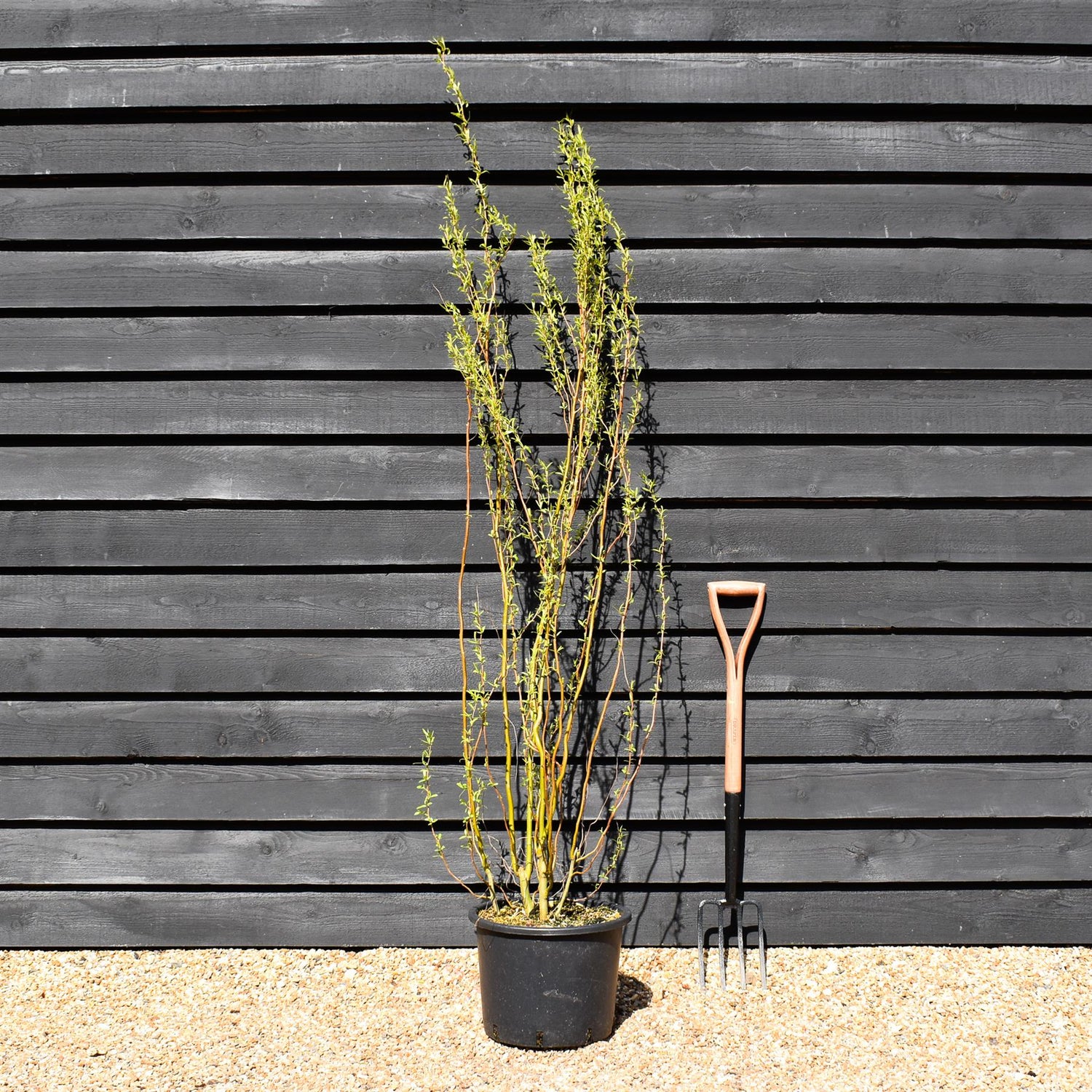


Salix babylonica var. pekinensis 'Tortuosa' | Corkscrew Willow - Height 175-195cm - 20lt
£160.00
Unit price perSalix babylonica var. pekinensis 'Tortuosa' | Corkscrew Willow - Height 175-195cm - 20lt
£160.00
Unit price per


Rose - Orange - Clear Stem 80-90cm - Height 130-160cm - 18lt
£60.00
Unit price perRose - Orange - Clear Stem 80-90cm - Height 130-160cm - 18lt
£60.00
Unit price perAn orange rose grown as a standard (tree) rose is a vibrant and uplifting feature, bringing height, structure, and bold seasonal colour to any garden. With its elevated crown of warm tangerine, apricot, or copper-toned blooms, it creates a striking focal point that draws attention and adds instant impact to both traditional and contemporary designs.
This form is particularly well suited to formal gardens, patios, and courtyard spaces, where symmetry and clear structure are important. Planted in pairs, it can beautifully frame entrances, pathways, or seating areas, while a single specimen works effectively as a standout feature in a decorative container or central border position.
Best grown in a sunny, open position, it requires plenty of direct light to encourage strong flowering and maintain the intensity of its warm colouring. Fertile, well-drained soil is essential for healthy growth and reliable repeat blooming throughout the season.
As with all standard roses, regular maintenance is important, including feeding during the growing season, deadheading spent blooms, and annual pruning in late winter or early spring to maintain a balanced, rounded crown and promote vigorous new growth.


Salix Chrysocoma | Golden Weeping Willow - Height 230-260cm - 30lt
£138.00
Unit price perSalix Chrysocoma | Golden Weeping Willow - Height 230-260cm - 30lt
£138.00
Unit price per


Sweet Orange Tree | Citrus sinensis 'Naranjo' - Tree - Clear Stem 30-60cm - Height 110-140cm - 25lt
£215.00
Unit price perSweet Orange Tree | Citrus sinensis 'Naranjo' - Tree - Clear Stem 30-60cm - Height 110-140cm - 25lt
£215.00
Unit price perCitrus sinensis 'Naranjo' is a beautiful evergreen citrus tree admired for its glossy deep green foliage, highly fragrant white blossom, and delicious sweet oranges. Bringing a Mediterranean feel to gardens, patios, and conservatories, this attractive tree provides year-round ornamental interest as flowers and ripening fruit often appear together on the plant. During spring and summer, the scented blossom attracts pollinators and fills sheltered outdoor spaces with a refreshing citrus fragrance.
Best grown in a sunny, sheltered position, Citrus sinensis ‘Naranjo’ thrives in fertile, well-drained soil and benefits from regular watering during warmer months. In the UK climate, it is commonly grown in containers so it can be moved into a greenhouse, conservatory, or frost-free area during winter. Its compact habit makes it particularly suitable for patios, terraces, courtyards, and smaller gardens.
As a mature specimen, the tree creates an elegant focal point with both ornamental and practical value. The vibrant orange fruit contrasts beautifully against the glossy foliage, adding colour and interest while also producing edible, home-grown citrus fruit.


Salix matsudana Tortuosa | Wiggerly Willow - Bushy Tree - Height 390-410cm - 70lt
£655.00
Unit price perSalix matsudana Tortuosa | Wiggerly Willow - Bushy Tree - Height 390-410cm - 70lt
£655.00
Unit price perSalix matsudana ‘Tortuosa’, commonly known as the Corkscrew Willow, is a distinctive, fast-growing tree valued for its dramatically twisted, contorted branches and lively, informal habit. In a bushy tree form, it develops a broad, airy crown that provides strong architectural interest throughout the year, particularly in winter when the bare, spiralling stems are fully revealed.
This willow is well suited to larger gardens where its vigorous growth and spreading shape can be appreciated. It thrives in full sun and prefers moist, well-drained soil, making it ideal for planting near ponds, streams, or in naturally damp ground, though it will also tolerate ordinary garden soils if not allowed to dry out completely. In spring and summer, the narrow, bright green leaves create a soft, shimmering canopy, bringing movement and lightness to the landscape.
Salix matsudana ‘Tortuosa’ is relatively low maintenance, responding well to pruning if size control is needed, and can even be coppiced to encourage fresh, colourful, twisted stems. Its sculptural form, rapid establishment, and year-round interest make it an excellent choice as a specimen tree or dramatic focal point in spacious, informal or wildlife-friendly gardens.


Apple tree 'Blenheim Orange' | Malus domestica - MM106 - Semi-Dwarfing - 150-160cm - 10lt
£70.00
Unit price perApple tree 'Blenheim Orange' | Malus domestica - MM106 - Semi-Dwarfing - 150-160cm - 10lt
£70.00
Unit price perMalus domestica Blenheim Orange is a very old English apple variety. It’s an attractive, vigorous apple tree with pale pink flowers blooming in April and May and large, golden, flushed red, crisp, nutty, dessert and cooking apples with crumbly texture. Ready for harvesting in September and October. Malus domestica Blenheim Orange prefers moderately fertile, moist, well-drained soil in full sun. It can tolerate partial shade, but the crop is best in full sun. It is suitable for northerly, cooler, rainier climates. Resistant to scab and mildew. It can withstand frost, but it needs to be sheltered from harsh winds. It’s a triploid, it needs two other varieties for pollination. Regular pruning is required. Apple ‘Blenheim Orange’ is a vigorous architectural tree perfect for informal, cottage, and urban gardens. Suitable for growing in containers. Fruits can be eaten fresh, cooked to purée or cooked to keep its shape. It is thought to be one of the best dual purpose apples.
Root Stock MM106 is a semi-dwarfing rootstock commonly used for apple trees. It offers a moderate growth rate, producing trees 10-15 feet tall when mature. Suitable for medium-sized gardens, MM106 ensures good fruit yield and adaptability to various soils. It's resistant to woolly apple aphid and moderately resistant to crown rot. Ideal for bush, cordons, and espalier forms. Ensure proper staking in early years.


Ilex Nellie R Stevens - Multistem - Height 320cm - 130lt
£925.00
Unit price perIlex Nellie R Stevens - Multistem - Height 320cm - 130lt
£925.00
Unit price per


Salix Babylonica Aurea | Golden Weeping Willow - Clear Stem 200cm - Girth 8-10cm - Height 350-400cm - 70lt
£435.00
Unit price perSalix Babylonica Aurea | Golden Weeping Willow - Clear Stem 200cm - Girth 8-10cm - Height 350-400cm - 70lt
£435.00
Unit price perSalix babylonica, commonly known as the weeping willow, is a majestic deciduous tree that belongs to the family Salicaceae. With its graceful and distinctive appearance, the Salix babylonica is widely recognized and admired around the world. Native to China, this tree has been cultivated for centuries and has found its way into various landscapes due to its ornamental value and environmental benefits.
The weeping willow is known for its unique weeping form, with its long, slender branches that droop gracefully towards the ground. It can reach impressive heights, often growing between 30 to 50 feet tall, with some exceptional specimens exceeding 100 feet. The branches are covered in narrow, lance-shaped leaves that are a vibrant green color, turning yellow in the fall before shedding for winter.
One of the most captivating features of the weeping willow is its pendulous branches, which sway and dance in the breeze, creating a mesmerizing display. These branches are adorned with slender, yellow-green catkins in the spring, adding a touch of beauty to the tree's overall appearance.
Salix babylonica thrives in moist environments and is commonly found near bodies of water such as rivers, streams, and lakes. It has an extensive root system that helps stabilize the soil, making it an excellent choice for erosion control along riverbanks and shorelines. Additionally, its dense foliage provides shade and helps regulate water temperature, benefiting aquatic ecosystems.
In addition to its aesthetic and environmental appeal, the weeping willow holds cultural and symbolic significance in various societies. It has been associated with mourning and grief in some cultures, while in others, it represents resilience, flexibility, and adaptability.
When it comes to cultivation, the weeping willow prefers full sun exposure and moist, well-drained soil. It is a fast-growing tree that requires regular pruning to maintain its elegant shape and prevent the branches from touching the ground. Care should be taken when planting near structures or underground utilities due to its invasive root system.
In conclusion, Salix babylonica, or the weeping willow, is a remarkable tree renowned for its graceful weeping form, pendulous branches, and vibrant foliage. It serves both practical and aesthetic purposes, making it a beloved choice for landscapes and water conservation efforts. Its cultural significance and captivating beauty have made it a cherished tree for centuries, captivating the hearts of those who encounter it.


Philadelphus Virginal - Shrub - Height 90-120cm - 12lt
£60.00
Unit price perPhiladelphus Virginal - Shrub - Height 90-120cm - 12lt
£60.00
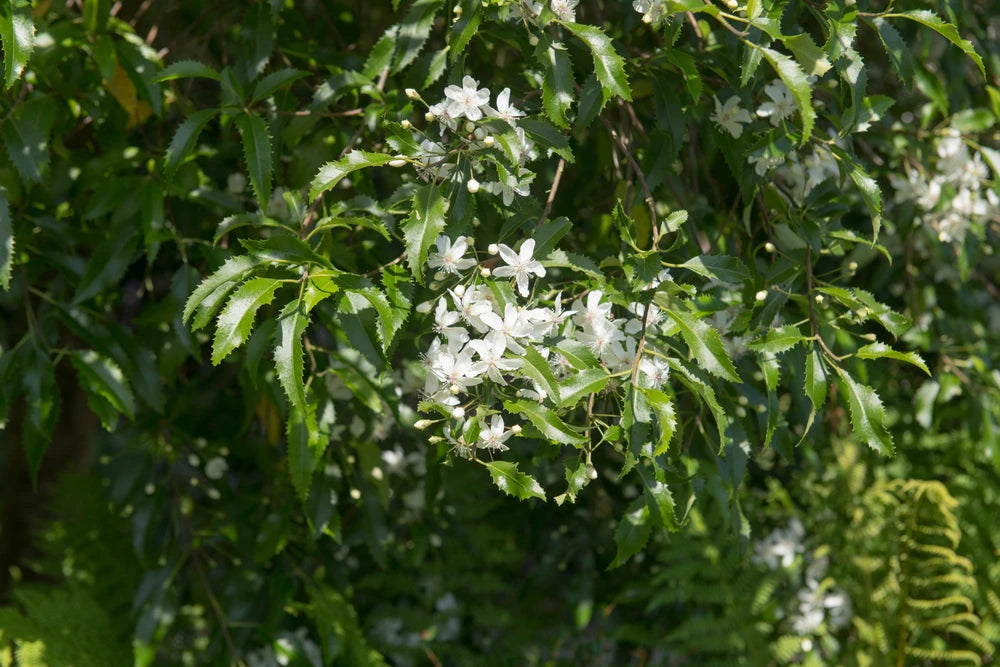
Unit price perPhiladelphus ‘Virginal’, commonly known as Mock Orange, is a beautiful deciduous shrub prized for its wonderfully fragrant white flowers and graceful, natural form. In late spring and early summer, its arching branches become covered with masses of large, double white blooms, filling the garden with a sweet fragrance reminiscent of orange blossom.
Growing into a substantial shrub, ‘Virginal’ typically reaches around 2–3 metres in height and width when mature, making it an excellent choice for larger borders, informal screening or as a feature shrub. Its fresh green foliage provides a pleasing backdrop to the flowers throughout summer before turning yellow in autumn.
Philadelphus is a versatile and relatively easy-going garden plant, thriving in fertile, well-drained soil in full sun or partial shade. A position with plenty of sunshine will encourage the best flowering, while some afternoon shade is well tolerated.
It is particularly well suited to traditional cottage gardens, mixed borders and wildlife-friendly planting schemes. The highly scented flowers are attractive to bees and other pollinating insects, while the shrub’s relaxed habit adds a naturalistic feel to planting.
A hardy and dependable choice for UK gardens, Philadelphus ‘Virginal’ combines abundant summer flowers, exceptional fragrance and easy cultivation.