

-
Trees
Trees
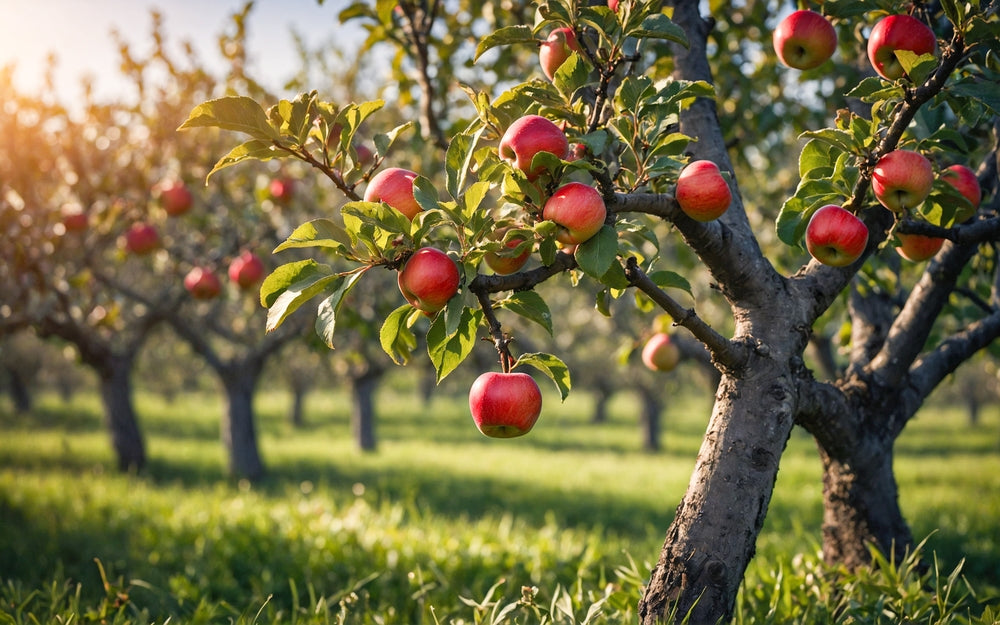 Fruit Trees
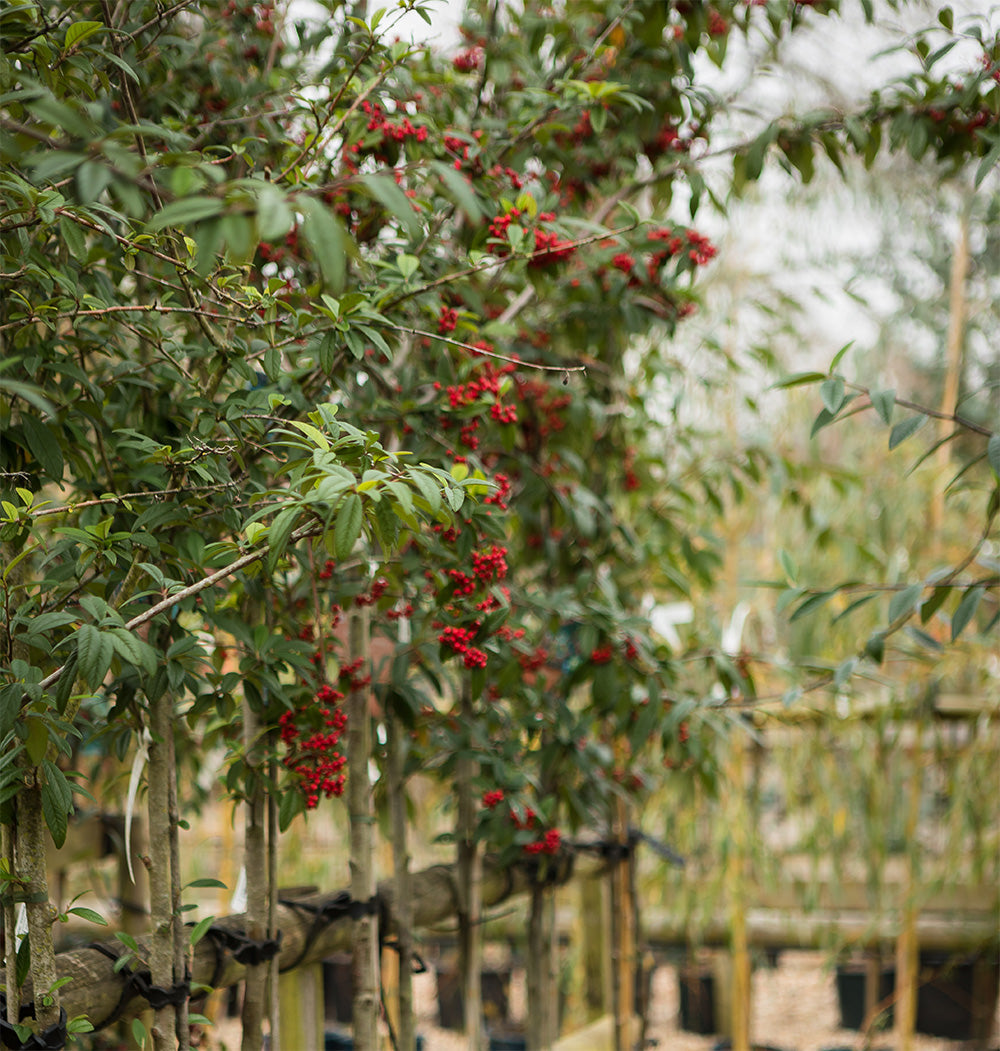 Ornamental
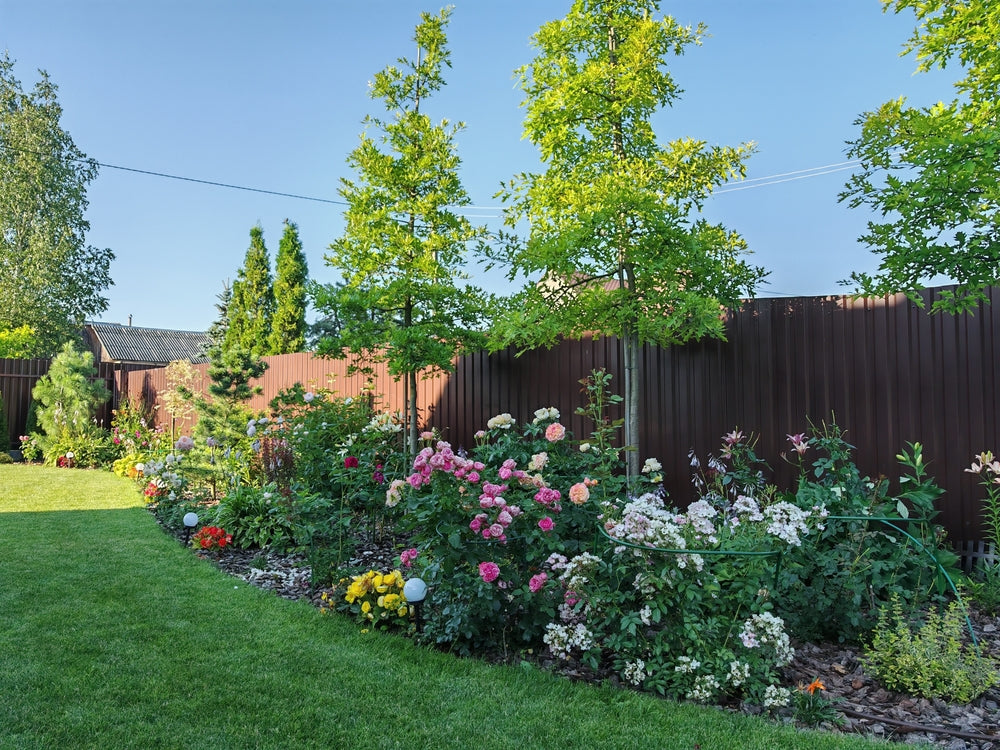 Screening
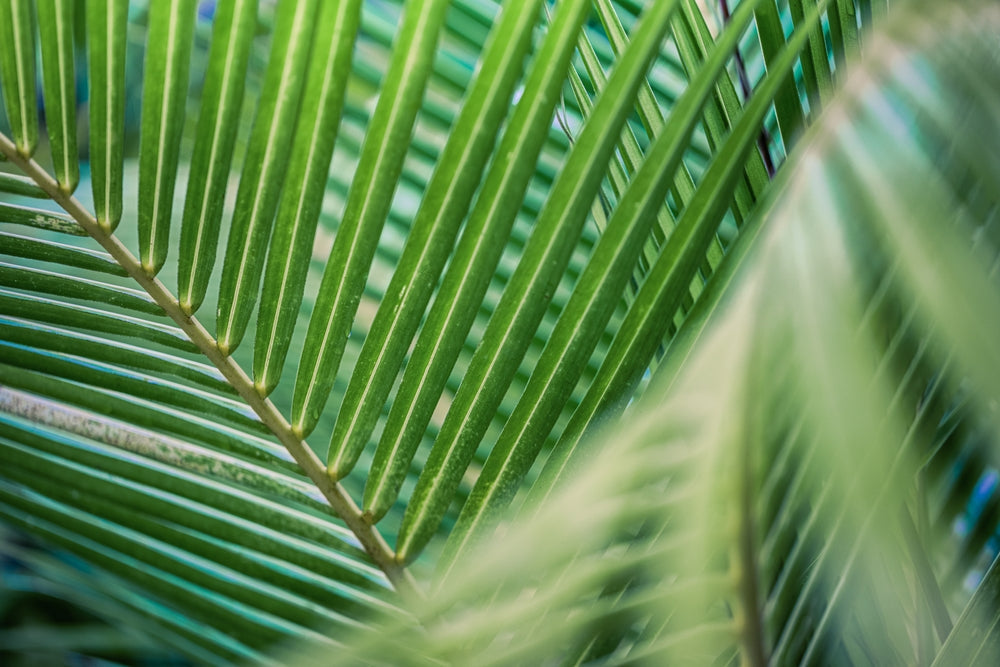 Palms
By FeaturesBy Shape
-
Shrubs
Shrubs
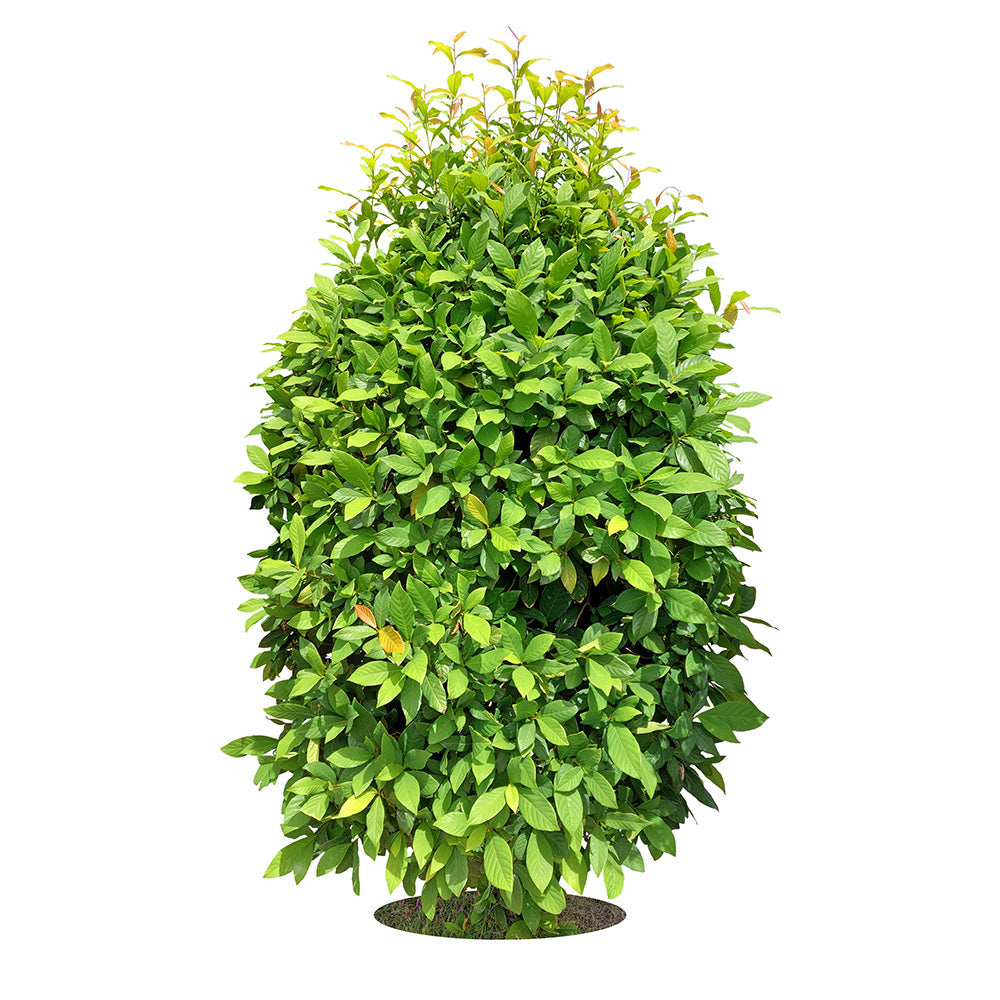 Large shrubs
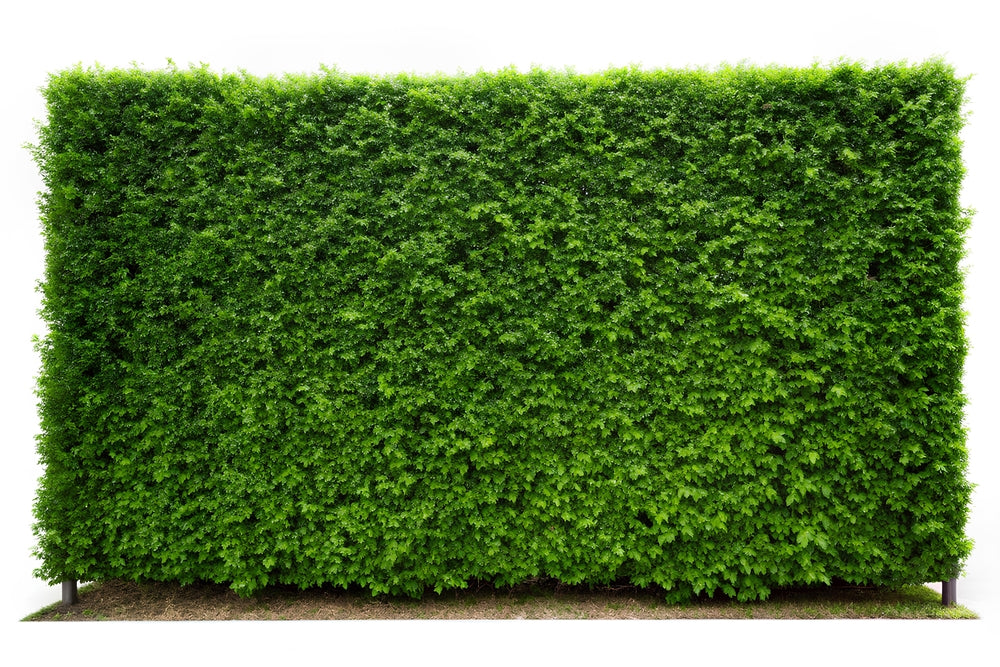 Hedging
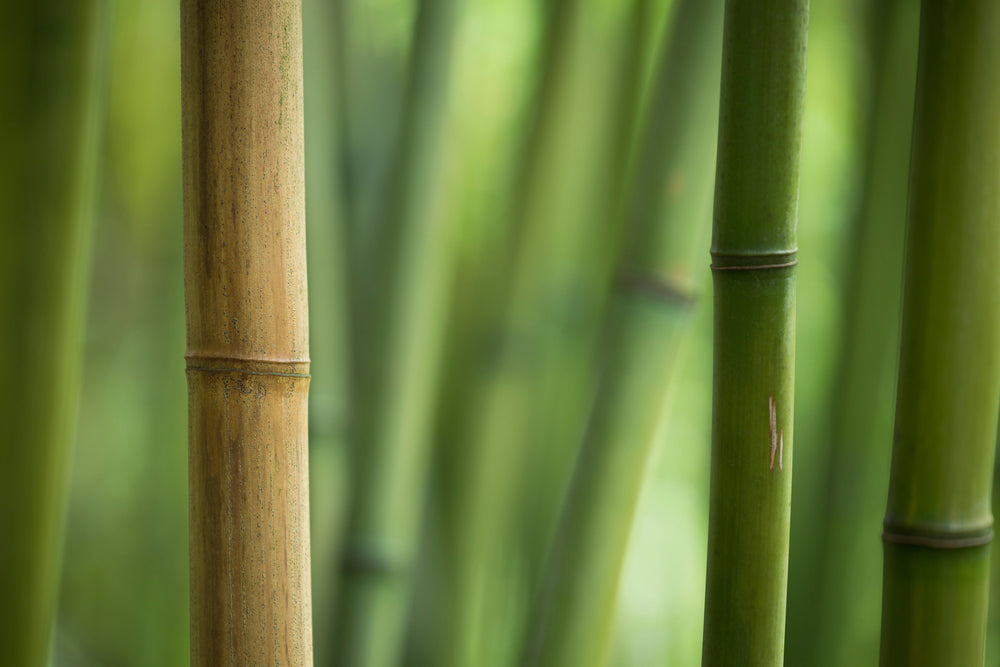 Bamboo
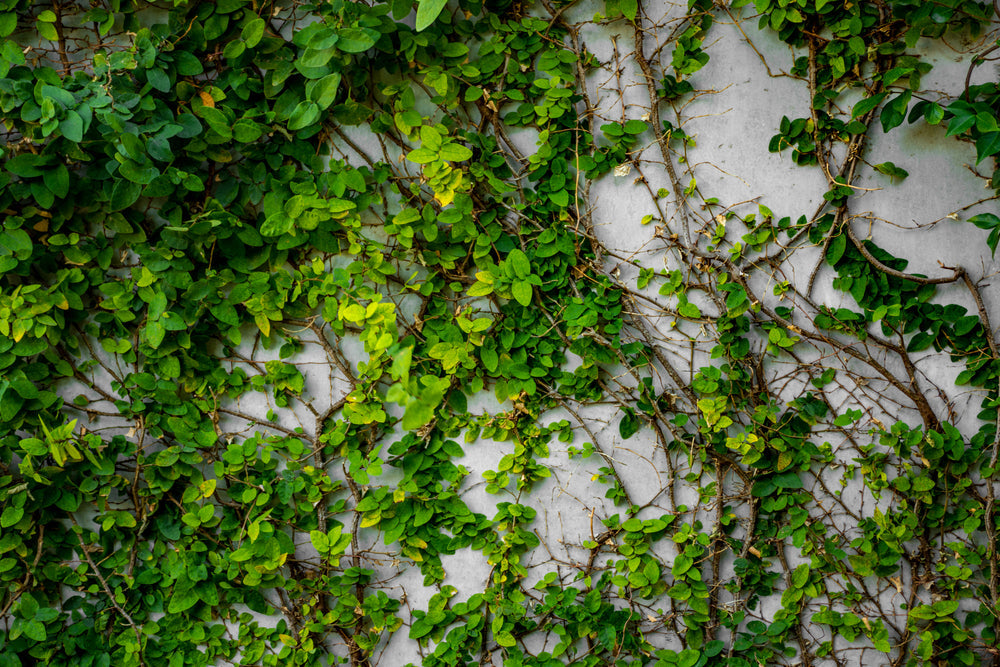 Climbers
 Flowering
 Grasses & Ferns
 Popular
-
Pines & Conifers
Pines & Conifers
 Pines
 Spruce & Fir
 Cypress
 Thuja
 Redwood | Sequoia
-
Specimen
FREE DELIVERY OVER £350
Search results
Search results


Phyllostachys aurea | Bamboo - Height 280-300cm - 18lt
£105.00
Unit price perPhyllostachys aurea | Bamboo - Height 280-300cm - 18lt
£105.00
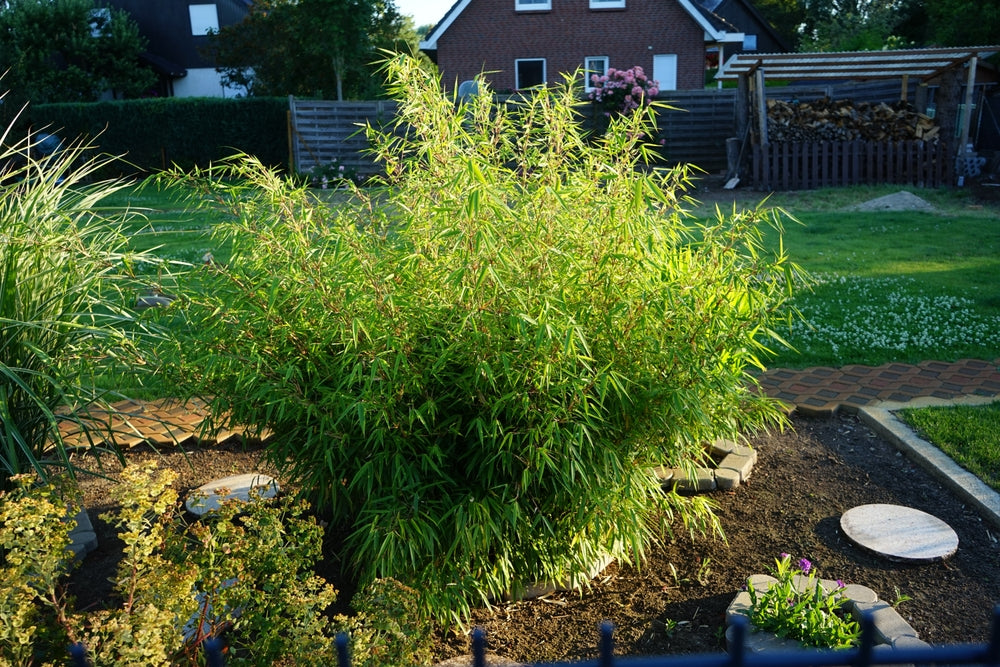
Unit price perPhyllostachys aurea is an elegant, vigorous, evergreen bamboo with large clumps of tall, upright, bright green canes that turn yellow green with age or exposure. Its long, narrow, linear-lanceolate leaves are light-green to golden-green. Flowers and seeds are rarely produced.
Phyllostachys aurea is a tough and resilient plant that can grow well in most soil types, but prefers fertile, humus-rich, moist, well-drained soils. It thrives in full sun and partial shade. It is resistant to heat and drought. It can withstand frost and some wind. Best to be planted in open positions. Virtually, pest-free and disease-free. In moist and warm conditions, it can become invasive. It requires annual pruning.
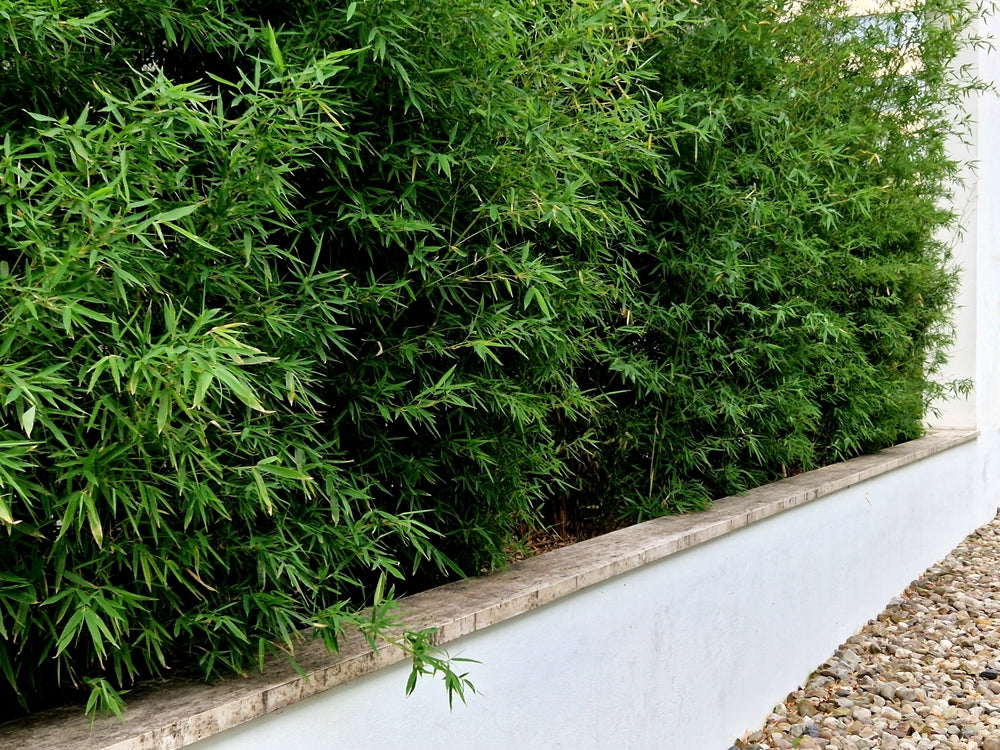
This Golden bamboo is a strong and graceful architectural plant, very popular as a specimen or accent plant. Excellent for informal hedges and privacy screens. Great when planted in containers on patios and roof gardens. In China, it is used for production of walking sticks and umbrella handles.


Liquidambar styraciflua 'Aurea' | Sweet Gum 'Aurea' - Height 200-220cm - 20lt
£138.00
Unit price perLiquidambar styraciflua 'Aurea' | Sweet Gum 'Aurea' - Height 200-220cm - 20lt
£138.00
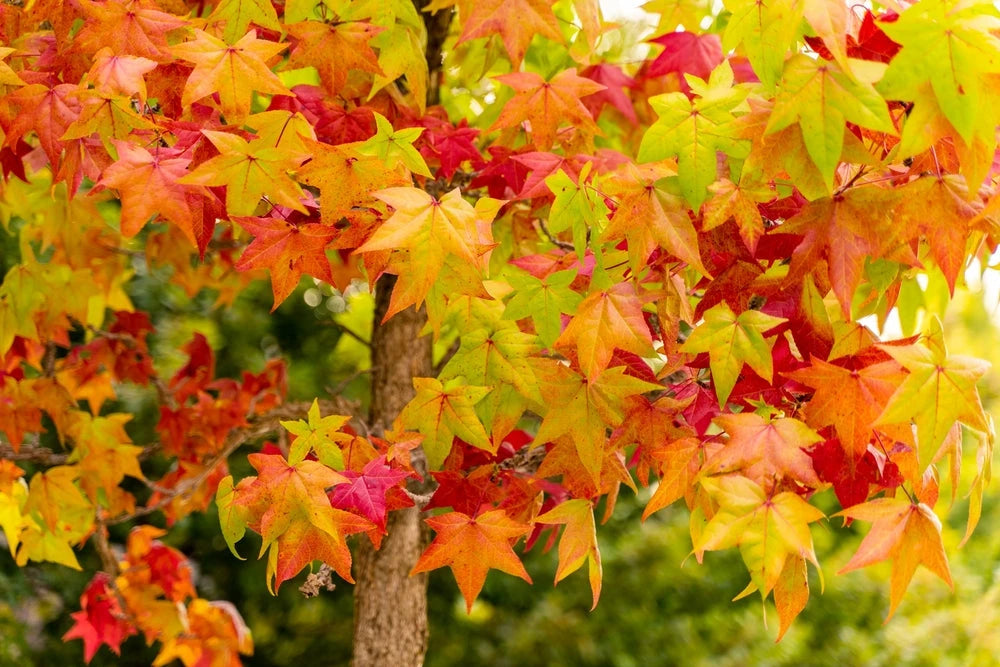
Unit price perLiquidambar styraciflua 'Aurea', commonly known as the golden sweetgum, is a striking deciduous tree renowned for its distinctive golden foliage and ornamental qualities. A cultivar of the American sweetgum (Liquidambar styraciflua), this tree is prized for its vibrant autumn colours and uniquely lobed, star-shaped leaves that add a bright accent to gardens and landscapes.
Reaching a mature height of approximately 10–15 metres, 'Aurea' develops a pyramidal shape when young, eventually maturing into a more rounded crown. Its foliage emerges in spring with a bright golden hue, creating an eye-catching contrast against its dark grey bark. As the seasons progress, the leaves take on deeper yellow tones, transitioning into shades of amber, orange, and occasionally red in autumn, depending on the climate and soil conditions.
The tree is well-suited to a range of soil types but thrives best in well-drained, slightly acidic soil. It prefers full sun to partial shade and is moderately tolerant of urban pollution, making it a suitable choice for parks, gardens, and avenues. While it is relatively low-maintenance, young specimens benefit from protection against strong winds and cold exposure, as the cultivar is slightly less hardy than the species.
In addition to its aesthetic appeal, 'Aurea' occasionally produces the characteristic spiky seed pods typical of the sweetgum species, although in smaller quantities. These provide added interest in winter but may require occasional clearance in more manicured settings.
Liquidambar styraciflua 'Aurea' is an excellent choice for gardeners seeking a medium-sized tree with year-round interest, offering an ever-changing display of colour and form. Its golden tones brighten any landscape, making it a standout feature in larger gardens or mixed planting schemes.


Catalpa bignonioides 'Aurea' | Golden Indian bean tree - Shrub - Height 50-70cm - 7.5lt
£50.00
Unit price perCatalpa bignonioides 'Aurea' | Golden Indian bean tree - Shrub - Height 50-70cm - 7.5lt
£50.00
Unit price per


Euonymus japonicus 'Aureus' | Japanese spindle 'Aurea' - Ball - Height 60cm - 30lt
£142.00
Unit price perEuonymus japonicus 'Aureus' | Japanese spindle 'Aurea' - Ball - Height 60cm - 30lt
£142.00
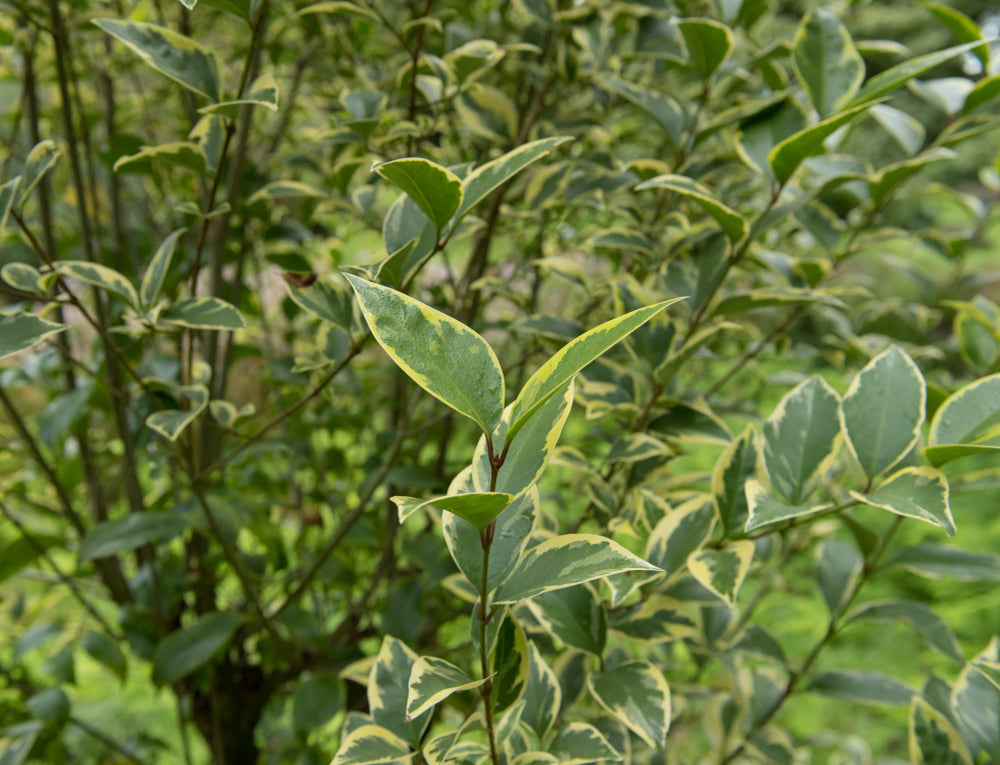
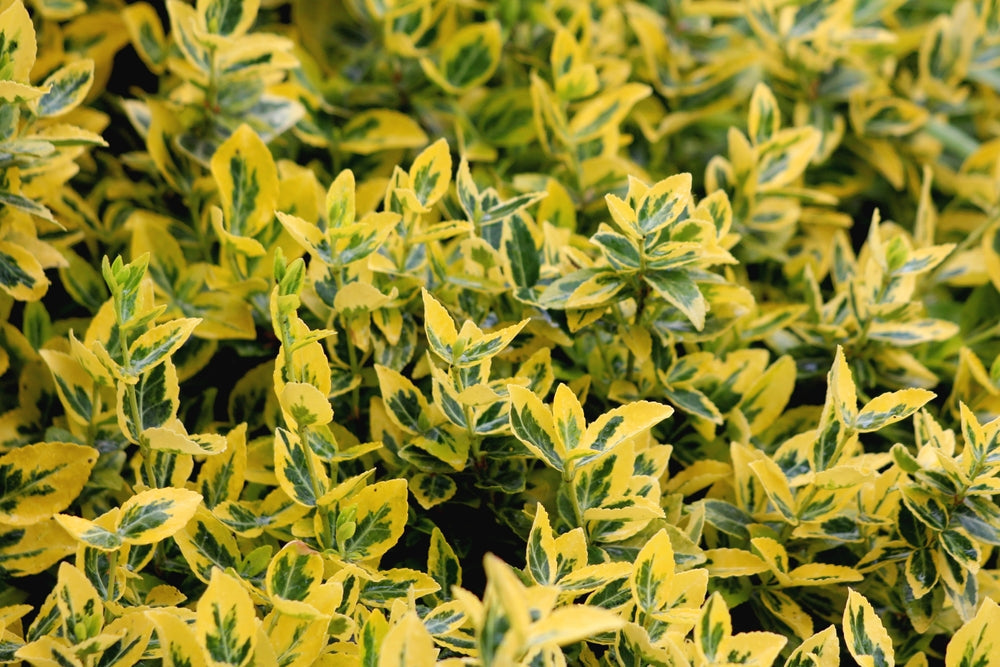
Unit price perEuonymus japonicus 'Ovatus Aureus' is a medium-sized, bushy, upright, evergreen shrub with lovely, variegated foliage. Broad, oval, glossy leaves are light green when young and dark green when mature, with broad golden-yellow margins. Flowers are small, inconspicuous, greenish and bloom in summer. Sometimes, they are followed by pink fruit in autumn. Euonymus japonicus 'Ovatus Aureus' thrives in average, moist, well-drained soils, in full sun or partial shade, but is adaptable to various types of soils, except extremely wet. It is very tough and resilient, tolerant of heat, cold, salt, wind, and urban pollution. Low maintenance plant and easy to grow. Great for shady garden corners. This small, adaptable plant is a great addition to any garden – informal, cottage, urban, or coastal. It is perfect as a ground cover, for shrub borders and mixed borders, hedges and screens. It is easy to shape and can be formed into a nice topiary. Suitable for growing in containers.


Daphne odora Aurea Marginata | Daphne Aureomarginata - Height 20-30cm - 2lt
£28.00
Unit price perDaphne odora Aurea Marginata | Daphne Aureomarginata - Height 20-30cm - 2lt
£28.00
Unit price per


Taxus baccata Fastigiata Aurea - Height 60-80cm - 10lt
£77.00
Unit price perTaxus baccata Fastigiata Aurea - Height 60-80cm - 10lt
£77.00
Unit price per


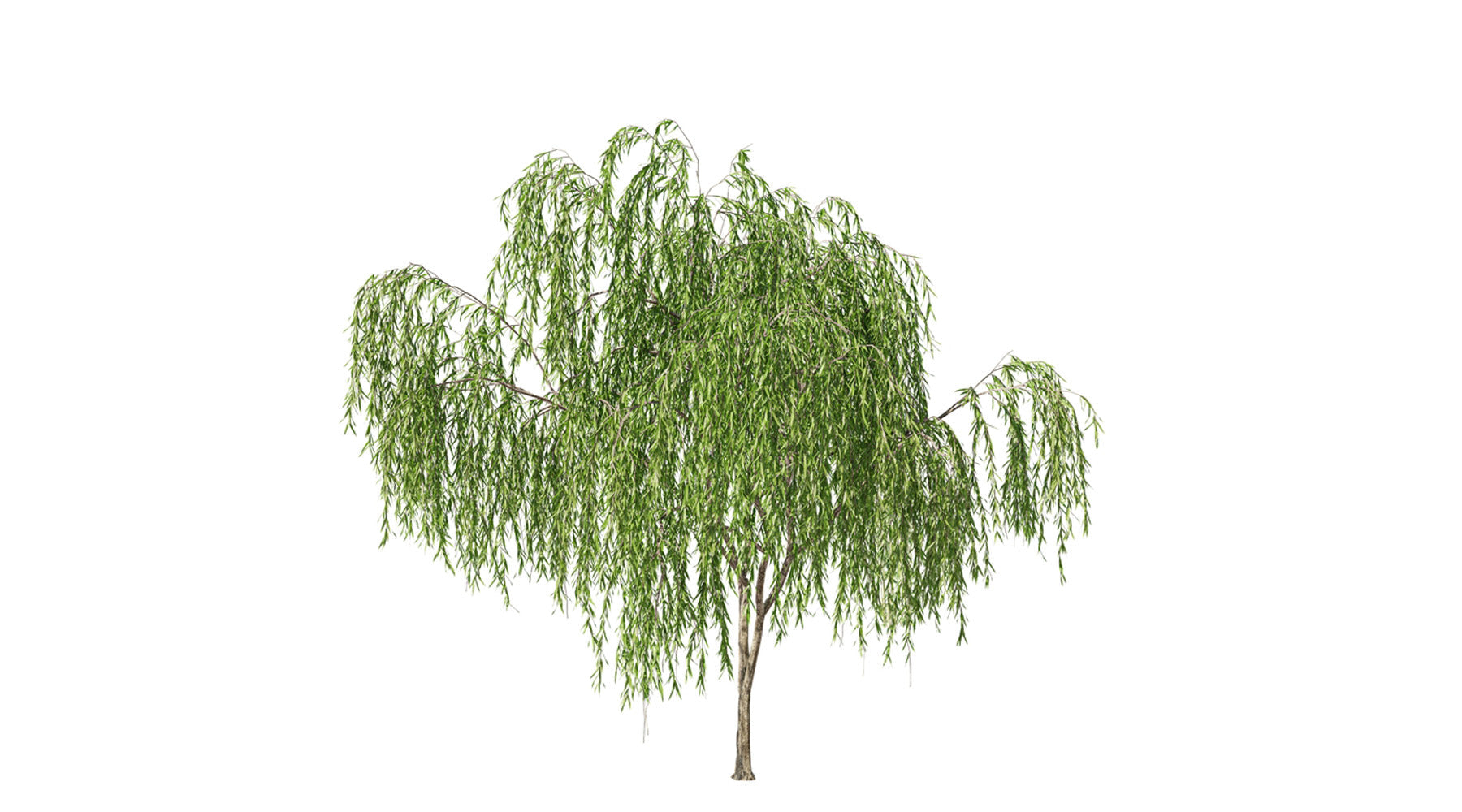
Salix Babylonica Aurea | Golden Weeping Willow - Clear Stem 200cm - Girth 8-10cm - Height 350-400cm - 70lt
£435.00
Unit price perSalix Babylonica Aurea | Golden Weeping Willow - Clear Stem 200cm - Girth 8-10cm - Height 350-400cm - 70lt
£435.00
Unit price perSalix babylonica, commonly known as the weeping willow, is a majestic deciduous tree that belongs to the family Salicaceae. With its graceful and distinctive appearance, the Salix babylonica is widely recognized and admired around the world. Native to China, this tree has been cultivated for centuries and has found its way into various landscapes due to its ornamental value and environmental benefits.
The weeping willow is known for its unique weeping form, with its long, slender branches that droop gracefully towards the ground. It can reach impressive heights, often growing between 30 to 50 feet tall, with some exceptional specimens exceeding 100 feet. The branches are covered in narrow, lance-shaped leaves that are a vibrant green color, turning yellow in the fall before shedding for winter.
One of the most captivating features of the weeping willow is its pendulous branches, which sway and dance in the breeze, creating a mesmerizing display. These branches are adorned with slender, yellow-green catkins in the spring, adding a touch of beauty to the tree's overall appearance.
Salix babylonica thrives in moist environments and is commonly found near bodies of water such as rivers, streams, and lakes. It has an extensive root system that helps stabilize the soil, making it an excellent choice for erosion control along riverbanks and shorelines. Additionally, its dense foliage provides shade and helps regulate water temperature, benefiting aquatic ecosystems.
In addition to its aesthetic and environmental appeal, the weeping willow holds cultural and symbolic significance in various societies. It has been associated with mourning and grief in some cultures, while in others, it represents resilience, flexibility, and adaptability.
When it comes to cultivation, the weeping willow prefers full sun exposure and moist, well-drained soil. It is a fast-growing tree that requires regular pruning to maintain its elegant shape and prevent the branches from touching the ground. Care should be taken when planting near structures or underground utilities due to its invasive root system.
In conclusion, Salix babylonica, or the weeping willow, is a remarkable tree renowned for its graceful weeping form, pendulous branches, and vibrant foliage. It serves both practical and aesthetic purposes, making it a beloved choice for landscapes and water conservation efforts. Its cultural significance and captivating beauty have made it a cherished tree for centuries, captivating the hearts of those who encounter it.


Platycladus orientalis 'Aurea Nana' | Dwarf golden oriental thuja - 40-50cm, 2lt
£15.00
Unit price perPlatycladus orientalis 'Aurea Nana' | Dwarf golden oriental thuja - 40-50cm, 2lt
£15.00
Unit price per

Taxus baccata Fastigiata Aurea - 80-90CM - 40lt
£66.00
Unit price perTaxus baccata Fastigiata Aurea - 80-90CM - 40lt
£66.00
Unit price per


Athyrium filix-femina "Lady in Red" | Lady Fern- 3lt
£16.00
Unit price perAthyrium filix-femina "Lady in Red" | Lady Fern- 3lt
£16.00
Unit price perAthyrium filix-femina subsp. angustum f. rubellum 'Lady in Red', commonly known as the 'Lady in Red' fern, is a striking cultivar of the lady fern. This deciduous fern is renowned for its vibrant and colourful stems, which offer a beautiful contrast against the green fronds, creating an eye-catching display in any garden.
The 'Lady in Red' fern features feathery, finely divided fronds that can reach up to 60-90 cm in height, forming an elegant and graceful clump. The fronds are a rich, medium-green colour, providing a lush, verdant backdrop to the distinctive red to burgundy stems, which are the hallmark of this variety. This colouration is most intense in the early part of the growing season, gradually fading as the season progresses, but always retaining some level of its distinctive hue.
This fern prefers moist, well-drained soil and thrives in shady to partially shaded locations, making it an ideal choice for woodland gardens, shaded borders, or alongside water features. It is relatively low-maintenance, requiring only regular watering to keep the soil consistently moist. While it can tolerate brief periods of drought once established, prolonged dry spells should be avoided to prevent stress and maintain the plant’s vigour.
'Lady in Red' is hardy and can withstand temperatures down to -30°C (-22°F), making it suitable for a wide range of climates. Its elegant appearance and hardiness make it a popular choice among gardeners looking to add a touch of colour and texture to shaded areas. Additionally, this fern is deer-resistant and generally free from serious pests and diseases, further enhancing its appeal as a robust and reliable garden plant.
In summary, Athyrium filix-femina subsp. angustum f. rubellum 'Lady in Red' is a stunning and hardy fern that brings a unique and vivid splash of colour to shaded garden spaces, requiring minimal care and offering year-round interest.