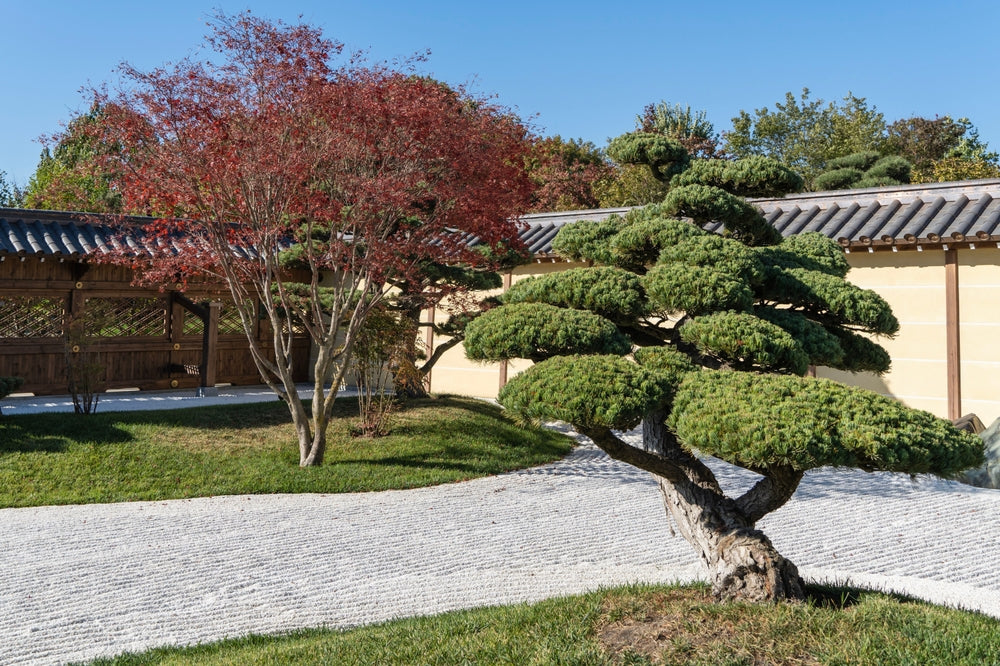
Buxus, more commonly known as box, has been a favourite choice for hedging in UK gardens for generations, and it’s easy to understand why. With its neat evergreen leaves and naturally compact growth, it’s ideal for tidy borders and formal hedges. It also has that classic, timeless look that makes it great for cottage gardens, as well as modern spaces.
Sadly, in recent years, box hasn’t been as easy to grow as it used to be. Once a perfect hedge, it has become a real headache for many gardeners, thanks to box blight, a fungal disease that causes leaves to turn brown and drop, and the box tree caterpillar, which can strip a healthy hedge almost overnight.
Why Box Hedging Is No Longer as Reliable as It Once Was
For a long time, box has been a very reliable choice for UK gardens because box blight and box tree caterpillar were not present in the UK. Both came to Europe from East Asia through the plant trade. Box blight was first recorded in the UK in the 1990s and quickly became the most common disease damaging box hedges. The box tree caterpillar came to Europe in the 2000s and in just a decade, this pest became extremely common in gardens, feeding exclusively on box. Unfortunately, both problems are very difficult to control, which is why many gardeners are now looking for alternatives to box hedging.
This doesn’t mean box should disappear from our gardens altogether. However, before deciding whether to plant it, every gardener should be aware that there is no permanent solution. Box will require constant care and maintenance.To control box blight you’ll often need to:• Prune and remove infected parts• Improve air circulation• Avoid overhead watering• Apply fungicide treatments
At the same time, you’ll have to control box tree caterpillars by:• Regular inspection• Using biological controls• Setting pheromone traps
If you’re happy to keep a close eye on your hedge and accept the ongoing level of risk, you can still grow box successfully. But if you want to enjoy your hedge without constant monitoring or stress, choosing an alternative plant might be a better option.
What Makes a Good Box Hedge Alternative?
When looking for a box hedge replacement, most gardeners want the same: a hedge that looks neat and tidy but doesn’t come with constant worry. Choosing plants that suit the UK climate is especially important as our weather can be unpredictable and pretty challenging.
In simple terms, a good alternative to a box hedge should be:• Evergreen, so the hedge doesn’t look bare during the winter.• Naturally dense, so the hedge looks full and tidy.• Easy to prune, so it doesn’t need much attention.• Resistant to pests and diseases, especially to those affecting box.• Well suited to the UK climate, including wet winters and cool summers
At Arundel Arboretum, we often see gardeners pleasantly surprised that there are plants that tick all of these boxes. If you choose the right plant, you can achieve the same neat and structured look that Buxus has but with far less stress and effort. Take a look at these low-maintenance evergreen hedges suited to UK gardens.
Ilex crenata: Neat Structure Without the Worry
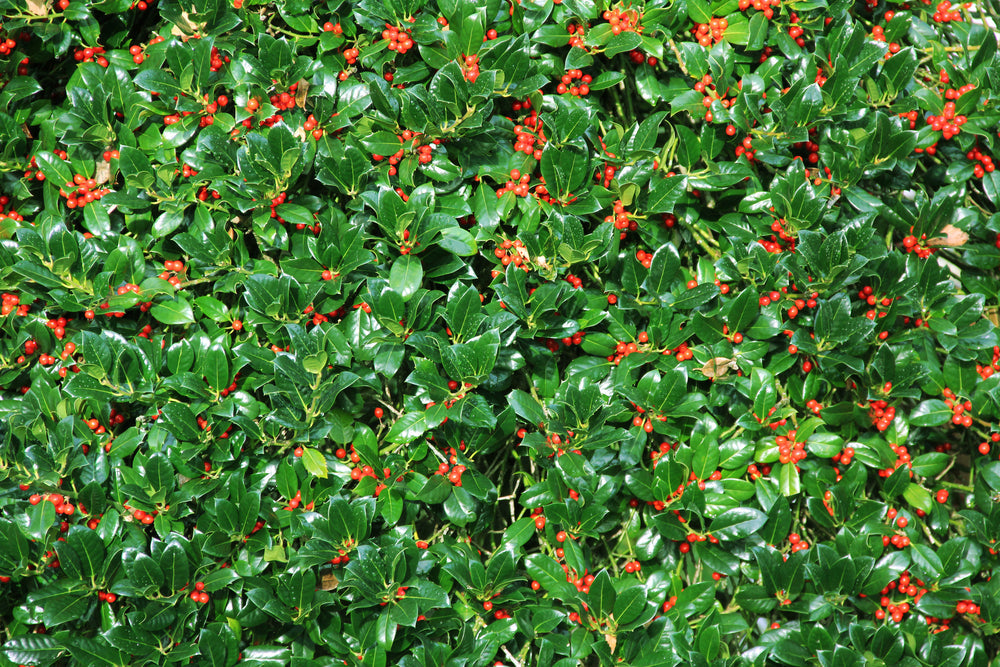
• Overall Appearance Very similar to box when clipped and shaped.• Pruning & Maintenance Easy to prune, one or two trims a year are usually enough.• General Reliability Generally resistant to serious pests and diseases.• Soil Preferences It grows best in slightly acidic, well-drained soil, therefore, not suitable for chalk.• Suitability for the UK climate Fully hardy and very adaptable to climates across the UK.• Planting distance For a dense hedge, plant around 25–30cm apart
Overall, Ilex crenata hedge plant is a reliable and low-maintenance plant. It’s a great alternative for box as it can provide a healthy and structured hedge that will last for many years.
Taxus baccata: Strong, Reliable, and Traditional
Taxus baccata or yew is one of the most traditional formal hedging alternatives in the UK. It has been used in gardens for centuries as it offers a classic, elegant look and is very long-lived. • Overall AppearanceIt has a bolder, more robust appearance than box, with dark green needles instead of leaves.• Pruning & MaintenanceEasy to prune and maintain. One trim a year is usually enough.• General ReliabilityGenerally resistant to pests and diseases.• Soil PreferencesMost soils are suitable, including chalk and clay, but drainage must be good.• Suitability for the UK climateIt can withstand low temperatures and frost and even grow in cold, windy, and exposed sites.• Planting distanceDepending on how dense you want hedge to be, plant around 40–60cm apart.
A Taxus baccata hedge is really ideal if you want a long-lasting and low-maintenance hedge.
Euonymus japonicus: Faster-Growing, Less Formal
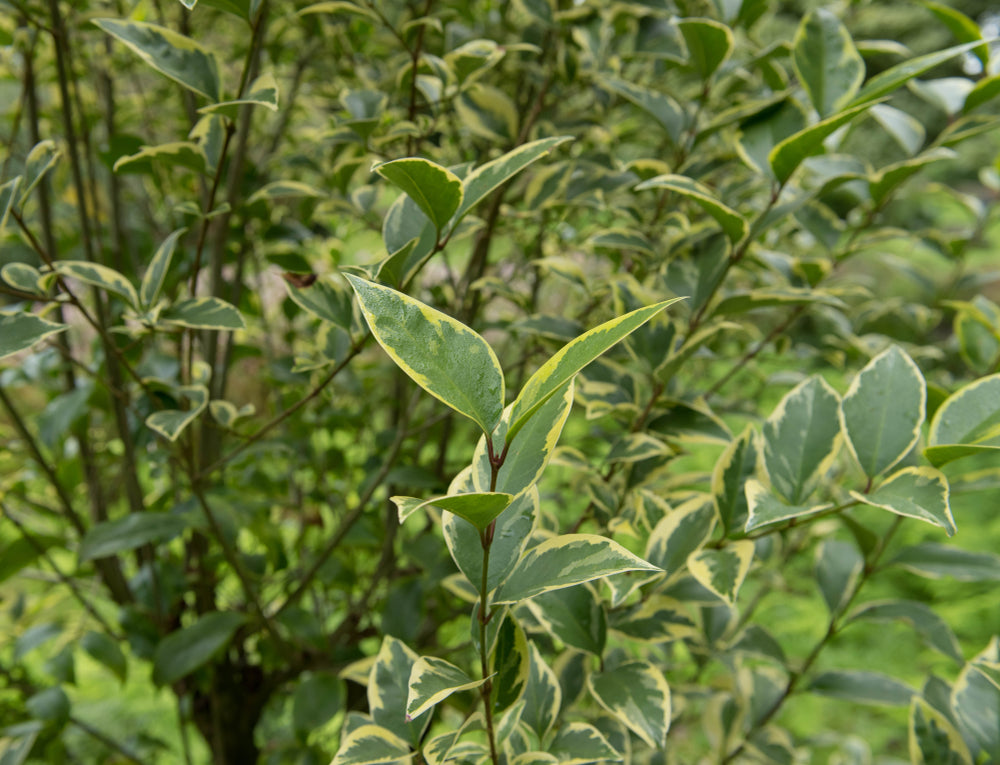
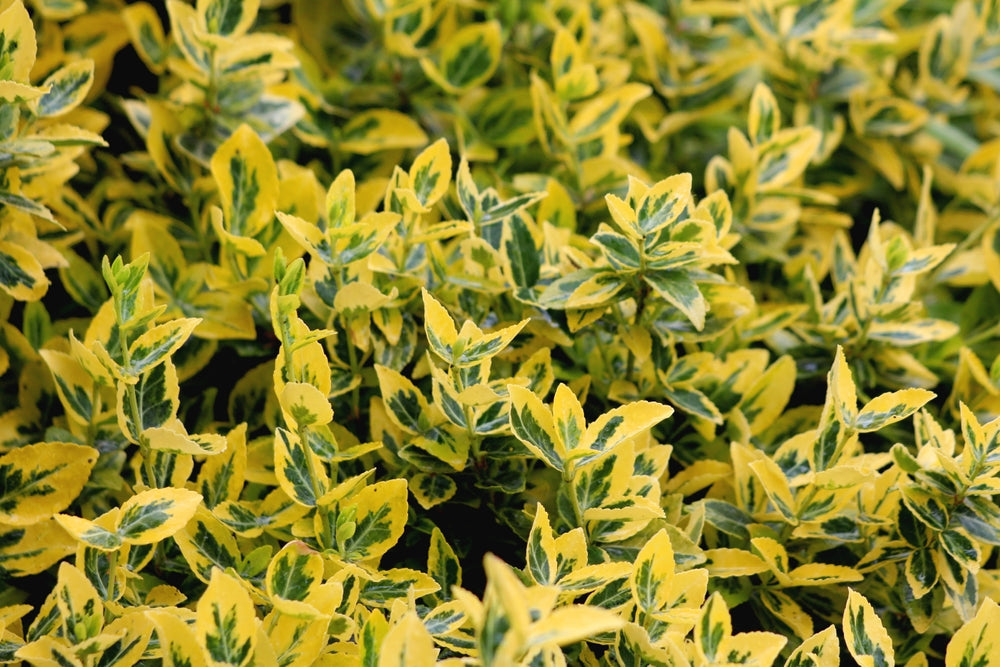
Euonymus japonicus is known for its lovely glossy leaves that can be green or variegated. It is very easy to care for and perfect for more relaxed and less formal gardens. • Overall AppearanceBroader and glossier leaves than box with a slightly less formal finish.• Pruning & MaintenanceVery easy to prune and shape. Usually needs 1–2 trims a year.• General ReliabilityGenerally trouble-free, though it can occasionally suffer from scale insects.• Soil PreferenceHighly adaptable plant that can grow well in most well-drained soils.• Suitability for the UK climateHardy in most parts of the UK, but best to be planted in sheltered spots away from cold, drying winds.• Planting distanceFor a full hedge, plant around 30–40cm apart.
Euonymus japonicas hedge is a popular box hedge replacement, mostly because of its fast growth and adaptability. It has a slightly bolder look, but if your goal is to establish a full hedge quickly, Euonymus is a perfect choice.
Pittosporum: A Softer Alternative to Box
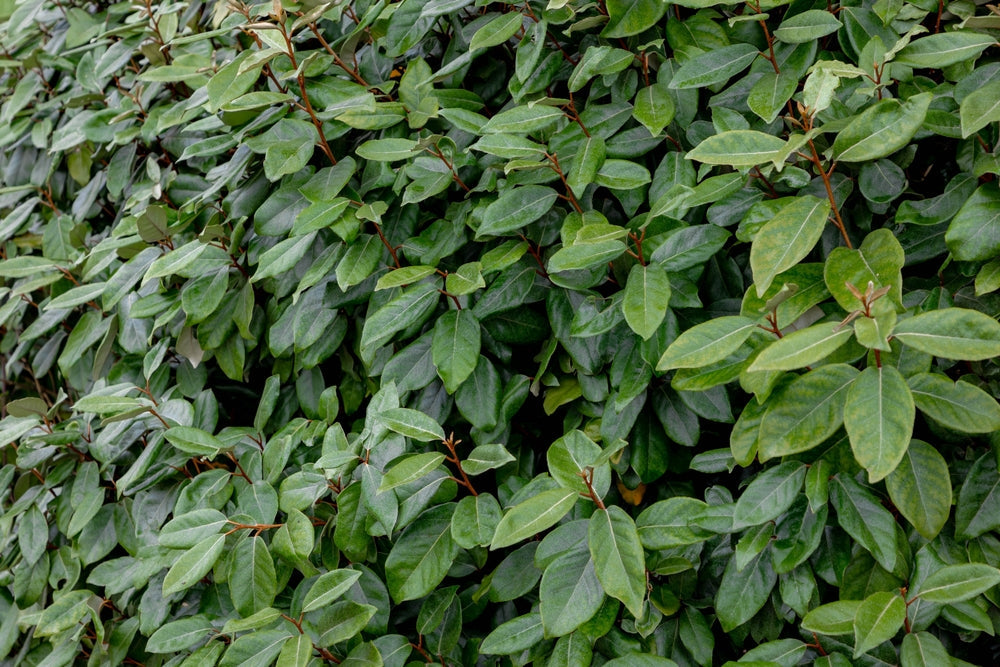
This plant is suitable for gardens looking for a more relaxed and softer look, as it can’t achieve that tightly clipped, formal finish of Buxus. Still, it offers nice evergreen foliage and good structure.• Overall AppearanceLarger, glossy leaves that create a softer and more informal appearance than box.• Pruning & MaintenanceEasy to maintain. It prefers light trimming rather than hard pruning. Usually needs 1–2 trims a year.• General ReliabilityGenerally trouble-free, but it’s best to grow it in sheltered positions to avoid cold damage.• Soil PreferenceWell-drained soil is essential as it doesn’t tolerate heavy, waterlogged ground.• Suitability for the UK climateIt can struggle in very cold and exposed sites. Therefore, it is better suited to milder parts of the UK and sheltered gardens.• Planting distanceFor a full hedge, plant around 40–50cm apart.
If you don’t need that extremely tidy and formal box look and would appreciate a hedge with a softer feel, Pittosporum will provide a beautiful hedge that requires little to no effort.
Lonicera nitida
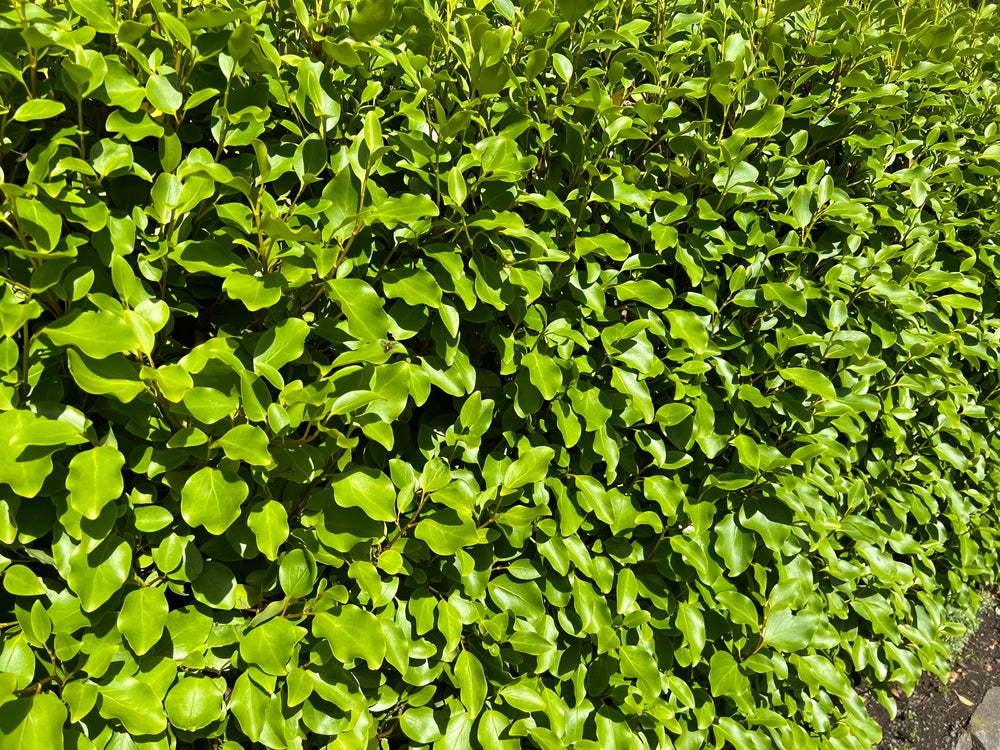
Lonicera nitida or box honeysuckle is a fast-growing shrub, popular as a quick box hedge replacement. Like Pittosporum, it is a bit more informal and softer looking than Buxus, but can still provide a dense and good-looking hedge.
• Overall AppearanceIts small leaves create a fine texture, but with a looser, less formal finish than box.• Pruning & MaintenanceIt is very easy to prune and doesn’t mind frequent clipping. Because it grows quickly, it may need trimming more often than box to keep it tidy.• General ReliabilityGenerally trouble-free and not affected by box pests.• Soil PreferencesIt can adapt well to most soils, including clay, as long as they are well drained.• Suitability for the UK climateHardy across most of the UK. Copes well with cold, wind, and exposed conditions but it may lose leaves in frost.• Planting distanceFor a dense hedge, plant around 25–30cm apart.
If you want a low-maintenance hedge and live in a milder part of the UK, Lonicera nitida is a practical choice. Especially, if you don’t care much about perfectly crisp lines.
Expert Advice and Quality Plants from Arundel Arboretum
As hedges can last for decades, choosing the right one may feel like a big decision. At Arundel Arboretum, we want to help you make that choice easily and with confidence. That’s why we offer expert advice and healthy, strong plants grown in the UK and for UK gardens. If you’re still not sure which alternative to box will work best for your space, visit us at Arundel Arboretum in the heart of West Sussex, and we’ll help you choose your perfect hedge. Or, if you prefer buying online, browse our online shop. Either way, you’ll be supported by expert guidance and high-quality plants.


 Fruit Trees
 Ornamental
 Screening
 Palms
By FeaturesBy Shape
Palms
By FeaturesBy Shape Large shrubs
 Hedging
 Bamboo
 Climbers
 Flowering
 Grasses & Ferns
 Popular
 Pines
Pines
 Spruce & Fir
 Cypress
 Thuja
Thuja
 Redwood | Sequoia