















The Best Mediterranean Plants for UK Gardens
Can You Grow Mediterranean Plants in the UK?
Yes, many Mediterranean plants can grow surprisingly well in the UK, especially as our summers become warmer and drier. The main thing is choosing the right plants and growing them in the right conditions.
Most Mediterranean plants prefer plenty of sunshine and well-drained soil. In many cases, good drainage is even more important than heat because these plants don’t like sitting in wet soil during winter. Some Mediterranean plants are hardy enough to stay outdoors all year round in many parts of the UK. If they’re not, you can grow them in pots and containers and move them inside during cold weather.
The best plants for your garden will usually depend on where you live and how exposed your garden is.
Which Mediterranean Plants Grow Well in the UK?
Many Mediterranean plants can grow very successfully in the UK when you choose varieties that suit your local conditions. Some plants have no problems with windy coastal gardens, others prefer the warmer parts of Southern England, while hardier varieties can cope well in colder northern gardens with a bit of shelter and good drainage.
Mediterranean Plants for Coastal Gardens UK
Coastal gardens are actually one of the best places to grow Mediterranean plants in the UK. Thanks to mild winters, plenty of sunshine, and good natural drainage, you can grow a wider range of species than you might expect. Many of these plants not only prefer dry conditions, but also cope very well with salty sea air. After all, many of them naturally grow along Mediterranean coastlines.
Plants such as cordylines, lavender, rosemary and cistus are all excellent choices for coastal gardens. They’re tough and drought-tolerant. However, if your garden is exposed to strong sea winds, it’s usually better to choose more robust, hardy trees and shrubs than delicate species. Olive trees, Bay trees, and Chamaerops palms all handle wind and other coastal conditions very well once they're established.
Mediterranean Plants for Southern England
Southern England provides excellent conditions for Mediterranean-style planting and drought-tolerant gardens. As it tends to have warmer summers, milder winters and more sunshine than most of the other parts of the country, a wide range of Mediterranean trees and shrubs can thrive here with relatively little effort.
Olive trees, Cupressus, Agapanthus and many palms can all perform beautifully in sunny, protected gardens with good drainage. In sheltered parts of Kent, Sussex, and Hampshire, it’s often possible to grow even slightly more tender Mediterranean plants. Once established, many of them need very little watering or maintenance during summer.
Mediterranean Plants for Northern England and Scotland
If you live in northern parts of the UK, it is still possible to grow a Mediterranean garden, but choosing the right plants is especially important. Hardy Mediterranean plants such as Trachycarpus are very popular because they can tolerate cold temperatures far better than you’d expect. Yuccas, fig trees, hardy cordylines and some Chamaerops palms can also grow successfully in sunny, sheltered spots.
In colder and wetter gardens, you need to make sure the drainage is good. Simple things like raised beds, gravel planting, or growing against a south-facing wall can make a big difference during winter. More tender Mediterranean plants usually have to be grown in pots and containers so they can be moved indoors or into a sheltered spot during severe frosts.
Mediterranean Plants for Sheltered Urban Gardens
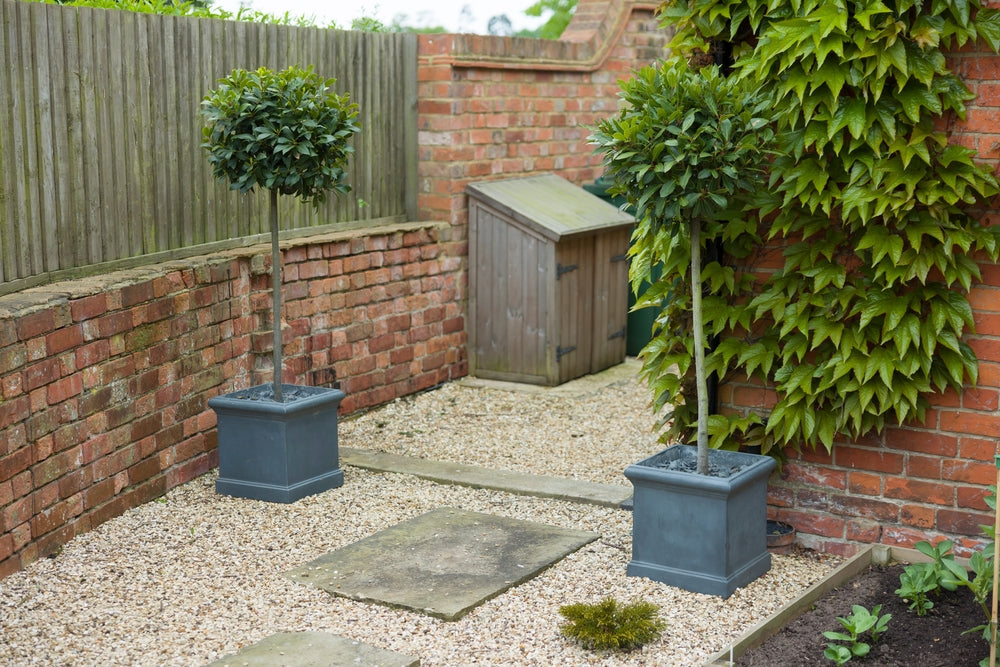
Urban gardens and enclosed courtyards can be surprisingly good places for Mediterranean planting. Brick walls, paving, and surrounding buildings absorb heat during the day and release it at night, creating a warm, sheltered microclimate for Mediterranean plants. In these conditions, they can thrive even in regions where they might struggle in rural gardens.
Smaller city gardens are ideal for growing Mediterranean plants in pots and containers. Olive trees, bay trees, palms, lavender, and ornamental grasses all grow beautifully in containers, giving patios and courtyards a warm, holiday feel.
Best Mediterranean Trees for UK Gardens
Olive Trees
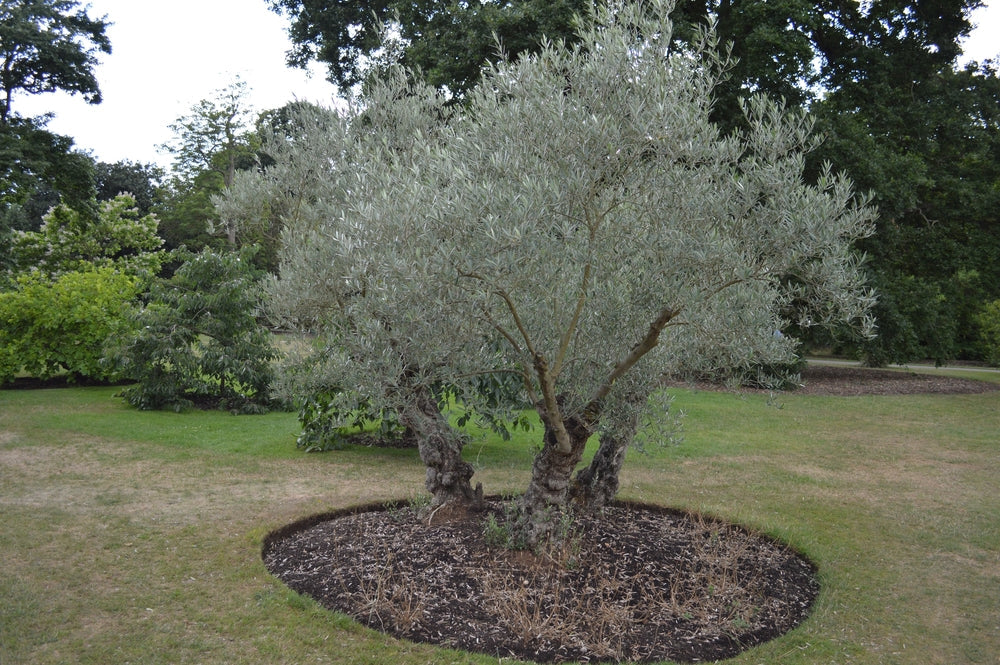
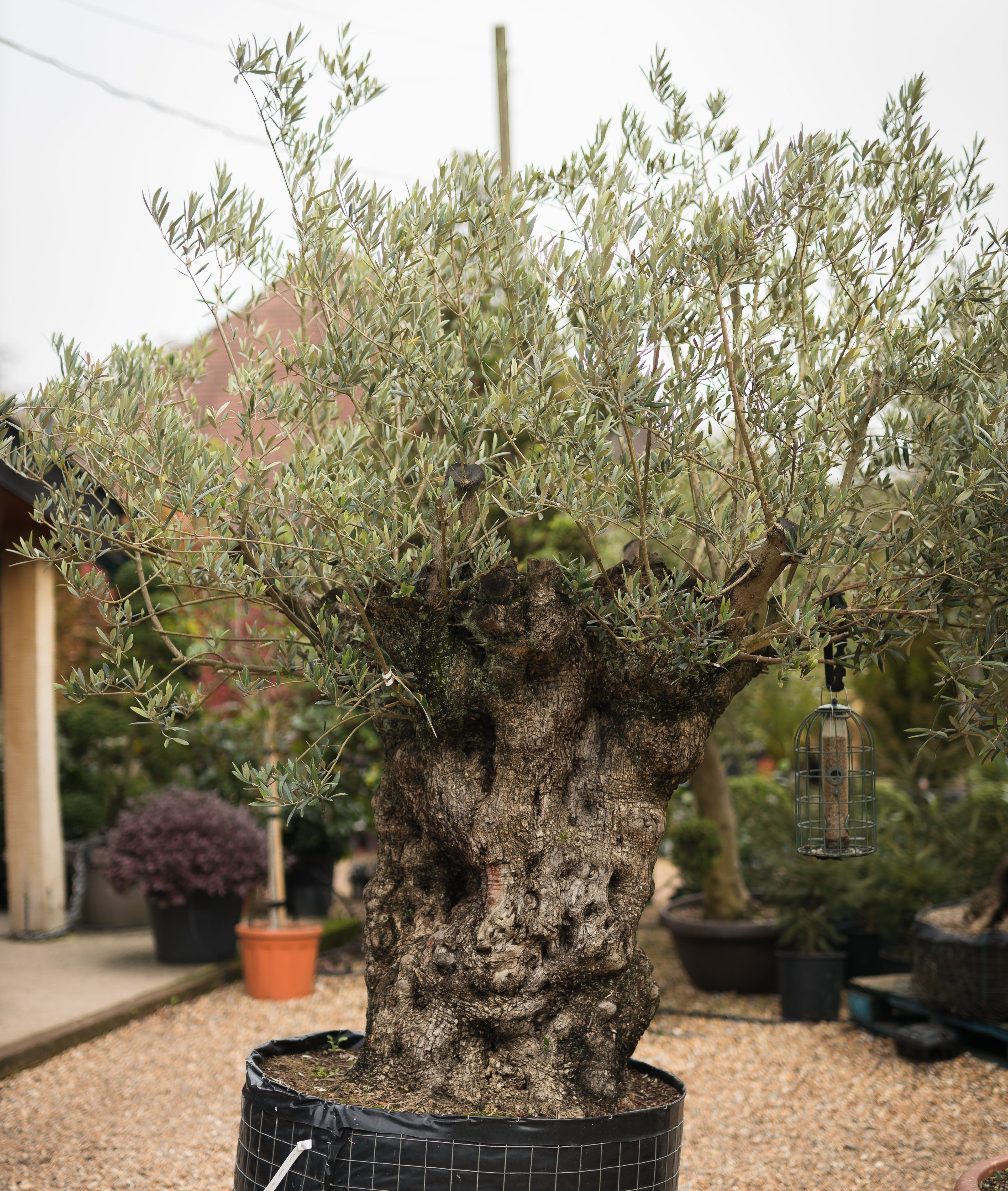
Olive trees can instantly create a Mediterranean atmosphere in a UK garden. Their beautiful, silvery leaves, attractive twisted trunks and soft colour work beautifully in both traditional and modern outdoor spaces.
Best for: Patios, courtyards, gravel gardens, contemporary gardens
Mature size: Usually kept between 2–5m in UK gardens
Growth rate: Slow to moderate
Evergreen: Yes
UK hardiness: Hardy in many parts of the UK once established
Best position: Full sun and sheltered from strong cold winds
Soil: Free-draining soil is essential
Suitable for pots: Excellent
Good choice for small gardens: Yes
Fruit in the UK: Possible in warm sunny summers, especially in southern England
Winter care: Young or potted trees may need fleece protection during severe frost
Maintenance level: Low
Tip: Olive trees in the UK are chosen more for their beautiful foliage and Mediterranean character than for heavy fruit production.
Fig Trees
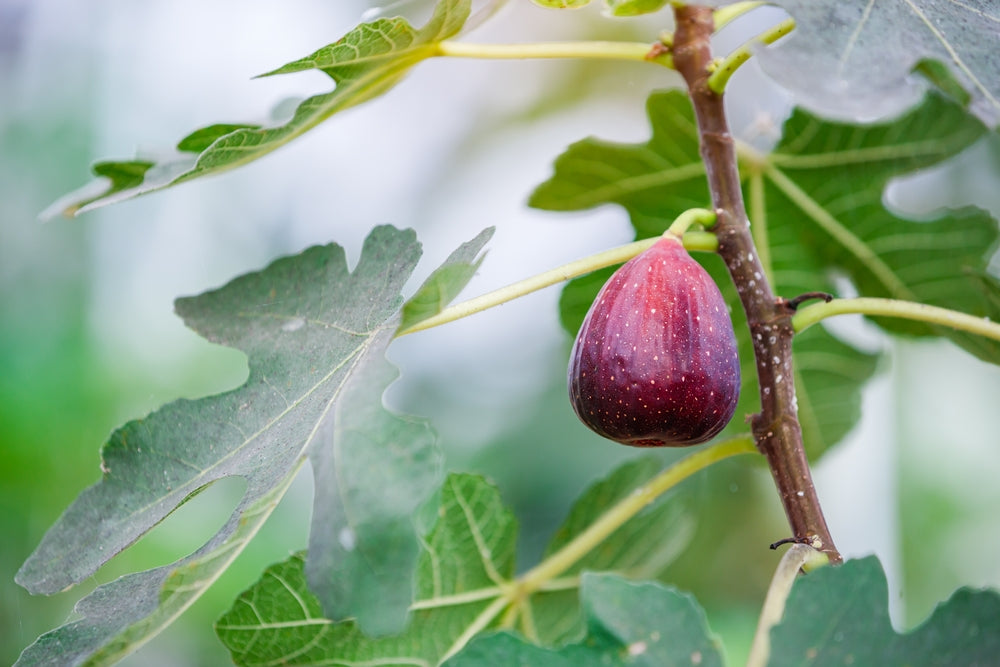
Fig trees are one of the easiest fruit trees to grow in a Mediterranean-style UK garden. Their large decorative leaves create a lush, relaxed atmosphere. In warm, sunny summers, they can also produce sweet homegrown figs, especially when planted in a sheltered south-facing spot.
Best for: Sunny walls, courtyards, sheltered gardens and patios
Mature size: Usually around 3–4m in UK gardens
Growth rate: Moderate to fast
Evergreen: No.
UK hardiness: Hardy in much of the UK once established
Best position: Full sun and sheltered from strong winds
Soil: Free-draining soil
Suitable for pots: Excellent
Good choice for small gardens: Yes
Fruit in the UK: Can produce good crops in warm summers, especially in southern England
Winter care: Young plants may need protection during severe frost
Tip: Fig trees often fruit better when their roots are slightly restricted, for example, in large containers or smaller planting spaces.
Bay Trees
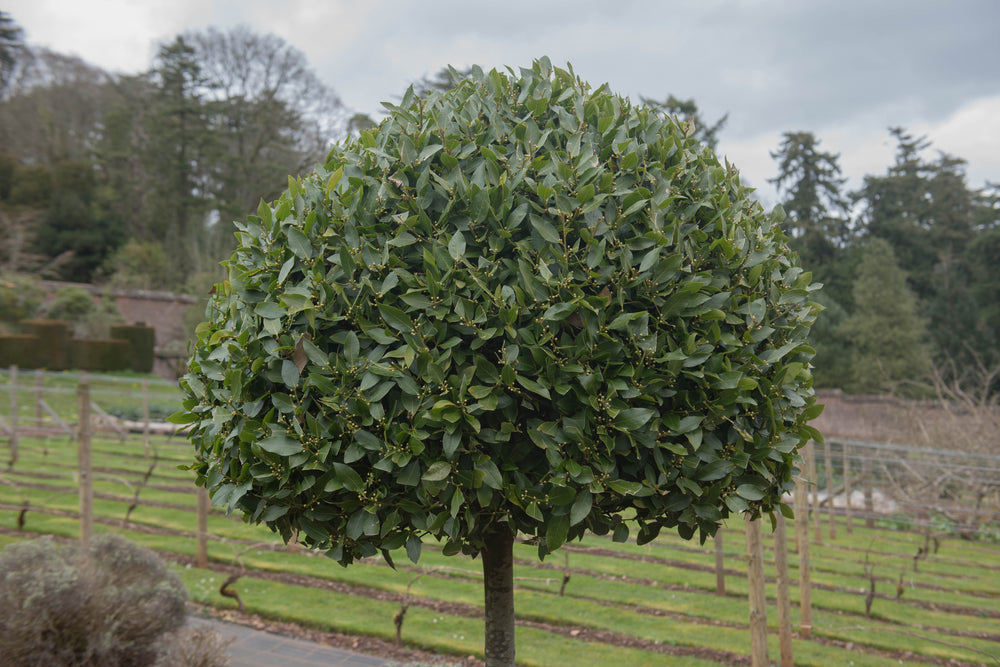
Bay trees are a classic Mediterranean evergreen with dense glossy leaves and elegant shape. They look beautiful wherever you plant them. Bay leaves can be picked fresh from the tree and used for cooking.
Best for: Patios, entrances, formal gardens and container planting
Mature size: Can grow into a large tree in the ground, but easy to keep compact in pots
Growth rate: Slow to moderate
Evergreen: Yes
UK hardiness: Hardy in many parts of the UK, especially in sheltered spots
Best position: Sunny or partially shaded sheltered areas
Soil: Moist but well-drained soil
Suitable for pots: Excellent
Good choice for small gardens: Yes
Winter care: Container-grown plants may need protection during severe frost
Tip: Bay trees respond very well to pruning, making them ideal for topiary shapes.
Pomegranate Trees
Pomegranate trees are exotic and exciting with their glossy leaves, vibrant flowers and unusual fruit. In the UK, they are often grown as ornamental plants. They can fruit in warm sheltered gardens, but that is most realistic to expect in the warmest parts of Southern England.
Best for: Sunny patios, sheltered courtyards and south-facing walls
Mature size: Usually around 2–4m in UK gardens
Growth rate: Moderate
Evergreen: Usually deciduous in the UK climate
UK hardiness: Best suited to milder and sheltered areas of the UK
Best position: Full sun and protection from cold winds
Soil: Well-drained soil
Suitable for pots: Excellent
Good choice for small gardens: Yes
Fruit in the UK: Usually in southern England
Winter care: Young or container-grown plants may need protection from frost
Tip: Pomegranate trees are often grown in pots in the UK, making it easier to move them to a sheltered spot during cold winter weather.
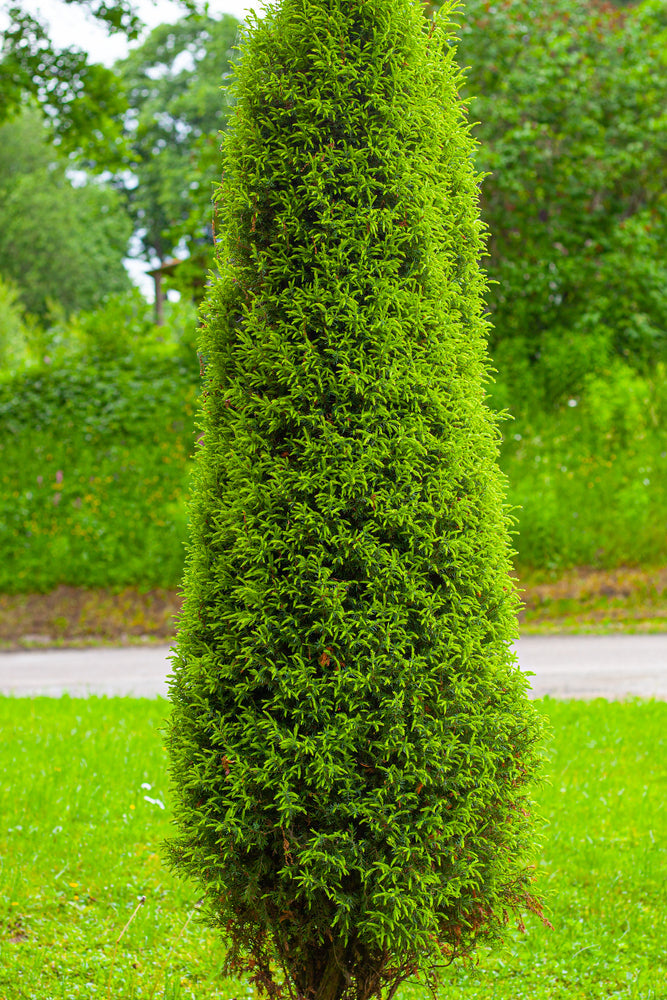
Cupressus (Italian Cypress)
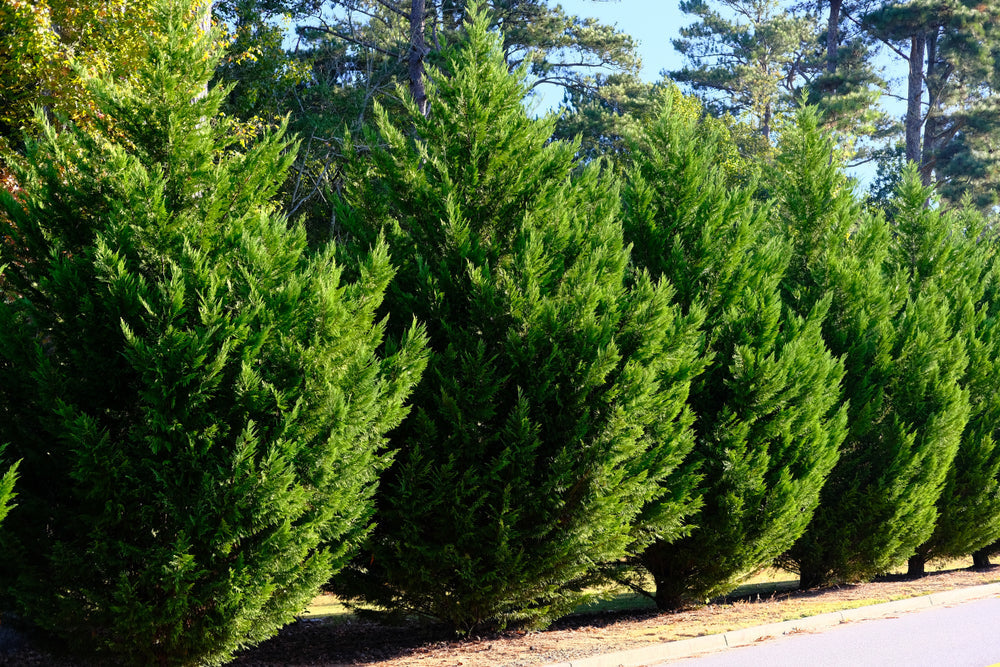
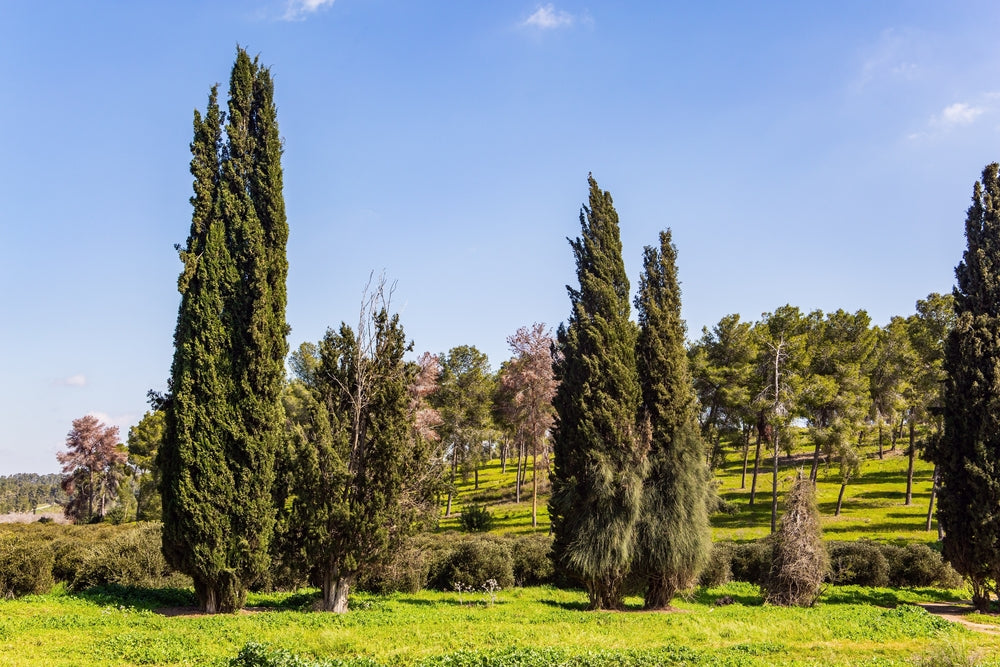
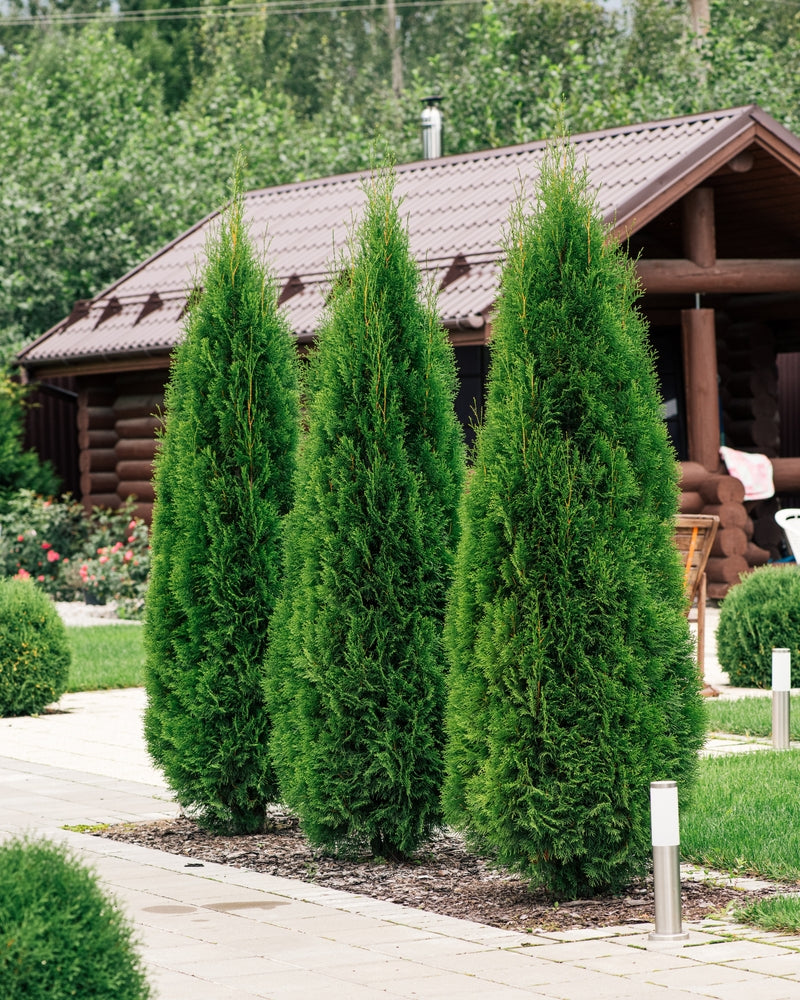
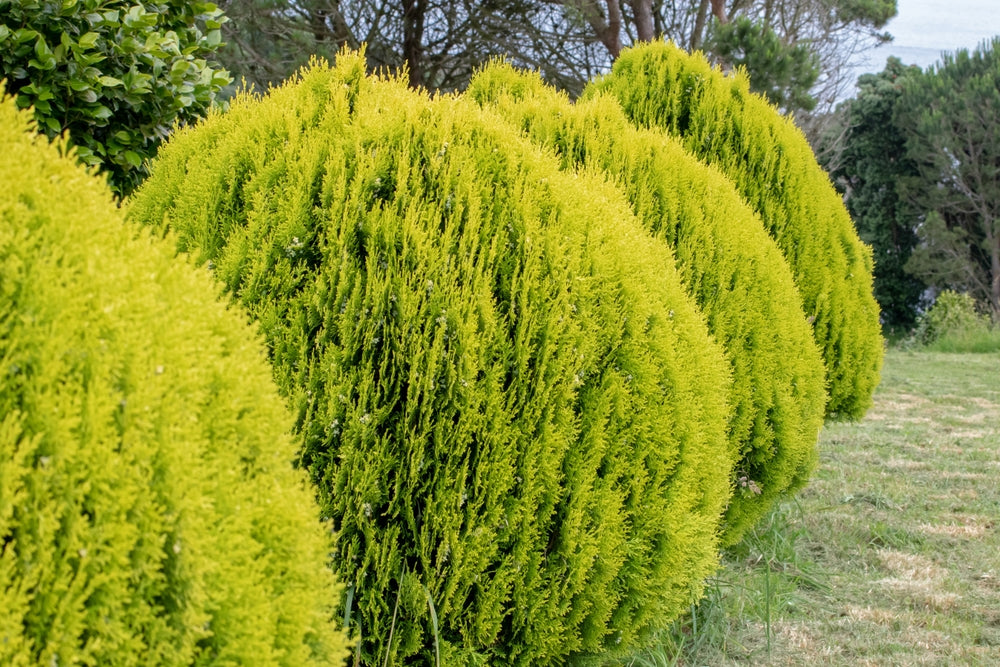
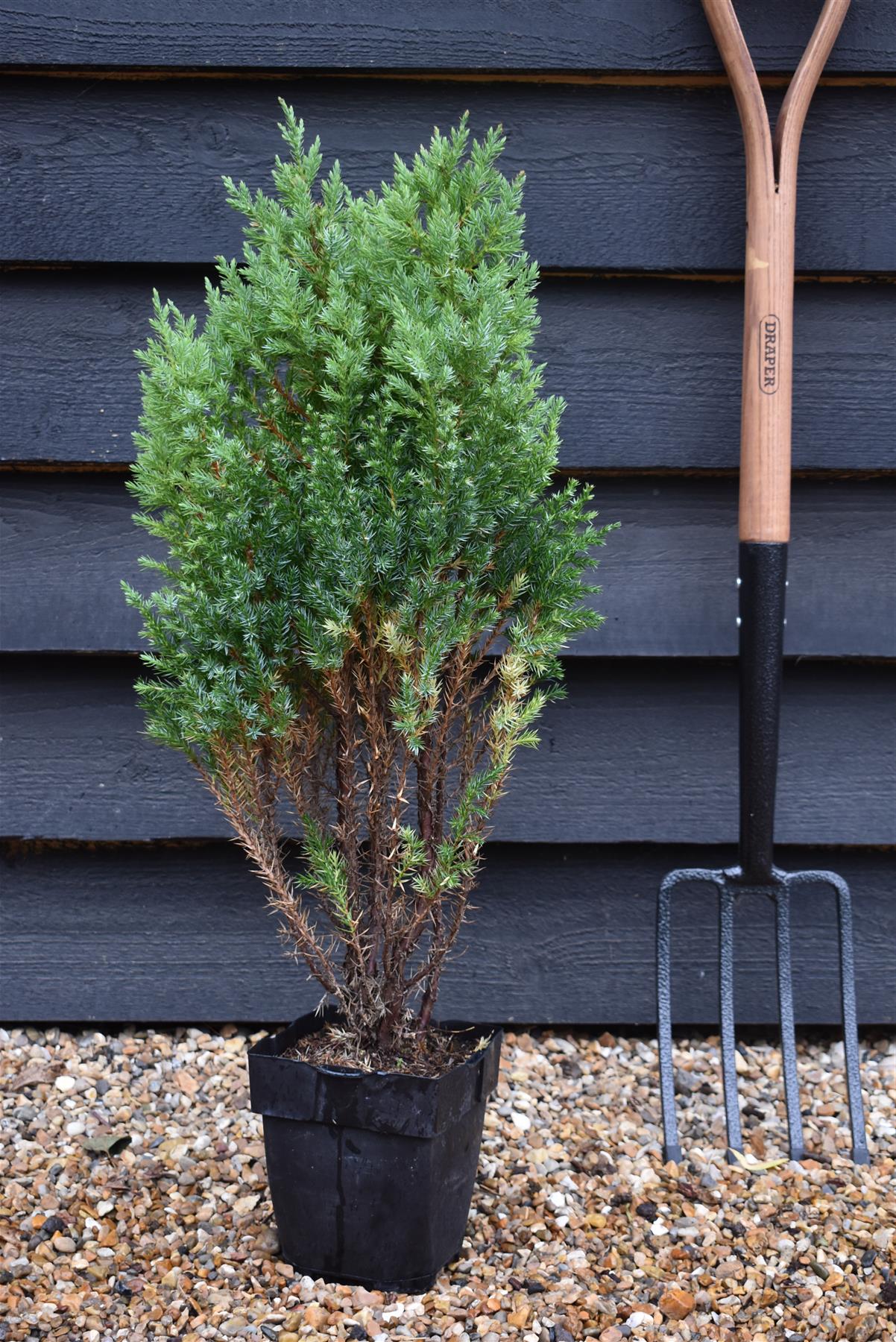
Italian Cypress is well-known for its tall and elegant shape. It has an instantly recognizable Mediterranean look. Their narrow habit makes them a great choice for smaller spaces.
Best for: Entrances, pathways, gravel gardens and formal planting
Mature size: Tall and narrow, up to 12m
Growth rate: Moderate
Evergreen: Yes
UK hardiness: Best in milder and sheltered parts of the UK
Best position: Full sun and protected from strong cold winds
Soil: Free-draining soil is essential
Suitable for pots: Smaller plants can grow well in large containers
Good choice for small gardens: Yes
Winter care: They need to be sheltered from cold drying winds and severe frost
Tip: Italian cypress trees work beautifully in pairs beside doorways, gates and patios.
Best Mediterranean Plants for Structure
Structural plants give Mediterranean gardens their bold and dramatic look. Their shapes and silhouettes strongly resemble Mediterranean landscapes and instantly give UK gardens that relaxed, exotic Mediterranean feel.
Trachycarpus (Windmill Palm)
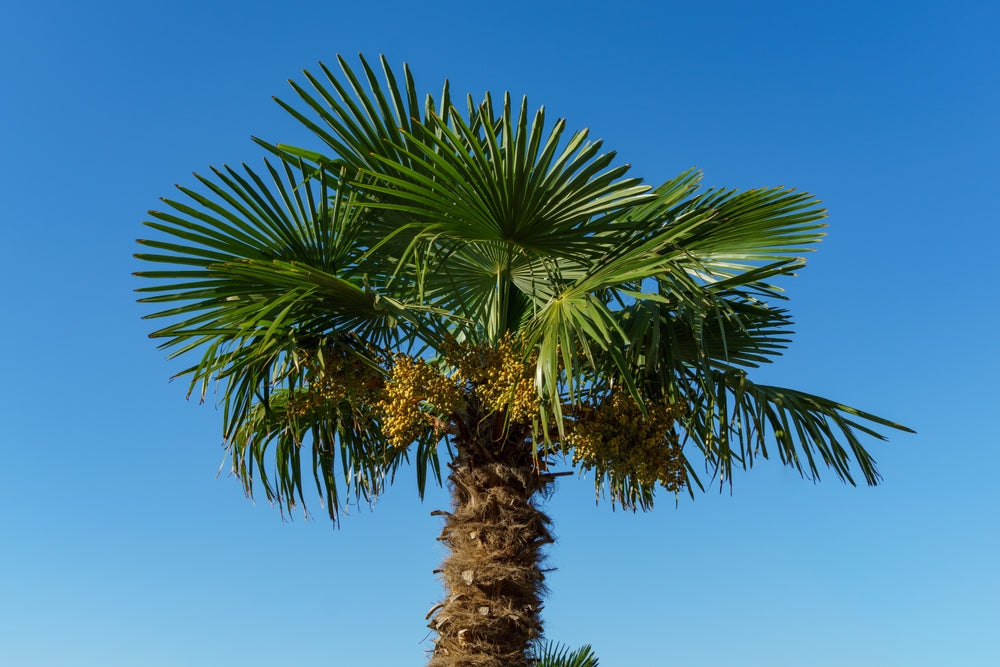
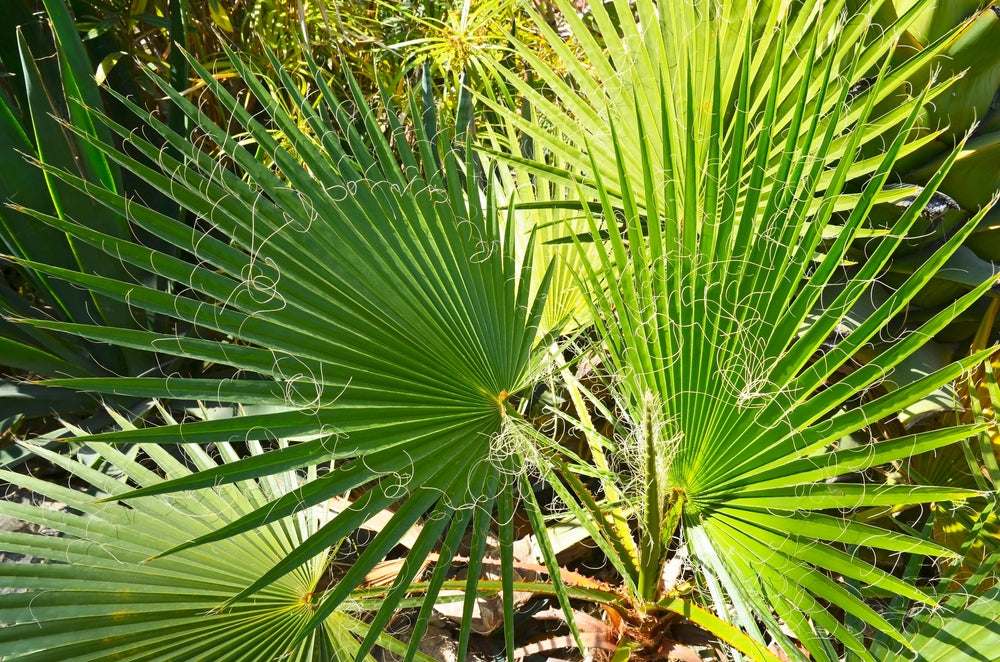
Trachycarpus is one of the best palms for UK gardens. It has large fan-shaped leaves and textured trunk that look lush and tropical. Apart from that, this palm is surprisingly hardy. Here are some of the main characteristics of this beautiful plant:
One of the hardiest palms for UK gardens
Can stay outdoors year-round in many parts of the UK
Perfect for patios, courtyards and sheltered borders
Likes sun or light shade with well-drained soil
Young plants grow well in large containers
Tip: This is the safest option for buyers who love the look of palms but are worried about winter cold.
Chamaerops (European Fan Palm)
This palm has a softer, bushier look than Windmill Palm and is ideal for smaller gardens. It also looks beautiful in pots and gravel gardens.
It’s a compact palm that suits smaller spaces
Excellent choice for pots and containers
Prefers full sun and sheltered positions
More drought-tolerant once established
Needs protection during severe frost in colder areas
Tip: Chamaerops palms are slower growing than many other palms.
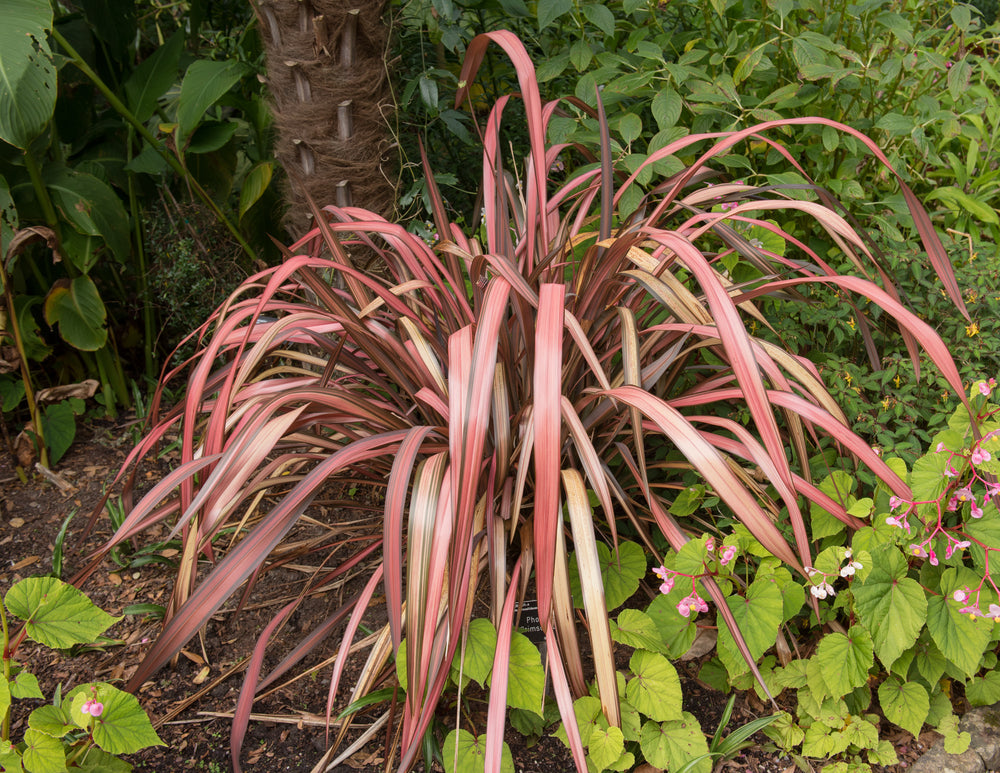
Cordylines
Cordylines are popular for their bold spiky leaves and tropical appearance. They grow particularly well in coastal and sheltered UK gardens. Many varieties also develop tall trunks over time, giving them the look of small palm-like trees.
Great for coastal and sheltered urban gardens
Available in green, bronze and colourful foliage varieties
Works well in borders, gravel gardens and containers
Easy to grow in sunny sheltered spots
Some varieties are hardier than others in cold winters
Tip: Ideal for adding height and structure in smaller gardens where space is limited.
Yuccas
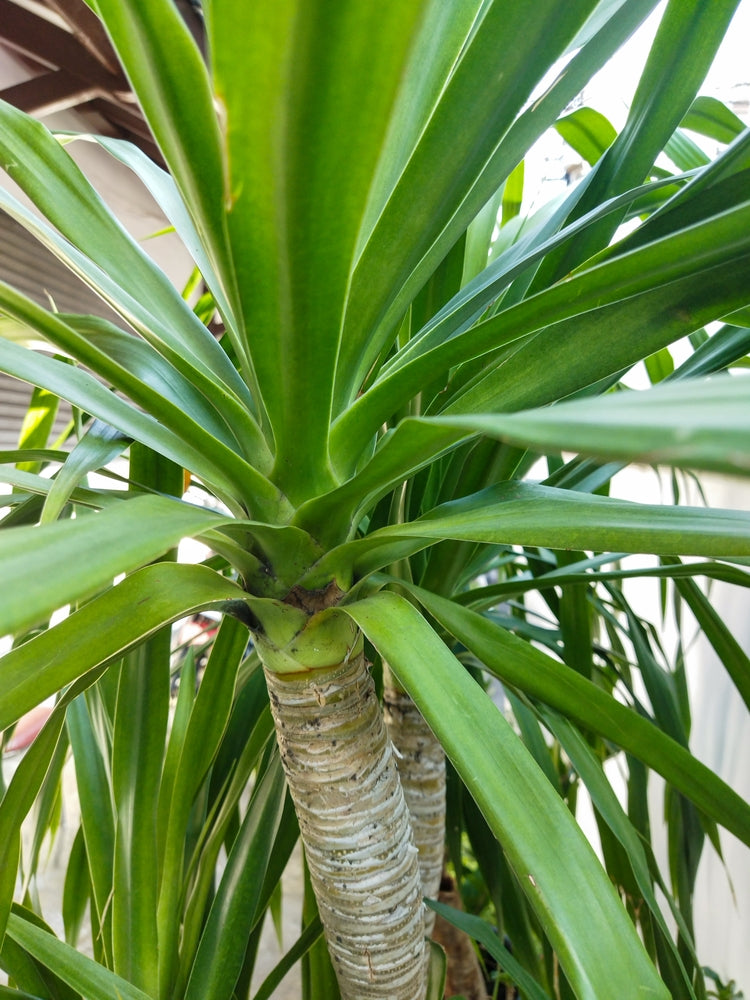
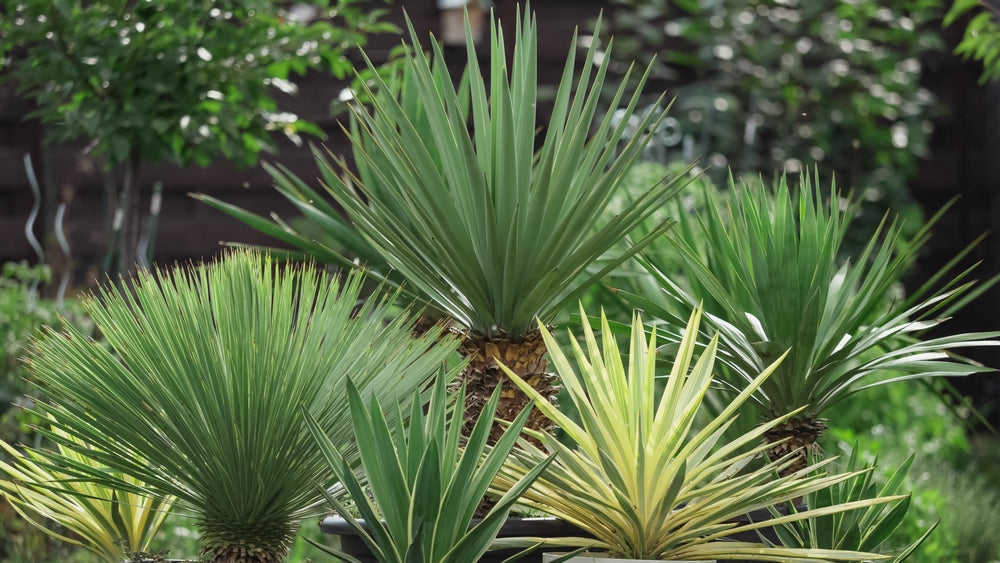
Yuccas are some of the most striking plants used in Mediterranean and dry gardens. Their bold sculptural leaves and drought tolerance make them perfect for hot sunny spots where many other plants struggle.
Excellent for gravel and low-maintenance gardens
Loves full sun and dry conditions
Very drought-tolerant once established
Strong architectural shape all year round
Grows well in pots and containers
Tip: Yuccas are perfect for sunny areas with poor dry soil.
Flowering Mediterranean Plants and Ornamental Grasses
Flowering plants and ornamental grasses bring softness, colour and movement into Mediterranean gardens. They provide a softer contrast to the stronger shapes of palms, yuccas and cypress trees. Many of them are easy to care for, attractive to bees, and perfect for dry gardens. However, they may be a bit more sensitive than bushes and trees.
Lavender
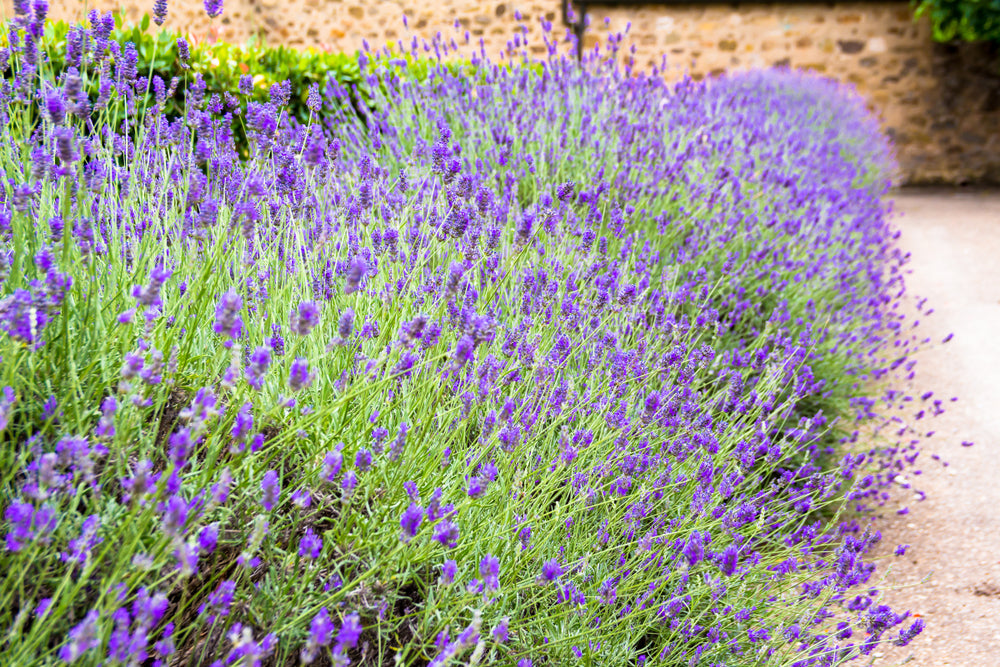
Lavender is one of the most iconic Mediterranean plants and a favourite with UK gardeners. Its soft purple flowers, silvery foliage and lovely fragrance instantly create a Mediterranean atmosphere.
Loves full sun and free-draining soil
Drought-tolerant once established
Attracts bees and pollinators
Perfect for borders, gravel gardens and pathways
Many varieties stay compact, making them ideal for smaller gardens and pots
Tip: Lavender doesn’t like heavy wet soil, especially during winter, so good drainage is essential.
Agapanthus
With its large blue, purple or white flower heads held above long strap-like leaves, this plant adds bold colour and structure. It works beautifully in Mediterranean-style gardens.
Flowers throughout summer in sunny conditions
Excellent for pots and containers
Best planted in sunny sheltered spots
Some varieties are hardier than others in colder UK regions
Tip: Agapanthus often flowers best when slightly root restricted, which makes it very suitable for pots.
Rosemary
Rosemary is not only a beautiful plant with evergreen foliage and delicate flowers, but also brings wonderful fragrance to the garden. Its aromatic leaves are widely used in cooking. Rosemary is one of the plants that is most closely associated with traditional Mediterranean gardens.
Evergreen foliage provides year-round interest
Fragrant leaves can be used fresh in cooking
Drought-tolerant once established
Produces small flowers loved by pollinators
Ideal for borders, herb gardens and containers
Tip: Rosemary should be grown near patios and pathways where its fragrance can be fully enjoyed.
Cistus
Cistus is a sun-loving Mediterranean shrub covered in delicate papery flowers during late spring and summer. It is one of the best plants for dry sunny gardens and coastal conditions.
Excellent for gravel and coastal gardens
Thrives in poor dry soil
Flowers heavily in sunny weather
Very low maintenance once established
Works well in natural-style planting schemes
Tip: Cistus hates cold, wet soil, which is especially important when planting in the UK.
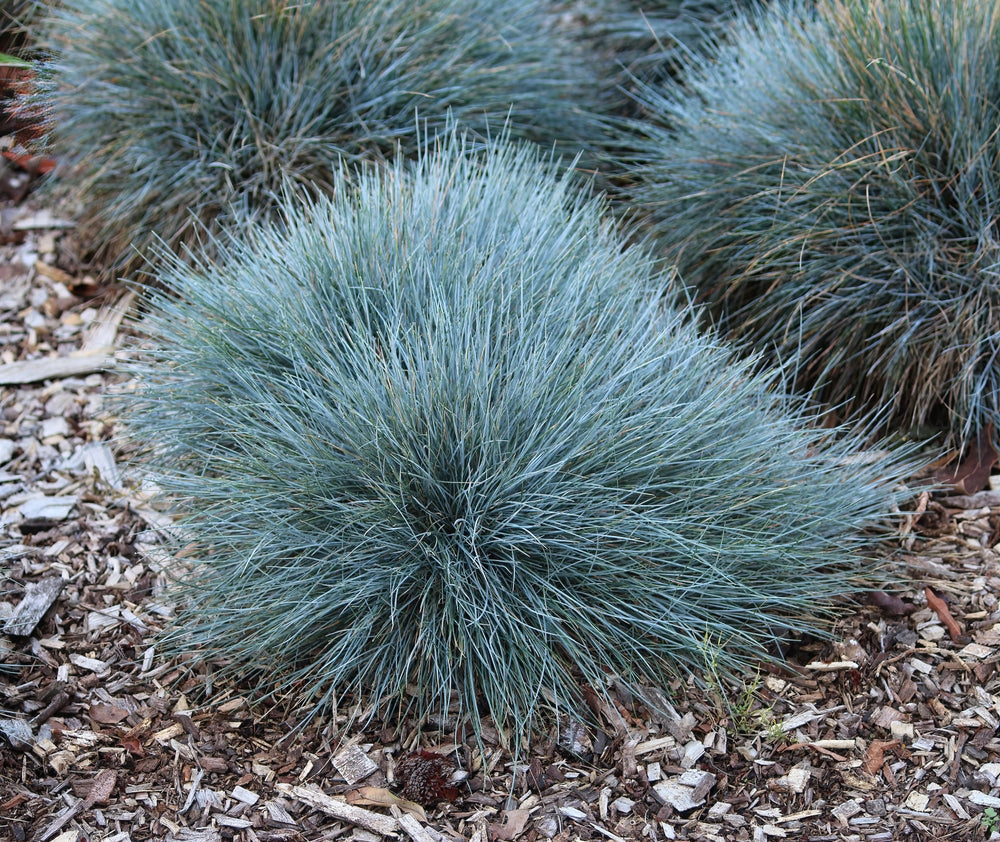
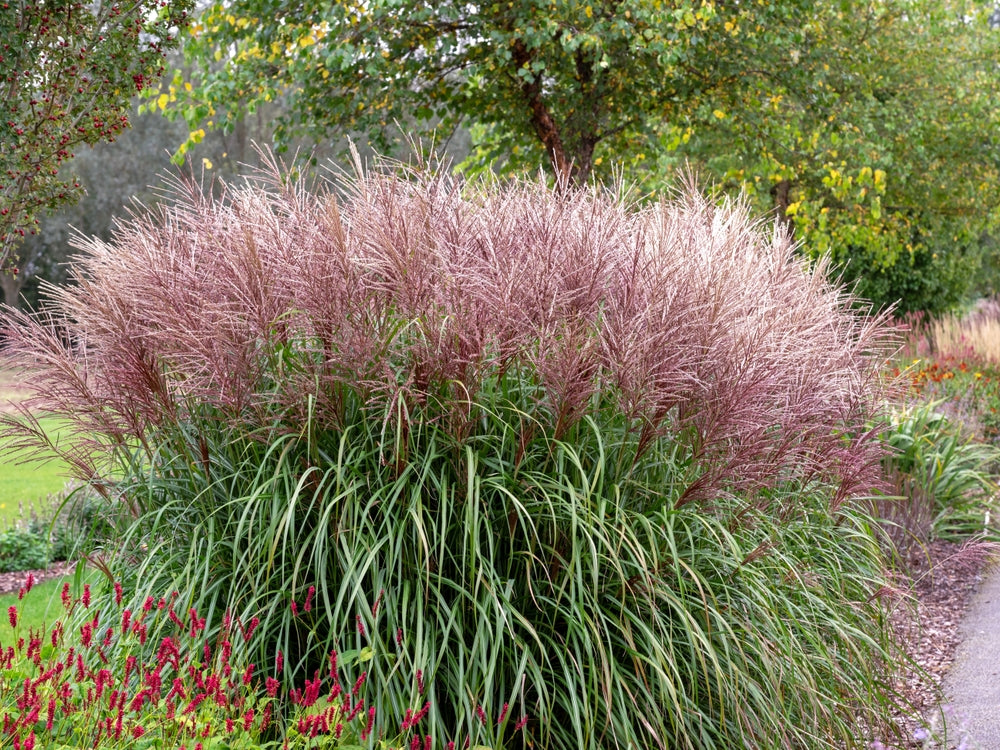
Ornamental Grasses
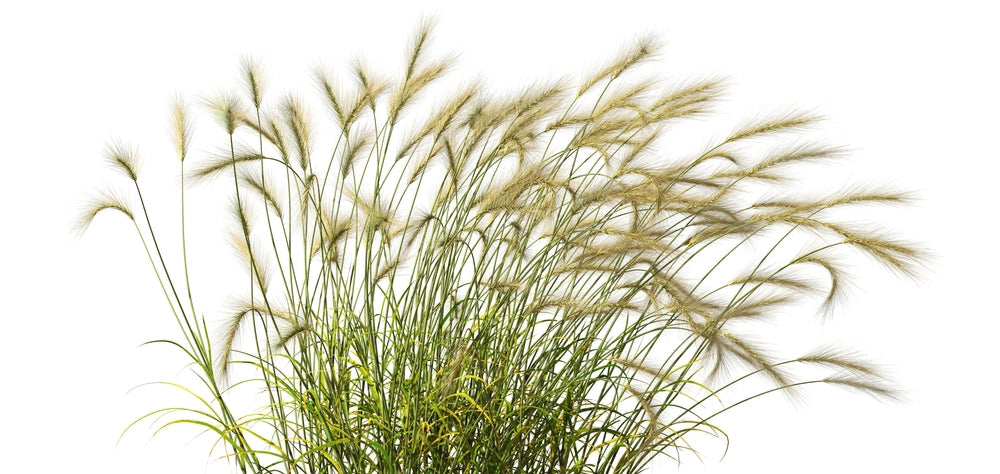
Ornamental grasses bring softness and movement to Mediterranean gardens. Their light airy texture contrasts beautifully with stronger architectural plants such as palms, yuccas and cypress trees.
They add movement and texture throughout the year
Many varieties are drought-tolerant
Work beautifully in gravel gardens
Easy to combine with lavender, rosemary and agapanthus
Many grasses stay attractive well into autumn and winter
Tip: Grasses with silver, blue or soft green foliage usually work best for creating a Mediterranean-style planting palette.
Mediterranean Garden Care Tips
Mediterranean plants are generally easy to grow and care for, once they’re established. However, there are several things you can do to help them thrive in UK gardens.
Plant in the sunniest part of your garden whenever that’s possible.
Make sure the soil drains well, especially in winter.
Add gravel or grit to heavy soils to improve drainage as wet soil is the biggest problem for these plants.
You can use raised beds or slopes to help prevent waterlogging.
Water newly planted plants regularly during the first growing season.
Once established, most plants will need very little watering.
Avoid overwatering, especially in cooler months.
Use pots and containers as most of these plants grow exceptionally well in them.
Grow tender plants in pots so they can easily be moved to a sheltered spot during winter.
Plant them against a south-facing wall for extra protection.
Feed lightly in spring to encourage healthy growth.
Avoid excessive feeding as this can make plants weak.
Prune plants like lavender lightly after flowering.
Avoid cutting shrubs too hard into old wood.
Remove dead leaves and damaged branches in spring.
With this kind of care, your Mediterranean plants will stay healthy, strong and full of character for many years
Common Mediterranean Garden Mistakes to Avoid
Before you get planting, here are a few common mistakes UK gardeners make with Mediterranean plants and how to easily avoid them:
Planting in heavy and poorly drained soil. It’s one of the most common mistakes. Mediterranean plants struggle more with wet roots than cold weather.
Choosing plants that are too tender for your local climate. Always check hardiness before you buy.
Planting in too much shade. That can cause weak growth. Mediterranean plants need a lot of sun.
Overwatering established plants. Mediterranean plants prefer dry conditions so be careful when watering.
Using rich compost or too much fertiliser. This can make plants soft and leggy as they naturally grow in poor and often rocky soils.
Exposing them to strong winds, especially in coastal gardens. Many Mediterranean plants grow best in sheltered positions.
Growing tender plants directly in the ground in colder regions. Pots and containers are much more suitable and easier to protect during cold winters.
Explore Mediterranean Plants at Arundel Arboretum
If you feel inspired to create your own Mediterranean-style garden, the team at Arundel Arboretum is here to help you choose the right plants for your garden and local conditions. From olive trees and palms to lavender, agapanthus, and architectural shrubs, our nursery stocks a wide range of high-quality Mediterranean plants suitable for UK gardens.
Come and visit us in the historic town of Arundel, near Chichester, West Sussex, to explore the plants in person and get friendly expert advice, or browse the online store to find the plants you like and we’ll take care of the rest.