


Commonly known as Hakone grass or Japanese forest grass, is an elegant ornamental grass valued in gardens for its graceful, flowing form and soft texture. Native to the woodlands of Japan, it thrives in cool, shaded conditions and is particularly well suited to woodland gardens, shaded borders, and container planting.
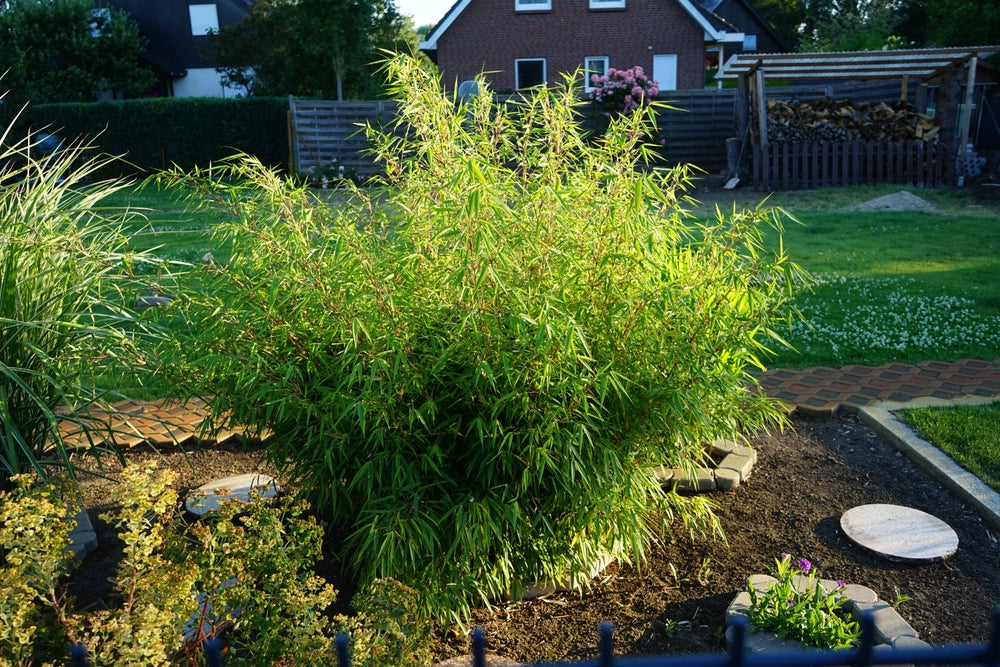
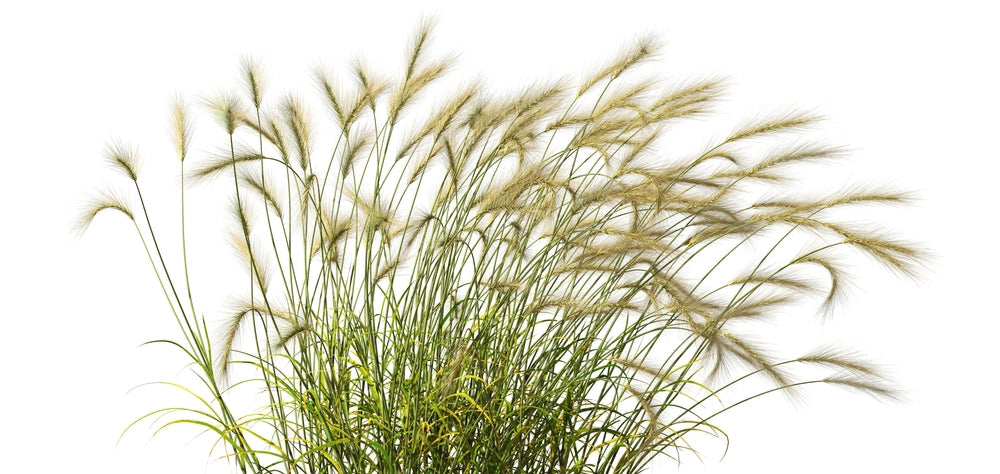
Unlike many upright ornamental grasses, Hakonechloa macra forms a low, cascading mound of arching foliage that gently spills over the edges of beds or pots. The leaves are slender and ribbon-like, creating a soft, fountain-like effect that moves beautifully in the breeze. The species typically grows to around 30–45 cm in height with a slightly wider spread, making it ideal for the front of borders or beneath shrubs and small trees.
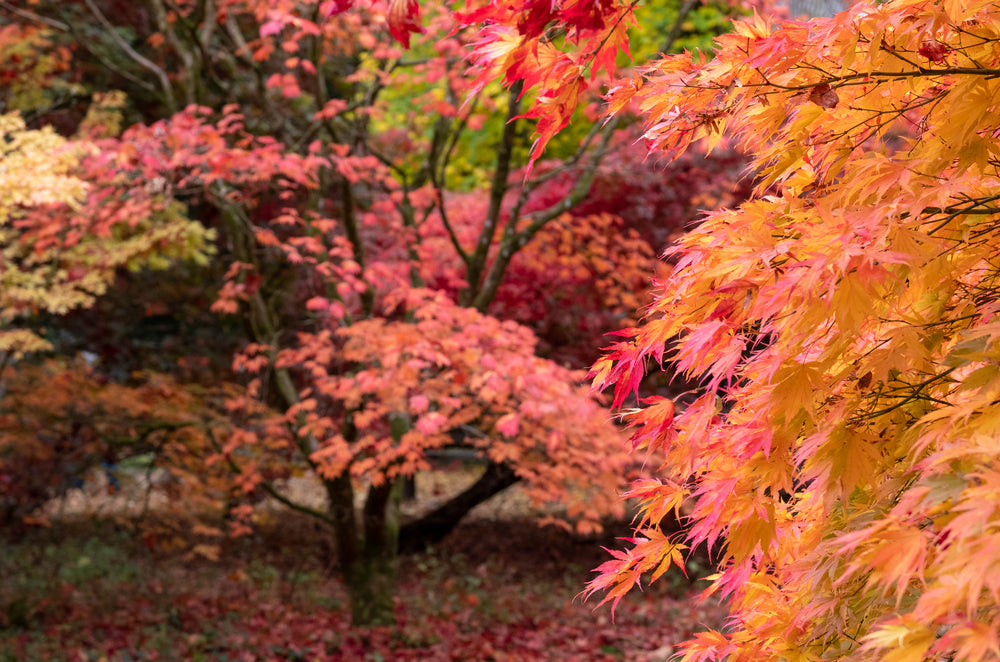
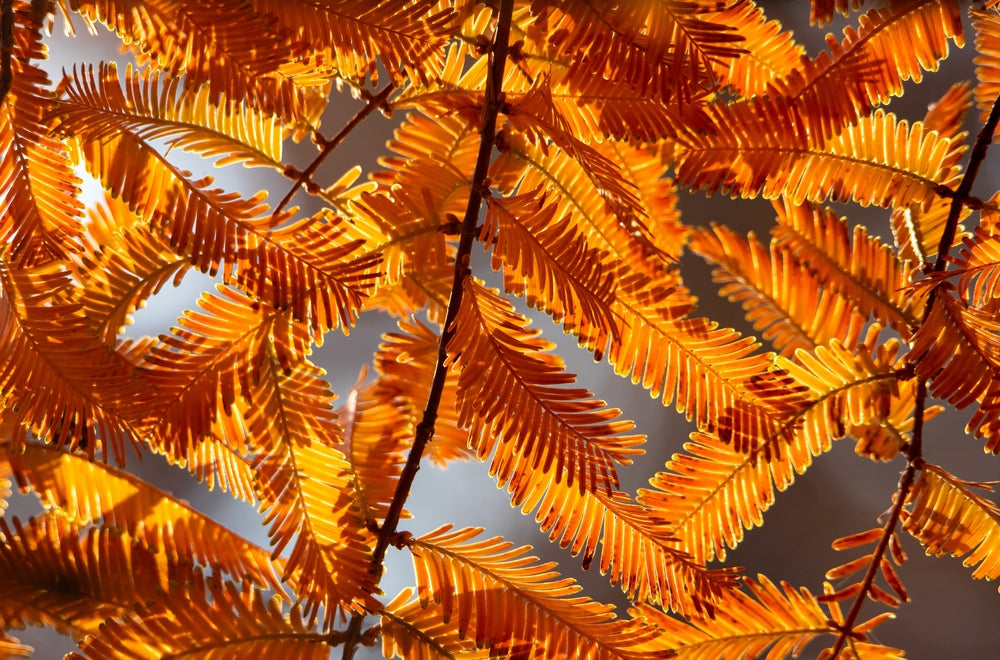
The foliage of the species is usually fresh green, though several popular cultivars offer additional colour variations. During autumn, the leaves often develop warm tones of gold, bronze, or reddish-orange, providing seasonal interest before the plant dies back in winter. In summer, delicate flower spikes may appear, though they are quite subtle and the plant is mainly grown for its foliage.
Hakonechloa macra prefers moist, well-drained soil that is rich in organic matter. It grows best in partial shade, although it can tolerate full sun if the soil remains consistently moist. In the UK climate it is generally hardy, but it benefits from some shelter from cold winds and very dry conditions.
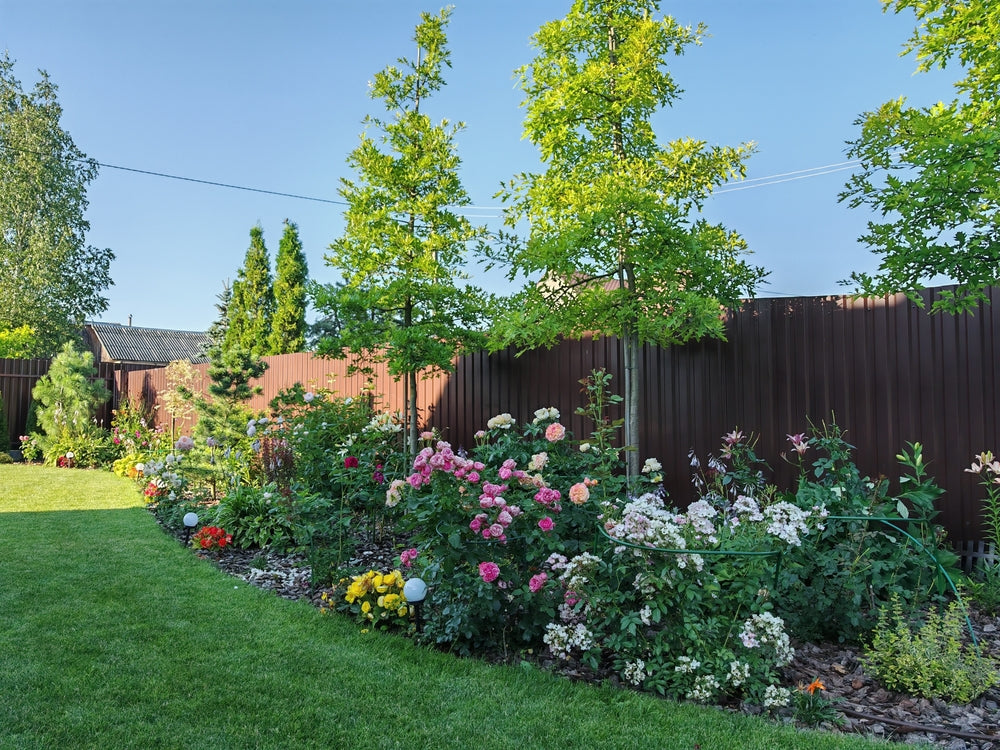
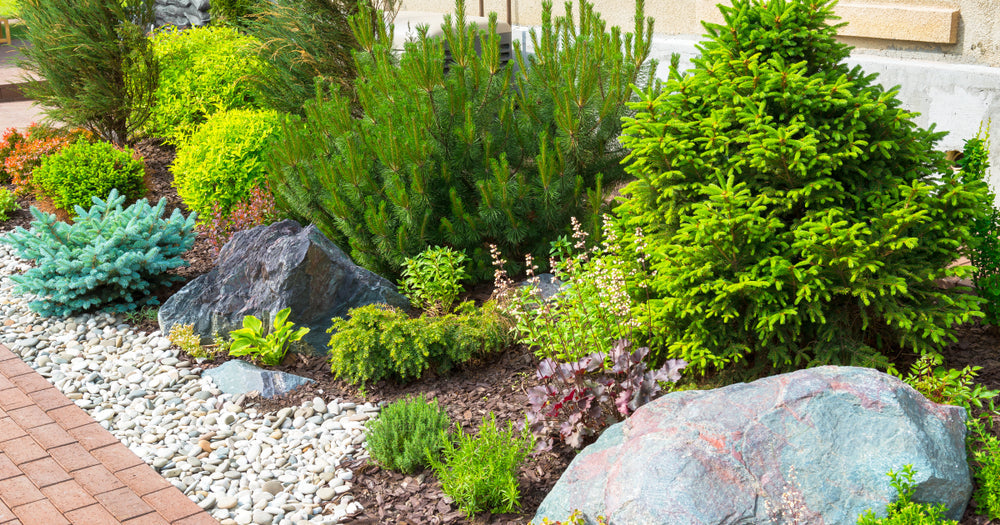
This grass is often used to soften hard landscaping, such as paths or stone walls, where its arching habit can spill attractively over edges. It also pairs beautifully with shade-loving plants like ferns, hostas, and woodland perennials.
Low-maintenance and long-lived, Hakonechloa macra requires little attention beyond cutting back old foliage in early spring. Its gentle movement, elegant shape, and subtle seasonal colour make it a refined and calming addition to many garden styles.