

-
Trees
Trees
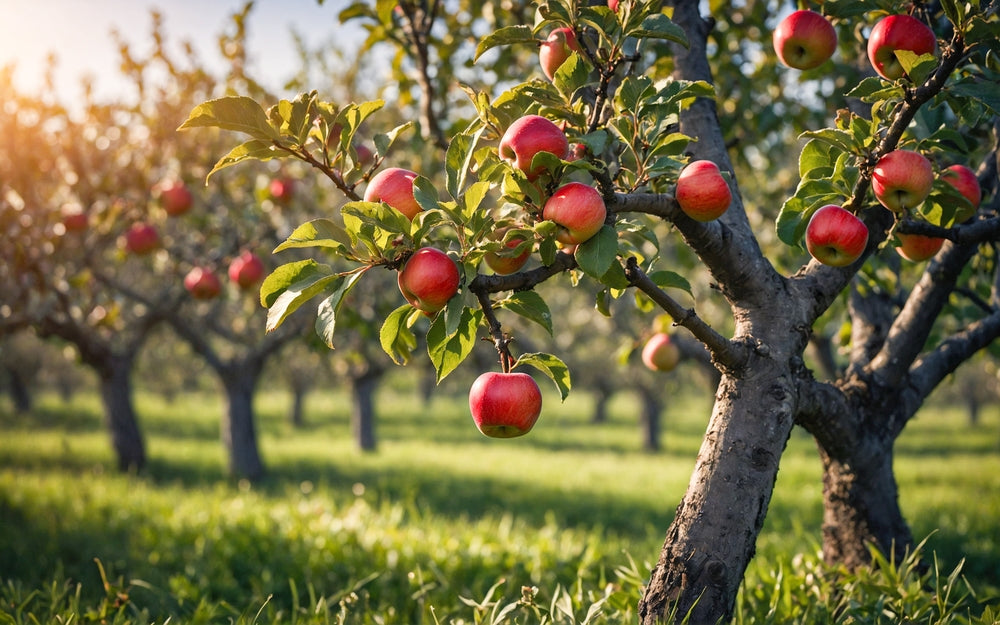 Fruit Trees
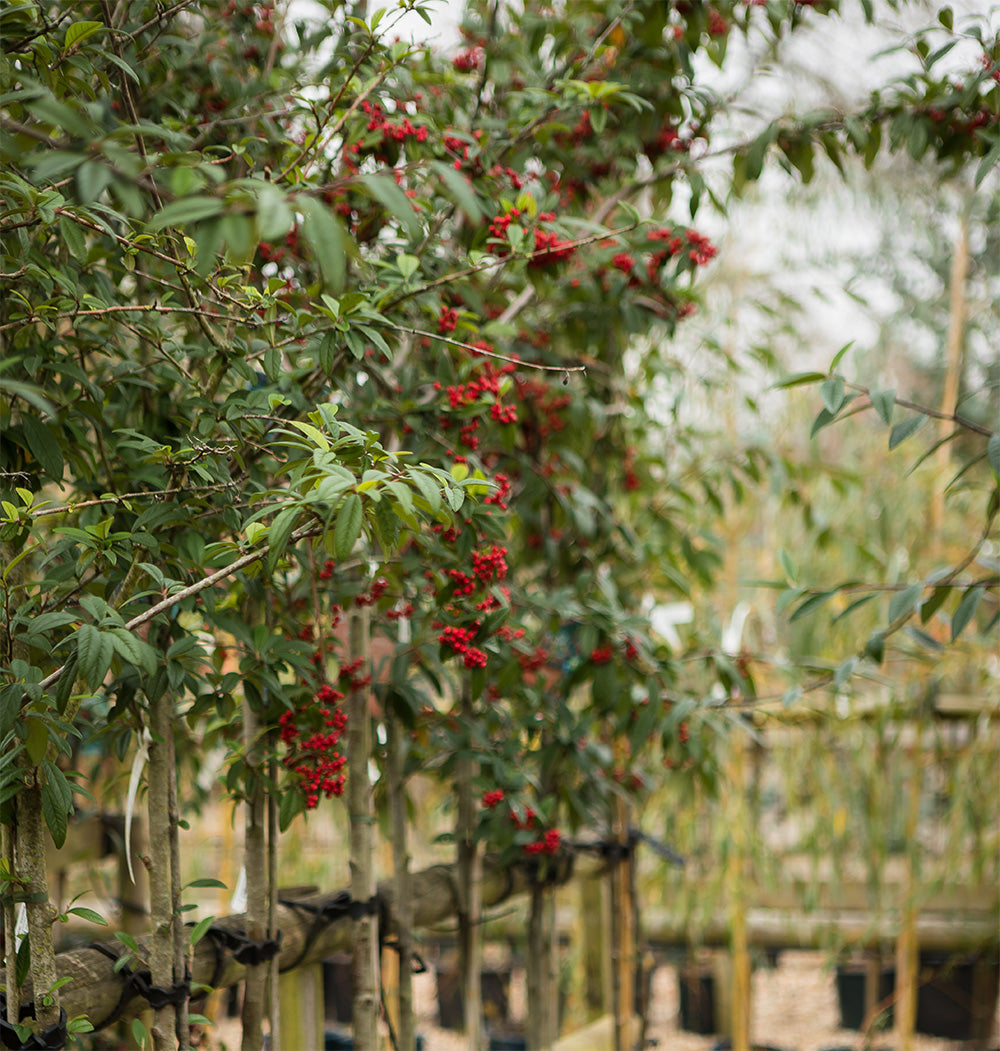 Ornamental
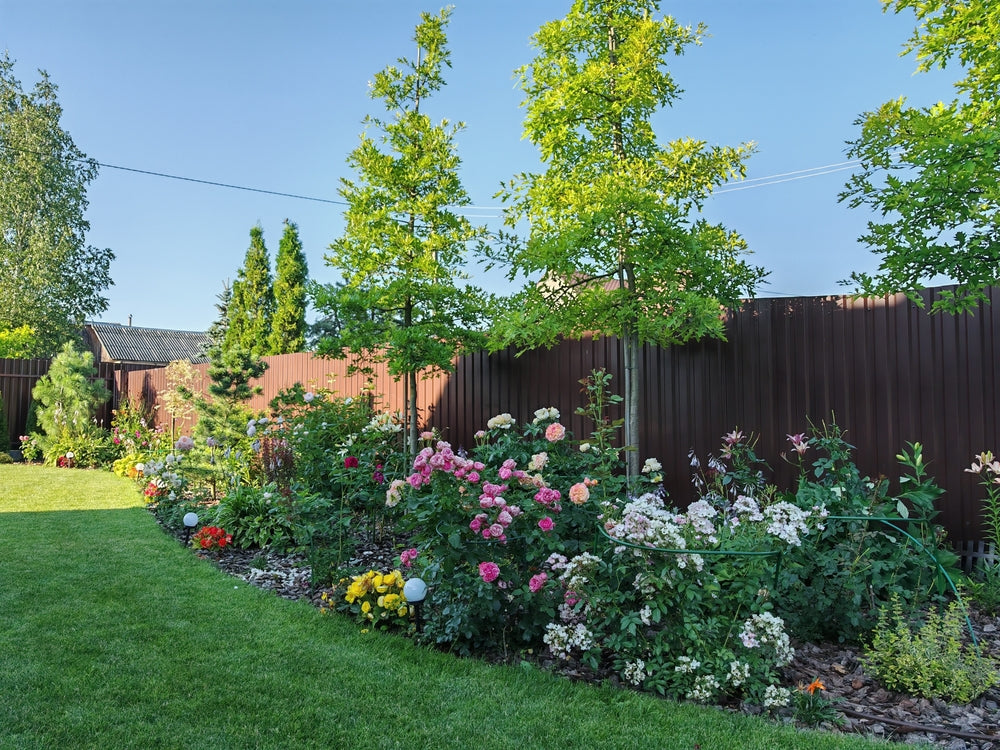 Screening
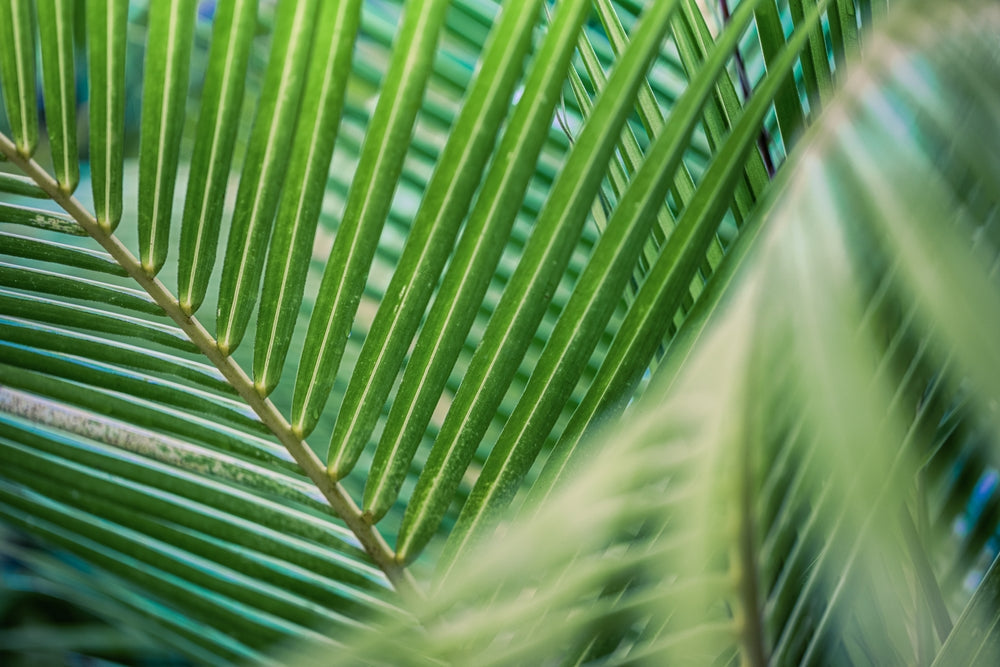 Palms
By FeaturesBy Shape
Palms
By FeaturesBy Shape -
Shrubs
Shrubs
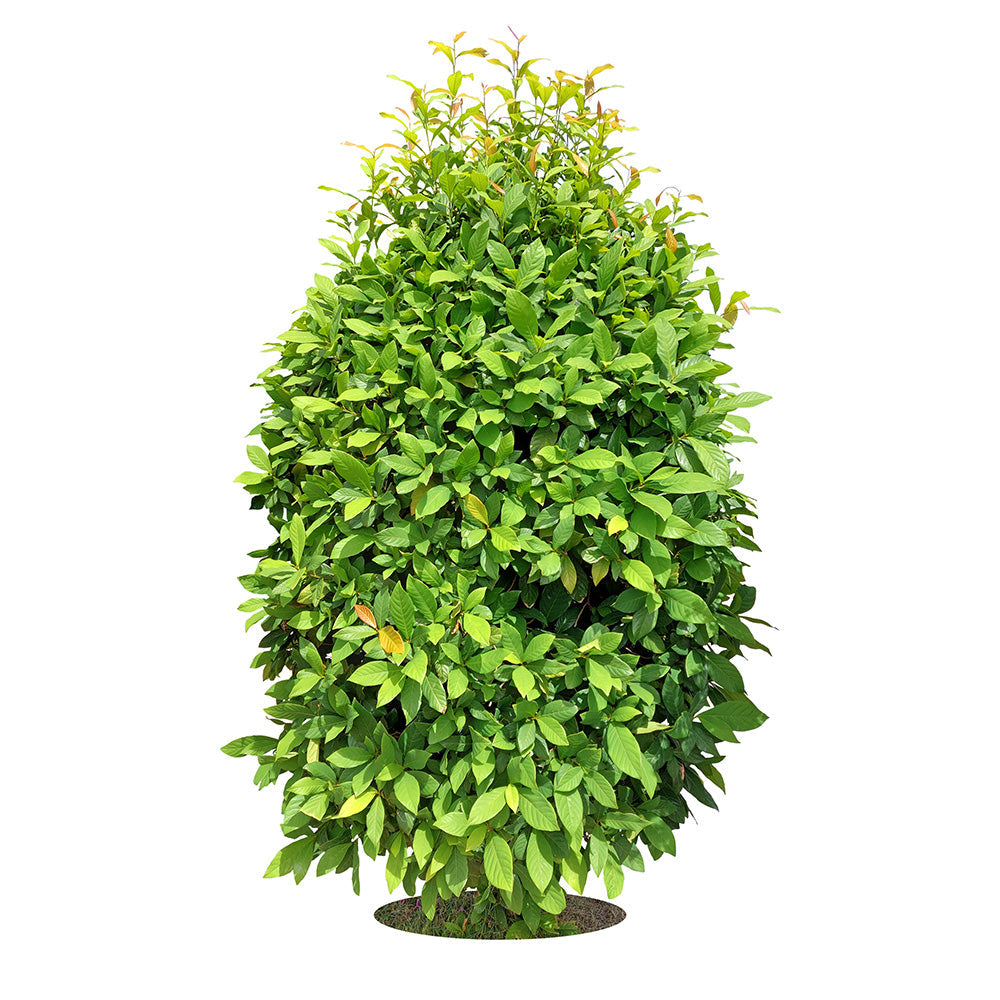 Large shrubs
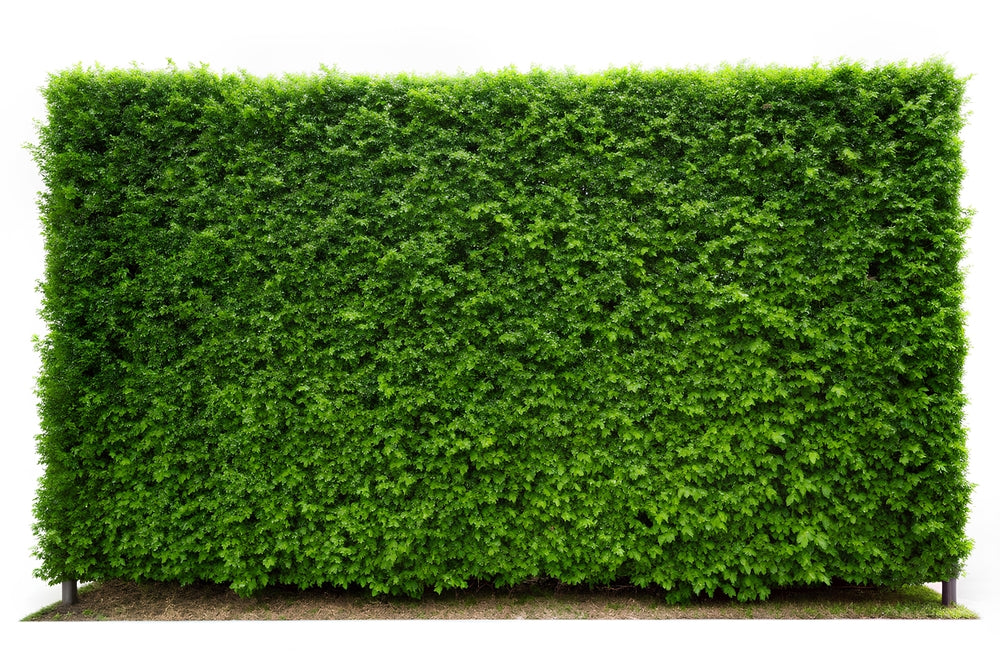 Hedging
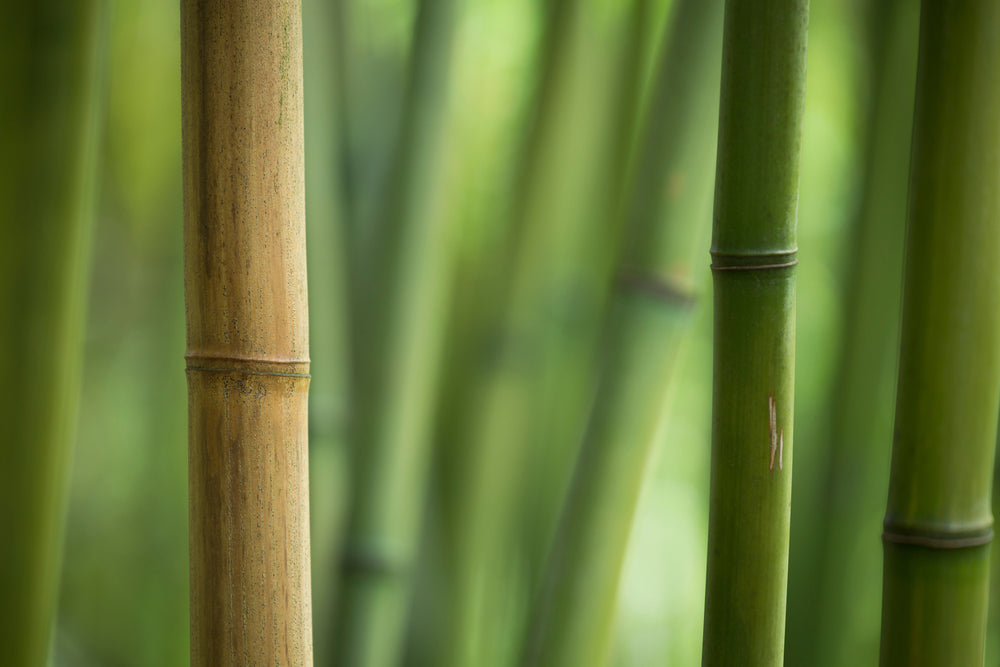 Bamboo
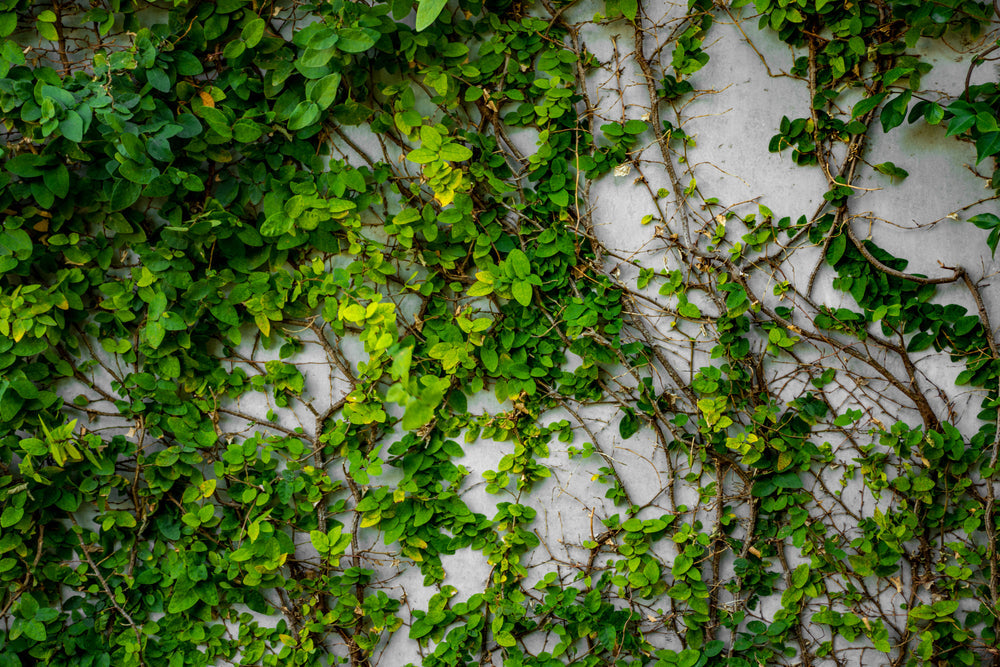 Climbers
 Flowering
 Grasses & Ferns
 Popular
-
Pines & Conifers
Pines & Conifers
 Pines
Pines
 Spruce & Fir
 Cypress
 Thuja
Thuja
 Redwood | Sequoia
-
Specimen
FREE DELIVERY OVER £350
Search results
Search results


Hornbeam Fastigata | Carpinus betulus 'Fastigiata' - Girth 10-12cm - Height 280-320cm - 70lt
£320.00
Unit price perHornbeam Fastigata | Carpinus betulus 'Fastigiata' - Girth 10-12cm - Height 280-320cm - 70lt
£320.00
Unit price per


Sorbus pseudohupehensis 'Pink Pagoda' | Hupeh Rowan ‘Pink Pagoda’ - Height 190-210cm, 12lt
£83.00
Unit price perSorbus pseudohupehensis 'Pink Pagoda' | Hupeh Rowan ‘Pink Pagoda’ - Height 190-210cm, 12lt
£83.00
Unit price per


Abies koreana 'Ice Breaker' - Height 15cm - Width 20-25cm - 8lt
£126.00
Unit price perAbies koreana 'Ice Breaker' - Height 15cm - Width 20-25cm - 8lt
£126.00
Unit price per


European Hornbeam | Carpinus Betulus - Feathered - Girth 8-10cm - Height 220-280cm - 30lt
£190.00
Unit price perEuropean Hornbeam | Carpinus Betulus - Feathered - Girth 8-10cm - Height 220-280cm - 30lt
£190.00
Unit price per


Taxus Media 'Hillii' | Yew 'Hilli' Tree/Large Shrub - Upright Taxus - Bushy - Height 200-220cm - 130lt
£465.00
Unit price perTaxus Media 'Hillii' | Yew 'Hilli' Tree/Large Shrub - Upright Taxus - Bushy - Height 200-220cm - 130lt
£465.00
Unit price perTaxus x Media 'Hillii' is a cultivar of the Taxus x Media hybrid, which is a cross between Taxus baccata (English yew) and Taxus cuspidata (Japanese yew). It is a popular evergreen shrub in the horticultural industry, prized for its dense, upright growth habit and attractive appearance.
One of the defining characteristics of 'Hillii' is its dense, dark green foliage. The needle-like leaves are arranged in a spiral pattern along the branches, creating a lush and vibrant display. The foliage retains its color throughout the year, making it an excellent choice for providing year-round interest in the garden.
This cultivar is known for its compact and upright growth habit. It typically reaches a height of 6 to 10 feet (1.8 to 3 meters) and a spread of 4 to 6 feet (1.2 to 1.8 meters), forming a narrow columnar shape. The dense branching pattern contributes to its neat and formal appearance, making it an ideal choice for hedges, screens, or borders.
In addition to its ornamental value, Taxus x Media 'Hillii' also produces small, round berries. These berries start out green and eventually mature to a striking red color, adding a pop of color to the shrub. However, it's important to note that the berries are toxic if ingested, so caution should be exercised if there are children or pets in the vicinity.
One of the advantages of 'Hillii' is its versatility in various growing conditions. It can tolerate a wide range of soil types, including clay, loam, and sandy soils, as long as they are well-drained. It thrives in full sun to partial shade, although it prefers some protection from intense afternoon sun in hot climates. Once established, 'Hillii' is relatively low-maintenance and can withstand pruning to maintain its desired size and shape.
Overall, Taxus x Media 'Hillii' is a popular choice for those seeking an attractive, compact, and easy-to-grow evergreen shrub. Its dense, dark green foliage, upright growth habit, and small red berries make it a versatile and visually appealing addition to gardens, providing year-round interest and beauty.


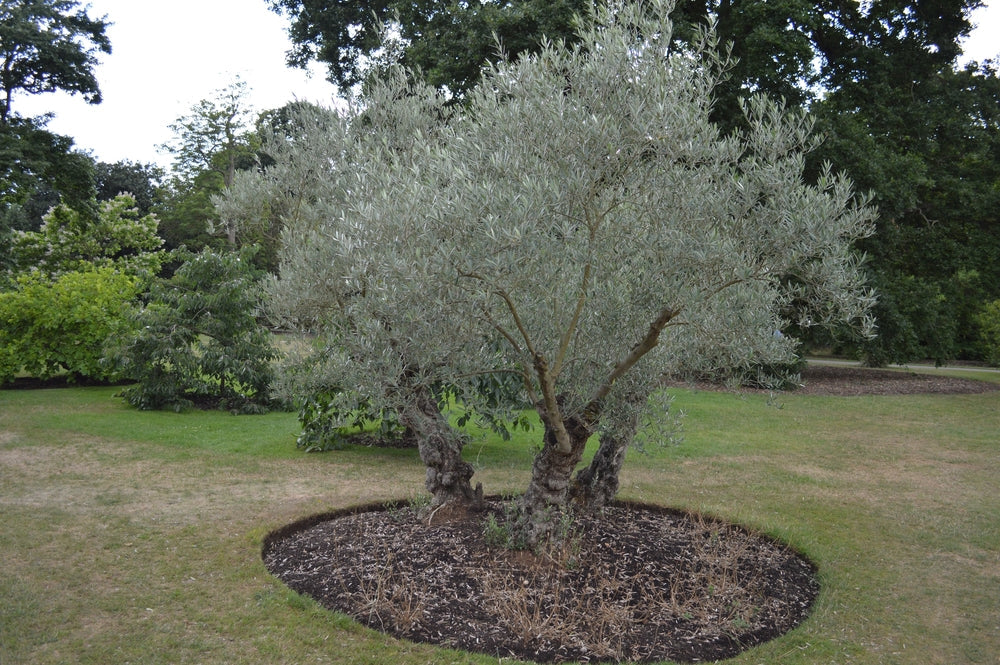
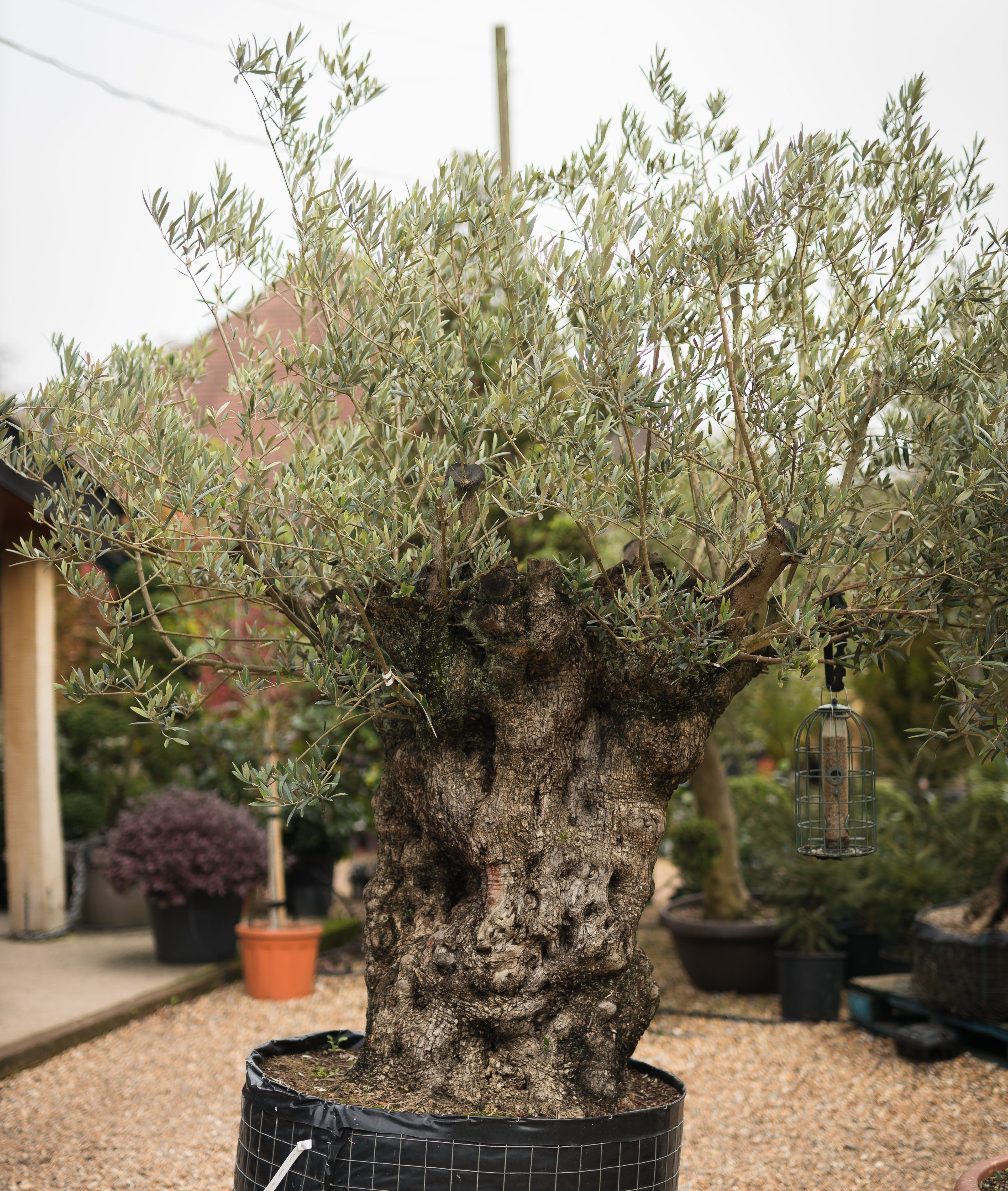
Olive Tree | Olea Europea - Specimen 16A - Gnarly Three Branched - Trunk height 60cm - Height 210-230cm - 285lt
£1,575.00
Unit price perOlive Tree | Olea Europea - Specimen 16A - Gnarly Three Branched - Trunk height 60cm - Height 210-230cm - 285lt
£1,575.00
Unit price per


Pink Flowering Hawthorn | Crataegus Laevigata 'Rosea Plena' - Height 220-250cm - Girth 6-8cm - 20lt
£160.00
Unit price perPink Flowering Hawthorn | Crataegus Laevigata 'Rosea Plena' - Height 220-250cm - Girth 6-8cm - 20lt
£160.00
Unit price perCrataegus laevigata 'Rosea Flore Pleno' is a small, highly ornamental, deciduous tree with rounded habit, thorny branches, and shallow, three-to-five-lobed, glossy green leaves that turn yellow and bronze in autumn. Masses of lovely, double pink flowers grouped in corymbs bloom in May and June creating a spectacular display. Blossoms are followed by bright red berries in autumn. Crataegus laevigata 'Rosea Flore Pleno' is not only beautiful, but tough and resilient. It is easily grown in any type of soil, as long as it is well-drained. It prefers full sun, but tolerates partial shade. It is adaptable to all kinds of growing conditions including coastal, exposed, or polluted. It needs to be sheltered from harsh winds. Low maintenance, doesn’t require much pruning. Crataegus laevig 'Rosea Flore Pleno' is a wonderful ornamental tree, perfect as a specimen plant in small, informal, or urban gardens. Suitable for coastal areas. Great for beds and borders, hedges and screens.


Prunus amanogawa |Flagpole Cherry - Girth 26cm - Height 400cm - 180lt
£725.00
Unit price perPrunus amanogawa |Flagpole Cherry - Girth 26cm - Height 400cm - 180lt
£725.00
Unit price per


Cercis canadensis 'Forest Pansy' - Bushy - Height 220-320cm - 20lt
£182.00
Unit price perCercis canadensis 'Forest Pansy' - Bushy - Height 220-320cm - 20lt
£182.00
Unit price per


Alnus Cordata - Alder tree - Clear Stem - Standard - Girth 10-12cm - Height 480-530cm - 70lt
£390.00
Unit price perAlnus Cordata - Alder tree - Clear Stem - Standard - Girth 10-12cm - Height 480-530cm - 70lt
£390.00
Unit price perAlnus cordata, commonly known as the Italian alder, is a medium to large deciduous tree native to southern Italy and parts of Corsica. It belongs to the Betulaceae family and is highly valued for its ability to thrive in poor soils and challenging environmental conditions. This species is often planted for ornamental purposes, soil improvement, and as a windbreak due to its robust growth and adaptability.
The tree can reach heights of up to 25-30 metres (82-98 feet) with a trunk diameter of about 1 metre (3.3 feet). It has a relatively narrow, conical crown, which makes it an attractive choice for landscaping in urban and rural environments. The bark is smooth and greyish-brown when young, developing shallow fissures with age.
Alnus cordata is noted for its distinctive heart-shaped (cordate) leaves, which are bright green and glossy, measuring 7-12 cm in length. Unlike some other alders, the leaves of A. cordata remain on the tree until late autumn, giving it an extended season of greenery. In spring, it produces small, inconspicuous catkins, with male catkins being pendulous and yellowish, and female catkins more compact and upright. These develop into small, woody cones that persist on the tree through winter.
One of the key characteristics of Alnus cordata is its nitrogen-fixing ability. Like other alders, it forms a symbiotic relationship with the bacterium Frankia, which allows it to fix atmospheric nitrogen into the soil. This quality makes it an excellent species for improving soil fertility, particularly in degraded or nutrient-poor areas.
Overall, the Italian alder is a resilient and versatile tree, well-suited to a variety of landscapes, including wet or compacted soils, and is an important species for ecological restoration projects.
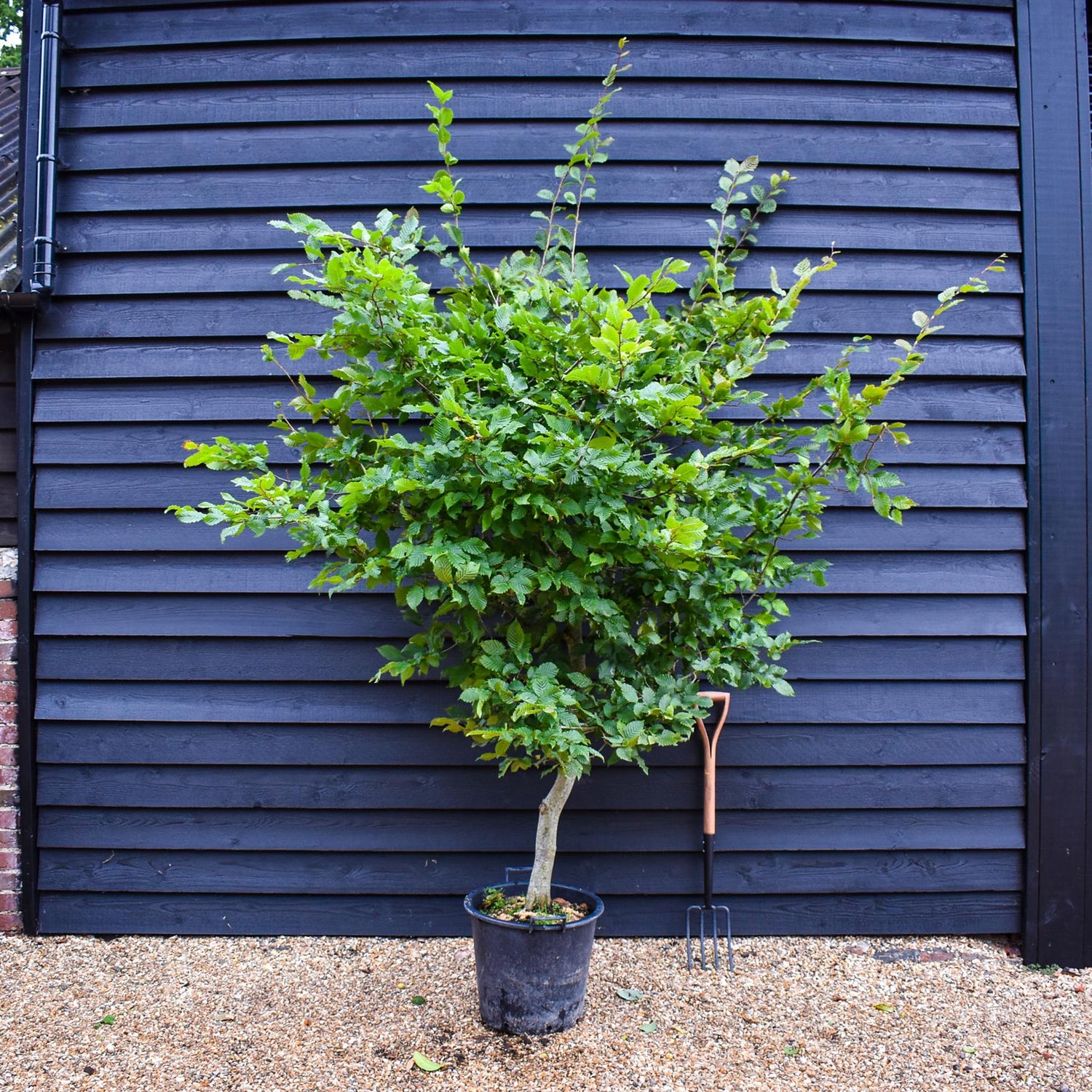


Carpinus betulus | European Hornbeam - 200-220cm, 30lt
£135.00
Unit price perCarpinus betulus | European Hornbeam - 200-220cm, 30lt
£135.00
Unit price per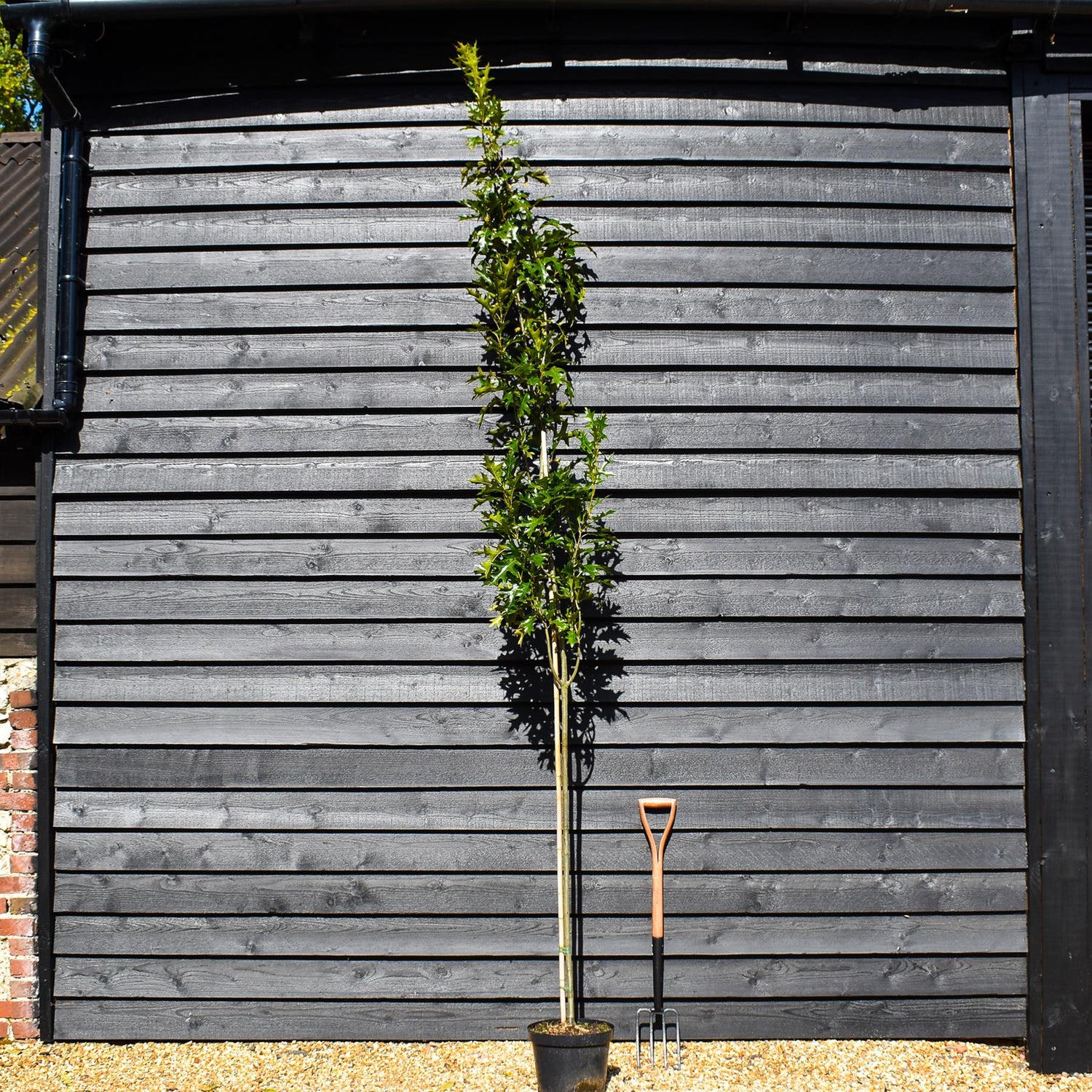


Upright Pin Oak | Quercus palustris 'Green Pillar' (Pringreen) - Height 200-220cm - Pot Grown - 10lt
£177.00
Unit price perUpright Pin Oak | Quercus palustris 'Green Pillar' (Pringreen) - Height 200-220cm - Pot Grown - 10lt
£177.00
Unit price perQuercus palustris 'Green Pillar' is a distinctive cultivar of the pin oak, celebrated for its elegant, narrow, columnar form. Unlike the broader habit of traditional pin oaks, this variety grows upright with dense, vertical branches, making it an excellent choice for limited spaces, urban gardens, or as a striking architectural feature in larger landscapes. Its glossy, deep green leaves bring a lush texture throughout spring and summer, transforming into vivid shades of crimson and scarlet in autumn, creating a dramatic seasonal display. Hardy and adaptable, 'Green Pillar' thrives in a variety of soils, including wetter conditions, and is resistant to many common pests and diseases. At maturity, it reaches around 10–15 meters in height while maintaining its slim profile, ideal for lining avenues or adding vertical interest to gardens. Combining strength, beauty, and year-round appeal, Quercus palustris 'Green Pillar' embodies both elegance and resilience in modern landscapes.


Gleditsia triacanthos Sunburst | Honey Locust 'Sunburst' - Height 140-180cm - 10lt
£105.00
Unit price perGleditsia triacanthos Sunburst | Honey Locust 'Sunburst' - Height 140-180cm - 10lt
£105.00
Unit price per


Tilia henryana | Henry's Lime - Bushy - Height 260-280cm - 130lt
£1,050.00
Unit price perTilia henryana | Henry's Lime - Bushy - Height 260-280cm - 130lt
£1,050.00
Unit price perTilia henryana, commonly known as Henry’s lime, is an elegant and distinctive deciduous tree valued for its refined form, ornamental foliage, and late-season flowers. Native to central China, it was introduced to Britain in the late nineteenth century and has since become a prized specimen in gardens, arboreta, and parkland where space allows.
The most striking feature of Tilia henryana is its leaves. They are heart-shaped and mid to dark green, with sharply serrated margins that are noticeably bristle-tipped, giving the foliage a finely textured and slightly spiky appearance. This characteristic sets it apart from other limes and adds visual interest throughout the growing season. In autumn, the leaves turn an attractive yellow, providing a soft seasonal display before leaf fall.
The tree typically develops a broadly conical to rounded crown and can reach heights of 10–15 metres in cultivation in the UK, often smaller than many other Tilia species. Its bark is smooth and grey when young, becoming lightly fissured with age. The overall habit is neat and balanced, making it suitable as a specimen tree rather than for formal avenues.
Flowering occurs in late summer, usually in August, later than most other limes. The small, creamy-white flowers are borne in loose clusters accompanied by pale green bracts. They are lightly fragrant and extremely attractive to bees and other pollinators, extending the nectar season well into the summer. Following flowering, small, rounded nutlets may form.
Tilia henryana prefers fertile, moist but well-drained soils and grows best in full sun or light shade. It is hardy in most parts of the UK and relatively free from serious pests or diseases. Its combination of unusual foliage, manageable size, and late flowering makes it an excellent choice for ornamental planting and biodiversity-friendly landscapes.
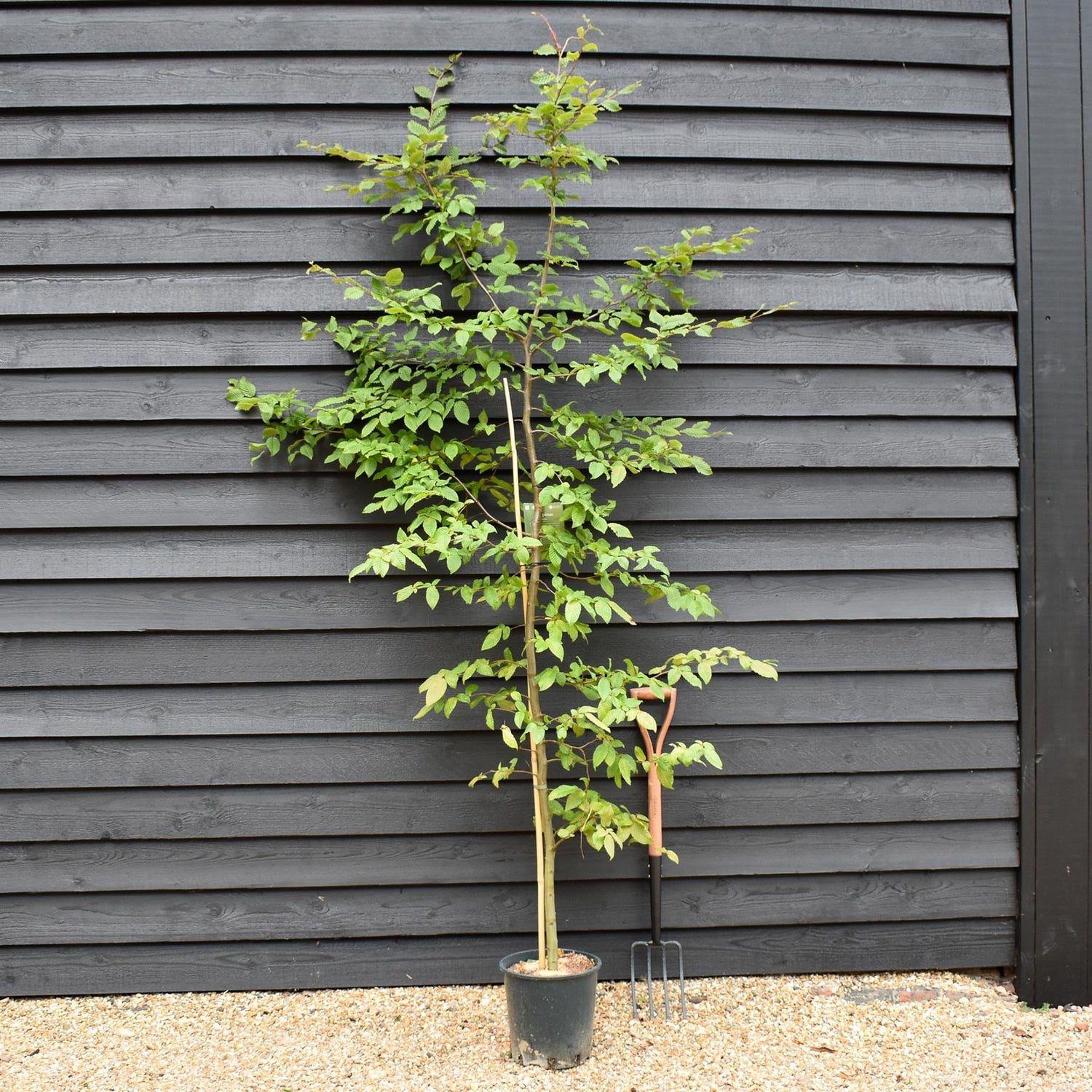


Carpinus betulus | European Hornbeam - 150-200cm, 10lt
£90.00
Unit price perCarpinus betulus | European Hornbeam - 150-200cm, 10lt
£90.00
Unit price per


Amelanchier lamarckii | Juneberry - Shrub - Height 90-100cm - 12lt
£72.00
Unit price perAmelanchier lamarckii | Juneberry - Shrub - Height 90-100cm - 12lt
£72.00
Unit price perAmelanchier lamarckii is a deciduous shrub or small tree of upright habit and horizontally spreading branches, and toothed, elliptic leaves, bronze when they emerge, dark green when mature, and orange-red in autumn. Fragrant, white, 5-petal flowers in loose, dropping clusters bloom in spring and are followed by edible, sweet and juicy, dark purple berries in summer.
Amelanchier lamarckii can adapt to a wide range of soil conditions, but thrives in fertile, lime-free, slightly acidic, moist, well-drained soils. It grows well in full sun and partial shade, but best fruit and autumn foliage are achieved in full sun. It is resistant to frost, de-icing slat, and wind. Tolerant of urban pollution. No serious pest or disease problems. Low maintenance plant. Snowy Mespilus is a lovely, elegant shrub, perfect for cottage, wildlife, and urban gardens. Excellent as a specimen, for shrub borders, wall-side borders, and informal hedges and screens. Suitable for growing in containers on patios and roof gardens.
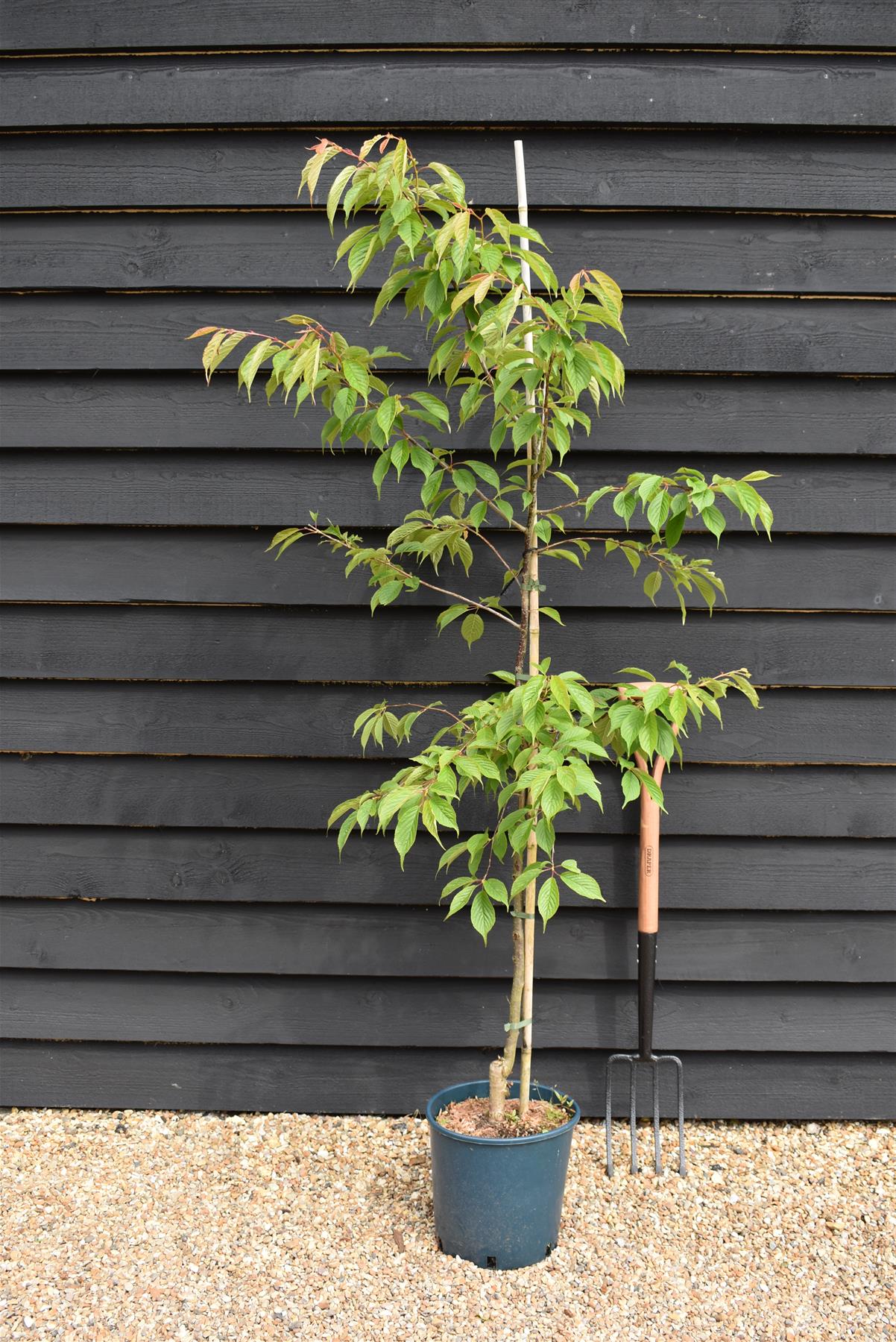
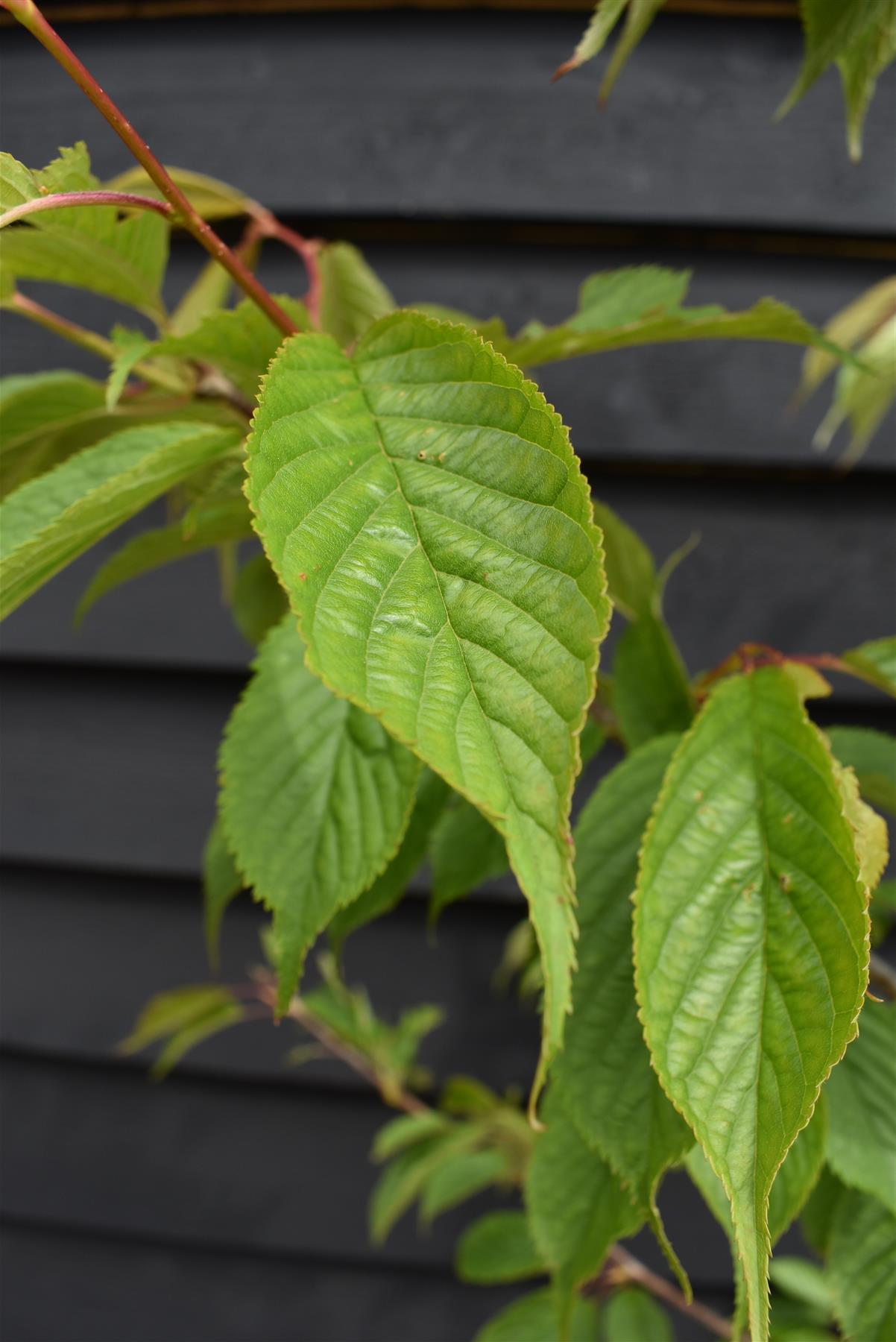
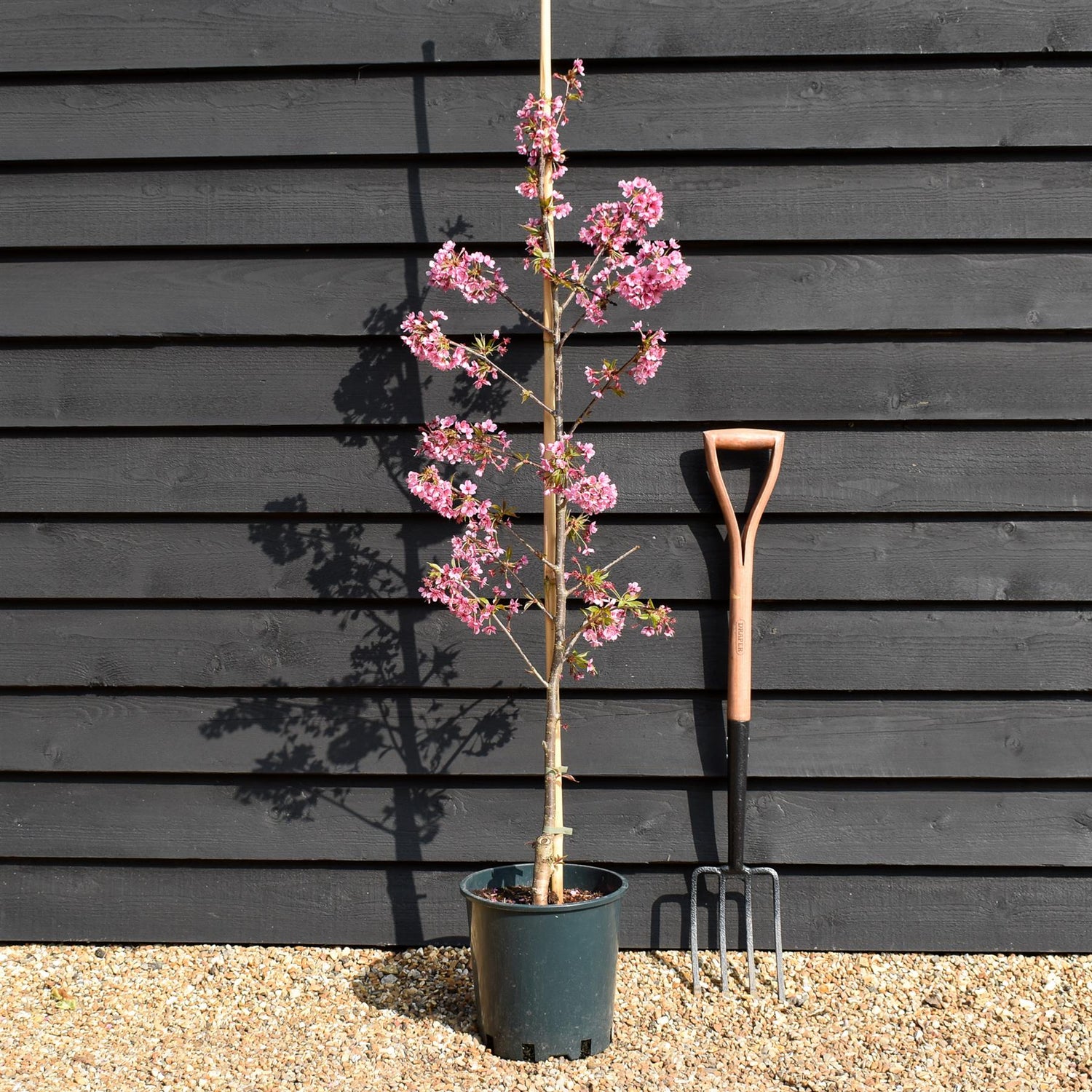
Cherry Blossom | Prunus Kursar - Height 130-180cm - 12lt
£83.00
Unit price perCherry Blossom | Prunus Kursar - Height 130-180cm - 12lt
£83.00
Unit price perPrunus 'Kursar' is a distinguished variety of ornamental cherry tree, appreciated for its abundant, deep pink blossoms that grace its branches in spring, creating a breathtaking display. This small, deciduous tree exhibits a compact growth habit, typically reaching around 8 meters in height when fully mature, making it a suitable choice for smaller gardens or landscapes.
The leaves of Prunus 'Kursar' emerge with a bronze hue, transitioning to green as they mature, and finally adopting vibrant shades of orange and red in the autumn, adding a secondary layer of aesthetic appeal to the plant. The blossoms are not only a visual delight but also attract various pollinators, benefiting local ecosystems. While it does not bear commercially valuable fruit, its ornamental charm compensates abundantly.
Originating from a hybridization program, Prunus 'Kursar' is celebrated for its resilience and adaptability, thriving in well-drained soils and sunny locations. It is often utilized as a specimen tree in residential and public gardens for its impressive floral display and the scenic ambiance it provides. Regular pruning and care ensure its optimal growth and longevity, allowing it to be a timeless addition to any garden setting, invoking the ethereal beauty of spring year after year.


Cryptomeria japonica 'Dinger' | Japanese Cedar - Height 30cm - 8lt
£99.00
Unit price perCryptomeria japonica 'Dinger' | Japanese Cedar - Height 30cm - 8lt
£99.00
Unit price perCryptomeria japonica 'Dinger', commonly known as Japanese cedar, is a compact, dwarf cultivar prized for its dense, lush green foliage and globular growth habit. This cultivar reaches an ultimate height of approximately 3 to 4 feet, making it an ideal choice for small garden spaces, rock gardens, or as a striking container specimen. The 'Dinger' variety thrives best in full sun to partial shade and prefers moist, well-drained soil. It is hardy and adaptable, but like most Cryptomeria, it benefits from protection against harsh, drying winds.
In the landscape, Cryptomeria japonica 'Dinger' is often used to add structure and year-round color, thanks to its evergreen nature. It can serve as a focal point in mixed beds, borders, or as formal or informal groupings in larger gardens. Its slow growth rate and manageable size reduce the need for frequent pruning, making it a low-maintenance option for both novice and experienced gardeners.


Corylus 'Colurna'| Turkish Hazel - Height 280-310cm -Girth 10-12cm - 45lt
£395.00
Unit price perCorylus 'Colurna'| Turkish Hazel - Height 280-310cm -Girth 10-12cm - 45lt
£395.00
Unit price perCorylus colurna, commonly known as the Turkish hazel, is a distinctive deciduous tree valued for its hardiness, ornamental qualities, and tolerance of challenging urban environments. Native to south-eastern Europe and western Asia, it is the largest species within the hazel genus, capable of reaching heights of 20–25 metres with a broad, pyramidal crown that gradually becomes more rounded with age.
One of its most striking features is its deeply furrowed, corky bark, which develops an attractive, rugged texture even on relatively young trees. This characteristic, combined with its strong, upright form, gives the tree a notable architectural presence in parks, avenues, and large gardens. The foliage consists of broad, heart-shaped leaves that are coarsely toothed and provide a dense canopy. They emerge a fresh green in spring, mature to a deeper shade in summer, and may turn soft yellow in autumn, though the seasonal display is generally modest.
In late winter to early spring, the tree produces long, pale-yellow catkins, which dangle decoratively before the leaves appear. These are the male flowers, while the female flowers are much smaller and less conspicuous, identifiable only by their tiny crimson stigmas. The resulting fruit is a small, hard-shelled nut partially enclosed in a frilly, deeply cut husk. Although edible, the nuts are typically smaller and less commercially significant than those of the common hazel.
Corylus colurna is especially appreciated for its resilience. It withstands pollution, compacted soils, drought, and cold, making it an excellent choice for urban planting or exposed sites. Its deep root system allows it to anchor securely and contributes to its tolerance of dry conditions once established. Overall, the Turkish hazel is a robust, handsome tree that combines ornamental beauty with exceptional practicality.


Larix decidua 'Little Bogle' | European larch - Height 50-60cm - Width 70cm - 18lt
£143.00
Unit price perLarix decidua 'Little Bogle' | European larch - Height 50-60cm - Width 70cm - 18lt
£143.00
Unit price perLarix decidua 'Little Bogle' is a compact, deciduous conifer tree that is well-suited for small gardens and landscapes. It belongs to the Pinaceae family and is commonly known as the European larch. The 'Little Bogle' cultivar is a dwarf version of the species, reaching a mature height of only 2-3 meters with a spread of 1-1.5 meters. It has a slow to moderate growth rate, making it an excellent choice for gardeners who want a low-maintenance, small tree.
The 'Little Bogle' has a distinctive conical shape with a narrow, upright growth habit. The branches are densely covered with short, bluish-green needles that turn golden-yellow in the fall before dropping. The tree produces small, brown cones that are approximately 2-3cm long and have a papery texture. The cones persist on the tree into the winter months, adding an element of interest to the landscape.
This tree prefers full sun to partial shade and moist, well-drained soil. It is tolerant of a wide range of soil types, including sandy, loamy, and clay soils. However, it does not tolerate waterlogged or poorly drained soil. The 'Little Bogle' is hardy, which makes it suitable for a wide range of climates.
This cultivar is a low-maintenance tree that requires minimal pruning or shaping. It is also resistant to many common diseases and pests, making it a reliable addition to any garden. The tree can be used as a specimen plant or as part of a mixed border. Its compact size makes it an excellent choice for small gardens or urban landscapes, where space is at a premium.
In conclusion, Larix decidua 'Little Bogle' is a beautiful and versatile tree that is well-suited for small gardens and landscapes. Its distinctive conical shape, bluish-green needles, and golden-yellow fall color make it a standout in any garden. It is easy to care for, hardy, and resistant to pests and diseases, making it an excellent choice for both novice and experienced gardeners alike.