

-
Trees
Trees
 Fruit Trees
 Ornamental
 Screening
 Palms
By FeaturesBy Shape
Palms
By FeaturesBy Shape -
Shrubs
Shrubs
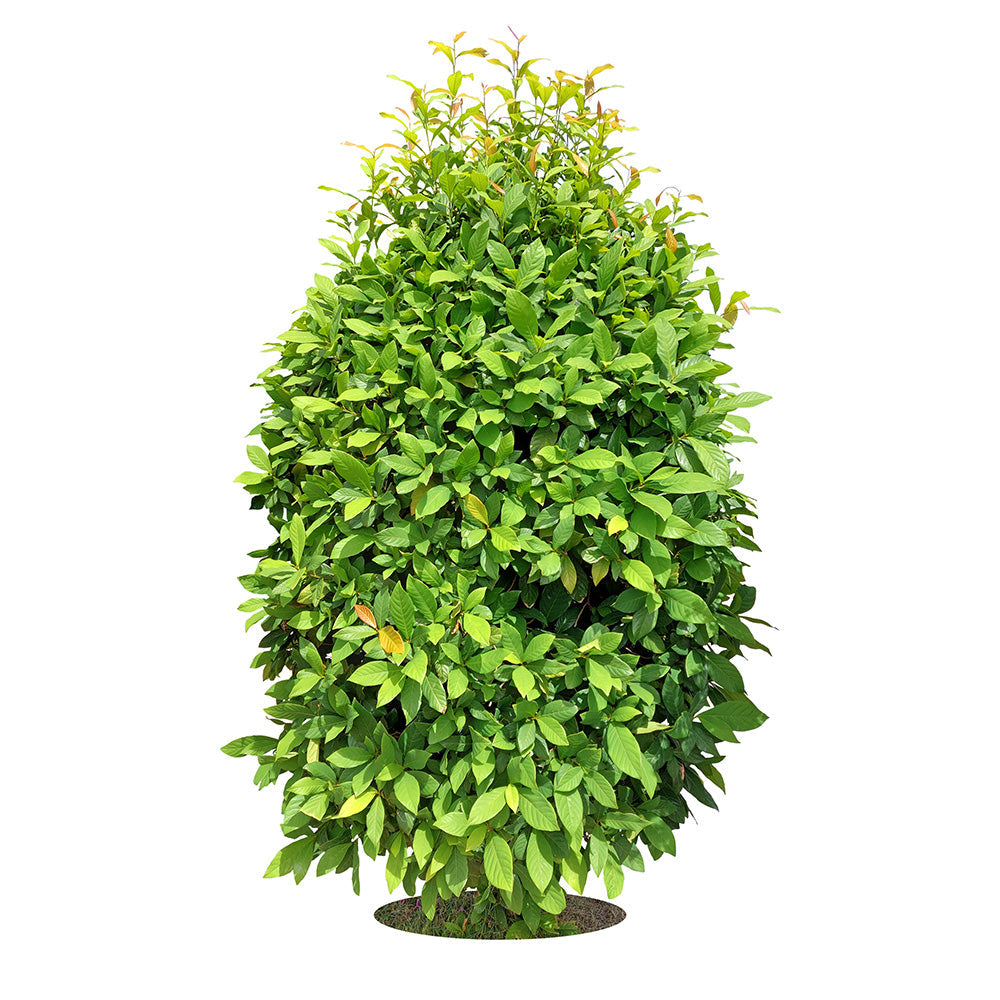 Large shrubs
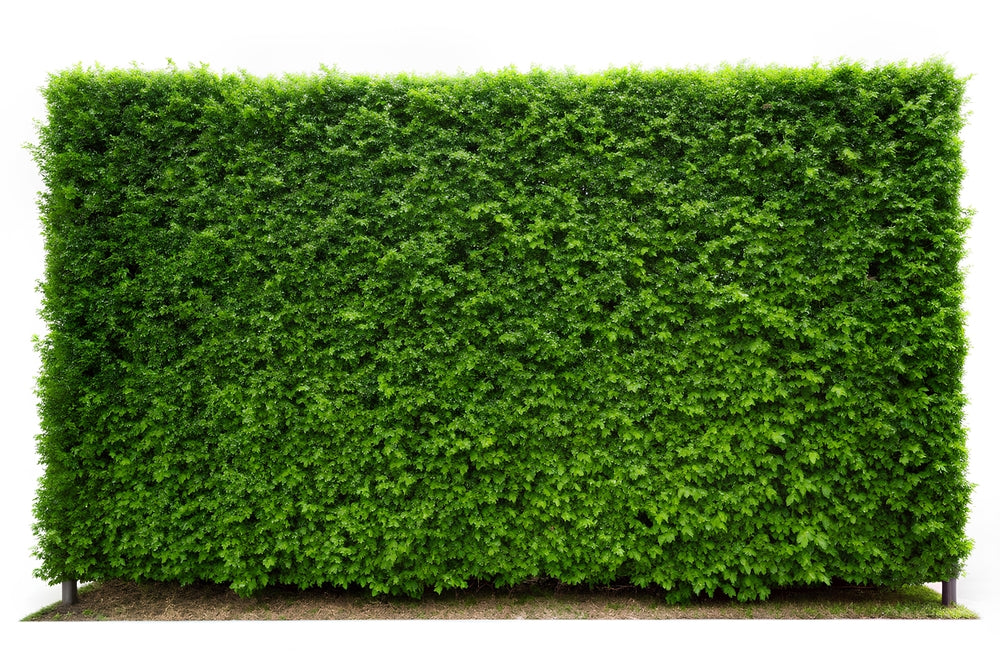 Hedging
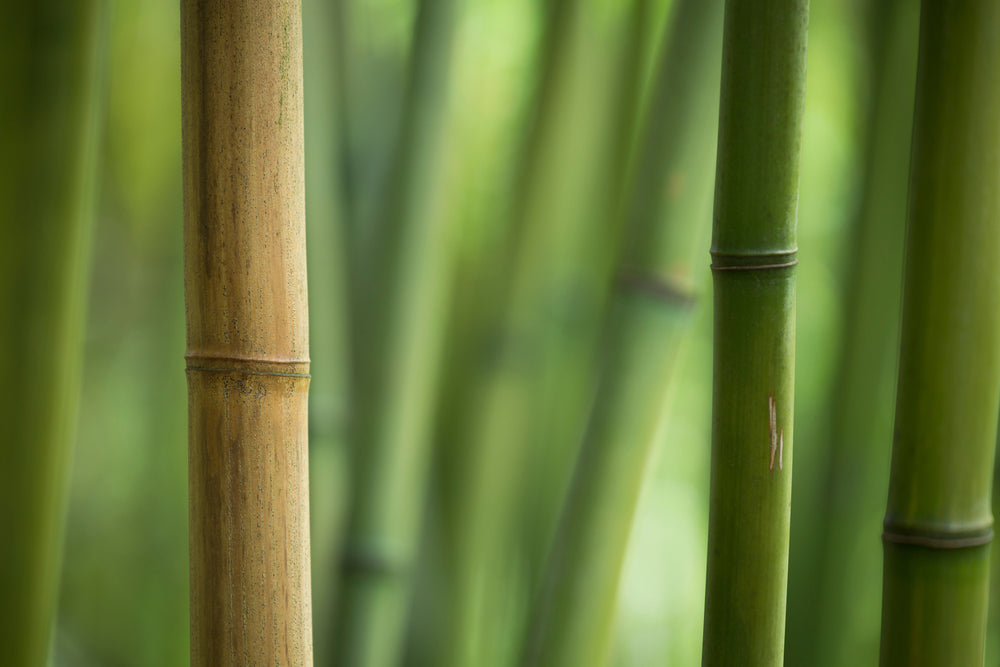 Bamboo
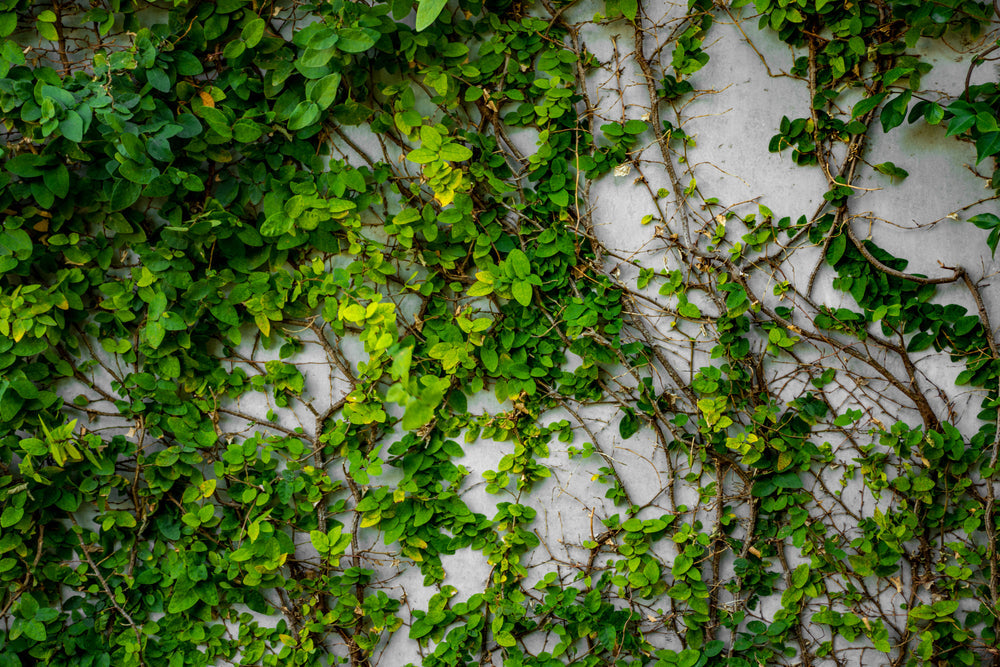 Climbers
 Flowering
 Grasses & Ferns
 Popular
-
Pines & Conifers
Pines & Conifers
 Pines
Pines
 Spruce & Fir
 Cypress
 Thuja
Thuja
 Redwood | Sequoia
-
Specimen
FREE DELIVERY OVER £350
Search results
Search results


Hoheria sexstylosa Snow White | Ribbonwood - Feathered - Height 340-350cm - 70lt
£575.00
Unit price perHoheria sexstylosa Snow White | Ribbonwood - Feathered - Height 340-350cm - 70lt
£575.00
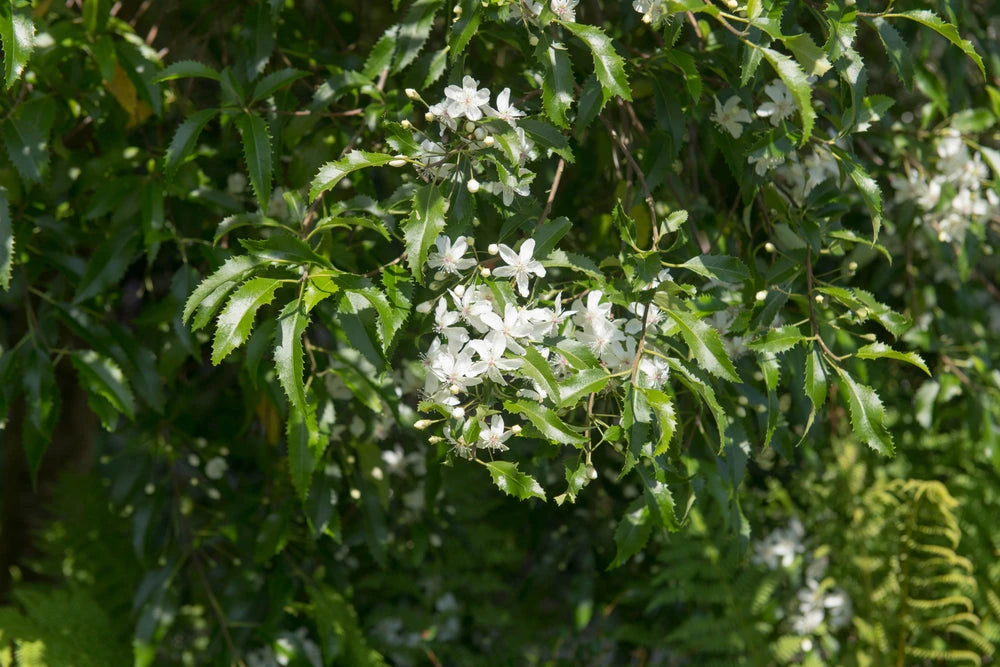
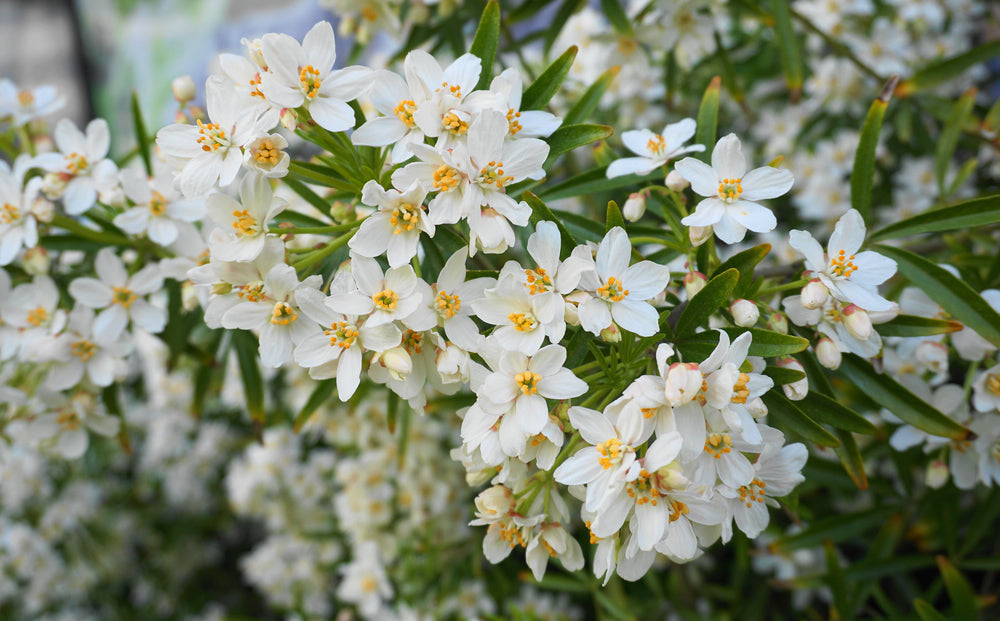
Unit price perHoheria sexstylosa ‘Snow White’ is an attractive, evergreen shrub or small tree of pyramidal shape, with attractive, peeling bark, and ovate, sharply toothed, glossy green leaves. Masses of beautiful and delicate, fragrant, star-shaped, white flowers, resemble cherry blossom and bloom throughout summer. Attractive to bees and butterflies.
Hoheria sexstylosa ‘Snow White’ prefers fertile, neutral to alkaline, moist, well-drained soils but can adopt to any type of soil as long as it is well-drained. It thrives in full sun or partial shade. It needs to be sheltered from cold, dry winds and roots should be protected in winter with mulch. Generally, pest-free and disease-free. This beautiful evergreen shrub with lovely summer flowers is a great addition to any informal, cottage, urban or coastal garden. If heavily pruned, it can be turned into an attractive evergreen hedge and provide privacy and some wind protection. Perfect for shrub borders, wall-side borders, hedges and screens.


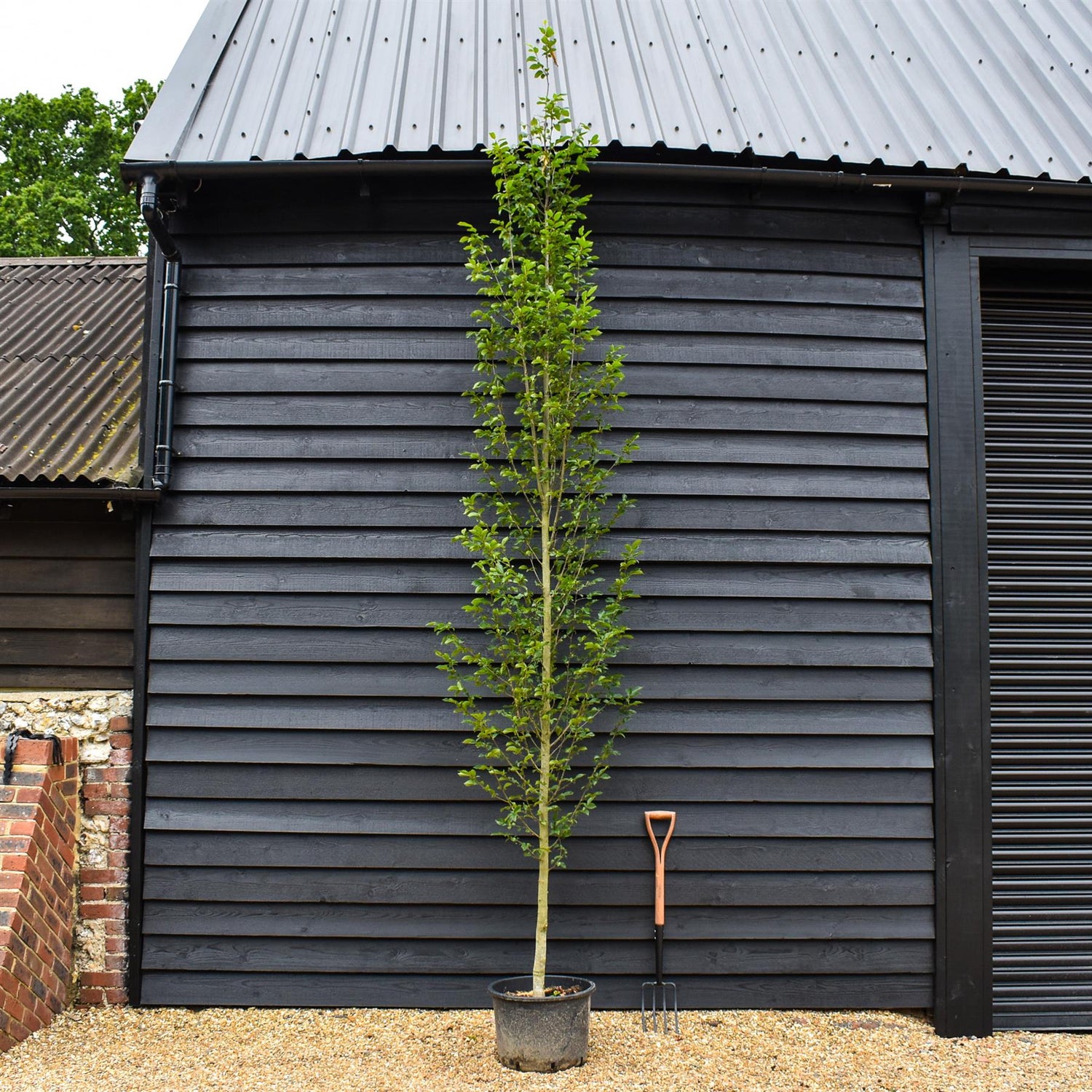


Hornebean Fastigata | - Feathered - Height 300-350cm - Girth 10-12cm - 40lt
£280.00
Unit price perHornebean Fastigata | - Feathered - Height 300-350cm - Girth 10-12cm - 40lt
£280.00
Unit price per


Excochorda serratifolia Snow White - Height 200-220cm - 12lt
£83.00
Unit price perExcochorda serratifolia Snow White - Height 200-220cm - 12lt
£83.00
Unit price per


Hydrangea arborescens 'Annabelle' - 30/40cm, 3lt
£16.00
Unit price perHydrangea arborescens 'Annabelle' - 30/40cm, 3lt
£16.00
Unit price per


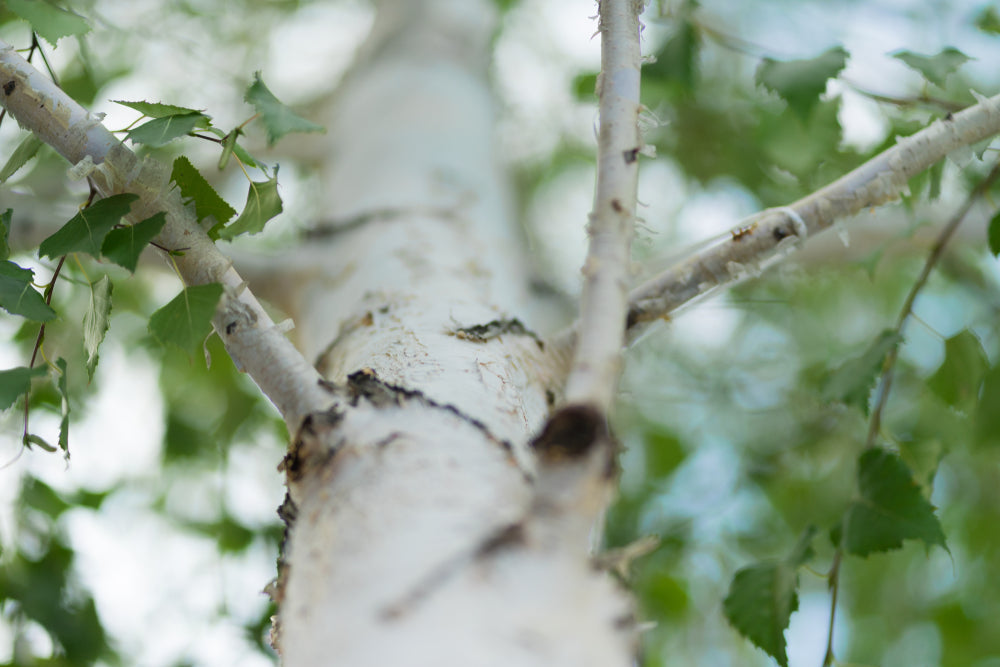
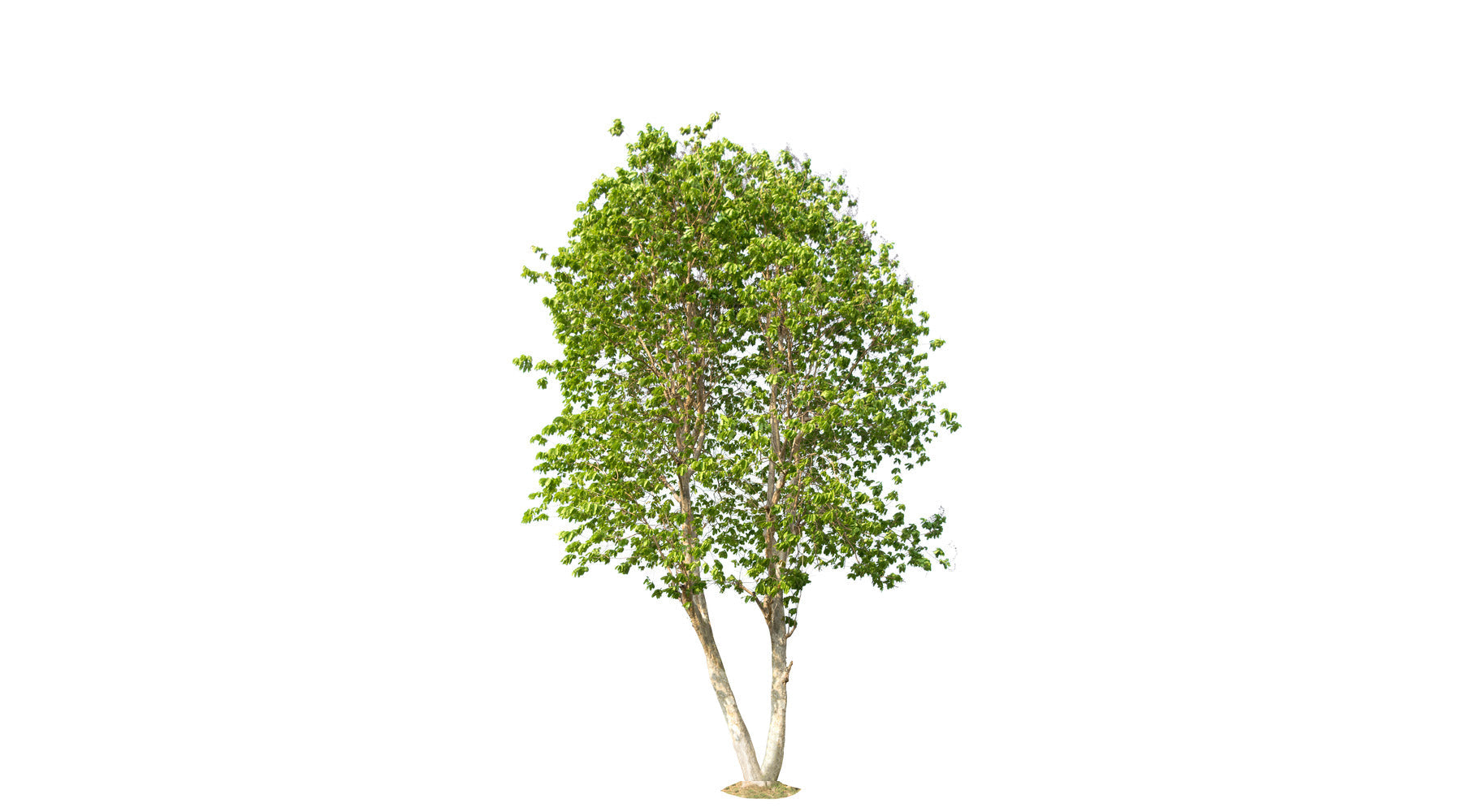
Himalayan Silver Birch |Betula utilis - Multi Stem - Height 310-350cm - 130lt
£765.00
Unit price perHimalayan Silver Birch |Betula utilis - Multi Stem - Height 310-350cm - 130lt
£765.00
Unit price perBetula utilis var. jaquemontii, or West Himalayan Birch, is one of the most popular birch trees. It is a medium-sized, vigorous, deciduous tree with upright, pyramidal habit. It is famous for its beautiful snow-white peeling bark, the whitest that can be found among birch varieties. Its leaves are ovate, dark green and turn bright yellow in autumn. Male flowers are yellowish-brown and appear in dropping catkins, while female flowers are greenish and appear in upright catkins.
West Himalayan Birch can grow in any type of soil, even sand or clay, as long as it is moist and well-drained. It thrives in full sun or partial shade. It is extremely hardy and does best in cool northern climates. Does not tolerate heat and humidity. Betula utilis var. jaquemontii is a very attractive tree, perfect as a specimen plant or in beds and borders. Great for cottage and urban gardens, avenues and broad streets. Suitable for roof gardens and growing in containers.


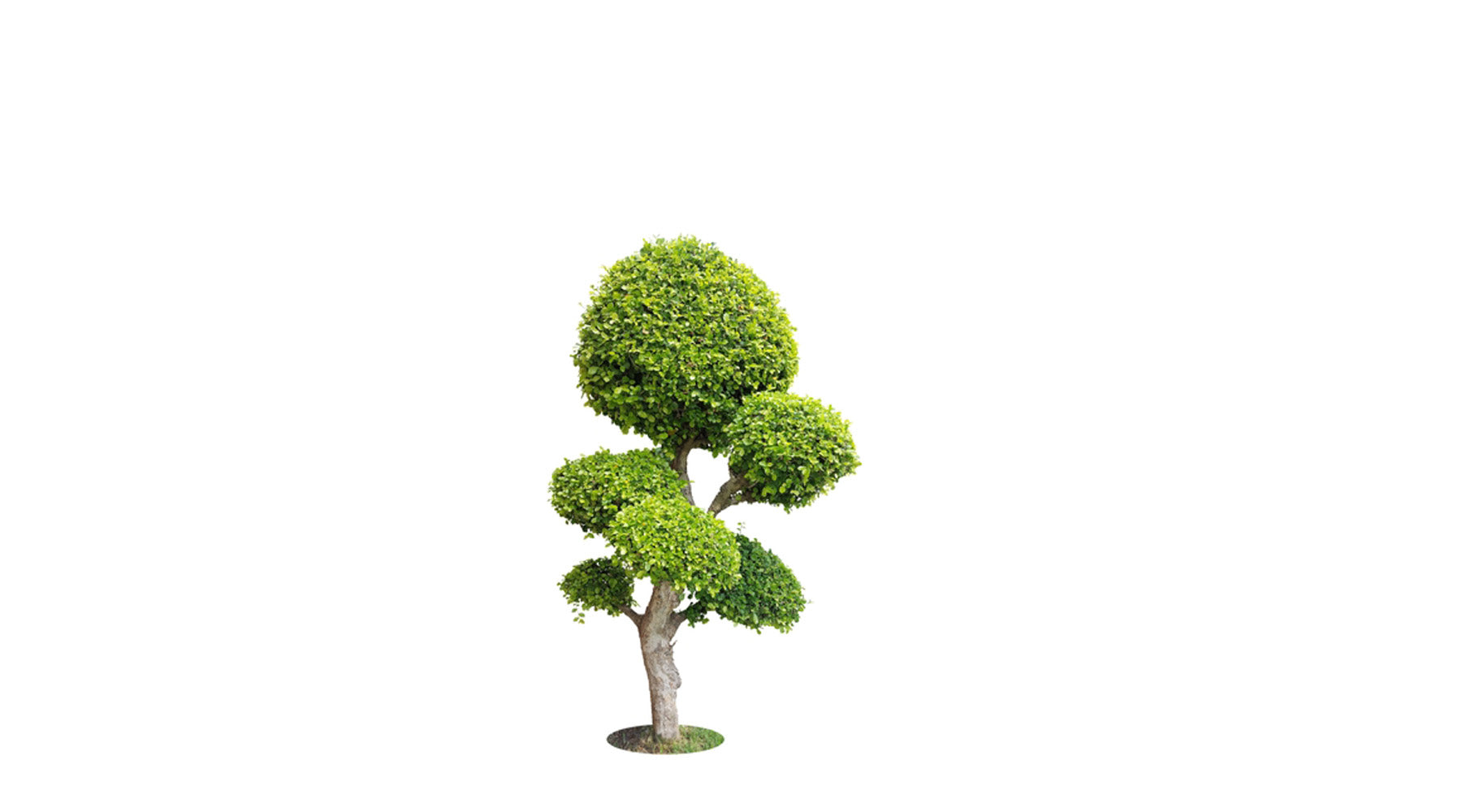
Prunus laurocerasus 'Novita' - Multistem - Parachute - Height 300-320cm - Width 250-300cm - 285lt
£1,200.00
Unit price perPrunus laurocerasus 'Novita' - Multistem - Parachute - Height 300-320cm - Width 250-300cm - 285lt
£1,200.00
Unit price per

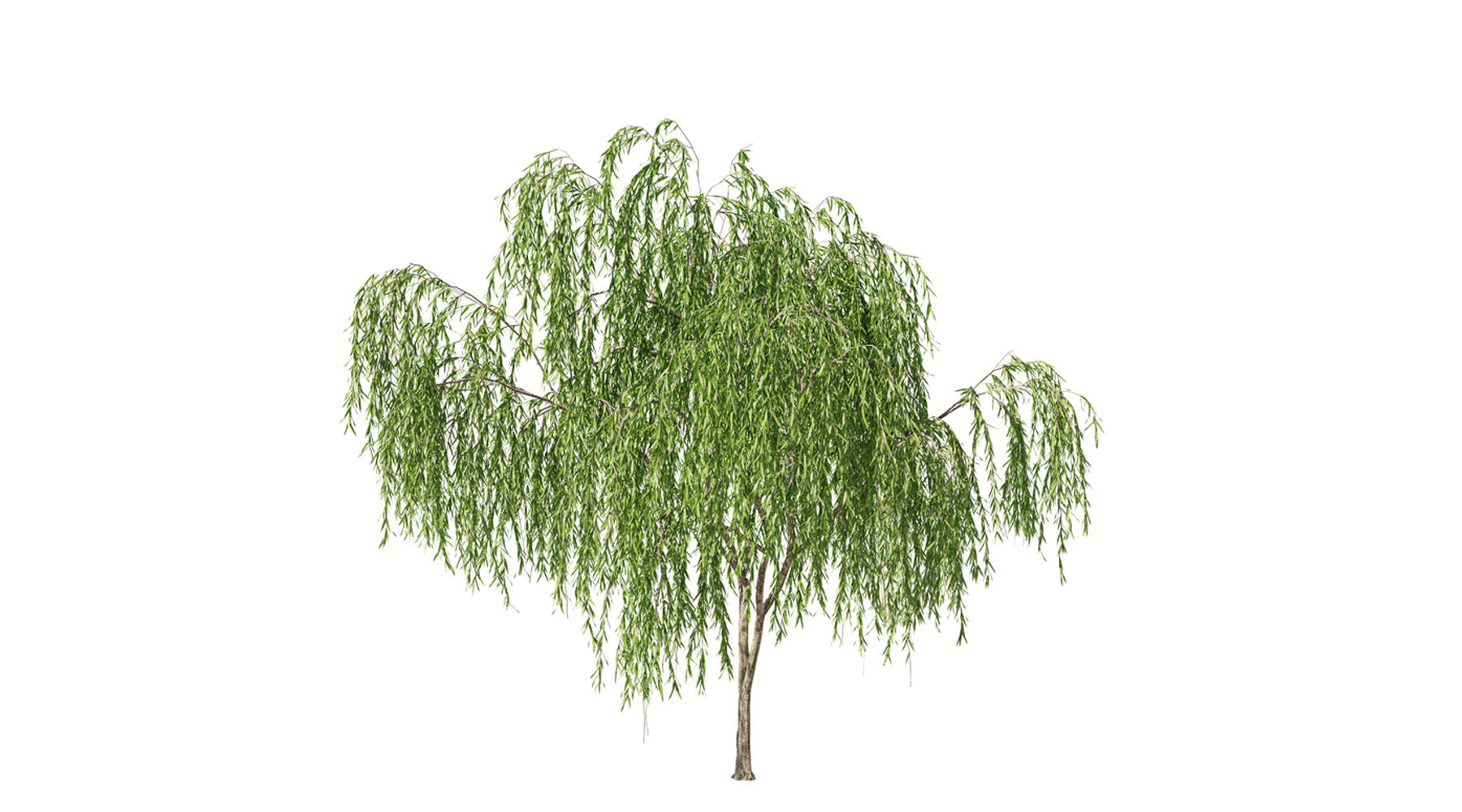
Taxodium distichum Pendula | Weeping Bald Cypress - Mature Tree - Girth - 25cm - Height 450cm - 110lt
£740.00
Unit price perTaxodium distichum Pendula | Weeping Bald Cypress - Mature Tree - Girth - 25cm - Height 450cm - 110lt
£740.00
Unit price perTaxodium distichum 'Pendula', commonly known as the Weeping Bald Cypress, is a captivating ornamental tree renowned for its unique form and striking foliage. This cultivar of the native Bald Cypress is a deciduous conifer, meaning it sheds its needles in the fall, revealing a graceful, architectural framework. It can reach up to 20 feet in height, but is notable more for its width and weeping habit than for its height.
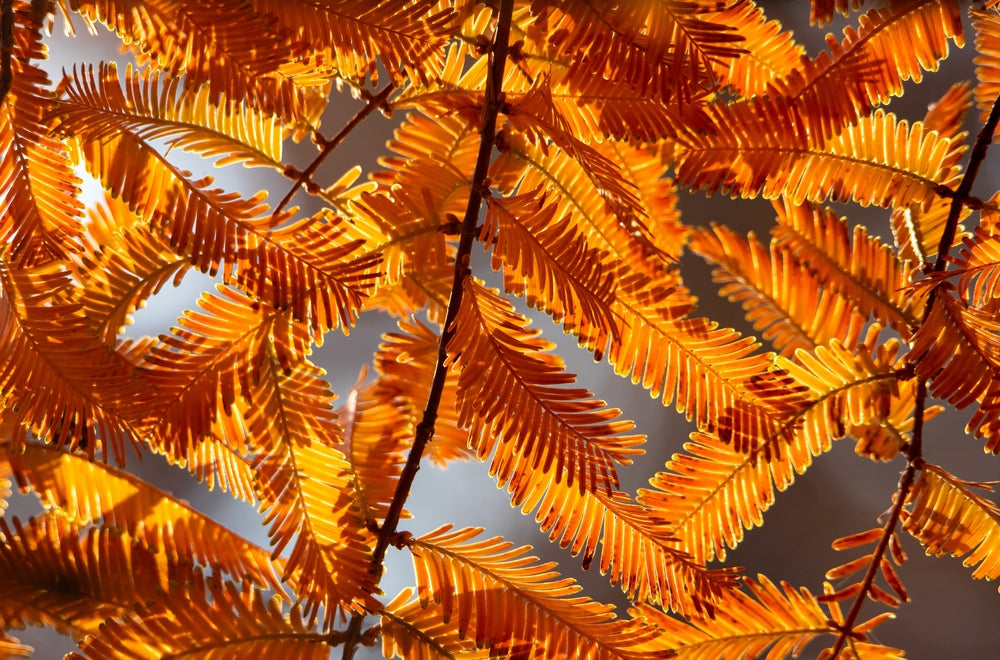
The tree boasts feathery, light green needles that turn a rich coppery-brown before dropping in autumn, offering seasonal interest. In spring, fresh green foliage emerges, creating a lush, soft appearance. The Weeping Bald Cypress thrives in full sun and prefers moist, well-drained soils. It's particularly well-suited for waterside plantings, where it can reflect its beauty in the water, but also adapts well to urban environments.
Resistant to pests and diseases, this low-maintenance tree is a fantastic choice for adding structure and elegance to landscapes. Its distinctive weeping form makes it a focal point in gardens, parks, or along streets.
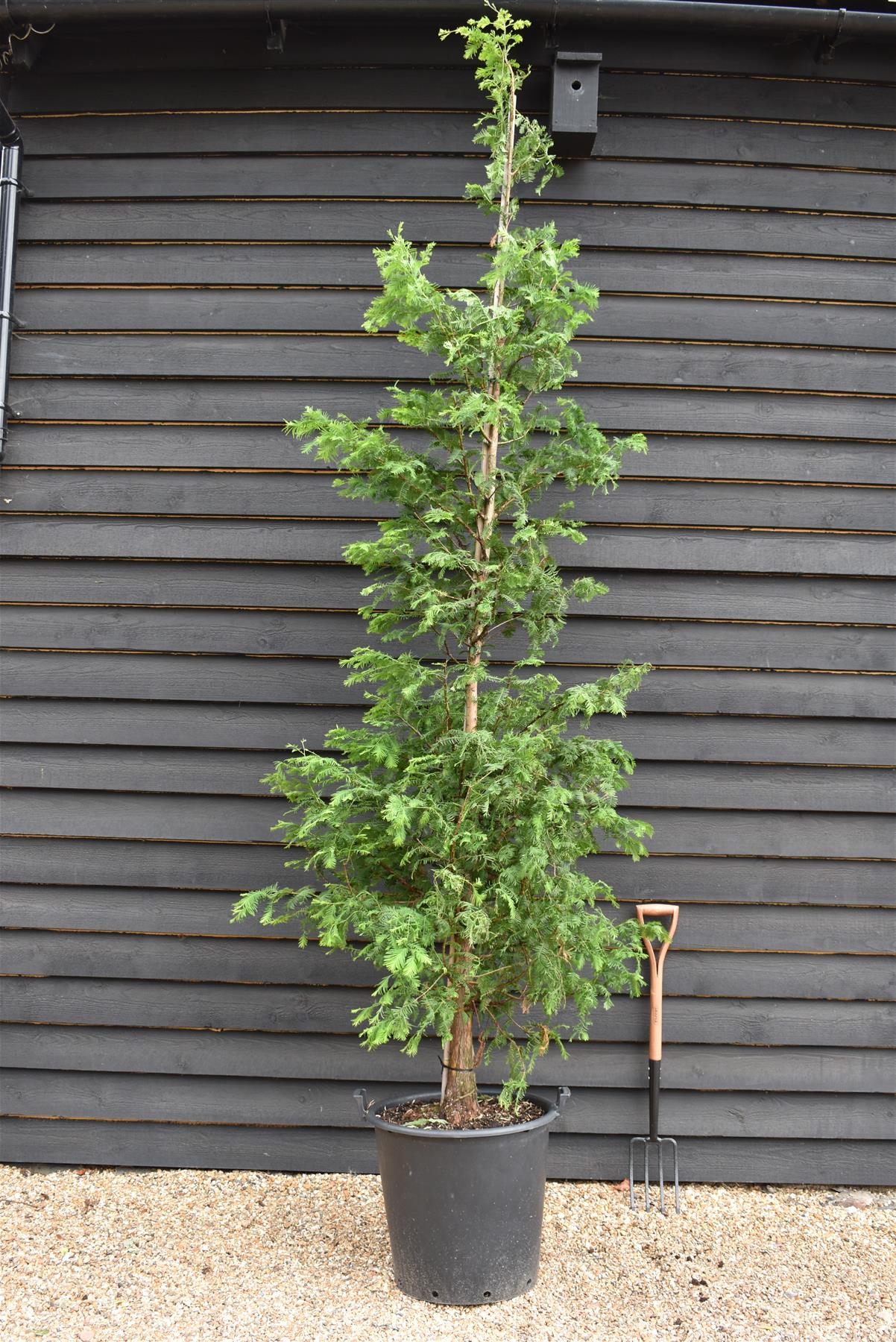

Metasequoia glyptostroboides | Dawn Redwood - Girth 10-12cm - Height 320-340cm - 70lt
£490.00
Unit price perMetasequoia glyptostroboides | Dawn Redwood - Girth 10-12cm - Height 320-340cm - 70lt
£490.00
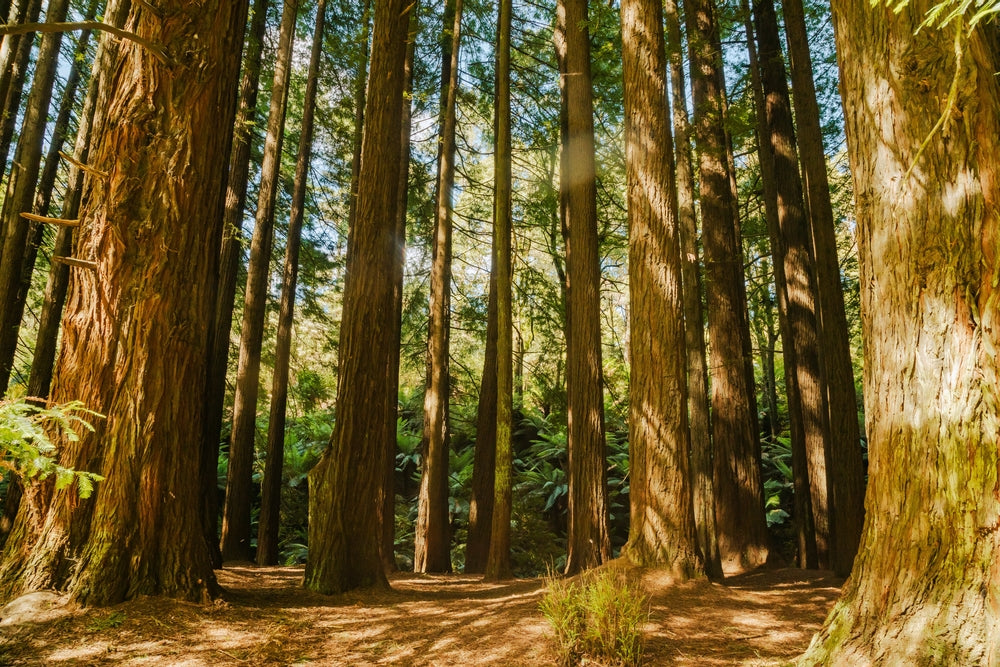
Unit price perThe Metasequoia glyptostroboides, commonly known as the dawn redwood, is a deciduous conifer belonging to the family Cupressaceae. It is one of only three species of redwood trees and is renowned for its prehistoric origins, often referred to as a "living fossil."
This remarkable tree can grow to impressive heights of up to 40 metres (130 feet) with a conical shape. The bark is reddish-brown, fibrous, and peels off in long strips, giving it a distinctive appearance. The leaves are needle-like, arranged oppositely on the branches, and turn a rich bronze or golden-brown before falling in the autumn. This seasonal shedding of leaves distinguishes the dawn redwood from its evergreen relatives.
Metasequoia glyptostroboides thrives in temperate climates and prefers moist, well-drained soils, often found near rivers and wetlands. Its growth rate is rapid, making it a popular choice for ornamental planting in parks and gardens worldwide. Despite its prehistoric lineage, the dawn redwood has adapted well to cultivation and can withstand urban conditions, including pollution and compacted soils.
The tree's history is fascinating, as it was once thought to be extinct and only known through fossil records until its rediscovery in the 1940s. Since then, efforts have been made to propagate and preserve this species, ensuring its survival and increasing its presence in both natural and managed landscapes.


Red Oak | Quercus Rubra - Established - Girth 6-8cm - Height 250-310cm - 30lt
£270.00
Unit price perRed Oak | Quercus Rubra - Established - Girth 6-8cm - Height 250-310cm - 30lt
£270.00
Unit price perQuercus rubra, commonly known as the Northern Red Oak, is a majestic deciduous tree native to North America, including parts of the United States and Canada. This oak species belongs to the Fagaceae family and is renowned for its striking appearance, impressive size, and ecological significance.
Mature Quercus Rubra trees can reach heights of up to 100 feet (30 meters) and possess a wide, rounded crown that provides ample shade during the summer months. Its leaves, which are alternately arranged along the branches, are deeply lobed with pointed tips and possess a vibrant green colour in the spring and summer. However, during the autumn season, they transform into a breath taking spectacle of crimson and red hues, making it a popular choice for ornamental landscaping.
The bark of the Northern Red Oak is dark brown, often becoming rough and deeply furrowed with age, adding to its visual appeal. The tree produces acorns as its fruit, which are an essential food source for numerous wildlife species, including squirrels, deer, and birds. This contributes to its ecological significance by supporting local ecosystems.
Quercus rubra prefers well-drained soils and can adapt to a variety of soil types, making it a hardy and resilient tree species. It thrives in full sun to partial shade, making it versatile in different environmental conditions.
Quercus rubra stands as a symbol of strength, resilience, and natural beauty. Its presence in North American forests and landscapes enriches the environment and provides valuable resources for both wildlife and human use. This iconic tree embodies the timeless beauty of nature and its vital role in sustaining the ecosystems it inhabits.
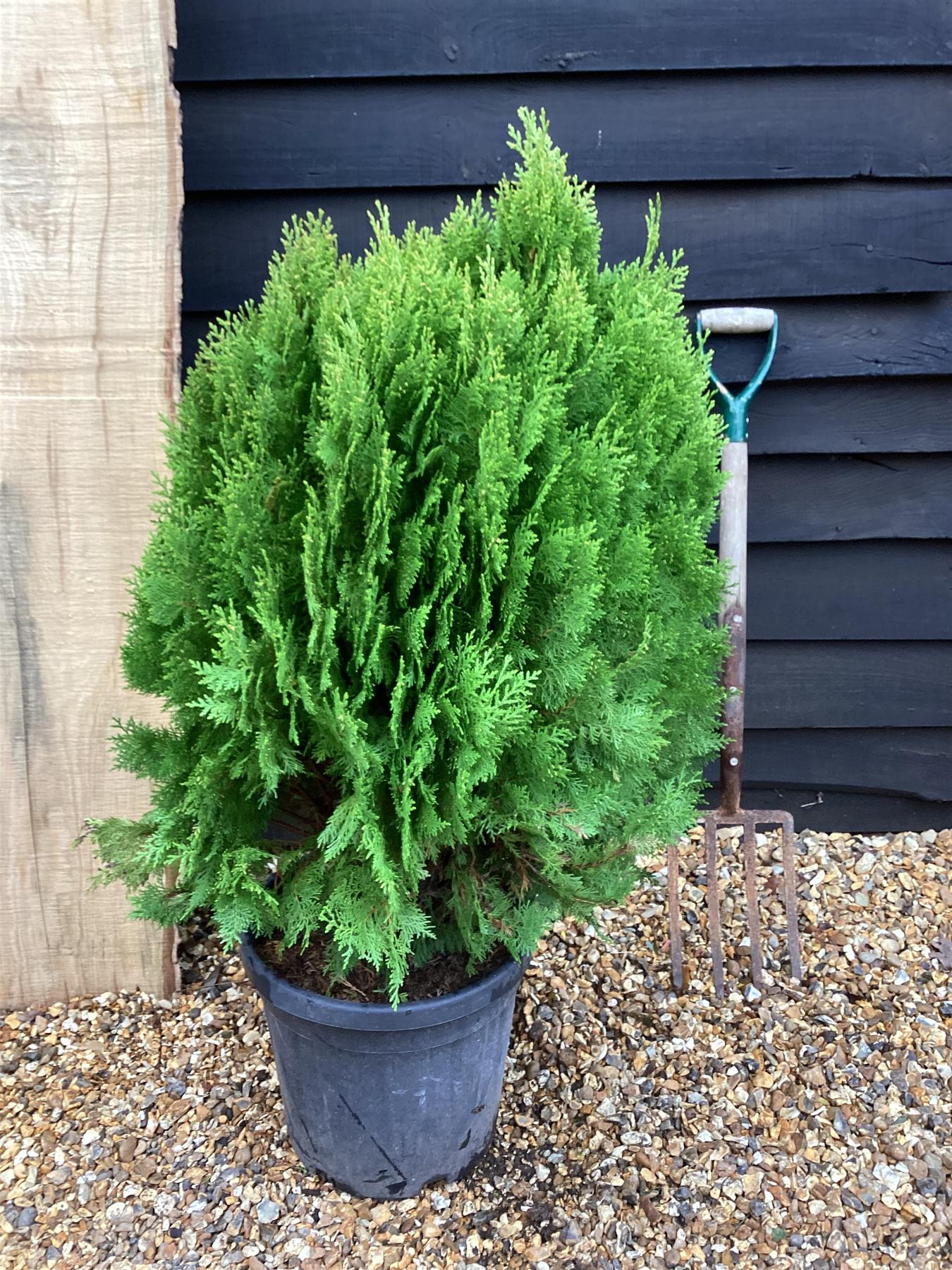


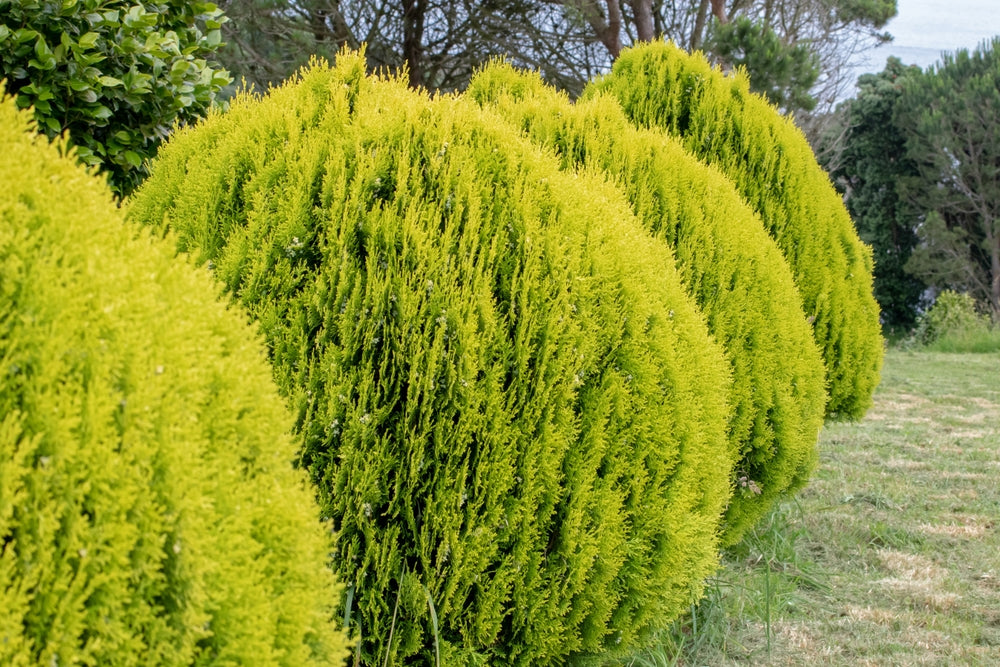
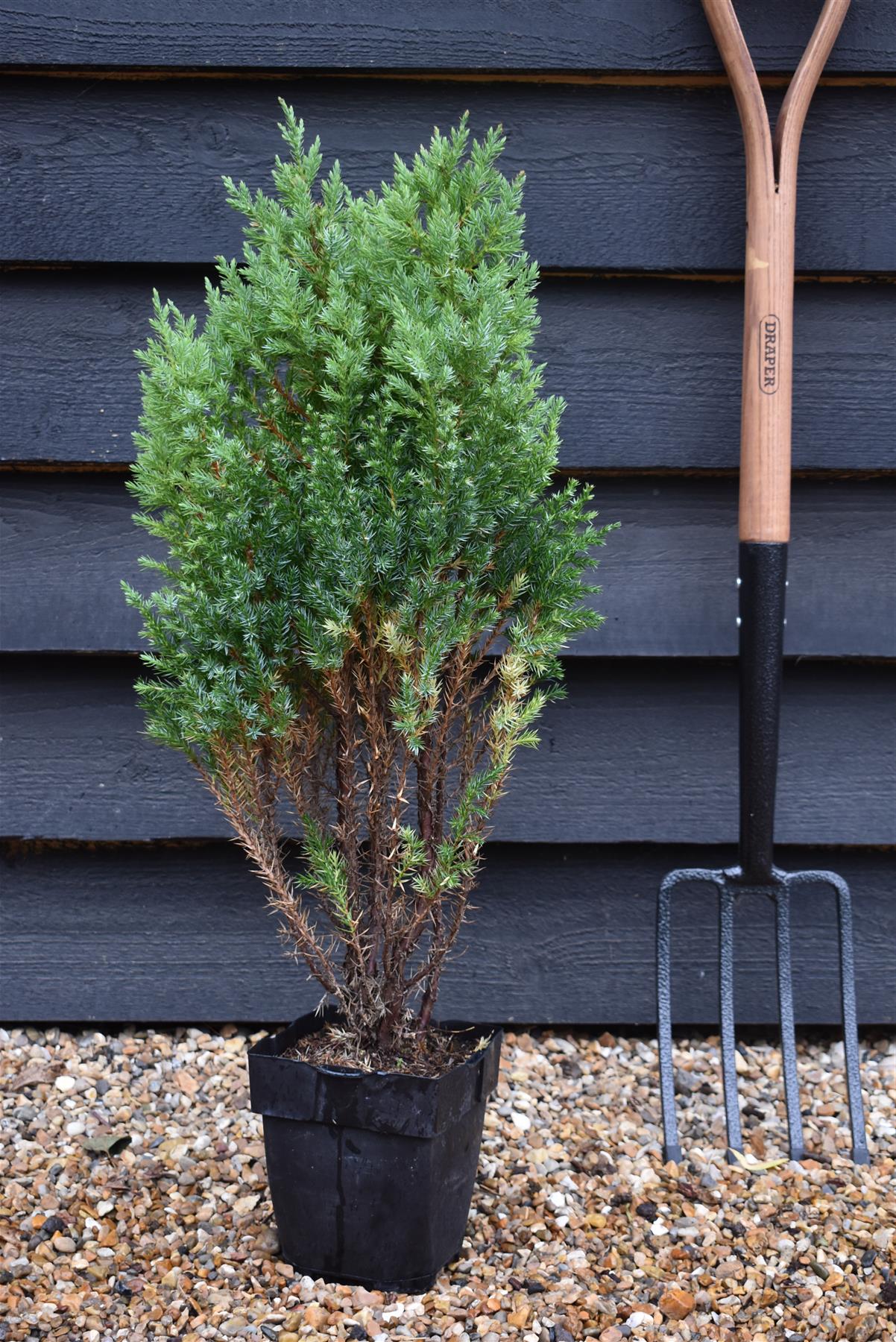
Thuja orientalis 'Aurea Nana' - 50-60cm, 25lt
£130.00
Unit price perThuja orientalis 'Aurea Nana' - 50-60cm, 25lt
£130.00
Unit price per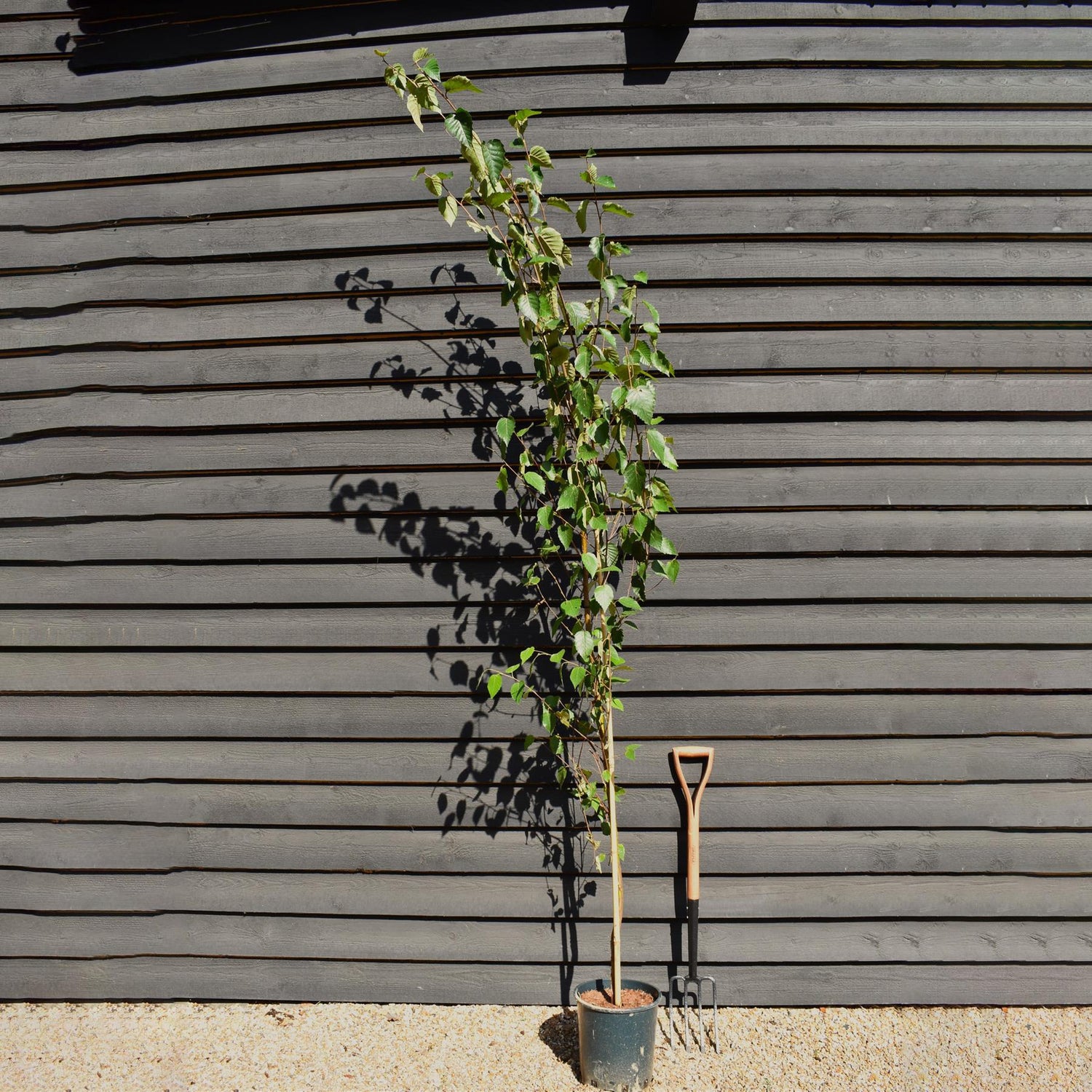


Chinese Red Birch | Betula albosinensis 'Fascination' - Height 160-200cm - 12lt
£96.00
Unit price perChinese Red Birch | Betula albosinensis 'Fascination' - Height 160-200cm - 12lt
£96.00
Unit price per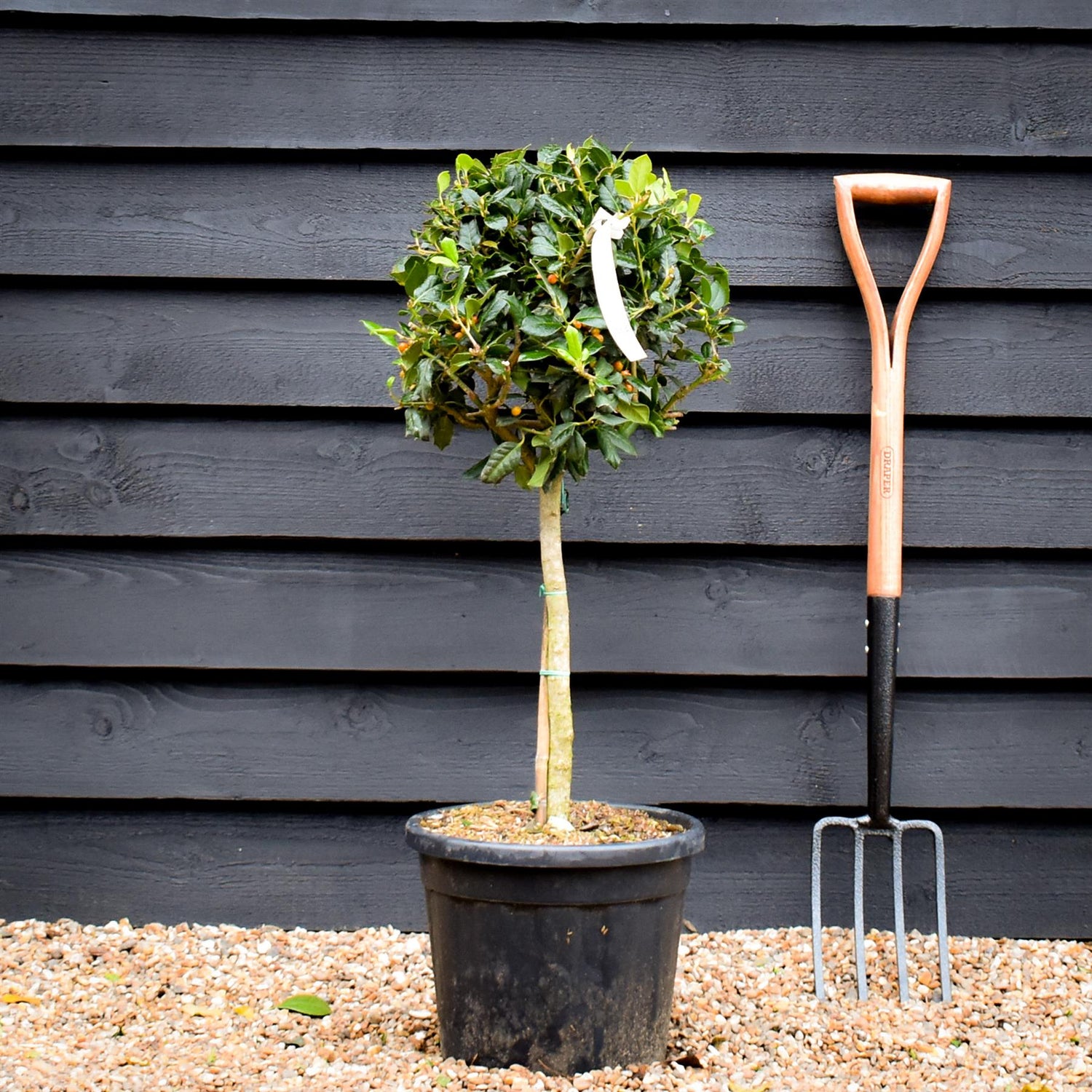
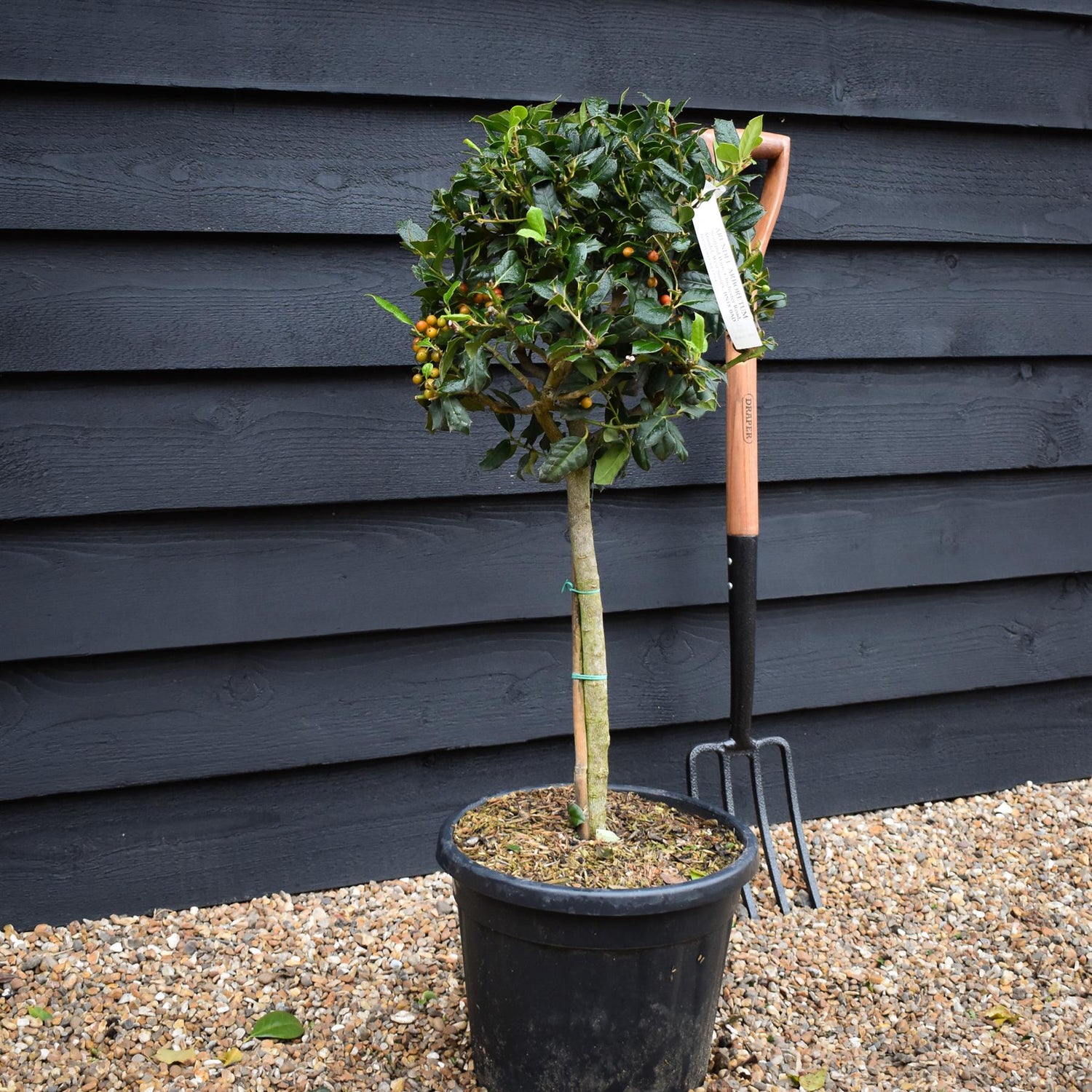
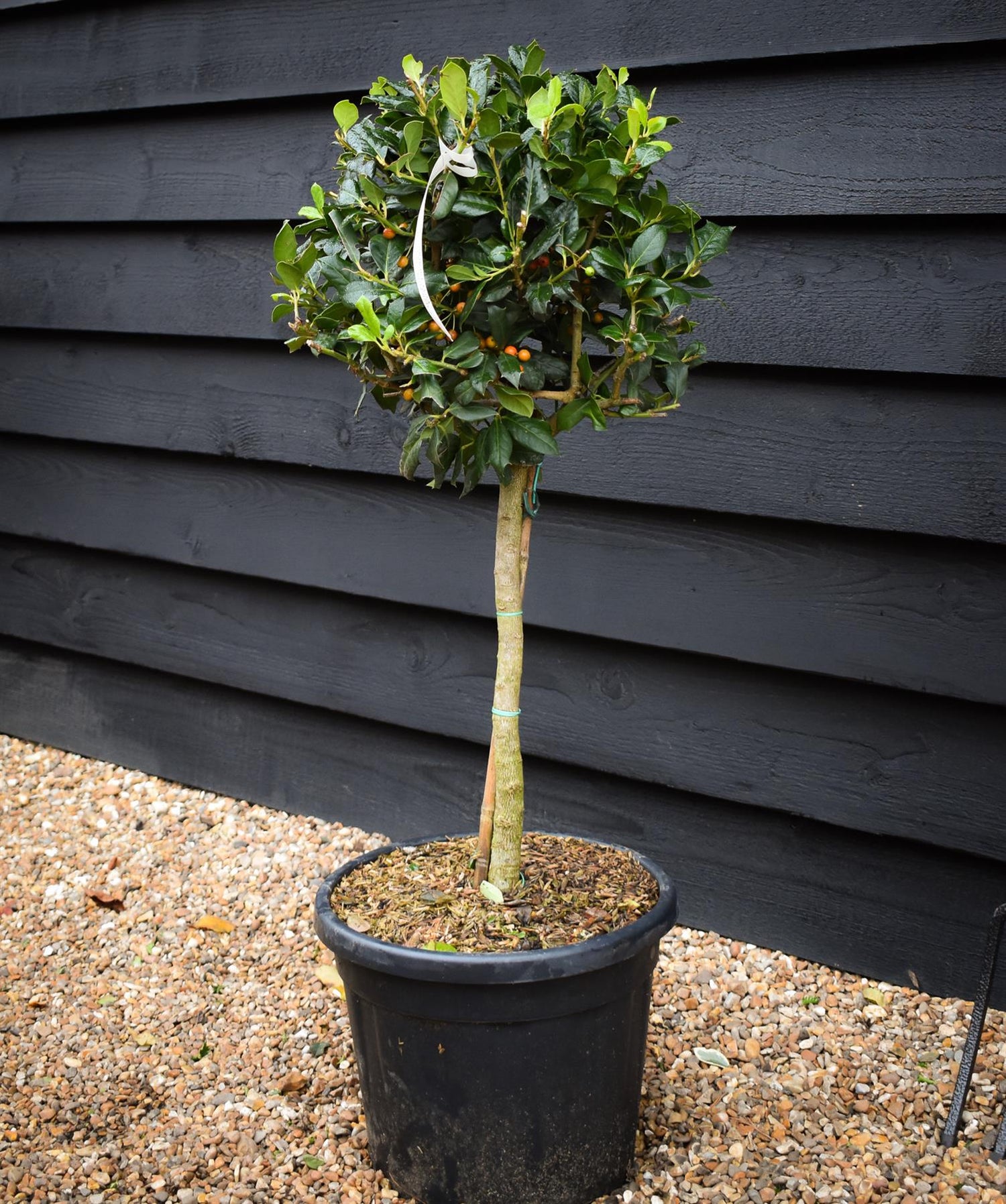
Holly | Ilex 'Nellie R. Stevens' - Clear Stem 40cm - Height 80-100cm - 15lt
£88.00
Unit price perHolly | Ilex 'Nellie R. Stevens' - Clear Stem 40cm - Height 80-100cm - 15lt
£88.00
Unit price per


Alnus Incana - Grey Alder tree - Clear Stem - Standard - Girth 12-14cm - Height 450-480cm - 70lt
£390.00
Unit price perAlnus Incana - Grey Alder tree - Clear Stem - Standard - Girth 12-14cm - Height 450-480cm - 70lt
£390.00
Unit price perAlnus incana, commonly known as grey alder, is a deciduous tree belonging to the birch family, Betulaceae. Native to Europe, Asia, and North America, it is a resilient species often found in riparian zones, wetlands, and areas with moist soils. This medium-sized tree typically grows to heights of 15 to 25 metres, with a slender trunk and smooth, greyish-brown bark, which often develops fine fissures with age.
The leaves of Alnus incana are oval to elliptic in shape, measuring 5 to 10 centimetres in length. They are characterised by their serrated margins and a dark green upper surface, with a paler, slightly downy underside, giving them a distinct two-tone appearance. The leaves emerge in early spring and typically turn yellow before falling in autumn.
Grey alder is monoecious, meaning that both male and female reproductive structures are found on the same tree. The male catkins, which are long and pendulous, appear in early spring before the leaves, while the smaller, more upright female catkins develop into woody cones that persist on the tree through the winter. These cones release small winged seeds, which are dispersed by wind and water.
One of the notable features of Alnus incana is its ability to fix nitrogen through a symbiotic relationship with the bacterium *Frankia*. This allows it to thrive in nutrient-poor soils and contribute to soil fertility, making it a valuable species for land restoration and erosion control.
Grey alder is often planted in landscaping and reforestation projects, particularly in areas prone to flooding or soil degradation. Its rapid growth, hardiness, and ecological benefits make it an important species in maintaining the health of wetland ecosystems.


Acer pseudoplatanus Prinz Handjery - Height 200-220cm - 20lt
£105.00
Unit price perAcer pseudoplatanus Prinz Handjery - Height 200-220cm - 20lt
£105.00
Unit price perThe Acer pseudoplatanus 'Prinz Handjery' is a striking cultivar of the sycamore maple, prized for its unique and ornamental foliage. Originating from the broader Acer pseudoplatanus species, this particular variety stands out due to its distinctive purple and green leaves, making it a favourite among gardeners seeking an eye-catching addition to their landscapes.
This medium-sized deciduous tree typically grows to a height of 10 to 15 metres, with a spread of around 8 to 10 metres, making it a suitable choice for medium to large gardens. The tree's overall shape is broadly conical or rounded, and it features a dense canopy, providing ample shade beneath. The bark of the 'Prinz Handjery' is smooth when young, developing into a more rugged and fissured texture as it matures, with patches of grey and brown that add to its visual appeal, particularly in winter.
The standout feature of this cultivar is its foliage. The leaves emerge with a bronze or purple tint in spring before maturing to a dark green with striking purple undersides. This dual-tone effect creates a beautiful contrast, especially when the wind catches the leaves, revealing flashes of colour. In autumn, the foliage transitions to golden yellow, adding seasonal interest to the garden.
In addition to its ornamental value, the Acer pseudoplatanus 'Prinz Handjery' is a hardy tree, able to tolerate a wide range of soil conditions, including clay and chalk, and is resistant to pollution, making it well-suited to urban environments. It is relatively low maintenance, requiring minimal pruning and proving resilient to pests and diseases.
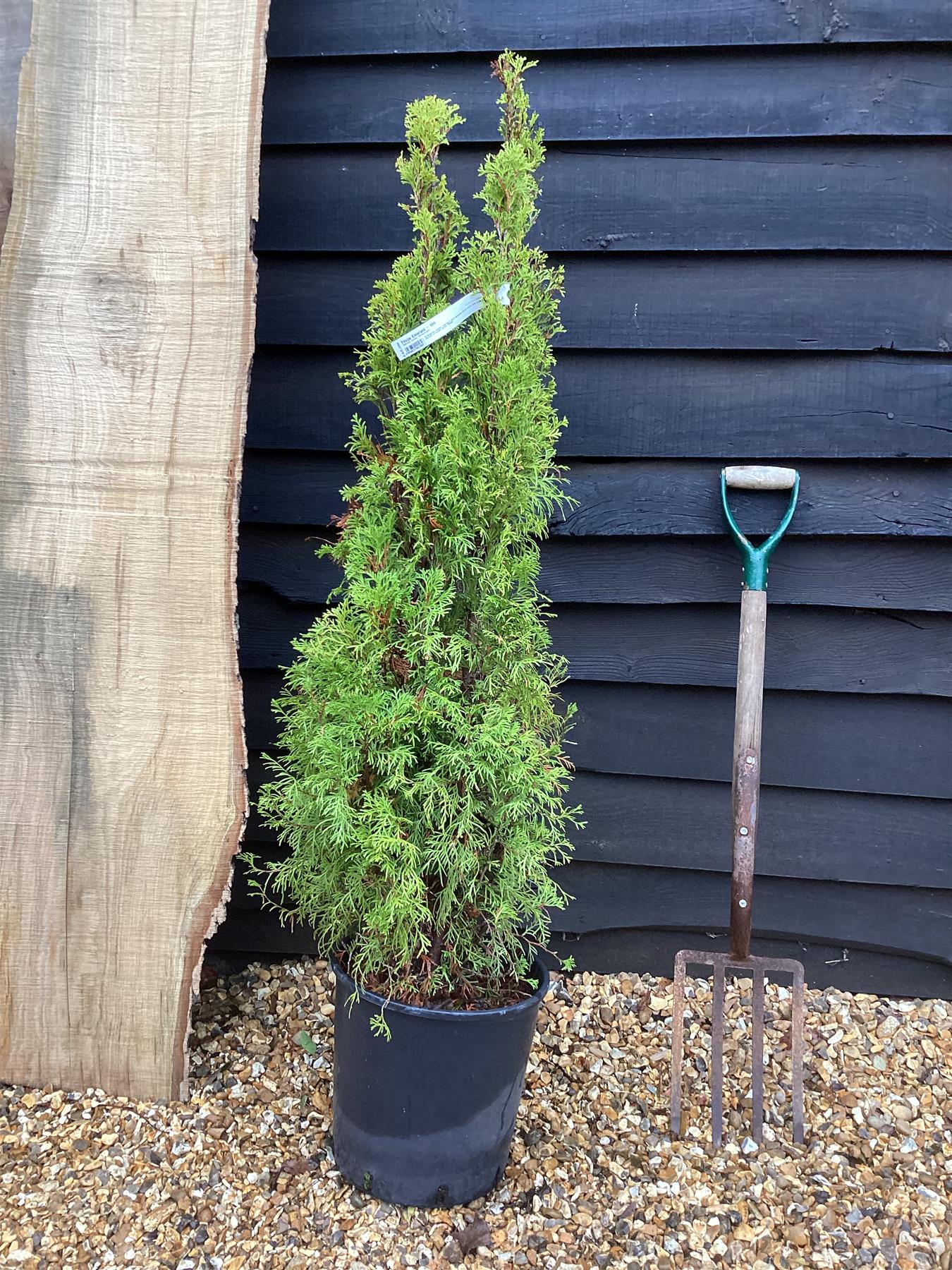

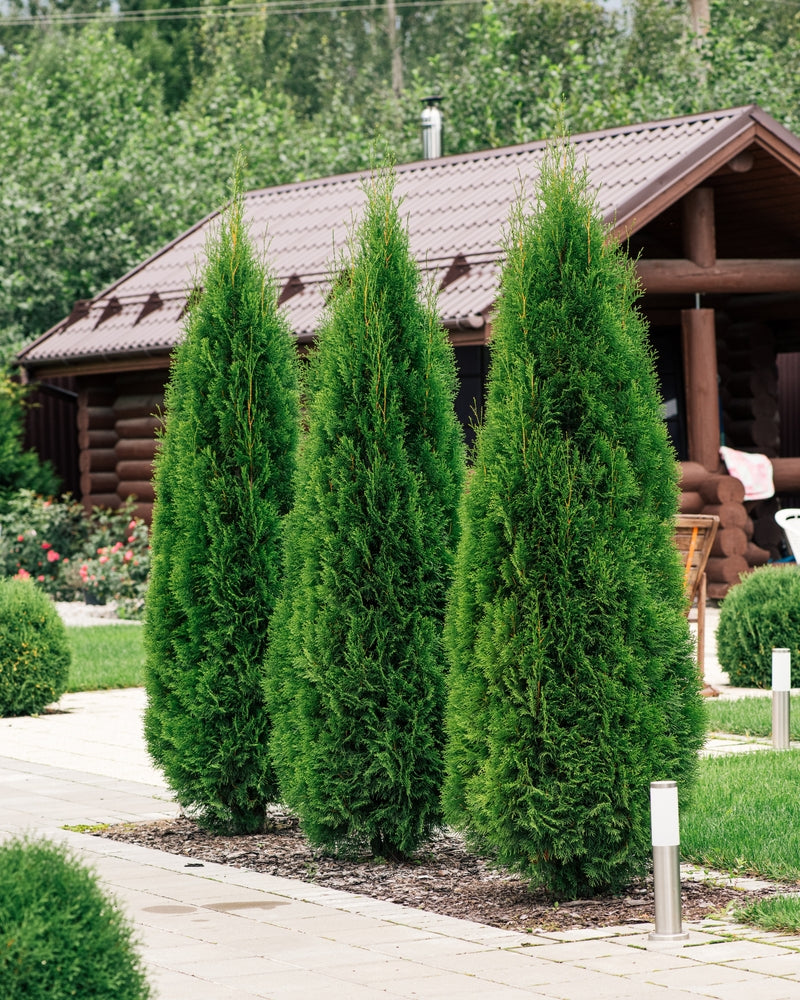
Thuja Emerald - 100-120cm, 10lt
£53.00
Unit price perThuja Emerald - 100-120cm, 10lt
£53.00
Unit price per


Chamaecyparis lawsoniana 'Columnaris' | False Cypress - Height 220-260cm - 30lt
£102.00
Unit price perChamaecyparis lawsoniana 'Columnaris' | False Cypress - Height 220-260cm - 30lt
£102.00
Unit price per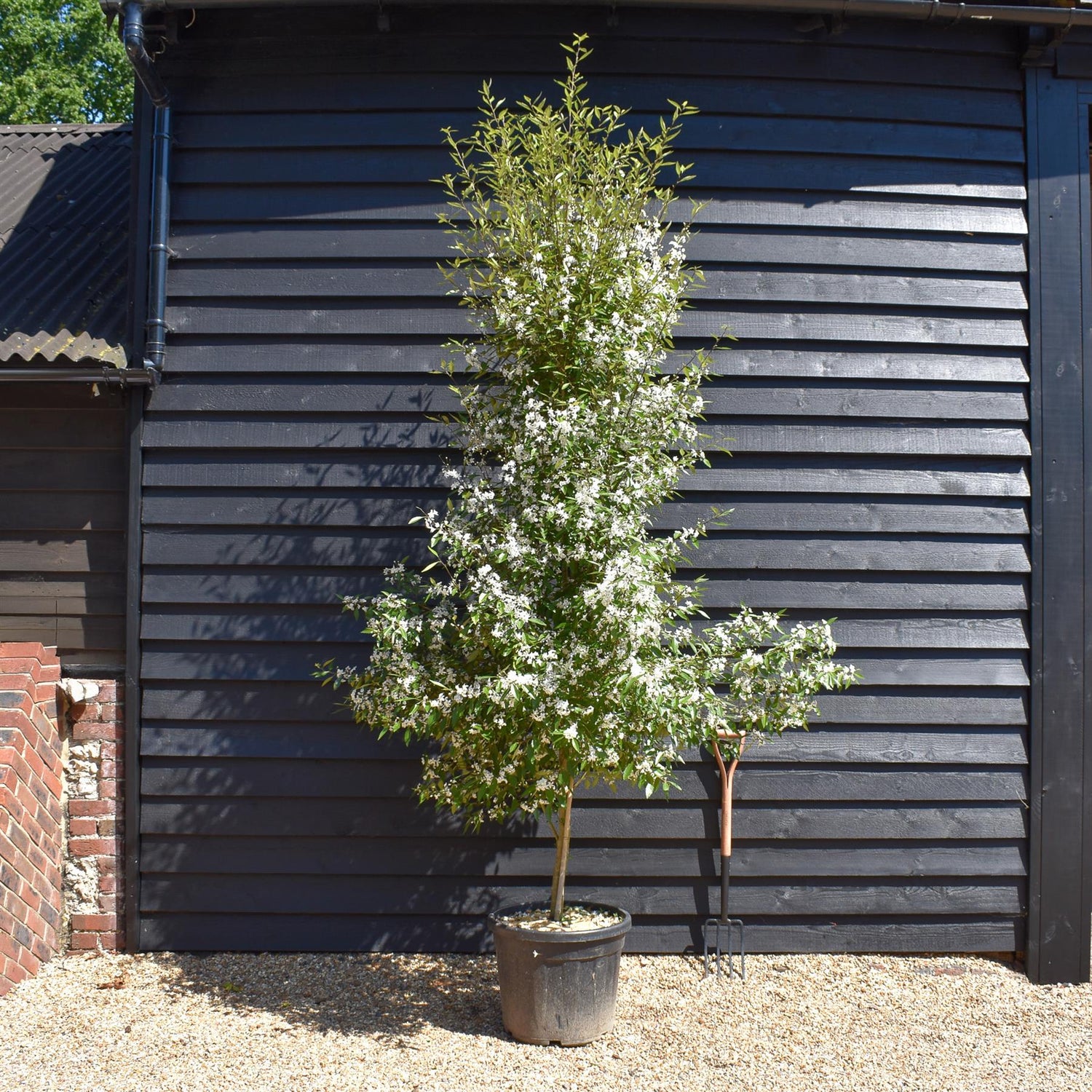


Hoheria sexstylosa Snow White - Bushy/Feathered - Well established - Girth 10-12cm Height 220-250cm - 50lt
£495.00
Unit price perHoheria sexstylosa Snow White - Bushy/Feathered - Well established - Girth 10-12cm Height 220-250cm - 50lt
£495.00
Unit price per


Larix decidua - European Larch - Height 90-120cm - 12lt
£160.00
Unit price perLarix decidua - European Larch - Height 90-120cm - 12lt
£160.00
Unit price perThe Larix decidua, commonly known as the European Larch, is a distinctive deciduous conifer that brings year-round interest and strong architectural character to a garden. Unlike most conifers, it sheds its soft needles in autumn, creating a beautiful seasonal display as the foliage turns warm golden yellow before falling.
European Larch is best suited to medium to large gardens where it has space to develop into an elegant tree. It forms a tall, upright shape with gently spreading branches that allow light to filter through, making it less heavy in appearance than many evergreen conifers. In spring, clusters of fresh bright green needles emerge along the branches, often accompanied by small decorative cones that add further visual interest.
This species thrives in full sun and prefers moist but well-drained soil. It performs particularly well in cooler climates and is very hardy, making it reliable in most UK gardens. Once established, it is relatively low maintenance and tolerant of exposed positions.
Because of its graceful structure and seasonal colour changes, European Larch works beautifully as a specimen tree in lawns, parkland-style gardens, or large landscapes where its natural form can be fully appreciated.